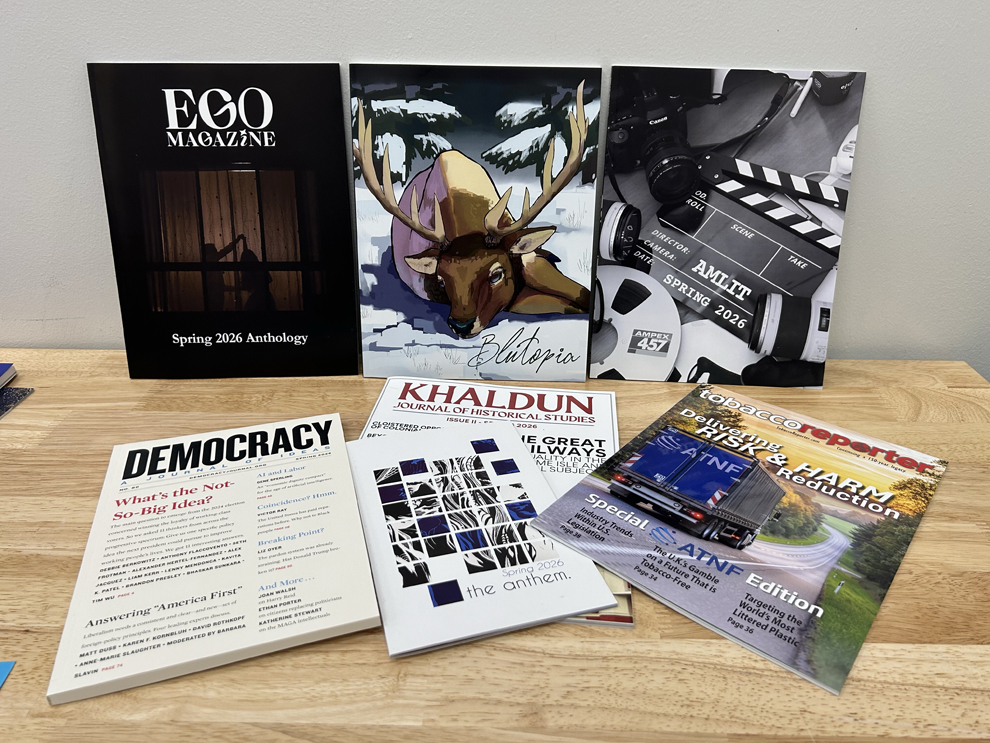
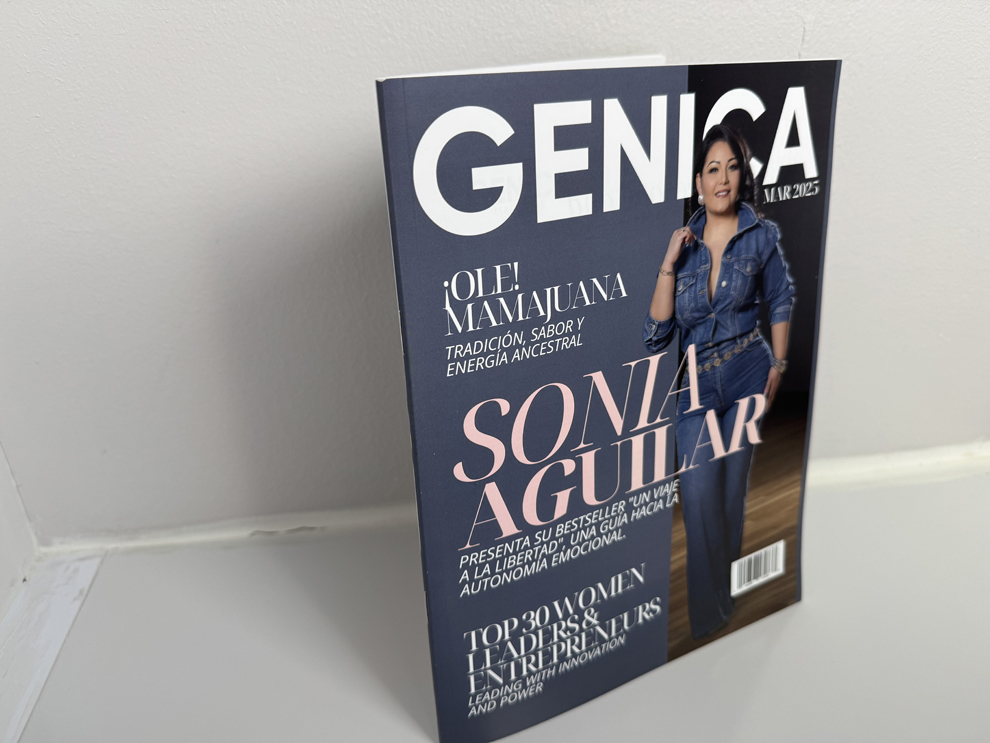
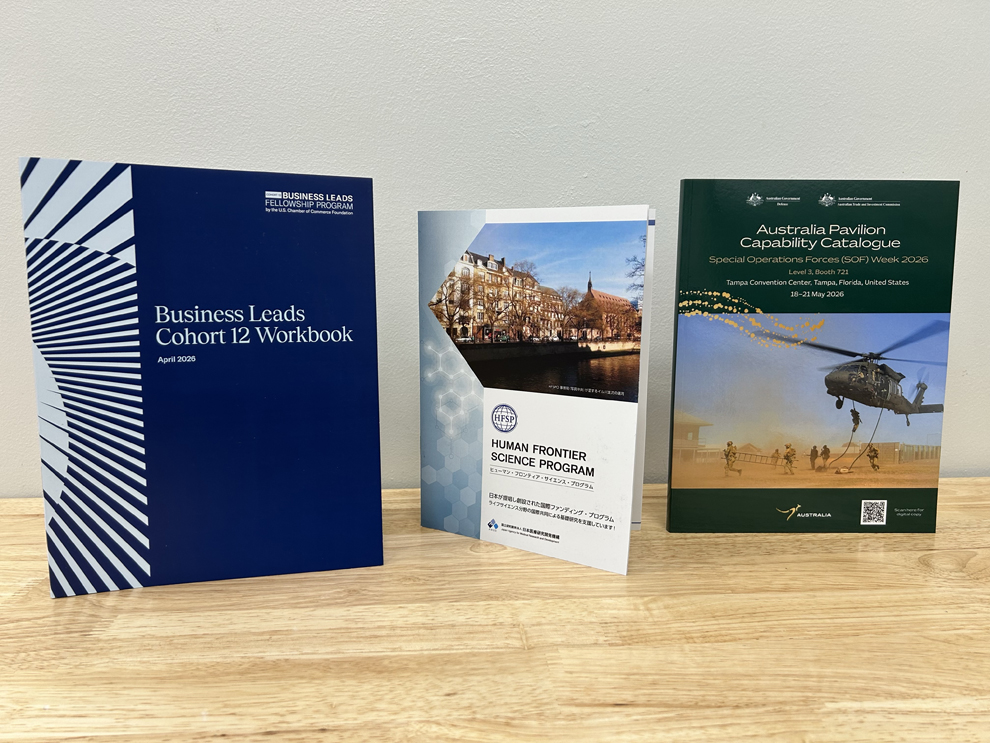
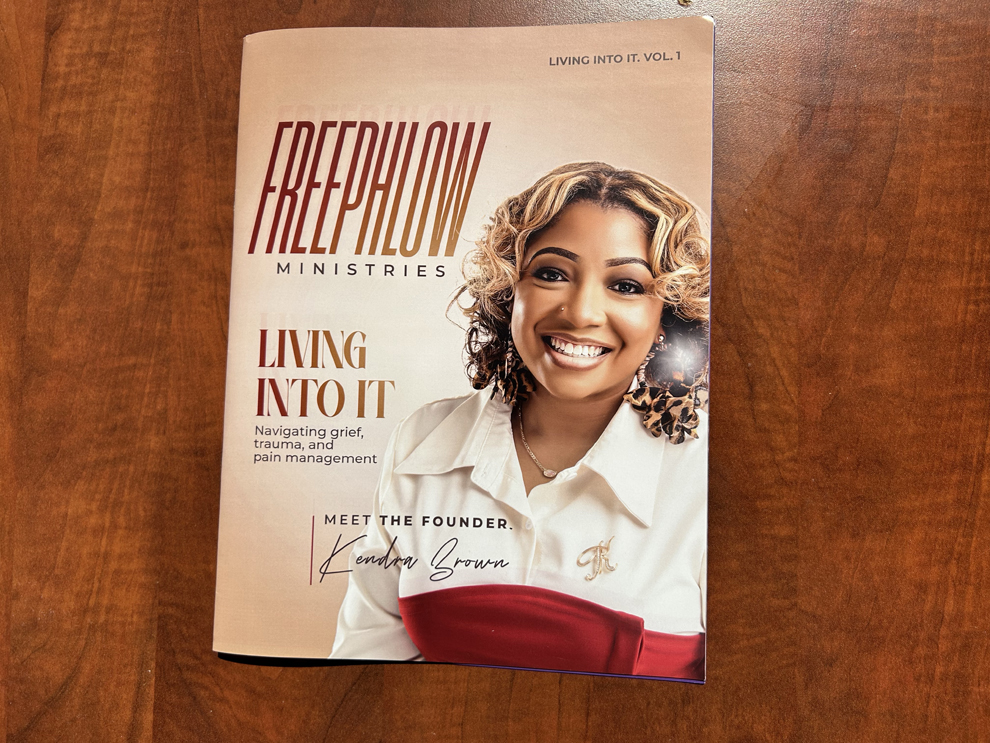
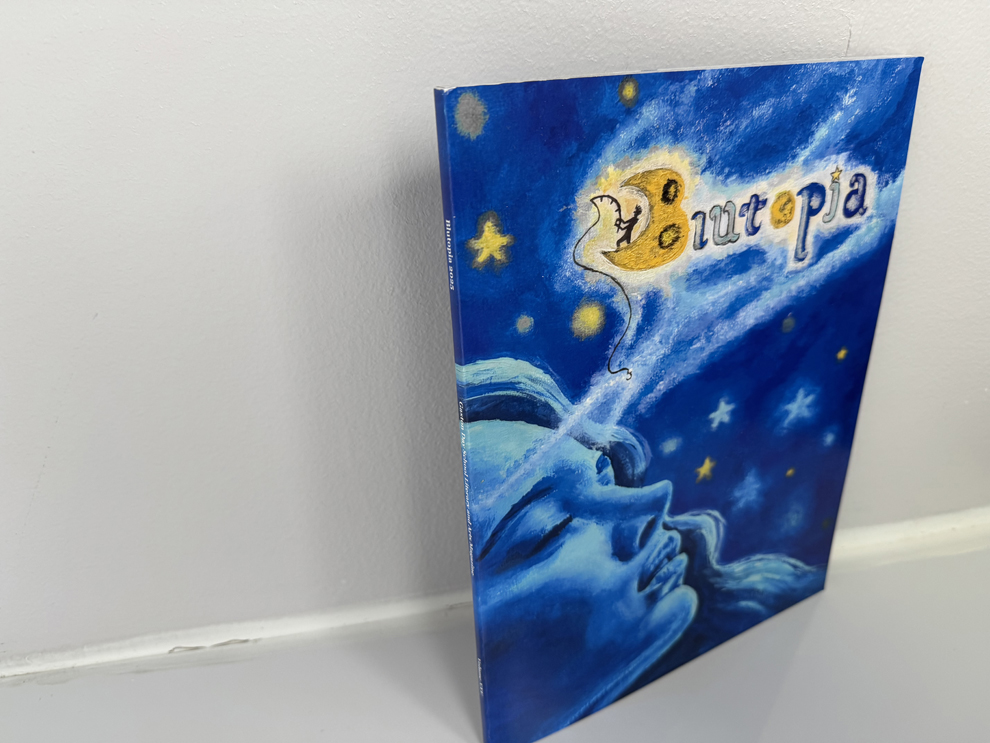
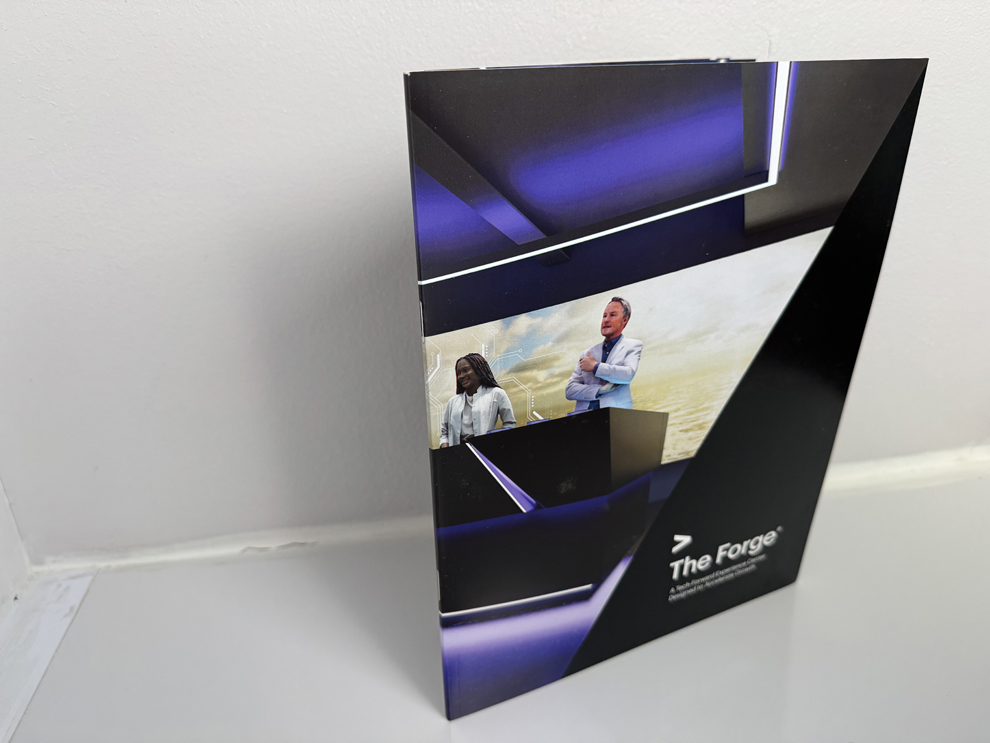
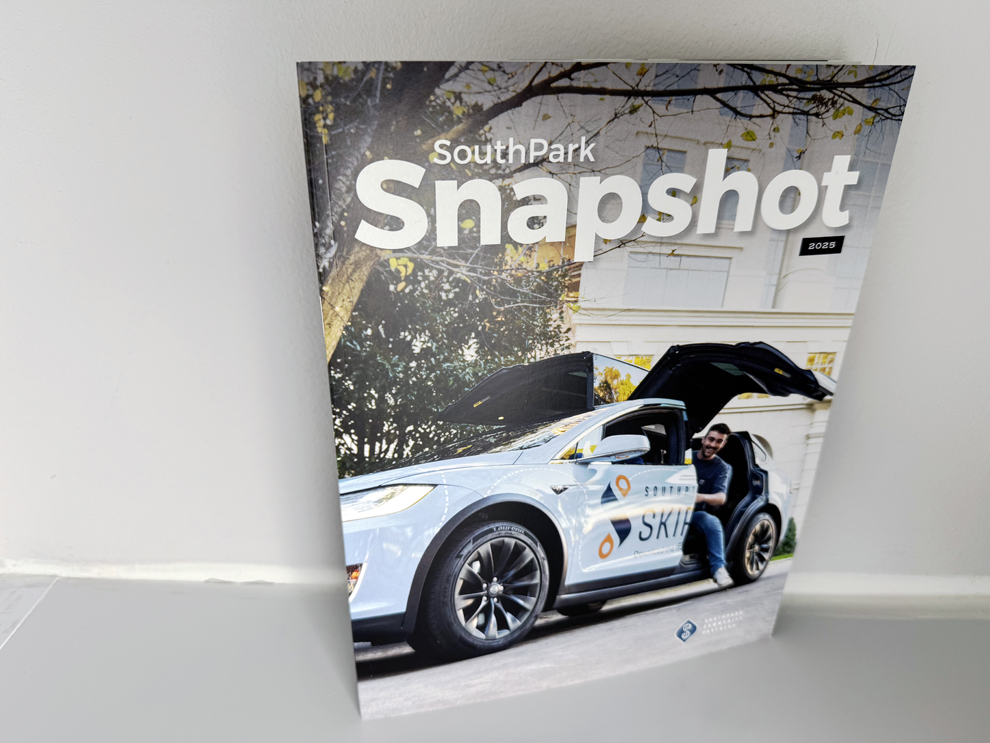
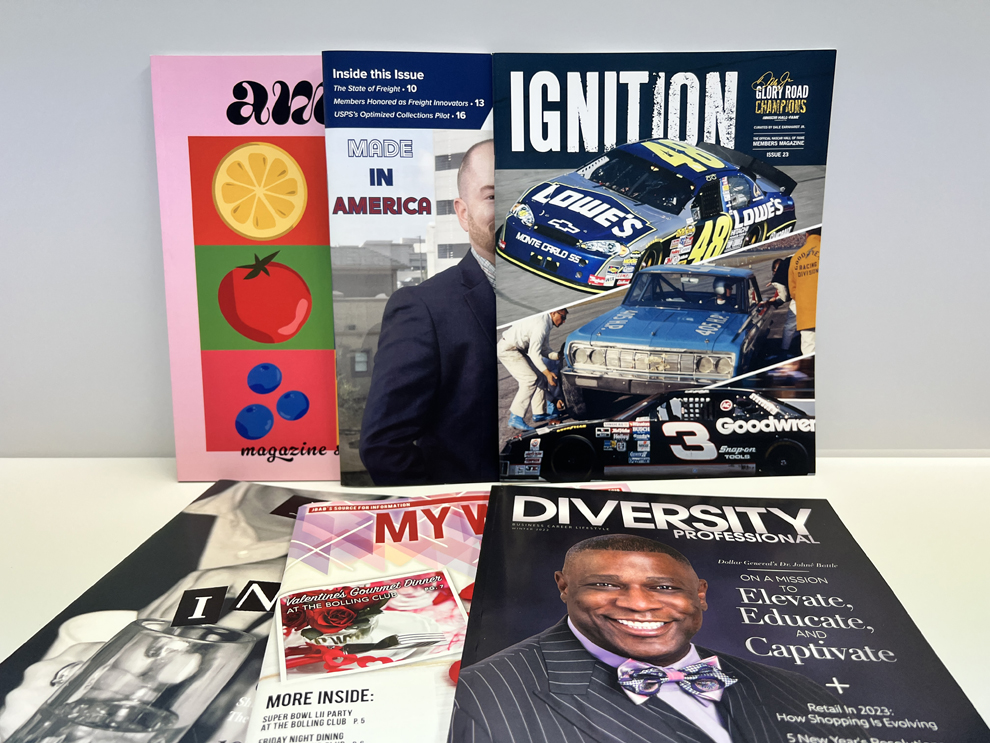
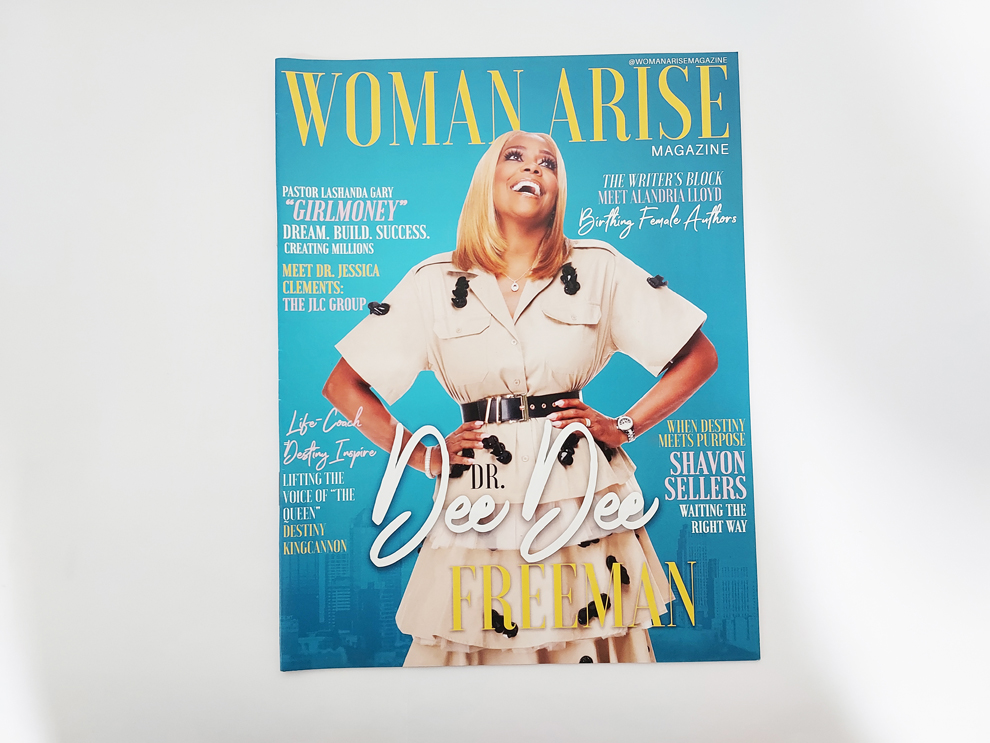
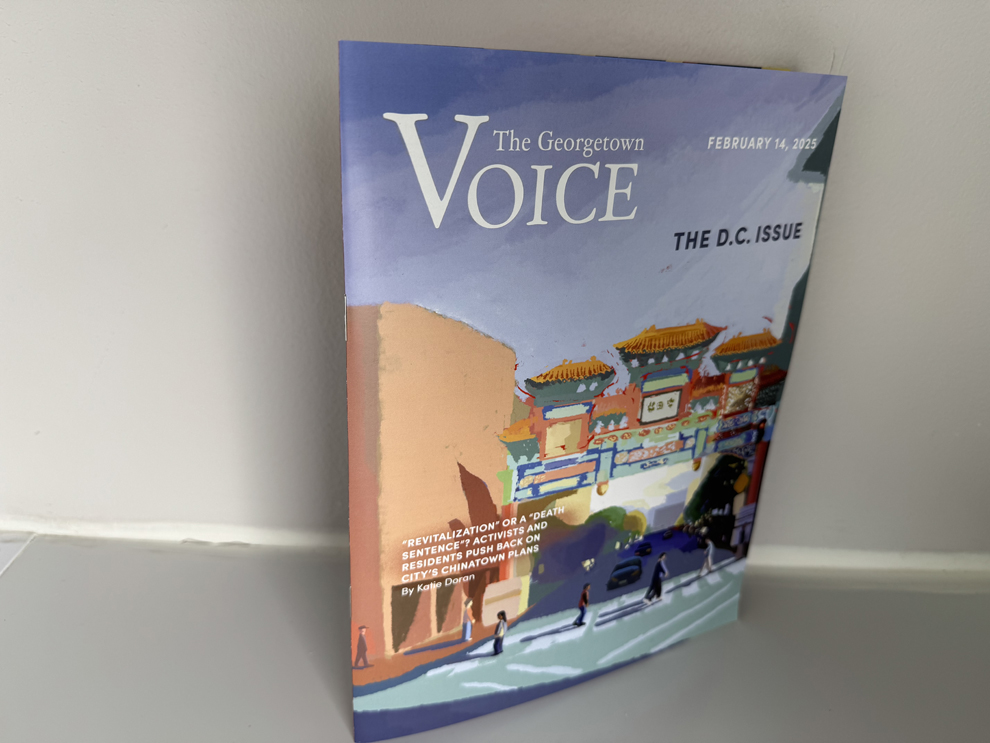
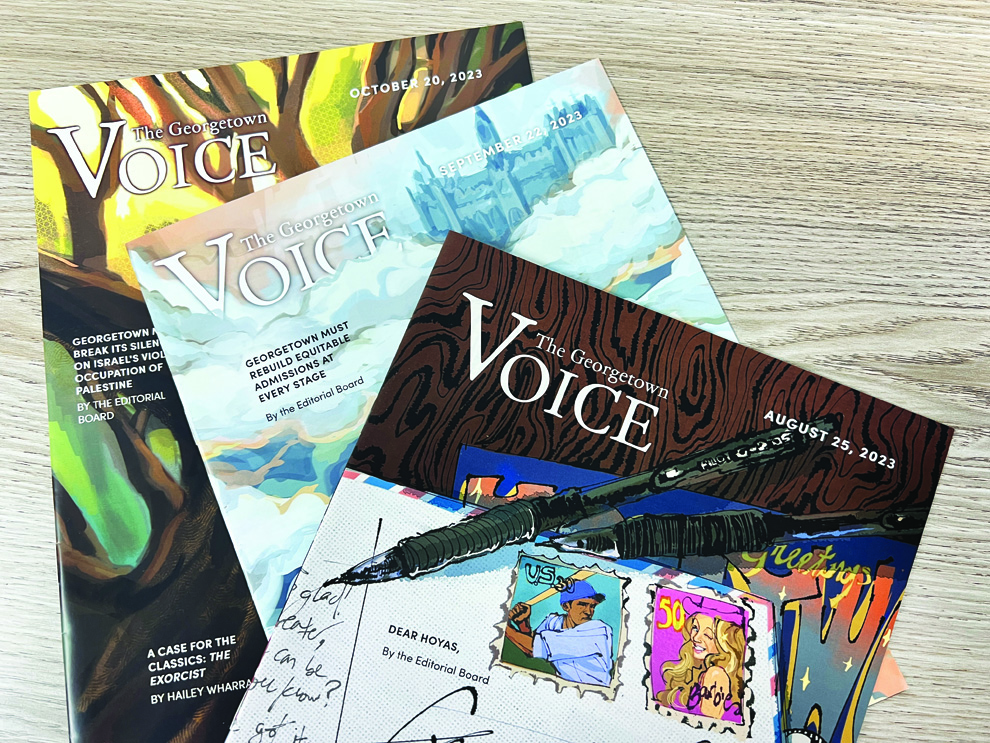
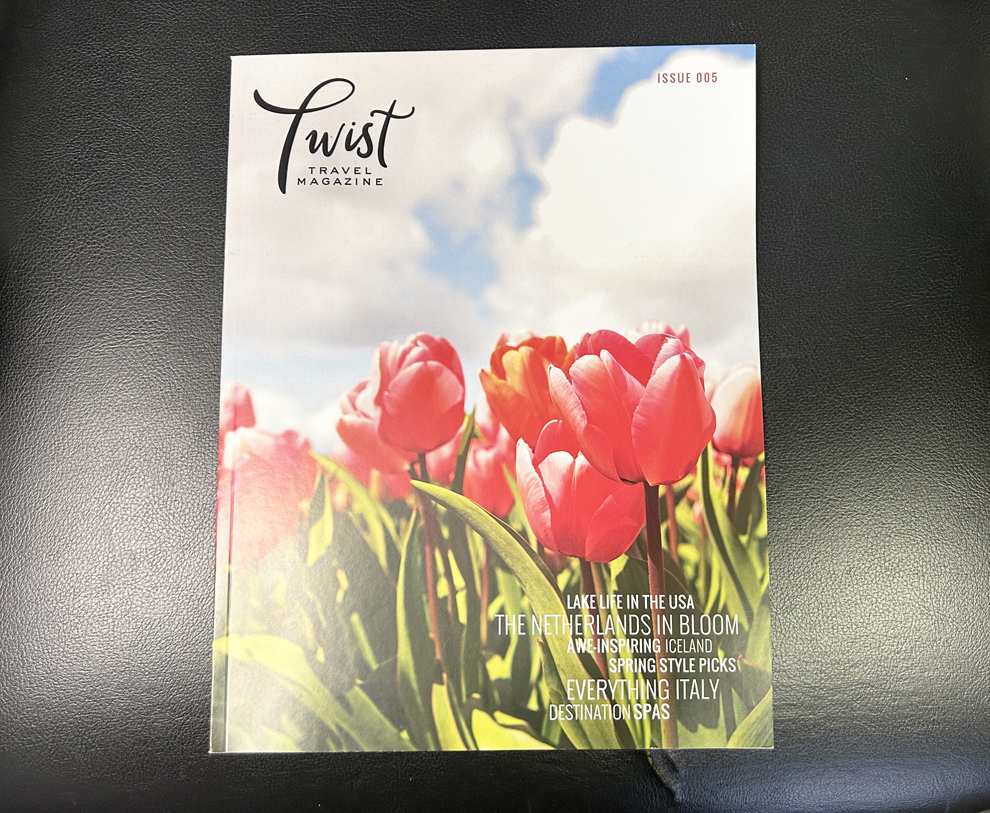
Bethesda is home to research institutions, medical and scientific societies, healthcare organizations, and professional firms whose publications carry weight beyond the page count. A peer-reviewed journal, a grant-funded research report, a membership directory, or a patient resource guide each arrives with its own page count, paper expectations, binding needs, and color demands. Heritage prints publications in Bethesda, MD that respect those differences instead of pushing every project through the same booklet template.
Timing in this market often follows cycles the publisher does not control. Reports are due to funders on fixed dates, society journals ship around meeting calendars, and directories must reach members before renewal season begins. Heritage asks about the real distribution date early, explains what the production window supports, and commits only to schedules that can be kept.
Specifications shape the reader's experience as much as the writing does. Finished size, paper weight, page count, binding, color coverage, quantity, and delivery method affect how a publication reads, travels, and holds up in use. Matching those choices to the intended audience produces a piece that works as hard as the content inside it.
Heritage started as a printing company in 1977, and that foundation guides how we treat a publication that represents an institution, society, or practice to its readers. Veteran ownership and family leadership shaped a culture where accountability is expected, questions get answered, and the person handling your project understands why a research report or member directory cannot merely look acceptable.
Quality control starts before anything reaches the press. Where color accuracy matters, Heritage applies spectrophotometric calibration and verification with production-specific profiles so logos, charts, clinical imagery, and photography reproduce within the capabilities of the chosen paper and process. Every Commercial Printing order is checked against an electronic proof that you review and approve first. For qualifying Custom Quote projects, an optional paid Physical Production Color Proof is available when a printed reference is required.
Bethesda publishers juggle internal review, outside editors, and institutional approvals before a file is final. Heritage keeps the production side steady while that happens: clear communication about outstanding items, realistic answers about the remaining schedule, and consistent execution once approval arrives so the publication reaches its audience as planned.
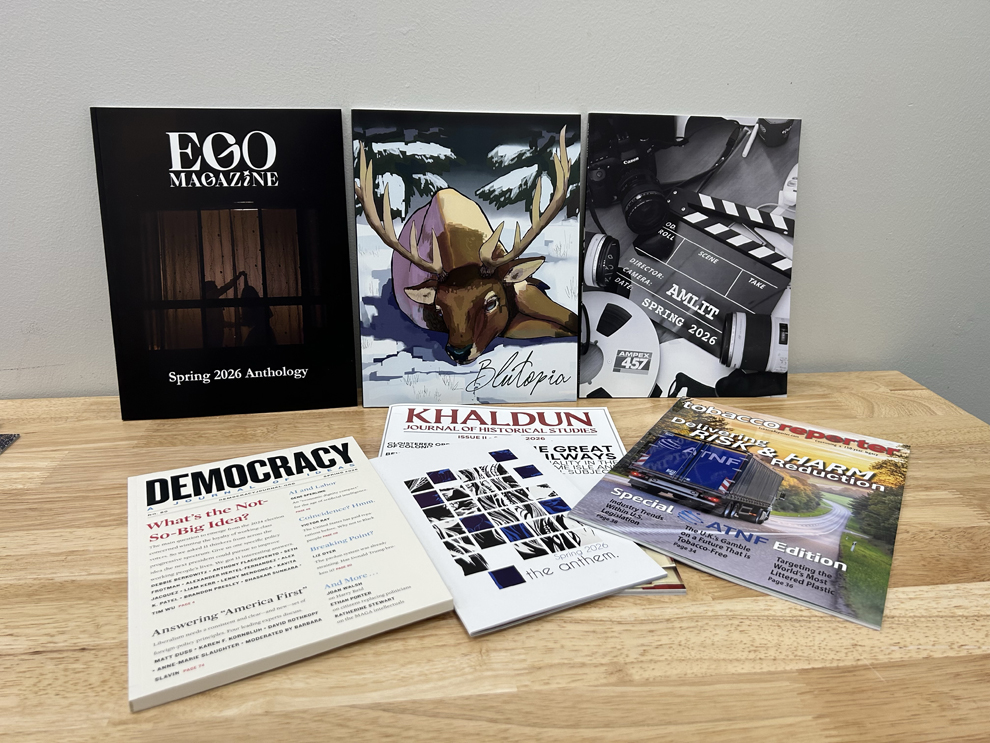
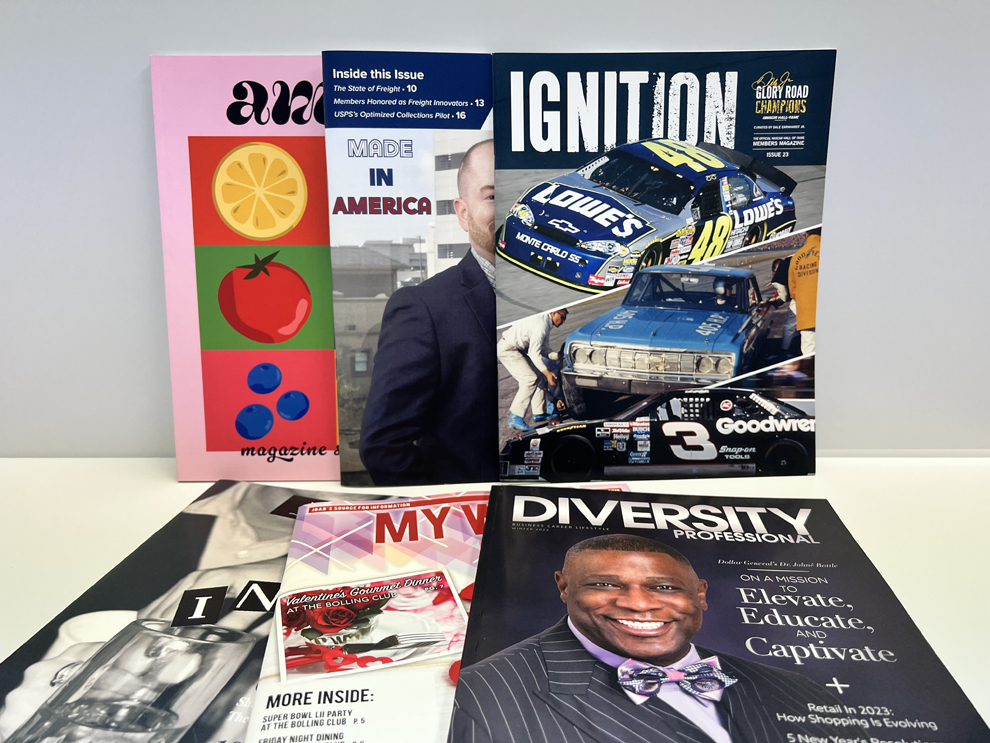
Choose this when your publication is an issue-based editorial product with a masthead, a recurring release schedule, and consistent cover-to-cover design.
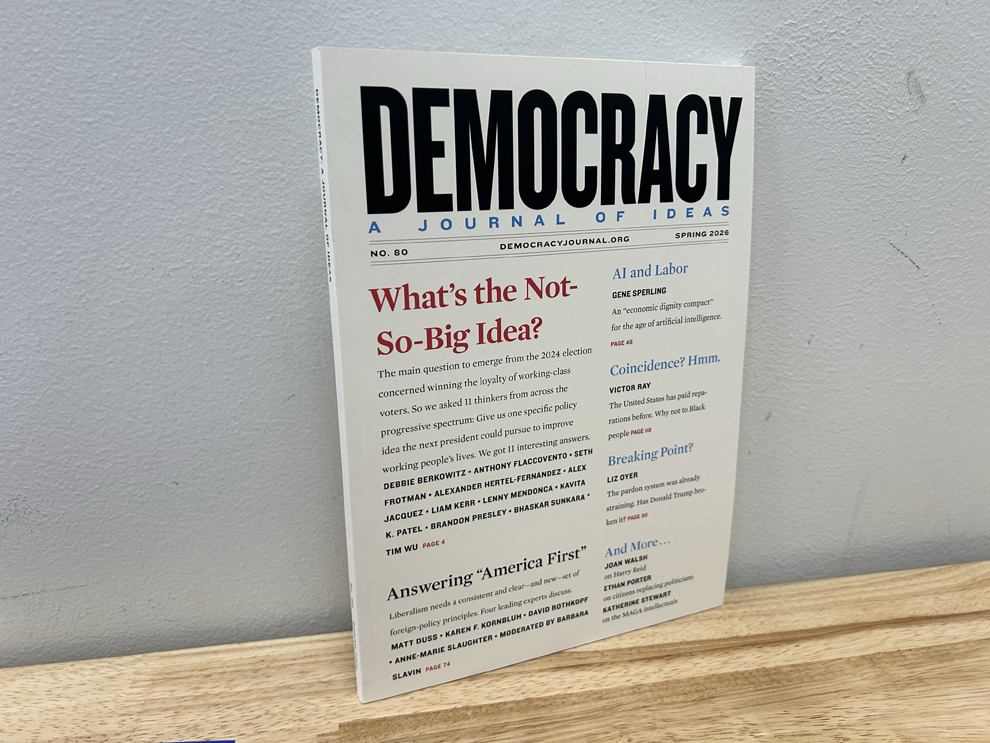
The better route for brief, frequent updates to members, donors, or staff where cadence and mailing matter more than bulk.
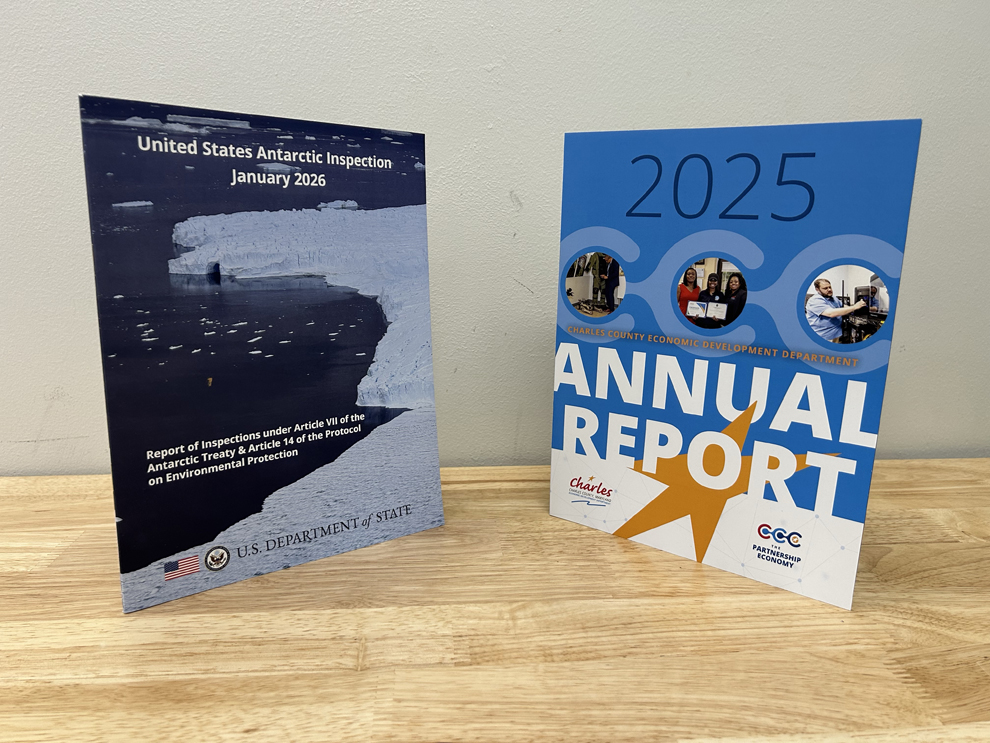
Suited to once-a-year stakeholder reporting that centers on finances, governance, program outcomes, and mission impact.
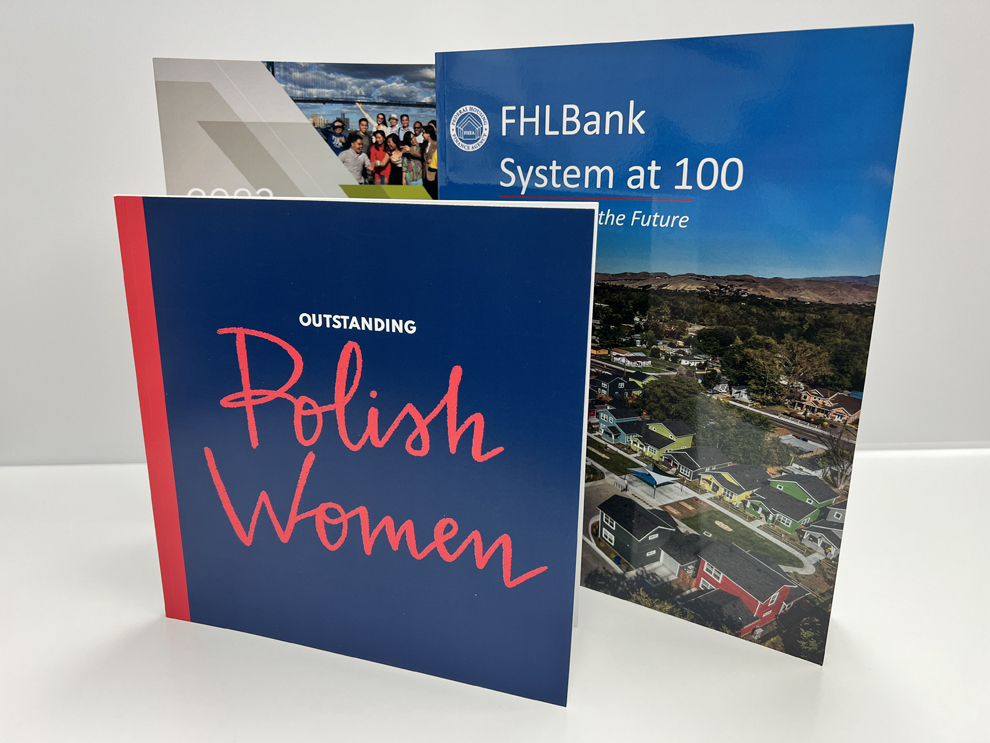
Pick this for compact pieces where format and stitching decisions, rather than a broader publication plan, drive the project.
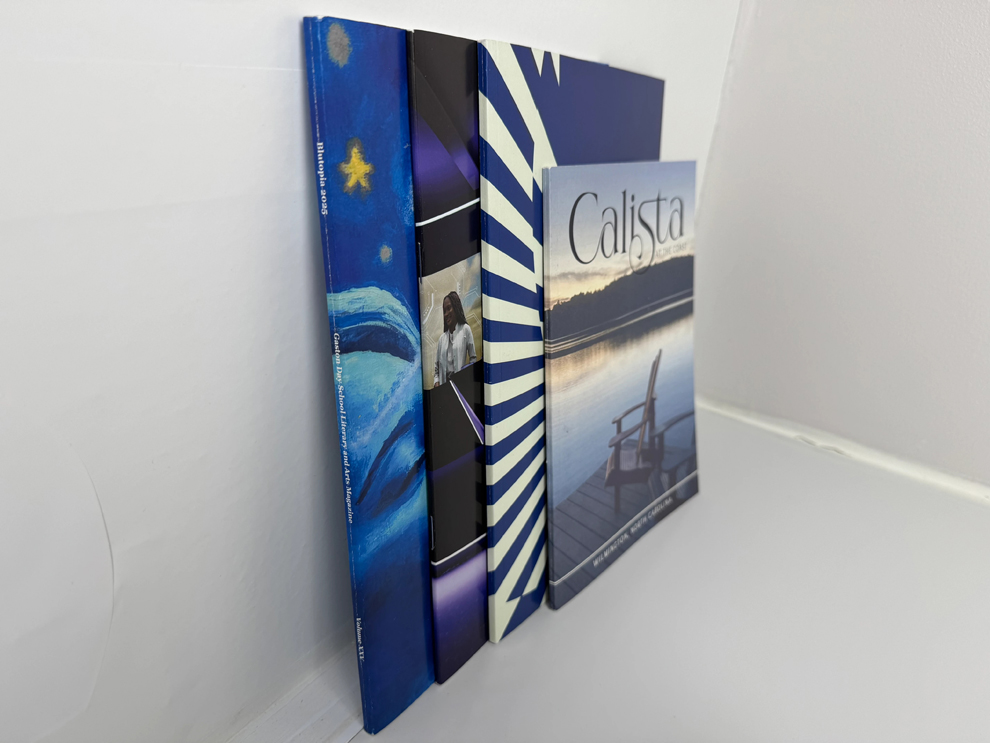
Ideal when page count and presentation call for a square, printed spine and a durable book-style finish.
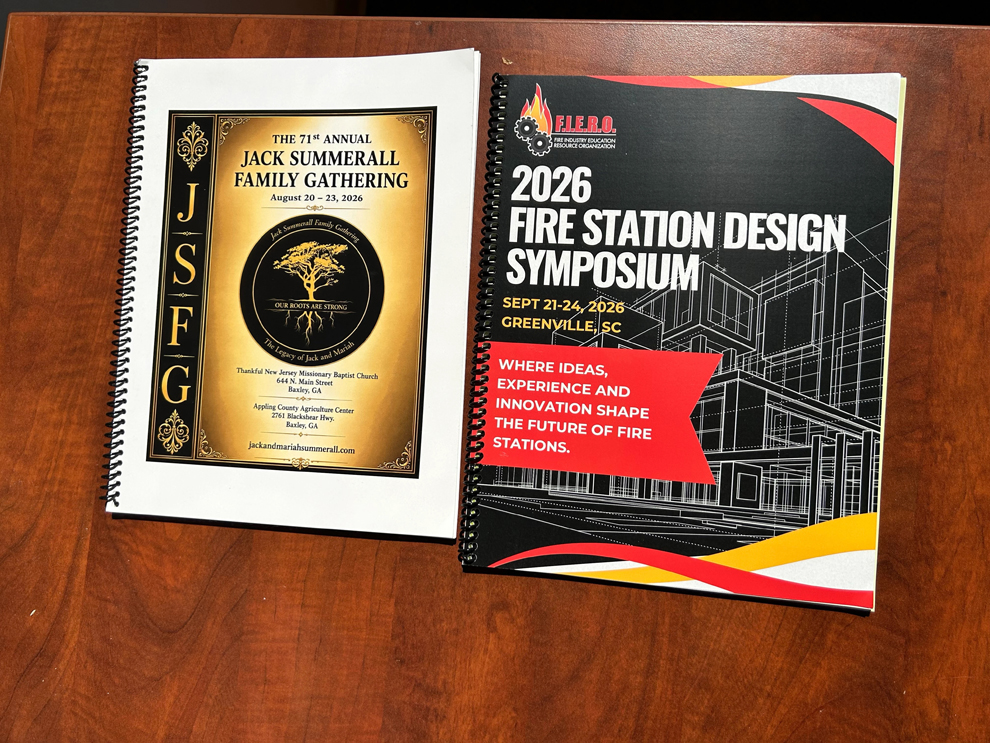
Designed for instructional content that gets opened, marked up, and referenced repeatedly in classrooms, labs, or clinics.
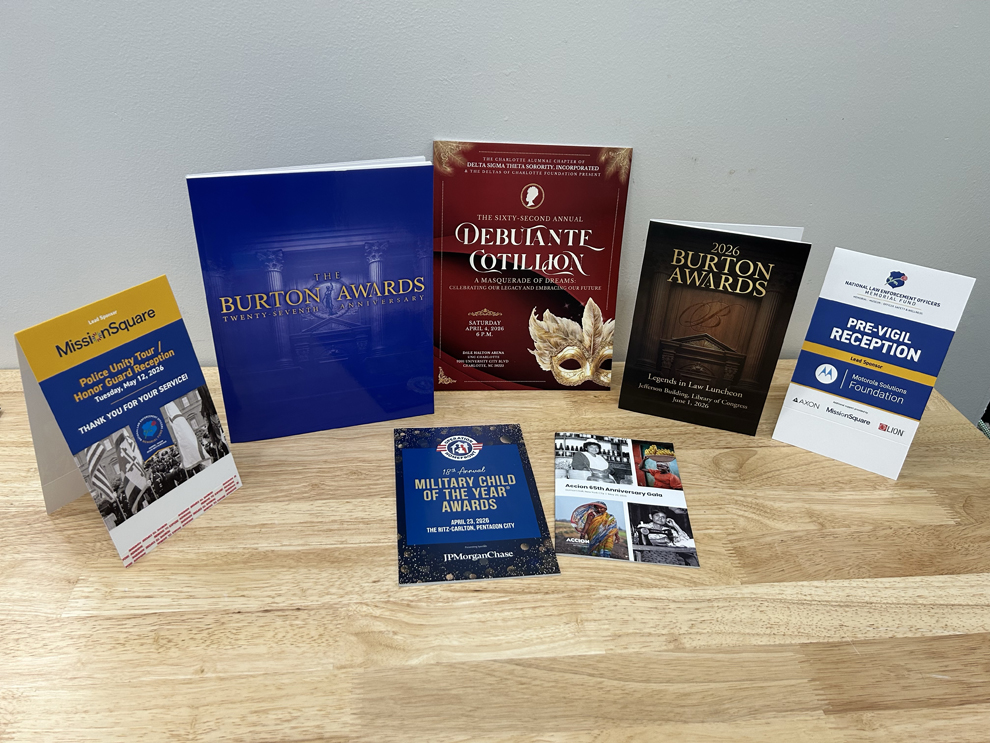
Serves conferences, symposia, ceremonies, and gatherings where agendas, speakers, and sponsors shape the content.
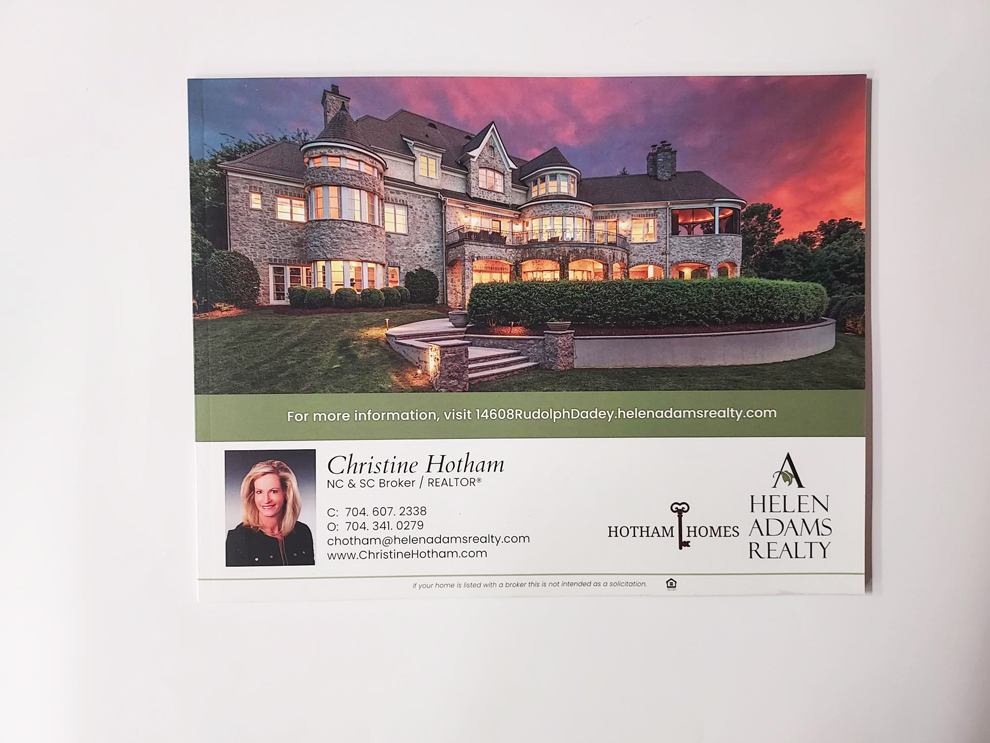
Adds addressing, postal preparation, and USPS entry when finished publications need to travel straight to recipients.
Send us the specifics of the publication, the quantity, and the date your readers need it. When the project calls for specification guidance, multiple editions, mailing coordination, color-critical review, or help with a demanding schedule, Custom Quote is the right starting point for qualifying work. When your artwork is finished and a current booklet, perfect-bound, or plastic-coil Online Store configuration matches the job, you can price and order the publication yourself.
Everything starts with the job details: finished size, page count, quantity, paper preferences, binding, color sensitivity, file readiness, and where the copies must end up. If you submit a Custom Quote, Heritage reviews that information and, once the order is accepted and assigned, a Project Coordinator takes ownership and becomes your direct phone and email contact. Established repeat clients typically keep working with the coordinator who already knows their publication.
Binding should match the way readers handle the piece. A 32-page society bulletin usually suits saddle stitching, while a thick policy compendium gains a professional square spine through perfect binding. Lab protocols, clinical references, and directories consulted at a desk often benefit from plastic coil so pages lie flat. Cover weight, interior stock, color coverage, and run length determine which option fits best.
Nothing prints until you have reviewed and approved the electronic proof. From there, Heritage holds the confirmed specifications through printing, binding, trimming, and packing, and flags any change immediately. Finished publications can be mailed to your list, shipped to multiple addresses, delivered locally, or packaged for your own distribution team.
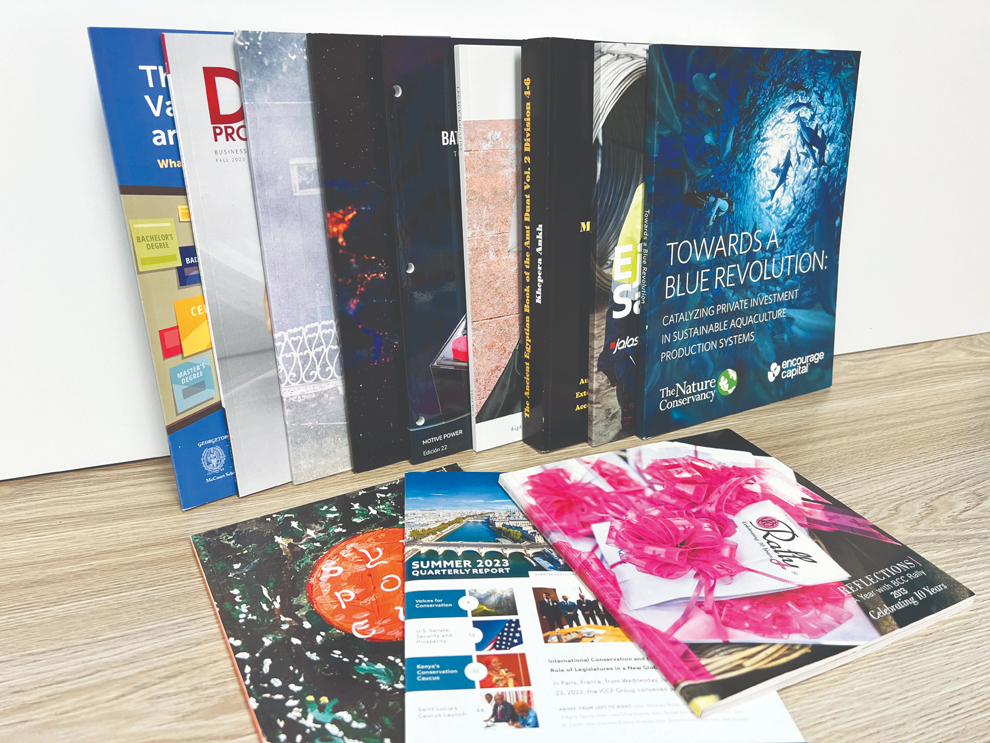
Journals, research and policy reports, program and resource guides, membership directories, member publications, and similar multi-page pieces that need their own production plan. Heritage serves research institutions, medical and scientific societies, healthcare groups, nonprofits, and professional firms whose publication does not naturally belong to a narrower category such as magazine, newsletter, or annual report.
It depends on how the piece behaves. A recurring issue with a masthead, editorial sections, and consistent cover treatment is usually best handled as a magazine. A scholarly or technical journal whose format is driven by articles, references, and reader use rather than issue identity typically fits Publication Printing. Heritage will point you toward whichever path produces the better result.
Read every page for copy accuracy, pagination, page order, cover content, image placement, and any version-specific details. Confirm that fonts rendered correctly and that nothing was cropped at the trim. Your approval authorizes Heritage to print from that file. Because monitors and paper reproduce color differently, the electronic proof is not a physical color standard.
As early as the submission date is known, even before the file is final. Heritage can map the production stages, flag the latest practical file date, and explain how proofing, binding, and shipping affect the window. Firm timing is confirmed only after specifications, files, materials, and capacity are reviewed, so starting the conversation early protects the deadline.
Often, yes. Plastic coil lets pages lie flat and fold back, which suits directories, protocols, and guides that stay open on a desk or bench. It works across a wide range of page counts and accepts a heavier cover for durability. If a printed spine or a more formal appearance matters, perfect binding is worth comparing.
Possibly. The Self-Directed Online Store suits publications that are fully specified, use complete print-ready artwork, and match a currently orderable saddle-stitched, perfect-bound, or plastic-coil configuration. You choose the options and place the order yourself, and the order still receives an electronic proof before printing. The Store carries a $750 total minimum, which eligible products may be combined to reach, and it does not include an assigned Project Coordinator or a Physical Production Color Proof.
Not necessarily, but it is often the wiser route. Qualifying Custom Quote projects of $2,000 or more can include a paid Physical Production Color Proof printed on the intended production printer and paper, which gives you a physical reference to approve before the full run. Standard color management applies to every order, yet the physical proof is only available through Custom Quote.
After Heritage accepts the matter and assigns the order, a Project Coordinator becomes your direct phone and email contact and manages the publication through specification confirmation, proof approval, production, finishing, and distribution. Submitting the form itself is an inquiry, so the coordinator relationship begins at assignment rather than at the moment you click submit.
Heritage prints from completed or substantially completed artwork, and the client retains responsibility for writing, editing, and overall creative design. For qualifying Custom Quote projects, Heritage can provide production-oriented help such as file preparation, layout adjustments, and specification corrections so supplied artwork prints as intended.
By recording the specifications that worked: finished size, paper, cover construction, binding, color targets, and packaging. Those details give the next edition a reliable starting point. Each new release is still reviewed on its own because page counts change, paper availability shifts, and distribution needs evolve between editions.
Yes. Versions can vary by cover, insert, language, region, or quantity while sharing a common interior, or they can differ more substantially. Clear file naming, a quantity per version, and separate proof approvals keep the editions straight through production and ensure each group receives the correct copies.
When mailing is part of the accepted scope, Heritage coordinates addressing and postal preparation and enters the pieces with USPS. You supply accurate, authorized recipient data, and Heritage performs the mailing services agreed to in the project. Delivery timing after postal acceptance is controlled by USPS rather than Heritage.
A self-cover keeps the piece lighter, simpler, and often less expensive, which suits shorter reports and bulletins. A separate heavier cover adds structure, durability, and a more finished impression for publications that will be kept, shelved, or presented to stakeholders. Weigh the choice alongside binding, page count, and mailing cost.
Bethesda is part of the Washington, DC metro area Heritage has served for decades. Projects are managed by phone and email, and production is handled within Heritage's Mid-Atlantic operations, including the Waldorf, Maryland production facility. Finished publications can be delivered to Bethesda, shipped elsewhere, mailed to recipients, or prepared for your own team to distribute.
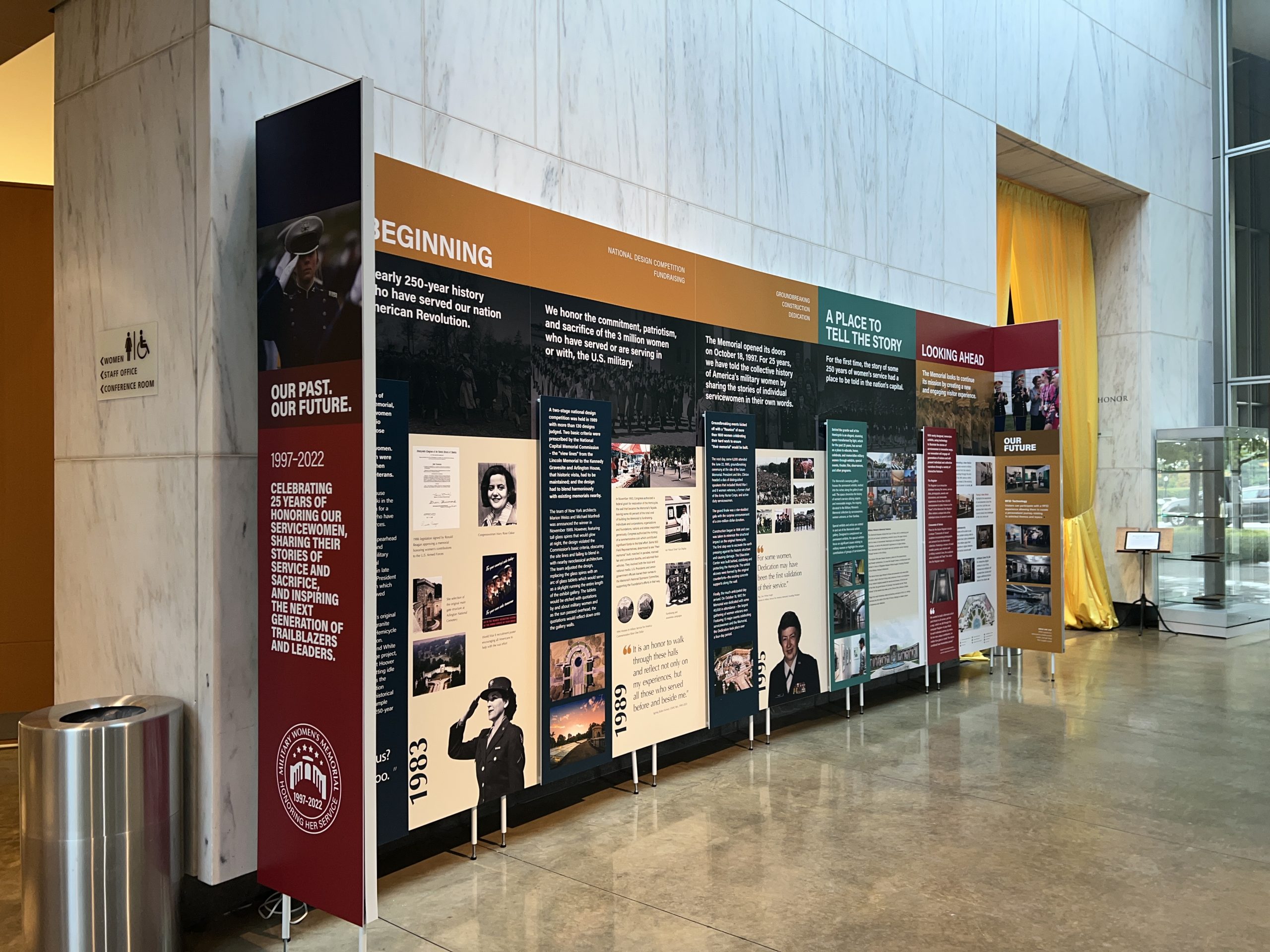
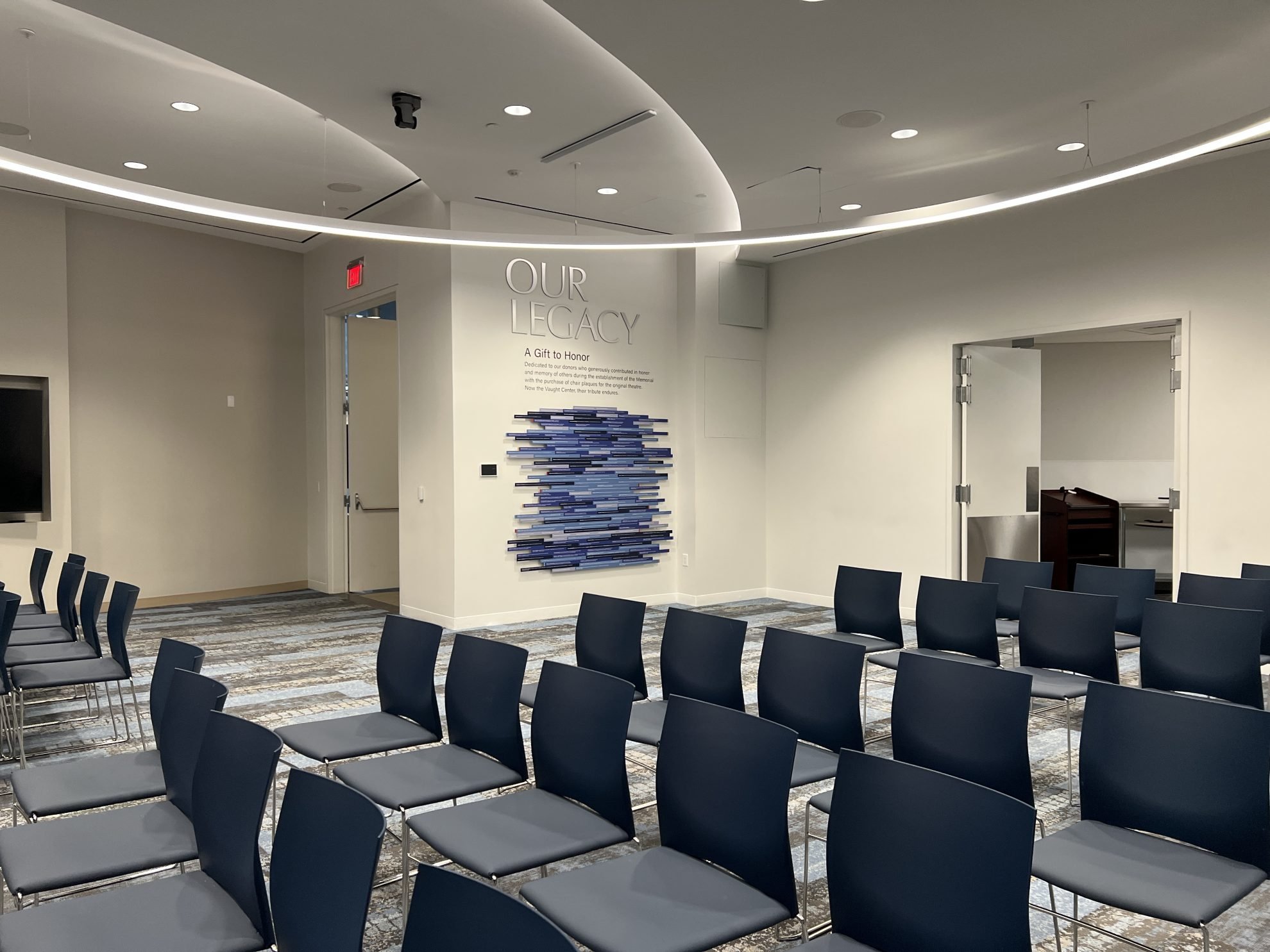
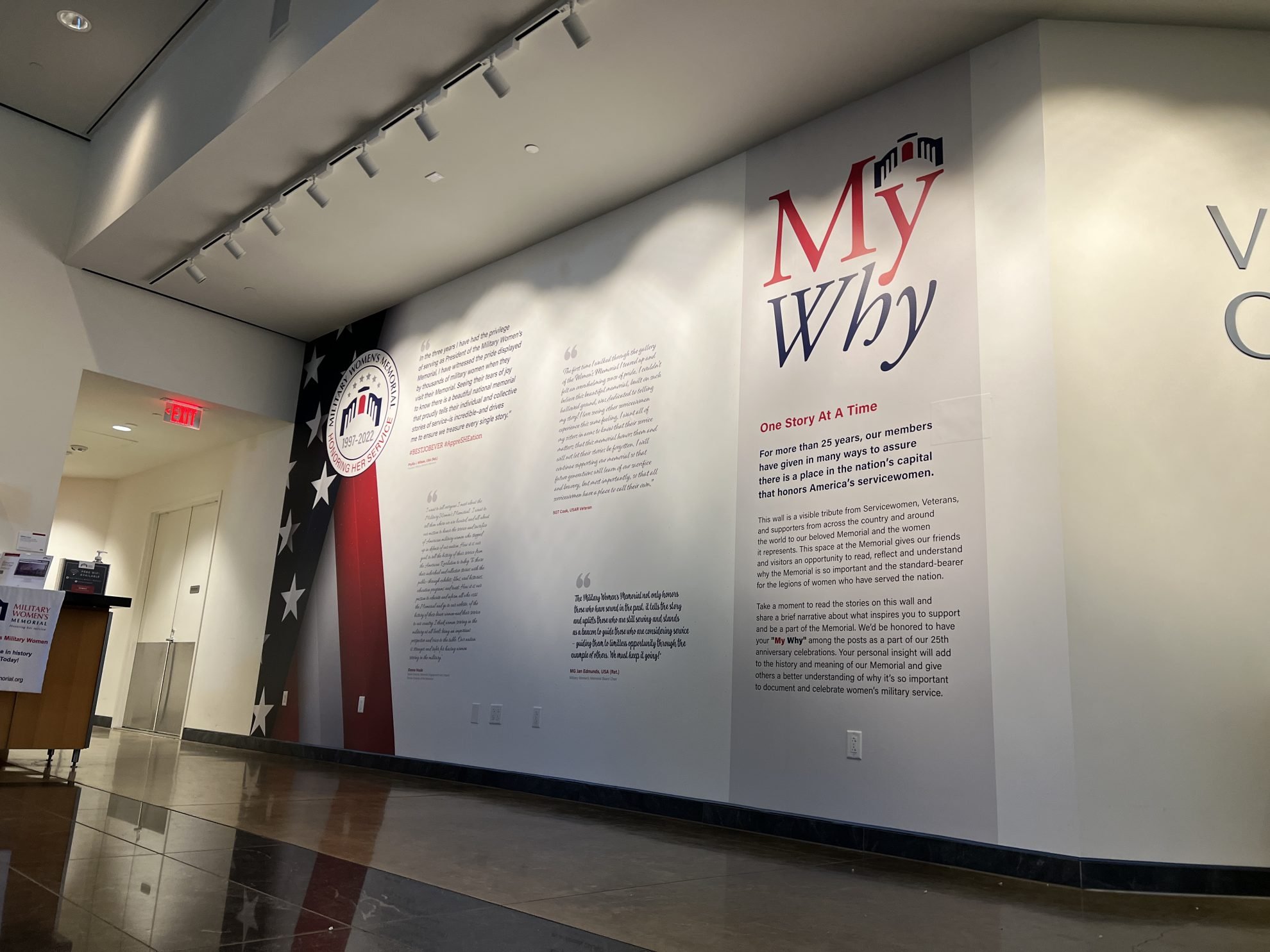
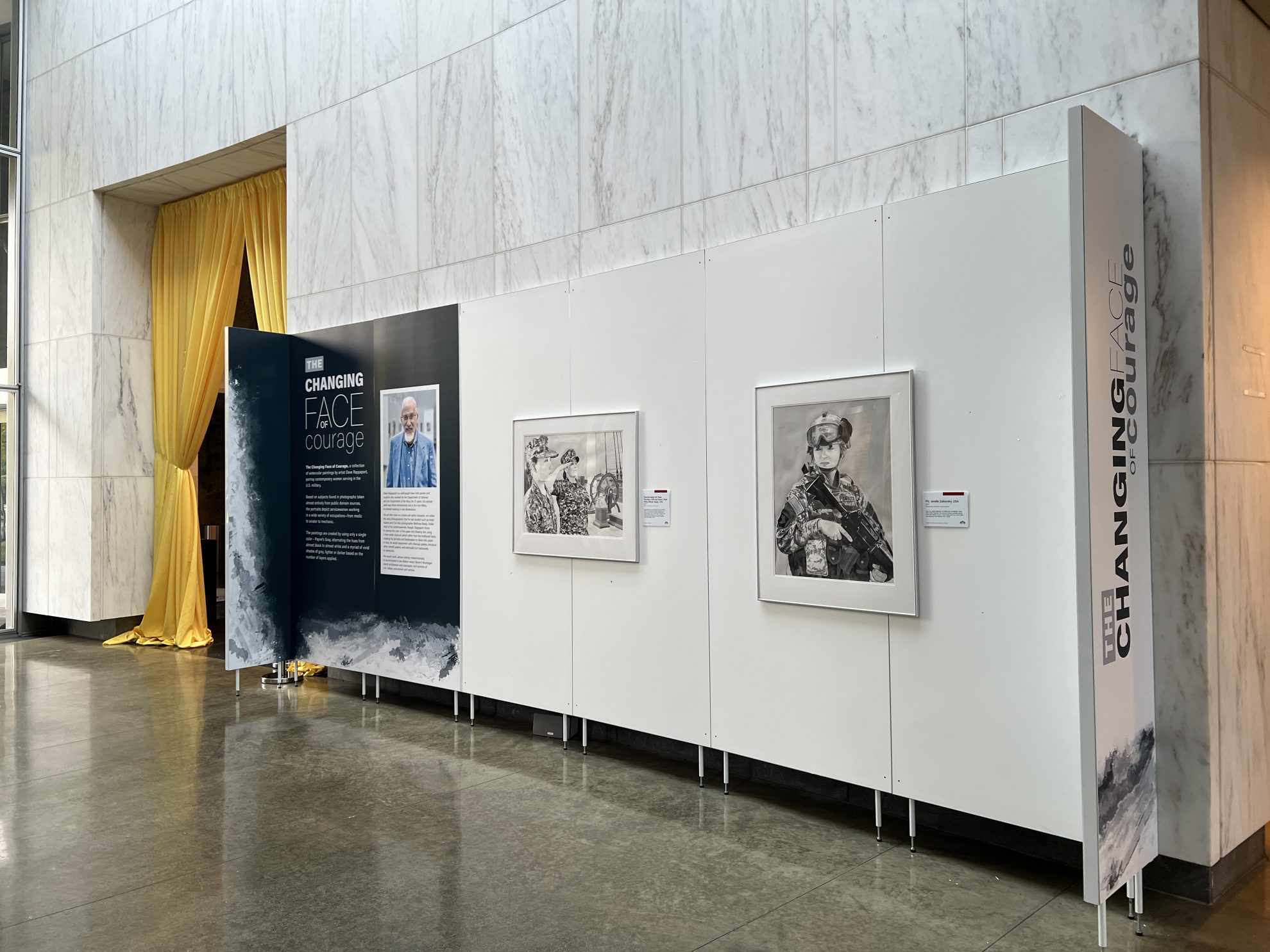
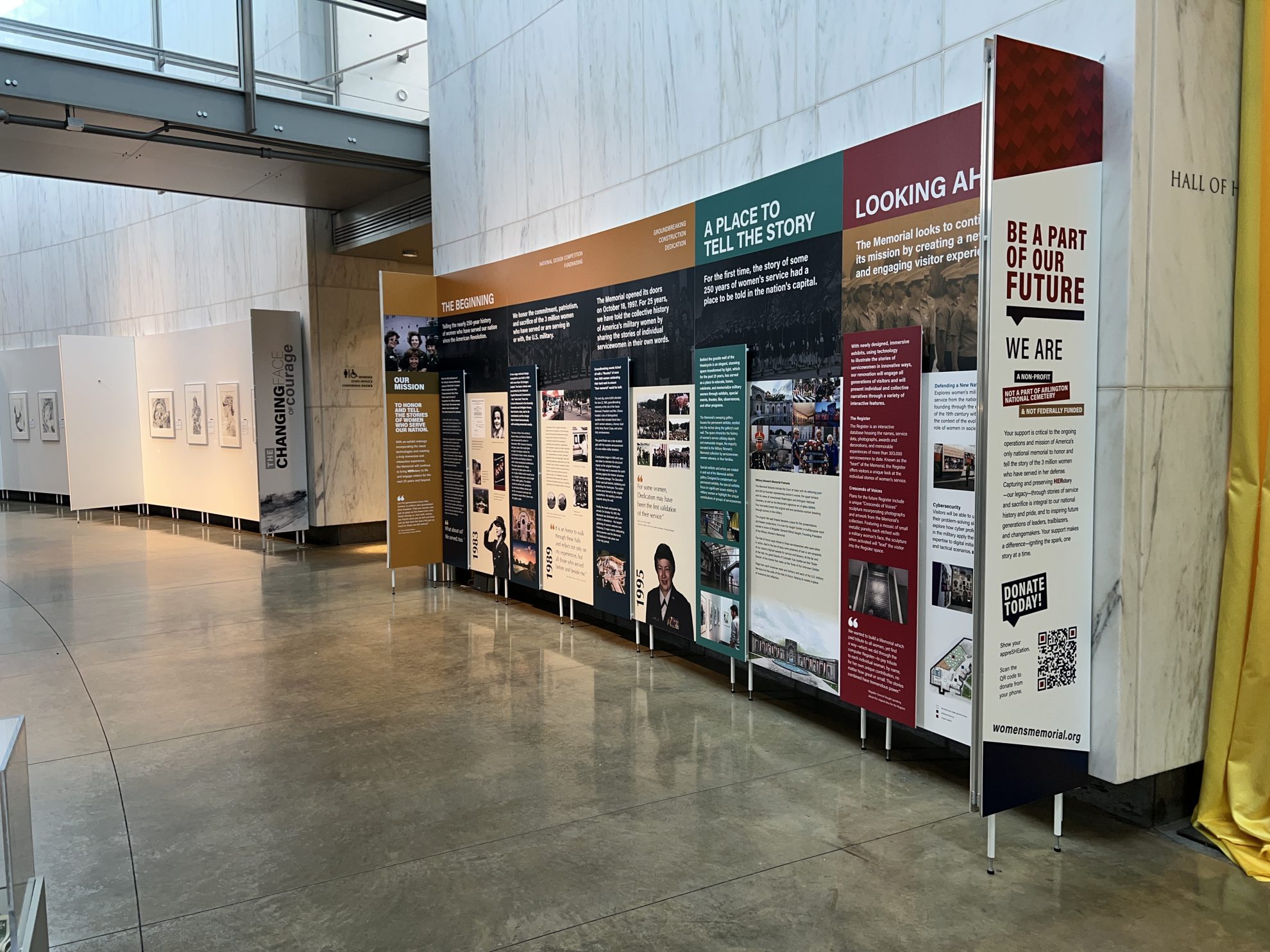
Heritage Signs & Displays created new museum signage for the Military Women’s Memorial in Bethesda, MD. The project included custom signs, wall wraps, dimensional letters, and standoff-mounted displays to honor the legacy of U.S. servicewomen and the donors who supported the memorial. The updated interior features impactful designs, including a "Our Legacy" wall display and panels showcasing historical contributions and artwork, creating a transformative tribute to women in the U.S. Armed Forces.
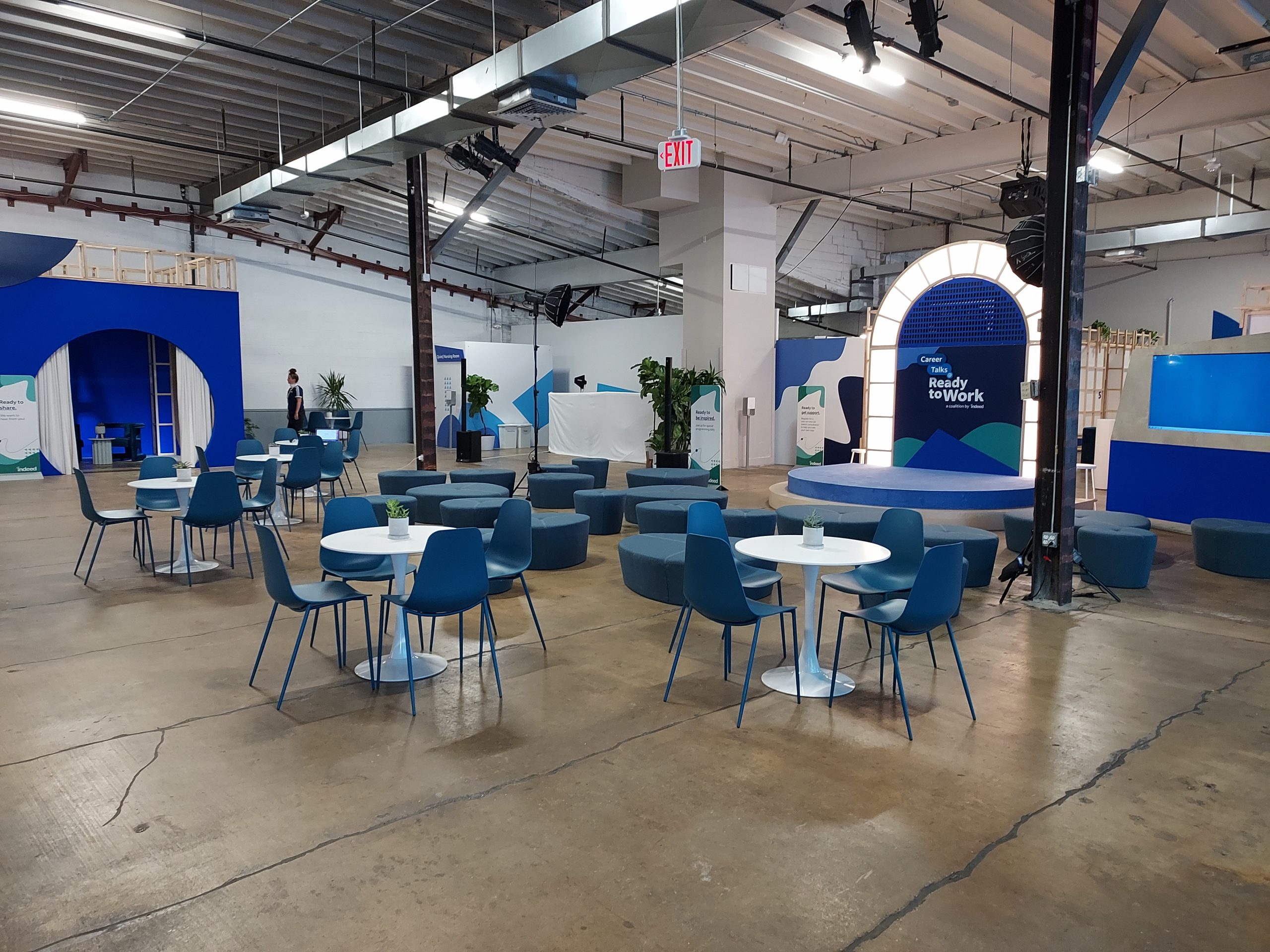
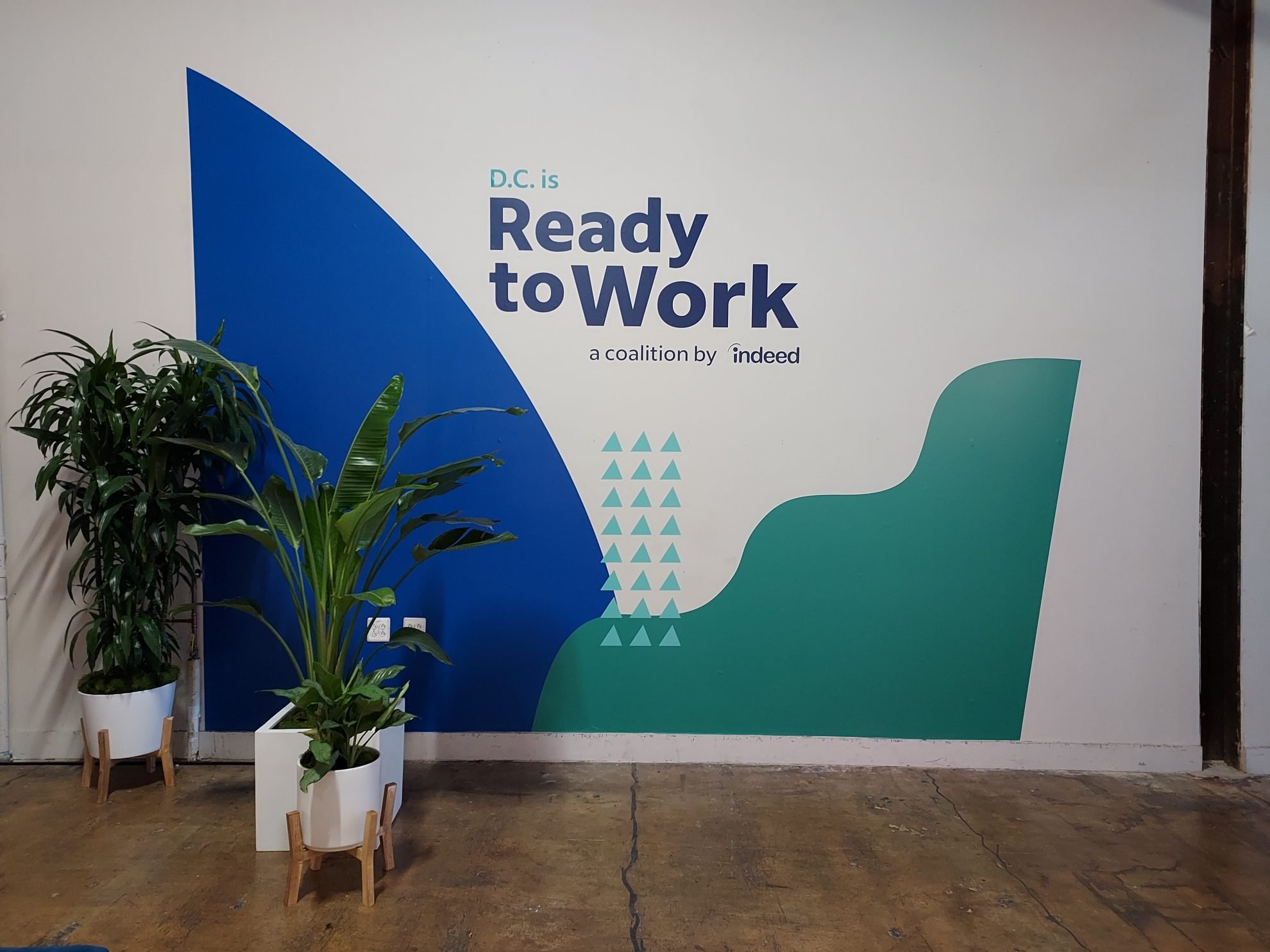
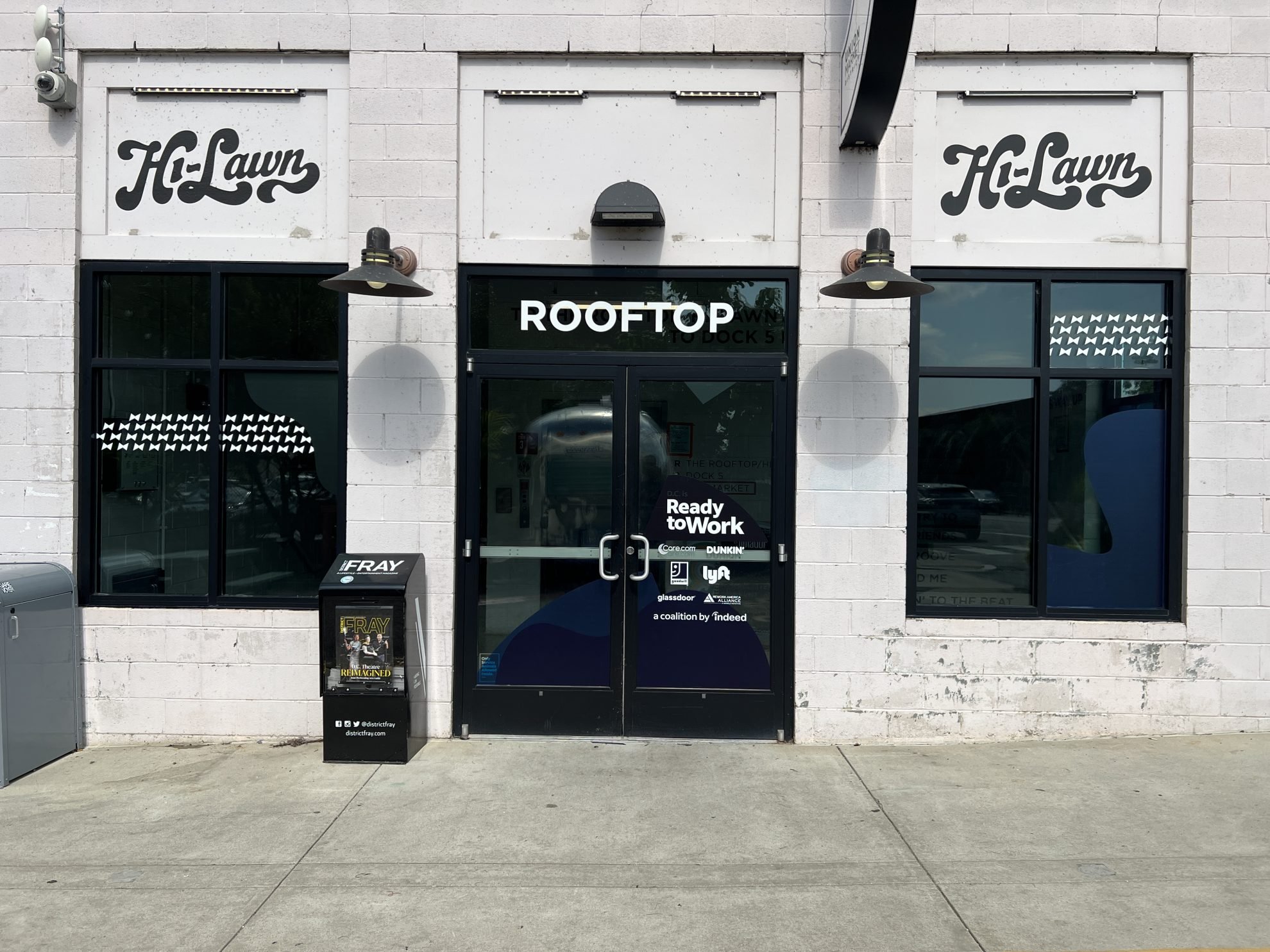
Heritage Signs & Displays' collaboration with The Gathery to brand Union Market in Bethesda, MD, for Indeed's "Ready to Work" job fair. The project included custom event displays, wall graphics, window graphics, and wayfinding signs, creating an immersive and visually appealing environment. The branding enhanced the venue, reflected the event's mission, and provided a seamless experience for attendees.