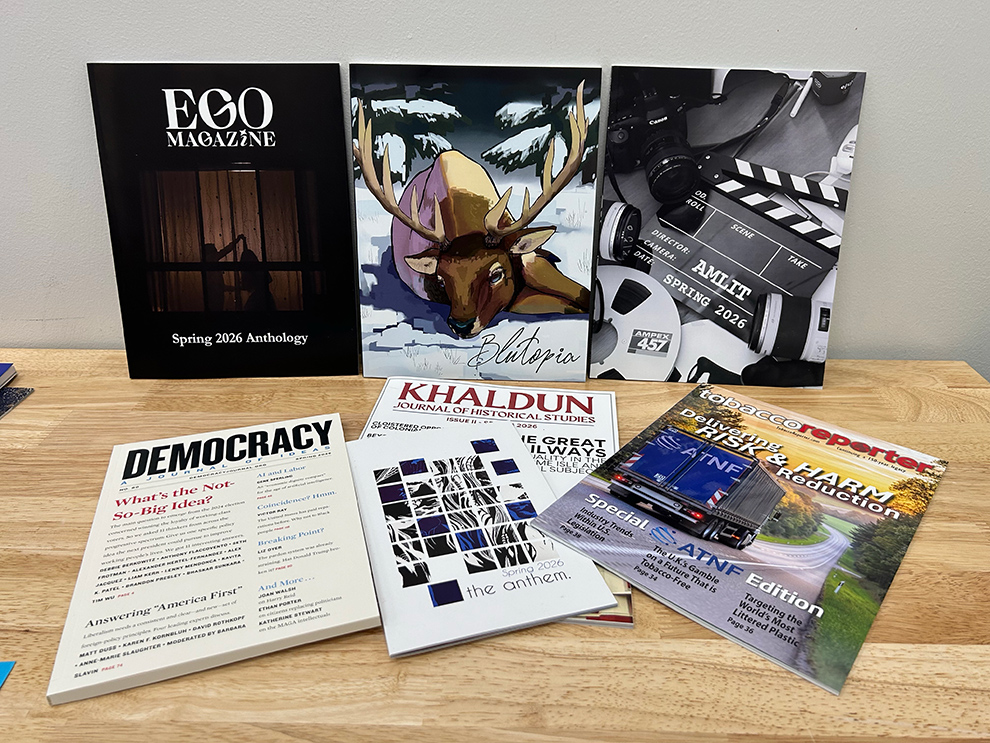
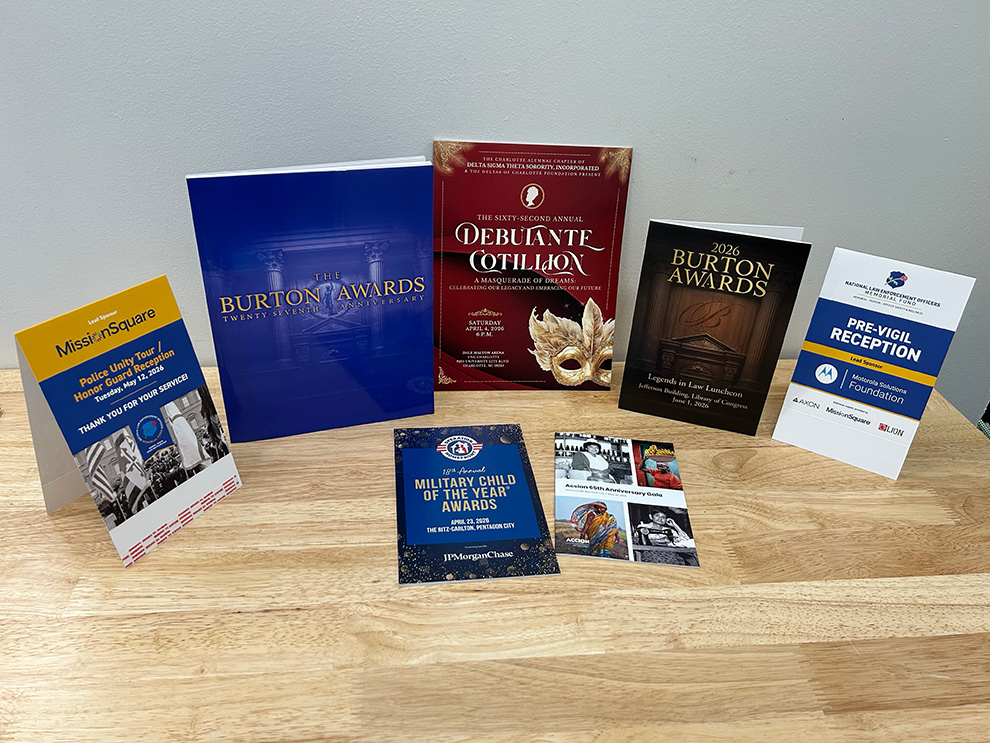
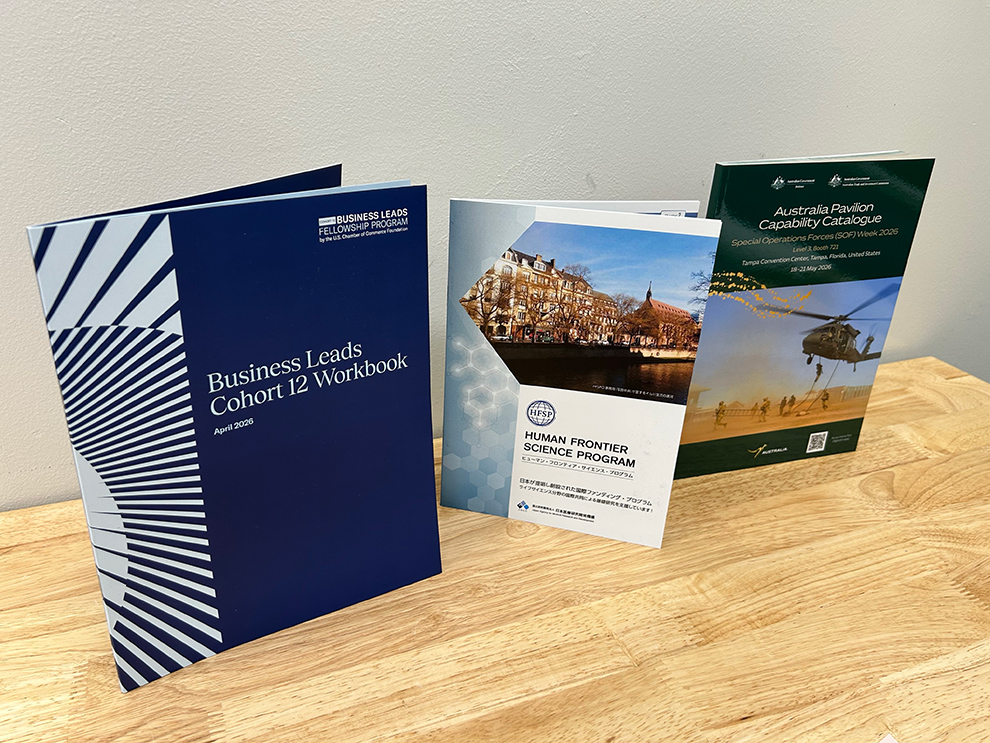
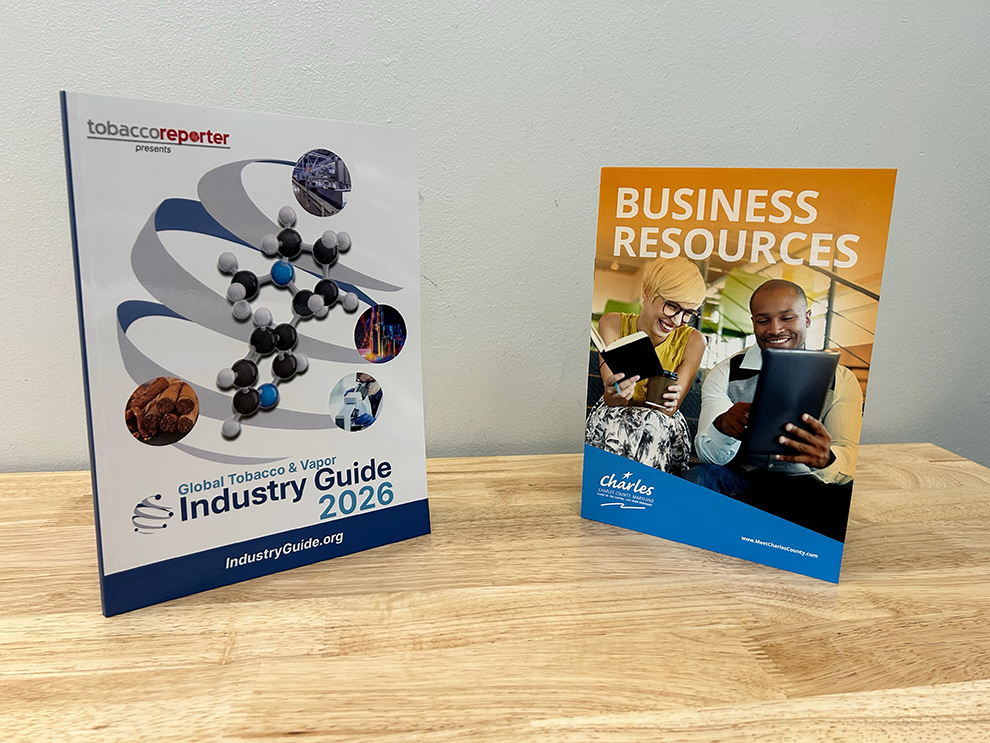
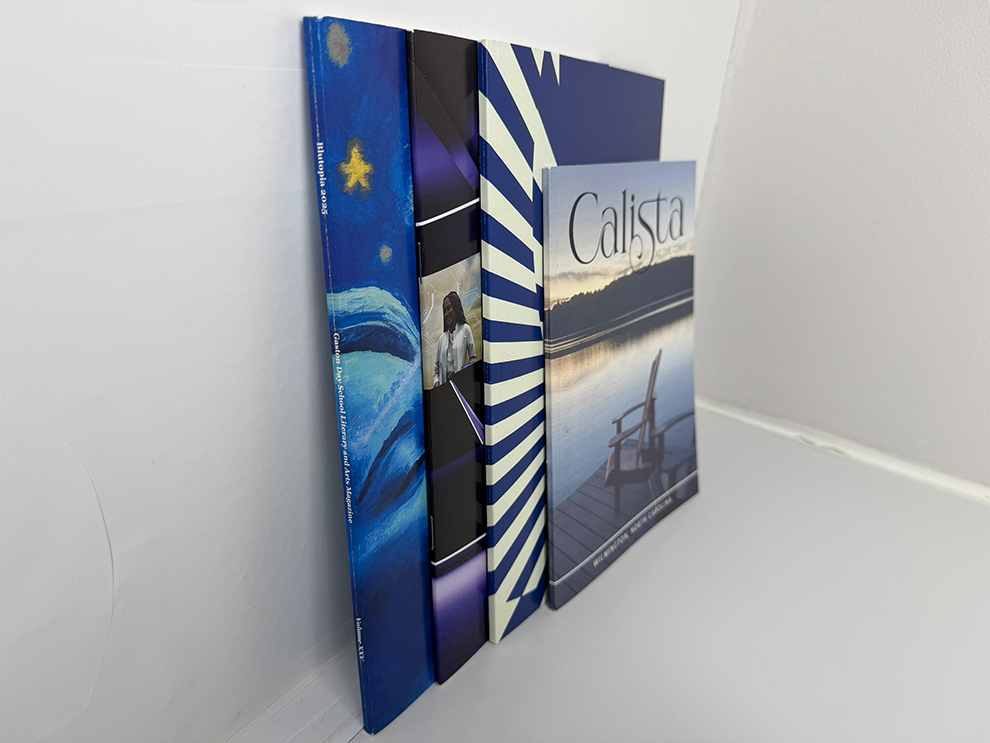
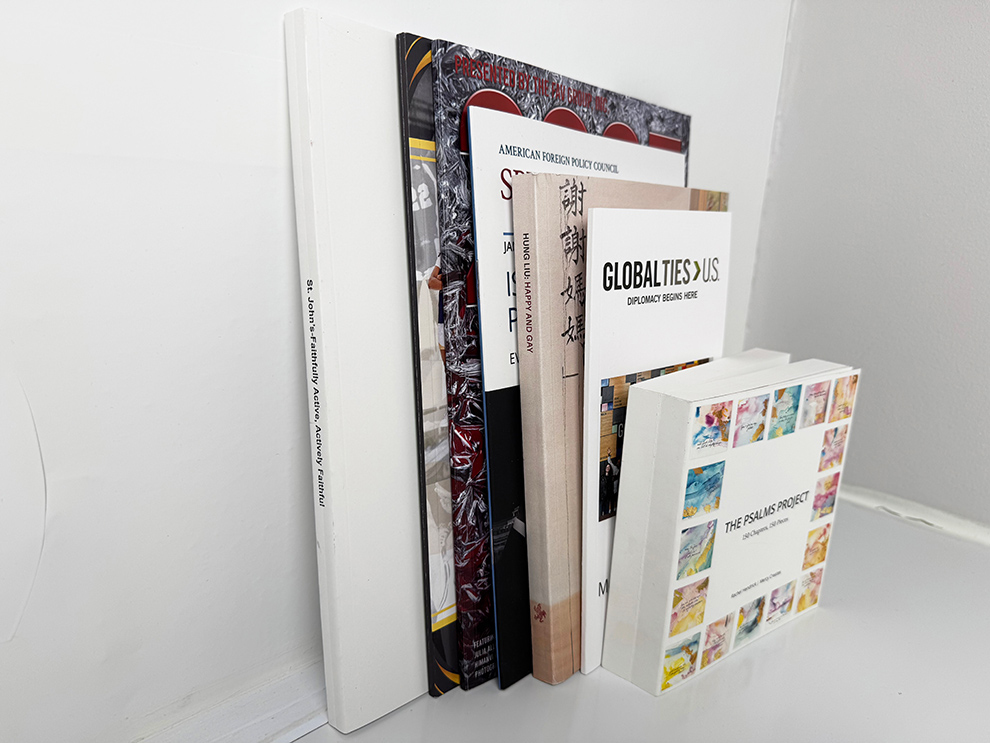
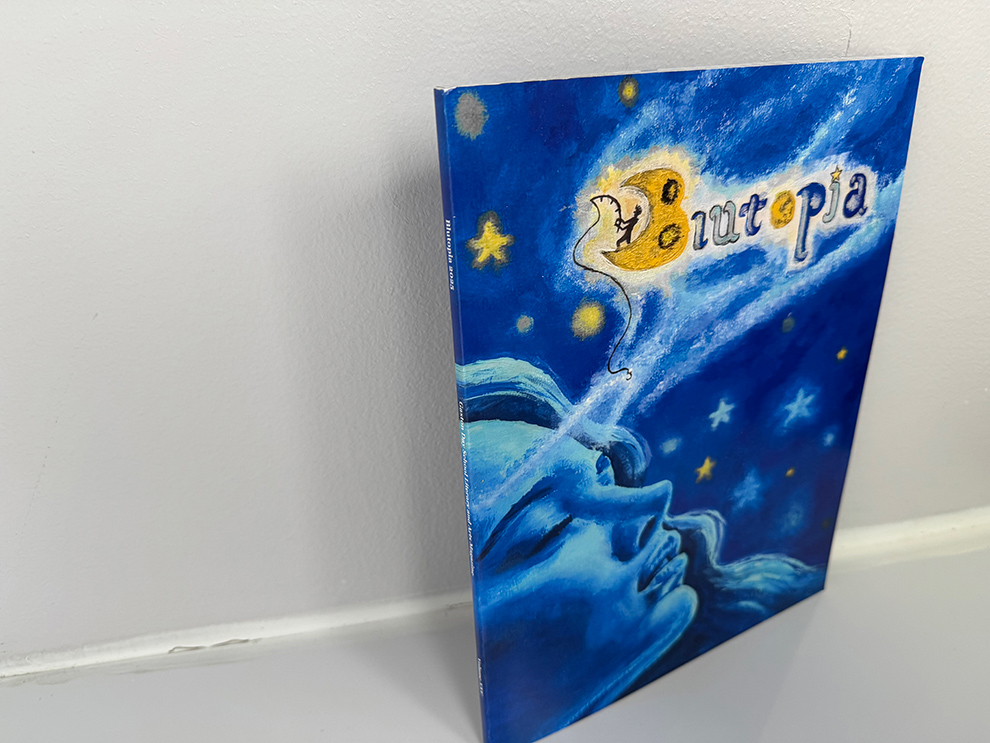
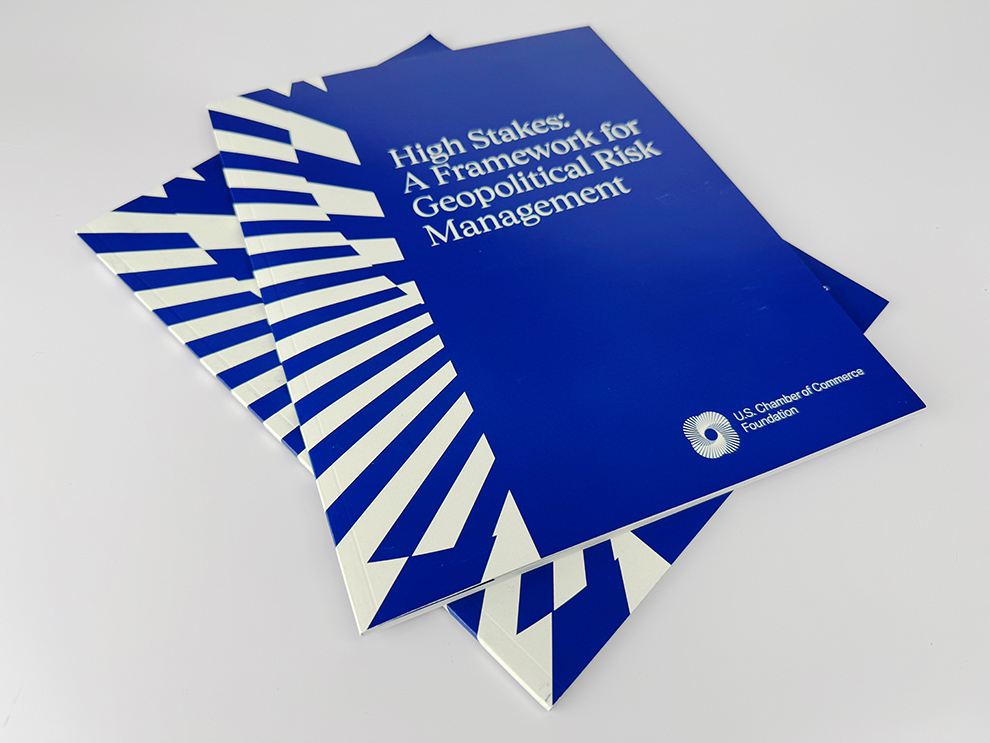
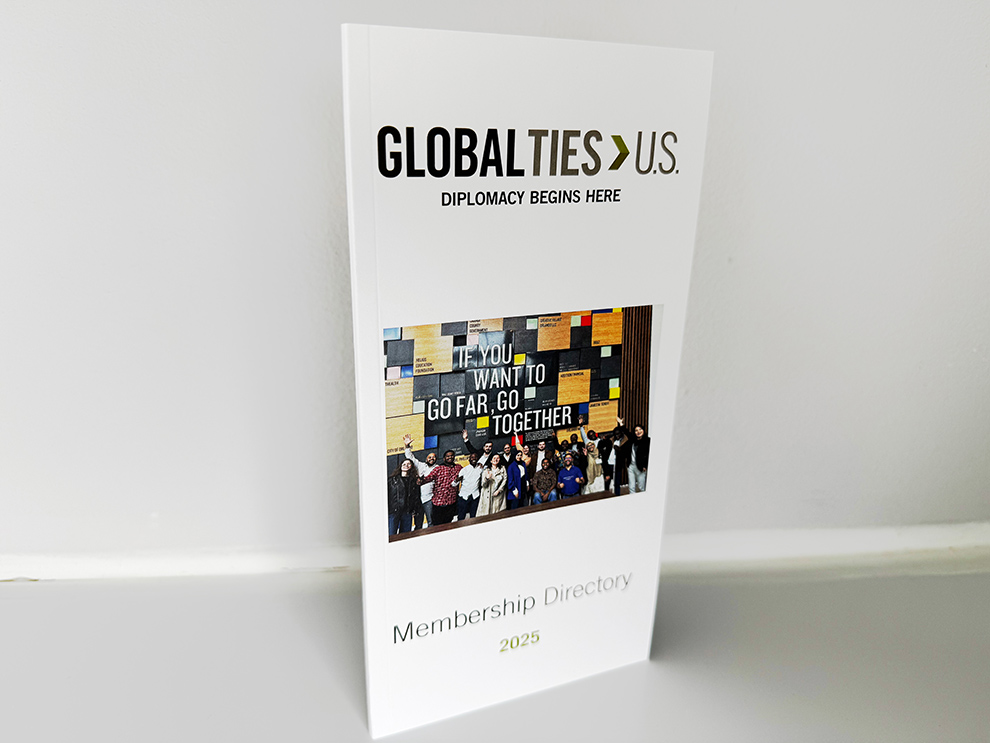
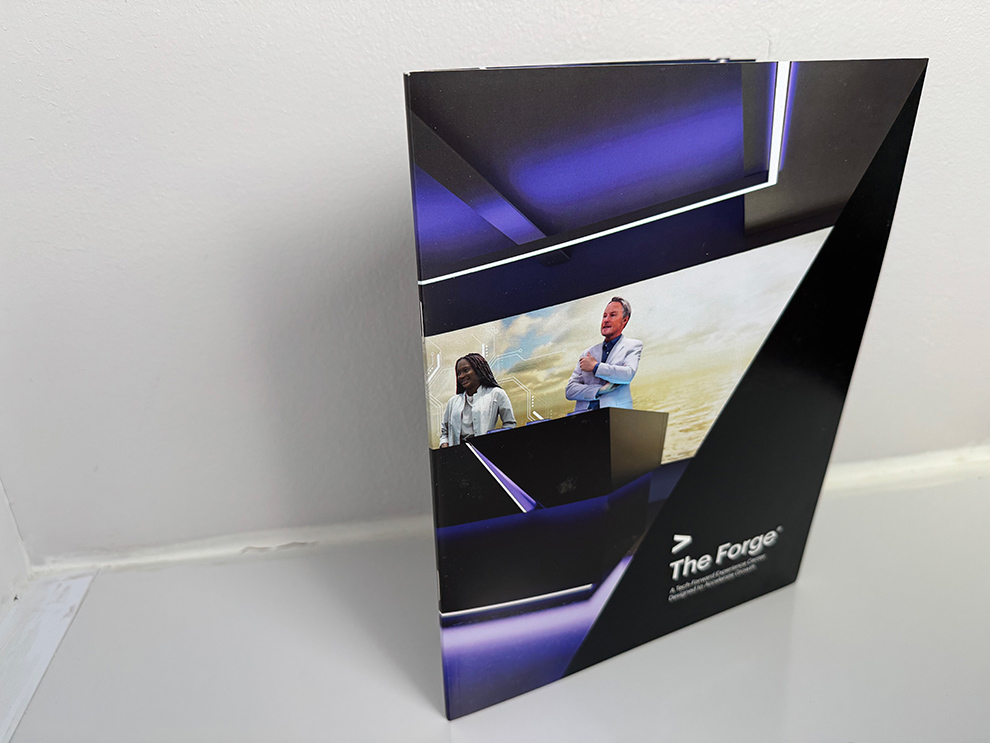
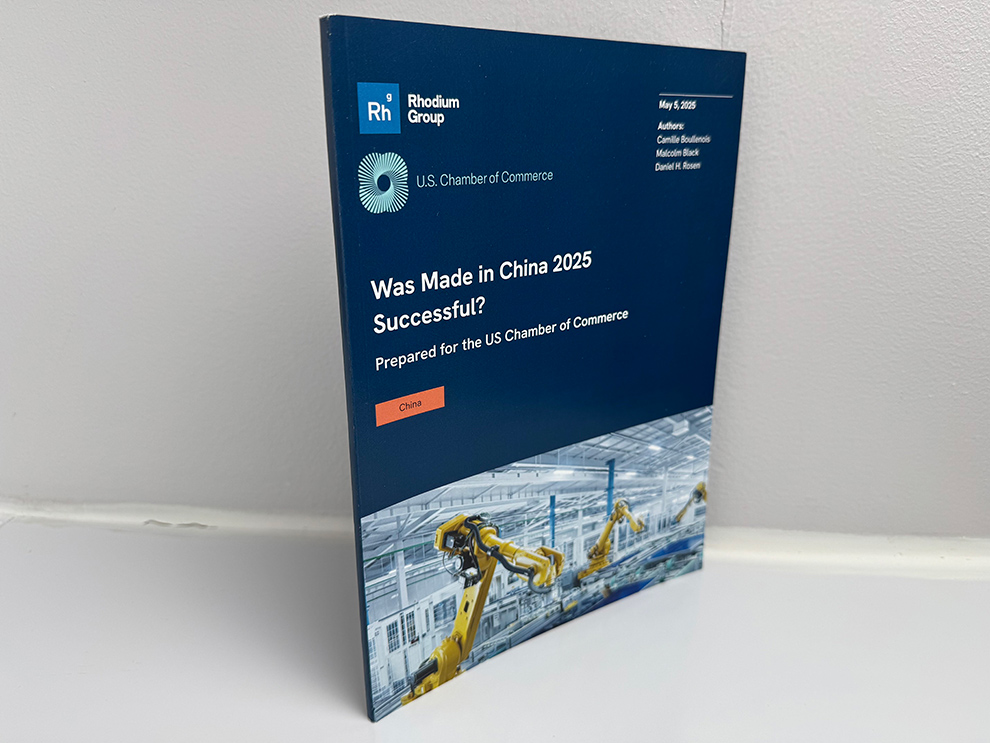
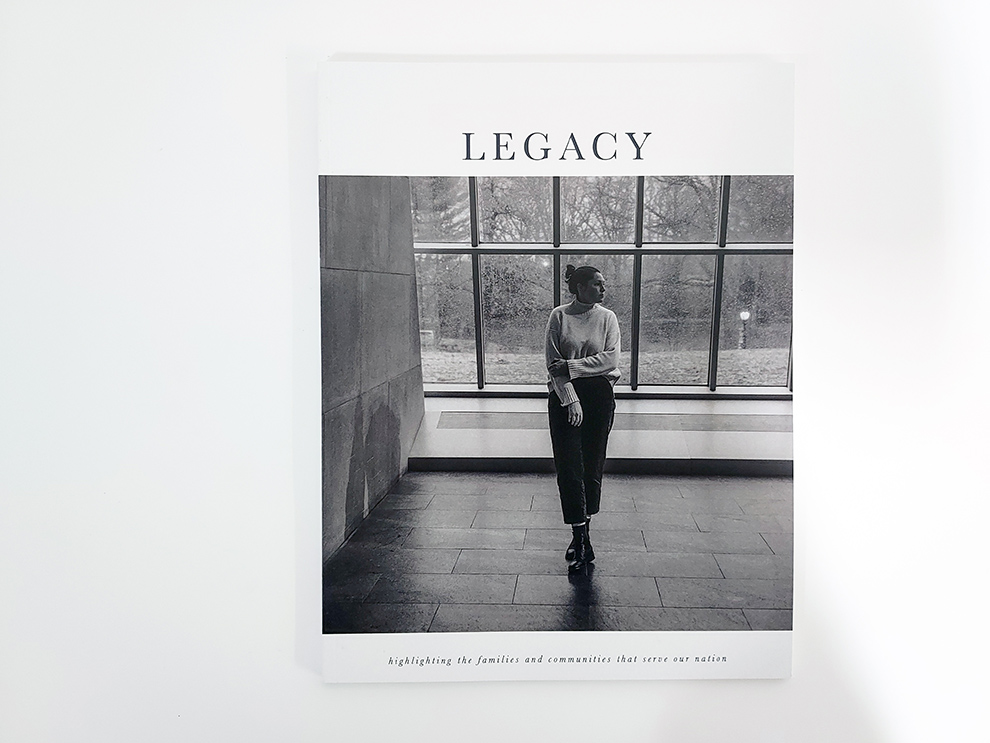
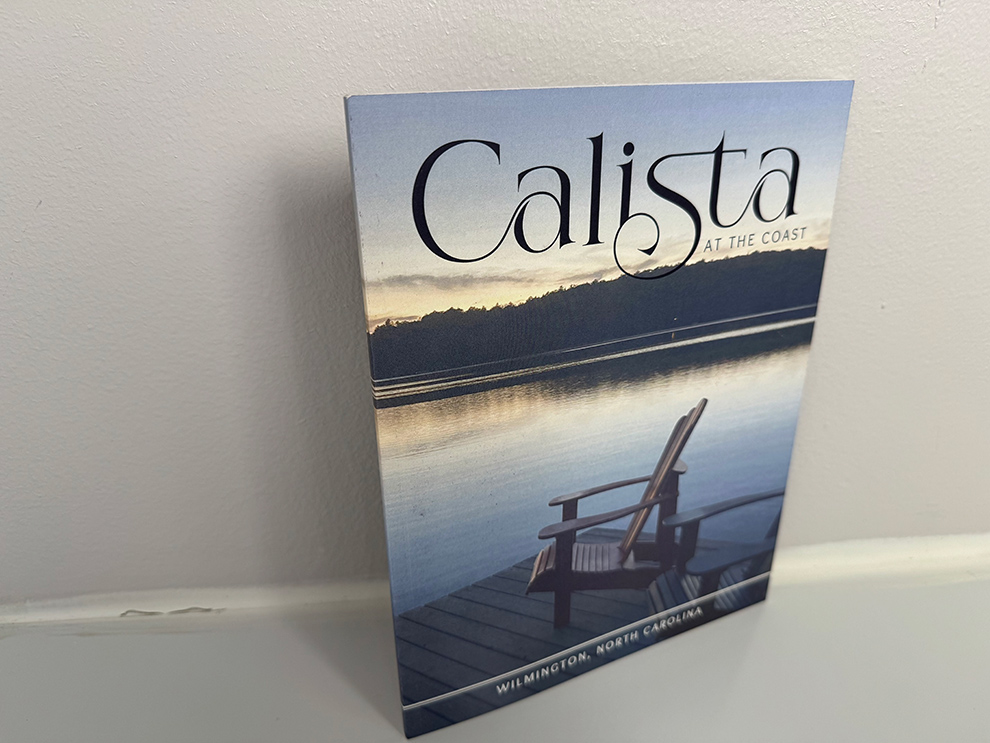
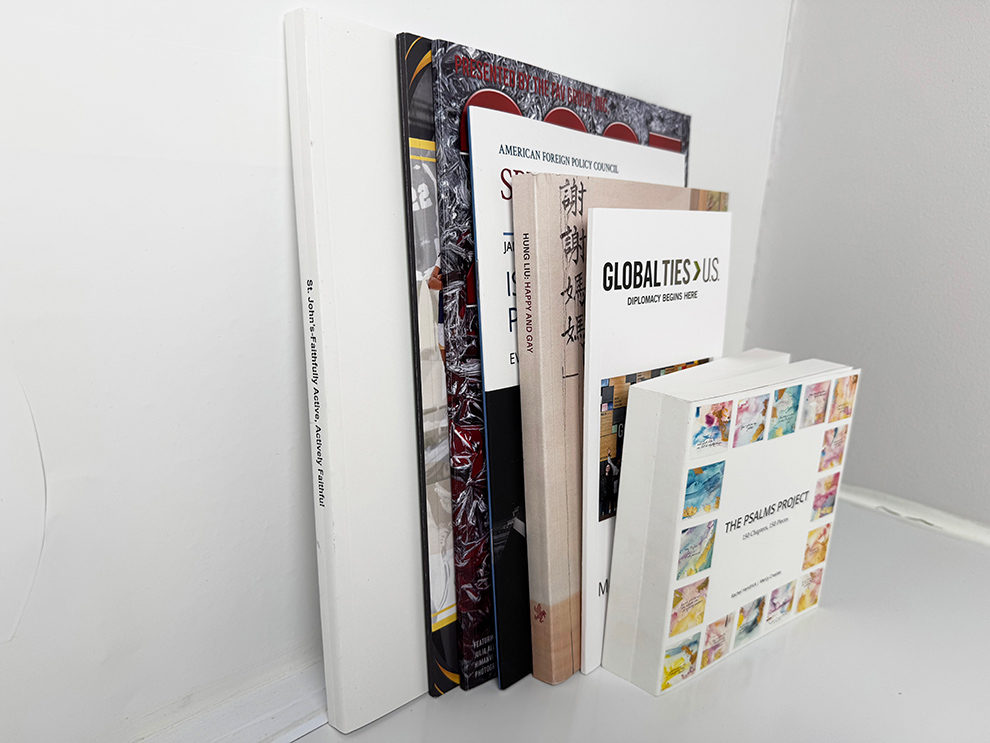
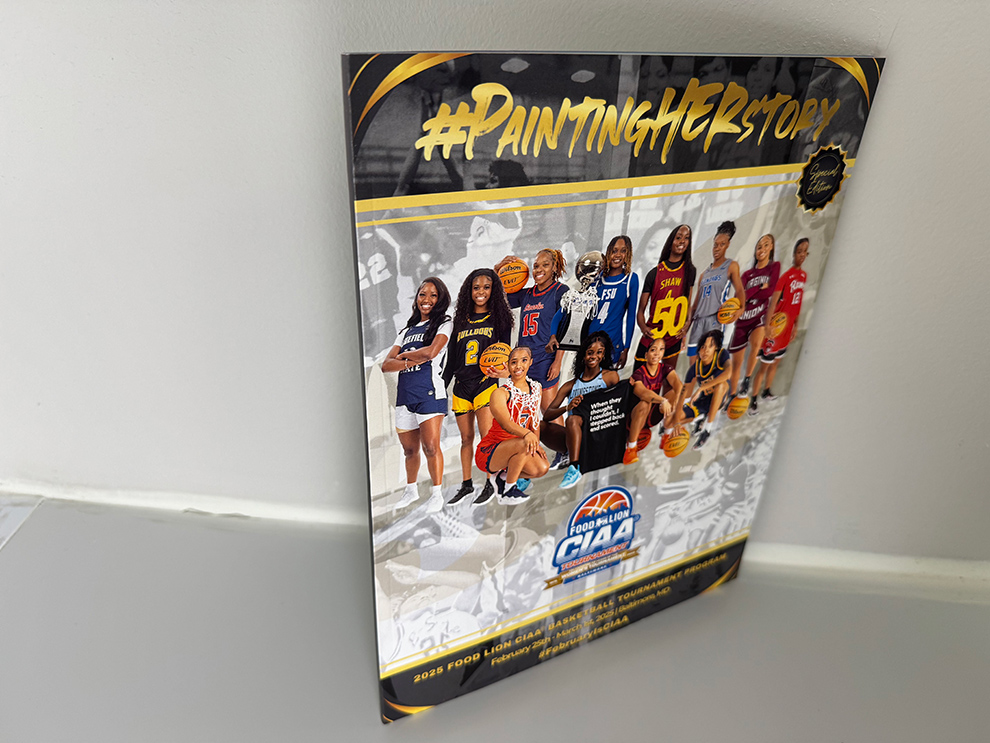
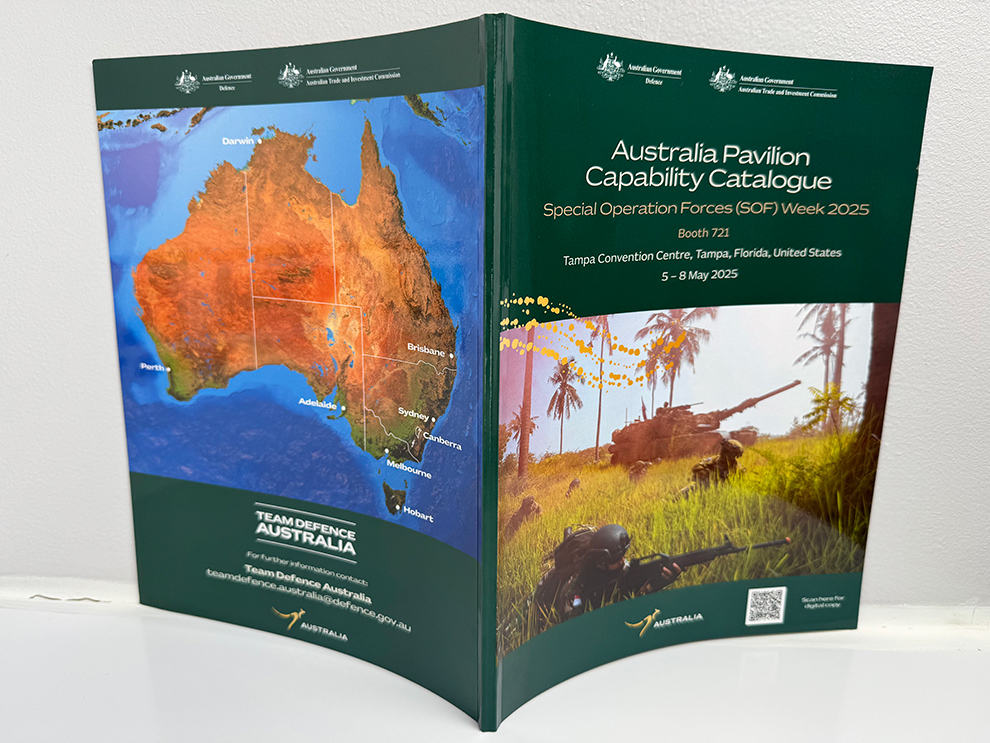
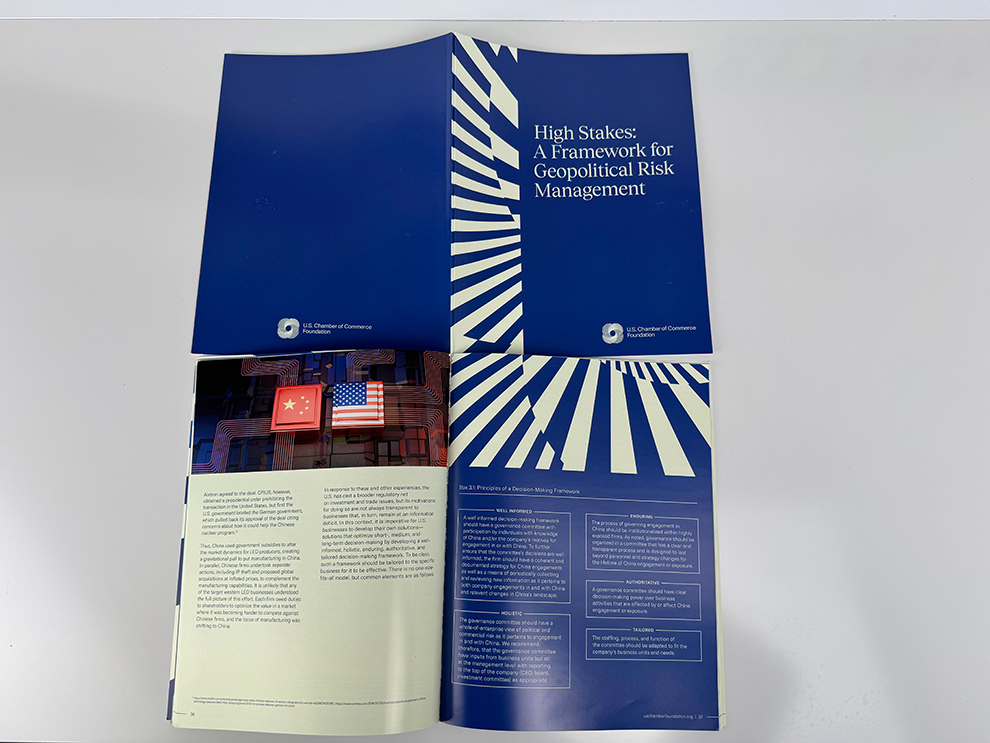
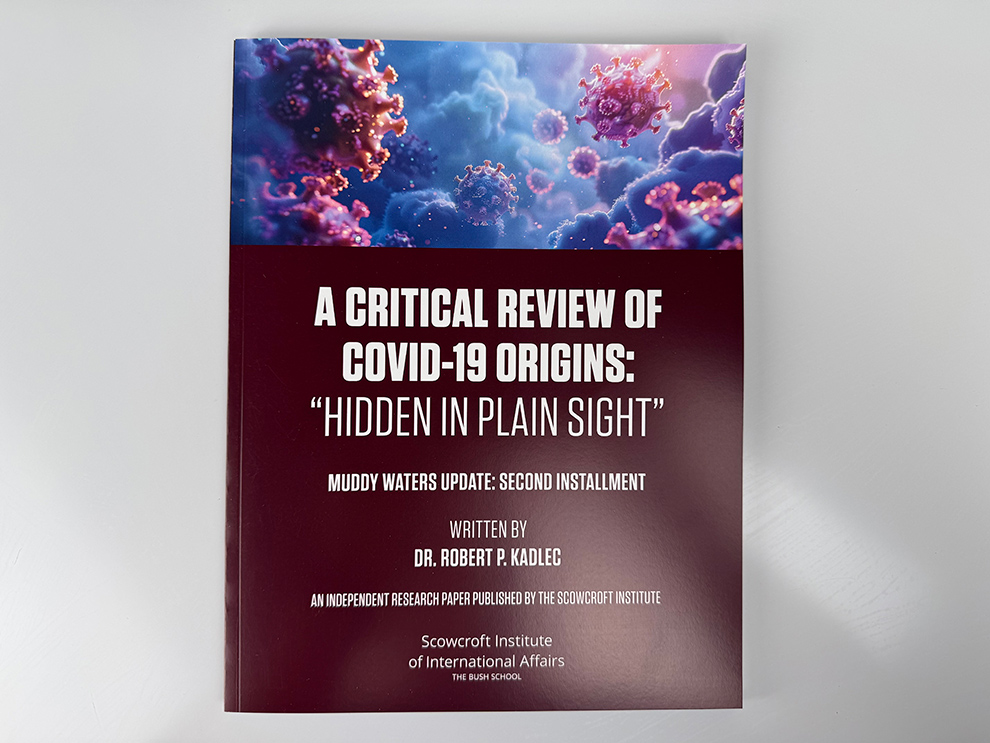
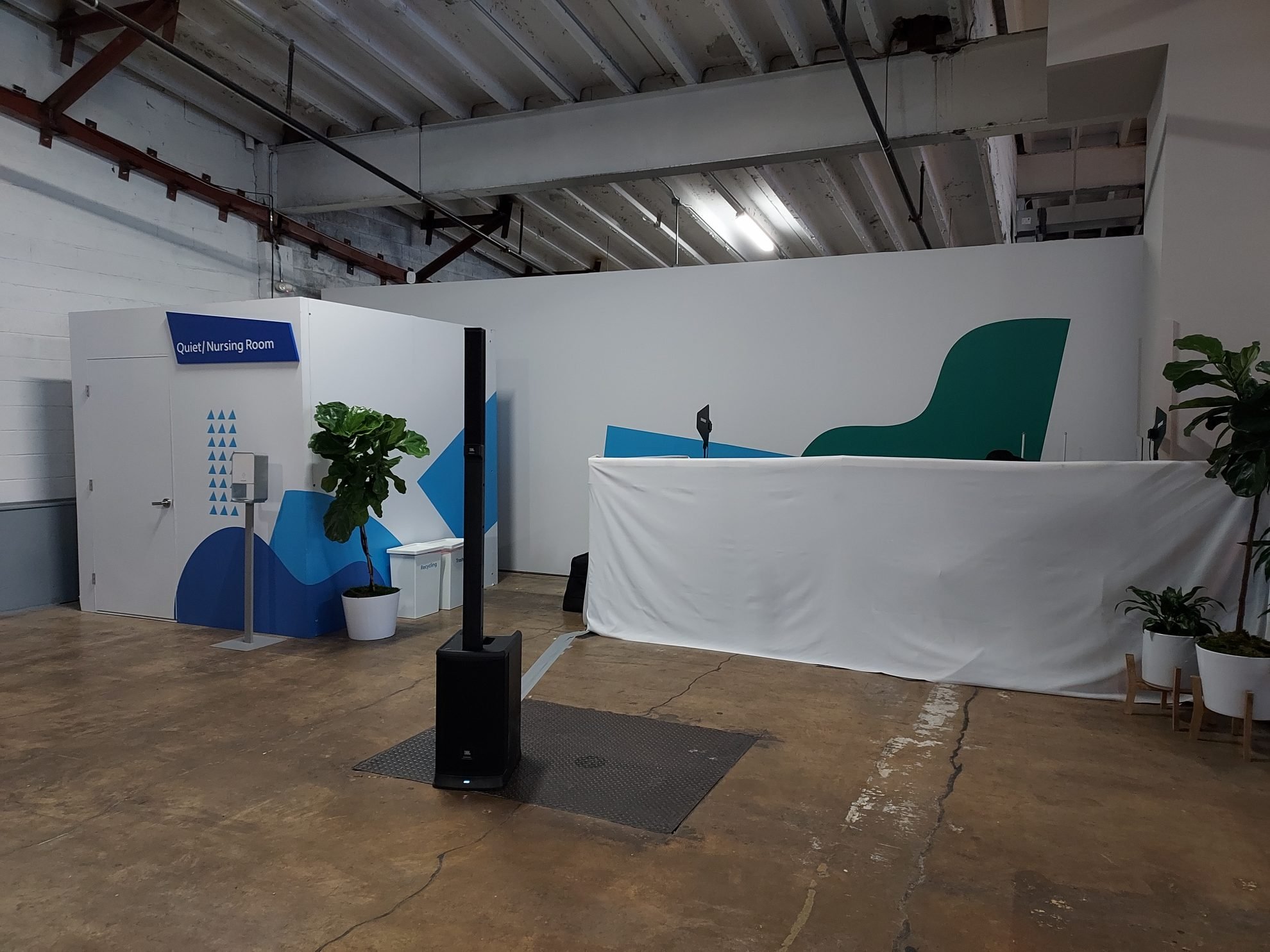
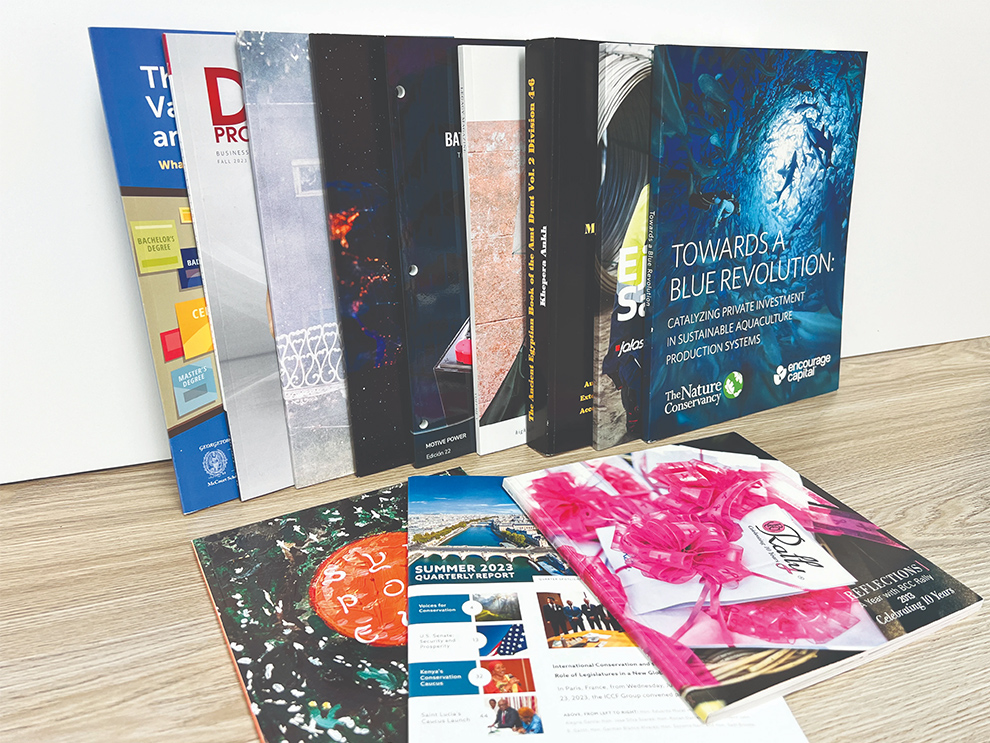
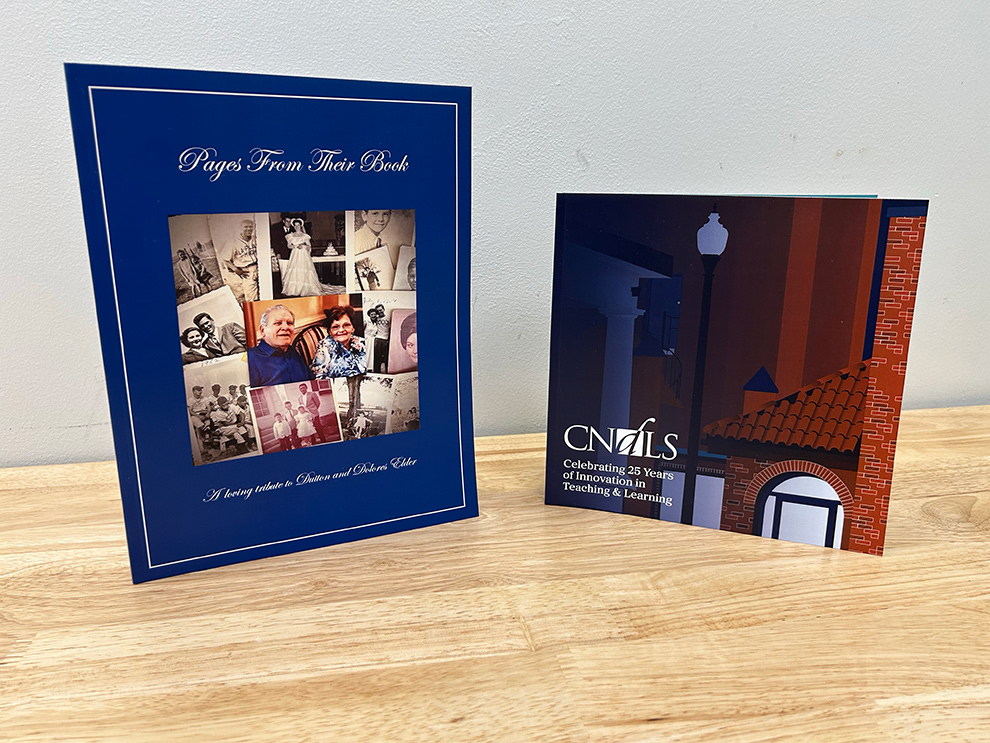
When a Bethesda organization distributes an annual summary, research compendium, program catalog, or member directory, readers form an opinion the moment the piece is picked up. Perfect binding answers that moment with a glued square spine, a wraparound cover, and three trimmed edges, so the publication reads as a finished book, not a thick handout.
Heritage produces perfect bound books for Bethesda, MD organizations that need a multi-page piece to feel substantial in the hand, line up neatly on a shelf, and hold up through repeated reference. Bethesda's concentration of healthcare, research, association, professional-services, and academic organizations generates exactly the kind of documents where that finish matters: outcome reports, policy compendiums, course catalogs, and membership directories.
The binding is only one decision. Finished trim size, interior paper, cover stock, page count, spine width, color targets, file preparation, electronic proof approval, and the date the books must be in hand all shape the production plan. Heritage treats those variables as one connected specification so the cover fits the interior it wraps. When the numbers support the construction, perfect binding gives important content a durable, professional form.
Heritage began as a printing company in 1977, before the business expanded into signs and displays, and that production background shapes how perfect bound work is handled today. A publication with a moving page count, several reviewers, and a fixed hand-out date needs a producer who understands how pagination, paper caliper, spine measurement, cover setup, color, trimming, and proof approval depend on one another.
Bethesda, MD clients work with Heritage through coordinated Mid-Atlantic production resources that serve the wider Washington, DC region. The company is veteran-owned and family-led, and that identity means plain communication, measured scheduling, and ownership of every commitment Heritage accepts. If an approval slips or an interior file changes after the cover has been built, Heritage states what must be resolved and lays out a realistic route to the delivery date.
Color management, pre-press quality control, and retained specifications support consistent results from one edition to the next. For qualifying Custom Quote orders, a Project Coordinator becomes the direct phone-and-email contact once Heritage has accepted the quote and assigned the order, a continuity that matters when several stakeholders share one publication.
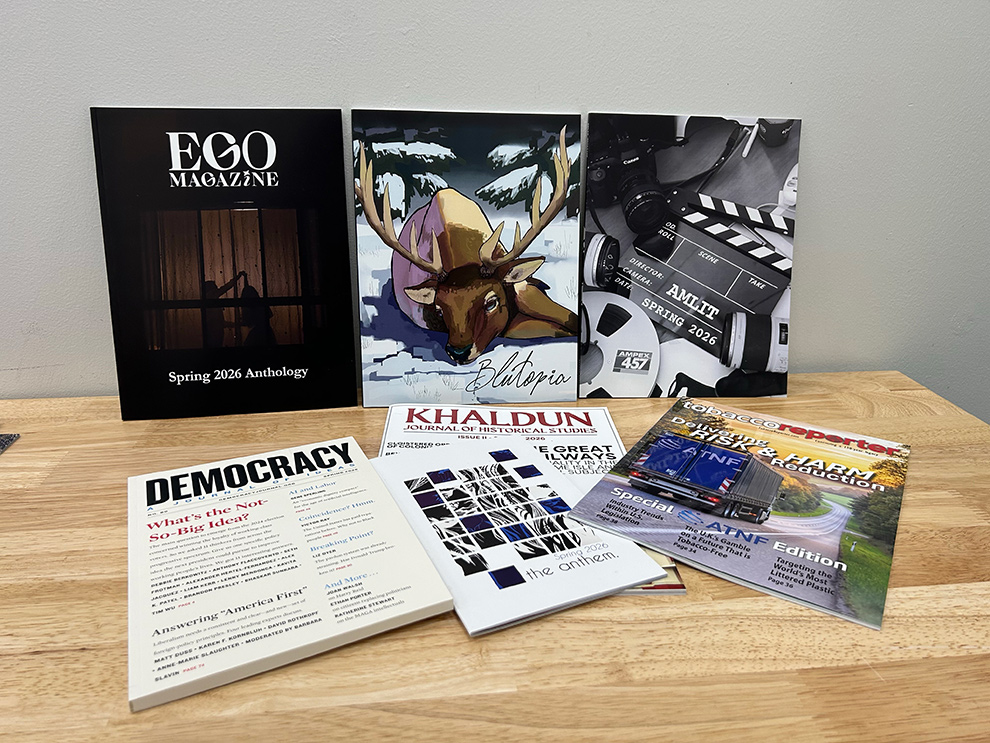
Perfect binding earns its place when a publication should be read, shelved, and handed over like a book. The adhesive-bound square spine and wraparound cover give a report or catalog a settled, permanent quality, and the trimmed block sits neatly in a stack or on a bookcase.
Function should drive the choice before appearance does. A lab protocol or training workbook that a clinician consults with one hand belongs in plastic coil, because coil pages lie flat and fold back. A short program or newsletter that folds and staples through its center is usually a saddle-stitched job, and a glued block that thin may not bind well. Perfect binding becomes the right answer when page count, paper weight, finished size, and intended handling together produce a block the adhesive can hold securely.
The spine deserves honest expectations. A square spine does not promise room for a title. Thin books may bind cleanly yet leave a spine too slender for legible type, so an unprinted spine looks more deliberate than squeezed lettering. Heritage reviews the full specification before confirming that the desired presentation is achievable.
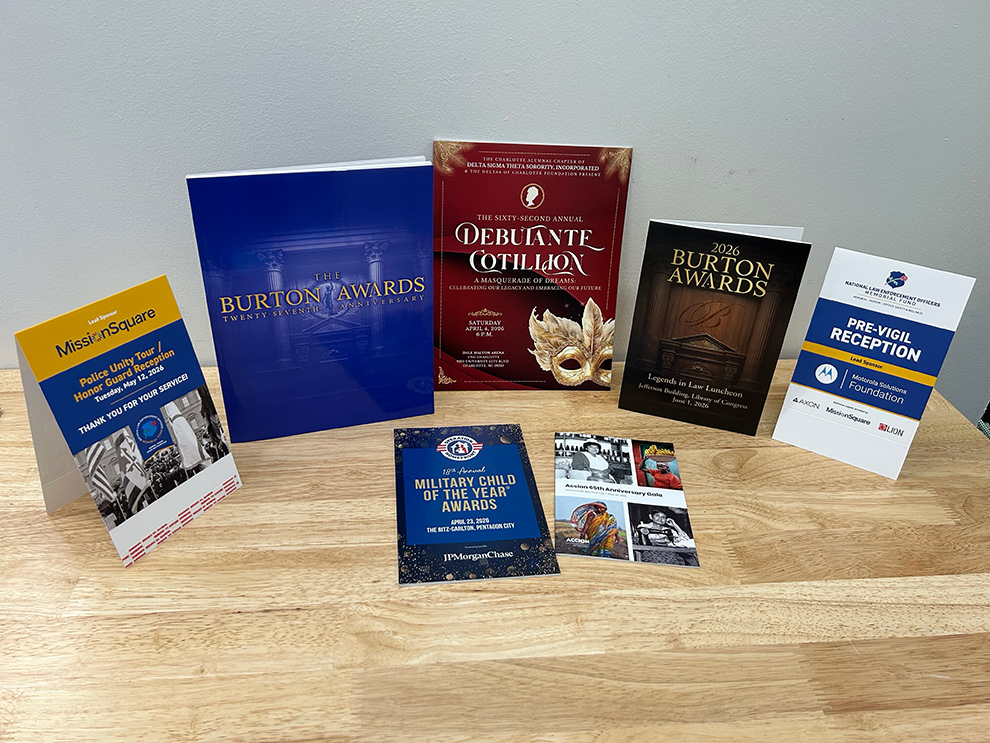
A perfect-bound book rarely travels alone. The capabilities below cover the companion pieces, alternative formats, and distribution steps Bethesda organizations may need alongside a report, directory, or catalog.
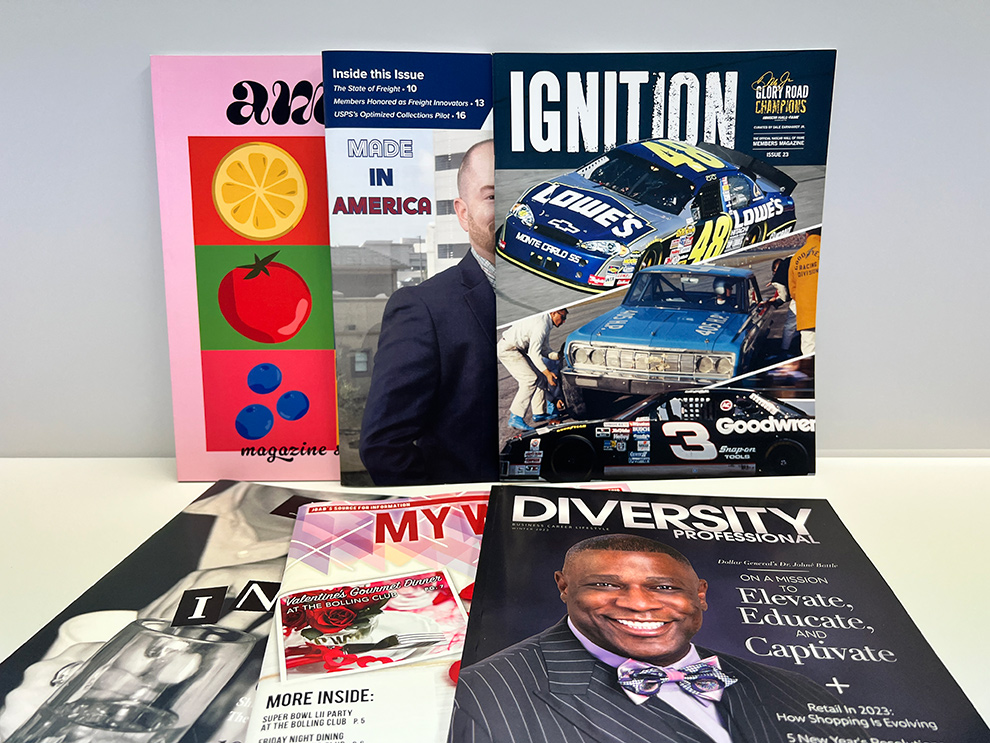
Choose this route for a member or alumni magazine that returns on a schedule and must match its previous issue in trim, paper, and color.
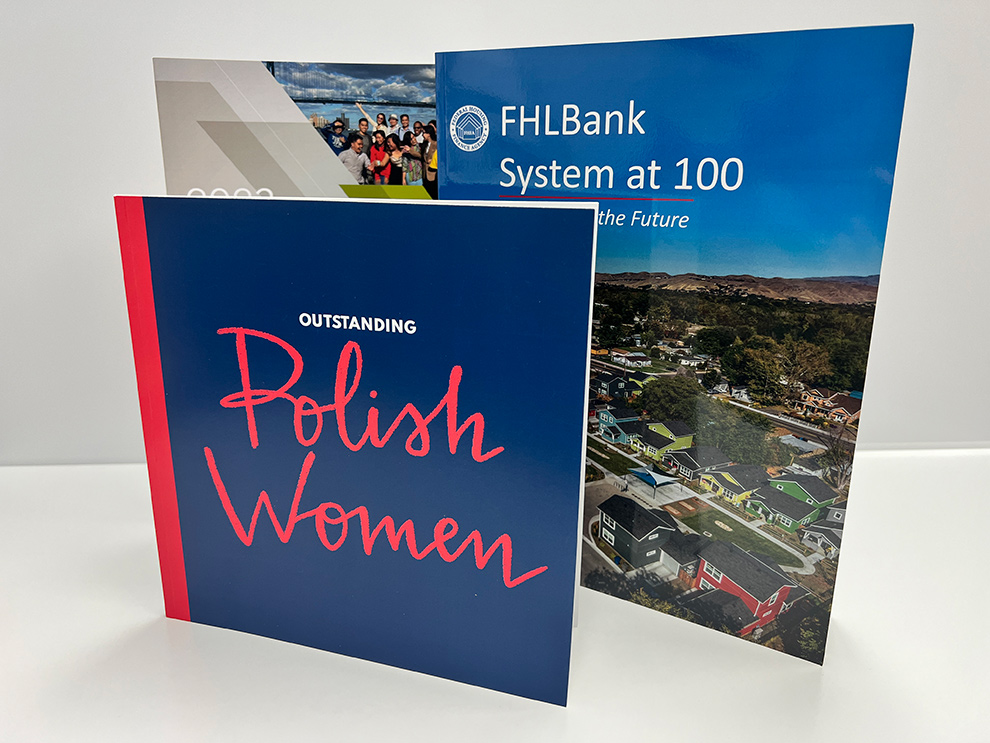
Consider a lighter saddle-stitched format when the page count falls short of what a perfect-bound spine needs.
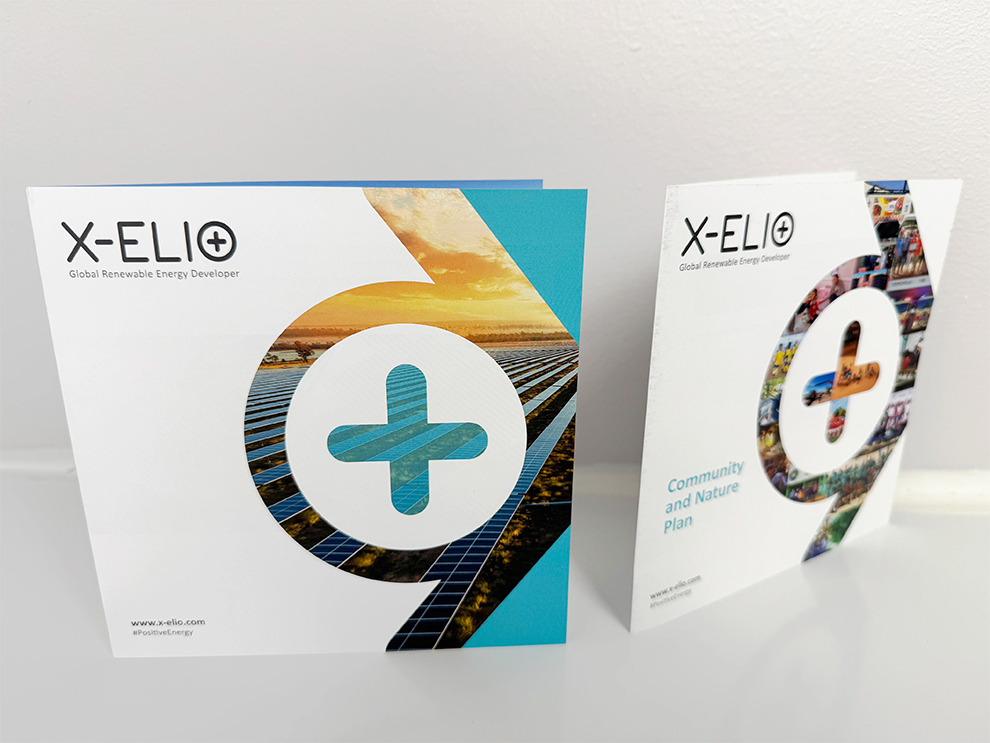
Hold a perfect bound report together with loose exhibits, letters, and reply cards for board meetings and donor visits.
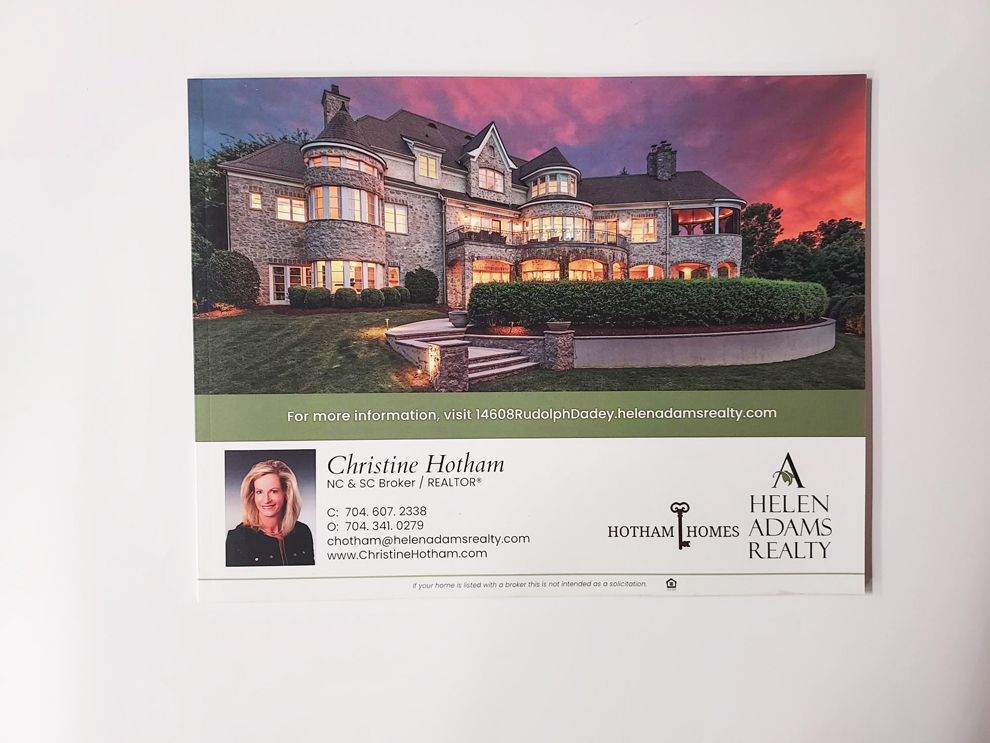
Move finished books from the press into addressed, mailed distribution when the audience is spread across the region.
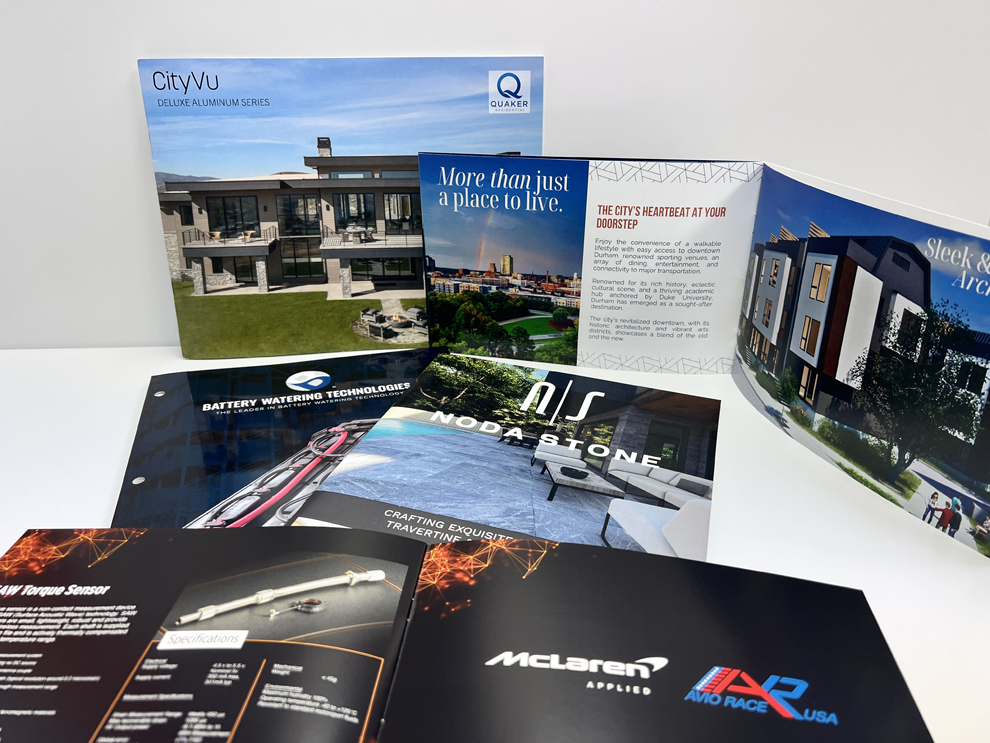
Pair a flagship publication with postcards, flyers, and sell sheets that carry the same campaign or recruiting message.
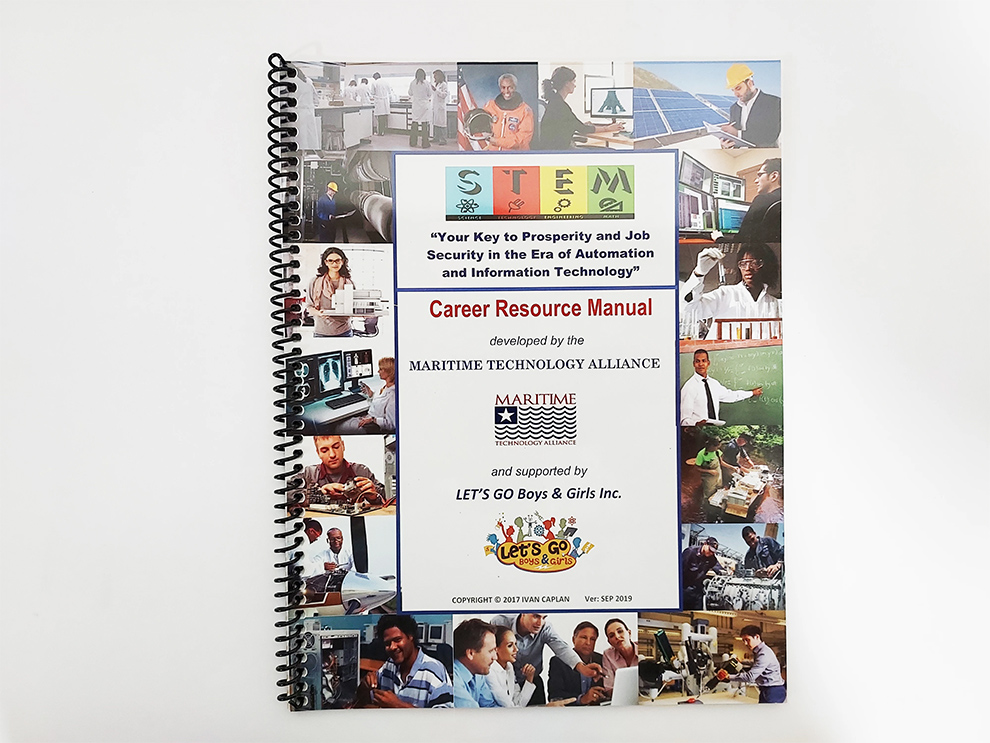
Select a lie-flat construction for procedure guides and workbooks that staff will mark up, open on a desk, and revisit.
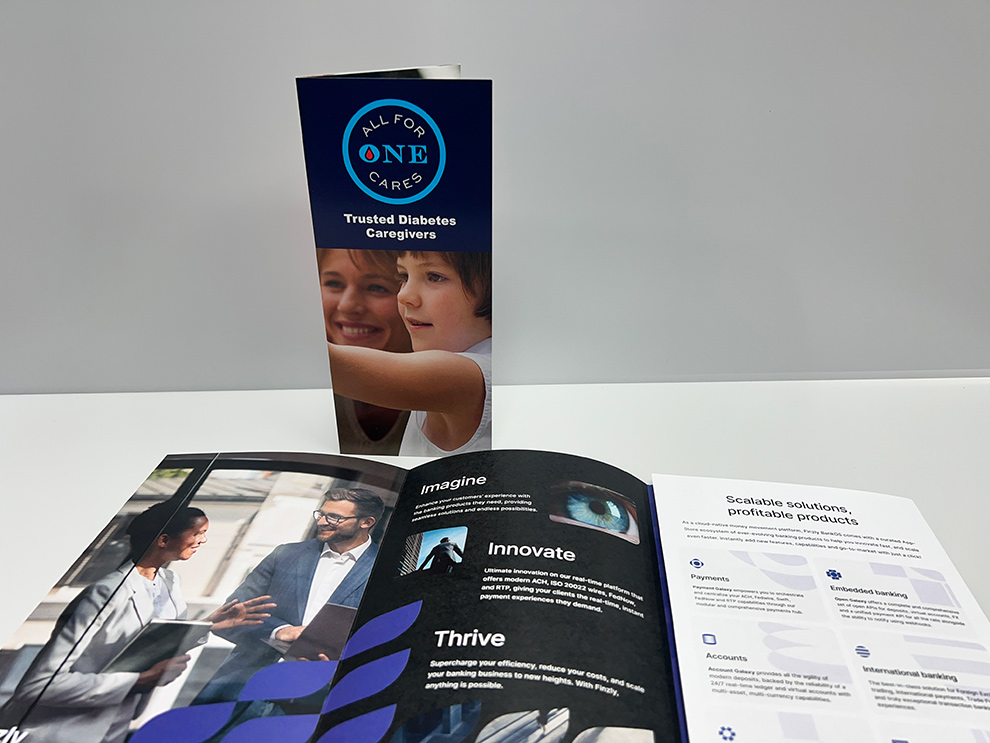
Condense a long report or catalog into a folded piece that is easy to leave behind after a meeting.
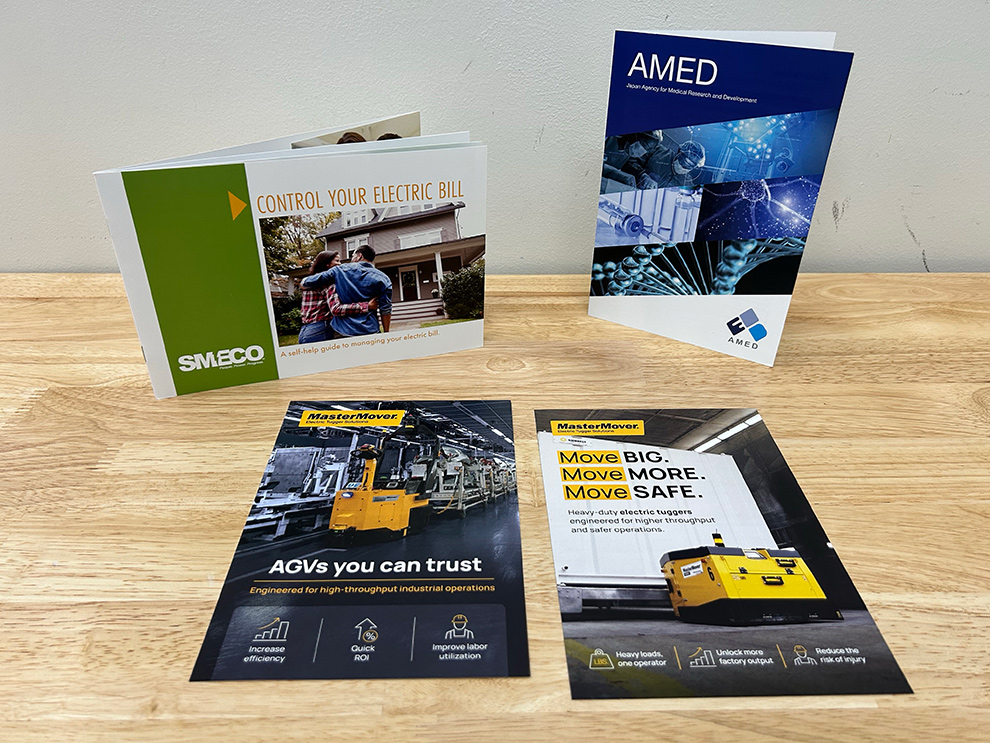
Turn to the full Heritage print lineup when the book is only one piece of a wider communication effort.
If the specifications are settled and the files are print-ready, the Online Store is the direct way to price and order perfect bound books for Bethesda, MD. If a $2,000+ project still has open questions about artwork, spine setup, multiple versions, or the delivery date, submit a Custom Quote and Heritage will review those items before deciding whether it can accept and schedule the work.
The cover of a perfect-bound book cannot be finalized until the interior is. Spine width is a product of page count and paper caliper, so a cover built on an estimated thickness may no longer fit once a chapter is added, an appendix cut, or a heavier stock chosen. Heritage confirms the final page total and paper before treating a cover file as production-ready.
Margins near the bound edge matter more than in a coil book. Because the pages curve into the gutter, running text, page numbers, tables, and photographs set too close to the spine become hard to read. Keep essential content well inside the live area, and expect spine-crossing images to lose some detail. Paper opacity, cover weight, coating, and color targets for key images belong in the same conversation.
Organizations that issue a yearly report or several versions of one directory benefit from a documented baseline. Retained trim dimensions, stock selections, and approved color references give the next edition a starting point while content, quantity, and dates remain open. The electronic proof then confirms pagination, cover, and spine together.
The right route for perfect bound books in Bethesda, MD depends on how finished the job is.
The Self-Directed Online Store fits a publication with fixed specifications and complete, print-ready cover and interior files. The buyer selects a live Perfect Bound configuration, uploads artwork, and pays online. Store orders carry a $750 total-order minimum, which eligible products may be combined to meet, and they do not include layout help, a Physical Production Color Proof, or an assigned Project Coordinator. Every Store order still receives Heritage production review and requires client approval of an electronic proof before printing.
A new Commercial Printing opportunity of $2,000 or more may qualify for Storefront Custom Quote when it needs file preparation, cover and spine setup, specification guidance, production-oriented layout, or coordination across several versions. The form is a request, not a confirmation of scheduling or a contact. Once Heritage accepts the quote and assigns the order, the Project Coordinator handles direct phone-and-email communication. State any fixed conference or board date in the request so feasibility is assessed before commitments are made.
Usually yes, provided the finished block is thick enough to bind securely. Annual reports, program and course catalogs, research summaries, directories, and portfolios are typical perfect-bound candidates for Bethesda, MD organizations because they benefit from a square spine and a cover that frames the content. A very short report may be better served by saddle stitching, so Heritage confirms the page count and paper before recommending the format.
The printed interior sheets are gathered, the spine edge is roughened and coated with adhesive, and a wraparound cover is applied while the glue bonds. The whole block is then trimmed on three sides, leaving a flat square spine and clean edges. The process produces the conventional softcover book form used for reports, catalogs, and paperback publications.
Not reliably. The glued spine holds the pages in a conventional book form, so the book opens for normal reading but tends to close or arch rather than lie fully flat. If readers will need both hands free, or pages that fold back on themselves, plastic coil is the better construction. Layouts for perfect binding should keep text and images clear of the gutter for the same reason.
Choose coil when the book will be used rather than presented. Coil-bound pages lie flat, turn fully around, and tolerate constant handling, which suits training workbooks, procedure manuals, and reference material consulted at a bench or bedside. Choose perfect binding when the piece should look like a finished book, stack and shelve neatly, and carry a printed cover and square spine. The reading situation, not the page count alone, settles the question.
Saddle stitching makes sense for publications thin enough to fold cleanly through the center and hold with wire staples. Event programs, short newsletters, and brief guides often fall into this range. As page count and paper thickness rise, the folded sheets begin to creep and bulk at the spine, and the piece reaches a point where a glued square spine binds more cleanly and looks more finished. Heritage weighs both constructions against the actual specification instead of defaulting to either one.
Spine width is driven by the interior page count and the thickness, or caliper, of the chosen paper, plus the cover stock and the binding construction itself. Heritage derives the measurement from the final specification rather than from an estimate, because switching paper or adding a section changes the result. Lock the page count and stock first, then size the cover and any spine artwork to the confirmed dimension.
Only when the finished spine is wide enough to carry it legibly. A thick report or catalog usually has room for a title, organization name, or date, while a slim publication may leave a spine too narrow for type to center cleanly and read at a glance. Heritage confirms the spine dimension after page count and paper are final, and recommends leaving the spine blank when lettering would look cramped.
The electronic proof confirms the production file: text, page sequence, numbering, image placement, cover layout, and spine position as they will be imposed for printing. Every perfect bound order, including an Online Store purchase, is held until the client approves it. What it does not confirm is finished color, because a screen cannot reproduce ink on paper. Treat it as the last chance to catch a missing page, a wrong date, or a cover file that no longer matches the interior.
Yes, as a paid option on qualifying Custom Quote work valued at $2,000 or more. The Physical Production Color Proof is produced on the same production printer and the same paper or material planned for the run, so it shows how the cover photographs and brand colors will actually land. It adds production time, and once approved it governs final color unless another agreement controls. The option is not offered through the Self-Directed Online Store.
Yes. Heritage can retain the approved trim size, paper selections, cover construction, color references, and other production details from an accepted job so the next edition starts from a known baseline. Content, page count, and quantity can change while the format stays consistent, which matters when a directory or report is compared side by side with last year's copy. If the page count shifts, the spine and cover are recalculated before the new run. For several versions of one title, label each file, quantity, and approver distinctly so the editions stay separate through production.
Yes, when a live Perfect Bound configuration matches your specification and the cover and interior artwork are finished and print-ready. The Store is self-directed: choose the options, upload the files, and complete the purchase against the $750 total-order minimum, which other eligible products may help reach. No layout assistance or assigned Project Coordinator is included. Heritage still reviews the files, issues the electronic proof for approval, and runs its standard quality control before printing.
The combination of value and need. A new Commercial Printing opportunity of $2,000 or more may qualify when the book still requires production support, such as preparing files, building the cover and spine to the correct width, settling specifications, or managing several versions at once. An order above that amount with finished files can still go through the Store. The quote form is a request only; acceptance, scheduling, and a named contact are not automatic. If Heritage accepts the quote and assigns the order, the Project Coordinator then becomes the direct phone-and-email contact through delivery.
Send the date, then the facts that control it: quantity, current page count, whether the cover is final, the status of interior files, how many versions exist, and which approvals are still pending. With that information Heritage can map the production sequence, including proof turnaround, binding, and delivery, and tell you whether the date is realistic or whether an earlier file deadline or a smaller first delivery is the responsible answer. Heritage does not promise a date it cannot support, but it does stand behind the dates it accepts.
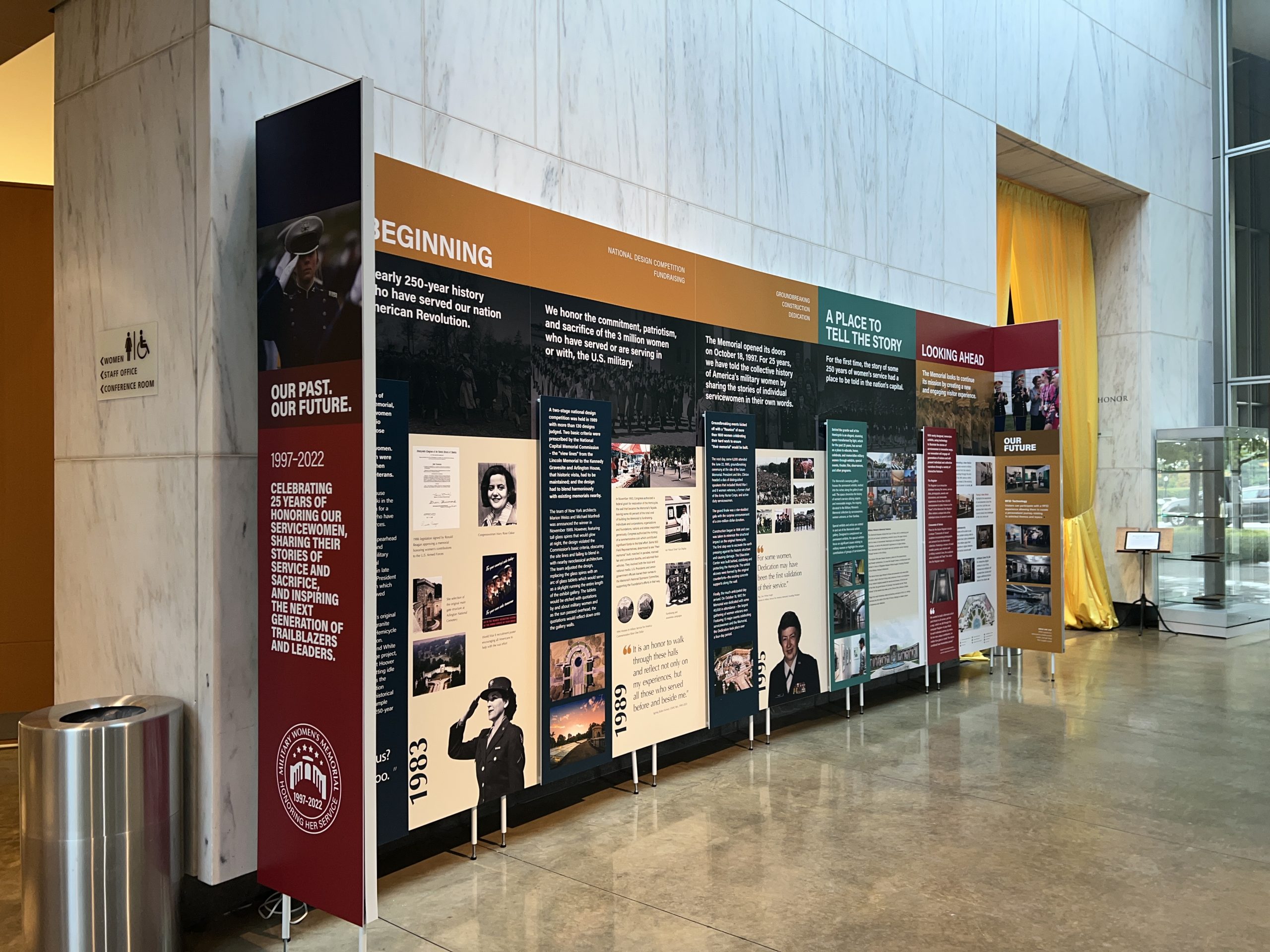
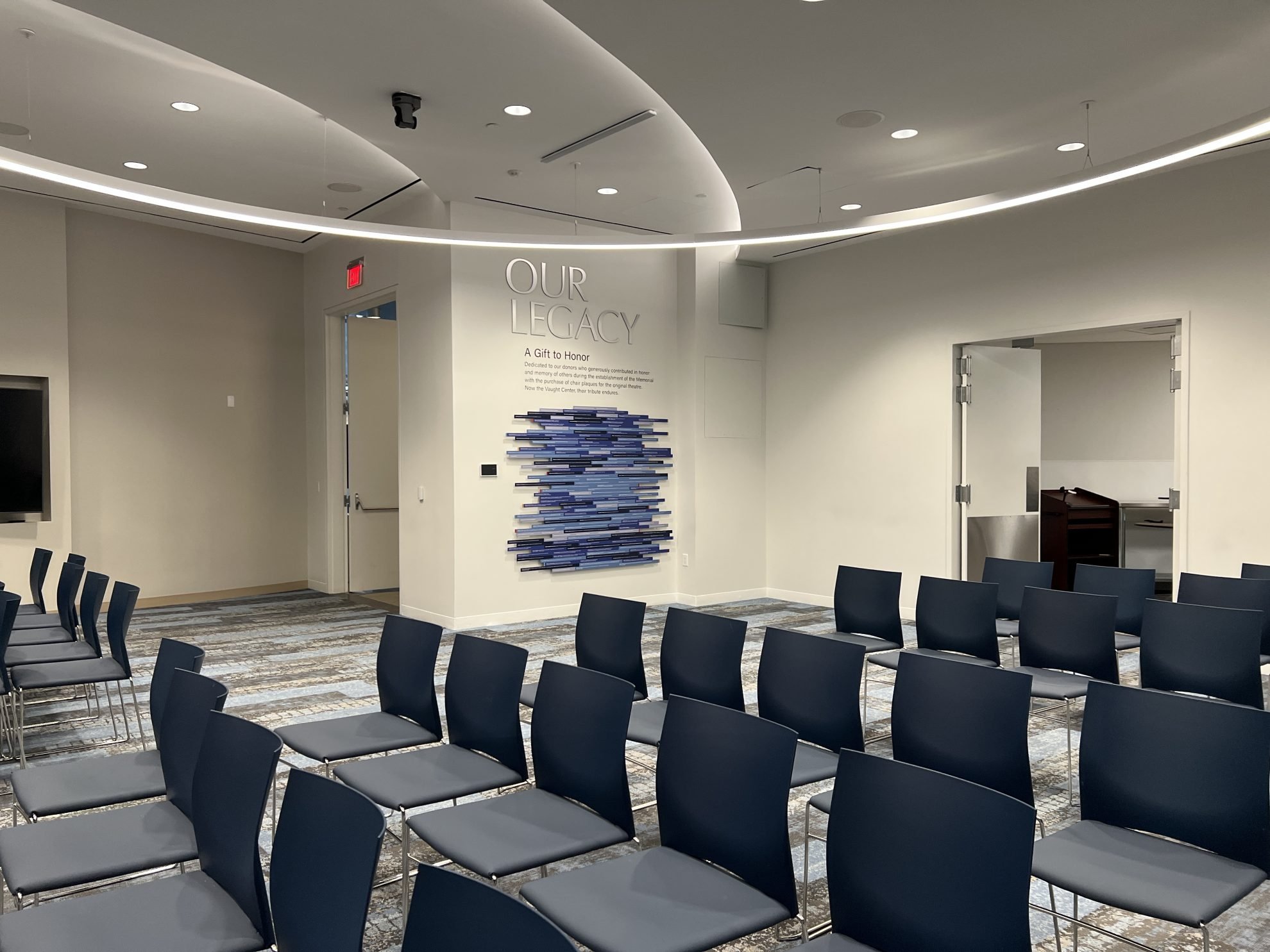
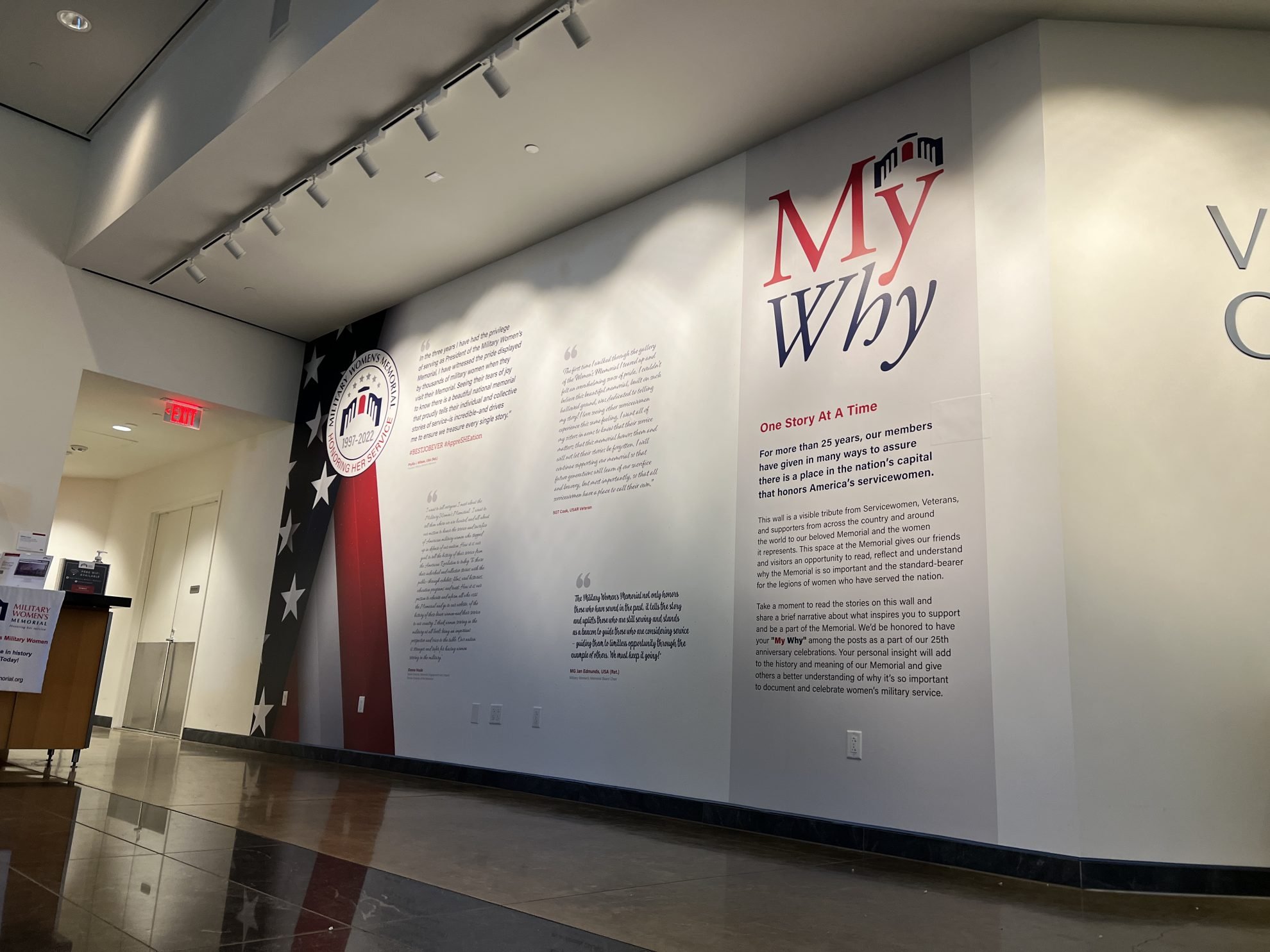
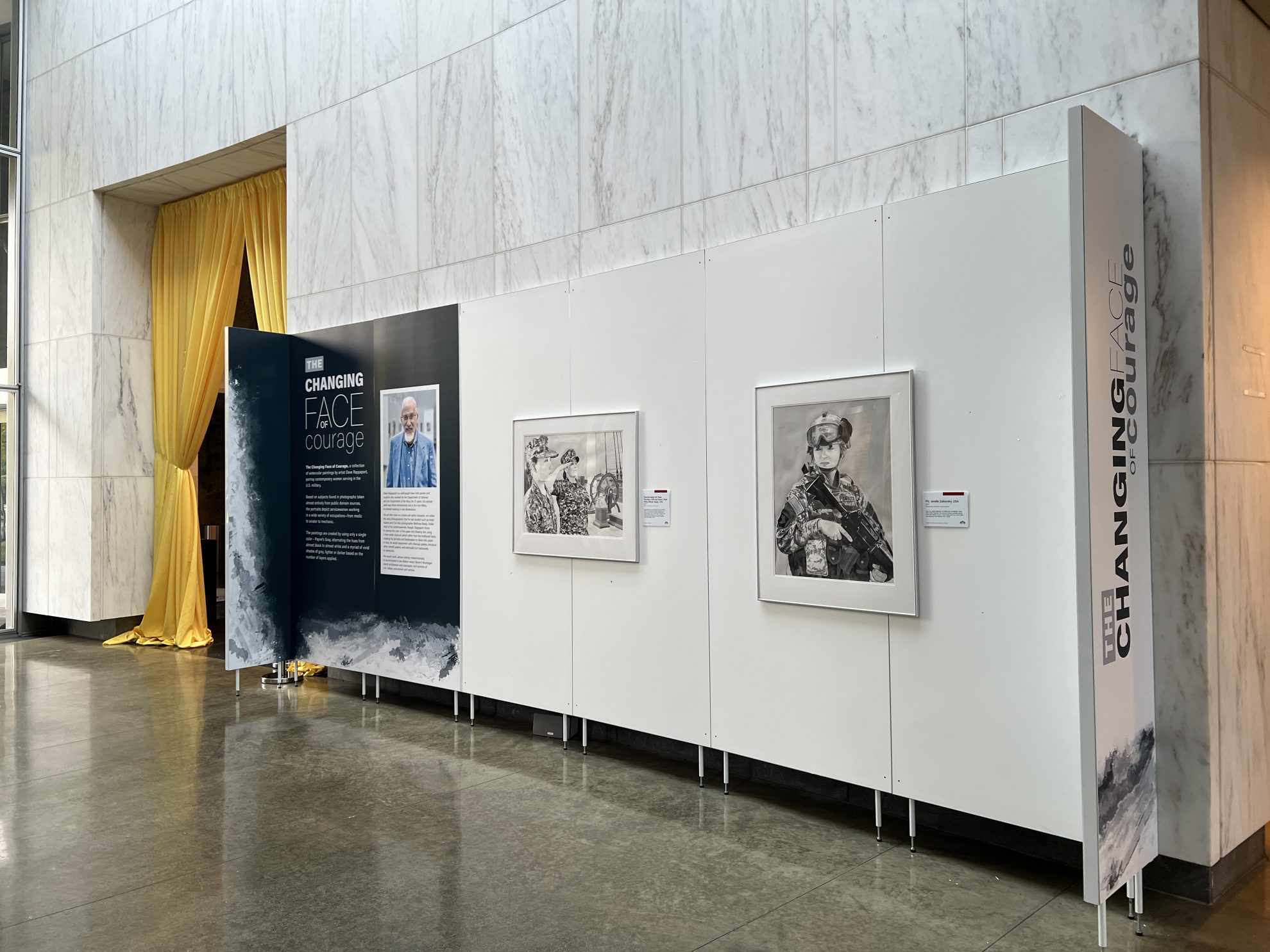
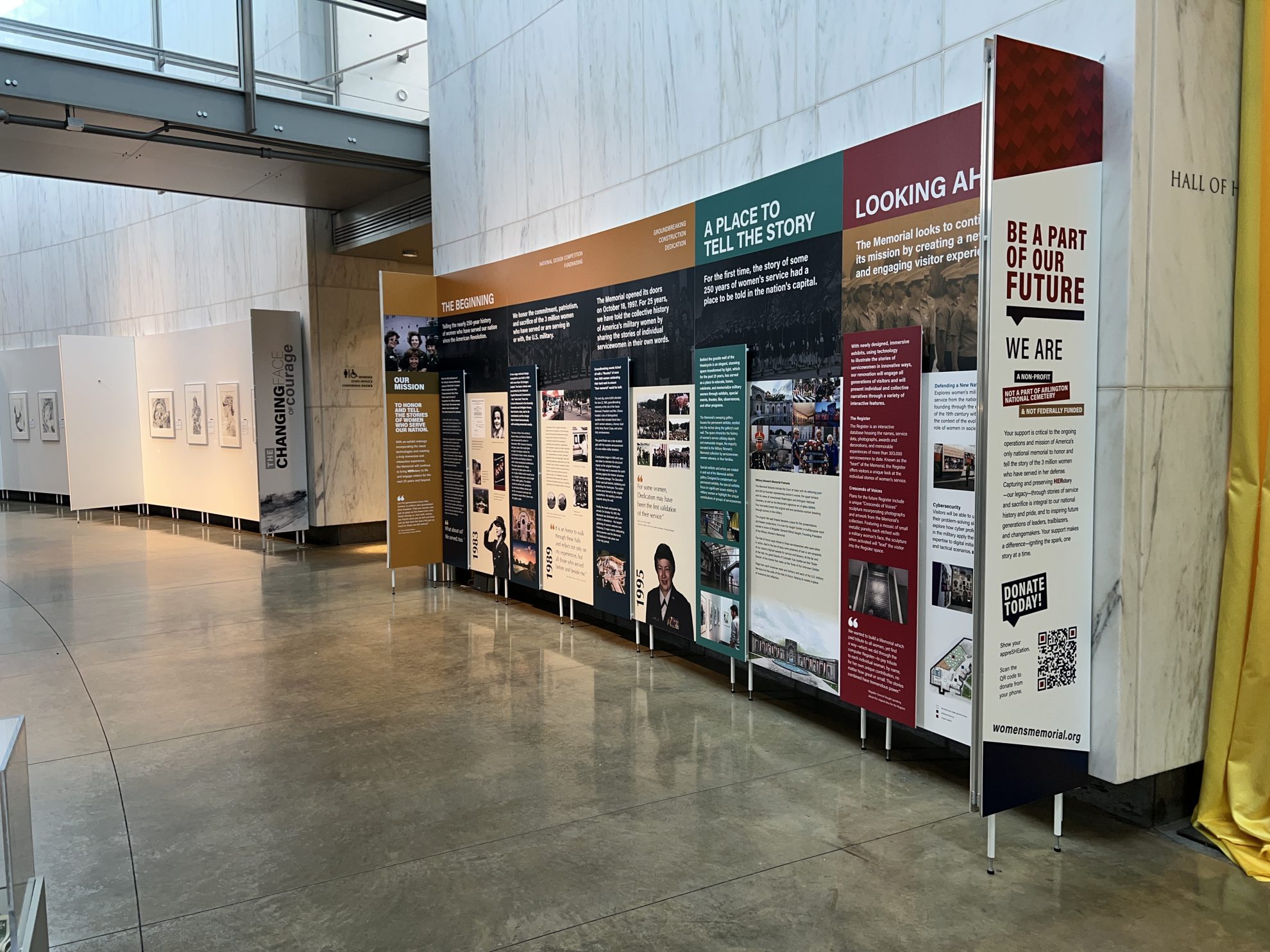
Heritage Signs & Displays created new museum signage for the Military Women’s Memorial in Bethesda, MD. The project included custom signs, wall wraps, dimensional letters, and standoff-mounted displays to honor the legacy of U.S. servicewomen and the donors who supported the memorial. The updated interior features impactful designs, including a "Our Legacy" wall display and panels showcasing historical contributions and artwork, creating a transformative tribute to women in the U.S. Armed Forces.
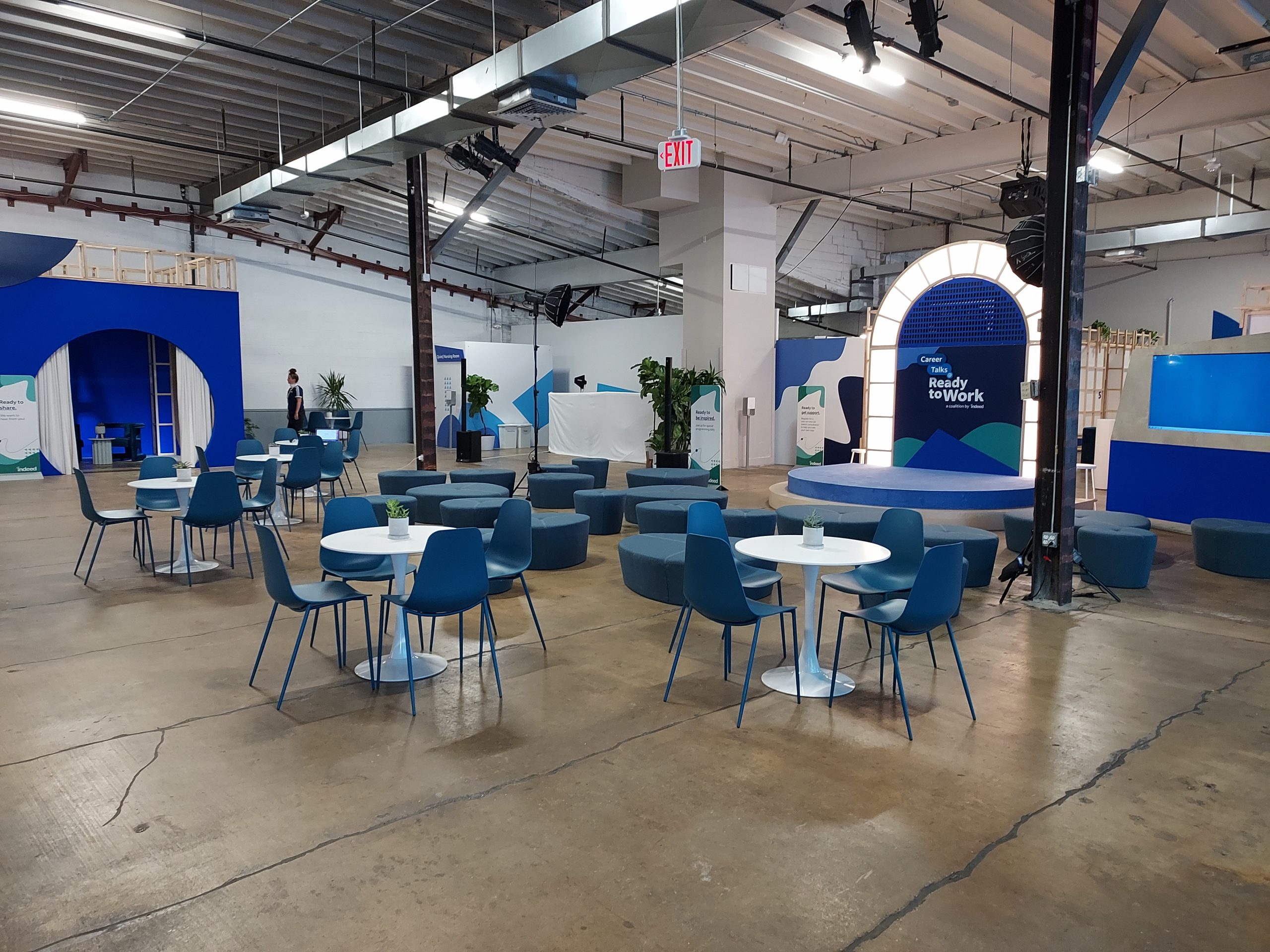
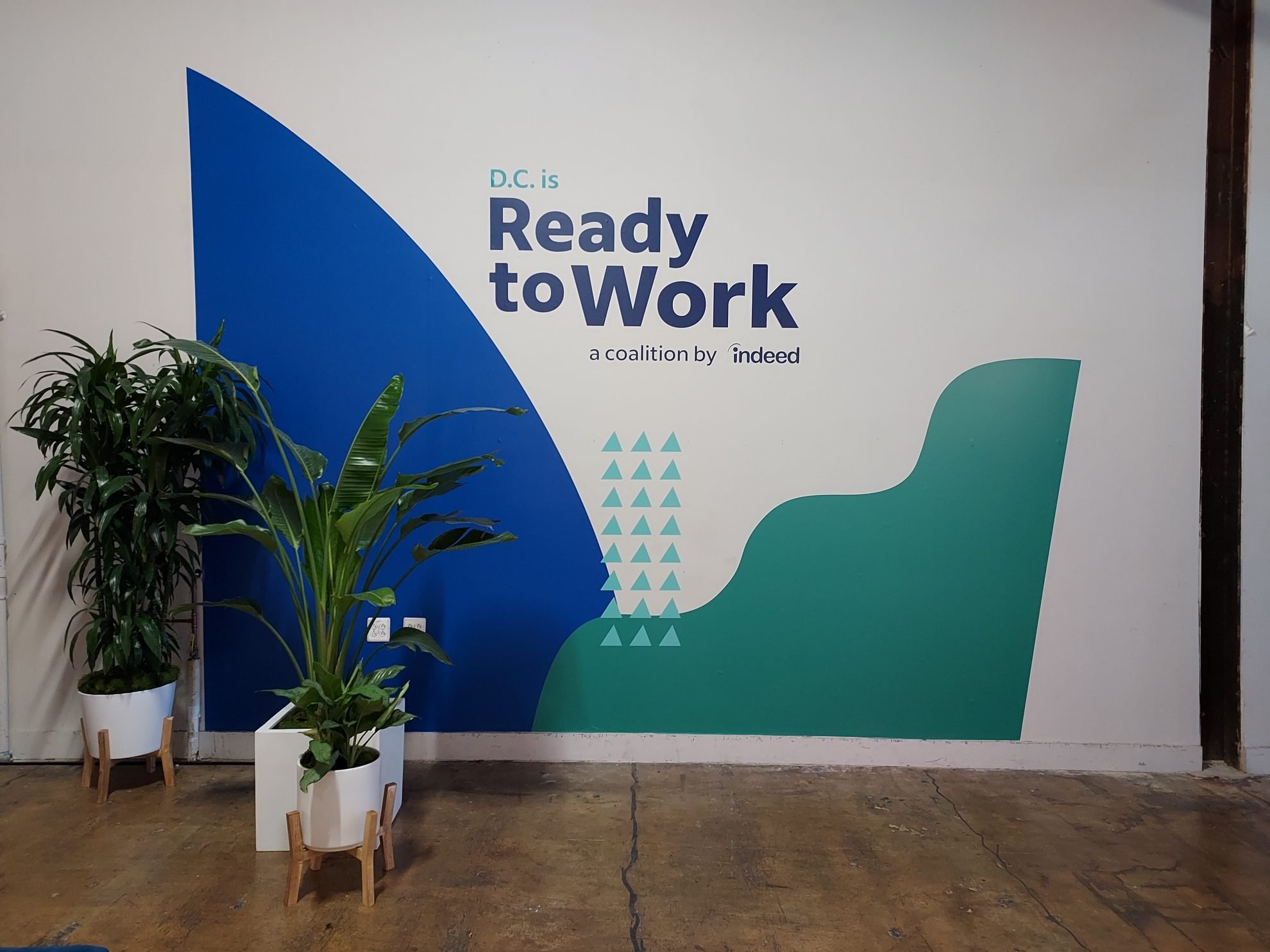
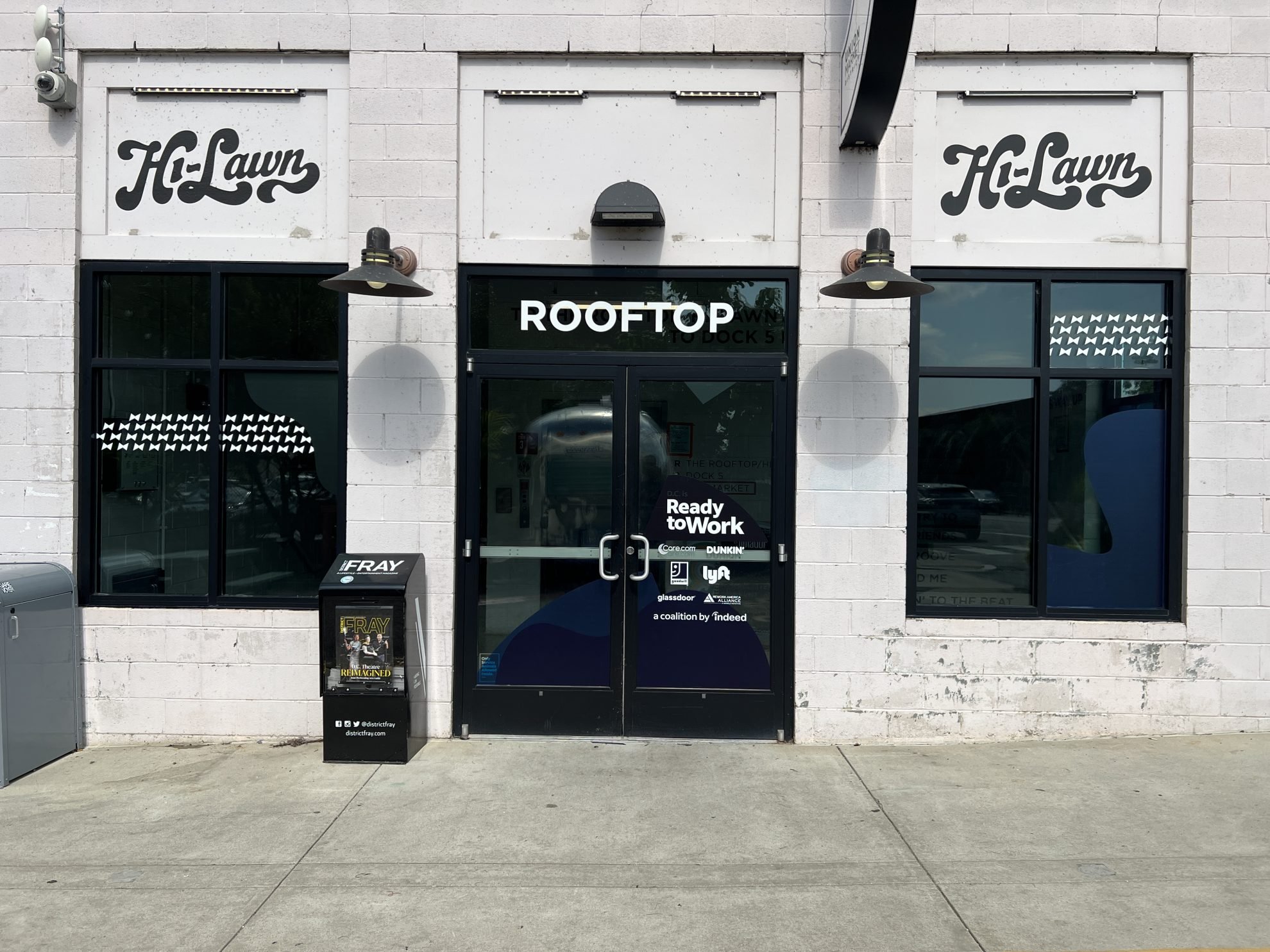
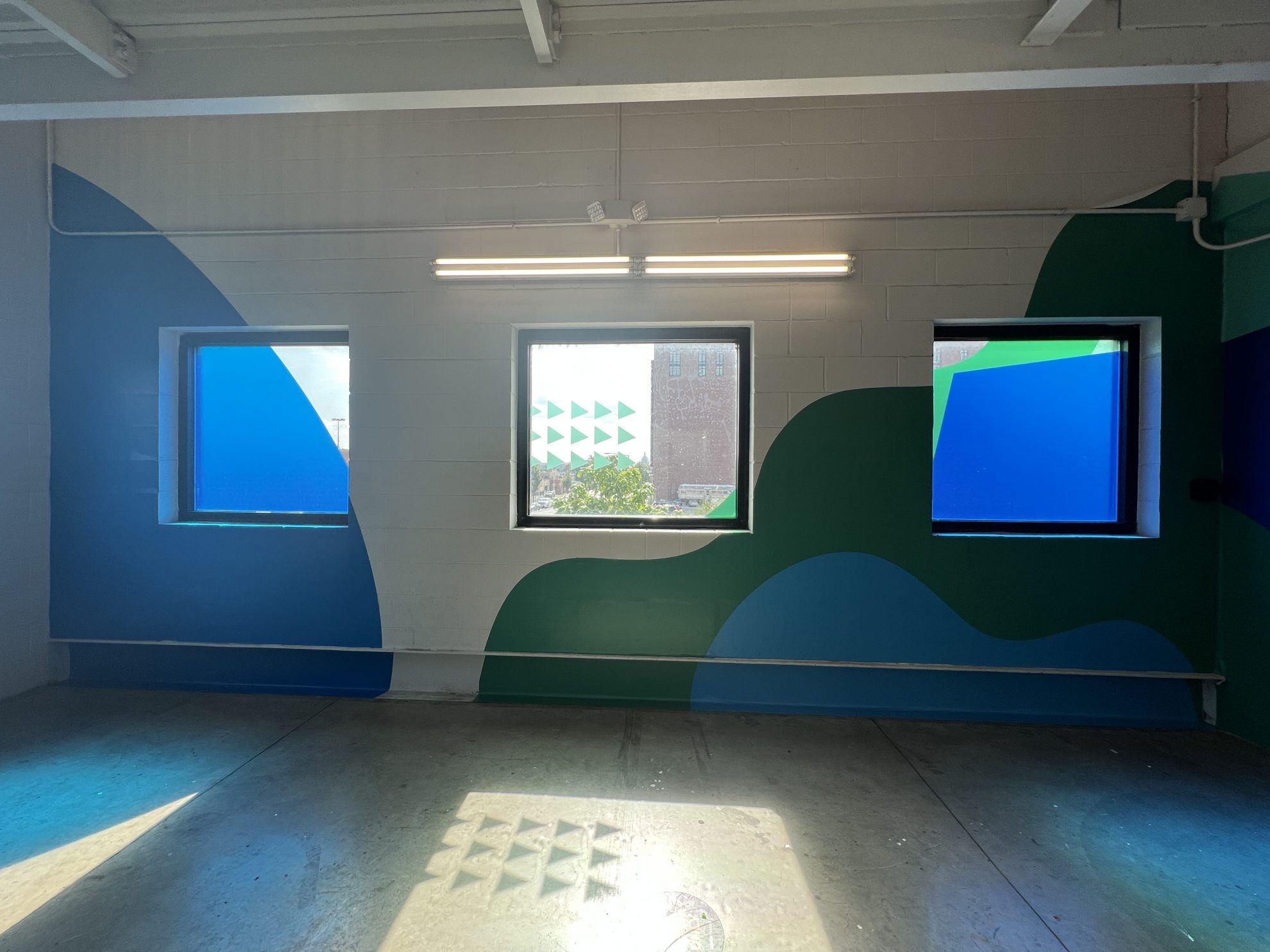
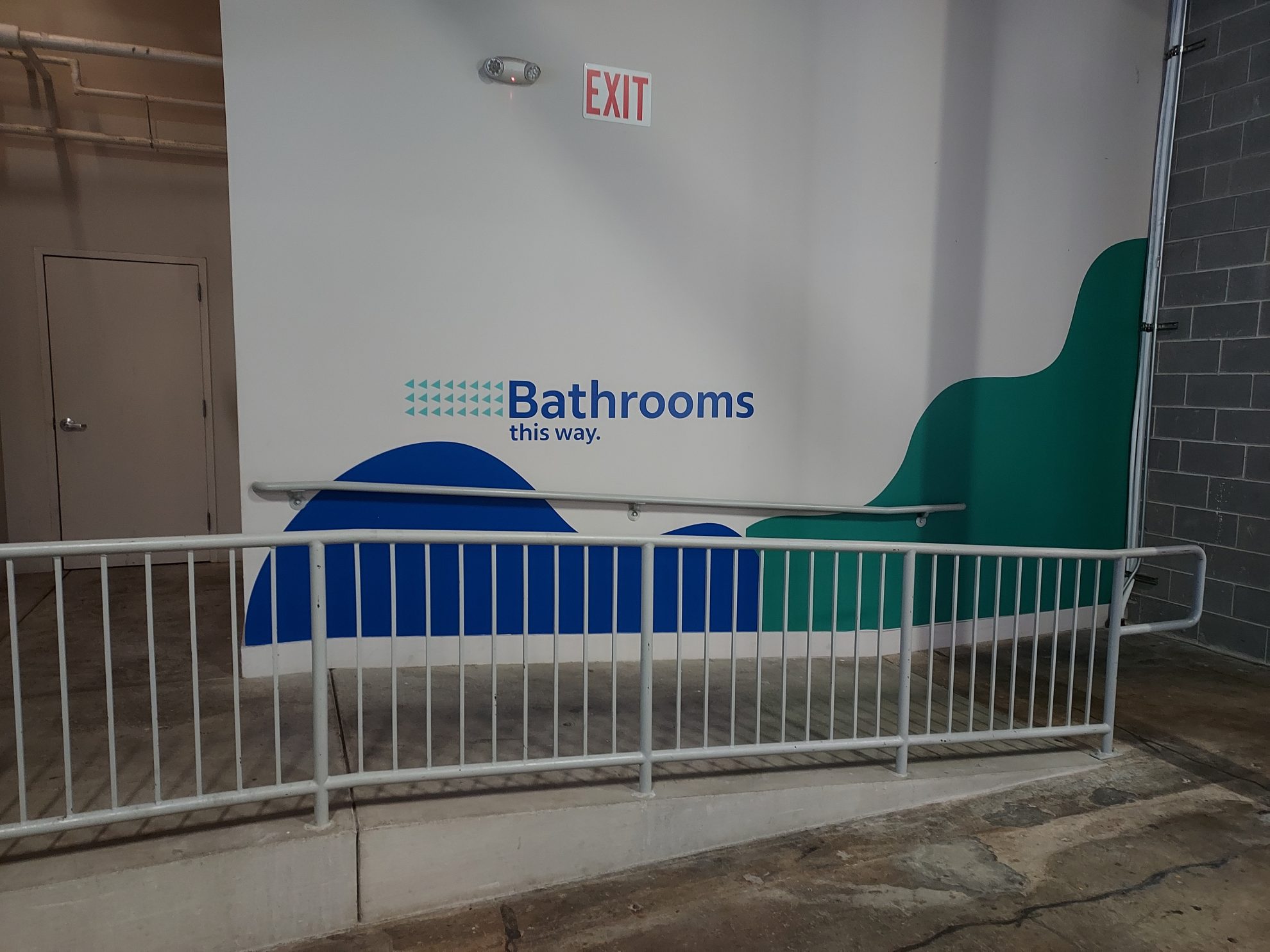
Heritage Signs & Displays' collaboration with The Gathery to brand Union Market in Bethesda, MD, for Indeed's "Ready to Work" job fair. The project included custom event displays, wall graphics, window graphics, and wayfinding signs, creating an immersive and visually appealing environment. The branding enhanced the venue, reflected the event's mission, and provided a seamless experience for attendees.