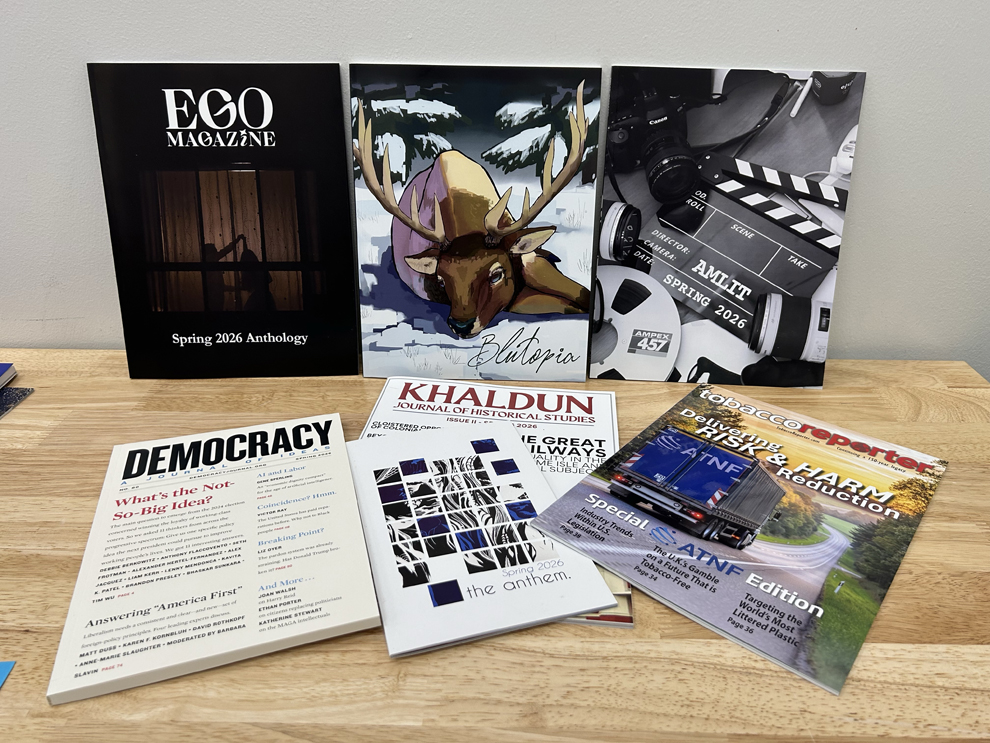
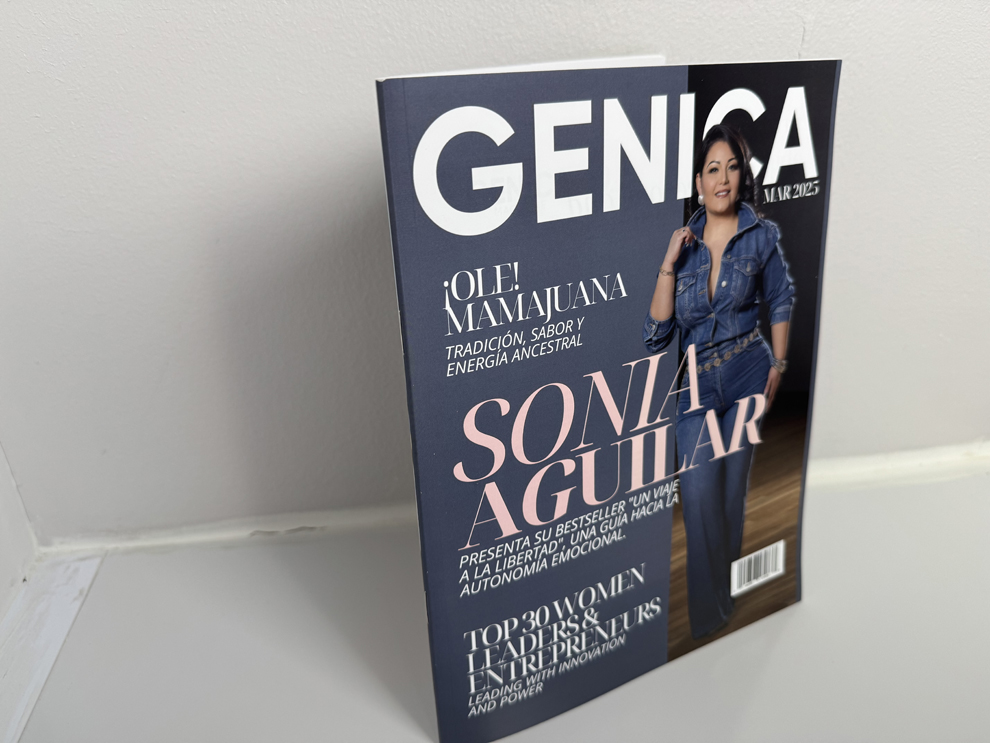
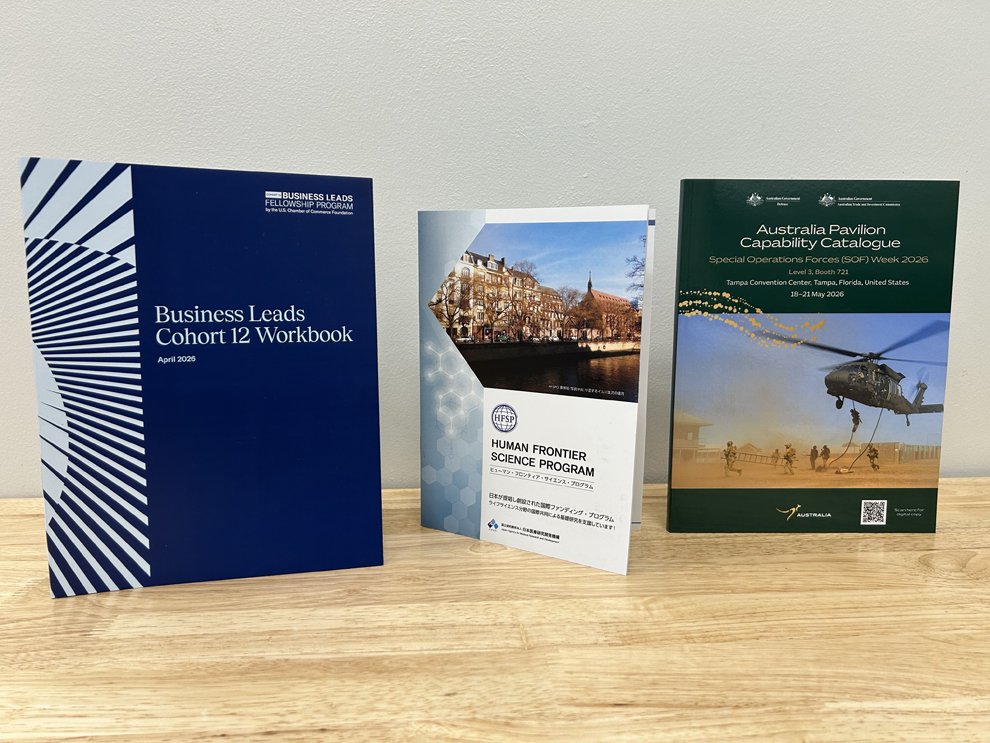
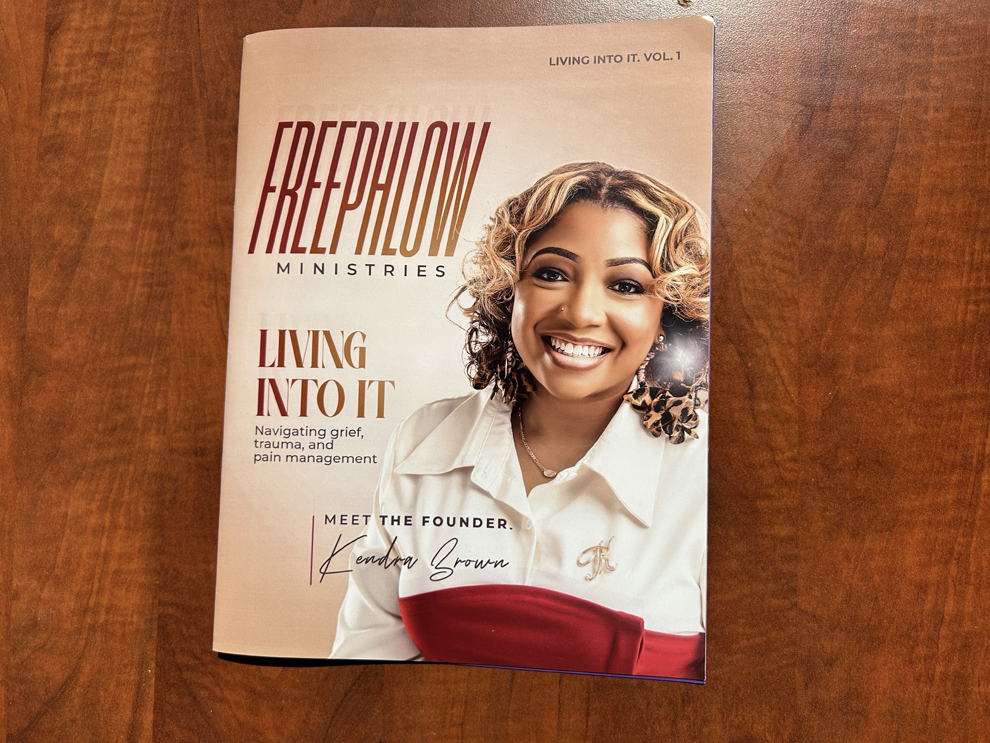
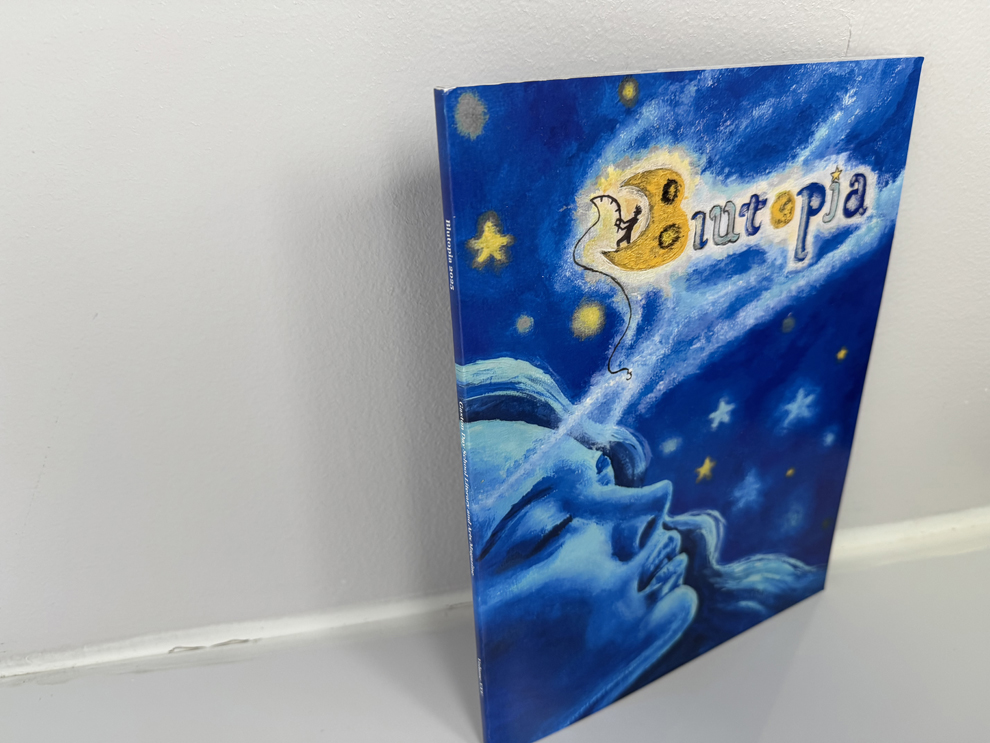
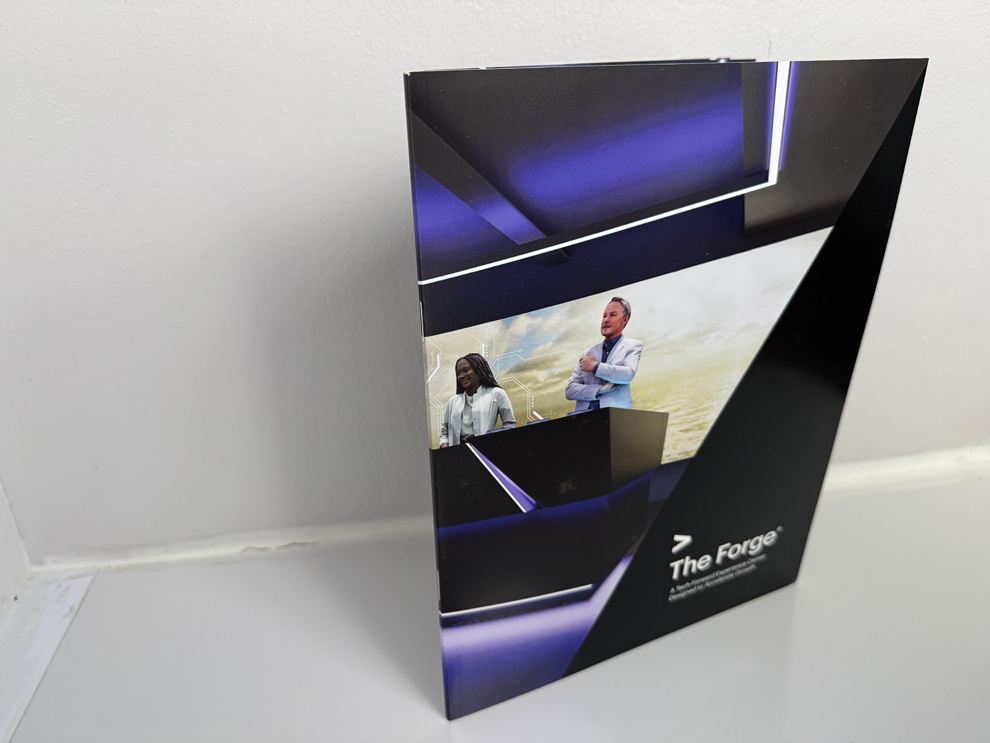
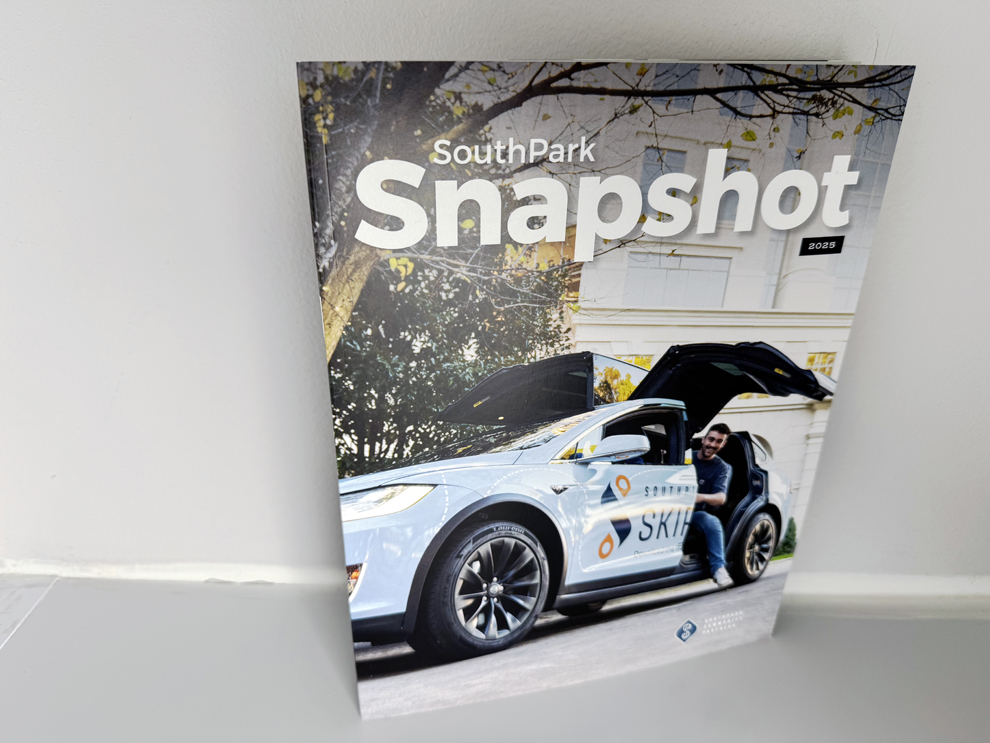
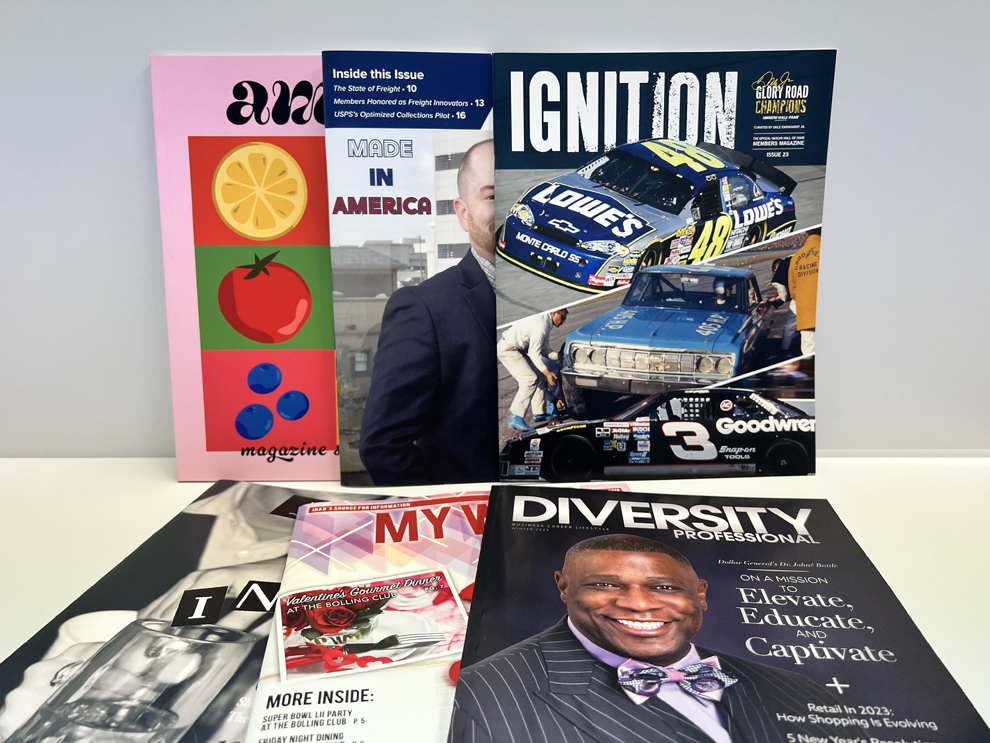
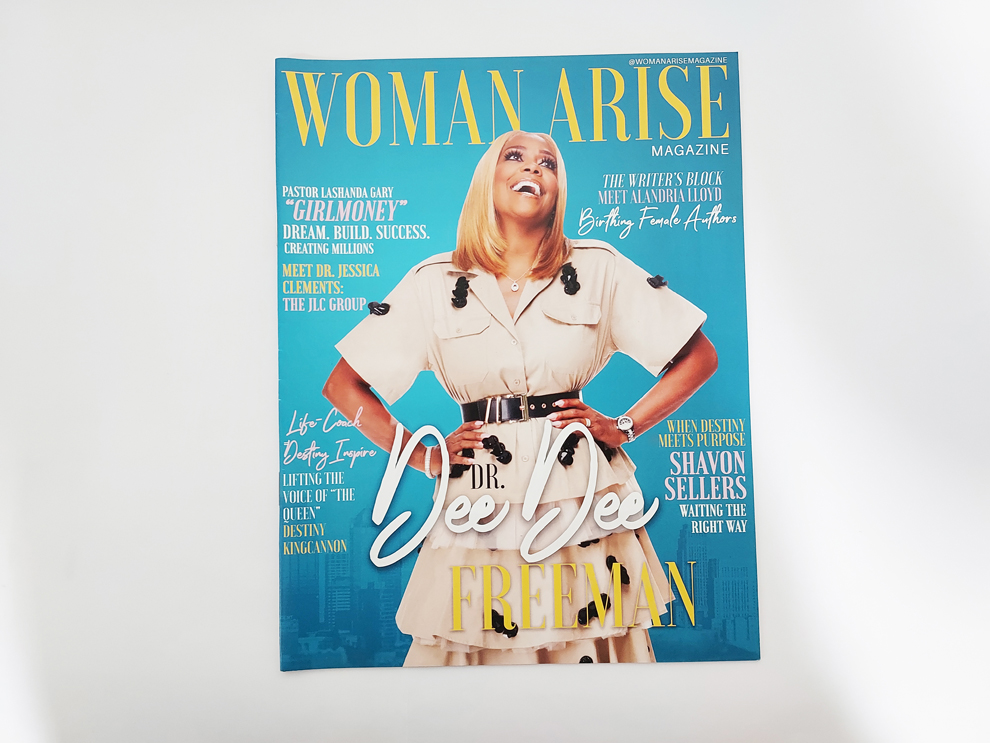
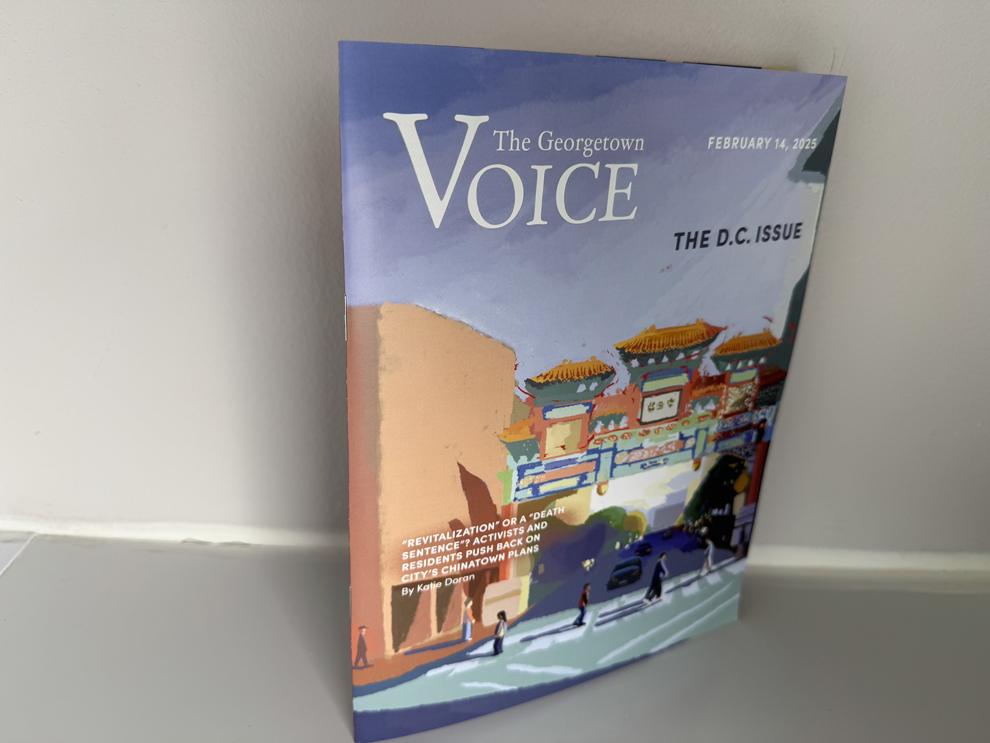
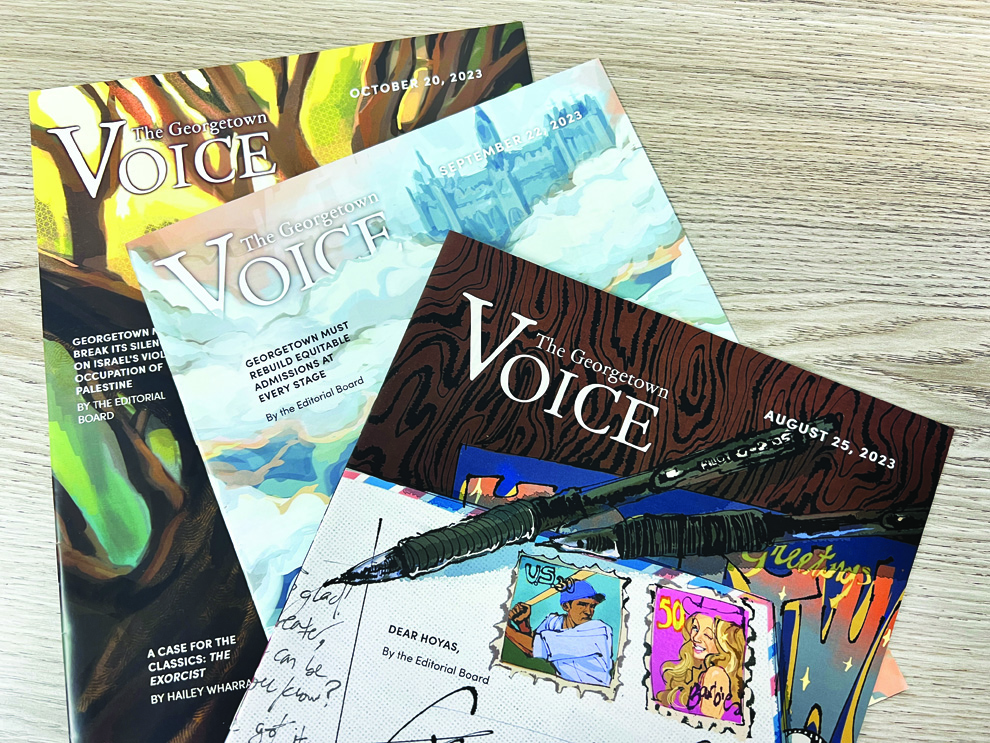
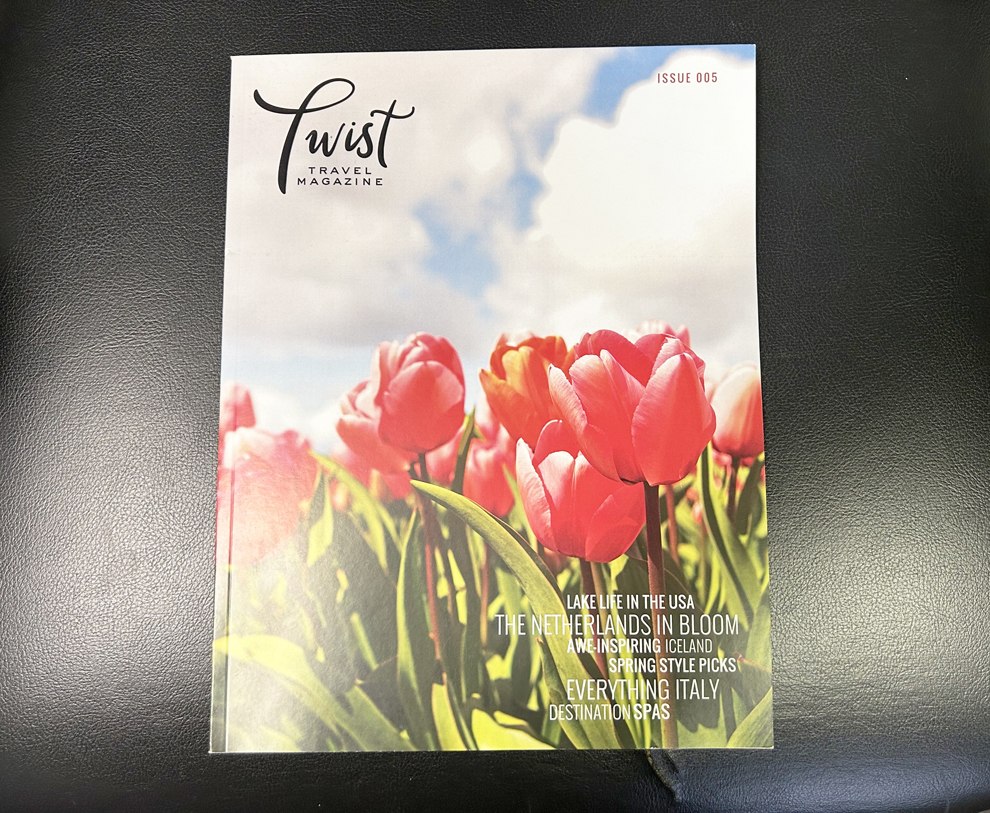
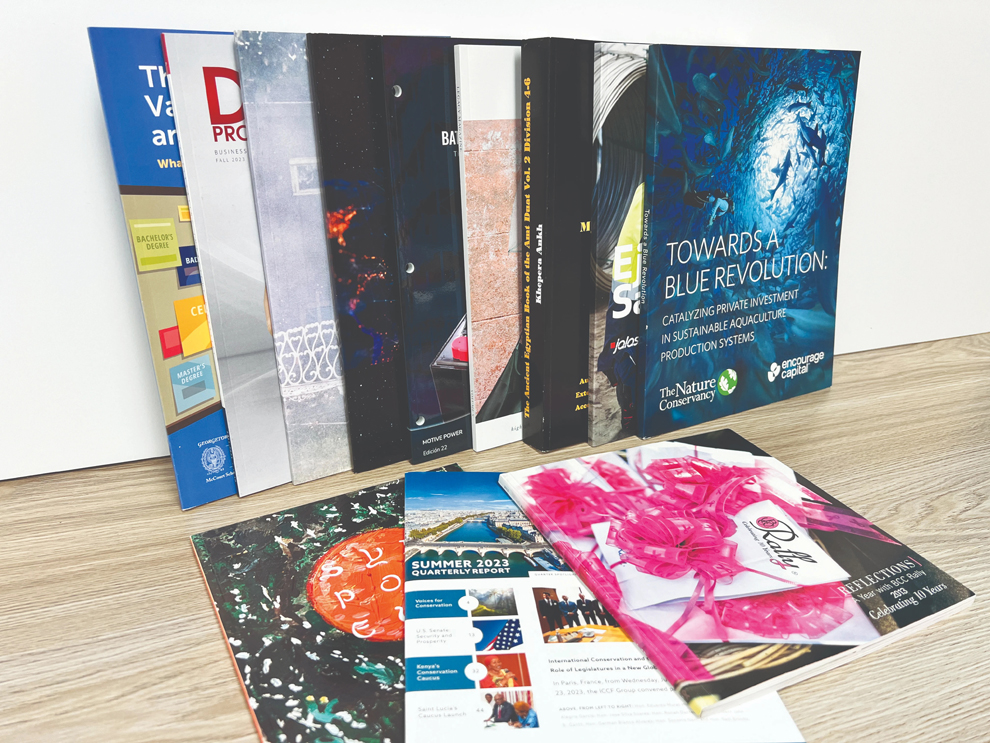
Baltimore is home to research universities, academic medical centers, foundations, cultural institutions, community development organizations, and professional associations, and many publish work that resists easy categorization. A peer-reviewed journal, a neighborhood health assessment, a program guide for a youth initiative, a membership directory, or an alumni publication each calls for its own finished size, paper, page count, binding, and color approach. Heritage gives Baltimore, MD organizations a way to turn completed content into a finished publication that serves its readers.
Baltimore release dates often follow academic terms, grant reporting periods, board and trustee meetings, or conference programming downtown. Those dates shape how the project should be planned from the start. Heritage asks about the readership, the distribution plan, and the required date early, then responds with a realistic production path rather than a blanket turnaround promise.
Format, paper weight, page count, binding, color coverage, quantity, and delivery influence how a publication reads and how well it holds up. A directory consulted all year has different needs from a report read once at a briefing. Matching specifications to actual use makes the finished publication effective.
Heritage has been printing since 1977, and that history matters when a publication carries an institution's research, a foundation's reporting, or an association's member roster into readers' hands. Decades of professional production experience inform how we review files, select paper, and plan binding, and award-winning service standards shape how we communicate at each stage.
Quality starts before the press runs. Heritage applies spectrophotometric calibration and verification, along with production-specific color profiles where relevant, so photography, charts, and brand colors reproduce consistently across the run. Every Commercial Printing order receives an electronic proof for client review and approval before printing. For qualifying Custom Quote work, a paid Physical Production Color Proof made on the intended printer and paper is available when color must be judged physically.
Baltimore schedules can hinge on a trustee meeting, a grant deadline, a conference at the Convention Center, or a membership mailing that cannot slip. Heritage responds quickly once the files, specifications, and date are known, explains what can realistically be achieved, and follows through on the agreed plan with clear communication from proof through delivery.
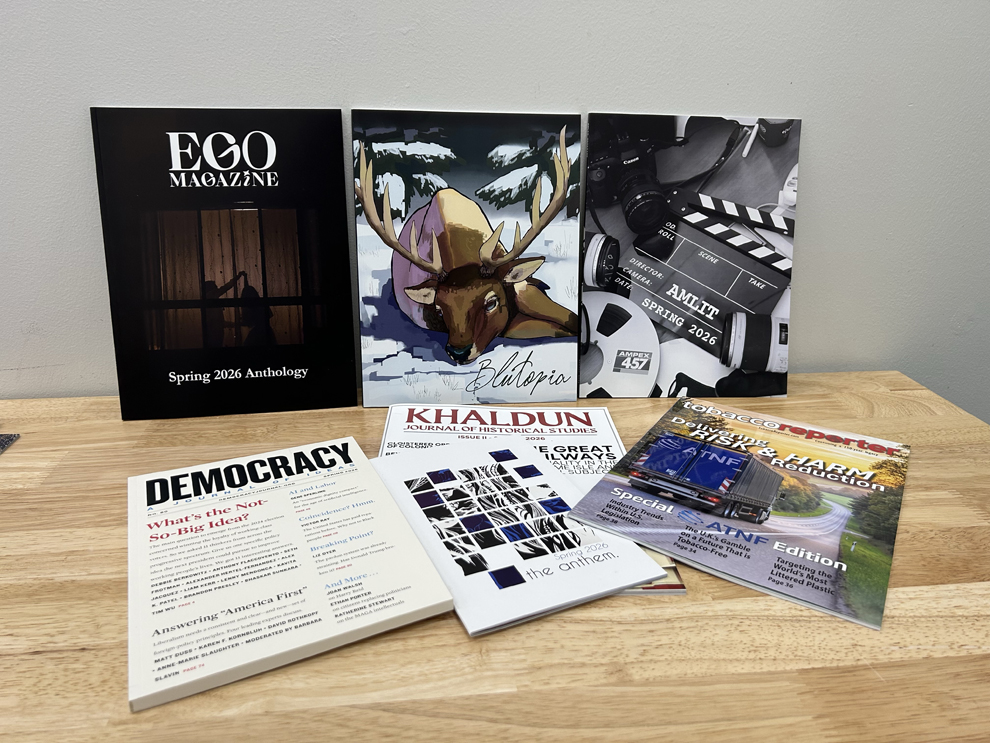
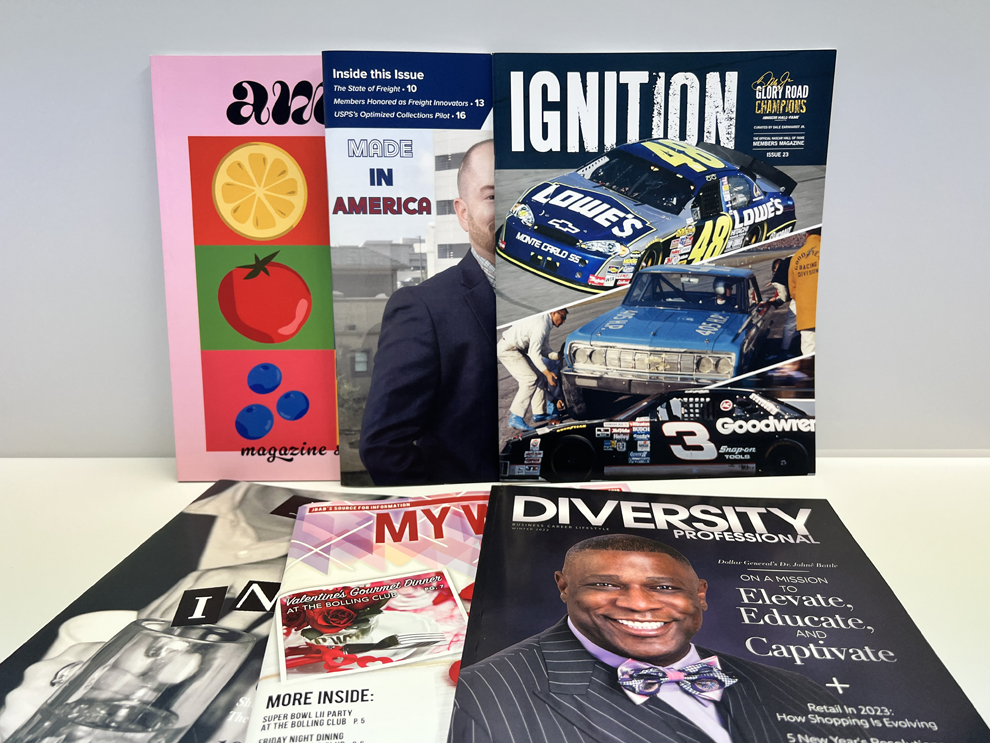
Choose this when you produce issue-based editions with a recurring masthead, consistent cover and interior stock, and repeat-edition expectations.
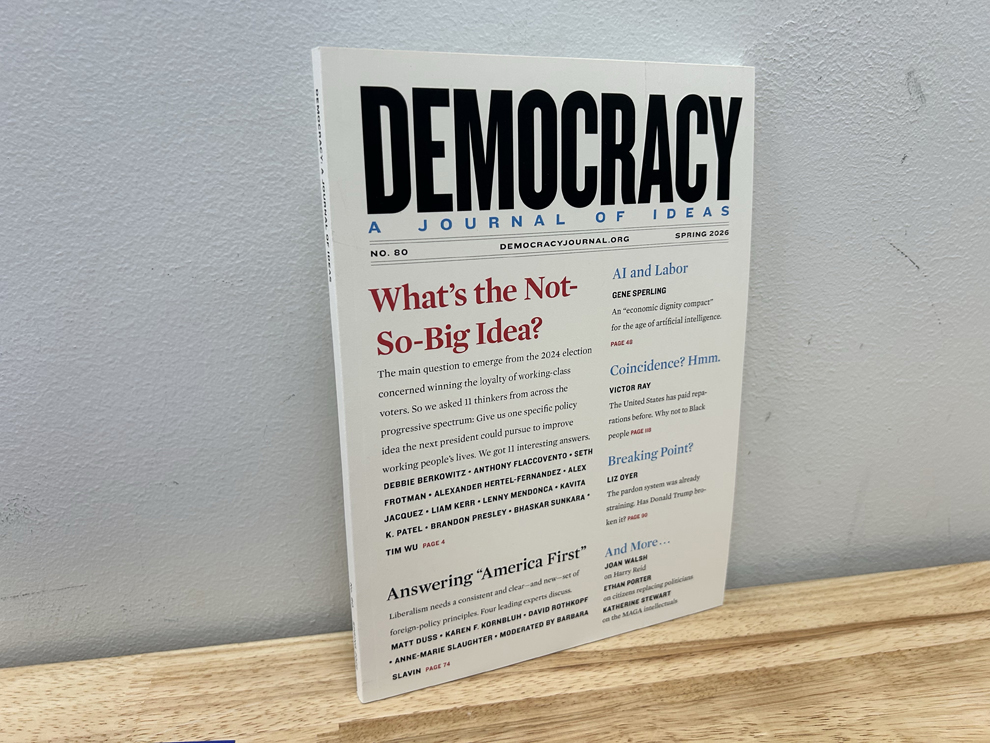
Shorter, more frequent updates to members, donors, or staff usually belong here, especially when folding and routine mailing drive the format.
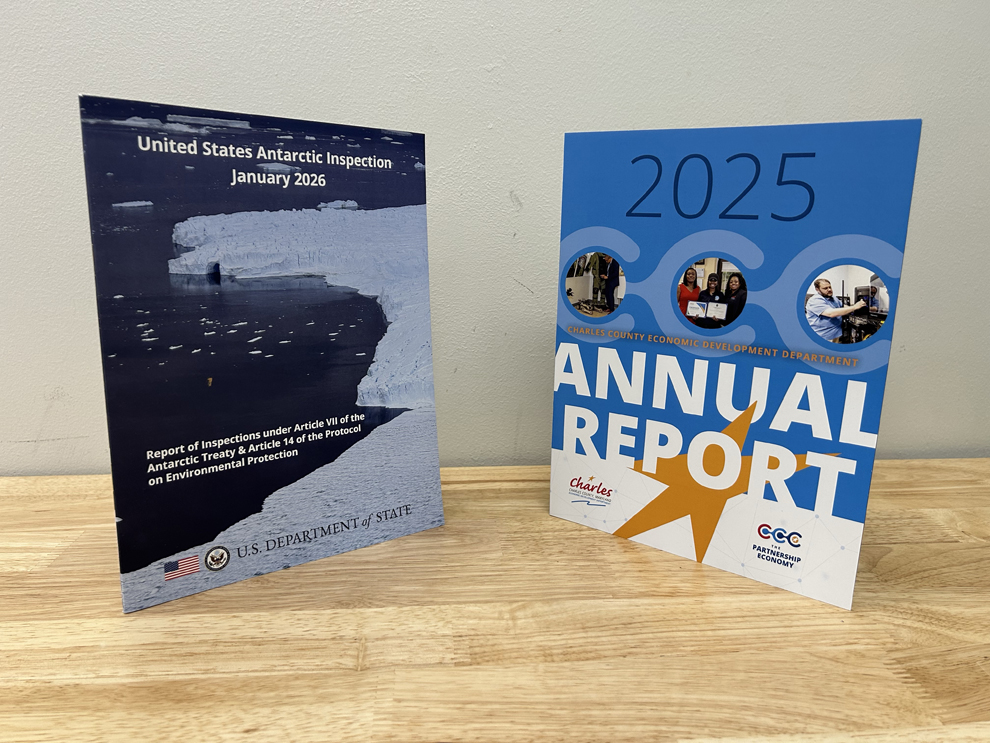
Yearly stakeholder reporting on finances, outcomes, and governance has its own cadence and presentation requirements.
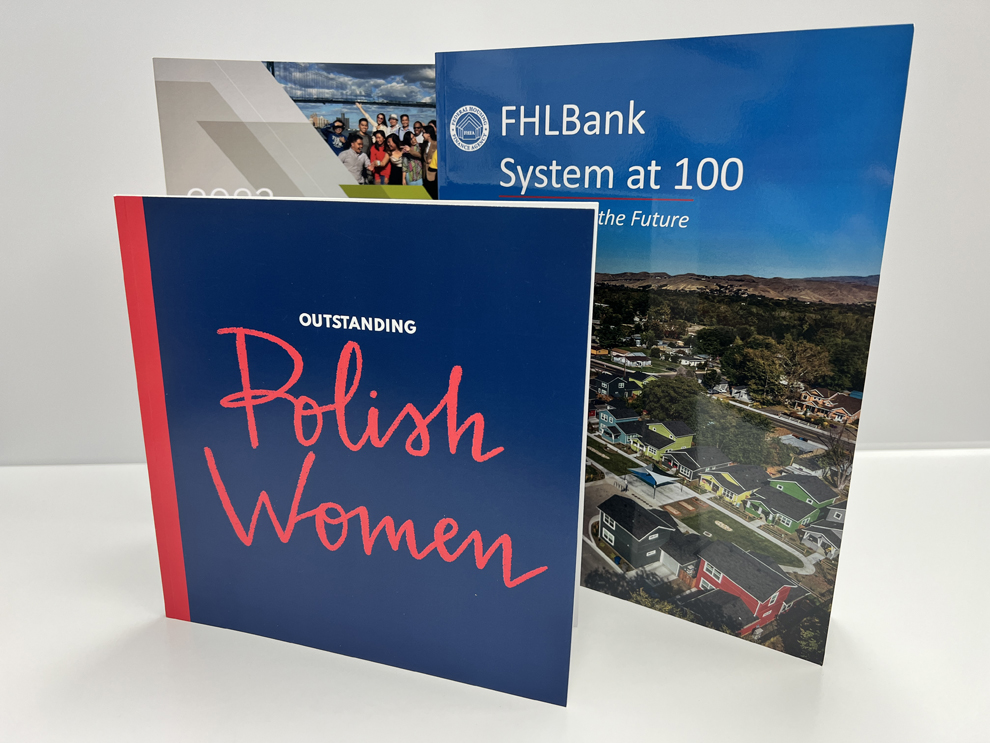
A compact guide or program whose main decisions are page count, finished size, and stitching fits this family best.
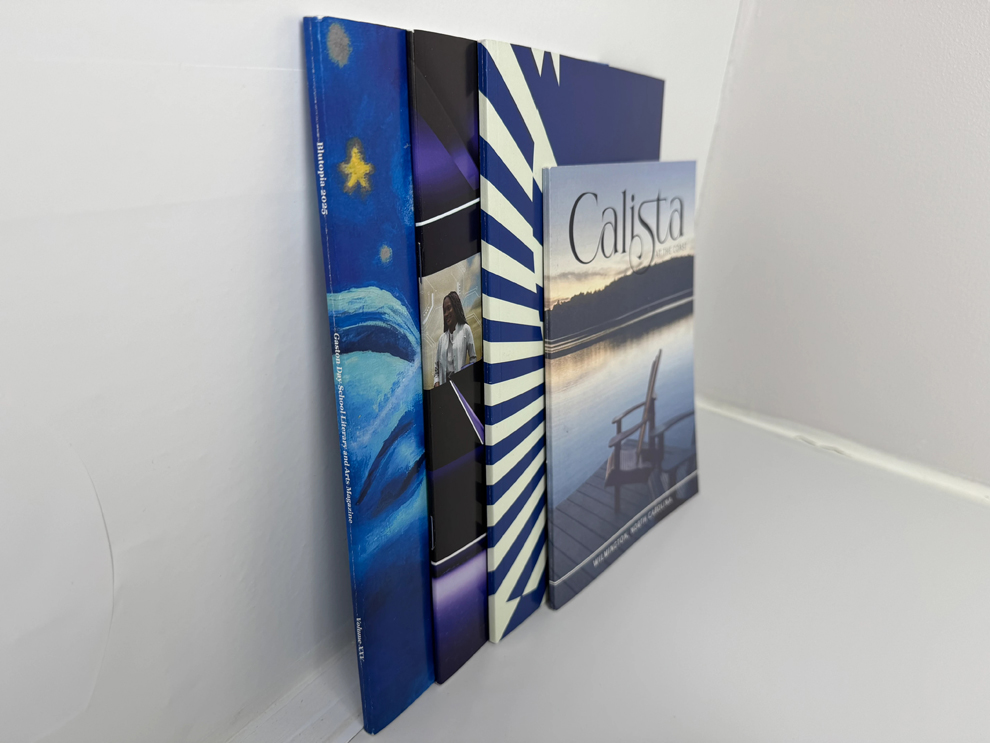
Thicker manuscripts, catalogs, and compilations gain a square printed spine and a more substantial shelf presence.
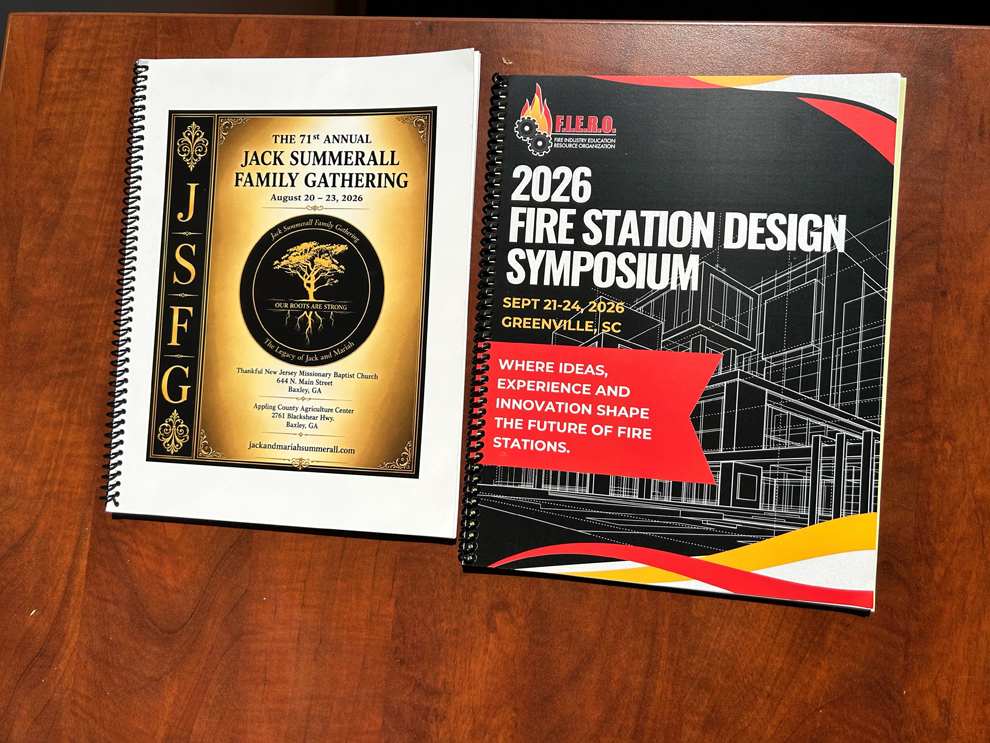
Instructional content that readers mark up, tab, and reopen repeatedly benefits from lay-flat construction and durable covers.
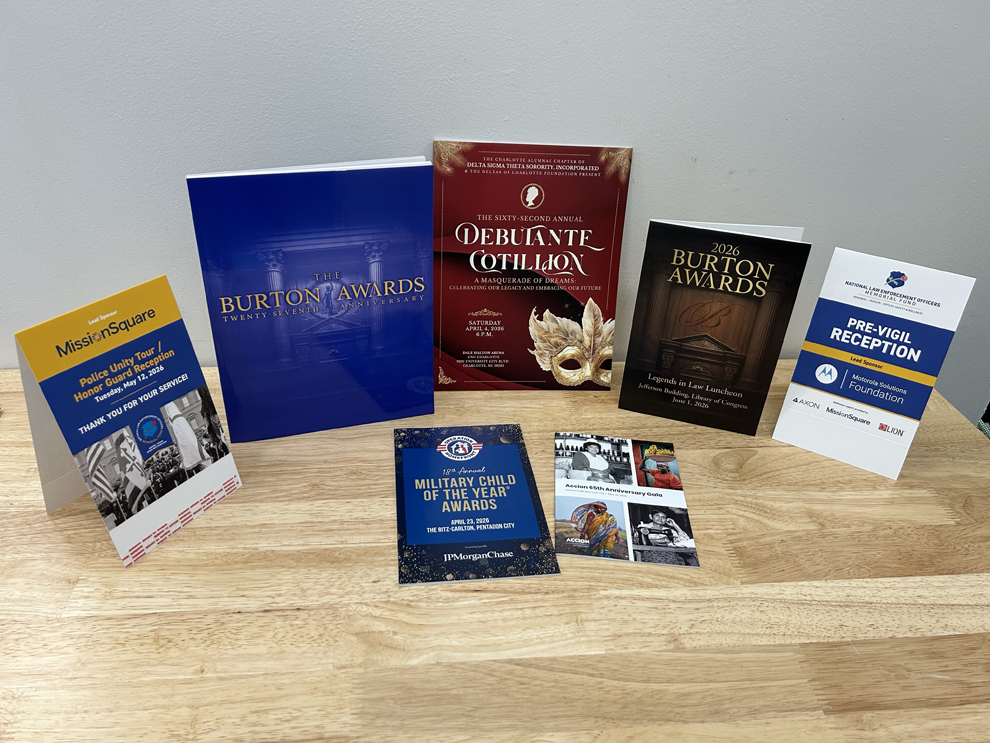
Conference and ceremony pieces built around agendas, speaker lists, and sponsor acknowledgments are handled here.
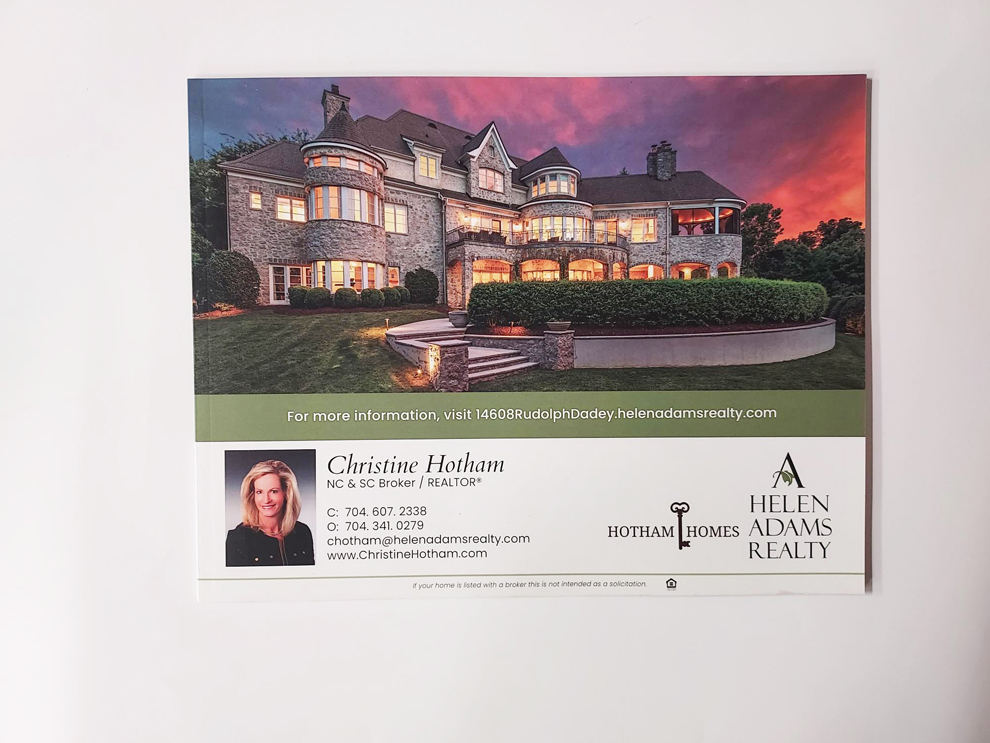
Addressing, postal preparation, and entry into the mail stream for publications headed directly to reader lists.
If your publication needs specification guidance, production-oriented file preparation, multiple editions, color-critical review, or mailing coordination, and the project qualifies, submit a Custom Quote. Heritage reviews the request, and once the order is accepted and assigned, your Project Coordinator reaches out directly. If the piece is fully specified with print-ready artwork and a current saddle-stitched, perfect-bound, or plastic-coil Online Store configuration matches it, you can price and order independently.
The work begins with finished size, page count, quantity, paper preference, color coverage, mailing or shipping needs, and the date the publication must be in readers' hands. When a Baltimore organization submits a Storefront Custom Quote, Heritage reviews the request before accepting it. Once the order is accepted and assigned, your Project Coordinator becomes your direct phone and email contact and stays with the publication through completion.
Binding should follow how readers use the piece. Saddle stitching suits thinner journals, guides, and reports. Perfect binding gives thicker publications a flat spine that can carry a printed title. Plastic coil lets a directory or reference guide open flat on a desk. Cover weight, interior paper, page count, color expectations, and quantity influence which option makes sense and what it will cost.
Every Commercial Printing order receives an electronic proof, which must be approved before printing begins. After approval, Heritage produces to the confirmed specifications, holds color and finishing consistent across the run, and communicates promptly if anything affects the schedule. Finished publications move into the agreed path: mailing, shipping, delivery, or your own distribution.
Yes. Plastic coil binding lets a directory lie flat and fold back on itself, which helps when staff reference it throughout the year. Perfect binding is the better choice if you want a printed spine for a bookshelf, and saddle stitching works for shorter directories. Page count, paper, and how often the piece is handled guide the decision.
It depends on the piece. If the journal functions as a recurring editorial issue with a consistent masthead, department structure, and magazine-style cover and interior stock, Magazine Printing is the more precise family. If it is a scholarly, policy, or institutional journal driven by articles, reports, and references rather than issue-based editorial design, Publication Printing is usually the better fit. Either way, Heritage helps you land on the right production plan.
Read it as a reader would. Check page order and pagination, cover content, headers and footers, image placement, bleeds, and any version-specific text. Approval confirms the file Heritage will print. Because screens and paper reproduce color differently, an electronic proof confirms content and layout rather than serving as a physical color standard.
New Commercial Printing opportunities at Heritage start at $750. The same $750 minimum applies to the Self-Directed Online Store, where eligible products can be combined in one order to reach it. Custom Quote is the higher-touch path for qualifying orders of $2,000 or more that need additional guidance or production support.
Heritage manages color with spectrophotometric calibration and verification and production-specific profiles where relevant. Supply PMS references and Heritage treats them as production targets. Printers, inks, papers, and coatings each have a different color gamut, so final output is managed within what the selected combination can reproduce rather than what a monitor displays.
For qualifying Custom Quote orders of $2,000 or more, a paid Physical Production Color Proof, also called a Digital Hard Copy Proof, can be produced on the intended production printer and paper. Once approved, it becomes the controlling physical color reference for the run. It adds production time and is not offered through the Self-Directed Online Store.
Often, yes. Send the completed print-ready file and the new required date as soon as you know them. Heritage will evaluate the remaining production window, flag the decisions that need an immediate answer, and tell you plainly what can be achieved. Heritage will not promise an expedited schedule before reviewing the actual files, specifications, and capacity.
Submitting the form opens an inquiry. Heritage reviews the publication, the specifications, and the schedule, and if the order is accepted and assigned, a Project Coordinator contacts you by phone or email. That coordinator then becomes your direct contact for proof approval, production decisions, and any mailing or delivery included in the project.
Yes, when the publication is fully specified, the artwork is complete and print-ready, and a current saddle-stitched, perfect-bound, or plastic-coil Store configuration matches the job. Store orders still receive an electronic proof and Heritage's standard production review, but they do not include an assigned Project Coordinator, design help, or a physical color proof.
The client. Heritage prints from completed, print-ready artwork and does not provide editorial or creative development. On qualifying Custom Quote projects, Heritage may adjust layout, prepare files, or resolve specification issues so the supplied artwork prints correctly.
Yes. Language editions, regional versions, department-specific inserts, or alternate covers can be organized within one publication project. Each version needs its own clearly named file, confirmed quantity, and proof approval, along with distribution instructions, so similar editions stay separated through production and fulfillment.
When mailing is part of the accepted scope, Heritage coordinates addressing and postal preparation. You supply accurate, authorized recipient data, and Heritage handles the included mailing services. Delivery timing after USPS acceptance is outside Heritage's control, so build that into your distribution planning.
A self-cover keeps the same paper throughout, which simplifies production and lowers weight. A separate, heavier cover adds structure and durability and gives a guide a more finished feel. Consider binding, page count, mailing weight, handling frequency, and how the guide should present when deciding.
Yes. Finished size, paper, cover construction, binding, and established color targets can serve as a starting point for the next edition. Heritage still reviews each new file, quantity, schedule, and material availability, since any edition can introduce changes.
Yes. Heritage serves universities, medical institutions, foundations, nonprofits, associations, companies, and agencies throughout Baltimore and the surrounding Maryland area as part of its Mid-Atlantic printing operation. Finished publications are mailed, shipped, or delivered according to the project plan.
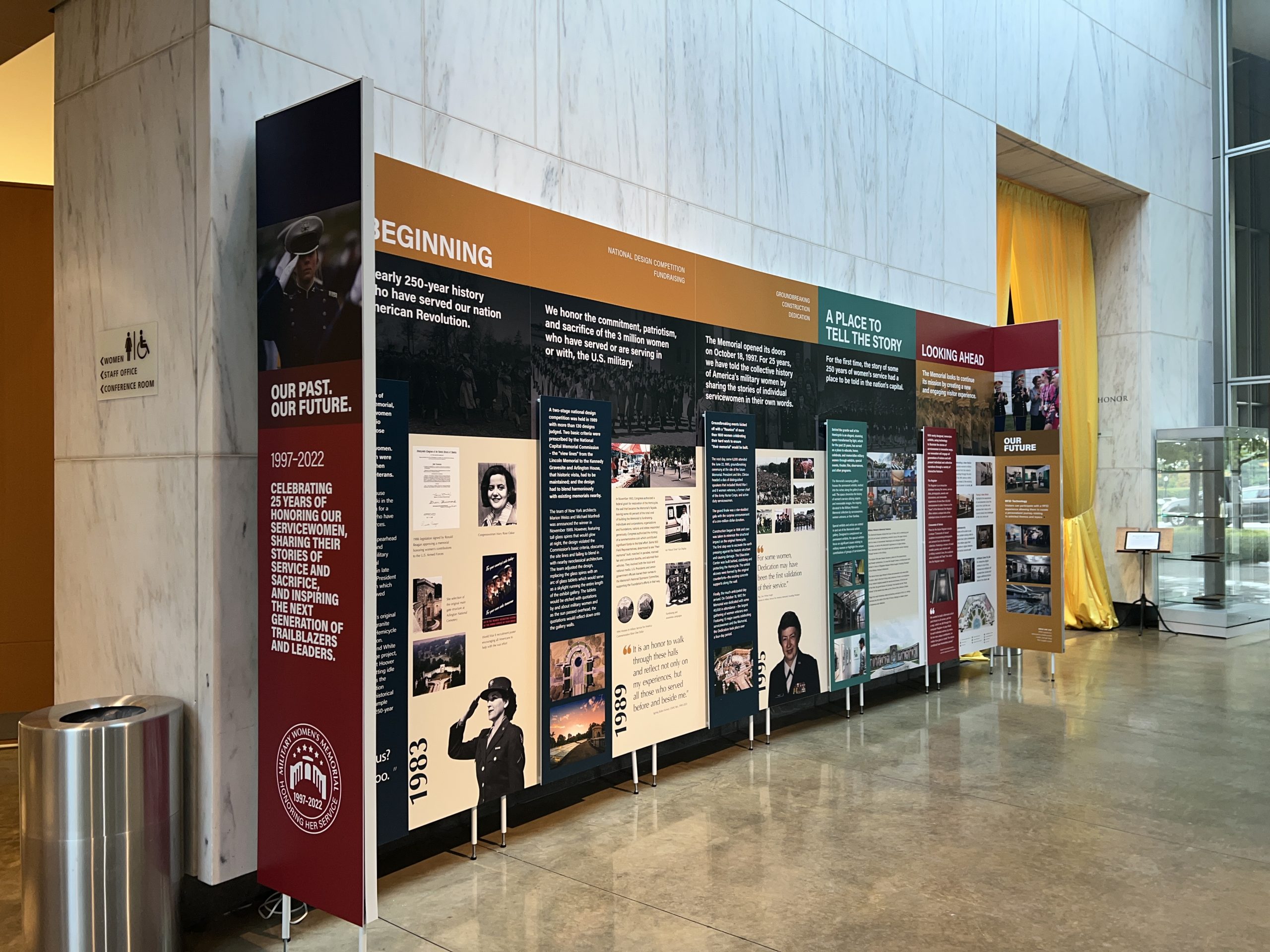
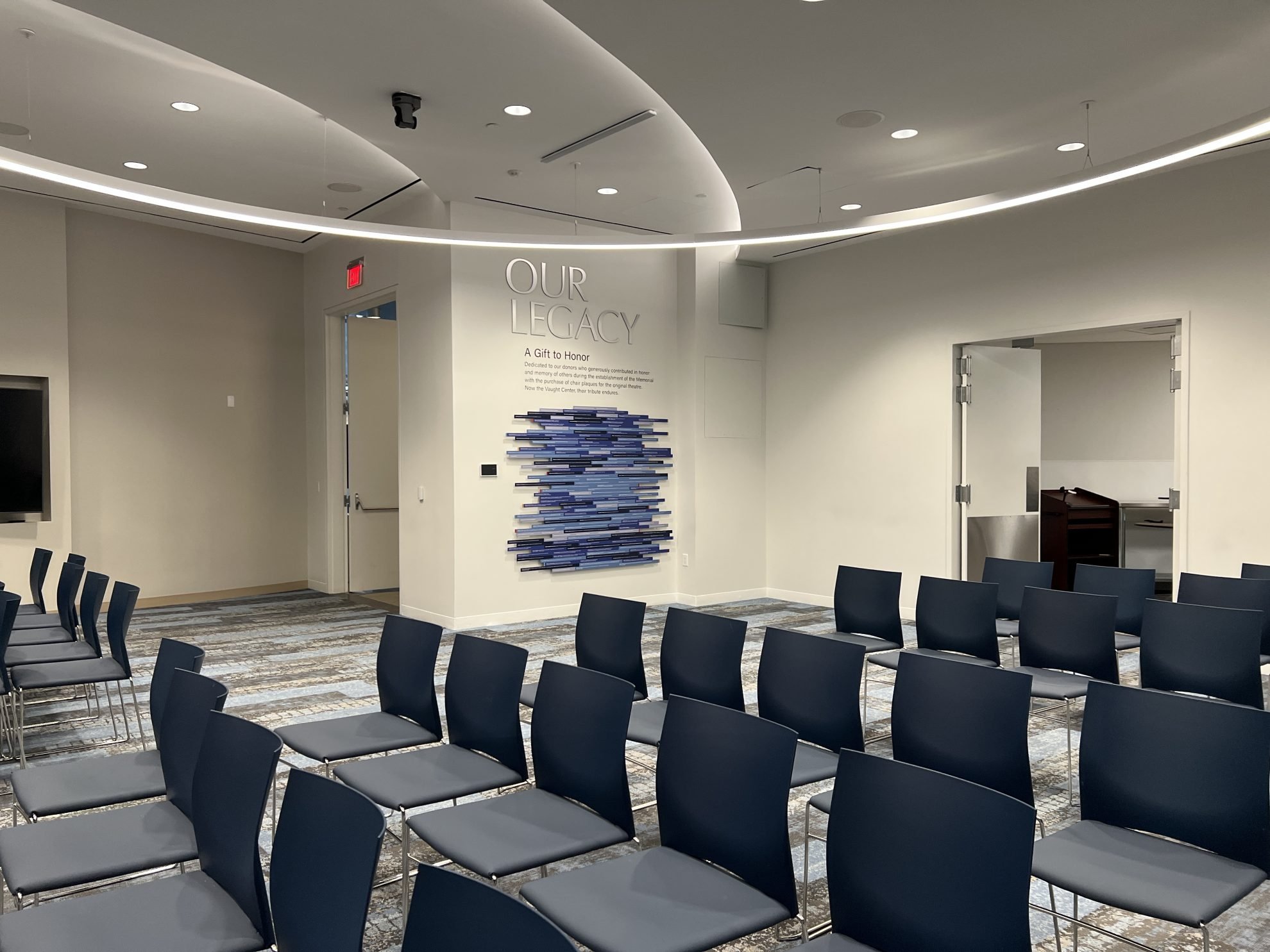
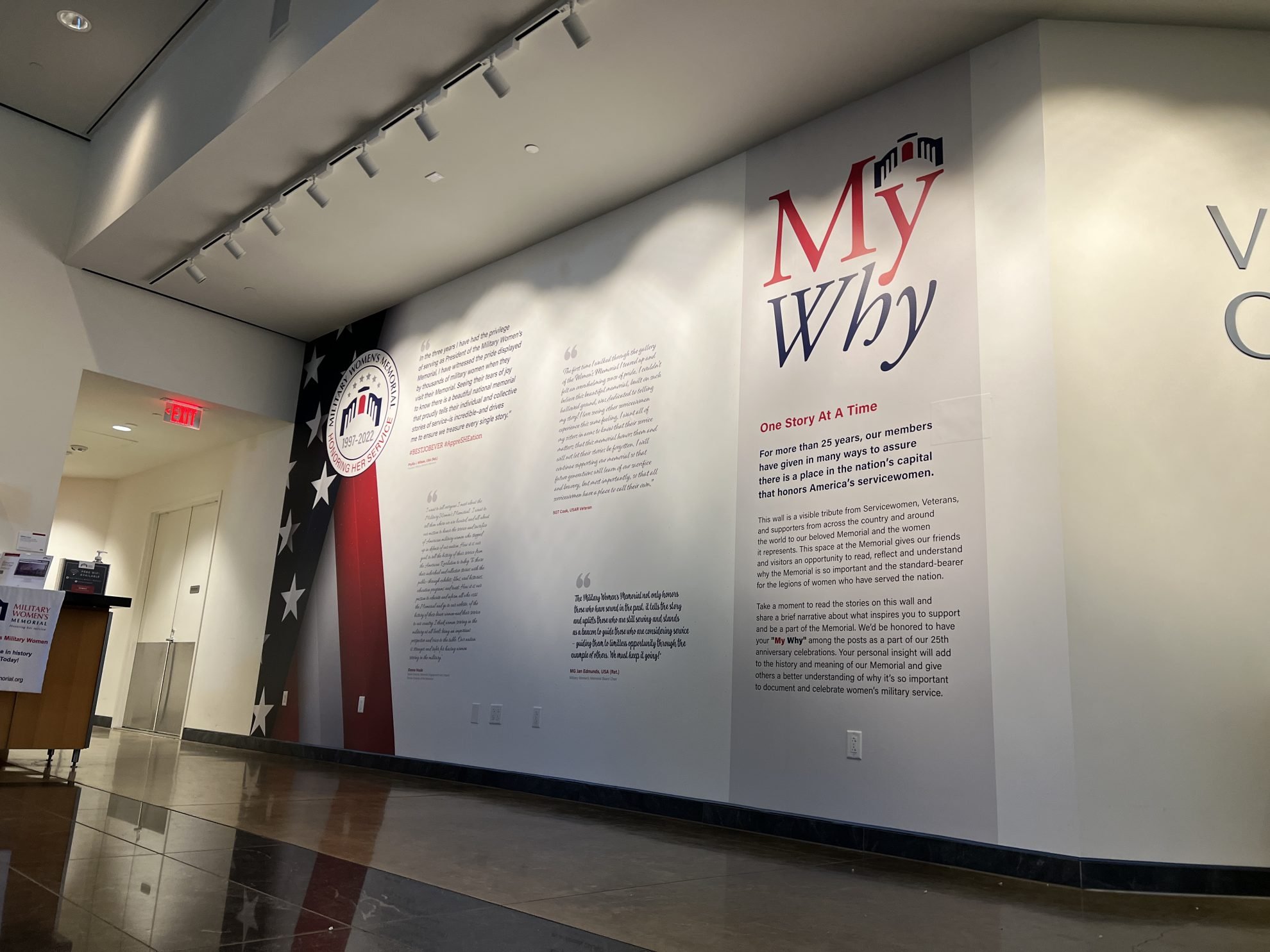
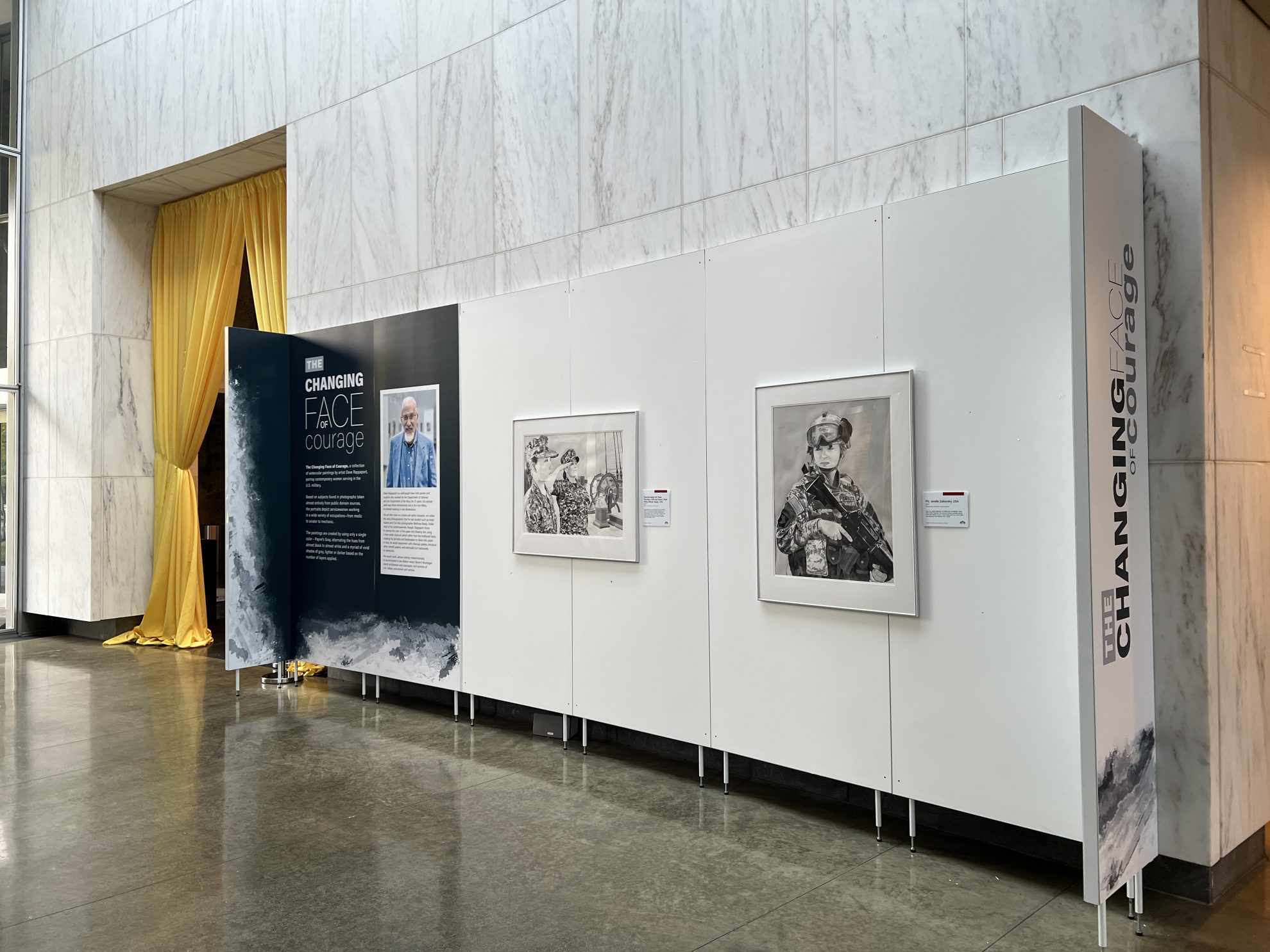
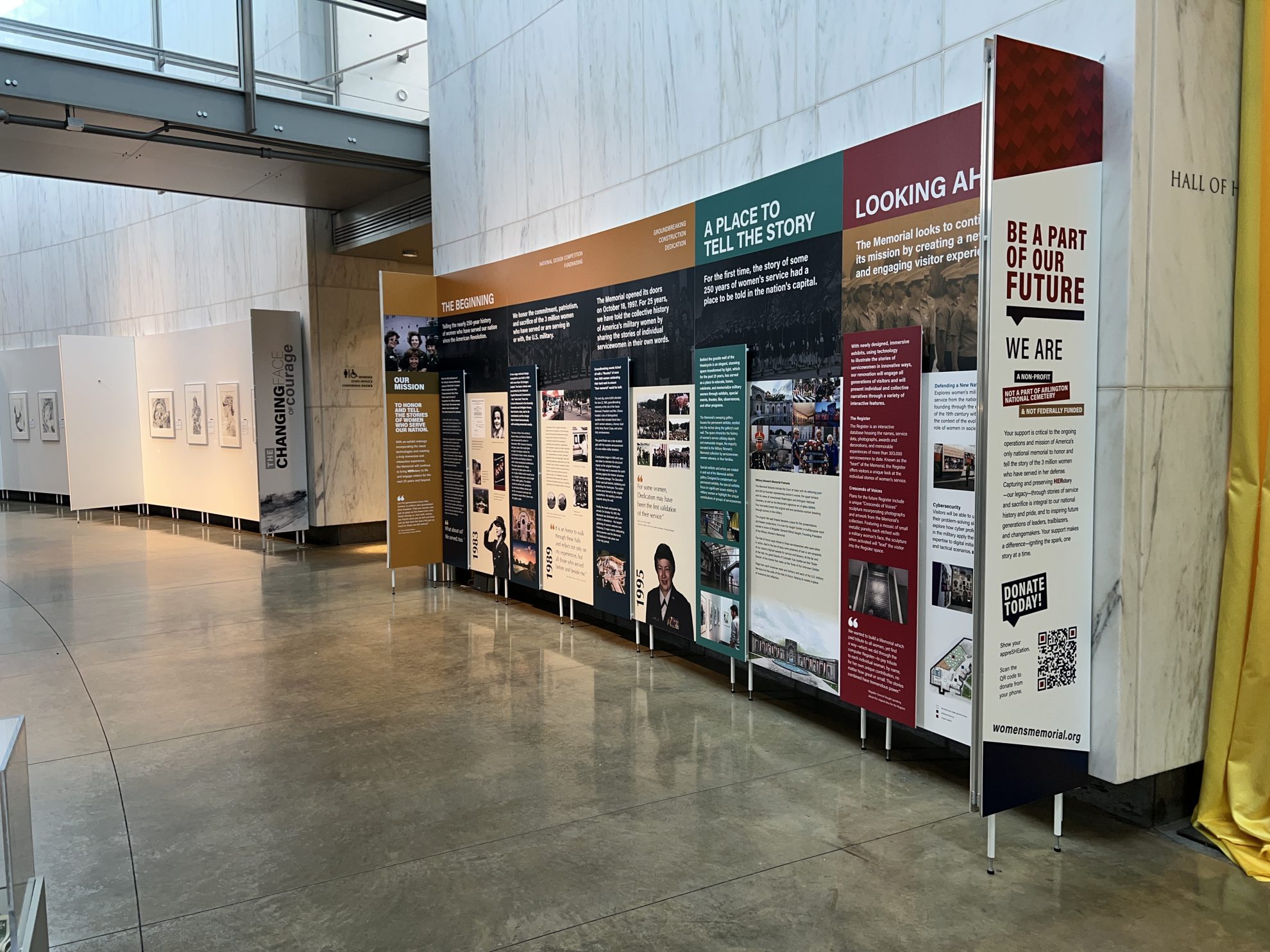
Heritage Signs & Displays created new museum signage for the Military Women’s Memorial in Arlington, VA. The project included custom signs, wall wraps, dimensional letters, and standoff-mounted displays to honor the legacy of U.S. servicewomen and the donors who supported the memorial. The updated interior features impactful designs, including a "Our Legacy" wall display and panels showcasing historical contributions and artwork, creating a transformative tribute to women in the U.S. Armed Forces.
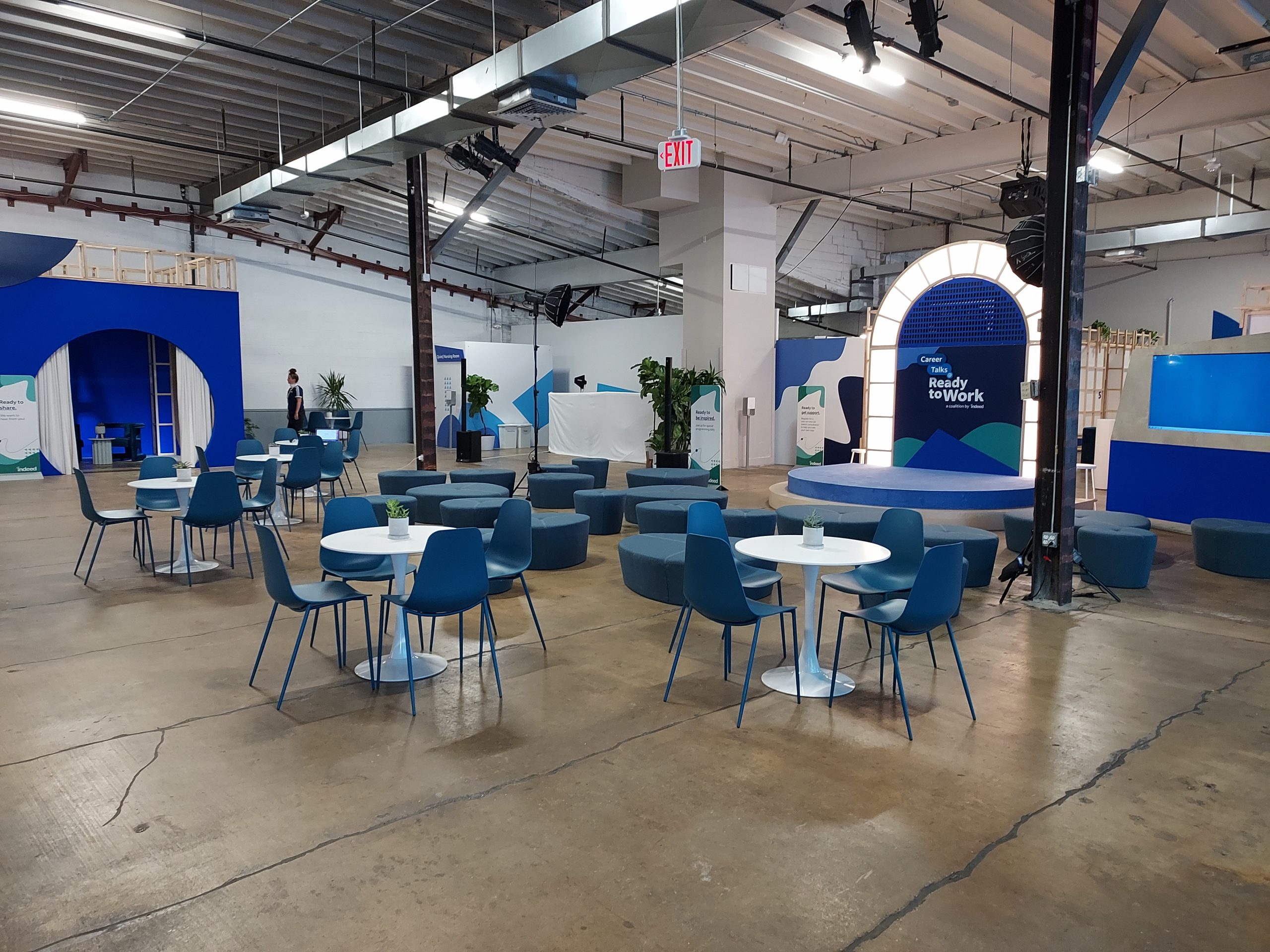
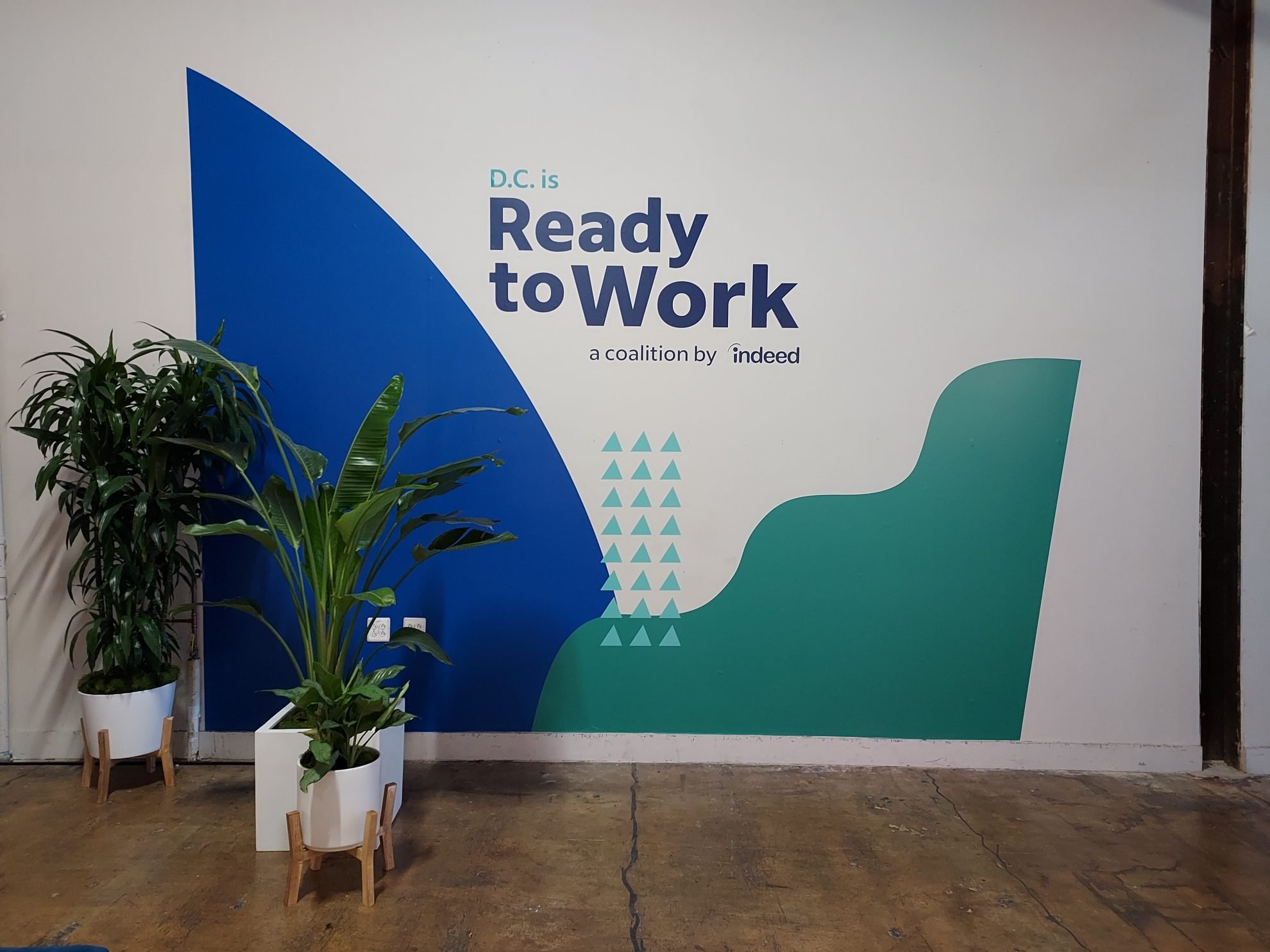
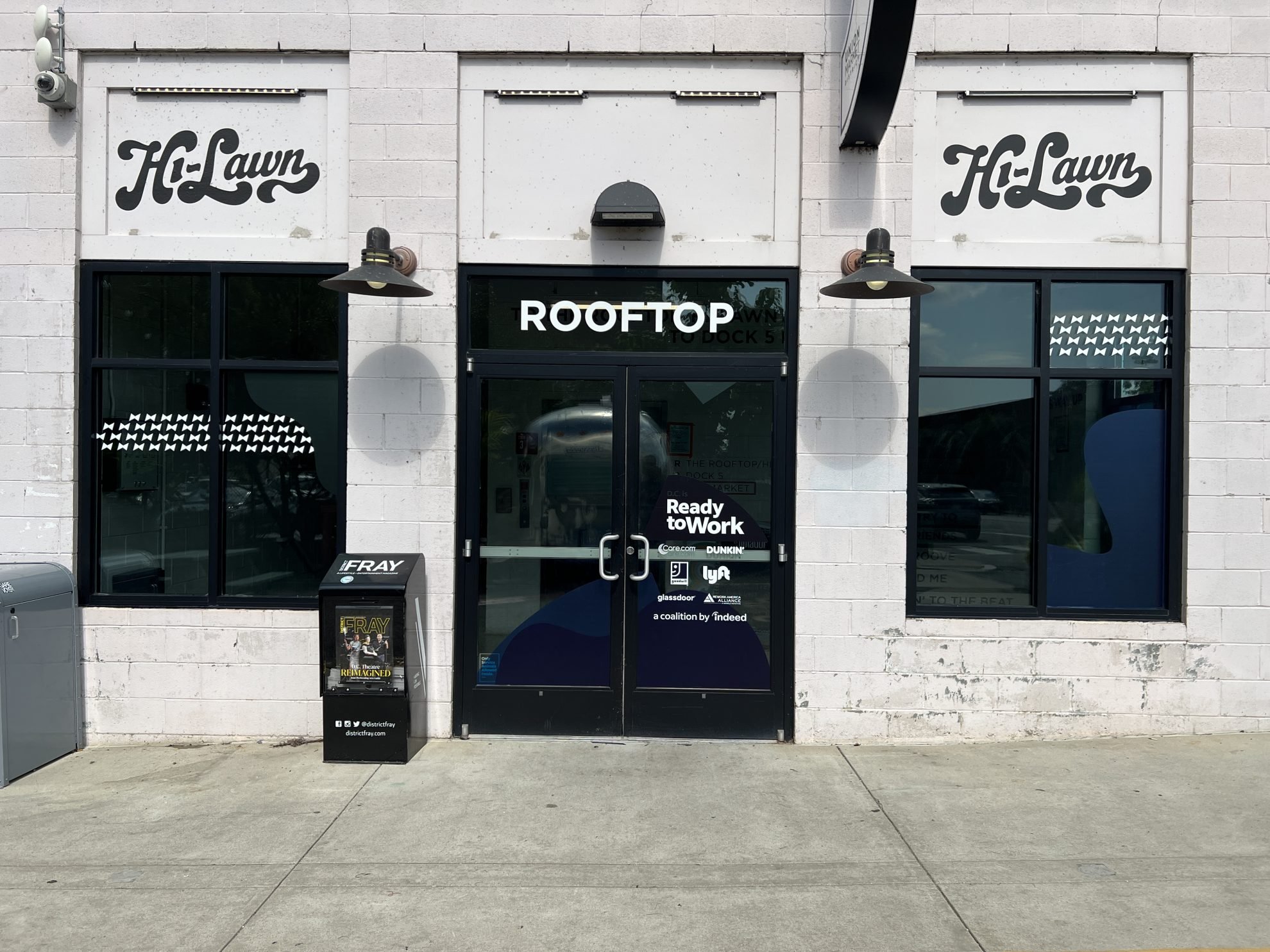
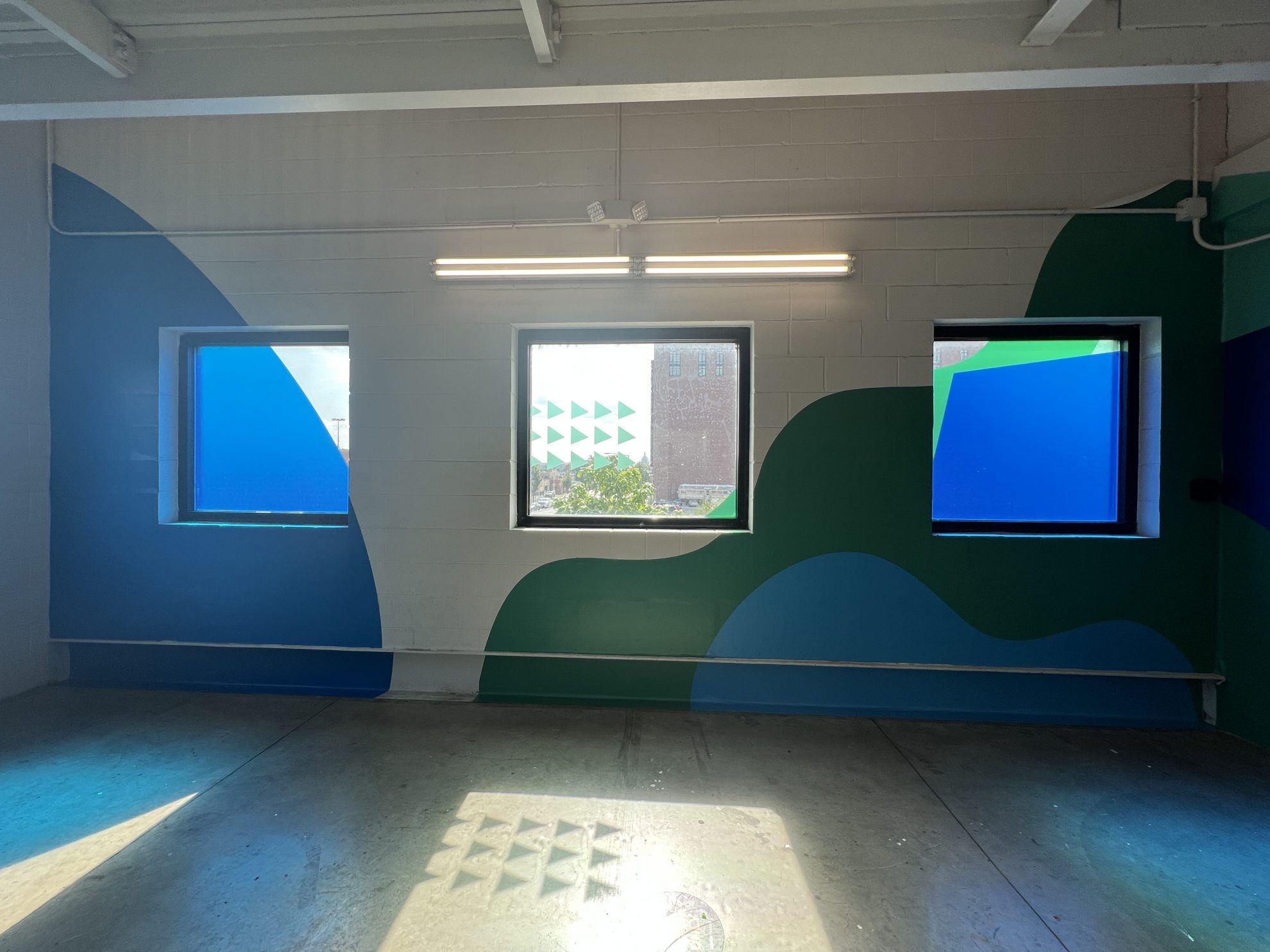
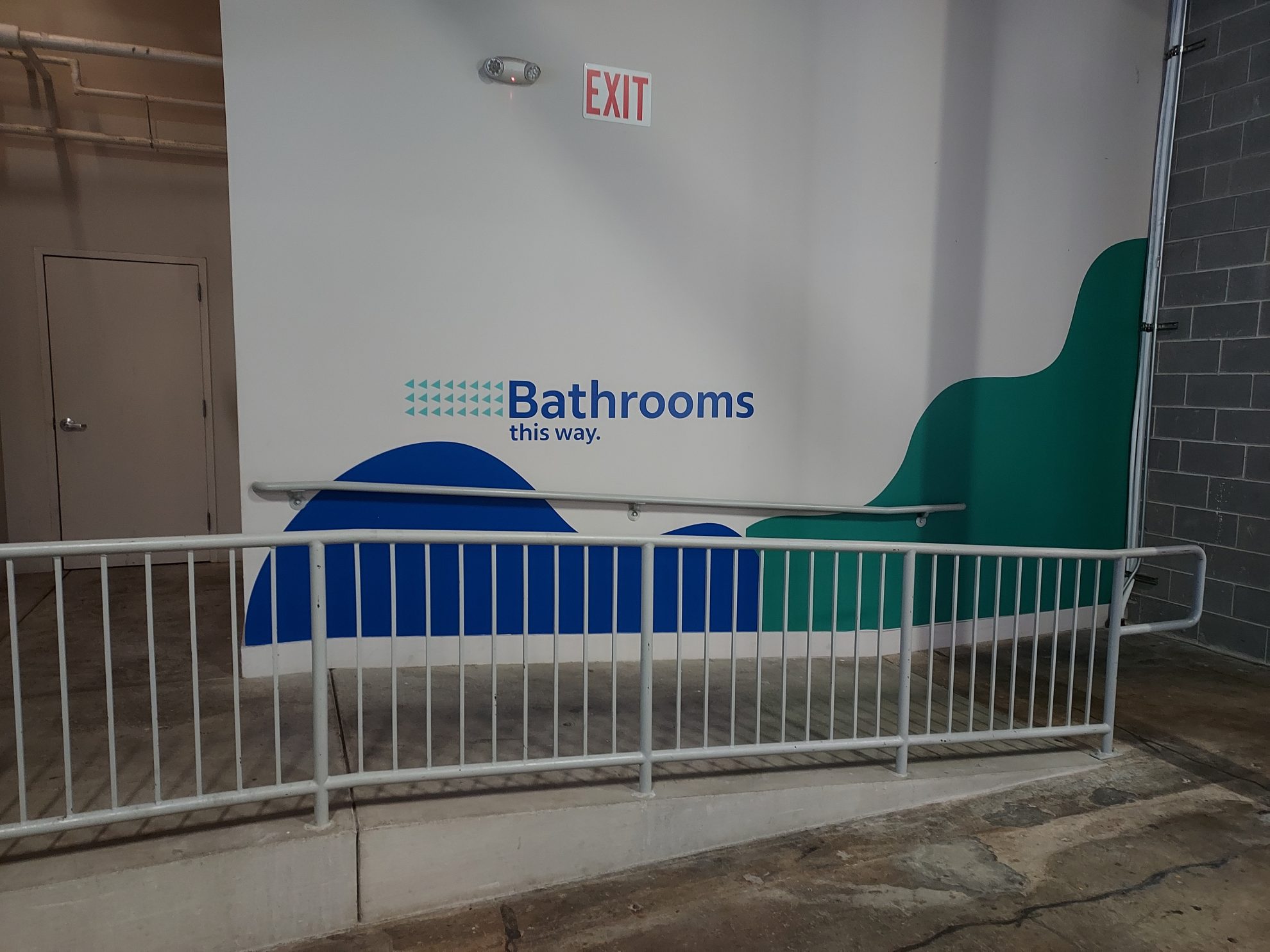
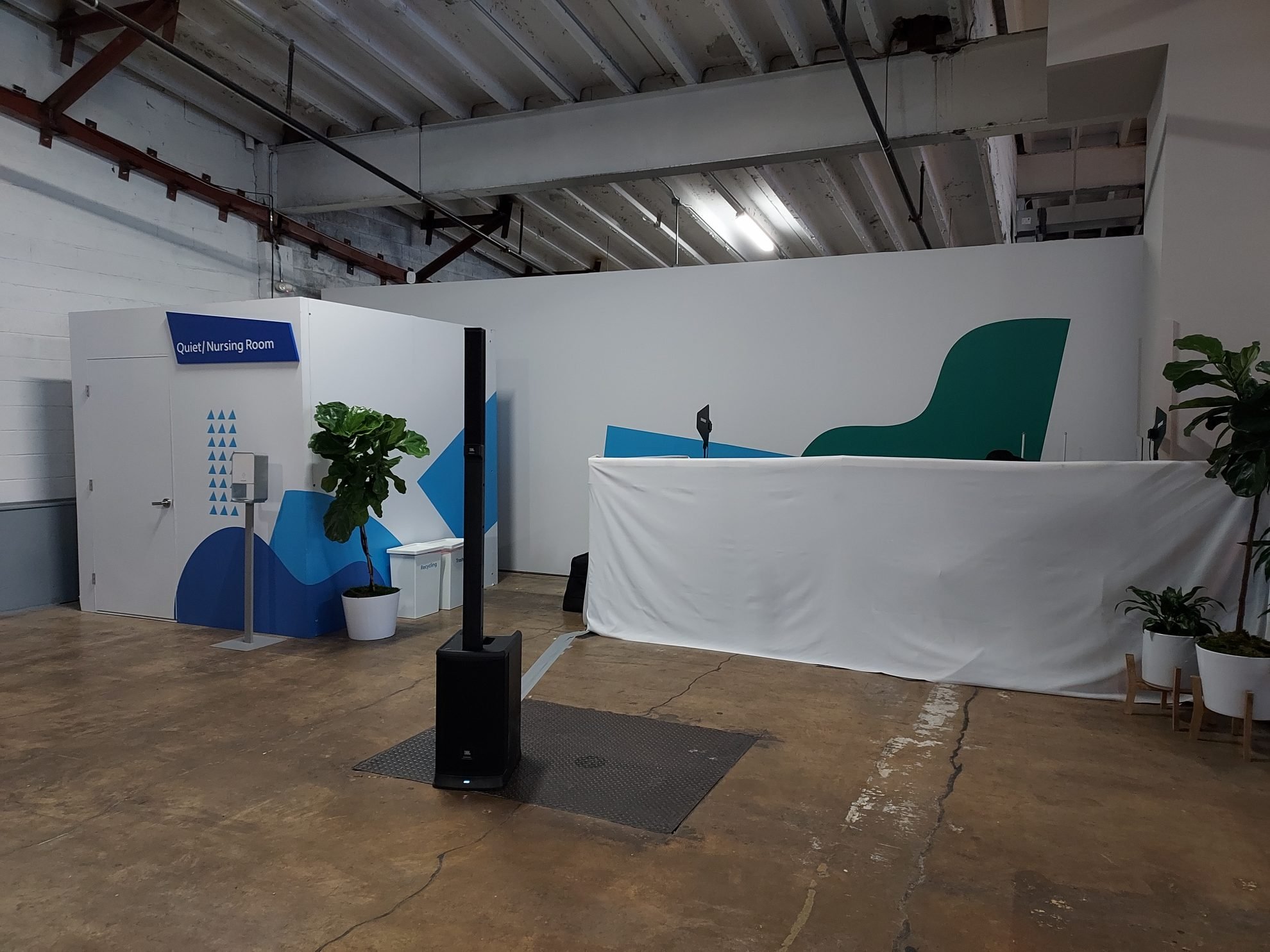
Heritage Signs & Displays' collaboration with The Gathery to brand Union Market in Arlington, VA, for Indeed's "Ready to Work" job fair. The project included custom event displays, wall graphics, window graphics, and wayfinding signs, creating an immersive and visually appealing environment. The branding enhanced the venue, reflected the event's mission, and provided a seamless experience for attendees.