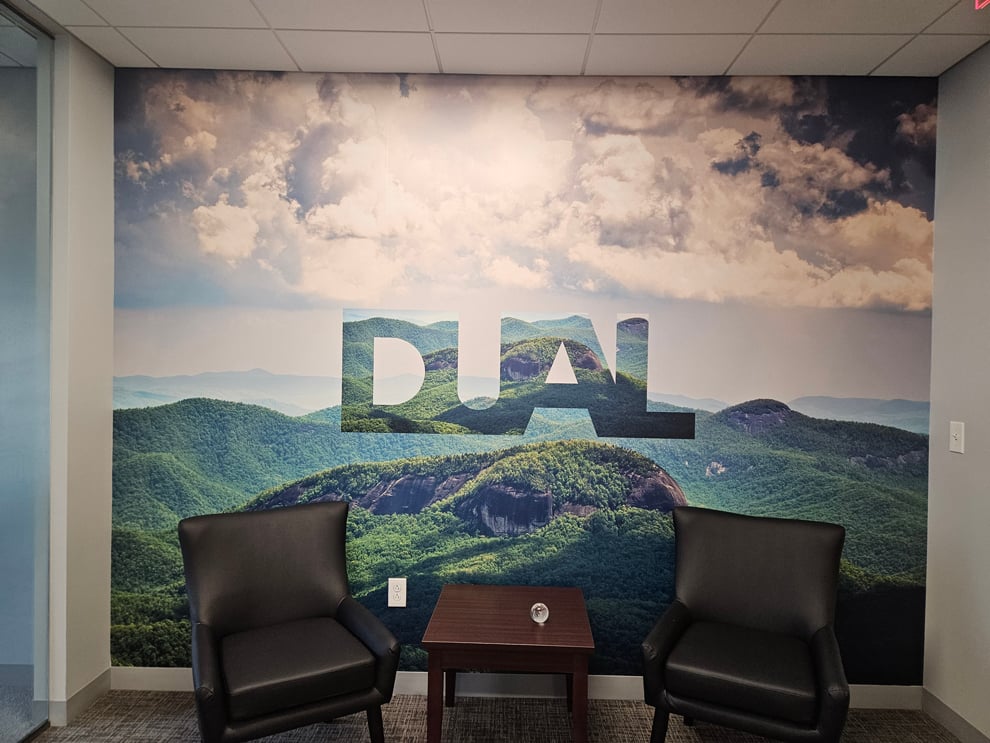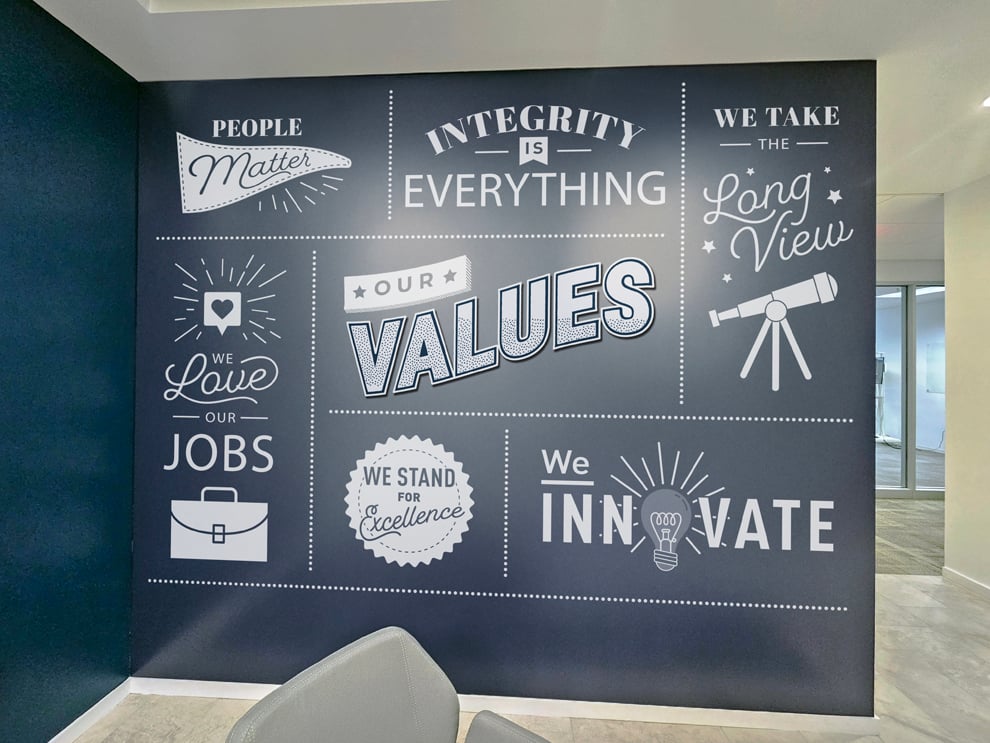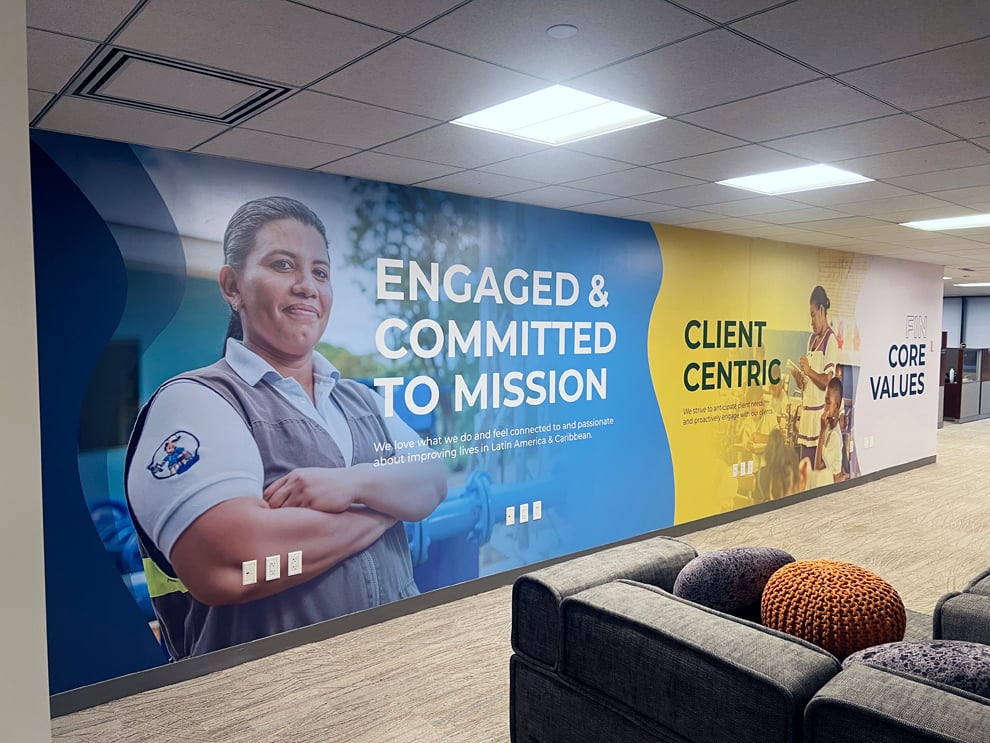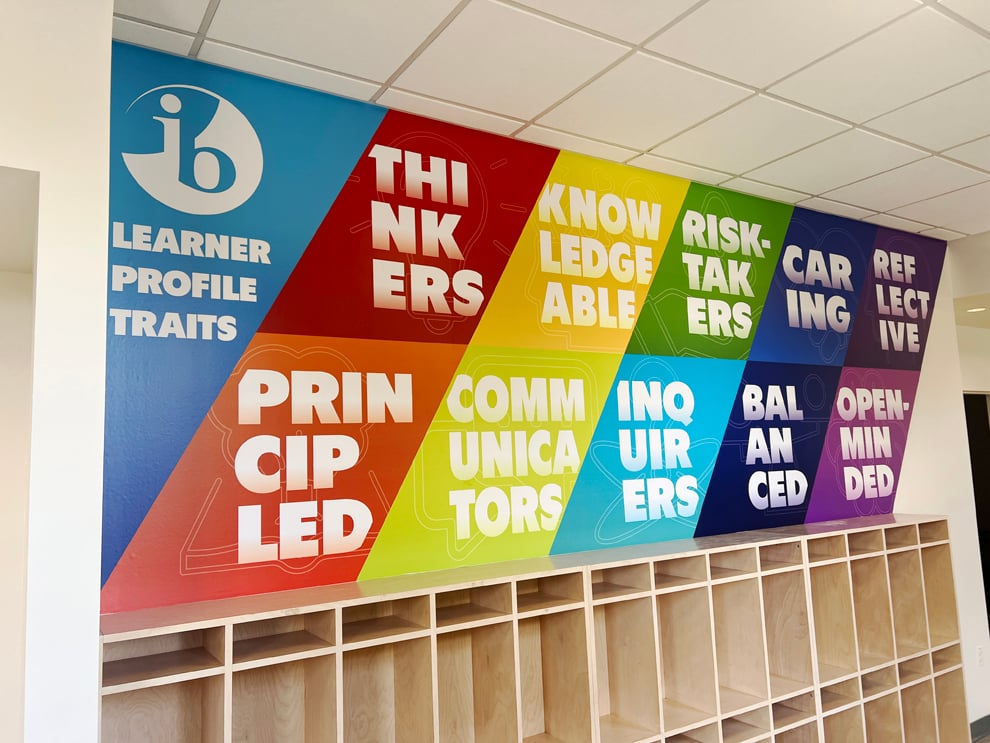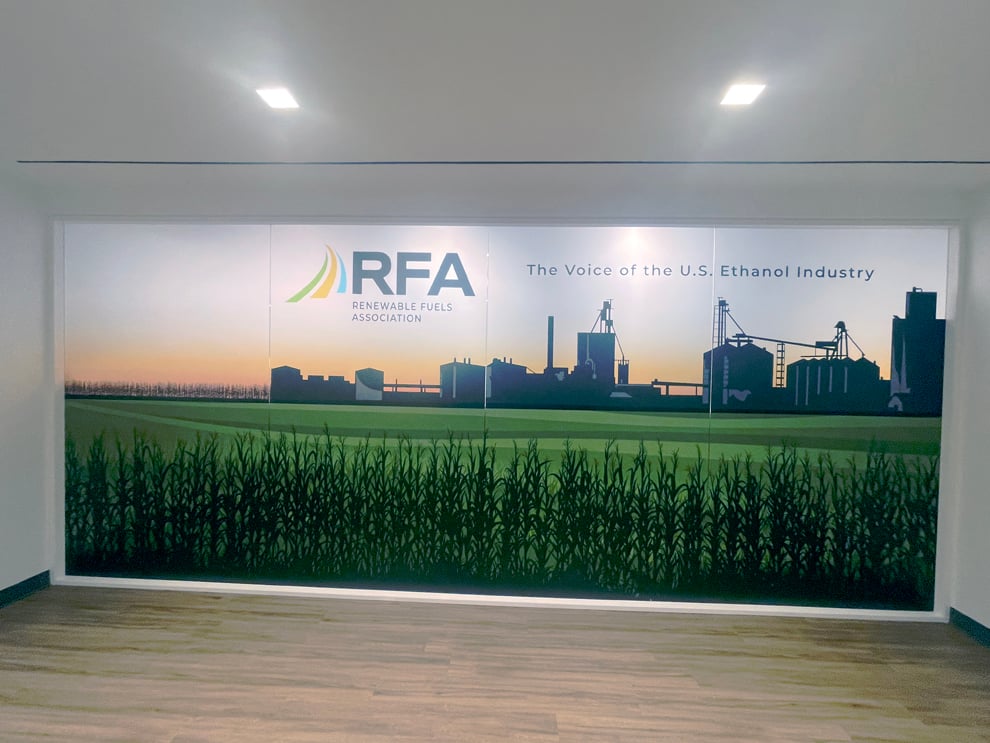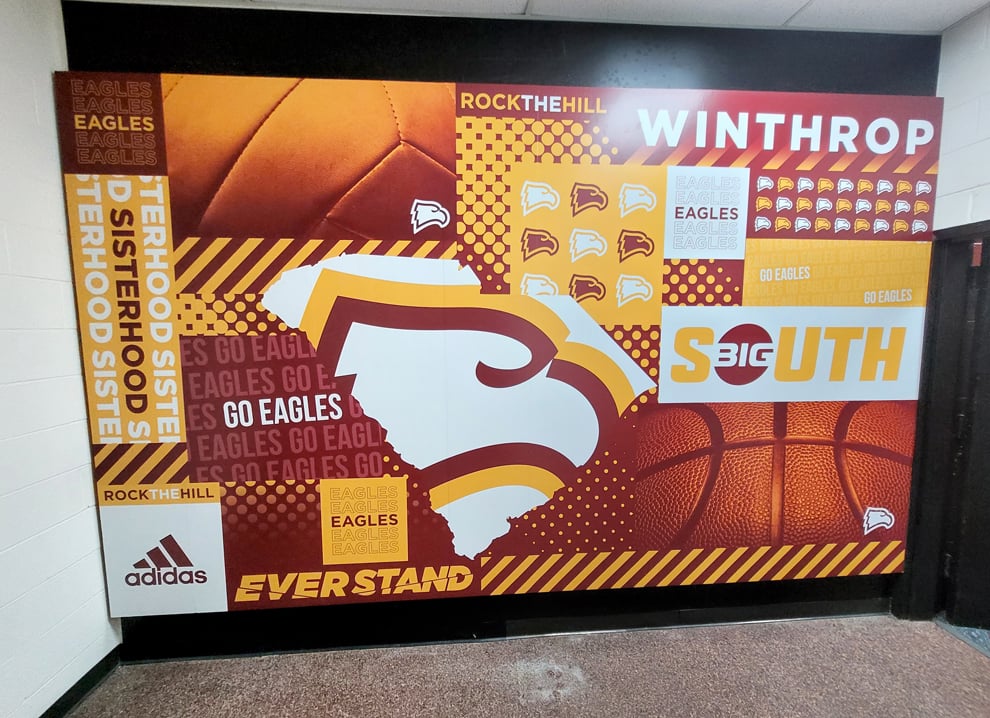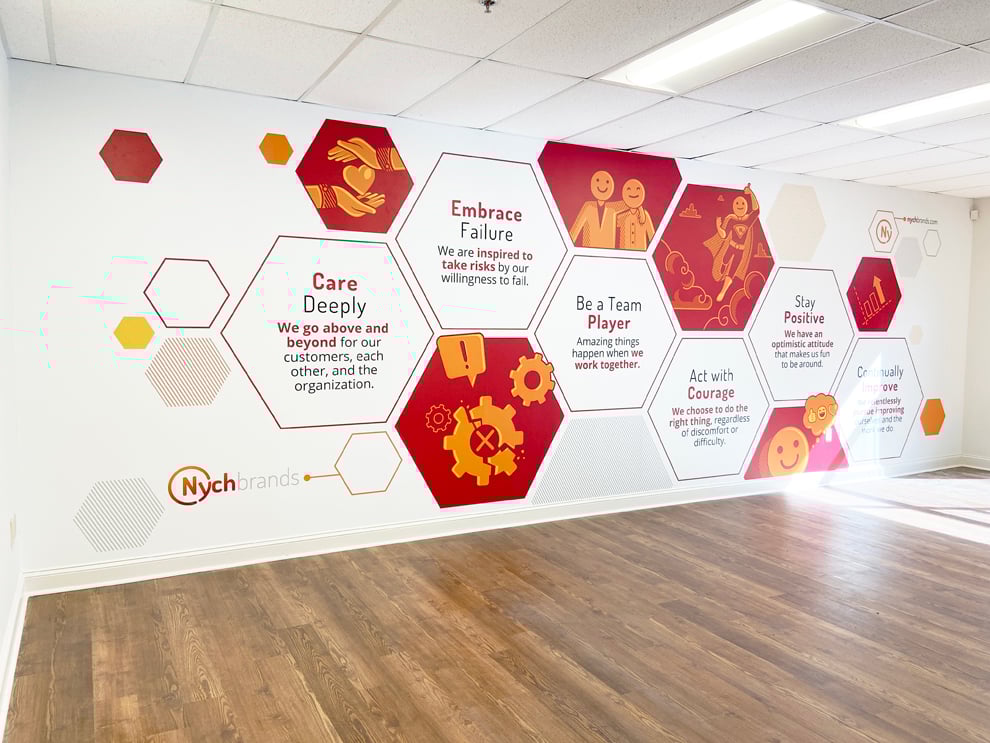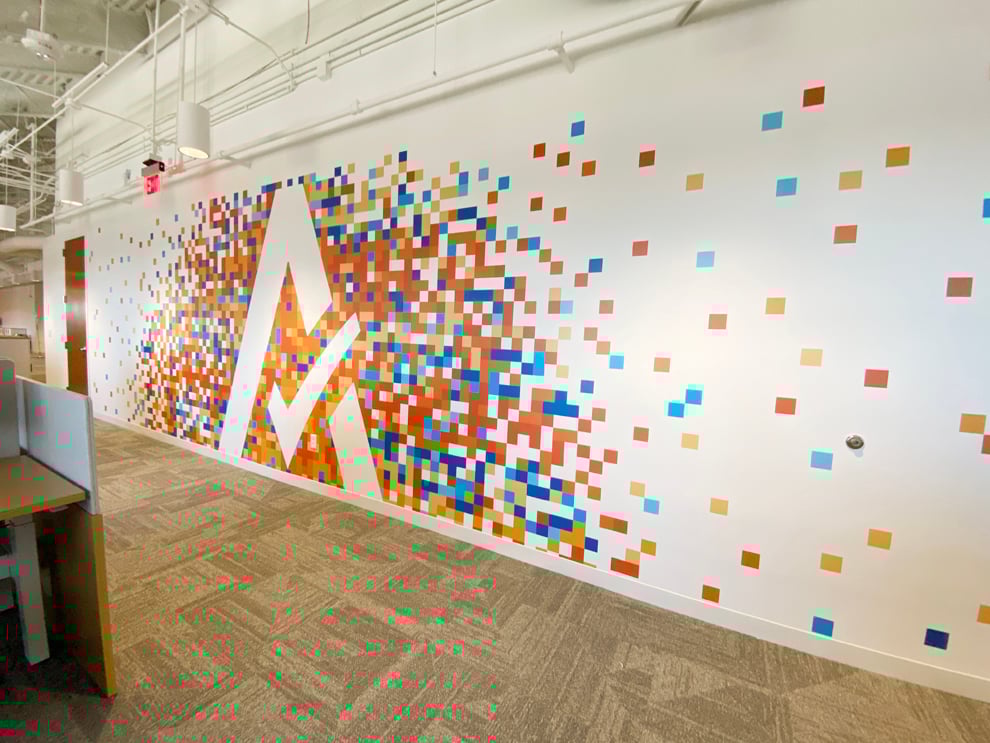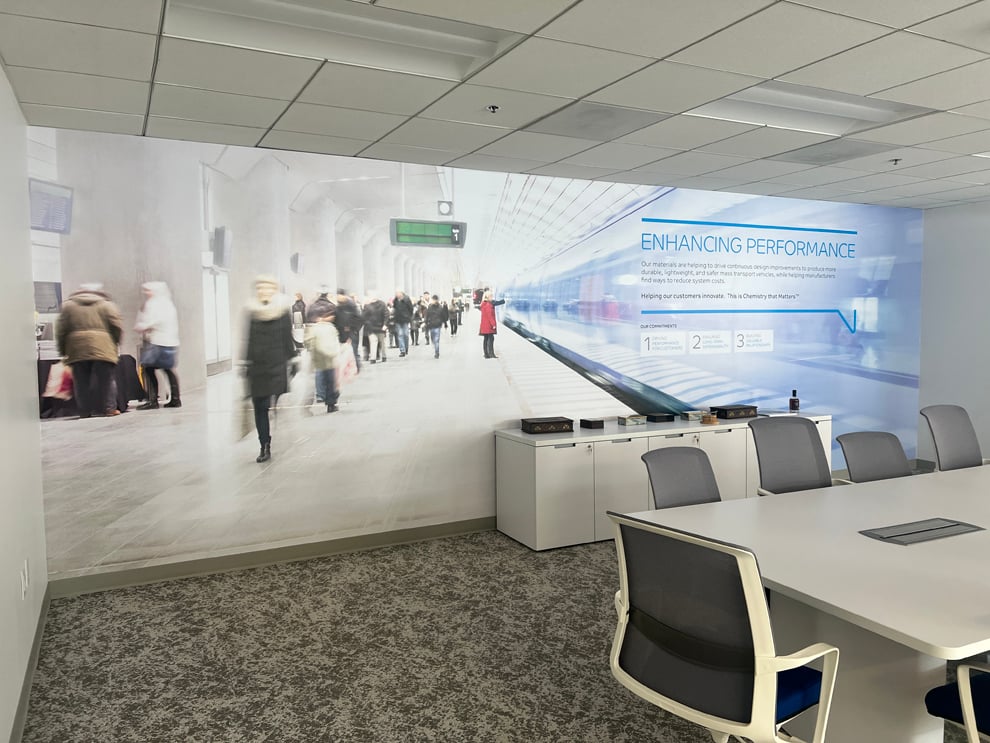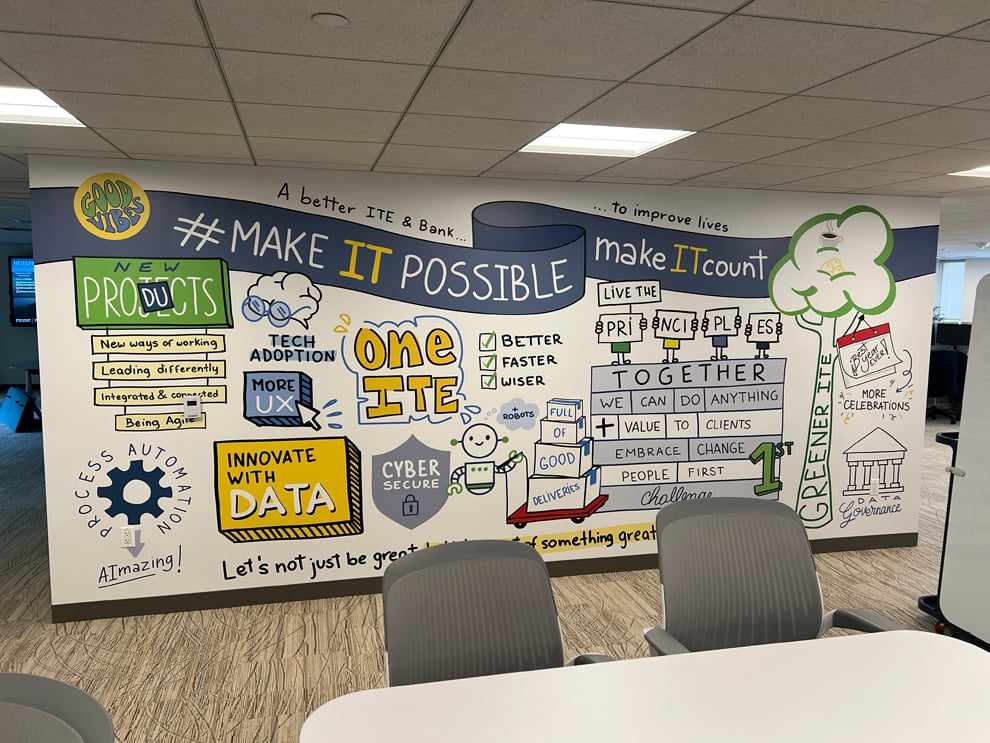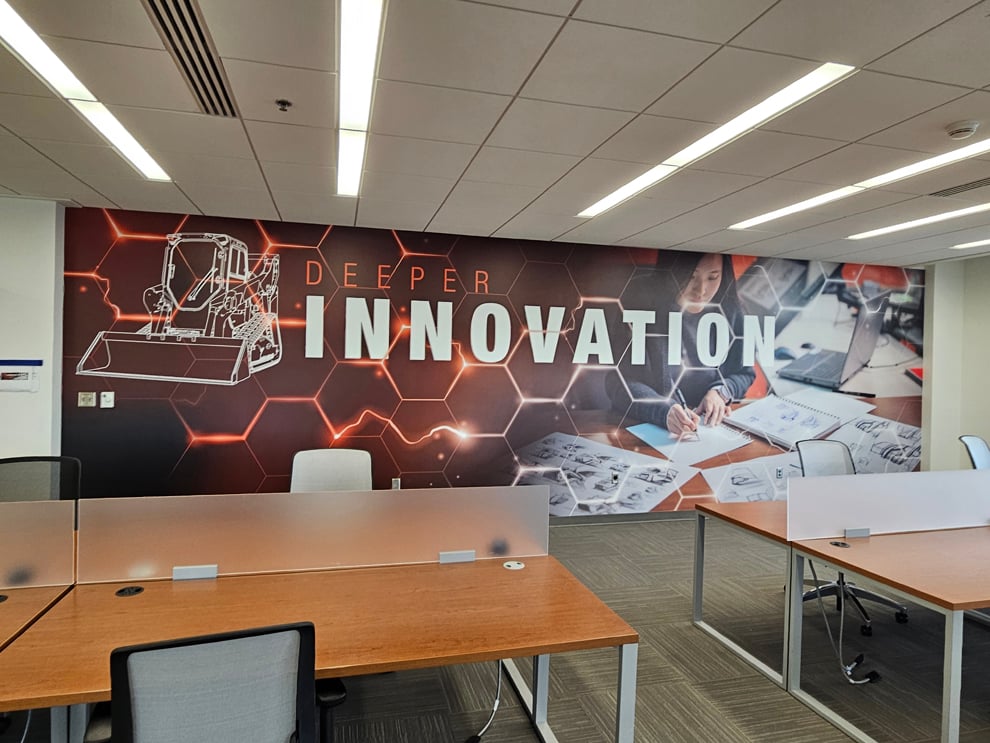
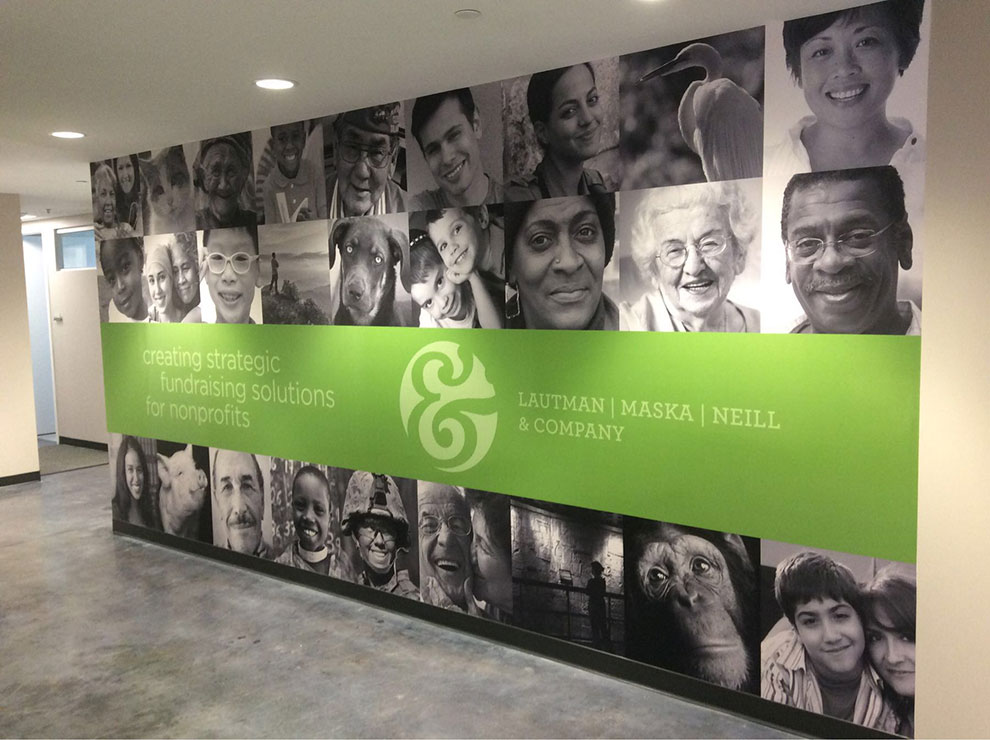
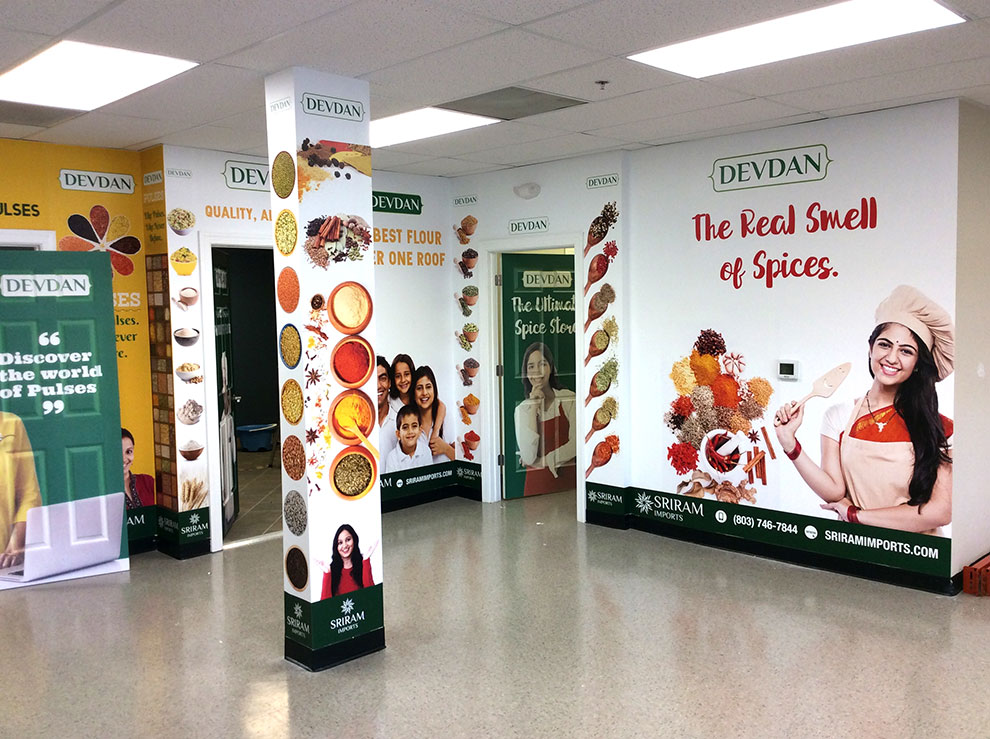
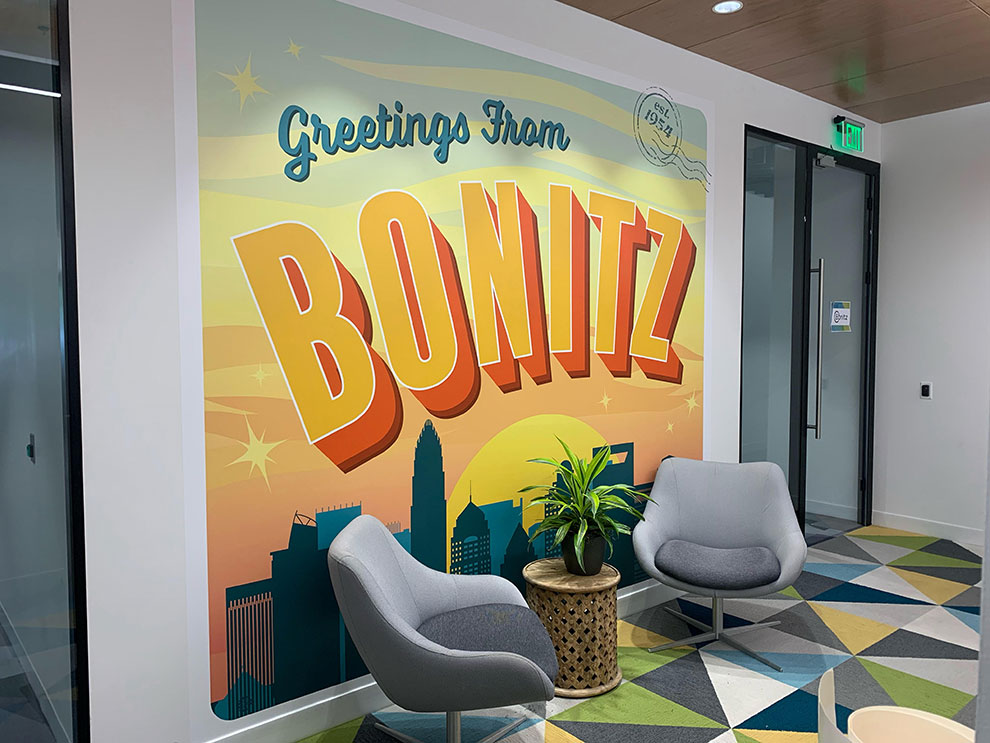
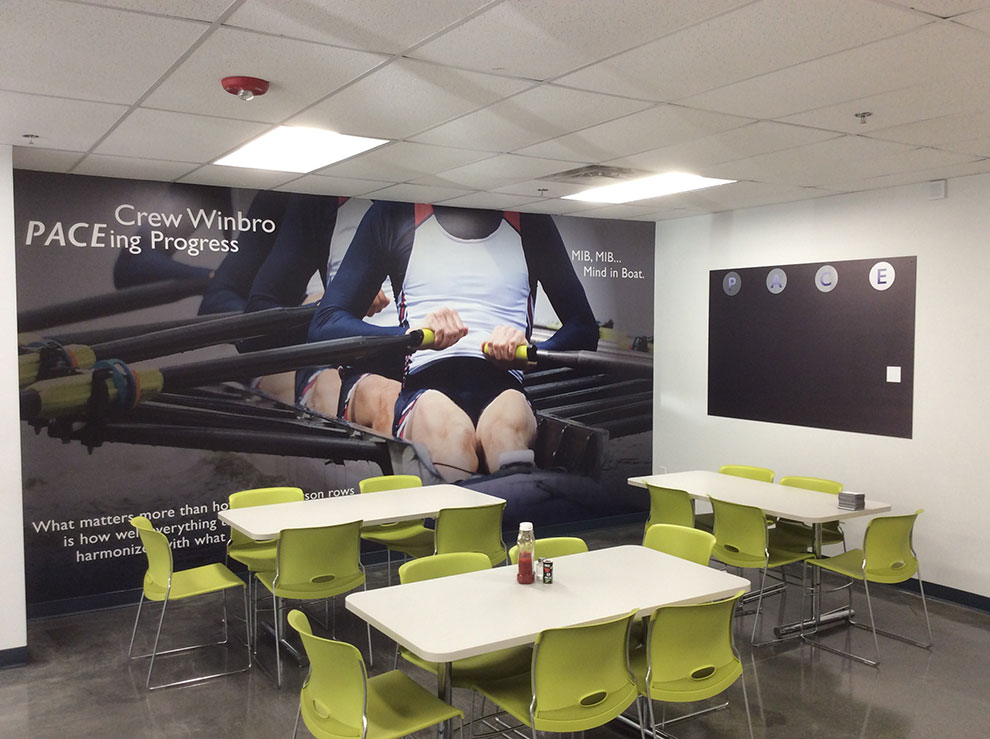
A substantial wall can help an organization create a more coherent arrival, communicate its purpose, document its history, or recognize the people behind its work. Wall Wraps give Arlington, VA organizations the scale to combine photography, color, typography, and structured messaging across a prominent architectural surface. The result can orient visitors, reinforce workplace culture, support stakeholder engagement, or establish a deliberate visual setting for employees, members, students, patients, donors, and guests.
Heritage Signs & Displays plans, produces, and installs large-scale wall graphics for commercial and institutional interiors. Environmental graphic design connects the organization’s communication objective with the physical conditions of the wall. That process may consider message hierarchy, viewing distance, image resolution, circulation, architecture, existing lighting, wall condition, nearby signs and displays, and the positions from which people will encounter the composition. Those factors determine whether the finished wall reads clearly across the room and remains useful at closer viewing distances.
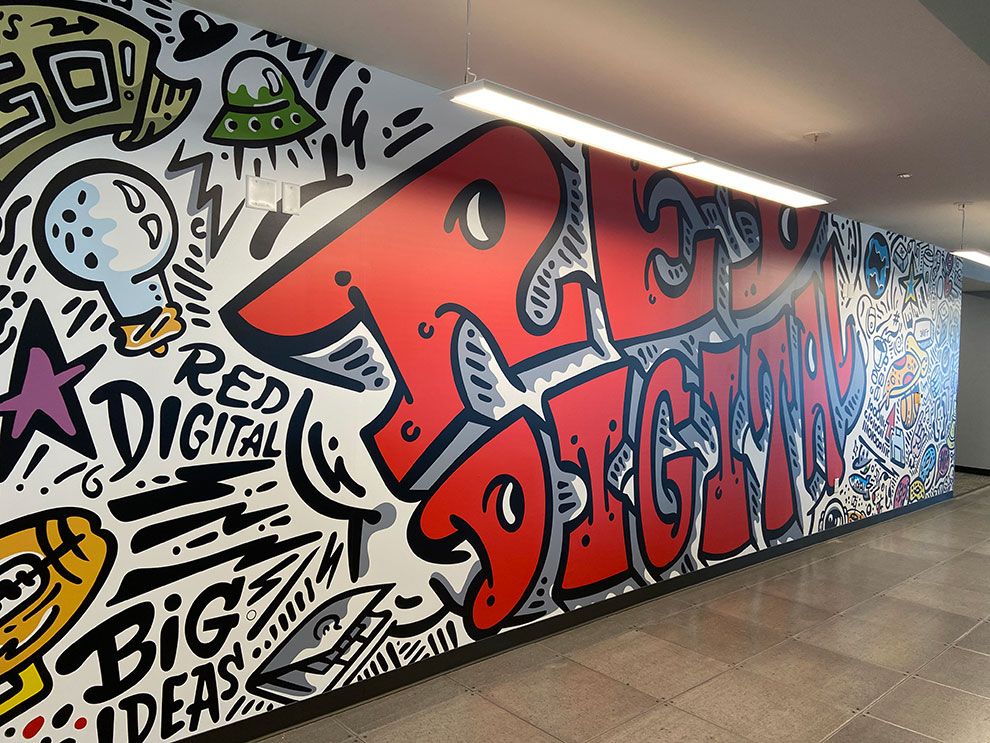
Wall Wraps can support a mission statement, core values, company milestones, archival storytelling, donor recognition, educational material, research, employee achievements, event messaging, or branded corridor imagery. A printed wall can also serve as the visual foundation for dimensional letters, photographs, acrylic signs, standoff mounted panels, backlit signs, or other produced components. When layering supports the concept, Heritage coordinates the background artwork and mounted elements as one composition. The Wall Wrap remains the primary graphic surface, while the additional elements create hierarchy, depth, or controlled opportunities for future updates.
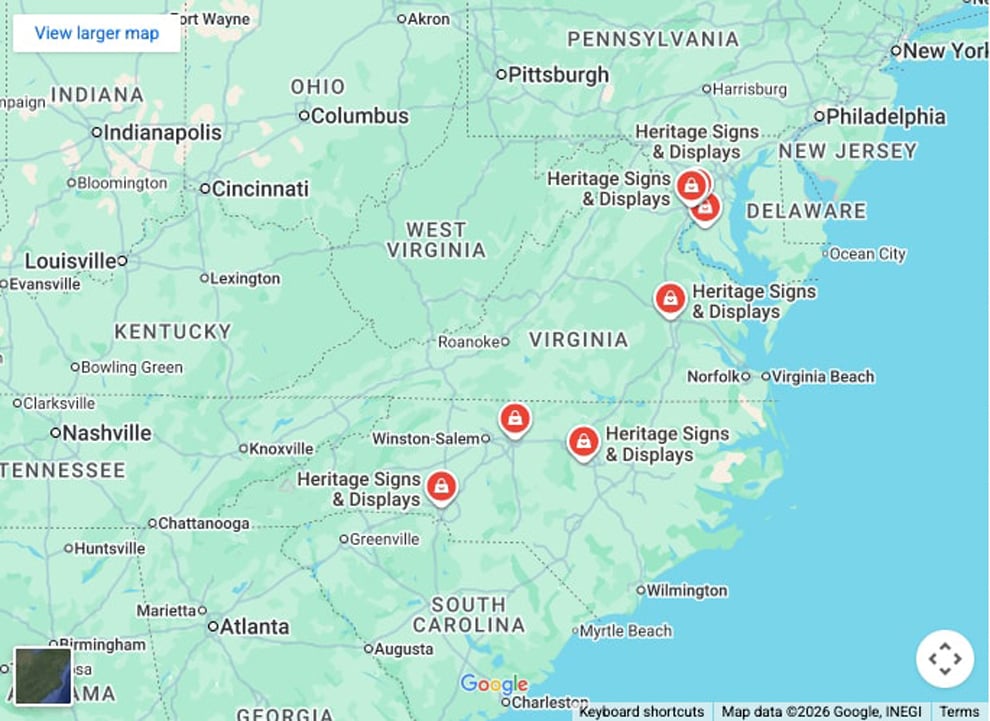
Projects in Arlington may involve property managers, marketing leaders, facilities teams, executives, agencies, contractors, and other reviewers with different responsibilities. Building access, security procedures, loading arrangements, elevators, installation hours, stakeholder calendars, and a fixed opening or event date can all affect execution. Heritage connects these requirements through one dedicated Project Manager and a required site survey for installed Wall Wraps. Washington, DC and Arlington provide close-in client and field support for the DC metro area, while the production facility in Waldorf, Maryland supports Mid-Atlantic production and fabrication.
Heritage began as a printing business in 1977 and remains veteran-owned and family-led. Its purpose is to honor God by serving clients and communities with excellence. For Arlington organizations, that commitment is expressed through careful preparation, accountable communication, documented project knowledge, and responsible follow-through. Environmental graphic design, production, fabrication, field planning, and professional installation remain connected so approved creative intent can reach the finished wall with as few avoidable surprises as possible.
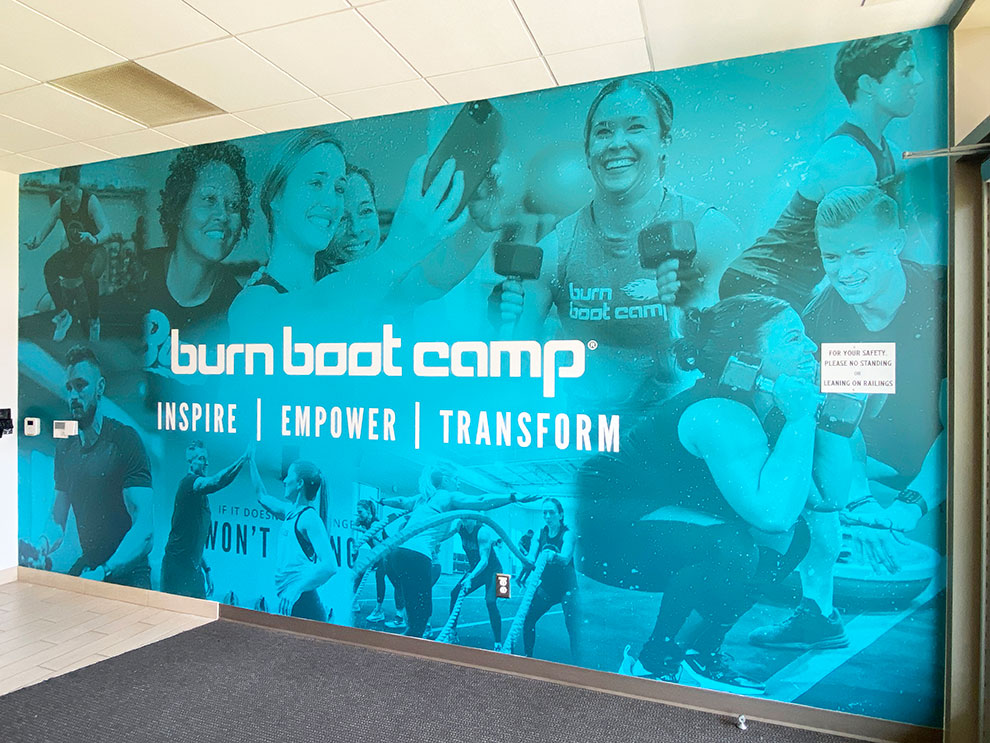
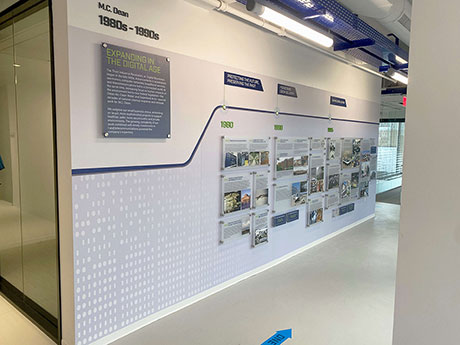
A large wall can clarify information that would feel fragmented across a collection of smaller signs. An Arlington organization might use a corridor to arrange decades of milestones in sequence, allowing viewers to understand the larger story while pausing at selected photographs, dates, or achievements. A feature wall can establish one dominant message, then use supporting images and concise text to guide attention without overwhelming the setting.
Coverage should follow the communication objective rather than an assumption that every available surface needs vinyl. A partial mural may frame a reception area more effectively than full-wall coverage. Recognition panels can sit over a restrained graphic field, while large photography can establish atmosphere in a conference or gathering space. Temporary event graphics may also be appropriate when the painted surface, access plan, installation period, and removal schedule support their use. Heritage evaluates scale, sightlines, interruptions, content volume, and the expected viewing pattern before defining how much of the wall should become graphic.
Producing a large graphic is only one part of a successful Wall Wrap. Incomplete measurements, unsuitable imagery, unverified paint, poorly positioned seams, unresolved access, or rushed panel planning can compromise an otherwise appropriate design. Heritage keeps the creative, production, and field decisions connected so the approved concept remains practical for the wall where it will be installed.
Heritage’s One Dedicated Project Manager System preserves project knowledge from discovery through completion. The Project Manager coordinates client communication, stakeholder decisions, the required site survey, environmental graphic design, production, fabrication, scheduling, and professional installation. This structure gives property teams, executives, facility leaders, marketing staff, and professional partners one consistent point of coordination while reducing avoidable handoffs.
Field information gathered for the Arlington property follows the project into production and installation planning. The Waldorf production facility provides the nearby production backbone for Mid-Atlantic work, but it is not a client-facing office or showroom. The result is a coordinated Heritage engagement in which responsibilities, site findings, artwork decisions, and schedule requirements remain visible to the people executing the work.
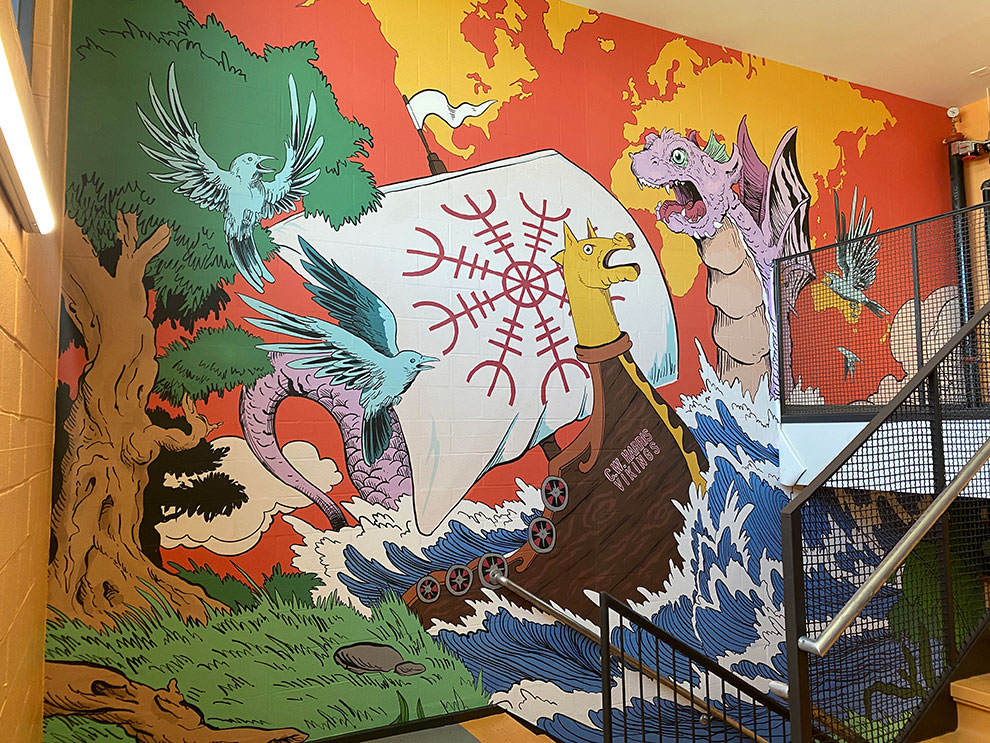
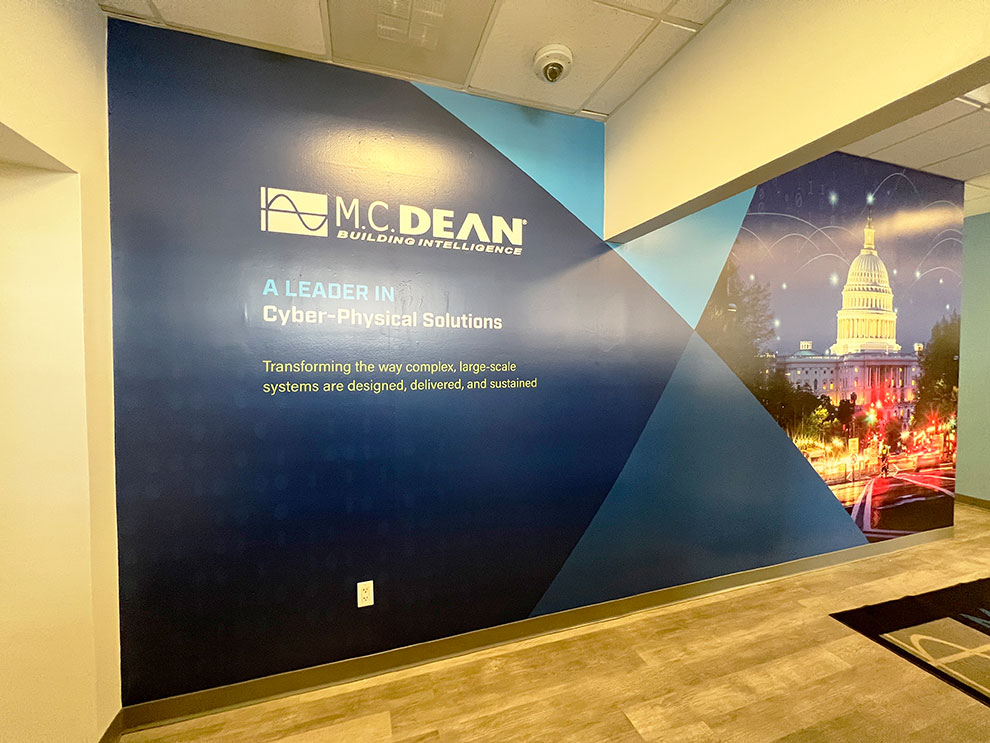
A Wall Wrap can establish the visual field for a Arlington history, culture, or recognition display. Mounted photographs, changeable panels, dimensional names, and selected artifacts can add detail while the printed wall maintains continuity across the complete presentation.
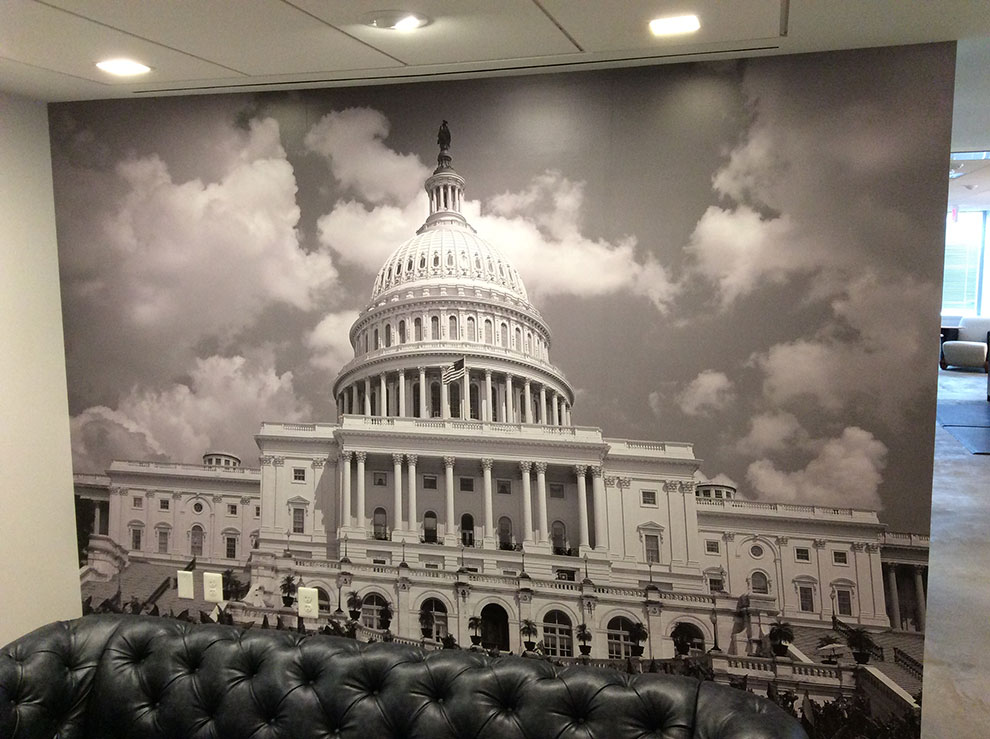
Lobby identification can gain context when it is planned with a mural rather than placed against an unrelated background. The Wall Wrap can establish imagery and tone, while dimensional or illuminated identification gives visitors a clear organizational focal point.
Dimensional letters can introduce physical depth over a printed wall without displacing the mural as the primary surface. Heritage coordinates scale, contrast, spacing, mounting points, and surrounding artwork so the lettering remains readable within the larger composition.
Standoff mounted panels can separate donor names, photographs, milestones, or replaceable information from the graphic foundation. Their projection creates a controlled layer of emphasis while allowing the Wall Wrap to connect content across a wider section of the interior.
A backlit sign can anchor a feature wall when illumination is appropriate to the architecture and surrounding light levels. Heritage plans its placement, brightness, mounting, and relationship to the mural so the two elements support a coherent visual hierarchy.
Elevator doors and selected cab surfaces can extend a wall graphics program into high-use circulation areas. Coordinated artwork may support organizational messaging, campaigns, events, or wayfinding while responding to the distinct proportions and operating requirements of elevator surfaces.
Graphics on nearby glass can carry selected patterns, colors, or messages beyond the Wall Wrap. Heritage considers daylight, privacy, sightlines, glass divisions, and interior circulation so the window treatment complements the wall without duplicating its communication role.
Frosted vinyl can provide privacy and understated branding on conference room or office glass near a mural. Bands, patterns, and logos can support the surrounding environmental graphic design while leaving the Wall Wrap as the principal storytelling surface.
An Arlington wall can become a deliberate communication surface when the message, site, materials, and installation plan are considered together. Use Get Started Now to provide the property address, intended audience, desired result, completion date, anticipated overall investment, photographs, approximate dimensions, available artwork or brand standards, and known paint or access information. A Heritage team member or one dedicated Project Manager will review the available information, identify what requires verification, and outline the next steps for discovery, environmental graphic design, site surveying, production, fabrication, and professional installation.
Arlington clients can receive nearby discovery and field support through Heritage resources serving Northern Virginia and the DC metro area. Washington, DC and Arlington provide client-facing and field capabilities that support property meetings, required site surveys, field verification, installation planning, professional installation, and follow-through. That access allows project conditions to be documented before production rather than interpreted after graphics arrive.
Field planning can verify dimensions, painted-wall condition, architectural interruptions, security requirements, loading procedures, freight access, elevator use, approved work hours, and installation windows. Those details are particularly important when a project must coordinate with property management, daily operations, construction activity, a leadership meeting, or a fixed public opening.
For programs extending beyond one Arlington property, one dedicated Project Manager maintains communication history and approved brand standards while each location receives an individual site assessment. The Waldorf, Maryland production facility supports Mid-Atlantic production and fabrication. Broader Heritage resources can then coordinate supported regional or multi-location work without assuming that walls with different dimensions, audiences, access conditions, and architecture require identical layouts.
A workplace may need an authoritative arrival statement, while an association may want a timeline that connects institutional history with current priorities. Educational, healthcare, nonprofit, commercial, and government contractor environments can have different audiences, review structures, privacy considerations, and communication needs. Environmental graphic design organizes those requirements into a visual system that can be produced and installed.
Heritage can develop concepts with client stakeholders or work from approved artwork, brand standards, and messaging. The company may collaborate with architects, interior designers, branding agencies, environmental graphic designers, marketing teams, and other professional partners when they control the broader creative direction. Heritage does not present that role as licensed architecture, engineering, general interior design, lighting design, or code consulting.
The practical objective is to translate creative intent into a producible Wall Wrap. Typography, image resolution, panel divisions, seams, corners, doors, fixtures, viewing distances, and mounted components are considered in relation to the actual site. This keeps the design discussion connected to production and professional installation rather than treating the wall as an abstract canvas.
Professional installation begins before printed panels reach the Arlington property. Heritage requires a site survey for installed Wall Wraps to document dimensions, wall condition, openings, fixtures, access routes, property requirements, and workable installation periods. The findings support environmental graphic design, production, fabrication, panel planning, scheduling, and field preparation throughout the Heritage engagement.
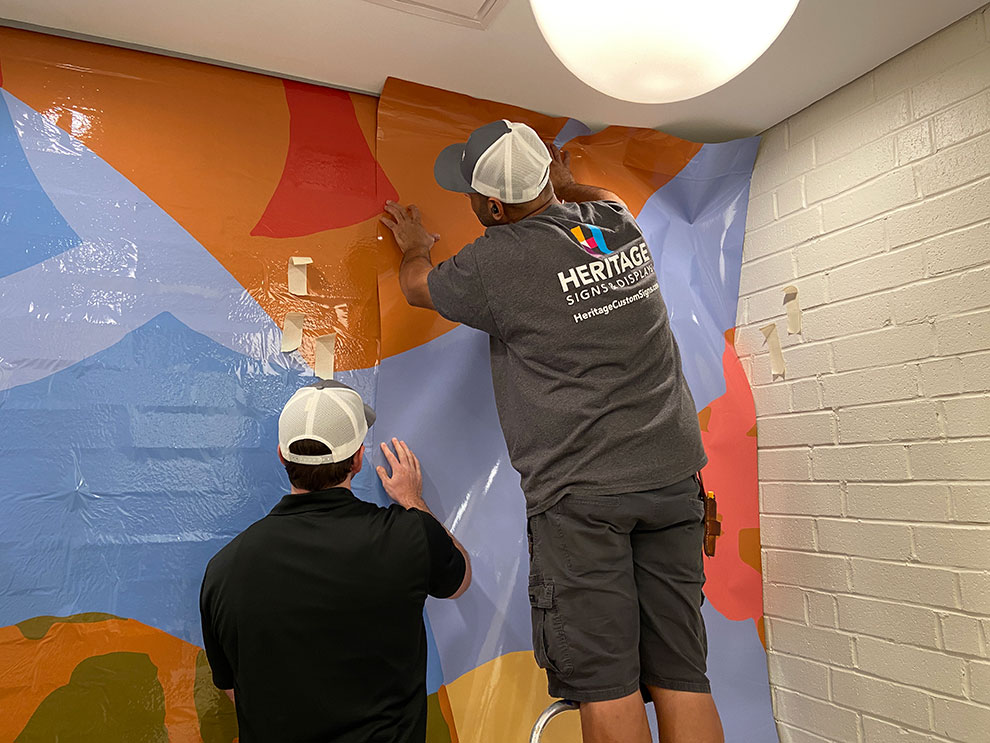
Installers work from the site and project information developed within that process. Pre-install planning establishes panel sequence, seam placement, registration, corners, transitions, doors, outlets, fixtures, and other interruptions. It also addresses security procedures, loading rules, elevator access, protection of nearby surfaces, occupied-space considerations, and the hours during which installation can proceed with limited disruption.
Once work begins, careful alignment and consistent registration help the individual panels read as one continuous graphic surface. If an unexpected field condition affects the approved approach, the installer can communicate through the connected Heritage team rather than making an unsupported change. Heritage professionally installs graphics it produces, fabricates, procures, or manages as part of the engagement, which preserves accountability for the decisions affecting fit and appearance.
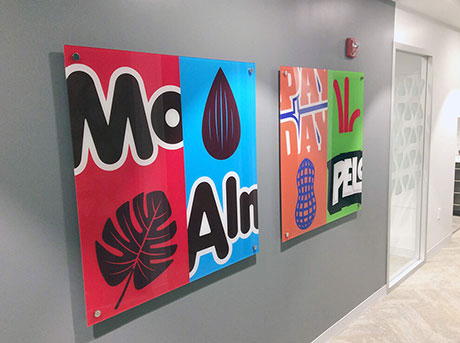
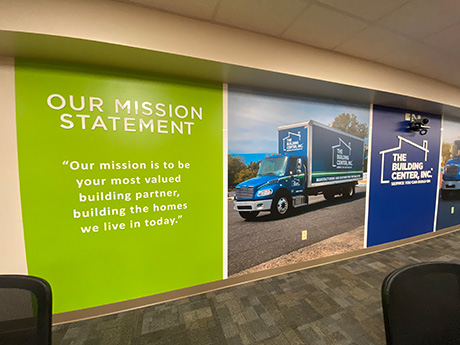
The long-term performance of a wall wrap begins with a suitable wall surface. Drywall should be sound, smooth, clean, dry, and repaired as needed. Properly applied primer and paint are also essential. Before adhesive graphics are installed, the finish coating needs to complete its curing process.
Paint can become dry to the touch before curing has finished. During continued curing, gases or vapors may escape from the coating. Installing vinyl too soon can trap those emissions between the adhesive and wall, potentially contributing to bubbling, blisters, lifting, or premature adhesion failure. Roughly four weeks provides useful planning guidance for many paints, but the manufacturer's instructions and actual site conditions determine readiness.
Surface testing can indicate how well vinyl performs against the painted finish. It cannot verify the bond between the drywall and the layers of primer and paint. If coating material begins to peel or pull away during testing or routine repositioning, Heritage stops work instead of risking additional damage. The client or property owner arranges and pays for repair, proper priming, repainting, and the required curing period before Heritage returns.
Removing the graphics later should be considered independently. Heritage uses care to reduce avoidable damage during removal, but damage-free removal cannot be guaranteed. Paint, primer, and drywall facing can potentially release. The client or property owner handles and pays for any resulting restoration. Wall wraps remain proven and effective solutions for interior branding.
Effective planning begins by defining the desired result, audience, wall coverage, stakeholder approval process, phasing, completion date, access requirements, surface readiness, and anticipated overall investment. A workplace history wall, a layered lobby feature, and a temporary event mural may involve different design, production, installation, and removal considerations even when their dimensions appear similar.
Useful initial information includes the installation address, current photographs, approximate wall dimensions, brand standards, messaging, available artwork, paint information, property requirements, and the date the environment must be ready. The required site survey then verifies details that photographs, drawings, and email discussions cannot fully establish.
Many Heritage projects involving production and professional installation range from $10,000 to more than $200,000. Final investment depends on coverage, environmental graphic design, materials, fabrication, wall readiness, access, installation windows, schedule, and coordination requirements. Use Get Started Now to confirm current project fit and the next planning requirements.
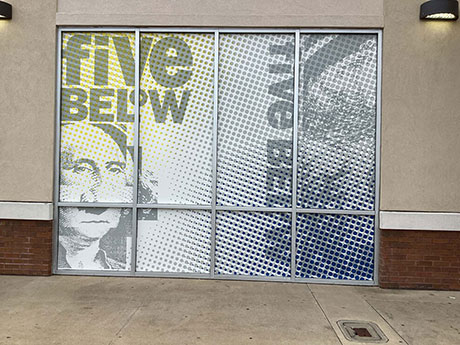
Wall Wraps can use an otherwise passive architectural surface to communicate culture, history, purpose, recognition, educational information, or brand identity at a scale appropriate to the setting. They may establish a clearer arrival, organize a long corridor, support a visitor experience, or create a graphic foundation for dimensional signs and mounted displays. The most useful approach depends on the audience, communication priority, viewing distance, architecture, and amount of content the organization needs to present.
A site survey connects the graphic plan to the conditions of the actual property. Heritage verifies dimensions, wall condition, texture, openings, fixtures, access routes, work-hour restrictions, loading requirements, elevators, security procedures, and other details that may affect design or installation. That information follows the project into environmental graphic design, production, fabrication, panel planning, and professional installation. It reduces uncertainty that cannot be resolved reliably through drawings, photographs, or email descriptions alone.
The paint must be fully cured under the manufacturer's requirements before graphics are applied. A wall that simply feels dry may still be releasing gases or vapors as part of the curing process. Adhesive vinyl installed too early can trap that outgassing and may contribute to bubbles, blistering, lifting, or premature adhesion failure.
Approximately four weeks is useful planning guidance for many paint systems, but curing time varies according to the coating, temperature, humidity, wall preparation, and site conditions. Outgassing is only one potential cause of adhesion difficulties, so manufacturer guidance and actual wall conditions determine installation readiness.
For new Arlington and Northern Virginia wall wrap and interior branding opportunities generated through the website, Heritage currently plans around an anticipated overall project investment of at least $6,000. That new-project planning threshold is distinct from the broader range of projects Heritage produces.
Many Heritage projects that involve production and professional installation range from $10,000 to more than $200,000. Project scope, artwork development, materials, fabrication, wall conditions, scheduling, site access, and installation requirements affect the final investment. Use Get Started Now to provide details about your Arlington project and confirm the current regional investment level.
Yes. Heritage can develop environmental graphic design concepts from approved brand standards, messaging, photographs, and communication priorities. The process considers audience, hierarchy, typography, image quality, scale, sightlines, panel planning, and the physical wall. Heritage can also collaborate with architects, interior designers, branding agencies, environmental graphic designers, and marketing teams when an outside partner directs the larger creative program. The objective is to convert approved intent into a practical, producible Wall Wrap.
An adhesion test provides limited but useful information about how a selected vinyl behaves on the visible painted surface. It may help inform cleaning, material selection, or installation planning. It cannot verify the concealed bond connecting the finish paint, primer, and drywall, and it cannot guarantee the outcome of full-panel repositioning or eventual removal. A successful test reduces one area of uncertainty without certifying the complete wall assembly or promising damage-free removal later.
These finishes are evaluated according to the actual wall rather than treated as one material category. Some washable, scrubbable, stain-resistant, low-VOC, or zero-VOC paints can resist adhesive bonding, while others may perform acceptably. Heritage may recommend cleaning, adhesion testing, or a different compatible vinyl and adhesive system. Paint labels alone do not determine the solution, and no single high-tack material is appropriate for every wall or operating condition.
Heritage stops the affected work rather than continuing and worsening the wall condition. Controlled lifting or repositioning can be necessary for panel registration, and paint release may indicate weakness within the paint, primer, or drywall assembly. The client or property owner is responsible for arranging and paying for wall repair, proper priming, repainting, complete cure, and associated surface costs. Heritage returns after the repaired wall has become ready for installation.
Damage-free removal cannot be guaranteed. Heritage uses slow, careful methods intended to reduce avoidable damage, but paint, primer, or drywall facing may still release when vinyl is removed. Adhesive behavior, wall preparation, paint quality, installation age, environmental conditions, and prior repairs can affect the result. The client or property owner is responsible for arranging and paying for repair, repainting, cure time, and other restoration after removal.
Early removal is often prudent because it reveals the condition that the replacement graphic will encounter. The old material may expose paint loss, drywall-facing damage, residue, repairs, or another issue requiring correction. Removing it well before the new installation allows the client’s contractor to repair, prime, repaint, and provide full cure time. Waiting until replacement day can turn a concealed wall problem into an immediate production or scheduling delay.
Yes, when the wall, mounting method, graphic composition, and intended display support layering. Dimensional letters, acrylic signs, standoff mounted panels, photographs, recognition components, or backlit signs may create hierarchy and depth above the printed field. Heritage coordinates mounting positions, contrast, scale, artwork, and future service needs so the attached elements support the mural. The Wall Wrap remains the principal graphic surface rather than becoming incidental background.
They can be appropriate when the venue permits the application and the wall condition, installation access, duration, and removal plan support it. Temporary Wall Wraps may carry event branding, sponsor recognition, campaign messaging, or exhibit content. Removable describes intended adhesive behavior, not a promise that paint or drywall will remain unchanged. Surface evaluation, property approval, installation timing, and restoration planning remain important even when the graphic will be displayed briefly.
Most interior printed Wall Wraps do not require protective film laminate automatically. Heritage may add laminate when frequent cleaning, repeated contact, abrasion, or another operating condition creates a practical need for added print protection. Material selection should reflect the specific environment rather than a universal rule. Printed exterior wall graphics are treated differently and receive protective film laminate for UV and weather protection when the site is suitable for an exterior application.
Yes, when the overall program fits Heritage’s service model. One dedicated Project Manager can preserve approved brand standards, project history, production expectations, stakeholder decisions, and scheduling information across supported locations. Each property still requires individual consideration because dimensions, architecture, audience, paint, access, security, installation hours, and graphic layout may differ. Consistency means maintaining the approved communication and visual standards, not forcing the same physical solution onto every wall.
Exterior Wall Wraps may be considered when the surface, exposure, material system, access, installation conditions, and intended service period support the application. Printed exterior wall graphics receive protective film laminate for UV and weather protection. Suitability does not establish permission. The client, property owner or property manager, or general contractor is responsible for determining, securing, and paying for applicable sign permits and property approvals. Heritage does not determine, prepare, submit, or manage sign permits.
Provide the installation address, desired result, intended audience, target completion date, anticipated overall investment, photographs, approximate wall dimensions, available brand standards or artwork, paint information, and known property or access requirements. Complete technical information is not necessary for the initial inquiry. Use Get Started Now to confirm the current anticipated investment and begin discovery. A Heritage team member or dedicated Project Manager will identify the remaining questions and determine the next planning steps.
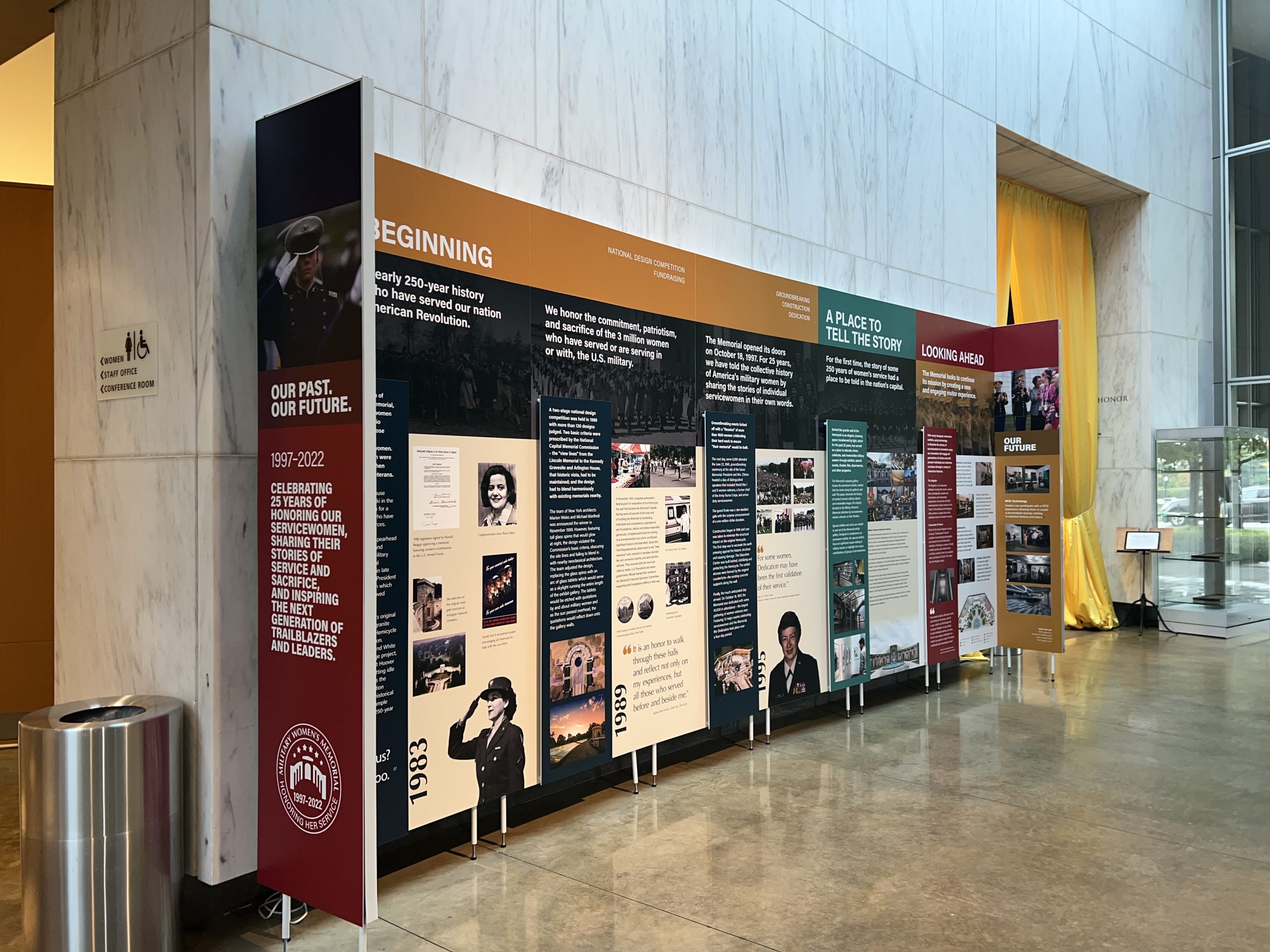
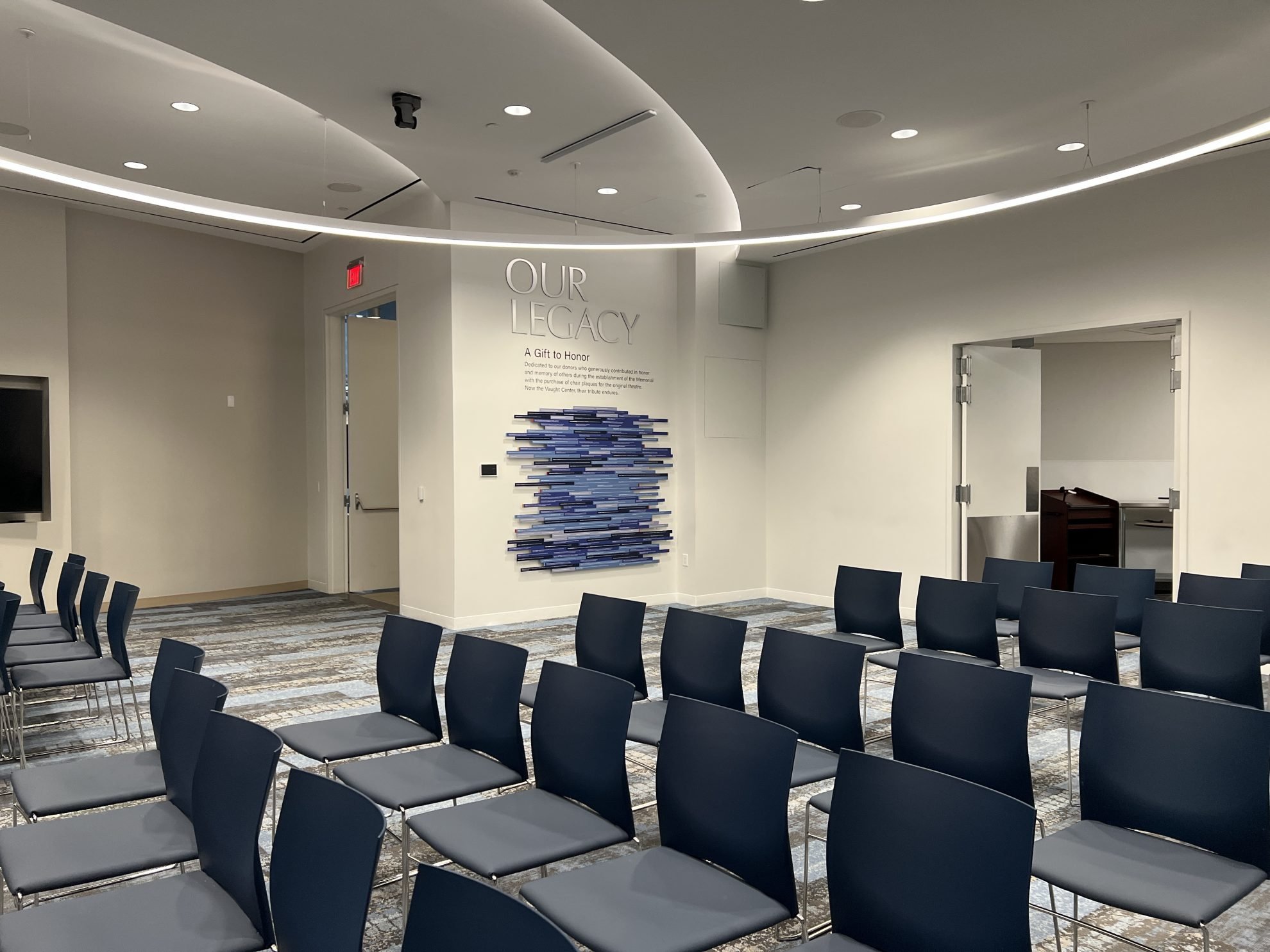
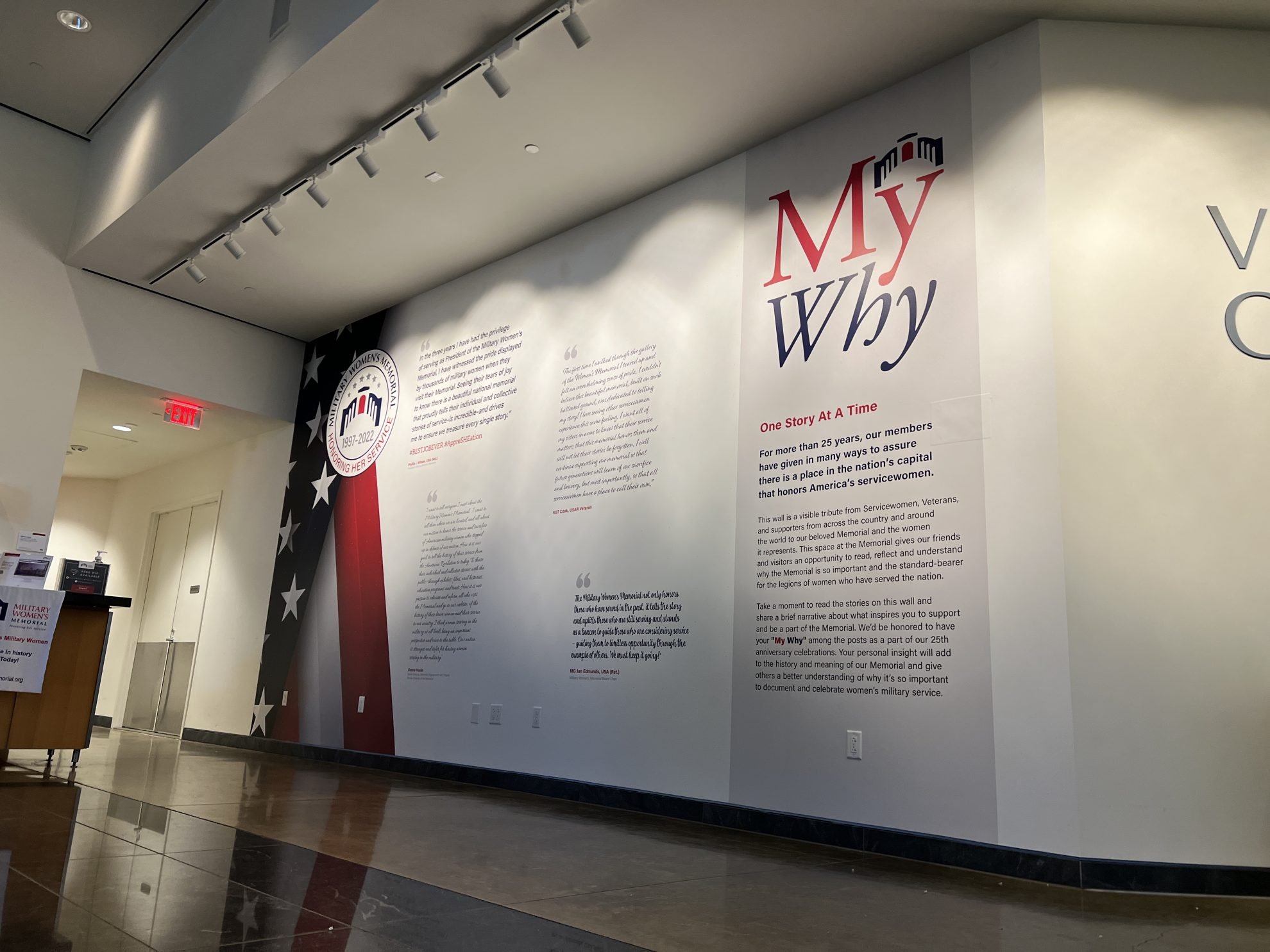
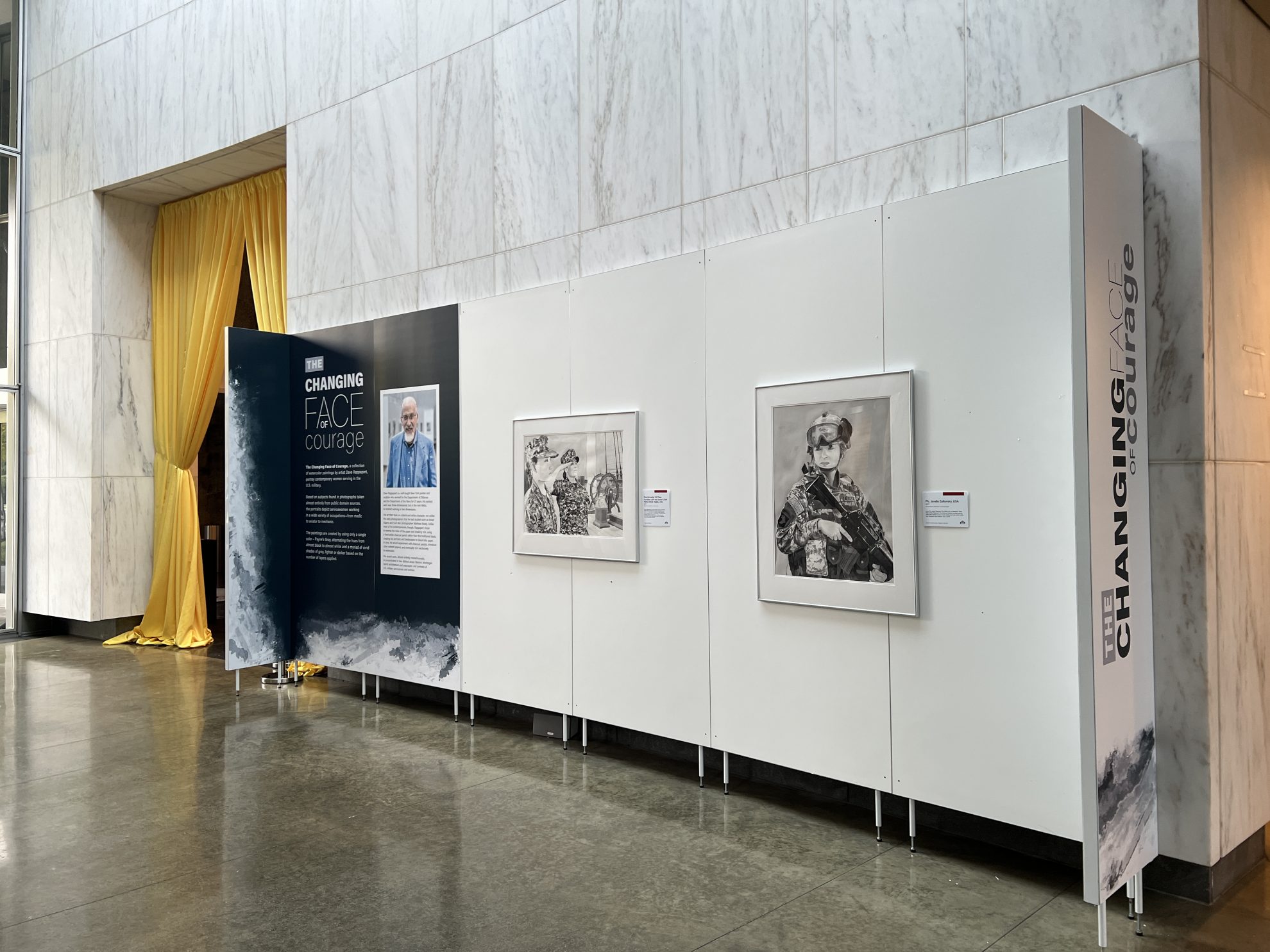
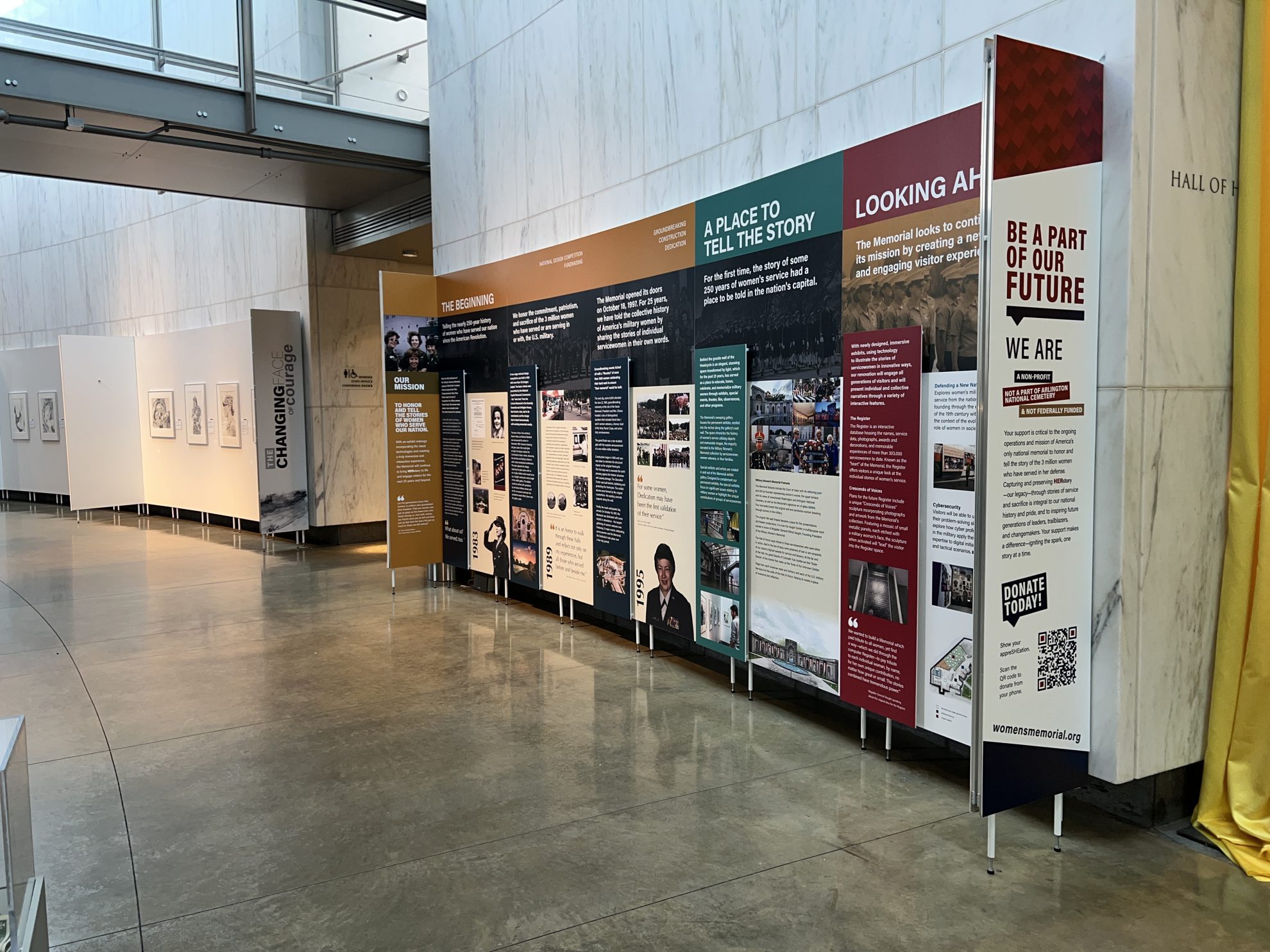
Heritage Signs & Displays created new museum signage for the Military Women’s Memorial in Arlington, VA. The project included custom signs, wall wraps, dimensional letters, and standoff-mounted displays to honor the legacy of U.S. servicewomen and the donors who supported the memorial. The updated interior features impactful designs, including a "Our Legacy" wall display and panels showcasing historical contributions and artwork, creating a transformative tribute to women in the U.S. Armed Forces.
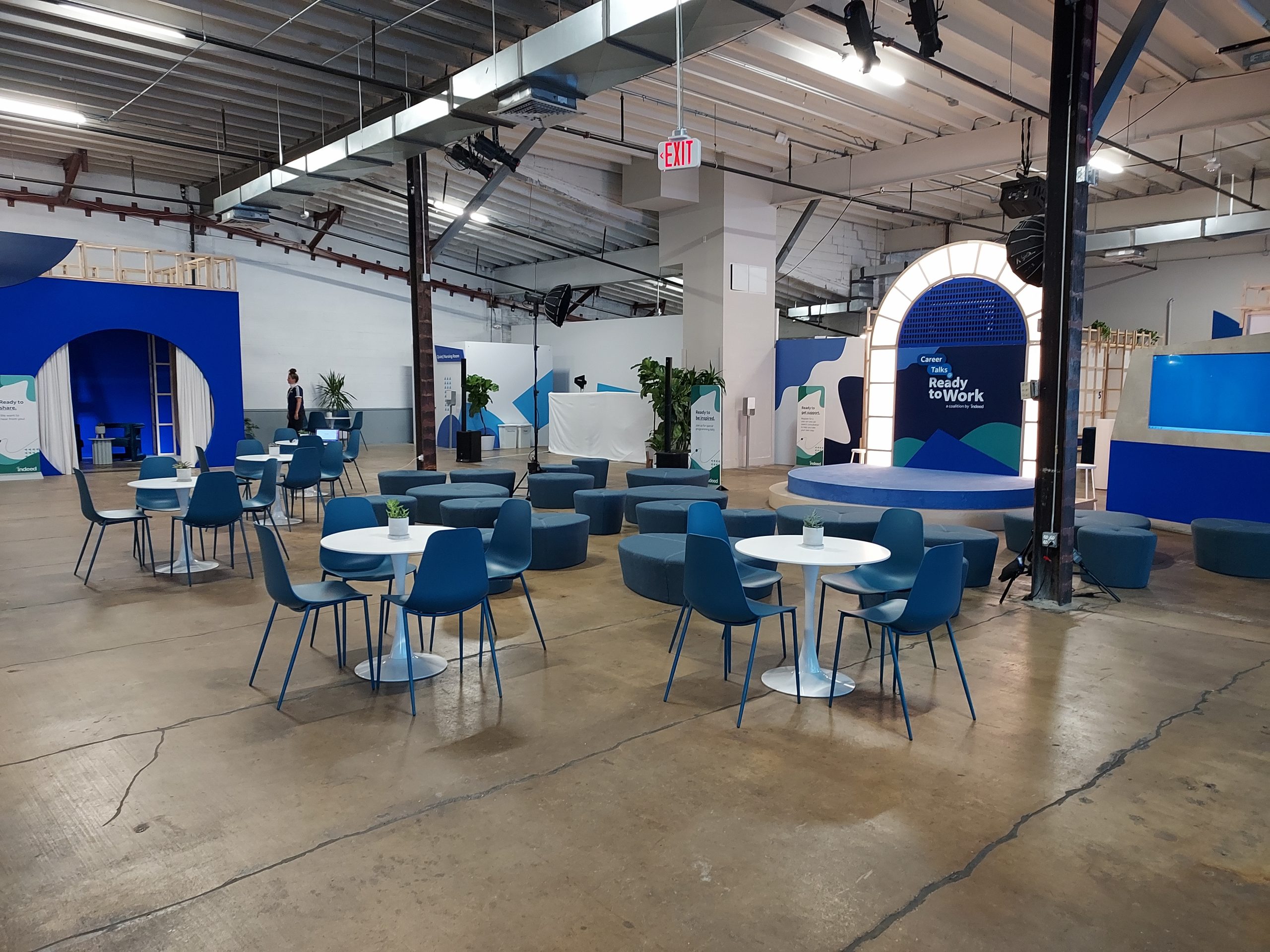
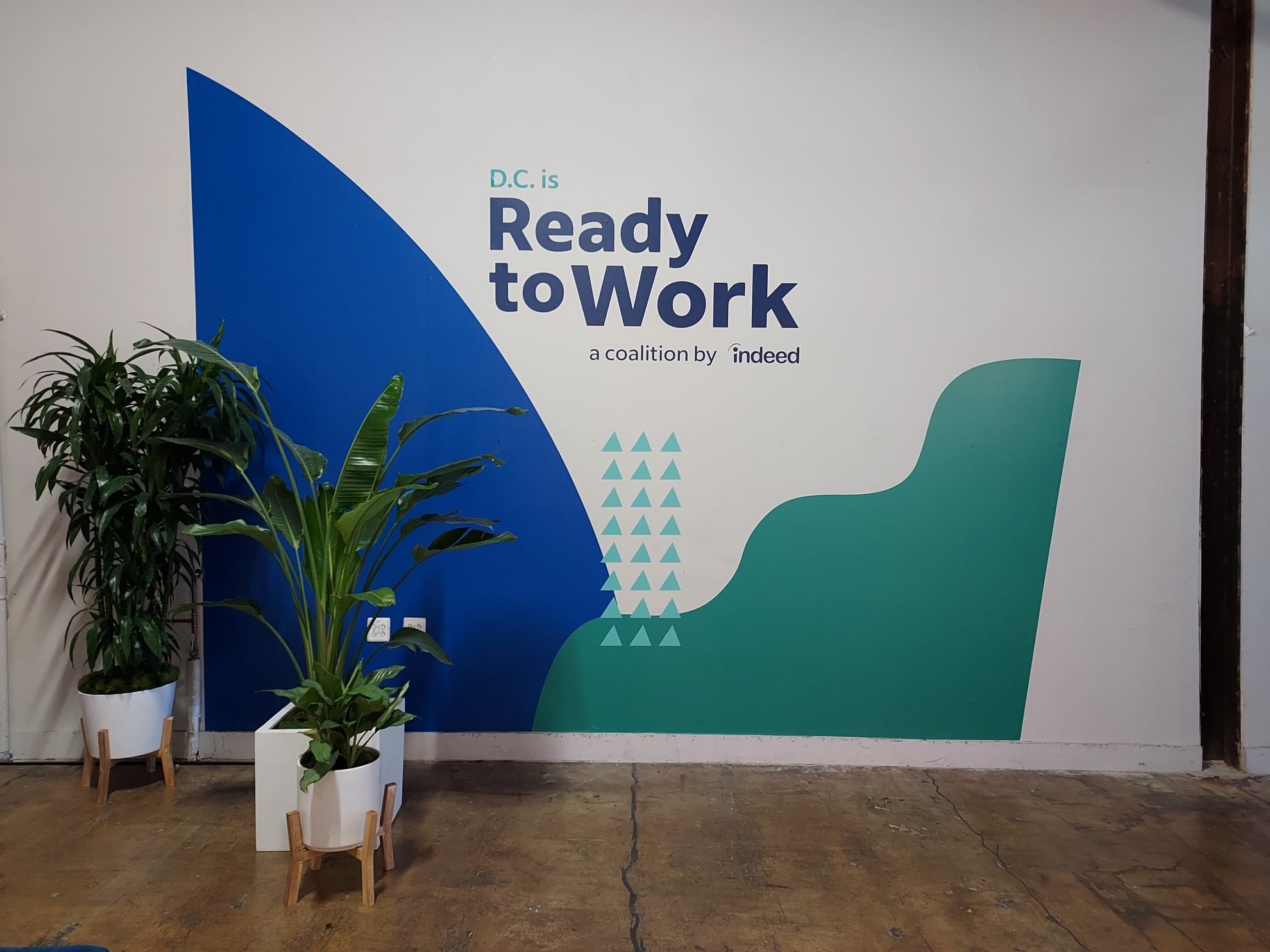
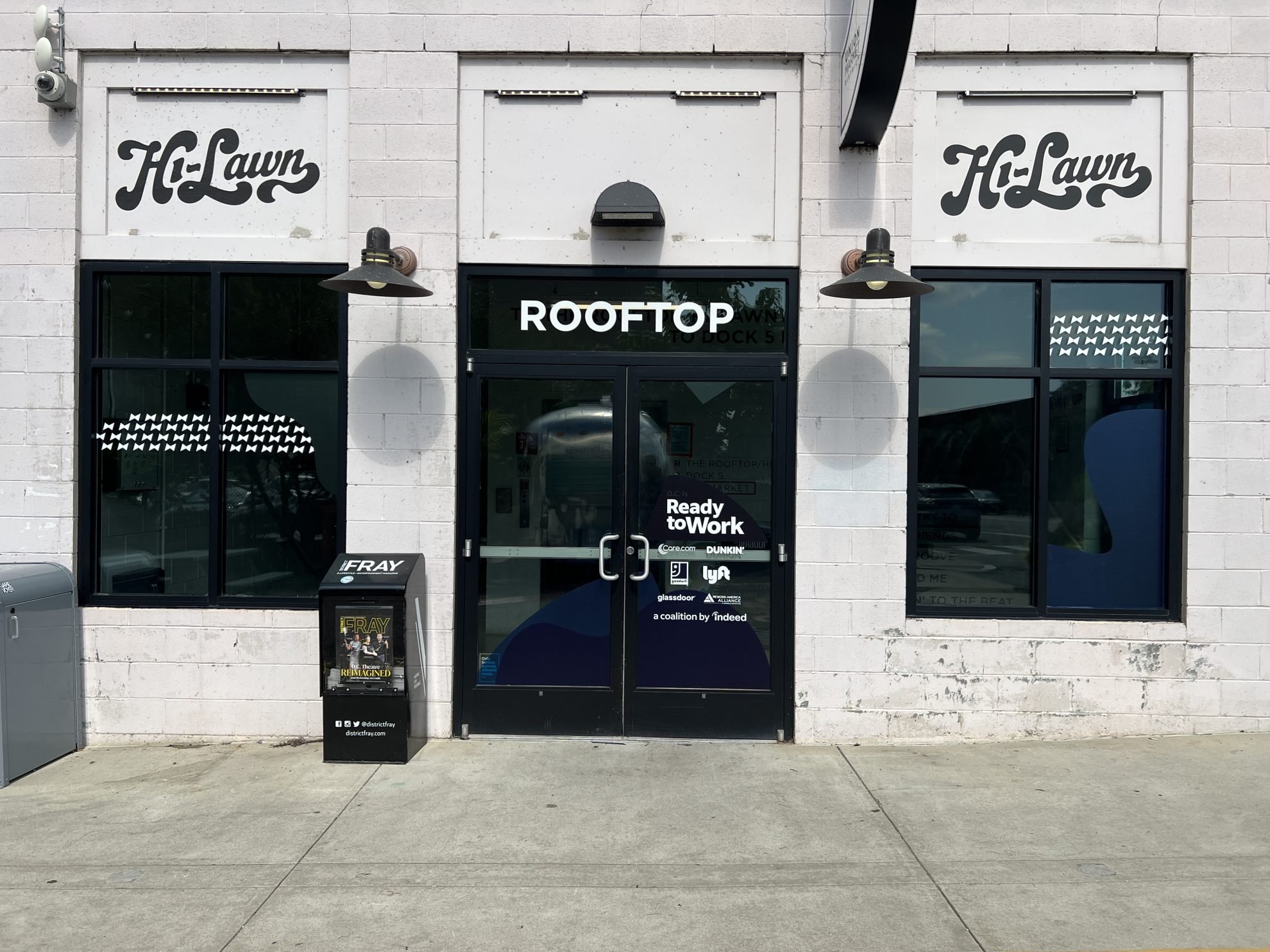
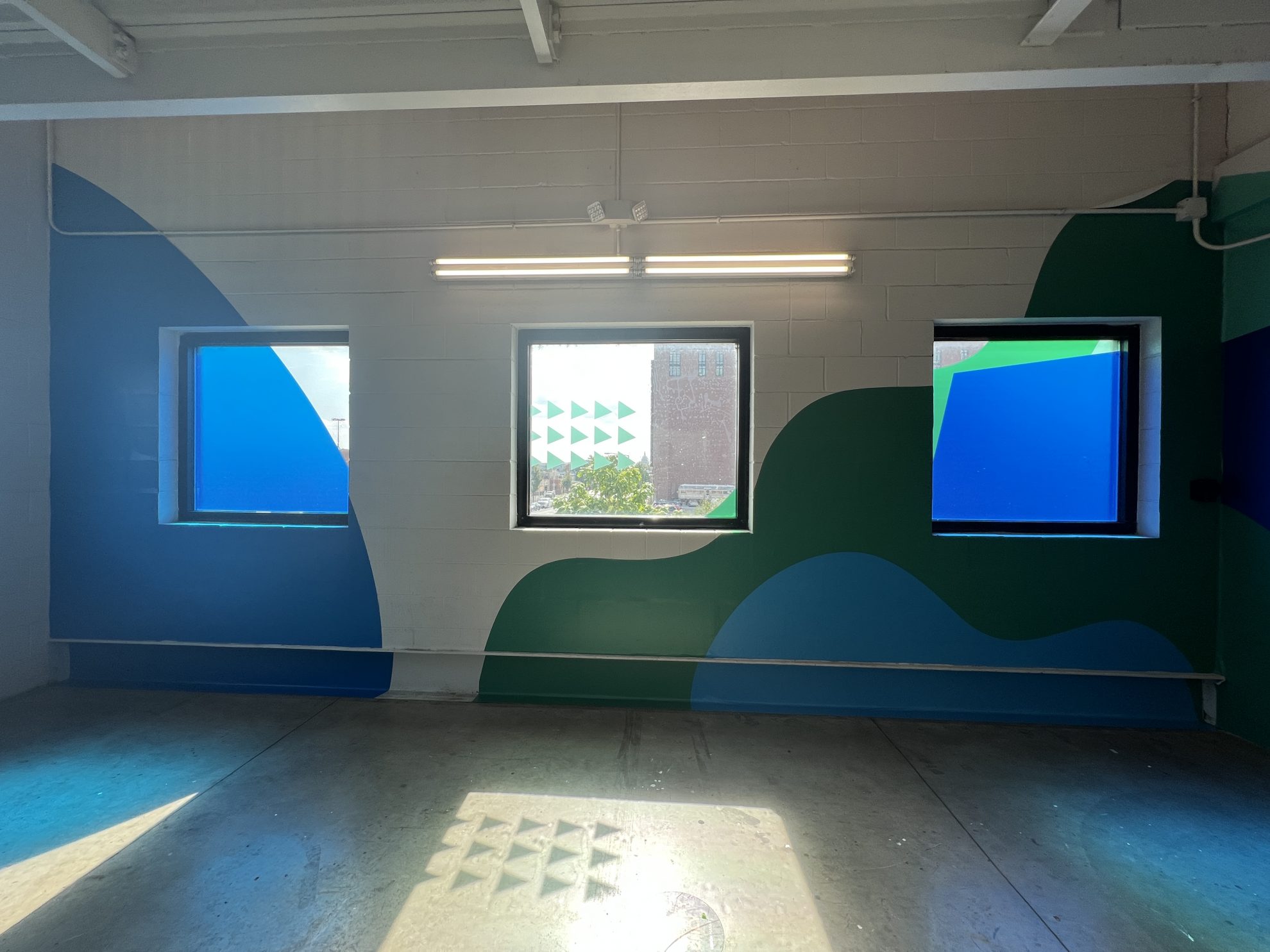
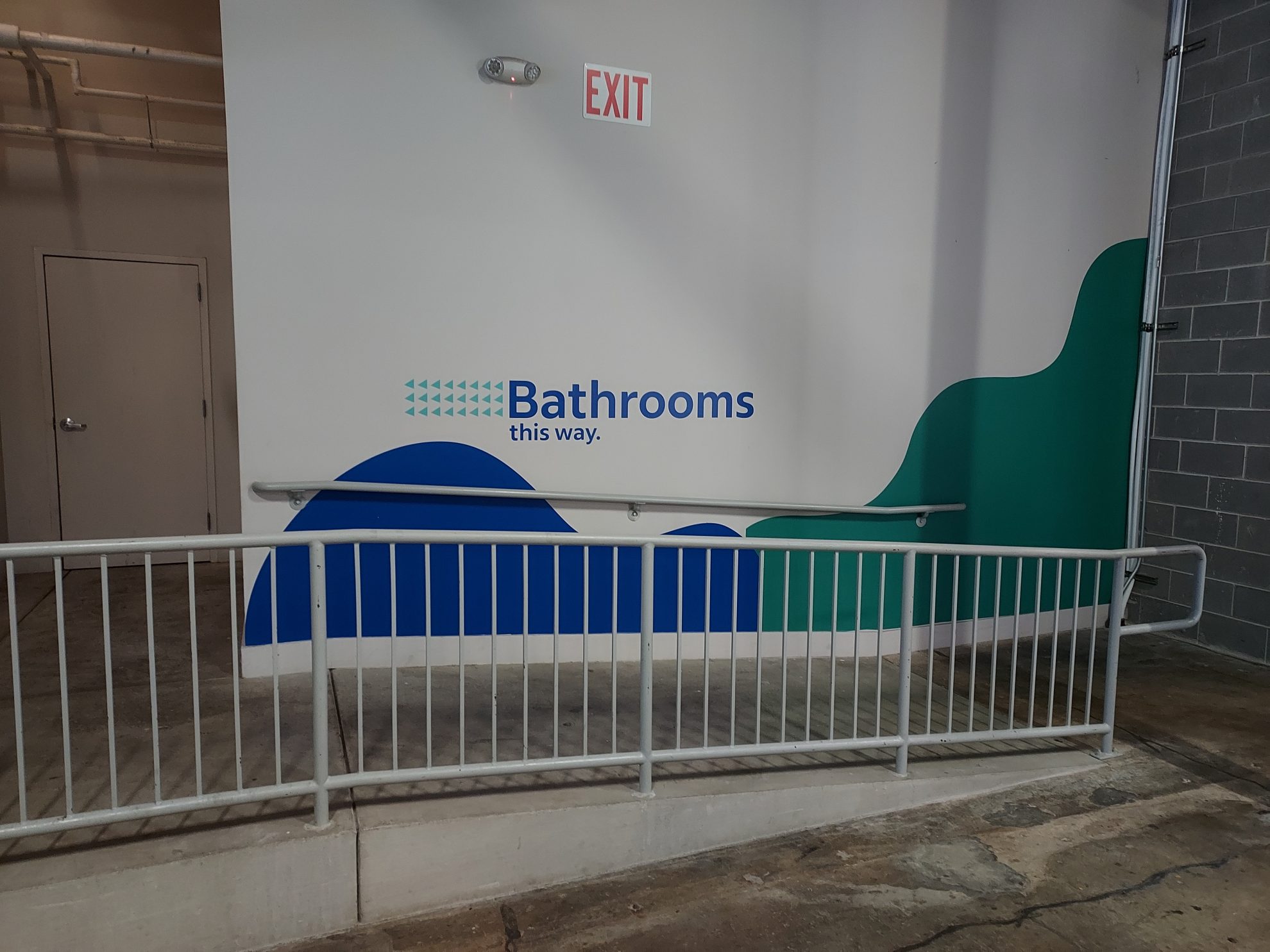
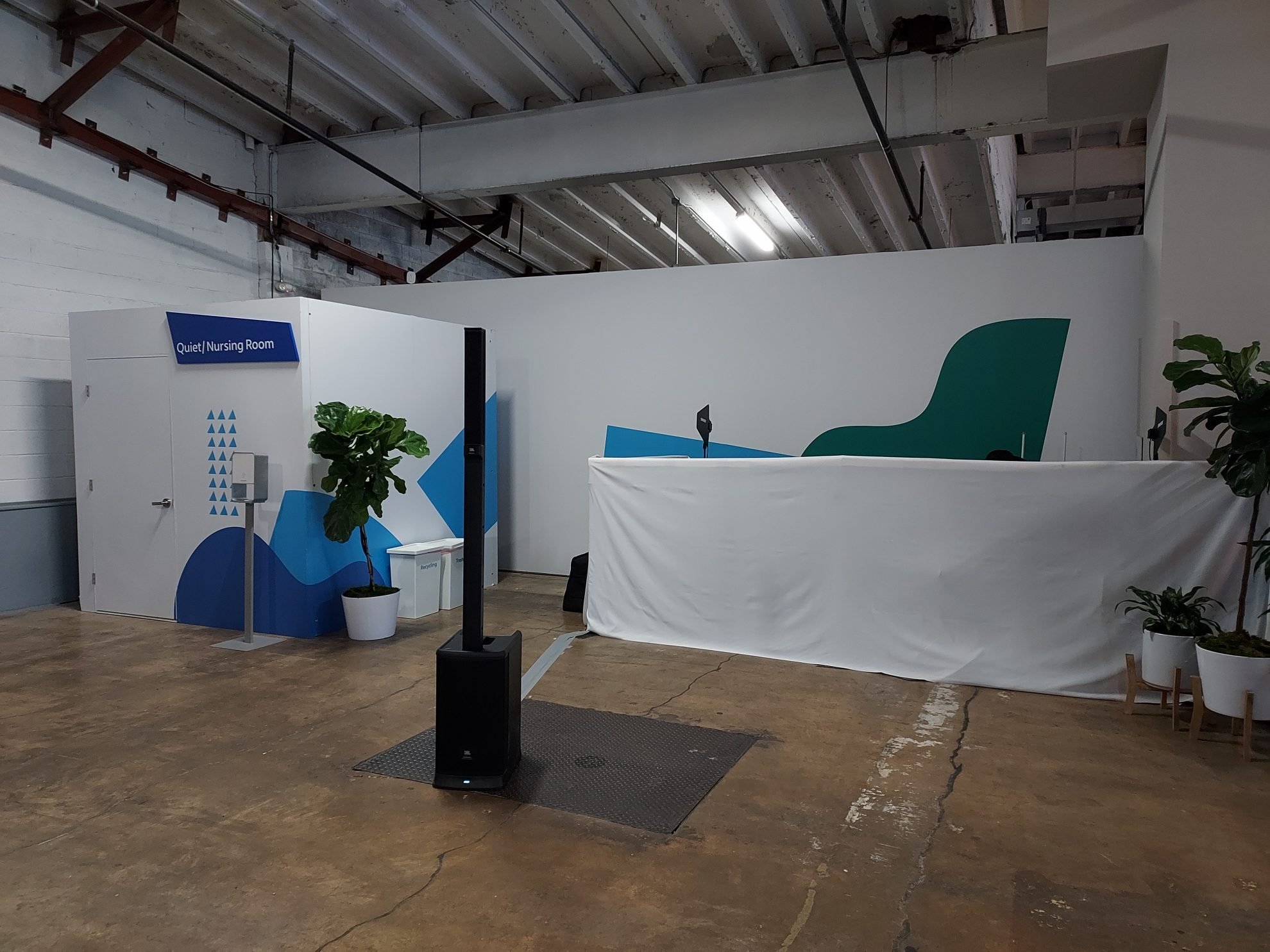
Heritage Signs & Displays' collaboration with The Gathery to brand Union Market in Arlington, VA, for Indeed's "Ready to Work" job fair. The project included custom event displays, wall graphics, window graphics, and wayfinding signs, creating an immersive and visually appealing environment. The branding enhanced the venue, reflected the event's mission, and provided a seamless experience for attendees.