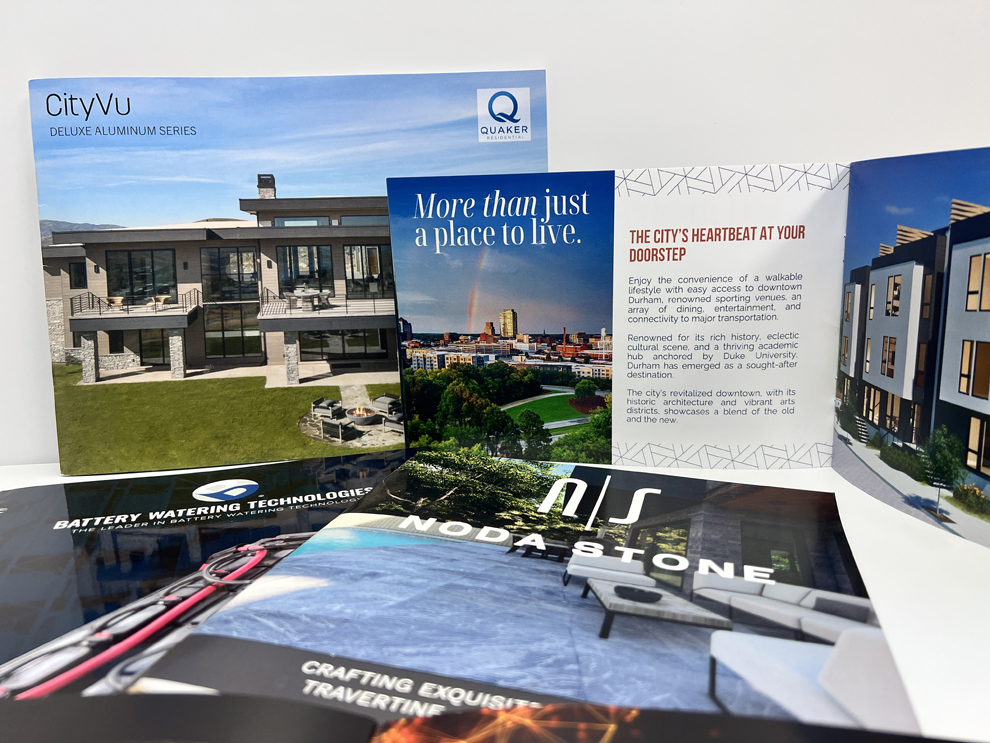
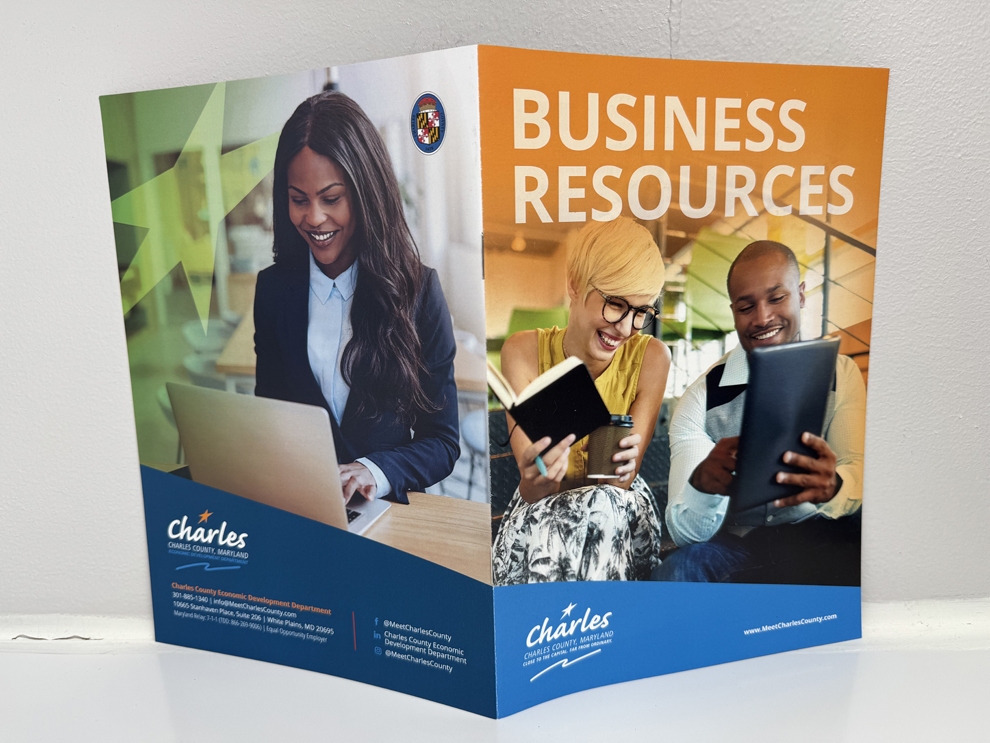
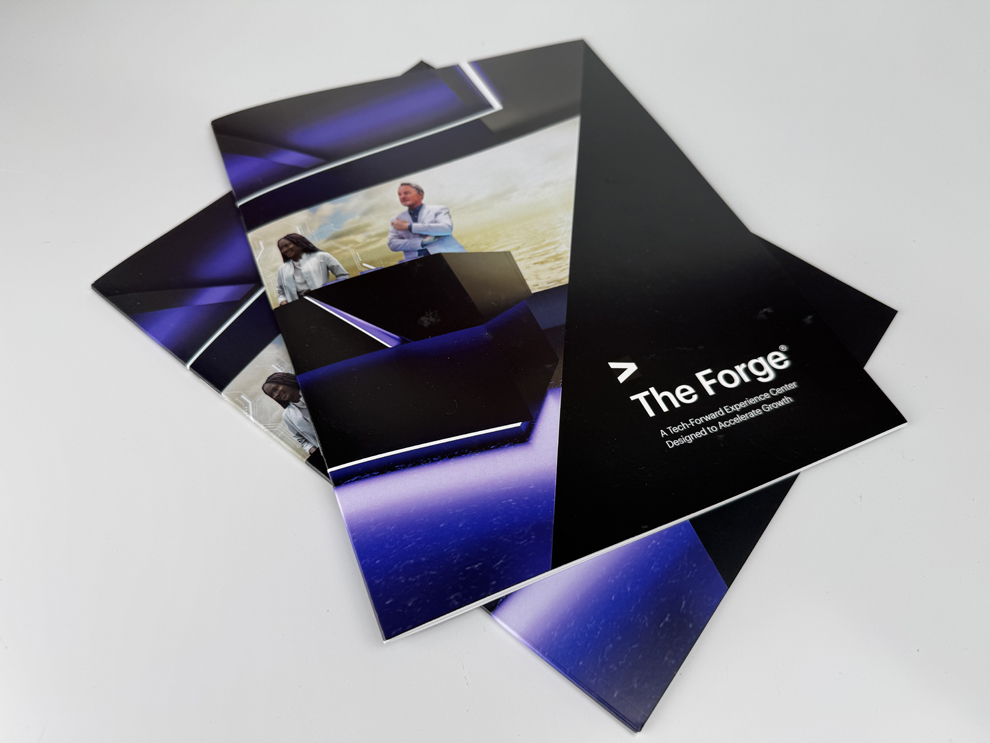
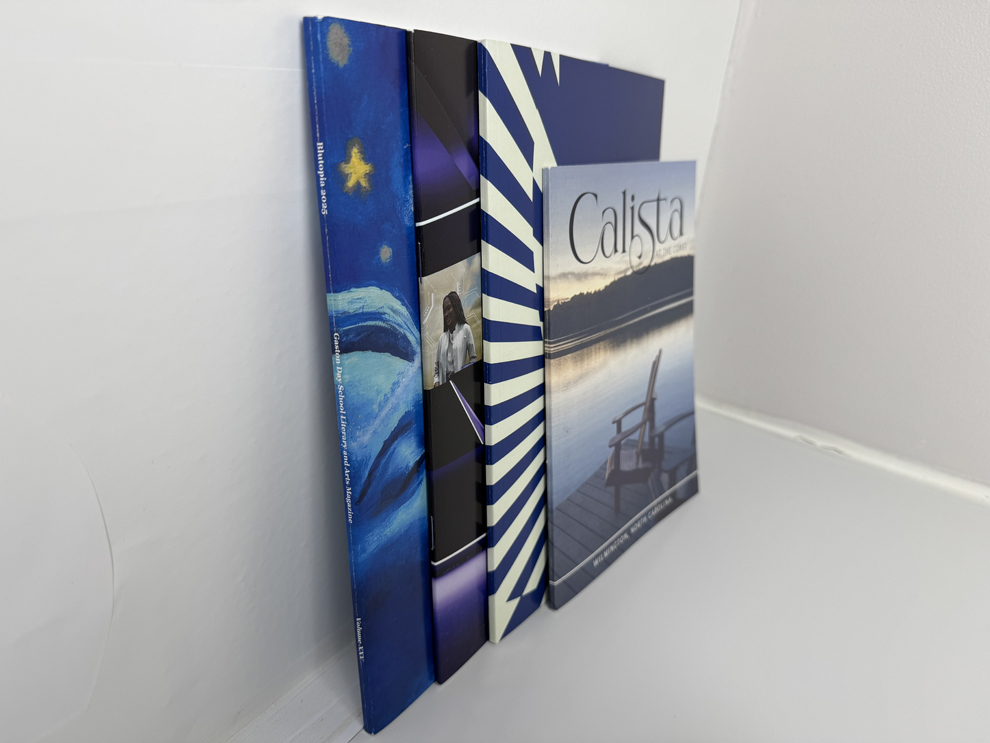
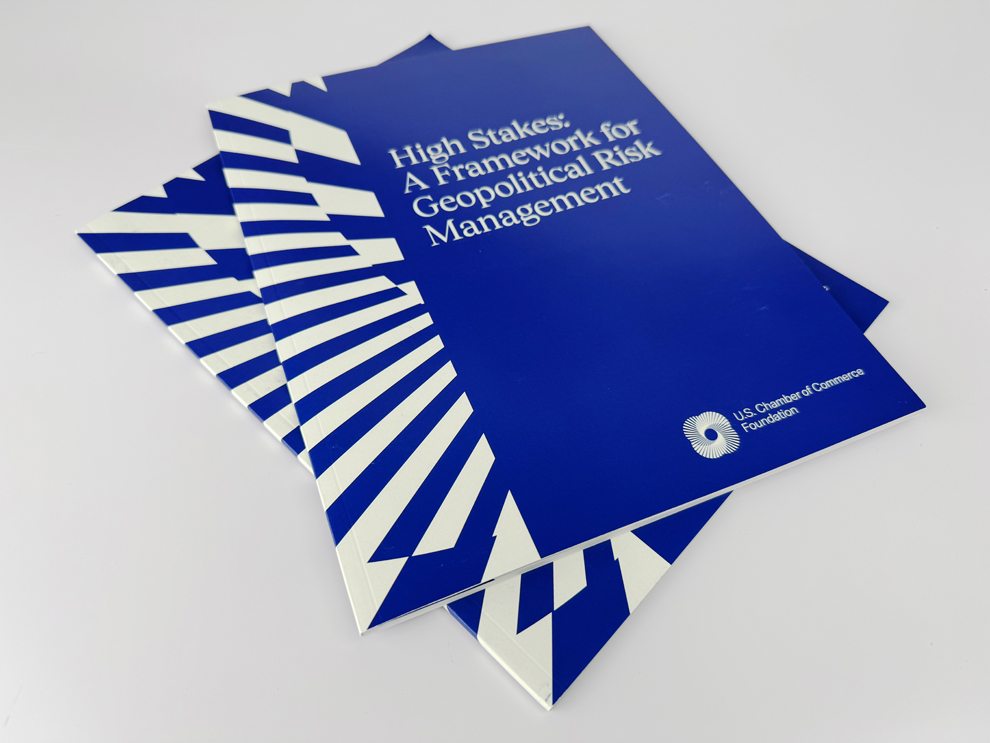
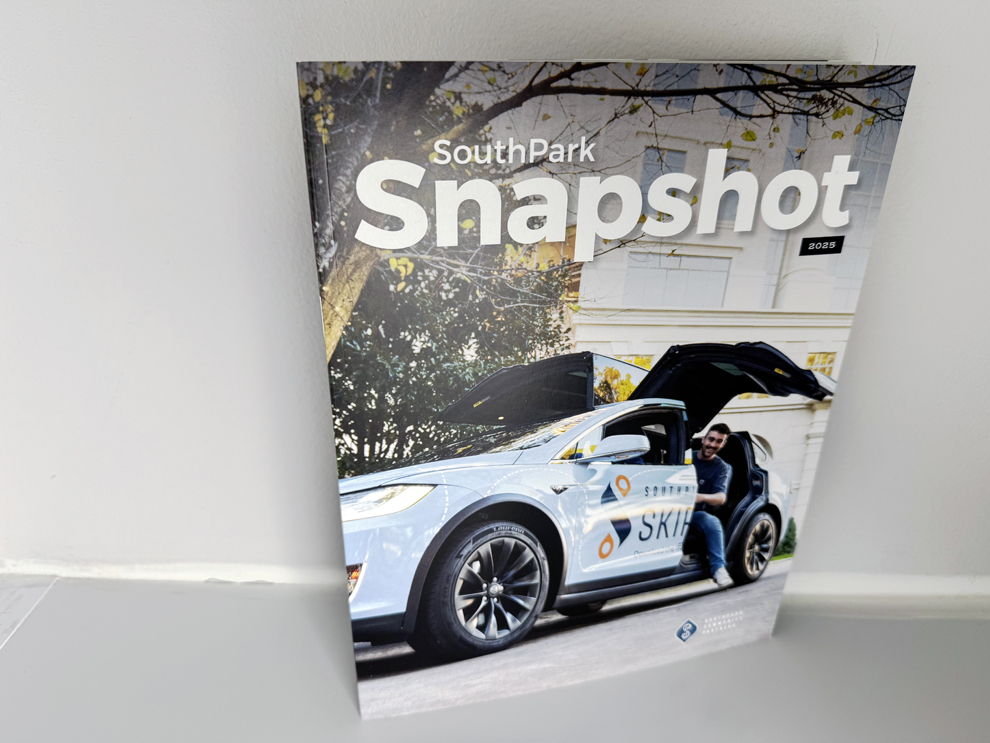
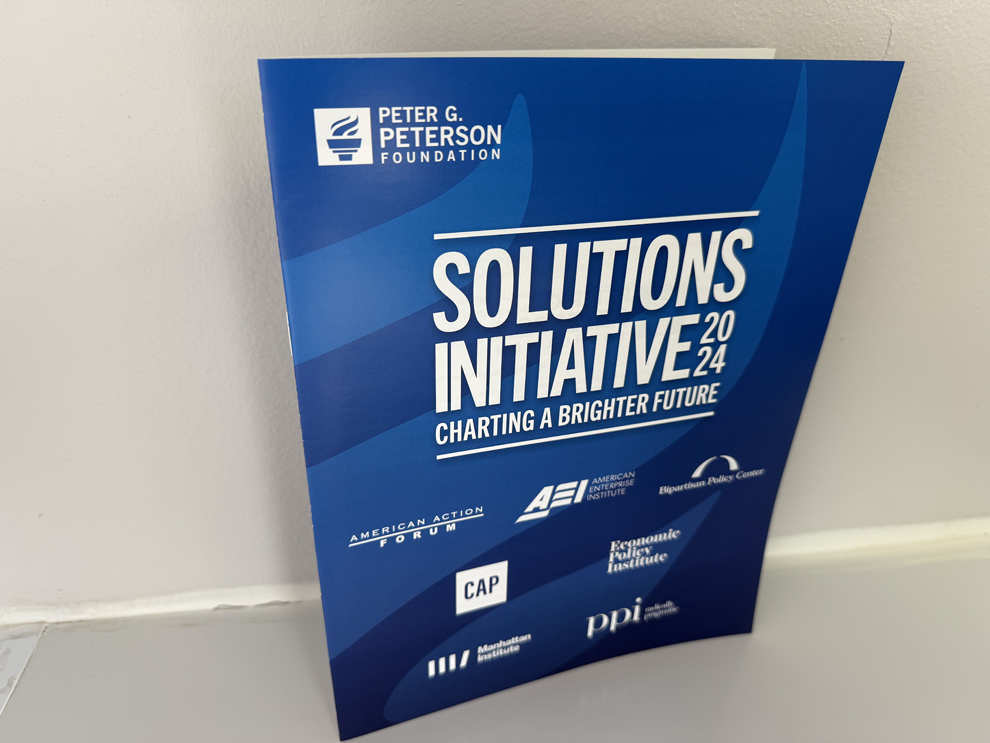
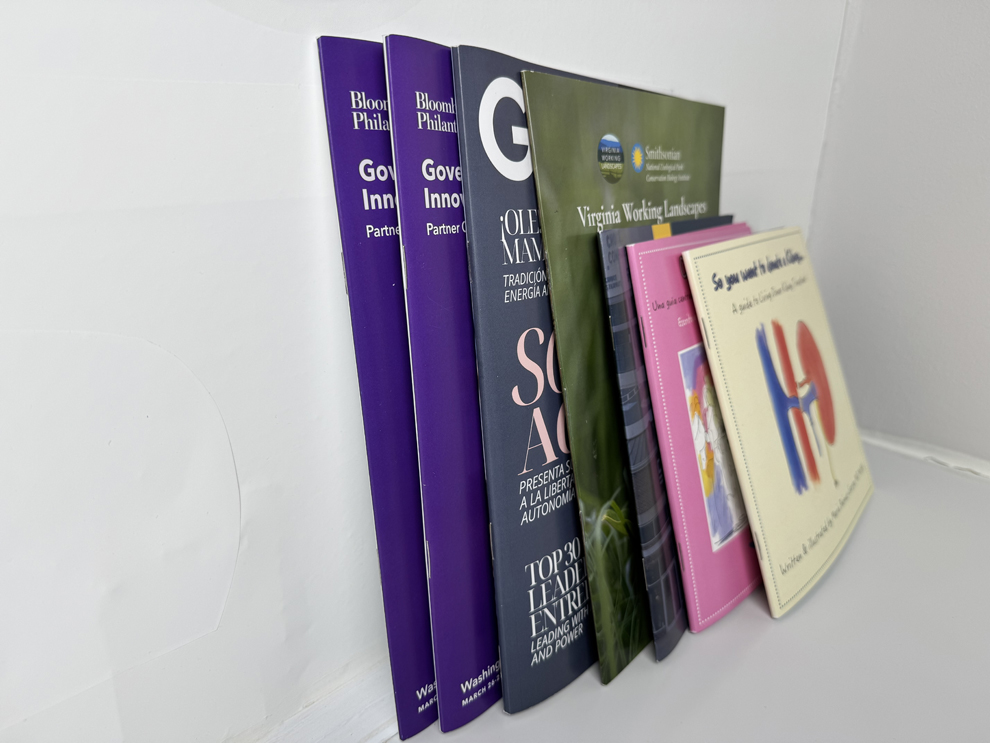
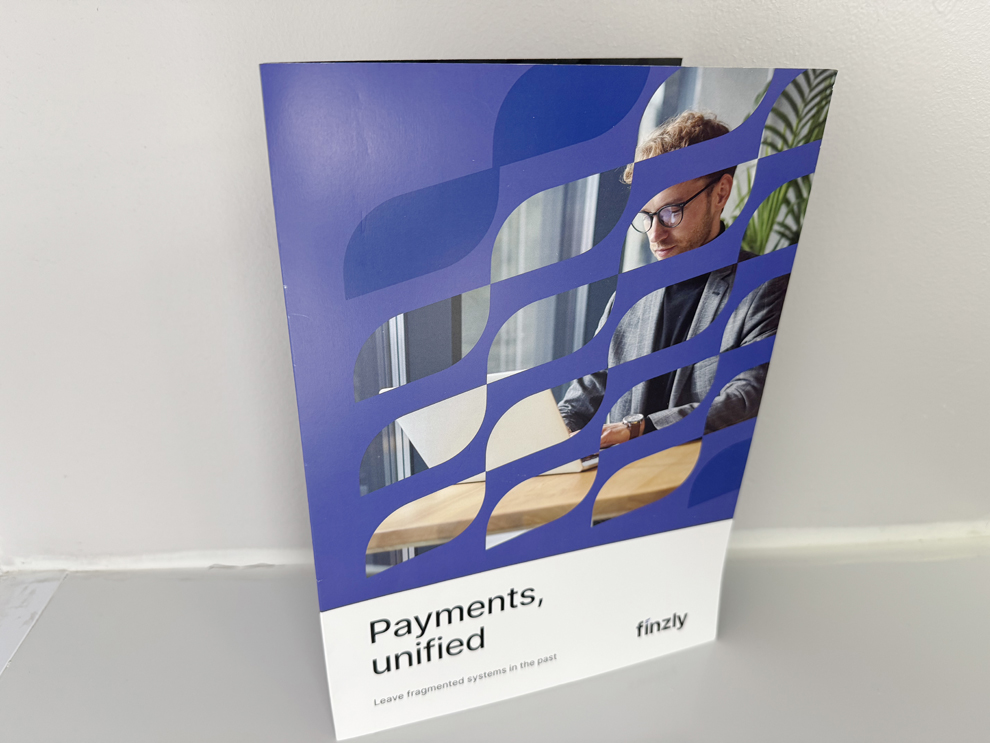
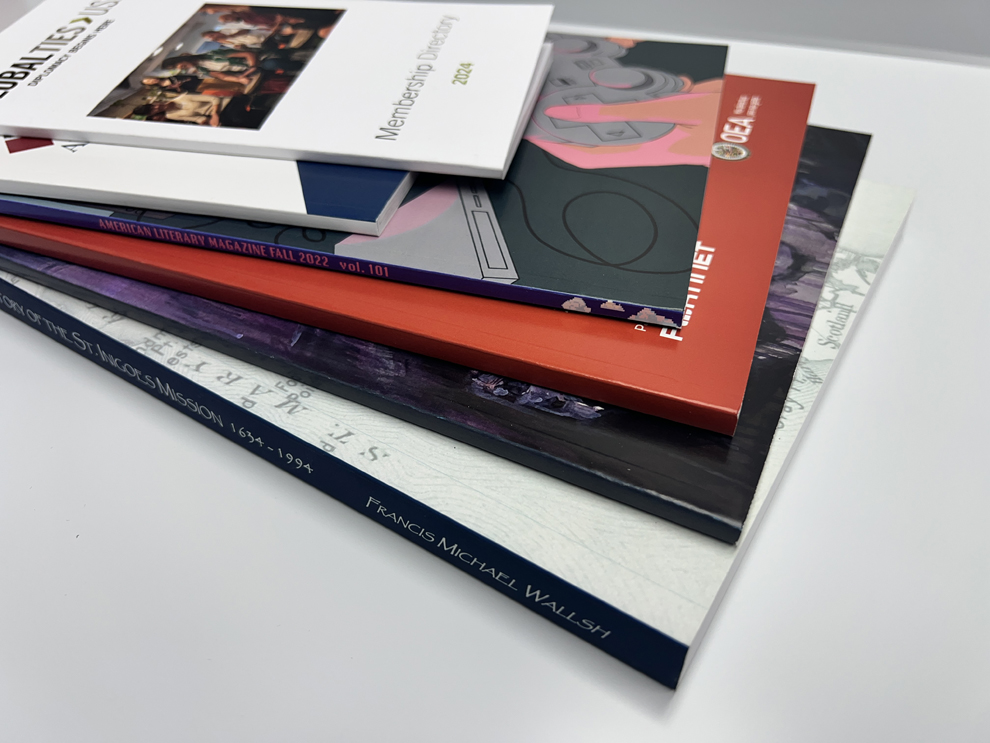
Arlington organizations often prepare booklets for an audience that will not wait. A contractor briefing a federal program office, a county department handing out a program guide at a public meeting, or an association hosting a board retreat in Ballston all have a date set before the final draft is approved. The booklet must be accurate, readable, and credible to people who notice details.
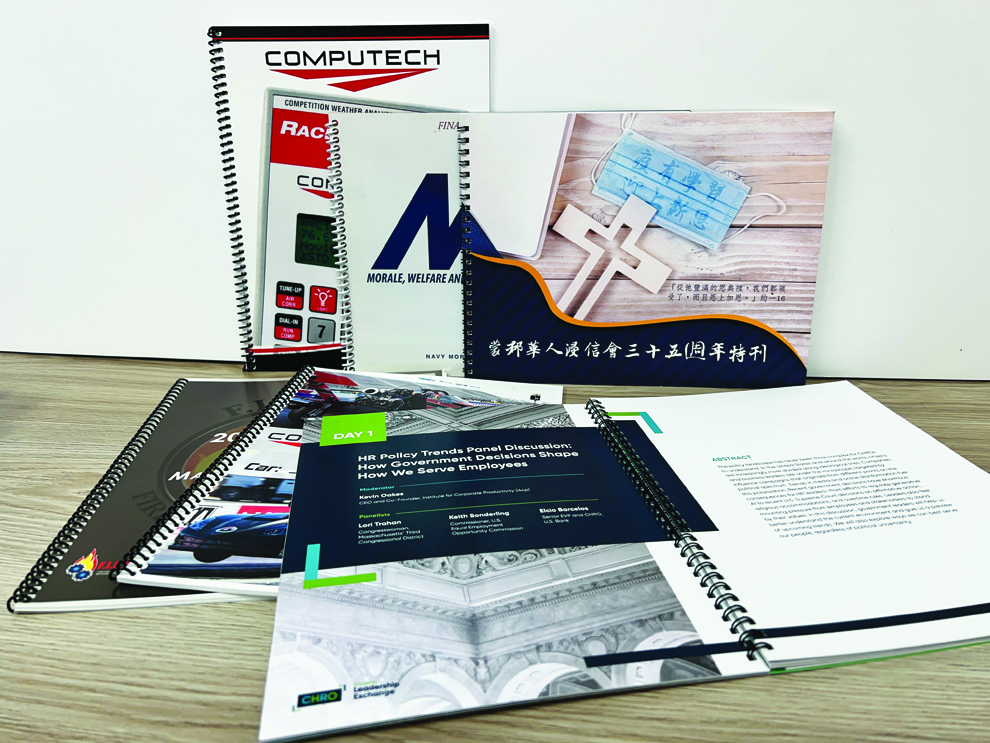
Arlington teams use booklets as proposal supplements, training workbooks, annual reports, conference agendas, member directories, and orientation guides. Each form raises practical questions: page count, trim size, interior and cover paper, binding, color coverage, and whether finished copies go to one office or out through the mail. Those decisions determine whether a booklet lies flat on a conference table, survives a week in a briefcase, or reads clearly in a dim meeting room.
Heritage has been printing for organizations since 1977. Arlington clients are supported through our Washington, DC area client-facing presence and wider Mid-Atlantic production resources. Our aim is a sound specification, plain communication during review, and finished booklets in place when the audience arrives.

A booklet rarely has a single owner. In Arlington, content may come from a program lead, layout from a communications contractor, approval from a director or contracting officer, and the delivery requirement from whoever books the room. The printer has to hold the specification steady and say plainly what has been received, what is missing, and what the schedule can absorb.
Heritage is a veteran-owned, family-led company whose Commercial Printing roots reach back to 1977, and we are guided by a purpose to honor God by serving clients and communities with excellence. Northern Virginia clients work with our DC metro client-facing team and draw on Mid-Atlantic production resources, professional color management, and a quality review that checks pagination, covers, and finishing before a job moves forward.
On qualifying directly managed Commercial Printing work, an accepted and assigned Custom Quote order carries a Project Coordinator who answers the phone and the email thread. One person familiar with the agreed paper, binding, quantity, and date shortens the distance between a question in Rosslyn and a decision on the production floor.

A booklet is often one piece of a larger briefing packet, member mailing, or training kit, and these related products are produced with the same review and proofing standards.

Keep agendas, speakers, and sponsors in one piece attendees can carry.

Explore recurring issues built on a repeatable paper and binding specification.

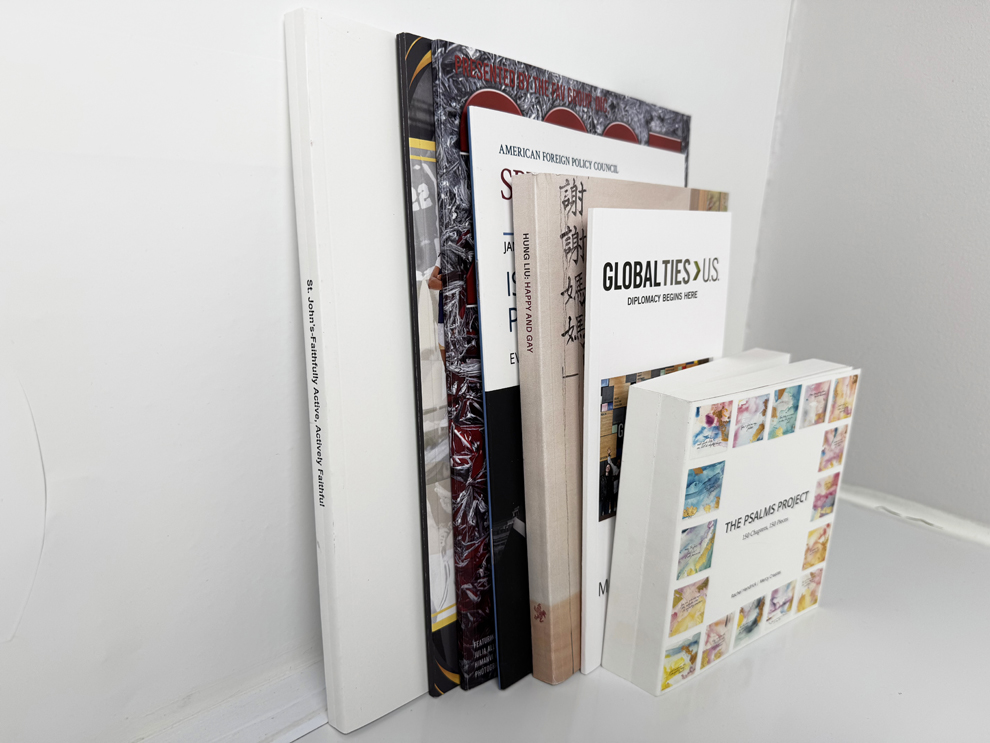
For long publications that need a square, printed spine on the shelf.

Present procedures in a format that lies open during instruction.

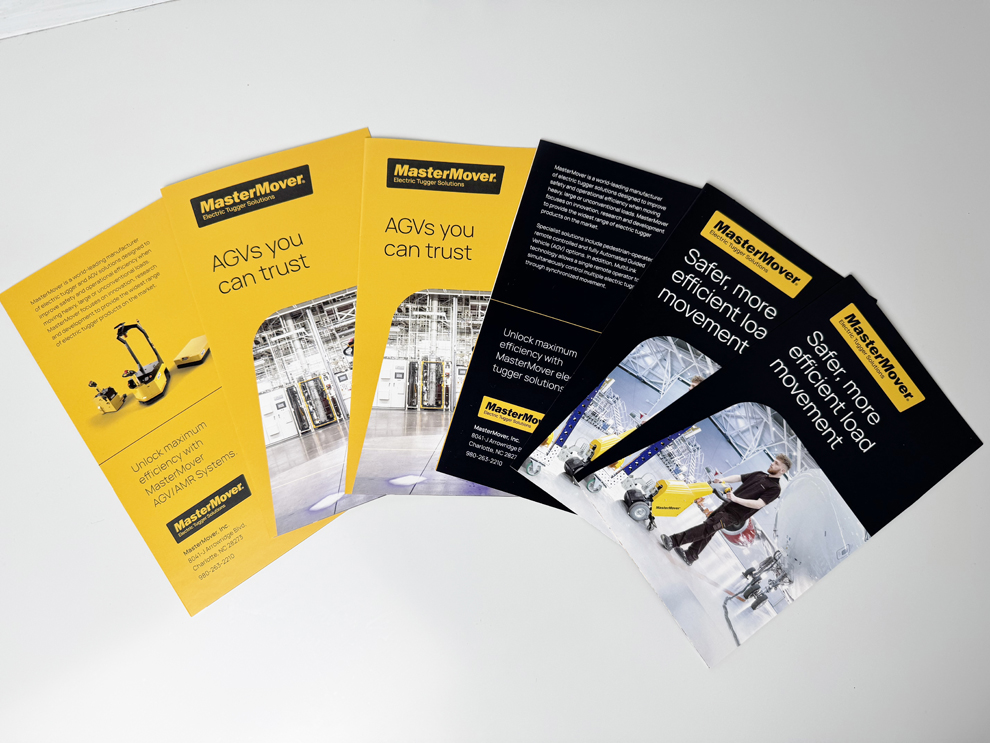
For condensed overviews that accompany a briefing without adding a bound piece.

Coordinate addressed distribution of accepted publications to members or constituents.

Keep outreach pieces consistent with the booklet they travel alongside.

Present booklet inserts and briefing handouts in a single organized folder.
Compare live binding options, confirm that your page count fits the configuration, and place the order online once the PDF is final. Ordinary product questions can go to Contact Our Team.
Binding decides whether a booklet opens flat, how thick it can be, and how it travels.
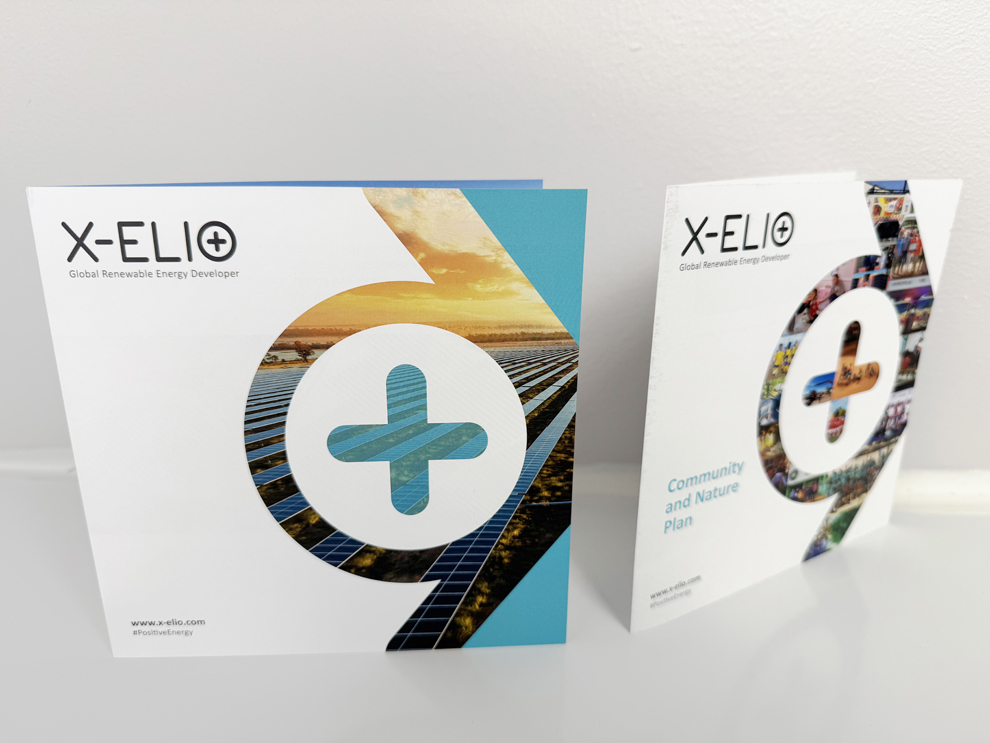
Saddle-Stitched Booklets: Sheets are folded together and stapled through the spine fold, producing a thin booklet that distributes easily at a meeting or inside an envelope. Page counts land on multiples of four, and heavier stock reduces how many pages the staples can hold before the piece refuses to close.
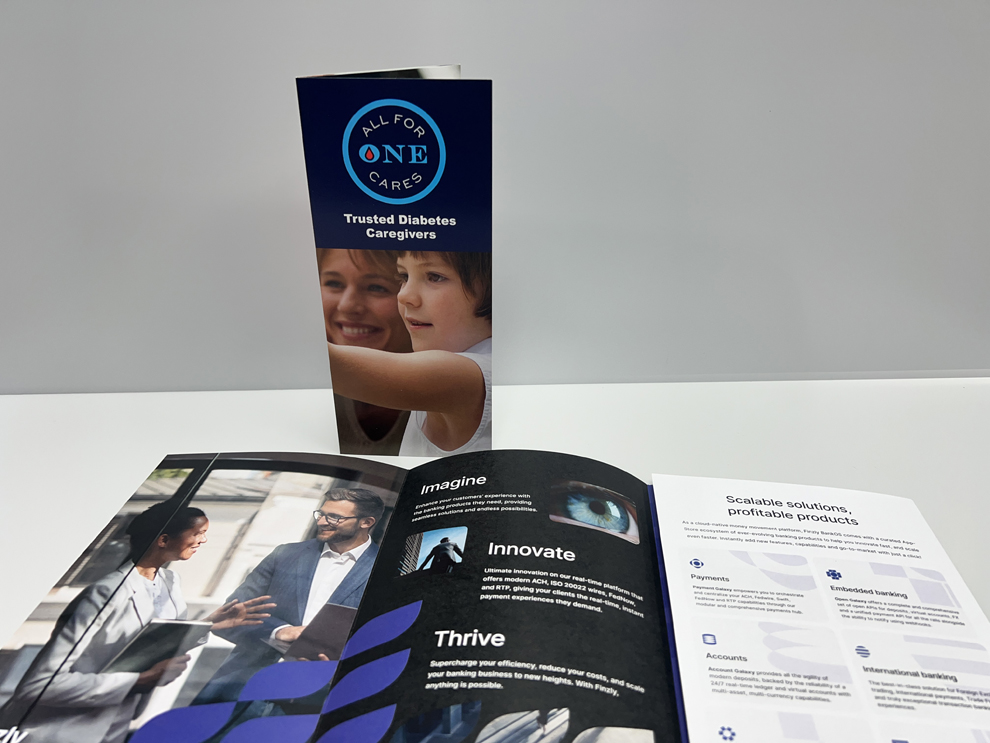
Perfect Bound Booklets: Pages are stacked, the spine edge is roughened, and a wrap-around cover is glued on, giving a report or guide a squared, printable spine. The job needs enough pages and paper thickness to form a spine that holds; very thin documents are not candidates.
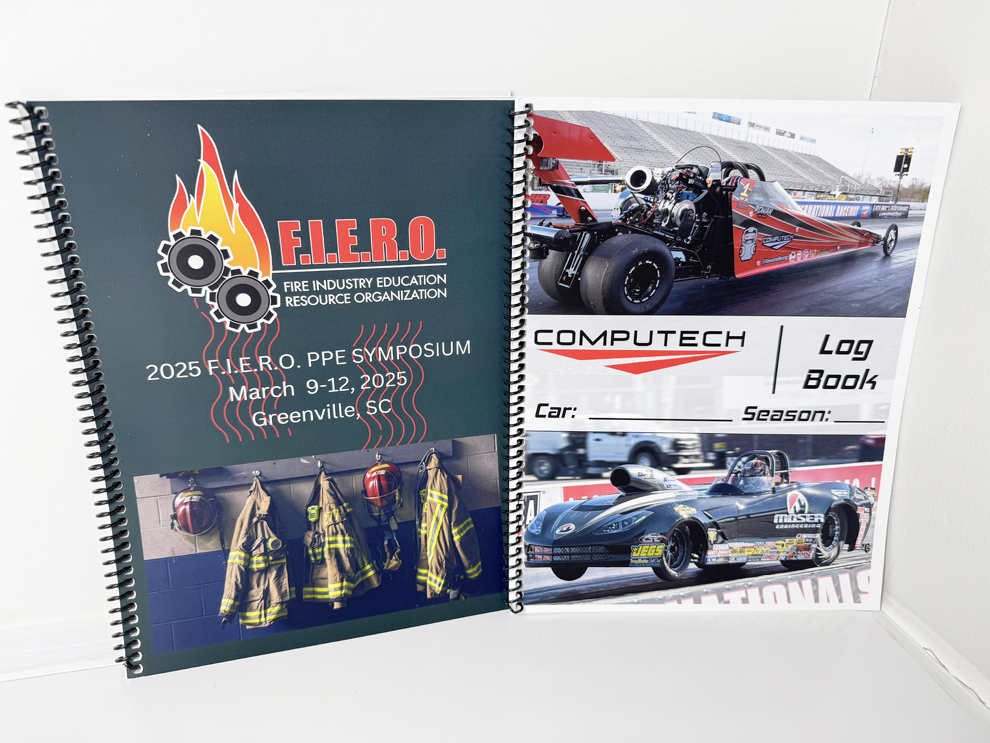
Plastic Coil / Spiral-Bound Booklets: Pages are punched along one edge and threaded with a continuous plastic coil, so a workbook lies open on a desk or folds back on itself. That suits training manuals, procedures, and field references, though it presents less formally than a glued spine.
Finished size, cover weight, images crossing spreads, mailing format, and delivery date all interact with the binding. For a qualifying accepted Custom Quote order, Heritage reviews those variables together before the specification is set.

Arlington buyers can order booklets two ways, depending on file readiness and coordination needs. One route is independent purchase of a live print-ready product at posted prices; the other is a directly managed quote for qualifying work. Both include an electronic proof you approve before printing, and neither treats that proof as a physical color standard.
Self-Directed Online Store: When a booklet configuration is live and orderable, you choose the binding, page count, paper, and quantity, upload a complete print-ready PDF, and check out at Heritage's lowest available pricing for that product. The minimum eligible Store order is $750, and eligible products can be combined to reach it. Store orders receive Heritage's standard production review but no assigned Project Coordinator, layout work, or physical color proof.
Storefront Custom Quote: Approved Commercial Printing opportunities of $2,000 or more may use this form-based path when the job needs file adjustments, specification guidance, color-critical decisions, mailing, or closer coordination. Once the quote is accepted and the order assigned, a Project Coordinator becomes your direct phone and email contact; established clients may keep that relationship on appropriate repeat editions.

A print-ready booklet PDF should match the live product's stated trim size, include bleed where images or color run to the edge, keep live text inside the safe margin, embed all fonts, and carry images at adequate resolution. Export single pages in reading order unless the product instructions call for spreads. If the cover uses heavier stock, follow the product's separate cover file directions.
A saddle-stitched booklet with a heavier cover usually suits a capability briefing of modest length that will be handed across a table and read in one sitting. A longer proposal supplement or reference appendix may justify perfect binding for a shelf-ready spine, or coil binding if reviewers will mark it up. Match the format to how the recipient will use it, then confirm the page count is orderable in the Store.
Because binding capacity is a question of total bulk, not page numbers alone. The same 48 pages on a heavy uncoated text sheet may saddle stitch poorly while that count on a lighter sheet closes cleanly. Perfect binding reverses the concern: too little bulk leaves a spine too narrow to hold or print on. Each coil size has a fixed diameter range. Check the Store configuration limits before finalizing a layout.
Coil binding is the right call when the reader needs the booklet to stay open without being held, such as a training workbook on a desk, a procedure manual beside equipment, or a field guide in a vehicle. Pages turn fully back without stressing a spine. It is a weaker choice for a short program or a publication meant to look like a bound report, where saddle stitching or perfect binding presents better.
Yes. Heritage sends an electronic proof on every Commercial Printing order, including Self-Directed Online Store purchases, and production waits for your approval. Use it to confirm text, image placement, page sequence, cover position, and any production details noted in the proof. It represents content and layout on a screen, not finished color on paper, so it does not serve as a physical color standard.
Heritage evaluates the date against the actual files, specification, quantity, binding, and delivery address before committing to it. The earlier you share the required in-hand date, the page count, and whether artwork is final, the more options remain. When a date cannot be met responsibly, Heritage says so and proposes workable alternatives, such as a different binding or a split delivery, rather than accepting a schedule that production conditions do not support.
Choose saddle stitching for a thinner report that will be read quickly and possibly mailed in a standard envelope; it is economical and lies reasonably flat. Choose perfect binding when the report has enough pages to form a real spine and will sit on a shelf or be referenced repeatedly. A printed spine also carries a title, which matters in a stack of similar documents. The paper weight you select can tip the decision either way.
Quantity, page count, trim size, interior and cover paper, binding method, color on each side, and finishing such as a laminated cover drive the cost. Distribution adds its own line: one delivery to an Arlington office is simpler than addressed mailing to a membership list. The Self-Directed Online Store shows live pricing for each orderable configuration, so you can compare page counts or paper choices before committing.
A self-cover booklet prints the cover on the same paper as the inside pages, so the piece is lighter and often less expensive, which suits short agendas and handouts. A separate cover uses a heavier sheet for durability and presentation, and it may receive a different finish. The heavier cover adds bulk at the spine fold, which can reduce saddle-stitch page capacity, and it changes mailing weight. Verify which cover options the live product supports.
Heritage manages color with spectrophotometric calibration, regular verification, and profiles built for the specific press and paper, which keeps a run consistent from first sheet to last. Spot PMS references are treated as targets; final appearance depends on the printing process, ink set, paper surface, and any coating. Supply high-resolution images and vector logos with correct color values. For a verified physical reference, qualifying Custom Quote work can request a Digital Hard Copy Proof.
Open the PDF and page through it in order, confirming page numbers run correctly, blank pages fall where intended, and section openers land on the correct side. For saddle stitching, the total must be a multiple of four, so account for blanks early. Spreads that cross the gutter need matching artwork on both pages. Upload single pages unless the product instructions specifically request an imposed file.
Yes, within an accepted Commercial Printing scope. Heritage can print, finish, address, and prepare booklets for USPS acceptance so your team does not manage a separate mail house. You supply authorized, current address data and the target mail date; Heritage confirms the mailing format and any size or weight considerations tied to the binding. USPS sets acceptance rules and controls delivery timing once the mailing is in its system.
A Physical Production Color Proof, also called a Digital Hard Copy Proof, can be requested at additional cost on qualifying Commercial Printing Custom Quote work of $2,000 or more. It is produced on the intended production printer and the actual paper or material, adds time to the schedule, and once approved becomes the controlling physical color reference unless otherwise agreed. It is not offered through the Self-Directed Online Store.
Yes. Recurring editions such as quarterly program guides or annual training workbooks can reuse an approved paper, trim, binding, and color specification while Heritage reviews the new files and quantities each time. Multiple versions in one order, such as regional or audience-specific editions, are practical when each version has a complete file. On appropriate directly managed repeat work, established clients may continue with the Project Coordinator already familiar with the publication.
Use the Self-Directed Online Store when your PDF is final, a live configuration fits, and you want posted pricing without an assigned Project Coordinator; the $750 minimum applies and eligible items can be combined. Consider Storefront Custom Quote for approved opportunities of $2,000 or more that need production-oriented file adjustments, specification guidance, mailing, or color-critical review. That path is not creative design, and the $2,000 figure alone does not create an assigned relationship. For ordinary Store questions, Contact Our Team is the support route.
Heritage Signs & Displays created new museum signage for the Military Women’s Memorial in Arlington, VA. The project included custom signs, wall wraps, dimensional letters, and standoff-mounted displays to honor the legacy of U.S. servicewomen and the donors who supported the memorial. The updated interior features impactful designs, including a "Our Legacy" wall display and panels showcasing historical contributions and artwork, creating a transformative tribute to women in the U.S. Armed Forces.
Heritage Signs & Displays' collaboration with The Gathery to brand Union Market in Arlington, VA, for Indeed's "Ready to Work" job fair. The project included custom event displays, wall graphics, window graphics, and wayfinding signs, creating an immersive and visually appealing environment. The branding enhanced the venue, reflected the event's mission, and provided a seamless experience for attendees.