A well-designed interior tells a consistent story across every space. The lobby can create a strong first impression, glass graphics can add privacy while preserving natural light, and wayfinding signs can make an unfamiliar building easier to navigate. Conference rooms, corridors, employee areas, galleries, classrooms, recognition walls, and public spaces each serve different audiences. When these elements share a clear visual language, employees and visitors can better understand the organization and move confidently through its Baltimore facility.
Heritage Signs & Displays is a veteran-owned, family-led company established in 1977. Since 2009, Heritage has specialized in custom interior signs, environmental graphics, workplace branding, and institutional displays. Organizations in Baltimore and throughout Central Maryland receive attentive project support backed by experienced designers, project managers, production specialists, fabricators, and professional installers. This combination provides the local coordination and production capacity needed for individual installations, comprehensive interior transformations, and multi-location branding programs.
Heritage is best suited for organizations seeking a coordinated visual communication program instead of basic commodity printing. The team evaluates how employees, visitors, students, patients, donors, members, and other audiences experience a facility from the entrance to their final destination. Based on that journey, a project may include dimensional lobby signs, privacy film, directional signage, wall graphics, acrylic displays, interpretive exhibits, recognition walls, or branded meeting spaces. Every feature is developed to fulfill a specific purpose while complementing the architecture, surrounding materials, and overall message hierarchy.
Heritage works with corporate offices, healthcare organizations, schools and universities, museums, associations, nonprofits, government agencies, professional firms, and public-facing businesses. The scope may involve one prominent reception feature, multiple connected departments, a complete workplace, or branded facilities in several markets. A dedicated Heritage project manager oversees the engagement, manages decisions and approvals, and coordinates the specialists responsible for design, production, fabrication, and installation.
Successful execution requires more than an approved design. Measurements must be verified, substrates assessed, materials selected appropriately, colors controlled, mounting methods secured, and installation access confirmed. Heritage evaluates these details before production to help ensure every component fits the Baltimore environment, functions properly, and minimizes avoidable corrections in the field.
This integrated approach also reduces the need for clients to manage separate design, printing, fabrication, and installation vendors. Keeping these responsibilities connected is especially valuable in occupied Baltimore workplaces, facilities with firm opening dates, and multi-location programs that require consistent visual standards with adjustments for each property.
The client experience matters as much as the completed signs and graphics. Heritage listens carefully, recommends practical solutions, produces approved components through coordinated resources, and provides professional installation. Accountability continues through project completion and service. Our purpose is to honor God by serving clients and communities with excellence through honest communication, thoughtful stewardship, dependable follow-through, and work designed for each environment.
A capable Baltimore sign company should improve how people understand and use a physical space. Employees may need stronger connections to an organization’s mission, culture, and values. Visitors may need immediate confirmation that they have arrived at the correct location, followed by simple directions to reception areas, elevators, departments, meeting rooms, or public services. Patients, students, donors, members, and community stakeholders may each require different levels of information, privacy, accessibility, and reassurance.
Heritage connects these audience needs with brand guidelines, architectural conditions, circulation patterns, viewing distances, available lighting, accessible communication, mounting surfaces, and installation requirements. Planning determines which signs should attract immediate attention, where environmental graphics can create atmosphere or communicate a story, and where displays should organize detailed information without making the surrounding Baltimore interior feel cluttered.
For a Baltimore organization, the finished project might include a redesigned lobby, a fully branded workplace, a mission and values wall, a donor-recognition installation, a historical exhibit, or a more intuitive wayfinding system. The objective is not to fill every available surface. It is to create a purposeful environment that communicates clearly, strengthens identity, and supports the people who use the facility.
Heritage gives clients one accountable team led by a dedicated project manager. This person coordinates discovery, site information, initial recommendations, estimates, design reviews, material selections, approvals, production schedules, and installation requirements. Maintaining this continuity helps identify unresolved issues early and creates a defined path from the first conversation through installation and closeout.
Environmental graphic designers, project managers, production professionals, fabricators, and installers collaborate throughout the engagement. Larger or technically demanding projects receive a pre-production review covering measurements, substrates, transitions, color expectations, mounting methods, access restrictions, and installation sequencing. This step allows the team to confirm that approved design concepts can be translated into accurately produced and properly installed components before materials are committed.
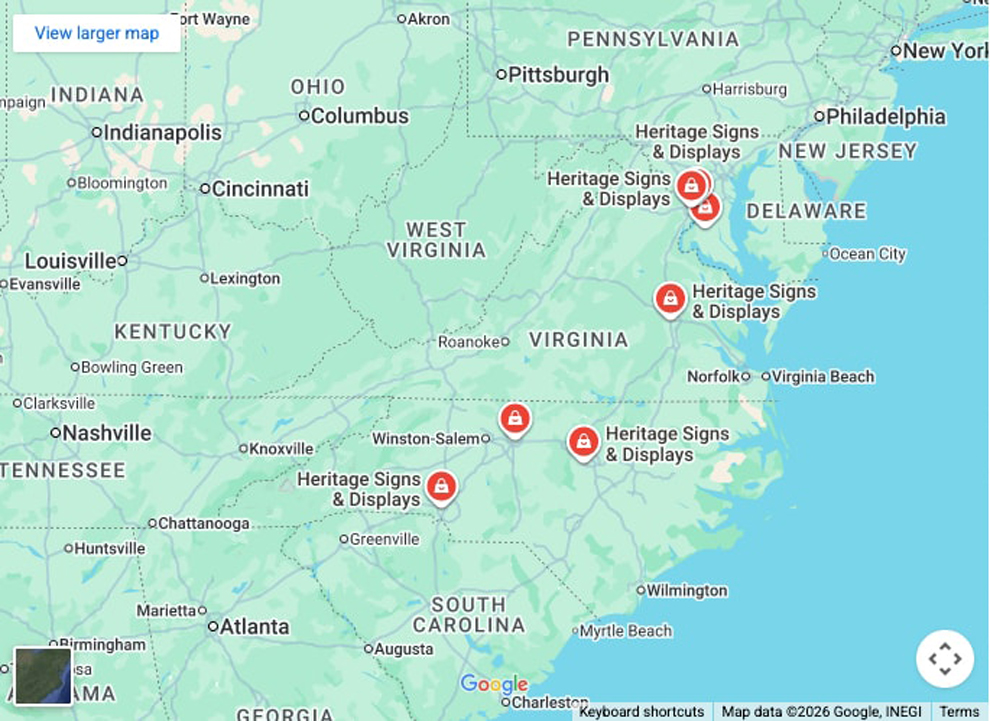
After nearly five decades, Heritage remains veteran-owned and family-led. Its local responsiveness is supported by multiple locations, in-house capabilities, regional production resources, and full-time installation professionals. This operating model allows Heritage to manage focused Baltimore projects, extensive interior branding programs, phased installations, and coordinated work across multiple facilities while maintaining direct responsibility for communication and execution.
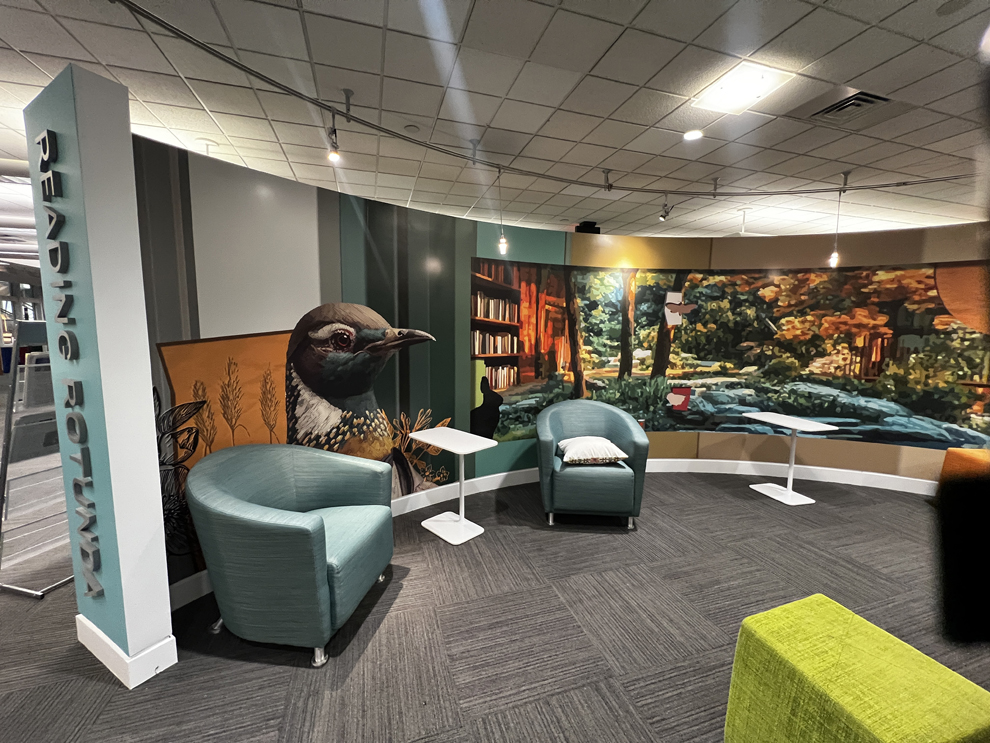
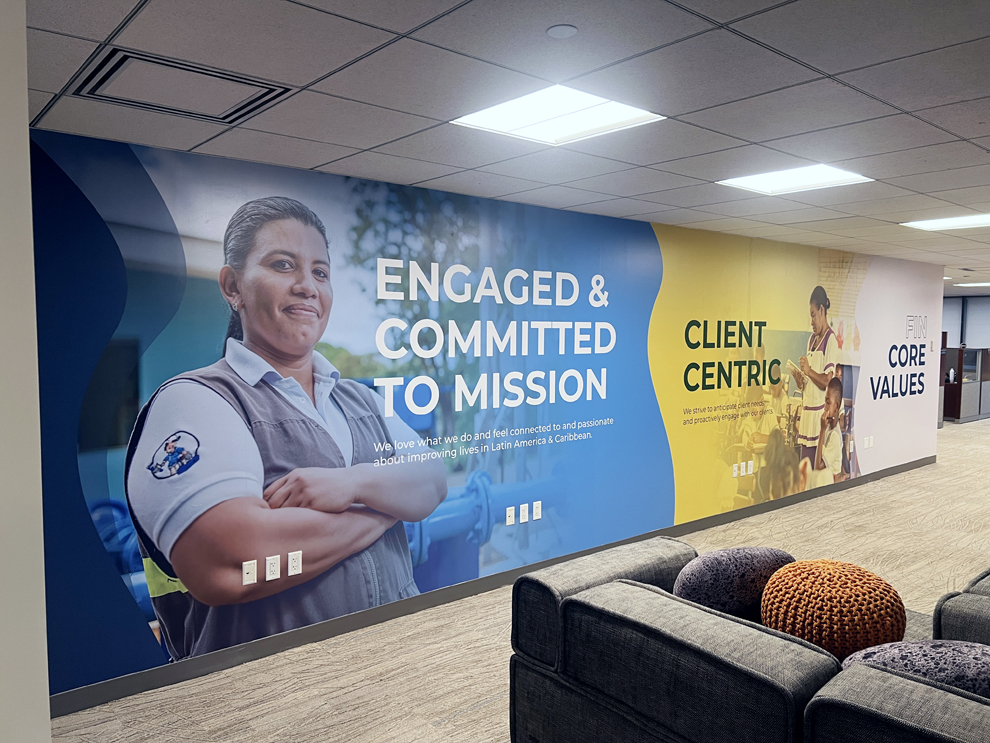
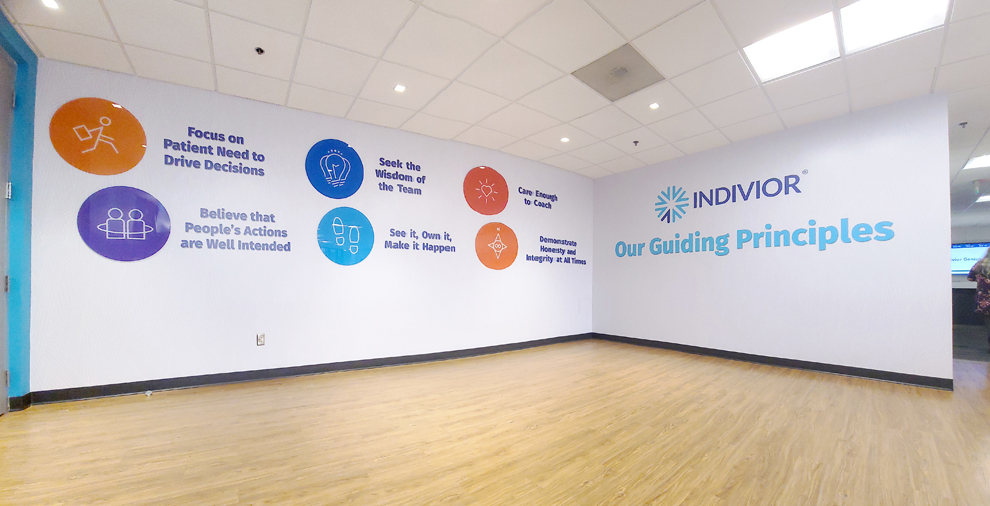
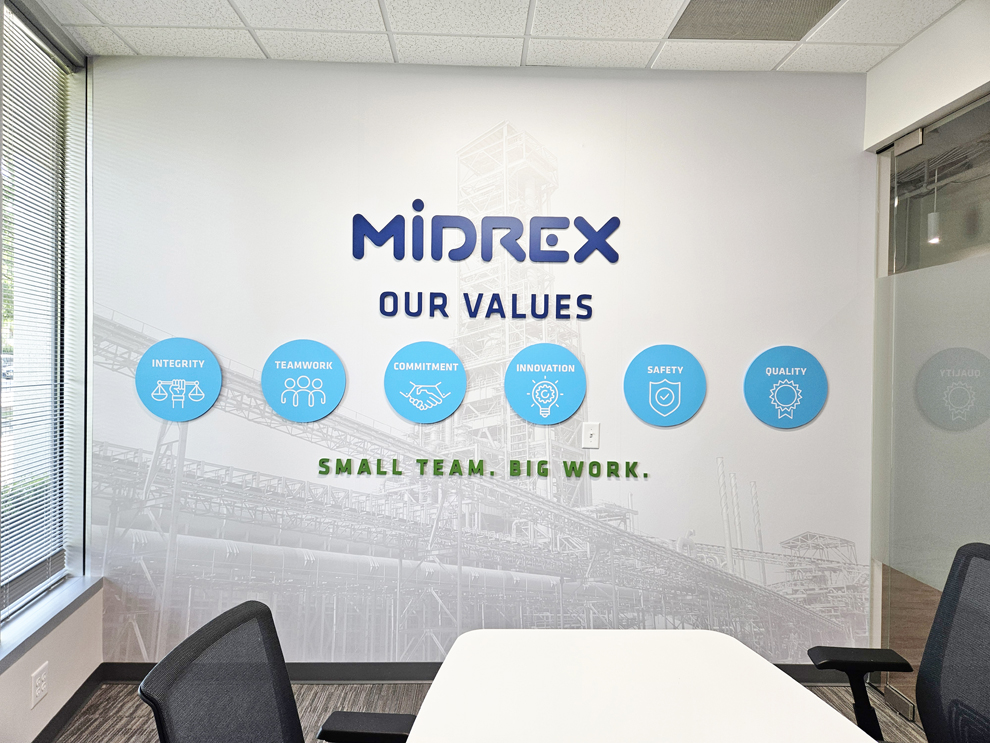
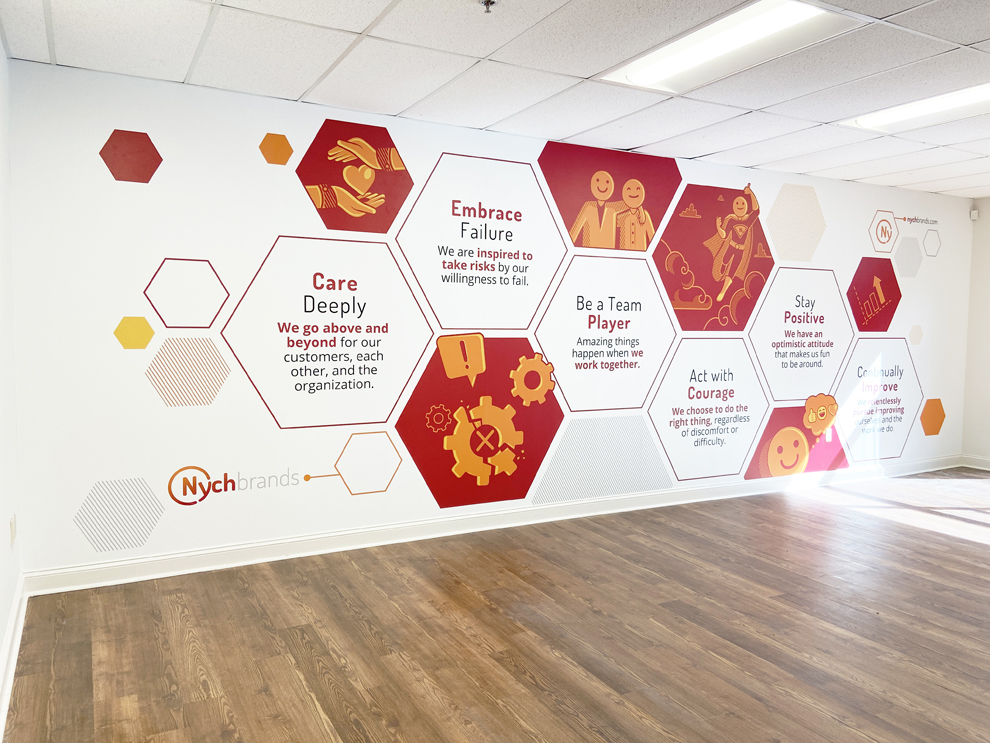
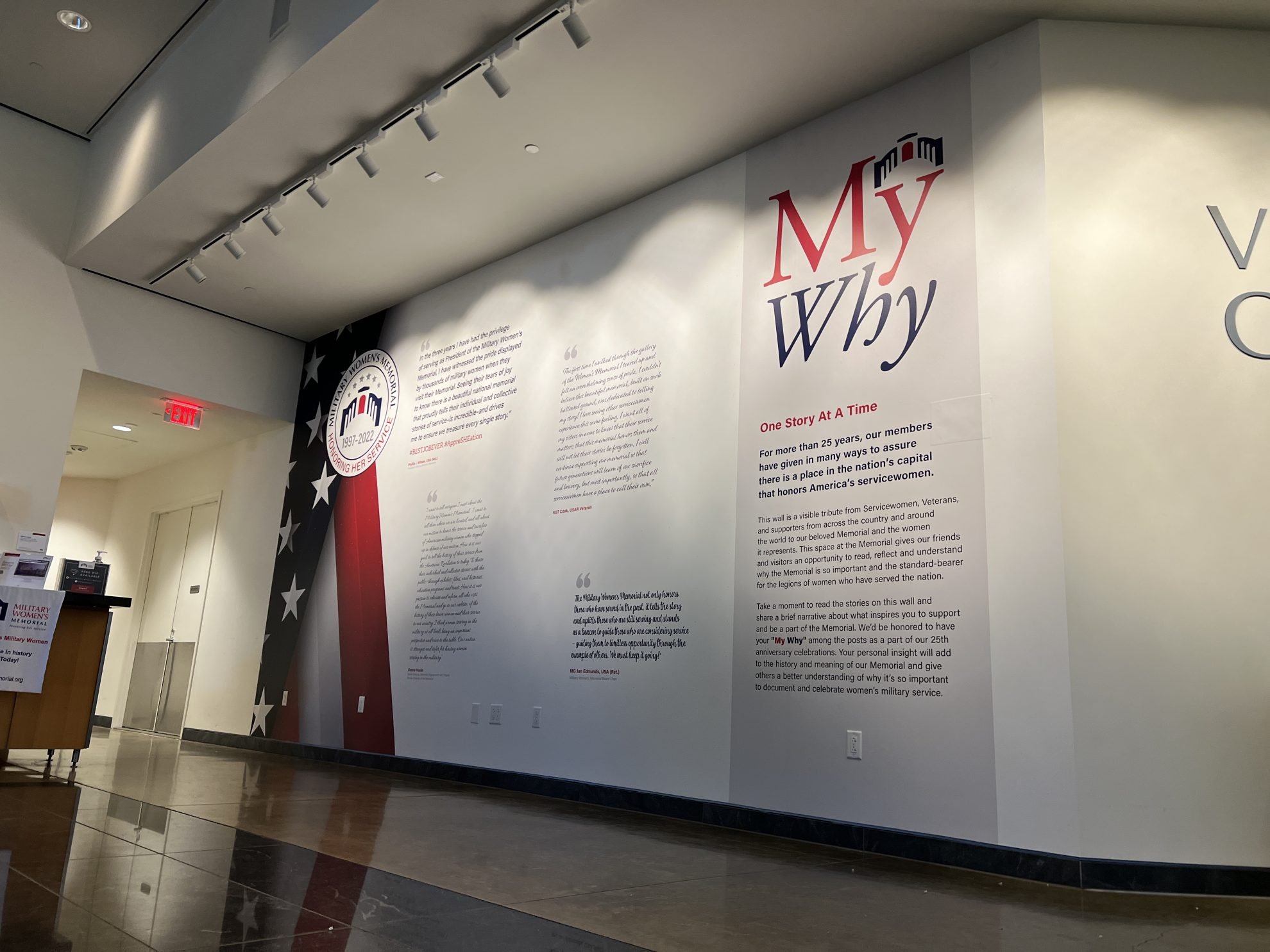
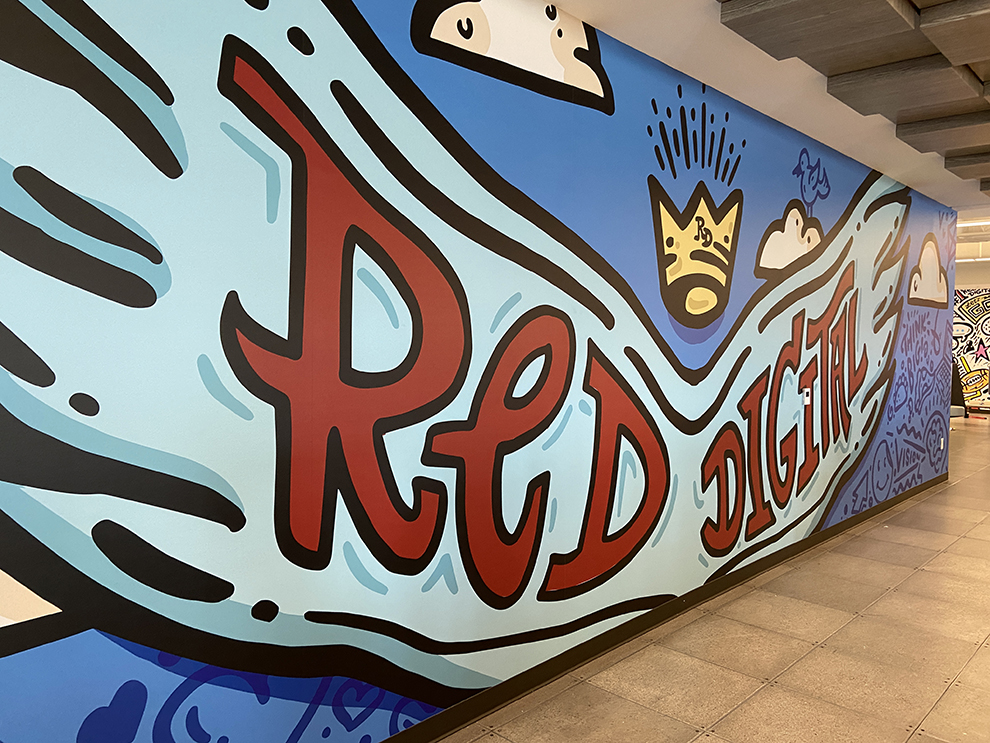
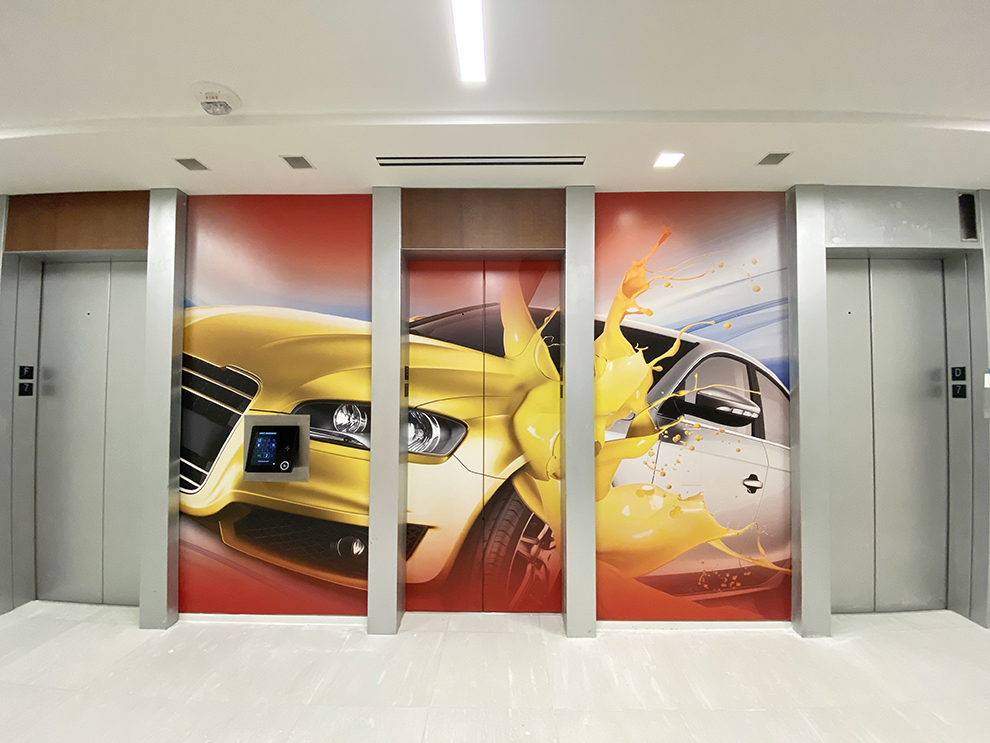
Turn hallways, conference rooms, collaboration areas, employee spaces, and feature walls into branded environments using custom photography, illustrations, maps, patterns, messages, and colors.
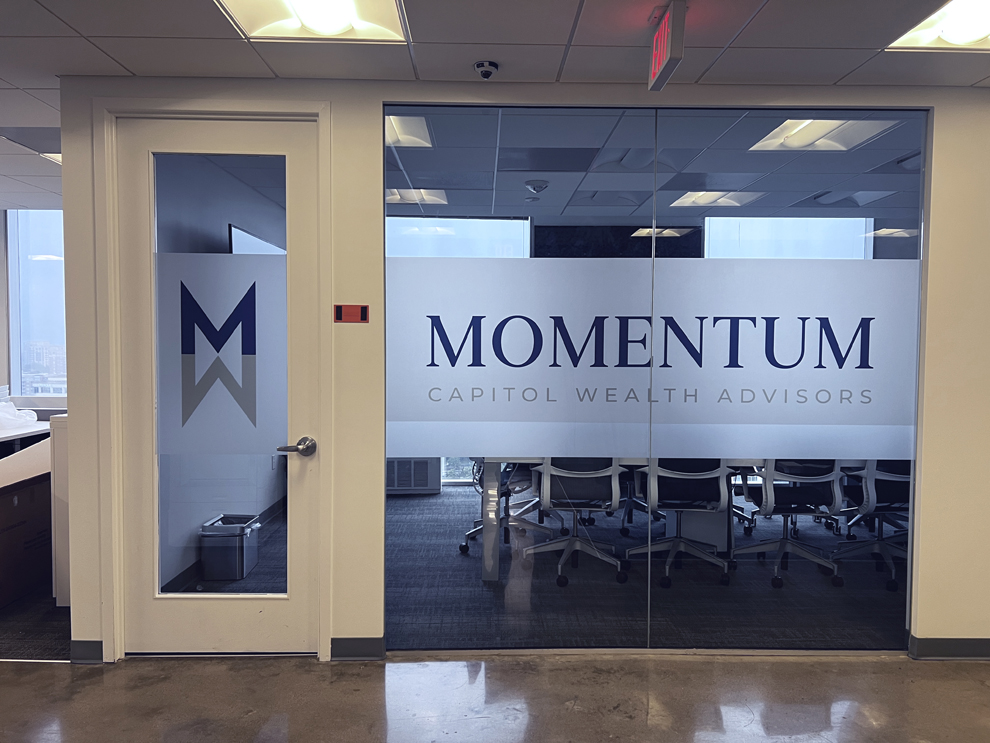
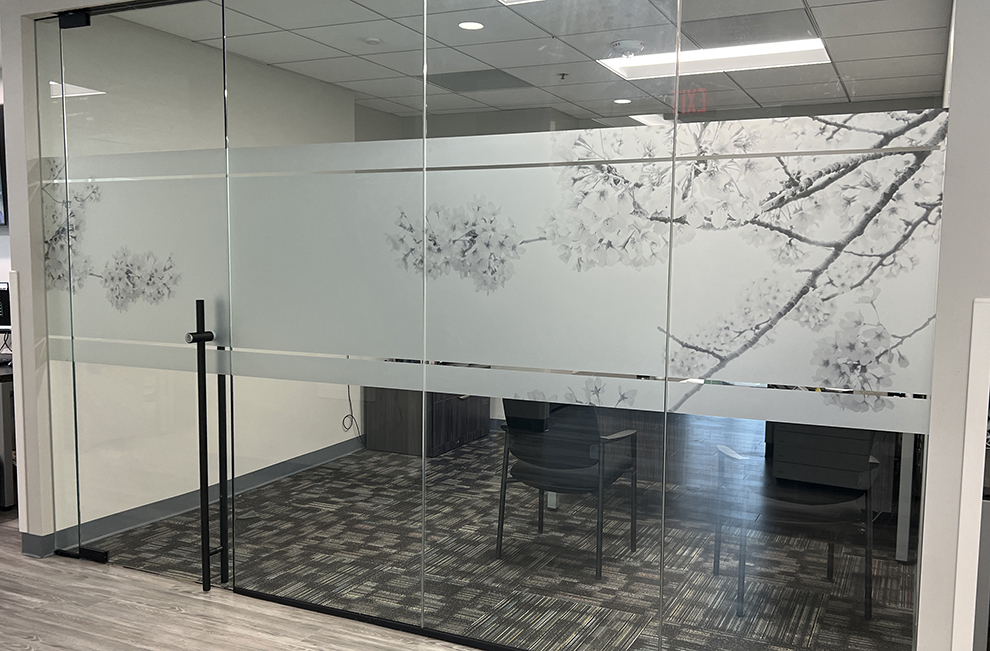
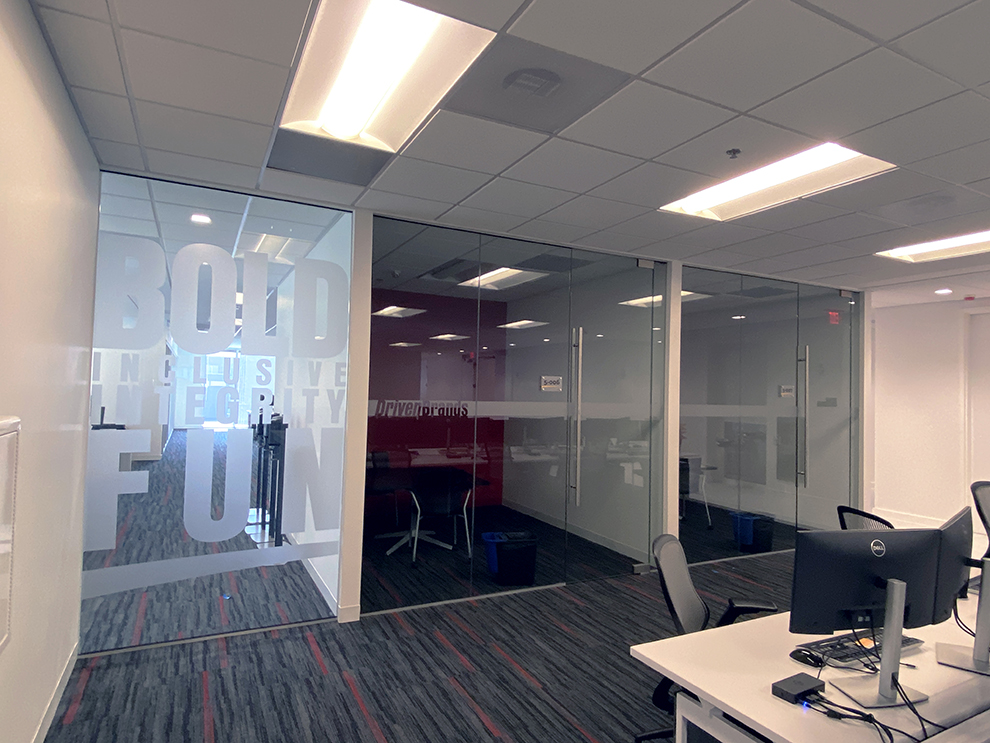
Add privacy, branding, distraction markings, or visual separation to glass offices, conference rooms, entrances, storefront windows, and interior partitions while maintaining an open appearance.
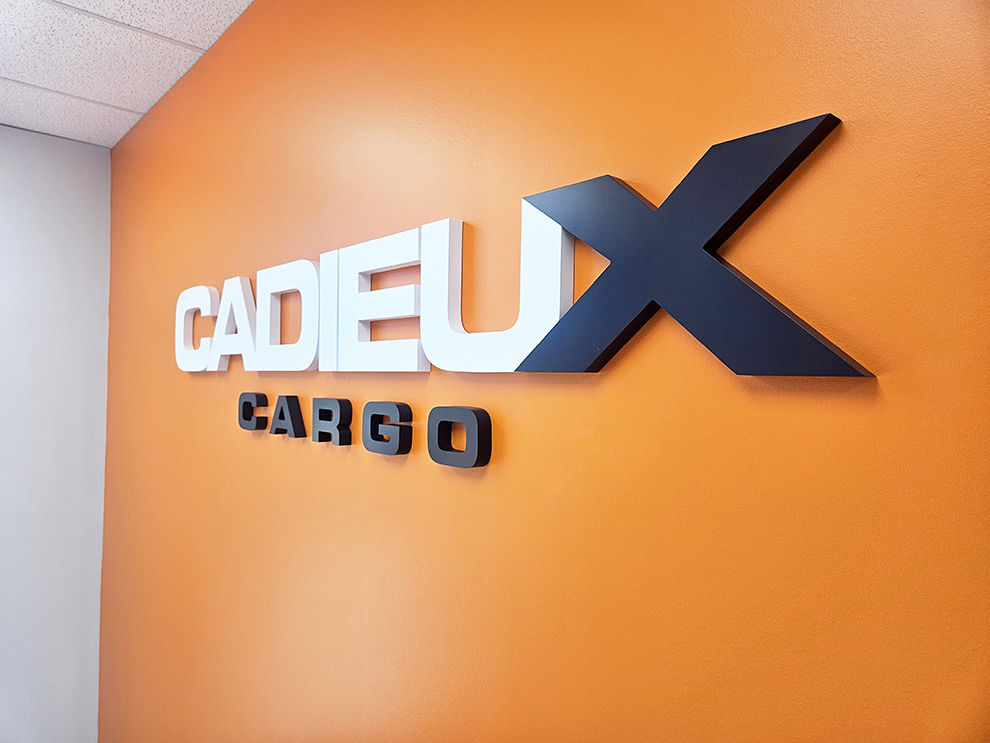
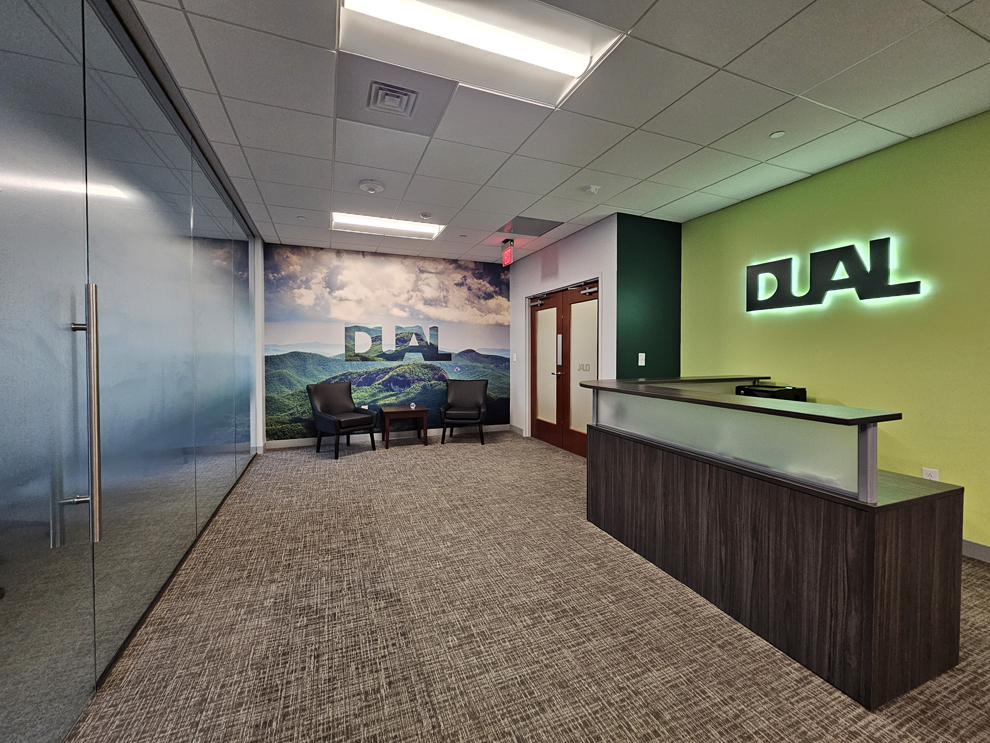
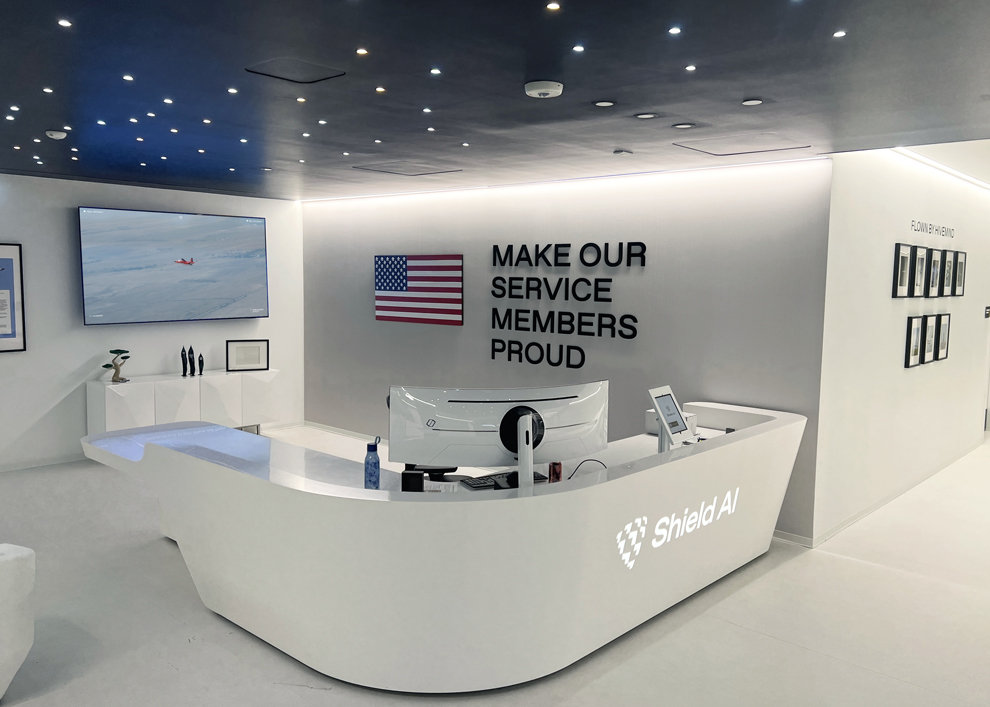
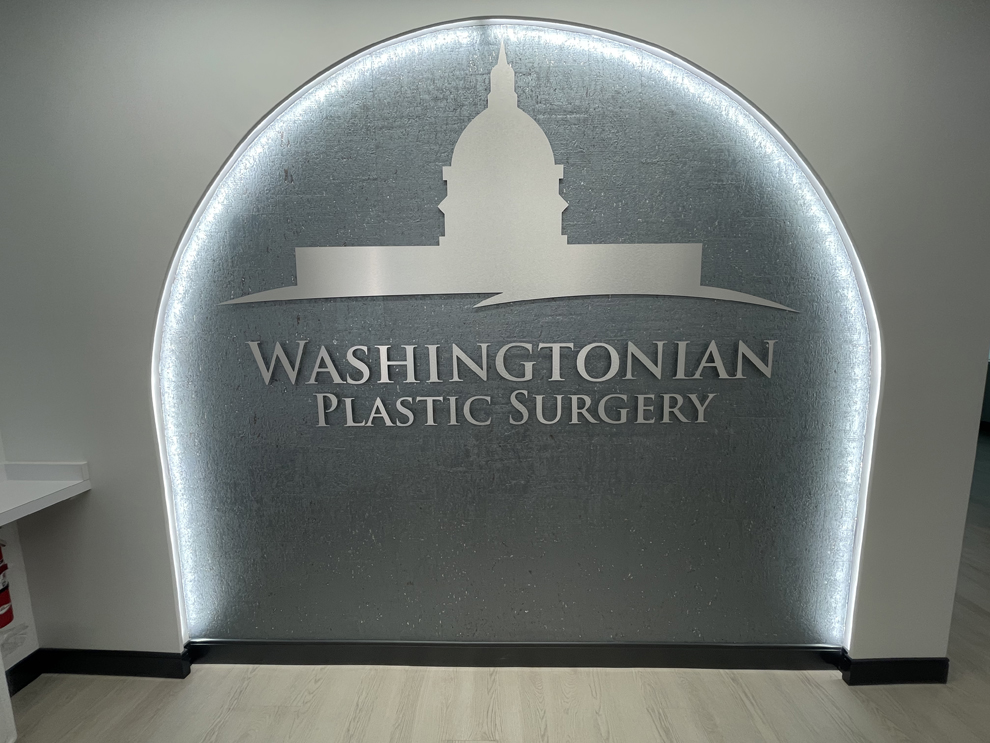
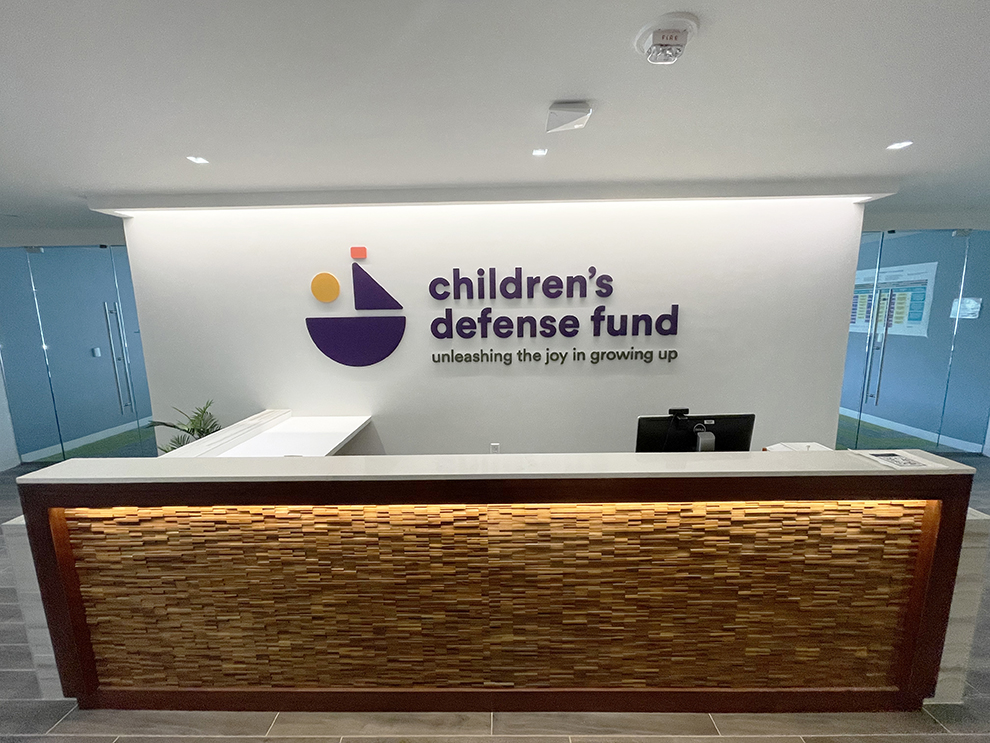
Create a distinctive arrival experience with dimensional logos, layered panels, architectural backers, custom finishes, and identification sized for the reception area and typical viewing distance.
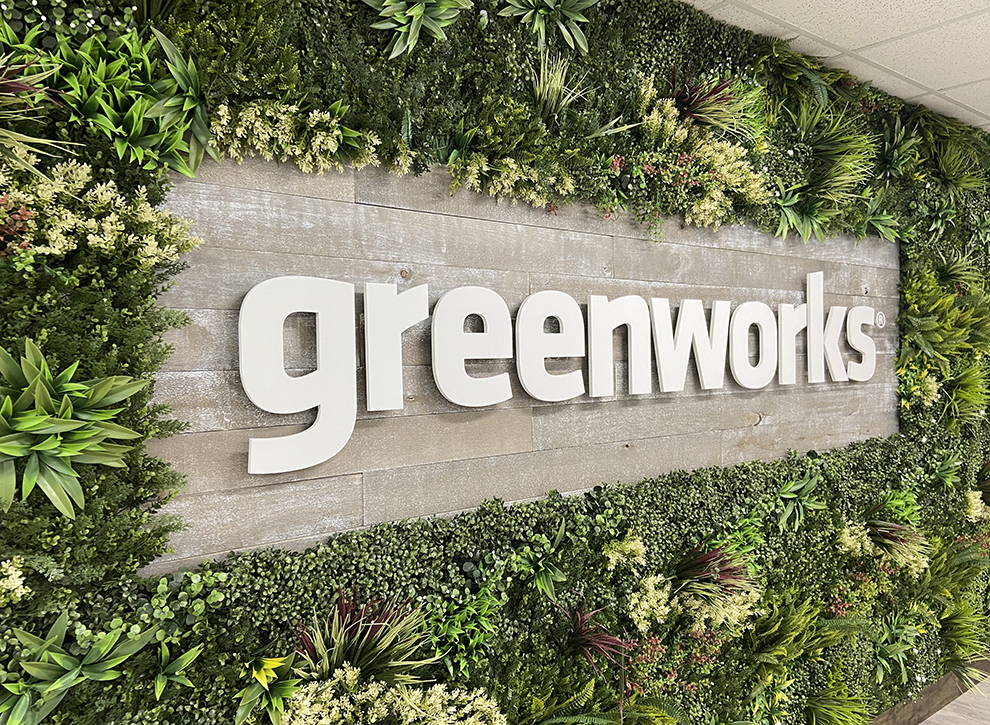
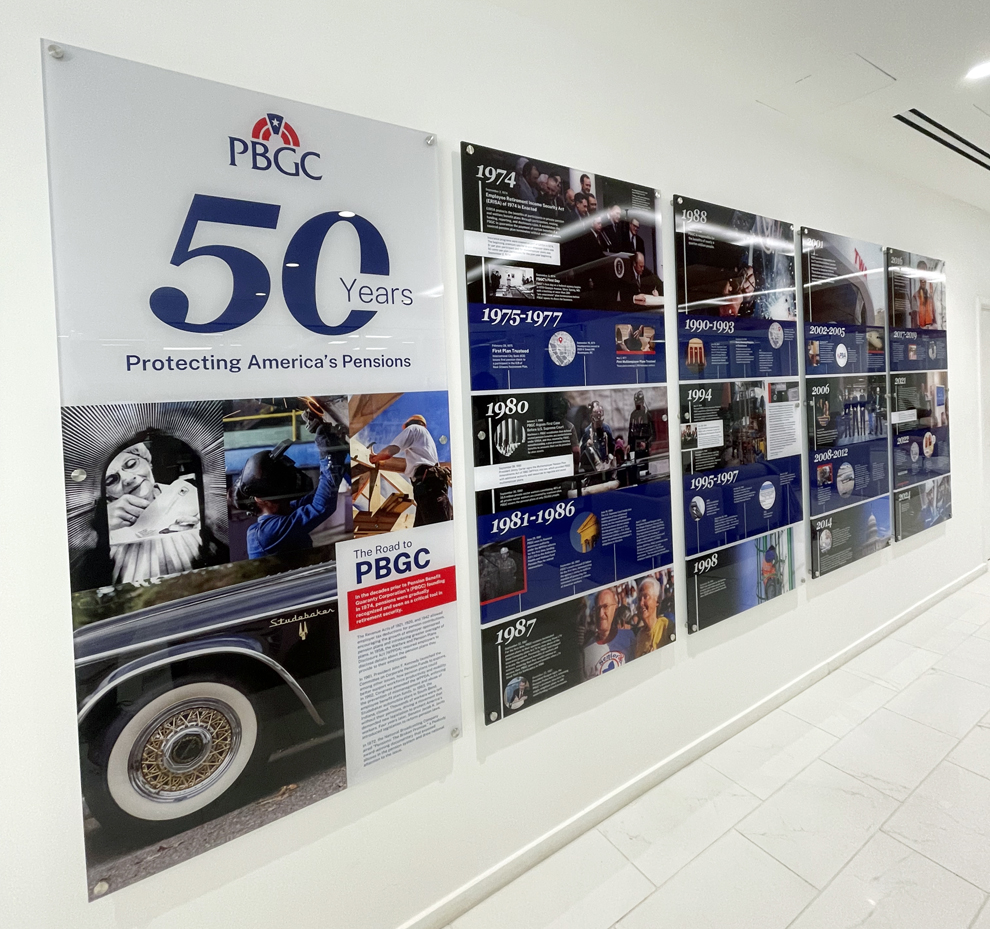
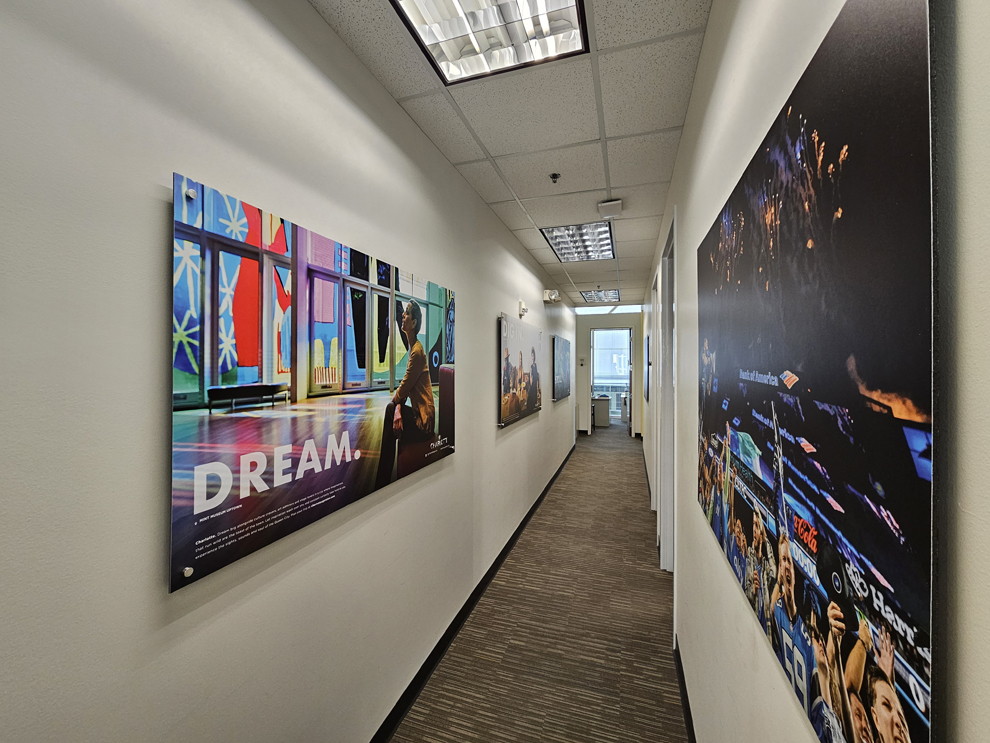
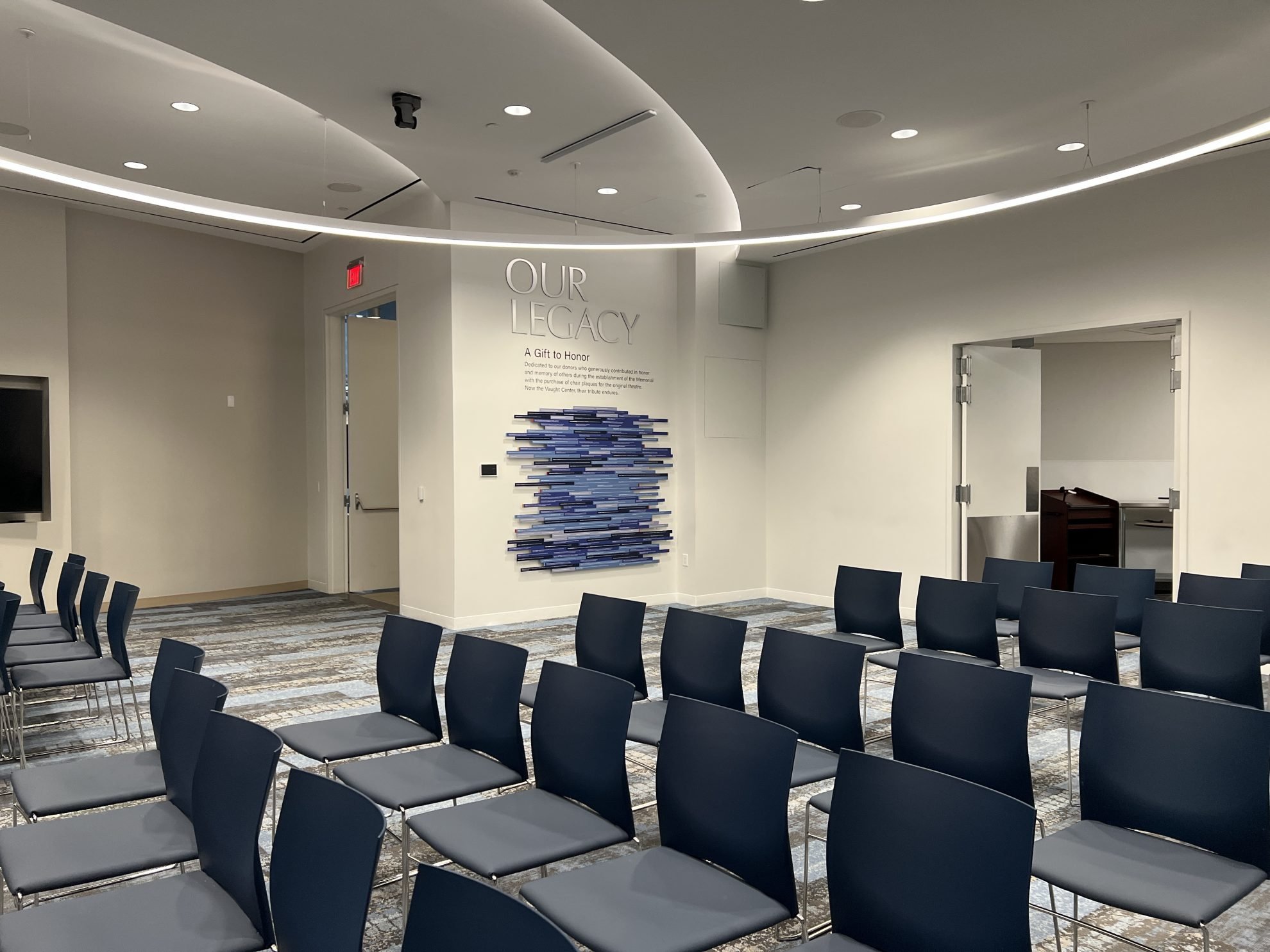
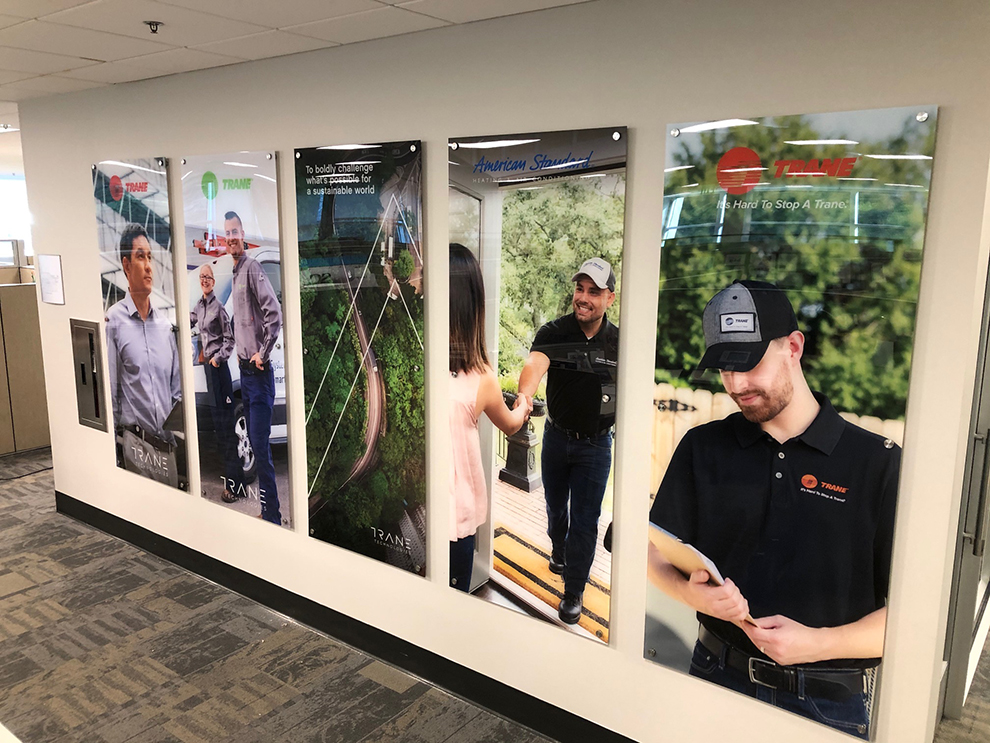
Present company information, recognition content, photographs, or branded messaging with acrylic panels, printed graphics, dimensional details, and architectural hardware that adds depth and supports future updates.
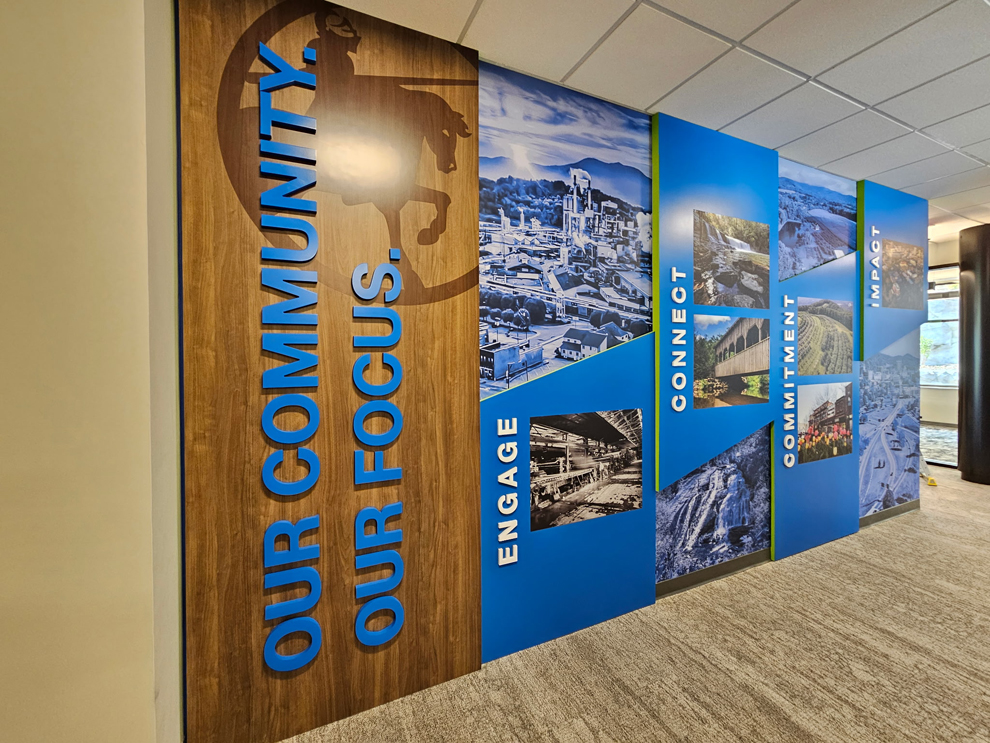
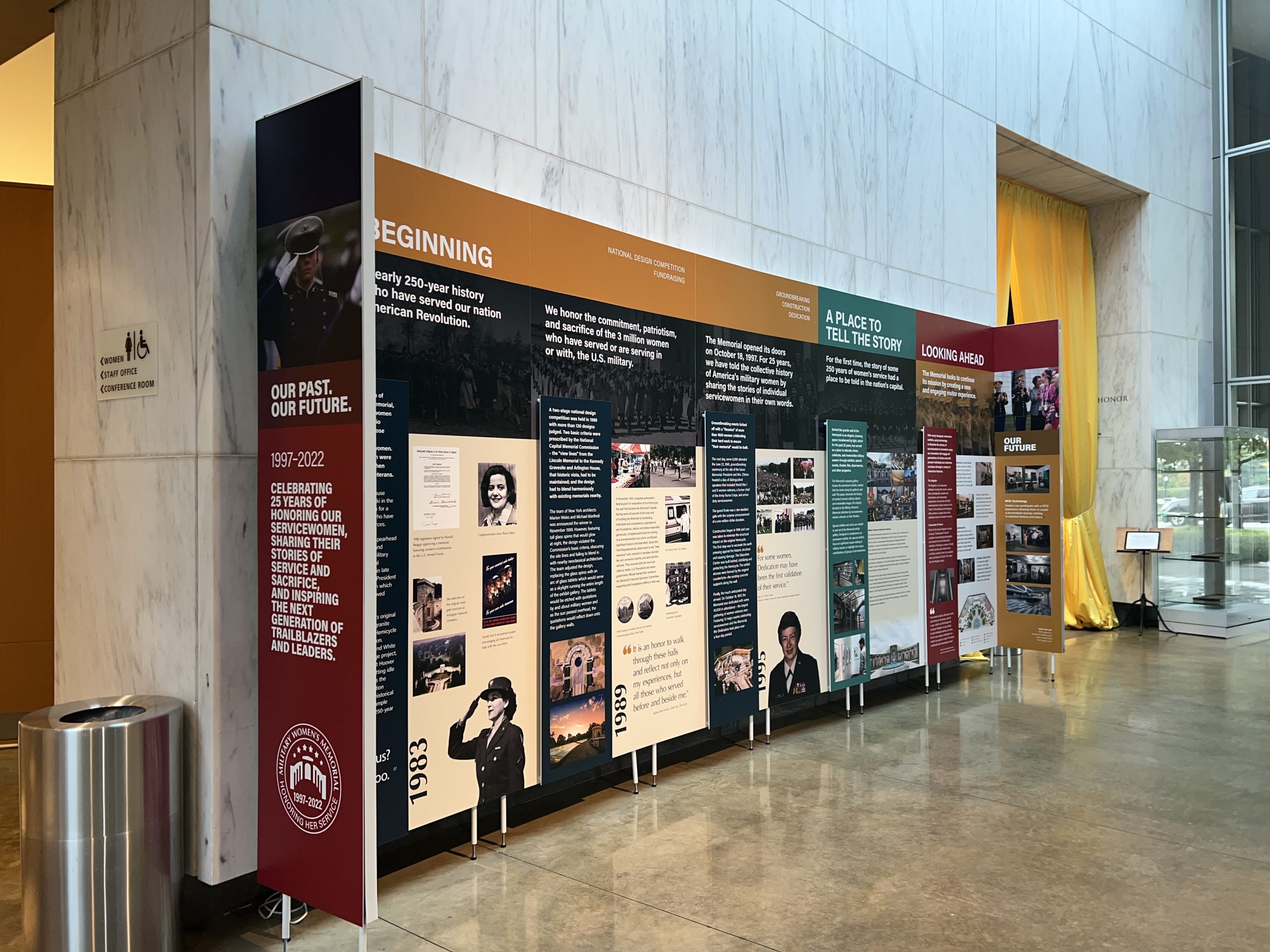
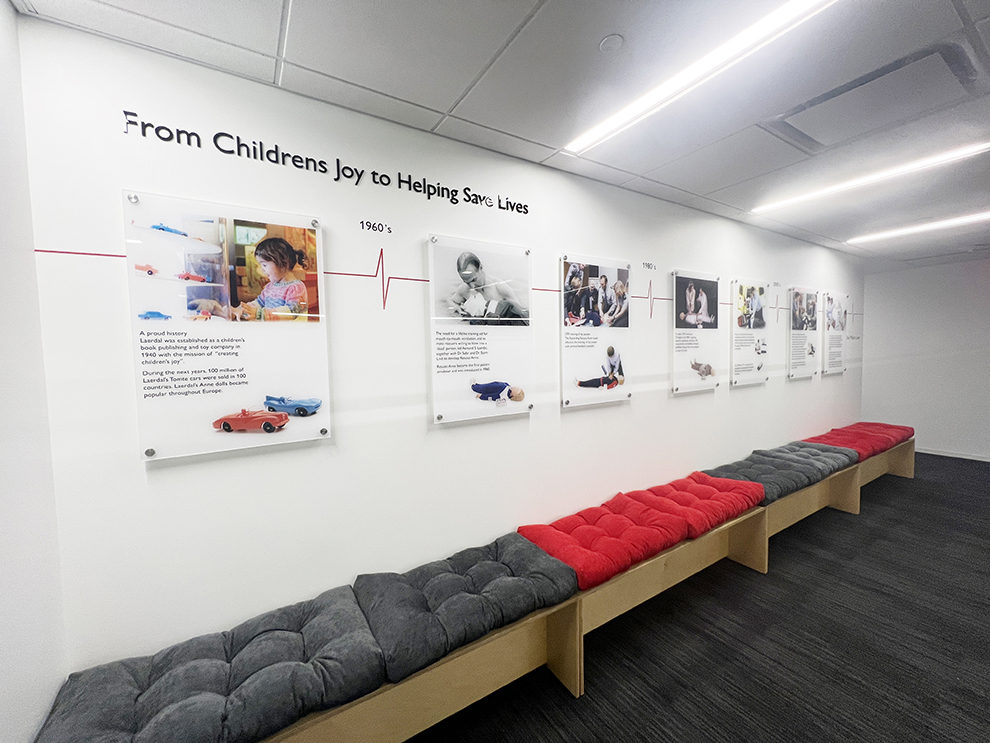
Communicate history, achievements, missions, donor contributions, educational information, or community impact through organized combinations of text, photography, printed panels, and dimensional elements.
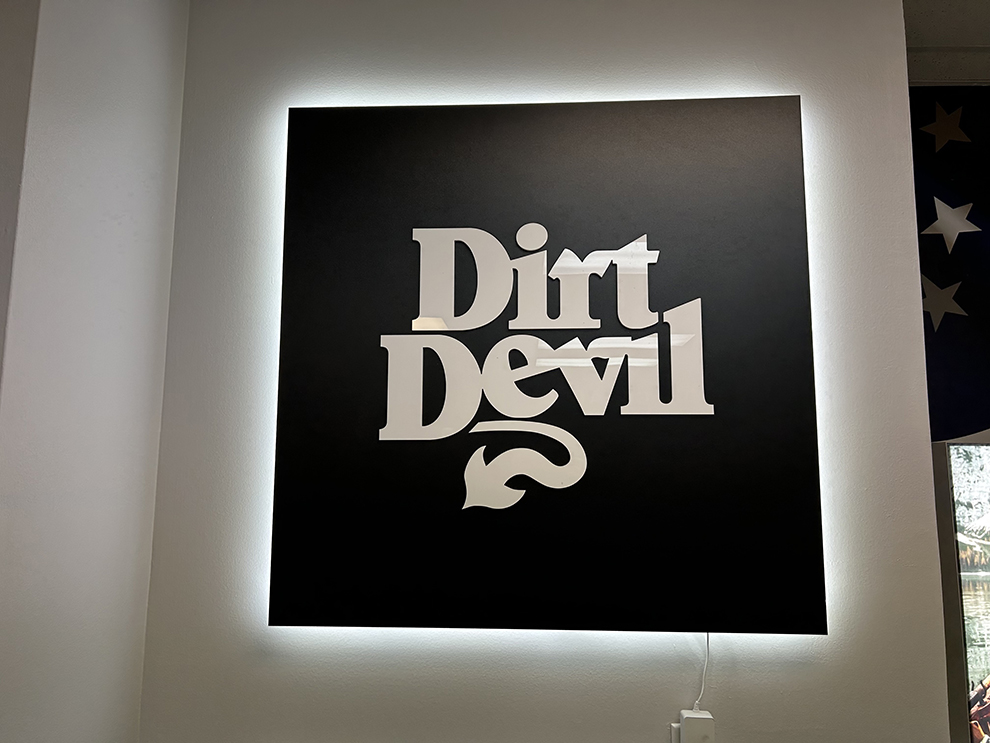
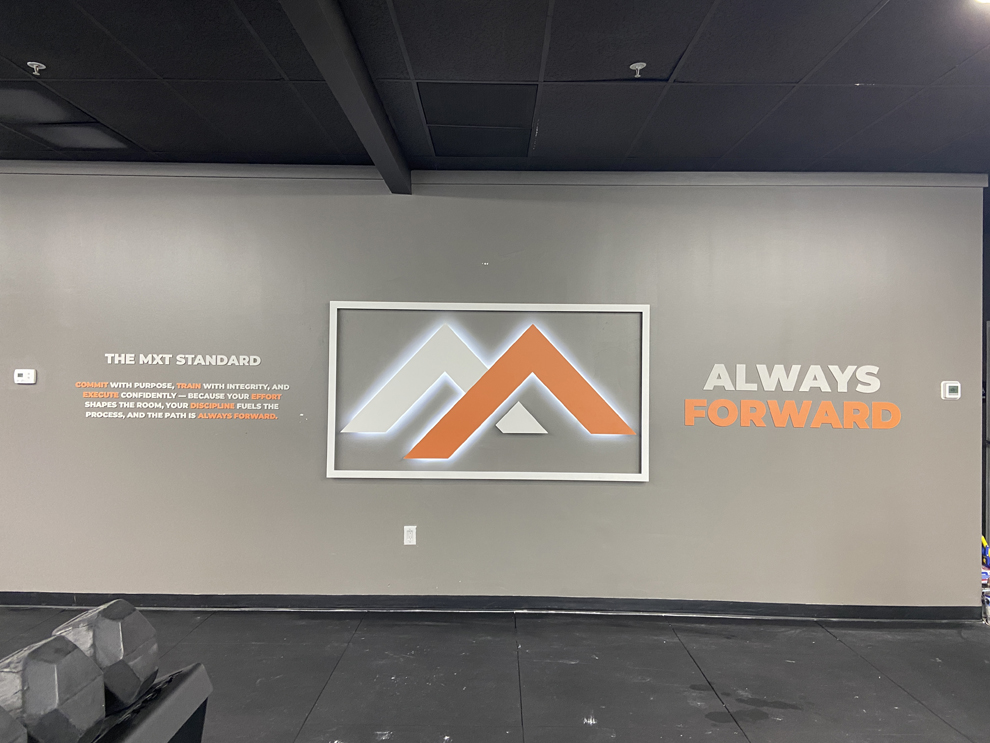
Give names, values, destinations, and brand statements greater prominence with raised lettering that creates depth, shadow, contrast, and a lasting architectural presence.
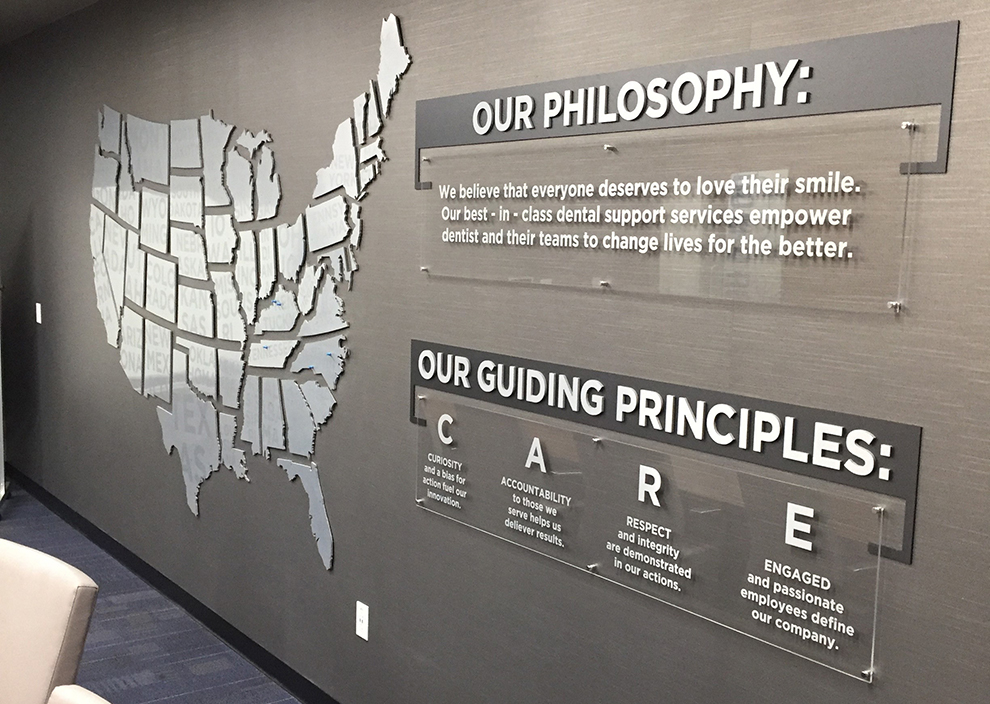
Bring branding, architecture, messaging, circulation, materials, visibility, accessibility, and installation requirements together in production-ready designs for physical spaces.
Help employees, patients, students, visitors, and guests navigate decision points using clear, accessible, and legible information coordinated with the facility’s architecture and visual identity.
Qualified organizations can use the Get Started Now form to explain what their Baltimore workplace, institution, or public-facing facility should accomplish. Include the project location, goals, intended audiences, preferred timeline, available artwork, site photographs, architectural drawings, brand standards, and important opening or installation dates. If certain details are not yet available, submit the information currently known.
A Heritage team member serving Baltimore and Central Maryland will review the request, identify missing scope or site details, evaluate whether the project is a good service fit, and recommend the next appropriate step.
Support for Baltimore projects may include discovery meetings, site surveys, field verification, project coordination, and installation planning at the client’s location. Direct observation helps Heritage evaluate walls and glass, pedestrian flow, loading areas, elevators, security procedures, occupied spaces, and permitted work periods. This local knowledge supports realistic planning for organizations in Baltimore, Towson, Catonsville, Columbia, Ellicott City, and other Central Maryland communities.
The Baltimore region includes corporate headquarters, healthcare campuses, universities, research organizations, government facilities, cultural institutions, nonprofits, associations, and public-facing businesses. These environments have different communication and operational needs. A downtown office, medical facility, university building, museum, and nonprofit headquarters may require distinct privacy levels, accessibility considerations, review processes, materials, and installation methods. Heritage develops each program around the organization and its facility rather than applying the same formula to every project.
For larger assignments, Heritage combines local field coordination with regional design, project management, production, fabrication, and installation resources. This capacity can support multi-floor workplaces and organizations with locations beyond Baltimore. Approved brand standards remain consistent while dimensions, architecture, access requirements, schedules, and stakeholder expectations are addressed separately for each site.
Environmental graphic design integrates visual communication with the built environment. It brings together branding, architecture, messaging, scale, materials, accessibility, circulation, visibility, and installation requirements. In a Baltimore workplace or institution, environmental graphic design can clarify arrival points, organize information, communicate an organizational story, and connect separate interior areas through a consistent visual system.
A project may begin with brand standards, logos, floor plans, architectural drawings, photographs, field measurements, approved messaging, or initial concepts. Heritage can develop layouts, production artwork, content hierarchies, dimensional features, glass privacy graphics, navigation systems, interpretive displays, and coordinated placement plans. Designers also consider viewing angles, existing lighting, substrate conditions, material transitions, mounting needs, future content updates, and the sequence in which components must be installed.
Thoughtful design development gives stakeholders a practical basis for making decisions before production. It can improve estimating, material selection, fabrication planning, visual consistency, and installation preparation while revisions are still manageable. Heritage provides environmental graphic design for the branded physical elements the company produces and installs. The team does not present itself as an architectural, engineering, comprehensive interior-design, or general lighting-design firm.
Professional installation is coordinated with design and production because the final result depends on much more than where a sign is placed. Dimensions, alignment, substrate compatibility, mounting security, finish protection, building access, and installation order all affect appearance and performance. Heritage considers these conditions early so each component is made for the Baltimore property where it will be installed.
A Heritage-managed installation starts with a site survey. The team records dimensions, wall and glass conditions, mounting surfaces, obstructions, lighting, sightlines, traffic patterns, loading access, elevator availability, security procedures, building requirements, occupied areas, and approved work periods. Client representatives can also explain operational concerns, review procedures, and activities that must continue during installation.
Heritage’s full-time installers coordinate with the project managers, designers, production specialists, and fabricators familiar with the approved scope. This continuity supports proper preparation, responsive field communication, consistent quality control, and clear accountability. Heritage does not offer installation-only services for signs or graphics purchased from another provider or supplied directly by the customer. Installation is available for components produced, sourced, fabricated, or otherwise managed as part of a complete Heritage project.
Project evaluation begins with the organization’s objectives, audiences, Baltimore location, desired schedule, investment expectations, and facility conditions. Photographs, floor plans, brand guidelines, approved content, measurements, drawings, and installation addresses help Heritage determine whether the proposed assignment fits its services. Clients should also identify opening dates, stakeholder approval procedures, access restrictions, building requirements, and any additional locations included in the program.
A complete Heritage engagement starts at $4,000. Many projects that include production and professional installation range from $10,000 to more than $200,000. Final investment depends on design requirements, quantities, dimensions, materials, fabrication methods, number of facilities, installation conditions, phasing, and schedule complexity. These amounts apply to the complete engagement, not to one individual sign, graphic, panel, or display. Heritage uses the available project information to recommend a scope that reflects the organization’s priorities and anticipated investment.
Heritage primarily serves commercial, institutional, and workplace interiors. When an interior branding program requires related outdoor components, the project may include non-illuminated exterior signs, dimensional letters, window graphics, or wall graphics following an appropriate review of the site and exposure conditions. Standalone exterior sign packages, monument signs, pylons, channel letters, fleet graphics, installation-only requests, and repairs to failed signage or LED systems are generally outside Heritage’s normal service offering.
Provide the Baltimore-area address, communication objectives, intended audiences, preferred completion date, anticipated investment, and known access restrictions. Photographs, approximate dimensions, floor plans, architectural drawings, logos, brand guidelines, approved content, and visual references can make the initial evaluation more productive.
Heritage will identify any additional information required for design, estimating, field verification, production, fabrication, or installation planning.
A dedicated Heritage project manager serves as the primary operational contact. The project manager coordinates discovery, estimates, site details, design development, materials, proofs, approvals, production, fabrication, scheduling, installation preparation, and completion requirements.
This structure provides a clear point of accountability while allowing designers, fabricators, production professionals, and installers to contribute at the appropriate stages. The project manager also establishes decision deadlines and identifies client responsibilities that could affect the schedule.
Heritage supports qualified organizations in Baltimore and surrounding Central Maryland communities, including Towson, Catonsville, Columbia, Ellicott City, Glen Burnie, and nearby areas. Availability depends on the project scope, schedule, site conditions, and overall service fit.
Regional design, project-management, production, fabrication, and installation capabilities can also support organizations with facilities in multiple cities. Heritage documents the requirements of each site so the organization’s visual standards remain consistent while accommodating local architecture, dimensions, and access conditions.
The minimum complete Heritage engagement is $4,000. Many produced-and-installed projects range from $10,000 to more than $200,000. These figures represent the total assignment rather than the price of one sign or graphic.
Design development, quantities, sizes, substrates, finishes, content complexity, fabrication, number of locations, installation access, project phasing, and schedule requirements can all affect the investment. Discussing expectations early helps the project manager recommend a realistic scope.
Yes. Heritage requires a site survey for installations managed by its team. The survey documents dimensions, substrates, wall and glass conditions, mounting locations, obstructions, lighting, viewing angles, pedestrian traffic, security procedures, loading access, elevators, and approved work periods.
Field verification connects design and production decisions with actual building conditions. It also gives client stakeholders an opportunity to discuss occupied spaces, operational priorities, property rules, safety concerns, and scheduling limitations before fabrication proceeds.
Environmental graphic design coordinates visual communication with architecture and movement through a facility. It considers identity, messaging, color, scale, placement, materials, visibility, accessibility, and the ways people experience a physical space.
Heritage applies this discipline to the signs, graphics, and displays it creates and installs. A program may include lobby identification, wall graphics, privacy film, dimensional statements, directional signs, timelines, recognition walls, historical exhibits, or interpretive displays developed as a connected system.
A focused project may take several weeks. A multi-area, phased, or stakeholder-intensive program may require several months. The timeline depends on site surveys, design development, content readiness, client approvals, material availability, fabrication methods, facility preparation, building access, and installation sequencing.
Heritage develops the schedule based on the confirmed scope and identifies the client decisions required to maintain progress. Accelerated deadlines may be possible when approvals, materials, production requirements, and site conditions support the requested completion date.
Yes. An individual lobby sign, timeline, recognition wall, interpretive display, or dimensional brand feature may qualify as a complete engagement when it meets the company’s project requirements. Heritage can also coordinate broader interior programs involving reception areas, corridors, walls, glass, conference rooms, employee spaces, wayfinding systems, and multiple facilities.
The recommended scope is based on the organization’s objectives, audiences, physical environment, schedule, and anticipated investment. The project manager can help separate essential communication needs from optional enhancements before design and production begin.
A Heritage-managed project may include lobby signs, dimensional letters, acrylic panels, standoff mounted displays, wall wraps, window graphics, frosted privacy film, wayfinding signs, recognition walls, timelines, museum graphics, and interpretive installations. The final selection should respond to the facility and its communication needs rather than operate as a collection of unrelated products.
Materials, dimensions, finishes, mounting methods, and placement are evaluated according to brand standards, viewing conditions, durability, future update requirements, and installation realities.
Heritage combines local project coordination with nearly 50 years of experience, multiple locations, regional production resources, environmental graphic design capabilities, in-house execution, and full-time professional installers. The veteran-owned, family-led company assigns a dedicated project manager to every accepted engagement.
This approach is designed for Baltimore organizations that value practical recommendations, clearly defined scopes, realistic schedules, transparent service boundaries, and consistent accountability from discovery and design through installation and closeout.
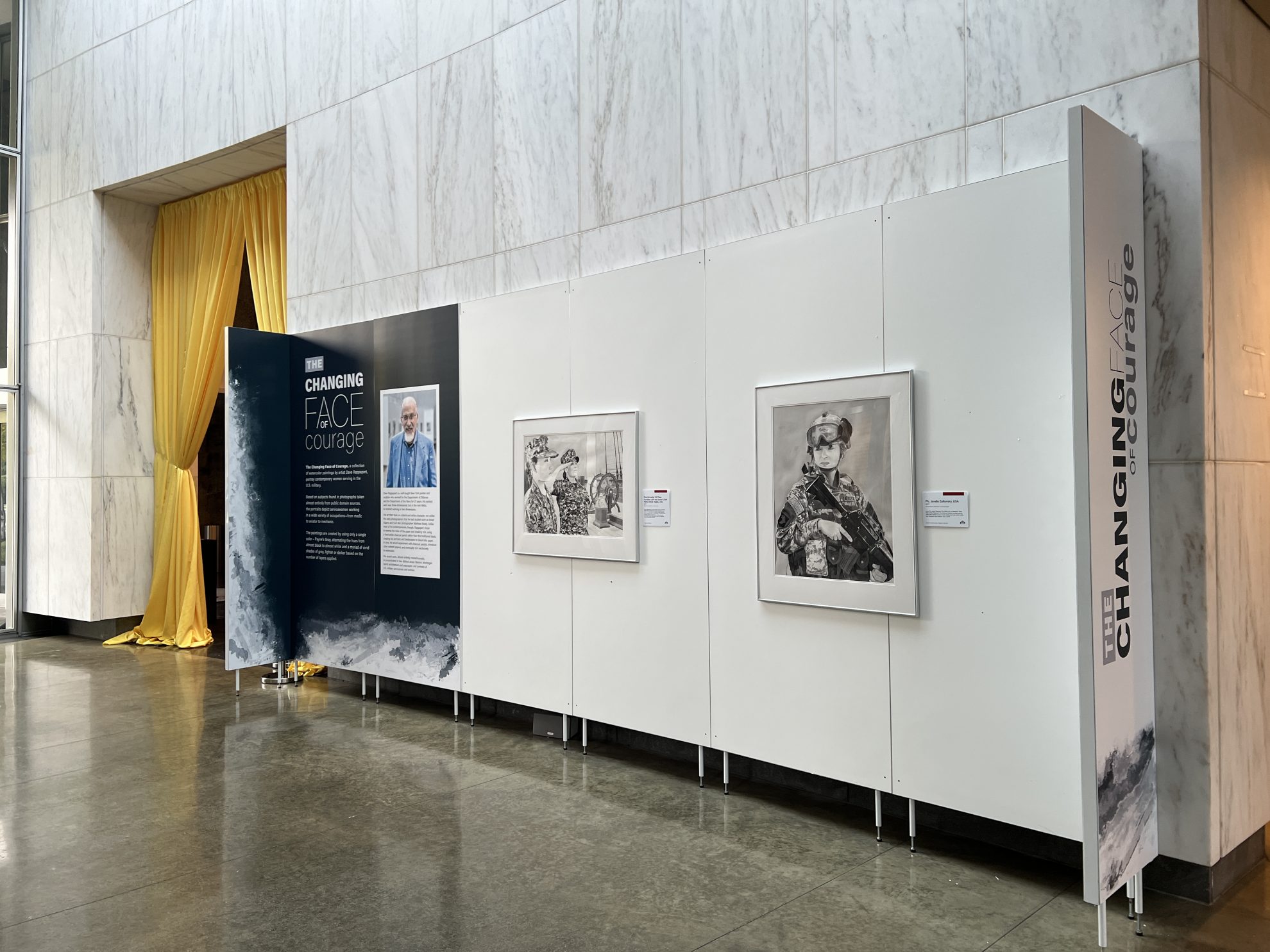
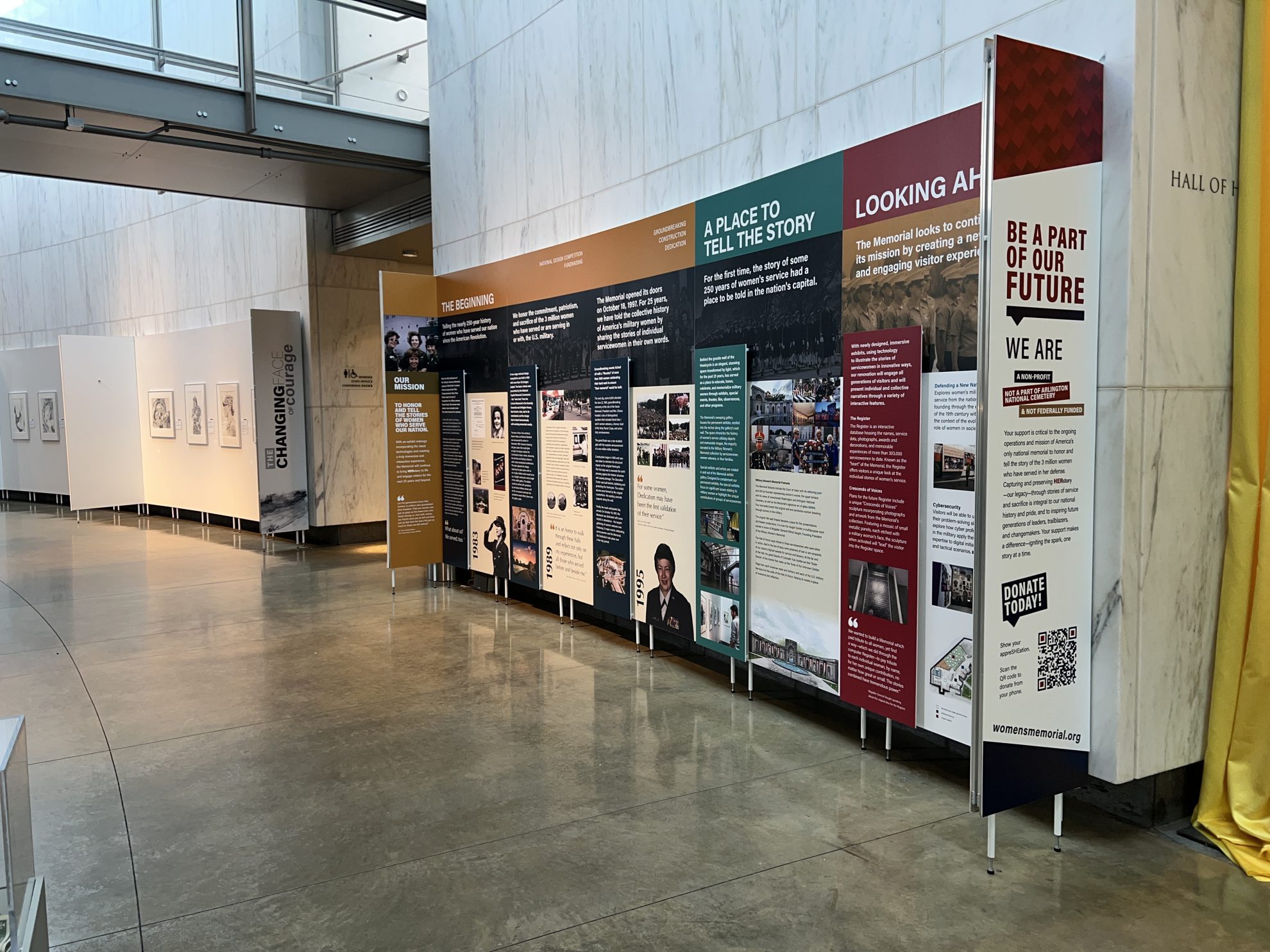
Heritage Signs & Displays created new museum signage for the Military Women’s Memorial in Arlington, VA. The project included custom signs, wall wraps, dimensional letters, and standoff-mounted displays to honor the legacy of U.S. servicewomen and the donors who supported the memorial. The updated interior features impactful designs, including a "Our Legacy" wall display and panels showcasing historical contributions and artwork, creating a transformative tribute to women in the U.S. Armed Forces.
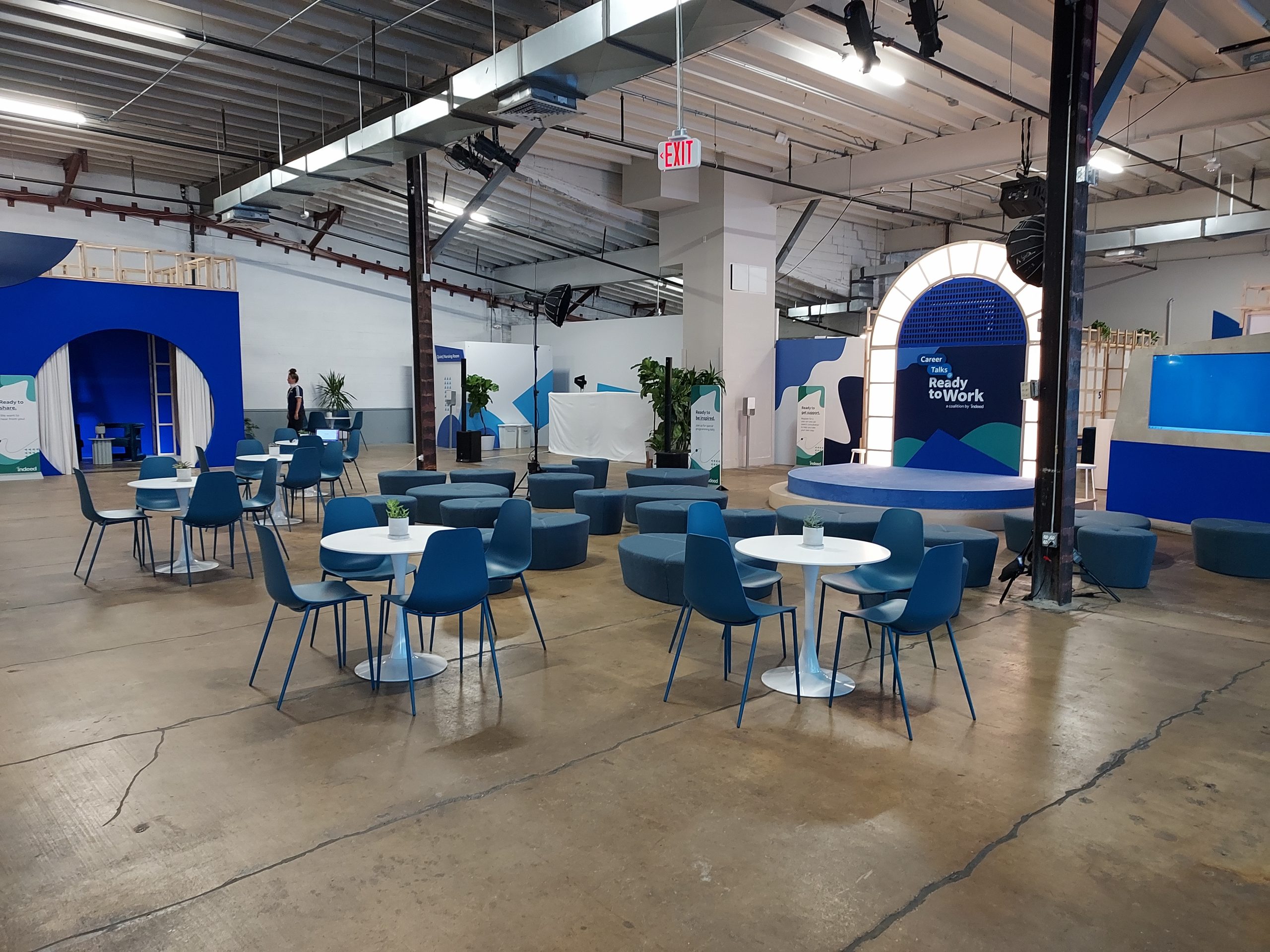
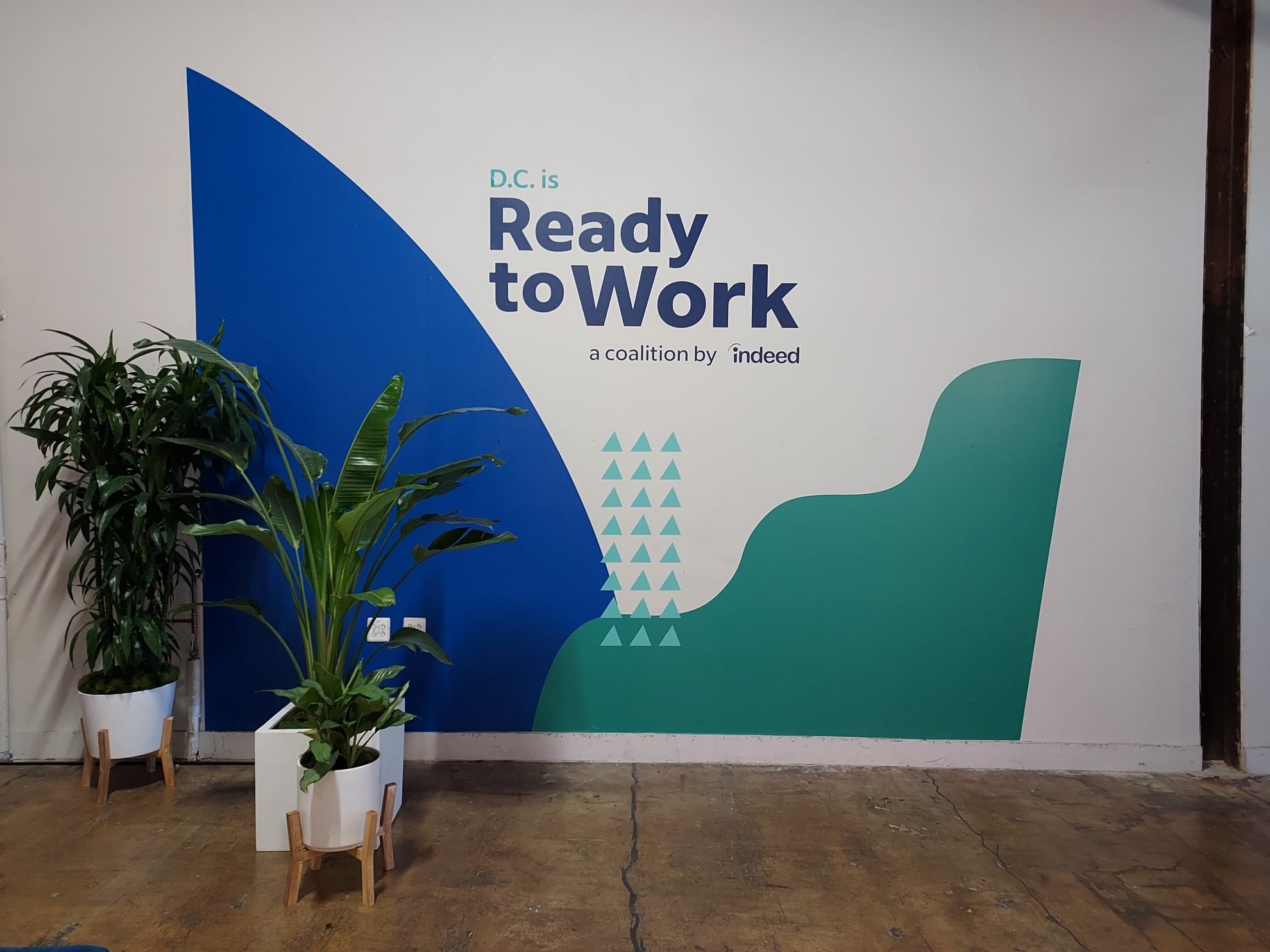
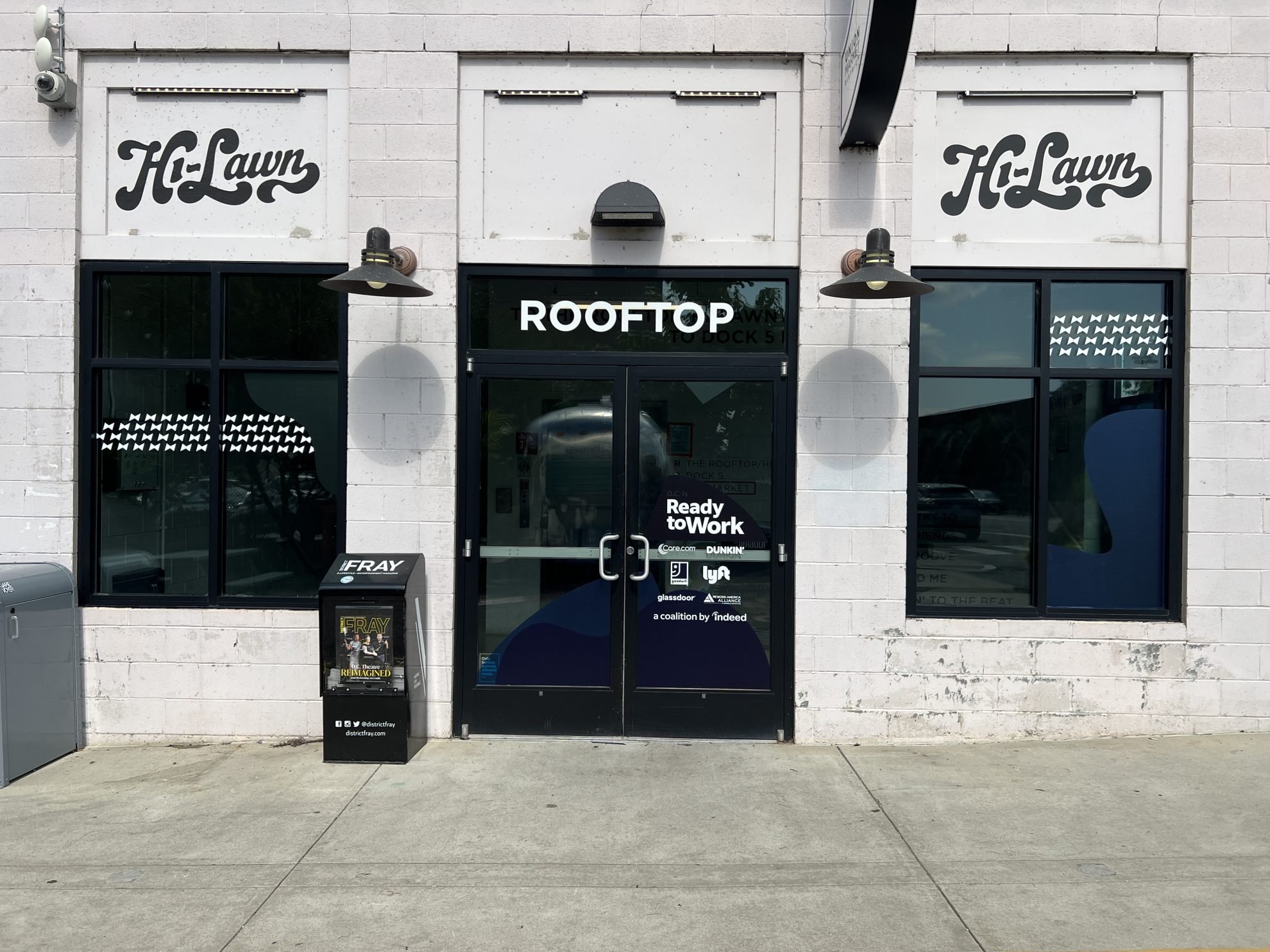
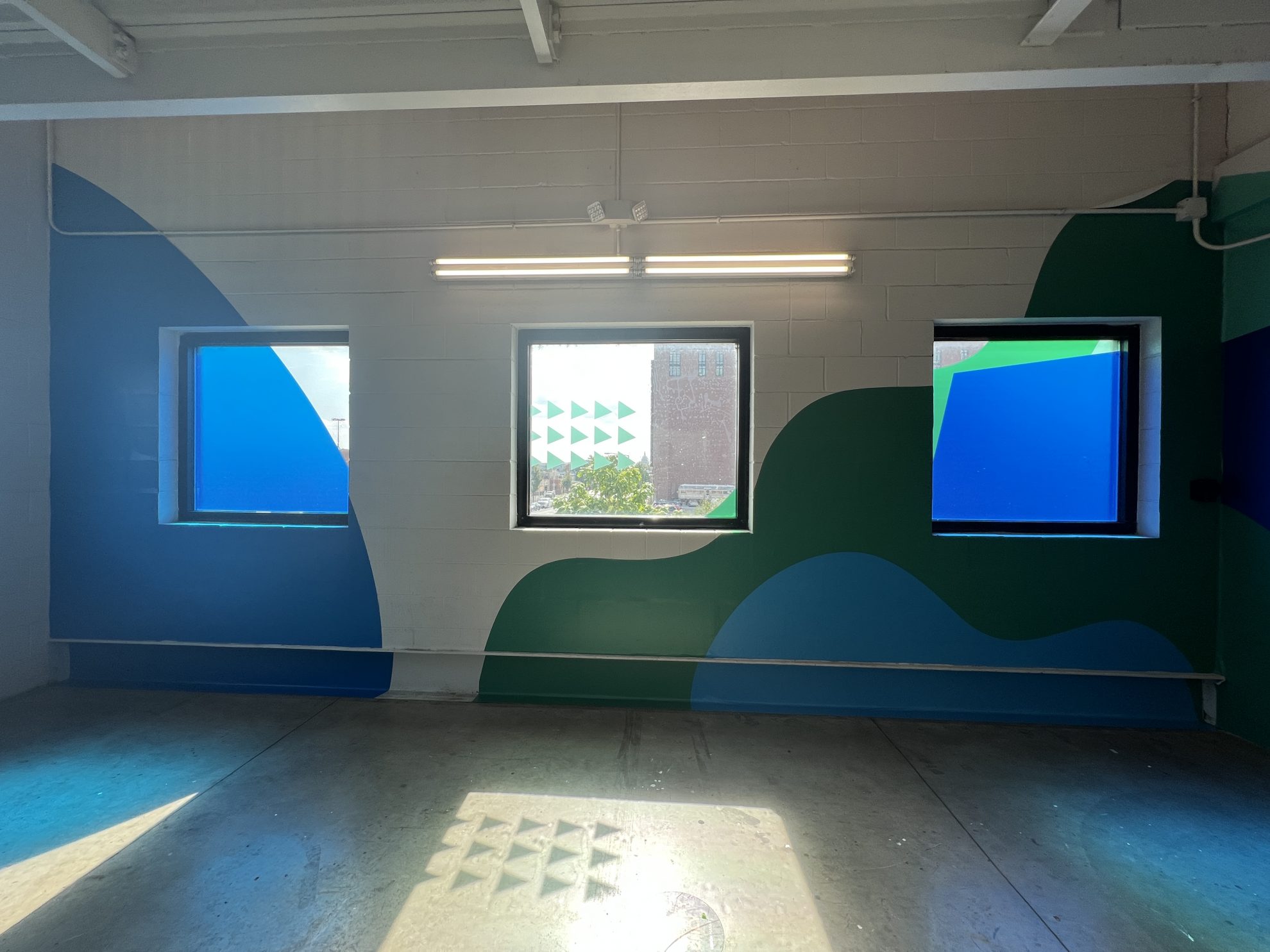
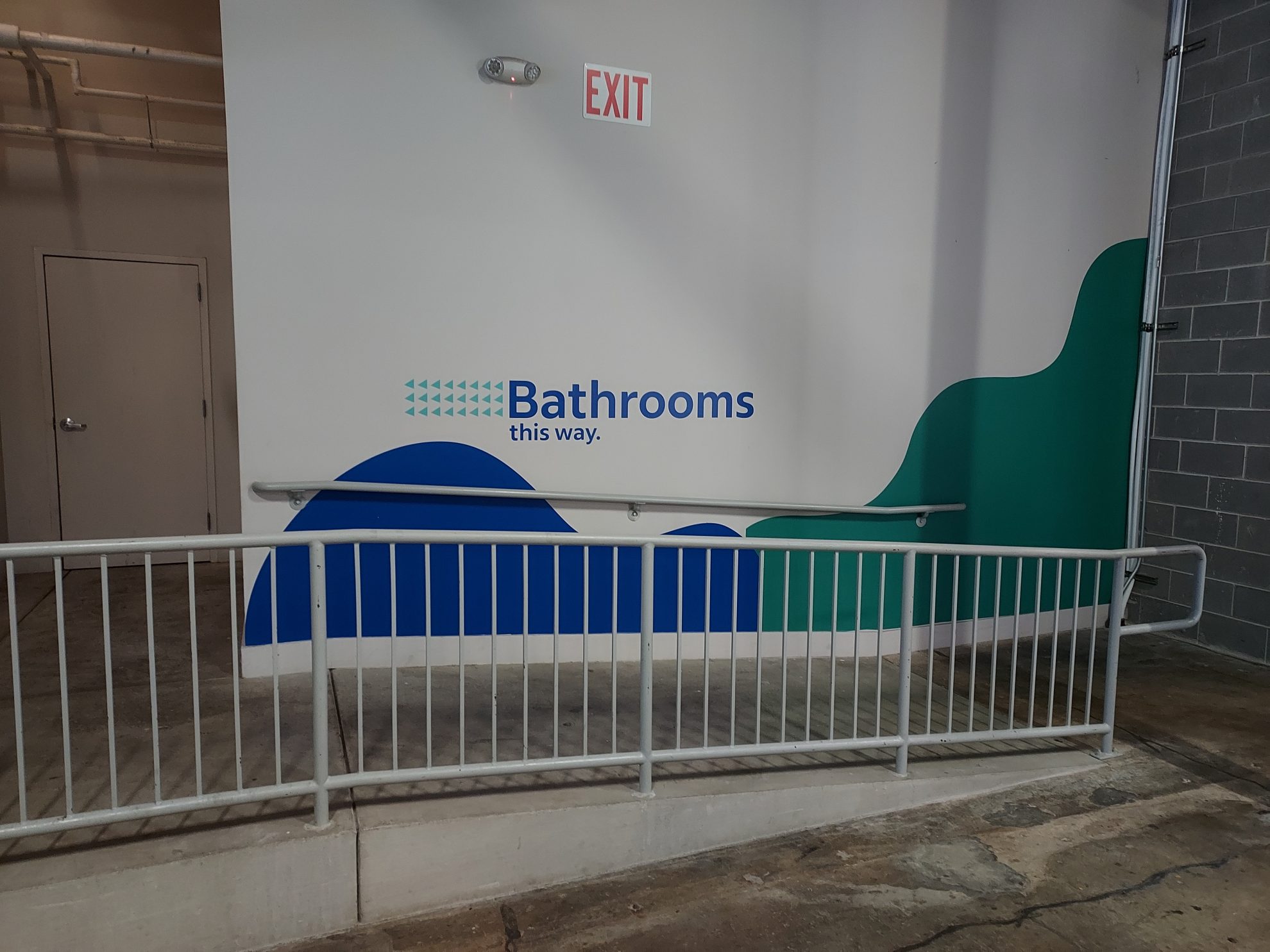
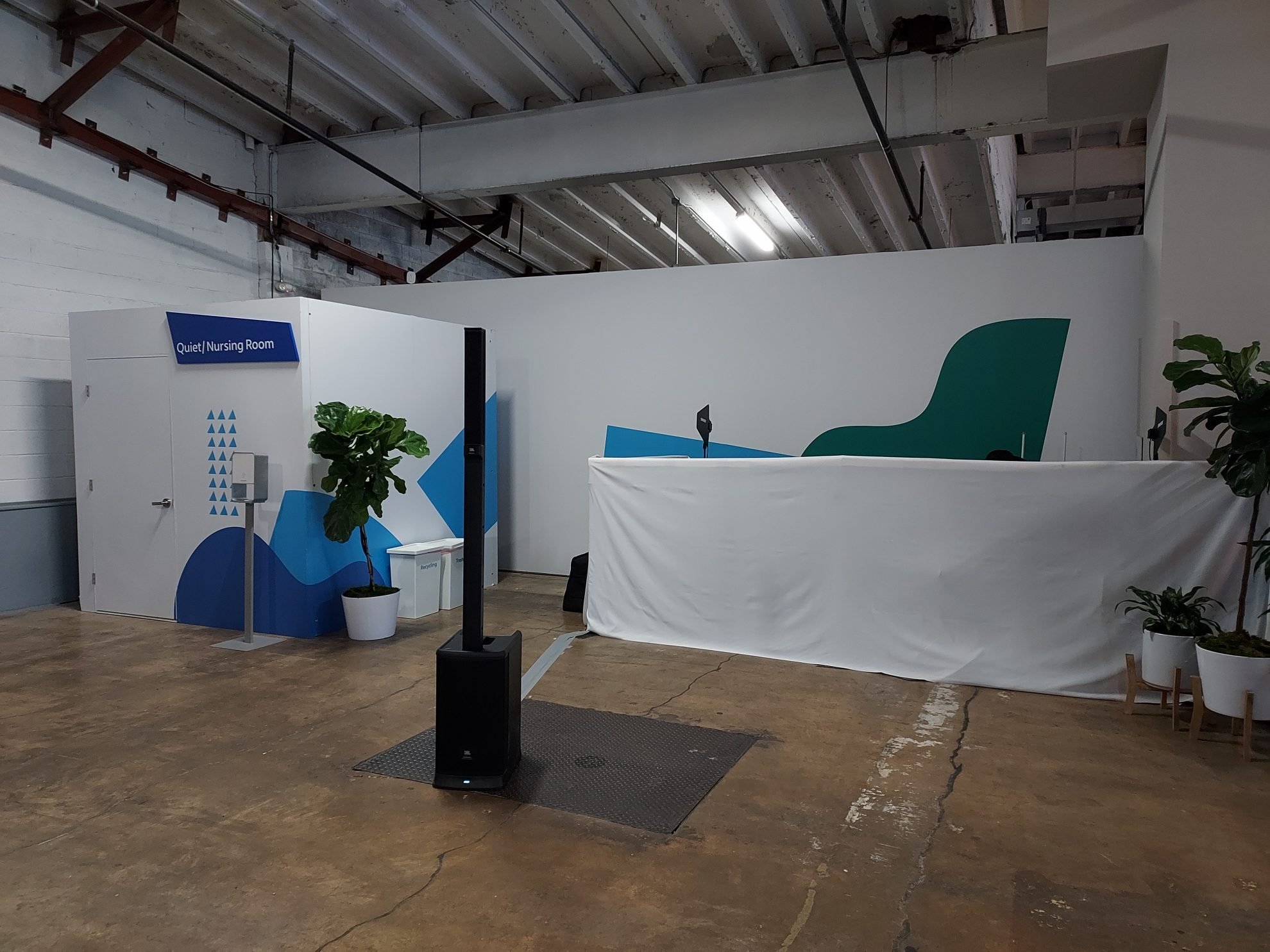
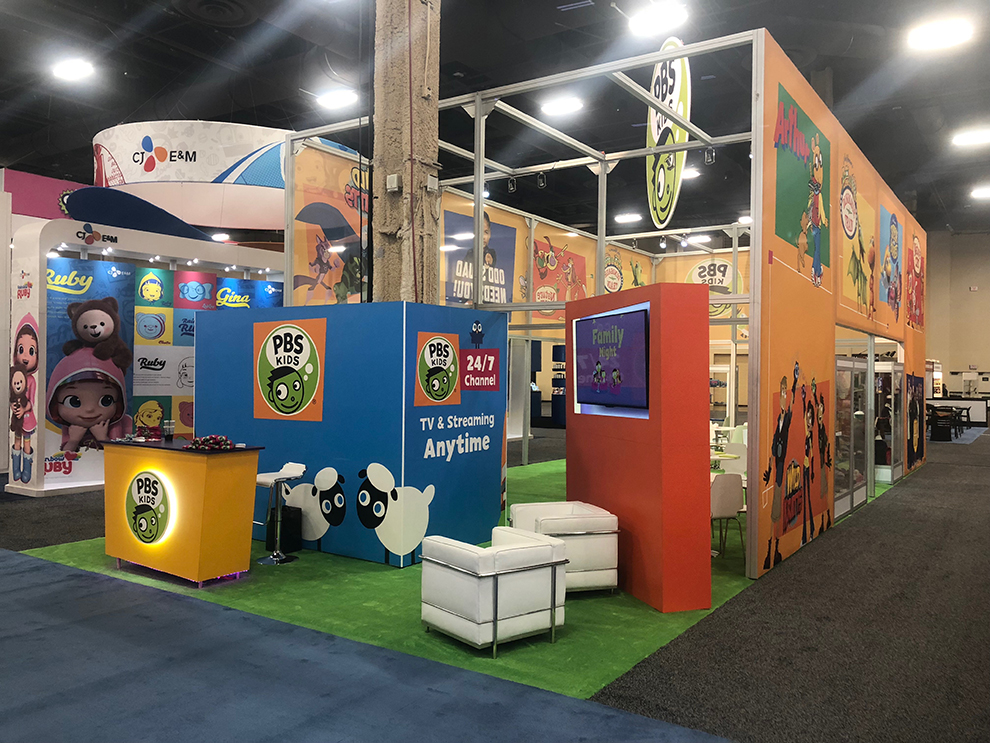
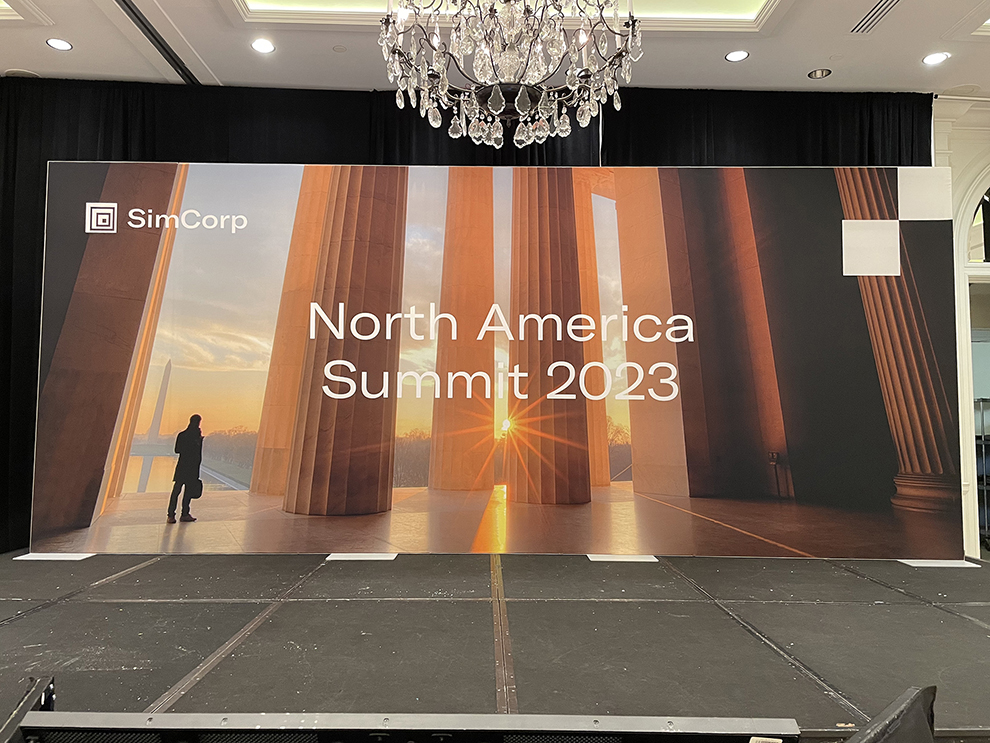
Heritage Signs & Displays' collaboration with The Gathery to brand Union Market in Arlington, VA, for Indeed's "Ready to Work" job fair. The project included custom event displays, wall graphics, window graphics, and wayfinding signs, creating an immersive and visually appealing environment. The branding enhanced the venue, reflected the event's mission, and provided a seamless experience for attendees.