An effective workplace should communicate identity, reinforce organizational values, and help people move through the space comfortably. Those goals are harder to achieve when lobby signage, wall graphics, glass treatments, recognition displays, and directional signs are purchased separately. Individual pieces may look polished, but the overall interior can still appear disconnected or difficult to understand.
Commercial Interior Graphics create a unified visual system for the workplace. Each feature serves a specific purpose based on its location, audience, and message. A lobby installation can make the organization immediately recognizable. A timeline or history wall can share its story. Frosted vinyl can add conference room privacy while incorporating branded patterns. Recognition displays can celebrate employees, donors, accomplishments, or important milestones. Wayfinding signs can guide visitors and staff without distracting from the workplace’s primary visual features.
This coordinated approach is particularly valuable for Newport News organizations completing an office relocation, renovation, expansion, rebrand, consolidation, or interior refresh. These projects often require input from executives, marketing departments, facilities personnel, property managers, designers, and individual department leaders. Without a shared plan, competing priorities can slow approvals and produce inconsistent results. Heritage Signs & Displays begins by defining the intended workplace experience, then connects that direction to production, fabrication, and installation.
The process starts with discovery. Heritage evaluates the project’s objectives, audiences, priority areas, brand guidelines, schedule, site conditions, and anticipated investment. Environmental graphic design helps establish what employees, visitors, job candidates, clients, and community partners should see and understand throughout the space. Depending on the project, the program may incorporate lobby signs, wall graphics, dimensional lettering, acrylic panels, photographs, window graphics, privacy film, recognition displays, changeable information systems, and directional signage. The recommended combination reflects the architecture, viewing distances, communication goals, expected lifespan, and future content needs.
One dedicated Project Manager maintains continuity throughout discovery, design coordination, production, fabrication, and professional installation. This centralized approach is important when several branded features must work together across reception areas, corridors, conference rooms, shared spaces, and executive offices. It keeps approvals, site findings, production requirements, installation sequencing, and stakeholder communication tied to one project record. Heritage is a project-focused sign company specializing in turnkey workplace branding and realistic event environments.
A successful Commercial Interior Graphics program does not require every available product. It requires the right features to work together intentionally. A Newport News headquarters might need an impactful reception display, privacy graphics for meeting-room glass, employee culture walls, and coordinated wayfinding. A professional services office may benefit from dimensional branding, client-facing recognition displays, and easily updated information panels. An organization with several regional facilities may need a consistent visual framework that can adapt to the architecture of each location.
Heritage evaluates production requirements and site conditions early in the planning process. Wall surfaces, glass configurations, mounting locations, building access, employee schedules, and available installation windows can all affect the final solution. Identifying these conditions before fabrication supports realistic planning, protects the schedule, and helps installation proceed efficiently.
The completed environment becomes more than a series of branded signs and graphics. It functions as an integrated communication system that gives each area a defined purpose while presenting a clear and consistent organizational identity.
A coordinated Commercial Interior Graphics program is useful when numerous workplace features must support the same visual strategy. The project may include several floors, multiple audiences, different messages, varied surface conditions, phased construction, or information that requires periodic updates. Selecting each product independently can result in conflicting priorities, inconsistent materials, and production challenges discovered late in the process.
A comprehensive plan establishes a clear communication hierarchy. It determines how the organization should be presented at the entrance, where cultural and historical stories belong, which glass surfaces require privacy, what content should remain changeable, and how directional signs can guide people without overwhelming the interior brand.
Not every Newport News workplace requires a large-scale program. A wall wrap may provide the necessary impact for one prominent area. Window graphics may solve a specific privacy or visibility challenge. A lobby sign may be enough when only the reception area needs improvement. Commercial Interior Graphics are most appropriate when several individual features need to operate as one cohesive workplace environment.
Heritage Signs & Displays approaches Commercial Interior Graphics as one coordinated project rather than a collection of unrelated orders. Through Heritage’s One Dedicated Project Manager System, clients have a consistent point of contact from initial discovery through professional installation. The Project Manager maintains project documentation, monitors approvals, coordinates site information, communicates practical requirements, and limits unnecessary handoffs.
This accountability becomes especially important when fabricated displays, dimensional elements, wall graphics, privacy treatments, and wayfinding signs must be produced and installed in a particular sequence. Design decisions can be reviewed alongside field verification, fabrication requirements, production methods, and installation planning instead of treating each stage as an isolated activity.
Heritage was established as a printing company in 1977. Signs, interior graphics, and workplace branding became a central focus beginning in 2009. Today, Heritage supports clients with environmental graphic design, project management, printing, fabrication, and professional installation. Heritage seeks to honor God by serving clients and communities with excellence.
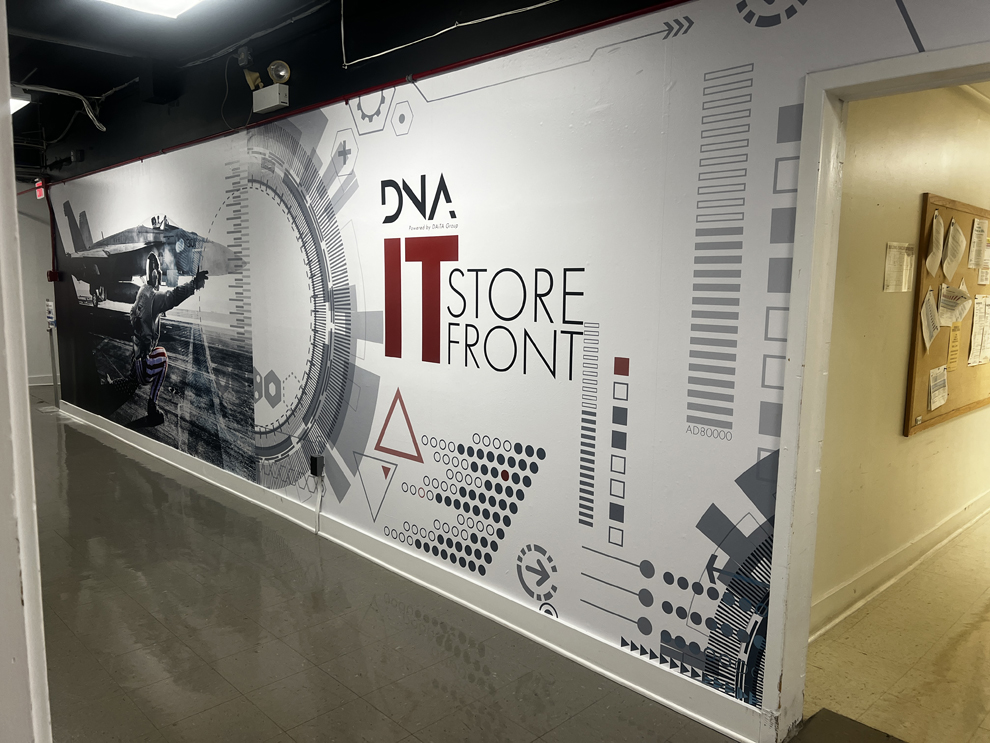
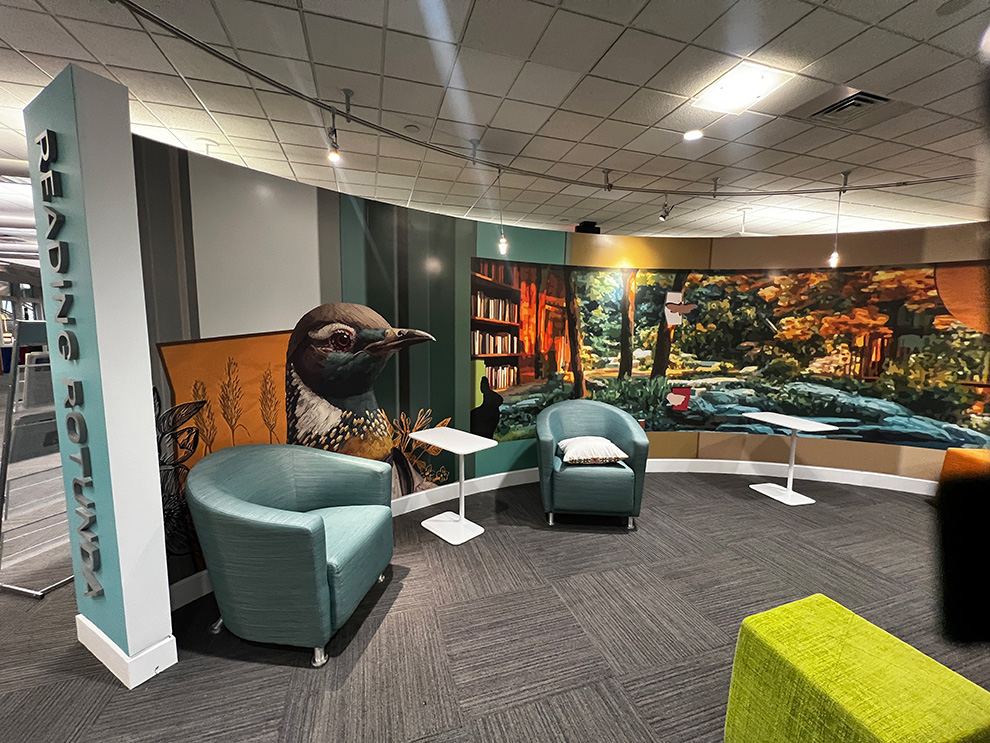
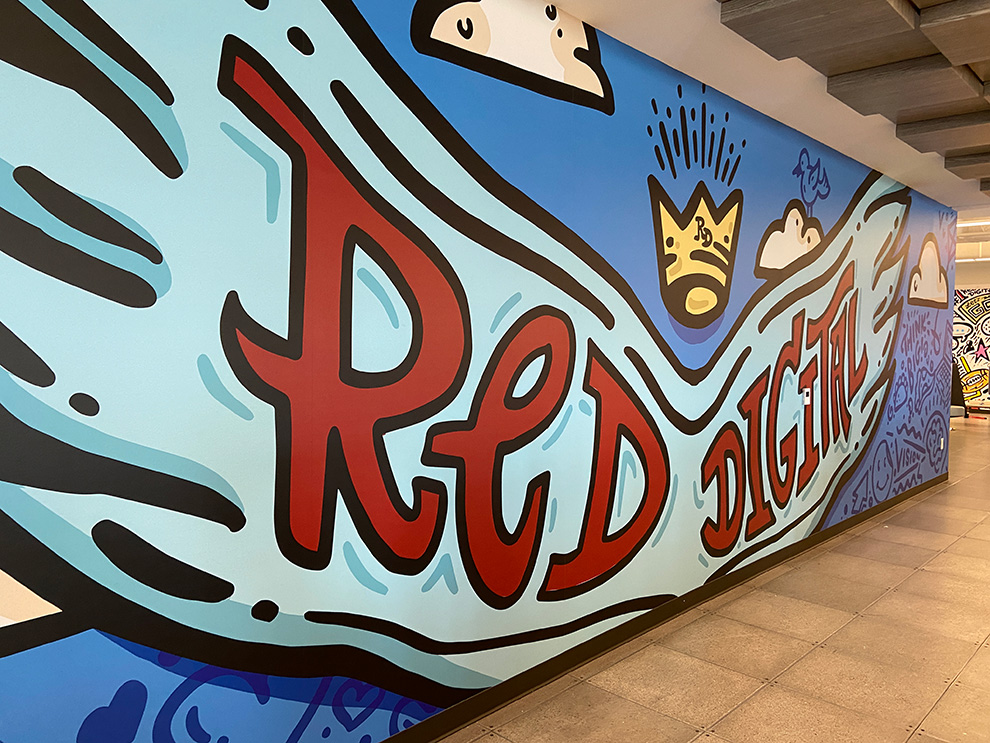
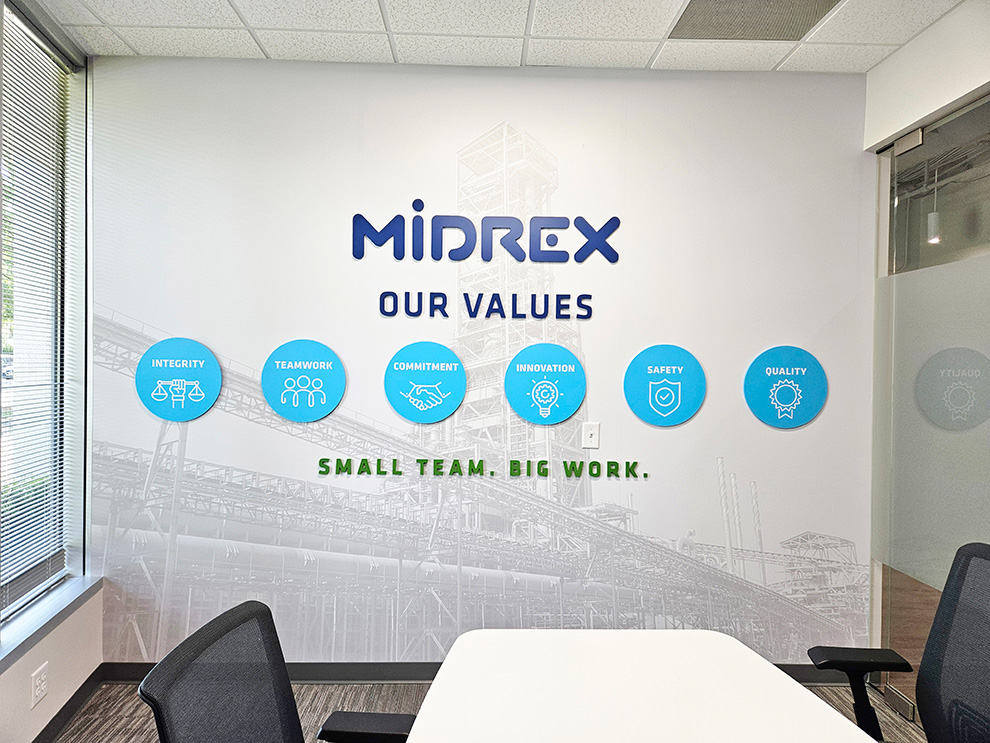
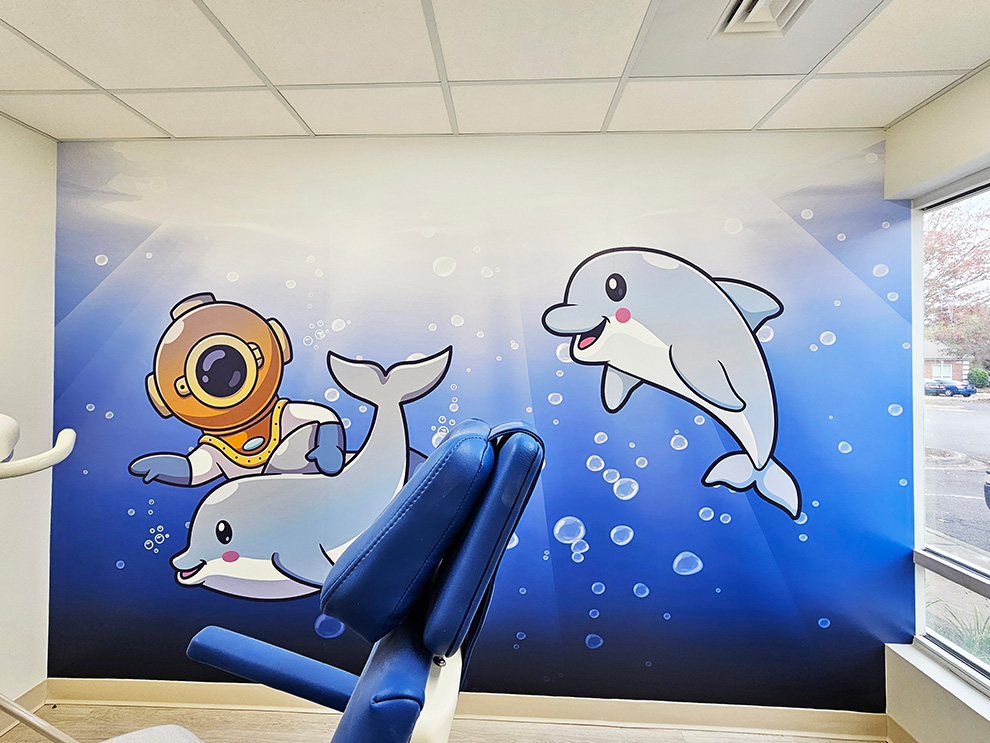
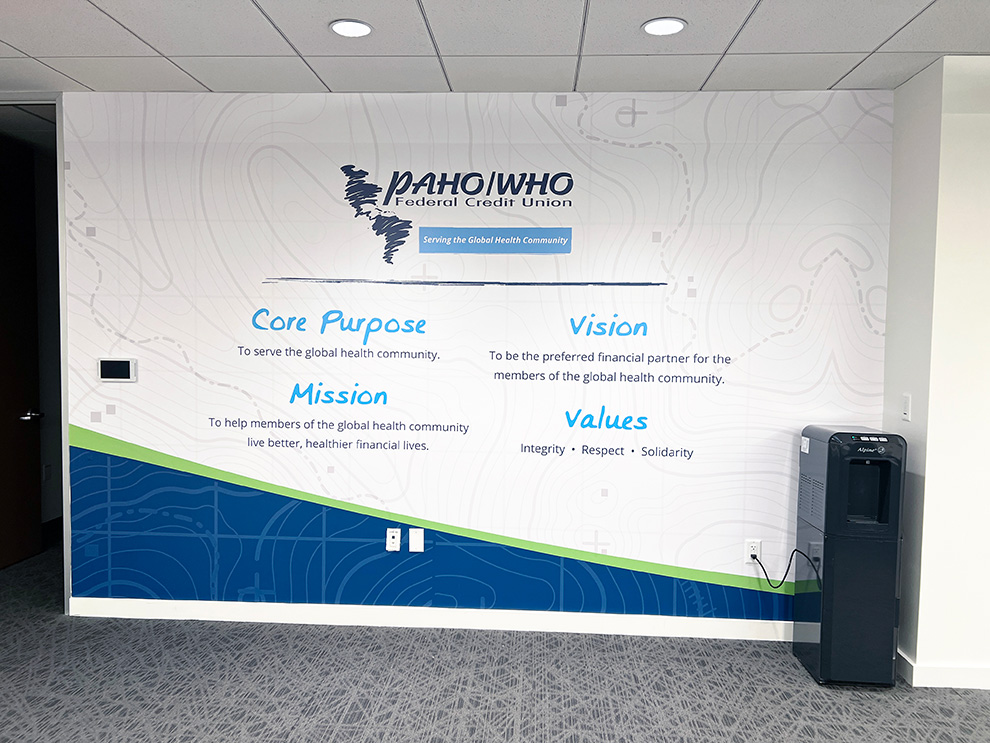
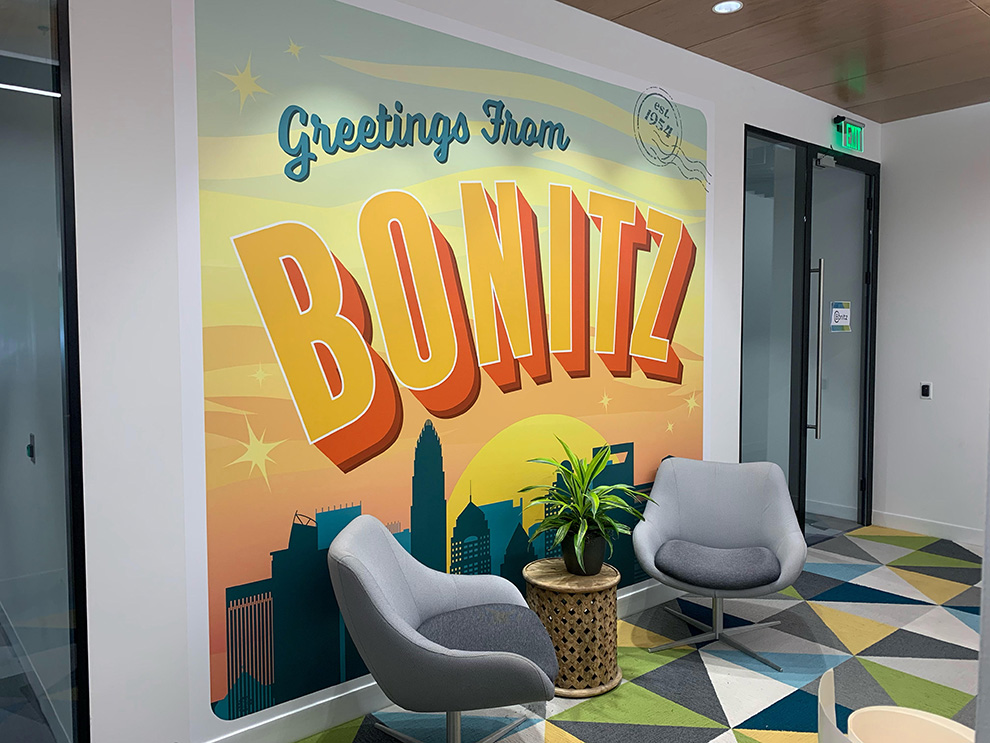
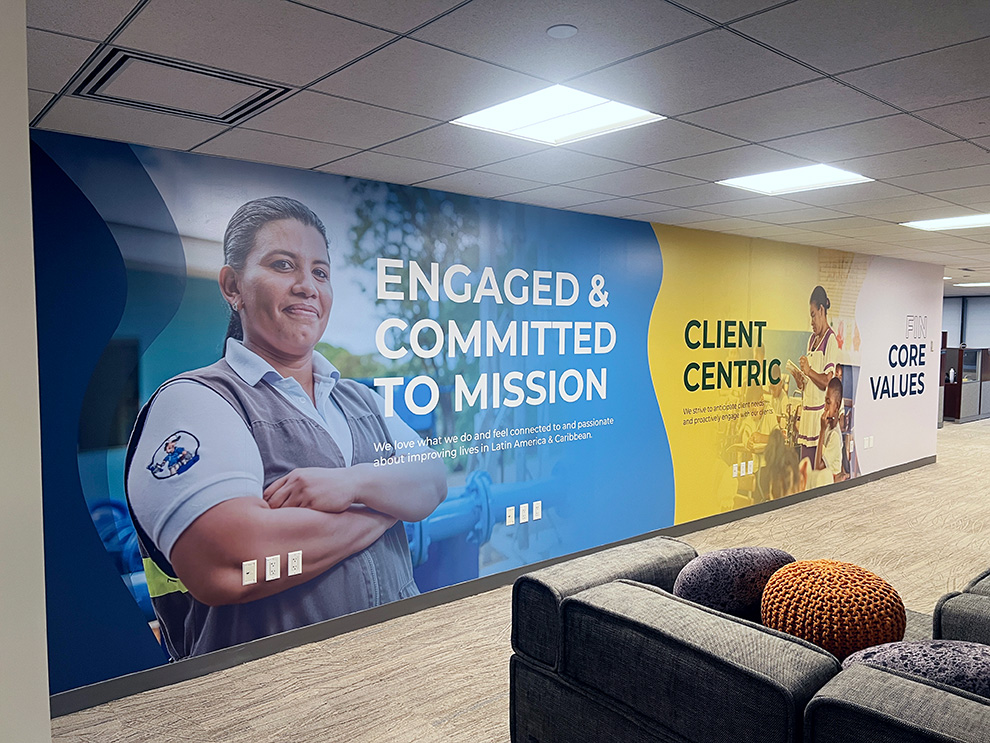
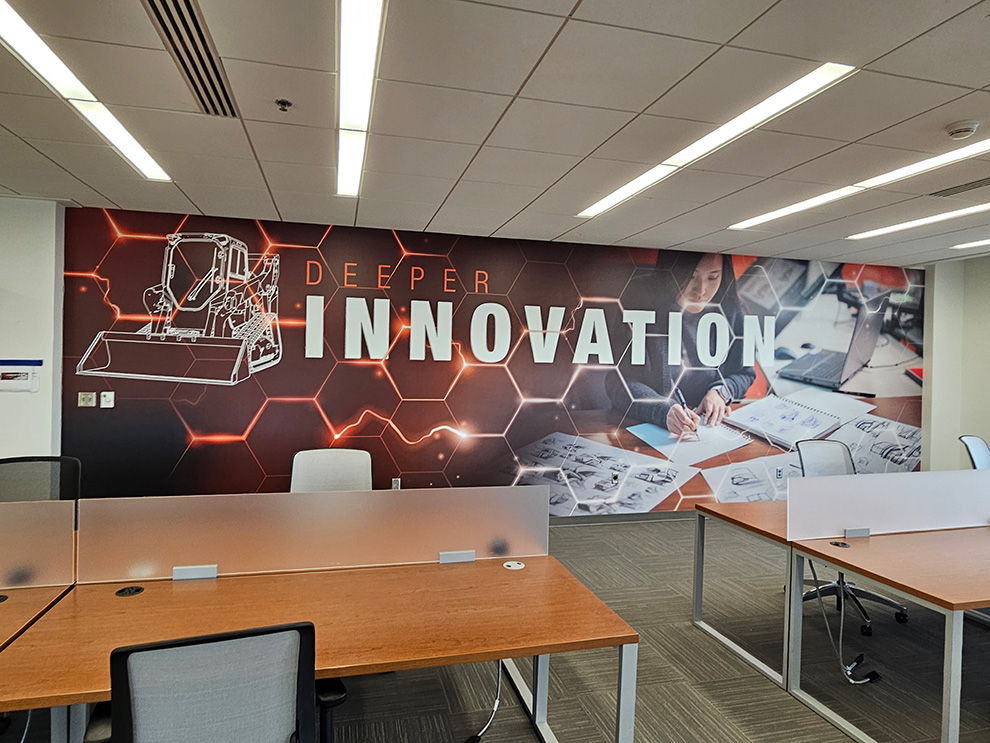
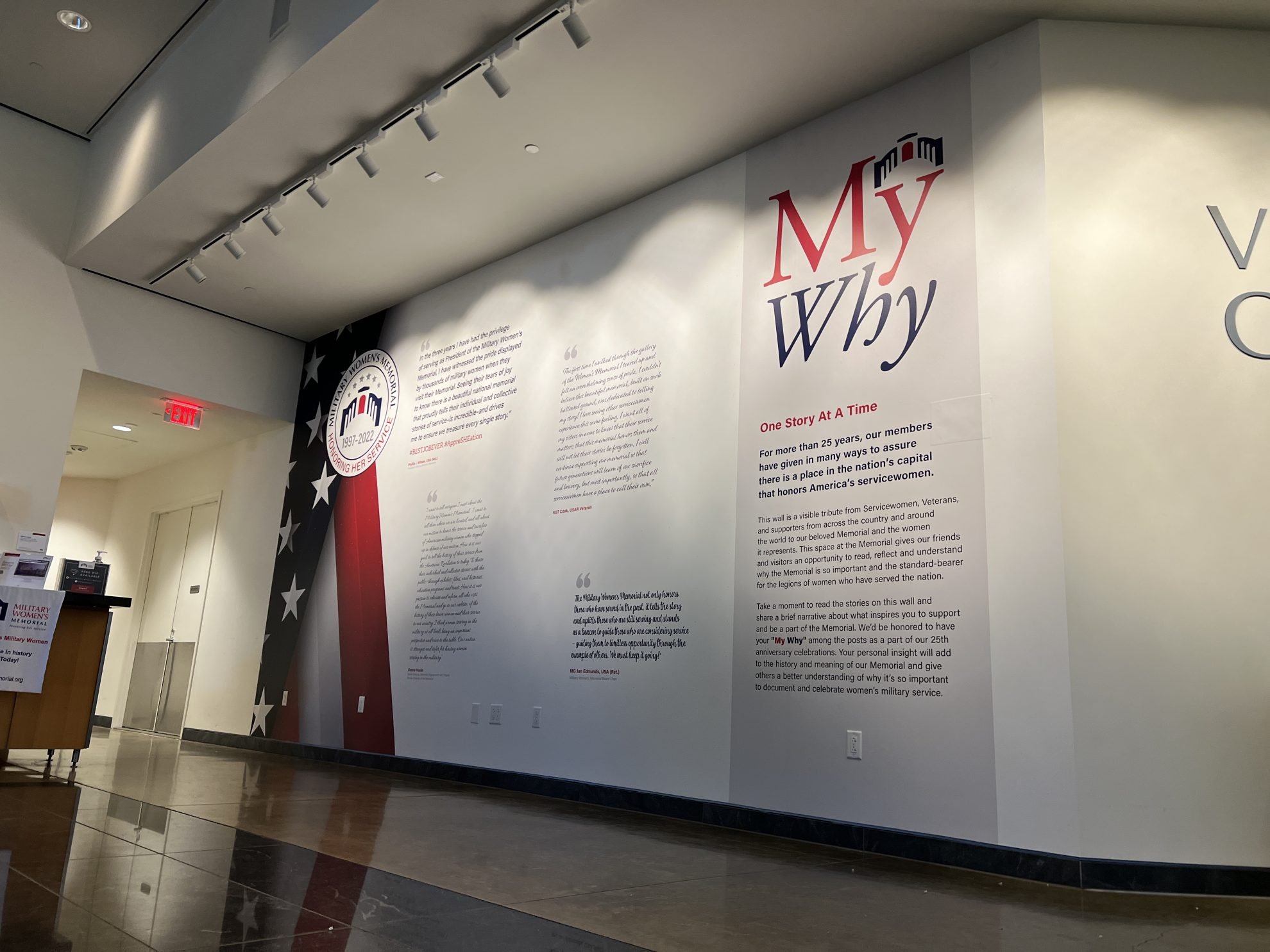
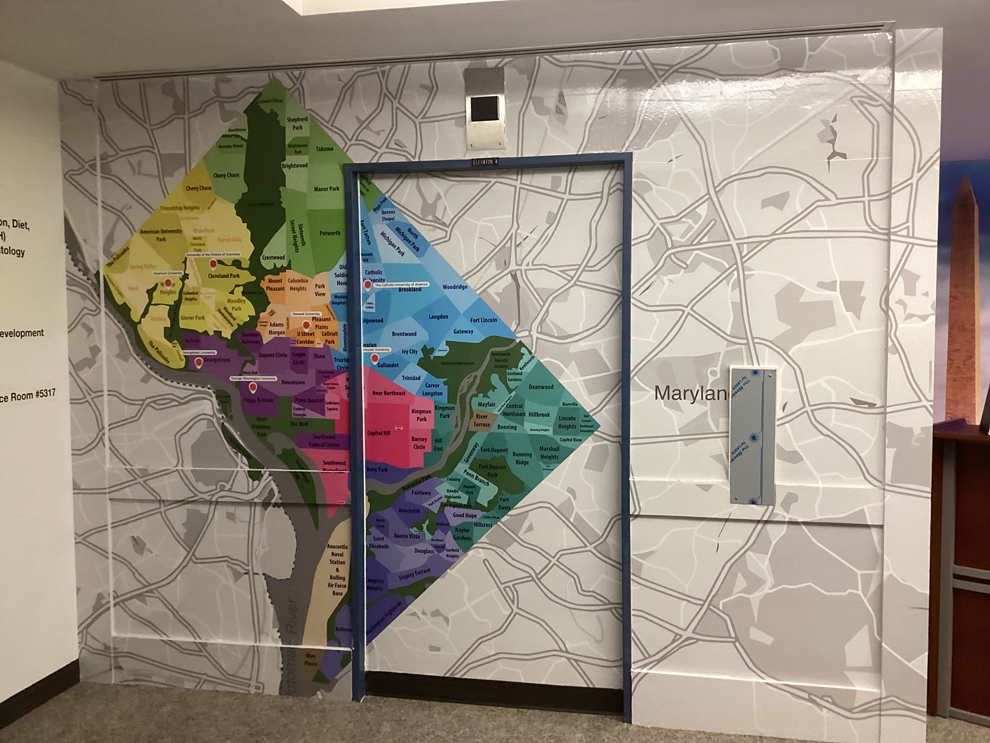
Large-format wall wraps can transform prominent surfaces with branded imagery, organizational history, workplace culture, or visual storytelling.
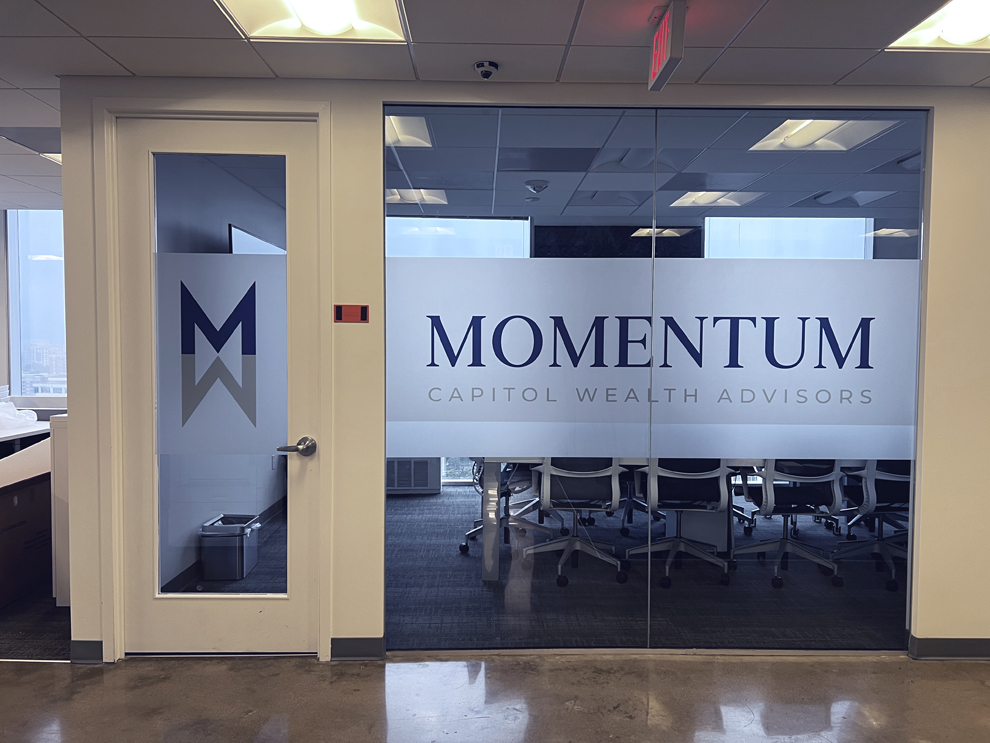
Window graphics can provide identification, brand visibility, decorative detail, or targeted visual separation while complementing nearby interior features.
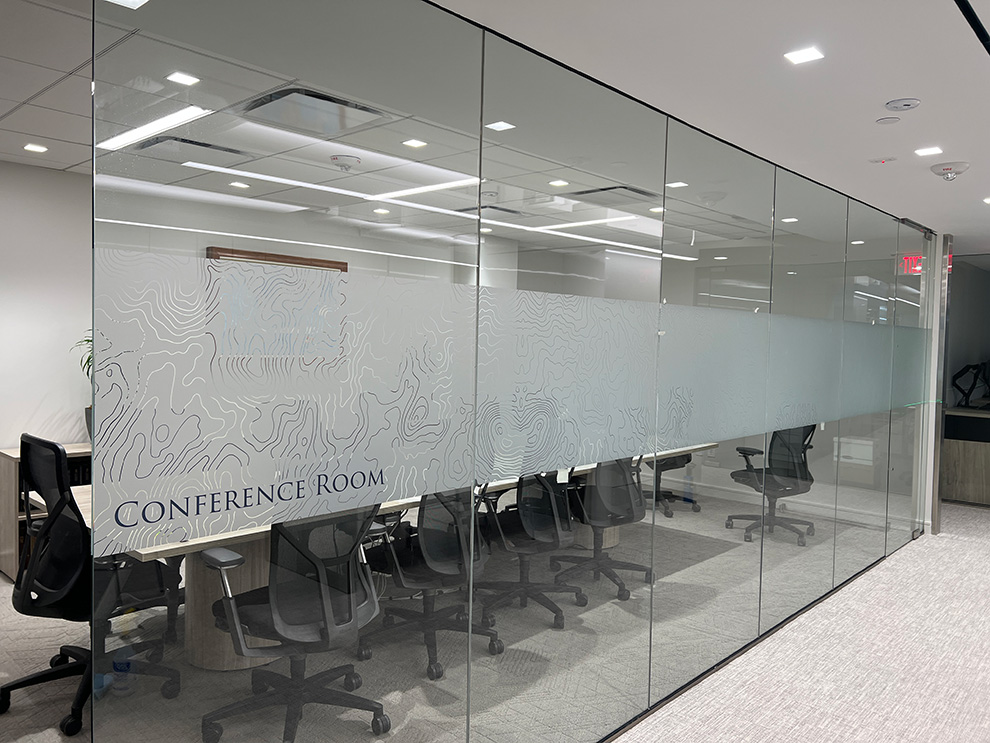
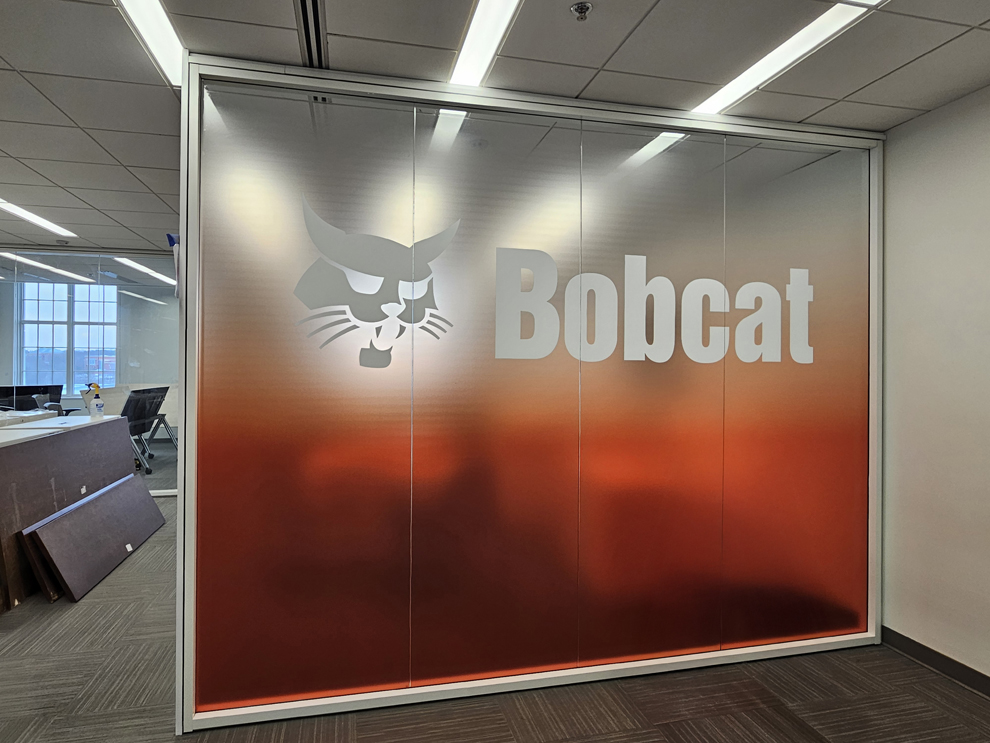
Frosted vinyl can limit visibility through interior glass while adding patterns, logos, custom designs, or an elegant etched-glass appearance.
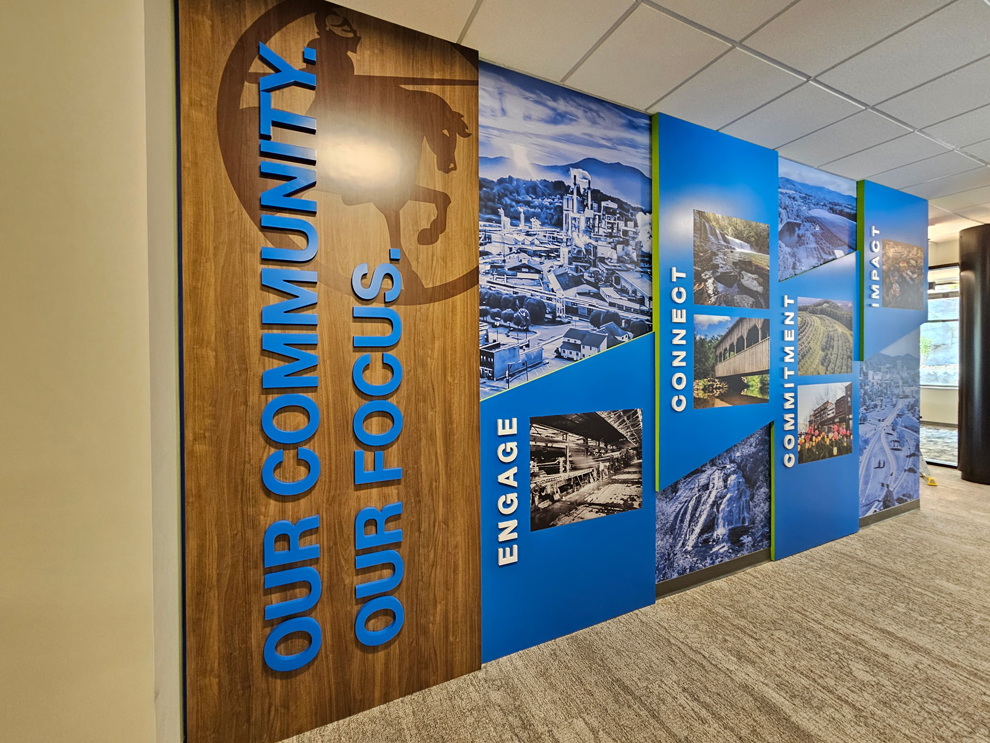
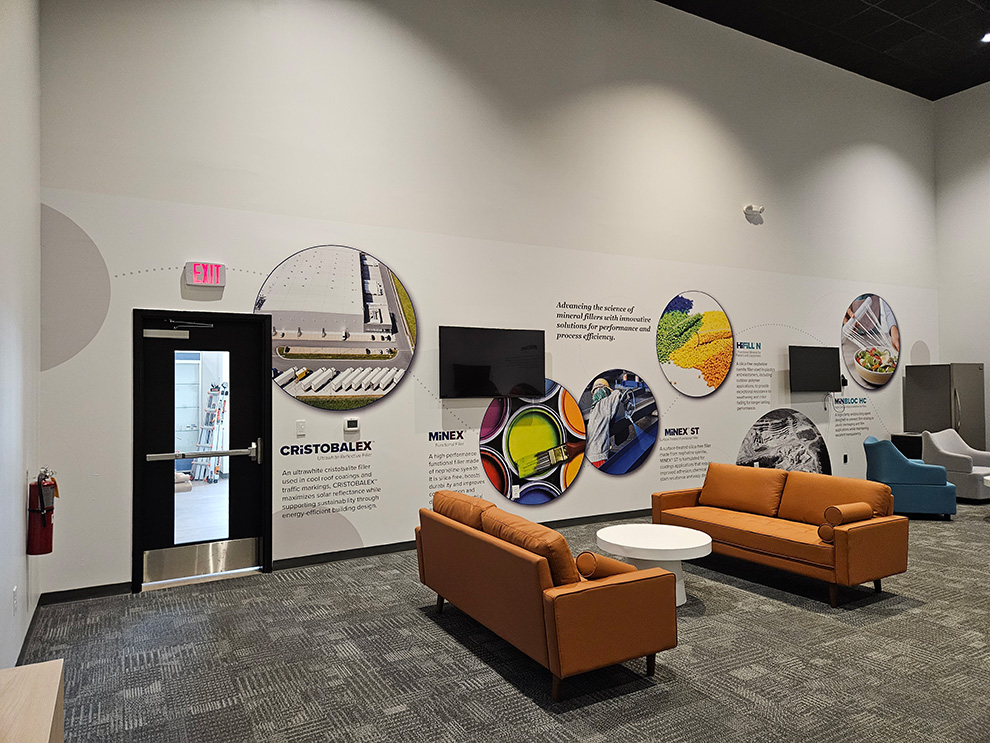
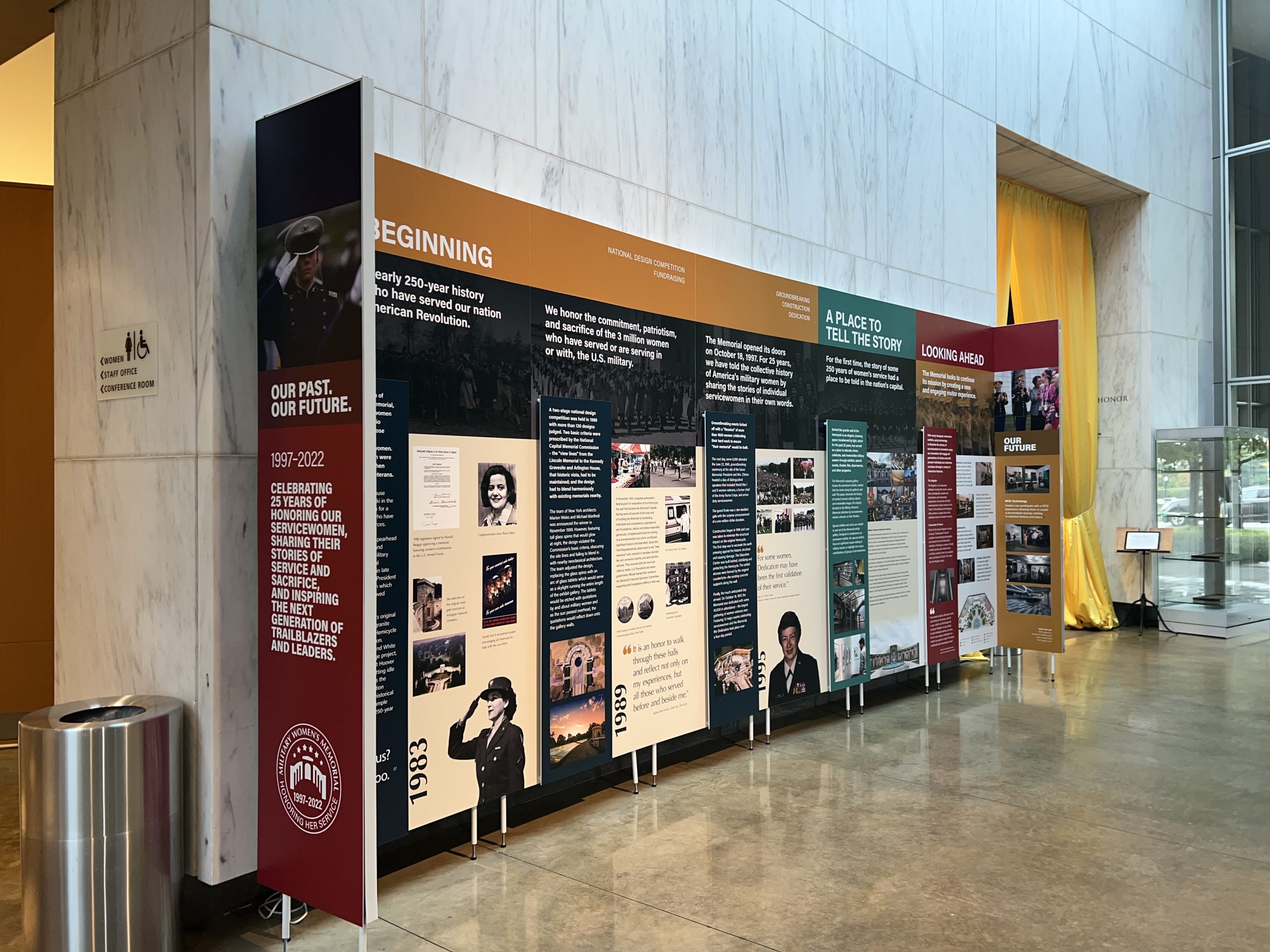
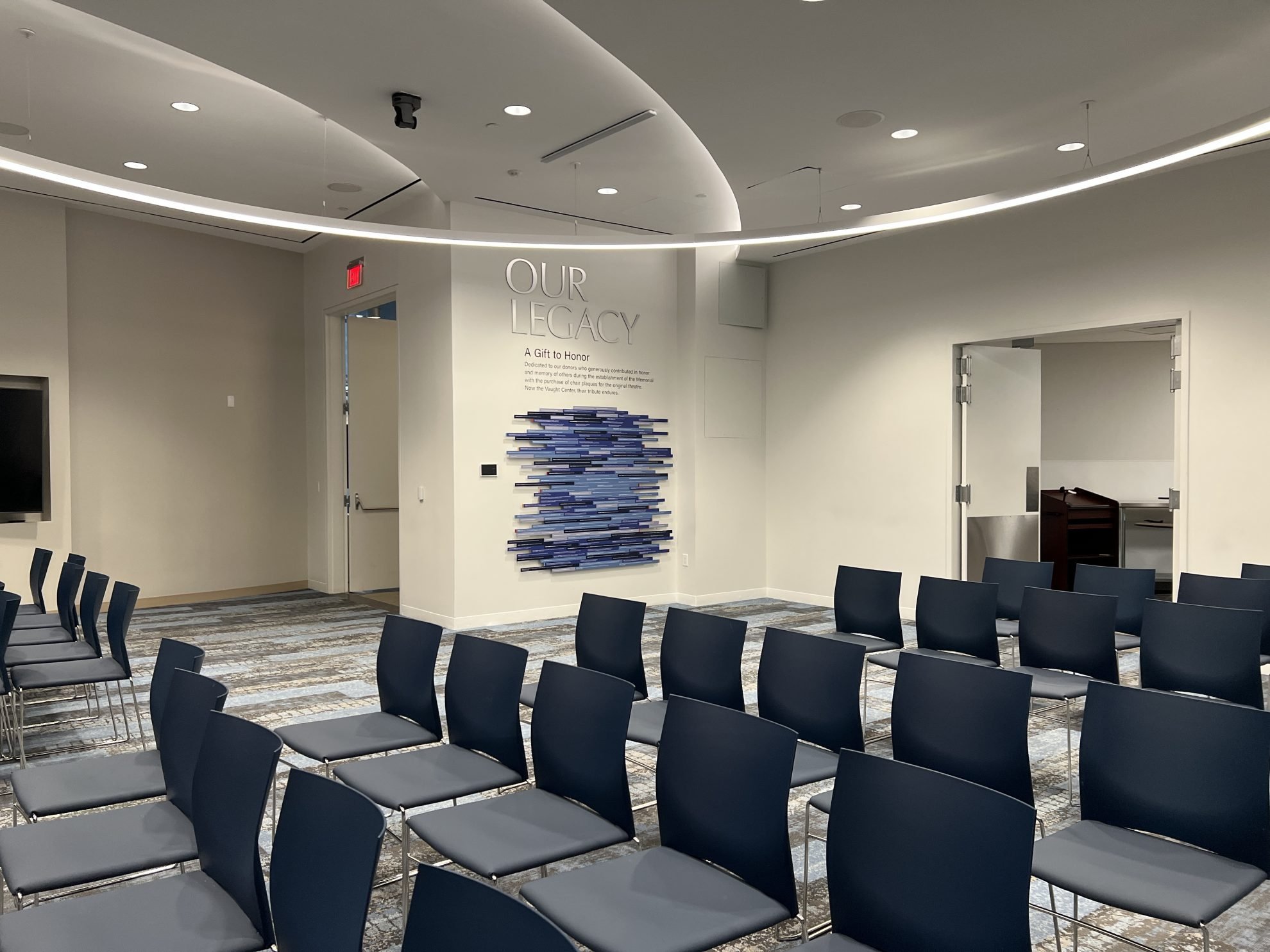
Custom wall displays can combine photography, printed panels, dimensional graphics, and standoff-mounted components for recognition and storytelling.
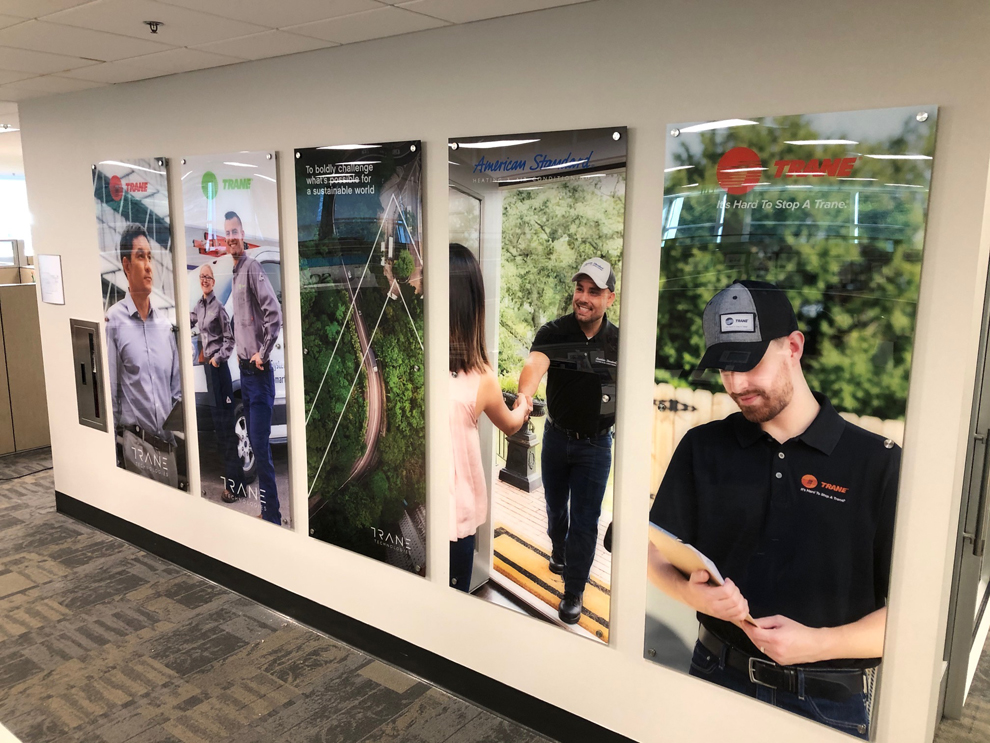
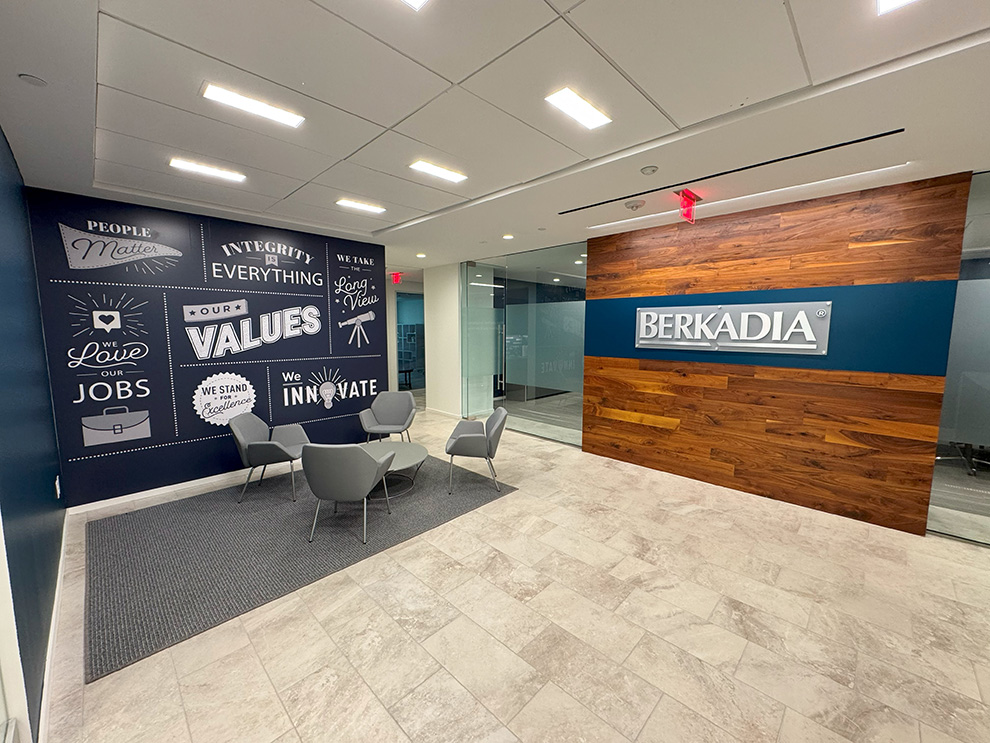
Dimensional lettering adds depth and texture to reception areas, executive spaces, feature walls, and other prominent branding locations.
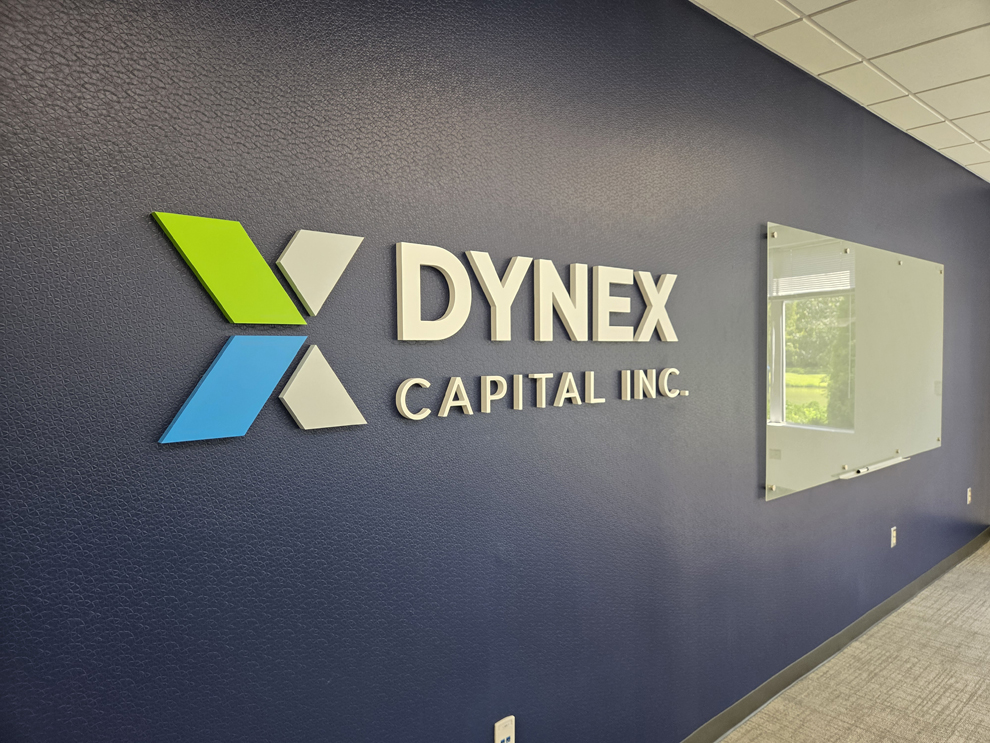
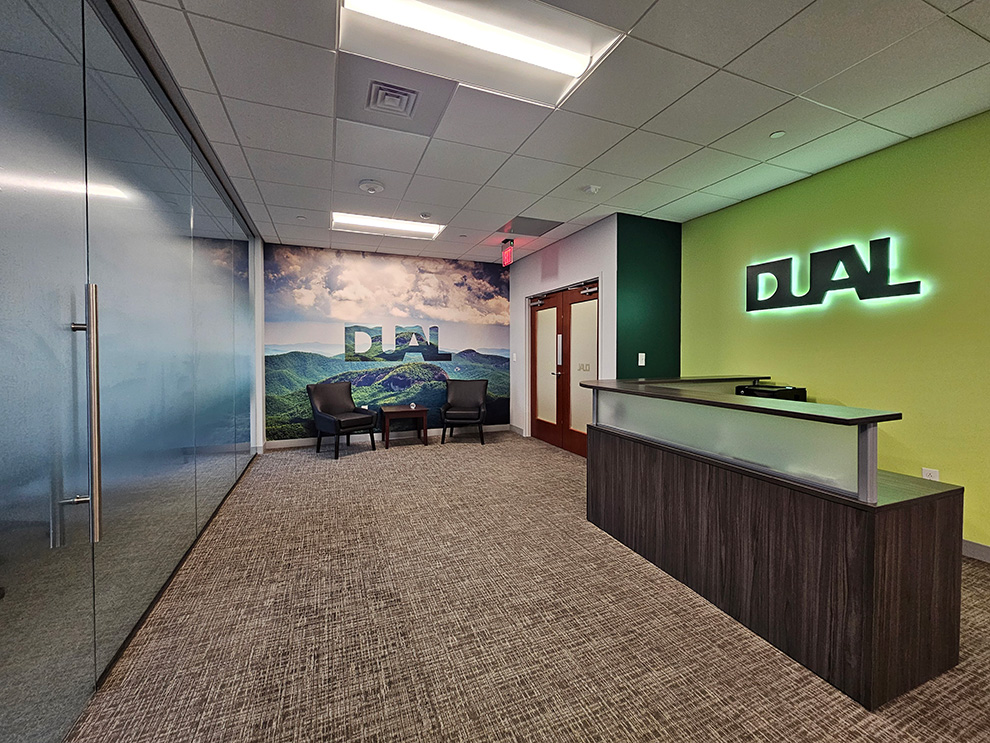
Backlit signs create a bright focal point when an interior display needs greater visibility, depth, or visual emphasis.
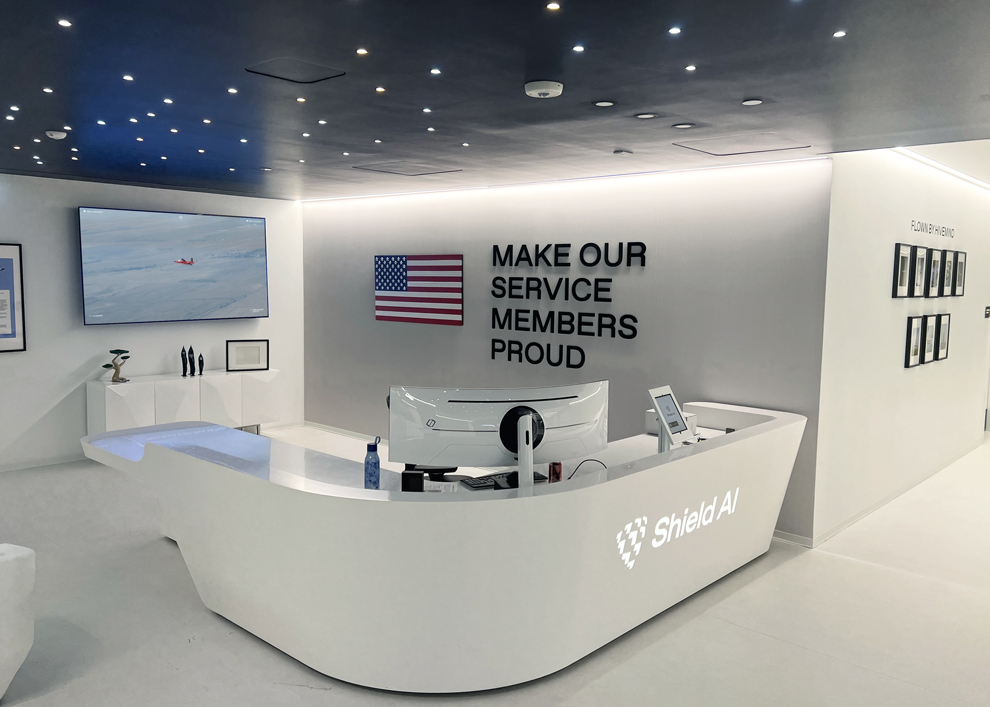
Lobby signs identify the organization upon arrival and establish a visual standard that can continue throughout the workplace.
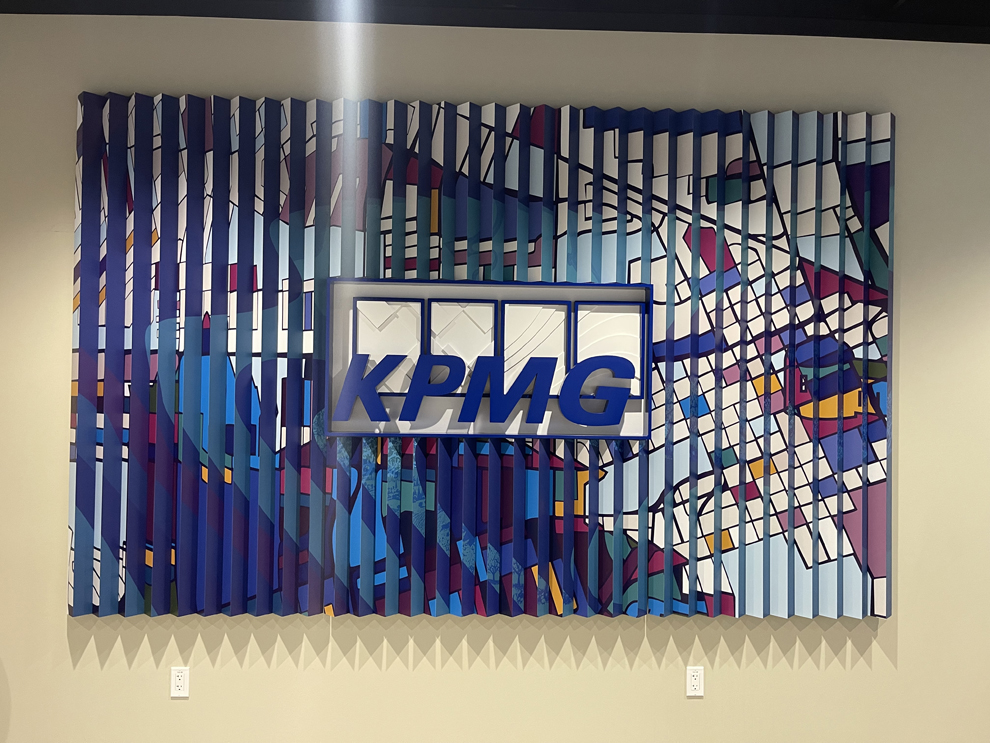
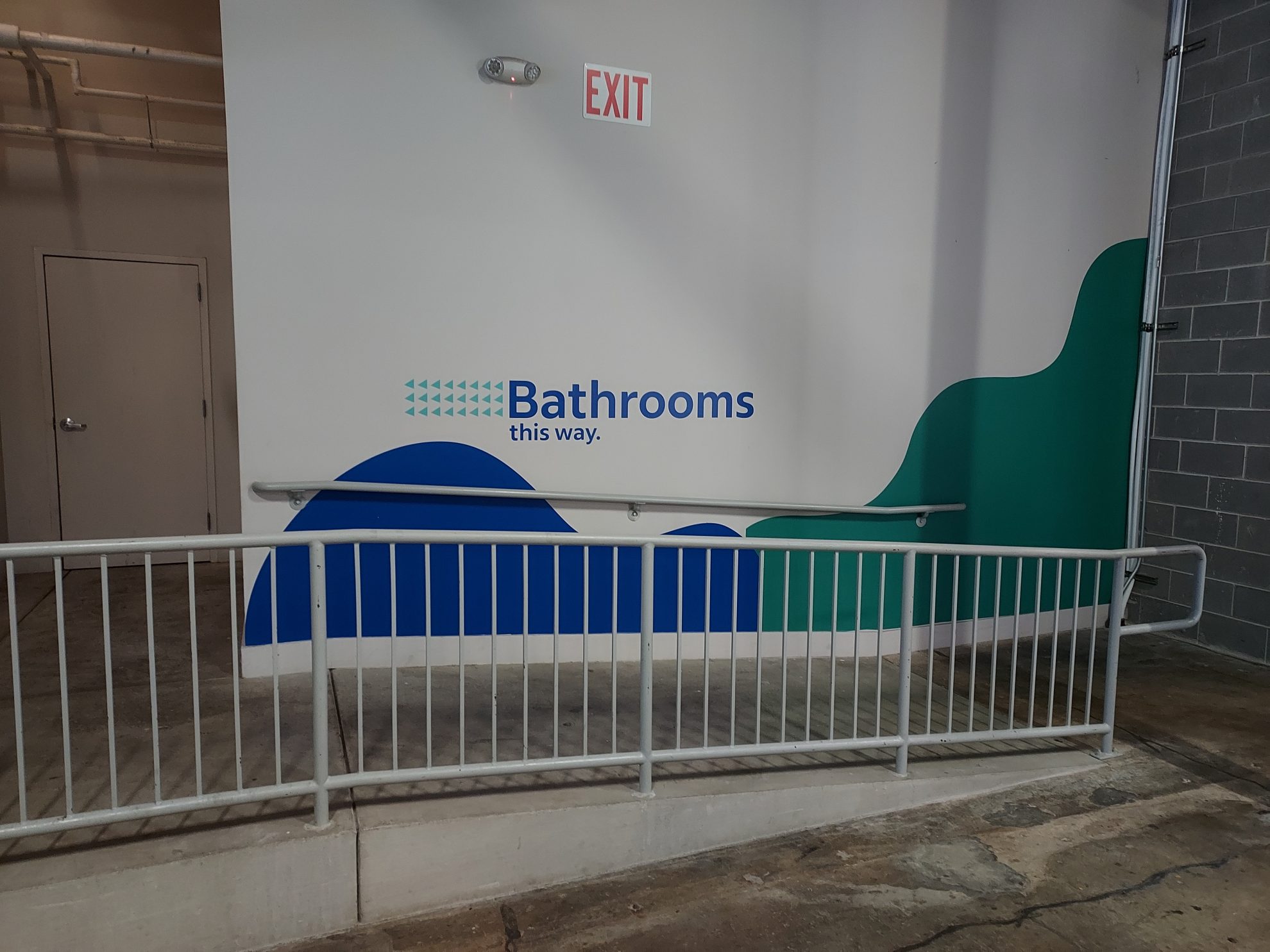
Wayfinding signs help people reach offices, meeting rooms, departments, and shared amenities while following the program’s colors, materials, typography, and visual hierarchy.
Start with your workplace goal. Heritage can help determine whether your Newport News project calls for a coordinated Commercial Interior Graphics program, one focused visual feature, or a phased plan that can expand over time. Share the project location, intended result, target date, anticipated investment, known stakeholders, photographs, floor plans, brand standards, and any available reference material. You do not need to choose every product before starting the conversation. Visit Get Started Now to connect with Heritage and identify a practical path forward for your workplace.
Every branded element should have a defined communication role. Someone arriving at a Newport News office may first need to confirm that they have reached the correct organization. Employees may need to locate departments, identify conference rooms, connect with company values, or access current information. Clients and partners may expect a polished reception experience, easy navigation, and an interior that reflects the organization’s professionalism.
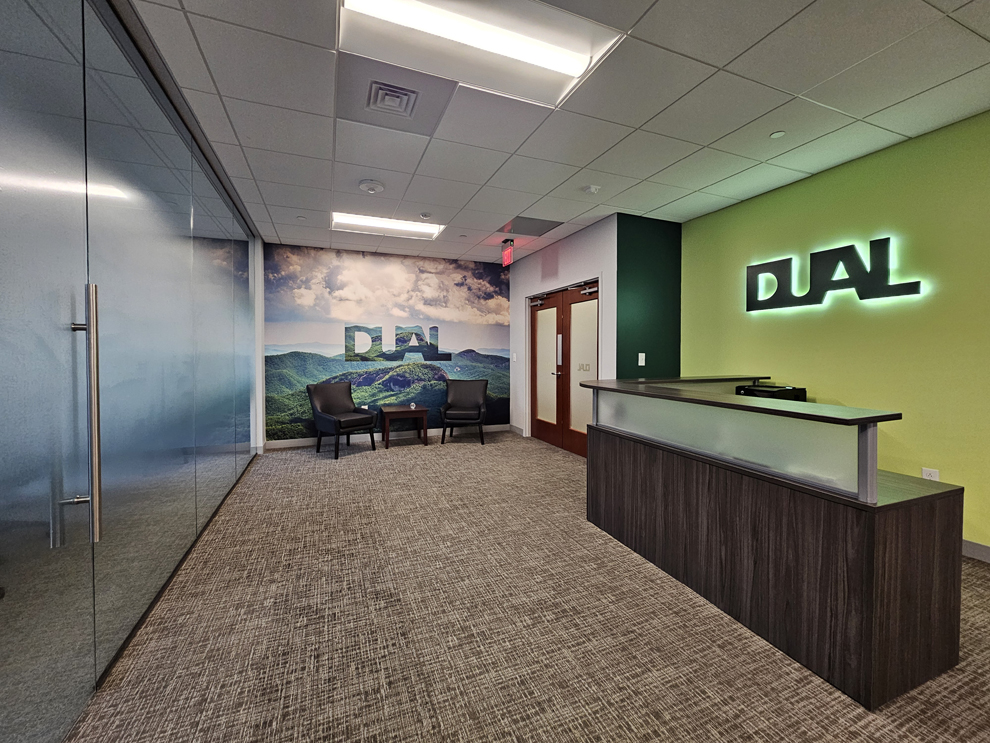
Commercial Interior Graphics arrange these needs according to visual importance. A dimensional lobby sign can communicate identity from across the reception area. A detailed wall display can tell a story to people viewing it at close range. Frosted glass graphics can create privacy while preserving natural light. Recognition displays can celebrate individuals, contributions, and milestones. Directional signs can improve navigation, while replaceable panels can accommodate changing information without requiring an entirely new display.
Materials, finishes, mounting systems, and fabrication methods should support each feature’s intended function. They should not determine the strategy by themselves. Heritage considers the audience, architecture, viewing distance, durability, update frequency, neighboring displays, and installation environment before recommending a solution. The goal is to select the most effective combination, not to place every possible product in the space.
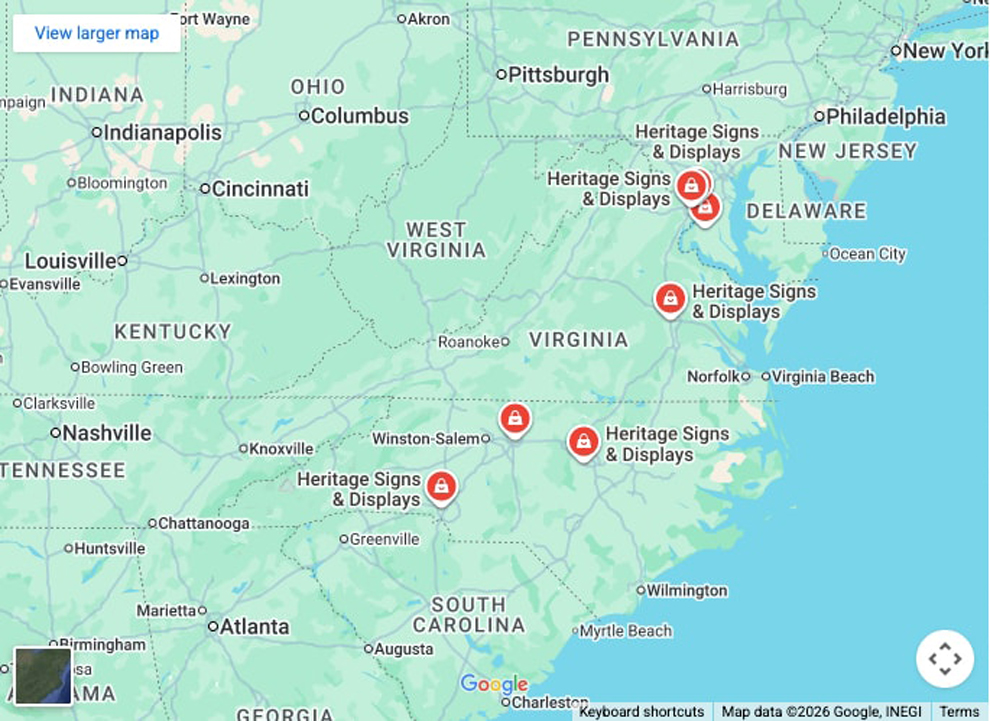
Heritage supports workplace interior branding projects in Newport News through its Mid-Atlantic service network. Organizations in Newport News and across the Virginia Peninsula can begin with a practical discussion about their space, communication goals, stakeholder requirements, schedule, and anticipated investment. For Heritage-managed projects that include professional installation, discovery is followed by the appropriate field and technical verification.
Newport News is part of the larger Hampton Roads market, which includes Hampton, Norfolk, Virginia Beach, Chesapeake, Portsmouth, Suffolk, and nearby communities. Heritage’s broader Mid-Atlantic service geography also reaches Central Virginia, Northern Virginia, Maryland, Baltimore, and Washington, DC. This regional capability can benefit organizations coordinating office relocations, phased renovations, workplace upgrades, or related facilities in multiple markets.
Project management, production, fabrication, and installation planning remain connected to the approved scope and verified site information. Heritage does not claim to maintain a Newport News office, showroom, production facility, or dedicated local installation team unless those details have been confirmed for the specific project. Instead, Heritage coordinates the resources required to complete each managed project responsibly.
Organizations with multiple workplaces can also use Heritage for locations throughout the Carolinas and Mid-Atlantic. Consistent branding does not mean every interior must use identical physical features. Each location can respond to its building, audience, and operational requirements while remaining aligned with the organization’s broader visual identity.
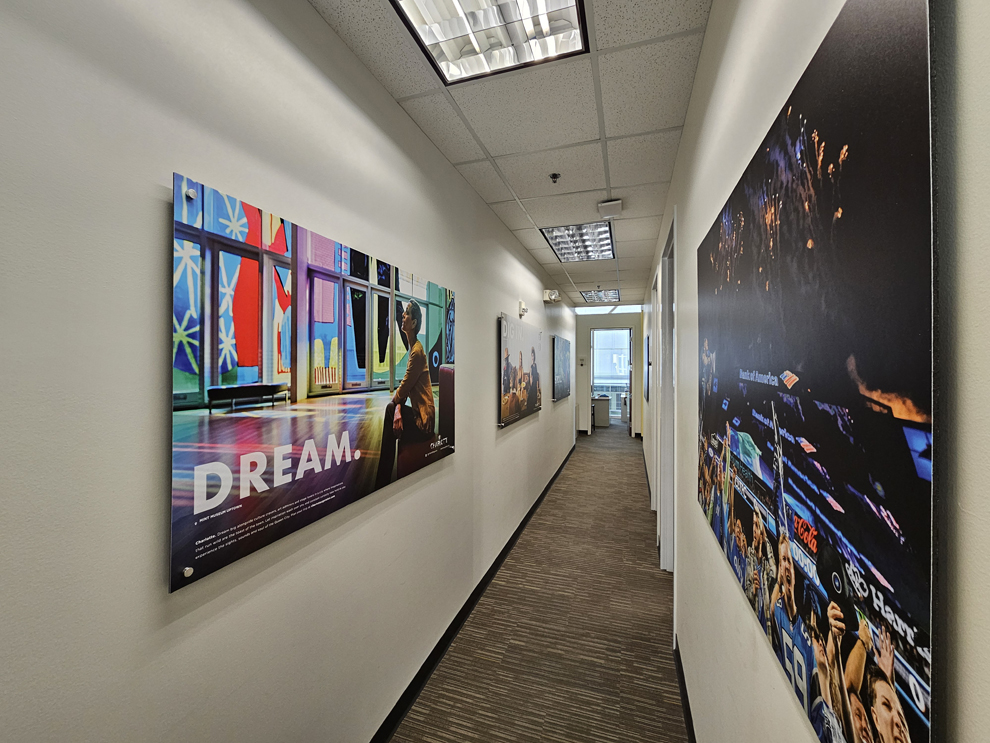
Environmental graphic design turns physical space into an experience people can recognize, navigate, and remember. Planning begins with the desired result rather than a predetermined list of materials. An organization may want to make its identity clear at the entrance, strengthen employees’ connection to company values, improve navigation, recognize donors, or add conference room privacy without making the workplace feel enclosed.
Heritage can create environmental graphic design concepts for Heritage-managed projects or collaborate with architects, interior designers, branding agencies, environmental graphic designers, workplace consultants, and internal client teams that already have approved direction. The objective is to translate communication goals into branded physical features suited to the actual workplace.
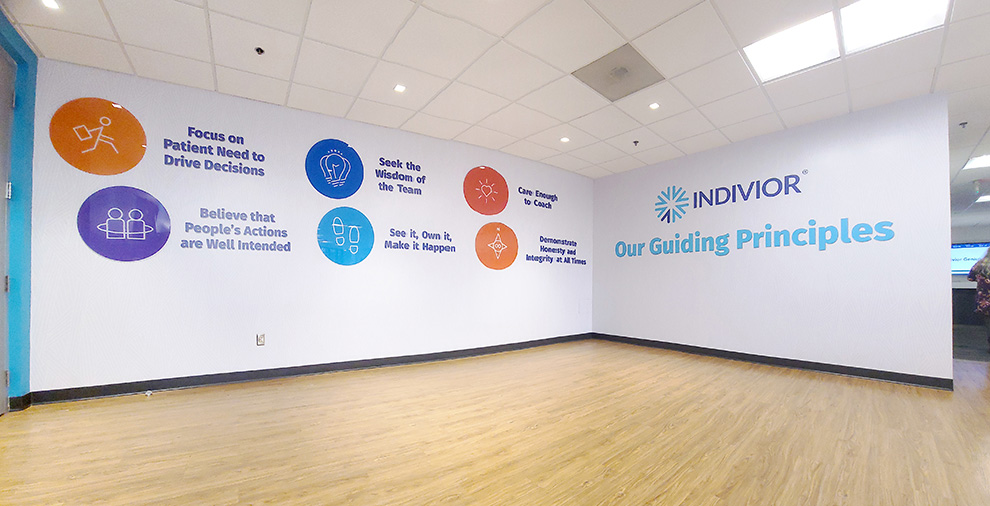
The design process considers visual hierarchy, architectural scale, sightlines, colors, materials, fabrication methods, mounting requirements, and installation conditions. A mission statement might belong in a highly visible employee area. An organizational timeline may need a long corridor that supports sequential viewing. Recognition content may require modular components that can be updated. Wayfinding information must remain readable without introducing unnecessary visual clutter.
Heritage does not offer architecture, commercial interior design, engineering, lighting design, code consulting, or ADA consulting. Its role is to help ensure that the approved sign and graphic concepts can be produced, fabricated, coordinated, and installed as a unified workplace program.
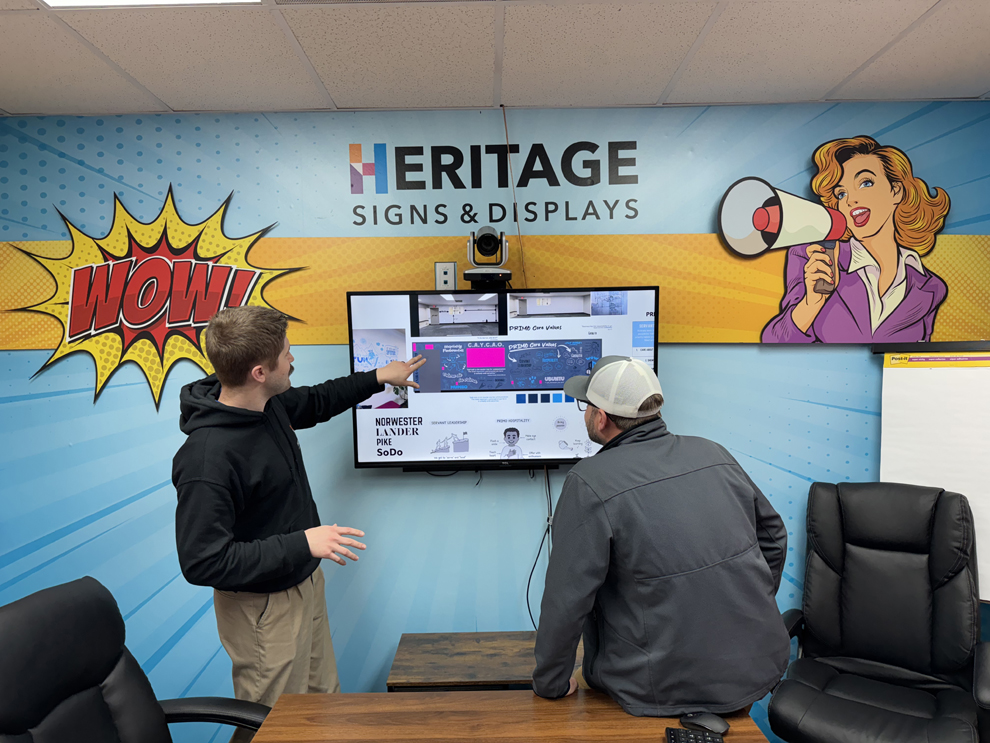
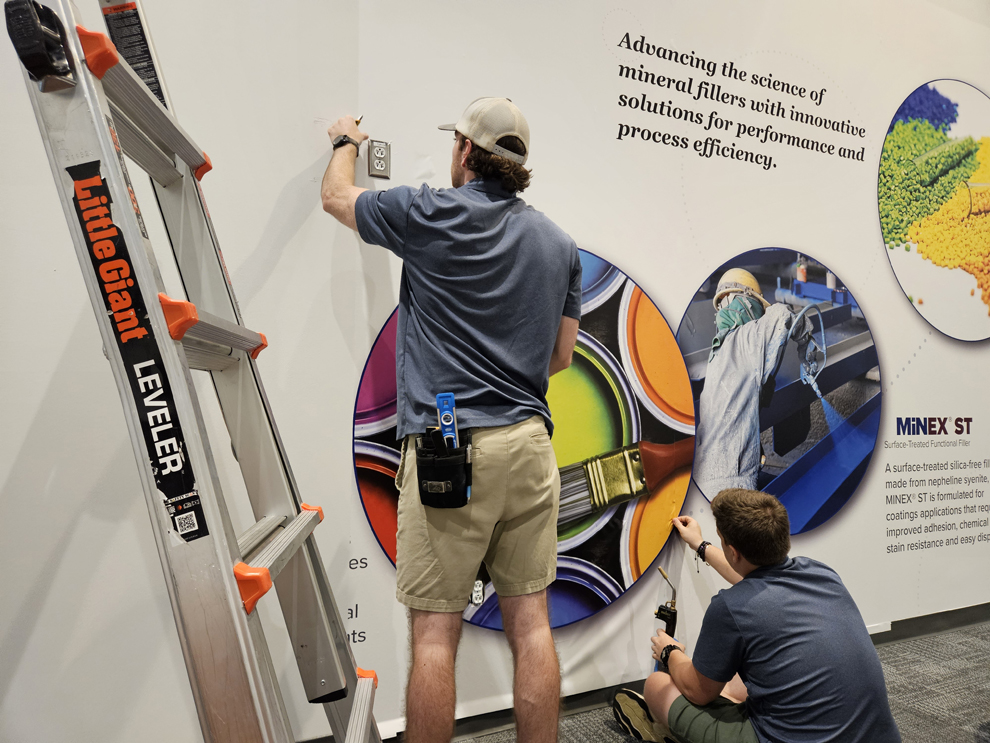
Professional installation converts the approved plan into a completed interior environment. Heritage installers receive project information developed during discovery, site surveying, field verification, production planning, fabrication, and Project Manager coordination. This continuity supports correct positioning, clean alignment, secure mounting, proper fit, and a finished appearance consistent with the approved design.
A Heritage site survey is required when professional installation is included. The survey combines client discovery with technical and field verification. It allows Heritage to examine wall conditions, glass layouts, mounting surfaces, access routes, occupied-office requirements, installation hours, and other conditions that could affect the work.
Thoughtful installation planning also helps protect normal workplace operations. Heritage coordinates the order of installation, communicates with relevant contacts, and plans around employees, visitors, furnishings, and active business areas. If conditions at the site differ significantly from the documented project information, Heritage communicates the concern and determines an appropriate next step instead of forcing the installation to continue.
Heritage does not provide installation-only services for signs or graphics supplied by customers. Installation is limited to features Heritage produces, fabricates, procures, or manages. Maintaining responsibility for the full project record supports quality control, clear accountability, and more dependable installation outcomes.
Early planning allows Newport News organizations to make informed decisions about project scope, audiences, approvals, scheduling, site readiness, phases, and anticipated investment. A productive conversation can begin with the desired result, areas of the workplace involved, known stakeholders, target completion date, photographs, floor plans, brand standards, and available reference materials. These resources support the process, but the primary goal is to create a workable plan that can progress from approval to production and installation.
New workplace interior and event environment inquiries generated through the website should anticipate an overall project investment of at least $6,000. Many Heritage projects that include production and professional installation range from $10,000 to more than $200,000. The final investment varies according to project scale, materials, fabrication, building access, installation conditions, schedule, and the number of coordinated components.
When the project includes adhesive wall graphics, the drywall must be stable, smooth, clean, dry, properly repaired, primed, and coated with fully cured finish paint. Approximately four weeks can be helpful as general planning guidance for many paints, but the paint manufacturer’s requirements and actual environmental conditions determine readiness. Paint can release gases while curing, and vinyl applied too soon may develop bubbles, blisters, lifted edges, or premature adhesion problems.
Surface testing cannot verify the concealed bond among drywall, primer, and paint. If the paint or primer lifts during testing, positioning, or normal graphic application, Heritage stops work to prevent further damage. The Project Manager documents and communicates the issue. The client or property owner is responsible for arranging and paying for repairs, priming, repainting, and the required curing period. Heritage does not perform or fund wall restoration. Installation can resume only after the repaired surface has fully cured. Future graphic removal is separate from an installation-time surface failure, and damage-free removal cannot be guaranteed.
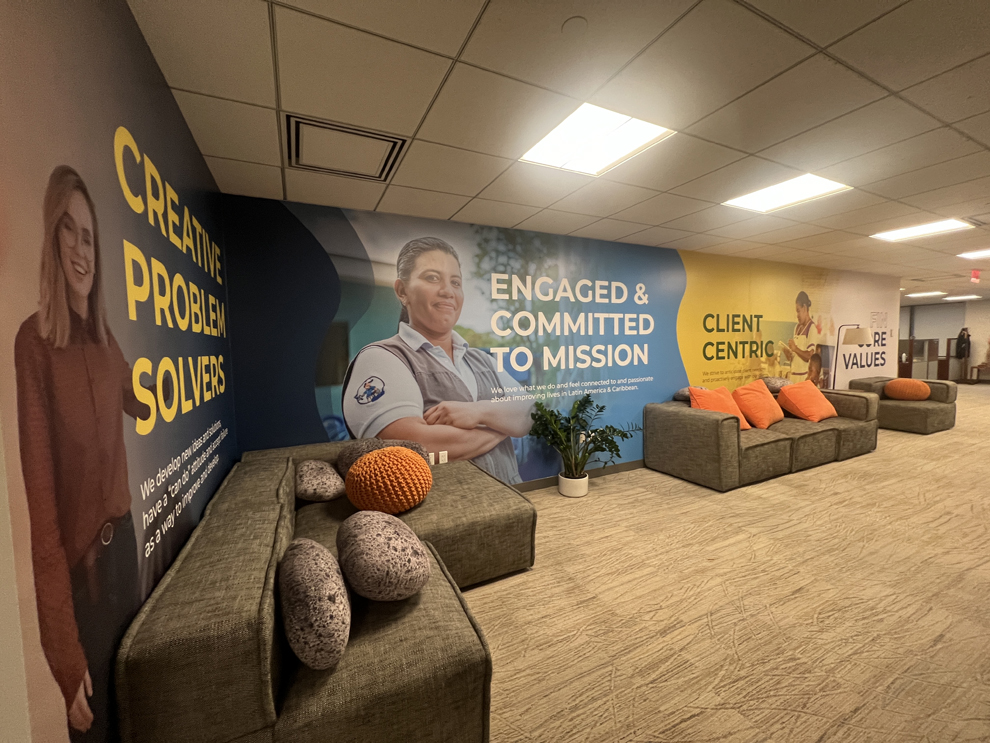
Commercial Interior Graphics are coordinated signs, graphics, displays, privacy treatments, dimensional features, and other branded elements used to communicate identity, culture, recognition, direction, visual emphasis, and changeable information inside a workplace.
A coordinated program creates a clear visual hierarchy and prevents workplace messages from competing for attention. It allows identity features, storytelling displays, privacy graphics, recognition systems, and directional signage to function as parts of one intentional environment.
A program may incorporate wall wraps, window graphics, frosted privacy film, lobby signs, dimensional letters, acrylic panels, backlit displays, standoff-mounted signs, photographs, recognition features, wayfinding signs, and replaceable content components.
Environmental graphic design begins by identifying what employees and visitors should notice, understand, remember, or navigate. Those goals are then connected to visual hierarchy, viewing distance, architectural scale, sightlines, placement, materials, fabrication, and installation requirements.
Yes. Heritage requires a site survey when professional installation is part of the project. The survey combines client discovery with field and technical verification so production and installation plans reflect actual site conditions.
Heritage assigns one dedicated Project Manager to oversee discovery, approvals, site information, production, fabrication, installation planning, and communication for the duration of the Heritage-managed project.
Heritage professional installers install the signs, graphics, displays, and other components that Heritage produces, fabricates, procures, or manages. Heritage does not offer installation-only services for customer-provided products.
Yes. Heritage can collaborate with architects, interior designers, branding agencies, environmental graphic designers, workplace consultants, and internal stakeholders. Heritage can either develop environmental graphic concepts or help produce and install approved design direction.
Yes. Frosted privacy film, decorative privacy vinyl, and branded window graphics can control selected sightlines while supporting the workplace identity. The appropriate option depends on the glass configuration, privacy objective, design intent, and installation conditions.
Some wet-installed films may temporarily show haze, cloudiness, streaks, small moisture pockets, or an uneven appearance. These conditions generally improve as residual moisture evaporates. Drying may take several days or weeks depending on the film, temperature, humidity, and site conditions.
Yes. Heritage can manage client locations throughout the Carolinas and Mid-Atlantic. Each workplace can use solutions suited to its architecture, audience, operational needs, and site conditions while remaining consistent with the organization’s overall brand.
Painted walls must be stable, smooth, clean, dry, properly repaired, correctly primed, and fully cured. If paint or primer separates during testing or installation, Heritage stops work to prevent further surface damage. The client or property owner is responsible for repair, priming, repainting, and curing before installation can resume.
Adhesive Vinyl Graphics are a category of adhesive-applied graphics used on compatible walls, windows, doors, floors, elevators, displays, and other surfaces. Commercial Interior Graphics are a larger coordinated system that may combine adhesive graphics with fabricated signs, dimensional lettering, displays, privacy treatments, recognition features, and changeable information.
Wall Wraps are primarily used to transform large wall surfaces through murals, imagery, branding, historical content, workplace culture, or recognition. A Commercial Interior Graphics program may include a wall wrap, but it also coordinates that feature with other communication elements throughout the interior.
Start with the desired outcome, project address, target date, known stakeholders, and anticipated investment. Photographs, floor plans, brand standards, existing artwork, inspiration images, and details about upcoming construction or renovation are also helpful when available.
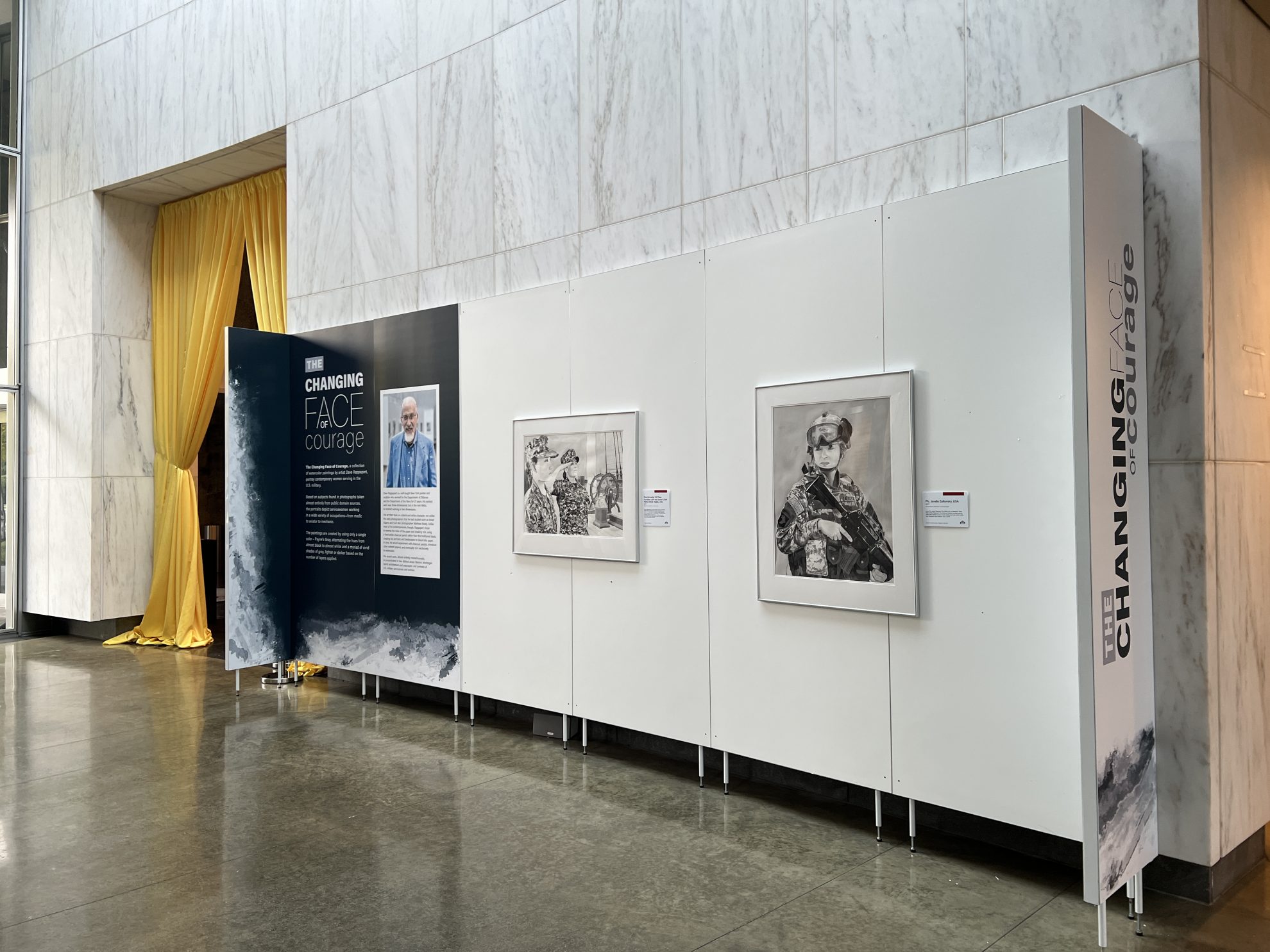
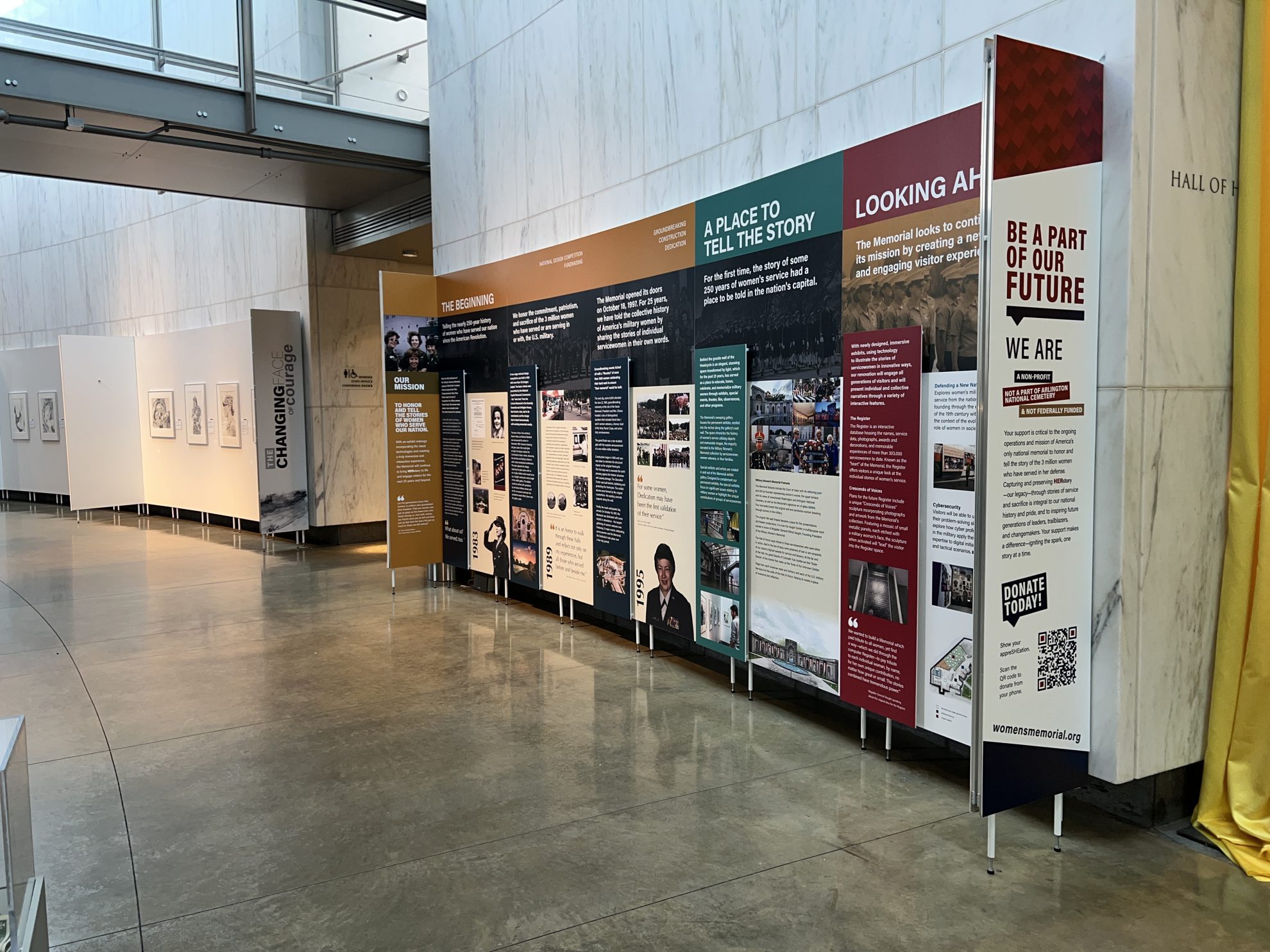
Heritage Signs & Displays created new museum signage for the Military Women’s Memorial in Arlington, VA. The project included custom signs, wall wraps, dimensional letters, and standoff-mounted displays to honor the legacy of U.S. servicewomen and the donors who supported the memorial. The updated interior features impactful designs, including a "Our Legacy" wall display and panels showcasing historical contributions and artwork, creating a transformative tribute to women in the U.S. Armed Forces.
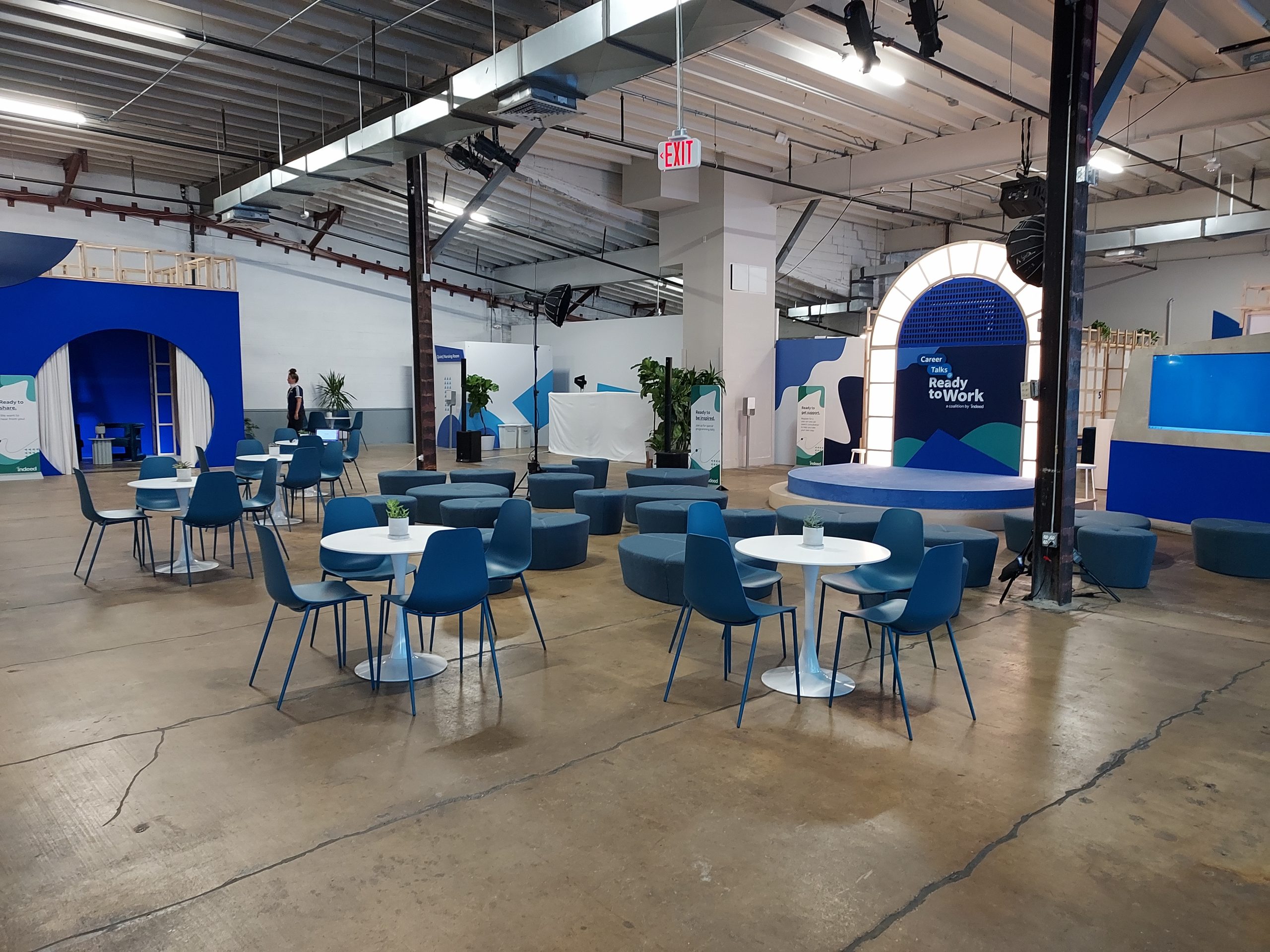
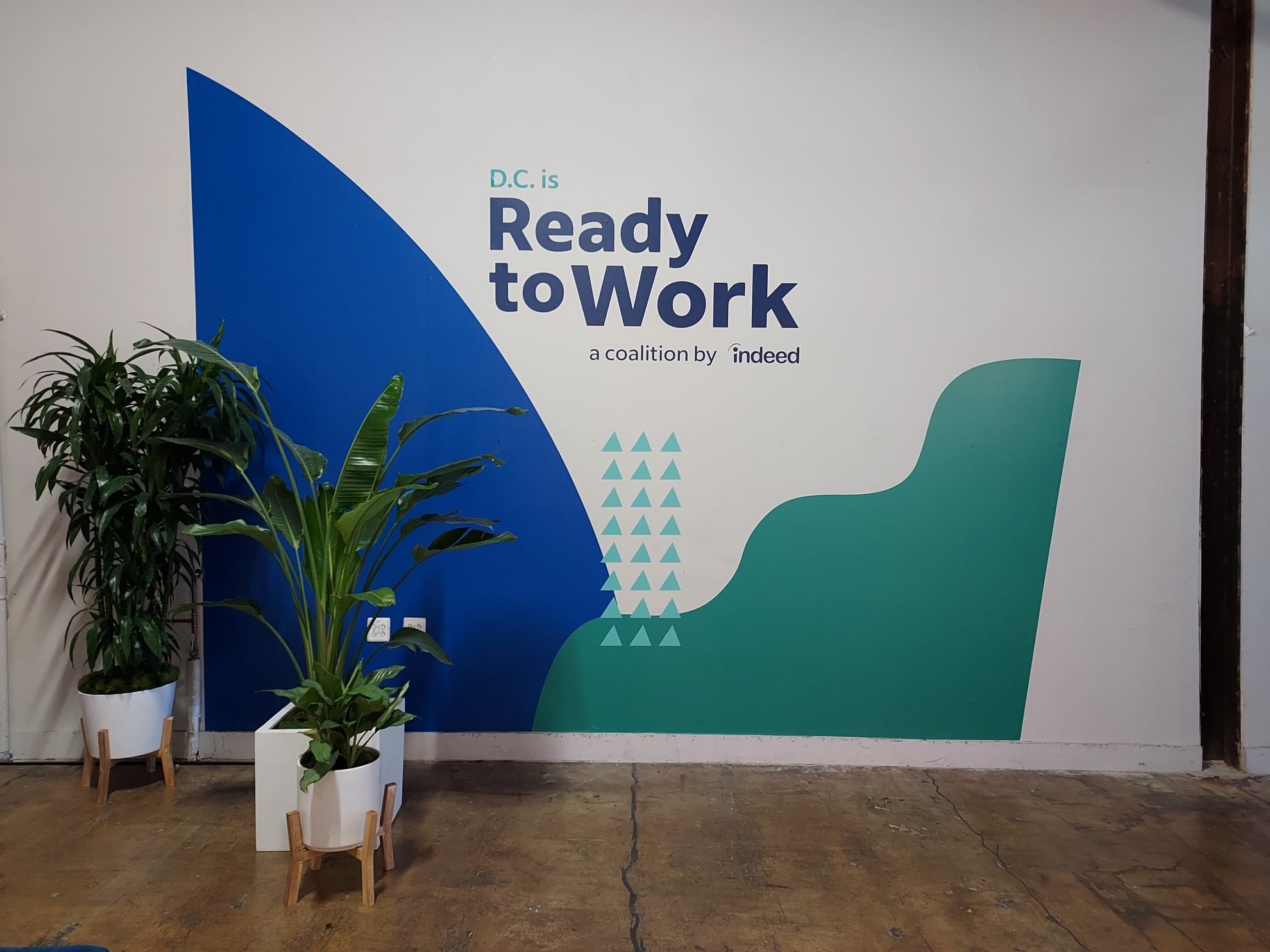
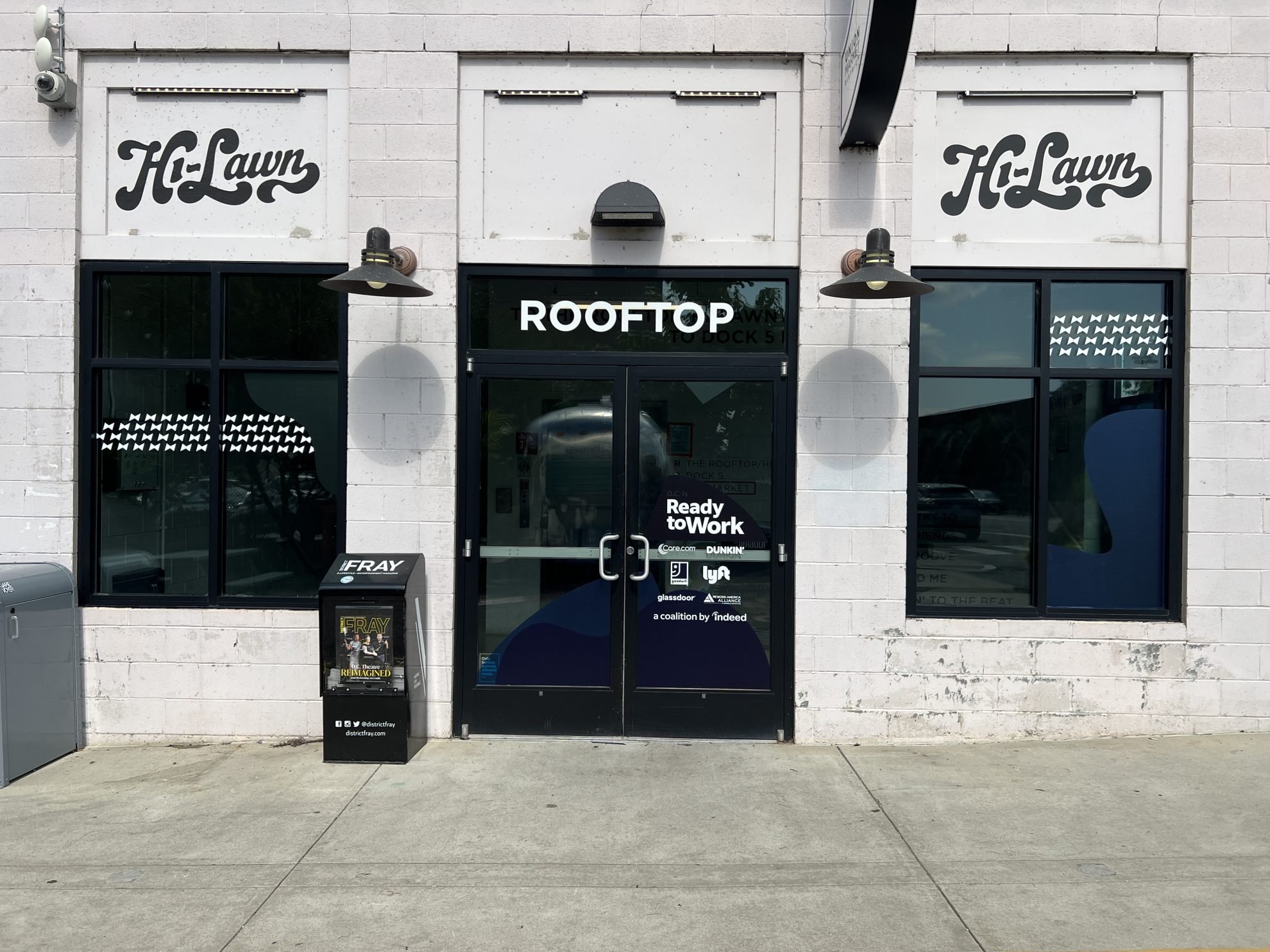
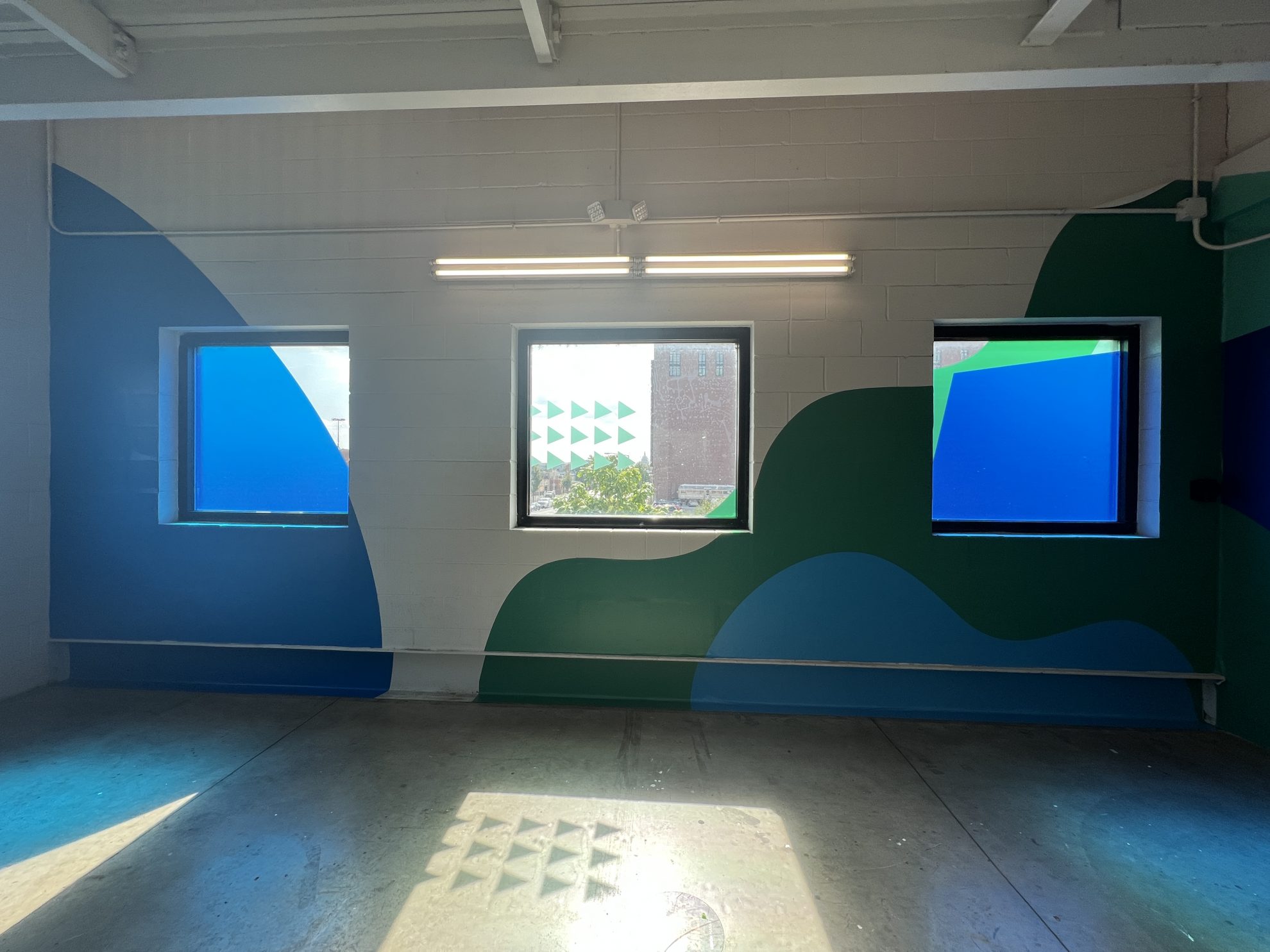
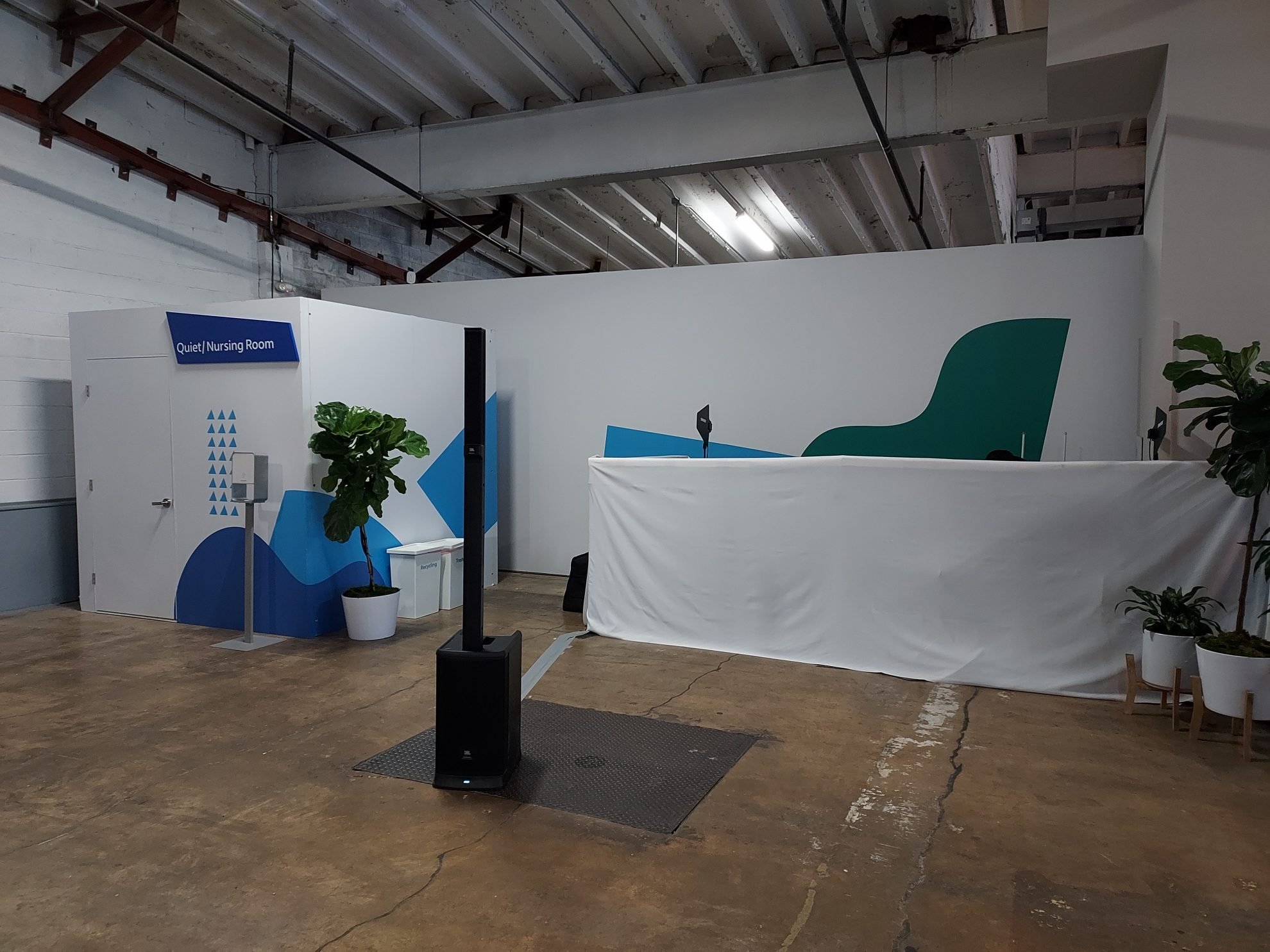
Heritage Signs & Displays' collaboration with The Gathery to brand Union Market in Arlington, VA, for Indeed's "Ready to Work" job fair. The project included custom event displays, wall graphics, window graphics, and wayfinding signs, creating an immersive and visually appealing environment. The branding enhanced the venue, reflected the event's mission, and provided a seamless experience for attendees.