A well-designed workplace should immediately communicate identity, purpose, and direction. When lobby signs, privacy films, recognition displays, wall graphics, and wayfinding systems are purchased separately, the finished space can feel disconnected. Individual features may be attractive, but they may not create a clear or consistent experience for employees, clients, and visitors.
Commercial Interior Graphics in Williamsburg, VA bring these features together as part of a unified workplace communication strategy. Planning starts with what people should notice, understand, and do within the space. A lobby sign can introduce the organization. Wall graphics can communicate its history, values, or services. Frosted vinyl can add privacy to glass offices and conference rooms. Recognition displays can celebrate employees, donors, or important achievements. Wayfinding signs can help people reach their destinations with less confusion.
Every part of a workplace serves a different purpose. Reception areas typically need a prominent branded feature that creates a professional first impression. Hallways may benefit from understated storytelling, environmental graphics, or directional cues. Meeting spaces often require privacy solutions that retain natural light while limiting visibility. Employee lounges and shared areas can highlight company values, milestones, or workplace culture. Effective interiors do not apply the same design treatment to every surface. Instead, they establish a visual hierarchy and give each element a specific communication function.
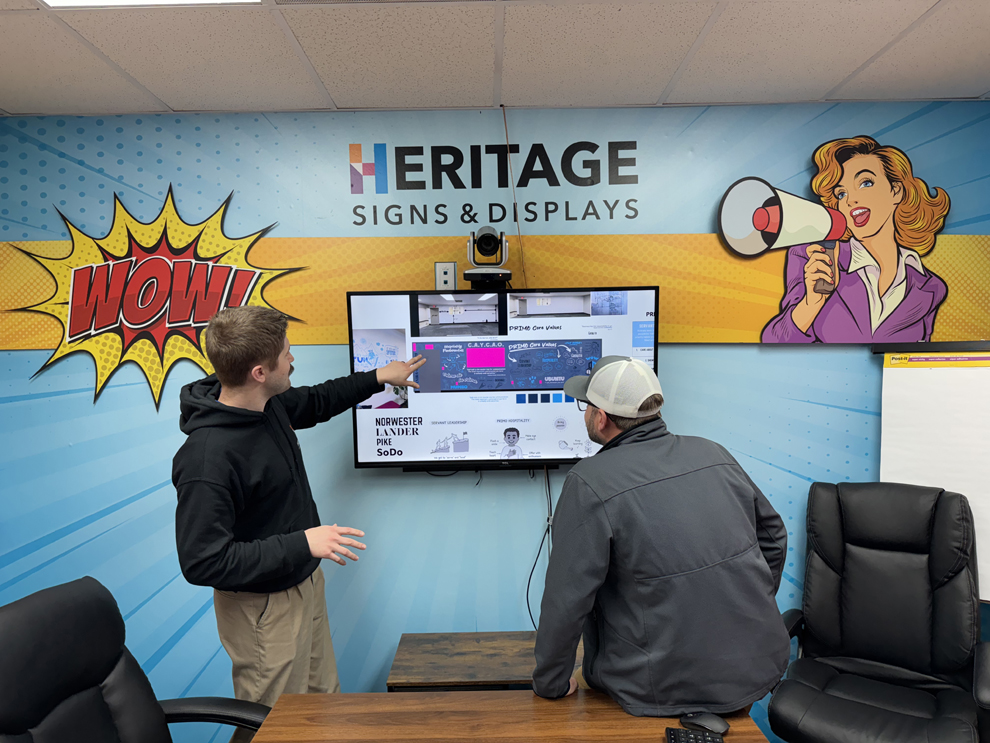
Heritage Signs & Displays provides Commercial Interior Graphics as a comprehensive workplace branding service. Discovery, environmental graphic design, project management, printing, fabrication, and professional installation are managed through a coordinated process. One dedicated Project Manager organizes critical project details, including brand guidelines, stakeholder feedback, site conditions, architectural features, scheduling requirements, and whether content needs to be permanent or easy to update.
This coordinated approach can be especially valuable during an office move, renovation, expansion, rebrand, or workplace modernization project. These transitions require more than choosing individual signs. Marketing teams may prioritize brand consistency. Facilities professionals may need durable products that fit the building and support daily operations. Company leaders may want culture, mission, or employee recognition to receive greater visibility. Architects, interior designers, and branding agencies may also provide approved concepts that must be translated accurately into finished physical elements.
Planning early helps prevent costly conflicts later. Viewing distance, placement, wall condition, glass visibility, mounting methods, production requirements, and installer access should all be evaluated before fabrication begins. Heritage considers how the complete interior should function rather than treating each sign or graphic as an isolated purchase.
The result is a Williamsburg workplace in which branding, privacy, recognition, storytelling, and navigation reinforce one another. Because the communication strategy is established before production and installation, the finished environment can feel cohesive, purposeful, and appropriate for the organization.
Commercial Interior Graphics are well suited to projects that involve several interconnected features or multiple phases of workplace improvement. A company may need a lobby display, conference room privacy film, employee recognition panels, branded wall graphics, and directional signage. Although these products serve different audiences and surfaces, they should share a consistent visual language.
An integrated program is also helpful when several stakeholders participate in project decisions. Marketing may oversee brand standards, facilities personnel may manage building requirements, leadership may approve messages, and outside designers may establish the overall visual direction. Heritage brings these priorities into one practical plan for design, production, fabrication, and installation.
A single product can still be the right choice when the objective is limited. One wall wrap, lobby sign, window graphic, or privacy treatment may satisfy a specific need. A broader Commercial Interior Graphics program becomes more valuable when several interior features must communicate consistently throughout a workplace.
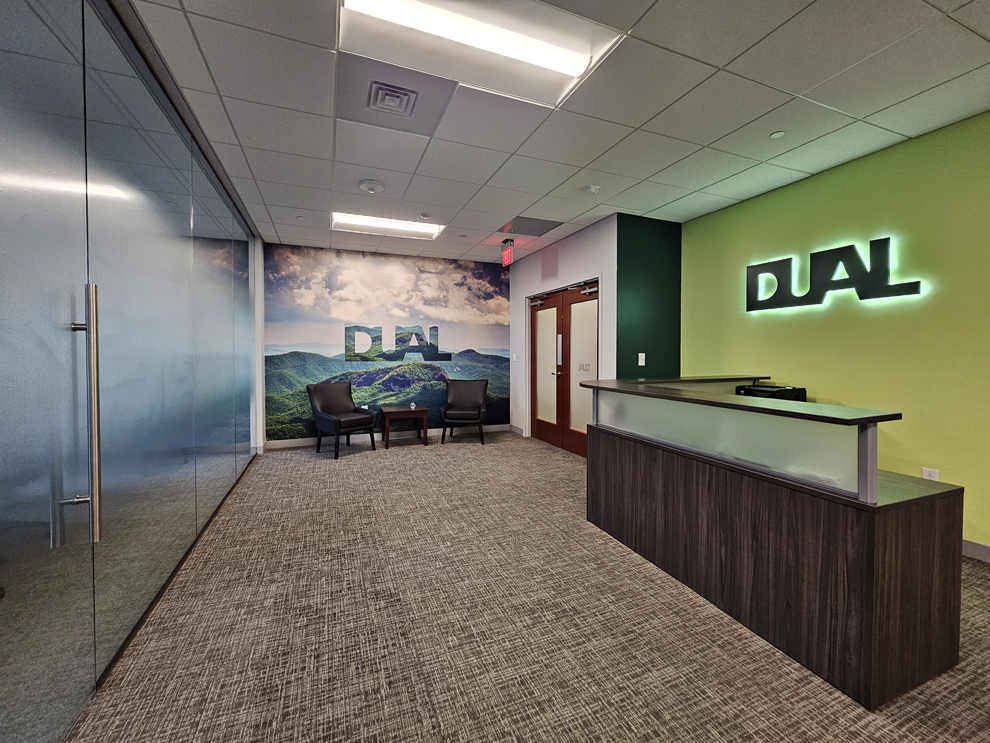
Heritage Signs & Displays connects design objectives with the technical production and installation decisions that shape the final result. Founded as a printing company in 1977, Heritage expanded its focus on custom signs, interior graphics, and workplace branding beginning in 2009. This experience supports complex projects involving multiple products, stakeholders, approval stages, and installation conditions.
The One Dedicated Project Manager System gives each client a consistent point of contact from the initial consultation through installation. The Project Manager maintains project history, approved artwork, site information, scheduling details, production requirements, and decisions that affect multiple components. This structure limits unnecessary handoffs and preserves continuity when schedules, site conditions, or project requirements change.
Environmental graphic design, project management, production, fabrication, and installation remain connected throughout the process. Heritage is a project-oriented sign company that creates turnkey branding solutions for commercial interiors and event environments. The company seeks to honor God by serving clients and communities with excellence. That commitment is demonstrated through attentive communication, disciplined coordination, quality craftsmanship, and accountability at each stage.
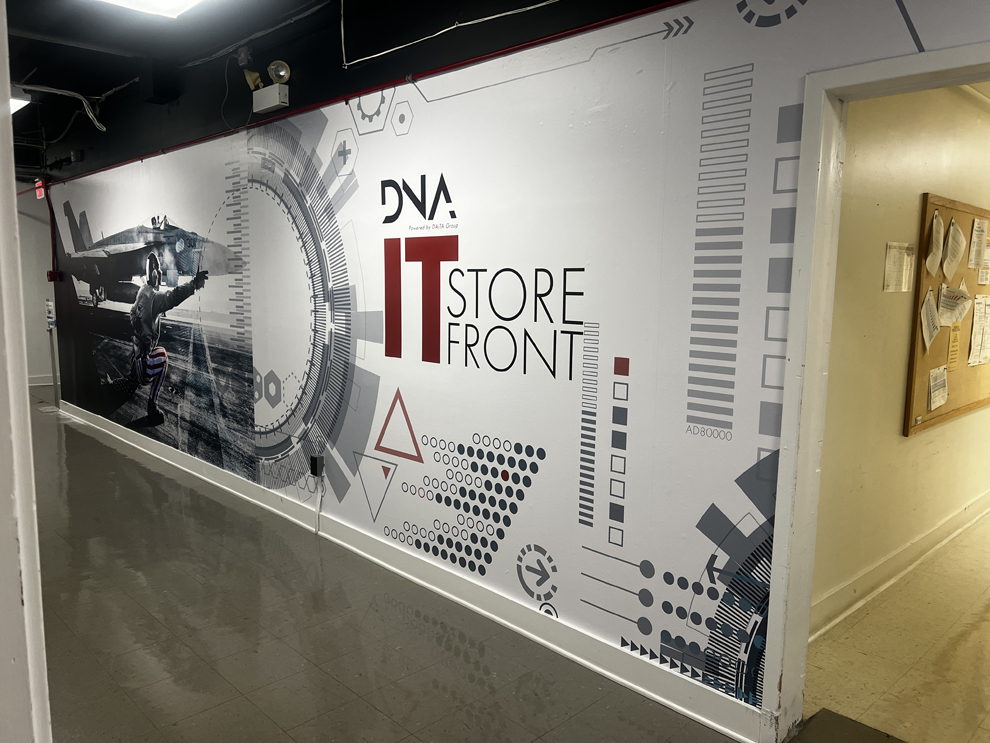
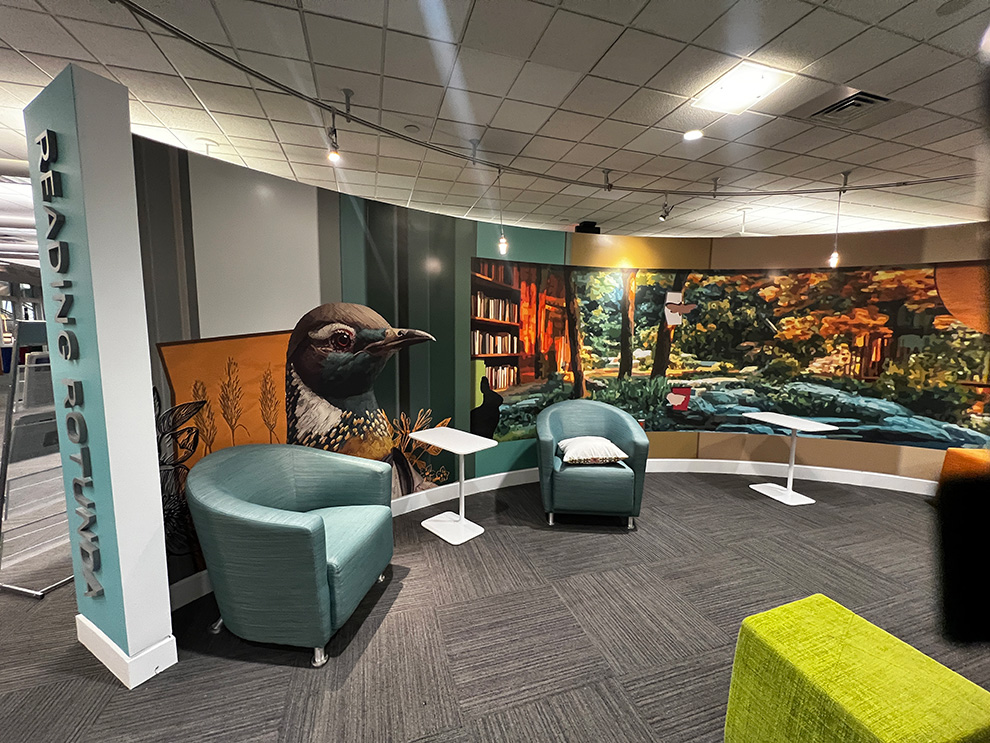
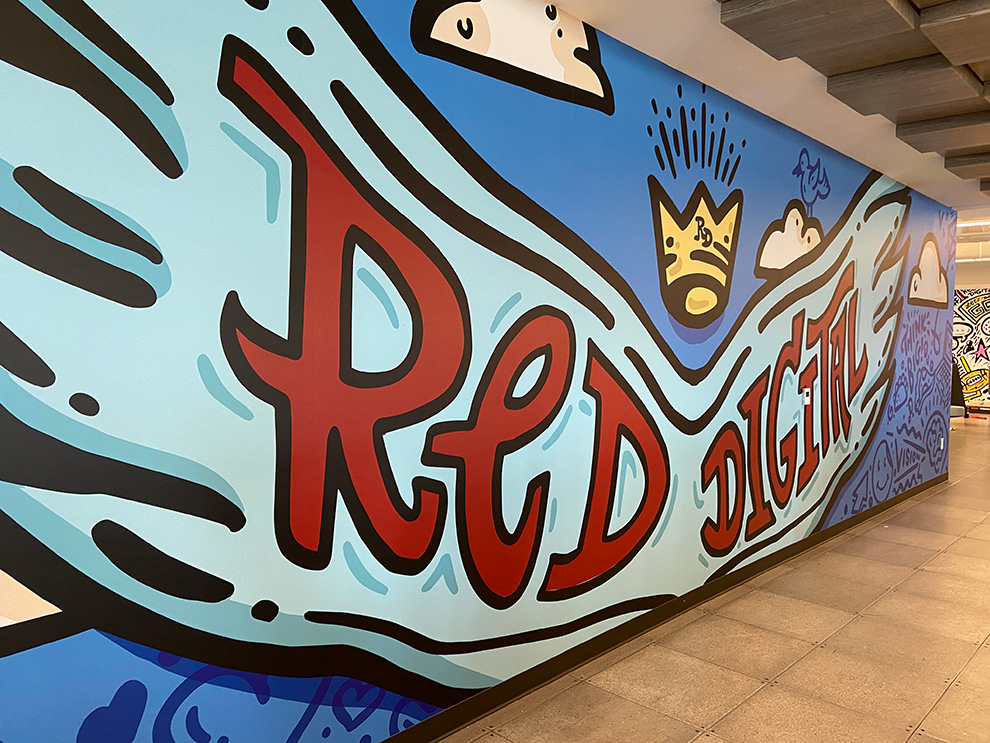
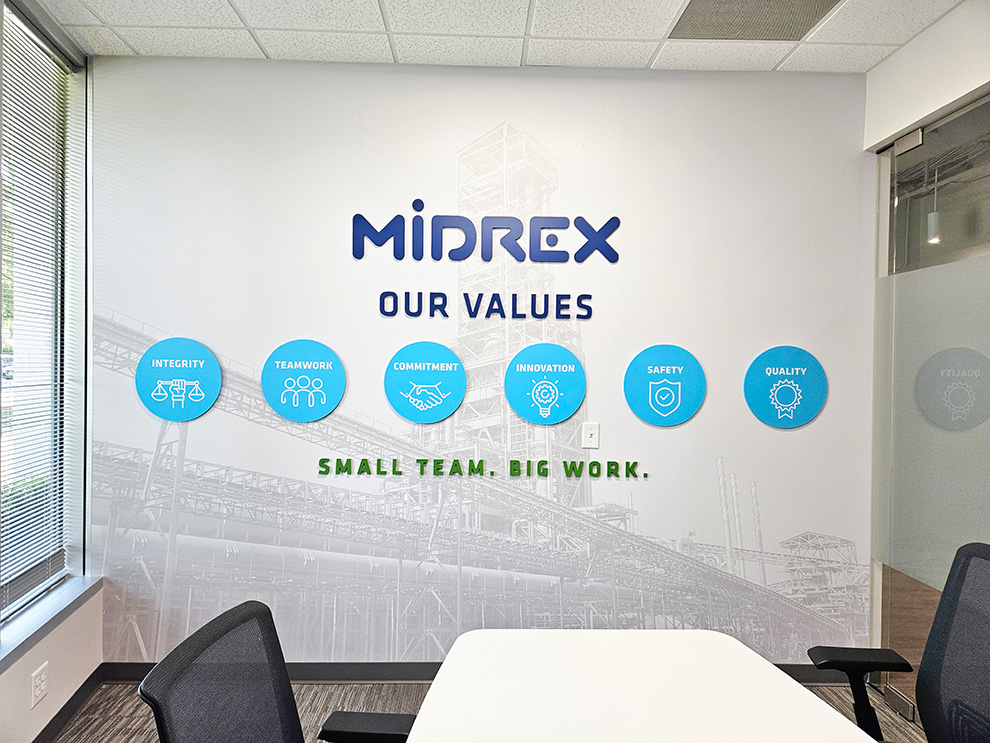
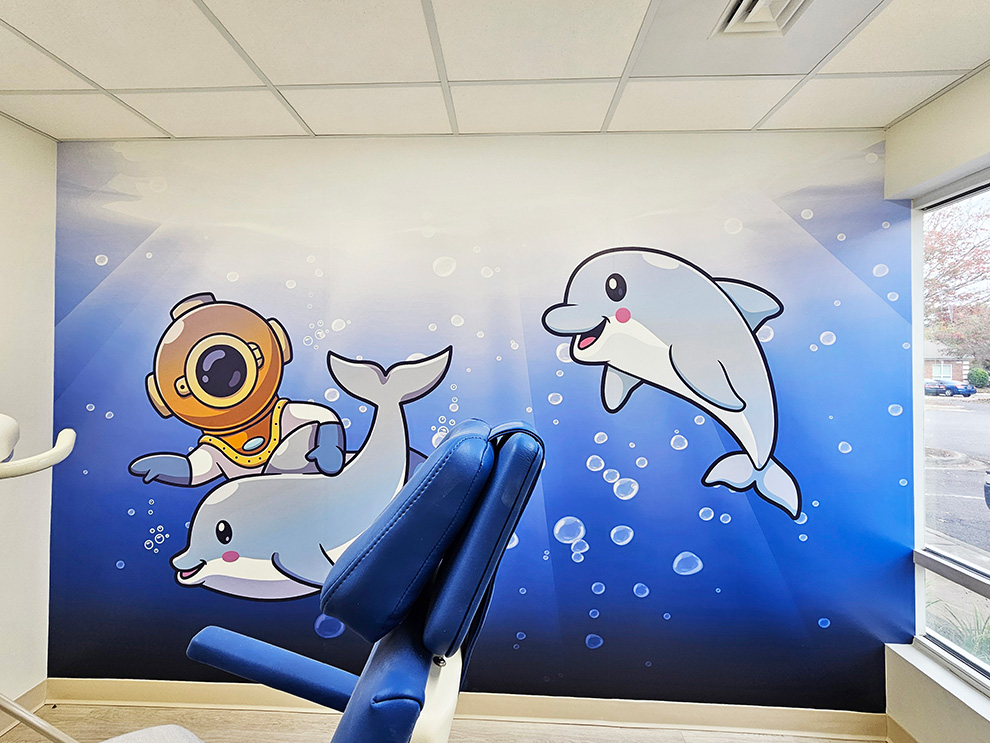
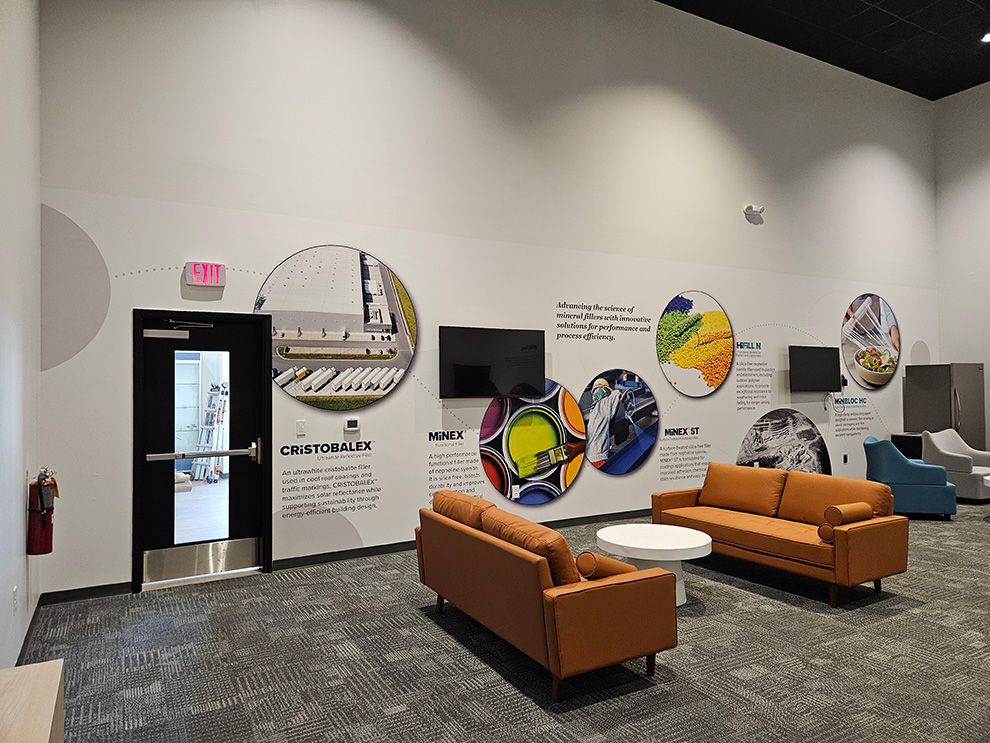
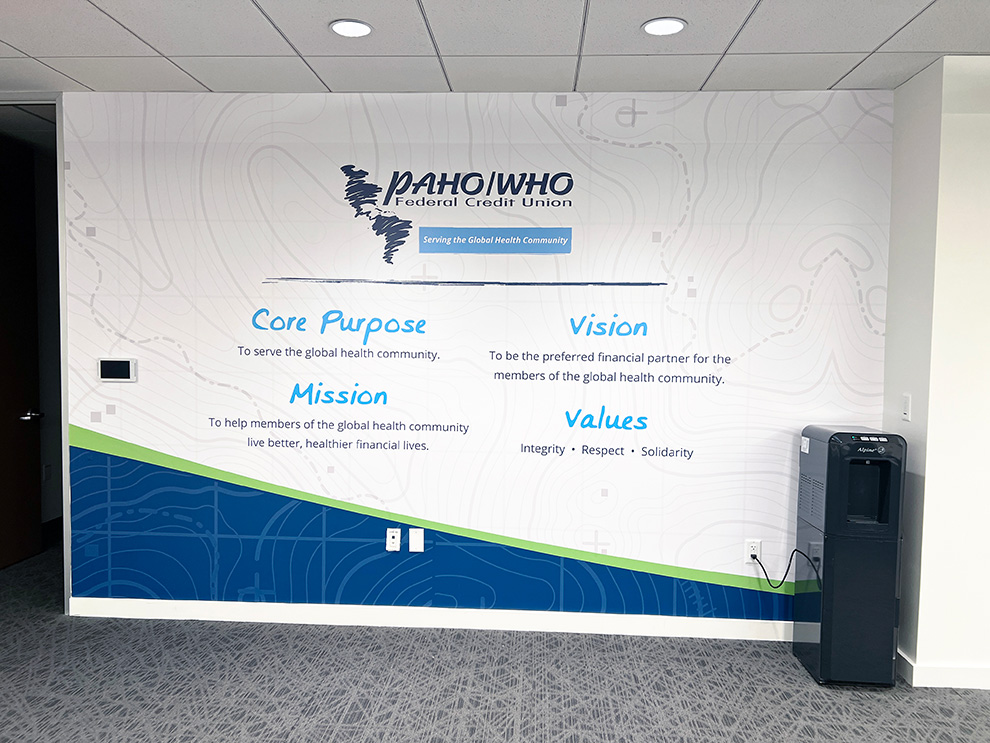
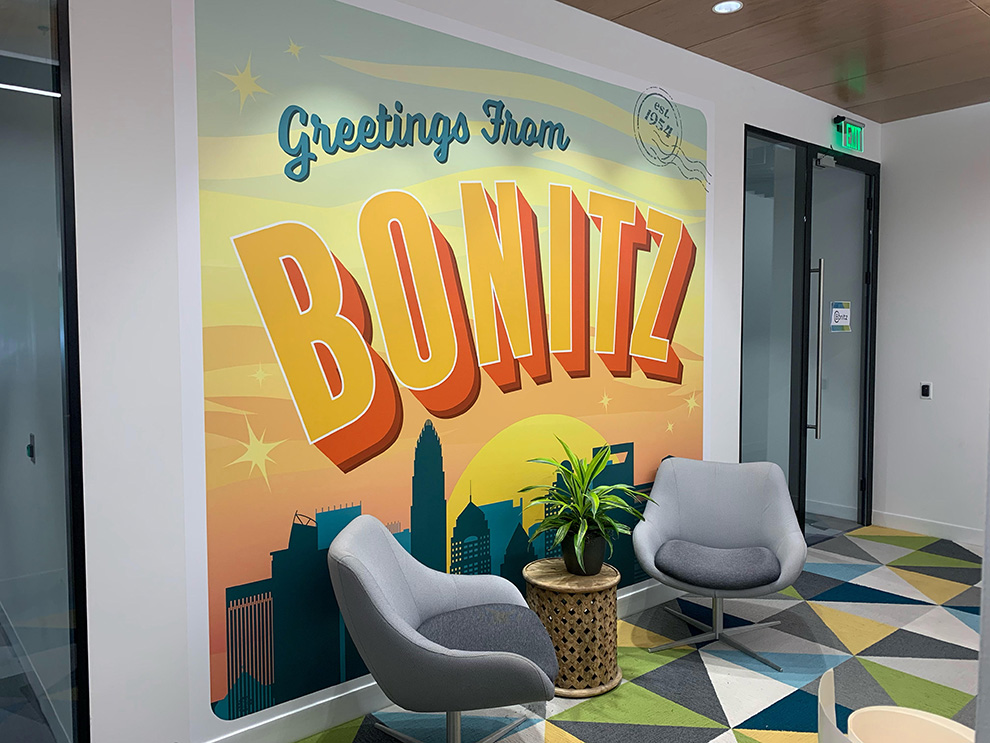
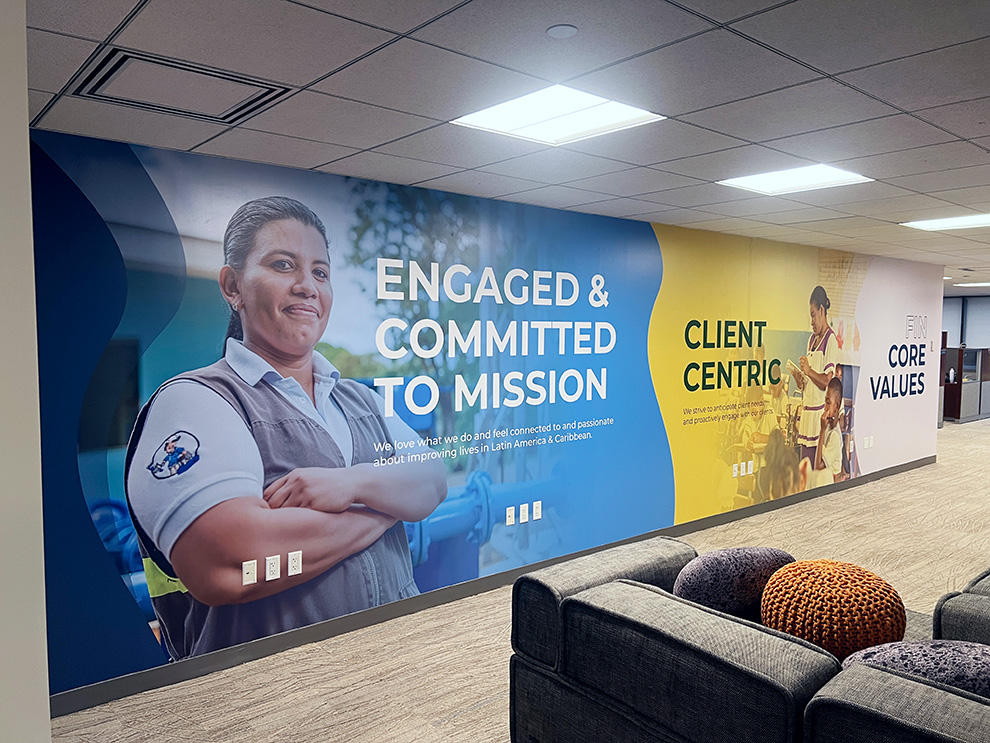
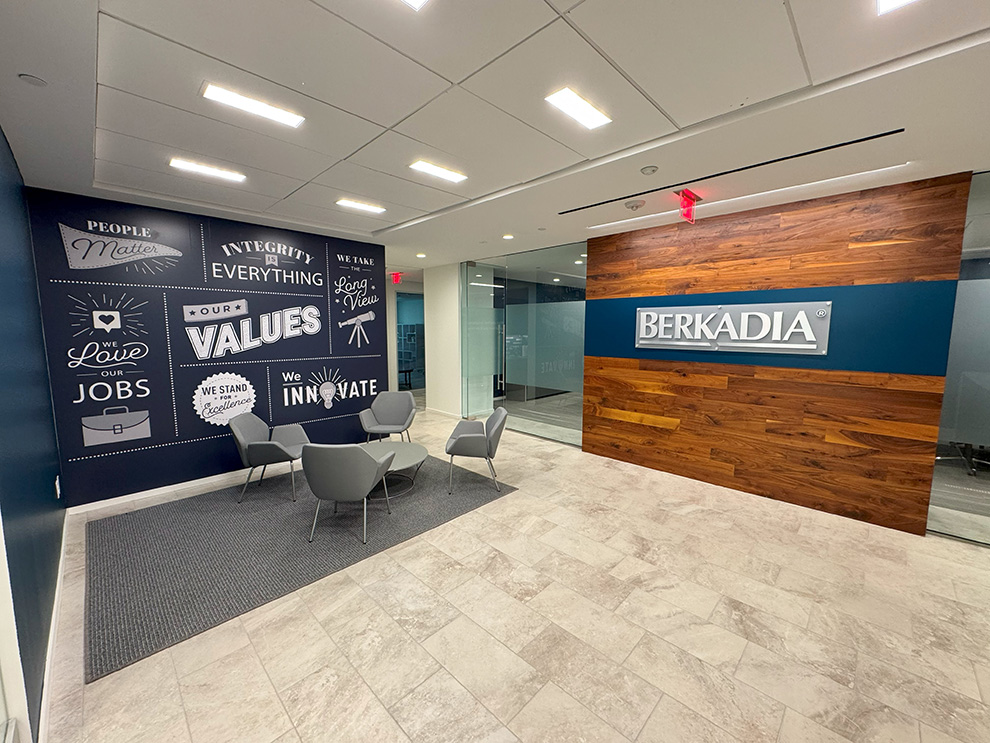
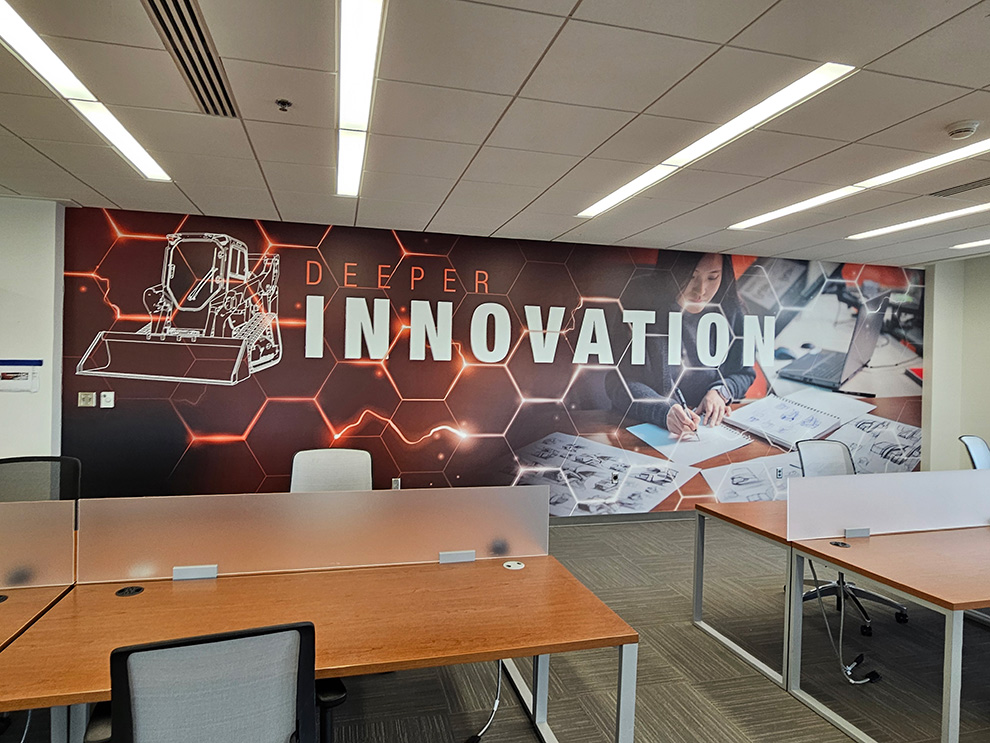
Wall Wraps convert large wall surfaces into immersive branded environments. Within a Commercial Interior Graphics program, they can feature company history, photography, values, services, local imagery, or other important brand stories.
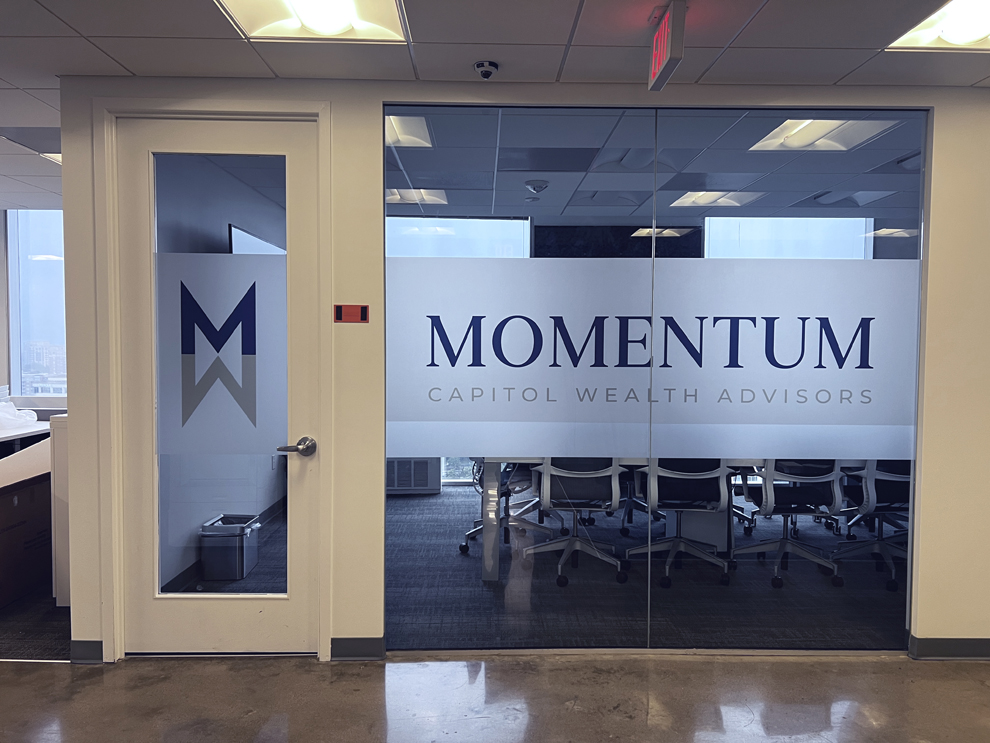
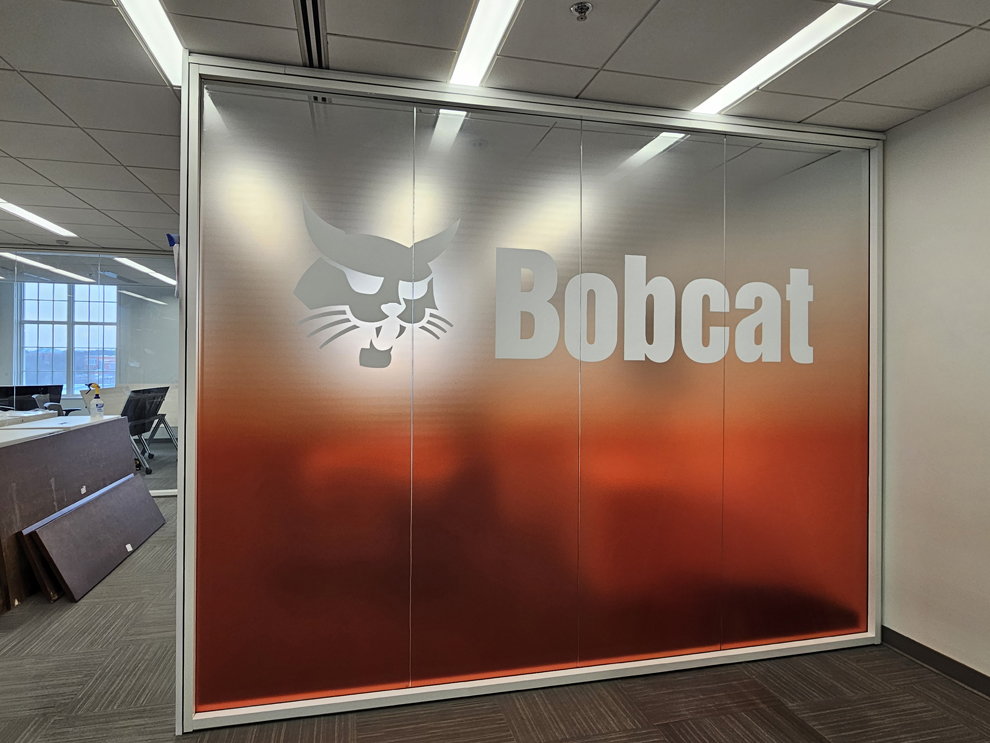
Window Graphics introduce branding, messaging, decorative patterns, and visual interest to compatible glass surfaces. They can connect entrances, meeting rooms, office fronts, and shared spaces to the wider interior design system.
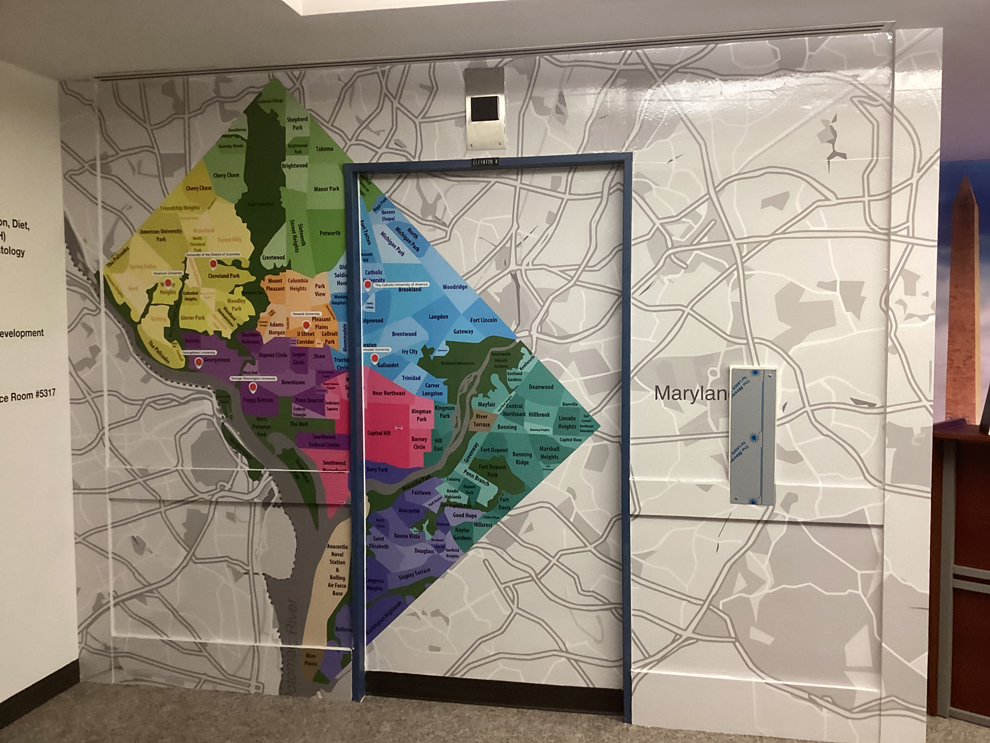
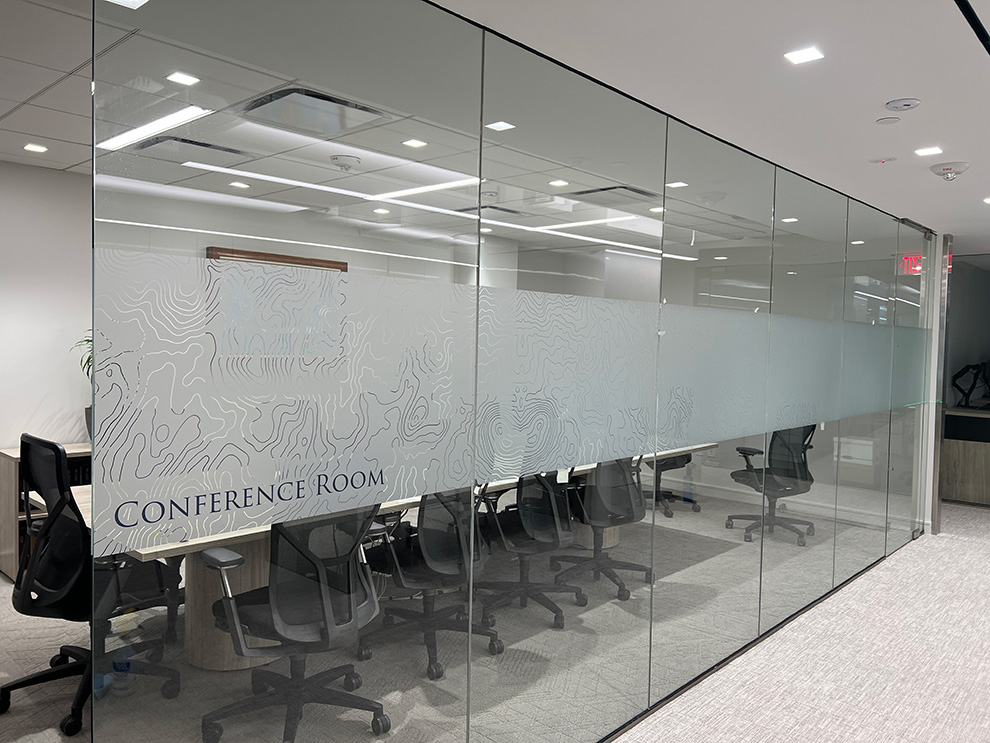
Frosted vinyl and privacy film reduce selected visibility through interior glass while allowing spaces to retain a bright, open appearance. Custom patterns, logos, and bands can provide privacy while reinforcing the organization’s identity.
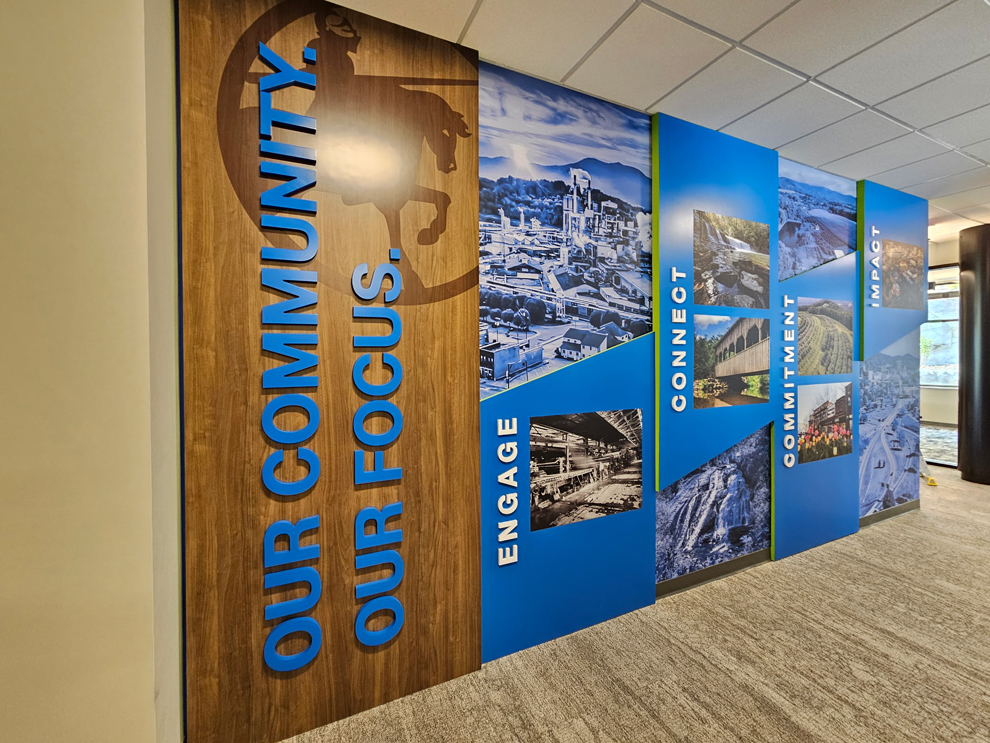
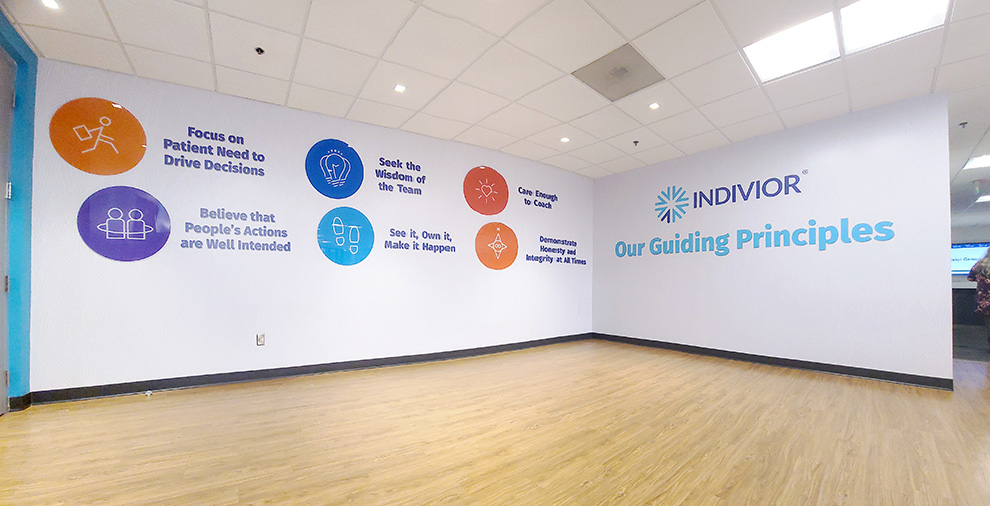
Wall Displays arrange photographs, timelines, company milestones, awards, and recognition content into organized visual presentations. They give important stories a permanent or updateable place within the workplace.
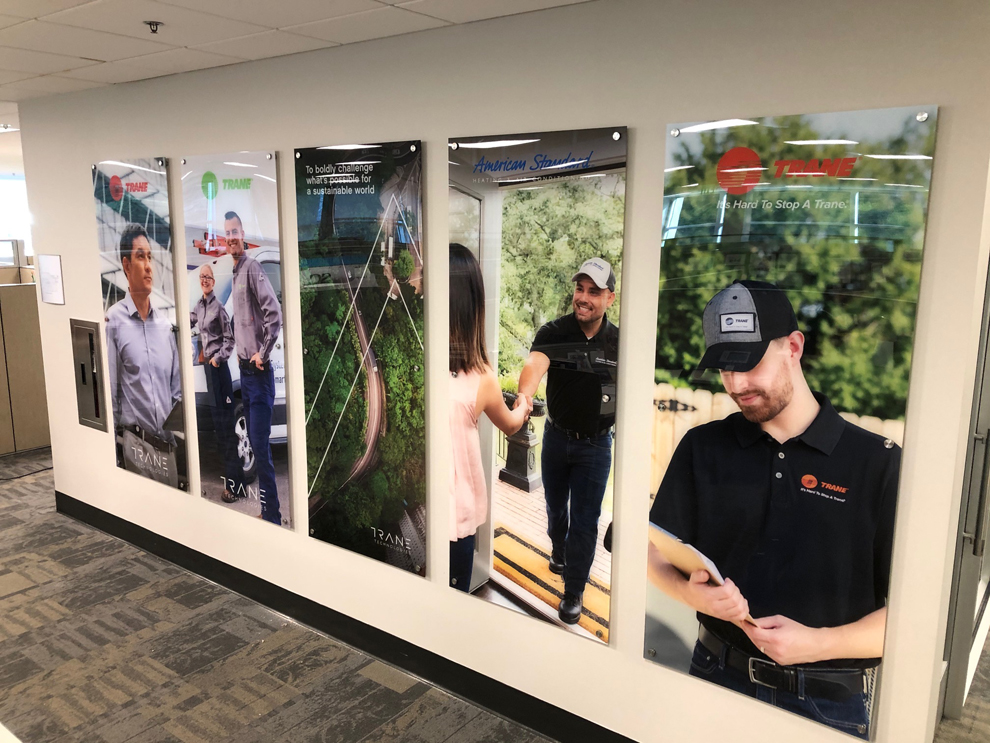
Dimensional Letters add depth and physical presence to company names, logos, mission statements, and key messages. They are particularly effective in reception areas and other prominent locations where a flat graphic may not create enough emphasis.
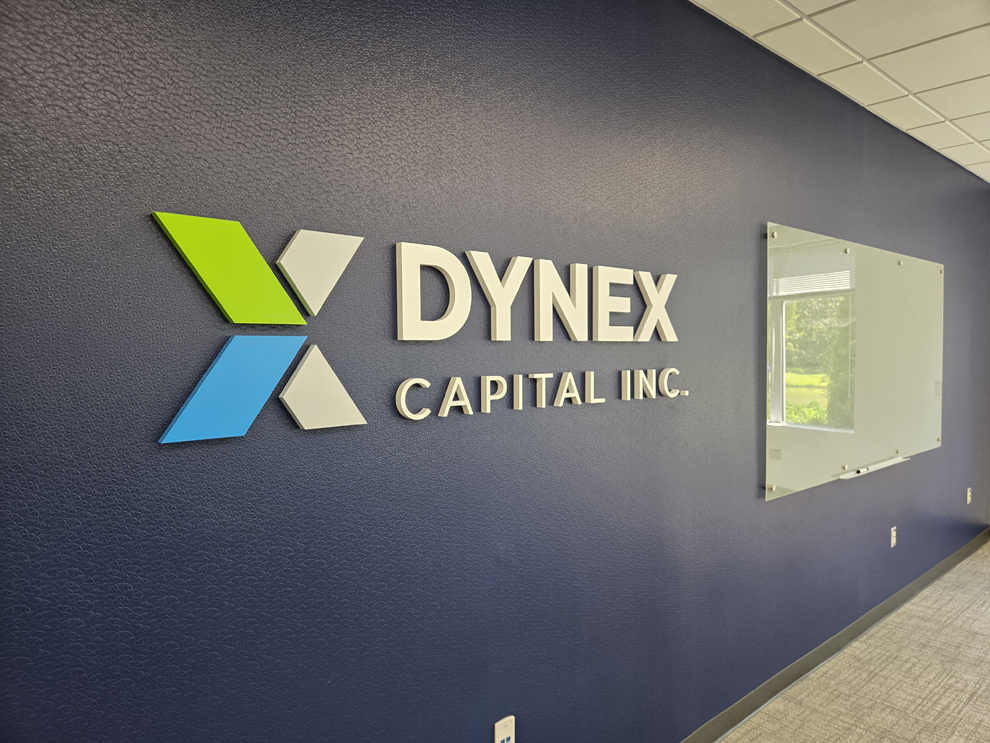
Backlit Signs use controlled illumination to draw attention to logos and focal messages. They can create a strong visual anchor in a lobby, branded hallway, conference area, or other architectural setting.
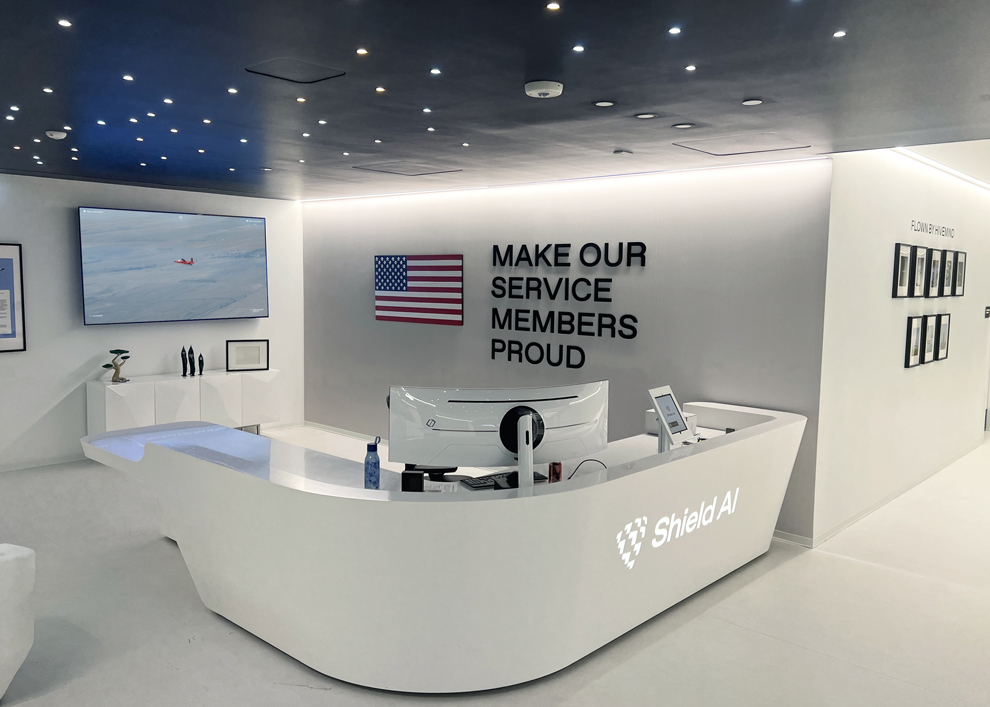
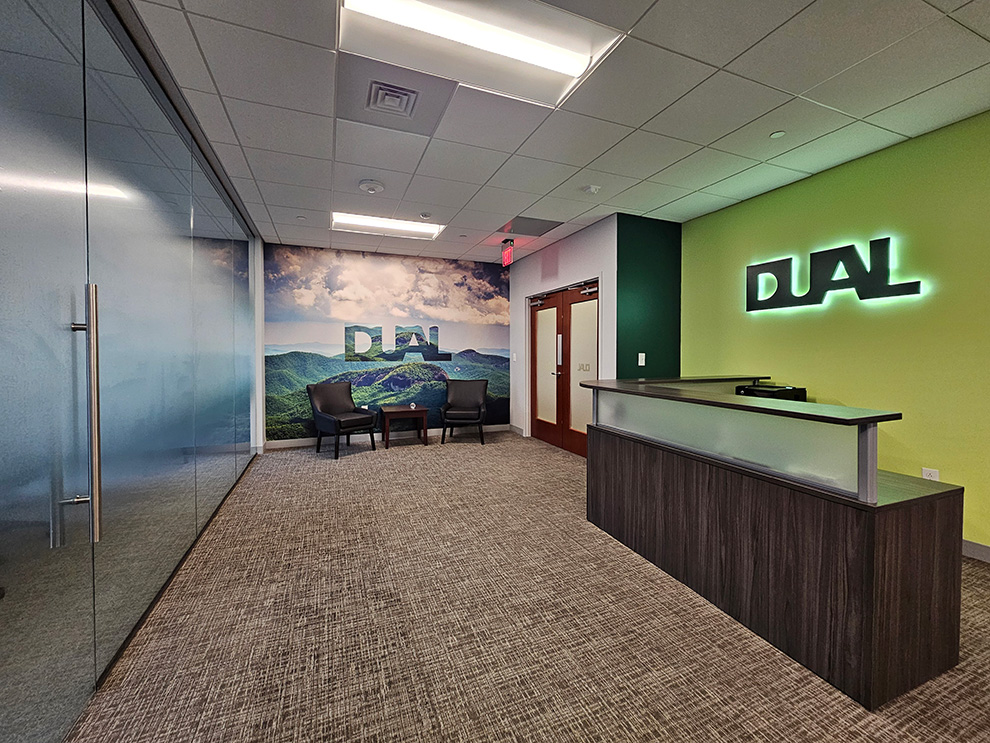
Lobby Signs establish identity at the primary point of arrival. They can be combined with wall coverings, dimensional lettering, lighting, and display elements to create a polished first impression for employees and guests.
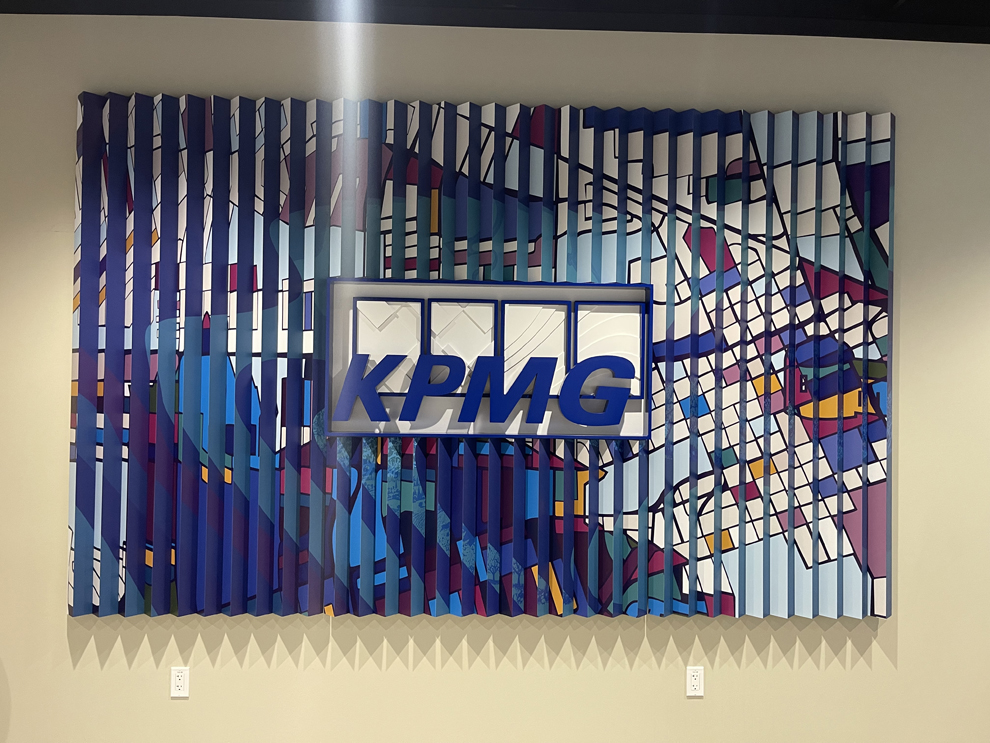
Wayfinding Signs help visitors, clients, and employees move confidently through offices, campuses, and public-facing facilities. Their primary purpose is practical, but their colors, typography, materials, and placement should complement the broader workplace brand.
You do not need a complete list of products before discussing a Williamsburg Commercial Interior Graphics project. Start with the workplace objective, project location, desired completion date, stakeholders, and estimated budget. Available floor plans, photographs, brand standards, architectural drawings, renderings, and inspiration images can provide helpful context, but they are not required for an initial conversation.
Use Get Started Now to contact Heritage. The first step is to review your communication goals, potential scope, site conditions, timing, and anticipated investment. From there, the appropriate combination of wall graphics, lobby signs, privacy treatments, displays, dimensional elements, and wayfinding signs can be developed around the needs of your Williamsburg workplace.
A cohesive workplace branding program succeeds when every feature has a defined responsibility. Identity graphics establish a sense of place. Storytelling displays explain the organization’s mission, history, values, or culture. Privacy treatments manage visibility without making glass-heavy interiors feel closed. Recognition systems celebrate employees, donors, teams, and organizational achievements. Directional signs make movement through the facility more intuitive.
The level of visual emphasis should vary by location and message. A reception logo may need to be recognizable from across the room. A timeline or recognition display may be designed for closer inspection. Hallway messaging should often be understood quickly, while informational panels may need modular components that can be changed regularly.
Content lifespan should also influence the design. Mission statements and primary identity elements may remain in place for years. Employee achievements, donor names, statistics, and program information may change frequently. Planning for these differences can make future updates more efficient and prevent an organization from replacing an entire display when only one section has changed.
The building itself should guide many of these choices. Wall dimensions, ceiling height, glass placement, lighting, sightlines, traffic flow, and nearby architectural details all influence scale and placement. Materials support the communication plan, but they should not drive it. The objective is to select the combination of graphics and signs that best serves the workplace rather than filling the interior with unnecessary products.
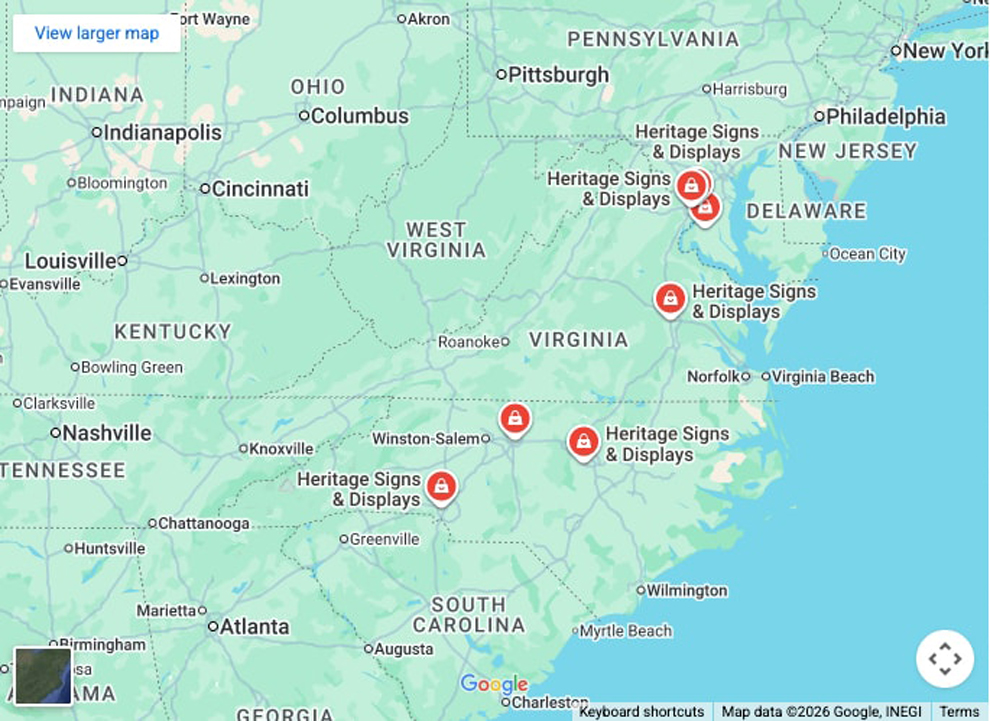
Heritage supports Commercial Interior Graphics projects in Williamsburg and throughout the Virginia Peninsula, Hampton Roads, and the Mid-Atlantic. Williamsburg-area clients can begin by discussing the desired workplace outcome, project address, schedule, stakeholders, and anticipated scope. This initial conversation helps determine whether the best solution is one focused feature, a coordinated interior program, or a phased installation.
A Heritage site survey is required when professional installation is part of the project. The survey combines project discovery with field verification. It documents site conditions that may affect placement, measurements, visibility, mounting, access, surface readiness, and installation logistics. That information then supports design, project management, production, fabrication, and installation.
Projects in Williamsburg can also benefit from Heritage’s broader Mid-Atlantic production and fabrication resources. This integrated structure supports workplaces with numerous interior components, multiple approval groups, challenging installation conditions, or brand standards that must be repeated across several locations.
Heritage serves client locations throughout the Carolinas and Mid-Atlantic. Maintaining a consistent brand does not mean every office must use identical physical features. A Williamsburg location may have different architecture, audiences, visibility requirements, and messaging priorities than another facility. Each workplace can respond to its surroundings while remaining clearly connected to the same organizational identity.
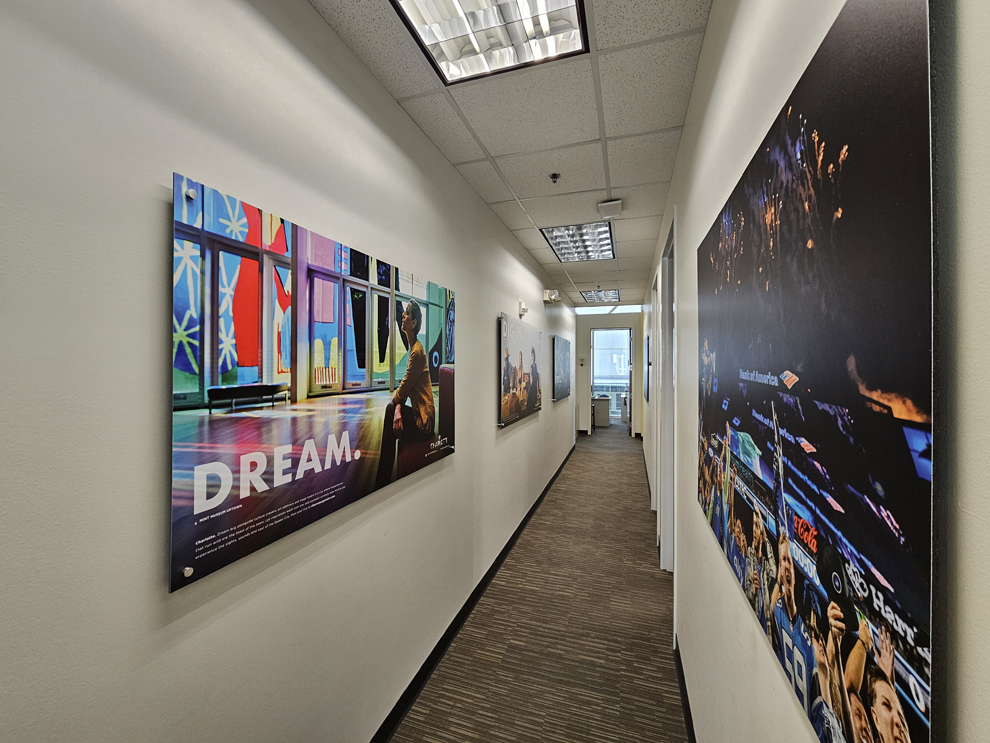
Environmental graphic design determines how people experience information within a physical setting. It considers what visitors should notice first, what employees should remember, what stories deserve emphasis, and how people should move through the workplace. A Williamsburg office may need a stronger reception experience, a visible mission statement, company history, branded conference rooms, employee recognition, privacy for glass partitions, or clearer directions throughout the facility.
Heritage can create environmental graphic design concepts for projects it manages. The team can also work from approved designs developed by architects, interior designers, branding firms, environmental graphic designers, workplace consultants, or internal marketing teams. In either case, the goal is to preserve the intended creative direction while adapting it to the site, materials, production methods, and installation requirements.
Environmental graphic design decisions include scale, hierarchy, color, typography, sightlines, viewing distance, architecture, fabrication, placement, and mounting. A display intended for detailed reading requires a different layout than a lobby feature meant to establish identity from a distance. A privacy pattern should complement the surrounding graphics without competing with the primary focal point. Thoughtful environmental design allows these different features to function as one complete workplace experience.
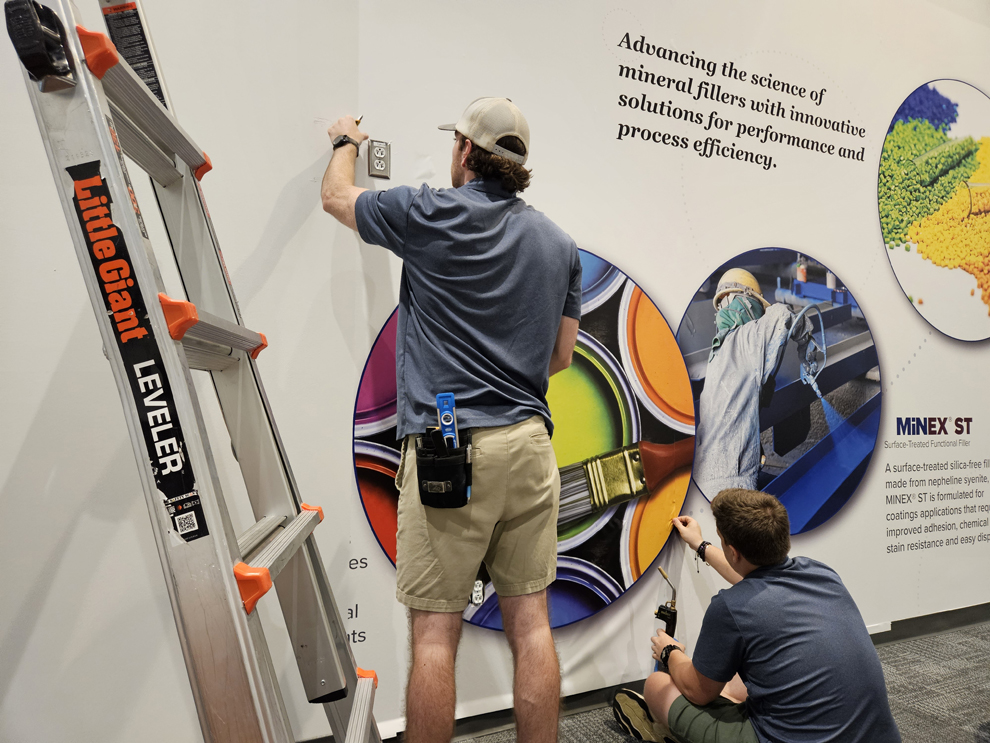
Professional installation turns approved designs and fabricated components into a completed interior. Heritage installers receive the information developed throughout the project, including approved layouts, measurements, placement details, mounting requirements, access limitations, and relevant site conditions. This continuity supports accurate positioning, consistent alignment, secure mounting, and a professional finish.
When Heritage provides installation, a site survey is required. This survey goes beyond recording basic dimensions. It combines client discovery with technical verification so installation decisions reflect the actual workplace. Wall construction, glass configuration, furniture, occupied areas, nearby finishes, loading access, and available installation times may all influence how the work should be completed.
Heritage installers approach each project with consideration for occupied offices, employees, visitors, and building conditions. The objective is to complete the installation efficiently while maintaining clear communication and protecting the surrounding property. If actual field conditions differ significantly from the documented project information, Heritage communicates the issue and identifies an appropriate next step rather than proceeding with an unsuitable installation.
Heritage does not offer installation-only services for signs or graphics supplied by customers or unrelated vendors. Installation is limited to products Heritage prints, fabricates, procures, or manages. This policy preserves accountability for materials, production quality, installation methods, and the final project result.
Planning for Commercial Interior Graphics should begin with the intended outcome, primary audience, project scope, required approvals, schedule, phases, site readiness, and expected investment. Floor plans, photographs, brand files, and design references are valuable, but they do not replace an early conversation about how the finished workplace should look and function.
Many Heritage projects that include production and professional installation range from $10,000 to more than $200,000. New website-generated opportunities involving workplace interiors and event environments in the Mid-Atlantic should anticipate an overall project investment of at least $6,000. Actual pricing depends on design development, quantity, materials, fabrication, site conditions, installation access, scheduling, and project phasing.
Painted walls must be properly prepared before adhesive graphics are installed. Drywall should be stable, smooth, repaired, clean, and dry. Primer and paint must be applied correctly, and the finish coat must be fully cured. Approximately four weeks can be useful as general planning guidance for many paints, but manufacturer requirements and actual site conditions determine when a wall is ready.
Paint can release gases as it cures. Installing adhesive vinyl too soon may contribute to bubbling, blistering, edge lifting, or premature adhesion failure. Even a successful surface test cannot confirm the hidden bond among drywall, primer, and paint.
If primer or paint separates during testing, positioning, or installation, Heritage will stop work to avoid causing additional damage. The client or property owner is responsible for arranging and paying for wall repairs, correct priming, repainting, and adequate curing before installation can resume. Heritage does not perform or fund wall restoration. Future graphic removal is a separate service, and damage-free removal cannot be guaranteed.

Commercial Interior Graphics are coordinated signs, graphics, and displays used to communicate brand identity, culture, history, privacy, recognition, direction, and important information within a workplace. A program may include wall graphics, window graphics, dimensional lettering, lobby signs, acrylic panels, recognition displays, illuminated signage, and wayfinding elements.
Coordination gives each element a specific communication purpose and level of visual priority. It also helps ensure that products selected by different departments or stakeholders look and function as parts of the same workplace rather than unrelated additions.
Wall Wraps are designed primarily to cover and transform substantial wall surfaces. Commercial Interior Graphics refer to a broader workplace system that may combine wall wraps with dimensional signs, window graphics, privacy films, displays, recognition components, and wayfinding signs.
Adhesive Vinyl Graphics are graphics applied to compatible walls, windows, doors, floors, elevators, and other surfaces. Commercial Interior Graphics use selected vinyl applications as part of a larger branded interior that may also include acrylic, metal, dimensional, illuminated, and fabricated elements.
A program can include wall wraps, window graphics, frosted vinyl, lobby signs, dimensional letters, wall displays, acrylic signs, standoff-mounted panels, backlit signs, photographs, recognition systems, wayfinding signs, and modular displays with updateable content.
Environmental graphic design considers audience, architecture, movement, sightlines, viewing distance, message hierarchy, and content lifespan. These factors help determine which elements should command attention, which should support close reading, and which should allow convenient updates.
Yes. Heritage requires a site survey when its team provides professional installation. The survey combines project discovery with field and technical verification so designs and installation plans account for actual site conditions.
One dedicated Heritage Project Manager coordinates the project from discovery through installation. This person maintains continuity across communication, approvals, site information, design, production, fabrication, scheduling, and installation planning.
Heritage professional installers handle installation for Heritage-managed projects. They install the signs, graphics, and displays that Heritage produces, fabricates, procures, or manages.
Yes. Heritage can create environmental graphic design concepts or collaborate with architects, interior designers, branding agencies, environmental graphic designers, workplace consultants, and client teams that already have approved creative direction.
Yes. Frosted vinyl, privacy films, and decorative window graphics can reduce selected visibility through conference room walls, office fronts, and interior glass partitions. Branded or decorative distraction markers can also improve glass visibility. Applied vinyl does not independently establish building code compliance or safety-glazing compliance.
Some wet-installed privacy films may initially look cloudy, hazy, streaked, or uneven as residual moisture evaporates. Small moisture pockets may also be visible. Drying can require several days or several weeks depending on the film, temperature, humidity, and site conditions.
Adhesive wall graphics perform best on stable, smooth, clean, repaired, and dry drywall with correctly applied primer and fully cured paint. If the paint or primer separates during testing or installation, Heritage stops work. The client or property owner must arrange and pay for repairs, repainting, and sufficient curing before installation resumes.
Yes. Heritage supports client facilities throughout the Carolinas and Mid-Atlantic. A coordinated process can preserve brand consistency while allowing each workplace to address its architecture, audience, communication priorities, and installation requirements.
Provide the desired outcome, Williamsburg-area project location, target completion date, anticipated investment, stakeholder information, and any available photographs, floor plans, brand standards, renderings, or reference materials. Heritage can identify any additional information needed after the initial project conversation.
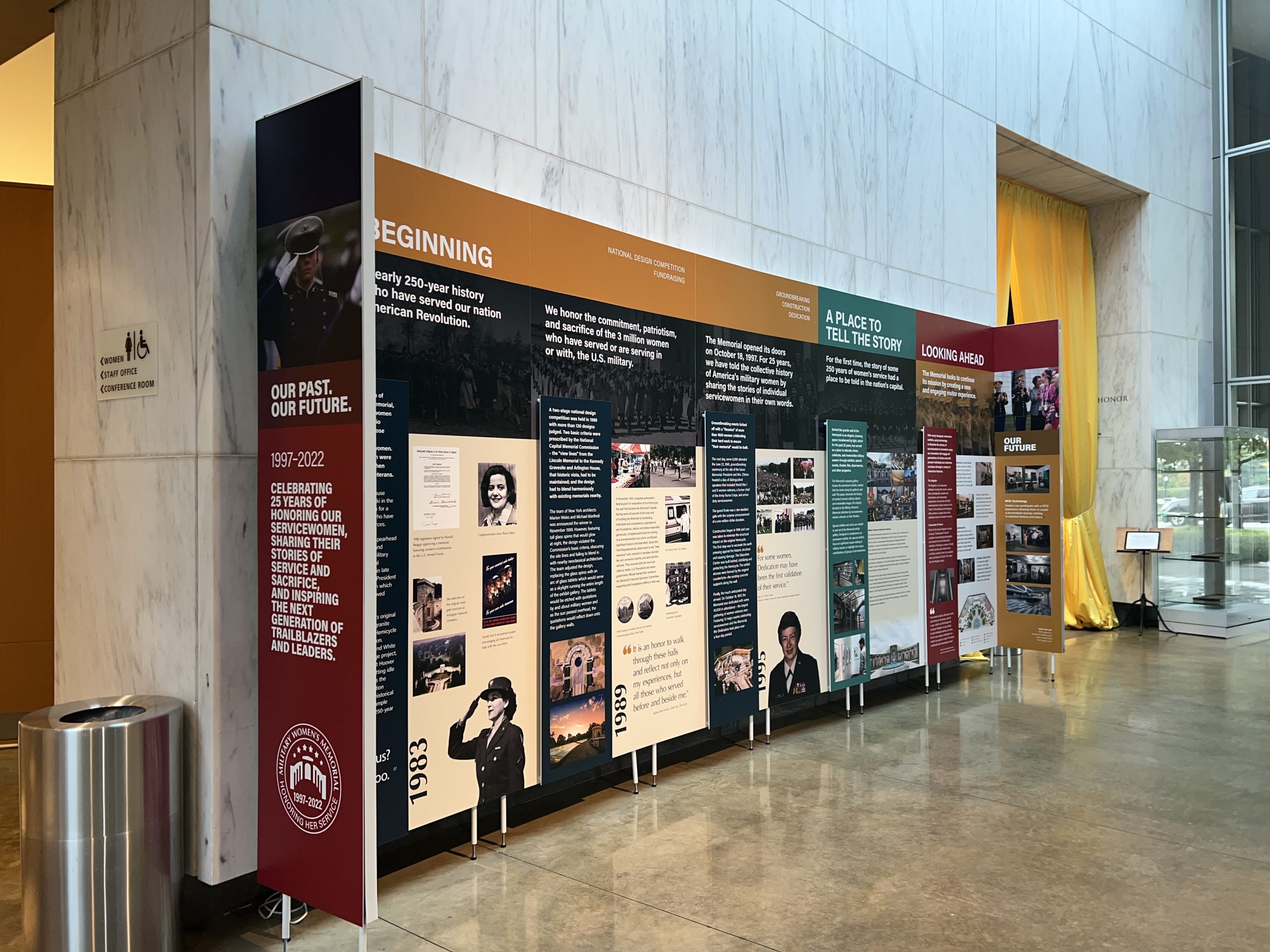
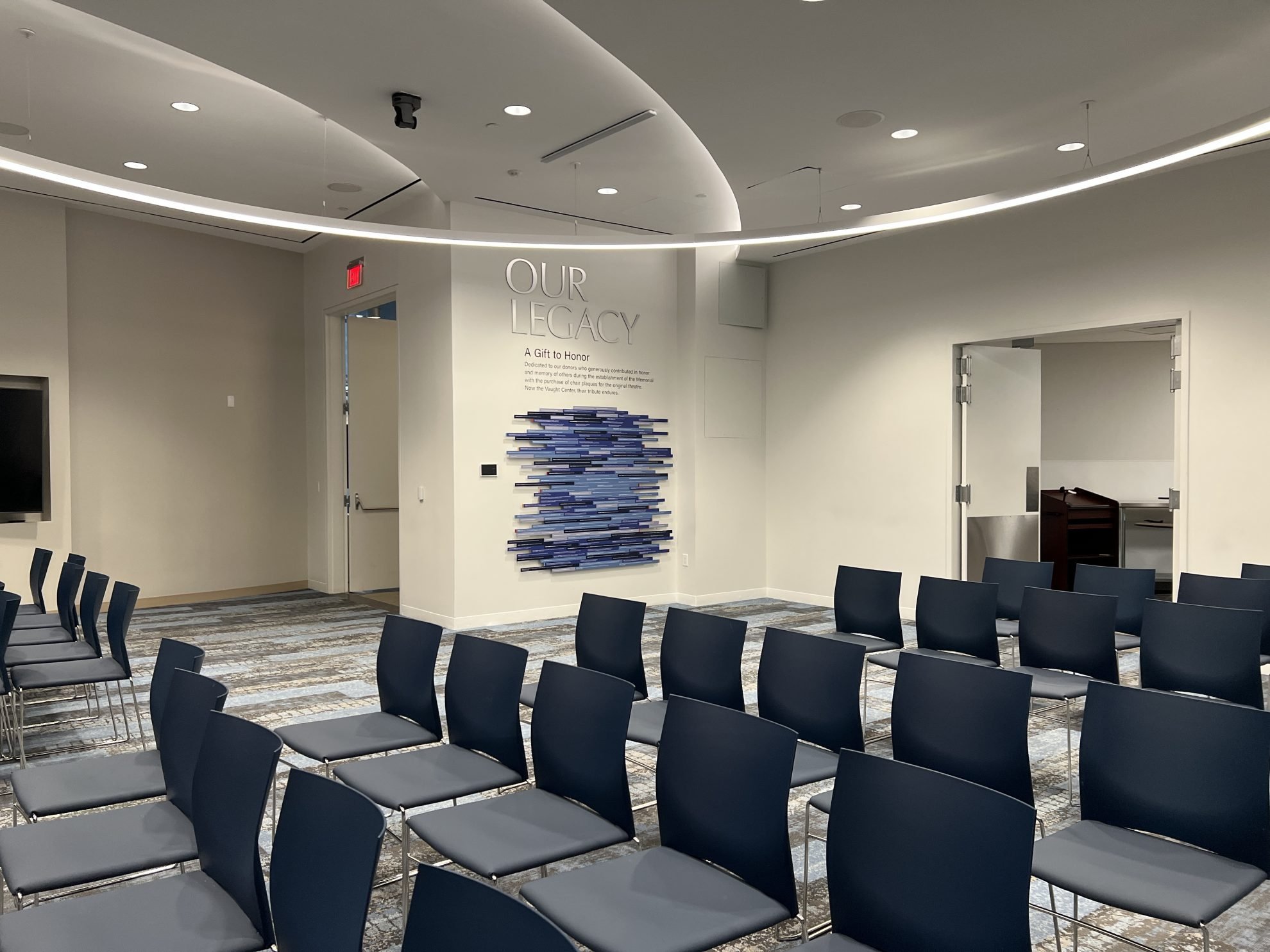
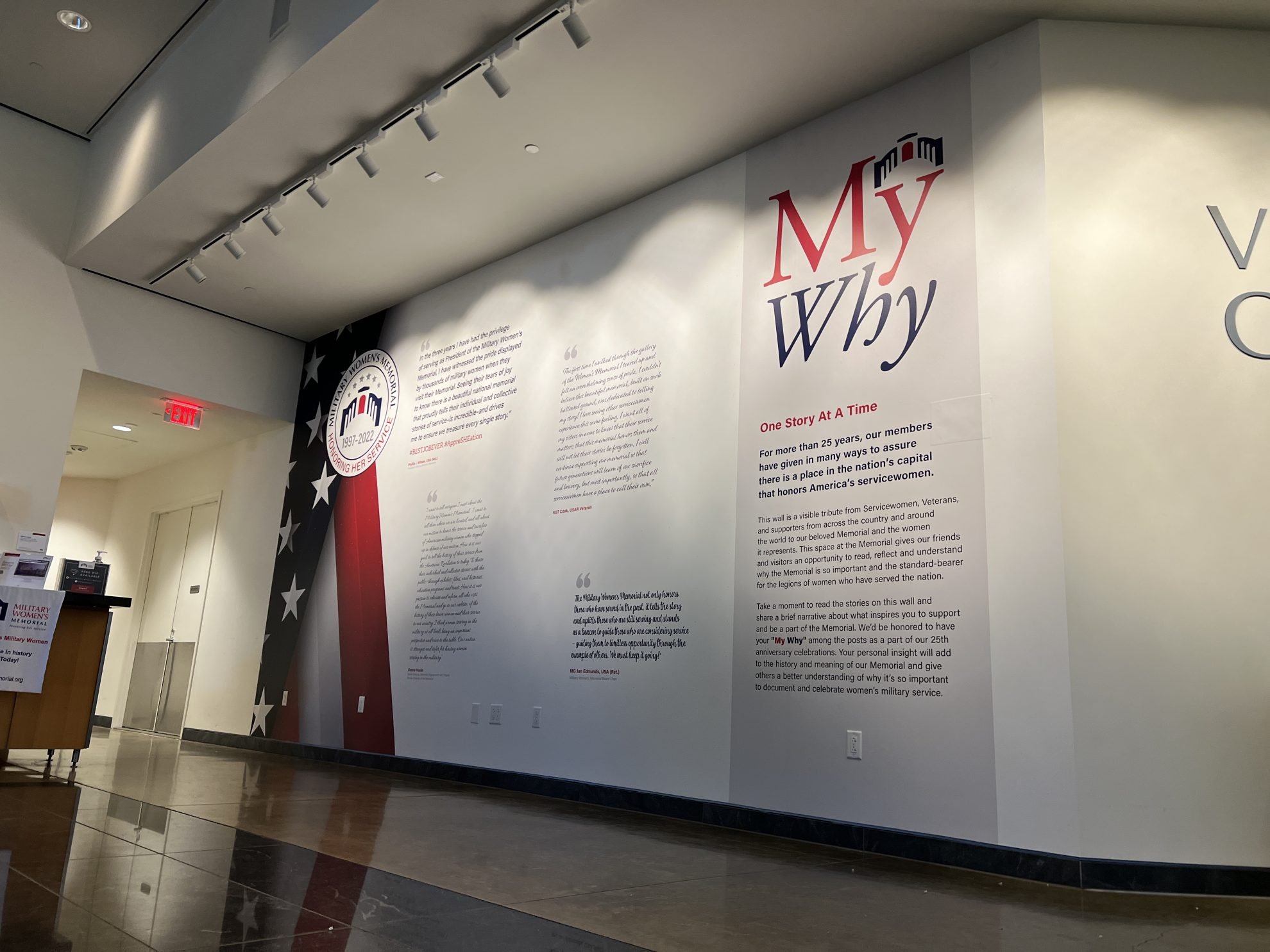
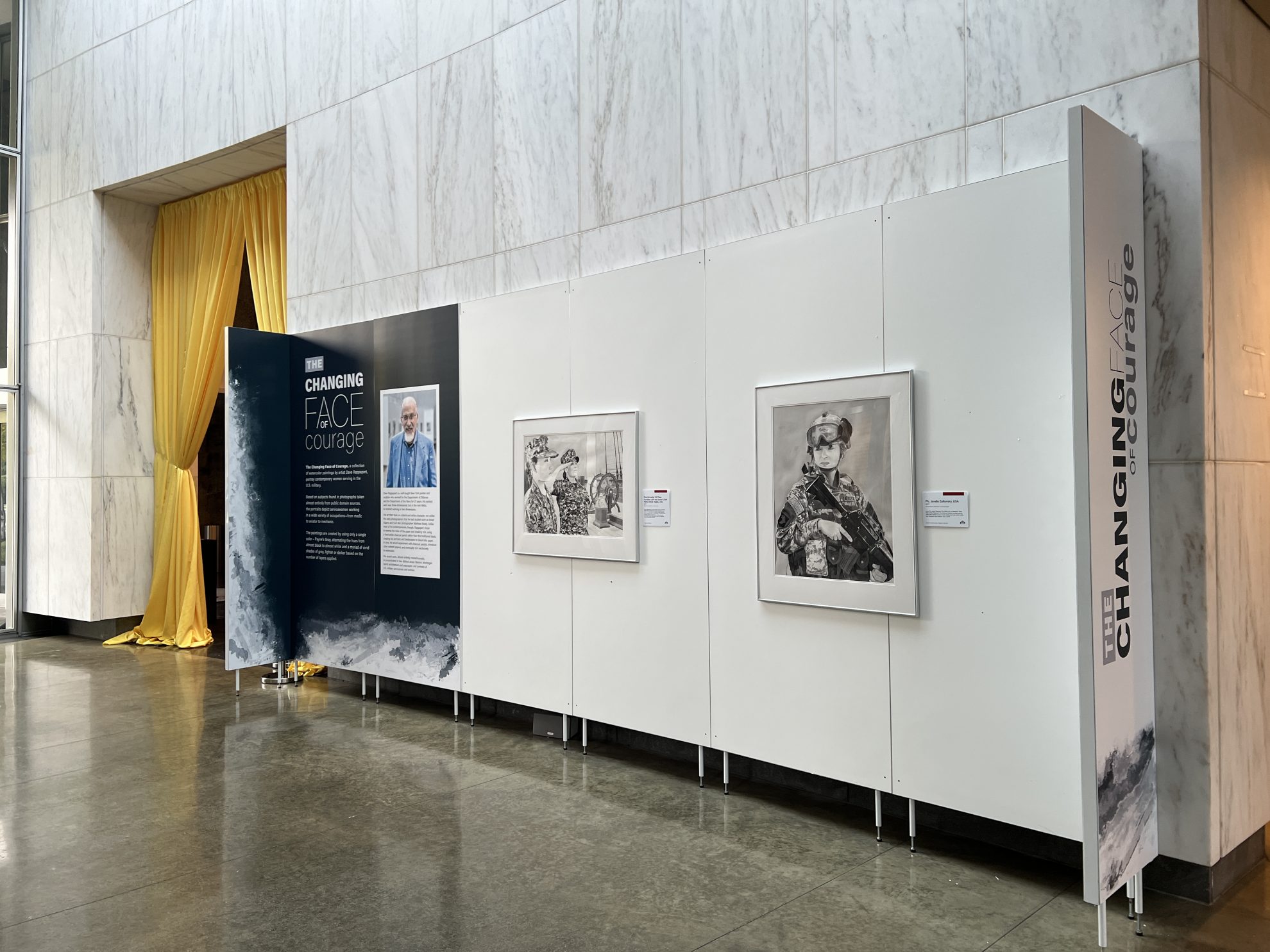
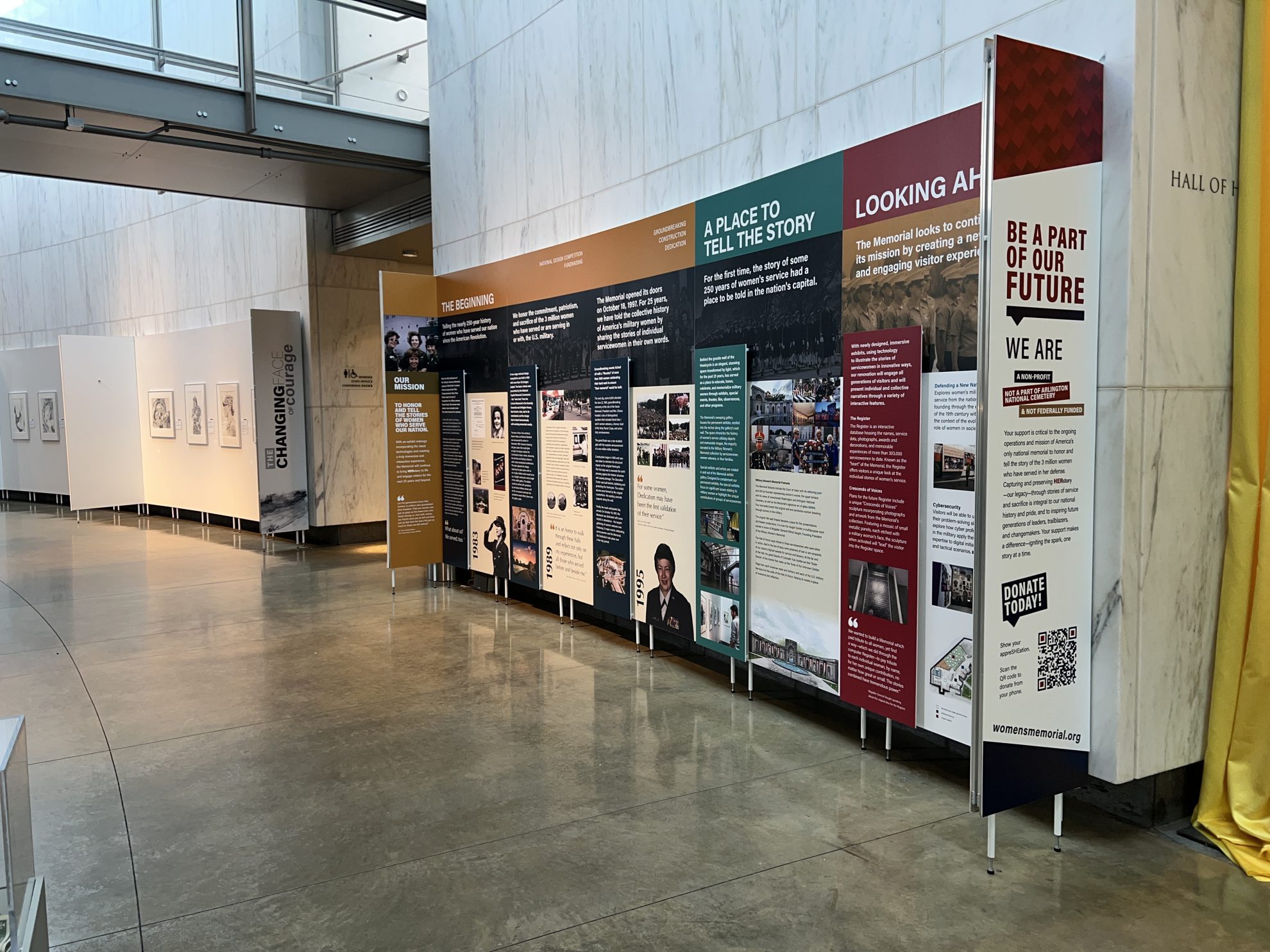
Heritage Signs & Displays created new museum signage for the Military Women’s Memorial in Arlington, VA. The project included custom signs, wall wraps, dimensional letters, and standoff-mounted displays to honor the legacy of U.S. servicewomen and the donors who supported the memorial. The updated interior features impactful designs, including a "Our Legacy" wall display and panels showcasing historical contributions and artwork, creating a transformative tribute to women in the U.S. Armed Forces.
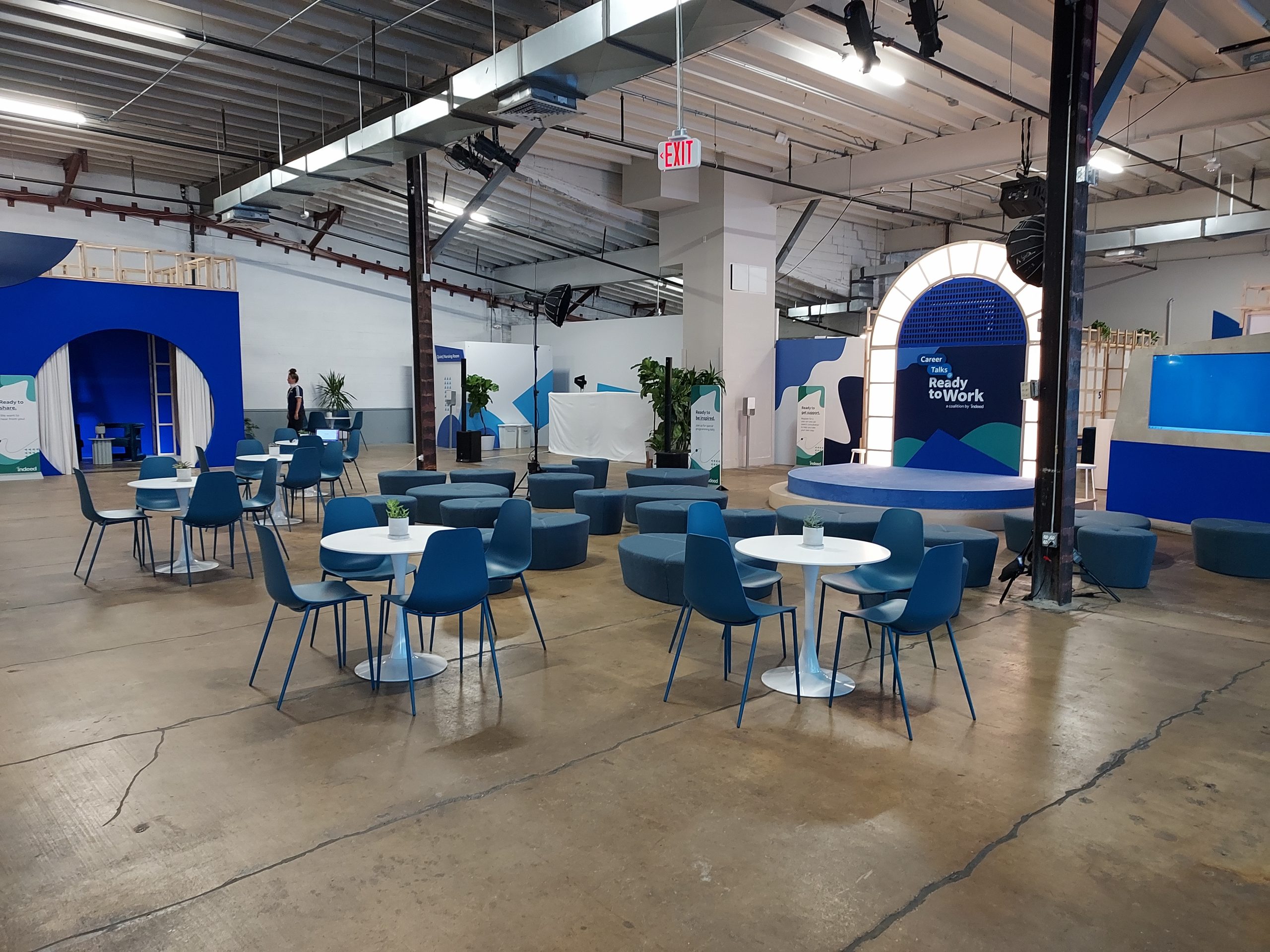
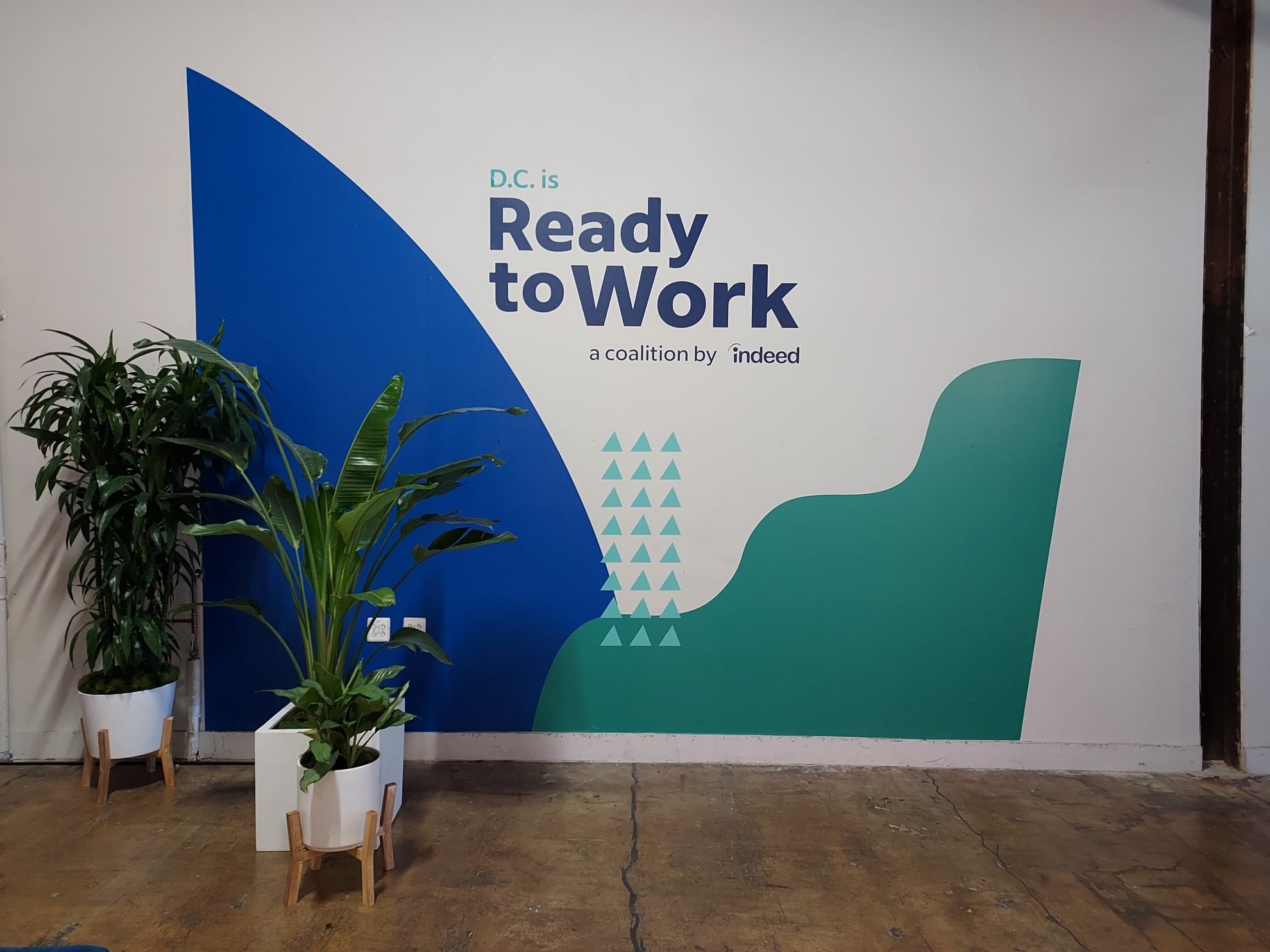
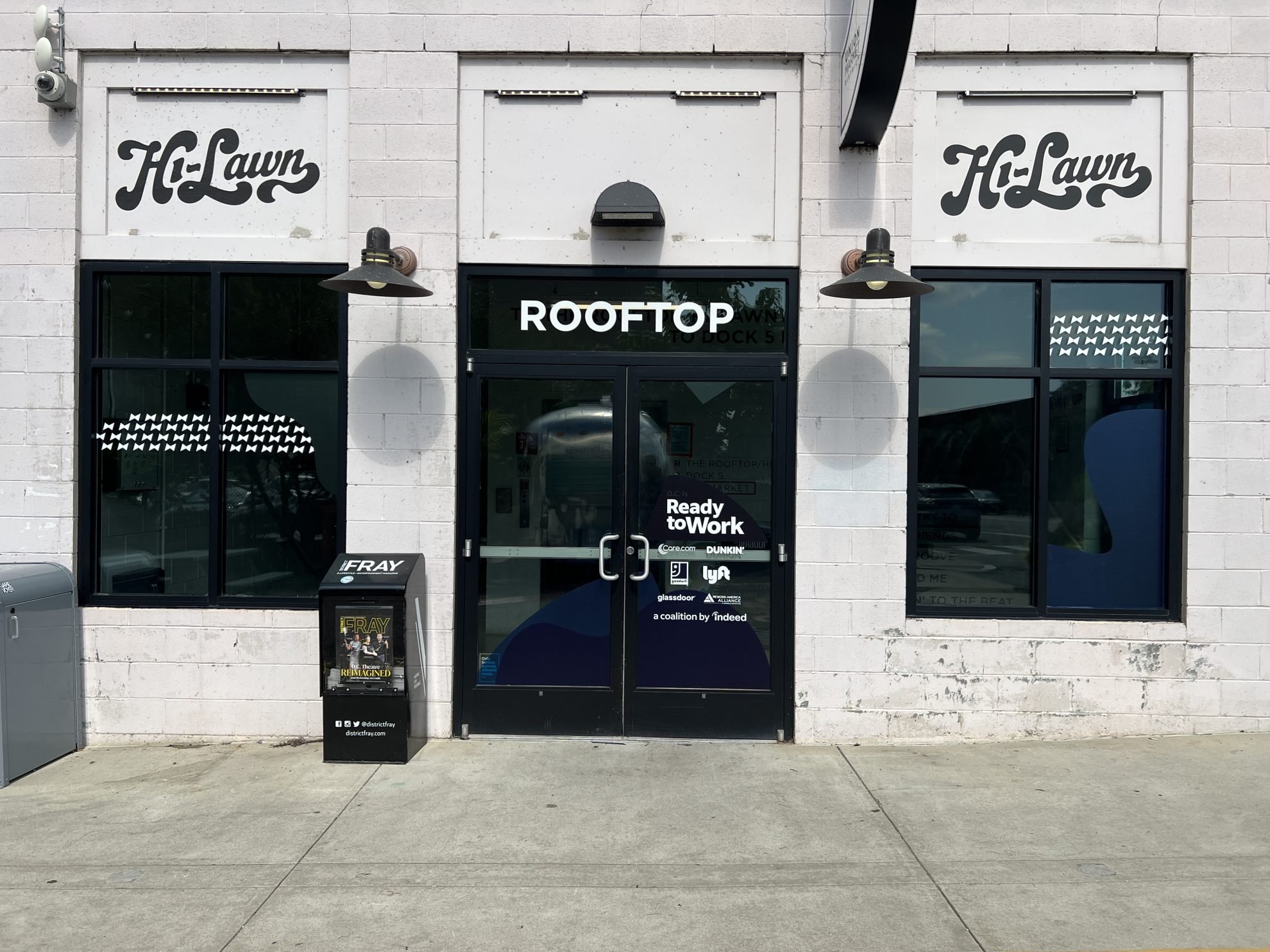
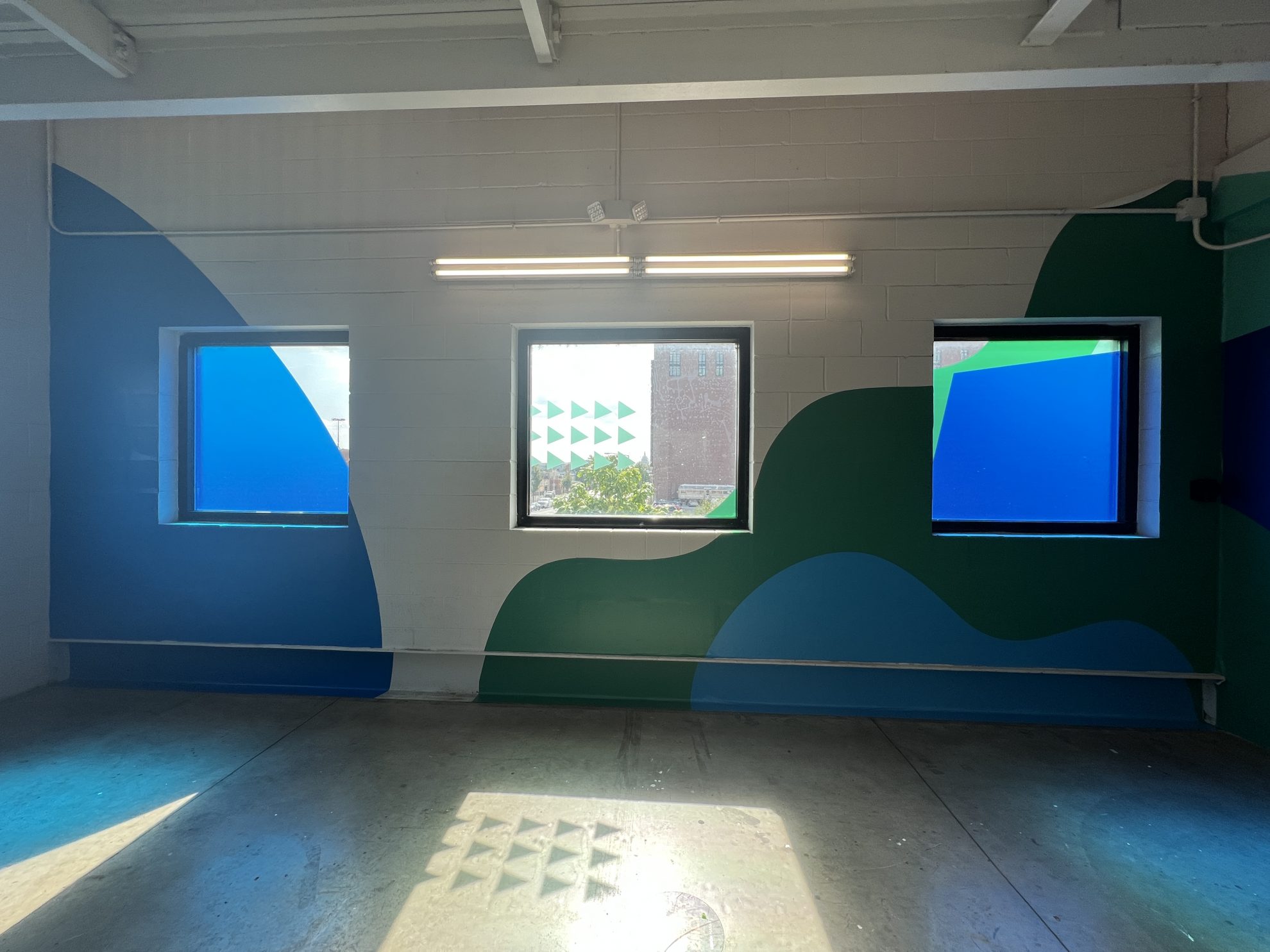
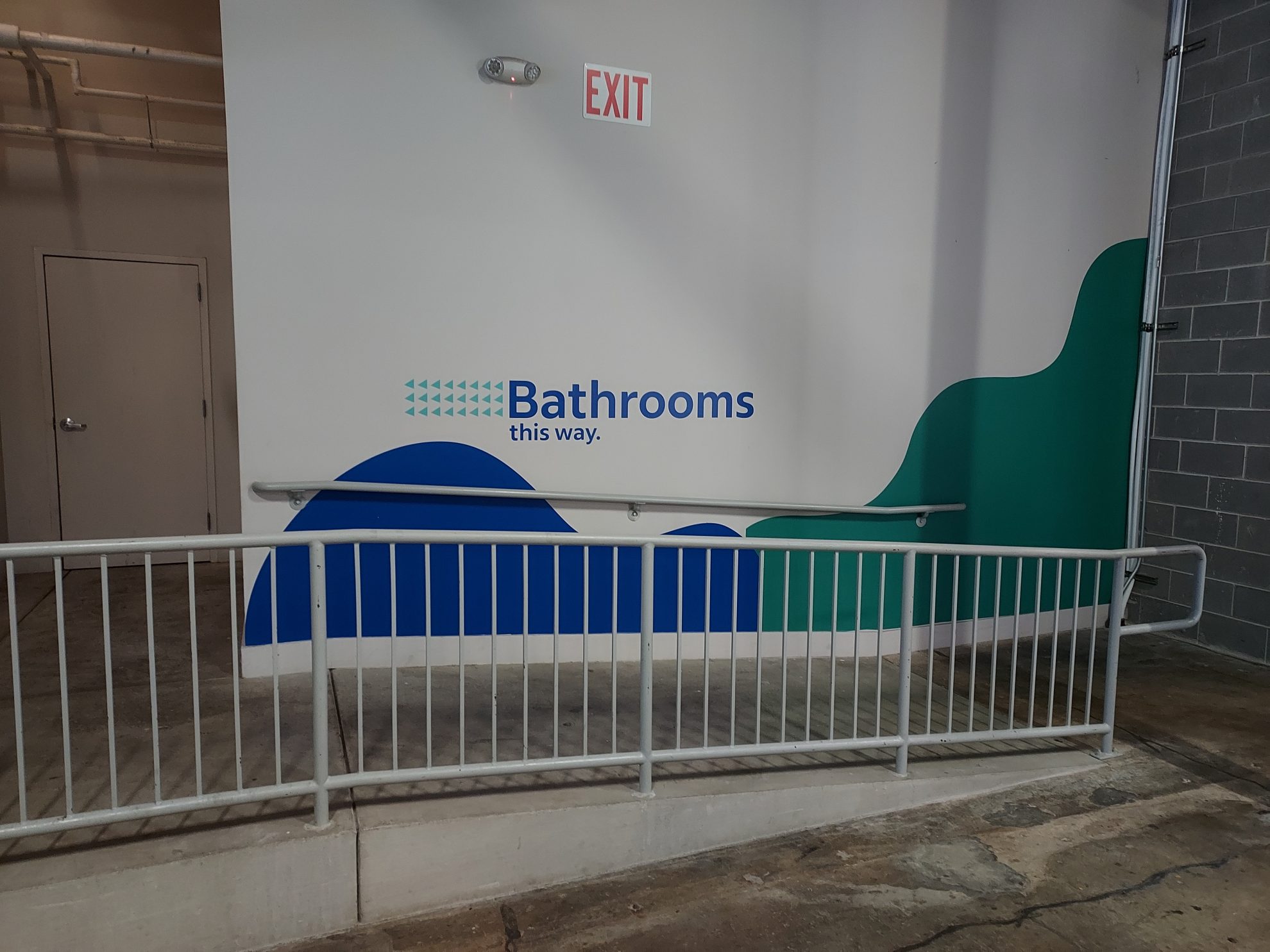
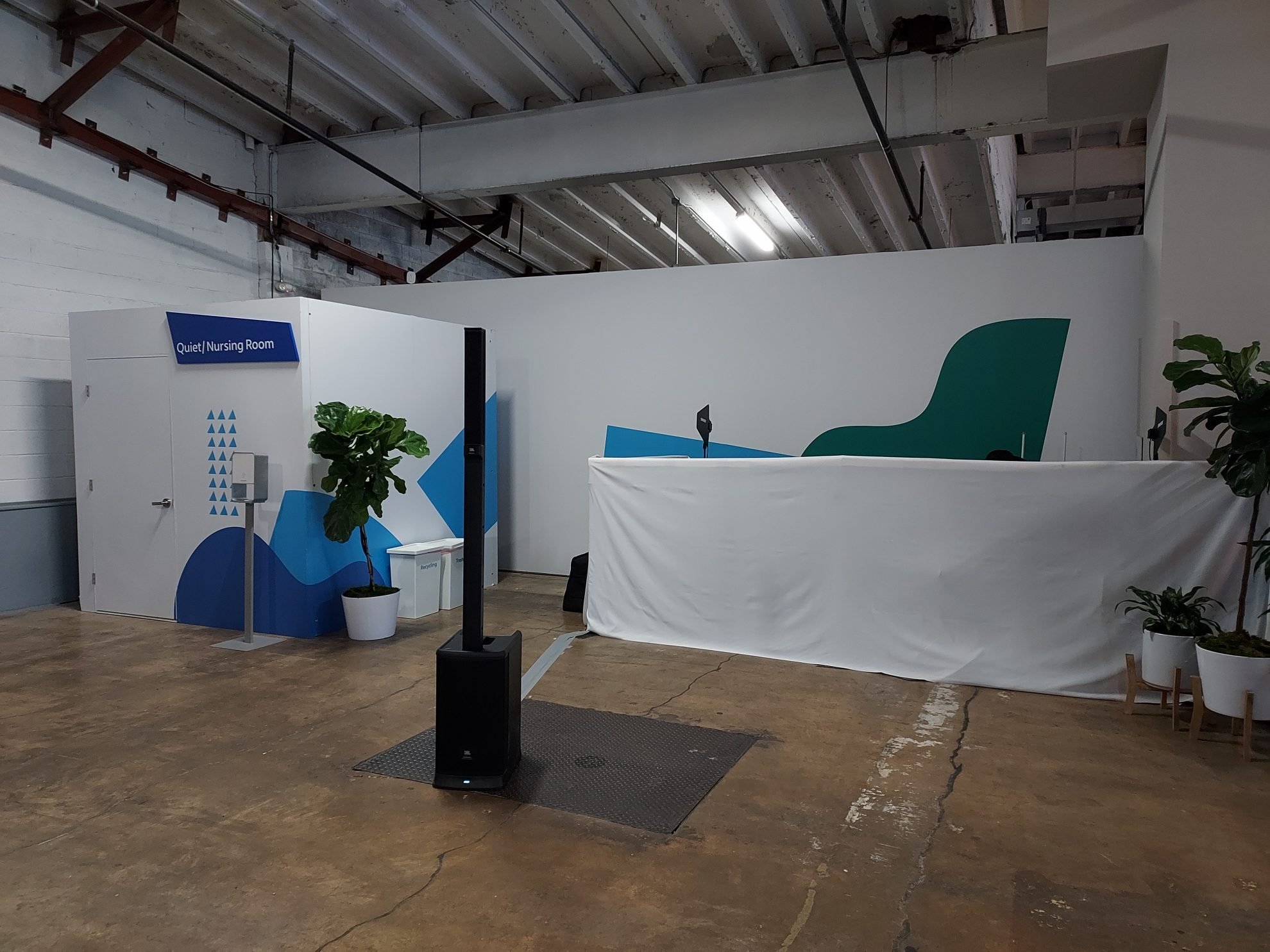
Heritage Signs & Displays' collaboration with The Gathery to brand Union Market in Arlington, VA, for Indeed's "Ready to Work" job fair. The project included custom event displays, wall graphics, window graphics, and wayfinding signs, creating an immersive and visually appealing environment. The branding enhanced the venue, reflected the event's mission, and provided a seamless experience for attendees.