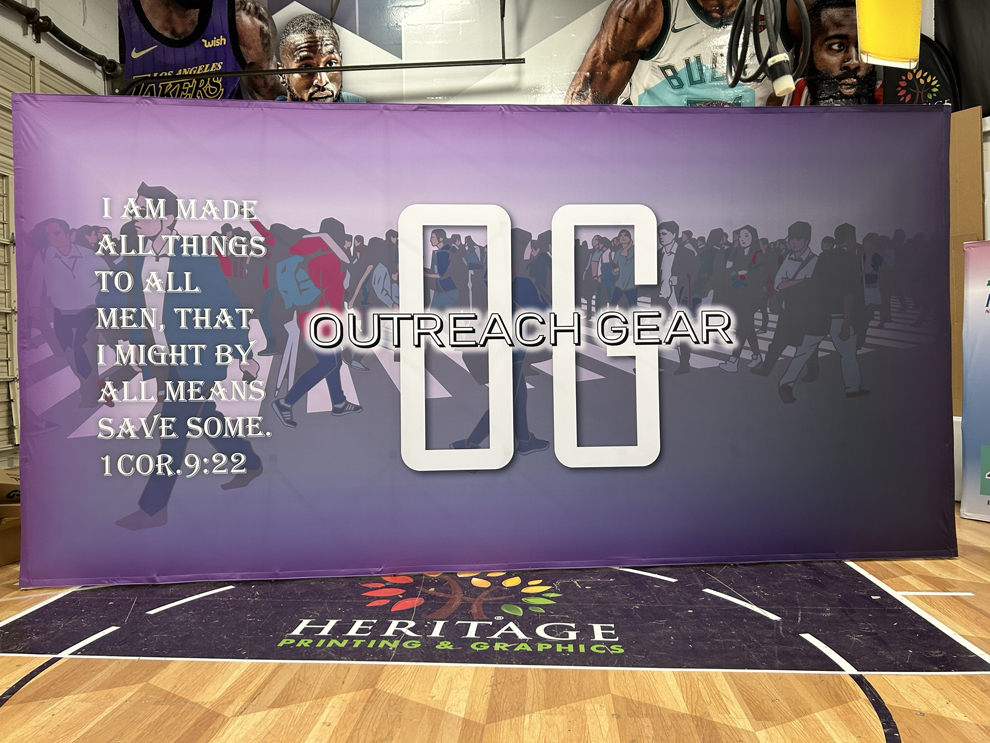
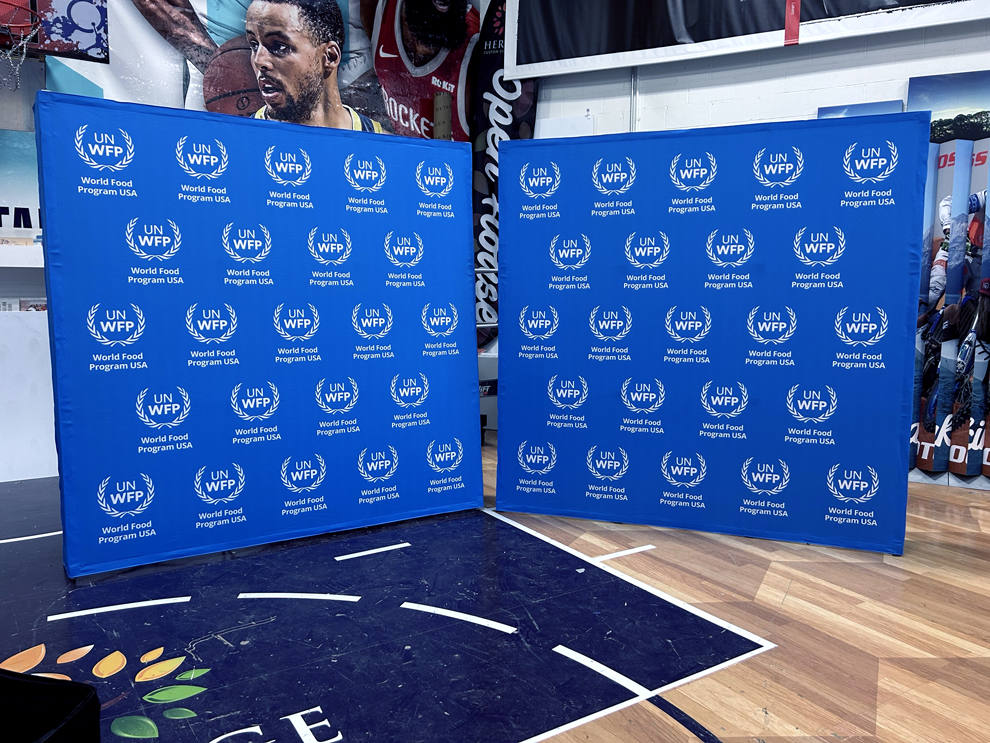
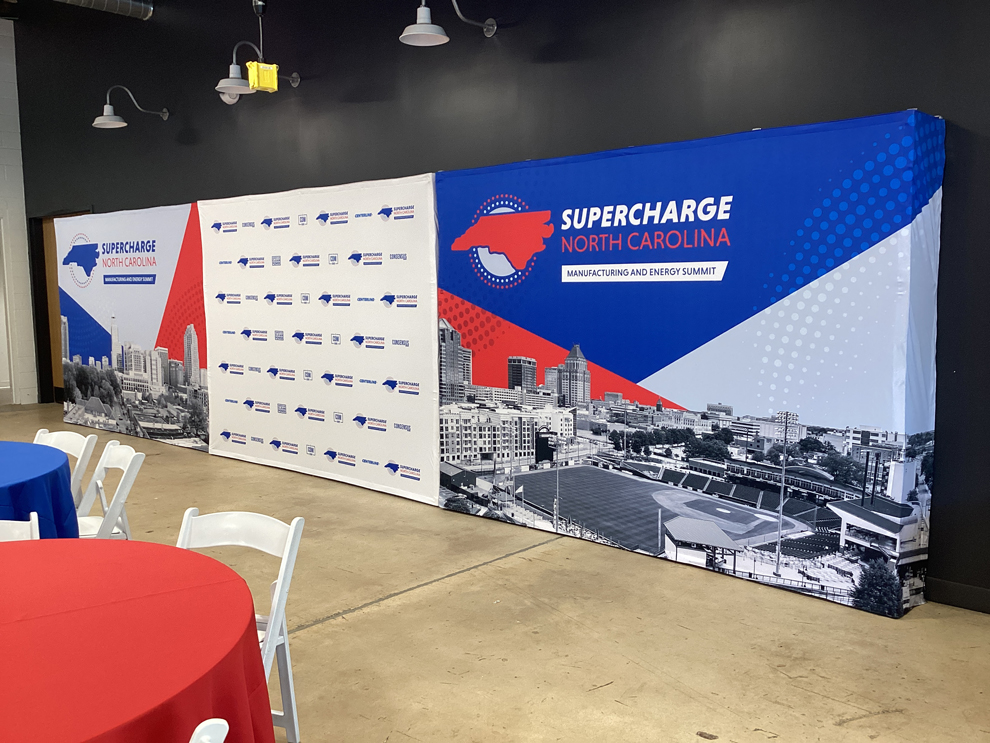
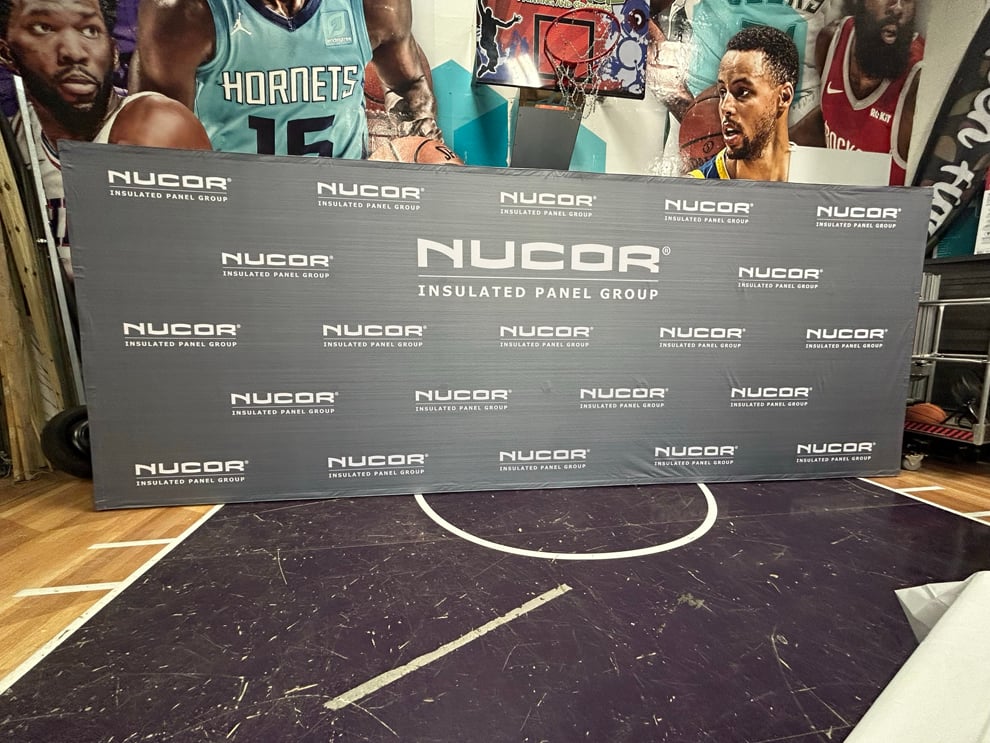
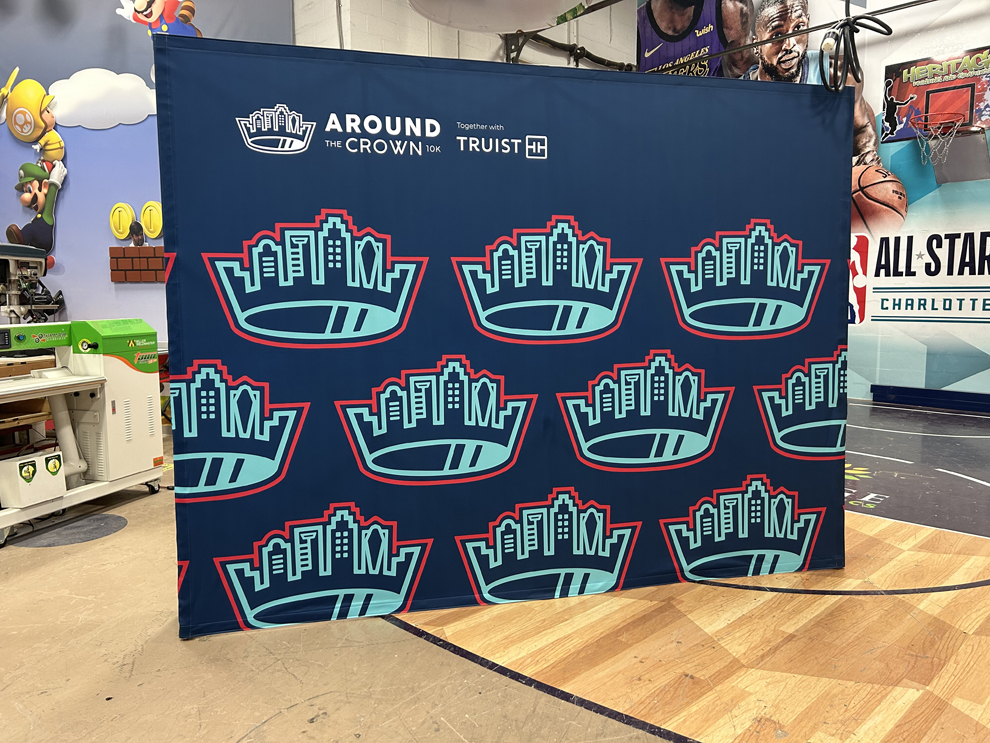
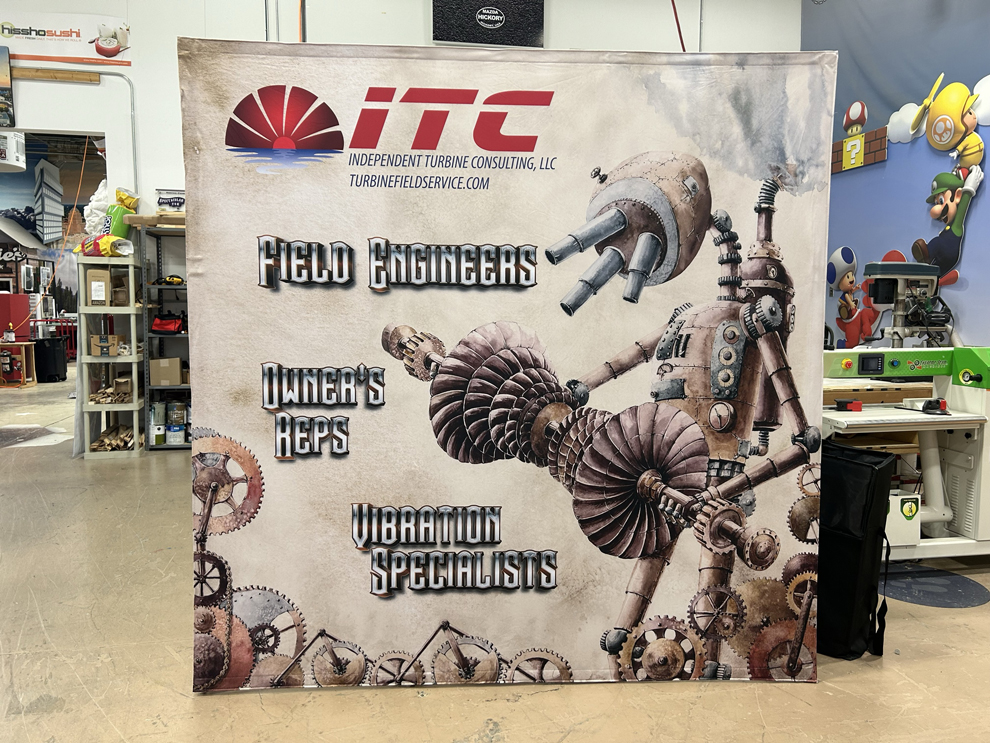
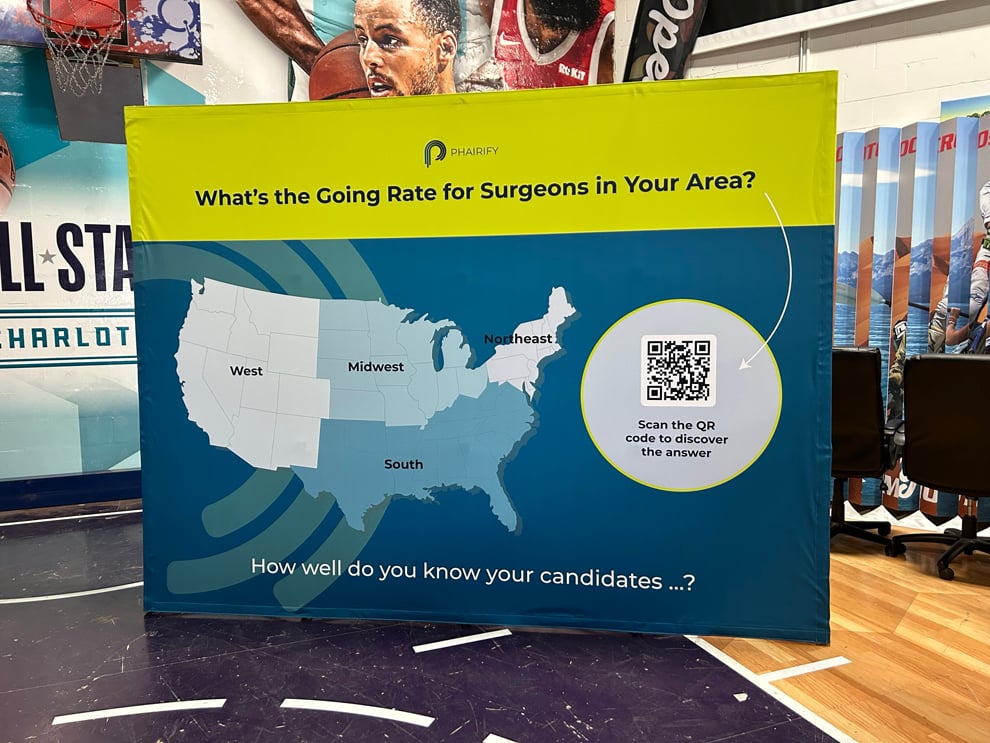
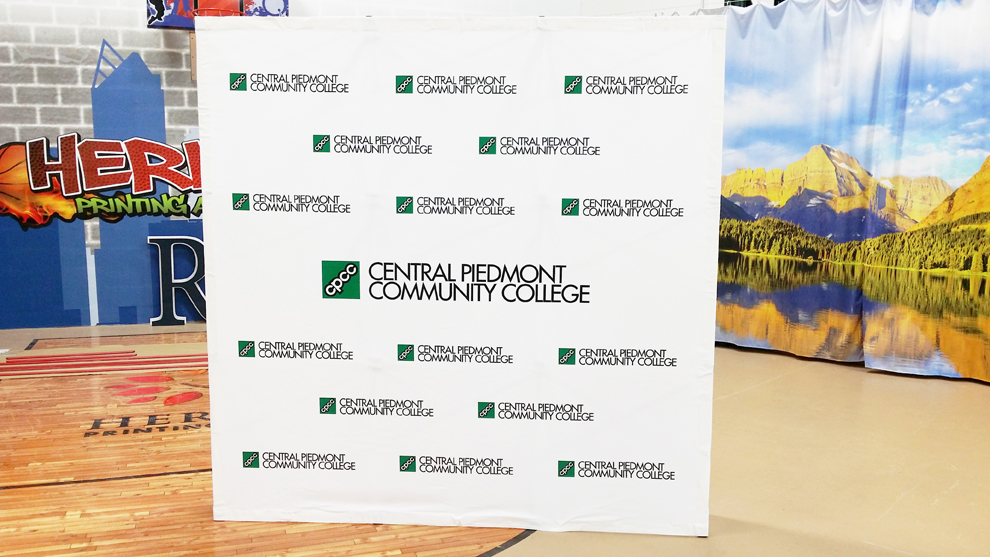
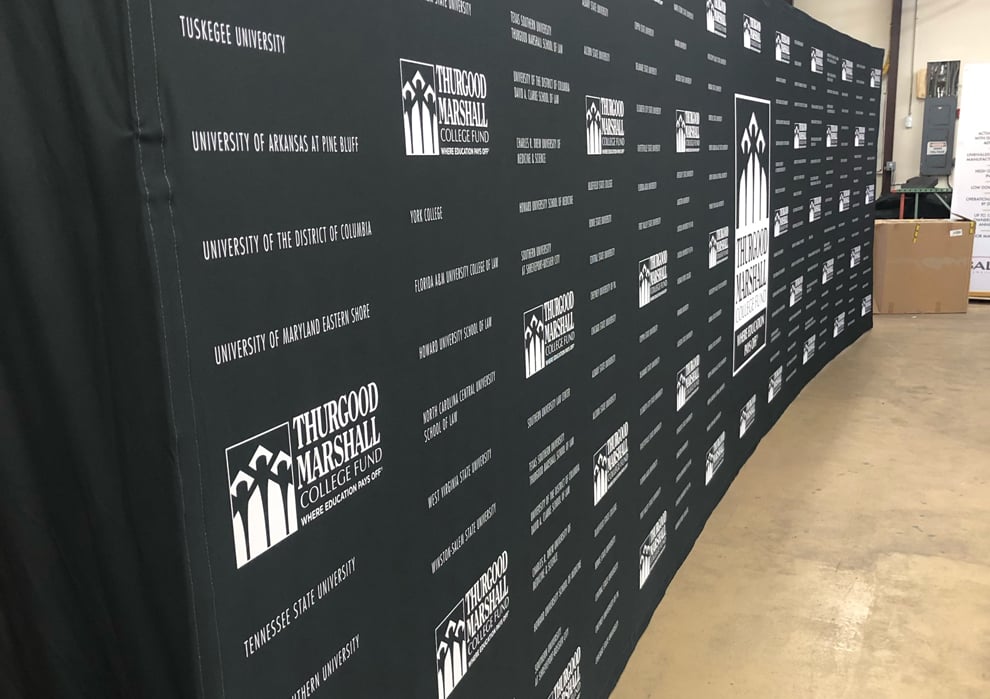
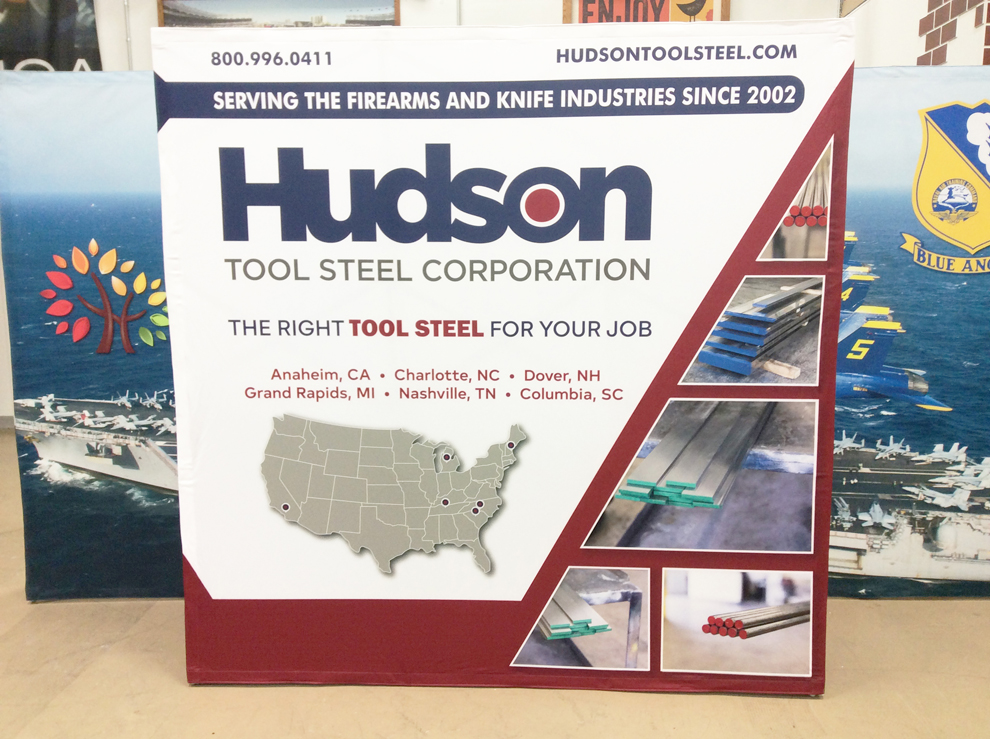
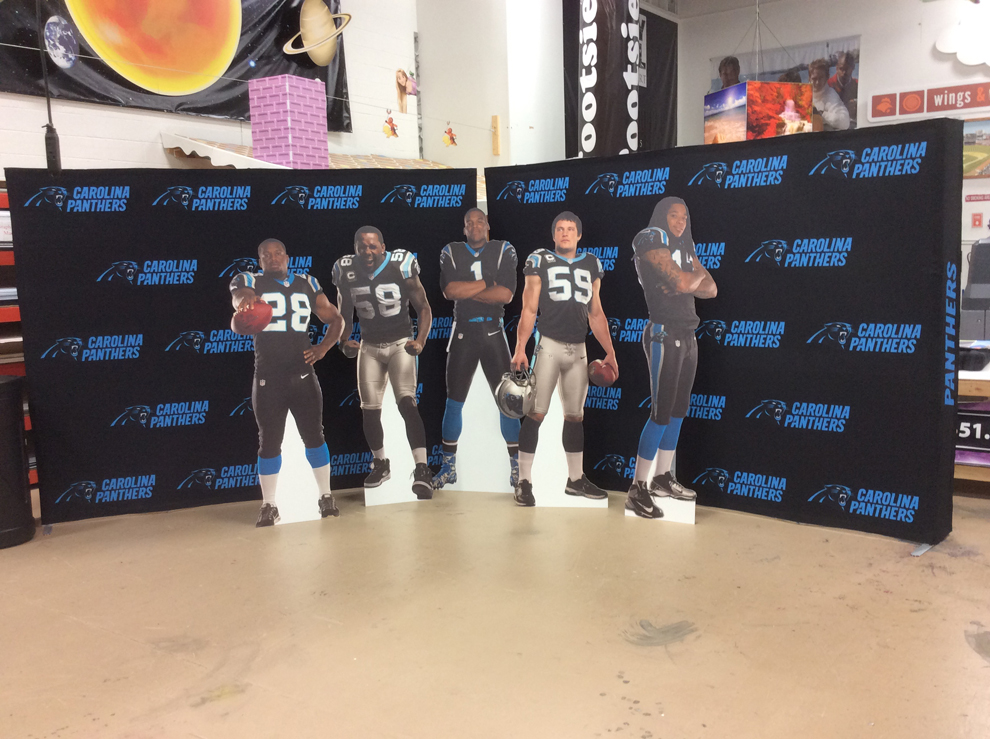
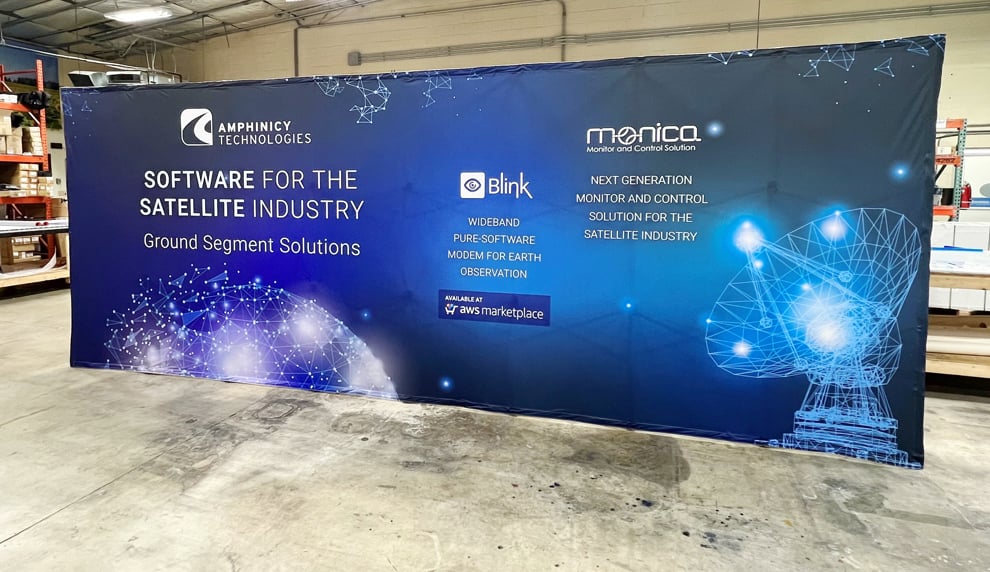
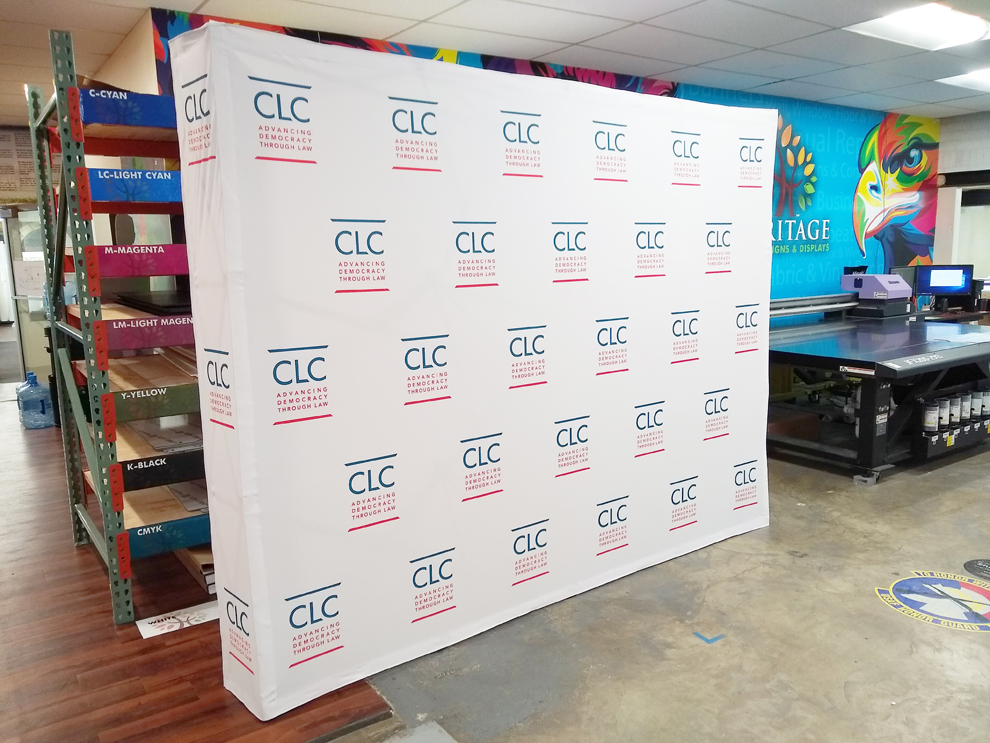
When a Waldorf, MD organization wants a meeting room, stage, exhibit booth, or interview corner to look finished, the quickest fix is usually one large branded surface behind the action. A portable fabric backdrop delivers that surface with no construction, no changes to the venue, and nothing left behind. It gives the audience a single visual anchor, folds down when the program ends, and travels to the next event ready to go again.
Heritage Signs & Displays is a veteran-owned, family-led company with roots in a printing business founded in 1977. In 2009, custom signs, interior graphics, workplace branding, and event environments became the core of the business, and fabric backdrops are a natural part of that lineup. The same system can work as a standalone portable display for a single department or serve as one coordinated element inside a larger event environment planned around the room.
Waldorf and the wider Charles County area keep a full calendar of programs: chamber and business association gatherings, church and ministry conferences, school and college functions, healthcare and government contractor meetings tied to nearby federal installations, job fairs, youth sports banquets, and community expos. Most of these take place in hotel meeting rooms along the Route 301 corridor, community centers, church fellowship halls, school auditoriums, and office spaces that other groups also use and that are booked for only a few hours at a time. A backdrop that shows up packed, goes together on site, and leaves the room exactly as it was found suits that schedule.
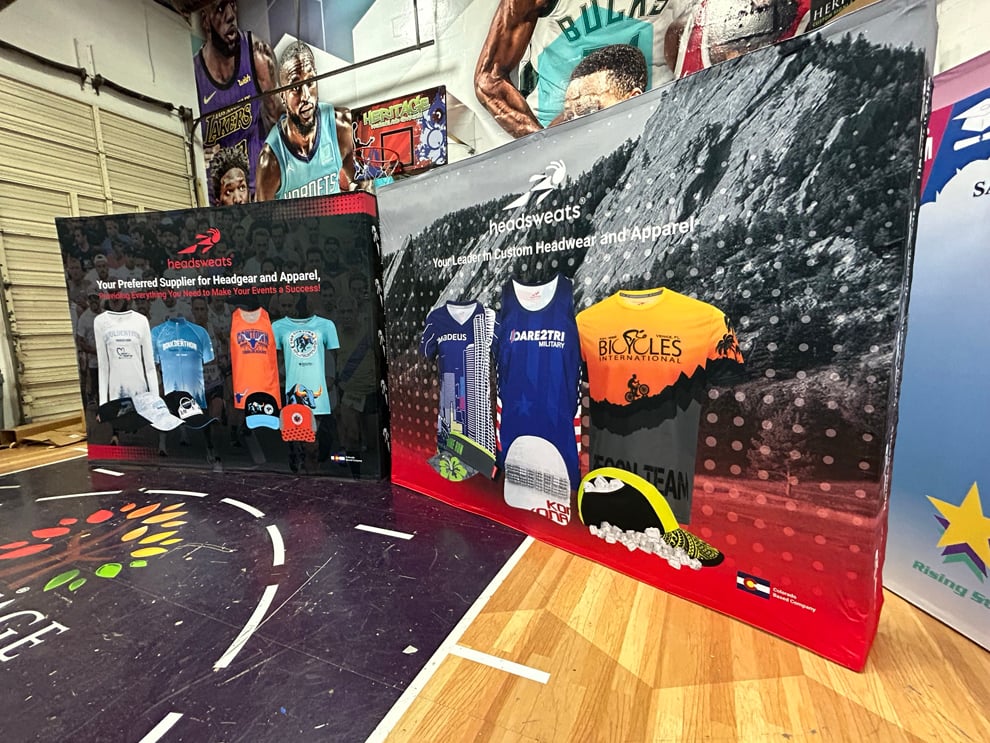
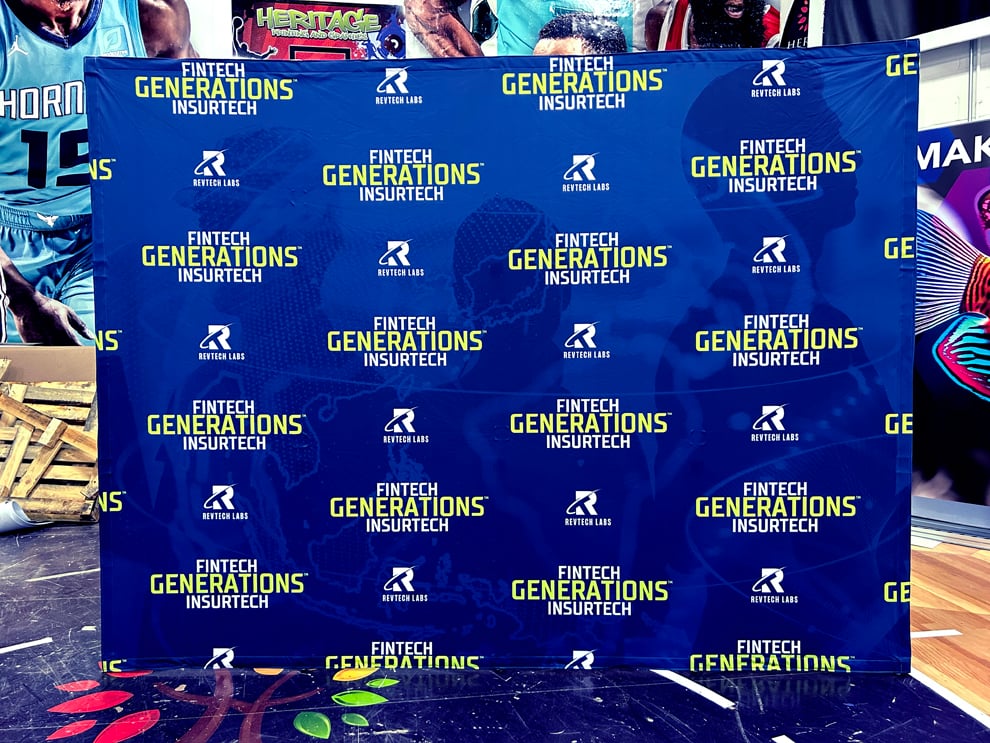
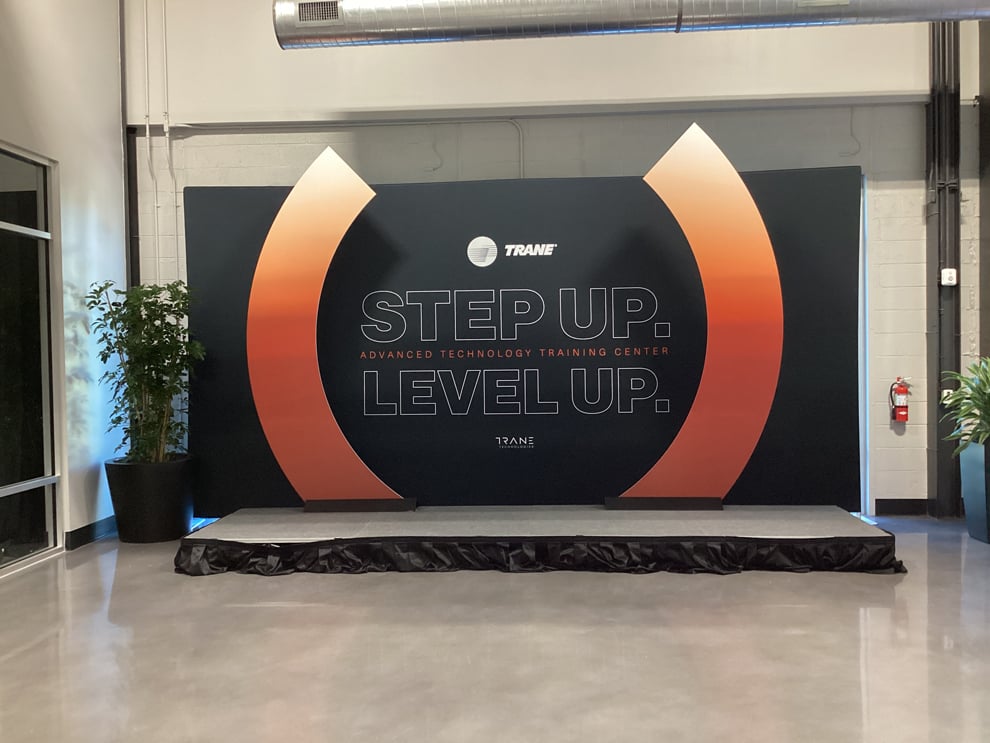
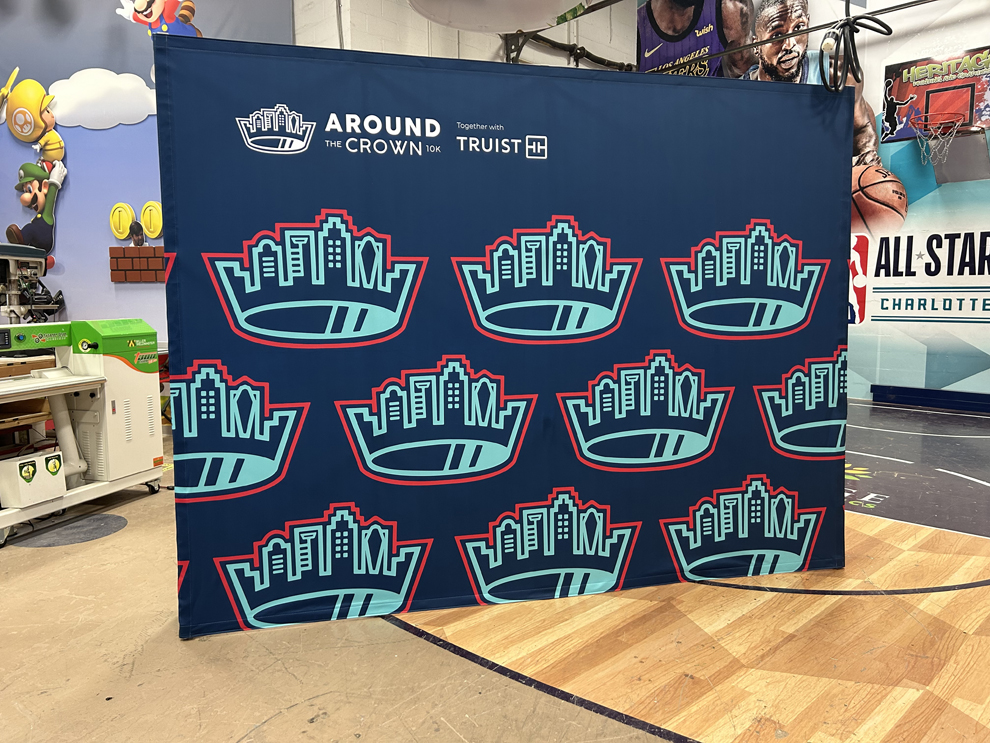
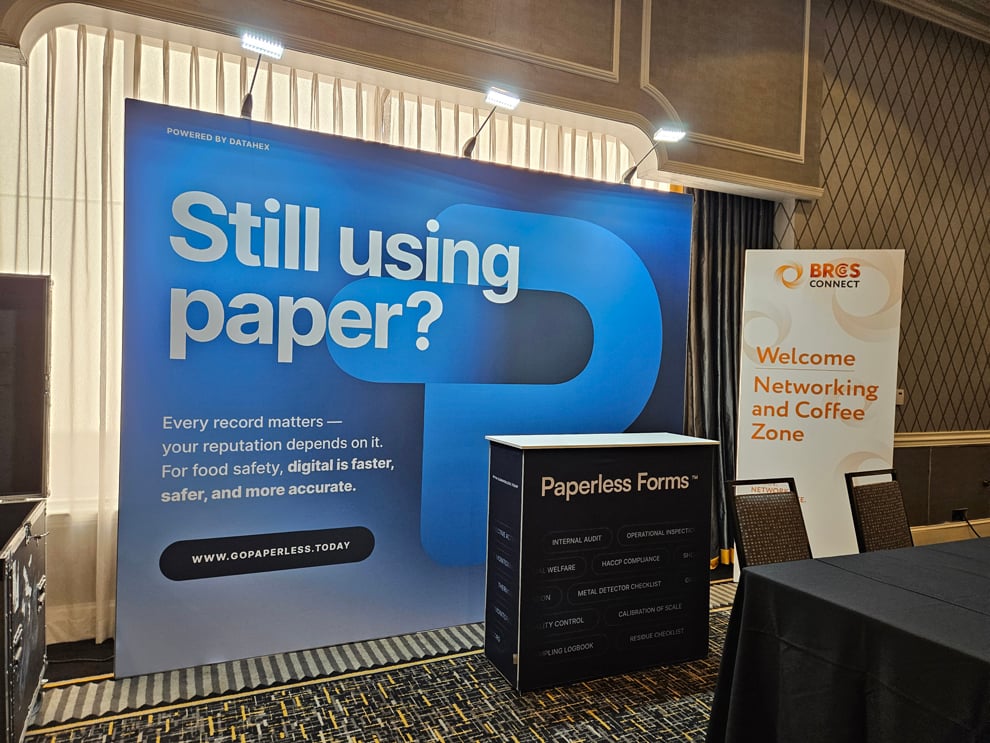
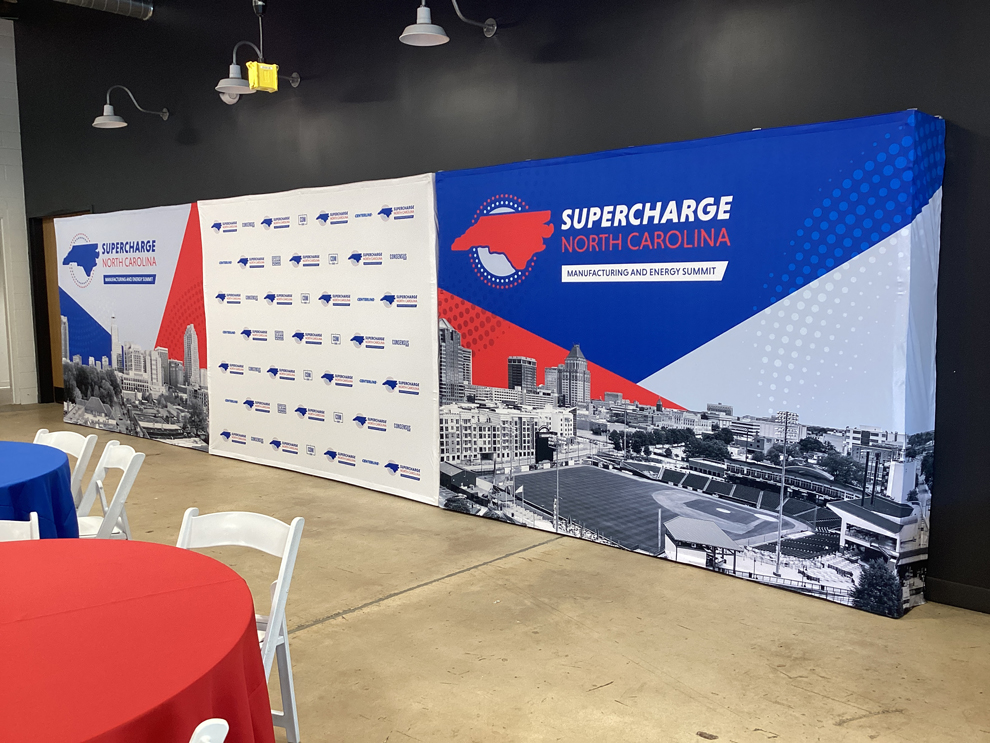
What the graphic has to accomplish depends on where it stands. Behind a keynote or general session stage, it should name the organization and the program while keeping the speakers as the center of attention. In a sponsor lounge or photo spot, the layout may repeat logos placed so they stay visible around the people posing in front of it. On an expo floor, the backdrop gives the booth a substantial backwall so counters, literature racks, and banners can handle the finer details.
Portability is what makes the system workable for groups that run several programs a year. Standardized fabric backdrop systems rely on lightweight frames that either separate into sections or collapse for transport and storage, and the way the graphic attaches varies by system. Assembly steps, packed dimensions, and future graphic replacement should be verified for the exact configuration rather than assumed. The Heritage Online Store lists current sizes, options, artwork templates, attachment details, and pricing for each eligible system.
For groups that move between Waldorf, La Plata, Prince George's County, Washington, DC, and other Mid-Atlantic locations, one reusable backdrop keeps the visual standard consistent from one program to the next.
For a buyer who has already picked the standardized backdrop and configuration and has complete print-ready artwork ready to upload, the Heritage Online Store is the direct route. That standalone purchase is made independently and does not include Heritage design or layout development, direct product selection or coordination, a Physical Production Color Proof, a Heritage site survey, or Heritage professional installation. When the backdrop is part of a broader qualifying event or workplace project that Heritage must develop and/or coordinate, Get Started Now opens the managed-project path, where design, delivery, setup, and installation follow the accepted scope.
Talk with Heritage about a coordinated event environment involving multiple signs, graphics, displays, and professional installation.
Get Started Now
The frame choice should be made by the people who will haul, assemble, and store the display, not only by the person signing off on the artwork. One system uses connected tube sections that lock into a structure, with a tension fabric graphic that slides over the frame and zips closed. Another uses a collapsible pop-up frame with a fabric graphic secured by hook-and-loop attachment. Both deliver a wide fabric background, but through different hardware and different steps.
Those differences add up over the life of the display. A backdrop that church volunteers put up before a Sunday morning program has different requirements than one handled by a seasoned exhibit crew. Frequent trips up and down Route 301 raise the value of a compact case and well-protected fabric. A small storage closet favors a system that packs down tight. If sponsor names, dates, or campaign themes will change, confirm whether that specific system accepts replacement graphics, because that capability varies by system and should never be assumed.
Check the current Online Store product information, dimensions, templates, and instructions before ordering so the system you choose fits how it will really be transported, assembled, used, and stored.
Printing one backdrop and running an event program are two different jobs. A Waldorf conference, expo, or corporate gathering can involve a venue agreement with tight load-in windows, several reviewers, sponsor obligations, multiple graphic formats, deliveries to more than one address, and installed pieces that must be checked in the field. When the accepted scope calls for that level of coordination, Heritage brings environmental graphic design, project management, production, fabrication, site coordination, delivery planning, and professional installation under one accountable process.
The One Dedicated Project Manager System was built for exactly this. A single Project Manager holds the approved artwork, quantities, schedule commitments, placement decisions, and stakeholder feedback from the first call through completion, so the client never has to re-explain the program at each handoff. A standardized backdrop ordered with complete artwork and no coordination remains a self-directed Online Store purchase and does not receive those managed services.
For color-critical managed work, supplied Pantone Matching System colors serve as production targets, electronic proofs do not establish finished physical color, and a Physical Production Color Proof is available only within the accepted scope, at additional cost, when the schedule permits.
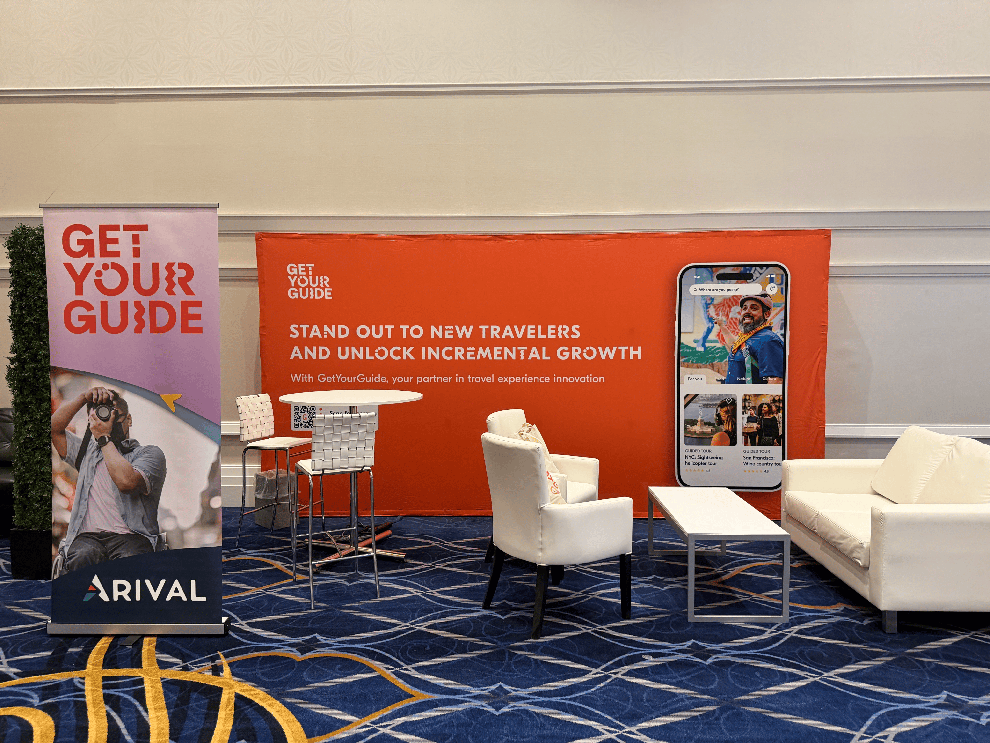
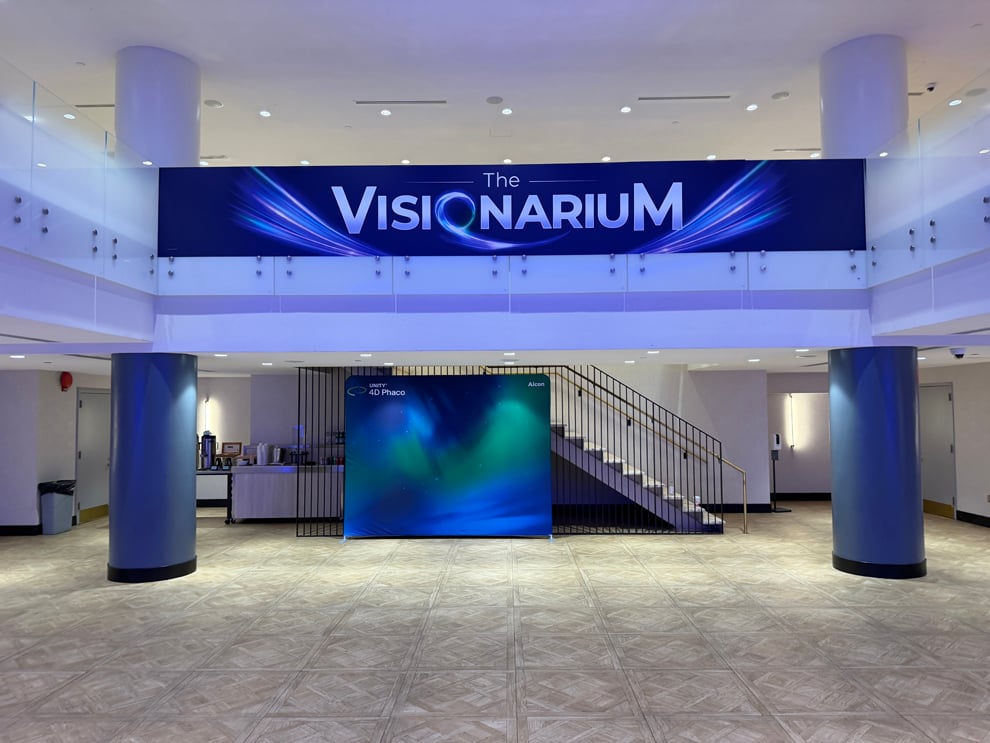
Look at the broader event-backdrop category when the staging needs a different structure, scale, or finish than a standardized portable fabric system offers.
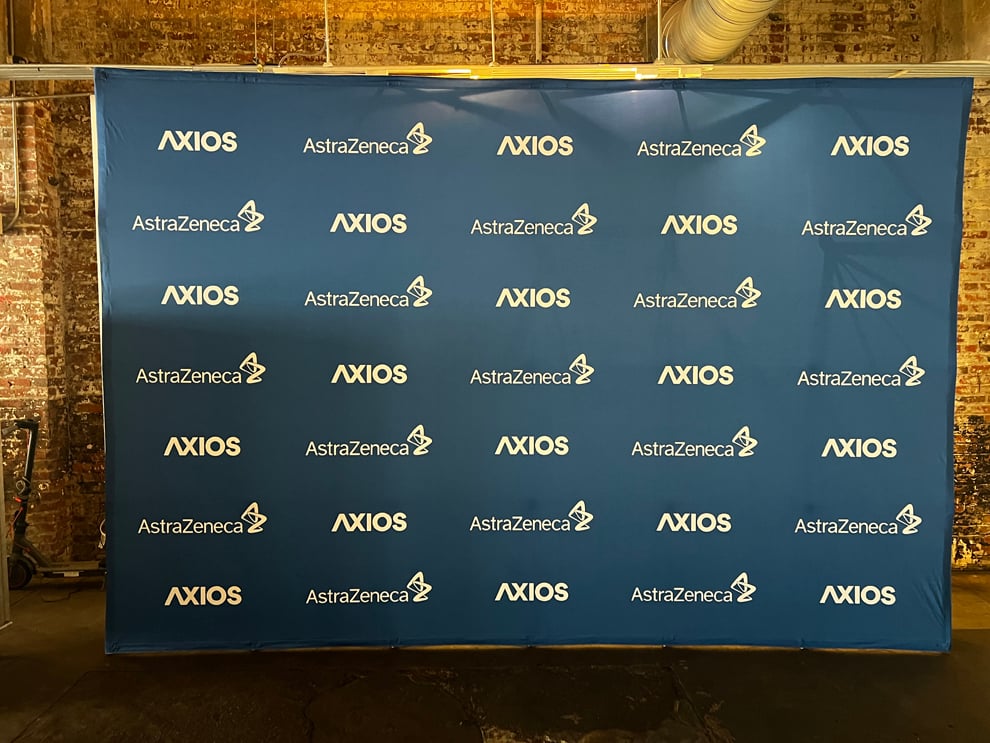
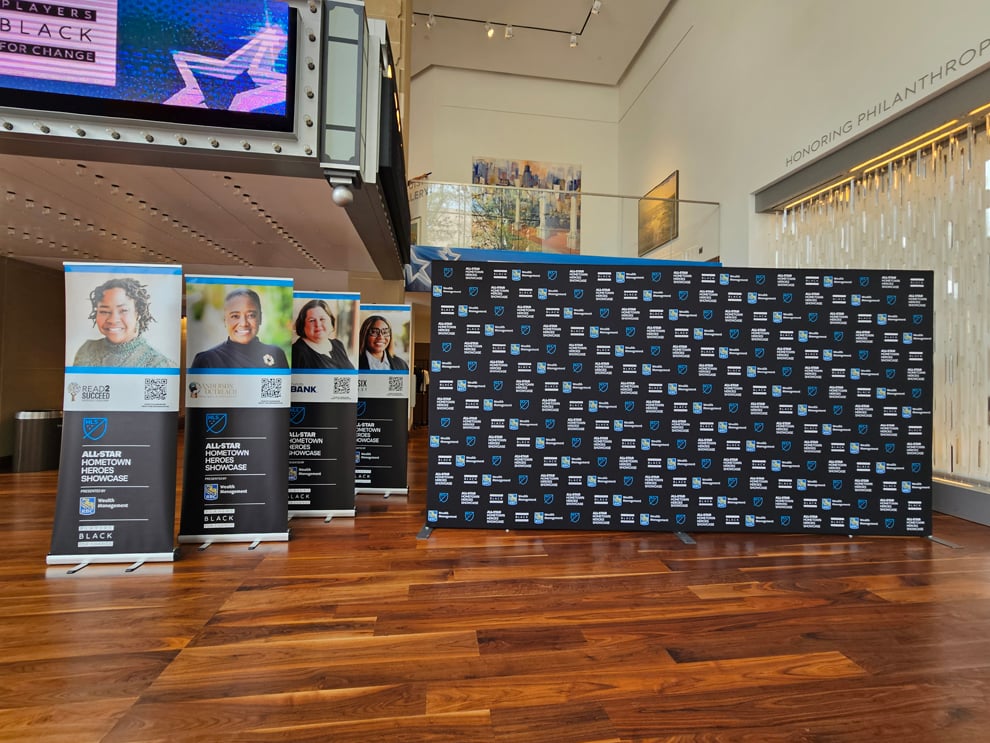
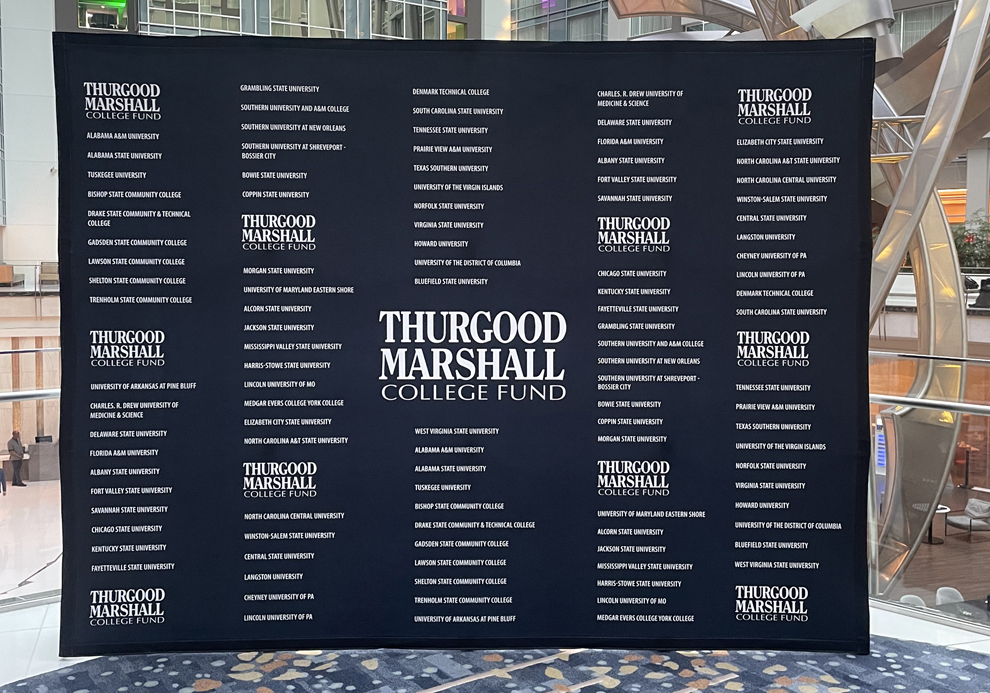
Create a repeated-logo or sponsor wall for arrivals, red carpet moments, interviews, awards nights, and other settings that are judged mainly through a camera lens.
Go beyond a single backwall when the booth calls for several coordinated surfaces, counters, lighting, or a fuller portable exhibit.
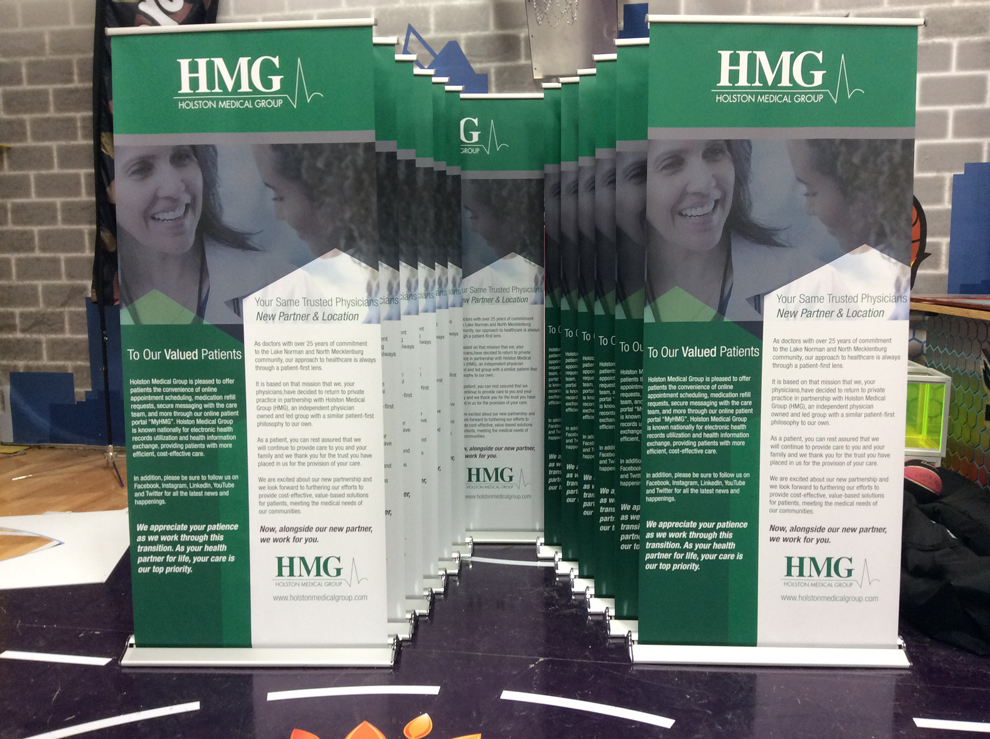
Position independent vertical messages at check-in tables, breakout room doors, hallways, and recruiting stations where each sign needs to stand on its own.
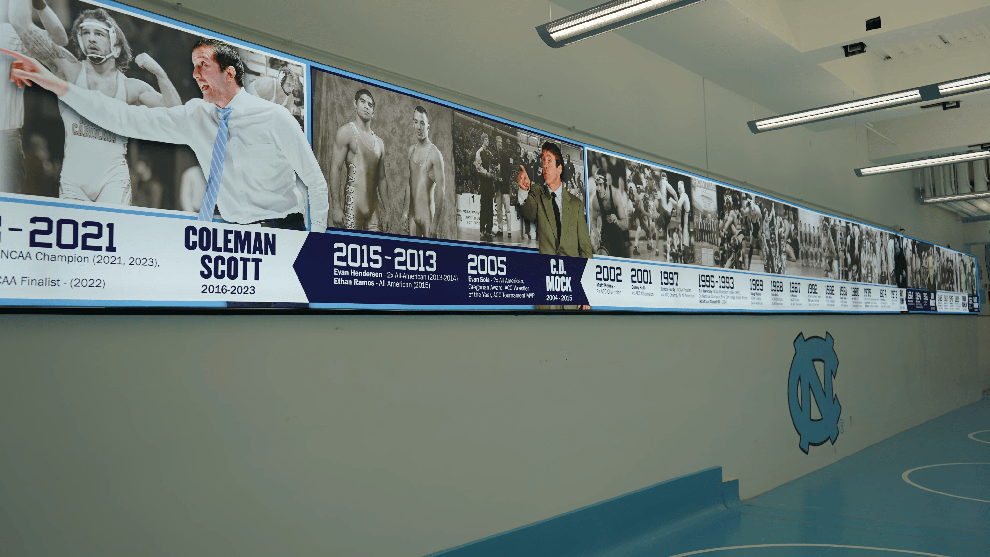
Select silicone-edge fabric when the graphic must seat into the channel of a compatible frame or lightbox instead of pulling over or attaching to a portable frame.
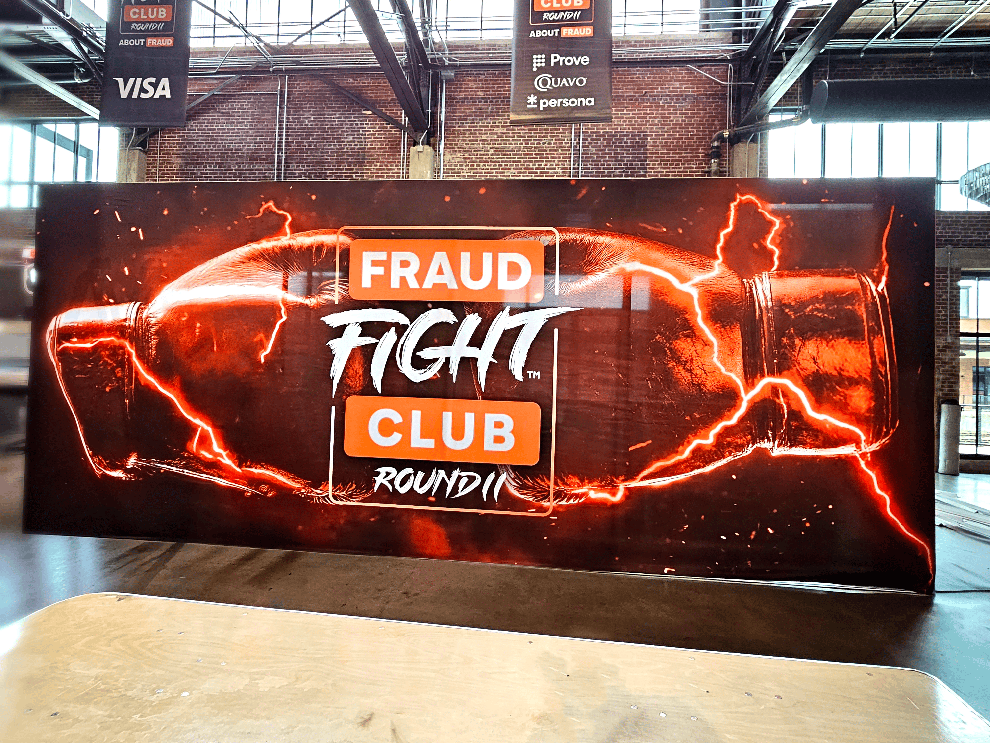
Turn to modular structural framing when the event needs configurable components and a larger built environment than a single freestanding background.
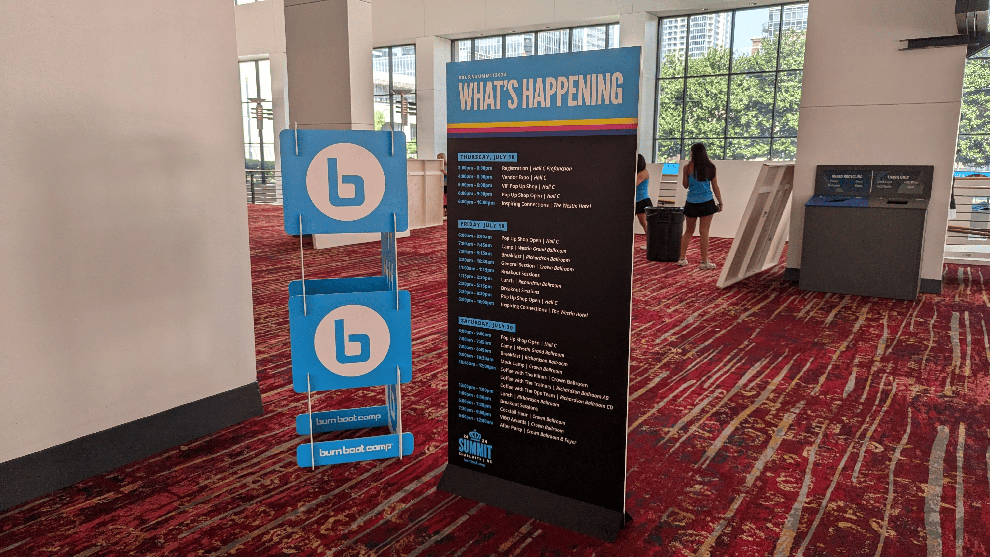
Add tall visual markers for sponsor recognition, room identification, or wayfinding that must stay visible above a standing crowd.
Coordinate the entire event communication system when wayfinding, registration, sponsor visibility, and venue graphics all have to work as one.
Has the standardized system been chosen, the configuration locked in, and complete print-ready artwork prepared? Use View Pricing & Order Online to see the current options and order directly through the Heritage Online Store.
Is the backdrop part of a larger event or workplace program that Heritage needs to develop and/or coordinate? Use Planning a Larger Event Branding Project? Get Started Now, and share the venue, event date, goals, expected scope, and any files already in hand so Heritage can determine whether the managed-project path is the right fit.
Planning a Larger Event Branding Project? Get Started Now
Waldorf is home to Heritage's Mid-Atlantic production facility, staffed by production team members and primarily supporting Washington, DC, Northern Virginia, Maryland and Baltimore, and nearby markets. That means backdrops for Charles County programs are often produced just minutes from where they will be used. Waldorf is a production facility only, not a sales office or showroom, so it is not set up for walk-in consultations or product viewing.
Client-facing support for Waldorf and Southern Maryland organizations comes through Heritage's Washington, DC location, which provides local field support for the DC metro area. For qualifying managed projects, those resources handle discovery, the required site survey for installed scope, field coordination, delivery planning, and professional installation at the venue or workplace. Charlotte, the company headquarters and primary specialty production facility, may step in for more robust or specialized work when its equipment or capacity is the better match.
For programs that travel between Waldorf, Annapolis, Baltimore, Richmond, or other Mid-Atlantic and Carolinas locations, one dedicated Project Manager preserves approved standards and project history while the physical solution is adapted to each site.
Backdrop artwork is composed around what will stand in front of it. Speakers, panel tables, lecterns, podium signs, interview chairs, product displays, and groups of guests can hide a large share of the lower and center portions of the graphic once the room fills. Logos, sponsor marks, headlines, and program identifiers belong where they remain readable while the space is in use, which typically means higher on the panel and toward the outer edges.
Viewing distance and cameras shape the rest. An audience seated across a Waldorf hotel ballroom or a school auditorium picks up large shapes and short headlines, not paragraphs. A media or photo area is judged inside a tight camera frame, where repeated marks and even spacing keep the organization recognizable around each subject. An expo backwall is seen first from the aisle, so imagery and one clear message usually beat dense copy.
Online Store buyers supply complete print-ready artwork built to the selected system's template. Design and layout development are not part of that transaction. In a qualifying managed project, Heritage can provide environmental graphic design when the accepted scope includes it.
The printed fabric is the most vulnerable part of the system during handling between events. Pack it so frame sections, connectors, and hardware cannot press into, snag, or scuff the printed surface, and use the carrying case supplied with the system when one is included. Store the display where it will not get crushed under folding tables, chairs, or other equipment between programs.
Assembly follows the specific system, not a generic routine. A tube-frame backdrop needs its sections connected into the full structure before the tension fabric graphic is pulled over and closed. A pop-up backdrop expands from its collapsed form and takes the graphic by the attachment method specified for that product. Before the first event, build the display in the office to learn the sequence, then allow time at the venue to build it, align the graphic, and inspect it from the audience and camera positions.
Backdrops purchased on their own through the Online Store are set up by the client. No Heritage site survey and no professional installation come with that purchase. When the backdrop belongs to a larger managed project that includes Heritage installation, the site survey is required and it pairs discovery with a technical check of the scope Heritage will install.
Before choosing how to buy, work through the questions that shape the outcome: what the backdrop needs to accomplish, who will view it and from what distance, how much of the program it supports, the date it has to be at the venue, who signs off on the artwork, what the venue allows, who handles assembly, and the budget the organization has set aside. Once those answers agree with each other, the right path tends to reveal itself, and the graphic files become one input among several rather than the place the project begins.
The Heritage Online Store fits when the standardized system and its configuration have already been selected, finished print-ready artwork exists, and the buyer is prepared to make ordering decisions without guidance. Standardized orders that qualify are subject to the Online Store minimum posted in the store, where current production and shipping details are also listed.
Get Started Now fits when the backdrop is one piece of a larger qualifying event or workplace project that Heritage needs to develop and/or coordinate. That might mean several display types, more than one venue, delivery logistics, approvals from multiple stakeholders, site conditions that need attention, or professional installation. Budget expectations for managed projects are covered during discovery. Having approved artwork on hand does not by itself decide which path applies.
Heritage operates a production facility in Waldorf, Maryland, and it is the facility most often assigned to Mid-Atlantic work. That location is production-only, however, and does not function as a sales office or showroom, so Waldorf clients do not visit it to review products or place orders.
Client-facing support for Southern Maryland comes through the Washington, DC location, which provides field support across the DC metro area, with Arlington also serving the region. Production is always assigned to the facility best matched to the job. For qualifying managed work that spans several venues, a single dedicated Project Manager maintains consistent standards and project history while each site receives local attention.
Sometimes. Certain fabric backdrop systems are designed to take swap-out graphics, while others are not built with that in mind.
Since the answer depends on the specific system, check the current Online Store product information before buying if sponsor rosters, dates, or themes are likely to change while the hardware remains in use.
Position primary logos, sponsor marks, and headlines toward the top of the graphic and out toward the sides, clear of the area that panel tables, chairs, lecterns, and seated speakers will block. Design for the room as it will look with people in it, not as it looks empty.
Big, simple elements carry across a ballroom better than fine detail, and they hold up when part of the graphic is hidden. Nothing the audience needs to read from the back of the room should live in the lower center of the panel.
Go with a fabric backdrop when the space calls for a single wide visual field behind speakers, products, or an exhibit. Go with retractable banners when messages need to stand on their own at check-in, entrances, corridors, or breakout rooms and shift locations as the program moves.
Plenty of programs use both. The backdrop anchors the stage or booth, while banners carry agendas, wayfinding, and supporting messages to the spots where attendees will encounter them.
No. A standalone Online Store purchase depends on complete print-ready artwork built to the template for the chosen system. Heritage design or layout work is not part of that purchase.
Environmental graphic design is available within a qualifying Heritage-managed project when the accepted scope includes it. In that context, Heritage can also work from client-approved artwork and coordinate it across the related event displays.
Begin with the date the backdrop has to be at the venue. For an Online Store order, verify the product's current production and shipping timeline before checking out and upload the finished print-ready artwork along with the order.
For a managed project, send Heritage the venue, date, approved scope, access limitations, and any approvals still pending right away. Heritage will evaluate what can be delivered responsibly and, where necessary, suggest phased delivery or alternative approaches instead of promising a schedule it cannot meet.
Only inside a qualifying Heritage-managed project, and only when color-critical proofing is part of the accepted scope, the added charge has been accepted, and the timeline allows for it. The proof runs on the actual equipment and substrate so the client reviews real printed fabric instead of a monitor.
After approval, that proof serves as the controlling physical color reference unless the parties agree otherwise. Standalone Online Store orders do not offer this option, and electronic proofs do not define finished physical color.
No. Fabric Backdrops describes the portable frame-and-fabric display system itself. Step and Repeat Backdrops describes a particular graphic treatment: logos or sponsor marks repeated in a pattern built for photos, arrivals, and interviews.
A portable fabric system can display a step and repeat design, but the two page roles answer different questions. One concerns the hardware, and the other concerns a camera-focused graphic pattern.
Look at frame construction, finished dimensions, how the graphic attaches, the assembly sequence, packed size, storage footprint, the artwork template, and whether replacement graphics are explicitly supported. Balance those factors against who will be handling the display and how frequently it will travel.
The biggest graphic is not automatically the best fit. Check the current Online Store listing for the exact configuration before ordering so the system matches how the team actually works.
No. Backdrops bought on their own through the Online Store are client-deployed, and neither Heritage professional installation nor a Heritage site survey is included. Follow the assembly instructions supplied for the specific system.
When a qualifying Heritage-managed project includes professional installation in its accepted scope, Heritage conducts the required site survey for that installed scope and can coordinate backdrop placement alongside the rest of the event delivery plan.
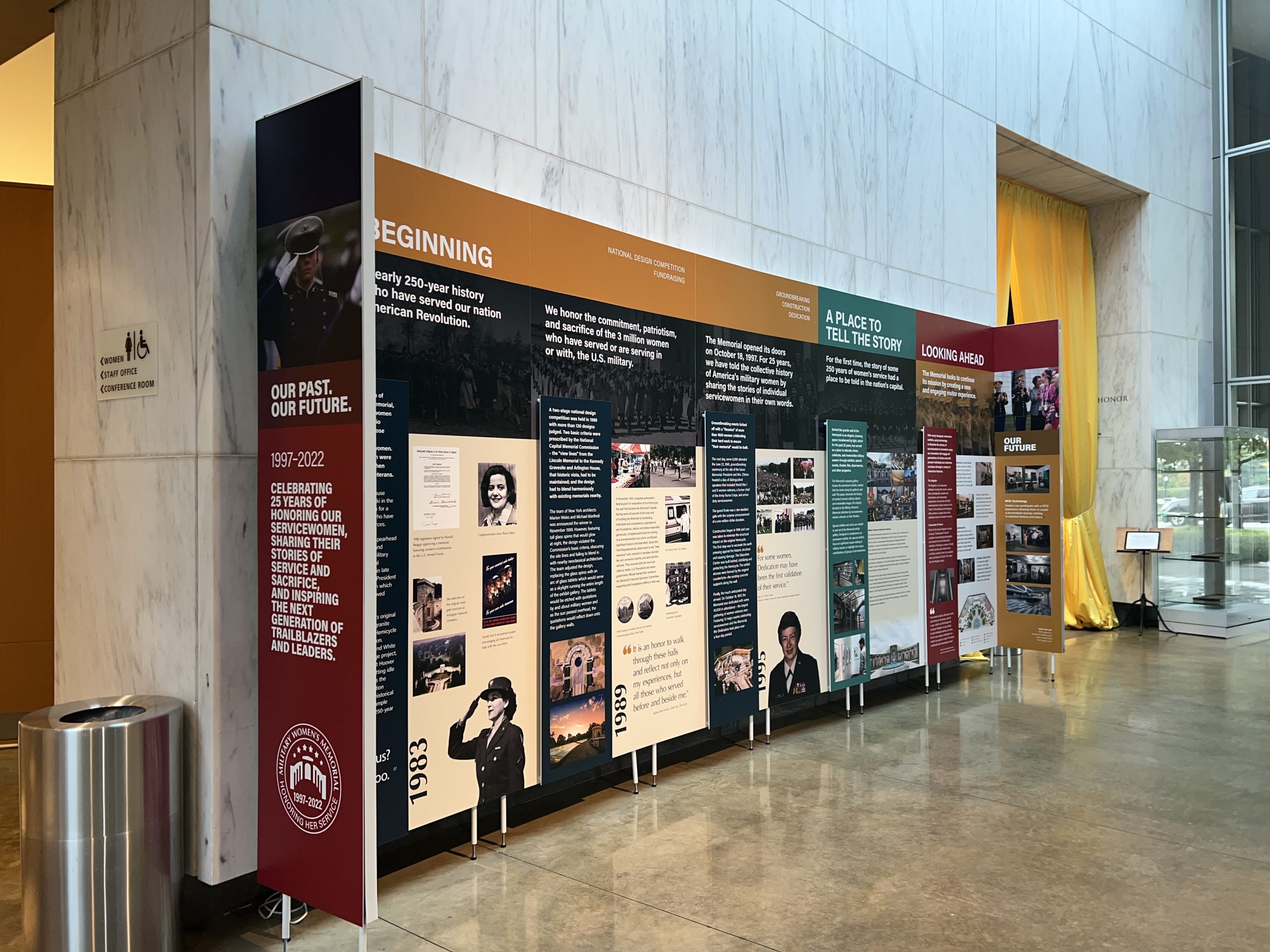
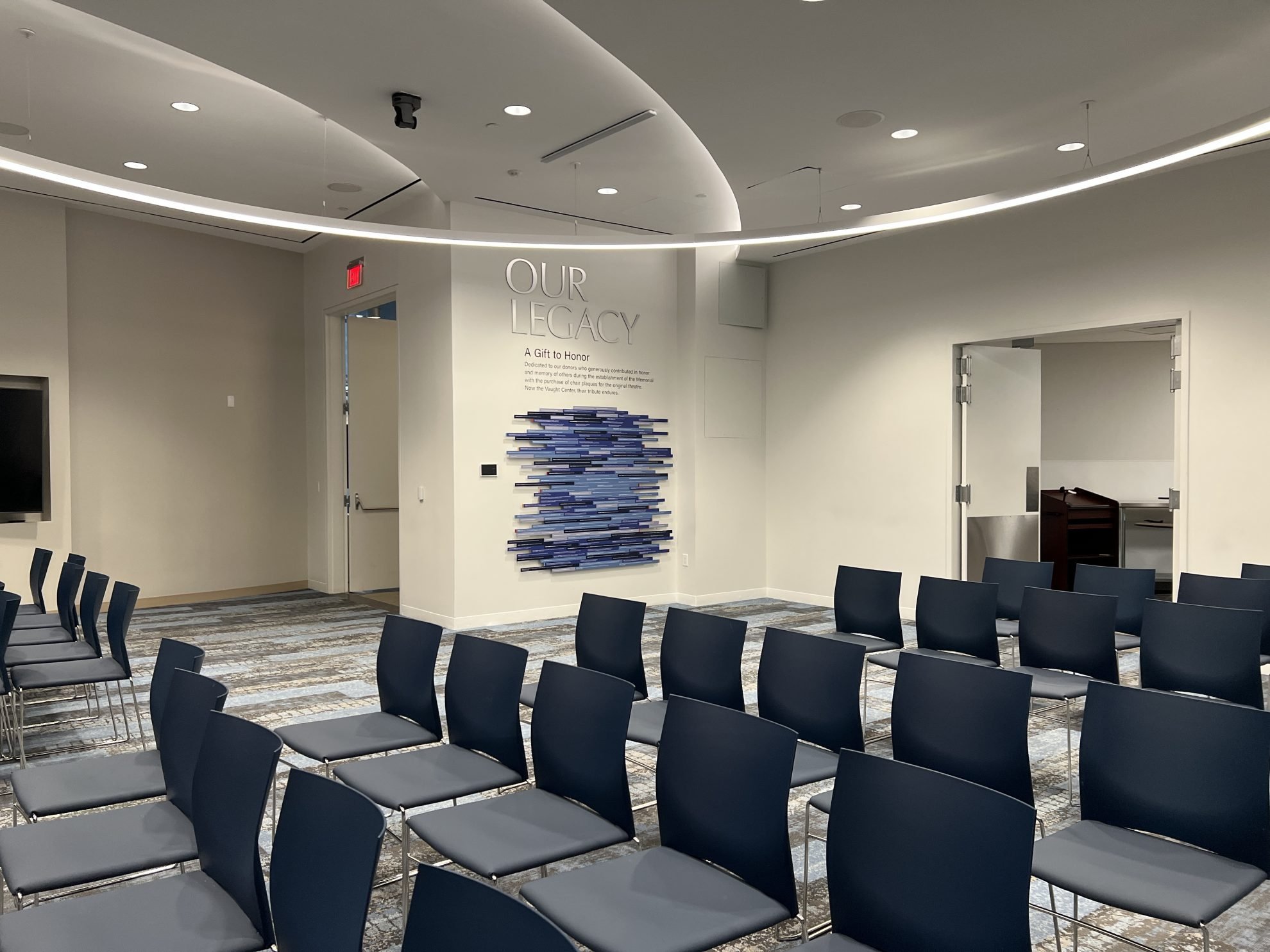
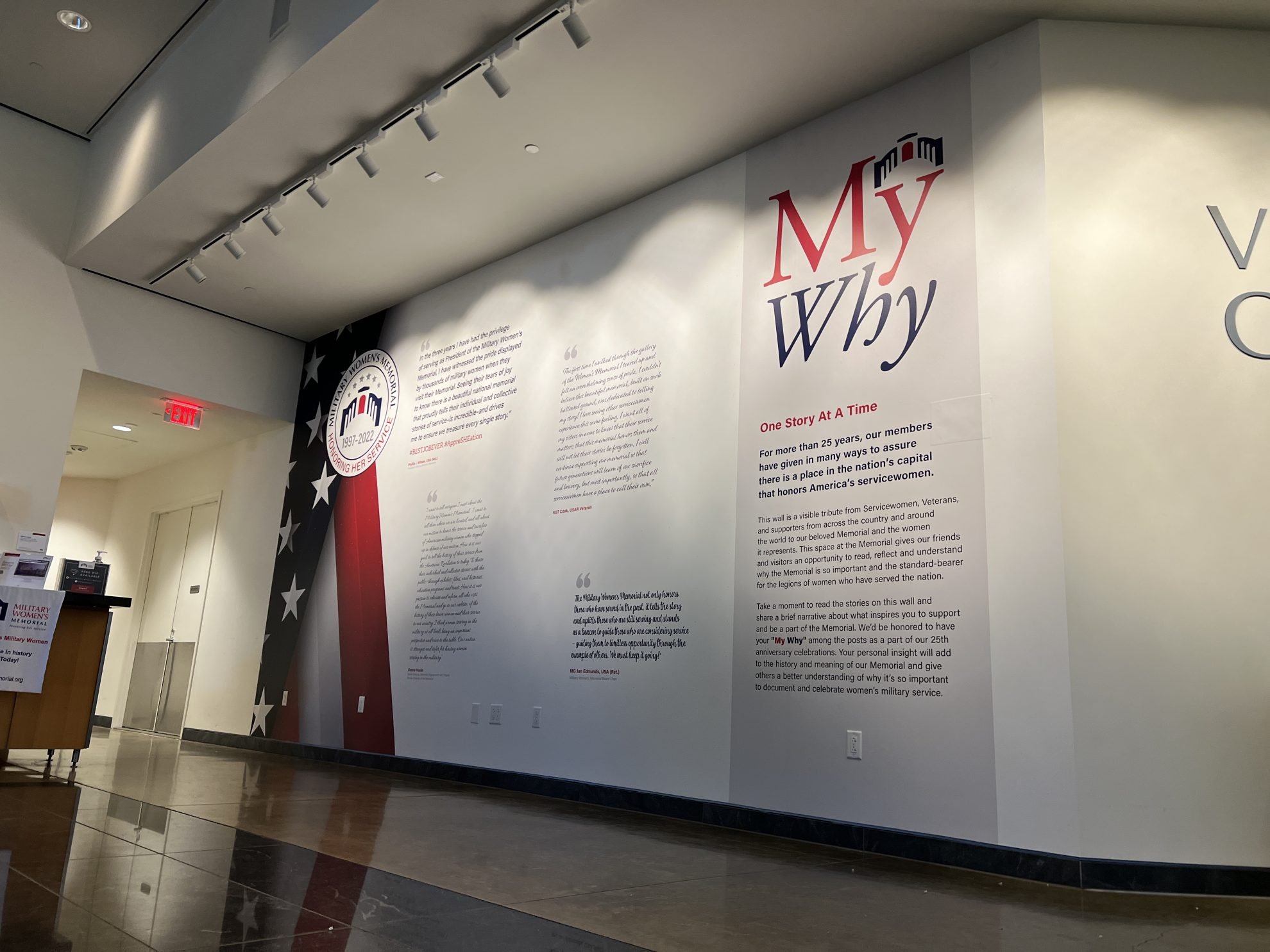
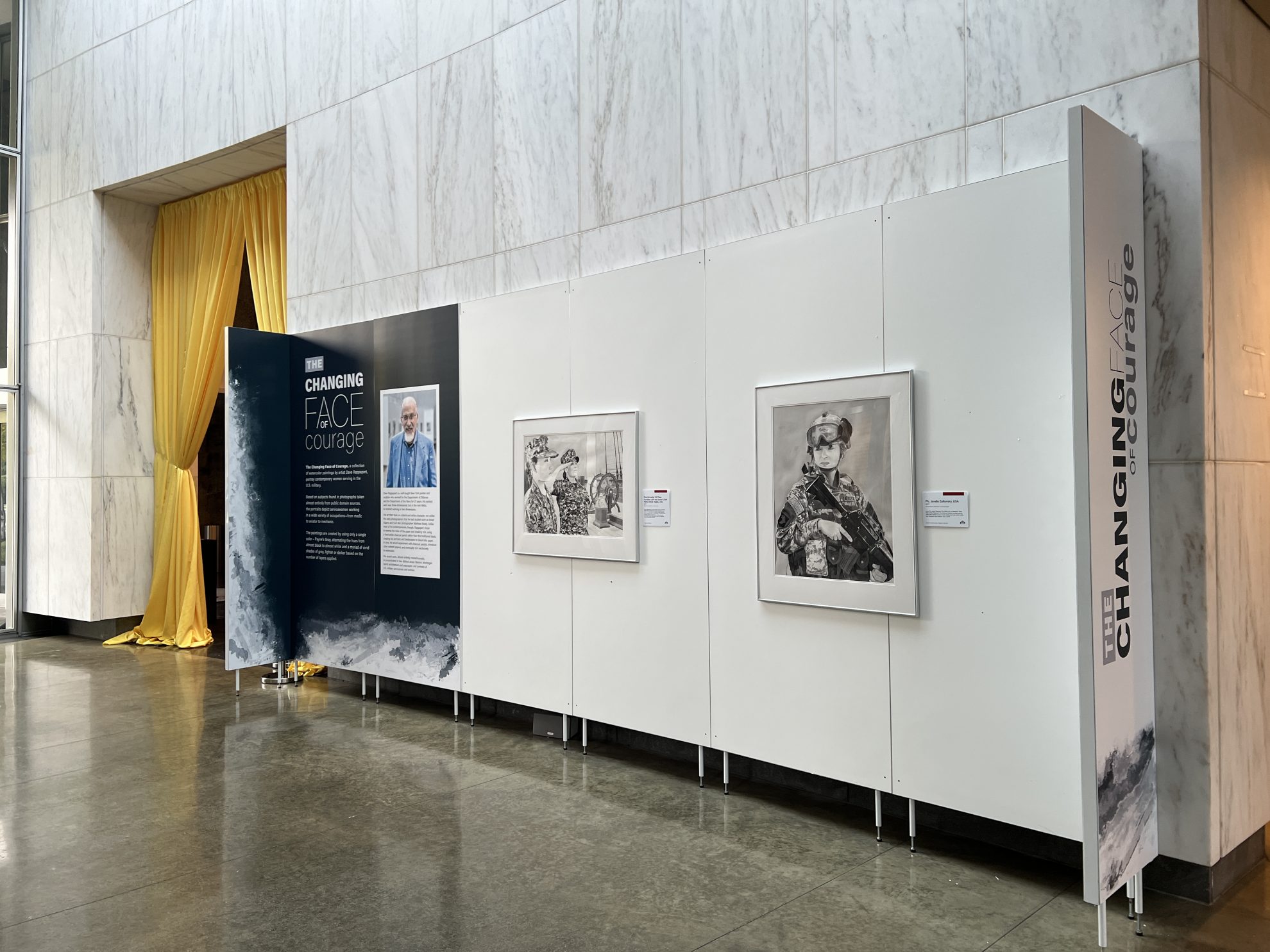
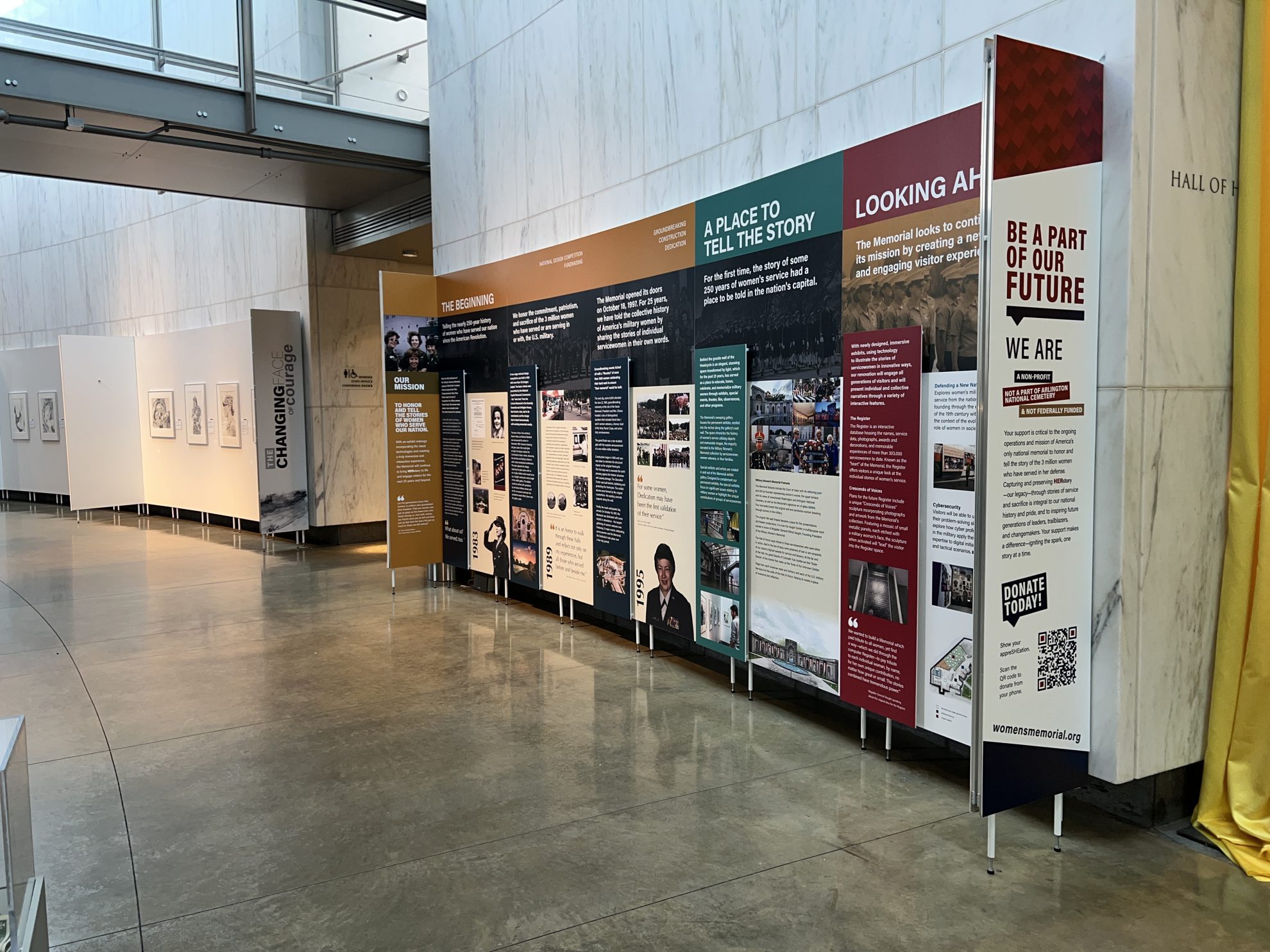
Heritage Signs & Displays created new museum signage for the Military Women’s Memorial in Arlington, VA. The project included custom signs, wall wraps, dimensional letters, and standoff-mounted displays to honor the legacy of U.S. servicewomen and the donors who supported the memorial. The updated interior features impactful designs, including a "Our Legacy" wall display and panels showcasing historical contributions and artwork, creating a transformative tribute to women in the U.S. Armed Forces.
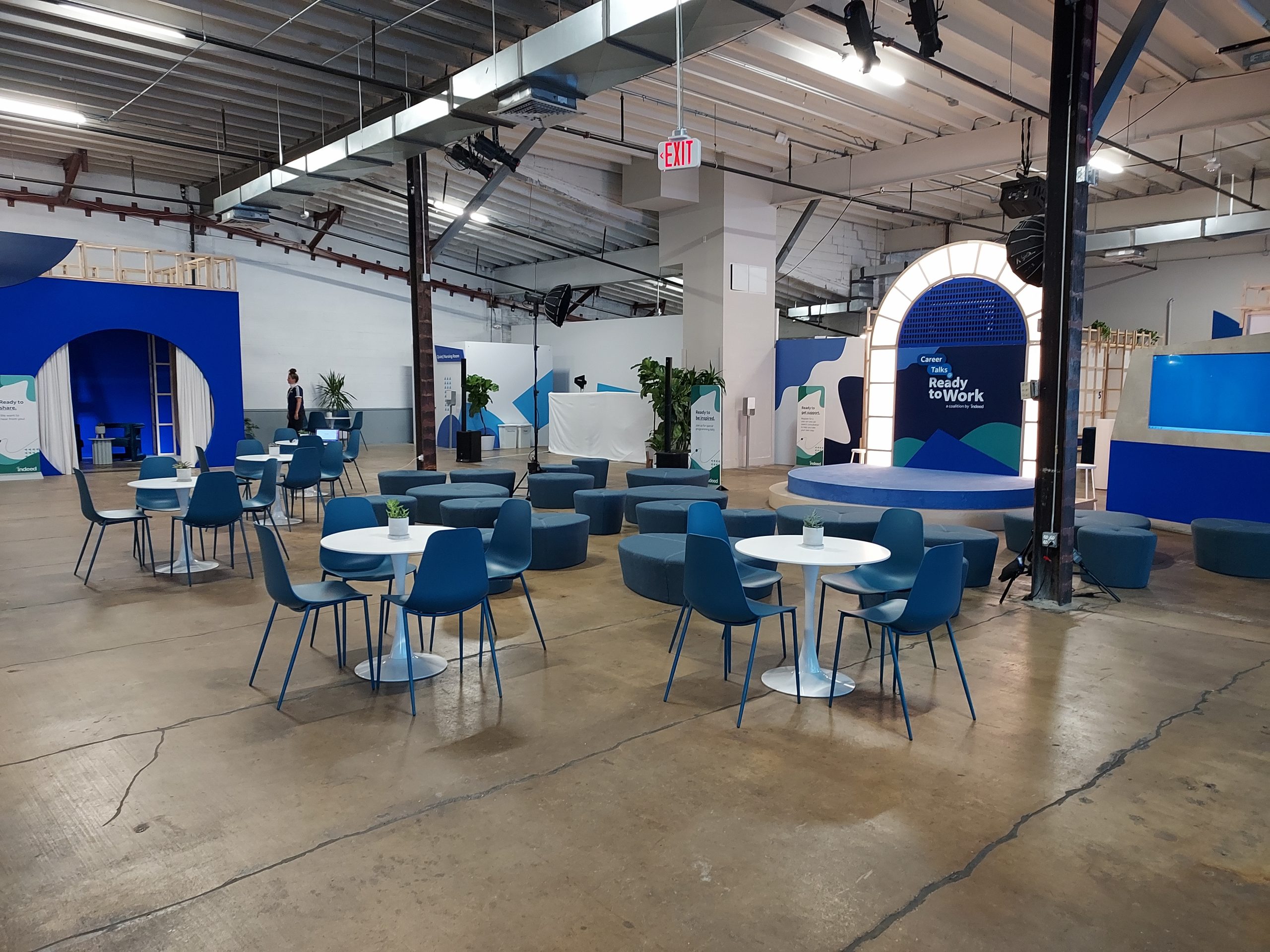
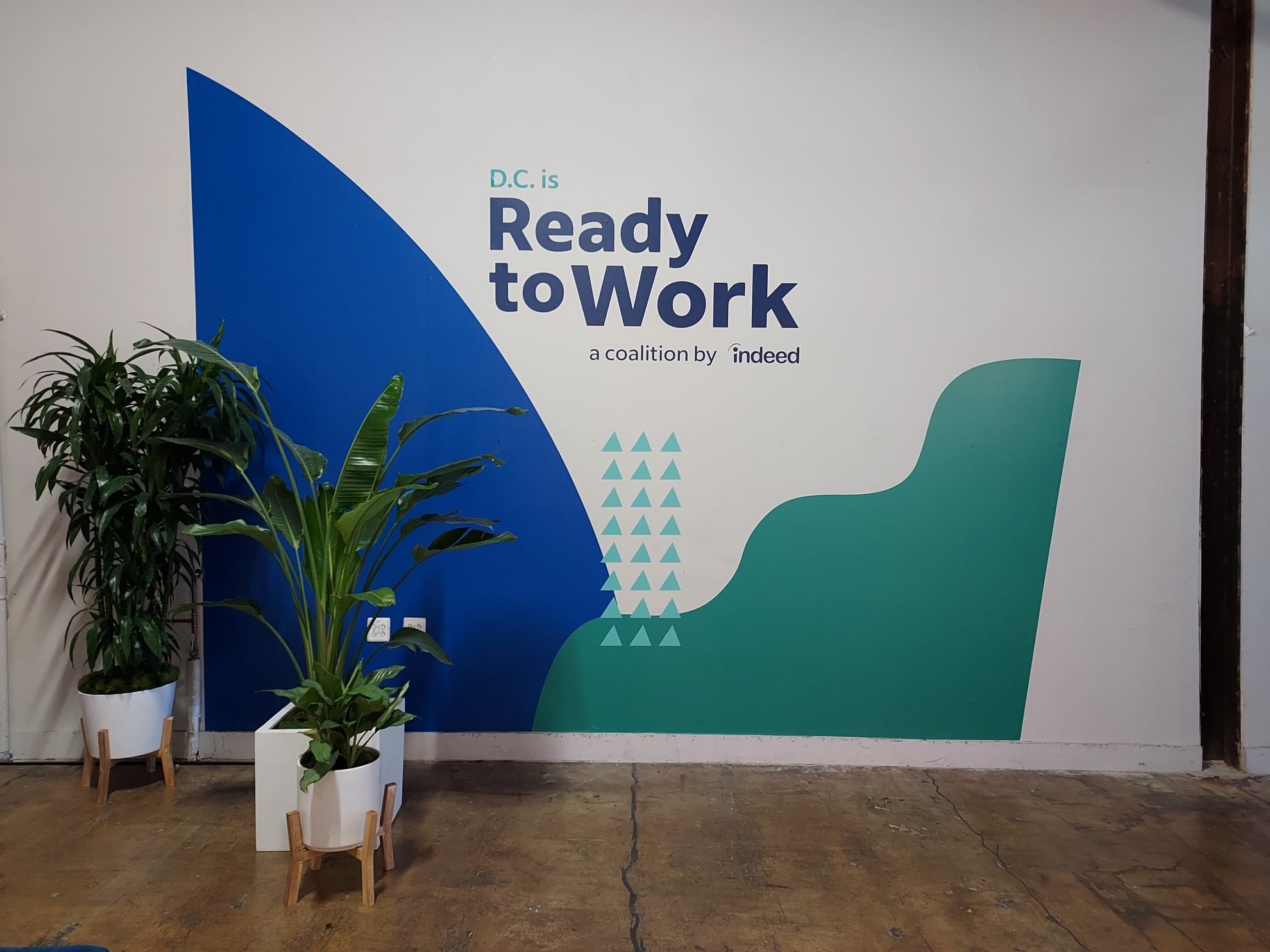
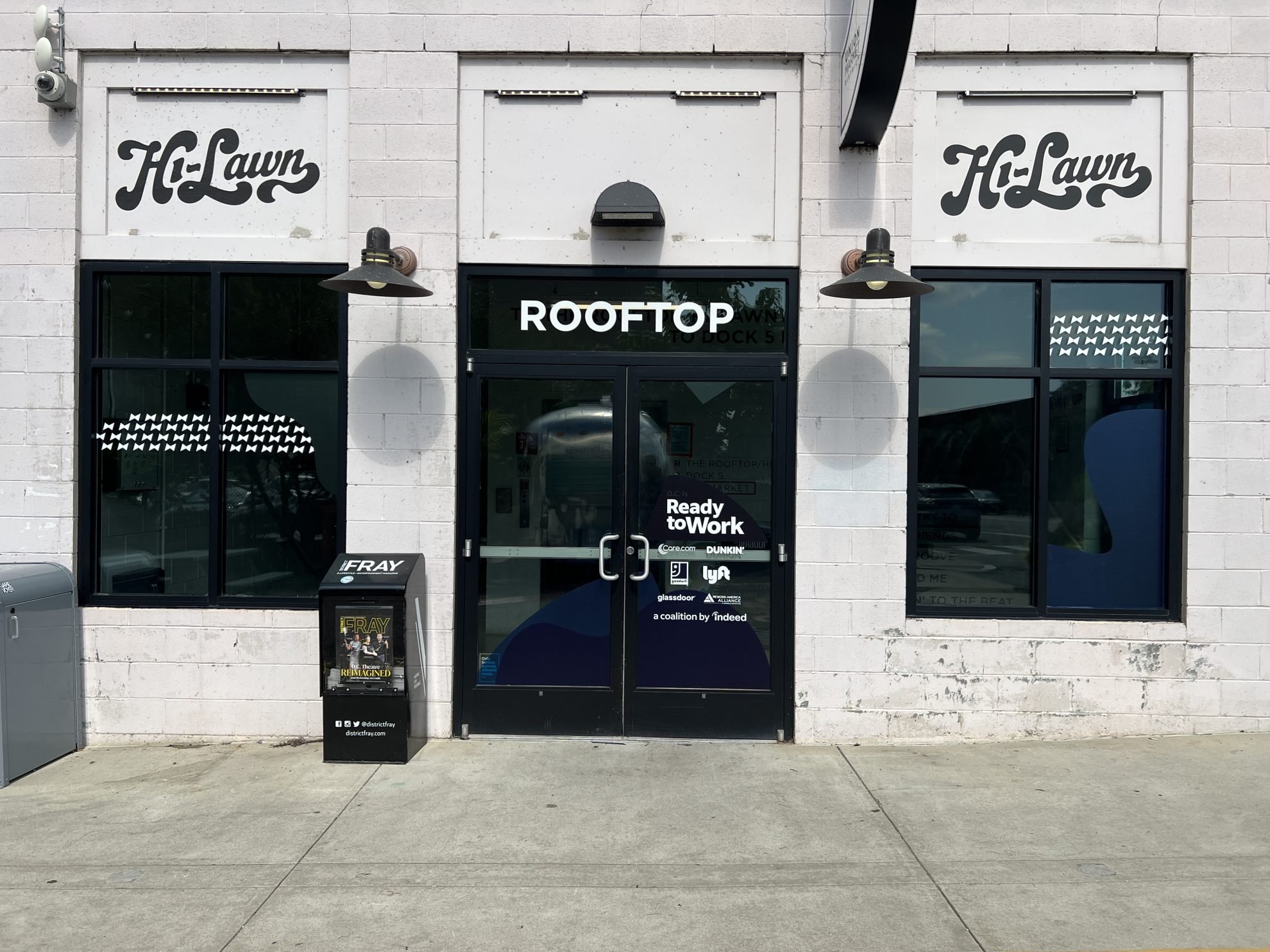
Heritage Signs & Displays' collaboration with The Gathery to brand Union Market in Arlington, VA, for Indeed's "Ready to Work" job fair. The project included custom event displays, wall graphics, window graphics, and wayfinding signs, creating an immersive and visually appealing environment. The branding enhanced the venue, reflected the event's mission, and provided a seamless experience for attendees.