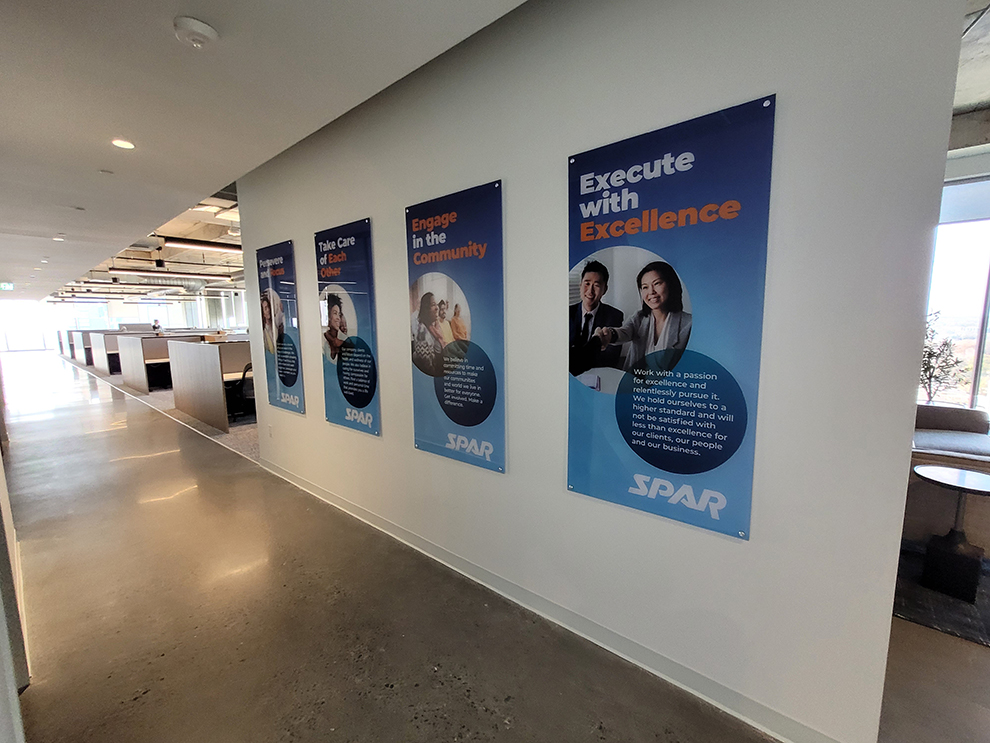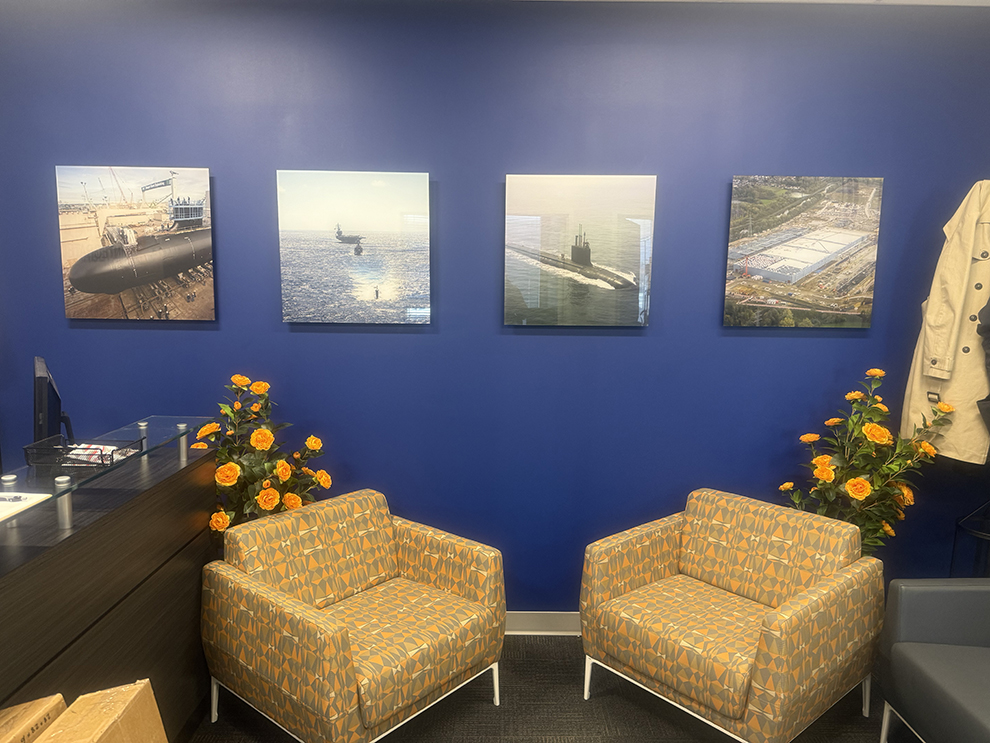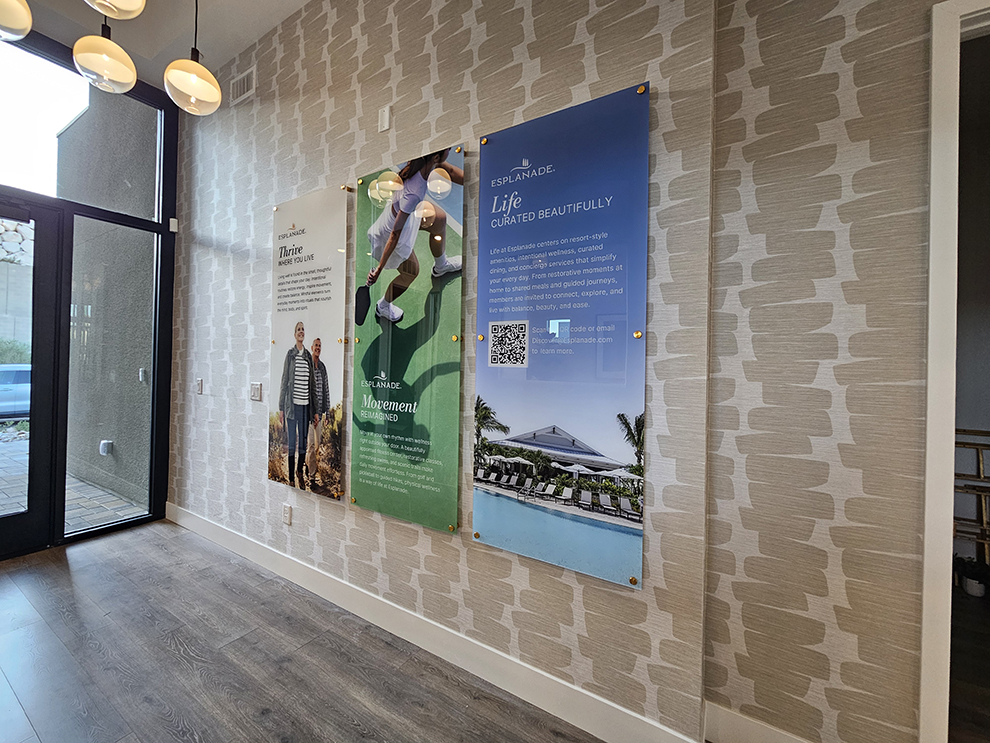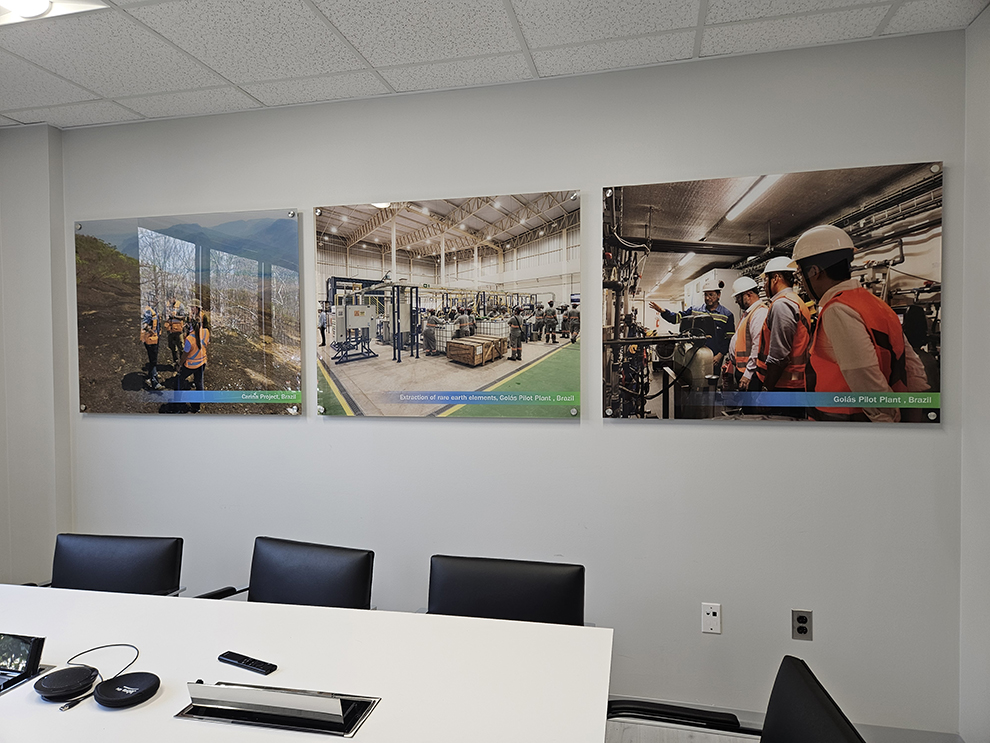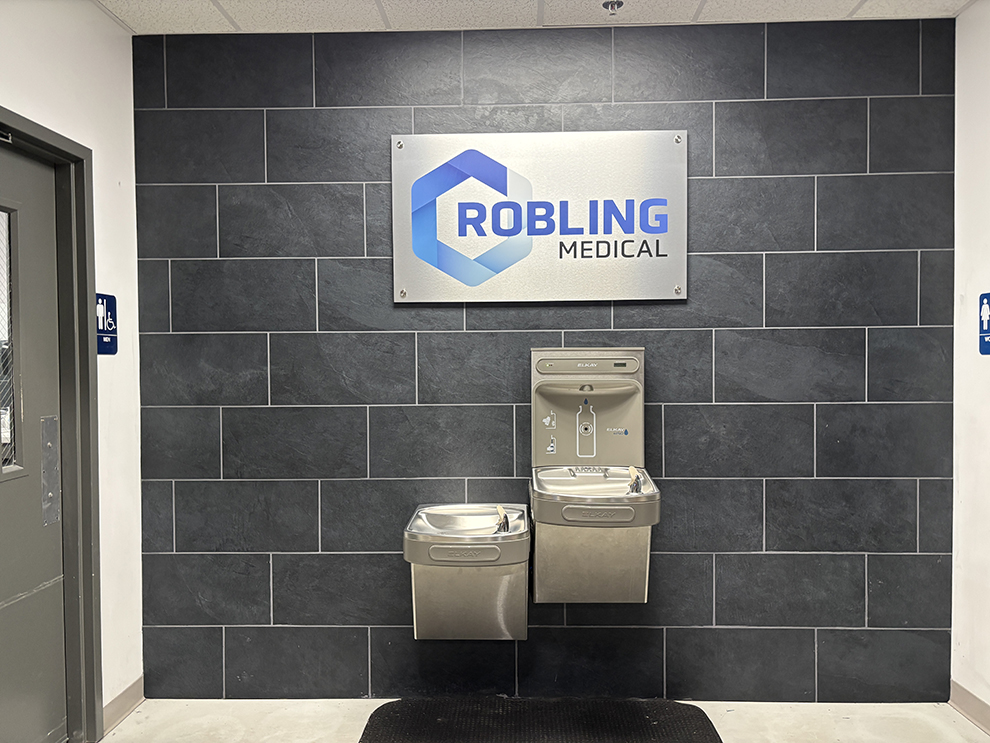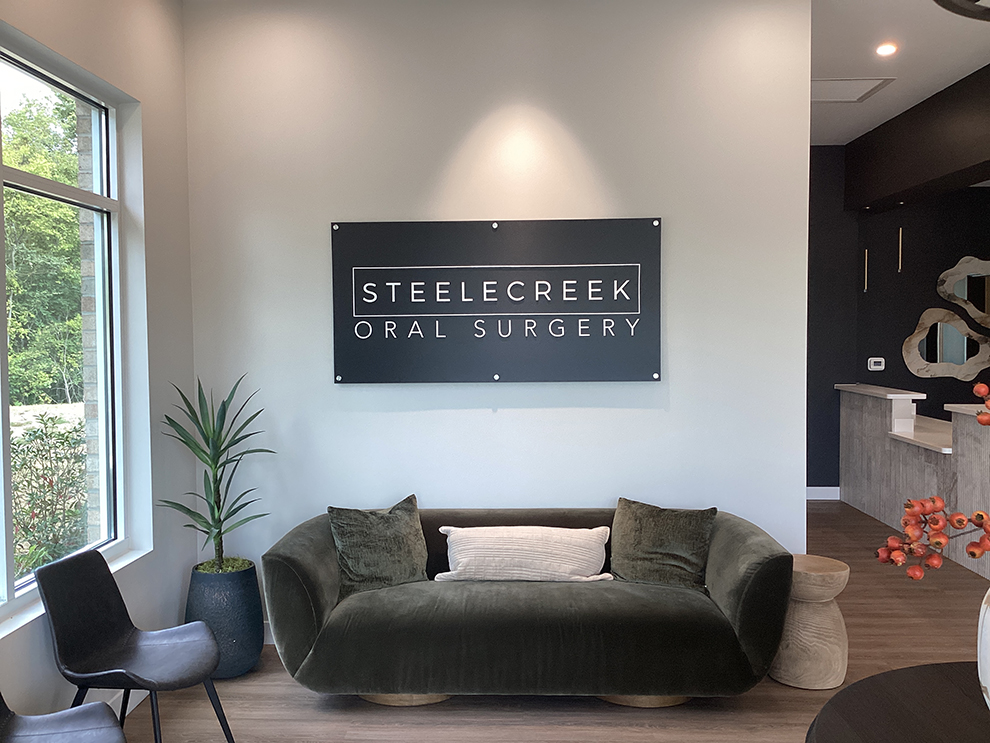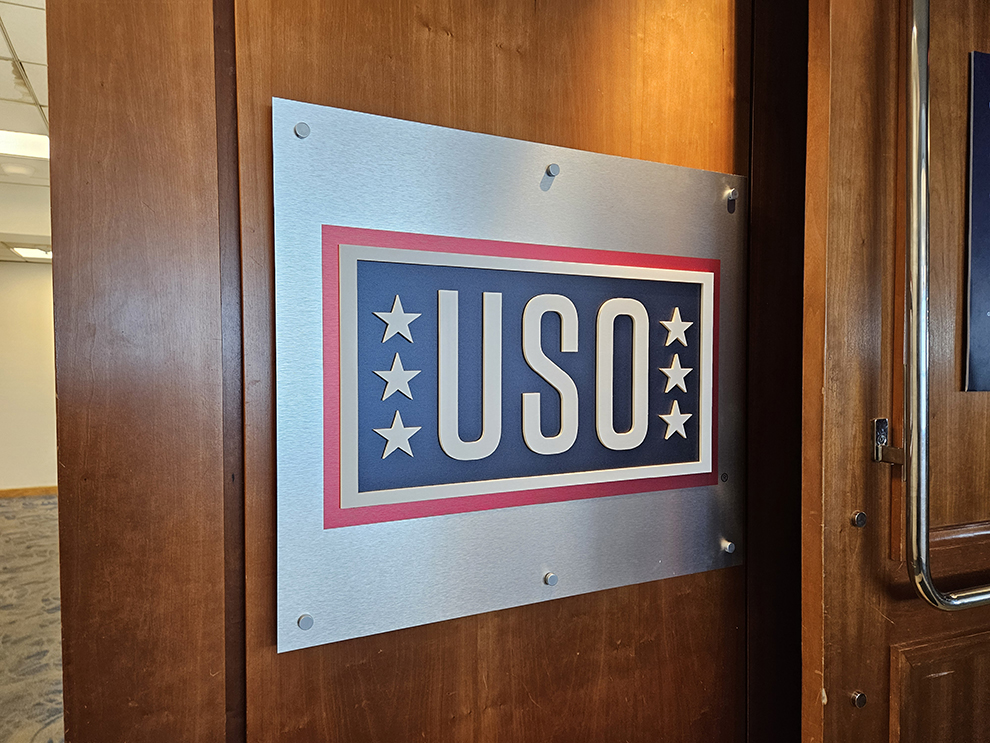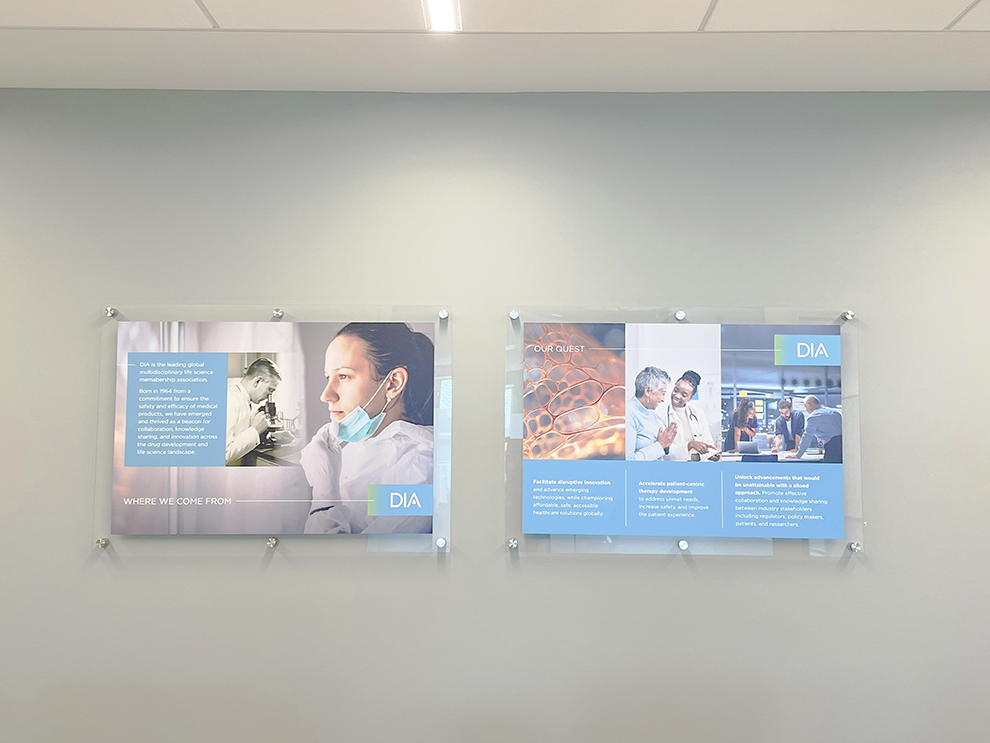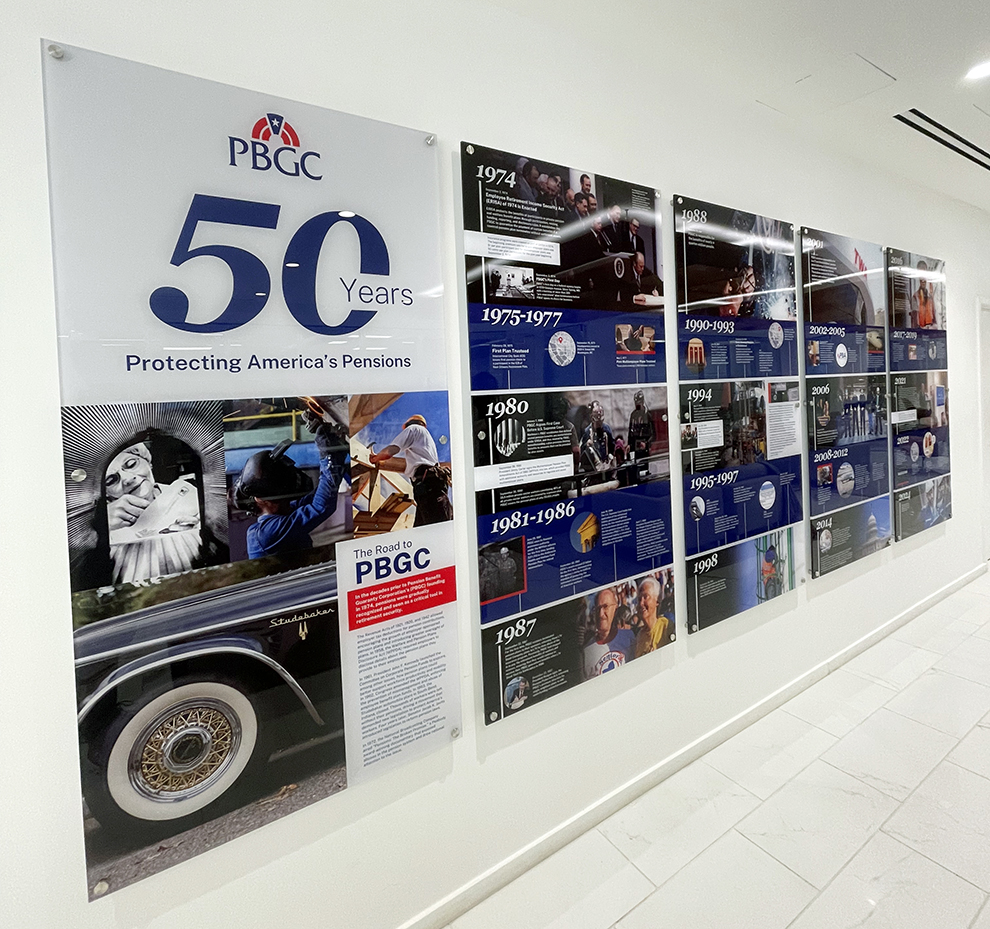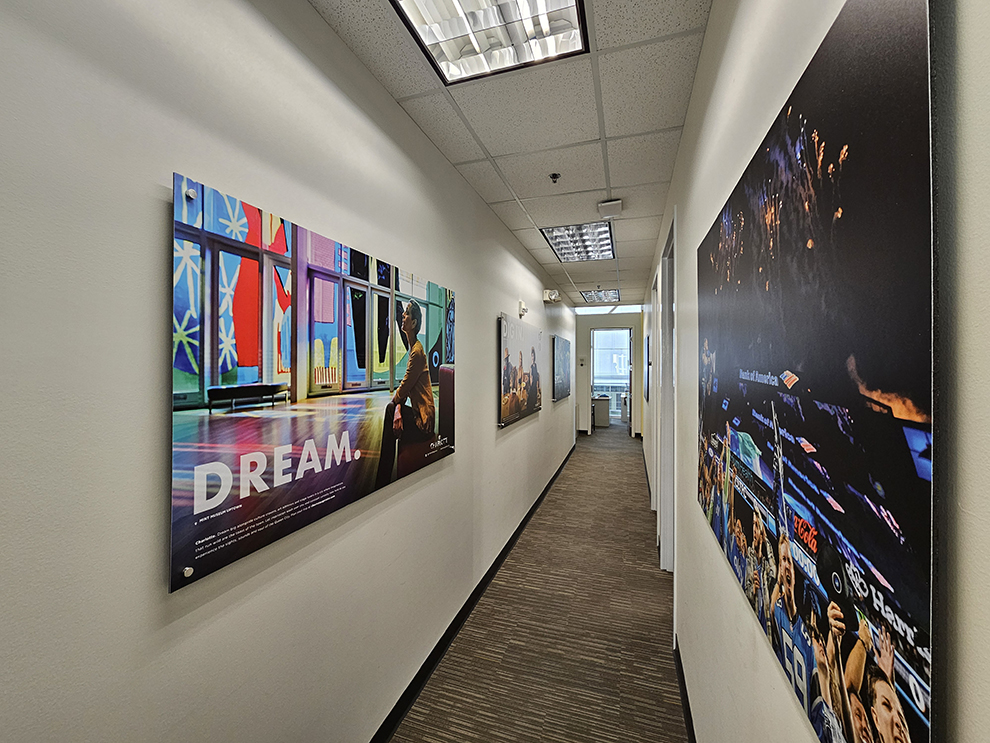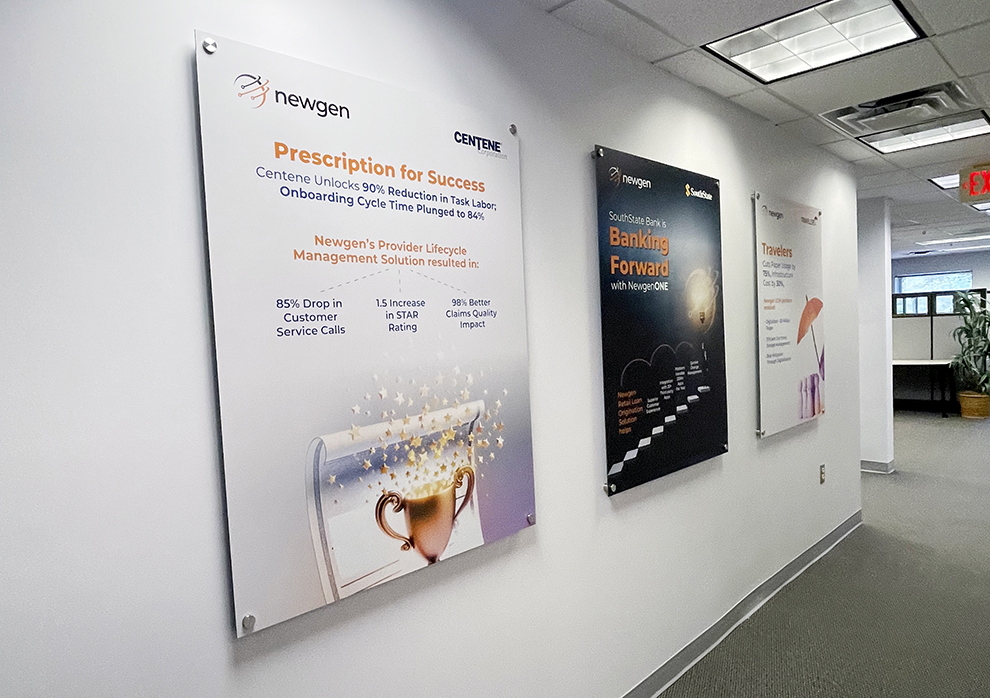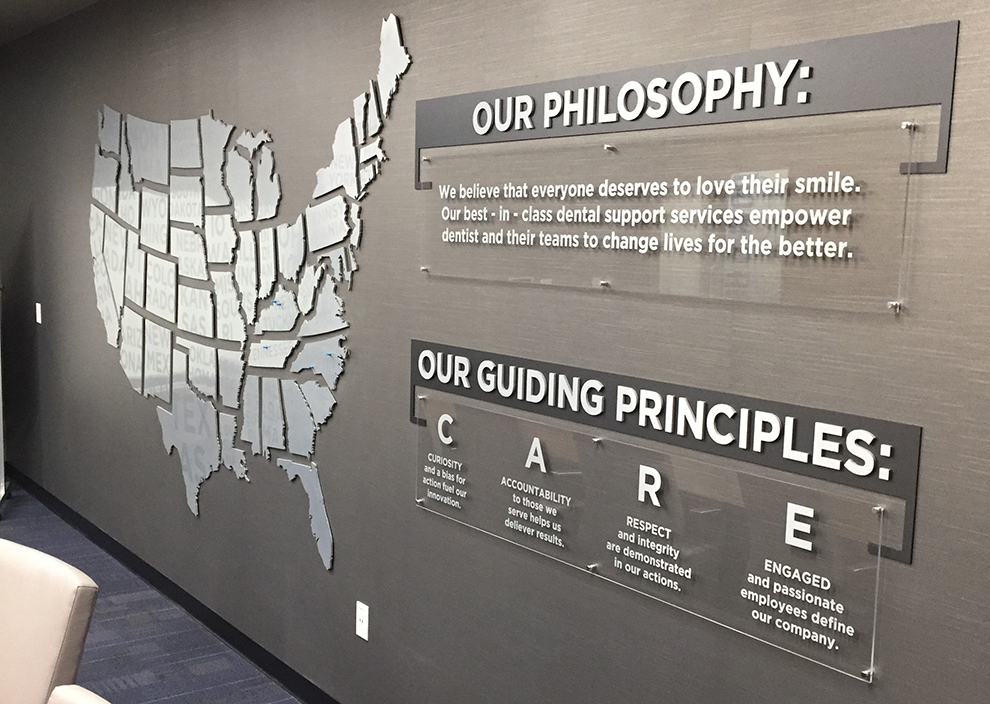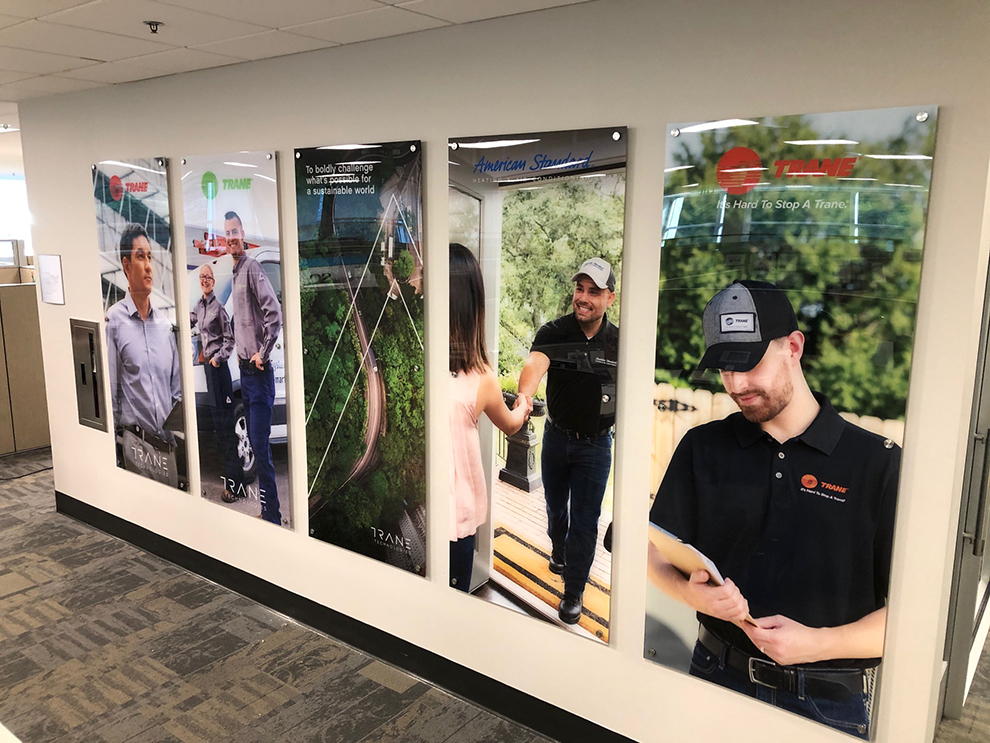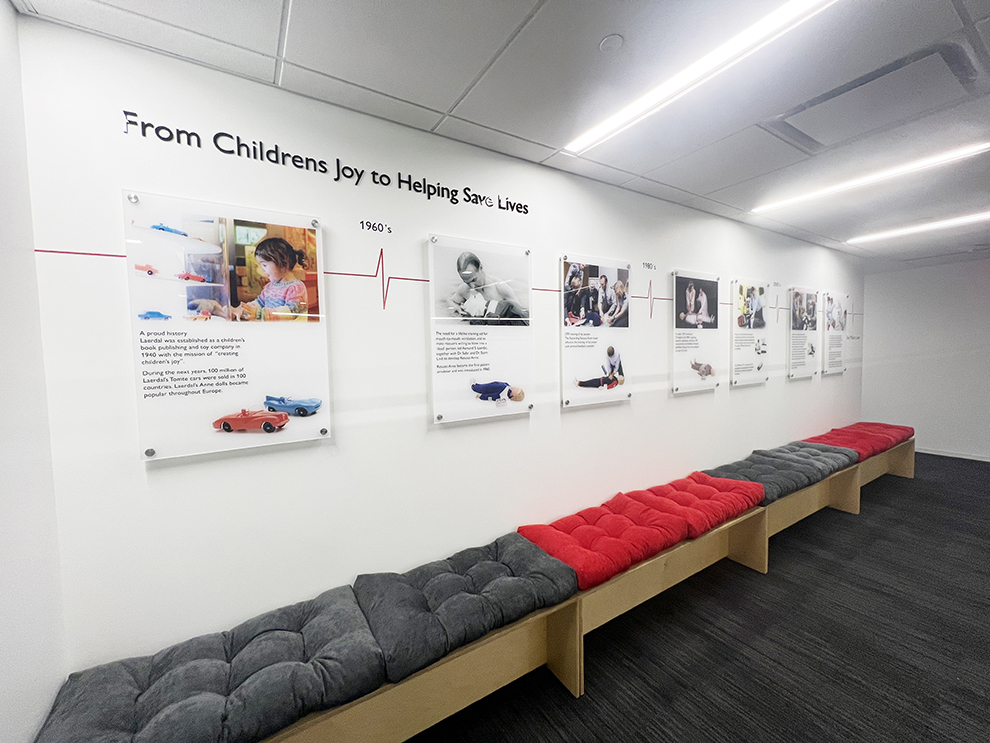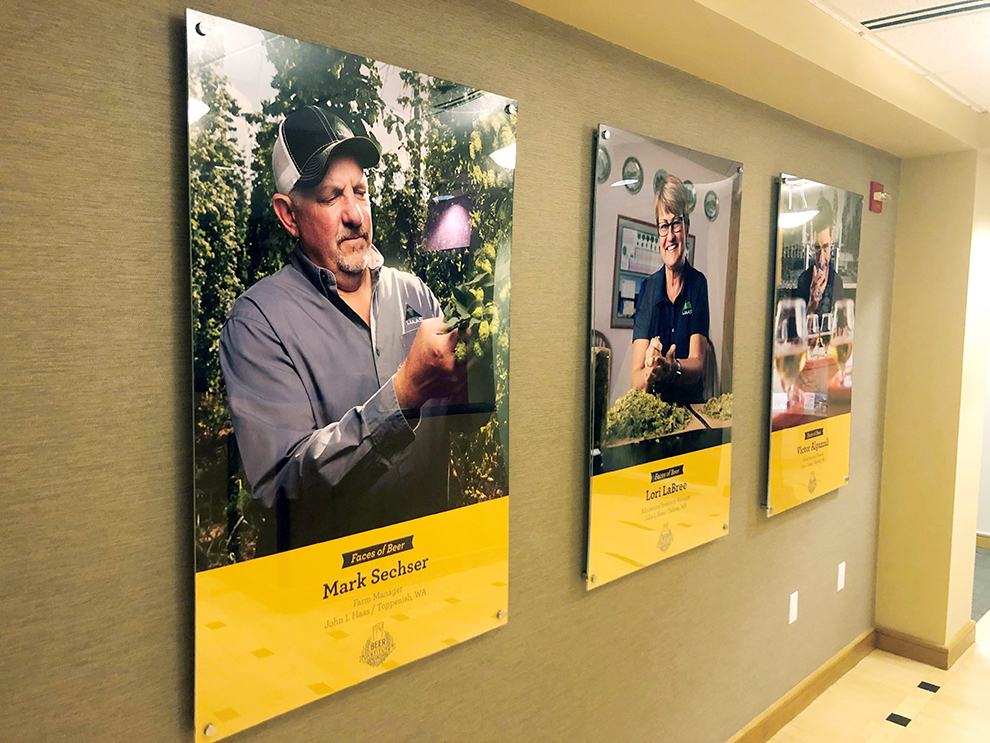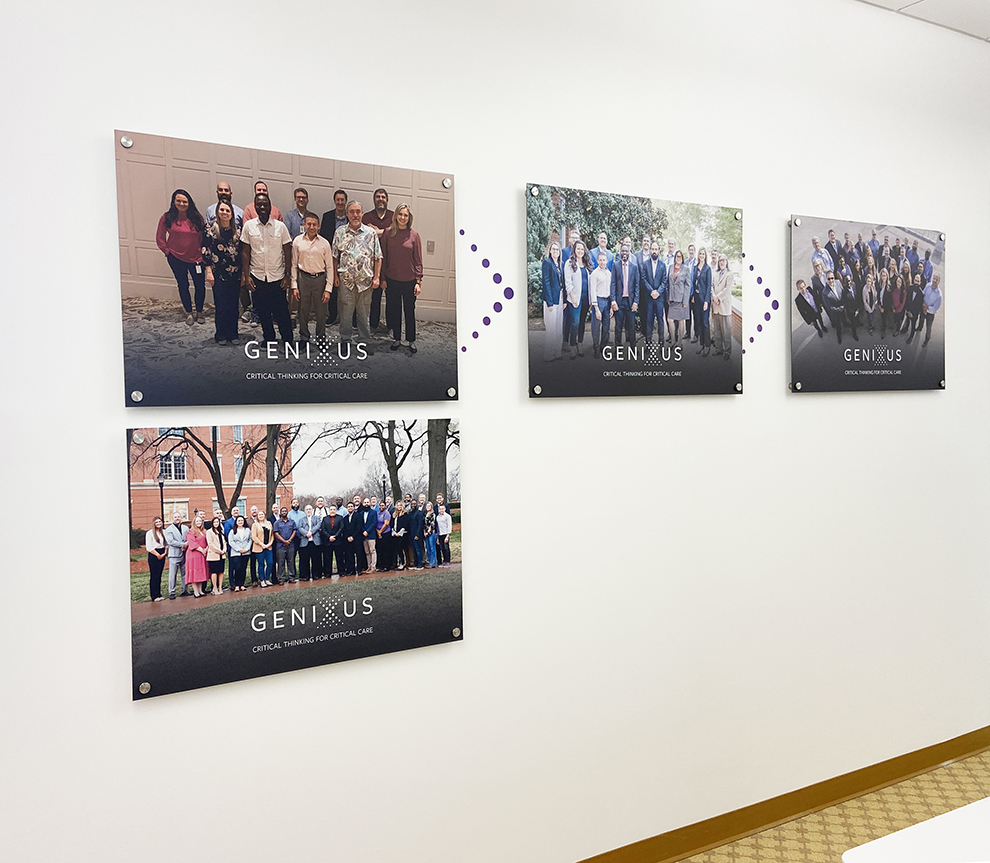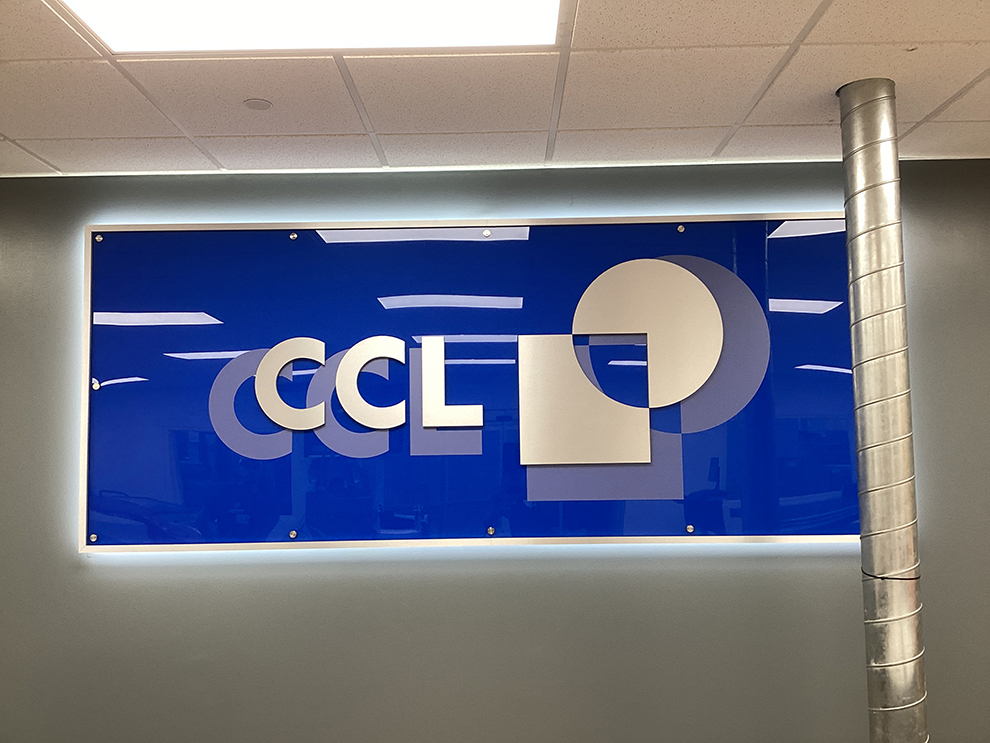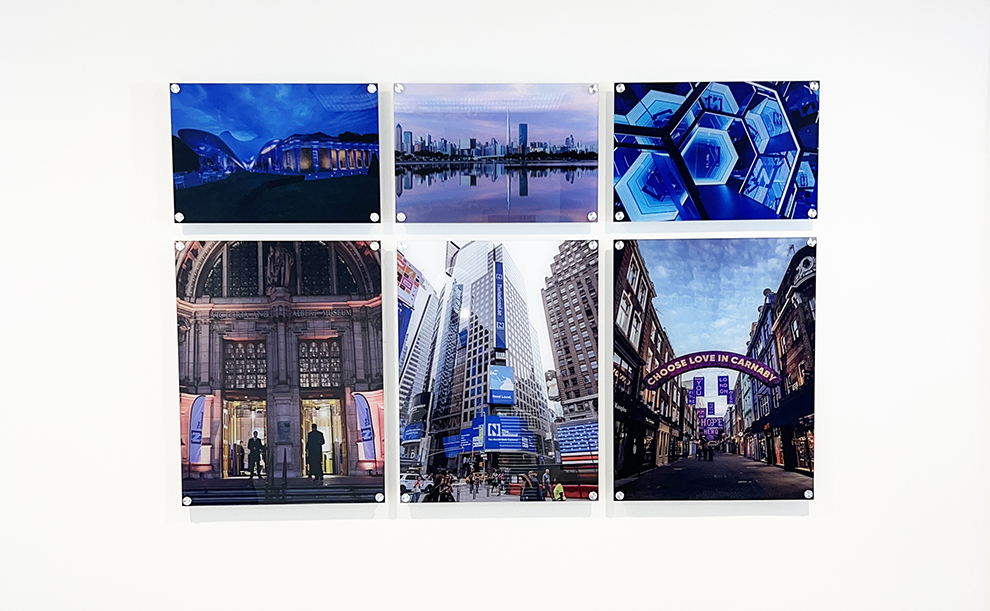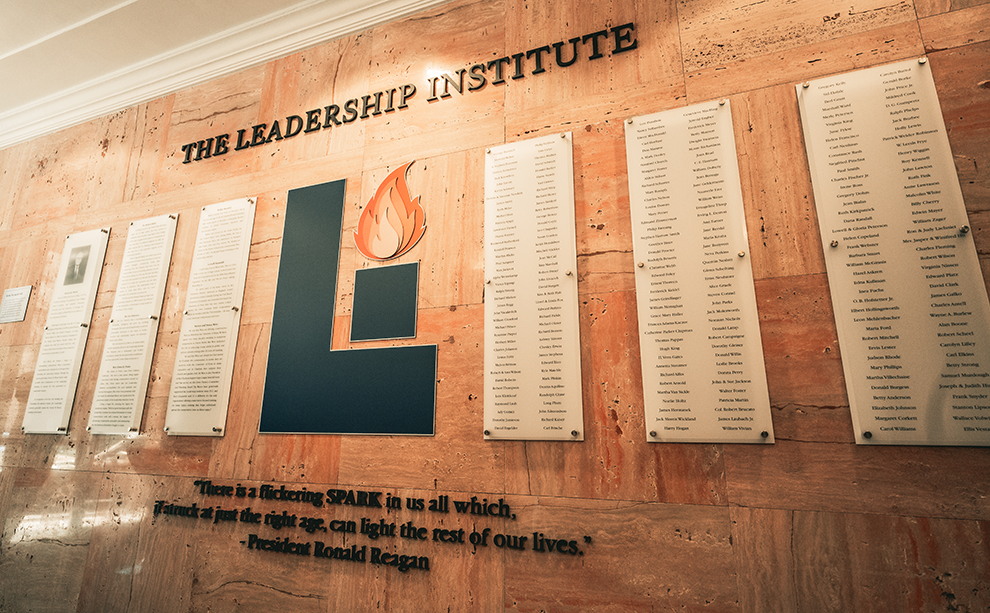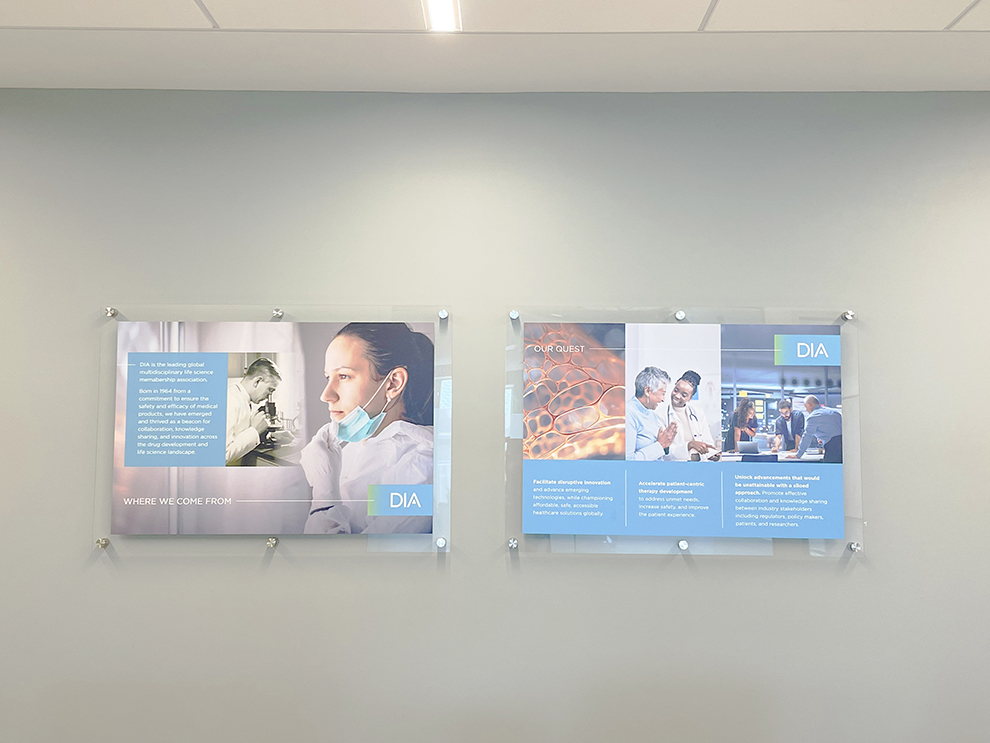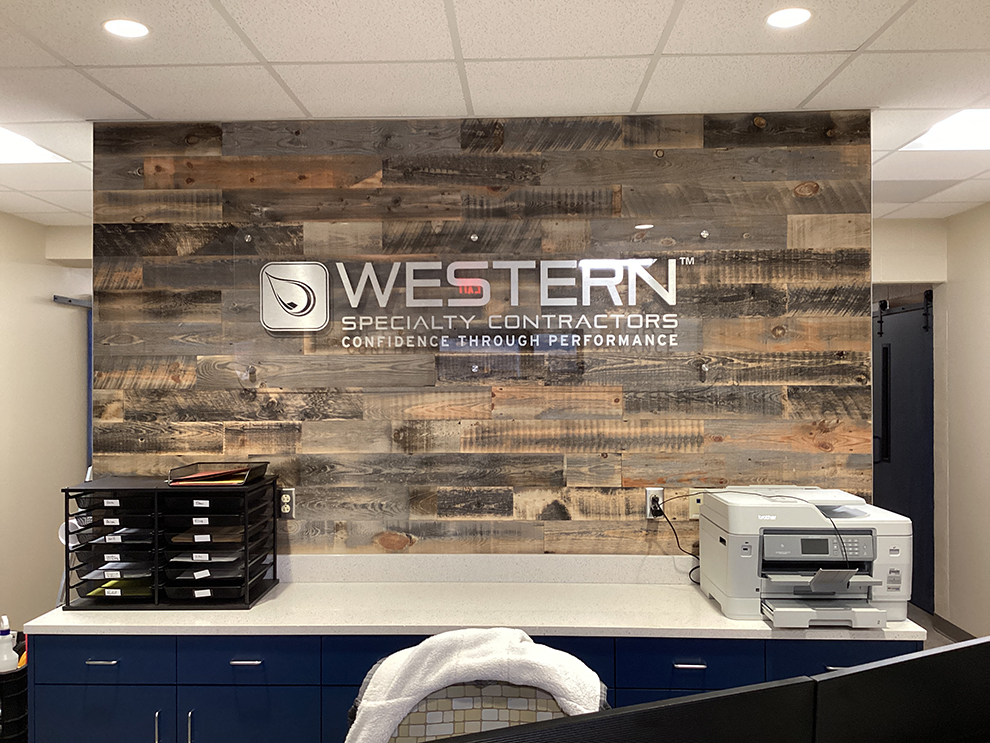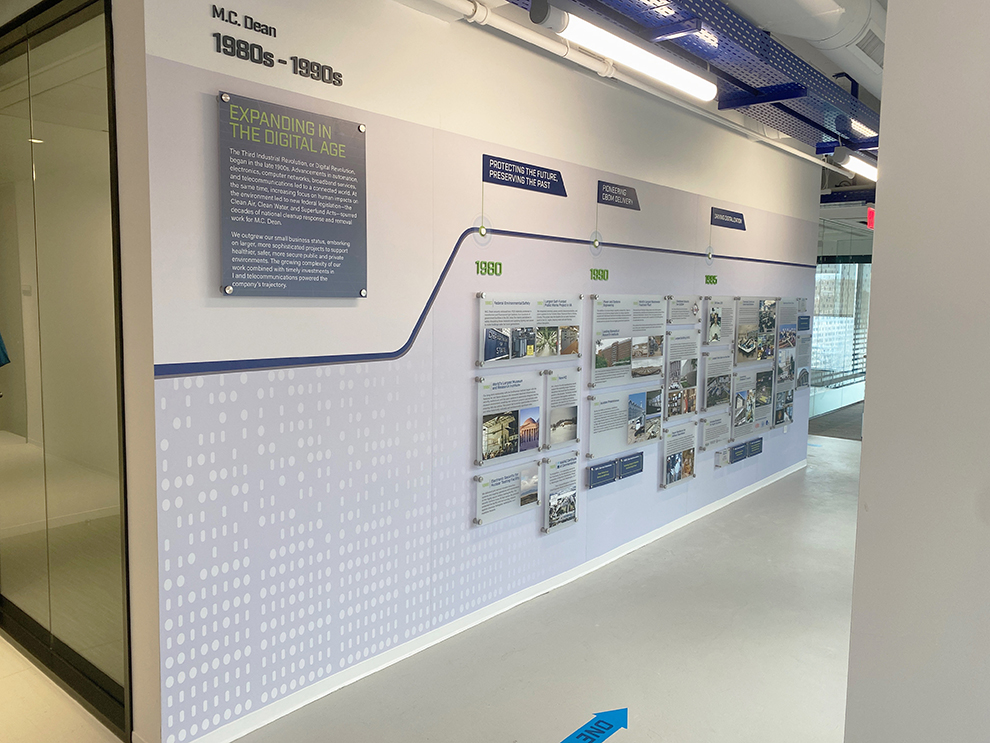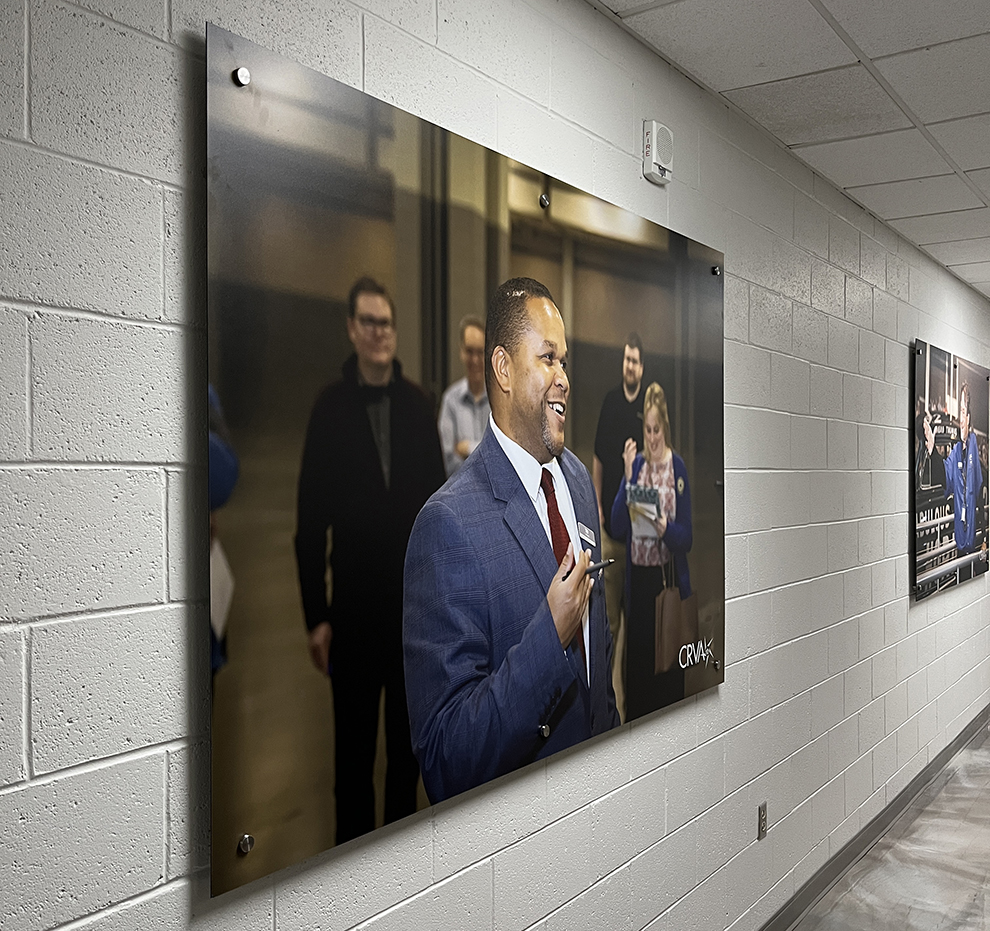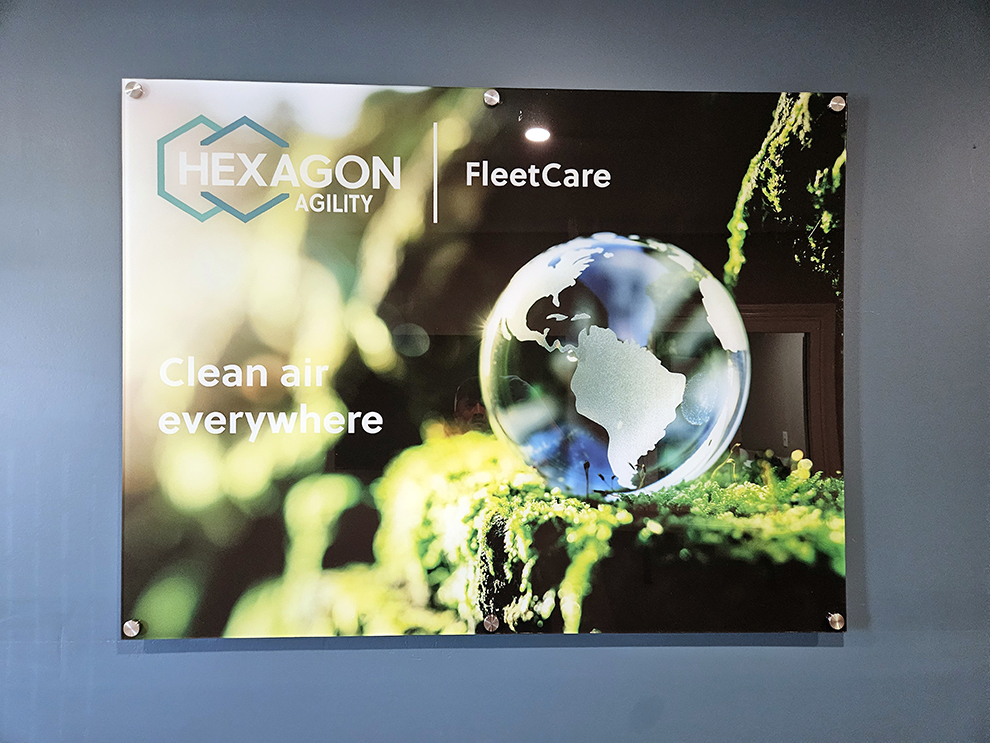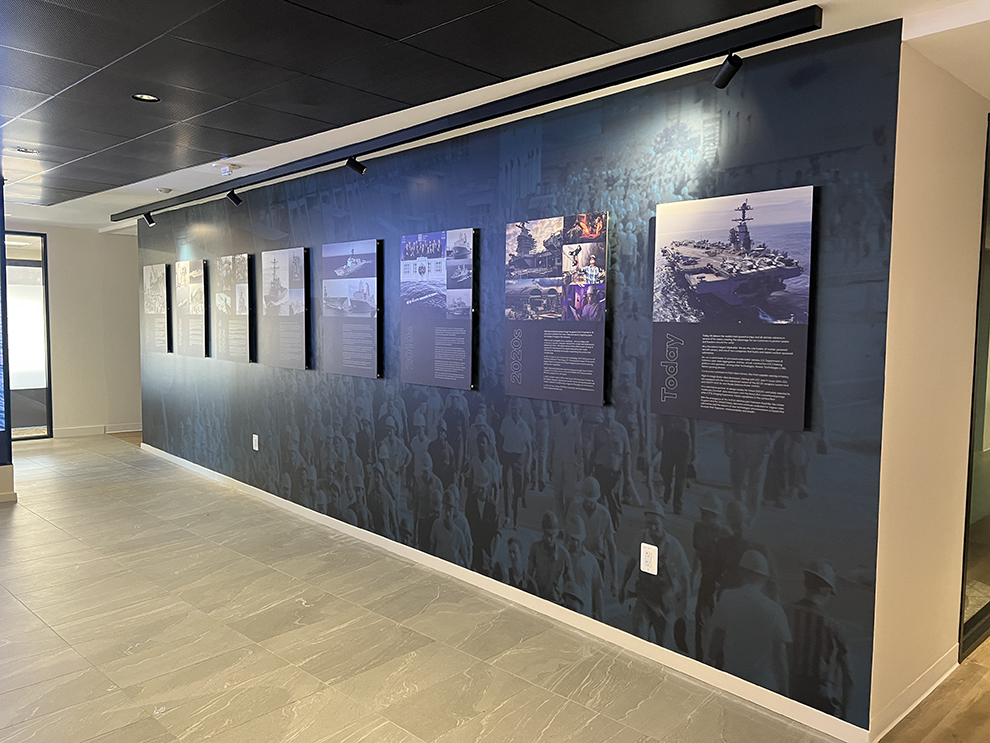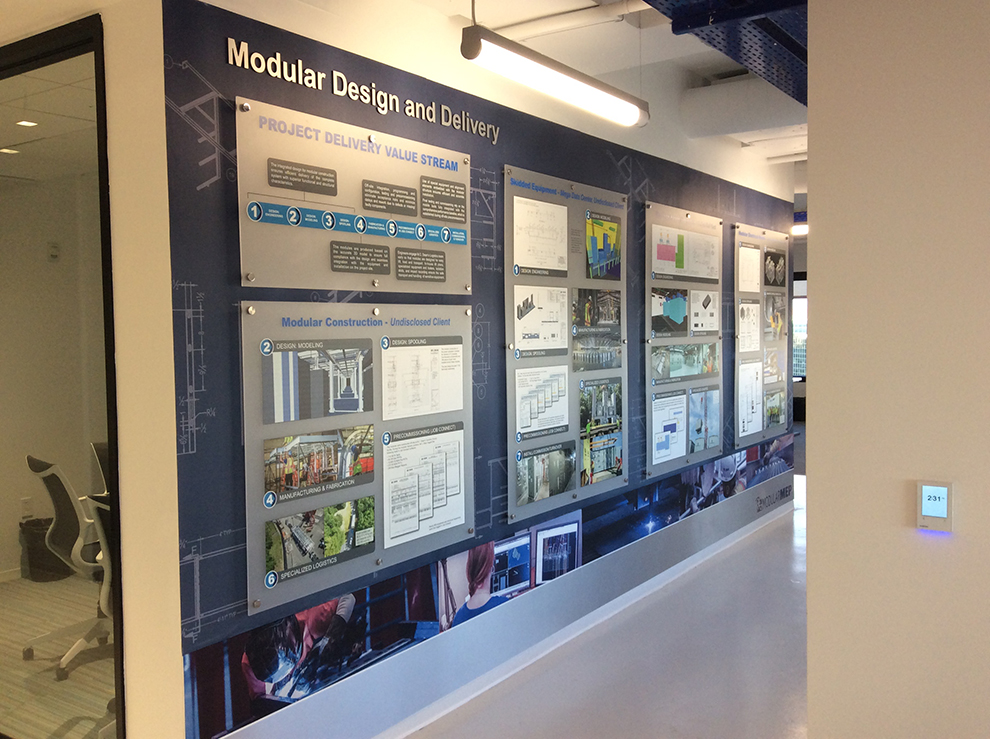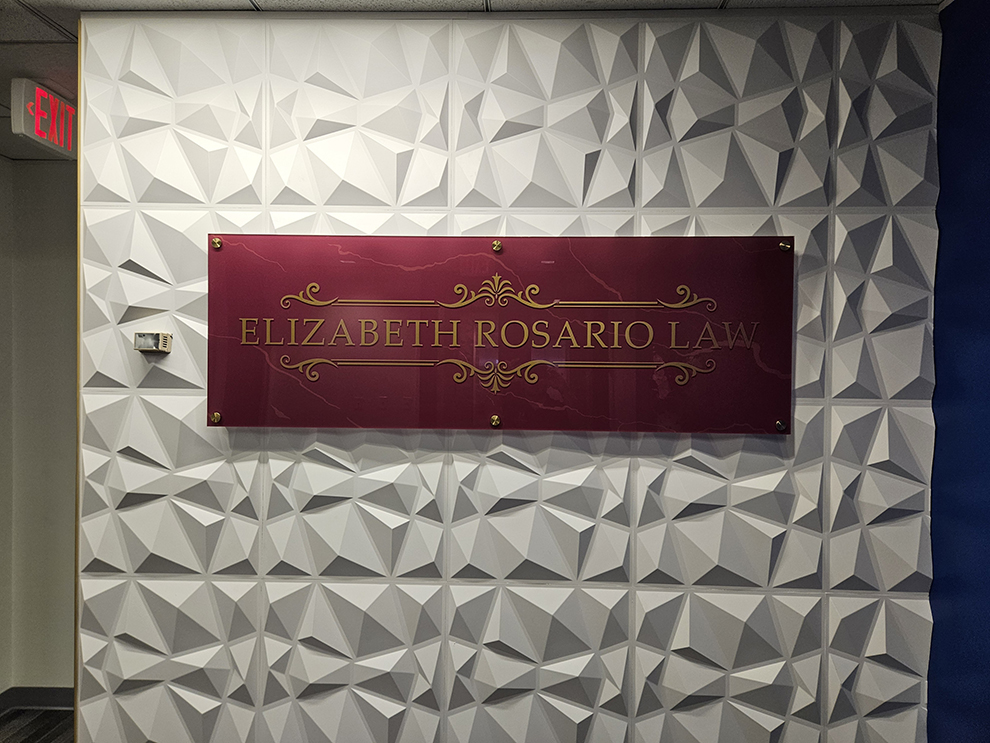
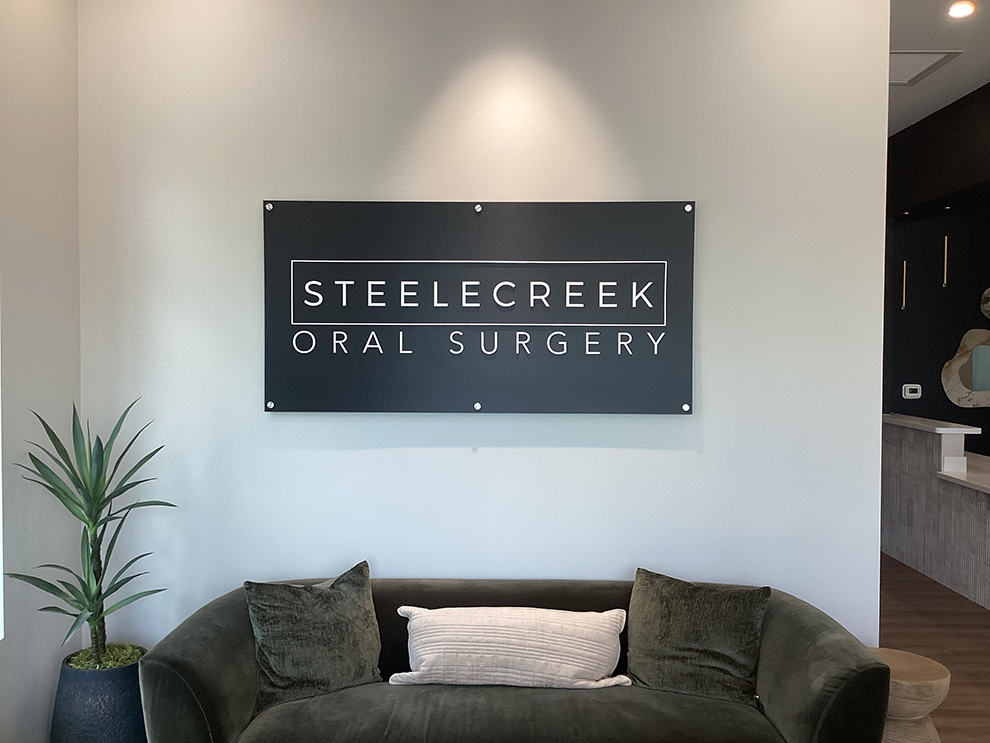
Standoff mounted signs give interior graphics dimension by positioning the sign face a precise distance from the wall. Exposed barrels and decorative caps become intentional design elements, while the space behind the panel creates a clean shadow that adds depth to logos, mission statements, directories, donor recognition displays, and corporate histories. These signs are frequently installed in reception areas, conference rooms, medical facilities, educational buildings, training centers, and recognition spaces. Because the mounting hardware remains visible, its size, finish, placement, and projection must complement the sign face and surrounding architecture.
Heritage Signs & Displays is a veteran-owned, family-operated company serving commercial, nonprofit, and institutional organizations since 1977. Our team coordinates environmental graphic design, project management, production, custom fabrication, and professional installation as one connected process. Williamsburg, VA clients receive a dedicated point of contact who manages the project from initial consultation through installation, eliminating the need to coordinate separate designers, sign manufacturers, and installation contractors.
The term “standoff” refers to the mounting method rather than the material used to produce the sign. Acrylic, aluminum composite material (ACM), printed substrates, dimensional letters, layered graphics, and interchangeable inserts can all be installed with standoff hardware when appropriate. Acrylic identifies a type of material, while standoff describes how the sign projects from the mounting surface. Understanding this distinction helps organizations choose the right combination of materials and hardware for their space.
A wall-mounted standoff sign requires drilled holes and mechanical fasteners selected according to the panel weight and wall construction. Removing the display will typically leave holes that need to be patched and refinished. For that reason, standoff signs are best treated as permanent or semi-permanent interior features. Organizations anticipating regular moves or frequent display changes should consider modular or less invasive mounting options.
Projects in Williamsburg often involve site-specific considerations that affect design and installation. Historic districts, mixed-use developments, hospitality properties, government facilities, college buildings, and commercial offices may have individual approval procedures and access restrictions. Older properties can also contain brick, masonry, plaster, wood framing, or modified interior partitions that require careful anchor selection. Heritage identifies these conditions early so hardware specifications, sign dimensions, access plans, and installation schedules reflect the actual environment.
Mission walls, history displays, donor recognition installations, company timelines, values displays, and directories may combine standoff panels with several other visual elements. The broader Wall Displays page addresses these complete wall systems, while this page focuses specifically on projected sign panels and their mounting hardware. Although standoffs can enhance many displays, they are not necessary for every wall. The mounting method must support the design objective, available budget, wall construction, and future content needs.
As a veteran-owned and family-operated company, Heritage strives to be a trusted resource that honors God through excellent service to clients and communities. That commitment is reflected in attentive discovery, honest recommendations, detailed fabrication, considerate work in occupied buildings, and continued accountability after installation is complete.
Standoff hardware is not simply a decorative accessory added after a panel has been produced. It is a structural and visual component that must be specified during design. Barrel width, cap style, projection depth, edge clearance, finish, and hole placement all affect the final layout. Since repeated hardware creates a visible pattern across the sign, even small alignment differences can become noticeable after installation.
The wall itself determines how the assembly must be secured. Drywall over metal studs, concrete, brick, wood paneling, stone, plaster, and specialty surfaces each require different fastening strategies. Panel weight, sign height, mounting-point spacing, and projection depth also influence the force placed on each anchor. Williamsburg properties may include several wall types within one facility, requiring installers to adjust fastening methods without changing the approved appearance.
Conditions hidden behind the finished surface can be equally important. Electrical conduit, plumbing, blocking, studs, structural components, and previous fasteners should be evaluated before drilling begins. Any exterior application also requires additional consideration of moisture, ultraviolet exposure, corrosion, temperature changes, and wind loads.
Heritage coordinates site information, approved artwork, material tolerances, hardware placement, and installation procedures before production begins. Resolving these details in advance is essential to creating a standoff display that appears level, balanced, and consistent. This integrated planning also distinguishes standoff signs from adhesive wall graphics, flush-mounted plaques, direct-mounted letters, and portable displays.
Heritage Signs & Displays works with organizations whose interior spaces need to communicate credibility, identity, and purpose. Our clients include colleges, universities, healthcare providers, hospitality groups, financial institutions, professional services firms, manufacturers, ministries, nonprofits, government contractors, and corporate offices. Founded in 1977, Heritage brings decades of experience to permanent interior signage projects in Williamsburg, VA and throughout the surrounding region.
Every project is assigned a dedicated project manager who coordinates discovery notes, site measurements, branding requirements, material selections, hardware finishes, production schedules, property procedures, and installation dates. If a field condition requires an adjustment, the same project manager communicates that change across design, fabrication, and installation. Williamsburg clients do not have to transfer technical information between disconnected vendors.
Our design, production, fabrication, and installation capabilities are managed as one coordinated program. This structure allows Heritage to complete an individual feature wall or support a larger signage initiative across multiple floors, buildings, or geographic markets. Quality is demonstrated through practical details, including accurate templates, polished edges, consistent hardware placement, protected work areas, clean installation, and a finished display that reflects the approved design.
Standoff mounted signs are often one part of a broader interior branding project. The following sign and display options can complement a projected panel or provide a more suitable solution when drilling, wall conditions, content updates, or project goals call for a different approach.
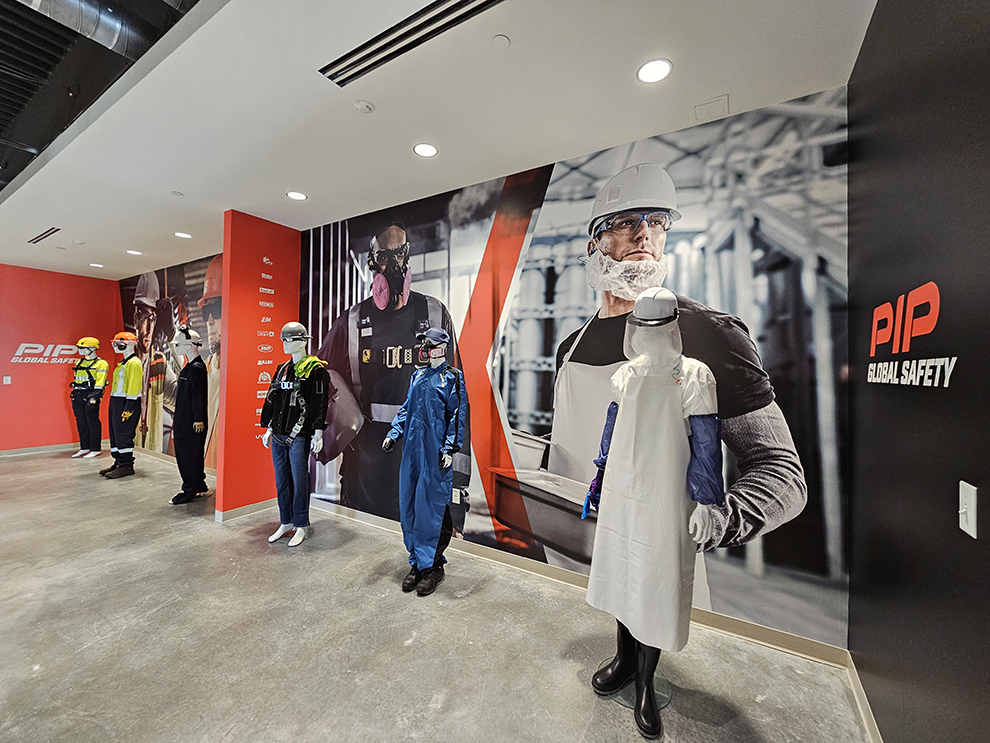
Wall wraps transform broad surfaces with branded colors, custom patterns, photographs, maps, or environmental graphics. A standoff panel can be installed over or near a wrapped wall to create a layered focal point.
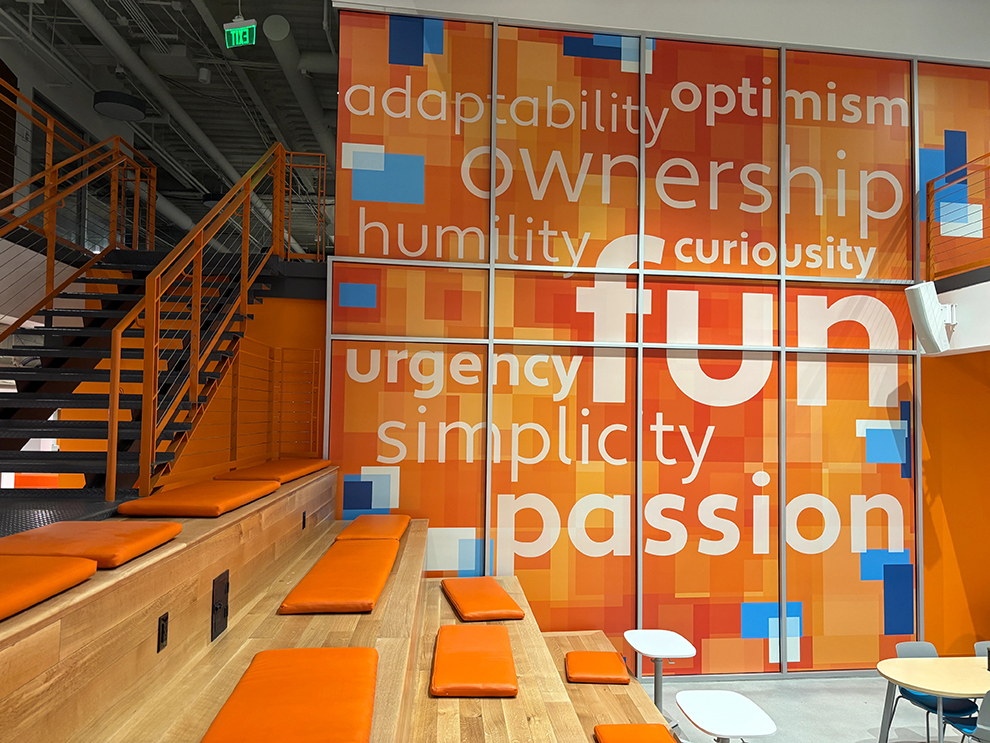
Window graphics carry branding, identification, or promotional messages onto glass surfaces. They are especially useful where drilled hardware is not appropriate or where visibility and privacy must be balanced.
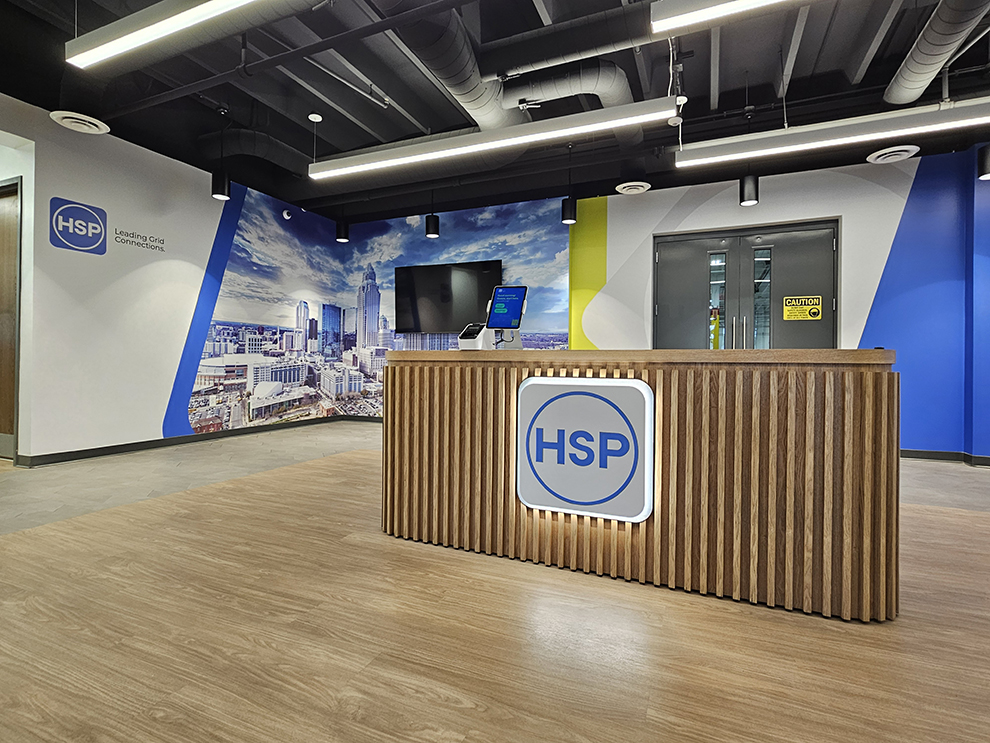
Lobby signs establish a strong first impression at reception areas and building entrances. Standoff mounting is one of several options available for creating a professional, dimensional lobby display.
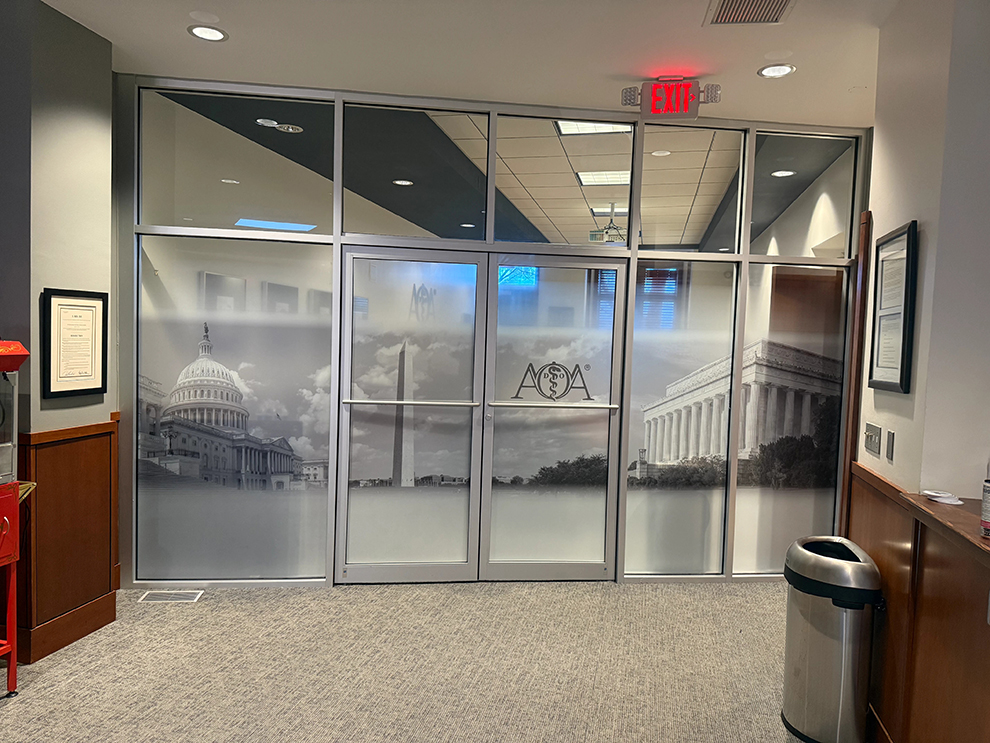
Frosted vinyl provides privacy and subtle branding on conference room, office, and reception glass. It can be coordinated with standoff signage to create a consistent interior identity.
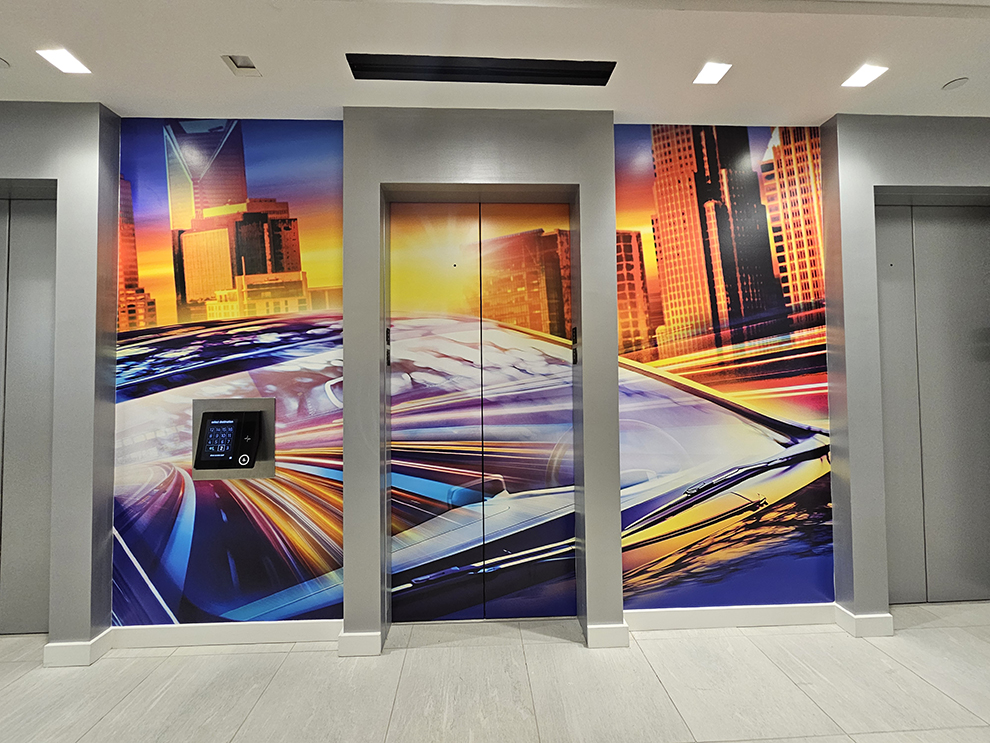
Elevator wraps use high-traffic surfaces to reinforce campaigns, organizational messaging, or branded environments. They can extend the visual theme introduced by a nearby reception or lobby sign.
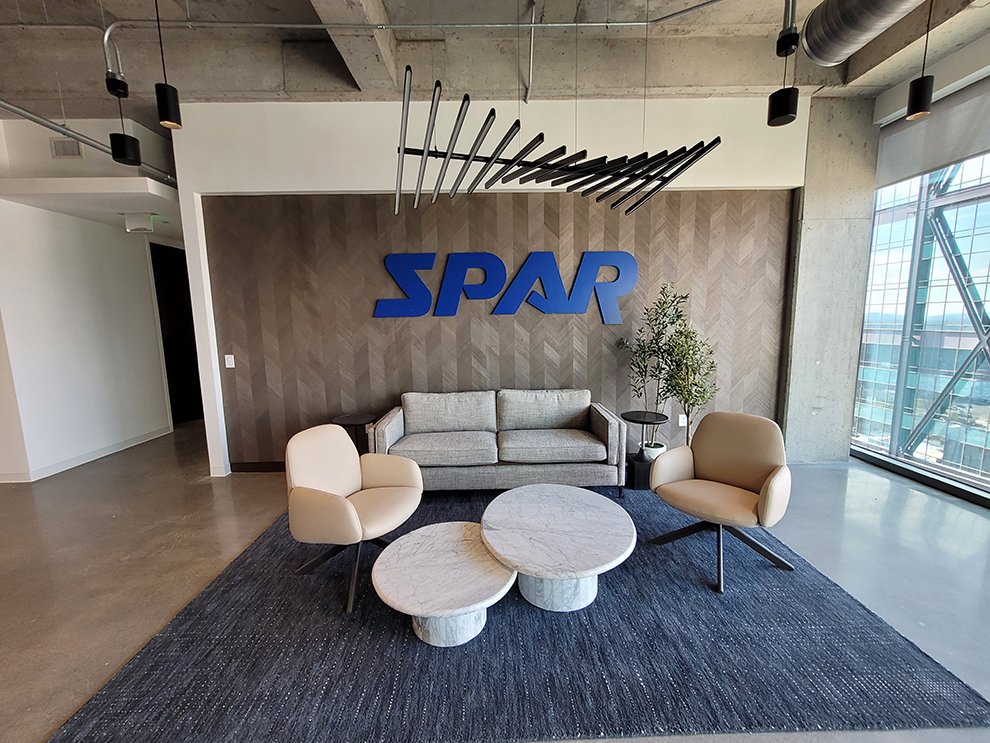
Dimensional letters attach individually to a wall and create depth without requiring a full background panel. They may also be combined with standoff-mounted graphics for a layered presentation.
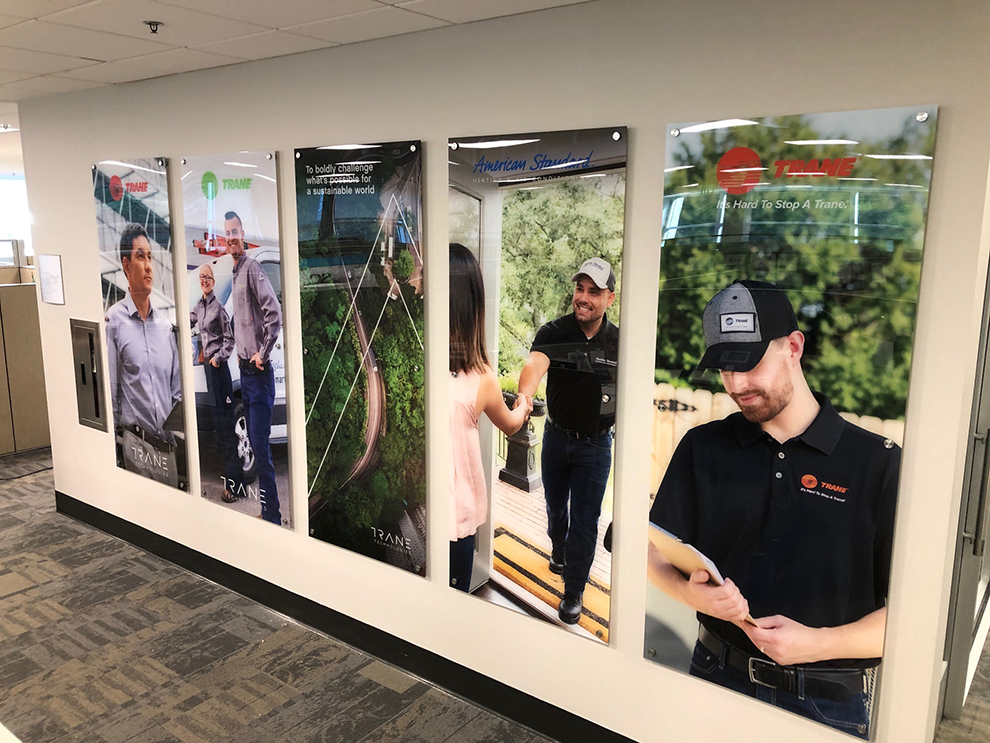
Acrylic signs offer a polished appearance and can support printed graphics, dimensional elements, second-surface decoration, or layered construction. Depending on the project, acrylic may be mounted with standoffs, concealed fasteners, or other hardware.
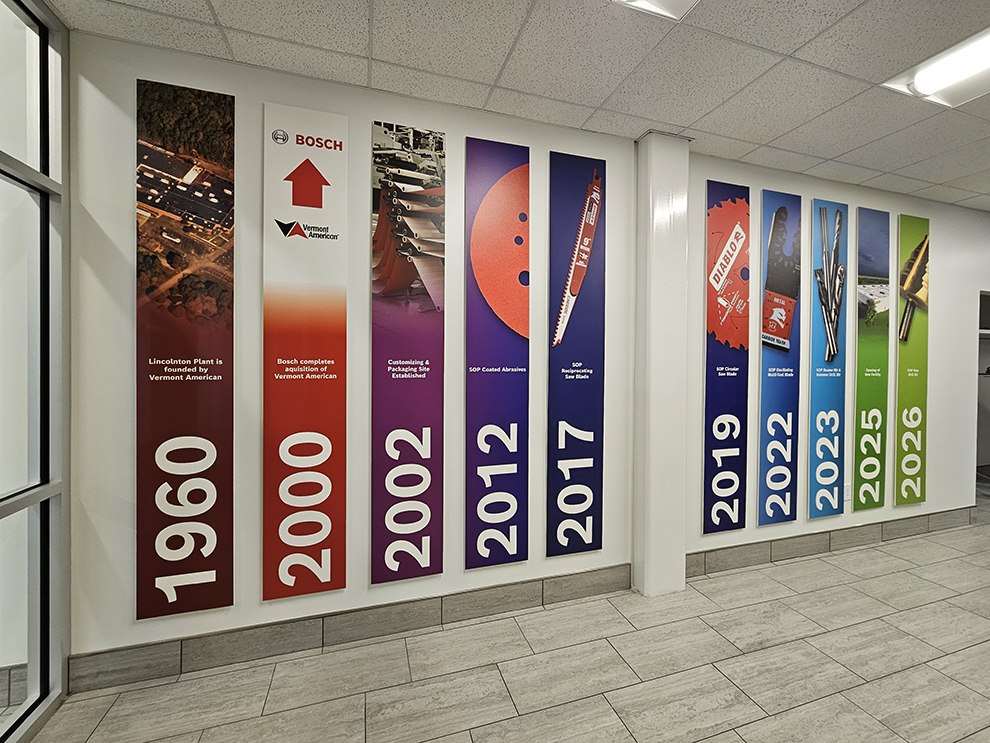
Wall displays communicate company history, organizational values, donor recognition, milestones, or educational content across a larger area. Standoff panels can function as modular components within these comprehensive installations.
Give your organization’s logo, story, mission, or recognition message a dimensional presence with custom standoff mounted signs in Williamsburg, VA. To begin, fill out our Get Started Now form. Share the project address, desired completion date, intended audience, message content, logo files, brand standards, photographs or drawings of the wall, approximate dimensions, building access requirements, future update expectations, and anticipated project scope.
Heritage Signs & Displays will review the information, identify any questions related to wall construction or property procedures, and recommend the appropriate next steps for environmental graphic design, fabrication, project management, and professional installation.
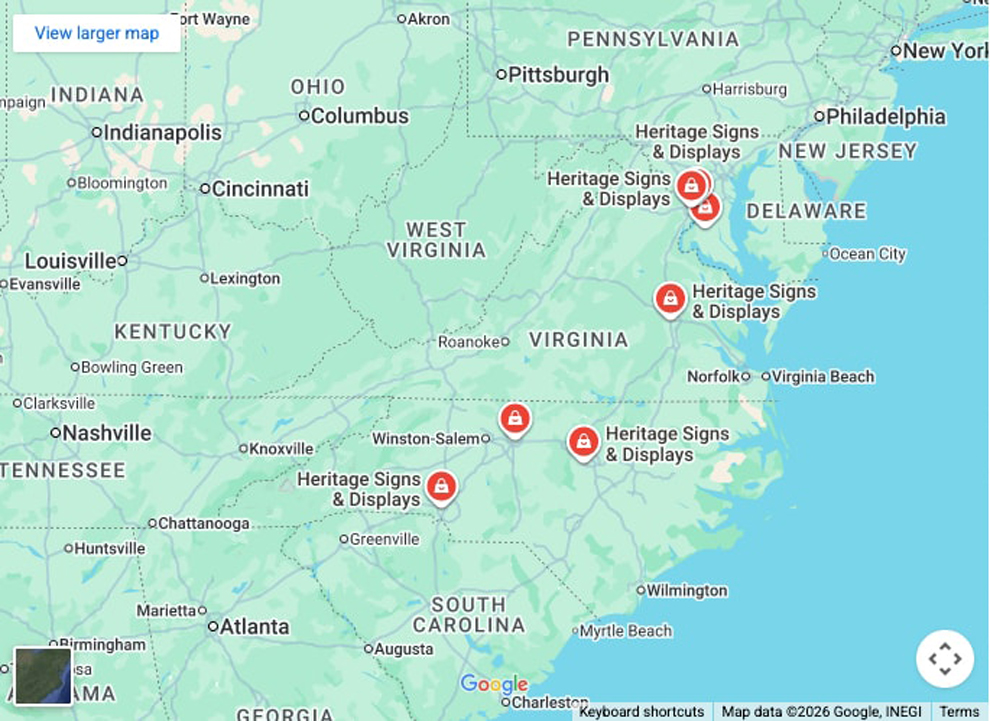
Heritage serves Williamsburg as a project-based market, coordinating design, production, fabrication, and scheduled installation through regional resources. Permanent interior signs require careful planning rather than walk-in or same-day service. Our project reach includes Williamsburg, James City County, York County, Yorktown, Newport News, Hampton, Gloucester, Poquoson, and other nearby communities.
Consider an organization with an administrative office in Williamsburg, an operations facility in Newport News, and a public-facing location in York County. Heritage can establish one approved standard for panel materials, hardware finishes, typography, colors, and mounting heights. Each property then receives individual wall verification and installation planning while maintaining a consistent brand presentation across the complete program.
Physical conditions vary between locations. Ceiling height, lighting, corridor width, wall construction, viewing distance, furniture placement, and visitor movement can change from one building to the next. Rather than forcing identical panel dimensions into every room, Heritage preserves the core visual standard while adapting scale, placement, hardware, and anchoring to each environment.
Effective environmental graphic design begins with understanding who will see the message and how they will approach it. A guest entering a hotel lobby, a student walking through a campus building, a patient waiting in a medical office, and an employee moving through a corridor all experience signage differently. Viewing distance, movement, lighting, and dwell time influence type size, contrast, message hierarchy, panel dimensions, and mounting location.
Heritage designers evaluate how materials support the intended message. Clear acrylic creates a different visual effect than opaque acrylic, printed ACM, or a layered panel. Transparency, edge quality, color reproduction, weight, durability, and cleaning requirements all affect the decision. Material weight also influences the number, size, and spacing of the standoffs.
Displays containing names, departments, statistics, or recognition information may need future updates. In those situations, modular sections or replaceable inserts can be more practical than remanufacturing a large permanent panel. Williamsburg organizations should discuss expected update frequency during discovery so the display can accommodate future changes.
Projection depth and hardware finish are selected in relation to the surrounding architecture and lighting. Brushed metal, polished metal, black, and other finishes interact differently with natural light, overhead fixtures, and adjacent materials. A deeper projection can create a dramatic shadow, but it may also reduce readability for small text or create unwanted visual competition. Heritage reviews these factors alongside fabrication and installation requirements so the approved design can be produced accurately.
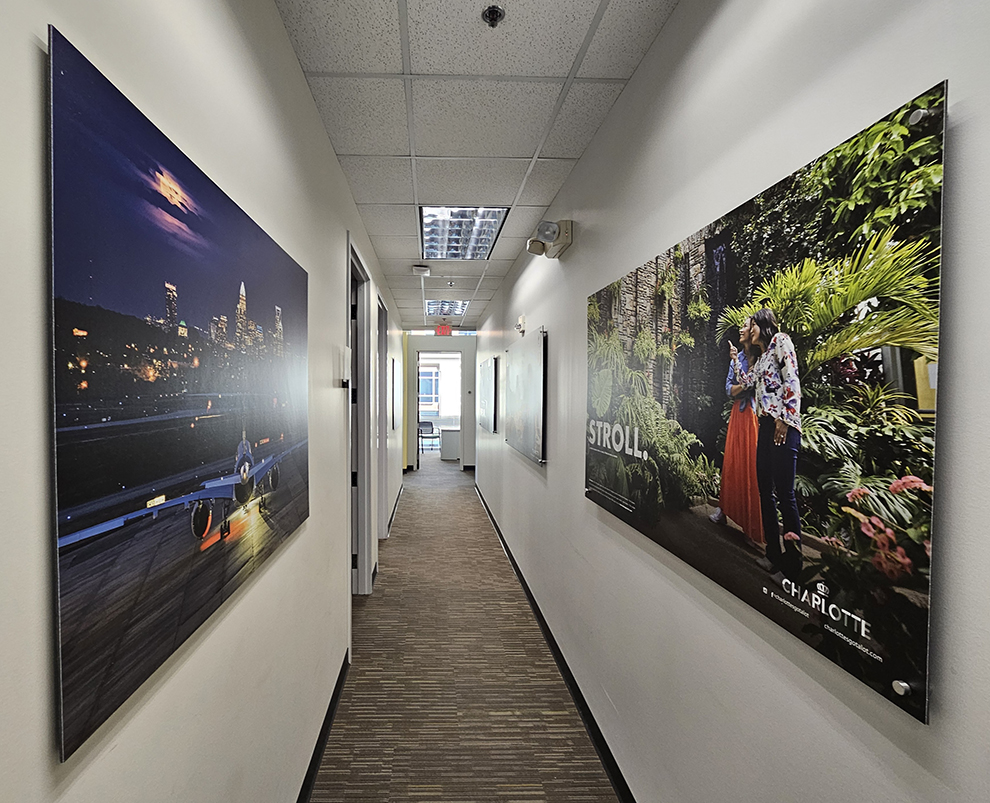
Installation scheduling is often governed by the property’s operational requirements. Williamsburg hotels, offices, educational buildings, medical environments, museums, government facilities, and mixed-use properties may require insurance documentation, approved work hours, security clearance, loading instructions, or escorted access. Occupied spaces may also place limits on noise, dust, tools, staging areas, and work near visitors or employees.
Heritage collects these requirements before confirming the installation schedule. Photographs, wall dimensions, substrate details, access information, and known conditions behind the wall help determine whether a formal site survey is necessary. Older Williamsburg properties and renovated buildings can contain construction that differs substantially from modern plans, making field verification especially valuable.
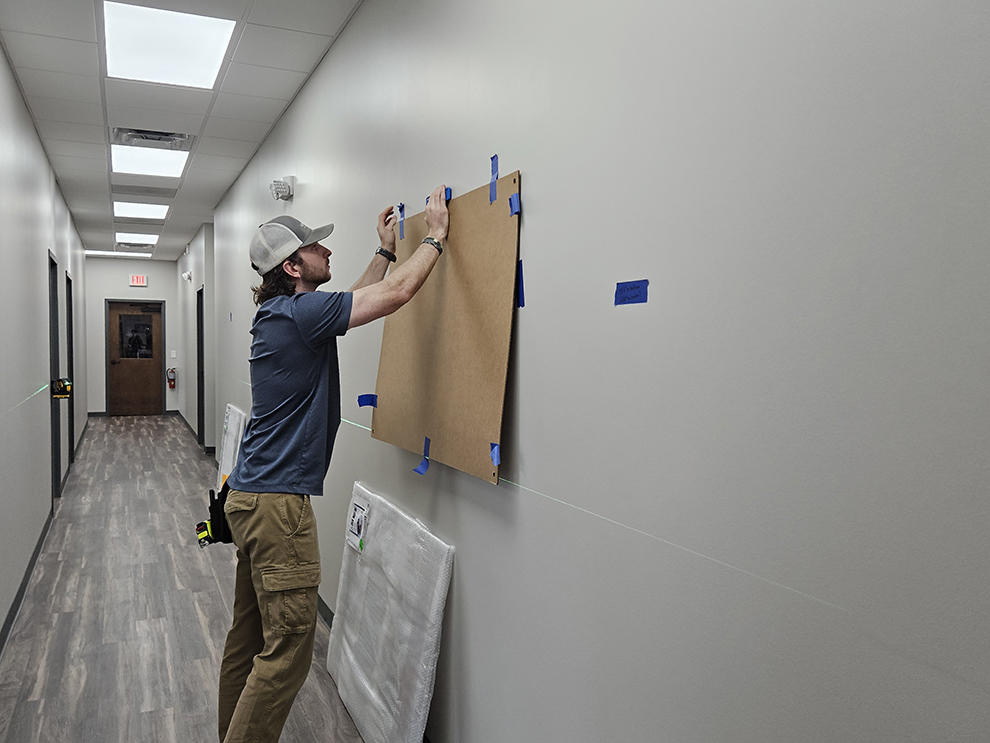
Installation planning may include protected travel paths, covered floors and furniture, dust control, equipment staging, drilling templates, panel leveling, hardware inspection, and final cleanup. These steps are addressed before the installation team arrives rather than being decided at the wall.
Professional installation is available only as part of a Heritage-managed project. Heritage does not provide installation-only services for signs manufactured by unrelated companies. Panel dimensions, hole tolerances, templates, standoff hardware, anchor selection, and wall verification are closely connected. Managing the full process allows Heritage to maintain responsibility for alignment, fit, appearance, and installation quality.
Heritage is best suited for standoff signage connected to a broader communication or branding goal. Examples include a new lobby experience, corporate rebranding, donor recognition program, mission and values installation, workplace culture display, campus renovation, or wayfinding improvement. Coordinated project management provides the greatest value when the display is highly visible, the message is important, and installation must meet a defined schedule.
Heritage-managed projects for Williamsburg, VA clients begin at an overall project investment of $4,000. This minimum applies to the complete scope, not to every individual panel, cap, letter, or mounting point. A qualifying project might include one substantial lobby, history, mission, timeline, or recognition display. It may also consist of several coordinated signs installed throughout a connected interior environment.
Final pricing depends on sign dimensions, materials, hardware specifications, graphic complexity, installation access, site survey requirements, wall conditions, scheduling limitations, and the number of display elements.
Heritage primarily focuses on interior signage. Exterior standoff installations may be considered individually when the wall, hardware, graphics, anchors, weather exposure, and local requirements support the proposed application. These projects require site-specific evaluation. Heritage does not specialize in monument signs, pylons, channel letters, or conventional exterior sign packages, and our installers do not mount products manufactured by other sign providers.
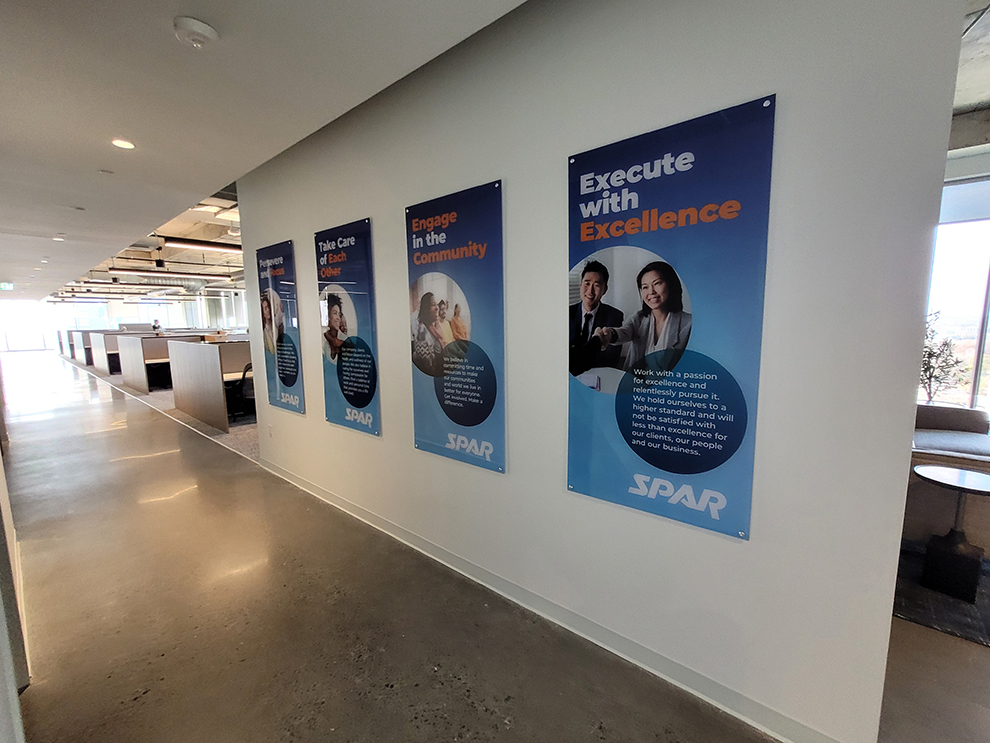
Yes. Standoff panels can display office directories, department names, floor listings, room information, and directional messages. They work best at locations where visitors naturally stop or make navigation decisions. Readability depends on viewing distance, type size, contrast, mounting height, lighting, and message length.
Directories that change frequently should use replaceable inserts, modular sections, or another update-friendly format. A permanently printed panel may be appropriate when information rarely changes, but it can become costly if departments or occupants are regularly added or relocated.
Yes. Genuine standoff installations use mechanical fasteners or anchors placed into drilled holes. The standoff barrels attach to those fasteners, and the caps secure the panel at the specified distance from the wall. Adhesive by itself does not provide the same structural support or projected appearance.
The drilling pattern must match the fabricated panel precisely. Accurate templates, careful leveling, and appropriate anchors are required to maintain even spacing and prevent the sign from appearing tilted or distorted.
Cleaning instructions depend on the panel material, printed graphics, dimensional elements, and hardware finish. Most interior displays can be maintained with regular dusting and a soft, nonabrasive cloth. Any cleaning solution should be approved for the specific acrylic, metal, laminate, film, or printed surface.
Avoid abrasive pads, harsh solvents, excessive moisture, and strong pressure near panel edges or applied graphics. These methods can scratch acrylic, damage finishes, or loosen printed elements. Facilities teams should receive material-specific care recommendations after the final construction is approved.
Building procedures are reviewed during project planning. Property managers may require certificates of insurance, approved installation hours, loading instructions, protected work paths, freight access, security credentials, or escorts. Healthcare, hospitality, government, manufacturing, and educational facilities may impose additional requirements.
Heritage incorporates these conditions into the installation plan so the crew arrives with the correct authorization, equipment, hardware, and scheduling information. Early coordination reduces delays and helps avoid unnecessary return visits.
Practical size limits depend on the face material, panel thickness, weight, hardware spacing, anchor capacity, wall construction, access route, and installation height. Large panels may need additional standoffs or may be divided into aligned sections that are easier to transport, handle, and install.
Projection depth must also be considered. A deeper standoff creates a stronger shadow and greater separation from the wall, but it also increases leverage on the anchors. Heritage evaluates panel size and projection together rather than treating them as unrelated choices.
No. Heritage provides installation only within projects that our team designs, fabricates, or procures. Successful installation depends on panel tolerances, hole placement, templates, hardware compatibility, anchor selection, wall information, and the original design intent.
Those details cannot always be verified when a completed sign arrives from an unrelated manufacturer. Keeping design, fabrication, project management, and installation within one coordinated process allows Heritage to remain accountable for the final result.
Yes, if expansion is considered during the initial design. Replaceable nameplates, modular panels, documented hardware grids, reserved wall areas, and interchangeable inserts can make future additions easier. These systems are especially useful for fundraising campaigns, employee recognition programs, membership displays, and milestone walls.
Adding content to a fixed, single-panel design often requires new fabrication and additional drilling. Organizations should share expected growth, campaign phases, and update frequency during discovery so the display can be designed with sufficient flexibility.
A site survey provides verified information about the installation area. It may document wall measurements, surface materials, backing, existing damage, adjacent fixtures, lighting, sightlines, access paths, furniture, electrical components, and property procedures.
These findings influence panel dimensions, mounting location, hardware layout, anchor selection, template preparation, equipment needs, and installation time. Surveys are particularly valuable for wide displays, older Williamsburg buildings, specialty wall finishes, historic properties, secured facilities, and locations where construction conditions are uncertain.
A dedicated project manager records the approved standards for panel materials, colors, typography, hardware finishes, graphic treatments, mounting heights, and content organization. Those specifications can then be applied across offices, campuses, facilities, or regional branches.
Each location still receives individual review because lighting, wall construction, room dimensions, access requirements, and viewing distances may differ. This approach preserves a recognizable visual identity while allowing the sign system to function properly in each building.
Standoff describes how a sign is attached to the wall. Acrylic describes the material used to make all or part of the sign face. An acrylic panel can be installed with standoffs, mounted flush, attached with concealed hardware, suspended, or incorporated into another display system.
Likewise, a standoff mounted sign does not have to be acrylic. It may use ACM, printed panels, dimensional lettering, layered components, or interchangeable inserts. Visible barrels and caps, mechanical attachment points, and controlled separation from the wall are the defining characteristics of a standoff installation.
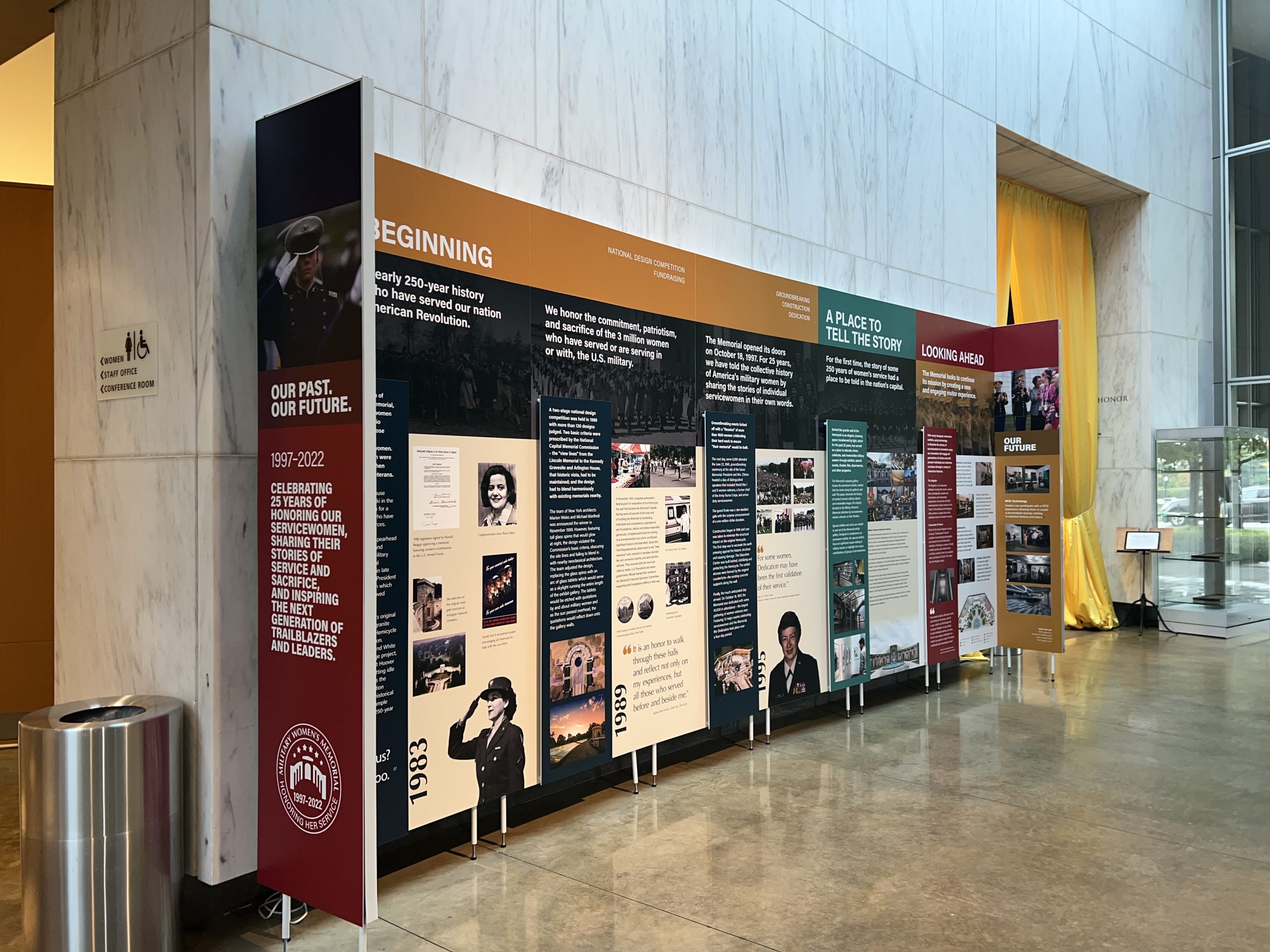
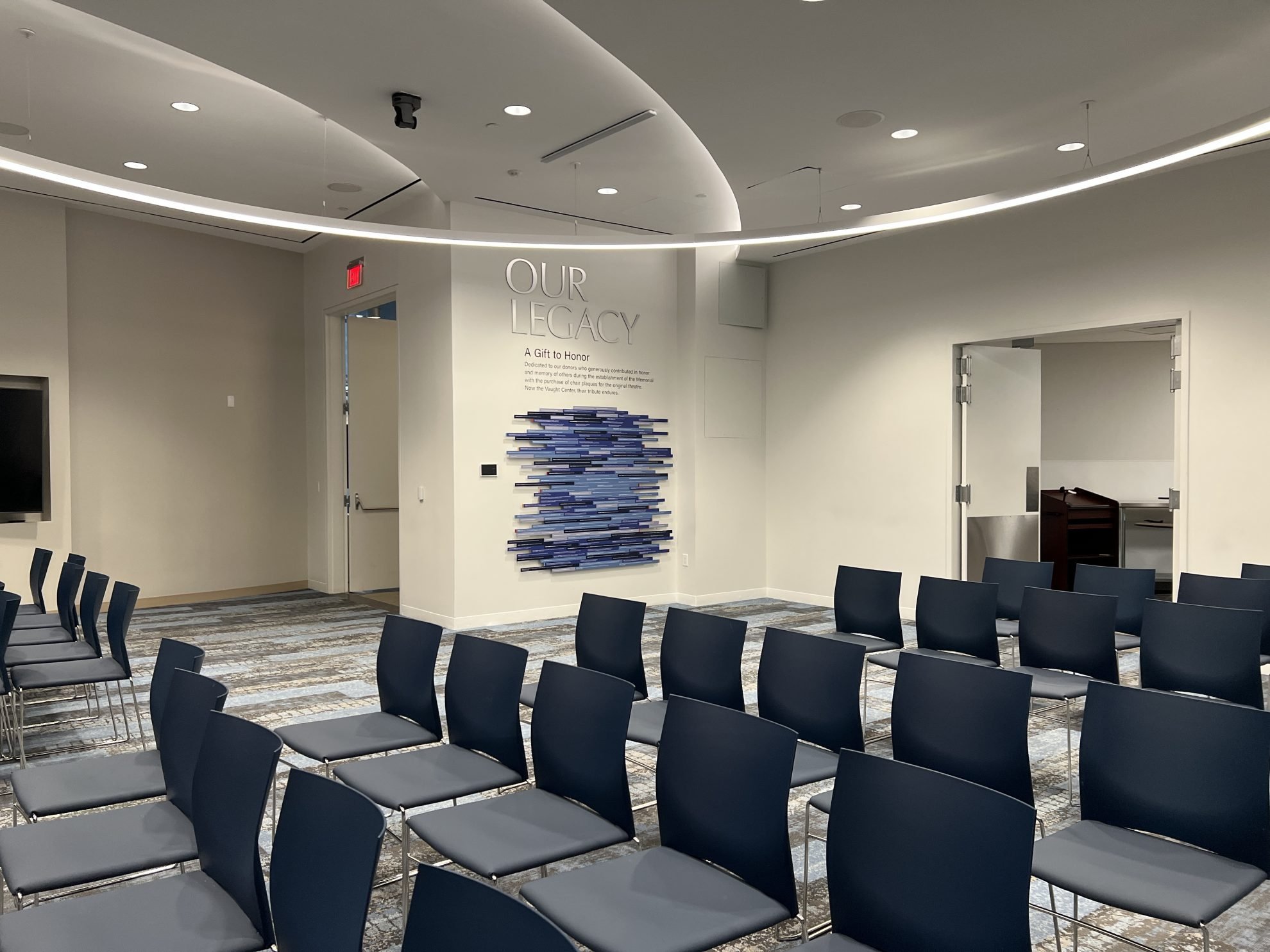
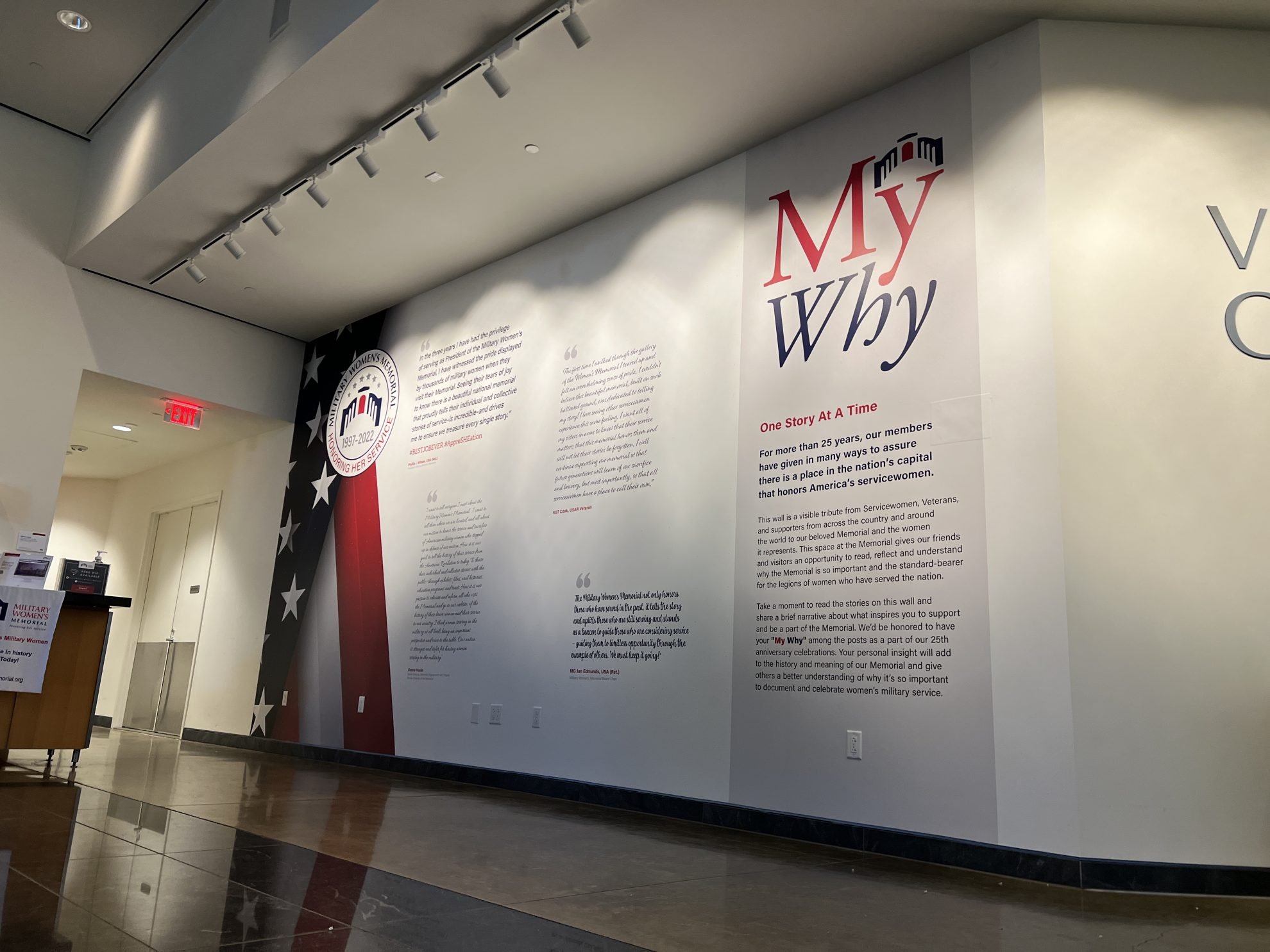
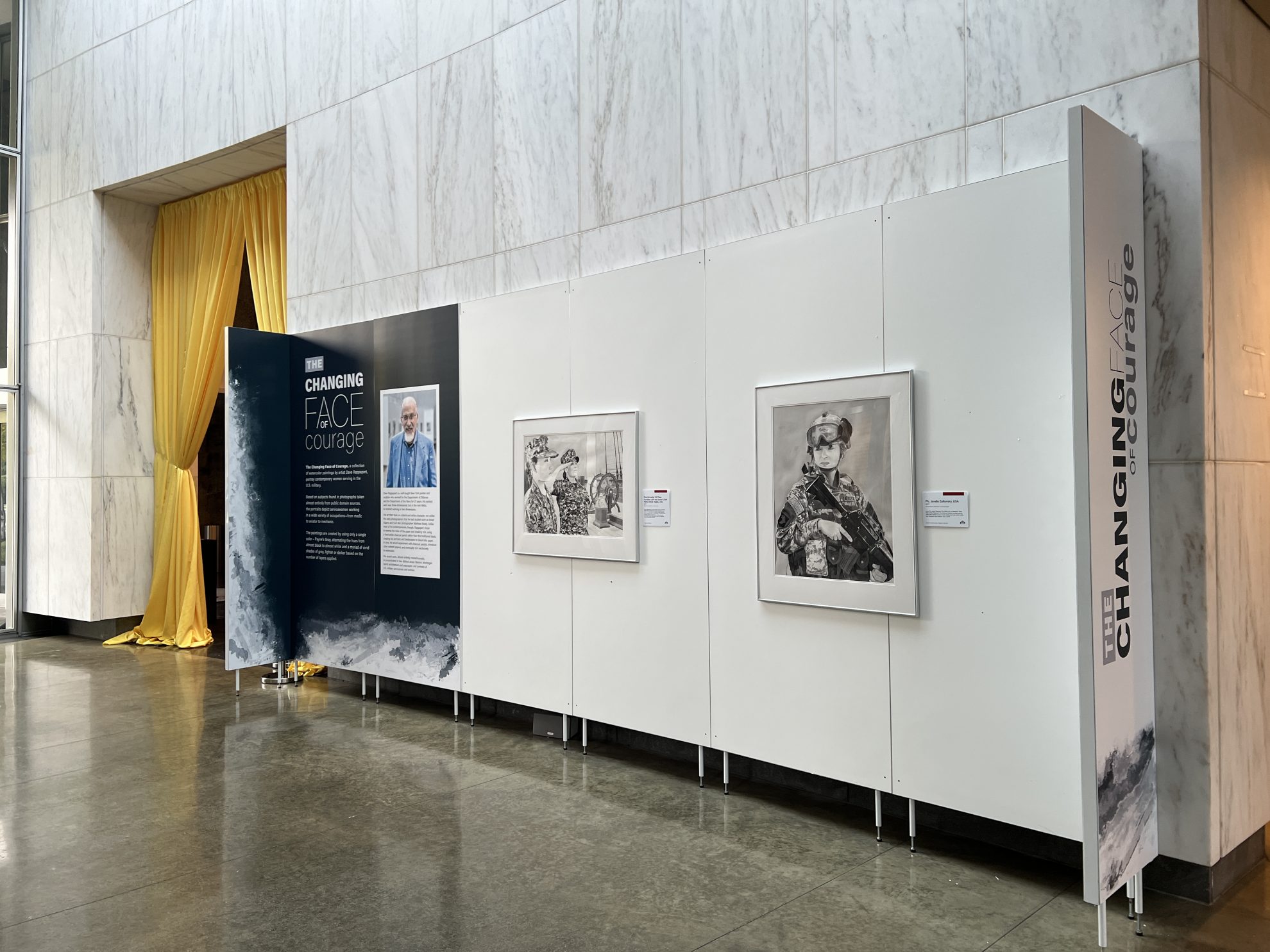
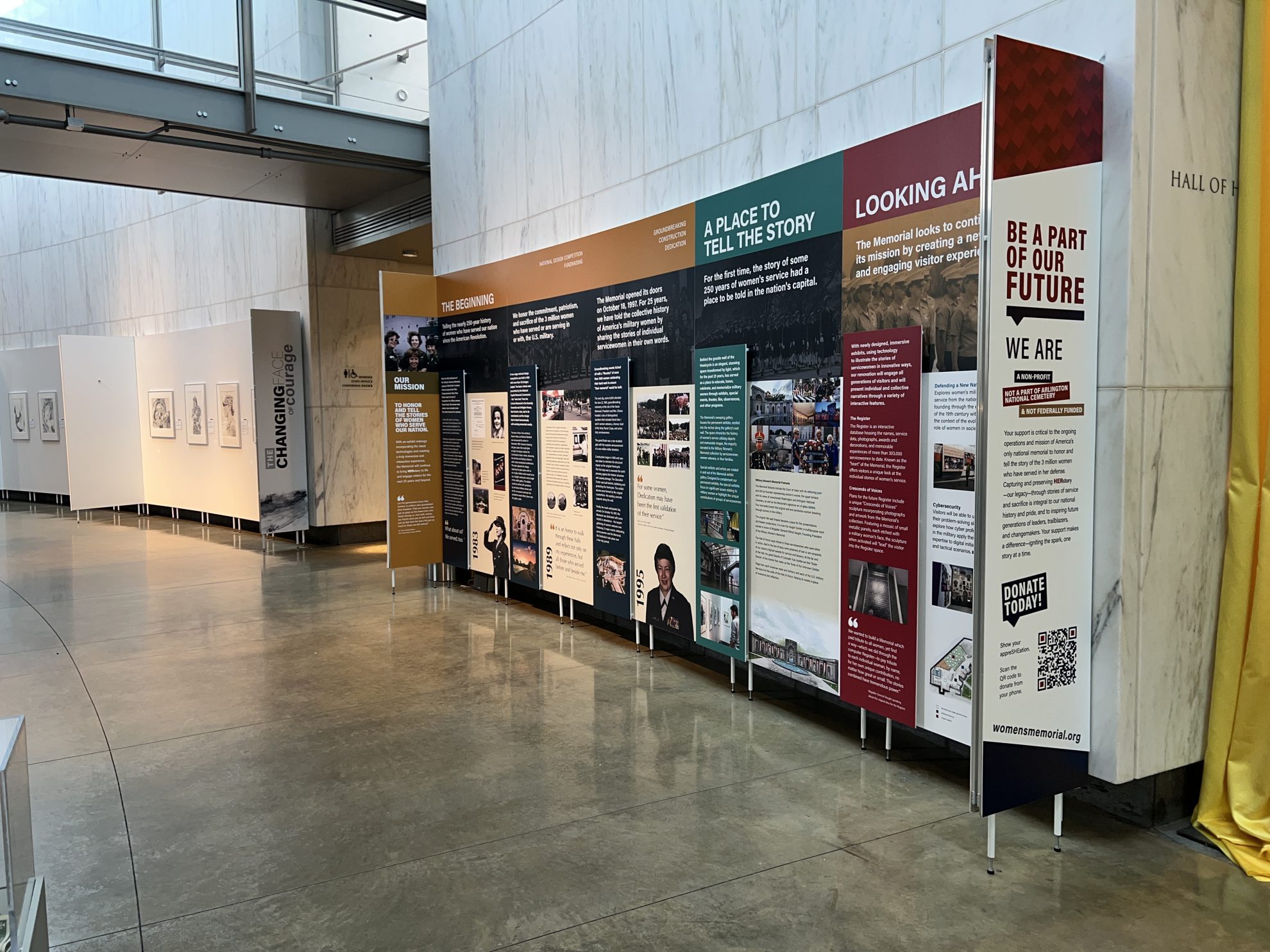
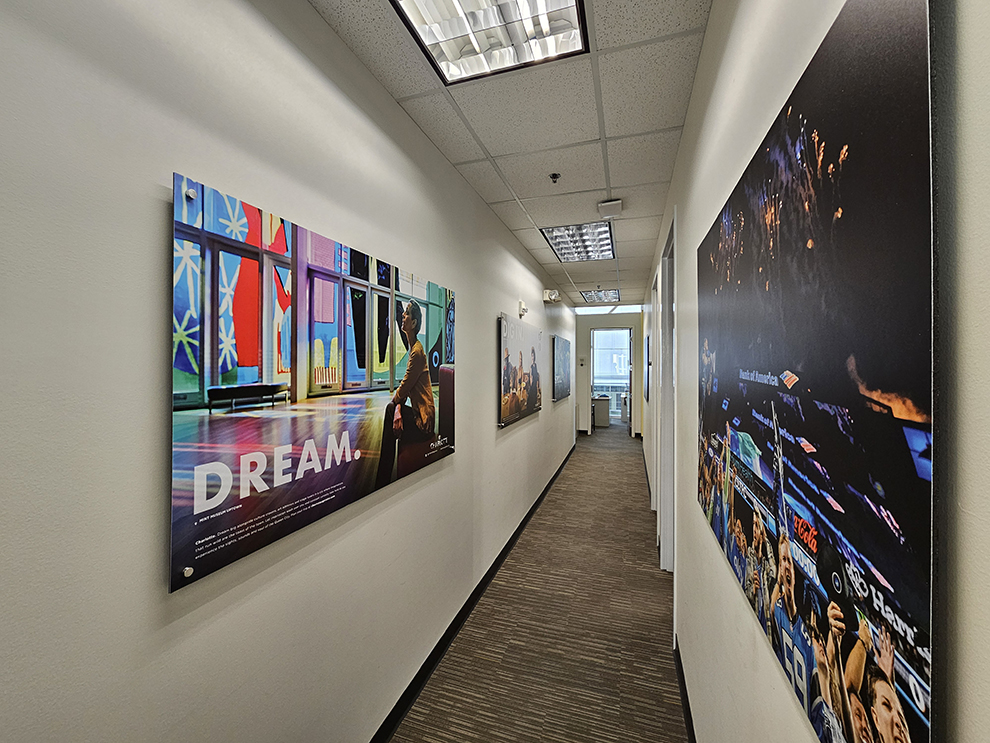
Heritage Signs & Displays created new museum signage for the Military Women’s Memorial in Arlington, VA. The project included custom signs, wall wraps, dimensional letters, and standoff-mounted displays to honor the legacy of U.S. servicewomen and the donors who supported the memorial. The updated interior features impactful designs, including a "Our Legacy" wall display and panels showcasing historical contributions and artwork, creating a transformative tribute to women in the U.S. Armed Forces.
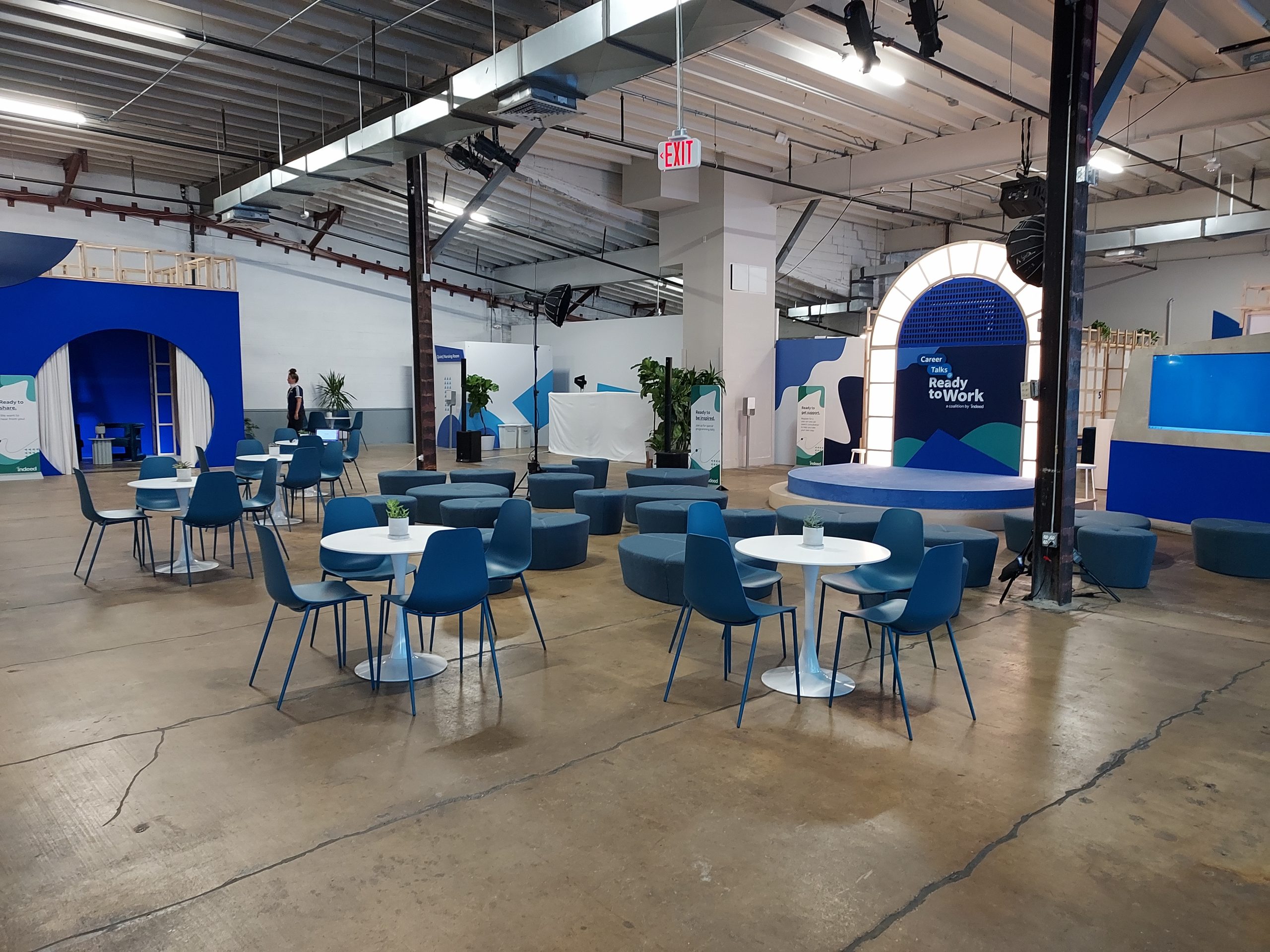
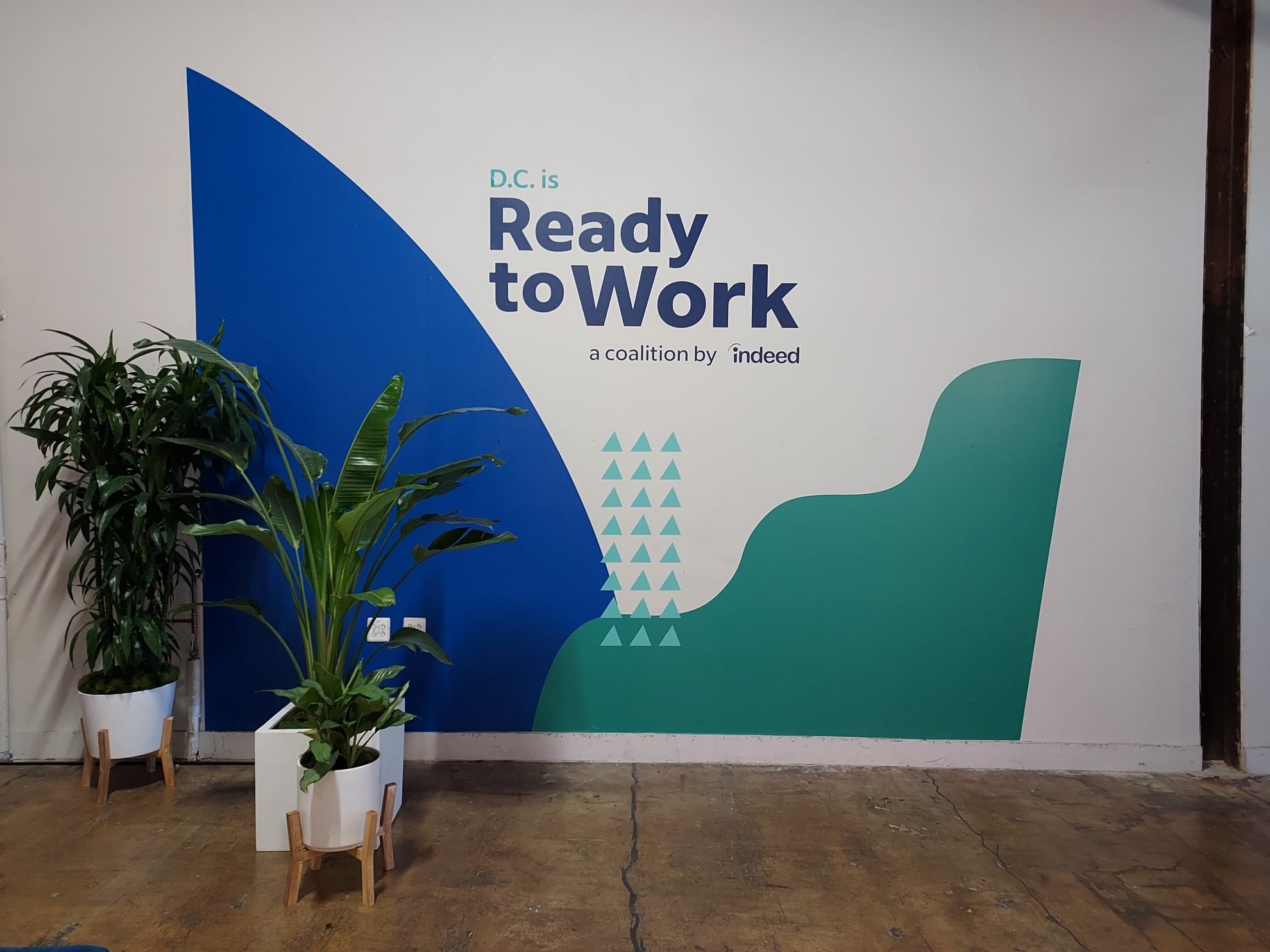
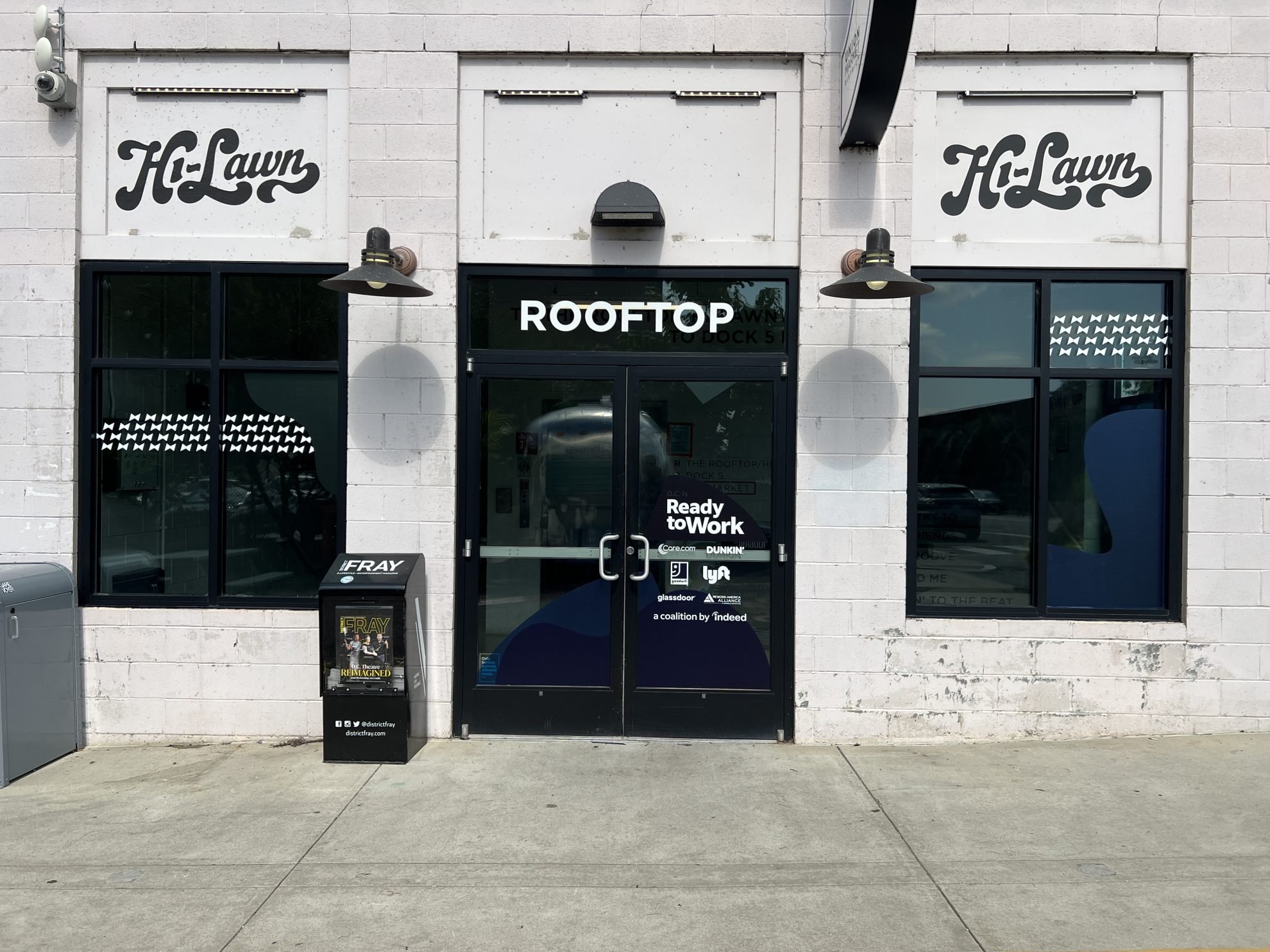
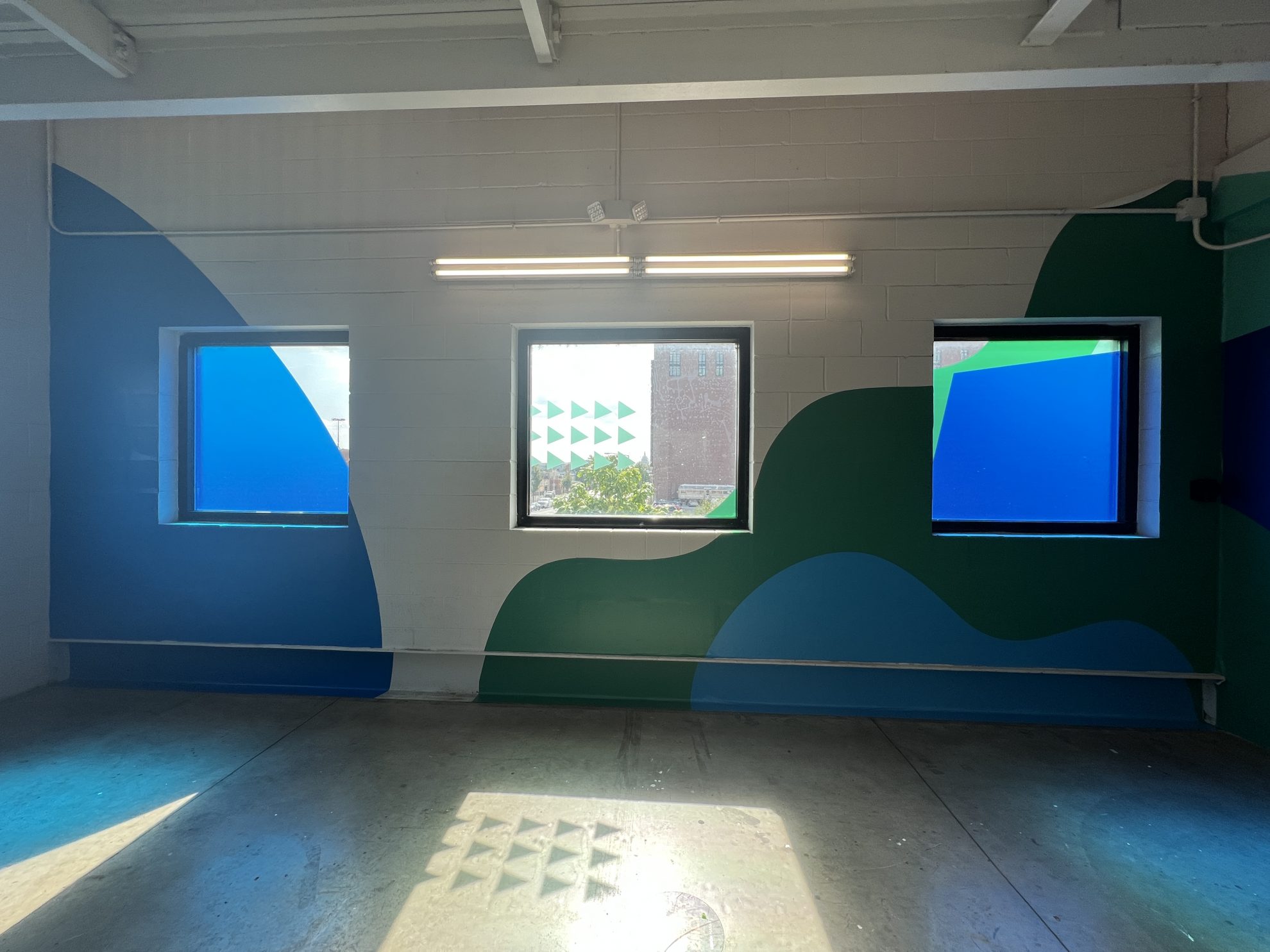
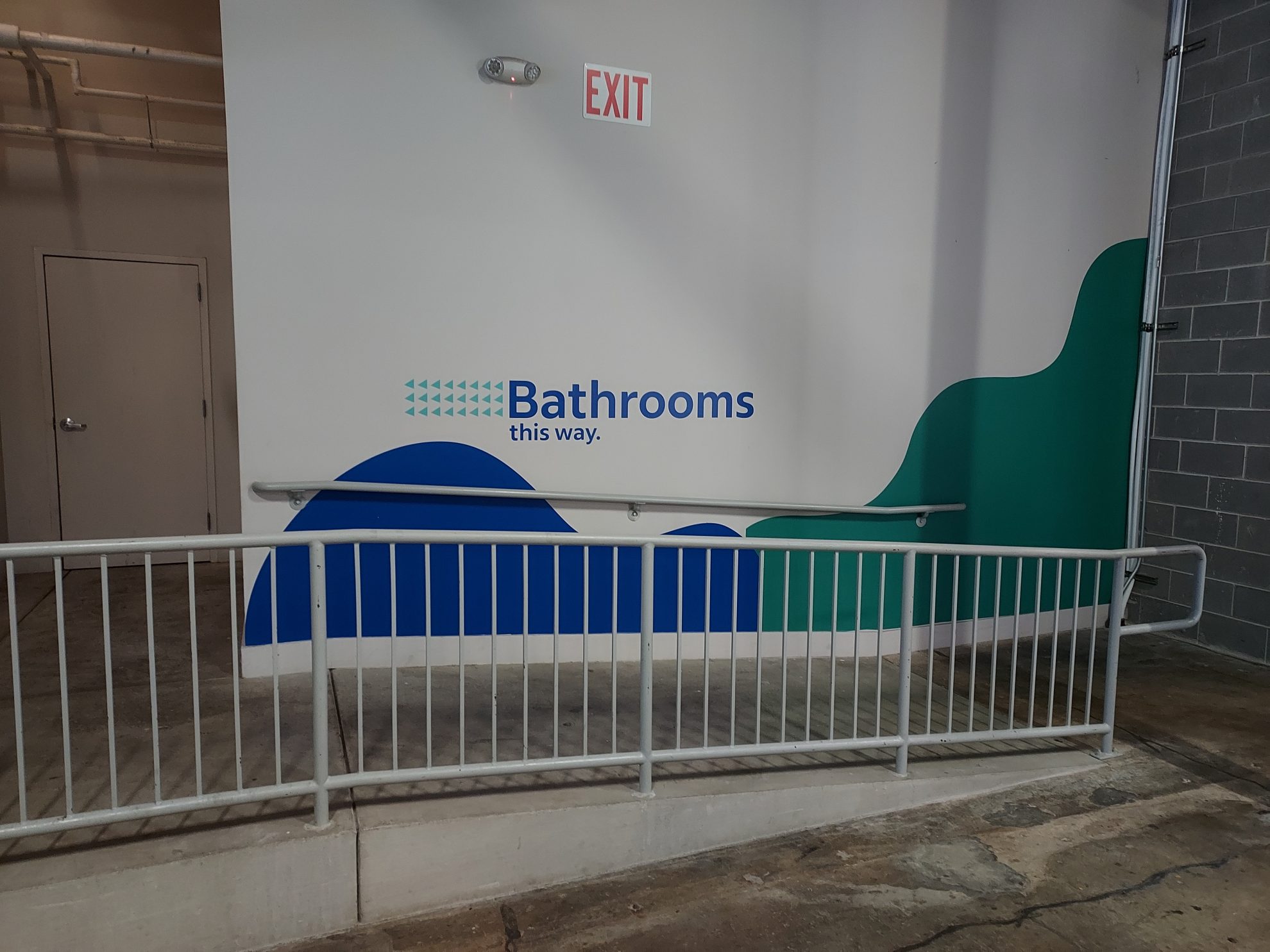
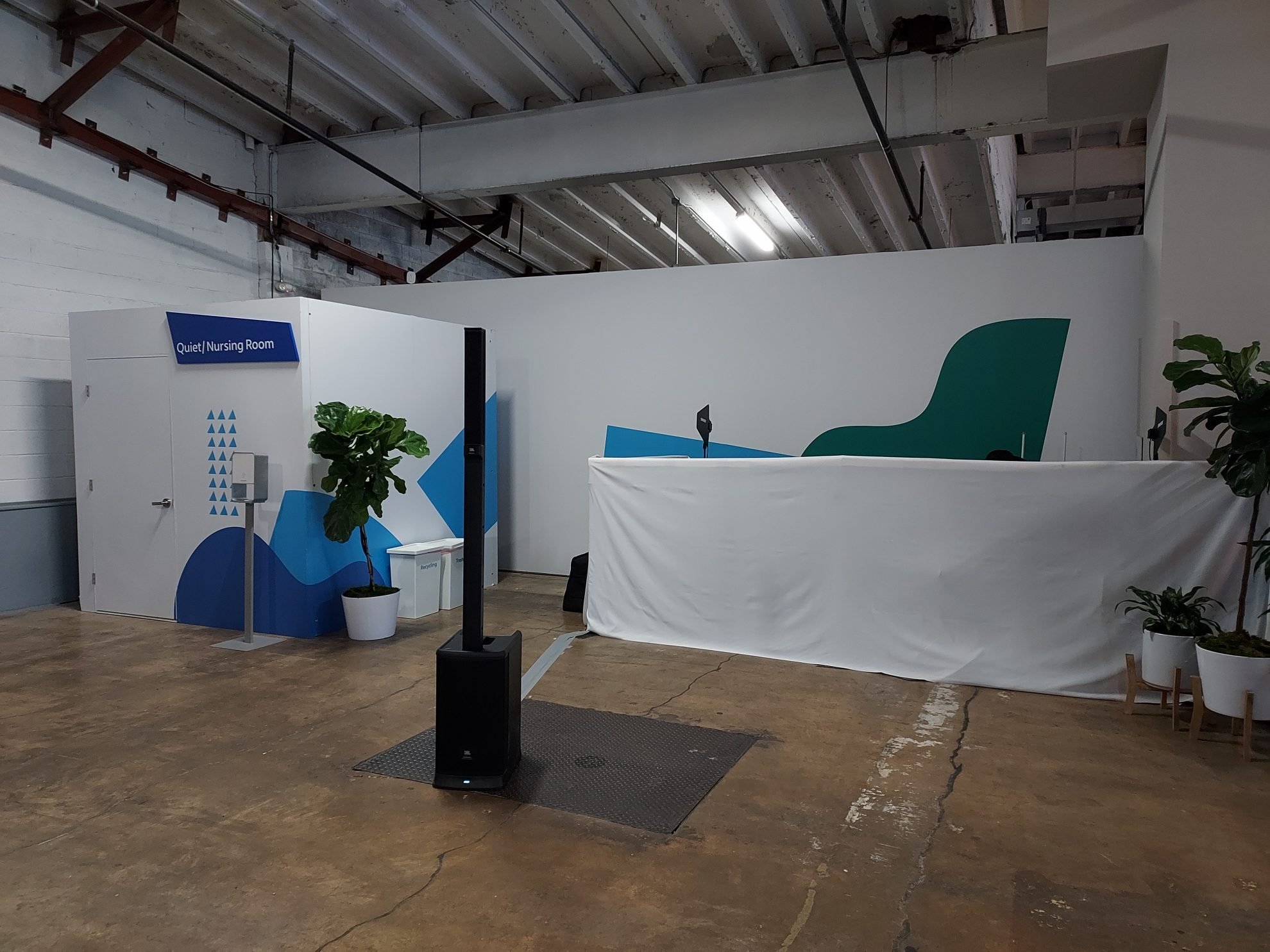
Heritage Signs & Displays' collaboration with The Gathery to brand Union Market in Arlington, VA, for Indeed's "Ready to Work" job fair. The project included custom event displays, wall graphics, window graphics, and wayfinding signs, creating an immersive and visually appealing environment. The branding enhanced the venue, reflected the event's mission, and provided a seamless experience for attendees.