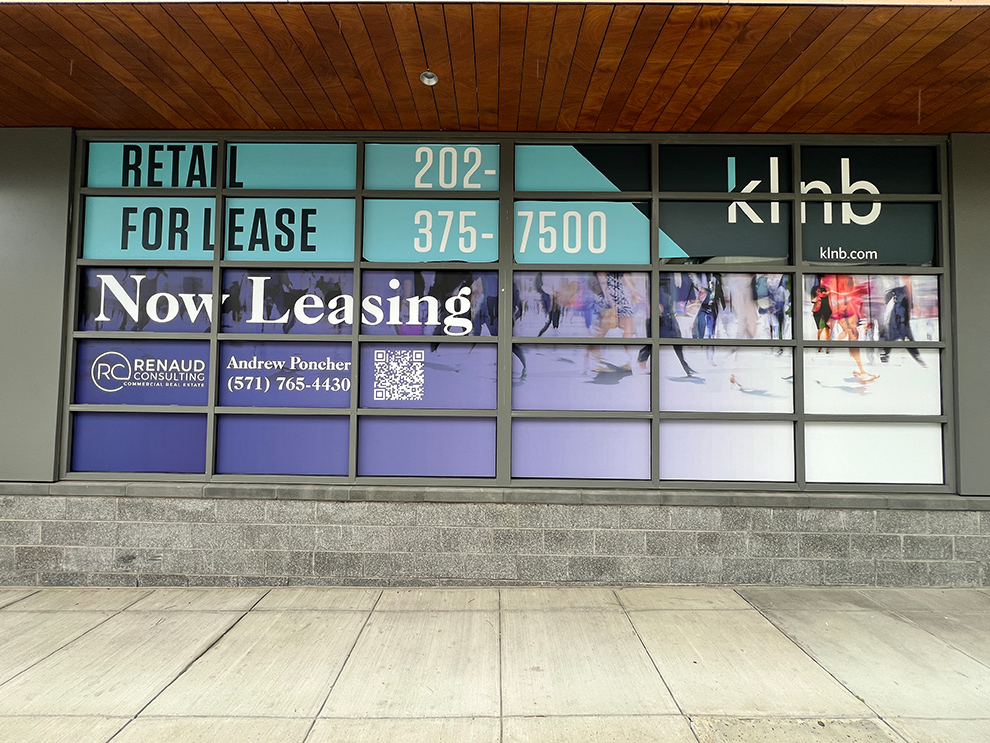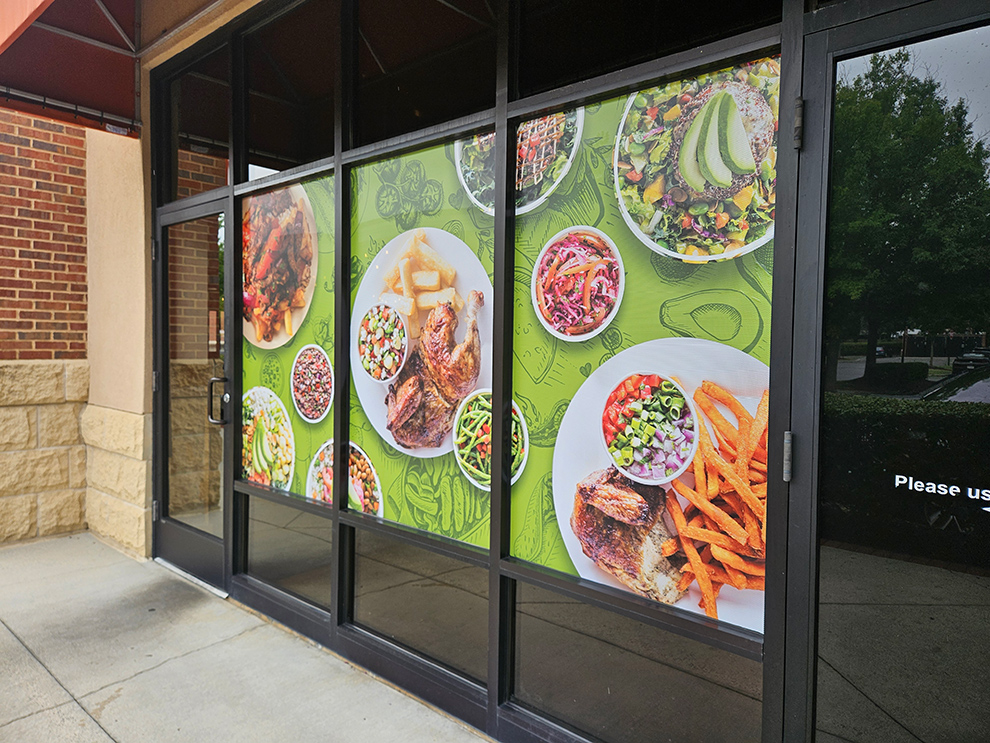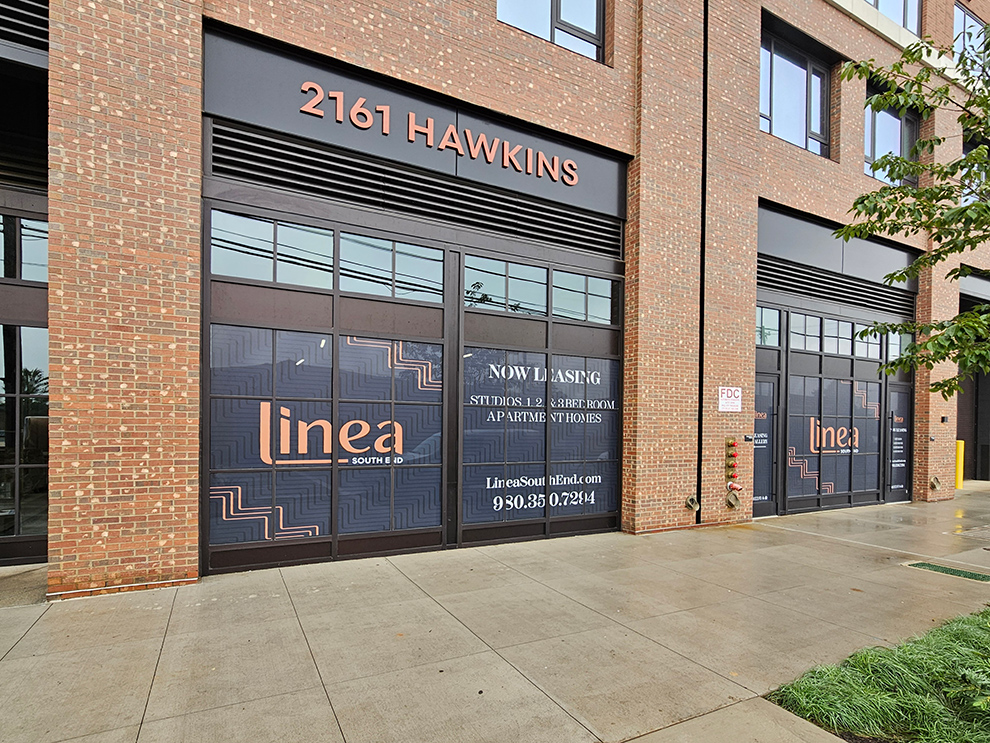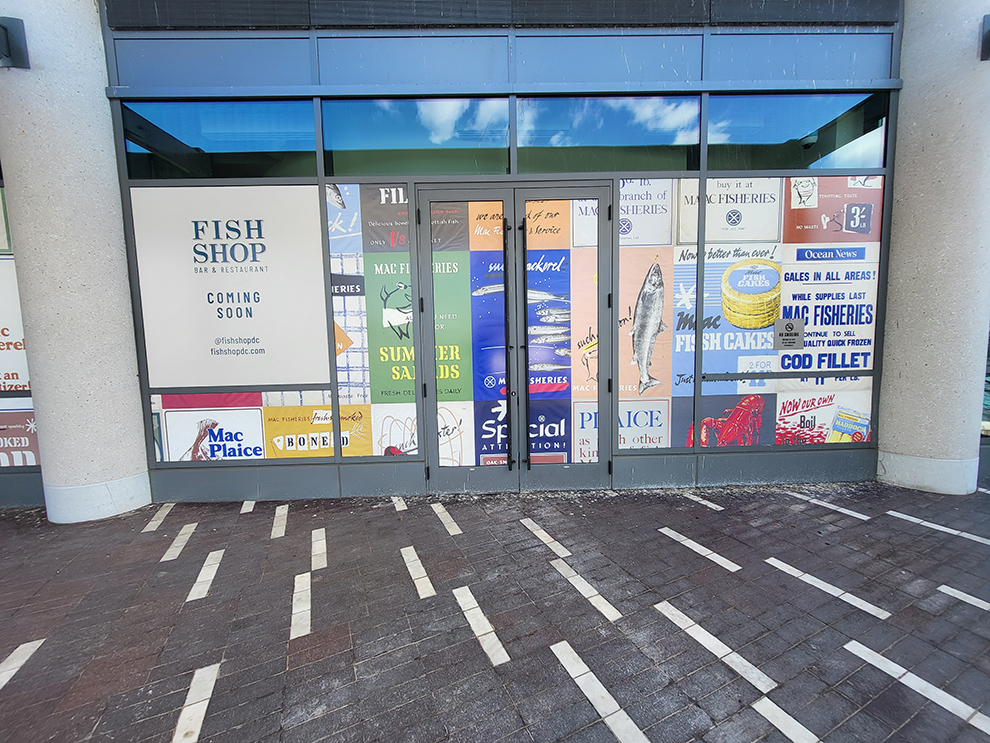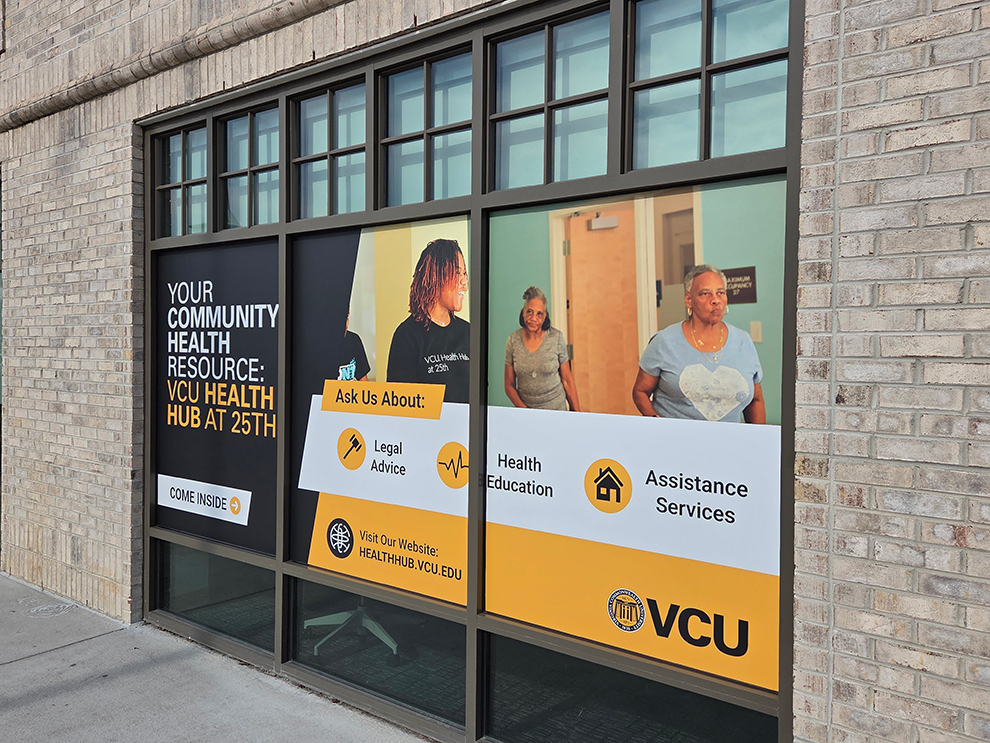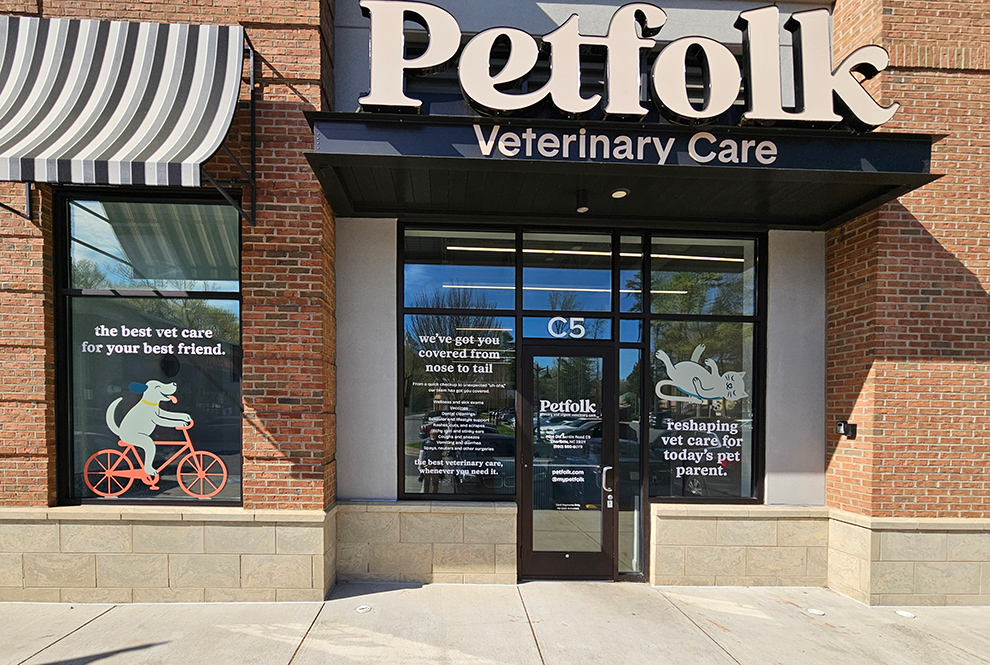
An entrance has one job before anything else: it should tell people they found the right place and invite them in without hesitation. Storefront graphics carry that responsibility across doors, windows, and the surfaces around them, while also handling privacy, sightlines, and making clear glass easier to notice. The strongest treatments resist the urge to say everything at the door. They identify the organization plainly and let the lobby and the rest of the interior fill in the detail.
Heritage Signs & Displays treats Storefront Graphics as the connecting layer between what people see outside and what they experience once they walk in. Entrance lettering handles identification. Window graphics manage coverage without giving up daylight or the views worth keeping. Past the threshold, a lobby sign, wall graphic, dimensional feature, or wall display becomes the stronger focal point. When these pieces are planned together, the door, the glass, reception, and the workplace read as one environment instead of a series of unrelated orders.
Every project starts with discovery and a required site survey. Heritage sits down with client stakeholders to understand the arrival experience they want, who is walking through the door, existing brand standards, privacy expectations, schedule pressures, property conditions, and the details that still need to be verified. Environmental graphic design turns those goals into a direction that suits the architecture. Production, fabrication, and professional installation carry the approved design into the finished space.
A single dedicated Project Manager holds all of that together. The client has one accountable Heritage contact linking decisions, field measurements, artwork, approvals, production specifics, building access, and installation sequencing. Fewer handoffs means fewer surprises, and questions tend to get answered before they turn into problems on site. It also protects the approved design intent, because the people executing the work share one continuous project record instead of relearning the job at every stage.
Heritage opened in 1977 as a commercial printing company. Signs, interior graphics, workplace branding, and event environments became the central focus starting in 2009. Today Heritage is an award-winning, veteran-owned, family-led company approaching its 50th year. That longevity shows up as a disciplined project model built on straight recommendations, clear communication, craftsmanship, and follow-through that holds. Heritage seeks to honor God by serving clients and communities with excellence.
Organizations in Chesapeake work with client-facing support for discovery, site surveys, field coordination, installation planning, professional installation, and follow-through after the work is done. That presence covers Chesapeake, Norfolk, Virginia Beach, Portsmouth, Suffolk, and the wider Hampton Roads market. When a project calls for additional resources, the dedicated Project Manager pulls in Heritage capabilities across Virginia and the broader company network without disconnecting local site knowledge from production and installation decisions.
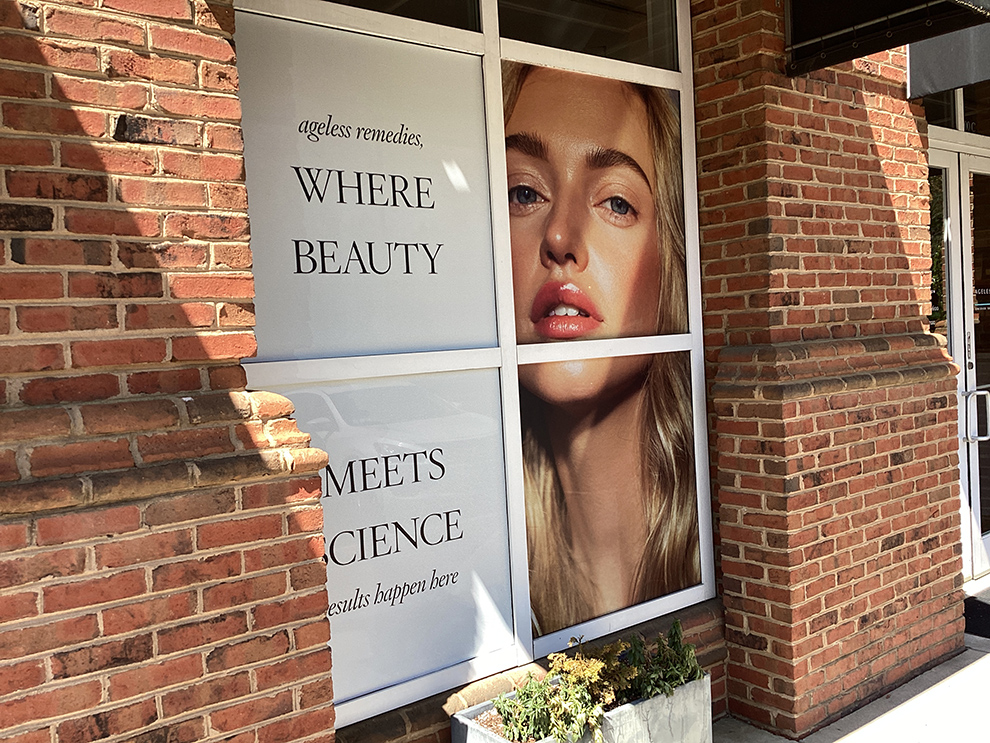
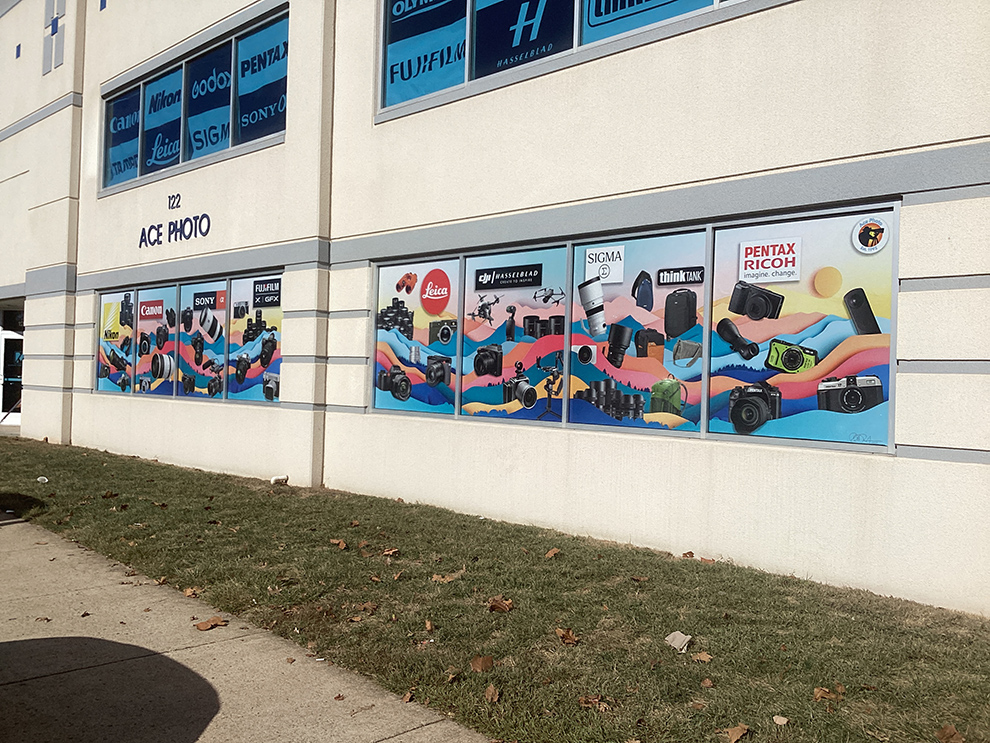
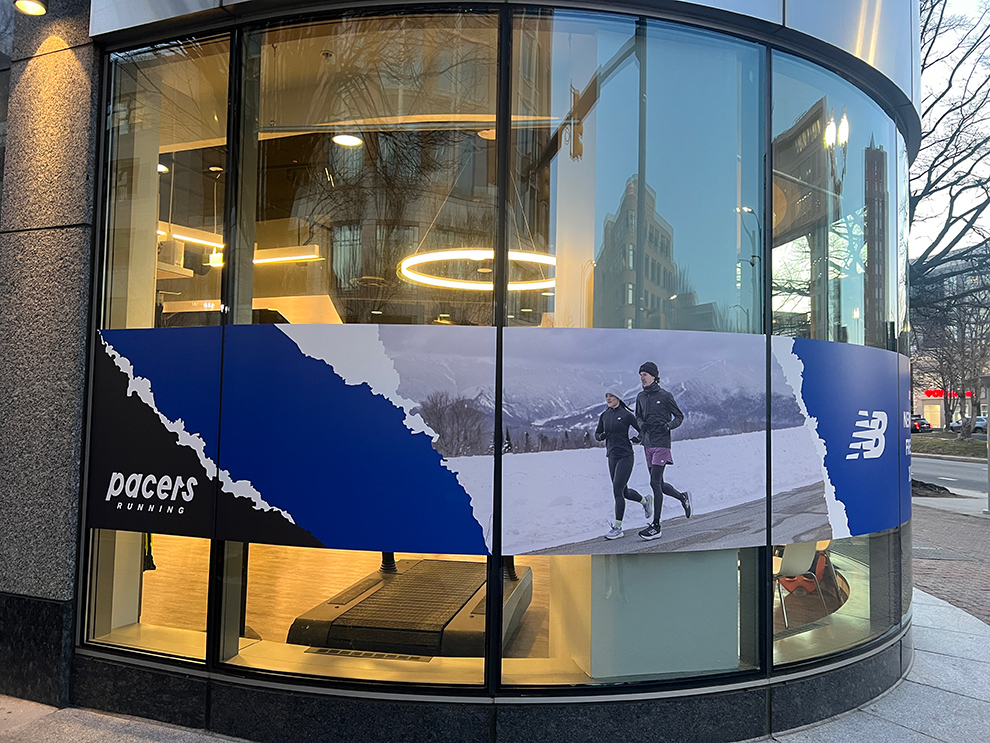
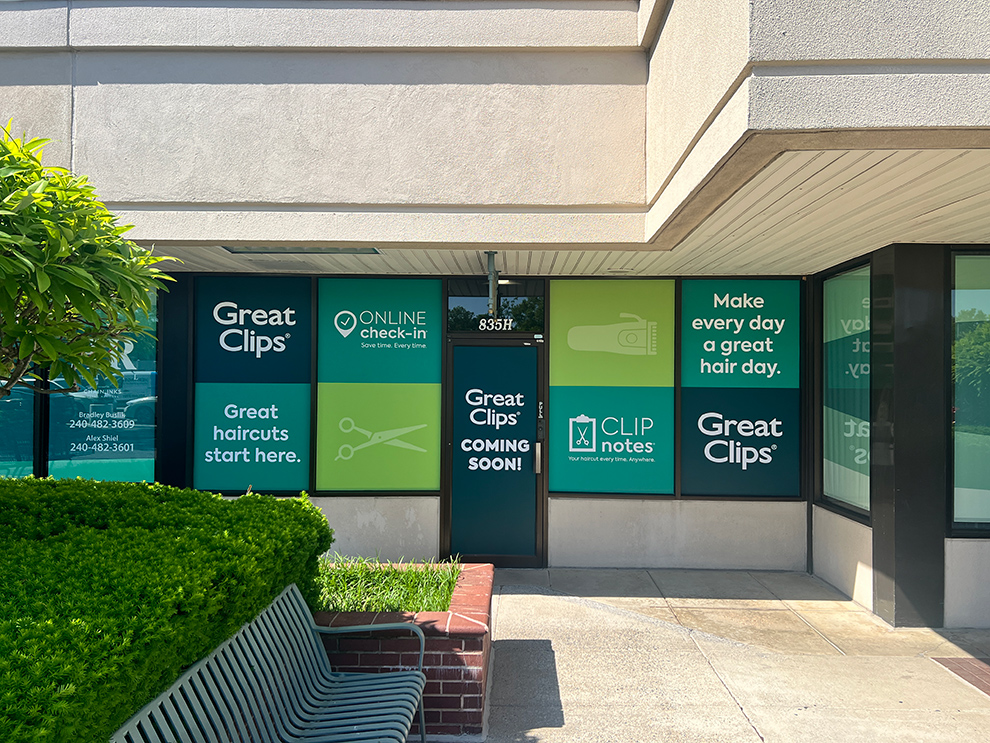
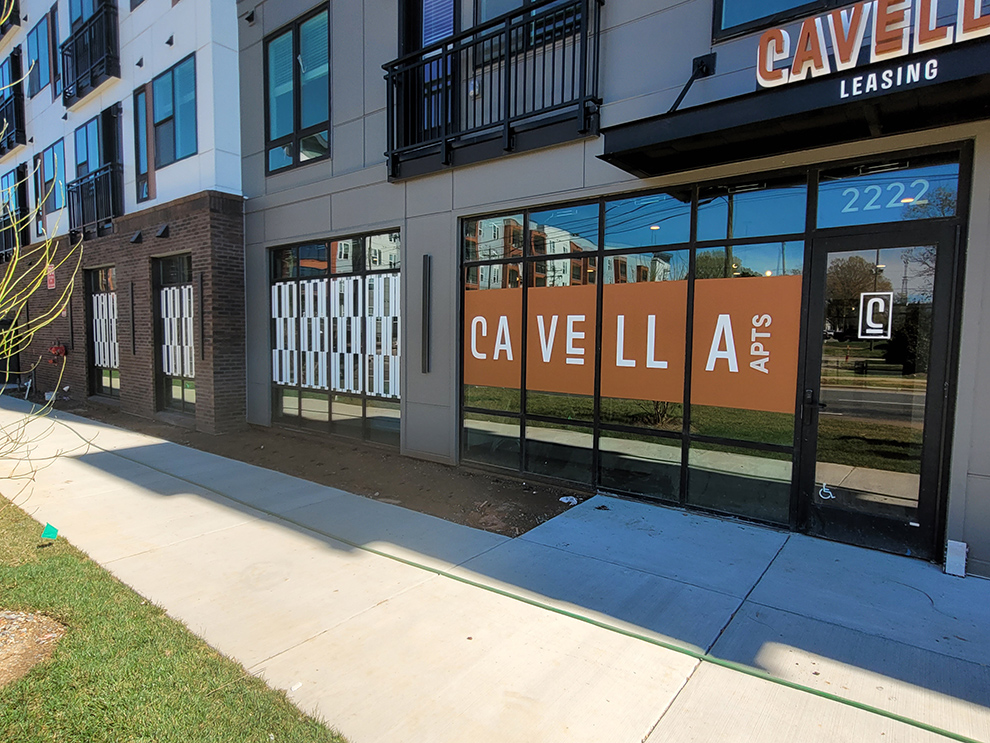
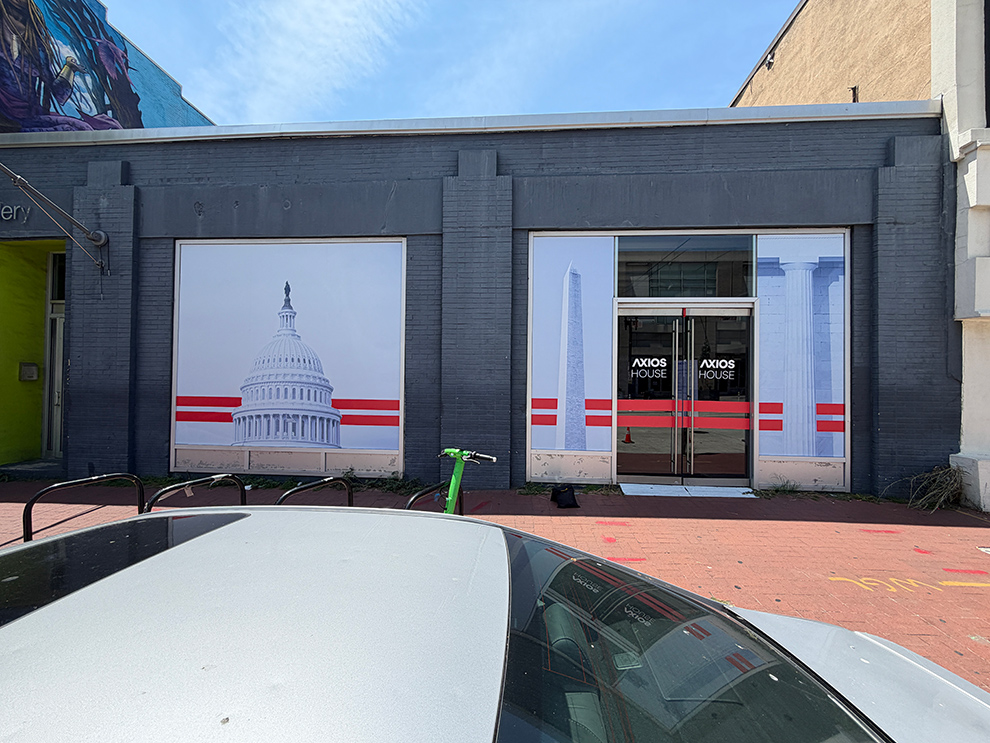
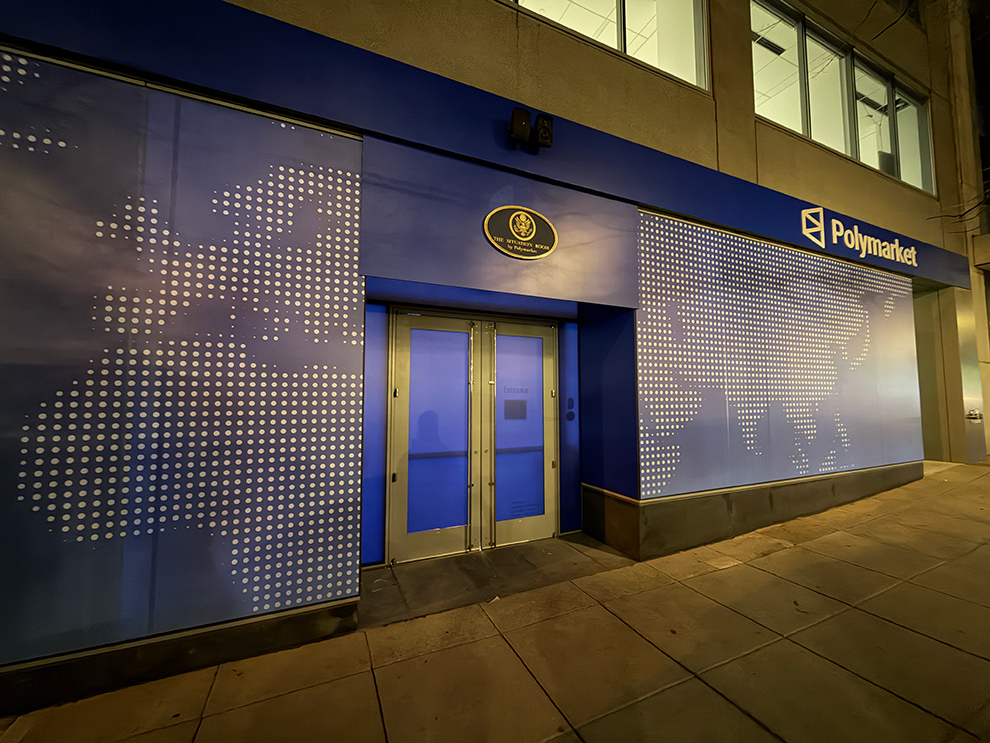
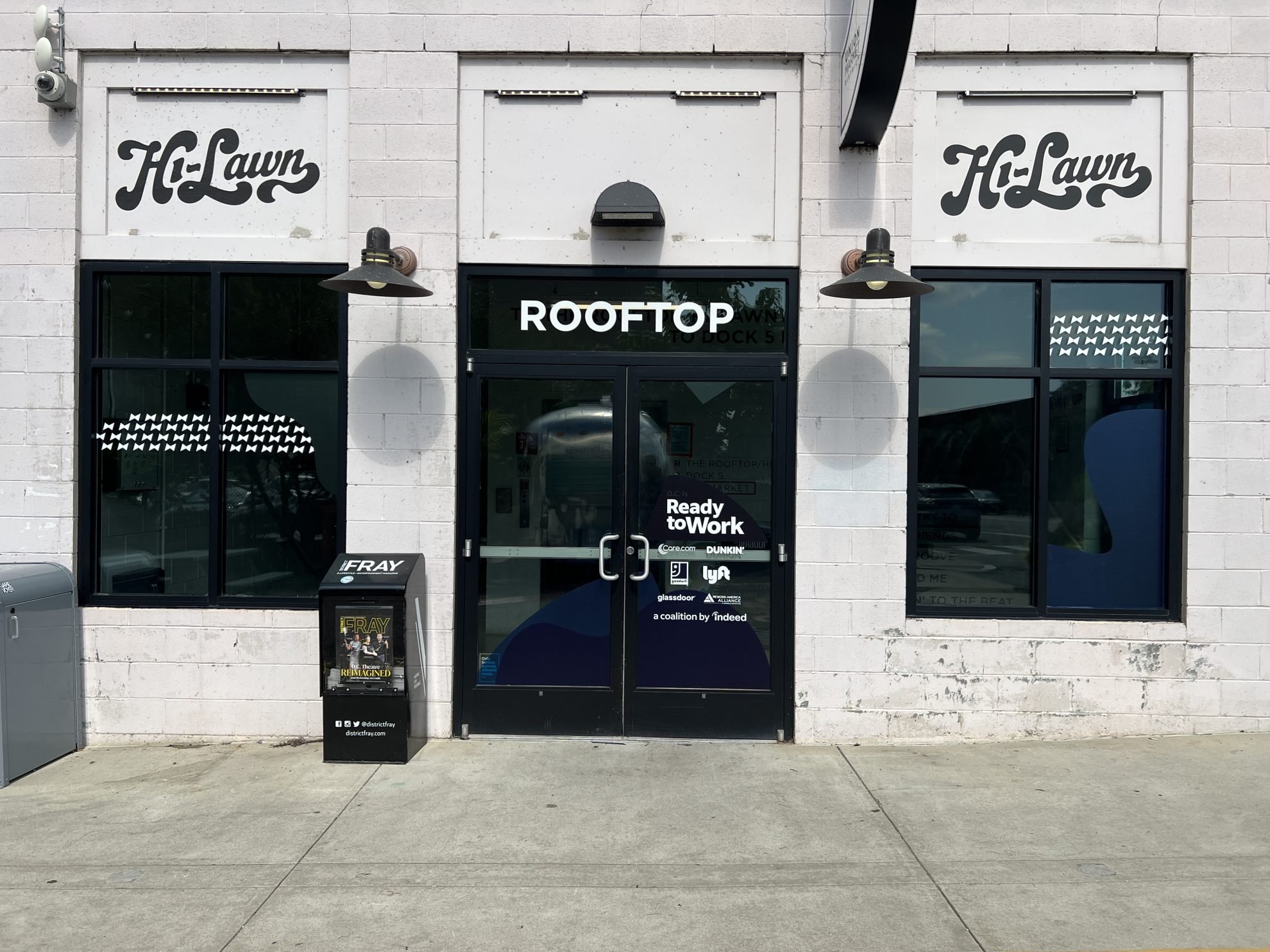
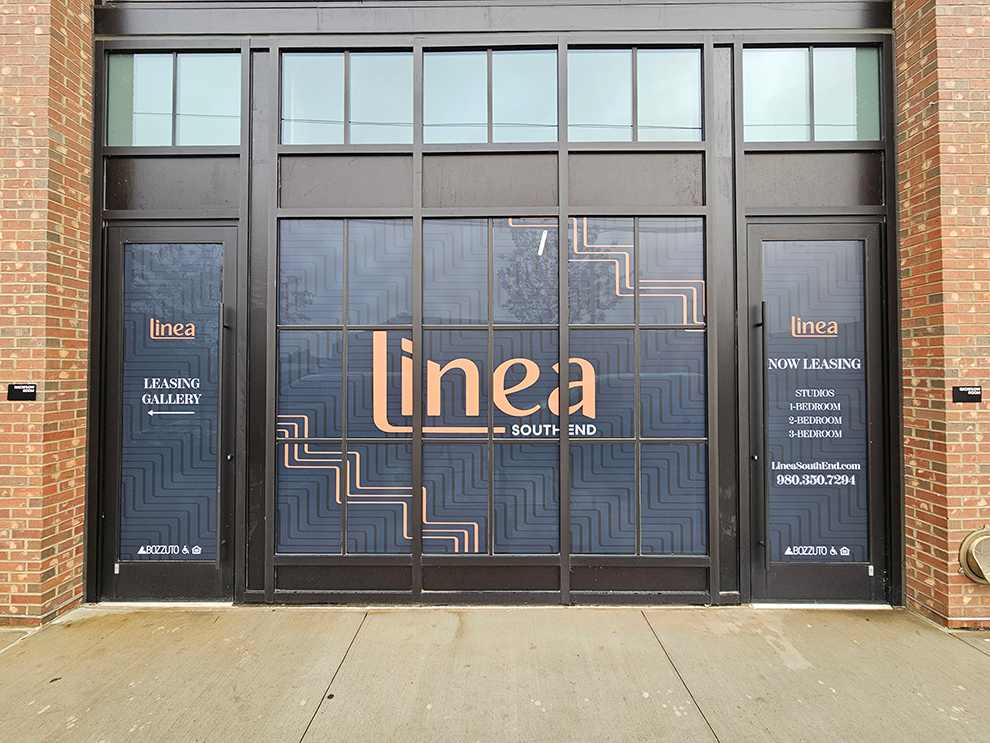
Recognition starts well before anyone reaches the reception desk. Door lettering or window graphics confirm the visitor is at the right address, and the amount and placement of coverage decide whether the glass keeps views open, lets daylight through, or shields the space. Decorative or branded vinyl also makes clear glass easier to register visually without forcing the entrance to deliver every message the organization wants to send.
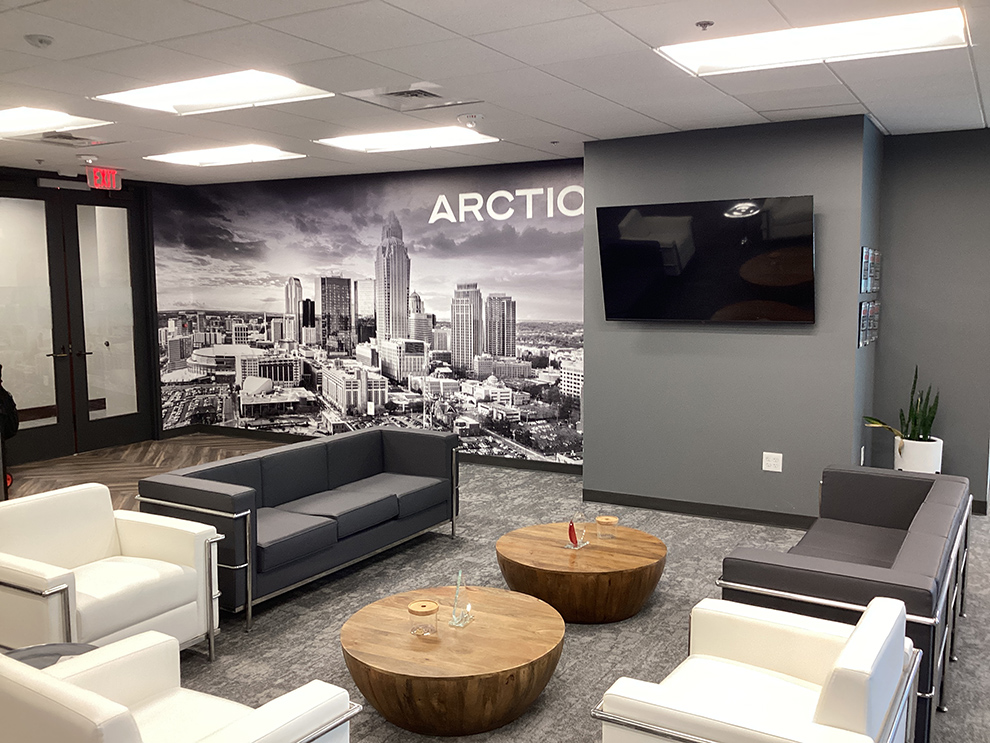
Inside, the hierarchy shifts. A lobby sign often becomes the primary destination, supported by a wall display, dimensional feature, mission statement graphic, or other workplace branding that can say more than a doorway ever should. Each element gets a defined role instead of competing for the same attention.
Planning the door, windows, lobby, and interior as one scope gives Heritage a better foundation for decisions about scale, material, placement, and installation method. Instead of pricing surfaces in isolation, environmental graphic design links the threshold to everything behind it. Storefront Graphics stay the featured product because they set the first branded layer and prepare employees, visitors, and customers for what comes next.
Heritage runs Storefront Graphics as a coordinated commercial interiors project, not a one-off graphics order. The One Dedicated Project Manager System gives the client a single accountable relationship from discovery through environmental graphic design, production, fabrication, and professional installation. Information stays in one place, responsibility is obvious, and fewer transfers between teams means approved decisions are less likely to get lost.
Environmental graphic designers can work directly with client stakeholders or alongside architects, interior designers, branding agencies, and property teams. Some clients arrive with complete brand standards and print-ready artwork. Others need Heritage to build a workable visual direction inside its environmental graphic design scope. Either way, production and installation planning stay tied to the design decisions that drive them.
Heritage is veteran-owned and family-led. Its Chesapeake area support covers client-facing and field work, backed by broader regional production and installation resources. That structure handles substantial single-site projects, phased improvements, and coordinated multi-location programs. Each property gets a solution matched to its architecture, surfaces, access, and audience while shared brand standards and project history stay with one dedicated Project Manager.
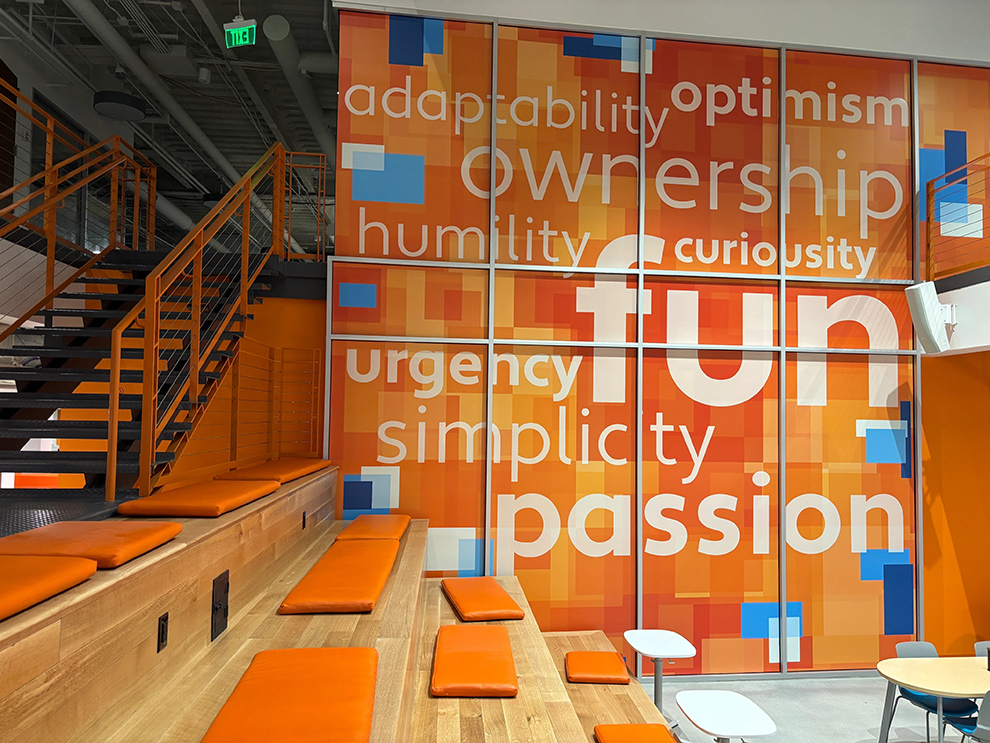
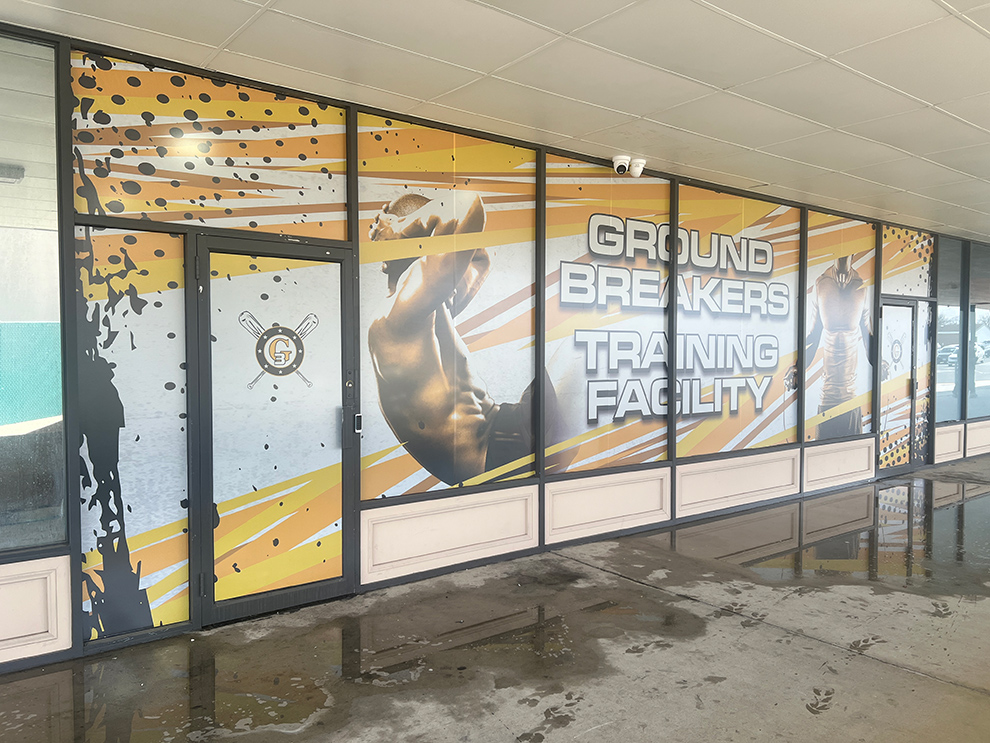
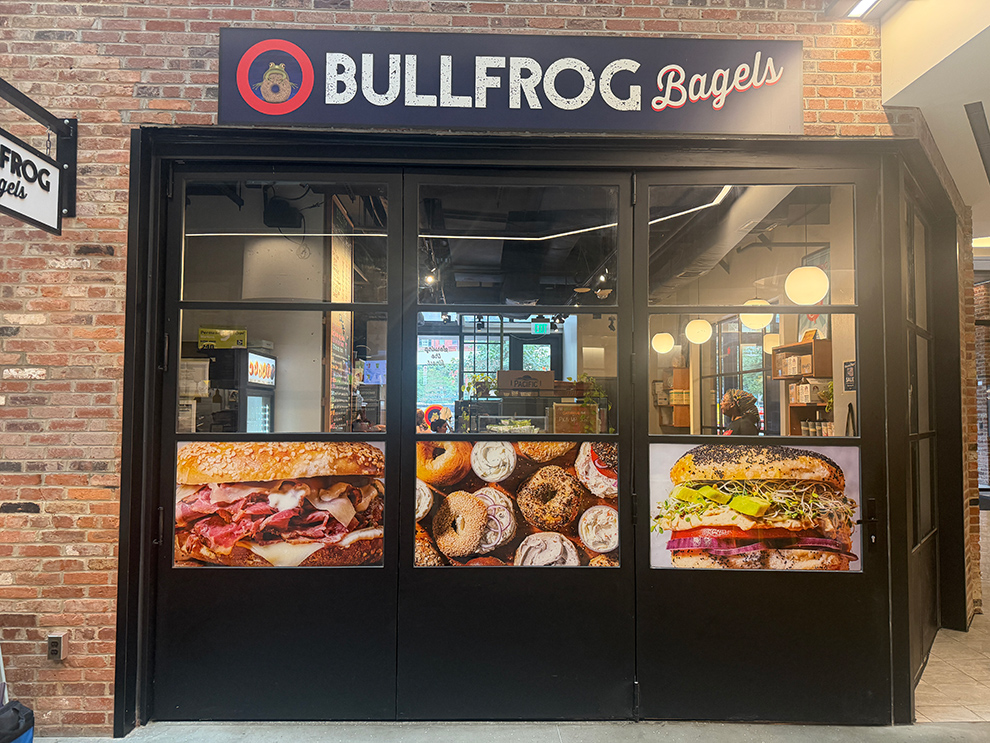
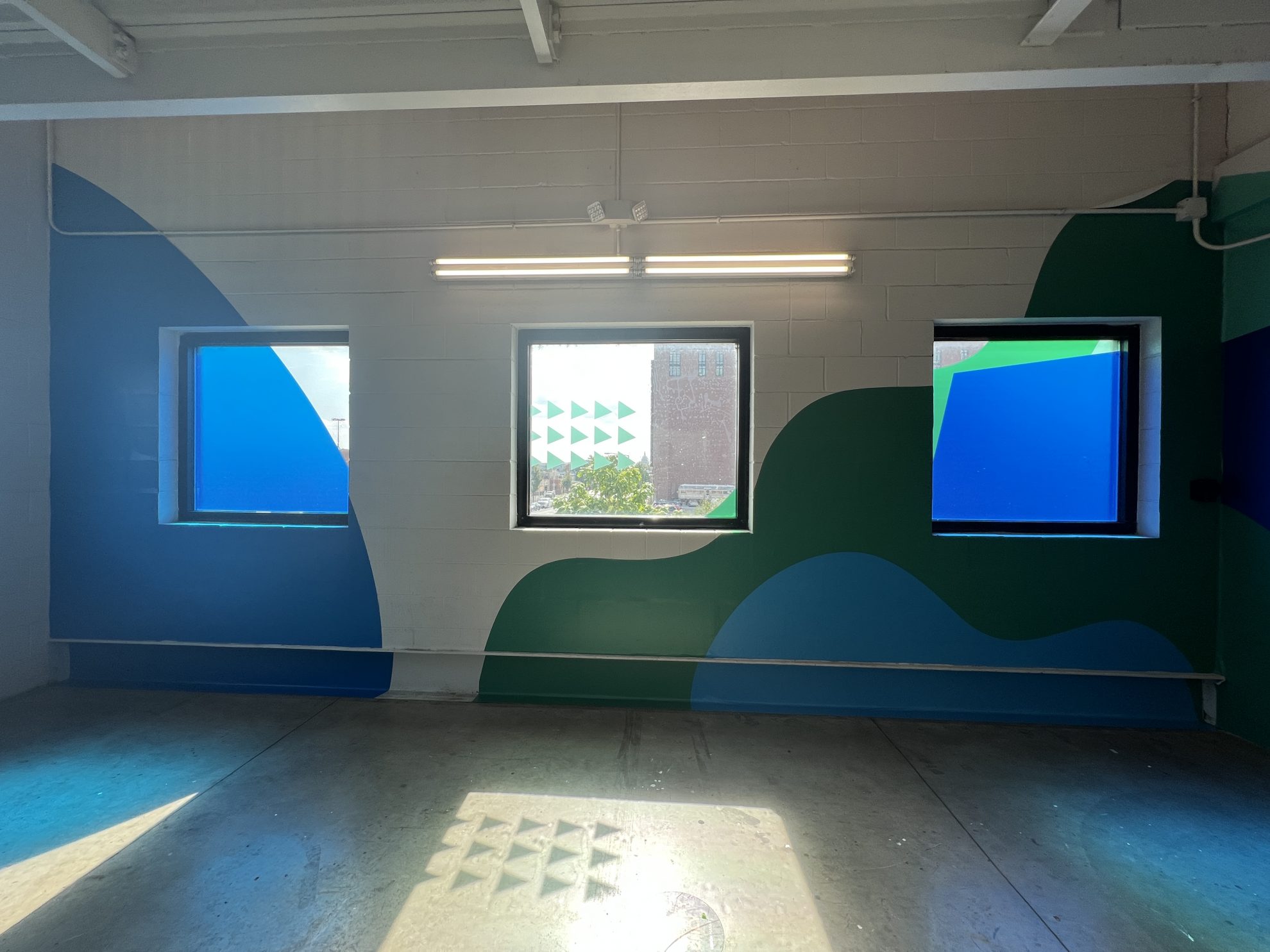
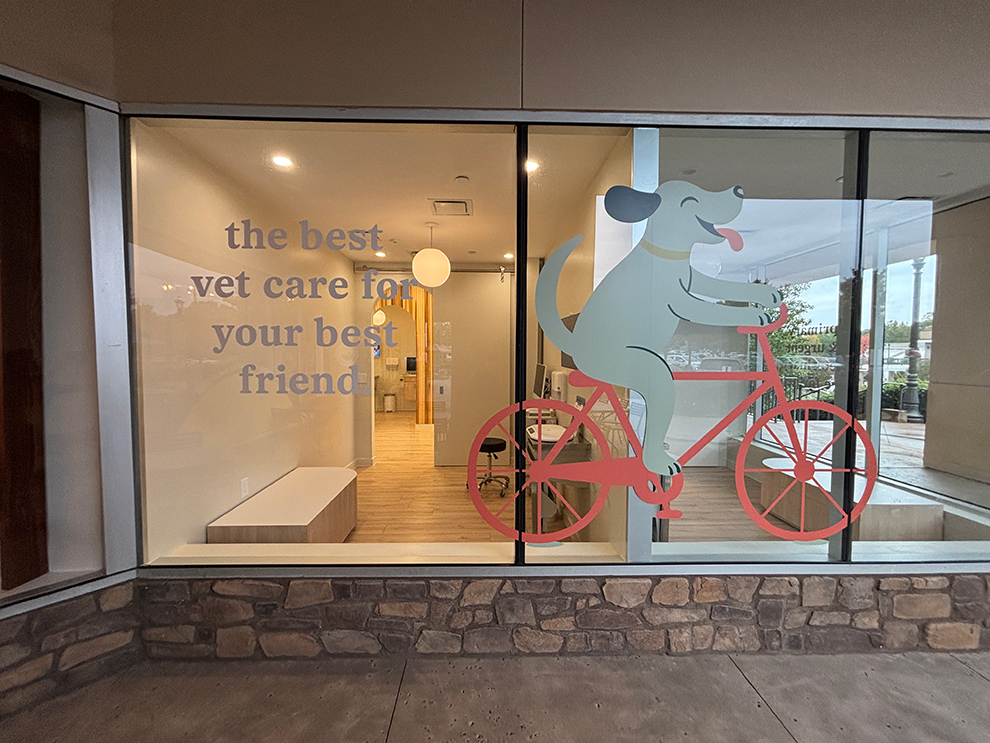
Window and glass graphics carry identity while managing privacy, visibility, daylight, and the views worth protecting. Heritage plans coverage around what each pane of glass is actually for, so the entrance reads clearly and the treatment supports the interior instead of hiding it.
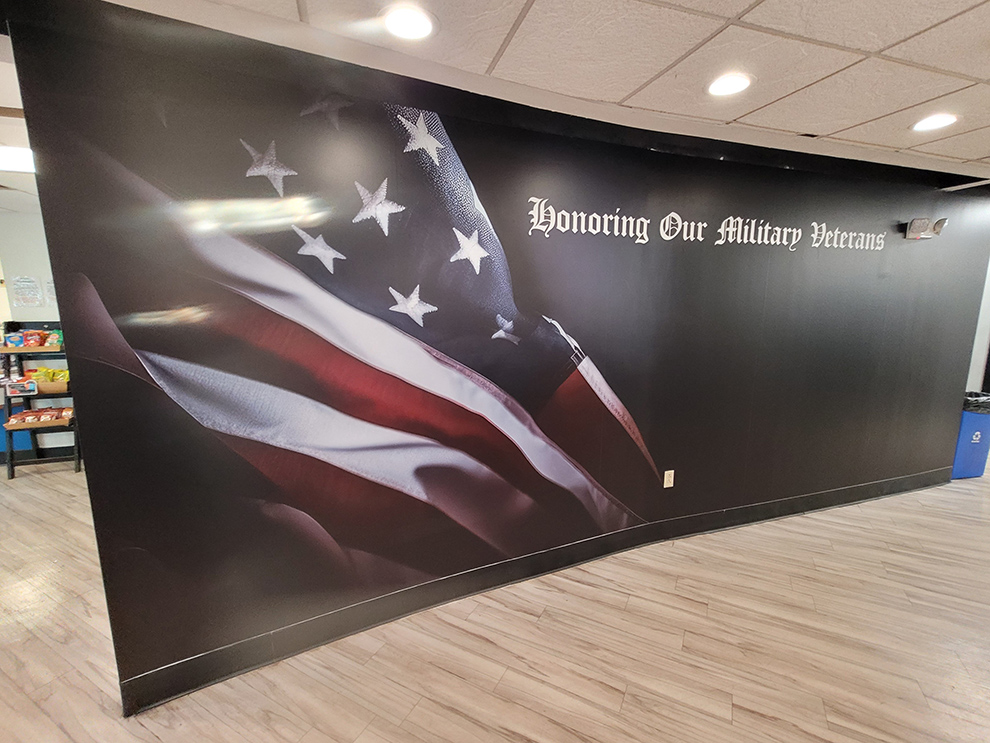
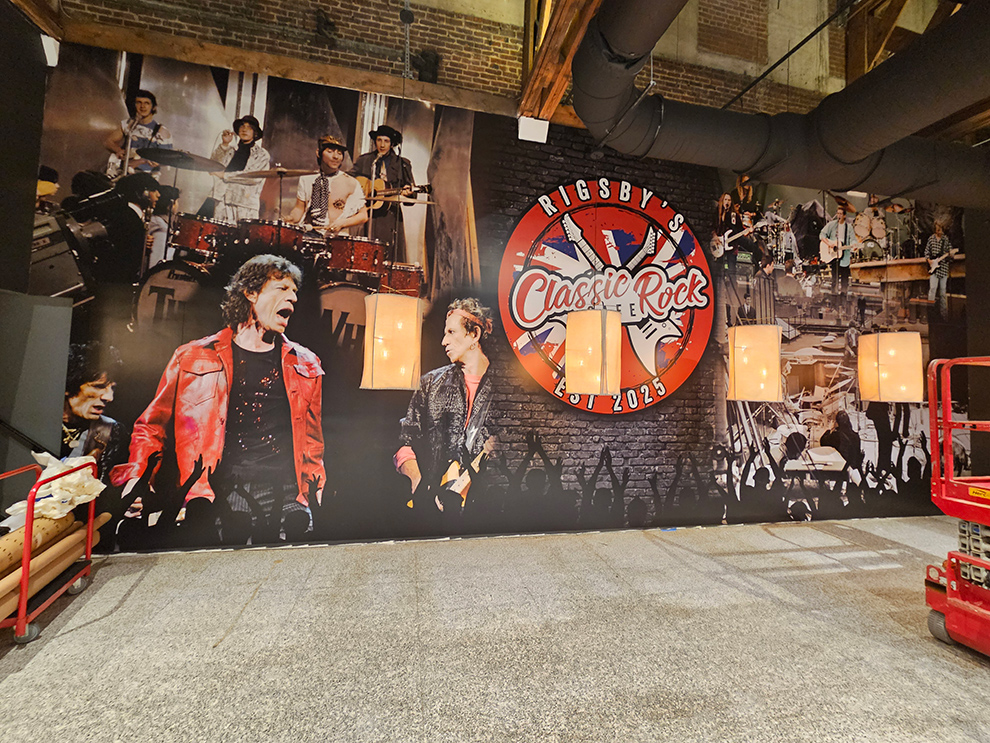
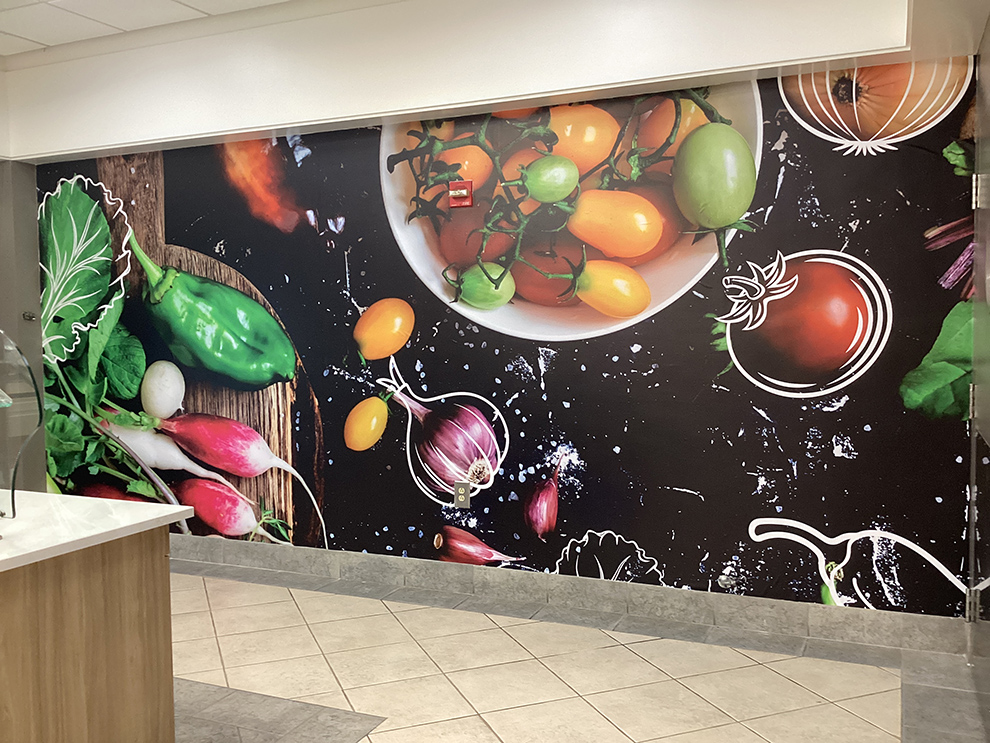
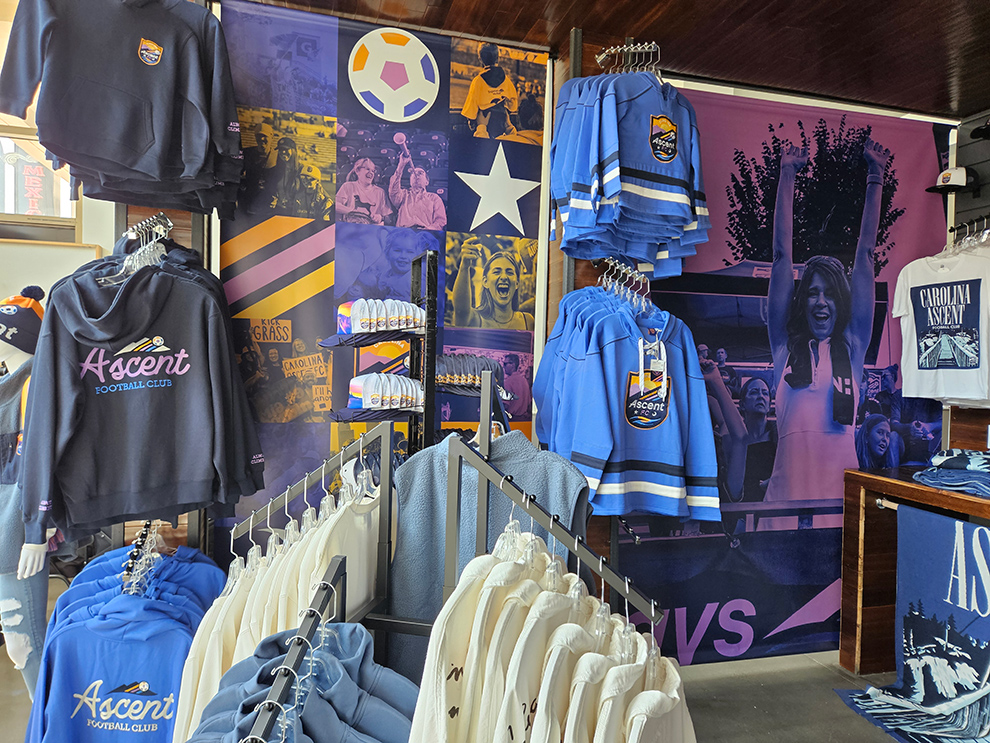
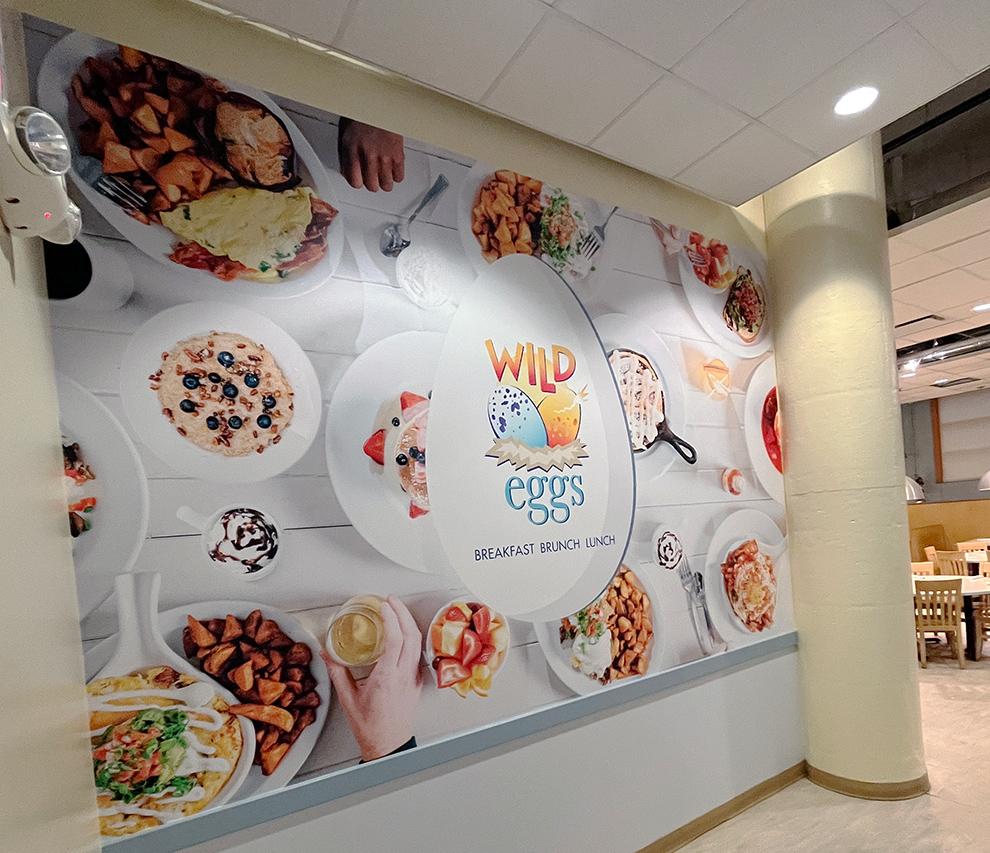
Wall wraps push color, imagery, and messaging into larger interior areas. They continue the direction introduced on entrance glass and give reception areas, corridors, collaboration zones, and other workplace surfaces the room a brand needs to develop fully.
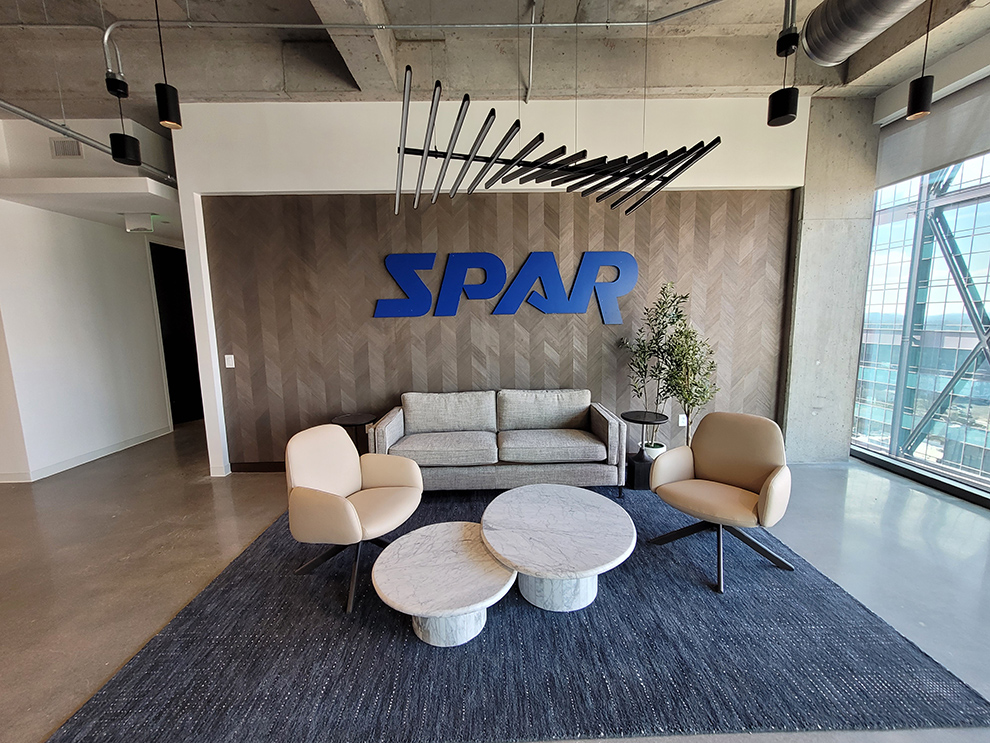
A lobby sign creates the interior destination that follows the recognition established at the entrance. Heritage coordinates scale, placement, materials, and its relationship to nearby graphics so the move from doorway to reception feels intentional and balanced.
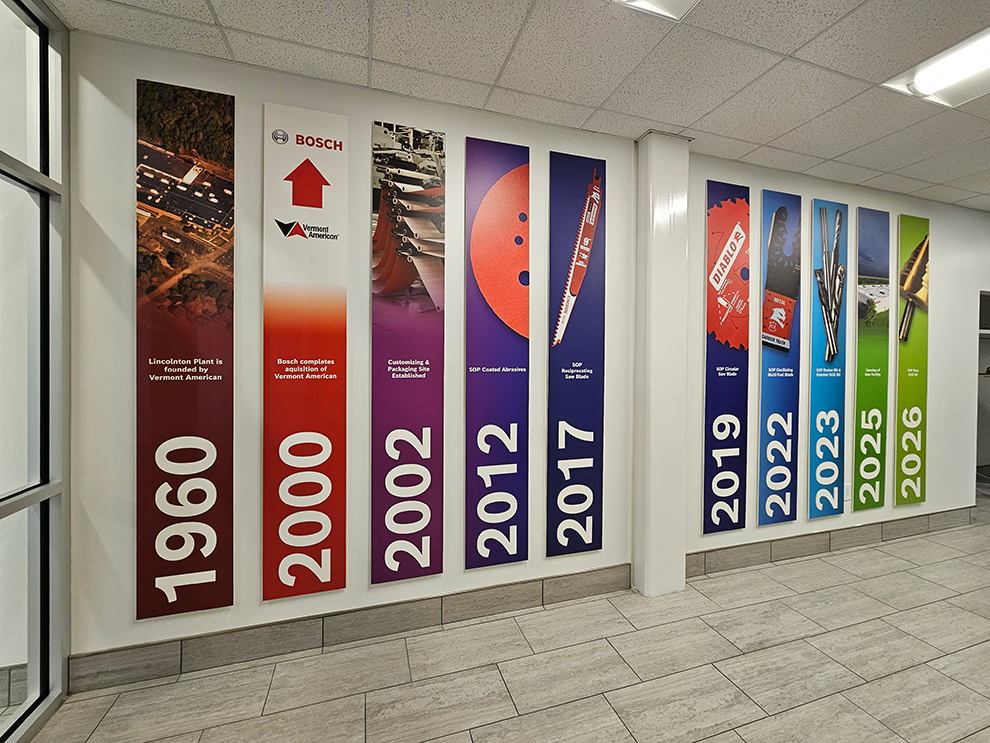
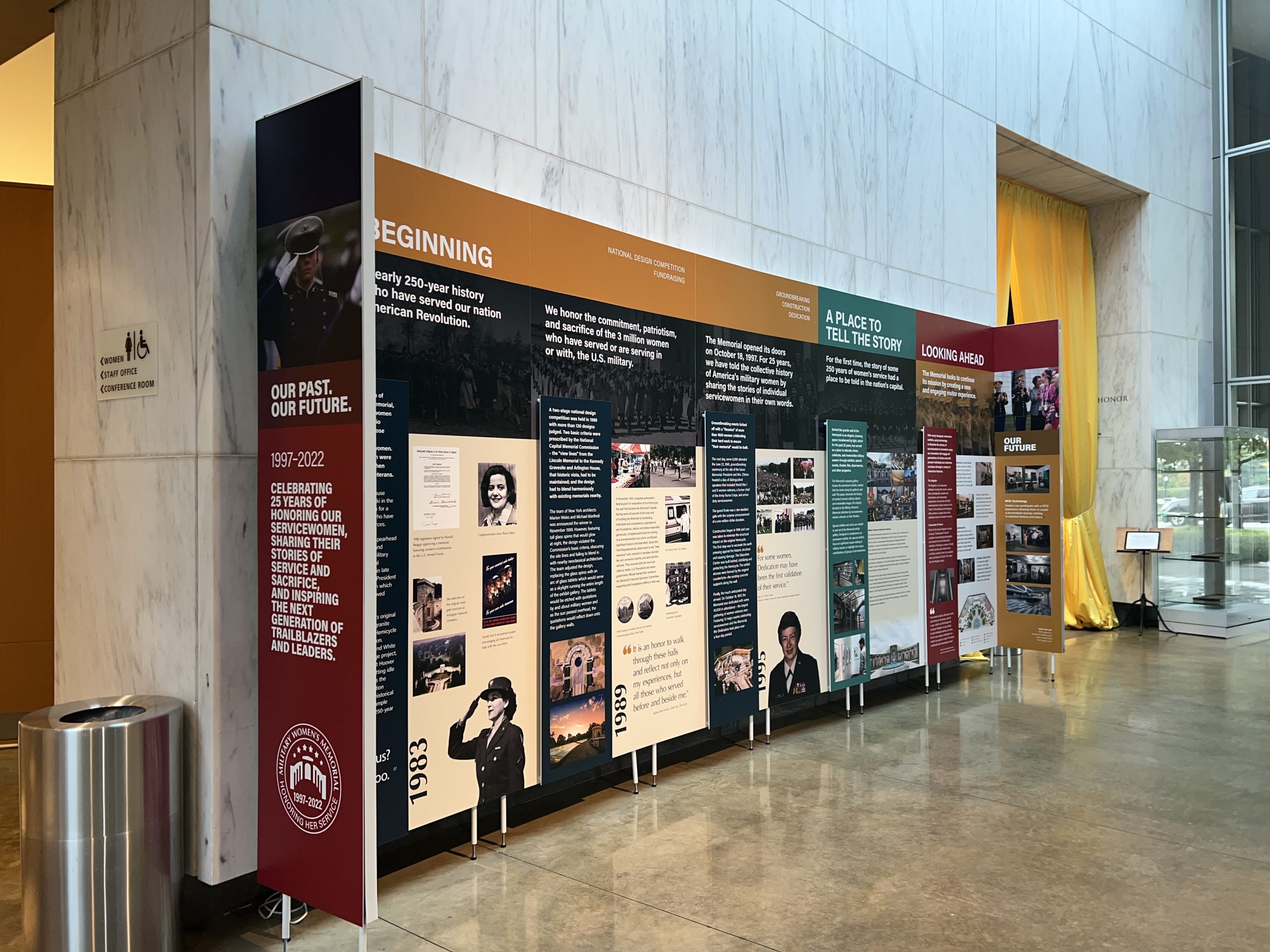
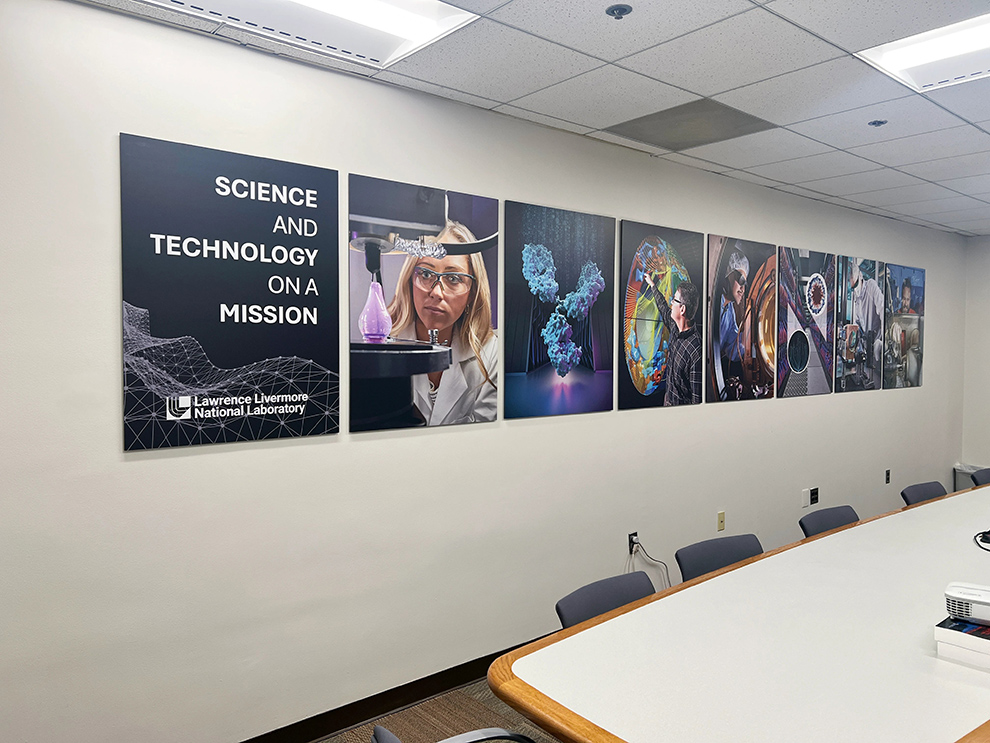
Wall displays organize history, recognition, culture, or other meaningful content into a structured interior feature. Printed graphics, dimensional elements, and mounted components work together to extend the brand experience without loading storefront glass with information that belongs inside.
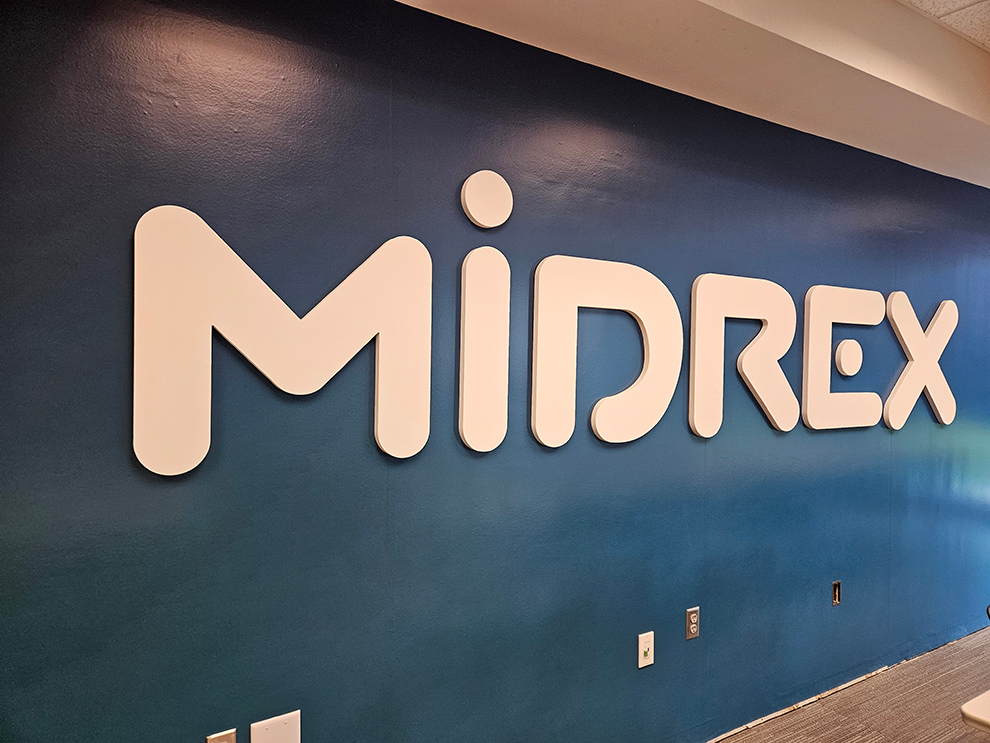
Dimensional letters add depth to names, logos, and select messages in a lobby or customer-facing space. Material, projection, scale, and mounting method are planned against nearby graphics and existing architectural conditions so the feature reinforces the visual hierarchy rather than fighting it.
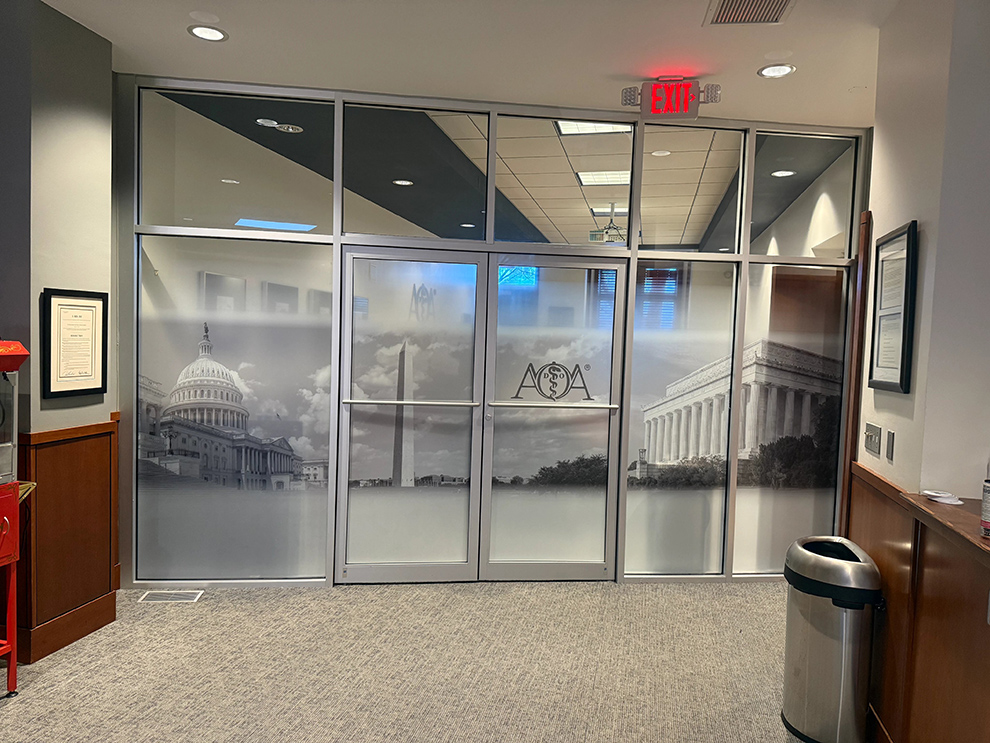
Frosted vinyl and etched-look privacy film cut direct sightlines through conference rooms, private offices, and glass partitions while keeping useful light in the space. Custom bands, patterns, or branded elements link the privacy treatment back to the entrance and the surrounding interior.
SEG fabric graphics use tensioned fabric set into a slim frame for a clean, finished interior display. They work well for prominent imagery or messaging past the entry point and make sense where the graphic face may need to change without rebuilding the whole structure.
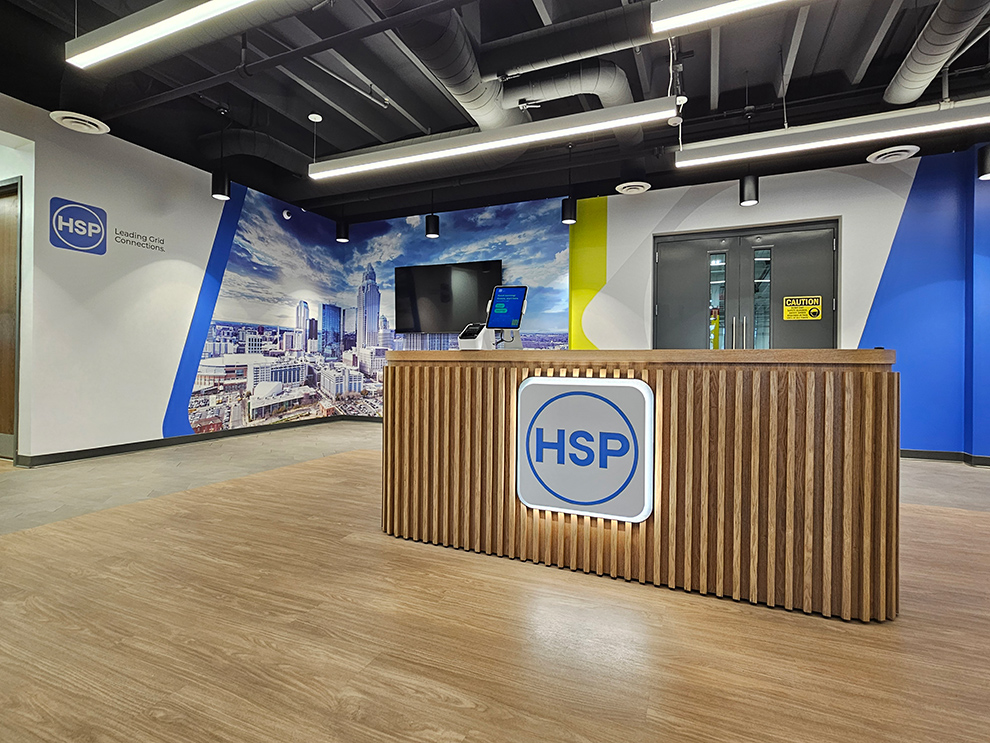
Backlit signs create a stronger focal point in a lobby, showroom, or reception area. Heritage plans illumination, depth, placement, and the relationship to nearby graphics so the feature extends the arrival experience without overpowering the entrance or the architecture around it.
If your Chesapeake organization is planning Storefront Graphics as part of a professionally managed workplace or commercial interior project, start with Get Started Now. Share the project address, the result you want, your target completion date, expected investment, photos, any measurements you have, brand standards, plans, and artwork already in hand. A dedicated Project Manager reviews the submission, flags the next planning decisions, and assembles the right resources for environmental graphic design, production, fabrication, site verification, and professional installation.
Chesapeake clients work with client-facing Heritage support for discovery, site surveys, field verification, installation planning, professional installation, and follow-through. That access lets the project team see each property firsthand, including entrance orientation, shared access points, scheduling around occupied space, glass conditions, wall surfaces, and how the storefront relates to the interior beyond it.
The same support reaches across Hampton Roads, including Norfolk, Virginia Beach, Portsmouth, and Suffolk. One dedicated Project Manager links what the team learns in the field to the Heritage groups handling environmental graphic design, production, fabrication, and installation. Clients are not left chasing disconnected vendors or repeating approved decisions to a new contact every week.
Heritage also coordinates work throughout Virginia and across the broader company network. A client with sites spread through Virginia or the Mid-Atlantic keeps consistent brand standards and one consistent Project Manager while each property receives a solution suited to its dimensions, architecture, access, surfaces, and hours of operation. This local-to-regional model delivers continuity without assuming every location should get an identical physical treatment.
Environmental graphic design determines what people notice first and how the brand experience unfolds after they step inside. For Storefront Graphics, the goal may be sharper identification, better privacy, easier visual awareness on clear glass, a branded lobby, clearer wayfinding, or an interior display that communicates history, recognition, core values, or a mission statement.
Some clients begin with approved artwork and thorough brand standards. Others bring objectives, photographs, or rough concepts that still need development. Heritage collaborates with client stakeholders, architects, interior designers, branding agencies, environmental graphic designers, and property teams to work out how the approved direction should respond to scale, visibility, lighting, privacy, architecture, materials, and the conditions actually present on site.
Heritage develops environmental graphic design within its professional scope and carries approved work through production, fabrication, and professional installation. Heritage does not provide licensed architecture, engineering, general commercial interior design, lighting design, or code consulting. What clients get is a practical visual plan built around how the entrance and interior need to function, not a concept detached from production and installation reality.
Heritage produces and installs appropriate non-illuminated exterior elements as part of coordinated storefront and workplace branding projects. Typical scope includes exterior window graphics, exterior wall graphics or wraps, dimensional lettering, dimensional signs, custom sign panels, and related non-illuminated storefront elements. These features introduce the organization before entry and connect visually with entrance glass, lobby signs, wall graphics, displays, and other interior branding.
Printed exterior wall graphics receive protective film laminate as standard practice for added UV and weather protection, which matters in coastal Hampton Roads conditions. Heritage evaluates the accepted application against the surface, exposure, attachment method, access, and installation conditions.
Heritage does not produce or install channel letters, monument signs, pylon signs, or illuminated exterior signs. Heritage also does not determine whether a sign permit is required, prepare permit documents, submit applications, contact permitting authorities, pay permit fees, or pursue approvals. The client, property owner or property manager, or general contractor is responsible for confirming and securing required sign permits and property approvals. Heritage's evaluation of materials, surfaces, and site conditions is not permitting or code consulting.
We begin every Storefront Graphics project in Chesapeake with a site survey. That visit turns stated goals into confirmed numbers: measurements, surface conditions, access routes, and the realities of installing in an occupied building. From there we can lock in scale, material selection, fabrication requirements, equipment, scheduling, and how the entrance treatment will read against the interior elements behind it.
Your dedicated Project Manager keeps environmental graphic design, production, fabrication, and our full-time installation crew working from the same file. Approved artwork, field notes, property rules, loading and access details, and the installation plan all live in one shared project record. Fewer handoffs means fewer surprises, and most questions get answered before anyone is standing on a lift in the Greenbrier parking lot.
Our installation planning centers on precise execution, craftsmanship, clear communication, and protecting your property. We schedule installation windows with you and any other stakeholders, plan around known access limits, and keep disruption low in spaces where employees and customers are still coming and going. Because installation stays inside the same engagement, accountability for the finished result never gets passed to an unrelated vendor once the project leaves the planning stage.
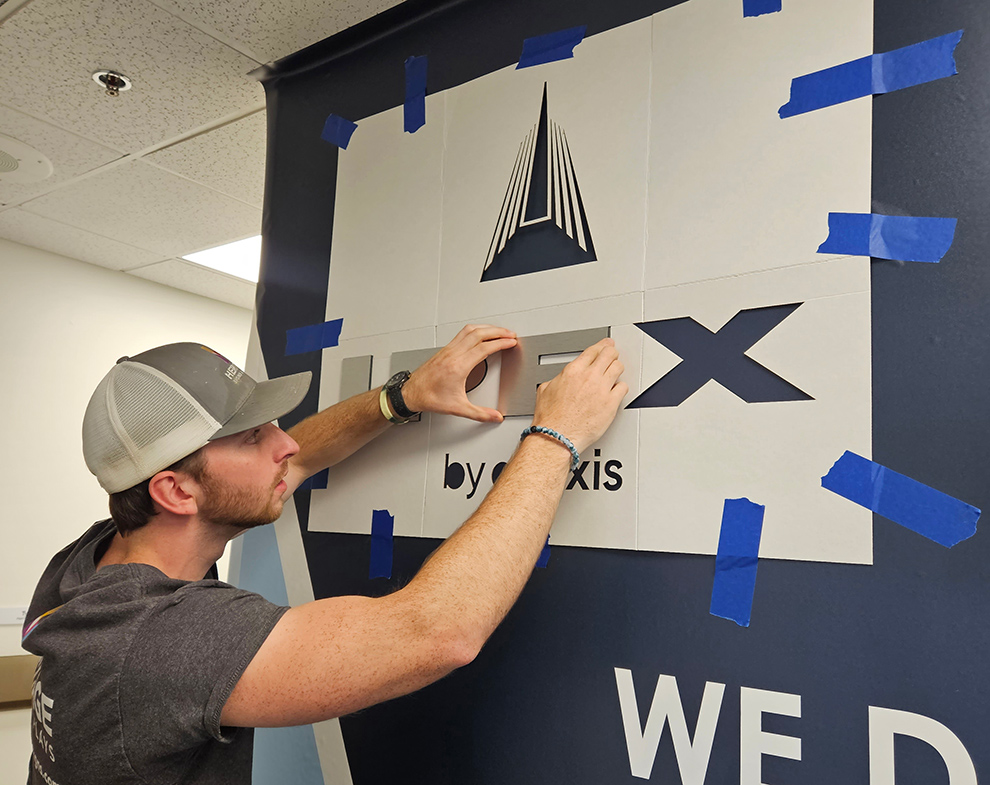
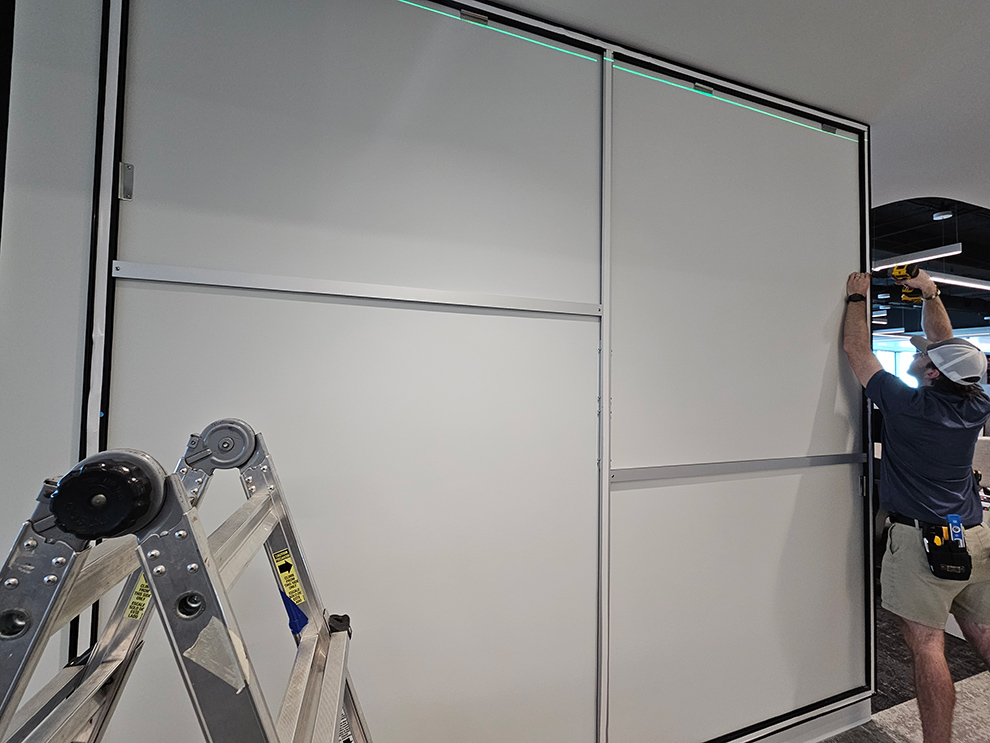
Wall-applied graphics hold up when the drywall is solid and smooth, repairs are finished, primer and paint went on correctly, and the topcoat has fully cured. Dry is not the same as cured. Four weeks is a reasonable planning allowance for many paints, but the paint manufacturer's specifications and the actual conditions in your building determine when a wall is truly ready. Humidity along the Elizabeth River and the Intracoastal Waterway can stretch that timeline, so we plan accordingly.
Washable, scrubbable, stain-resistant, low-VOC, and zero-VOC coatings are common in newer Chesapeake office and retail buildouts, and they often call for cleaning, adhesion testing, or a different vinyl and adhesive pairing. Adhesion testing shows how vinyl behaves on the painted face. It cannot tell us how well the paint and primer are bonded to the drywall underneath. If paint lifts or pulls during testing or routine repositioning, we stop instead of making the wall worse. Repair, priming, repainting, full cure time, and restoration are arranged and paid for by the client or property owner.
Removal later is its own conversation. We work slowly and use methods that limit avoidable damage, but nobody can promise damage-free removal. Paint loss, primer loss, and torn drywall facing all happen. "Removable" describes the adhesive system and its intended use, not a guaranteed outcome. Pull existing graphics early so any restoration needs surface before you schedule the replacement install.
Good planning lines up the outcome you want, the audience you are speaking to, scope, phasing, schedule, site conditions, site readiness, stakeholders, approvals, expected investment, and the details still waiting on confirmation. Photos, measurements, plans, artwork, and brand standards all feed those decisions, but gathering paperwork is not the point. The point is building a workable route from the entrance concept to the finished interior experience.
We are built for professionally managed projects that need environmental graphic design, production, fabrication, and professional installation working together. Projects of this type commonly run from $10,000 to well past $200,000. Where yours lands depends on total scope, materials, fabrication complexity, number of locations, schedule, access requirements, and installation conditions.
A Storefront Graphics engagement might be one significant entrance paired with a branded lobby, a phased workplace refresh across a Chesapeake campus, or a program spanning several Hampton Roads sites. One Project Manager keeps ownership, approvals, project history, and upcoming decisions in plain view the entire way. This is not how we handle commodity graphics or installation-only requests for signs and graphics supplied by someone else.
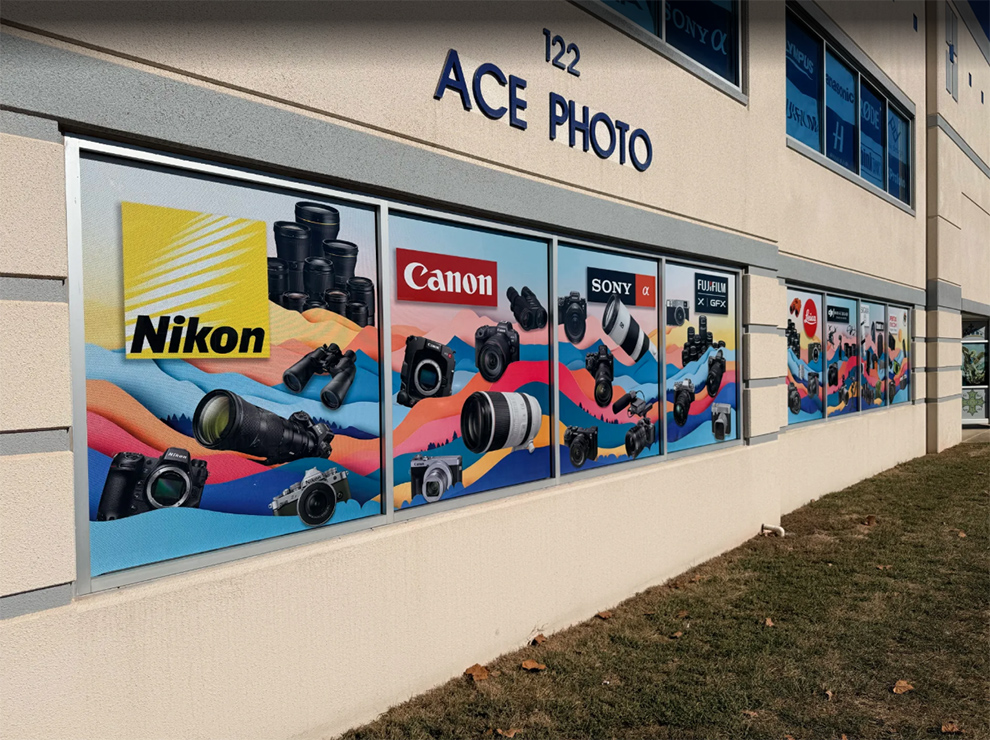
Storefront graphics are visual elements applied to entrance glass, windows, doors, walls, and nearby surfaces to establish identity and carry visitors into a branded interior. They can handle recognition, privacy, visibility, visual awareness, and wayfinding while tying into lobby signs, wall graphics, dimensional elements, and displays deeper in the space.
Yes. We produce and install non-illuminated exterior window graphics, exterior wall graphics and wraps, dimensional lettering, dimensional signs, custom sign panels, and similar non-illuminated elements as part of coordinated storefront and workplace branding work. Printed exterior wall graphics get a protective film laminate as standard, which matters in a coastal climate with strong sun and salt air.
We do not produce or install channel letters, monument signs, pylon signs, or illuminated exterior signage. The client, property owner or manager, or general contractor is responsible for confirming and securing City of Chesapeake sign permits and any landlord or property approvals.
Yes. Coverage can be mapped to block specific sightlines while keeping natural light and views intact. Frosted vinyl, etched-look privacy film, patterns, horizontal bands, and carefully placed graphics create separation without covering the full glass. The right approach depends on the privacy you need, viewing angles, lighting, and how the room is used.
Distraction markers are decorative or branded vinyl graphics applied to clear glass so the surface is easier to see. They can take the form of bands, dots, patterns, logos, or other visual elements, and they often do double duty for privacy or branding. Applied vinyl does not create building-code compliance, safety-glazing compliance, certification, or approval of any kind.
Yes. Every Storefront Graphics project we take on includes a site survey that ties your objectives to real measurements, surfaces, access, and installation conditions. Those findings drive environmental graphic design, production, fabrication, scheduling, and installation, and they give your Project Manager and the install crew one shared record of the property.
Readiness comes down to sound, smooth drywall, completed repairs, correctly applied primer and paint, and a fully cured topcoat. Dry paint is not necessarily cured paint. Four weeks is a useful allowance for many products, though manufacturer specs and jobsite conditions have the final say.
Washable, scrubbable, stain-resistant, low-VOC, and zero-VOC coatings may require cleaning, adhesion testing, or a different adhesive strategy. Testing cannot confirm how well paint and primer are bonded to the drywall beneath. If paint peels during testing or normal repositioning, we stop. Repair, priming, repainting, cure time, and restoration fall to the client or property owner.
Yes. We coordinate Storefront Graphics and related interior branding across client properties throughout the Mid-Atlantic and the Carolinas. One Project Manager holds the project knowledge, approvals, and brand standards while pulling in the right site, production, fabrication, and installation resources. Each location still gets treatment matched to its own architecture, measurements, surfaces, access, and schedule.
Material choices follow the visual goal, the surface, exposure, attachment method, and expected use. Depending on the application, that may mean adhesive vinyl, acrylic, dimensional materials, or aluminum composite material (ACM). ACM delivers a metal look at a fraction of the weight of solid metal. We do not print on or cut solid aluminum or solid steel as sign substrates.
Yes, when removal is part of a new production and installation project with us. We do not offer graphics removal as a standalone service. Remove existing wall graphics early, because hidden paint, primer, or drywall damage may need restoration before new graphics can go up.
We take adhesive vinyl off slowly and carefully to limit avoidable damage, but damage-free removal cannot be guaranteed. Repair, priming, repainting, full cure time, and restoration are arranged and paid for by the client or property owner before replacement installation gets scheduled.
Yes. Paint, primer, and drywall facing can all be damaged during adhesive vinyl removal, even with careful technique. "Removable" refers to the adhesive system and its intended use, not a damage-free guarantee.
We work slowly to minimize avoidable damage, but we cannot vouch for the condition of a surface hidden under an existing graphic. Repair, priming, repainting, full cure time, and related restoration are the client's or property owner's responsibility.
Yes. We collaborate regularly with architects, interior designers, branding agencies, environmental graphic designers, property teams, and internal stakeholders. We can develop environmental graphic design within our scope and carry the approved direction through production, fabrication, and installation. We do not provide licensed architecture, engineering, general commercial interior design, lighting design, or code consulting.
Our full-time professional installers handle Storefront Graphics projects produced and managed through us. Your Project Manager connects that crew to the approved design intent, site measurements, surface details, production notes, access requirements, and schedule. One shared project history cuts down on handoffs and keeps accountability where it belongs.
Timing depends on design development, approvals, site readiness, production, fabrication, installation access, and how many locations are involved. We set a realistic schedule once scope and known conditions are confirmed. Phased work and occupied buildings usually call for extra coordination to protect daily operations.
Chesapeake clients work with a client-facing Heritage location that handles discovery, site surveys, field coordination, installation planning, professional installation, and follow-through. That support reaches across Norfolk, Virginia Beach, Portsmouth, Suffolk, and the rest of Hampton Roads, from Greenbrier and Great Bridge to Western Branch and Deep Creek. One Project Manager pairs local property knowledge with our broader production, fabrication, and regional capabilities.
Useful starting information includes the project location, desired result, audience, target completion date, anticipated investment, photographs, available measurements, plans, artwork, brand standards, property requirements, and known approval needs. Clients can submit the information already available. One dedicated Project Manager will identify what requires confirmation before the project moves forward.
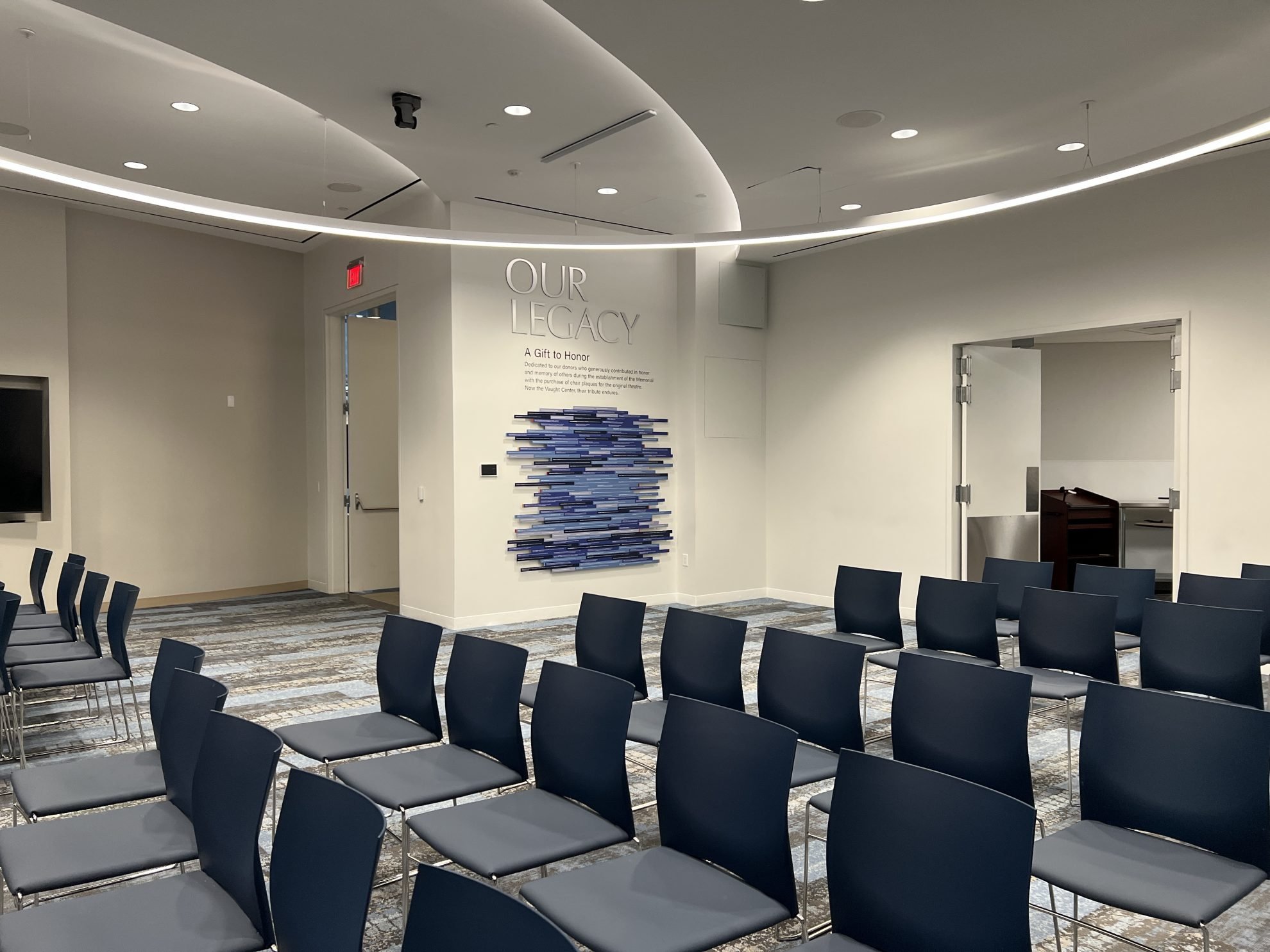
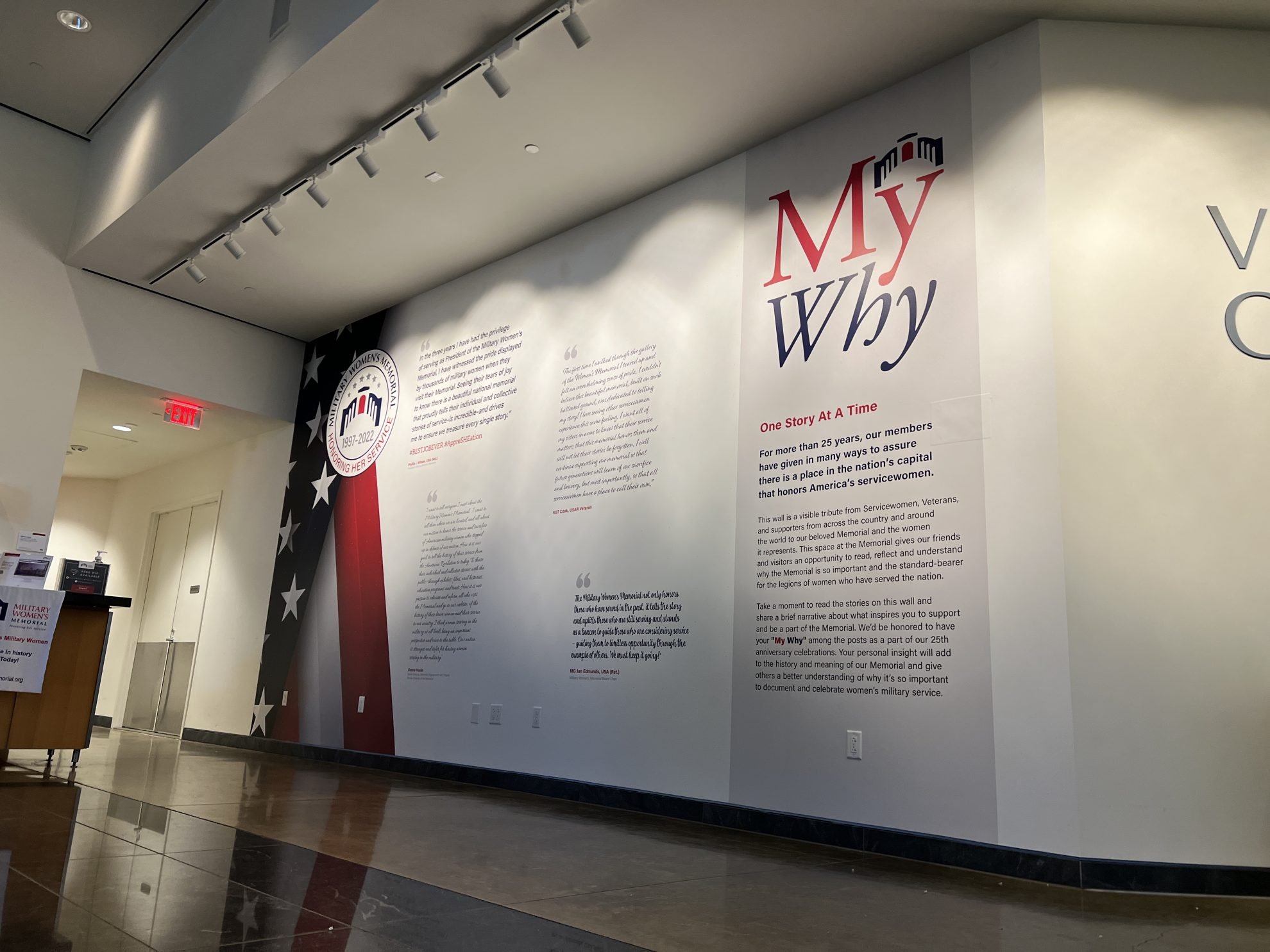
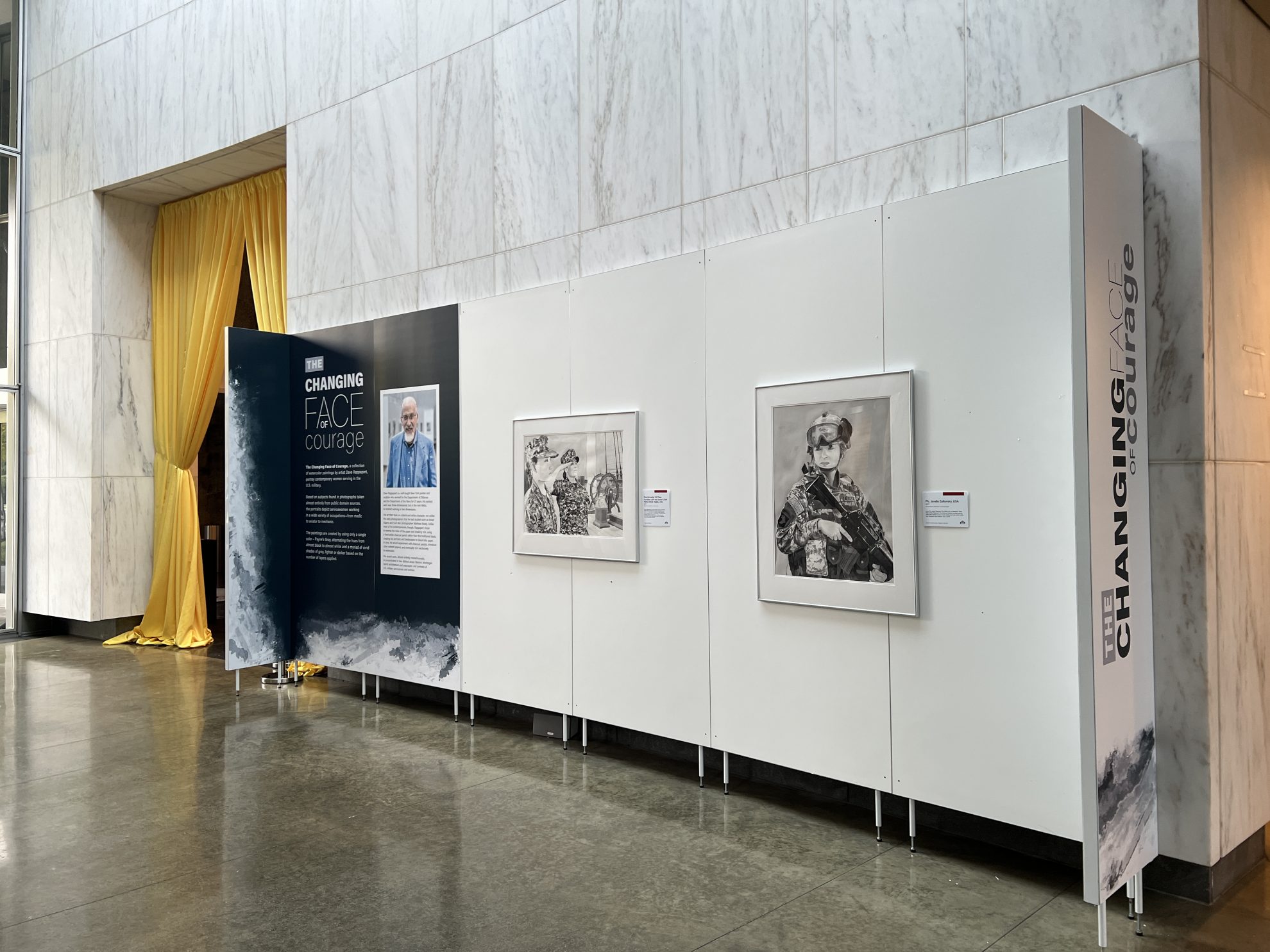
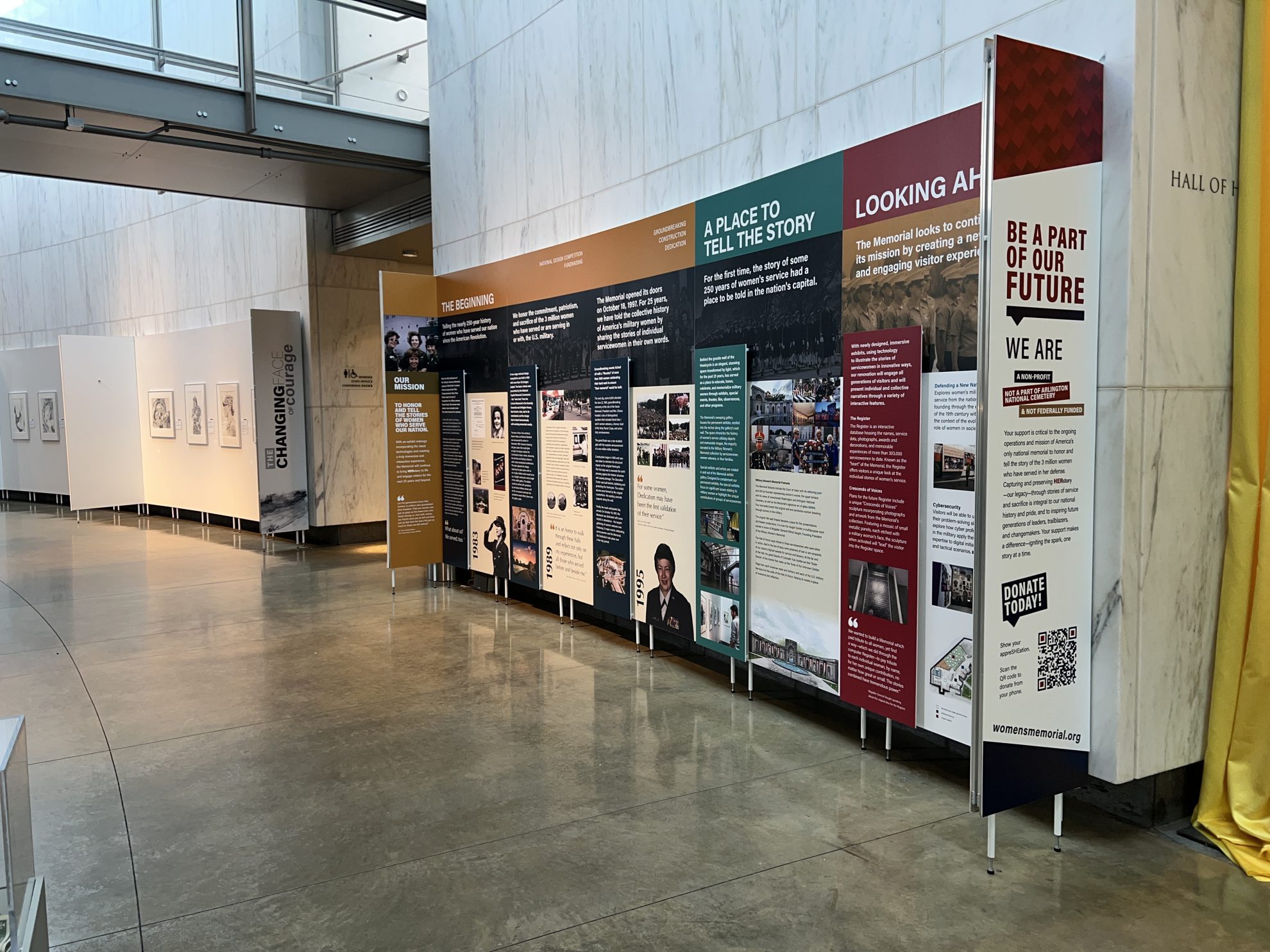
Heritage Signs & Displays created new museum signage for the Military Women’s Memorial in Arlington, VA. The project included custom signs, wall wraps, dimensional letters, and standoff-mounted displays to honor the legacy of U.S. servicewomen and the donors who supported the memorial. The updated interior features impactful designs, including a "Our Legacy" wall display and panels showcasing historical contributions and artwork, creating a transformative tribute to women in the U.S. Armed Forces.
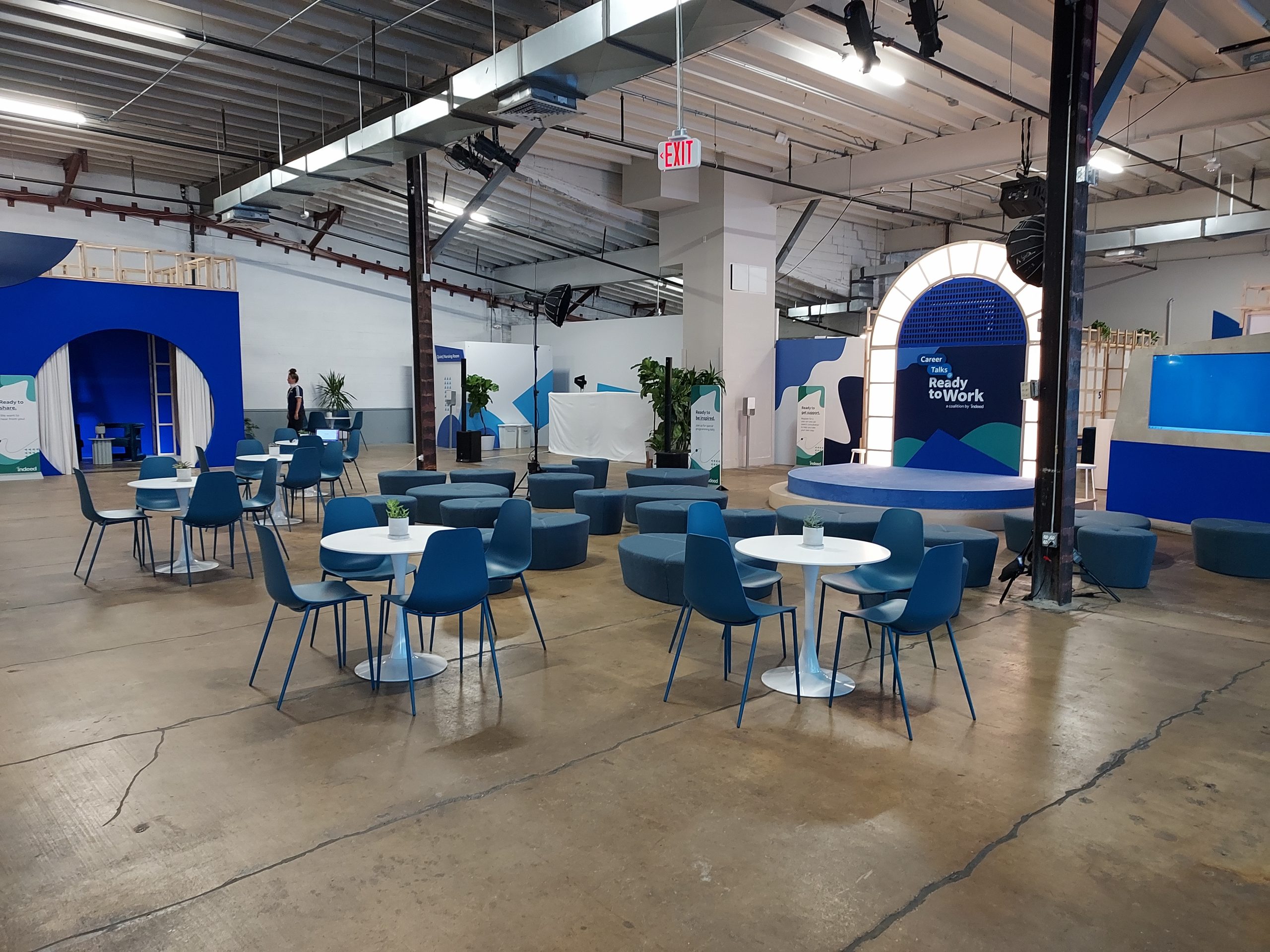
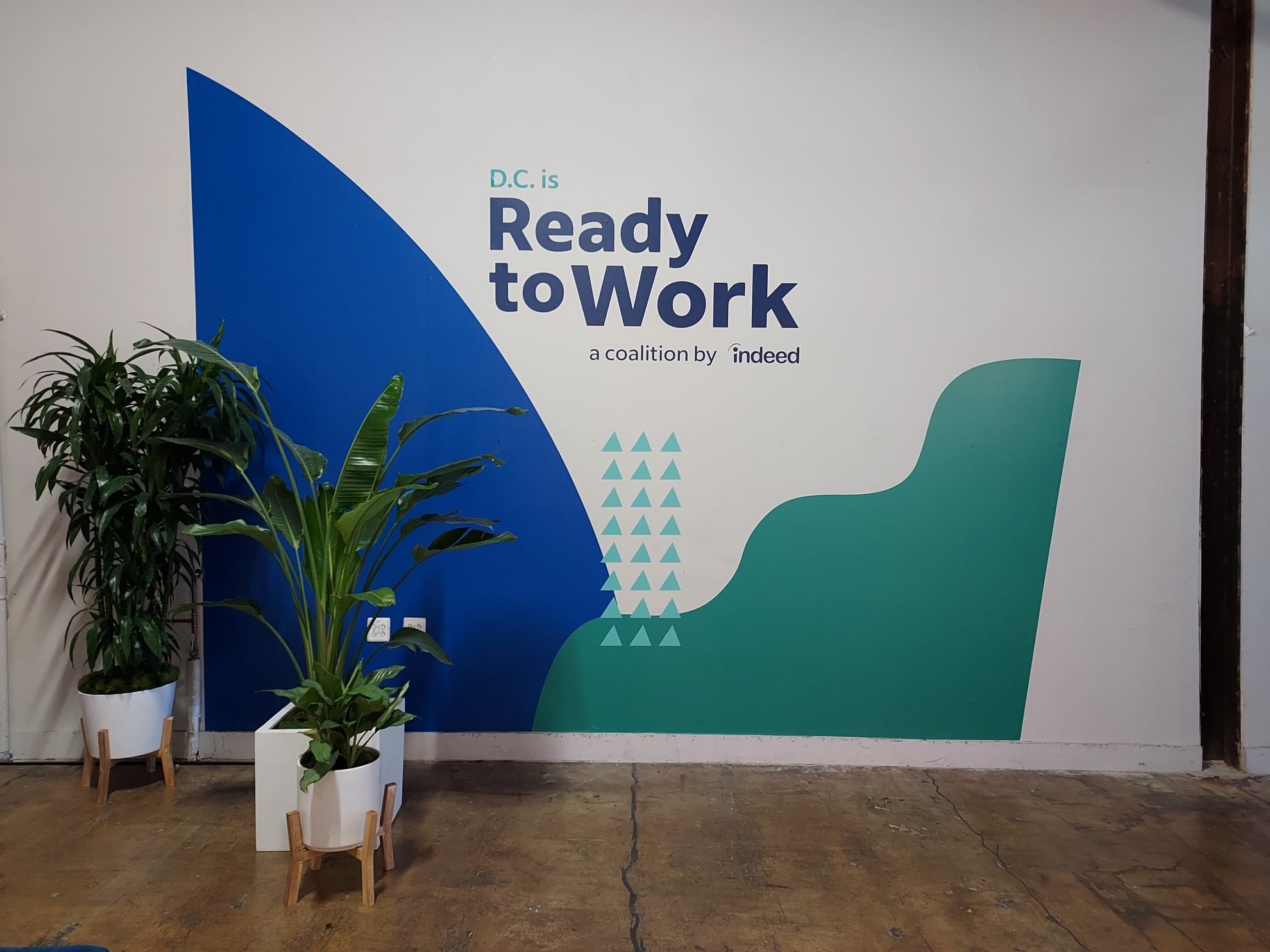
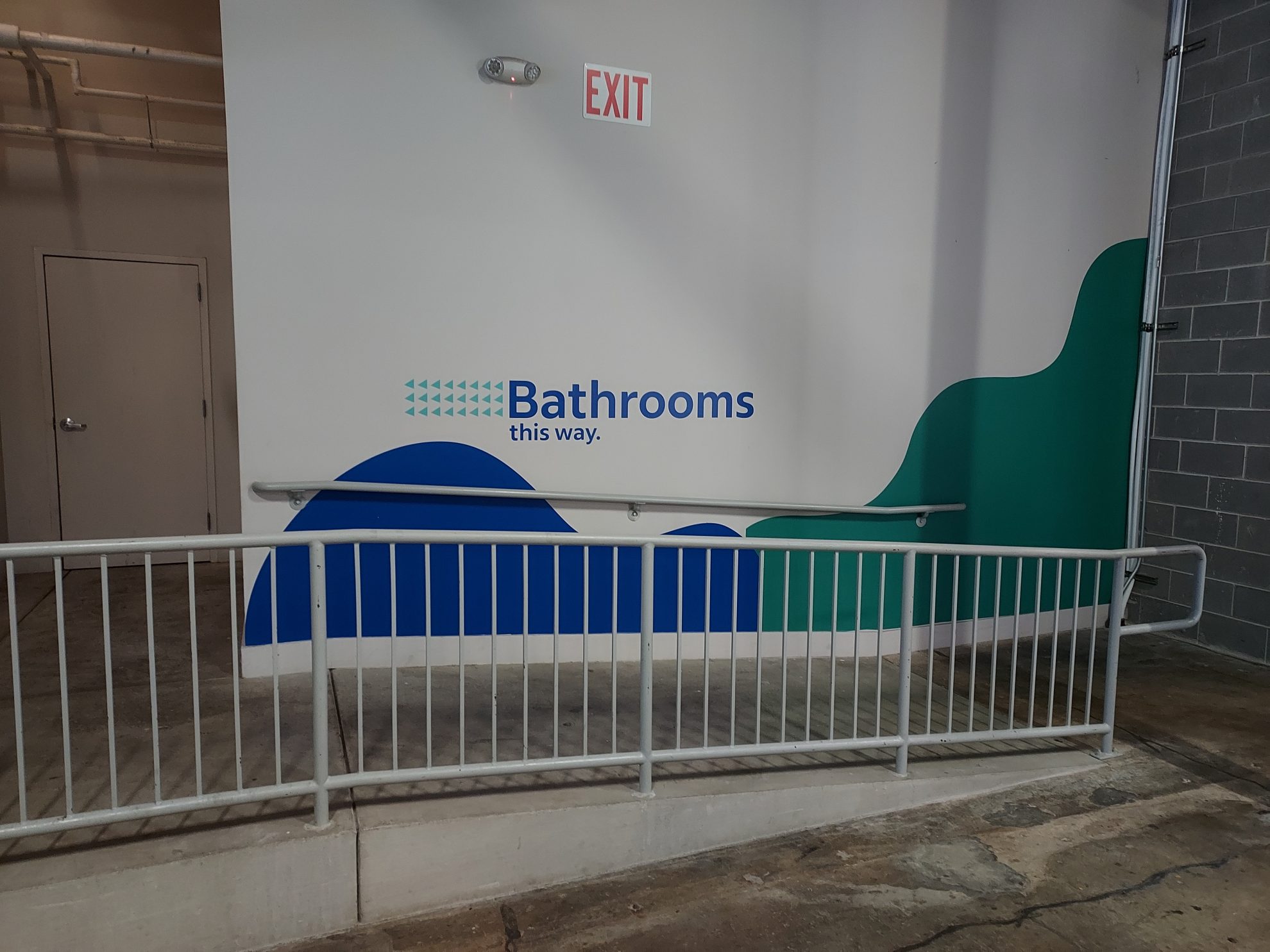
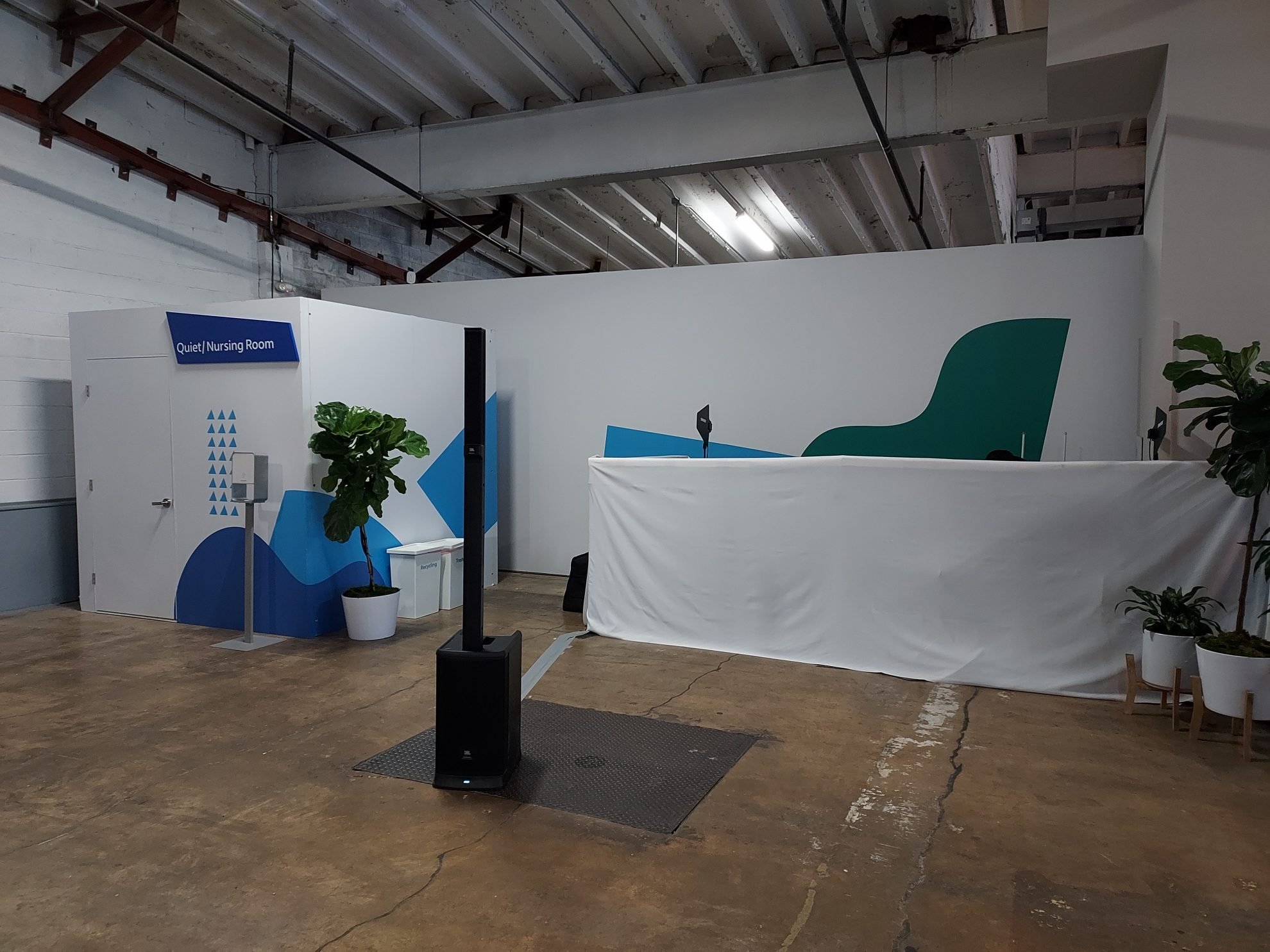
Heritage Signs & Displays' collaboration with The Gathery to brand Union Market in Arlington, VA, for Indeed's "Ready to Work" job fair. The project included custom event displays, wall graphics, window graphics, and wayfinding signs, creating an immersive and visually appealing environment. The branding enhanced the venue, reflected the event's mission, and provided a seamless experience for attendees.