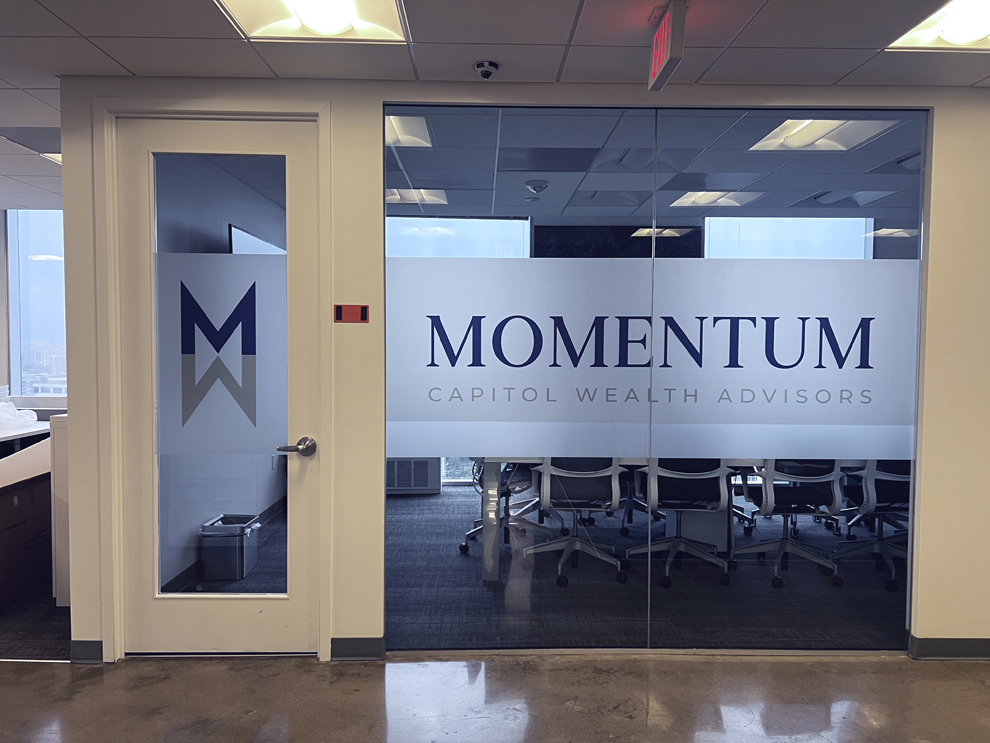
Every interior space says something about the organization behind it. The entrance can create confidence from the first moment, while branded window graphics can add privacy without blocking natural light. Hallways and transition areas should make destinations easy to find. Conference rooms, employee hubs, classrooms, galleries, donor areas, and recognition displays can each communicate a distinct message. When these features are developed as one coordinated system, they reinforce organizational values, support the purpose of each space, and provide a more unified experience for employees, visitors, patients, students, donors, members, and community partners.
Heritage Signs & Displays works with organizations in Newport News and throughout Hampton Roads, including Hampton, Yorktown, Williamsburg, Norfolk, Chesapeake, and surrounding communities. We are an award-winning, veteran-owned, family-led commercial sign company founded in 1977. Since 2009, we have focused primarily on custom interior signs, environmental graphics, workplace branding, and institutional displays. Our regional capabilities include design, project management, printing, fabrication, production, and professional installation.
We are best suited for organizations seeking a complete visual communication solution rather than a single commodity sign. Our team studies how people enter a facility, recognize the organization, move between destinations, receive important information, and interact with the surrounding environment. A coordinated program may include dimensional lobby signs, privacy films, wall graphics, directional signs, acrylic panels, standoff displays, interpretive features, timeline walls, and donor recognition installations. We connect each element to the architecture, brand, and user journey so the finished space feels intentional and cohesive.
Corporate offices, universities, schools, healthcare organizations, professional service firms, nonprofits, museums, associations, government agencies, cultural institutions, and expanding businesses all have different communication needs. Some projects involve one high-impact feature, while others extend across several departments, an entire building, or multiple locations. Each client works with a dedicated project manager who coordinates discovery, field measurements, estimating, design, approvals, production, scheduling, and installation.
Accurate site information is essential to both visual quality and long-term performance. Before production begins, we evaluate dimensions, mounting surfaces, color requirements, material transitions, viewing distances, access restrictions, attachment methods, and installation sequencing. This planning helps prevent discrepancies between the approved design and the physical conditions inside the Newport News facility.
Our integrated process also gives internal teams fewer vendors to manage. Instead of coordinating separate designers, printers, fabricators, installers, and sign suppliers, clients work through one organized project structure. Keeping these responsibilities connected is especially valuable for occupied facilities, construction schedules, fixed opening dates, phased renovations, and multi-location branding programs throughout Hampton Roads.
The finished signs and graphics matter, but the quality of the working relationship matters too. We listen carefully, recommend practical options, communicate responsibilities, manage resources, and plan installation as part of the complete engagement. Our purpose is to honor God by serving our clients and communities with excellence. That purpose guides how we communicate, respond to challenges, steward project resources, and carry each assignment through completion.
An experienced sign company should make it easier for people to understand and use your environment. Employees may need stronger connections to company culture, mission, and shared values. Visitors need a clear sense of arrival and simple directions to their destinations. Patients, students, donors, members, and community stakeholders may require information that is visible, relevant, accessible, and positioned at the right point in their journey.
We connect these audience needs with brand standards, architectural features, traffic flow, lighting, sightlines, viewing distances, accessibility considerations, durability requirements, and available wall or glass surfaces. Newport News and the greater Hampton Roads region contain a wide range of commercial, educational, medical, cultural, and government facilities. Recommendations must account for each building’s operational requirements and installation restrictions, not just its appearance.
For one Newport News organization, the priority may be updating a reception area. Another may need a consistent workplace branding system, an institutional history wall, donor recognition, improved wayfinding, or an interactive educational environment. We help identify the desired outcome and determine how signs and graphics can continue supporting it over time.
We provide one accountable project team and a dedicated project manager who maintains continuity from the initial conversation through installation. Your project manager gathers objectives, schedules, content, brand files, site details, and approval requirements. They then coordinate estimating, material recommendations, creative development, production, fabrication, and installation planning. This approach gives stakeholders one clear communication channel and helps identify missing information before it causes delays.
Our environmental graphic designers, project managers, production specialists, fabricators, and installers work from the same project requirements. When an assignment is complex, we may conduct a pre-production review covering measurements, substrates, color expectations, transitions between materials, mounting systems, building access, and installation order. Addressing these details early gives the team more flexibility to resolve concerns before fabrication begins.
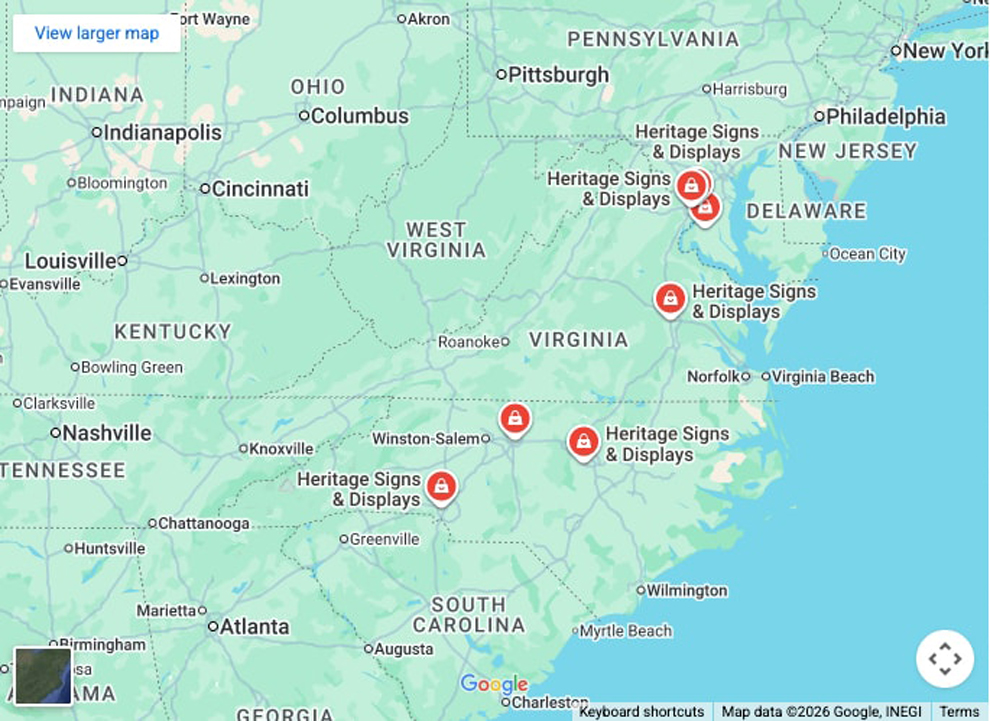
Heritage is a veteran-owned and family-led company with nearly five decades of experience. Our Newport News service is supported by a seven-location regional network, in-house production resources, and professional installation completed by full-time Heritage employees. This model combines responsive project coordination with the capacity needed for substantial, phased, and multi-location interior branding programs.
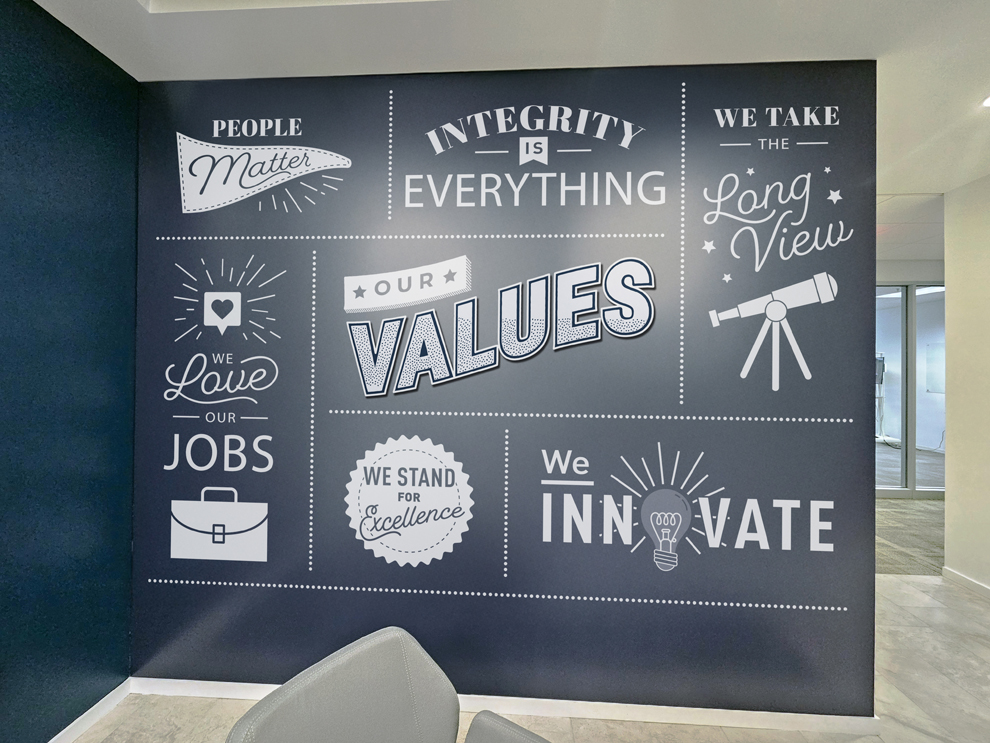
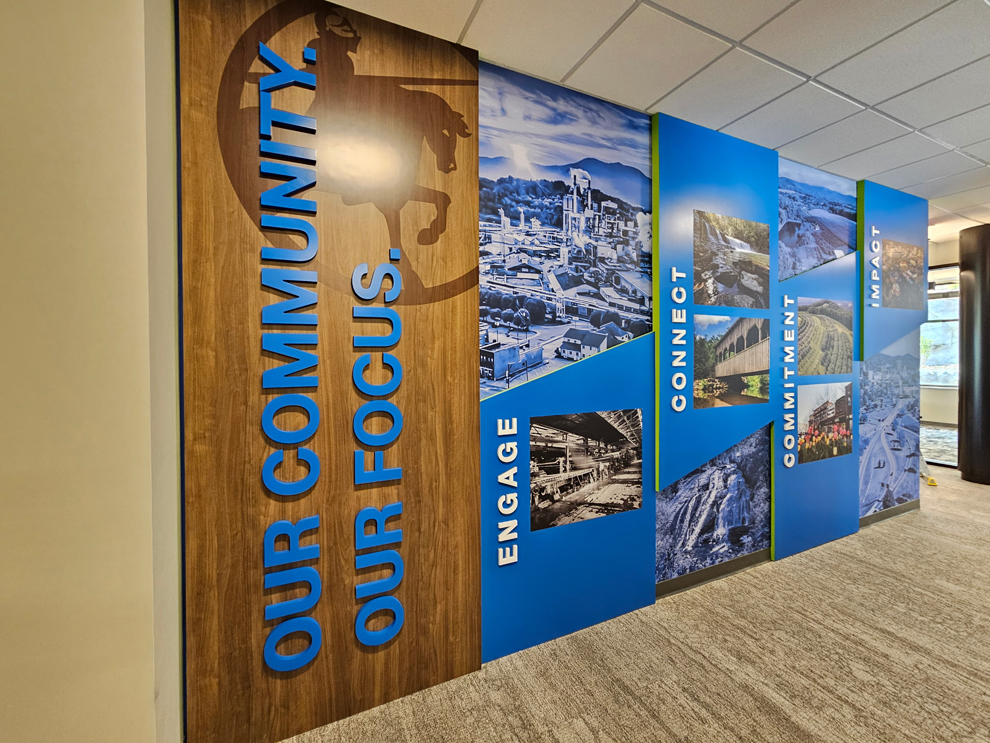
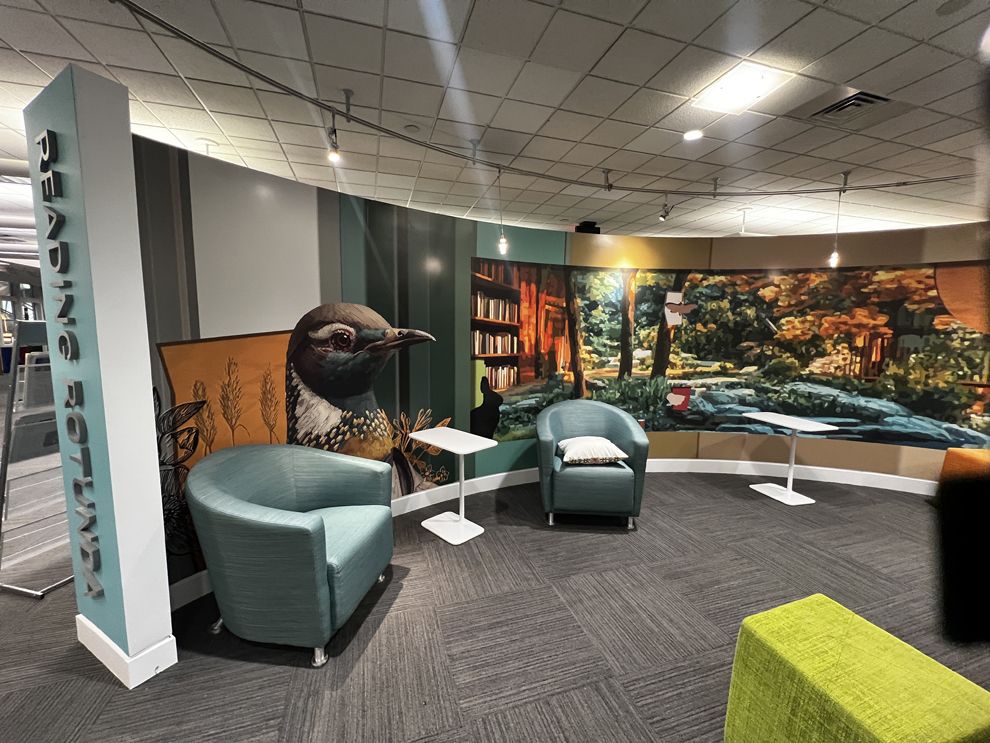
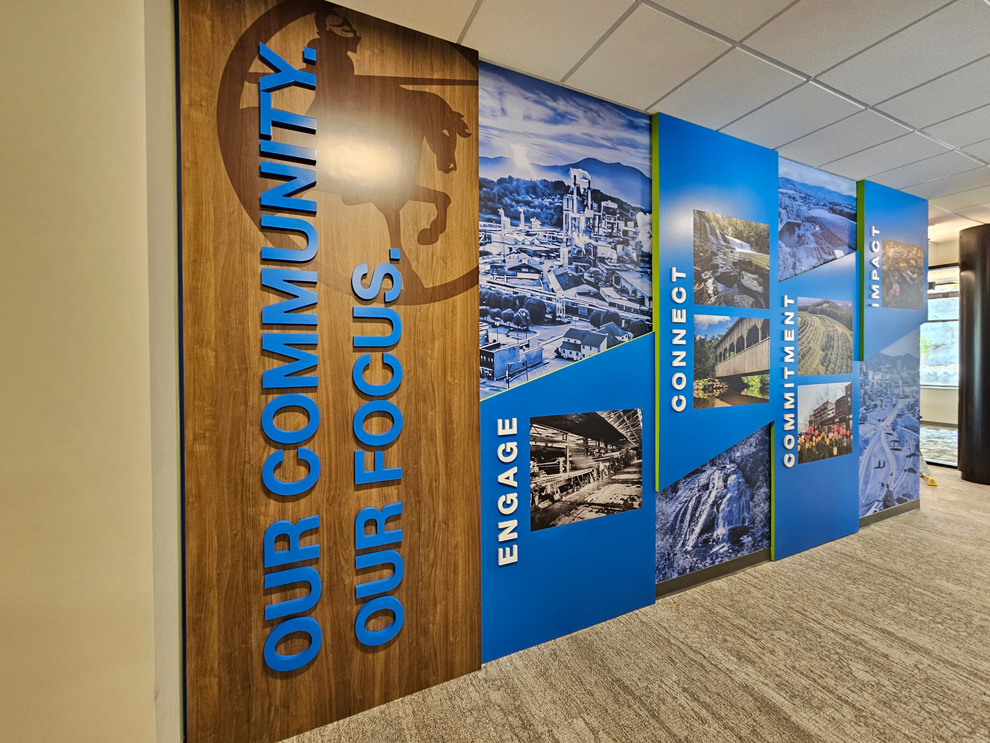
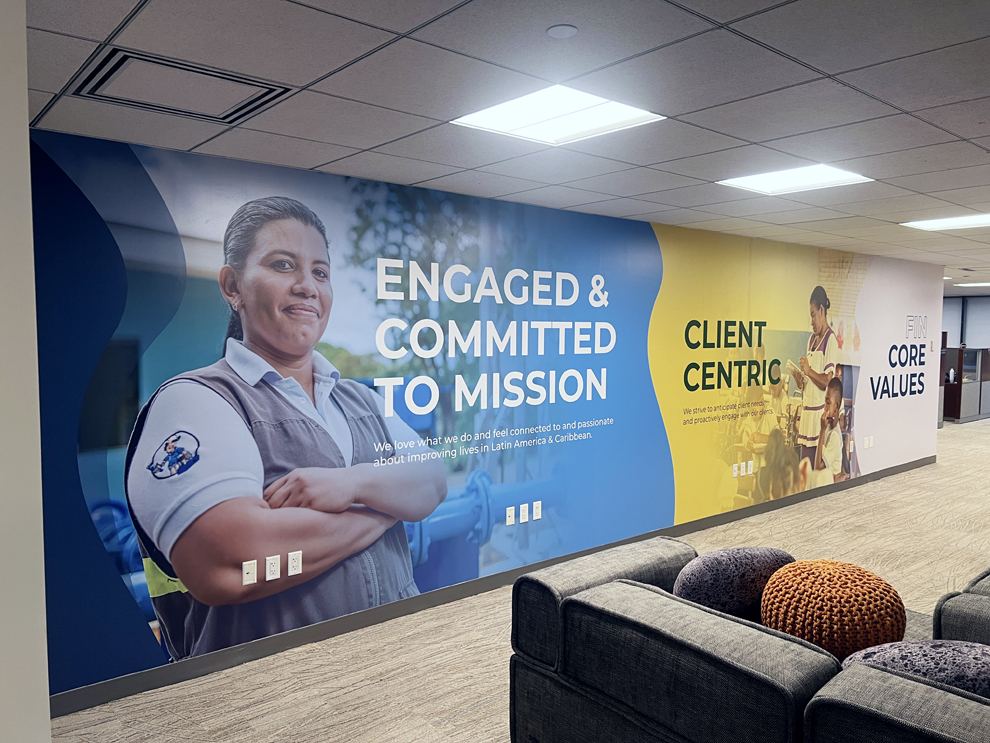
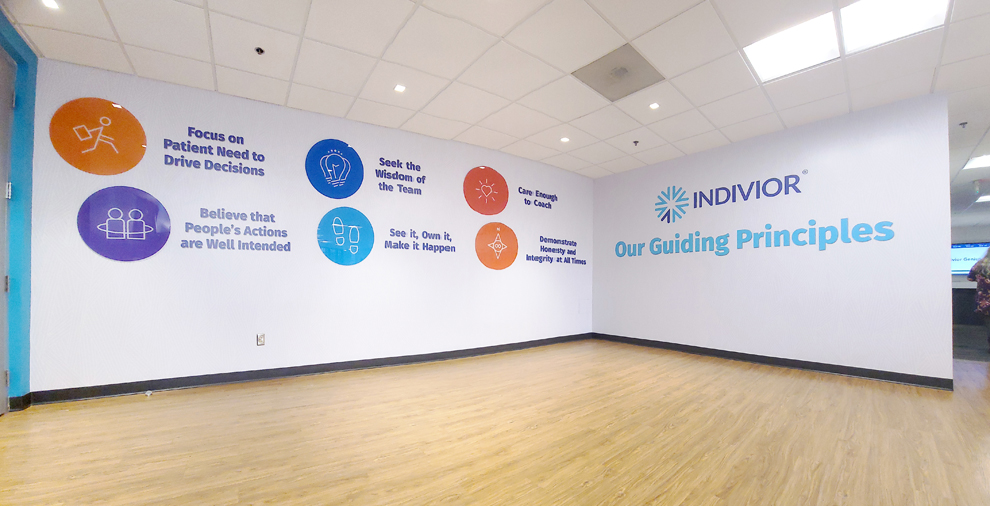
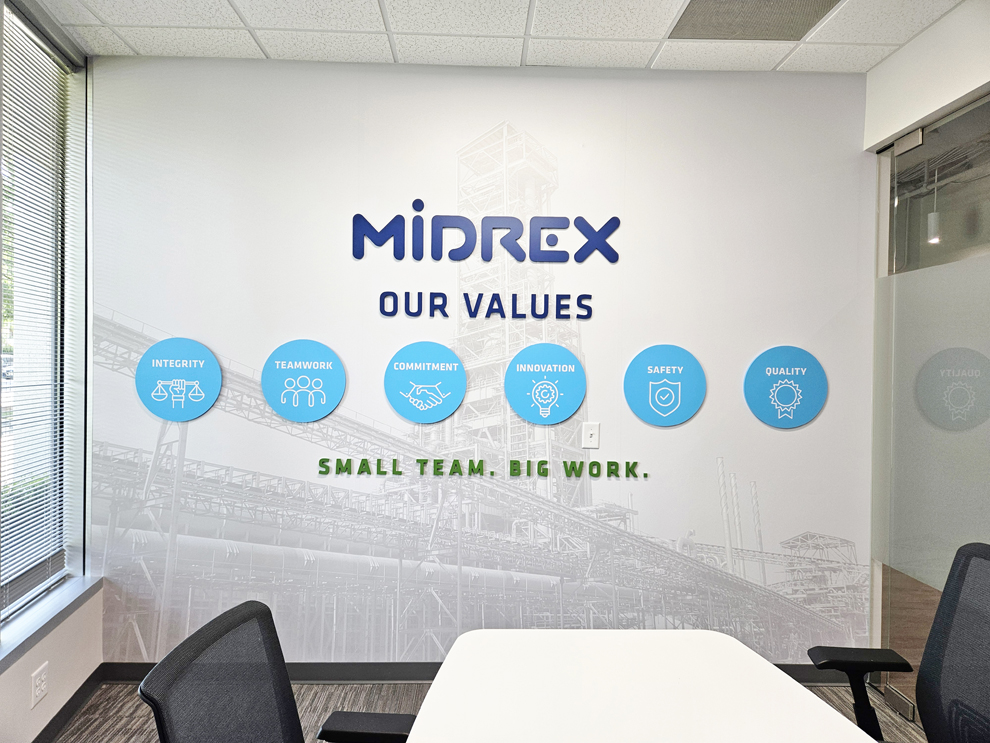
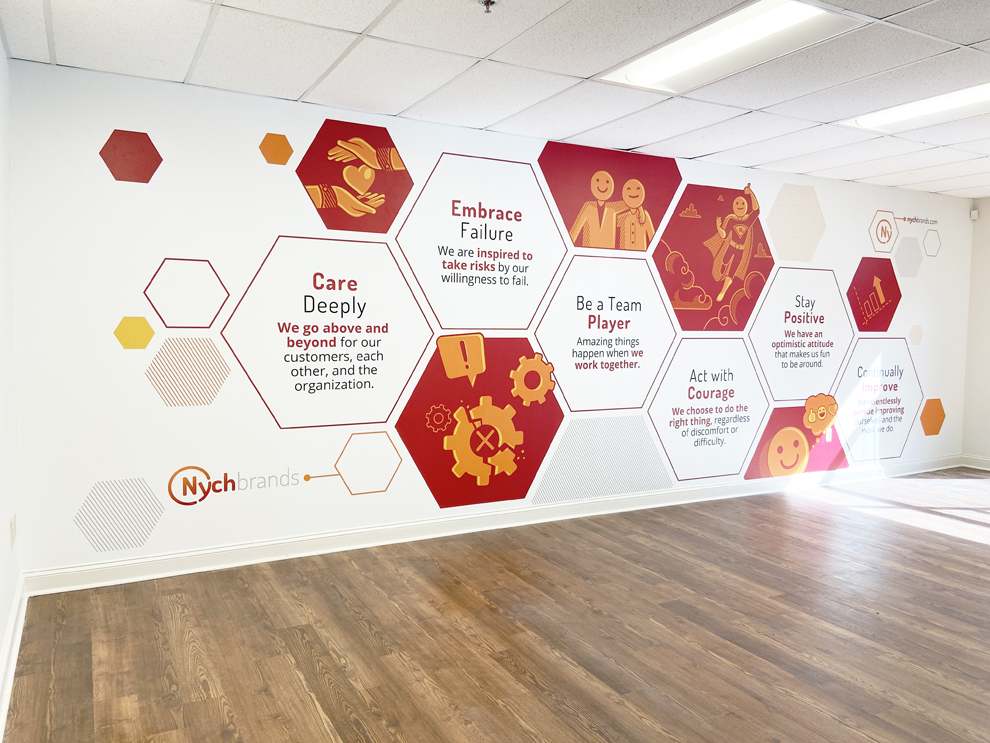
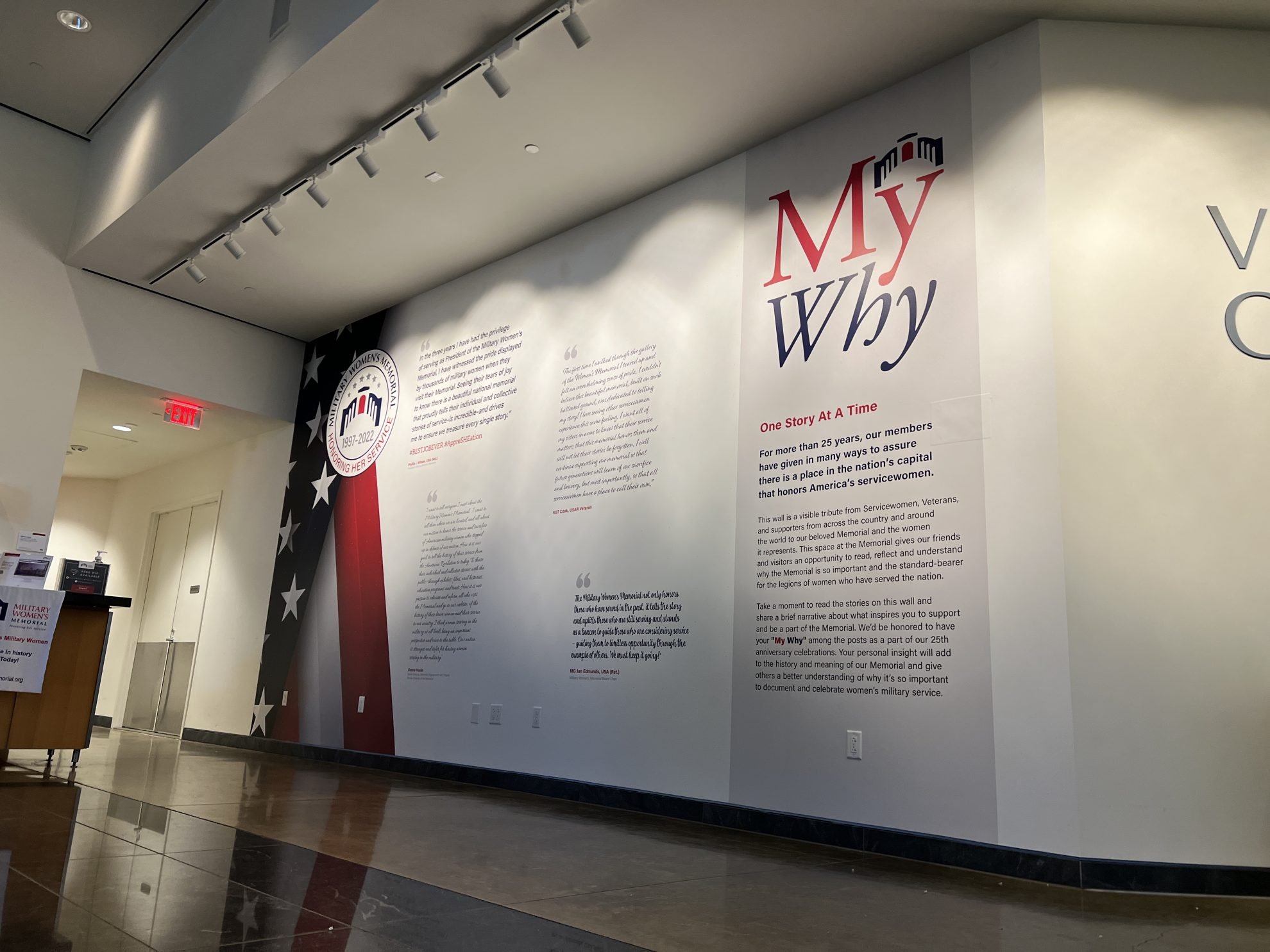
Turn blank or underused walls into engaging branded environments that highlight your culture, services, history, accomplishments, or institutional mission.
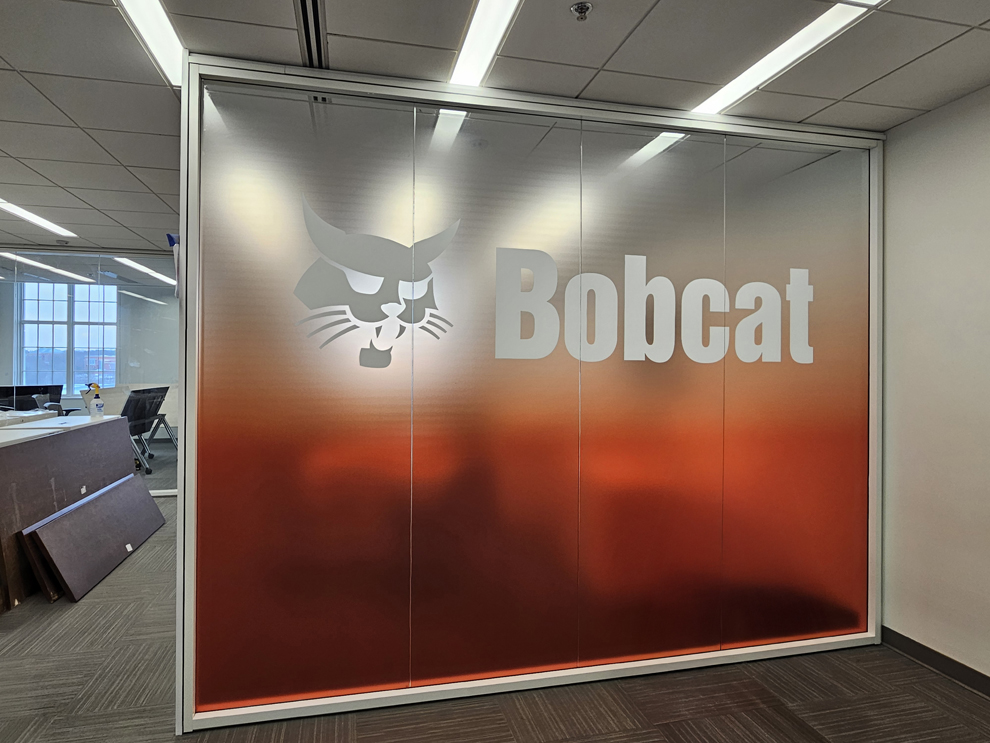
Add privacy, identification, decoration, and directional information to glass while maintaining the desired level of light and visual openness.
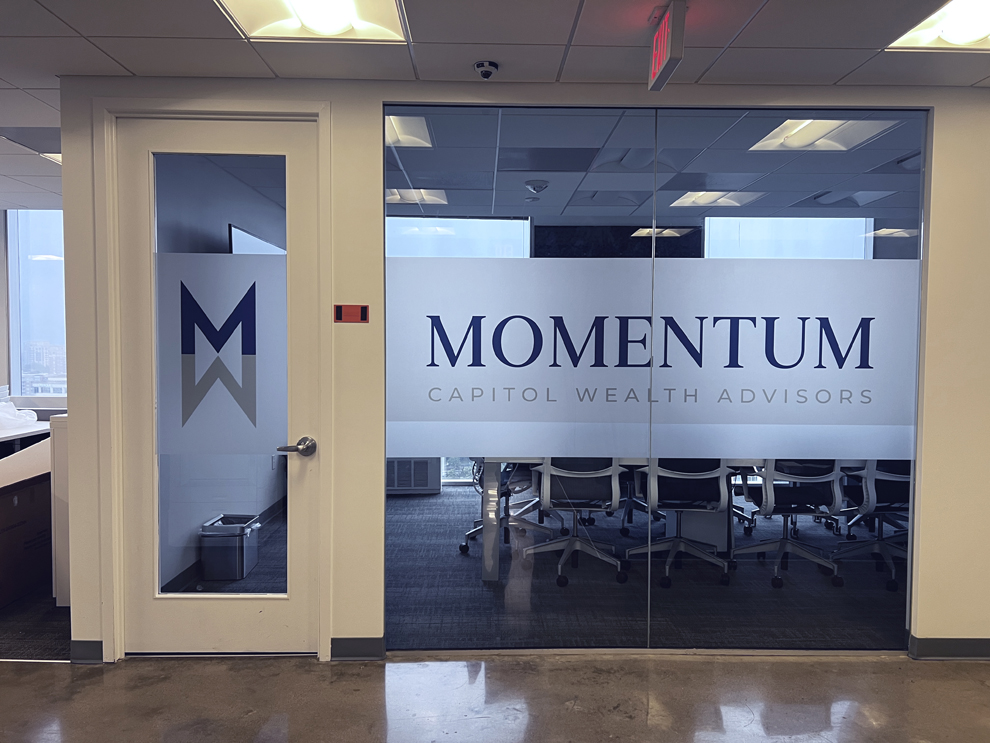
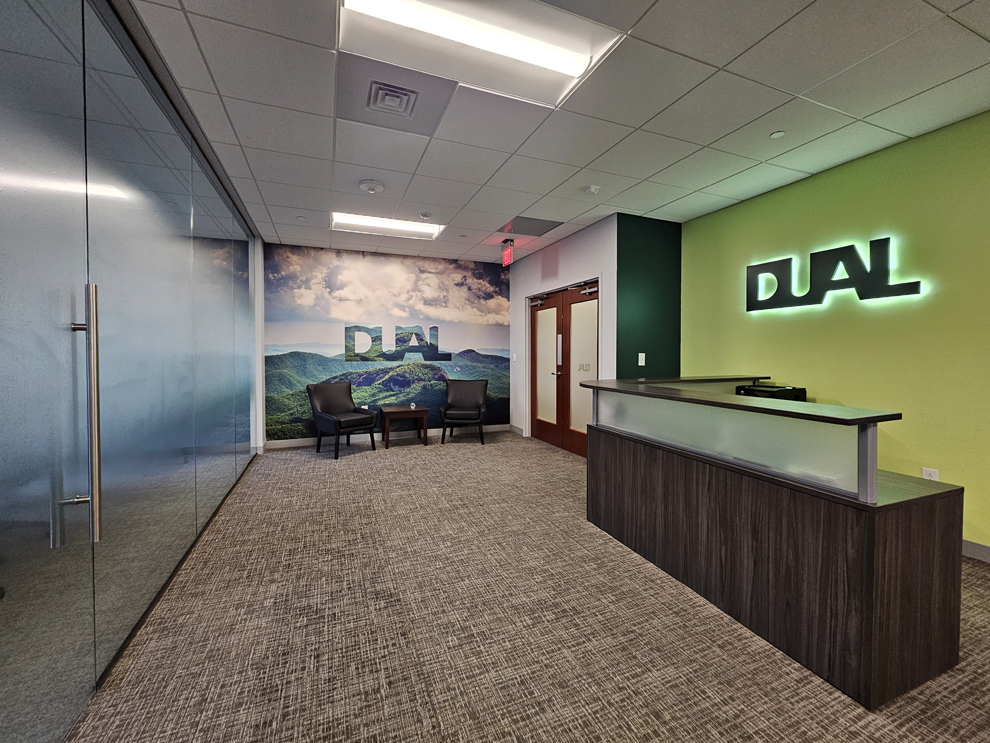
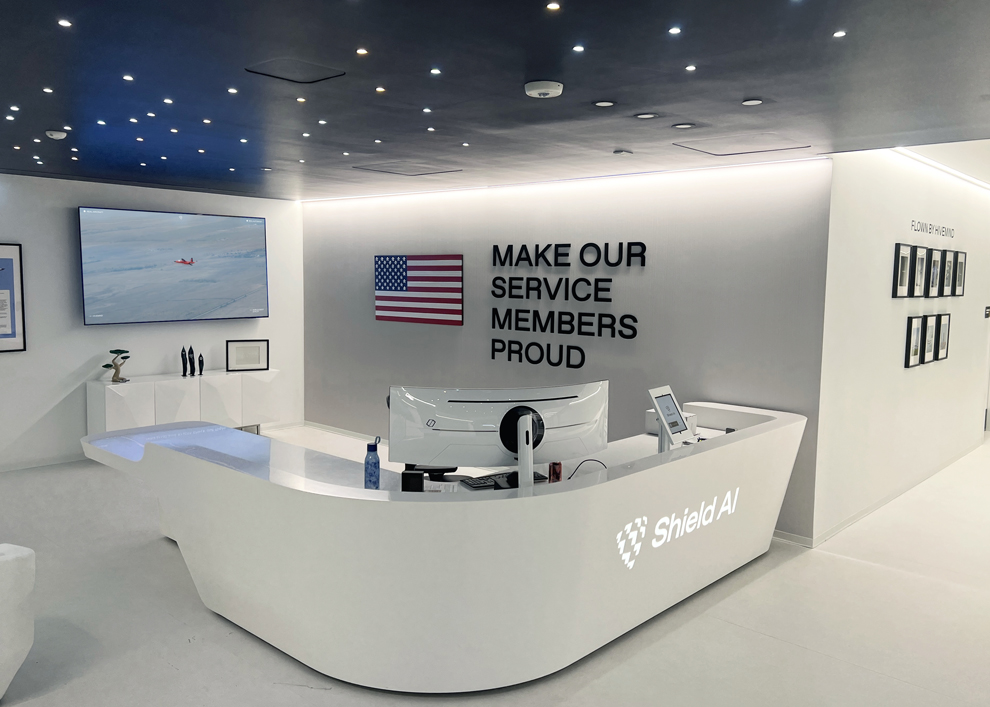
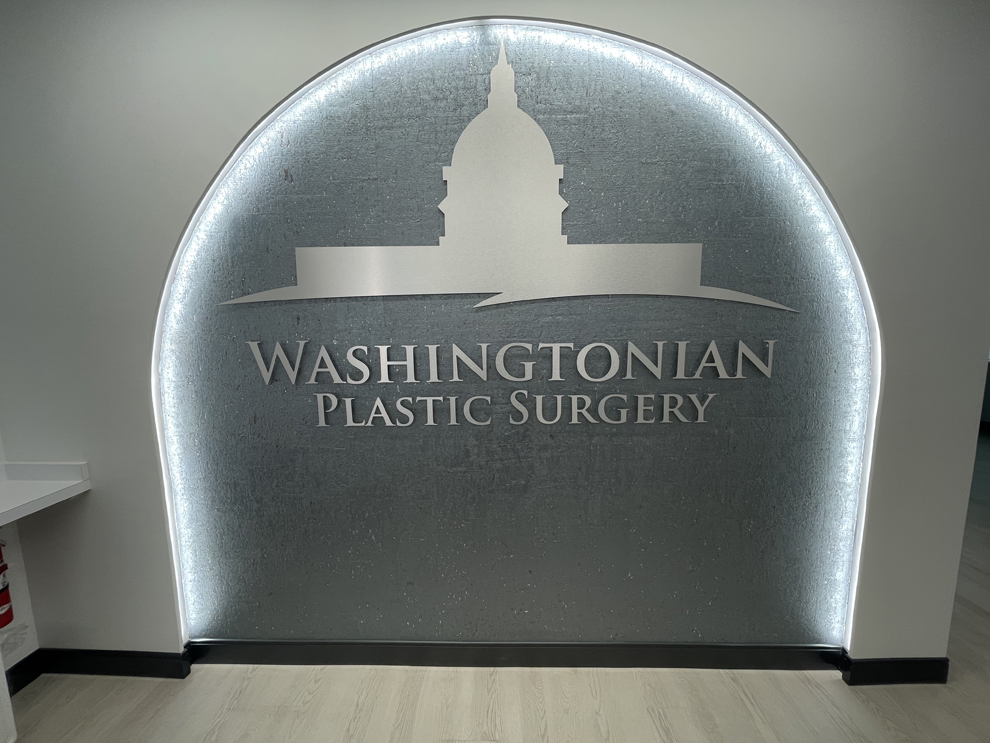
Establish a strong point of arrival with dimensional logos and identification signs designed around the space, brand standards, finishes, and mounting surface.
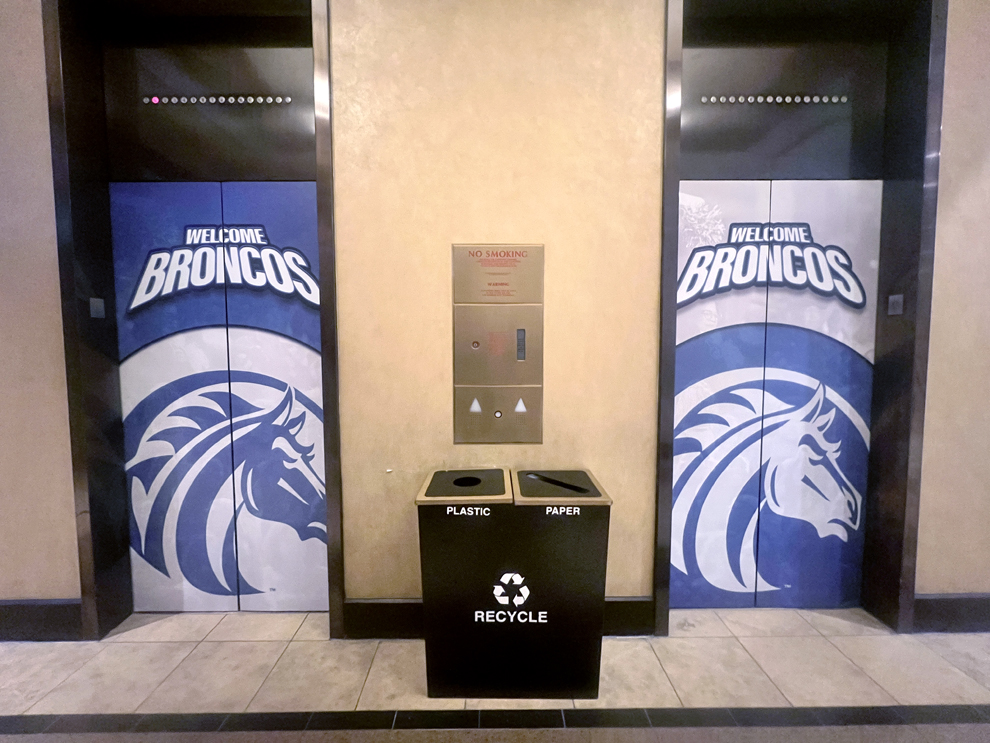
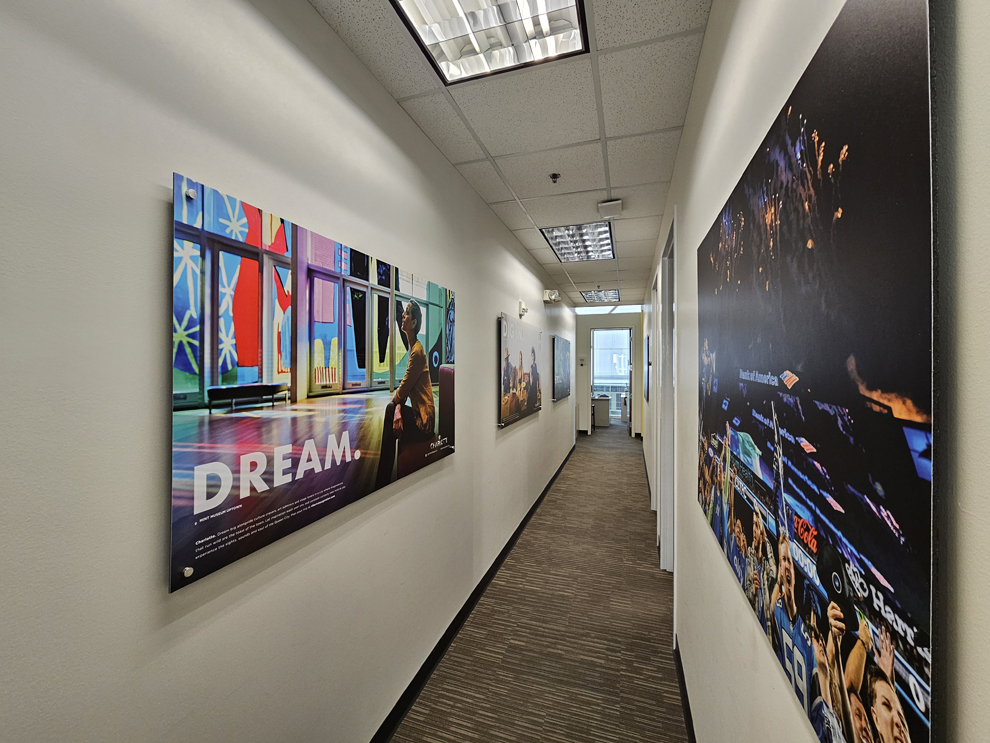
Use elevated panels and architectural hardware to create depth for directories, informational signs, recognition displays, and polished office presentations.
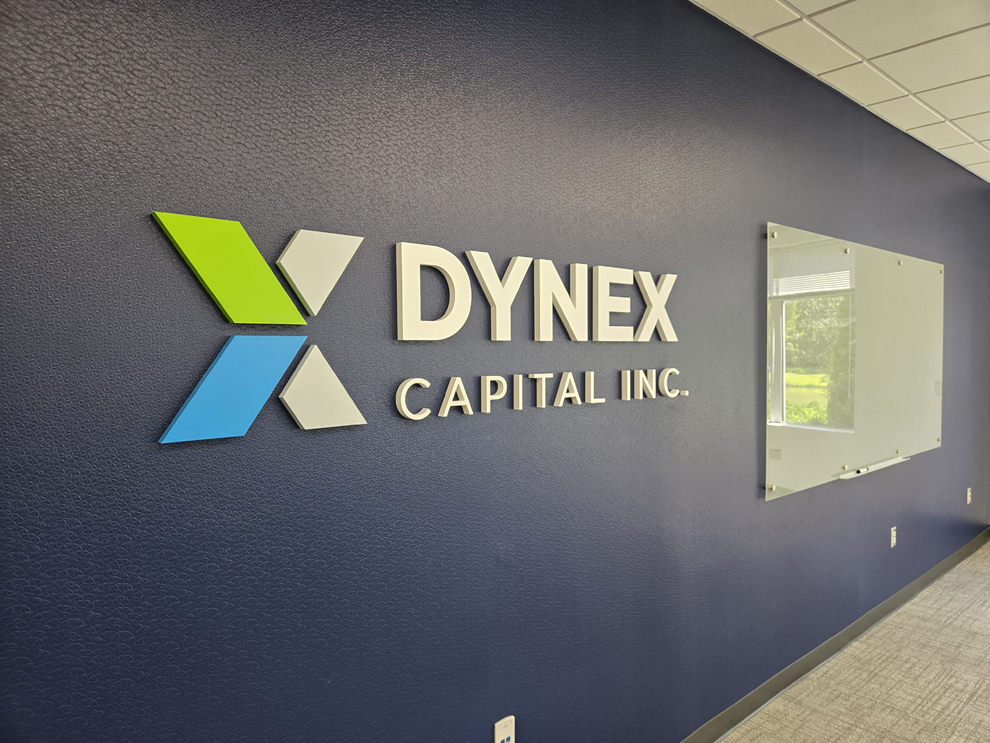
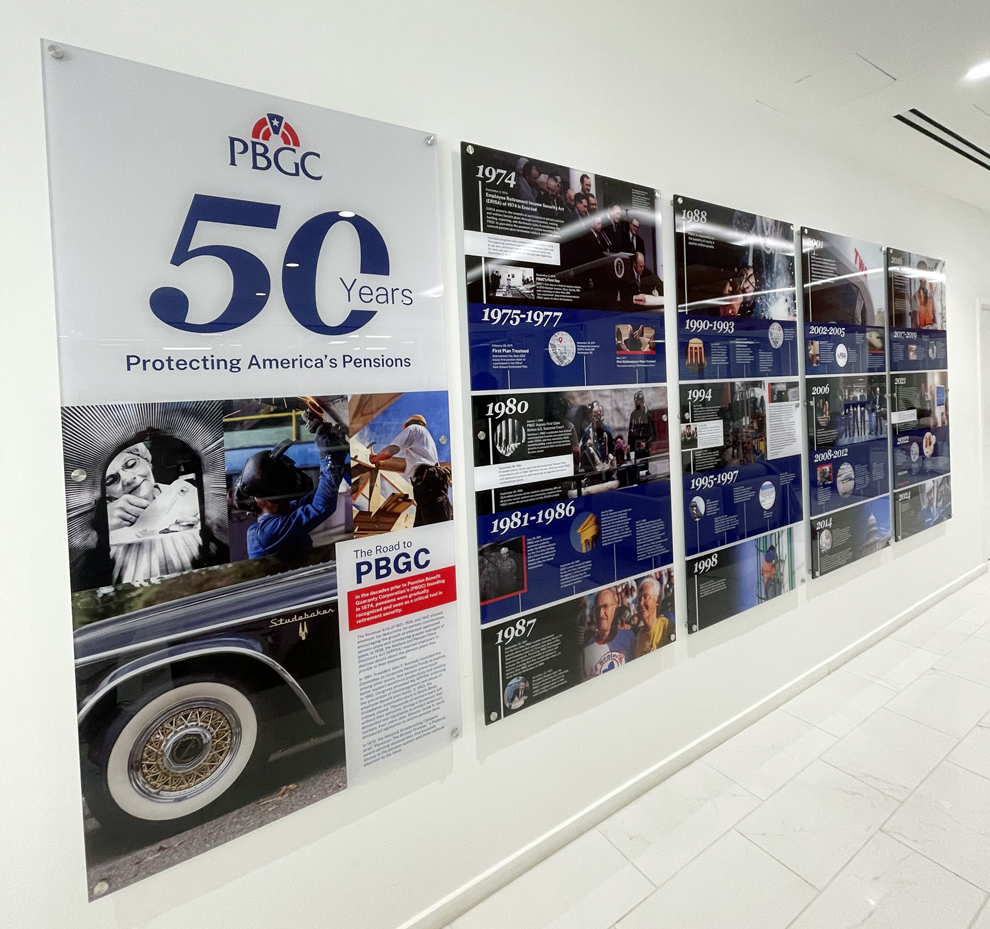
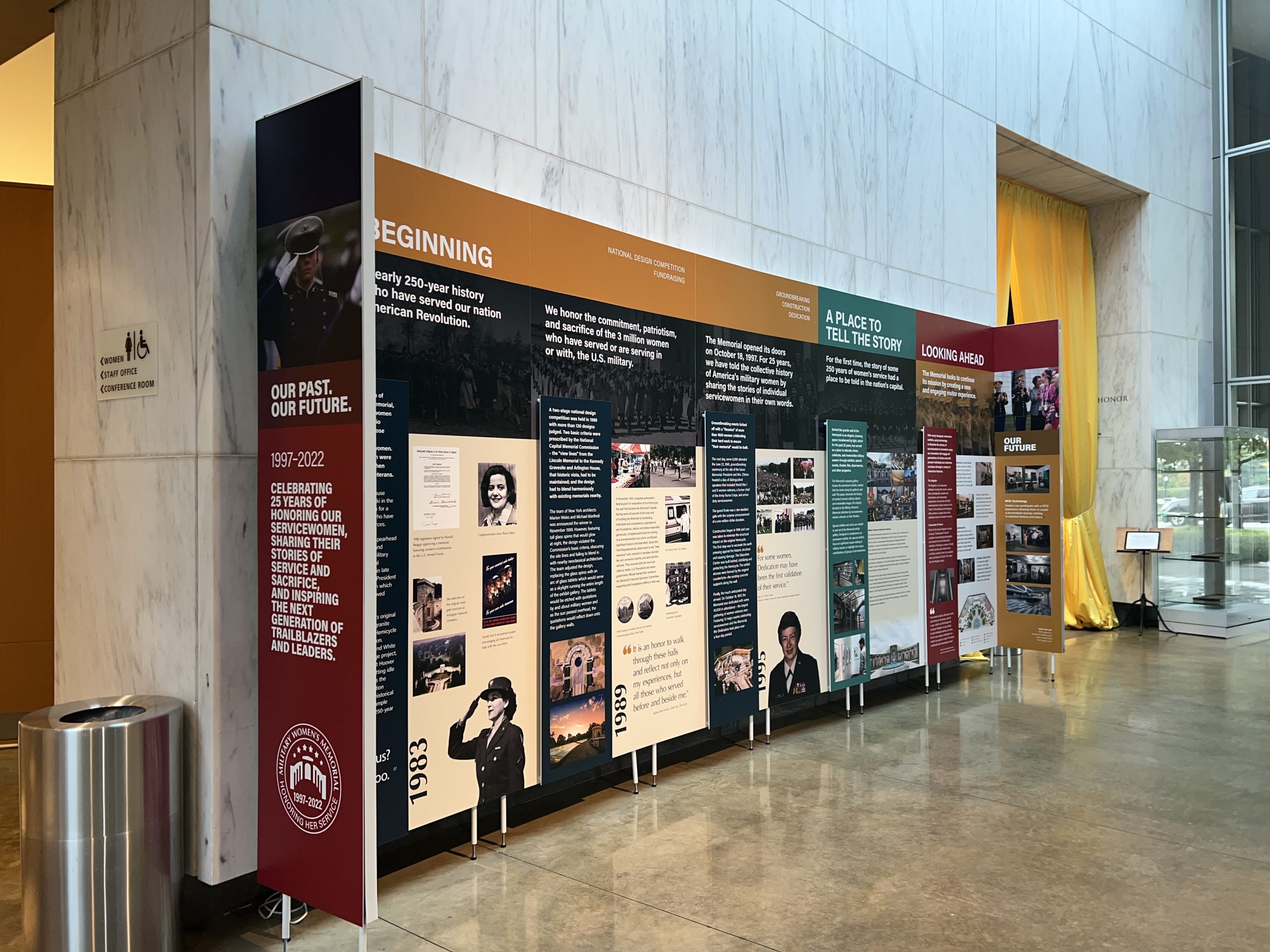
Present stories and information through coordinated combinations of photographs, written content, printed panels, dimensional features, and replaceable components.
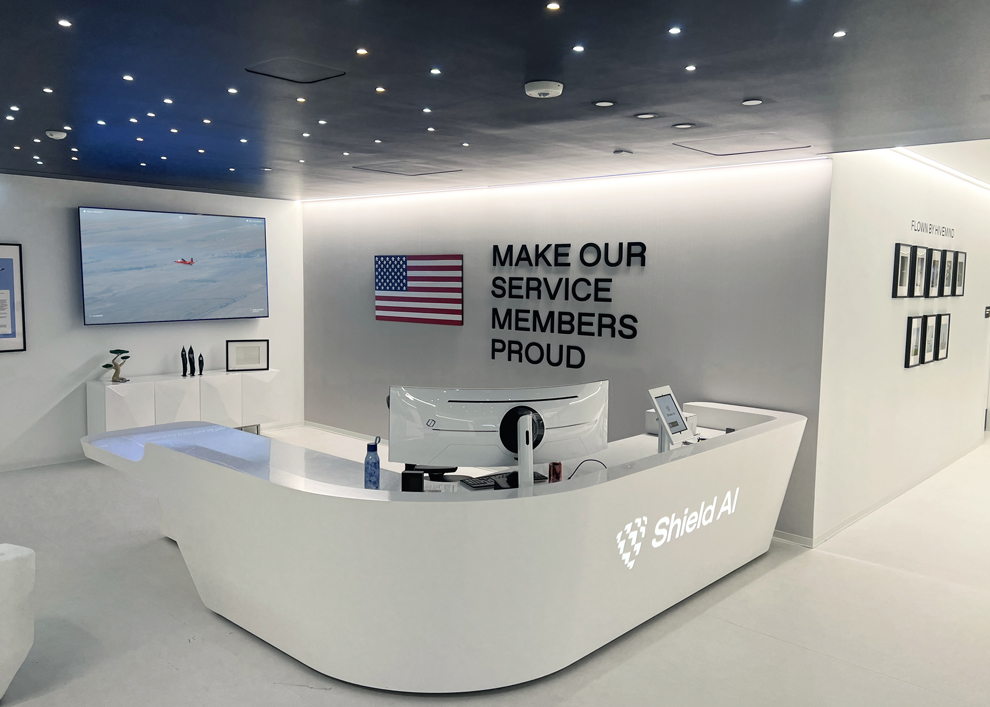
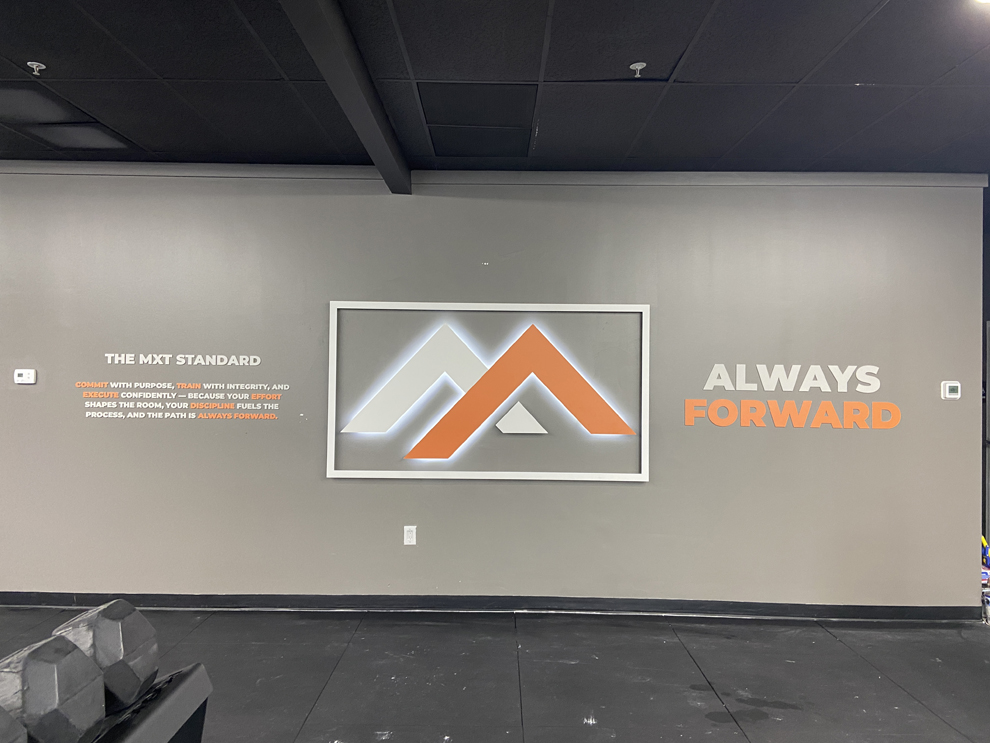
Give names, logos, values, and key messages greater architectural presence with raised lettering selected for visibility, durability, and brand consistency.
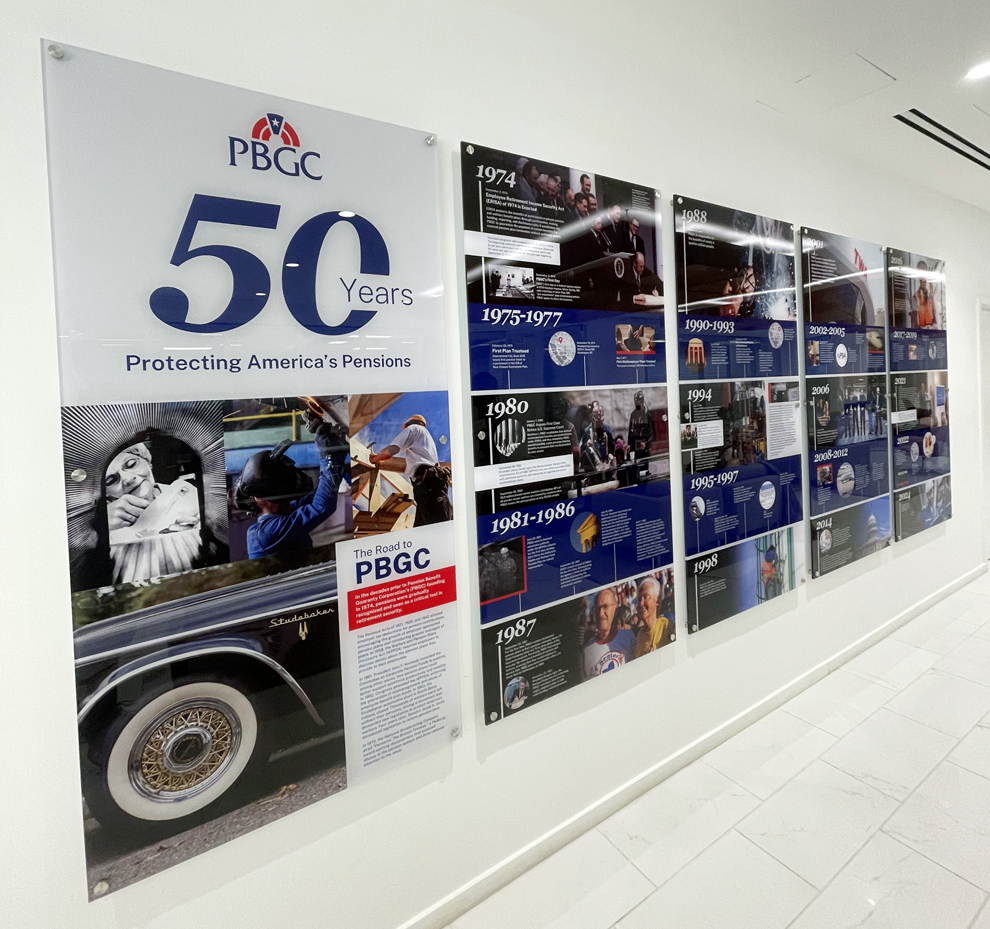
Coordinate branding, architecture, messaging, materials, and movement so signs and graphics work together as one complete interior experience.
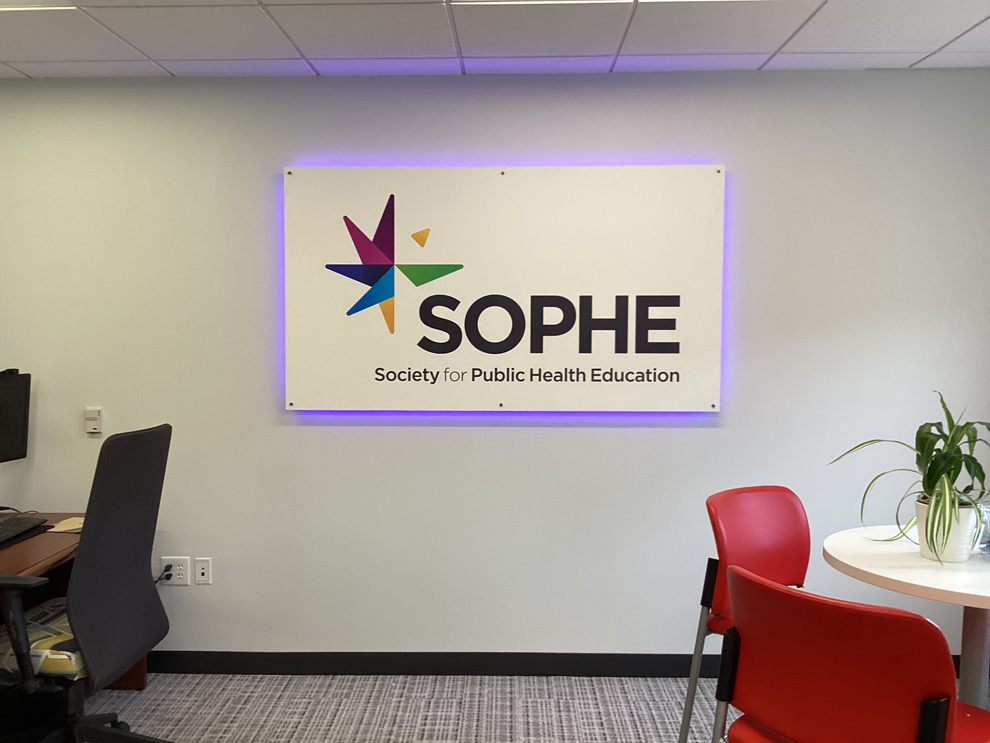
Help employees, visitors, students, patients, and guests navigate decision points using consistent placement, readable messaging, and accessible visual hierarchy.
If your organization is considering new lobby signage, workplace branding, environmental graphics, donor recognition, an educational display, a museum installation, or a multi-location interior rollout, complete our Get Started Now form. Share your goals, Newport News or Hampton Roads location, preferred timeline, available artwork, photographs, drawings, brand standards, and any firm opening or installation dates. A Heritage team member will review the information, identify missing site or scope details, and recommend the next step based on project readiness and fit.
We support Newport News clients through project consultation, site surveys, field verification, planning, and professional installation. During a survey, our team can document dimensions, wall and glass surfaces, lighting, obstructions, access points, and typical viewing conditions. We also serve organizations throughout Hampton Roads when the assignment fits our managed commercial interior specialization.
The region includes healthcare campuses, educational institutions, corporate workplaces, municipal buildings, museums, nonprofit facilities, professional offices, and public-facing environments. We do not approach these spaces as though they have identical needs. A university corridor, hospital reception area, corporate headquarters, government office, and museum exhibit each involve different audiences, approval processes, accessibility considerations, content requirements, and installation conditions.
For larger projects in Newport News, we can draw from our broader project management, design, fabrication, production, and installation network. Our seven locations provide added capacity for phased projects, standardized programs, coordinated installation schedules, and work spanning multiple facilities. We preserve a consistent management process while adapting dimensions, materials, placement, and installation methods to each site.
Environmental graphic design integrates visual communication into the built environment. It brings together brand identity, messaging, architecture, circulation, scale, accessibility, visibility, materials, and installation requirements. For Newport News workplaces and institutions, this process helps establish where information should appear, how people will experience it, and how each component contributes to the overall space.
A project can begin with architectural drawings, brand guidelines, logo files, photographs, field measurements, written content, or an early creative concept. Our team can develop layouts, messaging hierarchy, wall graphics, privacy treatments, dimensional features, directional elements, material specifications, and placement plans. We consider how these components relate across entrances, reception areas, corridors, conference rooms, learning spaces, recognition areas, and other shared interiors.
Design development is a practical decision-making phase, not simply a decorative service. It allows stakeholders to evaluate the proposed appearance before fabrication begins. Approved concepts also support accurate estimates, color management, material selection, mounting plans, fabrication decisions, and installer preparation. We use the design process to align creative goals with real production and site conditions.
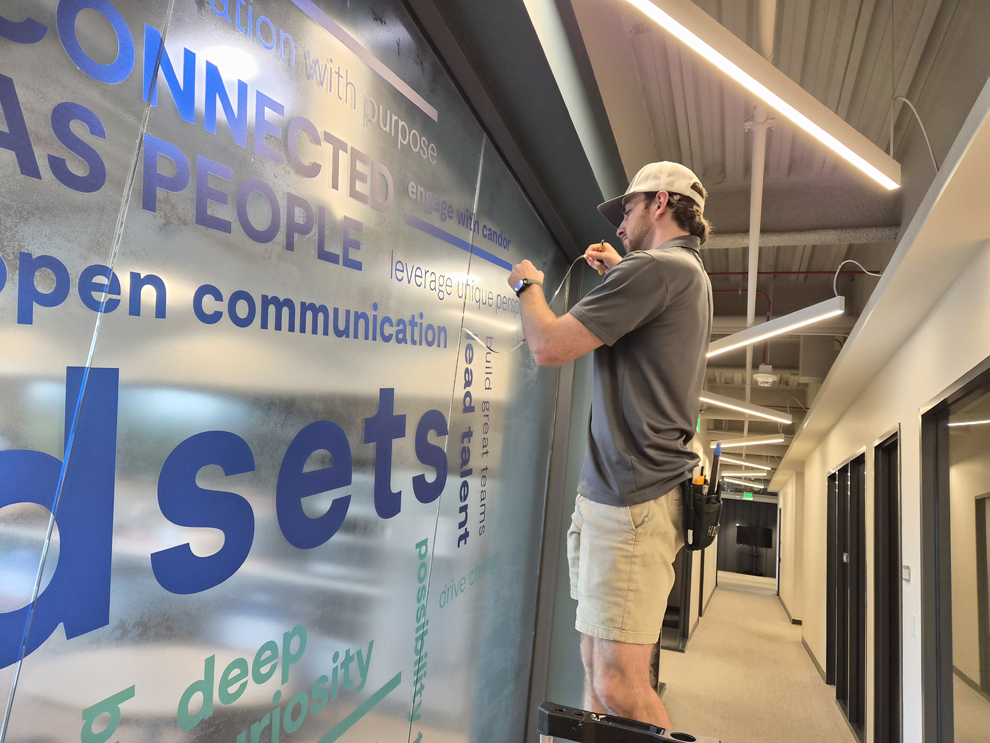
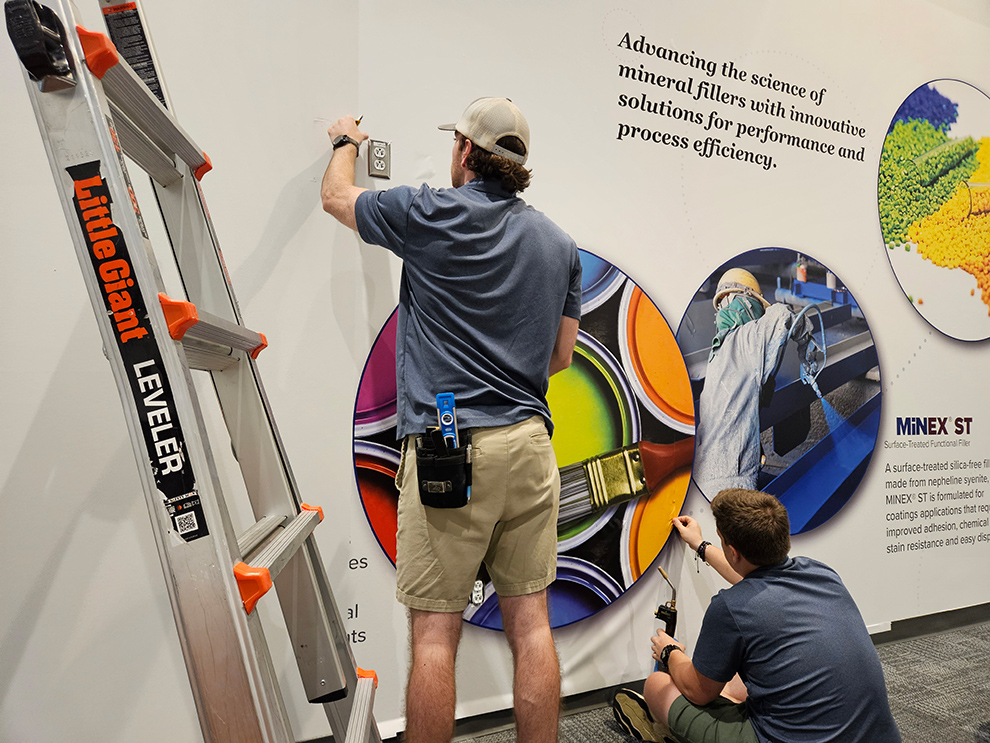
Installation should be considered throughout planning, design, and fabrication. It should not be treated as an unrelated final step. Field dimensions must match the produced components, graphics must be compatible with the receiving surface, and mounting systems must account for weight, alignment, building access, and long-term performance. We address these issues early so the installed result reflects the approved design.
A professional site survey may document wall and glass conditions, dimensions, architectural details, lighting, obstructions, pedestrian activity, loading access, elevators, security procedures, and building rules. Occupied Newport News facilities may require installation during designated hours or in carefully planned phases that allow essential operations to continue. Field verification helps us establish realistic production specifications and coordinate the installation with facility personnel.
Our full-time installers communicate directly with project managers, designers, production specialists, and fabricators before work begins on site. This access to complete project information supports better preparation, greater accountability, and faster problem-solving. We do not offer installation-only services for signs or graphics provided by a client or another vendor. Installation is available for components that we produce, procure, fabricate, or manage as part of a complete Heritage project.
A productive project discussion begins with your goals, audiences, location, schedule, and anticipated investment. Site photographs, plans, architectural drawings, brand standards, content, installation addresses, and access information help us evaluate the scope accurately. For projects in Newport News or elsewhere in Hampton Roads, the project manager will also identify survey needs, approval requirements, stakeholder responsibilities, and conditions that must be resolved before installation.
A complete Heritage engagement starts at $4,000. Many projects involving production and professional installation range from $10,000 to more than $200,000. These figures represent the total managed assignment rather than the cost of one letter, panel, graphic, or sign. The same project framework can support a prominent lobby feature, a multi-area workplace branding program, a phased institutional installation, or implementation across several locations.
Our primary focus includes commercial interiors, workplaces, educational facilities, museums, healthcare environments, government buildings, and public-facing institutional spaces. Certain exterior features can be incorporated into an interior-focused engagement, such as non-illuminated signs, dimensional letters, window graphics, and wall graphics. Standalone exterior sign programs, vehicle fleet graphics, monument signs, pylon signs, and channel letters are outside our normal scope. We also do not repair failed sign components or LED systems.
We assign a dedicated project manager who remains the central point of communication from discovery through completion. This person coordinates project goals, estimates, site information, creative development, materials, client approvals, production schedules, and installation planning.
Our managed structure helps prevent designers, production personnel, fabricators, and installers from working with incomplete or outdated information. Decisions remain connected across departments, making it easier to preserve the approved intent through installation.
Helpful information includes the project address, objectives, audience, preferred completion date, photographs, dimensions, floor plans, brand standards, logo files, written content, and known access restrictions. You do not need to have every detail before contacting us, but the available information will help us understand the assignment.
We review your materials and determine what needs to be confirmed through discovery, design development, or a physical site survey. Newport News clients should also identify firm opening dates, facility schedules, approval requirements, construction timelines, and all installation locations.
We serve Newport News through our regional operating network, but no Newport News street address is listed for this service area. Our team supports qualified local projects with site surveys, field verification, project coordination, design resources, production, fabrication, and installation planning.
This regional structure gives Newport News organizations access to coordinated resources without requiring them to manage an assortment of unrelated vendors.
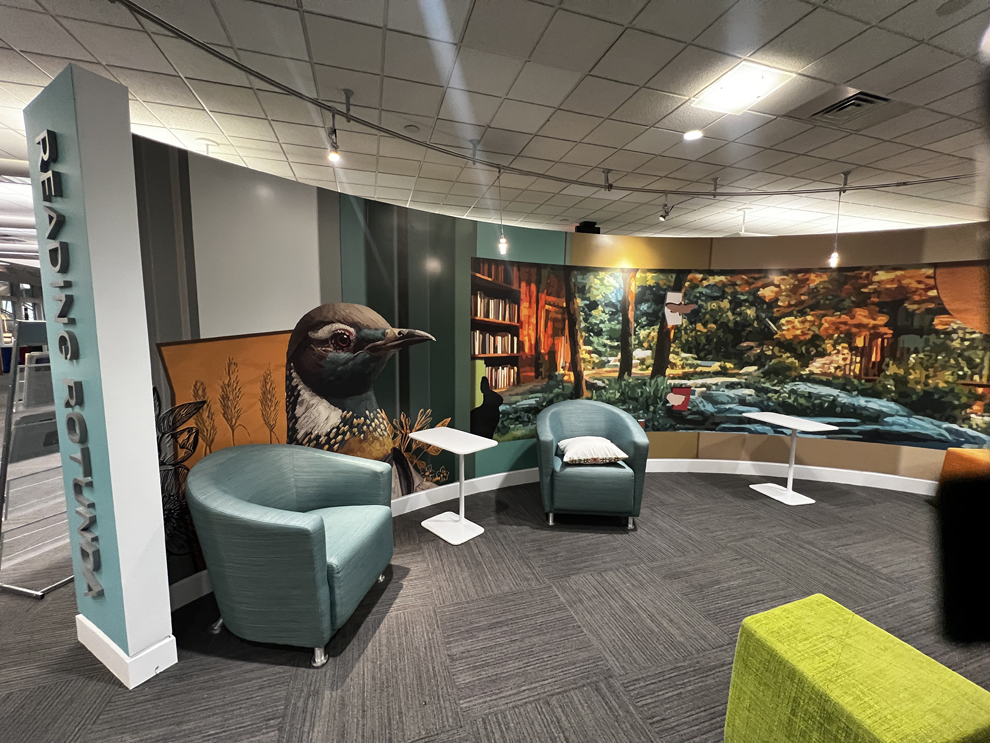
We can create dimensional lobby signs, acrylic signs, standoff mounted panels, dimensional letters, wall wraps, window graphics, frosted privacy films, wayfinding signs, timeline displays, donor recognition features, and interpretive graphics. The right solution depends on your audience, content, architecture, surfaces, durability needs, and desired visual style.
Products are recommended as part of a complete managed engagement. Our goal is to develop components that work together visually and can be produced, mounted, and installed responsibly.
Project timelines may range from several days to multiple weeks or months. The schedule depends on design readiness, scope, approvals, fabrication requirements, site conditions, material availability, and installation complexity. A single feature with approved artwork will follow a different timeline than a multi-floor graphics and wayfinding program requiring surveys and several stakeholder reviews.
We create a working schedule after reviewing the project. Client file readiness, consolidated feedback, approval timing, construction progress, and building access can all affect completion. Technical conditions may also influence timing. For example, newly painted walls often require a suitable curing period before adhesive graphics can be installed.
A site survey replaces estimates and assumptions with verified information. Our team documents dimensions, mounting surfaces, obstructions, lighting, sightlines, loading access, elevators, security requirements, and other conditions that may affect fabrication or installation.
The survey also helps us understand how the space operates and what the client wants users to experience. Reliable field information supports design, material selection, estimating, mounting plans, and installation sequencing while reducing preventable adjustments on site.
Yes. We can coordinate brand standards, field surveys, production, fabrication, scheduling, and installation for organizations with multiple facilities. Standardized design elements preserve visual consistency, while dimensions, substrates, access limitations, and operating requirements are handled individually for each location.
A dedicated project manager helps stakeholders monitor decisions, approvals, and implementation across the full program. Our seven-location regional network also provides added support for phased or geographically distributed work.
Our complete managed engagements begin at $4,000. Many projects that include production and professional installation range from $10,000 to more than $200,000. Final investment depends on quantities, materials, creative requirements, fabrication complexity, installation conditions, number of locations, and schedule.
These amounts refer to the entire assignment, not an individual sign or graphic. We evaluate goals, scope, and investment expectations together to determine whether the project is a suitable fit.
No. We do not provide installation-only services for signs or graphics purchased from another producer or supplied directly by the client. Our full-time installers work with components that Heritage has produced, fabricated, procured, or managed through our own project process.
This policy allows us to maintain accountability for dimensions, material compatibility, mounting preparation, production quality, and fit. Without control over those details, we cannot responsibly stand behind the completed installation.
Our primary specialization is interior workplace and institutional branding. An interior-focused project may also include compatible exterior dimensional letters, non-illuminated identification signs, window graphics, or wall graphics when they support the larger visual program.
We do not typically undertake standalone exterior sign packages, fleet graphics, monument signs, pylon signs, or channel letters. We also do not repair failed LED systems or damaged sign components. This defined scope allows us to concentrate on coordinated commercial interiors, responsible project management, high-quality production, and professional installation.
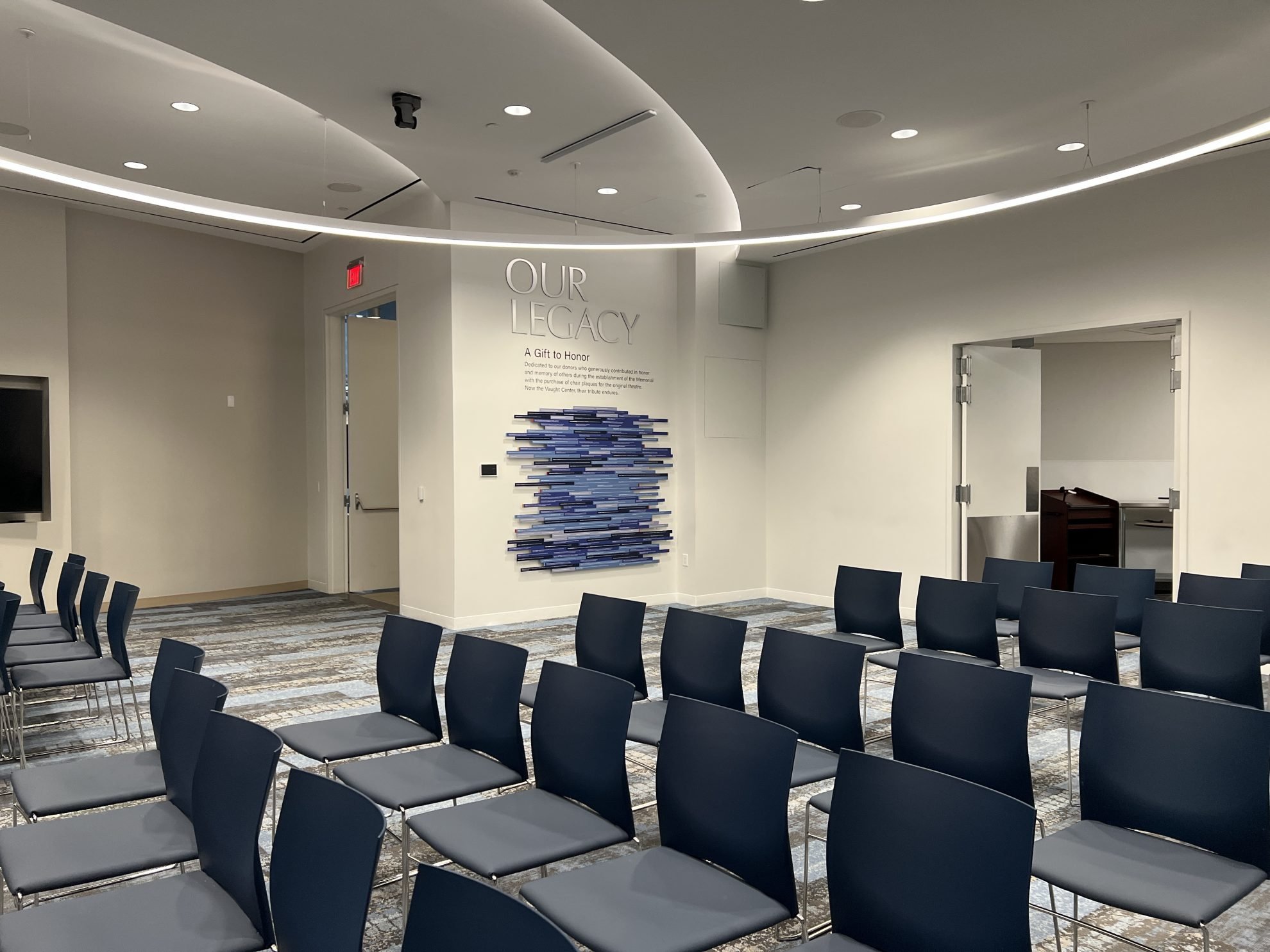
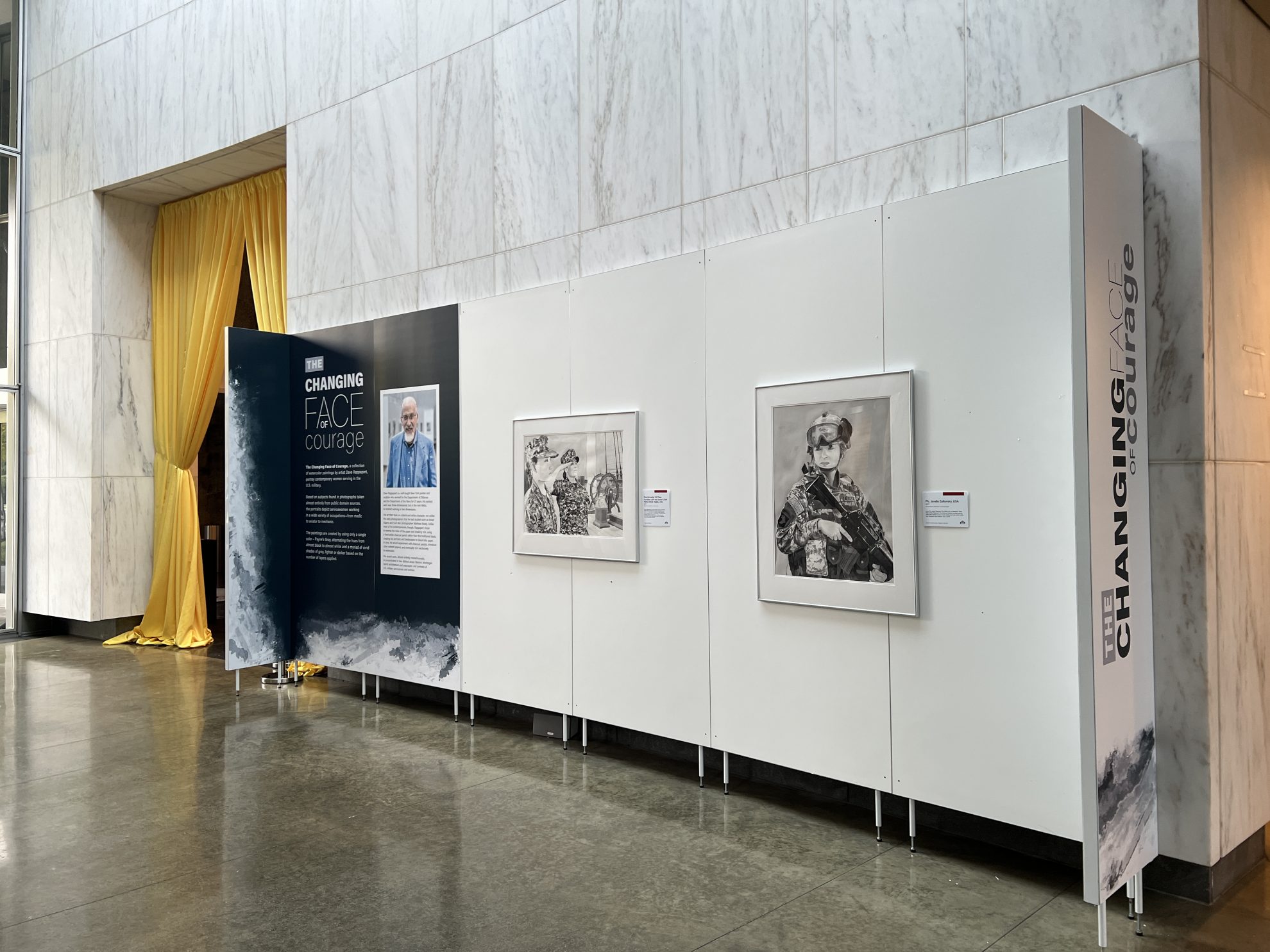
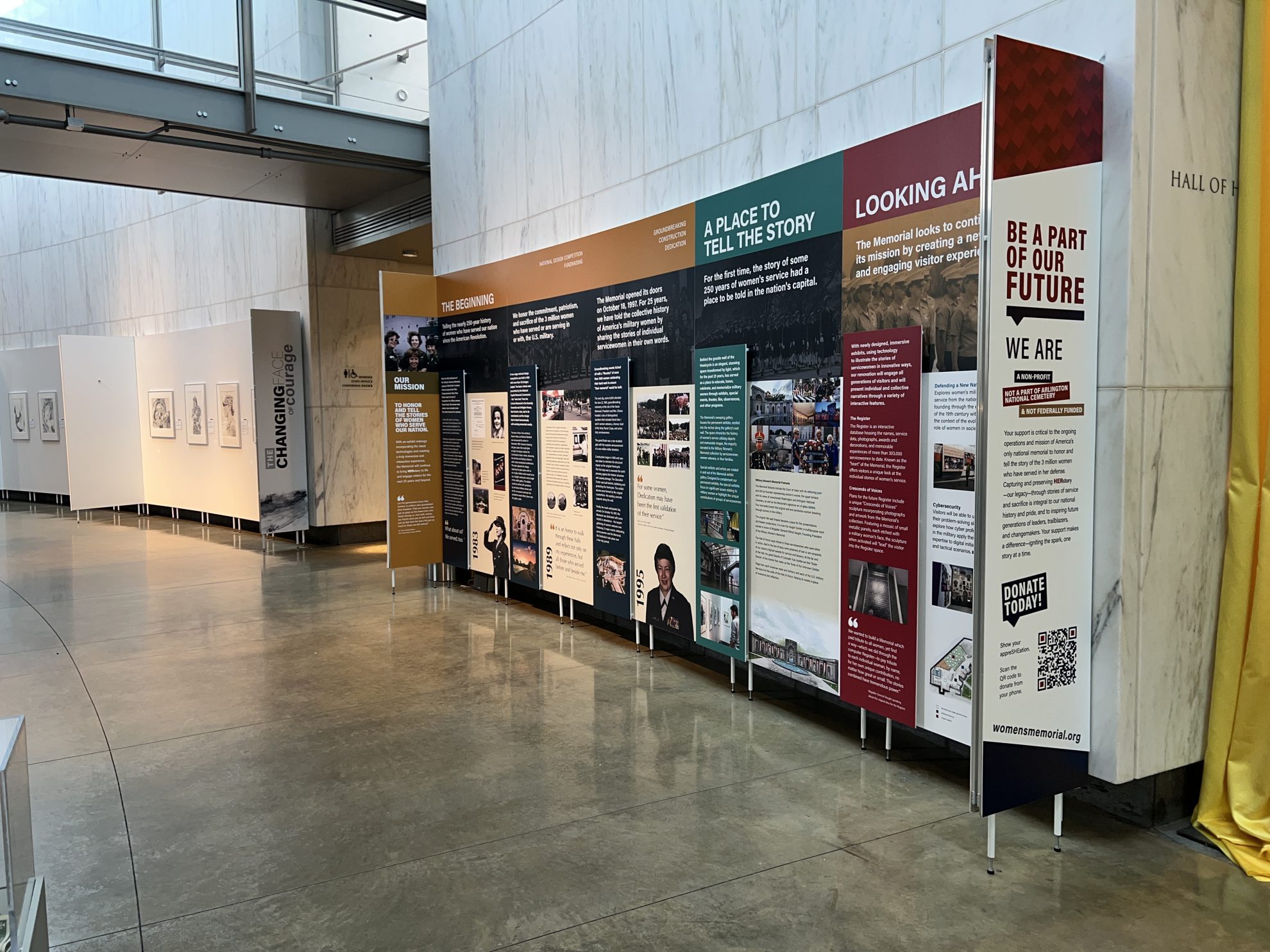
Heritage Signs & Displays created new museum signage for the Military Women’s Memorial in Arlington, VA. The project included custom signs, wall wraps, dimensional letters, and standoff-mounted displays to honor the legacy of U.S. servicewomen and the donors who supported the memorial. The updated interior features impactful designs, including a "Our Legacy" wall display and panels showcasing historical contributions and artwork, creating a transformative tribute to women in the U.S. Armed Forces.
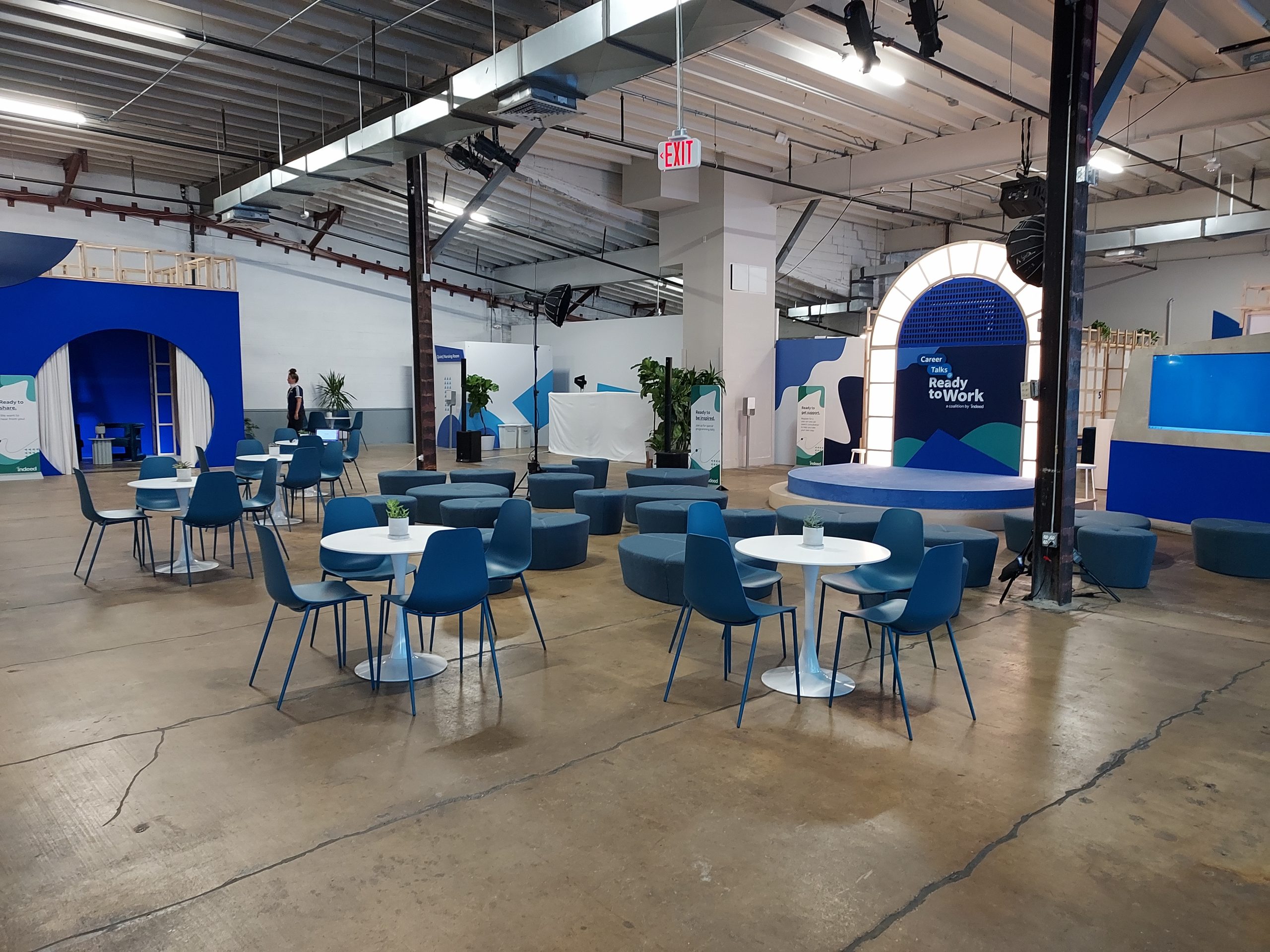
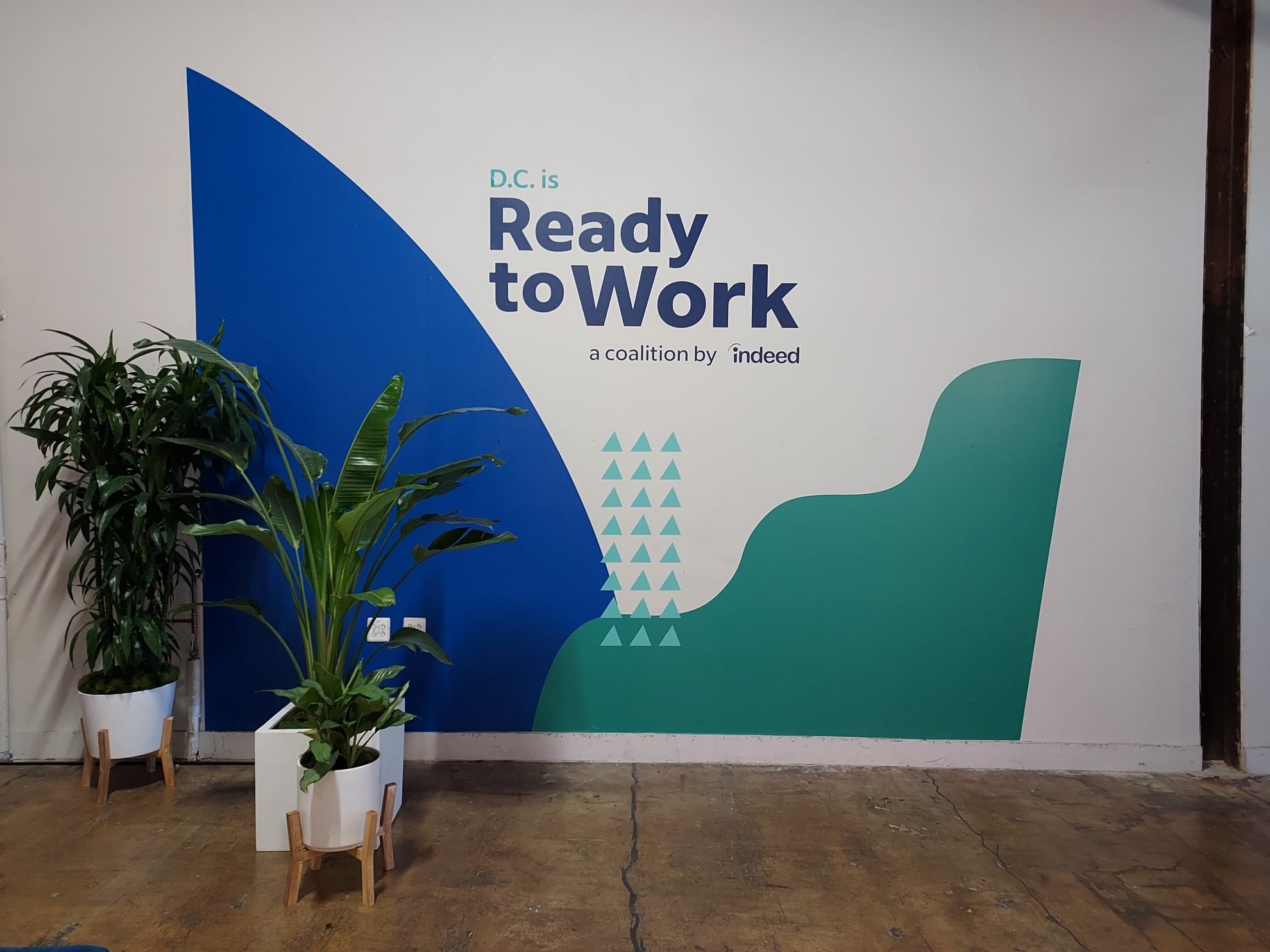
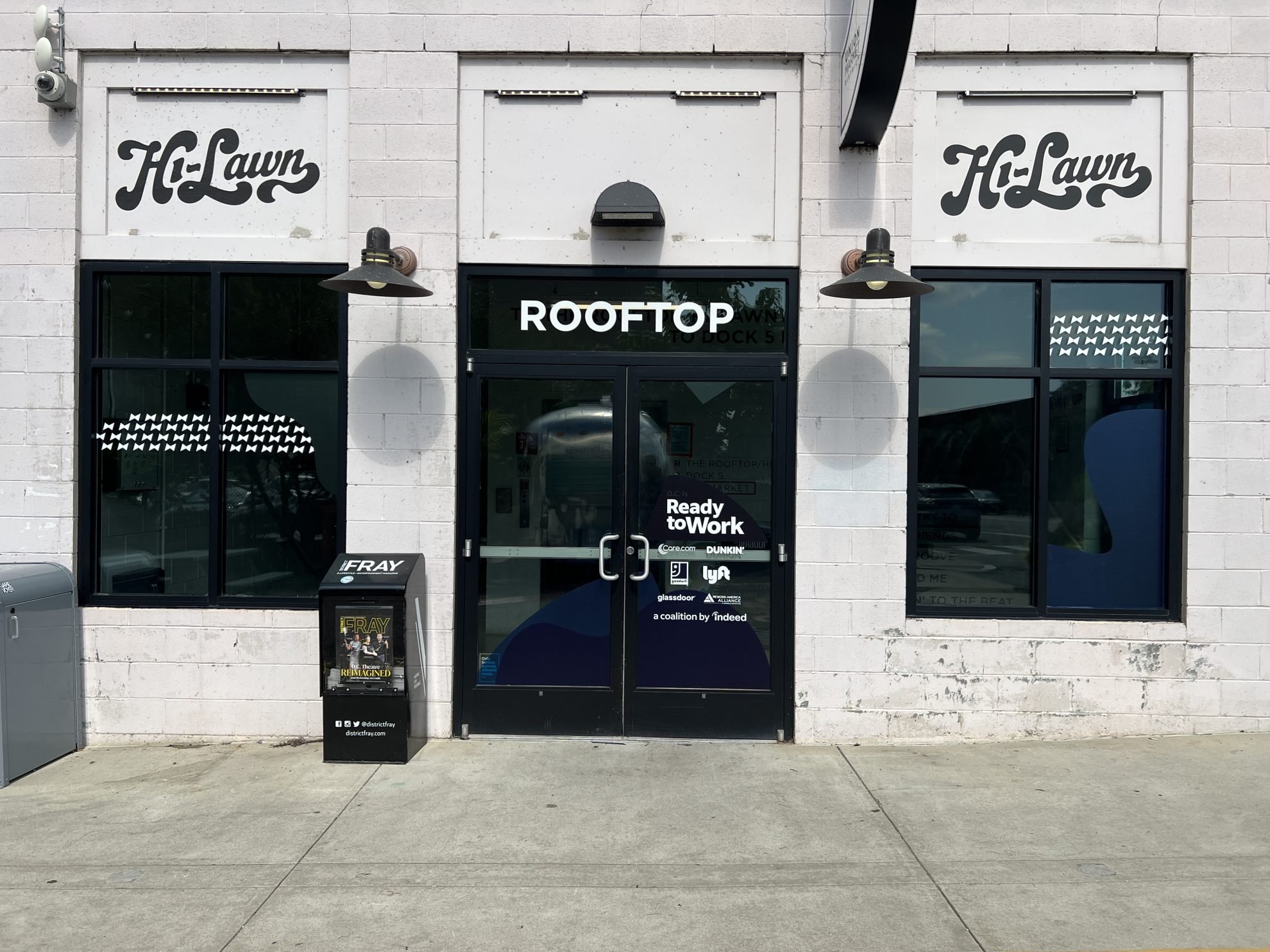
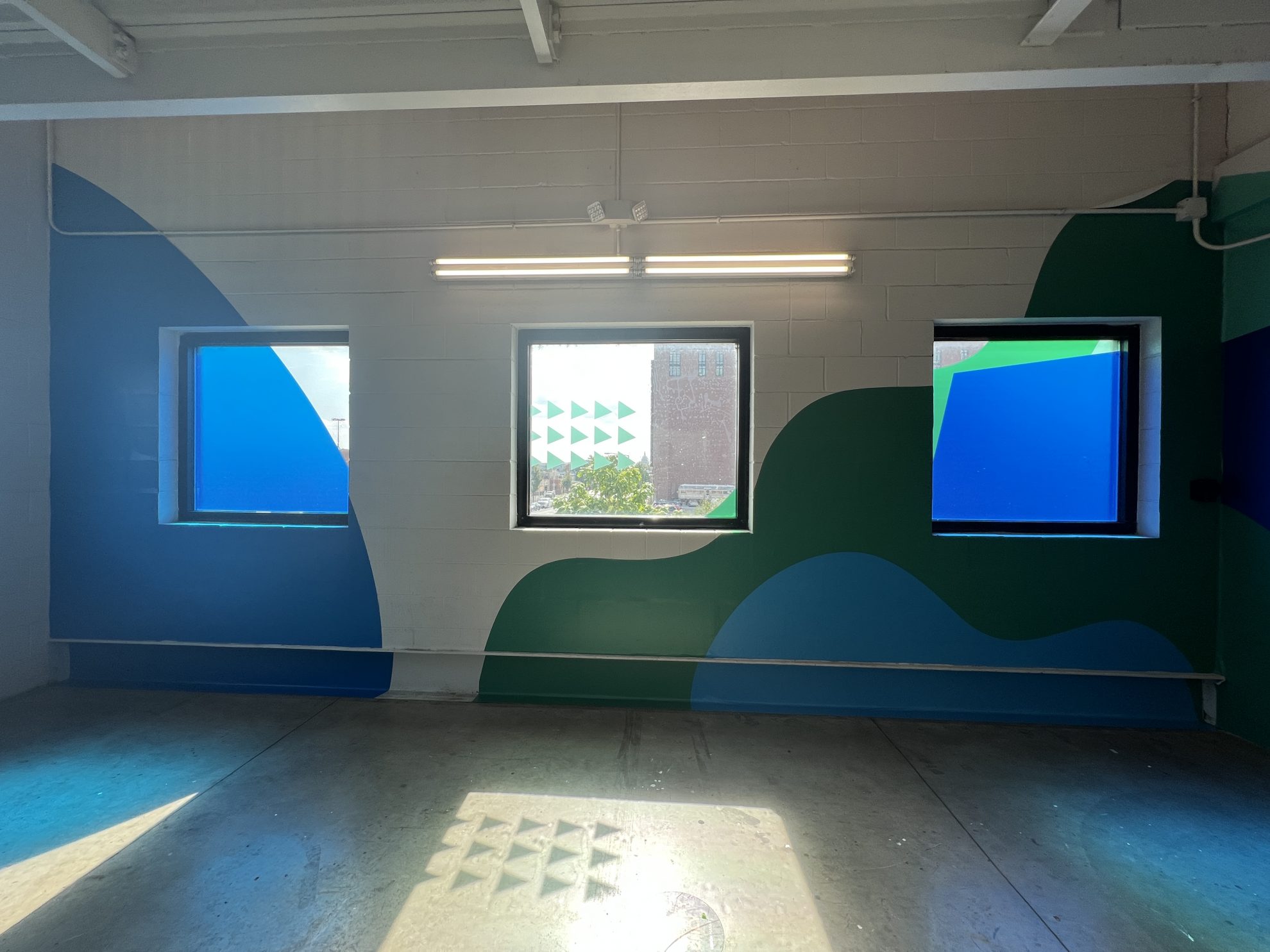
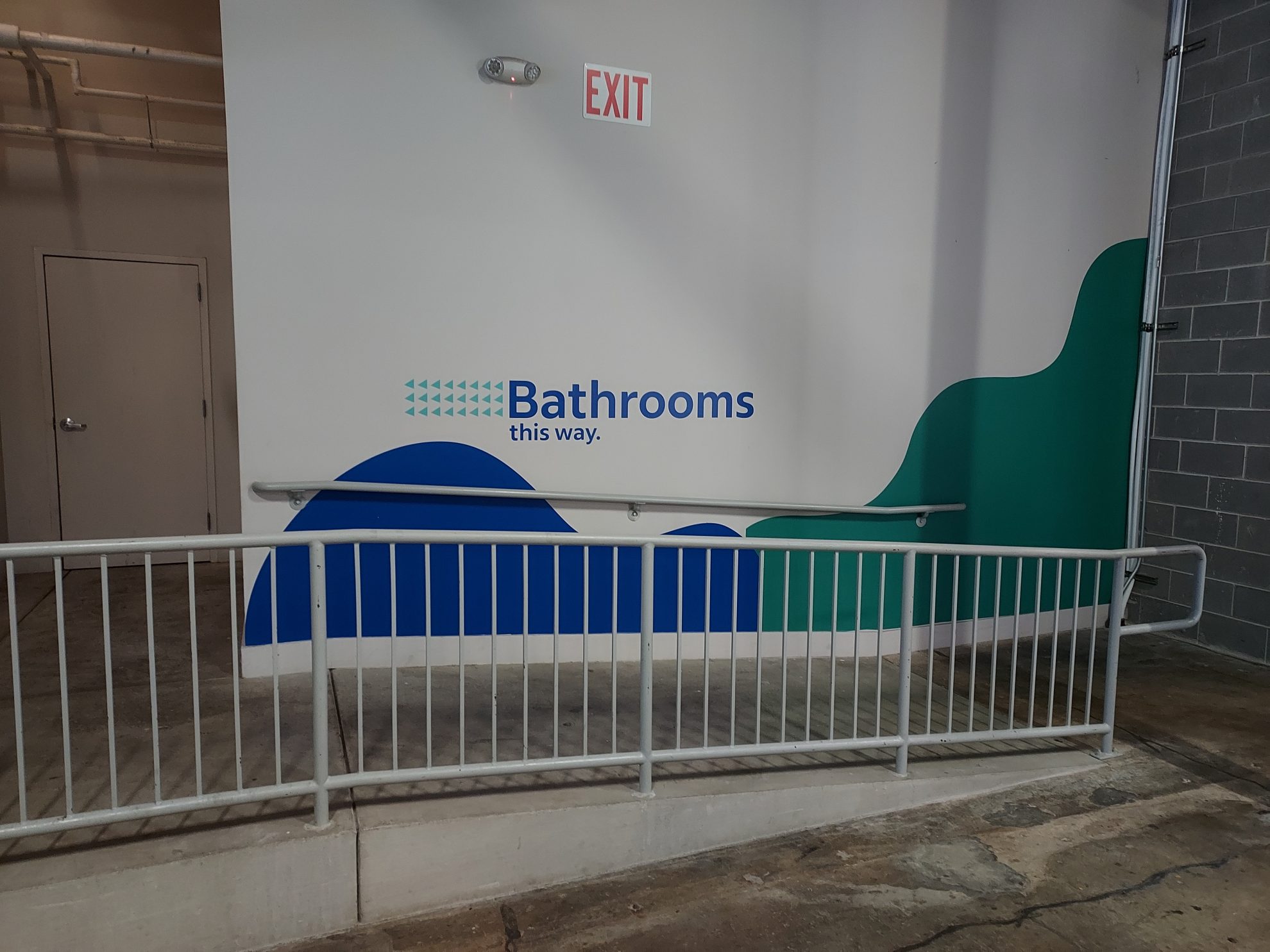
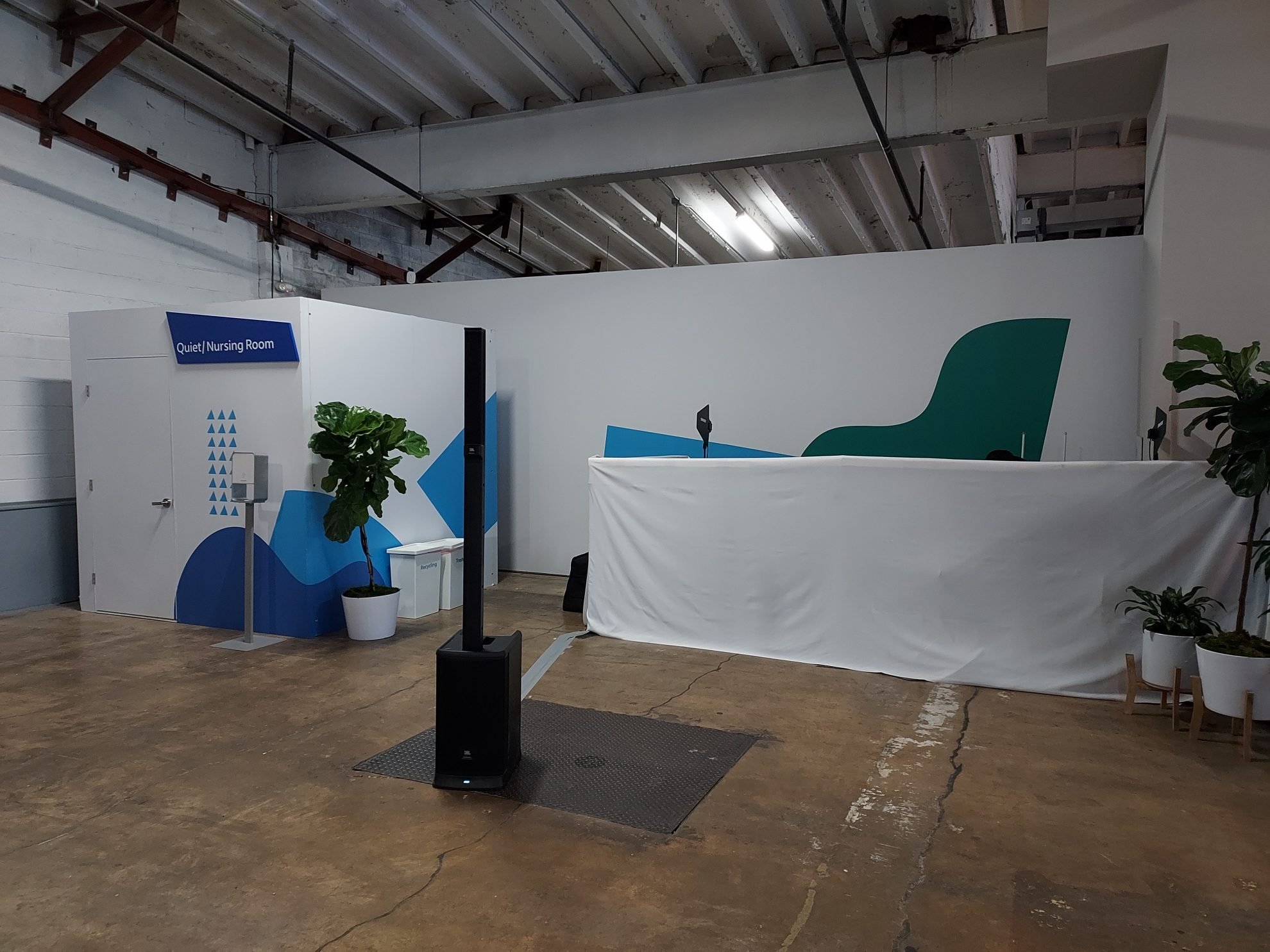
Heritage Signs & Displays' collaboration with The Gathery to brand Union Market in Arlington, VA, for Indeed's "Ready to Work" job fair. The project included custom event displays, wall graphics, window graphics, and wayfinding signs, creating an immersive and visually appealing environment. The branding enhanced the venue, reflected the event's mission, and provided a seamless experience for attendees.