Adhesive vinyl in Waldorf, MD lets an organization convert walls, glass, doors, approved flooring, elevator cabs, and display surfaces into working brand real estate without touching the architecture or scheduling a build-out. The trick is treating each surface as a separate assignment. Glass fronting a meeting room may owe you privacy. A long interior corridor may owe you wayfinding. A reception wall may owe you identity. A quarterly campaign may owe you attention for ninety days and nothing more. Once we know what a surface is supposed to accomplish, the material, the artwork, and the installation method follow logically.
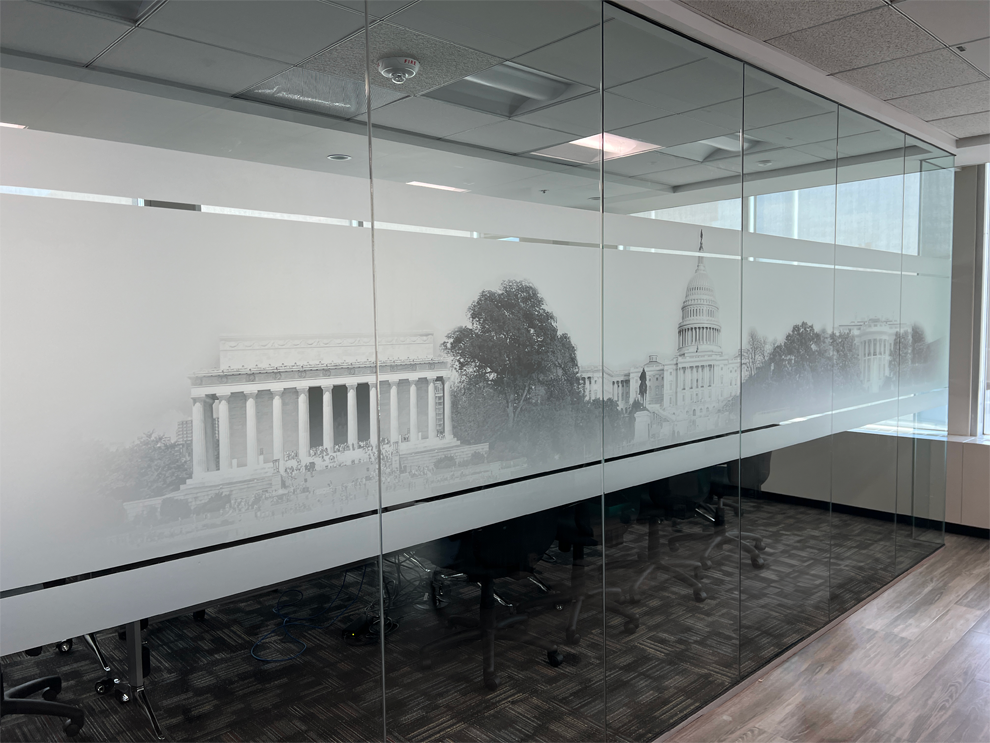
We are Heritage Signs & Displays, a veteran-owned, family-led company that designs, prints, fabricates, and installs adhesive vinyl graphics for offices, associations, healthcare and education spaces, and event environments across Charles County and Southern Maryland. Some jobs are one huddle room. Others cover an entire building under a single brand standard. Frosted vinyl and privacy film calm sightlines into conference rooms while daylight keeps reaching workstations behind them. Cut vinyl handles lettering, logos, and room numbering. Printed window graphics carry a message through entrance glass. Floor and elevator graphics put direction and recognition exactly where people already walk and wait. When the wall itself becomes the main event through mural-scale imagery or storytelling, that is Wall Wraps, the architectural-scale member of the same adhesive vinyl family.
Good outcomes start with behavior, not artwork. What should an employee, visitor, patient, member, or attendee notice, understand, or do in that space? Our environmental graphic designers turn that answer into decisions about scale, contrast, coverage height, sightlines, and how the vinyl relates to nearby signage. Clear glass usually deserves distraction markers, meaning decorative or branded elements that make an invisible pane easier to register. They add identity and a measure of privacy, though we never represent applied vinyl as evidence of building-code or safety-glazing compliance.
Waldorf projects rarely have one decision maker. Facilities, marketing, ownership, and a property manager may all weigh in on artwork, placement, work hours, and install dates, and tenants tied to federal or defense work often layer on badging or escort requirements. One dedicated Project Manager keeps approvals, field notes, production specs, and scheduling in a single thread so you are not repeating yourself to three vendors. The required site survey gives us firsthand knowledge of the building before anything goes to print.
Waldorf sits closest to home for us. Our Mid-Atlantic production and fabrication facility is here in Waldorf, Maryland, with client-facing support from our Washington, DC location and field and installation resources based in Arlington, Virginia. Discovery, field verification, printing, fabrication, and professional installation stay inside one accountable process instead of a relay between suppliers. We have operated on that principle since 1977.
Adhesive vinyl is a family of engineered material systems, not a single product that behaves identically everywhere. Substrate, desired appearance, service life, traffic, cleaning routine, exposure, and the eventual removal plan all narrow the field before artwork is locked.
Painted walls raise questions about drywall condition, texture, primer, paint chemistry, cure status, and the strength of a bond you cannot see. Glass brings its own variables: how much privacy you want, how much view you want to keep, daylight levels, existing tint or low-e coatings, viewing direction, and whether the product installs dry or wet. Floors demand materials and protective laminates rated for that flooring type and the foot traffic it actually sees. Elevators require planning around moving panels, seams, edges, clearances, constant hand contact, and aggressive cleaning schedules.
We use those differences to specify on purpose rather than improvise on site. The goal is a system that fits the real surface, delivers the intended look, and gives you honest expectations for installation, maintenance, service life, and removal. Two applications inside one branded program can call for different materials even when the artwork is identical.
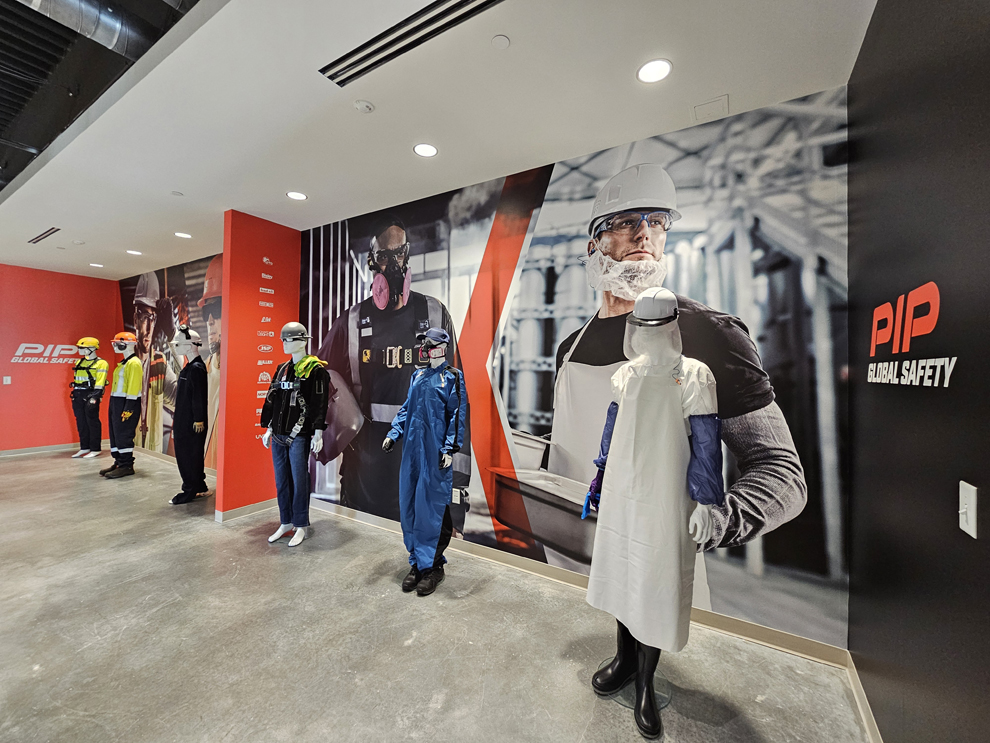
Applied graphics look effortless once they are up. Behind that are dimensions, substrate condition, material selection, print accuracy, building access, sequencing, and installation technique, and any one of them can undo the result. We remove that burden by keeping the information and the people inside one accountable process instead of asking you to referee between a designer, a printer, and an install crew.
Our One Dedicated Project Manager System ties environmental graphic design, field knowledge, production, fabrication, scheduling, and full-time Heritage installers together through shared project history. In Waldorf, that structure pays off when a corporate tenant, a landlord along the Route 301 corridor, a general contractor, and a written access policy all touch the same install window.
When a requested date is genuinely achievable, we push toward it. When it is not, your Project Manager says so early and builds the strongest workable alternative, which might mean phasing the scope, reordering the sequence, swapping an application or material, or completing the highest-visibility areas first.
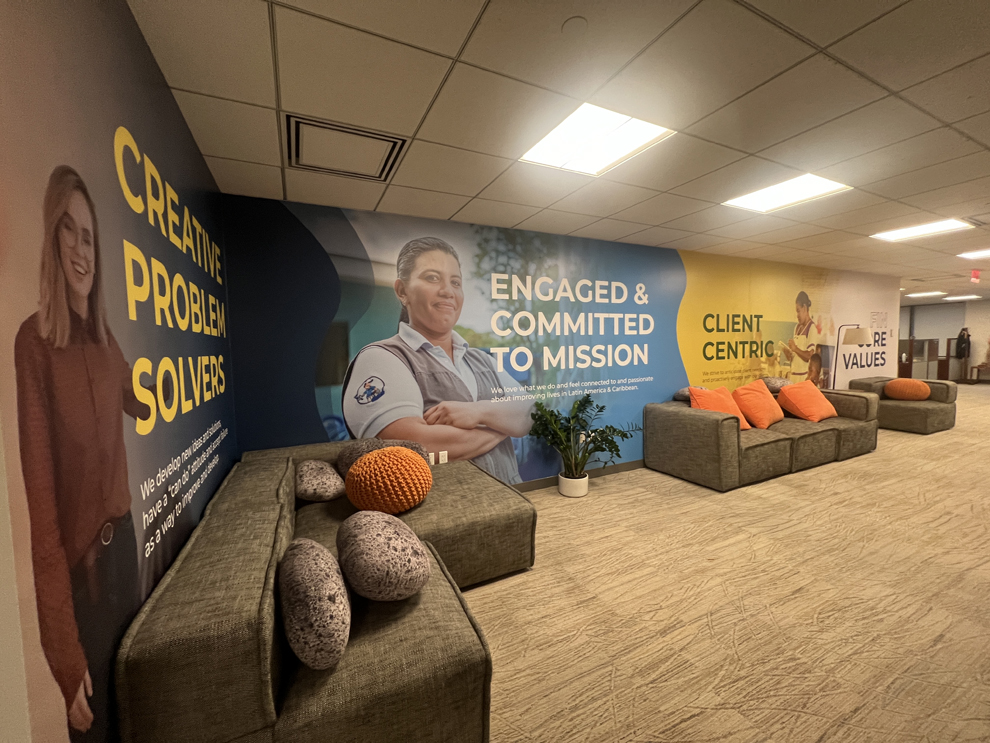
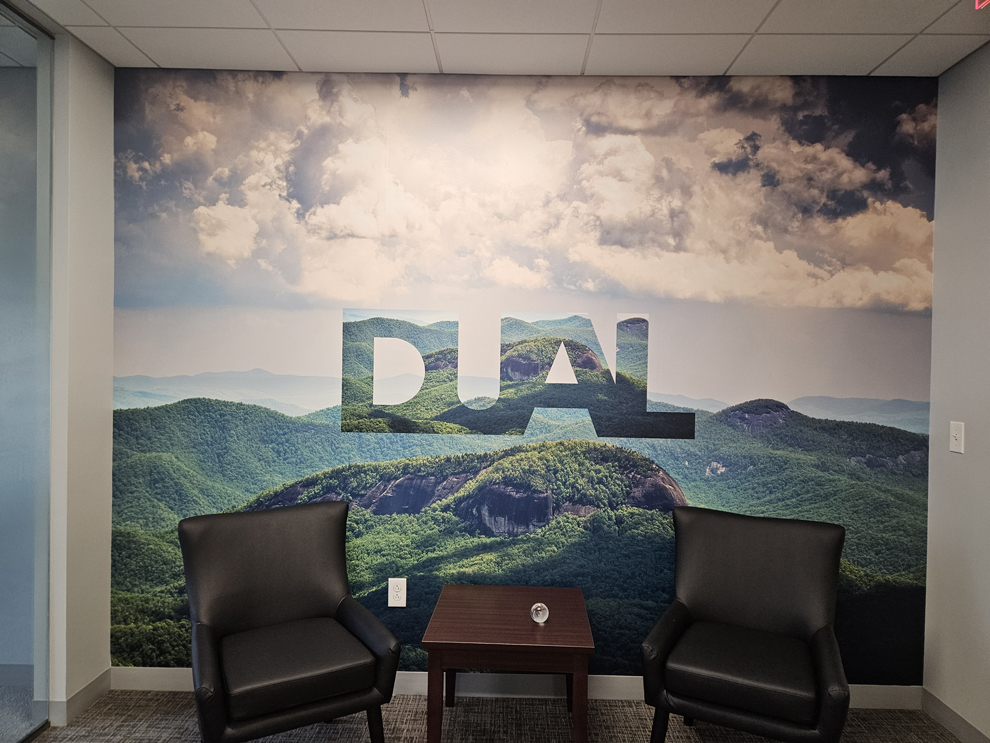
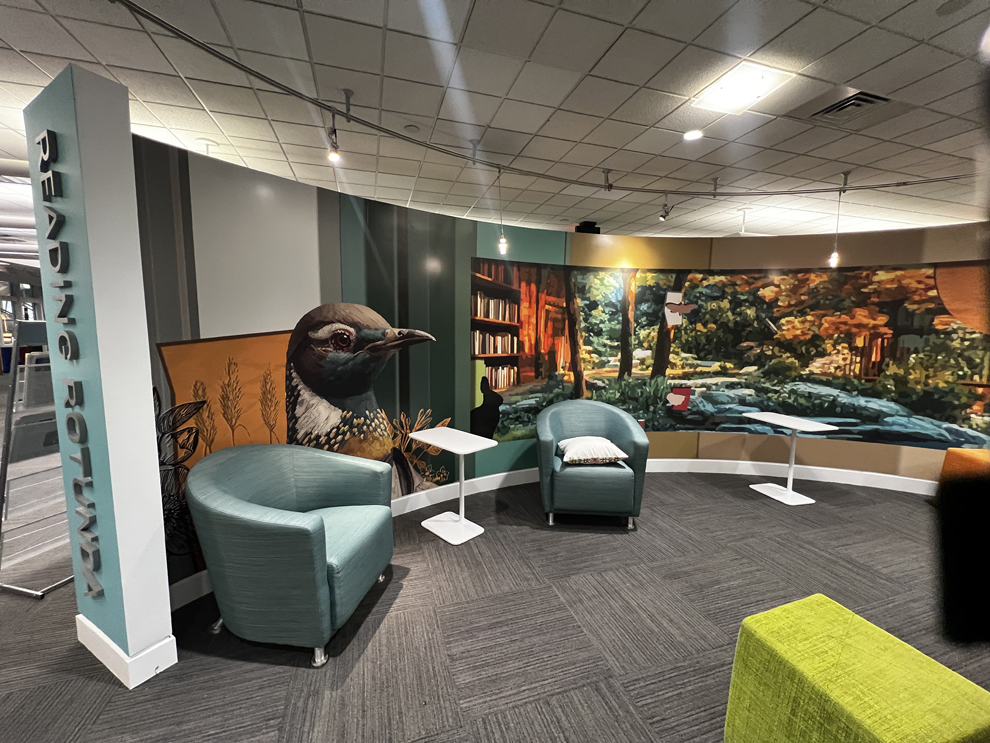
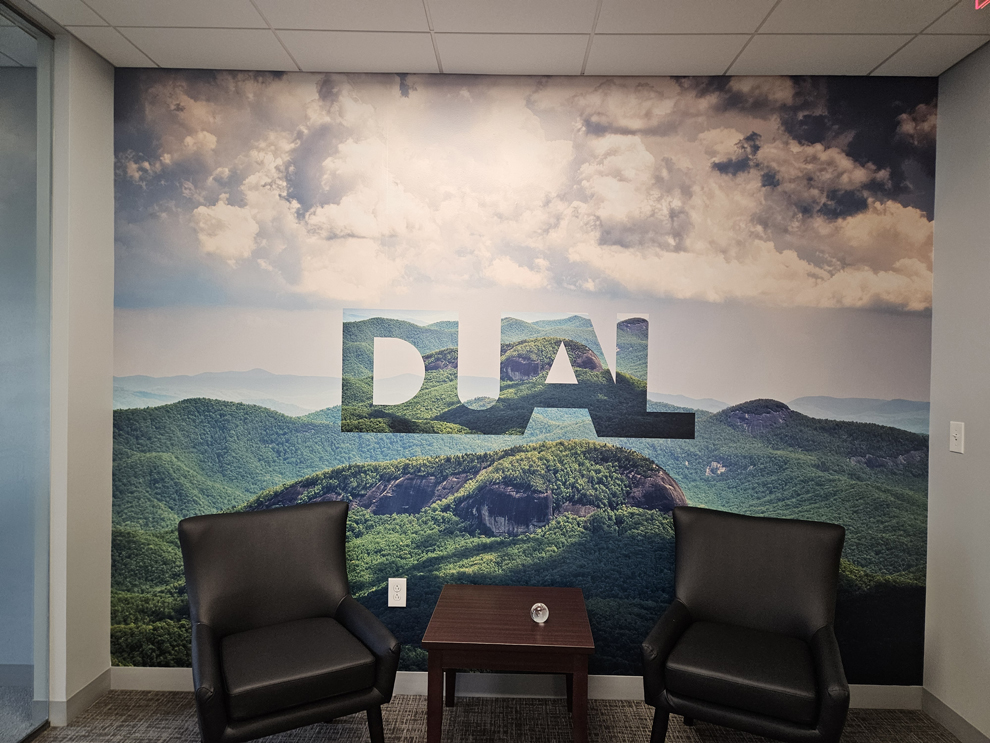
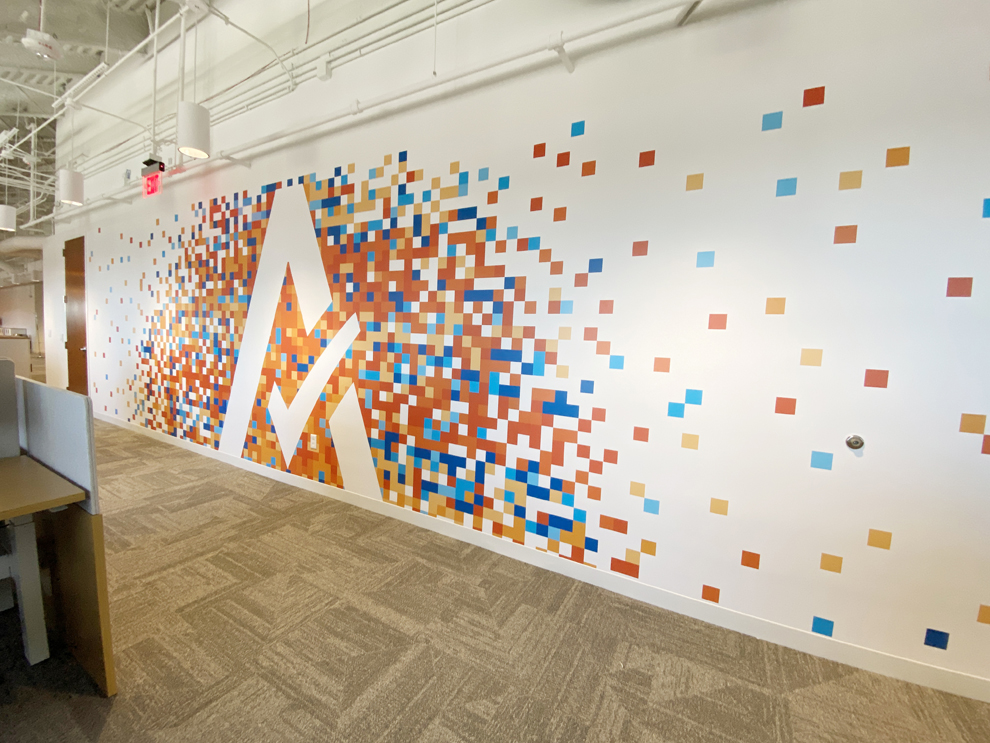
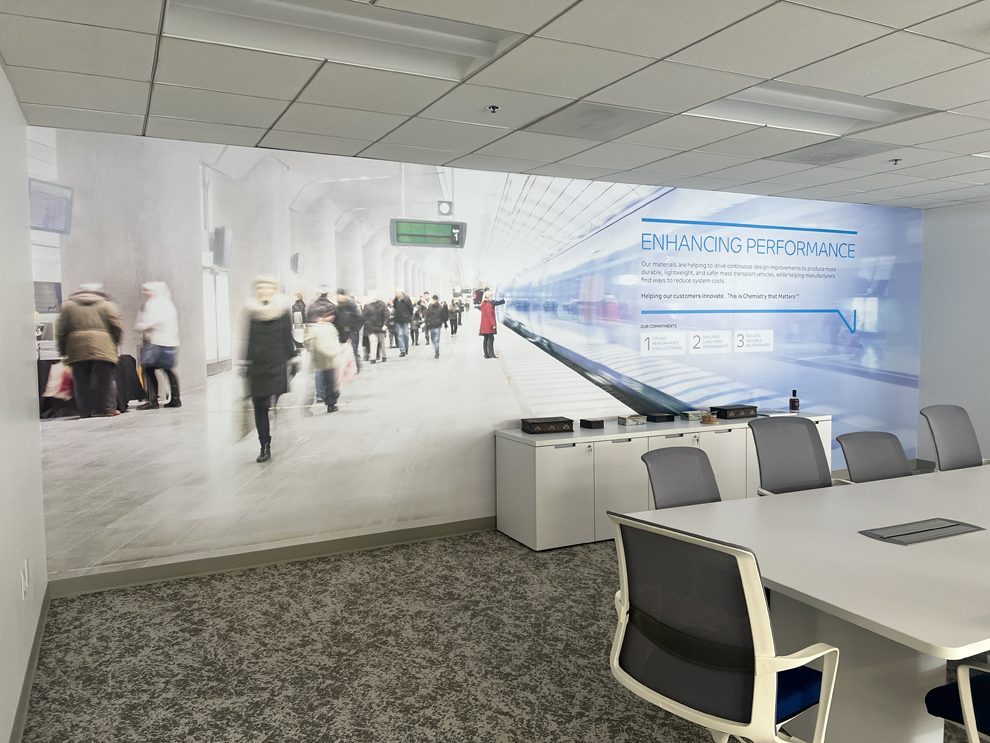
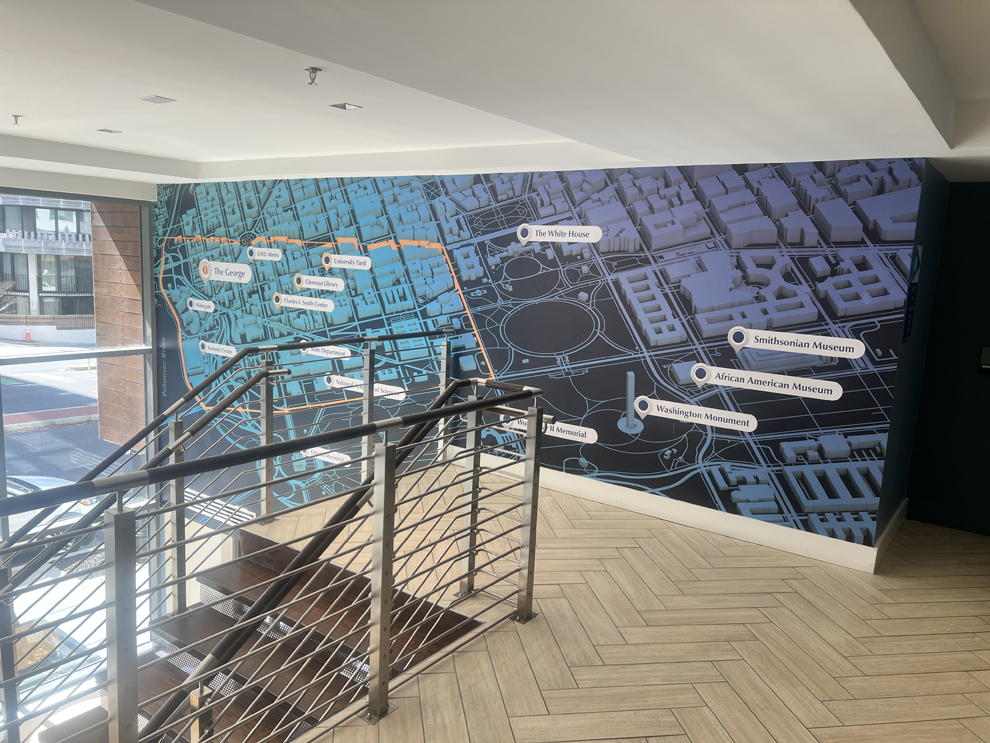
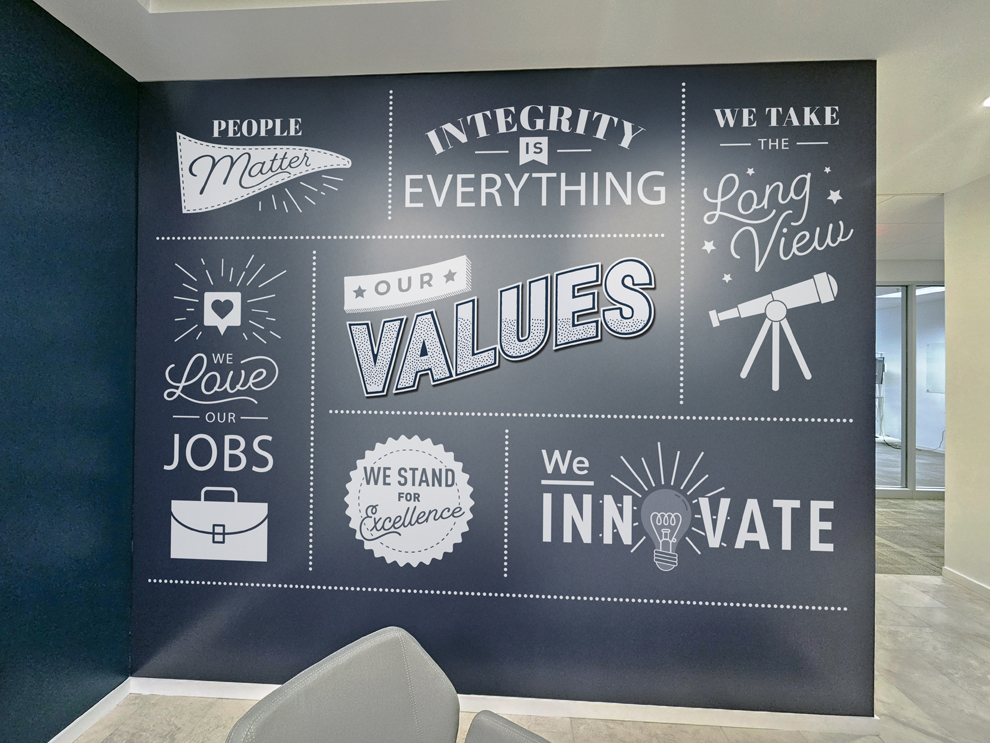
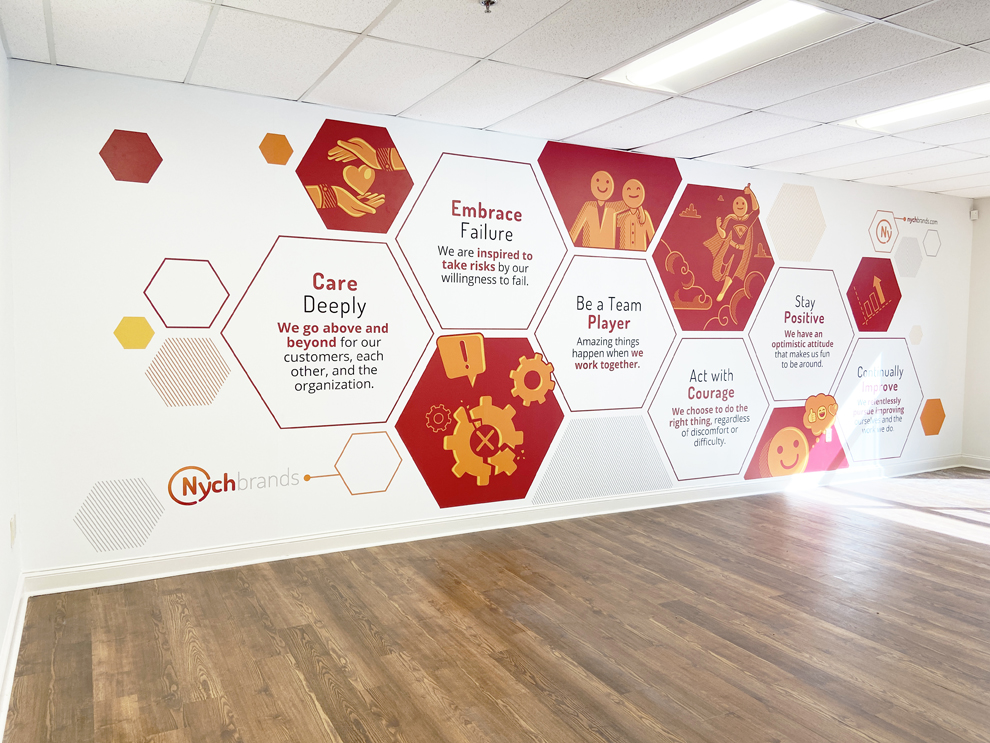
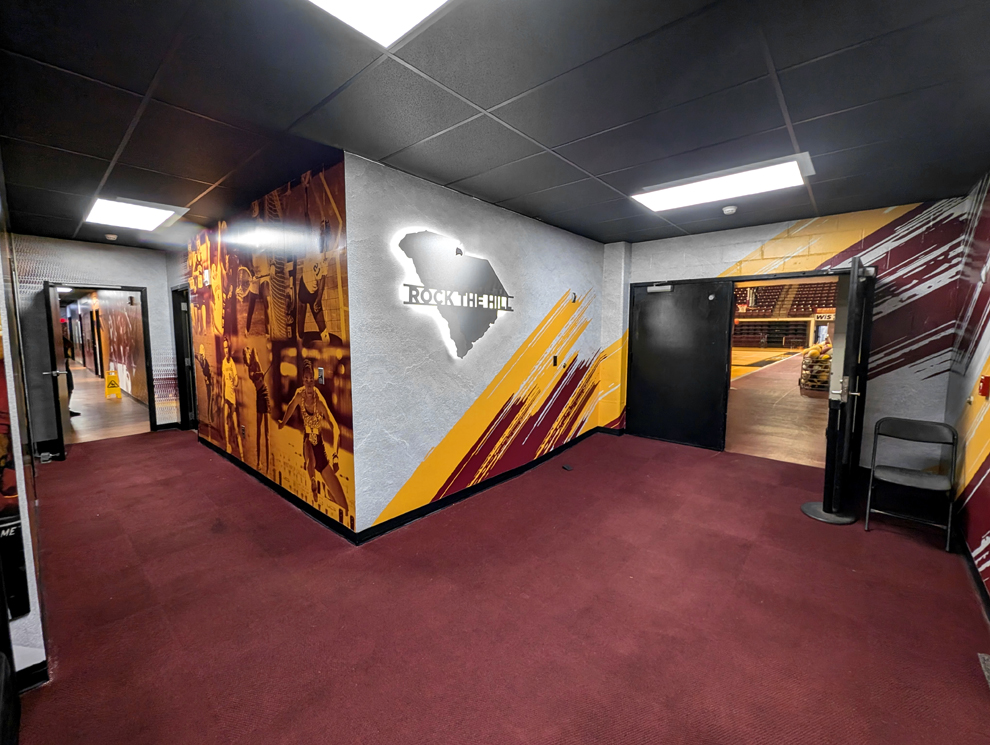
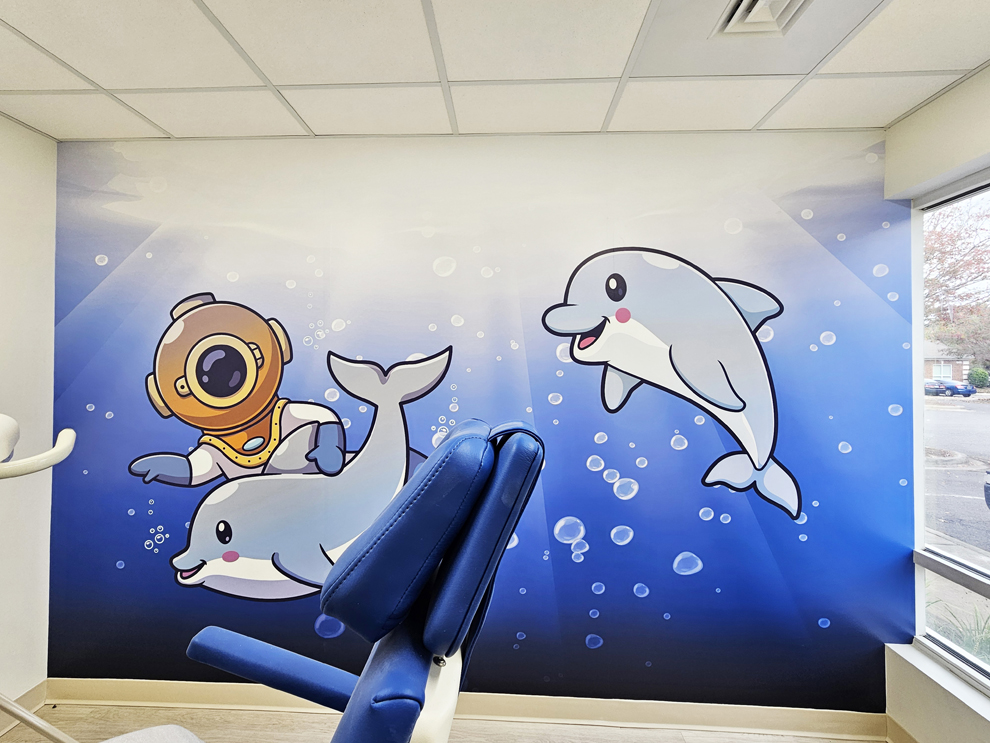
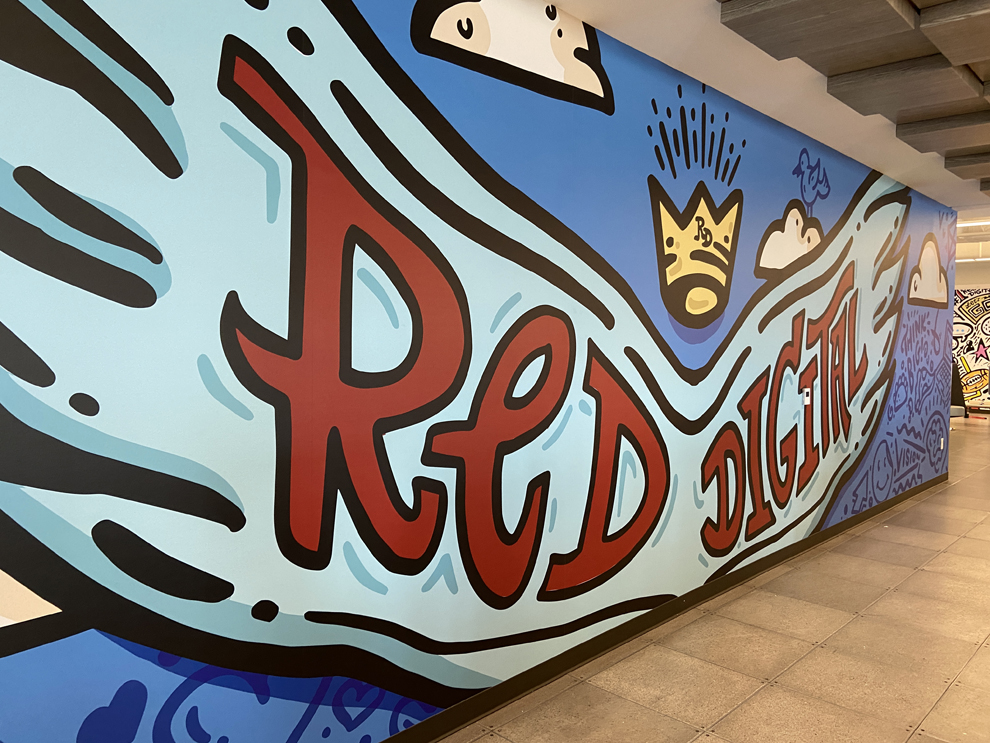
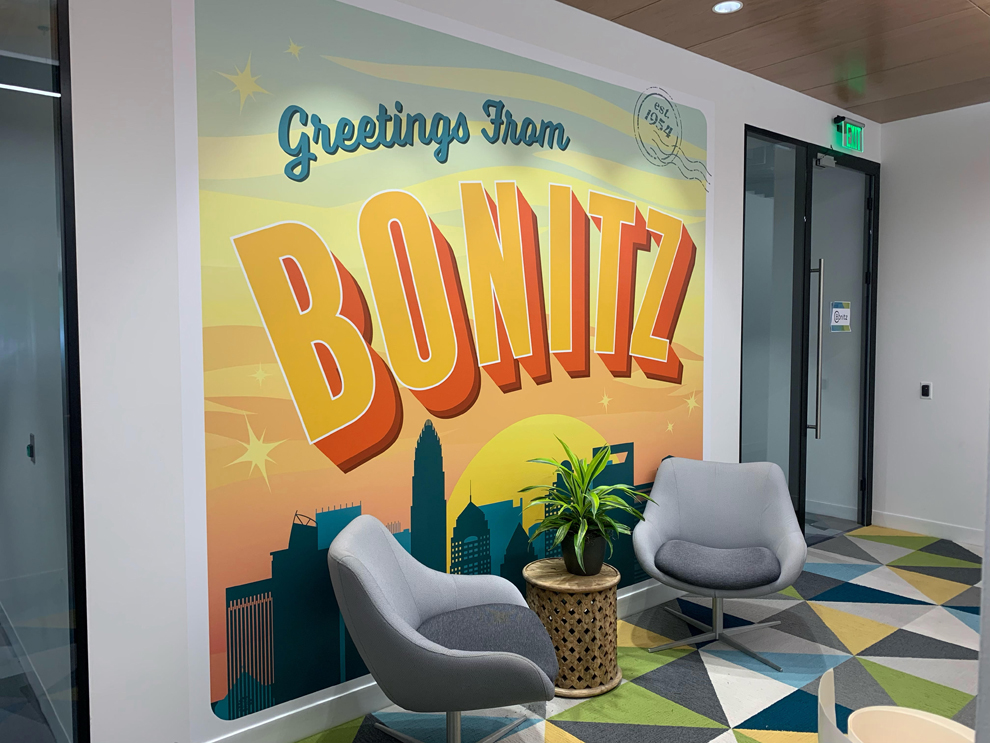
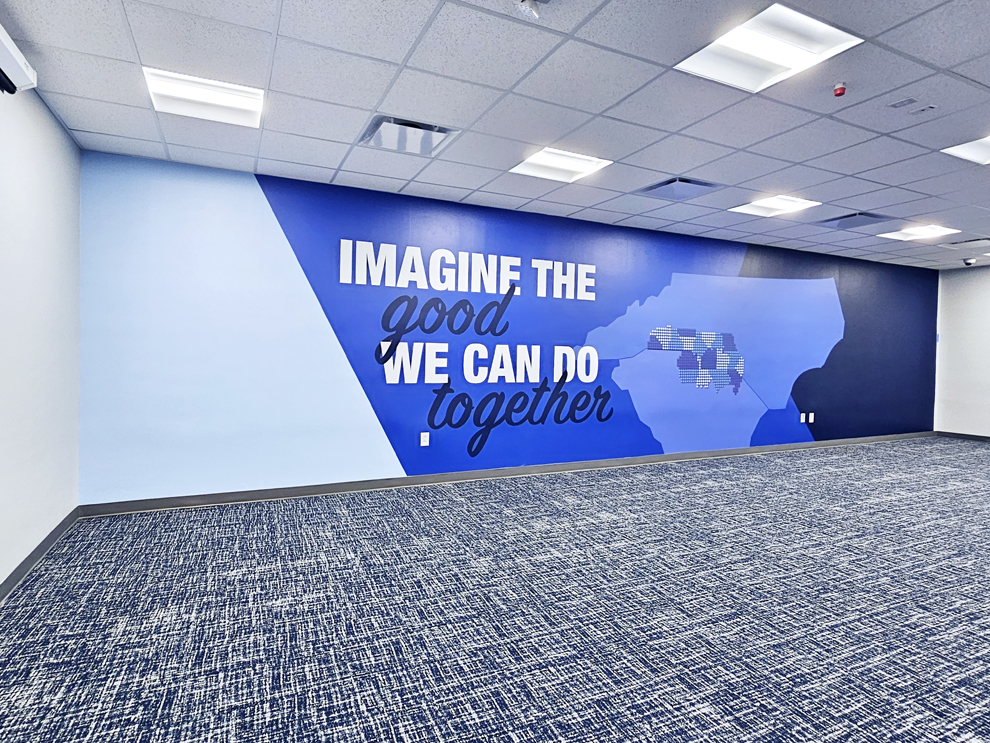
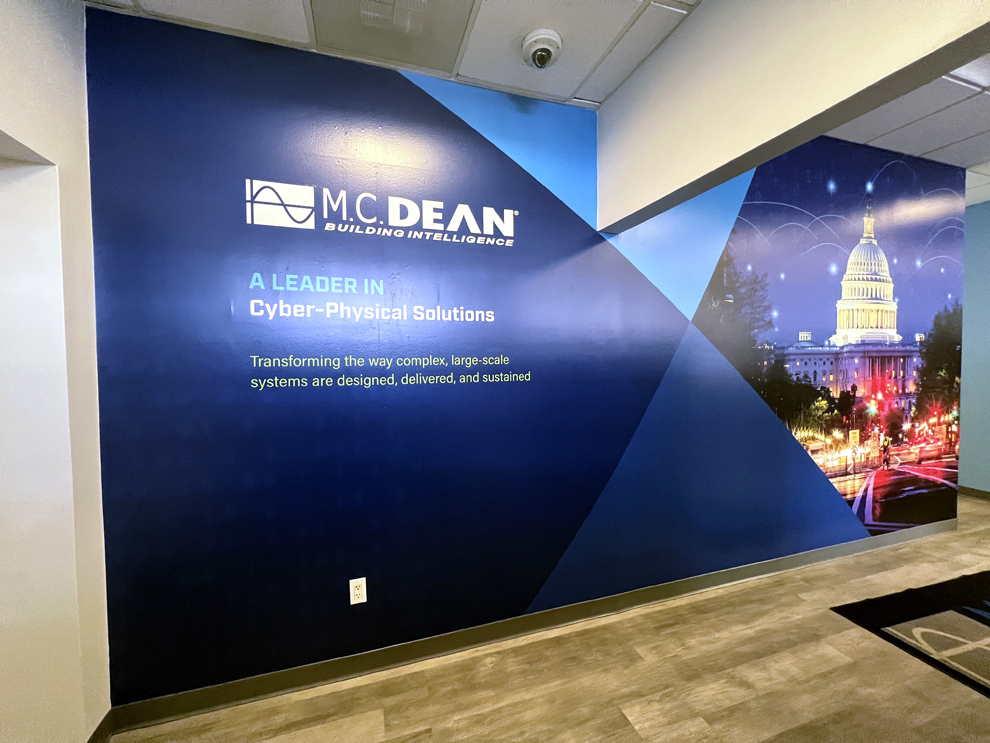
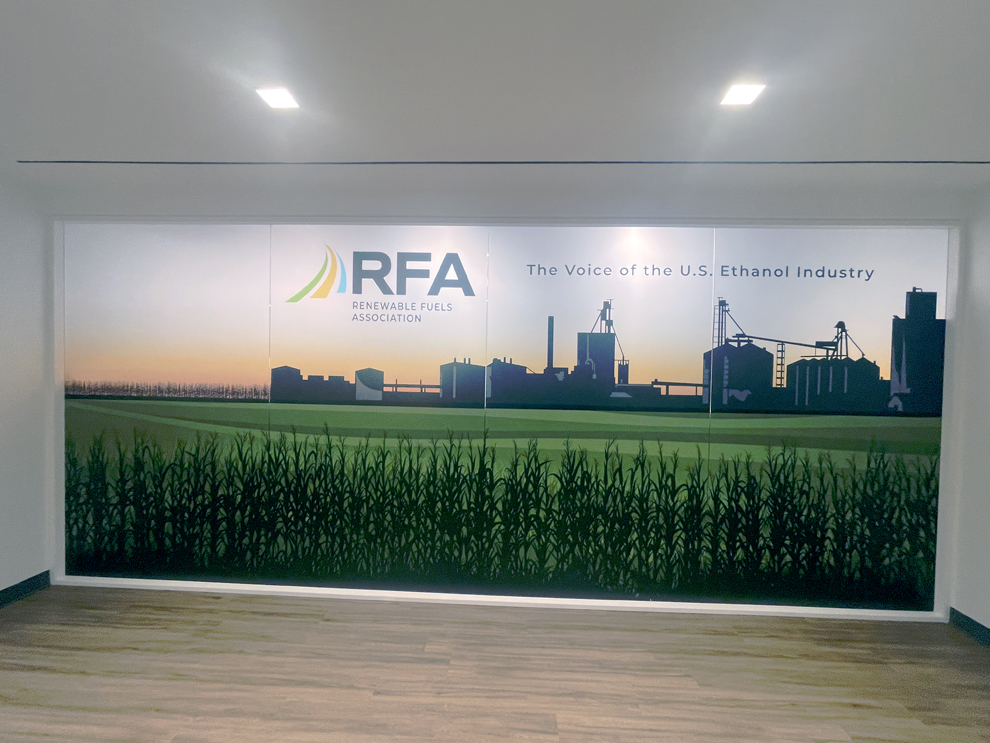
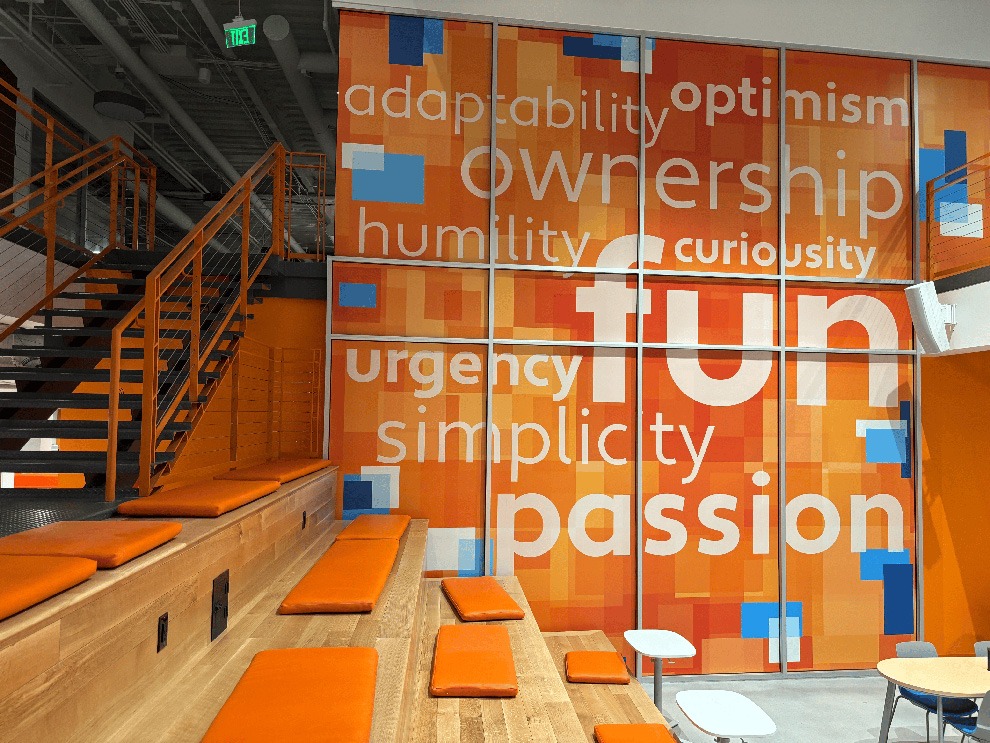
Wall Wraps make sense when the wall should carry the narrative through large imagery, brand color, timelines, culture, or recognition content. Panel layout, seam placement, obstructions, and surface readiness drive planning at that scale.
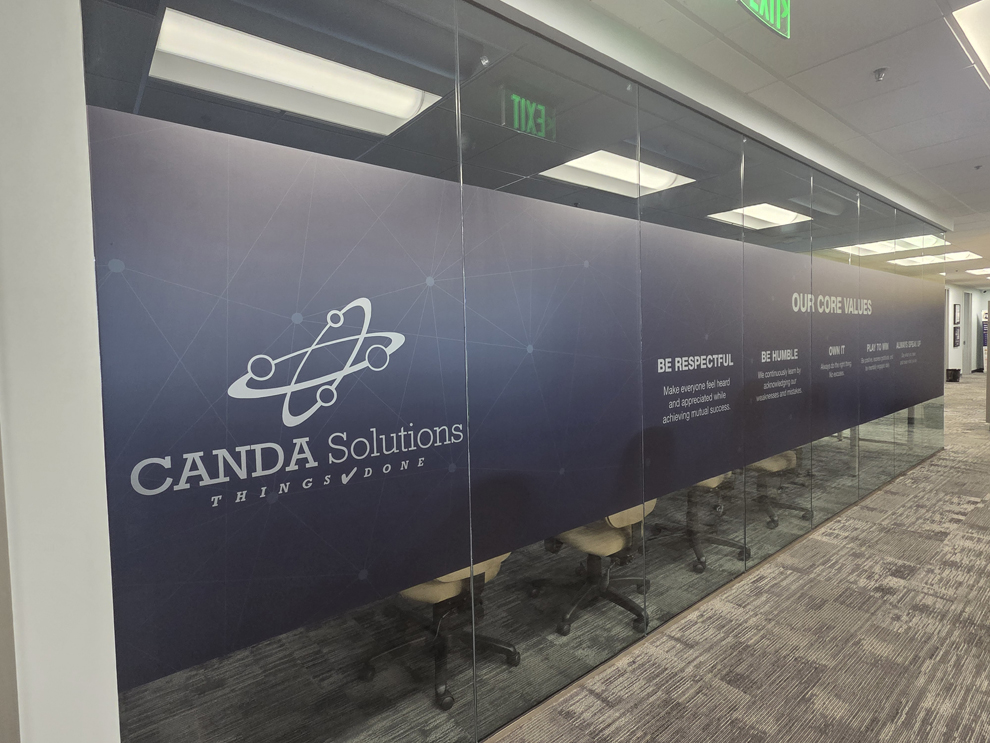
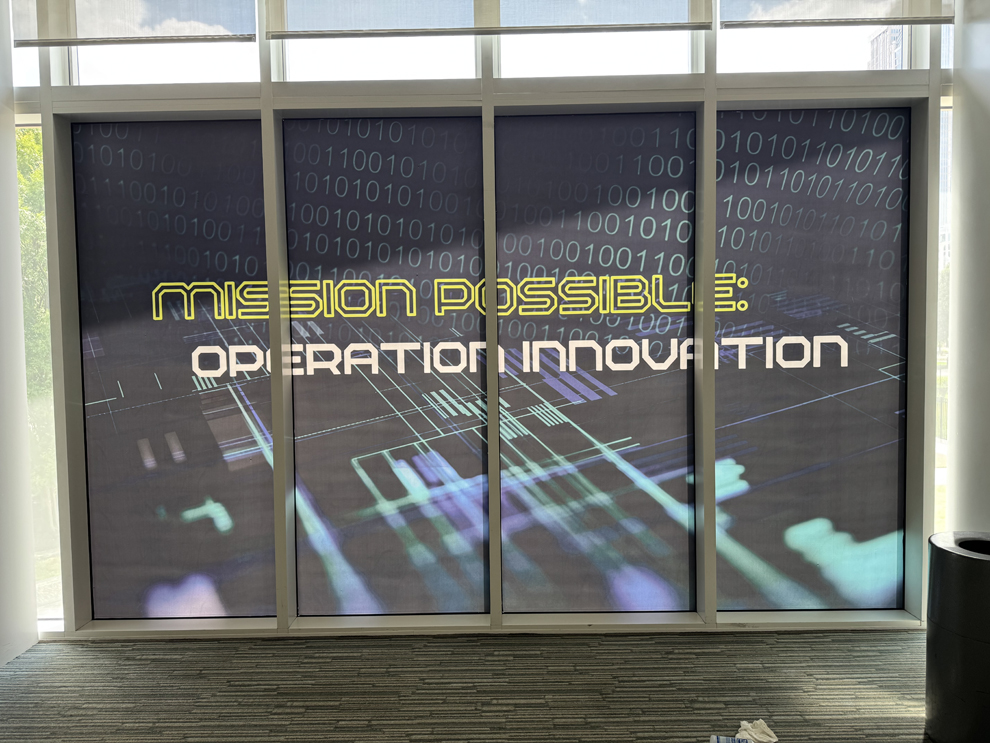
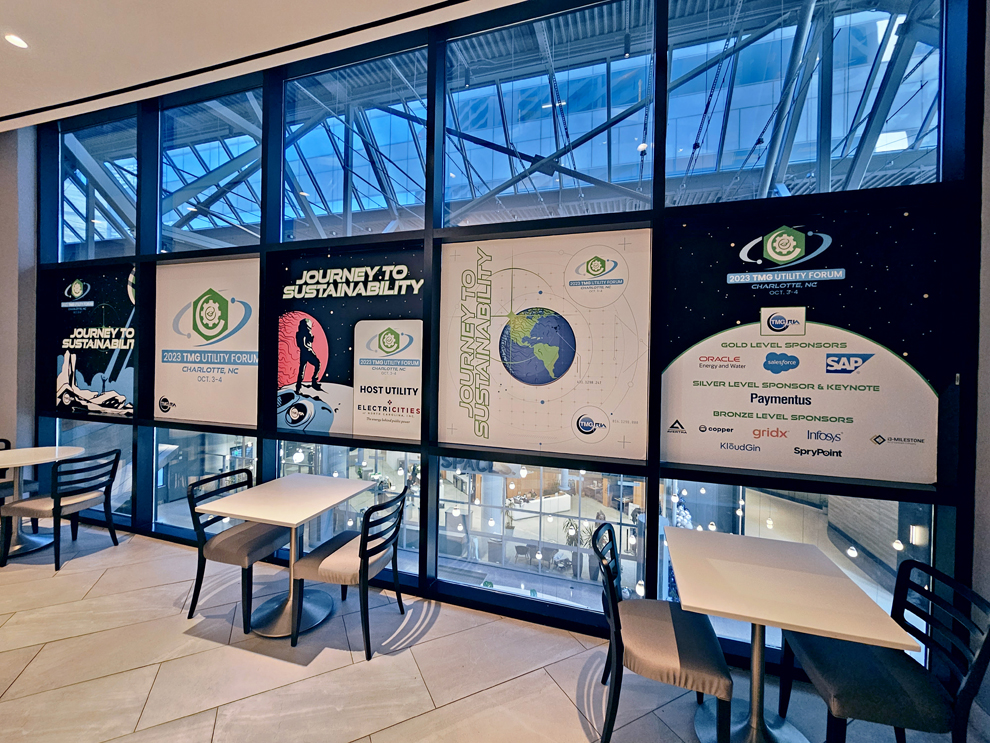
Window Graphics give glass a defined role in messaging, identity, visibility, and controlled views. Coverage percentage, viewing direction, daylight, and glass condition determine how it reads from both sides.
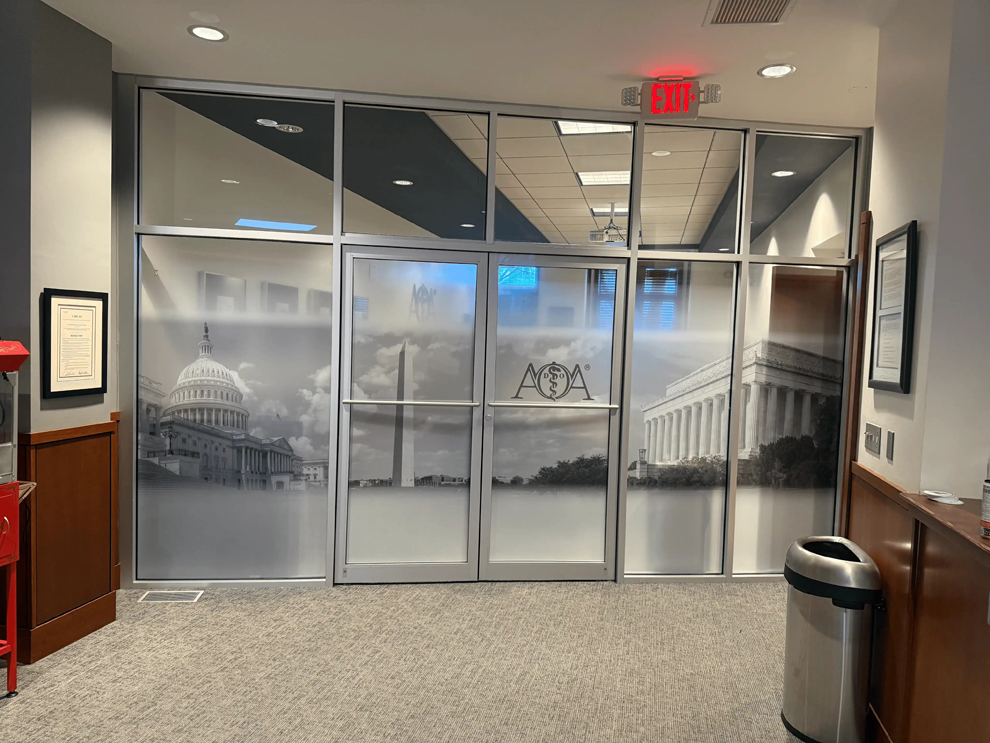
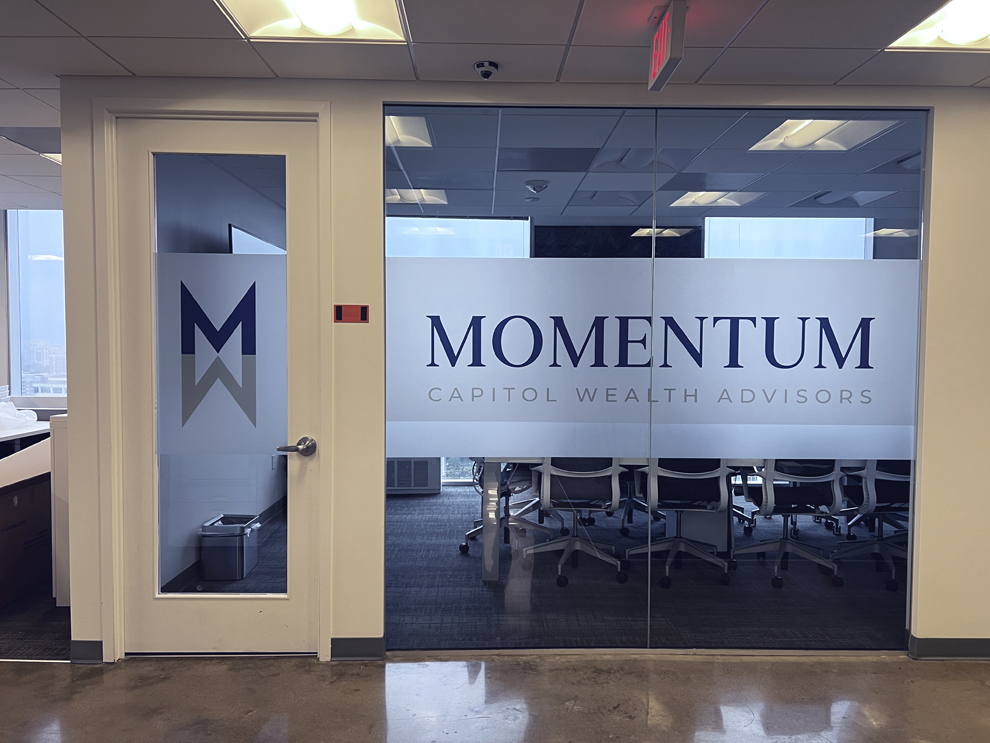
Frosted vinyl and privacy film fit offices and meeting rooms that need separation without surrendering borrowed light. Seated and standing sightlines, band heights, pattern density, and cleaning practices guide the spec.
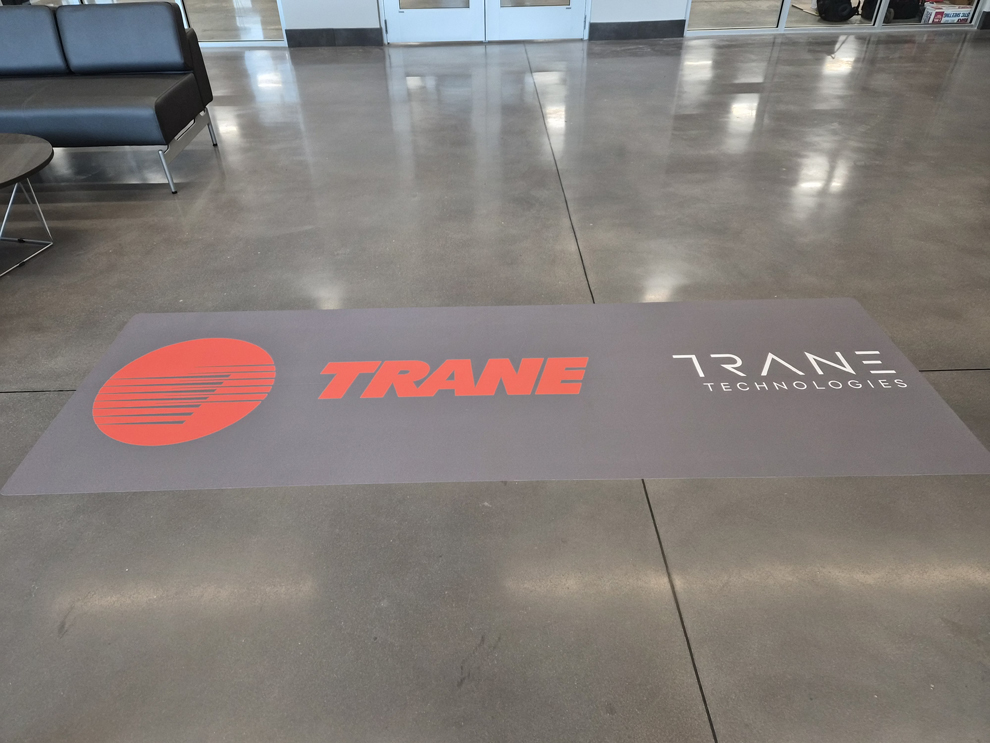
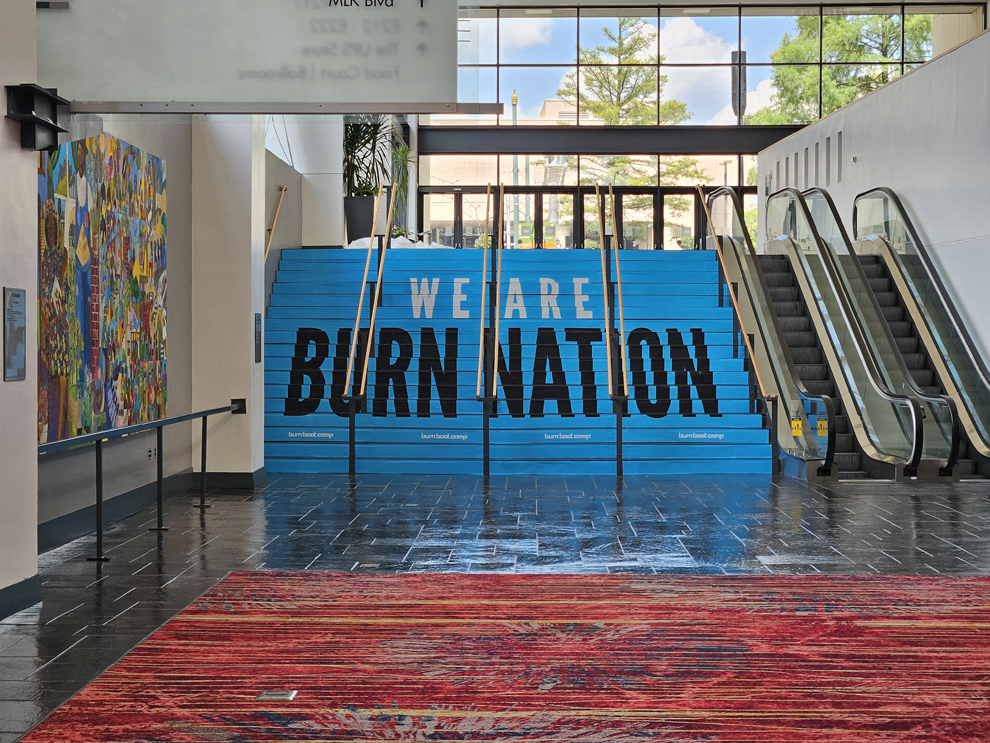
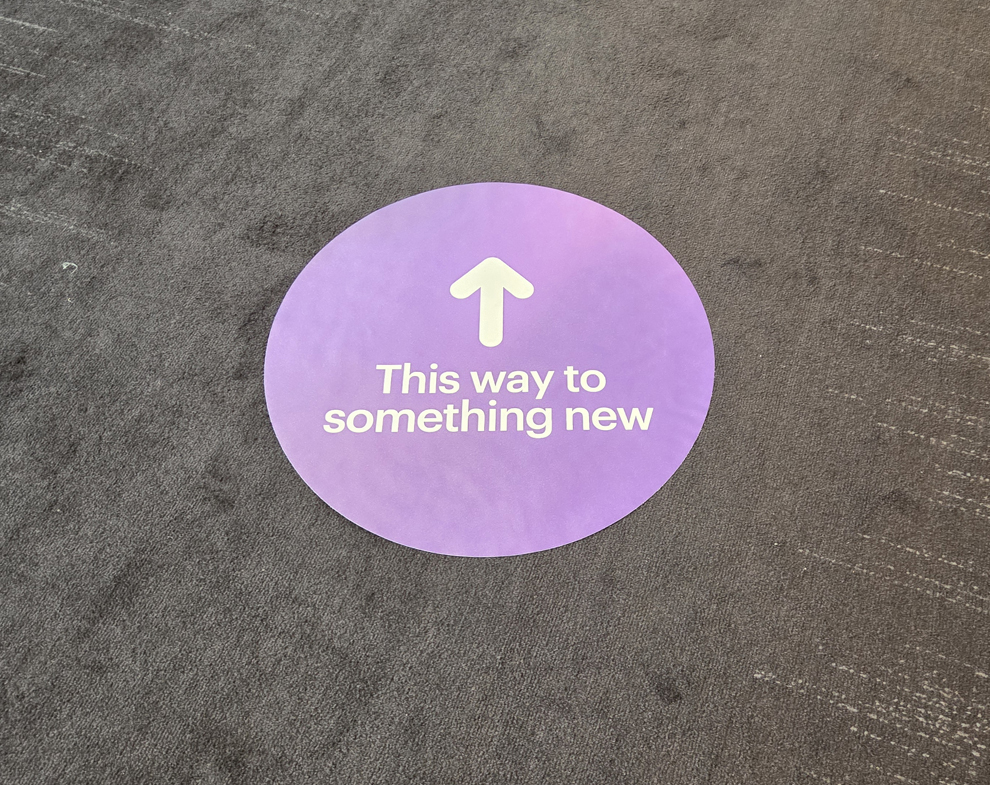
Floor Graphics put direction, branding, sponsor recognition, or event messaging along the path people already travel. Flooring type, traffic volume, cleaning equipment, protective laminate, and intended duration decide whether the application is appropriate.
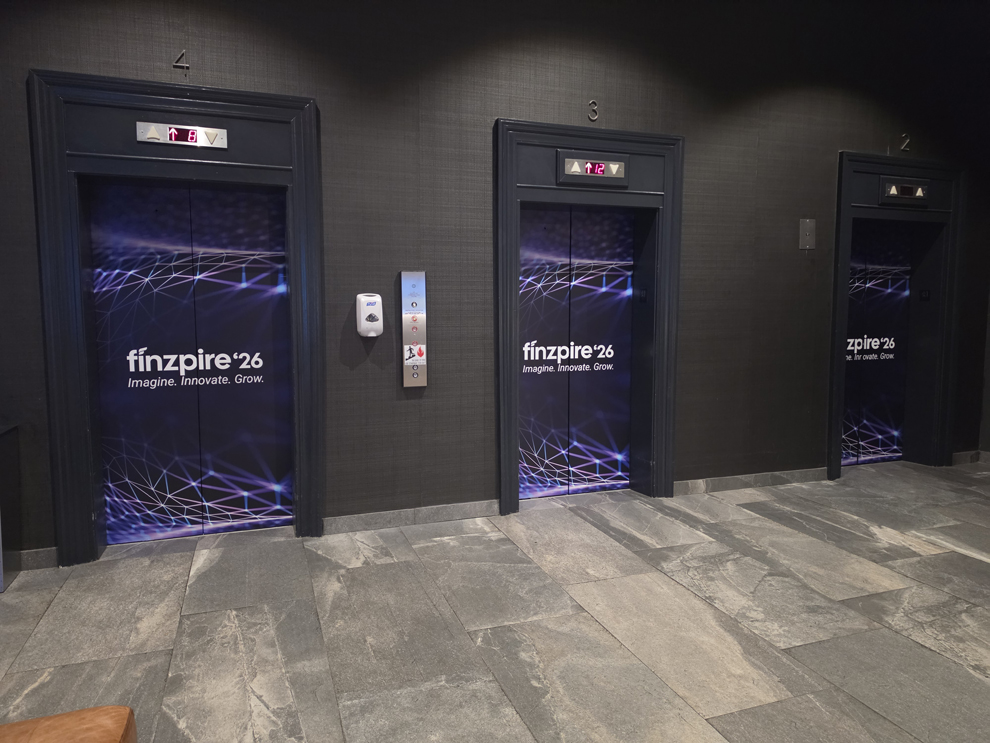
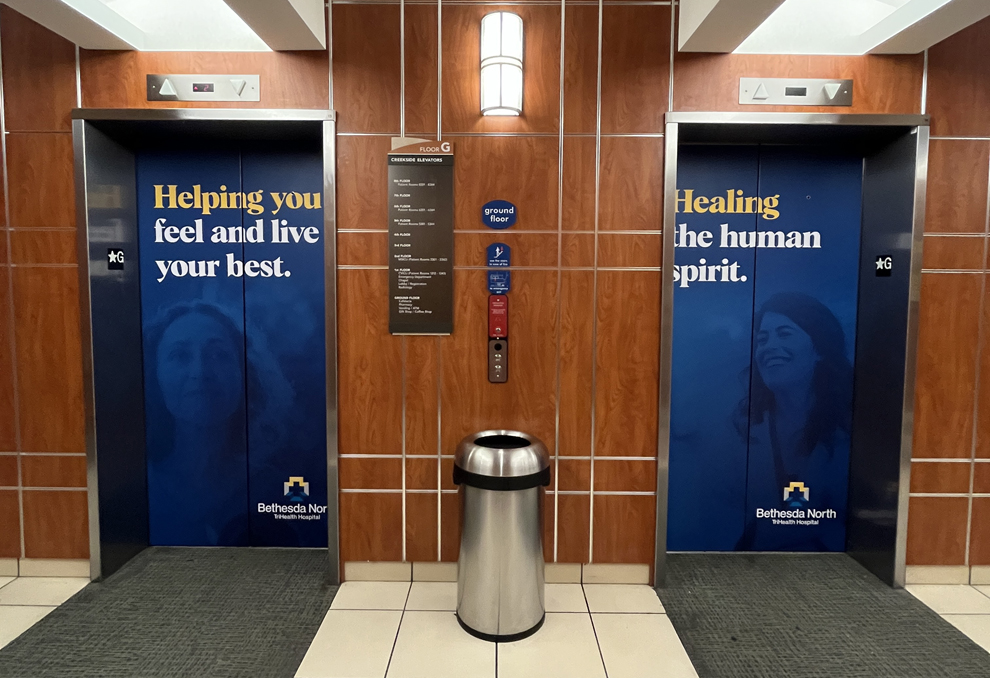
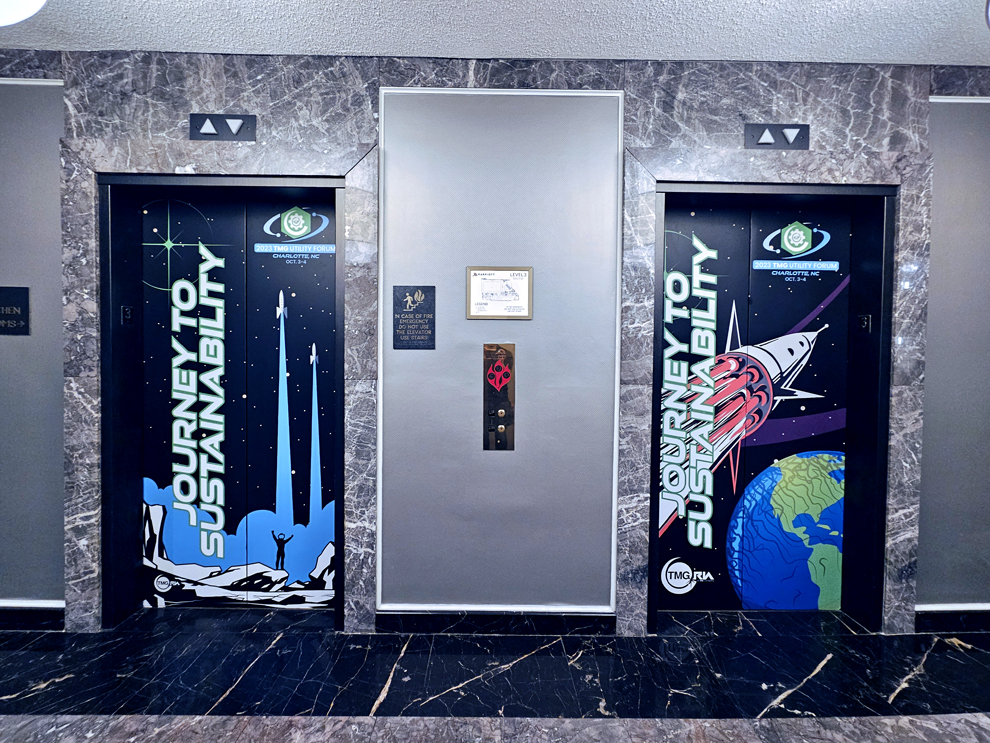
Elevator Wraps turn doors, cab panels, and adjacent transition walls into branded touchpoints in a high-dwell space. Door movement, panel gaps, clearances, hand contact, and building access windows govern both design and installation.
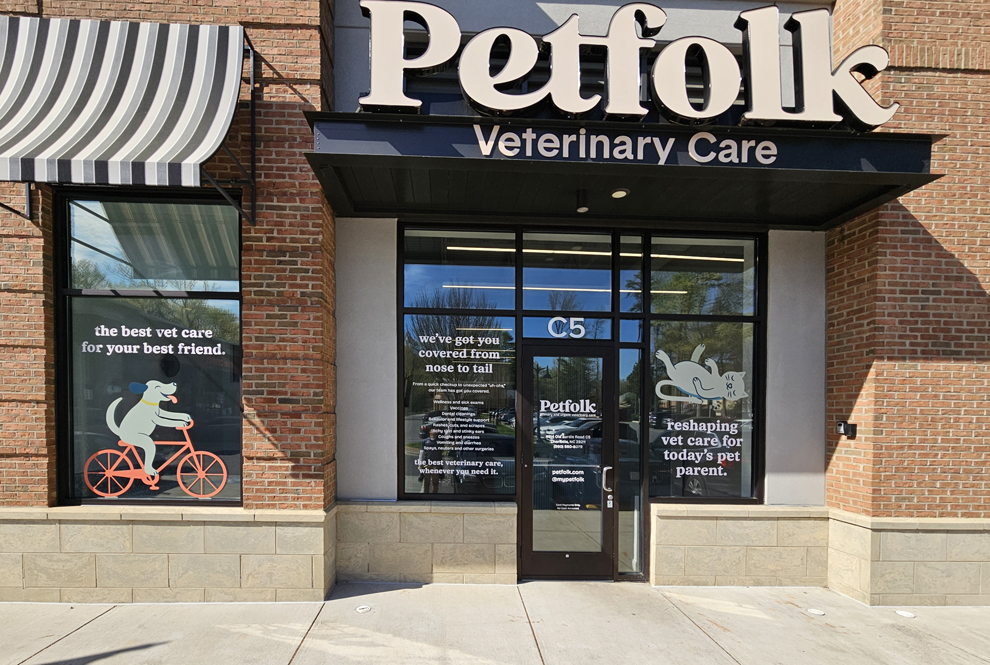
Storefront Graphics work best when entrance glass, doors, exterior-facing surfaces, and nearby signage should read as one arrival experience. Exposure, substrate, property approvals, and coordination with interior elements shape the program.
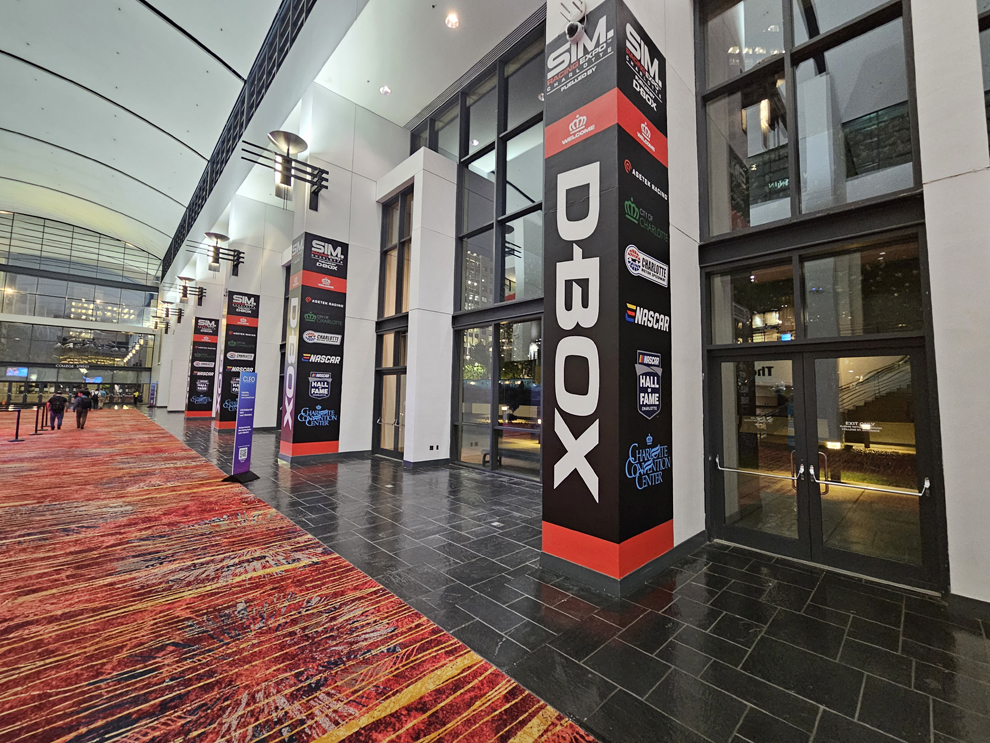
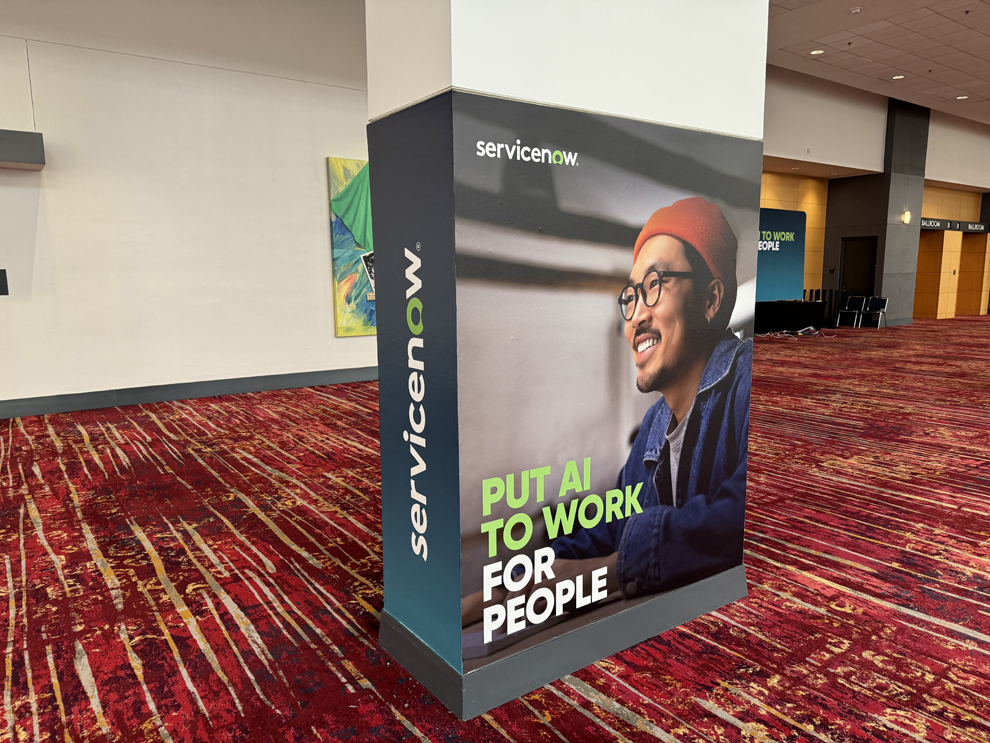
Event Signs & Graphics place temporary vinyl inside a larger branded event system alongside displays, directionals, and sponsor recognition. Venue rules, load-in and load-out windows, surface permissions, and removal expectations set the schedule.
Waldorf clients work with a team that produces their graphics in the same community. Our Waldorf, Maryland facility handles Mid-Atlantic production and fabrication and is staffed by production personnel only, so it is not a sales office or a walk-in showroom. Discovery meetings, site surveys, field verification, install planning, and professional installation are coordinated through our client-facing Washington, DC location with field and installation resources based in Arlington, Virginia, serving Waldorf, St. Charles, White Plains, La Plata, Brandywine, Accokeek, Indian Head, and the wider Charles County market.
Proximity matters because vinyl has to fit a real building, not a floor plan. Office parks along Crain Highway, Smallwood Drive, and St. Patrick's Drive, along with multi-tenant properties near Waldorf Marketplace and the St. Charles Towne Center area, often carry their own rules for freight elevator reservations, protected lobby finishes, certificates of insurance, and permitted work hours. A site survey lets us capture dimensions, confirm substrates and access routes, document existing graphics, and observe how people actually move through the space before production is finalized.
Organizations with several Southern Maryland locations, or with sites spread across the region, keep one dedicated Project Manager while each property receives graphics adapted to its own glass, wall conditions, and access rules under shared brand standards.
Environmental graphic design starts with the behavior you want to encourage. A conference room may need privacy without feeling boxed in. A long corridor may need clearer direction at decision points. A shared reception area may need a bolder statement of who you are. An event space may need messaging that reads in three seconds and comes down without a trace.
Some Waldorf clients arrive with approved artwork and a finished brand book. Others ask us to develop the environmental graphic approach with their internal stakeholders. We also collaborate with architects, interior designers, branding agencies, and workplace consultants when those partners own the broader creative direction.
Then the concept meets physics. Scale, image resolution, contrast against existing finishes, sightlines, coverage, cut and panel requirements, surface transitions, and installation constraints all get resolved before files release. Handling that early keeps the installed graphic legible and intentional on the actual surface and prevents expensive revisions after material has been printed. Our scope stays environmental graphic design and the physical branded elements we produce and install.
Every adhesive vinyl project that includes professional installation begins with a site survey. That visit does two jobs at once: it clarifies your goals, audience, and priorities, and it verifies dimensions, substrates, access, existing conditions, and installation requirements. Your Project Manager carries those findings into production so our full-time installers arrive already knowing the approved design, the selected material, the sequence, and the building rules in play.
In the field, quality shows up in details that are painful to fix later. We work toward accurate placement, level alignment, correct registration between panels, controlled seams and edges, protection of adjacent finishes, and a work area left clean at the end of every access window. Occupied floors, busy reception desks, and scheduled meetings all shape how we sequence the work.
If site conditions differ materially from what was documented, we stop, report the condition to you or the property representative, and agree on the next step rather than forcing an application the surface can no longer support.
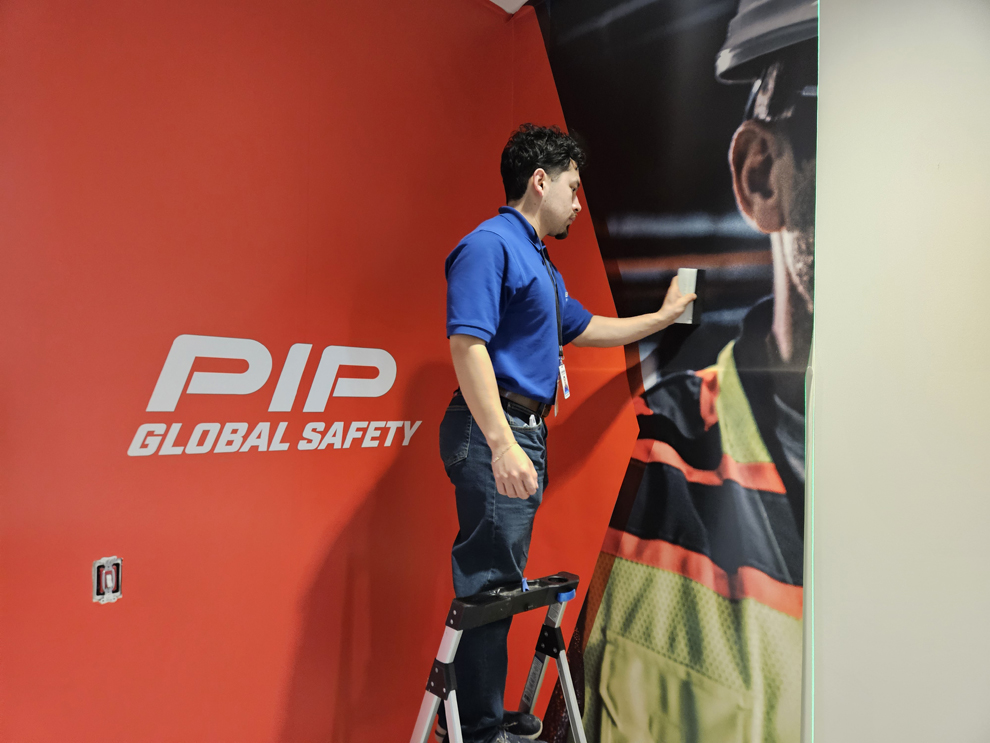
Wall performance depends entirely on what sits underneath the graphic. Drywall should be sound, smooth, clean, dry, and properly repaired, with primer and paint applied correctly for the substrate. Finish paint must be fully cured, which is not the same thing as dry to the touch. Curing paint continues to outgas, and those gases become trapped beneath vinyl installed too early, producing bubbles, blisters, lifting, or early adhesion failure. Moisture, contamination, weak paint bonding, and material choice can affect the result too. Roughly four weeks is a workable planning figure for many paints, but the manufacturer's cure requirements and actual site conditions control readiness.
An adhesion test tells us how a candidate vinyl reacts to the painted surface we can see. It cannot confirm what is happening underneath, where paint, primer, and drywall meet. Standard installation occasionally calls for lifting and re-setting material, and if the paint starts to lift or flake with it, we stop instead of compounding the damage. Repair, priming, repainting, and full cure are arranged and funded by the client or property owner, and we come back once the wall is ready for us. Assessed early and planned for honestly, adhesive vinyl stays a reliable way to put graphics on Waldorf walls.
Planning is what turns an idea into a route through design, production, and installation. Together we settle the objective, the audience, the scope, the priorities, any phasing, the target date, site readiness, stakeholder sign-offs, and surface conditions, along with the anticipated overall project investment. From there we name the decisions and details still open.
Size and calendar get looked at as one question. Many of our projects that include production and professional installation land between $10,000 and more than $200,000. When the date is tight, your Project Manager checks approvals, material lead times, building access, site readiness, and open production and installation capacity before saying what can responsibly be finished on time.
Fit includes budget. To protect the responsiveness and coordinated support our clients count on, we are taking new workplace interior and event environment projects in Waldorf and across the Mid-Atlantic with an anticipated overall project investment starting at $6,000. For select exterior-facing window or wall graphics, we assess physical suitability, while sign permits and property approvals stay with the client, property owner or manager, or general contractor.
Tell us what the graphics need to do and when they need to be done. Use Get Started Now to send the Waldorf project address, anticipated overall investment, photos, rough dimensions, artwork or brand standards, how long the graphics need to last, and any building or access requirements you already know about. If the work supports a grand opening, an event, an office move, an executive visit, or another fixed date, say so up front. You do not have to settle every material or field question first. One dedicated Project Manager reviews the request, weighs fit and timing, and lays out the next step.
Properly prepared painted walls, interior and exterior-facing glass, glass and solid doors, select floors, elevator doors and cab panels, display surfaces, and other compatible substrates. The surface drives the material choice, so paint condition, texture, glass coatings, moisture, panel movement, foot traffic, cleaning routines, and how long the graphics need to stay up all shape whether a given vinyl and adhesive system belongs in that spot.
Paint feels dry long before it is actually cured. During curing it can still outgas, and those gases get trapped beneath vinyl applied too early, which shows up as bubbles, blisters, edge lift, or early adhesion failure. We schedule around the paint manufacturer's full-cure specification, not how dry the wall feels. About four weeks is a reasonable planning number for many paints, though the paint and primer system, application method, temperature, humidity, wall prep, and site conditions decide the real answer.
They fit situations where you want a printed image on glass but still need some outward visibility. The result depends on the perforated vinyl chosen, light levels on each side of the glass, how much of the image covers the pane, viewing direction, and what surrounds the window. We look at whether that trade between printed impact and retained view actually serves your goal before recommending it.
Yes. Frosted vinyl and privacy film break up sightlines while daylight keeps coming through. Covering the whole pane is rarely necessary. Bands, patterns, logos, or partial coverage can sit at exactly the heights where seated and standing views need interrupting. Room function, desired openness, entry visibility, cleaning practices, and brand character guide the final spec.
The survey gives our team firsthand knowledge of the property before production is locked. We confirm dimensions, substrates, access routes, existing graphics, allowable work hours, and other field realities while talking through what the graphics need to accomplish. Those notes stay tied to one dedicated Project Manager, the production plan, and the installers assigned to your job, which keeps surprises off the schedule on install day.
No. A test tells us something useful about how the proposed vinyl behaves on the visible paint, but it cannot see the bond hidden below. It cannot promise that paint or primer will hold during repositioning, installation, or later removal. Testing reduces uncertainty and sharpens material selection. It does not turn an unknown wall condition into a guarantee.
Certain frosted, decorative, and privacy products are positioned with a wet application method, and a little moisture can stay between the glass and the film even after the installer squeegees out as much solution as possible. Haze, cloudiness, streaking, or small moisture pockets can appear during dry-out and typically clear as that moisture escapes.
Dry-out time varies with the product, the glass, temperature, humidity, sun exposure, and site conditions, so some installations look finished within days and others take a few weeks. If you have an opening, board meeting, photo shoot, or event on the calendar, tell us during planning. Wet application is not used on every window graphic.
No. We do not offer installation-only service for client-supplied graphics. Installation quality is decided long before the crew shows up, through field measurements, material selection, production accuracy, fit, and the ability to reprint quickly if something needs correcting. Keeping all of that inside our engagement is what lets us stand behind the schedule, the install, and the finished result.
Plan on an anticipated overall project investment of at least $6,000 for new workplace interior and event environment projects in Waldorf and the Mid-Atlantic. That number covers the full scope we manage, not the price of a single graphic.
It is a fit threshold, not an average. Many of our projects that include production and professional installation run from $10,000 to more than $200,000, and the real number moves with environmental graphic design, materials, production, fabrication, surface conditions, access, and professional installation. Send your goals, location, timing, and anticipated investment through Get Started Now and we will assess fit and recommend a next step.
That deserves a conversation, not a guess. We start by pinning down what absolutely has to be ready, what can genuinely be designed, produced, and installed in the time left, and which areas matter most to your organization. One dedicated Project Manager then coordinates environmental graphic design, production, fabrication, building access, scheduling, and installation so no time gets wasted.
If the original scope cannot be delivered responsibly by the date, we propose the strongest plan that will hold. That might mean phasing the work, switching an application or material, simplifying part of the scope, resequencing, or finishing the highest-visibility areas first. We would rather give you a plan that stands up than a date we cannot responsibly meet.
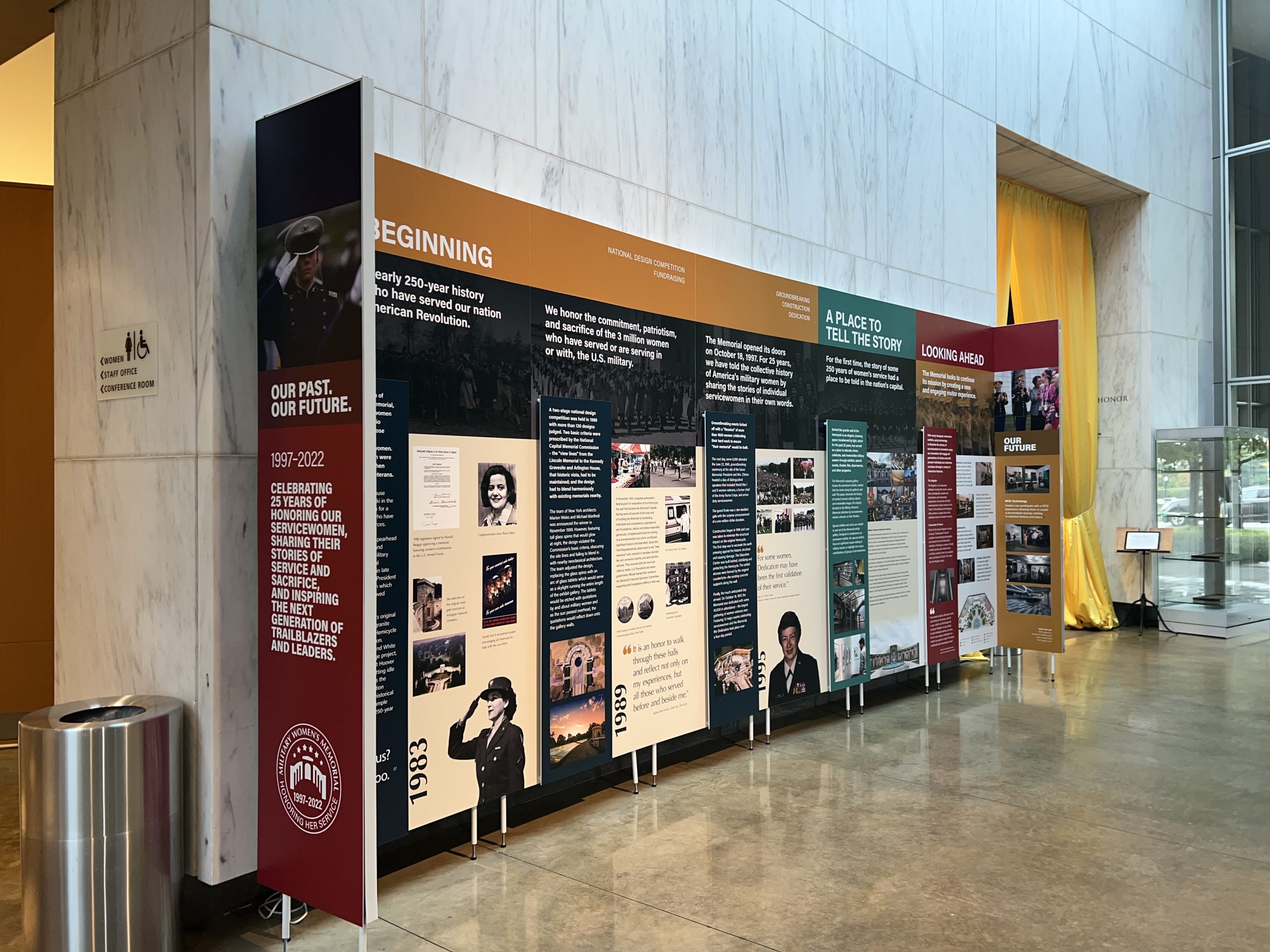
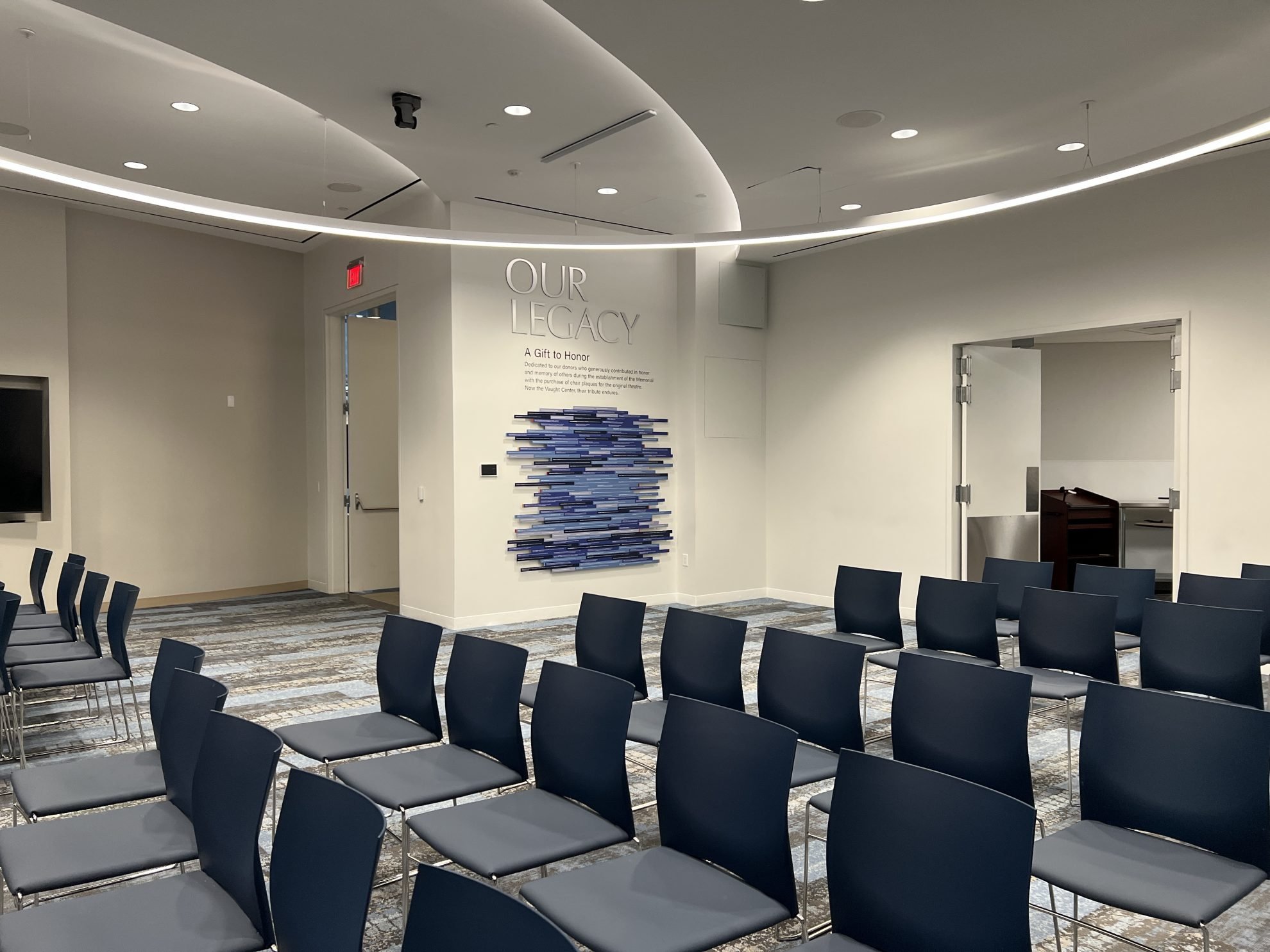
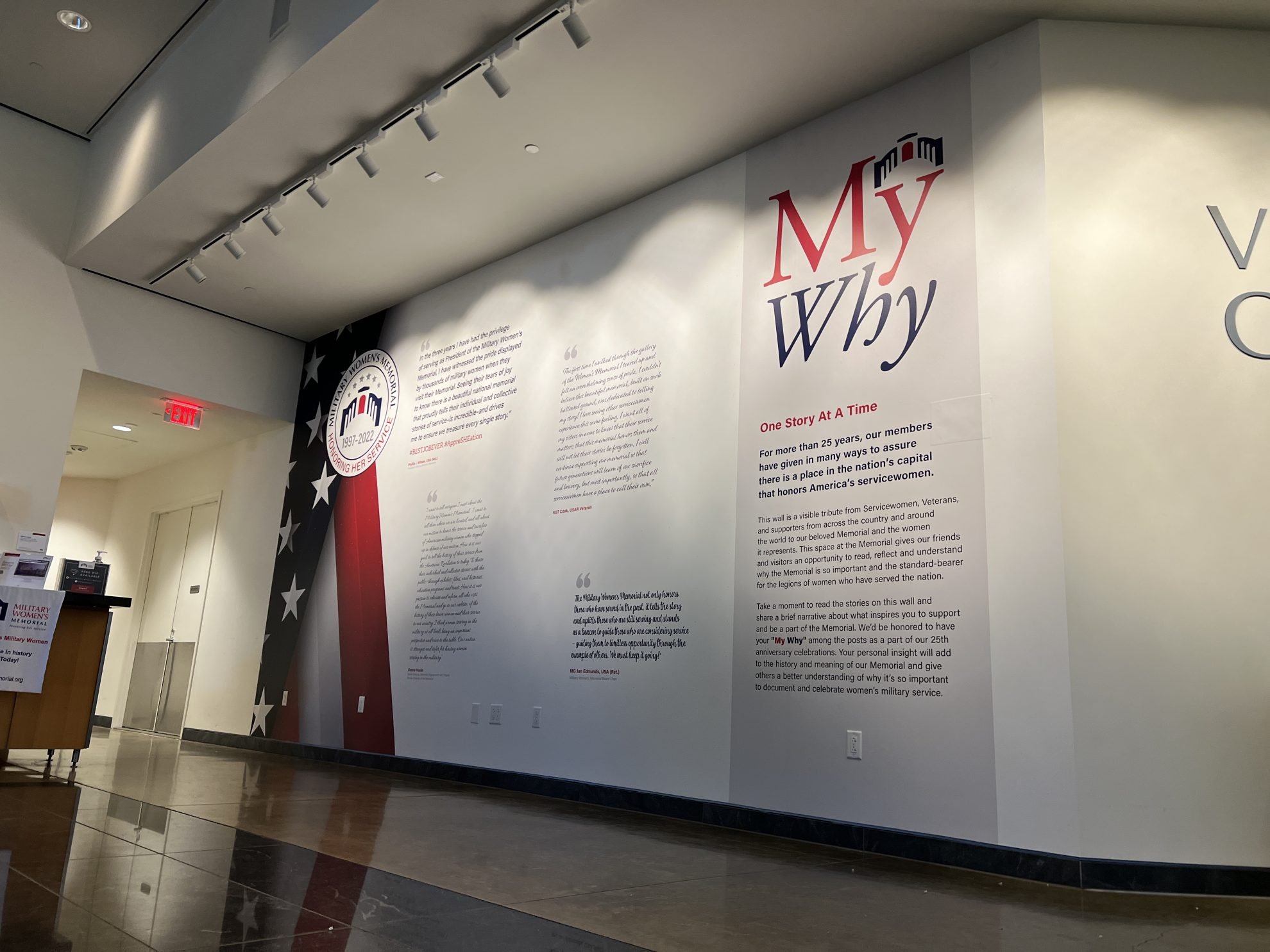
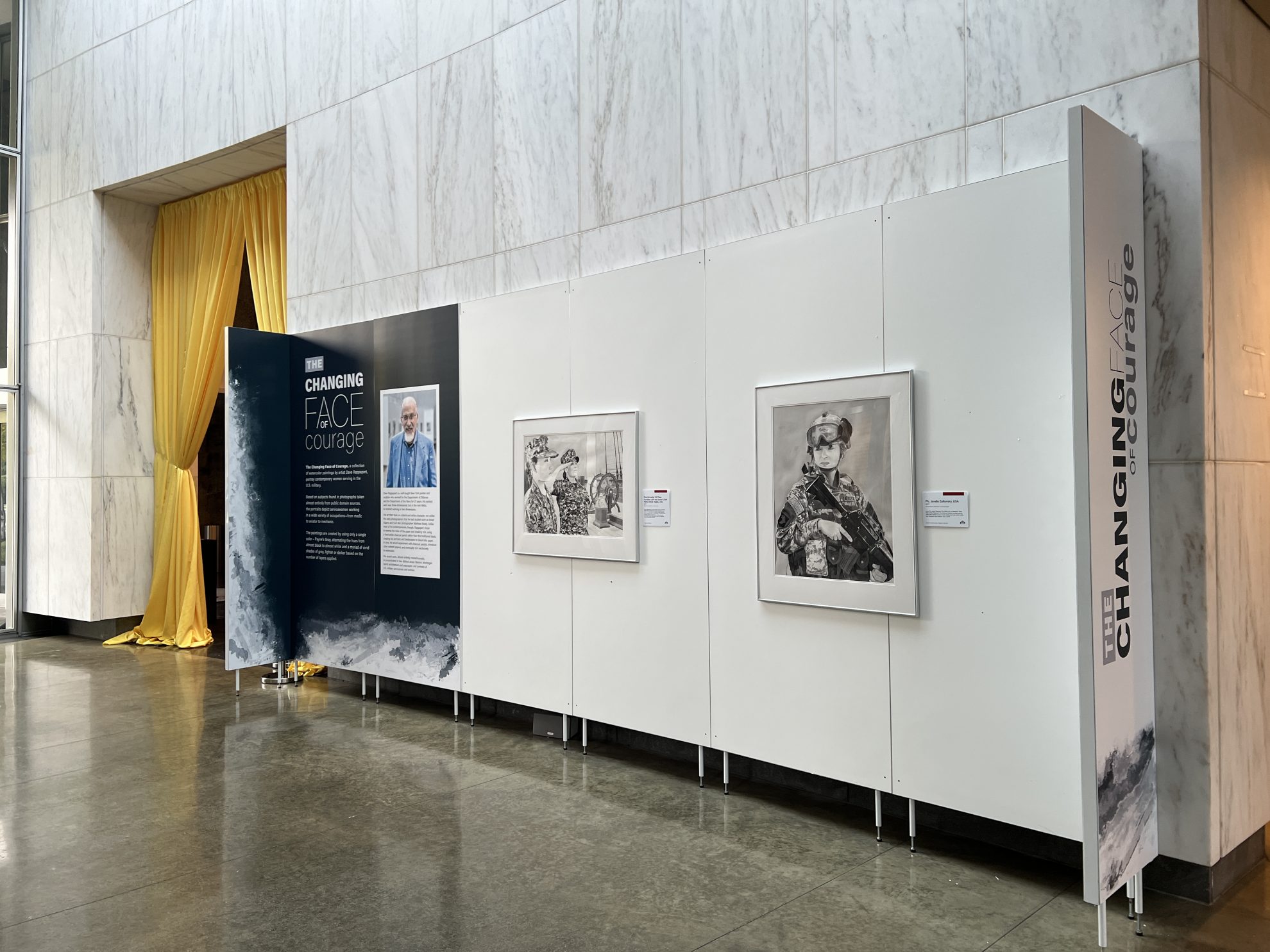
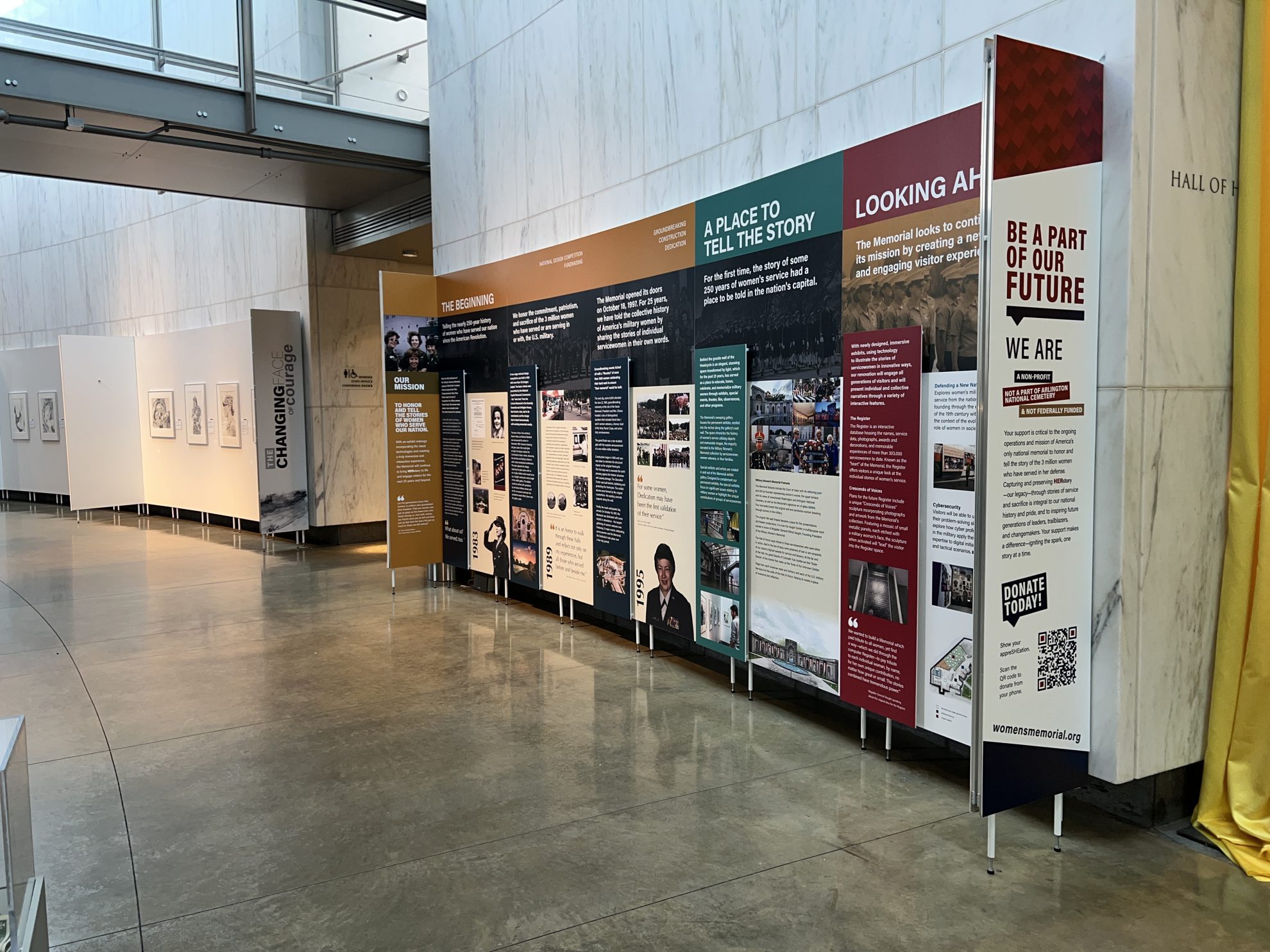
Heritage Signs & Displays created new museum signage for the Military Women’s Memorial in Arlington, VA. The project included custom signs, wall wraps, dimensional letters, and standoff-mounted displays to honor the legacy of U.S. servicewomen and the donors who supported the memorial. The updated interior features impactful designs, including a "Our Legacy" wall display and panels showcasing historical contributions and artwork, creating a transformative tribute to women in the U.S. Armed Forces.
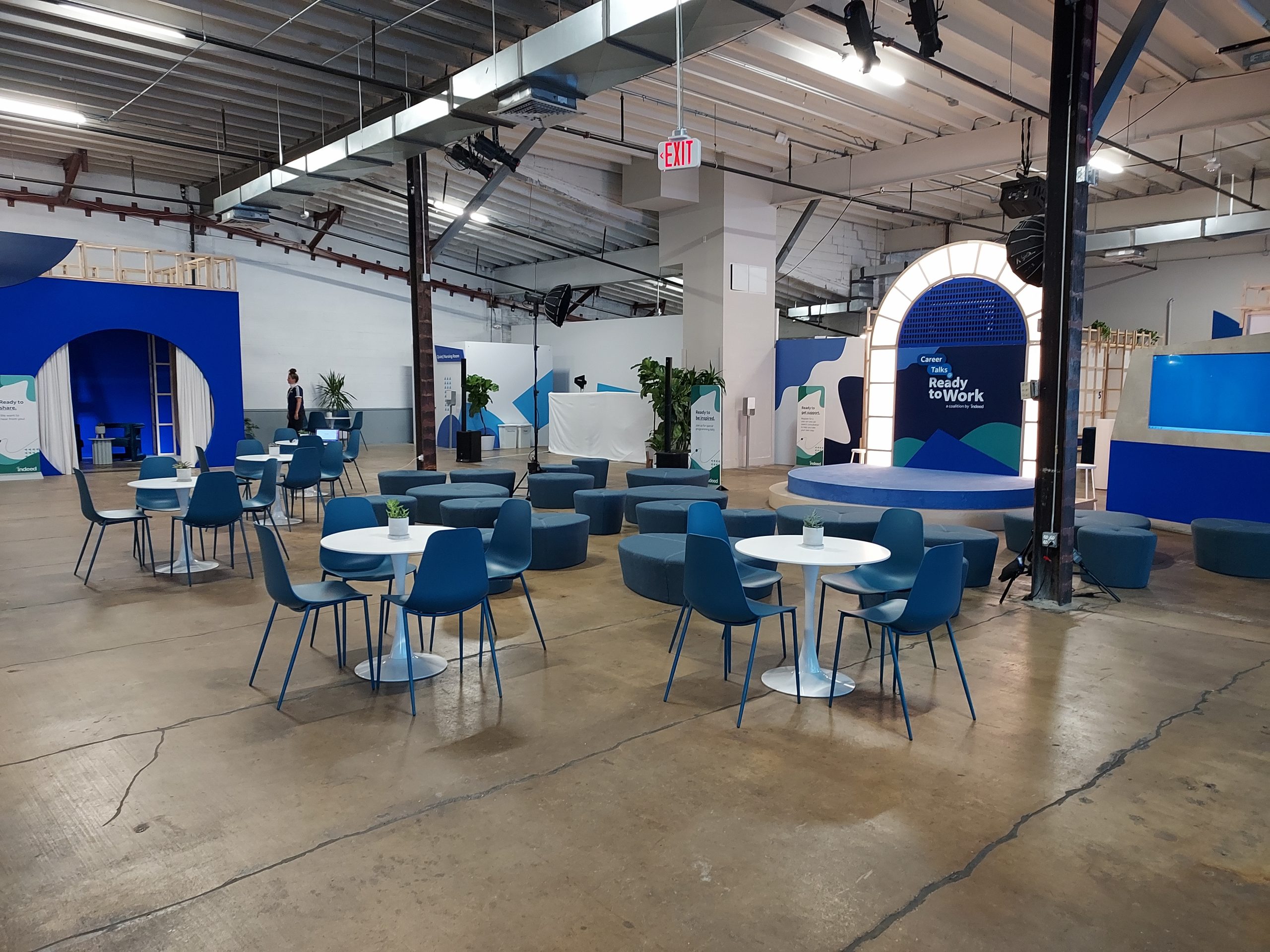
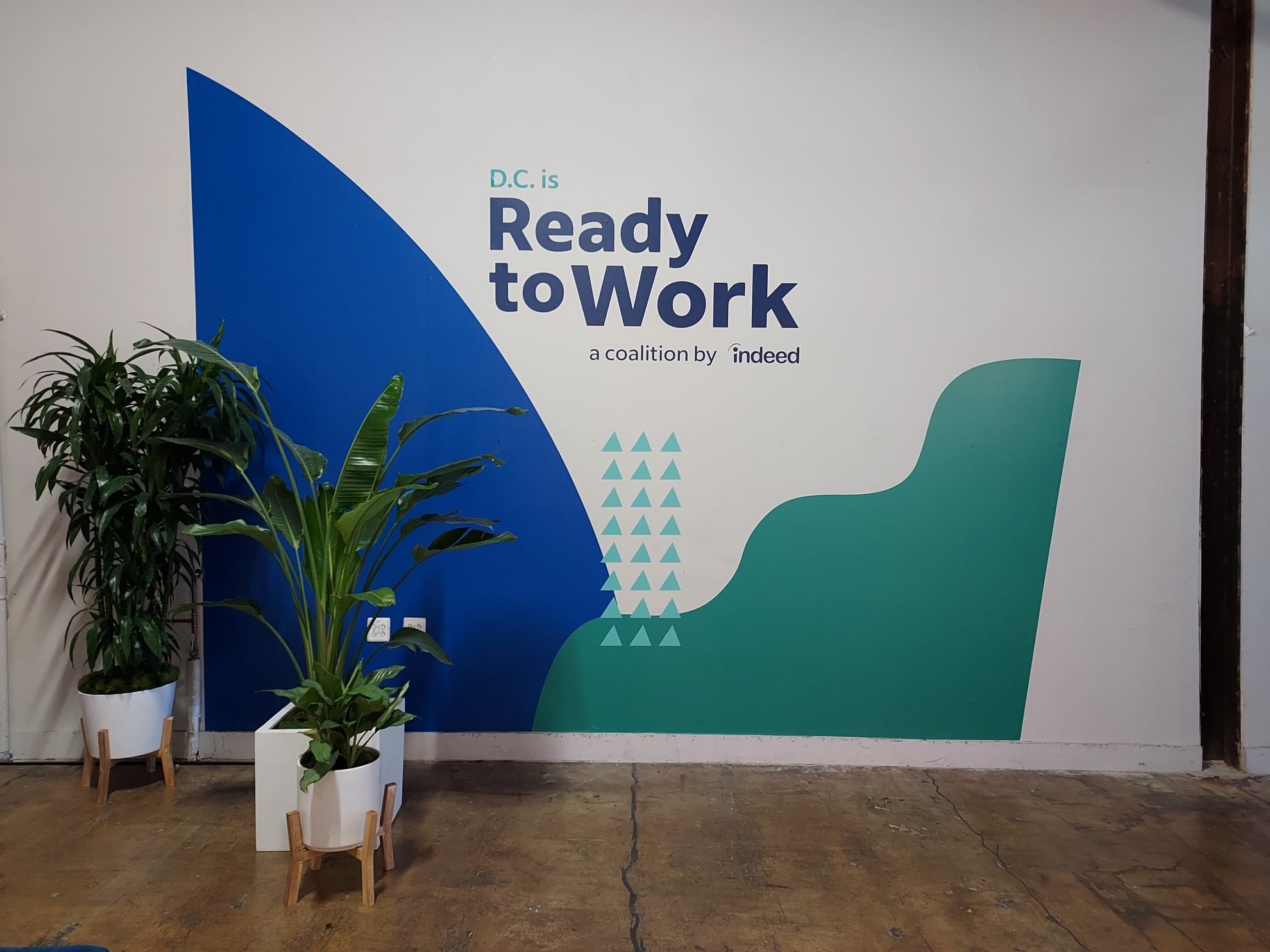
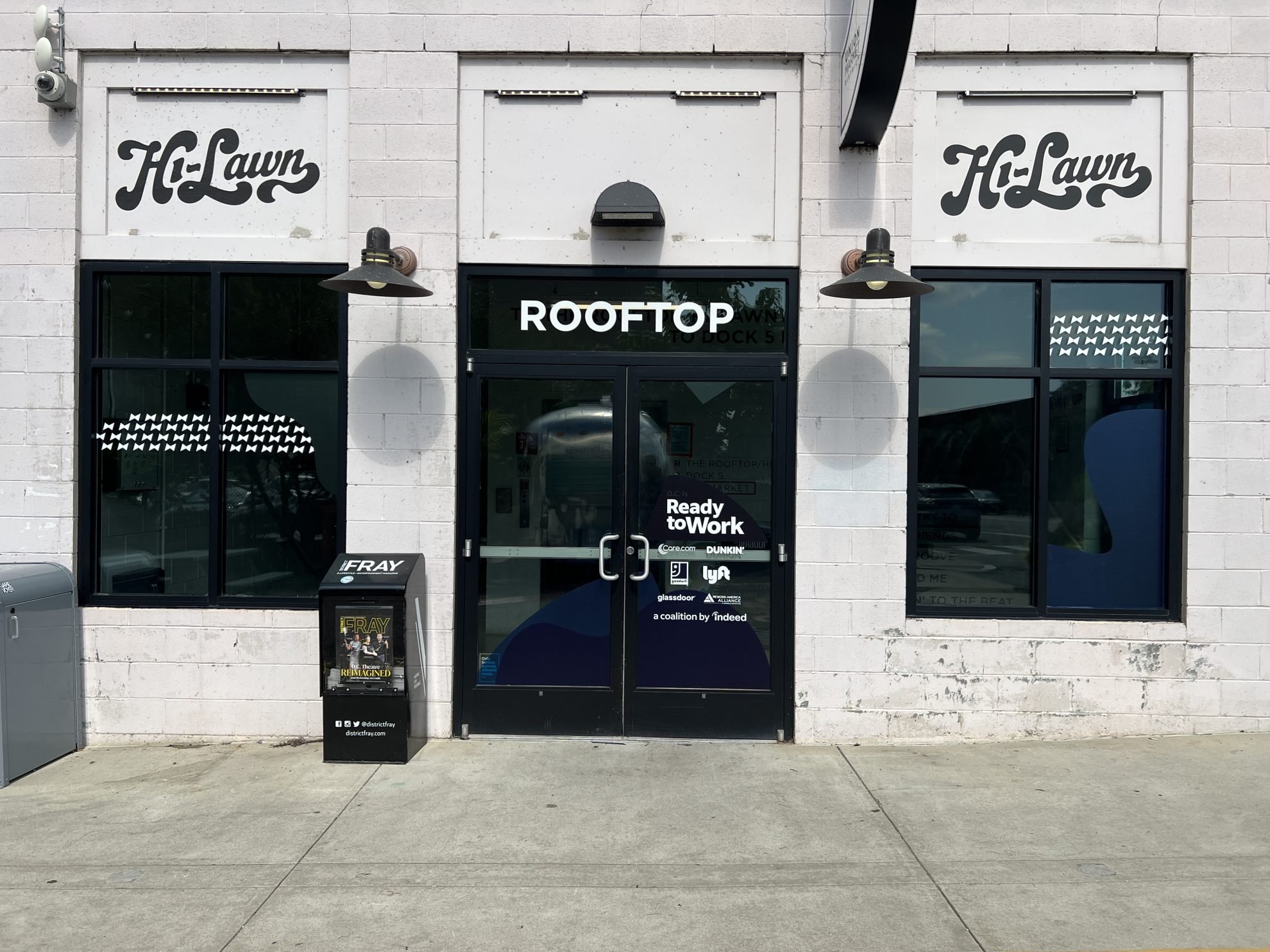
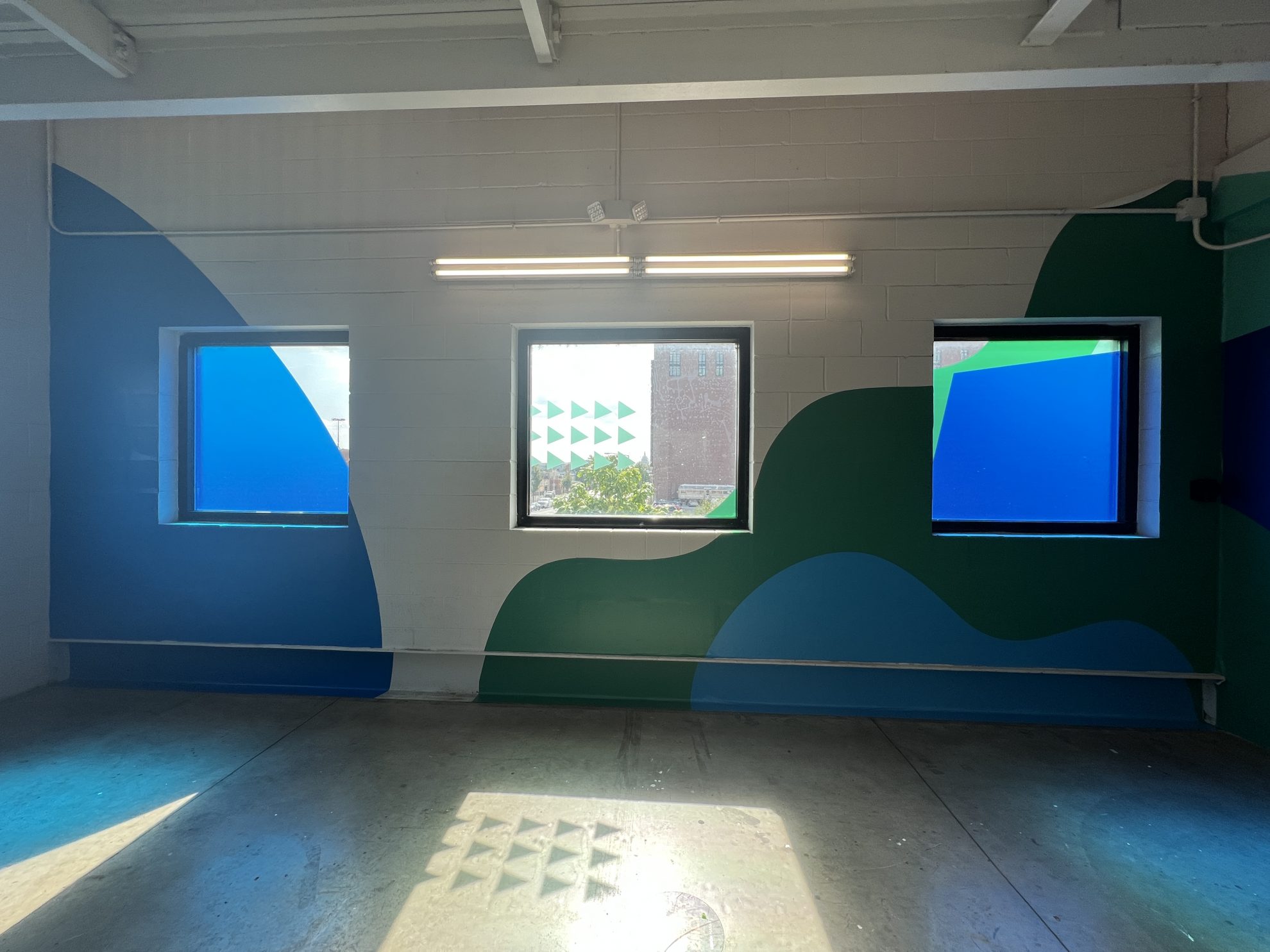
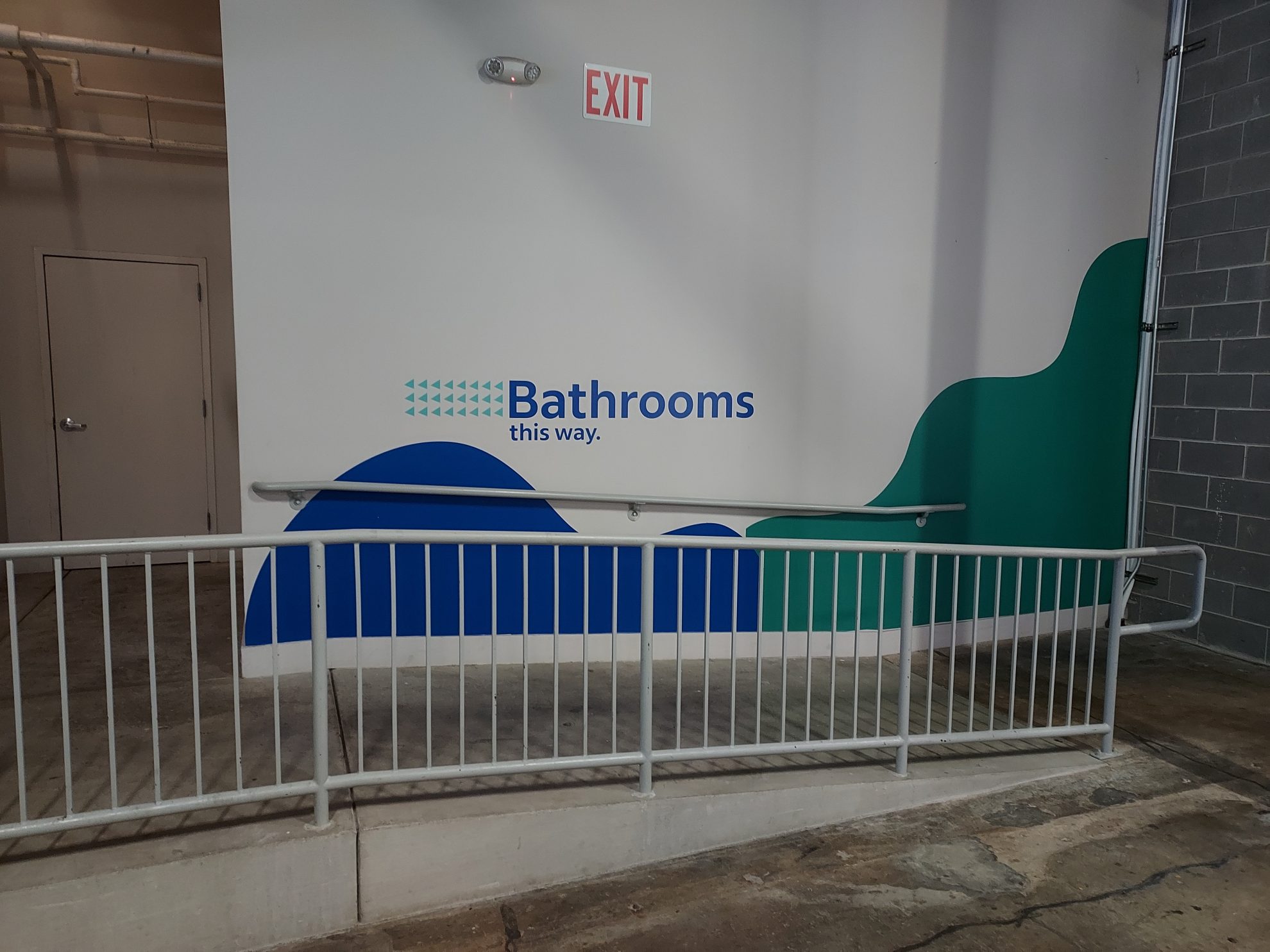
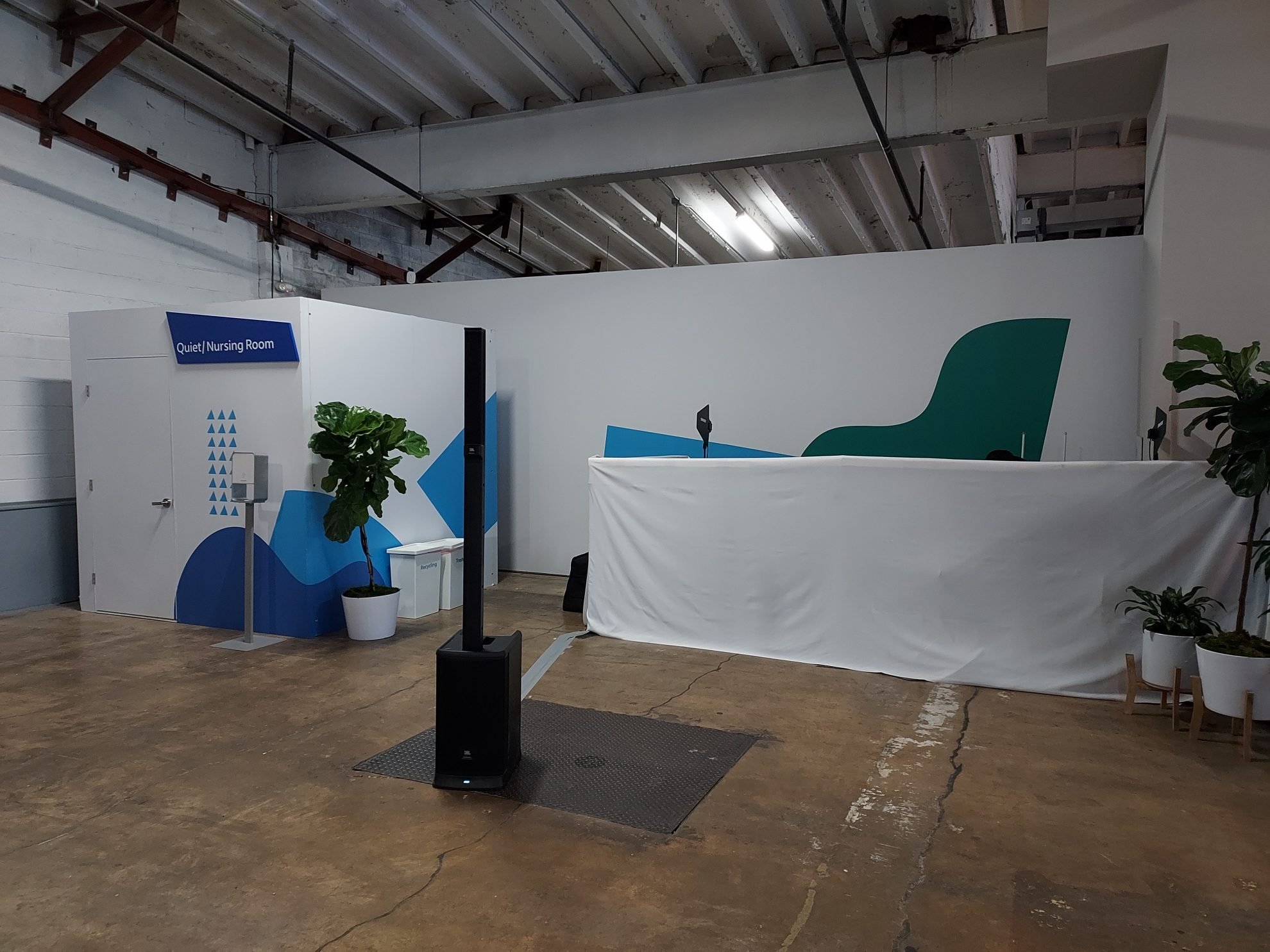
Heritage Signs & Displays' collaboration with The Gathery to brand Union Market in Arlington, VA, for Indeed's "Ready to Work" job fair. The project included custom event displays, wall graphics, window graphics, and wayfinding signs, creating an immersive and visually appealing environment. The branding enhanced the venue, reflected the event's mission, and provided a seamless experience for attendees.