A national sales meeting, a trade show booth on the exhibit floor, or a new-employee orientation at a corporate campus often has a date set before the content is final. The booklet handed to those readers has to arrive on schedule, open easily, and present your organization with the polish the occasion deserves. Production decisions determine whether that happens.
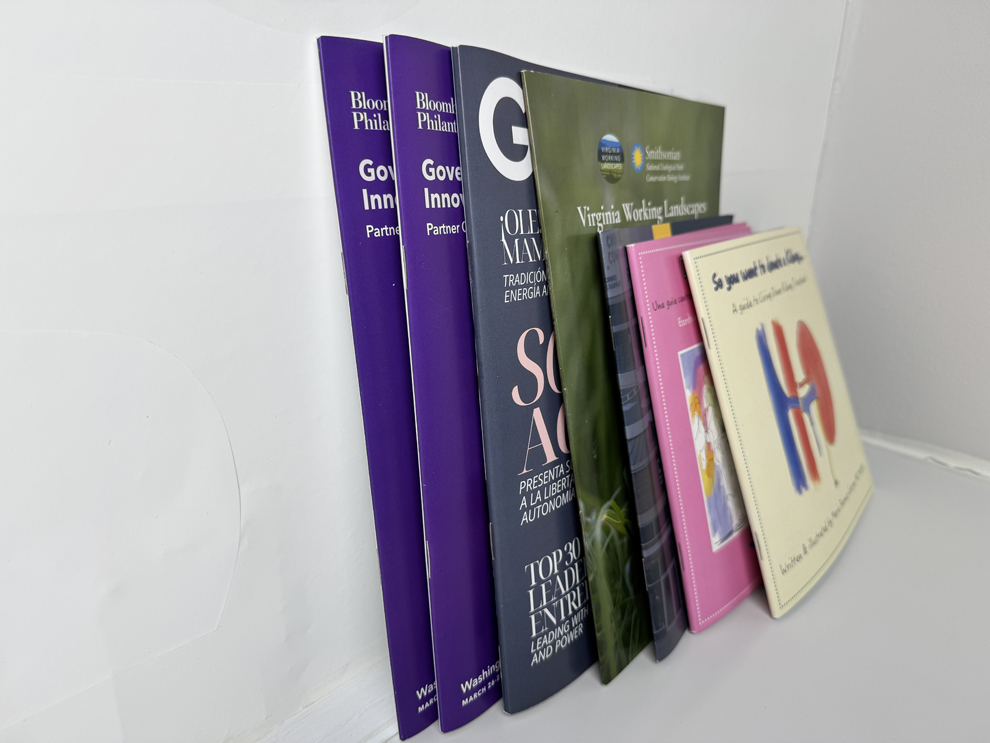
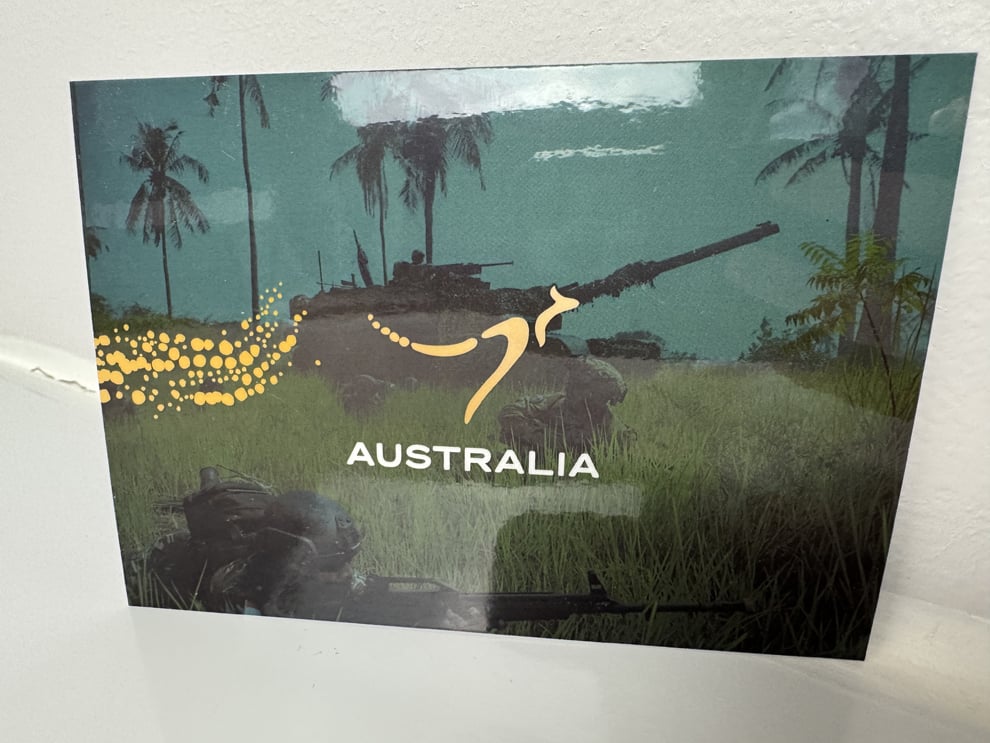
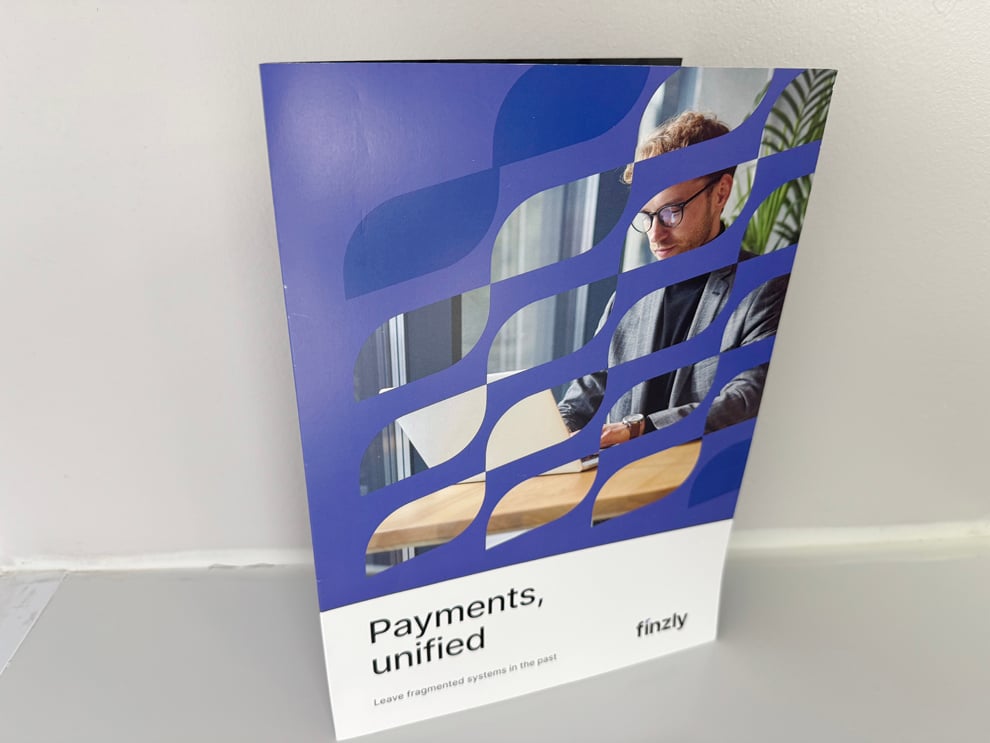
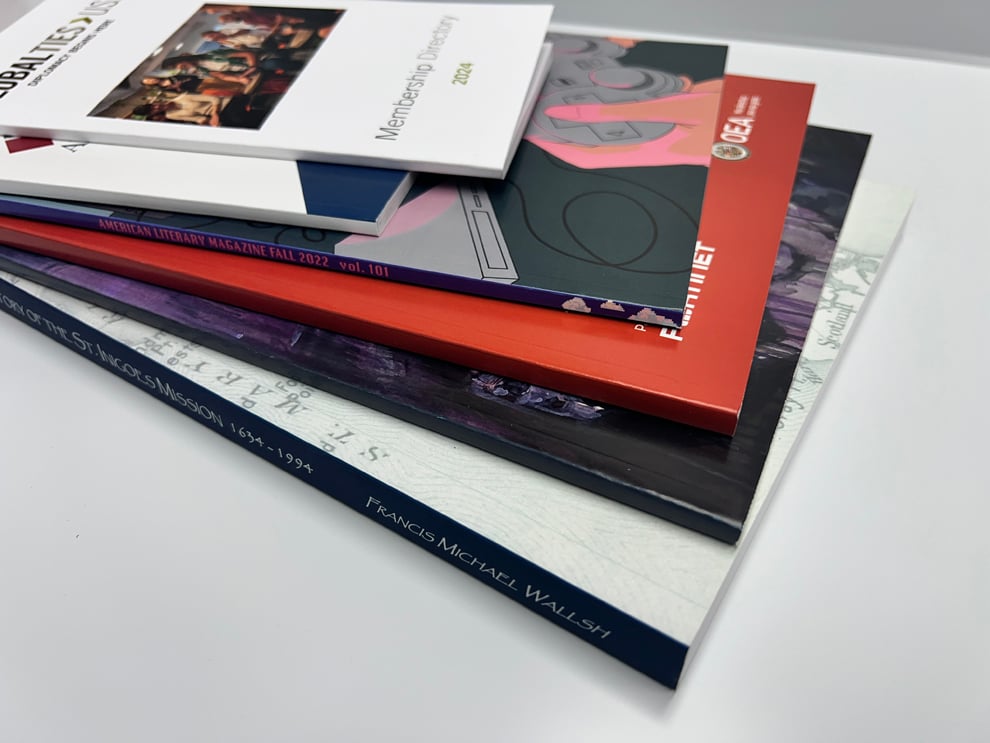
Atlanta companies, universities, healthcare systems, and nonprofits use booklets as product catalogs, sales meeting guides, training workbooks, donor reports, capability publications, and event programs. Each application carries its own expectations for page count, trim size, paper, cover construction, binding, color, and distribution. A thin catalog that ships to prospects behaves differently from a workbook that trainees will write in for a week. Heritage weighs those variables against how the piece will be read, carried, stored, or mailed.
Heritage has produced commercial print work since 1977 and serves Atlanta clients through established production operations rather than a local Atlanta facility. We concentrate on sound specifications, honest scheduling, and disciplined quality review, so the booklets that reach Georgia readers are accurate, consistent, and ready when the doors open.

A catalog or conference booklet may pass through product managers, brand reviewers, legal, and the person booking freight to the venue before a single sheet is printed. Each handoff introduces a chance for a wrong page, an outdated price, or a missed shipping window. Heritage reduces that risk with clear communication, documented specifications, and production planning that reflects actual binding and delivery times rather than optimistic estimates.
Veteran-owned and family-led, Heritage has Commercial Printing roots dating to 1977 and a stated purpose to honor God by serving clients and communities with excellence. For Atlanta organizations, that background translates into experienced prepress staff, color management verified against measured targets, and quality checks at each production stage. Our team has handled corporate catalogs, training publications, and event materials for buyers who answer to executives and attendees.
When a qualifying Custom Quote is accepted and the order assigned, a Project Coordinator becomes the direct phone-and-email contact. One person who knows the agreed paper, binding, quantity, and ship-to address can answer questions quickly and keep approvals moving. Established clients may keep that coordinator for appropriate repeat editions.

A booklet is often one piece of a larger sales, event, or onboarding package. These related products are frequently produced alongside it.

For session schedules, speaker listings, and sponsor pages at Atlanta conferences and ceremonies.

For recurring publications that hold consistent specifications issue after issue.

Explore full-length bound publications when a booklet format is no longer enough.

For workbooks and procedure guides built for daily handling and note-taking.

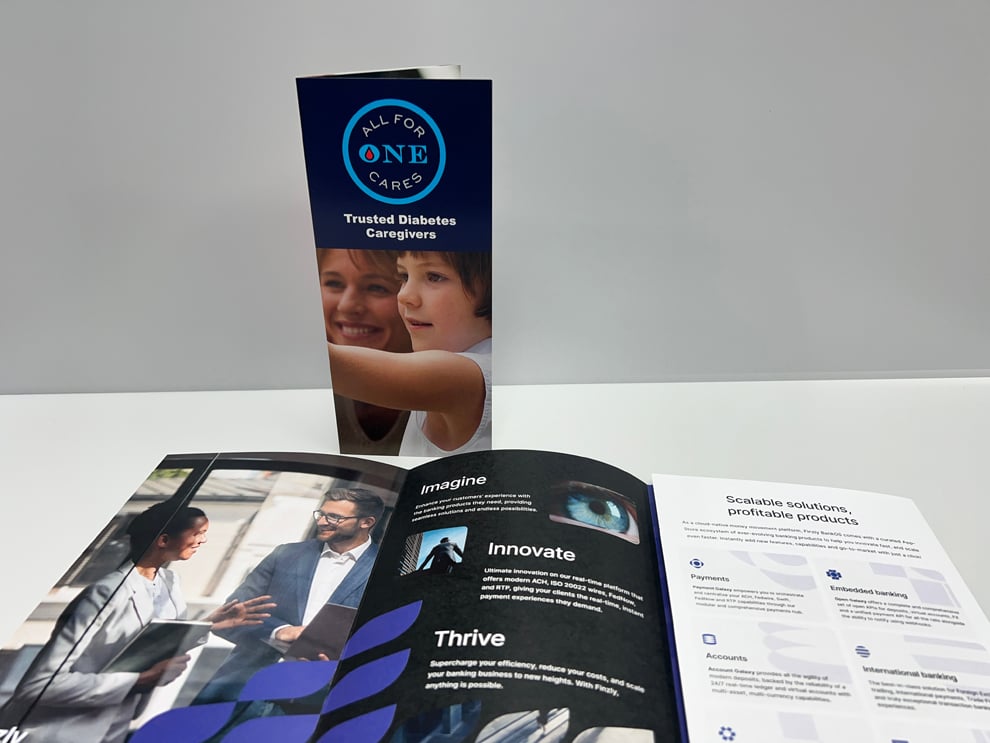
Present a concise overview in a flat or folded piece that mails easily.

Coordinate addressing and postal handoff for publications within an accepted project scope.

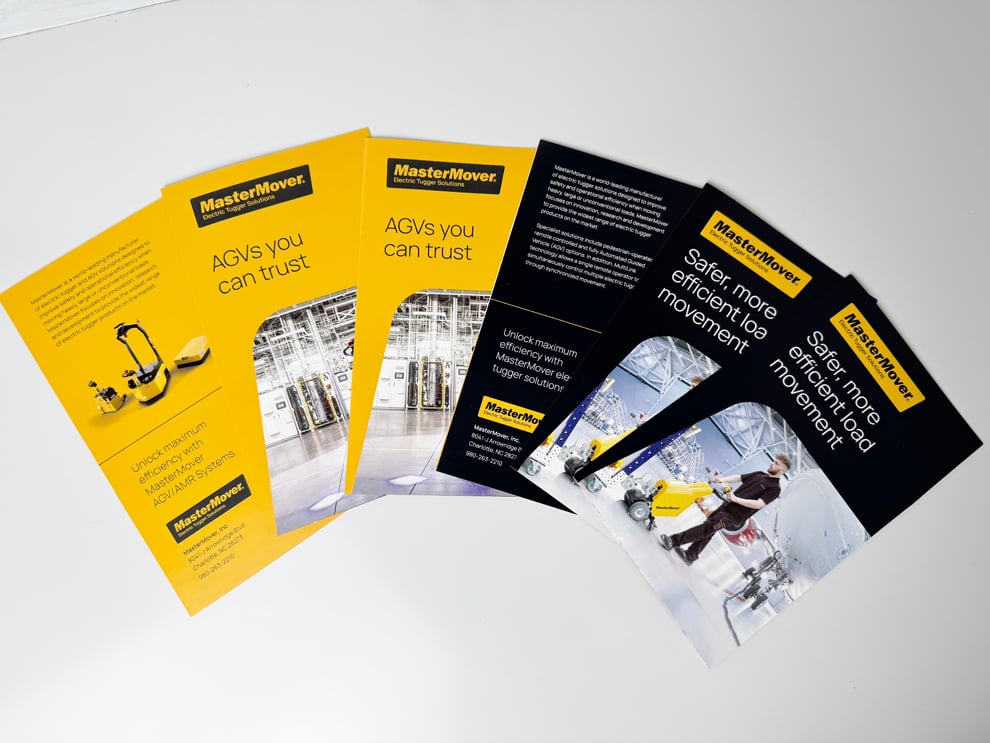
Coordinate the sales sheets, inserts, and handouts that travel with your booklet.

Keep booklets, proposals, and loose inserts organized for meetings and leave-behinds.
Compare the live binding options, confirm pricing for your quantity, and place the order when your print-ready files are complete.
How a booklet opens, lies flat, and survives a week in a tote bag depends largely on its binding. Three methods cover most Atlanta publications.
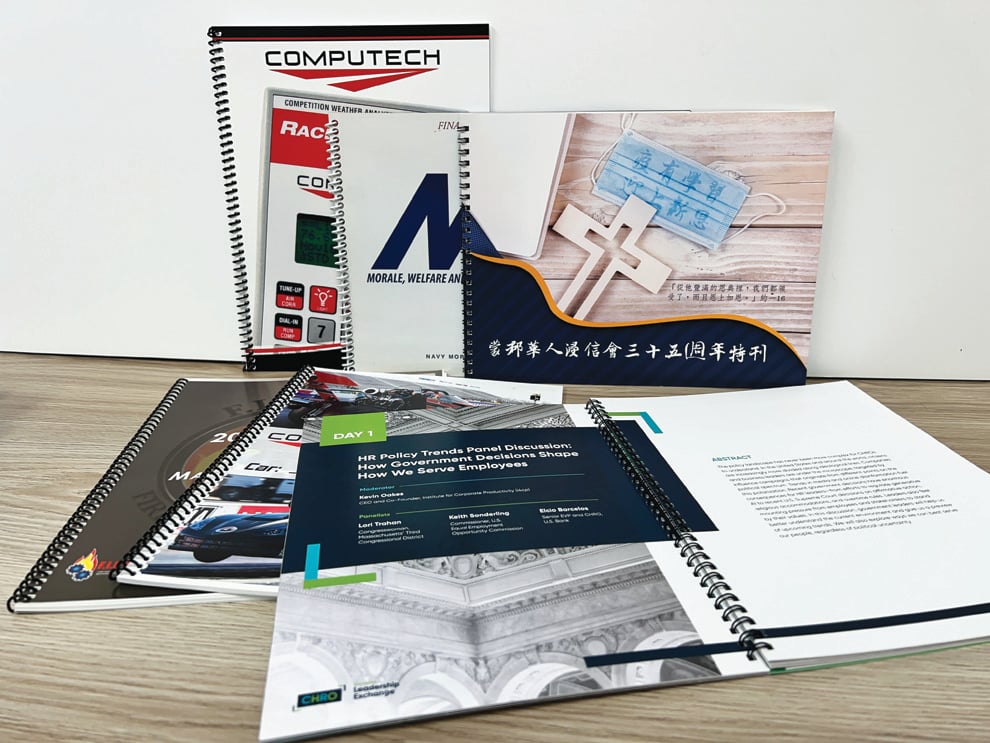
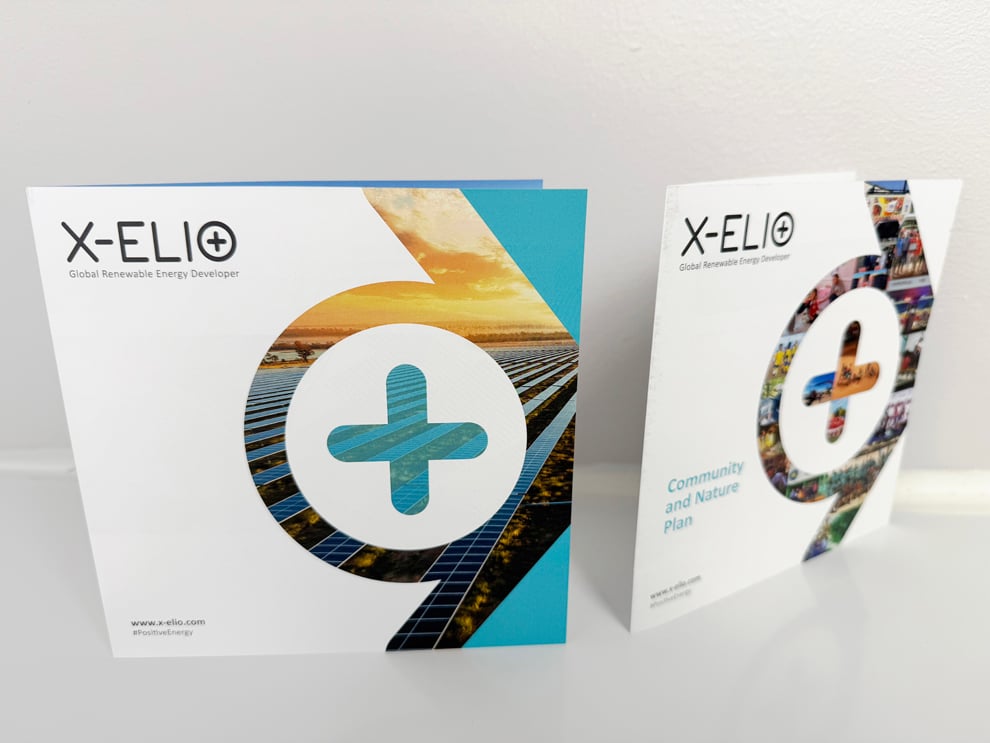
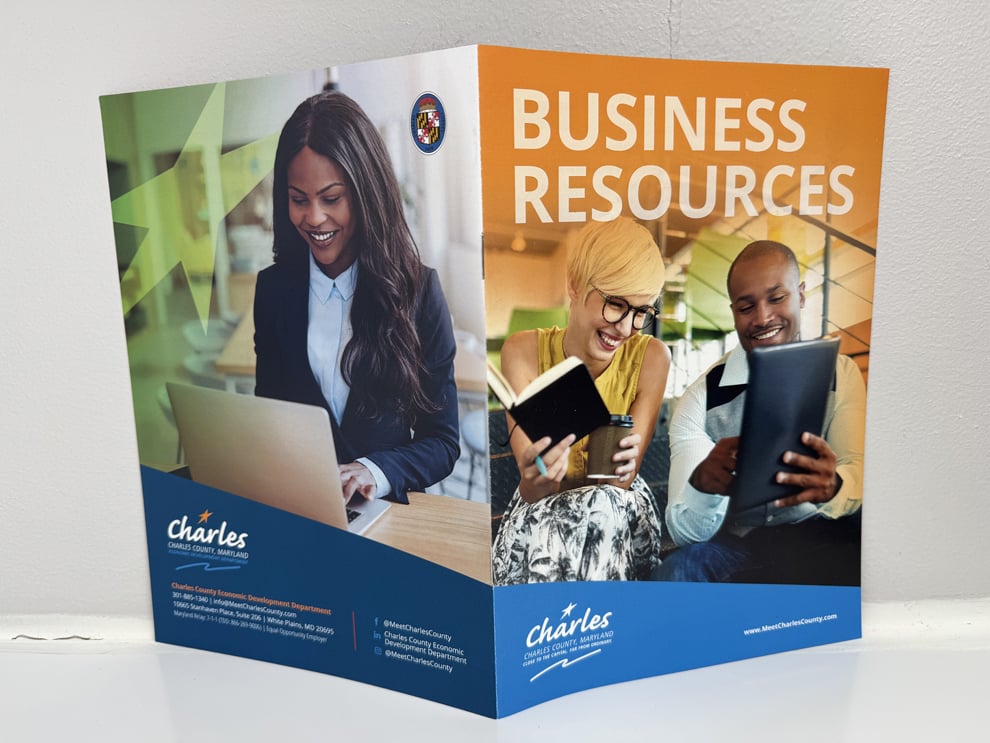
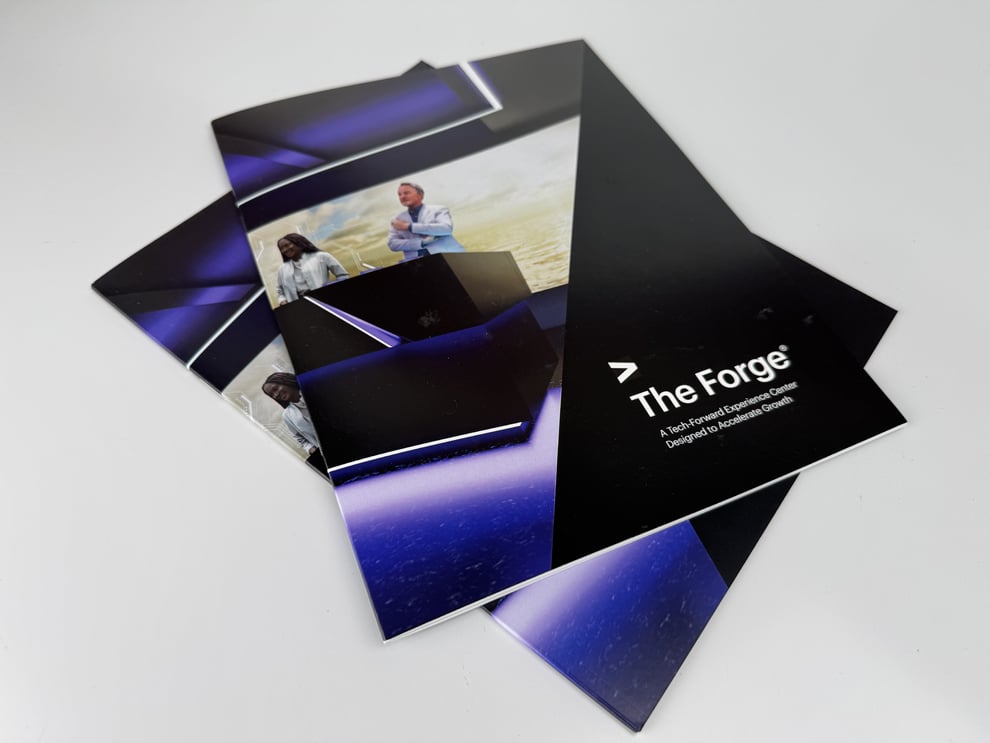
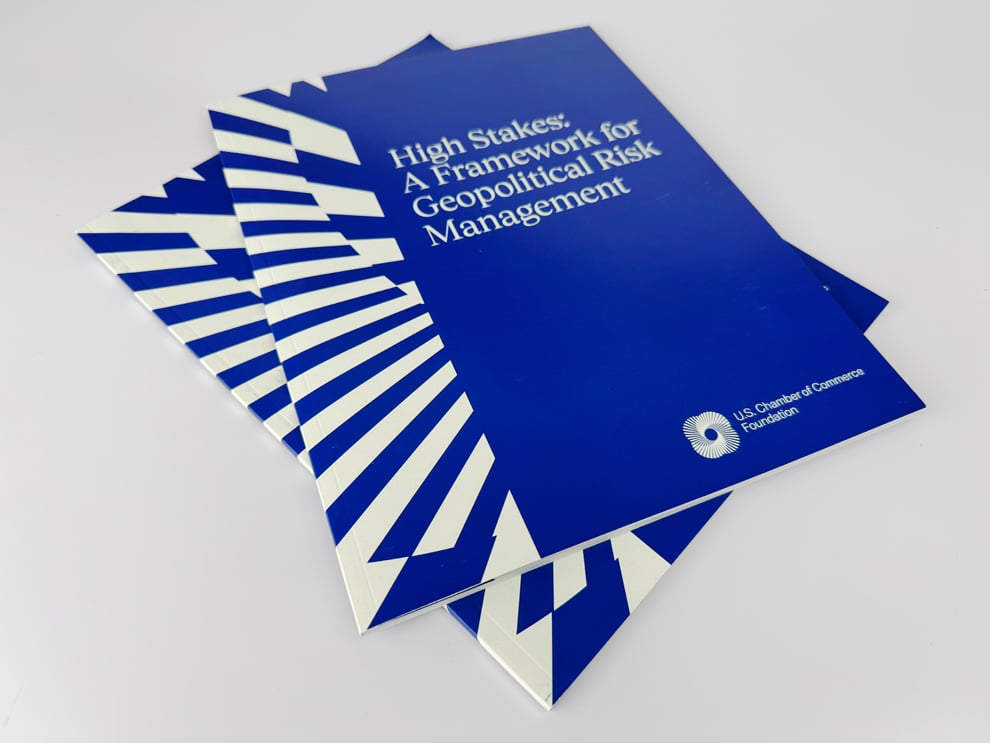
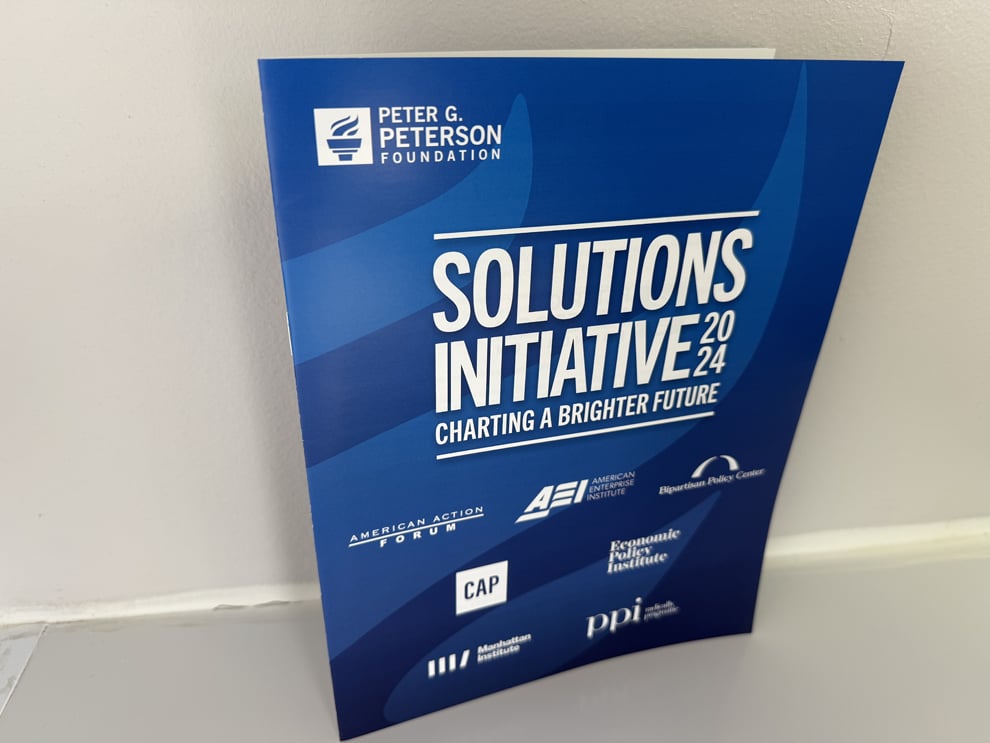
Saddle-Stitched Booklets: Folded sheets are nested and stapled through the spine fold, keeping a slim booklet light and quick to flip through. Page counts run in multiples of four, and thicker stock reduces how many pages will close flat. Catalogs, programs, and short guides fit well.
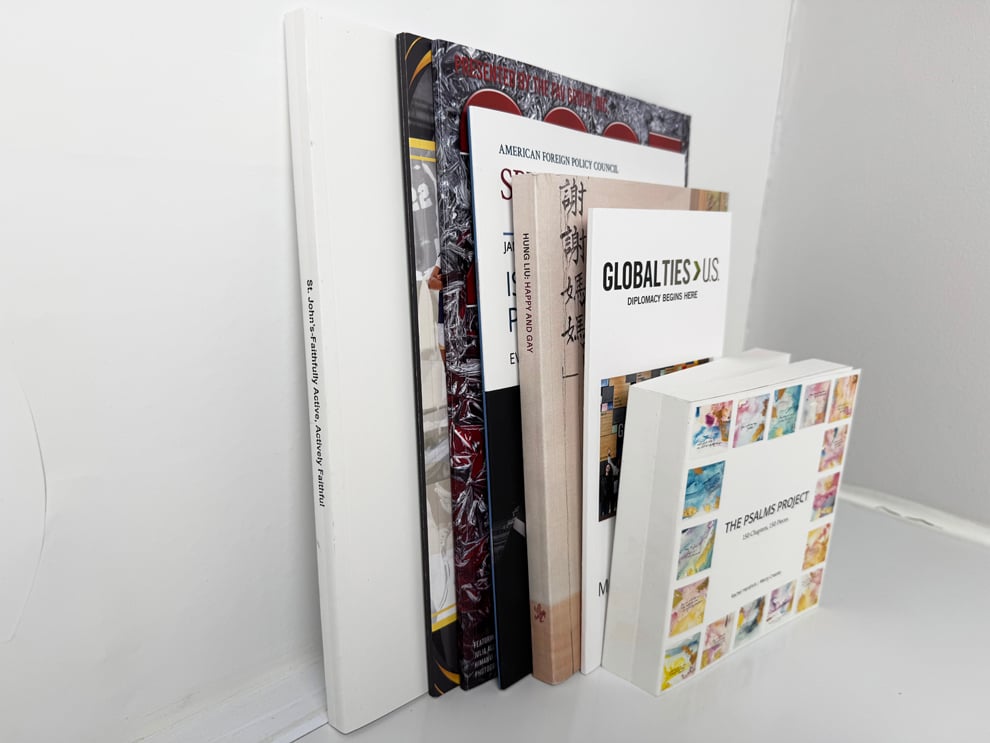
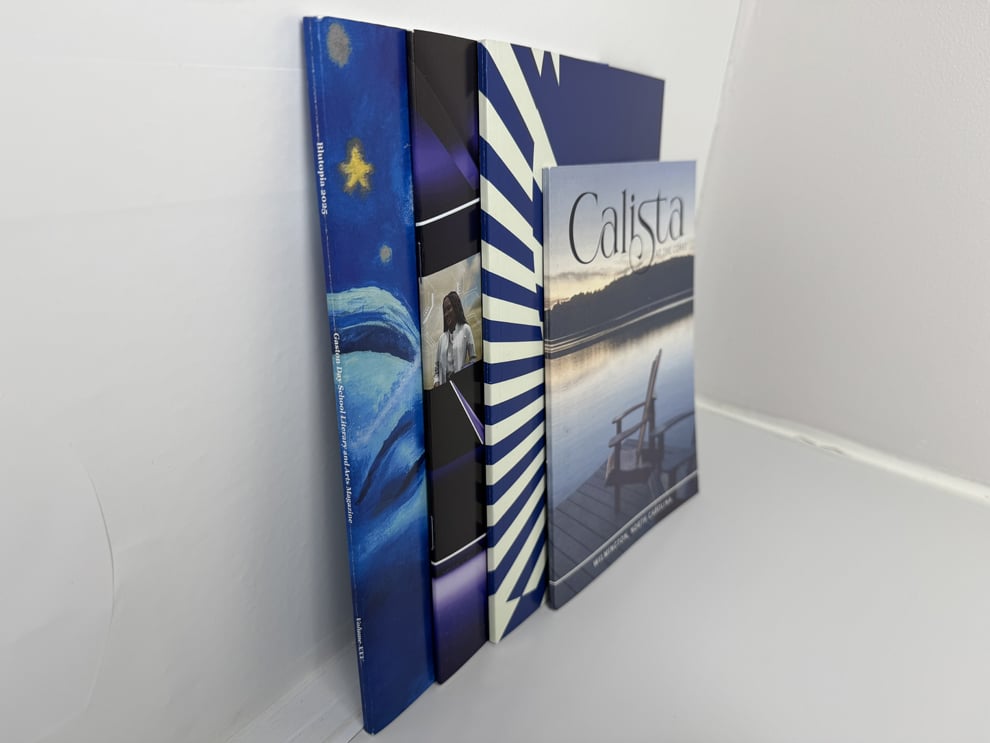
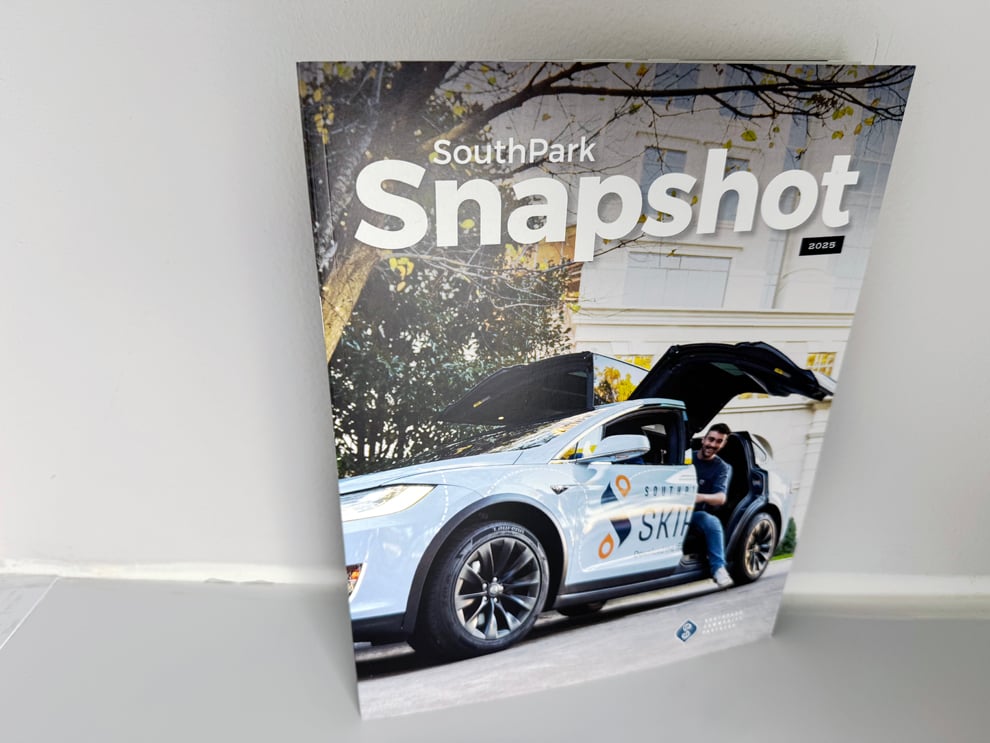
Perfect Bound Booklets: Interior pages are secured with adhesive inside a wraparound cover, producing a squared, printable spine. Longer reports and benefit guides present well this way, provided page count and paper thickness supply enough bulk for the glue to hold.
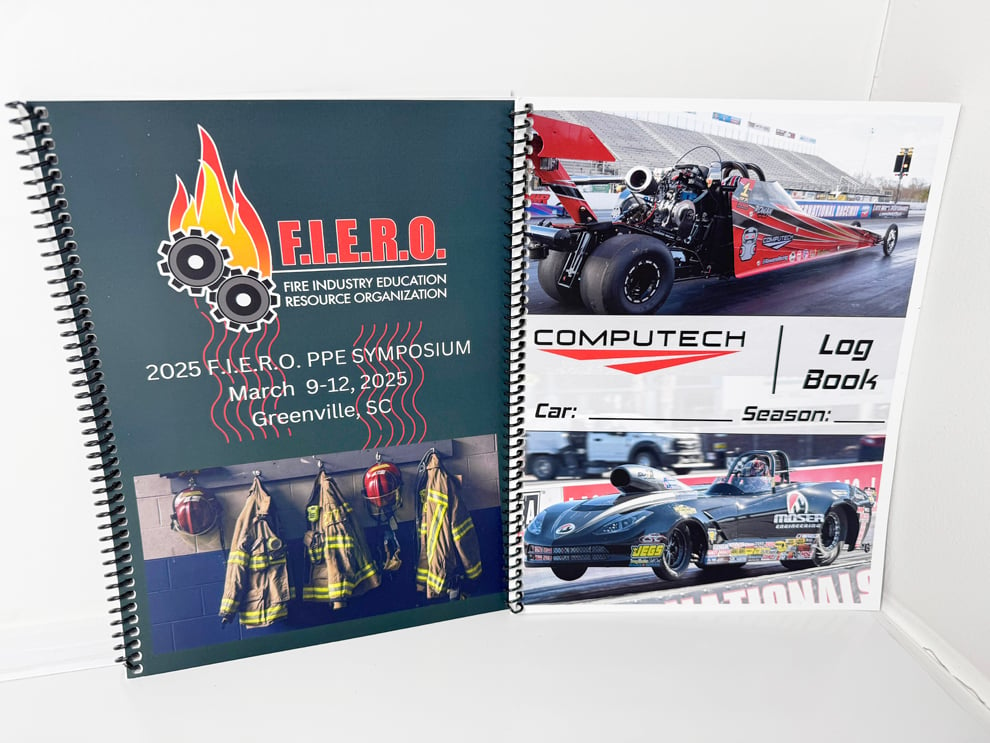
Plastic Coil / Spiral-Bound Booklets: A plastic coil threads through punched holes along the edge, so pages rotate fully and stay put when the booklet is open or folded back. Trainers, field technicians, and clinical staff benefit from that. It is less suited to a polished mailed piece.
Finished size, cover weight, image coverage, and whether the booklets ship on a pallet or mail individually influence the choice. For qualifying accepted Custom Quote work, Heritage reviews those factors before locking the specification.

Some Atlanta buyers arrive with a finished PDF and a standard specification; others need help getting a publication ready for press. Heritage supports both with two paths. Each includes an electronic proof for your approval before printing, though that proof confirms content and layout rather than finished color.
Self-Directed Online Store: Choose the available booklet configuration, binding, paper, and quantity, upload complete print-ready artwork, and check out at posted prices. The Store carries Heritage's lowest available pricing for the products it offers, with a $750 minimum that eligible items can be combined to reach. Orders pass through standard production review and quality control, but no Project Coordinator, layout assistance, or physical color proof is included.
Storefront Custom Quote: Approved Commercial Printing opportunities of $2,000 or more may use this form-based path when production help is needed, such as bleed and imposition corrections, cover preparation, color-critical decisions, versioning, or mailing. Once the quote is accepted and the order assigned, a Project Coordinator becomes your direct phone-and-email contact. Qualifying value alone does not require this route, and the Store stays the lower-priced path for products it offers.

Together, page count and paper thickness set the physical bulk of a booklet, and bulk decides which binding will work. Heavy text stock can push a modest saddle-stitched page count past the point where the piece closes neatly, while a thin document may lack the spine depth adhesive binding needs. Confirm the live Store limits for your configuration, or let a qualifying Custom Quote review an unusual combination.
A saddle-stitched catalog or program is usually the practical choice for exhibit floors and sales meetings, where attendees collect many pieces and carry them home. A heavier separate cover protects the booklet inside a bag. If the piece will also serve as a reference the sales team uses for months, a perfect-bound edition may justify the added bulk. Plan shipping to the venue or hotel well ahead of move-in.
Yes. Each booklet order, whether placed through the Self-Directed Online Store or an accepted Custom Quote, receives an electronic proof that you must approve before production begins. Use it to check text, page order, images, crop, and cover placement. The proof represents layout and content, not finished color on paper. Approve it only after the responsible stakeholders have signed off.
Choose saddle stitching for shorter booklets where low weight, lower cost, and fast binding matter, and choose perfect binding when the publication is long enough to carry a squared spine and should sit on a desk or shelf like a book. Thickness, not appearance preference, settles the question. If your page count lands near the boundary, review the posted specifications or raise it during a qualifying quote.
Quantity, page count, trim size, paper and cover weight, binding method, color coverage, finishing, and delivery method all affect the price. Shipping a pallet to one Atlanta address costs differently than mailing individual copies across the state. The Self-Directed Online Store shows current pricing for its booklet configurations. Qualifying work of $2,000 or more with added services receives a tailored Custom Quote.
Upload a single, complete, print-ready PDF prepared to the product's posted instructions, normally with pages in reading order rather than imposed spreads. Build the file at final trim size with bleed extended past the edge, keep live text inside the safe margin, embed all fonts, and use high-resolution images. Covers for perfect-bound booklets may require a separate file that accounts for spine width.
Print-ready files are required for Store purchases, so correct any issues before uploading. For an approved Commercial Printing opportunity of $2,000 or more, an accepted Storefront Custom Quote can include production-oriented work such as resizing, adding bleed, correcting pagination, or building a spine-width cover. That support addresses press readiness; it is not full design or copywriting. Share the files and the date so Heritage can scope the work.
Heritage evaluates the full production path, not just the press run, before confirming a date. That path includes file arrival, proof approval turnaround, binding and finishing time, packaging, transit to Atlanta or the venue, and any mailing steps. The earlier you share quantity, specifications, and the hard deadline, the more options remain. If a date cannot be met responsibly, Heritage will say so and suggest workable alternatives.
A Physical Production Color Proof, also called a Digital Hard Copy Proof, can be requested at additional cost on qualifying Commercial Printing Custom Quote work valued at $2,000 or more. It is printed on the intended production press and paper, adds time to the schedule, and once approved serves as the controlling color reference unless otherwise agreed. Store orders do not include this option.
A self-cover booklet prints its cover on the same stock as the interior, which keeps a short program or catalog light and economical. A separate cover uses heavier or coated stock for durability and a more finished feel, and it adds bulk that can change binding feasibility, shipping weight, and cost. Check which options the live Store configuration offers before choosing.
Consistency starts with Heritage's color management: spectrophotometric calibration, measured verification, and output profiles built for the specific press and paper. Supply images at full resolution and specify PMS targets for brand colors, understanding that reproduction shifts with paper, coating, and process. Monitors and electronic proofs approve content, not color. For color-critical corporate work, a Physical Production Color Proof under a qualifying Custom Quote provides a measurable standard.
Yes. Within an accepted Commercial Printing project, Heritage can print booklets and coordinate addressing, sorting, and handoff to USPS so your team manages one vendor instead of several. Provide a clean, authorized mailing list and the target in-home window early, since postal processing time must be built into the schedule. USPS controls acceptance requirements and delivery once the mailing enters its system.
Yes. Quarterly catalogs, regional sales editions, and annual training updates are common booklet programs. Heritage can hold approved paper, trim, binding, and color specifications on file so each new edition starts from a known standard while current artwork and quantities are reviewed fresh. For appropriate directly managed repeat orders, established clients may continue working with the same Project Coordinator.
Use the Online Store when your artwork is print-ready, a posted configuration fits, and you want the lowest available pricing without an assigned contact; the $750 minimum can be met by combining eligible products. Use Storefront Custom Quote for approved work of $2,000 or more that needs file preparation, color-critical decisions, mailing, or coordinated delivery. For general Store questions, Contact Our Team is the correct route.
Heritage Signs & Displays created new museum signage for the Military Women’s Memorial in Arlington, VA. The project included custom signs, wall wraps, dimensional letters, and standoff-mounted displays to honor the legacy of U.S. servicewomen and the donors who supported the memorial. The updated interior features impactful designs, including a "Our Legacy" wall display and panels showcasing historical contributions and artwork, creating a transformative tribute to women in the U.S. Armed Forces.
Heritage Signs & Displays' collaboration with The Gathery to brand Union Market in Arlington, VA, for Indeed's "Ready to Work" job fair. The project included custom event displays, wall graphics, window graphics, and wayfinding signs, creating an immersive and visually appealing environment. The branding enhanced the venue, reflected the event's mission, and provided a seamless experience for attendees.