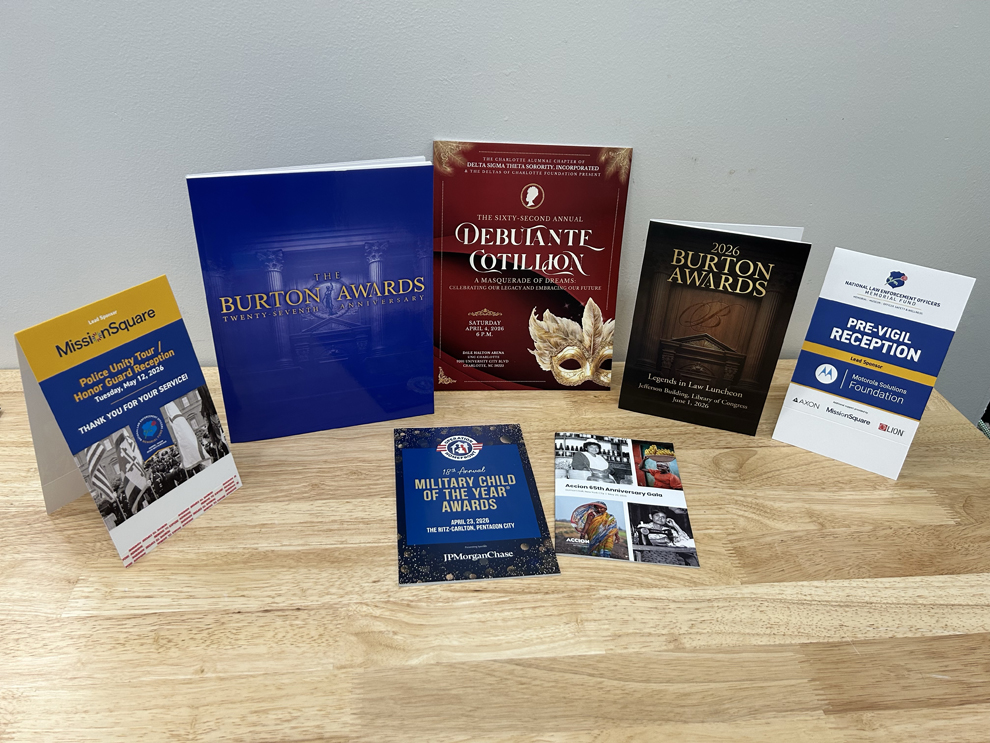
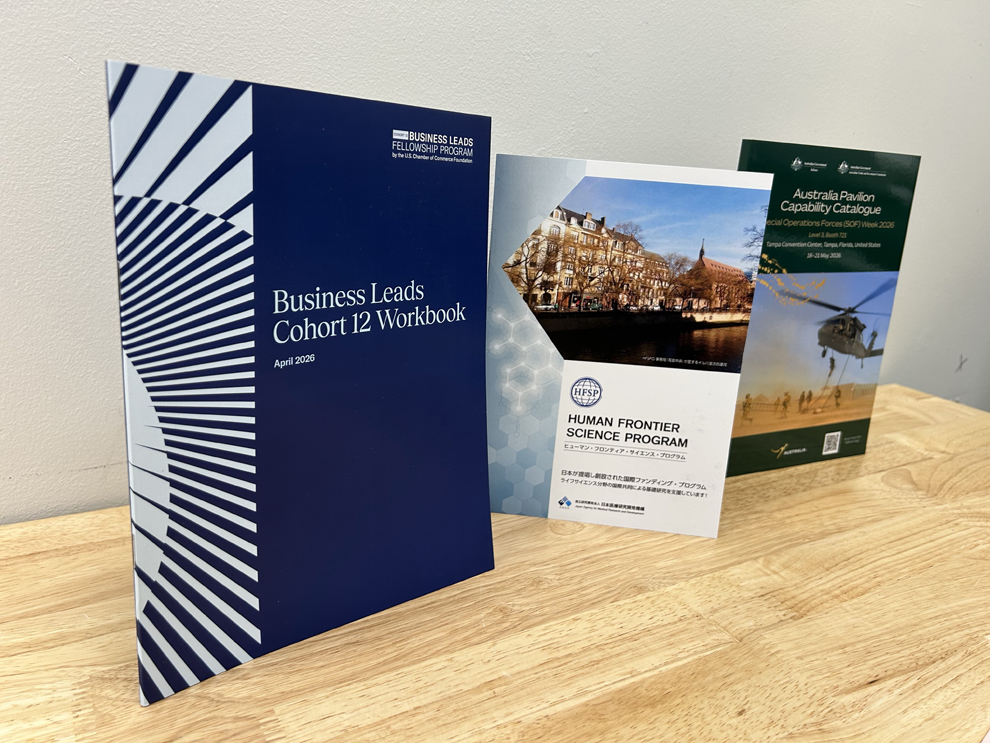
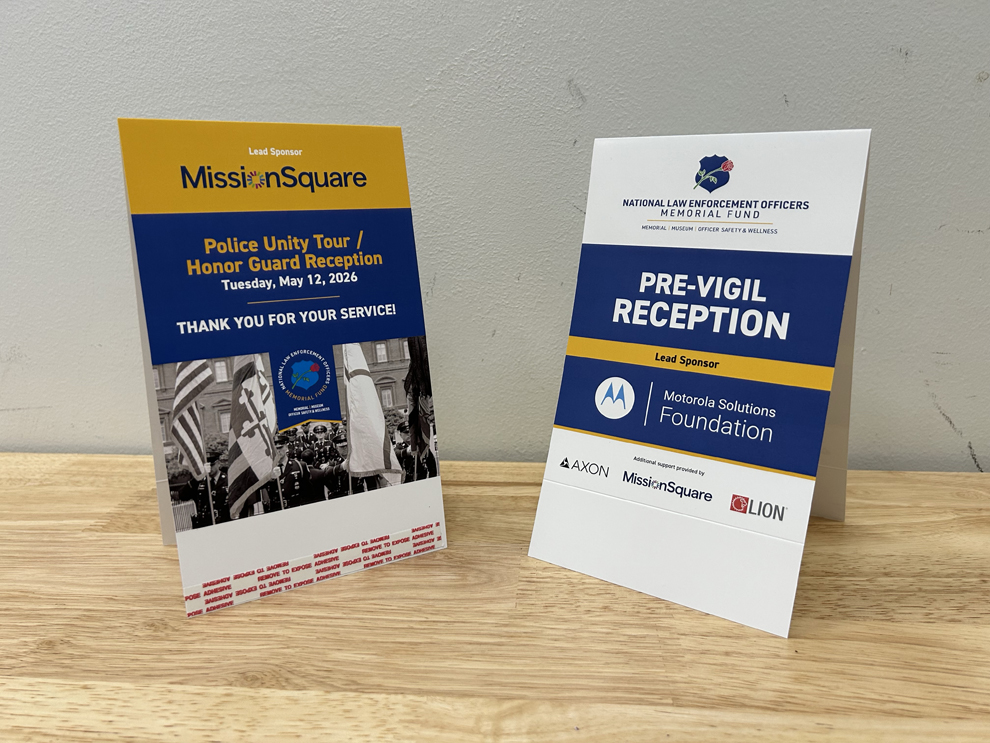
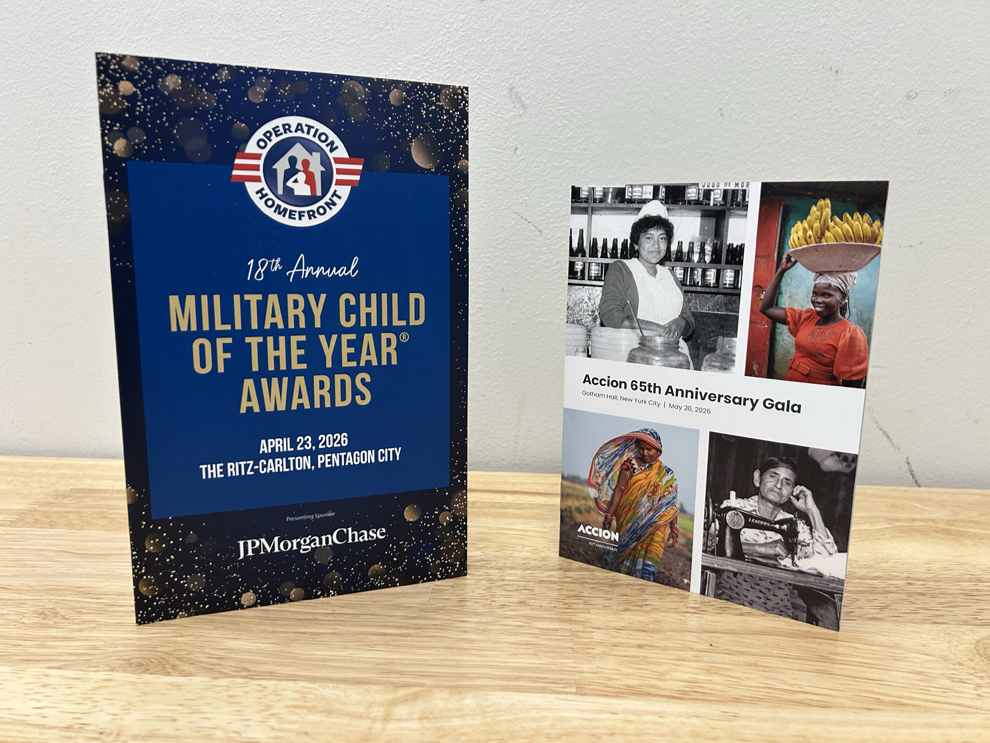
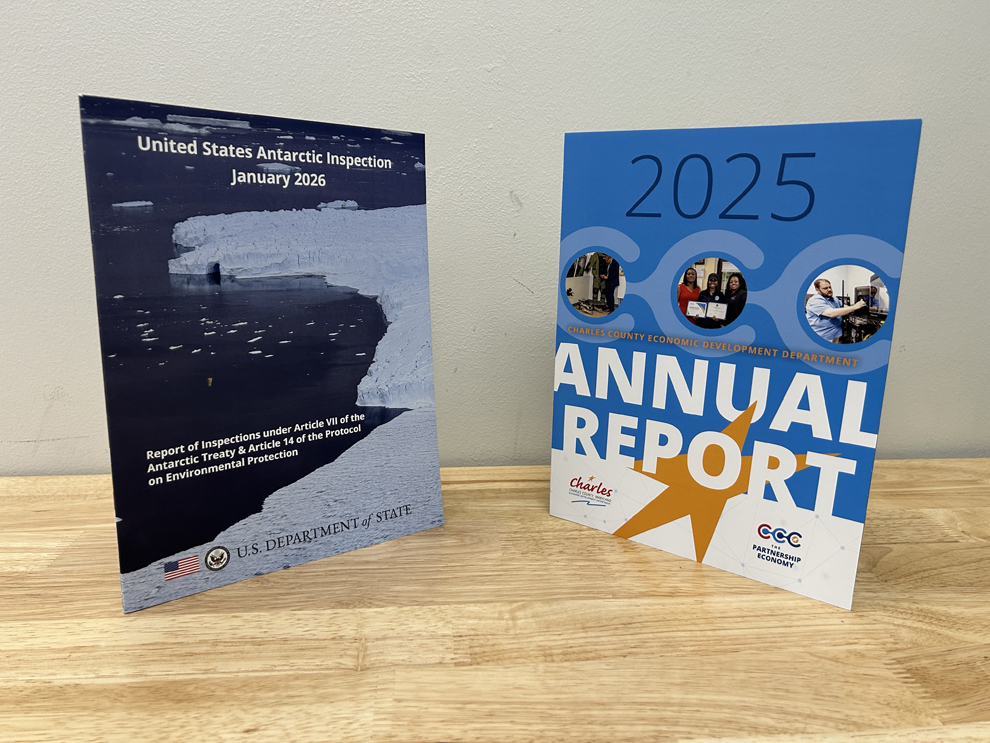
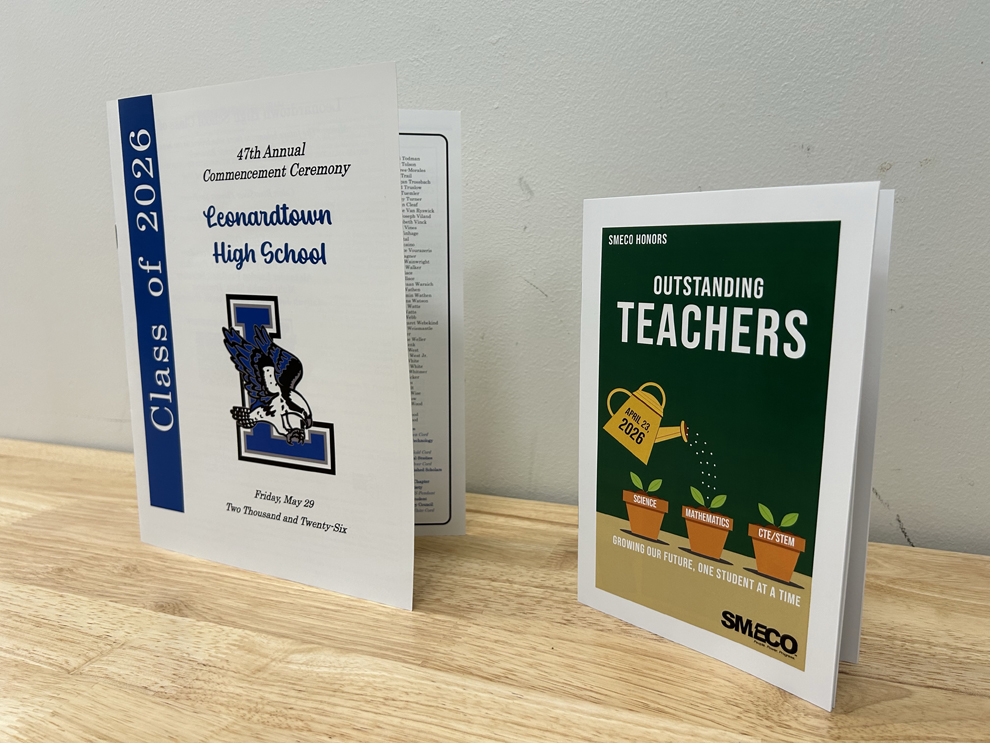
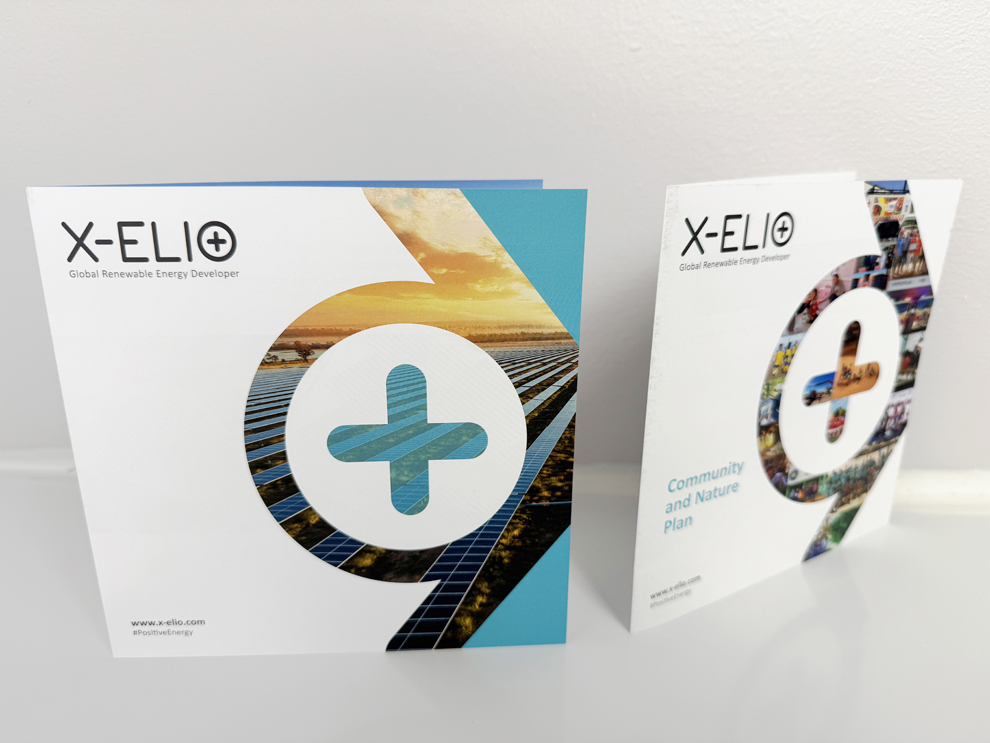
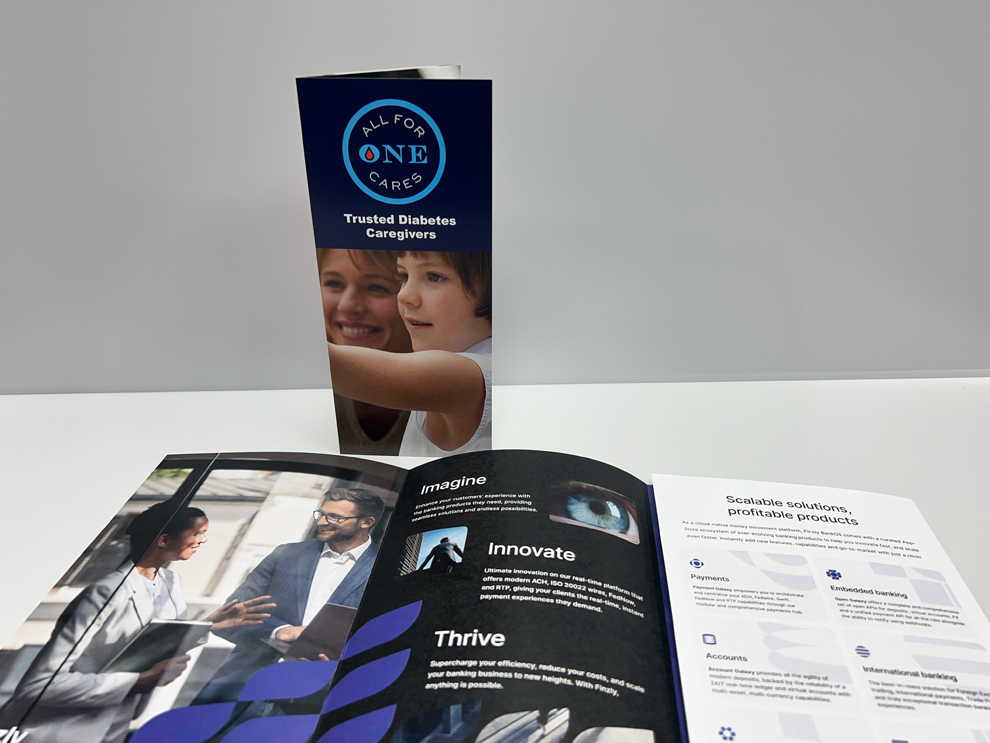
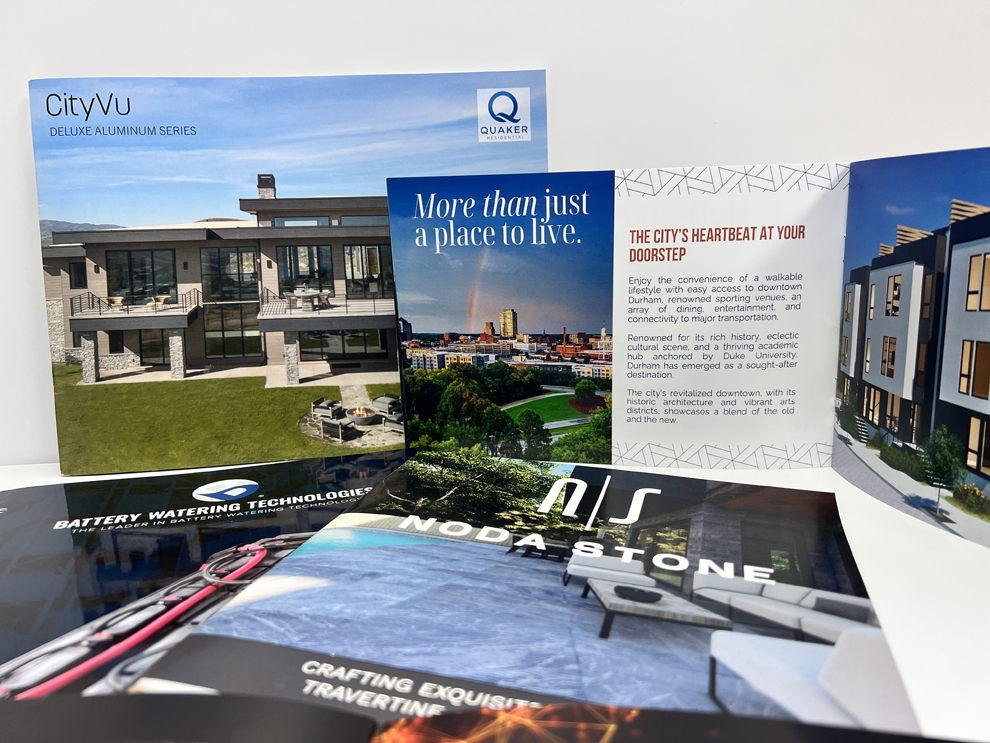
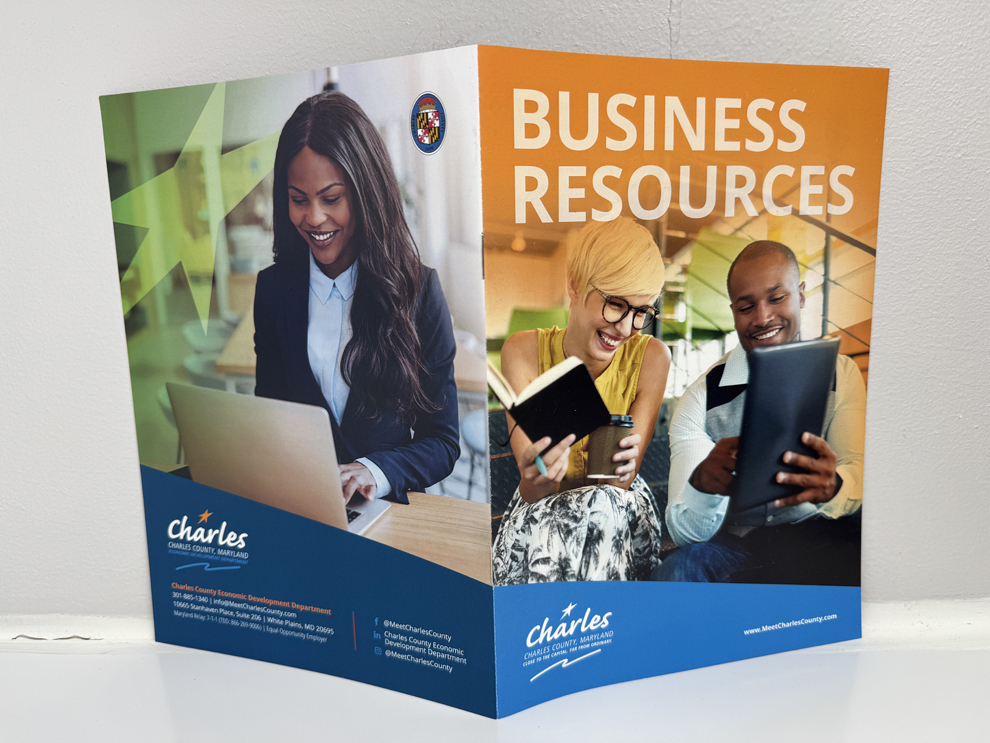
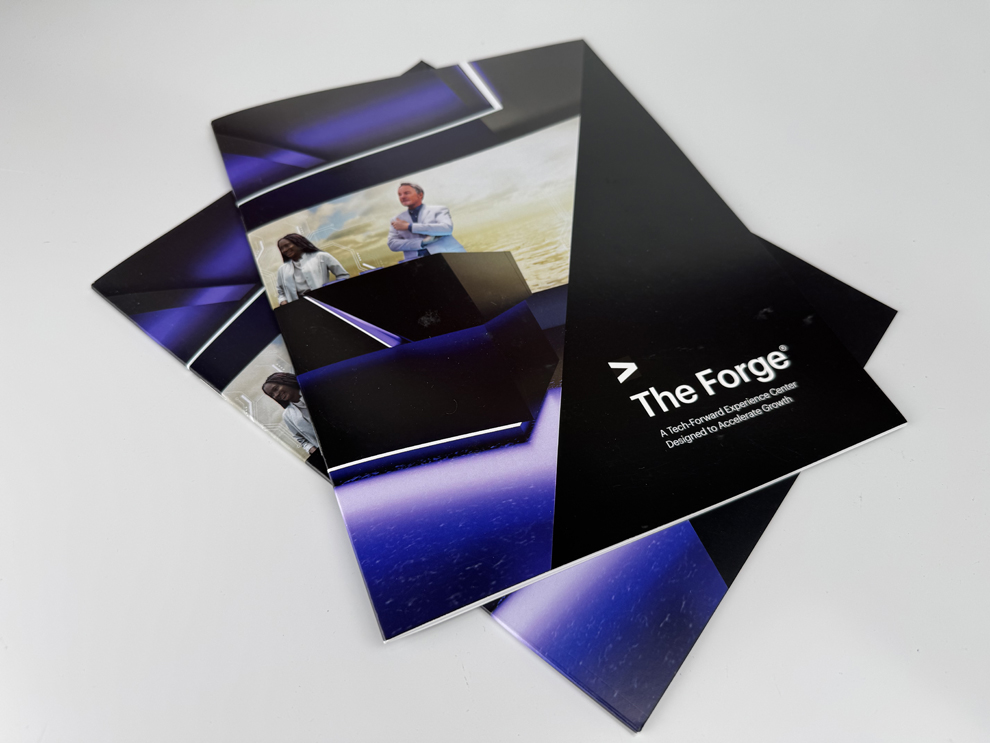
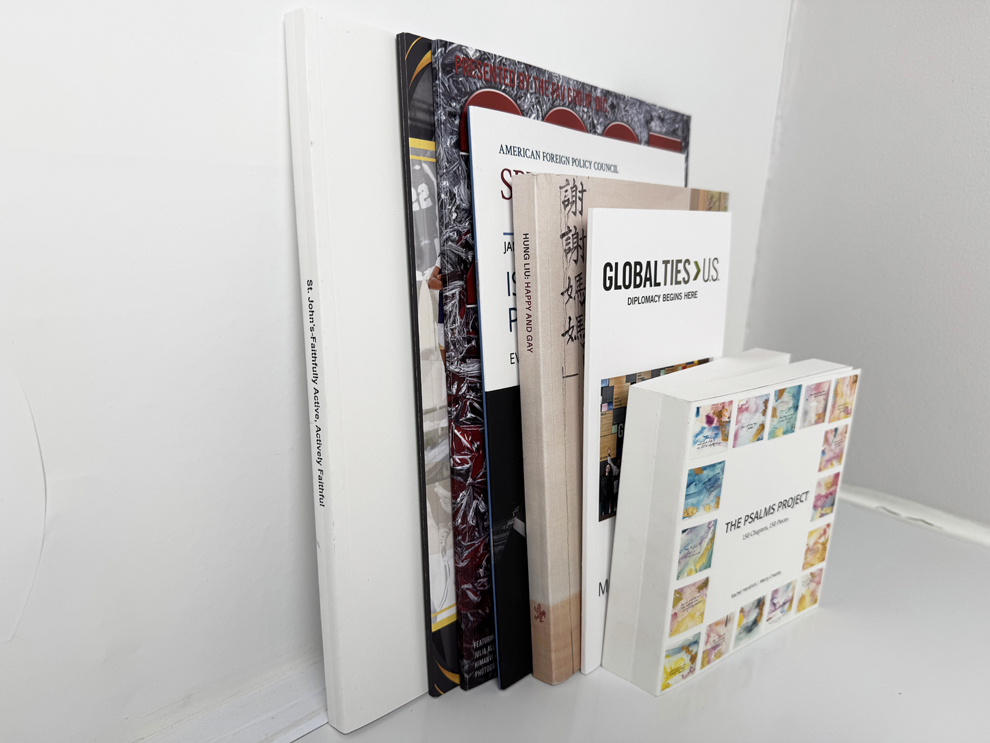
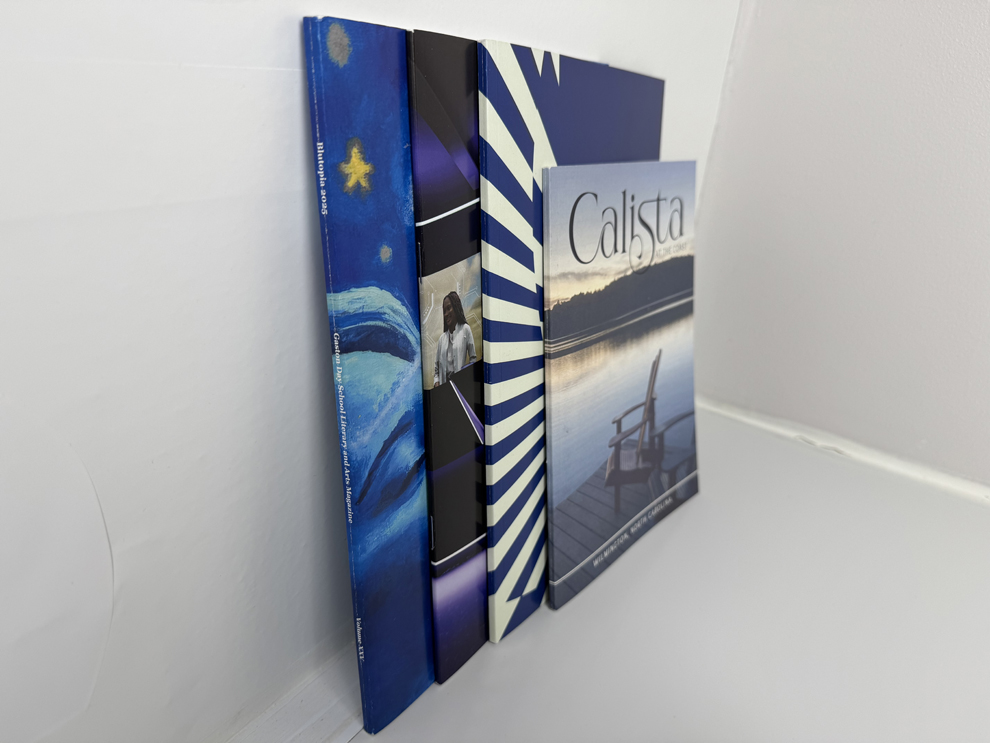
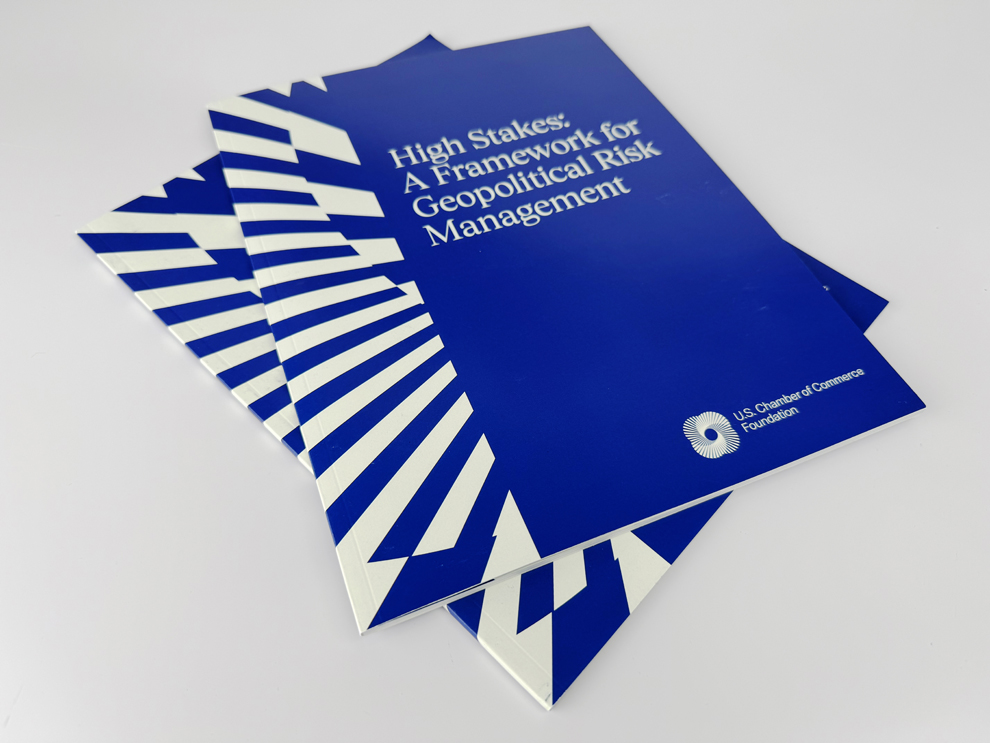
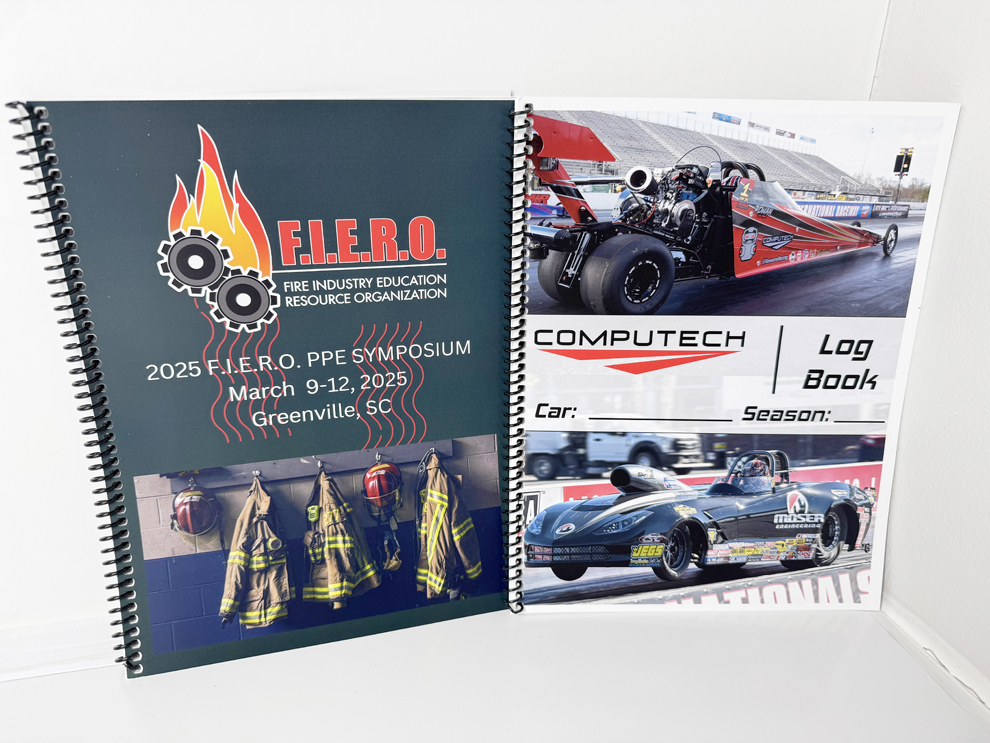
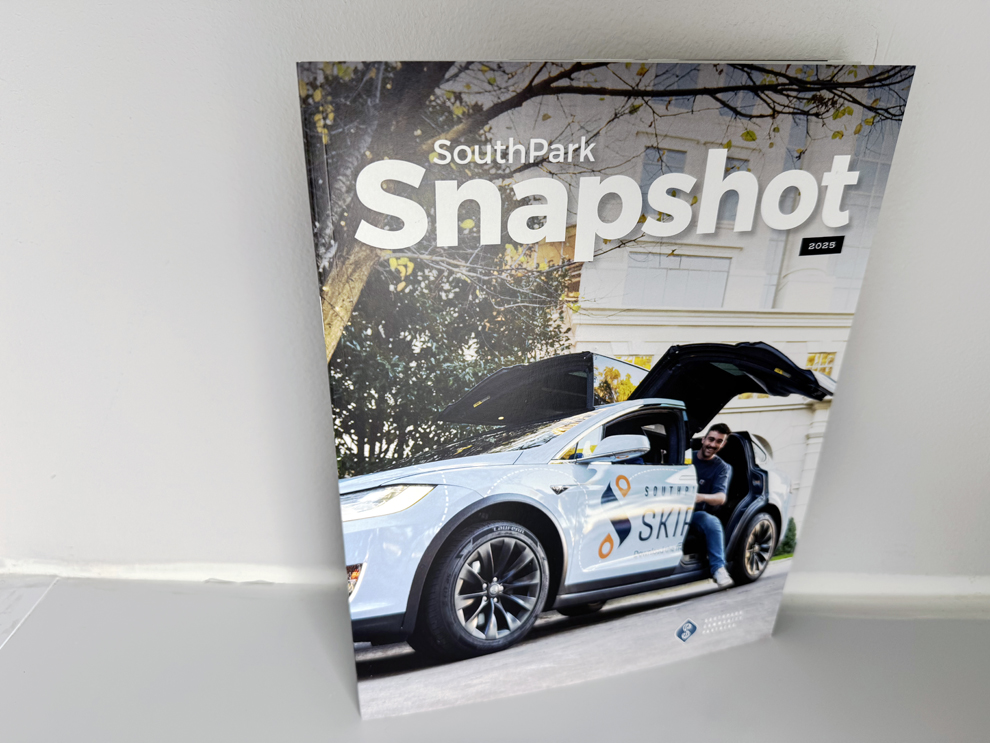
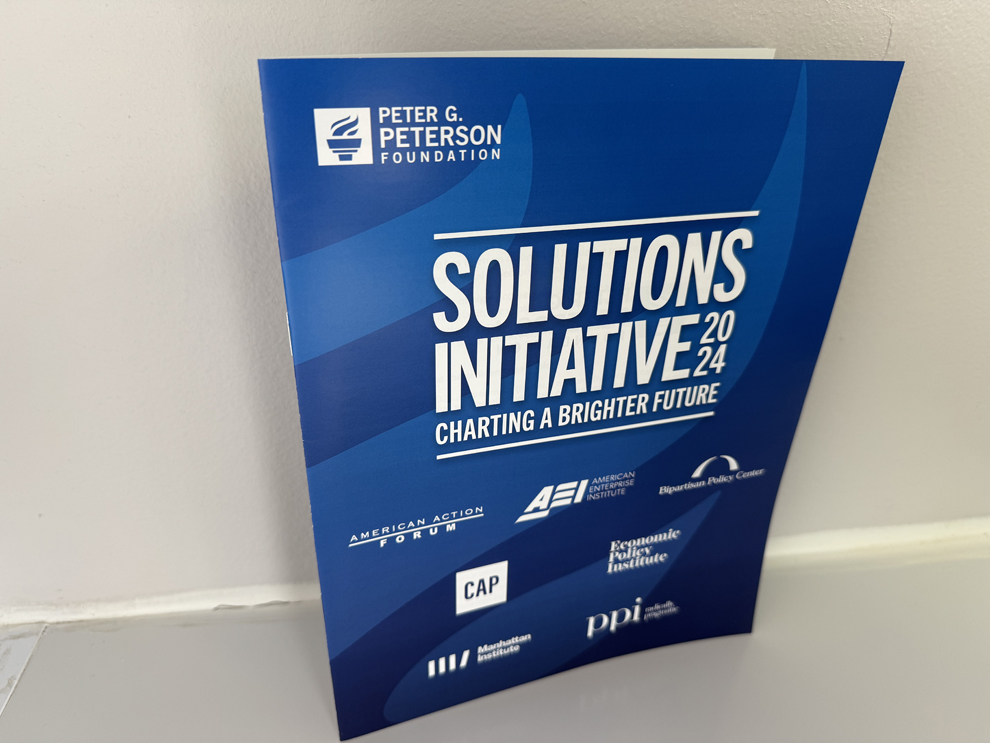
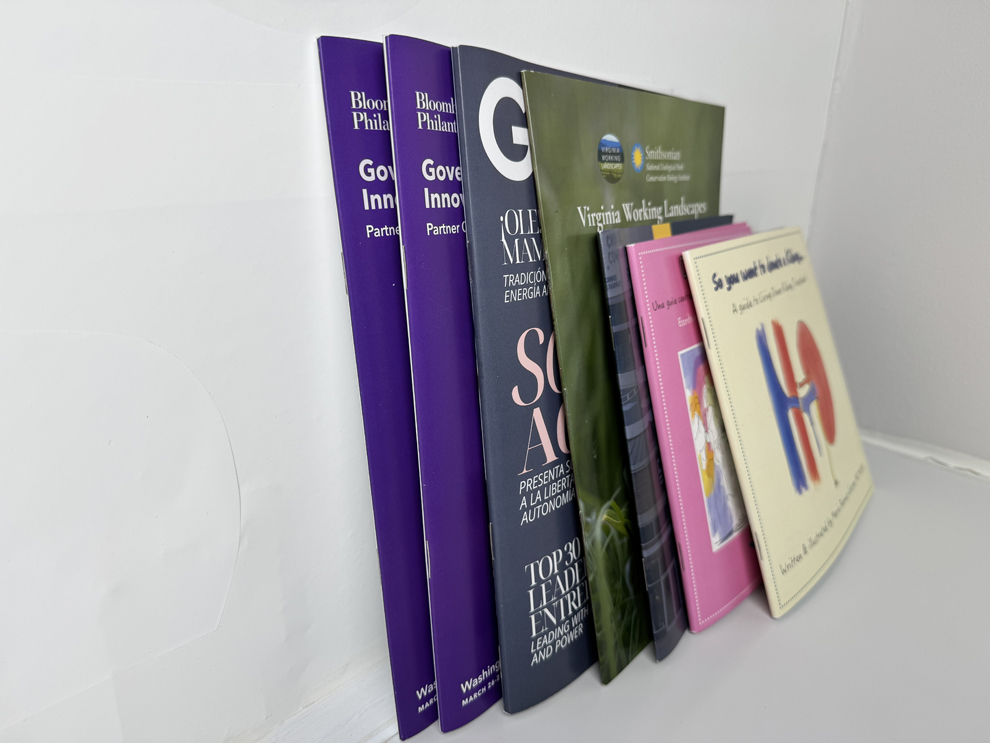
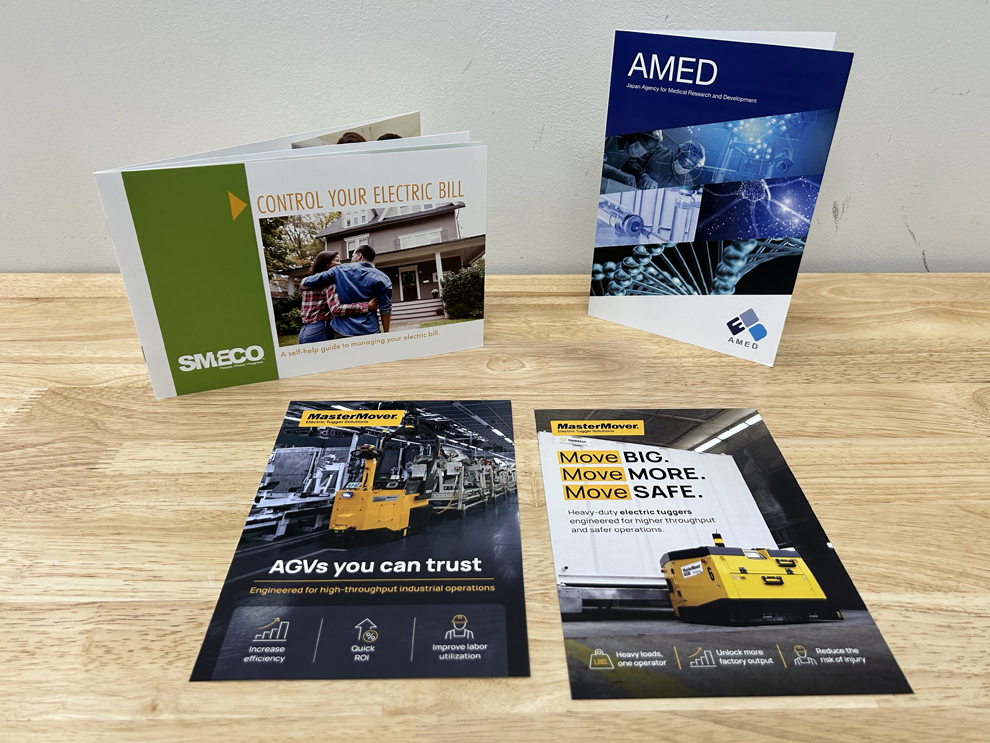
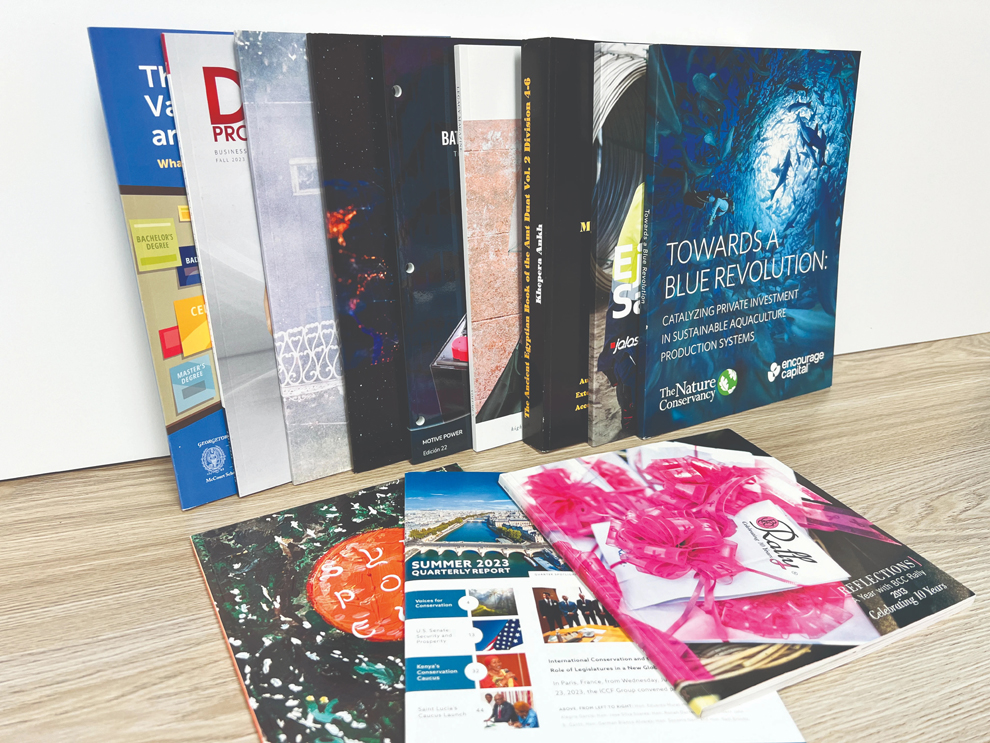
A safety orientation at a Chesapeake logistics yard, a new-hire training cycle at a medical practice, or a civic group's annual dinner has its date fixed weeks before the final page is approved. The booklet distributed that day has to present procedures clearly, represent the organization accurately, and survive being carried, marked up, or filed. Whether it does depends on production decisions as much as on the writing.
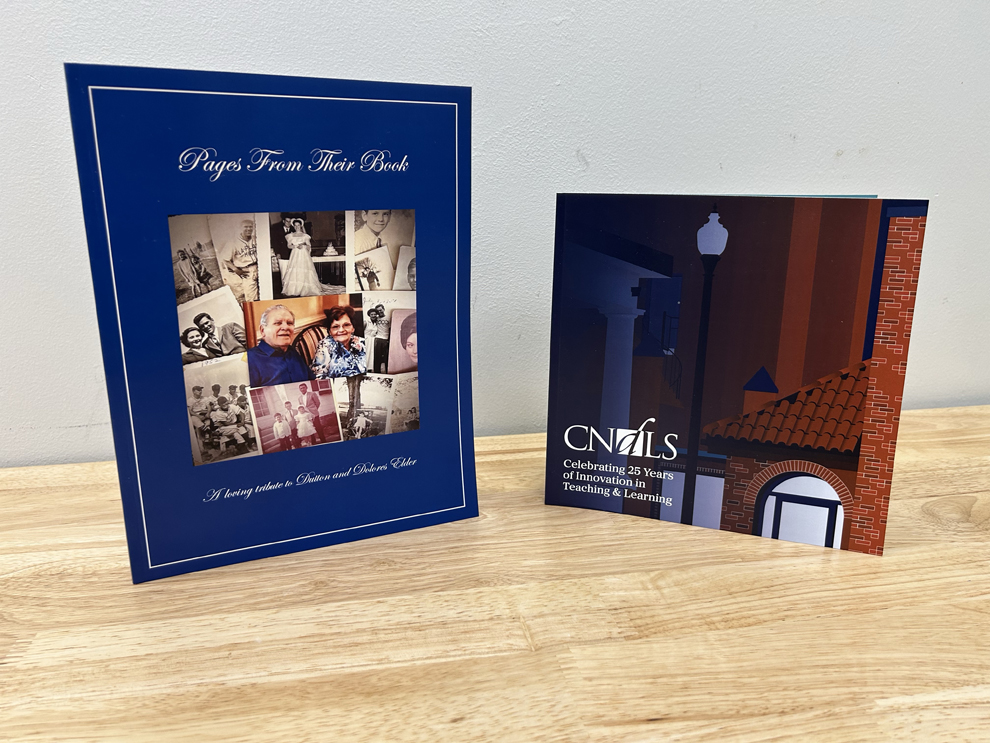
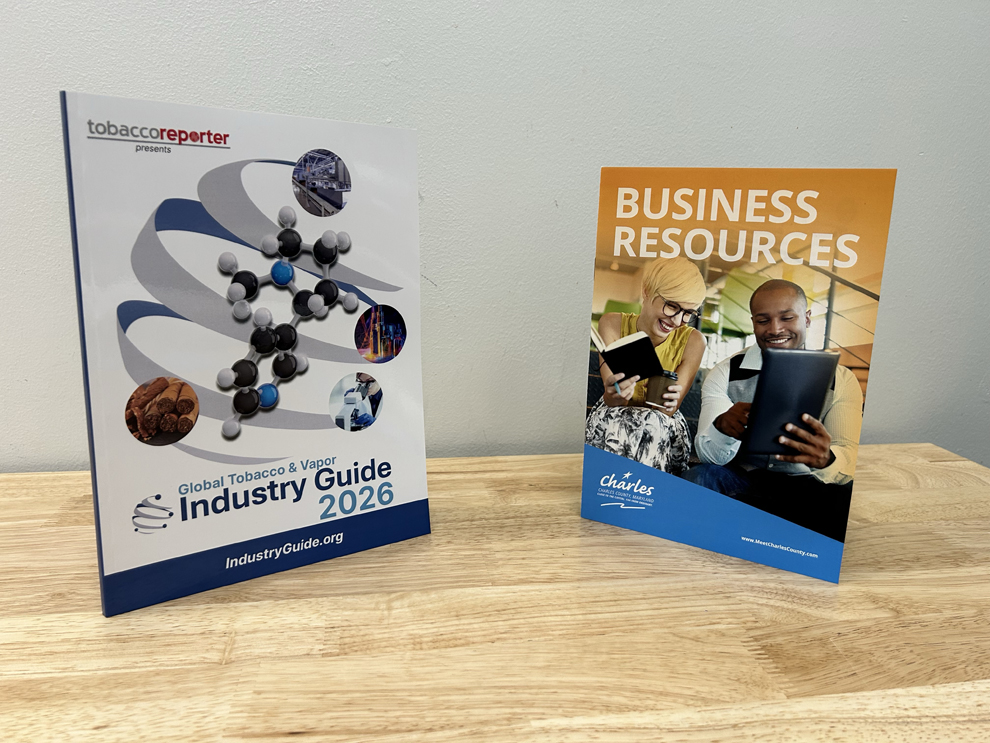
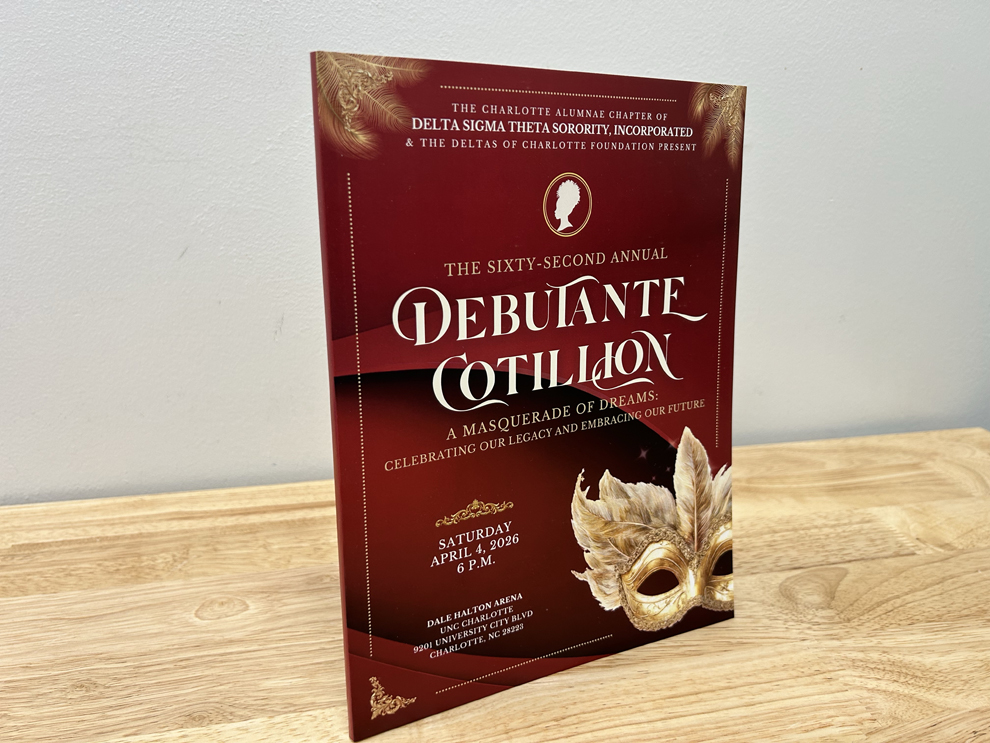
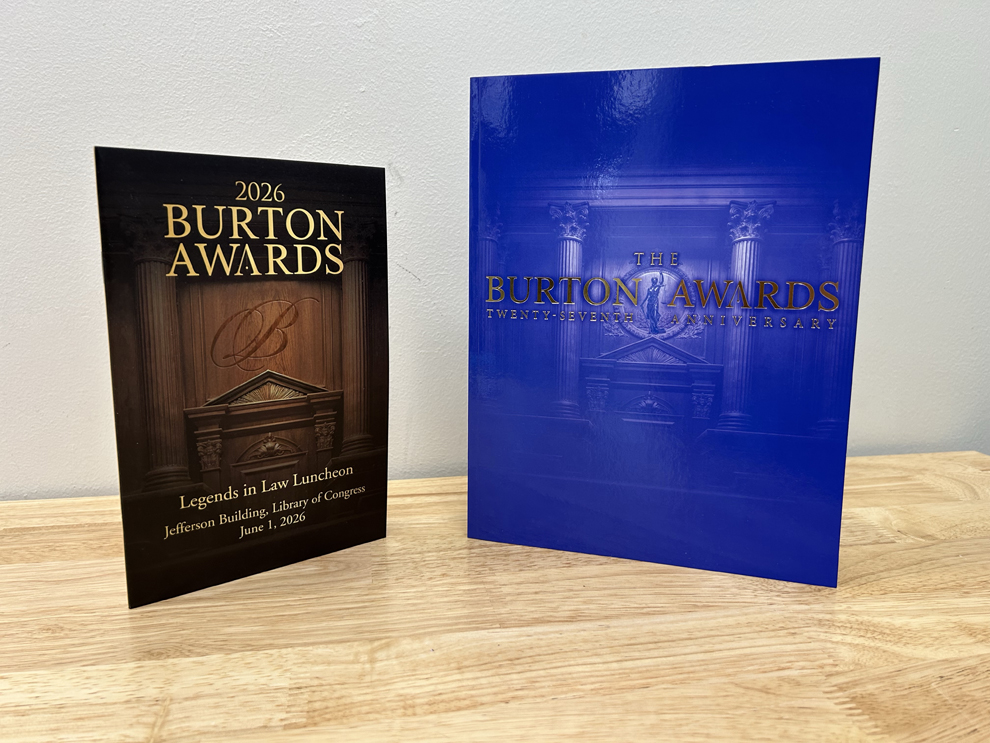
Chesapeake organizations use booklets in many forms. A training manual for field crews, a board report for a nonprofit, a program for an awards ceremony, a catalog for a regional distributor, and a capabilities piece for a defense contractor each call for different handling. Page count, trim size, paper weight, cover construction, binding method, color coverage, and delivery method determine whether the piece opens flat, reads comfortably, and arrives intact.
Heritage has produced Commercial Printing since 1977 and supports Chesapeake and the Hampton Roads area through its Mid-Atlantic production and coordination resources. We review the specification, raise anything that would compromise the result, and keep the schedule realistic so the copies are ready when your audience is.
A booklet rarely has one author. A safety officer writes the procedures, a compliance lead signs off on the wording, a communications manager checks the logo and colors, and an administrator owns the delivery date. Each revision moves the production clock. Heritage addresses that with clear communication about what has been received, what is outstanding, and what the current file set means for the schedule. We cannot absorb unlimited late changes, but we can tell you where the line is.
Heritage is veteran-owned and family-led, with Commercial Printing roots dating to 1977. Our purpose is to honor God by serving clients and communities with excellence, and that shows up as careful preflight, professional color management, and production and bindery checks before anything ships. Chesapeake clients work with the same production discipline that supports Heritage's broader Mid-Atlantic work.
For qualifying directly managed work, an accepted and assigned Custom Quote order has a Project Coordinator who knows the agreed specification and handles questions by phone and email. That continuity matters when a manual is reprinted each quarter or a report follows the same approval chain every year.
Browse related products when a booklet travels with other printed material or calls for a different construction.
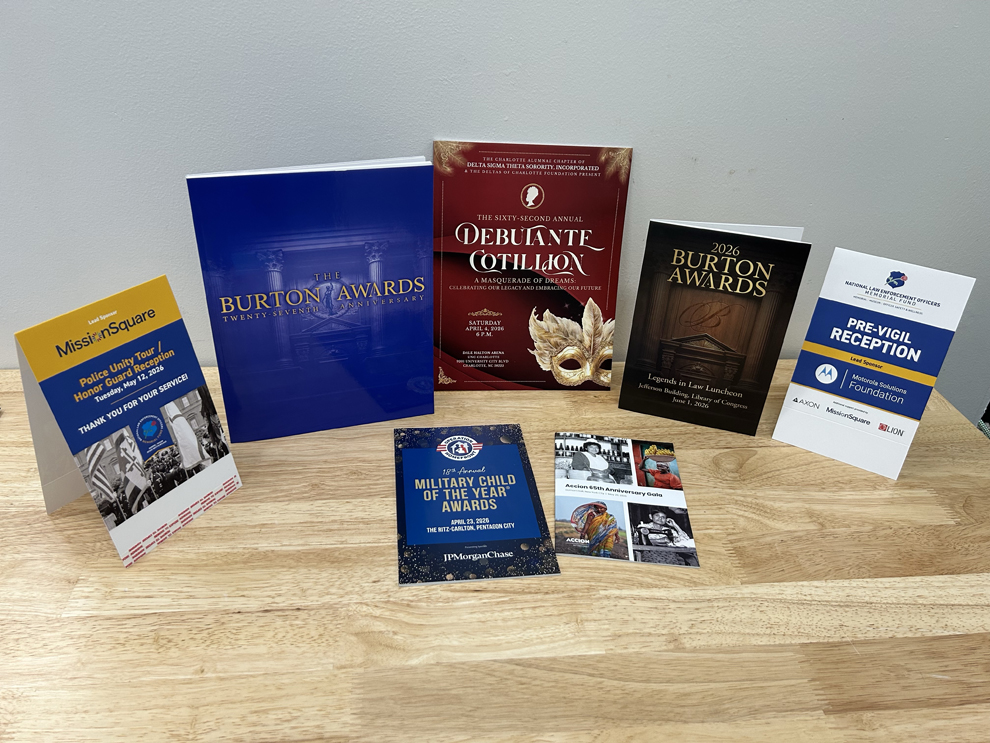
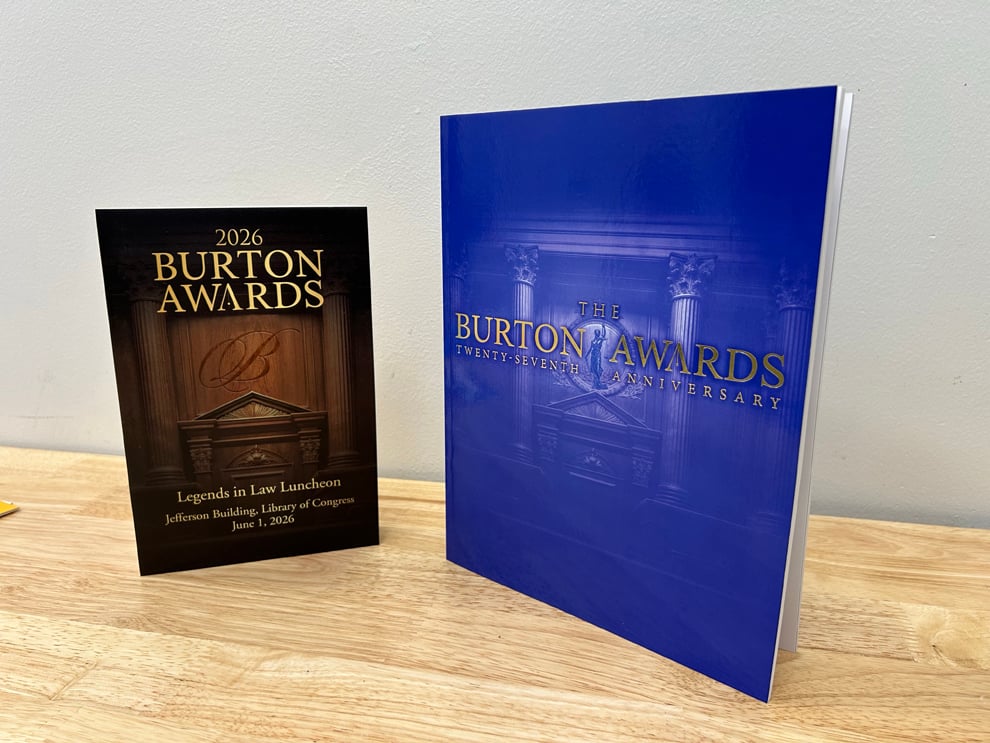
For ceremony agendas, speaker lists, and sponsor acknowledgments handed out at the door.
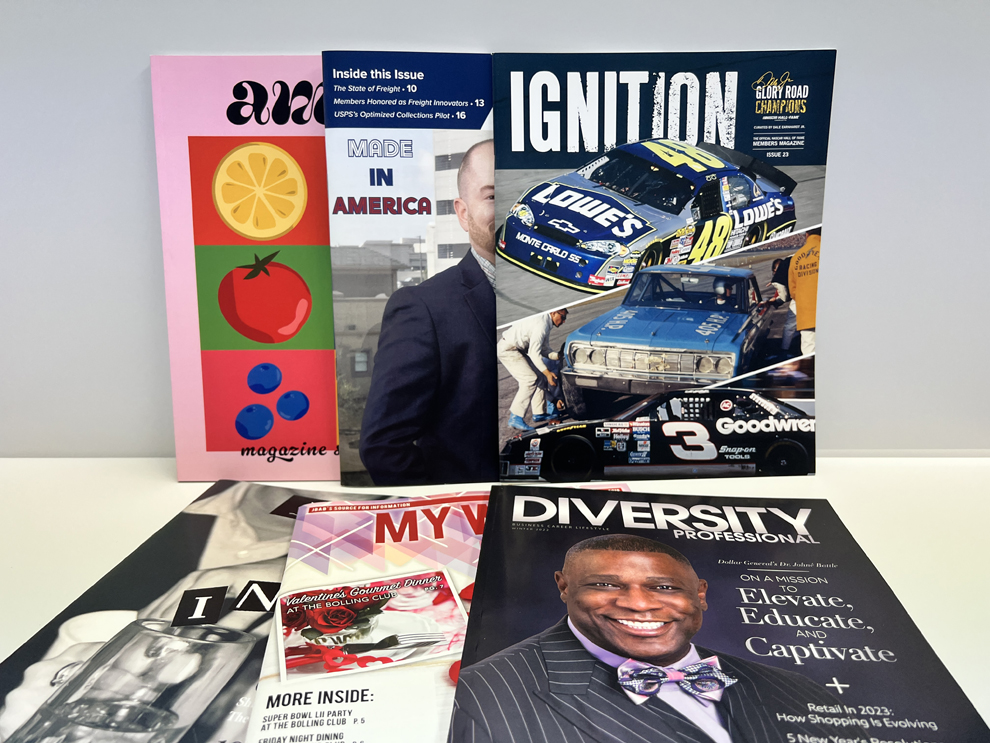
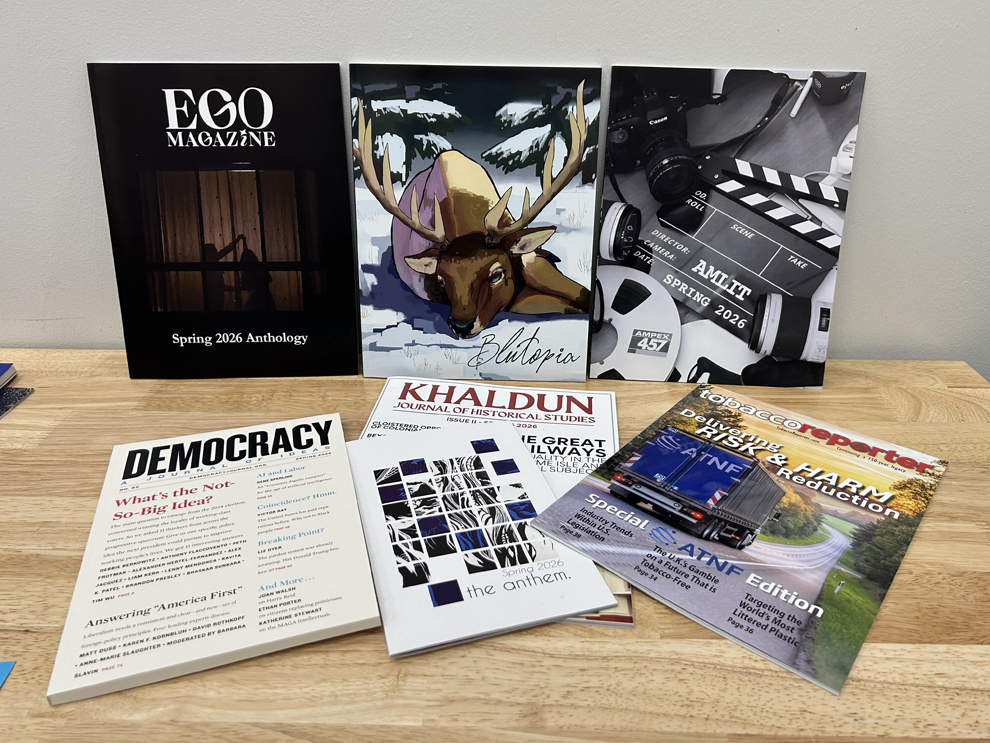
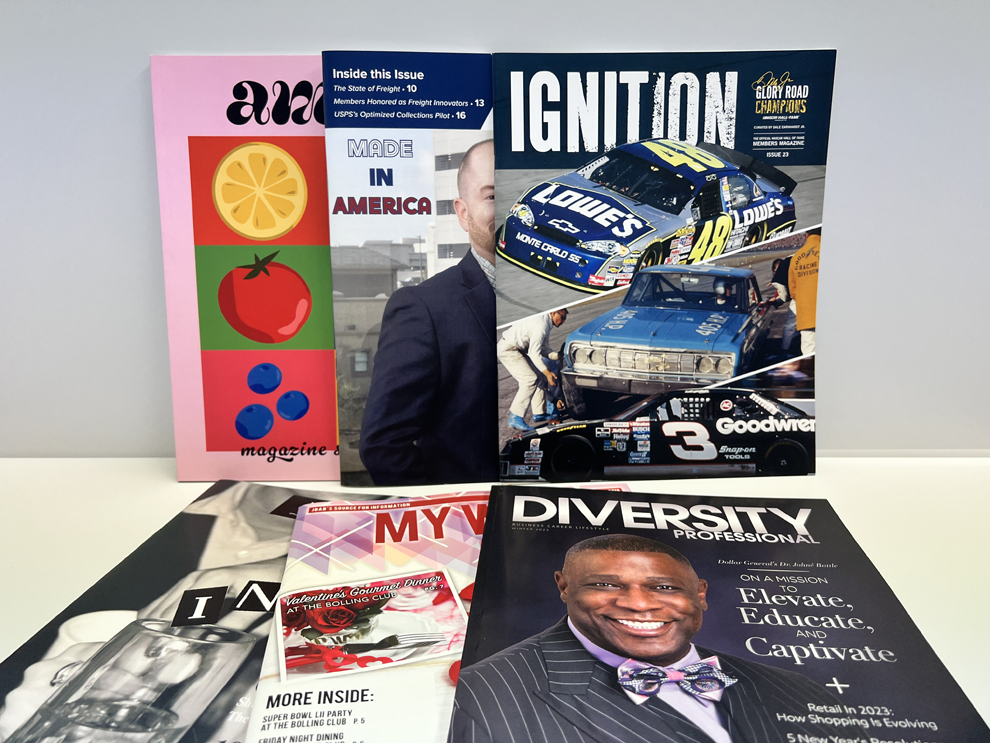
Explore recurring member or customer editions with consistent specifications from issue to issue.
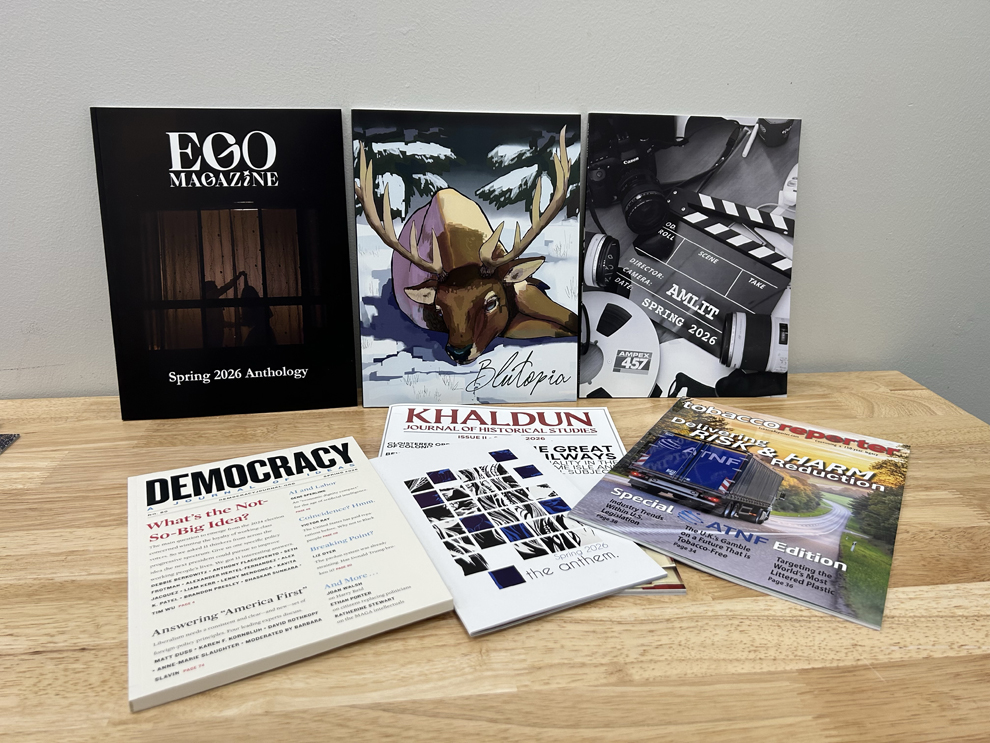
For lengthy reference publications that need a printed spine and shelf presence.
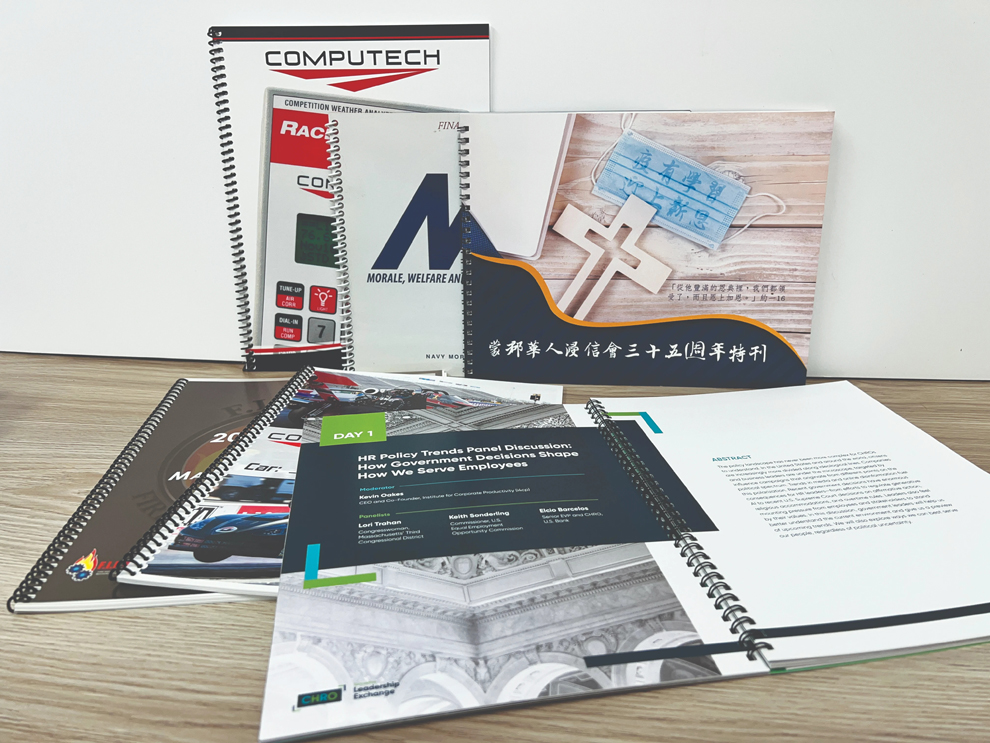
For procedural guides that must lie flat during instruction and repeated use.
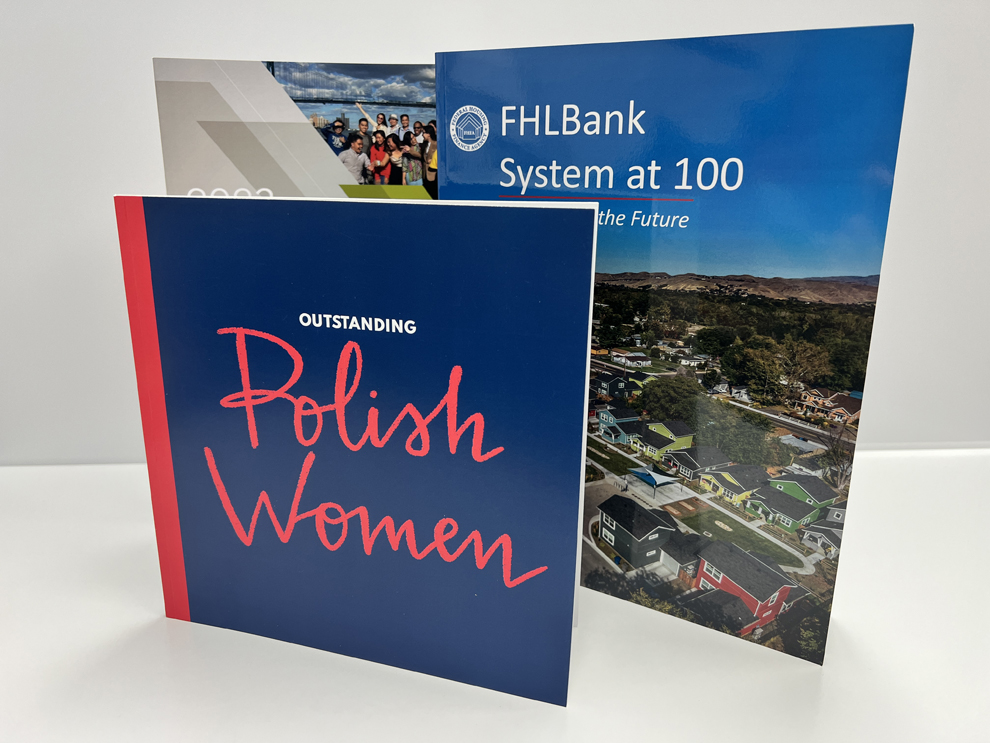
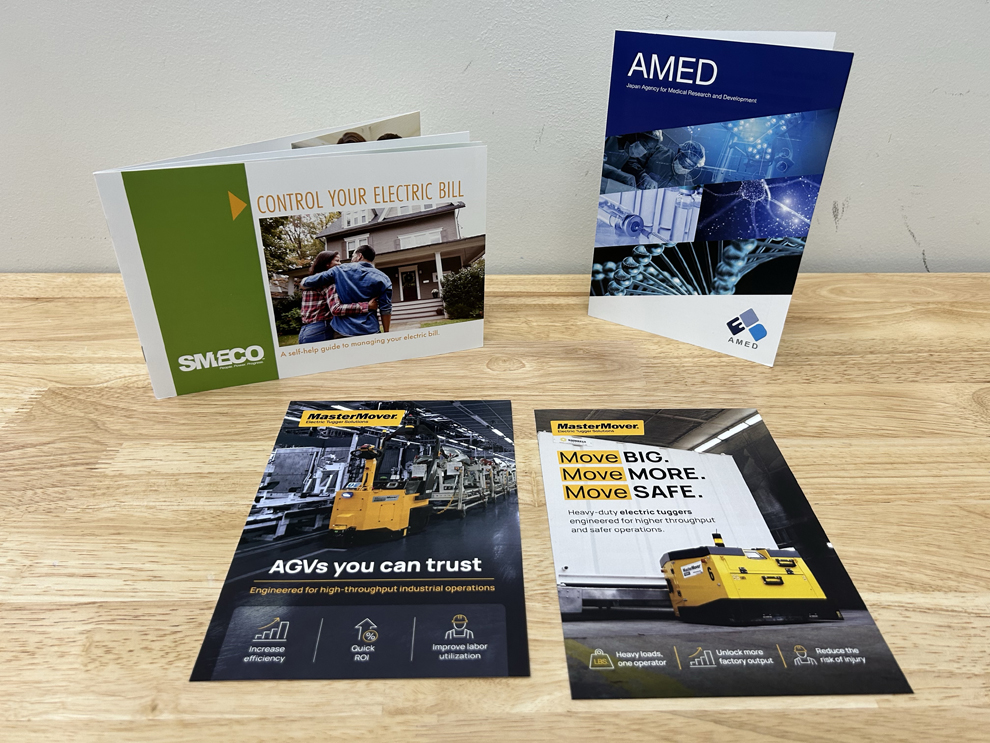
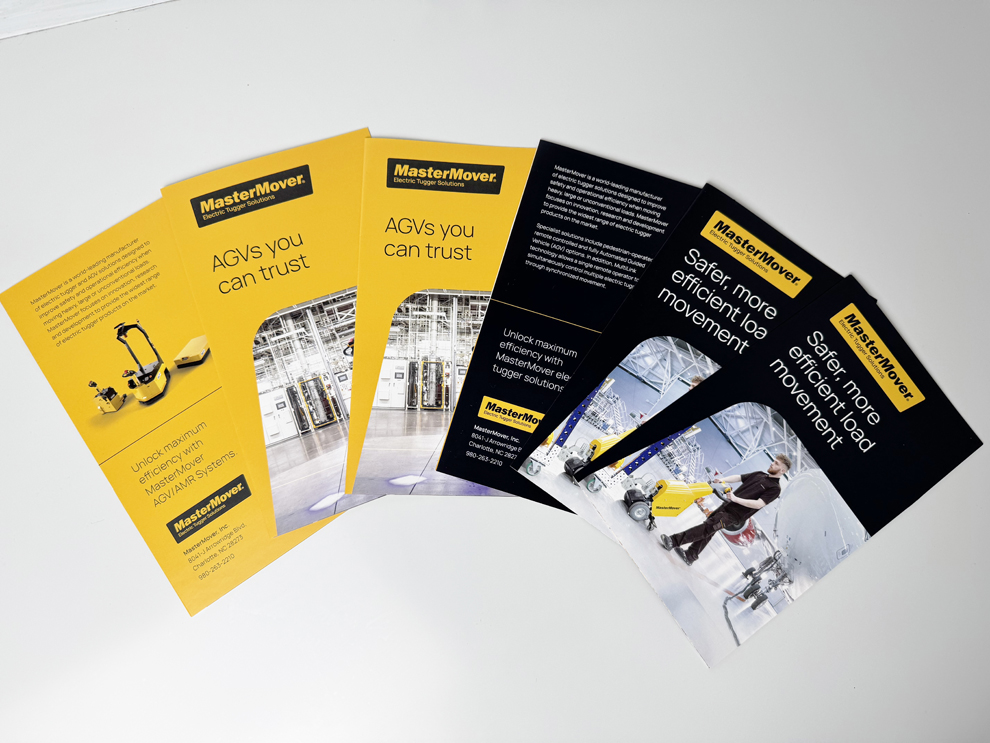
Present concise service or program information in folded or flat formats.
Coordinate addressed delivery of publications within an accepted Commercial Printing scope.
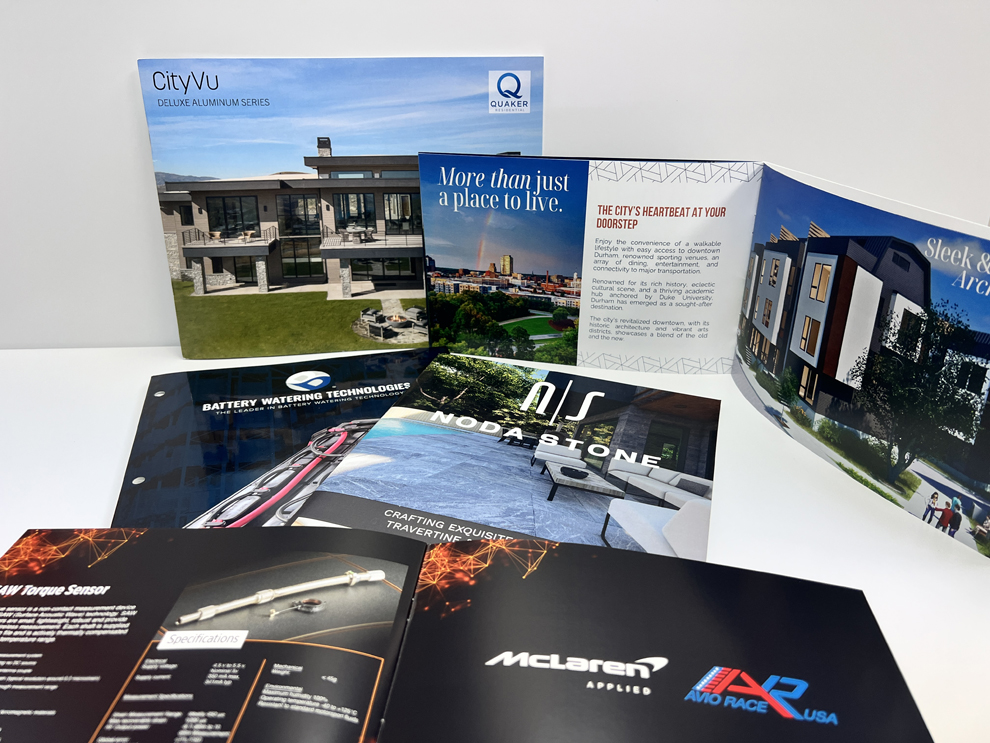
Keep outreach pieces consistent with the booklets they accompany.
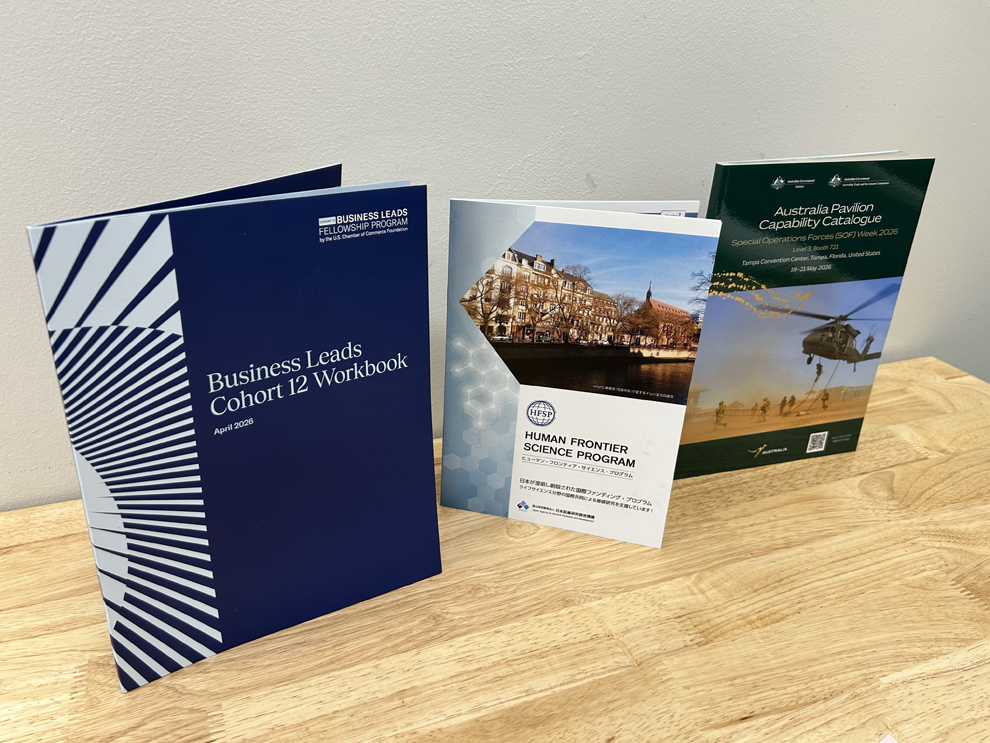
Keep reports, inserts, and handouts organized for meetings and site visits.
Compare available booklet configurations, confirm the binding that fits your readers, and order online when your print-ready files are complete.
Binding decides whether a booklet lies flat, fits an envelope, or stands on a shelf.
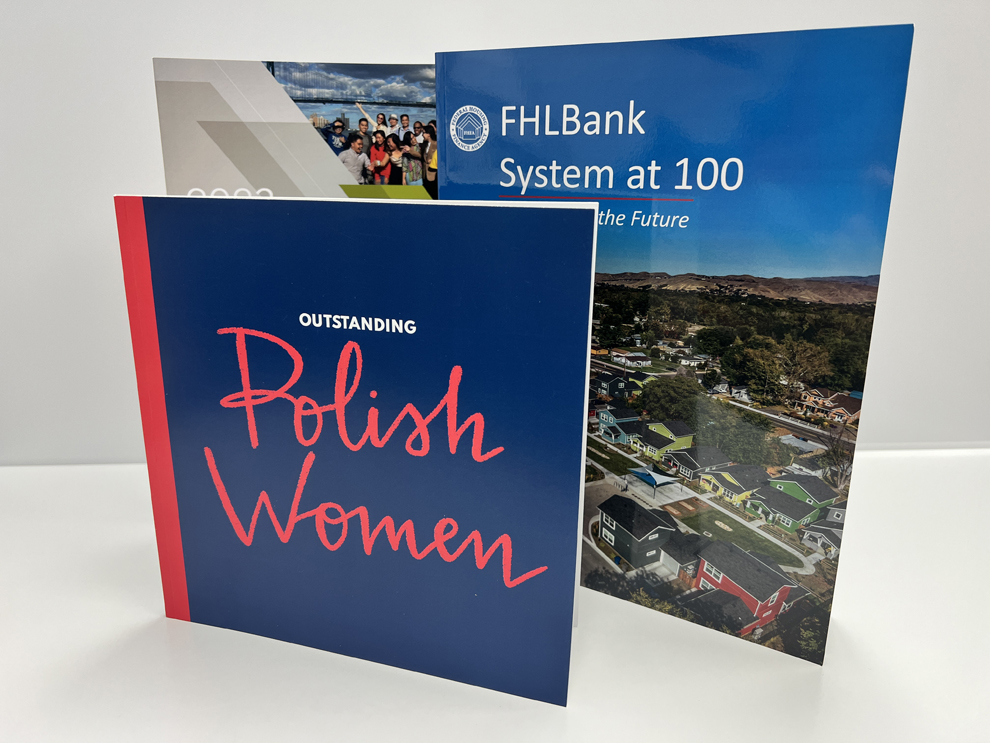
Saddle-Stitched Booklets: Printed sheets are folded and stapled through the fold. The booklet is light, mails economically, and suits ceremony programs, short reports, and orientation handouts. Page totals must land on multiples of four, and heavier paper reduces how many pages will close properly.
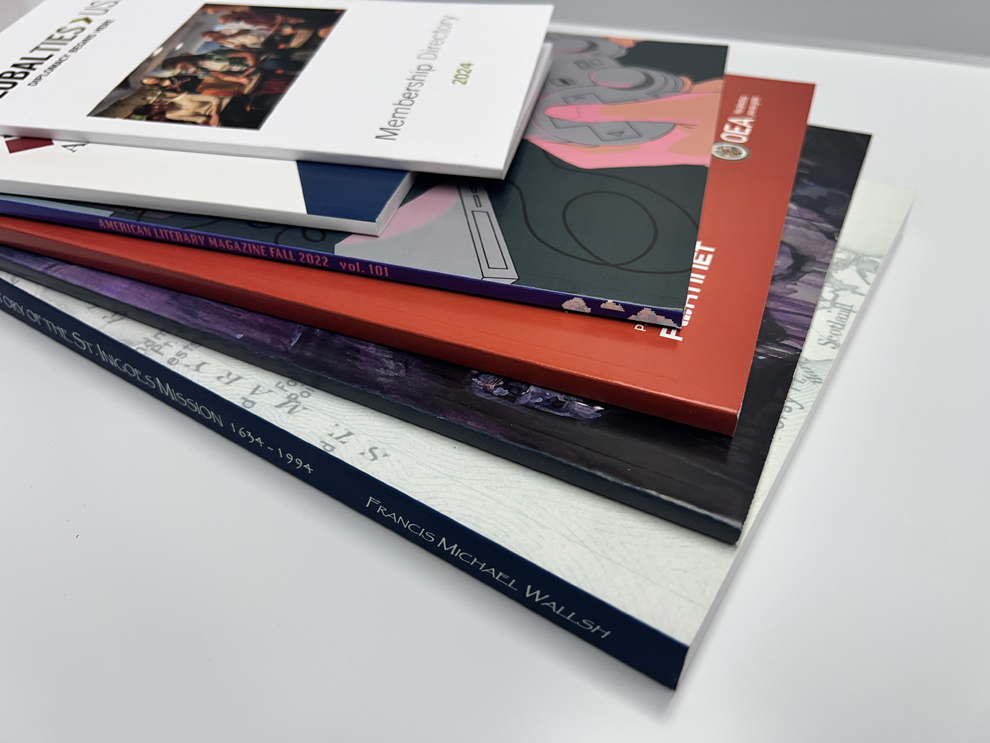
Perfect Bound Booklets: Interior pages are stacked, roughened along one edge, and glued inside a wraparound cover, producing a flat, printable spine. Longer annual reports, catalogs, and reference guides benefit from that presentation when page count and paper thickness provide enough bulk for a durable spine.
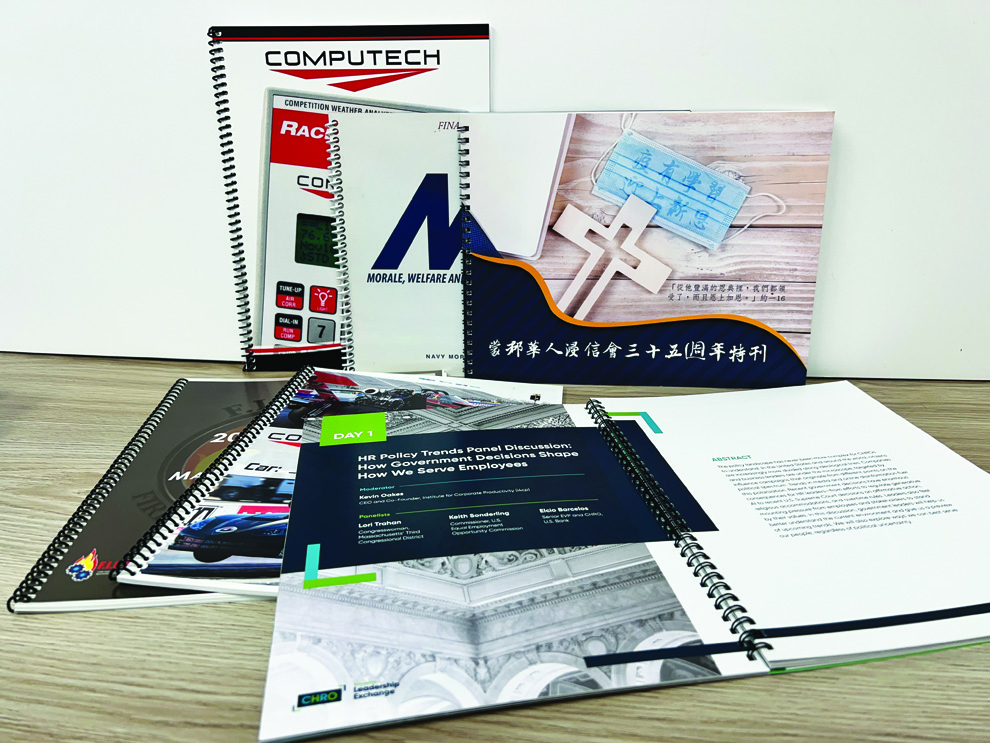
Plastic Coil / Spiral-Bound Booklets: Holes are punched along the binding edge and a continuous plastic coil is threaded through them, so the booklet opens flat and pages fold back. Safety manuals, equipment procedures, and classroom workbooks gain from that behavior. Coil serves working documents better than presentation pieces, and a thin program may not justify it.
Finished size, cover weight, images crossing spreads, envelope fit, and delivery date all interact with binding. For qualifying accepted Custom Quote work, Heritage can review those connected decisions before the specification is locked.
Chesapeake buyers with finished files and standard specifications can order online at posted prices. Projects that need production help, such as file corrections or mailing, may qualify for a directly managed route. Both paths include an electronic proof you approve before printing, and neither path treats that proof as a promise of finished color.
Self-Directed Online Store: Pick the available page count, paper, cover, and binding, upload a complete print-ready PDF, check the posted price, and order independently. Store products carry Heritage's lowest available pricing, and eligible items can be combined to reach the $750 minimum order. Accepted orders still receive Heritage's normal production review, quality checks, and required electronic proof approval, but no assigned Project Coordinator, layout work, or physical color proof.
Storefront Custom Quote: Approved new Commercial Printing work of $2,000 or more may use this form-based path when the job needs file adjustments, binding and paper guidance, color-critical decisions, mailing coordination, or closer scheduling. Once the quote is accepted and the order assigned, a Project Coordinator becomes your phone-and-email contact through completion. Established clients may keep that contact for appropriate repeat editions.
Thickness, not page count alone, sets the limit. A 64-page booklet on light text paper may saddle stitch cleanly while the same count on heavy coated stock bows open and creeps at the outer edge. Perfect binding needs enough bulk to form a sound spine, and coil binding needs a stack that fits the coil diameter. Check the live Store product's limits for your configuration.
A coil-bound booklet usually serves a procedural training program best because it lies flat on a tailgate, desk, or classroom table while someone follows the steps. A short orientation agenda or ceremony program is lighter and more economical as a saddle-stitched piece. Consider whether readers will write in it, store it, or receive it by mail before settling on a construction.
Yes, when the specifications, files, quantity, and delivery requirements fit Heritage's accepted Commercial Printing scope. Provide the required date, binding, page count, and delivery address as early as possible so production and finishing time can be evaluated honestly. Heritage confirms a date only after reviewing the whole production path and will propose a workable alternative if the request cannot responsibly be met.
Upload a single complete PDF prepared to the Store product's instructions, normally single pages in reading order rather than printer spreads. Confirm trim size, bleed, safe margins, embedded fonts, and image resolution, and build the cover as the product specifies. A separate cover for a perfect-bound piece is set up differently from the interior pages.
Yes. Every true Commercial Printing booklet order, including a Self-Directed Online Store purchase, receives an electronic proof for review and approval before printing. Check text, pagination, images, and layout carefully, because production begins from what you approve. The electronic proof confirms content and position; it is not a physical color standard and does not guarantee finished color.
Coil makes sense when the booklet is a working document: equipment procedures, checklists, classroom workbooks, or field references that must stay open without being held. Pages fold fully back, and the coil tolerates rough handling. It is a poor fit for a slim program, a mailed report, or anything meant to display a printed spine on a shelf.
A self-cover booklet prints the cover on the same paper as the interior, which keeps a short piece light and economical. A separate cover uses heavier stock for durability and presentation and adds bulk that can change binding feasibility, mailing weight, and price. Review which cover options the live Store configuration offers before uploading files.
Heritage runs professional color management with spectrophotometric calibration, regular verification, and profiles built for each production device and paper. That discipline keeps output consistent, but PMS brand colors remain targets rather than guarantees because ink, substrate, and finish all influence the result. Supply high-resolution images and treat screen previews as layout references, not color references.
For qualifying Commercial Printing Custom Quote work of $2,000 or more, you can request a Physical Production Color Proof, also called a Digital Hard Copy Proof, at additional cost. It is printed on the intended production device and paper, adds time to the schedule, and becomes the controlling physical color reference after approval unless otherwise agreed. The Self-Directed Online Store does not offer it.
Quantity, page count, trim size, paper and cover choices, binding, color coverage, and finishing set the base price, and delivery or mailing adds to it. Dropping cartons at one Chesapeake office costs less than addressing copies to hundreds of households. The Online Store posts current prices for eligible configurations; qualifying work of $2,000 or more with added services may use Storefront Custom Quote.
Store orders require complete print-ready files, so correct them before uploading. For a qualifying Commercial Printing opportunity of $2,000 or more, an accepted Storefront Custom Quote may include production-oriented work such as resizing, adding bleed, fixing imposition, or preparing a cover to specification. That support addresses file readiness; it is not an offer of full creative design.
Choose saddle stitching for thinner booklets where a stapled fold is acceptable and page totals fall in multiples of four. Choose perfect binding when the piece is long enough to form a square, printable spine and you want a book-like finish. Paper bulk, not appearance alone, decides which method is structurally sound.
Yes. Recurring publications such as quarterly manuals, annual reports, and seasonal catalogs can repeat approved trim, paper, binding, and color specifications while Heritage reviews the updated files and quantities each time. For appropriate directly managed repeat work, established clients may continue with the Project Coordinator who already knows the publication and its approval schedule.
Yes, within an accepted Commercial Printing project. Heritage can print, finish, address, and hand off booklets to USPS so production and distribution stay under one scope. You supply authorized, accurate address data and the requested mail date. USPS sets acceptance rules and controls delivery once it has the mailing.
Use the Online Store when your files are finished, your specifications fit a live configuration, and posted pricing without an assigned Project Coordinator meets your needs. Use Storefront Custom Quote for qualifying new work of $2,000 or more that needs production guidance, file work, or mailing coordination. For ordinary Store questions, Contact Our Team is the right support route.
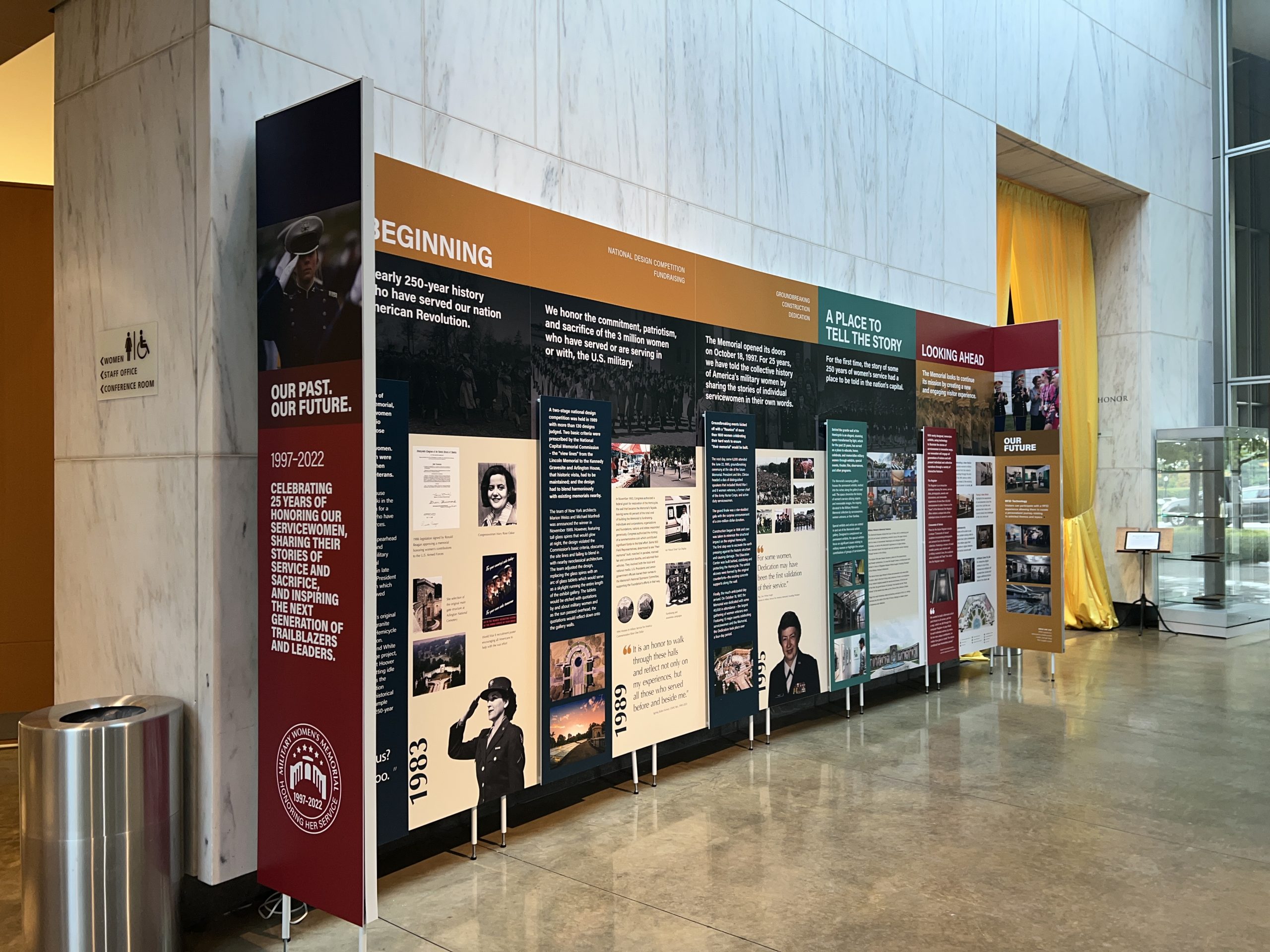
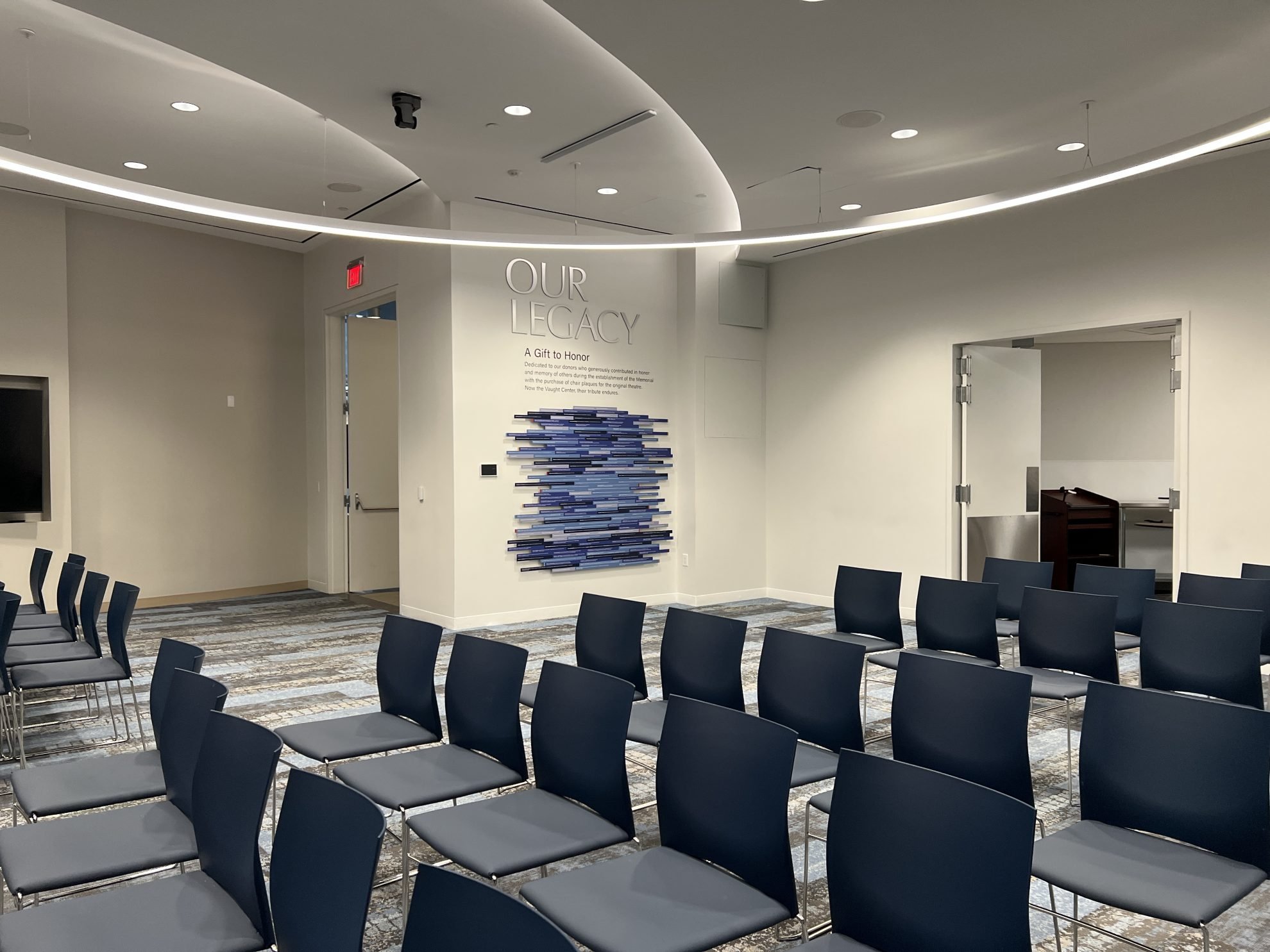
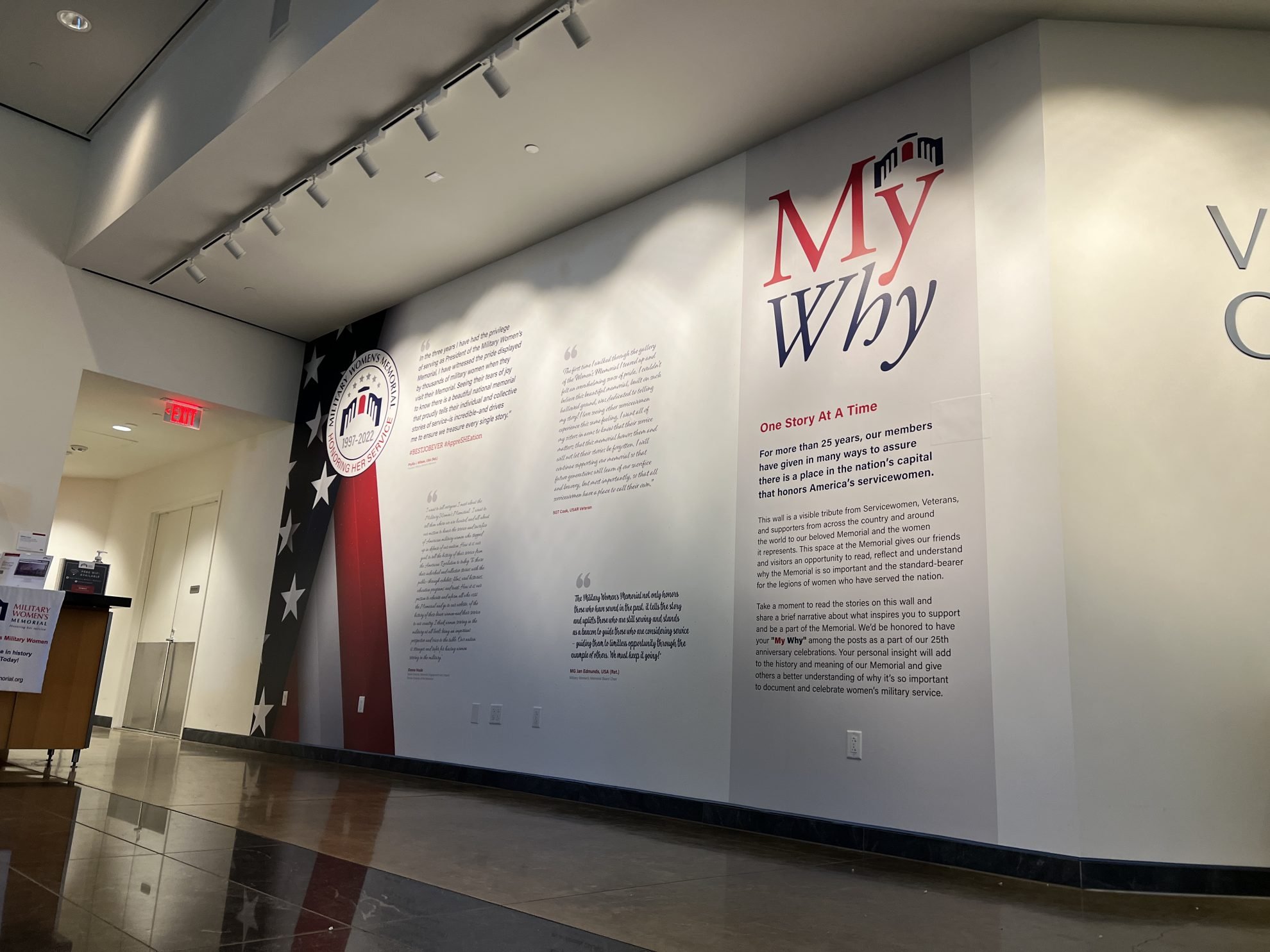
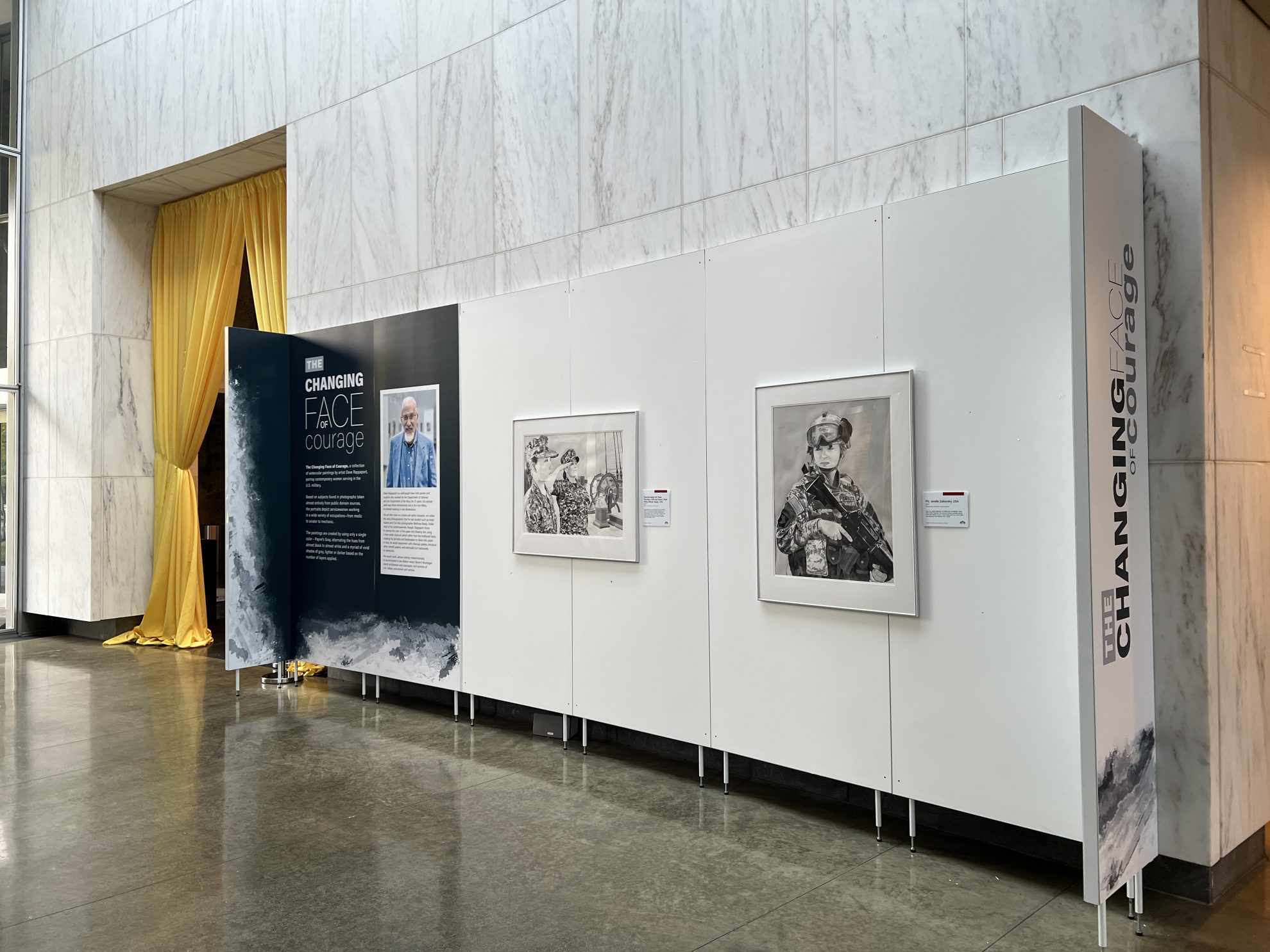
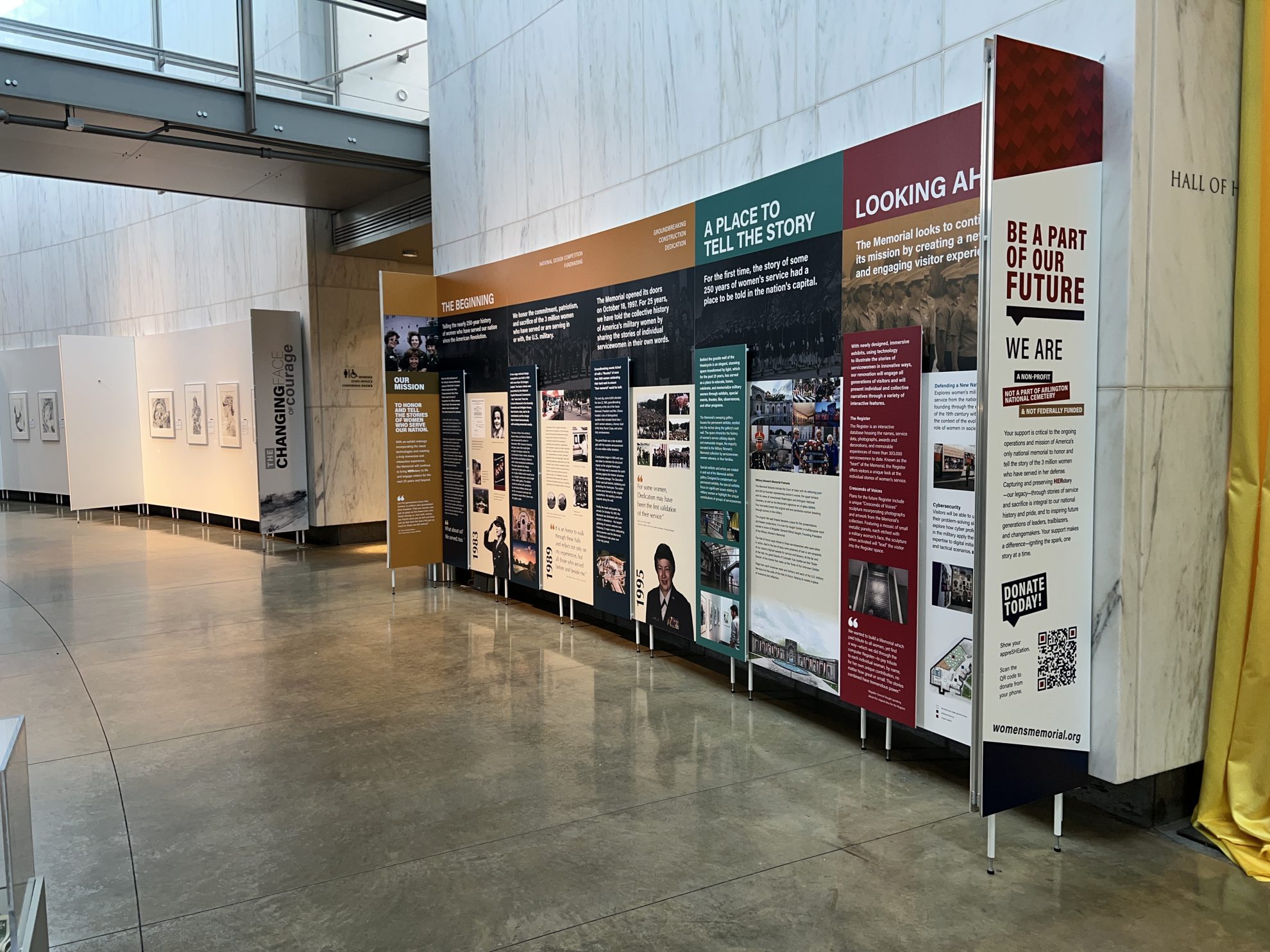
Heritage Signs & Displays created new museum signage for the Military Women’s Memorial in Arlington, VA. The project included custom signs, wall wraps, dimensional letters, and standoff-mounted displays to honor the legacy of U.S. servicewomen and the donors who supported the memorial. The updated interior features impactful designs, including a "Our Legacy" wall display and panels showcasing historical contributions and artwork, creating a transformative tribute to women in the U.S. Armed Forces.
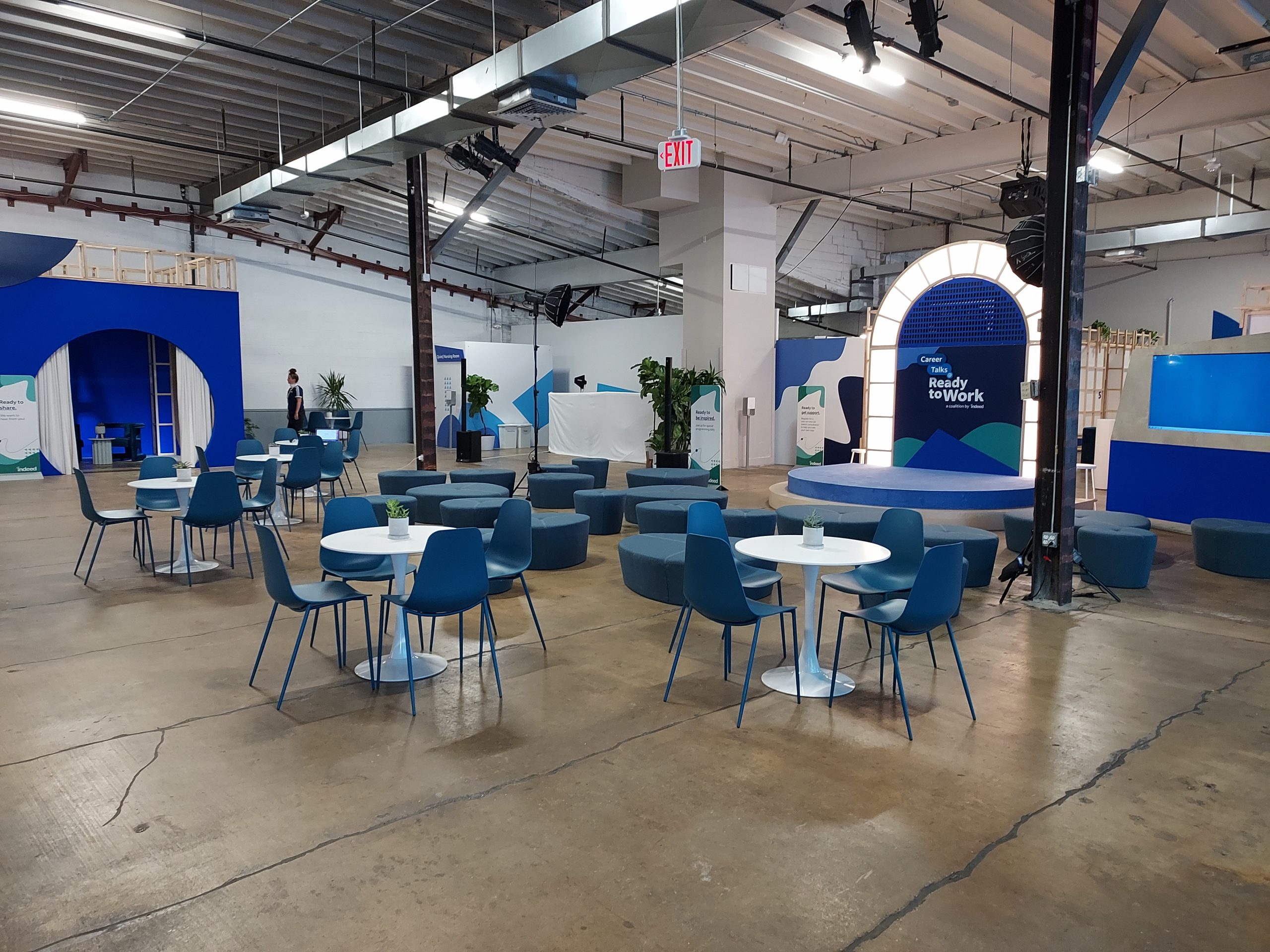
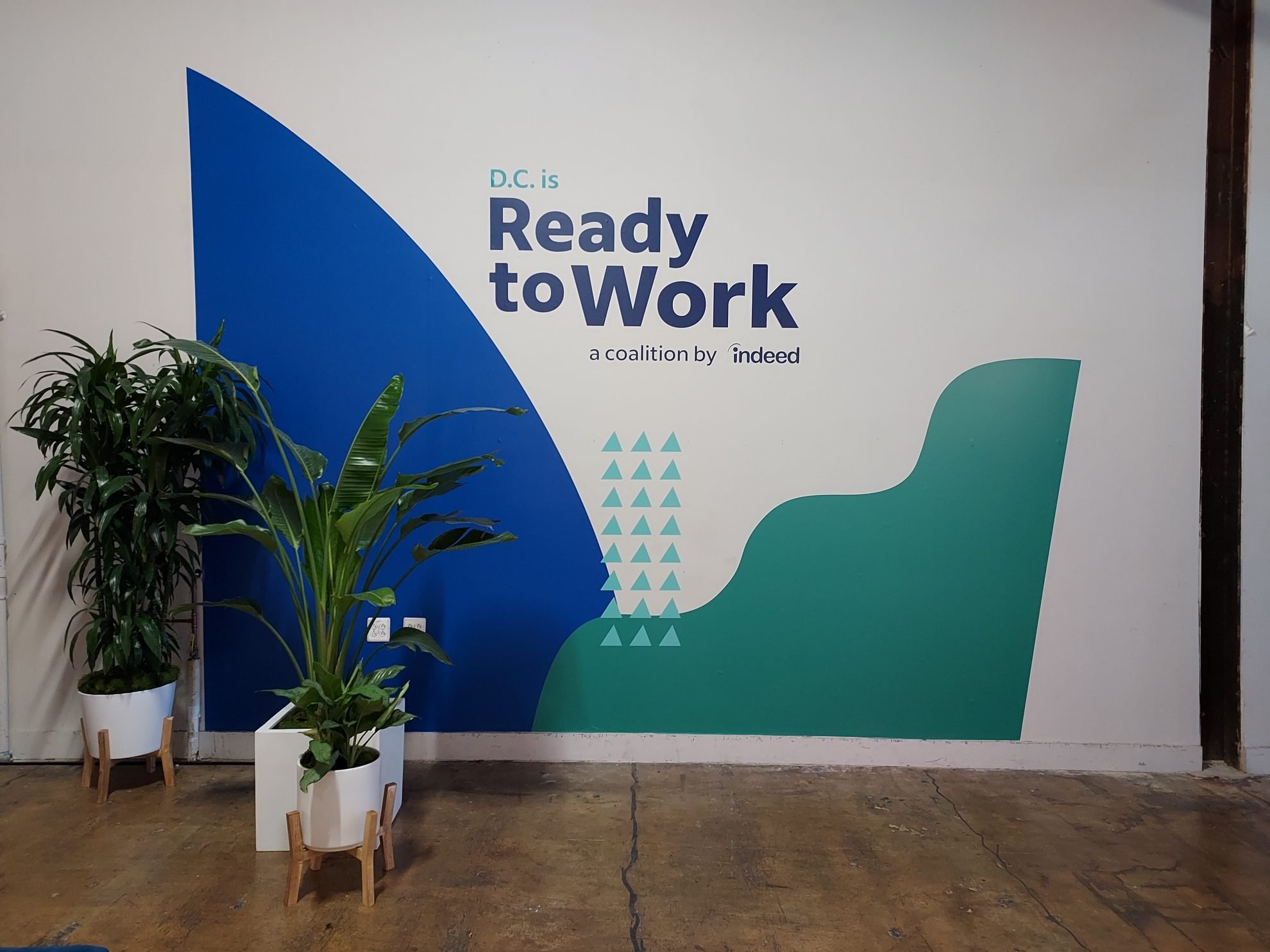
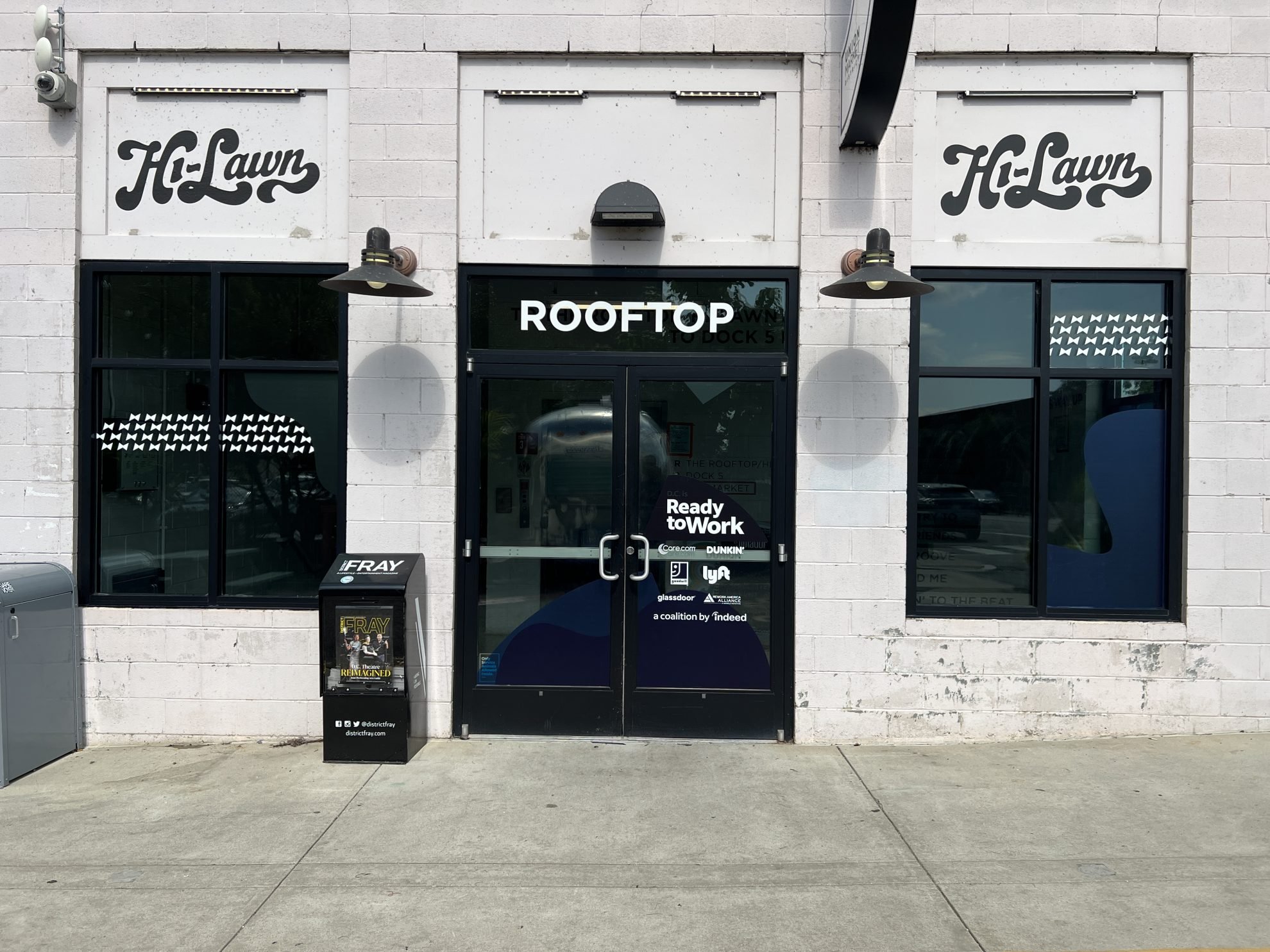
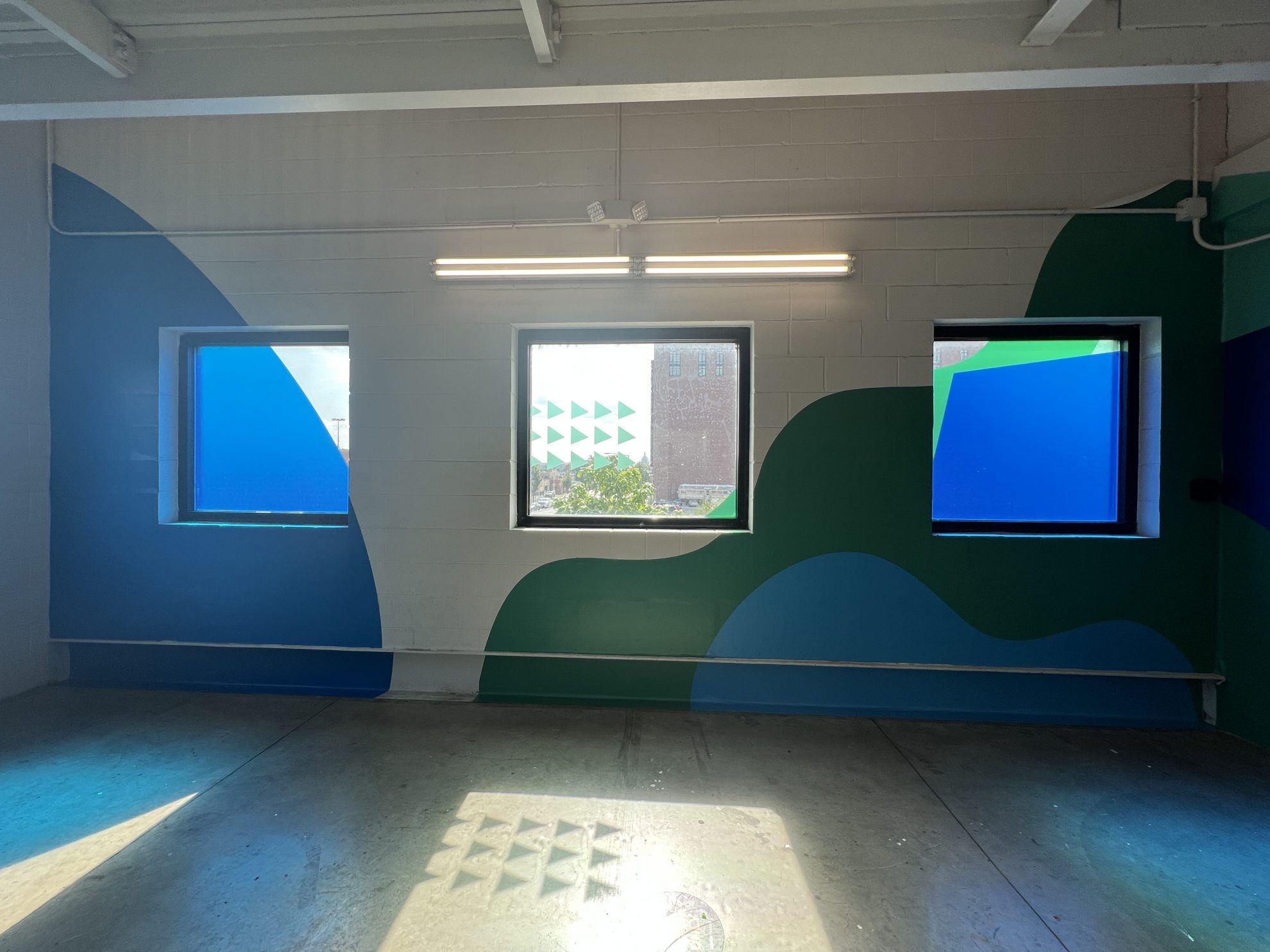
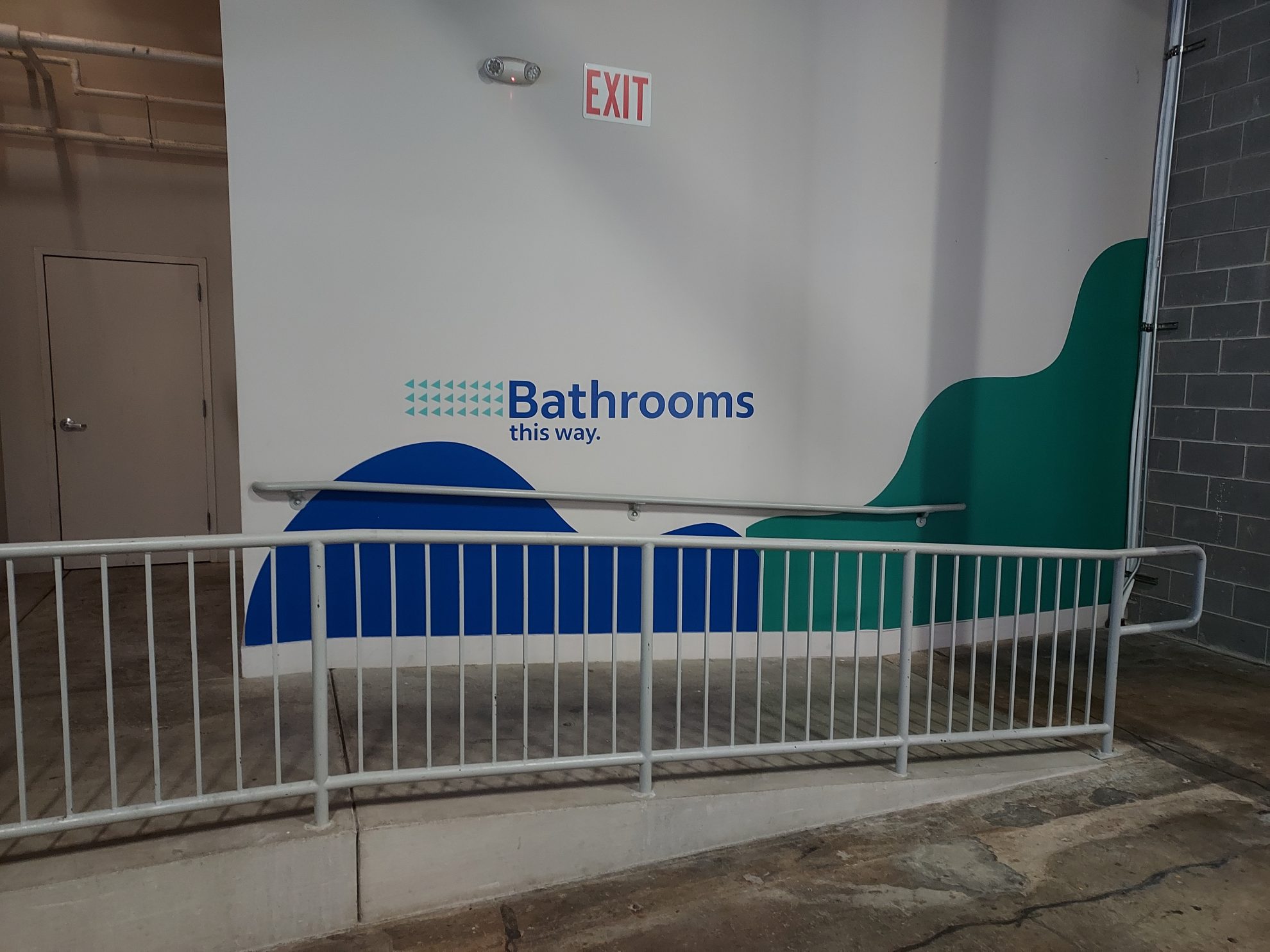
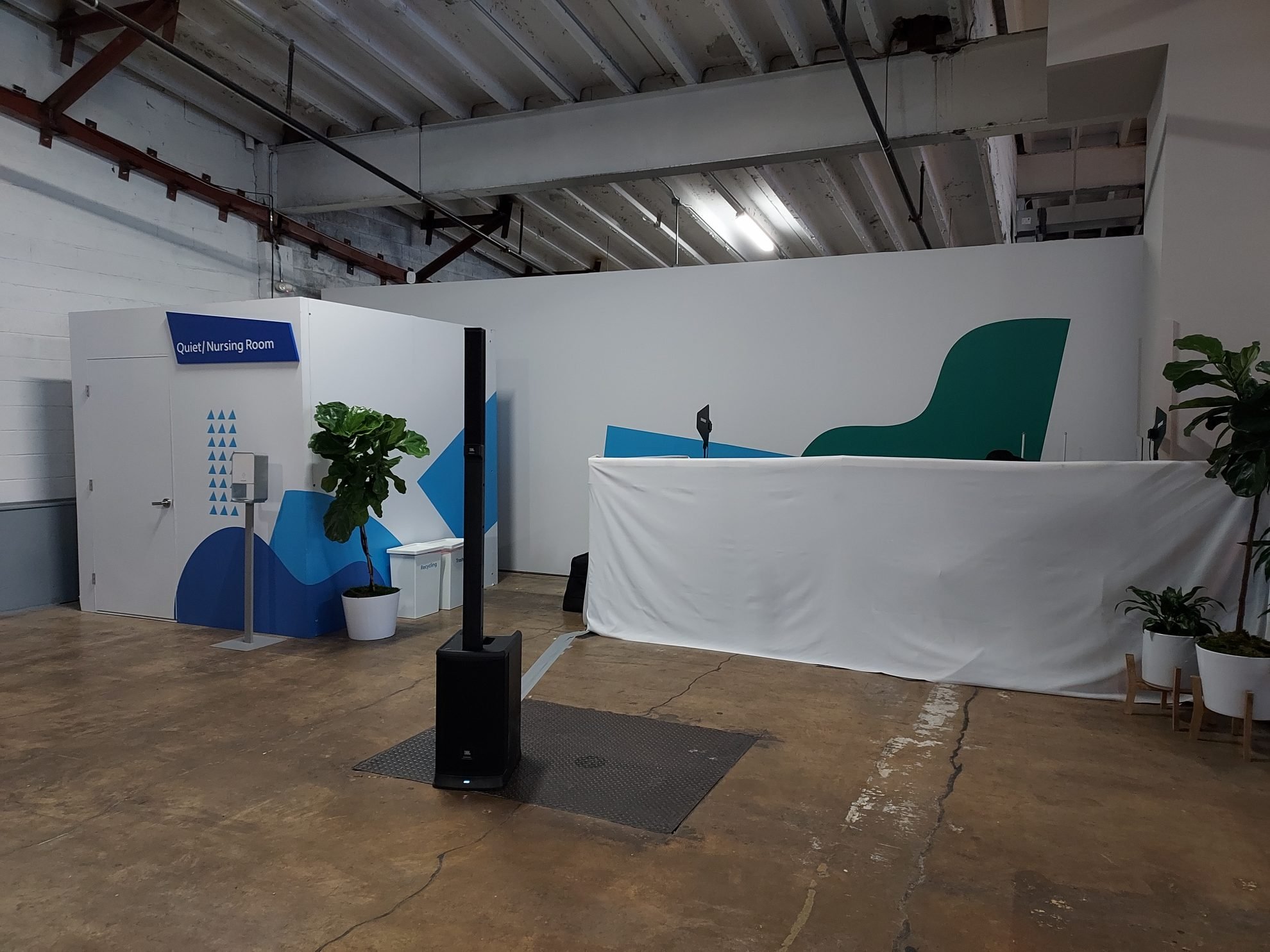
Heritage Signs & Displays' collaboration with The Gathery to brand Union Market in Arlington, VA, for Indeed's "Ready to Work" job fair. The project included custom event displays, wall graphics, window graphics, and wayfinding signs, creating an immersive and visually appealing environment. The branding enhanced the venue, reflected the event's mission, and provided a seamless experience for attendees.