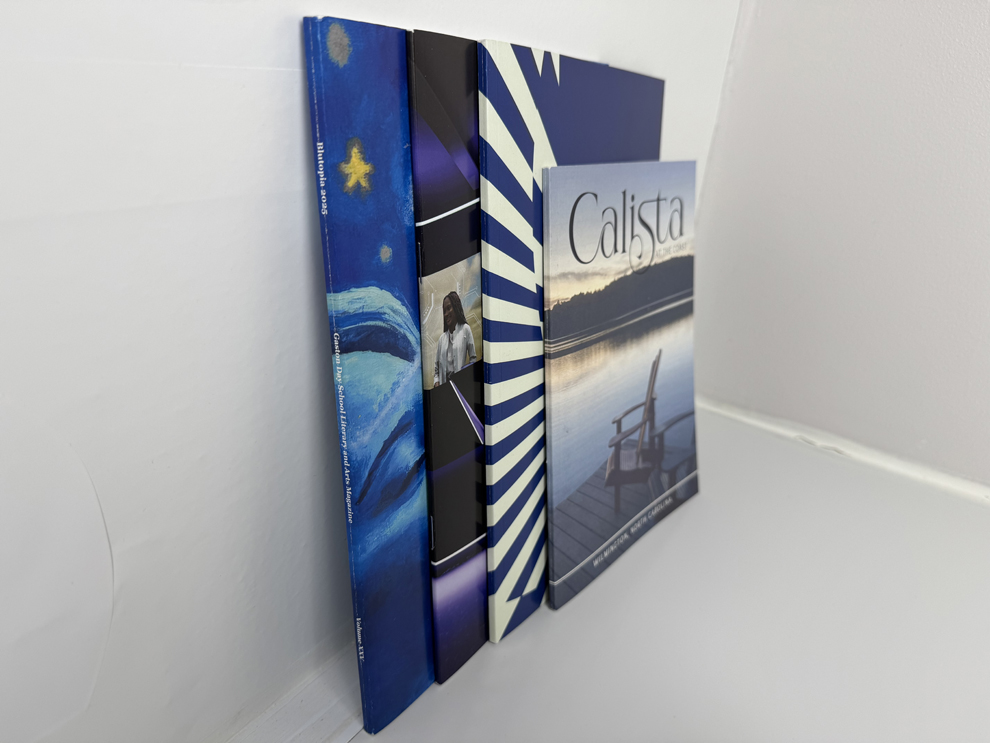
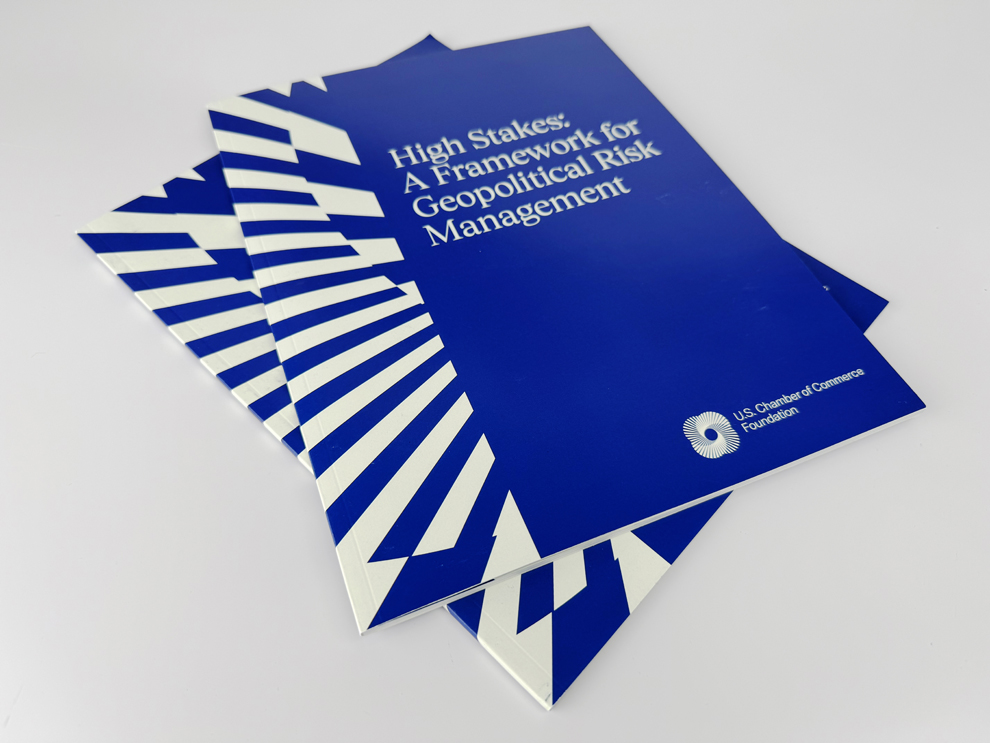
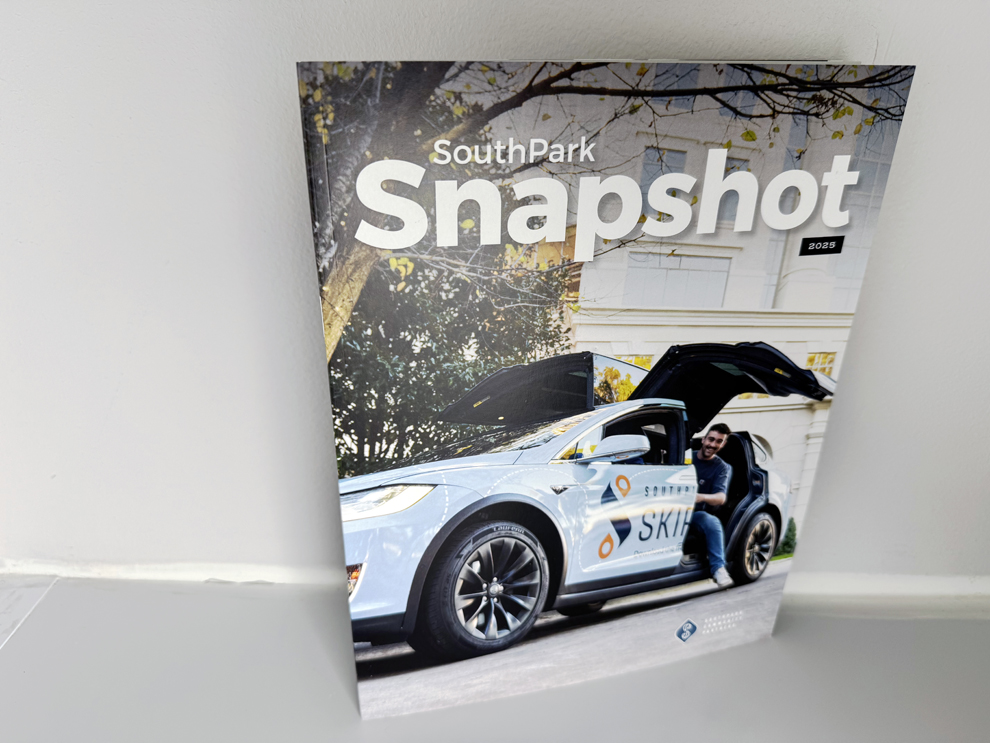
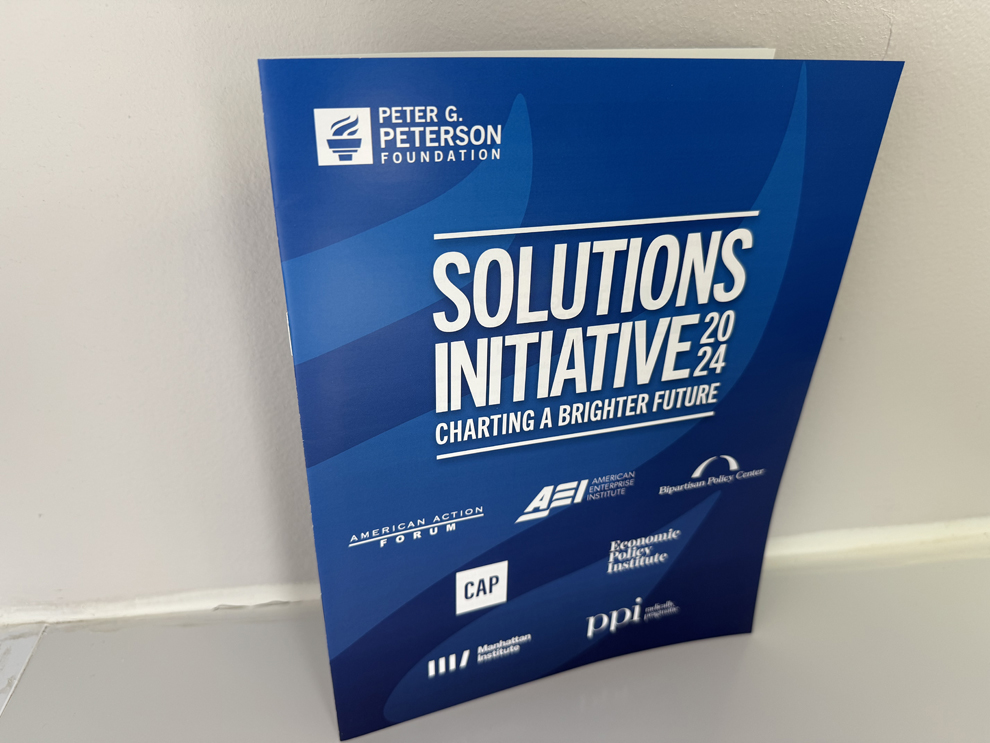
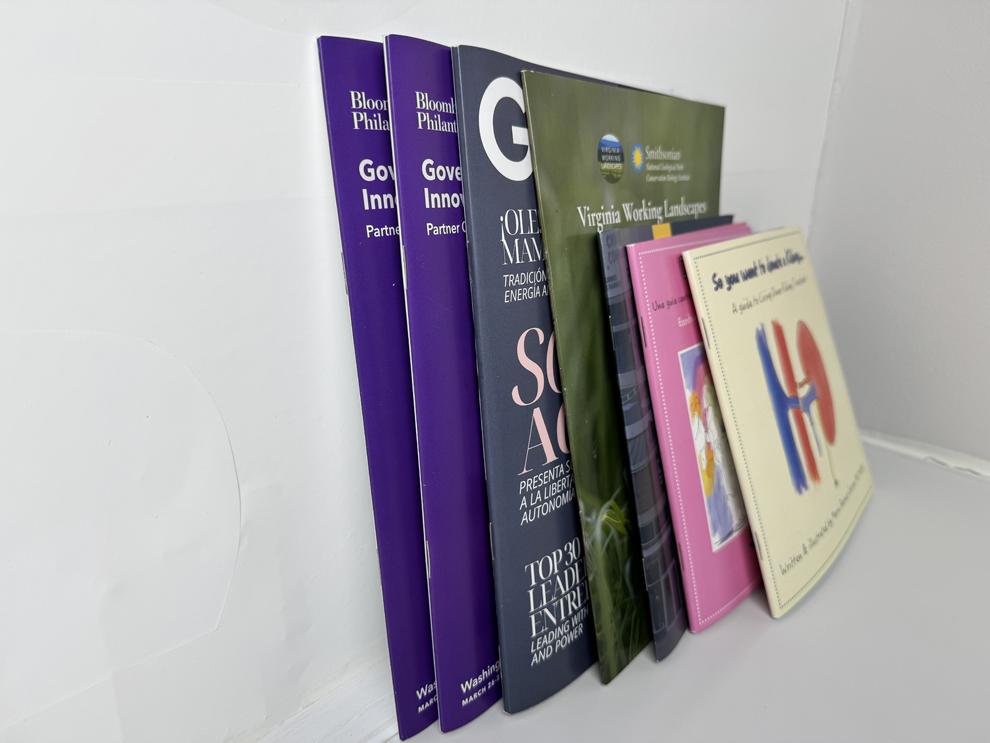
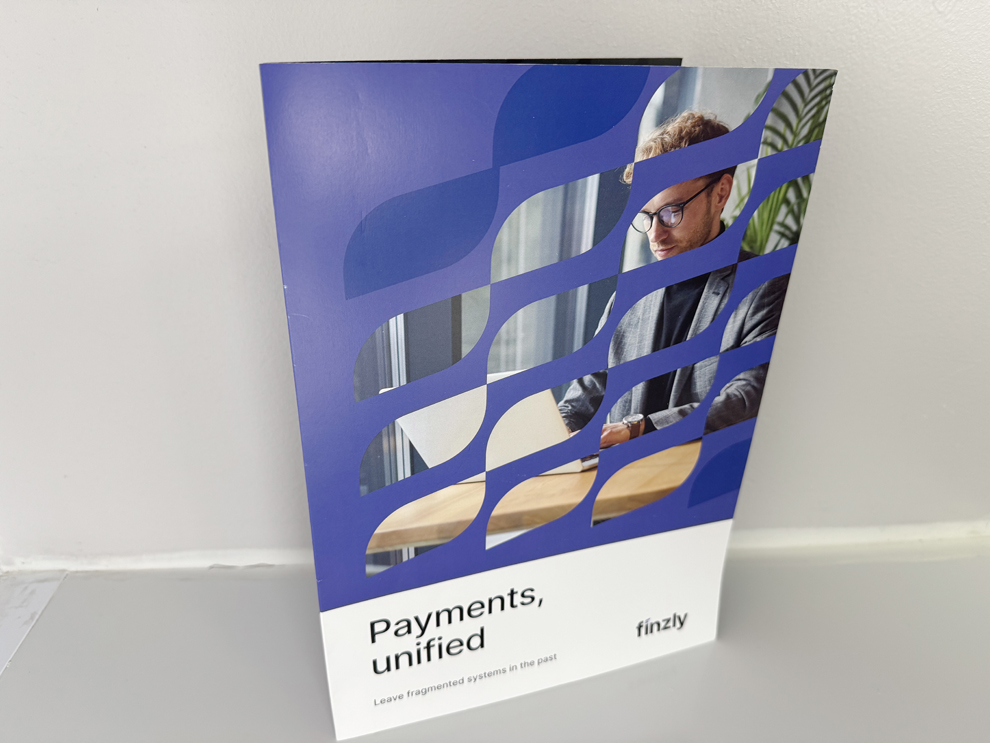
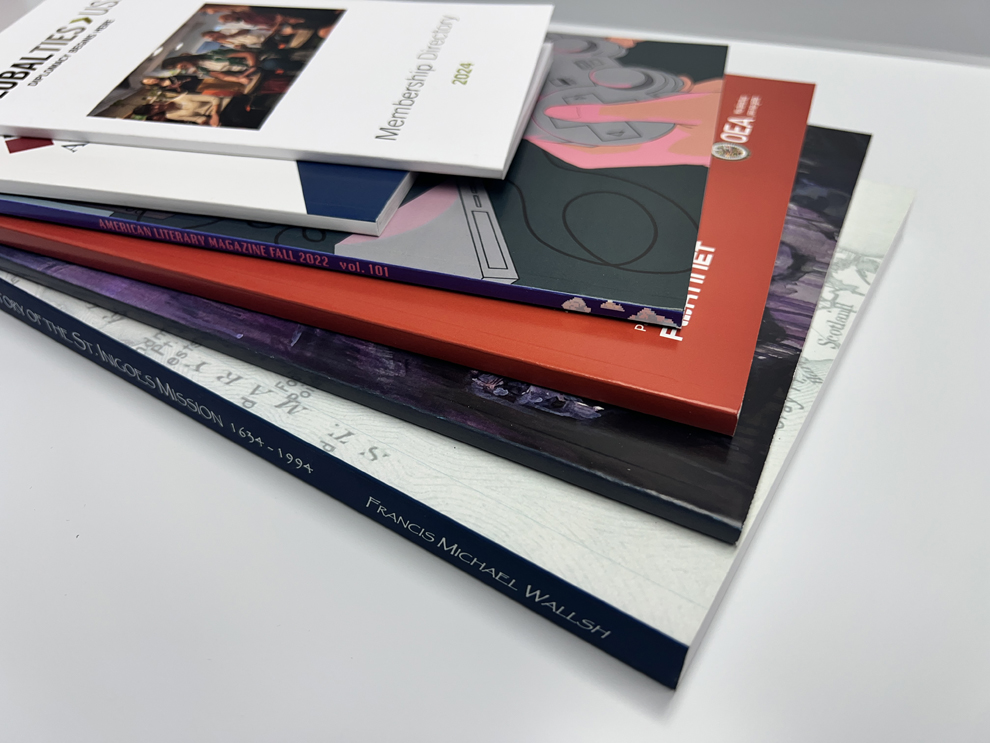
A commencement on a Peninsula campus, a supplier day tied to a shipbuilding program, or a foundation gala has its date locked before the final page edits arrive. The booklet handed out that day must carry accurate schedules, legible content, and a presentation worthy of the organization behind it. Whether it does depends on production decisions made before the first sheet prints.
In Newport News, that booklet might be a training guide for technicians, a donor report for a hospital foundation, a catalog for a marine supplier, or a capability book a defense subcontractor hands to a prime contractor. Each use places a different demand on page count, trim size, paper weight, cover construction, binding, color, and delivery. A thin program carried into an auditorium and a thick procedure manual opened on a shop floor cannot share one specification.
Heritage has printed commercially since 1977 and serves Newport News clients through its Mid-Atlantic production operations rather than a walk-in Peninsula location. We work toward a clear specification, a schedule built on real production steps, and finished booklets that arrive ready for the audience expecting them.
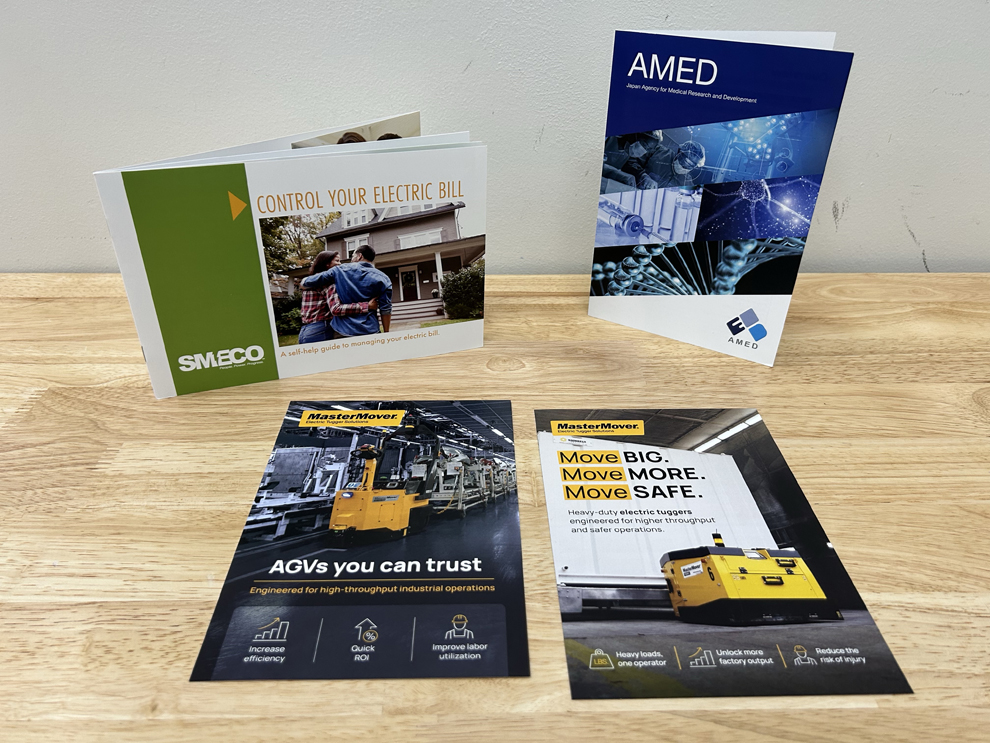
A booklet rarely has one owner. A program committee signs off on content, a communications office checks the brand, and the event lead wants a delivery time, not a range. If the printer waits passively for all of that to settle, the schedule absorbs every delay. Heritage asks for the required date, file status, and distribution plan early so the production calendar reflects actual steps.
Heritage is veteran-owned and family-led, and our commercial printing roots date to 1977. That history shows in professional color management on calibrated, verified equipment, preflight review that catches pagination and bleed problems early, and staff who can explain why a cover stock change alters binding feasibility. We are guided by a purpose to honor God by serving clients and communities with excellence.
For qualifying directly managed Commercial Printing work, an accepted and assigned order carries a Project Coordinator who serves as your phone-and-email contact. One person who already knows the agreed specification, quantity, and delivery details can answer a question without rerouting it. Established clients with appropriate repeat publications may keep that relationship from edition to edition.
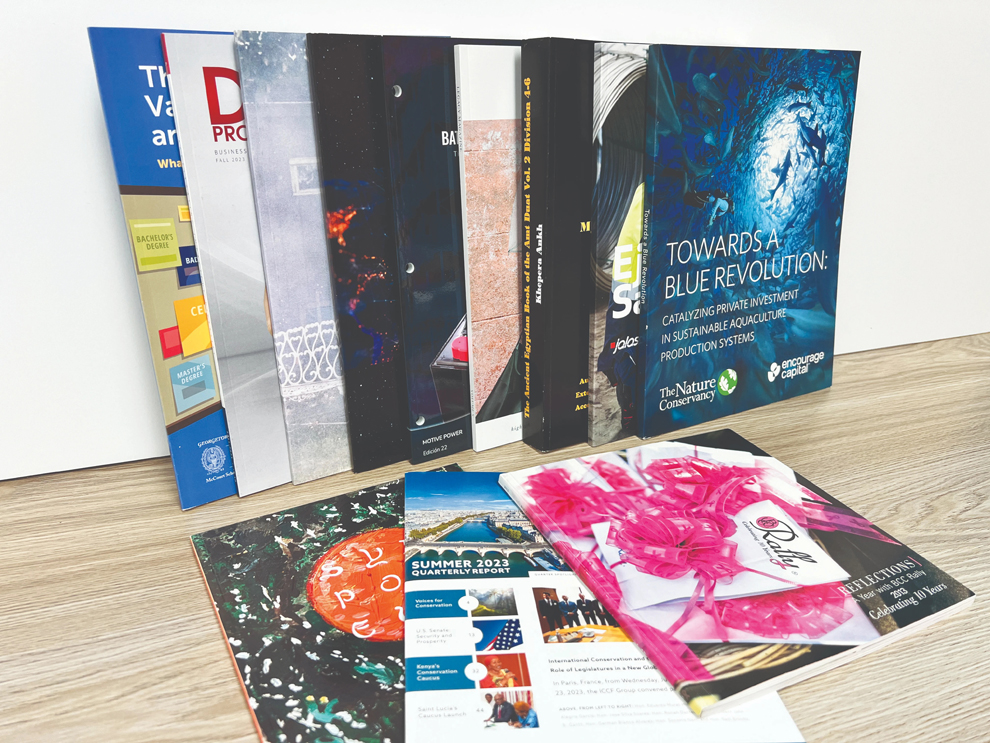
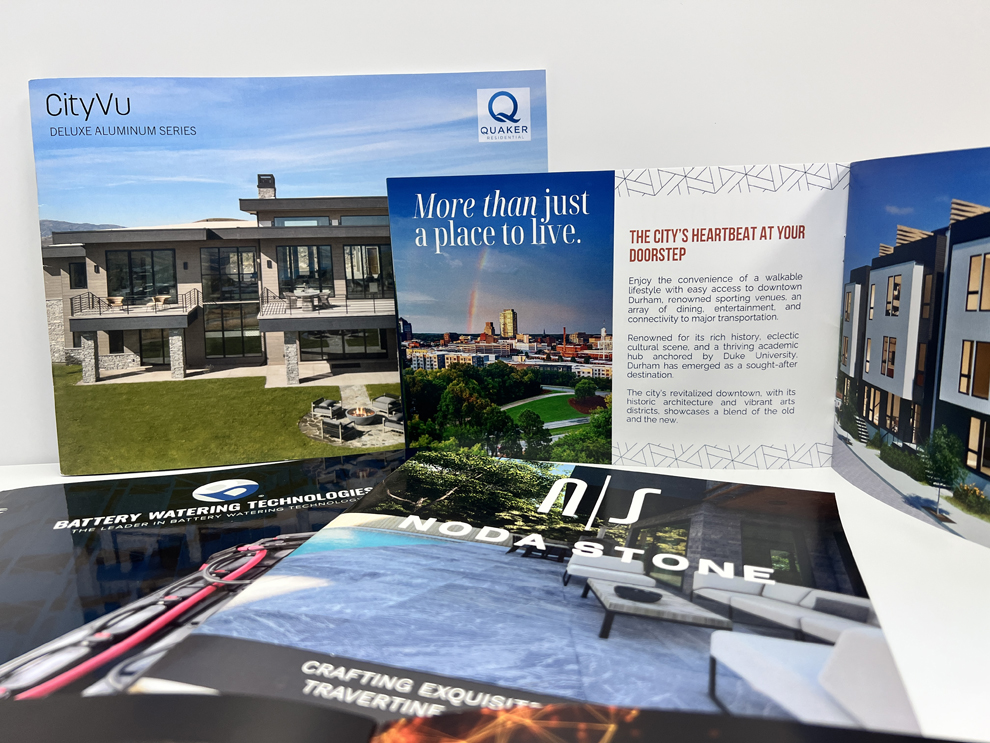
A booklet often ships alongside other printed pieces, and these related products follow the same Heritage production standards.
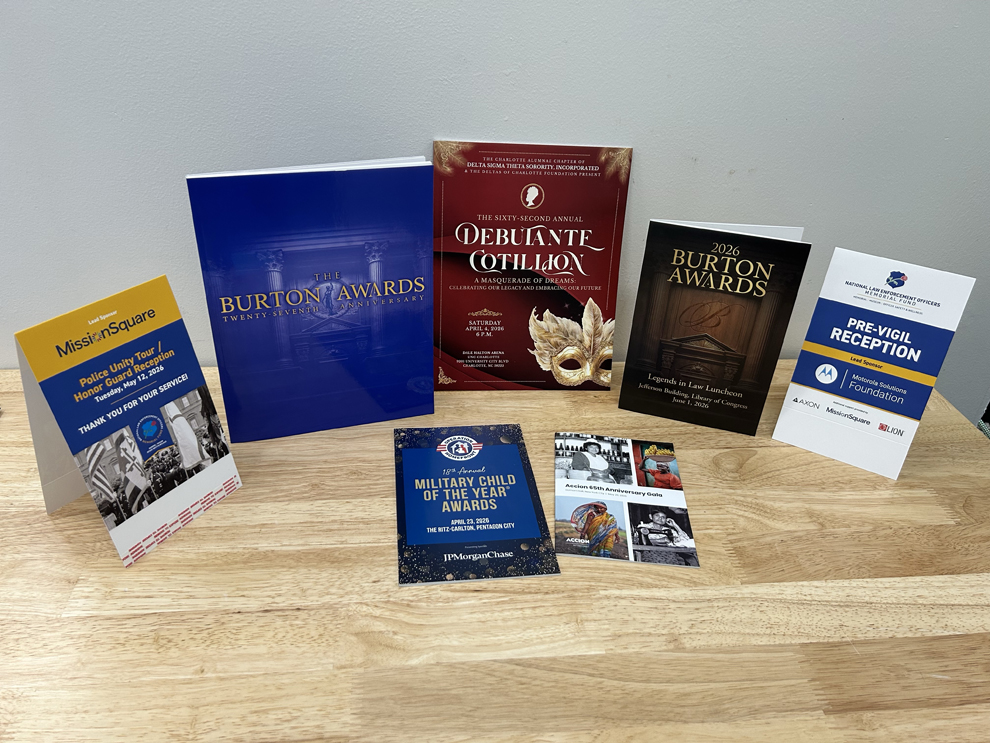
For ceremony and conference schedules that attendees carry and keep.
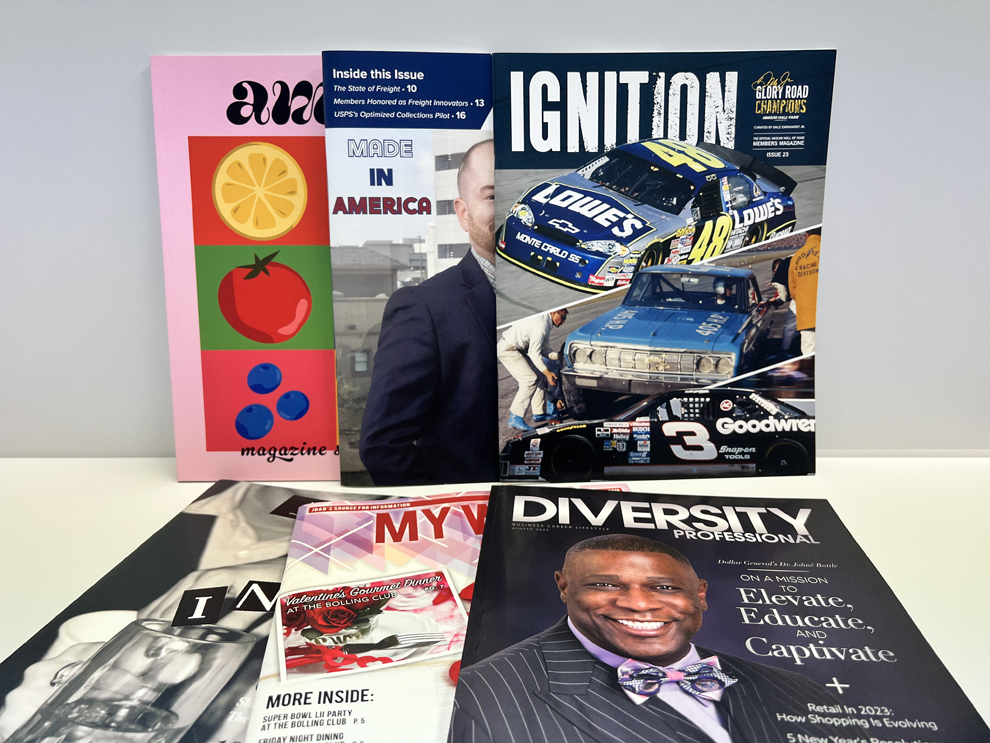
For recurring member or alumni editions with consistent specifications issue to issue.
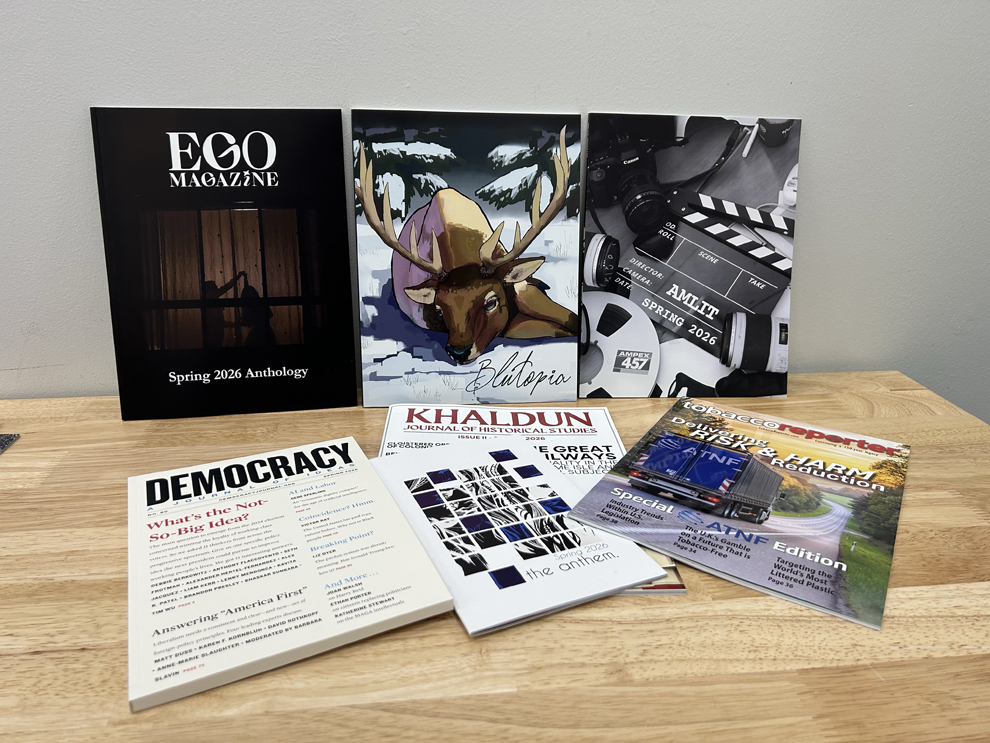
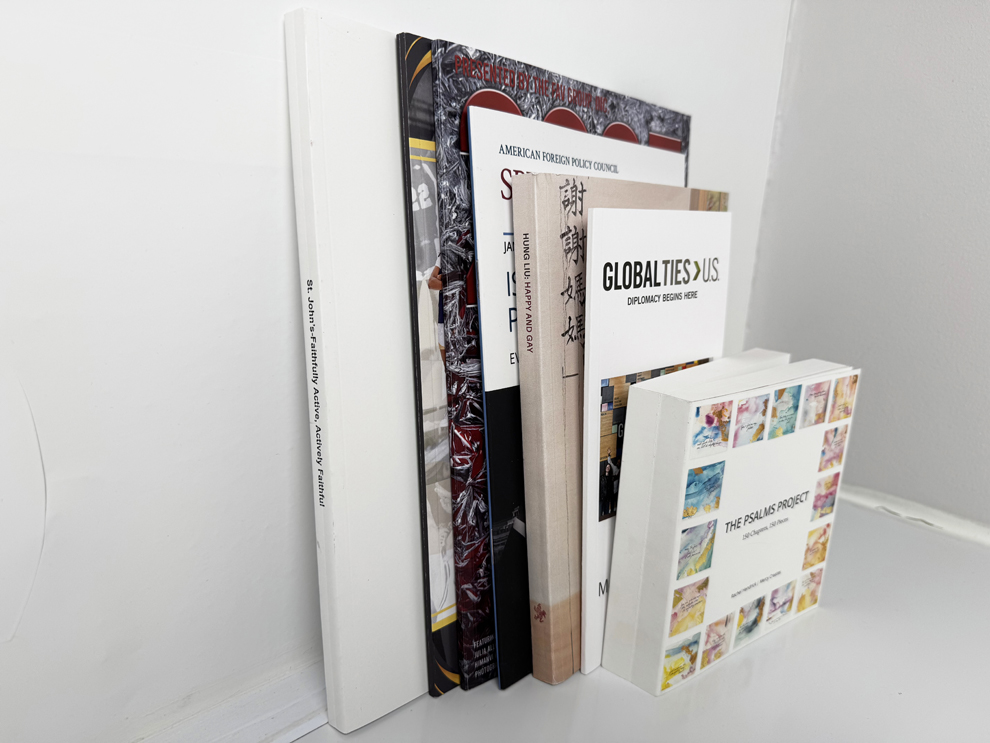
Explore full book production for lengthy reports and reference volumes.
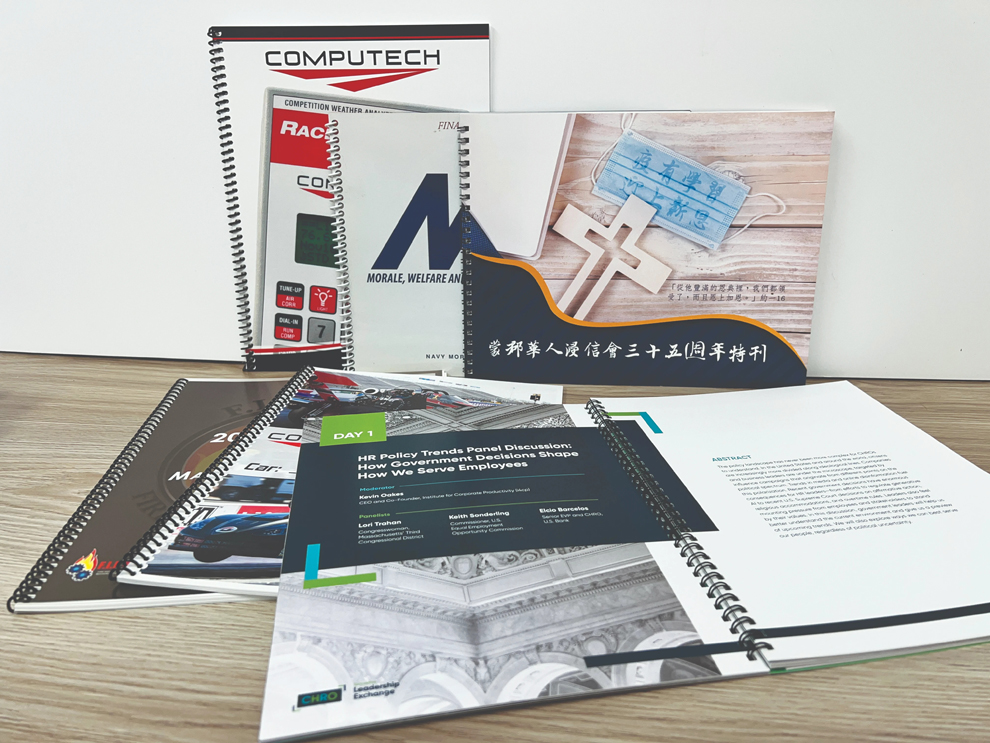
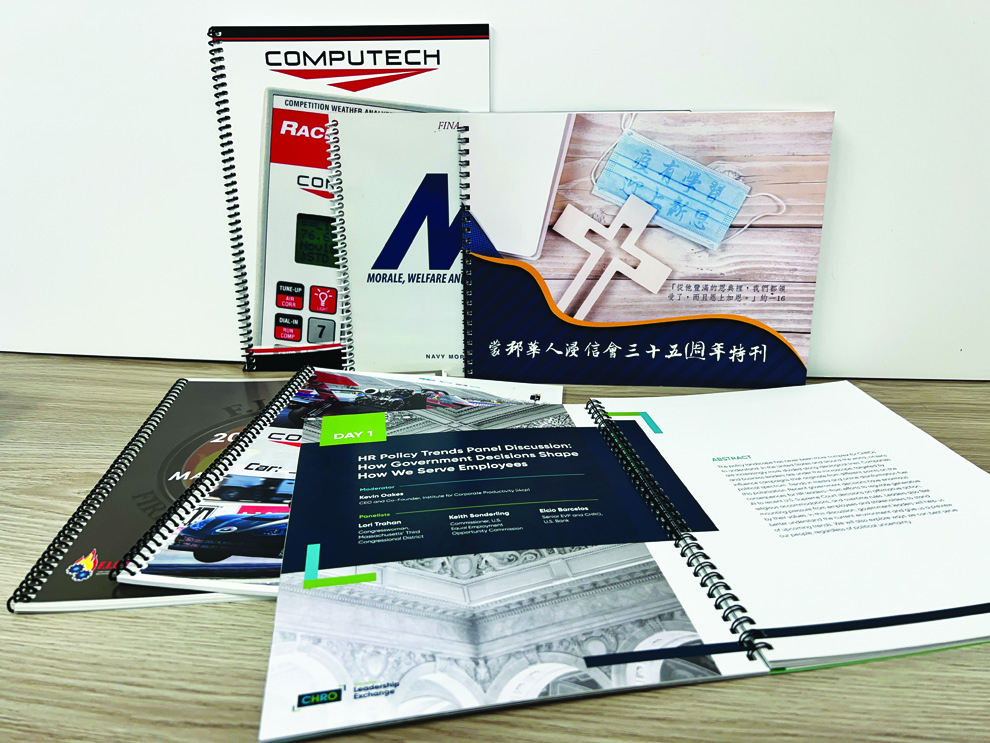
For instructional content that must lie flat during hands-on training.
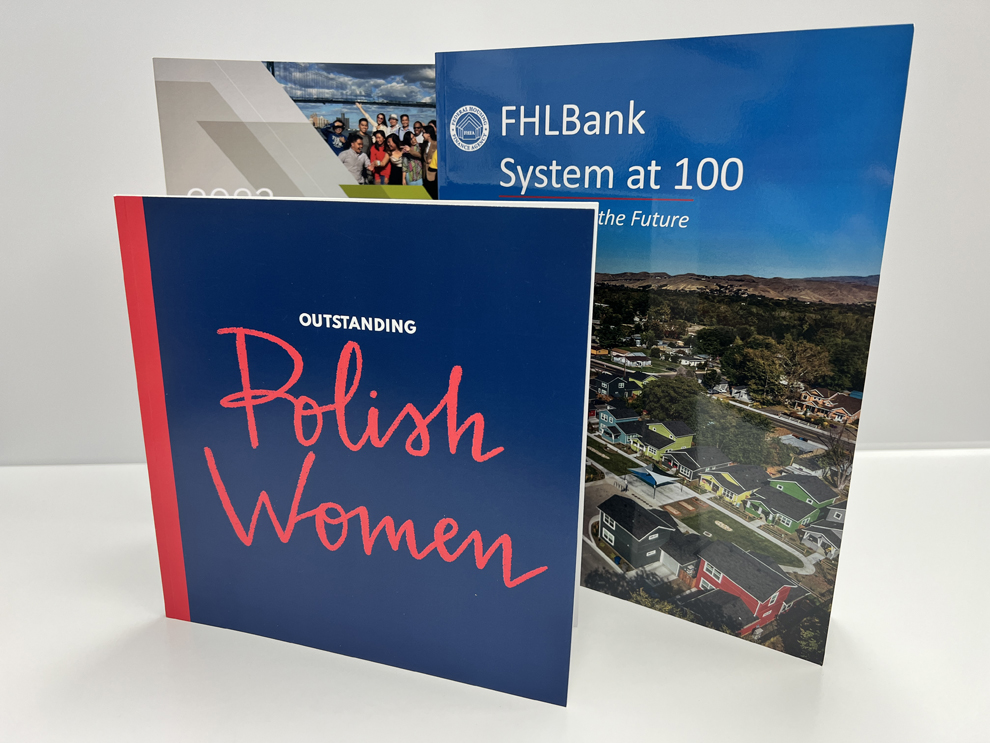
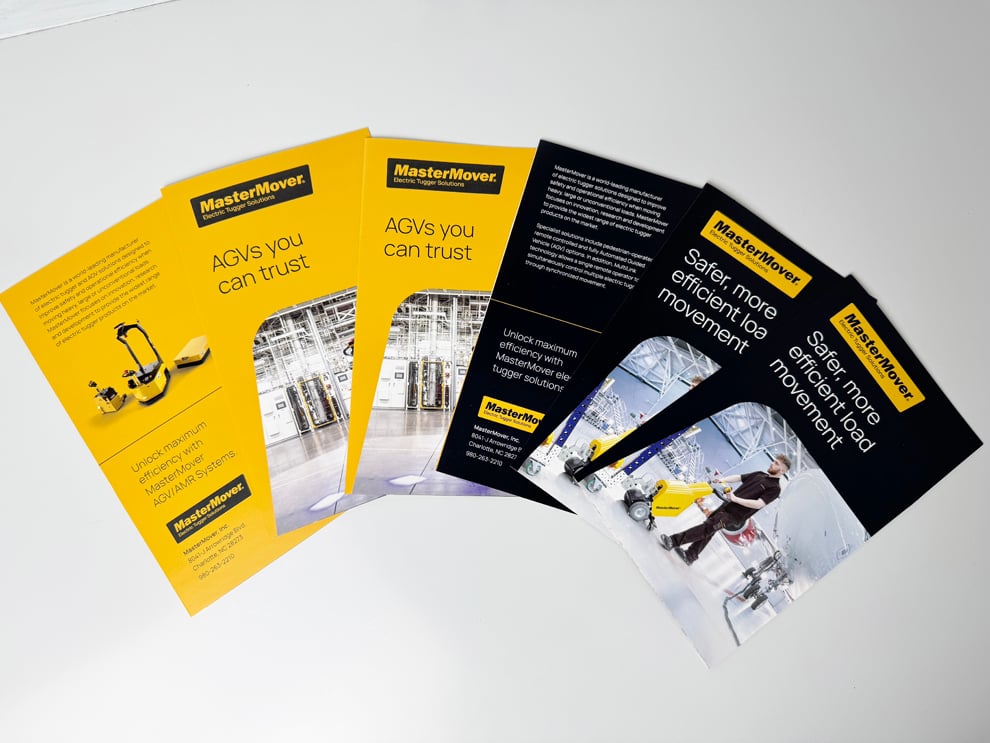
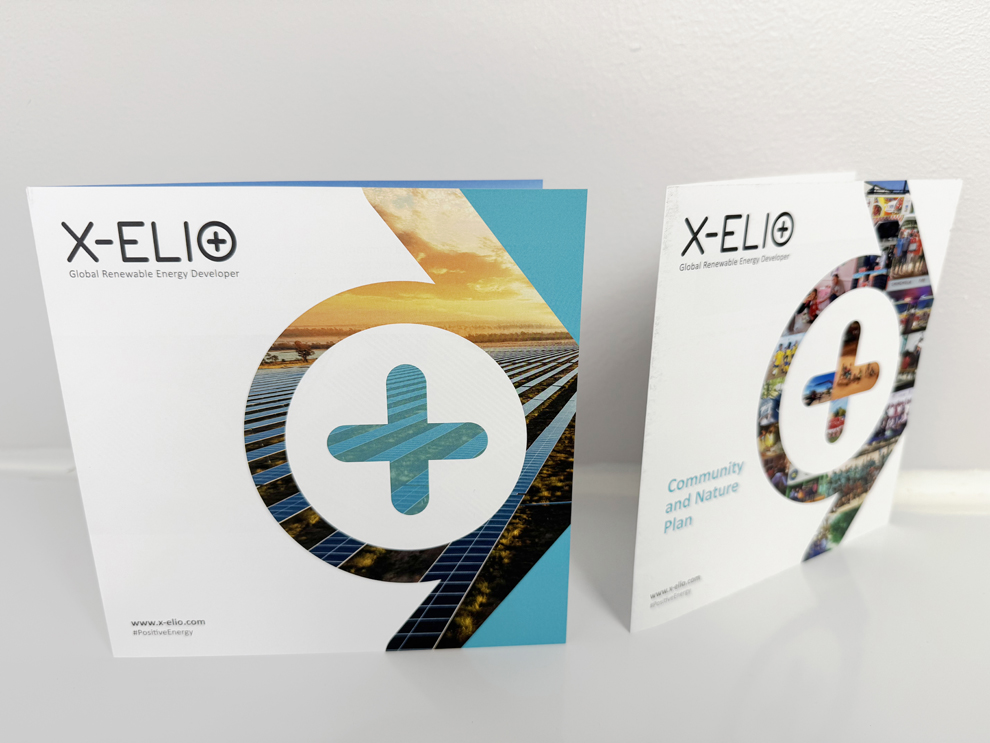
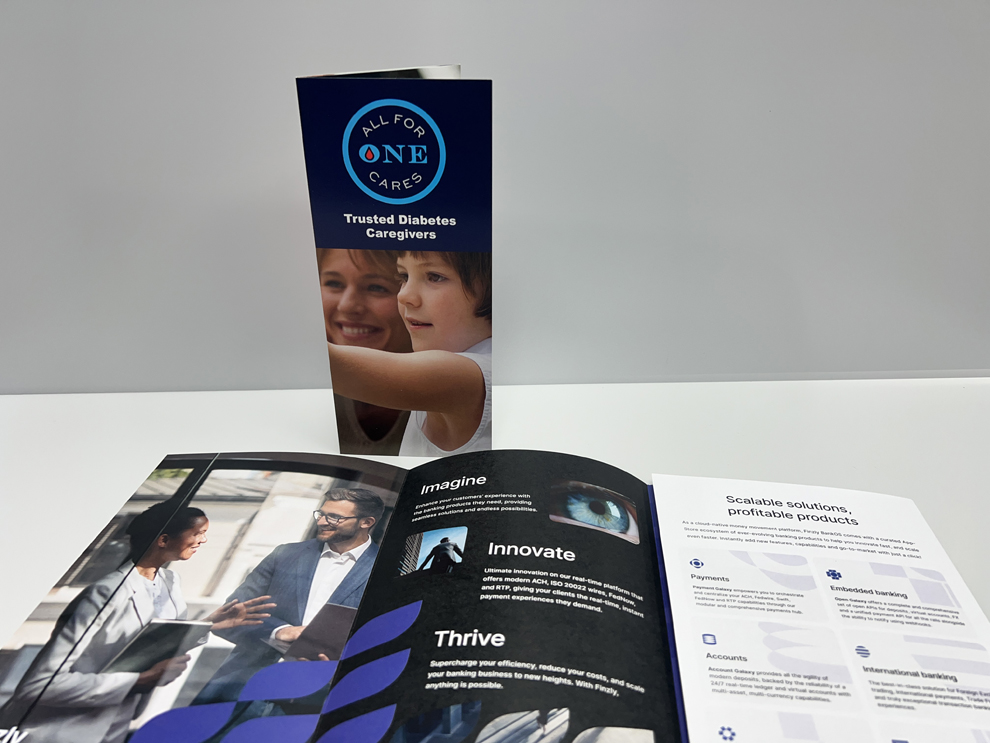
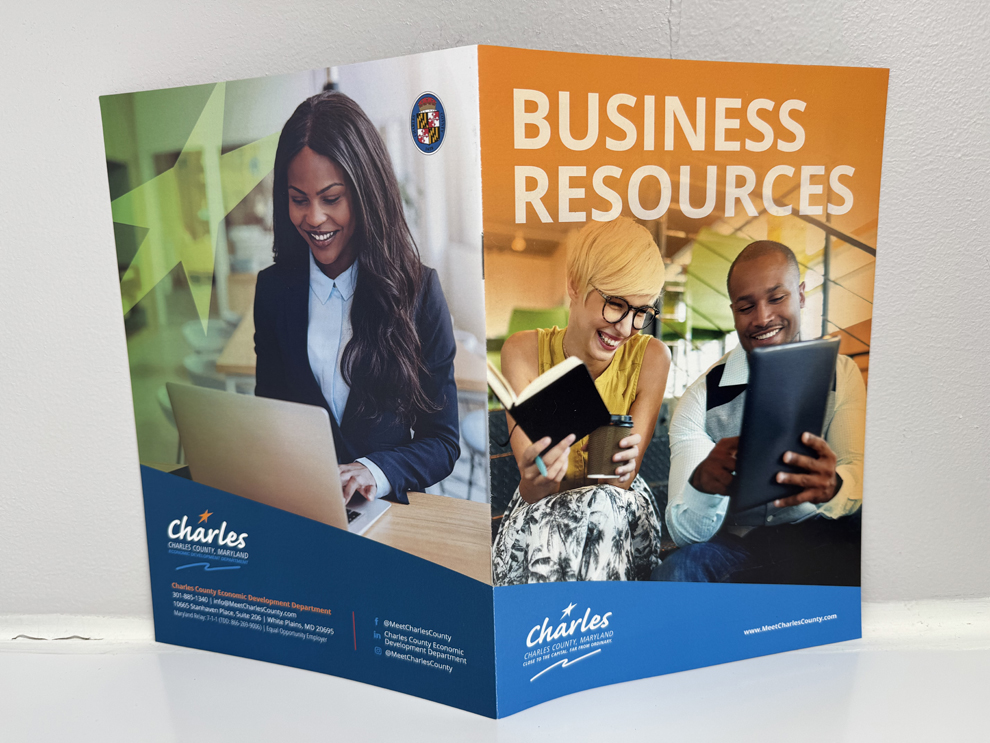
Present a short overview in a folded piece that pairs with a booklet.
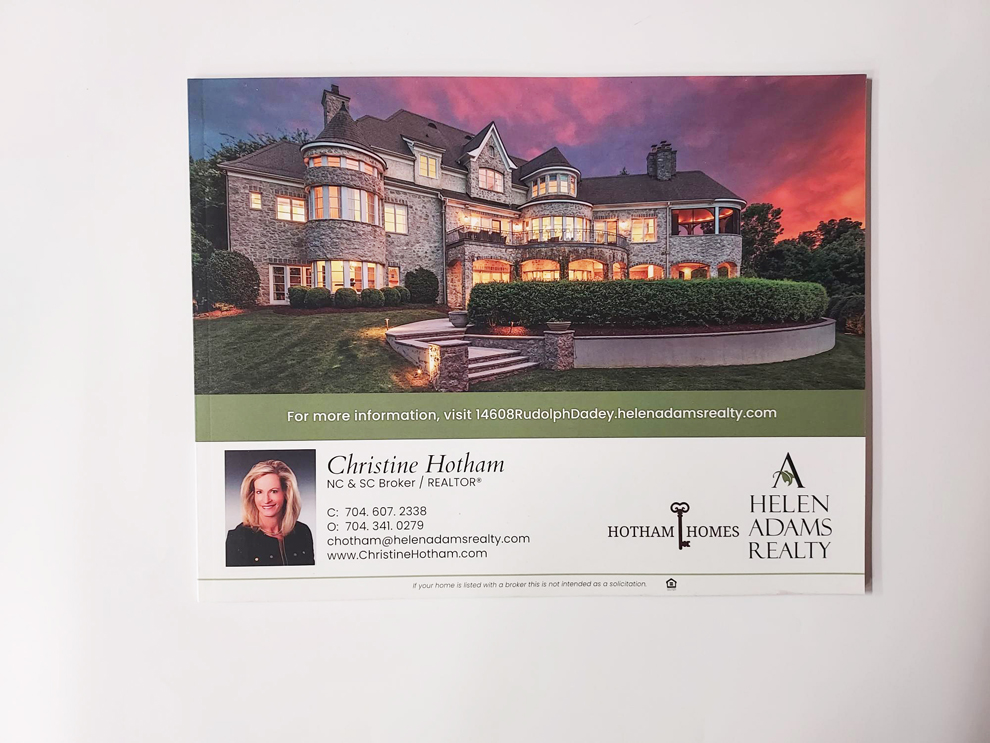
Coordinate addressed distribution of printed publications within an accepted scope.
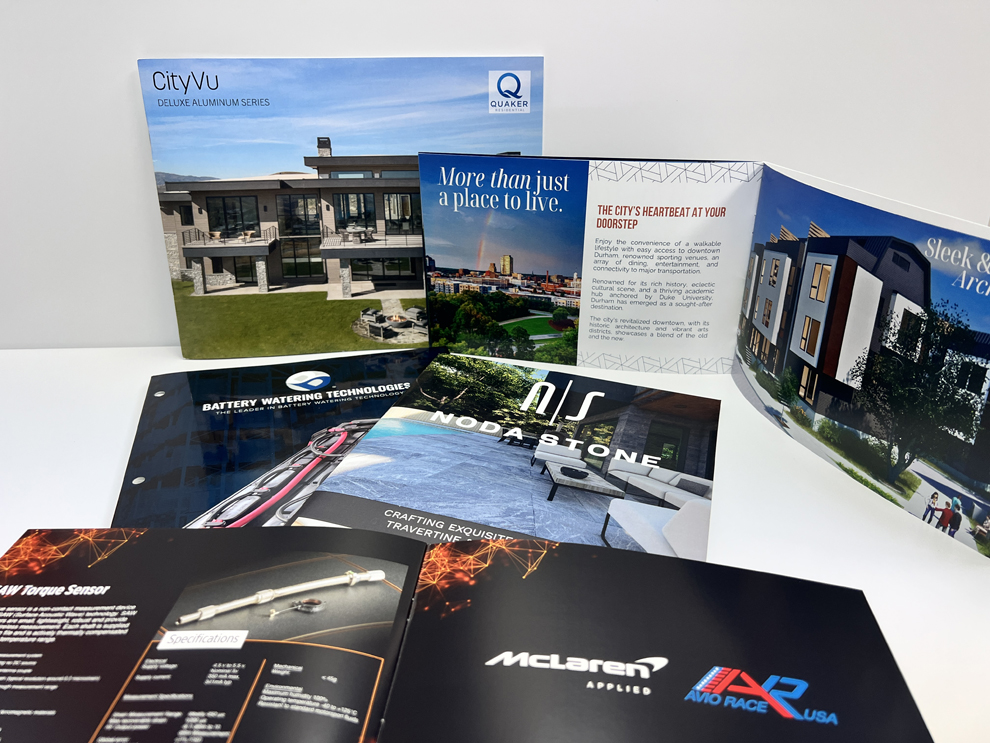
Coordinate supporting print pieces for outreach, recruiting, and business development.

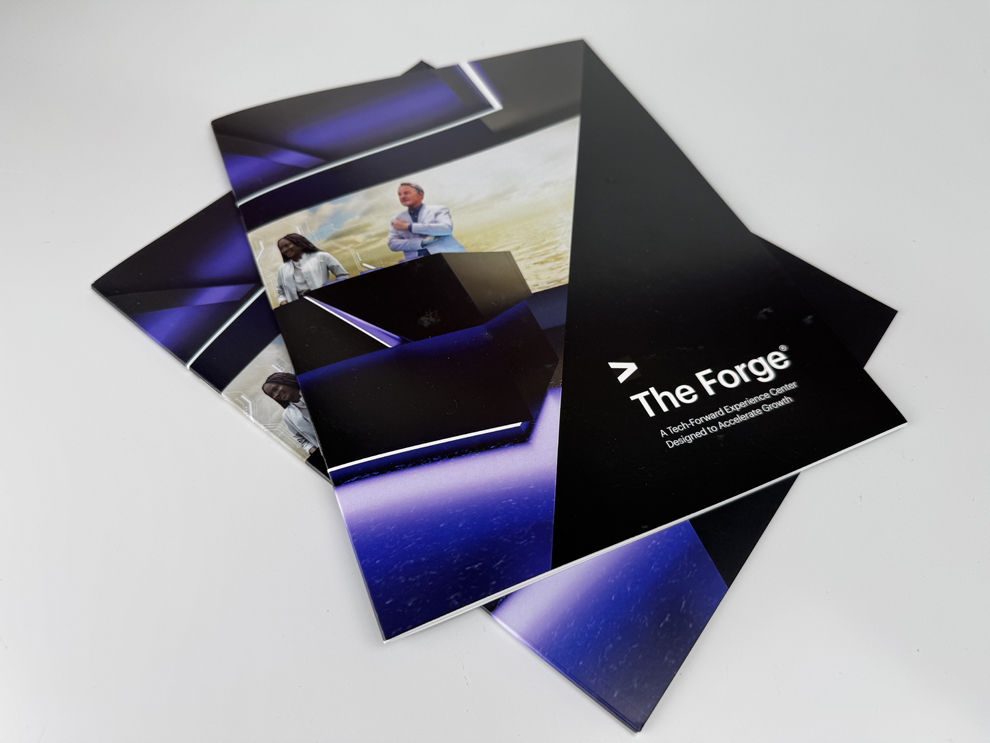
Keep proposals, inserts, and a capability booklet together for a prime contractor meeting.
Review live booklet configurations, compare binding and paper options, and check posted pricing. When your print-ready PDF is complete, place the order online and watch for your electronic proof.
Binding decides whether a booklet lies flat, survives a jobsite, or sits cleanly on a conference table.
Saddle-Stitched Booklets
Printed sheets are nested, folded once, and stapled through the fold, which keeps programs and short guides slim and easy to hand out. Each sheet contributes four pages, so totals normally land in multiples of four, and heavier paper lowers the count staples can realistically hold.
Perfect Bound Booklets
Interior pages are stacked, ground and glued along the spine, and wrapped in a separate cover, producing a squared spine that can carry a title. Longer annual reports, catalogs, and reference guides present well this way when page count and paper caliper create enough bulk for a sound spine.
Plastic Coil / Spiral-Bound Booklets
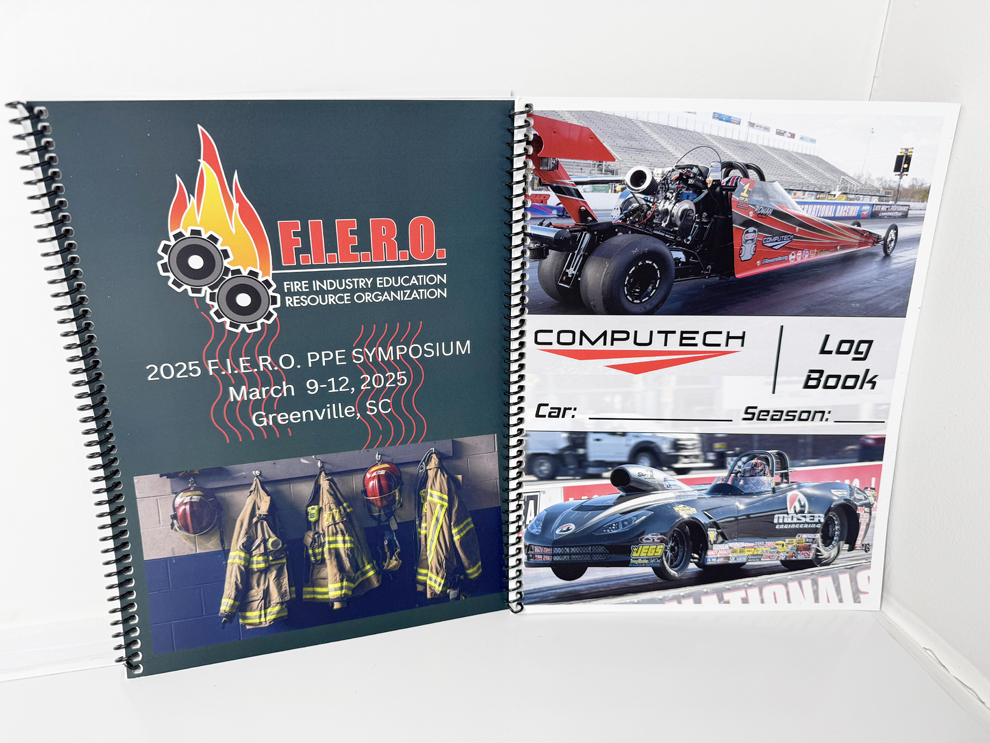
Pages are punched along one edge and a plastic coil is threaded through, so the booklet opens flat and folds fully back on itself. That makes it practical for maintenance procedures, safety training, and working documents consulted while hands are busy.
Finished size, cover weight, image coverage, mailing, and the delivery window all bear on that choice. For qualifying accepted Custom Quote work, Heritage reviews those factors together before fixing the specification.

Newport News buyers can place a booklet order independently or, for qualifying work, bring it to Heritage for directly managed production. Both routes receive Heritage production review, quality controls, and an electronic proof you approve before anything prints. The distinction is who manages specifications and file readiness.
Self-Directed Online Store: When a live booklet configuration matches your needs, choose the binding, quantity, paper, and cover options offered, upload a finished PDF, and order at posted prices. These are the lowest prices Heritage offers for Store products. The order minimum is $750, and eligible Store products can be combined to reach it. No Project Coordinator, layout help, or physical color proof is part of this path.
Storefront Custom Quote: Qualifying new Commercial Printing opportunities of $2,000 or more may use this form-based intake when the job needs production help, such as cover file preparation, paper and binding guidance, color-critical decisions, mailing, or coordinated delivery. Once Heritage accepts the quote and assigns the order, a Project Coordinator becomes your direct phone-and-email contact. Price alone does not route a job here, and this is not the lowest-cost path.

Plastic coil binding is usually the practical choice because the manual opens flat, folds back on itself, and tolerates being propped near equipment. Choose a heavier cover stock if the manual travels between work areas. Perfect binding presents more formally but springs closed, and saddle stitching limits page count. Confirm coil diameter and punching compatibility against the actual page count and paper before ordering.
Yes. Every Heritage Commercial Printing order, including Store purchases, receives an electronic proof for your review and approval before production begins. Check text, images, page order, blank pages, and cover position carefully, because production starts only after approval. The proof confirms content and layout. It is not a physical color standard and does not guarantee finished color.
Considerably. A mid-length booklet on text-weight paper may saddle stitch cleanly while the same page count on a heavy coated stock creeps at the fore edge and resists closing. Perfect binding needs enough caliper to form a spine that holds adhesive. Coil binding depends on the coil size available for the punched stack. Evaluate page count and caliper together, never separately.
Heritage confirms a date only after reviewing the actual order: quantity, file readiness, binding, finishing, and where the copies must land. Share the required date and any venue receiving constraints at the start. If the requested timeline cannot be met responsibly, Heritage will say so and discuss workable alternatives rather than accept a date it cannot support.
Full trim size with bleed, single pages in reading order unless the product instructions request spreads, embedded fonts, images at adequate resolution, and safe margins for type. For perfect binding, the cover usually needs a spine width calculated from page count and paper, so follow the specific product instructions. Page totals should fit the binding, including multiples of four for saddle stitching.
By quantity, page count, trim size, paper and cover stock, binding, ink coverage, finishing, and distribution. Delivering one shipment to a Peninsula venue costs differently from addressing and mailing individual copies. The Online Store shows current pricing for eligible configurations. A qualifying opportunity of $2,000 or more that needs file work, color-critical handling, or mailing may be quoted through Storefront Custom Quote.
Yes, within an accepted Commercial Printing scope. Heritage can keep printing, finishing, addressing, and USPS handoff together so your team coordinates one vendor rather than several. Provide accurate, authorized address data and the requested mail date early, because mailing affects binding choice, paper weight, and postage. USPS sets acceptance requirements and controls delivery once the mailing is in its possession.
When color is critical: a donor report built on full-page photography, a catalog where product color drives purchasing, or a brand with strict PMS targets. It is available only for qualifying Commercial Printing Custom Quote work of $2,000 or more, at additional cost. Heritage prints it on the intended production device and paper, which adds time, and once approved it becomes the controlling physical color reference unless otherwise agreed. Store orders do not include it.
Saddle stitching staples nested, folded sheets and suits thinner booklets with page totals in multiples of four; it opens easily but has no printable spine. Perfect binding glues trimmed pages into a wraparound cover, creating a squared spine that reads on a shelf and feels like a book, but it requires enough bulk and does not lie flat. Choose by page count, paper, and how the piece will be used.
A self cover, where cover and interior share the same stock, keeps a thin program light and simple to bind. A separate heavier cover improves durability and presentation but adds bulk, which can affect saddle-stitch capacity and mailing weight. For programs handed out once and recycled, a self cover is often enough; for pieces kept as keepsakes, a separate cover usually earns its cost.
Store orders require complete print-ready files. For a qualifying Commercial Printing opportunity of $2,000 or more, an accepted Storefront Custom Quote may include production-oriented adjustments such as adding bleed, correcting trim, building a perfect-bound cover with the right spine width, or fixing page order. That support is limited to file readiness and is not a commitment to broad creative design or layout from scratch.
Through disciplined color management: spectrophotometric calibration of production devices, verification against targets, and paper-specific profiles. PMS values are treated as targets, and reproduction varies by paper, ink, coating, and equipment. Supply high-resolution images and your brand standards. For repeat editions, keeping stock and finishing consistent reduces visible shifts between issues.
Yes. Versioned programs for different sessions, department-specific manuals, or a quarterly member newsletter can be produced with consistent paper, trim, binding, and color specifications while the current files and quantities are reviewed each time. For appropriate directly managed repeat work, established clients may continue with the Project Coordinator who already knows the publication and its schedule.
Use the Online Store when you have a print-ready PDF, a standard configuration fits, and you want posted pricing without an assigned coordinator; the $750 minimum applies and eligible products combine. Consider Storefront Custom Quote for qualifying new work of $2,000 or more that needs file preparation, color-critical production, mailing, or coordinated delivery, with a Project Coordinator assigned after acceptance. For general Store questions, use Contact Our Team.
Heritage Signs & Displays created new museum signage for the Military Women’s Memorial in Arlington, VA. The project included custom signs, wall wraps, dimensional letters, and standoff-mounted displays to honor the legacy of U.S. servicewomen and the donors who supported the memorial. The updated interior features impactful designs, including a "Our Legacy" wall display and panels showcasing historical contributions and artwork, creating a transformative tribute to women in the U.S. Armed Forces.
Heritage Signs & Displays' collaboration with The Gathery to brand Union Market in Arlington, VA, for Indeed's "Ready to Work" job fair. The project included custom event displays, wall graphics, window graphics, and wayfinding signs, creating an immersive and visually appealing environment. The branding enhanced the venue, reflected the event's mission, and provided a seamless experience for attendees.