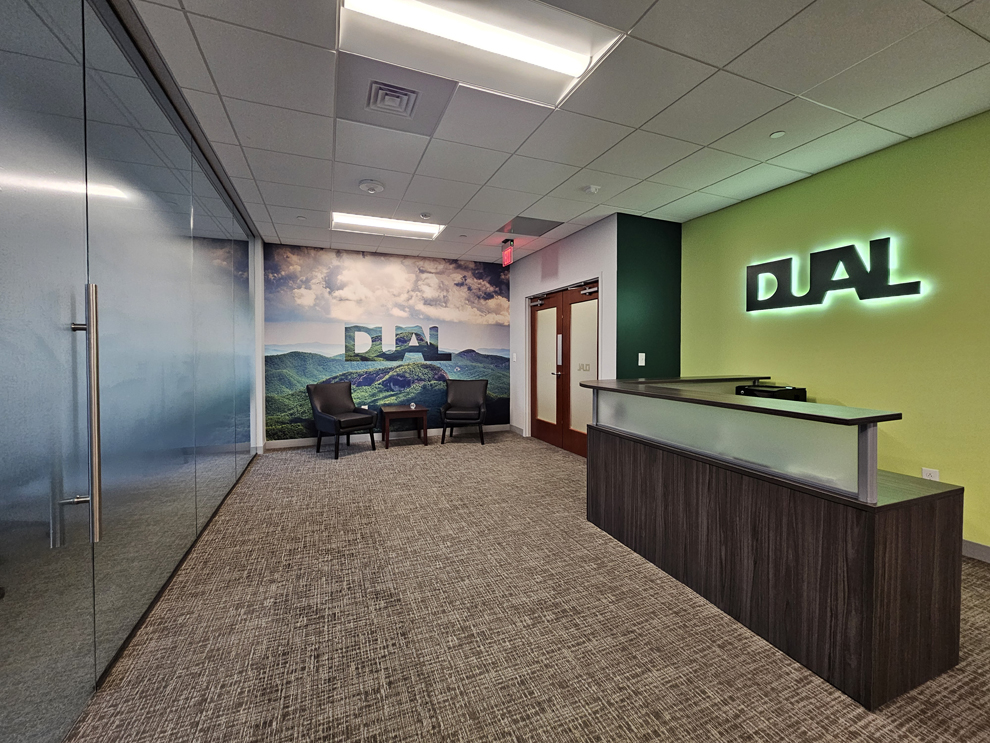
A well-designed workplace should communicate identity, reinforce organizational values, and help people navigate each space with confidence. When signs, graphics, and displays are planned independently, they can duplicate information, compete visually, or leave key areas without a defined purpose. Commercial Interior Graphics brings these elements into one cohesive workplace communication system.
For organizations in Chesapeake, VA, the program may start with a distinctive lobby and continue through conference rooms, hallways, glass-walled offices, training rooms, employee areas, customer-facing spaces, and recognition displays. The objective is not to fill every available surface. Each feature should perform a specific function while supporting the broader visual environment.
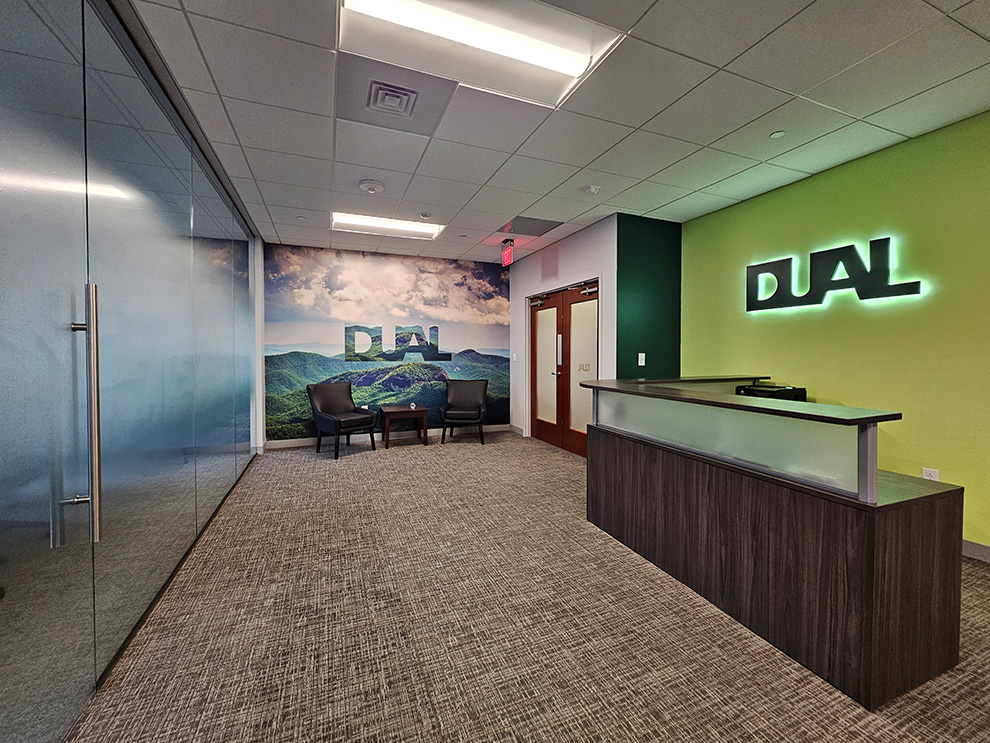
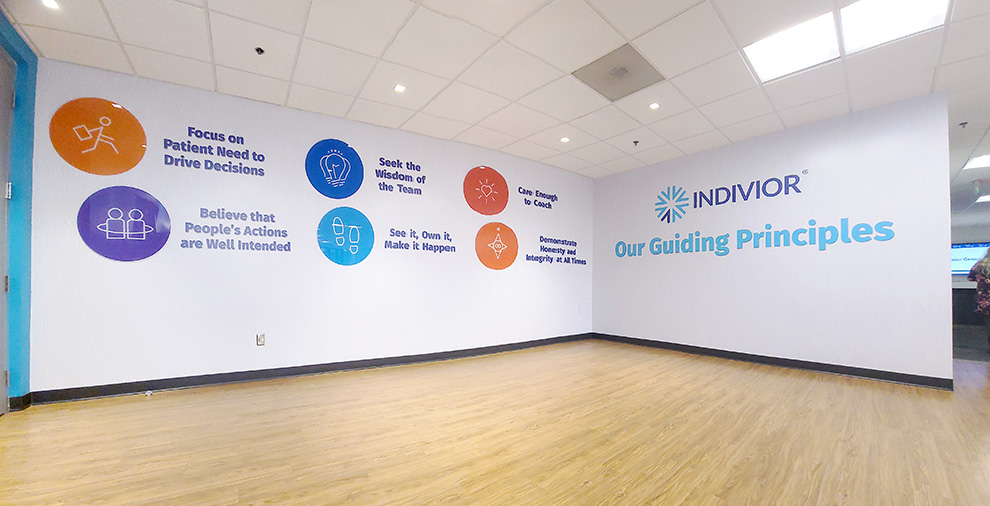
A dimensional lobby sign might introduce the organization at the entrance. Wall graphics can share company values, history, or culture in common areas. Frosted vinyl and privacy films can control visibility in conference rooms and offices. Recognition displays can celebrate employees, donors, accomplishments, or important milestones. Branded wayfinding signs can direct visitors and staff without disrupting the interior design. Displays with replaceable components can accommodate information that changes over time.
Commercial Interior Graphics can be particularly valuable during an office relocation, renovation, expansion, rebrand, or interior refresh involving several stakeholders. Marketing departments may prioritize brand consistency and audience experience. Facilities teams often focus on access, placement, scheduling, and site preparation. Leadership may want the workplace to reflect company culture, history, and employee contributions. Architects, interior designers, branding agencies, and workplace consultants may also provide approved concepts that must be accurately translated into finished graphics and displays.
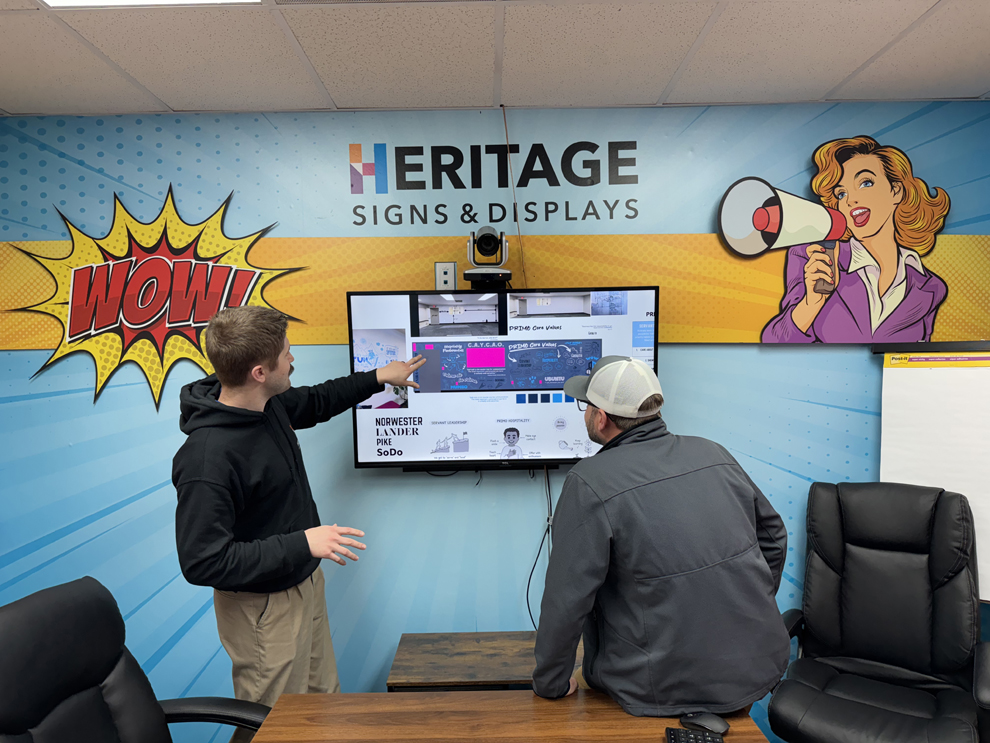
Heritage Signs & Displays organizes these requirements before individual components enter production. Discovery, environmental graphic design, project management, fabrication, printing, and installation are managed as connected stages. A dedicated Project Manager retains knowledge of the scope, approvals, site conditions, production progress, and installation requirements from the initial discussion through project completion.
A coordinated program may include wall graphics, window graphics, acrylic signs, dimensional letters, illuminated displays, standoff mounted panels, photographs, directories, wayfinding elements, and recognition features. The appearance of each component matters, but its relationship to surrounding features is equally important. A large mural should complement rather than overpower the primary lobby sign. Privacy graphics should fit the established visual language without becoming an unintended focal point. Displays intended for future revisions should be engineered for efficient updates.
Planning also helps protect the quality of the finished installation. Heritage reviews the intended audience, viewing distance, architectural details, wall and glass conditions, mounting requirements, production methods, site access, and installation sequence before fabrication begins. Addressing these considerations early allows practical concerns to be resolved while designs and specifications can still be adjusted.
A Chesapeake workplace does not need the same treatment in every room. It needs an intentional visual hierarchy. Guests should identify the organization shortly after arriving. Employees should encounter meaningful culture, information, and recognition throughout the workplace. Privacy, navigation, storytelling, and visual emphasis should appear where they offer genuine value. Commercial Interior Graphics supports this experience through thoughtful planning, coordinated production, and accountable installation.
A coordinated Commercial Interior Graphics program is appropriate when several spaces, messages, feature types, or stakeholder groups must follow one visual direction. A Chesapeake company opening a new office might need lobby branding, glass privacy treatments, directional signs, culture displays, and employee recognition features that share a consistent design system. During a phased renovation, one area may receive permanent brand features while another requires displays that can be updated as information changes.
A broader program establishes priorities before production begins. It identifies which message should greet visitors, which content belongs in employee areas, and which features should be permanent or adaptable. This planning also prevents individual graphics and displays from gradually moving away from the approved brand standards.
Not every project requires a comprehensive program. One wall wrap may be sufficient for a prominent storytelling area. A window graphic may solve a targeted privacy or visibility concern. A lobby sign may be the correct solution when entrance branding is the only current need. Commercial Interior Graphics can address a complete workplace, but Heritage can also help determine when a focused feature is the more practical choice.
Heritage Signs & Displays is a project-focused sign company providing turnkey branding solutions for workplace interiors and event environments. Every project starts with a clear understanding of the communication goals, audience, schedule, site conditions, stakeholders, and anticipated scope. The process then advances through environmental graphic design, project coordination, production, fabrication, and professional installation.
Through Heritage’s One Dedicated Project Manager System, clients have a consistent point of contact throughout the project. The Project Manager tracks approvals, field measurements, production requirements, installation details, and scheduling considerations. This continuity helps reduce misunderstandings when several departments, outside consultants, property representatives, and internal decision-makers participate.
Heritage began as a printing company in 1977. Signs, interior graphics, and workplace branding became a primary focus in 2009. This experience informs practical decisions involving scale, visual hierarchy, substrates, fabrication, mounting, and installation sequencing. Heritage is veteran-owned and family-led, with an operating philosophy based on precision, discipline, service, and accountability.
Heritage seeks to honor God by serving clients and communities with excellence. For commercial interior graphics clients, this commitment is reflected in responsive communication, responsible planning, careful workmanship, and completed environments that advance organizational goals.
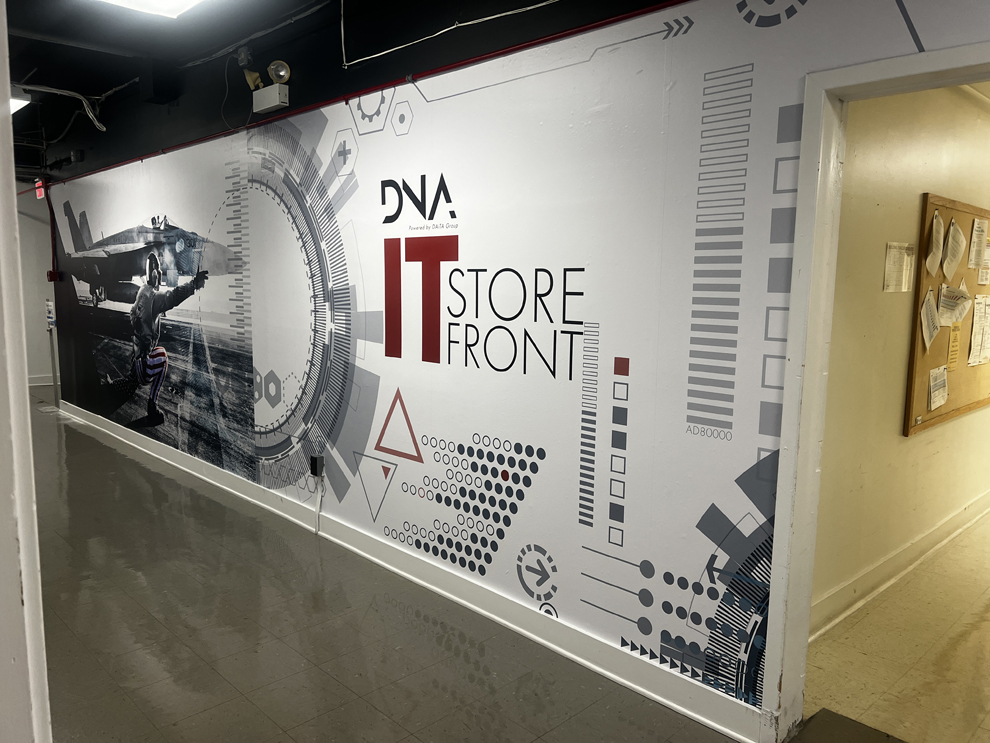
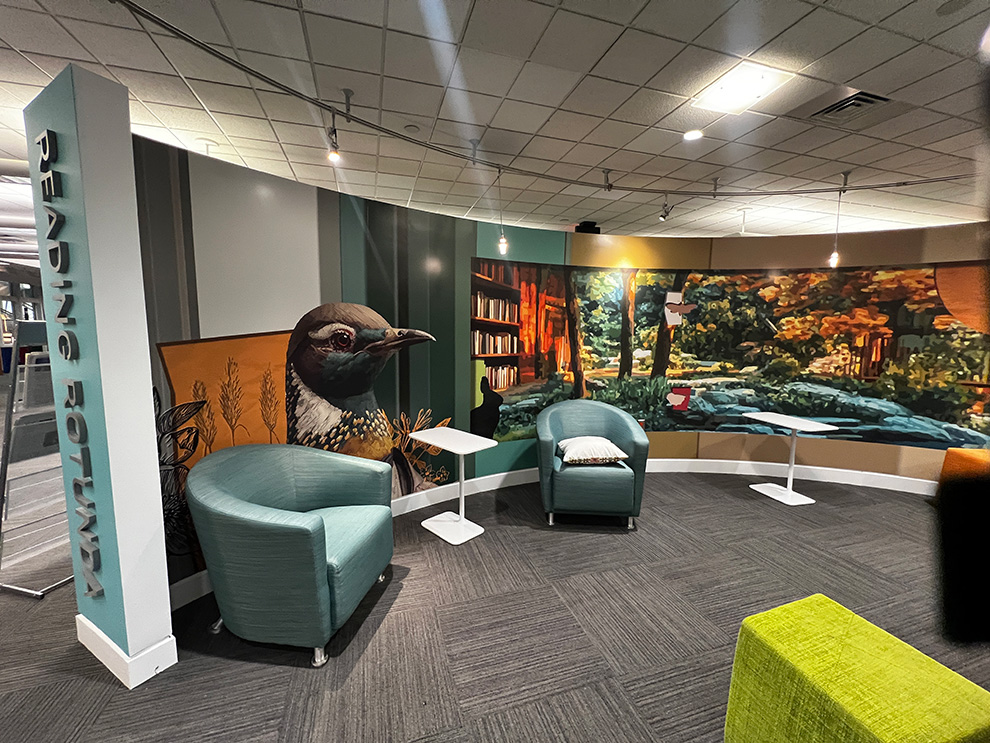
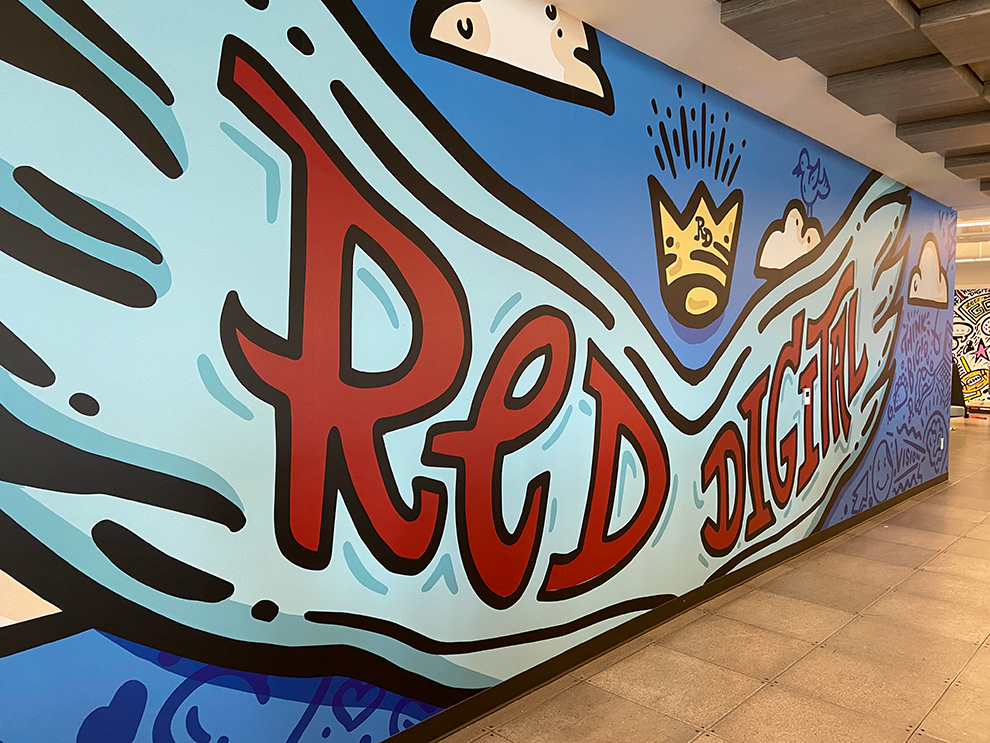
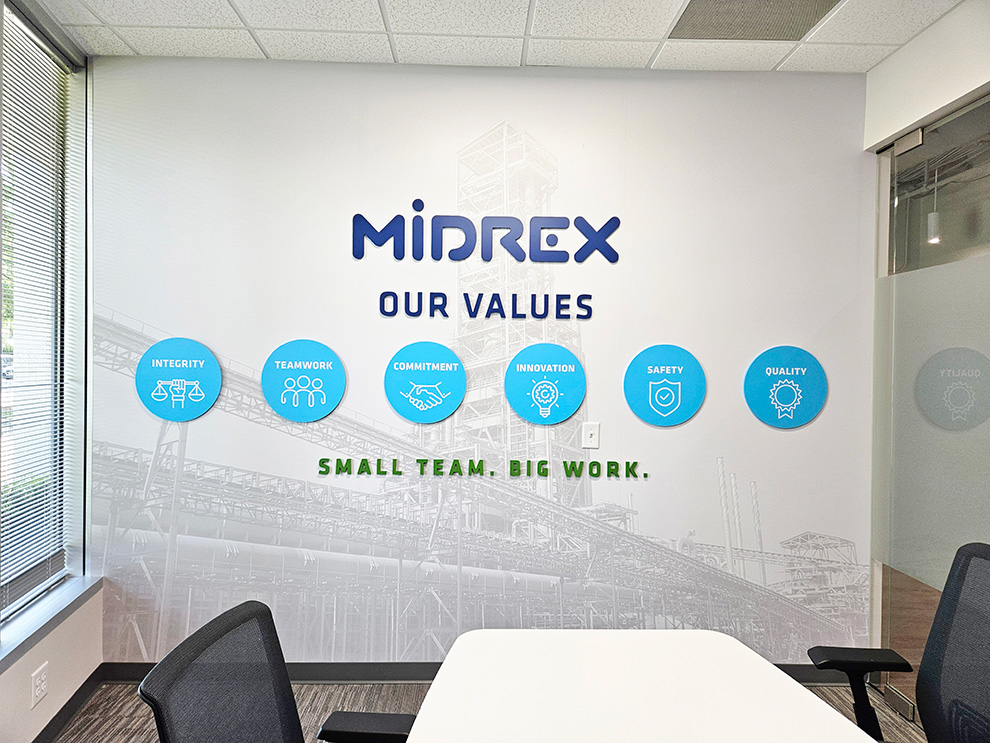
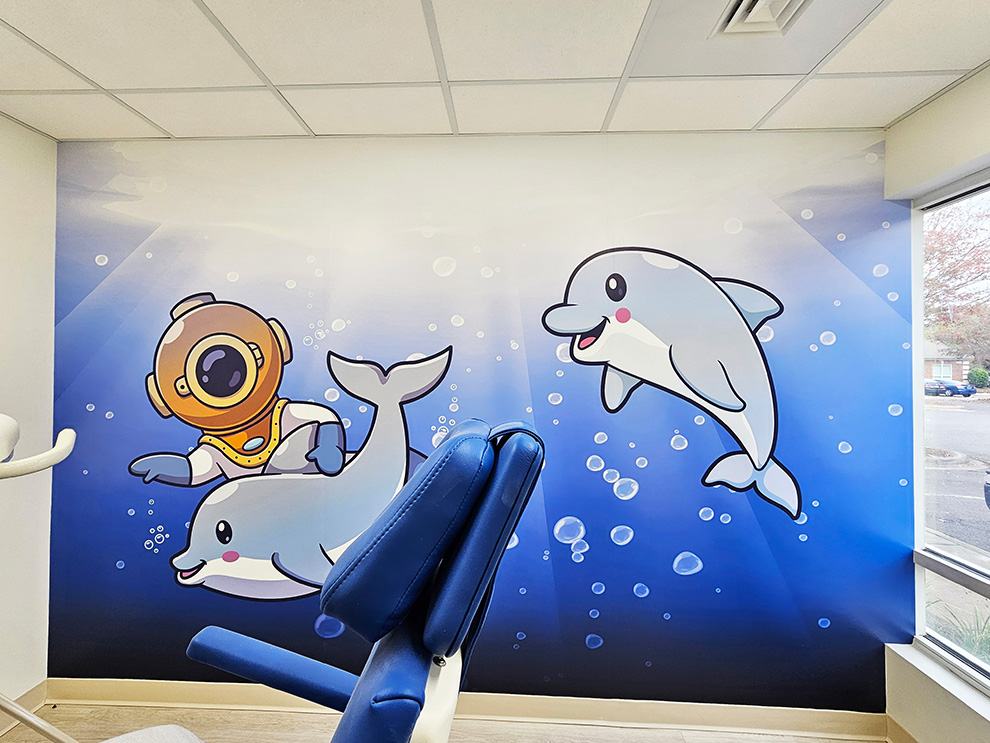
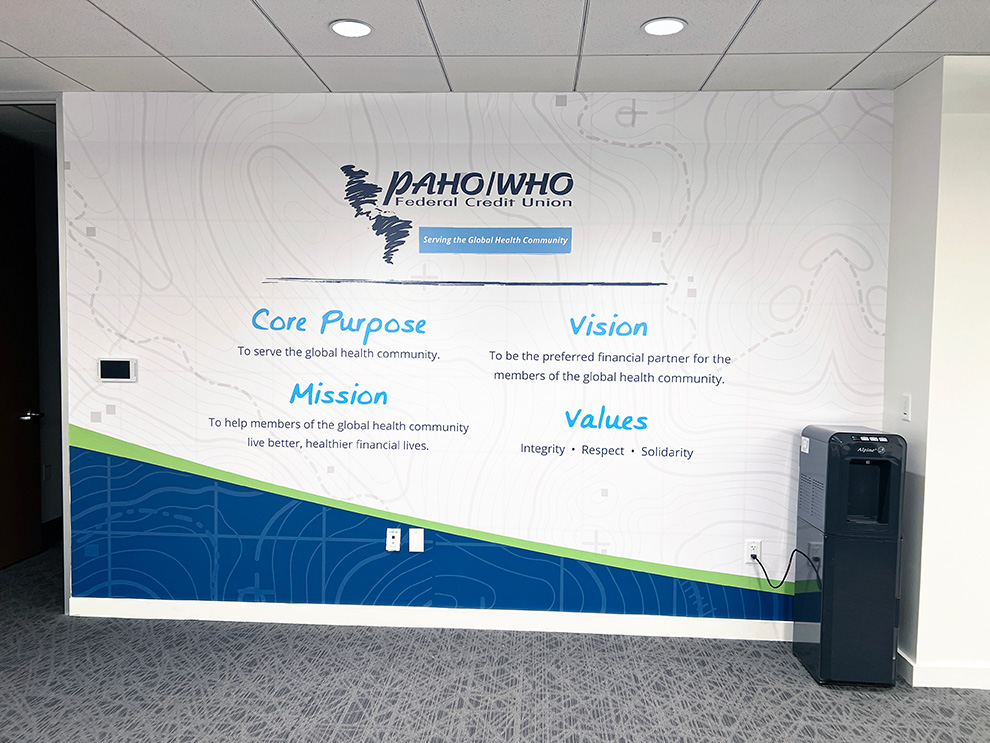
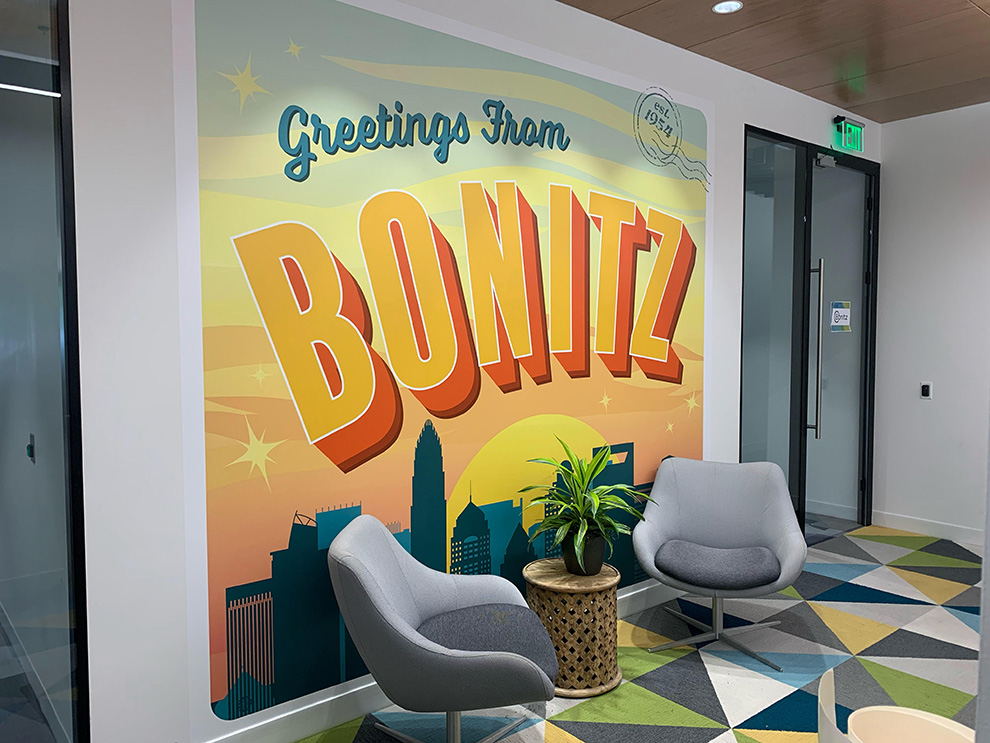
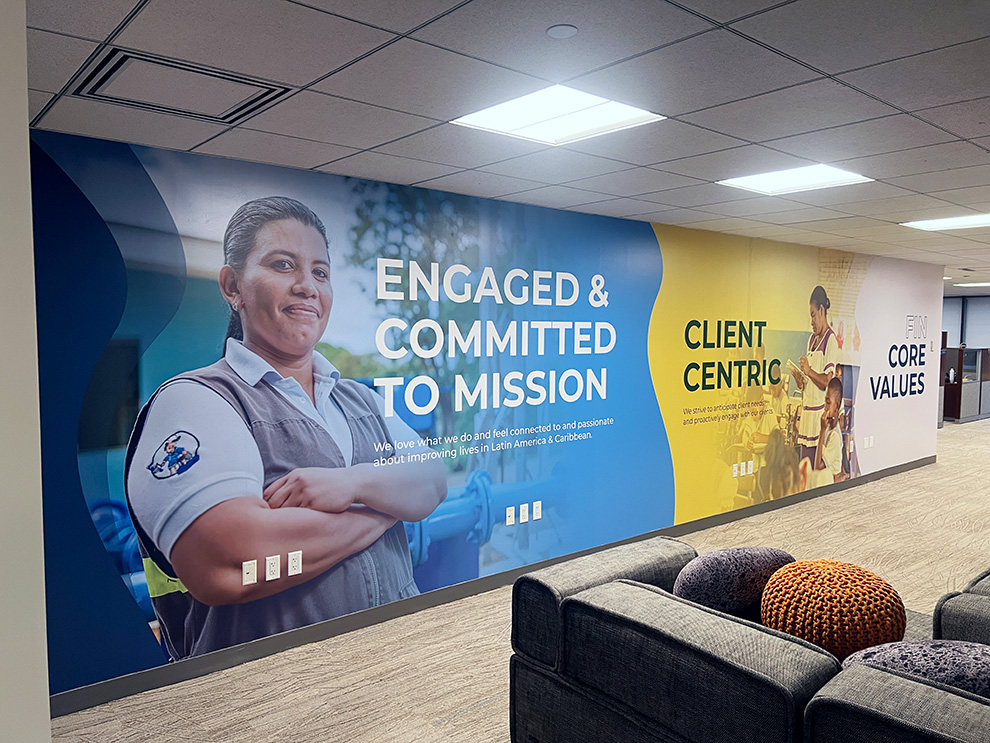
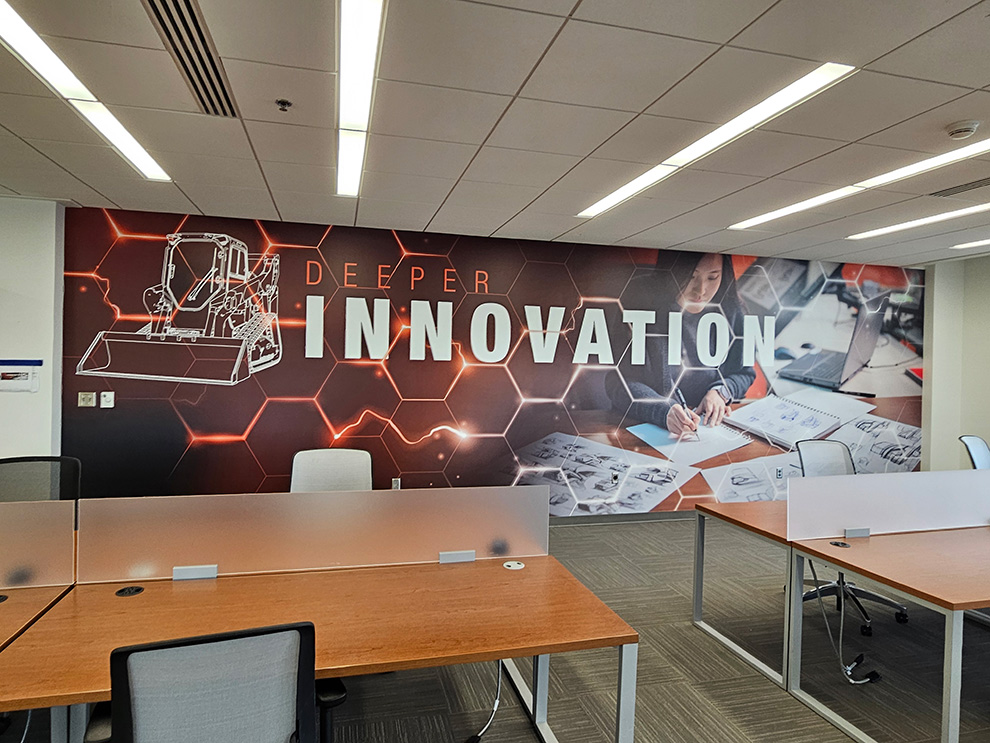
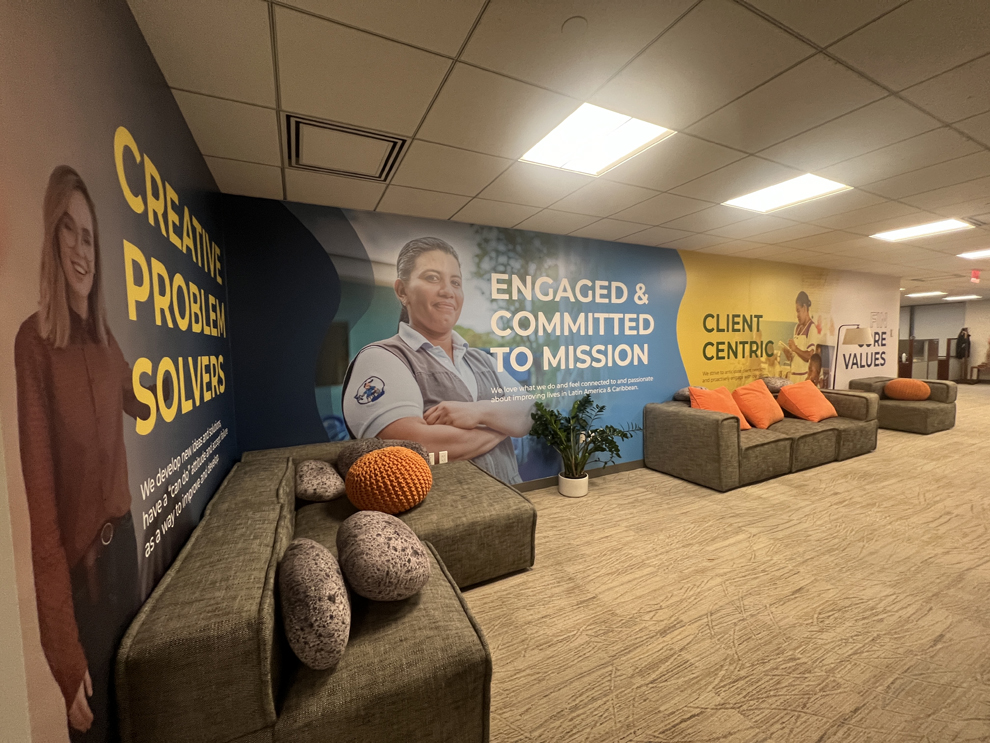
Wall Wraps turn large interior surfaces into murals, culture walls, historical displays, and architectural-scale visual stories. In a coordinated Commercial Interior Graphics program, a wall wrap may become the primary narrative feature while nearby signs and displays provide supporting information, recognition, or direction.
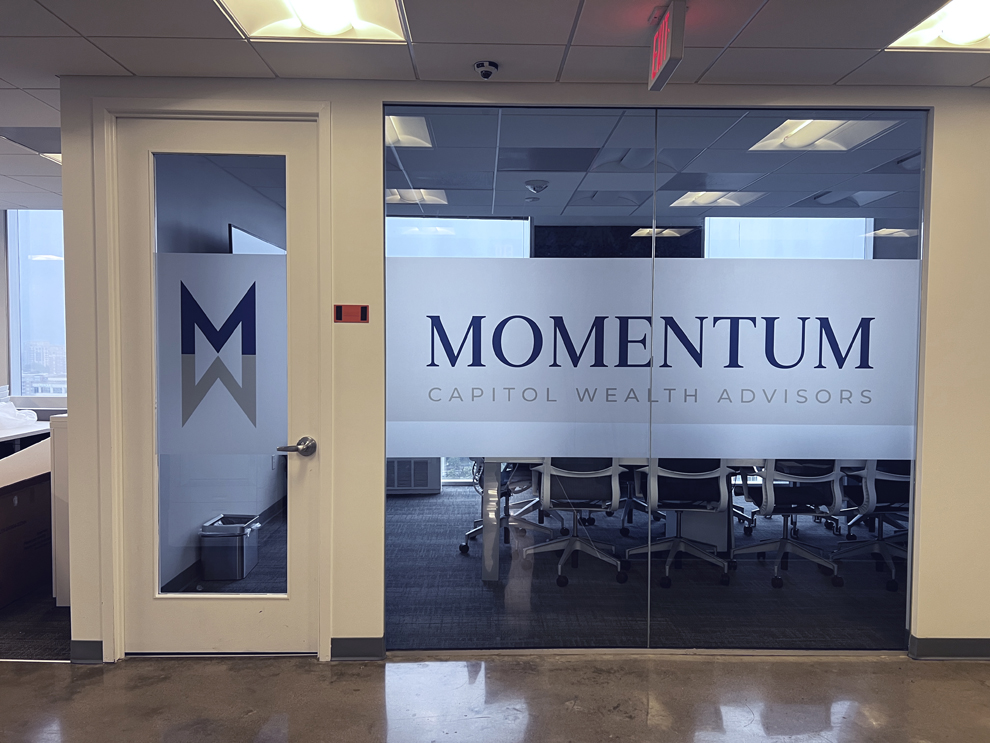
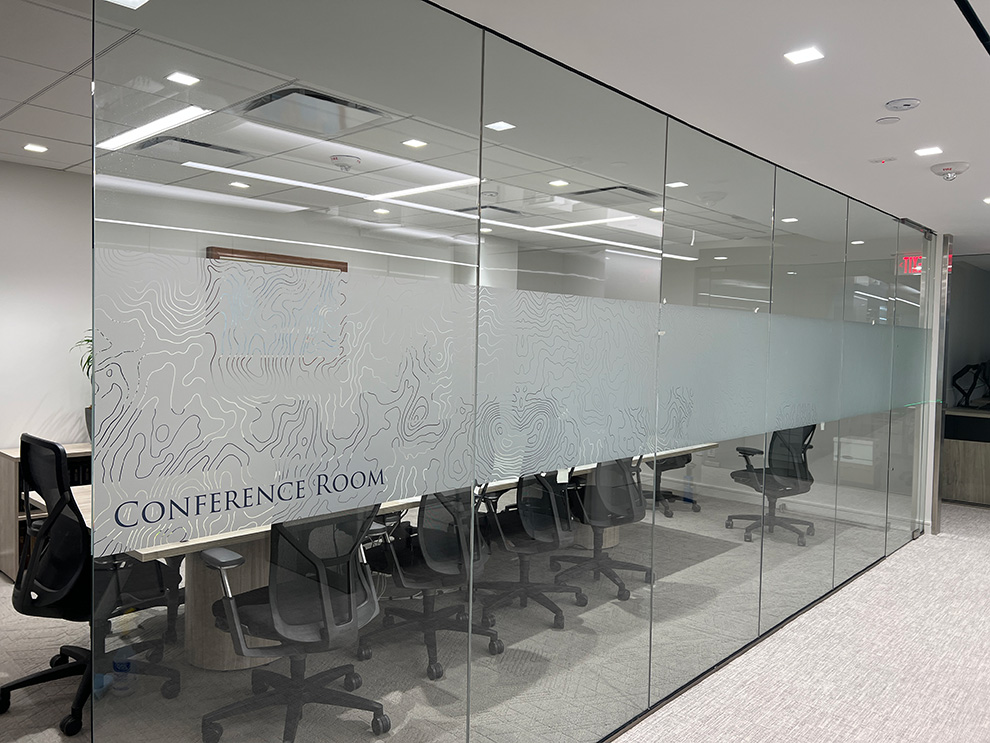
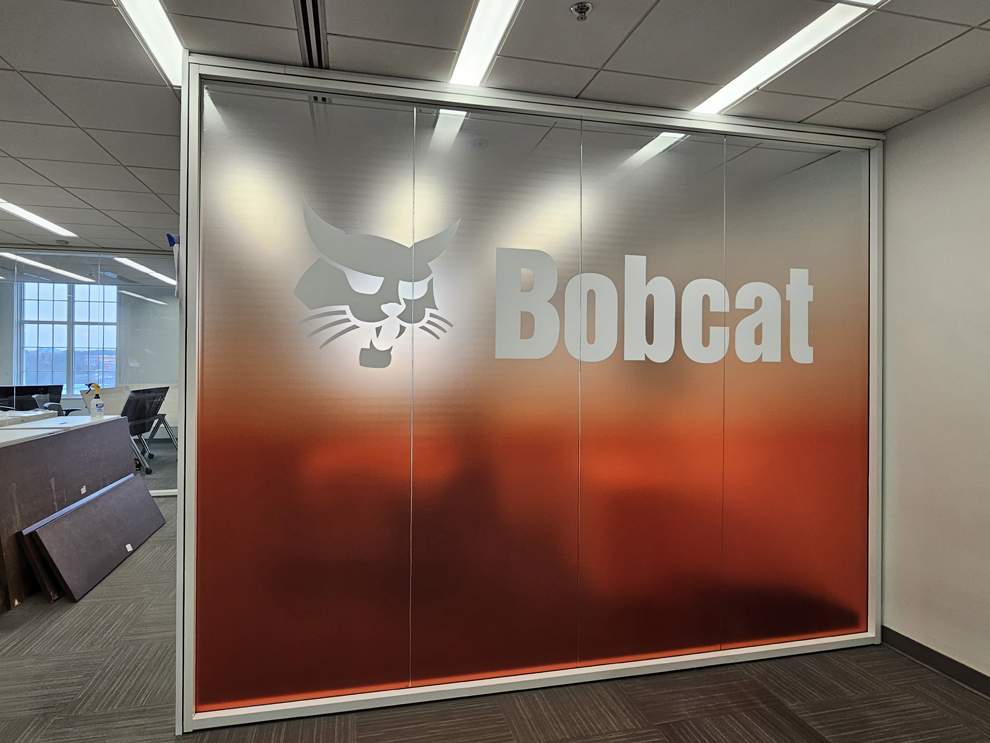
Window Graphics add logos, patterns, identification, messaging, and controlled visual separation to glass. They can create continuity between conference rooms, offices, entrances, and circulation areas while supporting the larger interior brand strategy.
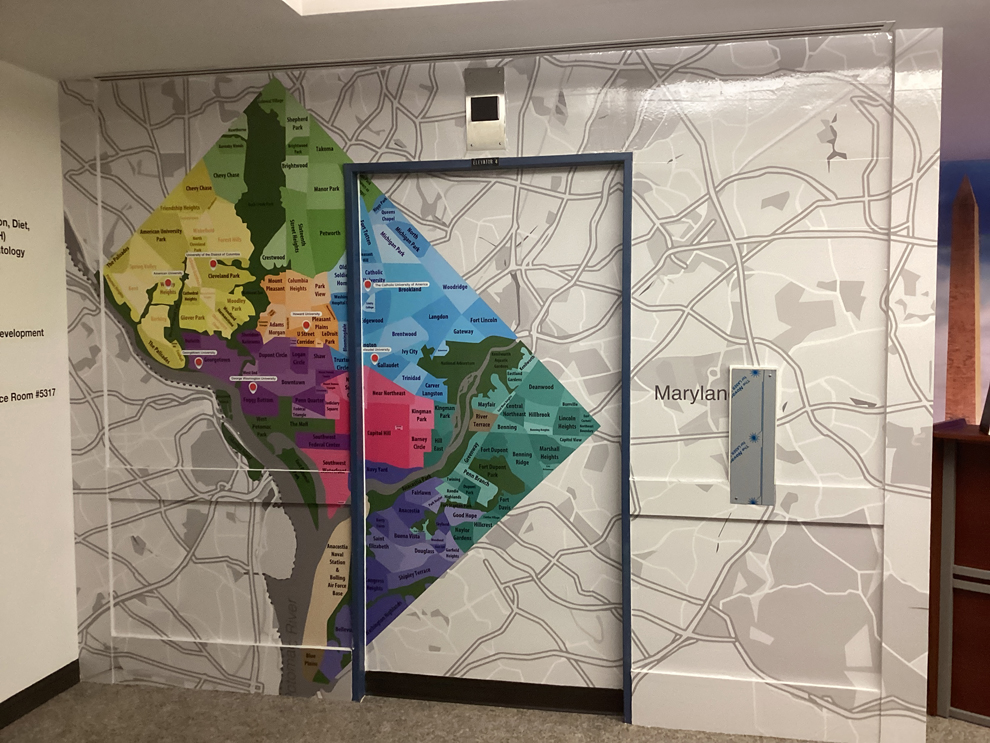
Frosted vinyl and privacy vinyl reduce selected visibility through workplace glass while maintaining a clean, professional appearance. Patterns, gradients, logos, and subtle brand elements can be incorporated without distracting from higher-priority signs and displays.
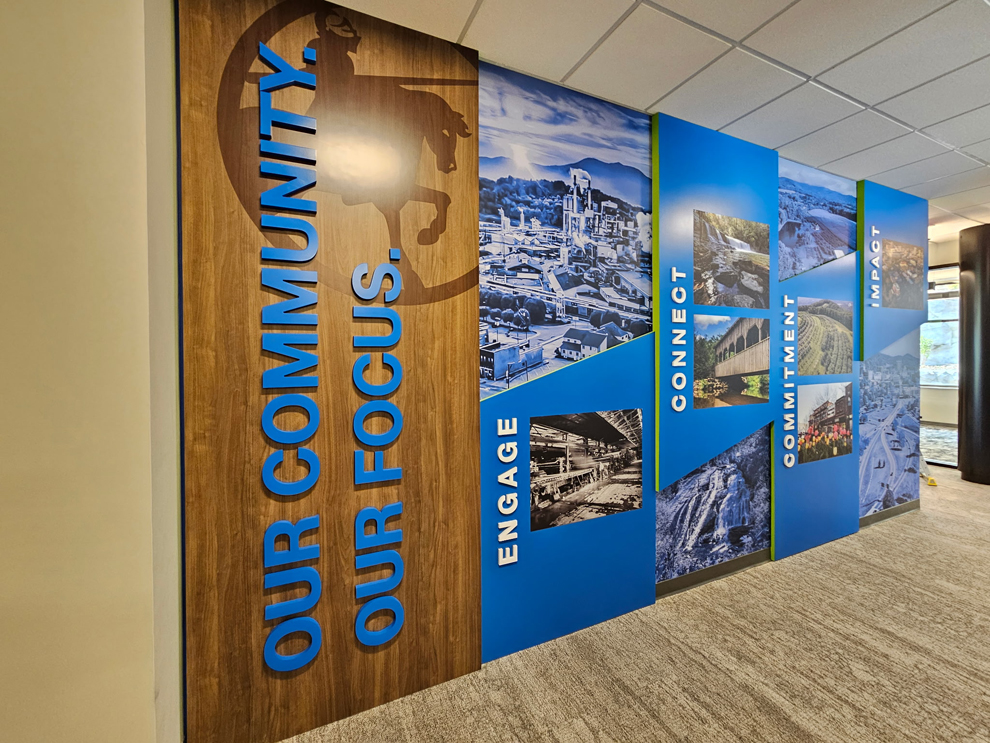
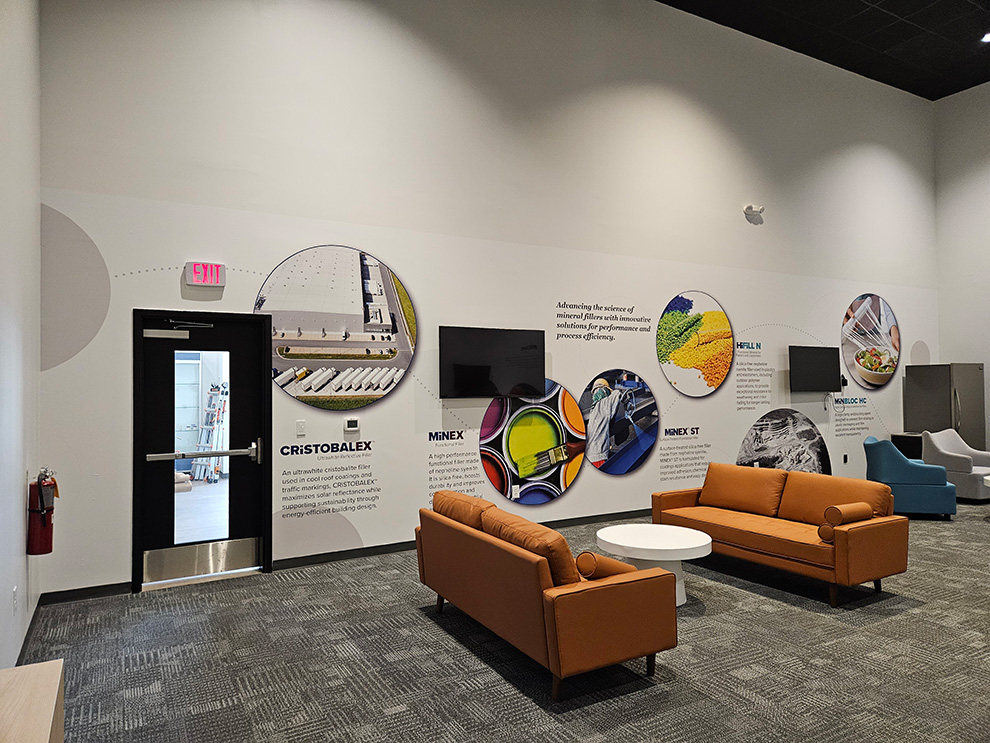
Wall Displays present company history, photographs, values, achievements, milestones, and recognition content in an organized format. They can supplement prominent lobby features and provide greater detail in corridors, meeting areas, and employee spaces.
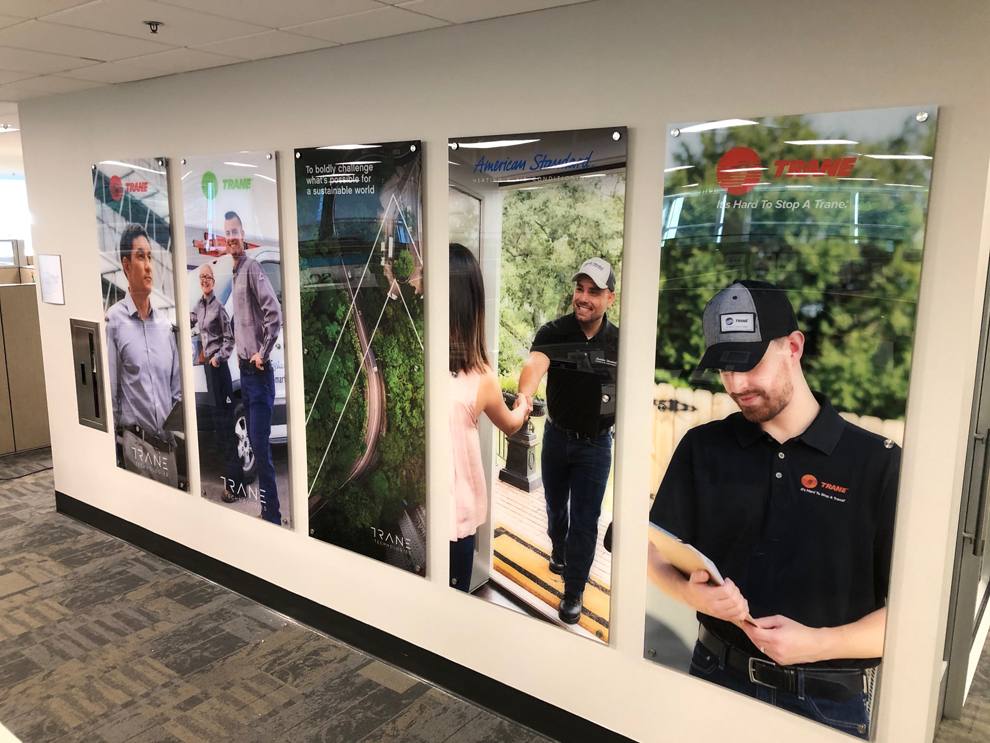
Dimensional Letters give logos, department names, mission statements, and key messages greater depth and visual prominence. They are often used where flat graphics would not provide enough contrast or architectural presence.
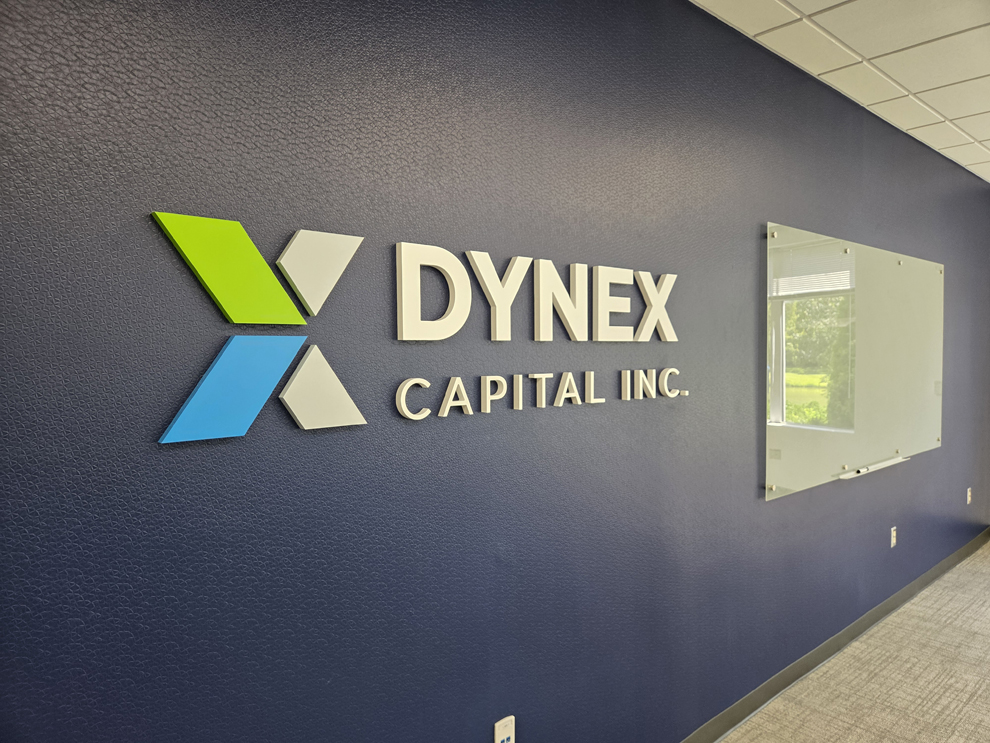
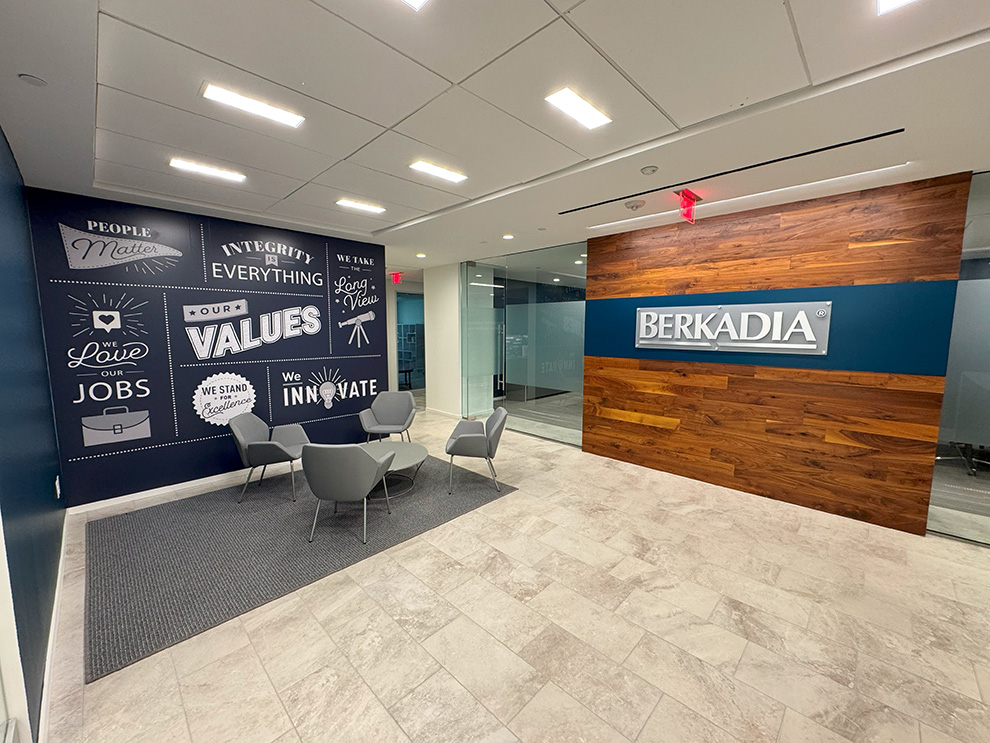
Lobby Signs introduce the organization at its primary point of arrival. They frequently establish the visual direction for nearby wall graphics, glass treatments, recognition displays, directories, and directional signs.
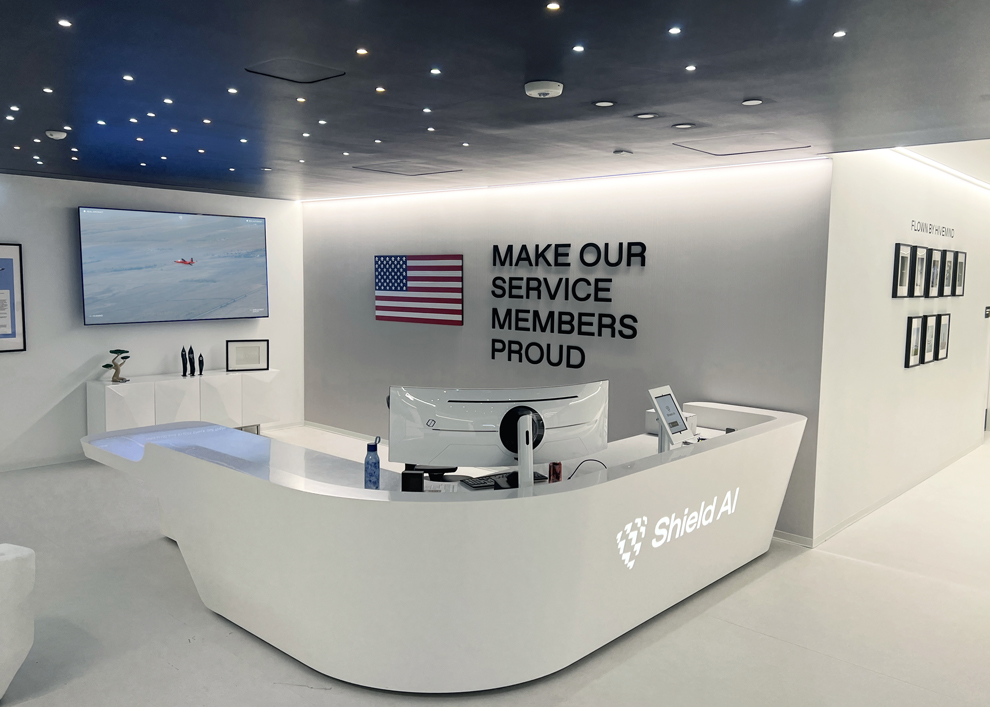
Standoff Mounted Signs provide depth and a refined presentation for directories, recognition panels, informational displays, and interchangeable content. Selected sections can be designed for replacement when names, achievements, or other information changes.
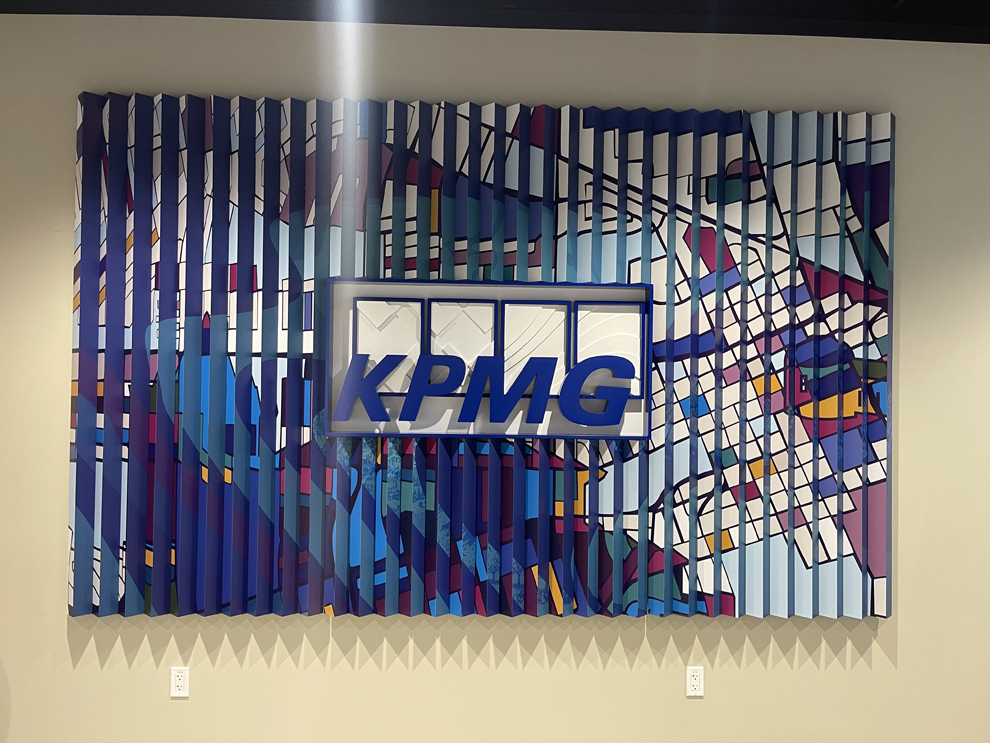
Wayfinding Signs help employees, customers, vendors, and visitors move through a facility efficiently. Their typography, colors, materials, and placement can remain consistent with the workplace brand while keeping directional information easy to understand.
Begin by describing the workplace experience you want to create in Chesapeake, VA. Share the areas involved, desired completion date, known stakeholders, anticipated investment, and whether the project includes branding, culture, privacy, navigation, recognition, or changeable information. Floor plans, photographs, brand standards, and reference materials are helpful when available, but you do not need to select specific products before the initial conversation.
Visit Get Started Now to connect with Heritage Signs & Displays. A Project Manager will help define the next practical steps for discovery, site verification, design coordination, production, fabrication, and professional installation.
Every component in a coordinated interior program should have a defined purpose. The reception area may need a prominent identity feature that immediately communicates the organization’s name and character. A main hallway might be better suited to company history, community impact, or workplace culture. Glass conference rooms may need privacy graphics that retain a sense of openness. Recognition areas may require structured displays that give employees, donors, achievements, or milestones suitable prominence.
The intended audience influences visual priority. A message created for first-time visitors entering a lobby serves a different function than information employees see each day. Viewing distance influences letter size and graphic scale. Expected lifespan affects construction and material choices. Frequently changing content requires an accessible replacement method. Sightlines, lighting, architecture, adjacent finishes, and nearby features all affect how a component should function.
Wall graphics, illuminated displays, acrylic panels, dimensional lettering, photographs, directional signs, and privacy vinyl can all play a role. Materials and fabrication methods should support the communication objective, not determine it. Planning should begin by identifying what people need to notice, understand, remember, or do within each space.
The best program uses the right combination of features rather than every available product.
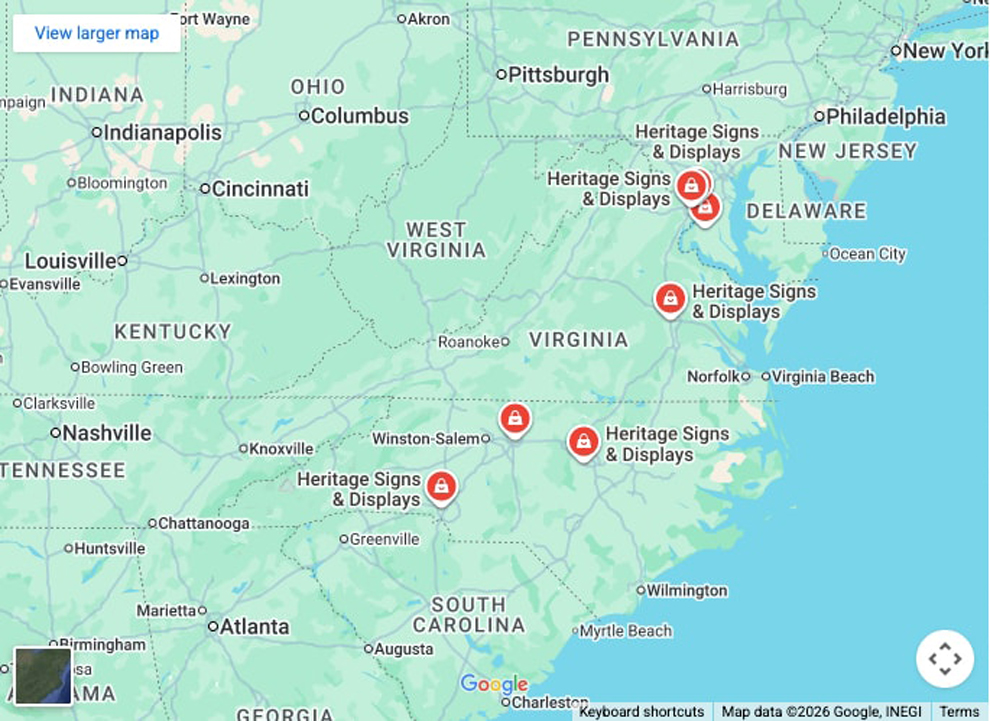
Heritage Signs & Displays supports Chesapeake, VA organizations planning interior branding projects for offices, corporate campuses, healthcare facilities, educational environments, nonprofit organizations, government workplaces, and other commercial settings. Clients can begin by sharing their desired outcome, project address, anticipated schedule, stakeholder group, known site conditions, and general scope. This information helps establish the appropriate next steps for discovery, field verification, design development, production, fabrication, and installation.
Chesapeake is located within Heritage’s Mid-Atlantic service region and the broader Hampton Roads market. Projects may involve facilities in Greenbrier, Great Bridge, Western Branch, Deep Creek, or other parts of Chesapeake, as well as connected locations in Norfolk, Virginia Beach, Portsmouth, Suffolk, Newport News, Hampton, Richmond, Northern Virginia, Maryland, Baltimore, and Washington, DC. The project plan depends on confirmed site conditions, access requirements, scope, schedule, and installation needs.
A Heritage site survey is required when professional installation is included. This visit supports project discovery and technical verification by documenting relevant measurements, surfaces, placement conditions, access considerations, and other field information before final production decisions are made.
Heritage can also coordinate interior branding across multiple locations in the Carolinas and Mid-Atlantic. Consistency does not mean reproducing an identical physical solution in every facility. Each workplace can respond to its architecture, circulation patterns, users, and operational requirements while following the same brand strategy.
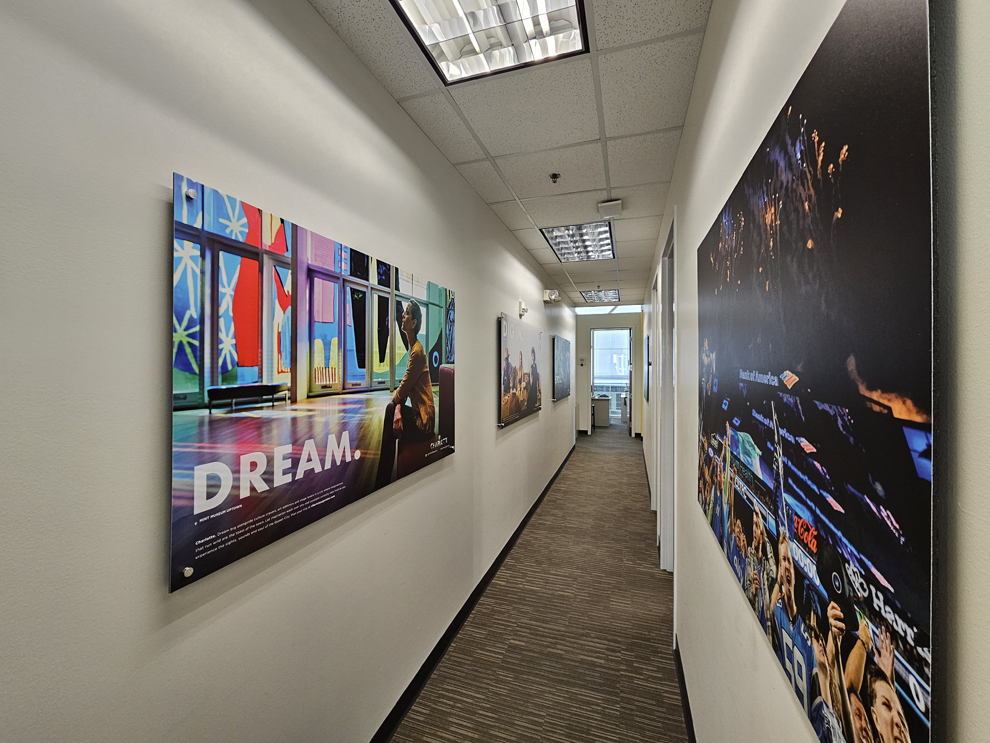
Environmental graphic design influences what people notice, understand, recognize, remember, and experience inside a workplace. For an organization in Chesapeake, this may involve strengthening the reception area, incorporating company values into employee spaces, presenting a mission statement, creating a timeline, recognizing achievements, increasing privacy, or improving navigation.
The process begins with communication goals rather than a predetermined material. Heritage evaluates which messages deserve immediate attention, which content supports a longer story, and where graphics should guide people without overwhelming the space. A reception feature may need dimensional construction and focused lighting. A culture wall may require a clear reading sequence. A long corridor may benefit from visual rhythm and strategic spacing. Conference room privacy graphics may need to balance visibility control with brand recognition.
Heritage can create environmental graphic design concepts for projects it manages. The team can also collaborate with architects, branding agencies, interior designers, environmental graphic designers, workplace consultants, and client representatives. This collaborative approach helps preserve approved creative direction during material selection, production, fabrication, and installation.
Scale, color, placement, sightlines, materials, mounting, and fabrication are practical tools used to support the desired experience. These physical choices should make the message clearer rather than draw attention away from it.
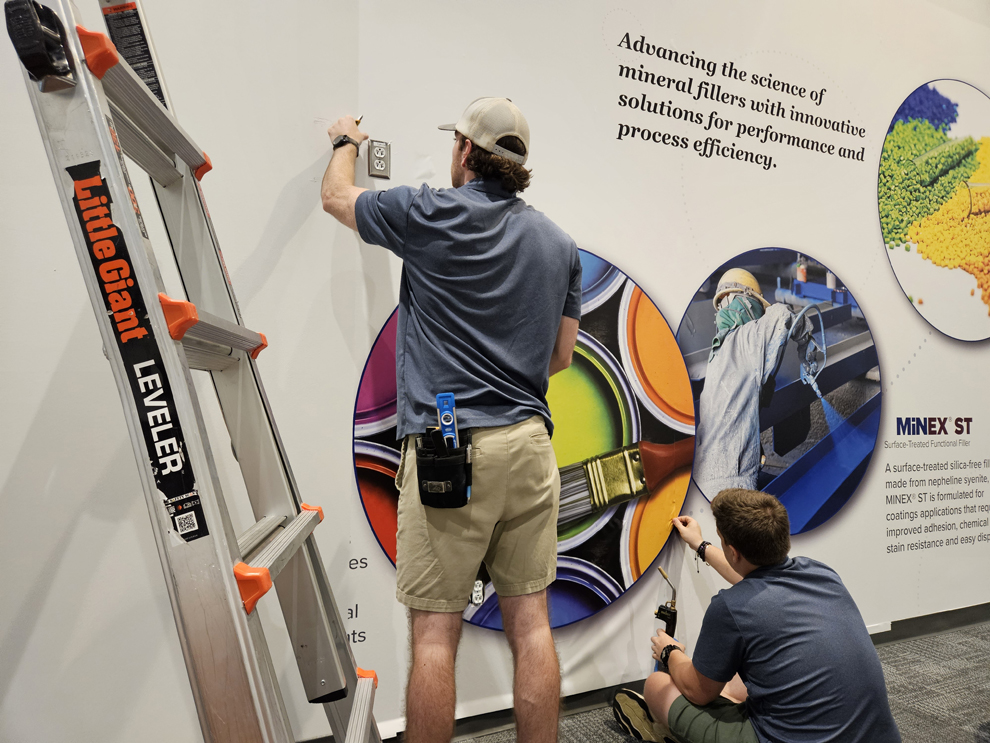
Professional installation connects the approved design and fabricated components to the actual workplace. Before arriving on-site, Heritage installers receive relevant project information, including the approved scope, survey findings, placement plans, materials, mounting requirements, access conditions, and installation sequence. The installation team works from a documented project plan rather than a basic shipment list.
Precise placement affects the appearance and usefulness of every feature. Dimensional letters must align properly with surrounding architecture. Standoff mounted panels require secure hardware, accurate spacing, and level positioning. Wall graphics must be carefully installed around edges, corners, seams, and adjacent surfaces. Privacy vinyl should follow the approved pattern and maintain a clean appearance across the glass. Directional signs must be installed where users can see and understand them at the appropriate decision points.
Heritage installers prioritize property protection, workmanship, orderly execution, and awareness of occupied facilities. If actual field conditions differ significantly from the project documentation, the team communicates the concern and identifies an appropriate solution rather than forcing the installation.
Heritage does not offer installation-only services for customer-supplied signs or graphics. Installation is provided for components Heritage produces, fabricates, procures, or manages. This policy maintains clear accountability for product quality, site preparation, installation methods, and the completed project.
Successful planning starts with the desired workplace outcome. Heritage evaluates the audience, project scope, approval process, phases, schedule, site conditions, readiness, anticipated investment, and outstanding information before finalizing a Commercial Interior Graphics program. Floor plans, brand guidelines, site photographs, existing artwork, inspiration images, and stakeholder notes can be helpful, but they support the process rather than replace discovery and field verification.
Many Heritage projects that include production and professional installation range from $10,000 to more than $200,000. For new website-generated workplace interior and event environment opportunities in the Mid-Atlantic, Heritage plans around an anticipated total project investment of at least $6,000.
Wall condition is especially important when adhesive graphics are included. Drywall should be structurally sound, smooth, repaired, clean, and dry. Primer and paint must be properly applied, and the finish coat must be fully cured before vinyl installation. Approximately four weeks can be useful general guidance for many paints, although manufacturer specifications and actual environmental conditions determine readiness. Paint can release gases while curing, and applying vinyl too early may cause bubbling, blistering, lifting, or premature adhesive failure.
Surface testing cannot verify the hidden bond among drywall, primer, and paint. If paint or primer separates during testing or while graphics are being positioned, Heritage stops the work to avoid causing further damage. The Project Manager documents and communicates the issue. The client or property owner is responsible for arranging and paying for repairs, priming, repainting, and adequate curing before installation can resume. Heritage does not perform or fund wall restoration. Future graphic removal is a separate condition, and damage-free removal cannot be guaranteed.
Commercial Interior Graphics are coordinated branding and communication programs for workplace environments. They may combine signs, printed graphics, dimensional features, glass treatments, displays, and fabricated components to address identity, storytelling, privacy, recognition, navigation, and changeable information.
A coordinated program establishes priorities before individual features enter production. It helps lobby signs, wall graphics, privacy treatments, directories, recognition displays, and directional elements follow a consistent visual strategy instead of competing with one another or repeating the same information.
Wall Wraps cover substantial wall areas with murals, imagery, culture content, historical information, or other large-format designs. A wall wrap may be an important part of a Commercial Interior Graphics program, but the broader program coordinates multiple communication functions across several spaces and product types.
Adhesive Vinyl Graphics include graphics applied to compatible walls, windows, doors, floors, elevators, displays, and other surfaces. Commercial Interior Graphics may incorporate these applications, but the program also coordinates them with dimensional signs, fabricated displays, recognition systems, directories, and other interior features.
Yes. Heritage requires a site survey when professional installation is included. The survey supports discovery and technical verification by documenting dimensions, surfaces, placement conditions, access requirements, and other information needed for production and installation planning.
One dedicated Heritage Project Manager coordinates the project. This person maintains continuity across discovery, approvals, field verification, design coordination, production, fabrication, scheduling, and installation.
Yes. Heritage can develop environmental graphic design concepts for Heritage-managed projects or collaborate with architects, commercial interior designers, branding agencies, environmental graphic designers, workplace consultants, and client stakeholders. Heritage does not present itself as a provider of architecture, commercial interior design, engineering, code consulting, or ADA consulting.
Yes. Frosted vinyl, privacy vinyl, and window graphics can address selected privacy needs while contributing to the overall interior visual system. The appropriate material and design depend on the desired visibility, glass type, site conditions, brand requirements, and installation method.
Certain wet-installed privacy films may temporarily appear hazy, cloudy, streaked, or uneven while residual moisture evaporates. Drying may take several days or multiple weeks depending on the product, glass conditions, temperature, humidity, and other site-specific factors.
Yes. Directories, recognition systems, informational panels, and selected wall displays can include replaceable components. Identifying update needs early helps Heritage recommend an appropriate format, mounting system, and replacement process.
Painted walls should be sound, smooth, clean, dry, repaired, properly primed, and fully cured. If paint or primer separates during testing or installation, Heritage pauses the work and communicates the condition. The client or property owner must arrange and pay for repairs, proper priming, repainting, and full curing before Heritage returns.
No. Heritage does not provide installation-only services for customer-supplied signs or graphics. The company installs products it produces, fabricates, procures, or manages so it can remain accountable for quality, compatibility, site readiness, and installation execution.
Yes. Heritage supports organizations with locations throughout the Carolinas and Mid-Atlantic. The overall brand strategy can remain consistent while individual features are adapted to each facility’s architecture, audience, circulation patterns, site conditions, and operational needs.
Start with the desired outcome, Chesapeake project location, target date, anticipated investment, and known stakeholders. Photographs, floor plans, brand guidelines, existing artwork, and reference images can help clarify the opportunity, but they are not required for the first conversation.
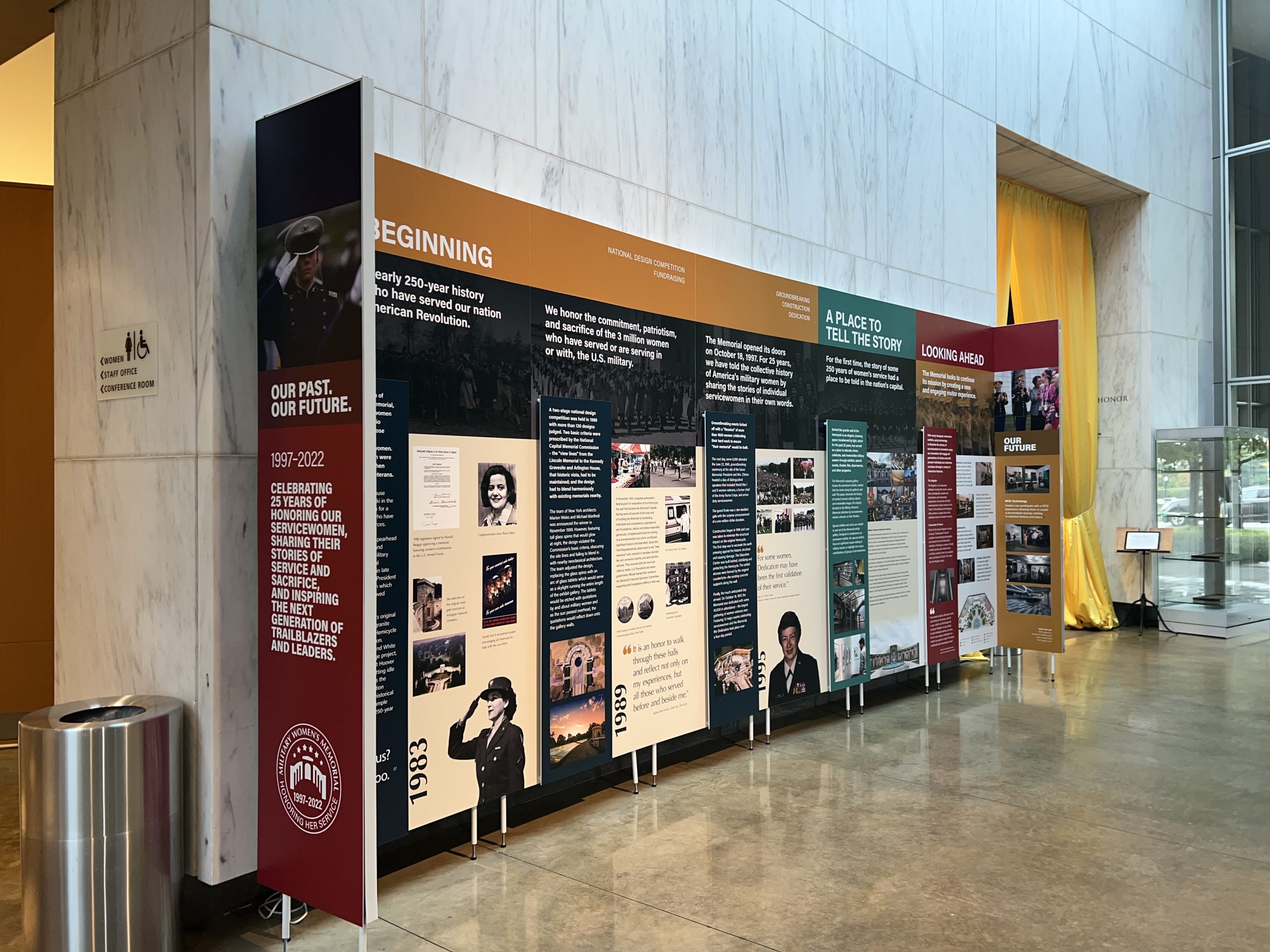
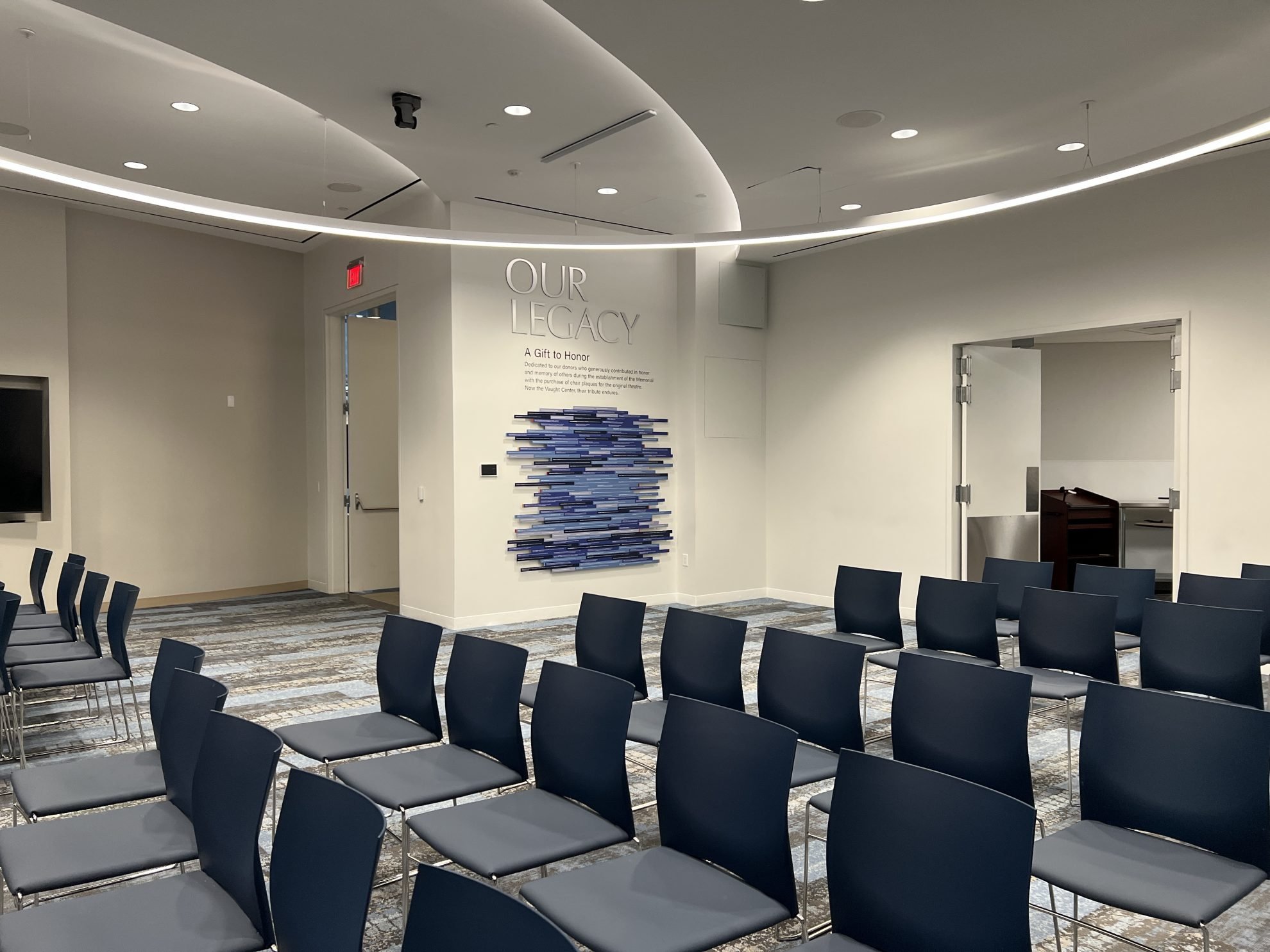
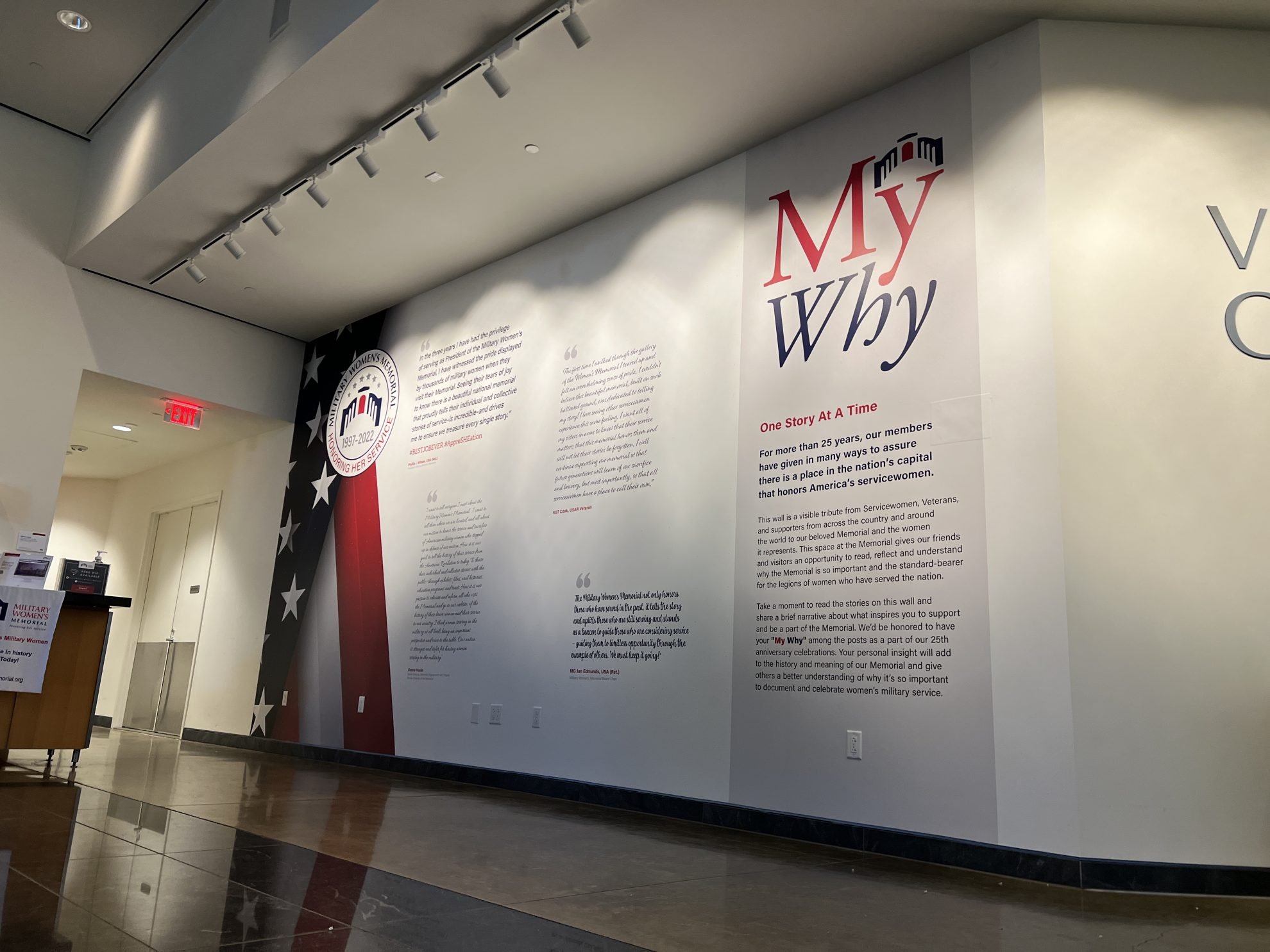
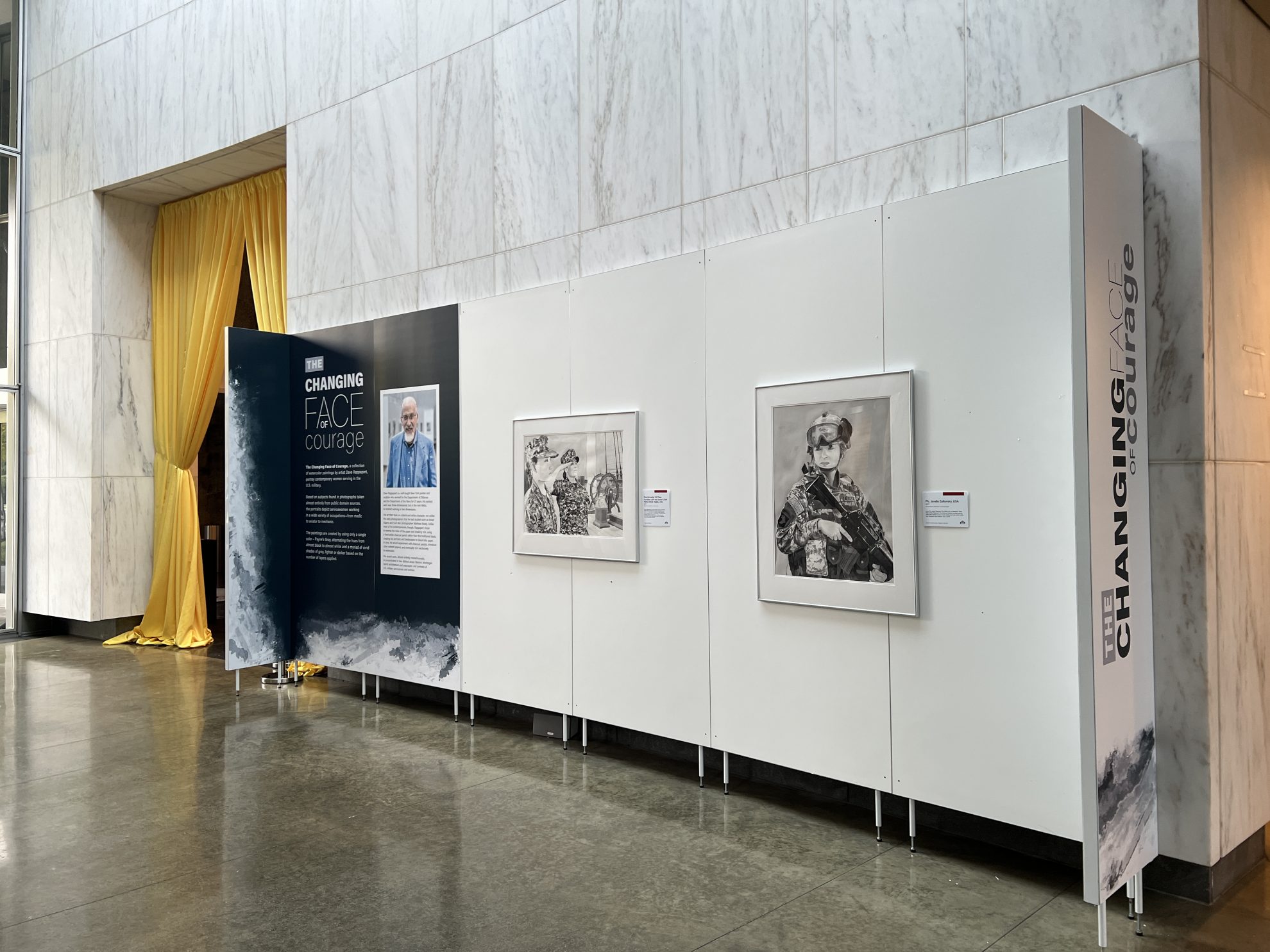
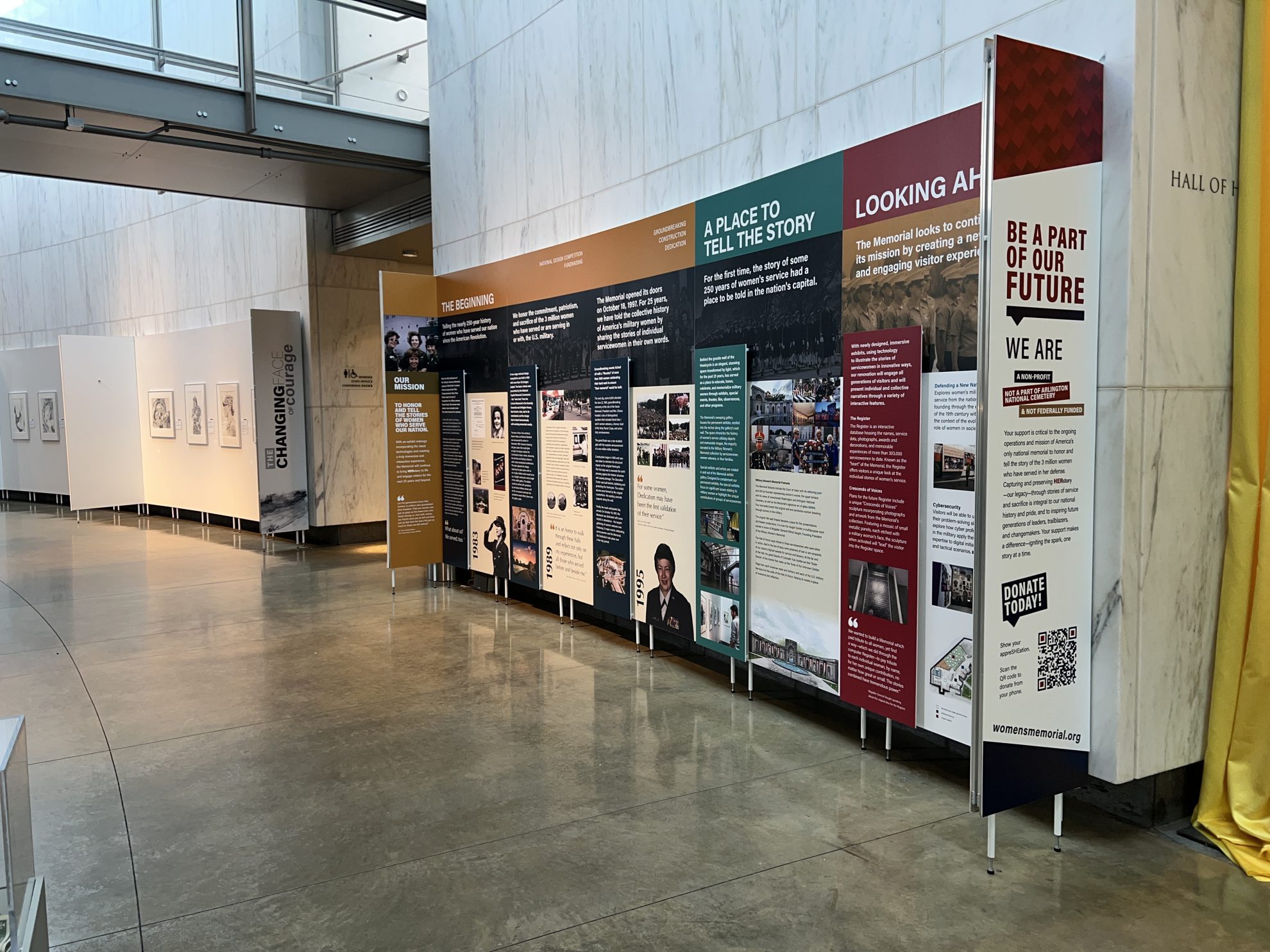
Heritage Signs & Displays created new museum signage for the Military Women’s Memorial in Arlington, VA. The project included custom signs, wall wraps, dimensional letters, and standoff-mounted displays to honor the legacy of U.S. servicewomen and the donors who supported the memorial. The updated interior features impactful designs, including a "Our Legacy" wall display and panels showcasing historical contributions and artwork, creating a transformative tribute to women in the U.S. Armed Forces.
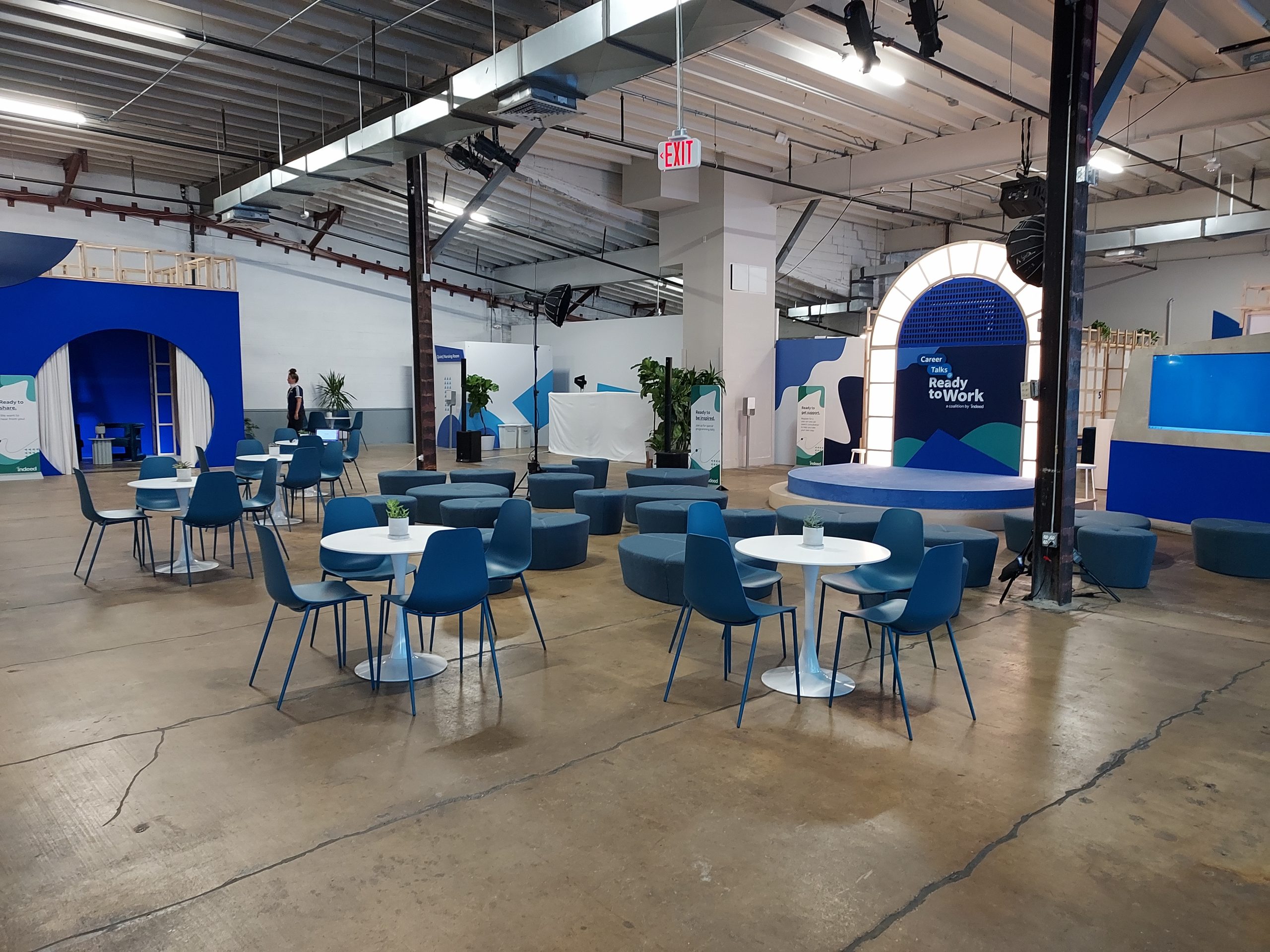
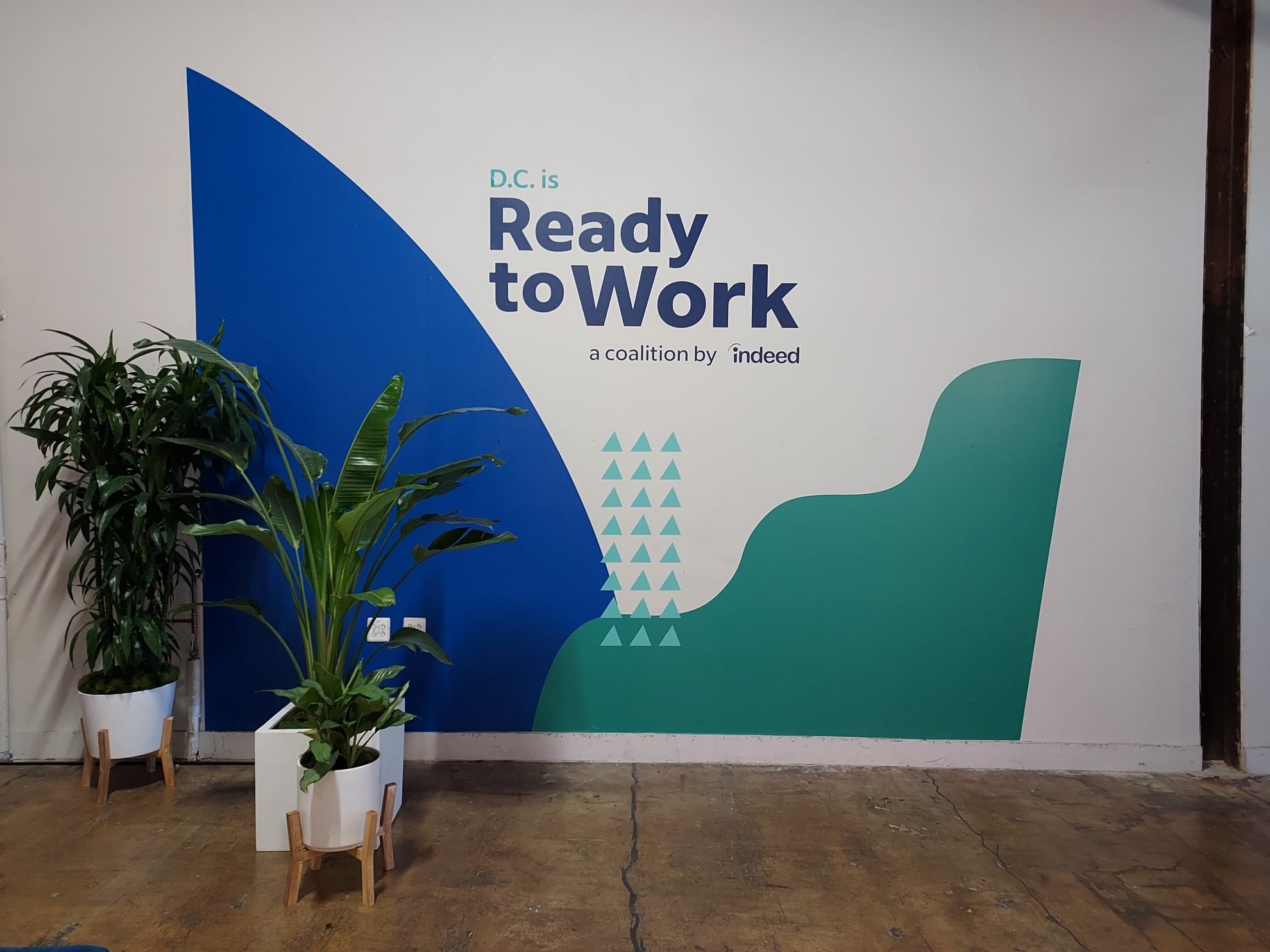
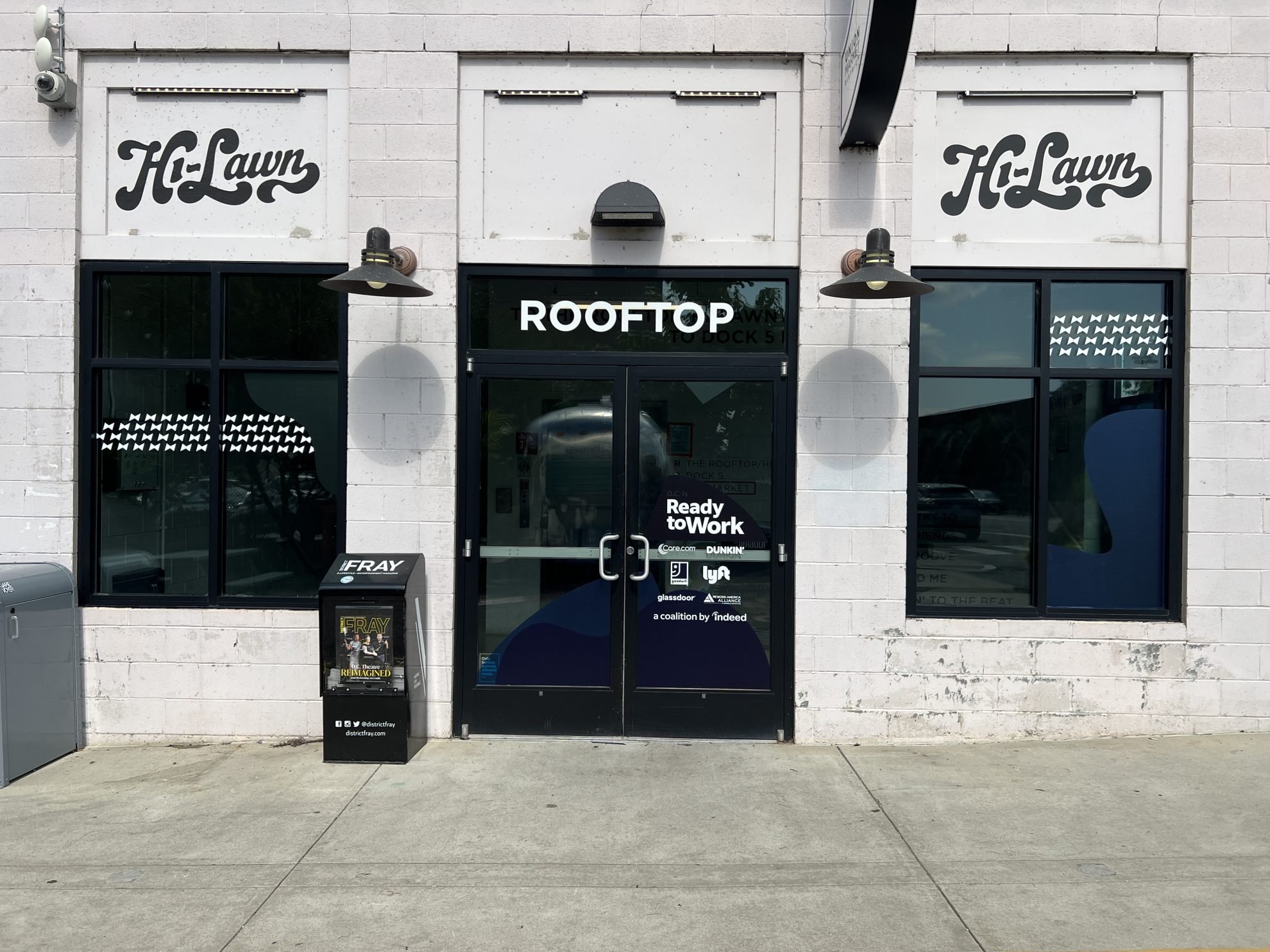
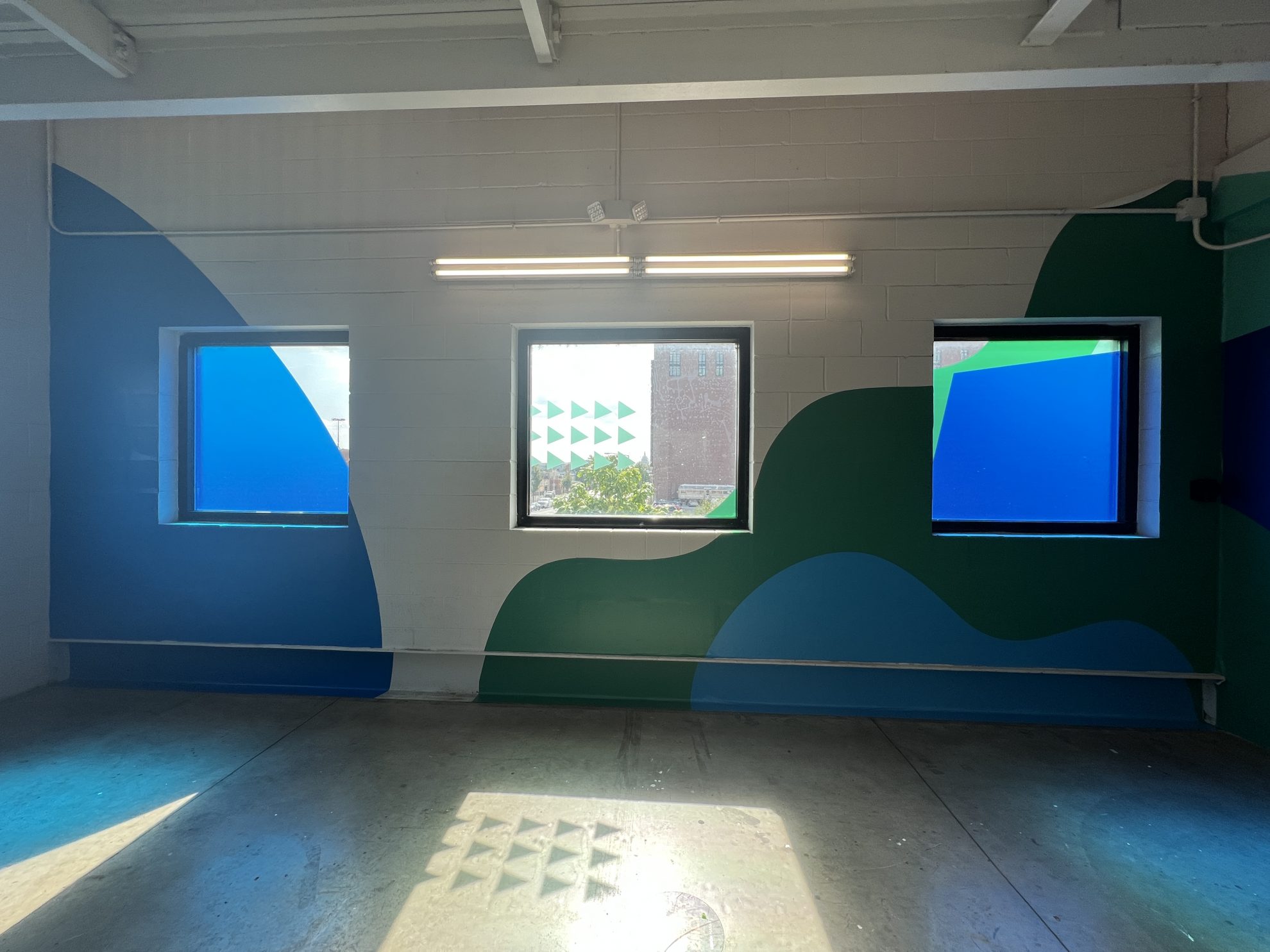
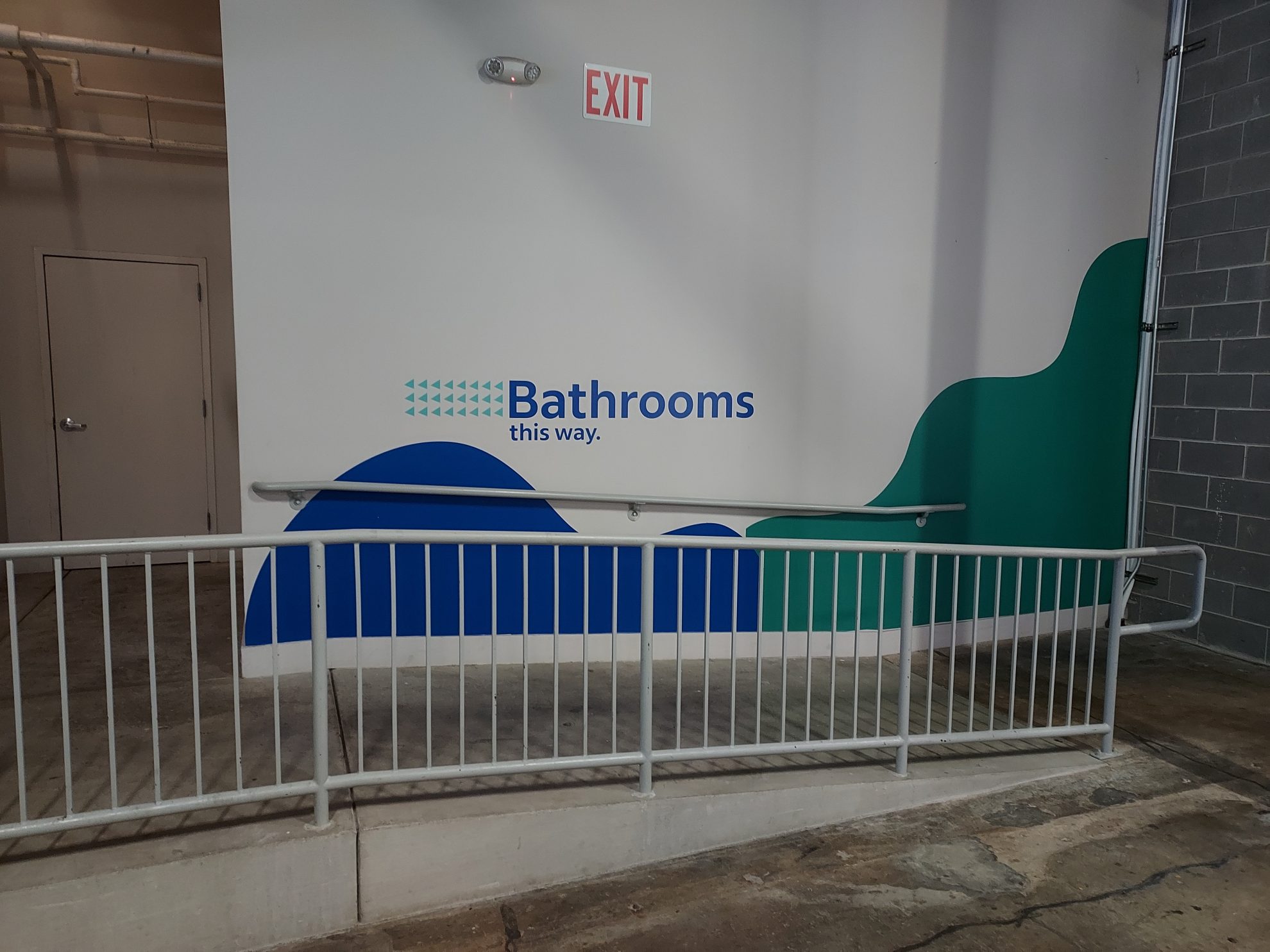
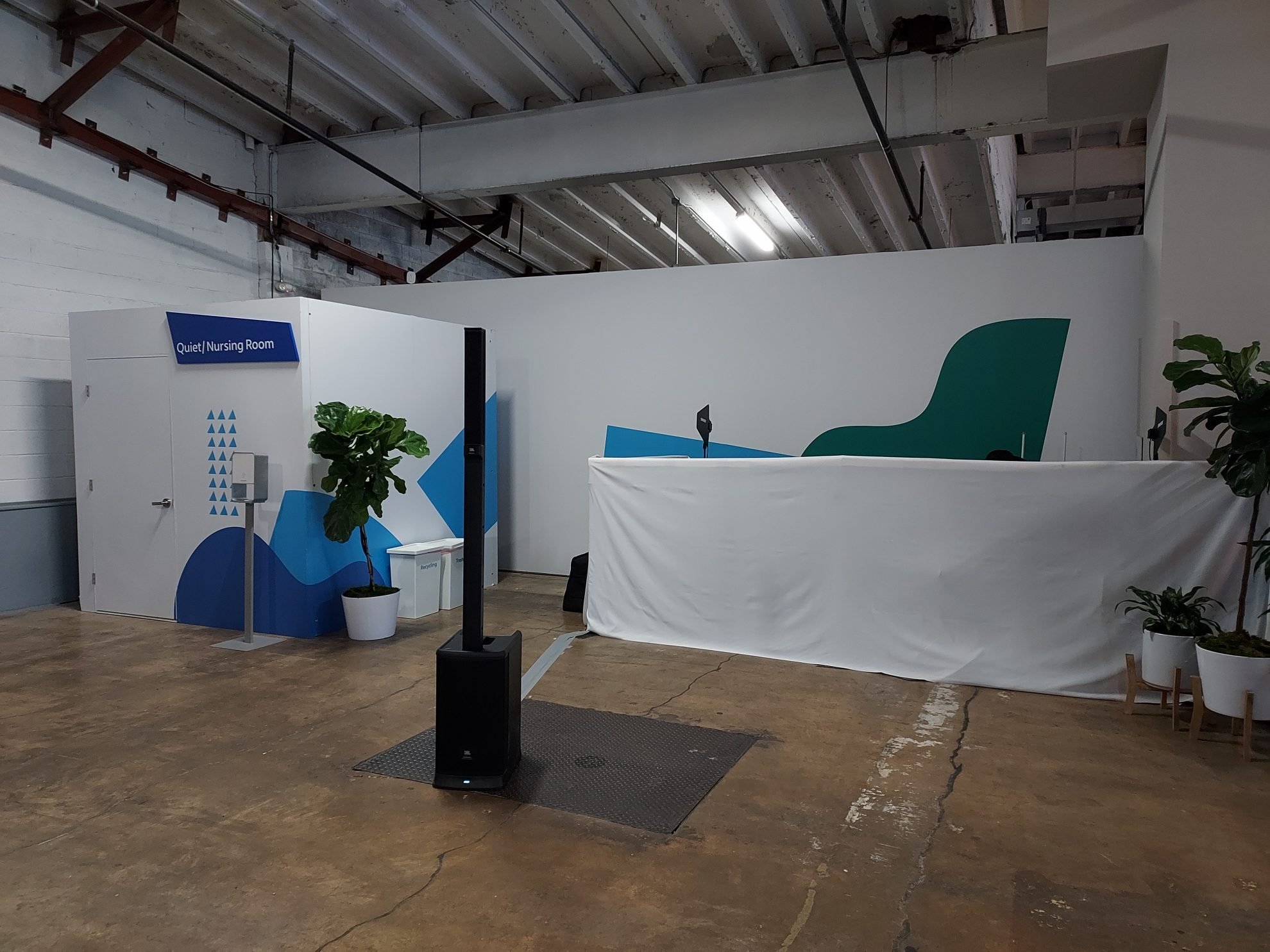
Heritage Signs & Displays' collaboration with The Gathery to brand Union Market in Arlington, VA, for Indeed's "Ready to Work" job fair. The project included custom event displays, wall graphics, window graphics, and wayfinding signs, creating an immersive and visually appealing environment. The branding enhanced the venue, reflected the event's mission, and provided a seamless experience for attendees.