Workplace branding works when people walk in and immediately grasp who the organization is, without every wall shouting for attention at once. Getting there is not a matter of picking out a few graphics and signs. The decisions that actually shape the outcome are about sequence and emphasis: which message leads, which elements support it, and how identity, storytelling, privacy, recognition, and navigation divide the work across a Chevy Chase workplace.
Commercial Interior Graphics exists to organize those choices into one communication program rather than a pile of separate purchases. Dimensional lettering may carry identity at reception. A wall wrap may tell the company's story. A glass treatment may handle privacy in a conference room. A changeable display may highlight people and milestones. Each piece answers a different question. Planning them as a set keeps two strong features from canceling each other out and keeps real communication gaps from going unnoticed.
Heritage Signs & Displays is veteran owned, family led, and traces its start to 1977. Beginning in 2009, custom signs, interior graphics, workplace branding, and event solutions became the company's central focus. Heritage takes an approved branded interior direction and turns it into physical elements that can be produced, fabricated, and professionally installed. Visual hierarchy is weighed alongside the practical side: production methods, mounting, access, lighting, wall and glass surfaces, future changeability, and the order in which work goes up.
Those practical questions deserve answers before artwork is released. Illumination brings power and clearance requirements. Dimensional letters influence nearby graphics, wall conditions, and fastening choices. Recognition content usually needs an update path that leaves the permanent structure intact. Privacy film has to account for glass type, sightlines, and how the space reads from both sides. Sorting this out early cuts down on redesign, stalled approvals, last minute material swaps, and unwelcome discoveries on installation day.
A single dedicated Project Manager holds it all together: the communication goals, the approved direction, stakeholder decisions, brand standards, field notes, the calendar, and production requirements. Clients are not asked to re-explain the project each time it moves from environmental graphic design into fabrication and installation. When one revision ripples into other components, the Project Manager can look at the full picture instead of letting an isolated change slip through.
Chevy Chase organizations are served through Heritage's Mid-Atlantic resources supporting the greater Washington, DC market, backed by the company's Charlotte headquarters and primary specialty production facility. The point is not that every component funnels through a single building. The point is that client decisions, field information, production expertise, and installation planning stay connected through whichever resources fit the work.
What you end up with is not simply more branded merchandise on the walls. It is an intentional interior communication system where every element has a job, all of it shares one approved visual direction, and the whole program moves through one accountable Heritage process to professional installation.
A program built from many parts is far easier to adjust while materials, fabrication approaches, mounting systems, and installation sequences are still on the table. Lock one feature down too soon and you may quietly limit another. Oversized wall art can force reception lettering smaller than intended. A proposed display depth can interfere with circulation, fastening, or a sightline nobody flagged.
Heritage tests the approved visual intent against what it will actually take to build and install it. Field information surfaces things a concept sketch cannot show: questionable substrates, restricted access, glass conditions, missing power, dimensional conflicts. Production input often points to a different build method that holds the intended look while improving fit, updateability, or control during installation.
Approvals get more valuable when reviewers see both the message and the physical consequences of saying yes. Nothing here is about making every element look mechanically identical. It is about coordinating hierarchy, brand character, fabrication, and placement so each piece can do its assigned job. Settling those relationships before release gives clients a cleaner approval path and far fewer avoidable changes later.
Commercial Interior Graphics depends on continuity from discovery through design decisions, fabrication details, field conditions, and installation planning. Heritage's One Dedicated Project Manager System gives each client one consistent contact who carries the project history as the work travels among specialized Heritage teams. Fewer handoffs means current approvals stay tied to the people executing them.
The Project Manager tracks design intent, site data, production requirements, schedule, and installation considerations against a single project record. If a mounting change affects a graphic, a display, or a neighboring feature, that relationship gets evaluated before anything is produced. Clients get one coordinated answer rather than partial answers from vendors who each own a slice of the interior.
Heritage is veteran owned and family led, with roots reaching back to its 1977 founding as a printing business. Chevy Chase projects draw on Heritage's Mid-Atlantic client, field, production, fabrication, and installation resources, supported by the Charlotte headquarters and primary specialty production facility. Heritage seeks to honor God by serving clients and communities with excellence, and that shows up as disciplined communication, honest planning, and accountability all the way to completion.
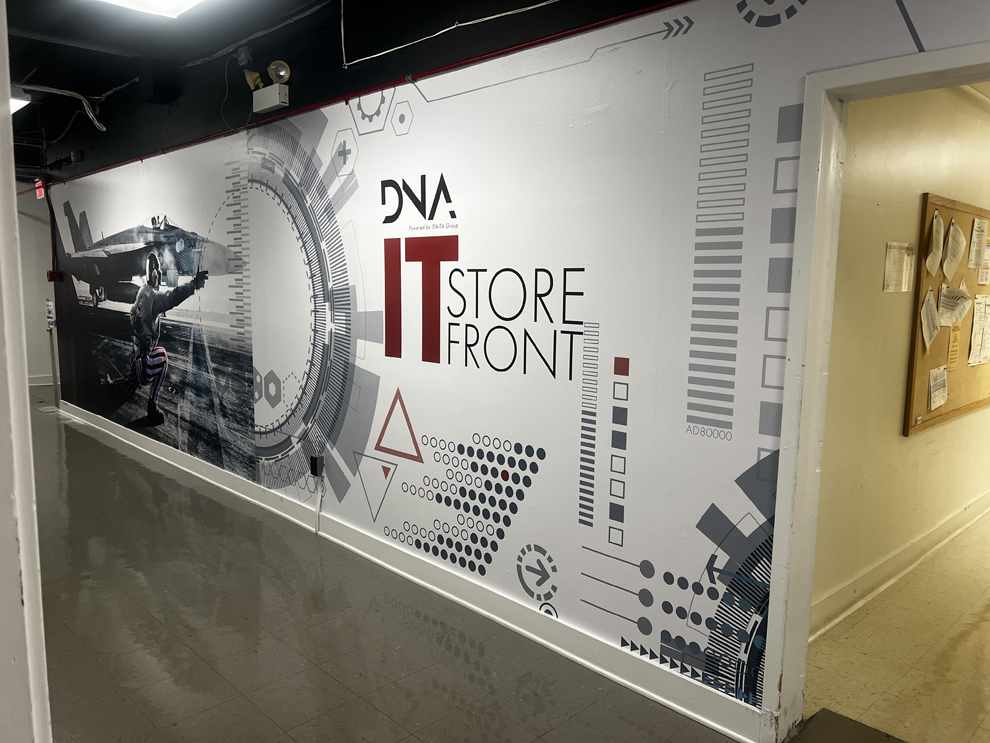
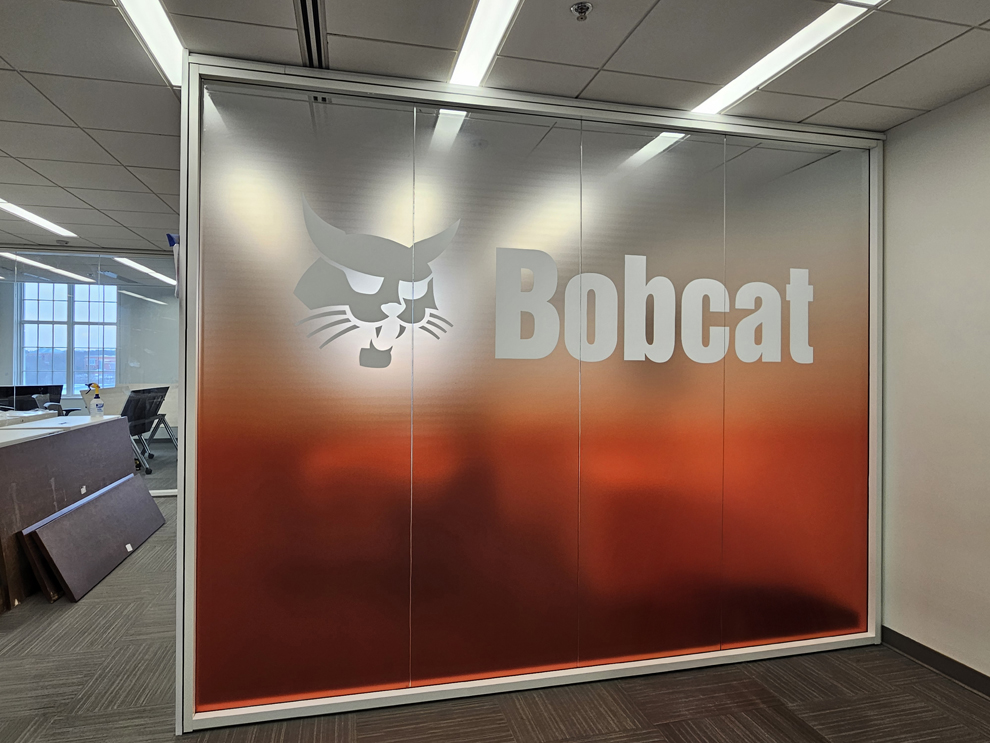
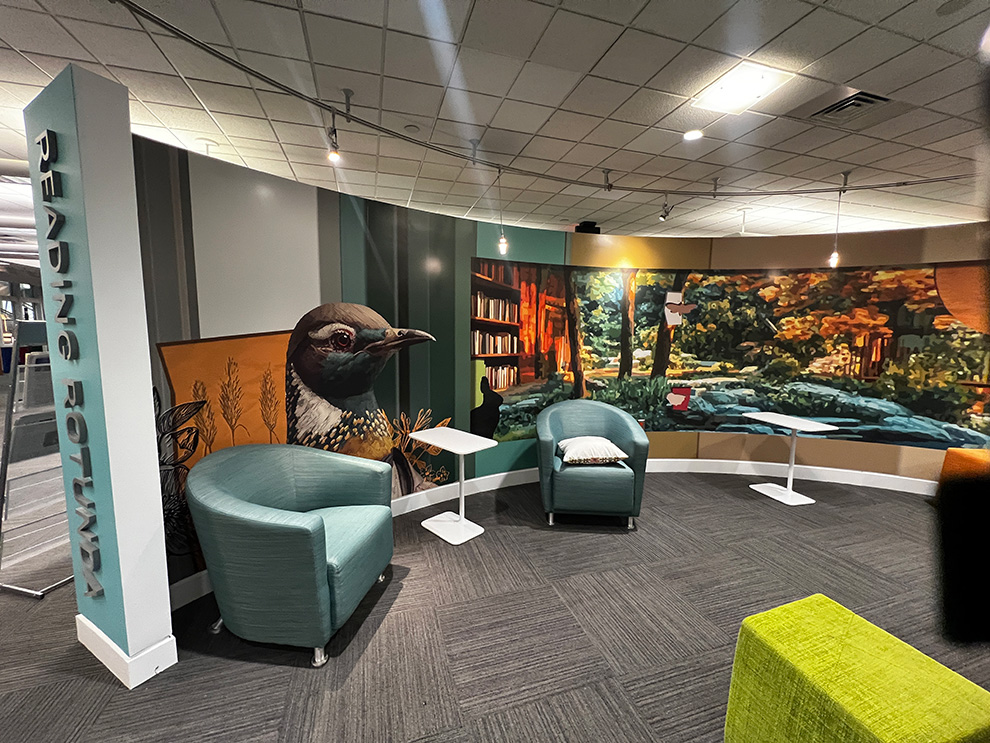
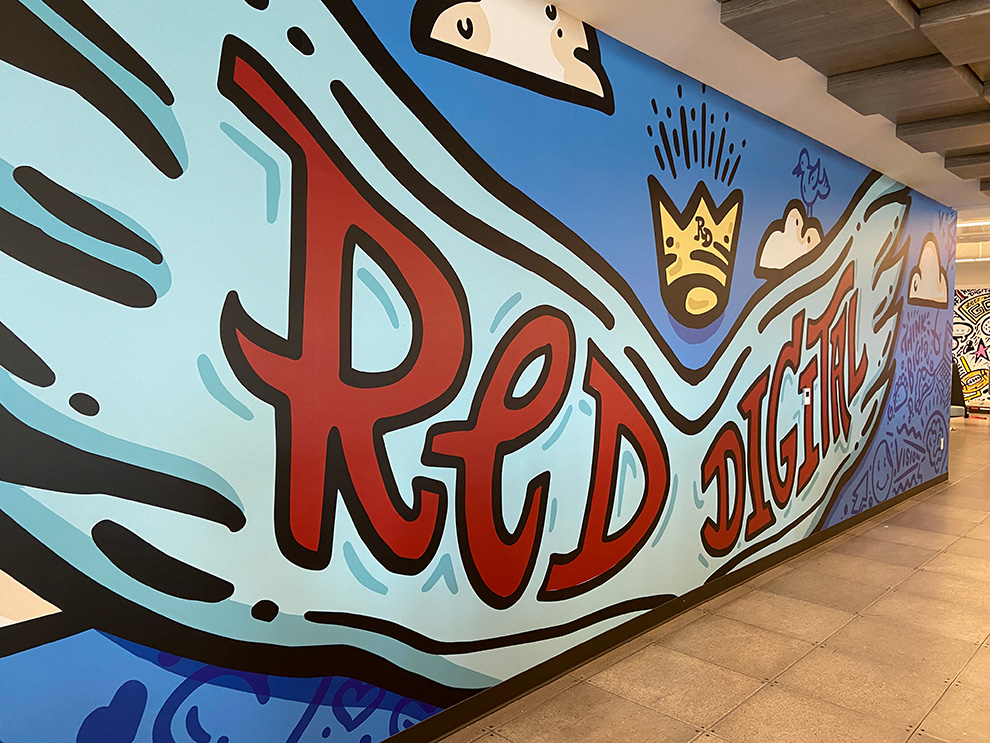
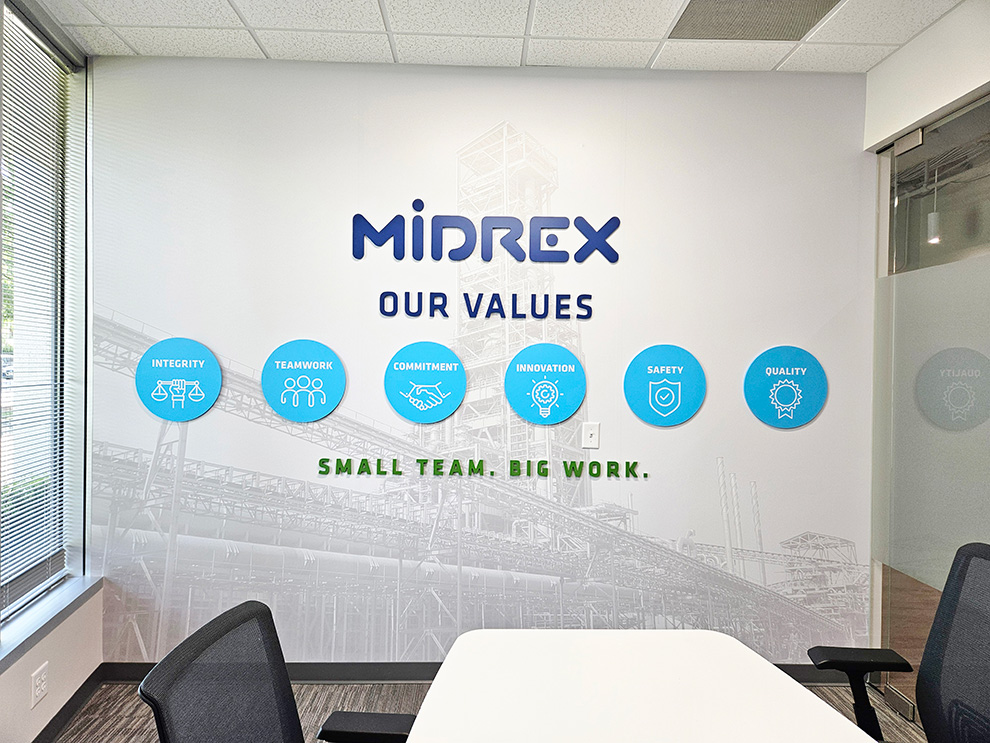
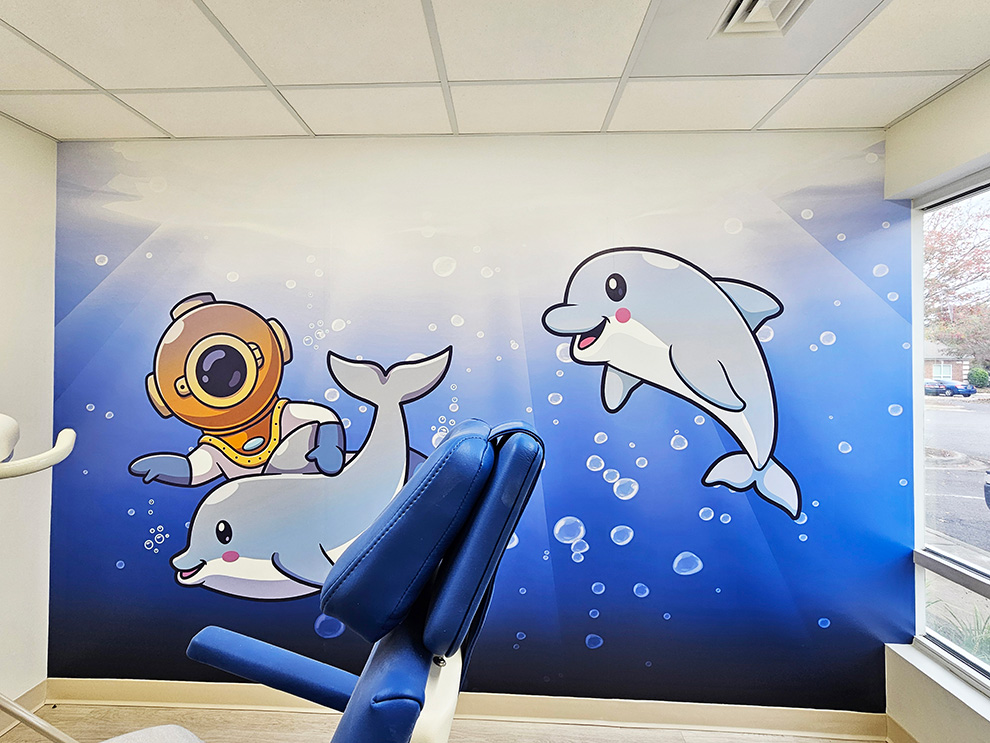
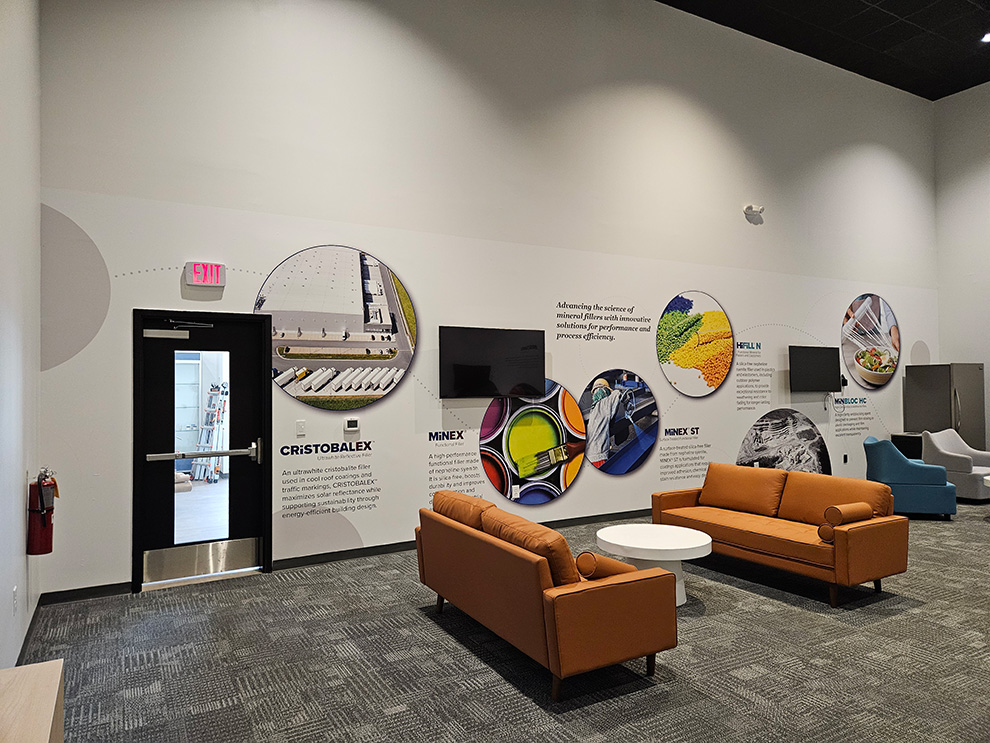
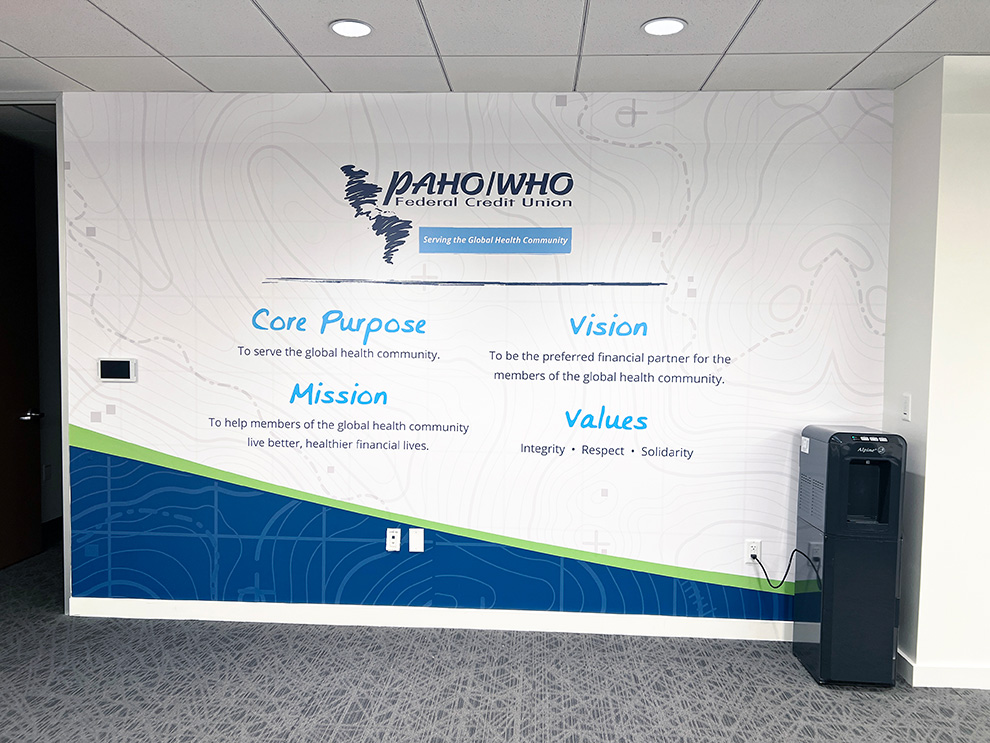
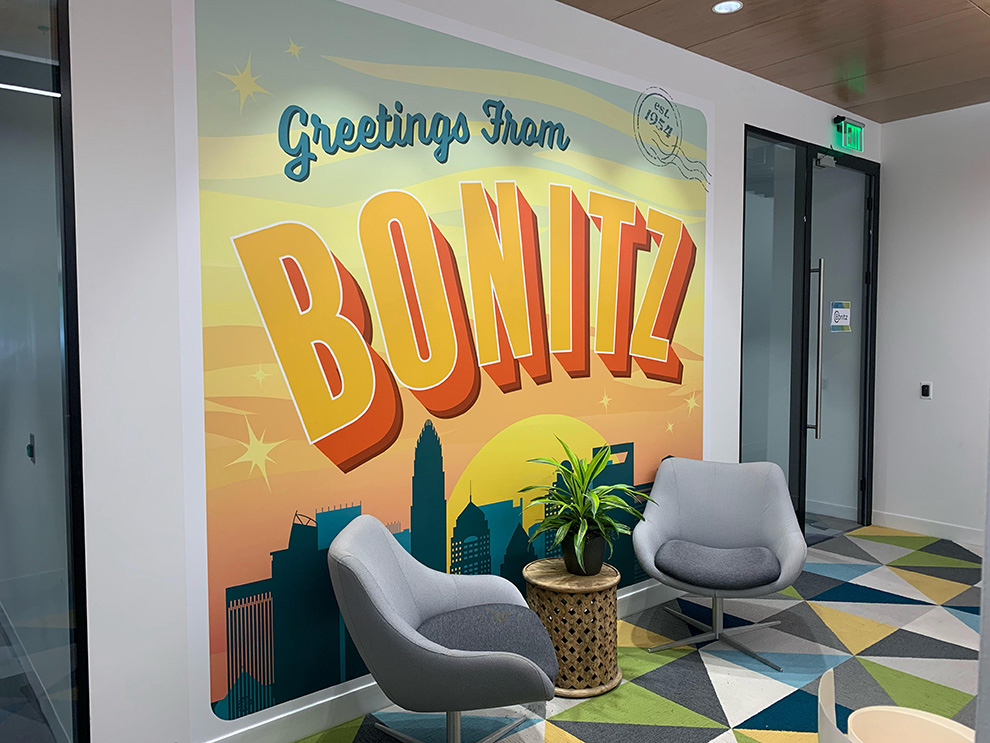
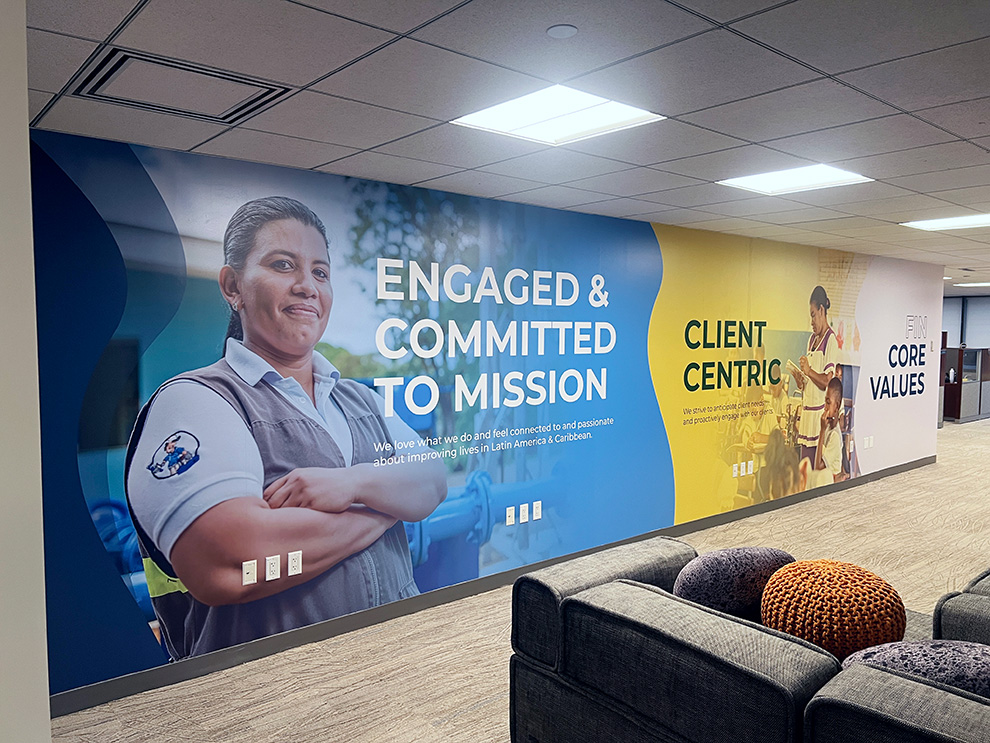
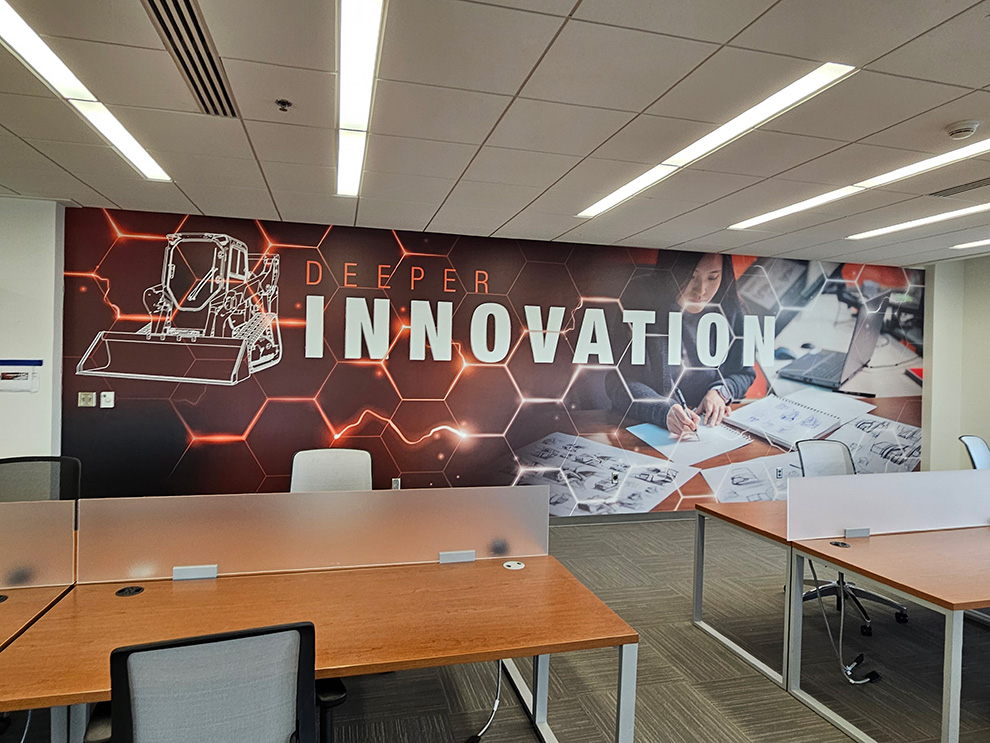
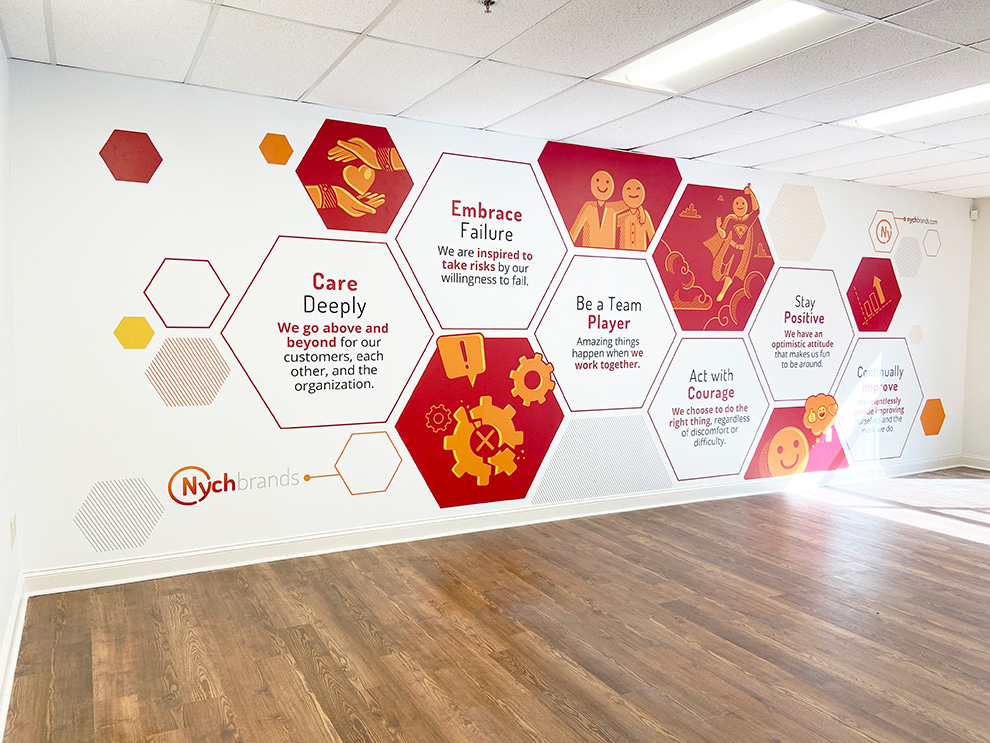
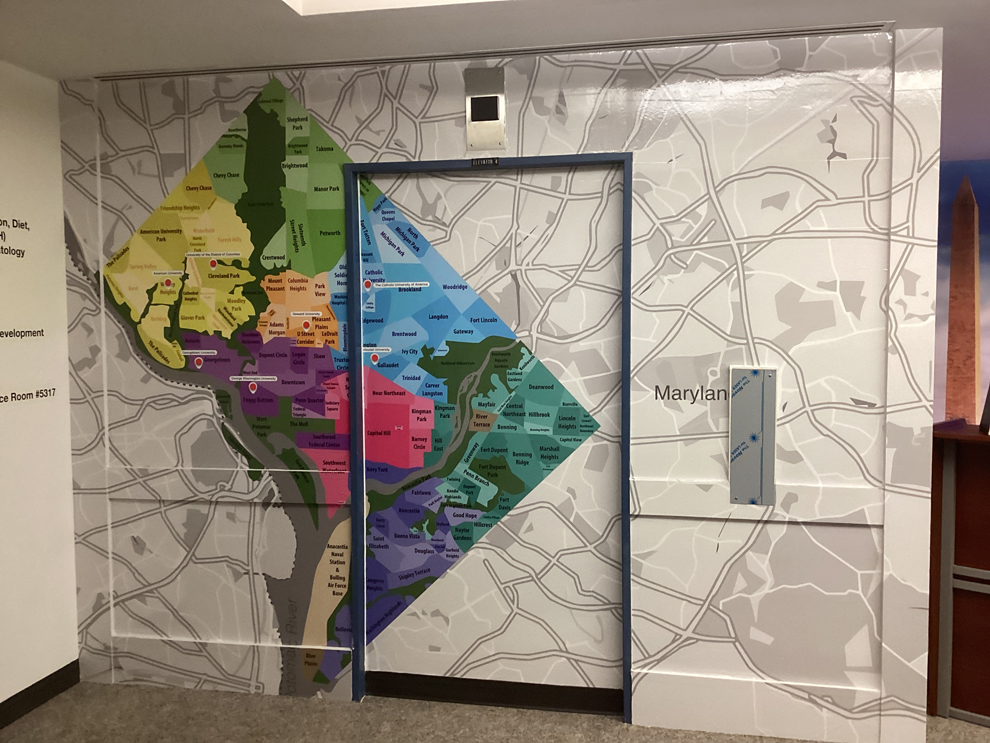
Wall Wraps deliver visual coverage at architectural scale for culture, history, imagery, recognition, or branded narrative. Inside a coordinated program, the wrapped surface can carry the longer story while dimensional and directional pieces handle identity and navigation.
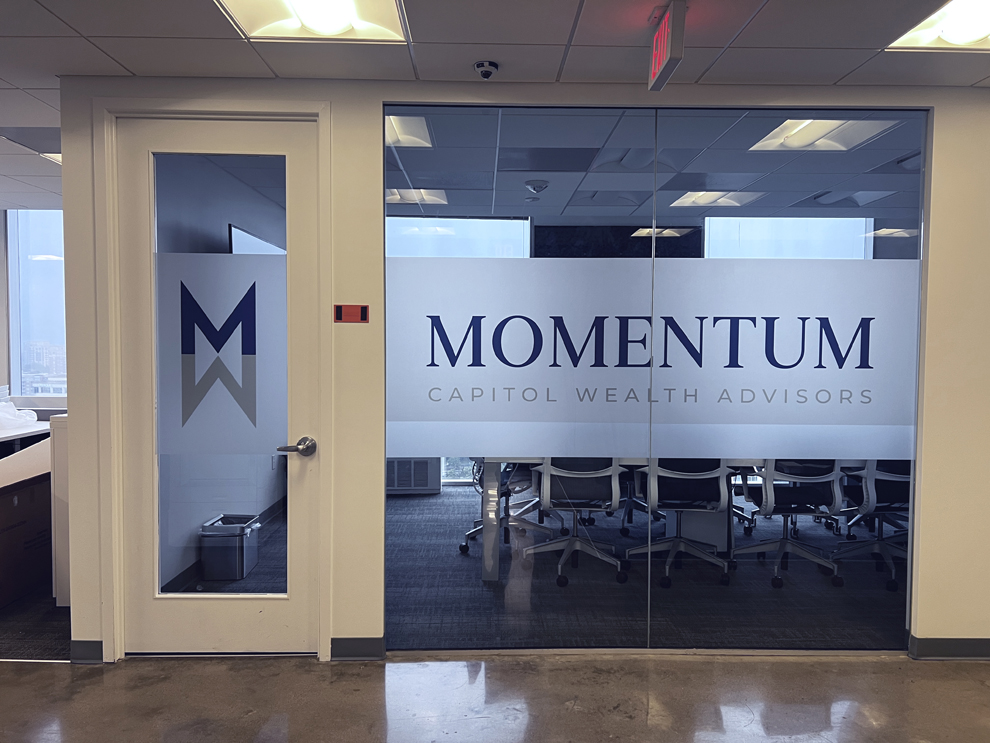
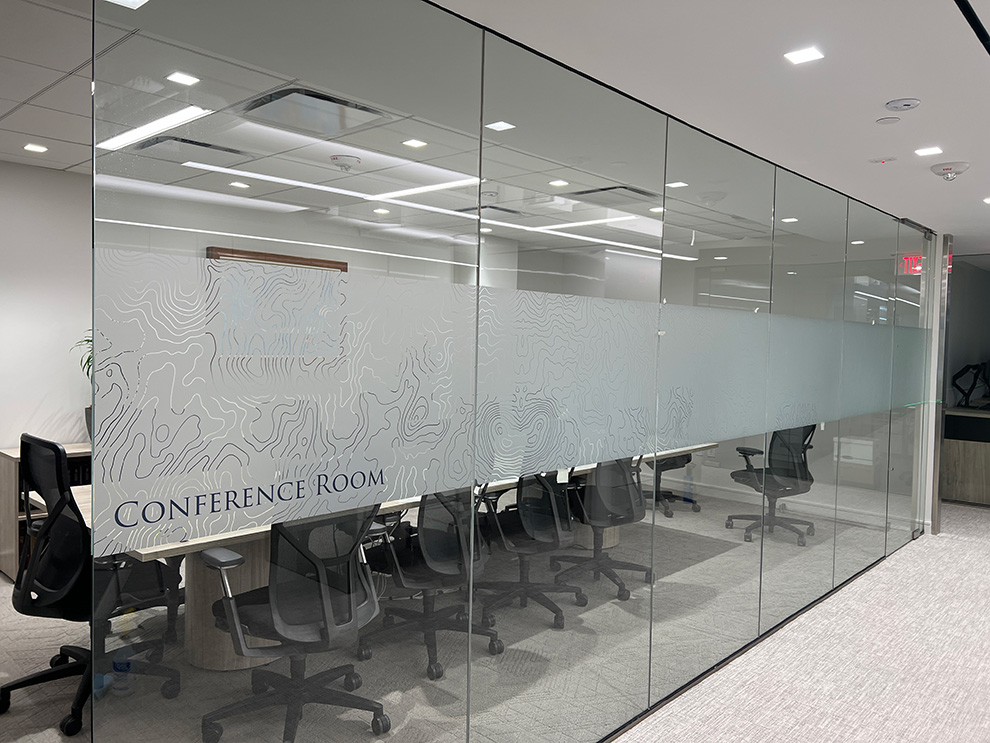
Window Graphics turn doors, sidelights, conference room glass, and other suitable glazing into places for names, patterns, branded messages, or visibility cues. Scale and placement can be tuned against nearby signs and wall features so the glass stays part of the hierarchy instead of fighting it.
Frosted vinyl and privacy film soften selected views while keeping daylight and the open feel of a glass partitioned office. Bands, patterns, and branded treatments deliver separation without cutting conference rooms and offices off from the rest of the interior.
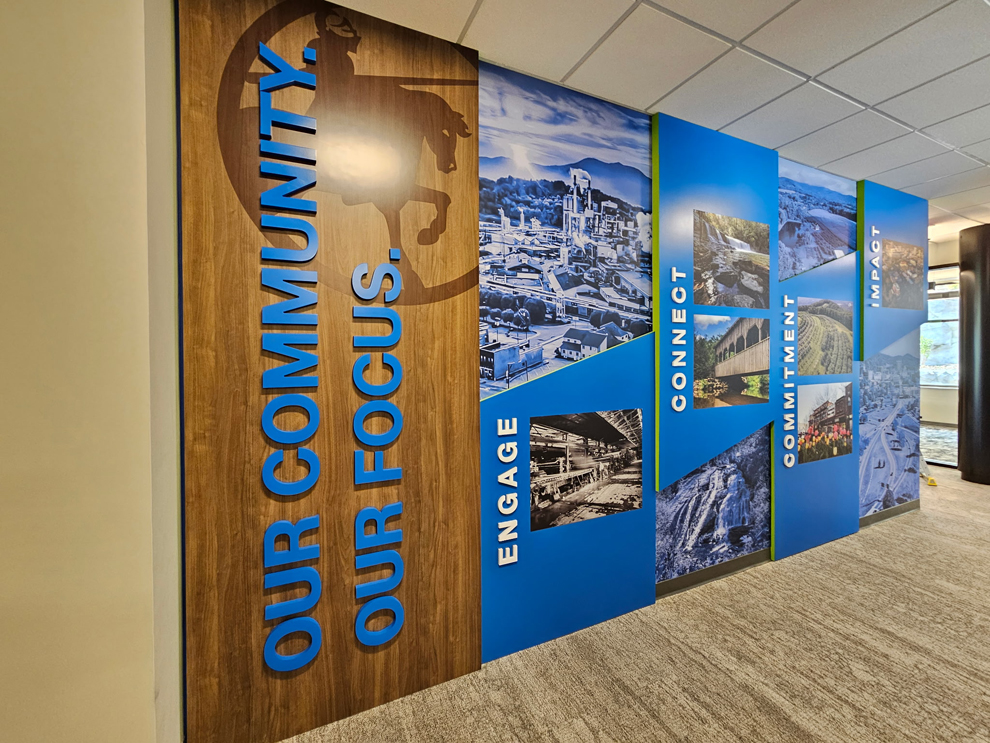
Wall Displays organize photographs, milestones, recognition, company history, or information that will need refreshing. They add a structured storytelling layer while permanent identity features hold the visual lead.
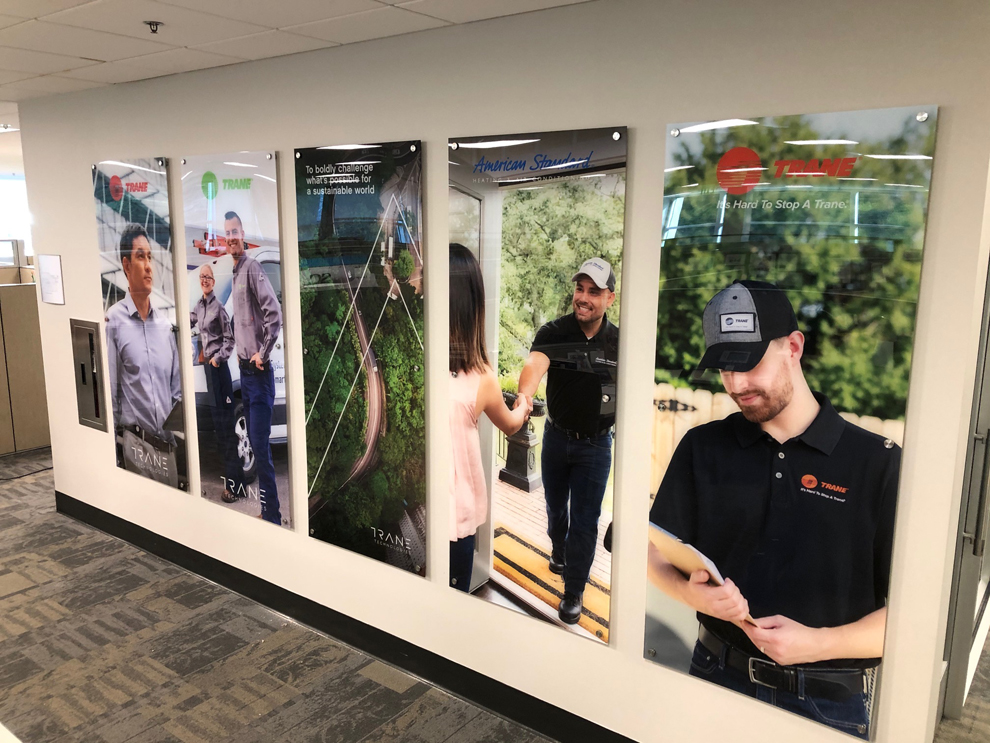
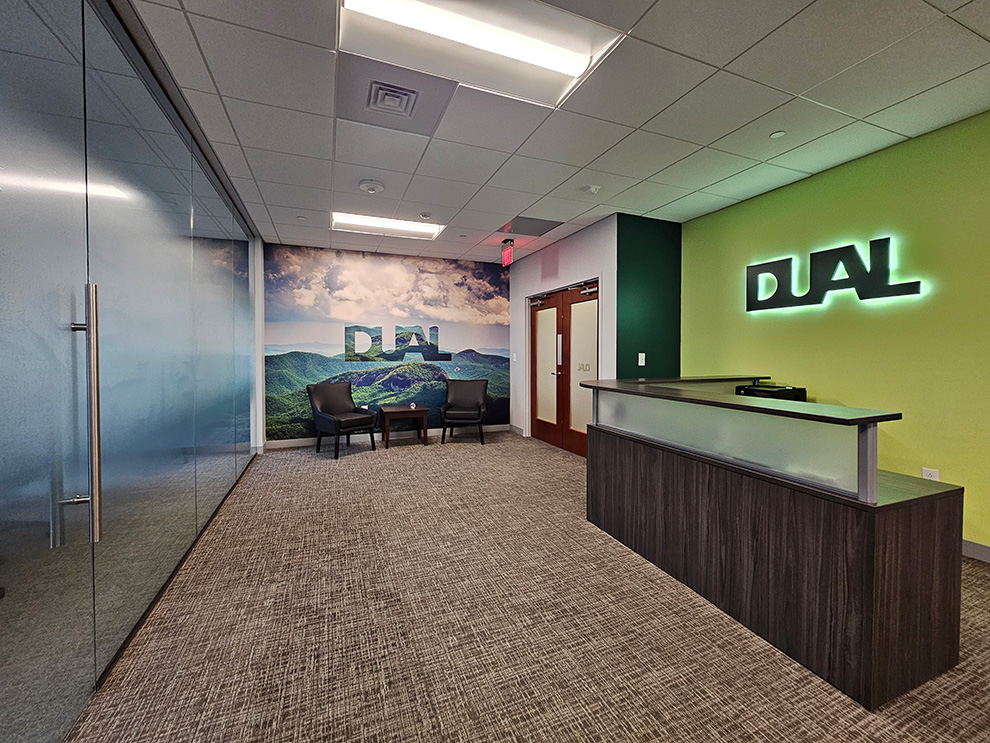
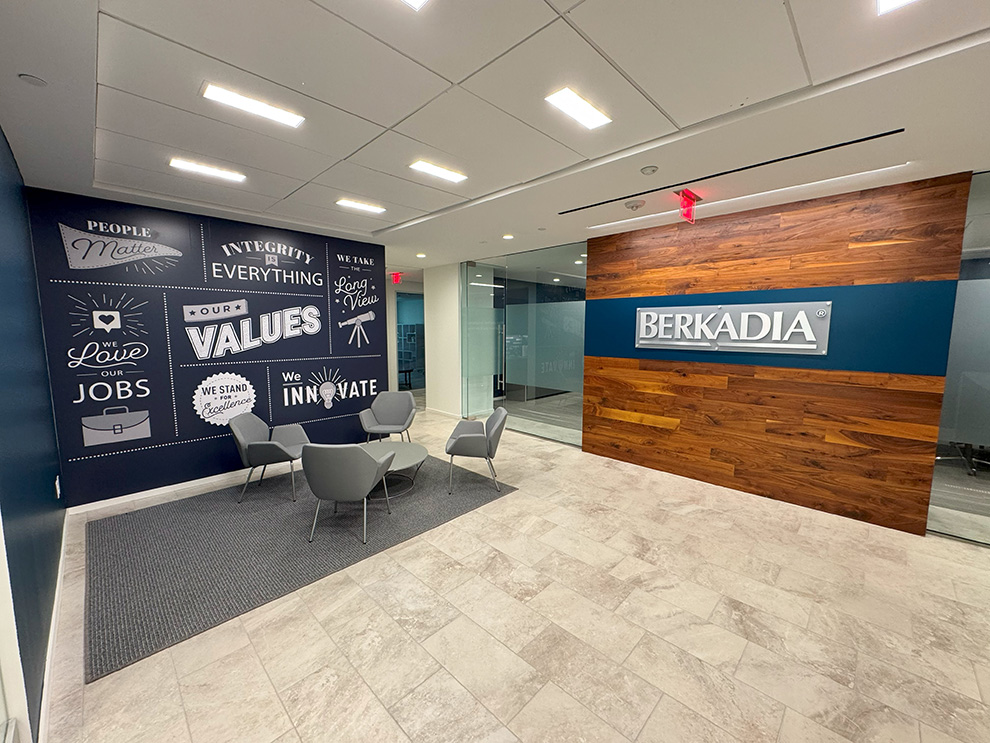
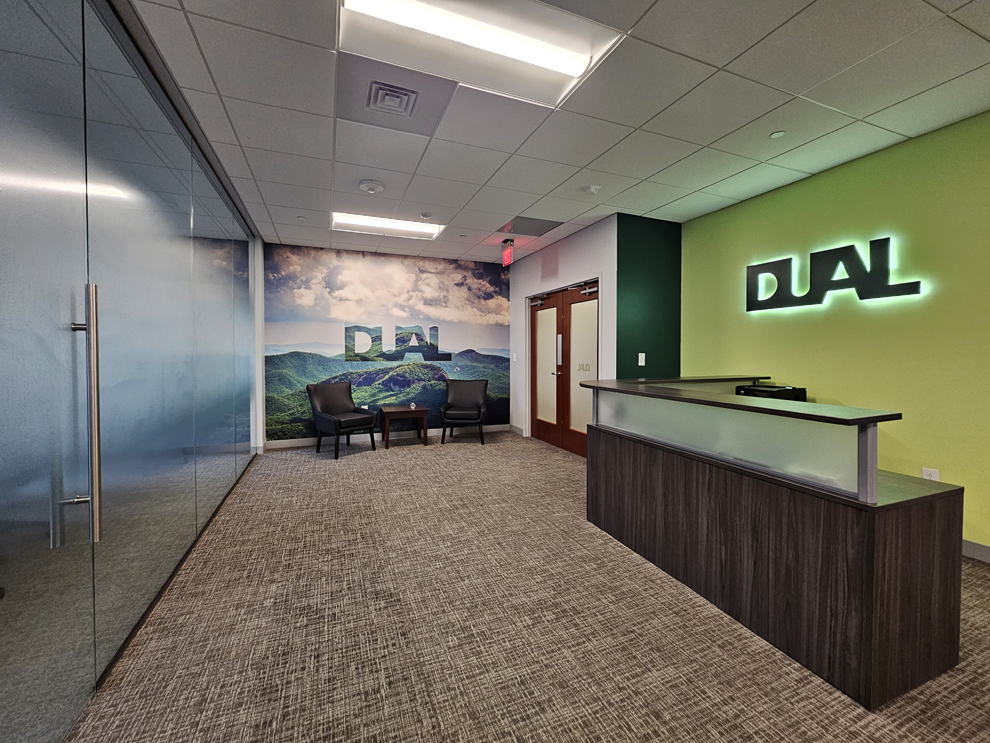
Dimensional Letters give a company name, logo, core value, or department identifier real depth and shadow. They frequently create the focal identity moment while surrounding graphics and displays fill in context.
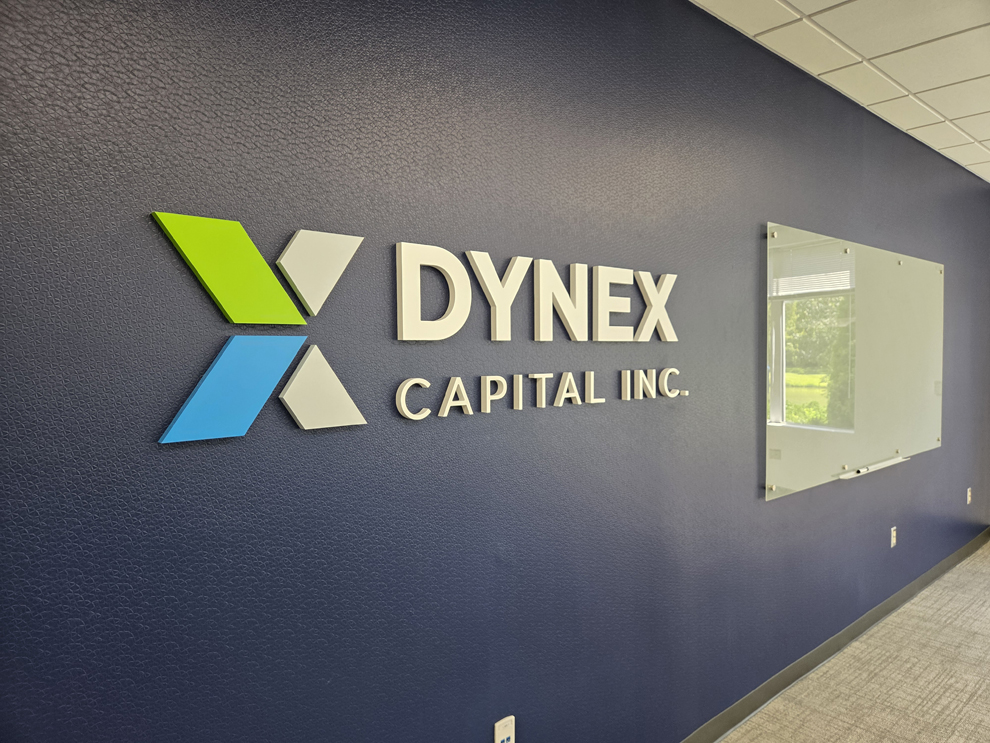
Backlit Signs push selected identity or messaging forward through controlled illumination. Used sparingly, one lit feature can anchor a reception area without pressuring every neighboring element to compete at the same brightness.
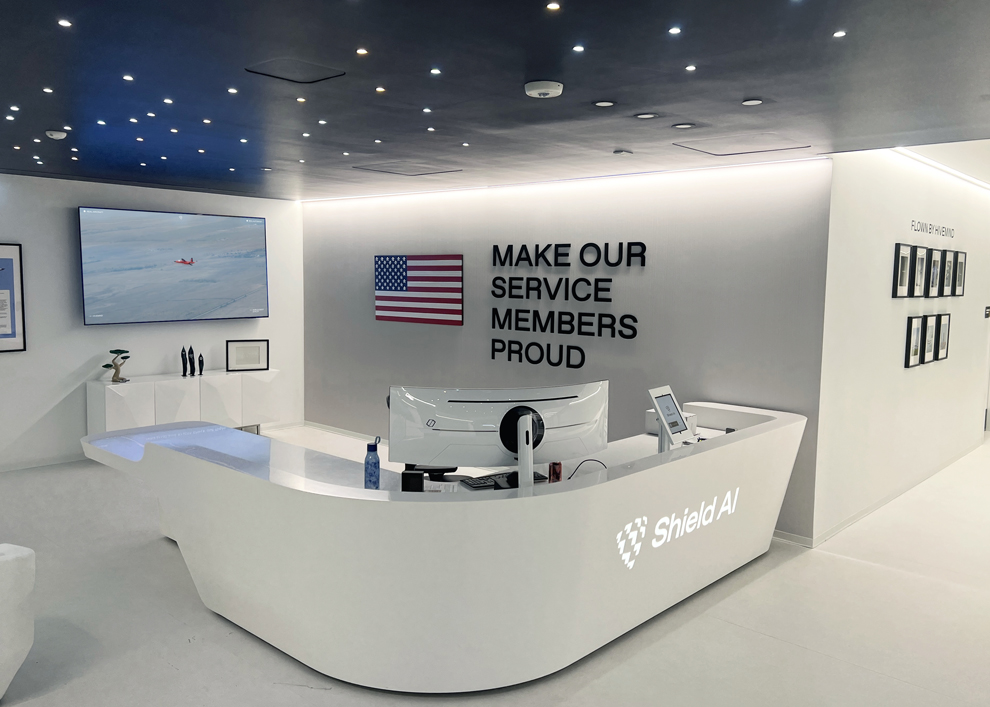
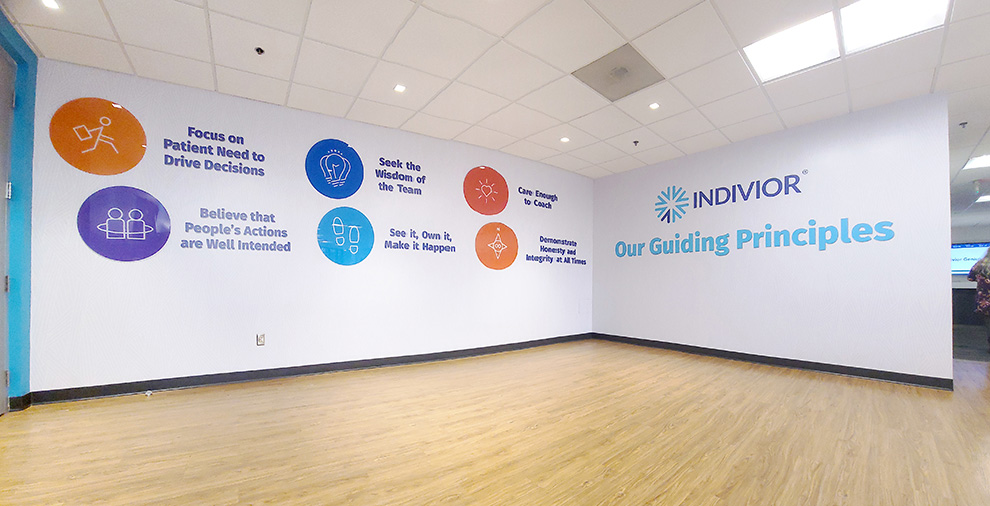
Standoff Mounted Signs float printed, layered, acrylic, or other fabricated components off the wall to create depth. They suit recognition and informational content that needs to sit comfortably alongside dimensional lettering and adjacent graphics.
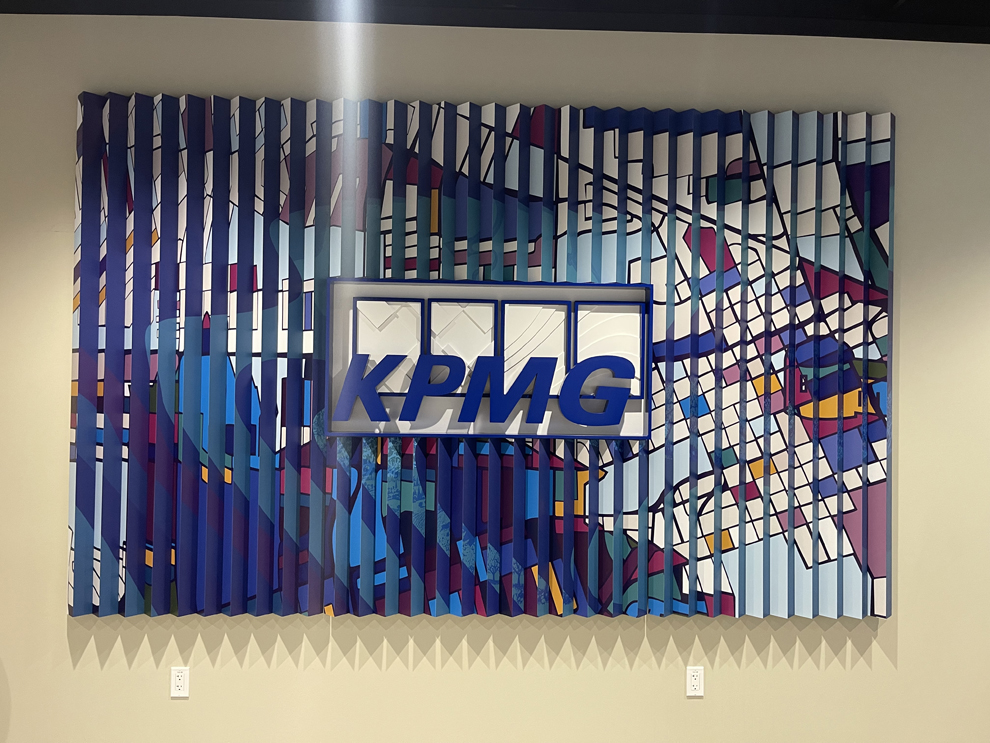
Wayfinding Signs tell employees and visitors where they are, where to go, and what each room is. Typography, color, material, and placement can echo the branding program while staying visually quieter than primary identity features.
Bring us in while messaging priorities, material choices, fabrication approach, and site requirements can still be shaped together. Get Started Now with your Chevy Chase address, the outcome you are after, a target date, an anticipated budget, photos, floor plans, brand standards, whatever content you have on hand, and the names of the people who approve decisions. From there we can pinpoint the field information and choices still outstanding before production. You do not need a finished product list to begin. What comes next is a straightforward discovery process that shapes your branded interior around a realistic scope, a workable schedule, and a professionally installed result.
Strong Commercial Interior Graphics starts with a simple question asked location by location: what should people notice, understand, and do here? Identity may need maximum weight at the entrance. Culture and history may need generous square footage. Privacy, recognition, direction, and rotating information each call for a different level of attention.
Heritage uses that ranking to decide which physical element takes each assignment. A dimensional sign establishes identity without trying to tell the entire company story. A wall wrap supplies narrative depth. A glass treatment manages privacy. A changeable display keeps recognition current. Directional signs stay legible without elbowing the primary branded feature aside.
Material, scale, sightlines, lighting, fabrication, mounting, and viewing distance all inform these calls, but they never substitute for the communication objective. Uniformity room to room is not the goal. Coordinated purpose is. Every feature should earn its wall by doing one defined job and strengthening the larger experience instead of adding noise.
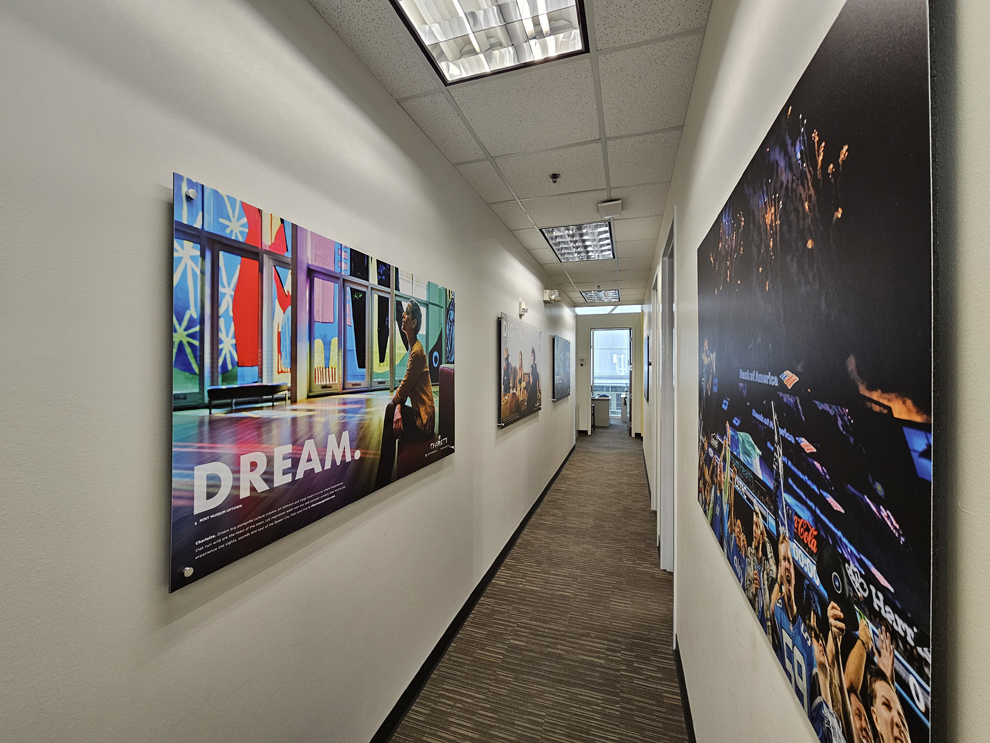
Chevy Chase clients start with Heritage resources serving the greater Washington, DC and Maryland market, including the client, project, field, and installation capabilities needed for discovery and site coordination. Those resources tie stated objectives to the field verification that confirms dimensions, surfaces, access, mounting conditions, and installation requirements.
Heritage's Charlotte headquarters and primary specialty production facility add significant production and fabrication capacity behind Mid-Atlantic work. That operating link lets field findings and production questions reach the right Heritage specialists before components are released. It does not mean every element must be built in one place regardless of what the project needs.
When a Chevy Chase organization holds additional properties, Heritage can support locations throughout the Mid-Atlantic and the Carolinas through its broader network. The Project Manager protects brand standards, approval history, and program logic while adjusting physical execution property by property. Consistency does not demand identical sizes or identical components. Architecture, surfaces, access, audience, schedule, and installation realities often call for different answers at each address.
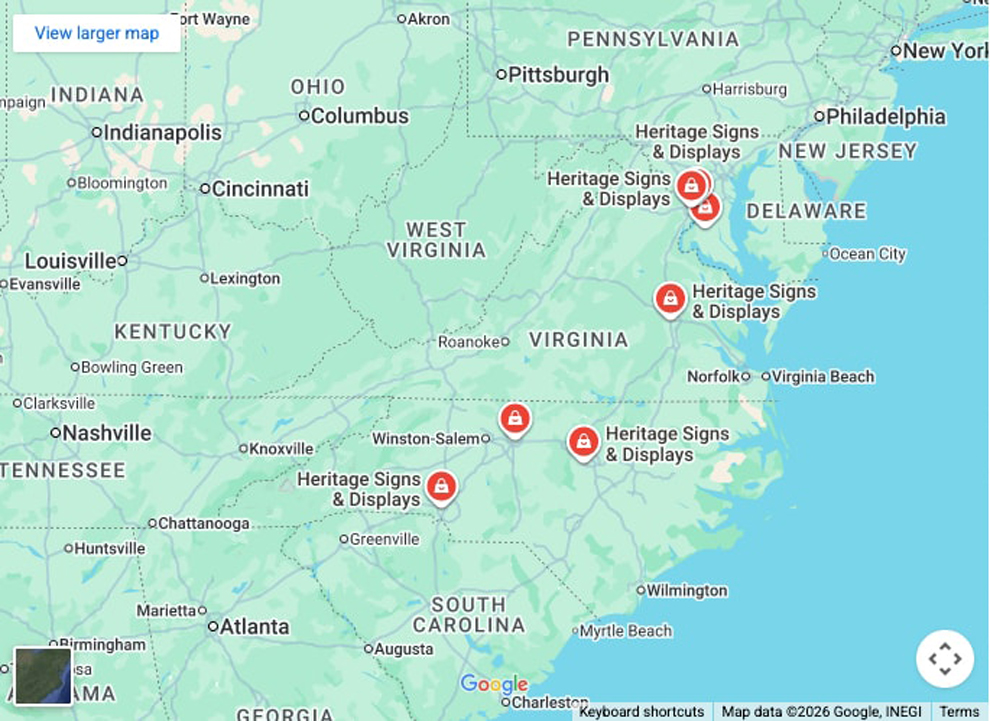
Environmental graphic design helps Chevy Chase stakeholders decide how identity, culture, history, a mission statement, recognition, privacy, and direction should appear across the workplace. It starts with the experience you want, then sets hierarchy, scale, placement, and the relationships among the physical features that will deliver it.
Heritage converts those decisions into something buildable by studying sightlines, materials, mounting, dimensional depth, existing lighting, changeability, fabrication methods, and site conditions. Technical factors serve the intended outcome instead of dictating it from the start. That sequence protects the approved look while production and installation requirements are still easy to address.
Heritage can develop environmental graphic design directly with client stakeholders or execute a direction already approved through another professional team. Architects, interior designers, environmental graphic designers, branding firms, agencies, workplace consultants, and client representatives stay involved according to their own responsibilities. Heritage does not provide architecture, commercial interior design, engineering, lighting design, ADA consulting, or code consulting. Within its scope, Heritage transforms the approved direction into signs, graphics, displays, and fabricated branded features ready for production and professional installation.
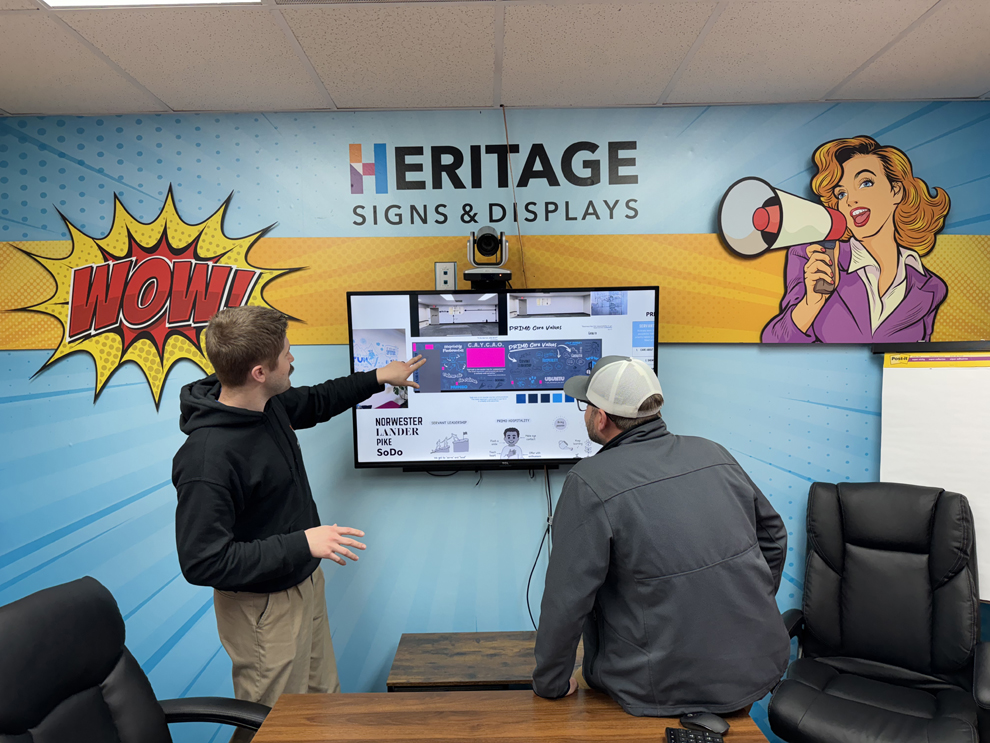
Installation is the moment when approved design intent, fabrication tolerances, and verified field data have to agree. Our full-time, in-house installers arrive with the complete project record built during discovery, design coordination, production, fabrication, access planning, and scheduling. Carrying that history into the field is what allows us to place elements accurately, mount them securely, and finish the work cleanly and in order.
Whenever our professional installation is part of the scope, a Heritage site survey is required. The survey pairs a conversation about how you intend to use the space with hands-on technical verification: dimensions, substrate conditions, existing finishes, building access, placement, mounting requirements, and any logistical constraint that could affect the install.
On site, our crews protect adjacent surfaces and sequence the work to keep disruption to a minimum. If what we find in the field differs meaningfully from the documented record, we flag it and determine the right course of action instead of pushing ahead and hoping for the best.
We do not offer installation-only service for signs or graphics supplied by someone else. We install what we design, produce, fabricate, procure, or manage. Keeping those responsibilities connected is how we stay answerable for specifications, fit, production quality, replacement decisions, and the finished result on your wall.
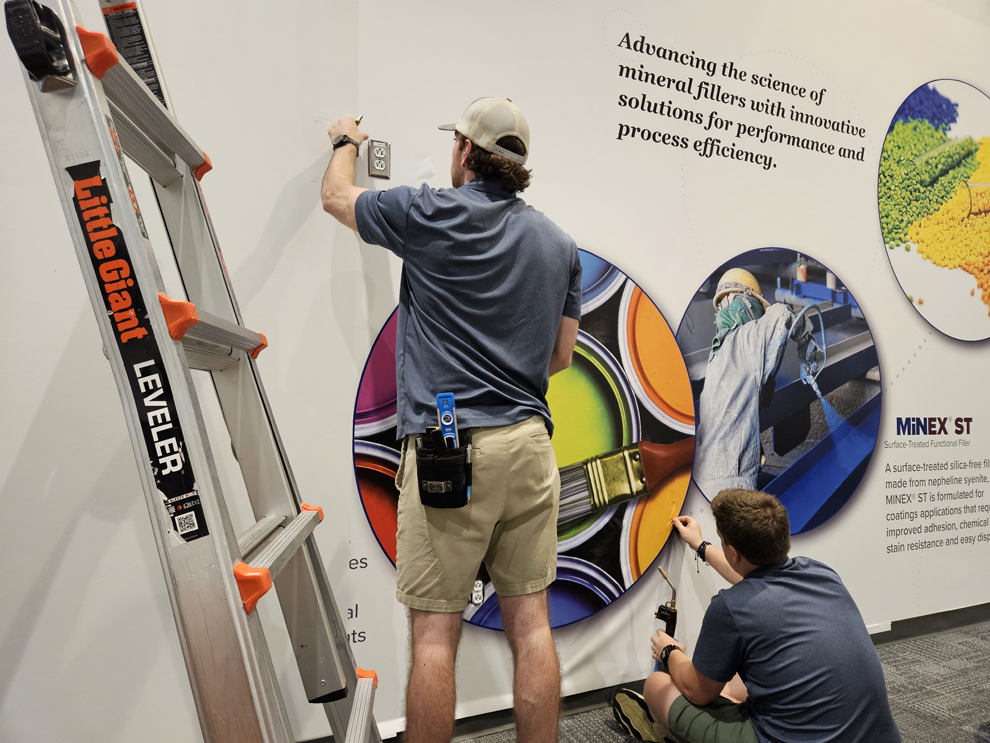
Solid planning defines the outcome you want, the audience you are speaking to, the scope, any phasing, the schedule, who signs off, the expected budget, whether the site is actually ready, and which details still need confirming. On Heritage-installed projects, the site survey is the bridge between those planning assumptions and confirmed field reality before anything is released to production.
Wall-applied adhesive graphics need drywall that is sound, smooth, clean, dry, and properly patched. Primer and topcoat must be applied correctly and given time to cure fully. Roughly four weeks is a reasonable planning benchmark for many paints, though manufacturer specifications and the conditions inside your Chevy Chase space are what actually govern readiness. Paint continues to outgas as it cures, and installing too early invites bubbles, blisters, edge lifting, and outright adhesion failure.
No adhesion test can confirm the hidden bond between drywall, primer, and paint. Ordinary positioning or repositioning of a graphic is often what exposes a weak layer. If primer or paint releases, we stop and your Project Manager documents and reports exactly what we observed. Repair, re-priming, repainting, restoration, and full cure are arranged and paid for by the client or the building owner. We do not perform or fund that restoration.
Removal down the road is its own matter, and damage-free removal cannot be promised. If you already know graphics will be swapped out later, taking the old material down early gives everyone time to assess what restoration may be needed. Many of our projects that include both production and professional installation land somewhere between $10,000 and upwards of $200,000.
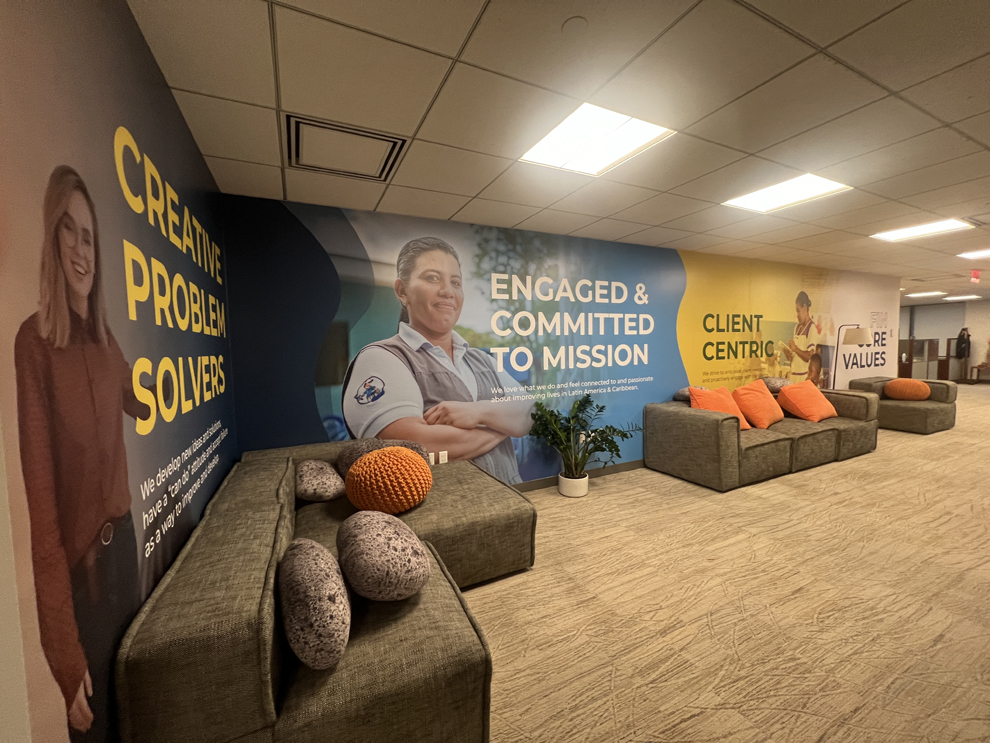
A program coordinates multiple visual layers so each one does a specific communication job. Identity, storytelling, privacy, recognition, navigation, and frequently updated information all call for different physical solutions.
The goal is not to bundle a handful of products onto one purchase order. A program defines how graphics, dimensional signage, displays, privacy treatments, illuminated features, photography, and directional elements support one another across the entire interior.
As early as possible, while messaging goals and physical solutions can still be weighed side by side. Early involvement pays off most during a relocation, a renovation, a rebrand, a headquarters refresh, an expansion, or any initiative spanning multiple areas.
You do not need final drawings or a locked product list first. We can start with your desired outcome, whatever site information exists, the schedule, brand standards, your approval structure, and budget expectations, then identify the gaps.
One Project Manager holds the project history, the current approvals, the site data, the schedule, and the approved visual direction in one place. That continuity keeps critical context from evaporating as the work moves through production, fabrication, and installation.
Your Project Manager also explains when a change to one element ripples outward and affects mounting, materials, neighboring components, access, or install sequencing elsewhere in the program.
Yes. If our installation team is doing the work, a Heritage site survey is part of the project.
It is more than a measuring appointment. The survey blends discovery with technical verification of dimensions, substrates, access, existing conditions, mounting needs, placement, and installation logistics, and everything documented becomes part of the shared project record.
It starts with what your employees and visitors should notice, understand, and feel. Priorities for identity, culture, history, mission, privacy, recognition, and direction get established before any product is assigned to any wall.
From there we evaluate scale, sightlines, placement, materials, mounting, fabrication, lighting, changeability, and site conditions. The point is to translate communication strategy into a program that can genuinely be built and installed.
Yes. We regularly collaborate with architects, interior designers, environmental graphic designers, branding firms, agencies, workplace consultants, and internal client teams.
Those professionals keep their architectural, design, engineering, and regulatory responsibilities. We develop or execute the signs, graphics, displays, and fabricated branded features inside our scope while protecting the approved direction.
Approval authority is captured in the project record and coordinated by your Project Manager. Marketing, facilities, leadership, building representatives, and outside consultants may each own different pieces of information or different decisions.
We do not override your internal decision-making structure. We organize the approvals that touch our scope so production never moves forward on conflicting instructions or stale information.
Yes. We extend approved brand standards and communication priorities across multiple properties throughout the Mid-Atlantic and the greater Washington, DC region.
Consistency does not require identical components everywhere. Architecture, ceiling heights, wall surfaces, building access, audiences, schedules, and install requirements vary from site to site. We adapt execution while holding the program logic intact.
Many of our projects involving production and professional installation range from $10,000 to more than $200,000. Where a given project falls depends on scope, design development, materials, fabrication, site conditions, access, schedule, installation, and how many locations are involved.
That range is not a price list for Commercial Interior Graphics or for any single component. We evaluate the full opportunity during discovery, once we understand the outcome you want and what project information exists.
Adhesive wall graphics only perform as well as the wall system beneath them. Drywall must be sound, smooth, clean, dry, and properly repaired, and primer and paint must be correctly applied and fully cured.
Four weeks is a useful planning benchmark for many paints, but manufacturer requirements and real conditions on site determine readiness. Incomplete cure and ongoing outgassing contribute to bubbles, blisters, lifting, and early adhesion failure, though outgassing is not the only possible culprit.
We stop. If primer or paint peels, pulls away, or otherwise lets go during testing, positioning, repositioning, or installation, your Project Manager reports the condition rather than continuing and making the surface worse.
Testing cannot prove the hidden bond among drywall, primer, and paint. Repair, proper priming, repainting, restoration, and full cure are arranged and paid for by the client or building owner. We do not perform or fund that work.
Yes, provided the need is identified before fabrication. Recognition names, photography, campaigns, milestones, donor information, and other evolving content are strong candidates for replaceable components.
Treat the permanent structure and the changeable content as two separate things. That separation often eliminates the need to rebuild an entire feature every time a small amount of information changes.
Privacy treatments reduce visibility into conference rooms, offices, and other glazed areas while reinforcing the visual language of the space. Frosted vinyl, privacy film, banding, patterns, and branded graphics each deliver a different degree of separation.
When a material is installed wet, trapped moisture can create temporary haze, streaking, cloudiness, small pockets, or an uneven look. Dry-out ranges from a few days to several weeks depending on the material, the glass, temperature, humidity, sun exposure, and site conditions.
No. We do not offer installation-only service for customer-supplied signs or graphics.
Production specifications, dimensions, materials, mounting details, fit, and replacement responsibility all shape installation quality. We install what we produce, fabricate, procure, or manage so accountability stays connected from planning through completion.
Wayfinding can borrow typography, color, materials, and visual character from the broader program while staying legible and secondary to primary identity features. We produce and install directional and identification elements to the approved requirements.
We do not independently determine architectural, ADA, accessibility, building-code, or compliance requirements. Those are established by you and your responsible professionals, and we execute the approved direction within our scope.
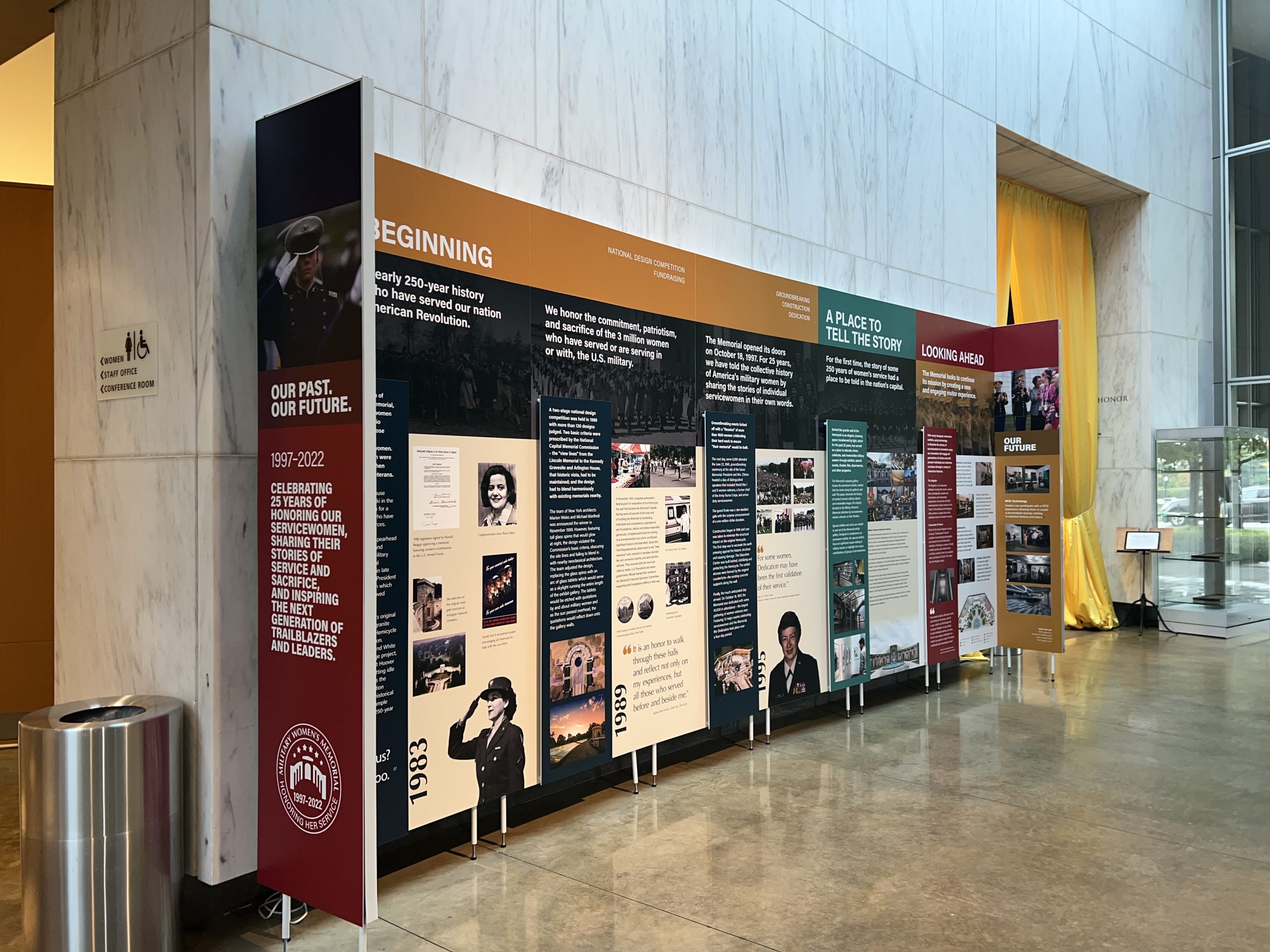
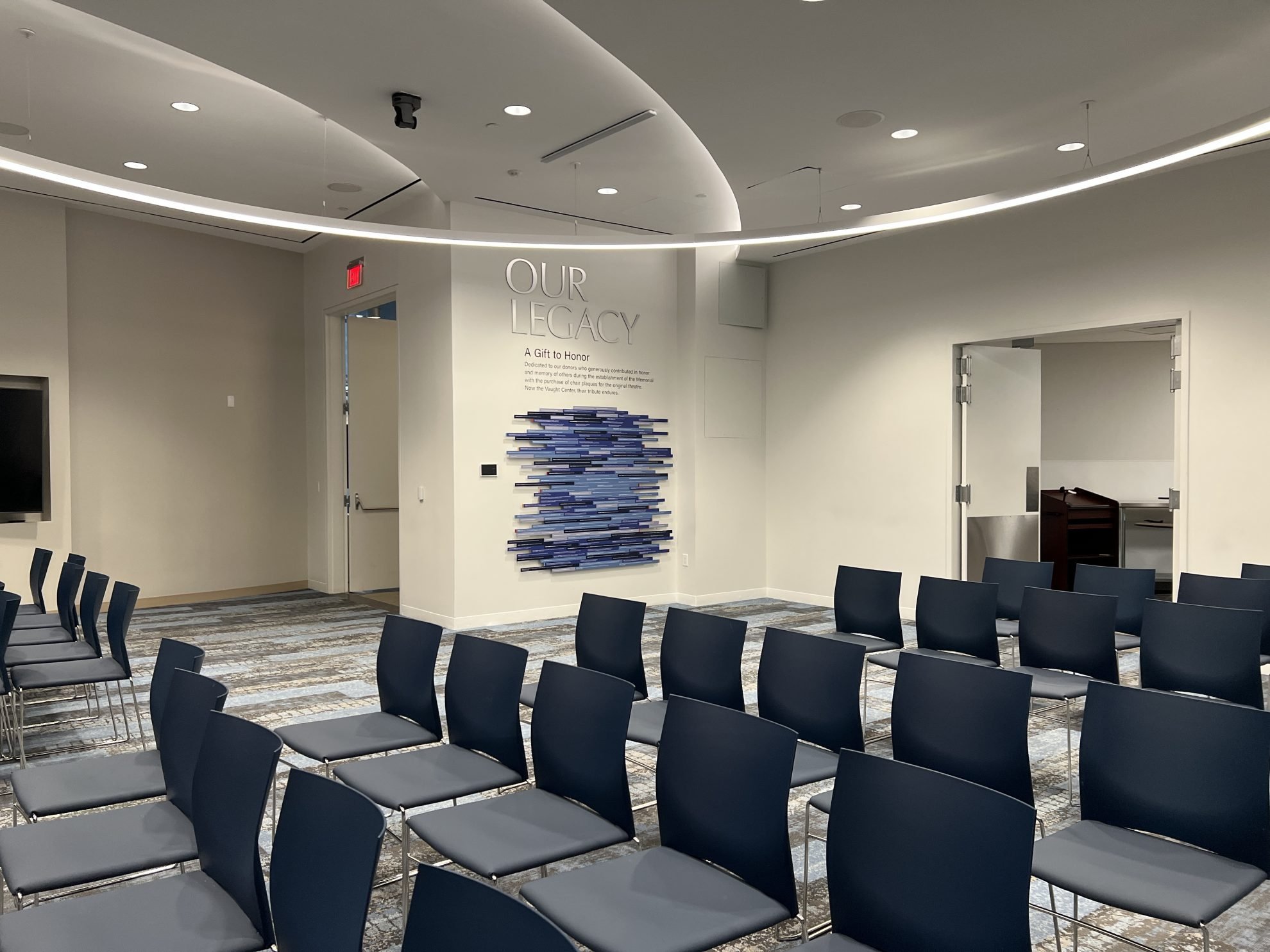
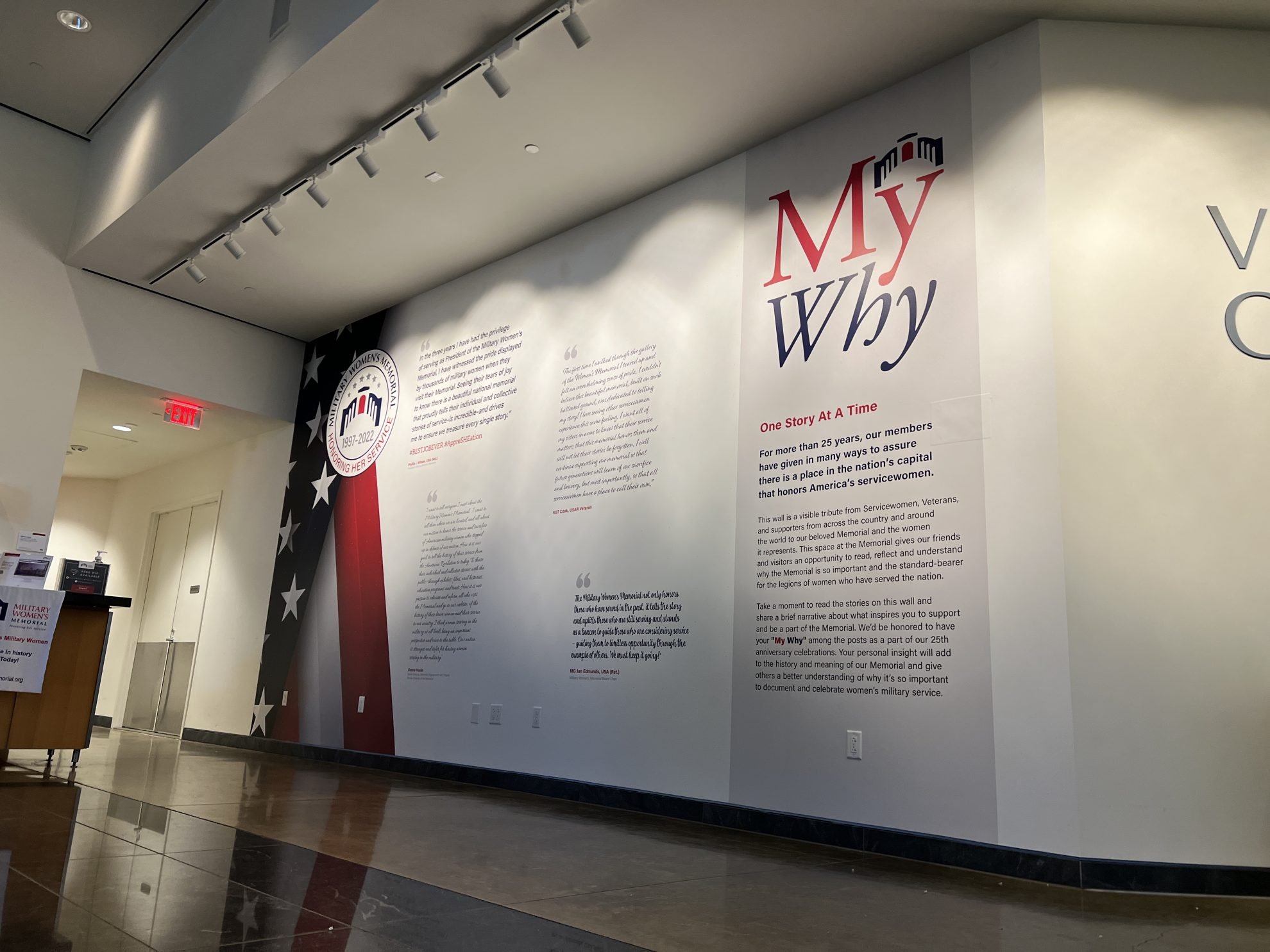
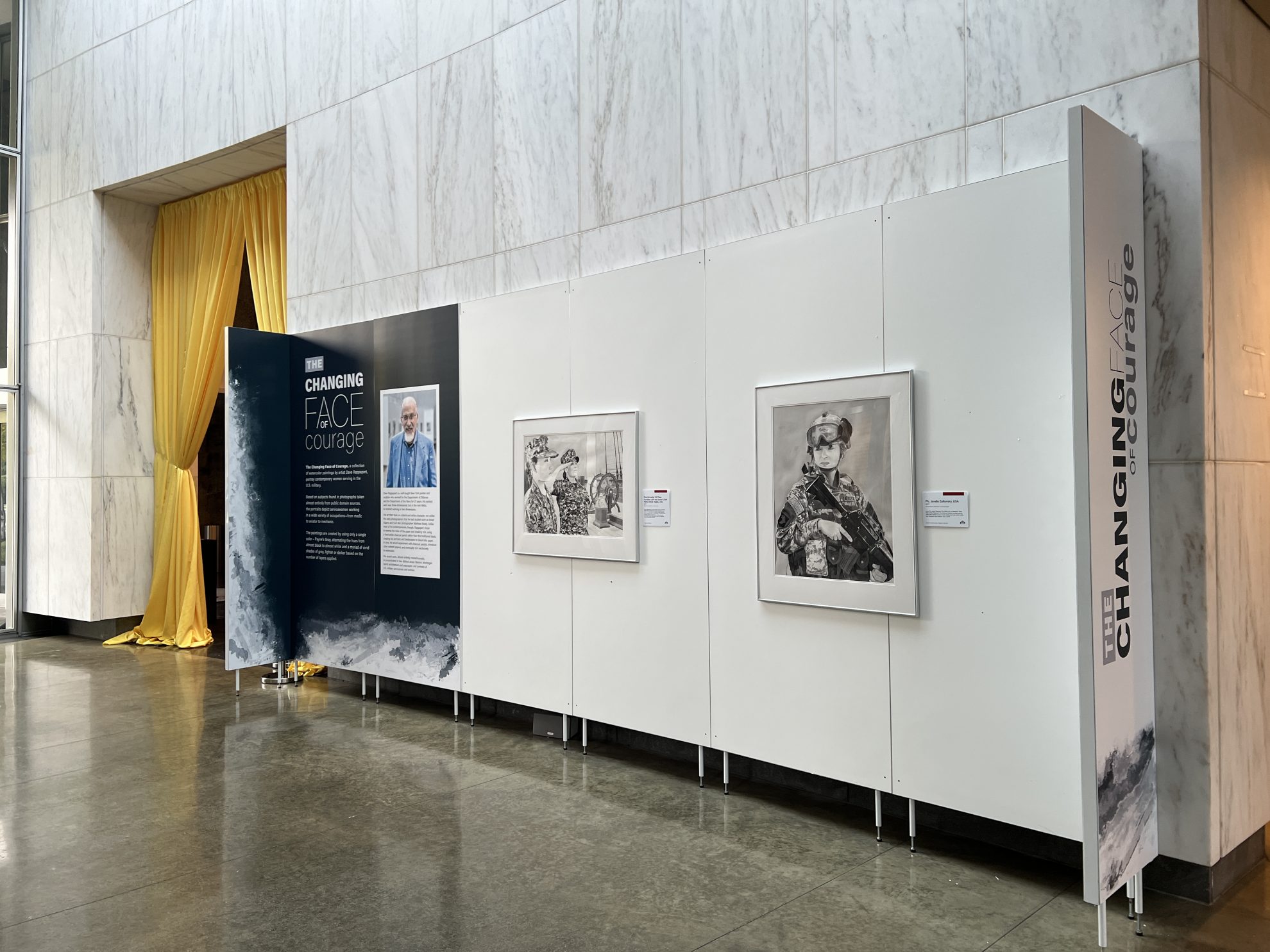
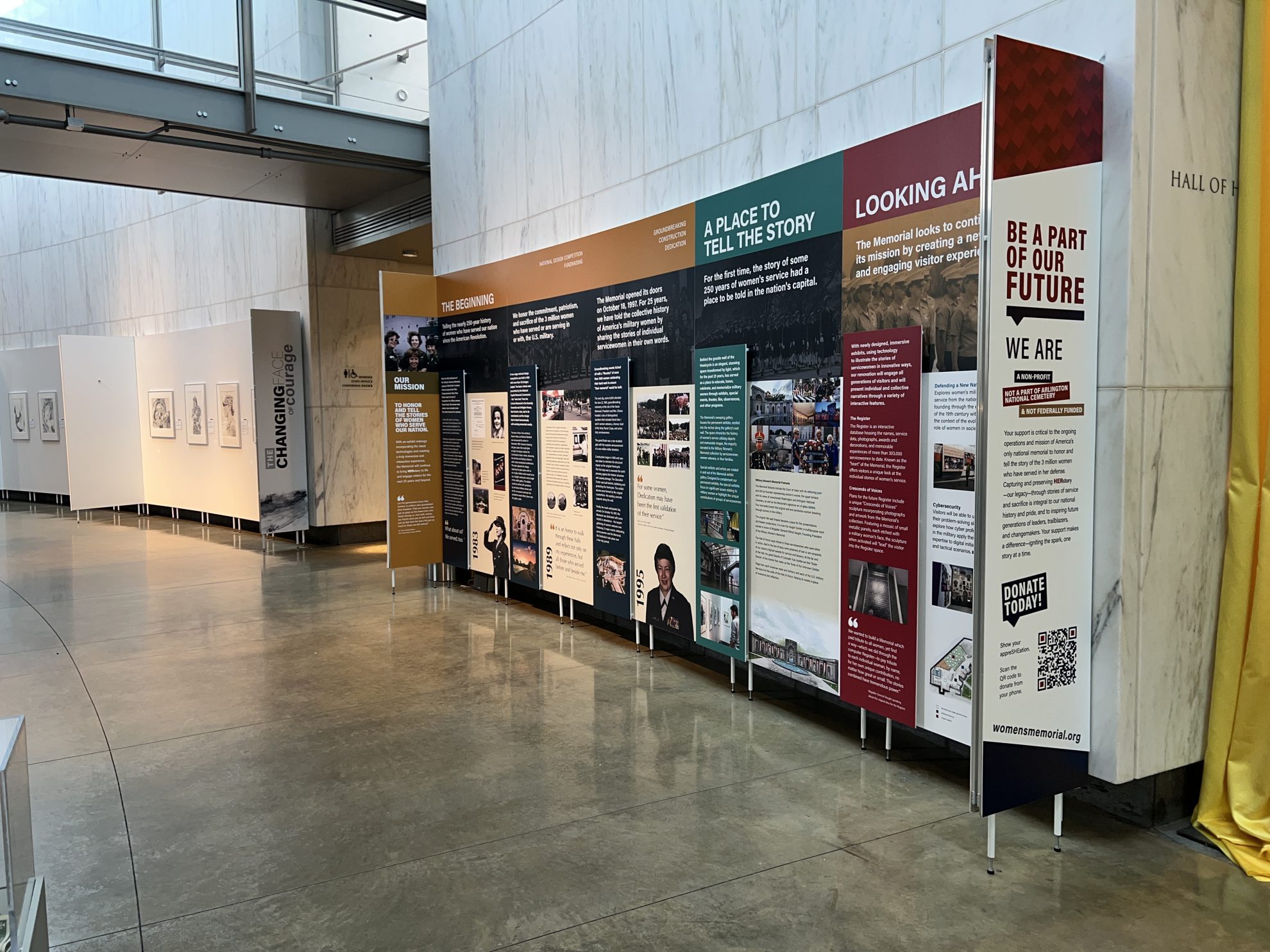
Heritage Signs & Displays created new museum signage for the Military Women’s Memorial in Arlington, VA. The project included custom signs, wall wraps, dimensional letters, and standoff-mounted displays to honor the legacy of U.S. servicewomen and the donors who supported the memorial. The updated interior features impactful designs, including a "Our Legacy" wall display and panels showcasing historical contributions and artwork, creating a transformative tribute to women in the U.S. Armed Forces.
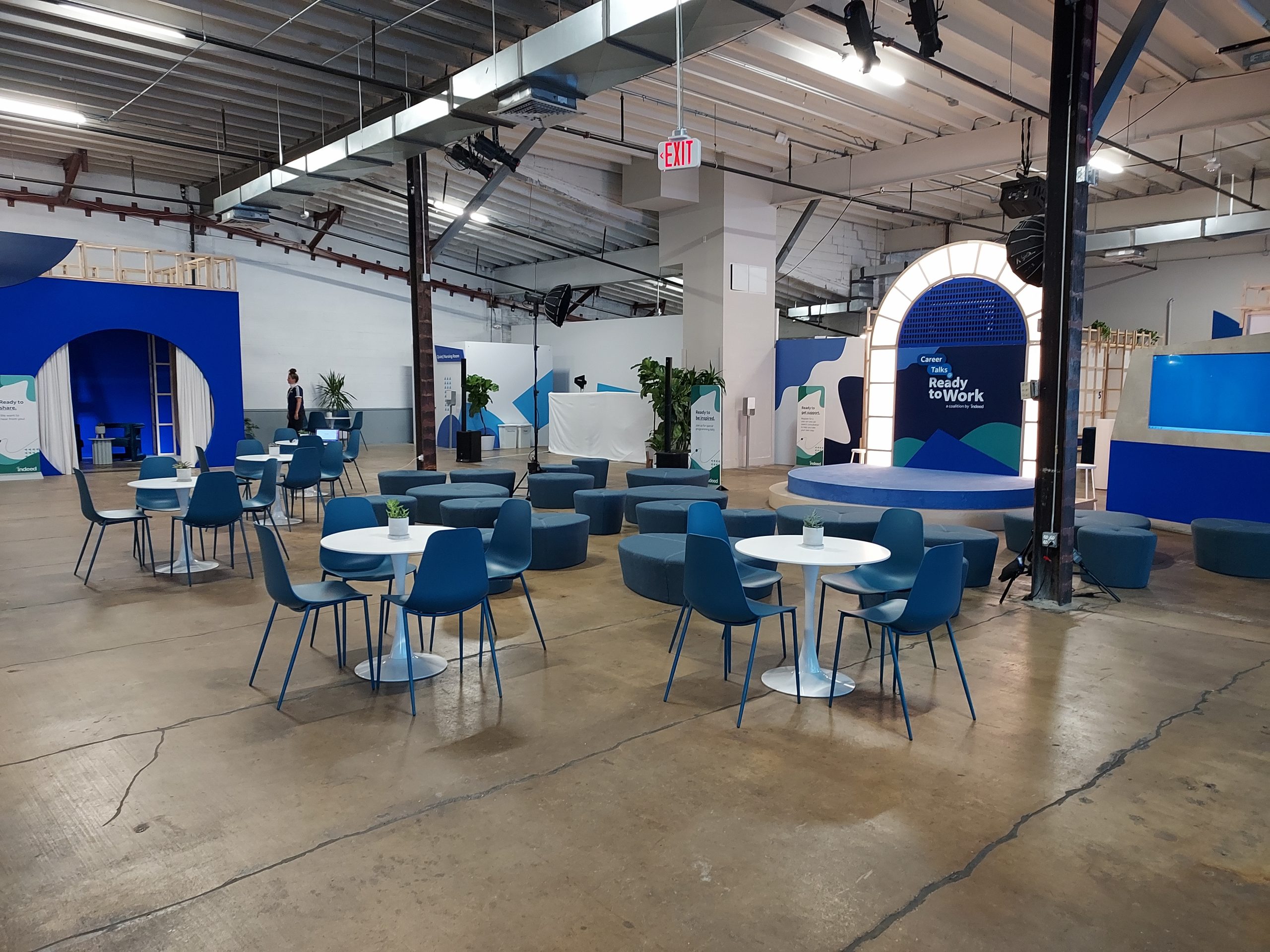
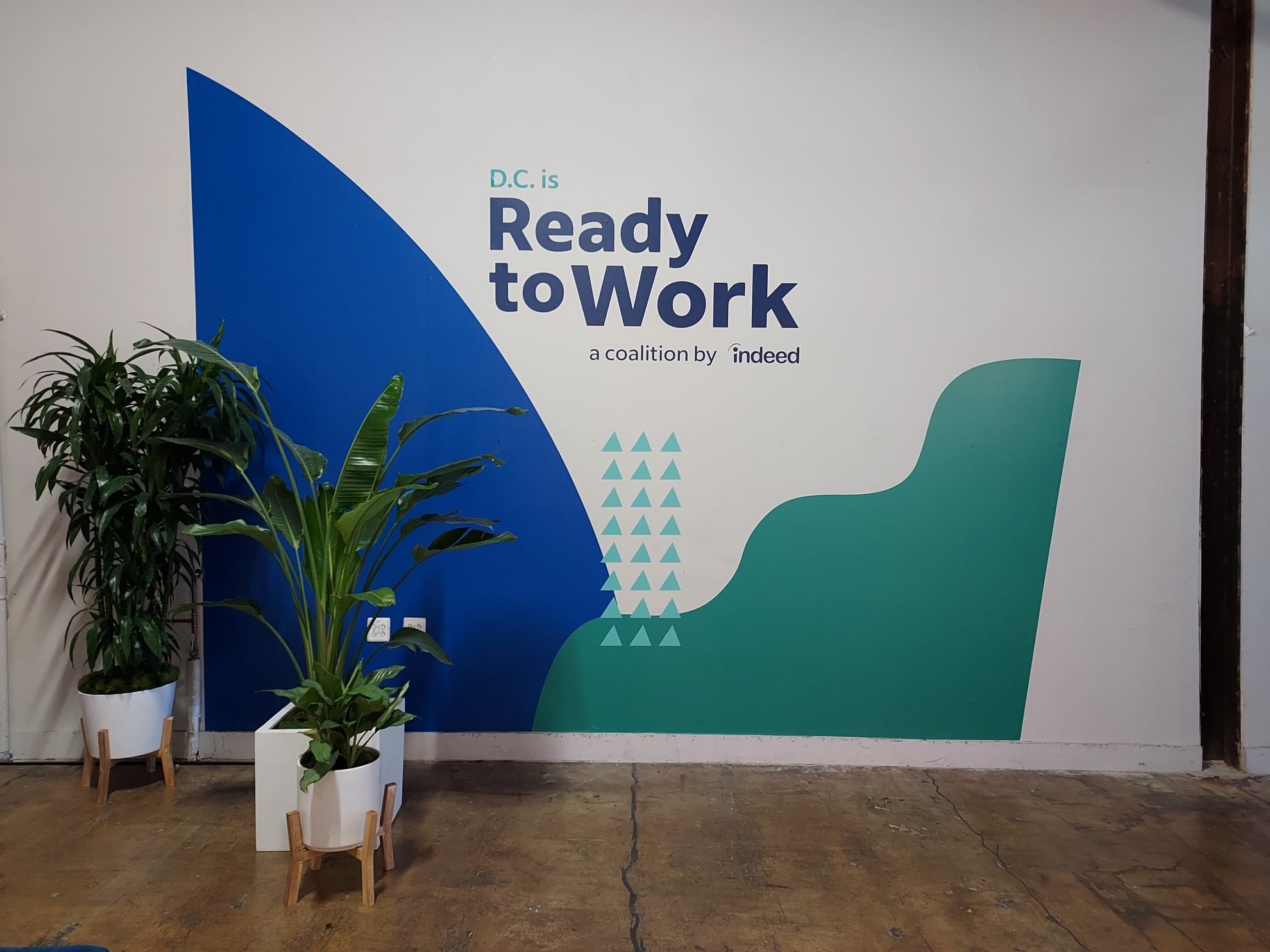
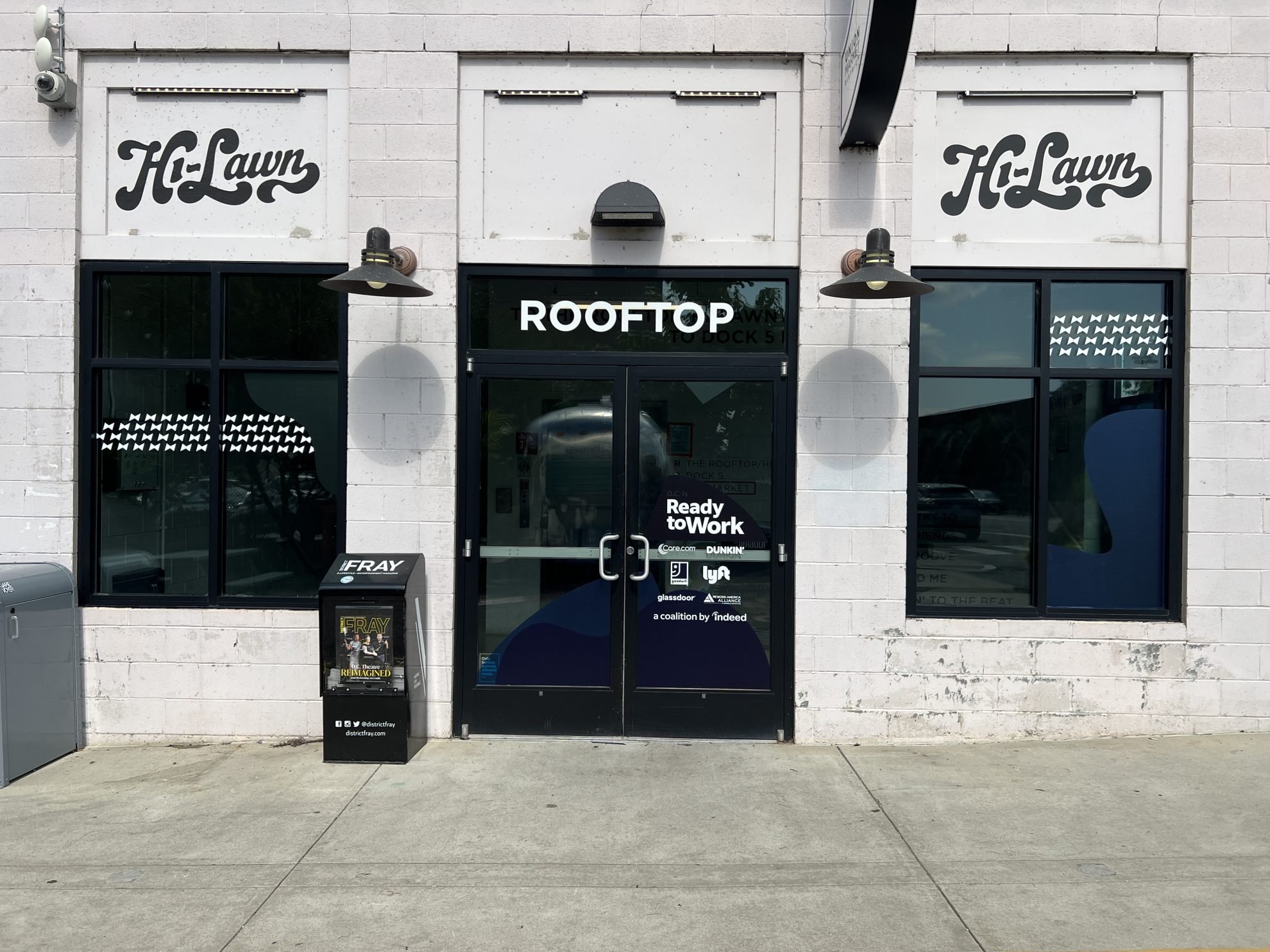
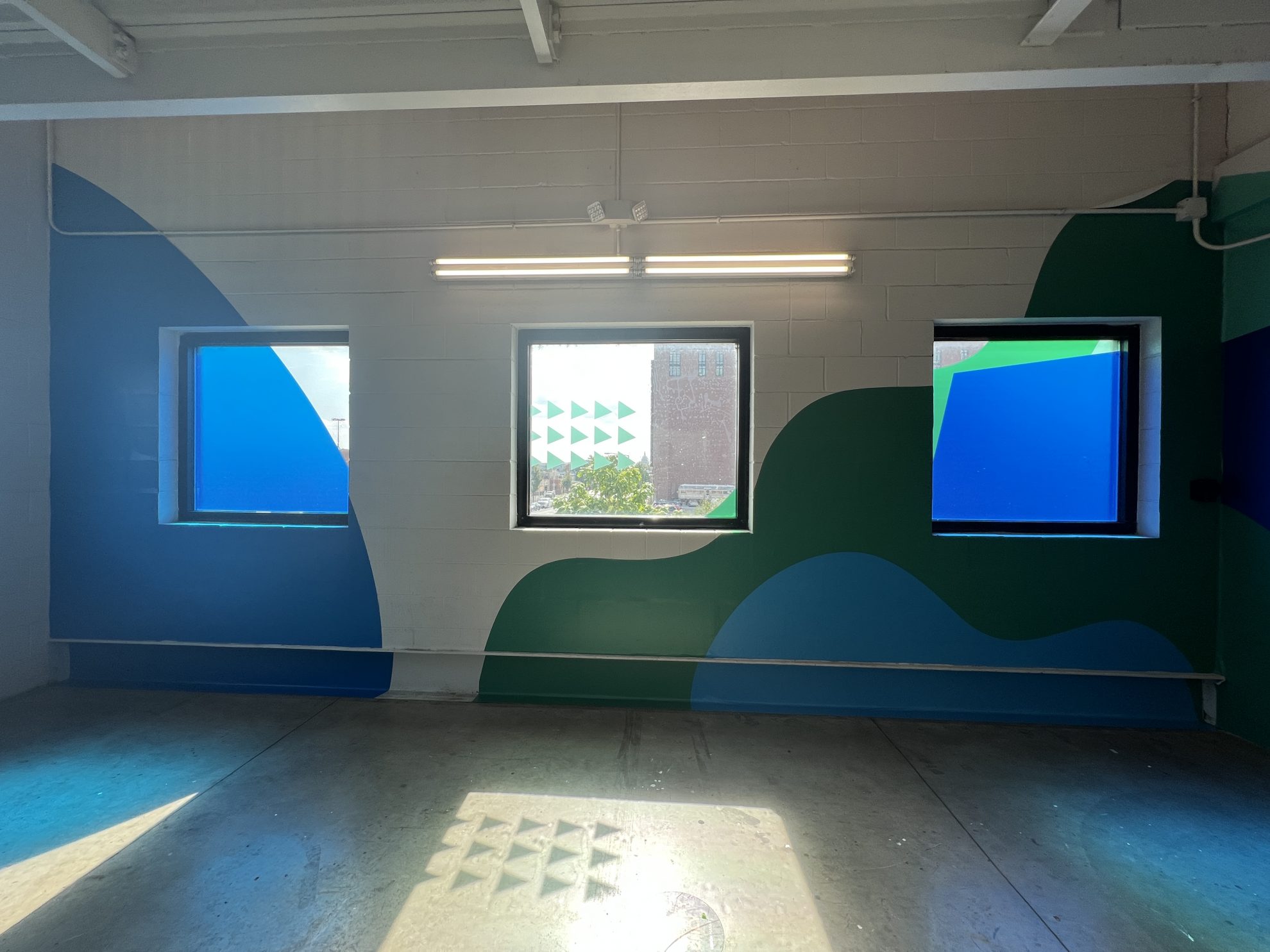
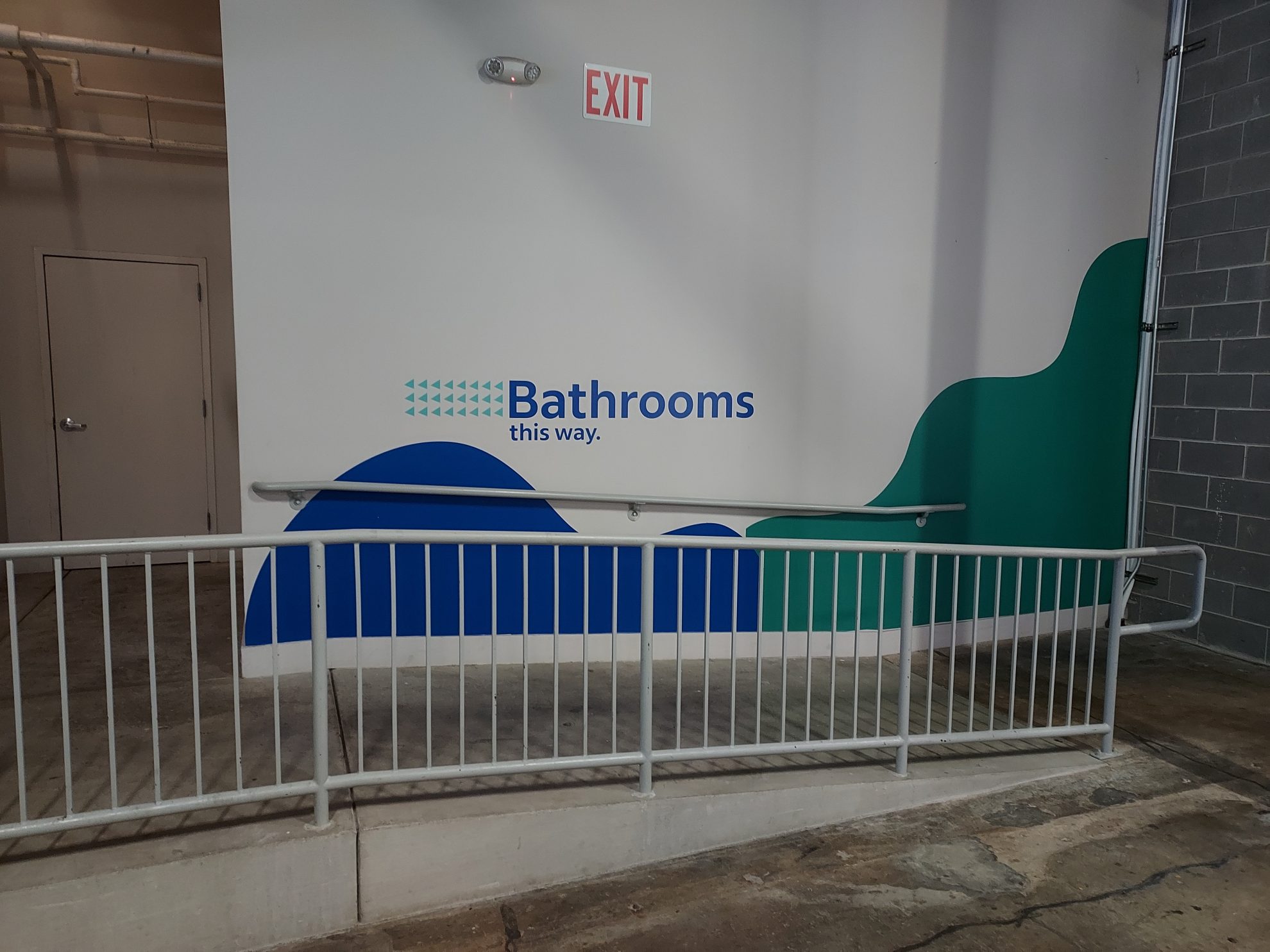
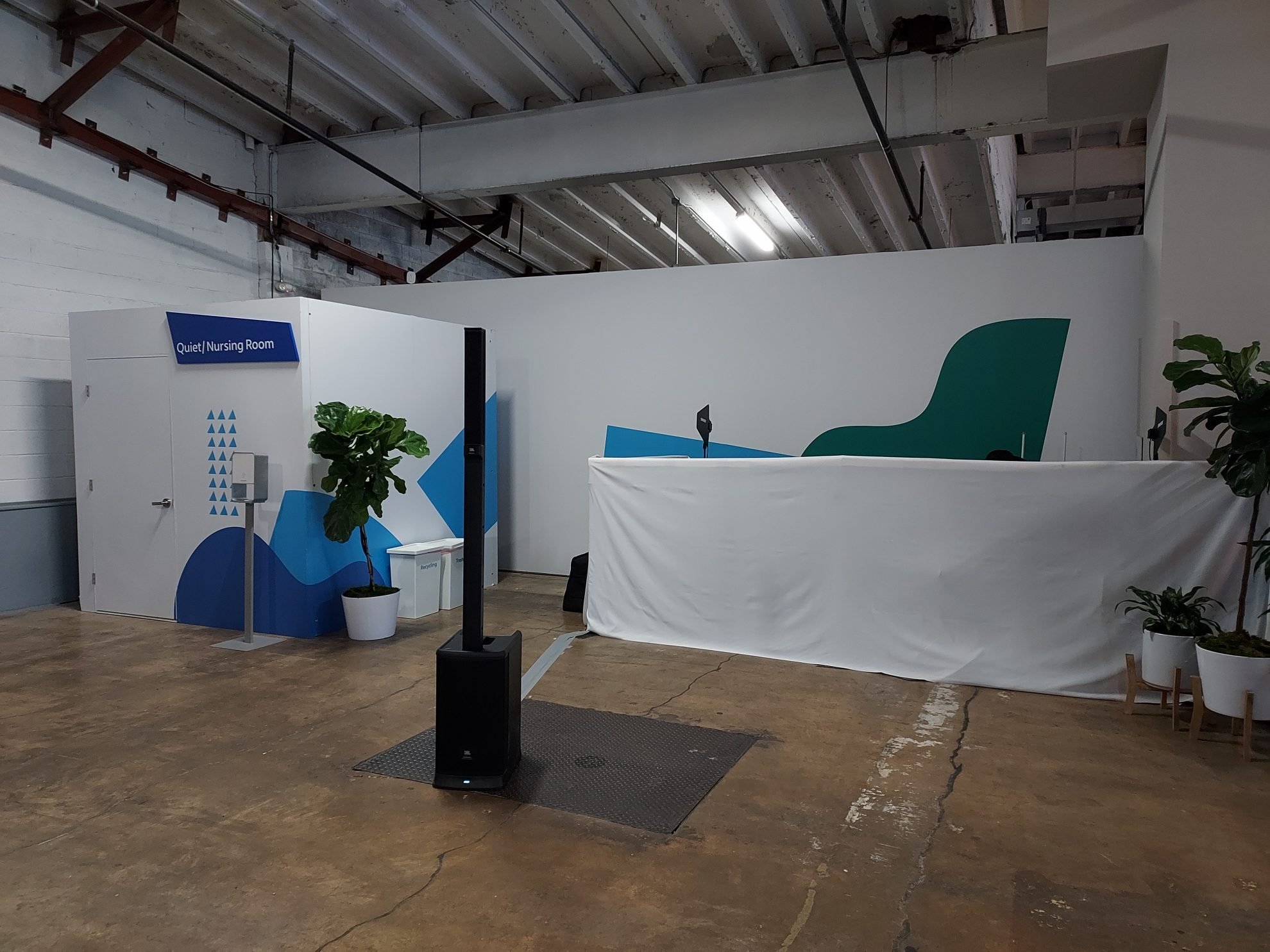
Heritage Signs & Displays' collaboration with The Gathery to brand Union Market in Arlington, VA, for Indeed's "Ready to Work" job fair. The project included custom event displays, wall graphics, window graphics, and wayfinding signs, creating an immersive and visually appealing environment. The branding enhanced the venue, reflected the event's mission, and provided a seamless experience for attendees.