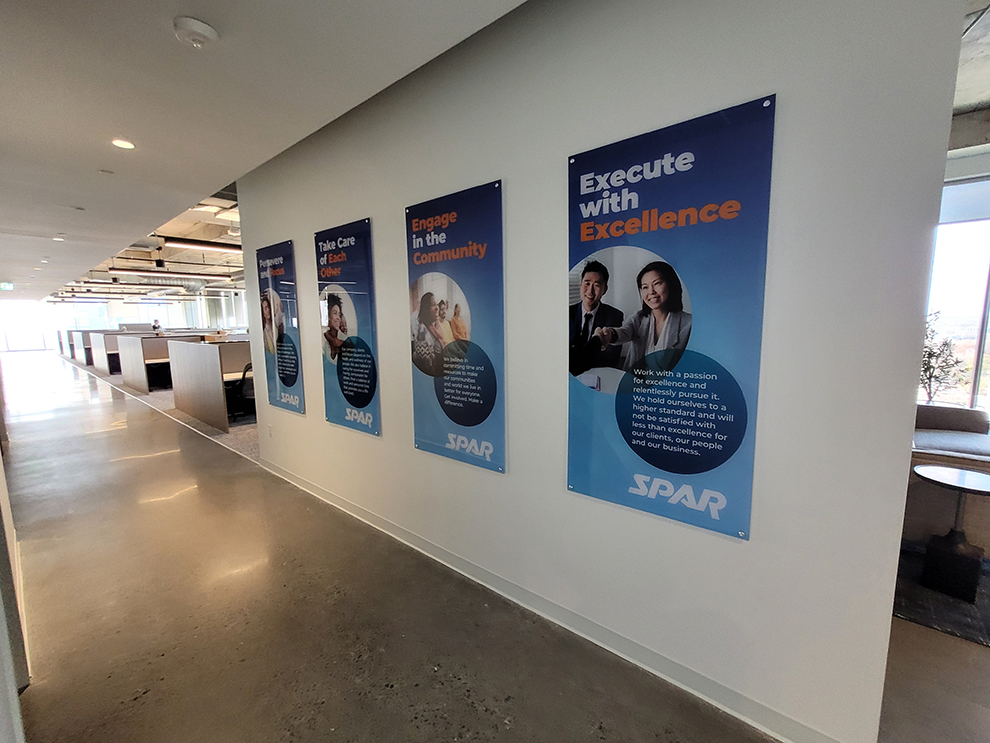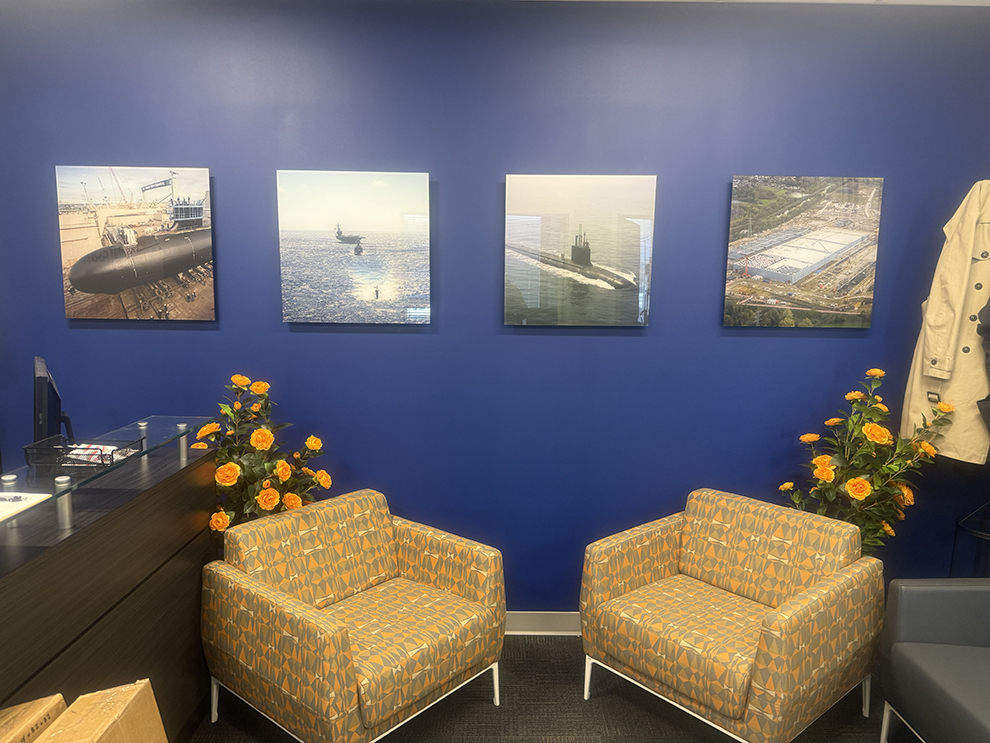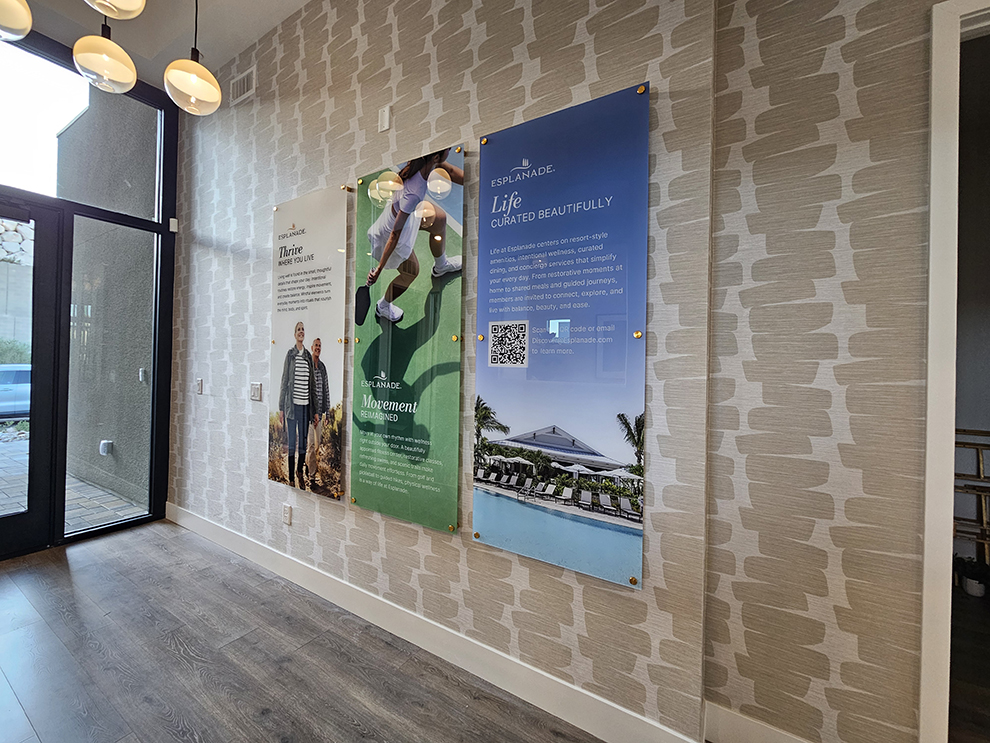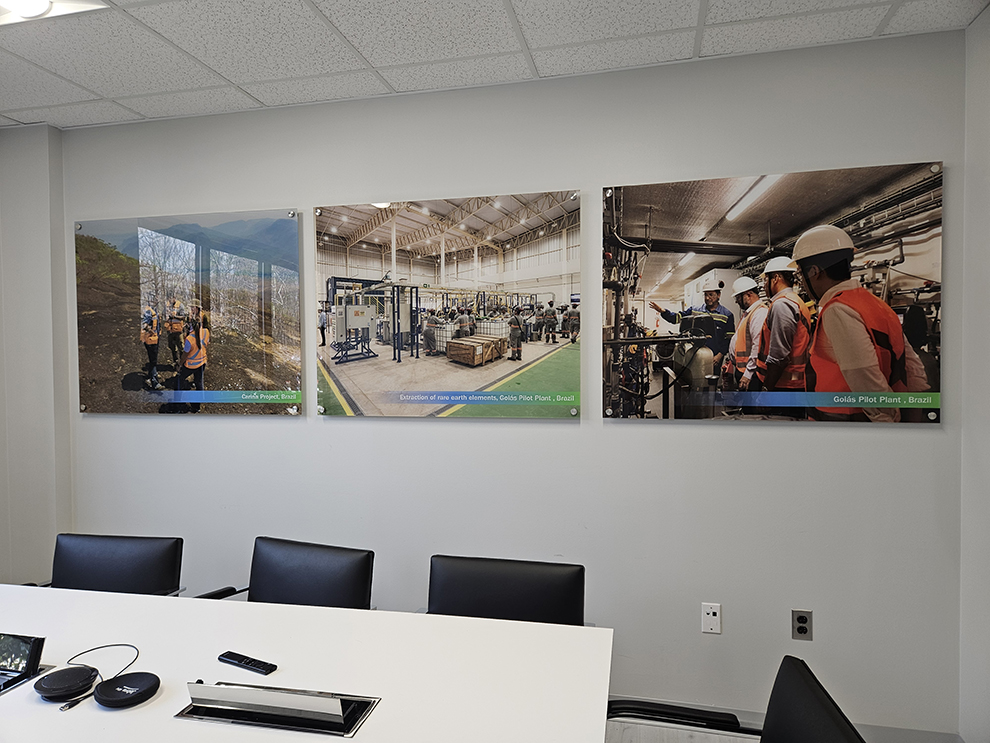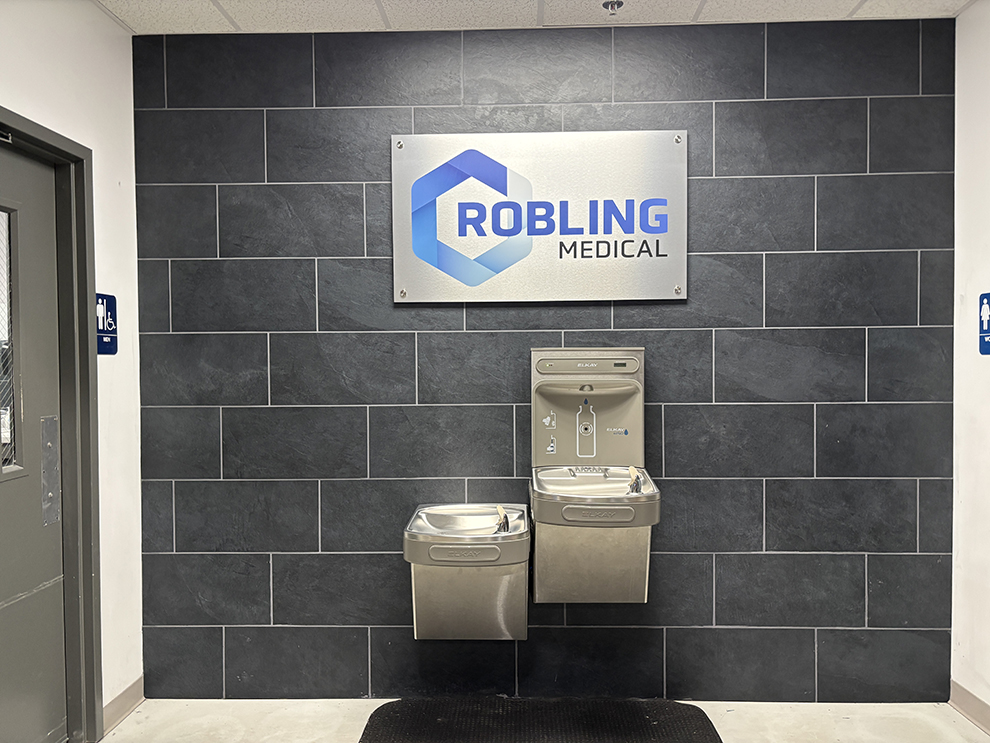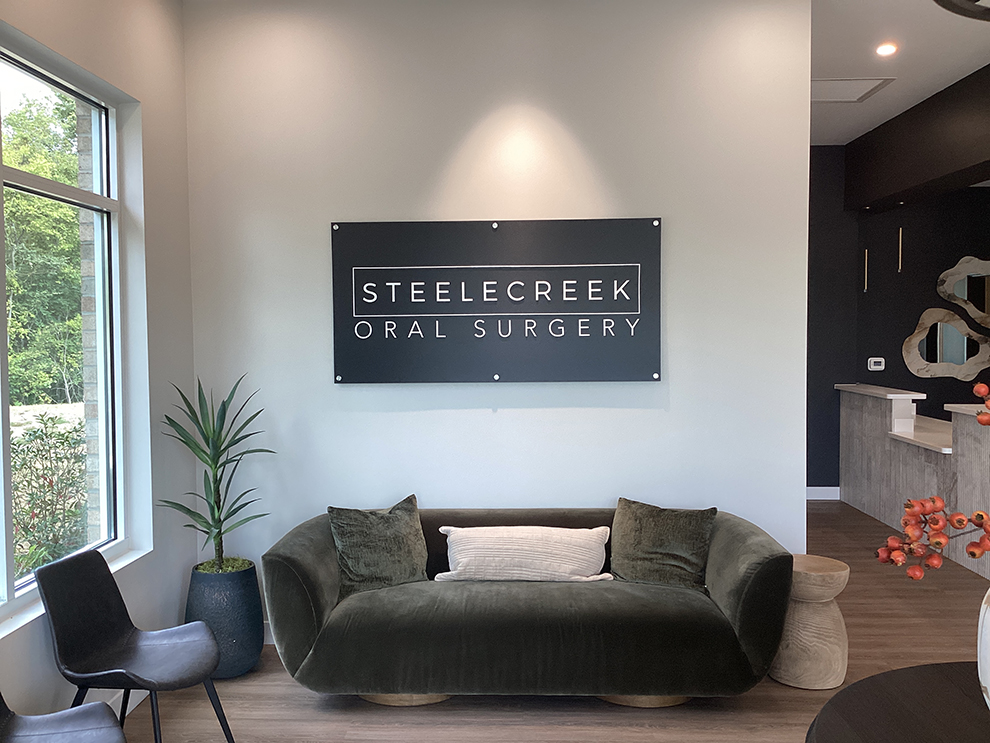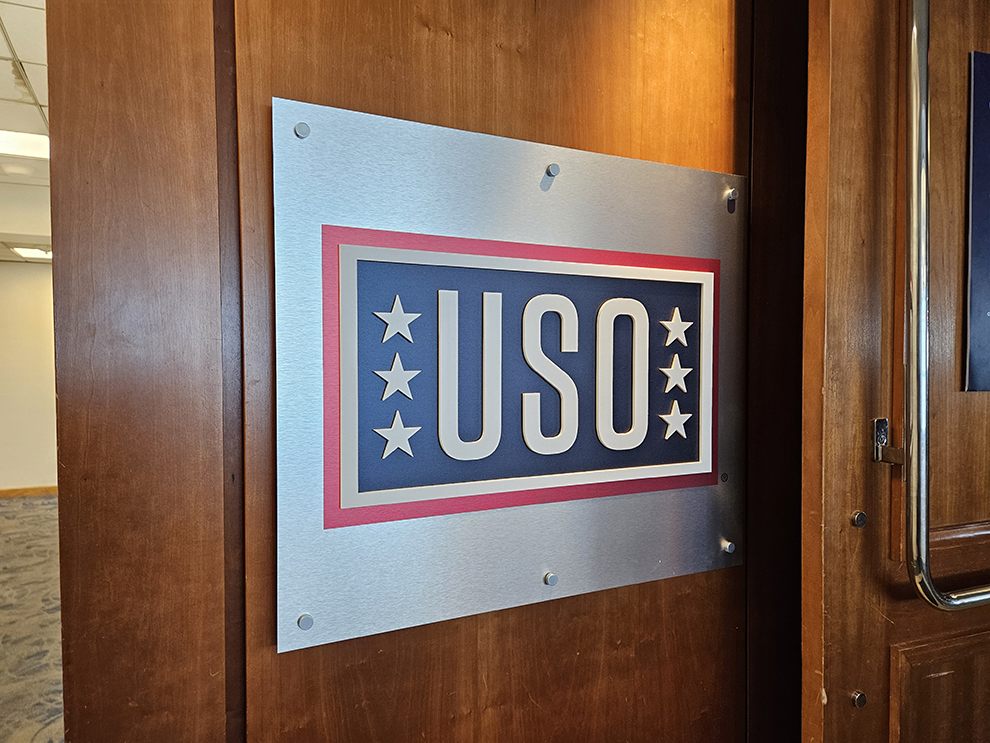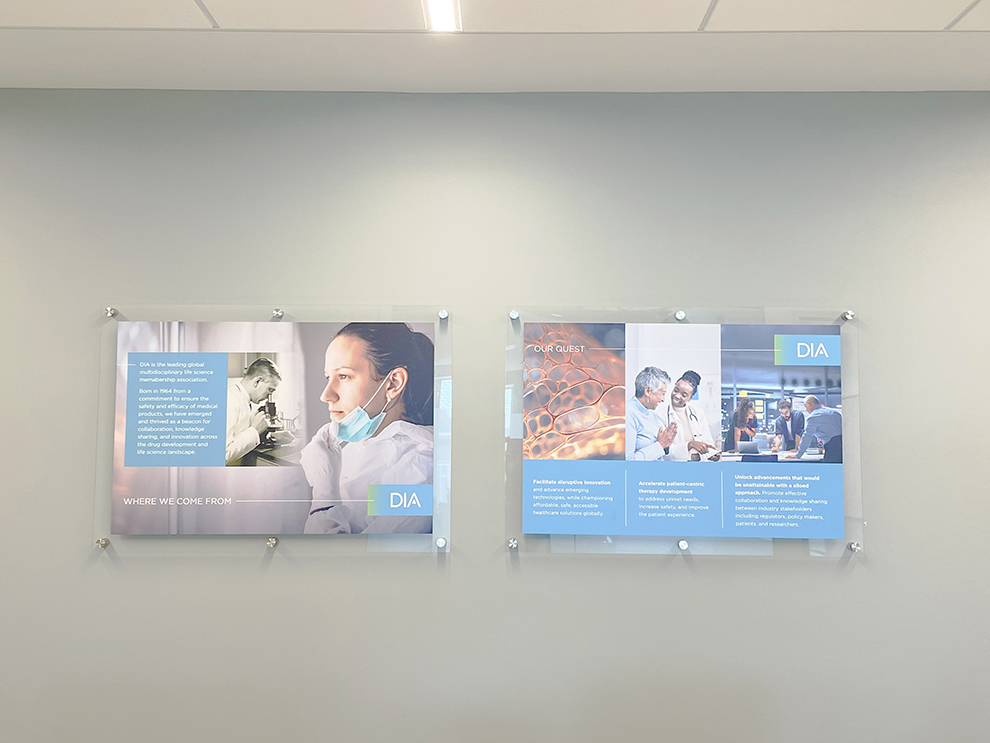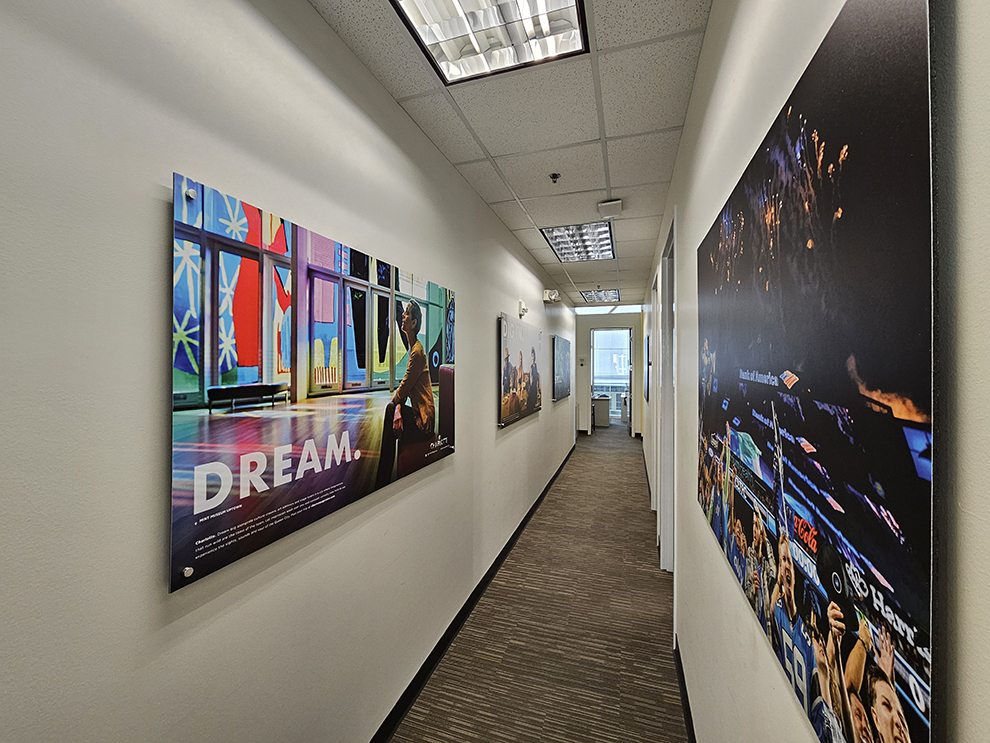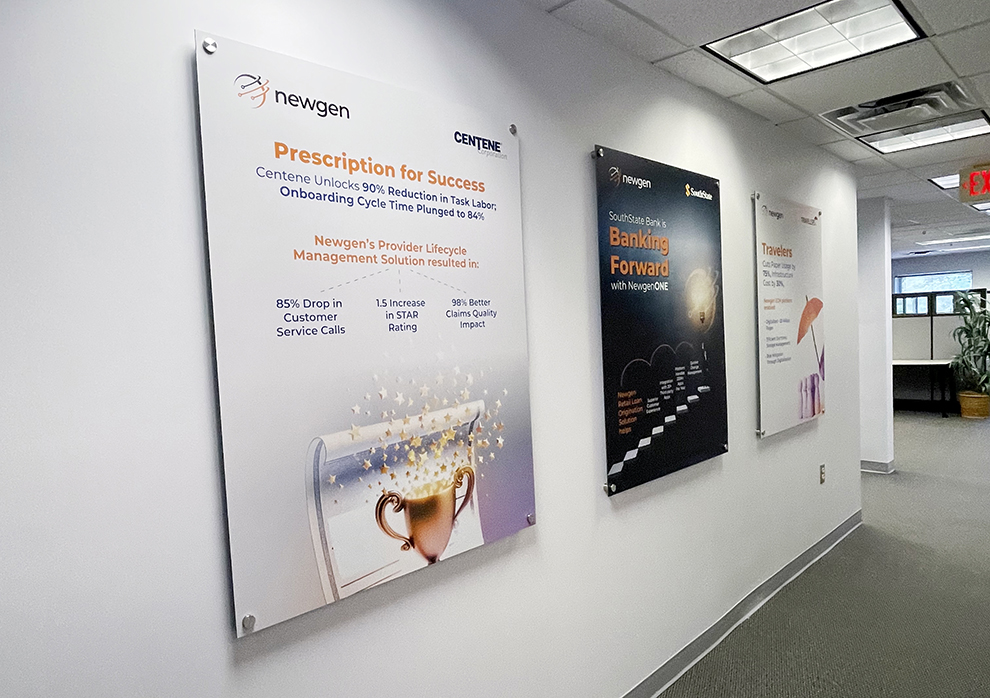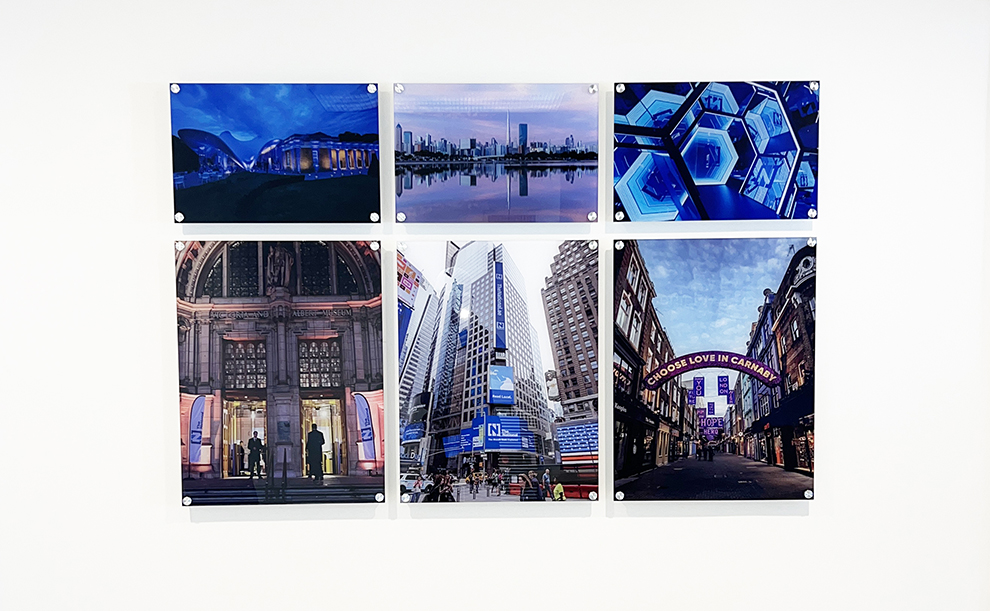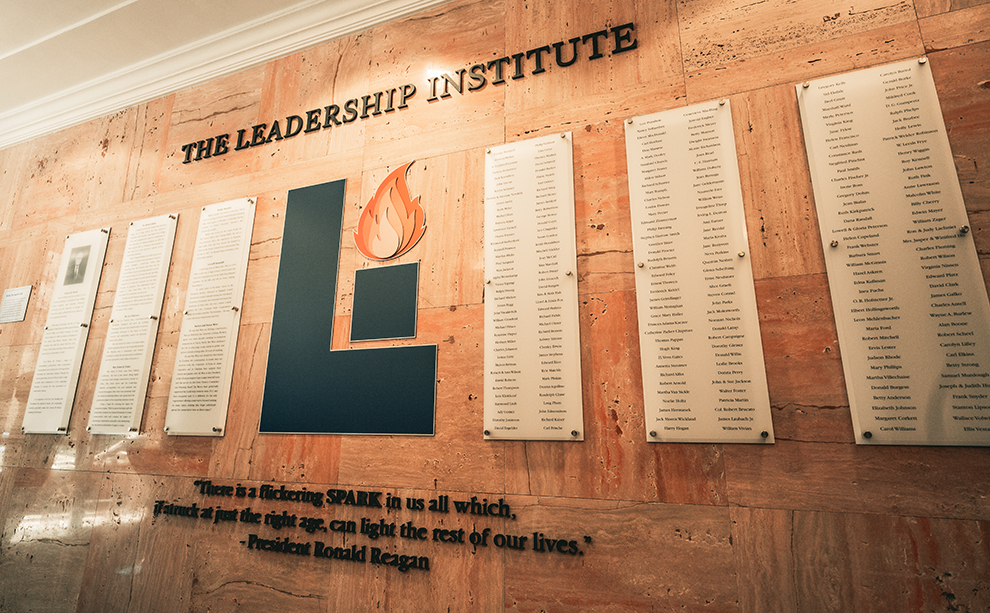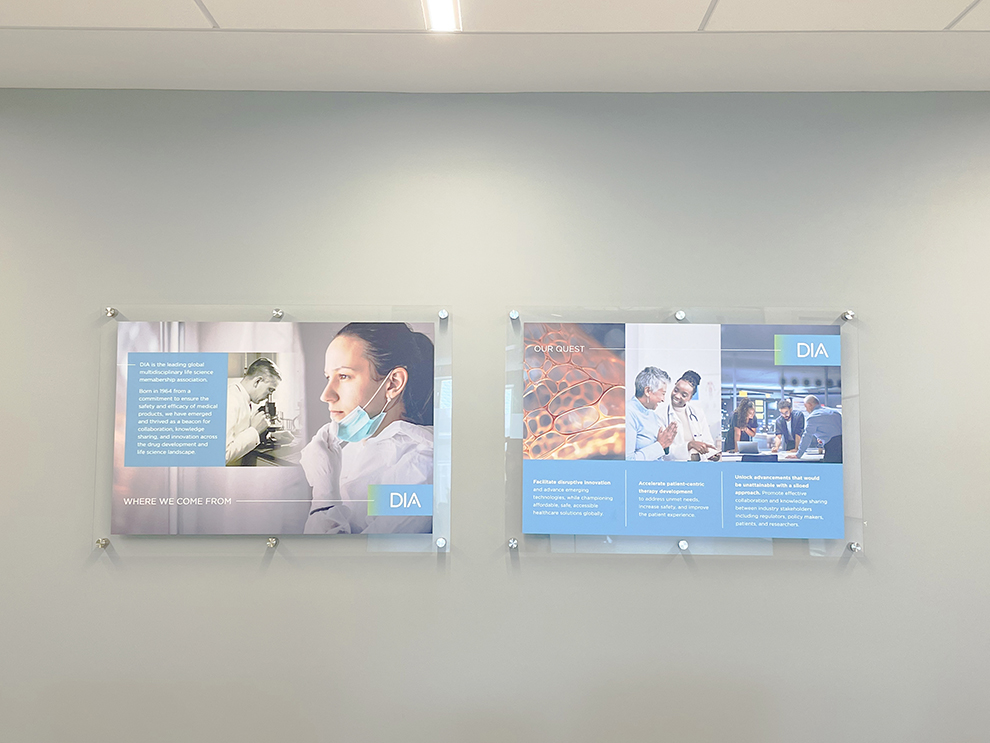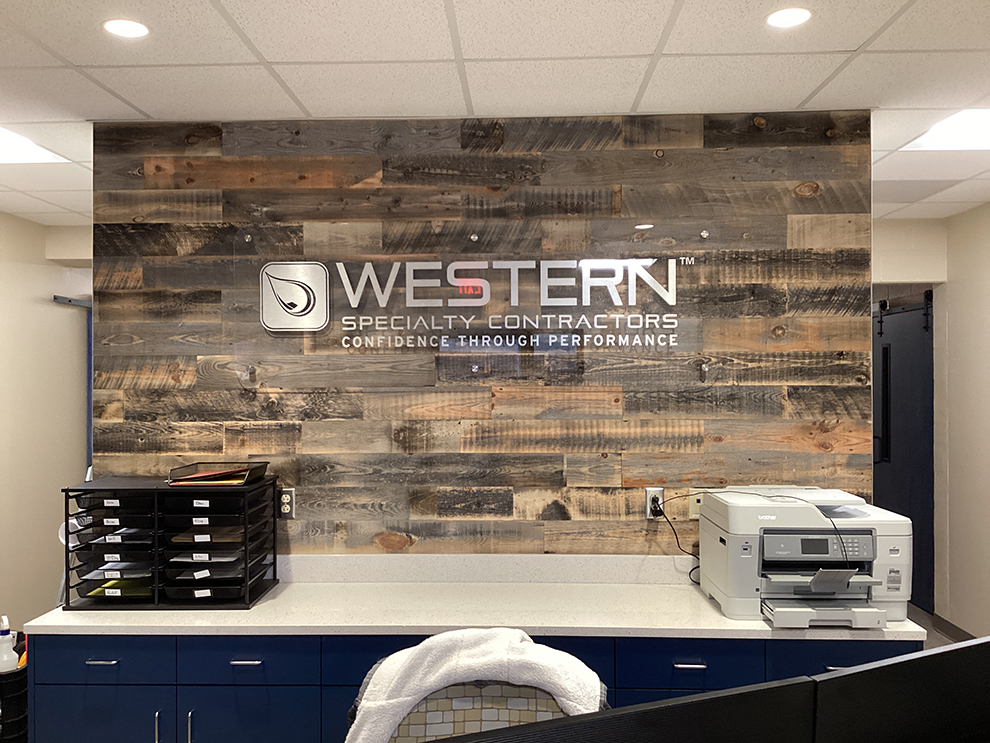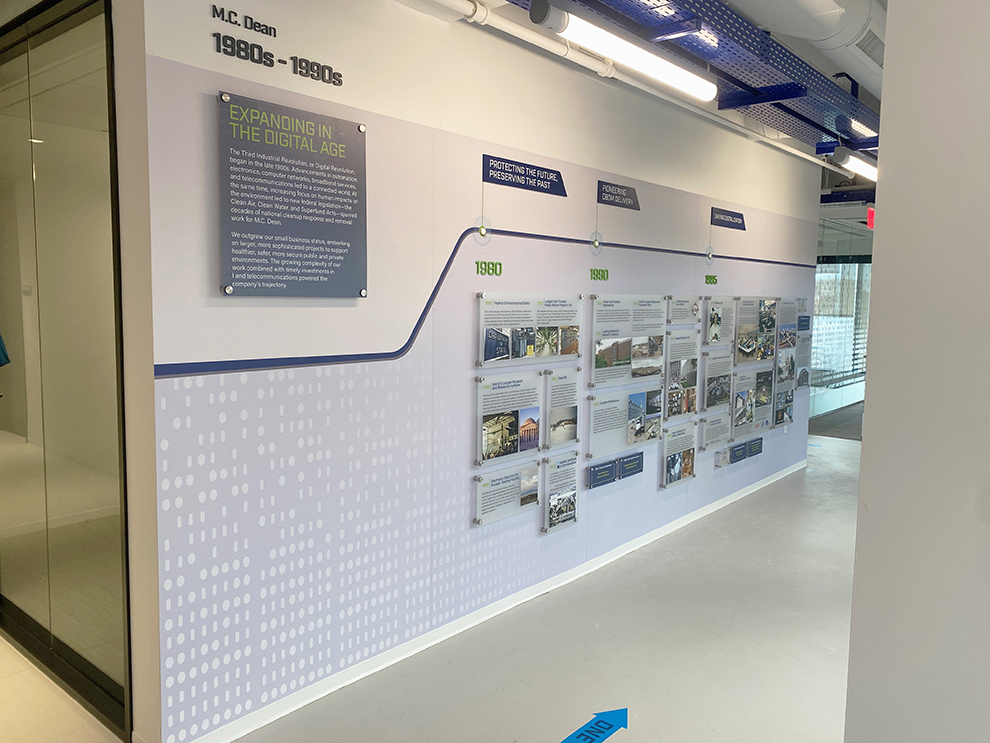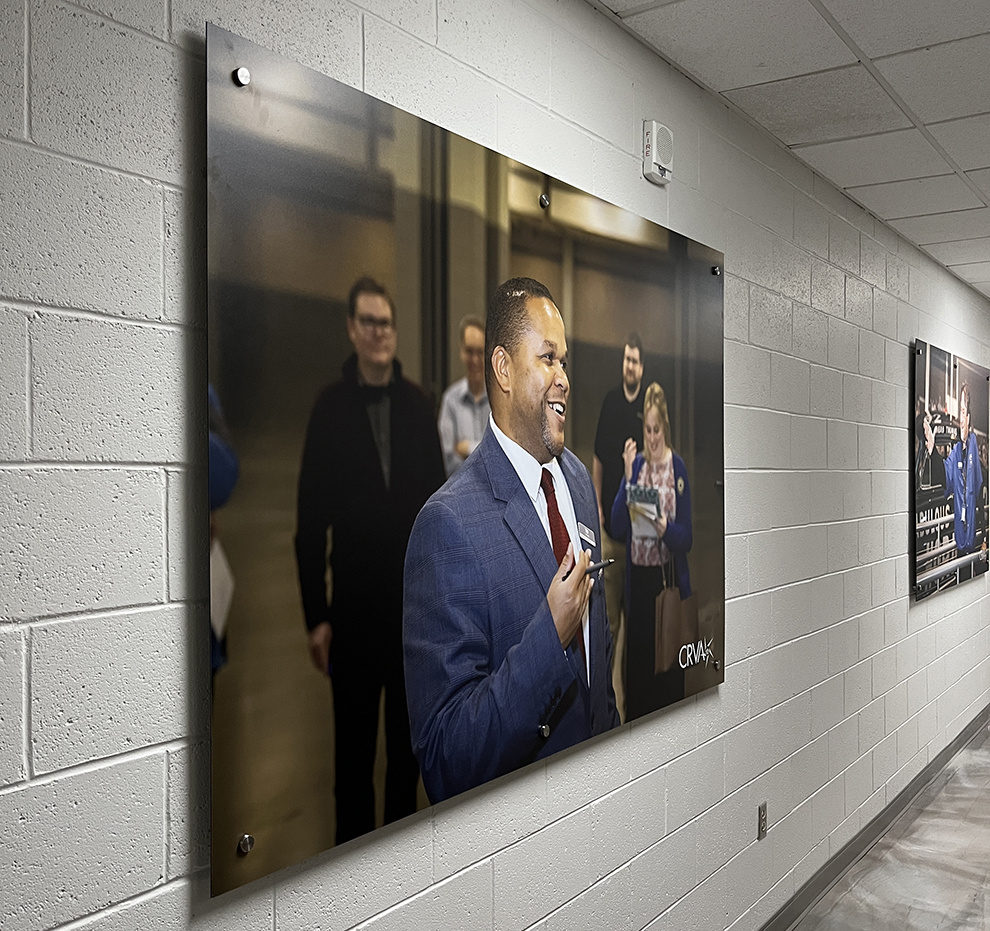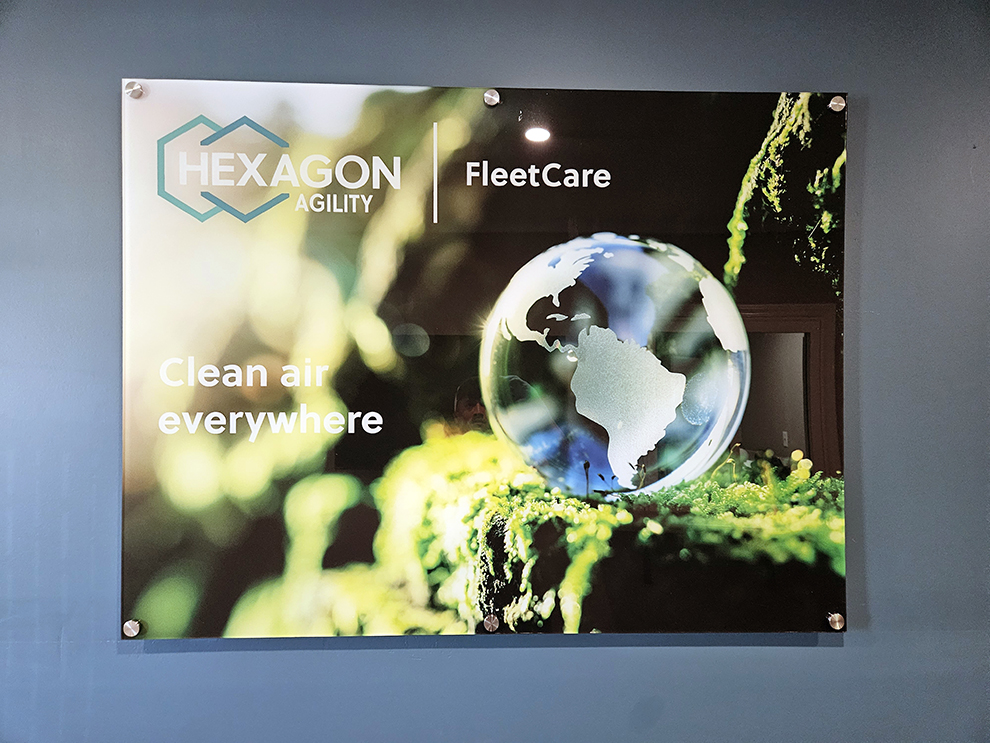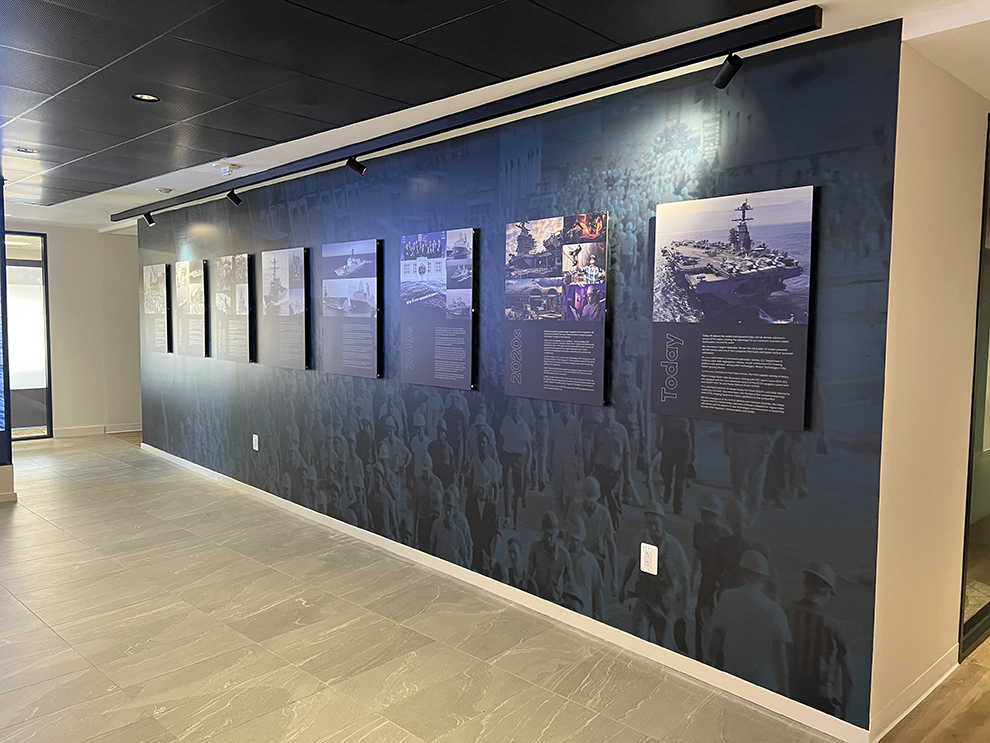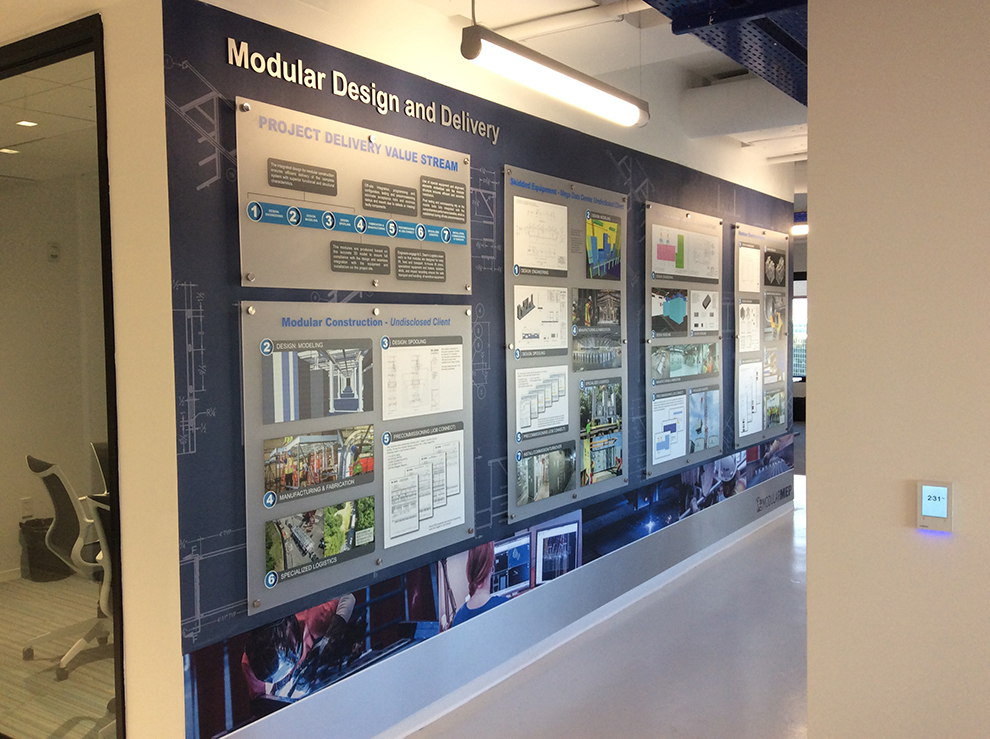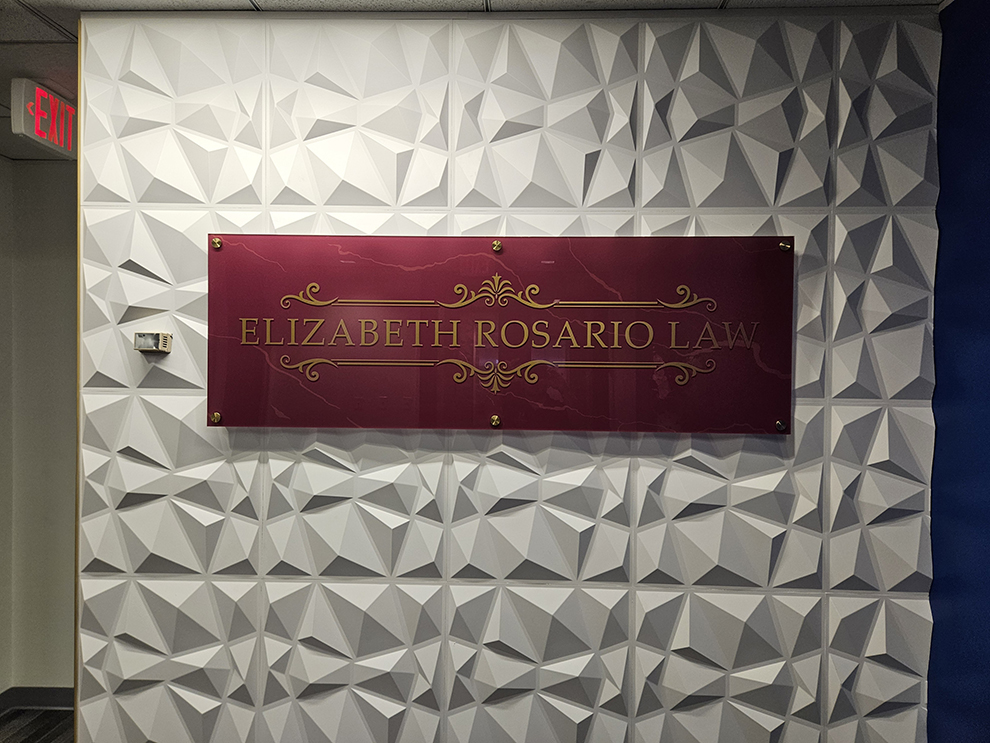
Interior walls often perform important communication functions beyond adding visual interest. They can welcome visitors, display an organization’s mission, recognize donors and volunteers, identify departments, or explain a company’s history. Standoff mounted signs support these goals by positioning a fabricated panel away from the wall with visible architectural hardware. The resulting depth and shadow create a polished appearance for medical practices, nonprofit offices, professional firms, private schools, associations, and other organizations in Chevy Chase, MD.
Heritage Signs & Displays is an award-winning, veteran-owned, family-operated company established in 1977. We serve clients in Chevy Chase, MD and throughout the Washington, DC metropolitan area with an integrated process covering environmental graphic design, project management, production, fabrication, and professional installation. Each project is guided by a dedicated project manager who coordinates content, approvals, site verification, materials, hardware, building access, and installation scheduling.
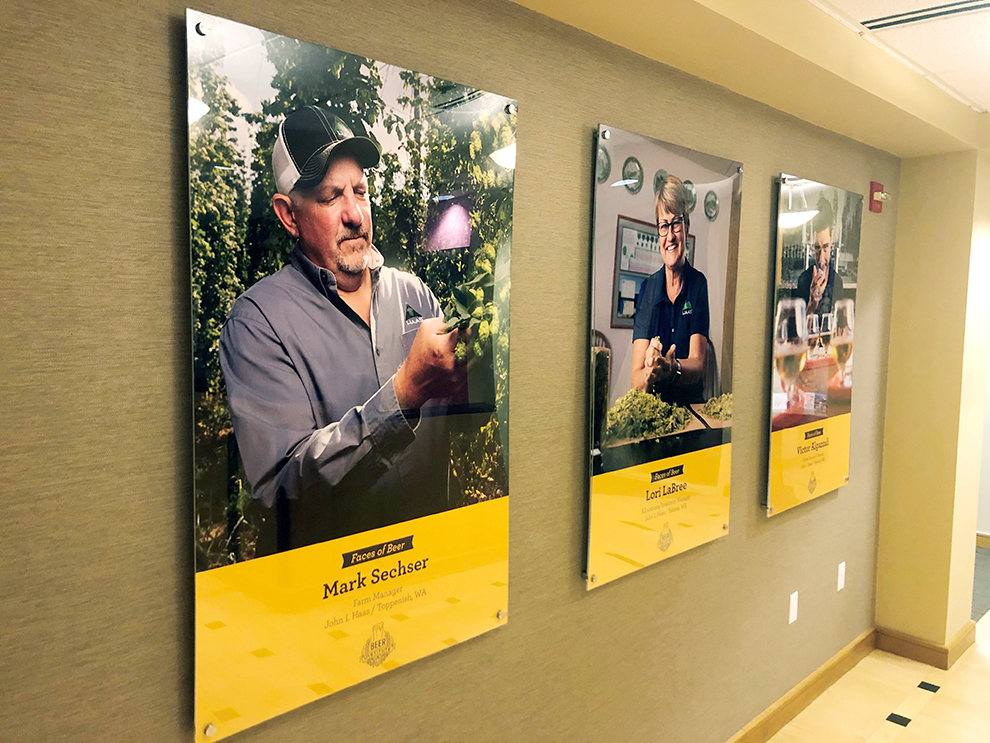
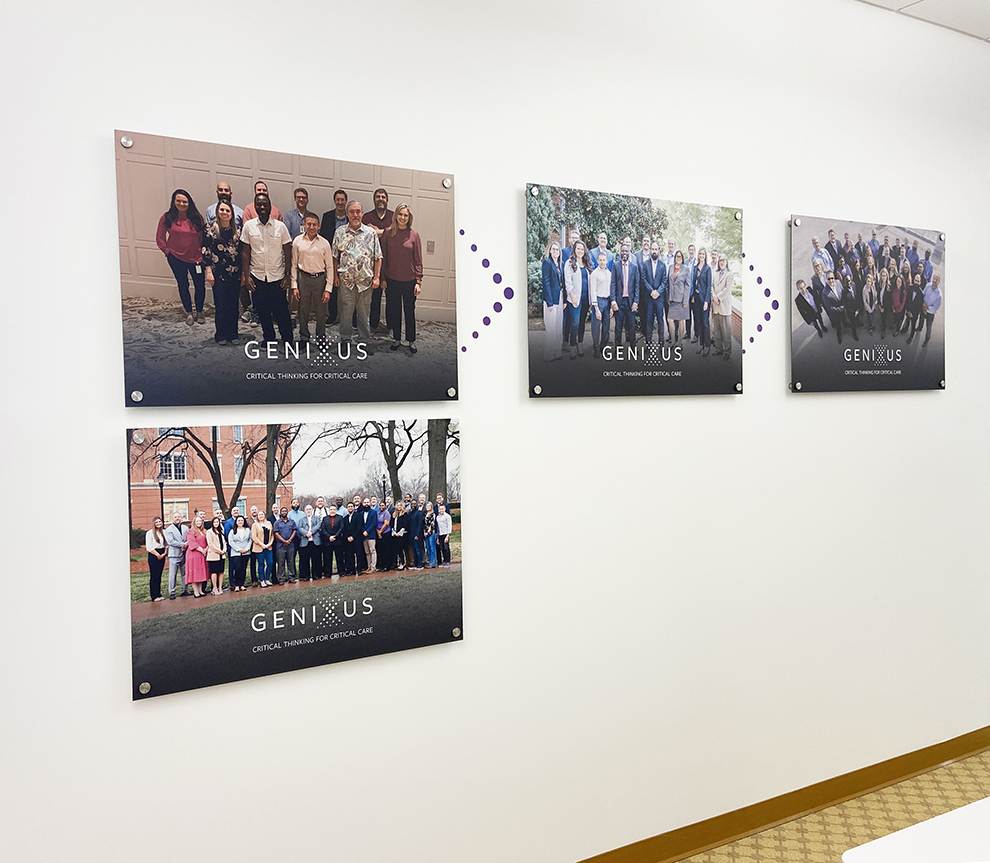
Standoff signs are categorized by their mounting method rather than the material used to make the sign face. A typical system uses barrels, caps, fasteners, and anchors to project a panel a measured distance from the supporting wall. The panel may be made from acrylic, aluminum composite material, a printed rigid substrate, or another approved material. It may also include dimensional letters, layered graphics, or replaceable inserts. Acrylic identifies a material, while standoff identifies how the finished sign is mounted.
Proper installation requires drilling into the supporting surface. The anchors and fasteners must be appropriate for the wall construction, panel weight, hardware configuration, and expected use of the space. If the display is removed, the wall will generally need patching, sanding, and refinishing. For this reason, standoff mounted signs are best treated as permanent or semi-permanent displays rather than temporary graphics.
Installation conditions in Chevy Chase can vary considerably between properties. Commercial buildings near Friendship Heights may require vendor registration, certificates of insurance, loading coordination, reserved elevator access, and installation during approved hours. Medical offices and professional suites along Wisconsin Avenue and Connecticut Avenue may remain occupied throughout the workday, requiring careful staging and minimal disruption. Residential-style office properties, older buildings, and locations with limited service access can introduce additional logistical considerations. Board meetings, fundraising events, openings, and other fixed deadlines may also affect the production and installation schedule.
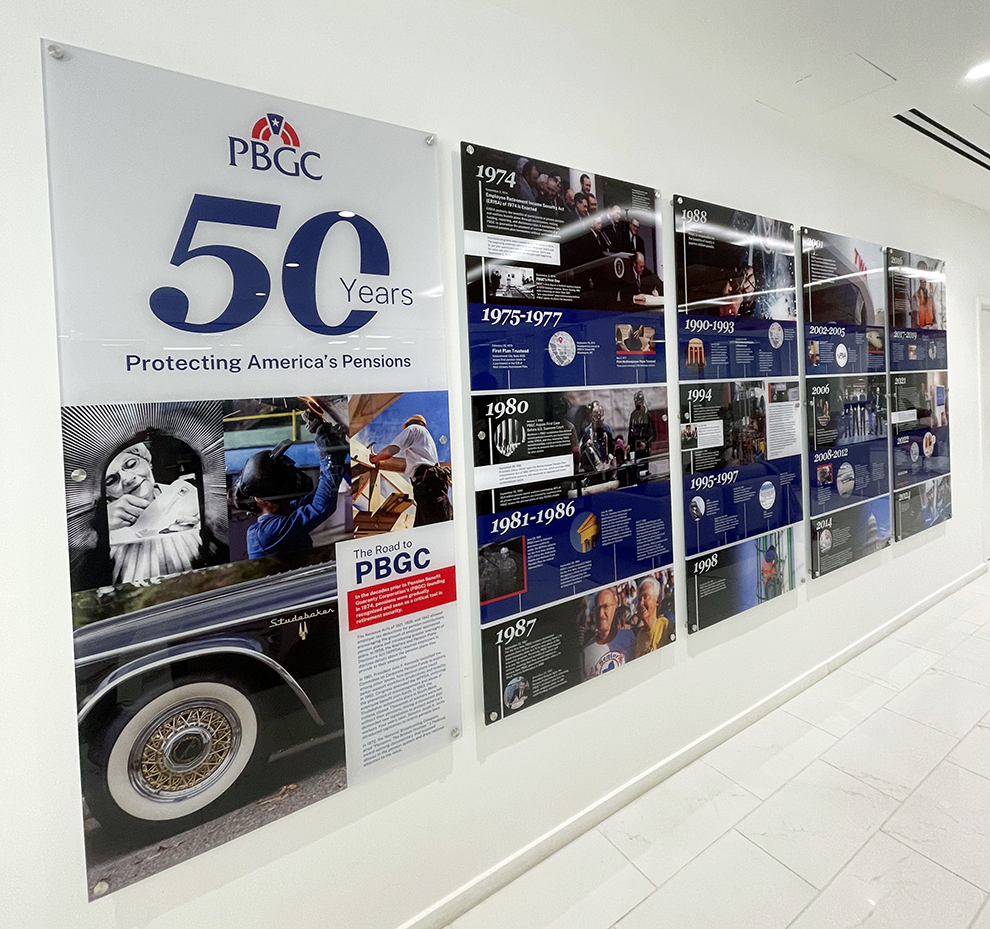
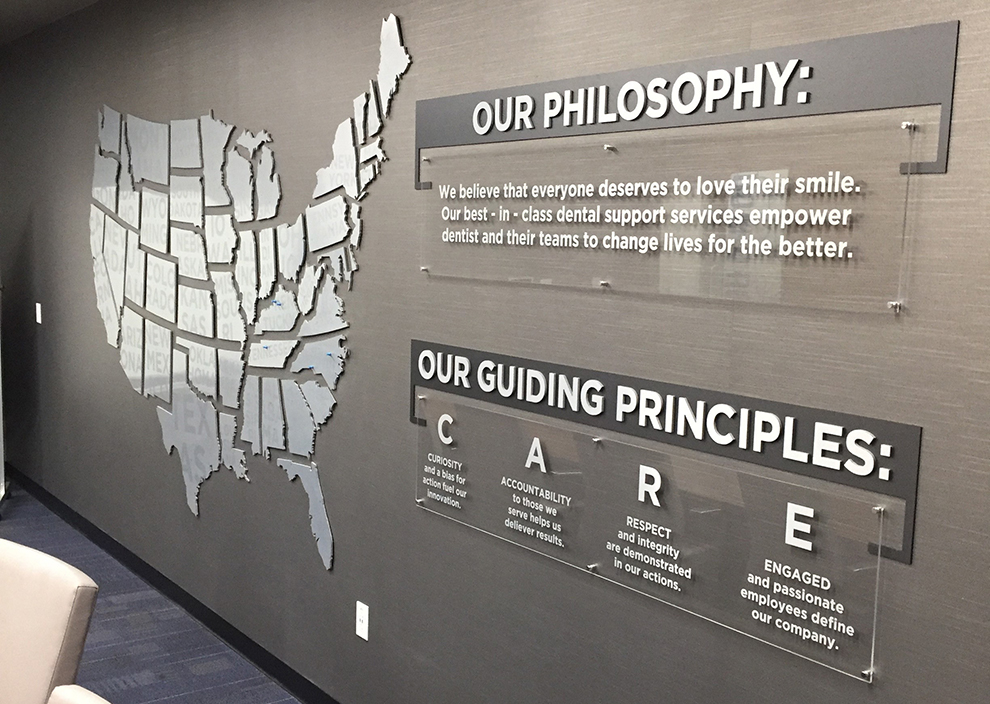
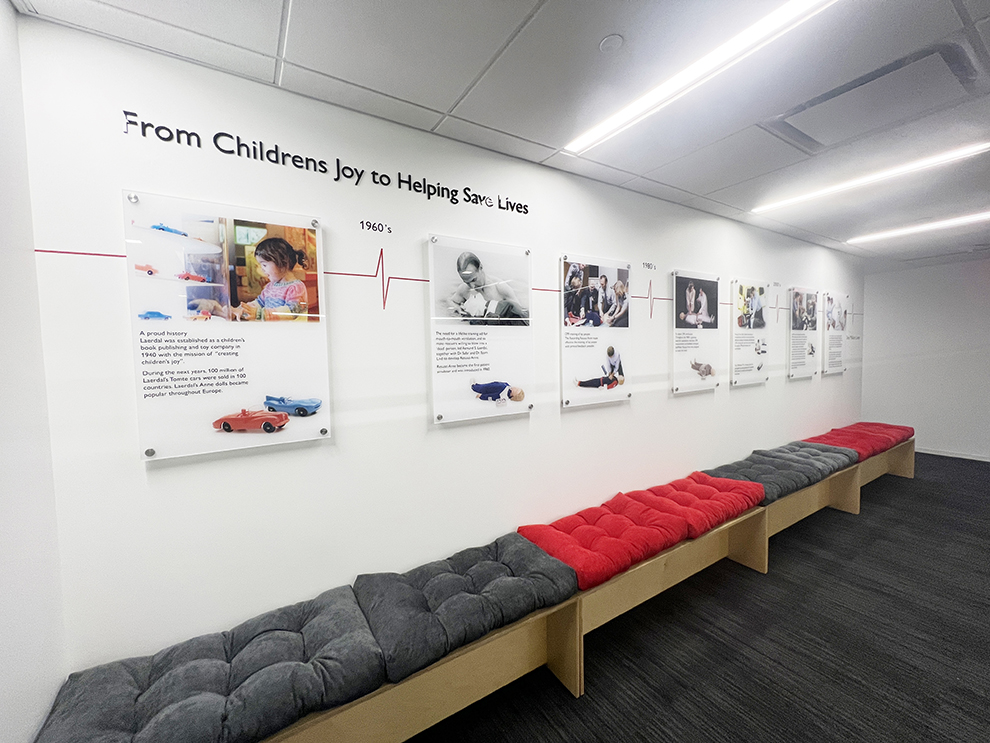
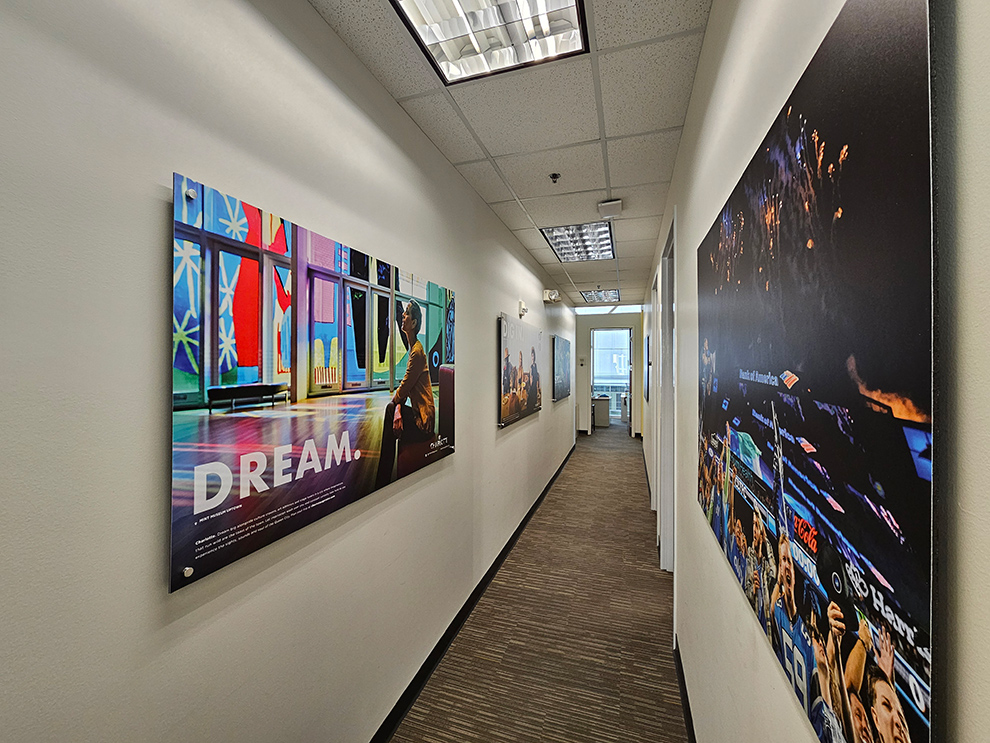
Standoff hardware is frequently incorporated into a larger branded interior. History walls, mission statements, donor recognition displays, organizational timelines, directories, dimensional logo arrangements, and corporate storytelling features can all use projected panels to establish structure and hierarchy. Those broader applications belong within the Wall Displays category. This page focuses specifically on standoff hardware, projection distance, panel materials, fabrication tolerances, wall conditions, permanence, and installation planning.
As a veteran-owned company, Heritage seeks to be a valued resource that honors God by serving clients and communities with excellence. For our Chevy Chase clients, that purpose is demonstrated through attentive discovery, honest evaluation of site conditions, practical material recommendations, respectful work in occupied facilities, and dependable follow-through from initial planning to final installation.
A completed standoff sign may appear simple, but achieving that clean appearance requires careful coordination. Panel thickness, barrel diameter, projection depth, hole placement, edge clearance, cap size, and alignment with surrounding architectural features must work together. Even a minor error in a drilling template can become highly visible when several caps are expected to align in a precise horizontal or vertical row.
The wall itself determines how the sign must be installed. Drywall with suitable backing, concrete, masonry, wood, tile, and specialty finishes require different anchors, drilling techniques, and clearances. Unknown backing or the possible presence of concealed utilities may need to be investigated before the mounting system is finalized. If an exterior application is being considered in Chevy Chase, additional factors include sunlight, moisture, temperature changes, wind exposure, corrosion resistance, and the expected service life of the display.
Heritage connects verified site information with the design and fabrication process before the panel enters production. This sequence improves template accuracy, component selection, installation planning, and scheduling. It also distinguishes a properly planned standoff display from a panel installed with adhesive or with mounting hardware selected primarily for its appearance.
Organizations choose Heritage when they need a dimensional wall display that communicates effectively, meets facility requirements, and reinforces institutional credibility. Since 1977, our award-winning, veteran-owned, family-operated company has served associations, nonprofits, healthcare providers, schools, universities, hospitality organizations, government contractors, and professional offices throughout the Washington, DC region.
A dedicated Heritage project manager coordinates discovery, environmental graphic design, production, fabrication, and installation by our professional team. This continuity helps protect brand standards, panel tolerances, hardware alignment, approval requirements, building procedures, and project deadlines. The installers receive the context behind the approved design rather than encountering the project only at the final stage.
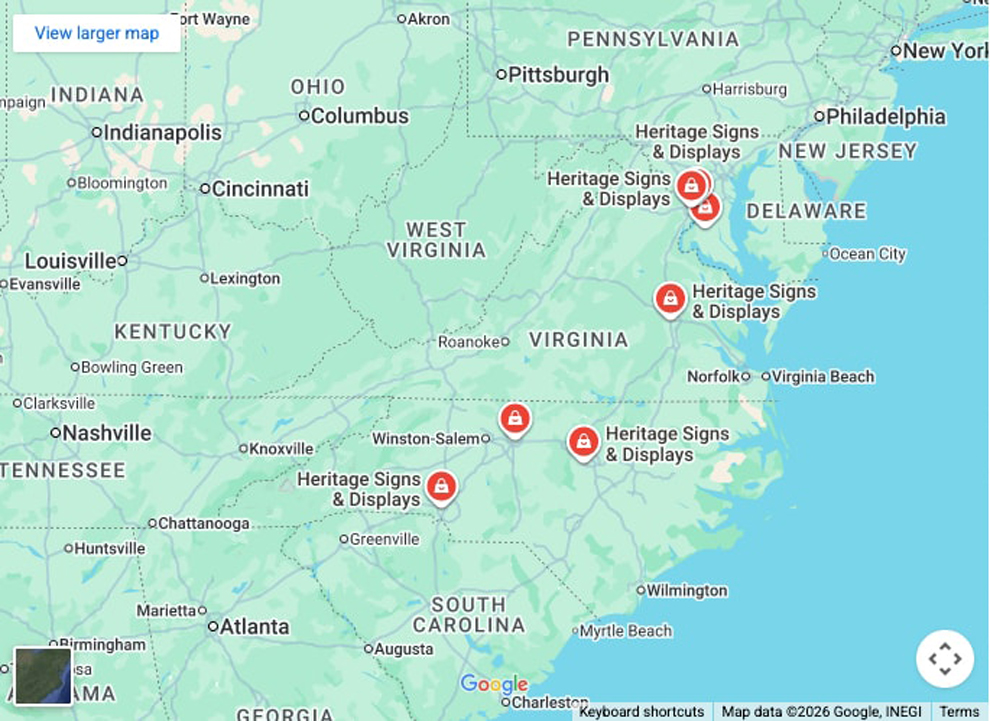
Our resources in Arlington, Virginia, Washington, DC, and Waldorf, Maryland support clients in Chevy Chase and surrounding communities. This regional structure allows Heritage to manage anything from a single reception wall to a coordinated program spanning multiple locations. Each site is evaluated individually because wall construction, access procedures, audiences, and approval processes can differ even when the signs share the same visual standards.
Our purpose is to honor God by serving clients and communities with excellence. That commitment is reflected in accurate recommendations, organized project management, respect for occupied workplaces, careful installation, and responsive service after the project is completed.
Standoff mounted signs are often one part of a more comprehensive interior branding project. The following sign and display options help Chevy Chase organizations compare mounting systems, materials, and applications when developing a complete scope of work.
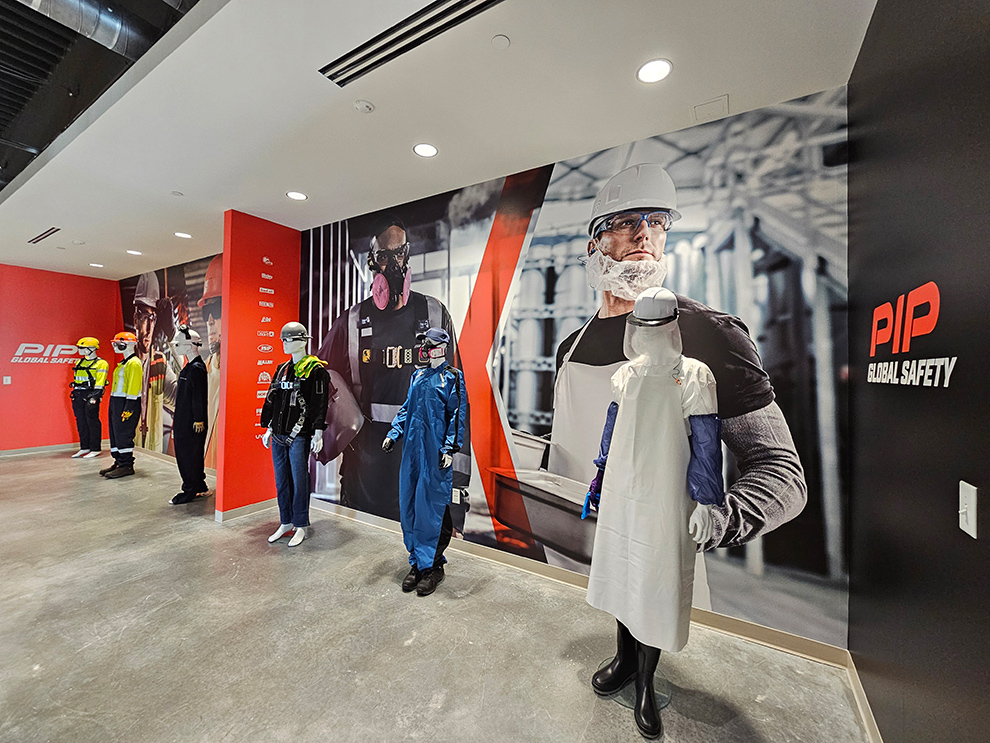
Wall wraps transform broad surfaces with printed graphics, photography, patterns, or branded messaging. They are well suited to immersive backdrops where visible mounting hardware and physical projection are not required.
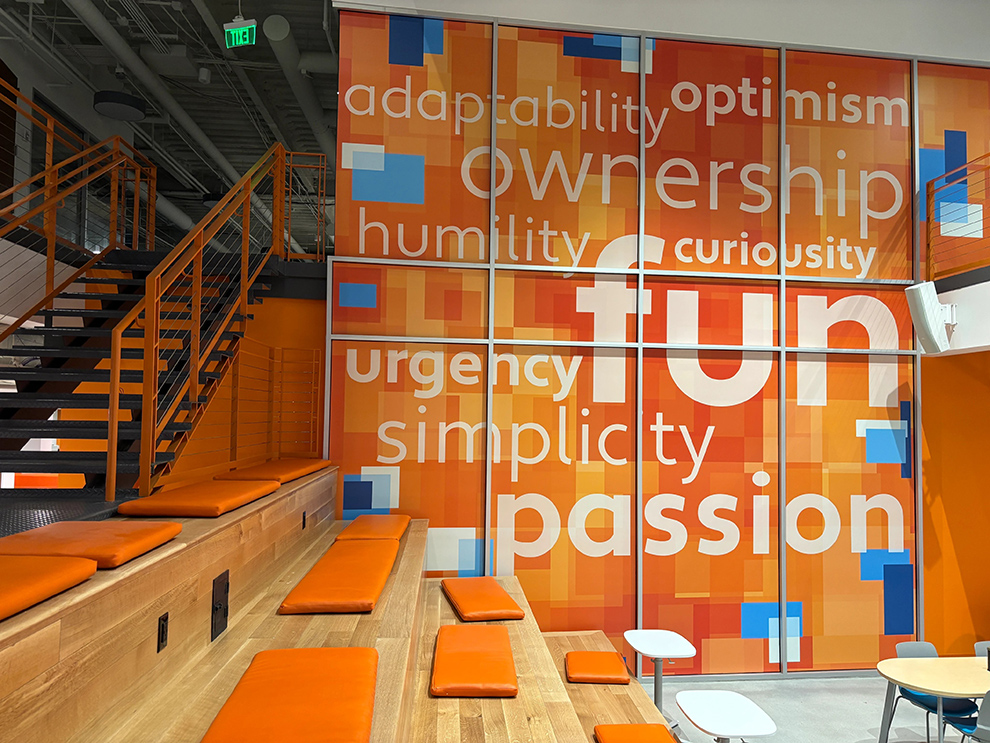
Window graphics place messages, branding, privacy treatments, or directional information on glass. They can communicate with pedestrians, visitors, and corridor traffic beyond the reach of an interior wall panel.
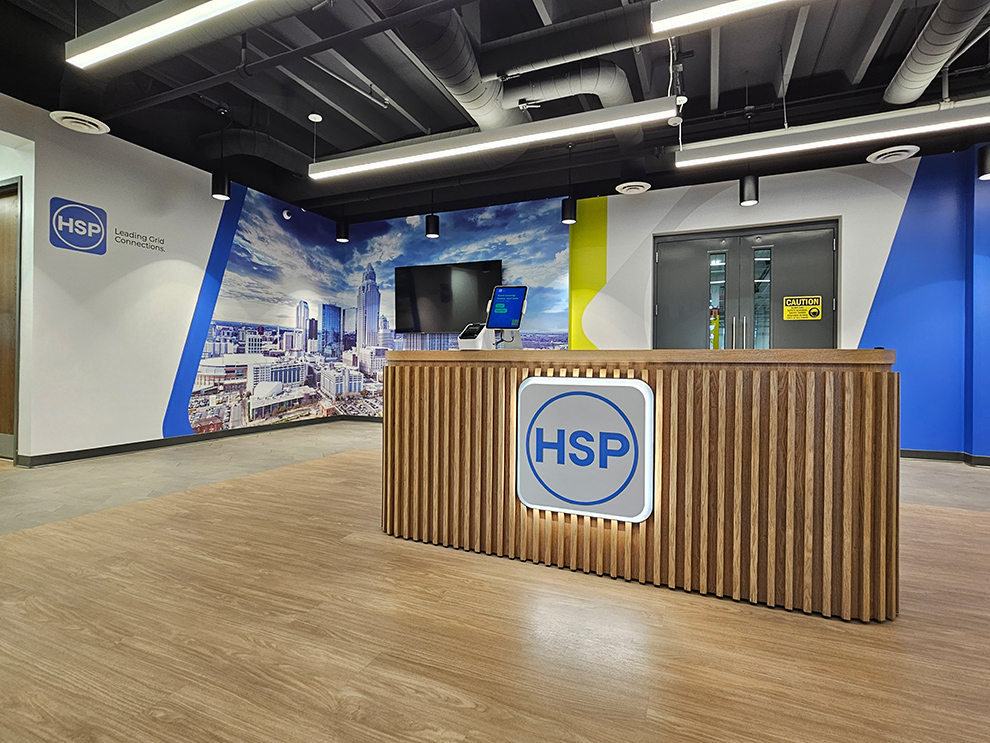
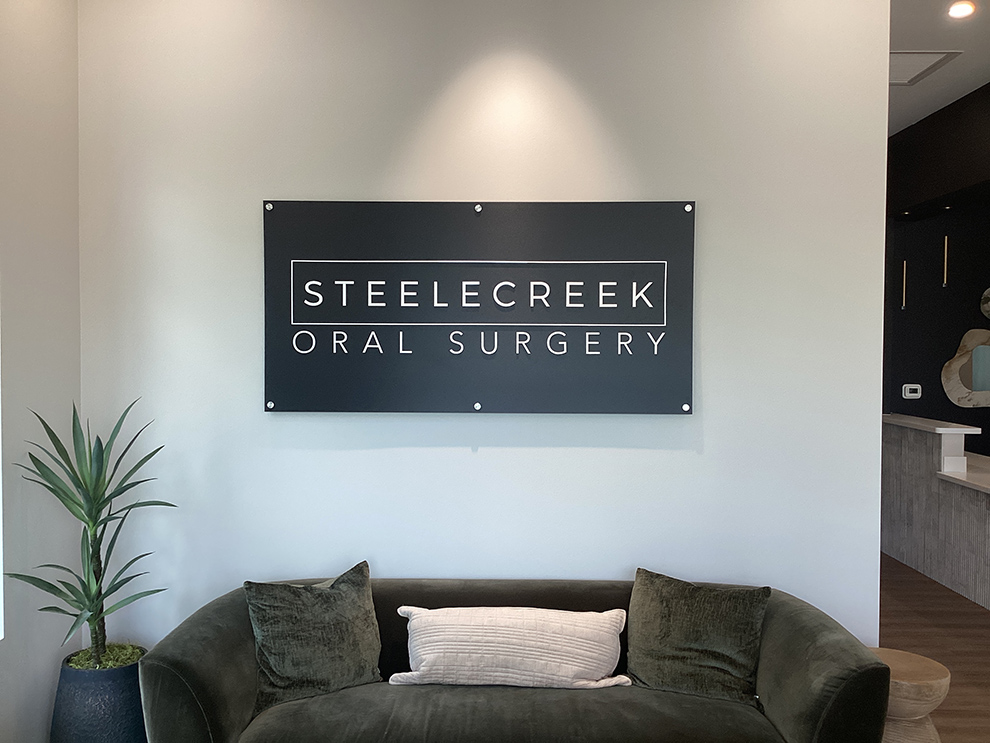
Lobby signs establish identity at the primary point of arrival. Standoff mounting may be used when architectural depth, visible hardware, and a dimensional presentation complement the reception environment.
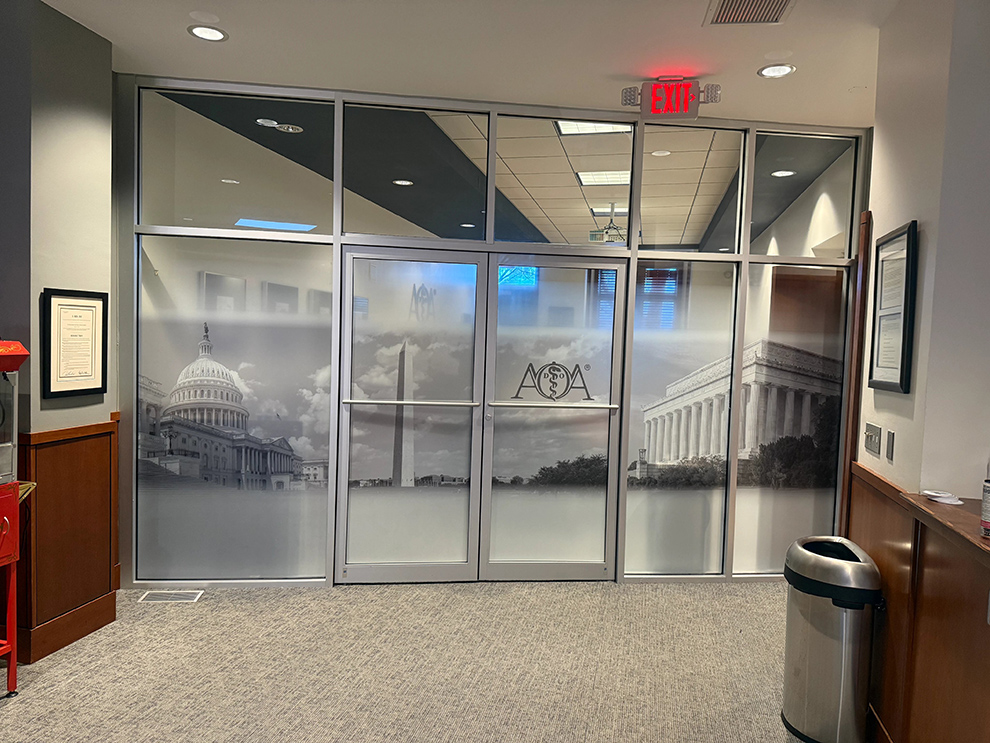
Frosted vinyl adds privacy and subtle branding to conference room windows, office fronts, glass partitions, and entry doors. It is especially useful in the glass-heavy office interiors found throughout the Chevy Chase and Friendship Heights area.
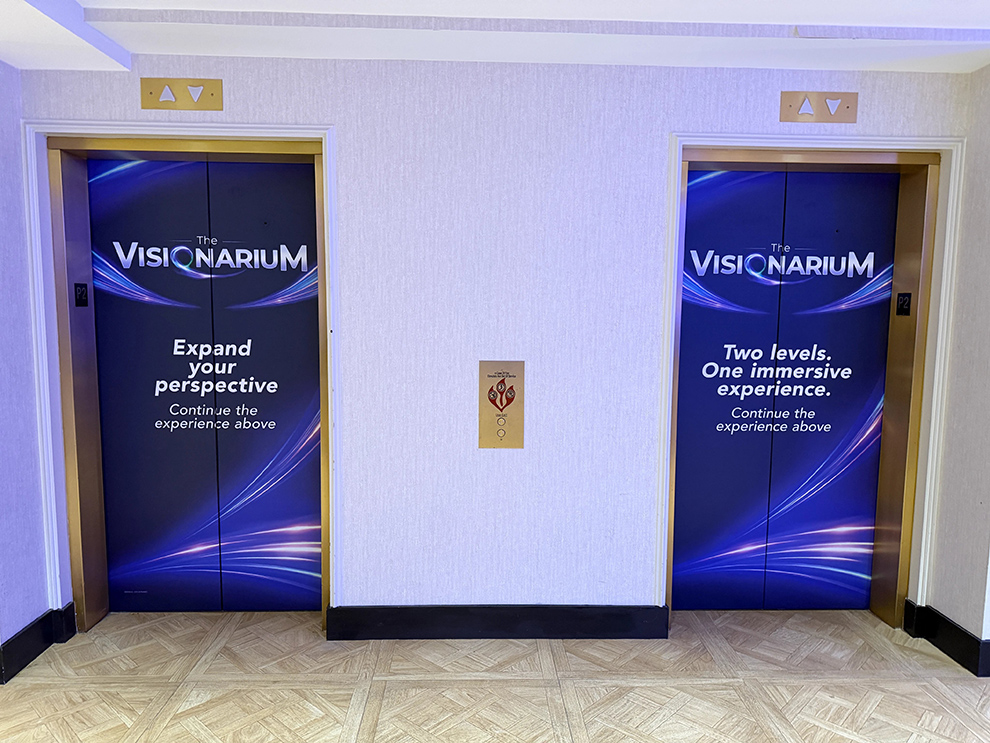
Elevator wraps extend branding into high-traffic transition spaces. They help organizations reach employees and visitors moving between floors rather than relying solely on a reception-area display.
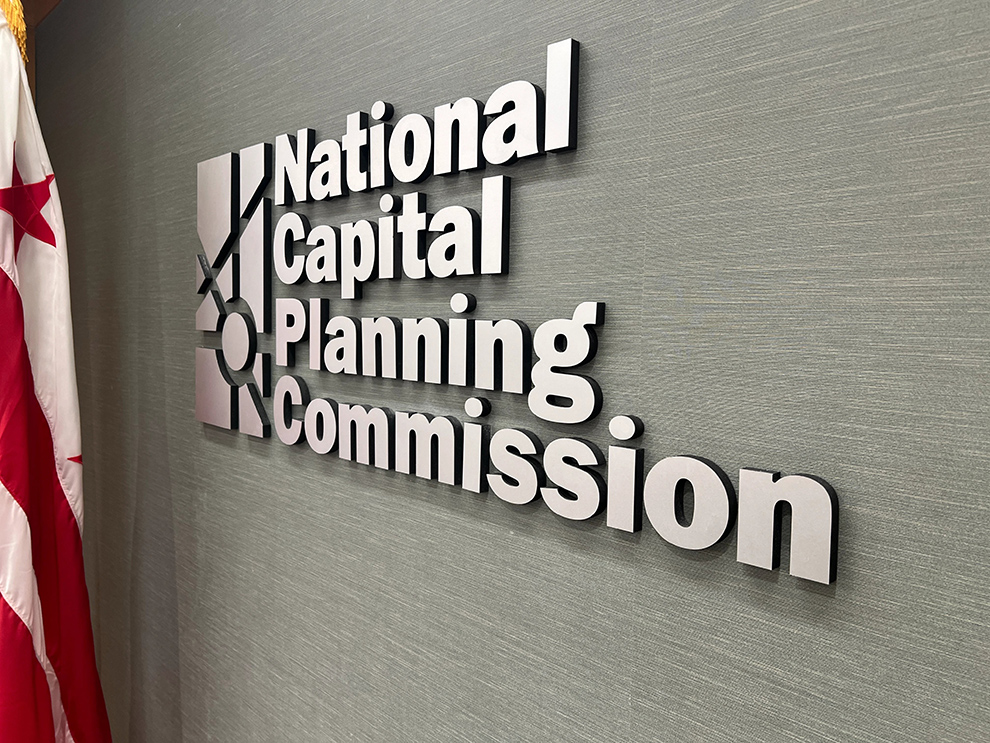
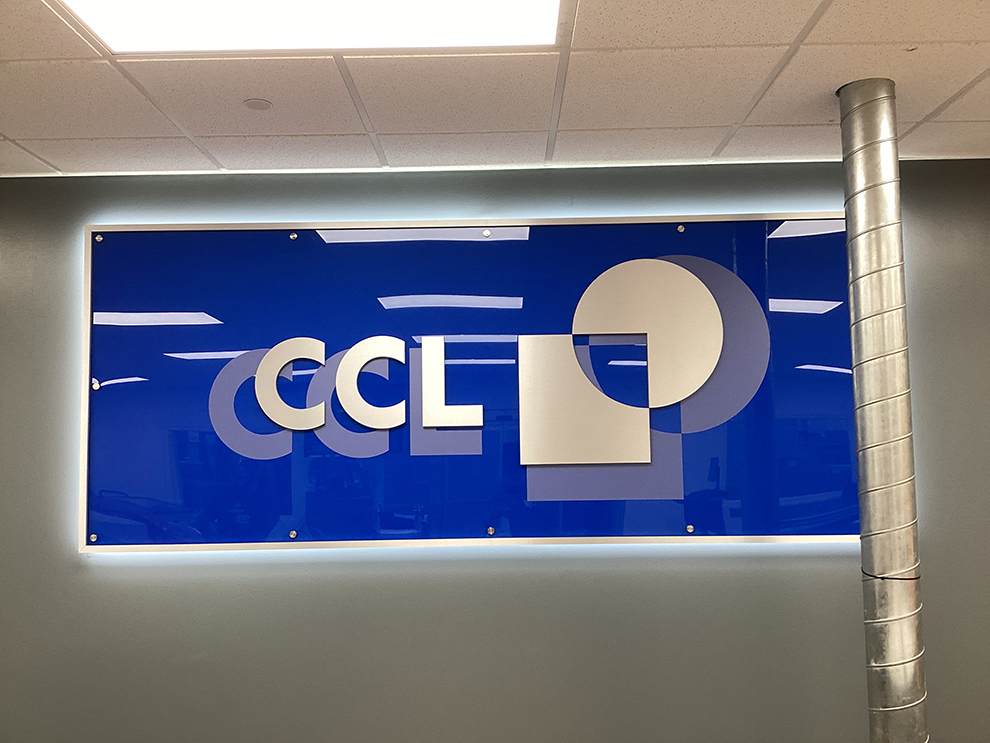
Dimensional letters are installed as separate characters or logo elements. They can be positioned above, beside, or between standoff mounted panels to create a coordinated feature wall.
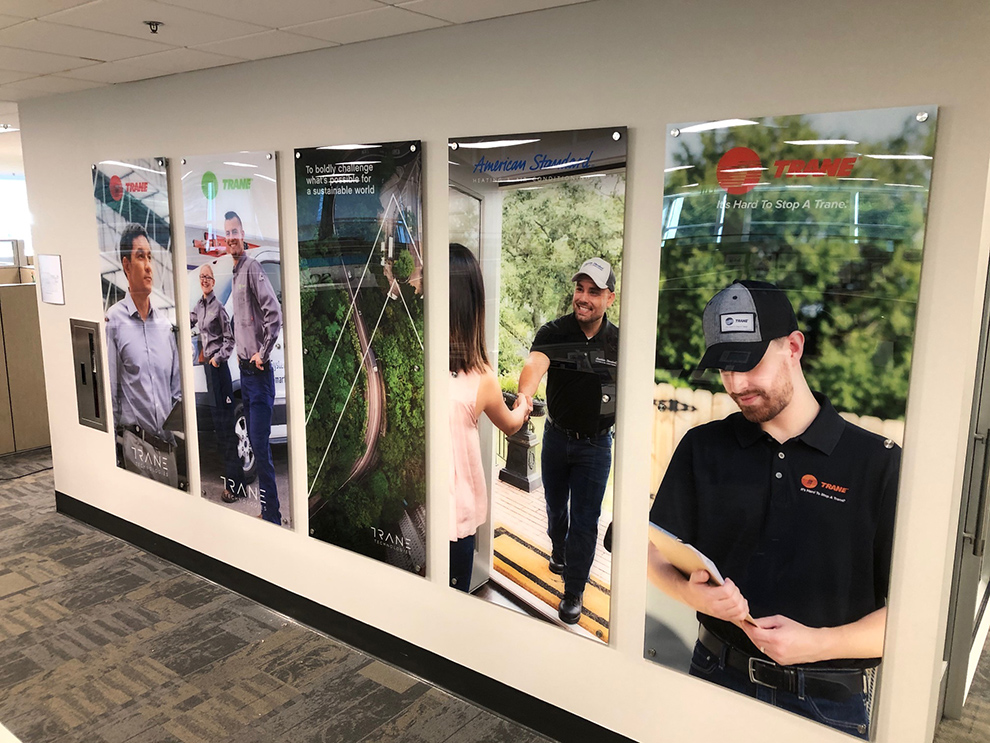
Acrylic signs are defined by their face material. Clear, frosted, opaque, printed, and layered acrylic can be installed using standoffs, direct mounting, suspension systems, or other approved methods.
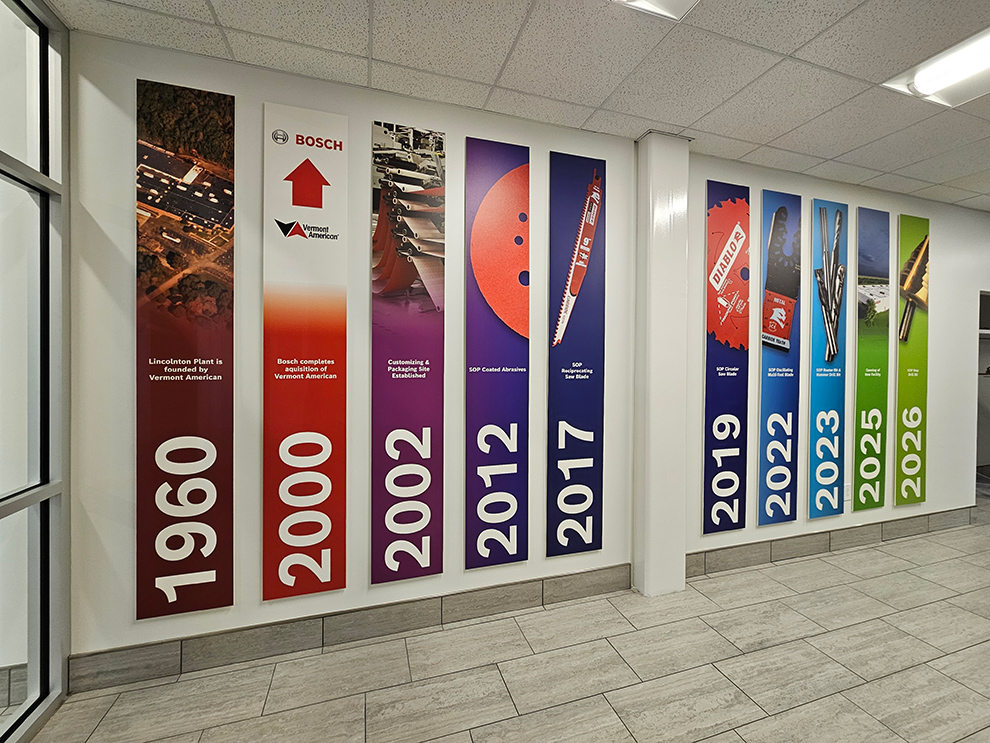
Wall displays encompass mission statements, company histories, donor recognition programs, organizational values, timelines, and branded storytelling installations. Standoff panels are one construction option within this broader category.
Contact Heritage Signs & Displays early enough to coordinate the message, wall conditions, stakeholder approvals, fabrication requirements, and building procedures. Use the Get Started Now form to describe the audience and project objective. Helpful information includes the Chevy Chase site address, desired completion date, brand guidelines, wall photographs or drawings, approximate dimensions, access restrictions, future update needs, and anticipated overall scope.
A Heritage project professional will review the proposed application, identify details that need to be verified, and recommend an appropriate next step.
Heritage serves Chevy Chase through regional resources in Washington, DC, Arlington, Virginia, and Waldorf, Maryland. This network supports site evaluation, project management, design, production, fabrication, and installation for clients throughout Montgomery County and the greater Washington metropolitan area.
A coordinated sign program might include a healthcare office near Friendship Heights, a nonprofit workspace along Wisconsin Avenue, a professional firm near Connecticut Avenue, and additional facilities in Bethesda, Silver Spring, Rockville, or Washington, DC. One Heritage project manager can maintain consistent typography, colors, panel standards, hardware finishes, and production records while giving each location its own site and access assessment.
Properties located only a few miles apart may have different walls, security policies, loading procedures, permitted work hours, and approval requirements. Heritage identifies which elements should remain standardized and which details need to respond to the individual facility. The result is a consistent branded system supported by practical local planning and accountable regional production.
Environmental graphic design helps a standoff display communicate with purpose rather than function as decoration alone. The process begins by evaluating the audience, message, reading distance, circulation path, content hierarchy, typography, scale, and contrast. Designers then consider sightlines, architectural finishes, lighting, furniture, and how people approach the wall. In Chevy Chase workplaces, the goal is often to convey confidence and permanence without making the interior feel overly promotional.
Material selection follows the communication strategy. Acrylic can create clear, frosted, opaque, printed, or layered effects. Aluminum composite material offers a durable metallic appearance at considerably less weight than solid metal. Printed rigid panels, applied vinyl, dimensional elements, and replaceable inserts provide further options. Weight, edge quality, translucency, color accuracy, cleaning requirements, and future content changes should all be considered before the final specification is approved.
The hardware finish and projection distance should support the design without distracting from it. Heritage evaluates cap spacing, panel proportions, content margins, wall color, reflections, lighting, nearby doors, cabinetry, and surrounding architectural elements as one composition. Because Heritage also fabricates and installs the display, real production limitations and verified wall conditions can influence the drawings before changes become expensive.
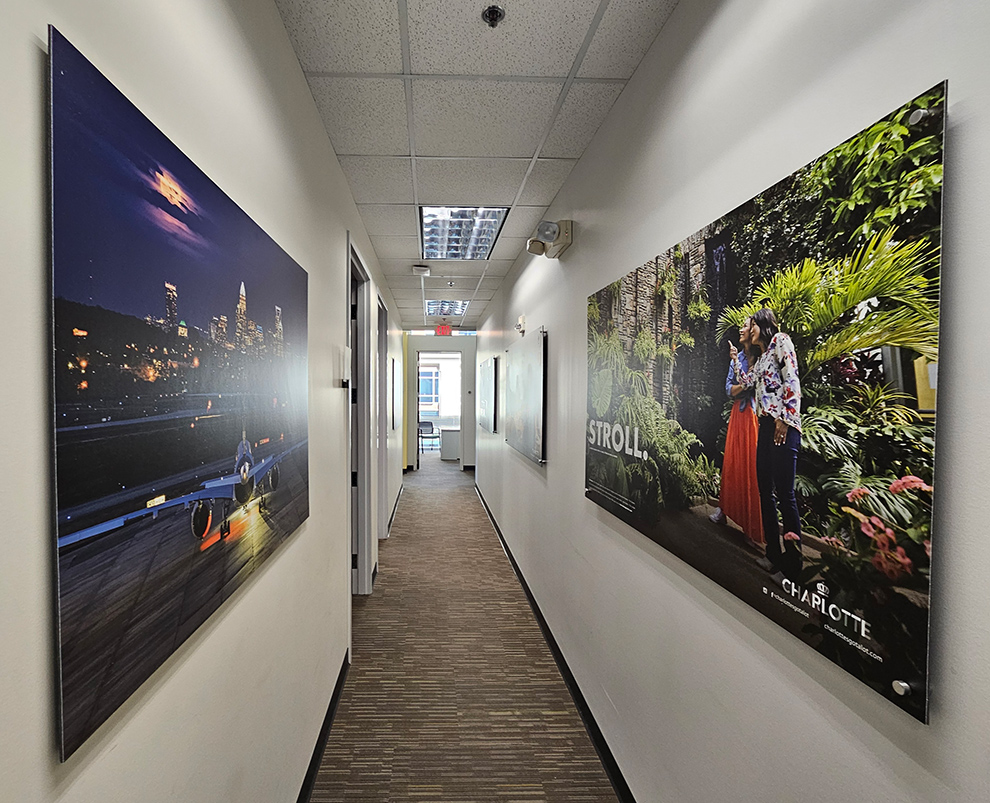
Installing a standoff sign requires more preparation than selecting an available date. Property managers may request vendor registration, certificates of insurance, background checks, loading-dock reservations, freight-elevator access, escorts, tool approvals, or after-hours scheduling. Occupied medical practices, offices, and public-facing facilities in Chevy Chase may further restrict when drilling and installation can occur.
Heritage gathers these requirements while the project can still be adjusted. Field measurements, photographs, architectural drawings, wall construction, finish condition, access routes, staging areas, floor protection, furniture protection, and debris removal all contribute to the installation plan. A site survey may be recommended when critical information cannot be confirmed from supplied drawings and photographs.
Our installation professionals place signs and displays that Heritage produces, fabricates, or procures as part of a managed project. Heritage does not offer installation-only services for signs made by another provider. Keeping responsibility for measurements, templates, panel tolerances, mounting hardware, site details, and final placement within one team provides clients with a clear point of accountability.
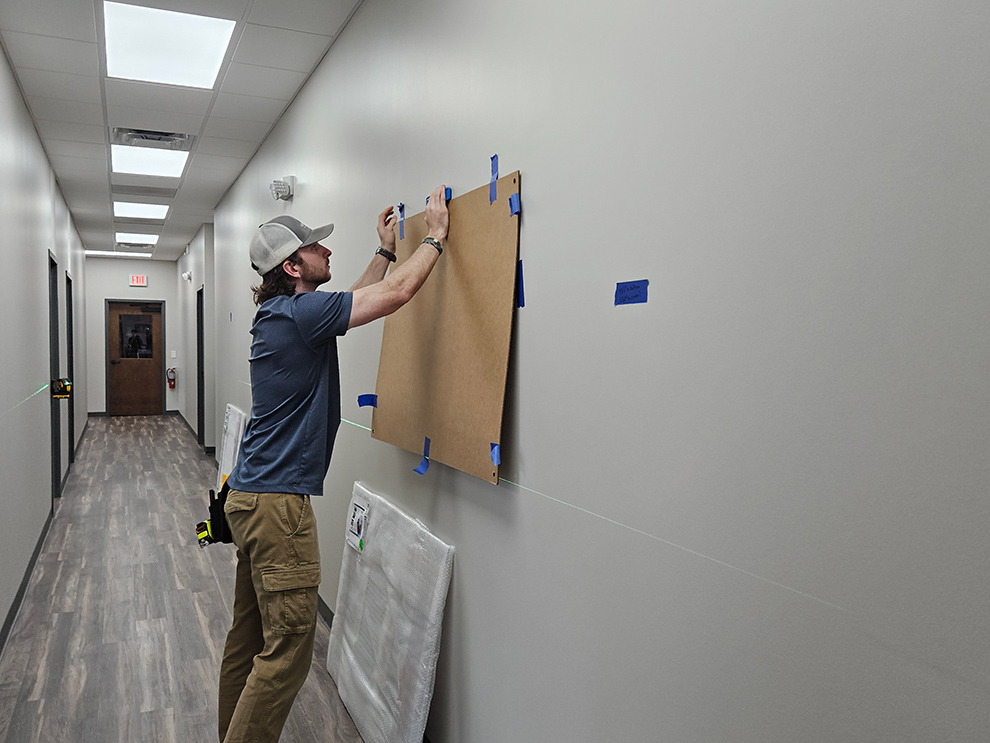
Heritage is a strong fit for organizations seeking a projected wall sign or a coordinated collection of panels, graphics, and displays managed through one organized process. Projects may be created for reception areas, boardrooms, donor spaces, corridors, clinics, school facilities, corporate offices, or association headquarters. The greatest value comes when discovery, environmental graphic design, site evaluation, fabrication, and professional installation are planned together.
Heritage-managed projects in Chevy Chase, MD begin with an overall project investment of $5,000. This starting point applies to the complete project, not to each panel, cap, letter, or hardware component. Final pricing is influenced by dimensions, content development, design needs, panel materials, mounting hardware, fabrication complexity, wall conditions, building access, approval schedules, installation requirements, and any related signs or graphics included in the scope.
Most standoff mounted signs produced by Heritage are intended for interior walls. Certain exterior wall applications may be evaluated individually when the substrate, anchors, hardware, wall construction, environmental exposure, applicable requirements, and expected lifespan support the installation. Heritage does not specialize in monument signs, pylons, channel letters, or traditional exterior sign programs. We also do not install products manufactured by outside sign providers.
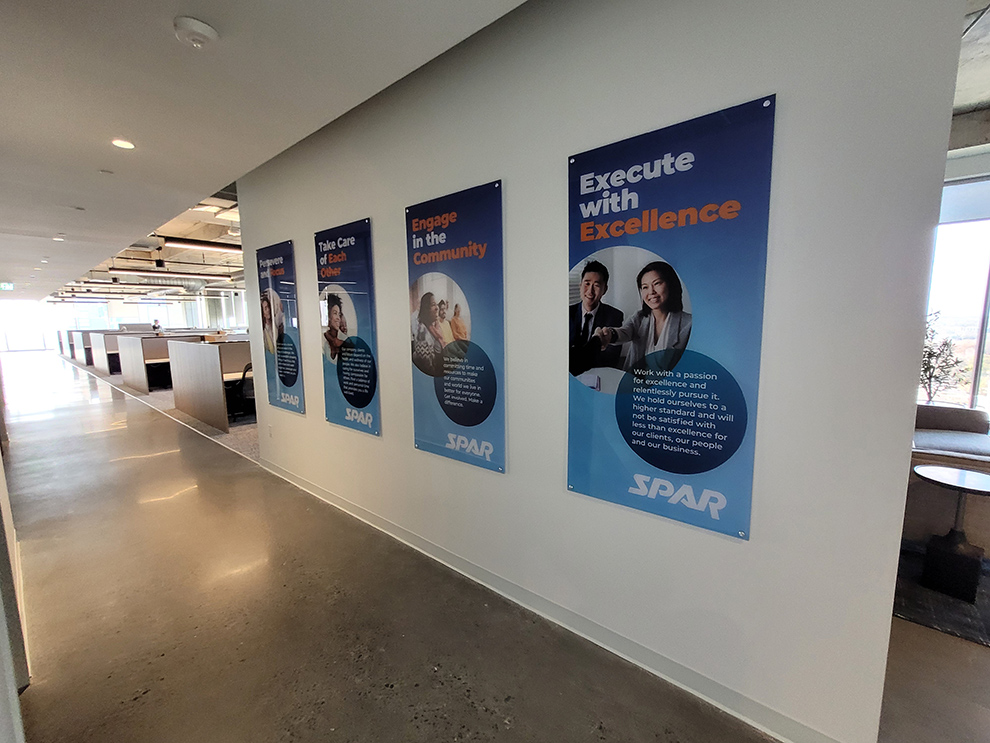
Panel dimensions and projection depth are based on the available wall space, amount of content, viewing distance, traffic flow, panel weight, barrel diameter, cap proportions, lighting, shadow patterns, and cleaning access.
A greater projection is not always preferable. Excessive depth can create heavy shadows, increase the possibility of contact in a narrow corridor, and require a more demanding anchoring system. Too little projection can minimize the dimensional quality that makes standoff mounting desirable. The panel, hardware, wall, and surrounding architecture should be designed as one coordinated feature.
Access requirements should be confirmed during project discovery rather than immediately before installation. The project manager may need to coordinate vendor registration, insurance documentation, screening procedures, loading rules, parking restrictions, elevator reservations, escorts, approved tools, and permitted working hours.
The installation crew can then arrive with the correct site contacts, materials, protection supplies, and work sequence. This preparation is particularly important in occupied medical offices, professional suites, residential-style properties, and public corridors.
A standoff sign is defined by its attachment system. An acrylic sign is defined by its material.
Acrylic can be printed, routed, layered, suspended, adhered, flush mounted, or attached with standoff hardware. A standoff sign may use acrylic, aluminum composite material, or another approved rigid substrate. The terms describe different aspects of the completed display.
No. Heritage installs signs and displays that we produce, fabricate, or procure within a managed project.
Panel tolerances, templates, mounting hardware, anchors, substrate conditions, and design assumptions directly affect installation quality. Those details cannot always be verified when another provider manufactured the display. Keeping design, production, fabrication, and installation connected helps protect the wall, schedule, and final appearance.
Environmental graphic design connects the message with its audience and architectural setting. Designers evaluate content hierarchy, placement, scale, typography, contrast, materials, lighting, traffic patterns, and long-term use. They also determine whether projection improves communication or merely adds unnecessary hardware.
This process helps the standoff feature coordinate with nearby wall graphics, dimensional letters, window graphics, and other branded surfaces. The completed interior feels intentional rather than assembled from unrelated products.
Yes. A properly installed standoff sign requires drilled mounting points and anchors or fasteners appropriate for the wall construction and anticipated load.
Adhesive alone does not create a true standoff mounting system. The drilled pattern must correspond precisely with the fabricated panel and hardware so the sign remains level, evenly projected, and securely supported.
Yes. A dedicated project manager can coordinate panel standards, approved materials, hardware finishes, typography, colors, and production records across multiple offices, clinics, schools, or other facilities.
Each location still requires an individual review of measurements, walls, exposure, access, and building procedures. Consistent branding should not require identical installation methods when properties have different structural and operational conditions.
Heritage-managed projects in Chevy Chase, MD begin with an overall project investment of $5,000. This amount refers to the entire project rather than each panel, cap, letter, or standoff component.
The final investment depends on dimensions, content preparation, design requirements, materials, hardware, fabrication complexity, wall conditions, building access, approval cycles, scheduling, and any additional signs or graphics included in the project.
Yes, if future updates are considered during the initial design process. Replaceable panels, removable inserts, modular sections, reserved expansion areas, and controlled templates can support new names, milestones, leadership changes, or achievements.
Update requirements influence panel divisions, hardware placement, content hierarchy, and file management. Adding an update system after the wall has already been fabricated and installed is generally more expensive and may result in a less consistent appearance.
A site survey is valuable when measurements, wall backing, finish conditions, concealed utilities, lighting, sightlines, access routes, or building requirements cannot be confirmed from photographs and drawings.
Verified site information guides layout, template preparation, anchor selection, fabrication, and installation sequencing. For high-visibility walls in Chevy Chase, this preparation can prevent field modifications, delays, unnecessary repairs, and alignment problems.
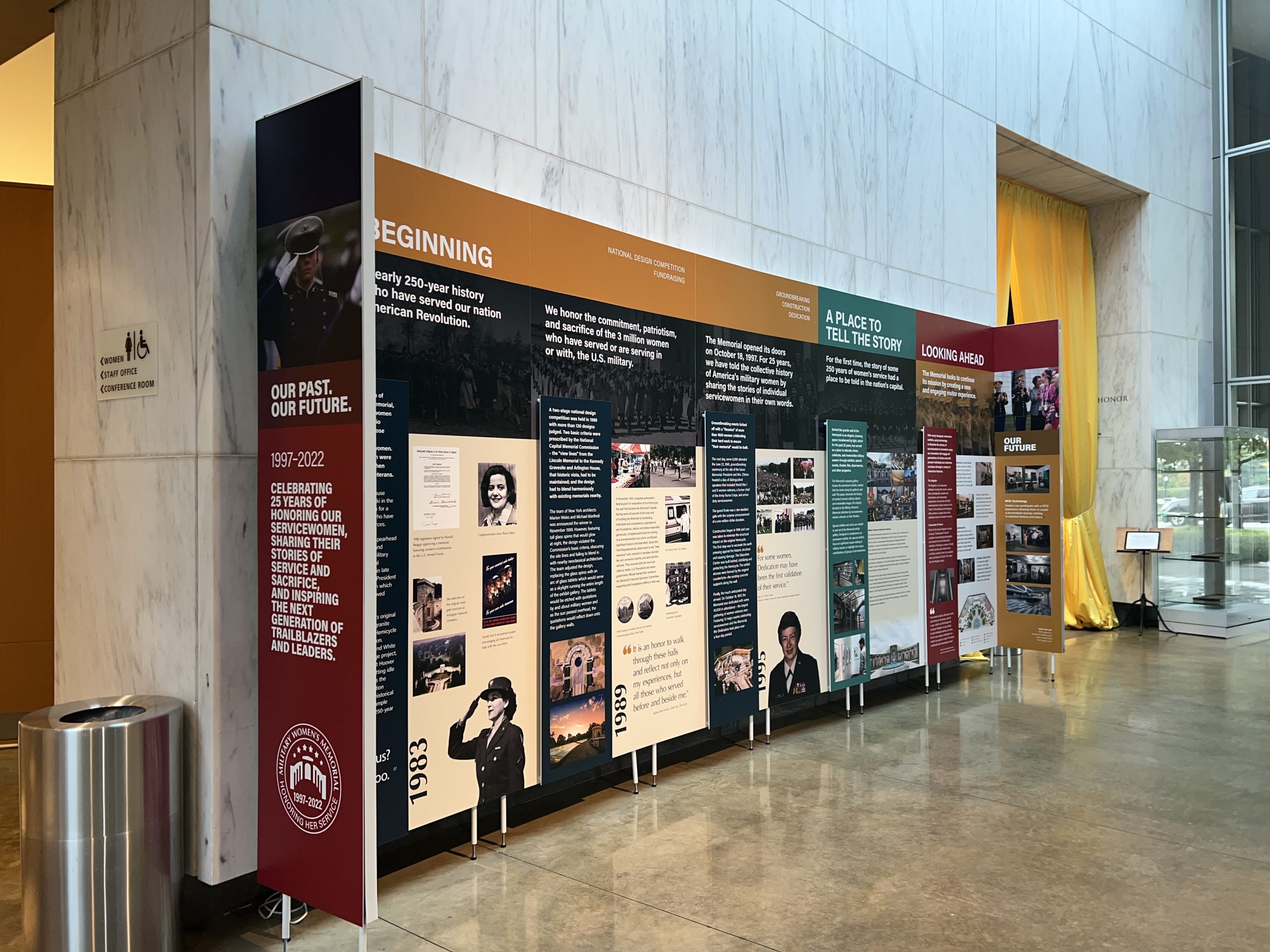
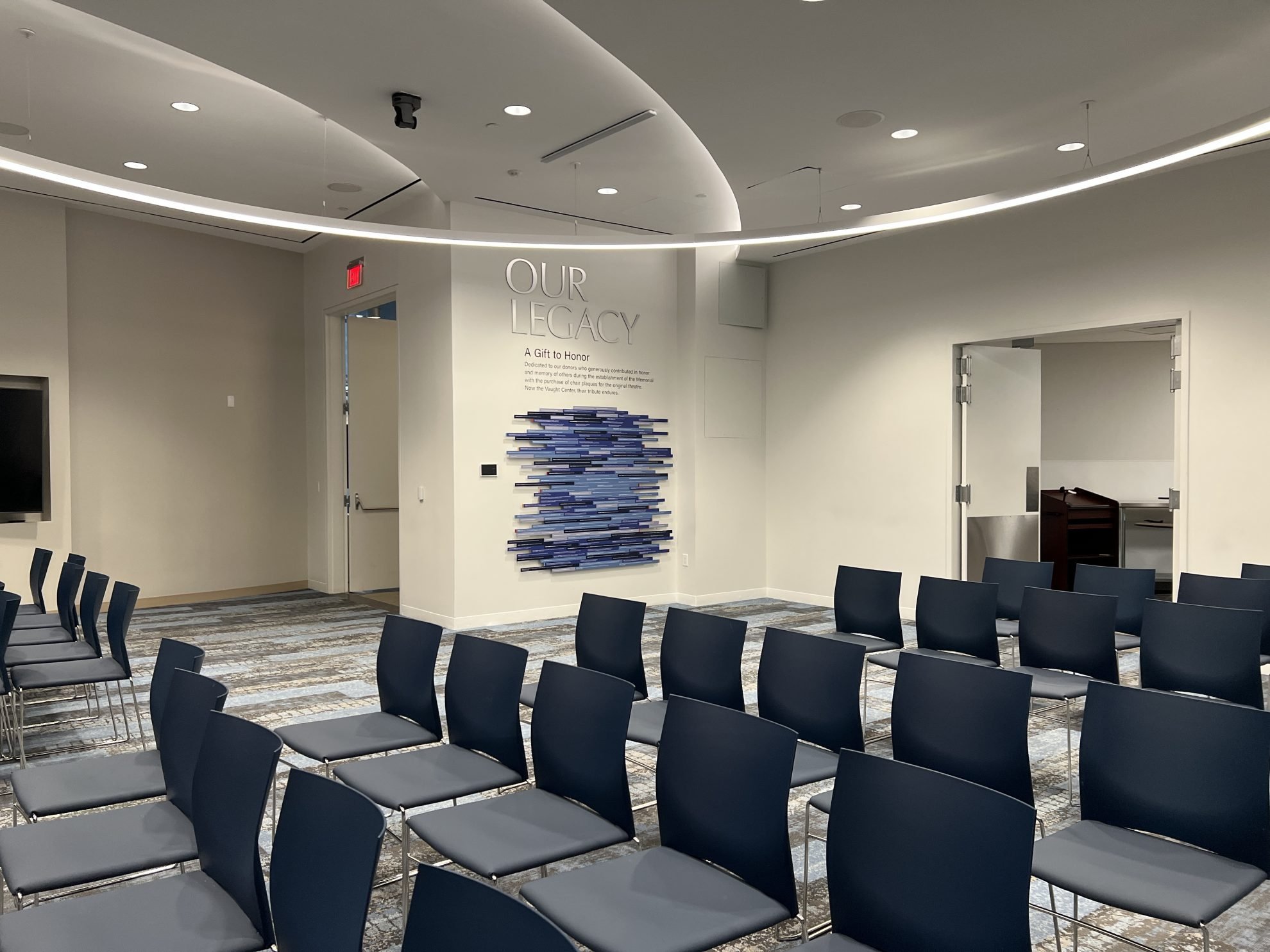
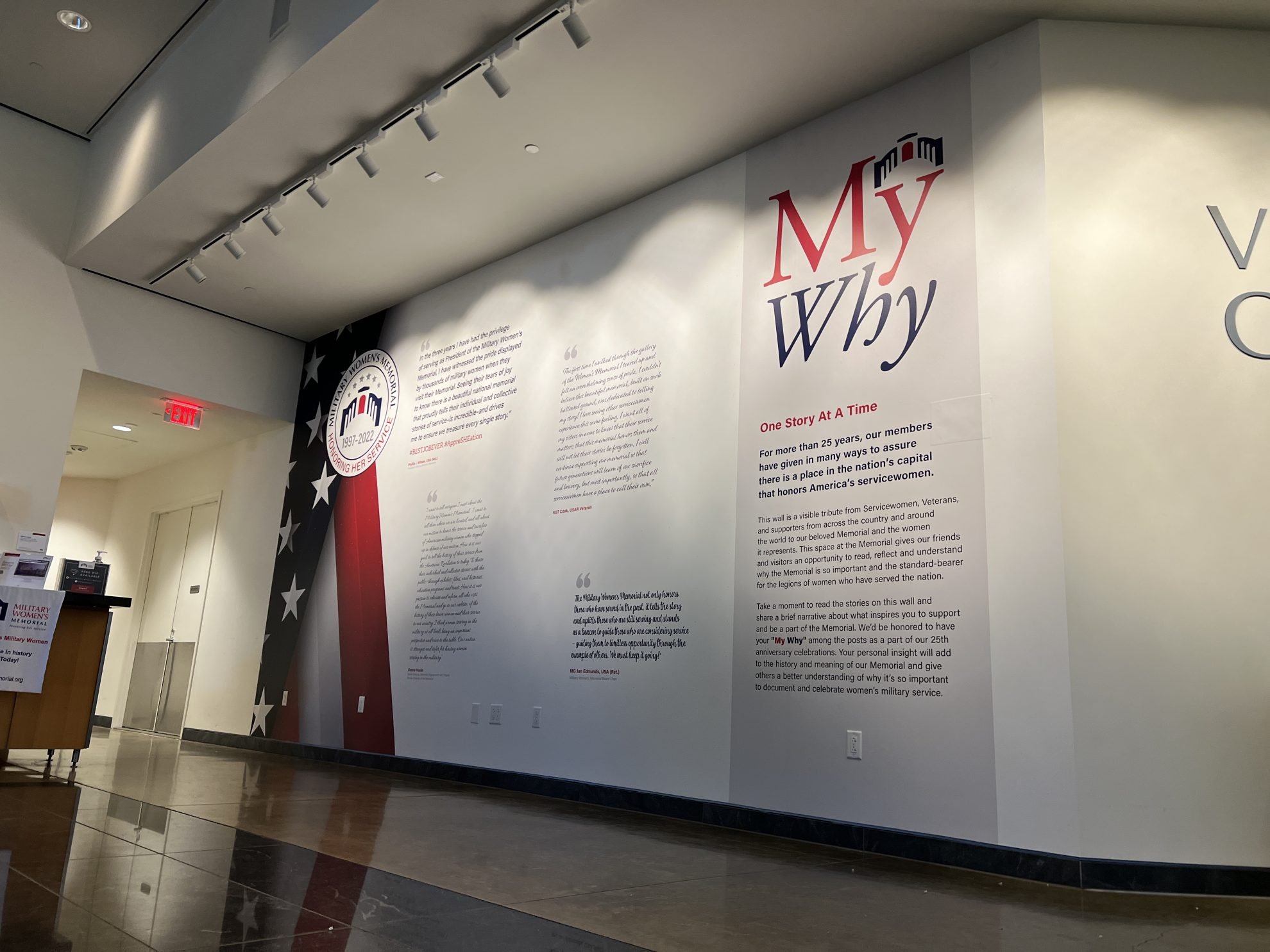
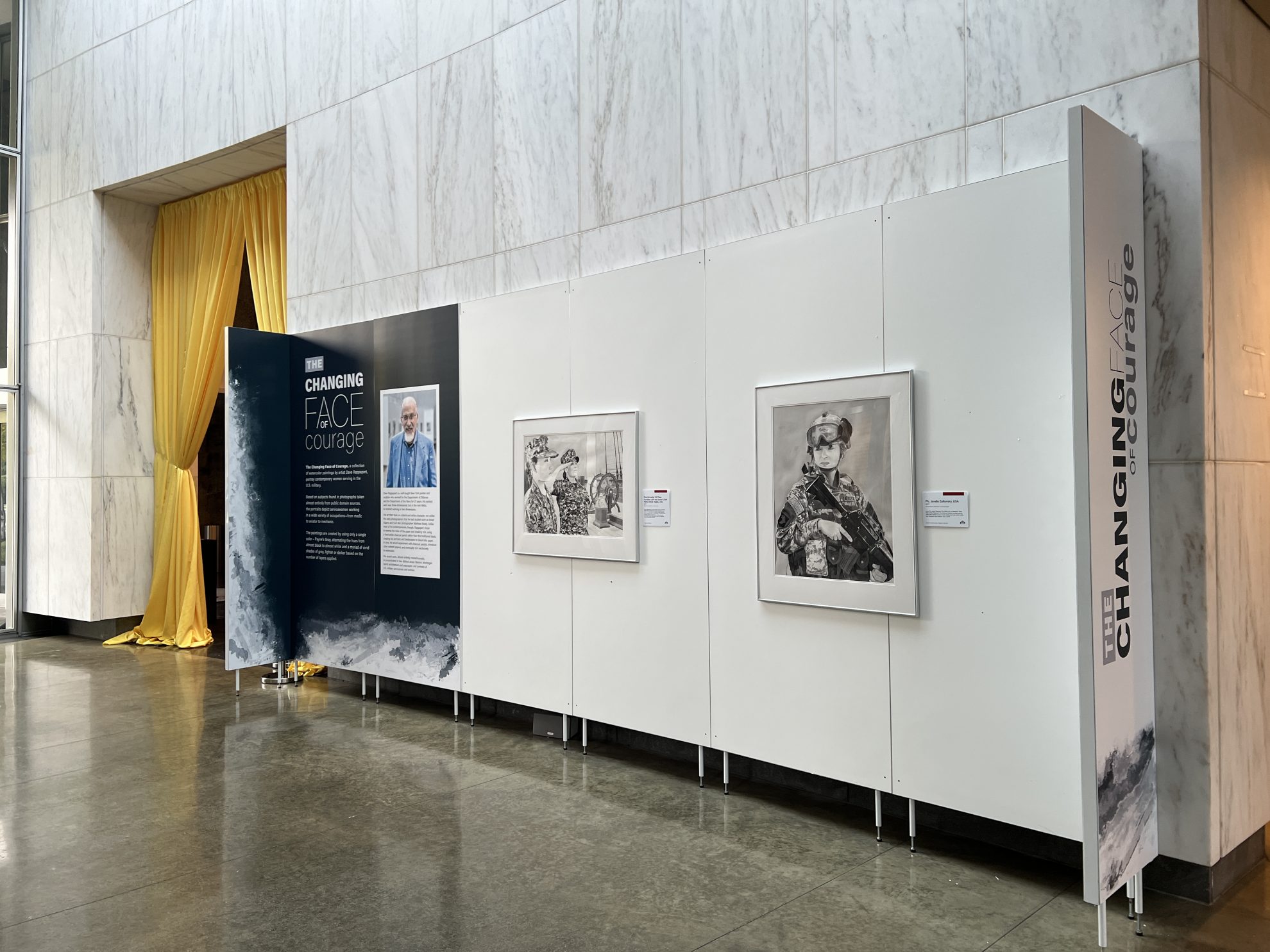
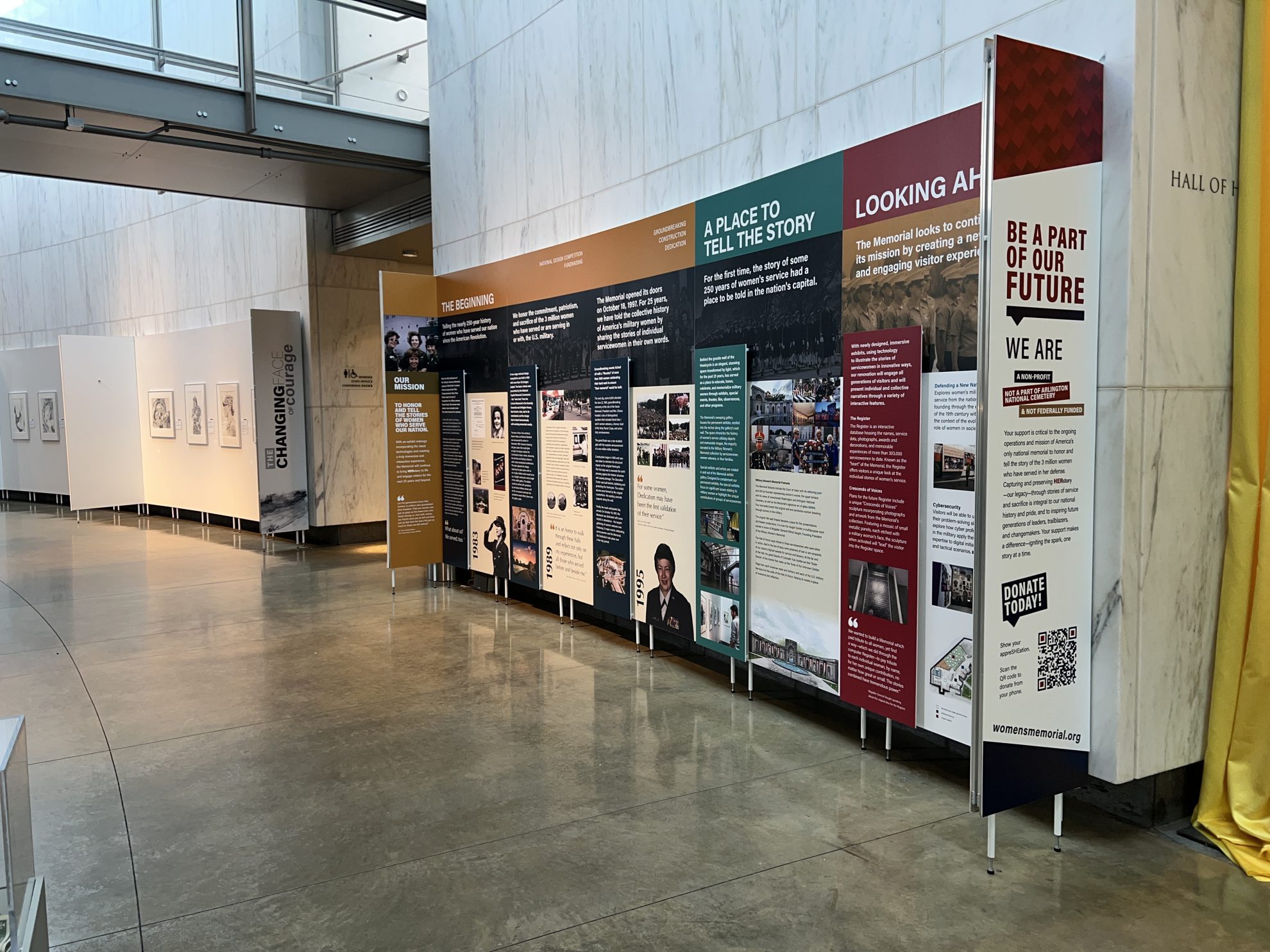
Heritage Signs & Displays created new museum signage for the Military Women’s Memorial in Arlington, VA. The project included custom signs, wall wraps, dimensional letters, and standoff-mounted displays to honor the legacy of U.S. servicewomen and the donors who supported the memorial. The updated interior features impactful designs, including a "Our Legacy" wall display and panels showcasing historical contributions and artwork, creating a transformative tribute to women in the U.S. Armed Forces.
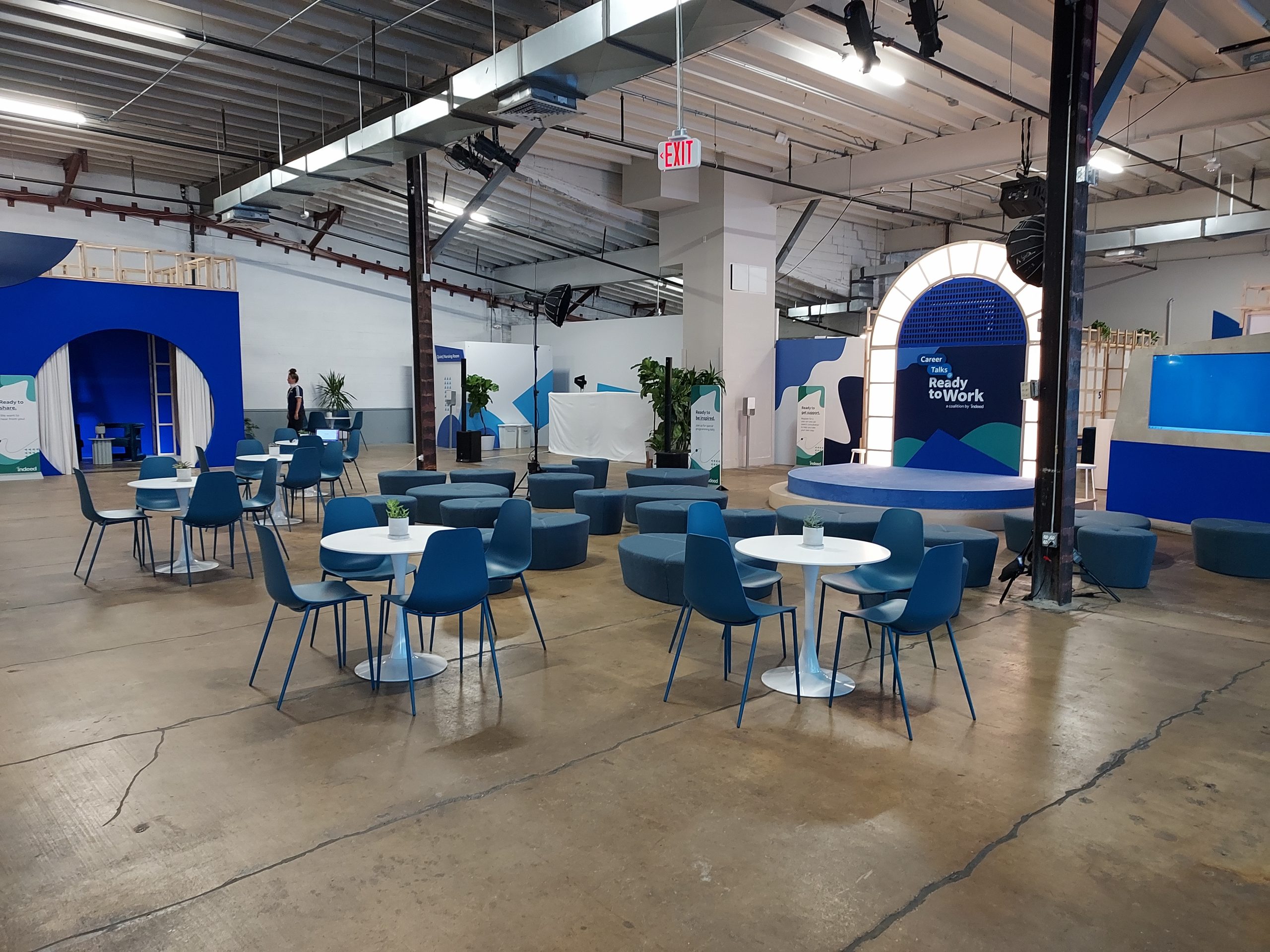
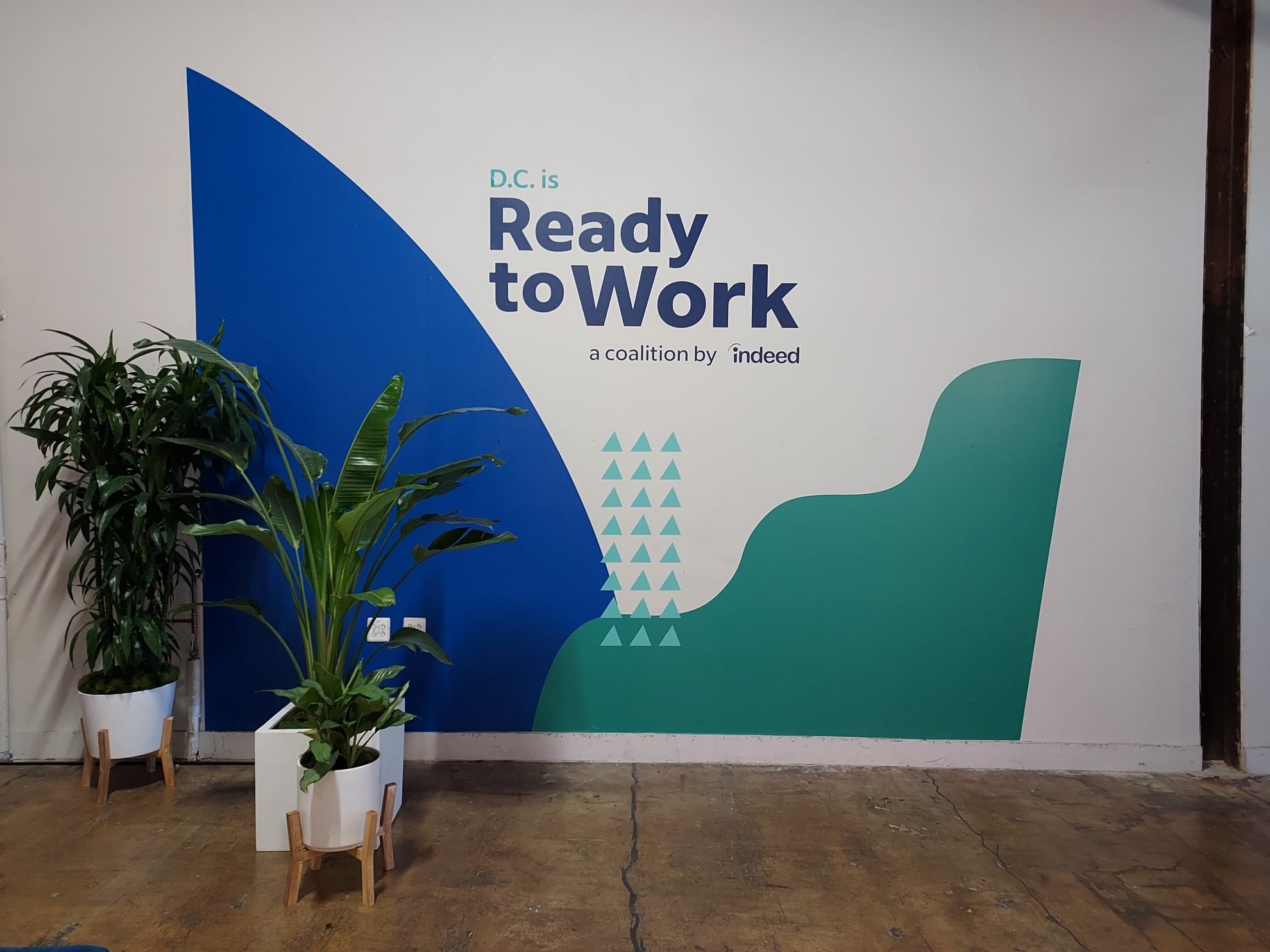
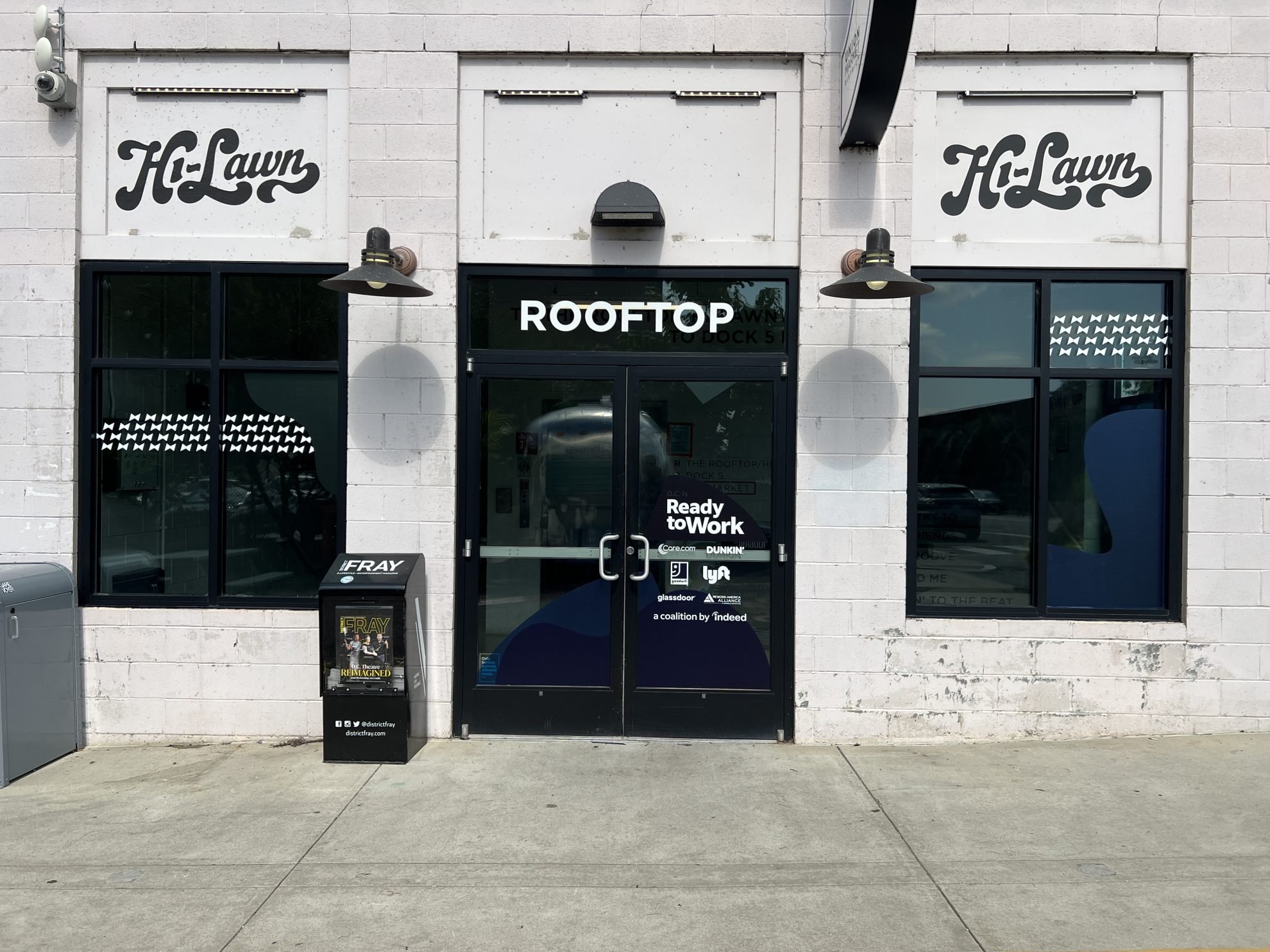
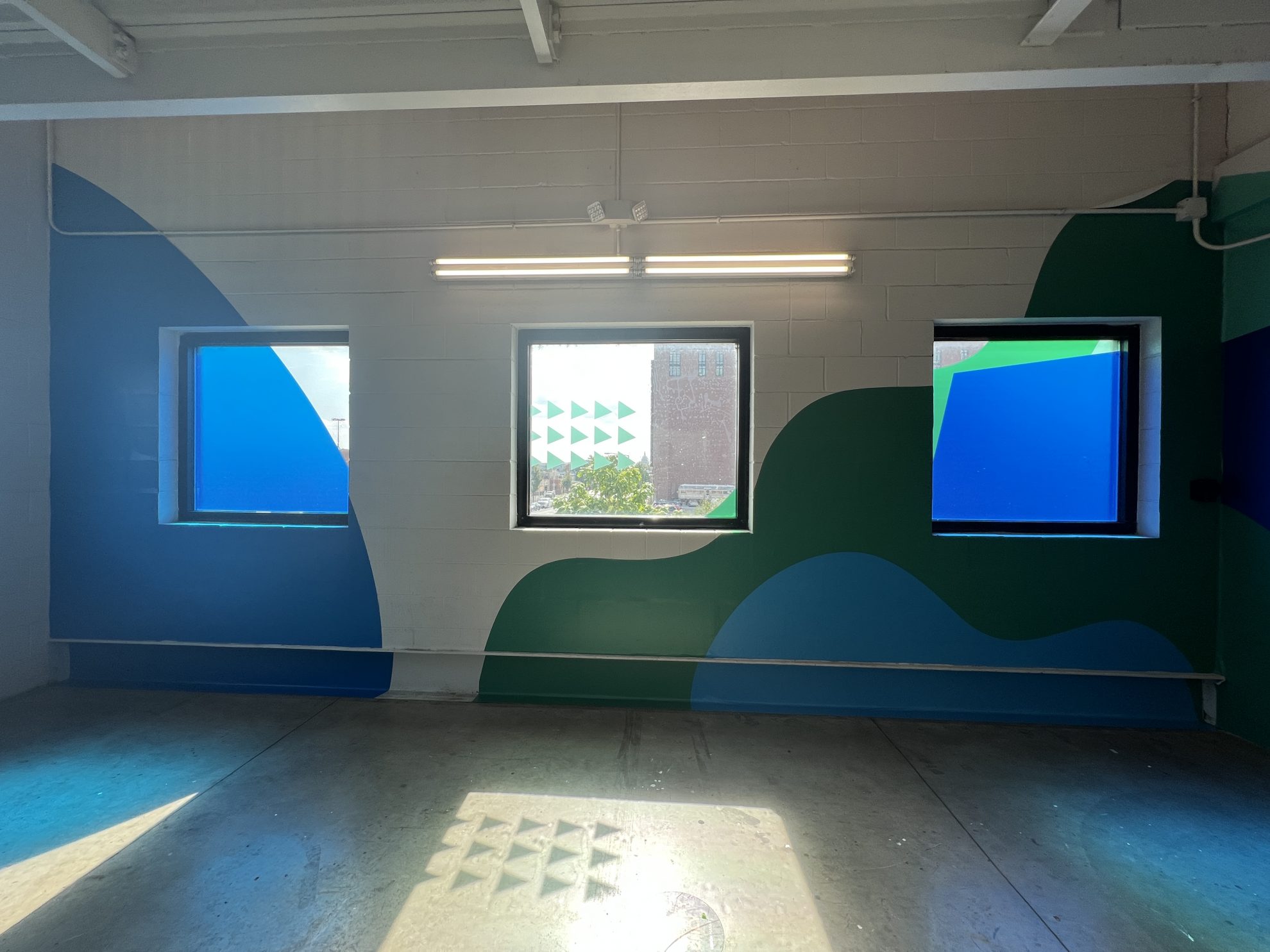
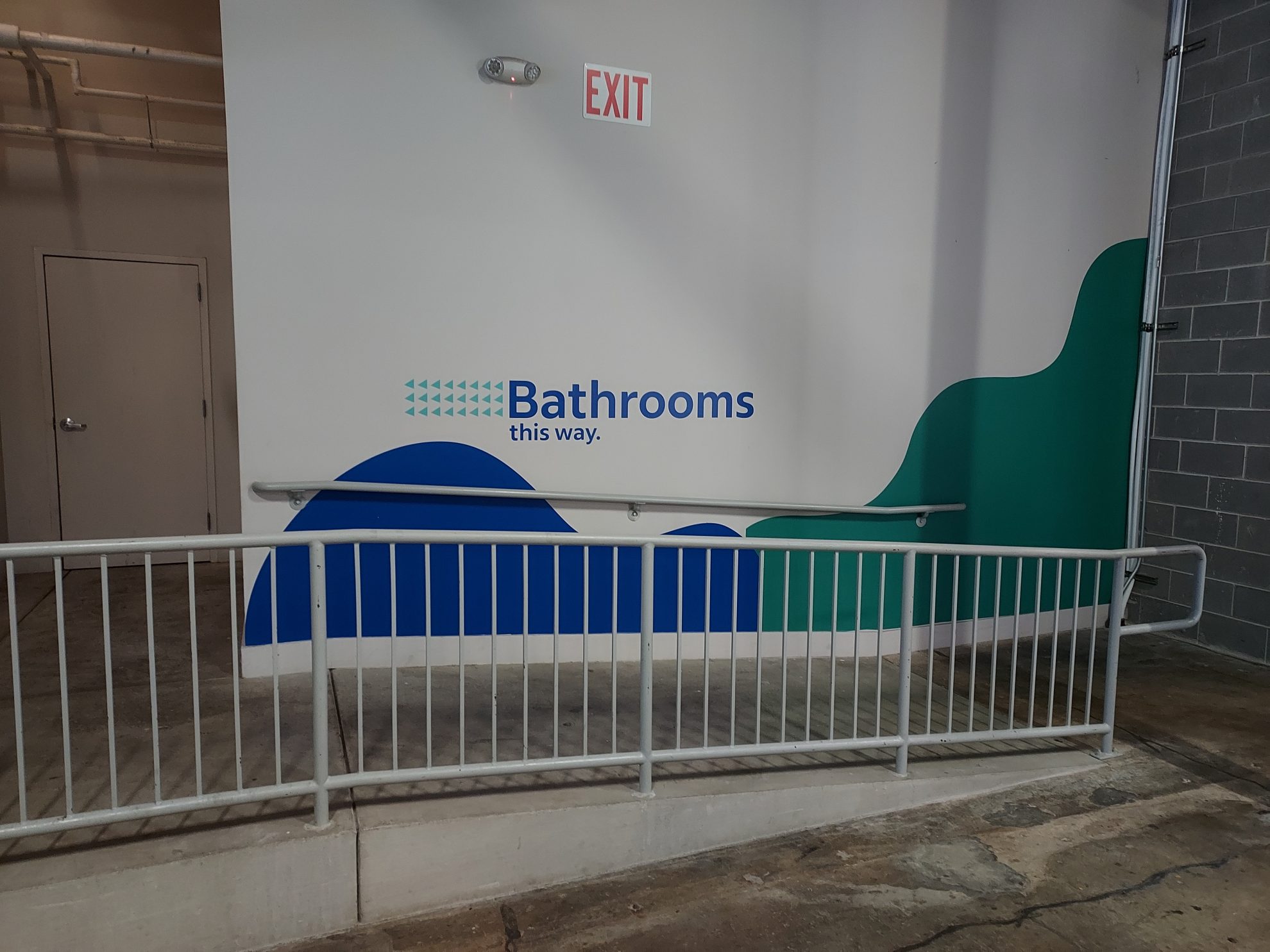
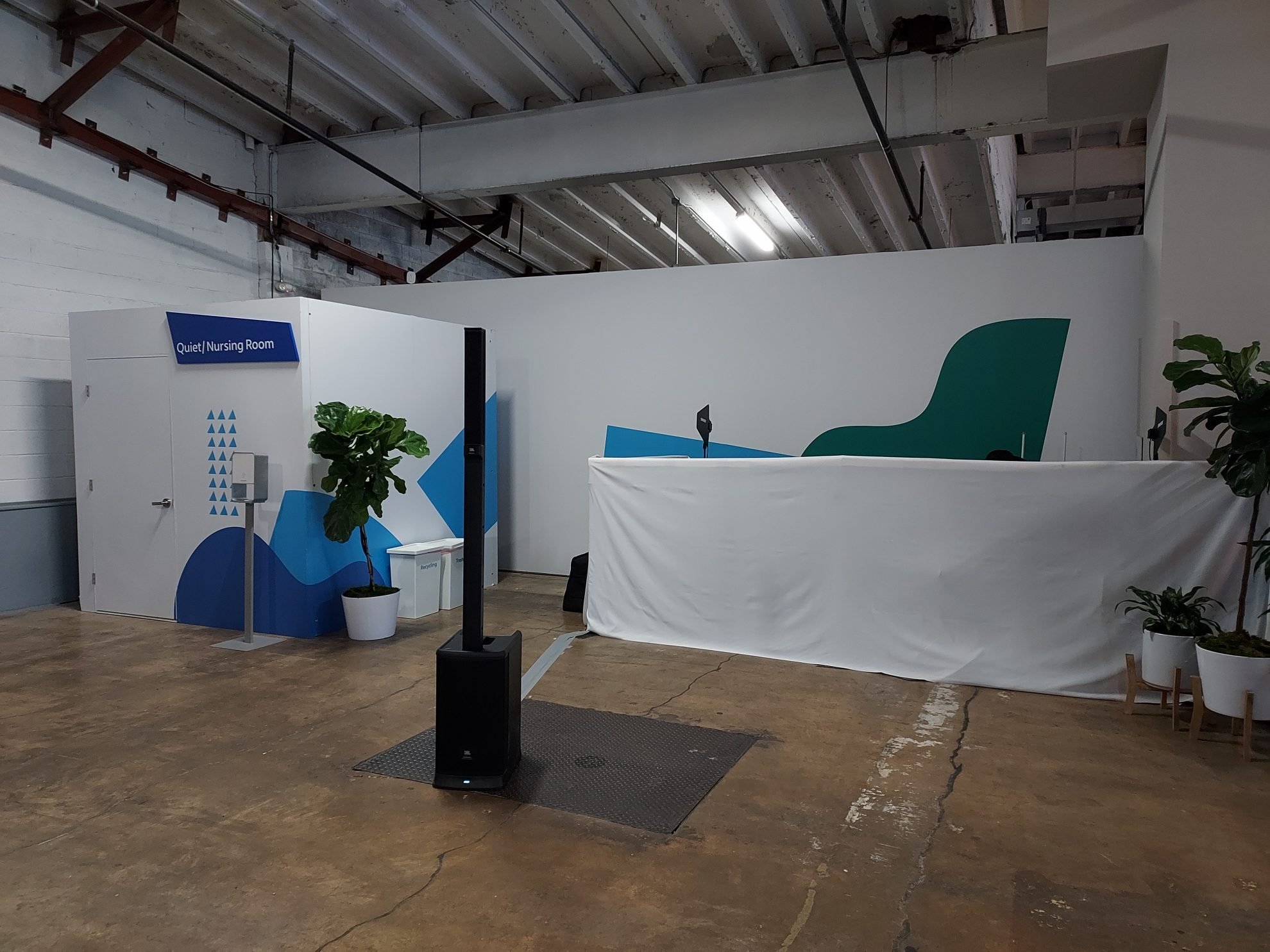
Heritage Signs & Displays' collaboration with The Gathery to brand Union Market in Arlington, VA, for Indeed's "Ready to Work" job fair. The project included custom event displays, wall graphics, window graphics, and wayfinding signs, creating an immersive and visually appealing environment. The branding enhanced the venue, reflected the event's mission, and provided a seamless experience for attendees.