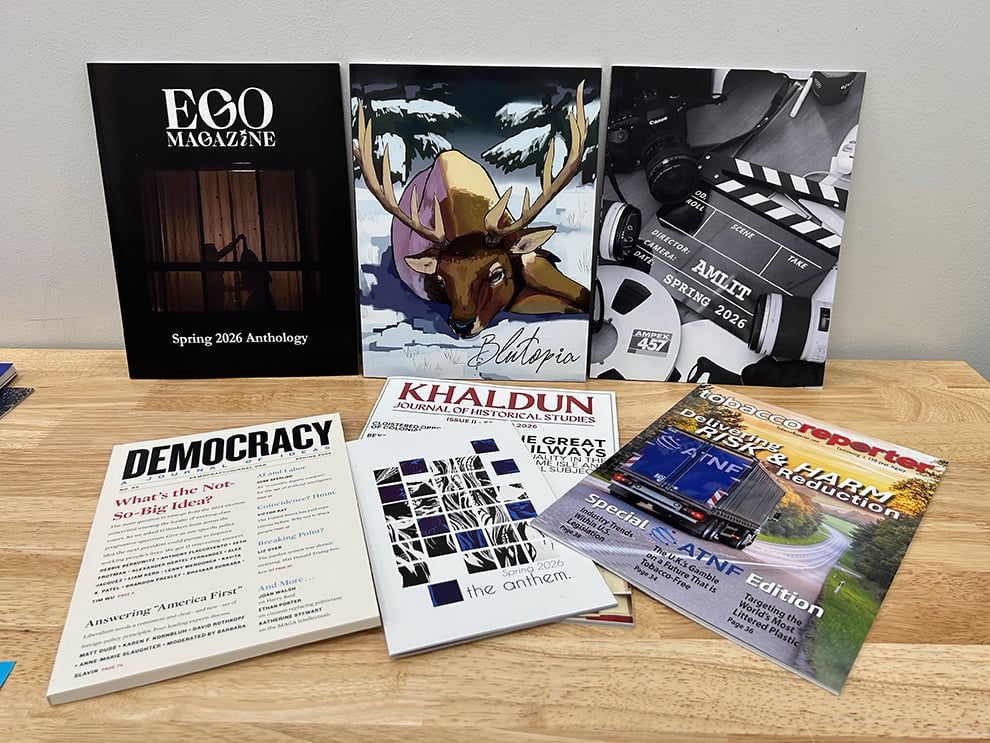
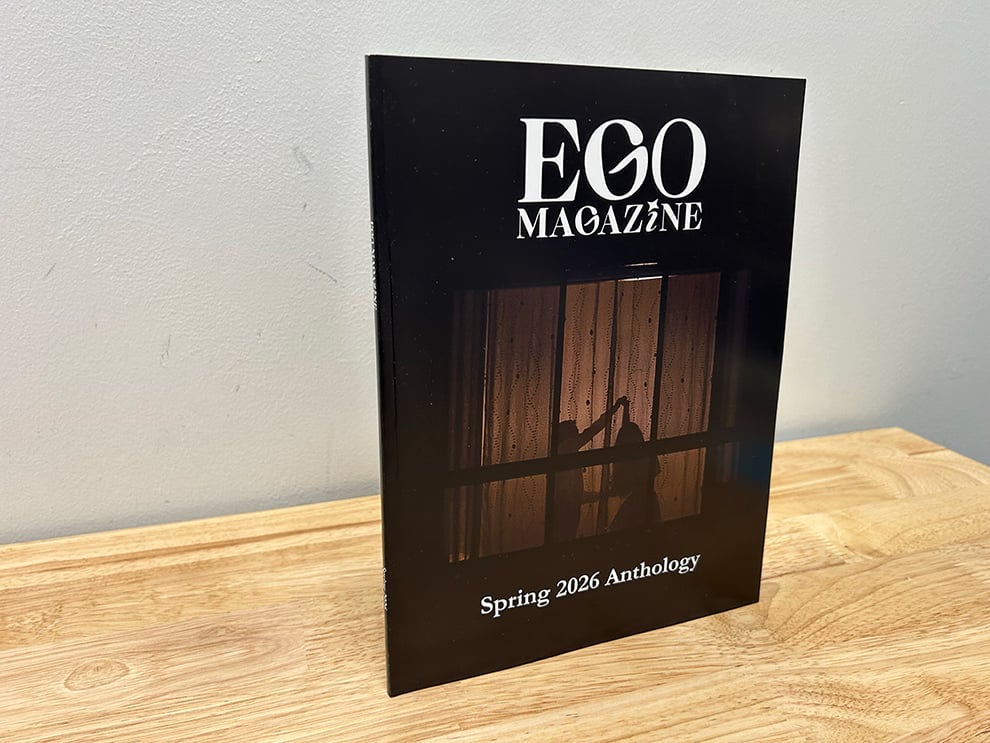
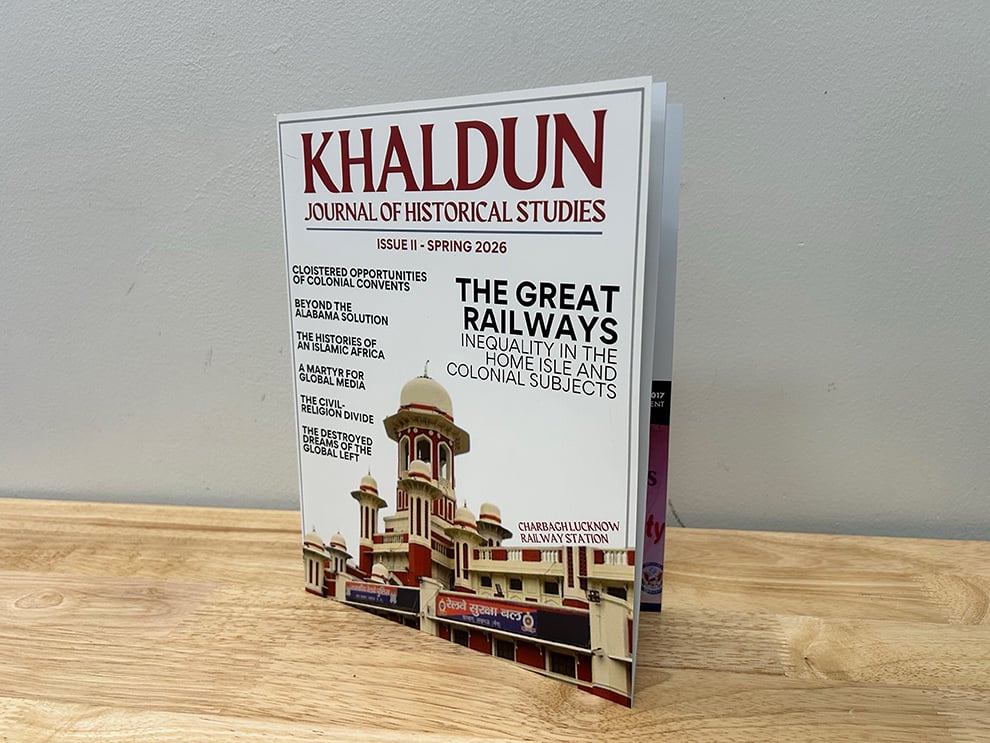
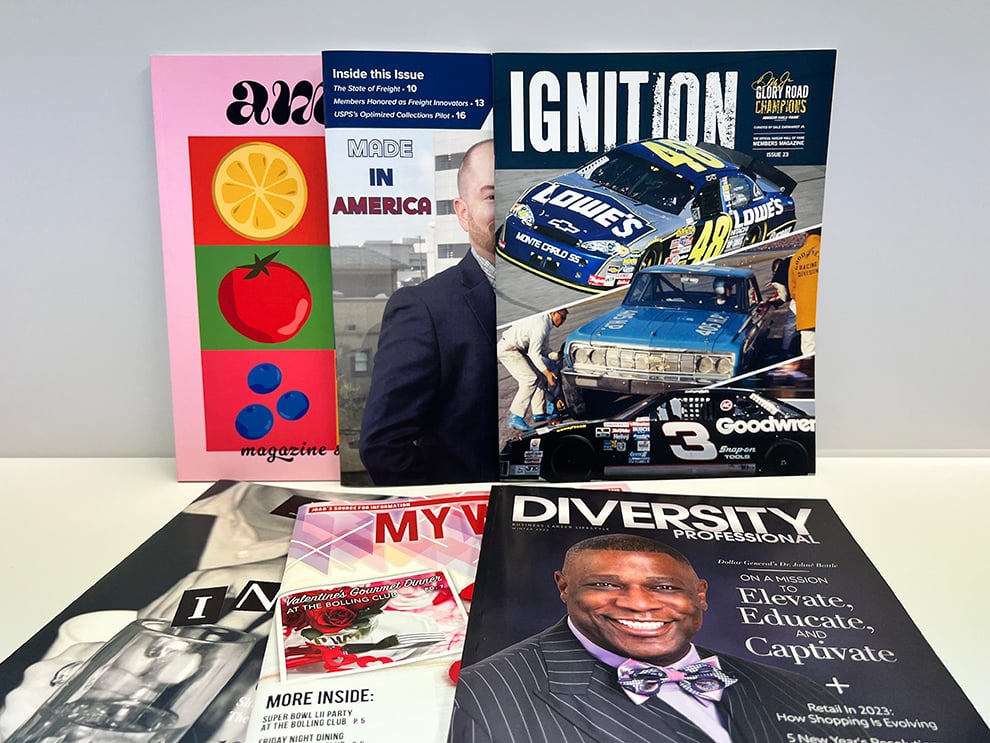
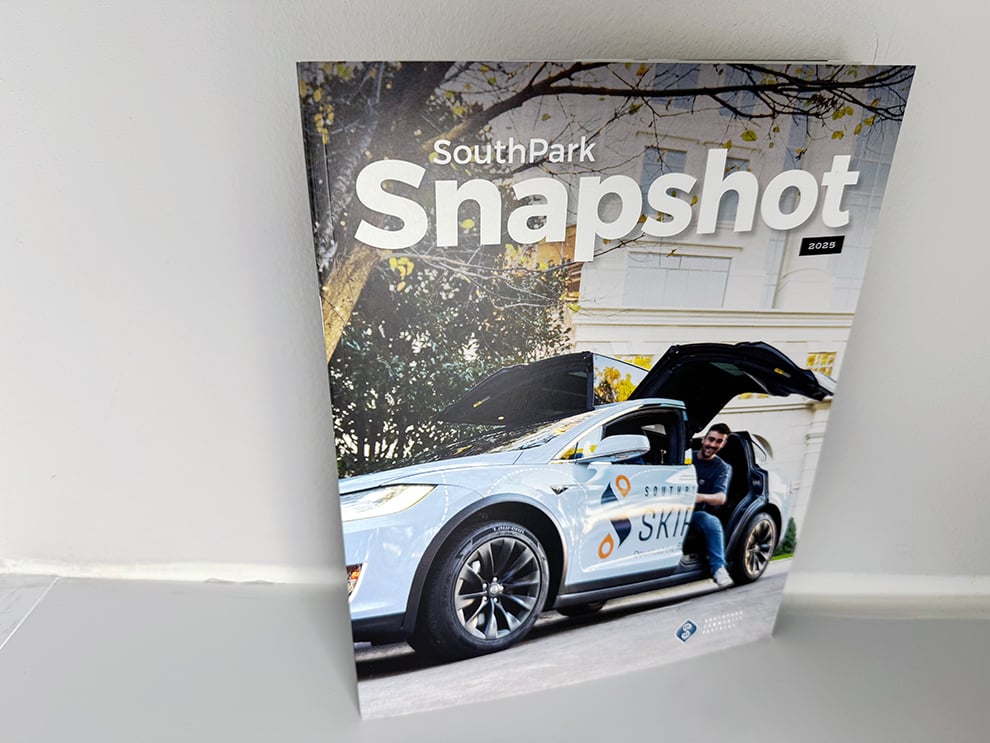
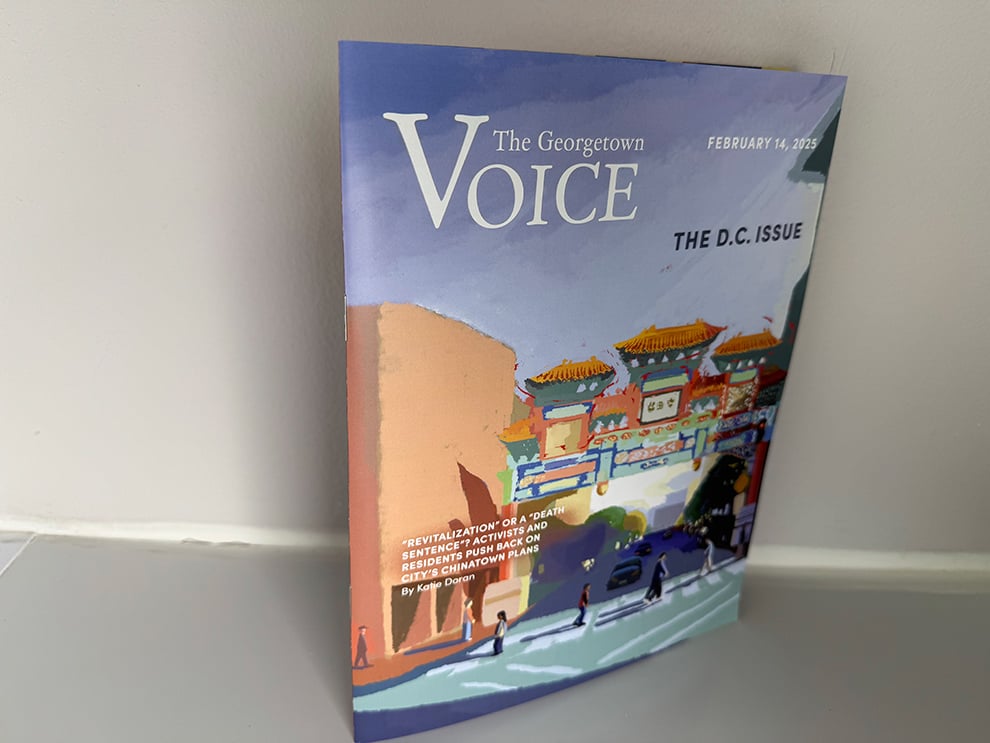
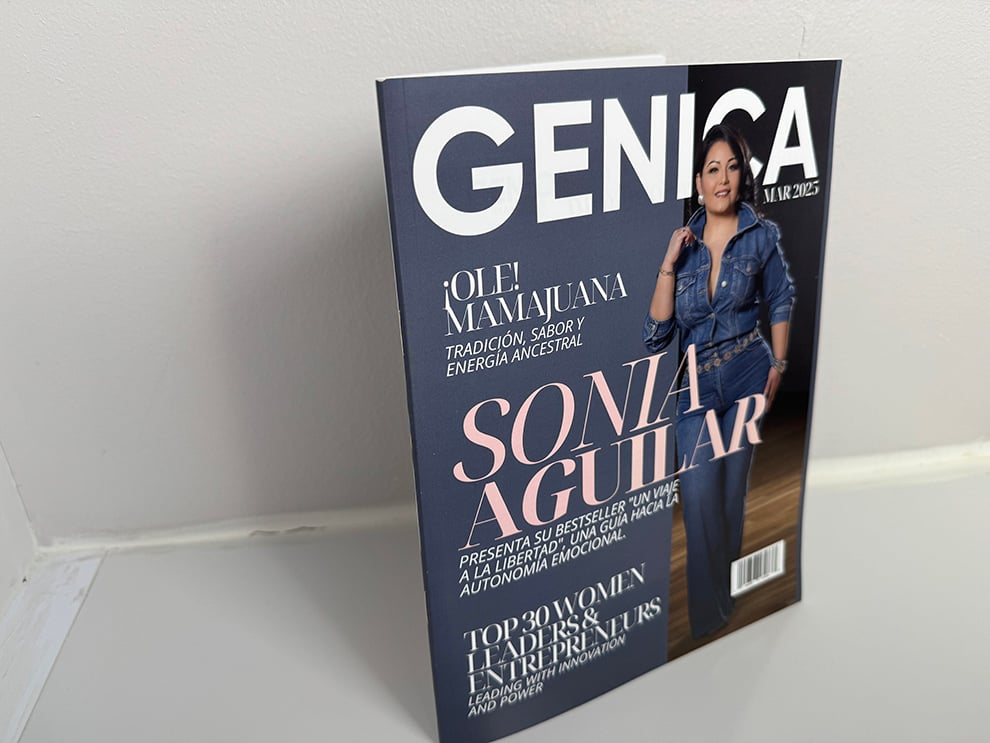
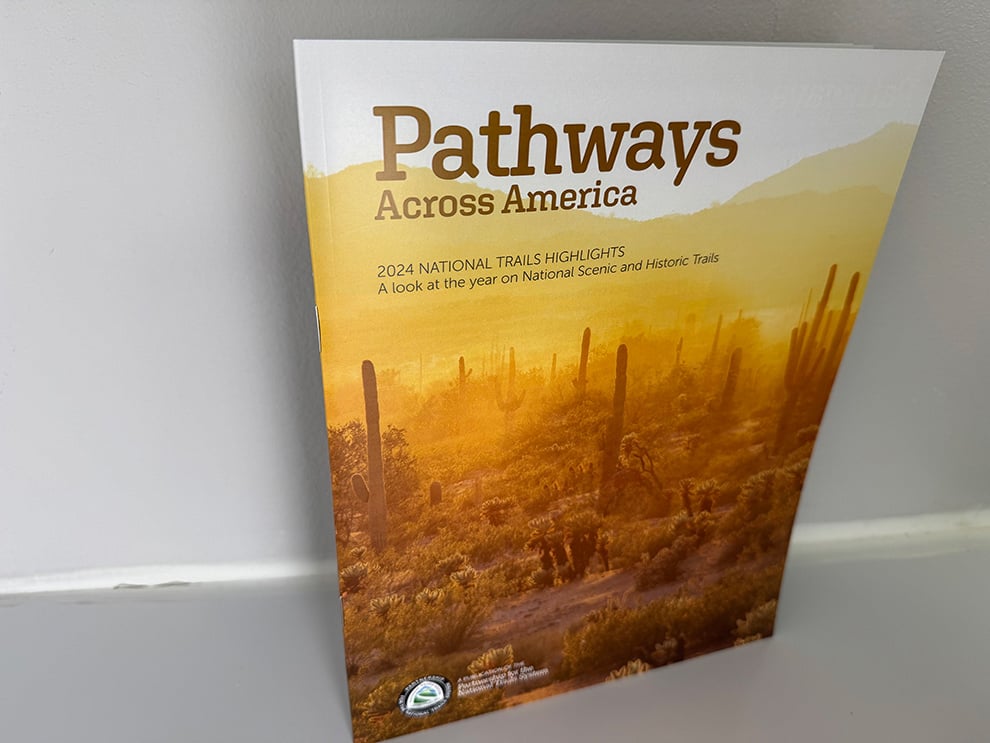
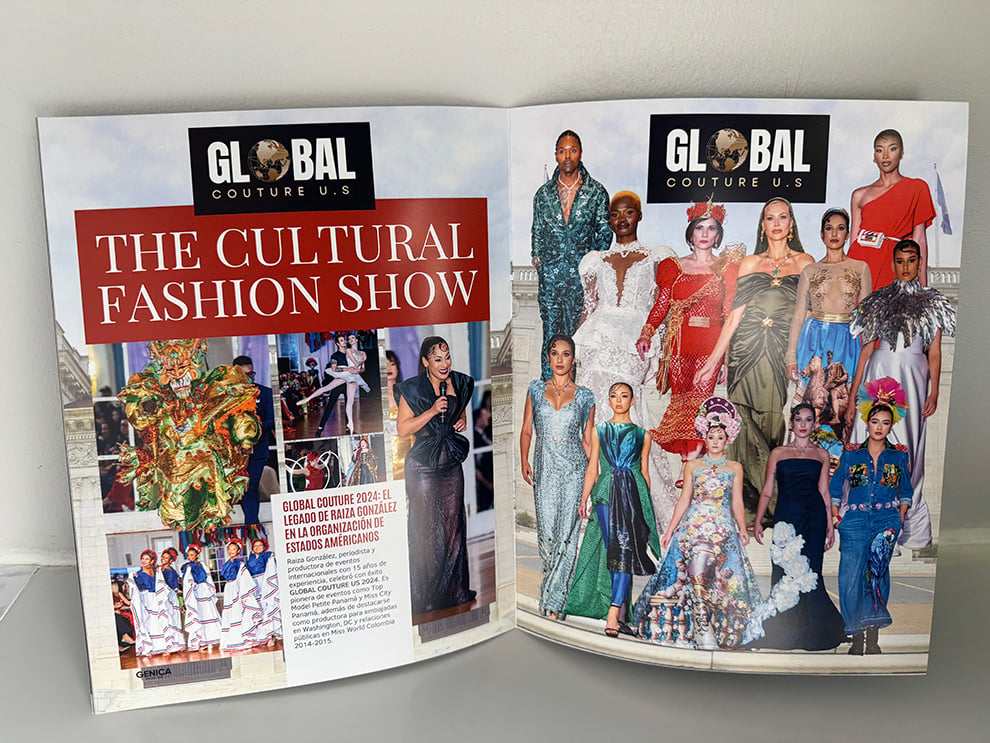
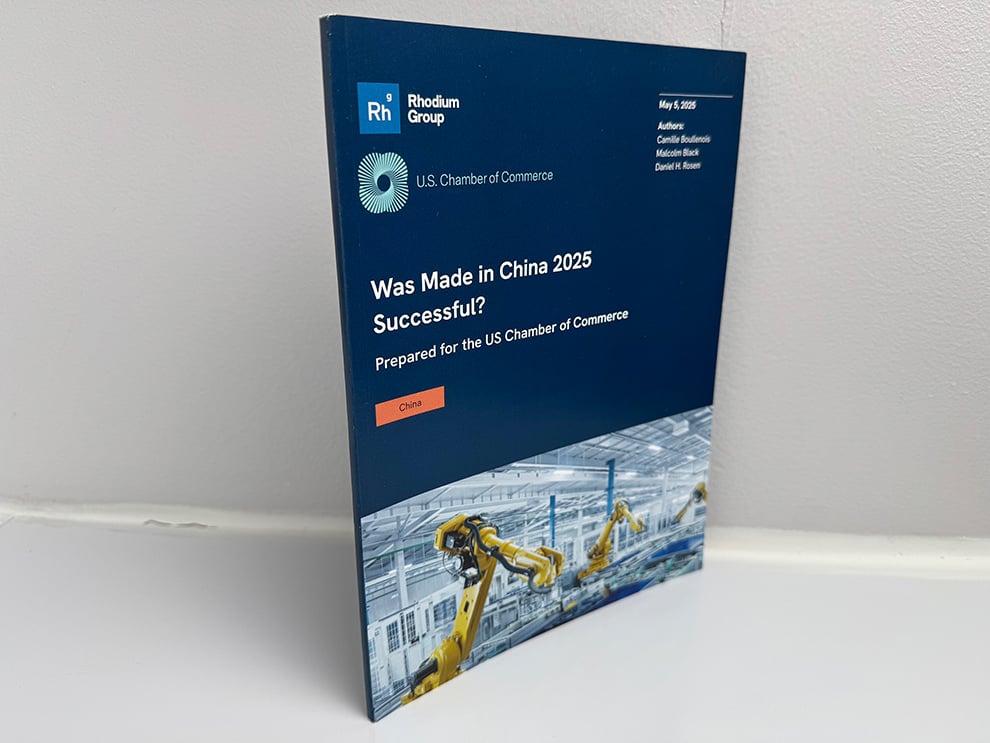
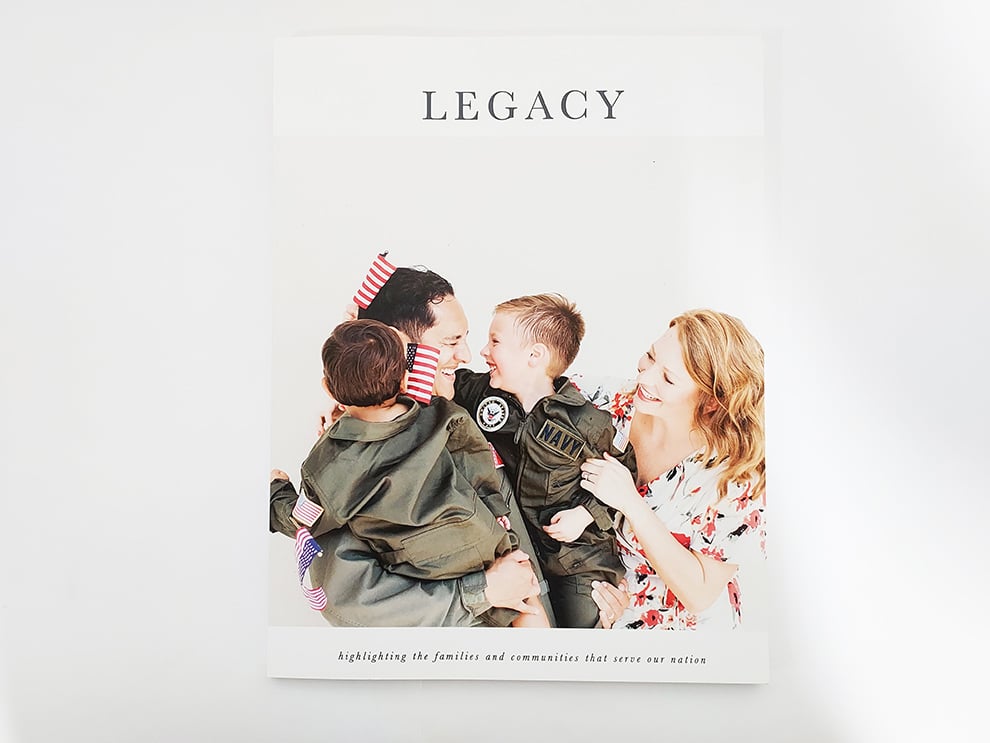
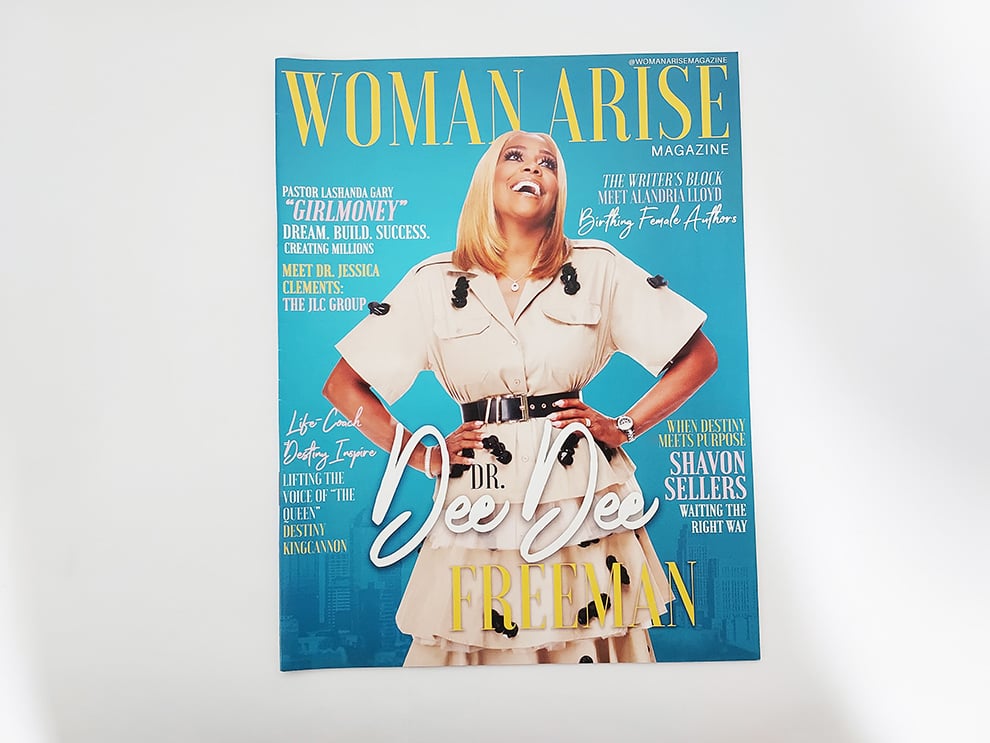
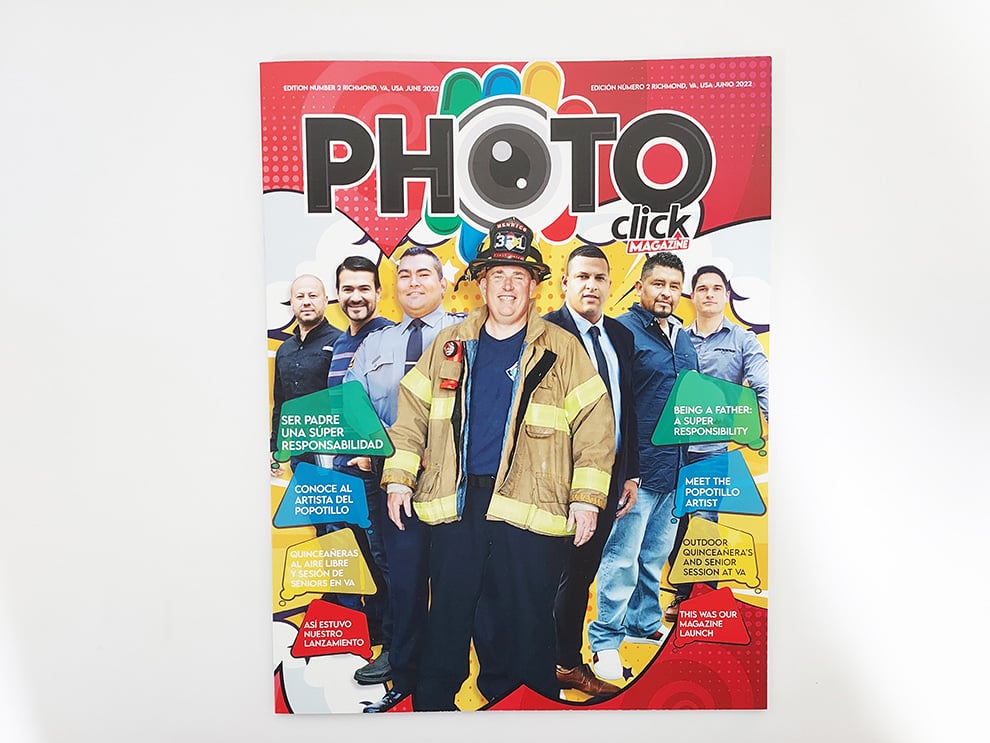
Organizations in Chevy Chase, MD that publish a recurring magazine want two things from each issue: it should look like the editions readers recognize, and it should arrive when the calendar says it will. A settled magazine template helps with the first goal, because trim size, paper, cover construction, binding, and color targets do not need to be rediscovered each time. The second goal depends on what happens after your team finalizes content, often with a board, committee, or sponsor sign-off that closes later than planned.
Heritage supports Chevy Chase, MD publishers by treating your retained specifications as a working baseline rather than an assumption. When your print-ready files arrive, we compare the current issue against that baseline, confirm what has changed in page count, quantities, versions, or delivery, and tell you plainly what the remaining schedule can support.
Our printing roots go back to 1977, and that experience shapes how we assess feasibility before we commit. The outcome for your organization is a magazine that stays consistent issue after issue, a production path you can see, and fewer surprises in the final week.
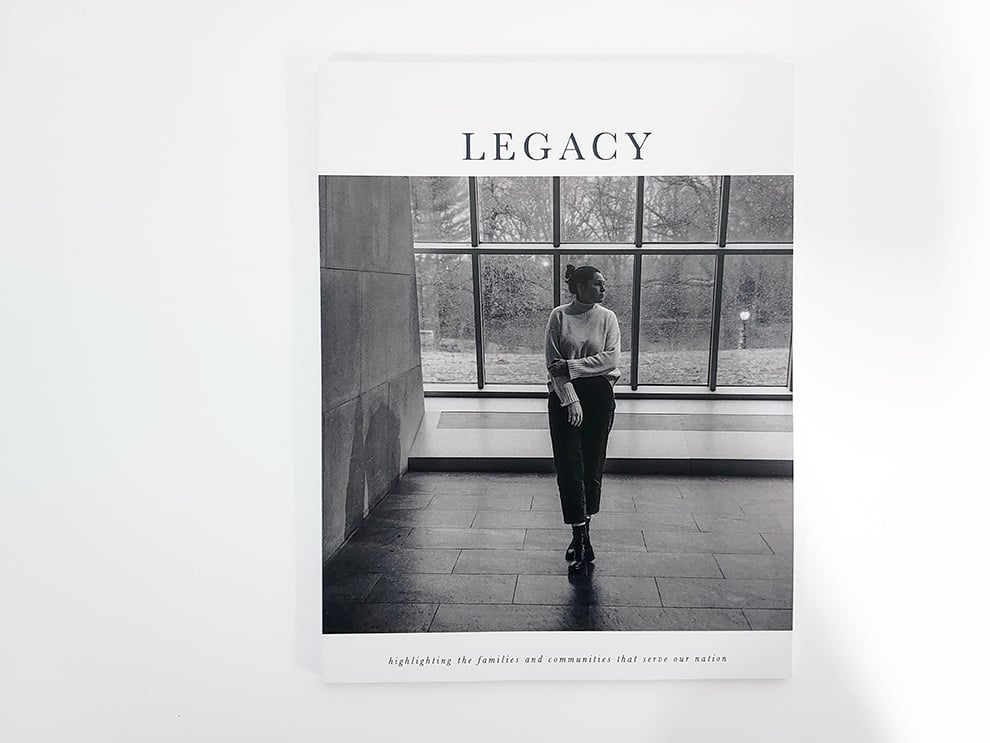
Recurring magazine work rewards a printer that pays attention to small differences between editions. Heritage has been printing since 1977, and experience shows that an issue rarely fails on the big decisions. It fails when a cover stock substitution shifts the color, a page count change pushes a saddle-stitched issue past comfortable folding, or a late version count is never written down. We look for those details before production starts.
Chevy Chase, MD sits on the Washington, DC line, and organizations based there, from associations and schools to clubs and professional firms, often publish for readers across the DC metro area. Heritage focuses on the production factors we control for that work: matching the current files to your established template, checking paper availability, sequencing printing and binding, scheduling finishing, confirming mailing or shipping needs, and planning the capacity the job requires.
If a requested date is at risk, we say so early and offer practical alternatives. If it is realistic, we keep the accepted work moving and keep you informed, so the finished issue presents your organization the way every prior edition has.
For a one-time guide, report, or program that needs multiple pages but not the continuing identity of a numbered issue.
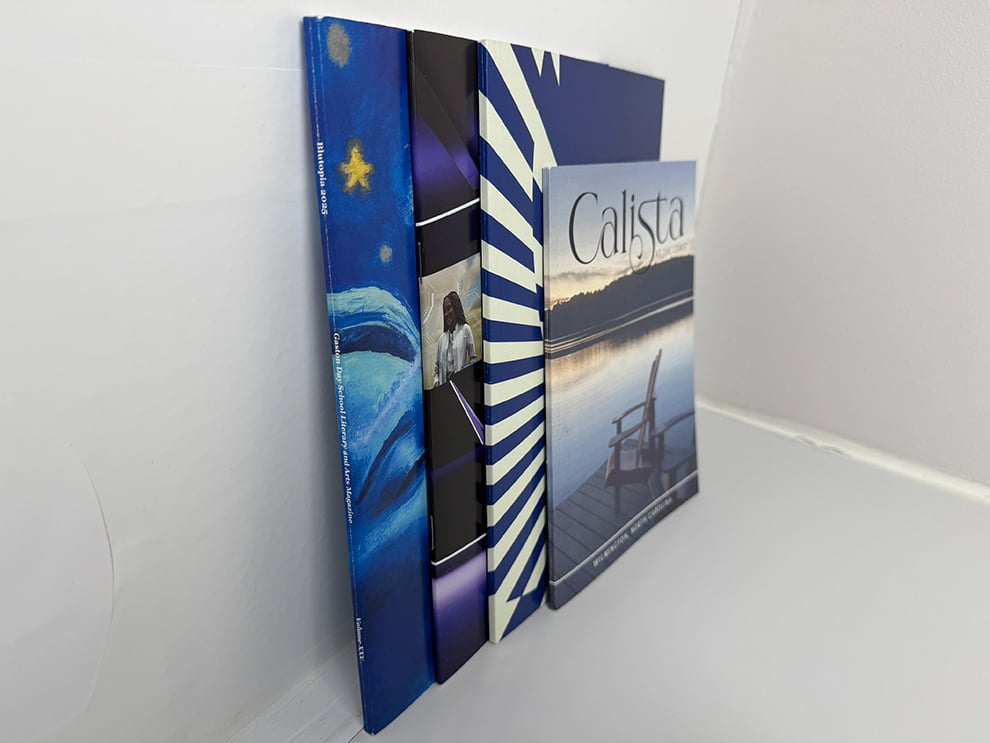
For thicker publications where a square spine, printed spine text, and a durable shelf presence matter more than light handling.
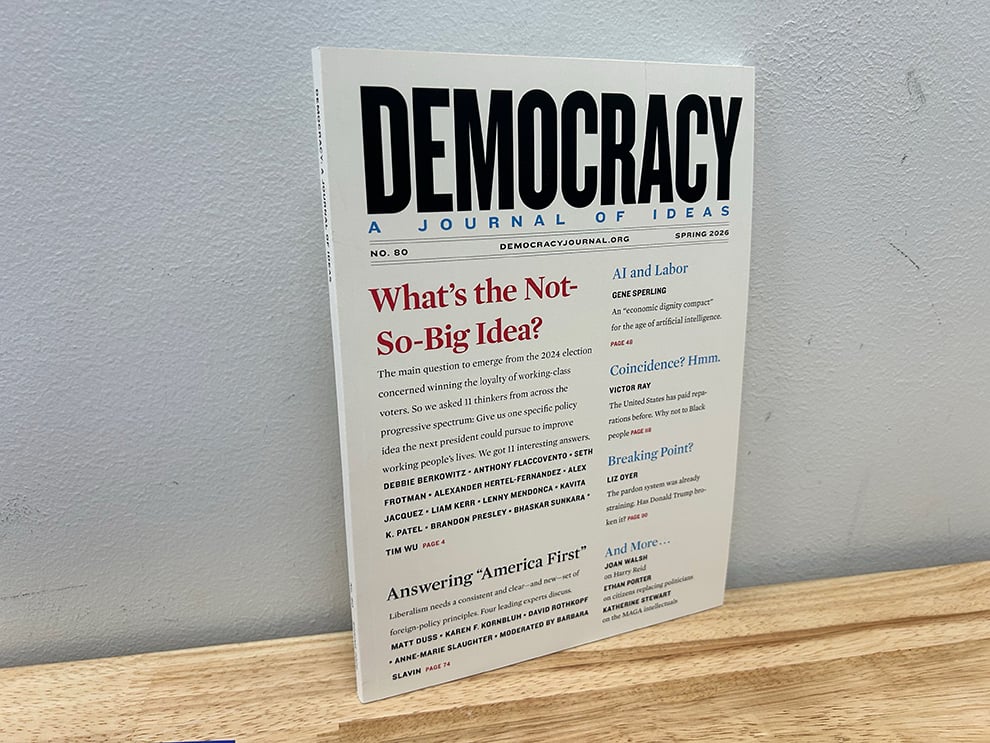
For brief, frequent updates to members, residents, donors, or staff that follow their own shorter cadence.
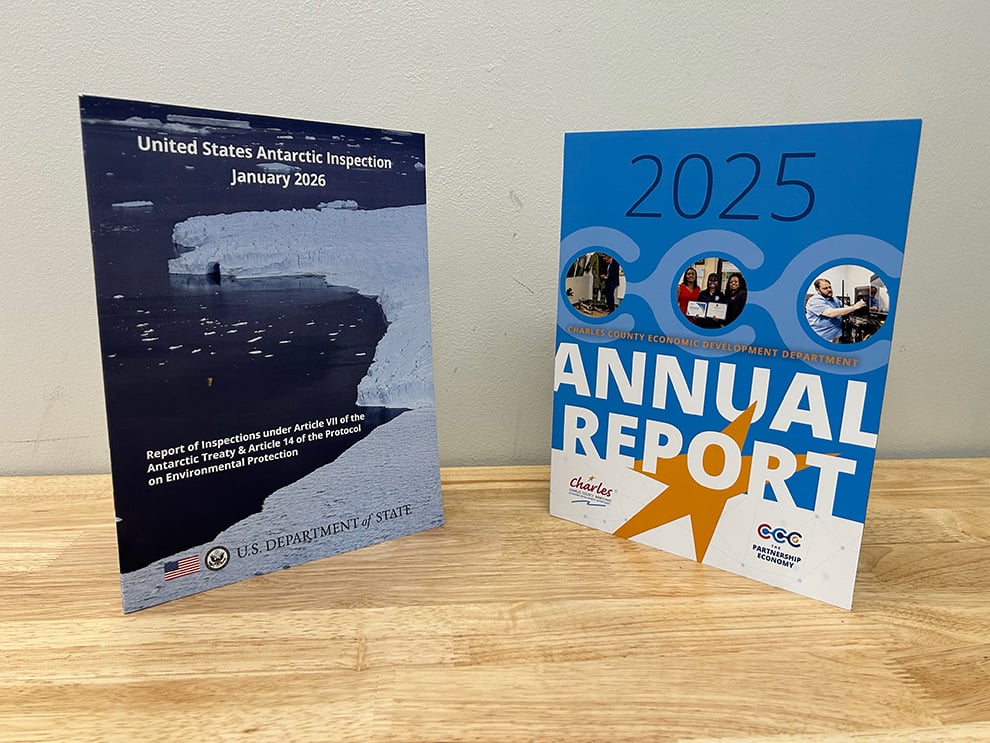
For once-a-year reporting to stakeholders that combines financial results, impact stories, and leadership messages in one piece.
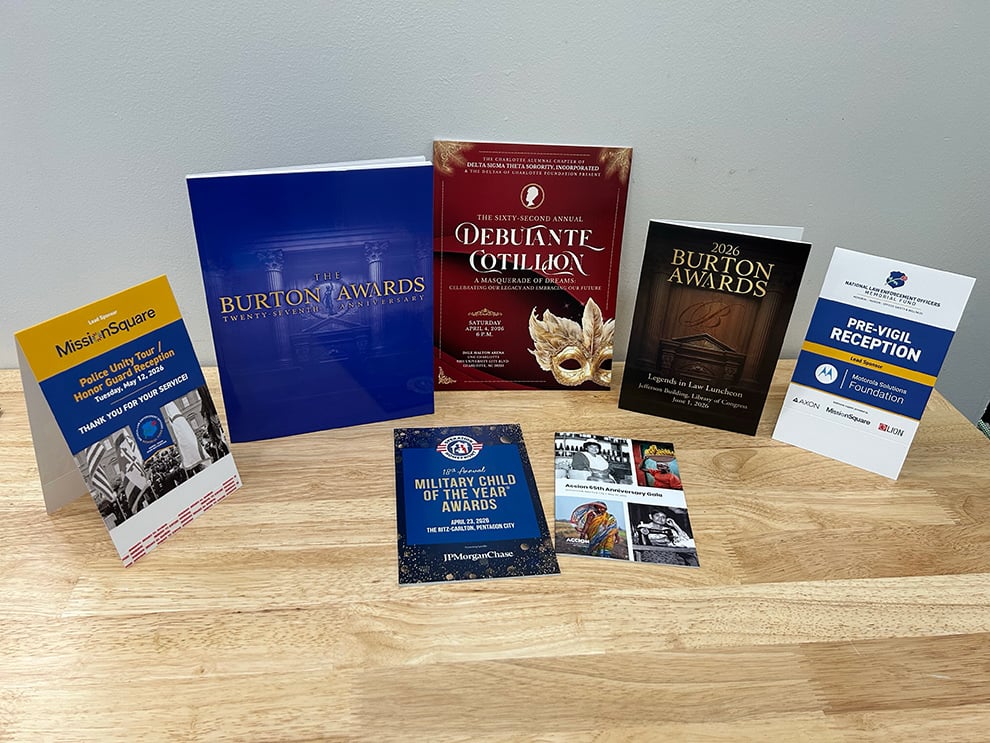
For galas, conferences, commencements, and tournaments where the event date fixes the delivery deadline.
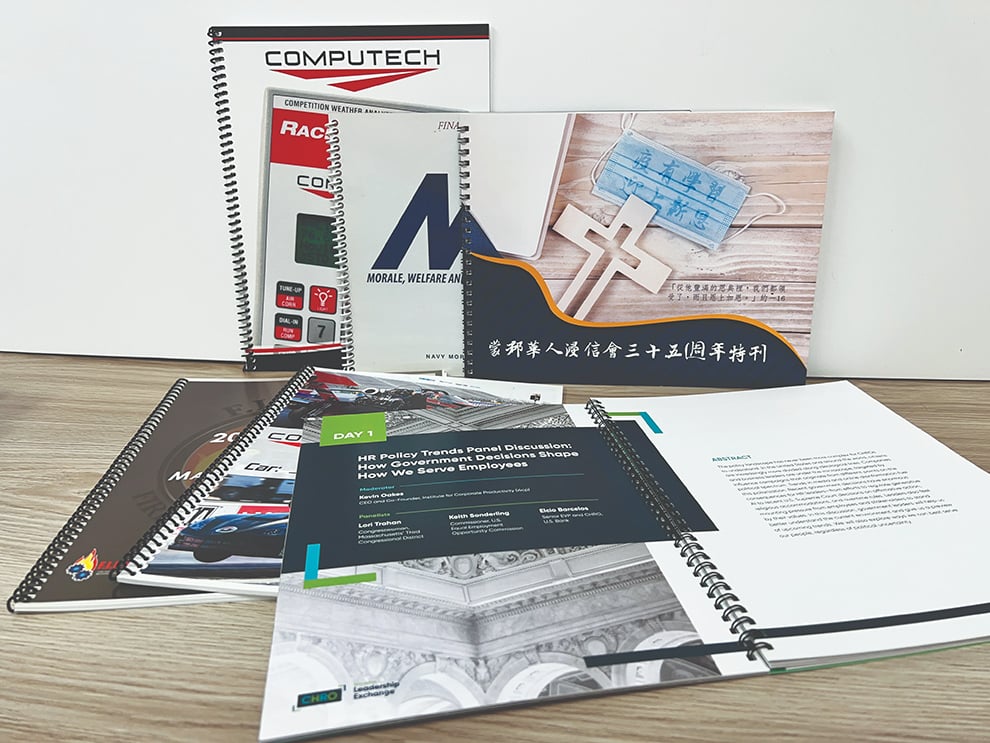
For instructional content that participants will mark up, carry, and return to long after the session ends.
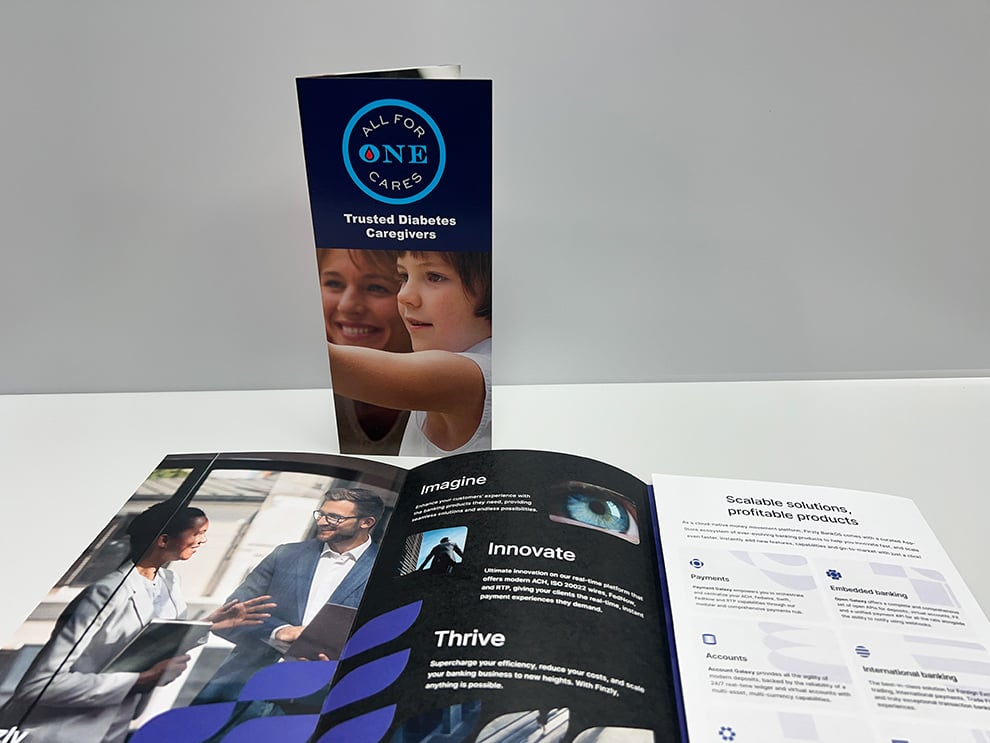
For a compact summary of a program, campaign, or service that readers can pick up and take along.
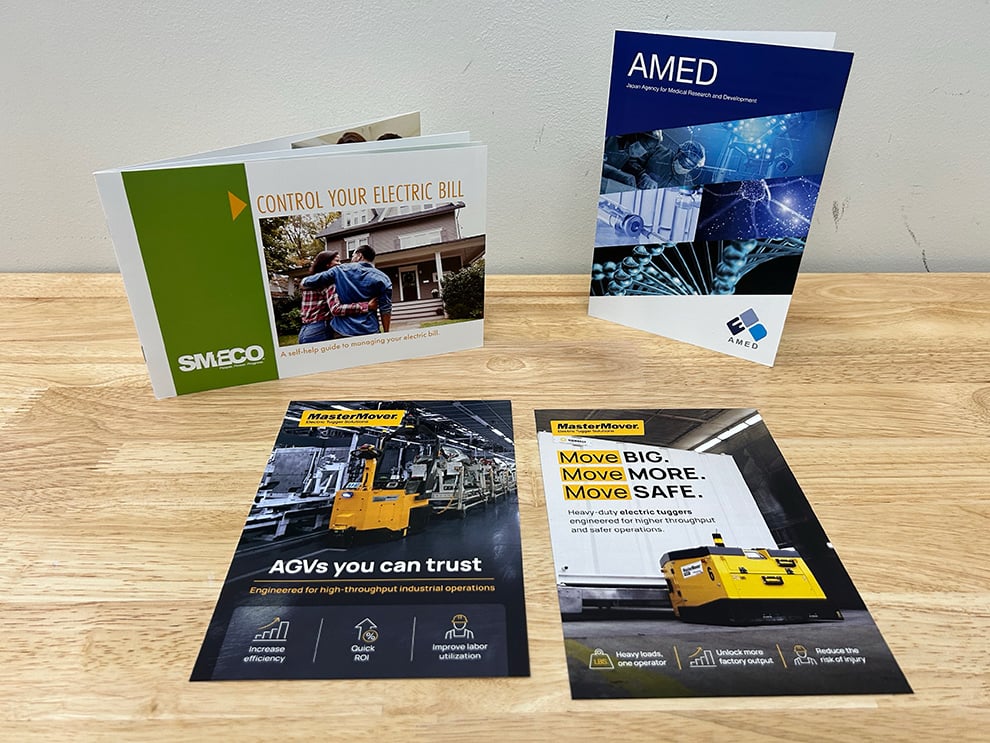
For coordinated printed pieces that need to match each other across a launch, drive, or outreach effort.
Send Heritage your current files, the specifications you want to carry forward, and the date readers need the issue, and we will evaluate the production path and respond with what is realistically achievable. Custom Quote is the right starting point for qualifying $2,000+ work that benefits from coordination, versions, or color proofing. If your issue is fully specified and matches a live Store configuration, online ordering may also fit.
A magazine template starts with how the finished issue will be read, handled, distributed, and reused. An alumni magazine mailed to households is judged at the mailbox, so cover stock, finished weight, and scuff resistance matter. An issue handed out at a club event or placed in a lobby rack is judged on the first page spread, so interior paper opacity and image reproduction carry more weight.
Saddle stitching keeps an issue light and easy to open when the folded page count and paper cooperate, while perfect binding gives the issue a square spine and a heavier presence once there is enough thickness to hold it. Treat binding as the last decision in the template, because it depends on the paper and cover choices made before it.
Once a template is set, Heritage can keep those specifications as the baseline for future issues while reviewing each edition for new page counts, quantities, versions, dates, and delivery needs. Every order receives an electronic proof for your review and approval before printing, and qualifying Custom Quote work may add an optional paid Physical Production Color Proof.
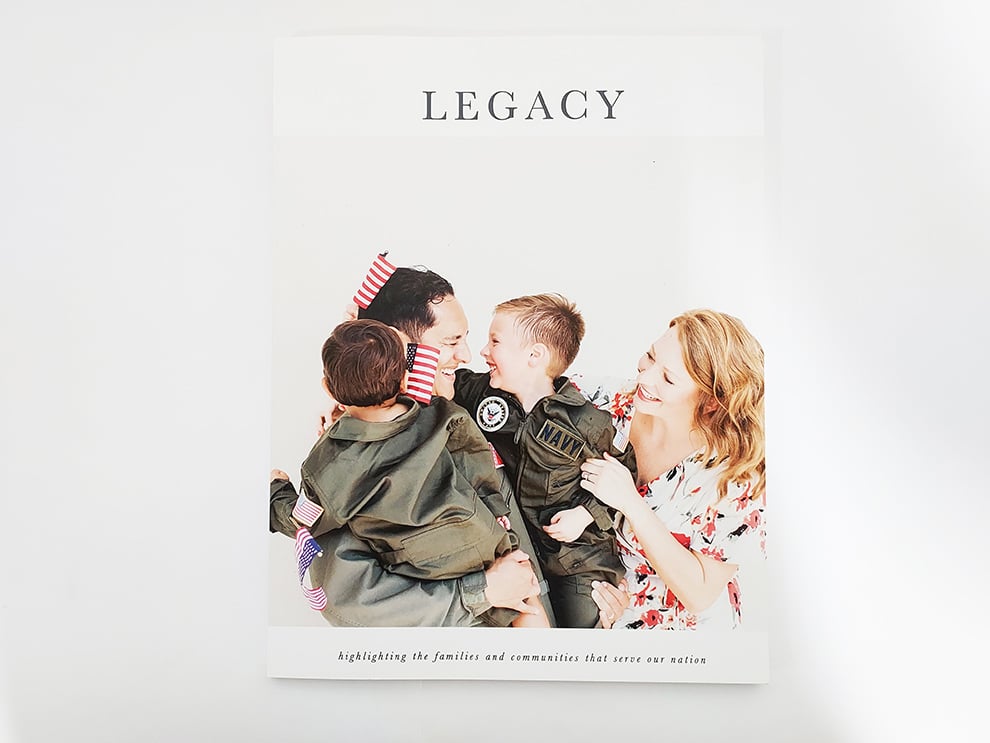
Your editorial team owns the articles, advertisements, photography, approvals, and version decisions that go into each issue. Heritage handles production. For a Custom Quote project, you can send finished files or files that still need production-oriented layout cleanup or sizing adjustments, and we will scope that help within the accepted order. For the Self-Directed Online Store, complete print-ready artwork is required, because the Store assumes your team has settled every specification independently.
After Heritage accepts a Custom Quote and assigns the order, a Project Coordinator becomes your direct phone and email contact for that issue. The coordinator confirms the template against the current files, sends the electronic proof, records your approval, and manages the accepted printing, binding, finishing, and any mailing, shipping, or delivery that is part of the scope.
Both paths include normal production review and quality control. The difference is how much coordination you receive. Custom Quote fits qualifying $2,000+ magazine work that needs guidance, versions, color proofing, or fulfillment planning. The Store fits settled issues that match a verified live configuration, and new orders through either path start at $750.
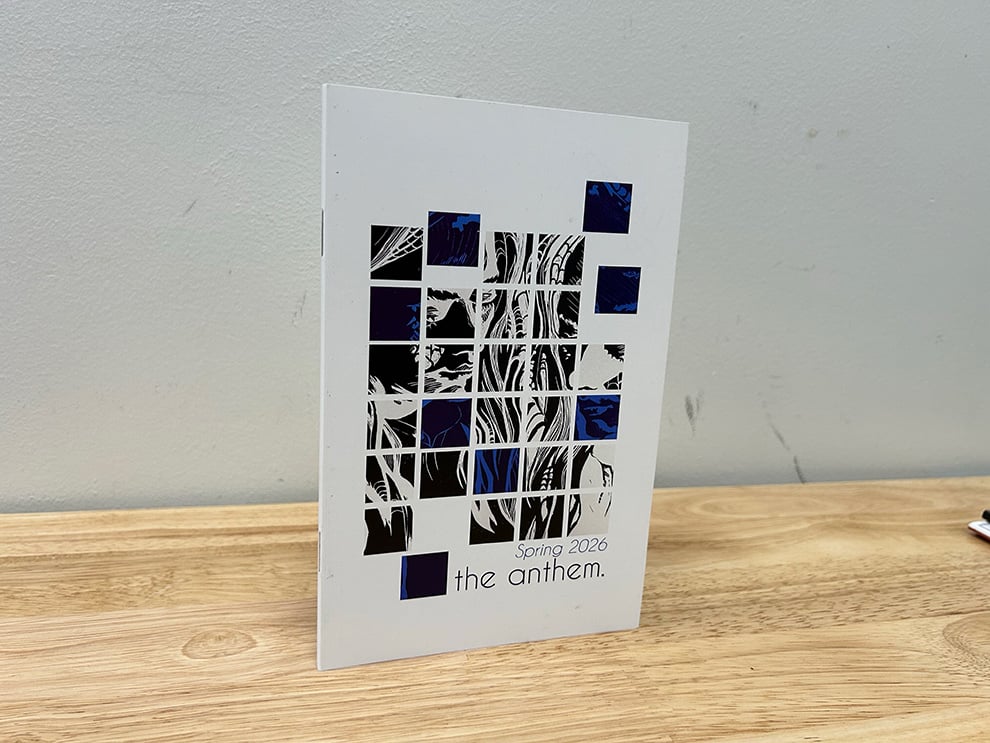
Yes. Once an issue has run, Heritage can retain the trim size, interior and cover paper, binding method, color targets, and finishing details as the baseline for the next edition. That baseline shortens the specification conversation, but it does not replace review. Each new issue is checked for its current page count, quantities, versions, dates, and delivery requirements before production is confirmed.
The deciding factor is continuity. A magazine carries an issue identity that readers expect to recognize across editions, so trim, paper feel, cover treatment, and binding are held steady on purpose. A booklet serves a single purpose, such as a guide or report, and can be specified fresh each time without any obligation to match what came before.
Often, yes, but only after the job is evaluated. Heritage looks at file readiness, outstanding approvals, paper on hand, binding and finishing steps, proof timing, quantity, versions, and the mailing or delivery plan, then tells you what the remaining window actually supports. If the date is realistic, we move the accepted work promptly. If it is not, we propose workable alternatives rather than promise a schedule the job cannot support.
Start from the day the issue needs to be in the hands of readers and count backward. Allow time for final content, internal sign-off, electronic proof approval, printing, binding, finishing, and mailing or delivery, and remember that an optional physical color proof adds its own step. Sharing a fixed meeting, event, or member mailing date with Heritage early lets us confirm the full path before committing.
More than many publishers expect. Interior paper affects opacity, photo reproduction, how pages feel when turned, and the finished weight that influences mailing cost. Cover stock affects stiffness, scuff resistance, and first impressions. Because those choices also interact with page count, binding, and quantity, Heritage reviews them together rather than one specification at a time.
When the construction calls for it, not when a page count crosses an arbitrary number. Saddle stitching suits issues that stay light, open easily, and fold cleanly at their page count and paper weight. Perfect binding suits issues with enough thickness to form a sound square spine and a more substantial presence. Heritage evaluates the actual paper, page count, and quantity before recommending either.
Yes, on every order through either buying path. Heritage provides an electronic proof so your team can check text, images, pagination, layout, cover setup, and other visible content, and the issue does not print until you approve it. Keep in mind that a screen proof is not a physical color standard, and the printed result can differ from what a monitor displays.
It can be, when color fidelity matters more than the added cost and time. The Physical Production Color Proof, sometimes called a Digital Hard Copy Proof, may be requested for qualifying Custom Quote magazine work of $2,000 or more. Heritage produces it on the same production printer and the same paper or production material planned for the final run, so it shows what the production run will deliver rather than a simulation. It carries an additional fee and extends the production schedule, and once approved it becomes the controlling physical color reference for the run unless otherwise agreed. It is not available through the Self-Directed Online Store, and no proofing method guarantees a perfect match to a screen or a PMS swatch.
Yes, provided the versions are defined in the accepted scope. Publishers sometimes need a sponsor cover, a regional insert, a member-tier page, or different quantities for different lists. Clear file naming, one person responsible for approving each version, confirmed counts, and separate delivery instructions keep near-identical editions from being mixed during binding and packing.
Yes, as long as mailing, shipping, or delivery is part of the accepted scope. Finished weight, quantity, packaging, address data, and the required in-hand date all factor into the plan. Your organization remains responsible for supplying accurate and authorized mailing data. Heritage performs the mailing services it accepts but cannot guarantee USPS transit times once the pieces are in postal hands.
Use Custom Quote when a qualifying $2,000+ issue needs more than self-service ordering can provide, such as paper or binding guidance, production-oriented file preparation, several versions, a Physical Production Color Proof, mailing or delivery planning, or a tight schedule that benefits from active coordination. After Heritage accepts the quote and assigns the order, a Project Coordinator becomes your direct contact for that issue.
Use the Self-Directed Online Store when your issue is fully specified, your artwork is complete and print-ready, and a live Store configuration genuinely matches the trim, paper, binding, and quantity you need. Store orders still receive normal production review and an electronic proof, but they do not include consultative selection, layout help, physical color proofing, or an assigned Project Coordinator. Eligible Store products can be combined in one order to reach the $750 minimum.
Page count revisions are the most common, because they can change the binding method, paper usage, and finished weight at once. Quantity increases, an added version, a cover stock substitution, a late request for a physical color proof, and delayed approvals also shift timing. Tell Heritage as soon as a change is likely so the accepted schedule can be re-evaluated rather than discovered at press time.
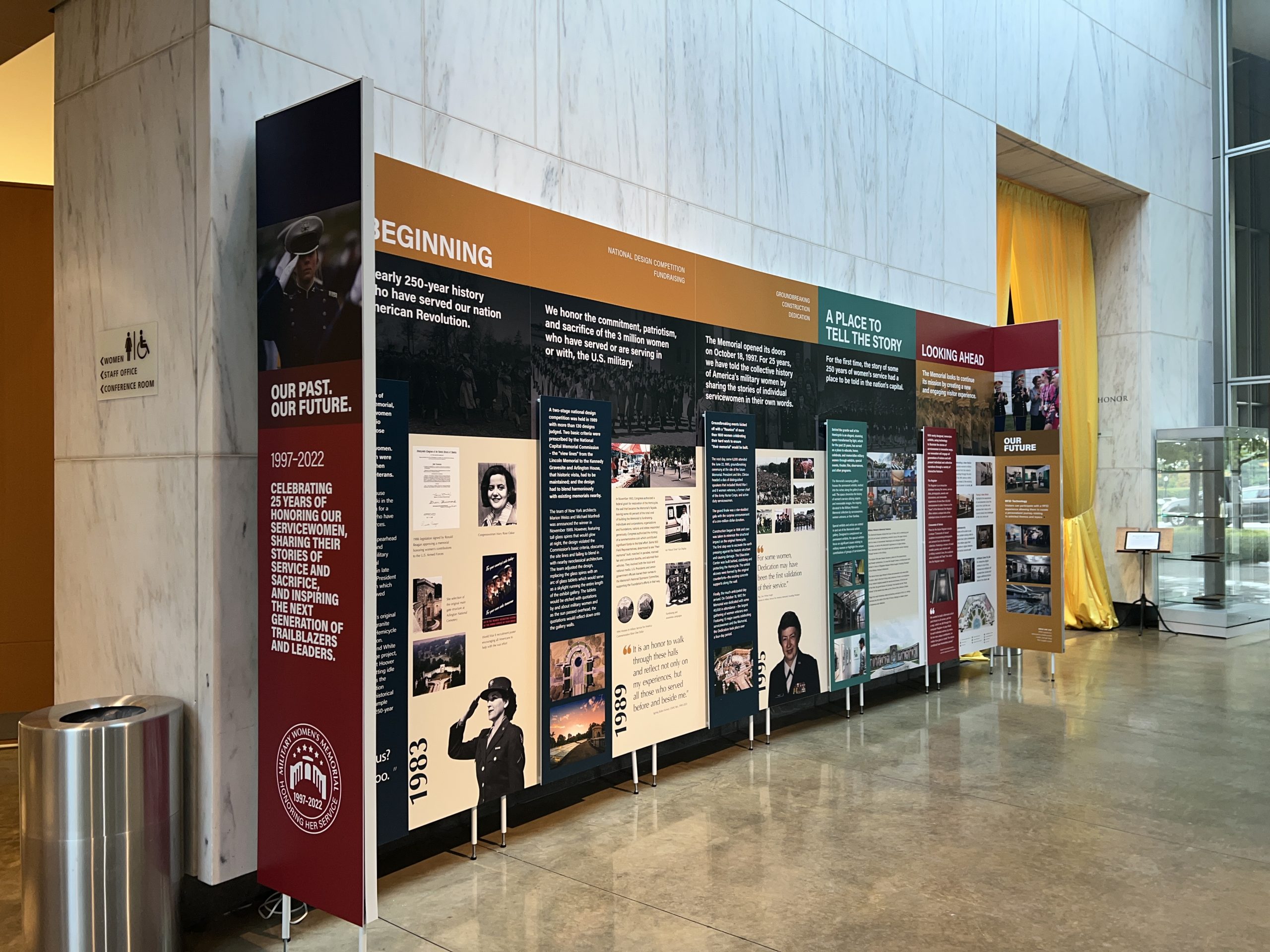
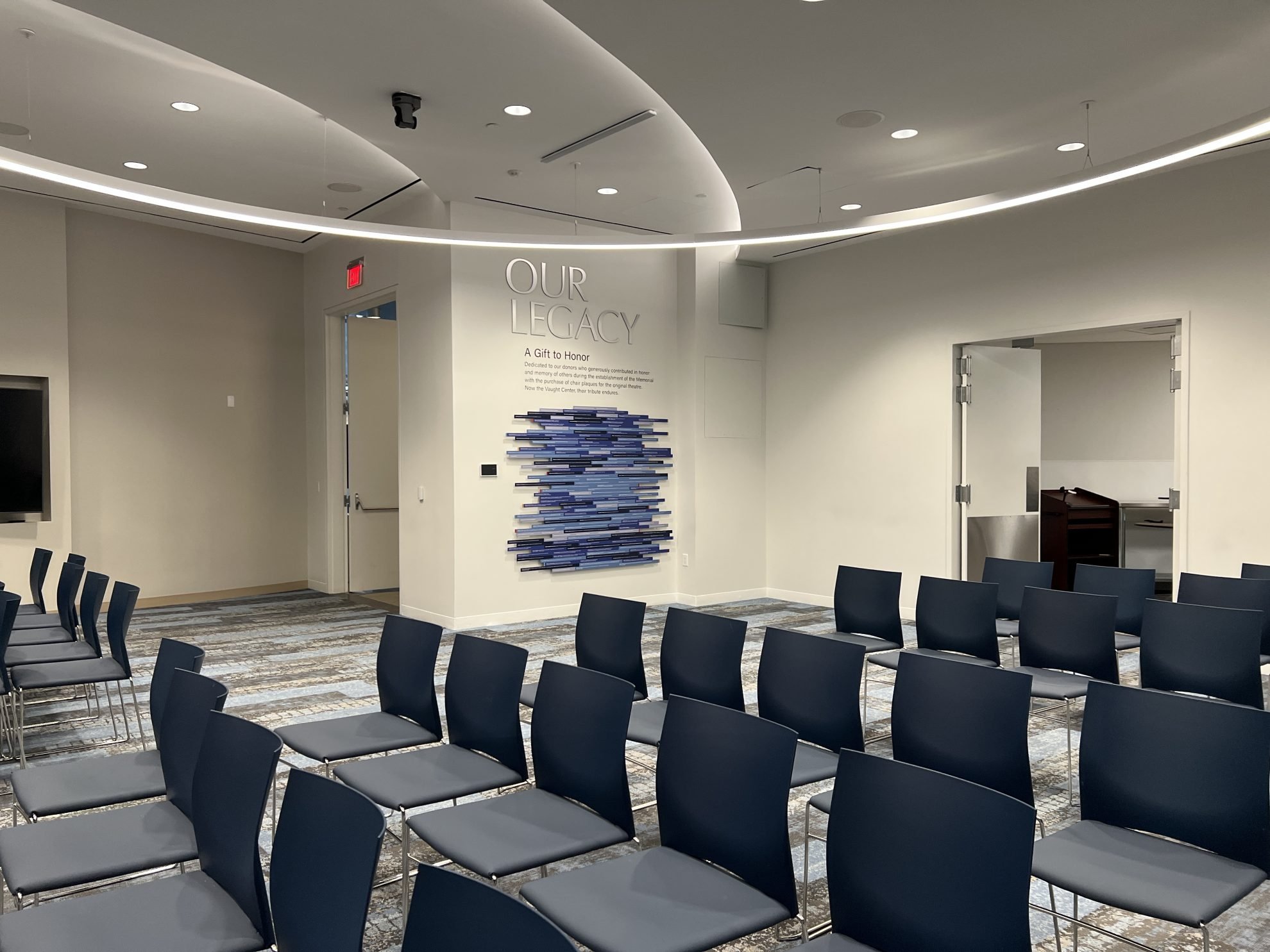
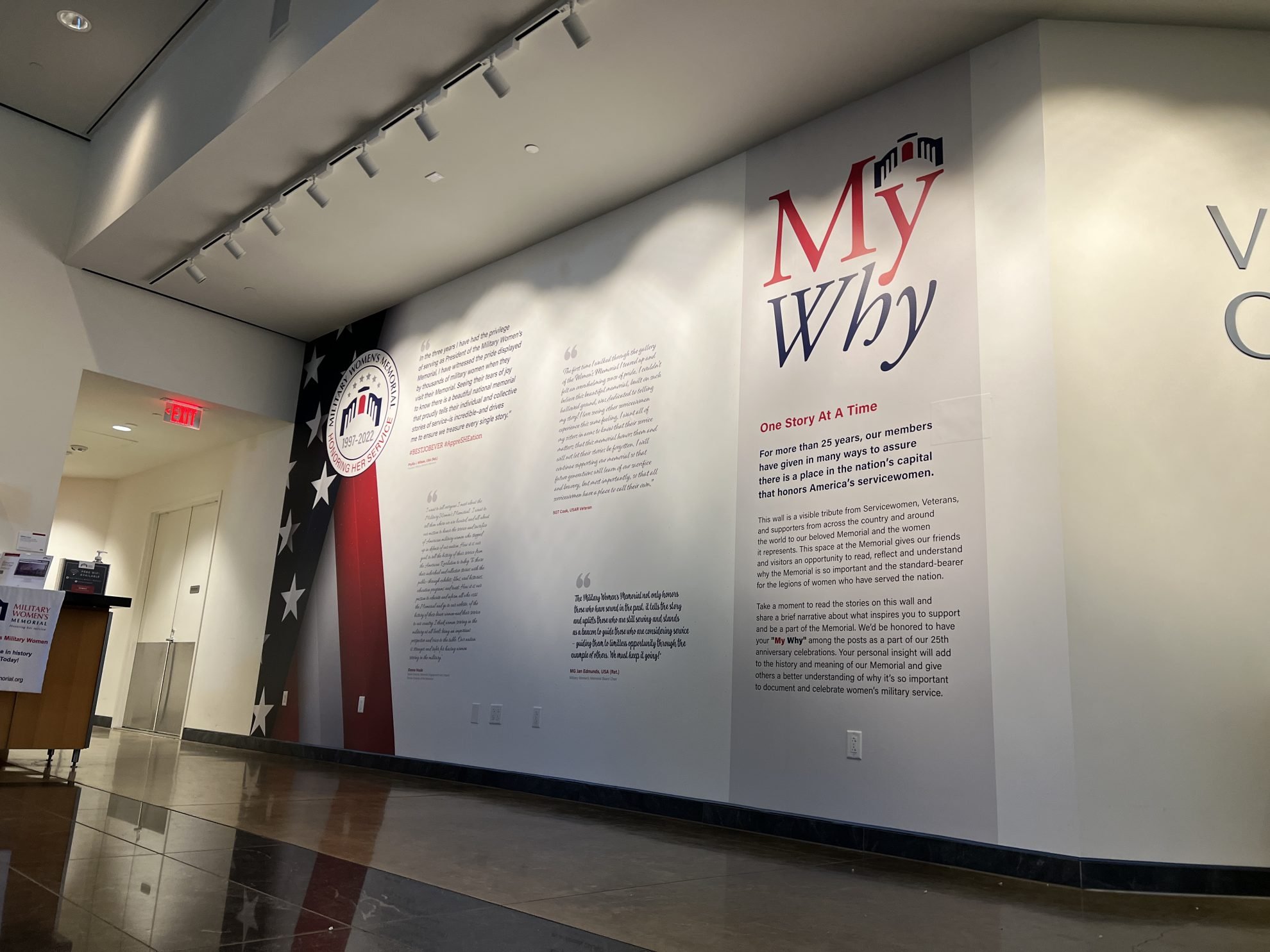
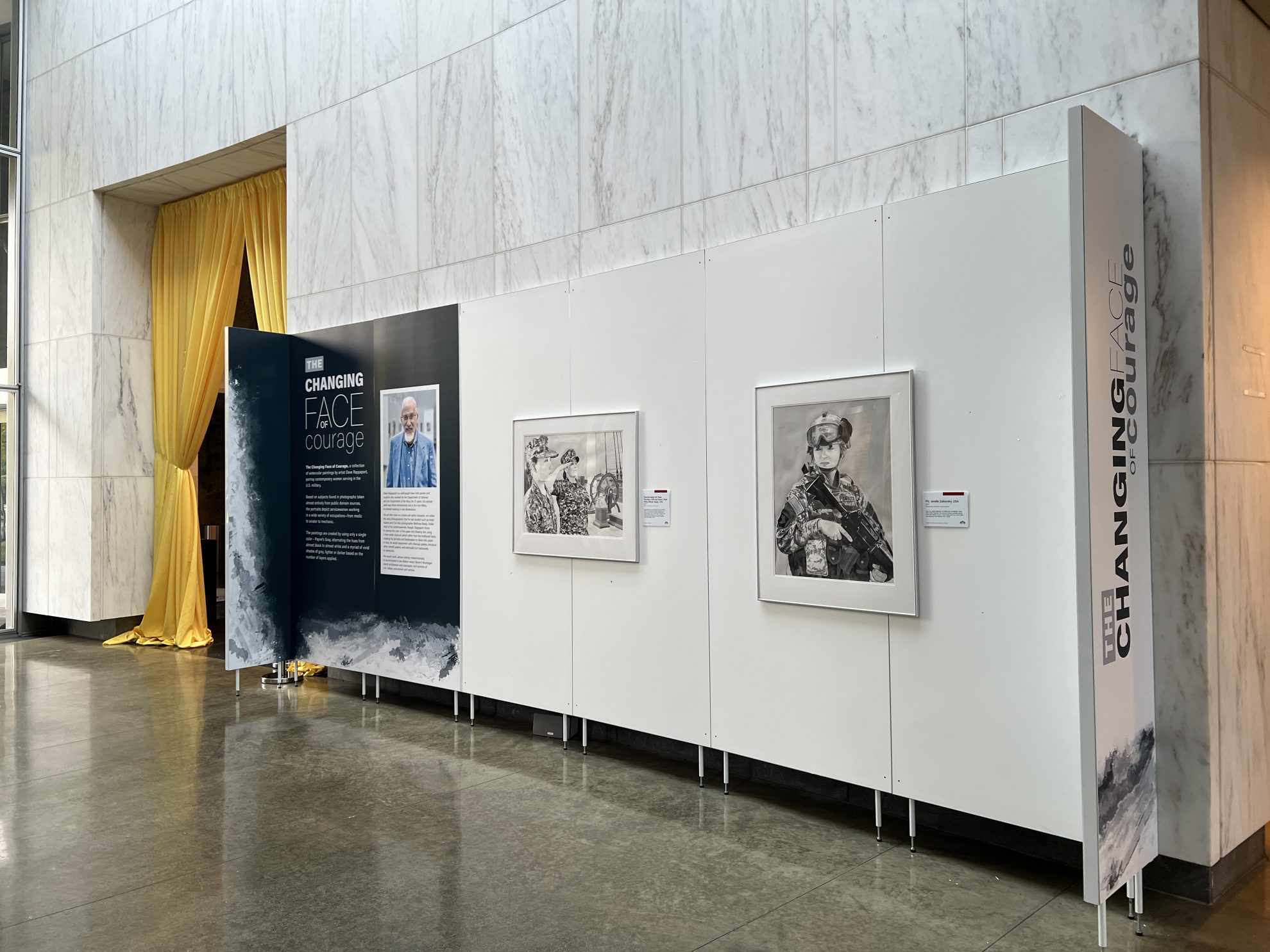
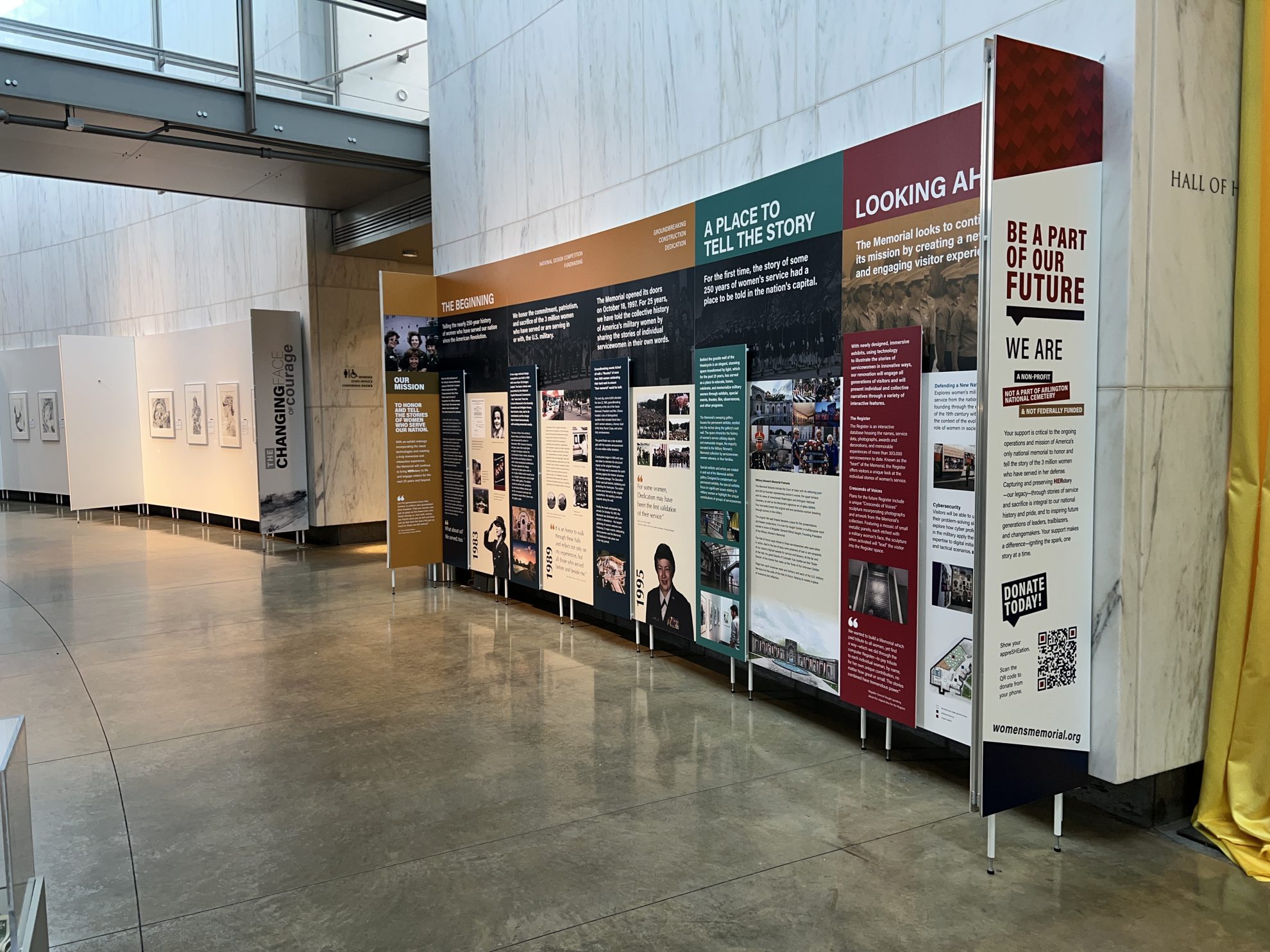
Heritage Signs & Displays created new museum signage for the Military Women’s Memorial in Arlington, VA. The project included custom signs, wall wraps, dimensional letters, and standoff-mounted displays to honor the legacy of U.S. servicewomen and the donors who supported the memorial. The updated interior features impactful designs, including a "Our Legacy" wall display and panels showcasing historical contributions and artwork, creating a transformative tribute to women in the U.S. Armed Forces.
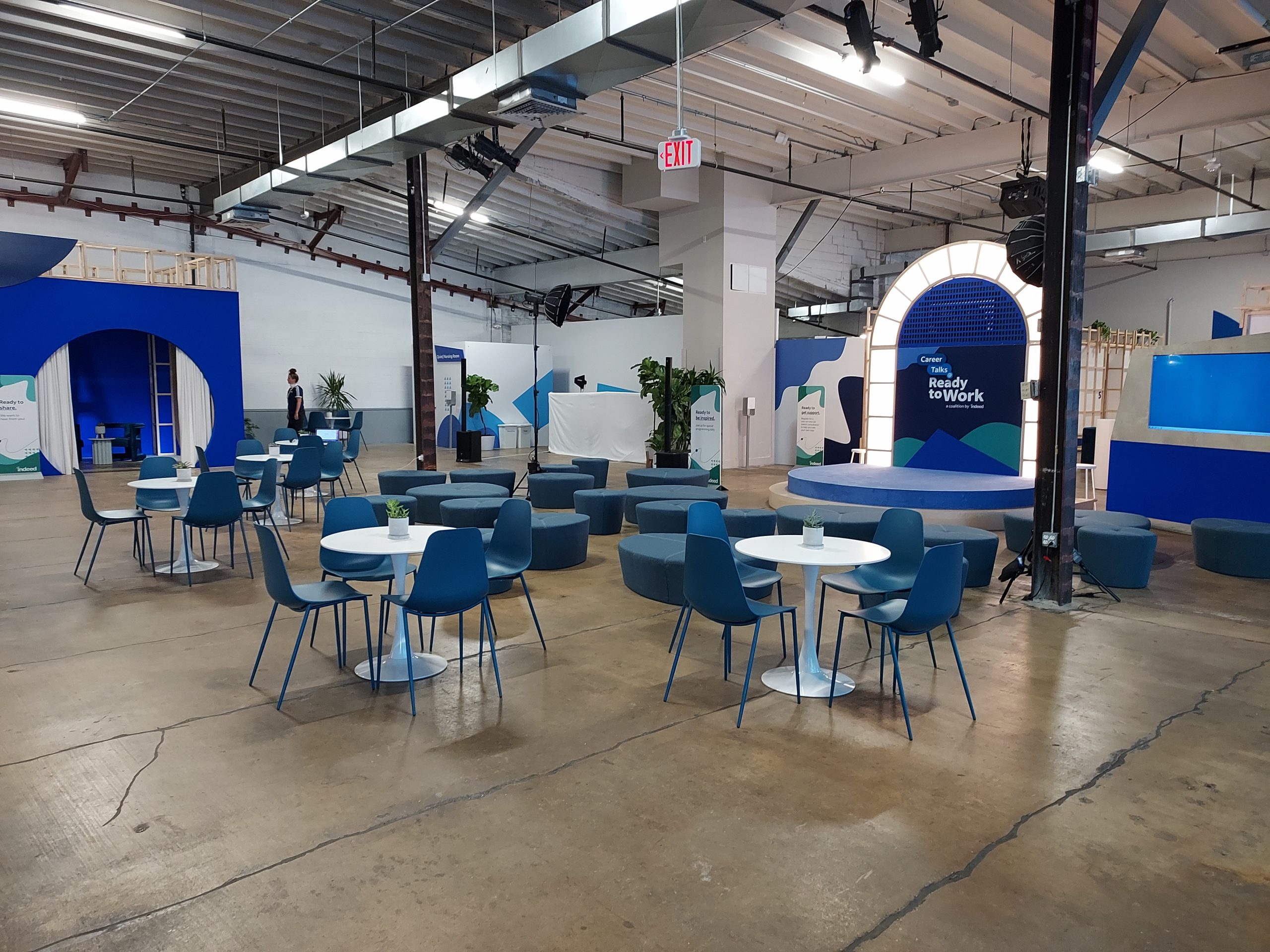
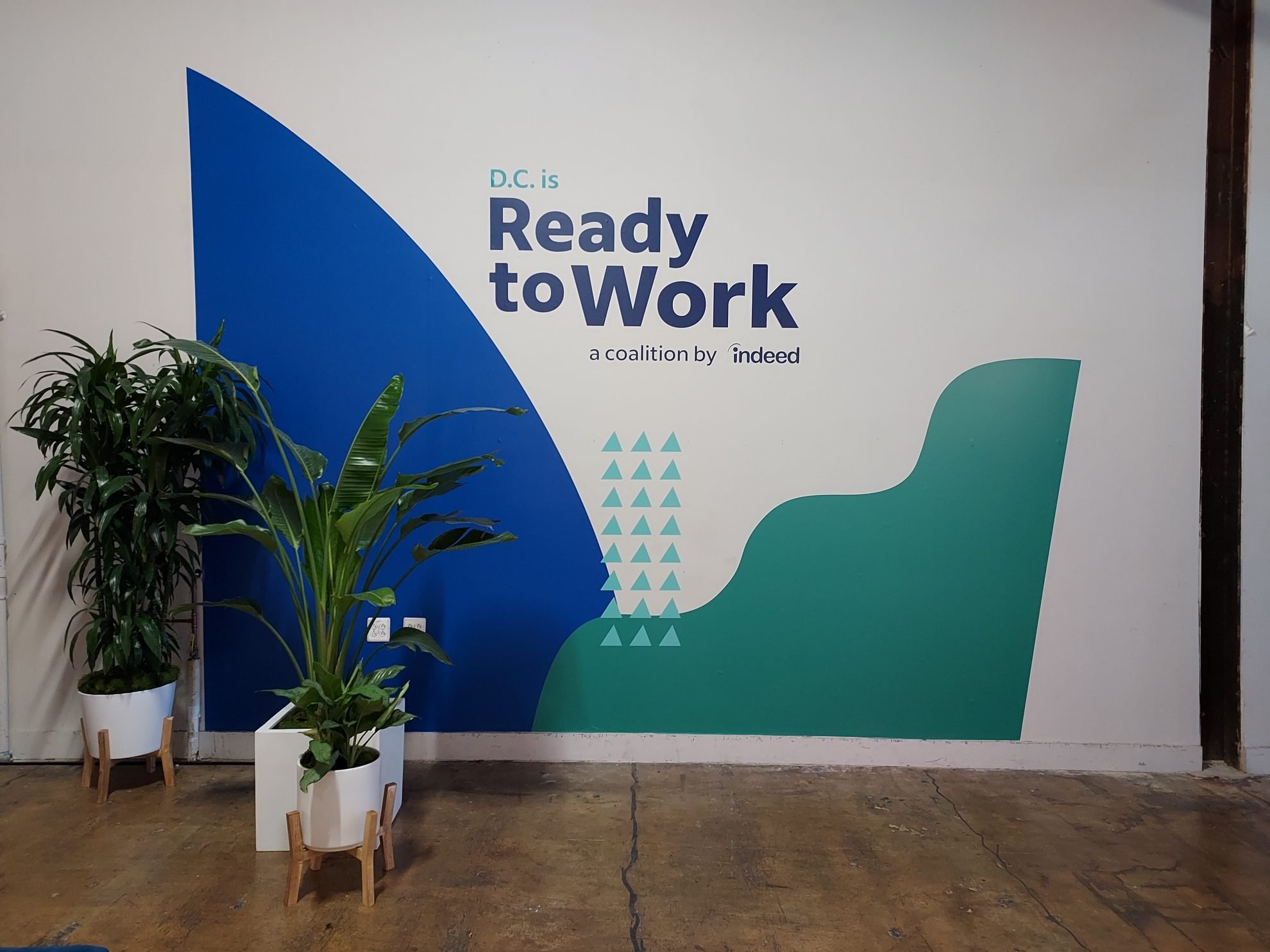
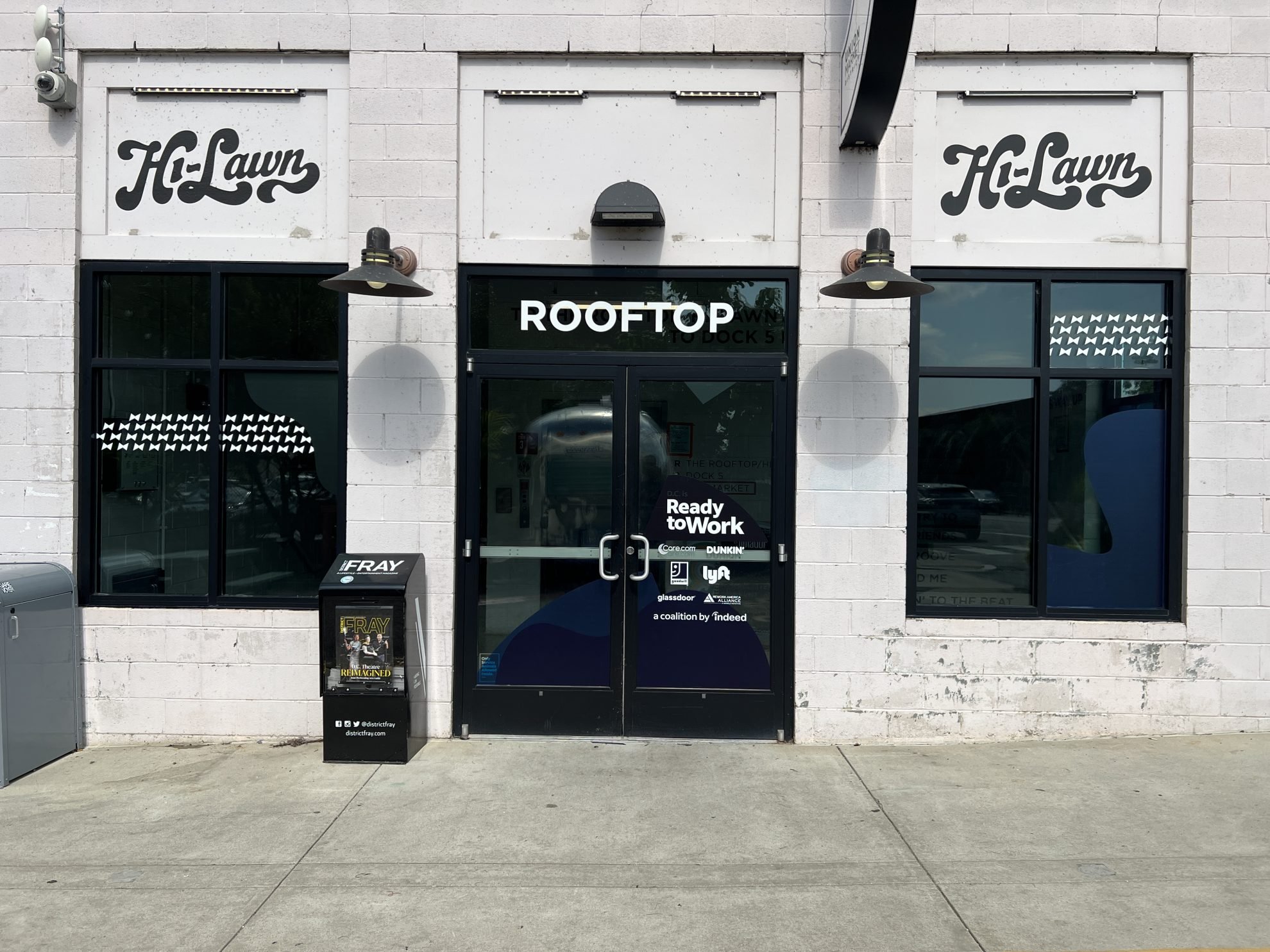
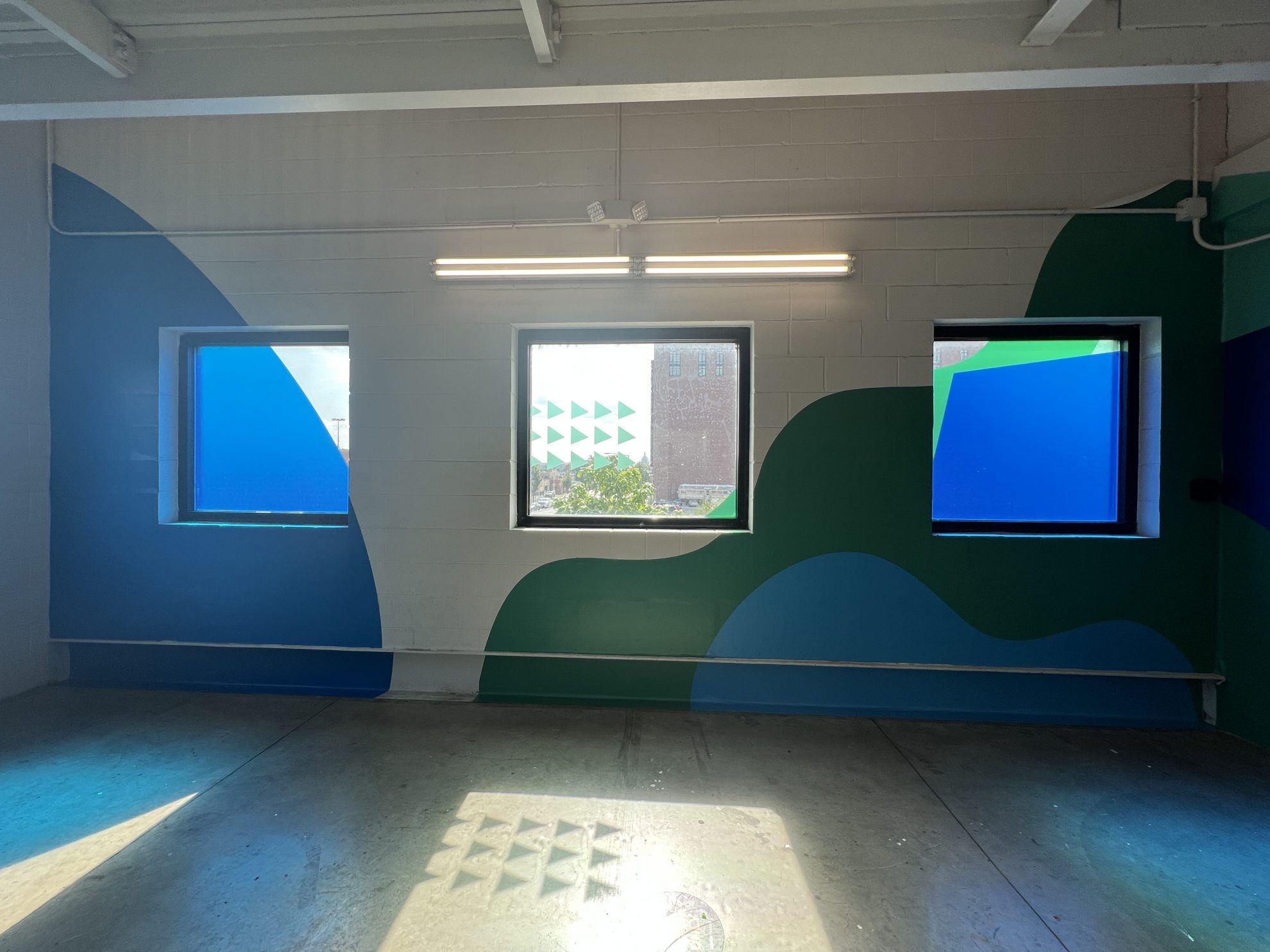
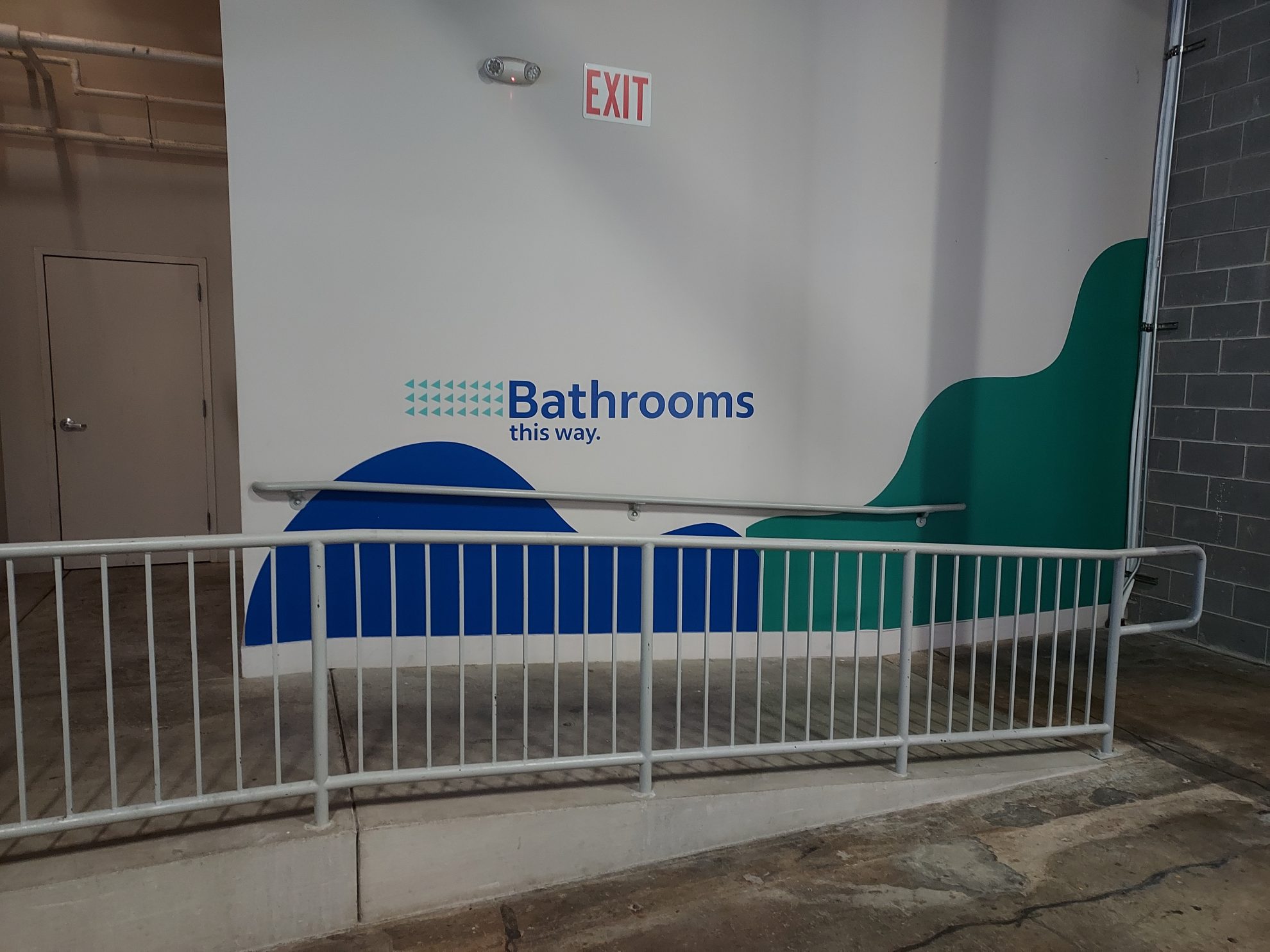
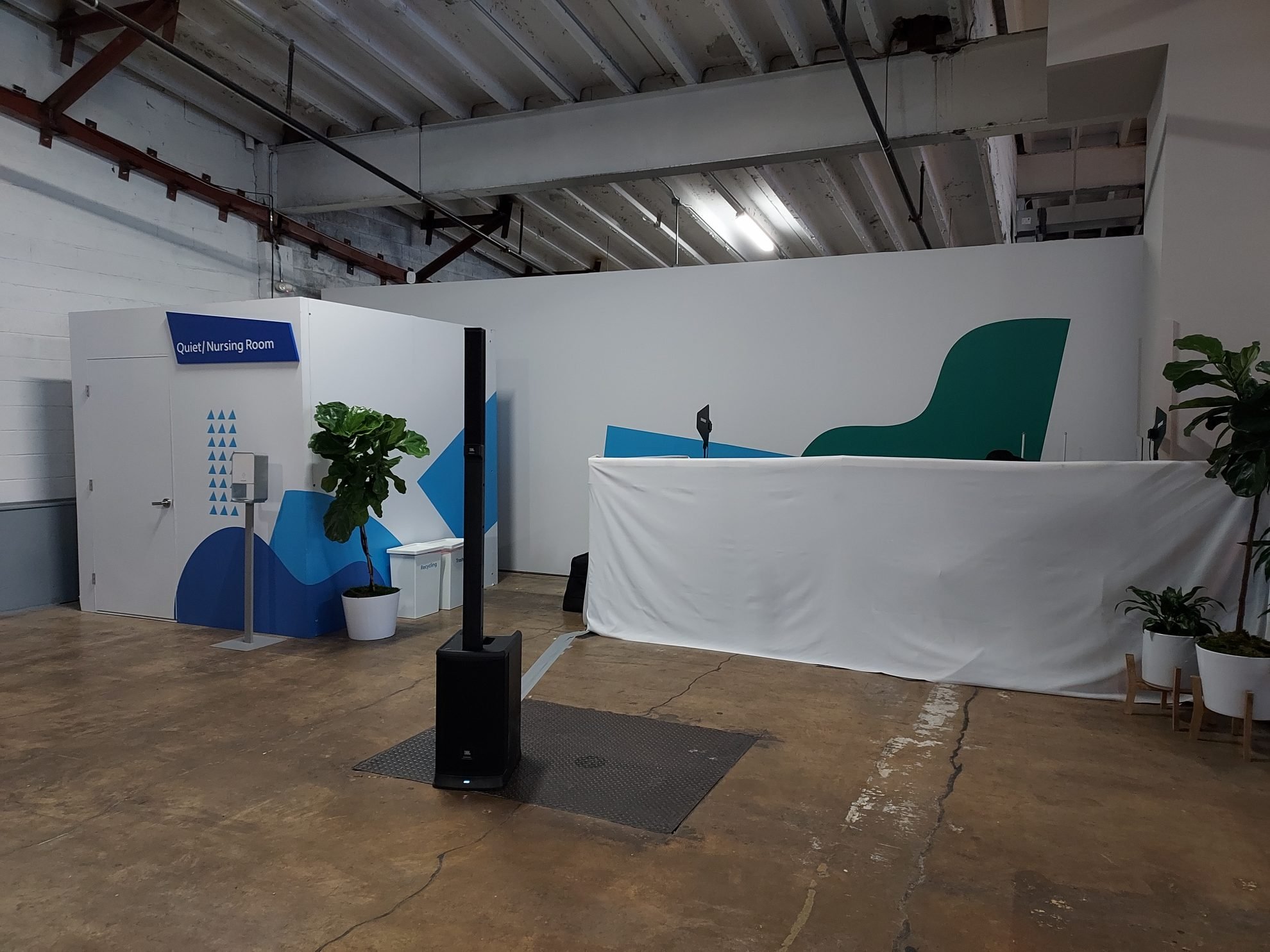
Heritage Signs & Displays' collaboration with The Gathery to brand Union Market in Arlington, VA, for Indeed's "Ready to Work" job fair. The project included custom event displays, wall graphics, window graphics, and wayfinding signs, creating an immersive and visually appealing environment. The branding enhanced the venue, reflected the event's mission, and provided a seamless experience for attendees.