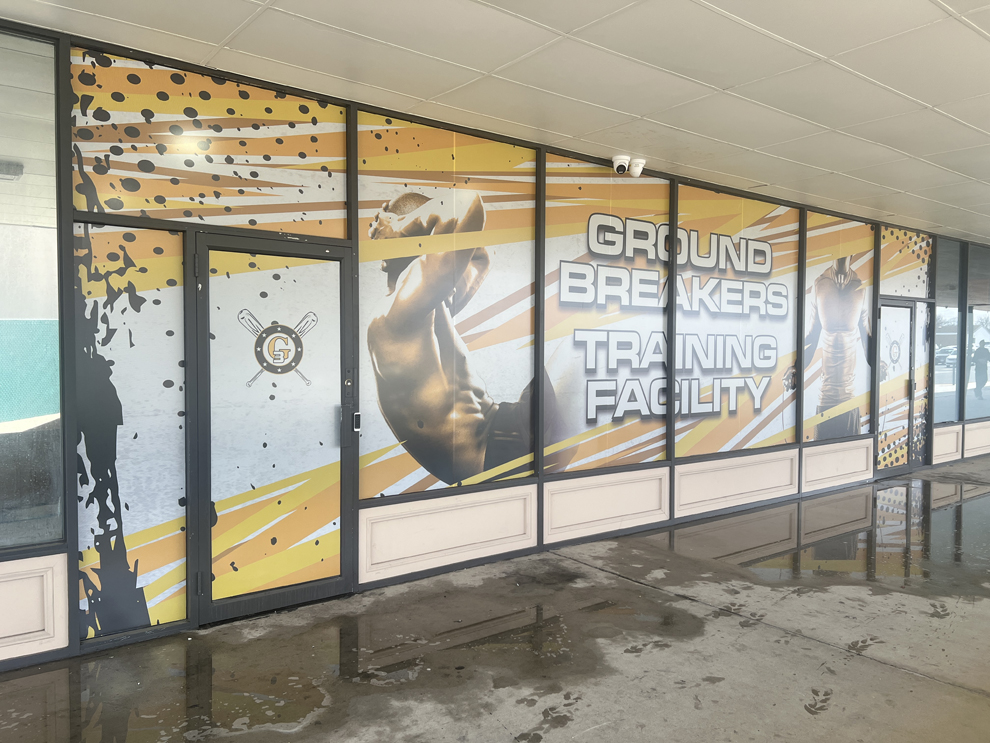
Someone walking up to your door should immediately know they are in the right place. Graphics on entry doors, windows, and the surfaces around them do that work quietly, giving your name and mark a place to live before anyone touches the handle. The same layer can screen a workspace from the sidewalk, frame the views worth keeping, help clear glass read as a solid surface, and pull attention toward the interior. We are not trying to fit every message onto the glass. We are building an arrival that sets up the space behind it.
How the entrance hands off to the interior is worth planning on paper first. Your identity often belongs on the street-facing glass, while the lobby sign carries the weight once someone steps through. Frosted film can shield conference rooms and private offices without giving up the daylight your team relies on. From there, wall graphics, dimensional letters, and displays handle the longer stories about culture, history, and recognition. Storefront graphics stay the connector in that sequence instead of sitting alone as a one-off window job.
We start every project with discovery: what result you want, who you are speaking to, what the property allows, when the work needs to happen, and what conditions we will meet at the entrance. Environmental graphic design turns those answers into one visual direction. From there, a single dedicated Project Manager carries the project through design, production, fabrication, and professional installation. Keeping the details inside one accountable relationship cuts down on handoffs and gets questions answered before they turn into problems on site.
That continuity matters most when a lot of people have a say. Marketing directors, facility managers, property representatives, architects, interior designers, and general contractors each hold a piece of the picture. Your Project Manager holds the whole record, keeps decisions moving, and protects the design everyone approved. Site notes, measurements, material selections, sign-offs, production requirements, and install logistics stay in one place rather than scattered across separate vendors.
Heritage opened in 1977 as a commercial printing company. In 2009 we shifted our focus toward signs, interior graphics, workplace branding, and event environments. Today we are an award-winning, veteran-owned, family-led company coming up on 50 years in business. That background shapes how we work: practical recommendations, straight communication, real craftsmanship, and follow-through you can count on. We aim to honor God by serving our clients and communities with excellence.
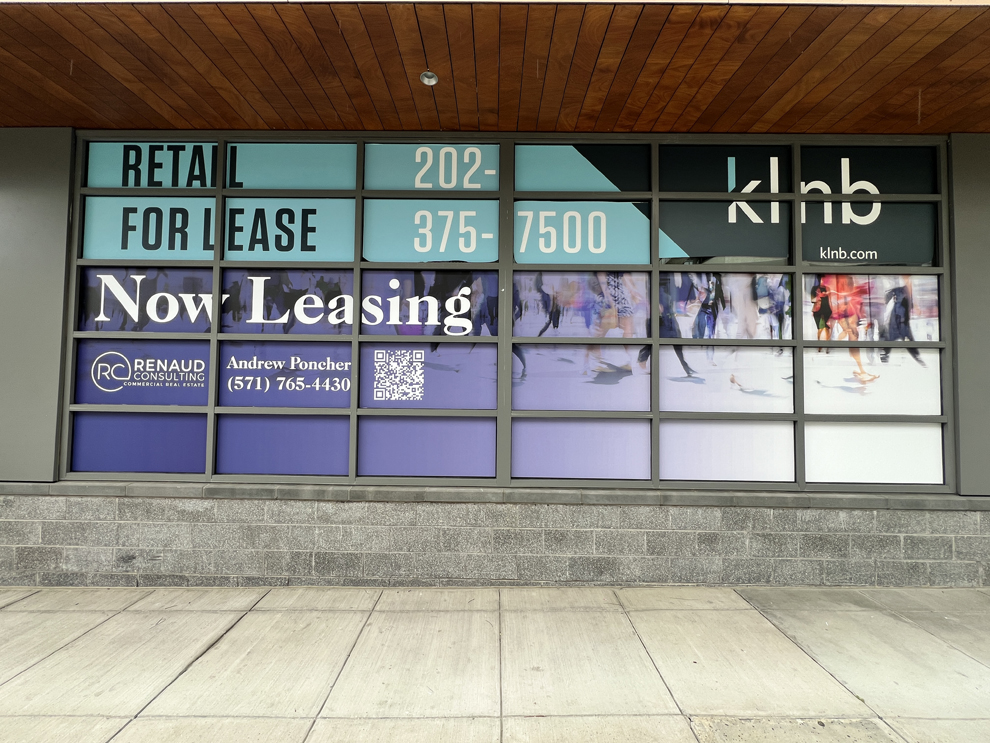
Storefront graphics are our main bridge between street-facing branding and the branded interior behind it. A single coordinated project might include non-illuminated exterior window graphics, exterior wall graphics, dimensional lettering, custom sign panels, entrance glass treatments, a lobby sign, and a handful of interior features. Every piece has a job, and together they read as one place.
Businesses in Gaithersburg, Rockville, Germantown, and across Montgomery County get local discovery, site surveys, field coordination, install planning, and professional installation. Those local hands connect through one Project Manager to our full design, production, fabrication, and regional teams.
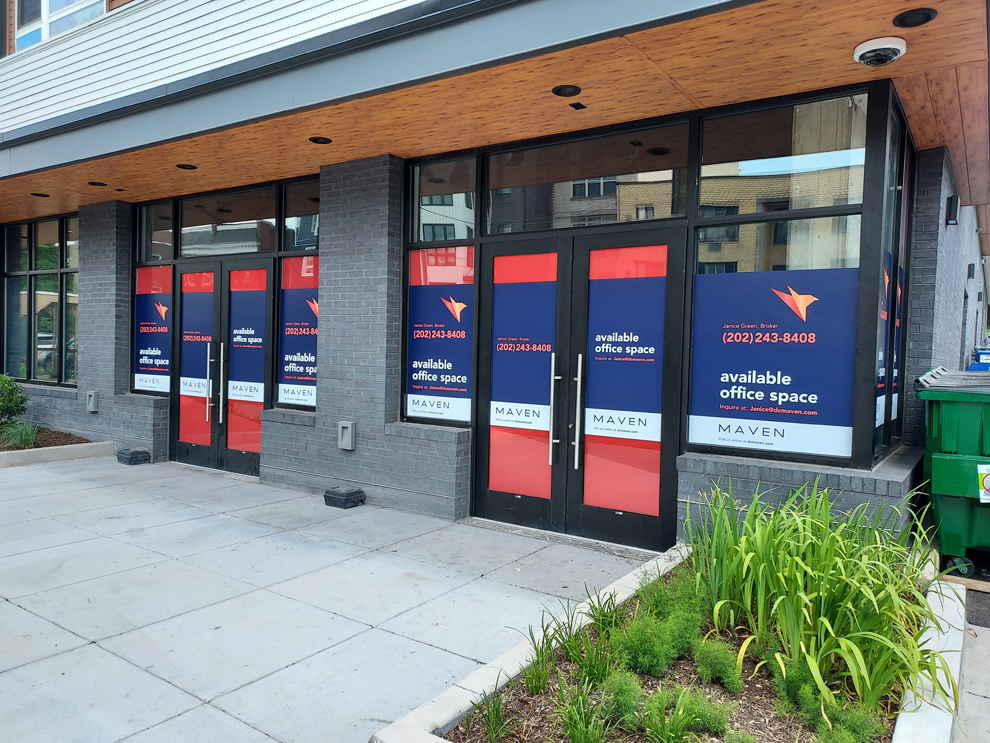
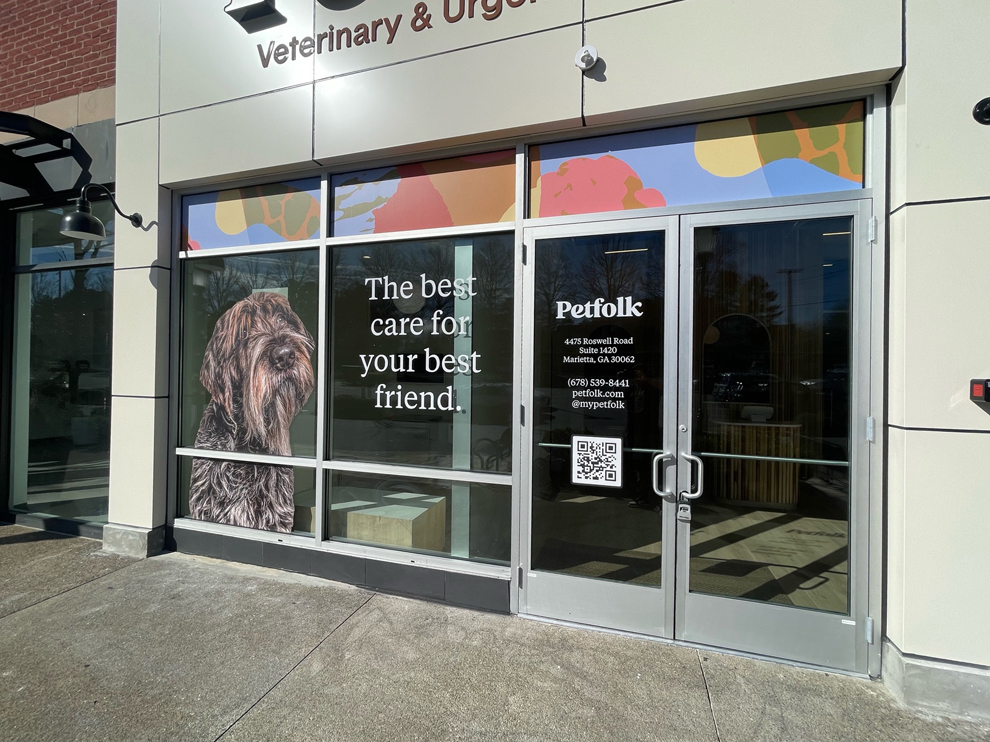
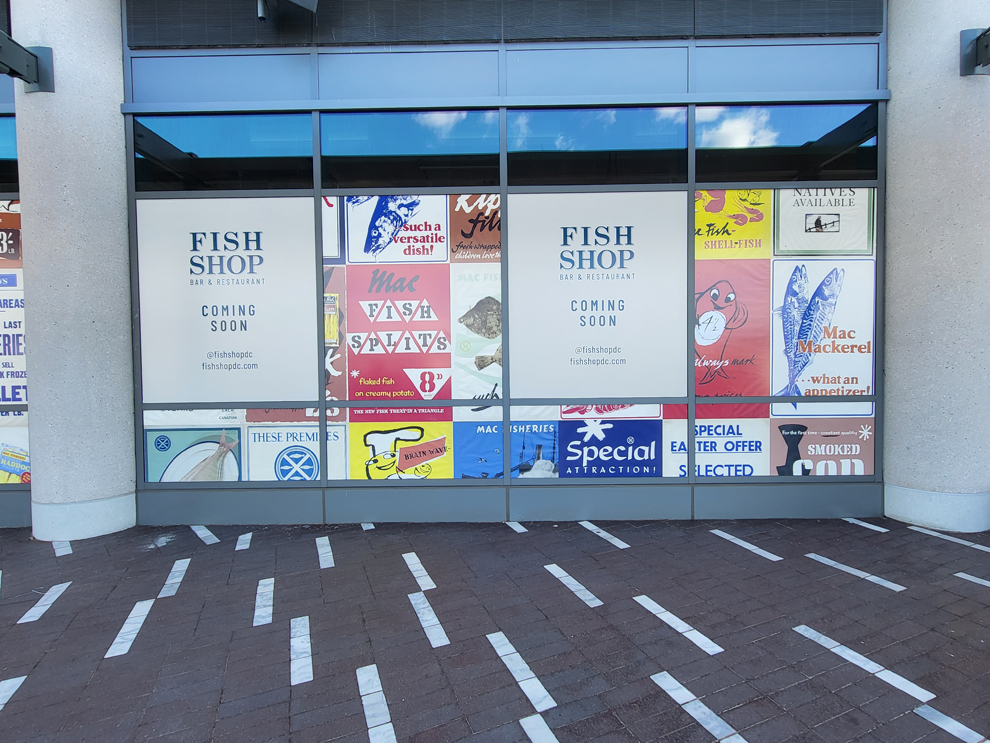
Recognition starts well before the reception desk. Street-facing graphics name the business, door lettering confirms the visitor found the right suite, and thoughtful glass coverage balances privacy against daylight and the views you want to keep. Decorative or branded vinyl on clear glass also makes that surface easier to register, without us making compliance claims we cannot back.
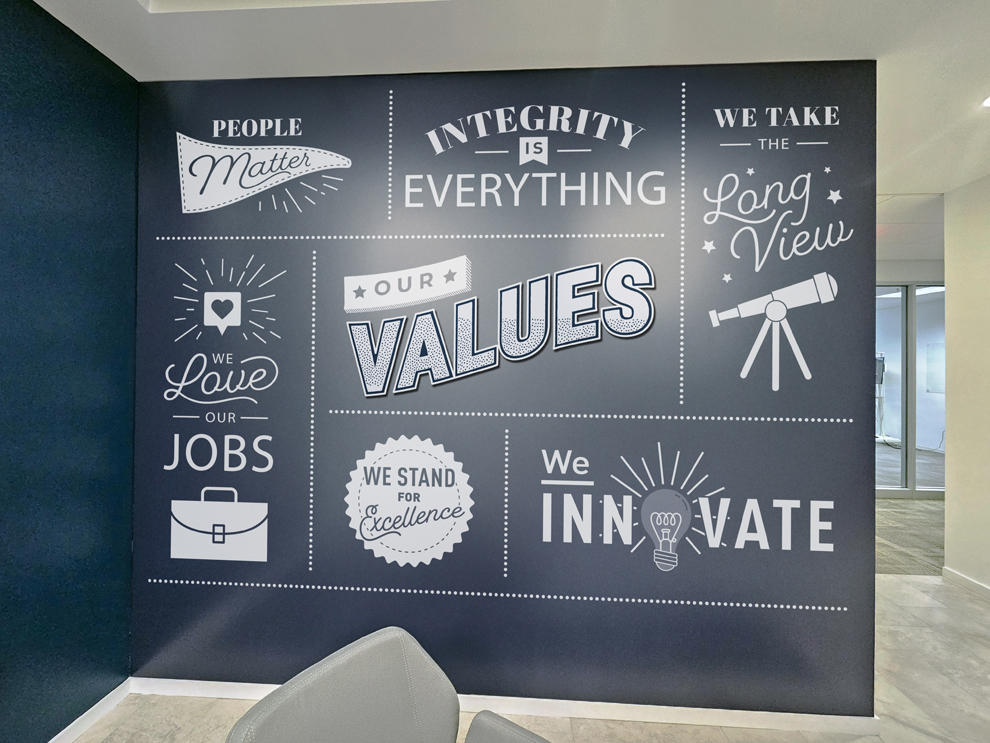
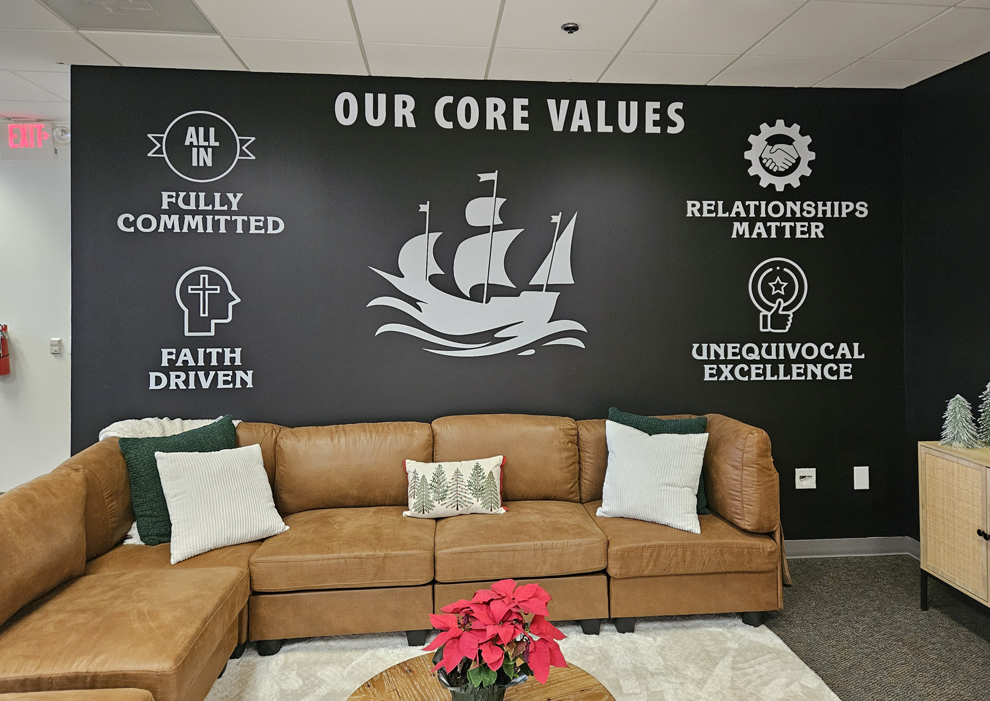
Inside, the emphasis shifts. The lobby sign usually becomes the strongest identity moment, while wall graphics and dimensional features carry your history, core values, mission, or employee recognition. Spreading the message across the sequence gives each idea room to breathe and keeps the entrance from feeling packed.
Treat the door, the windows, the lobby, and the interior walls as chapters of the same story. Instead of buying each piece separately, we help you sort out what belongs at the threshold and what should unfold farther in. Storefront graphics stay the organizing layer at the entrance, easing visitors from outside recognition into a fuller picture of who you are.
We run storefront graphics projects on a connected model built to protect information and accountability. Our One Dedicated Project Manager System gives you one steady contact from discovery through environmental graphic design, production, fabrication, and installation. Fewer handoffs, and site findings, stakeholder decisions, approvals, and design intent all live in one project history.
We can work straight with your decision-makers or plug into a team that already includes architects, interior designers, branding agencies, property managers, and general contractors. Some clients hand us finished brand standards and print-ready artwork. Others come with goals and a rough idea and need design help to shape a direction that will actually build.
Our full-time installers work from the same information that drove design and production. Local field support around Gaithersburg means firsthand knowledge of your building, while our larger operation brings capacity for one-time projects, phased rollouts, and multi-location programs. Veteran ownership, family leadership, tight coordination, and clear responsibility add up to a process focused on execution instead of disconnected product orders.
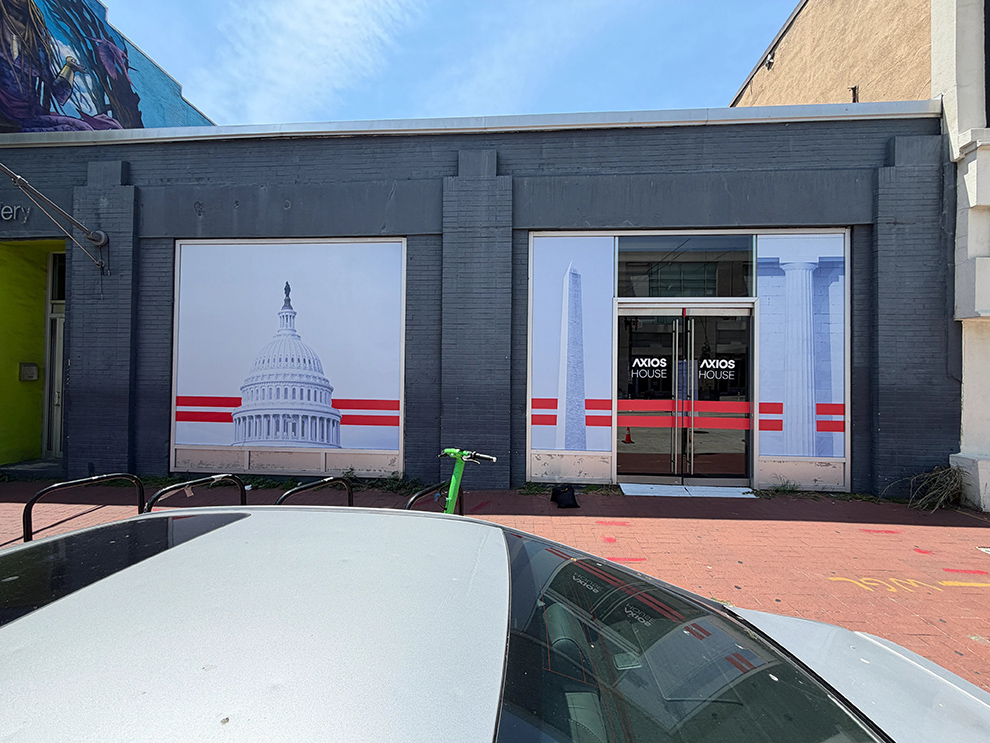
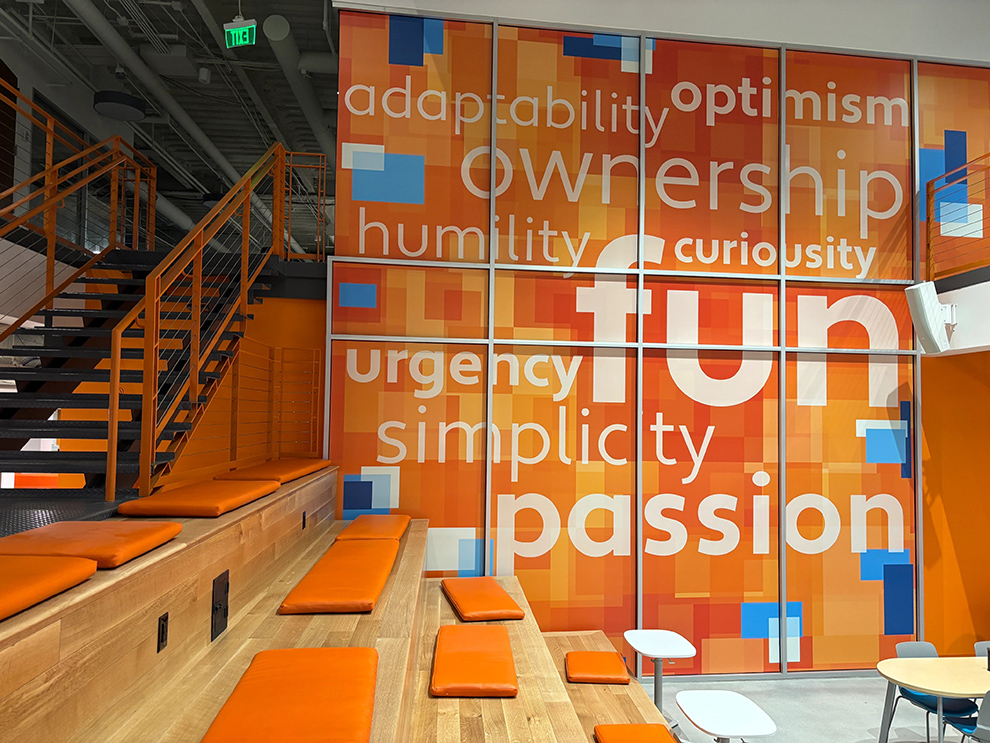
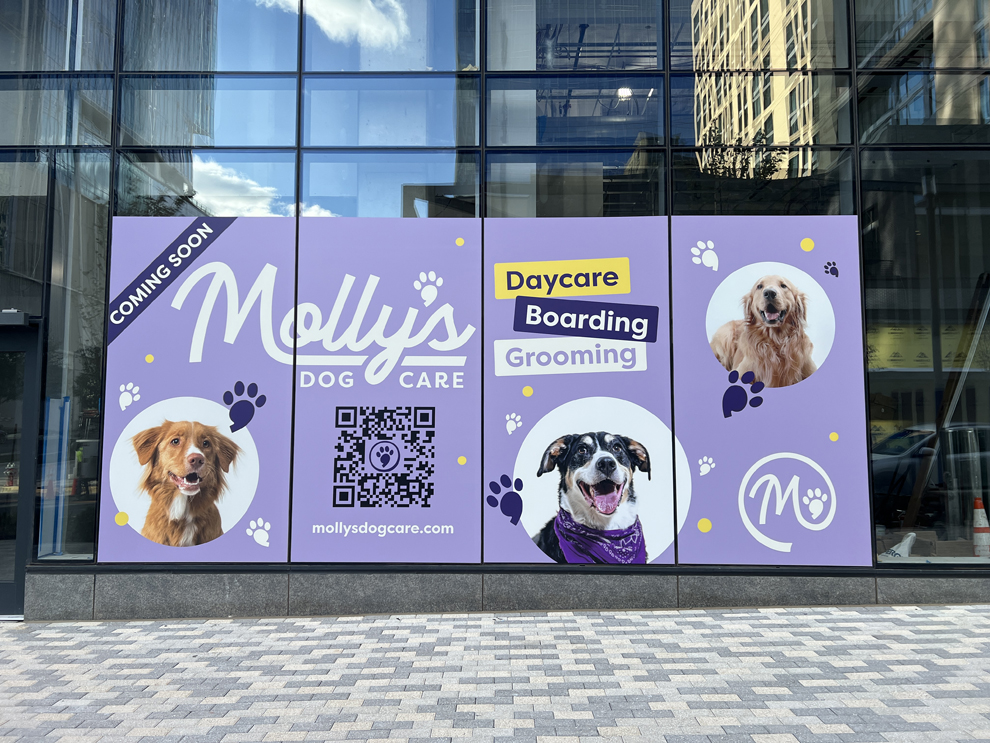
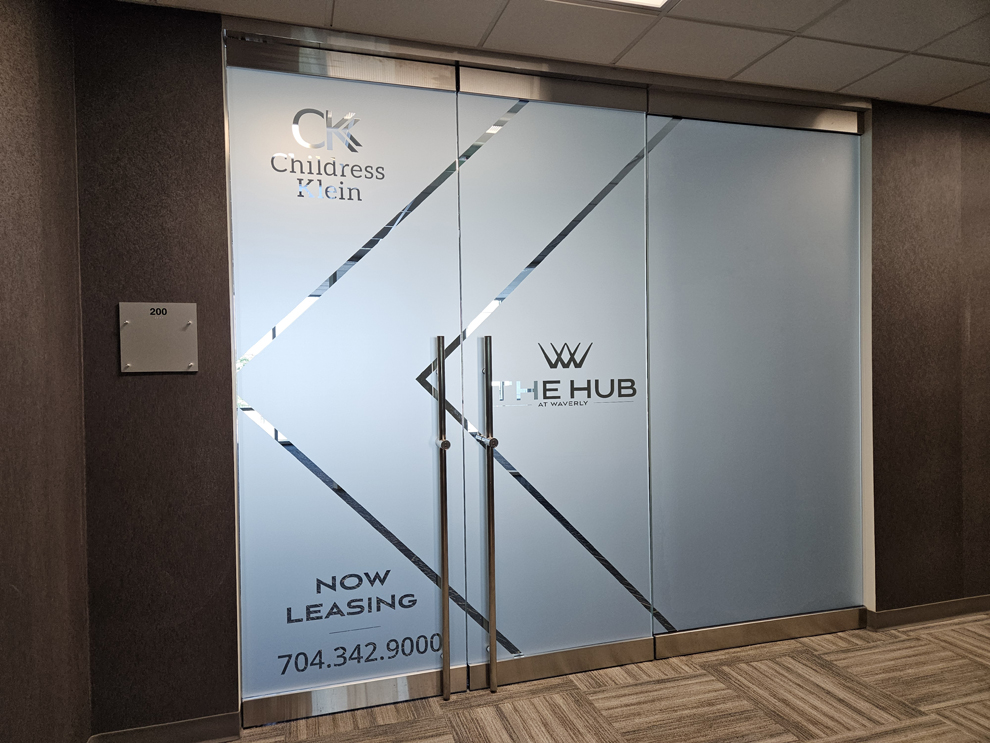
Window and glass graphics carry your identity while helping entrance and interior glazing do its job better. We plan coverage around recognition, privacy, daylight, and the views worth protecting so the glass supports the arrival instead of closing it off.
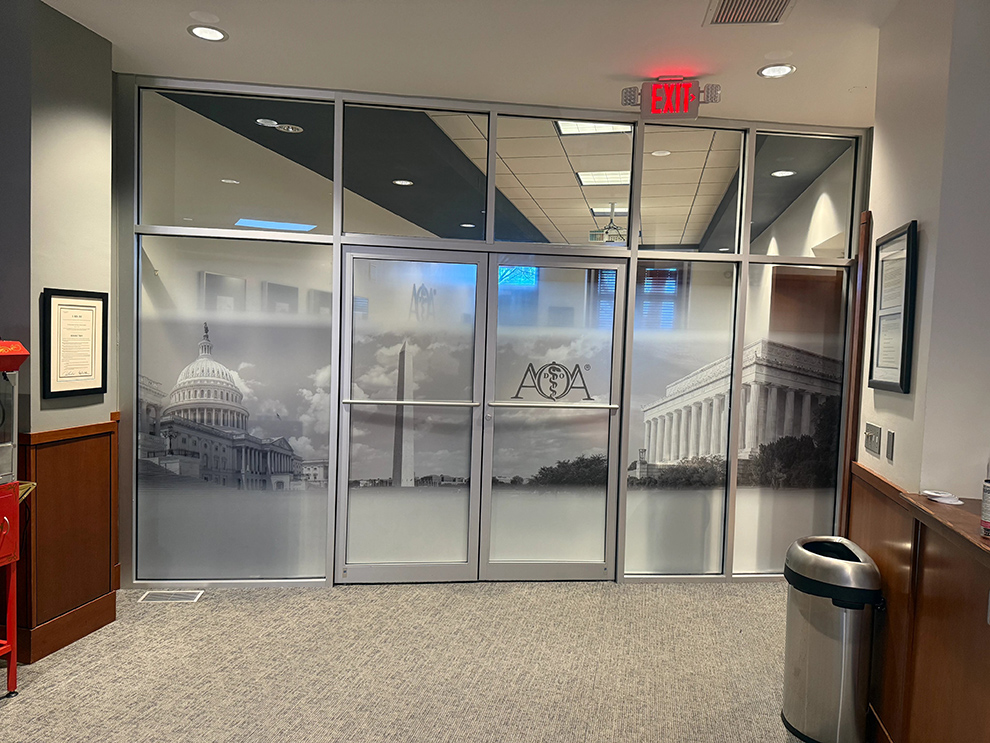
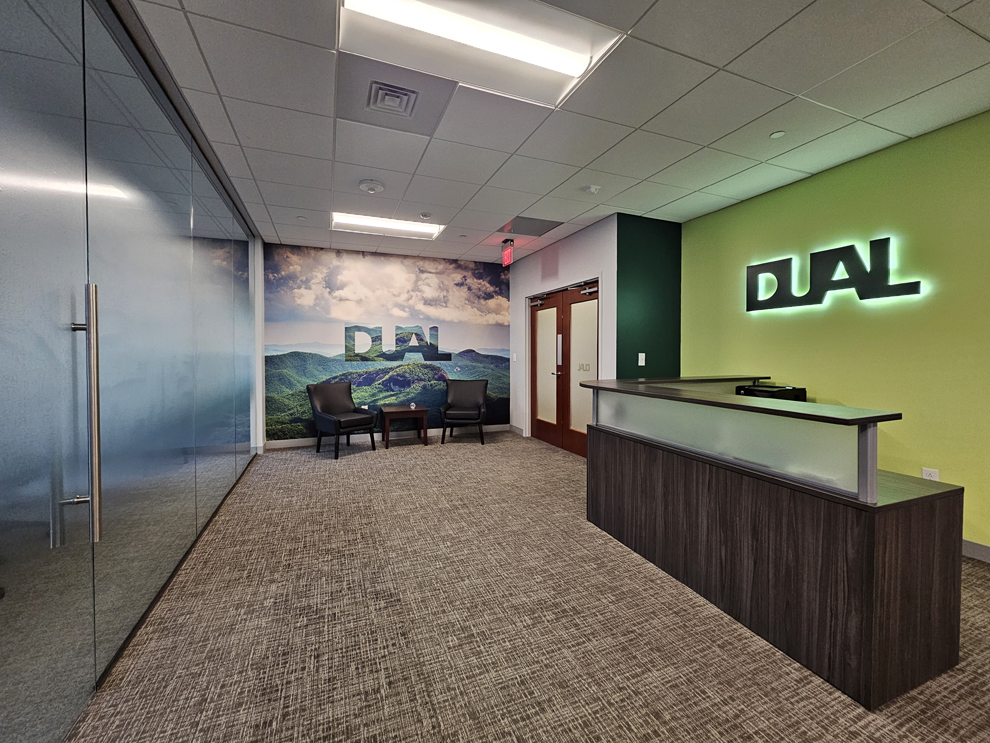
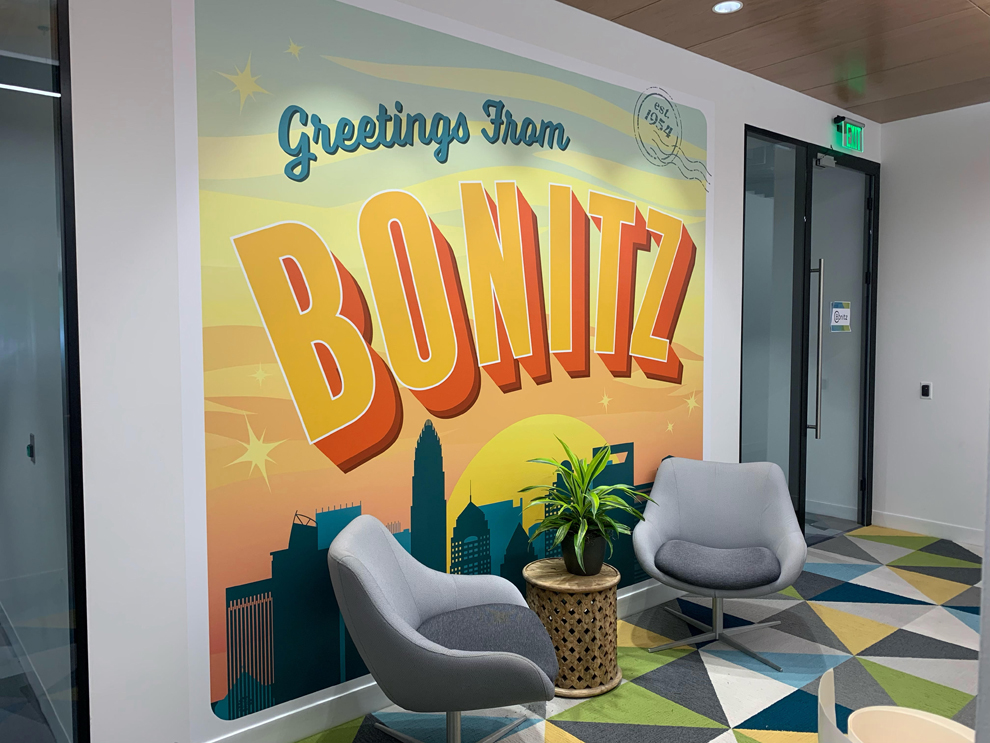
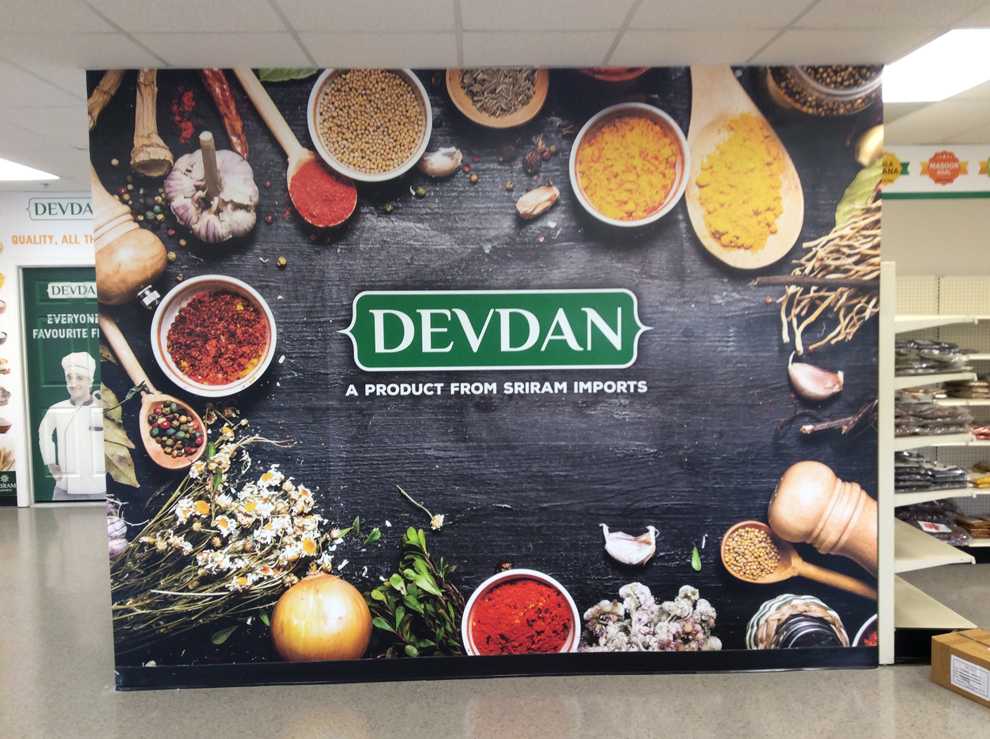
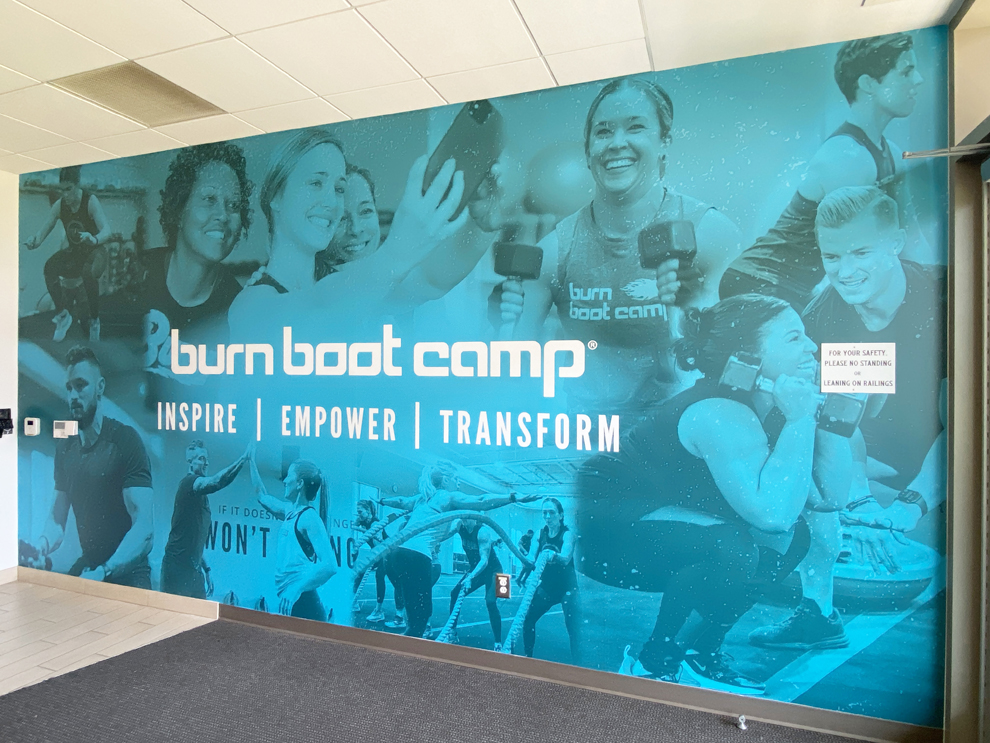
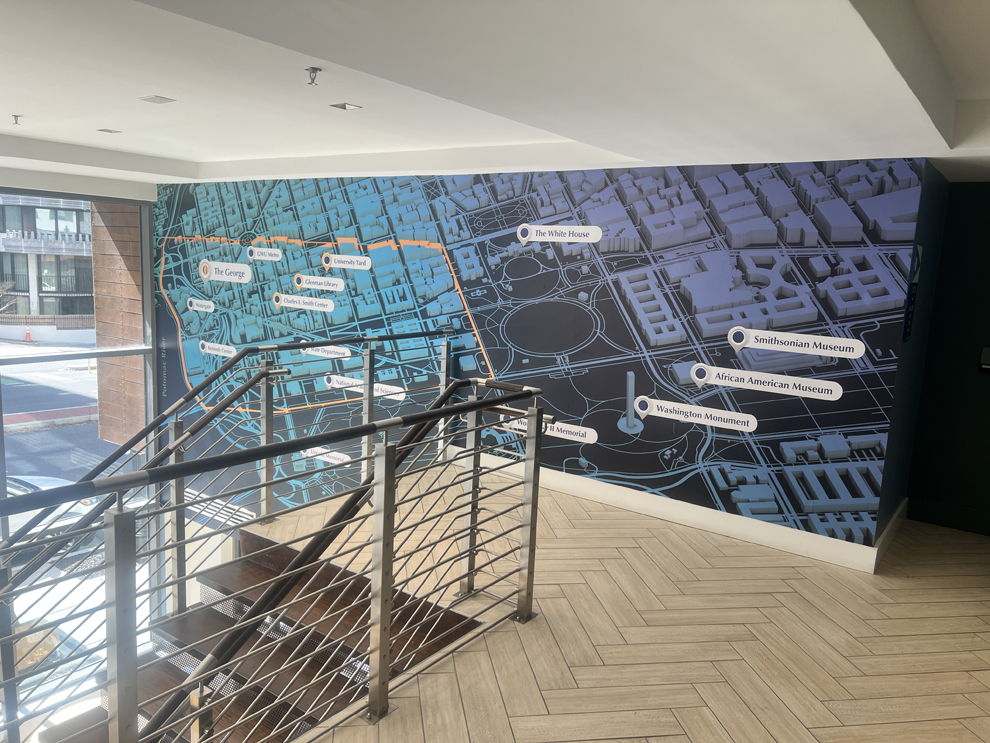
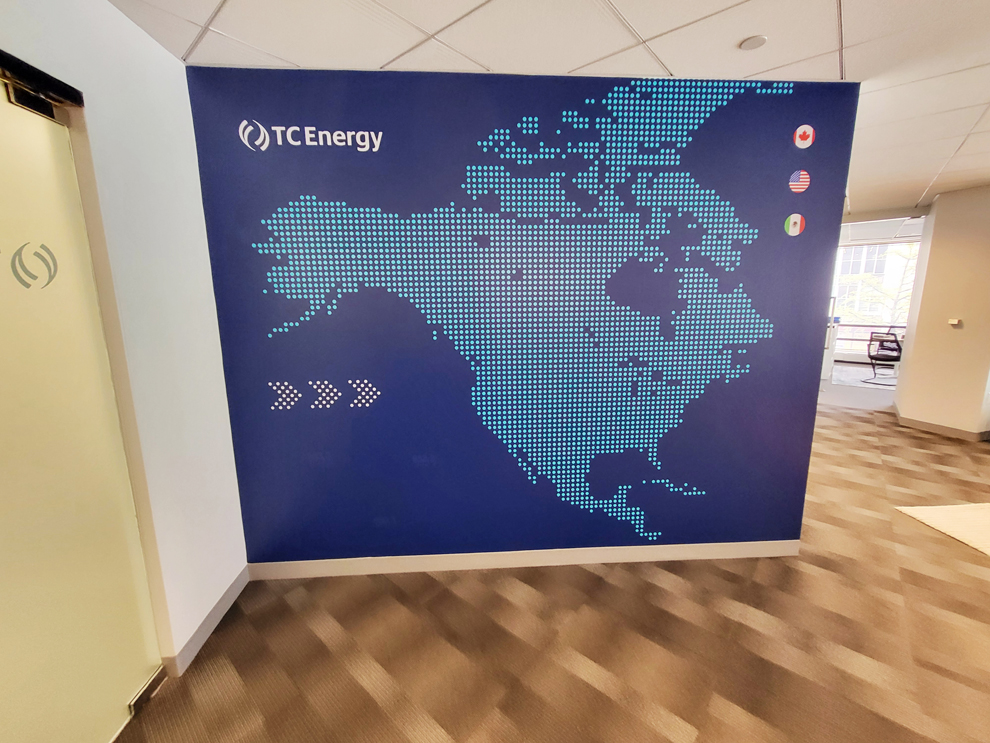
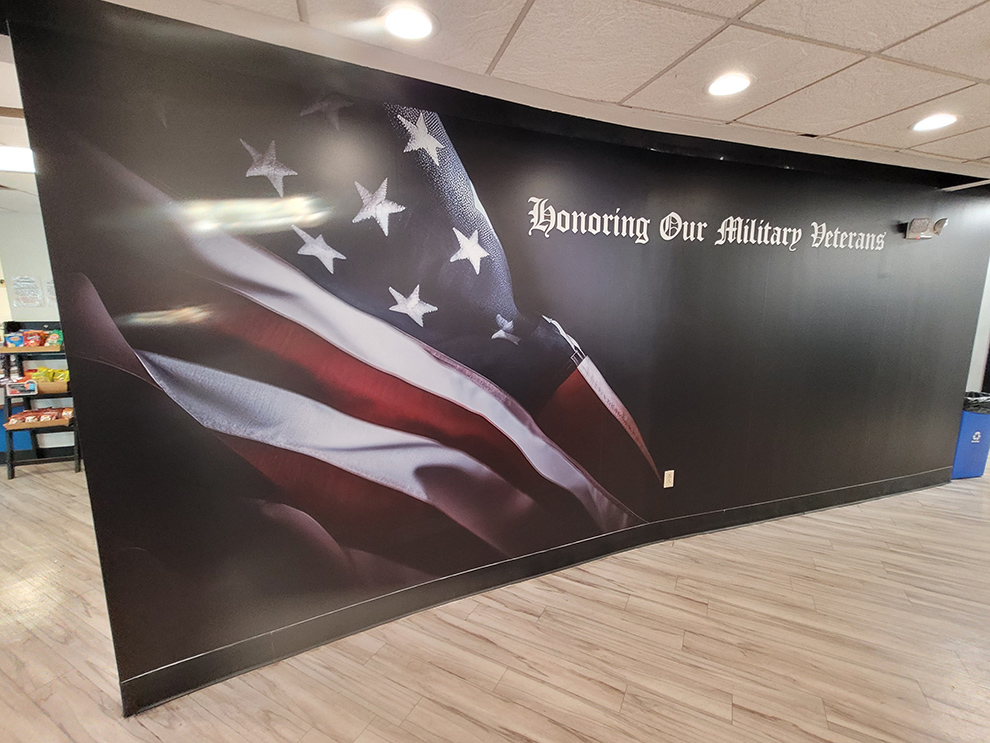
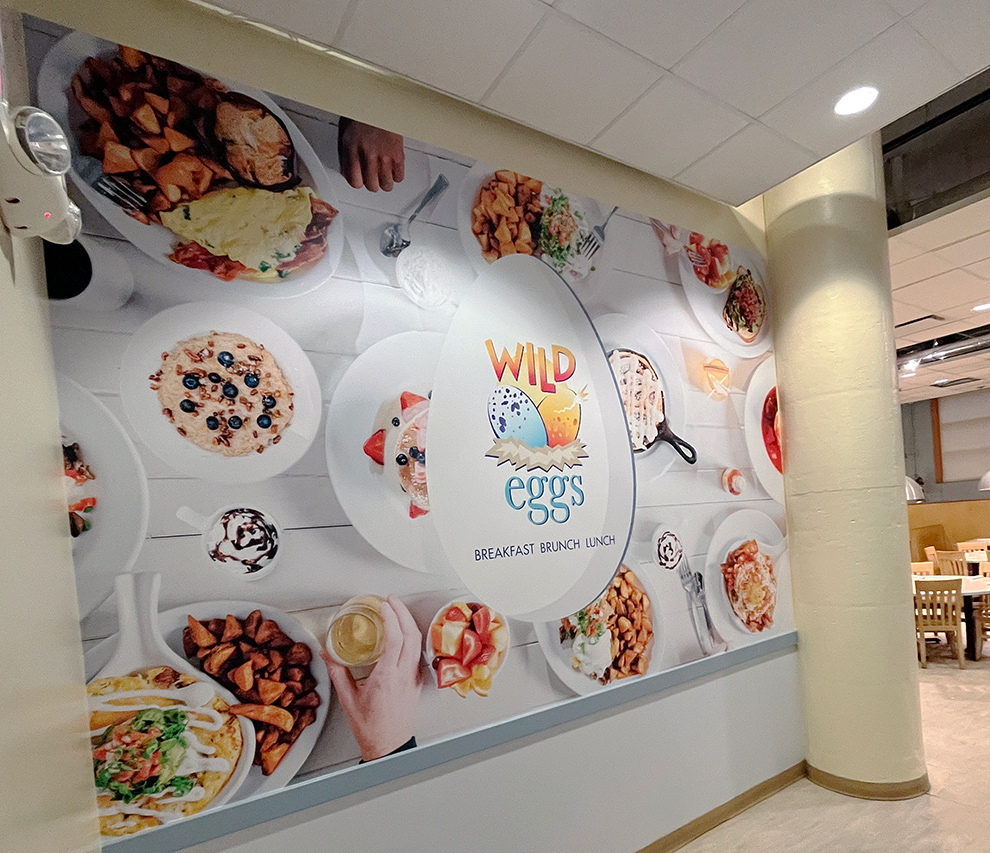
Wall wraps push color, imagery, and messaging past the entrance into reception areas, hallways, meeting rooms, and customer-facing spaces. They give you a much larger canvas for ideas that storefront glass cannot responsibly hold.
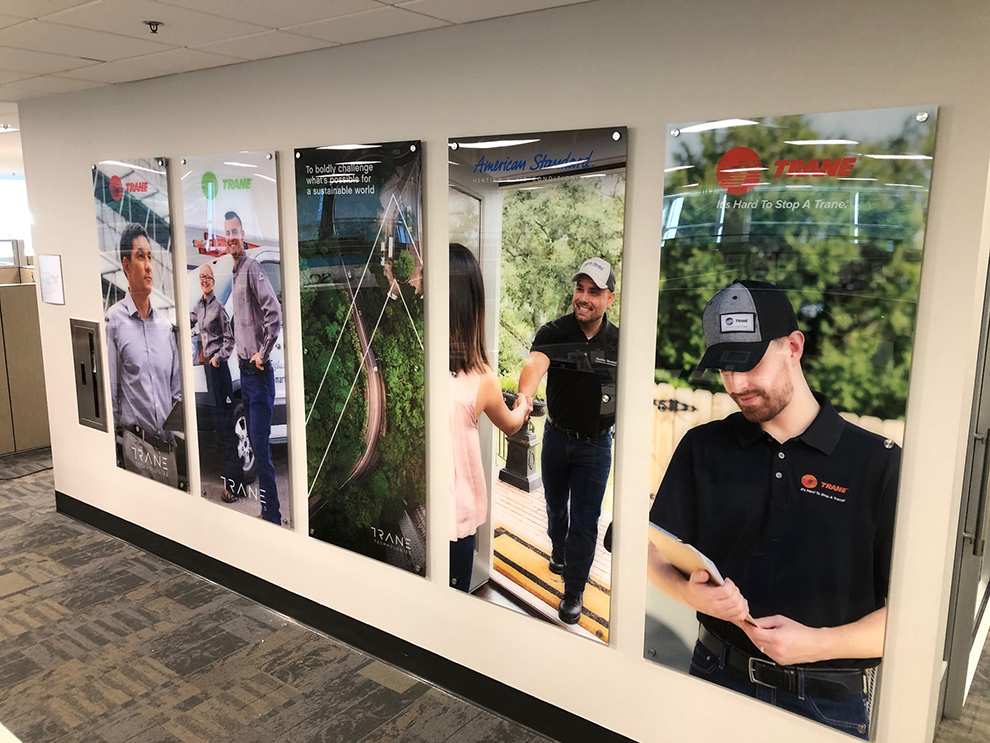
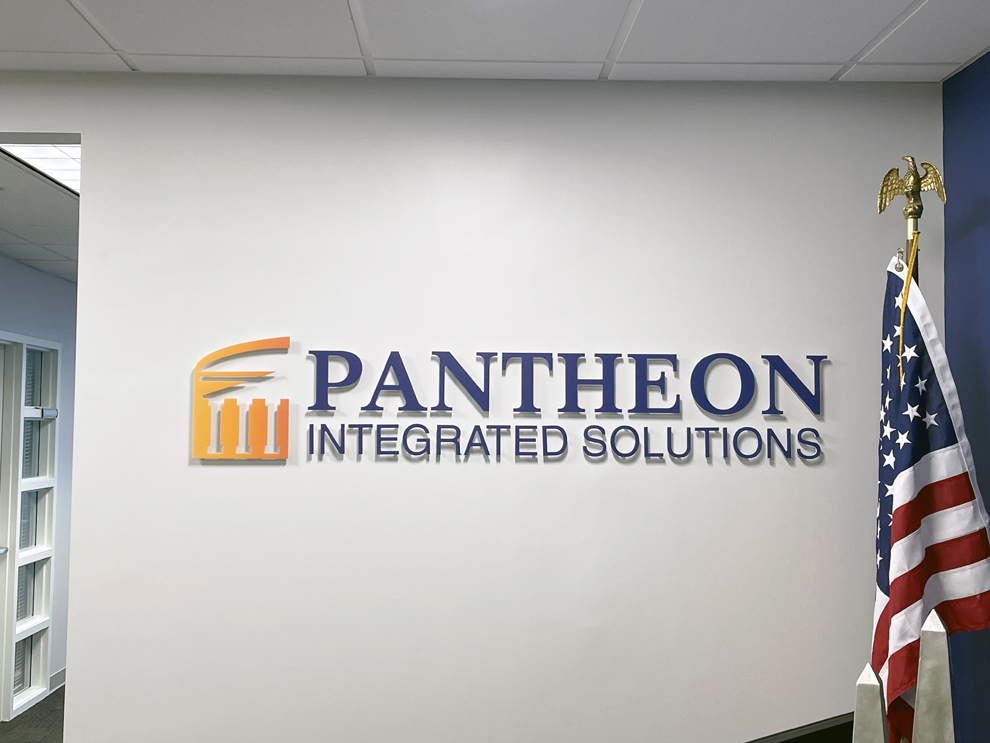
Once storefront graphics make the introduction, the lobby sign takes over as the primary identity piece. We coordinate its scale, materials, placement, and relationship to nearby graphics so reception reads as a deliberate continuation of the entrance.
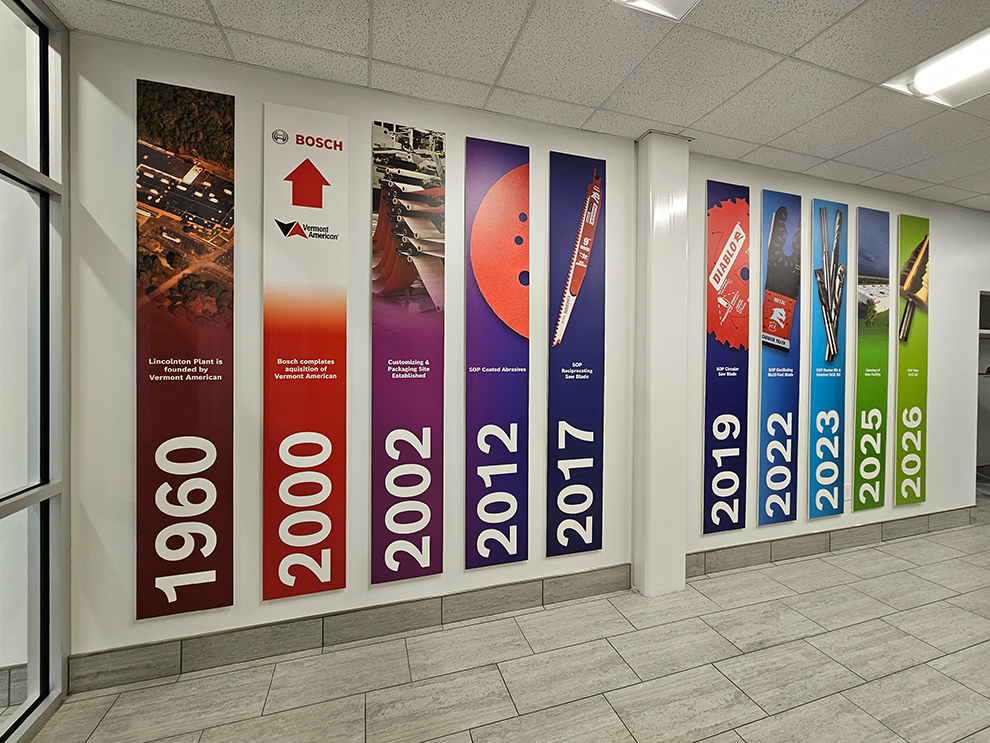
Wall displays turn history, awards, milestones, and culture into a structured interior feature. Printed graphics pair with dimensional or mounted components to build depth while staying tied to the identity established at the storefront.
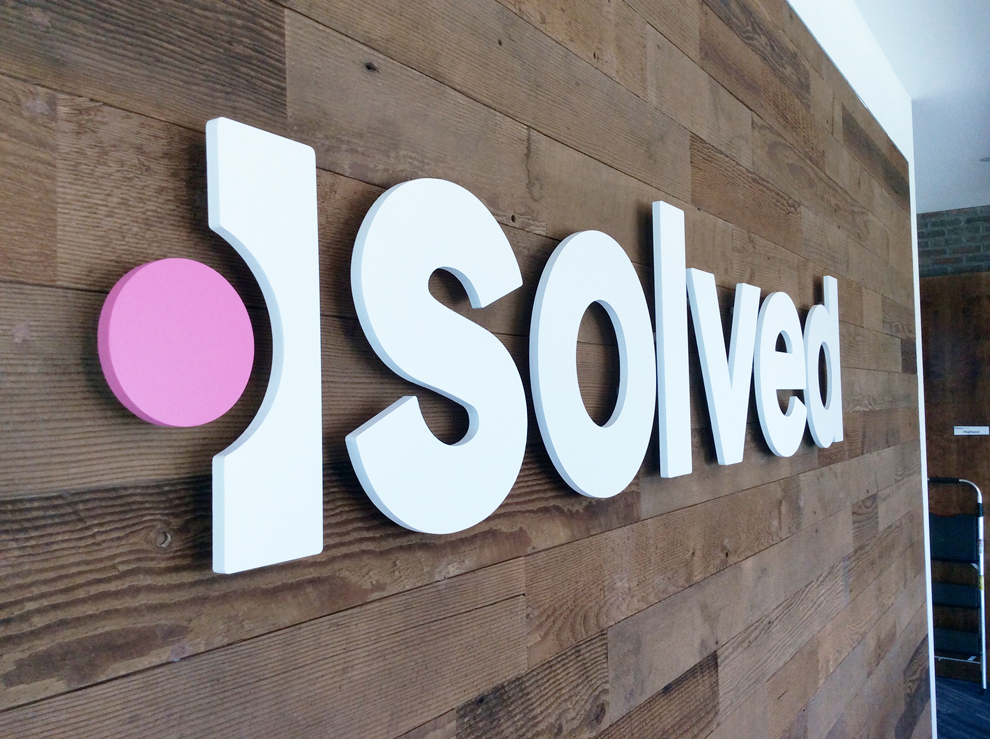
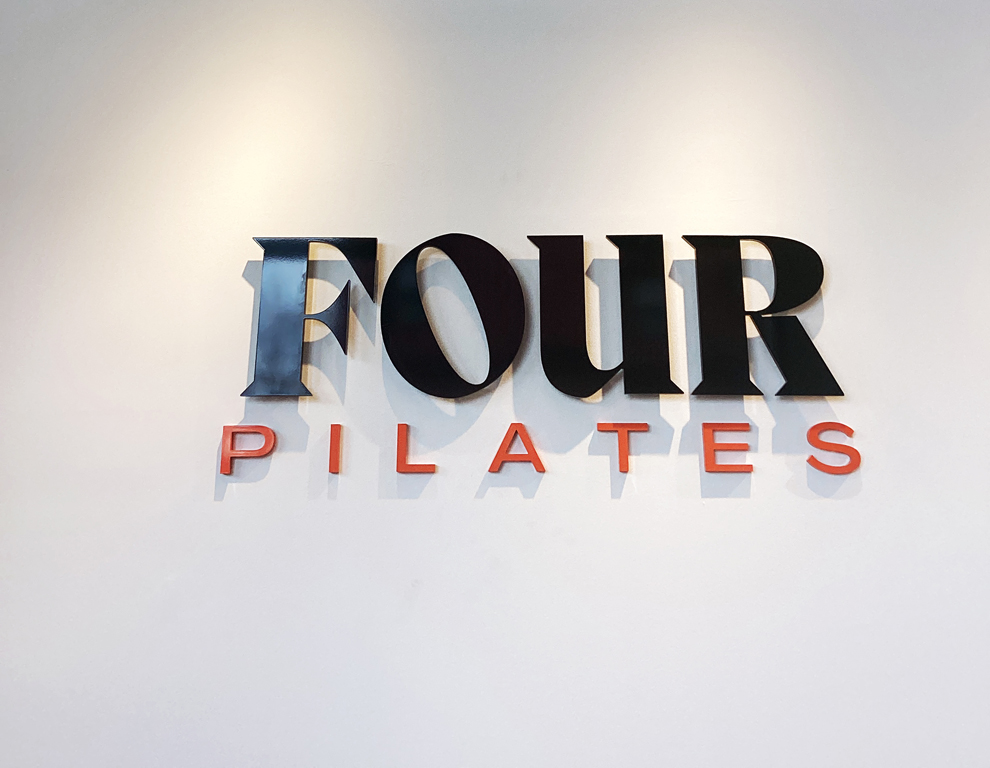
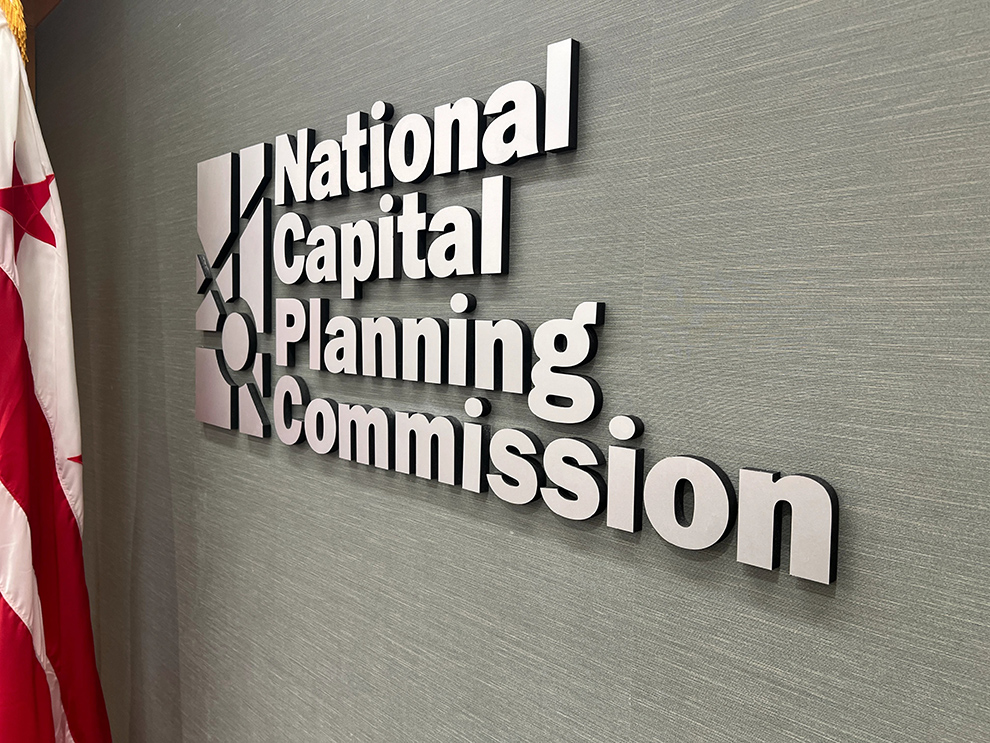
Dimensional letters and logos add physical depth to reception areas, branded walls, and select storefront applications. We plan size, finish, mounting method, and surrounding context so they land with the right emphasis instead of fighting nearby elements.
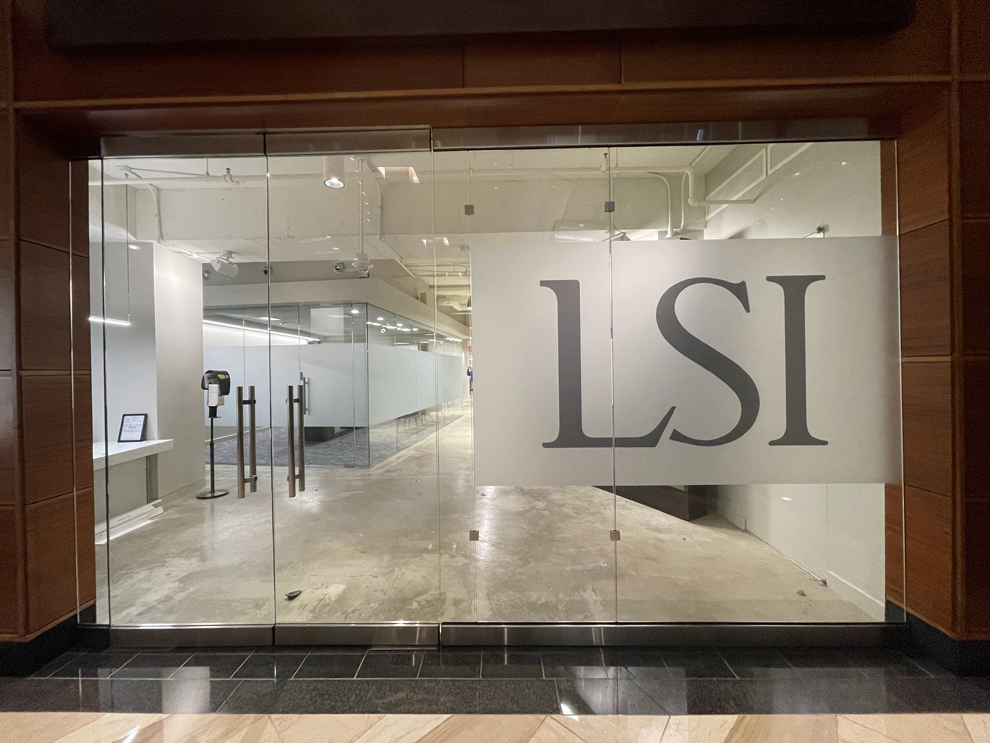
Frosted vinyl and etched-look privacy film soften sightlines into offices, conference rooms, and glass partitions while keeping the daylight. Branded bands, patterns, or logos tie the treatment back to the entrance so it reads as design rather than pure utility.
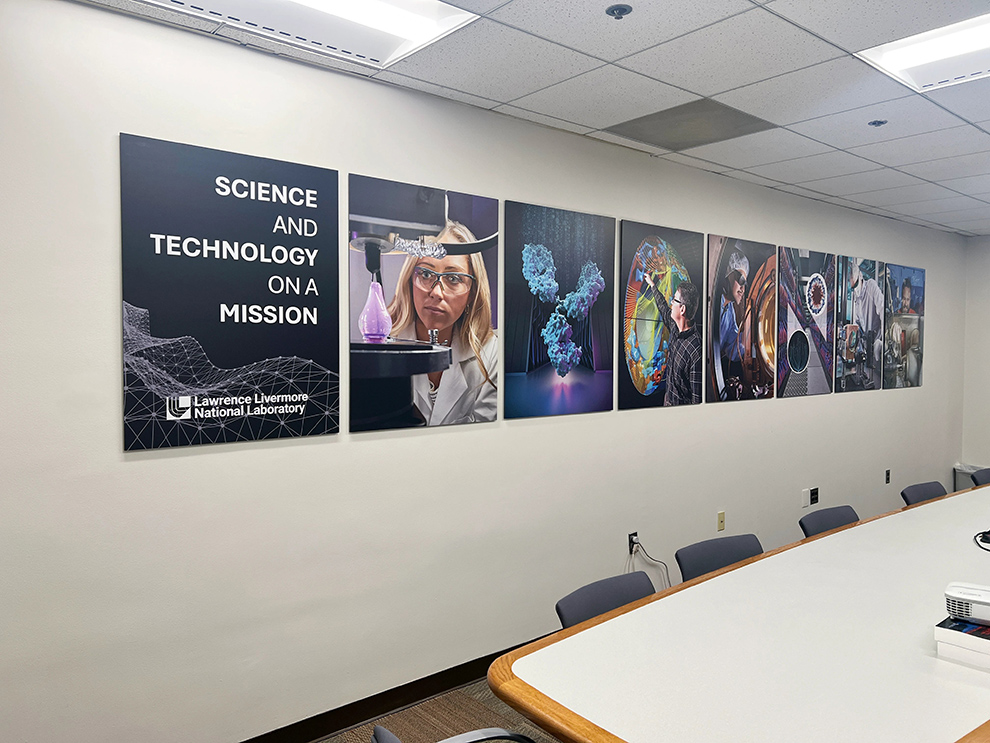
SEG fabric graphics stretch printed fabric into a slim frame for a clean, seamless interior look. They handle large imagery or messaging well, and the graphic face swaps out when a campaign, program, or branded environment changes.
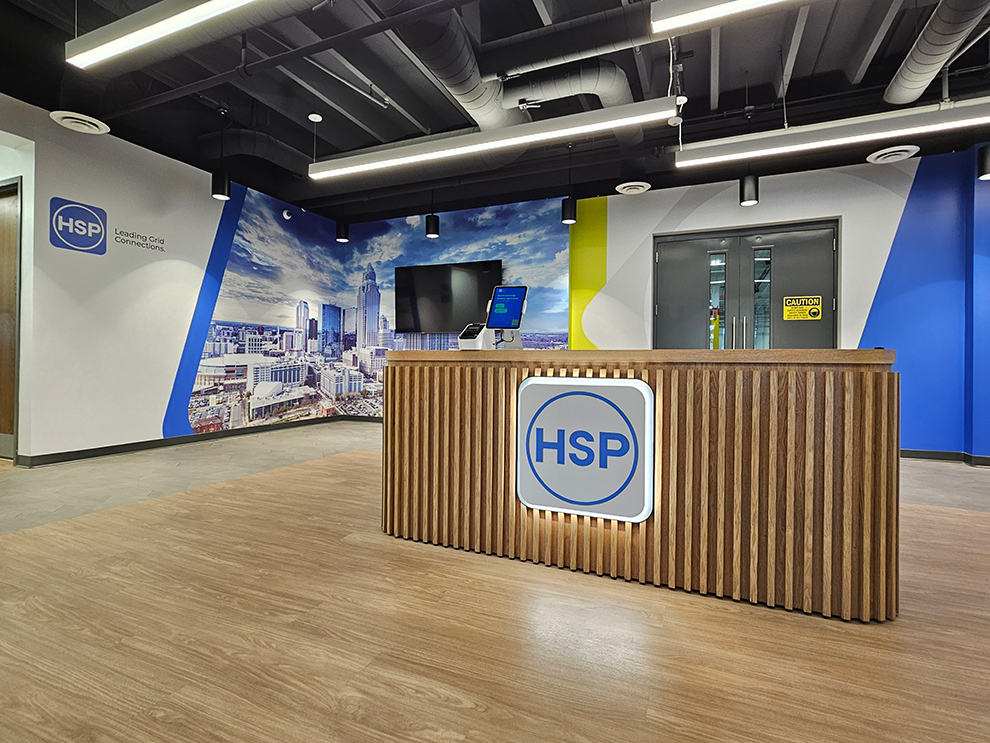
Backlit signs give an interior logo or key message more presence once visitors clear the storefront. We weigh scale, depth, placement, existing light levels, and nearby graphics so the illumination lifts the room without overpowering the rest of the arrival.
If your Gaithersburg organization is planning Storefront Graphics within a professionally managed workplace or commercial interior project, use Get Started Now to share the project address, target completion date, expected investment, photos, any measurements you have, drawings, artwork, brand standards, and anything else already on hand. A dedicated Project Manager will review what you send, outline the next planning decisions, and bring in the right Heritage resources. From there you will have a clear path for evaluating the entrance, site conditions, interior connections, production needs, fabrication requirements, and the professional installation plan.
Gaithersburg clients get local discovery, site surveys, field verification, install planning, professional installation, and follow-through. That matters for workplaces and commercial properties where entrance layout, shared tenant space, business hours, surface conditions, or building access all need to be understood before anything goes to print.
Our coverage runs through Rockville, Germantown, Frederick, Bethesda, Silver Spring, and the greater Washington, DC area. One dedicated Project Manager links what we learn on site with the teams handling environmental graphic design, production, fabrication, and installation. You keep one accountable contact while the right specialists step in at the right time.
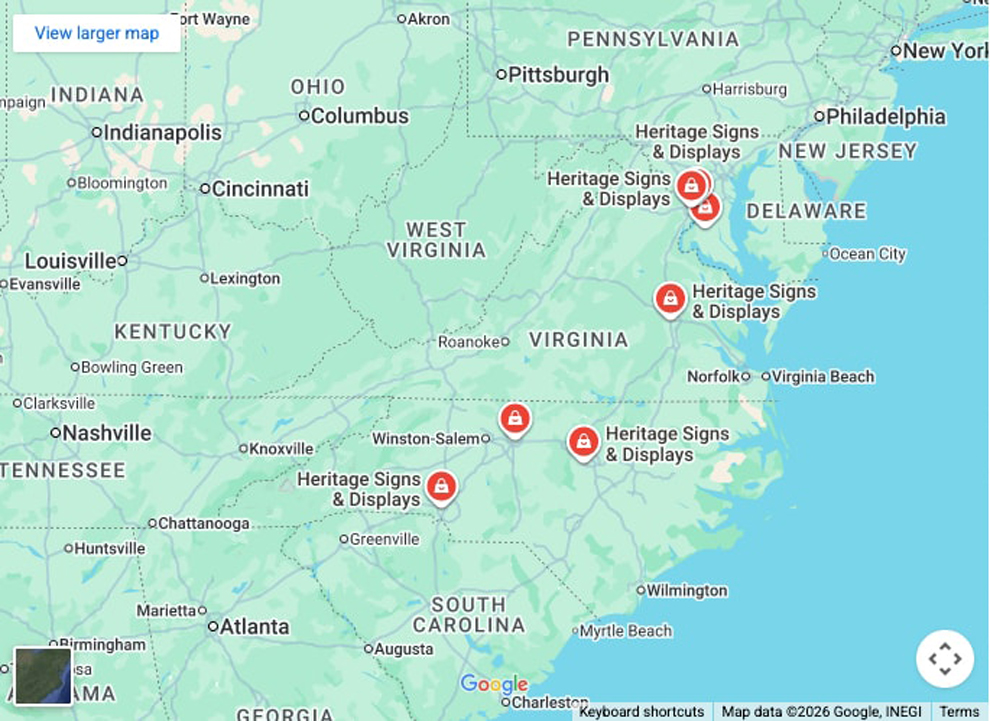
For organizations with locations beyond Maryland, our regional reach supports rollouts across the Mid-Atlantic. One set of brand standards and one Project Manager can guide a multi-site program without forcing an identical solution onto every building. Dimensions, architecture, glass layout, access, surfaces, and schedules will differ from site to site.
The full Heritage network adds capacity while keeping information shared, approvals coordinated, and follow-through reliable. What we observe in the field stays part of the project record instead of getting cut off from design and execution.
Environmental graphic design helps you decide what people should notice at the door and how the experience should build inside. The goal might be clearer recognition from the parking lot, better privacy, a branded lobby, stronger wayfinding, a history timeline, a core values wall, a mission statement feature, or a workplace that finally feels consistent.
Some clients arrive with established brand standards, final artwork, and a clear direction. Others start with business goals, a few photos, a set of floor plans, or a sketch that needs development. We collaborate with in-house stakeholders, architects, interior designers, branding agencies, environmental graphic designers, and property teams.
Inside our scope, we look at visibility, scale, glass coverage, protected views, available daylight, materials, adjacent finishes, and the real conditions at your building. Once the direction is approved, it moves into production, fabrication, and professional installation under one Project Manager.
We provide environmental graphic design for signs, graphics, displays, and branded features. We do not provide licensed architecture, engineering, general commercial interior design, lighting design, or code consulting. Drawing that line keeps responsibilities clear and lets every professional on the team do its part well.
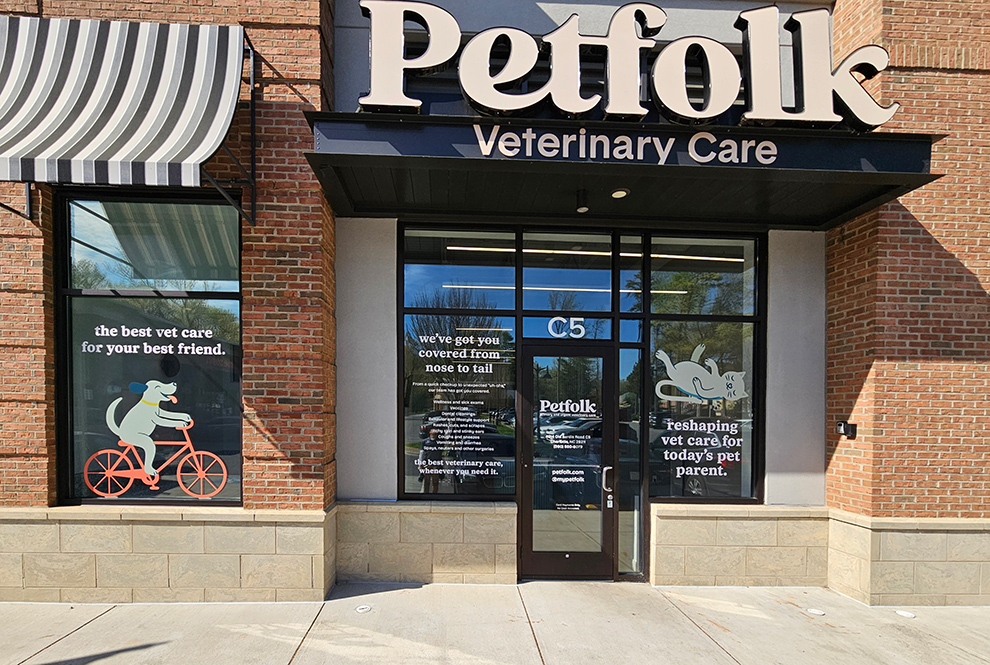
We produce and install non-illuminated exterior elements as part of coordinated storefront graphics and workplace branding projects. Typical scope covers exterior window graphics, exterior wall graphics and wraps, dimensional lettering, dimensional signs, custom sign panels, and related non-illuminated storefront features.
These pieces introduce your business before anyone walks in, and they connect directly to entrance glass graphics, privacy film, lobby signs, wall graphics, displays, and the rest of your interior branding. Printed exterior wall graphics get a protective film laminate as standard practice for added UV and weather resistance. We also review the surface, sun exposure, attachment method, and install conditions for exterior applications we accept.
We do not produce or install channel letters, monument signs, pylon signs, or illuminated exterior signs.
We also do not determine whether a sign permit is required, prepare permit documents, file applications, speak with permitting authorities on your behalf, pay permit fees, or chase approvals. Confirming and securing required sign permits and property approvals rests with the client, the property owner or manager, or the general contractor. Our review of materials, surfaces, and install conditions is not permitting or code consulting.
No Heritage Storefront Graphics project moves forward without a site survey. That visit ties what the client wants to accomplish to real measurements, actual surfaces, access limitations, and the conditions installers will face once approved graphics and signs reach final production.
After the survey, a single dedicated Project Manager links environmental graphic design, production, fabrication, and Heritage's full-time professional installers. Field notes, approved artwork, material selections, access requirements, scheduling details, and installation instructions all live in one project record. Fewer handoffs means fewer surprises, and most questions get answered long before anyone reaches the job site.
Skilled installation protects far more than the look of the finished graphics. Installers plan around the building, the surrounding work area, approved placement, business hours, and anything else that could complicate the day. Coordinated scheduling and clear communication keep interruptions to a minimum for staff, customers, tenants, and everyone else moving through the space.
Because Heritage owns the accepted work start to finish, there is never a question about who is accountable for the result. Installers arrive already holding the discovery and site survey information, not stepping into a project cold.
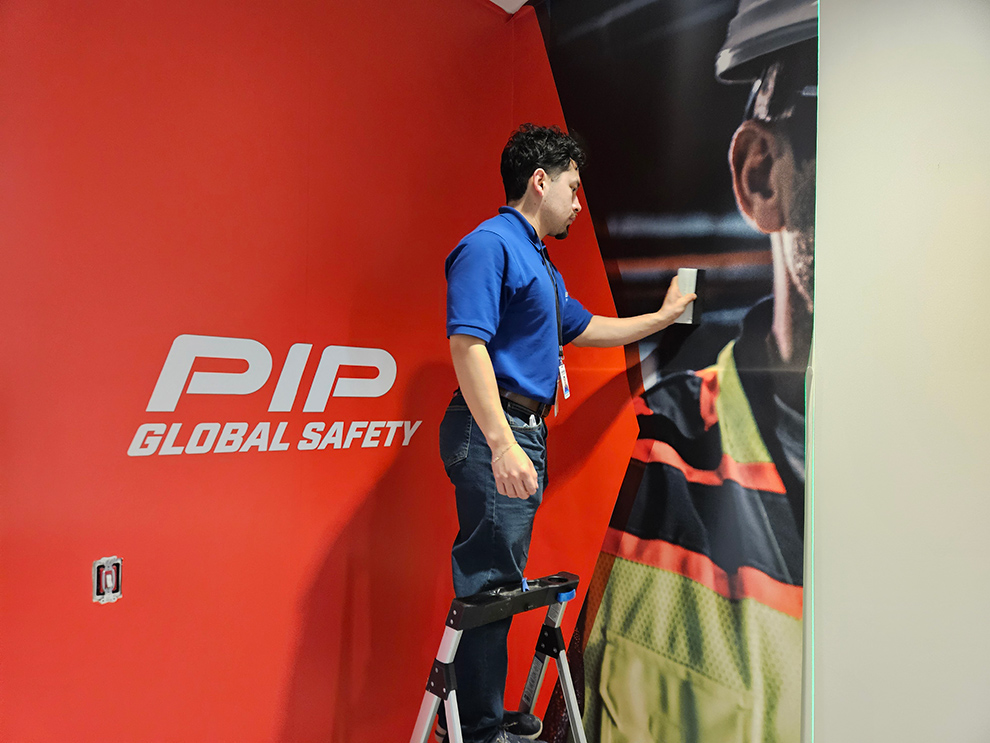
Wall-applied graphics hold up best on drywall that is sound and smooth, with repairs finished, primer and paint correctly applied, and the finish coat fully cured. Paint that feels dry to the touch is not the same as paint that has cured. Roughly four weeks is a reasonable planning window for many products, though the manufacturer's specifications and the actual conditions on site decide when a wall is truly ready.
Washable, scrubbable, stain-resistant, low-VOC, zero-VOC, and other difficult coatings may call for cleaning, adhesion testing, and a specific vinyl and adhesive pairing. High-tack vinyl is not automatically required for every low-VOC or zero-VOC paint. Adhesion testing reveals how vinyl behaves on the painted surface, but it says nothing about how firmly the paint and primer are bonded to the drywall underneath.
When paint lifts or pulls during testing or during normal repositioning at installation, Heritage stops instead of compounding the damage. Wall repair, correct priming, repainting, full cure time, restoration, and any related surface work are arranged and paid for by the client or property owner. Heritage neither performs nor funds that work.
Removal later is its own conversation. Heritage works slowly and deliberately to avoid unnecessary damage, but a damage-free result cannot be promised. Paint loss, primer failure, or damage to the drywall facing can happen. "Removable" refers to the adhesive system and its intended use, not a guarantee. Take old graphics down early enough that any restoration needs surface before the new installation is scheduled.
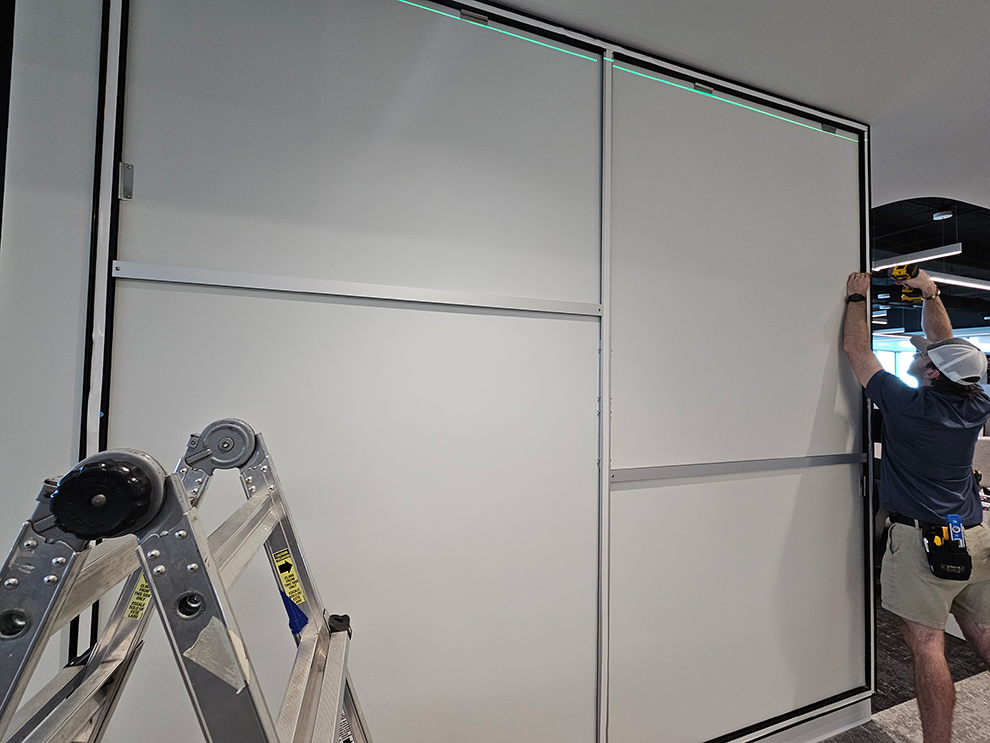
Strong planning brings together the intended outcome, the audience, scope, phasing, schedule, site conditions, site readiness, stakeholders, approval steps, expected investment, and whatever information is still missing. Photos, measurements, drawings, artwork, brand standards, and property details all inform those choices, but collecting files is not the point of planning.
Heritage fits professionally managed projects that benefit from environmental graphic design, production, fabrication, and professional installation working together. Many Heritage projects that include production and installation fall between $10,000 and more than $200,000. Where a specific project lands depends on total scope, materials, fabrication, location count, access, scheduling, and installation demands.
A project might center on one significant branded entrance, extend the storefront identity into a full workplace interior, roll out in planned phases, or span multiple properties at once. One dedicated Project Manager keeps responsibilities, approvals, unresolved decisions, and schedule details in order from start to finish.
This model was never built to treat storefront graphics as a commodity order. It exists for organizations that want accountable coordination, brand standards that stay intact, realistic planning, and continuity all the way through execution.
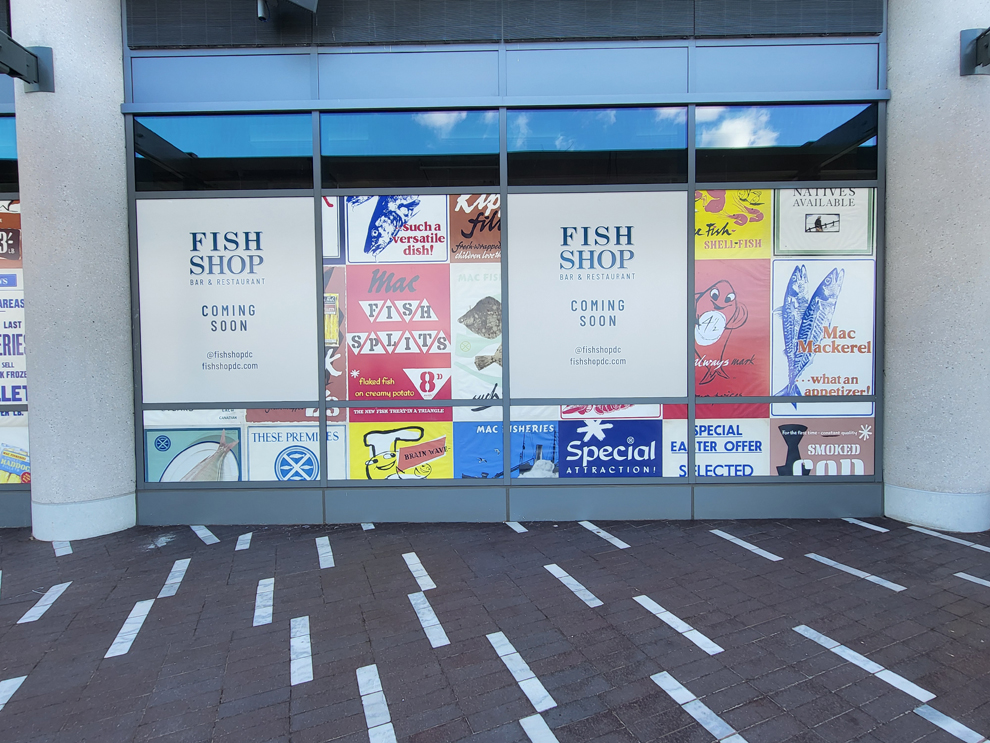
They establish identity right at the entrance and create a visual link between exterior glass and the branded space inside. Depending on the design, they support recognition, privacy, visibility, wayfinding, and glass awareness while previewing the lobby signs, wall graphics, and displays waiting beyond the door.
Always. Every Heritage Storefront Graphics project includes a site survey that pairs client objectives with measurements, surface details, access, and installation conditions. Those findings stay tied to one dedicated Project Manager and to the design, production, fabrication, and installation teams.
Yes. Heritage coordinates multi-location programs across Maryland, the Washington, DC region, and the wider Mid-Atlantic while keeping one dedicated Project Manager and consistent brand standards in place. Each site adjusts to its own dimensions, architecture, surfaces, access, timing, and operating conditions without breaking program continuity.
Distraction markers are decorative or branded vinyl graphics applied to clear glass so people notice the surface is there. They can take the form of bands, dots, patterns, logos, or other elements, and they often serve branding or privacy at the same time. Applied vinyl does not create building-code compliance, safety-glazing compliance, certification, or approval of any kind.
Walls should be smooth, sound, properly repaired, primed, painted, and fully cured. Around four weeks is a workable planning allowance for many paints, but manufacturer requirements and site conditions determine actual readiness.
Washable, scrubbable, stain-resistant, low-VOC, zero-VOC, and other challenging coatings may require cleaning, adhesion testing, and a matched vinyl and adhesive approach. Adhesion testing shows how vinyl performs on the paint. It cannot confirm how well that paint and primer are bonded to the drywall below.
If paint peels or pulls during testing or routine repositioning, Heritage stops work. The client or property owner is responsible for arranging and paying for repair, priming, repainting, full cure time, restoration, and related costs before installation resumes.
Not at all. Offices, medical and dental practices, schools, nonprofits, showrooms, hospitality properties, and many other commercial environments use them. The real question is whether your entrance or customer-facing glass needs identification, privacy, glass awareness, or a stronger connection to the interior.
Yes, when removal is part of a new Heritage production and installation project. Older wall graphics should come down early enough to expose paint loss, primer failure, drywall damage, or other restoration needs before the replacement installation gets scheduled.
Heritage removes graphics slowly and carefully to limit avoidable damage, though a damage-free outcome cannot be guaranteed. Repairs, priming, repainting, restoration, and full cure time are arranged and paid for by the client or property owner. Heritage does not offer graphics removal as a standalone service.
Yes. Exterior window graphics, exterior wall graphics and wraps, dimensional lettering, dimensional signs, custom sign panels, and similar non-illuminated storefront elements are produced and installed as part of coordinated Storefront Graphics and interior branding projects. Printed exterior wall graphics get a protective film laminate as standard for added UV and weather resistance.
Heritage does not produce or install channel letters, monument signs, pylon signs, or illuminated exterior signage. Confirming and securing sign permits and property approvals is the responsibility of the client, the property owner or manager, or the general contractor.
It can. Even careful professional removal sometimes lifts paint or primer and may affect the drywall facing. Heritage uses slow, methodical removal to reduce avoidable damage, but no removal is guaranteed damage-free.
Repair, priming, repainting, full cure time, restoration, and related surface costs fall to the client or property owner. "Removable" describes the adhesive system and its intended use. It is not a promise about the wall afterward.
Yes. Frosted vinyl, etched-look privacy film, printed patterns, and carefully placed graphics cut direct sightlines while letting natural light and selected views through. Coverage should follow how the room is used, where privacy actually matters, and what people still need to see.
Material choice follows the desired look, the surface, exposure, expected service life, and installation method. Options include adhesive vinyl, acrylic, dimensional materials, and aluminum composite material, or ACM, for accepted applications. ACM delivers a durable metal appearance at a fraction of solid metal's weight. Heritage does not print on or cut solid aluminum or solid steel as sign substrates.
Yes. Heritage collaborates with architects, interior designers, branding agencies, environmental graphic designers, property teams, and internal stakeholders. Heritage develops environmental graphic design within its scope and carries approved work through production, fabrication, and professional installation. Heritage does not provide licensed architecture, engineering, general commercial interior design, lighting design, or code consulting.
Heritage's full-time professional installers handle Storefront Graphics produced and managed through Heritage. They work from the site survey, approved design intent, measurements, material decisions, access notes, and the installation plan held in the shared project record.
Heritage does not offer installation-only service for signs or graphics supplied by others. Keeping production and installation under one roof protects quality control, clarifies responsibility, safeguards the property, and keeps accountability where it belongs.
Timing depends on scope, design development, stakeholder approvals, site readiness, production, fabrication, property access, and installation conditions. Heritage sets the schedule once there is enough information to build a plan worth committing to. A single focused entrance and a phased multi-location program require very different levels of coordination.
Gaithersburg organizations come to Heritage when they want local field support connected directly to environmental graphic design, production, fabrication, and professional installation. One dedicated Project Manager carries client objectives, site information, approvals, and design intent through a single accountable relationship. The result is clearer communication, fewer handoffs, and reliable follow-through from first planning conversation through final installation.
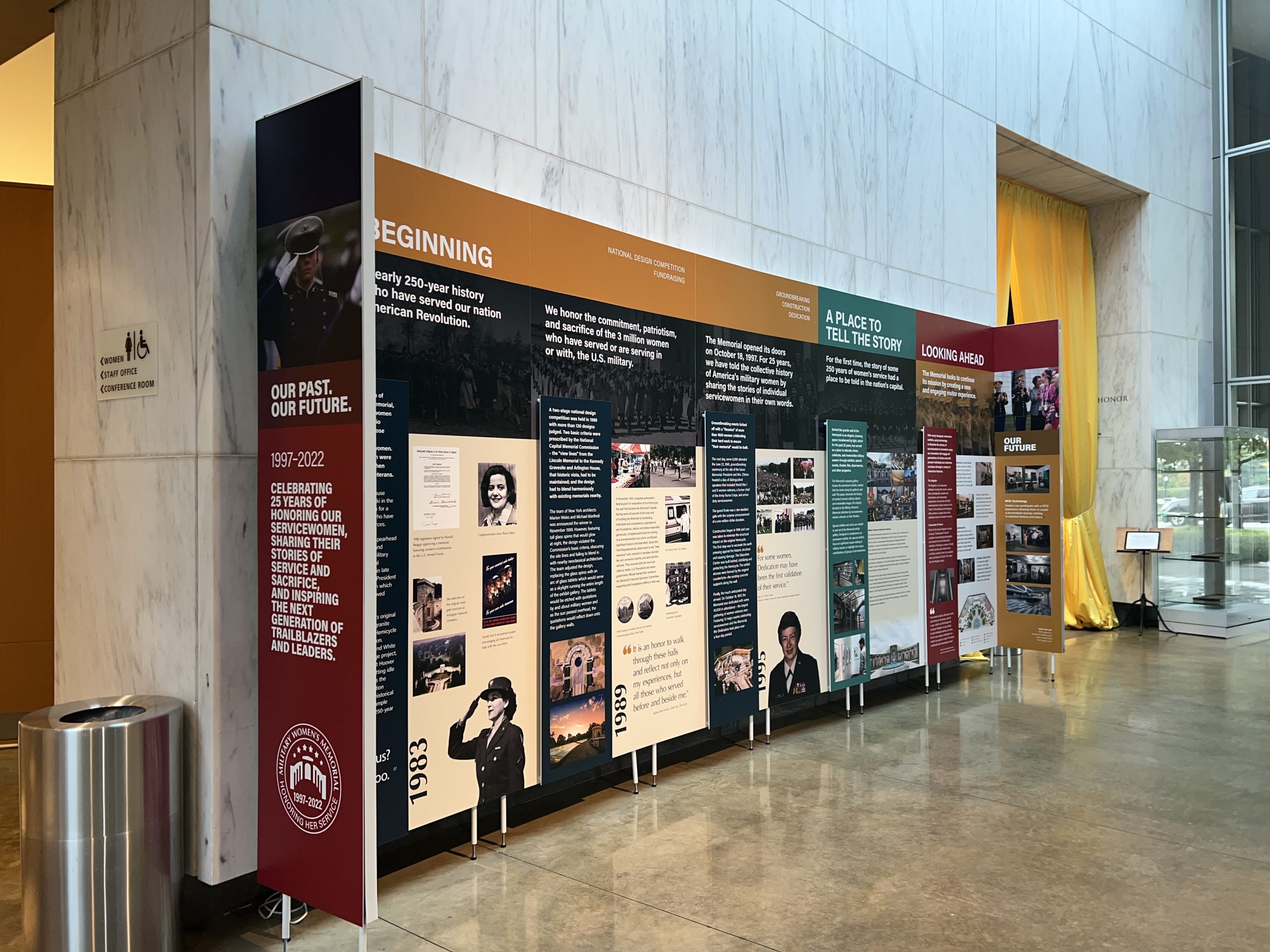
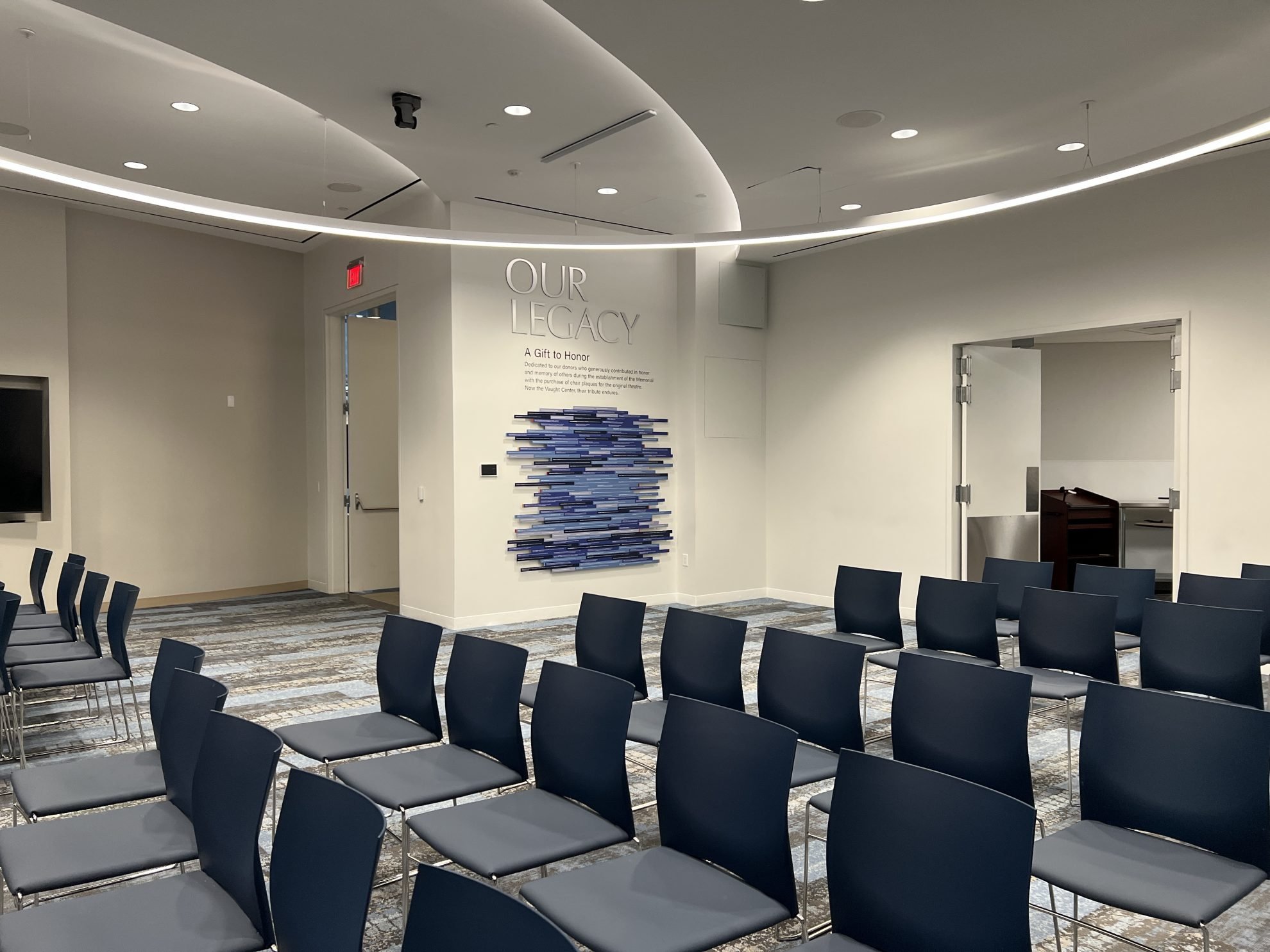
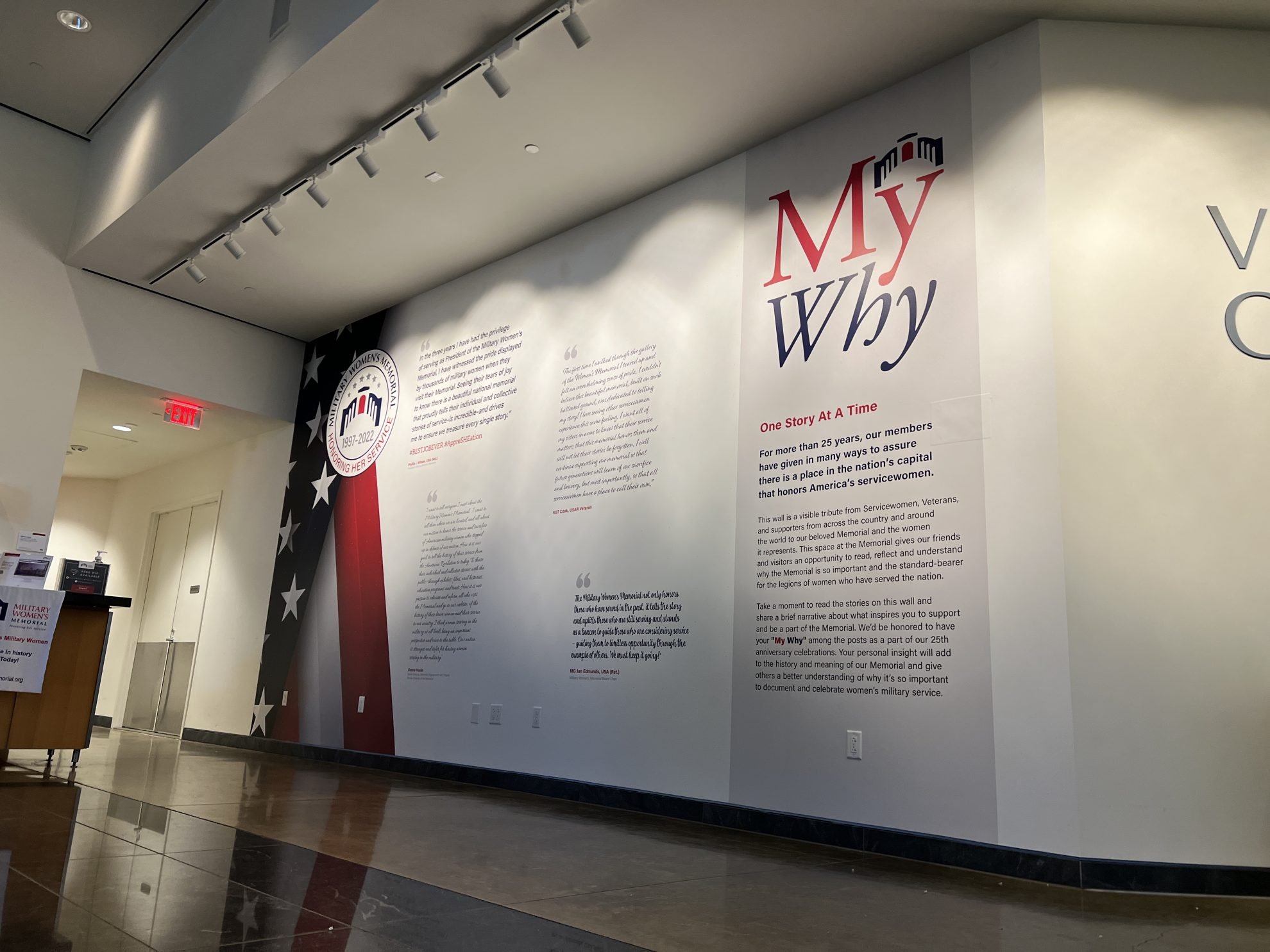
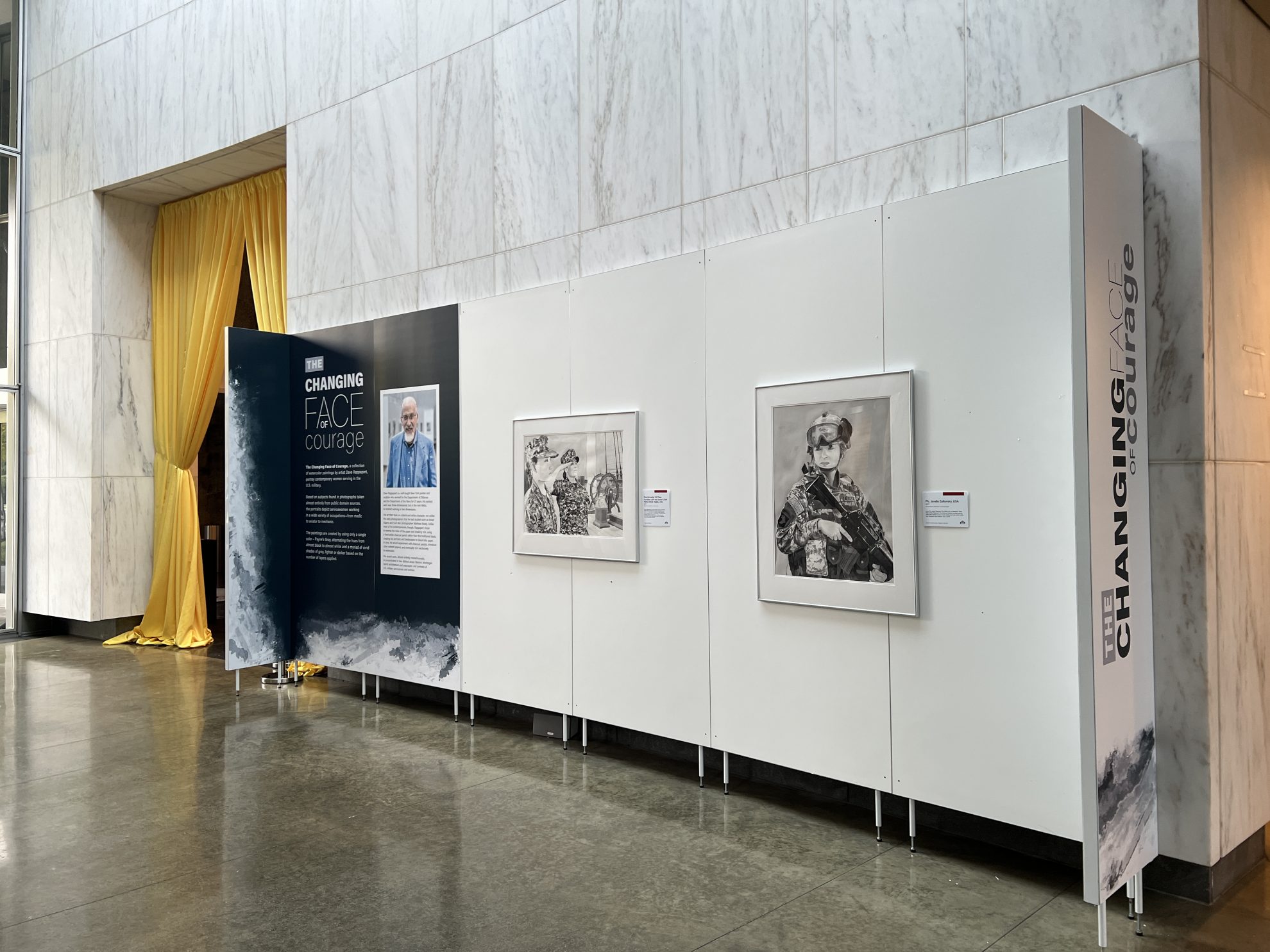
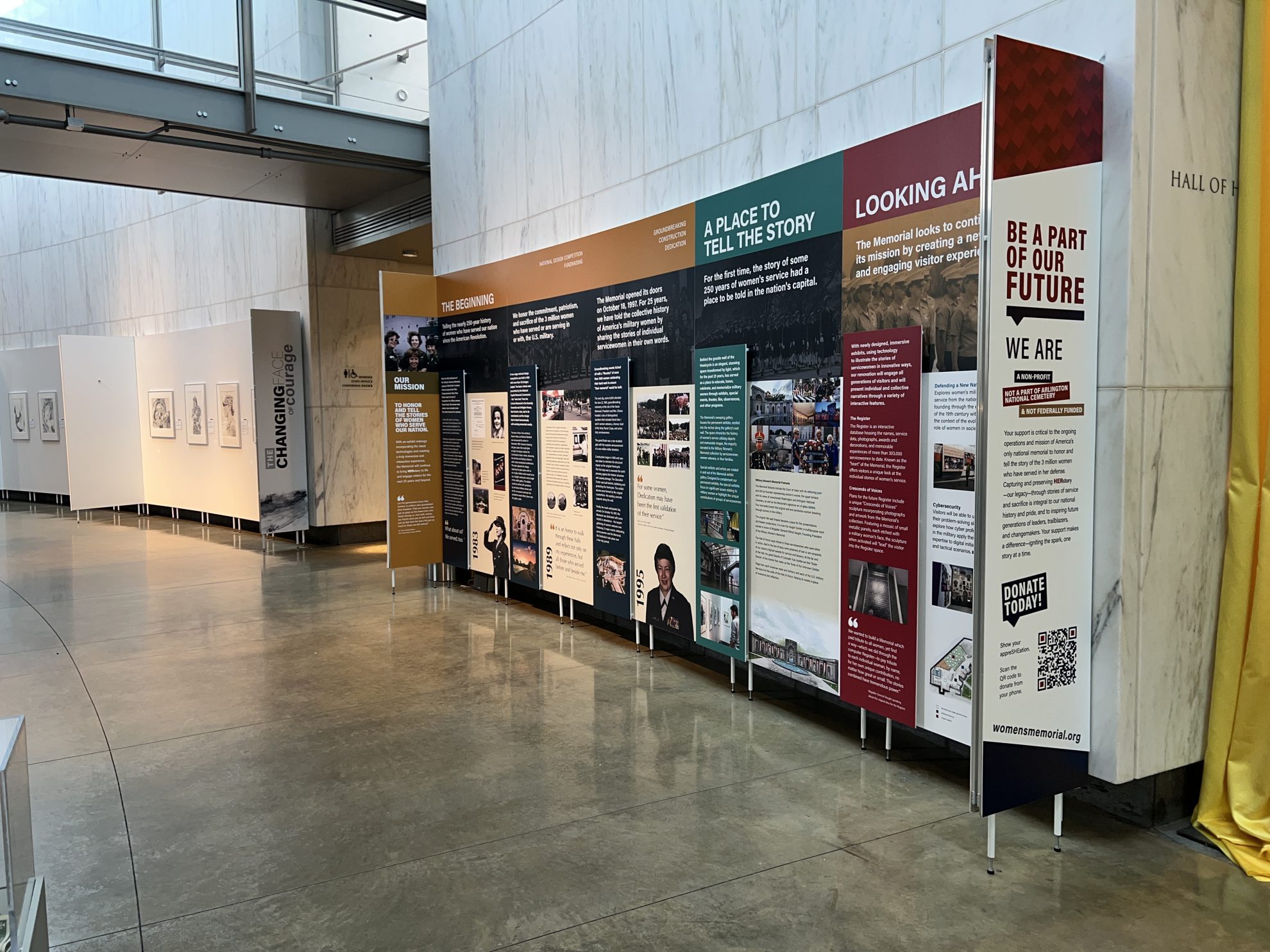
Heritage Signs & Displays created new museum signage for the Military Women’s Memorial in Arlington, VA. The project included custom signs, wall wraps, dimensional letters, and standoff-mounted displays to honor the legacy of U.S. servicewomen and the donors who supported the memorial. The updated interior features impactful designs, including a "Our Legacy" wall display and panels showcasing historical contributions and artwork, creating a transformative tribute to women in the U.S. Armed Forces.
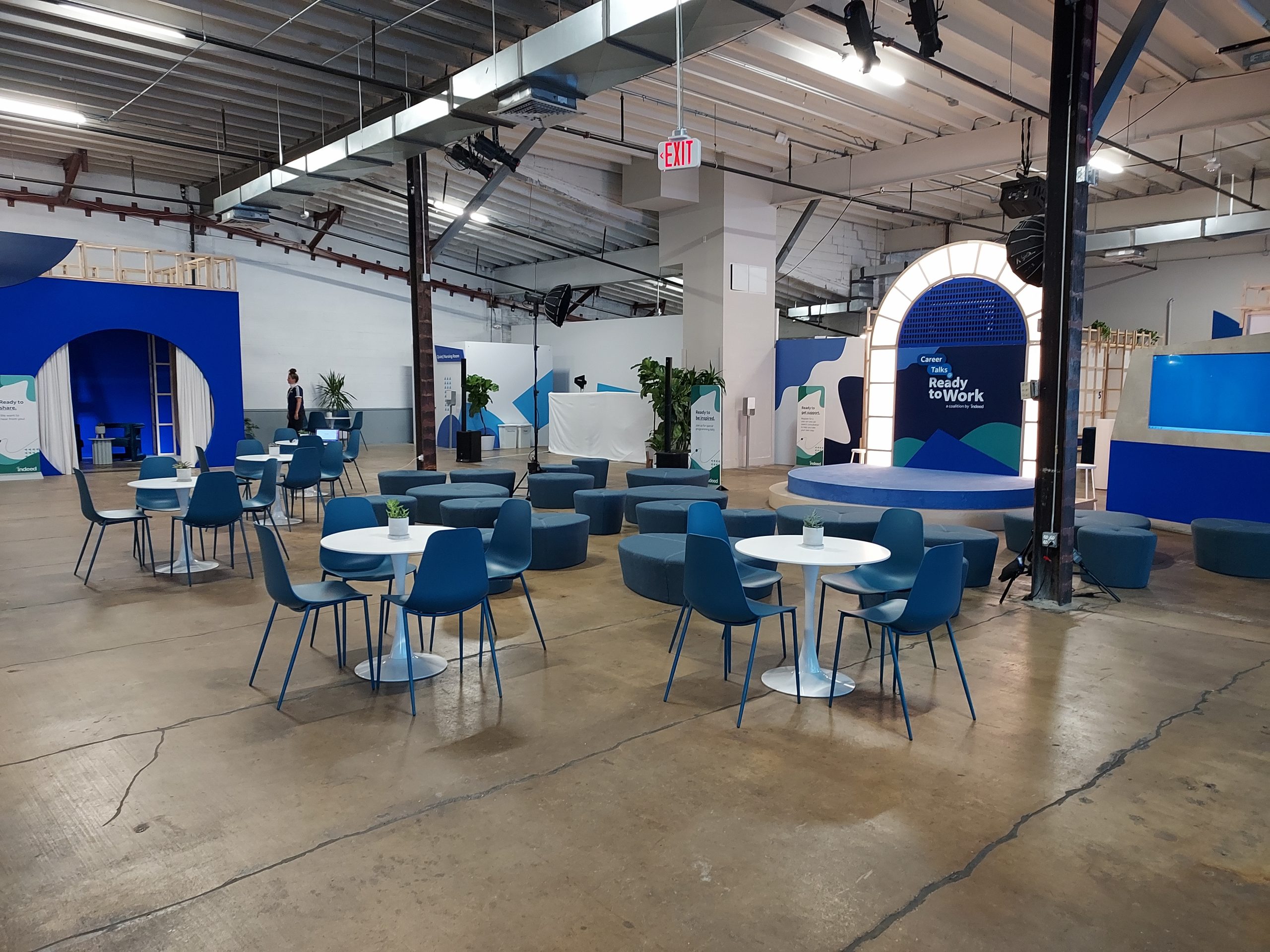
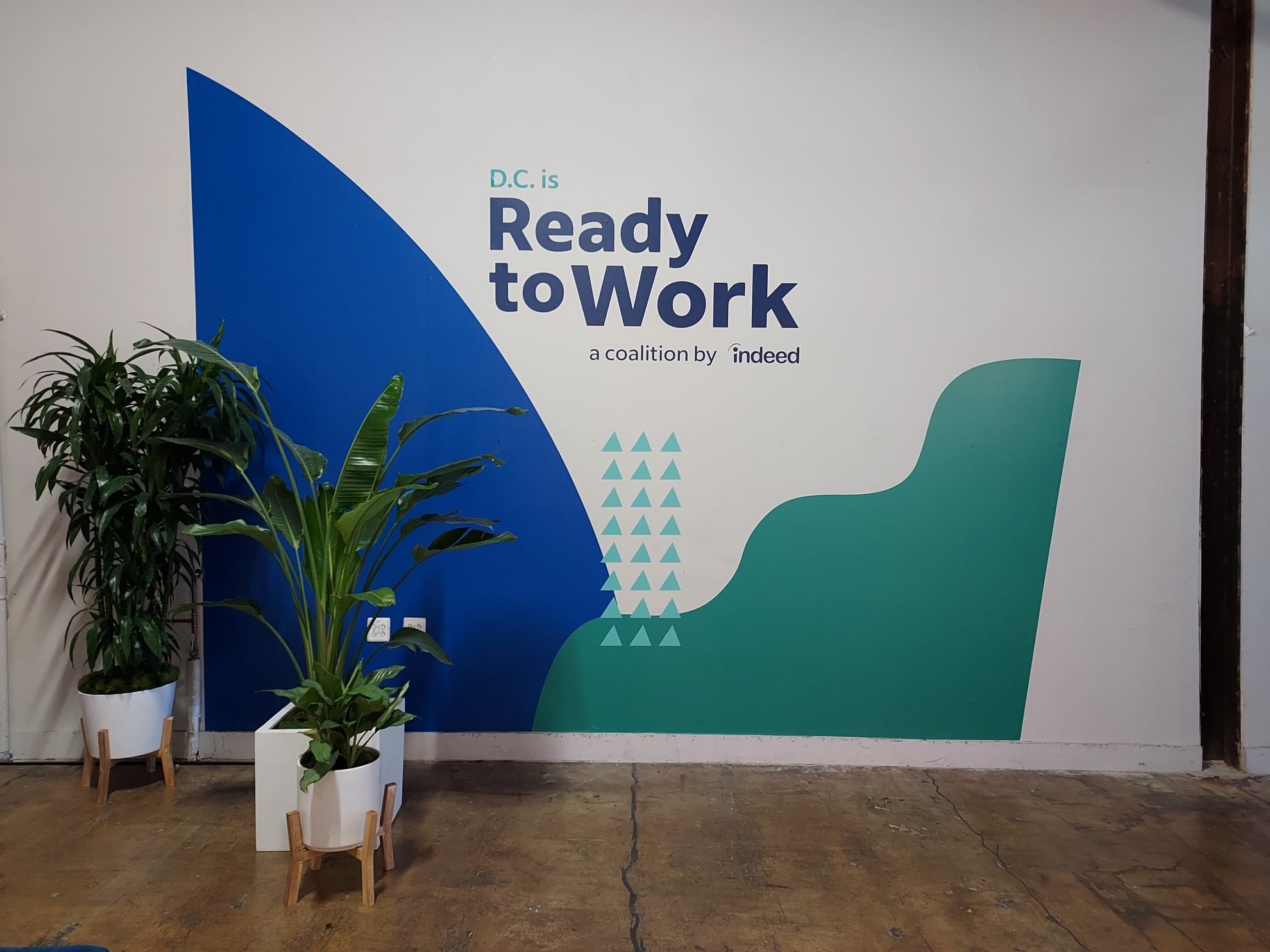
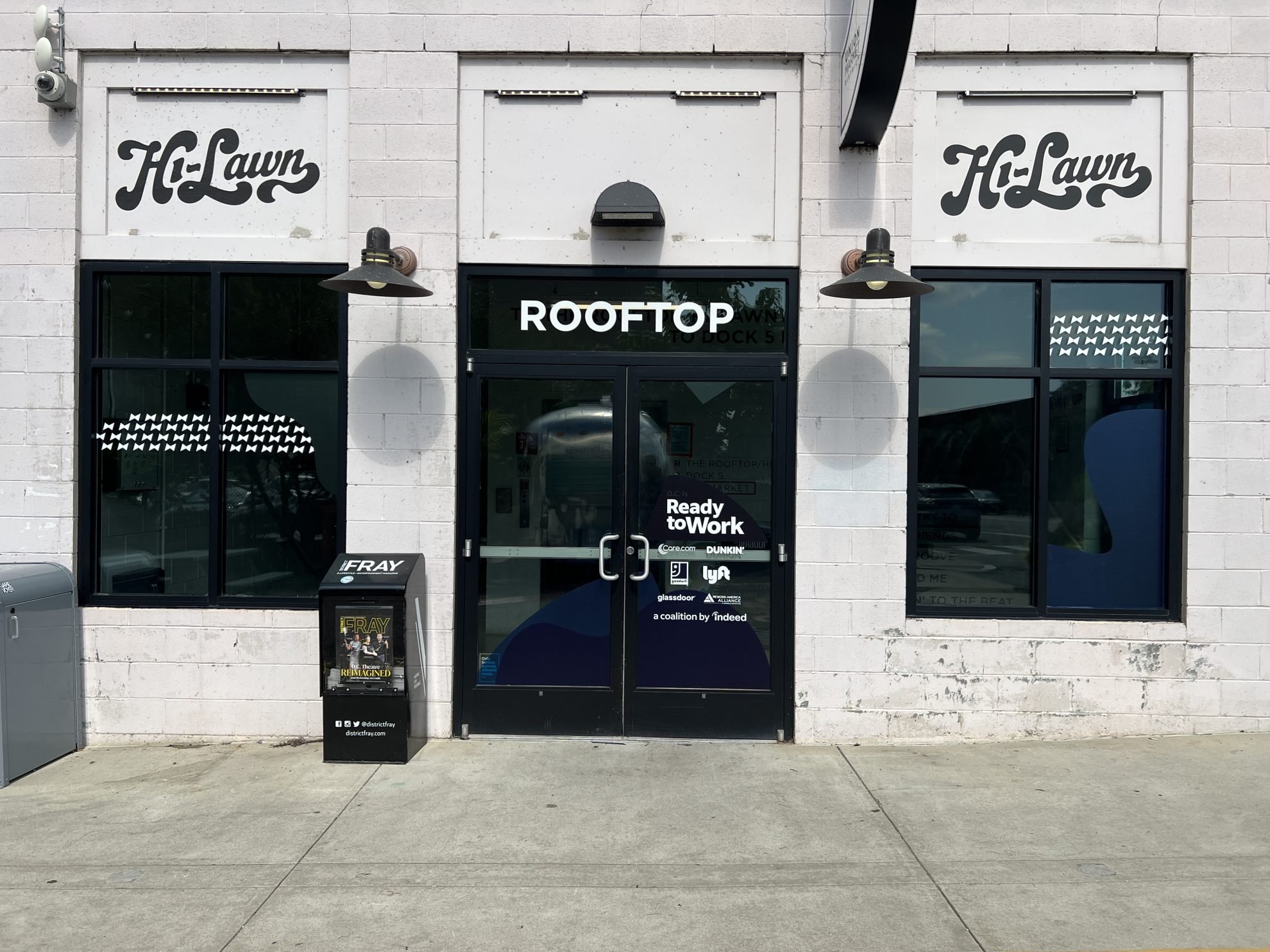
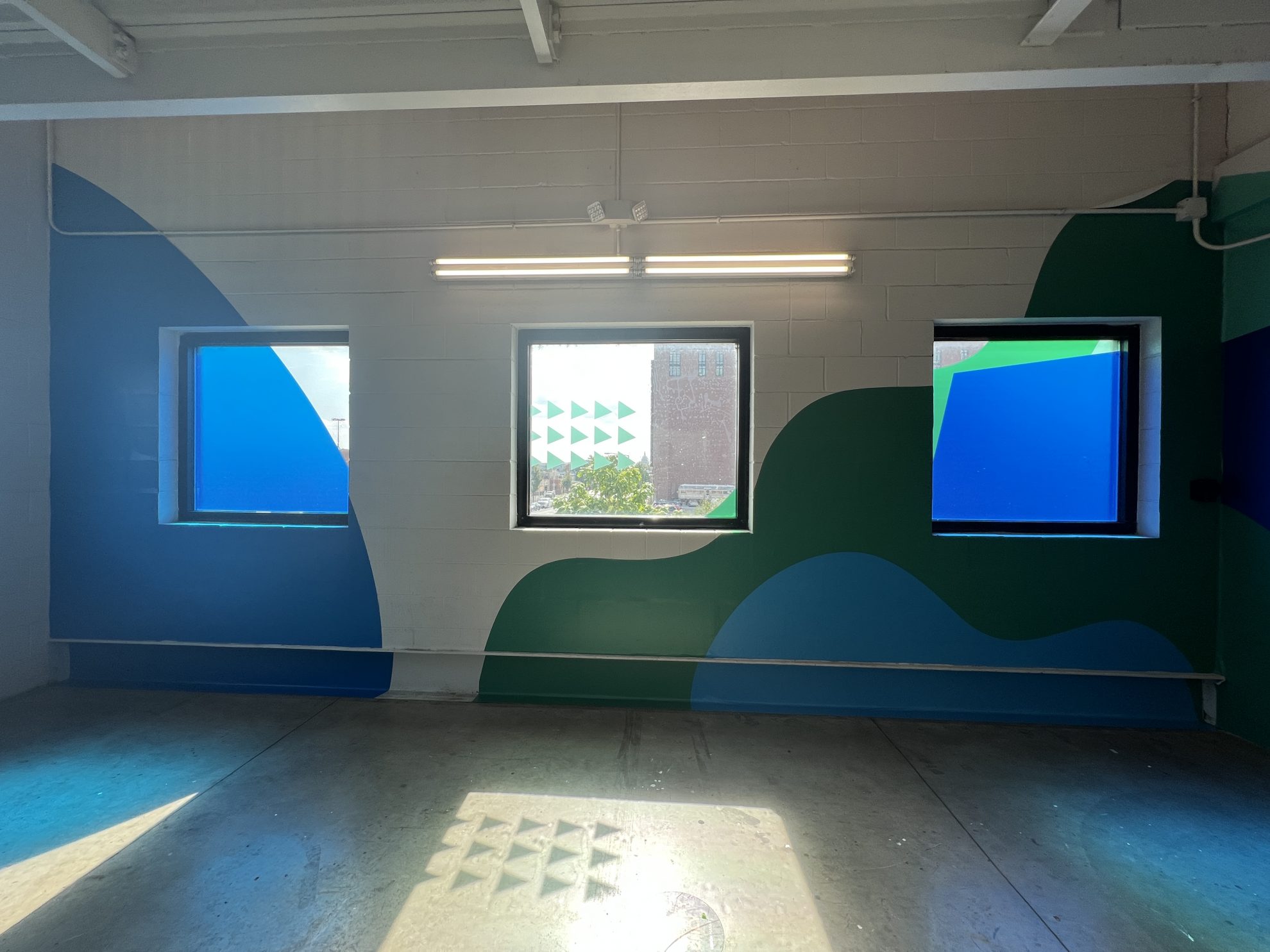
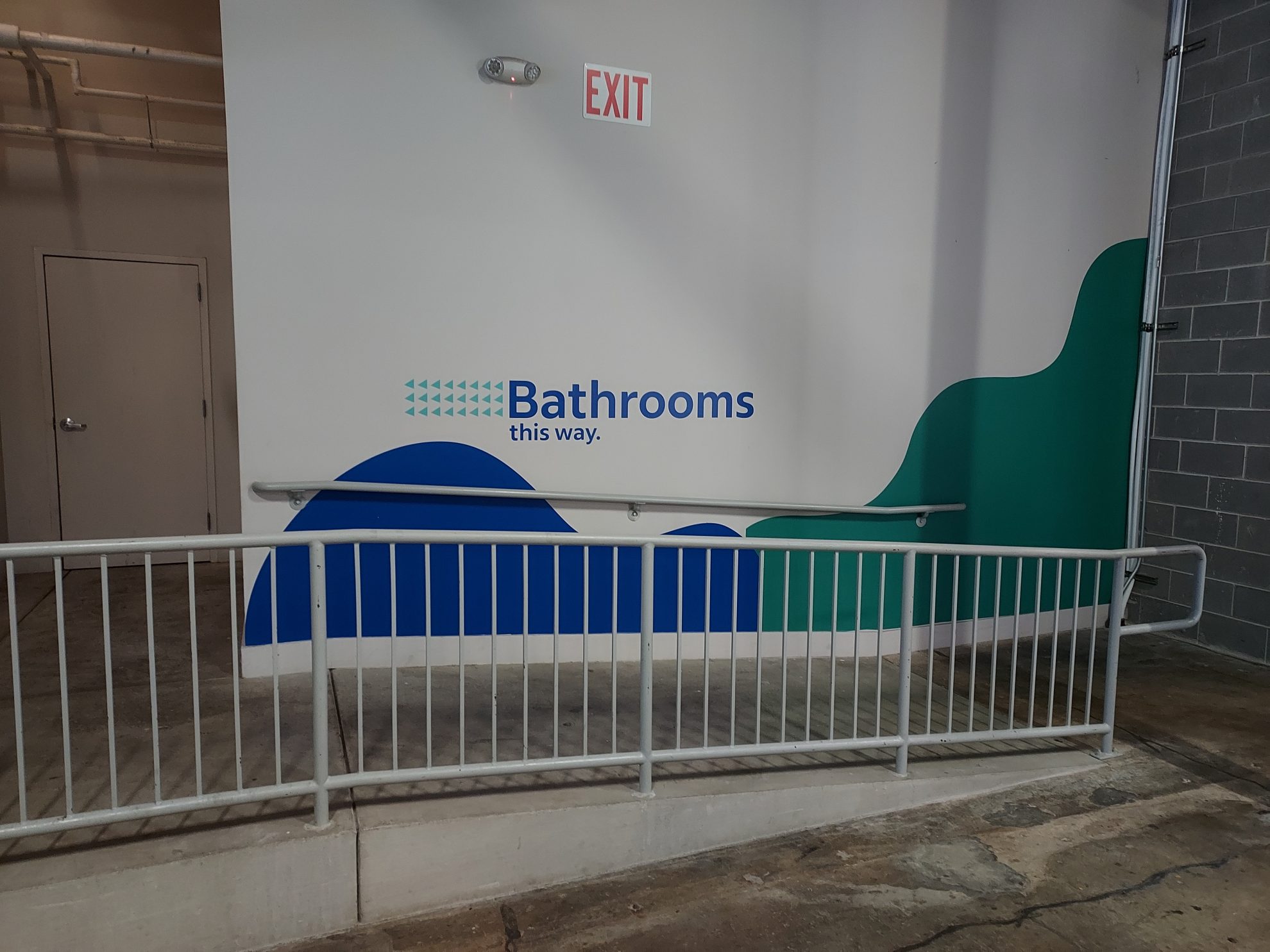
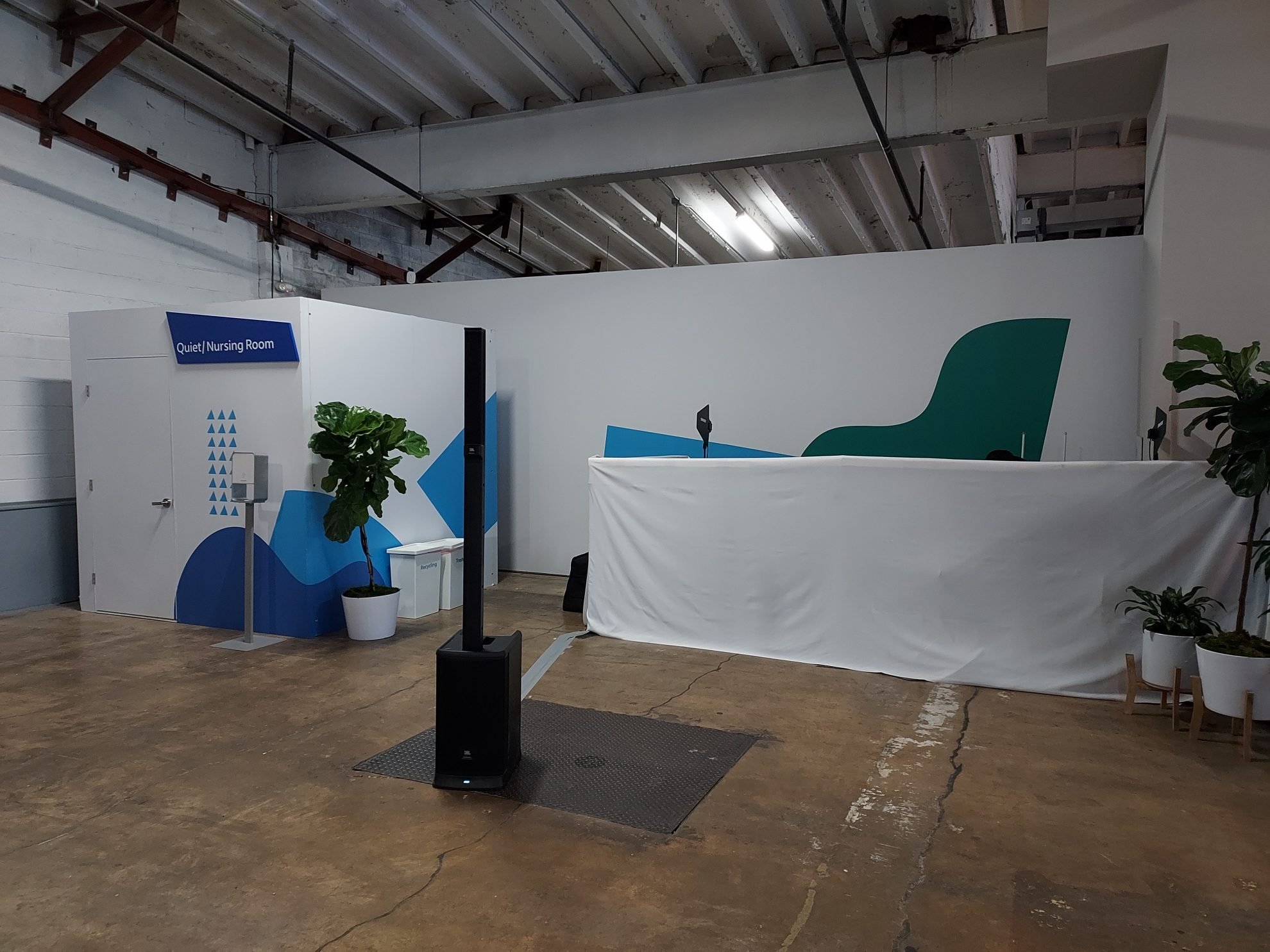
Heritage Signs & Displays' collaboration with The Gathery to brand Union Market in Arlington, VA, for Indeed's "Ready to Work" job fair. The project included custom event displays, wall graphics, window graphics, and wayfinding signs, creating an immersive and visually appealing environment. The branding enhanced the venue, reflected the event's mission, and provided a seamless experience for attendees.