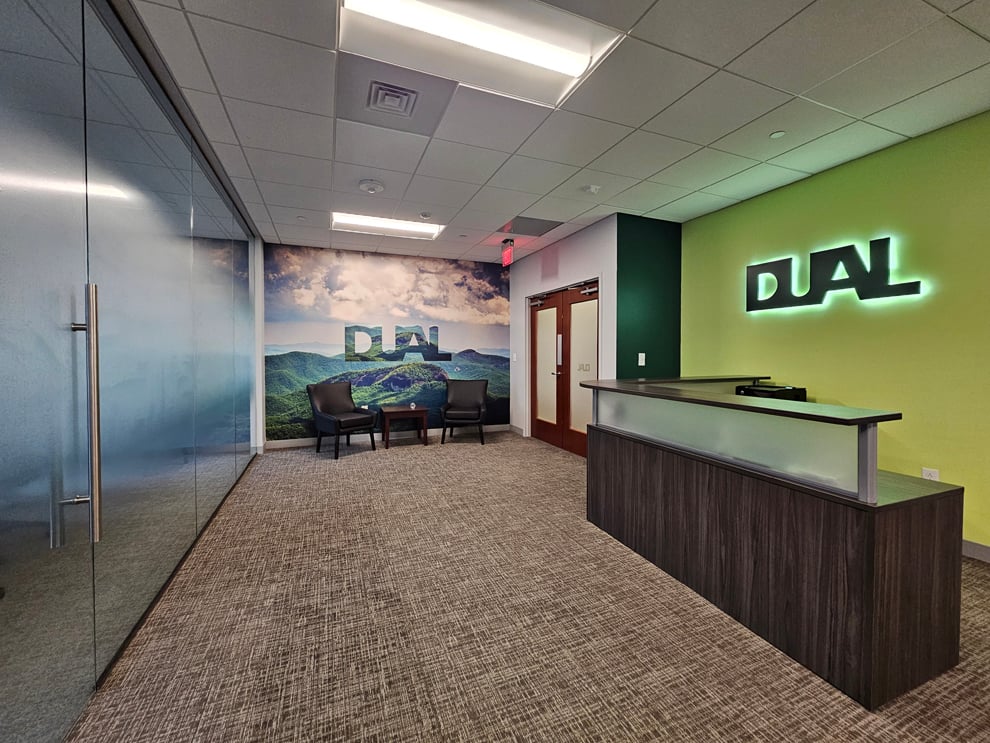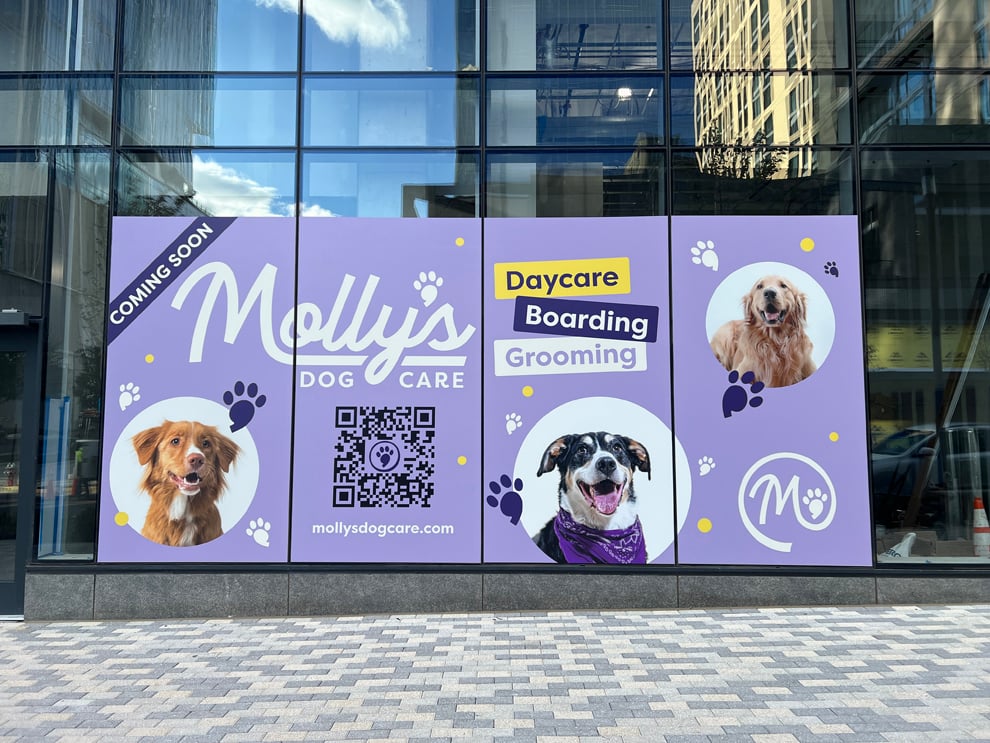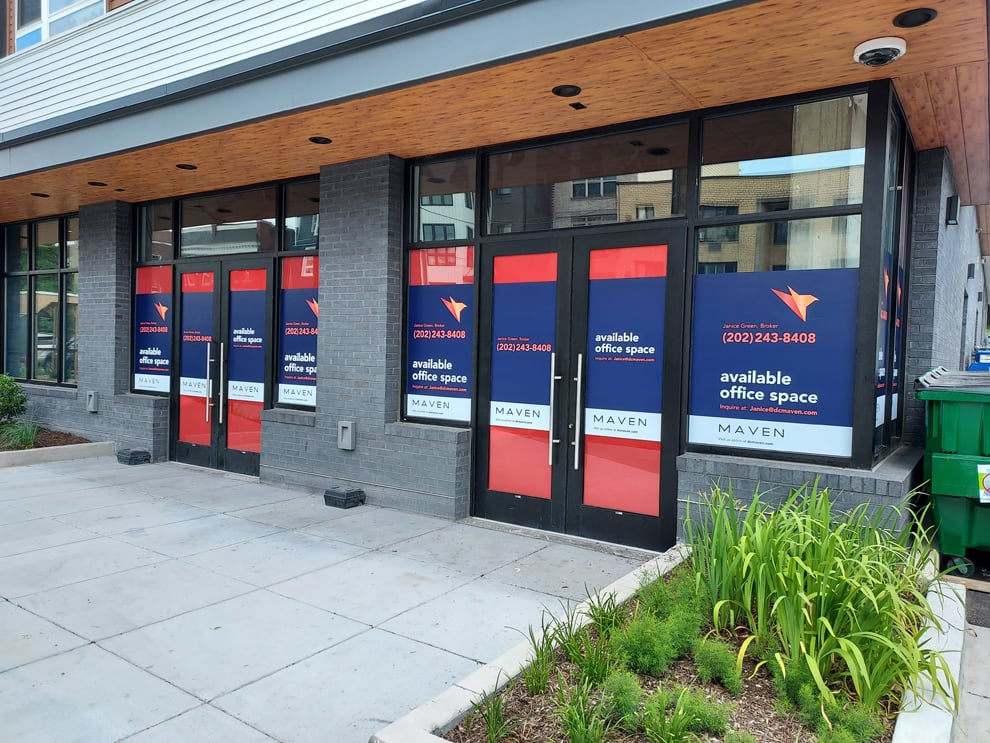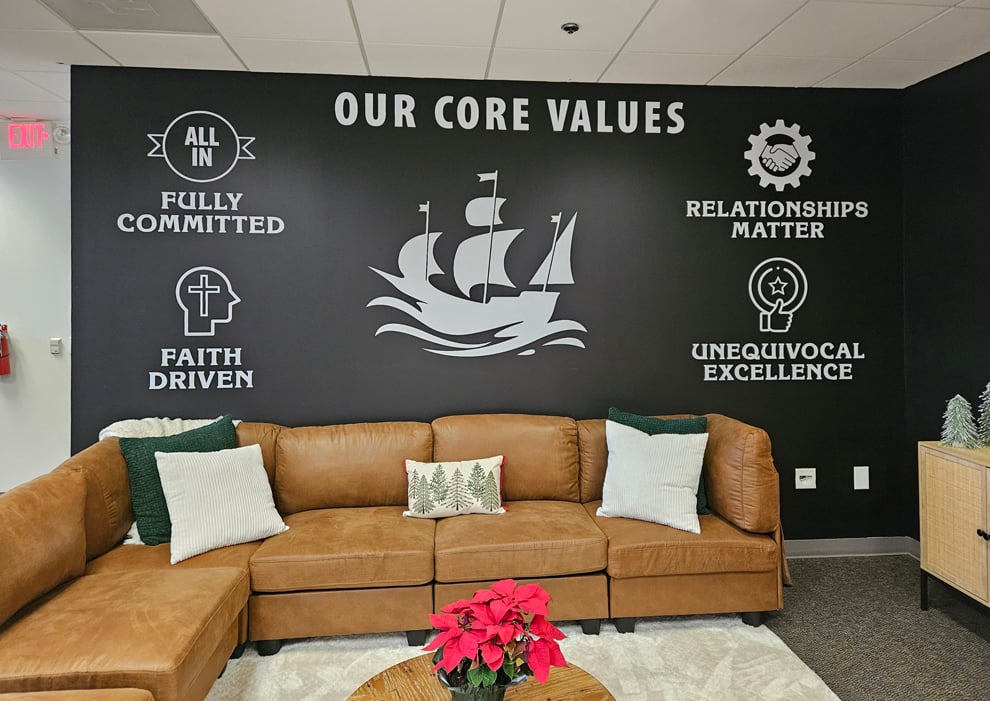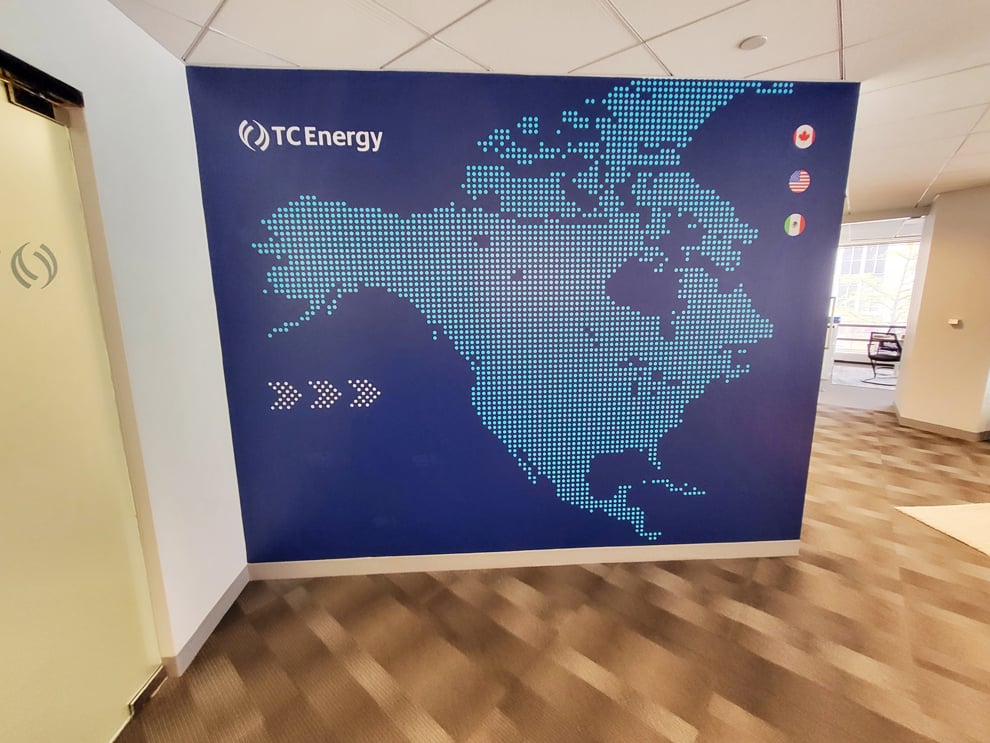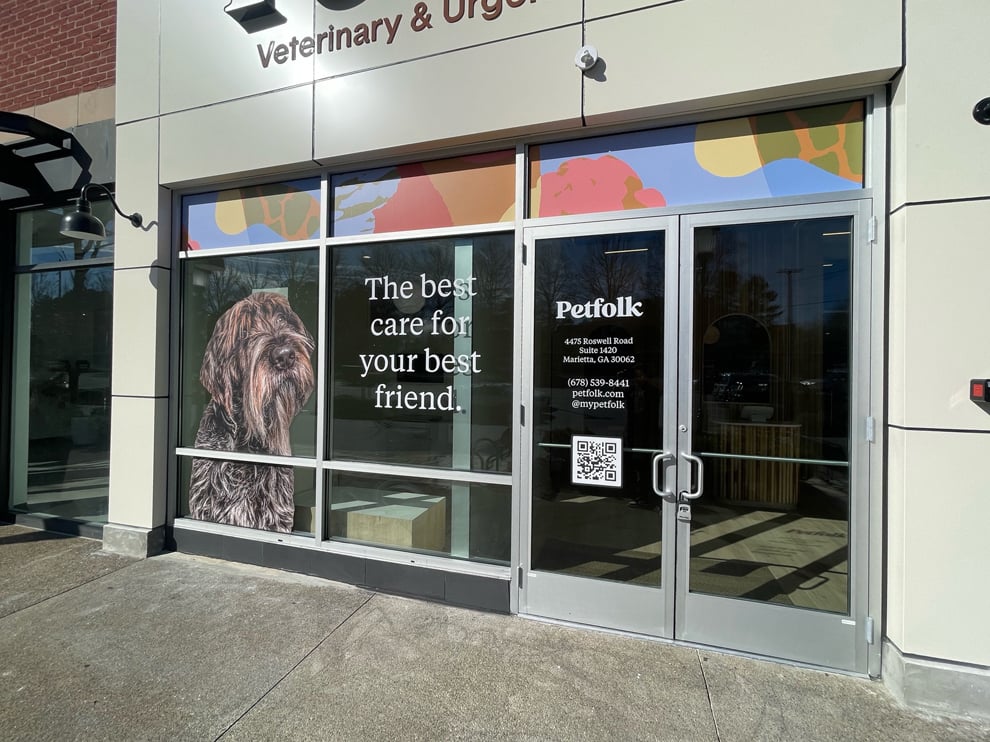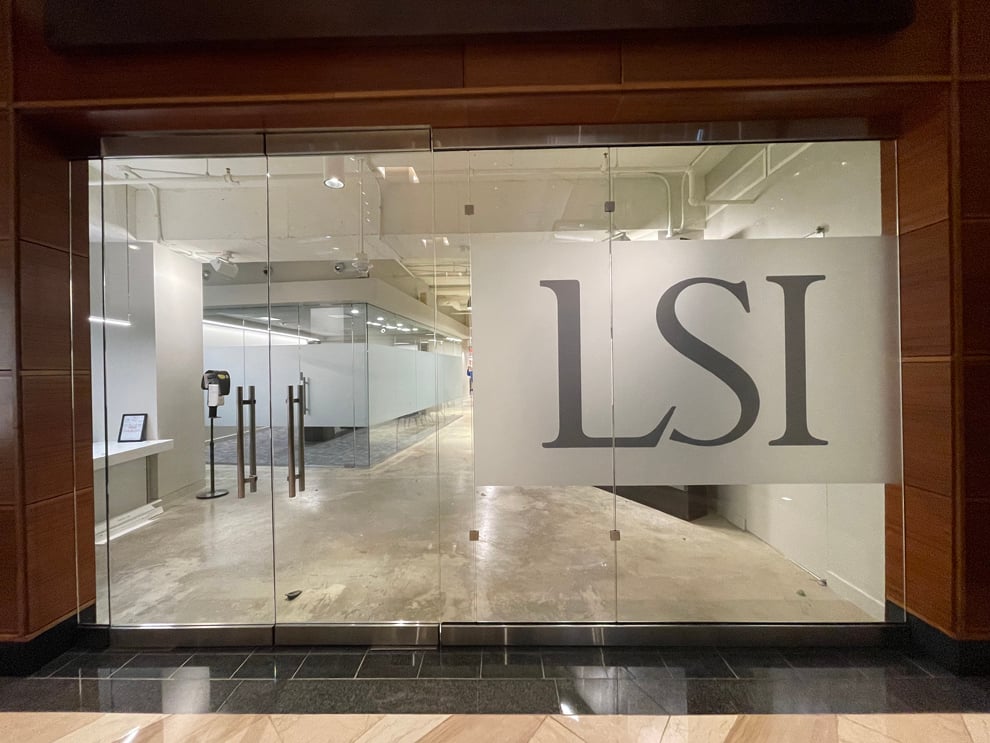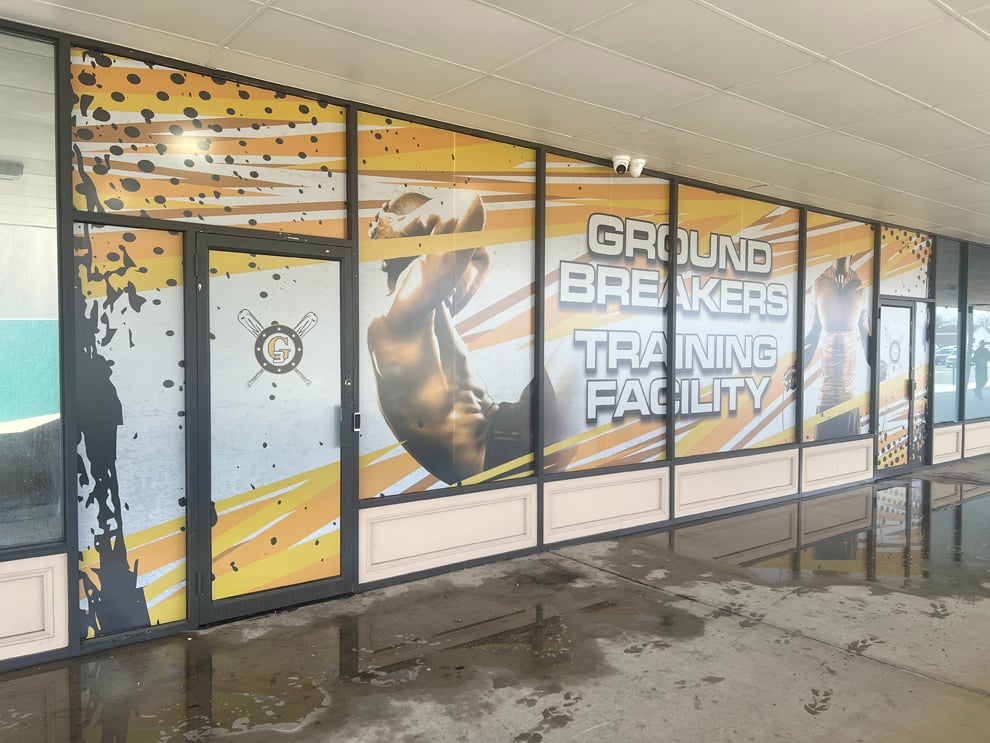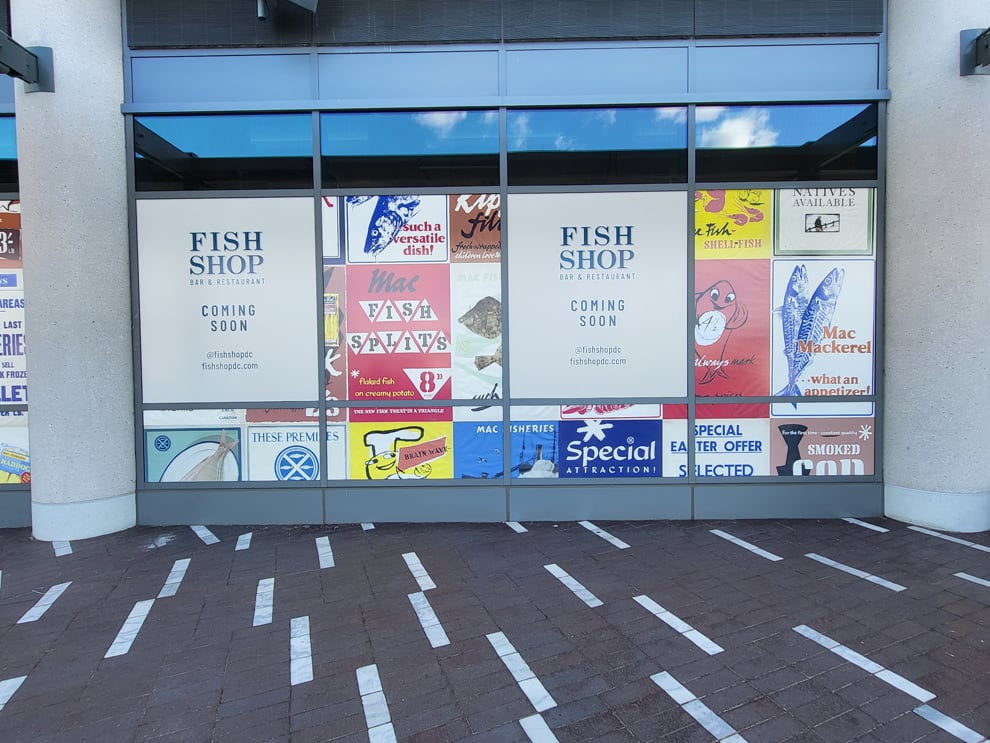
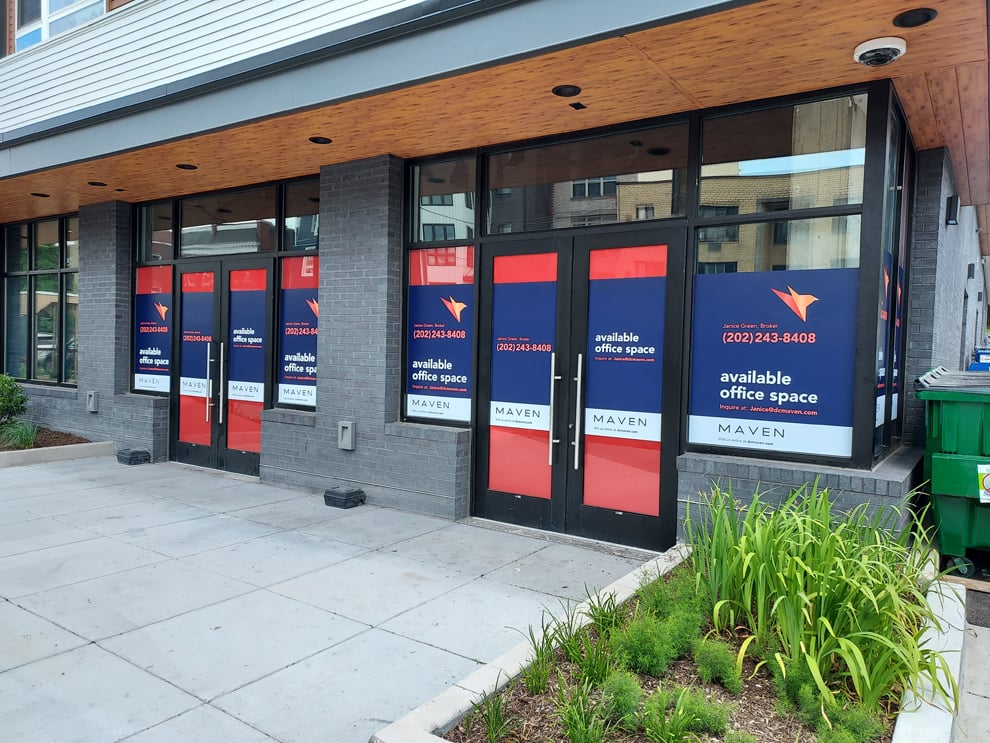
Visitors should never pause at your door wondering if they found the right place. A well planned entrance confirms the address, hints at the organization waiting inside, and sets expectations for the space just past the glass. Storefront graphics handle that work through window graphics, door lettering, privacy film, and the other visual pieces that live at the threshold. Success is not measured by how much of the glass gets covered. It is measured by how cleanly the arrival hands people off to the branded interior beyond.
We plan storefront graphics as one piece of a coordinated commercial interior branding project. Entrance glass might need identification, screening, visual awareness, or a blend of all three, and every one of those choices shifts what the interior still has to do. Past the door, a lobby sign, dimensional feature, wall graphic, or display can carry the identity with far more breathing room than a doorway offers. Storefront graphics are the subject of this page, but their real value usually shows up in how well they introduce an experience that keeps going once someone steps inside.
Everything starts with a simple question: what should people recognize, understand, or feel the moment they arrive? We work with client stakeholders to turn those answers into an environmental graphic design plan that respects the architecture and the daily rhythm of the space. One dedicated Project Manager stays with you from discovery through design, production, fabrication, and professional installation. That single point of accountability holds project knowledge in one place, cuts down on handoffs, and protects approved design intent while multiple branded elements come together on one schedule.
Heritage Signs & Displays opened in 1977 as a commercial printing company. Signs, interior graphics, workplace branding, and event environments became our defining focus starting in 2009. Today we are an award-winning, veteran-owned, family-led company approaching our 50th anniversary, with headquarters and our primary specialty production facility in Charlotte. Decades of projects have taught us one lesson repeatedly: strong artwork is only the beginning, because the design still has to suit the space, the material has to suit the application, and the installation plan has to suit the real conditions on site.
Our specialty is branding workplace and commercial interiors, and storefront graphics are the main bridge between that interior work and the outward face of a property. When we are producing and installing interior signs and graphics, the same project can include selected non-illuminated exterior signs and graphics that reinforce identification and improve the arrival sequence. We support organizations throughout Richmond, Henrico, Chesterfield, Glen Allen, Midlothian, Short Pump, Ashland, and the surrounding Central Virginia region with field support coordinated through our Charlotte production resources. Our purpose is to honor God by serving clients and communities with excellence, which shows up as clear communication, thoughtful stewardship, and dependable follow-through.
Entrances work best when they are asked to do a small number of things extremely well. Recognition, orientation, and appropriate privacy belong on the glass. Culture, history, mission language, recognition programs, and the longer story belong inside, where people slow down and actually have room to read.
We build storefront graphics around that progression. Cut vinyl lettering or a printed window graphic identifies the organization while leaving valuable sightlines open. A frosted band or patterned privacy treatment screens a conference room or reception desk without turning the space dark. Inside, a lobby sign typically becomes the primary visual destination, while wall graphics, dimensional elements, and displays push the message further into the workplace.
Planning the door, windows, lobby, and interior walls at the same time also prevents the disconnected look that comes from buying each surface separately over a span of years. Instead, we help you decide what belongs at the threshold, what deserves emphasis inside, and how those pieces should relate in scale, color, and material so the finished environment reads as one intentional decision.
Richmond clients usually reach out when the project involves more than sticking vinyl on a window. They want help deciding what the entrance should say, how it should connect to the interior, and how the approved design will actually get produced and installed on an occupied property. Our One Dedicated Project Manager System keeps those decisions, approvals, and site details tied to one accountable relationship from the first phone call to the final walkthrough.
Our environmental graphic designers collaborate with whoever owns the brand and the space. Direction may come straight from you, or it may be shaped alongside architects, interior designers, branding agencies, or property management teams. Either way, the dedicated Project Manager keeps design, production, fabrication, and our full-time professional installers working from one shared project record instead of separate assumptions.
We are veteran-owned, family-led, and approaching 50 years in business. Richmond clients get local field support backed by production and fabrication resources serving the Mid-Atlantic and the Carolinas, which supports large one-time projects, phased rollouts, and multi-location programs without ever changing your point of contact.
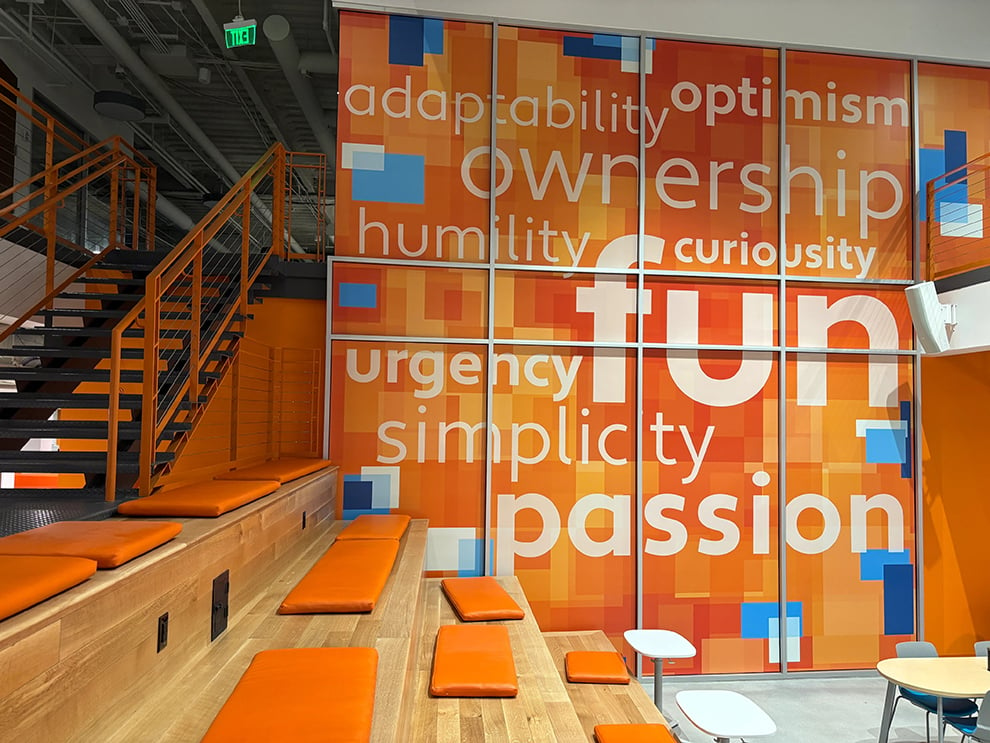
Entrance and interior glass can identify the organization, block selected sightlines, and make clear panes easier to see, often all at once. We choose coverage, placement, and material around what the space genuinely needs so daylight and useful views survive the project.
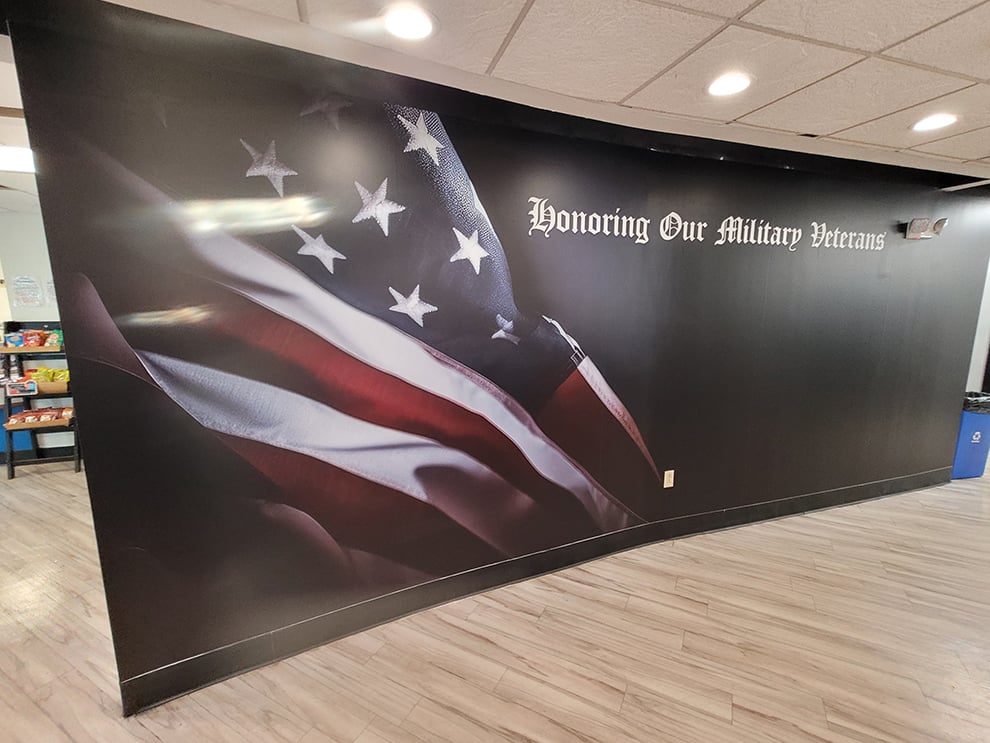
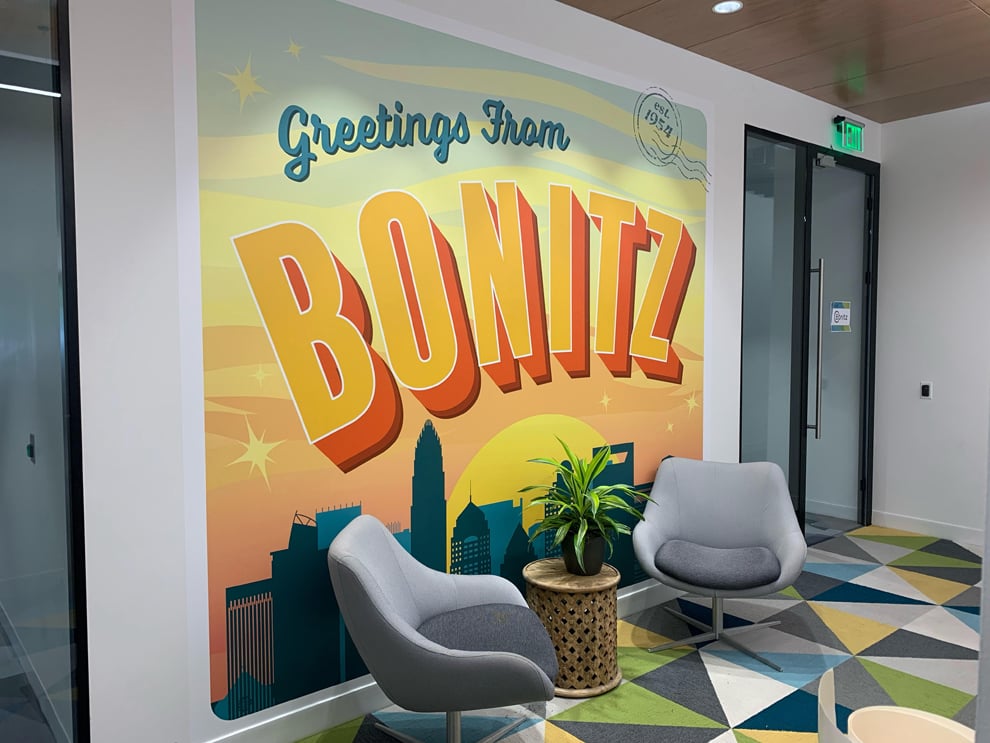
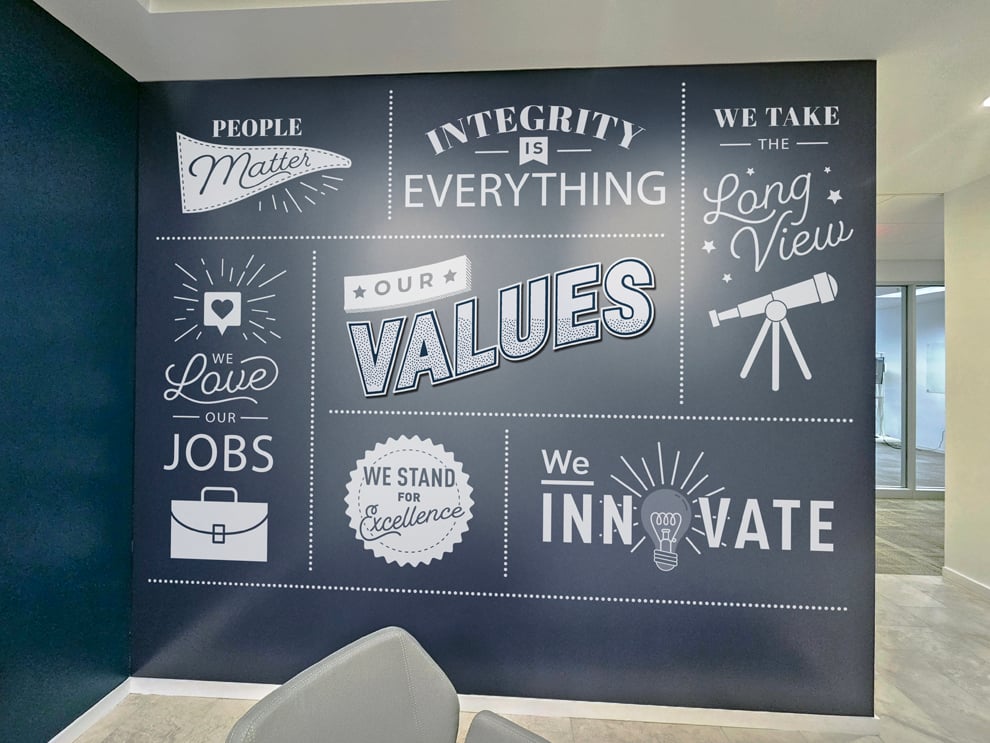
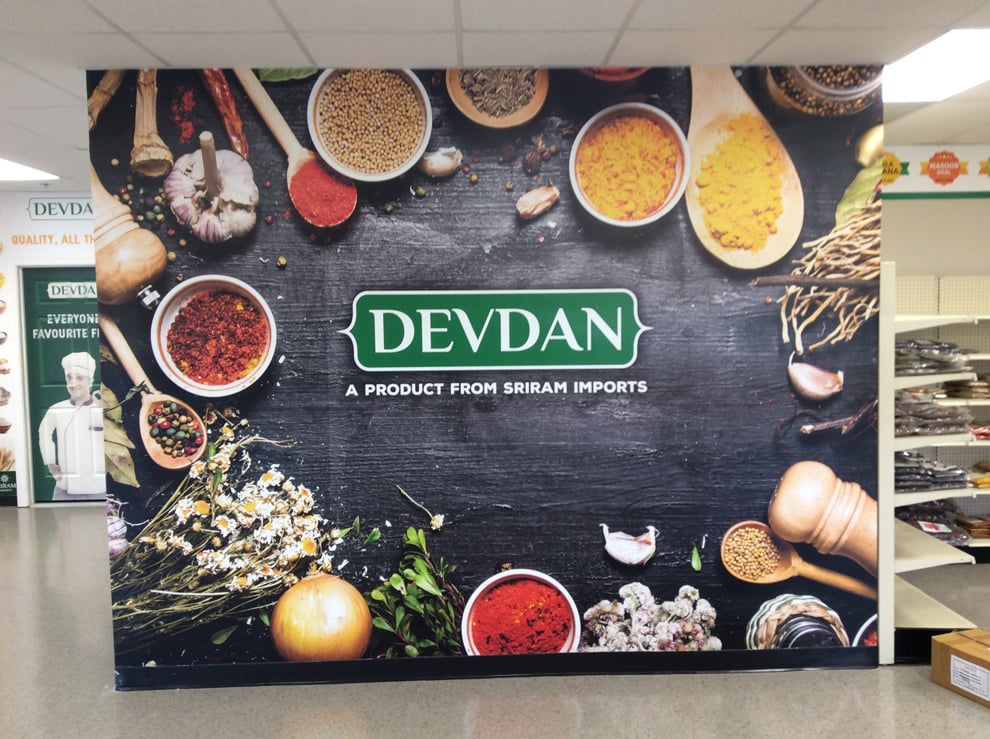
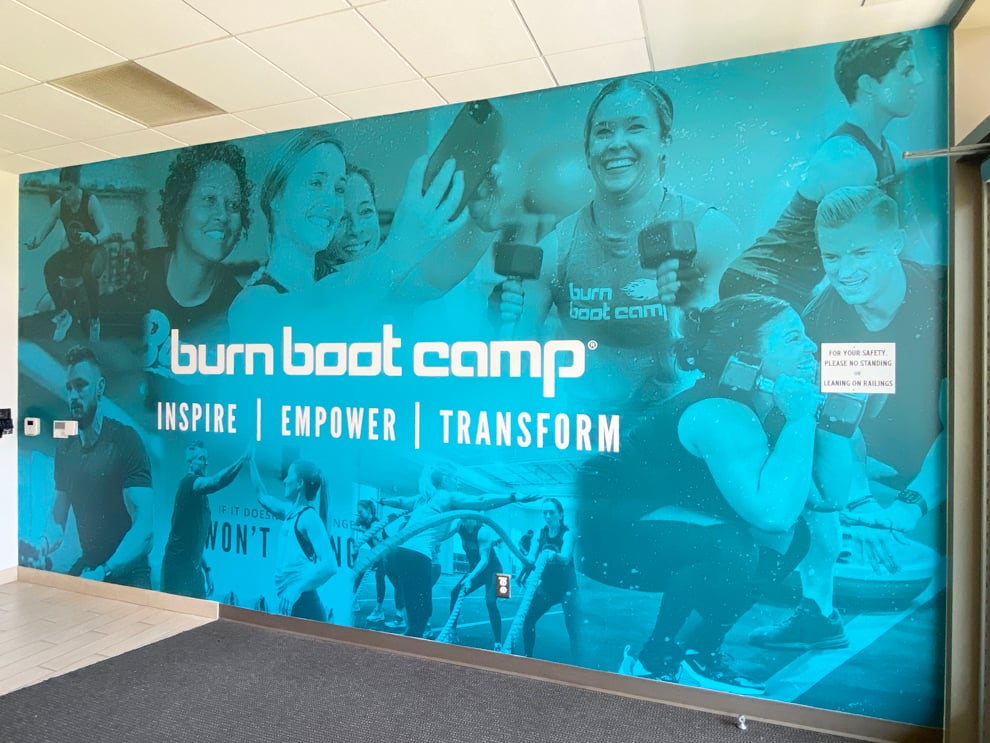
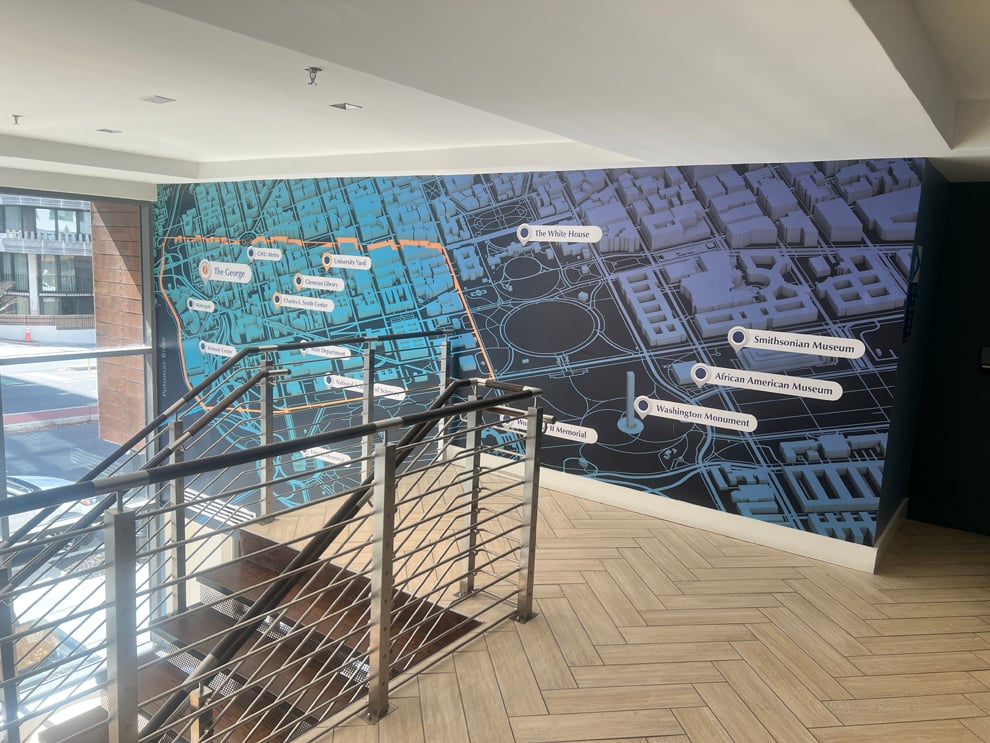
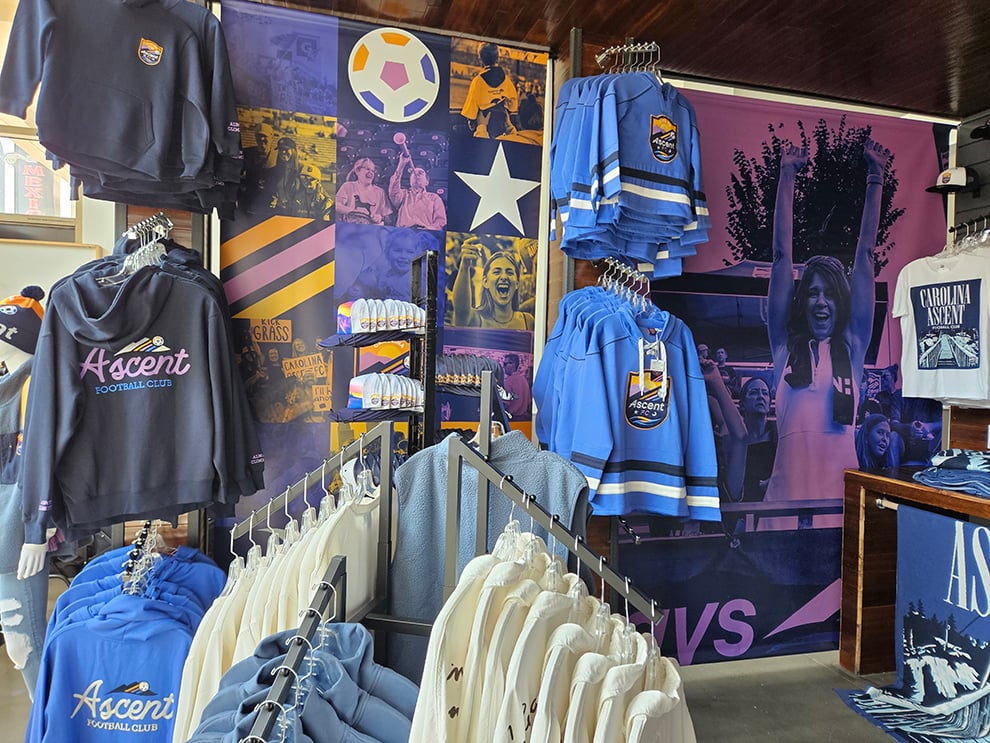
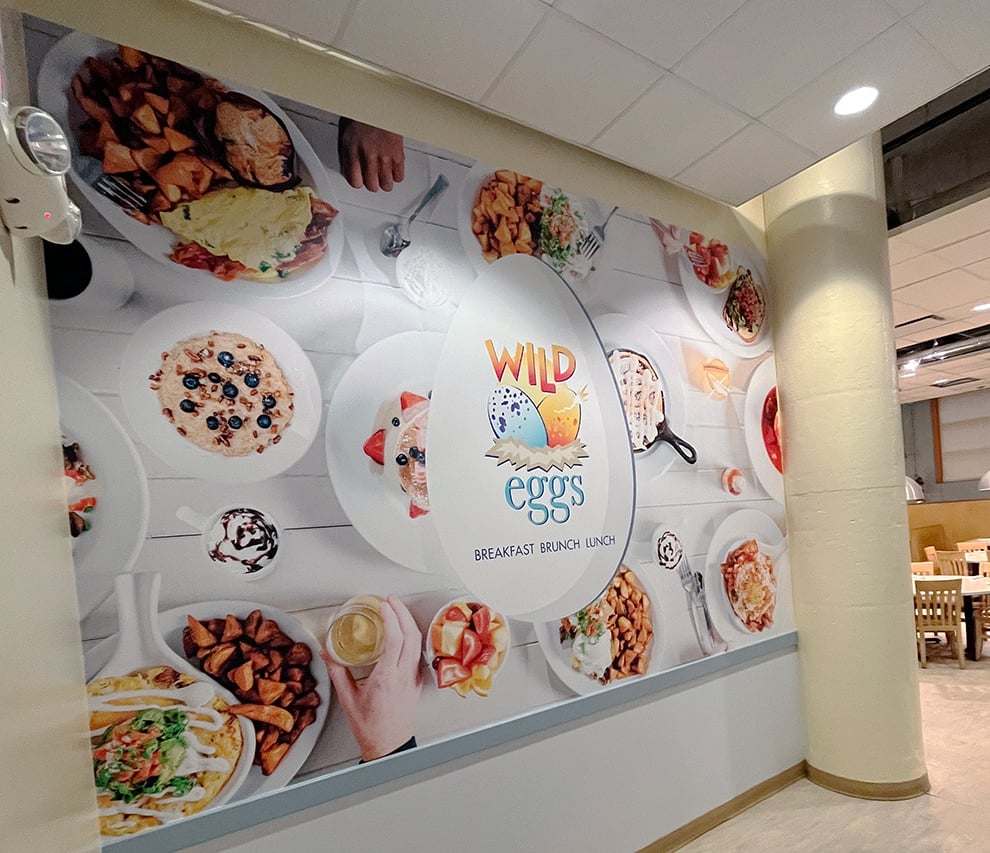
Large printed wall surfaces carry the color, imagery, and messaging introduced at the door into reception areas, corridors, training rooms, and break spaces where people spend real time rather than a passing second.
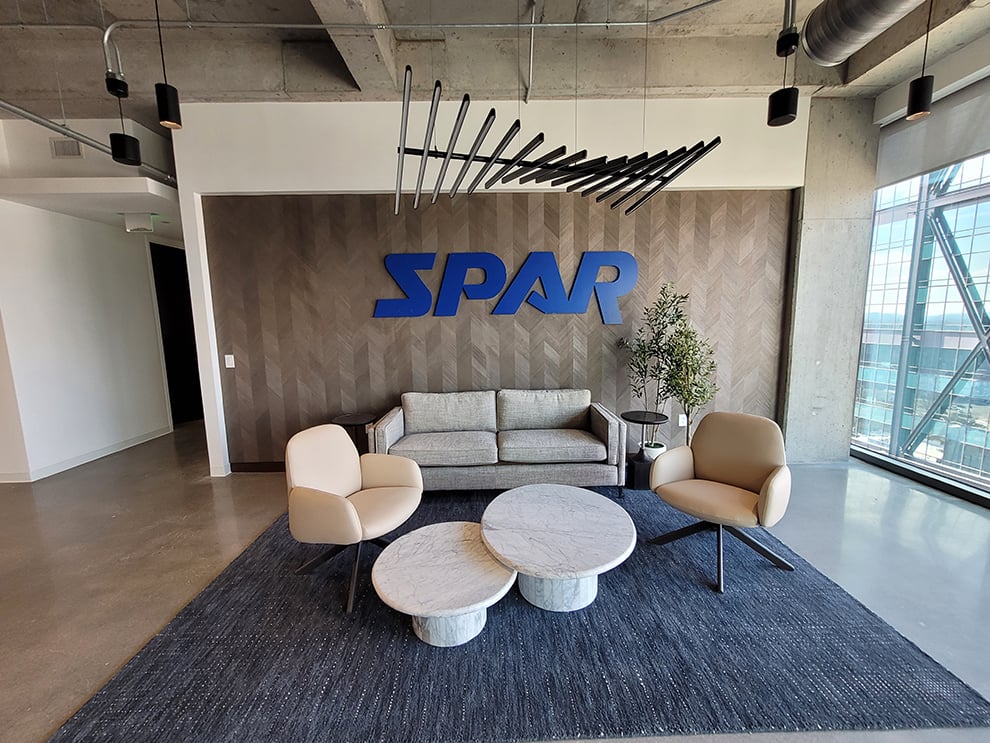
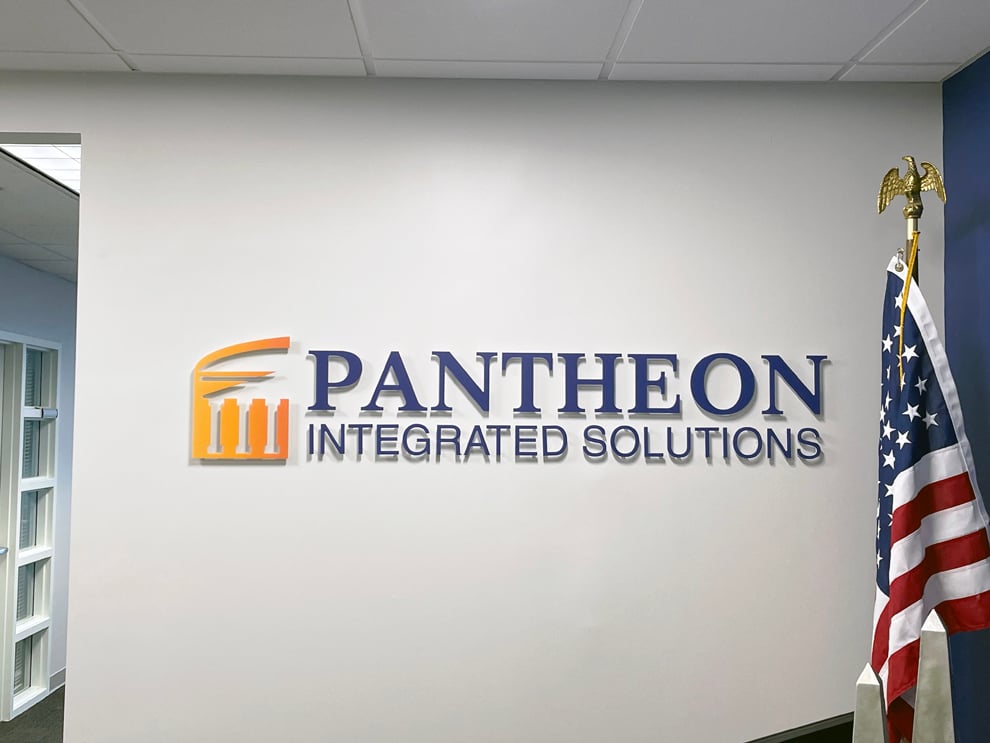
Once the entrance makes the introduction, the reception wall becomes the visual destination. We coordinate scale, material, mounting depth, and placement with the surrounding finishes so the sign reads as part of the architecture instead of something bolted on afterward.
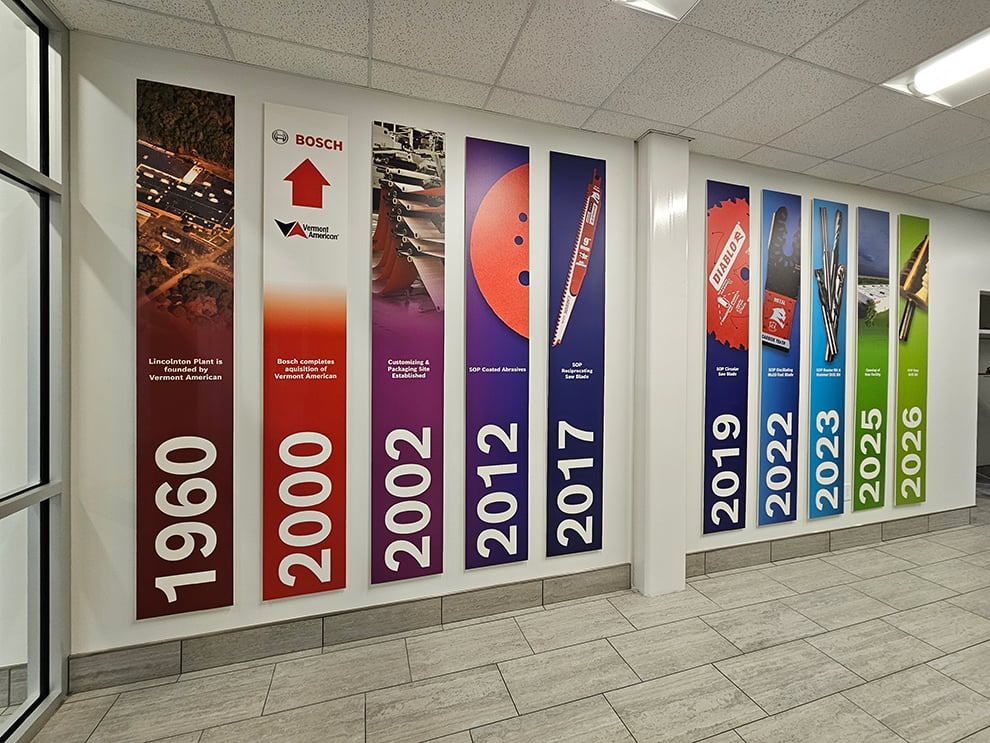
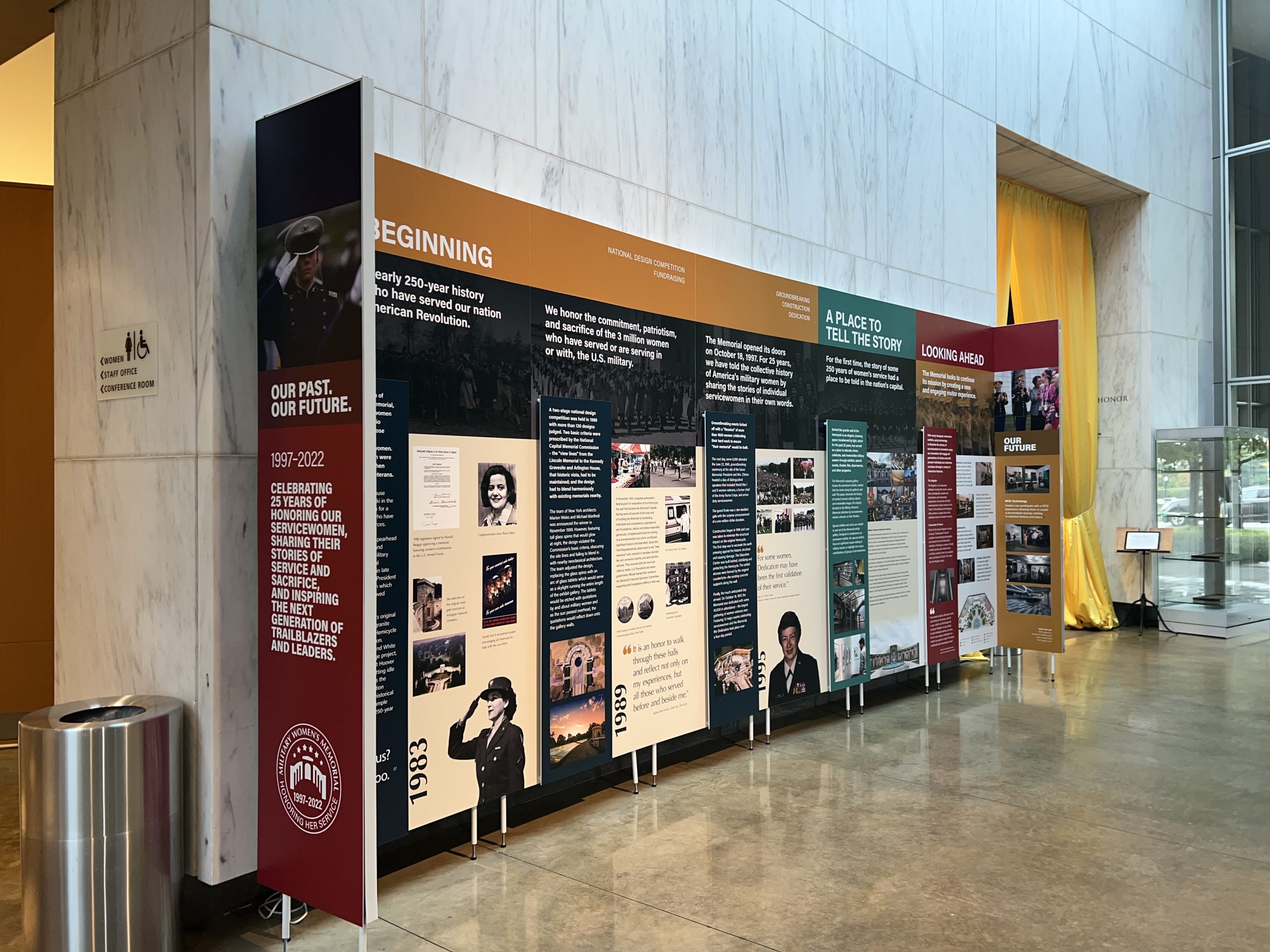
Structured displays give history, recognition, safety milestones, or core values a permanent home. Printed panels, dimensional components, and mounted hardware combine into presentations that hold attention far longer than a single flat graphic.
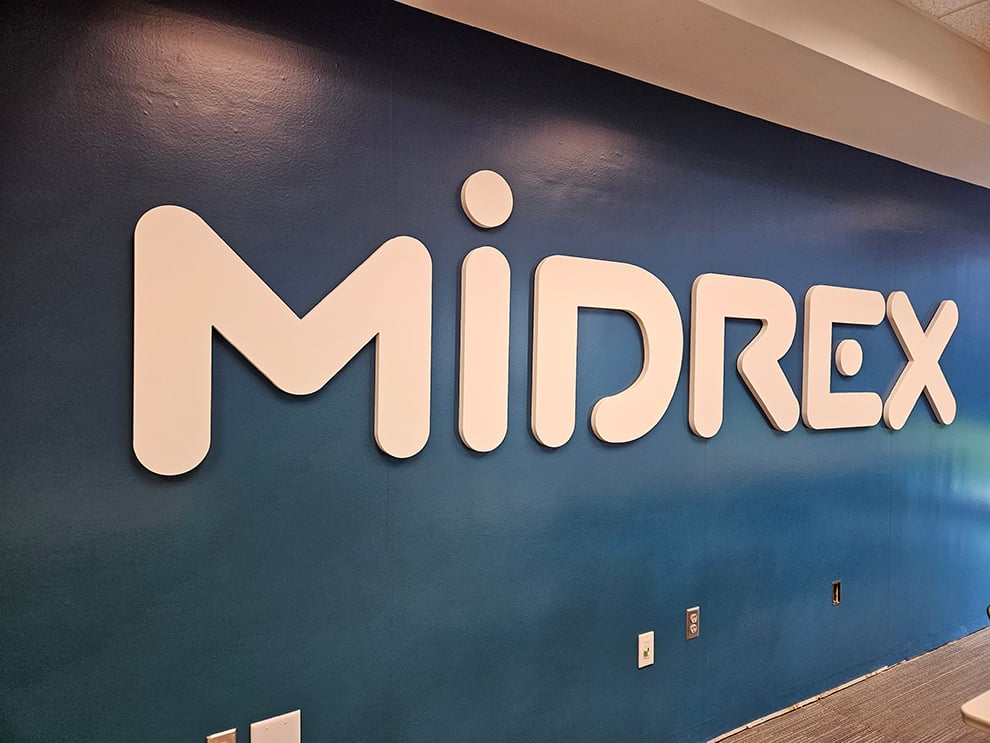
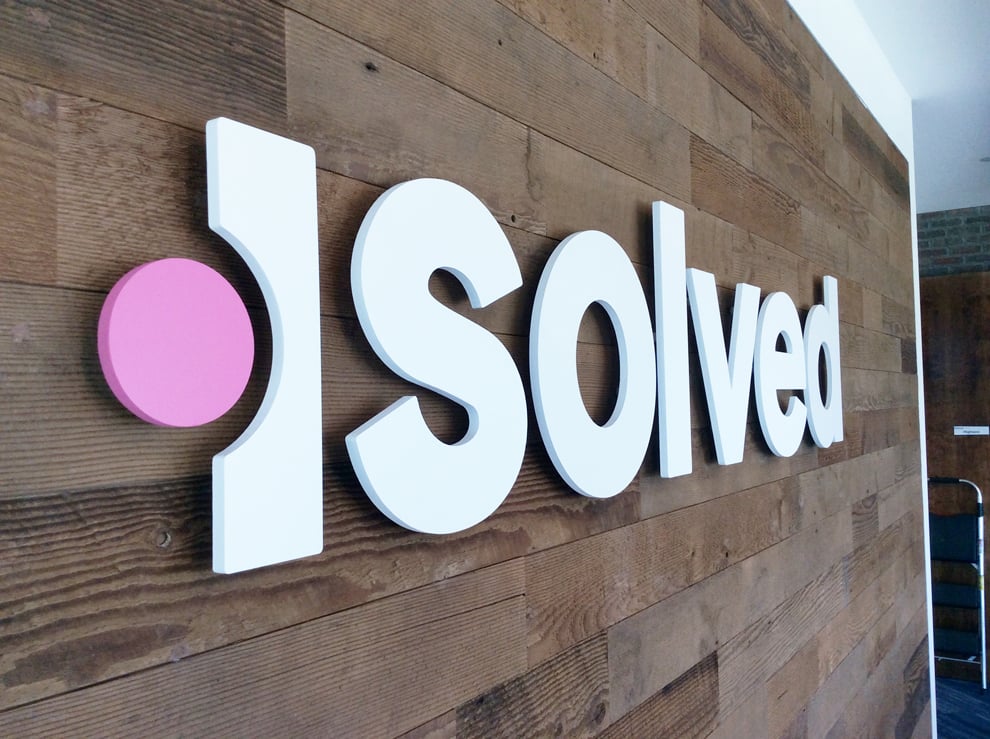
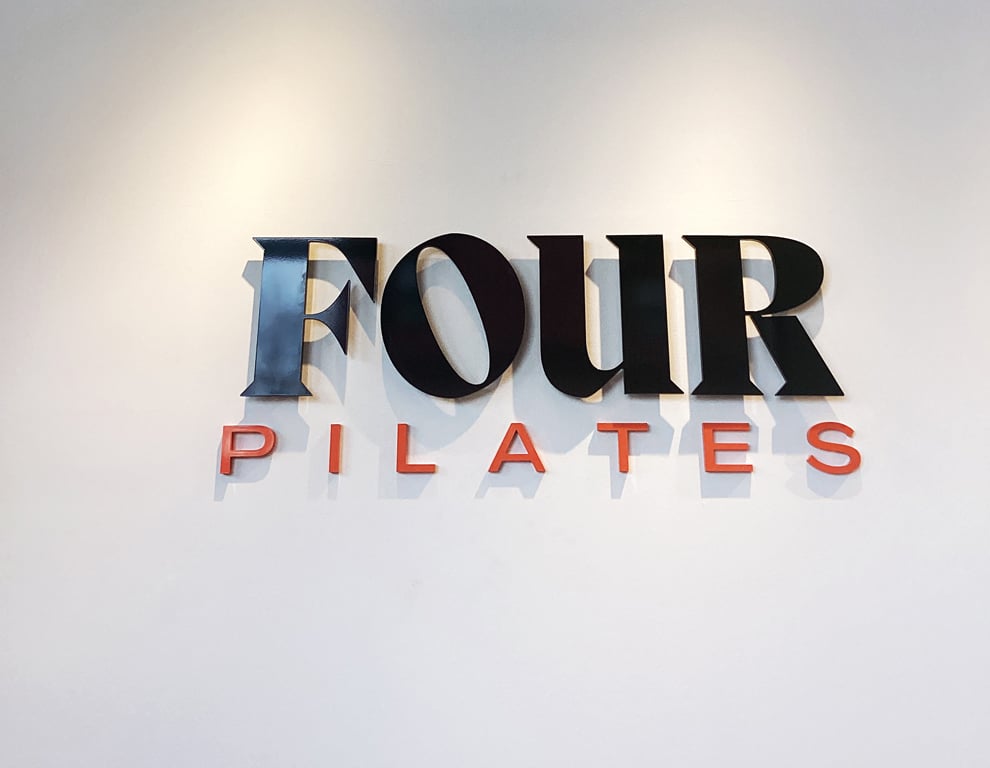
Cut letters and logos add physical depth to reception walls, corridors, and conference room entries. We coordinate thickness, finish, standoff hardware, and existing lighting so the feature carries weight without competing with nearby graphics or the room itself.
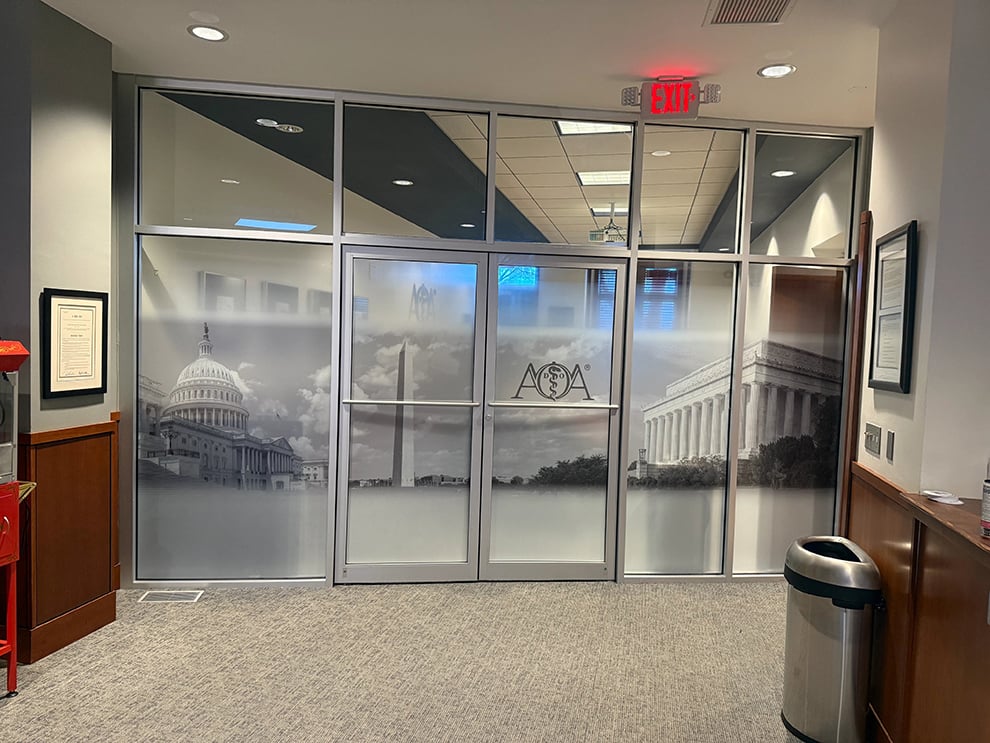
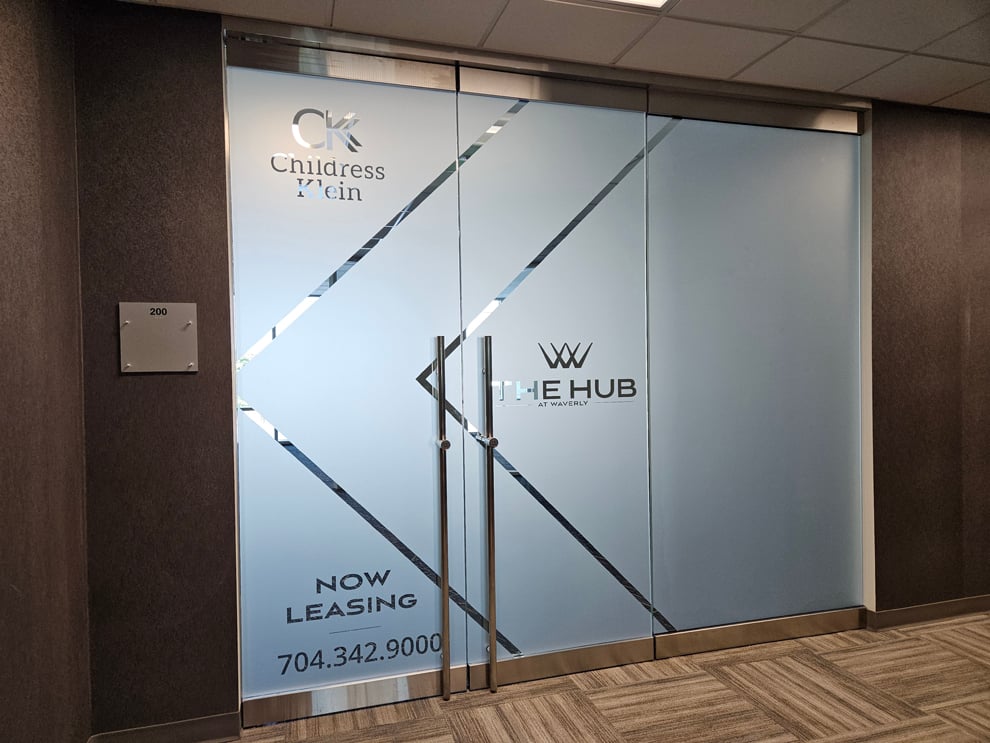
Frosted and etched-look privacy film separates offices, conference rooms, and glass partitions while daylight keeps reaching interior workstations. Custom bands, patterns, or logo elements make the treatment look planned from the start rather than added later out of necessity.
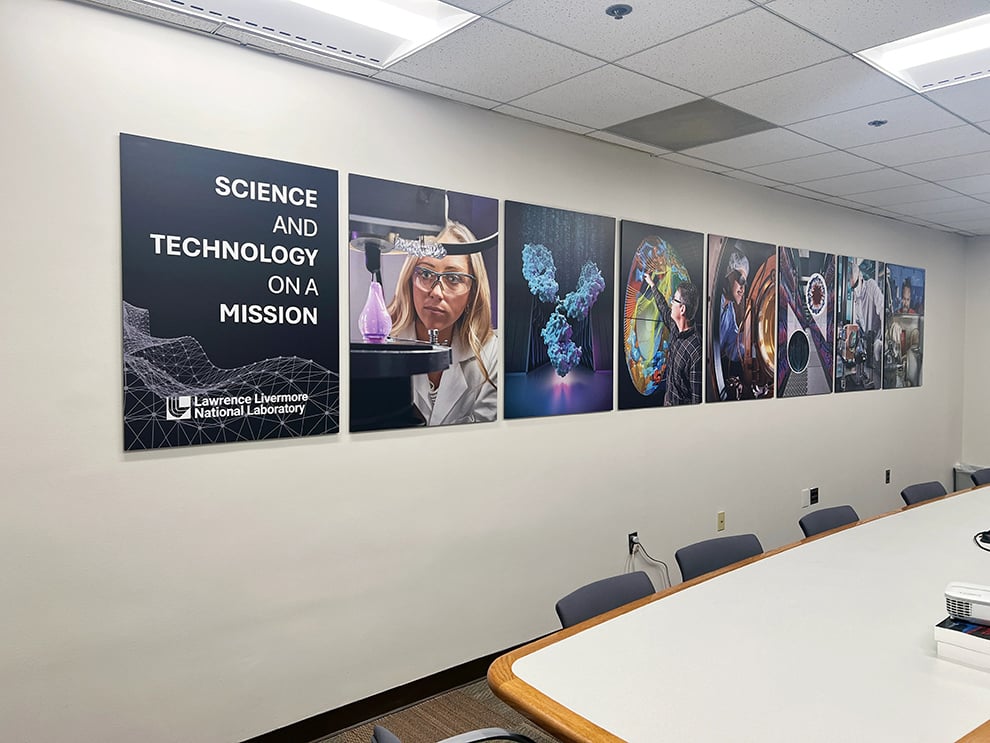
SEG fabric graphics stretch printed fabric inside a slim frame for a clean, edge-to-edge surface. Swapping the graphic does not require replacing the frame, which fits interior messaging tied to programs, campaigns, or seasons.
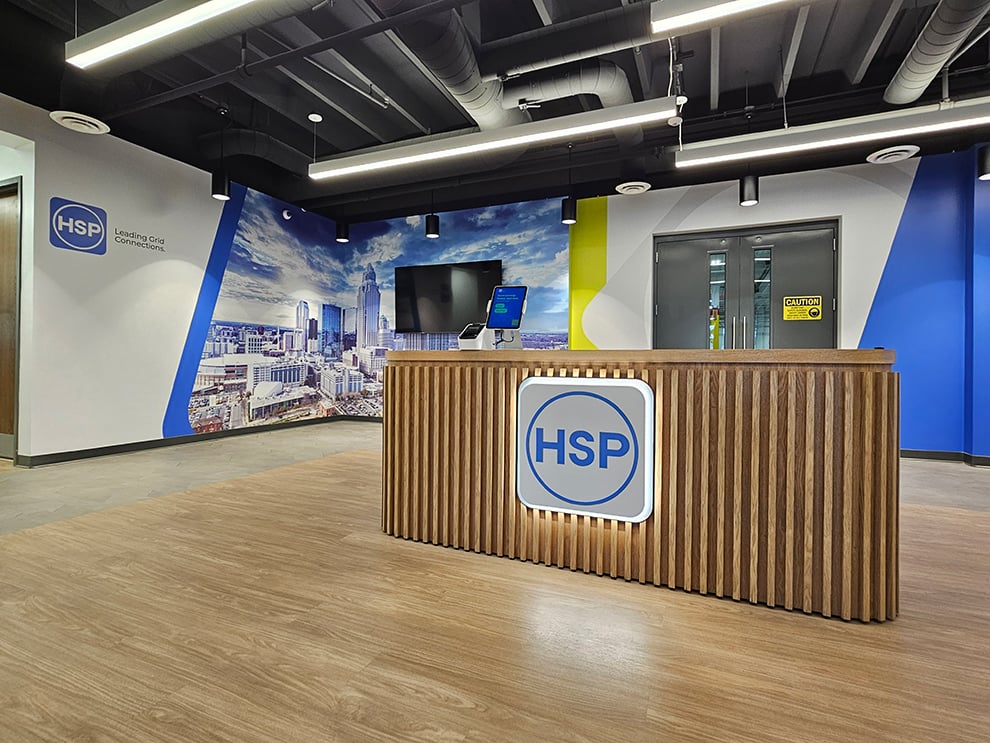
Illumination gives a logo or statement real presence in a lobby or customer-facing interior. We evaluate ambient light, wall color, viewing distance, and neighboring graphics so the sign commands attention without overwhelming the room.
If your Richmond organization is weighing storefront graphics as part of a larger workplace or commercial interior branding effort, we would like to hear what the entrance and the interior each need to accomplish. Use our Get Started Now form to send along the project address, your target completion date, the investment you have in mind, photographs, any measurements you have, brand standards, and whatever else is already in hand. One dedicated Project Manager will review everything, flag the next planning decisions, and pull together the resources needed to move the approved direction through production, fabrication, and professional installation.
Richmond entrances differ dramatically by property type. A ground-floor suite in Scott's Addition reads nothing like a multi-tenant office building in Innsbrook, a renovated tobacco warehouse in Shockoe Bottom, a medical practice near a hospital campus, a Short Pump showroom, or a distribution facility off the I-95 and I-64 corridors. Frontage, parking approach, vestibule depth, shared lobbies, and landlord requirements all shape how much identification belongs on the glass and where privacy actually matters.
We provide field support for Richmond projects, including discovery meetings at the property, site surveys, field verification, installation planning, and professional installation. Those observations flow directly to your dedicated Project Manager and to the Heritage teams handling environmental graphic design, production, and fabrication at our Charlotte headquarters and primary specialty production facility.
Organizations with more than one property keep the same Project Manager as a program extends across Central Virginia, the wider Mid-Atlantic, and the Carolinas. Brand standards, approvals, and project history stay consistent while each location adapts to its own architecture, access, and operating hours.
Environmental graphic design answers the practical questions behind a strong arrival. What should people notice first from the sidewalk or parking lot? Which views through the glass need to stay open? Where does privacy genuinely matter? What interior focal point should the entrance lead toward? Those answers determine scale, placement, material, and finish long before any artwork heads to production.
Some clients arrive with complete brand standards and approved files. Others bring an objective, a few phone photos, and an idea that still needs development. We work comfortably either way, and we collaborate with architects, interior designers, branding agencies, property teams, and internal stakeholders when a larger group owns the outcome.
We are not interested in concepts that photograph well in a presentation and fall apart at the wall. We develop environmental graphics that move cleanly into production, fabrication, and professional installation, delivering results like a stronger arrival, a branded lobby, privacy graphics that preserve daylight, a timeline wall, a mission or core values feature, or clearer direction through the space. We do not provide licensed architecture, engineering, general interior design, lighting design, or code consulting.
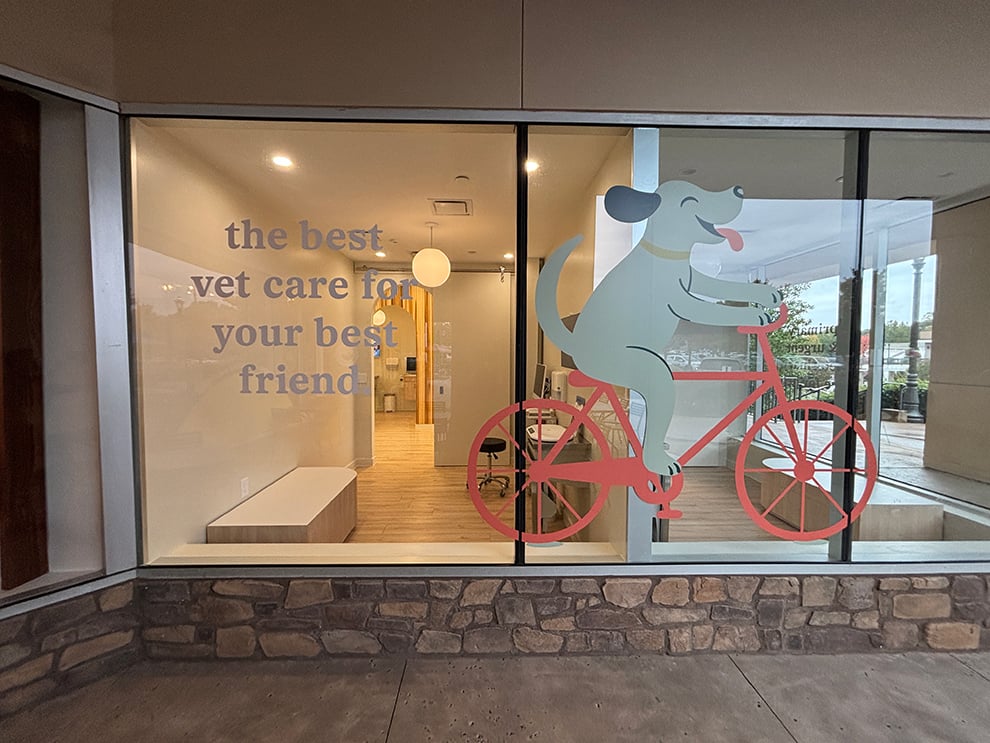
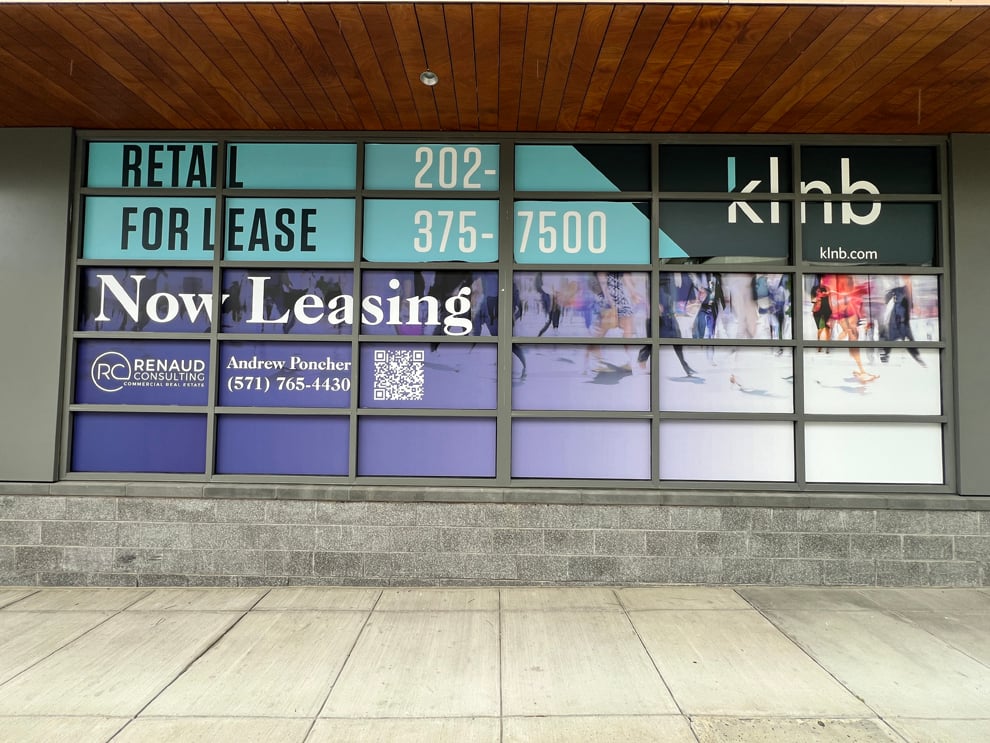
We produce and install specific non-illuminated exterior signs and graphics as part of coordinated storefront and workplace branding projects that also include interior work. That scope can cover exterior window graphics, exterior wall graphics and wraps, dimensional lettering, dimensional signs, custom sign panels, and related non-illuminated storefront elements. Together they identify the organization before entry and connect with entrance glass, privacy graphics, lobby signs, and interior displays so the approach and the interior feel like one continuous project.
Printed exterior wall graphics receive protective film laminate as standard practice for added UV and weather resistance. We also review surface condition, exposure, and attachment method for every exterior component we accept.
We do not produce or install channel letters, monument signs, pylon signs, or illuminated exterior signs. We do not determine whether a sign permit is required, prepare or submit permit documents, communicate with permitting authorities, or pay permit fees. The client, property owner or property manager, or general contractor is responsible for confirming and securing required sign permits and property approvals.
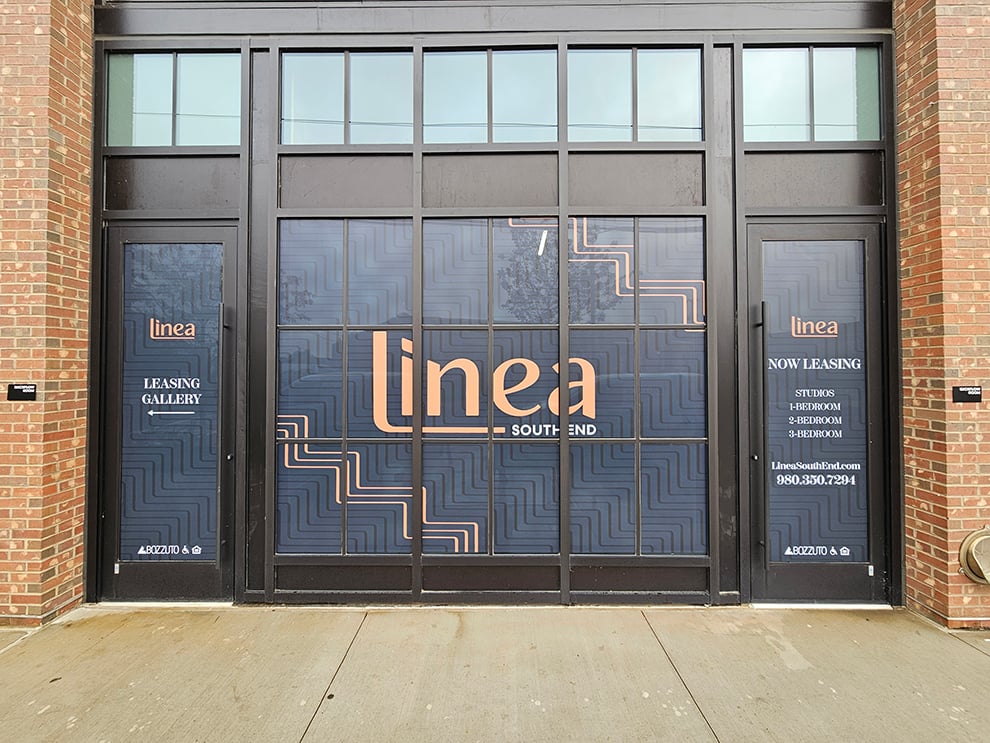
Every Heritage storefront graphics project includes a site survey that connects your objectives to measurements, surfaces, access, and installation conditions. From there, your dedicated Project Manager keeps environmental graphic design, production, fabrication, and our full-time professional installers aligned straight through to installation day.
That shared record is the practical advantage. Site information, approved design intent, material decisions, production requirements, access planning, scheduling, and installation details all live in one project history, so every team prepares with the benefit of what the others already learned and questions get answered before they turn into field problems.
Compare that to arrangements that split survey, design, production, and installation among separate vendors who each join the project at a different point. Our installers show up already knowing the property, the sequence, and the expectations. That supports careful protection of finishes and furnishings, efficient work during agreed hours, clear communication with facility contacts, minimal disruption to occupants, and accountability for the finished result.
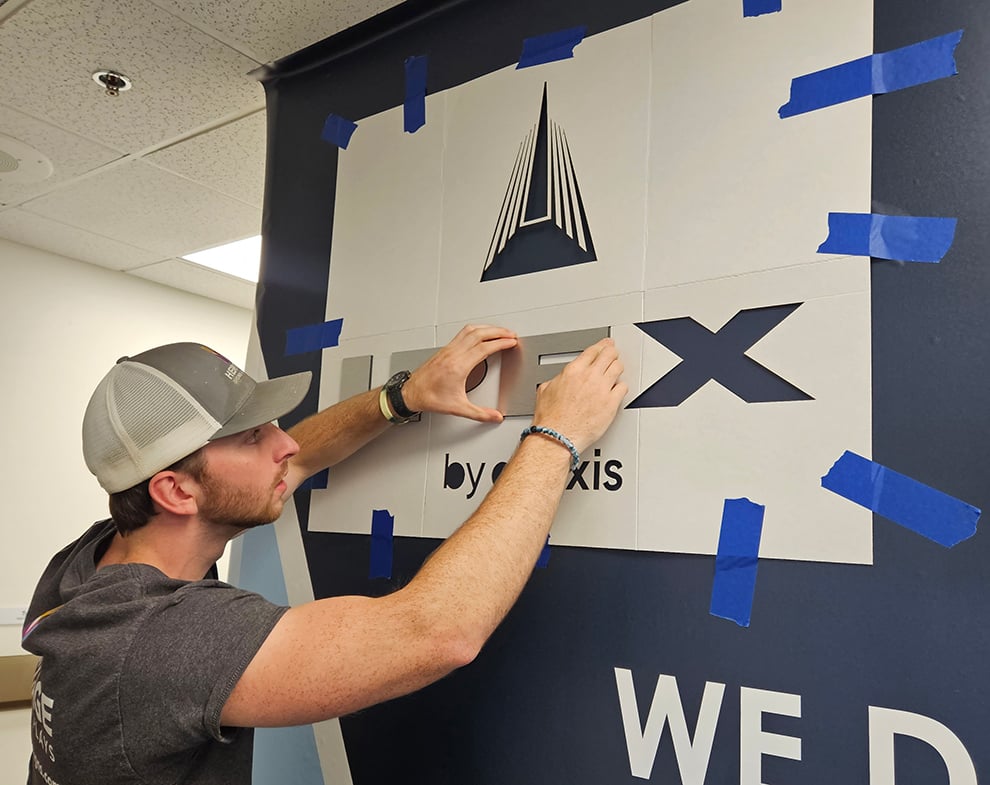
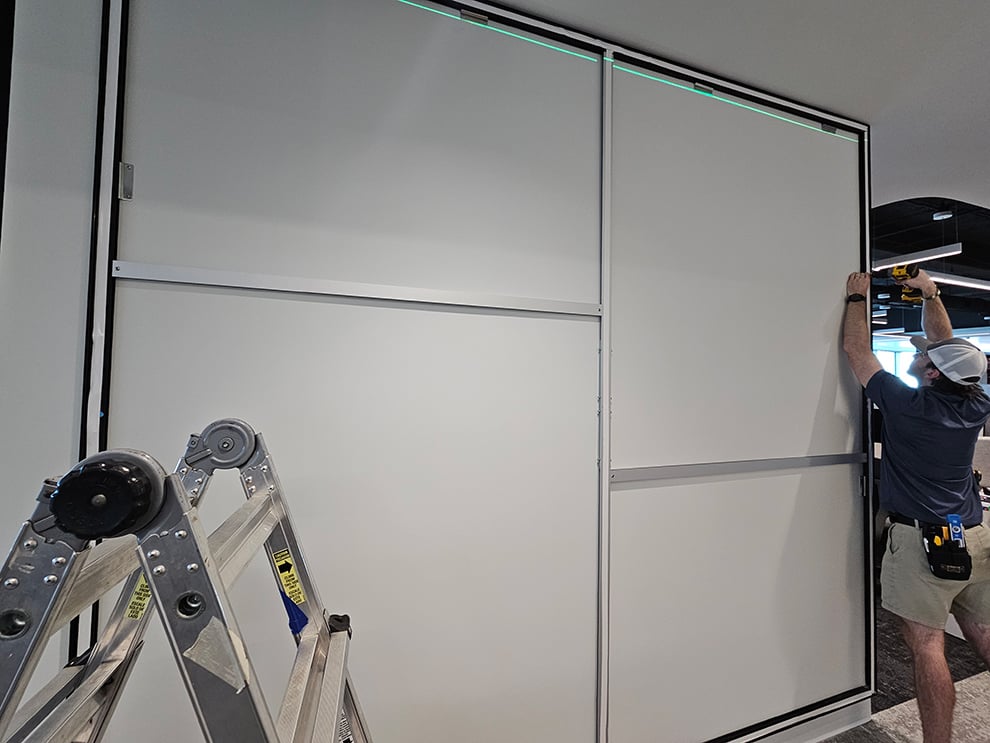
Adhesive wall graphics reward good prep work. The drywall needs to be solid and smooth, every repair finished, primer and paint applied correctly, and the finish coat fully cured before we install anything. Keep in mind that paint can feel dry to the touch long before it has actually cured. We generally build about four weeks into the schedule as a planning allowance, but the coating manufacturer's specifications and the real conditions at your Richmond property decide when the wall is ready. Washable, scrubbable, stain-resistant, low-VOC, and zero-VOC paints sometimes add a step, whether that is cleaning, adhesion testing, or switching to a different vinyl and adhesive pairing.
Adhesion testing tells us one thing: how our vinyl behaves against the painted surface. It reveals nothing about how firmly that paint and primer are gripping the drywall behind it. When paint lifts or peels during a test or during routine repositioning at install, we stop. Pushing forward would only enlarge the problem. Arranging and funding the repair, priming, repainting, and full cure falls to the client or the property owner.
Removal down the road is its own conversation. We work slowly and deliberately to limit avoidable damage, though no installer can promise a damage-free result. Paint, primer, or the paper facing of the drywall may come along with the vinyl. "Removable" describes how the adhesive system is engineered, not a guarantee about your wall. If you are swapping out existing graphics, pulling the old ones early exposes any restoration needs before we lock in an installation date. Handled with these realities in mind, wall graphics remain one of the most effective branding tools available.
A well-planned project brings several decisions into alignment: the outcome your organization is after, who the audience is, how wide the scope runs, whether everything happens at once or rolls out in phases, the timeline, the condition and readiness of the site, who needs to sign off, and what you expect to invest. Photos, measurements, floor plans, artwork, brand standards, and property rules all feed into those decisions by sorting what is already settled from what still needs to be verified in the field.
We work best on professionally managed projects that gain something from a connected process, where environmental graphic design, production, fabrication, and professional installation all live under one roof. Many of our projects that include production and professional installation land between $10,000 and upwards of $200,000. The right number for you follows the full scope of the work, not the price tag on any individual sign or graphic.
Your project might center on a single, substantial branded entrance. It might carry inward through a selected group of signs and displays. Or it might grow into a phased rollout or a multi-location program. Whatever shape it takes, one dedicated Project Manager keeps ownership, approvals, schedule, and the next decision in plain view.
Absolutely, and rarely does it require covering the glass completely. Frosted vinyl, etched-look privacy film, printed bands, and patterned treatments can break up direct sightlines into a conference room, a reception desk, or an open work area while daylight and chosen views stay intact. We set the height and density of the treatment around actual seated and standing sightlines rather than applying a one-size formula.
They are the applied graphics and lettering that establish who you are at the entrance and set expectations for the space beyond it. On entrance glass, doors, and the surfaces nearby, they deliver recognition, privacy, visual awareness of the glass itself, and simple wayfinding. In a project we manage, they get planned right alongside lobby signs, wall graphics, dimensional elements, and the rest of your interior branding so arrival and interior read as one continuous experience.
Yes, on every storefront graphics project without exception. The visit pairs discovery with field verification: glass dimensions, mullion and frame conditions, wall surfaces, ceiling heights, lighting, access routes, permitted working hours, and anything else that could shape production or installation. Everything gathered goes straight to your dedicated Project Manager and shapes design, material choices, and the installation plan.
Materials follow the design, the site, and the performance the finished piece has to deliver. Depending on the application, that may mean cut or printed adhesive vinyl, perforated vinyl, frosted vinyl, acrylic, dimensional materials, or aluminum composite material (ACM). ACM delivers a durable metal-like look at a fraction of the weight of solid metal. We do not print on or cut solid aluminum or steel as a sign substrate.
Not at all. Any organization with a customer-facing entrance or interior glass can put them to work. Professional offices, medical and dental practices, credit unions, nonprofits, churches, schools, showrooms, manufacturing offices, and multi-tenant suites all come out ahead when the entrance is planned as part of the branded interior instead of bought separately.
Painted walls have to be smooth, sound, properly repaired, primed, painted, and fully cured to the paint manufacturer's specifications. Roughly four weeks makes a sensible planning allowance for many paints, though cure times shift by product and by site conditions. Washable, scrubbable, stain-resistant, low-VOC, and zero-VOC coatings may call for cleaning, adhesion testing, or a different vinyl and adhesive combination.
Adhesion testing shows how the vinyl performs against the painted surface. It cannot tell us how well that paint and primer are bonded to the drywall underneath. If paint lifts during testing or during normal repositioning at install, we stop rather than compound the damage.
Repair, priming, repainting, and full cure are arranged and paid for by the client or property owner before we reschedule the installation.
It can, and the smart move is to plan for it rather than hope otherwise. We remove adhesive vinyl slowly and carefully with methods built to limit avoidable damage, but no one can guarantee a damage-free result. Paint or primer sometimes releases with the vinyl, and occasionally the drywall facing is affected.
Build both time and budget into your plan for possible repair, priming, repainting, and full cure before the wall gets reused or new graphics go up.
That restoration work is arranged and paid for by the client or property owner. We do not perform or fund wall repair, priming, repainting, or restoration.
"Removable" refers to the adhesive system and its intended use. It is not a promise of damage-free removal.
Yes, within a defined scope. We produce and install specific non-illuminated exterior signs and graphics when they belong to a coordinated storefront or workplace branding project that also covers interior work. That can include exterior window graphics, exterior wall graphics or wraps, dimensional lettering and signs, custom sign panels, and related non-illuminated elements that identify your organization before anyone reaches the door.
Printed exterior wall graphics get a protective film laminate as standard practice for added UV and weather resistance.
We do not produce or install channel letters, monument signs, pylon signs, or illuminated exterior signs. We also do not determine sign permit requirements, prepare or submit permit applications, or communicate with permitting authorities. Confirming and securing required sign permits and property approvals rests with the client, the property owner or manager, or the general contractor.
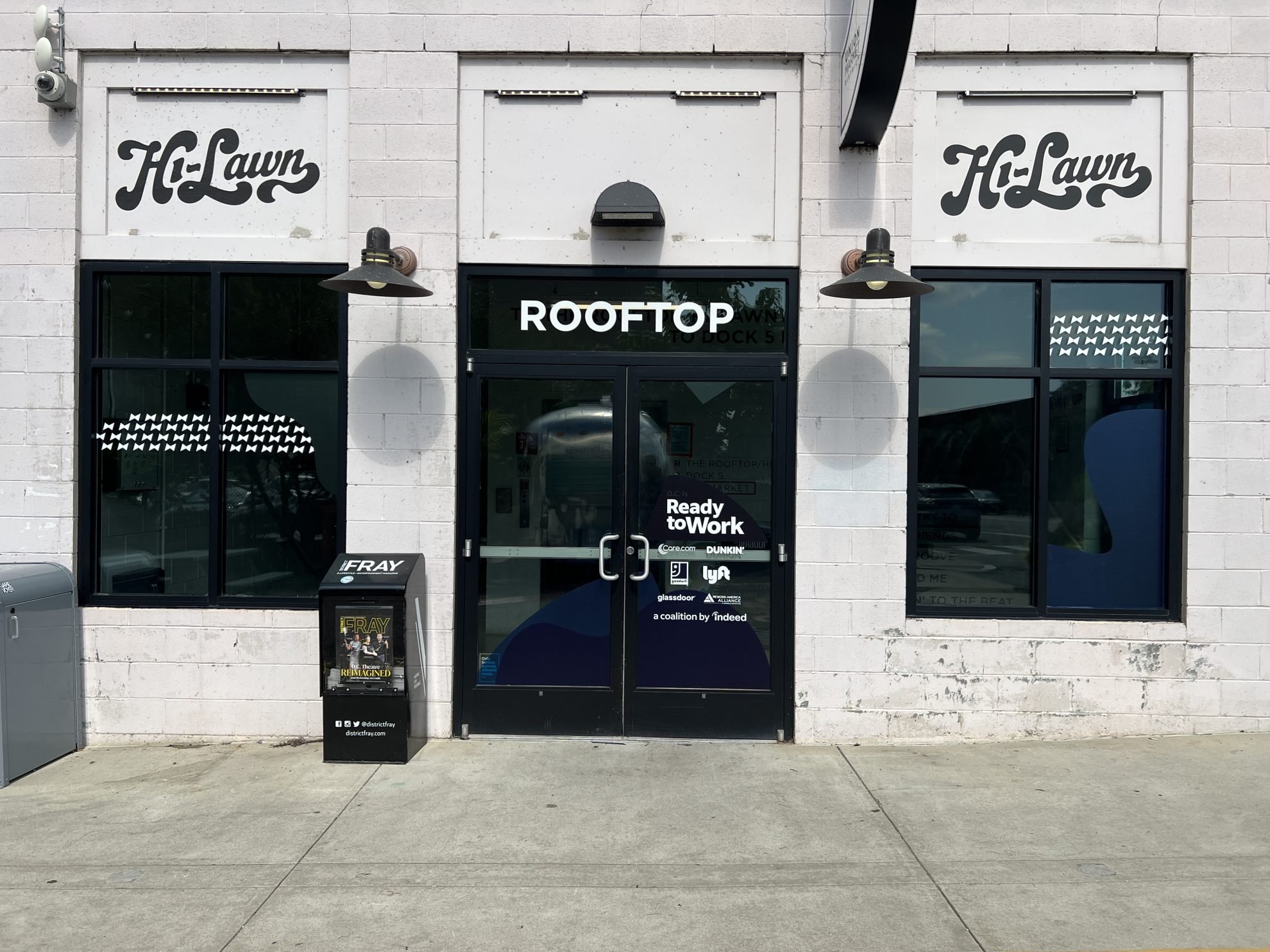
Distraction markers are decorative or branded vinyl graphics applied to clear glass so the surface is easier to notice. They show up as bands, dots, repeating patterns, logos, or other visual elements, and they can pull double duty for privacy or branding. We plan their placement and appearance to fit the entrance. Applied vinyl does not establish building-code or safety-glazing compliance.
Yes. We coordinate storefront and interior branding across multiple client properties throughout the Mid-Atlantic and the Carolinas. One dedicated Project Manager stays your constant point of coordination while we arrange the right field support, site surveys, production and fabrication, and professional installation at each address.
That continuity protects brand standards, approvals, and the history of the conversation, so you are never starting over at the next location.
At the same time, we do not force identical solutions onto properties that are nothing alike. Frontage, glass dimensions, wall surfaces, access, and operating hours vary, and the physical execution can flex while the approved brand direction holds steady.
It depends on the material, the setting, and how often the surface gets touched or cleaned. Most adhesive vinyl graphics on interior walls are unlaminated and should be cleaned gently using methods matched to that specific vinyl. Where frequent cleaning or contact is expected, think schools, cafeterias, and healthcare spaces, we may add a protective laminate over the printed vinyl. Exterior wall graphics are laminated as standard practice, which adds UV protection and helps the graphic hold up to rain and Virginia's seasonal swings. We provide maintenance guidance for the specific system we install.
Yes. We work inside broader professional teams regularly and can build from established brand standards, architectural drawings, approved concepts, or design intent developed elsewhere. Our role is to develop or refine the environmental graphics within our scope and carry the approved work through production, fabrication, and professional installation. We do not provide licensed architecture, engineering, general interior design, lighting design, or code consulting.
Yes, when removal is part of a new production and installation project with us. For wall graphics especially, we strongly recommend scheduling that removal well ahead of the installation date for the replacements.
It comes down to timing. Until the existing vinyl is off the wall, nobody knows what condition the surface is in underneath. We remove graphics slowly and carefully to limit avoidable damage, but paint may release, hidden drywall damage may surface, or other restoration may be needed. Early removal gives the client or property owner room to arrange and pay for repair, priming, and repainting.
The new finish paint then has to cure completely before we return with the replacement graphics. Around four weeks works as a planning allowance for many paints, though the manufacturer's requirements and site conditions govern actual readiness.
We do not offer graphics removal as a standalone service.
We provide field support for Richmond and Greater Richmond projects, including client meetings at your property, site surveys, field verification, installation planning, and professional installation. That local work ties back to our Charlotte headquarters and primary specialty production facility, where environmental graphic design, production, and fabrication happen.
Your dedicated Project Manager links the two, so what our field team sees at your property in Scott's Addition, Shockoe Bottom, downtown, or out toward Short Pump feeds directly into design decisions, material selection, and the installation plan instead of getting relayed through a chain of vendors.
If your organization has locations beyond Richmond, the same structure stretches across the Mid-Atlantic and the Carolinas under one coordinated program.
We pair local Richmond field support with the design, production, fabrication, and installation capacity to run substantial commercial interior branding projects. Clients work with one dedicated Project Manager, collaborative environmental graphic design, and full-time professional installers through a single accountable process rather than a chain of subcontractors. Heritage is veteran-owned, family-led, approaching 50 years in business, and committed to responsible recommendations, clear communication, and dependable follow-through.
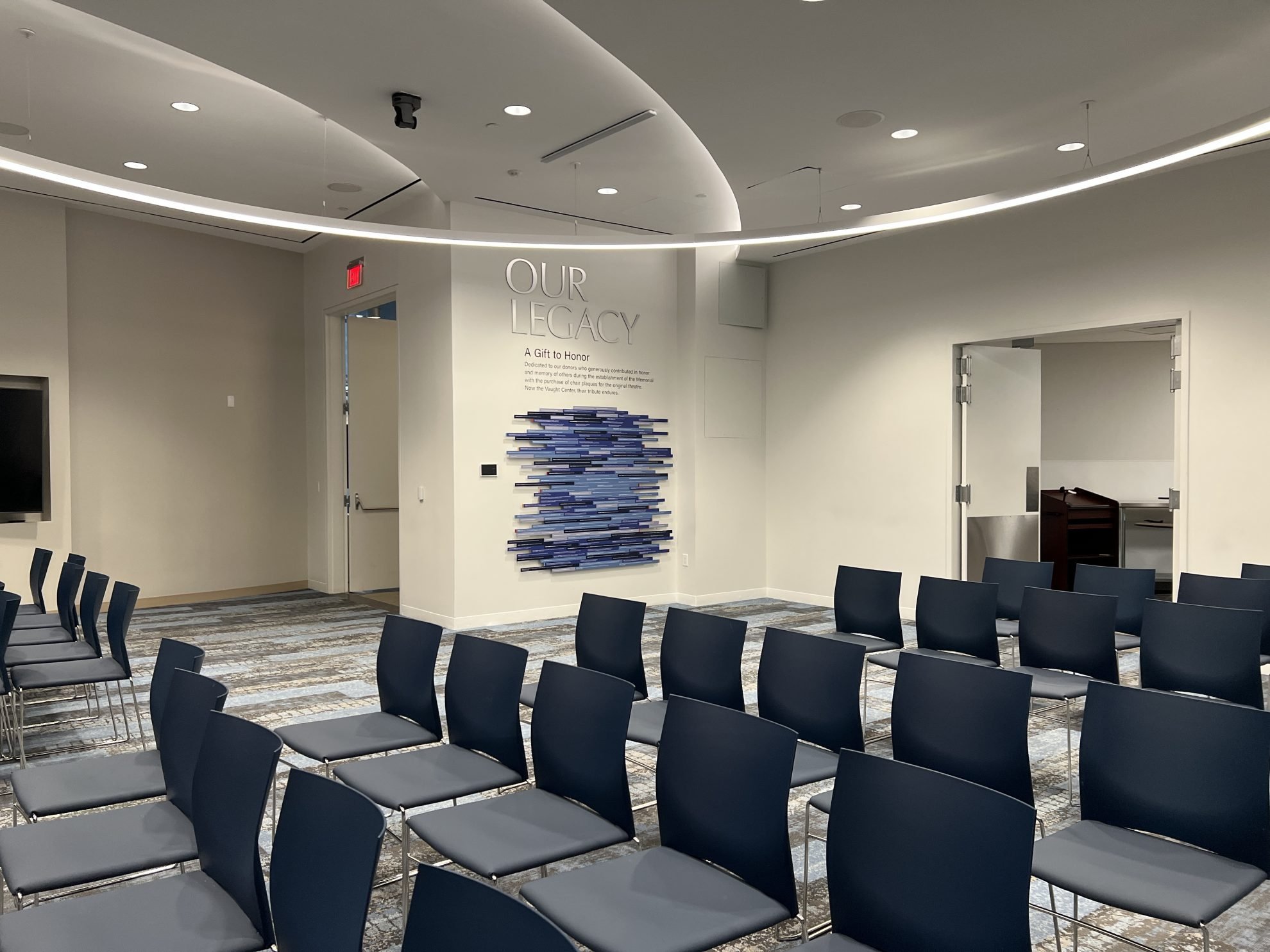
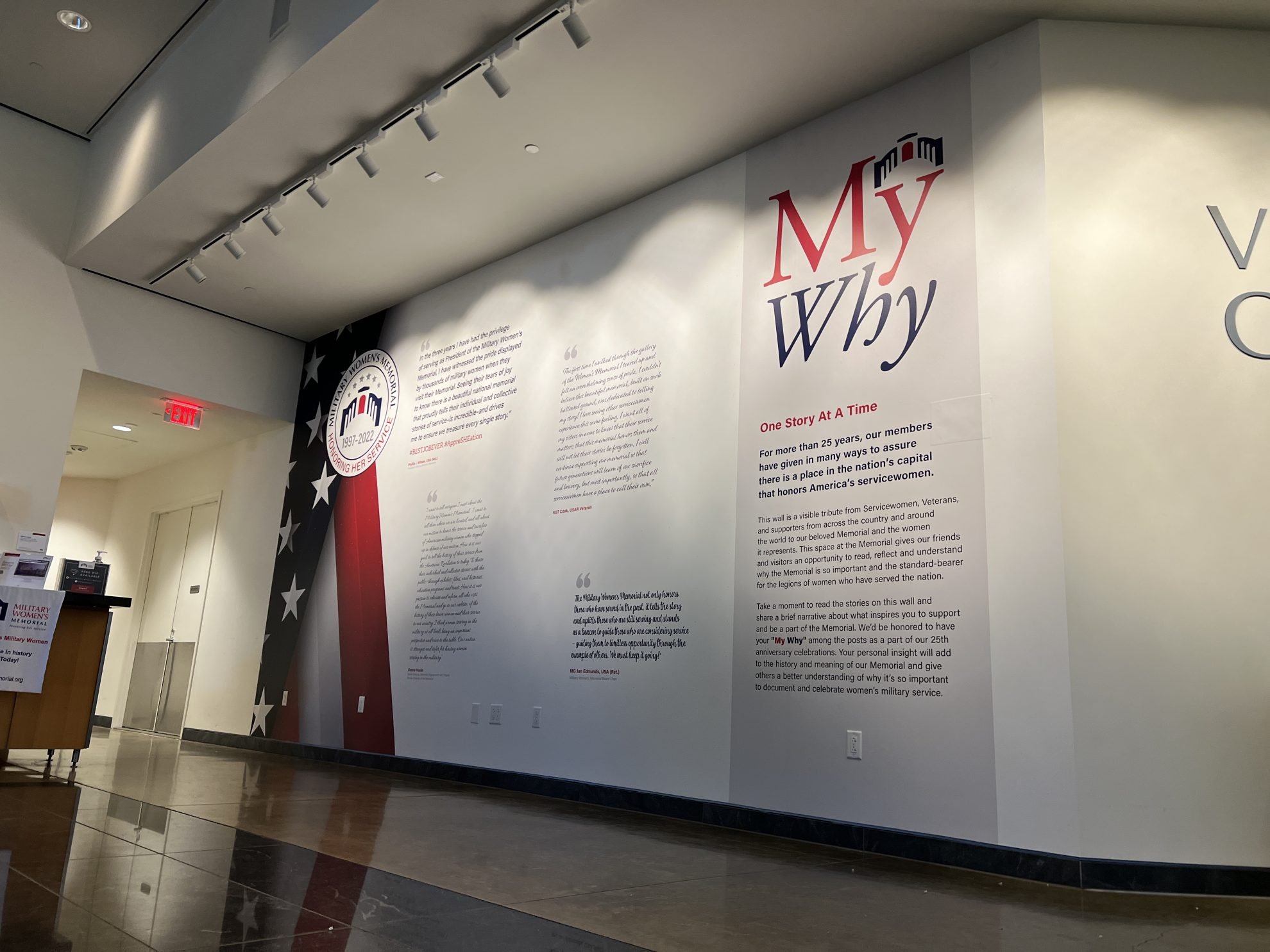
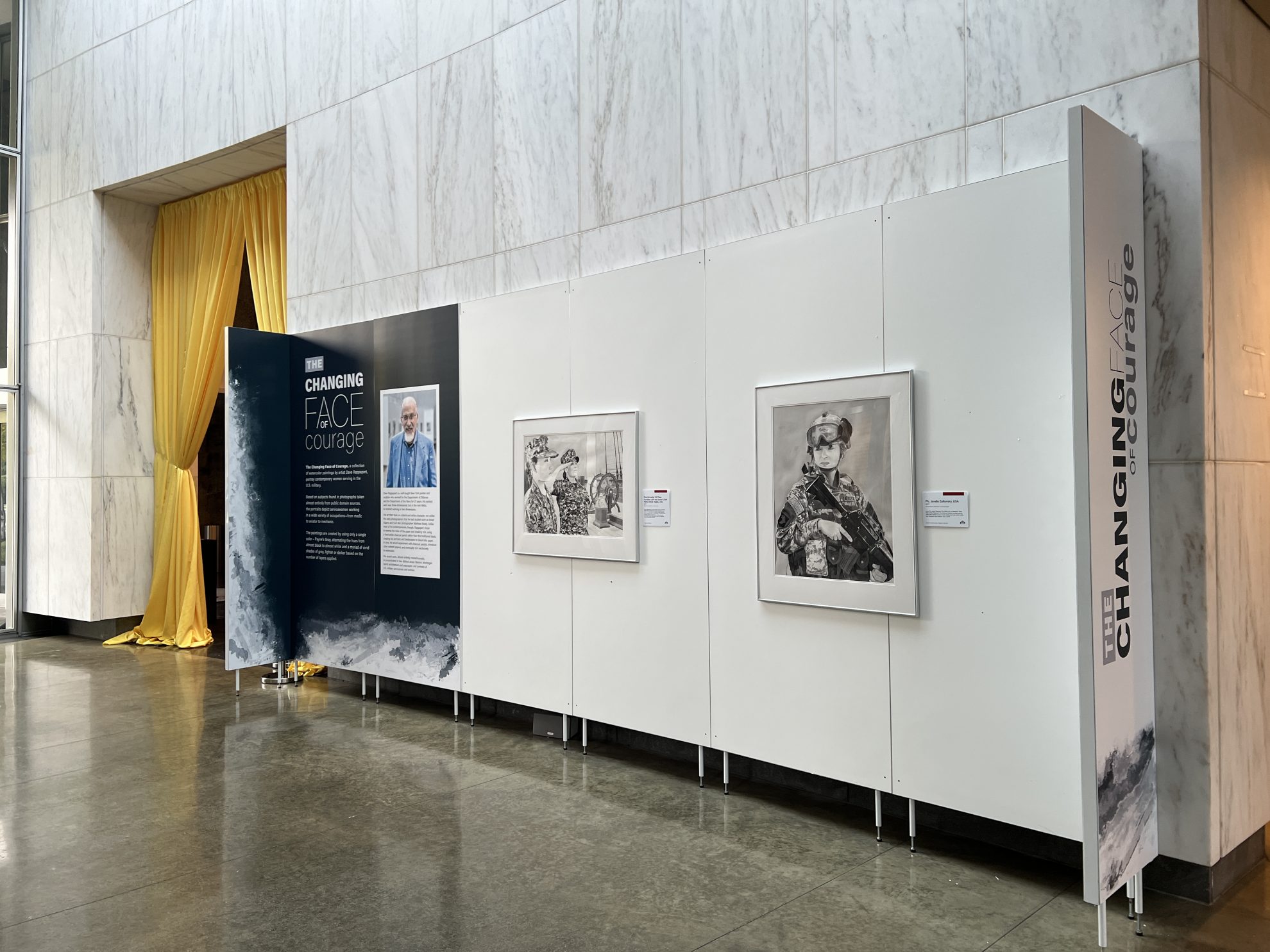
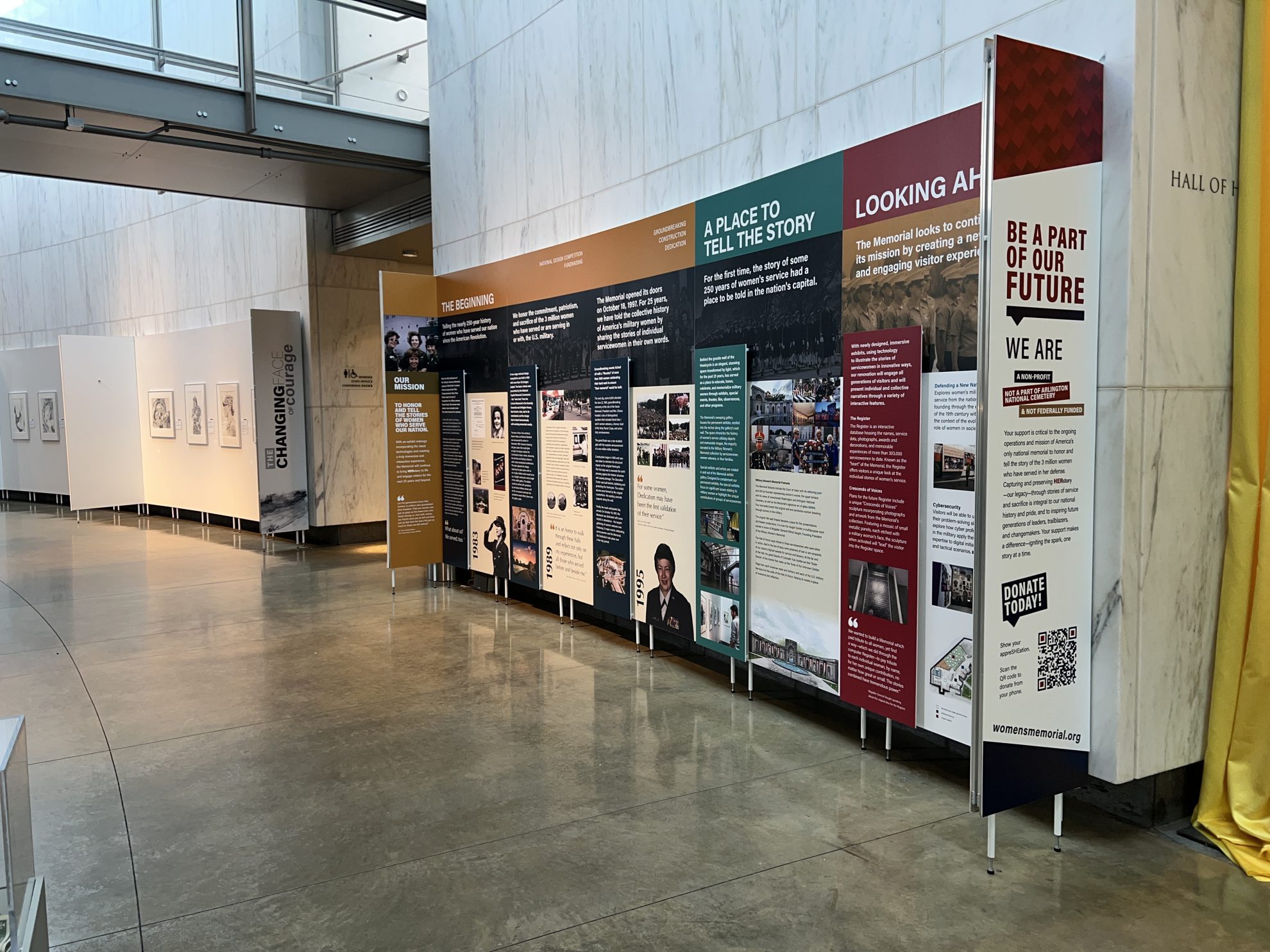
Heritage Signs & Displays created new museum signage for the Military Women’s Memorial in Arlington, VA. The project included custom signs, wall wraps, dimensional letters, and standoff-mounted displays to honor the legacy of U.S. servicewomen and the donors who supported the memorial. The updated interior features impactful designs, including a "Our Legacy" wall display and panels showcasing historical contributions and artwork, creating a transformative tribute to women in the U.S. Armed Forces.
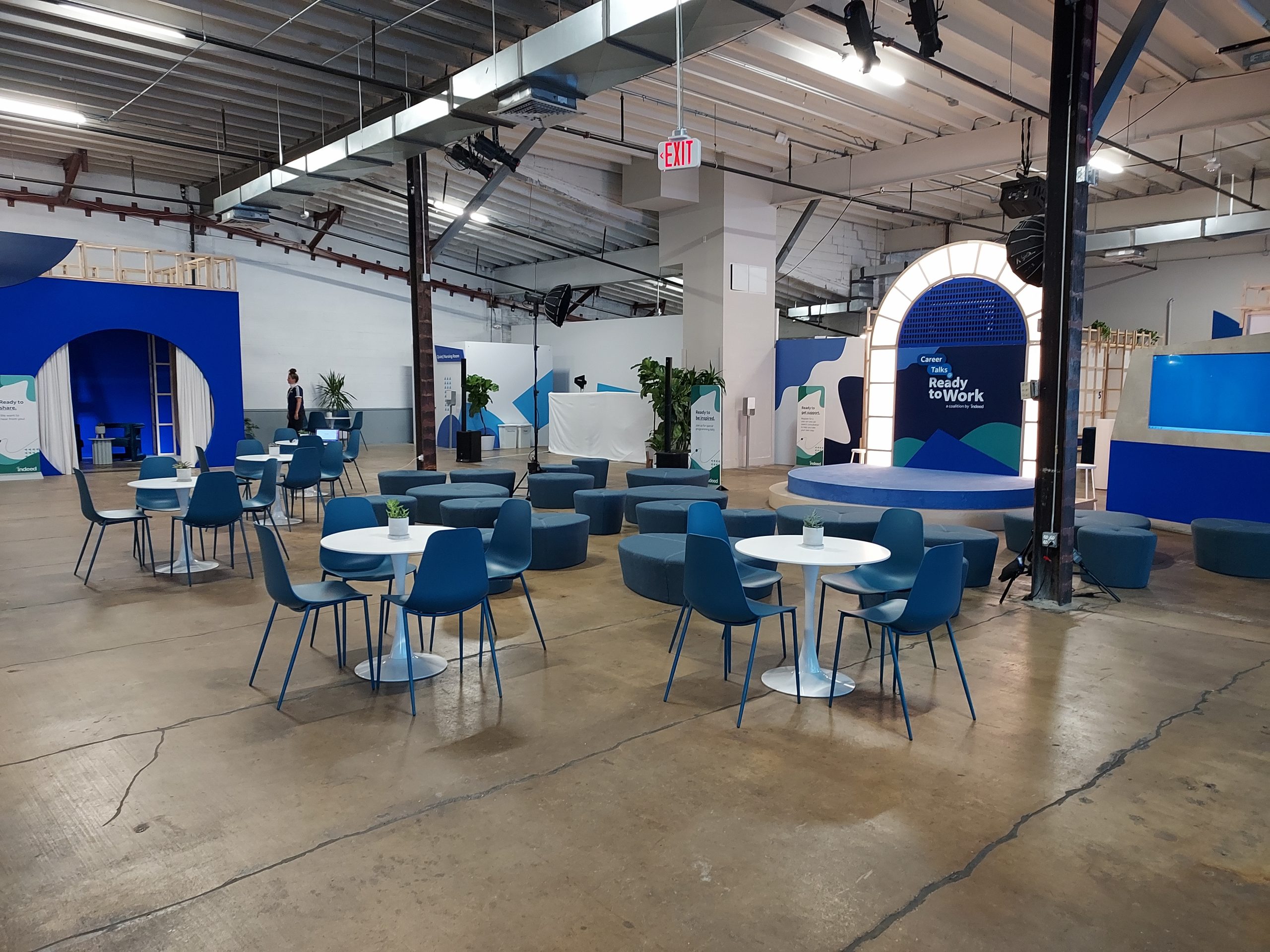
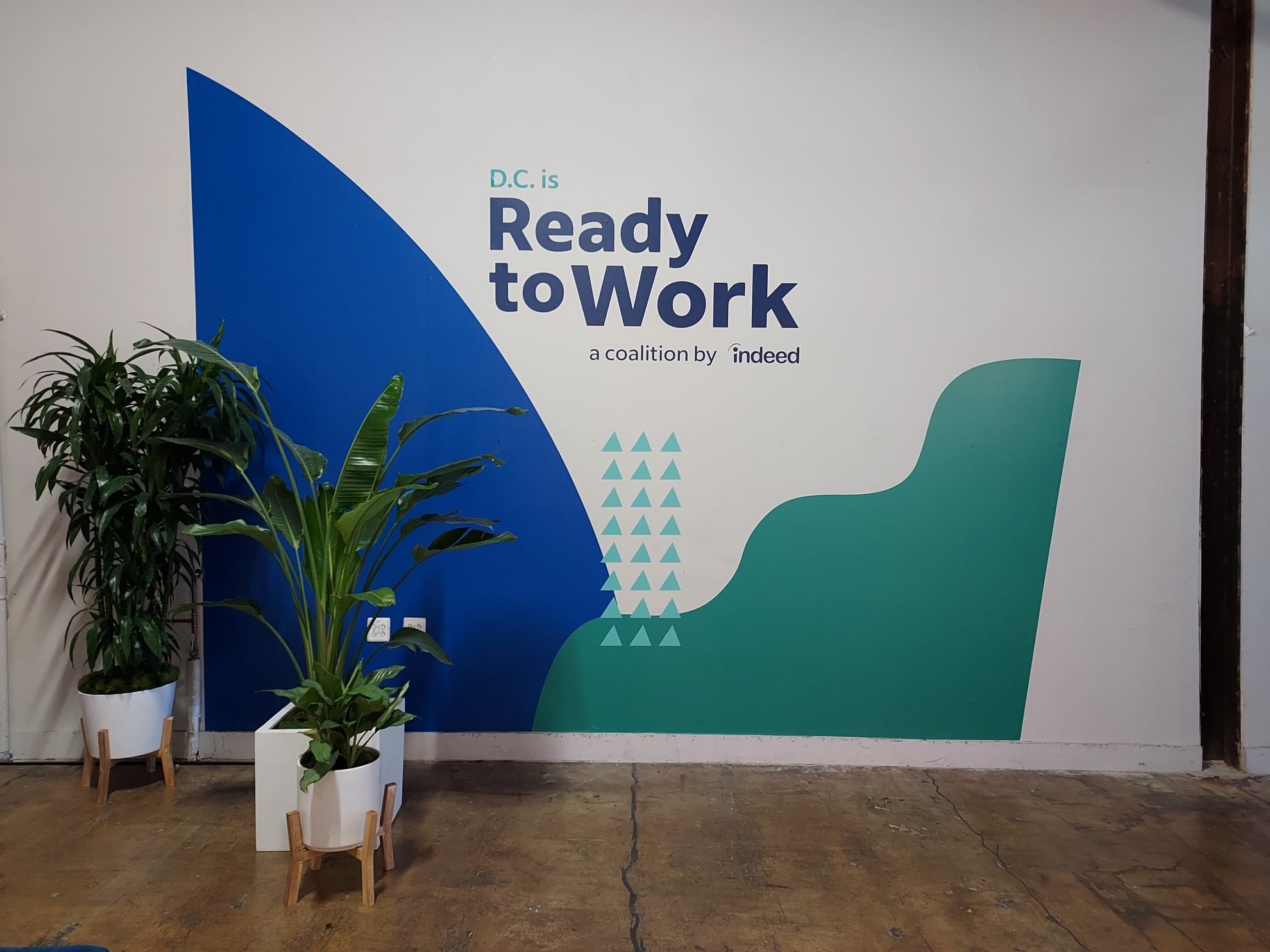
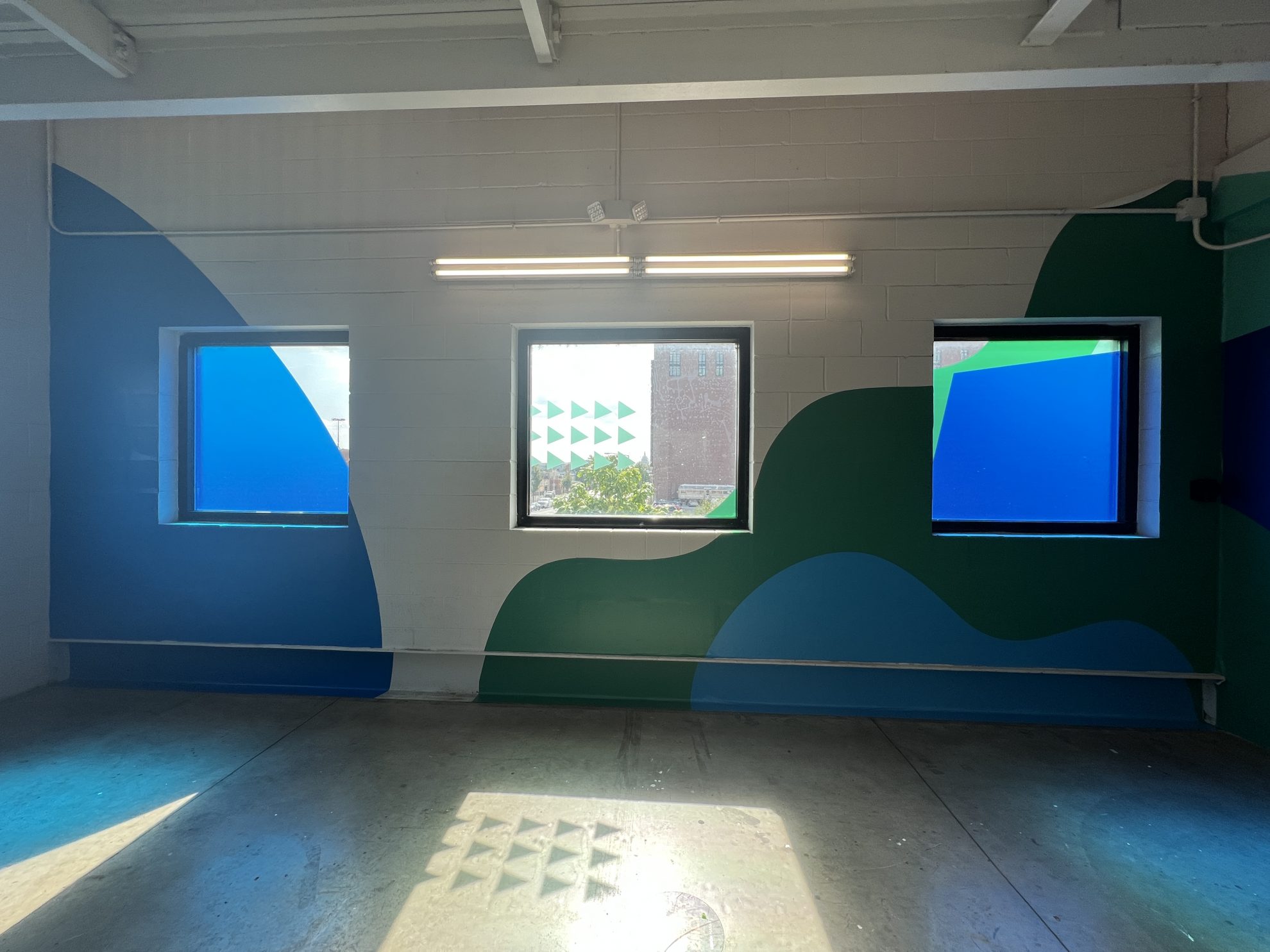
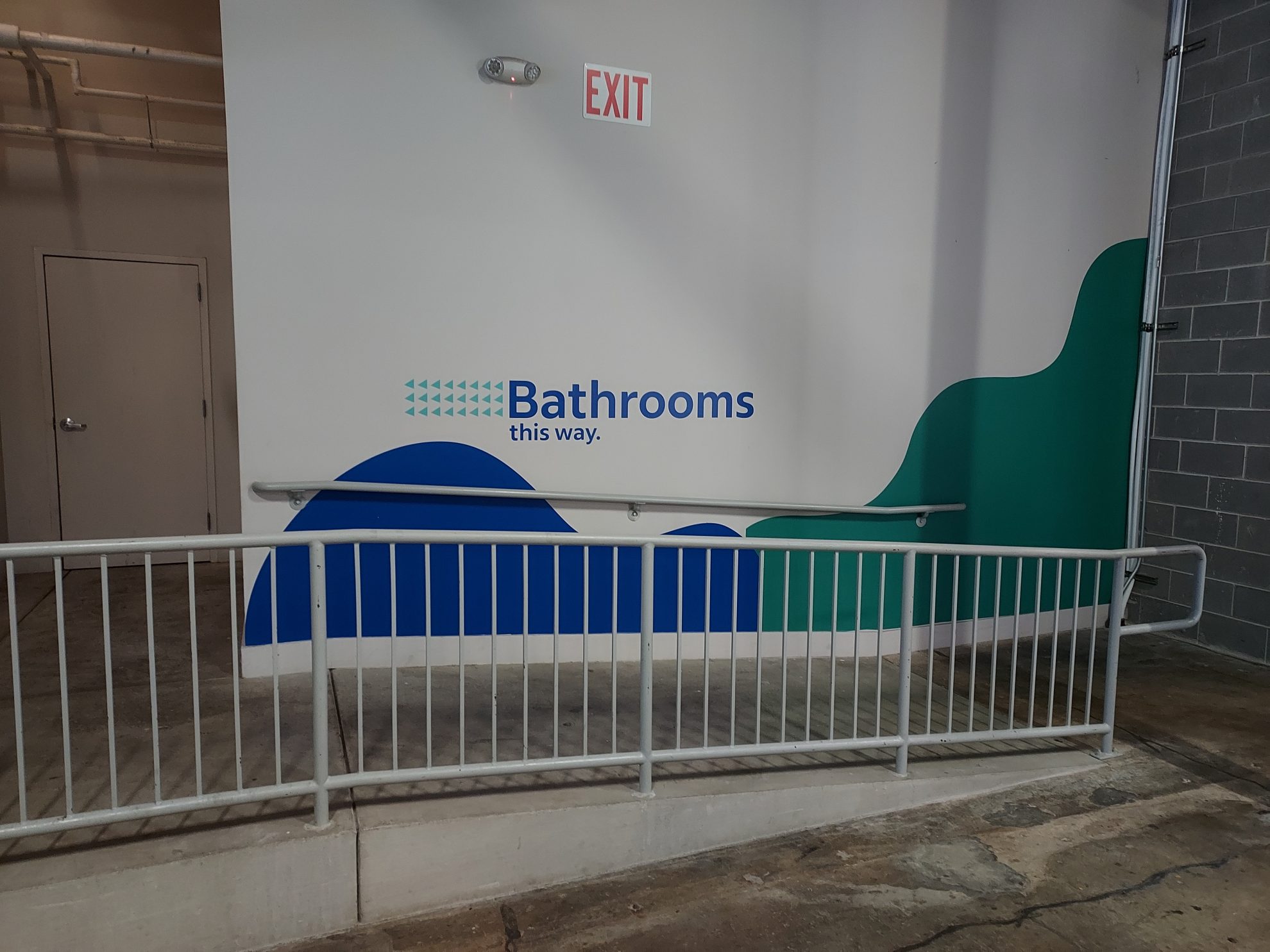
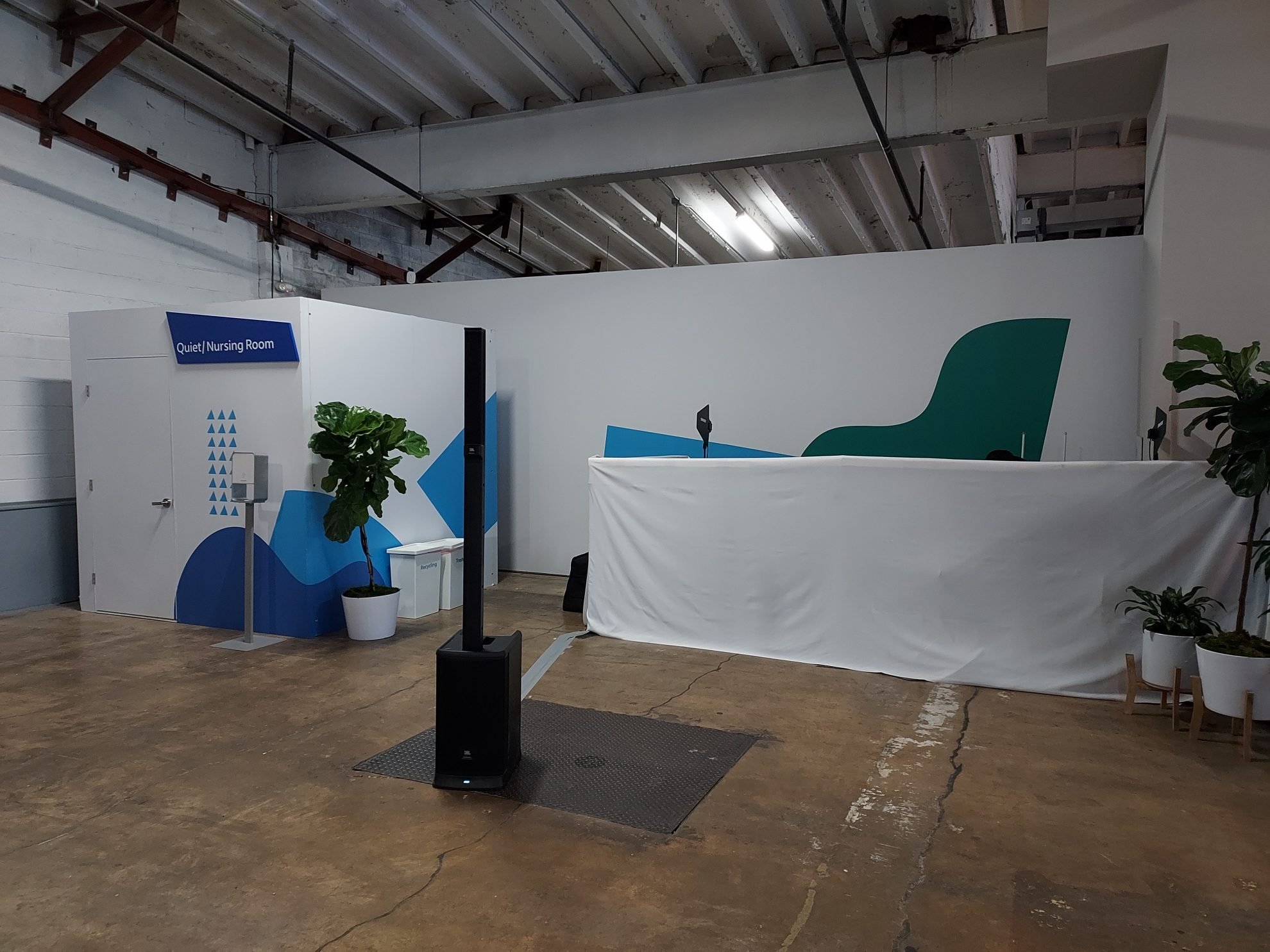
Heritage Signs & Displays' collaboration with The Gathery to brand Union Market in Arlington, VA, for Indeed's "Ready to Work" job fair. The project included custom event displays, wall graphics, window graphics, and wayfinding signs, creating an immersive and visually appealing environment. The branding enhanced the venue, reflected the event's mission, and provided a seamless experience for attendees.