Your interior environment should express your organization’s identity, priorities, and purpose from the moment someone enters. That takes more than installing individual signs wherever space is available. A reception area can establish credibility, glass graphics can add privacy without blocking daylight, and corridor signs can make navigation easier. Conference rooms, employee spaces, galleries, learning areas, and recognition walls each serve different audiences, yet they should feel like parts of one cohesive environment.
Heritage Signs & Displays serves organizations in Chesapeake, Norfolk, Virginia Beach, Portsmouth, Suffolk, and communities throughout Hampton Roads. Founded in 1977, Heritage is an award-winning, veteran-owned, family-led commercial sign company. Since 2009, the company has specialized in custom interior signs, environmental graphics, workplace branding, and displays for institutional and public-facing spaces. Chesapeake clients receive attentive project coordination supported by experienced designers, project managers, production professionals, fabricators, and installers.
Heritage is best suited for organizations seeking a collaborative project partner instead of a supplier for a single, disconnected product. Our team studies how employees, visitors, students, patients, donors, members, and community stakeholders enter a facility, move through it, find information, and interpret the organization’s identity. Recommended solutions may include dimensional lobby signs, privacy films, directional signs, wall wraps, architectural lettering, acrylic panels, recognition displays, timeline installations, window graphics, and interpretive exhibits. Every component is developed for a specific purpose while remaining consistent with the architecture and brand standards.
Heritage works with corporate offices, professional service firms, schools, universities, healthcare providers, museums, nonprofits, associations, government agencies, cultural organizations, research facilities, and expanding businesses. Projects may focus on one high-impact interior feature, multiple departments, an entire Chesapeake workplace, or several facilities across Hampton Roads. A dedicated project manager oversees discovery, documentation, design development, estimates, material selection, approvals, production, scheduling, and installation planning.
Accurate field information is essential to protecting the design and achieving a successful installation. Heritage reviews measurements, substrates, colors, finishes, scale, mounting conditions, access restrictions, and installation sequences before production begins. This preparation helps prevent avoidable revisions and confirms that each sign or graphic is appropriate for the building, daily operating conditions, and intended use.
An integrated process also keeps clients from managing separate designers, printers, fabricators, installers, and sign vendors. Heritage connects each responsibility through a single project structure. This approach is especially valuable for occupied Chesapeake workplaces, facilities preparing for a scheduled opening, and multi-site programs requiring consistent branding throughout Hampton Roads.
The client experience is just as important as the completed signs and graphics. Heritage listens to stakeholder needs, presents practical recommendations, manages in-house execution, and coordinates installation through accountable team members. Our purpose is to honor God by serving our clients and communities with excellence. That purpose guides our communication, attention to detail, stewardship of resources, and commitment to service throughout every qualified commercial project.
An experienced Chesapeake sign company should do more than produce attractive visual elements. It should help your organization communicate effectively and improve how people experience the building. First-time visitors may need immediate guidance. Employees may benefit from stronger connections to company culture, values, and mission. Students, patients, donors, members, and other audiences need information that is visible, relevant, and positioned where it is most useful.
Heritage evaluates these communication needs alongside architecture, brand guidelines, lighting, available surfaces, accessibility, traffic patterns, viewing distances, and installation conditions. Our team considers where people make navigational decisions, whether messages will require future updates, how graphics will appear on glass, and which materials are appropriate for expected levels of use. This planning creates a unified visual system rather than a collection of unrelated signs.
For Chesapeake organizations, the completed project might include a refreshed reception area, an immersive branded workplace, a mission and values display, a donor recognition wall, an educational exhibit, or a comprehensive wayfinding program. Whatever the scope, the goal is to strengthen identity, simplify navigation, and create a more purposeful environment for the people using the space.
Heritage provides one coordinated team and a dedicated project manager who maintains continuity from the initial consultation through final installation. The project manager gathers objectives, site information, brand assets, content, deadlines, and approval requirements. From there, Heritage coordinates design, estimating, material research, production planning, fabrication, and field logistics. Clients have a clear point of contact throughout the project.
Environmental graphic designers, project managers, production specialists, fabricators, and installers work together instead of operating as separate vendors. For complex assignments, Heritage conducts a pre-production review covering field measurements, substrates, color specifications, material transitions, mounting techniques, building access, and installation order. Addressing these details before fabrication provides a more reliable foundation for production and installation.
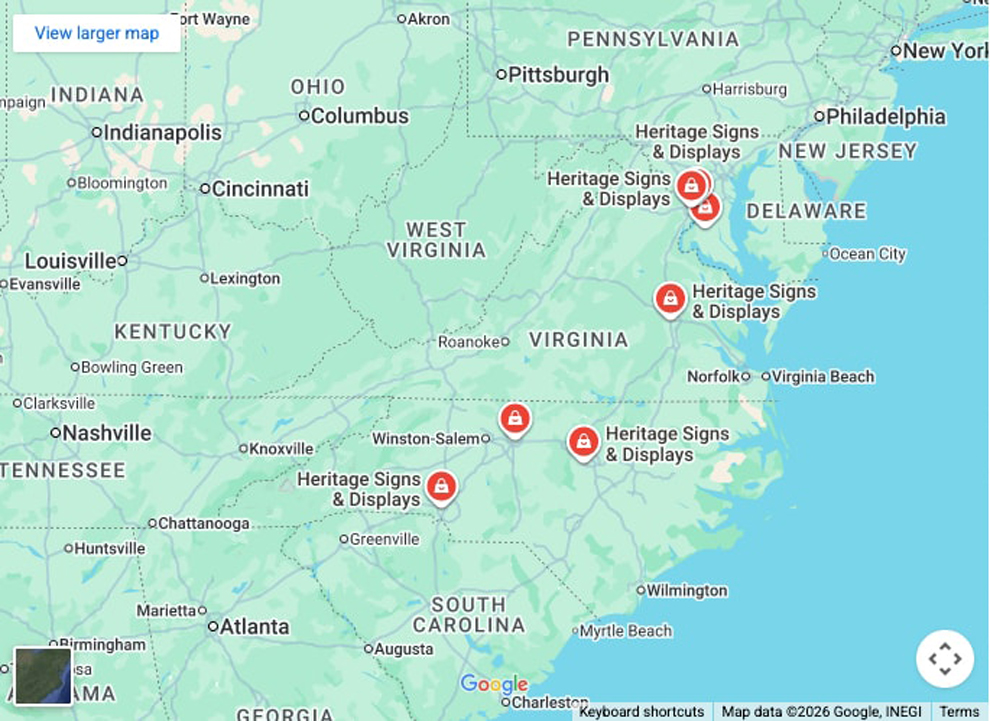
Heritage is veteran-owned, family-led, and approaching 50 years in business. Chesapeake clients receive responsive service backed by in-house production capabilities, full-time Heritage professionals, and a seven-location regional network. These resources allow Heritage to manage individual interior features, phased workplace improvements, and multi-location branding initiatives while maintaining direct accountability for the finished work.
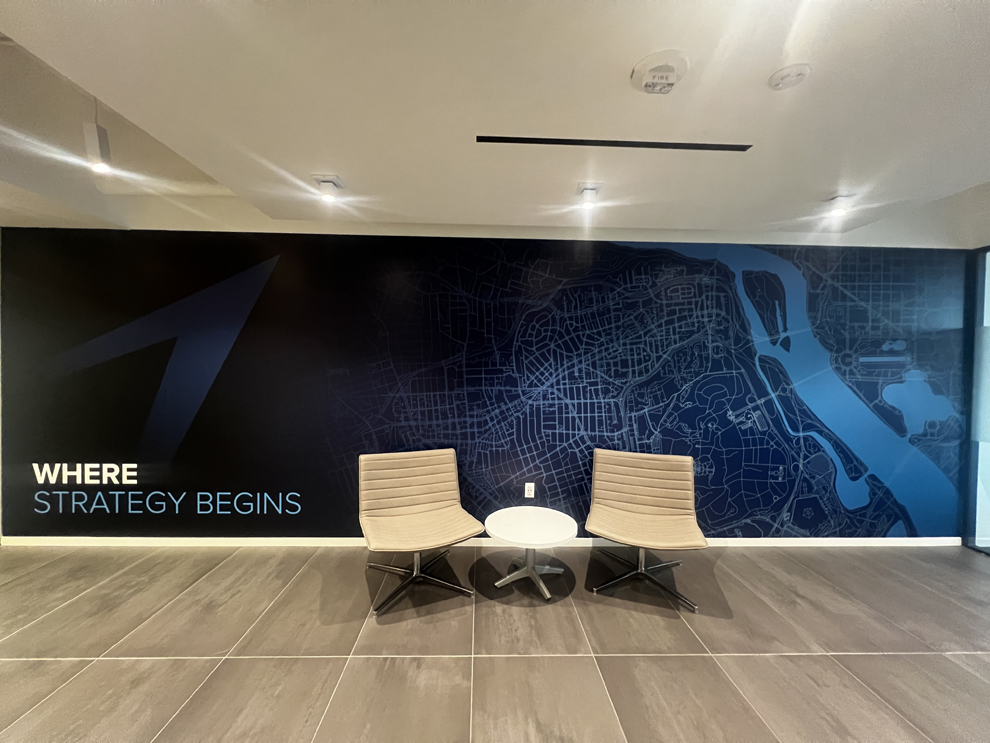
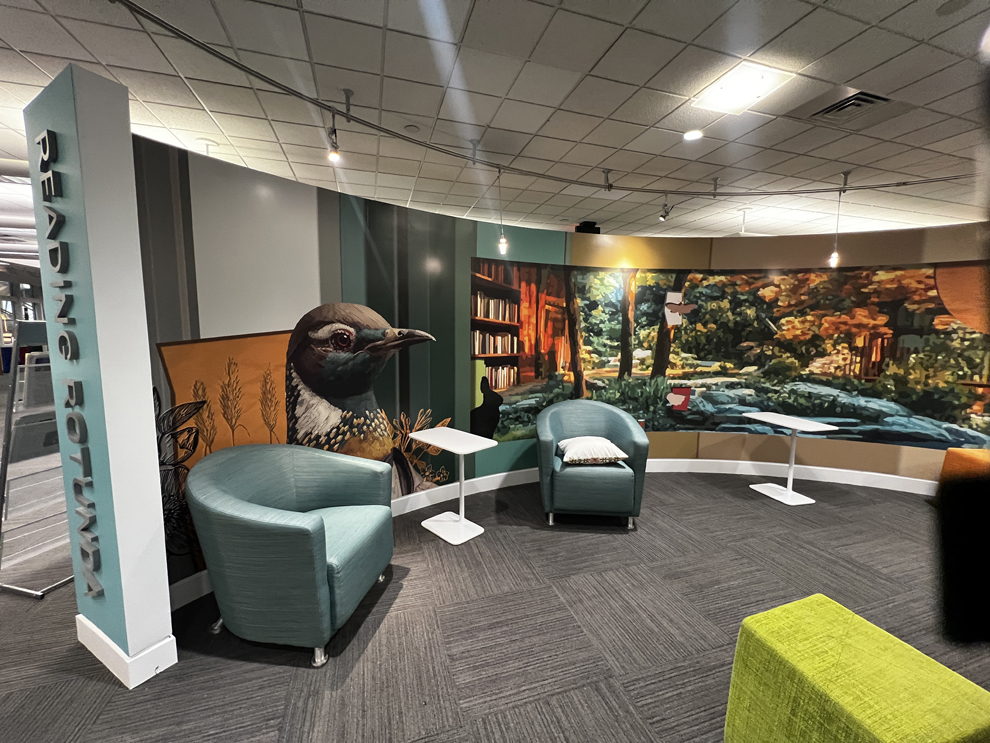
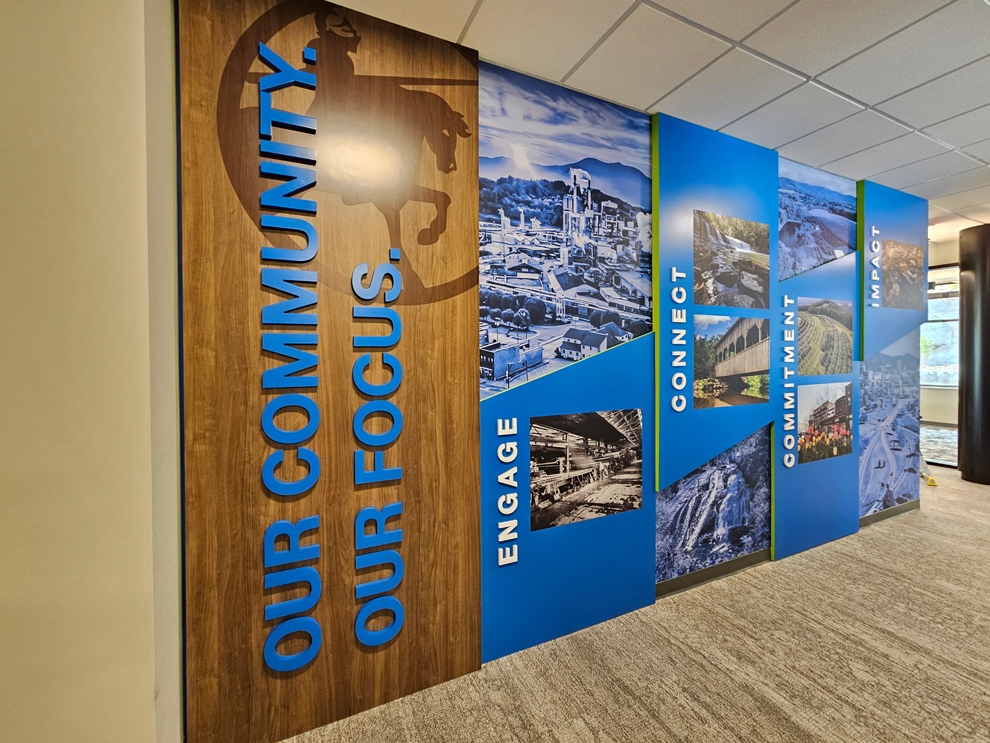
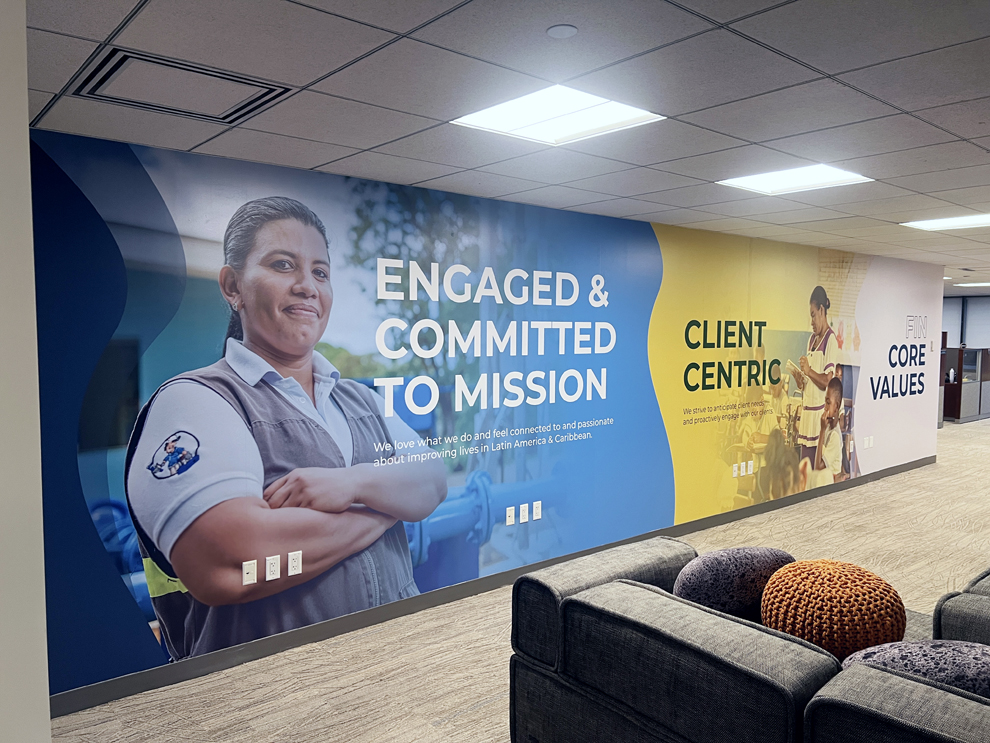
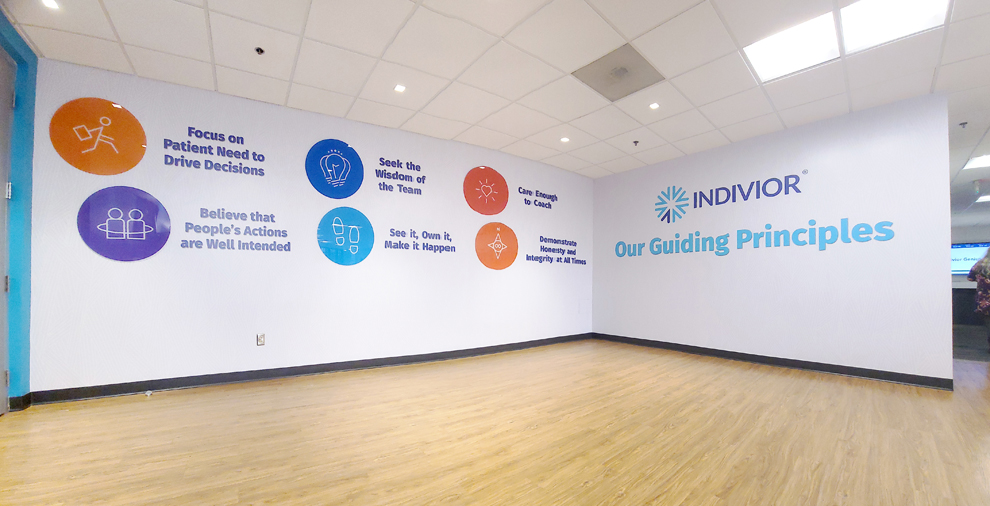
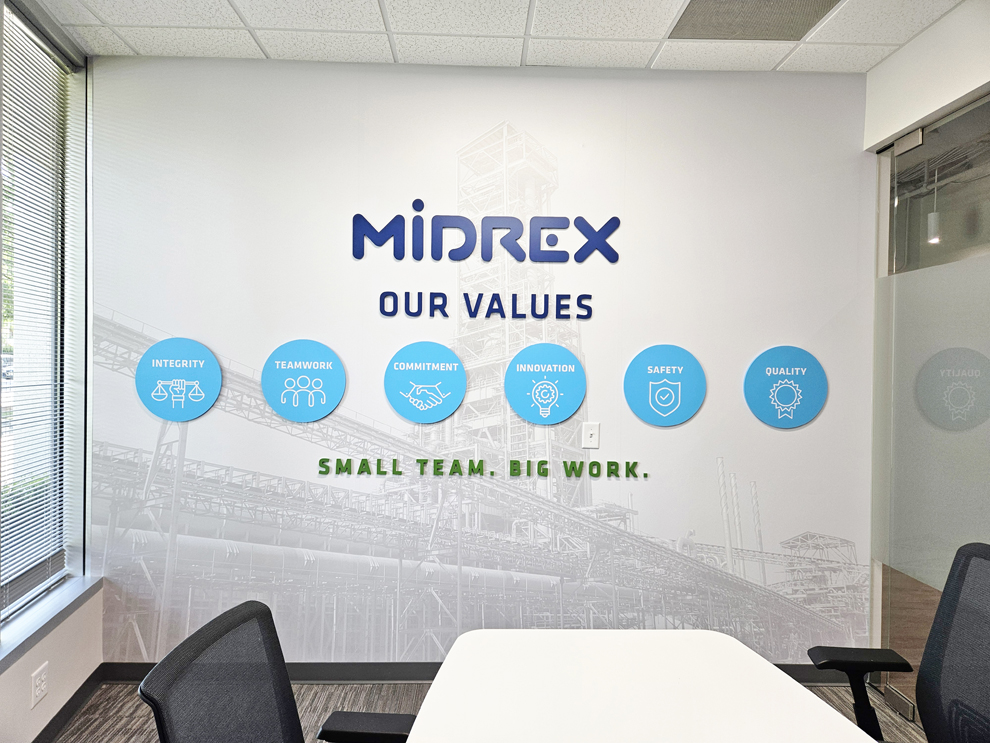
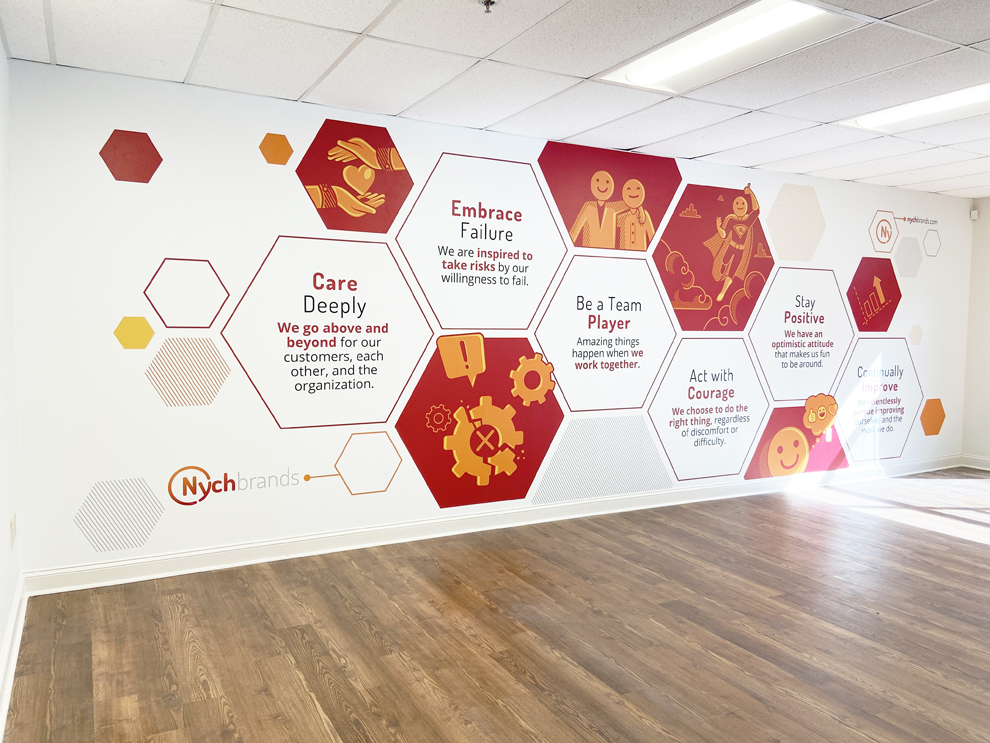
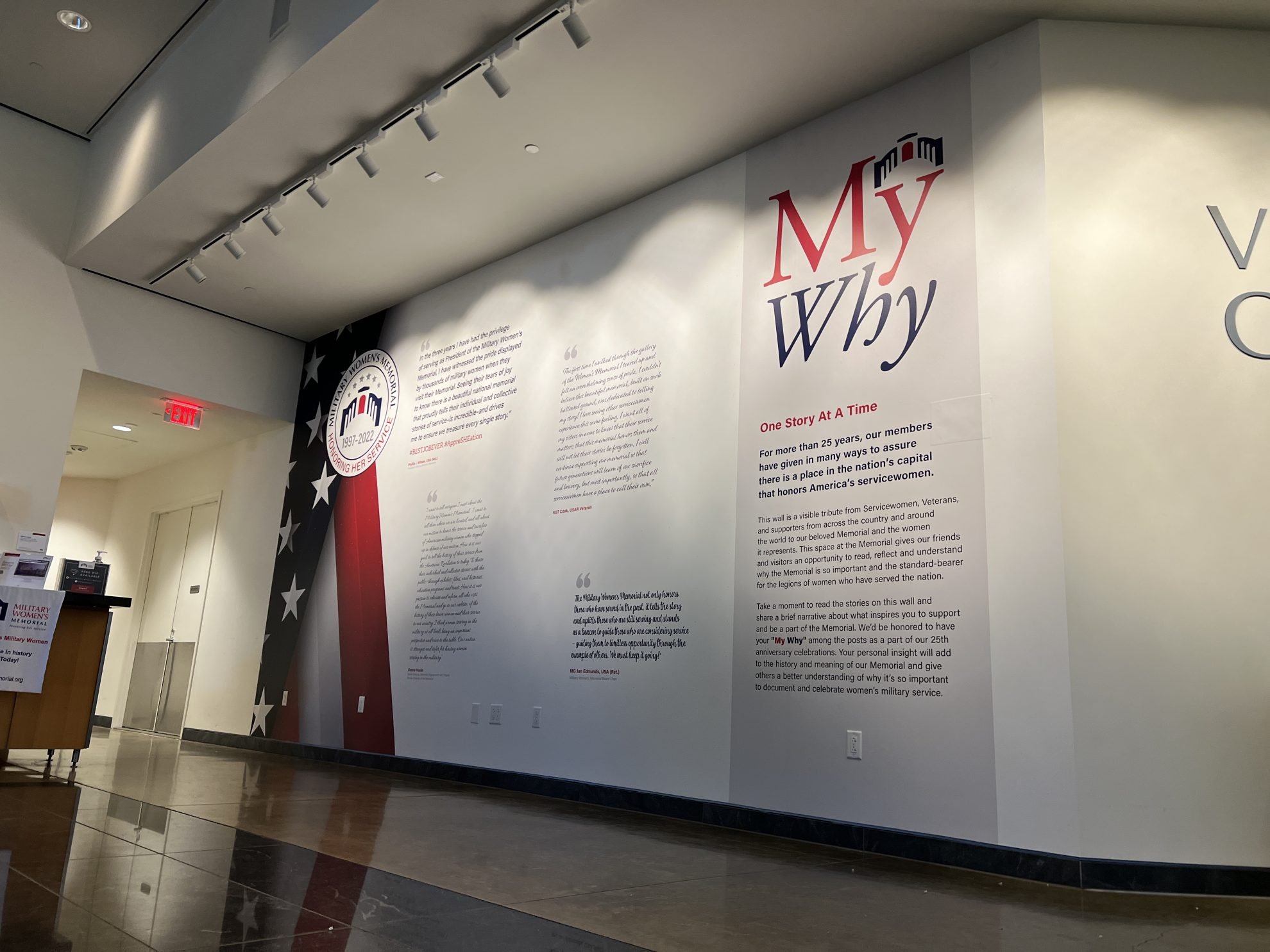
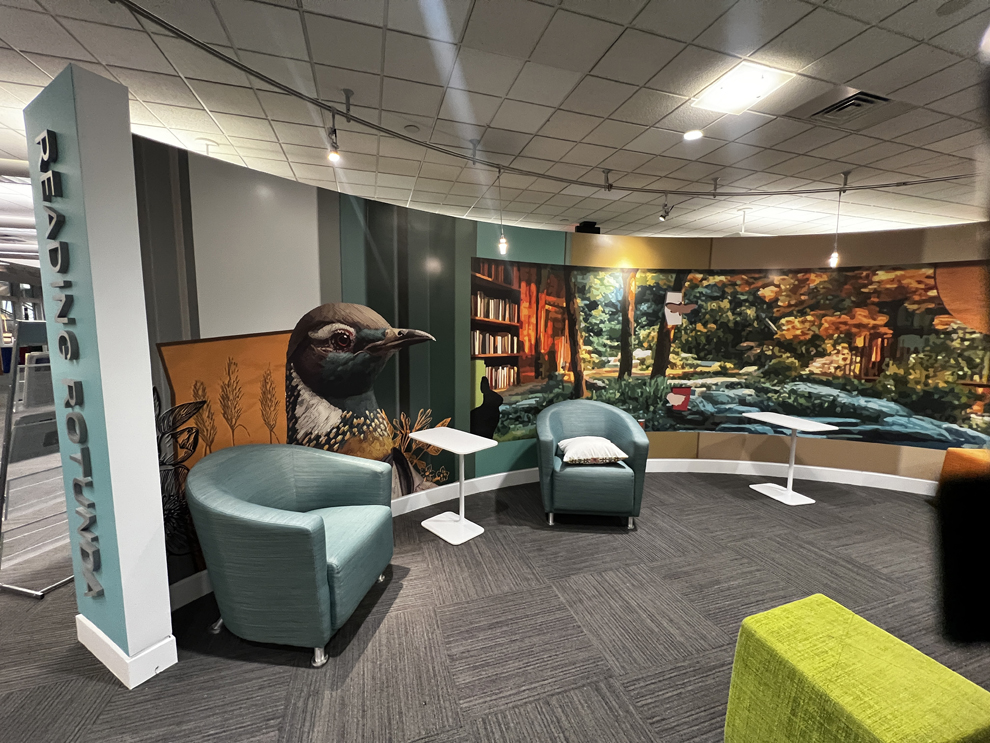
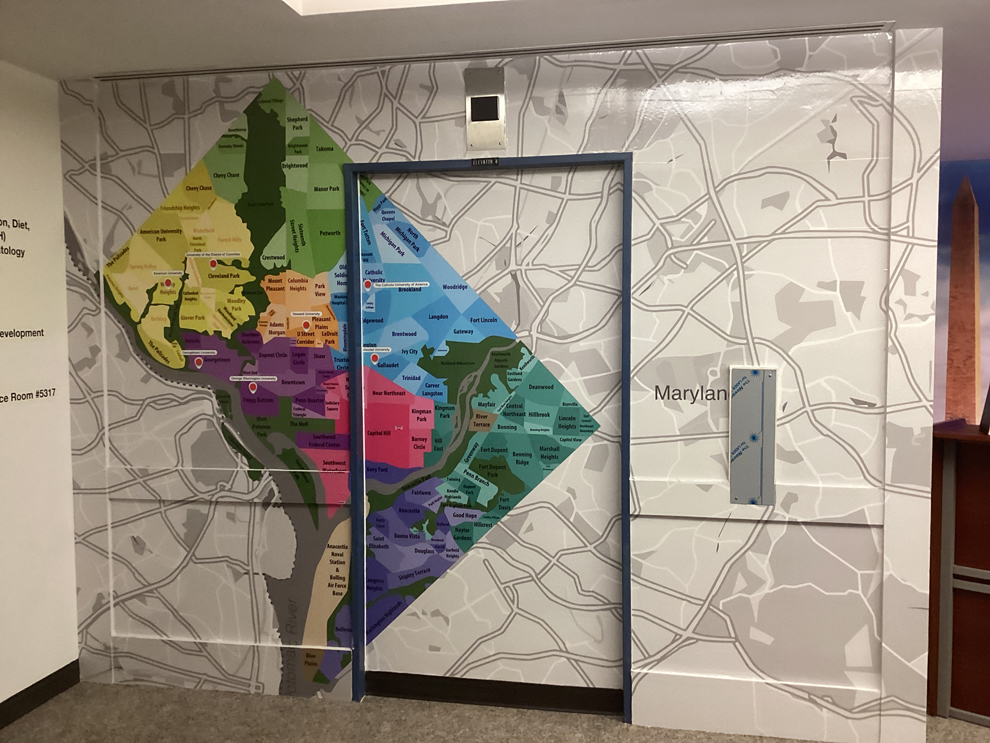
Turn blank or underused walls into engaging communication surfaces that highlight your organization’s history, culture, services, accomplishments, values, or strategic priorities.
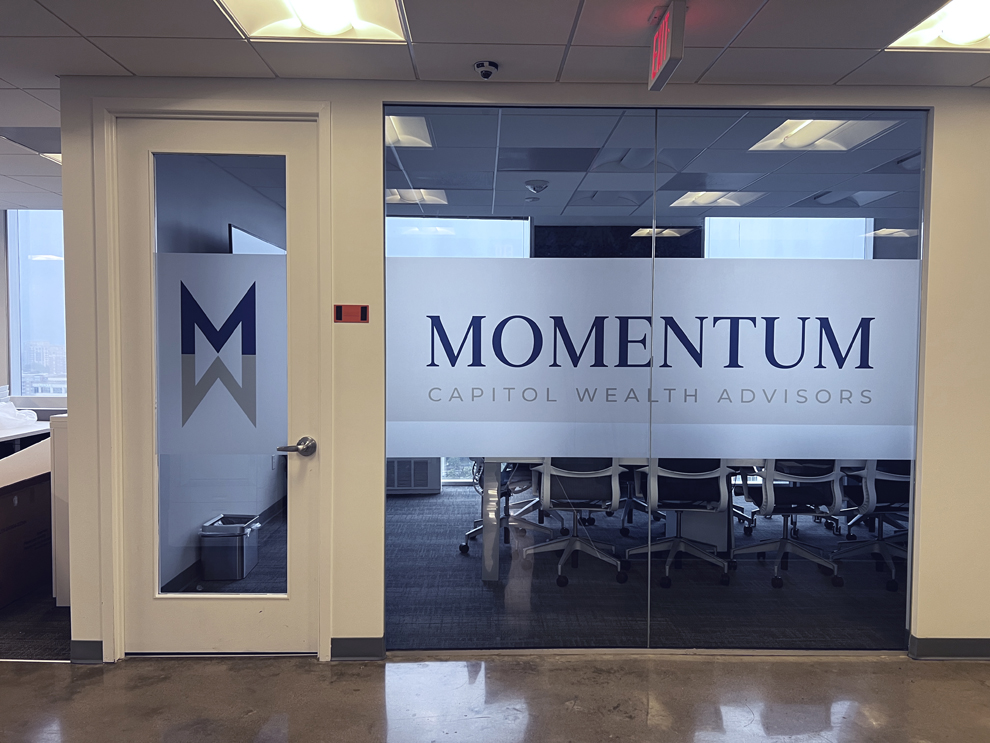
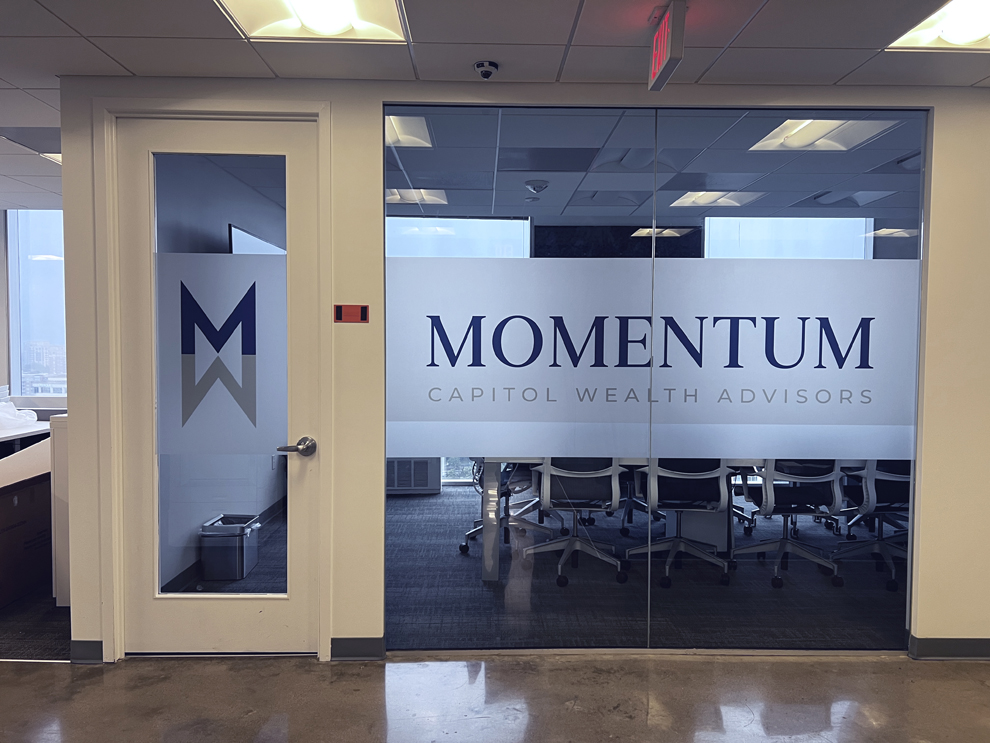
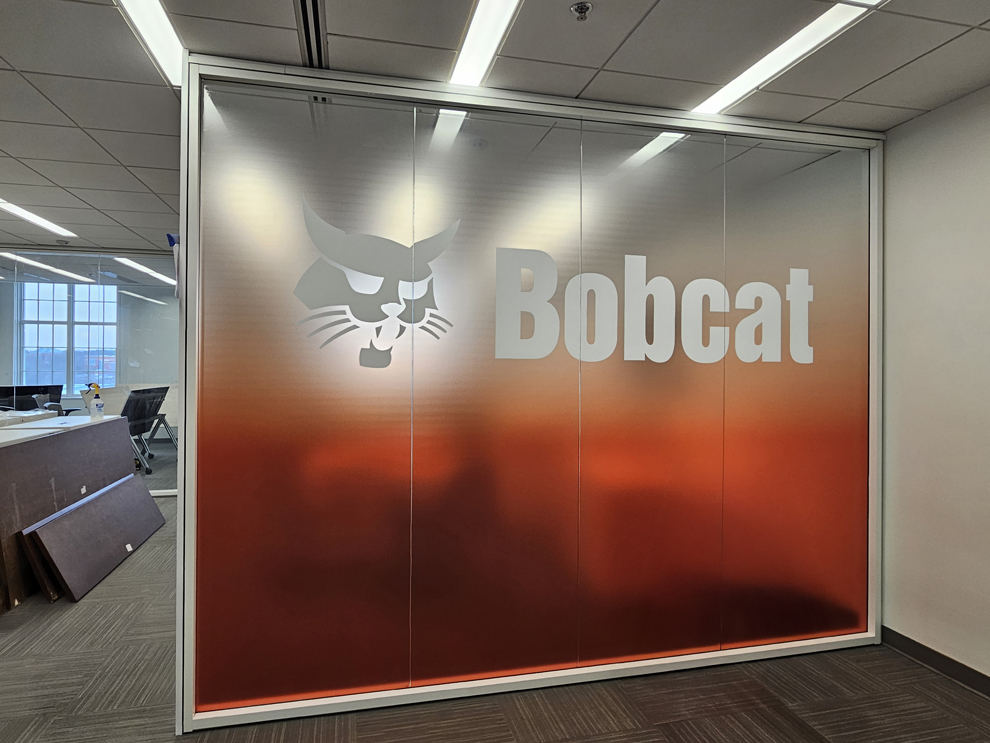
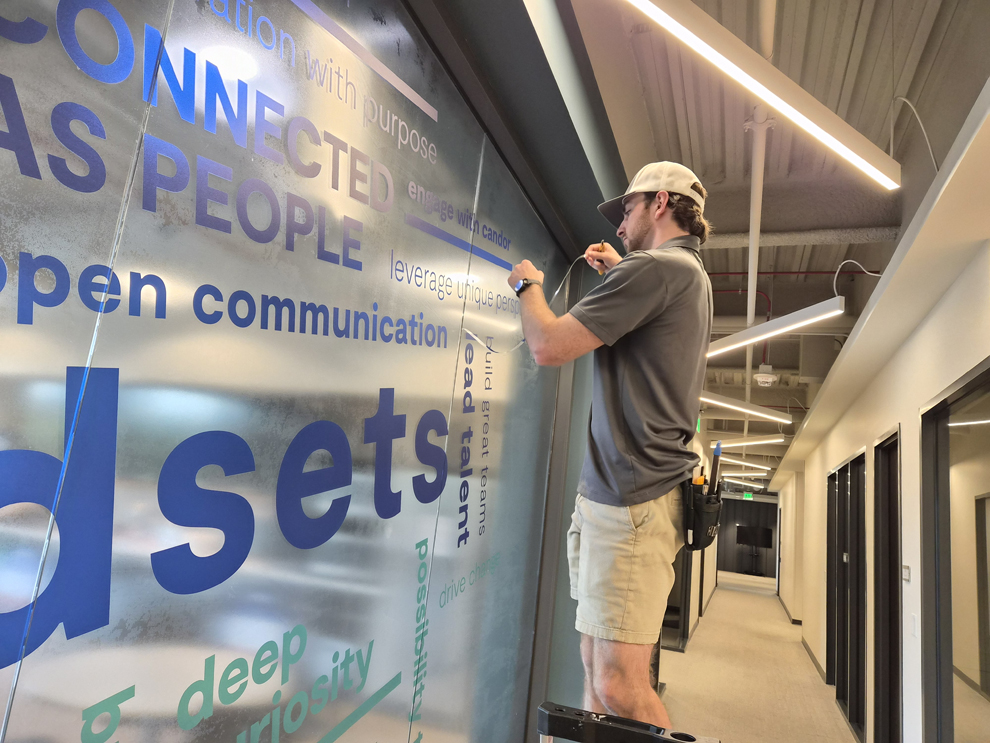
Add privacy, branding, identification, decorative patterns, or directional information to interior glass while maintaining the desired amount of light and openness.
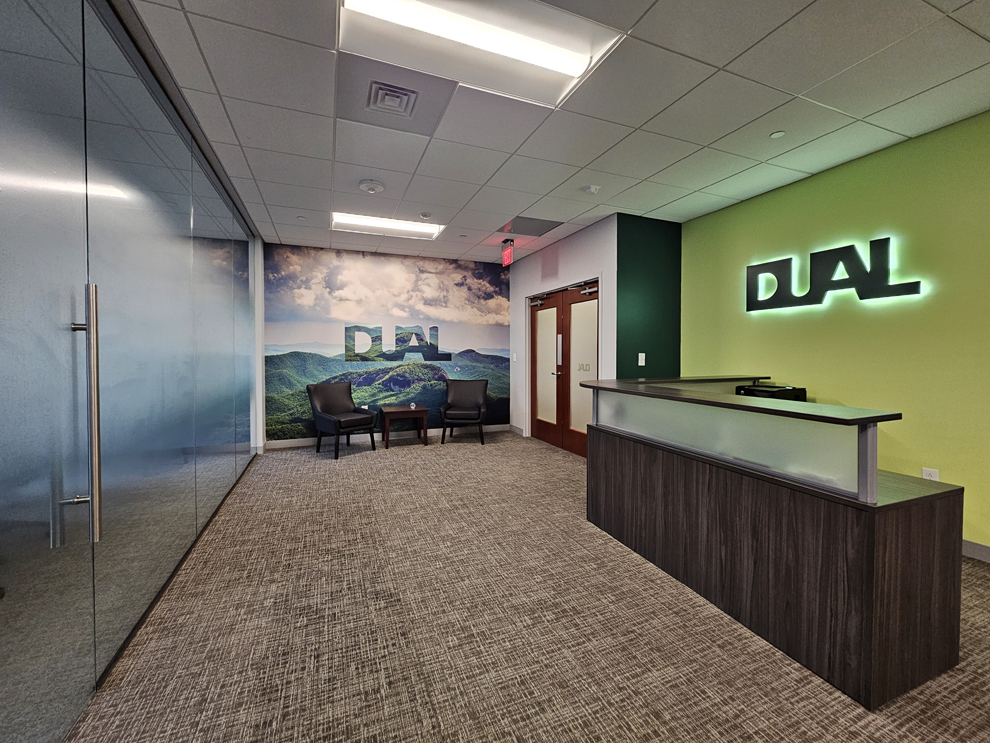
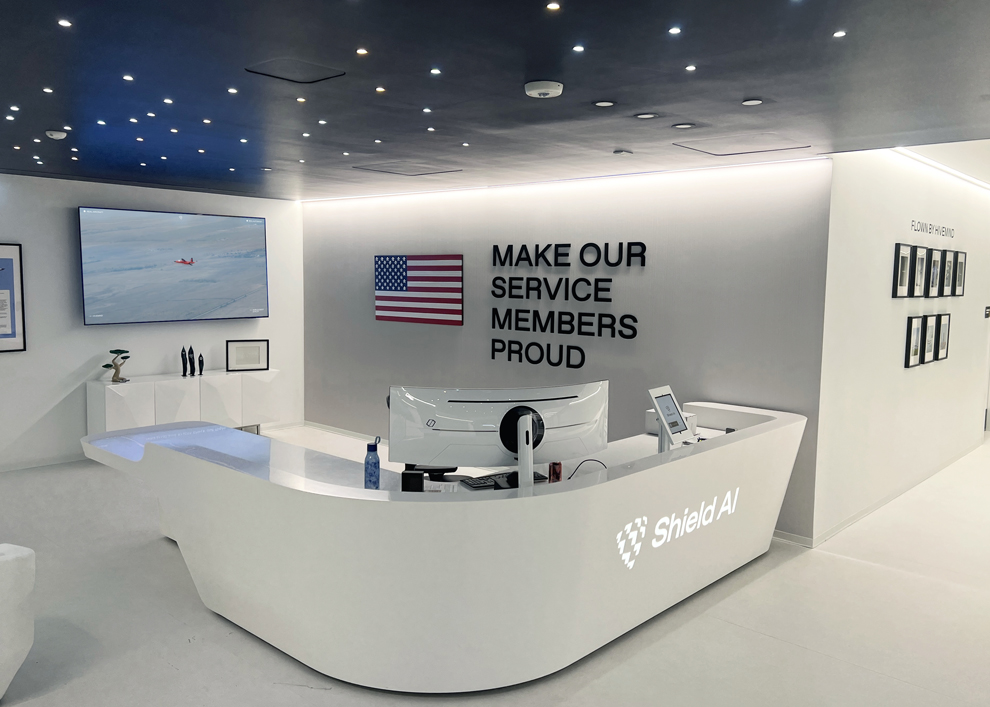
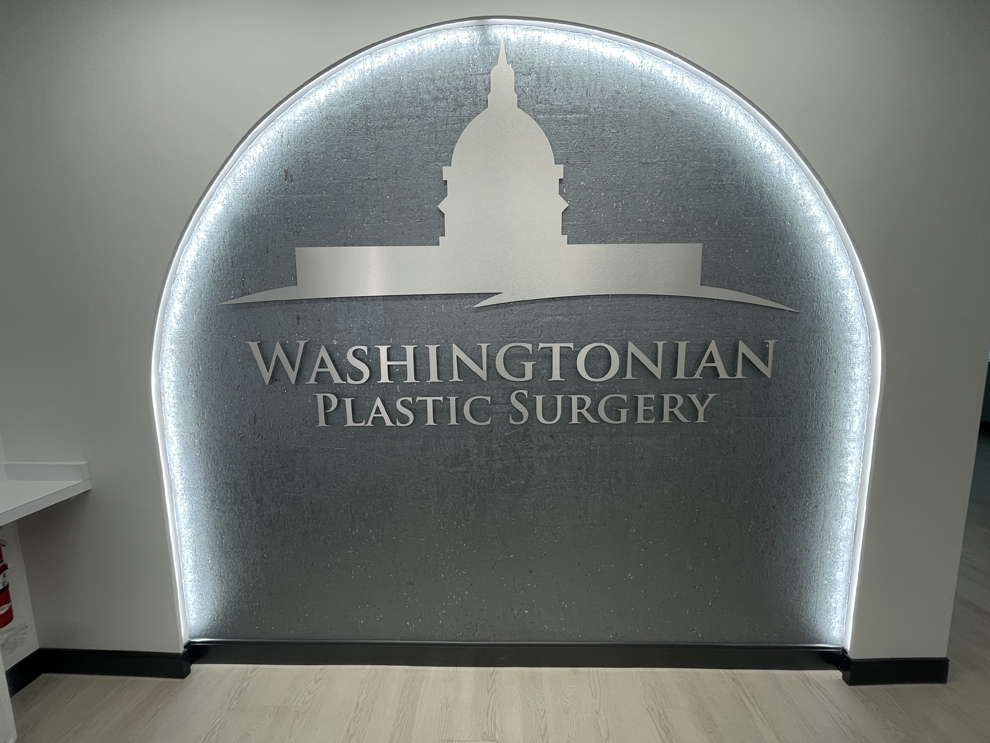
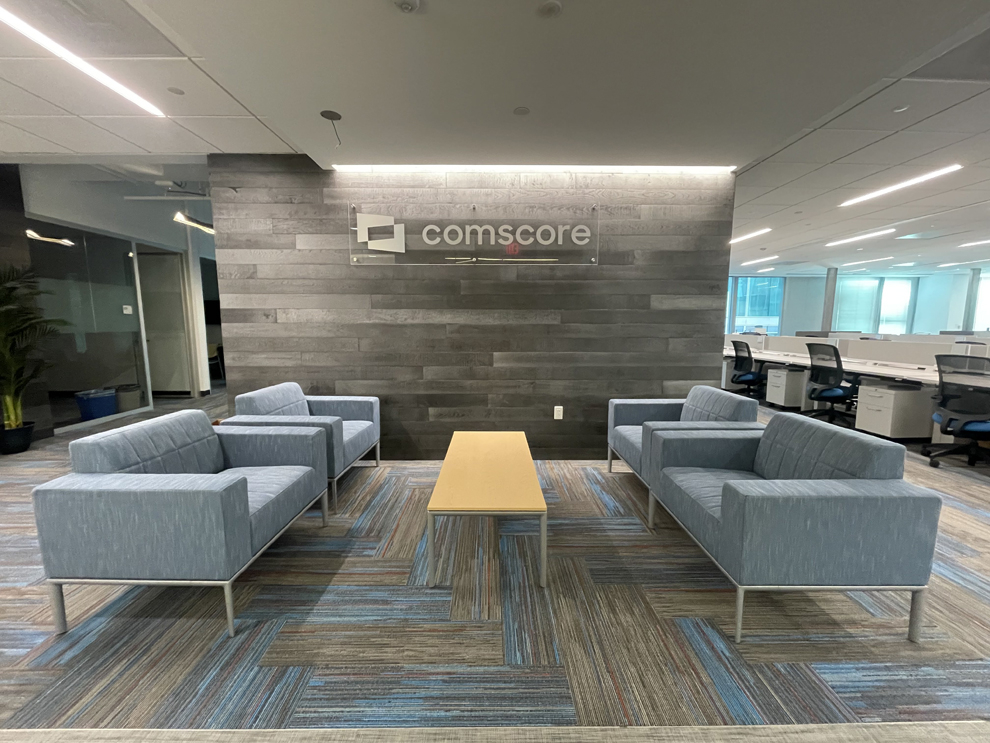
Create a strong first impression with dimensional logos, layered materials, coordinated finishes, and branded identification designed specifically for your reception area.
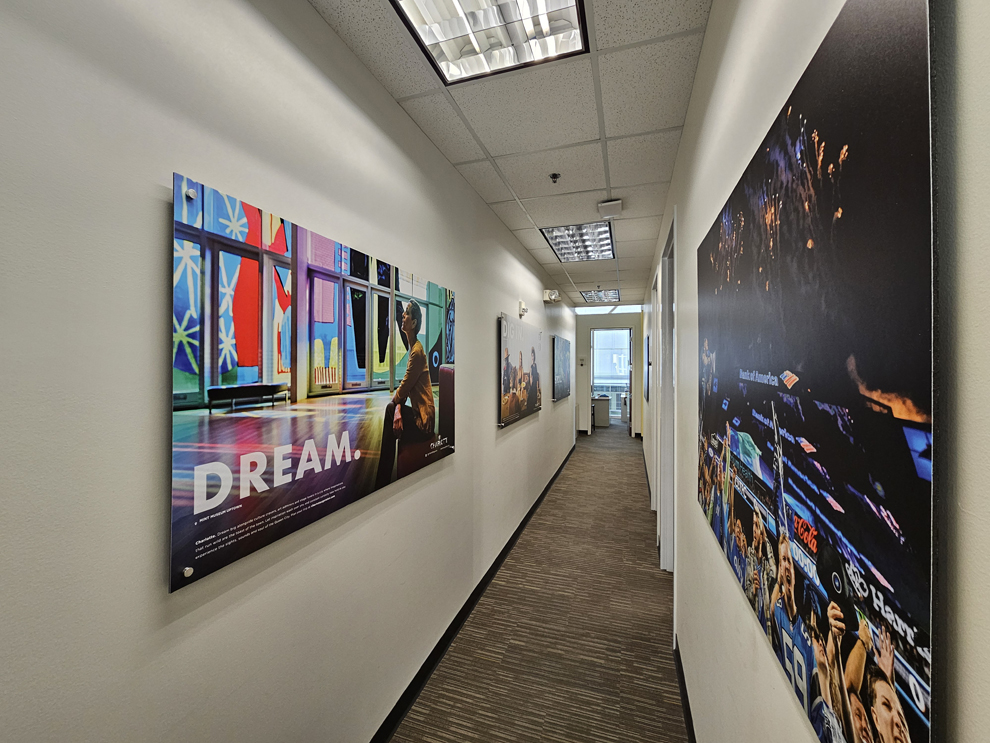
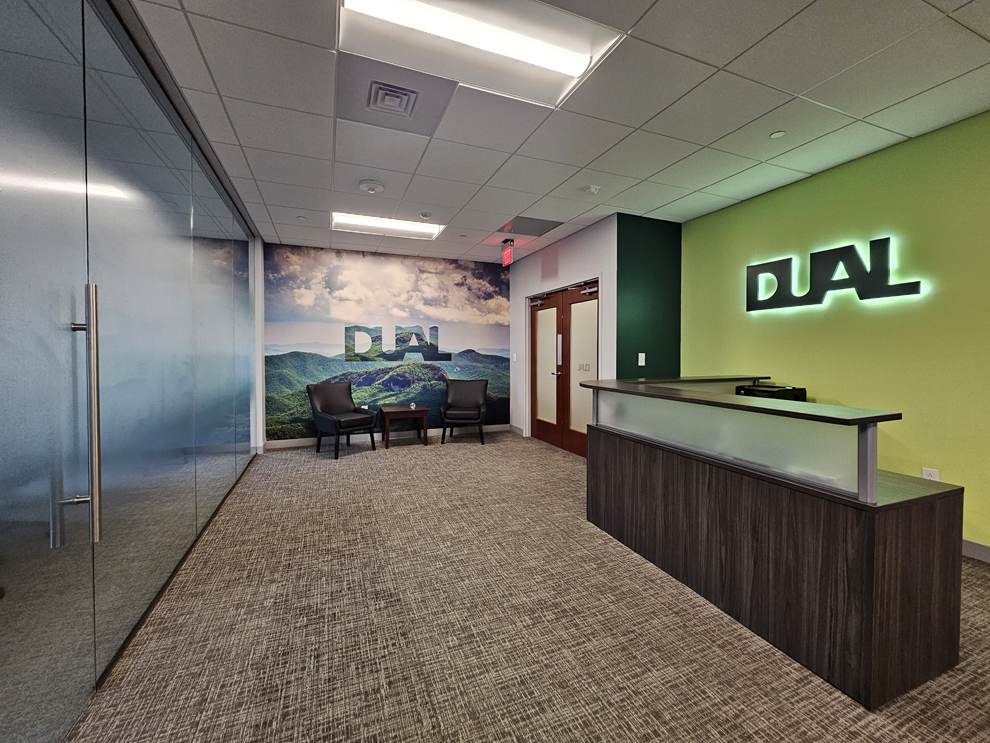
Use projected panels and architectural hardware to create polished directories, office identification signs, recognition displays, and informational presentations.
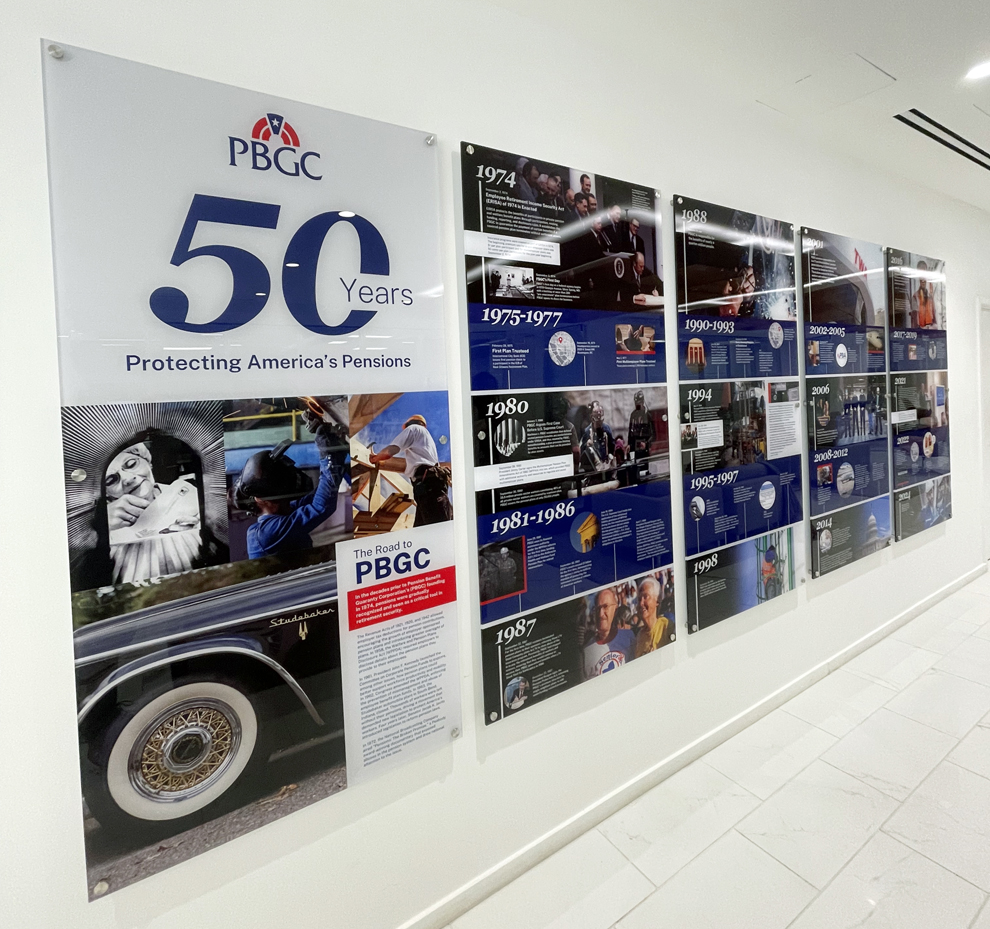
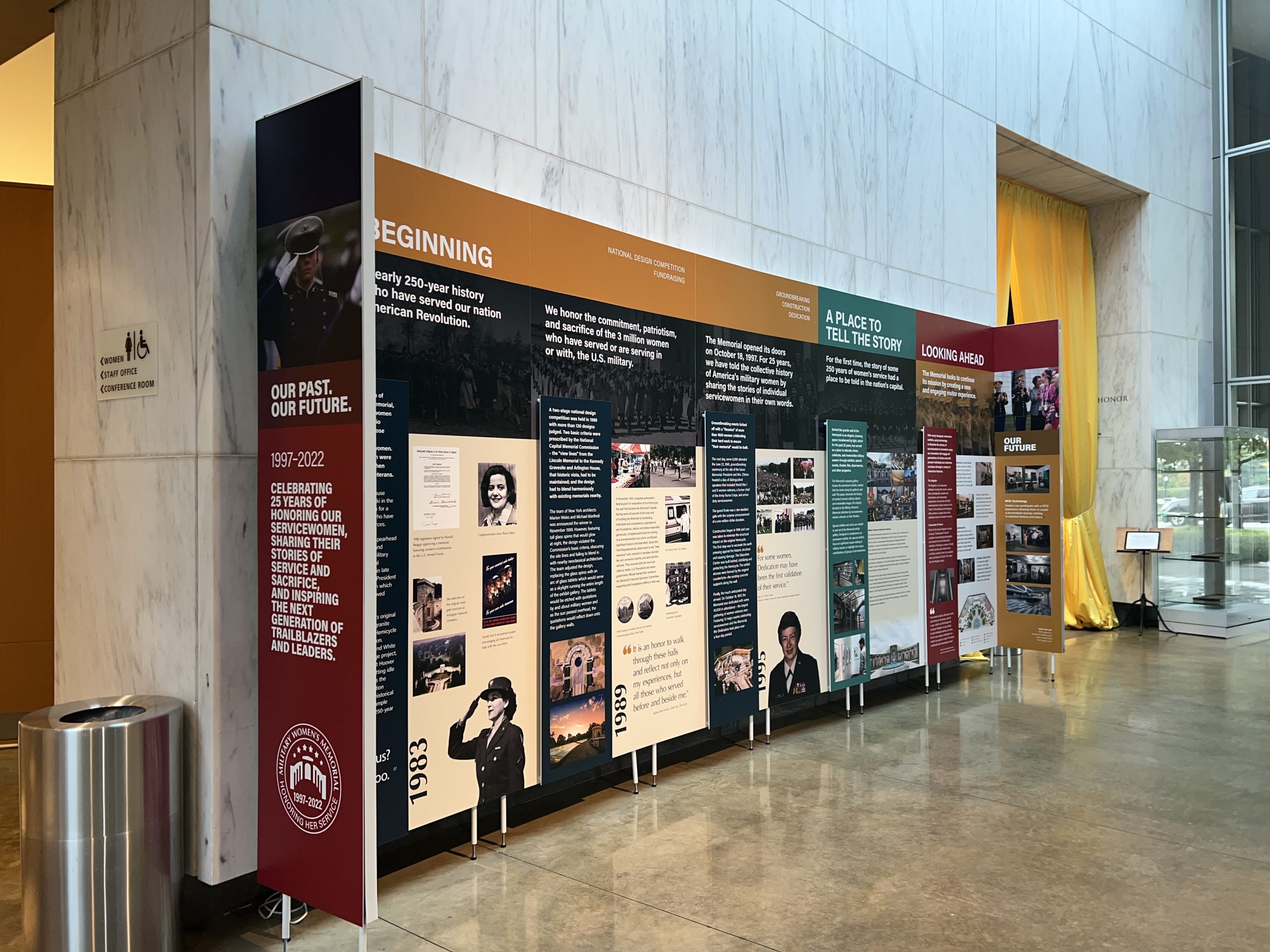
Showcase organizational milestones, donor contributions, photography, values, achievements, and institutional stories through graphics, dimensional elements, panels, and durable mounting systems.
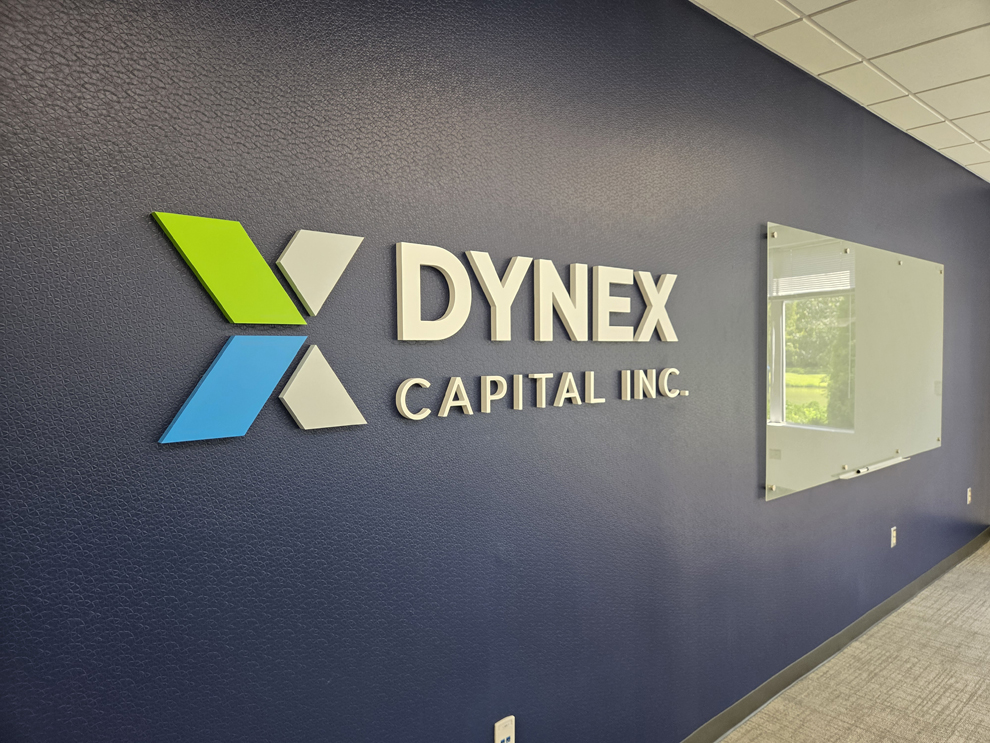
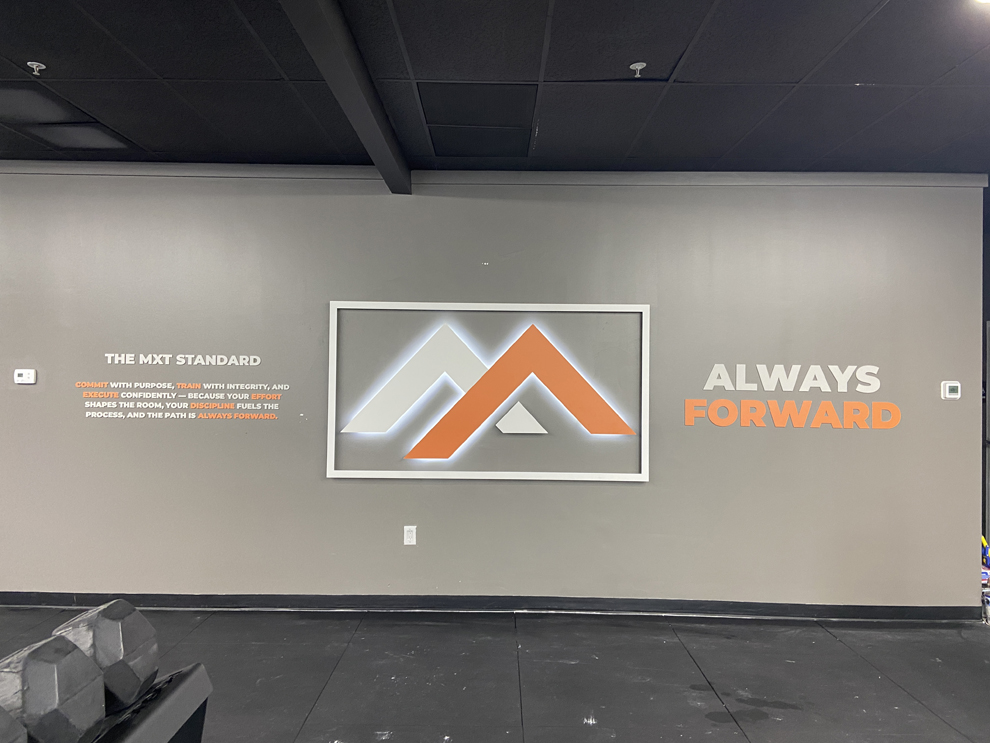
Give logos, names, directional messages, and core values greater depth and architectural impact in lobbies, corridors, meeting rooms, and shared spaces.
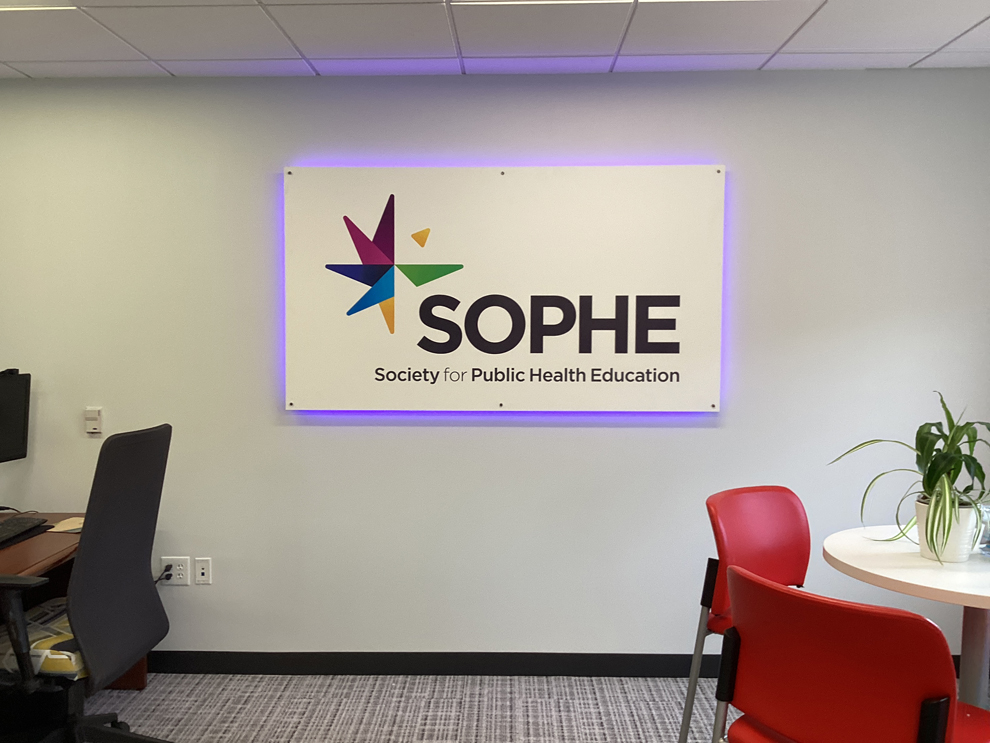
Combine branding, messaging, materials, visibility, architecture, and circulation into a coordinated communication system designed for the physical environment.
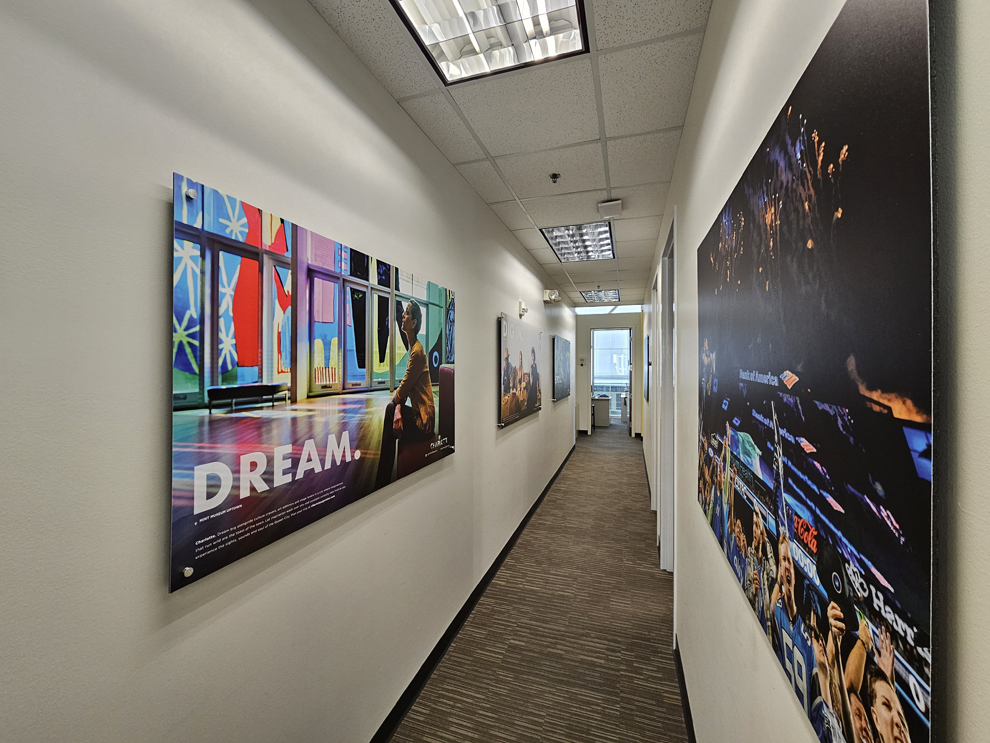
Help visitors, employees, students, patients, and guests move confidently through a facility with consistent placement, readable typography, clear message hierarchy, and accessible design.
If your organization is considering a workplace branding program, lobby renovation, recognition display, educational environment, interpretive exhibit, wayfinding system, or multi-location initiative, complete the Get Started Now form. Include your project goals, Chesapeake location, preferred schedule, photographs, drawings, brand standards, available files, and important opening or installation dates. A Heritage team member will review the information, determine whether the project aligns with our capabilities, and recommend a practical next step.
Heritage supports Chesapeake organizations through responsive project management, site surveys, field verification, design coordination, and installation planning. Visiting and documenting the site allows our team to evaluate walls, glass, access points, occupancy restrictions, loading procedures, and other conditions that may not be visible in drawings or photographs. Heritage also serves organizations in Norfolk, Virginia Beach, Portsmouth, Suffolk, and surrounding Hampton Roads communities when the project aligns with our managed commercial interior services.
Chesapeake and the larger Hampton Roads region include corporate workplaces, educational campuses, medical environments, professional offices, government facilities, nonprofit organizations, museums, and public institutions. Heritage does not treat these environments as interchangeable. A corporate headquarters may prioritize employee engagement and visitor confidence, while a healthcare facility, university, or museum may place greater emphasis on accessibility, privacy, interpretation, navigation, or replaceable content.
For larger Chesapeake projects, Heritage combines regional project management with design, production, fabrication, and installation resources from across its network. This structure supports demanding schedules, phased interior renovations, and branding programs spanning multiple facilities. One communication framework maintains consistency while site measurements, access requirements, mounting methods, and installation schedules are adapted to each location.
Environmental graphic design brings visual communication and architecture together. In Chesapeake workplaces and institutional interiors, the process considers identity, messaging, scale, visibility, materials, traffic flow, accessibility, and installation requirements. It examines how people encounter information from entry to departure and how each visual element supports the function of the surrounding space.
Design development may start with brand standards, architectural drawings, photographs, field measurements, preliminary concepts, or a broad communication goal. Heritage can prepare graphic layouts, message hierarchies, material and color recommendations, dimensional features, privacy treatments, interpretive displays, wayfinding concepts, and coordinated placement plans. Our designers can also adjust client-supplied artwork to make it suitable for professional production and installation.
Careful design development does not add unnecessary complexity. It gives stakeholders an opportunity to evaluate appearance, wording, scale, materials, and placement before fabrication begins. It also improves estimating, supports sound production decisions, clarifies transitions between components, and provides installers with dependable documentation.
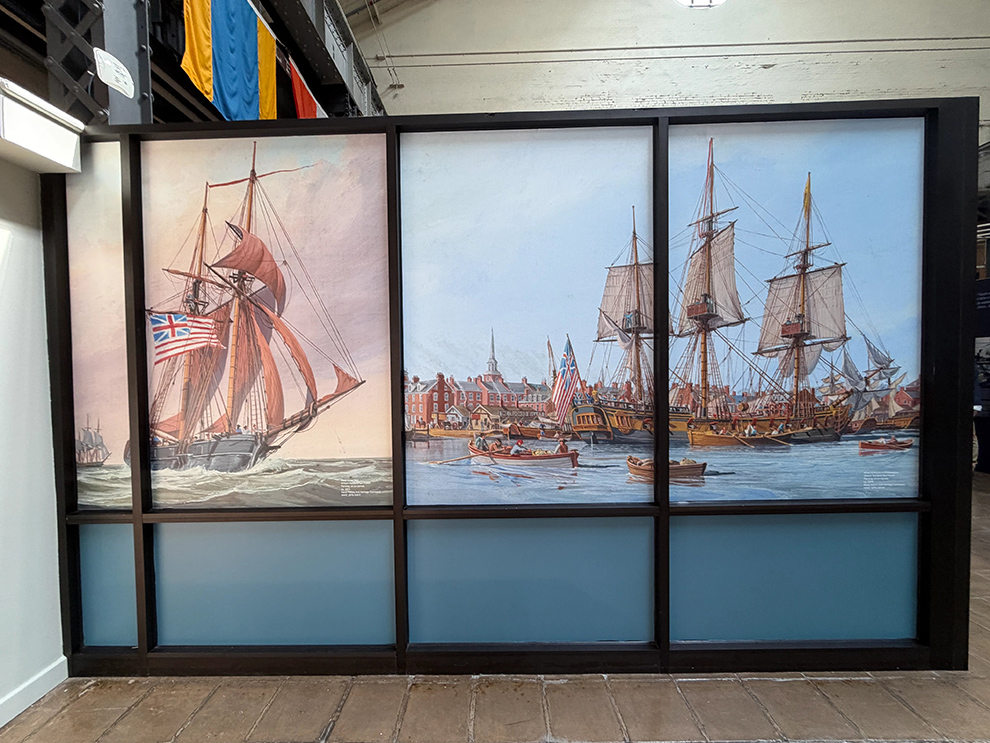
Installation is planned as part of the complete project rather than treated as a final, separate task. Even accurately produced graphics can fail to achieve the desired result when measurements are incomplete, surfaces are unsuitable, alignment is poor, access is restricted, or mounting methods are impractical. Heritage identifies these conditions early so the final installation reflects the approved design.
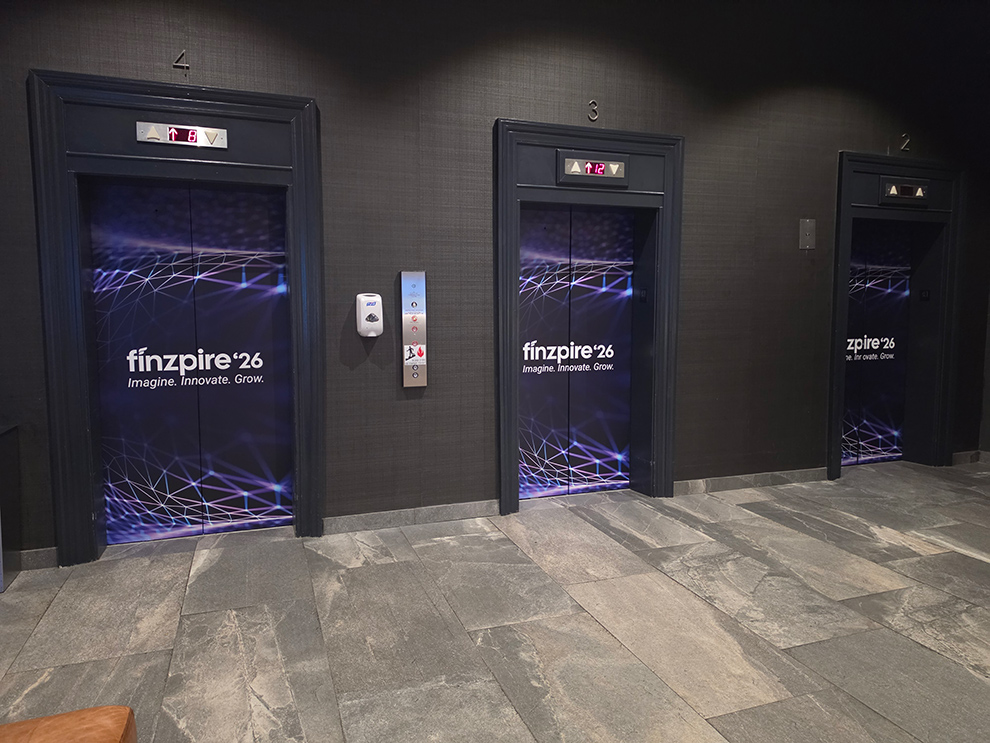
A Heritage-managed installation begins with a site survey and field verification appropriate to the project. The team may document dimensions, substrates, corners, obstructions, sightlines, lighting, traffic patterns, security procedures, elevators, loading access, building regulations, and occupied work areas. We also review installation windows and project sequencing, including whether painting, construction, furniture delivery, cleaning, or other work could affect site readiness.
Full-time Heritage installers coordinate directly with project managers, designers, fabricators, and production specialists. This collaboration gives the installation team access to approved drawings, material specifications, mounting details, and verified site information. Heritage installs signs, graphics, and displays produced, procured, fabricated, or managed through our complete project process. We do not offer installation-only services for products supplied by clients or unrelated vendors.
Effective planning starts with your organization’s goals, audiences, location, schedule, and anticipated investment. Heritage reviews site photographs, architectural plans, brand guidelines, proposed content, installation addresses, and opening or occupancy dates. For Chesapeake projects, we also identify missing dimensions, approval responsibilities, building access requirements, and stakeholder decisions that must be resolved before responsible production can begin.
A complete Heritage engagement starts at $4,000. Many projects that include production and installation range from $10,000 to more than $200,000, depending on design requirements, quantities, materials, fabrication methods, project phases, number of locations, and installation complexity. These figures refer to the overall managed assignment, not the price of one individual sign, panel, graphic, or display. Early discussions help determine whether the project goals, scope, and available investment are appropriately aligned.
Commercial workplaces and institutional or public-facing interiors are Heritage’s primary focus in Chesapeake and Hampton Roads. An interior project may also include compatible non-illuminated exterior signs, dimensional exterior lettering, window graphics, or wall graphics. Standalone exterior sign programs, vehicle fleet graphics, monument signs, pylon signs, and channel letters generally fall outside our normal scope. Heritage also does not provide repair services for malfunctioning sign components or LED systems.
Heritage prices the complete assignment based on its full scope rather than quoting an isolated product without understanding the surrounding requirements. The minimum engagement is $4,000, while many produced-and-installed projects range from $10,000 to more than $200,000. Design complexity, quantities, materials, fabrication techniques, site conditions, project phases, installation access, and scheduling requirements all influence the final investment.
These amounts apply to the overall managed project, not one individual sign or graphic. Providing photographs, plans, brand files, content, installation addresses, and budget expectations early helps the project manager evaluate whether the proposed work and available resources are aligned.
Each client works with a dedicated Heritage project manager who serves as the primary point of contact. This person coordinates discovery, estimates, site documentation, design development, material decisions, stakeholder approvals, production requirements, scheduling, and installation planning.
The project manager also brings designers, production specialists, fabricators, and installers into the conversation when their expertise is needed. This approach limits fragmented communication and clarifies responsibilities when several stakeholders, departments, contractors, or locations are involved.
Heritage serves corporate offices, professional firms, schools, universities, medical organizations, associations, nonprofits, government facilities, museums, cultural institutions, research groups, and growing businesses. The best fit is typically an organization seeking strategic interior branding and coordinated project management rather than a small transactional sign order.
Projects may be designed for employees, visitors, patients, students, members, donors, or the general public. Heritage evaluates each opportunity based on its purpose, physical environment, scope, installation requirements, schedule, and expected investment.
Yes. Heritage-managed installation projects include site surveying and field verification appropriate to the assignment. The team records relevant dimensions, substrates, wall and glass conditions, sightlines, obstructions, lighting, traffic patterns, access limitations, and building requirements.
This information helps designers establish proper scale and placement, provides production teams with dependable measurements, and allows installers to prepare suitable mounting methods and work sequences. A site survey can also uncover conditions that do not appear in photographs, plans, or other preliminary documents.
Heritage creates coordinated interior solutions that may include dimensional lobby signs, acrylic signs, architectural letters, standoff mounted panels, wall wraps, window graphics, frosted films, wall displays, wayfinding signs, donor recognition features, and interpretive graphics. Recommendations are based on the audience, architectural setting, message, surface conditions, durability expectations, and installation environment.
Multiple products can also be combined into one branded system. This allows reception areas, employee spaces, corridors, meeting rooms, educational environments, and public interiors to communicate consistently.
Yes. Heritage can coordinate brand standards, surveys, design, production, scheduling, and installation for organizations with multiple offices or facilities. A central project manager helps maintain consistency in messaging, materials, colors, and documentation across the program.
Each location is still evaluated individually. Wall conditions, architecture, loading access, security procedures, operating schedules, and audience needs can differ. Heritage maintains system-wide brand consistency while adapting the installation plan to the requirements of each facility.
Environmental graphic design organizes communication within a building. It combines identity, messaging, materials, placement, scale, visibility, accessibility, and circulation so signs and graphics support the way people use the environment.
Heritage may begin with brand guidelines, plans, site photographs, measurements, or preliminary ideas. The design process can establish layouts, message hierarchy, dimensional features, privacy treatments, wayfinding elements, and coordinated locations. Resolving these details before fabrication gives stakeholders a clear picture of the proposal and helps prevent avoidable production or installation changes.
Planning should start as soon as the location, general scope, stakeholders, and target completion date are known. Depending on the project, schedules may span days, weeks, or months. Site surveys, design development, approvals, fabrication, material availability, construction progress, and installation complexity can all affect the timeline.
Heritage establishes responsibilities and decision deadlines after reviewing the specific assignment. Clients can support the schedule by providing accurate content, plans, brand assets, photographs, and prompt approvals. Wall finishes, furniture placement, security procedures, elevator availability, and other site conditions may also influence installation timing.
No. Heritage does not provide installation-only services for signs or graphics produced or supplied outside a Heritage-managed project. Installation remains connected to components that Heritage produces, fabricates, procures, or otherwise manages as part of the complete assignment.
This policy preserves accountability for measurements, material compatibility, mounting preparation, fit, finish, and site coordination. When Heritage manages the relevant phases, installers receive the approved documentation and specifications needed to complete the work responsibly.
Heritage serves Chesapeake, Norfolk, Virginia Beach, Portsmouth, Suffolk, and nearby Hampton Roads communities through project management, site verification, environmental graphic design, in-house production, fabrication, and professional installation. The company can also draw on a seven-location regional network for substantial projects and multi-location assignments.
Founded in 1977, Heritage is an award-winning, veteran-owned, family-led company approaching 50 years in business. Clients receive support from a dedicated project manager and installation by full-time Heritage team members. This structure combines responsive service with clear accountability from initial discovery through project completion.
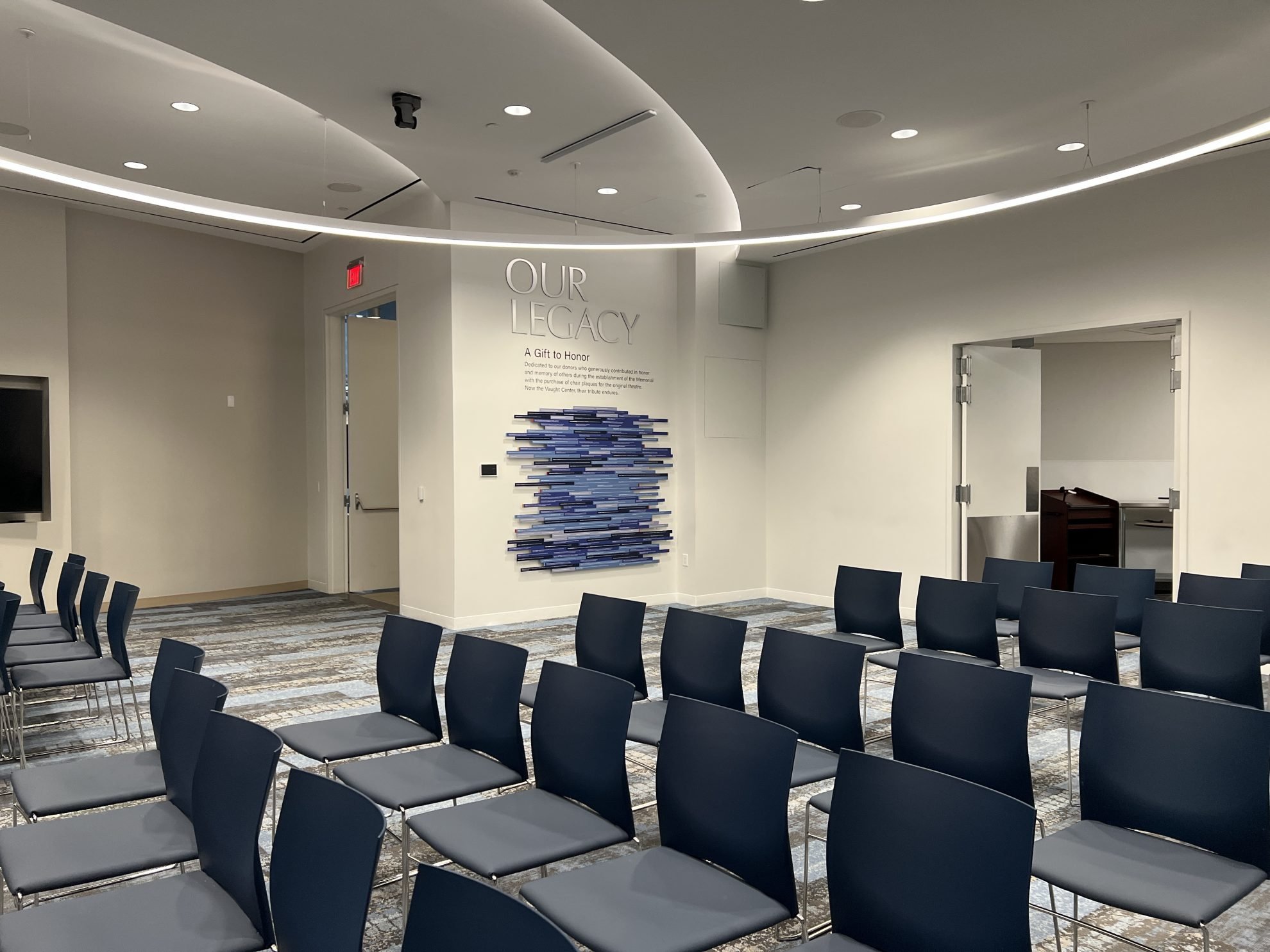
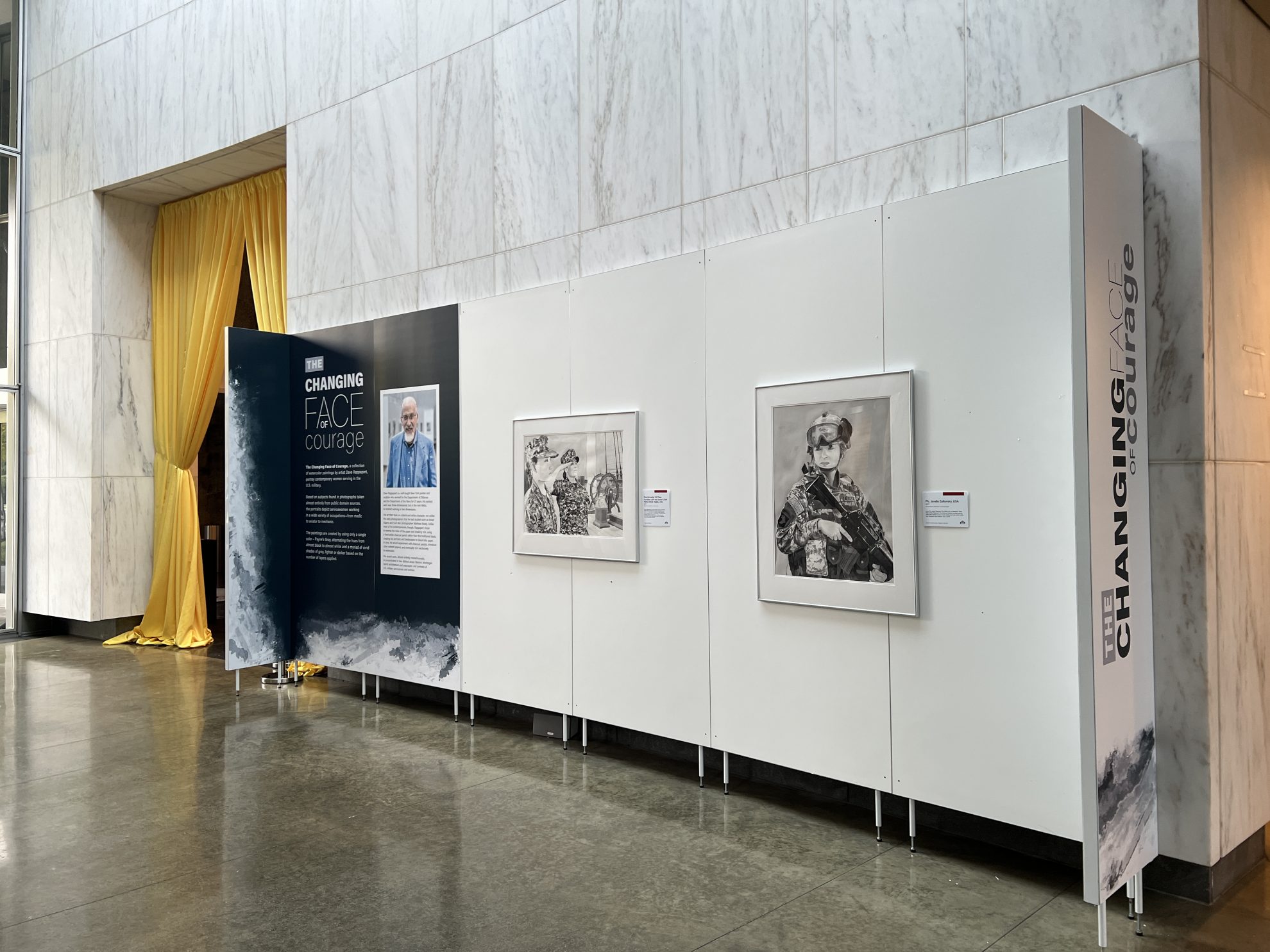
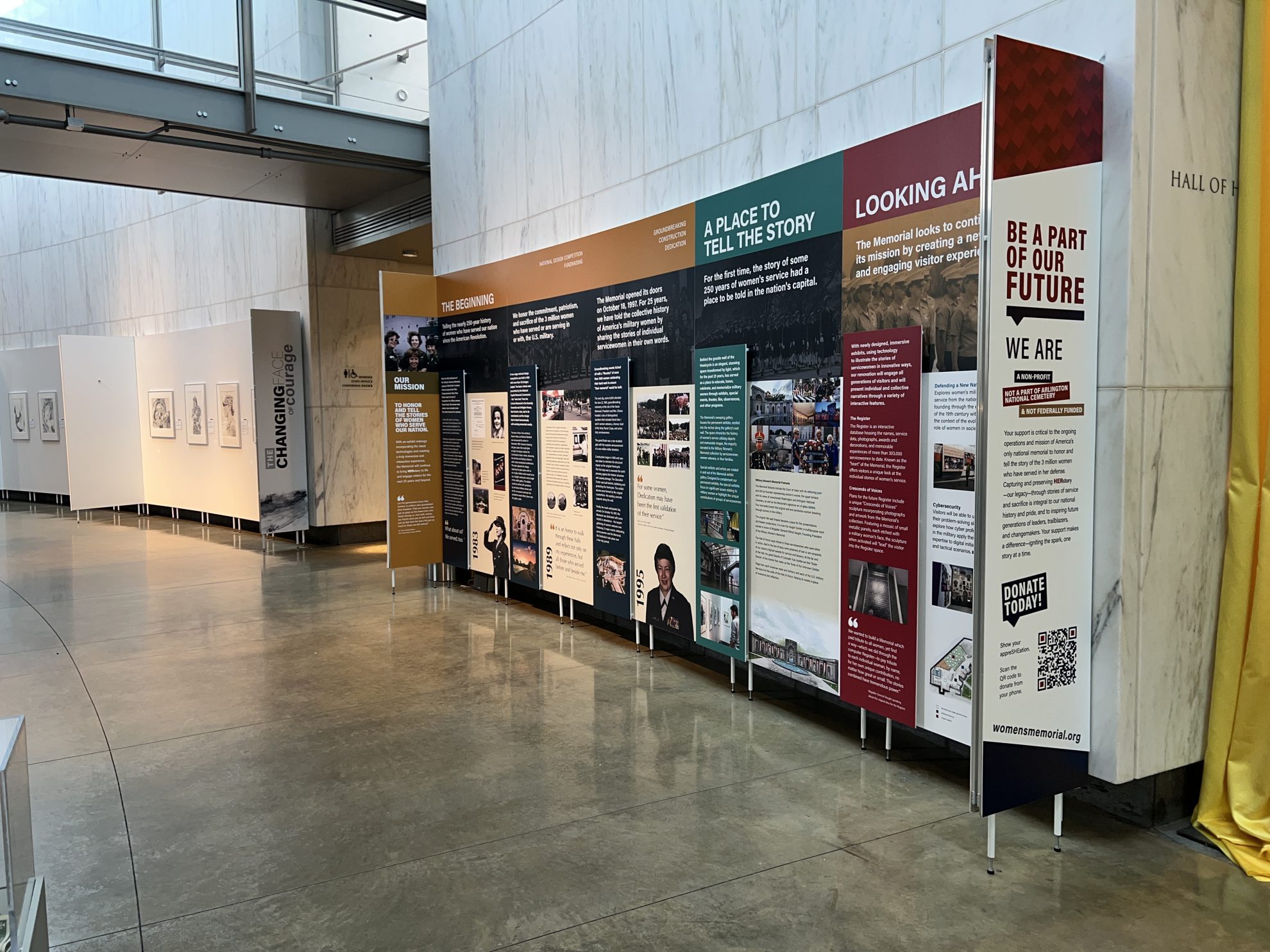
Heritage Signs & Displays created new museum signage for the Military Women’s Memorial in Arlington, VA. The project included custom signs, wall wraps, dimensional letters, and standoff-mounted displays to honor the legacy of U.S. servicewomen and the donors who supported the memorial. The updated interior features impactful designs, including a "Our Legacy" wall display and panels showcasing historical contributions and artwork, creating a transformative tribute to women in the U.S. Armed Forces.
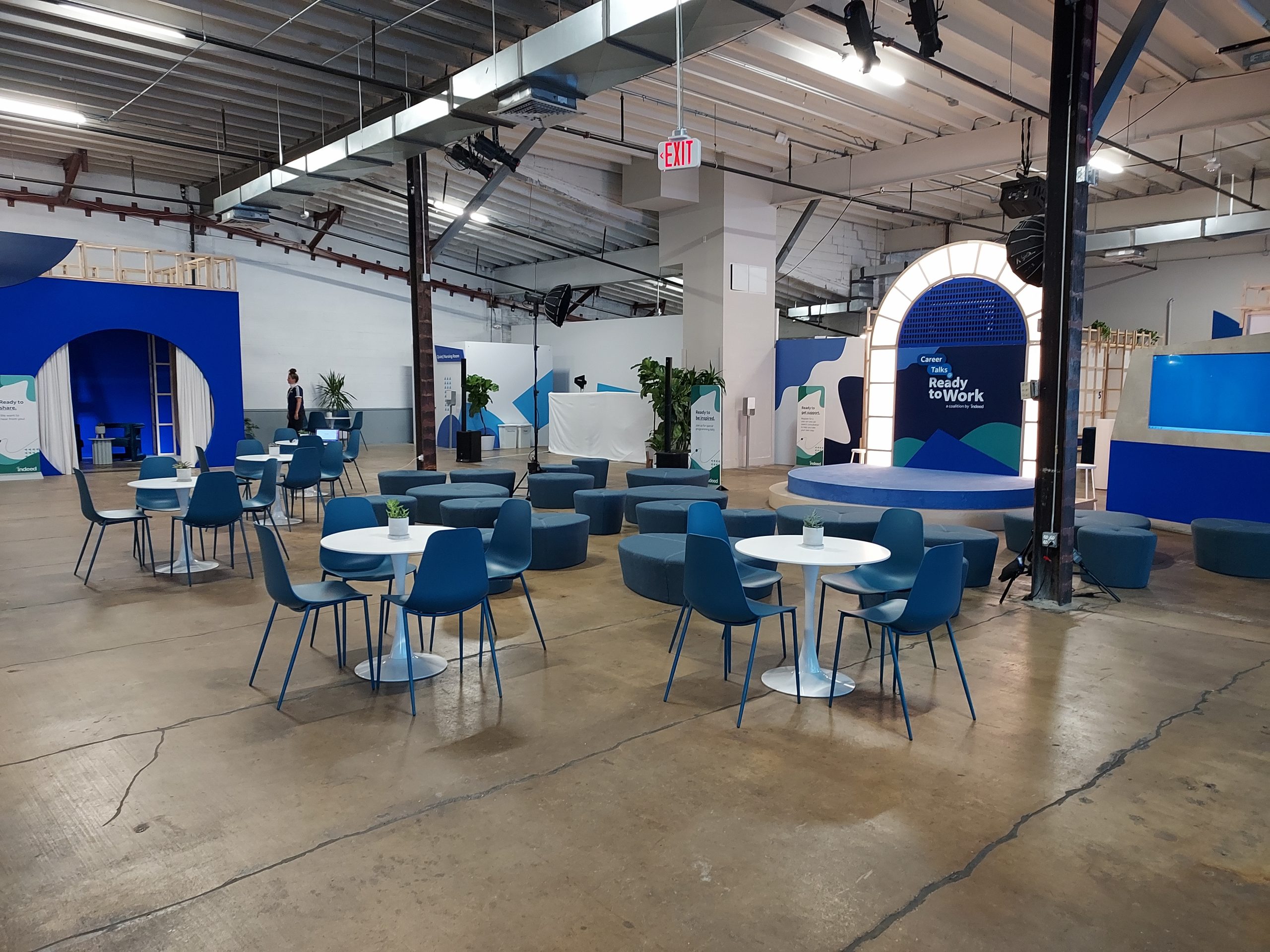
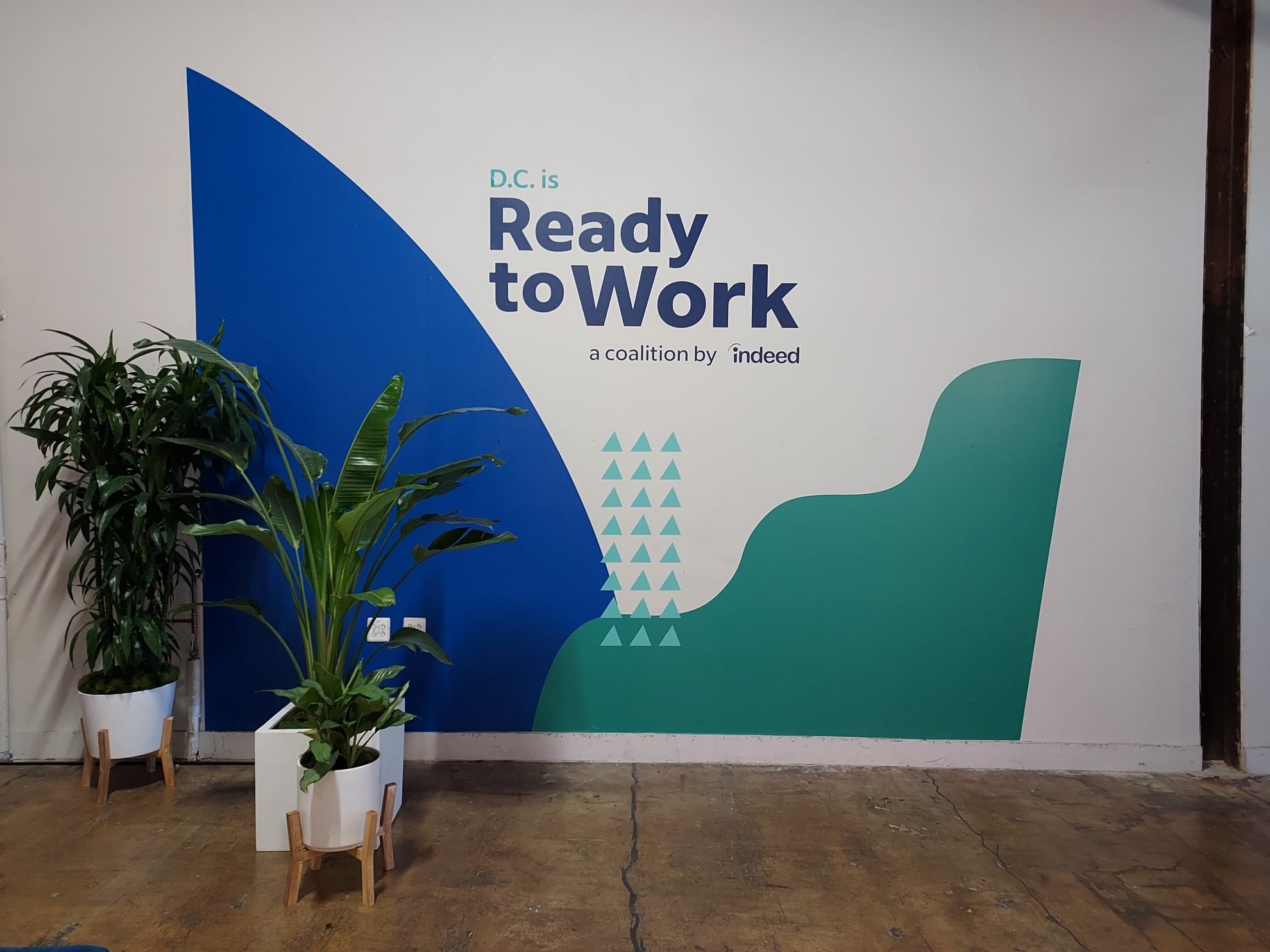
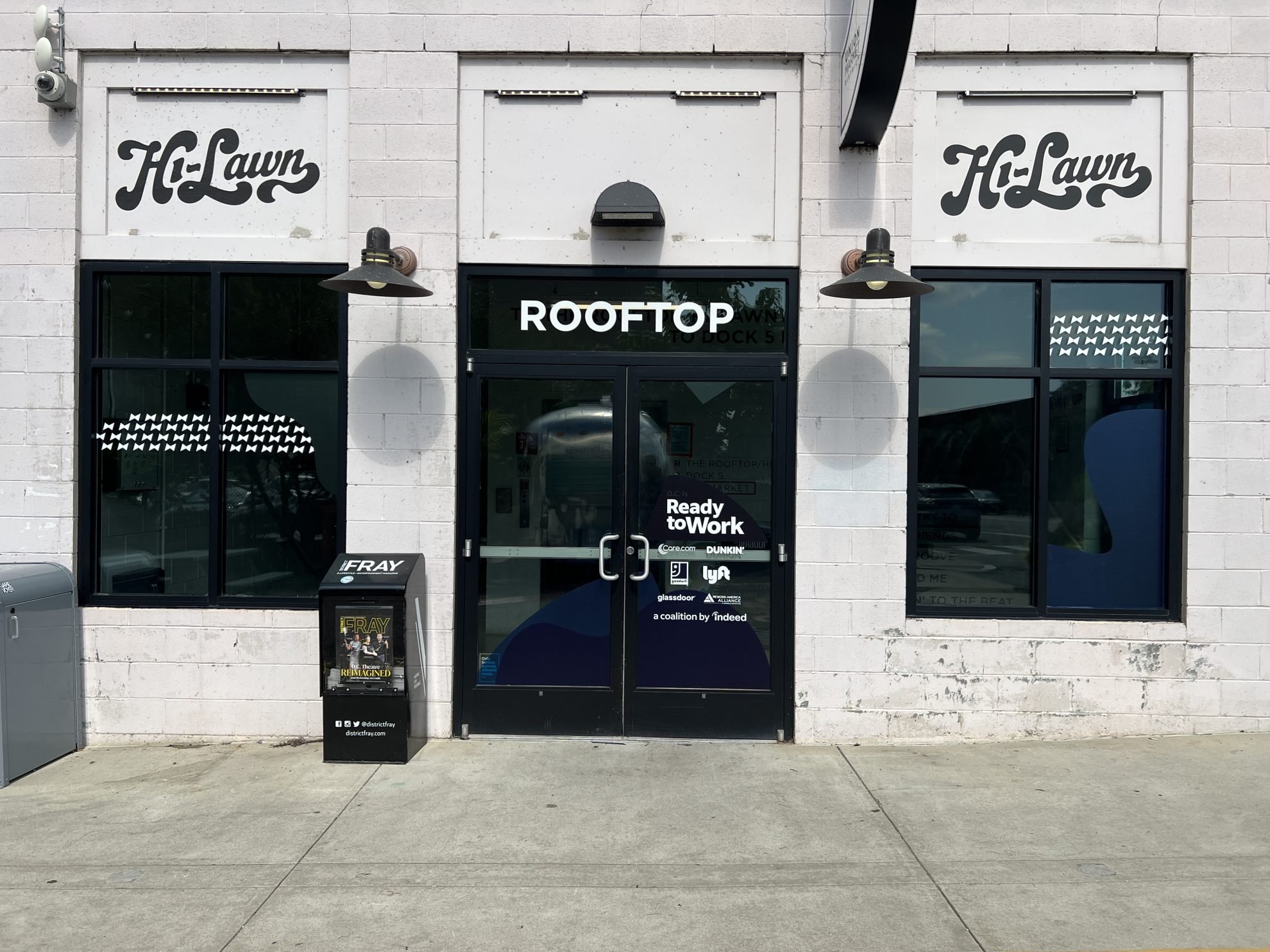
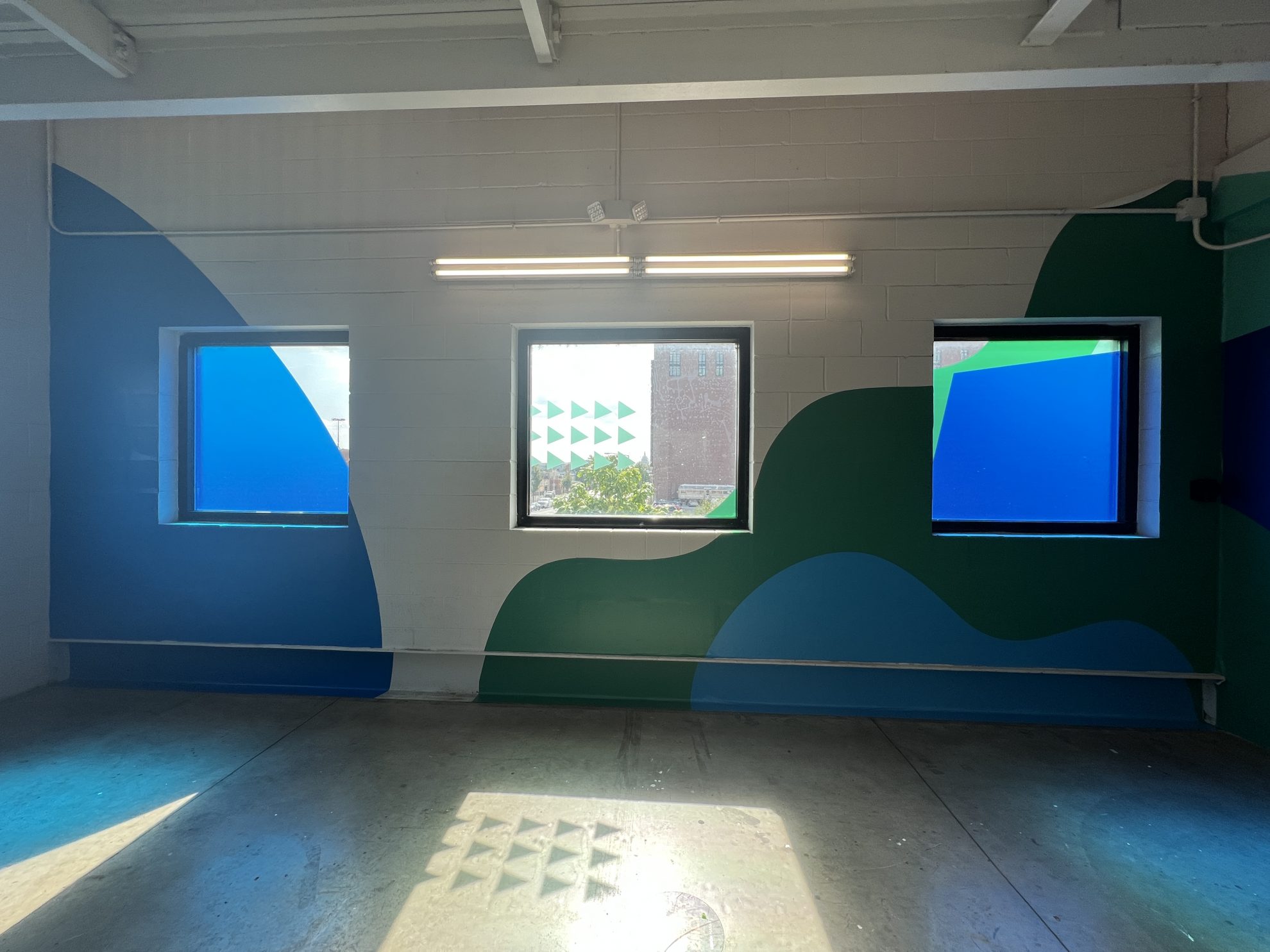
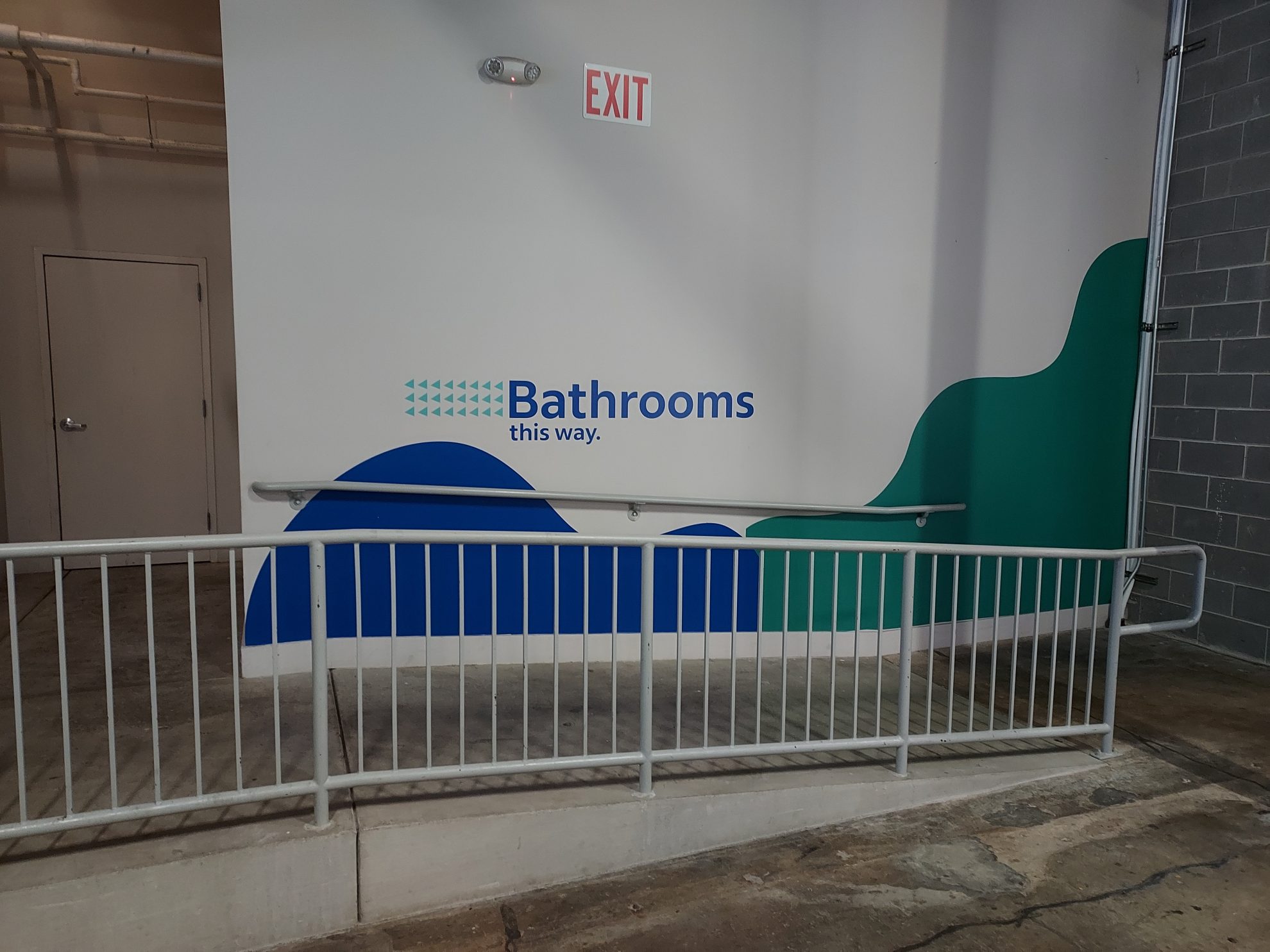
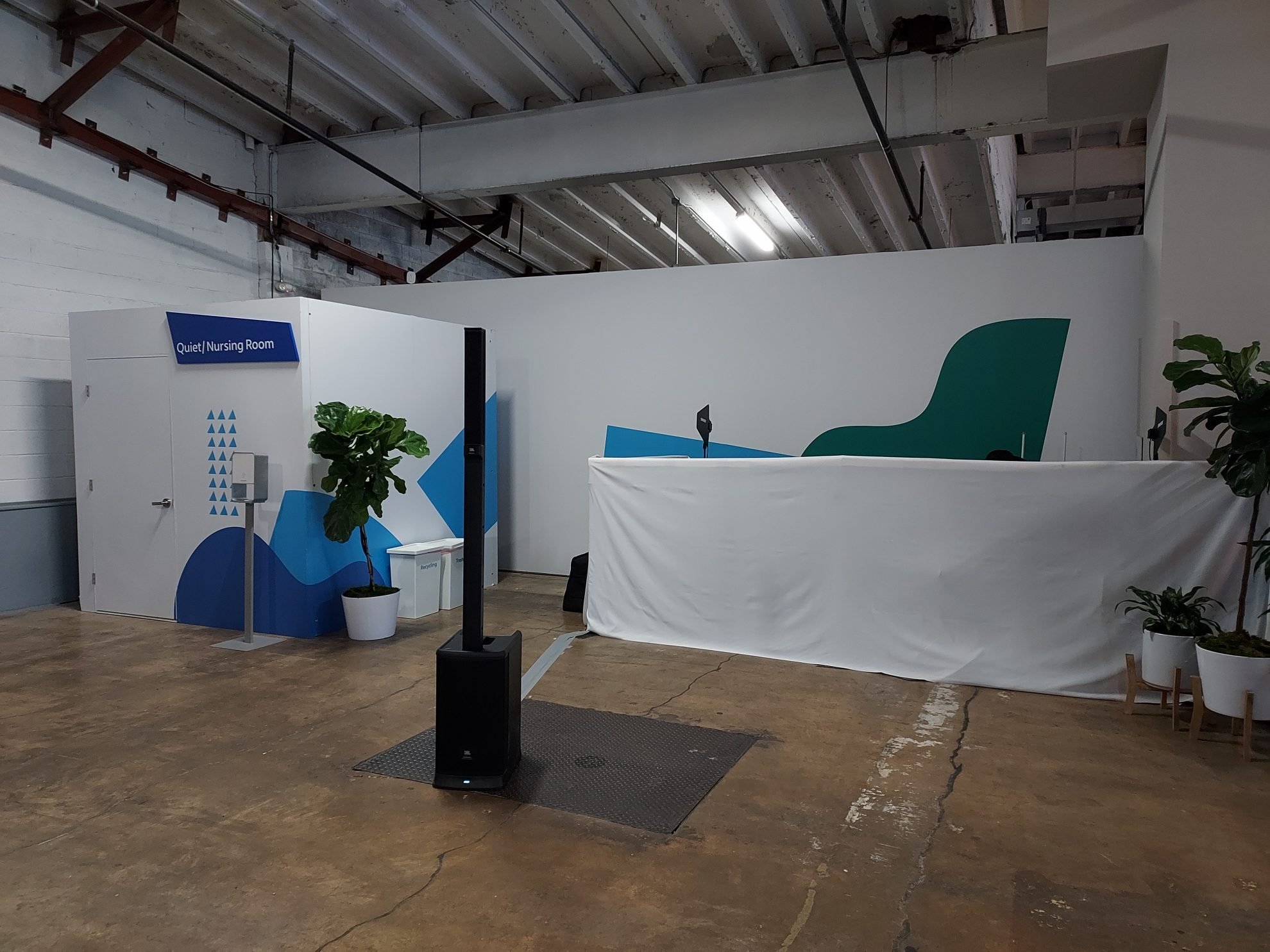
Heritage Signs & Displays' collaboration with The Gathery to brand Union Market in Arlington, VA, for Indeed's "Ready to Work" job fair. The project included custom event displays, wall graphics, window graphics, and wayfinding signs, creating an immersive and visually appealing environment. The branding enhanced the venue, reflected the event's mission, and provided a seamless experience for attendees.