Orientation begins on a set Monday morning whether or not the safety manual is finished. A plant trainer, a program director, or a hospital educator needs every participant to receive the same bound document, with pages in order and instructions that survive repeated handling. The printing has to be settled before the room fills.
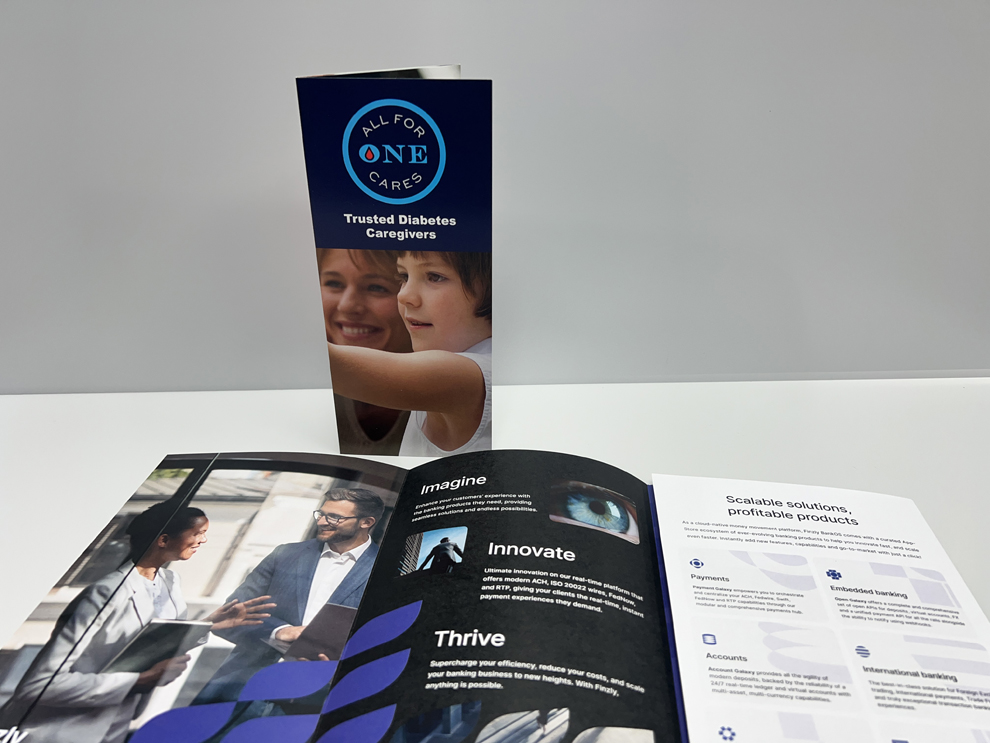
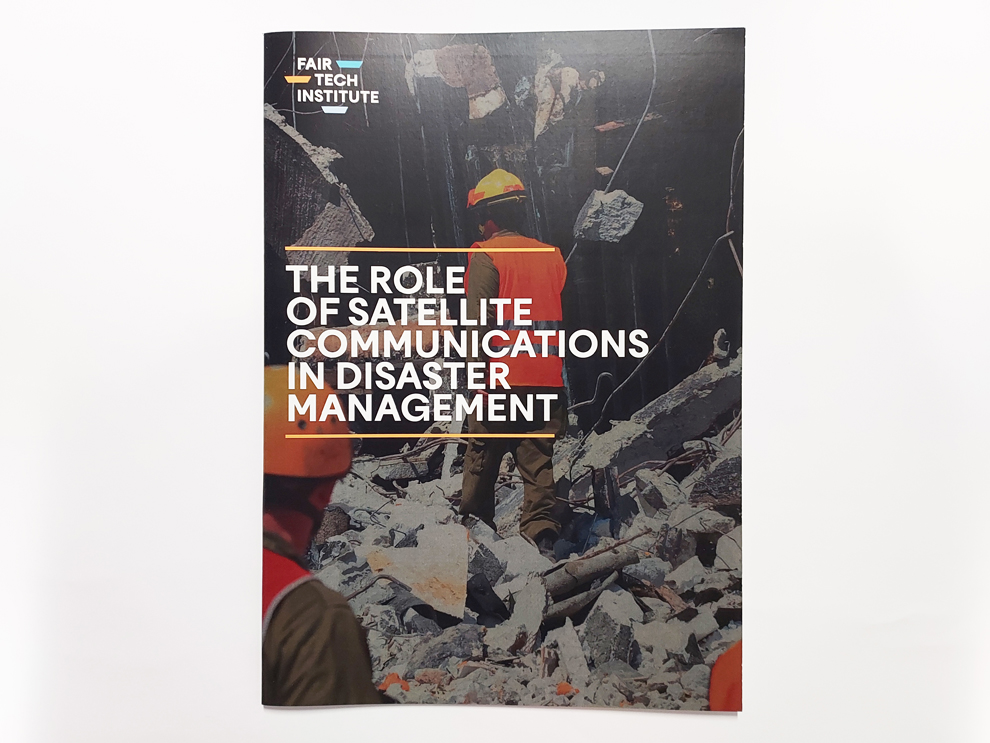
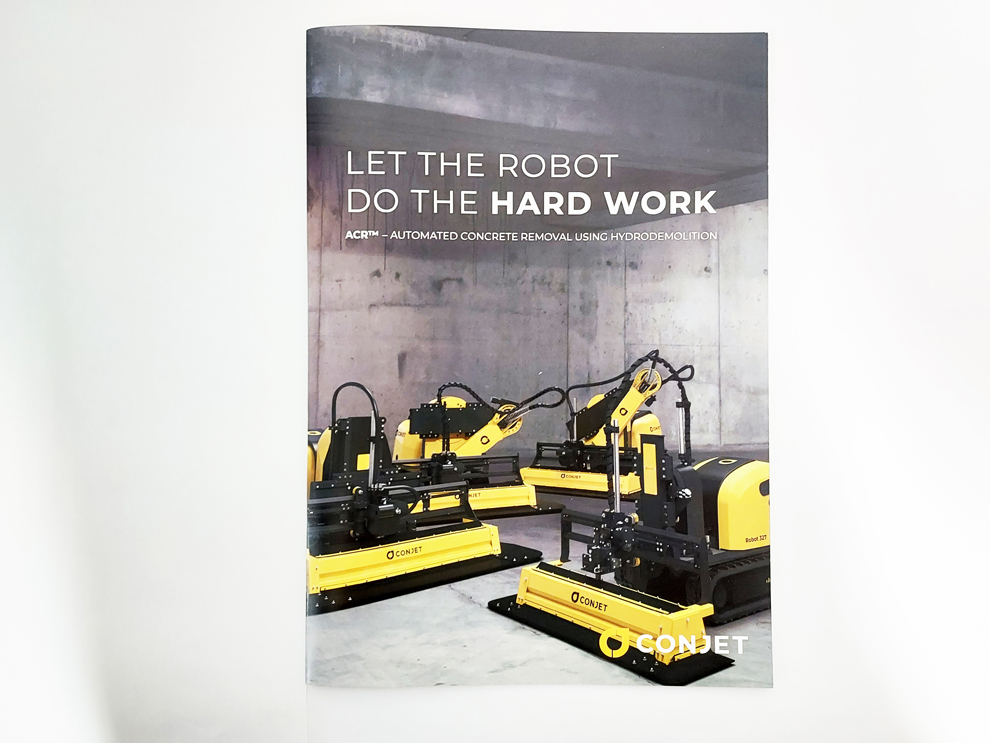
Across Spartanburg, that document may be a training manual for a production floor, a procedures guide for a clinical team, an annual report for a community foundation, or a program for a graduation or gala. Each carries decisions about page count, trim size, interior paper, cover weight, binding, color, and delivery or mailing. A thin program read once is prepared differently from a reference manual expected to lie flat beside a workstation for months.
Heritage has produced commercial printing since 1977 and brings that experience to Spartanburg organizations through client-facing support backed by broader regional production resources. Our team concentrates on sound specifications, honest scheduling, careful review, and finished copies that arrive ready for the people who need them.
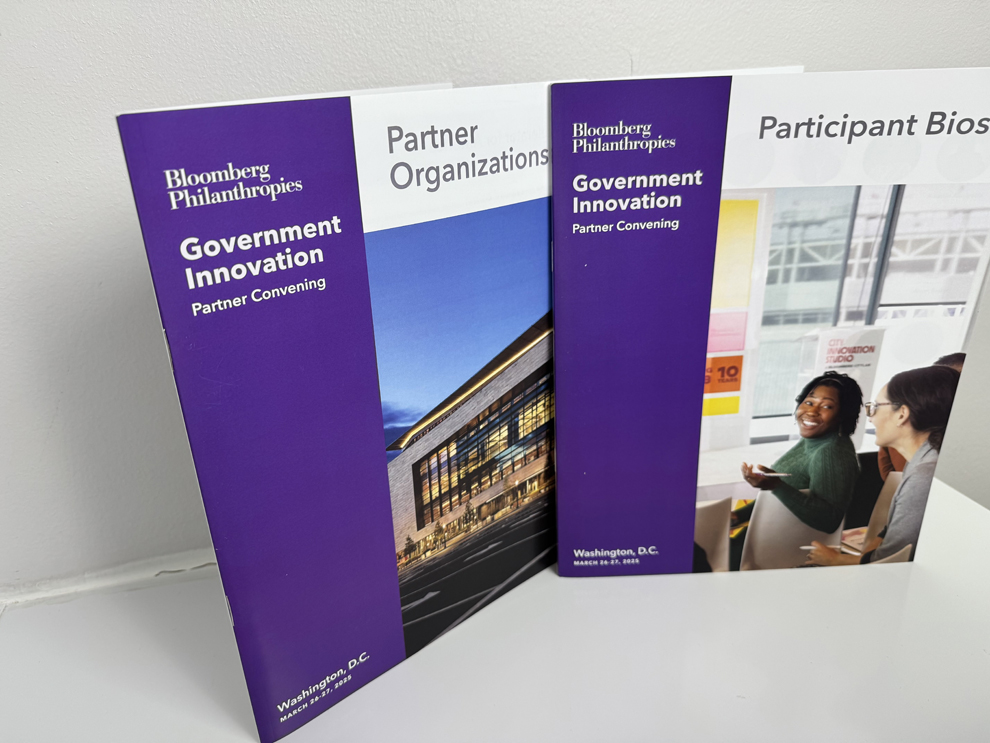
A training manual or annual report rarely has one owner. A safety manager approves content, a marketing coordinator checks logo use, a department lead sets the quantity, and a site contact confirms where the boxes go. A clear answer from the printer late in that chain keeps the schedule intact. Heritage plans production around confirmed specifications, accurate pagination, and realistic binding time rather than optimistic assumptions.
Heritage is veteran-owned and family-led, with Commercial Printing roots reaching back to 1977. We are guided by a purpose to honor God by serving clients and communities with excellence, which in practice means disciplined color management, careful preflight review, and straightforward communication. Spartanburg clients work with a company that takes fixed start dates and recurring editions seriously.
For qualifying directly managed Commercial Printing work, an accepted and assigned order has a Project Coordinator as the direct phone-and-email contact. That person knows the agreed paper, binding, quantity, and delivery plan, so a revised page or changed ship-to address reaches someone already familiar with the job. Established clients may keep that relationship for appropriate repeat editions, which helps when the same manual is reprinted each quarter.
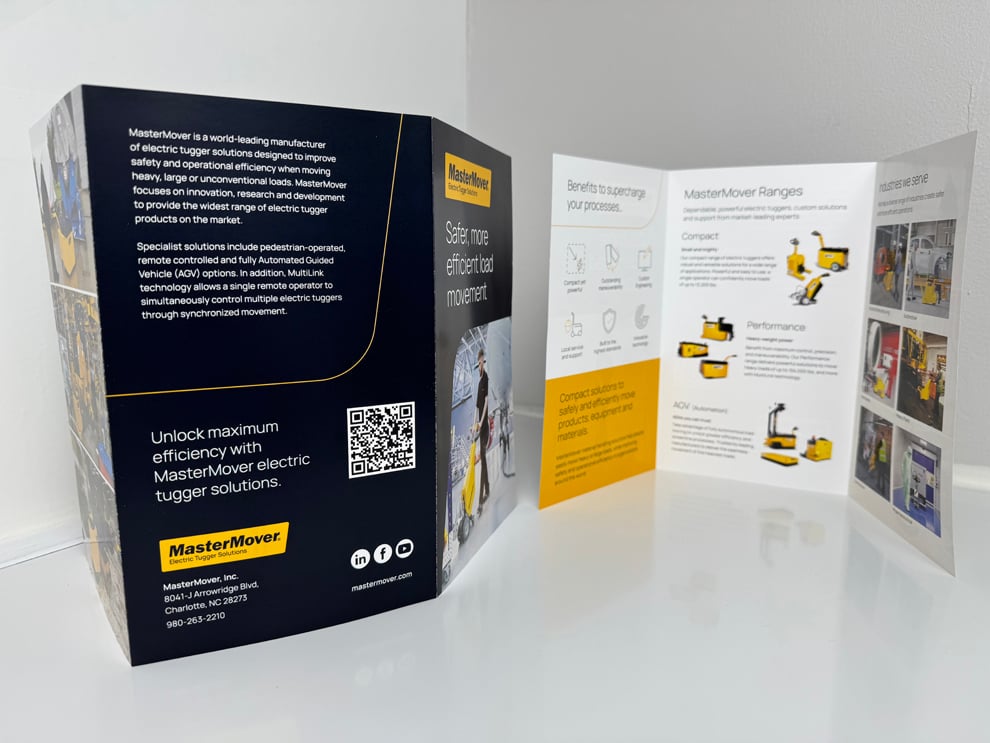
Browse related products when a booklet travels with a larger training kit, member mailing, or presentation package.
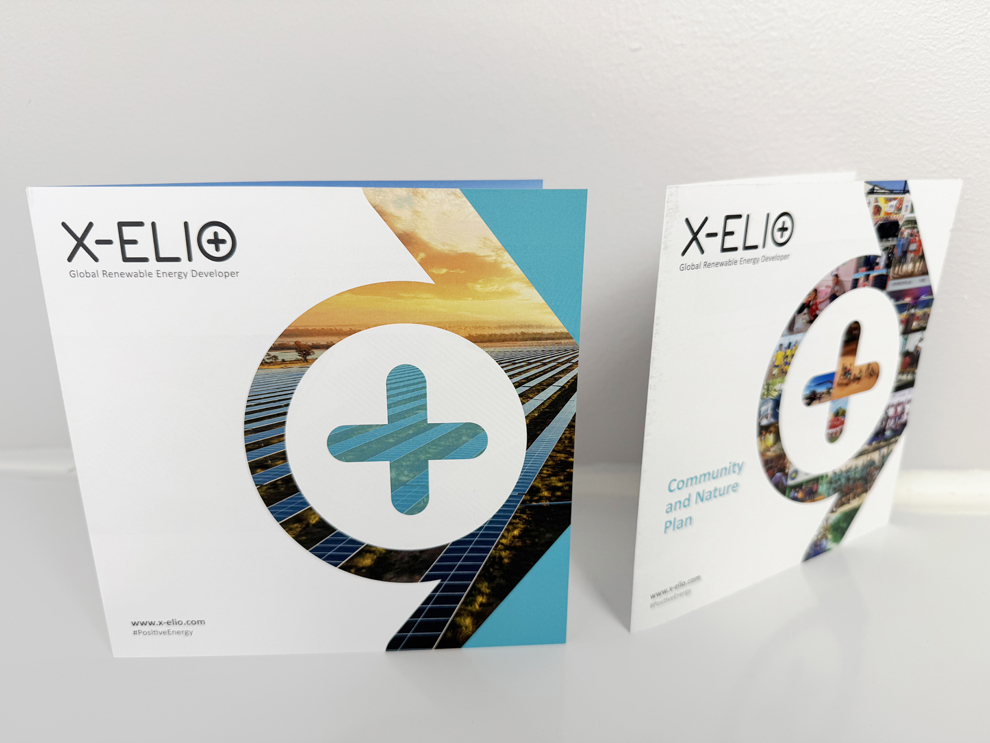
For graduation ceremonies, galas, and conference agendas that attendees read in the moment.
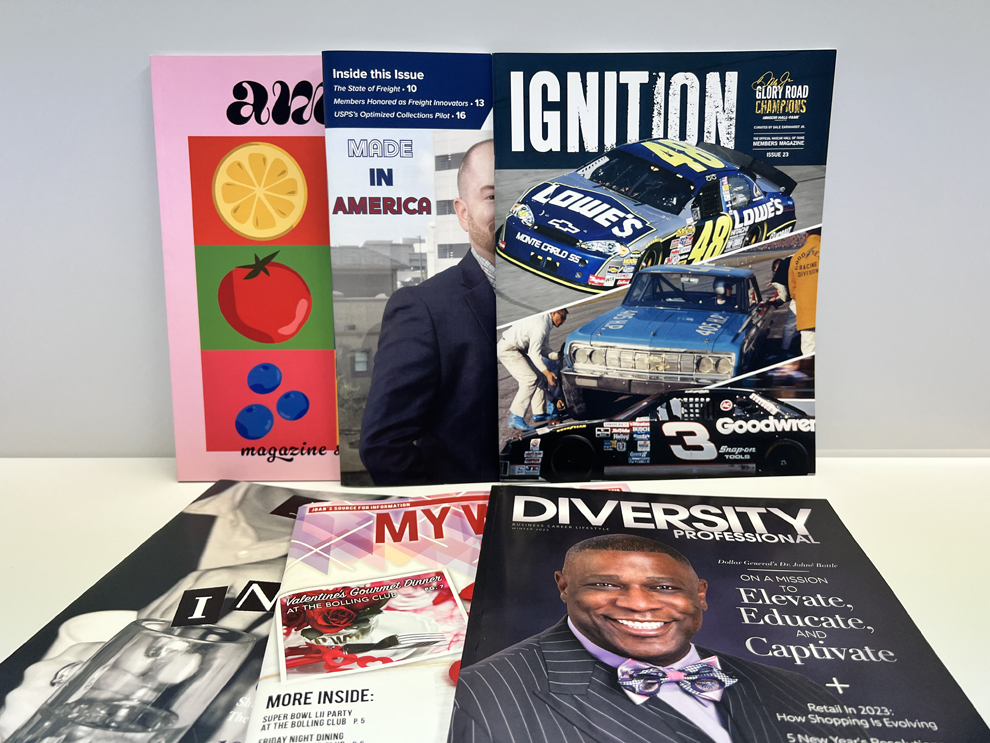
Explore recurring member and alumni editions built on repeatable specifications.
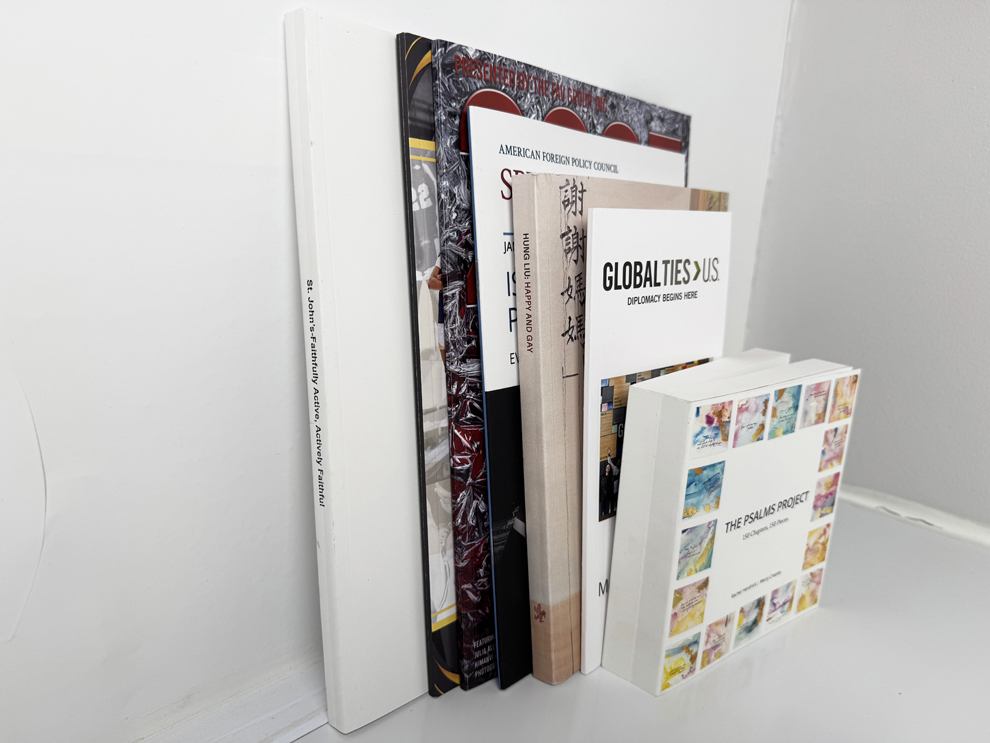
For substantial reference volumes and reports that belong on a shelf.
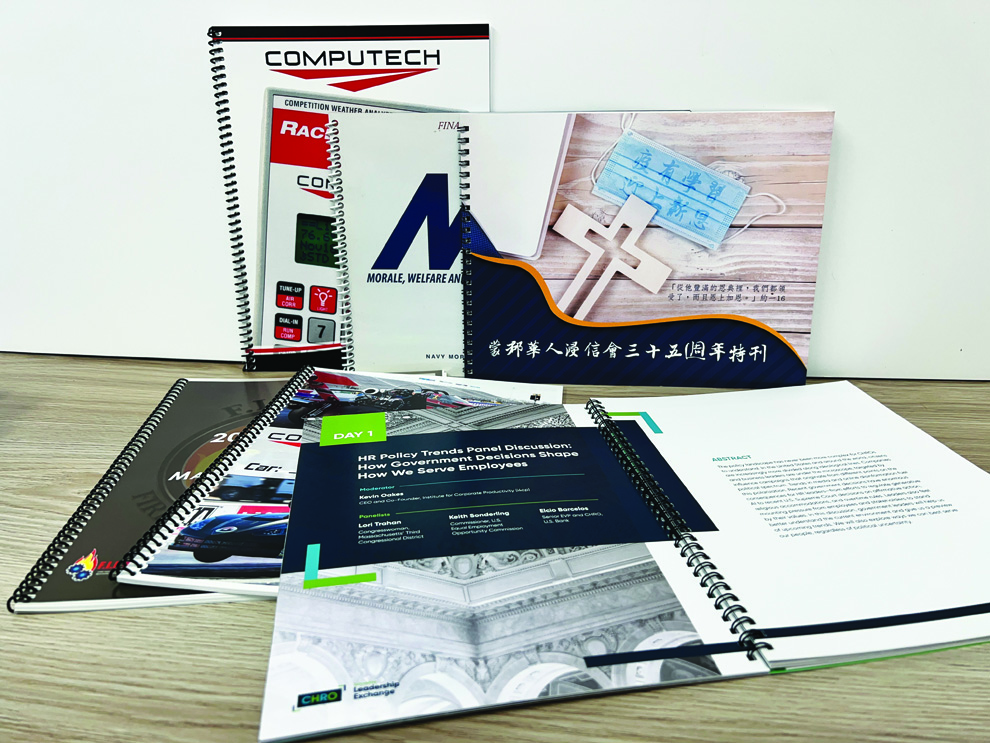
Explore dedicated manual production for onboarding, safety, and procedural instruction.
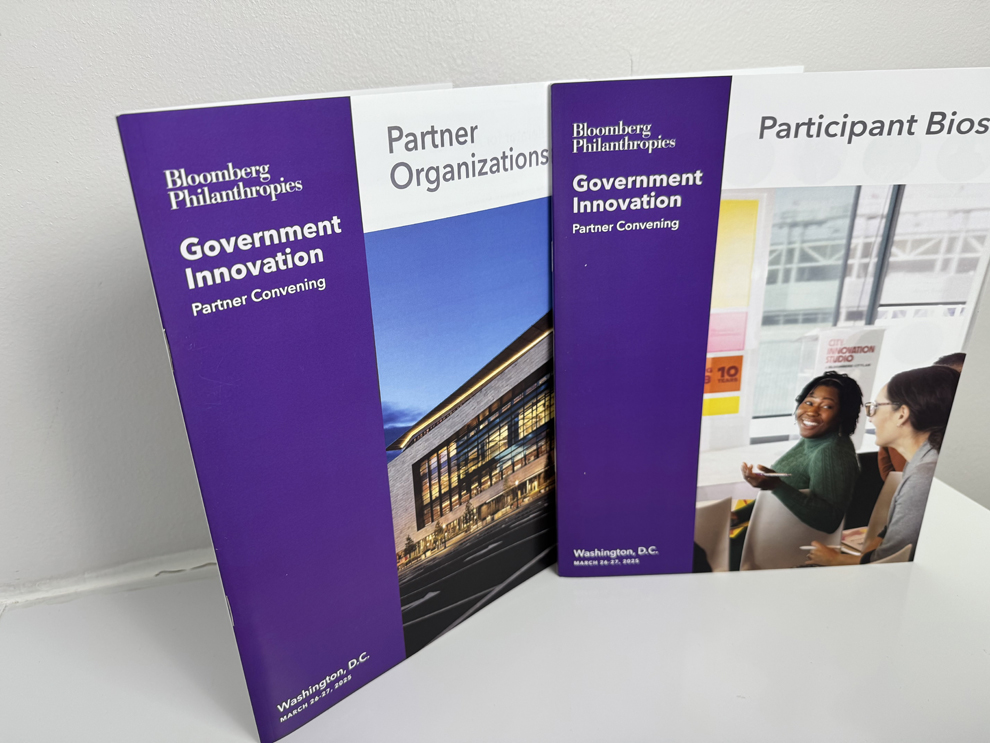
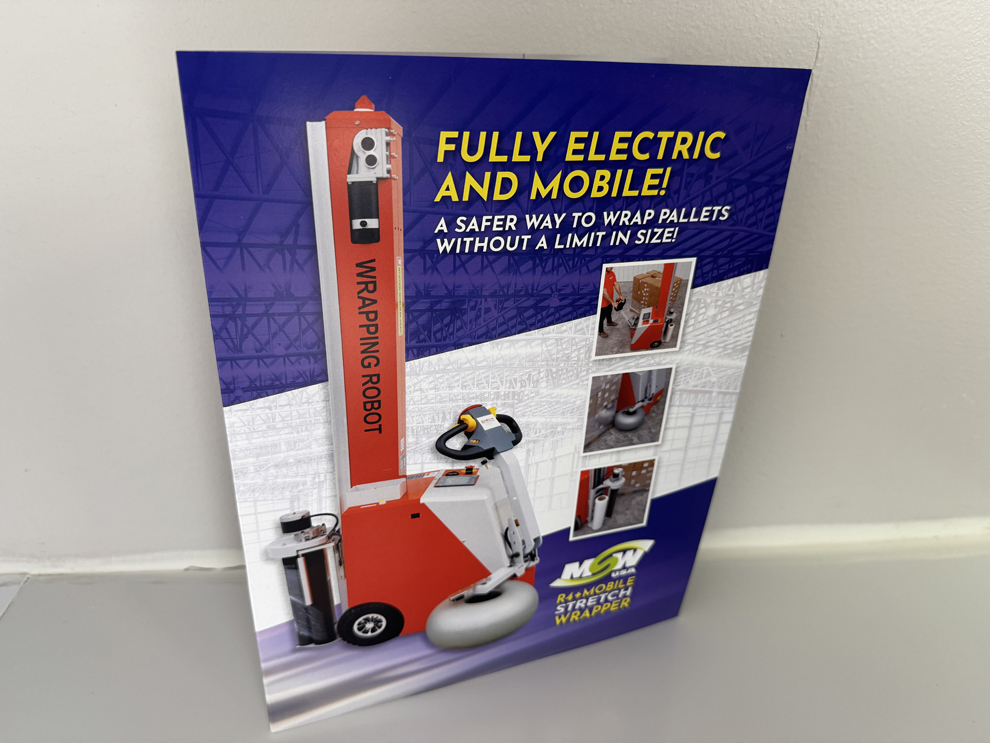
Present a program summary or service overview in a flat or folded piece.
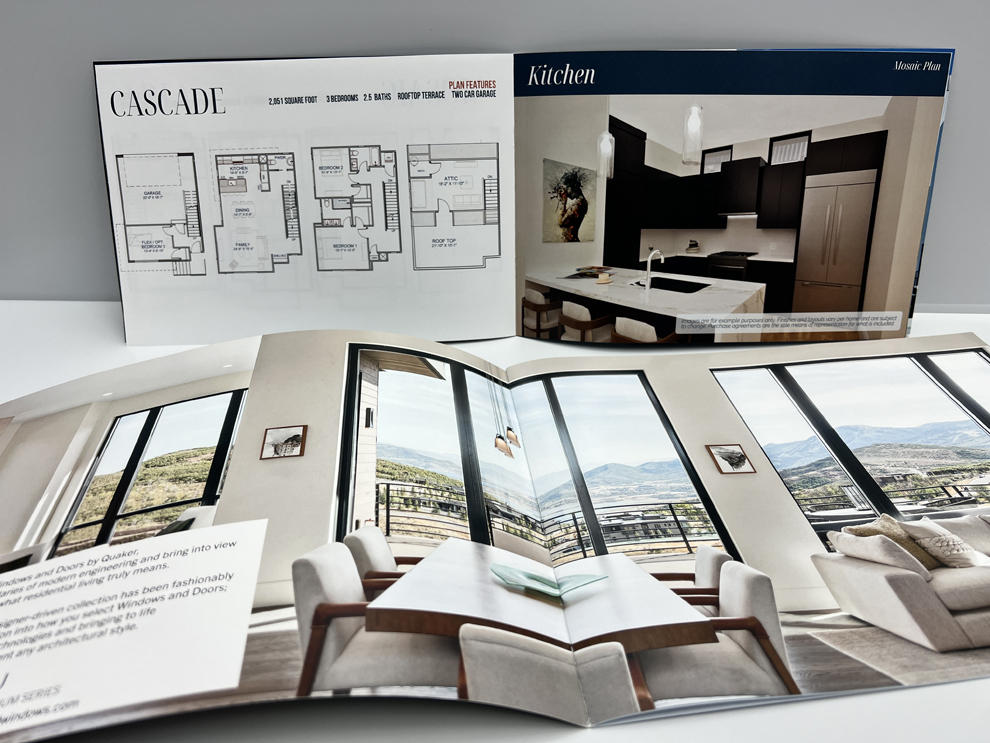
Coordinate addressed mailing of reports and newsletters when mailing is part of the accepted order.
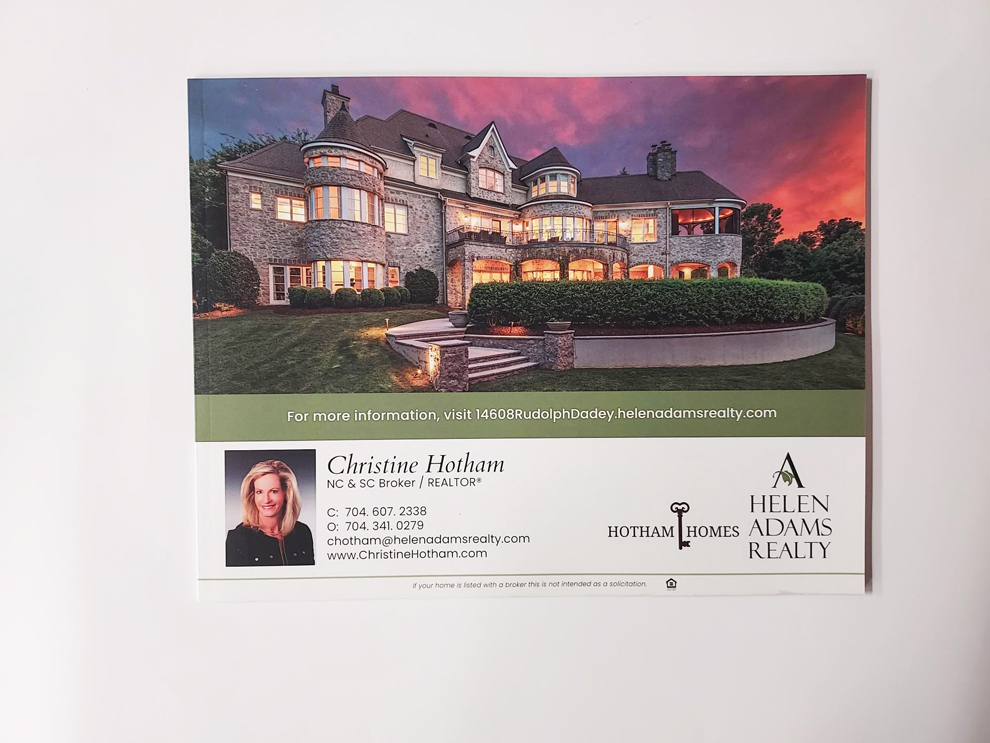
Keep outreach pieces consistent with the booklet they accompany.
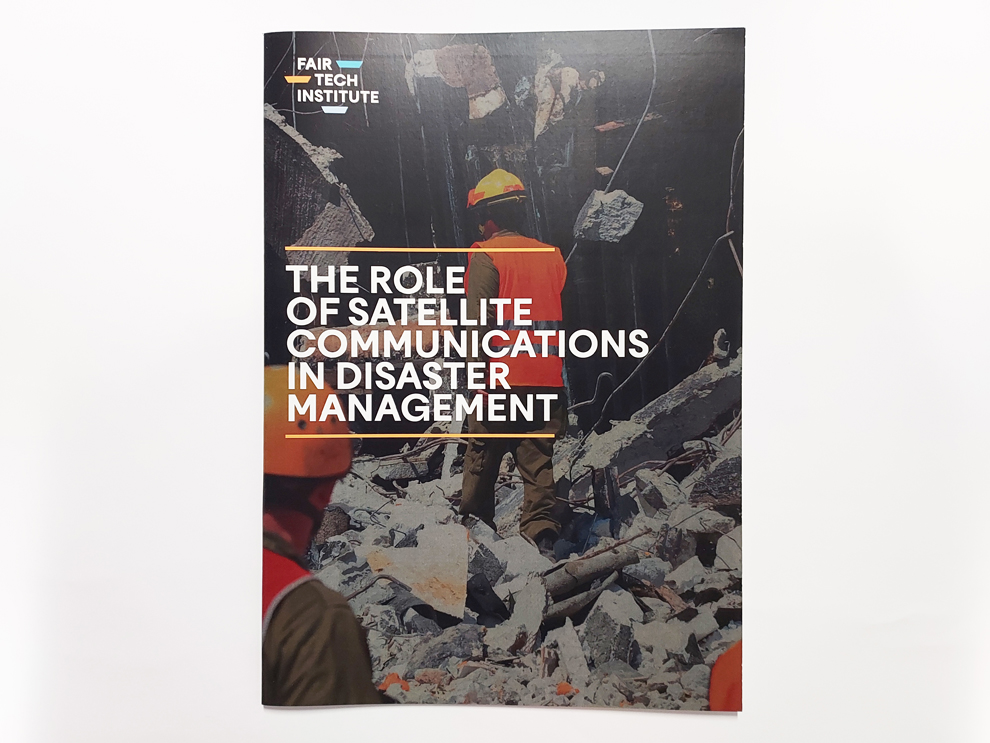
Keep handouts, inserts, and bound documents organized for meetings.
Compare live booklet configurations, check posted pricing, and place your order online once the print-ready PDF has cleared your internal review.
Binding decides whether a booklet slips into a folder, stands on a shelf, or stays open on a workbench. Each common method has a feasibility limit worth knowing before artwork is final.
Saddle-Stitched Booklets: Sheets are folded and stapled through the spine fold, keeping a program or short newsletter light and easy to hand out. Page counts must be a multiple of four, and heavier paper reduces how many pages will close flat.
Perfect Bound Booklets: Pages are collated and a wraparound cover is glued to the roughened spine edge, giving an annual report or longer guide a squared, printable spine. The publication needs enough pages and paper thickness to form a dependable spine, so very thin documents are not candidates.
Plastic Coil / Spiral-Bound Booklets: Each page is punched and threaded onto a continuous plastic coil, so a manual opens fully, lies flat, or folds back on itself beside a machine. That suits procedures, workbooks, and training references, though it looks less formal than a glued spine.
Cover weight, finished size, shipping or mailing method, and added binding time should be settled together. Within a qualifying accepted Custom Quote relationship, Heritage can review those linked choices before the specification is locked.
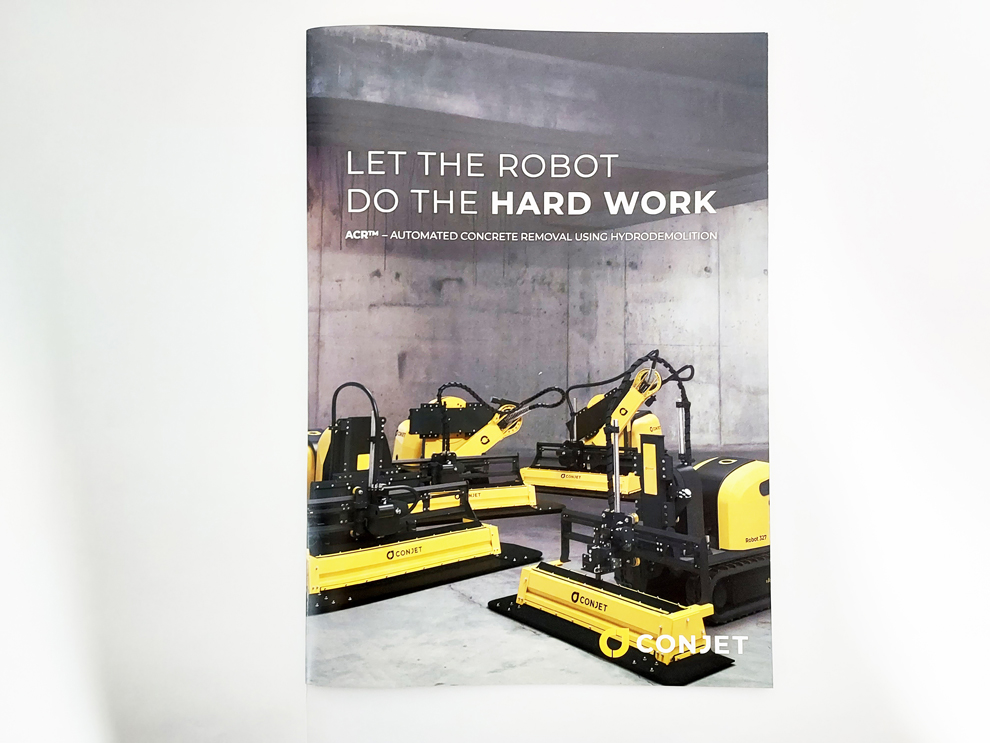
Spartanburg buyers can purchase a booklet online when files are complete, or request directly managed production support for qualifying work. Both routes include an electronic proof for your approval before printing and the same Heritage production review. The practical difference is who handles specification questions: your team, or an assigned Project Coordinator.
Self-Directed Online Store: When a live booklet configuration matches your need, select the binding, page count, paper, and quantity, upload a complete print-ready PDF, review posted pricing, and check out. Store products carry Heritage's lowest available pricing, and eligible items can be combined to reach the $750 minimum order. This path does not include layout work, an assigned coordinator, or physical color proofing.
Storefront Custom Quote: Qualifying Commercial Printing opportunities of $2,000 or more may use this form-based intake when production support is genuinely needed, such as cover preparation, paper and binding recommendations, color-critical decisions, mailing, or staged delivery to more than one site. Once the quote is accepted and the order assigned, a Project Coordinator becomes your phone-and-email contact through completion. Established clients may retain that coordinator for appropriate repeat editions.
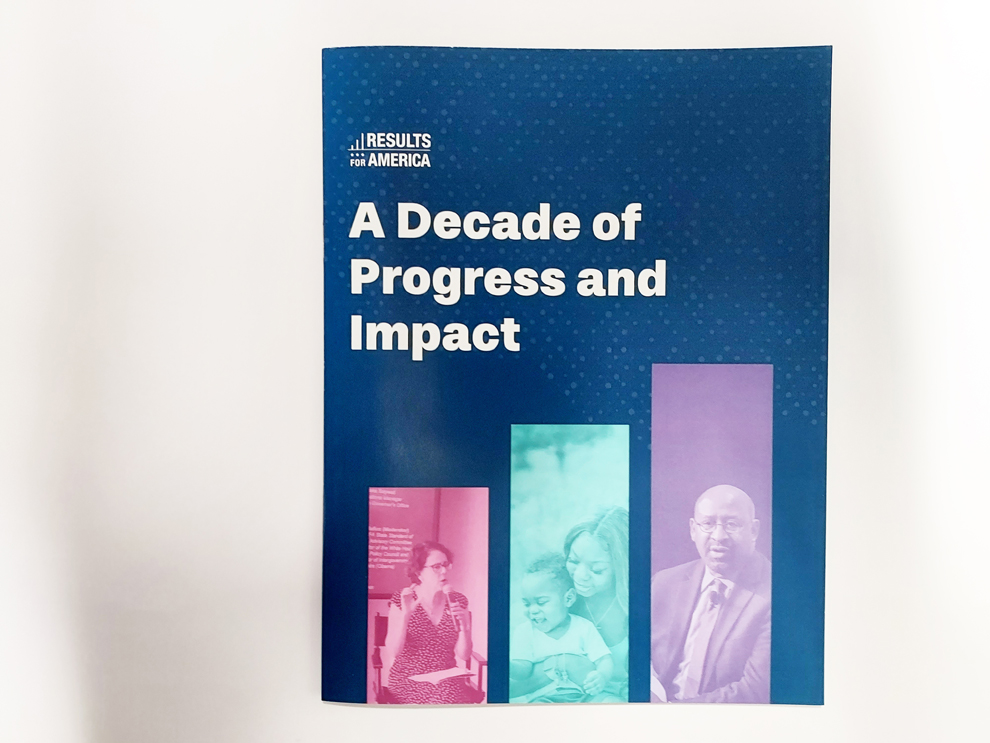
Plastic coil is usually the practical choice when a manual must lie flat beside equipment or fold back for one-handed reference. Pair it with a heavier cover that tolerates handling, and consider lamination if the document will see oil or dust. If the manual is thin and read once during orientation, saddle stitching may be adequate and less costly. Confirm the option against the live Store configuration or through a qualifying Custom Quote.
Bulk at the fold, not the page number alone, is the limit. As pages and paper weight increase, the inner sheets push outward, the booklet resists closing, and the staples may not hold cleanly. Lighter text stock extends the practical range, while heavy coated paper shortens it. When a document approaches that limit, perfect binding or coil binding generally produces a better result.
Export a single print-ready PDF that matches the selected product's artwork instructions. Pages should typically run in reading order rather than as imposed printer spreads, with bleed extended past the trim, text kept inside safe margins, fonts embedded, and images at adequate resolution. If the product uses a separate cover, prepare the cover file exactly as the listing specifies, since a perfect-bound cover includes a spine width that a saddle-stitched cover does not.
Yes. Every Heritage Commercial Printing order, including a Self-Directed Online Store purchase, receives an electronic proof that you review and approve before production begins. Check text, images, page order, blank pages, covers, and any noted production details. The electronic proof confirms content and layout; it is not a physical color standard and does not guarantee finished color.
Quantity, page count, trim size, interior and cover paper, binding method, color coverage, finishing such as lamination, and the delivery arrangement all move the price. A shipment to one plant costs less to coordinate than mailing individual copies across the Upstate. The Online Store shows current pricing for live configurations, and a qualifying opportunity of $2,000 or more may be quoted through Storefront Custom Quote when closer production support is needed.
Yes, for qualifying Commercial Printing Custom Quote work valued at $2,000 or more. The Physical Production Color Proof, also called a Digital Hard Copy Proof, is produced at additional cost on the intended production printer and paper, adds time to the schedule, and becomes the controlling physical color reference once approved unless otherwise agreed. It is not offered through the Self-Directed Online Store.
Use Custom Quote when a qualifying project of $2,000 or more genuinely needs production assistance the Store does not provide, such as file preparation, binding recommendations, color-critical review, mailing, or deliveries to several locations. The Online Store remains the right path for complete print-ready files and standard configurations at posted prices. Reaching the dollar threshold does not require Custom Quote, and an assigned Project Coordinator follows acceptance and order assignment, not form submission.
Often, when the booklet fits Heritage's accepted Commercial Printing scope and the files, approvals, and specifications are settled early enough. Share the date, quantity, binding, finishing, and delivery address at the start so the full production path can be evaluated. Heritage confirms a schedule only after that review and will describe realistic alternatives if the requested date cannot responsibly be met.
Orderable quantities depend on the live product, binding, page count, and paper rather than a single universal range. Review the Store listing for the configuration you need before assuming a particular quantity is available. Larger or multi-version runs with staged deliveries may be considered through a qualifying Custom Quote when those services are accepted into scope.
Self-Directed Online Store orders require complete print-ready files. For a qualifying Commercial Printing opportunity of $2,000 or more, an accepted Custom Quote may include production-oriented work such as resizing, adding bleed, building a cover with the correct spine width, or correcting layout problems. That support is production preparation, not broad creative design. Send the files you have and the required date so the practical scope can be assessed.
Scroll the PDF in reading order and confirm page numbers, section starts, intentional blank pages, and where the inside front and back covers fall. For saddle-stitched work, the total must be a multiple of four. Do not upload printer spreads unless the product instructions ask for them. The electronic proof is your final chance to catch an ordering error before production begins.
A self-cover uses the same paper throughout, which keeps a short program or newsletter light and economical. A separate cover on heavier stock improves durability and presentation, and it is usually preferable for a manual that will be handled daily. The heavier cover adds bulk, which can affect saddle-stitch feasibility, mailing weight, and cost. Check the live configuration for the cover options it supports.
Heritage uses professional color management, including spectrophotometric calibration, verification, and production-specific profiles, to keep output consistent. PMS brand colors serve as targets, and the result varies with paper, finish, and equipment. Supplying high-resolution images and the same paper specification each time improves repeatability. Electronic proofs approve content, not color; a physical color proof is available only for qualifying Custom Quote work.
Yes. Recurring manuals, annual reports, and versioned guides can reuse an approved trim size, paper, binding, and color specification while Heritage reviews the current files and quantities for each run. For appropriate directly managed repeat work, established clients may continue with the Project Coordinator who already understands the document and its approval schedule. Each edition still receives its own electronic proof.
Yes, within an accepted Commercial Printing project that includes mailing in its scope. Heritage can coordinate printing, finishing, addressing, and USPS handoff so your team manages fewer steps. Provide accurate, authorized address data and the target in-home date early, since postal rules shape mail-piece design. USPS controls acceptance requirements and delivery timing once the mailing is in its possession.
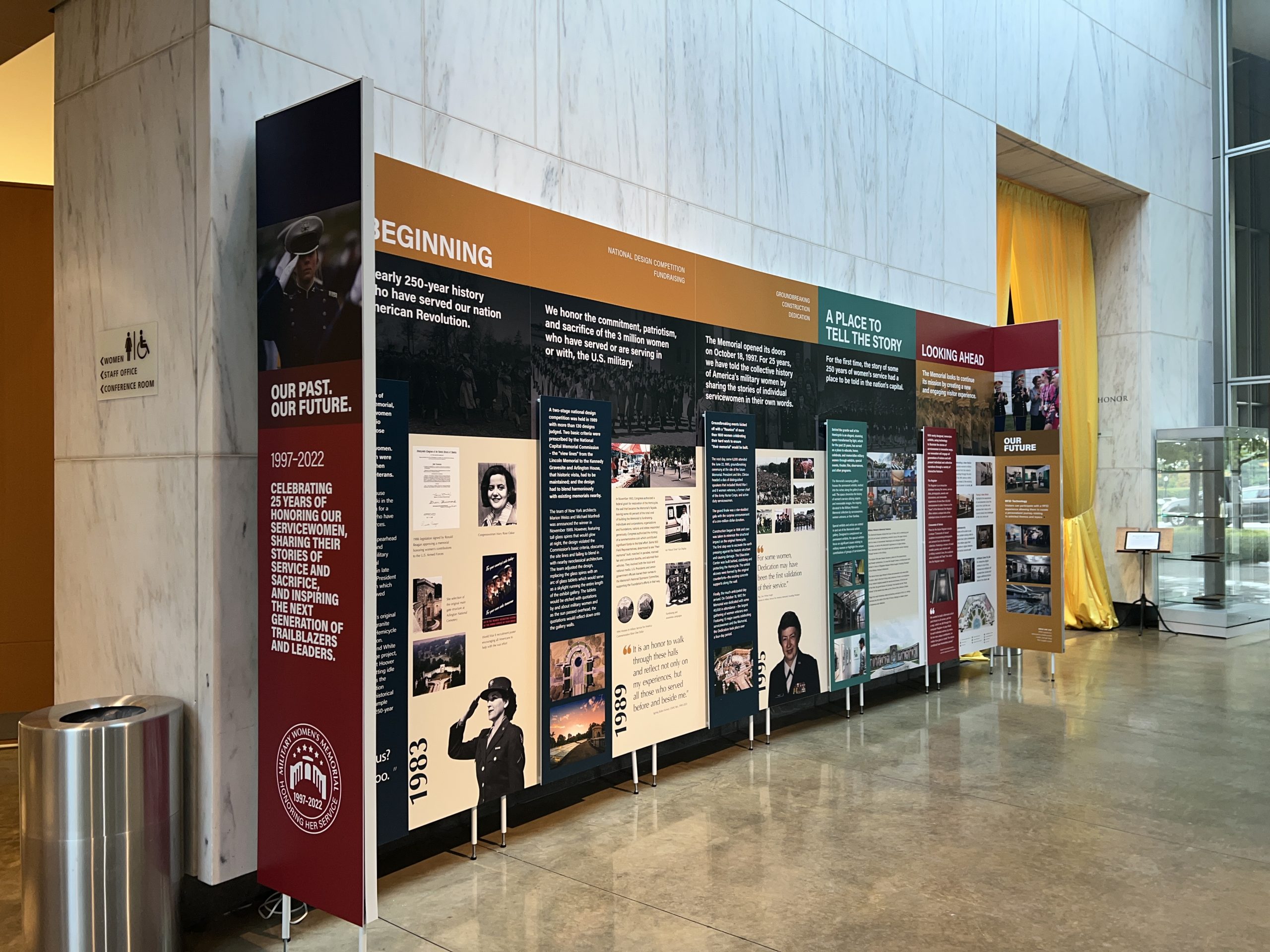
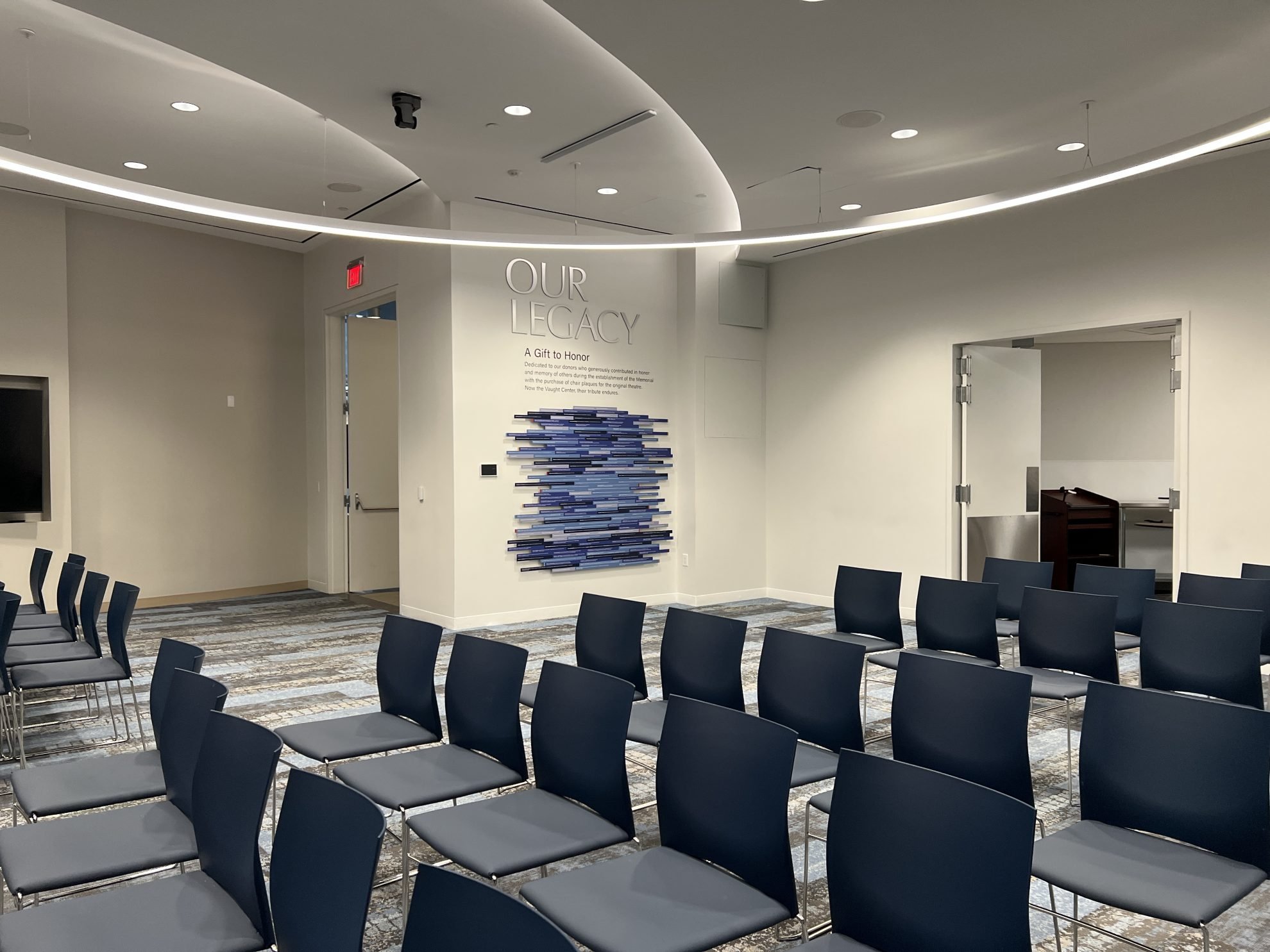
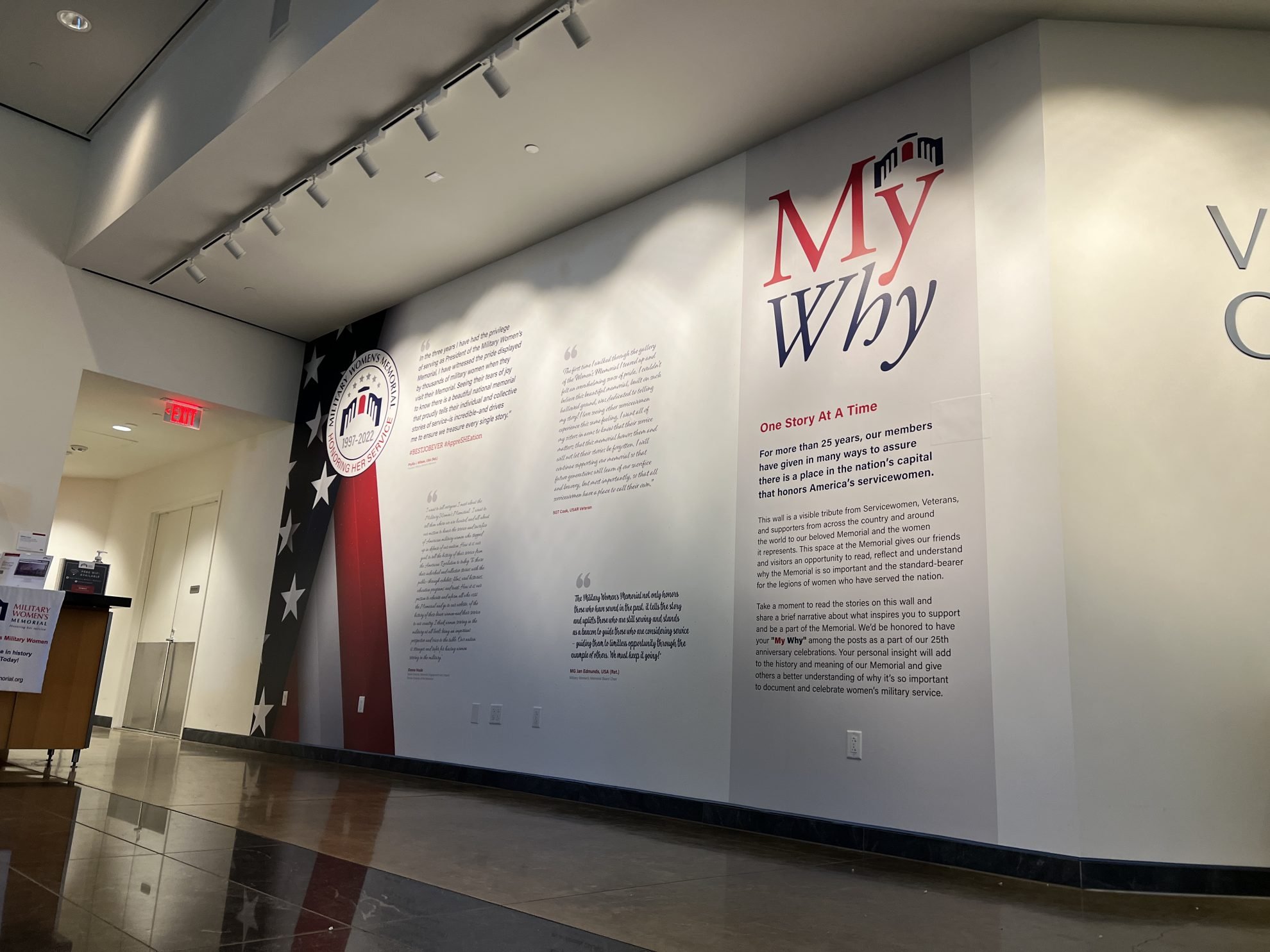
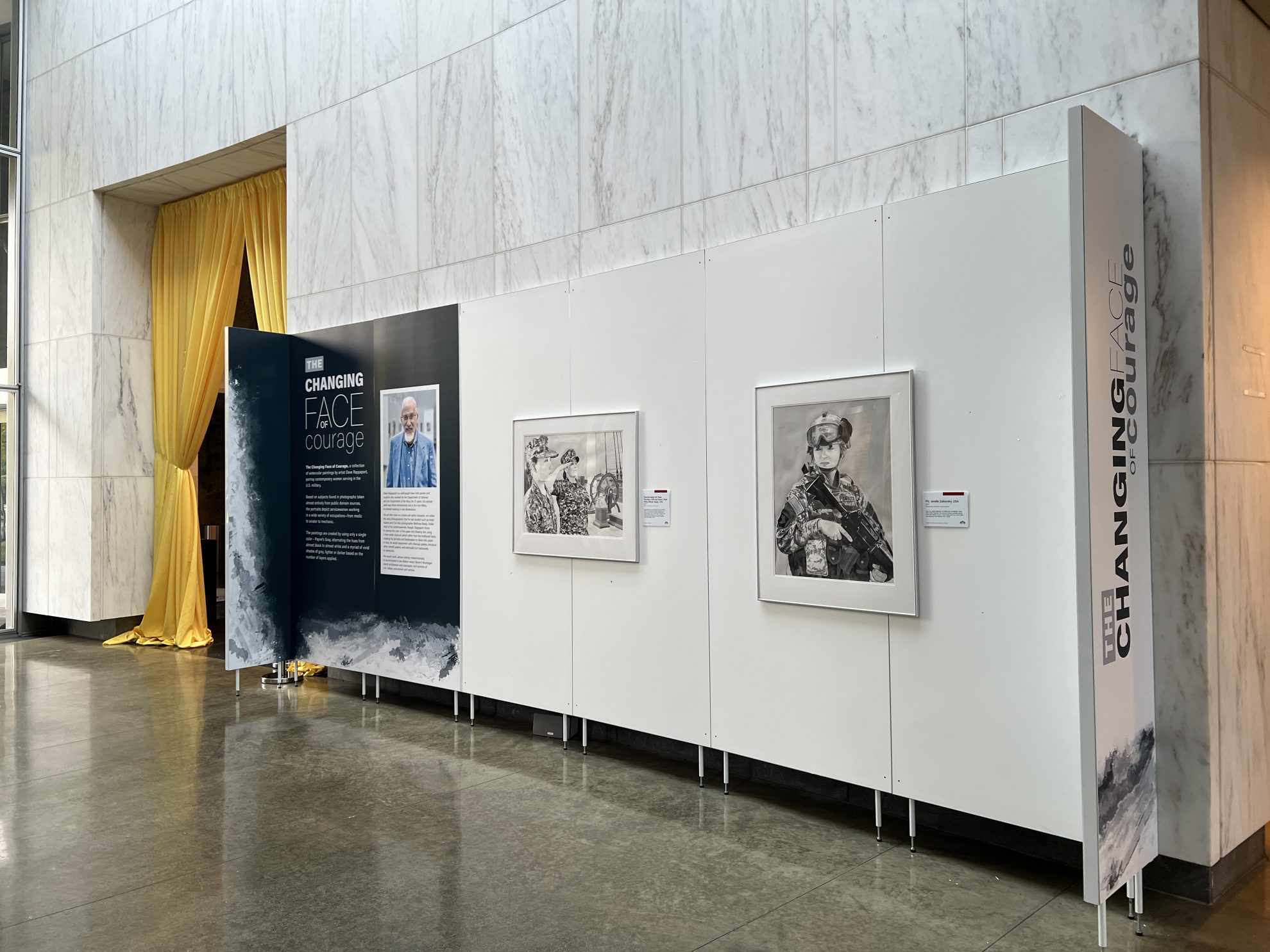
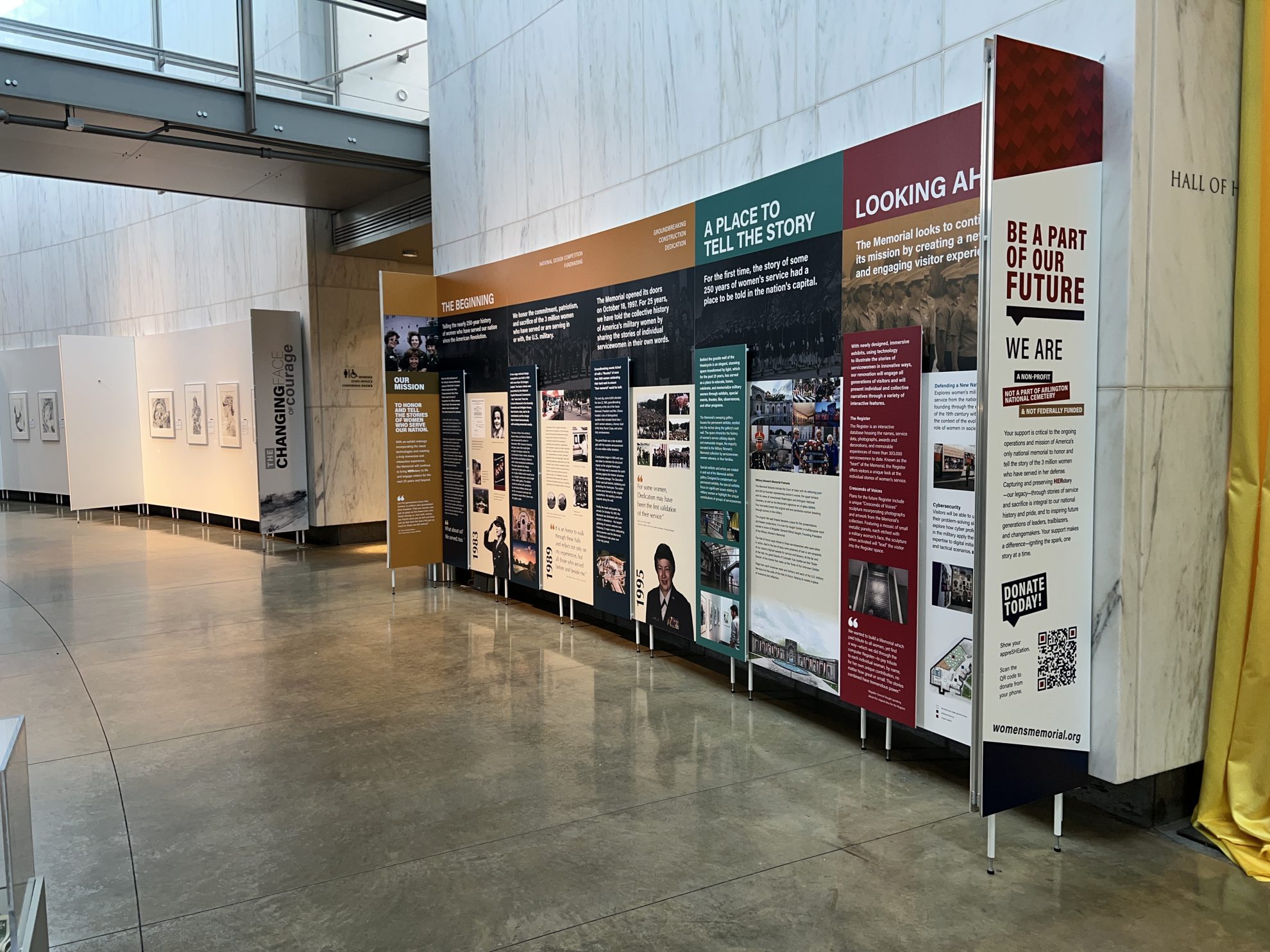
Heritage Signs & Displays created new museum signage for the Military Women’s Memorial in Arlington, VA. The project included custom signs, wall wraps, dimensional letters, and standoff-mounted displays to honor the legacy of U.S. servicewomen and the donors who supported the memorial. The updated interior features impactful designs, including a "Our Legacy" wall display and panels showcasing historical contributions and artwork, creating a transformative tribute to women in the U.S. Armed Forces.
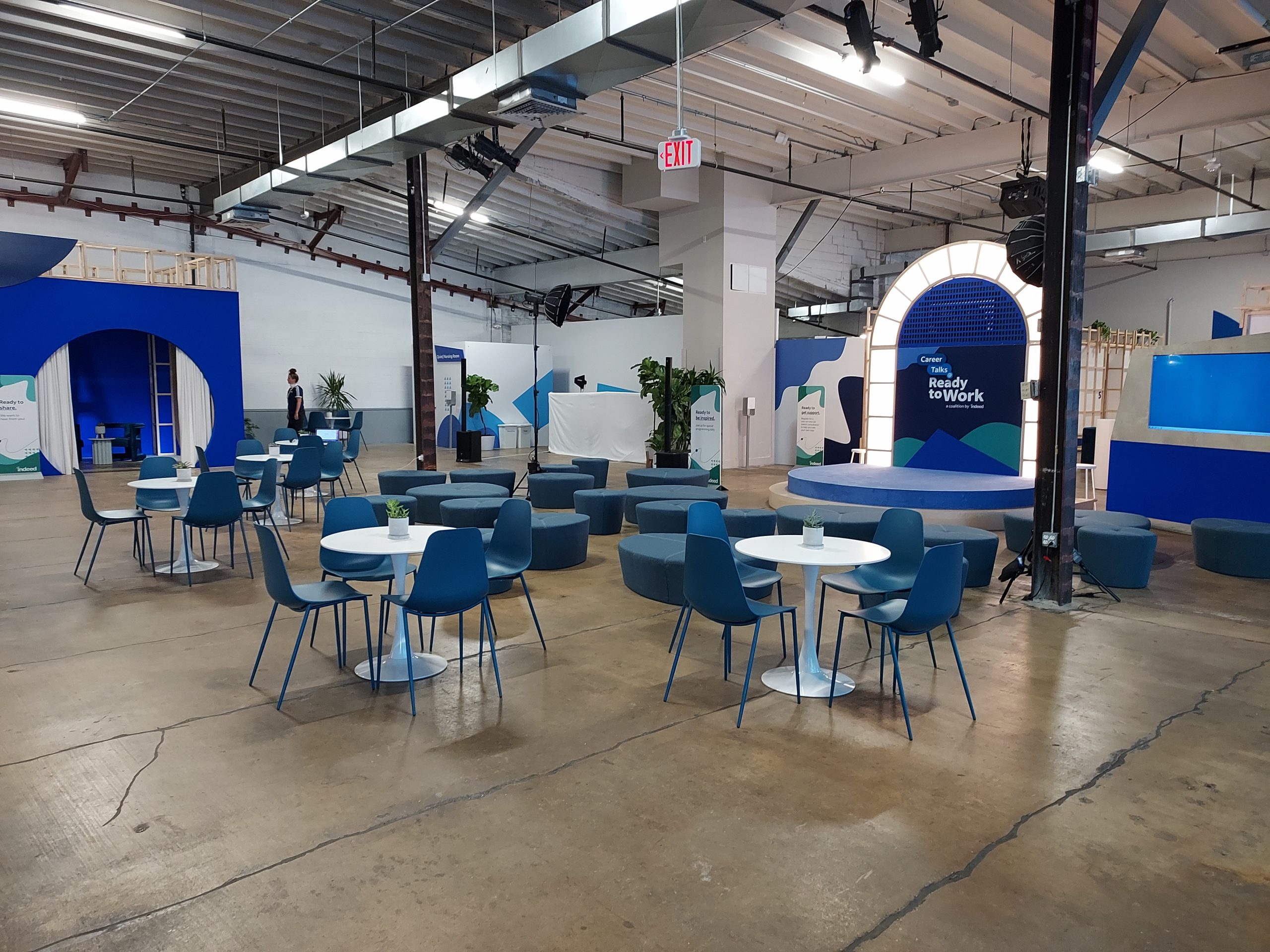
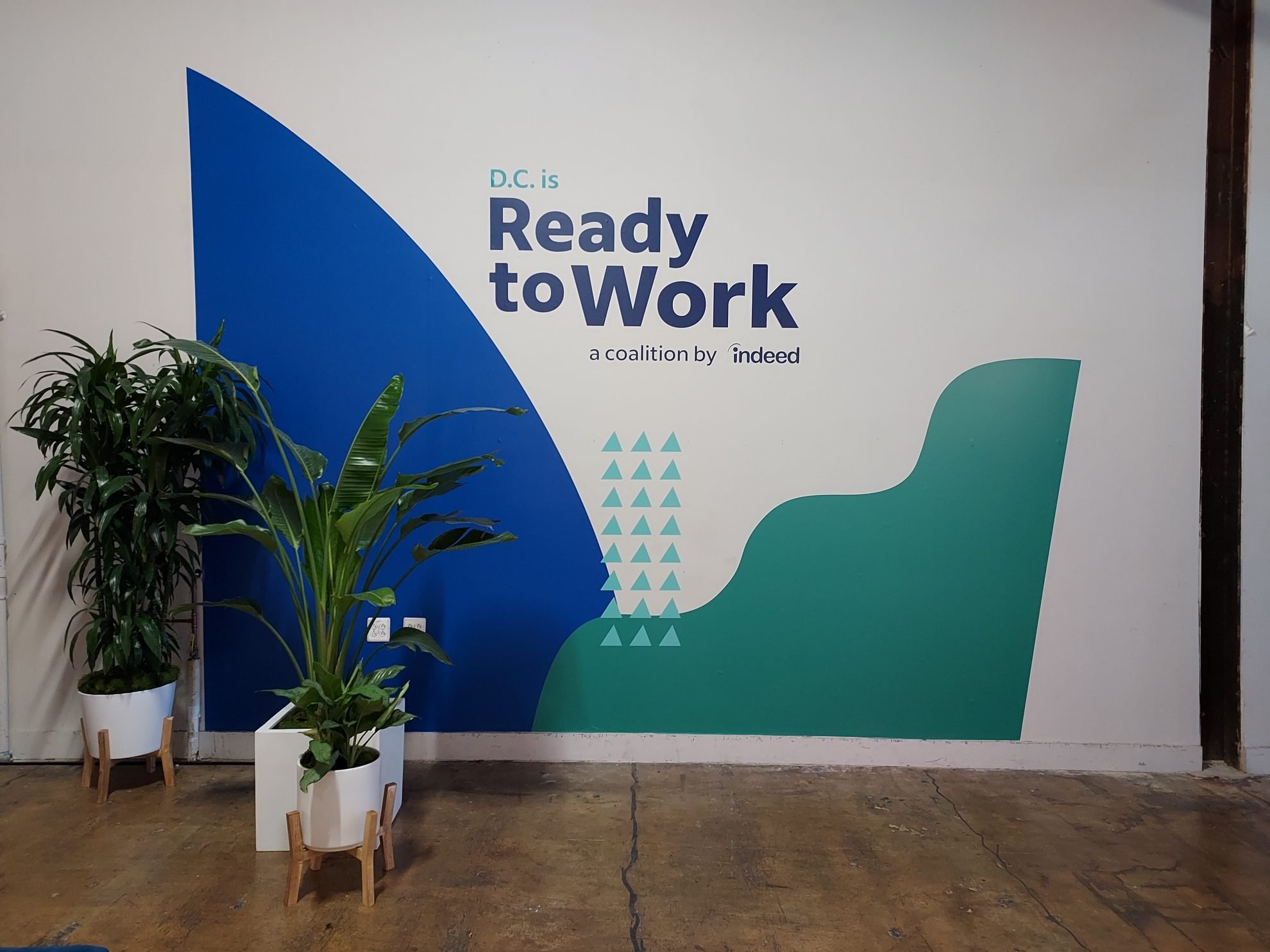
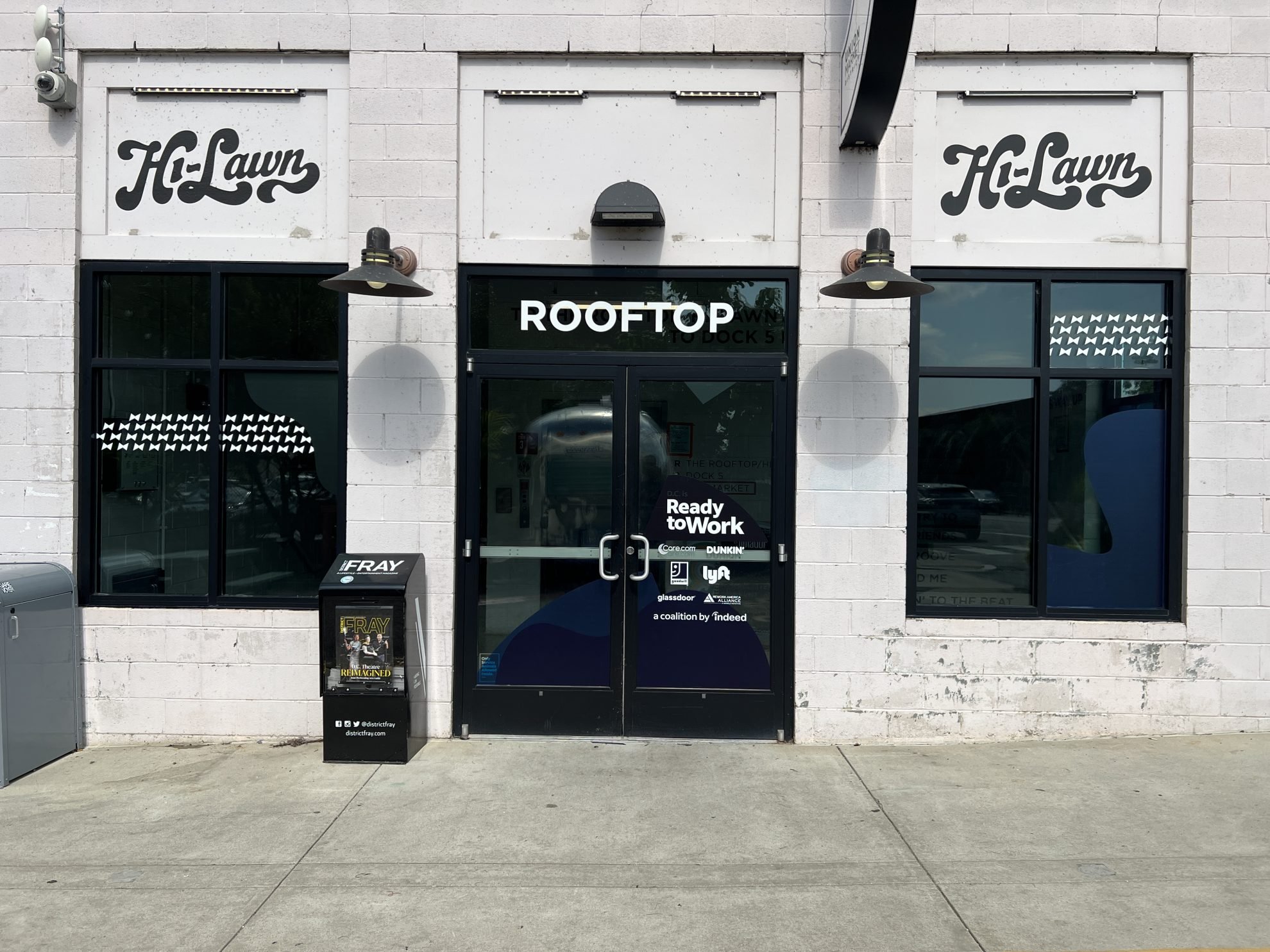
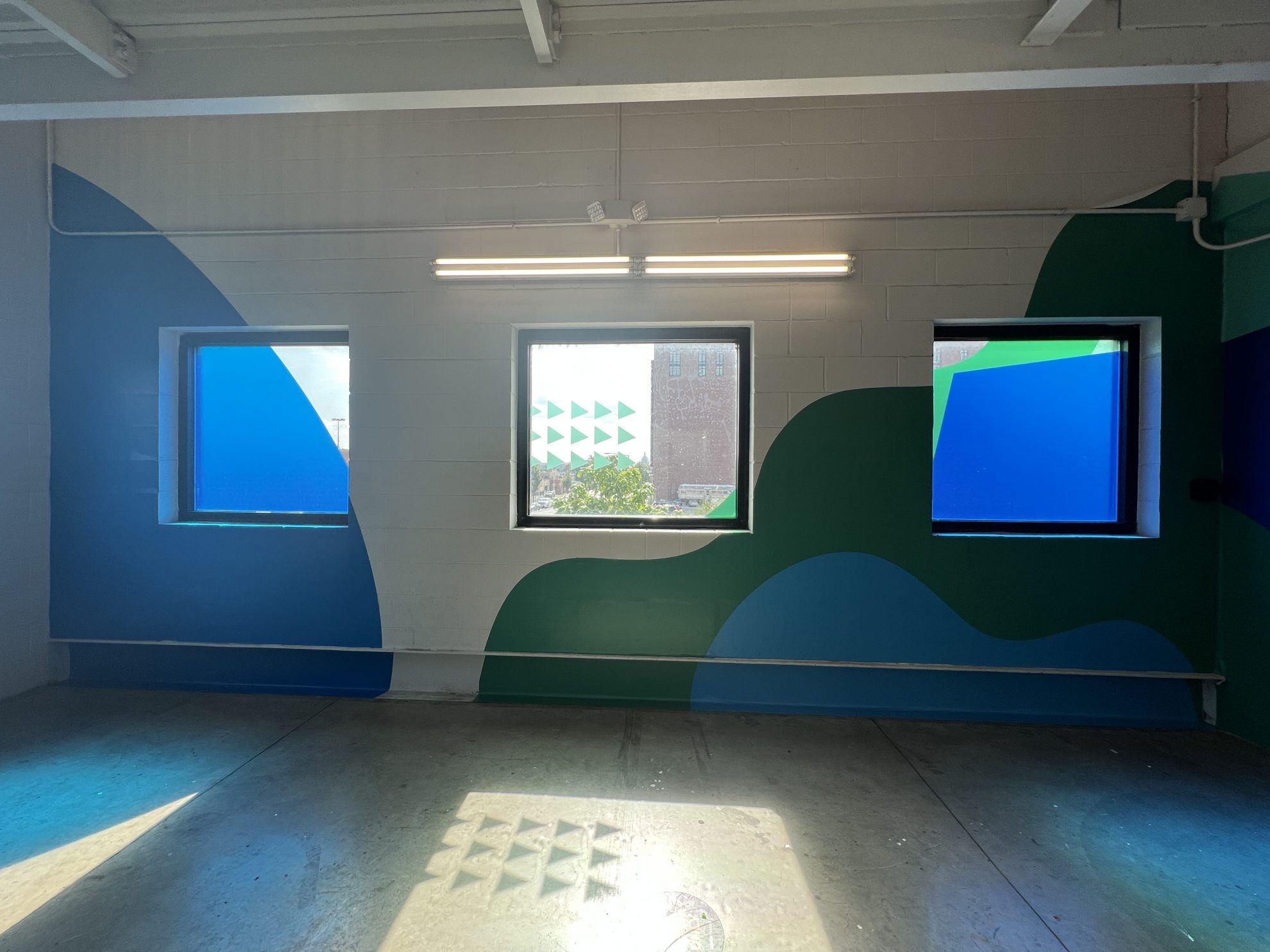
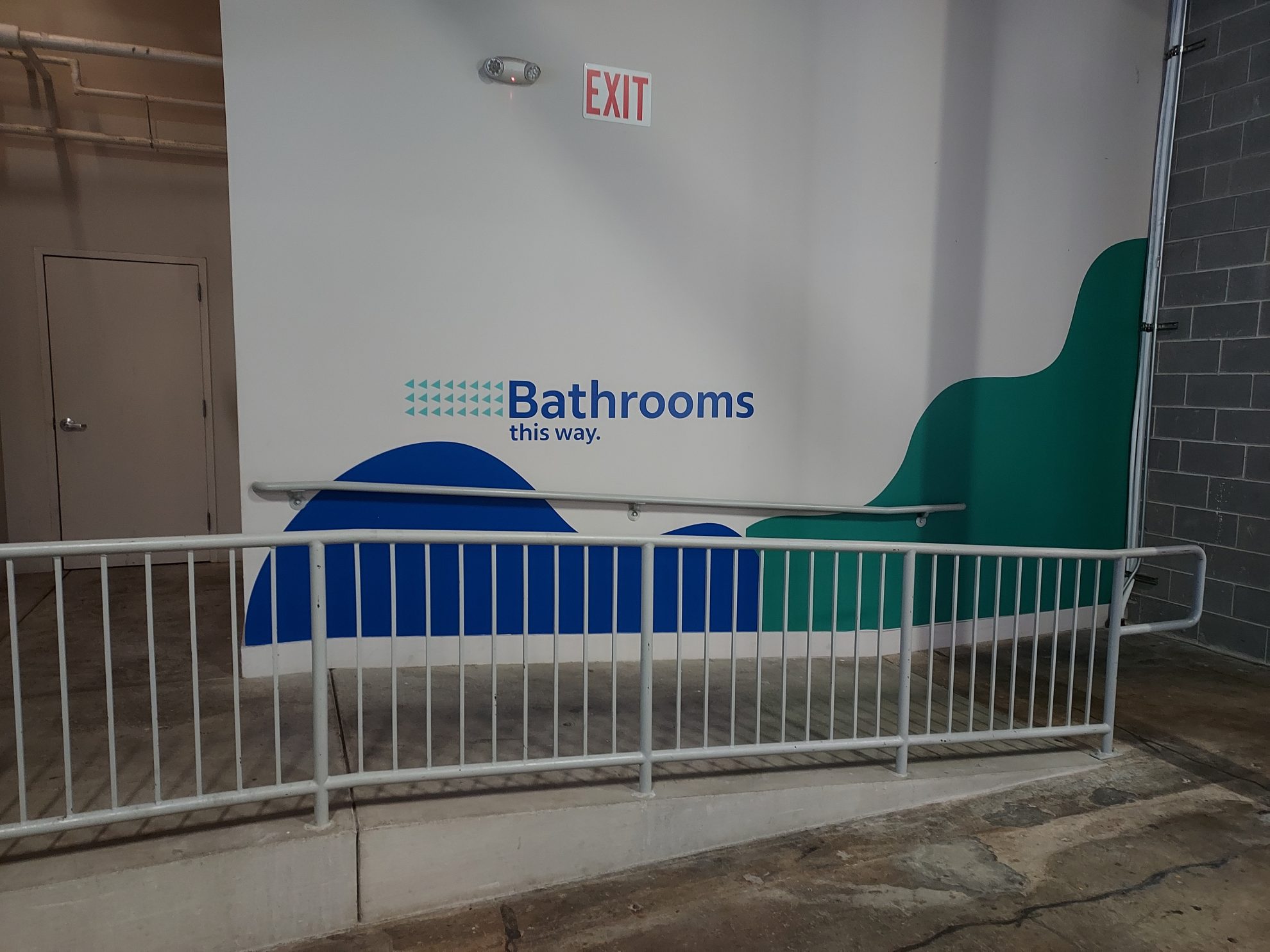
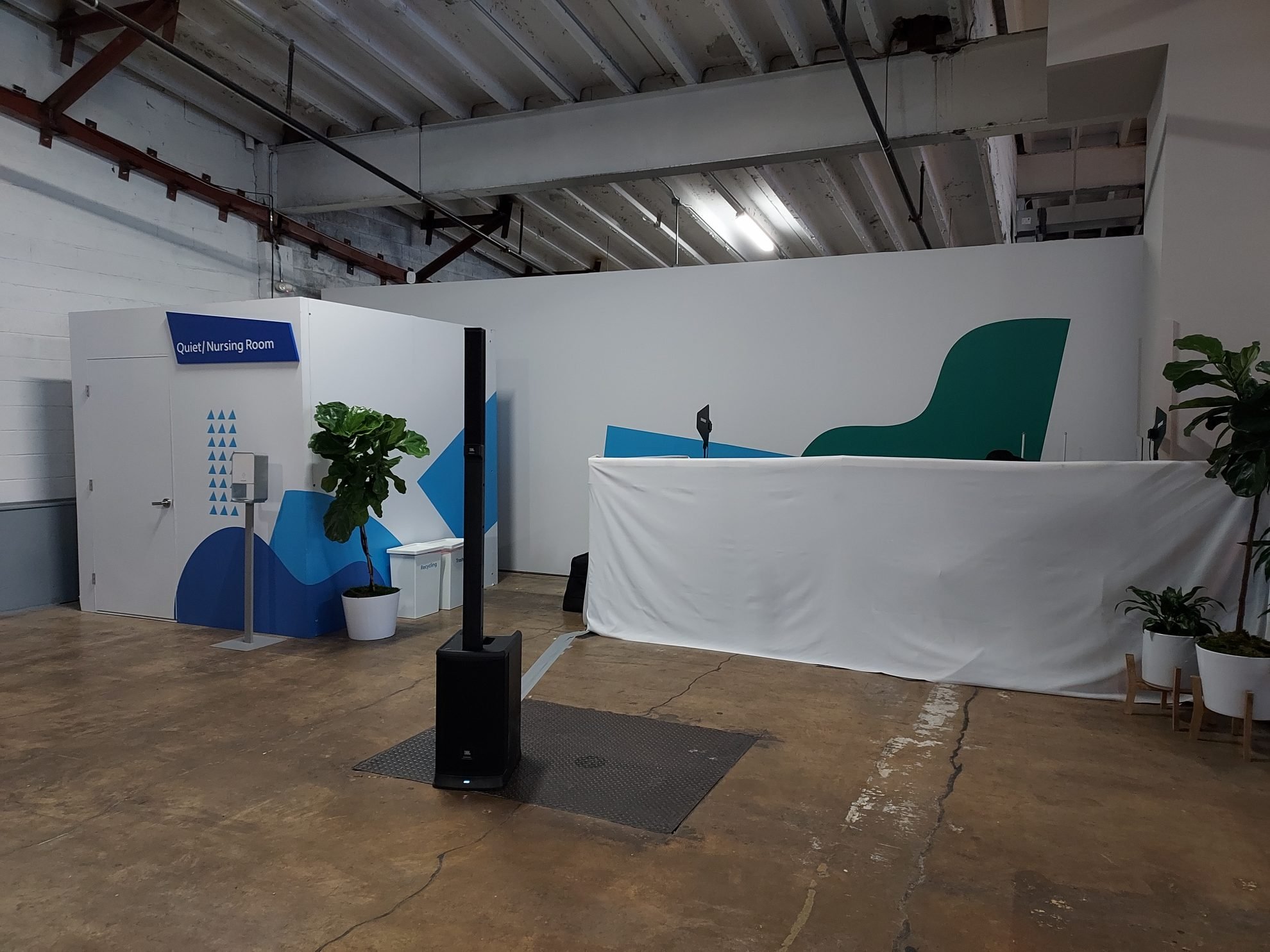
Heritage Signs & Displays' collaboration with The Gathery to brand Union Market in Arlington, VA, for Indeed's "Ready to Work" job fair. The project included custom event displays, wall graphics, window graphics, and wayfinding signs, creating an immersive and visually appealing environment. The branding enhanced the venue, reflected the event's mission, and provided a seamless experience for attendees.