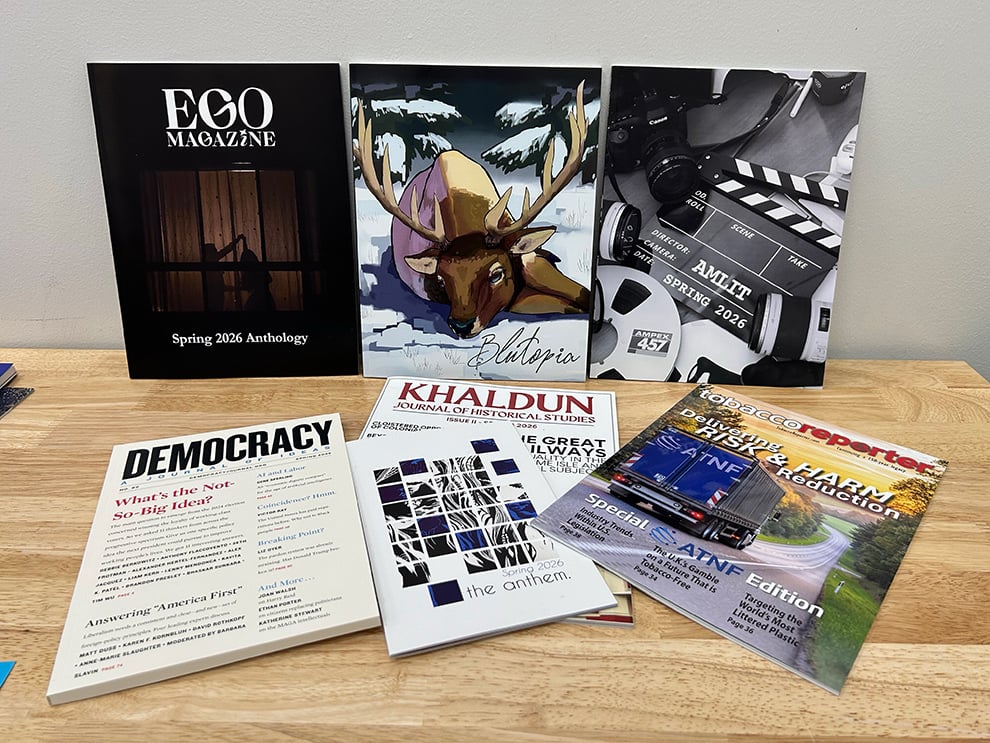
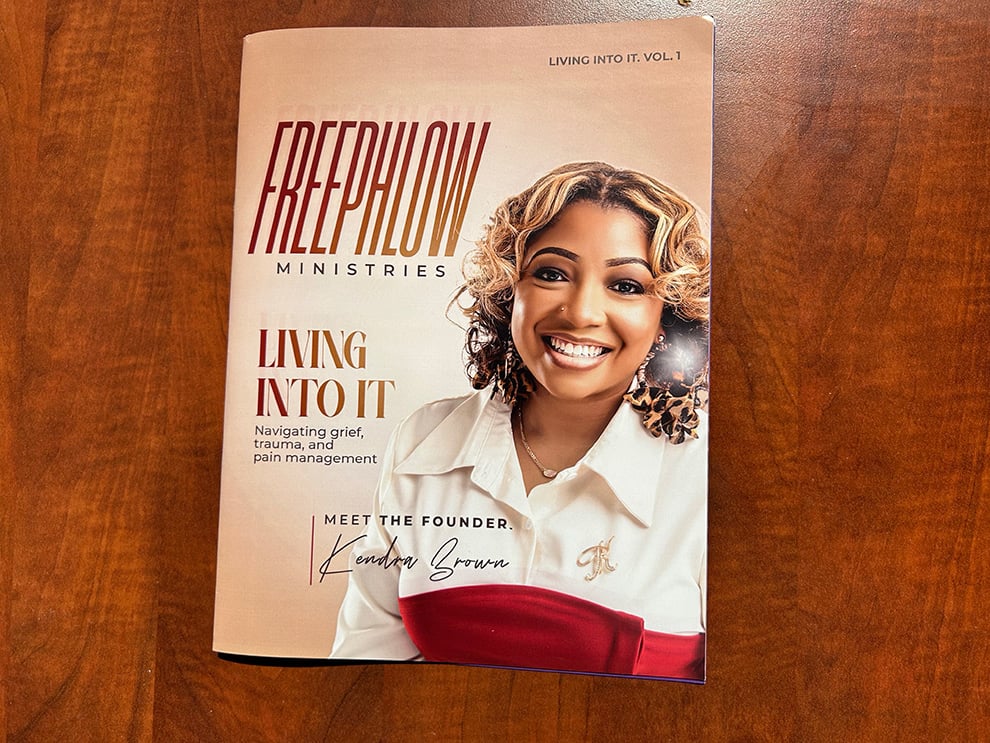
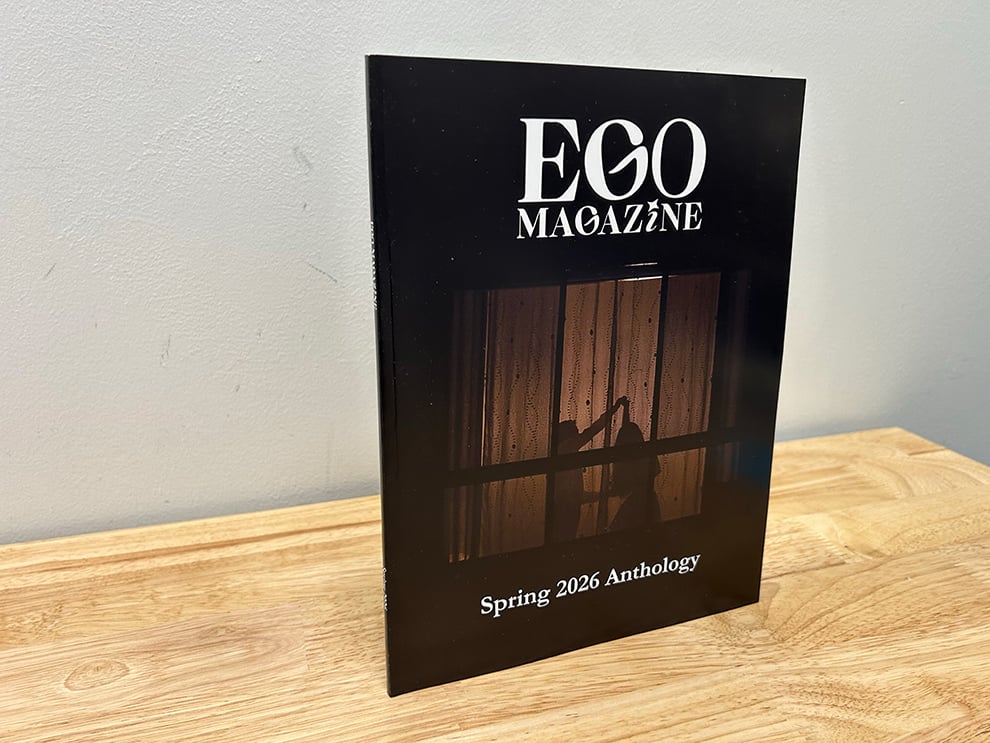
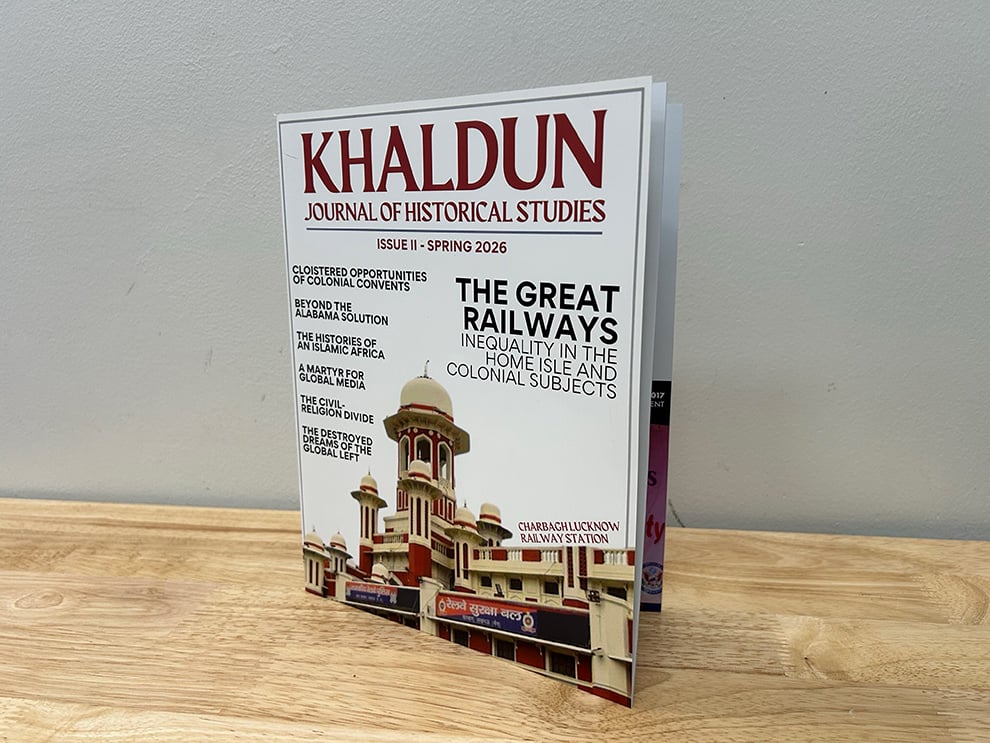
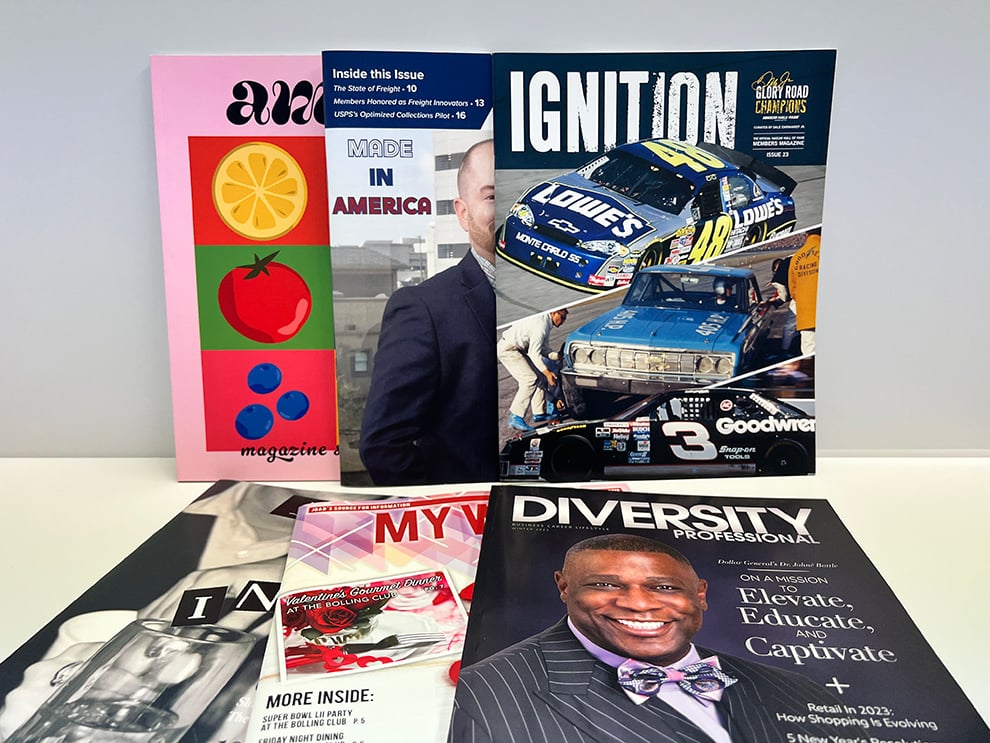
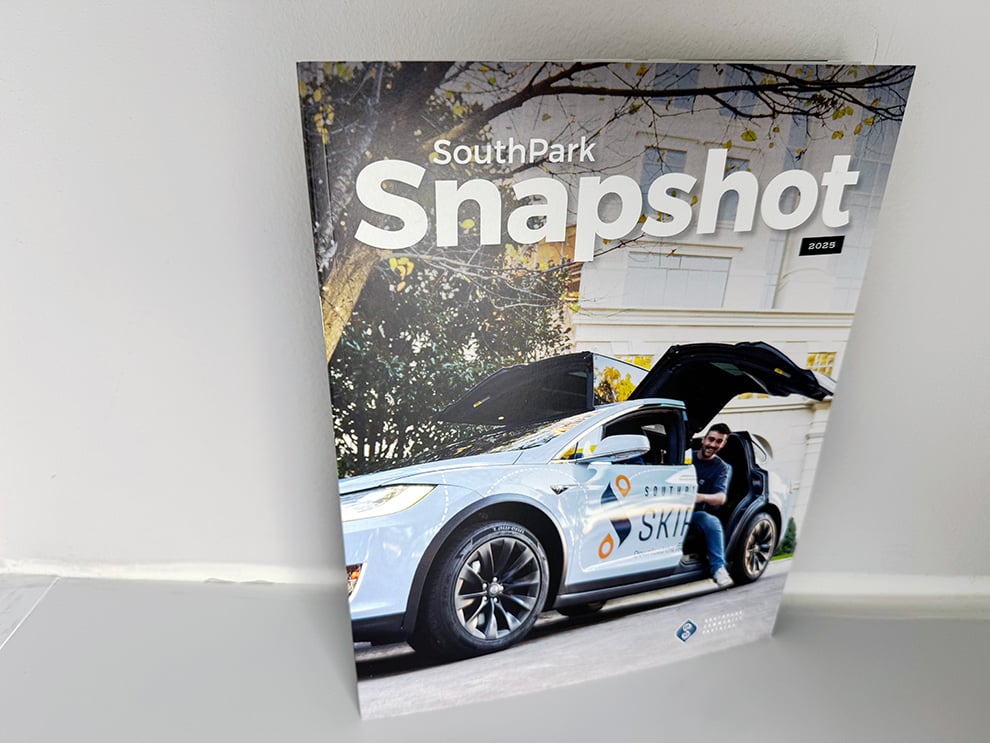
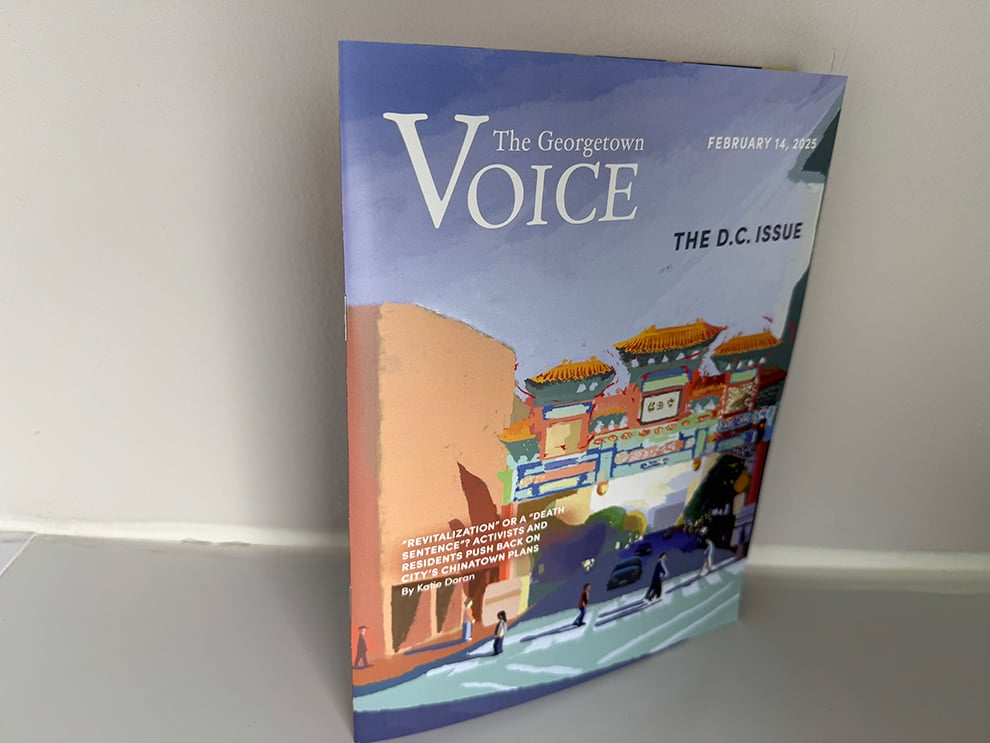
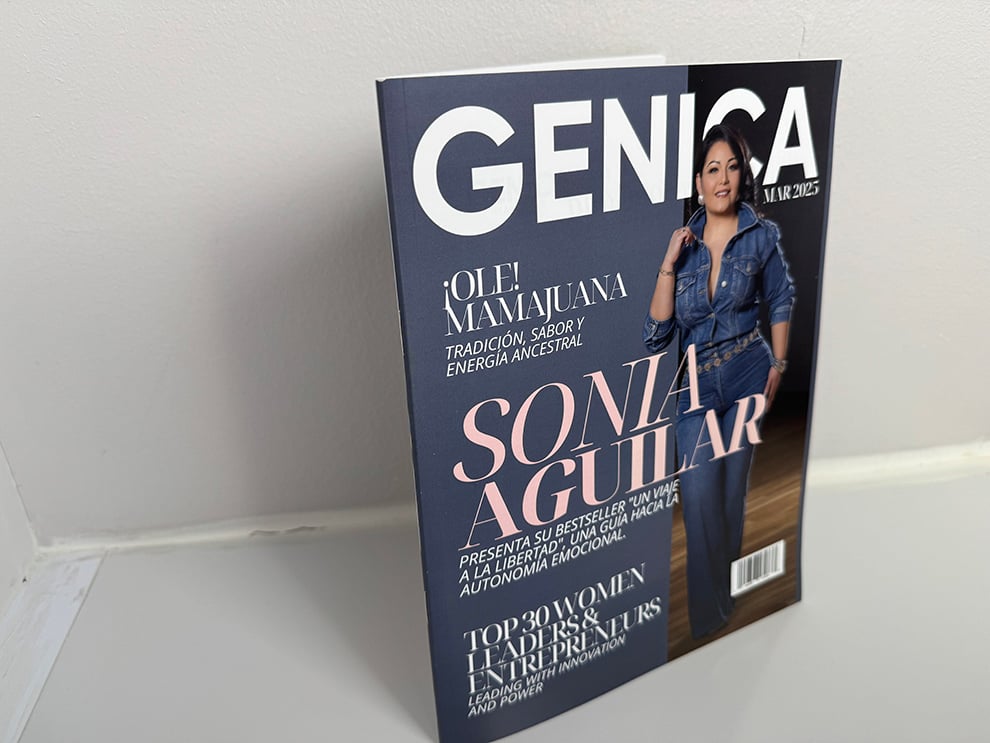
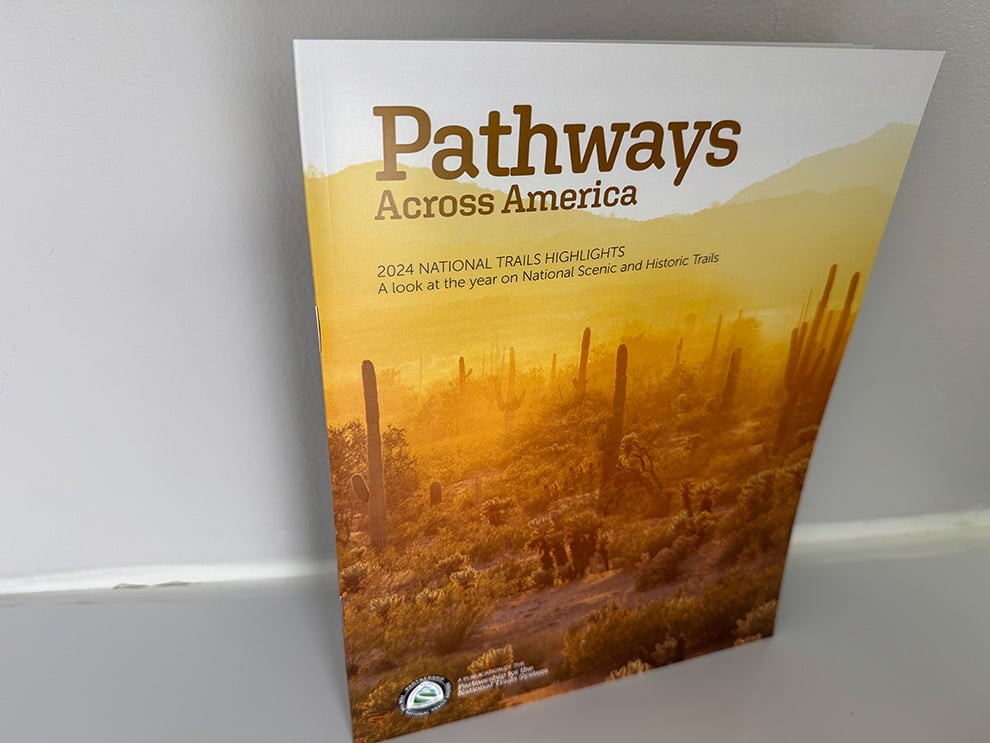
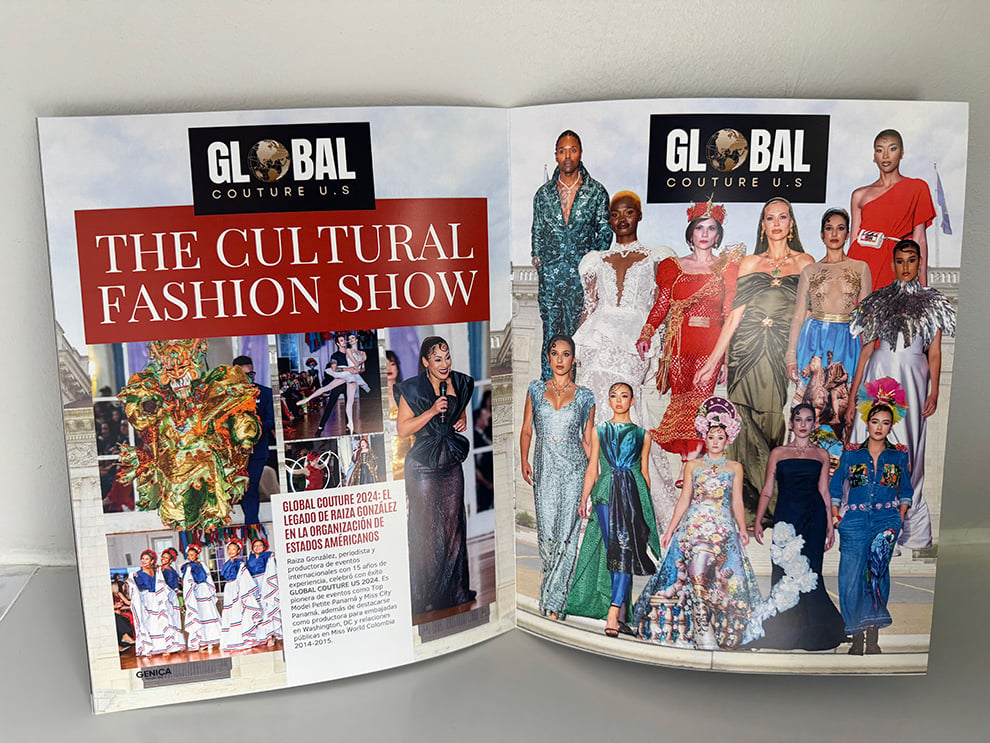
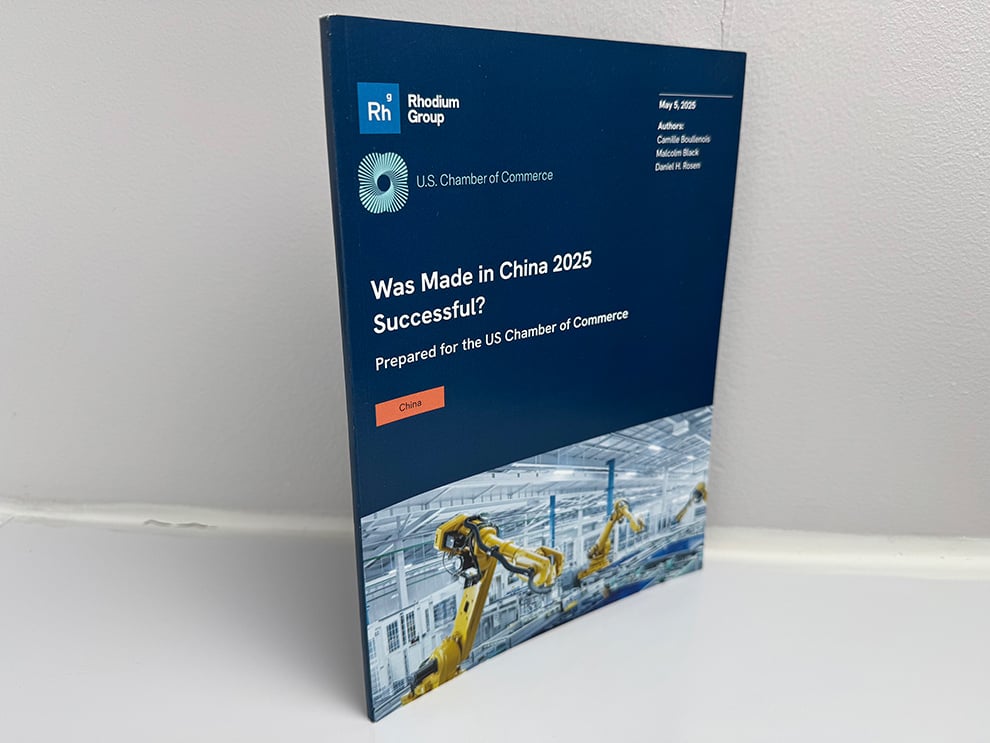
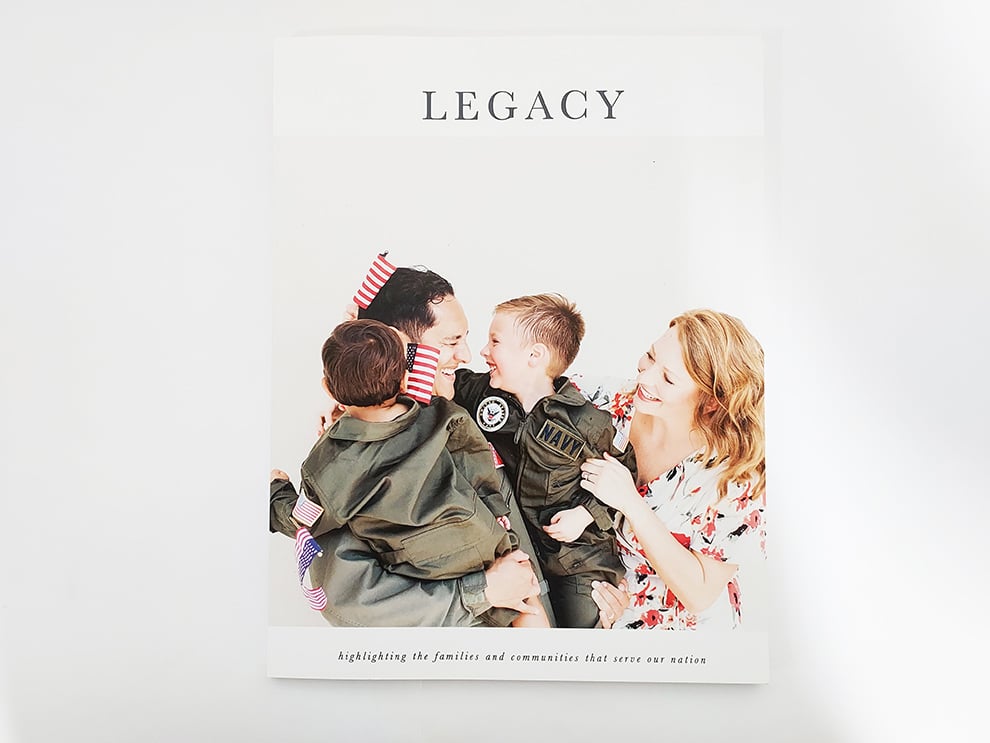
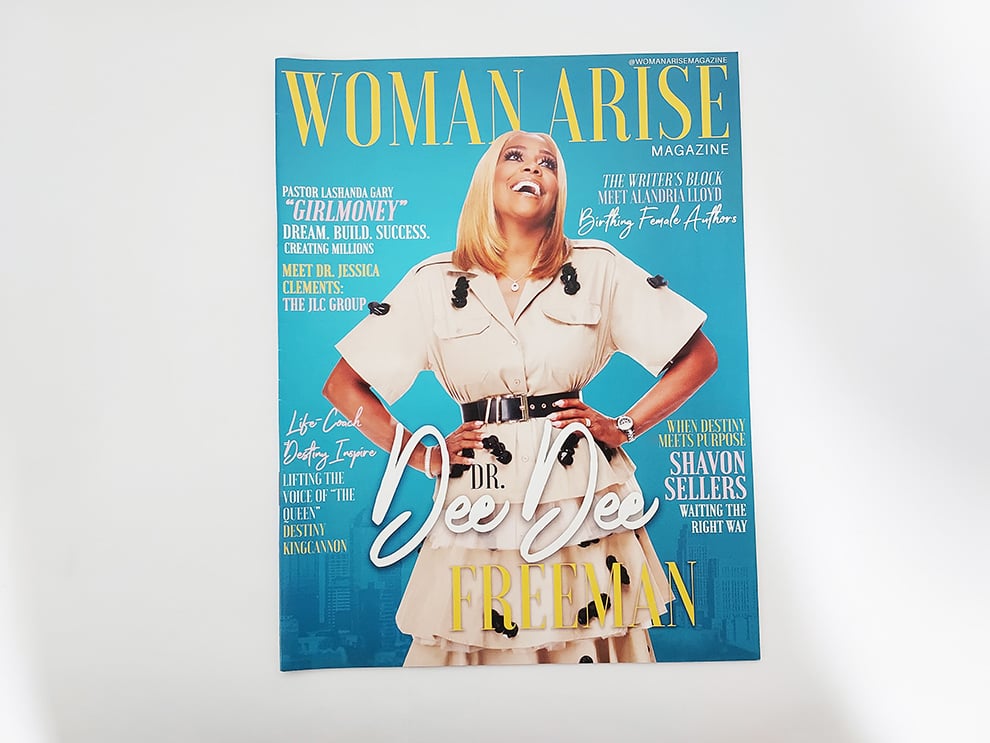
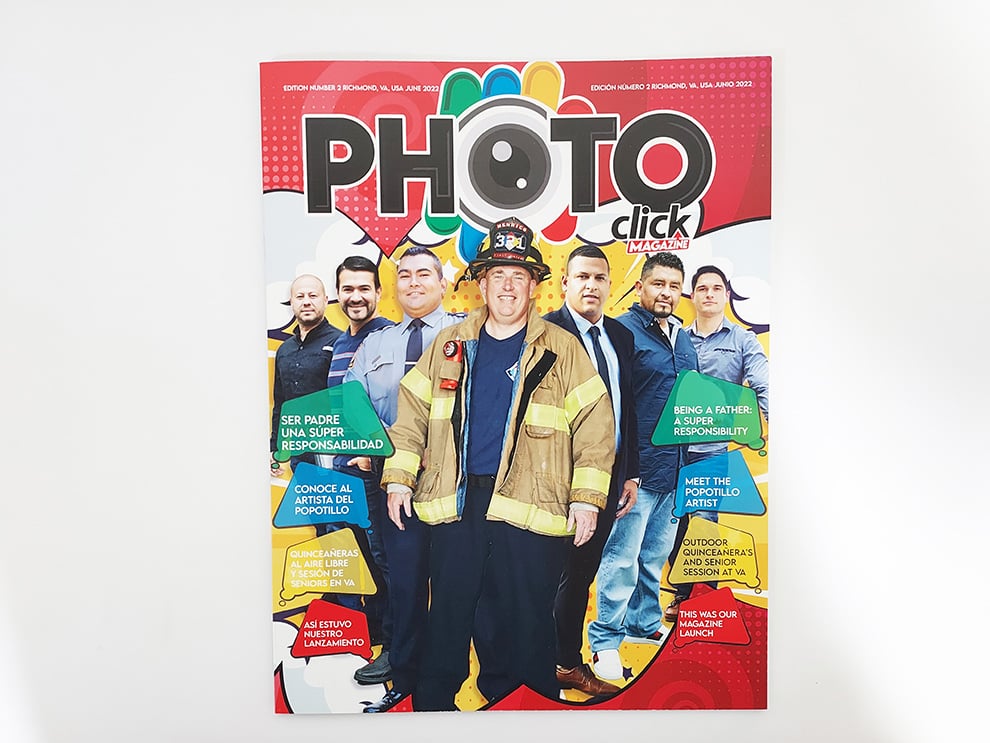
A magazine template only earns its keep when the printed issue comes back looking the way readers expect, edition after edition. Many Gaithersburg, MD organizations publish on a regular cycle, yet each issue arrives with new page counts, shifting ad positions, and approvals that land later than planned. When trim size, bleed, margins, and binding are confirmed once and retained, the production side of each cycle becomes more predictable.
Heritage helps Montgomery County publishers establish that baseline. We review your layout template or finished files for print readiness, confirm the specifications that should carry forward, and flag the decisions that still need attention for the current issue. Heritage began as a printing company in 1977, and that experience shapes how we prepare a publication for repeat production.
From there, each new edition moves faster through evaluation because fewer questions remain open. Your team controls content and approvals, and Heritage reviews current quantities, versions, and dates before committing to a schedule. The result is a magazine that holds its identity across issues and a production cycle your team can plan around.
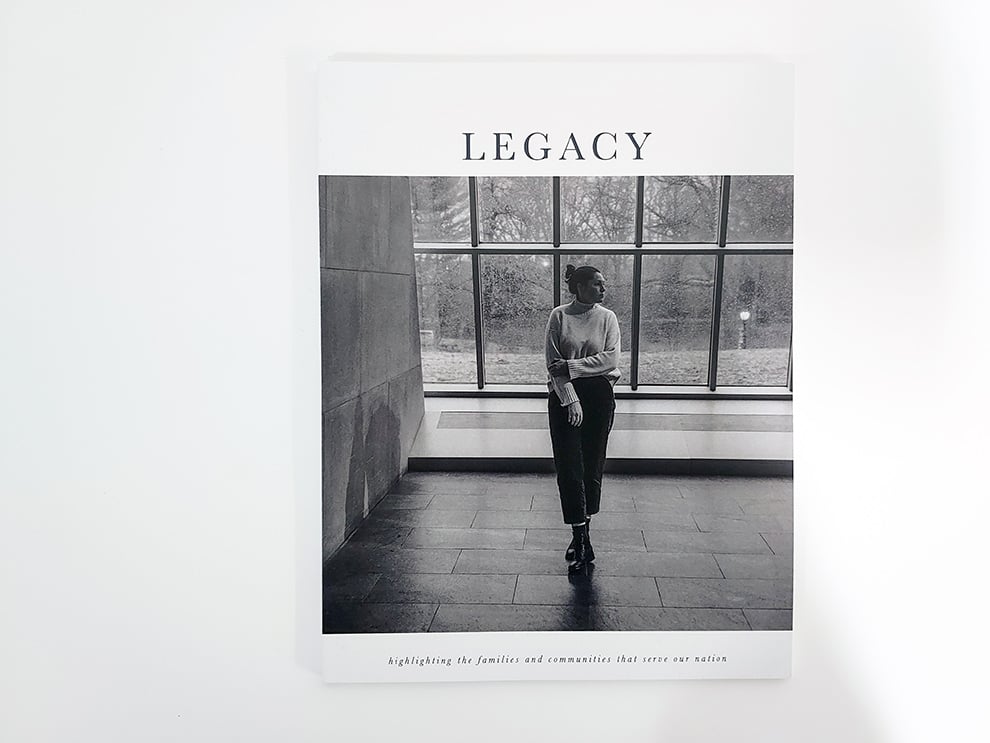
Recurring publications reward a printer that remembers. Heritage's printing roots go back to 1977, and the habits built over that time, including careful file review, documented specifications, and consistent quality control, are what a magazine template depends on. Your readers notice when the second issue feels different from the first, so we treat consistency as a production responsibility, not an afterthought.
For Gaithersburg clients, that responsibility shows up in the factors we can control. We check paper and cover stock availability against the retained specification, confirm that binding and finishing suit the current page count, sequence proofing and press time realistically, and coordinate mailing, shipping, or delivery within the accepted scope. When something in the current issue does not match the baseline, we say so early and outline practical options.
Heritage is a veteran-owned company, and disciplined follow-through comes with that. The aim is a publisher who never has to re-explain the magazine each cycle, who receives clear answers when a deadline tightens, and who can trust that accepted work is actively managed from proof approval through final delivery.
Choose this when you need a standalone guide, report, or program with multiple pages but no continuing issue identity to maintain.
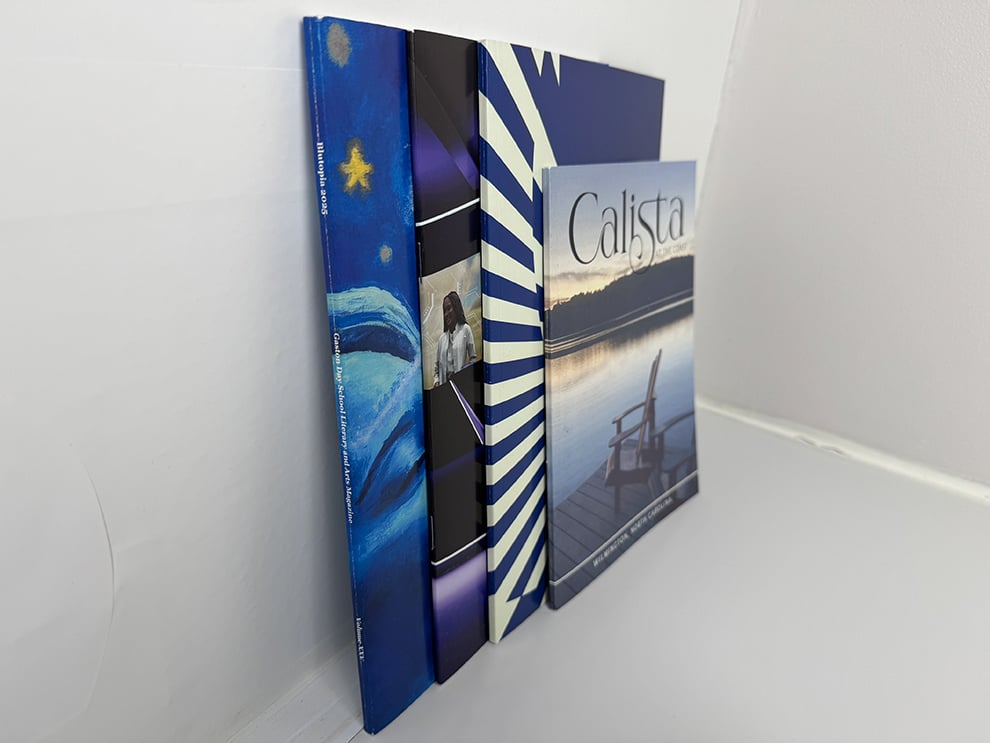
Choose this when a thicker publication needs a square, printable spine and a presence on a shelf or conference table.
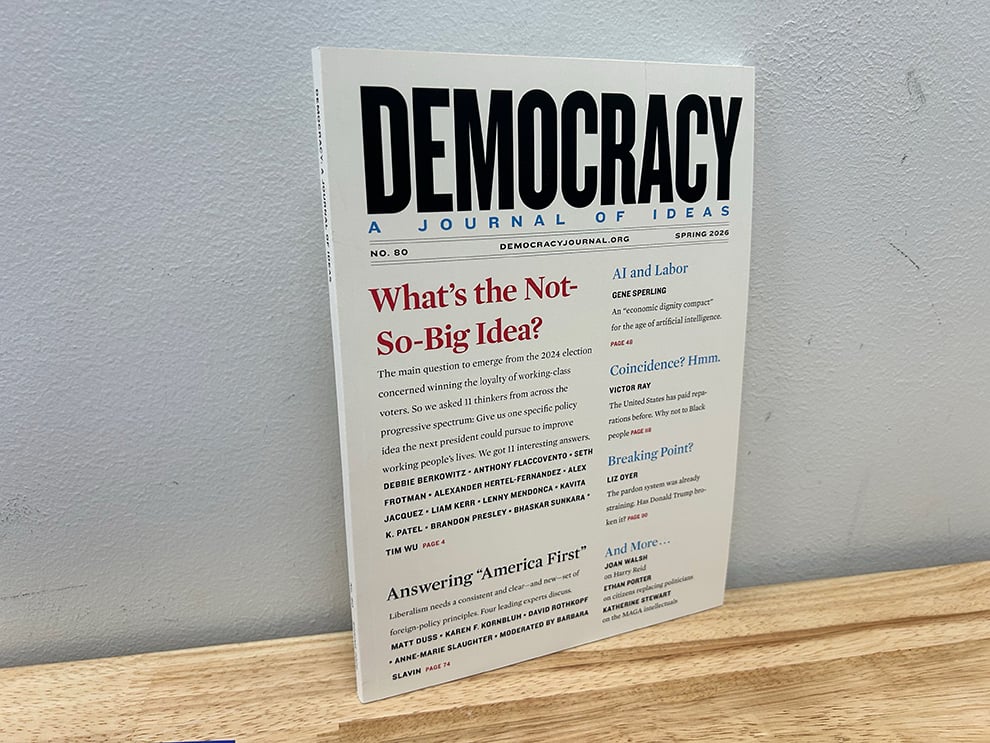
Choose this for brief, frequent updates to members, staff, donors, or residents on a faster cadence than a magazine supports.
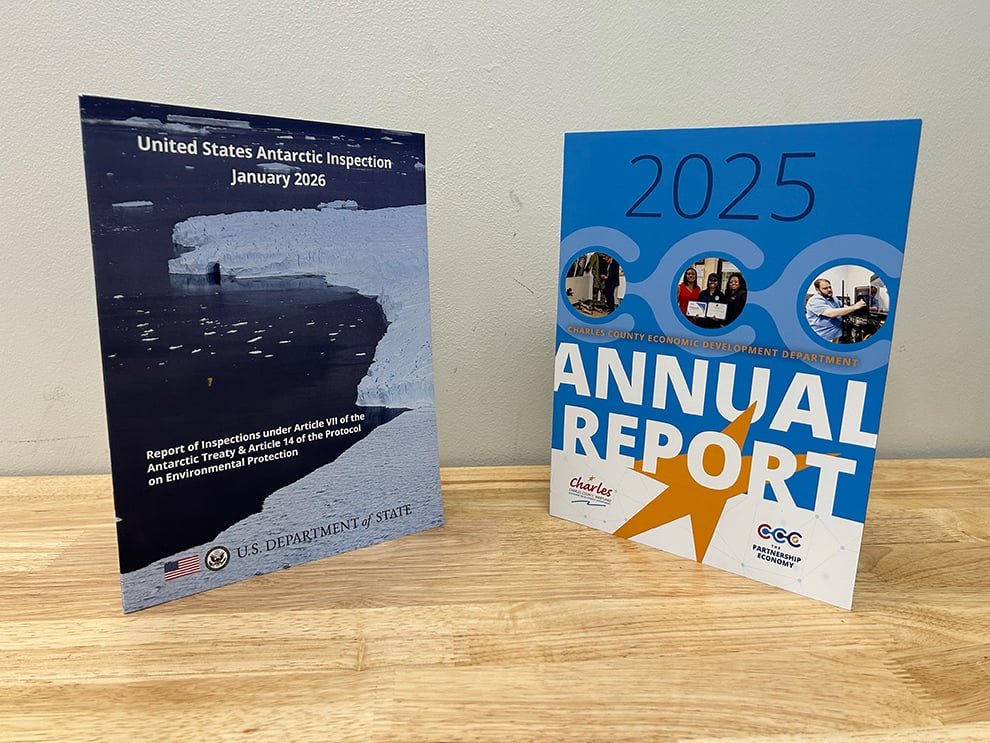
Choose this for once-a-year reporting of results, finances, and impact prepared for boards, funders, and community stakeholders.
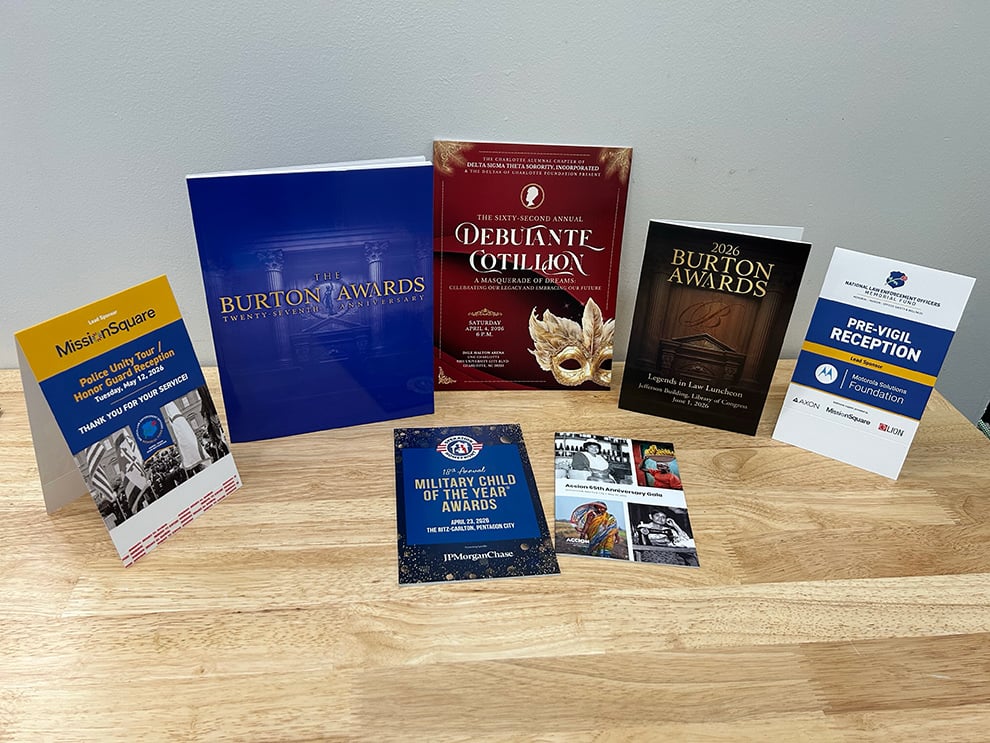
Choose this when a conference, gala, or ceremony date fixes the moment the printed piece must be in hand.
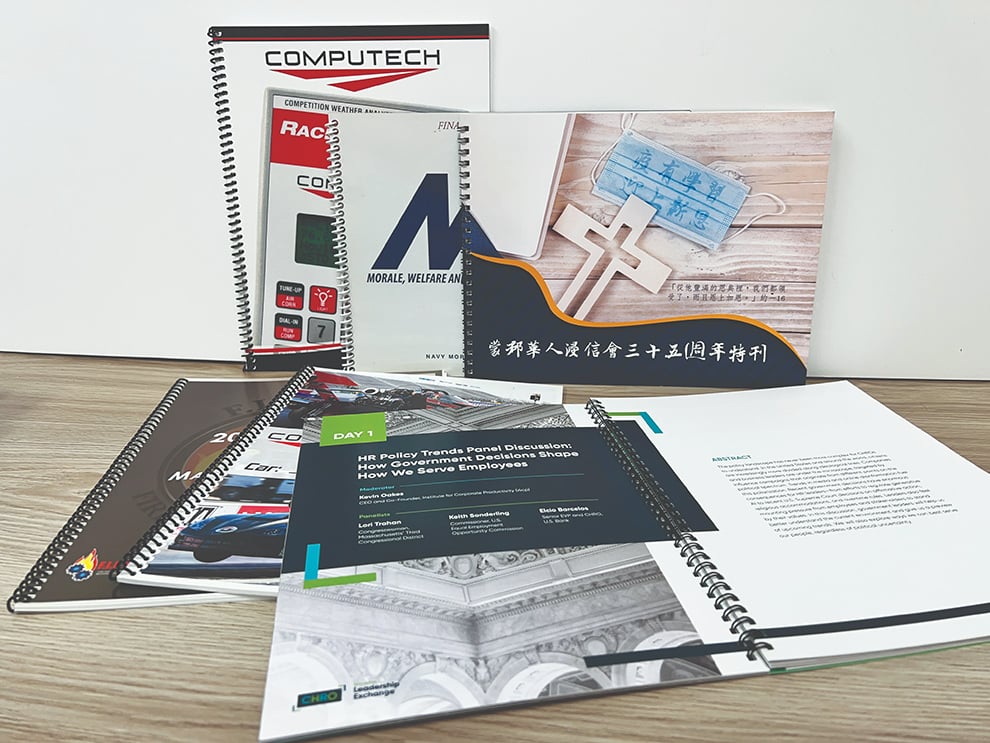
Choose this for instructional content that has to survive repeated handling, note taking, and ongoing reference after the session.
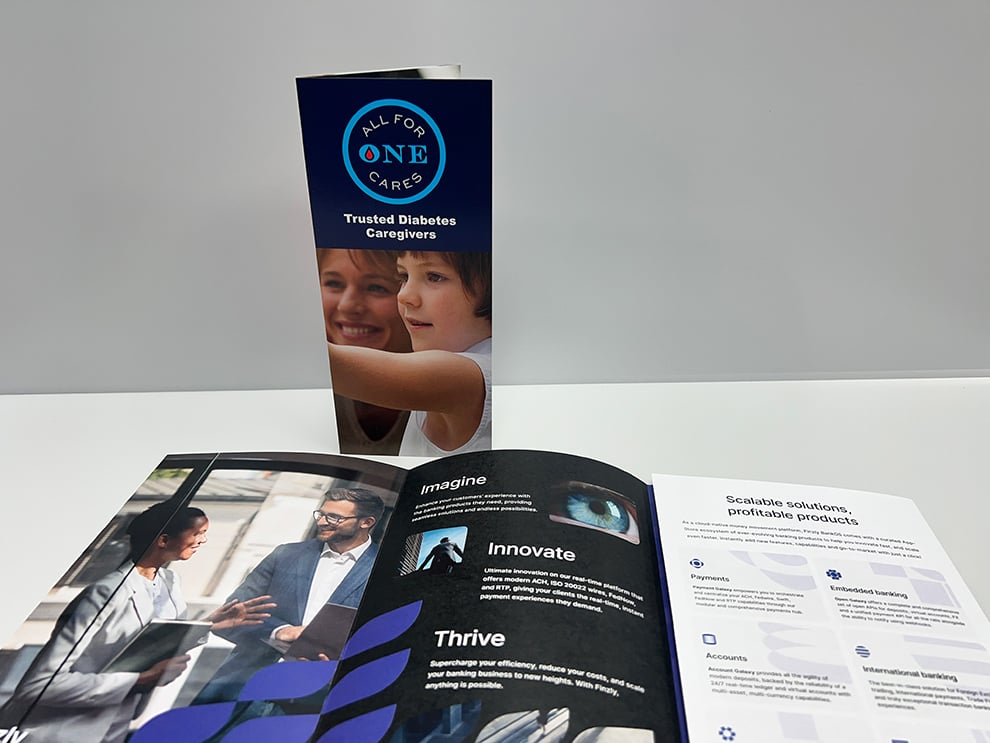
Choose this for compact outreach that explains a program, service, or campus in a few folded panels readers can carry.
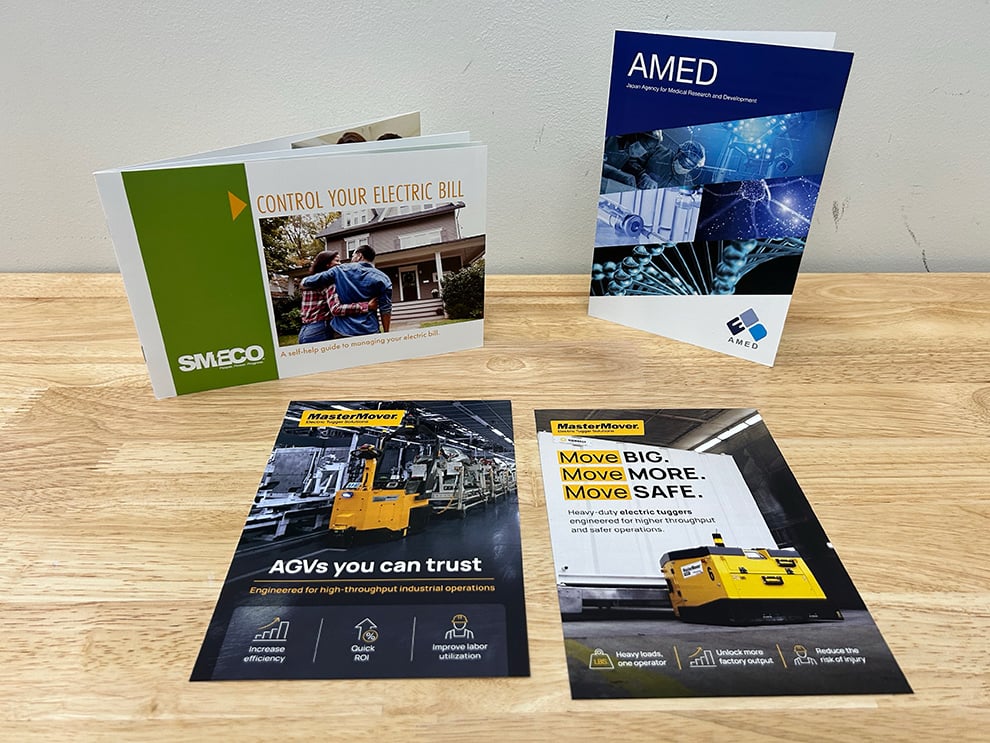
Choose this when campaign pieces should share color, paper, and timing with your magazine so the whole effort reads as one.
Send your current issue files or layout template, the specifications you want to retain, and your in-hand date through Custom Quote, and Heritage will confirm what carries forward and what needs a decision now. Gaithersburg teams with a fully specified, print-ready issue that matches a live Store configuration can also order directly online.
The specifications you lock into a magazine template should answer a question: how will this issue be read, mailed, stacked, and reused? A quarterly alumni magazine sent to households needs weight and finish decisions that differ from a visitor guide placed in hotel lobbies or an internal staff publication. Interior paper, cover stock, image density, page count, quantity, and distribution method pull on each other.
Binding deserves equal scrutiny. Saddle stitching folds and staples sheets into a light, easy-opening magazine when the page count and paper suit that construction. Perfect binding glues the pages into a square spine with a more substantial feel when the finished thickness supports it. Choose the method that fits the typical edition, then confirm it whenever page count or paper changes.
Every issue, first or fifteenth, receives an electronic proof for your review and approval before printing. That review covers content, pagination, and layout, not final color. When color accuracy is critical, a paid Physical Production Color Proof may be available for qualifying Custom Quote work, printed on the same production printer and paper intended for the run.
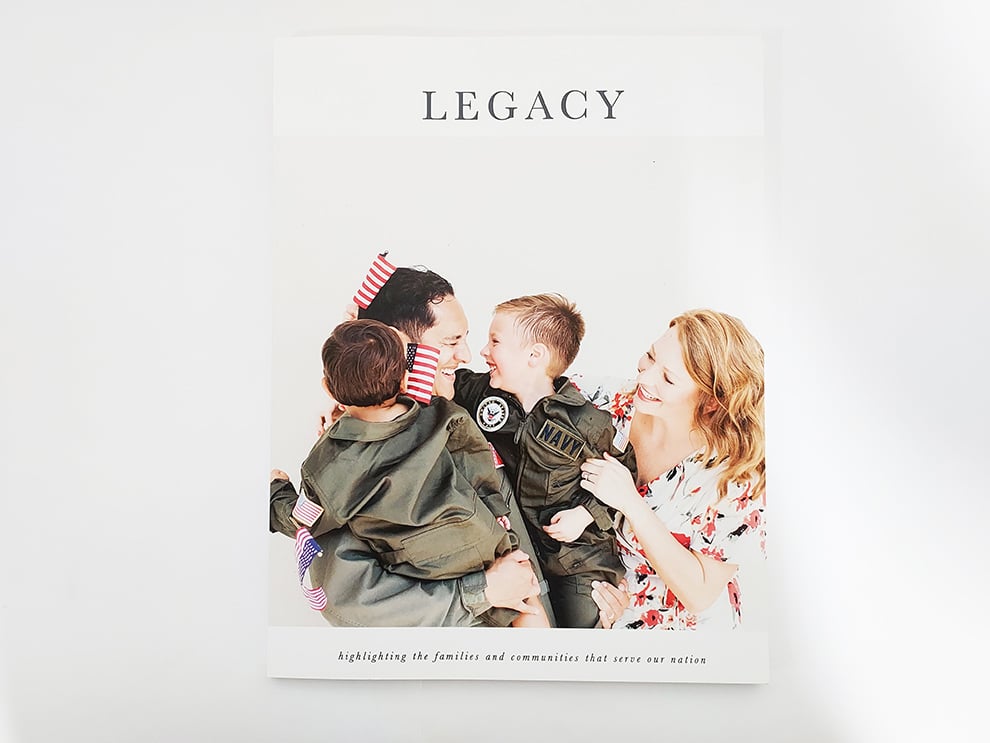
Editors, designers, and advertisers may spend weeks finalizing stories, images, and ad placements before an issue is ready. Heritage's work starts when a complete or substantially complete file arrives with this edition's specifications. We compare it against the retained magazine template, confirm quantities, versions, and the in-hand date, and tell you promptly whether the requested timing is achievable.
Two buying paths exist. Qualifying Custom Quote projects of $2,000 or more can include production-oriented layout help, file preparation, specification guidance, eligible physical color proofing, and closer coordination. Once Heritage accepts and assigns that order, a Project Coordinator becomes your direct phone and email contact. The Self-Directed Online Store fits a fully specified issue with print-ready artwork that matches a live configuration, and eligible Store products can be combined to reach the $750 minimum every new opportunity carries.
Either way, you approve an electronic proof before anything prints, and your team keeps ownership of editorial content, approvals, versions, and mailing data. From there, Heritage moves accepted printing, binding, finishing, and included mailing, shipping, or delivery forward and keeps you informed about status and timing.
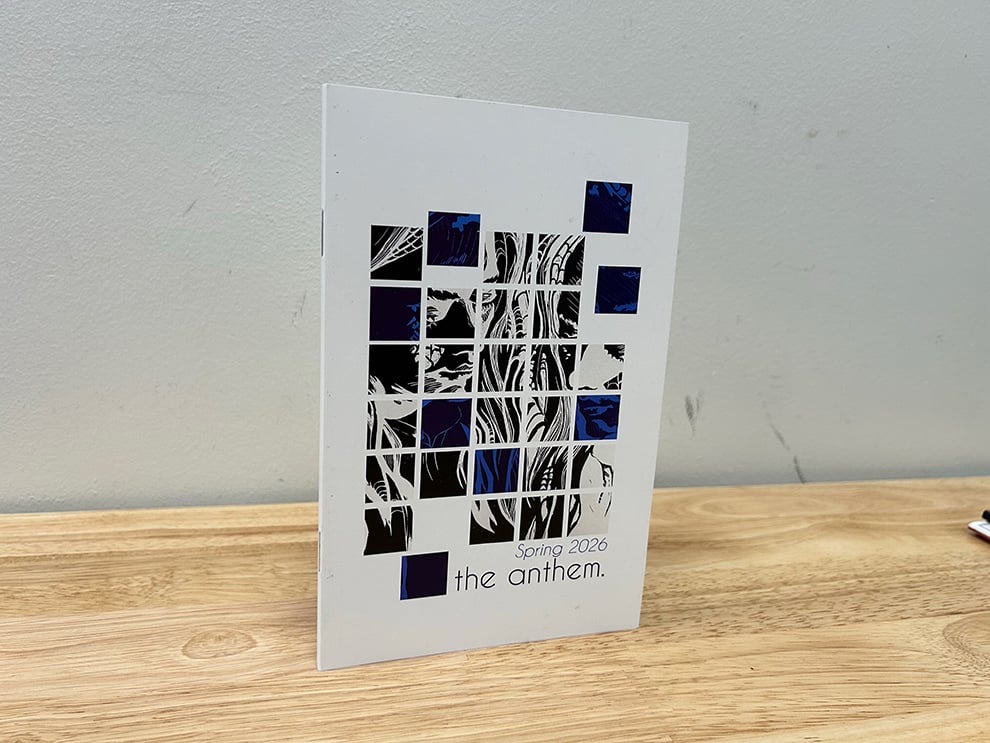
A magazine template is the retained set of production decisions that stay constant between issues: trim size, bleed and margin setup, interior paper, cover stock, binding method, typical page range, color targets, and packaging or mailing preferences. It gives your designer a layout framework that already matches production and gives Heritage a baseline for evaluating each new edition quickly. It does not replace review of the current files, quantities, versions, and dates.
Because readers of a magazine expect continuity. A booklet can be built once for a program, report, or guide and never repeated. A magazine carries an issue identity across editions, so size, paper feel, cover treatment, binding, and color need to hold steady while the articles change. That expectation is what the template protects.
The decision depends on the edition you actually produce most often. Saddle stitching suits a lighter issue whose page count and paper fold cleanly and lie open easily. Perfect binding suits a thicker issue that benefits from a square spine and a more substantial presentation. Heritage evaluates the real page count, paper, and finished thickness rather than applying a universal cutoff, and the choice should be rechecked whenever an issue grows or shrinks.
A great deal. Interior paper affects opacity, how photographs reproduce, the weight of the mailed piece, and how pages hold up to handling. The cover stock affects stiffness, how well the issue stands or stacks, and the first impression a reader gets. Treat these as one connected decision with page count, binding, quantity, and distribution so the issue works as a single system.
Yes, when versioning is part of the accepted scope. Common examples include alternate covers, sponsor pages that differ by region, or segment-specific inserts and quantities. Clear file names, a confirmed count per version, named approvers, and separate delivery instructions keep similar editions from being mixed during binding, packaging, or mailing.
Start with the date the magazines must be in hand, not the date the files are finished. Work backward through final edits, internal sign-off, electronic proof approval, printing, binding, finishing, and mailing or delivery. Share fixed dates such as a conference, annual meeting, or mailing drop as early as possible so Heritage can evaluate the full path before confirming timing.
Often, yes, but only after we evaluate what the issue actually requires. Heritage reviews file readiness, outstanding approvals, paper availability, binding and finishing steps, proofing, quantities, versions, production capacity, and delivery needs, then tells you plainly what is achievable and what alternatives exist. We do not commit to an accelerated date before that review is complete.
Yes. Every magazine order, whether placed through Custom Quote or the Self-Directed Online Store, receives an electronic proof for your review and approval before printing. Check text, images, pagination, ad positions, cover setup, and layout carefully, because the approved proof becomes the basis for production. An electronic proof is not a physical color standard and does not guarantee a finished color match.
A Physical Production Color Proof, sometimes called a Digital Hard Copy Proof, is a printed sample produced on the same production printer and the same paper intended for your final run. It may be requested for qualifying Custom Quote magazine work of $2,000 or more, carries an additional charge, and adds time to the schedule. Once you approve it, it becomes the controlling physical color reference for that run unless otherwise agreed. It is not available through the Self-Directed Online Store, and no proof can guarantee an exact match to a screen or a PMS swatch, because printers, inks, paper, and finishes each affect color.
Yes, when mailing, shipping, or delivery is part of the accepted scope. Finished weight, quantity, packaging, address data, and the required drop date all shape the plan. Your organization remains responsible for supplying accurate and authorized mailing data. Heritage performs the mailing services it accepts but cannot guarantee USPS performance or delivery dates after postal acceptance.
Use Custom Quote when the project qualifies at $2,000 or more and would benefit from specification guidance, production-oriented layout or file preparation, help establishing or revising the template, color-sensitive work, multiple versions, or mailing and delivery planning. Submitting the form starts the evaluation. A Project Coordinator is assigned after Heritage accepts the quote and assigns the order, and that person then becomes your direct contact for the accepted work.
Use the Self-Directed Online Store when the issue is fully specified, the artwork is complete and print-ready, and a live Store configuration matches your binding and size. Your team selects the available specifications independently, and Heritage still provides an electronic proof before printing. Store orders carry the same $750 minimum as any new opportunity, and eligible Store products can be combined in one order to reach it.
Late files, a revised page count, delayed approvals, paper that is no longer in stock, a request for a Physical Production Color Proof, quantity or version changes, and new mailing or delivery requirements are the usual causes. A retained template reduces the number of open questions, but any of these changes can shift timing, so flag them as soon as they appear.
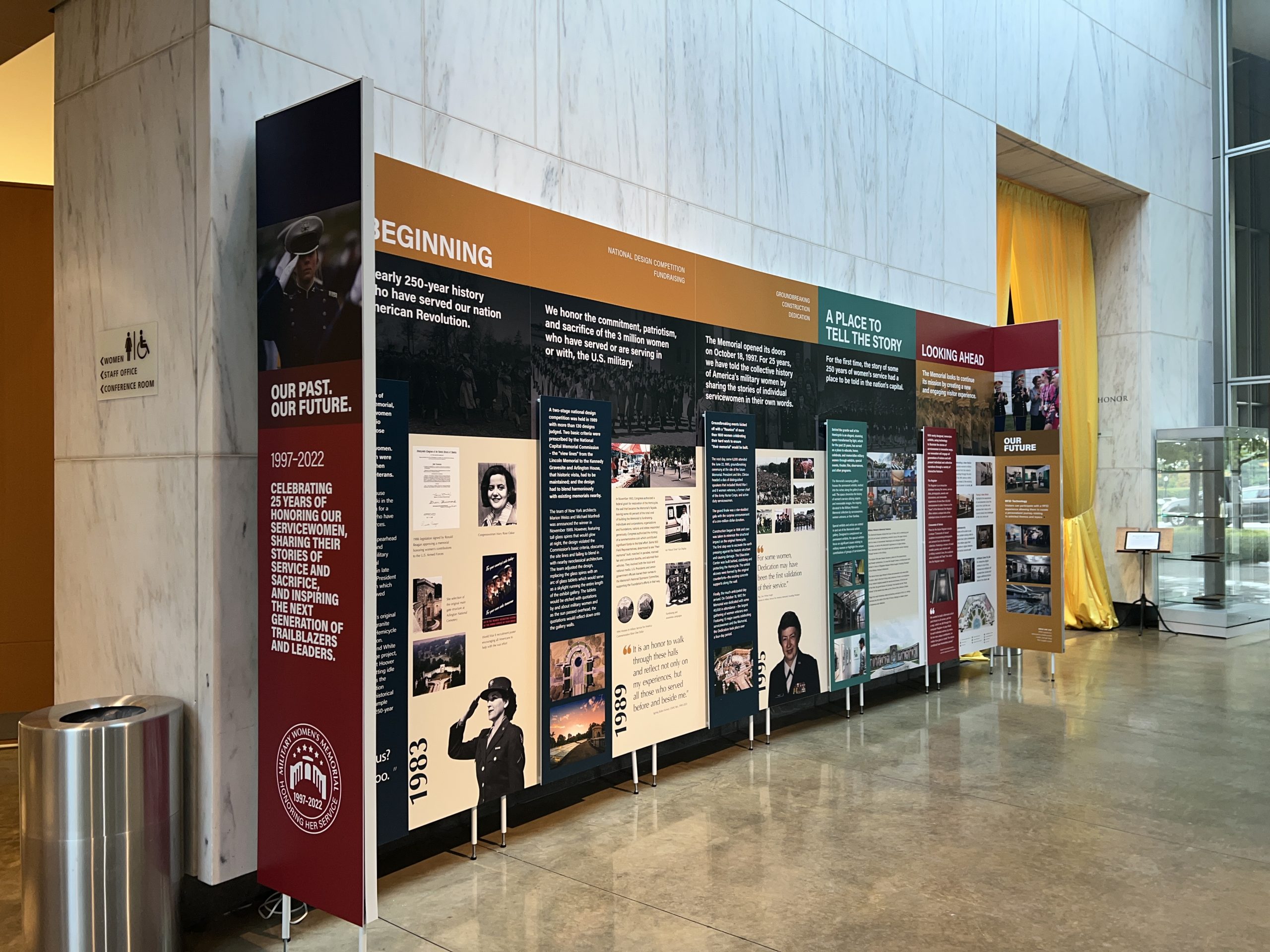
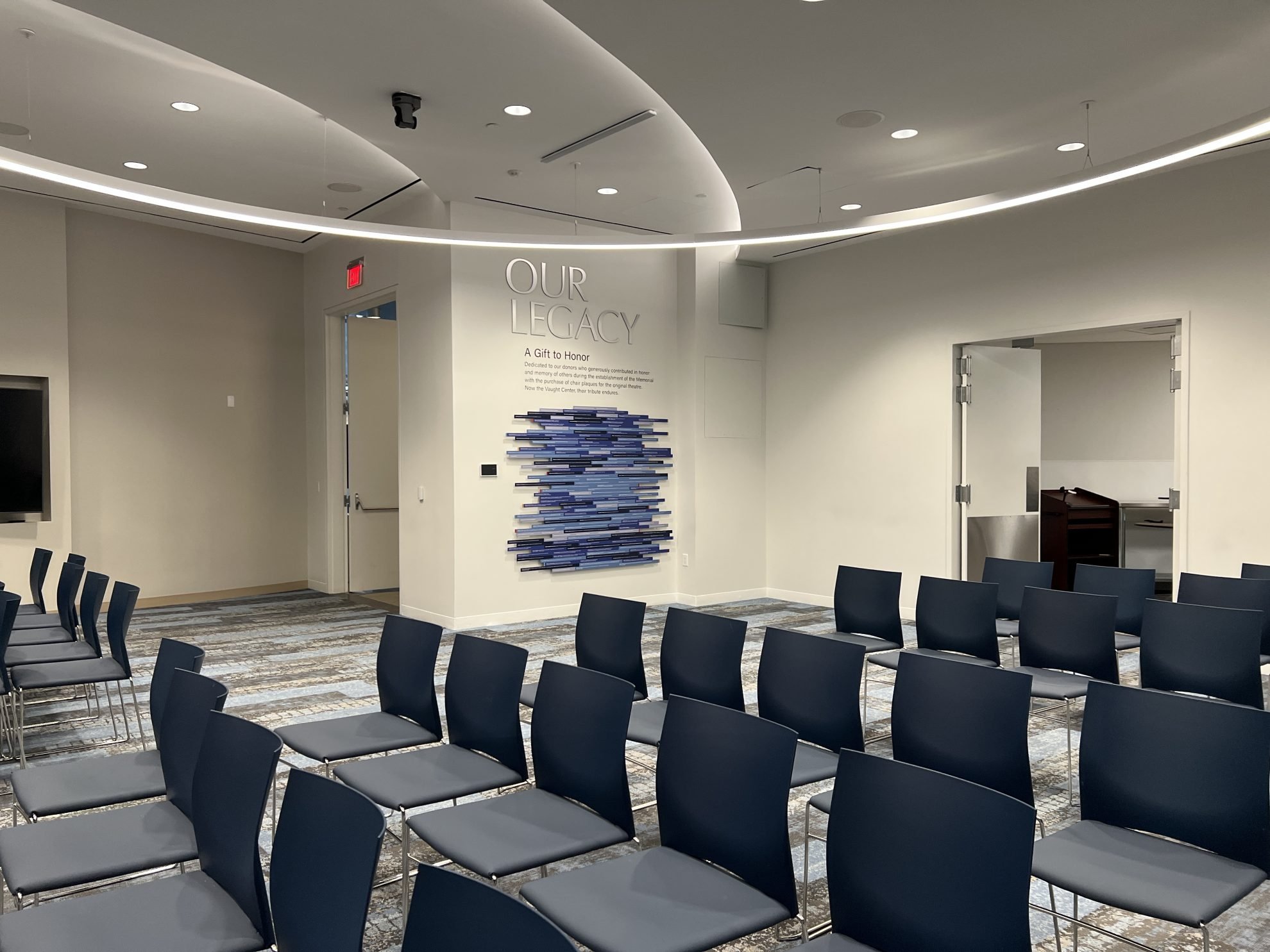
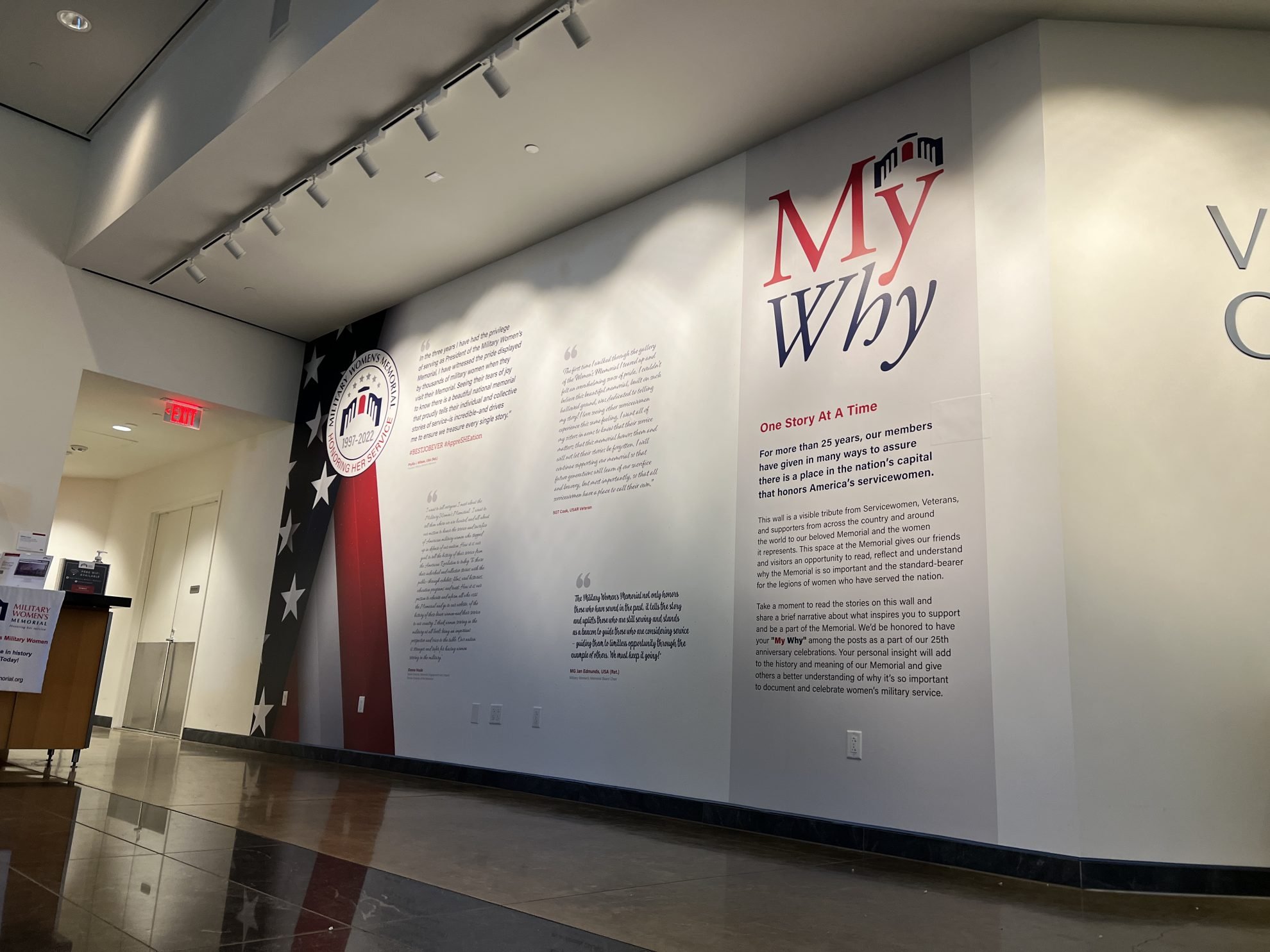
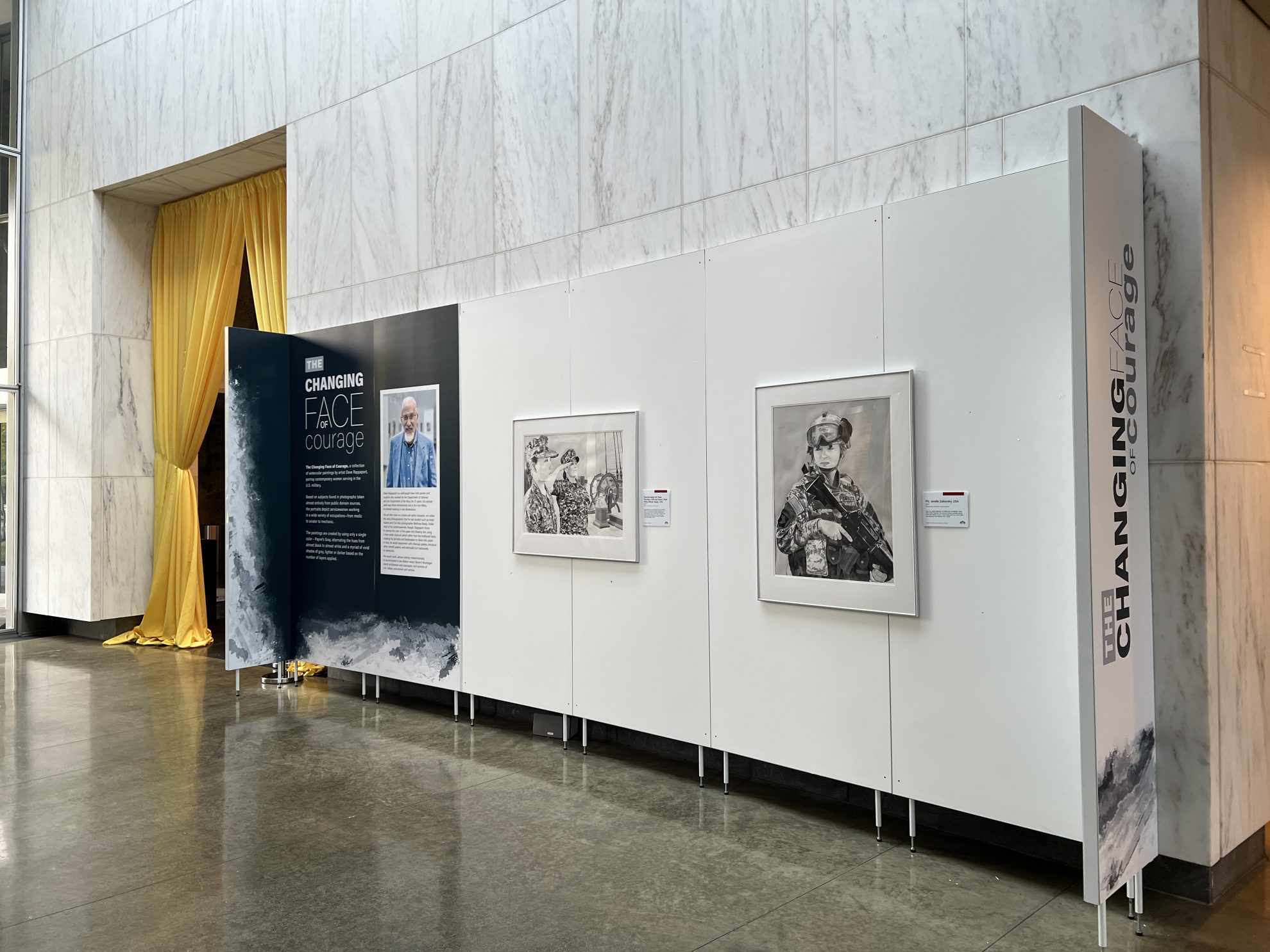
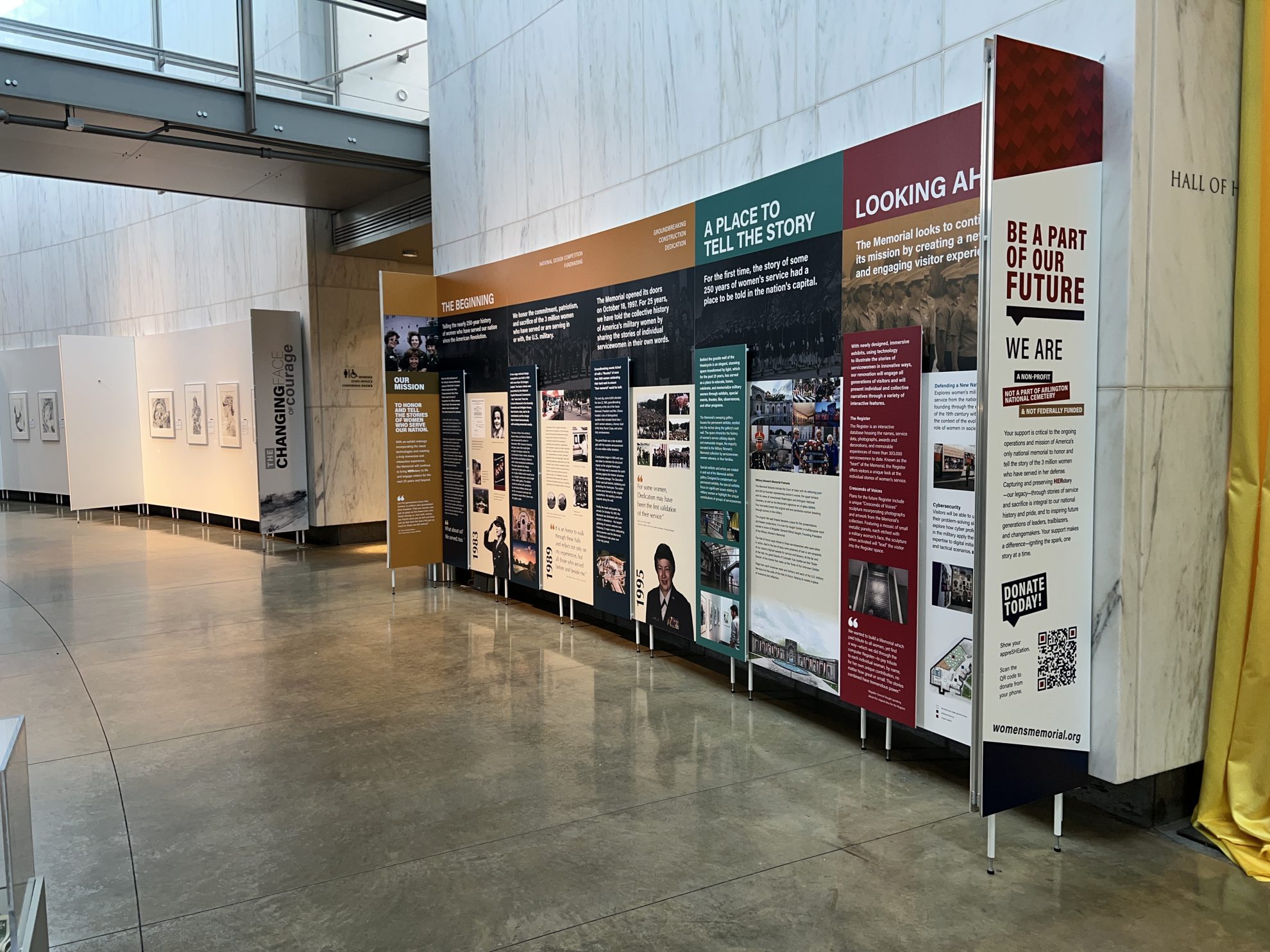
Heritage Signs & Displays created new museum signage for the Military Women’s Memorial in Arlington, VA. The project included custom signs, wall wraps, dimensional letters, and standoff-mounted displays to honor the legacy of U.S. servicewomen and the donors who supported the memorial. The updated interior features impactful designs, including a "Our Legacy" wall display and panels showcasing historical contributions and artwork, creating a transformative tribute to women in the U.S. Armed Forces.
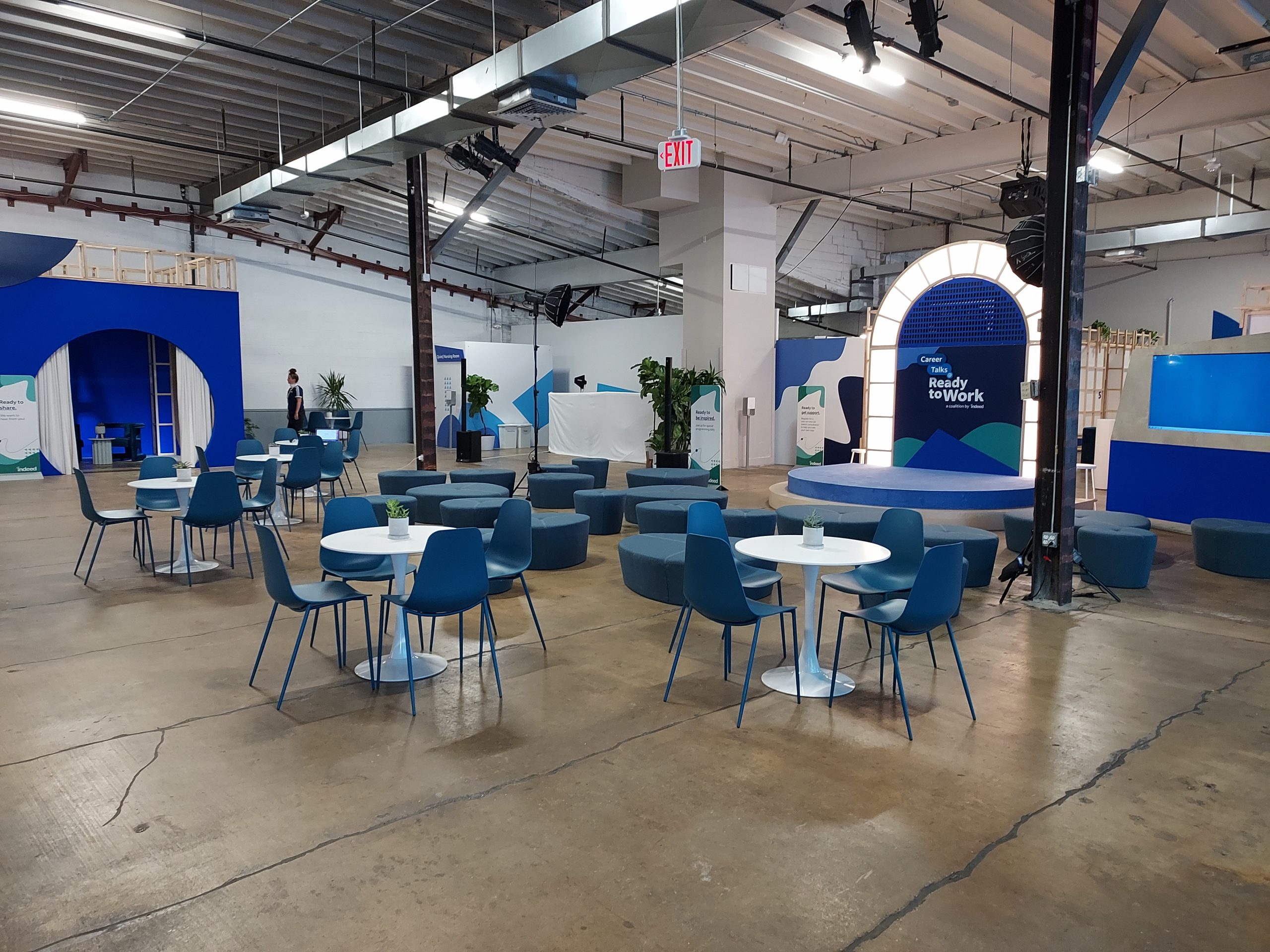
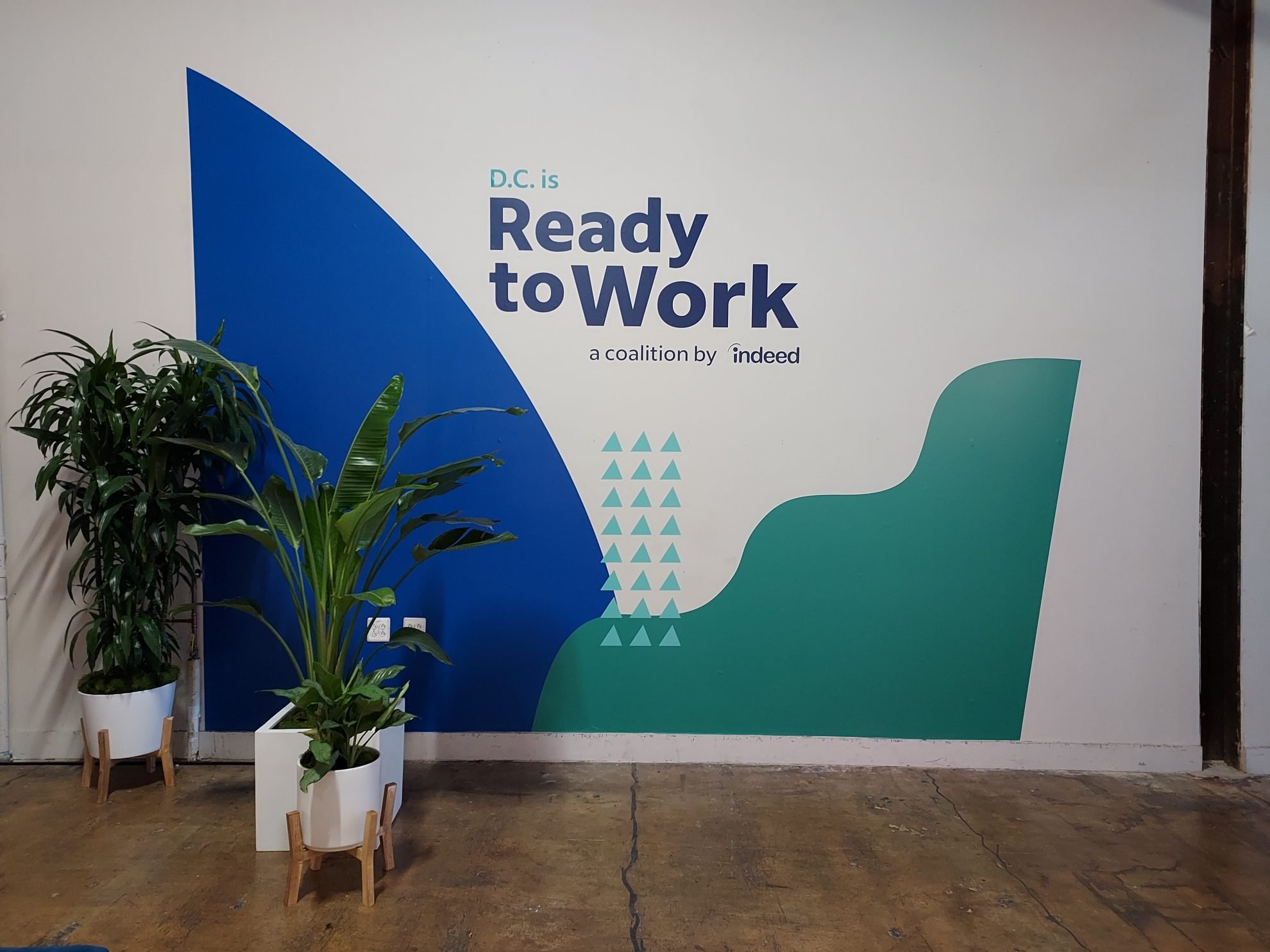
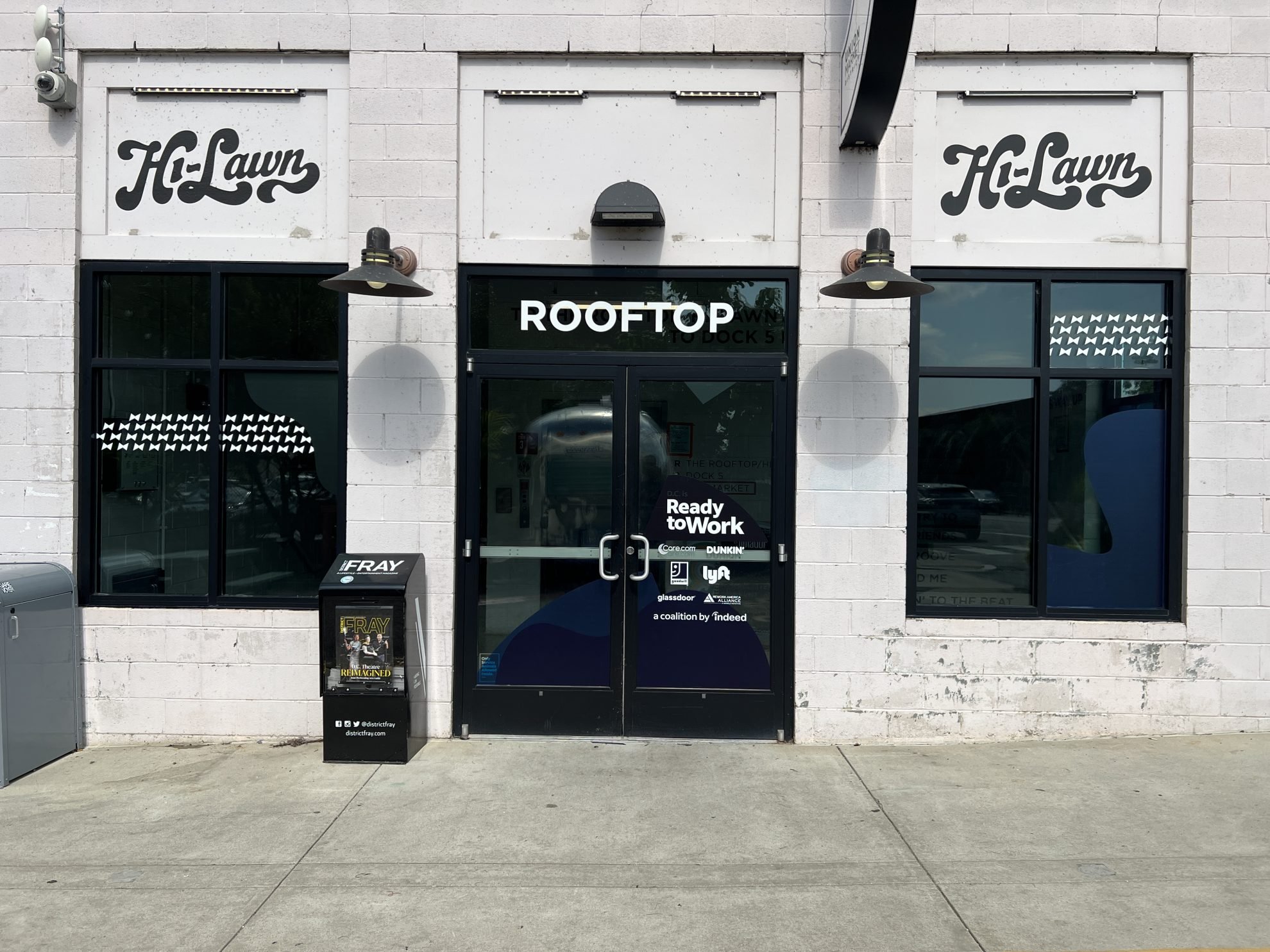
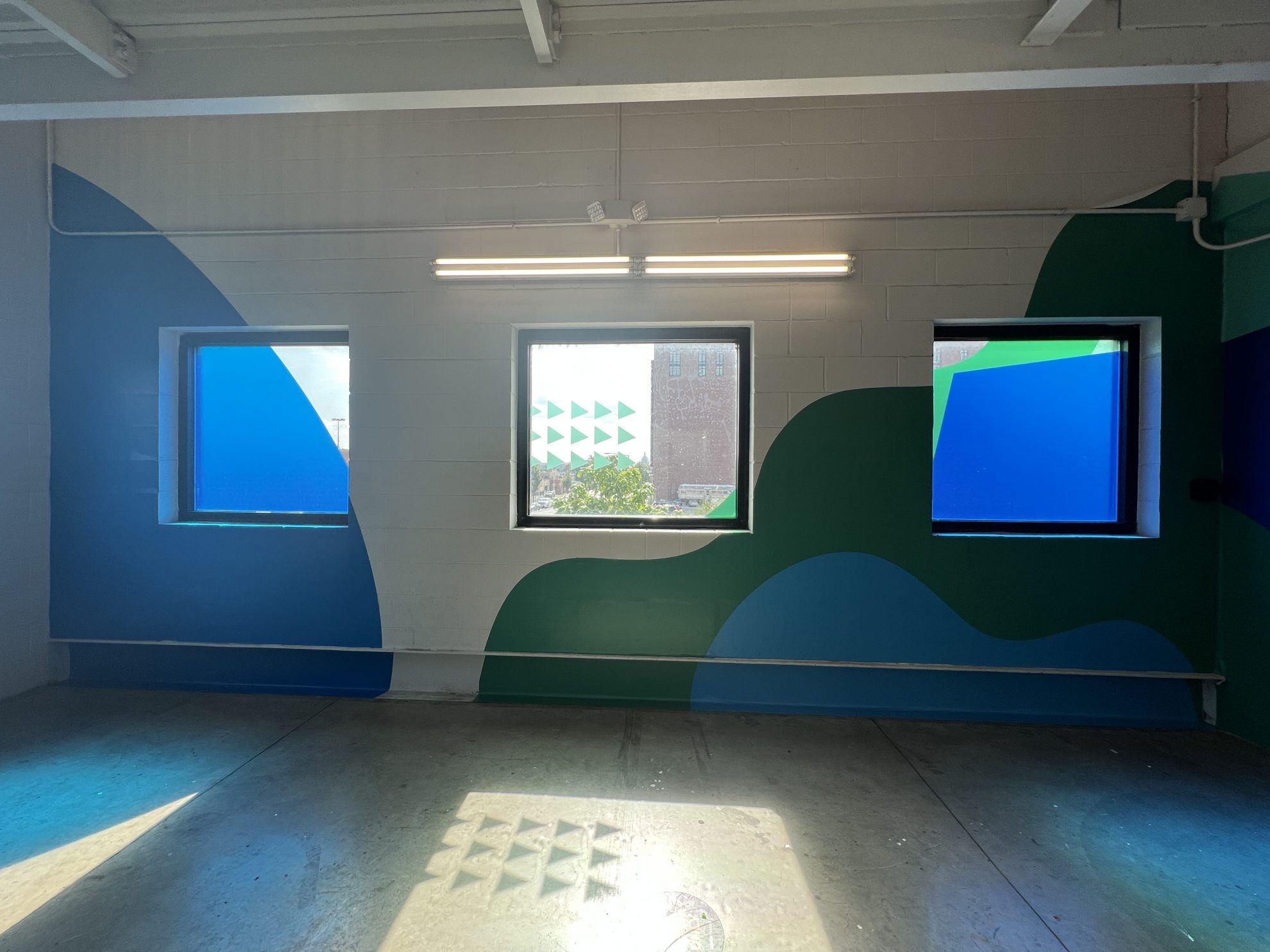
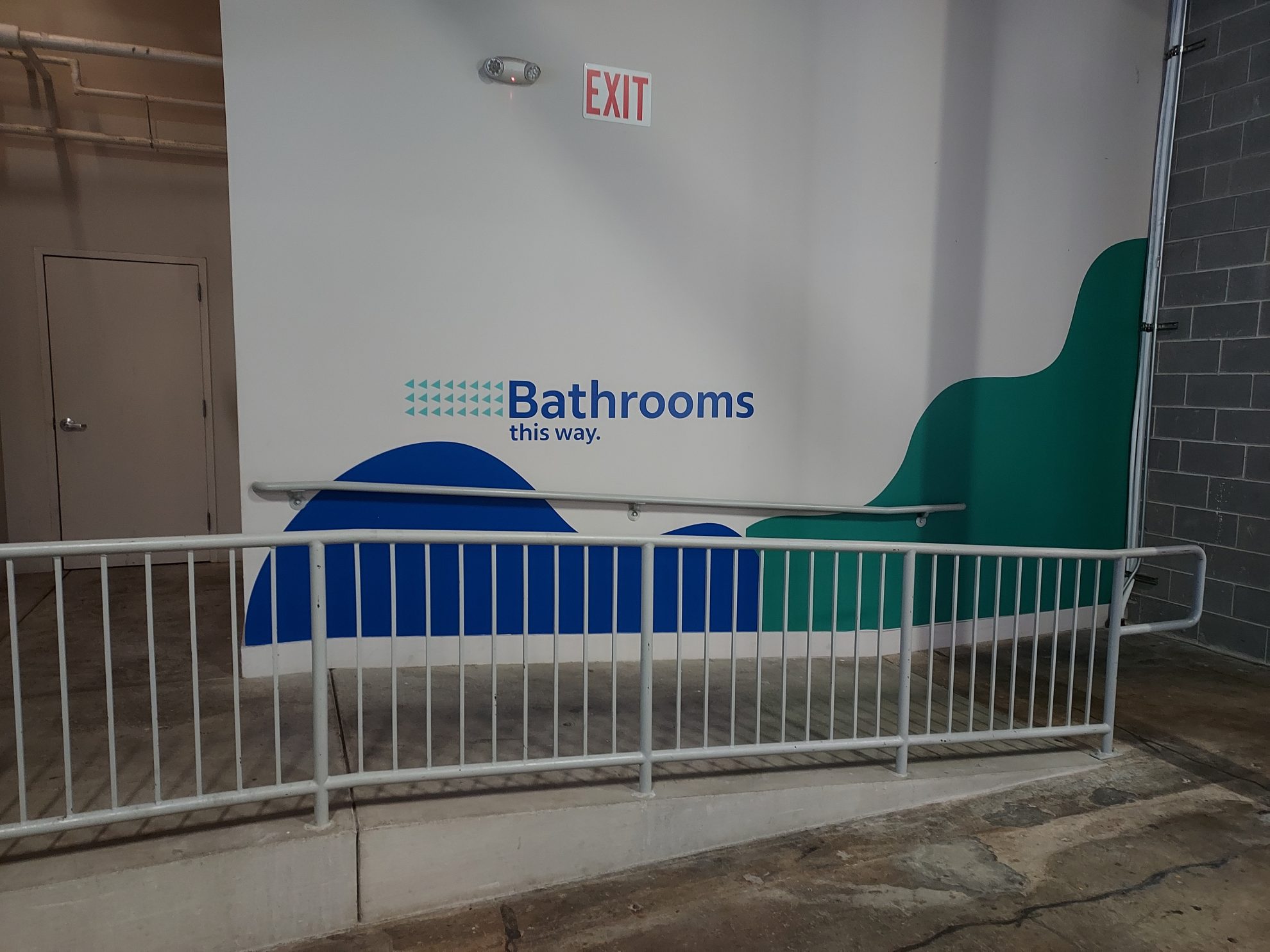
Heritage Signs & Displays' collaboration with The Gathery to brand Union Market in Arlington, VA, for Indeed's "Ready to Work" job fair. The project included custom event displays, wall graphics, window graphics, and wayfinding signs, creating an immersive and visually appealing environment. The branding enhanced the venue, reflected the event's mission, and provided a seamless experience for attendees.