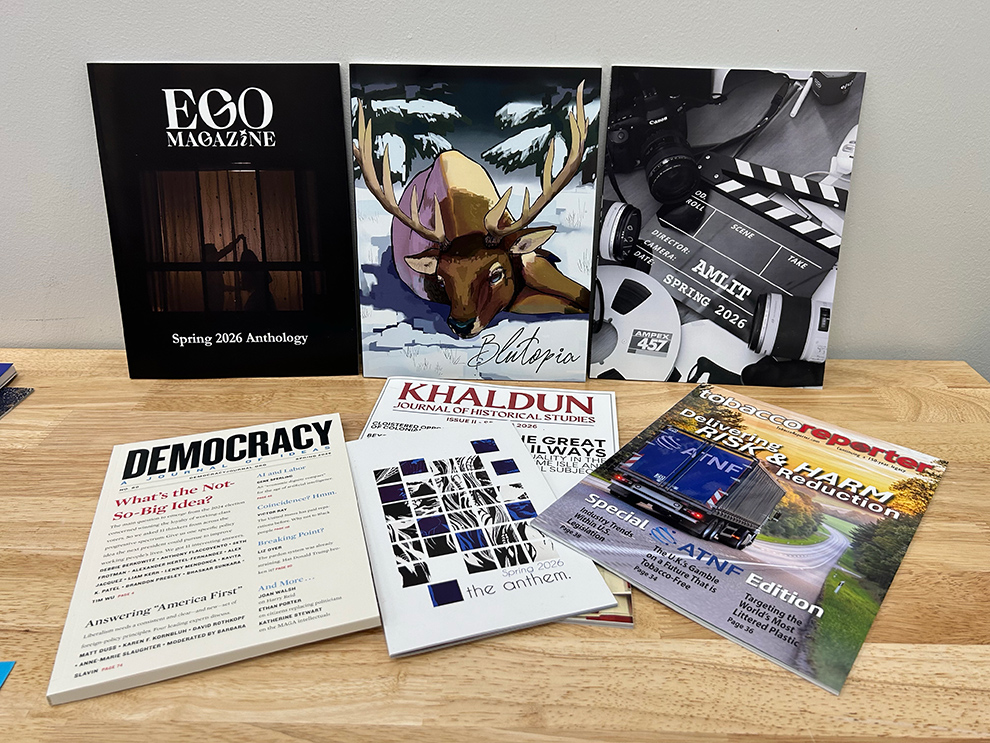
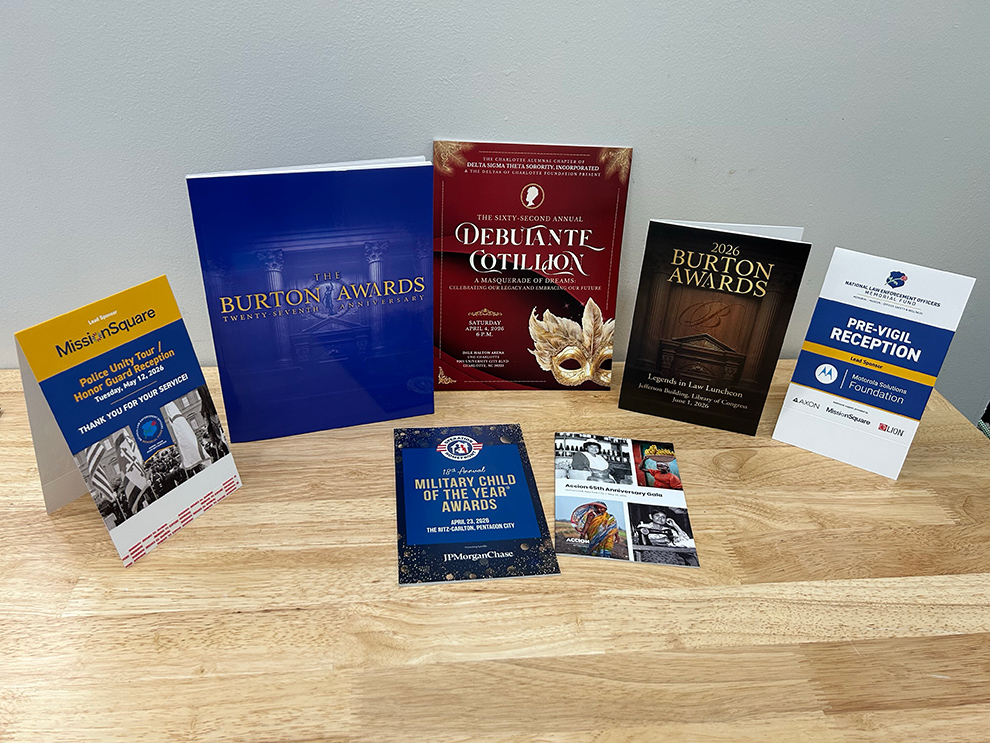
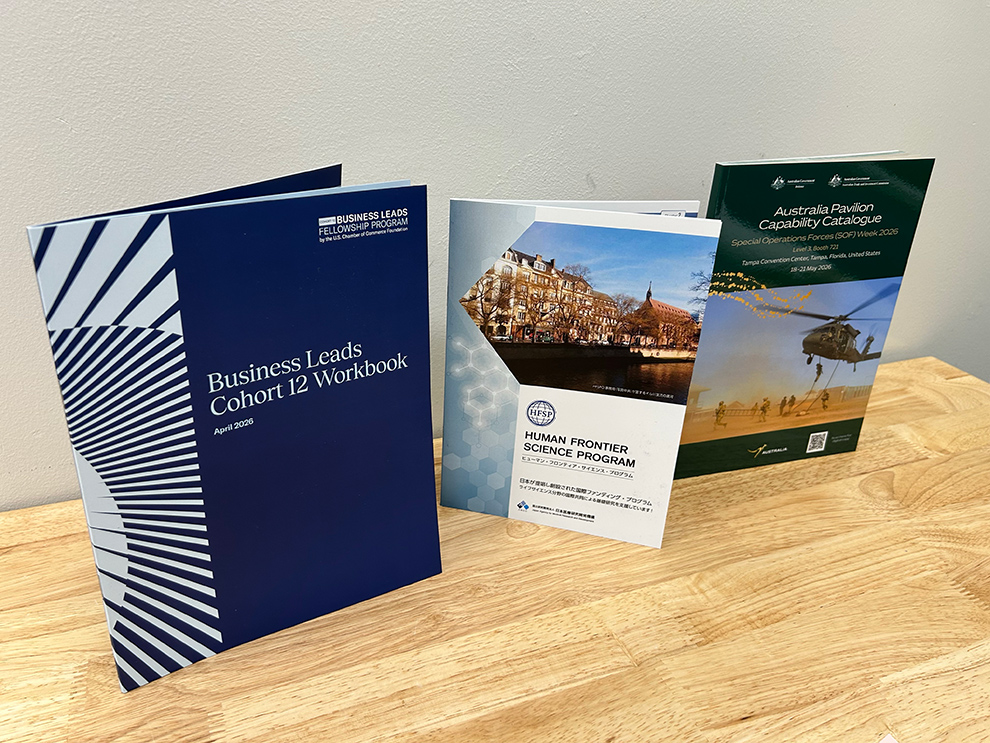
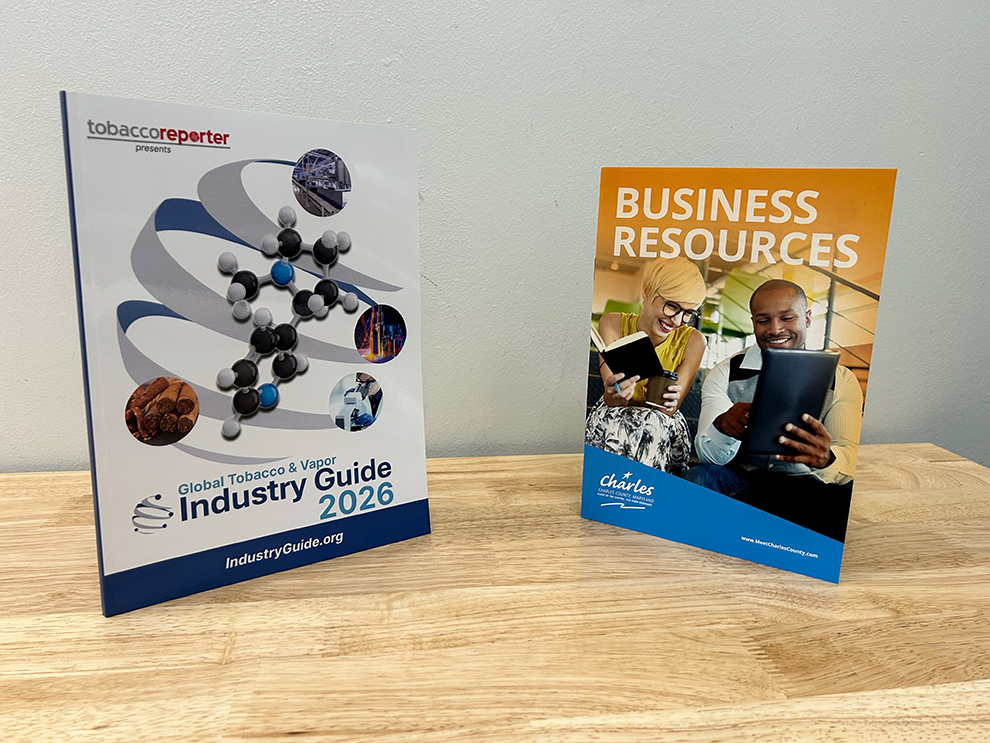
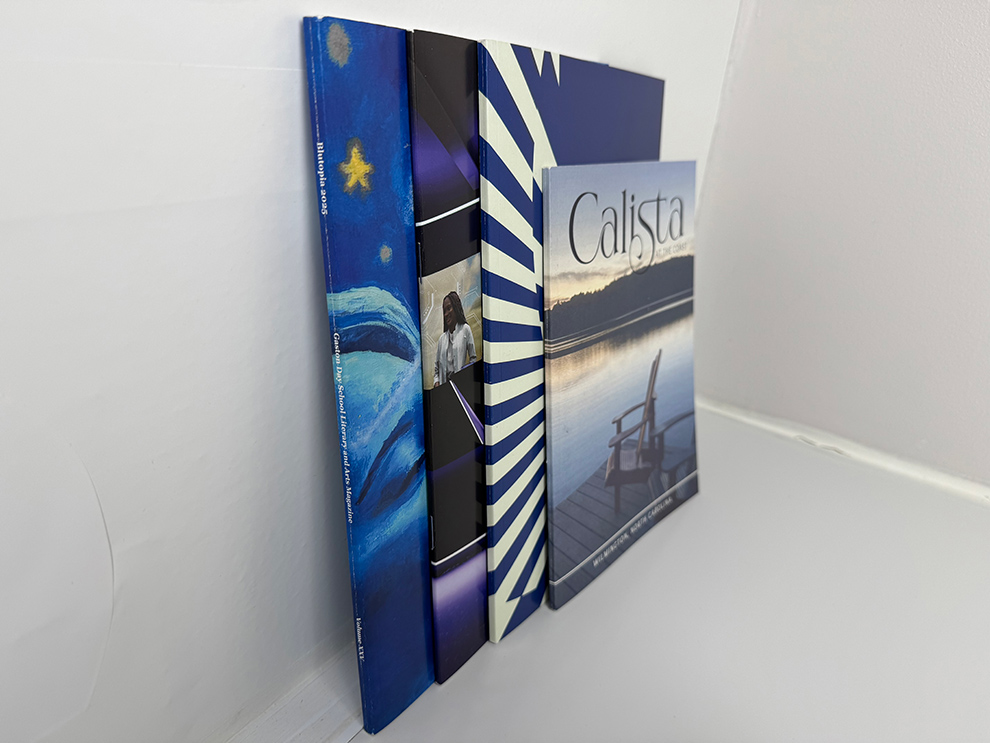
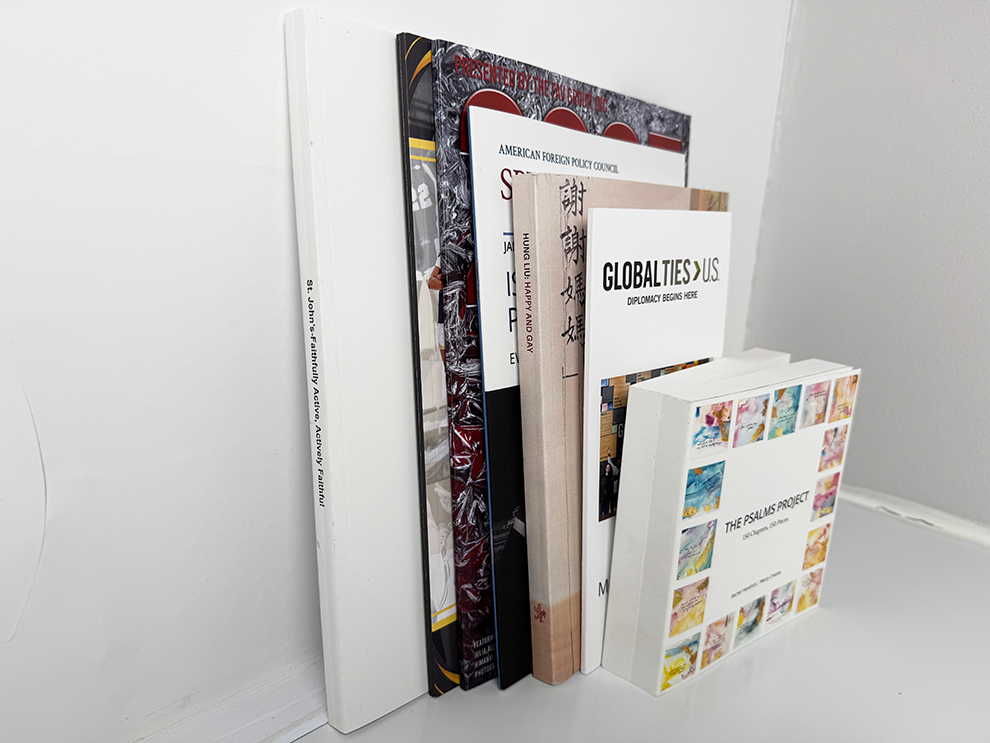
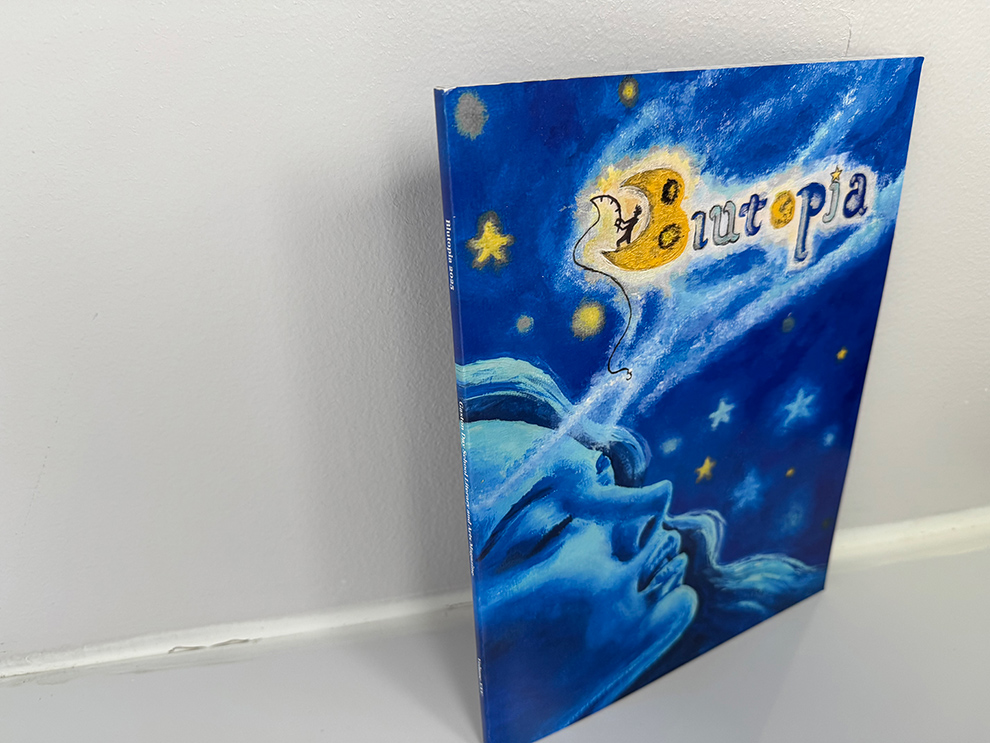
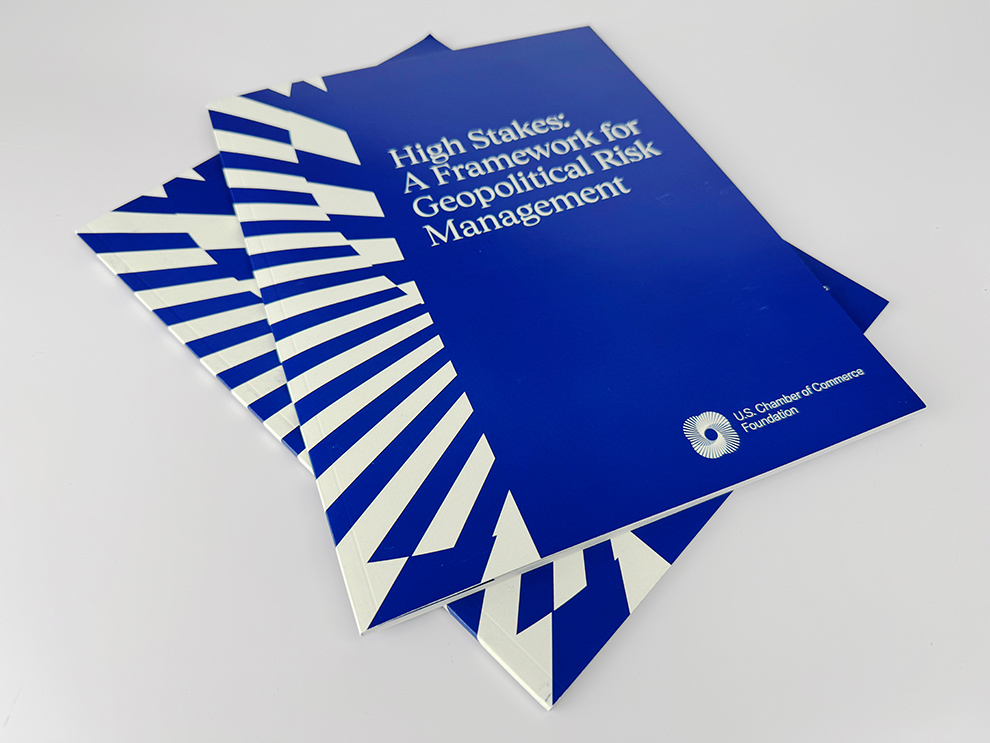
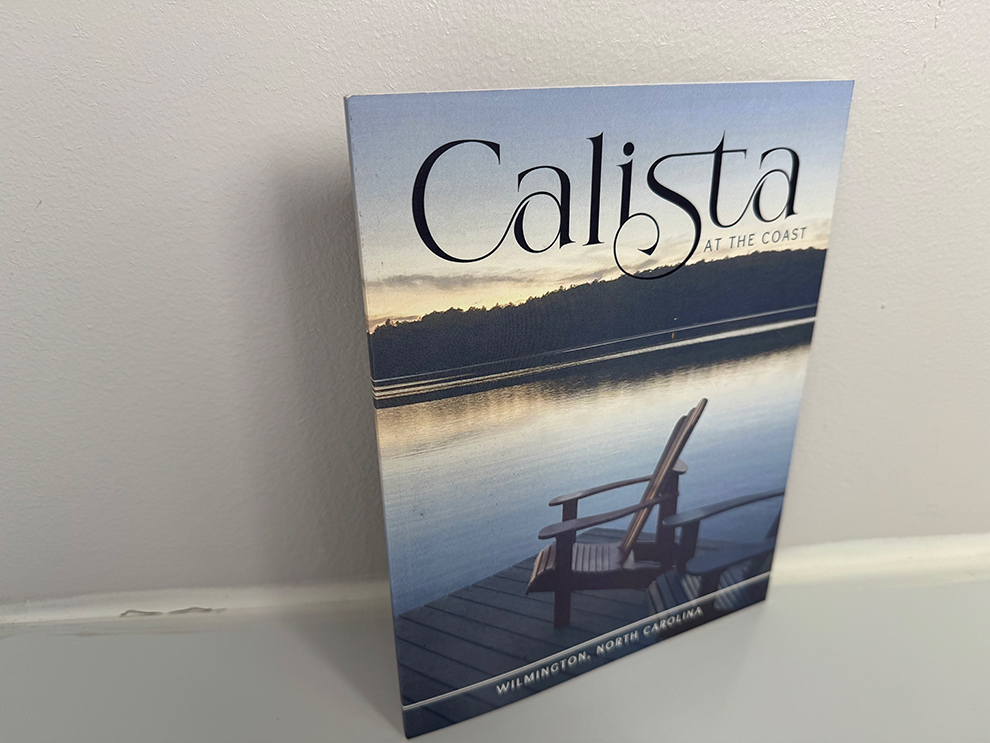
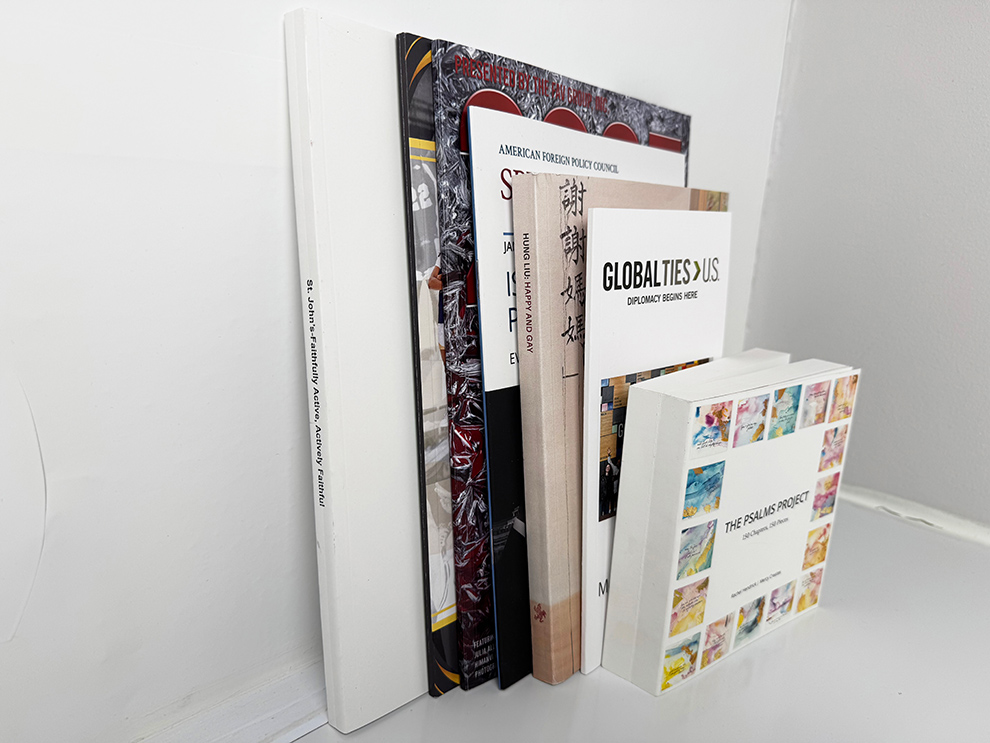
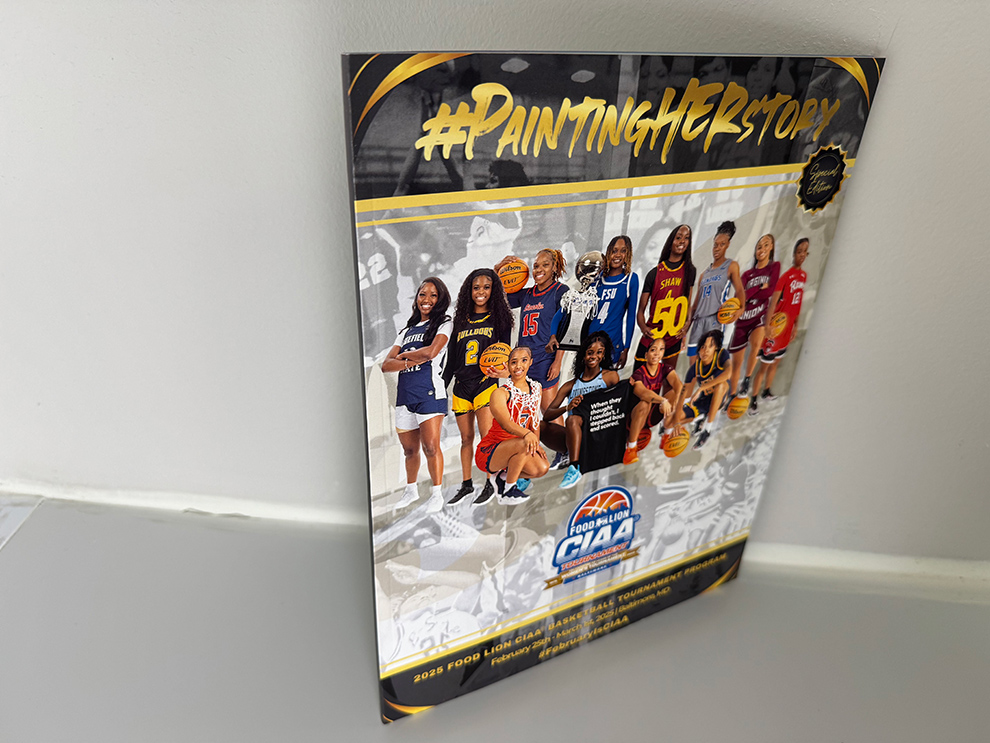
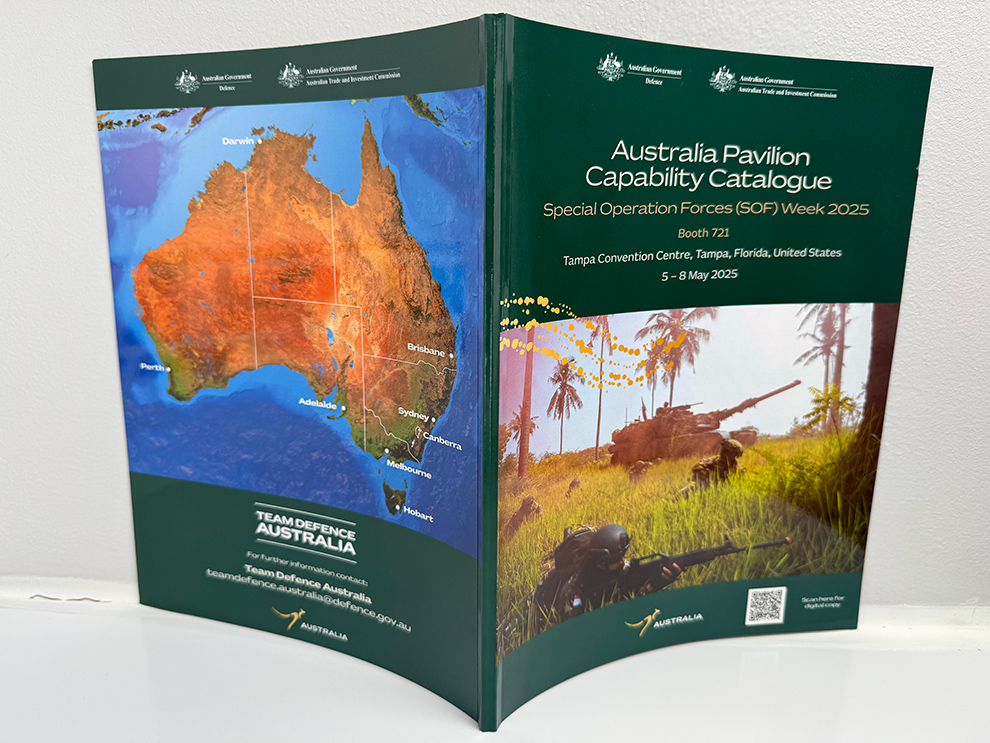
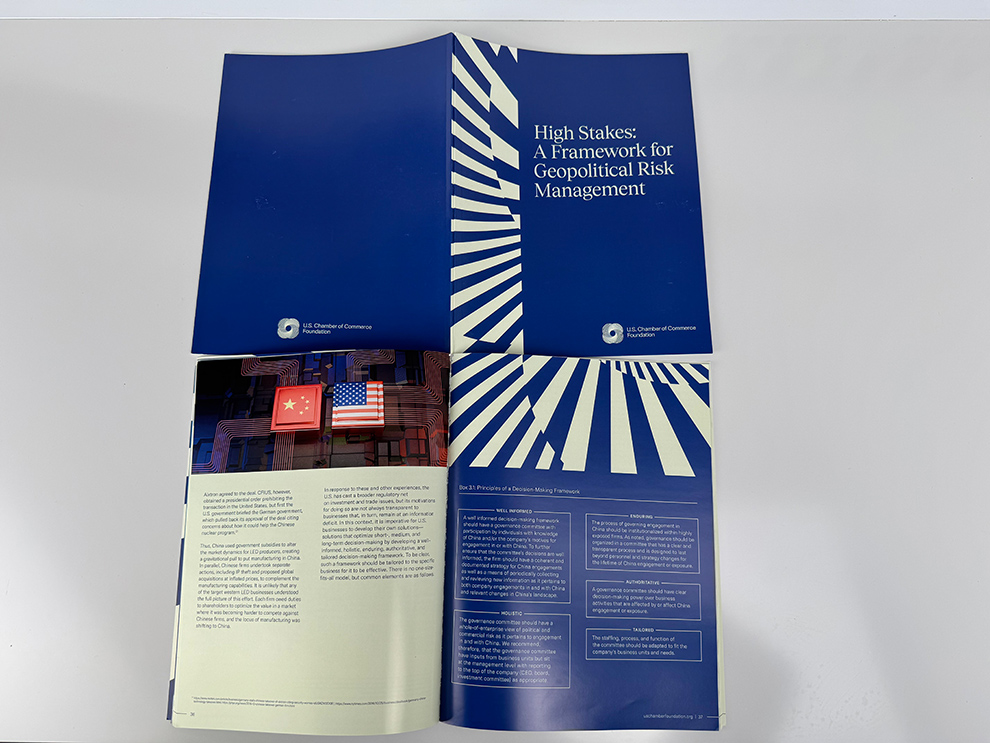
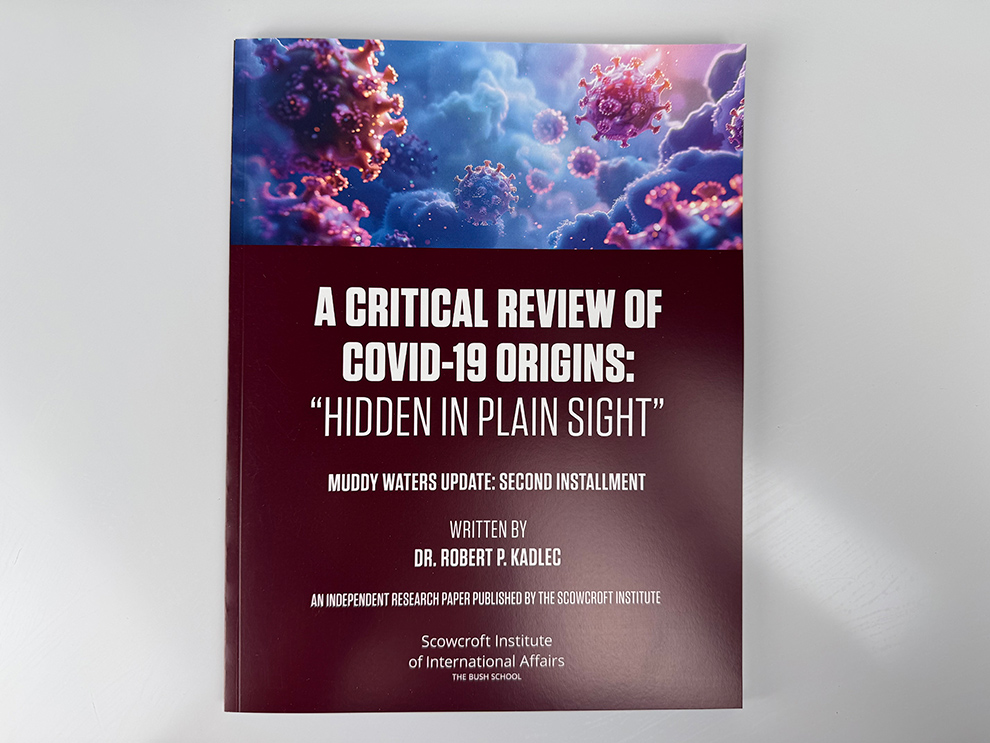
A hundred-page catalog or research report loses authority when it arrives folded and stapled like a short handout. Perfect binding addresses that problem by gathering the interior pages into an adhesive-bound square spine and wrapping them in a single cover, so the finished piece reads as a book on the shelf and in the hand.
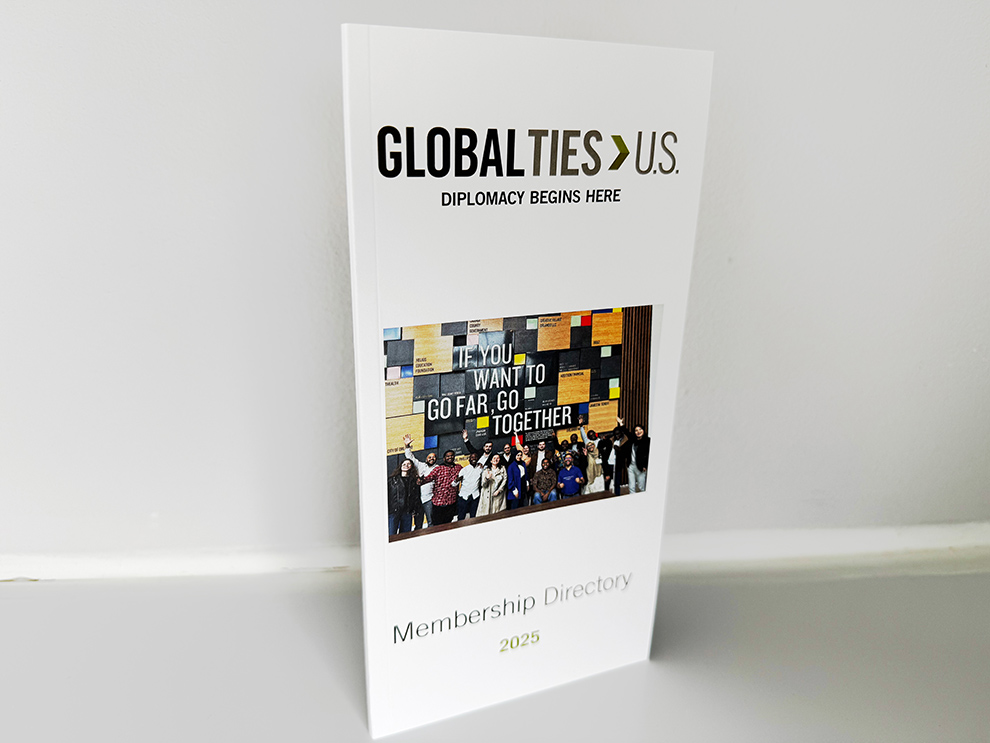
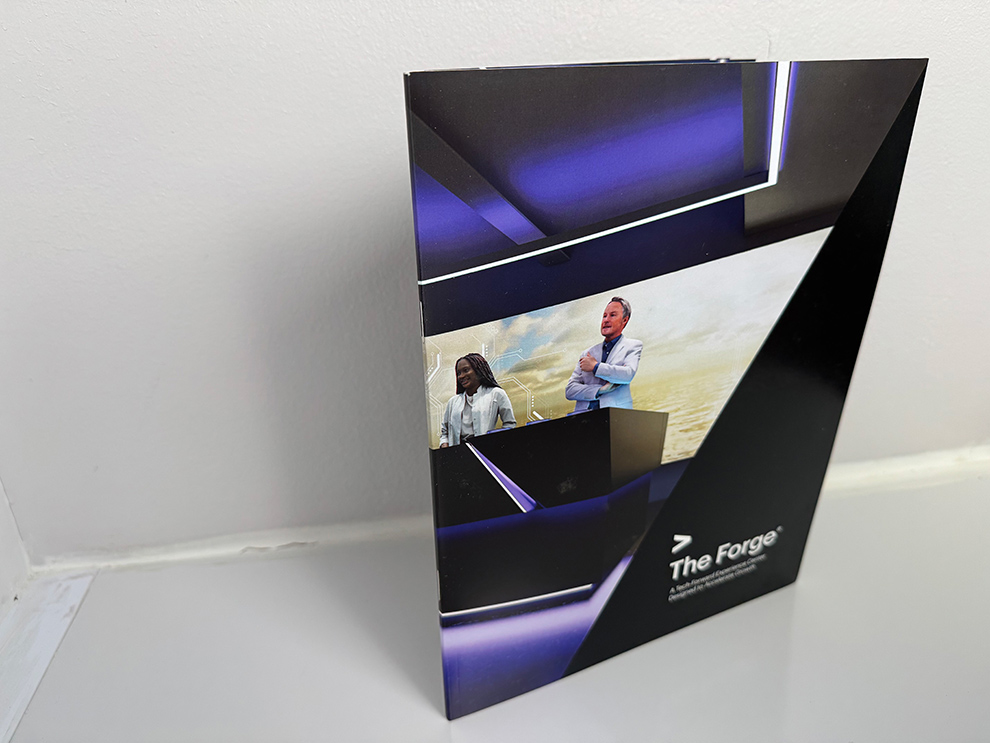
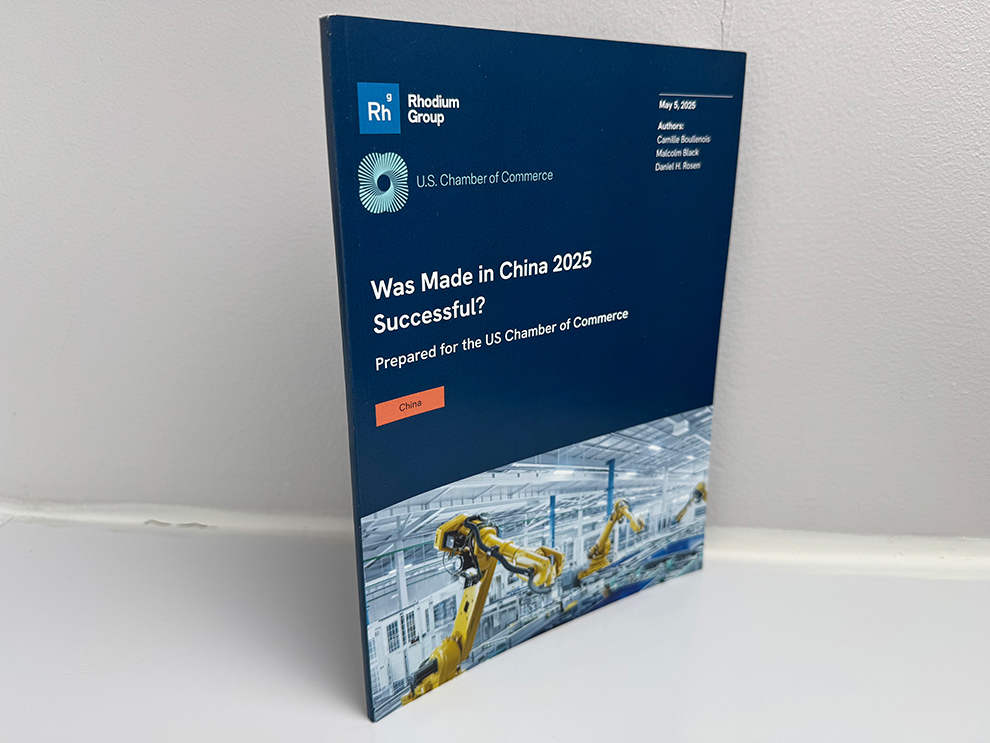
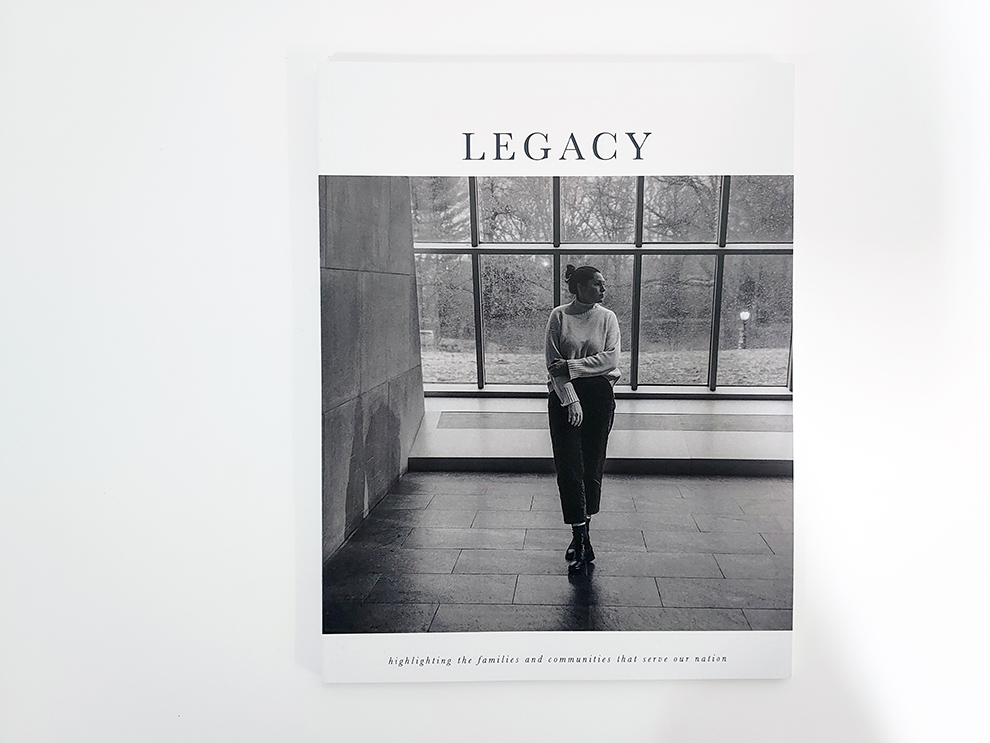
Heritage prints perfect bound books in Gaithersburg, MD for research summaries, product catalogs, membership directories, program guides, portfolios, and other publications with enough pages to justify a square spine. Organizations along the I-270 corridor often need these pieces to withstand repeated handling, stack cleanly for distribution, and sit comfortably beside commercially published titles.
Binding is only one decision in that outcome. Interior page total, paper caliper, trim size, cover stock, spine layout, color targets, file preparation, and proof approval all shape what comes off the finishing line. Heritage reviews those variables together rather than in isolation, because a change to one frequently moves another. When page count and paper support the construction, perfect binding delivers a publication that looks considered before anyone reads a word.
Heritage began as a printing company in 1977, well before its later expansion into signs and displays, and perfect-bound production still draws on that original discipline. A book moves through imposition, interior printing, cover printing, spine measurement, trimming, adhesive binding, inspection, and delivery. Each step depends on the one before it, and Heritage manages that sequence so the finished book matches the approved specification.
Gaithersburg clients work with a Mid-Atlantic printer whose veteran-owned, family-led culture treats an accepted order as a commitment. When reviewers in different departments finalize content at different times, Heritage states plainly which items remain open, what each unresolved item affects, and which path protects the schedule. That clarity matters most when a board meeting, grant deadline, or membership mailing sets the delivery date in advance.
Consistency is protected through color management, an electronic proof approved by the client before printing, and quality checks during production. For qualifying Custom Quote orders, a Project Coordinator provides direct phone-and-email communication once Heritage has accepted the quote and assigned the work, which gives a recurring publication one point of continuity from edition to edition.
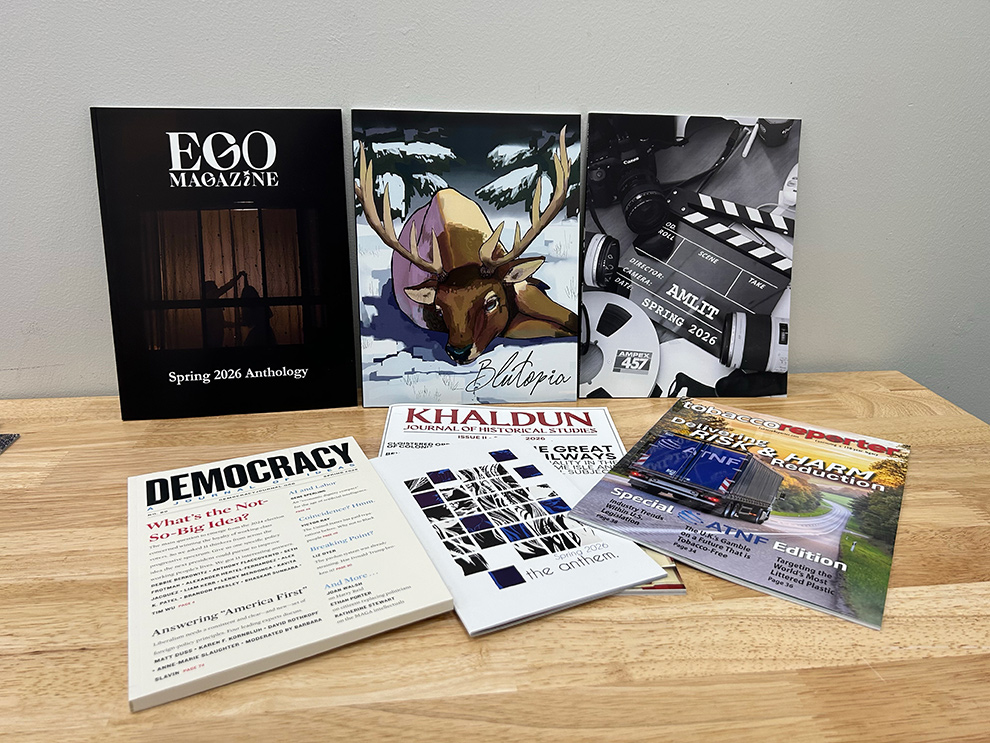
Perfect binding suits publications meant to be read, displayed, stored, and kept rather than written in or propped open on a bench. A square spine gives a catalog or annual report a bookshelf presence that neither coil nor staples provide, and the wraparound cover carries the title through repeated handling.
That strength becomes a limitation in other settings. Plastic coil binding is the stronger choice when a reader needs pages to lie flat during a laboratory procedure, a training session, or a field inspection, because coil pages fold back completely. Saddle stitching remains appropriate for thinner pieces that fold and fasten through the center without building enough thickness for an adhesive spine. Not every multi-page document reaches the page count and paper thickness a glued spine requires.
Printed spine text follows the same logic. Finished spine width depends on how many pages are bound and how thick the paper is, so a slim publication may not leave room for legible lettering. Settle the purpose, page count, paper, and finished size first, then confirm that the intended appearance is achievable on the actual finished book.
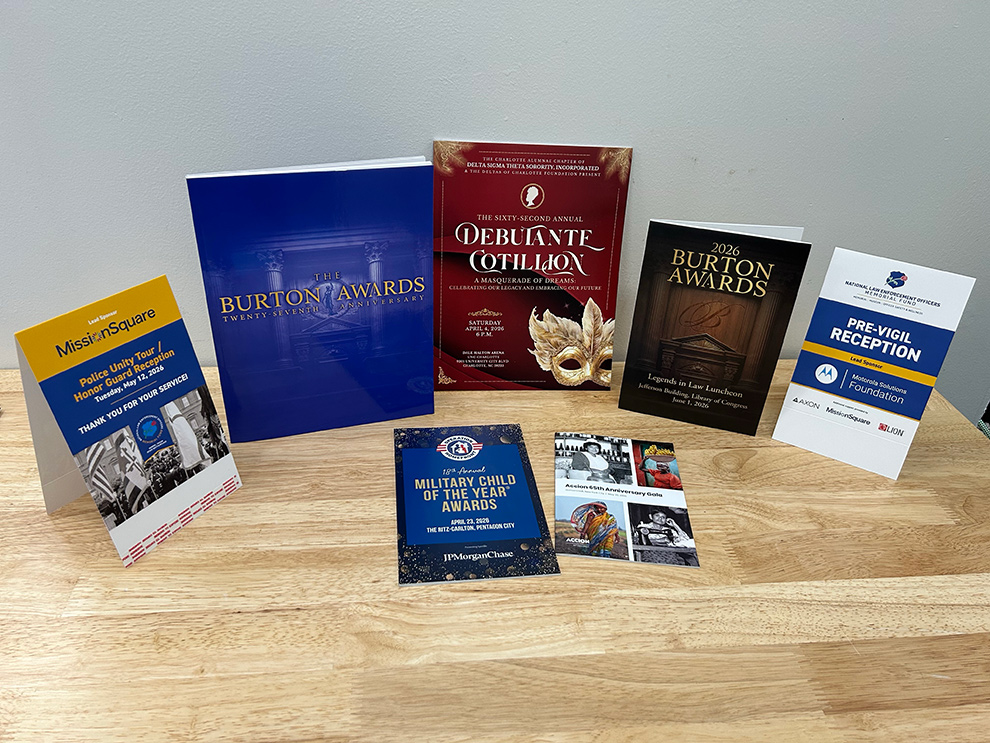
A perfect-bound book rarely travels alone. Gaithersburg organizations frequently pair it with meeting materials, recurring issues, mailed pieces, or shorter handouts, and the capabilities below connect those related needs to the appropriate Heritage print product.
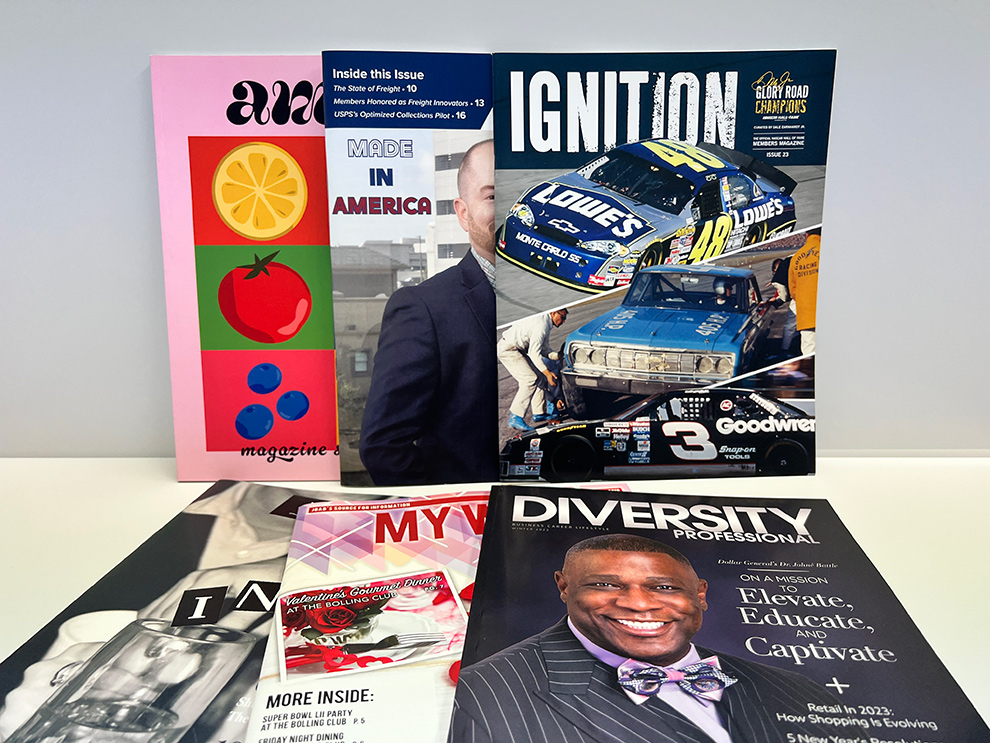
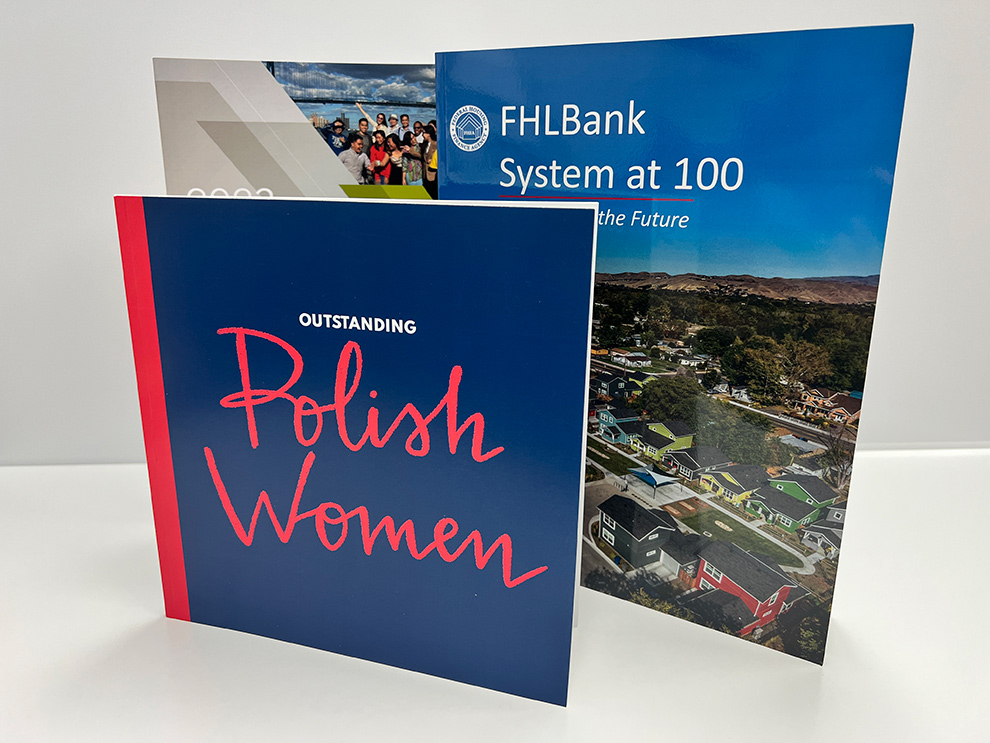
Produce recurring member or alumni issues that must match the look of the previous edition while content and page counts change.
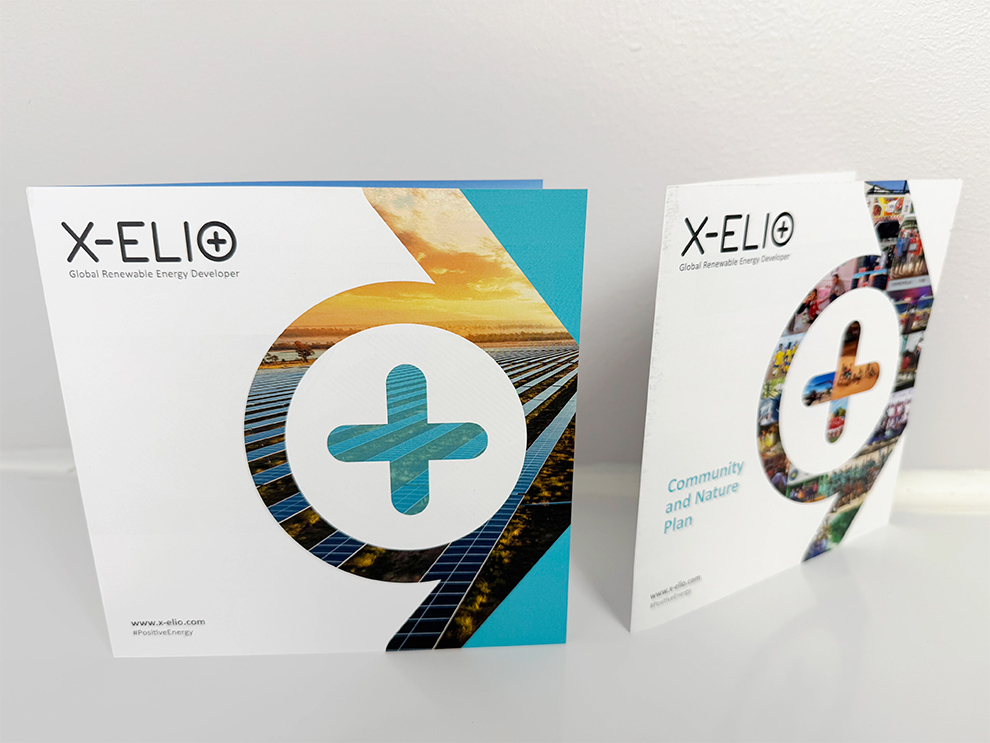
Choose a lighter saddle-stitched or coil format when the piece is too thin or too hands-on for an adhesive spine.
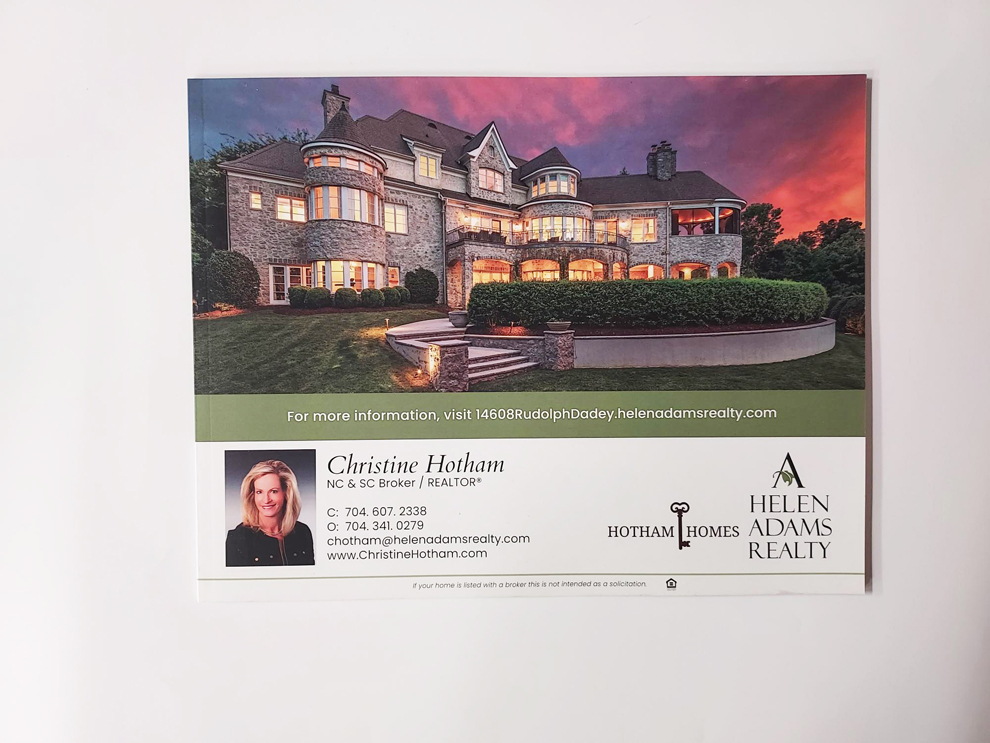
Hold a bound report together with loose supplements, business cards, and proposals for board sessions and client meetings.
Move a finished publication from the bindery into addressed delivery when the run is destined for a membership or subscriber list.
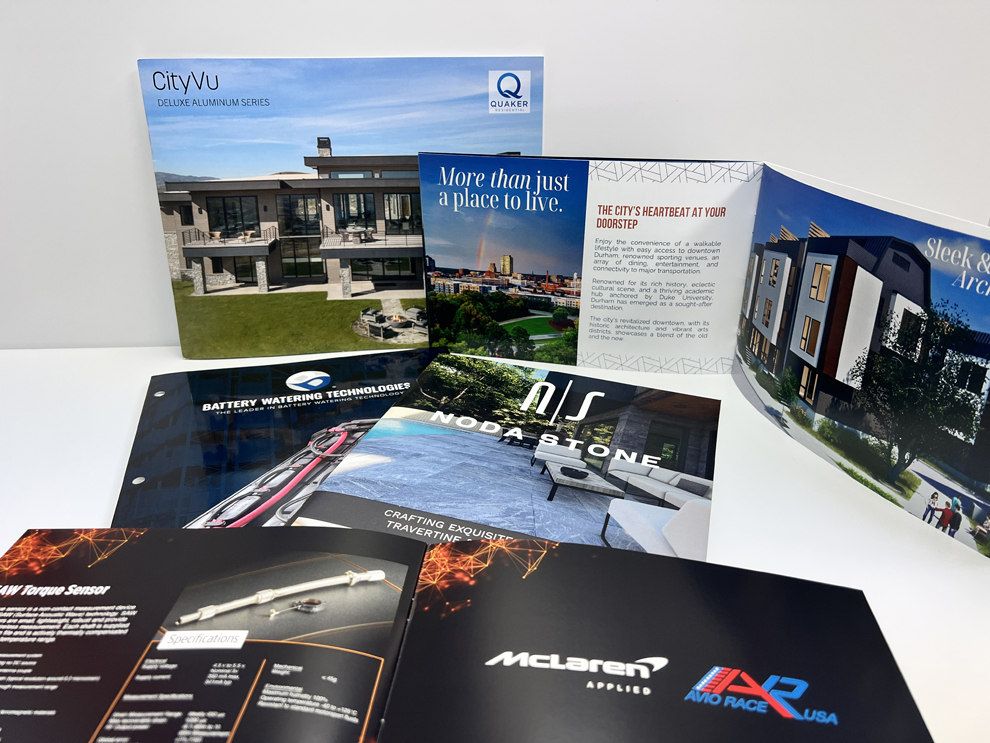
Round out a product launch or fundraising effort with supporting print pieces built alongside the main book.
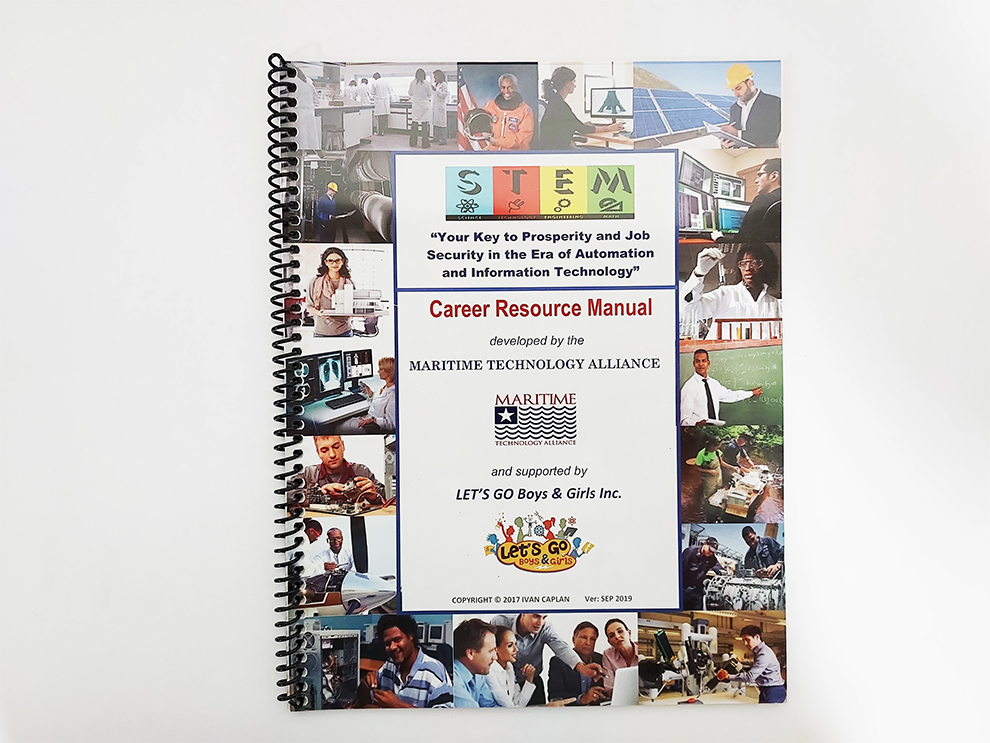
Select a lie-flat construction for procedure documents that technicians and new hires will consult while working.
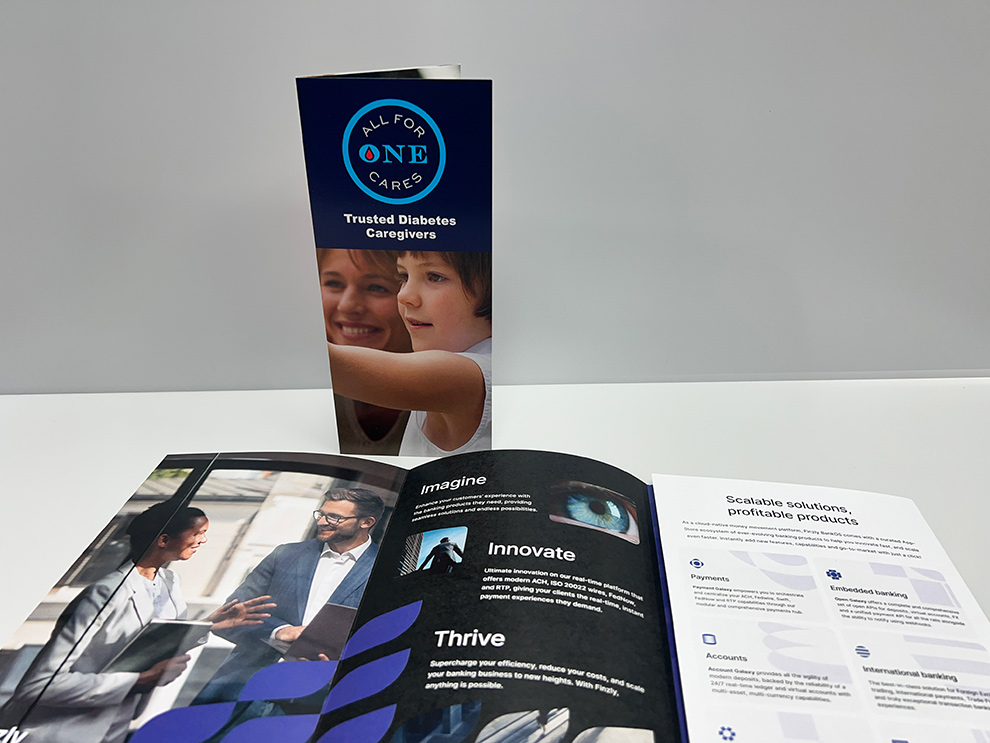
Summarize the contents of a larger publication in a folded piece that is easy to distribute at events and front desks.
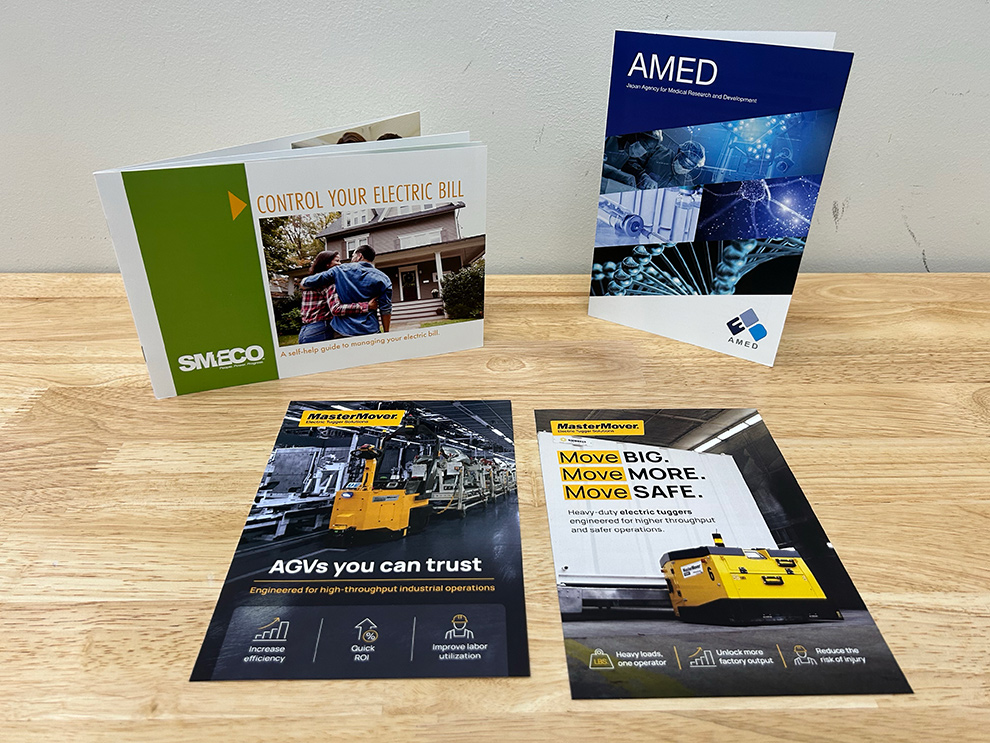
Review the broader range of Heritage print production when the book is one element of a larger communications schedule.
Print-ready cover and interior files that fit the live Store configuration can be ordered now through the Online Store. A $2,000+ project with unresolved files, spine construction, versions, or timing belongs in Custom Quote, where Heritage reviews the open items and confirms a responsible production plan before accepting the work.
The cover of a perfect-bound book cannot be finalized until the interior is settled, because the spine panel width is calculated from the page total and the paper caliper. A cover built around an estimated spine will shift its title, artwork, and panel breaks if thirty pages are added late or a lighter text stock is substituted.
Interior layout needs equal care at the bound edge. Because the book does not open flat, copy that runs tight to the gutter becomes hard to read, and page numbers or images placed near the inside margin can disappear into the curve of the spine. Margins, paper opacity, image resolution, and cover weight should all be chosen for the audience and the way the book will be handled.
For annual reports, catalogs, and other recurring editions, Heritage can carry forward the approved trim size, paper, cover construction, and color targets from the previous run so the next edition starts from a known baseline. Content, quantity, and version details change without the fundamentals being rebuilt, which keeps consecutive editions consistent on the shelf and predictable in production.
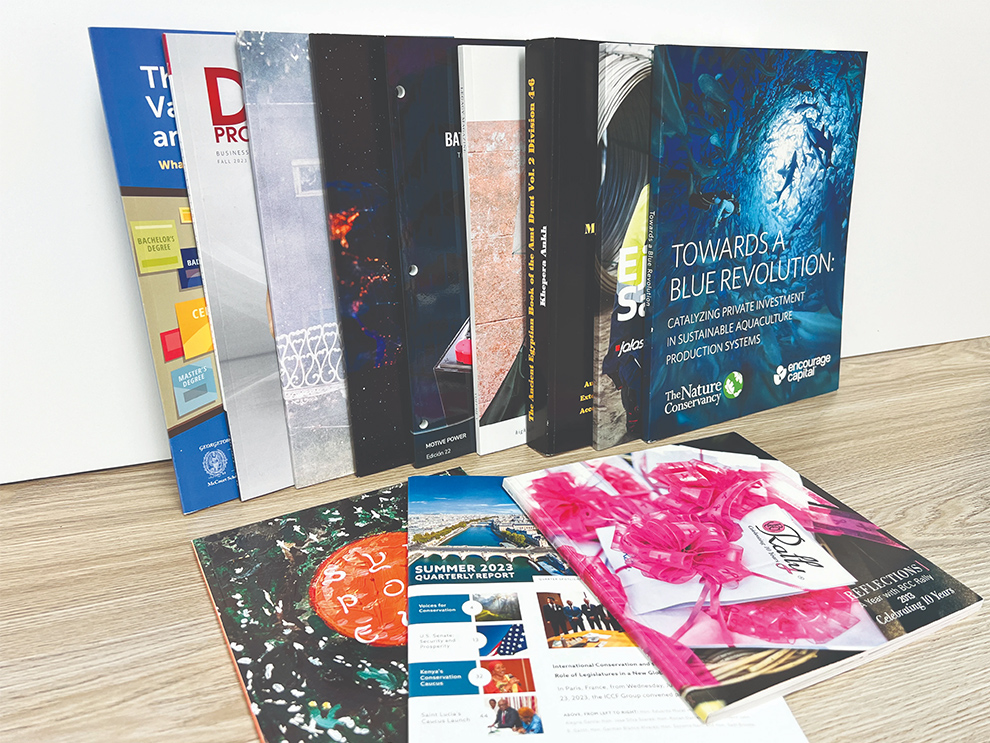
Two purchasing paths serve Gaithersburg buyers, and the right one depends on whether the publication is ready to run as submitted or still needs production help.
If the live Perfect Bound configuration matches the specification and both cover and interior files are complete and print-ready, the Self-Directed Online Store is the direct route. Select the available options, upload the artwork, and complete the purchase; eligible products may be combined to reach the $750 total-order minimum. The Store does not include layout help, a Physical Production Color Proof, or an assigned Project Coordinator, but every accepted order receives production review and an electronic proof for client approval before printing.
Custom Quote applies to a new Commercial Printing opportunity of $2,000 or more that needs production-oriented support, such as spine setup, file preparation, open specifications, or multiple versions. The form is a request rather than an acceptance; a Project Coordinator takes over as the direct phone-and-email contact only after Heritage accepts the quote and assigns the order. Include any fixed meeting or distribution date in the request so feasibility can be weighed against the production steps and available capacity.
Not completely. The adhesive spine holds the pages in a conventional book form, so the book opens for normal reading but resists folding back on itself the way a plastic-coil book does. Keep essential text, page numbers, and images away from the inside margin so nothing important sits in the curve near the spine.
Publications intended to be read and kept rather than worked from are the strongest candidates, including catalogs, research and technical reports, membership directories, program guides, annual reports, and portfolios. The deciding factors are page count, paper thickness, and intended handling, so Heritage reviews the full specification before confirming that an adhesive spine suits a given piece.
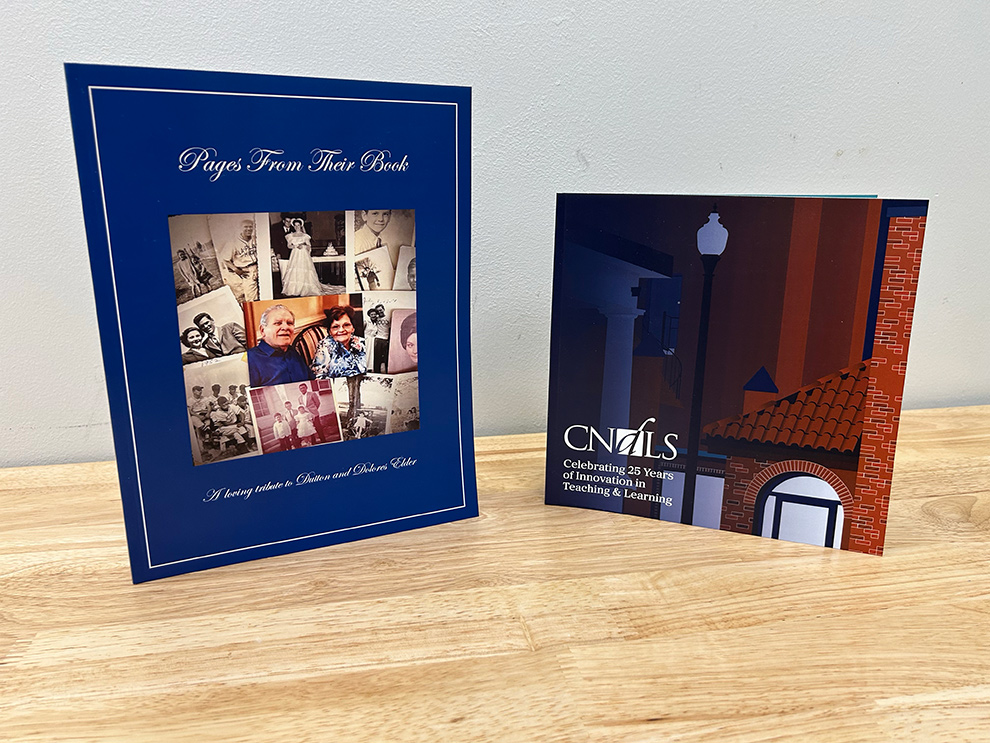
Perfect binding is a method in which the collated interior pages are held together at the spine with adhesive and enclosed in a wraparound cover, then trimmed on three sides. The result is a square spine and a conventional book profile. It is the construction most people picture when they think of a paperback or a professionally produced catalog.
The number of interior pages and the caliper of the paper they are printed on are the two main inputs, with the cover stock and binding construction contributing to the final measurement. Heavier text paper or additional pages produce a wider spine; a lighter stock or trimmed page count narrows it. Because the cover must be built to that measurement, finalize both inputs before the cover file is treated as production-ready.
Only if the finished spine is wide enough for the lettering to remain legible and centered. A thick catalog usually offers room for a title and organization name, while a slim report may produce a spine too narrow to carry type well. Decide on spine copy after the page count and paper are locked, and consider leaving a narrow spine blank rather than forcing cramped text onto it.
Choose plastic coil when the reader needs to work from the pages rather than simply read them. Coil-bound pages lie flat on a bench or desk and fold fully back, which suits laboratory procedures, training workbooks, field checklists, and any document that stays open while someone writes or follows steps. Perfect binding gives up that flexibility in exchange for a square spine and a finished-book appearance.
Often, yes. Saddle stitching folds the printed sheets and staples them along the fold, which works well for lower page counts that would produce a spine too thin for adhesive binding or spine text. As page count and paper thickness increase, a saddle-stitched piece becomes harder to fold cleanly and perfect binding becomes the more suitable construction. Heritage can advise on the crossover point for a specific paper and page total.
Yes, provided the live Perfect Bound configuration matches your publication and the cover and interior artwork are complete and print-ready. The Online Store is self-directed: you choose the available options and purchase without an assigned Project Coordinator or Heritage layout assistance. Eligible Store products can be combined to meet the $750 total-order minimum. Heritage still reviews the files, issues an electronic proof for your approval, and applies its standard quality controls before the book is printed.
Custom Quote is intended for a new Commercial Printing opportunity of $2,000 or more that still needs production support, such as file preparation, cover and spine setup, specification guidance, or coordination of several versions. Submitting the form opens a request; it does not reserve a production slot or assign a contact. If Heritage accepts the quote and assigns the order, the designated Project Coordinator then handles direct phone-and-email communication for that job. Orders above $2,000 that are fully print-ready may still use the Online Store when the configuration fits.
Yes. Every Heritage Commercial Printing order, including a purchase through the Online Store, receives an electronic proof that the client must approve before production starts. Check the proof for text accuracy, page sequence, numbering, image placement, and cover layout, including the spine panel. The electronic proof confirms the production file, not finished color, since screens and printed paper render color differently.
A Physical Production Color Proof is available as a paid option for qualifying $2,000+ Custom Quote commercial-printing work, typically when a cover, catalog imagery, or brand color is too important to approve from a screen. Heritage produces it on the production printer and the paper or material planned for the final run, which adds production time to the schedule. After the client approves it, that proof sets the color standard for the production run unless a separate agreement states otherwise. It cannot be added to a Self-Directed Online Store order.
A new edition starts from the previous approved production record whenever that history exists. Trim size, paper, cover construction, and color targets can be carried forward while the content, page count, or quantity changes, with the spine recalculated whenever the page total moves, so successive editions sit together as a matched set. For multiple versions produced at once, label each file clearly, state the quantity for each, and name the approver, which keeps the versions separate from proofing through packing.
State the date first, then the facts that determine whether it is achievable: quantity, current page total, whether the cover and interior files are final, how many versions exist, which approvals are still pending, and any proofing requirements. Heritage compares those facts with the production sequence and available capacity and tells you whether the date is workable or whether an earlier file deadline, a different paper, or a split delivery would be the responsible path. Heritage does not promise a date it has not evaluated, and for qualifying Custom Quote work the Project Coordinator joins only after the quote is accepted and the order assigned.
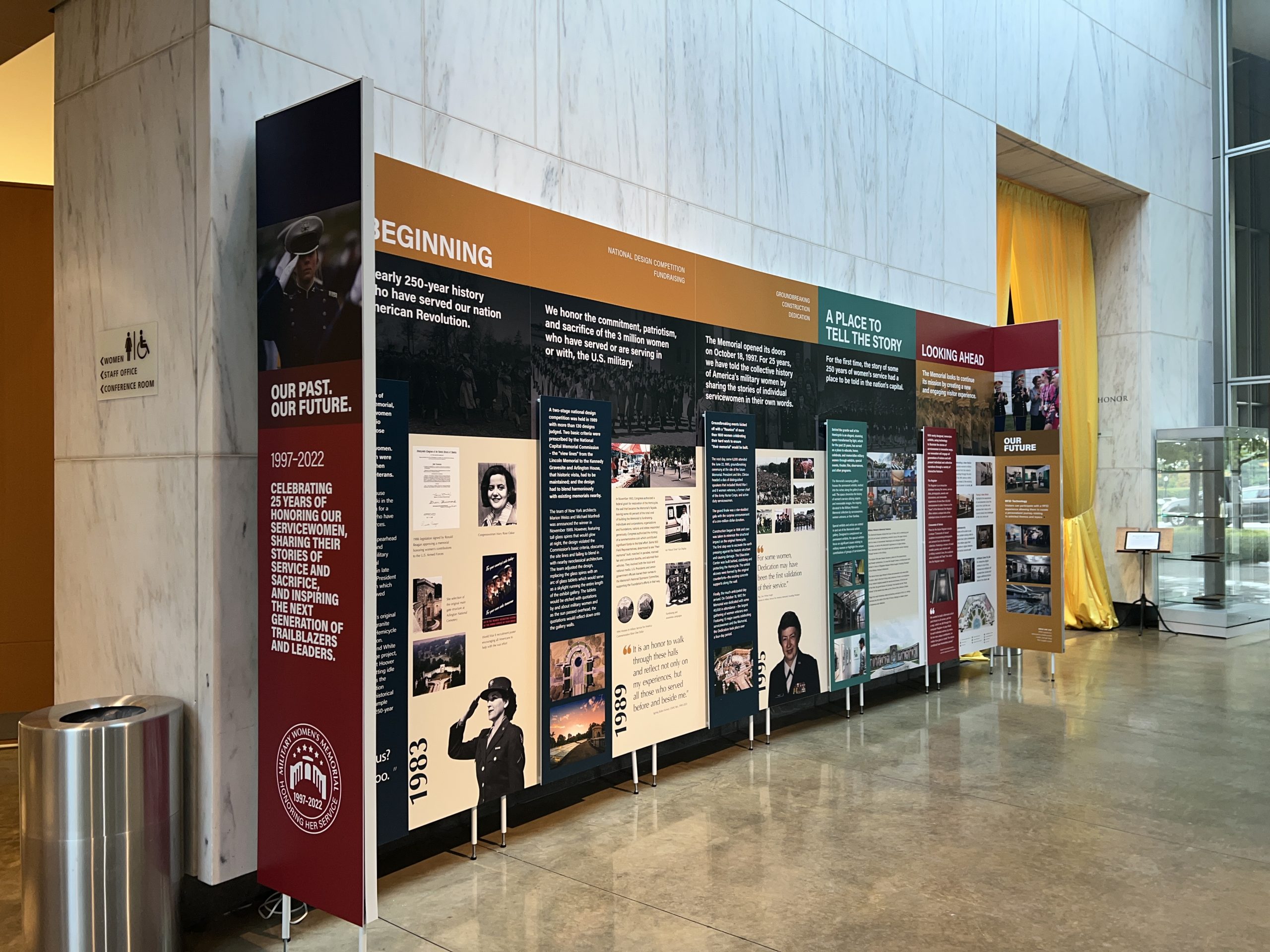
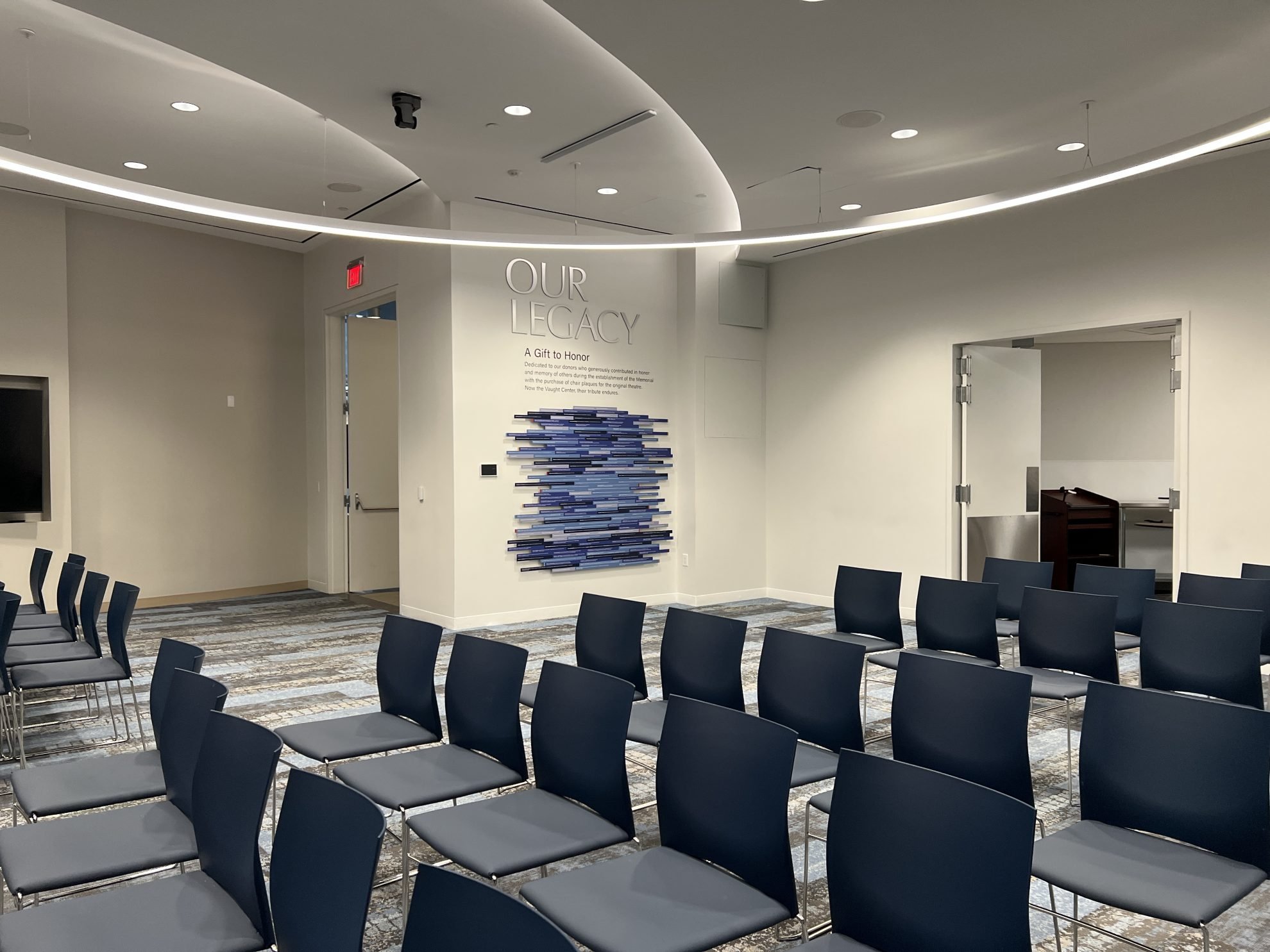
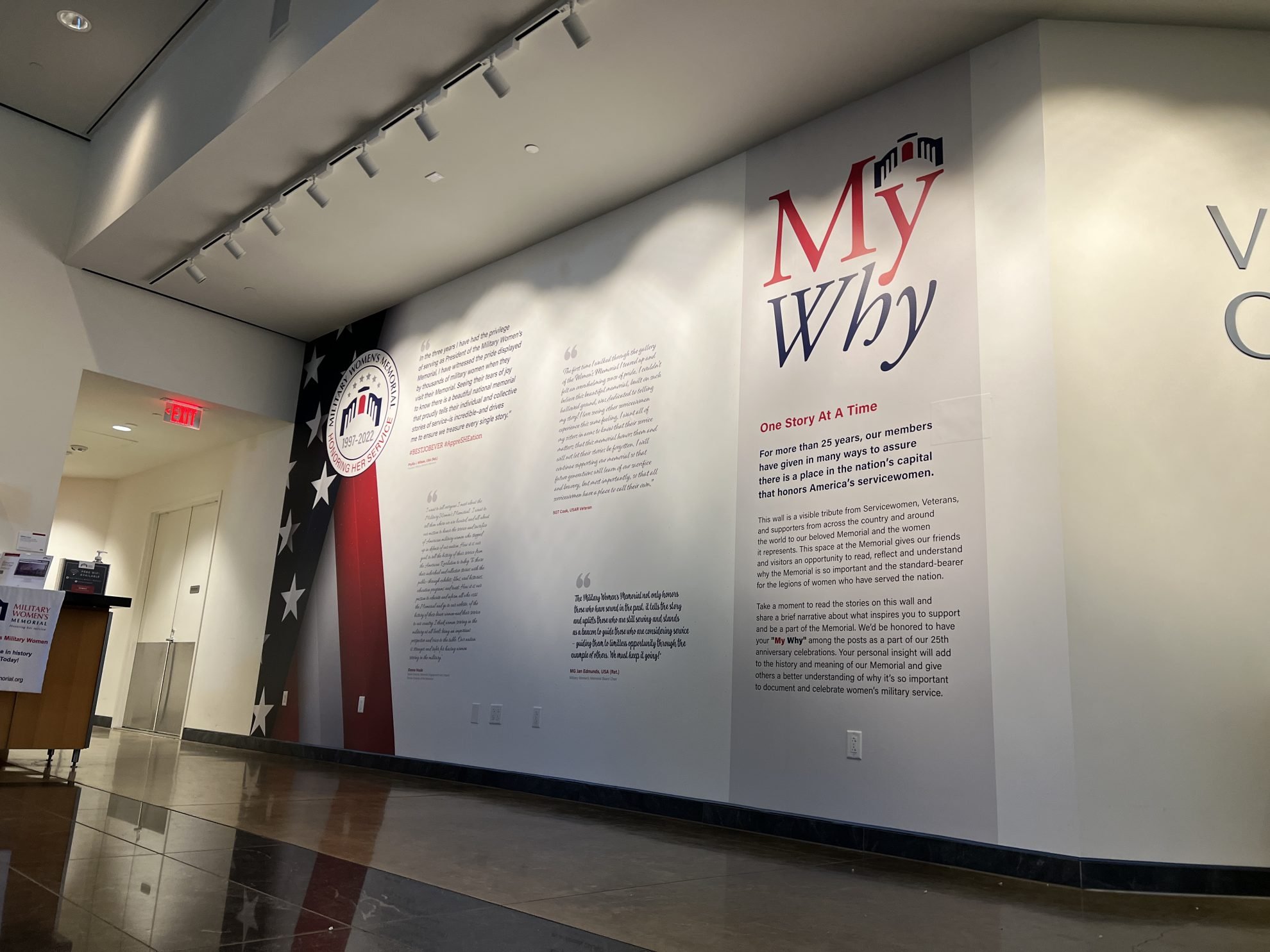
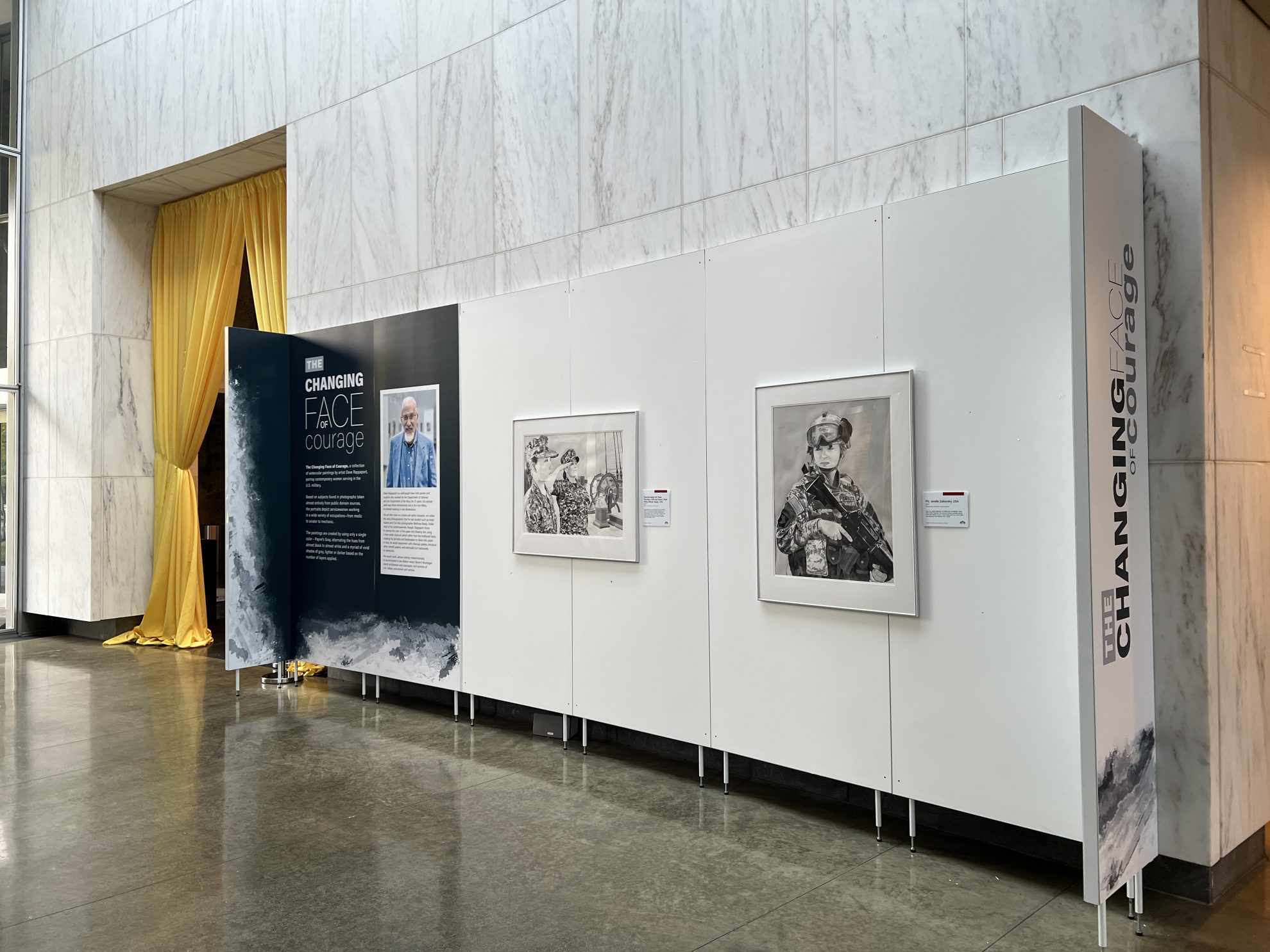
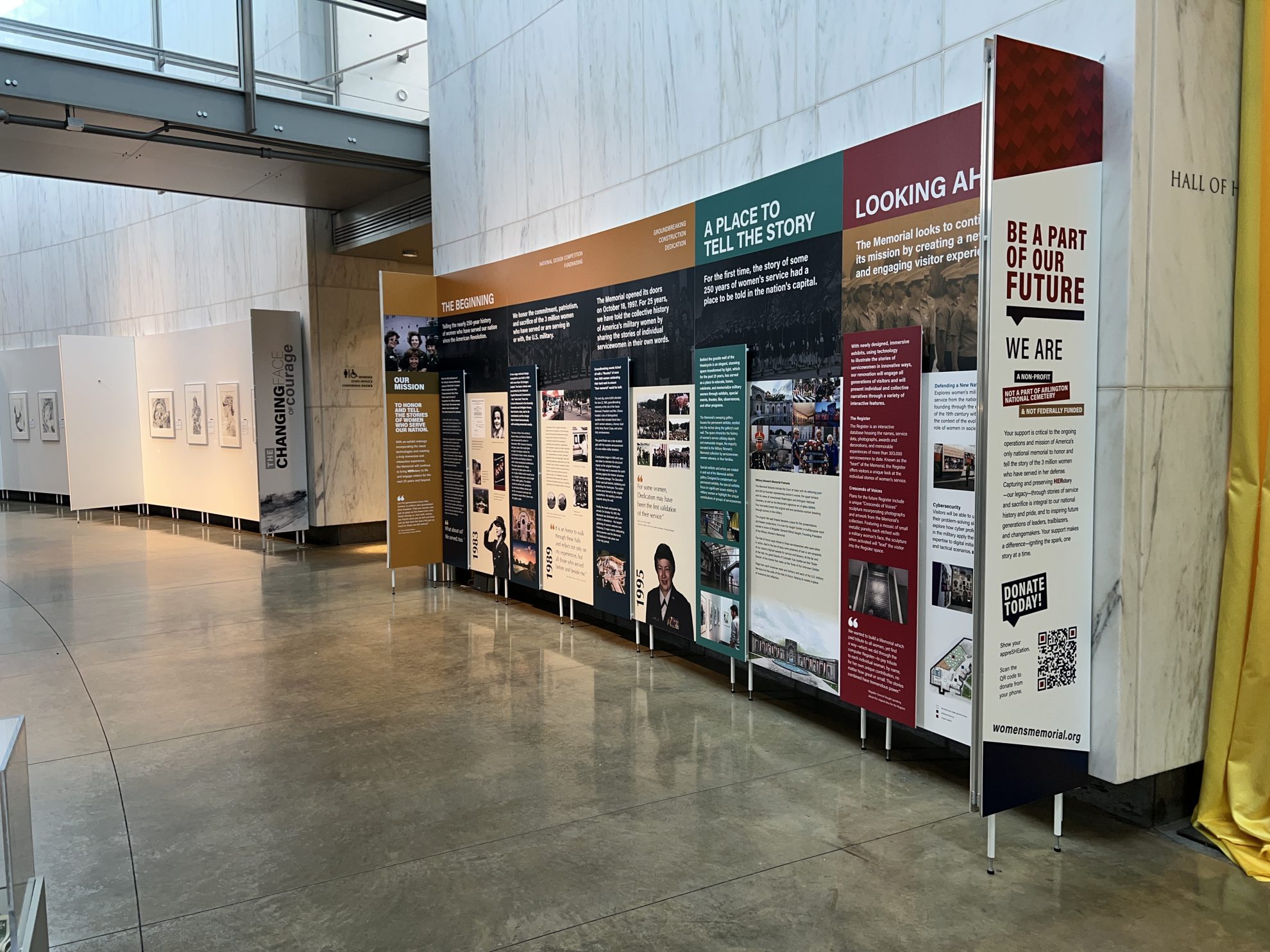
Heritage Signs & Displays created new museum signage for the Military Women’s Memorial in Arlington, VA. The project included custom signs, wall wraps, dimensional letters, and standoff-mounted displays to honor the legacy of U.S. servicewomen and the donors who supported the memorial. The updated interior features impactful designs, including a "Our Legacy" wall display and panels showcasing historical contributions and artwork, creating a transformative tribute to women in the U.S. Armed Forces.
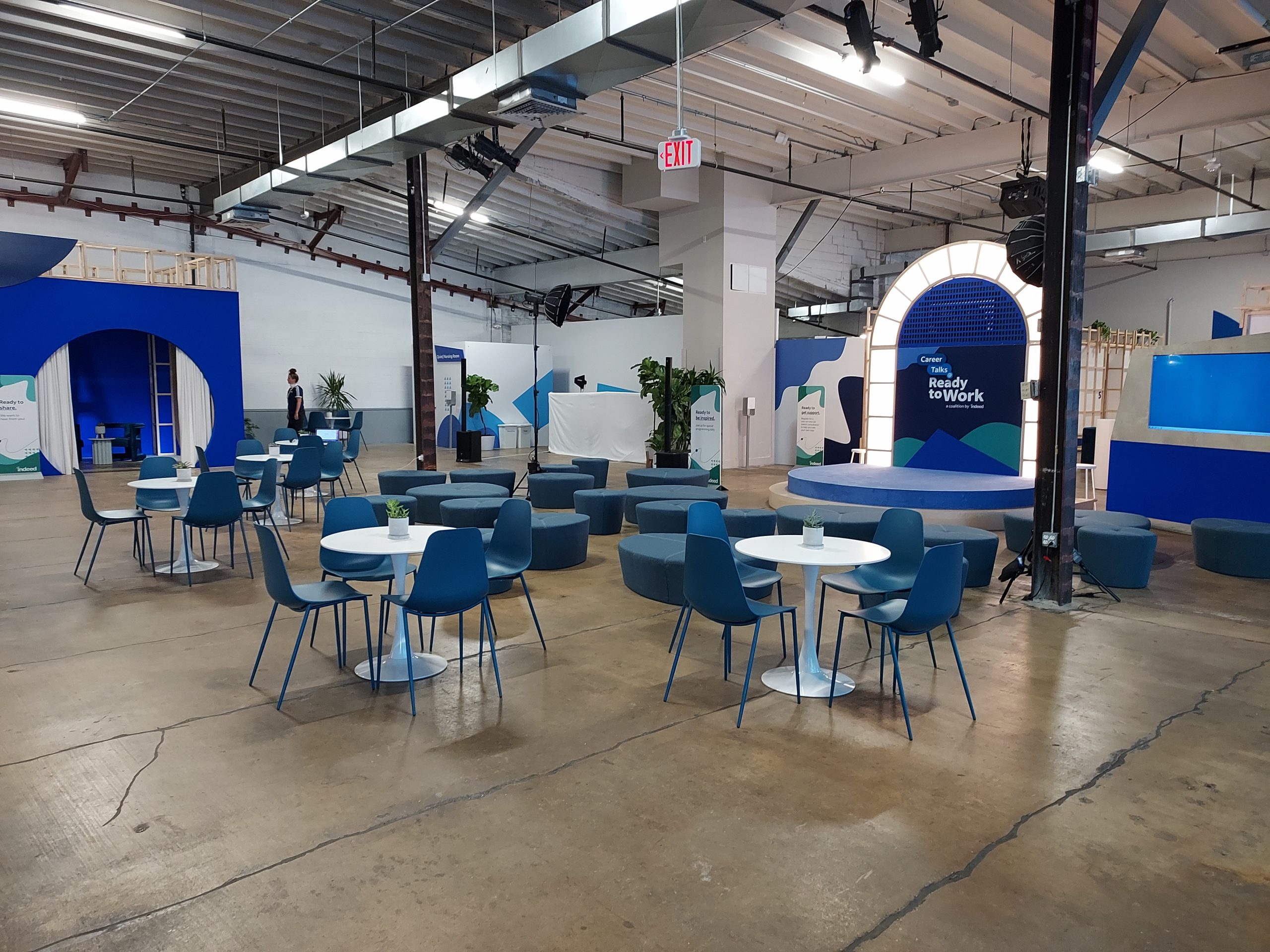
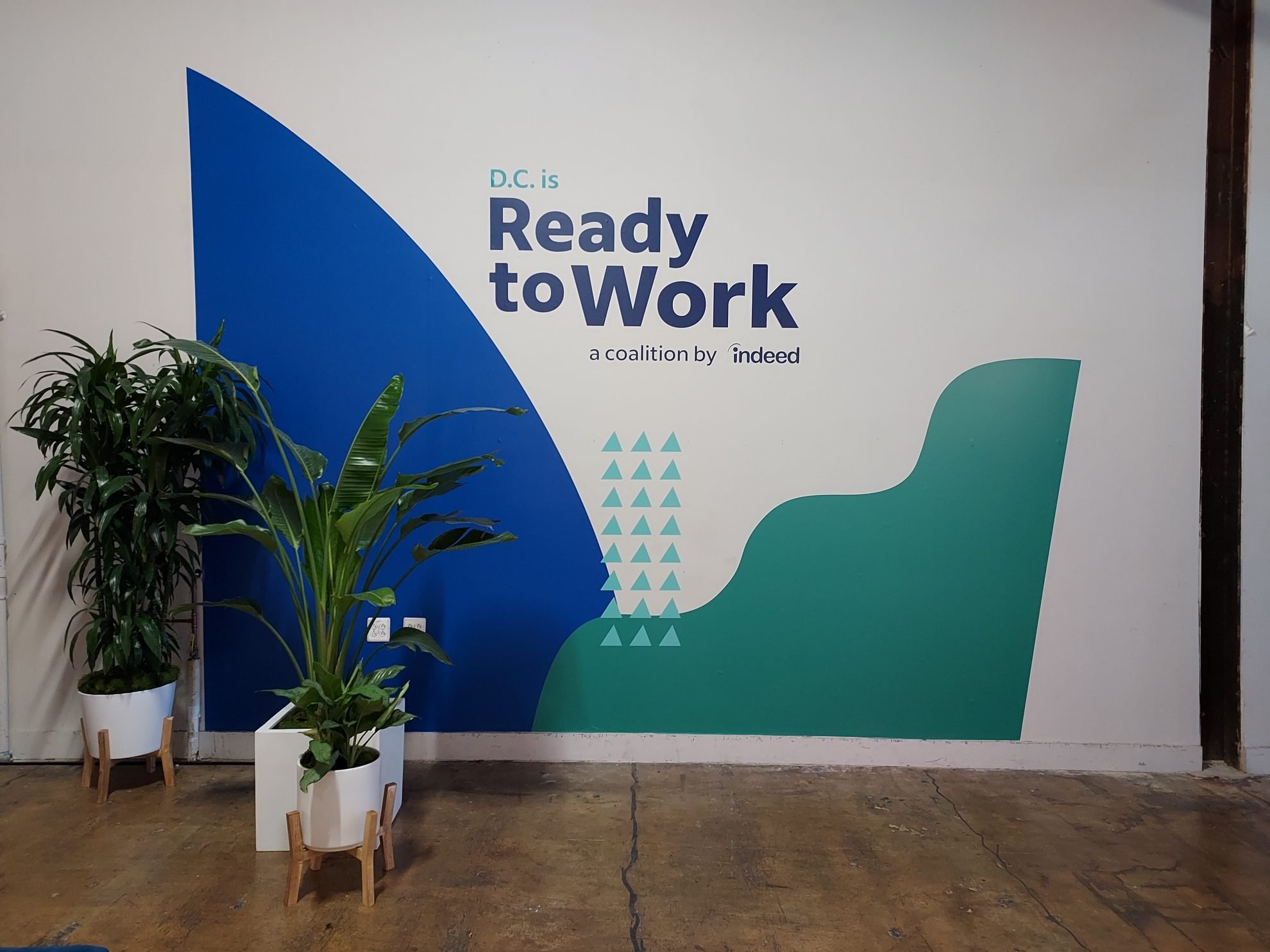
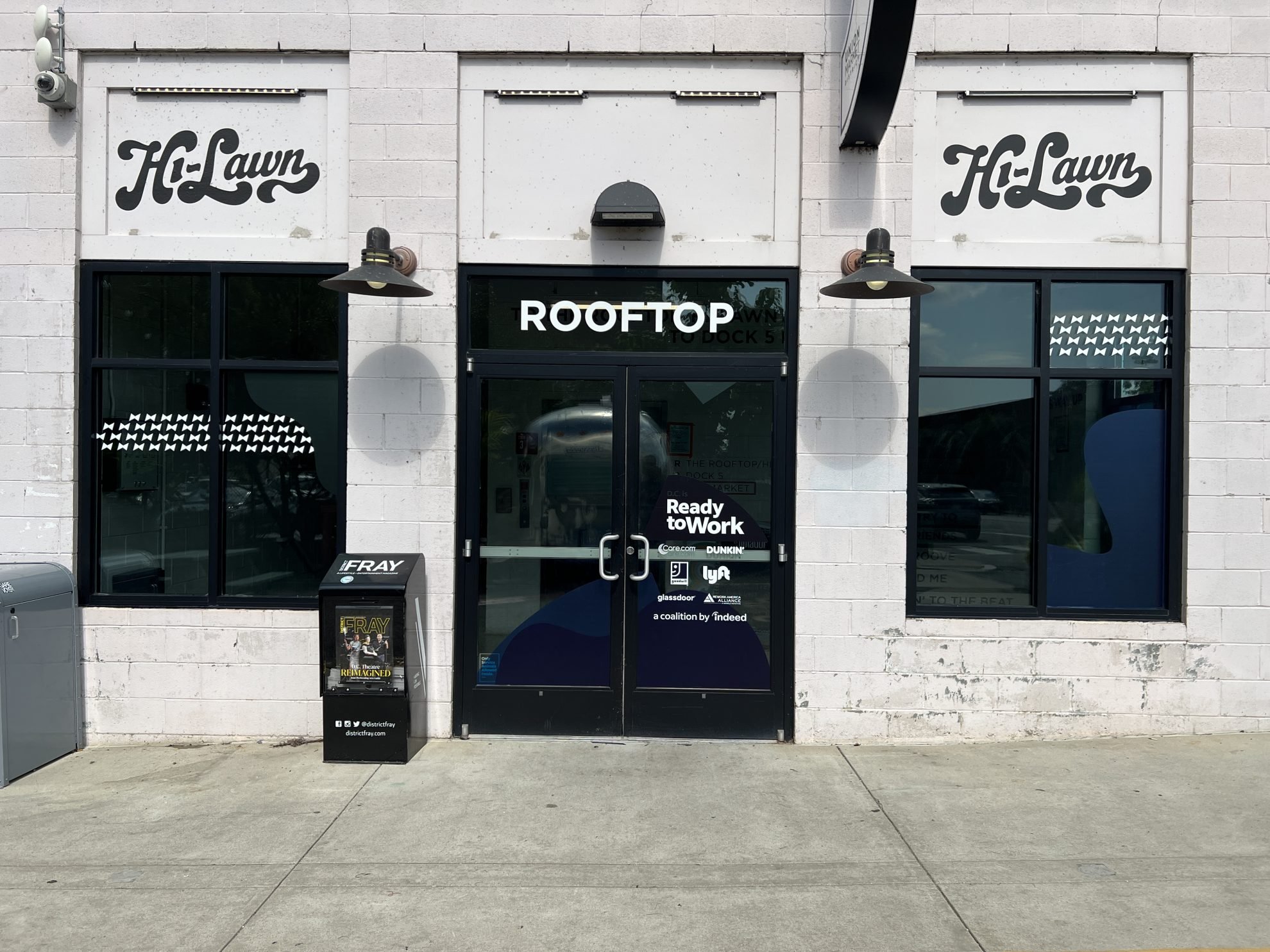
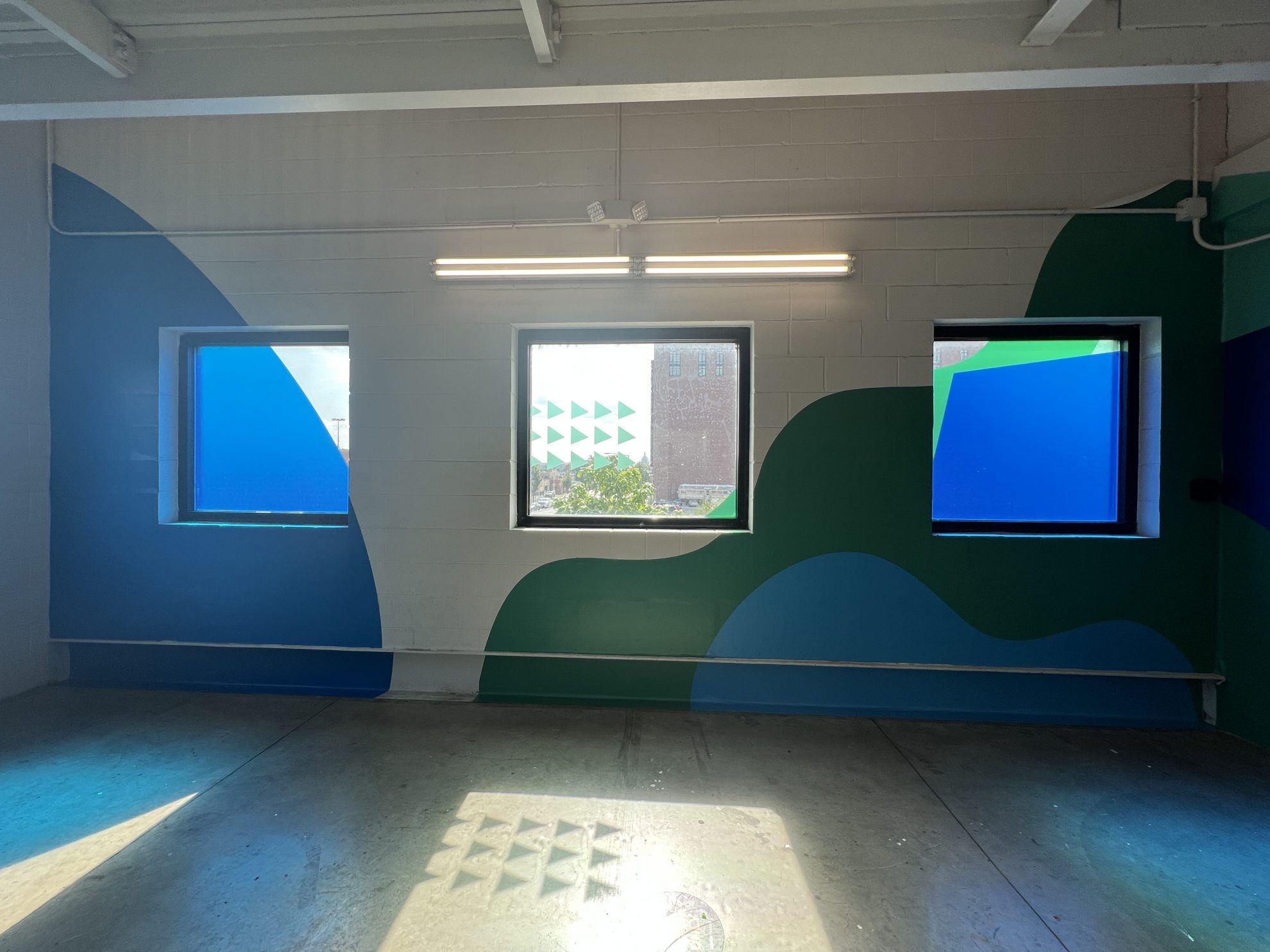
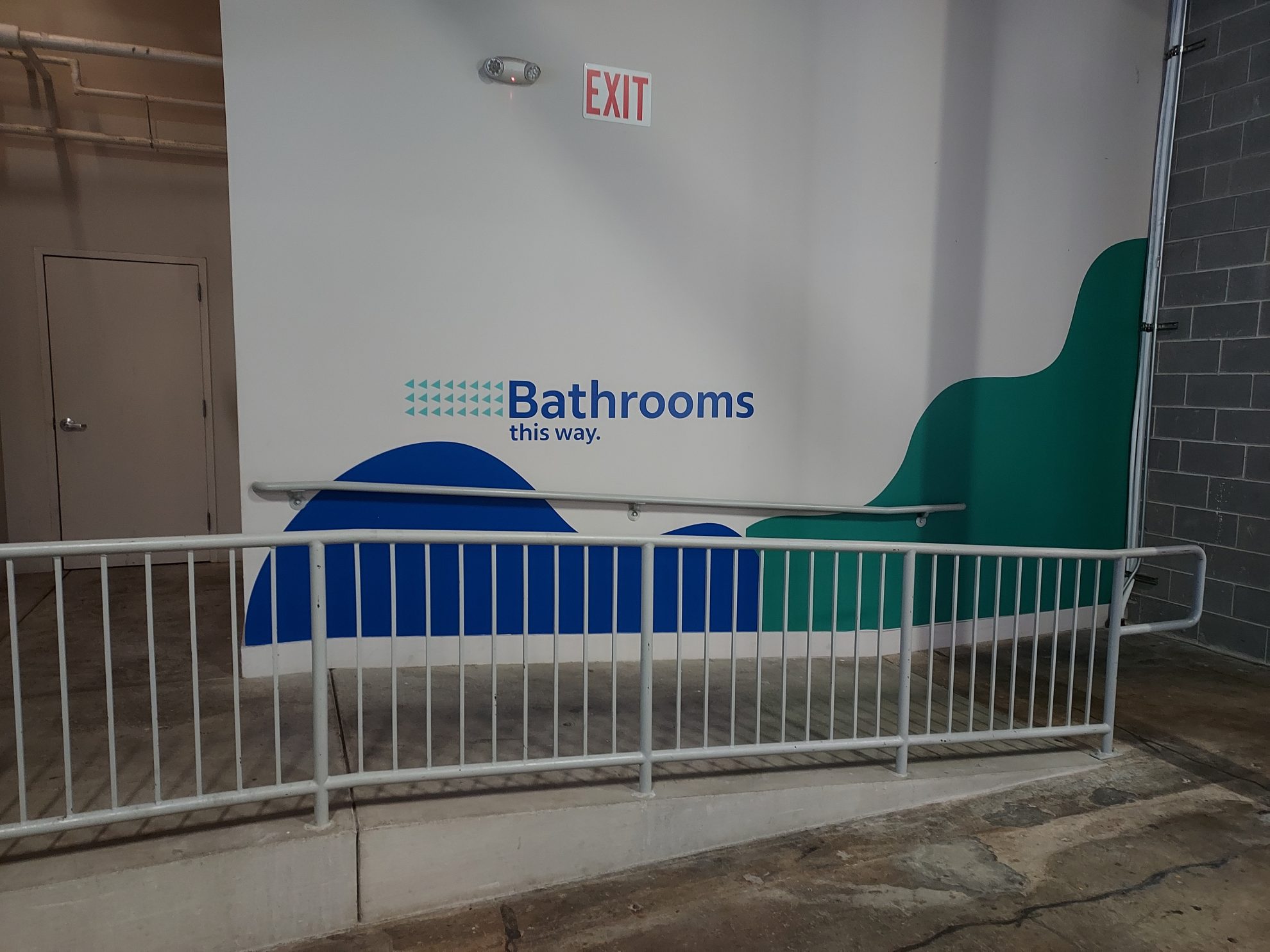
Heritage Signs & Displays' collaboration with The Gathery to brand Union Market in Arlington, VA, for Indeed's "Ready to Work" job fair. The project included custom event displays, wall graphics, window graphics, and wayfinding signs, creating an immersive and visually appealing environment. The branding enhanced the venue, reflected the event's mission, and provided a seamless experience for attendees.