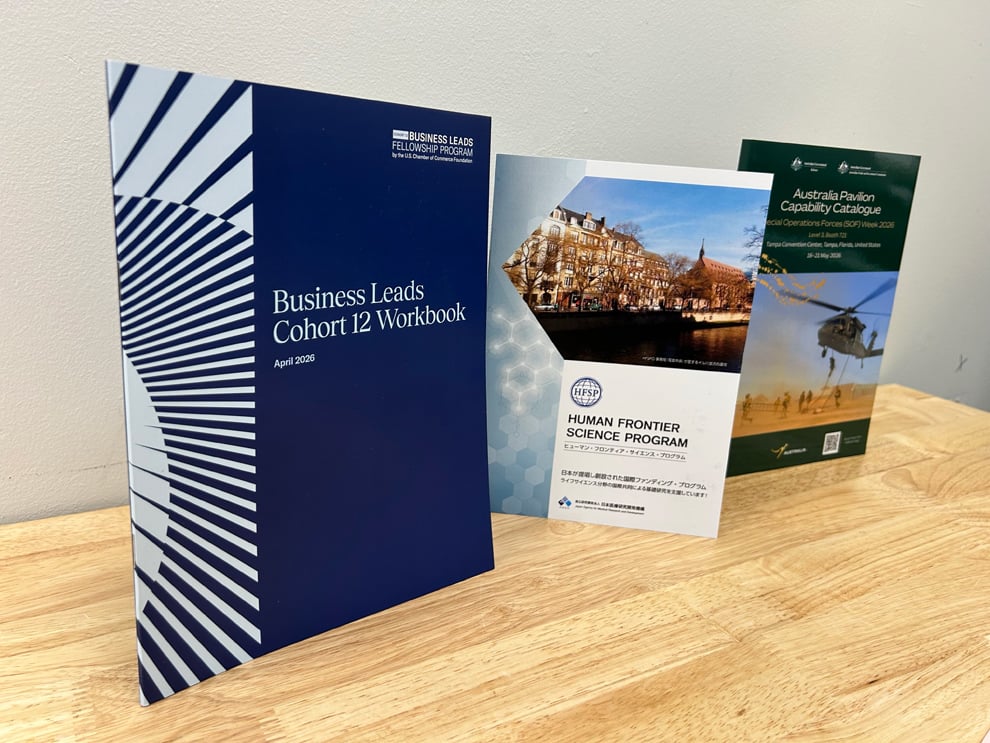
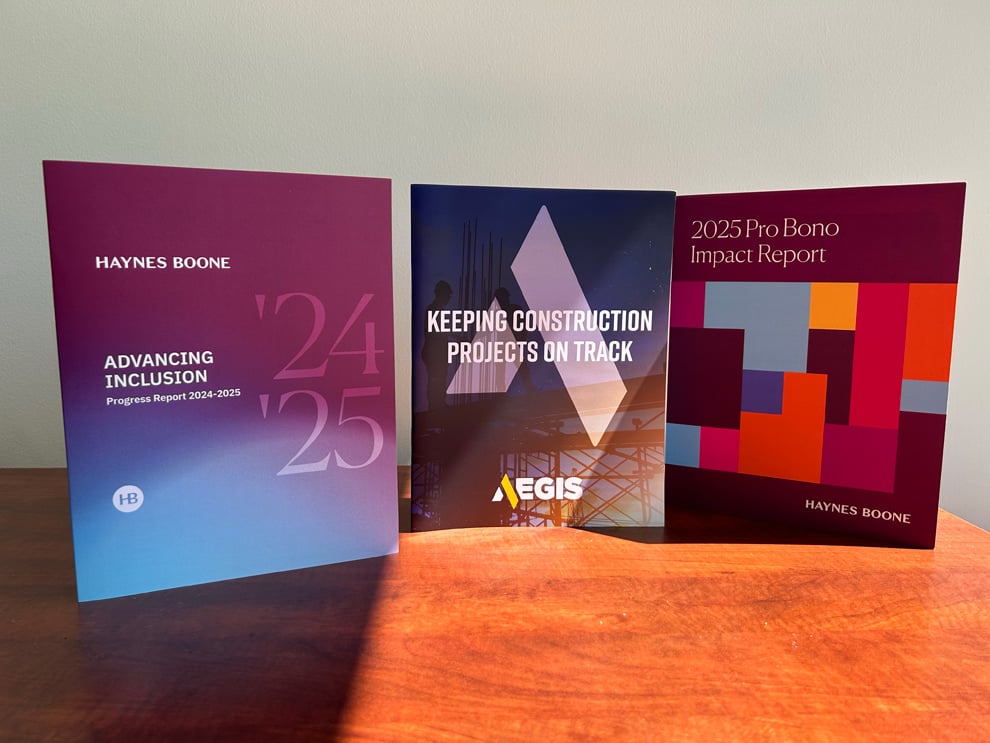
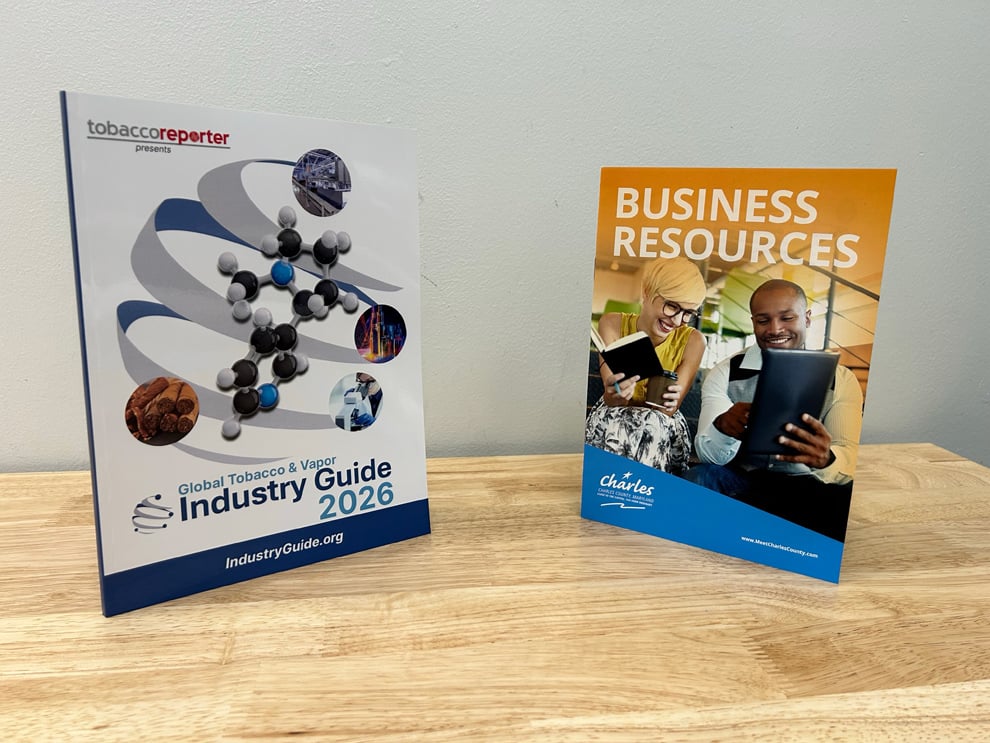
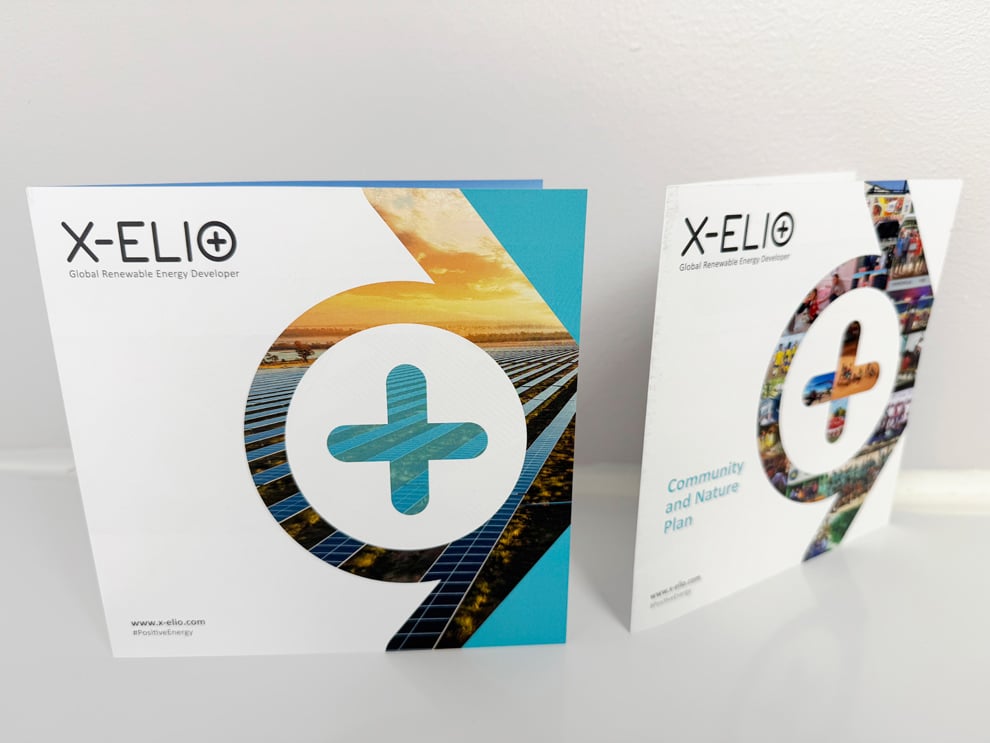
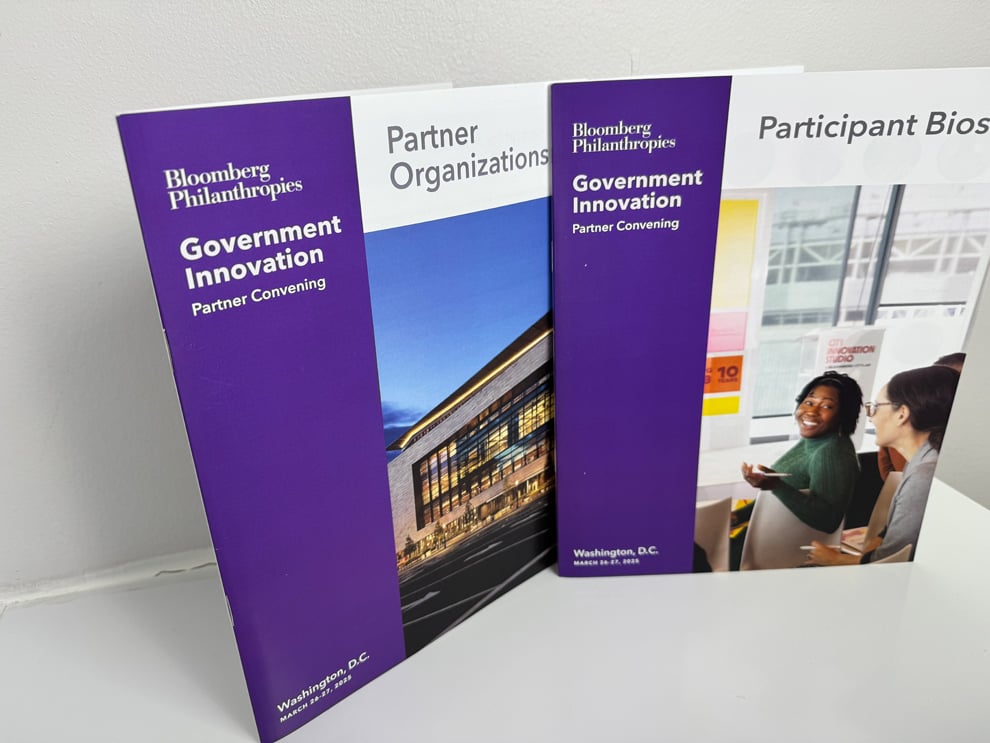
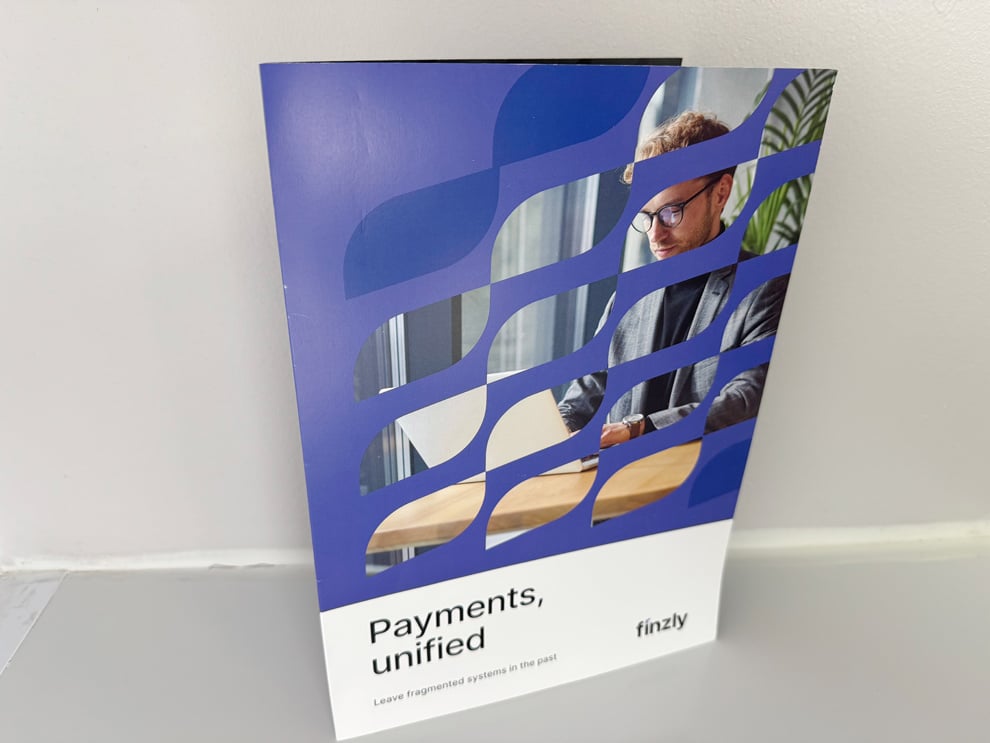
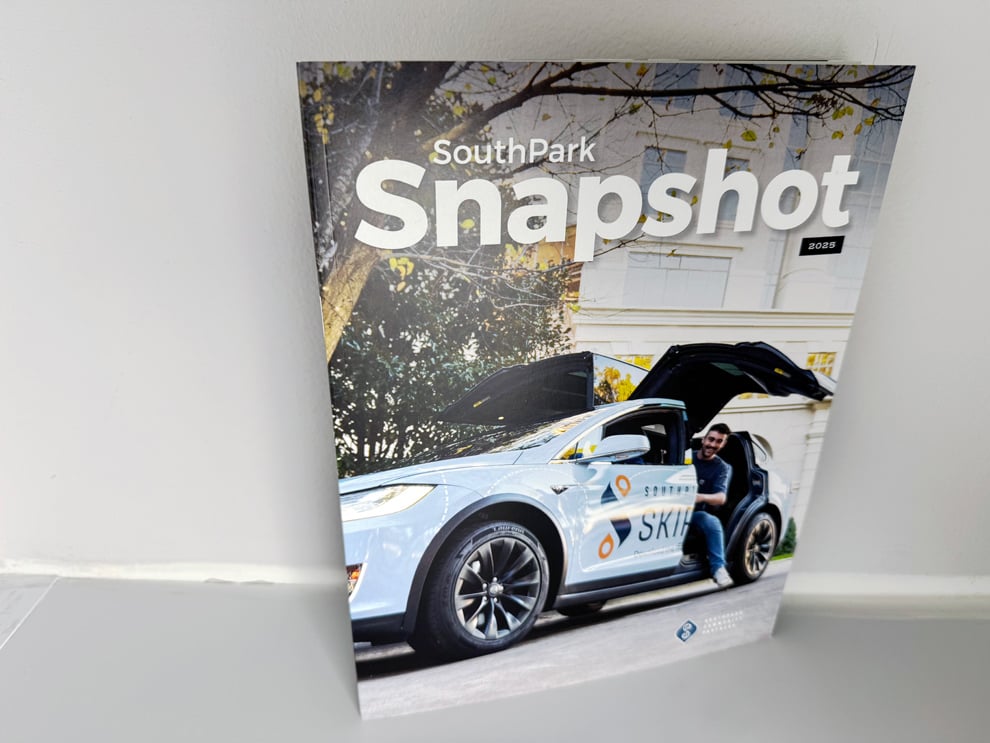
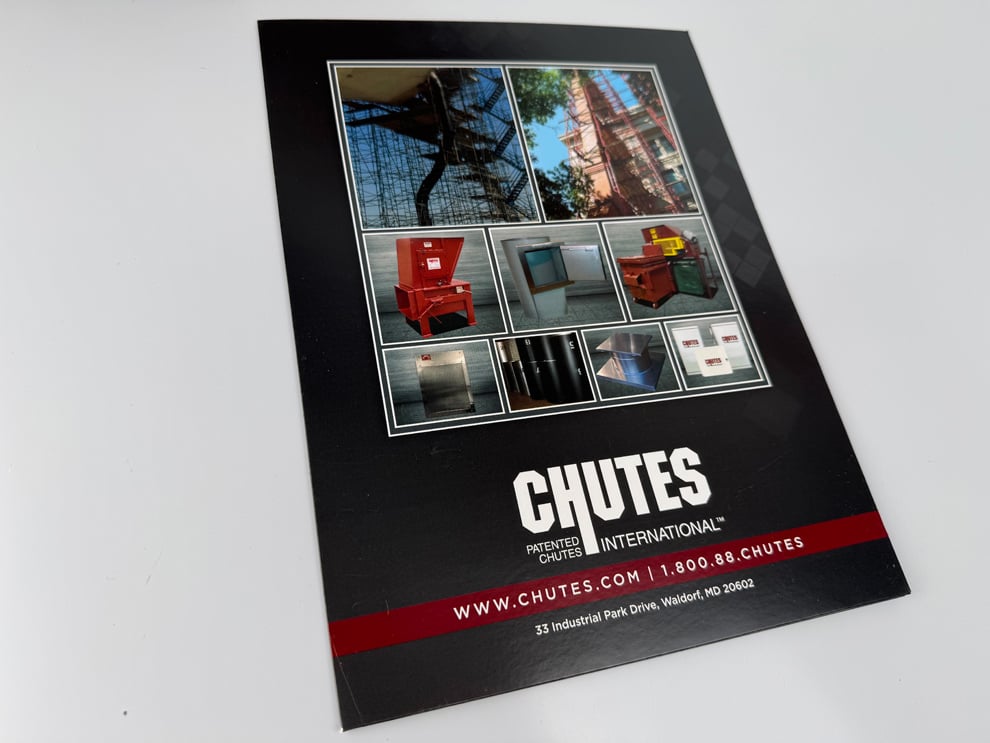
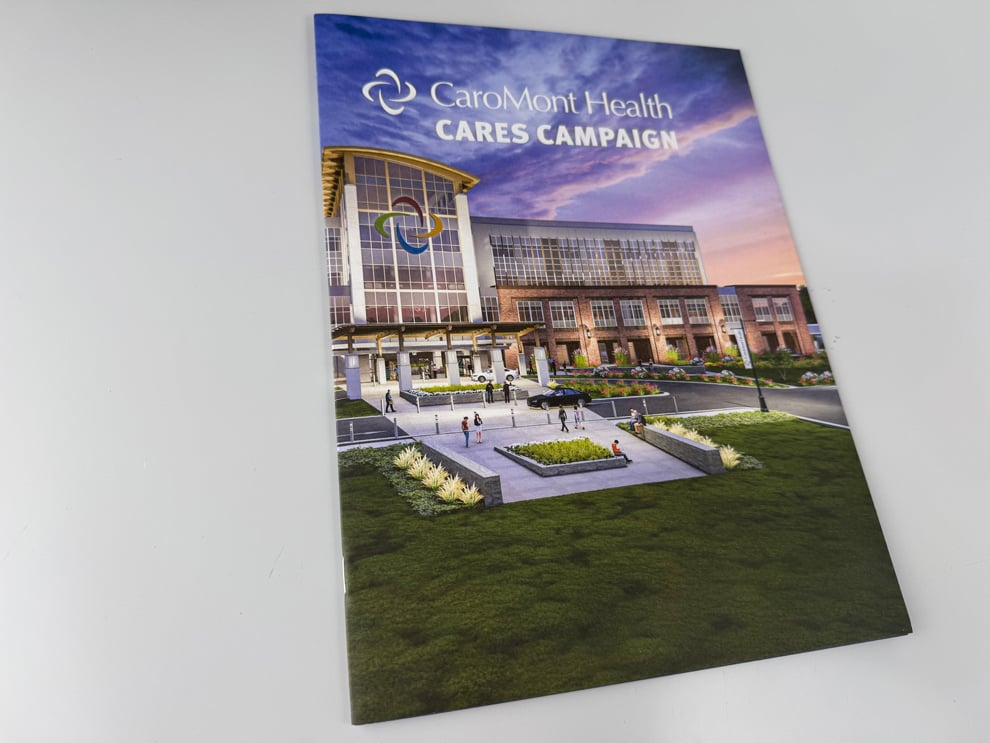
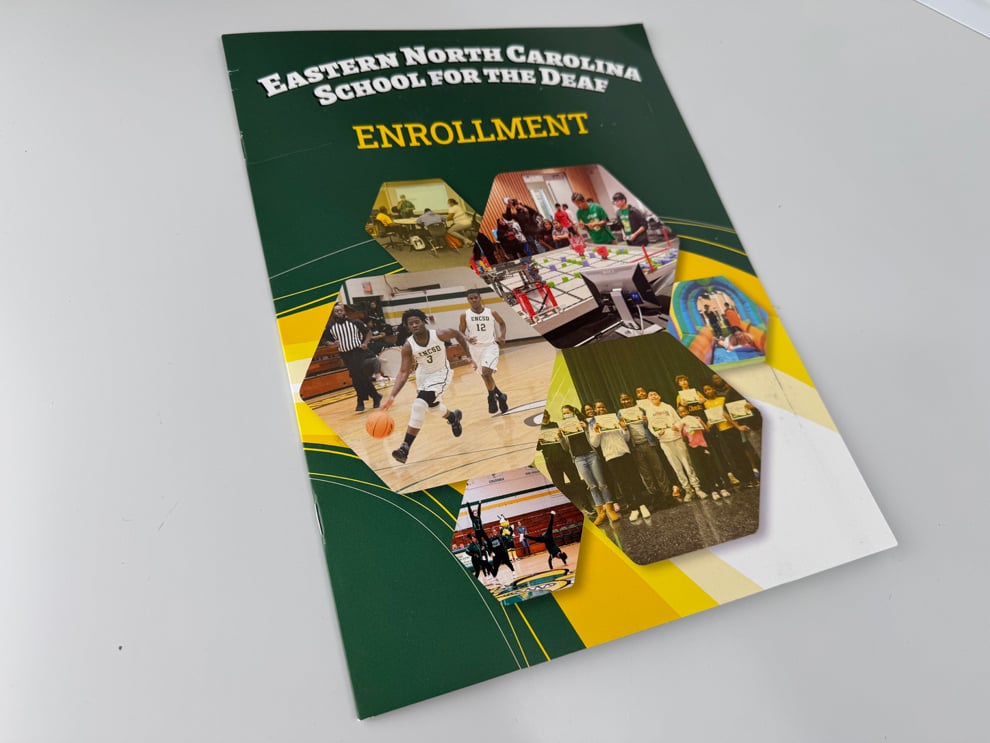
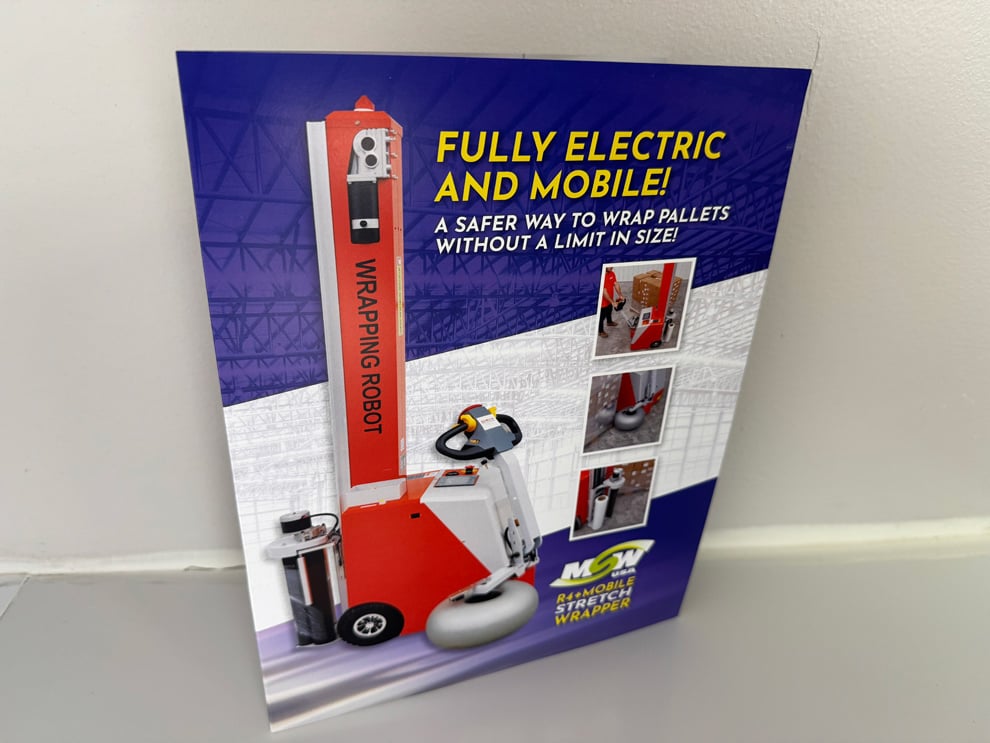
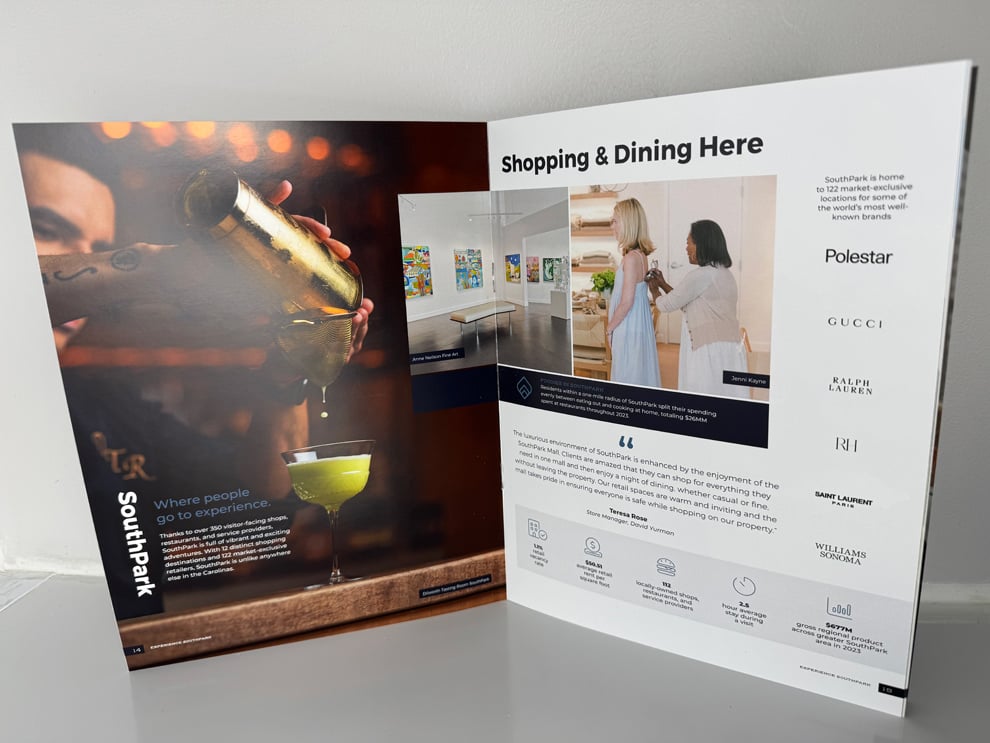
An effective presentation packet helps the recipient find the right information without sorting through an unstructured stack of documents. The folder provides the framework: a recognizable cover, a logical arrangement of materials, and a place to retain information after the meeting. For Richmond, VA buyers, planning that framework before ordering can prevent a polished folder from becoming an awkward fit for the documents it must carry.
Heritage Signs & Displays approaches presentation folder printing as a production decision shaped by the complete packet. Start with the finished dimensions, number, and combined thickness of the inserts, then consider how recipients will handle the materials. Pocket configuration, folder stock, business-card slits, artwork placement, and supported finishing should follow those requirements.
A proposal that changes for every appointment needs a different content arrangement from a stable company overview. Loose inserts can accommodate updates, while an integrated stitched section can keep essential information attached. Defining that distinction early helps establish a folder specification that supports both the immediate presentation and future use without unnecessary complexity.
Talk with Heritage about a coordinated event environment involving multiple signs, graphics, displays, and professional installation.
Get Started Now
Heritage brings printing roots dating to 1977, veteran ownership, and family leadership to the practical demands of presentation folder production. That background matters when the assignment involves more than printing a branded cover. The folder, its contents, and any accepted assembly requirements need to work together as a finished piece.
For a Richmond presentation with a fixed meeting date, the useful conversation starts with what must be ready and where it must arrive. Finished artwork, insert specifications, approval responsibilities, and packing instructions influence the production plan. Heritage requires client approval of an electronic proof before printing every accepted Commercial Printing order, giving the buyer a defined opportunity to review the production file.
For accepted and assigned Custom Quote work, a Project Coordinator may provide direct phone and email communication about the agreed specifications and production requirements. That relationship does not begin simply because a form is submitted. Keeping acceptance, proof approval, assembly, and delivery arrangements explicit helps buyers understand their responsibilities and evaluate the complete scope before relying on a schedule.
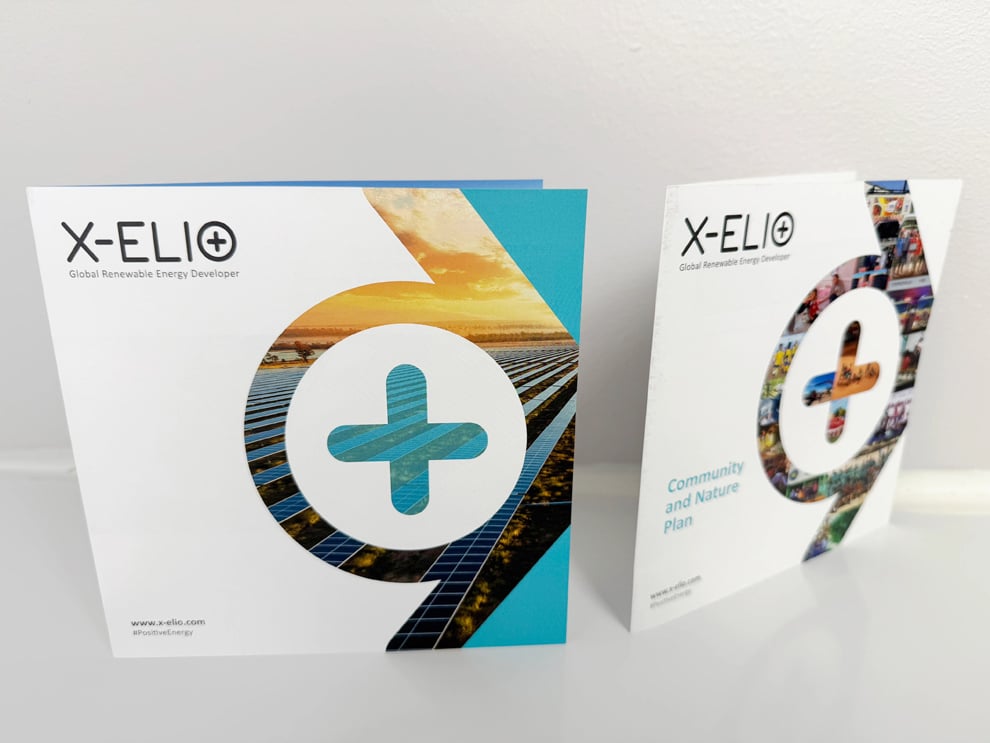
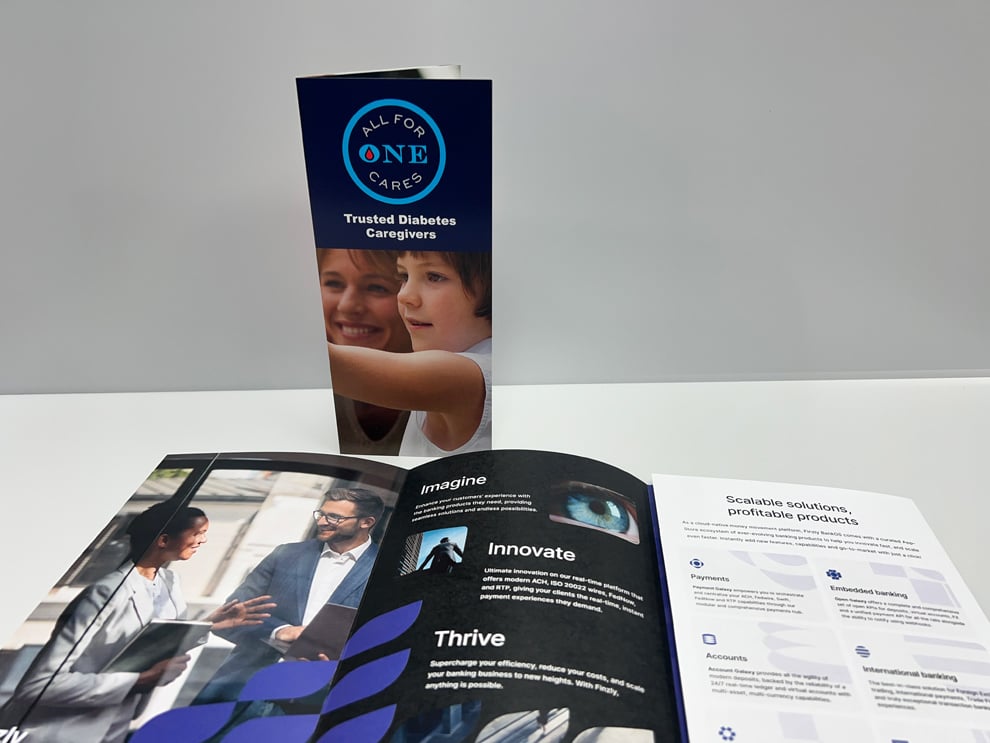
Use folded brochures for supporting information that recipients can remove from the folder and share independently.
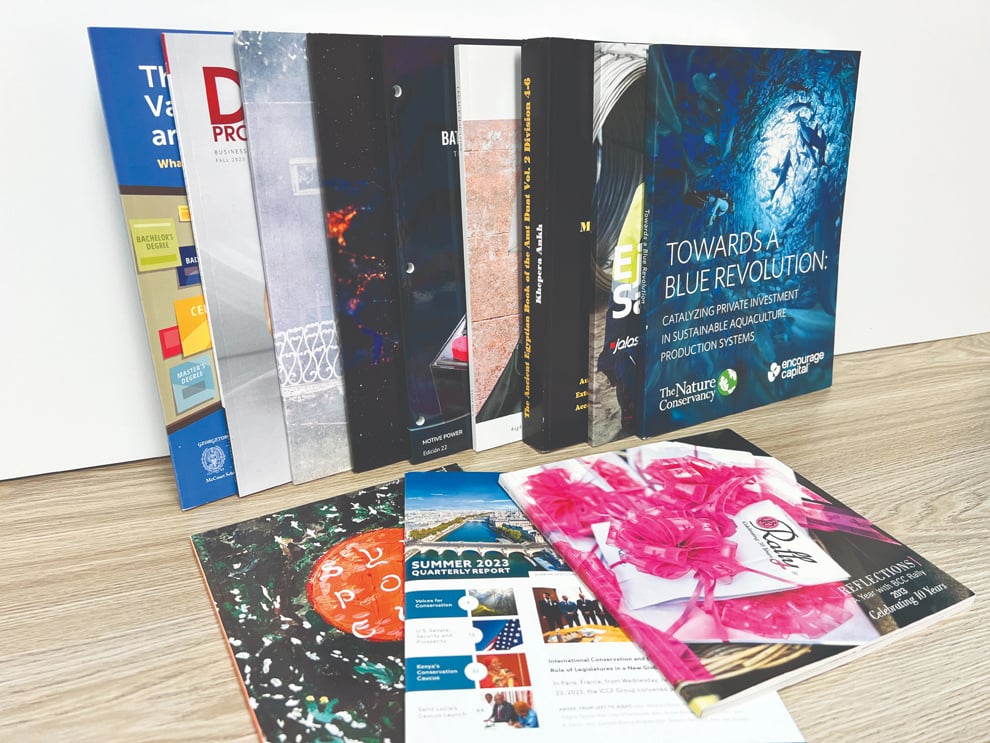
Plan coordinated collateral when the presentation requires several printed pieces beyond the folder itself.
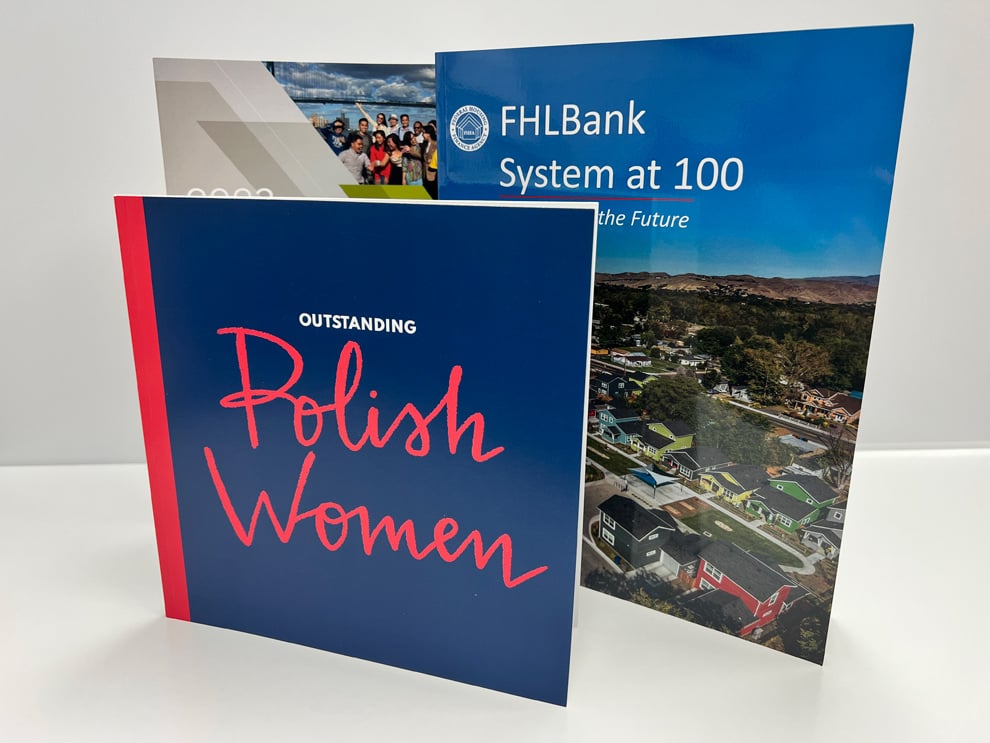
Include a standalone booklet when a detailed narrative needs its own binding rather than a section integrated into the folder.
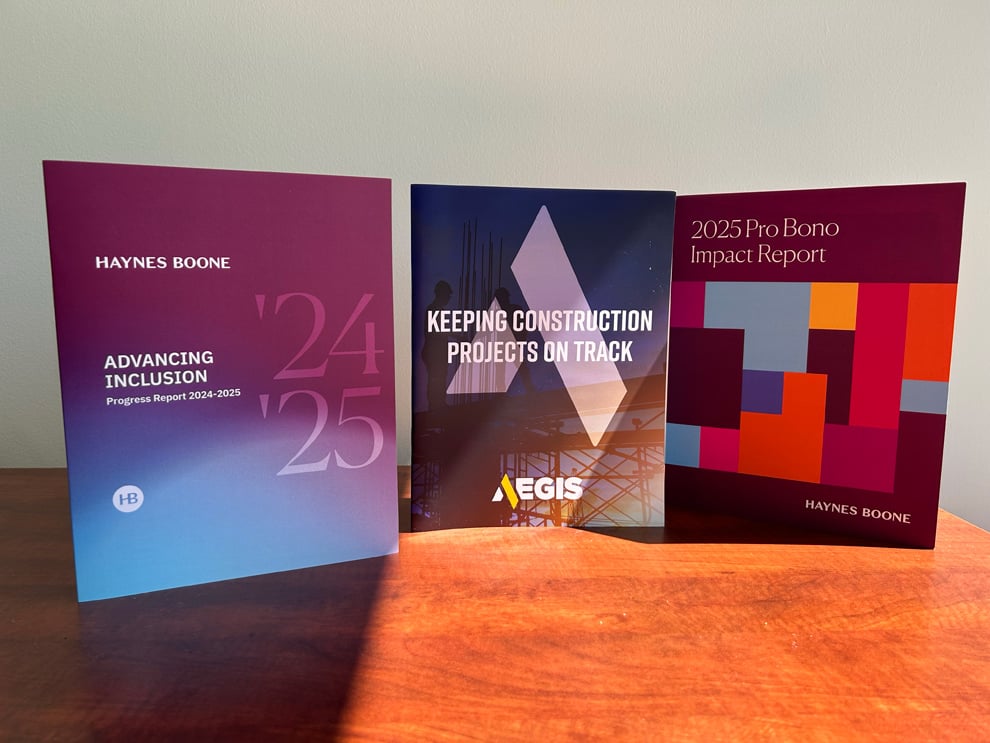
Pair a report with a presentation folder when financial or organizational information accompanies separate meeting documents.
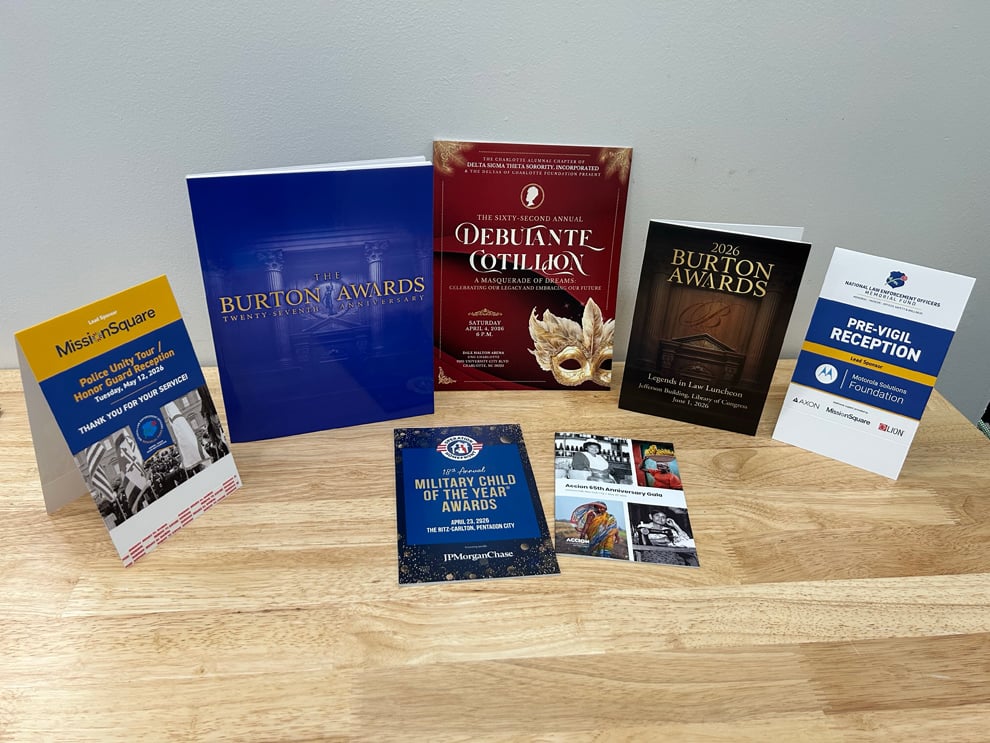
Keep scheduled activities in a separate program while the folder holds additional information for participants.
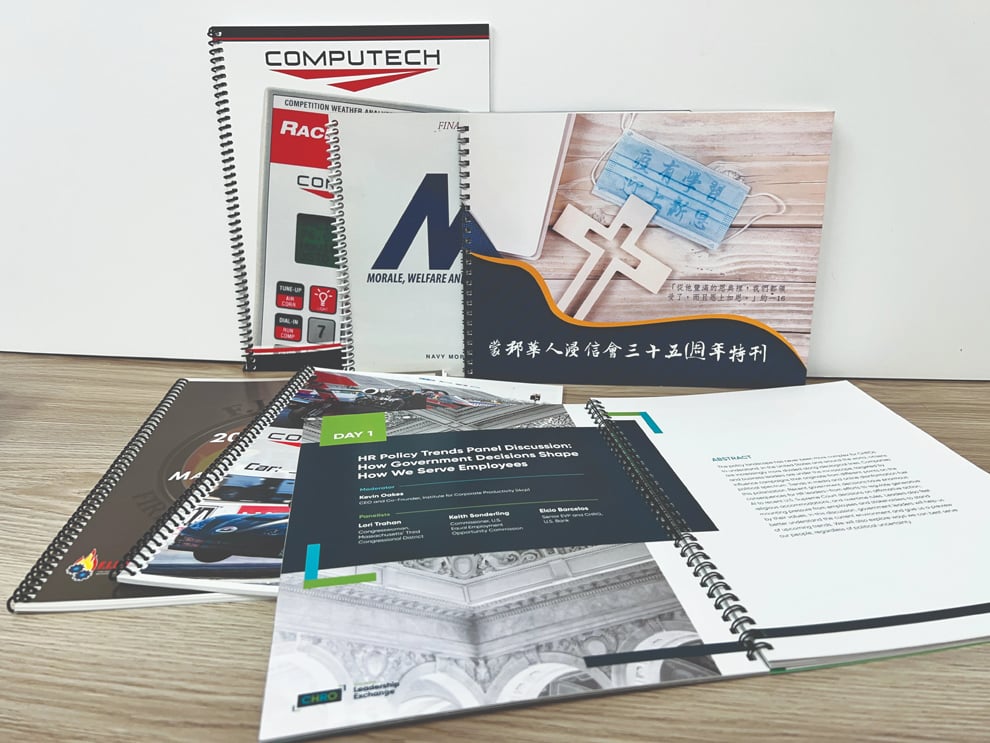
Use a manual for ongoing reference and a folder for accompanying forms, introductory information, or update sheets.
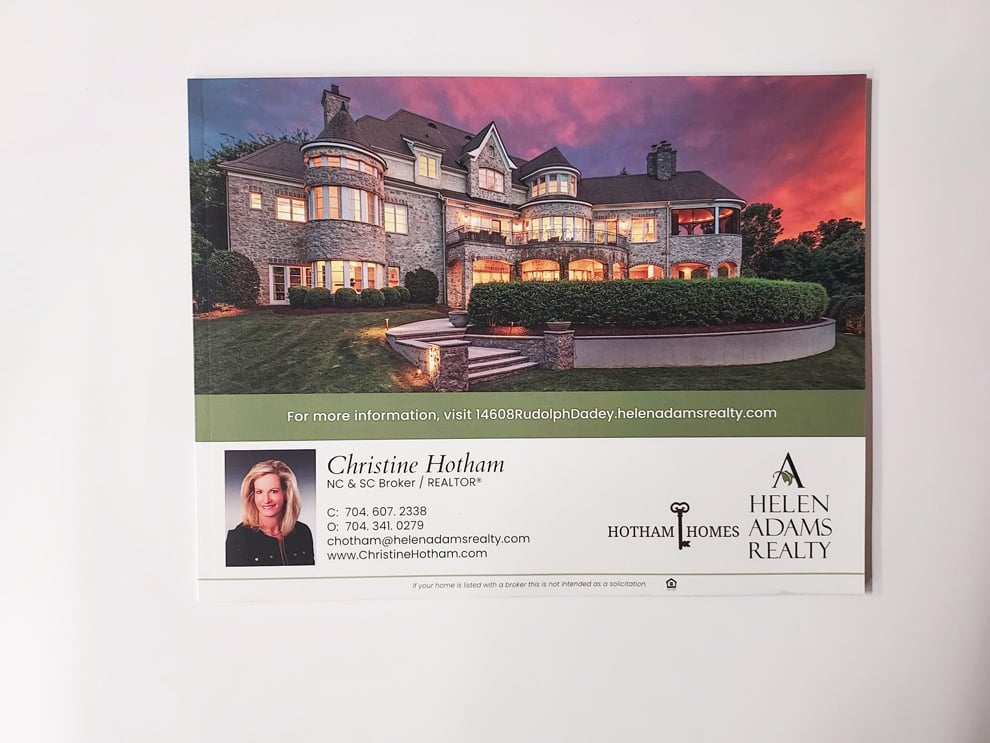
Evaluate addressed distribution when the presentation packet must reach recipients through an accepted mailing arrangement.
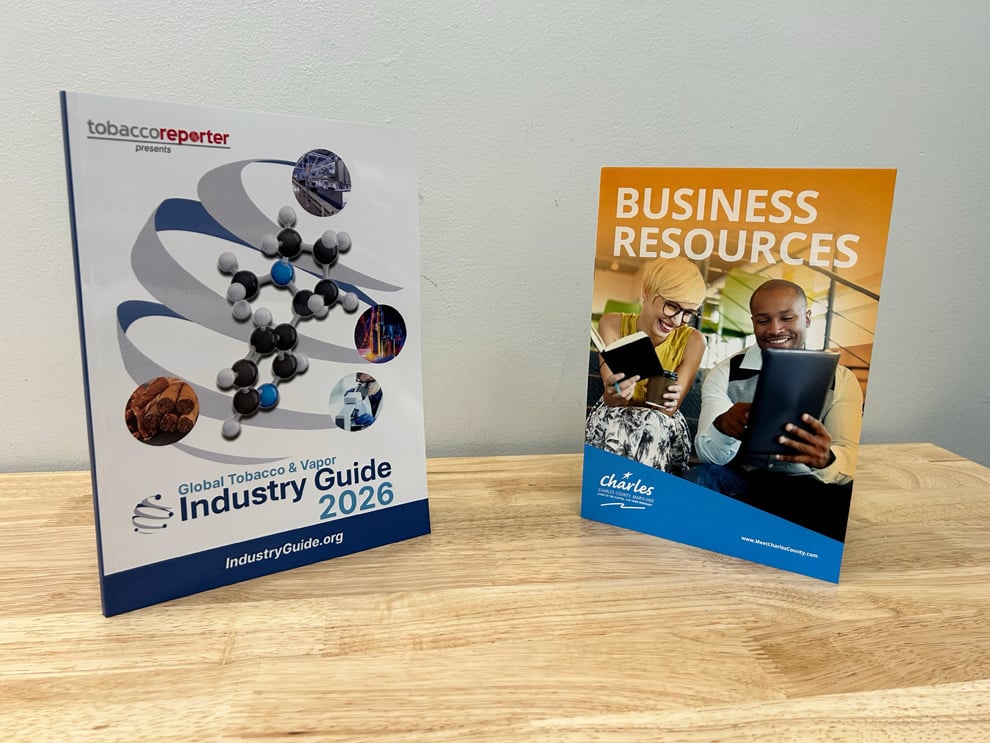
Add a current newsletter when timely organizational updates complement the more durable information in the folder.
Prepare the folder quantity, insert dimensions, artwork status, version requirements, and required in-hand date before selecting an ordering route. Include any assembly, packing, or distribution requirements so the complete job can be evaluated.
Self-Directed Online Store purchases require complete print-ready artwork and a live, orderable configuration that matches the job. The total eligible-order minimum is $750, and multiple eligible Store products can contribute to that total.
Custom Quote eligibility applies to qualifying Commercial Printing opportunities of $2,000 or more that need appropriate customization or higher-touch production support, subject to approved intake availability. Order value alone does not make Custom Quote necessary.
Every accepted Commercial Printing order requires electronic proof approval before printing. Production and delivery commitments depend on the confirmed specifications and accepted schedule.
A Company Capability Booklet separates information that should stay attached from information that needs to change. Its construction combines a substantial branded folder cover, an integrated pocket, and an 8-, 12-, or 16-page stitched section. Unlike an ordinary standalone booklet, it retains the folder functionality needed for additional documents.
The stitched pages can carry an enduring company overview, while the pocket holds a proposal or other material specific to the recipient. This arrangement lets a buyer update the variable portion without treating every presentation as an entirely new publication. The thickness of both components still matters when specifying the finished piece.
For recurring programs, Heritage can evaluate common folder inventory, different stitched sections, staged completion, and packing requirements within an accepted production arrangement. These services are not assumed features of every folder order or Store configuration. Establish quantities, version names, release instructions, storage terms, and destinations before relying on that approach. A documented plan gives each release a defined content set and helps prevent outdated materials from entering a new packet.
Before an accepted Commercial Printing order enters production, Heritage requires customer approval of an electronic proof, including for eligible Online Store purchases. This review provides an opportunity to verify text, logos, images, positioning, and other visible layout elements. Customers should examine the file thoroughly and request necessary corrections before approval. The proof confirms the authorized artwork rather than guaranteeing the precise appearance of printed colors.
Heritage can coordinate multiple folder variations when those requirements are included in the accepted order. Richmond organizations may need distinct artwork, contact details, quantities, or inserts for different departments and programs. Maintaining separate, clearly identified production files helps ensure that each version receives the appropriate proofing and packing attention. Establishing these distinctions early also supports efficient coordination when several similar folder designs are produced together.
A Company Capability Booklet brings a structured publication and a presentation folder together in one integrated piece. Its construction includes a substantial branded cover, a stitched section of 8, 12, or 16 pages, and a built-in pocket for additional documents. Richmond businesses can use this configuration to communicate their qualifications while supplying supporting information. A publication without the integrated folder and pocket is categorized under Booklet Printing.
A well-organized presentation helps recipients understand the information being provided and gives them a convenient way to retain it. Richmond companies can use branded folders to distribute employment information, client proposals, company introductions, training documents, and sales materials. Bringing these pieces together creates a consistent presentation that reflects the organization's professional identity while making individual documents easier to locate, review, and reference after the initial interaction.
Orders that fit Heritage's current standard product configurations can generally begin through the Online Store. A Custom Quote is more appropriate when the work involves integrated stitched booklets, several insert types, specialized assembly, stored inventory, phased completion, or coordinated fulfillment. Heritage reviews these requests to determine appropriate production arrangements. Submitting a Custom Quote inquiry does not automatically mean the project has been accepted or that a Project Coordinator has been assigned.
Yes. Organizations that regularly distribute onboarding materials, recruiting information, client packets, or sales presentations may benefit from maintaining a consistent folder format. While the exterior design can remain familiar, the supporting documents may change with each project. Heritage can reference previously approved specifications when appropriate, but every new accepted order still requires consideration of current artwork, quantities, paper availability, finishing choices, production schedules, and delivery needs.
Customers should provide finished or substantially completed artwork that reflects their established branding and intended message. Online Store orders require print-ready files appropriate for the selected configuration. For accepted Custom Quote projects, Heritage may accommodate limited production preparation, including dimensional adjustments, positioning corrections, or layout refinements. Comprehensive brand development, original campaign planning, advertising strategy, and creative messaging are outside Heritage's production-focused Commercial Printing services.
Pocket arrangements and business-card slits can be incorporated when compatible with the selected folder specifications. Heritage's live Online Store displays the standard configurations currently available for direct ordering. When a project requires a less conventional arrangement, the Custom Quote process allows additional evaluation. The dimensions, volume, and type of enclosed materials help determine whether the requested construction will function properly within the proposed design.
Heritage can produce an accepted presentation folder order together with related brochures, booklets, sales sheets, informational inserts, and other commercial printing materials. Coordinating these components makes it easier to address production specifications, artwork approvals, quantities, and completion dates as part of one project. Each printed piece can still receive the stock and finishing treatment appropriate to its function rather than following identical specifications throughout the package.
Heritage recommends planning for at least two weeks of production after the final electronic proof has been approved. When the project includes additional saddle-stitched booklet sections, inserted materials, or assembly requirements, customers should allow approximately another week. Richmond organizations preparing for corporate events, professional conferences, or scheduled presentations should communicate their required delivery dates early so printing, assembly, packing, and distribution can be coordinated appropriately.
Different packet arrangements can be coordinated when version-specific insertion and packing are included in the accepted production scope. For example, a Richmond organization may require one information package for prospective employees and another for potential business partners. Heritage needs clear instructions identifying the appropriate folder versions, enclosed documents, quantities, and distribution destinations. Establishing these requirements before production helps prevent similar-looking materials from becoming mixed during assembly.
Customers should provide their current brand-color specifications and approved artwork when submitting files for production. Electronic proofs are useful for checking graphic placement, written content, and overall composition, but monitor displays do not precisely replicate finished printed colors. Differences in screen calibration, paper selection, coatings, lighting, and production methods can influence the result. Heritage considers supplied color requirements within the limitations of the selected printing specifications.
Once Heritage accepts and assigns a Custom Quote project, a dedicated Project Coordinator becomes the customer's primary contact through telephone and email. The coordinator remains familiar with the agreed specifications, approved proofs, production timeline, and relevant project requirements. Established clients may continue working with a previous coordinator when appropriate. This direct relationship begins after order acceptance and assignment rather than automatically following submission of a quote request.
Printed folders provide a convenient format for presenting organizational information to journalists, business partners, event participants, and community stakeholders. Richmond companies and nonprofits may include leadership biographies, fact sheets, press announcements, brochures, business cards, and supporting publications. An integrated stitched booklet can communicate the primary organizational story, while the pocket accommodates separate information that may change according to the announcement, audience, or outreach initiative.
The most suitable specifications depend on what the folder must contain and the impression it should create. A compact recruiting package may call for different production choices than a substantial proposal folder used repeatedly by a sales team. Consider paper weight, surface appearance, artwork, finishing preferences, and expected handling. For eligible Custom Quote projects, Heritage can evaluate available materials in relation to the folder's intended purpose.
For accepted Custom Quote programs, Heritage can produce a larger quantity of common branded pocket folders and retain them for later use. Selected quantities can subsequently be completed with different stitched booklet sections before shipment. This arrangement may benefit Richmond organizations with recurring outreach or presentation requirements. Inventory quantities, storage commitments, version assignments, completion schedules, and fulfillment instructions are established as part of the accepted production agreement.
Begin by identifying the documents the folder needs to accommodate and how the finished package will be distributed. Consider insert dimensions, total thickness, required quantities, business-card placement, and whether recipients will handle the folders repeatedly. These details influence paper selection, pocket construction, finishing, and packing requirements. Defining the contents and intended use first helps establish practical production specifications rather than choosing a folder based only on appearance.
The appropriate service depends on the primary focus of the printing project. Presentation Folder Printing is intended for organizations whose main requirements involve folder construction, paper stock, pockets, business-card slits, and finishing. Marketing Materials addresses broader collections of printed collateral supporting business development, recruiting, fundraising, promotional campaigns, and special events. Richmond organizations can identify the best starting point by determining whether the folder itself or the larger collection of printed pieces drives their needs.
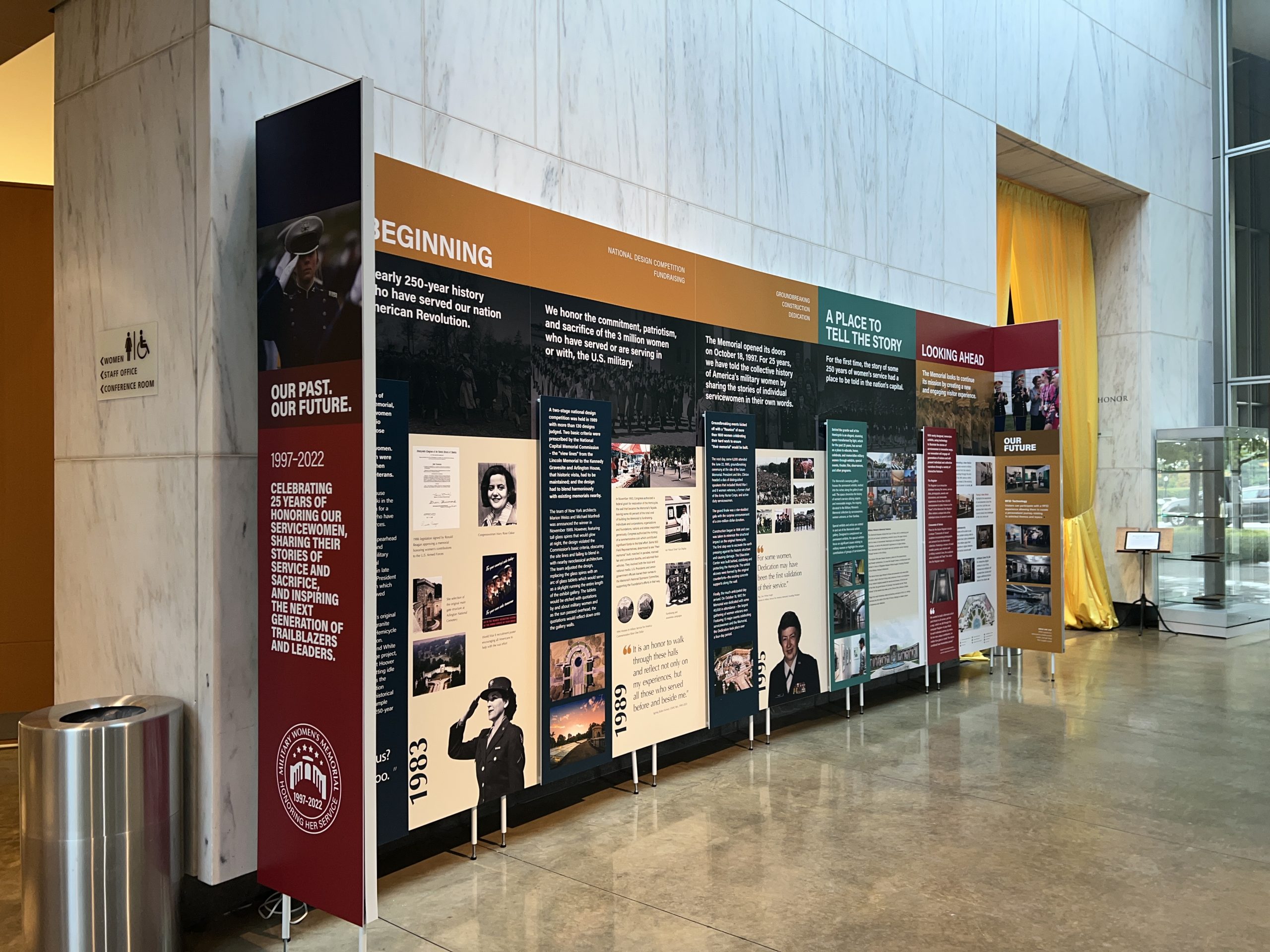
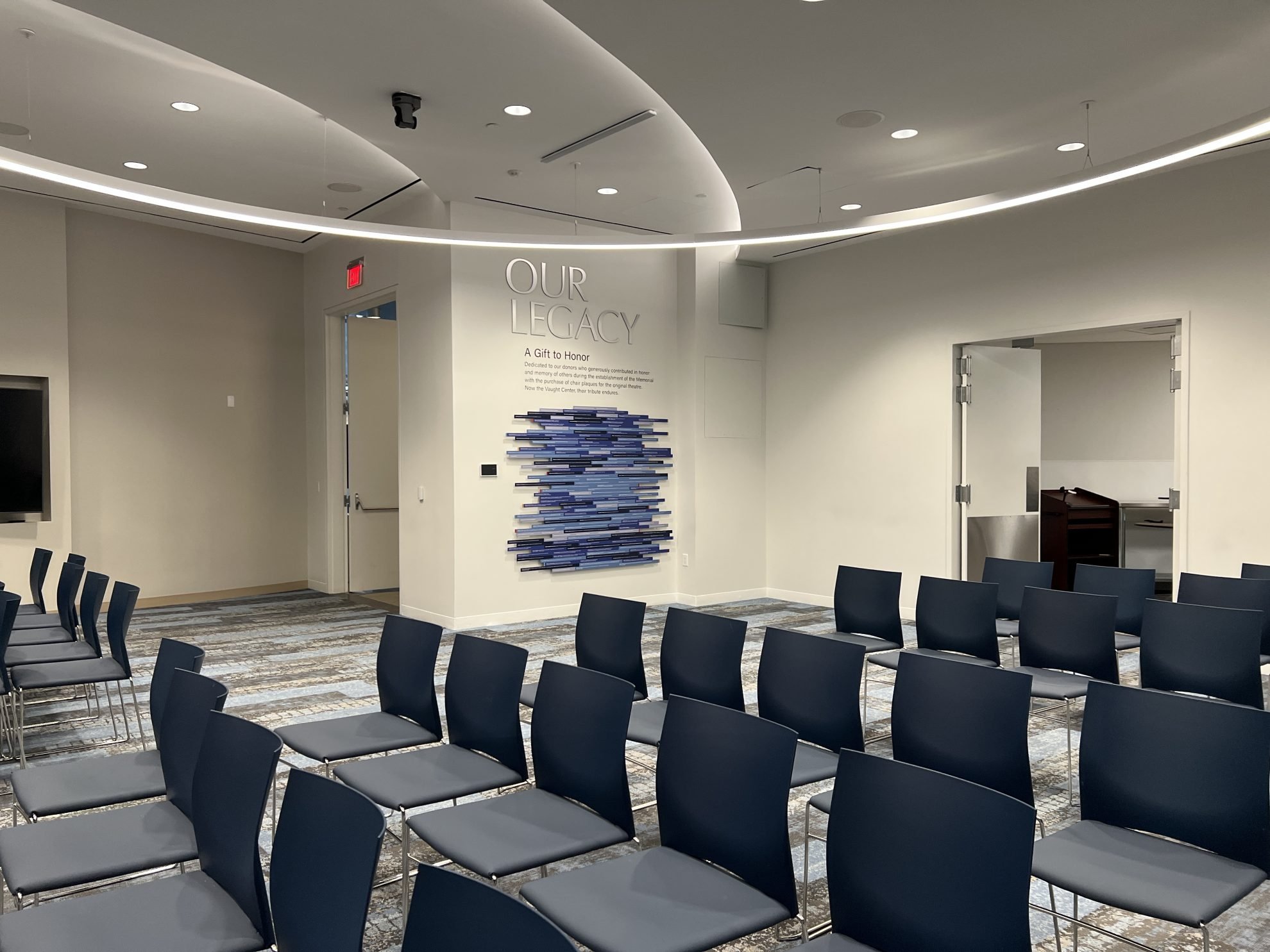
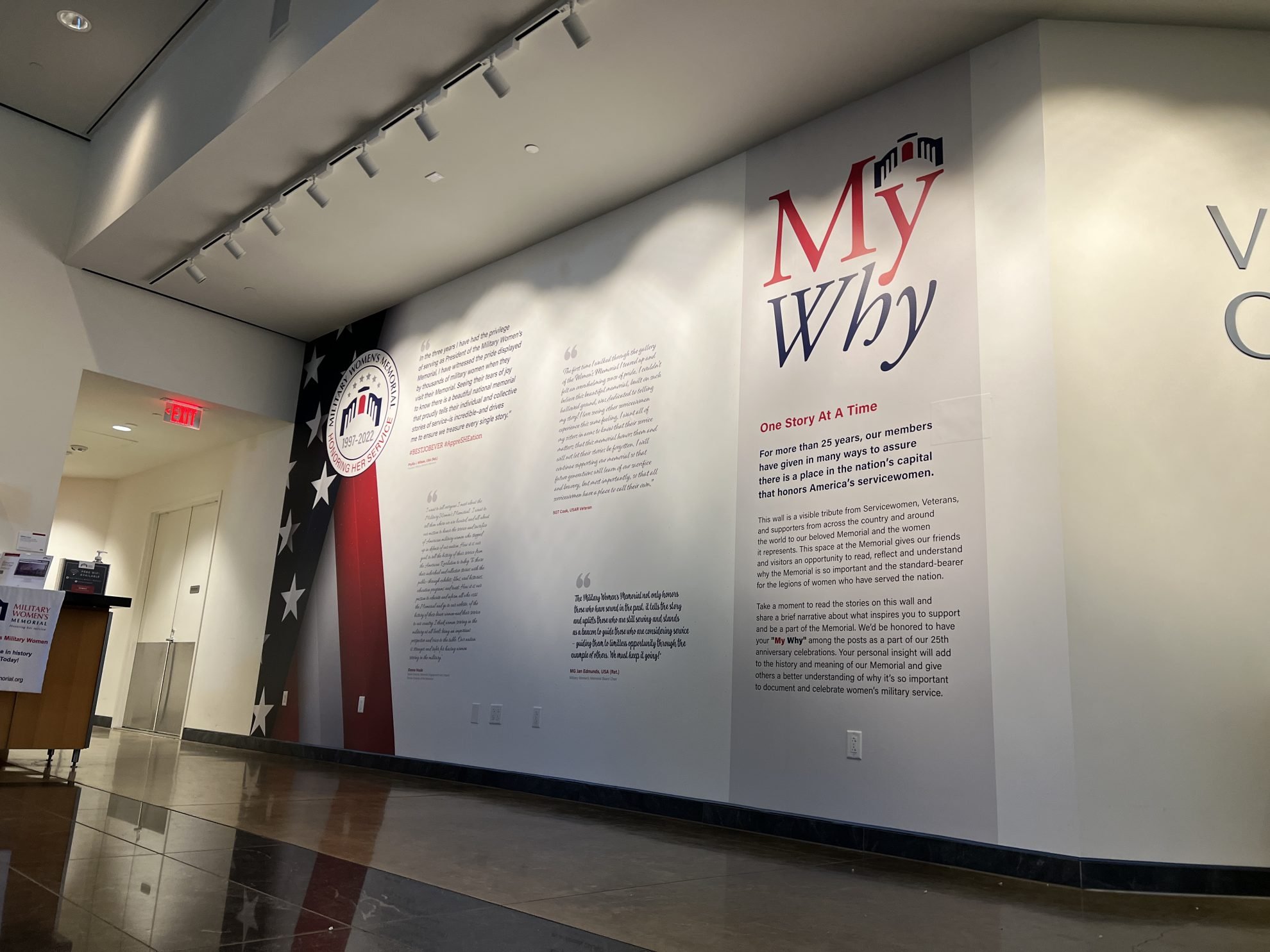
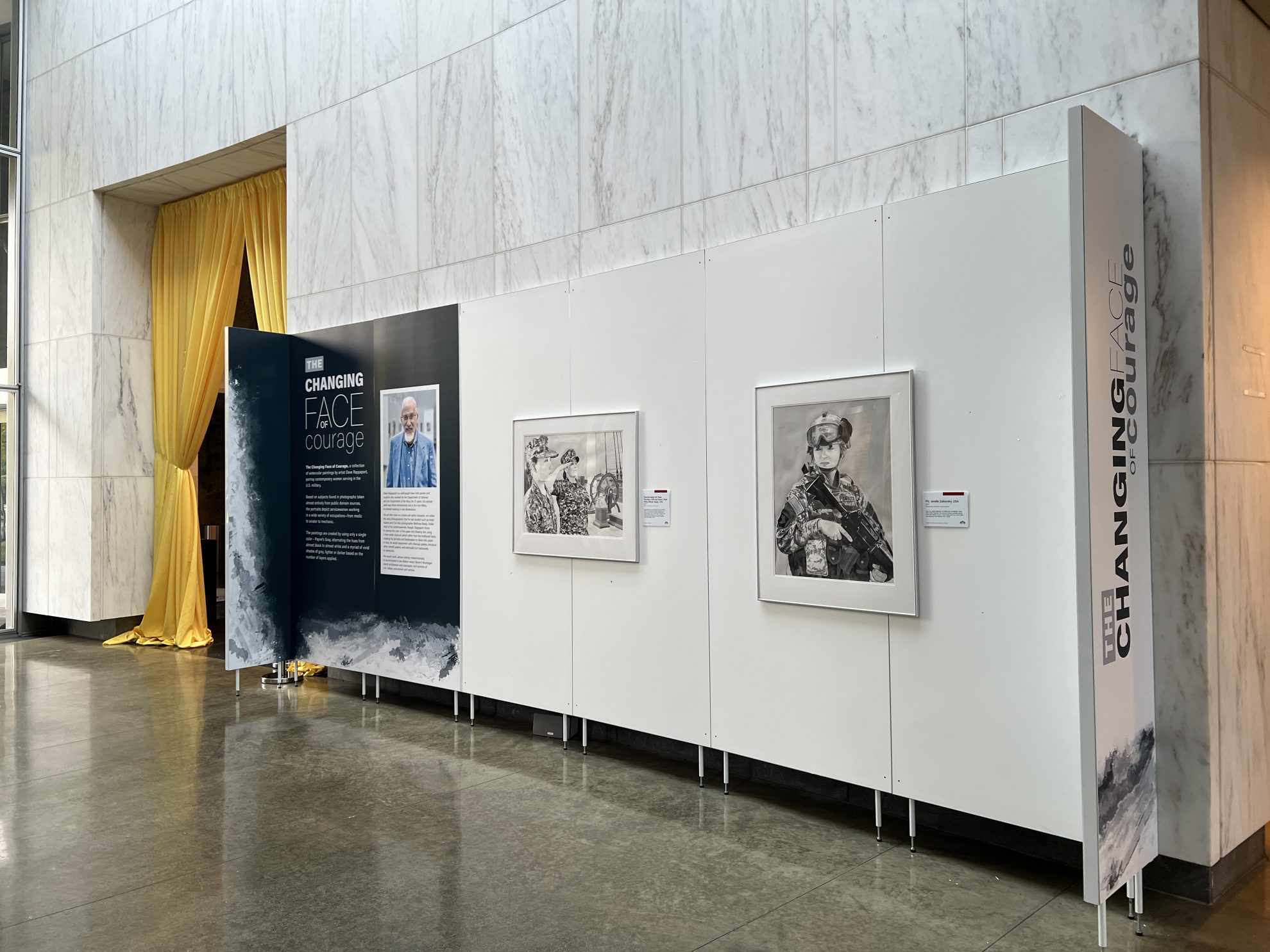
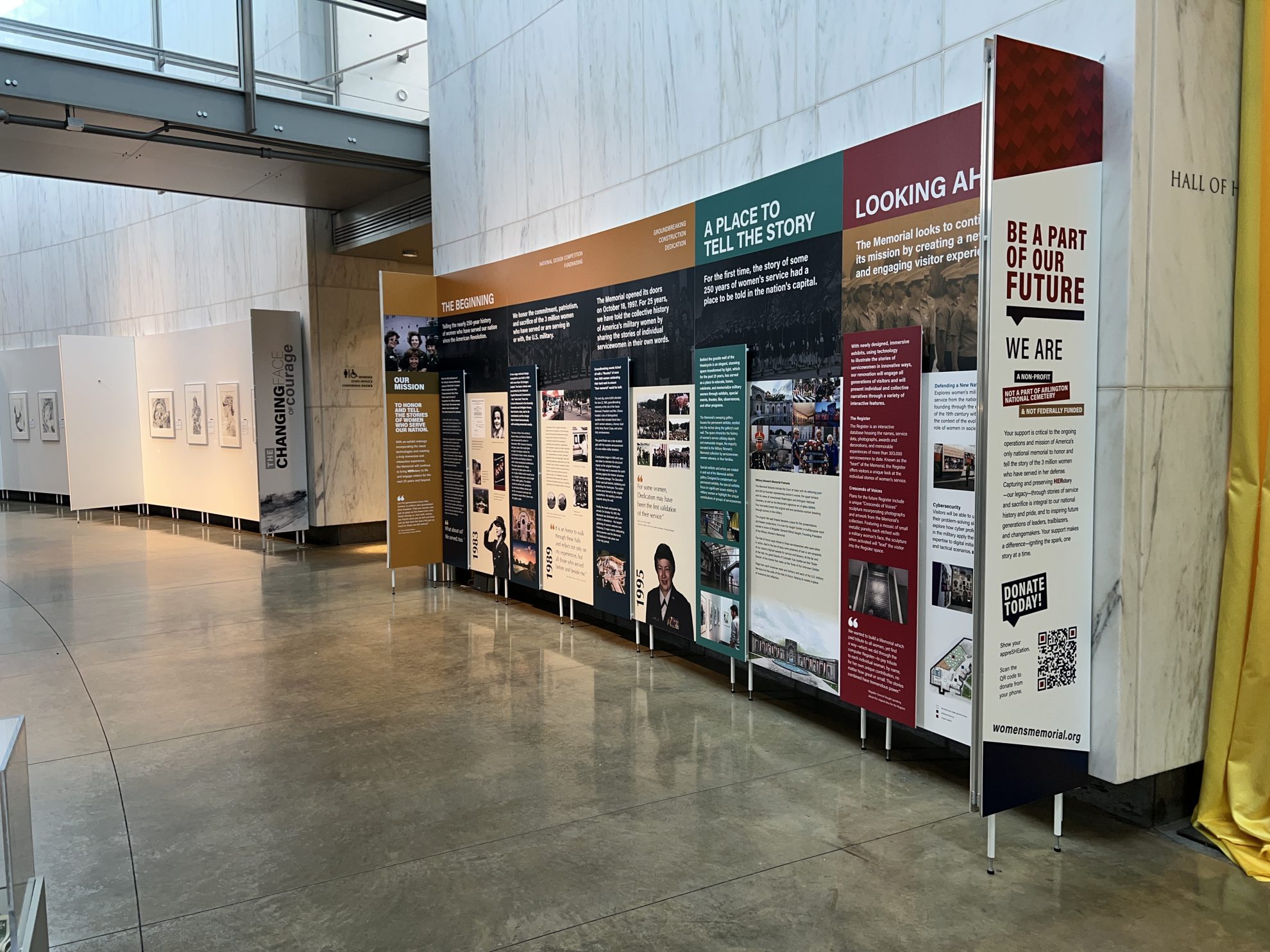
Heritage Signs & Displays created new museum signage for the Military Women’s Memorial in Arlington, VA. The project included custom signs, wall wraps, dimensional letters, and standoff-mounted displays to honor the legacy of U.S. servicewomen and the donors who supported the memorial. The updated interior features impactful designs, including a "Our Legacy" wall display and panels showcasing historical contributions and artwork, creating a transformative tribute to women in the U.S. Armed Forces.
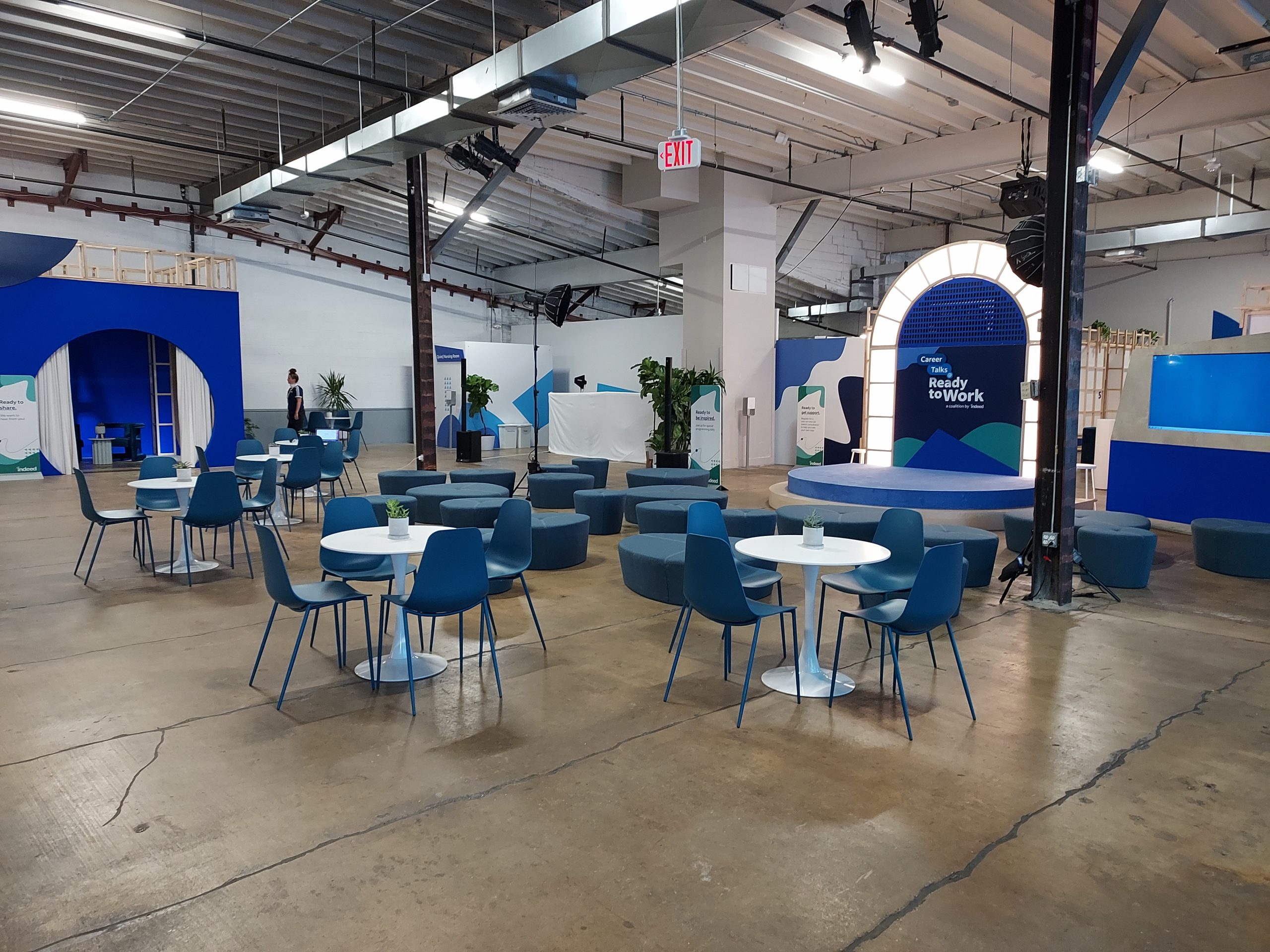
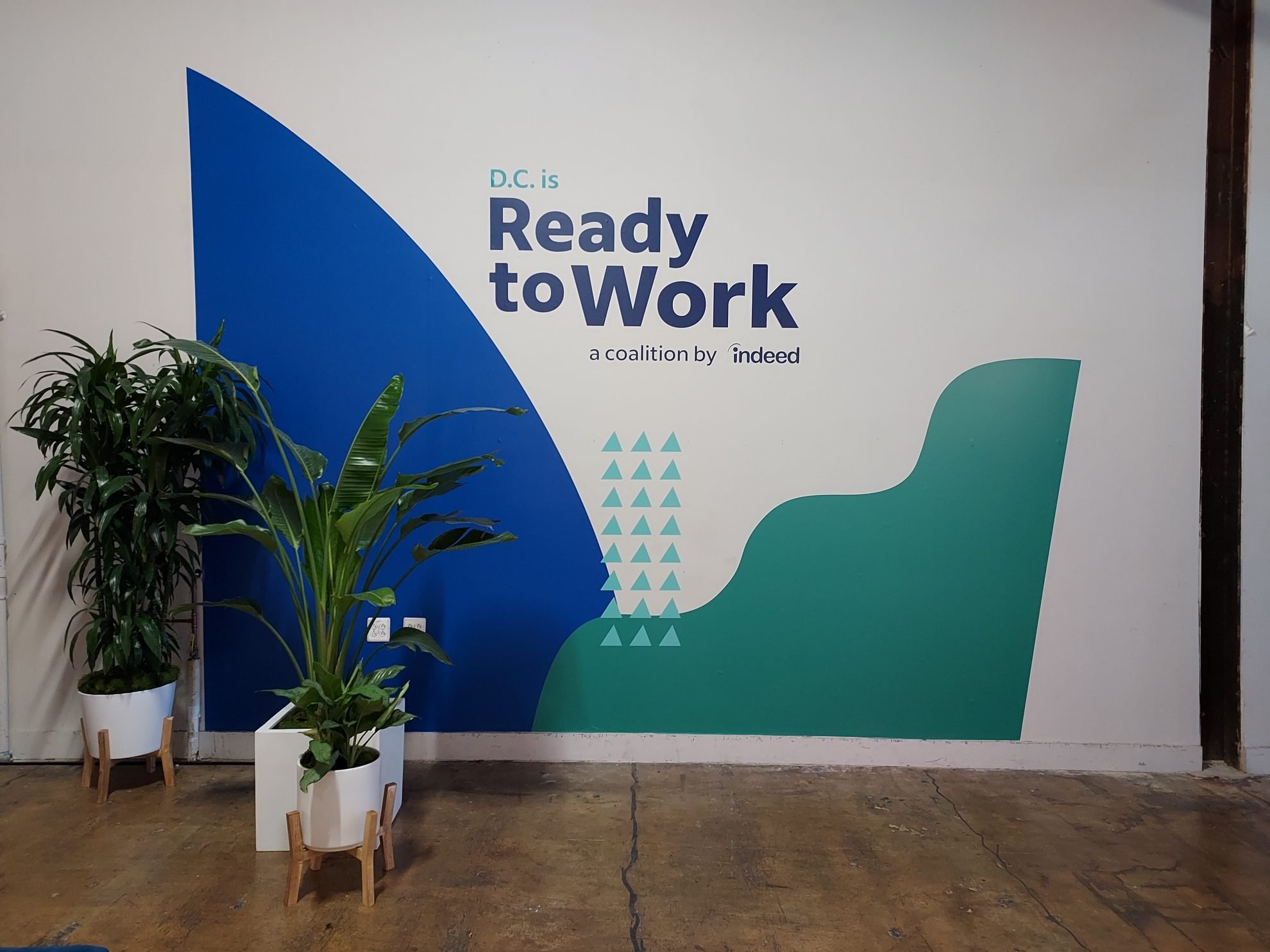
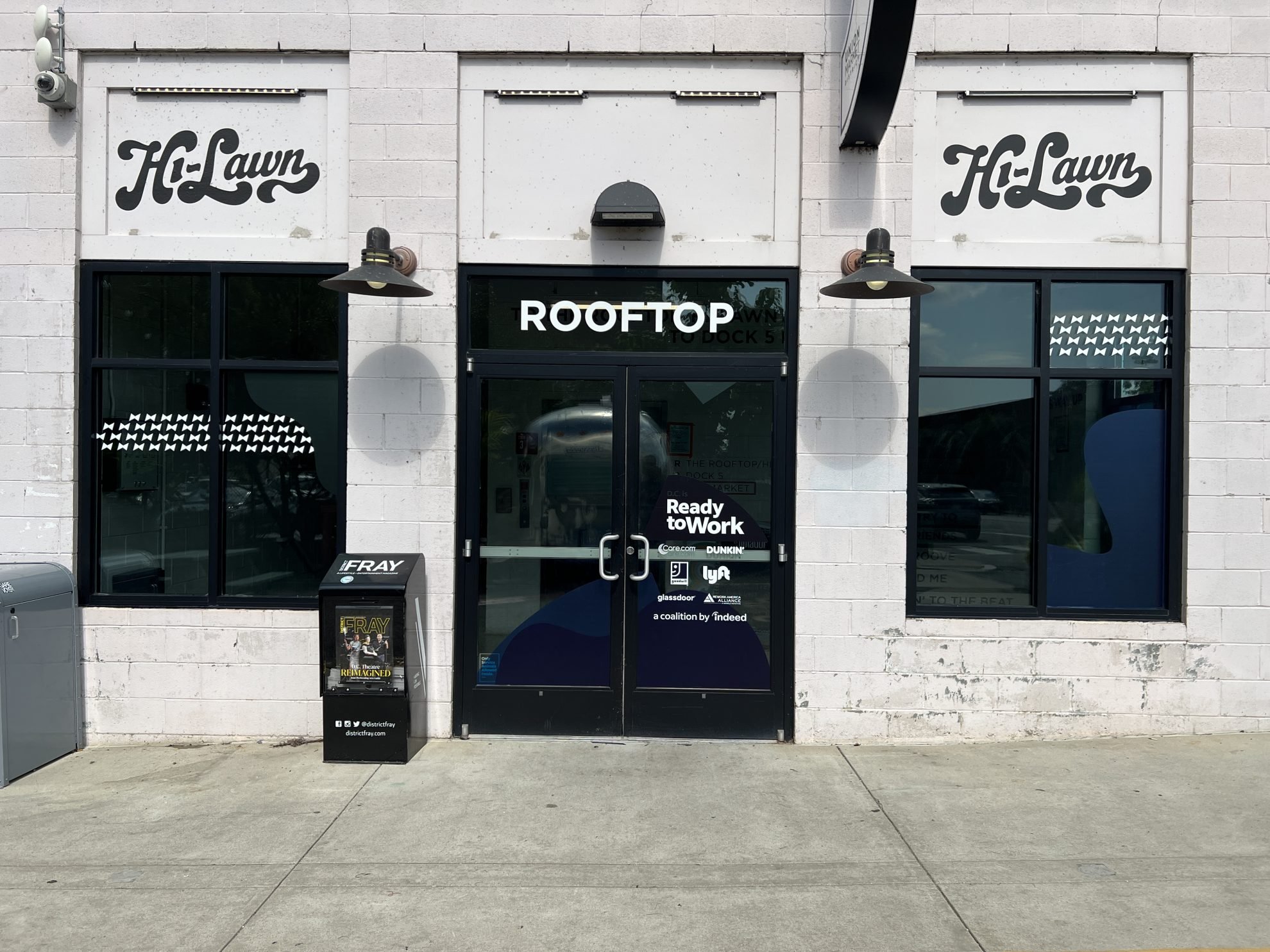
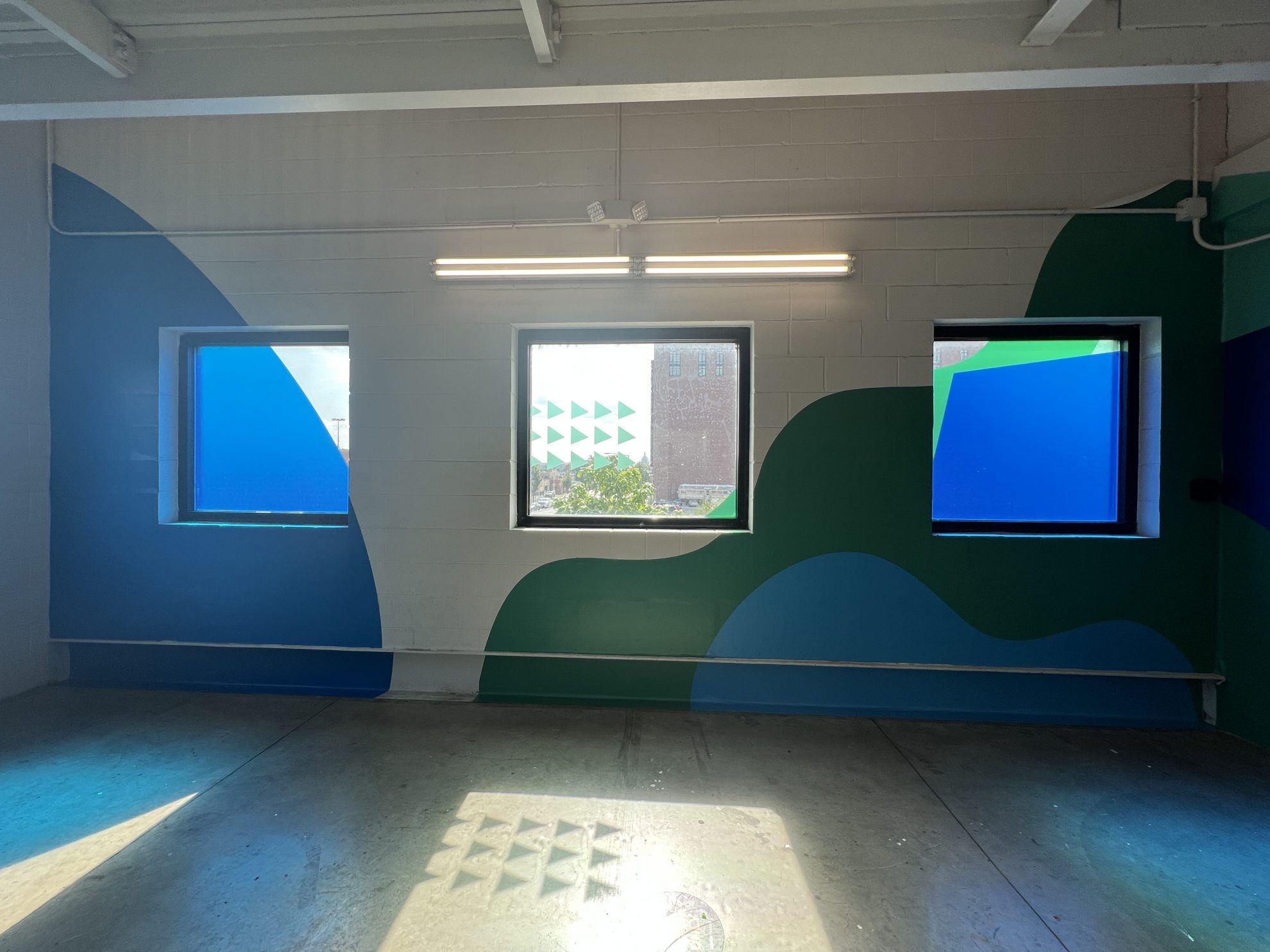
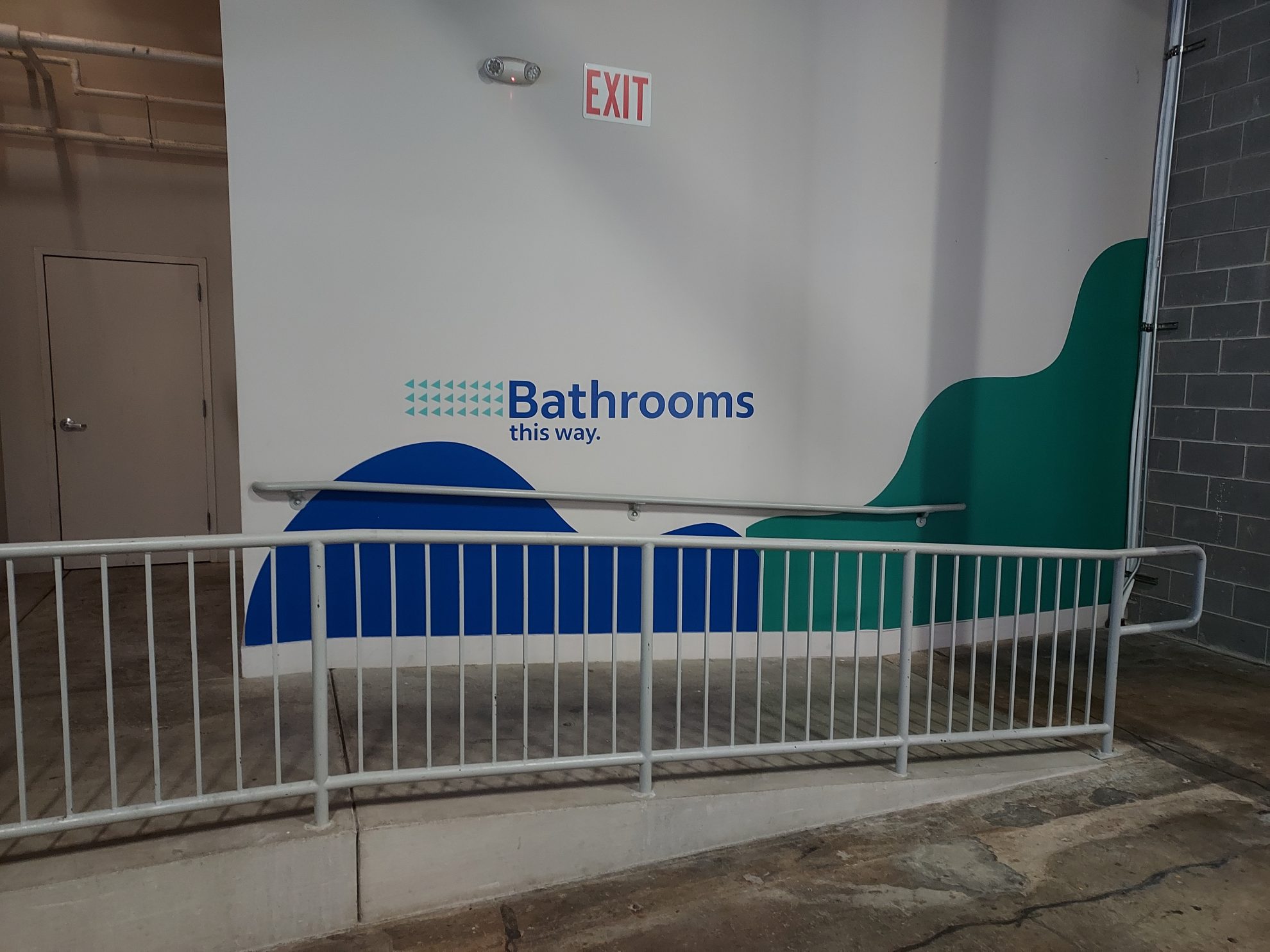
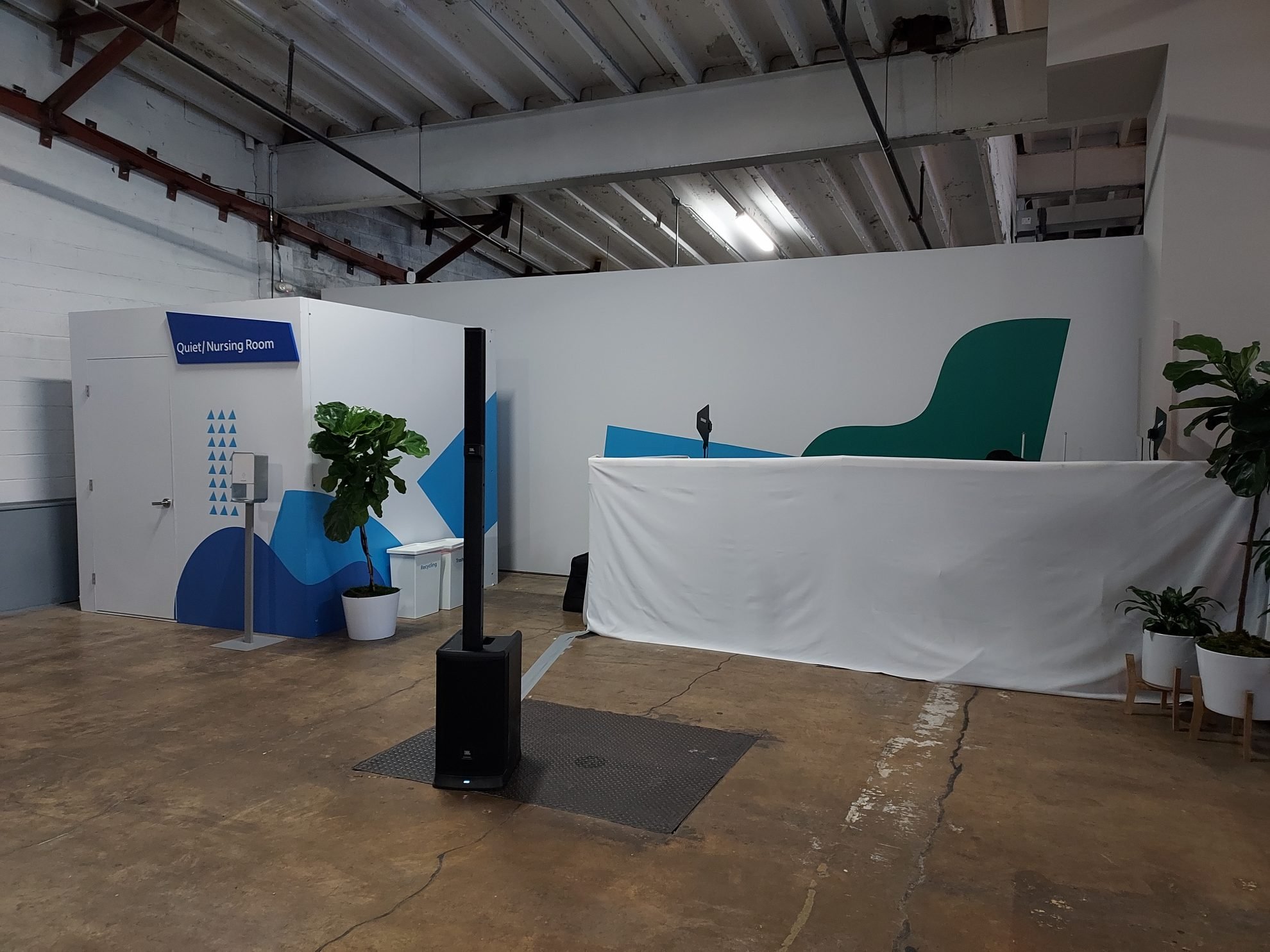
Heritage Signs & Displays' collaboration with The Gathery to brand Union Market in Arlington, VA, for Indeed's "Ready to Work" job fair. The project included custom event displays, wall graphics, window graphics, and wayfinding signs, creating an immersive and visually appealing environment. The branding enhanced the venue, reflected the event's mission, and provided a seamless experience for attendees.