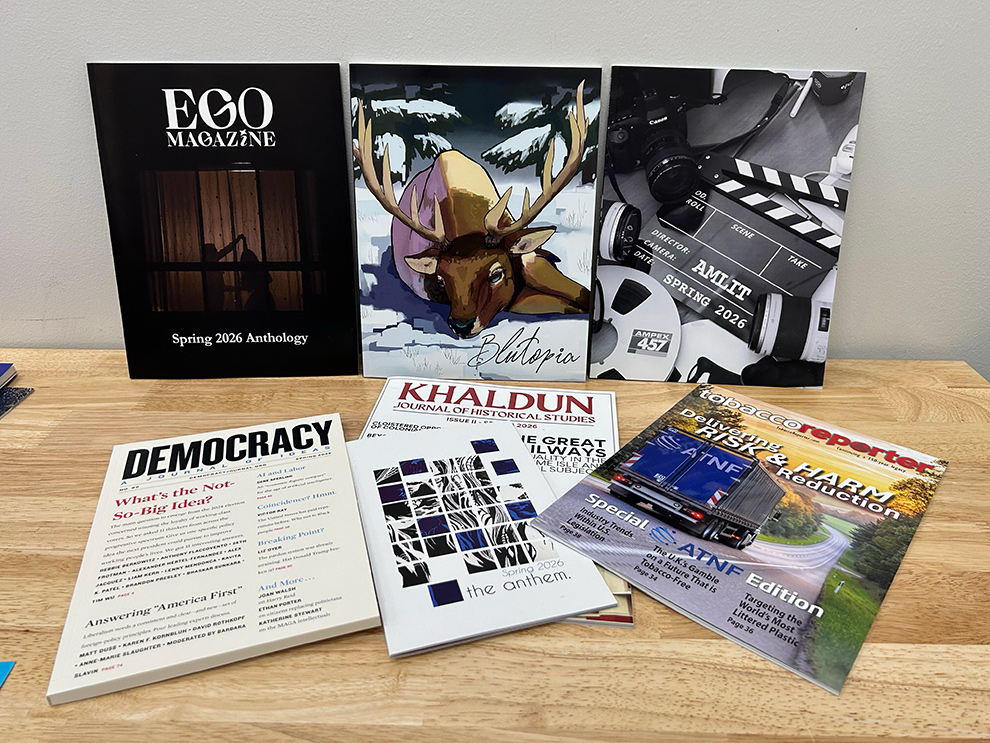
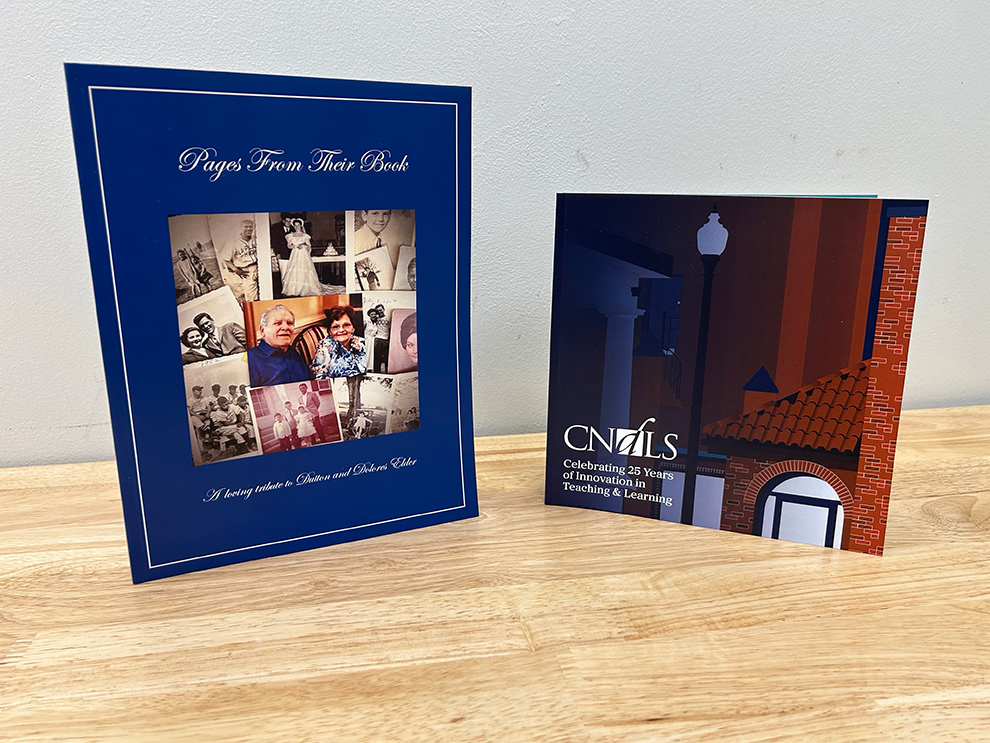
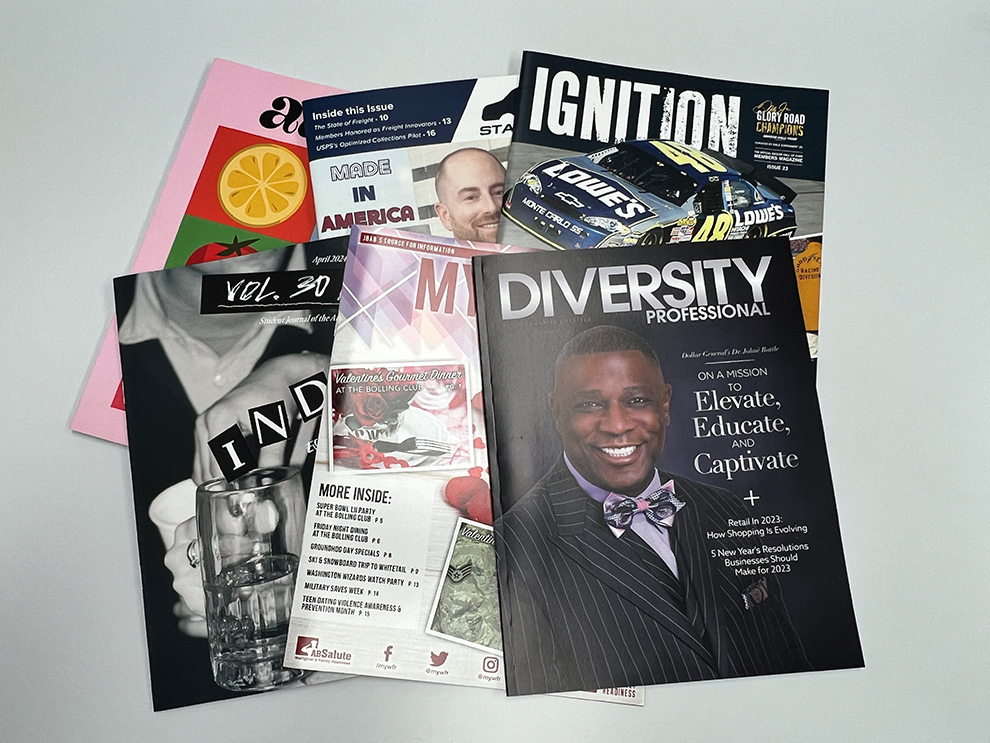
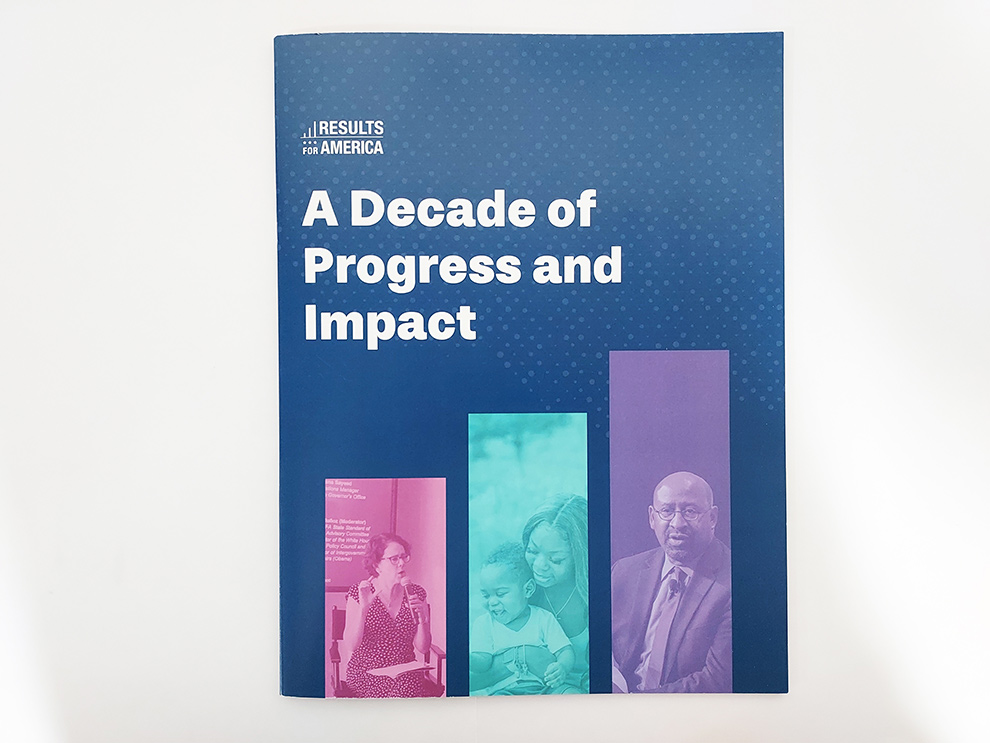
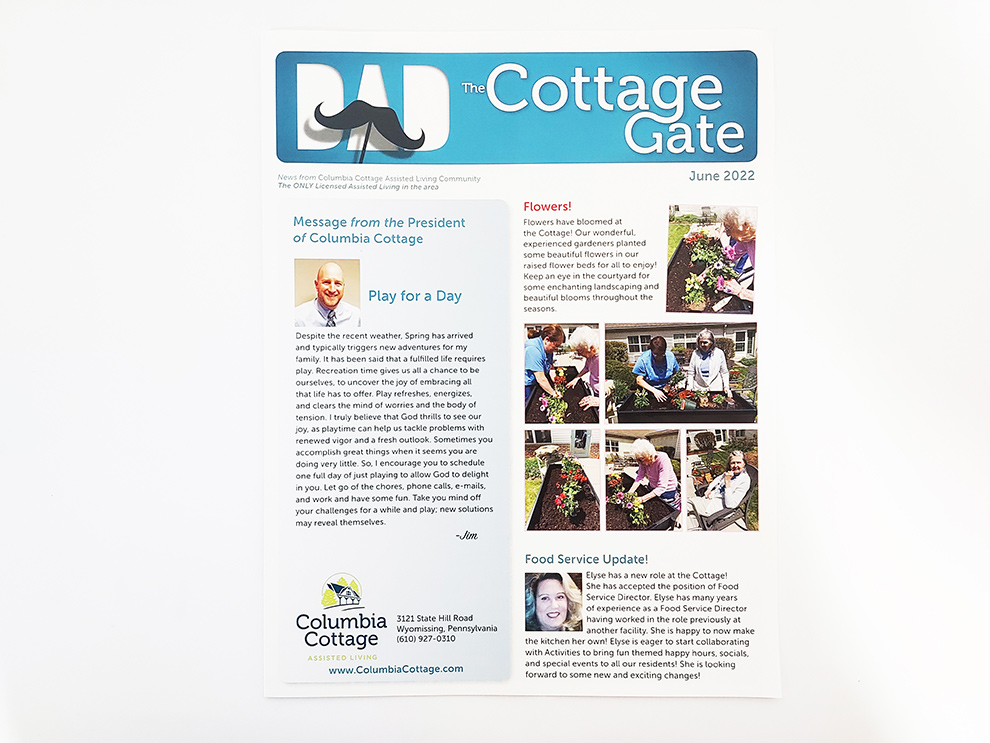
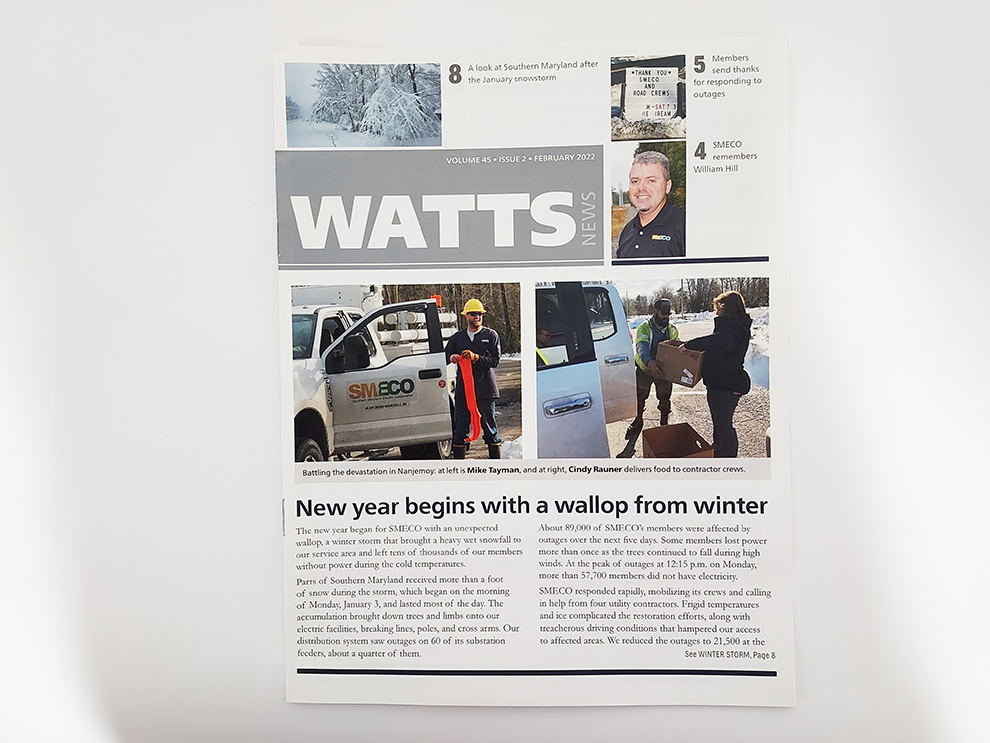
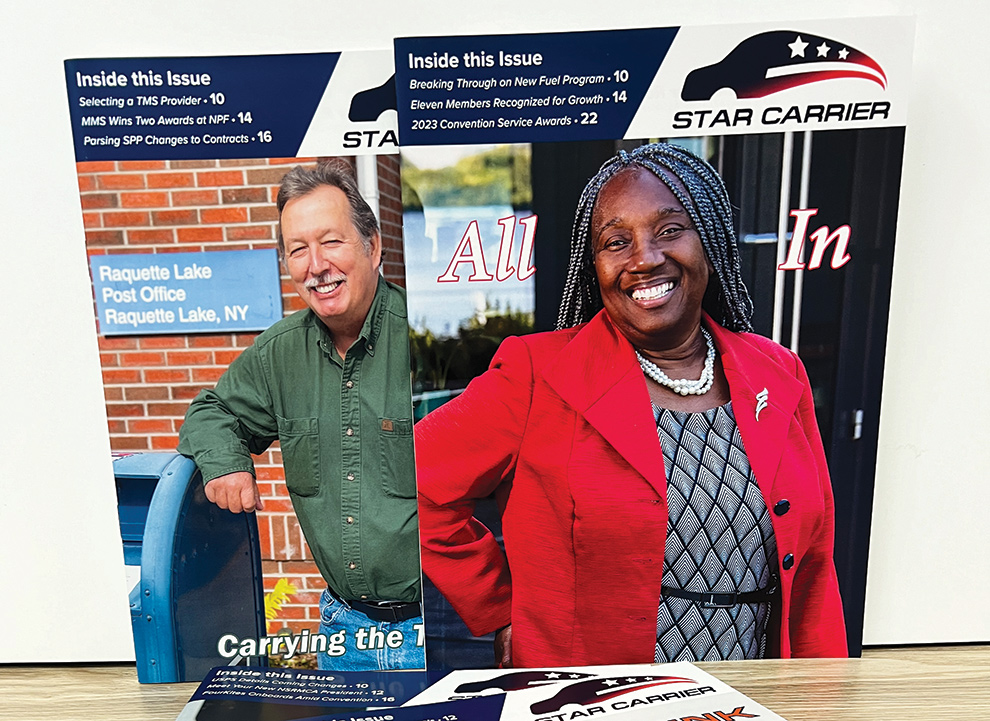
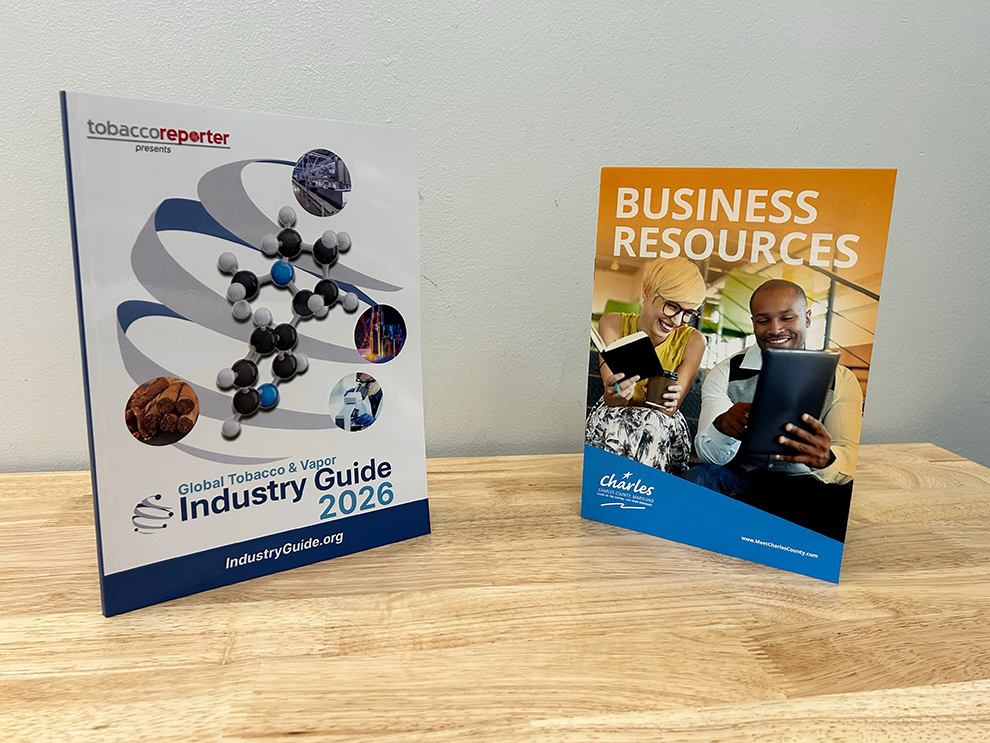
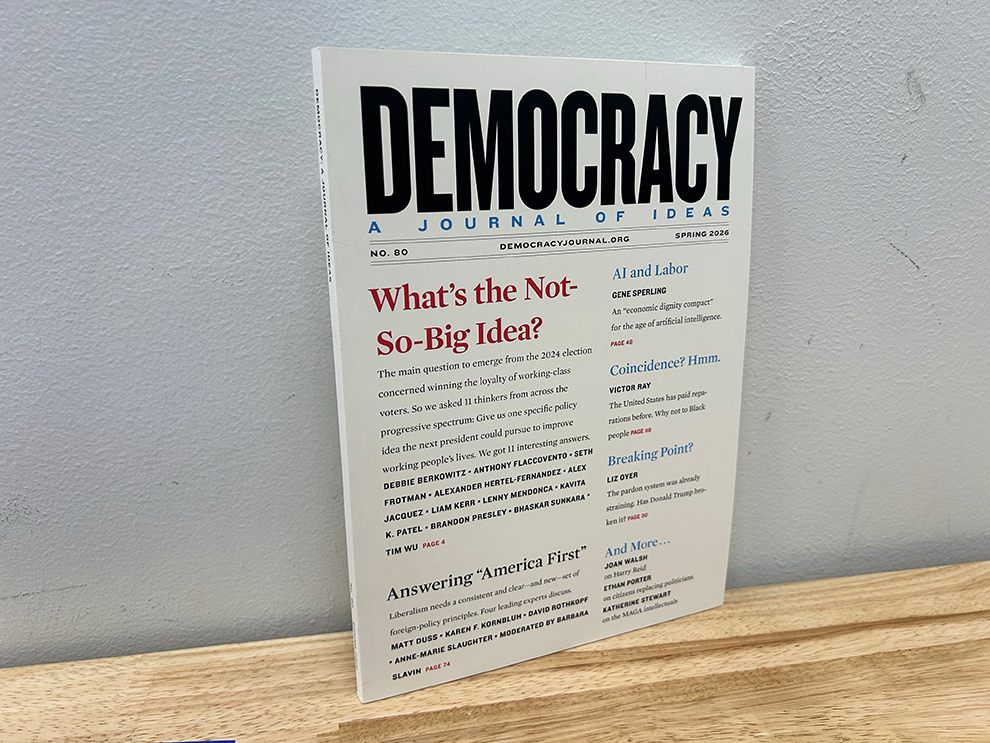
A newsletter is rarely a one-time project. It is a recurring commitment to members, donors, employees, residents, or constituents who expect the next issue to arrive on time and look as good as the last one. Heritage provides newsletter printing for Richmond, VA organizations that need that consistency month after month, quarter after quarter, without reinventing the production process each cycle.
Richmond organizations publish for many different reasons. A trade association in the Fan District sends a quarterly update to its membership. A health system distributes an employee newsletter across several Central Virginia campuses. A community foundation mails a donor report after each grant cycle. A homeowners association in Midlothian or Glen Allen keeps residents informed about meetings and assessments. Each of these publications carries its own layout, page count, and mailing requirement, but they share a common need for a printer who treats the schedule as seriously as the client does.
Heritage meets that need with saddle-stitched newsletter production built on clear specifications, an electronic proof before every run, and a Project Coordinator who follows the issue from file receipt through mailing, shipping, or delivery. The result is a printed newsletter that reflects well on the organization and a production relationship that becomes easier to manage with every edition.
Heritage has been printing since 1977. Nearly five decades of publication work have shaped how we approach newsletters: focus on the decisions that affect the finished piece, protect the quality standard from issue to issue, and keep the client informed without turning every order into a lengthy technical review.
That experience is backed by award-winning print quality and disciplined color management. Newsletters often carry an organization's logo, photography, and brand colors across every page, and readers notice when the spring issue looks different from the winter issue. Heritage documents the approved specifications for each publication so paper, finished size, cover construction, and binding stay consistent as new artwork arrives.
For Richmond organizations, the practical benefit is predictability. Once a newsletter has been produced with Heritage, the next issue begins with an established plan rather than a blank slate. Quantities can change, mailing lists can be updated, and a special edition can be added, but the underlying production approach remains stable. Clients working against board meeting dates, membership renewal cycles, or fiscal-year reporting deadlines know what to expect and when to expect it.
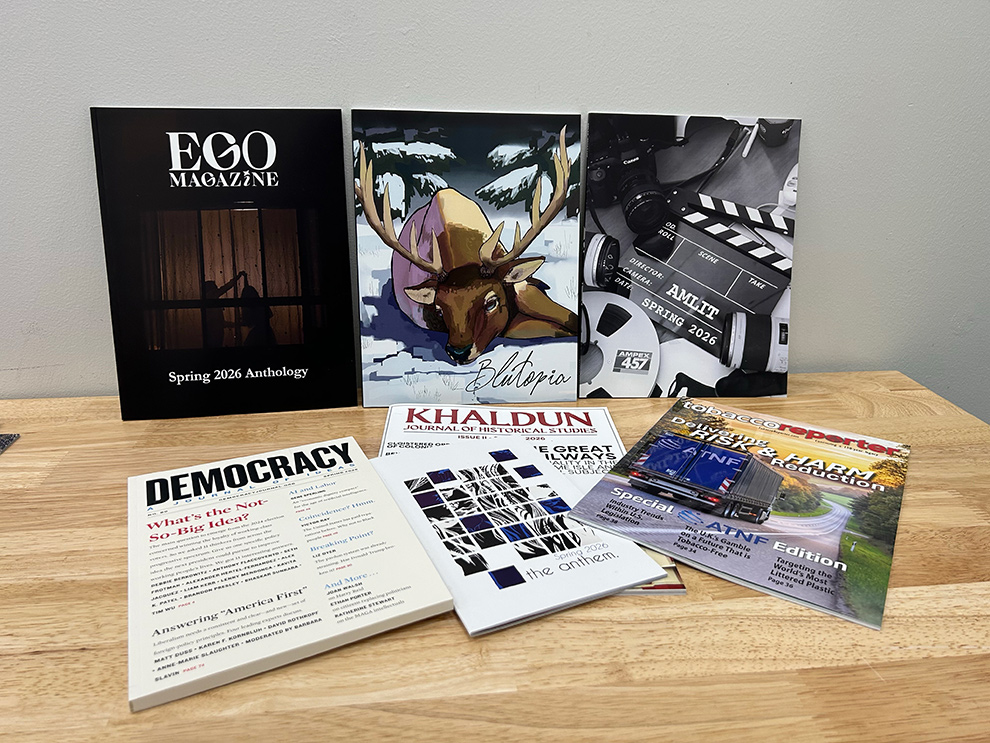
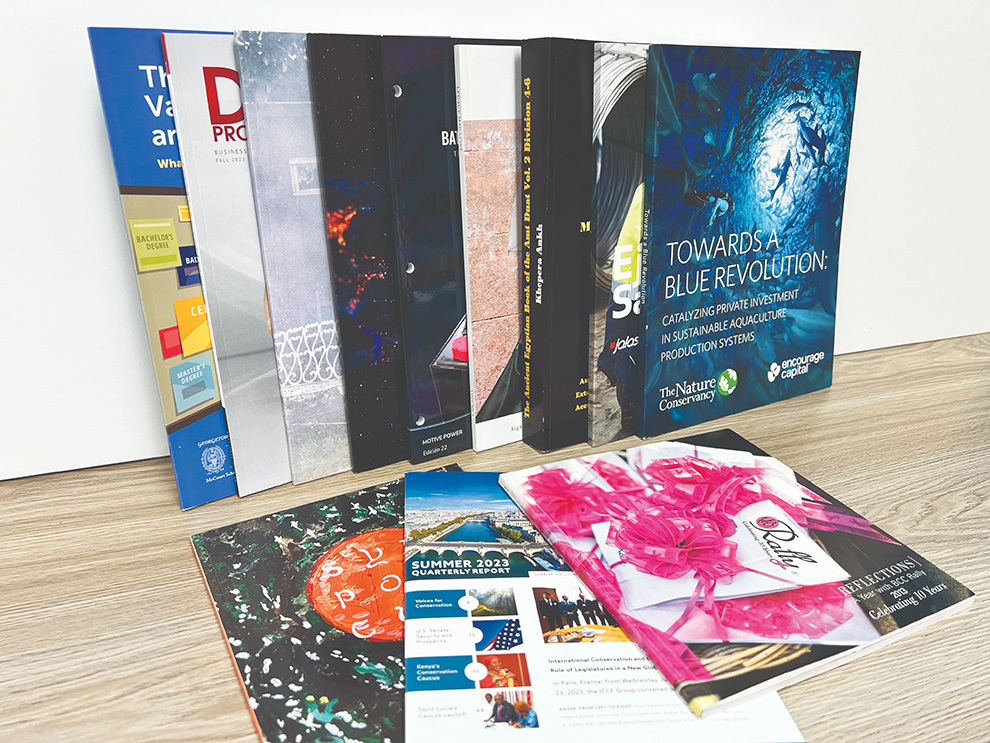
For higher page counts, separate heavier covers, and editorial publications that may call for perfect binding as the issue grows.
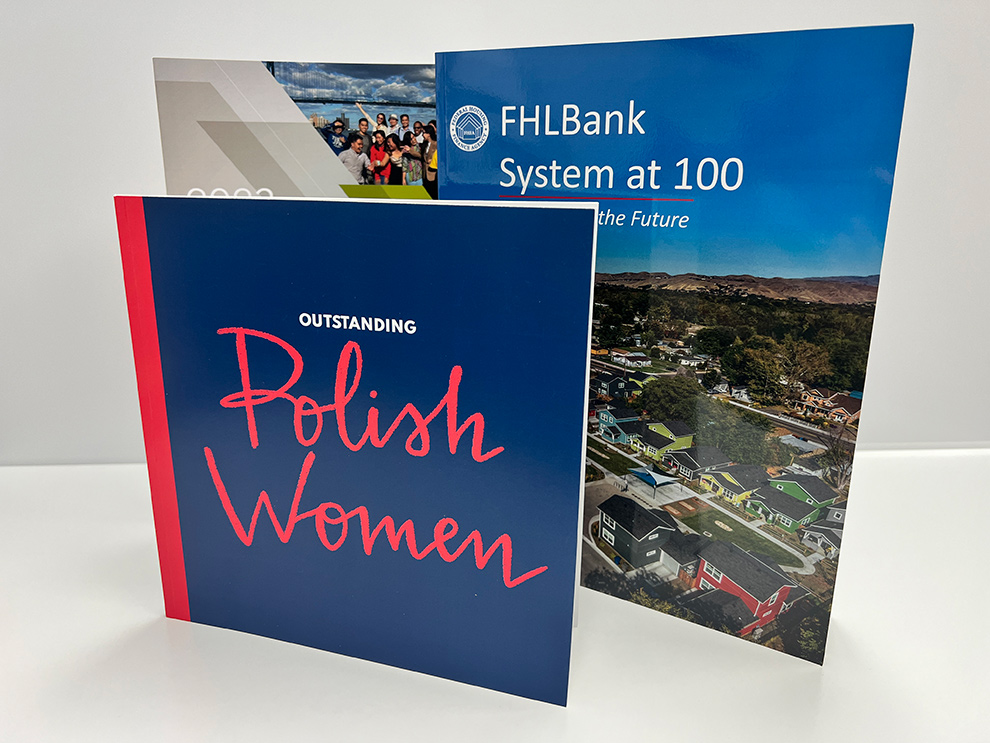
A practical choice for member guides, resource directories, orientation materials, and other compact multi-page pieces.
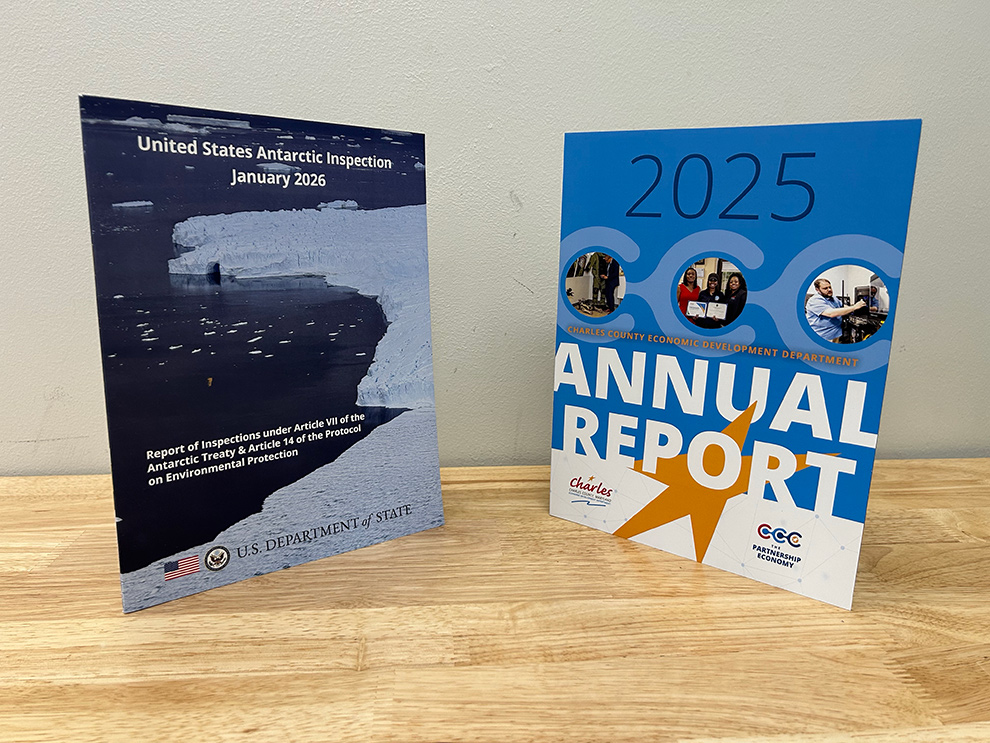
For financial summaries, impact statements, and governance reporting presented to boards, donors, and stakeholders once a year.
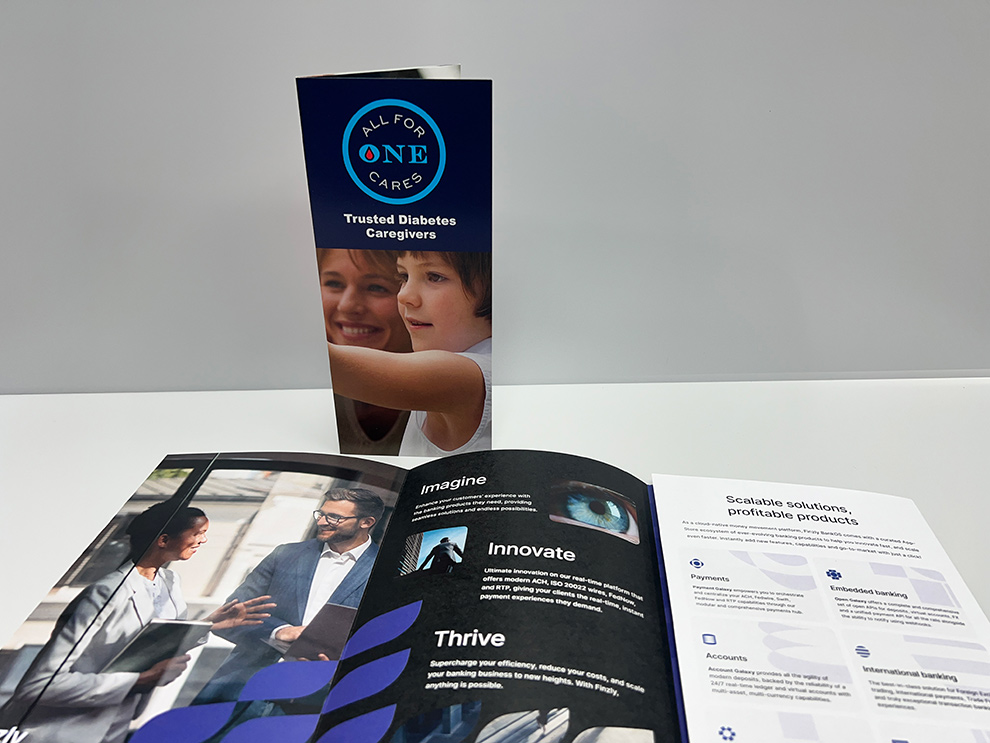
For single-topic program descriptions, enrollment pieces, and folded handouts that complement a newsletter campaign.
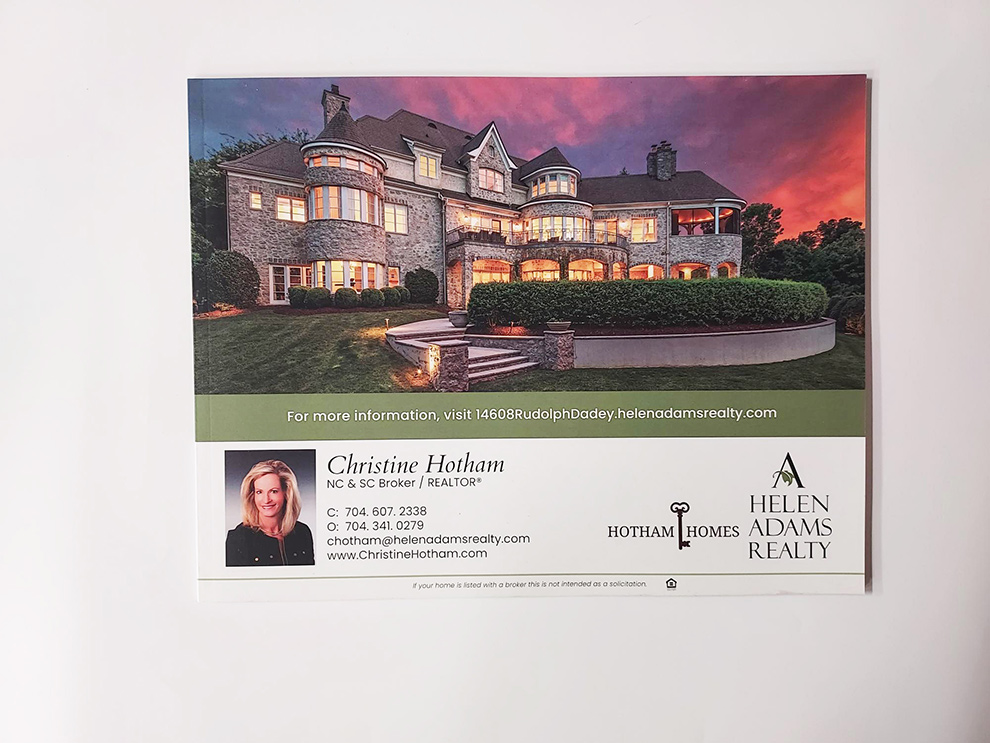
Pair printing with addressing, postal preparation, and mailing coordination so each issue reaches its intended Richmond-area audience.
Extend the reach of a newsletter with postcards, flyers, inserts, and other printed pieces built around the same message.
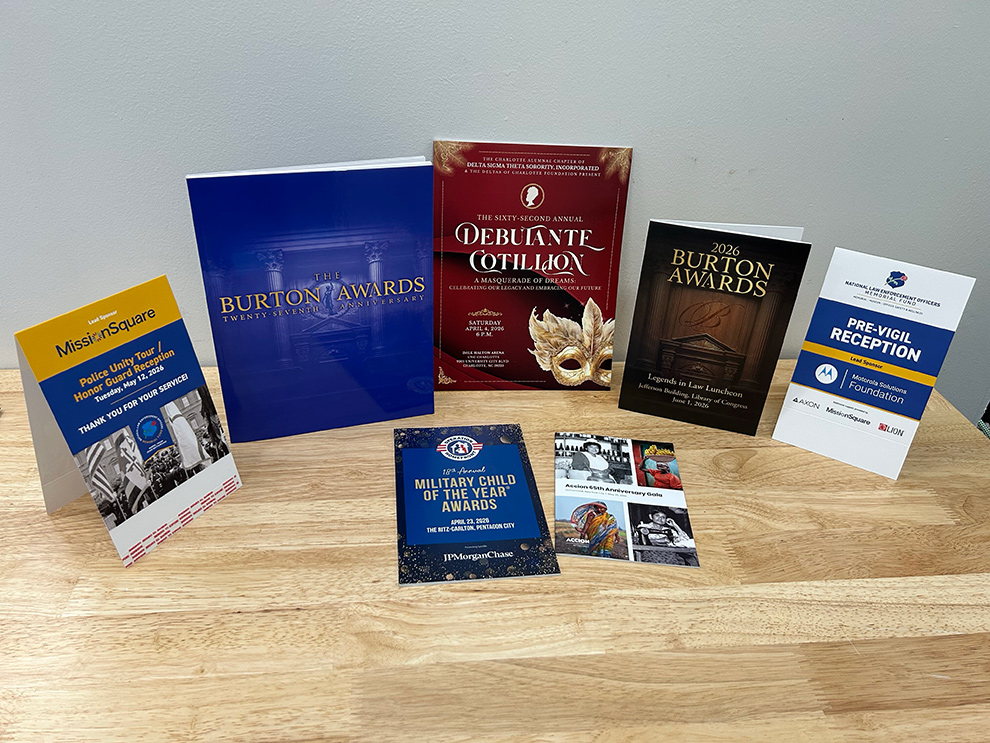
For conferences, galas, graduations, and community events where agendas, speakers, and sponsors shape the content.
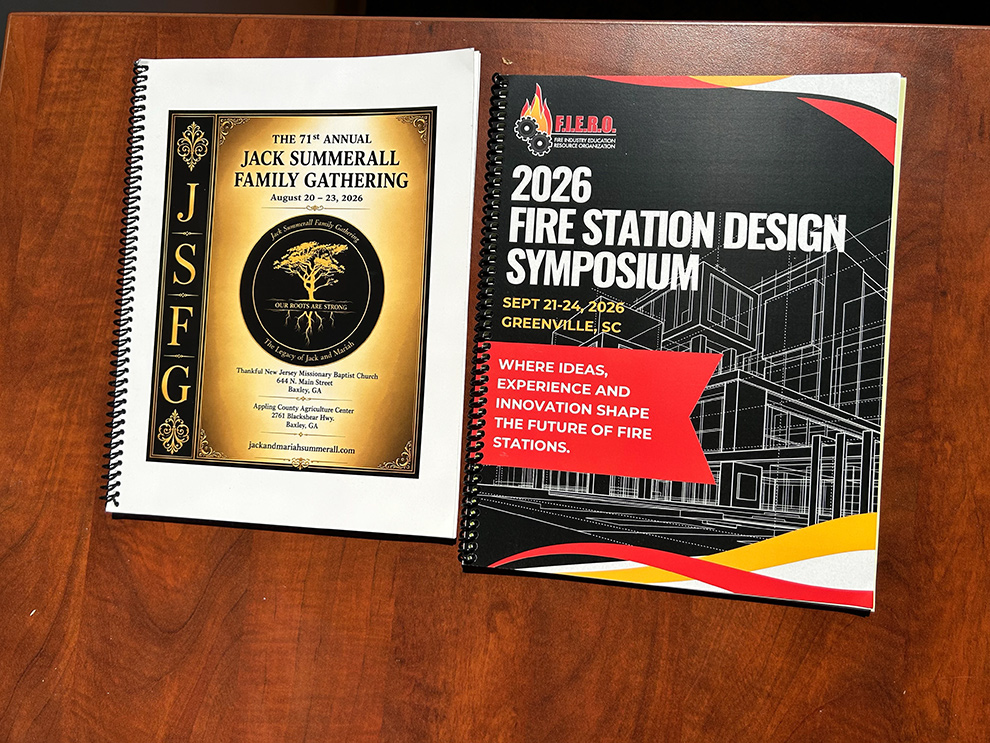
For reference and instructional content that employees or members keep and consult long after a newsletter cycle has passed.
Send your print-ready files, finished size, page count, quantity, and required in-hand or mail date through Custom Quote. Your Project Coordinator will contact you to confirm the details, review mailing requirements if applicable, and establish the production schedule. Organizations with a straightforward, fully specified newsletter that matches an available saddle-stitched booklet configuration may also place the order directly through the Online Store.
Every newsletter project that comes through Custom Quote is assigned to a Project Coordinator. That individual reviews the submitted files and specifications, confirms the quantity and required date, and asks any questions needed to lock in the production plan. From that point forward, you have a direct phone and email contact who already knows the publication.
The value of that arrangement grows with each issue. Your Project Coordinator remembers how the last edition was configured, knows which mailing list was used, and can flag anything in the new artwork that differs from the established specification. When a quantity increases because membership grew, or a second version is needed for a different donor segment, the conversation starts from shared knowledge rather than from scratch.
Before any newsletter prints, Heritage issues an electronic proof for client approval. The proof confirms the production file, including text, images, page sequence, and cover treatment. After approval, the issue moves into printing and saddle stitching, and your Project Coordinator coordinates the mailing, shipping, or delivery that completes the cycle. If a question arises mid-production, one call reaches the person who can answer it.
Yes. Heritage provides newsletter printing for companies, associations, nonprofits, state and local agencies, universities, congregations, and membership organizations across Richmond, Henrico, Chesterfield, Hanover, and the broader Central Virginia region. Finished newsletters can be mailed, shipped, delivered, or prepared for pickup and client distribution depending on the project.
Turnaround depends primarily on when Heritage receives the completed, print-ready file and approves the electronic proof. Sharing the anticipated specifications and distribution date early allows us to plan paper and press capacity ahead of time. Once the proof is approved, production moves promptly through printing, saddle stitching, and the agreed mailing or delivery step.
Yes. When mailing is part of the project, the client supplies an accurate and authorized recipient list, and Heritage coordinates addressing, postal preparation, and entry into the mail stream. Finished size, weight, and quantity are considered when the mailing plan is built. Delivery performance after USPS acceptance is outside the control of Heritage.
Heritage produces newsletters as saddle-stitched publications. Pages are folded, nested, and stapled along the spine, which suits the moderate page counts typical of organizational newsletters. For thicker issues, square-spine saddle stitching flattens the spine edge for a cleaner, more finished look while keeping the economy of saddle stitching.
No. Most newsletters are self-cover, meaning the cover and interior pages are printed on the same paper. A heavier separate cover is available for organizations that want added durability or a more substantial feel. Either approach works well, and your Project Coordinator can help you decide based on page count, mailing considerations, and presentation goals.
As page count rises, a standard saddle-stitched spine begins to round and bulge. Square-spine saddle stitching compresses and squares that edge so the finished newsletter lies flatter and looks more like a bound publication. It is especially effective on digitally printed issues where a polished appearance matters to the audience.
No. Heritage works from completed, print-ready artwork and does not offer editorial or layout design services. For Custom Quote projects, our team can make limited production-oriented adjustments to prepare supplied files for printing. Online Store orders must be submitted with complete print-ready files.
Every newsletter order, whether placed through Custom Quote or the Online Store, receives an electronic proof before printing. The proof shows the production file so the client can confirm copy, images, page order, cover treatment, and any version-specific details. Approval authorizes the file for production but does not serve as a physical color standard.
For Custom Quote projects where color accuracy is critical, a paid Physical Production Color Proof may be available. Heritage produces the sample on the same production equipment and paper planned for the final run so the client has a tangible reference. This additional step adds time to the schedule and is best requested at the outset of the project.
Yes. Regional editions, chapter versions, donor tiers, and language variations are common. Heritage organizes each version through clear file naming, separate quantities, defined approval ownership, and distinct distribution instructions. Each version receives its own electronic proof so the right content reaches the right audience.
Yes. Finished size, paper, cover construction, binding, and color expectations can be documented and reused as the baseline for future issues. Each new edition still receives a fresh review, since artwork, quantities, mailing lists, and dates frequently change, but the groundwork does not have to be repeated.
Newsletters typically carry fewer pages and use a self-cover on a single paper stock. Magazines usually have a separate heavier cover, deeper page counts, and may require perfect binding. The distinction is not rigid, and some publications fall in between. Heritage can recommend the appropriate product family after reviewing the files and intended use.
The Online Store is intended for self-directed clients with a straightforward, print-ready newsletter that fits an available saddle-stitched booklet configuration and does not require mailing coordination, multiple versions, or a Physical Production Color Proof. Custom Quote is the better path when the project benefits from an assigned Project Coordinator, special specifications, direct mail support, limited production adjustments, or an accelerated schedule.
Your assigned Project Coordinator reaches out to review the newsletter, verify quantity and required date, discuss any mailing requirements, and resolve open questions. That person then becomes your direct contact through electronic proof approval, production, and the shipping, delivery, or mailing stage.
Contact Heritage as soon as the date is known and send the finished files immediately. Your Project Coordinator will evaluate the remaining window, identify what must happen first, and give you a realistic assessment. Not every compressed schedule is achievable, but when a workable path exists, Heritage moves the issue forward with urgency instead of treating it as a routine order.
Yes. Organizations with offices, branches, or chapters across Central Virginia or beyond can have the printed quantity split and shipped to several destinations. Provide the address list and quantity breakdown with the order so the Project Coordinator can build the distribution plan alongside the production schedule.
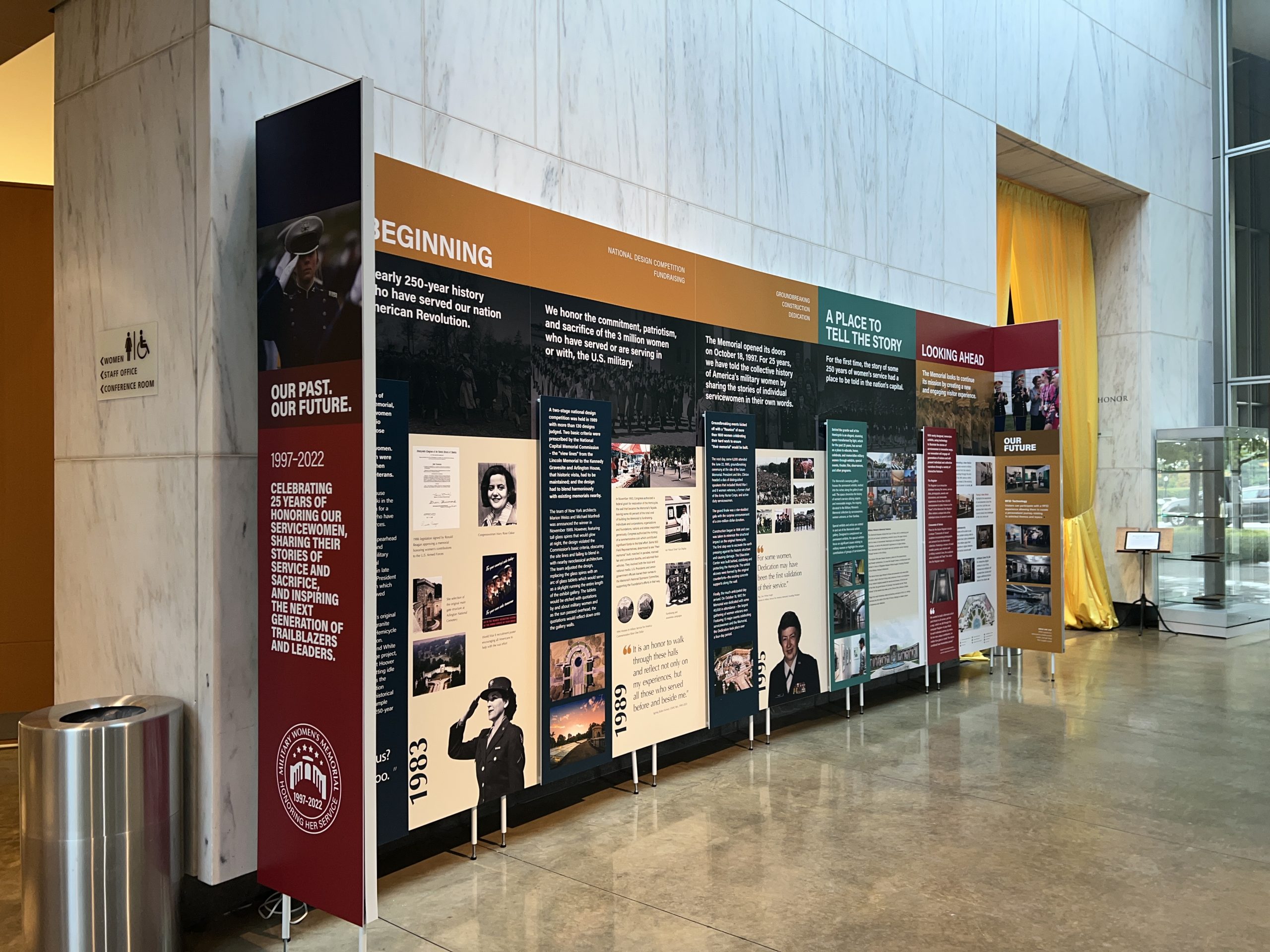
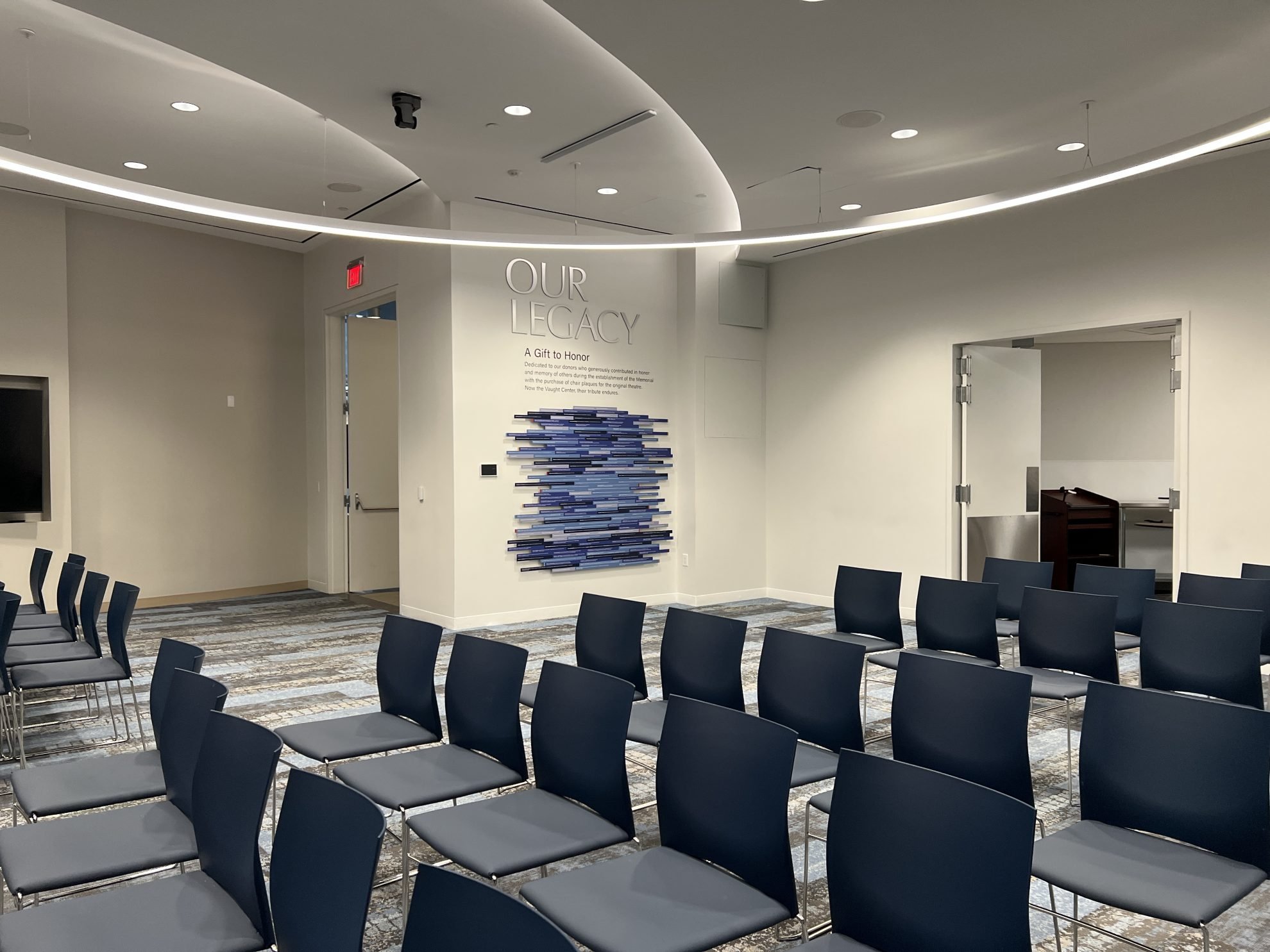
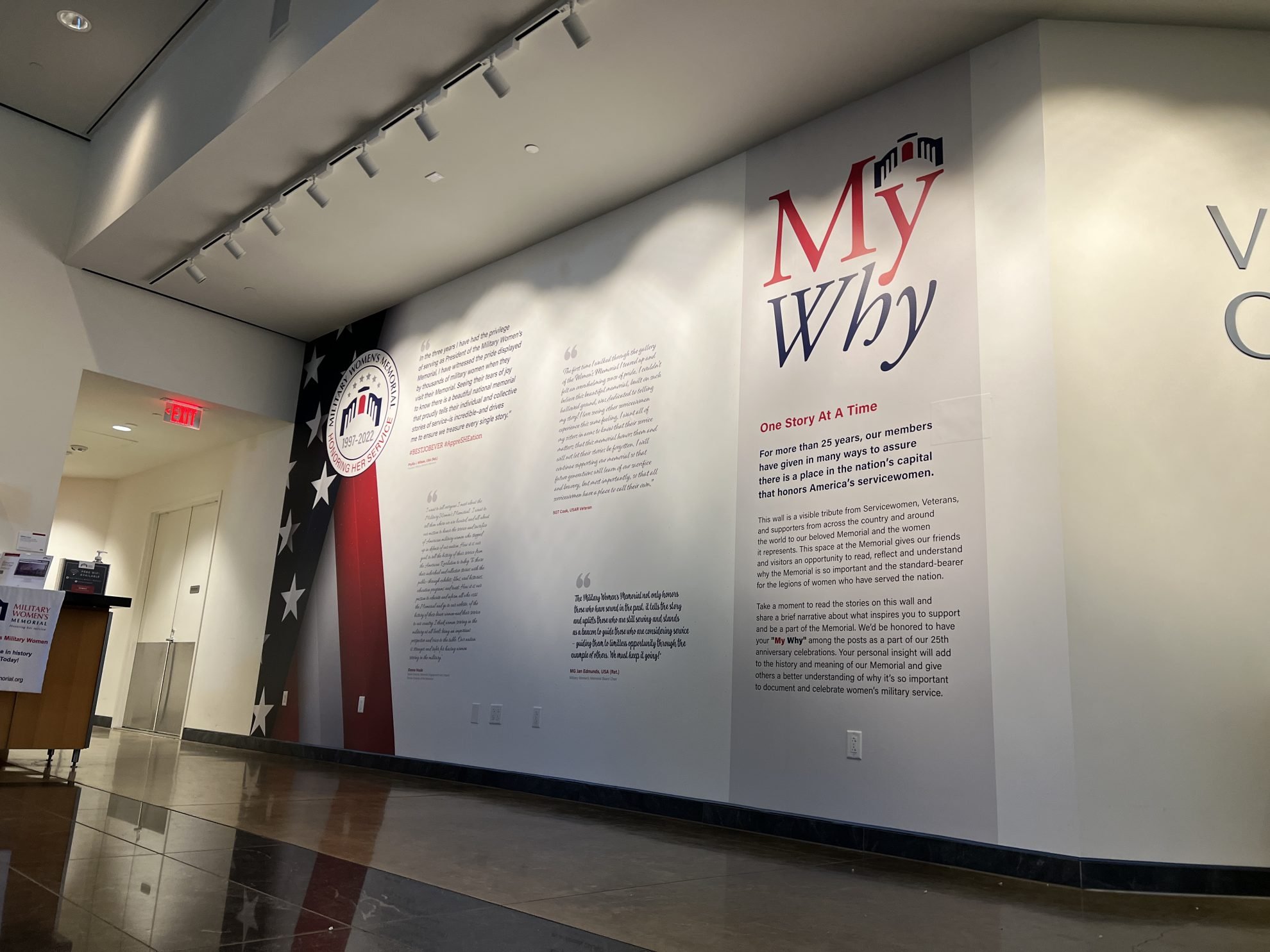
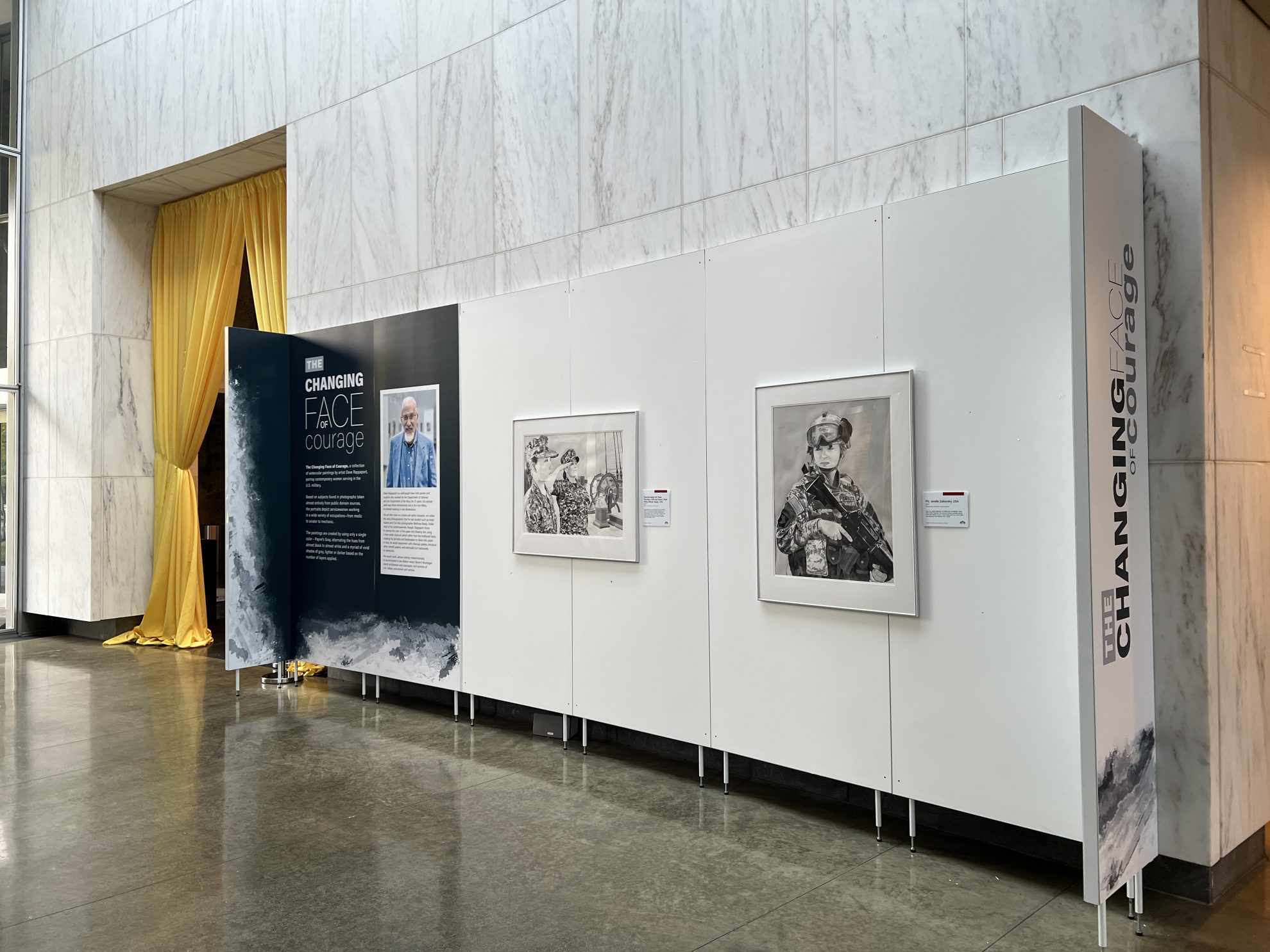
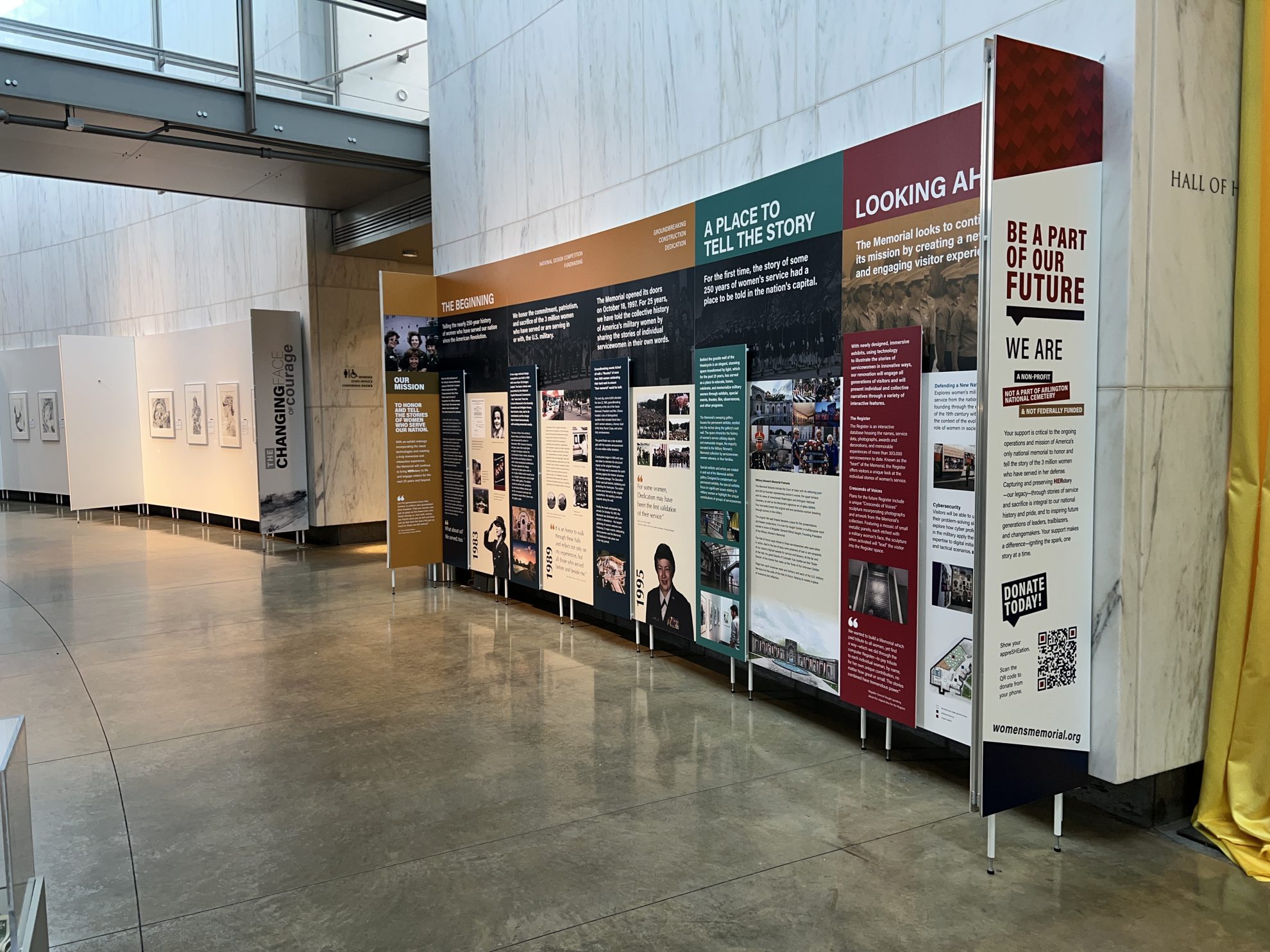
Heritage Signs & Displays created new museum signage for the Military Women’s Memorial in Arlington, VA. The project included custom signs, wall wraps, dimensional letters, and standoff-mounted displays to honor the legacy of U.S. servicewomen and the donors who supported the memorial. The updated interior features impactful designs, including a "Our Legacy" wall display and panels showcasing historical contributions and artwork, creating a transformative tribute to women in the U.S. Armed Forces.
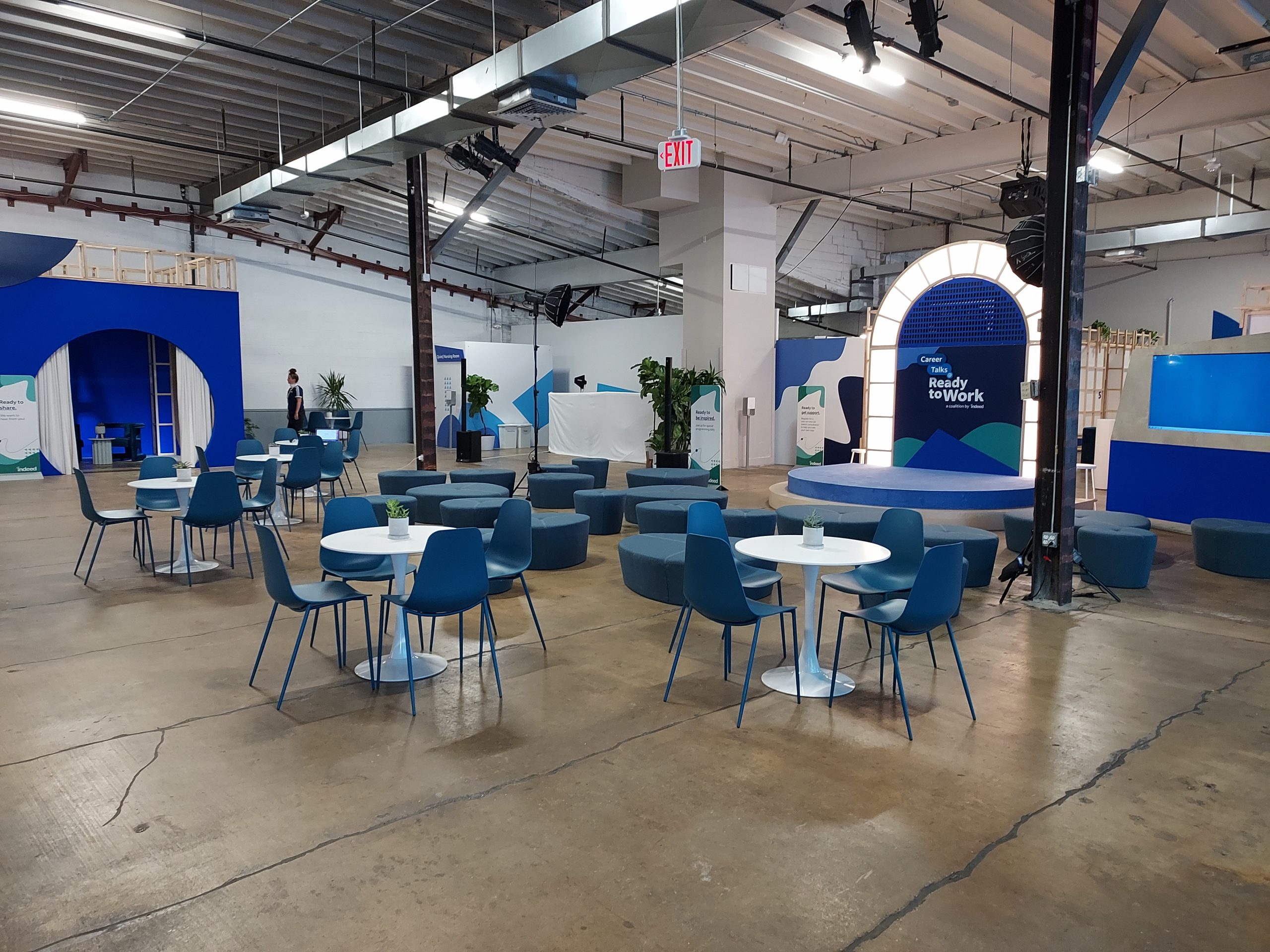
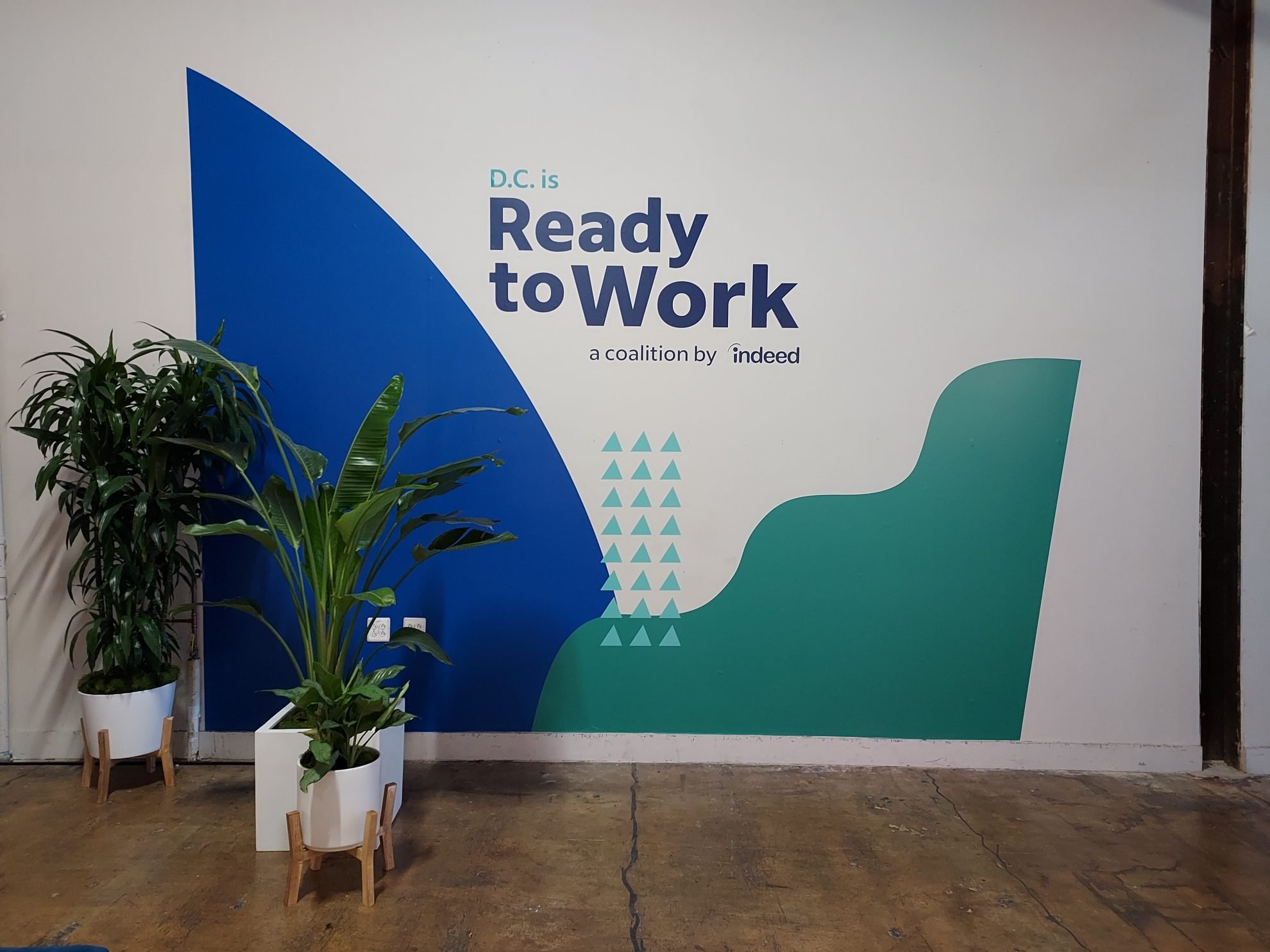
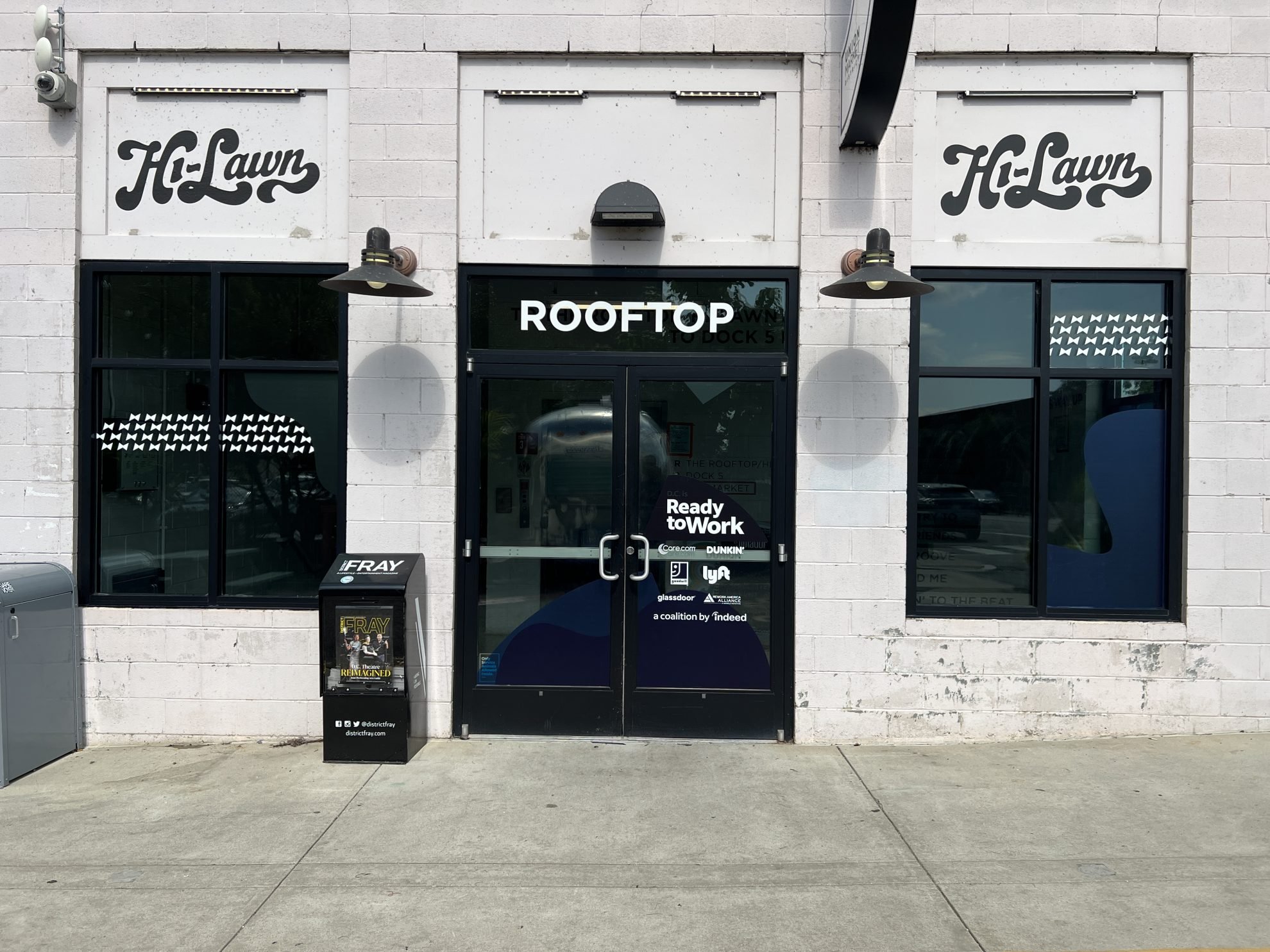
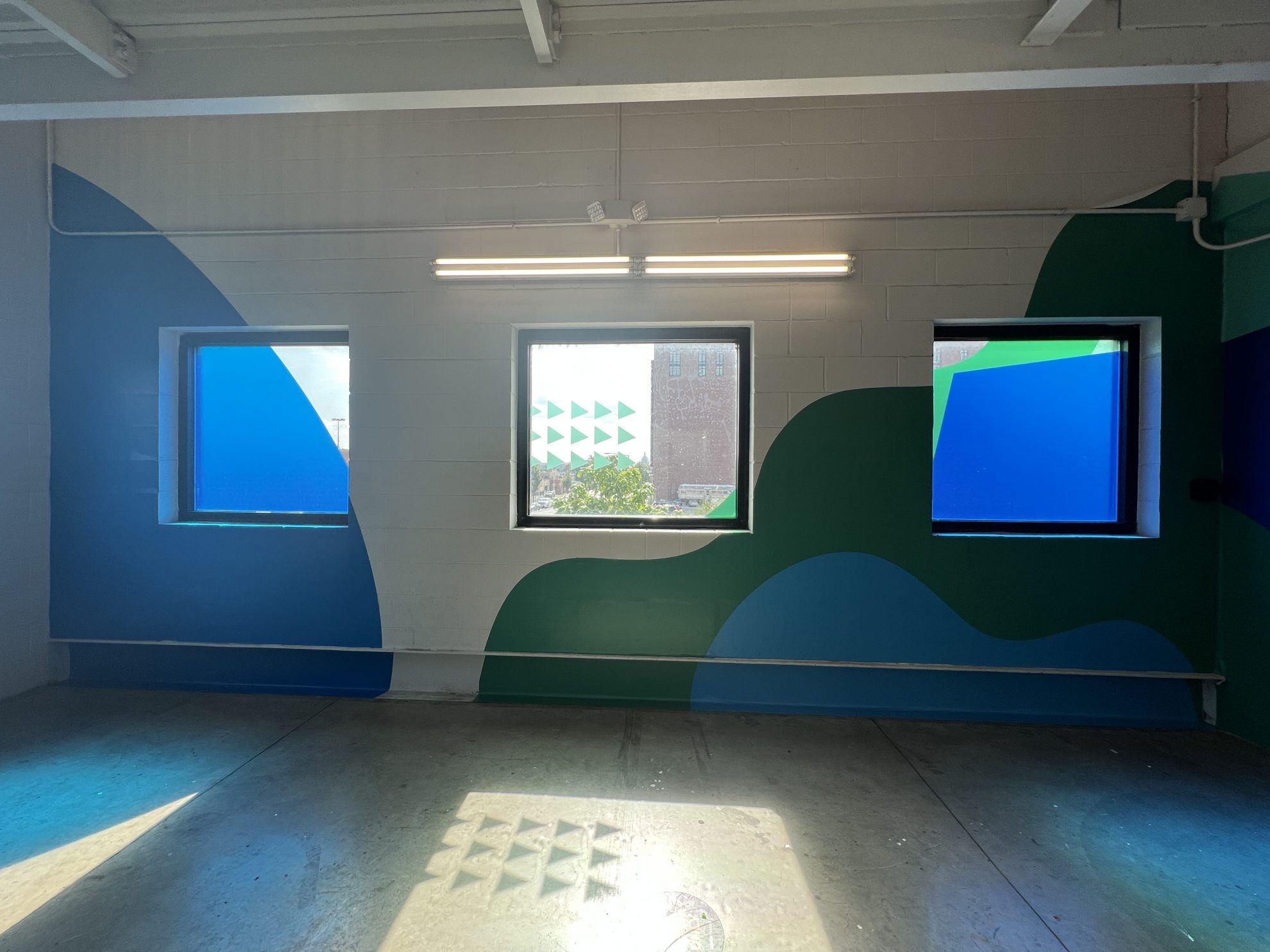
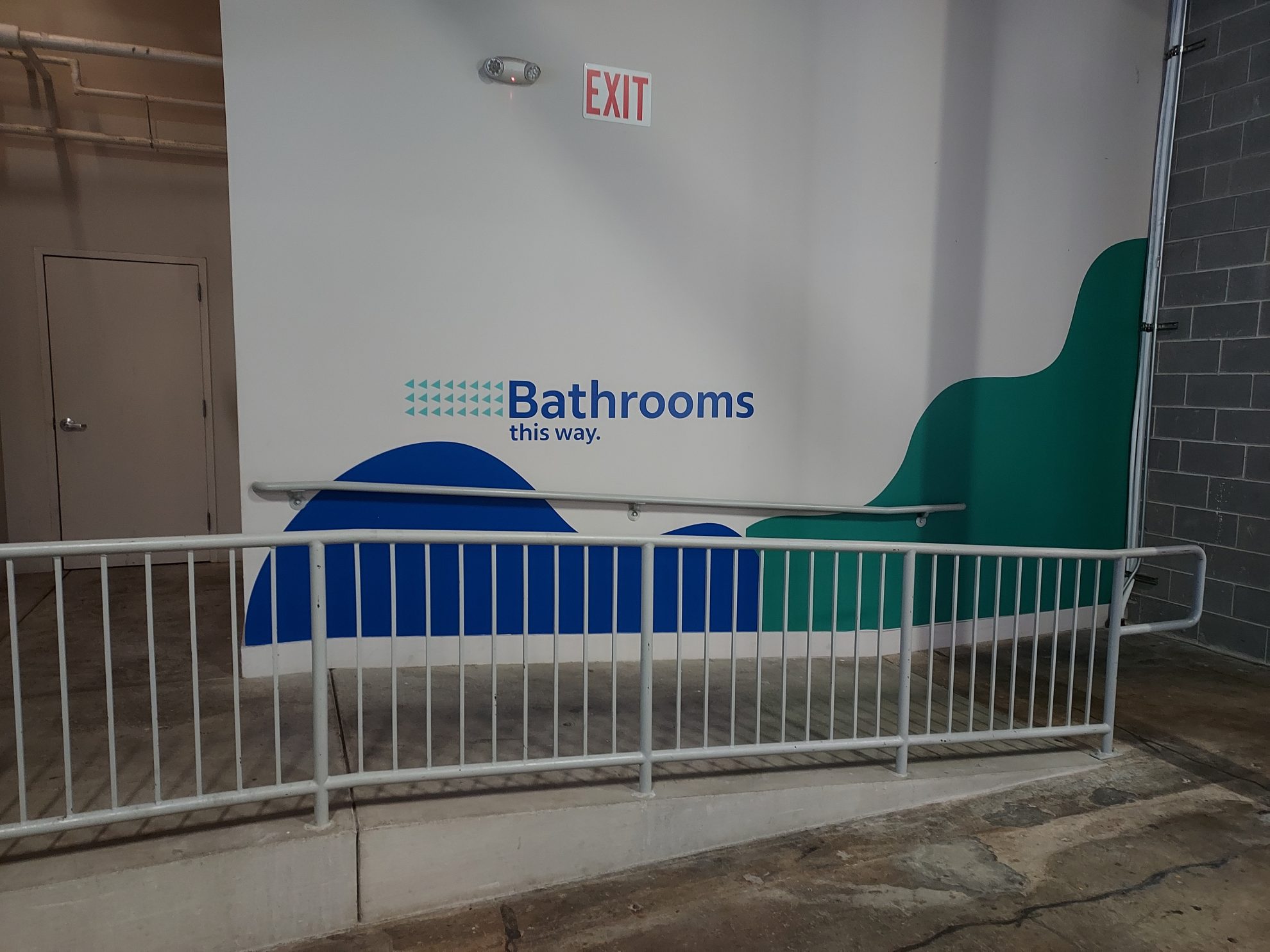
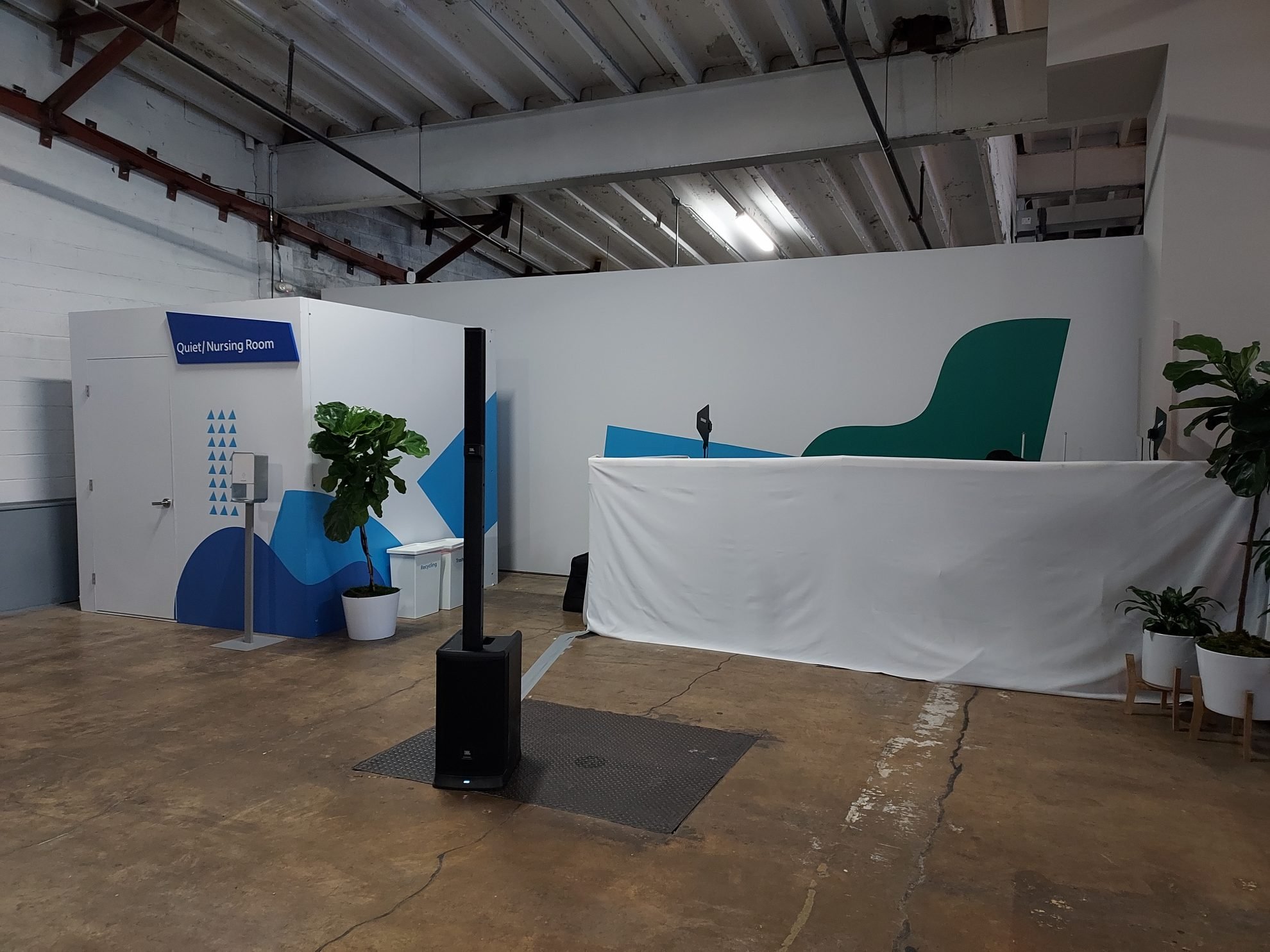
Heritage Signs & Displays' collaboration with The Gathery to brand Union Market in Arlington, VA, for Indeed's "Ready to Work" job fair. The project included custom event displays, wall graphics, window graphics, and wayfinding signs, creating an immersive and visually appealing environment. The branding enhanced the venue, reflected the event's mission, and provided a seamless experience for attendees.