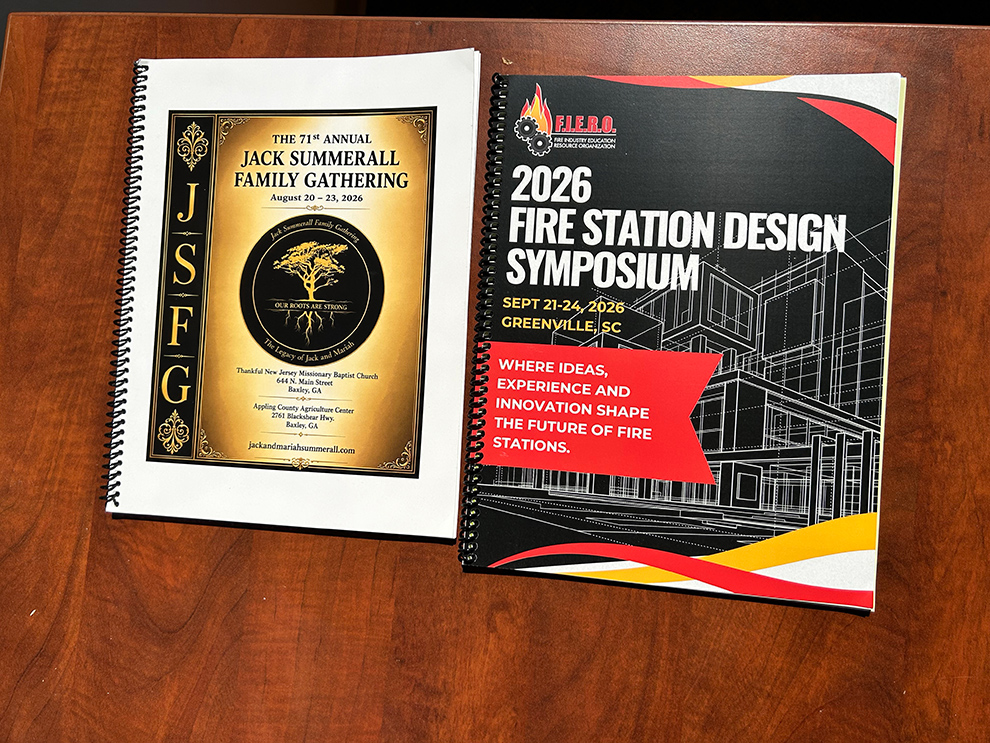
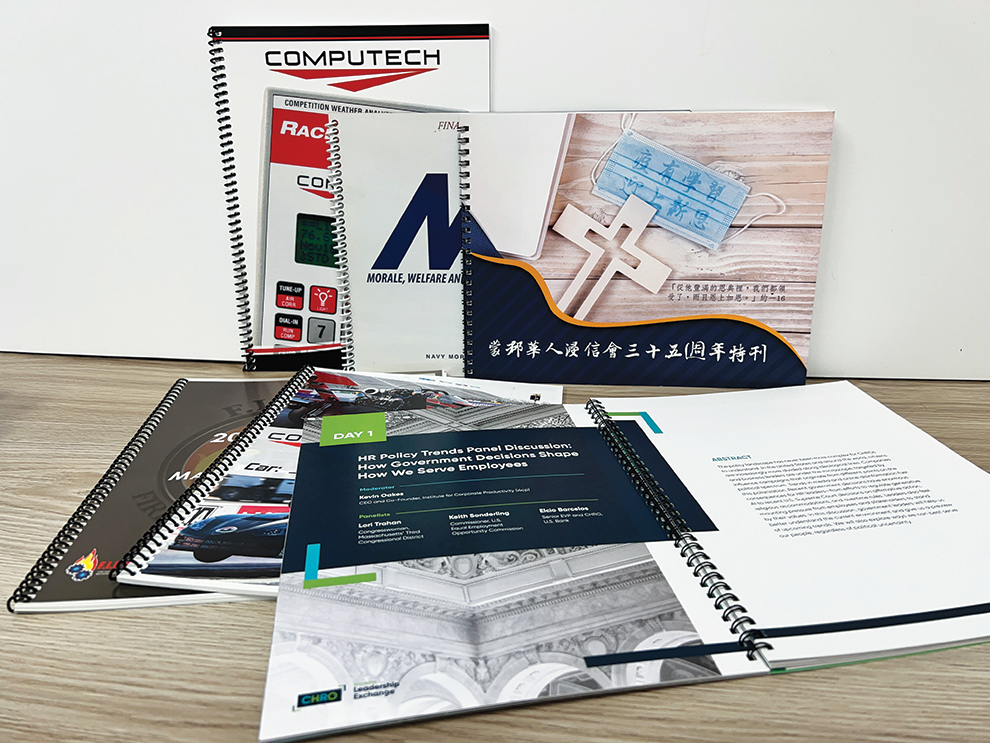
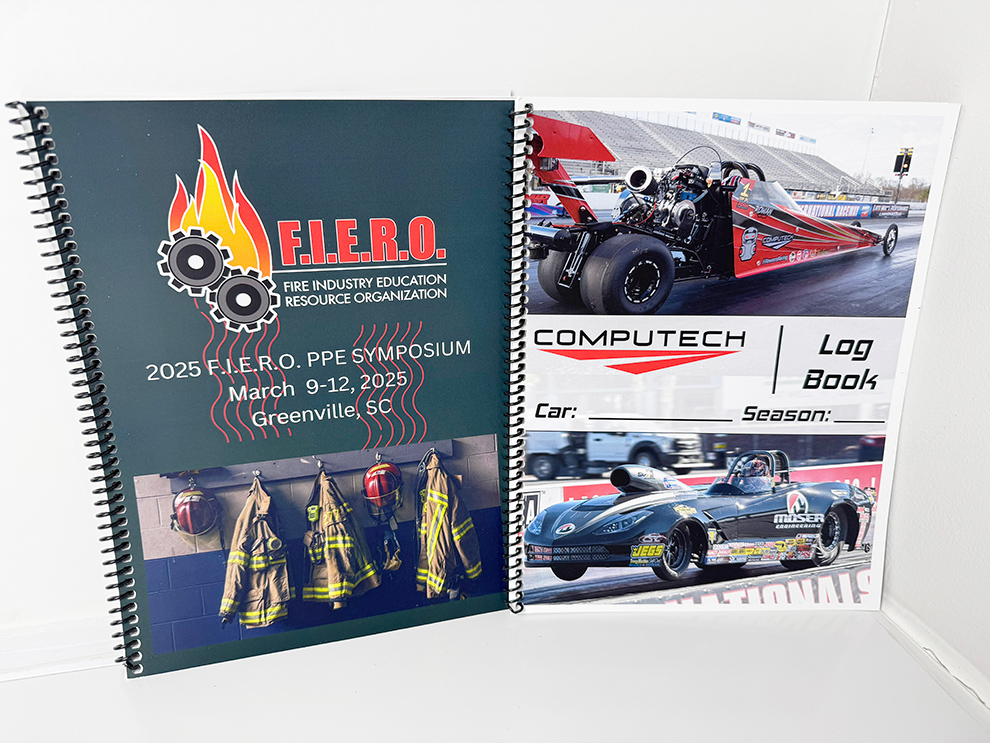
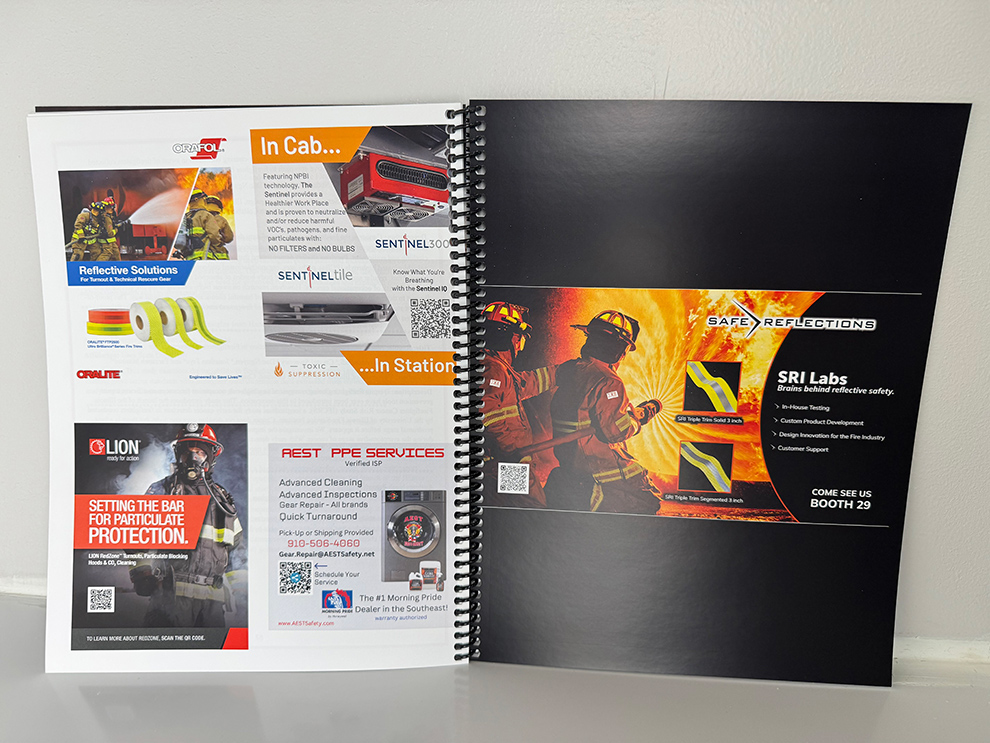
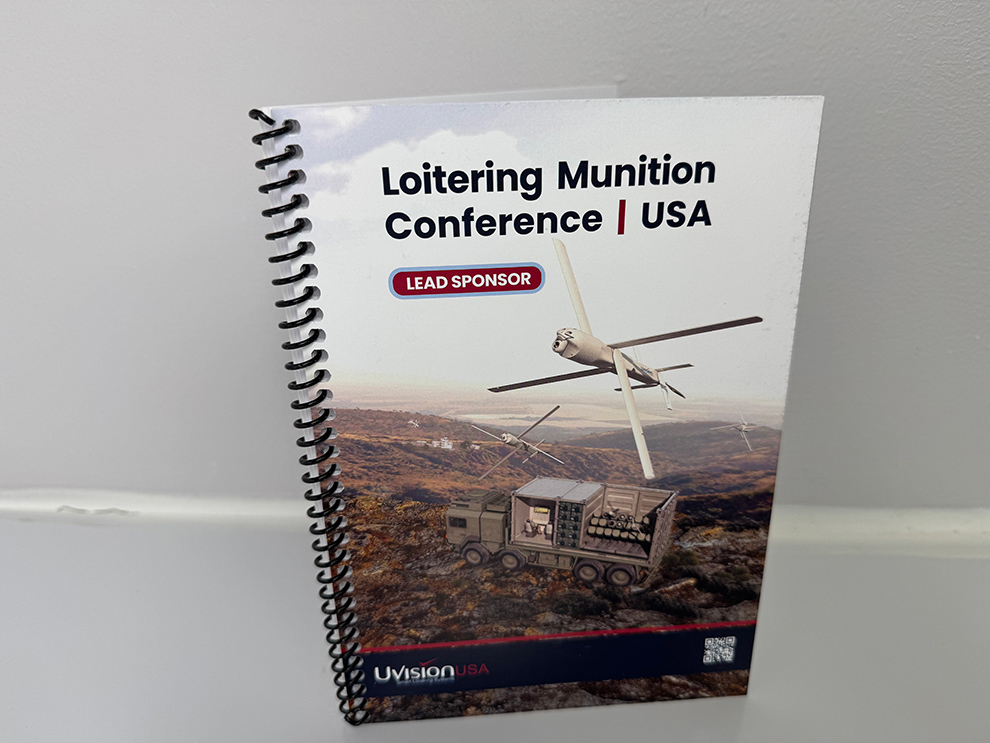
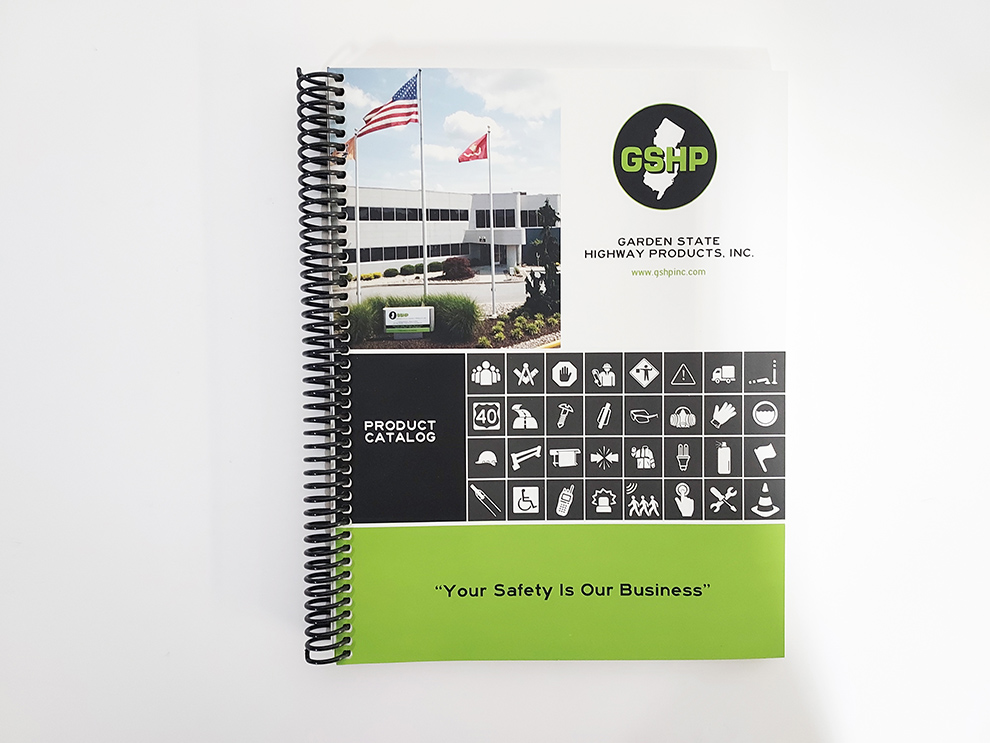
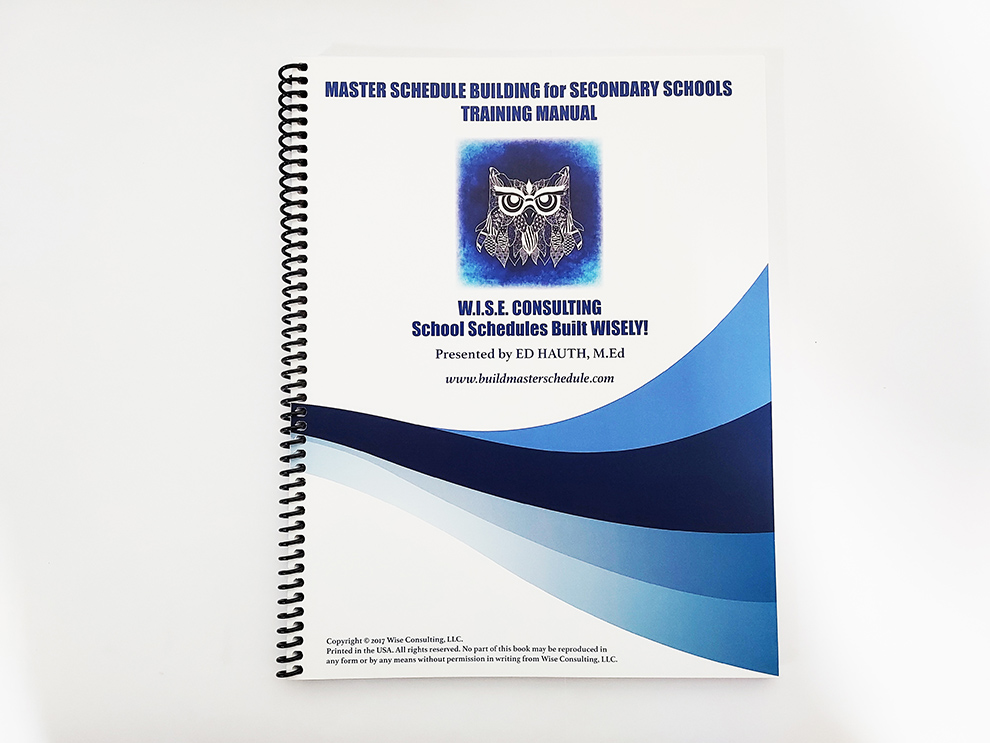
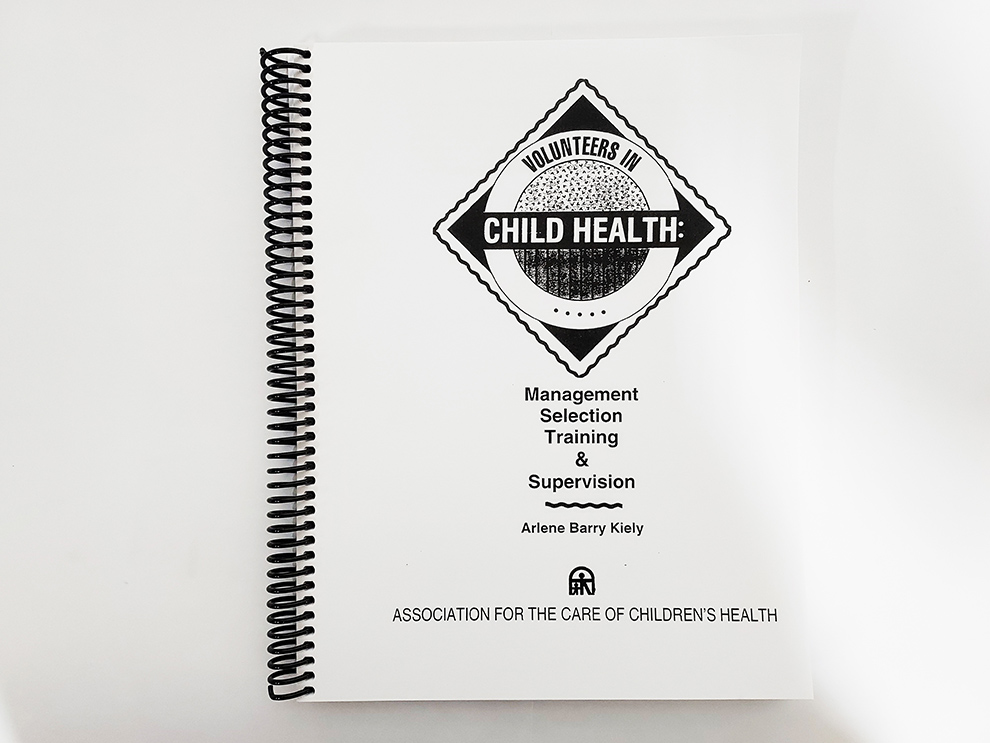
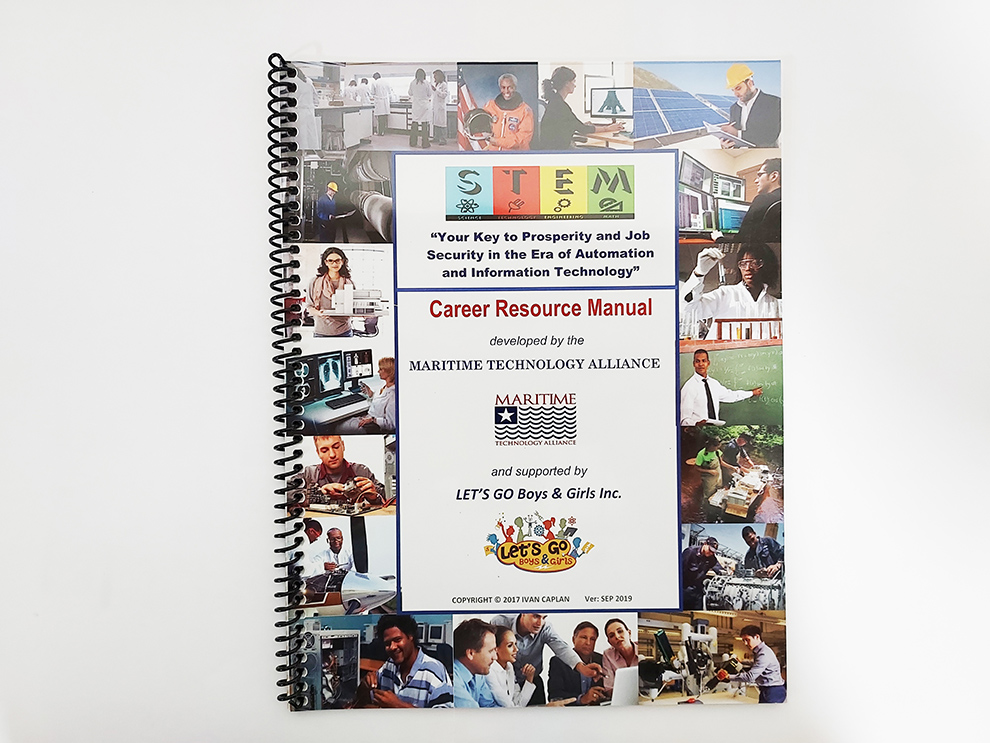
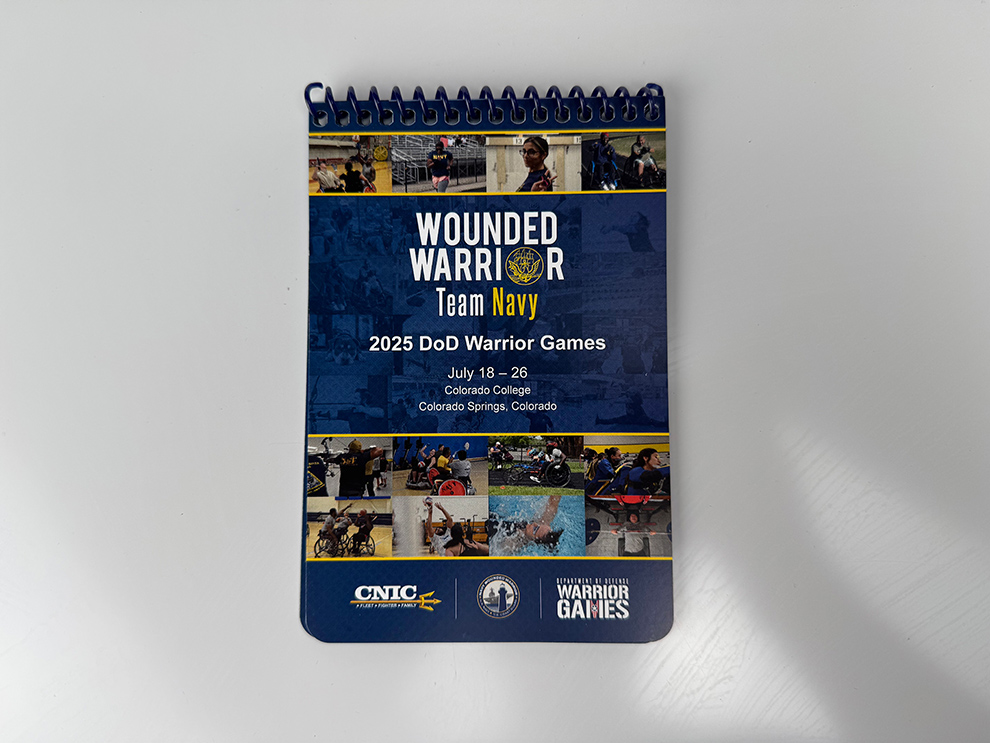
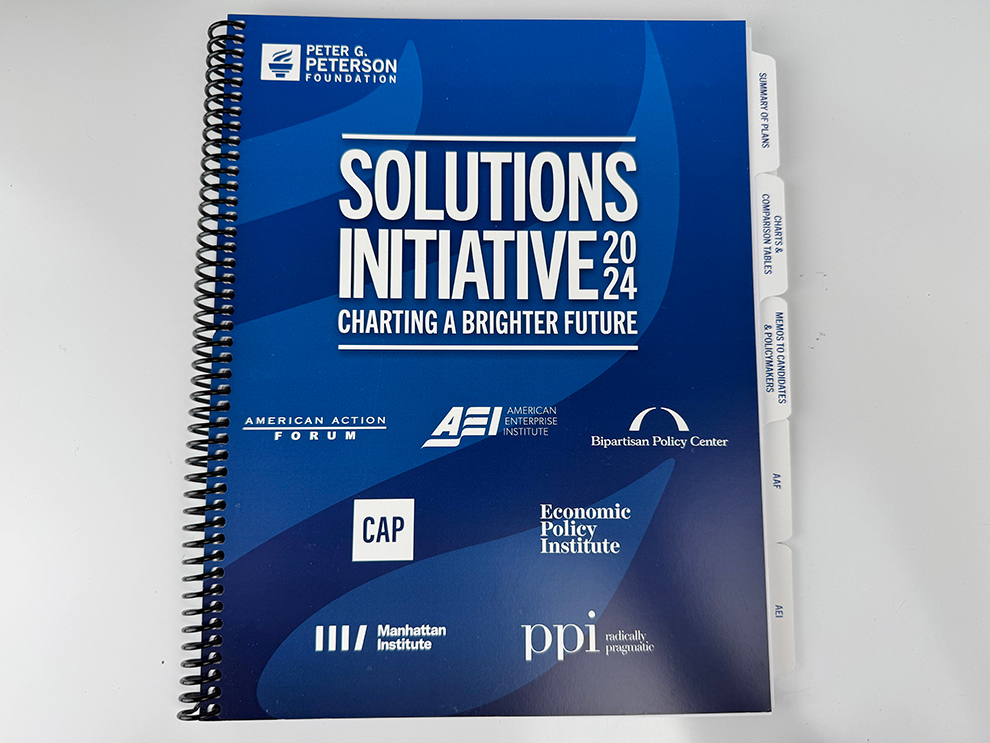
A lab manual propped beside a workstation, a workbook filled in during a seminar, a procedure guide checked between patient rounds: these documents are used, not simply read. When a book has to stay open while hands are busy, the binding becomes a working part of the tool.
Heritage prints spiral-bound books with plastic coil binding for Chapel Hill, NC organizations that depend on this kind of active reference. Because the coil turns freely through punched holes along the spine edge, each page lies flat on its own, turns without resistance, and can fold completely behind the book when only one page needs to be visible. Course packets, onboarding workbooks, clinical and research protocols, field guides, and member directories all benefit from that behavior.
Supported finishing choices, including laminated covers, sturdy backs, and tabbed dividers, help a book survive repeated handling and make longer content faster to navigate. Heritage pairs those practical decisions with disciplined color management, electronic proofing, and careful assembly, so the finished book reads clearly and holds together through a semester, a program year, or a full training cycle.
Heritage started as a printing company in 1977, and coil-bound books remain part of the everyday production mix. Automated plastic-coil equipment handles punching and coil insertion with consistent hole alignment, which keeps the spine edge clean and the pages turning smoothly across the full quantity of a run.
The binding step is only one checkpoint. Before a job reaches that stage, Heritage reviews the files for production readiness, issues an electronic proof for client approval, and manages color so the printed pages match the approved expectations. During assembly, page sequence, tab placement, and cover orientation are verified so a workbook does not reach a classroom with a missing section or an inverted back cover.
For Chapel Hill, NC organizations, that process is supported by the Charlotte headquarters and primary specialty production facility, with finished books shipped or delivered to the Triangle. Realistic schedules depend on artwork readiness, approvals, and available capacity, so Heritage confirms feasibility before committing to a date. When an edition returns the following term, the retained specifications and production history shorten setup and reduce the chance of an unintended change.
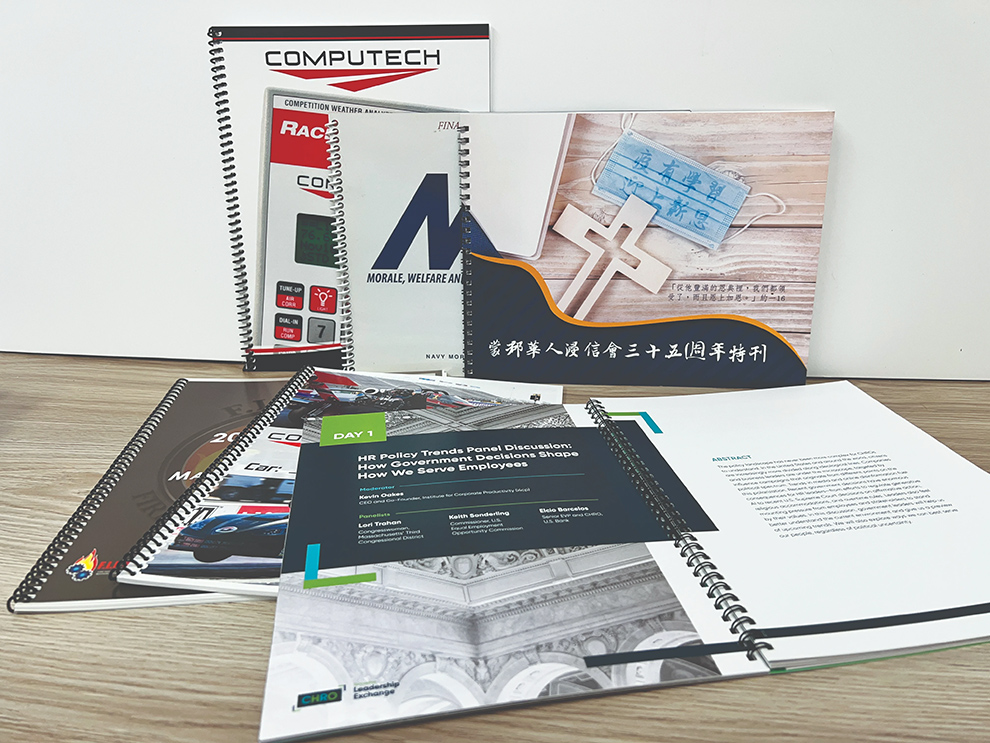
The right binding follows from what the reader will do with the book. If someone will write in it, prop it beside a keyboard, consult it on a lab bench, or flip repeatedly between sections during a class, plastic coil is usually the stronger choice. The book opens fully without cracking, pages turn freely, and the front half can be folded behind the back cover so the open book takes up the footprint of a single page.
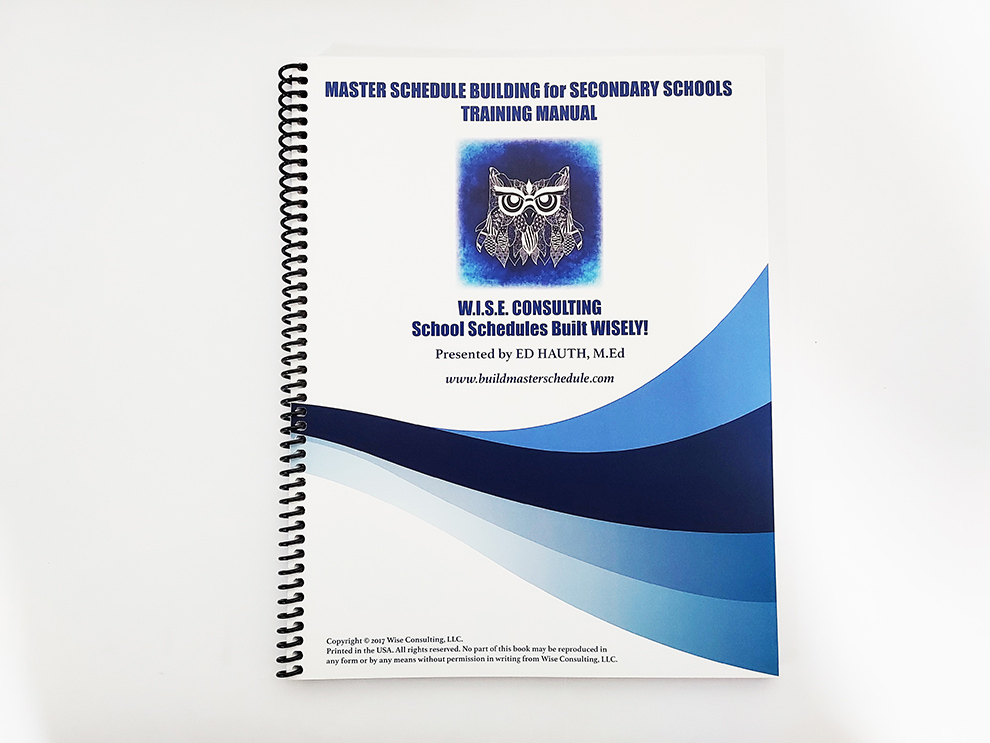
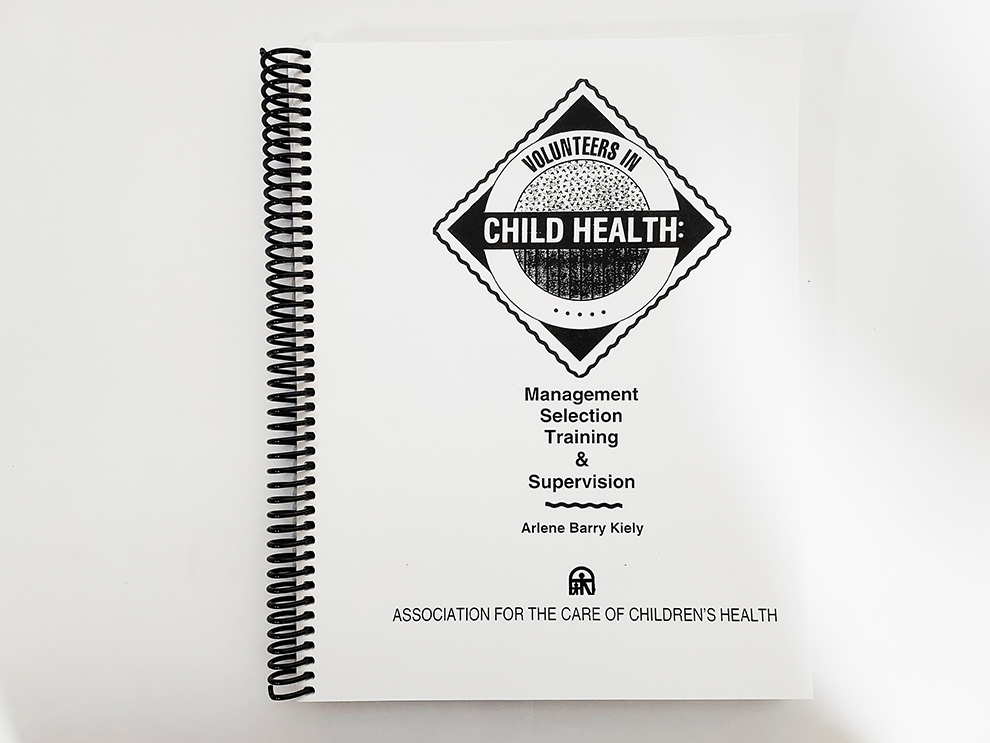
That behavior is what makes coil binding dependable for lab notebooks, continuing education workbooks, safety and operating procedures, volunteer handbooks, and reference directories. Tabbed dividers let a reader jump straight to a section, and a laminated cover keeps the outside presentable after months in backpacks and on desks.
Perfect binding answers a different need. Its glued, squared spine can carry a printed title, stands upright on a shelf, and gives a report, catalog, or published guide a more formal appearance. Choose it when presentation and shelf display lead the list. Choose plastic coil when the book must stay open and work alongside the reader.
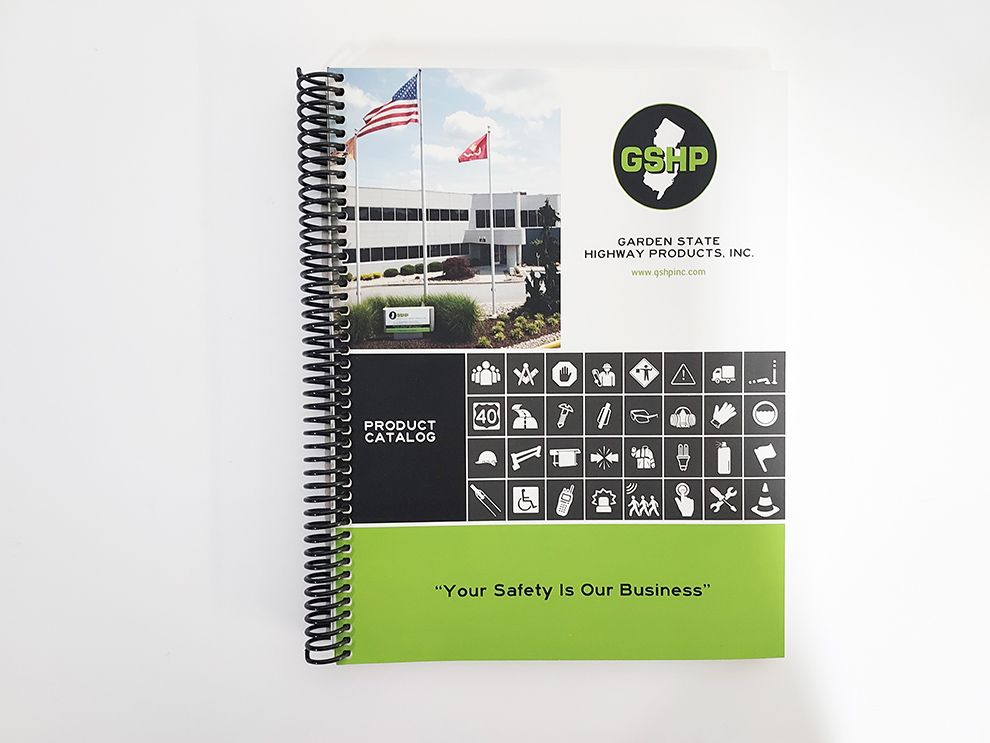
Workbooks and manuals rarely travel alone. A course, orientation, membership drive, or annual program often needs companion pieces, and the services below cover the most common pairings.
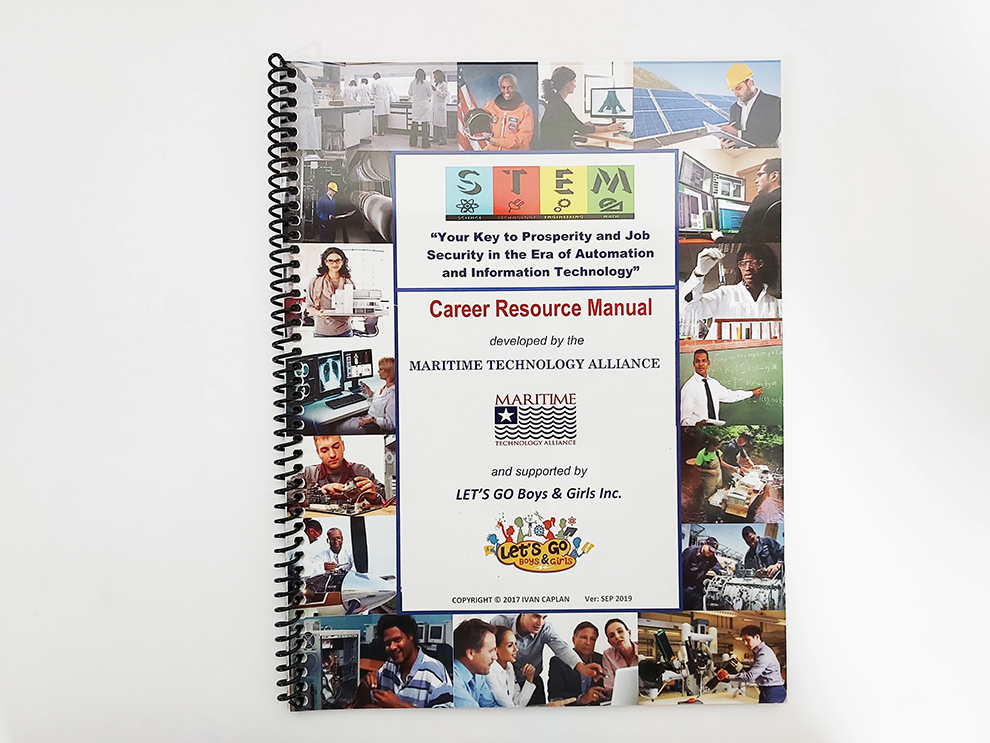
Structured instructional books for onboarding, compliance, and skills programs, with binding and tab choices selected for how often staff will consult them.
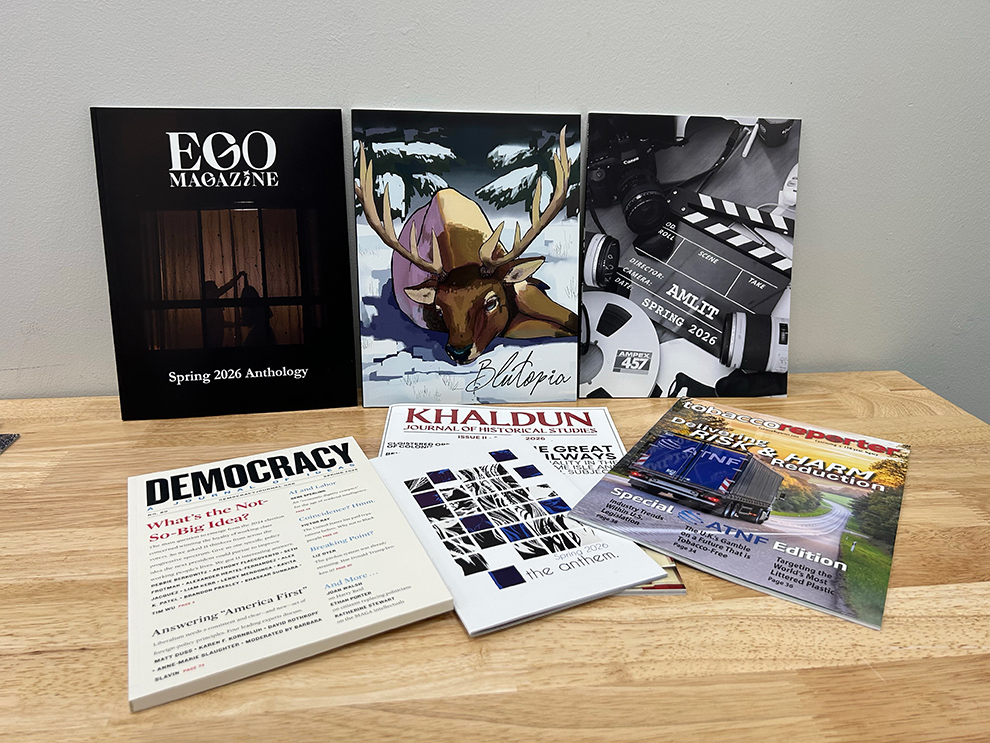
A glued square spine for research reports, annual publications, and guides where a titled spine and upright shelf display carry more weight than lay-flat use.
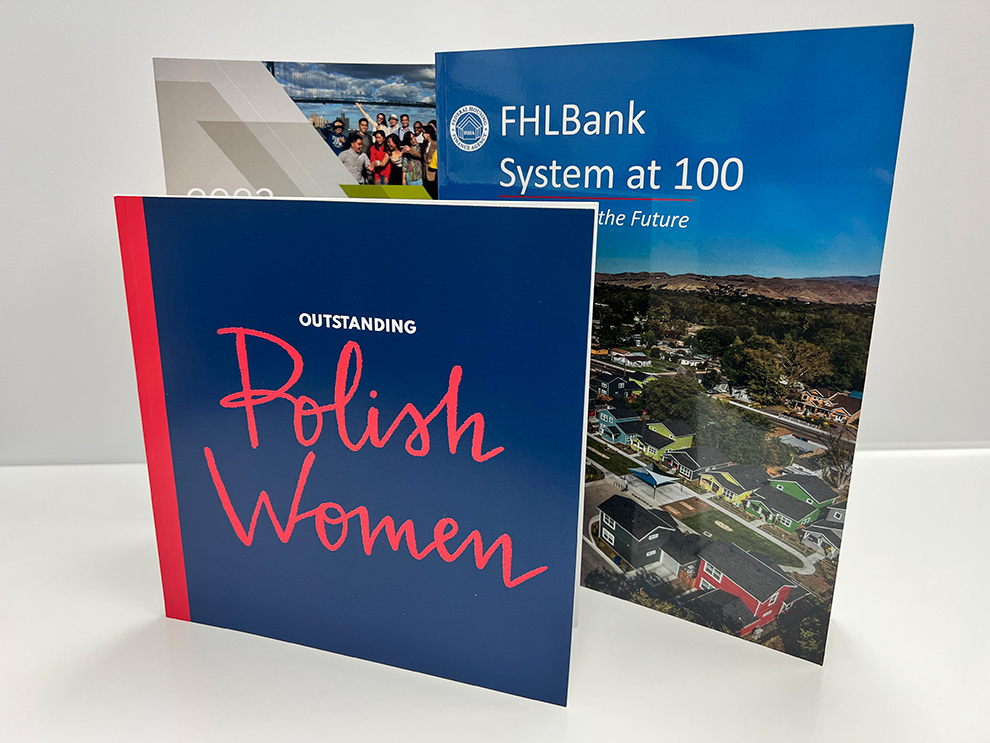
Multi-page formats for event programs, orientation packets, and short guides that do not require a mechanical binding.
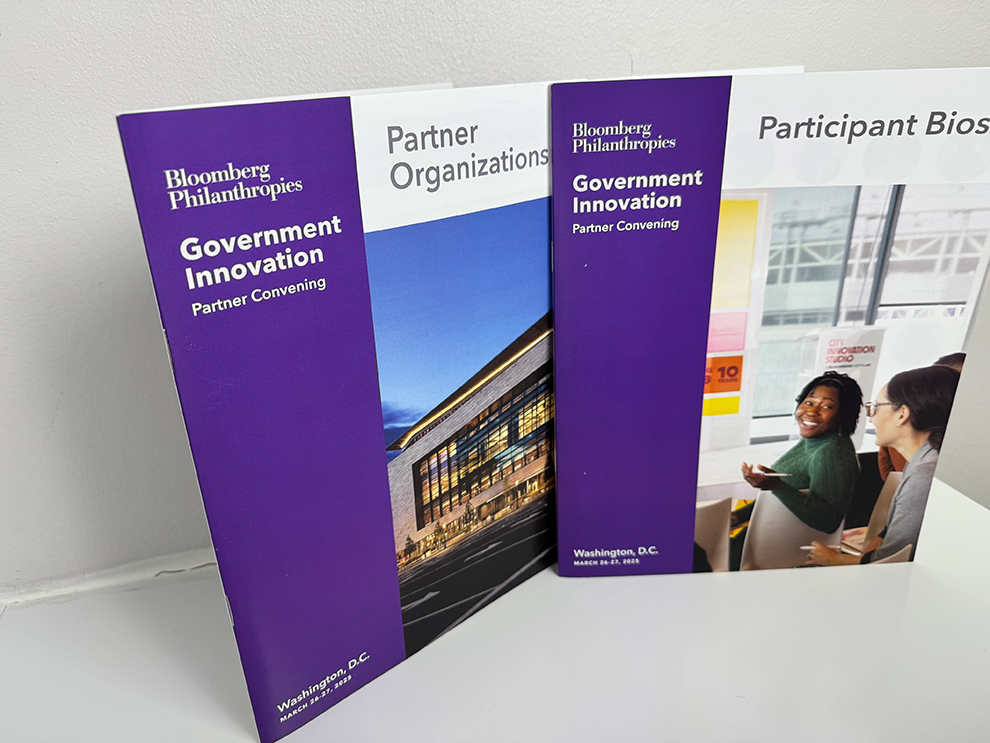
Pocketed folders that hold a coil-bound workbook together with handouts, schedules, and certificates for a seminar or new-hire packet.
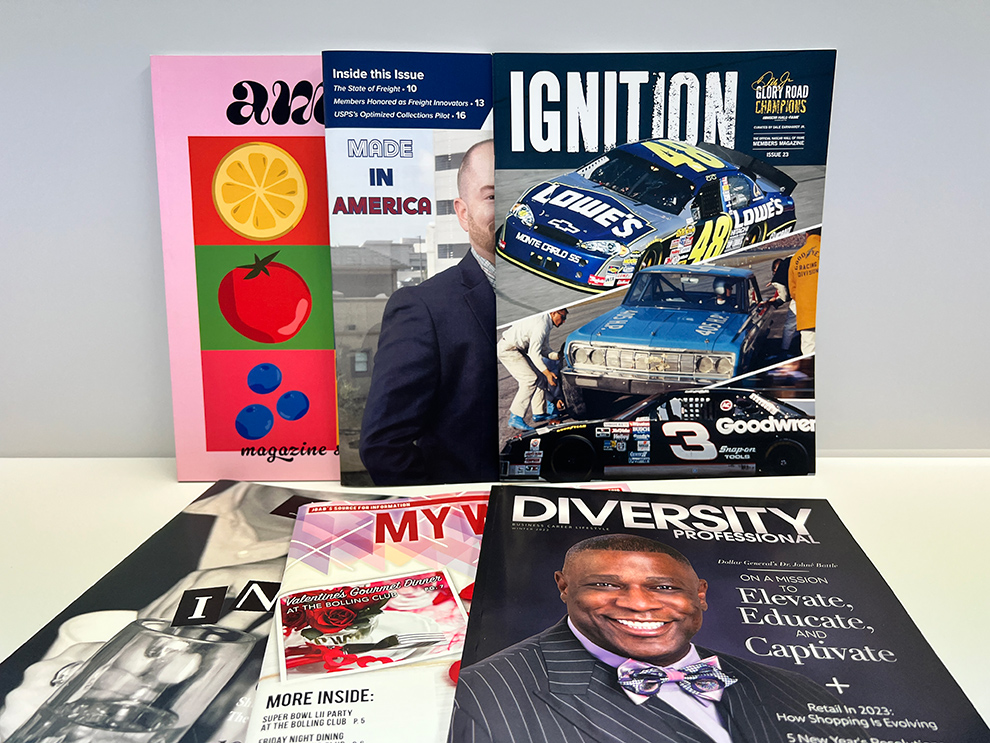
Recurring issues for alumni, member, and institutional audiences, produced with consistent specifications from one edition to the next.
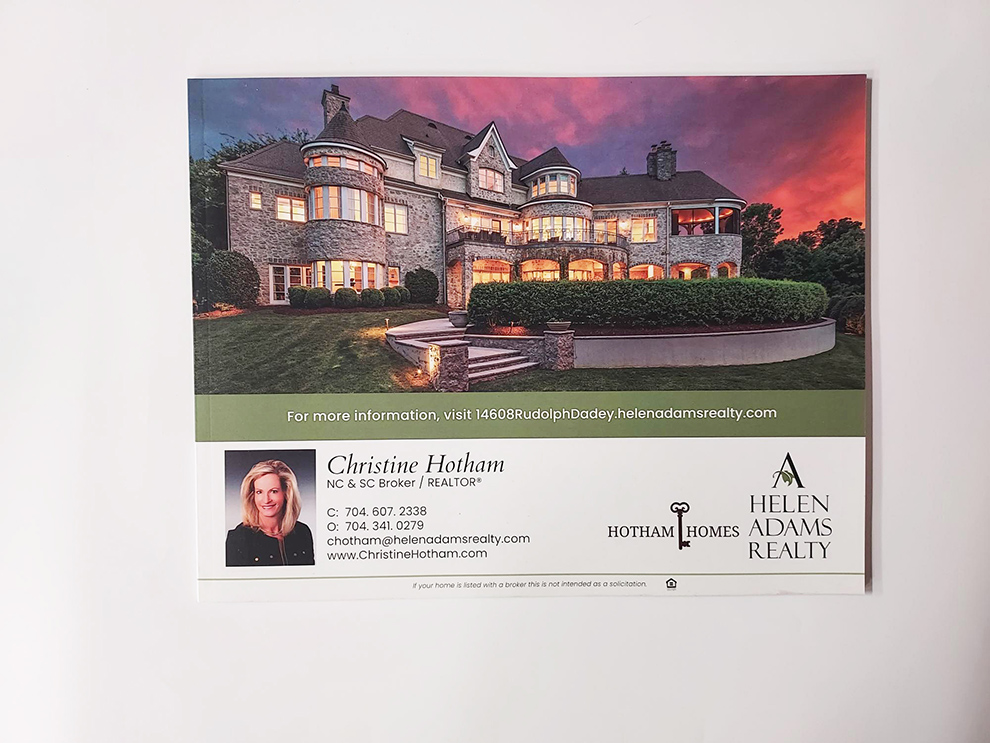
Addressing, mail preparation, and distribution for printed pieces that need to reach a membership list or participant roster rather than a single pickup point.
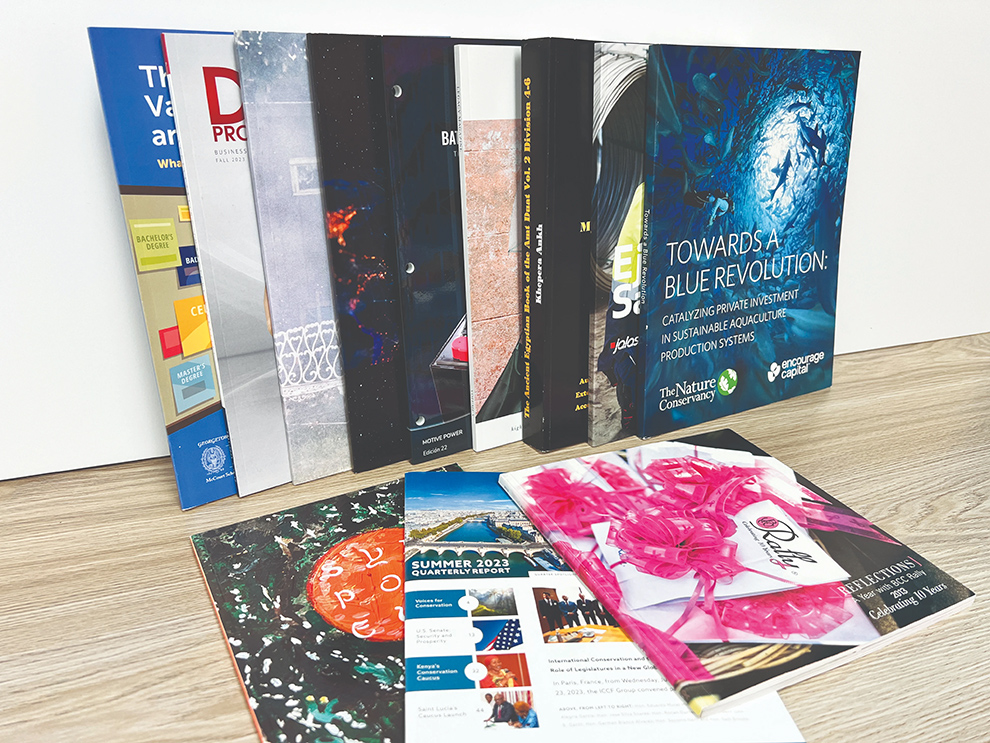
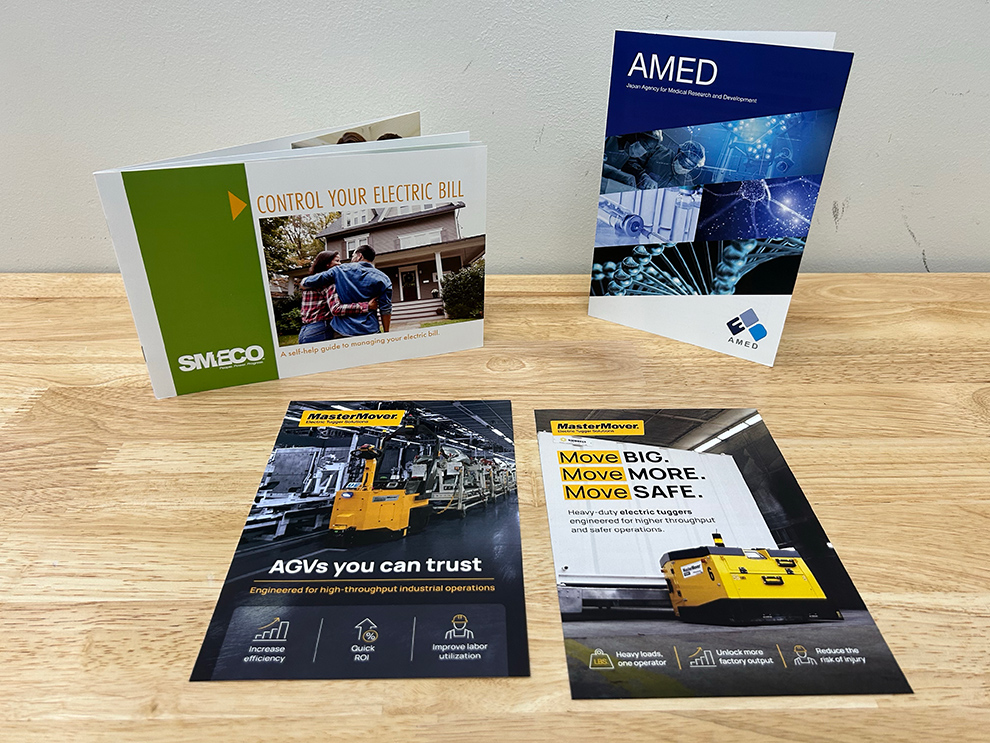
Brochures, flyers, postcards, and other printed pieces that promote the program your manual or workbook supports.
The full Heritage commercial printing range for departments and organizations managing several printed communications at once.
Whether a new cohort starts in August, a policy update takes effect next quarter, or a reference directory is due for its annual refresh, the next step depends on how complete the job is. Order an eligible print-ready configuration directly through the Online Store, or submit a Custom Quote for qualifying $2,000+ work that calls for file preparation, specification guidance, or coordinated versions.
A coil-bound book should be specified around its use. A participant workbook that collects handwritten answers needs a paper weight that accepts ink without showing through, a comfortable finished size, and enough margin near the coil for writing. A field guide carried between sites benefits from a laminated cover, a sturdy back, and a page count that keeps the book compact.
Heritage weighs finished size, page count, paper stock, cover construction, color versus black-and-white pages, quantity, tabs, and dividers as one connected decision. A thirty-page checklist and a two-hundred-page reference manual call for different coil diameters, and the thicker book may justify section tabs that a slim one does not. Mixing full-color pages with black-and-white text pages can manage cost without sacrificing the diagrams, charts, or photographs that need color to be understood.
When a book will be reissued, Heritage preserves the approved trim, paper, cover, tab, and color decisions so the next edition starts from a known baseline. Updating a chapter or a policy then becomes an edit rather than a rebuild, and the new copies match the ones already in circulation.
The first question for any Chapel Hill order is how settled the job is. A fully specified book with finished artwork can move quickly, while a book that needs layout help, tab planning, or version control benefits from coordination before printing.
The Self-Directed Online Store suits the first case. When the spiral-bound configuration you need is live and orderable and your artwork is print-ready, your team selects the options and orders independently. Eligible Store products can be combined in one purchase to reach the $750 total-order minimum. Heritage performs its standard production review and sends an electronic proof before printing. The Store does not include an assigned Project Coordinator, layout development, product selection help, or a Physical Production Color Proof.
Qualifying new Commercial Printing work of $2,000 or more may instead use the Storefront Custom Quote form when file preparation, specification guidance, or closer coordination is needed. Submission alone does not assign a contact. Once Heritage accepts the quote and assigns the job, a Project Coordinator becomes your direct phone-and-email contact, and established clients may keep that coordinator on appropriate directly managed repeat work.
Yes. The plastic coil lets every page and both covers rotate fully around the binding edge, so the book can be folded to show a single page. Readers in tight spaces, such as a shared lab bench or a lecture hall desk, can keep the current page visible and both hands free.
Because the book behaves well while it is being used. A plastic-coil manual lies flat without being held open, pages turn without strain on the spine, and a reader can write on a page without fighting a curve toward the gutter. Those traits matter more for workbooks, procedures, and course guides than a decorative spine does.
Match the format to the way the book will be handled. Plastic coil wins when the book must open flat, fold back, and tolerate daily use. Perfect binding, which glues the pages into a squared spine, wins when a printed spine title, upright shelf display, and a traditional published look are the priorities. Neither is better in every situation.
A laminated cover over a heavier printed stock, paired with a sturdy back, is the usual recommendation for books that circulate or travel. The lamination resists scuffs and ordinary moisture, and the back keeps the book rigid when it is written on without a desk underneath. Availability of specific cover constructions depends on the Store option selected or the terms of an accepted Custom Quote.
They are, when the chosen Store configuration lists them or an accepted Custom Quote includes them. Tabs give a reader a direct route to a chapter, module, or appendix, which is especially useful in manuals over a hundred pages. Plan the tab labels, the section breaks, and the paper for the divider sheets alongside the rest of the book so the page count and coil size stay accurate.
Chapel Hill is anchored by a major public university, an academic medical center, and the research and nonprofit organizations that grow up around them, and each of those settings produces documents that are used actively. Course packets, lab and clinical protocols, continuing education workbooks, volunteer and staff handbooks, and member directories are typical examples. Heritage supports these buyers from its Charlotte headquarters and production facility rather than from a Chapel Hill storefront.
Yes, if the configuration you need is live and orderable in the Self-Directed Online Store and your artwork is complete and print-ready. You choose the available specifications, upload files, and pay independently. Heritage checks the files for production readiness and sends an electronic proof before printing, but there is no product selection assistance, layout work, or assigned Project Coordinator on this path, and the eligible order total must reach $750.
Custom Quote becomes available for a qualifying new Commercial Printing opportunity of $2,000 or more when the job needs something the Store does not provide, such as production-oriented layout support, file preparation, specification guidance, tab and divider planning, or coordination across several versions. The Storefront Custom Quote form gathers the details. A Project Coordinator is assigned only after Heritage accepts the quote and assigns the work, and that coordinator then handles the order by phone and email.
No. The $750 minimum applies to the total of all eligible products in a single Self-Directed Online Store order. A department preparing for an orientation could combine coil-bound workbooks with other eligible items that are live in the Store within the same purchase. Each product follows its own posted options and file requirements, and the combined order receives the standard review and electronic proofing.
Every Heritage Commercial Printing order, including an eligible Store order, receives an electronic proof for approval before printing begins. Review it for page order, trim, content accuracy, tab or divider positions, and anything that would reveal a file problem. Treat it as a layout and content check rather than a color sample, since screen display and printed ink reproduce color differently.
For qualifying $2,000+ Custom Quote commercial printing orders, Heritage offers an optional paid Physical Production Color Proof. It is produced on the printer scheduled for the final run and on the same paper or production material specified for the books, which is what makes it meaningful. Expect added cost and additional time in the schedule. Once approved, it becomes the controlling physical color reference for the job unless another arrangement is agreed. This option is not available on Self-Directed Online Store orders, which are proofed electronically only.
Heritage retains the accepted specifications from the prior run, including trim size, paper, cover construction, tab layout, and color targets, so the next edition is built from the same baseline. Your team then supplies the updated file, and the new copies match the earlier ones already in use. Established clients who already have an assigned Project Coordinator may continue with that contact on appropriate directly managed repeat work.
Possibly, but Heritage will not confirm a date it has not evaluated. Share the deadline, quantity, page count, finishing, and the state of your artwork as early as you can. Heritage then reviews file readiness, electronic proof turnaround, materials, binding and tab complexity, current production capacity, and shipping to Chapel Hill before committing. If the original date cannot be met responsibly, you hear that early, along with responsible alternatives when they exist.
Heritage Signs & Displays created new museum signage for the Military Women’s Memorial in Arlington, VA. The project included custom signs, wall wraps, dimensional letters, and standoff-mounted displays to honor the legacy of U.S. servicewomen and the donors who supported the memorial. The updated interior features impactful designs, including a "Our Legacy" wall display and panels showcasing historical contributions and artwork, creating a transformative tribute to women in the U.S. Armed Forces.
Heritage Signs & Displays' collaboration with The Gathery to brand Union Market in Arlington, VA, for Indeed's "Ready to Work" job fair. The project included custom event displays, wall graphics, window graphics, and wayfinding signs, creating an immersive and visually appealing environment. The branding enhanced the venue, reflected the event's mission, and provided a seamless experience for attendees.