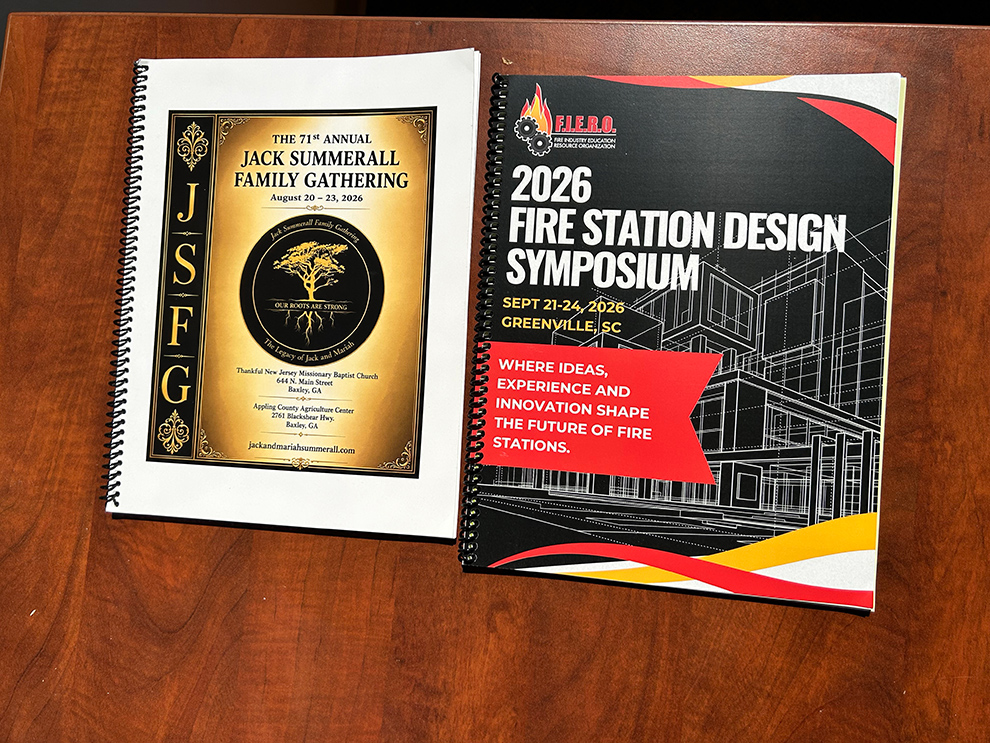
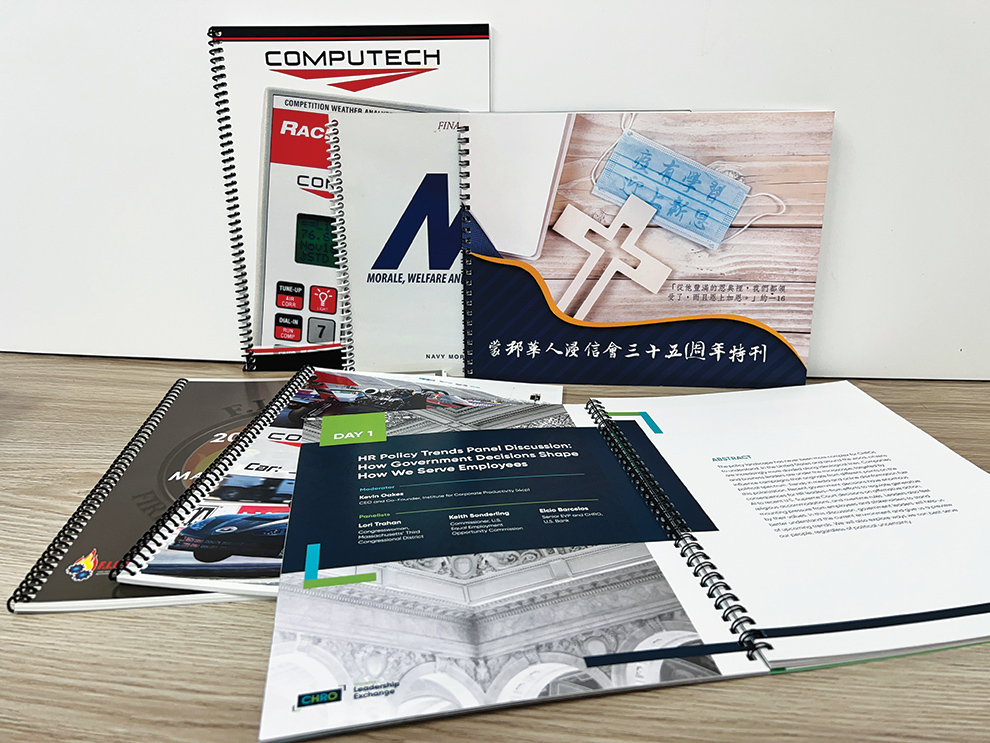
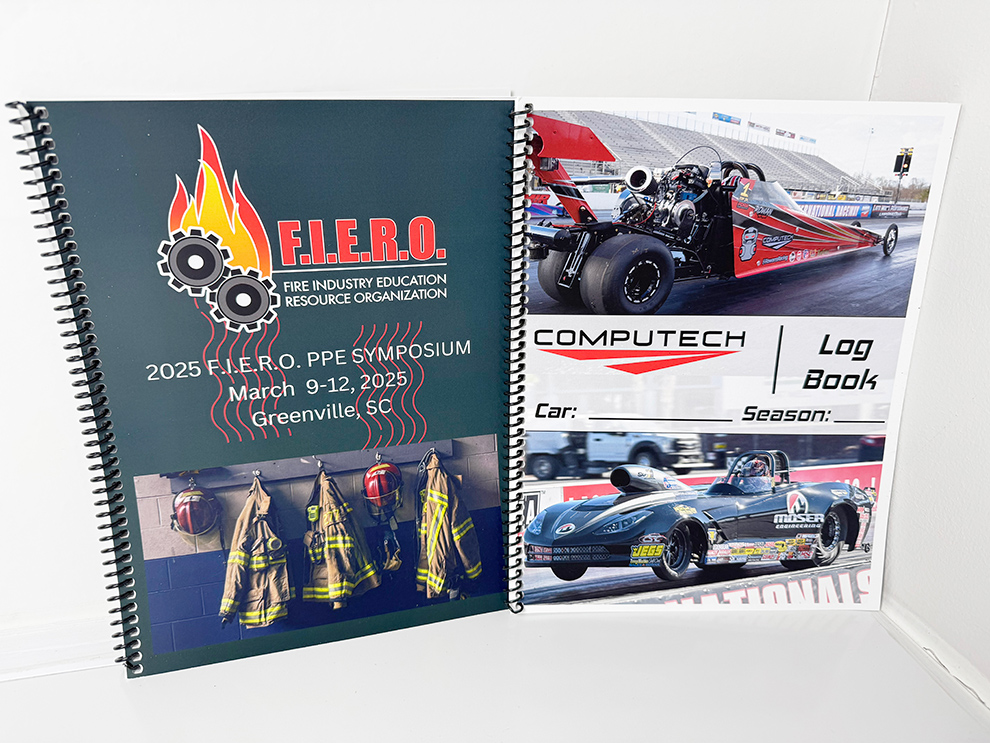
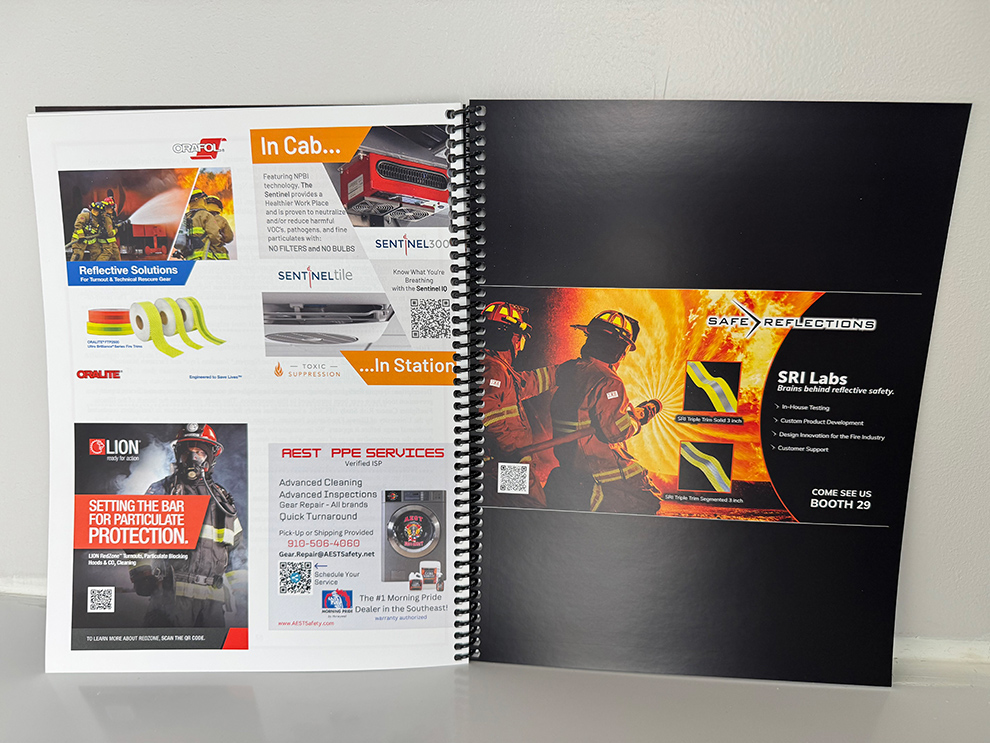
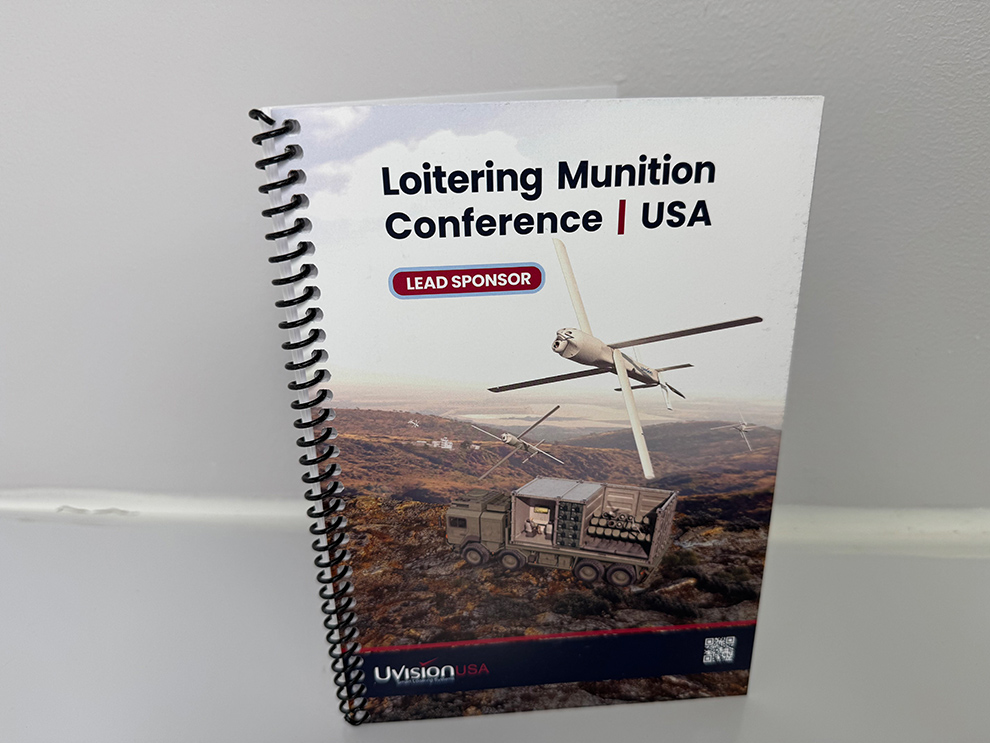
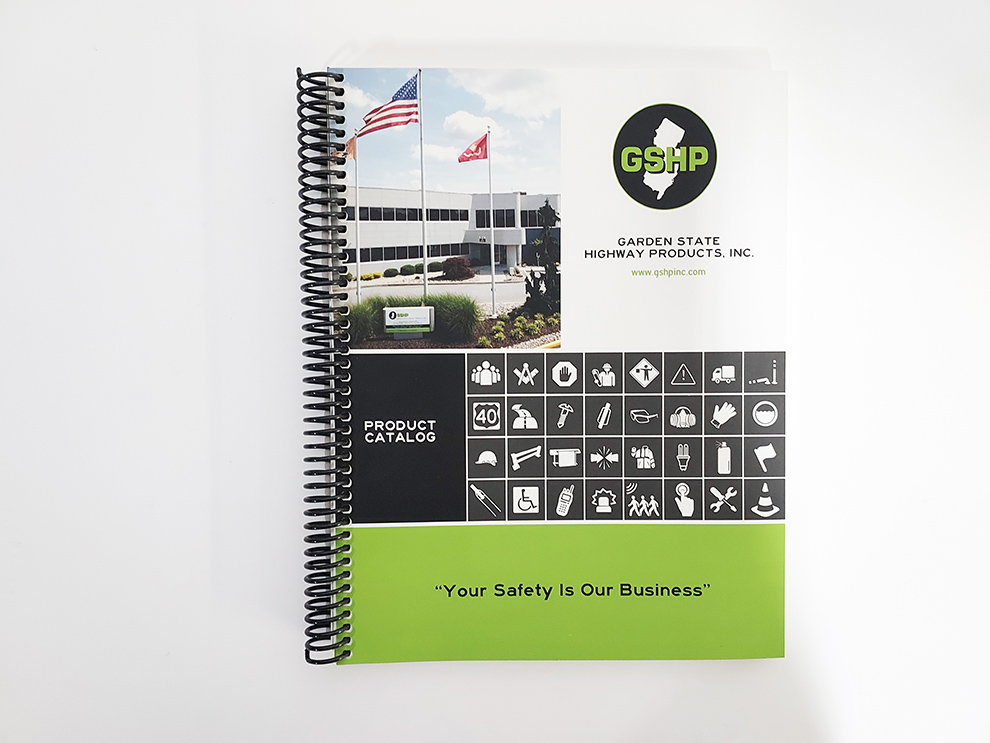
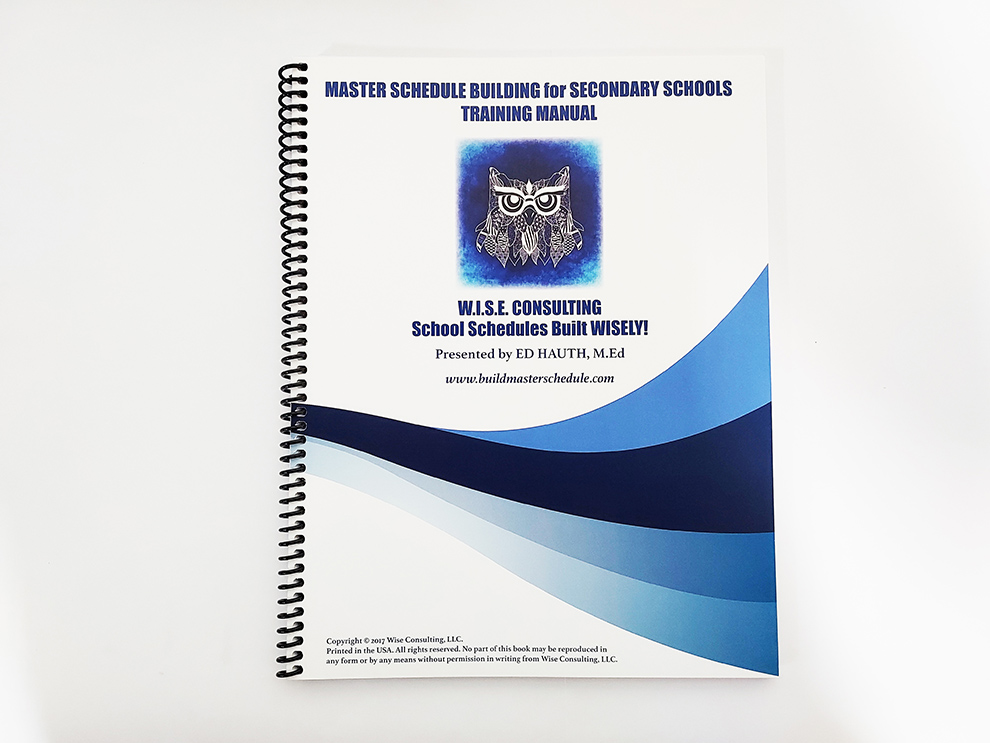
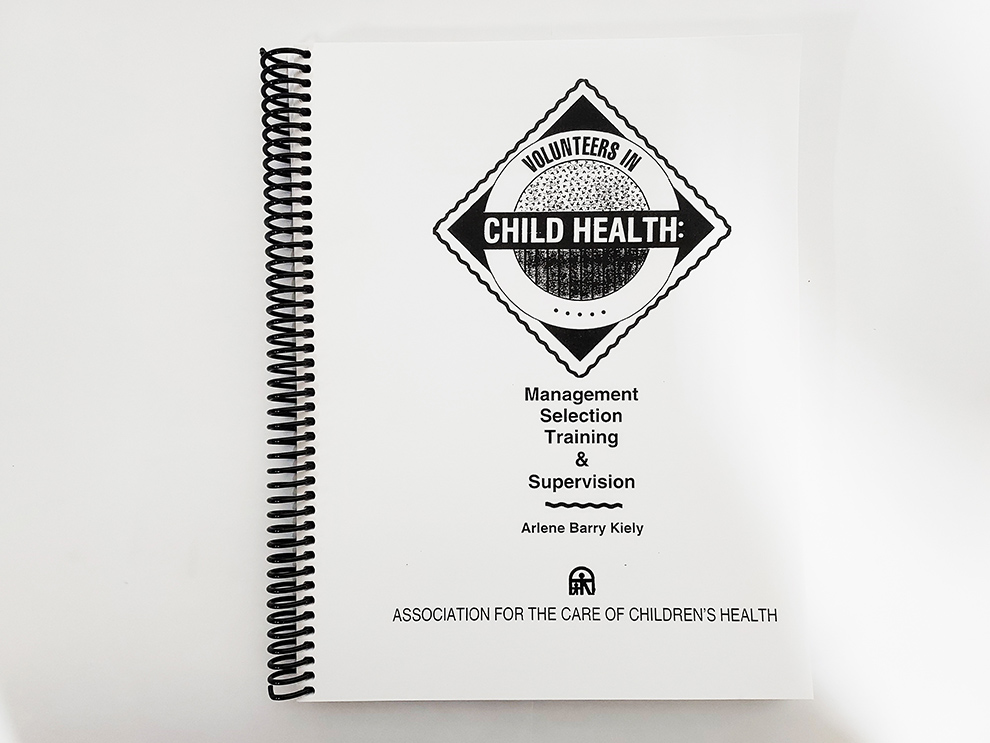
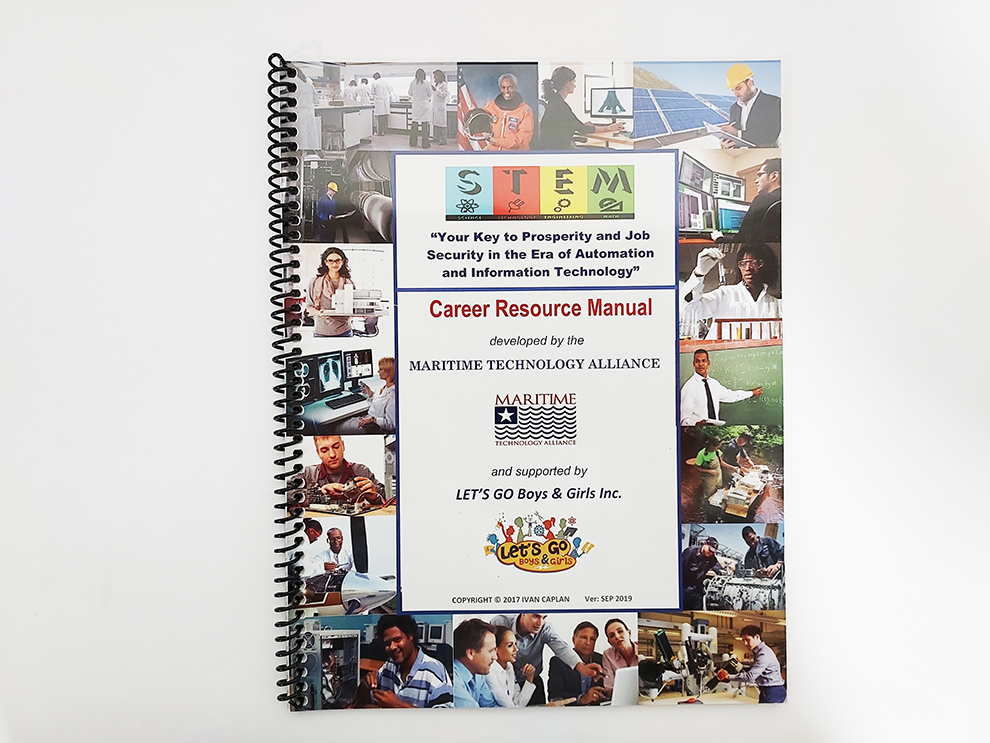
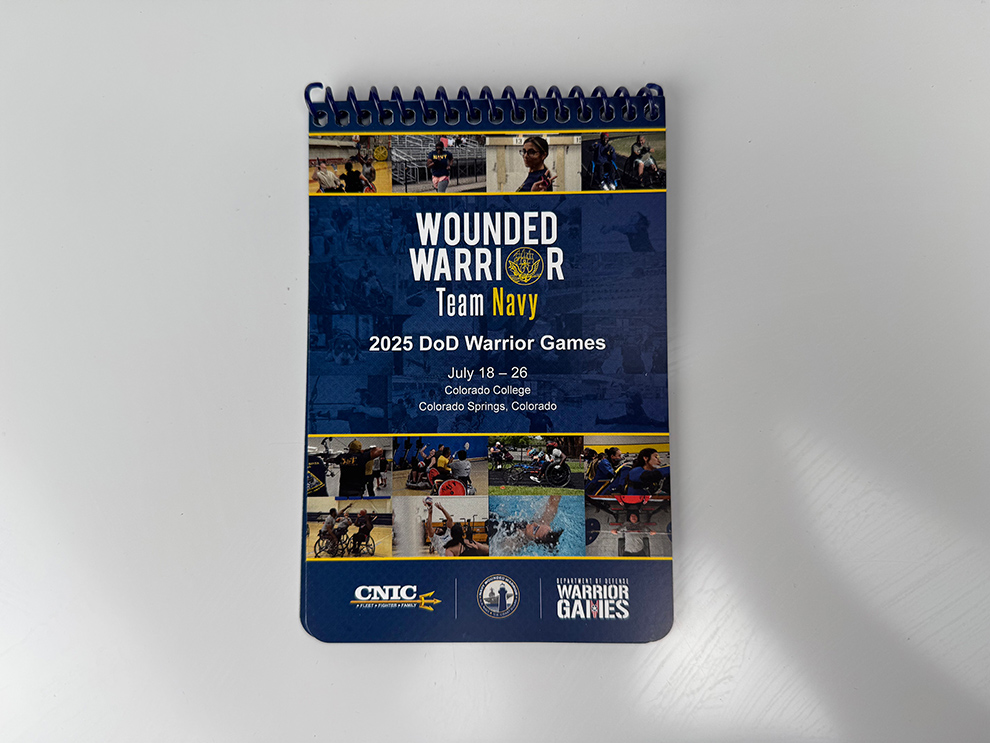
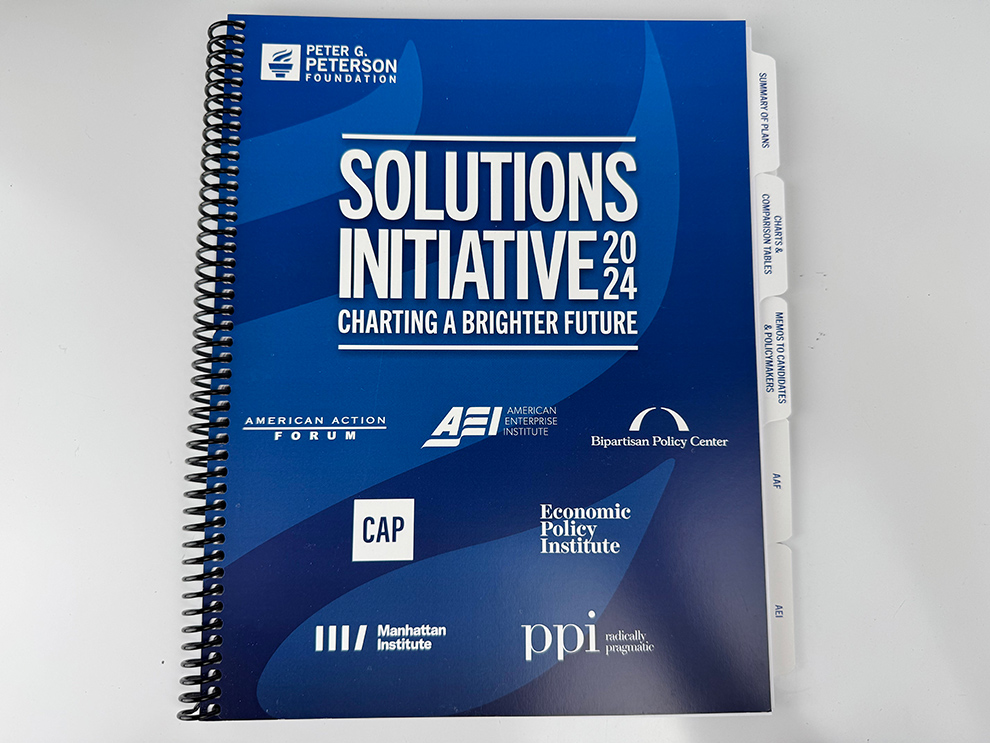
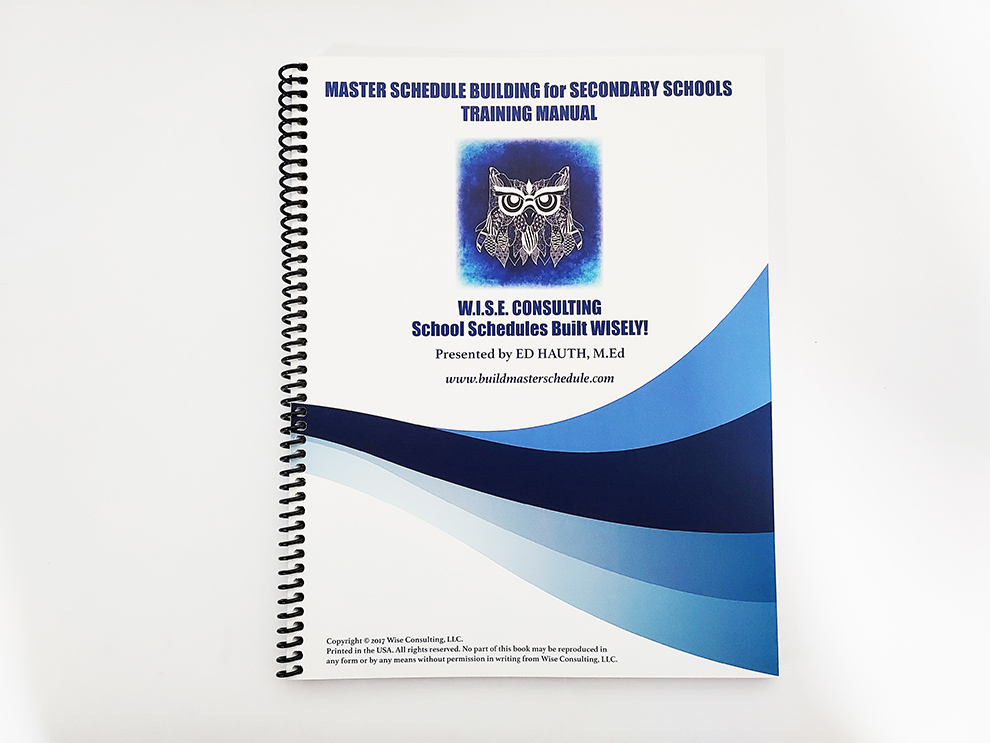
When a trainer walks a group through a procedure, or a staff member checks a step with one hand while finishing a task with the other, the book has to cooperate. It needs to stay open without being held down, and it should fold back to a single page when a desk or counter is crowded. Plastic coil binding gives a book that behavior.
Heritage prints spiral-bound books for Chevy Chase, MD professional offices, schools, medical practices, associations, and community organizations that depend on workbooks, operating procedures, course materials, member directories, policy handbooks, and similar working documents. Pages turn freely around the coil, the book lies flat on its own, and the cover rotates completely behind the text block when the reader needs it out of the way.
Section tabs, divider sheets, laminated covers, and rigid backs can be added where the chosen production path supports them, giving longer books clearer organization and better protection. Heritage pairs those choices with careful printing, color management, electronic proofing, and consistent finishing, so the book that reaches your team is correct, complete, and ready for use.
Heritage started as a printing company in 1977, and that background still shapes how a spiral-bound book moves through production. Automated plastic-coil equipment handles the punching and coil insertion with consistent alignment, while the surrounding workflow verifies page order, section placement, cover fit, finishing, and color consistency before anything is boxed.
For Chevy Chase, MD clients, those checks are the difference between a book that merely exists and one that can be handed out without a second look. A procedure manual with two pages reversed, a tab in the wrong section, or a cover trimmed short creates confusion at exactly the moment the document is supposed to remove it.
Chevy Chase sits just across the District line, and Heritage supports this part of Maryland through the same Waldorf, Maryland production facility that primarily serves Washington, DC and the Mid-Atlantic. When an onboarding class, continuing education session, or board meeting carries a fixed date, Heritage reviews the schedule against artwork readiness, proof approval, and available capacity before committing. Retained specifications from an accepted order give later editions a stable starting point.
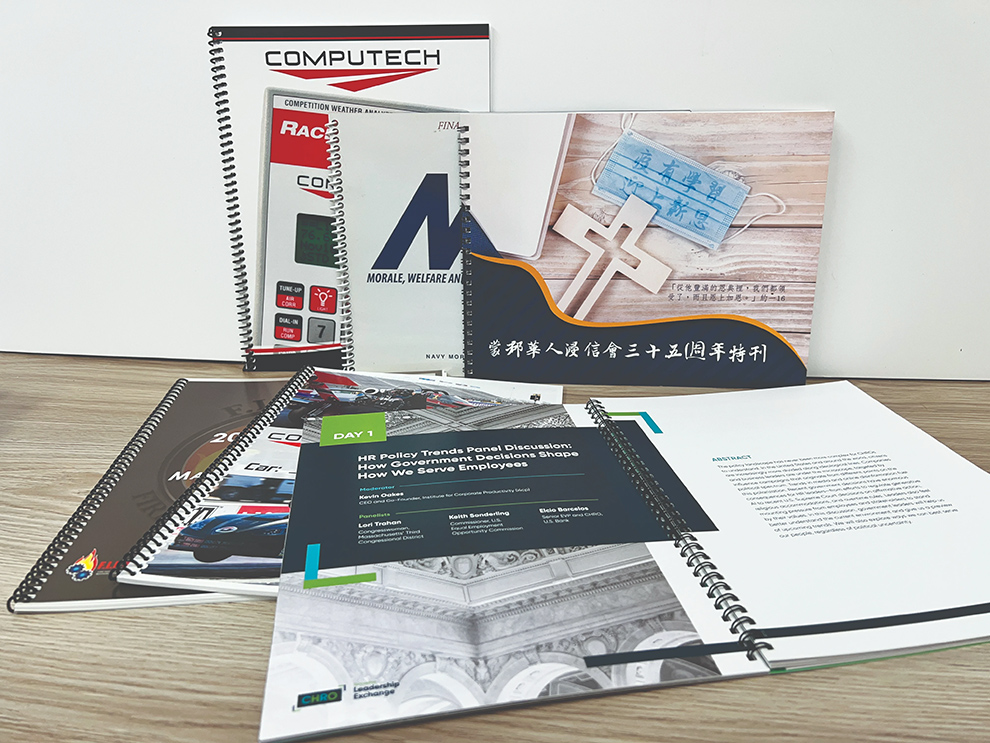
Start by asking whether the reader will use the book with both hands or simply read it and set it aside. A document that gets marked up, consulted mid-task, propped on a lectern, or passed between coworkers favors plastic coil. The book opens completely flat, each page swings freely, and the whole piece can double back so only the active page shows.
That behavior suits lab and clinic protocols, classroom workbooks, volunteer handbooks, membership rosters, inspection checklists, and internal procedure sets. Tabs and dividers let a reader jump to a section without flipping, and a laminated front cover with a heavier back protects content that lives in a vehicle, a break room, or a shared office.
Perfect binding solves a different problem. Its square, glued spine can carry a title and gives the piece a formal publication look, which suits annual reports, catalogs, commemorative books, and anything meant to be displayed or kept. If the reader will hold the book open and work from it, choose coil. If the book will mostly be viewed, presented, or stored, perfect binding is usually the better fit.
A spiral-bound manual rarely arrives alone. The same class, meeting, or membership program usually needs a few other printed pieces, and the capabilities below cover the most common companions.
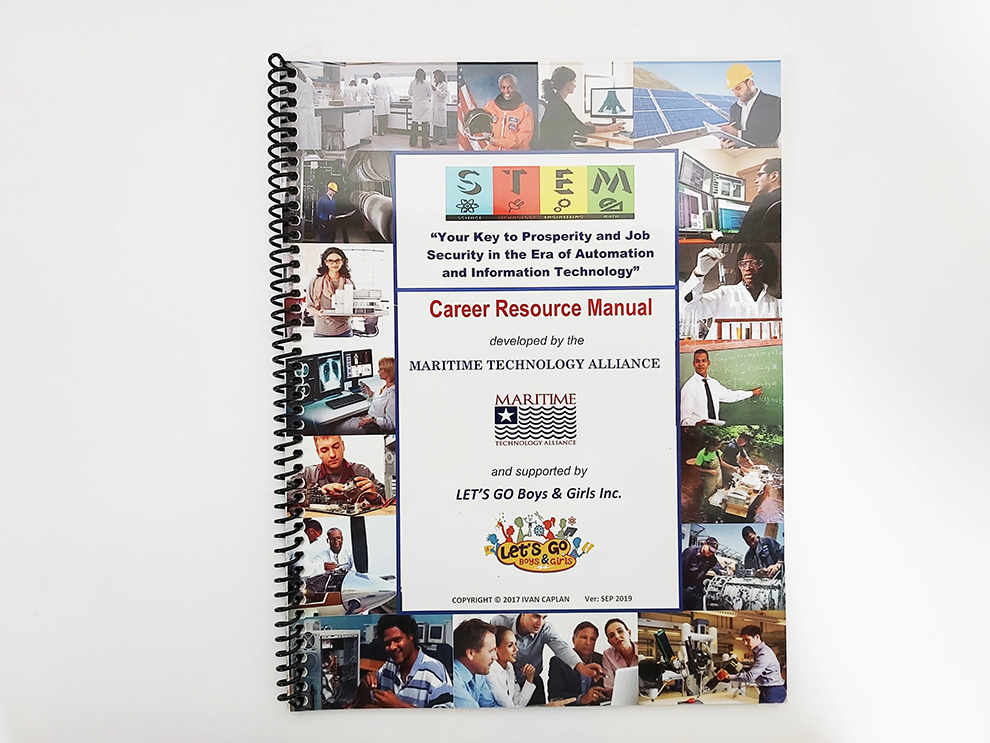
Explore dedicated training manual options when onboarding or instruction materials need their own planning beyond the binding choice.
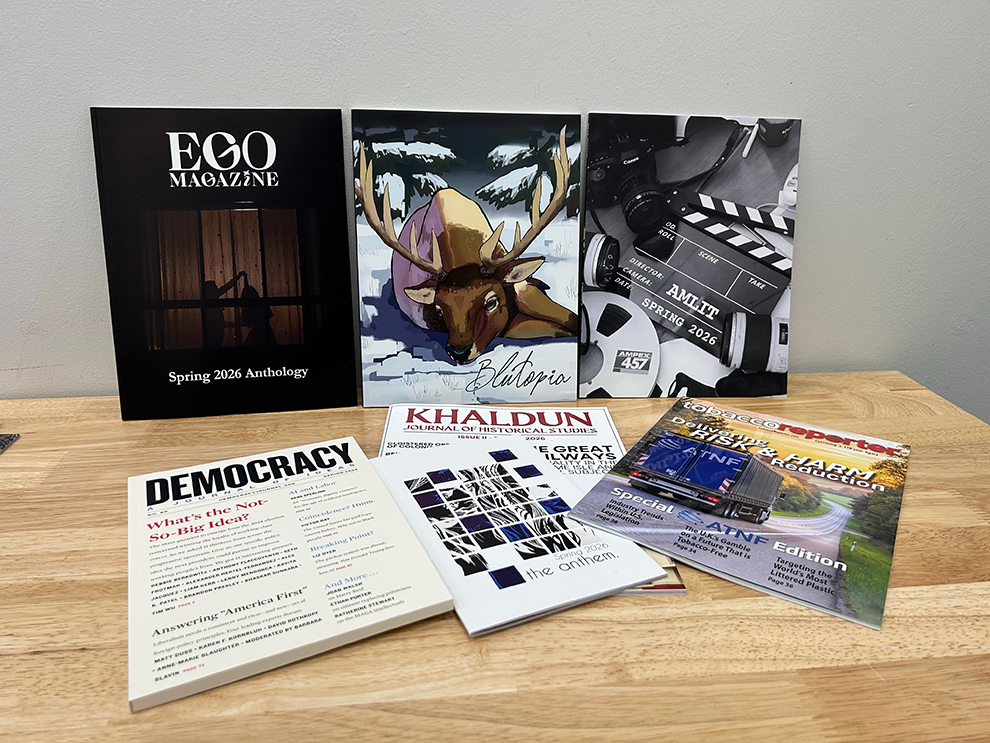
Compare the square-spine alternative when a report or catalog will be presented or shelved rather than worked from.
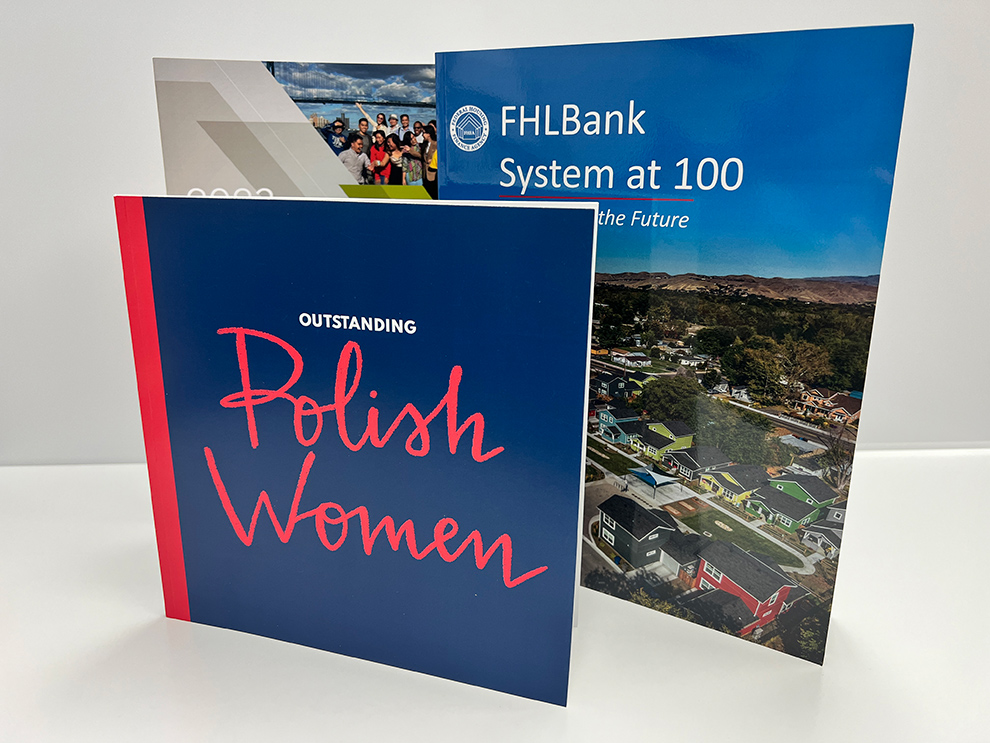
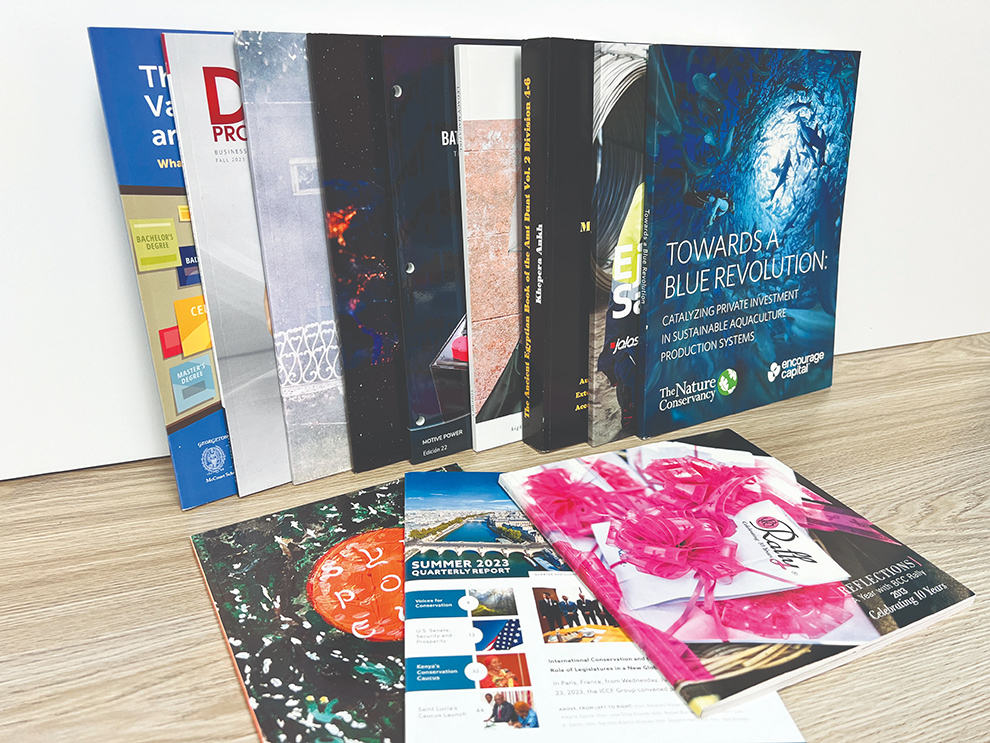
Consider booklet formats for shorter guides, programs, and handouts that do not require lay-flat binding.
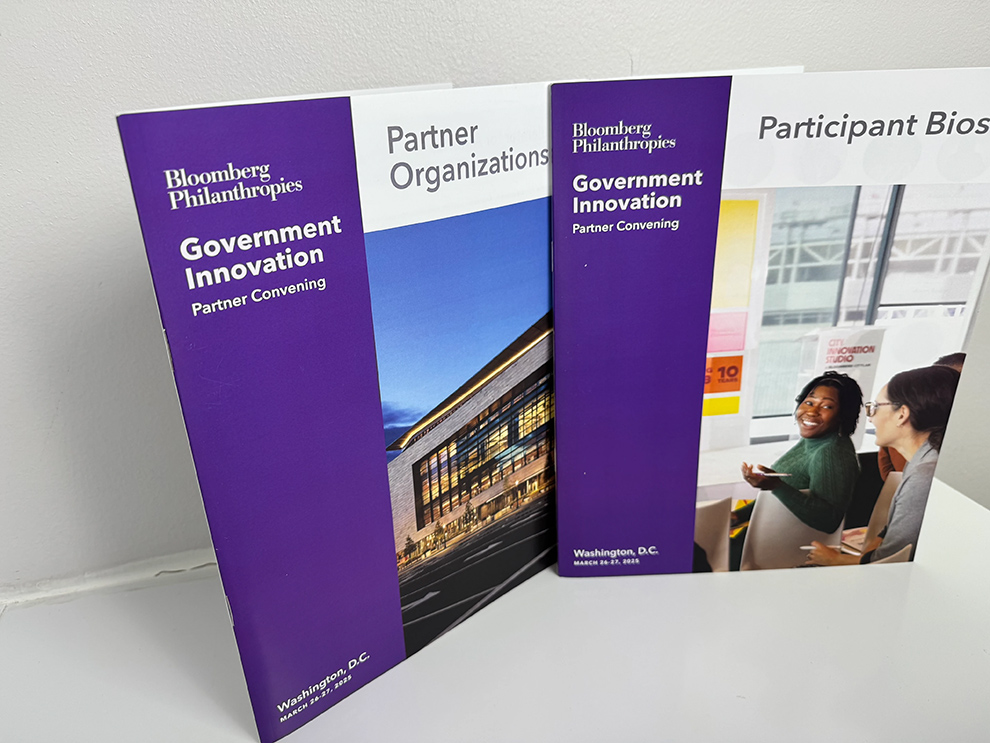
Keep loose inserts, agendas, and supplemental sheets together with a manual during meetings and orientation sessions.
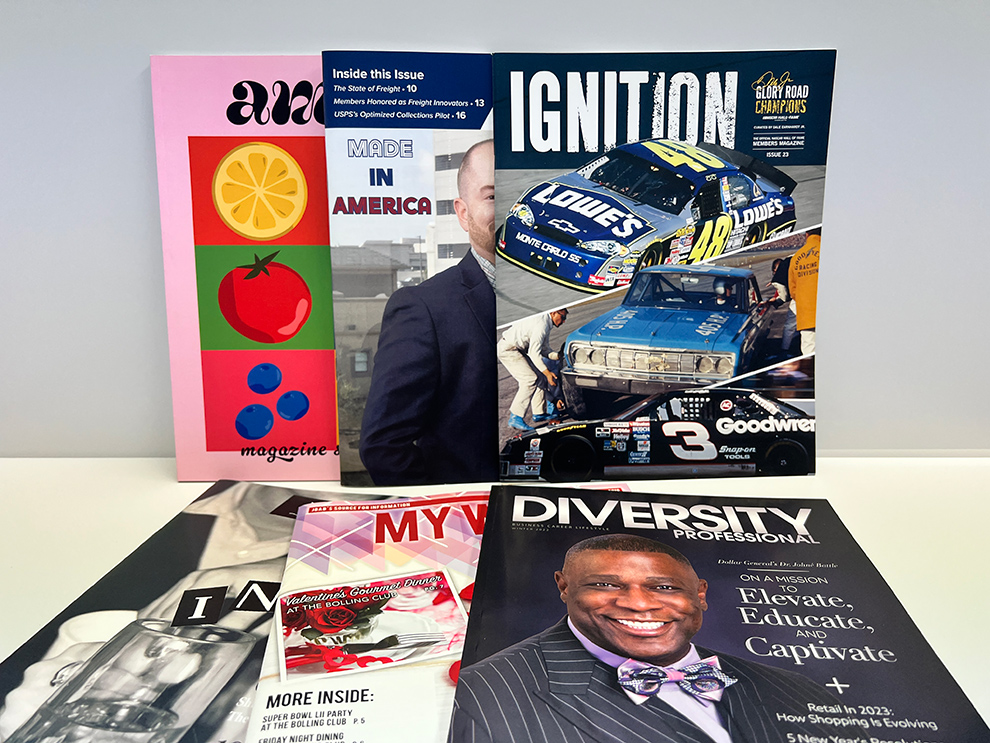
Plan member magazines and periodic publications that follow a recurring schedule alongside your reference materials.
Add addressing and mail preparation when printed pieces must reach members or participants directly and that scope is accepted.
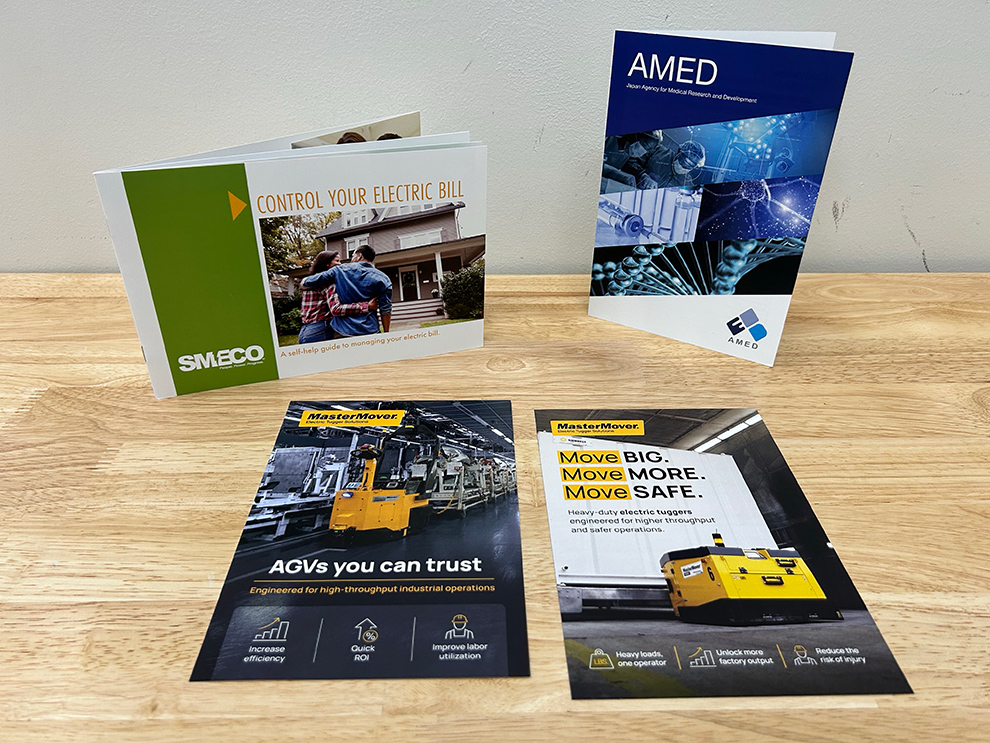
Coordinate brochures, flyers, and event pieces so they match the look of the manuals and workbooks your team hands out.
Review the full range of Heritage commercial printing for business documents, publications, and recurring print programs.
Whether you are refreshing a staff handbook, preparing workbooks for a scheduled class, or standardizing procedure manuals across offices, pick the path that matches where the job stands. Order an eligible print-ready configuration through the Online Store, or submit Custom Quote for qualifying $2,000+ work that still needs file preparation, specification decisions, or coordinated timing.
Most usability problems in a spiral-bound book trace back to decisions made before the file was submitted. Heritage therefore asks how the finished piece will be handled. A workbook that participants write in needs paper with enough weight to take ink without ghosting, generous margins, and a trim size that fits beside a laptop. A procedure manual that opens dozens of times a day benefits from a laminated cover, a stiff back, and tabs labeled the way staff actually refer to each section.
A reference guide that travels in a bag or stays in a vehicle raises different questions about cover protection, page count, and whether color pages are worth their cost or black-and-white sections can carry most of the content. Quantity influences the practical options, so Heritage looks at page count, finished size, paper weight, cover build, tab and divider needs, color pages, and quantity together.
When a book will be updated, approved specifications should be preserved so the next edition changes only what the content requires. That consistency keeps a revised manual recognizable to the people who already use it.
The right ordering path depends on how much is decided. If the spiral-bound configuration your organization needs is live in the Self-Directed Online Store and the artwork is print-ready, your team can select the listed options and place the order independently. The Store carries a $750 minimum for the total eligible order, and more than one eligible product can be combined to reach it.
Heritage still performs production review, supplies an electronic proof for approval, and applies normal quality control, but this path does not include an assigned Project Coordinator, layout help, product-selection guidance, or a Physical Production Color Proof.
Storefront Custom Quote is available for qualifying new Commercial Printing work of $2,000 or more when the job still needs decisions: files that require production preparation, tabs or dividers that need planning, several versions to keep straight, or a date that calls for closer coordination. The threshold makes the path available but does not require it. A Project Coordinator is assigned only after Heritage accepts the quote and assigns the work, and that person then serves as the direct phone-and-email contact for the order.
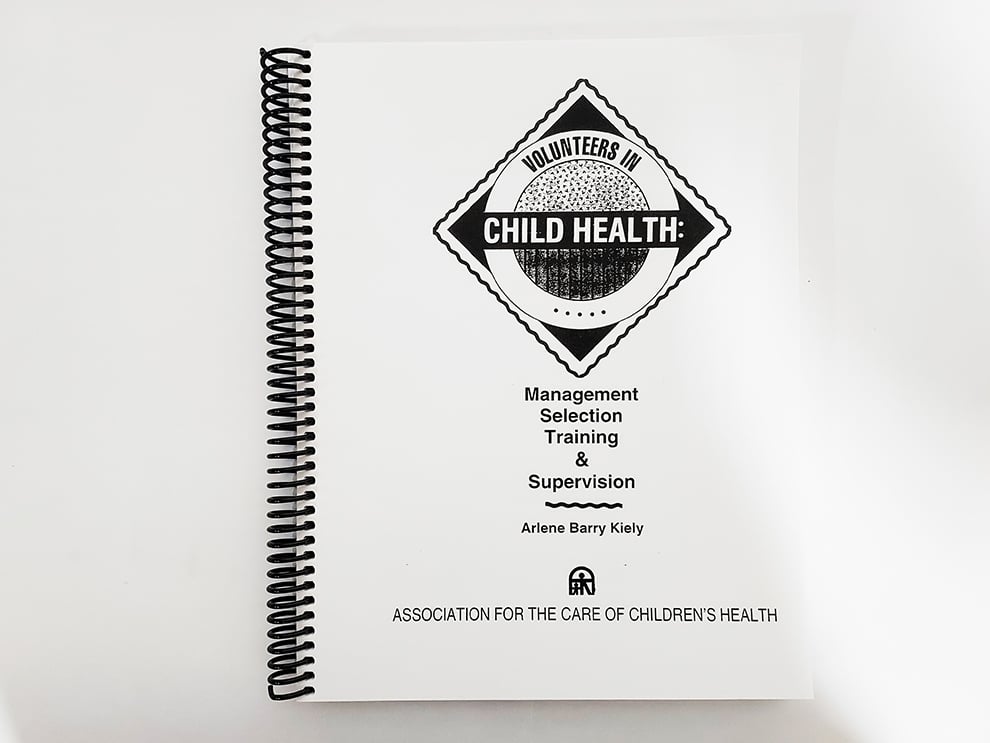
Yes. Because each page rotates independently around the coil, the front cover and any number of pages can swing completely behind the book until a single page faces the reader. That is useful on a crowded counter, at a bench with equipment in the way, or whenever someone needs both hands free while following instructions.
Decide based on how the book will be used. Plastic coil lies flat, turns freely, and folds back, so it suits manuals, workbooks, and anything consulted during a task. Perfect binding glues the pages into a square spine with a printed edge, giving a formal look that fits reports, catalogs, and books meant for a shelf or a presentation table. Neither is better in every case; the way readers work decides.
Laminated covers, heavier printed cover stocks, and rigid backs are the usual choices, subject to what the selected Store option or accepted Custom Quote includes. Lamination resists scuffing, fingerprints, and minor spills, which matters for a manual kept near a sink, a workbench, or a reception desk. A sturdy back keeps the book from flexing when it is held open in one hand. Match the cover to how far the book travels and how many people share it.
A coil-bound workbook stays open on the desk while a participant writes, listens, and looks up at the presenter, so nobody is holding pages down or losing their place. Readers can also fold the book to the current exercise and lay it beside a laptop or tablet. For instructors, that means fewer interruptions and materials that survive a full day of use.
They can be, when the selected Store option supports them or when they are part of an accepted Custom Quote. Tabs give a long procedure manual or directory a fast way to reach a section, and dividers signal where one topic ends and the next begins. Before ordering, settle the tab labels, the section sequence, and the page count within each section so the finished book is organized the way readers expect.
Chevy Chase is home to professional offices, medical and dental practices, independent schools, faith communities, clubs, and nonprofit and association offices, and those settings commonly rely on working documents. Typical examples include staff procedure manuals, continuing education workbooks, volunteer and member directories, safety and compliance handbooks, and course packets. Any organization in the area that needs a document to stay open and hold up to repeated use is a good candidate for plastic coil.
Yes, provided the configuration you need is live in the Self-Directed Online Store and your artwork is complete and print-ready. You pick the listed options, upload the file, and place the order on your own. Heritage then performs its normal production review, sends an electronic proof for approval, and applies standard quality control. The Store does not assign a Project Coordinator or provide layout, file preparation, or product-selection help, so it fits buyers who already know exactly what they want.
No. The $750 minimum applies to the total of eligible products in a single Self-Directed Online Store order, so spiral-bound manuals can be combined with other eligible products that are live in the Store to reach it. Each product in the cart still follows its own listed options and file requirements, and the whole order receives an electronic proof before printing.
Custom Quote becomes an option for qualifying new Commercial Printing work valued at $2,000 or more when the job needs something the Store cannot provide: file preparation, production-oriented layout support, specification guidance, tab and version planning, or closer coordination around a date. Meeting the dollar threshold does not force the project into this path. The request is submitted through the Storefront form, and an assigned Project Coordinator is provided only once Heritage accepts the quote and assigns the work. From then on, that Coordinator handles the order directly by phone and email.
Every Heritage Commercial Printing order, including eligible Online Store purchases, receives an electronic proof for approval before production starts. Use it to confirm page order, section breaks, tab positions, cover artwork, and final text. Keep in mind that a screen proof is not a physical color reference; monitors and printed paper reproduce color differently, so judge layout and content on the electronic proof and treat color as approximate.
For qualifying $2,000 or more Custom Quote commercial-printing orders, Heritage offers an optional Physical Production Color Proof at additional cost. It is produced on the equipment scheduled for the final run using the same paper or production material specified for the books, which is why it takes extra time and extends the schedule. Once your organization approves it, that printed proof becomes the controlling color reference for the job unless something different is agreed. This option is not available for Self-Directed Online Store orders, which are proofed electronically only.
That is the goal, and retained specifications make it realistic. Heritage can retain the accepted trim size, paper, cover construction, tab arrangement, divider placement, and color targets from the prior order, so a new edition can focus on the pages that changed rather than re-deciding everything. Clients who already have an assigned Project Coordinator may continue with that contact on appropriate directly managed repeat work, which also helps keep version history straight.
Possibly, but only after Heritage has looked at the specifics. Share the date, quantity, page count, finishing needs, and the state of your artwork, and Heritage will weigh those against proof approval time, materials, available production capacity, and how the books need to be delivered. If the original date is not realistic, you will hear that early along with any responsible alternatives that may be available. No deadline is confirmed until it has been evaluated and accepted.
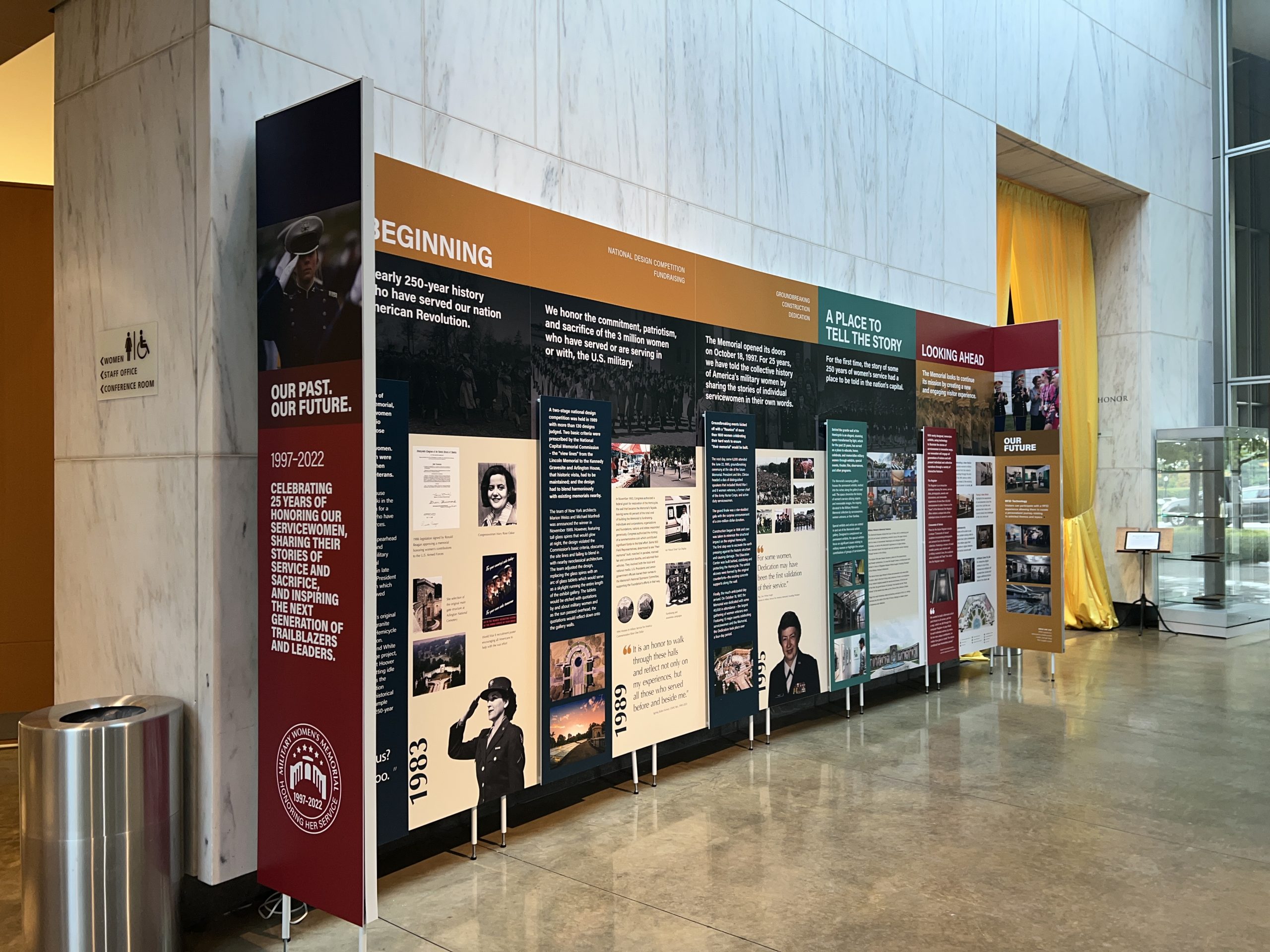
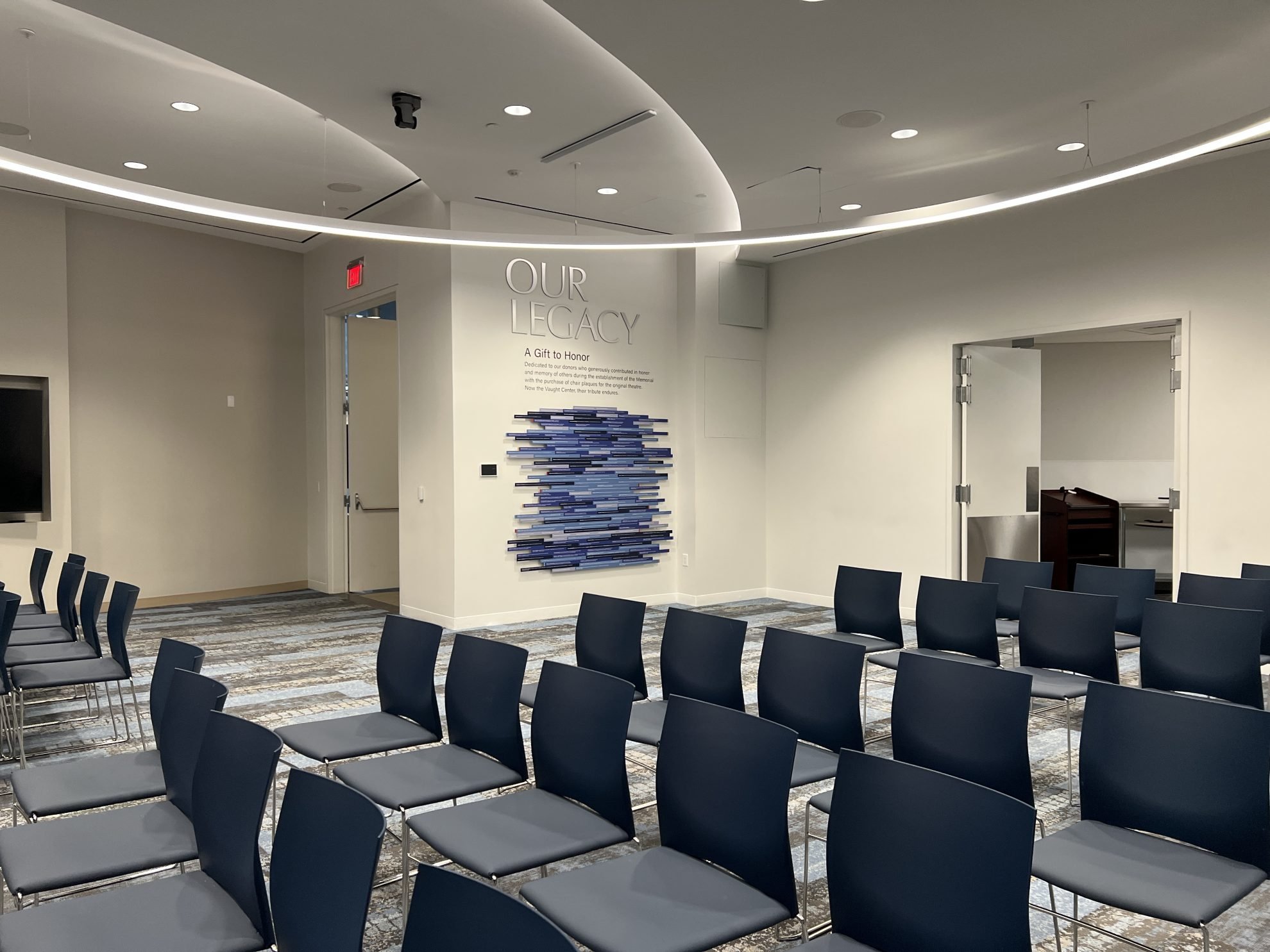
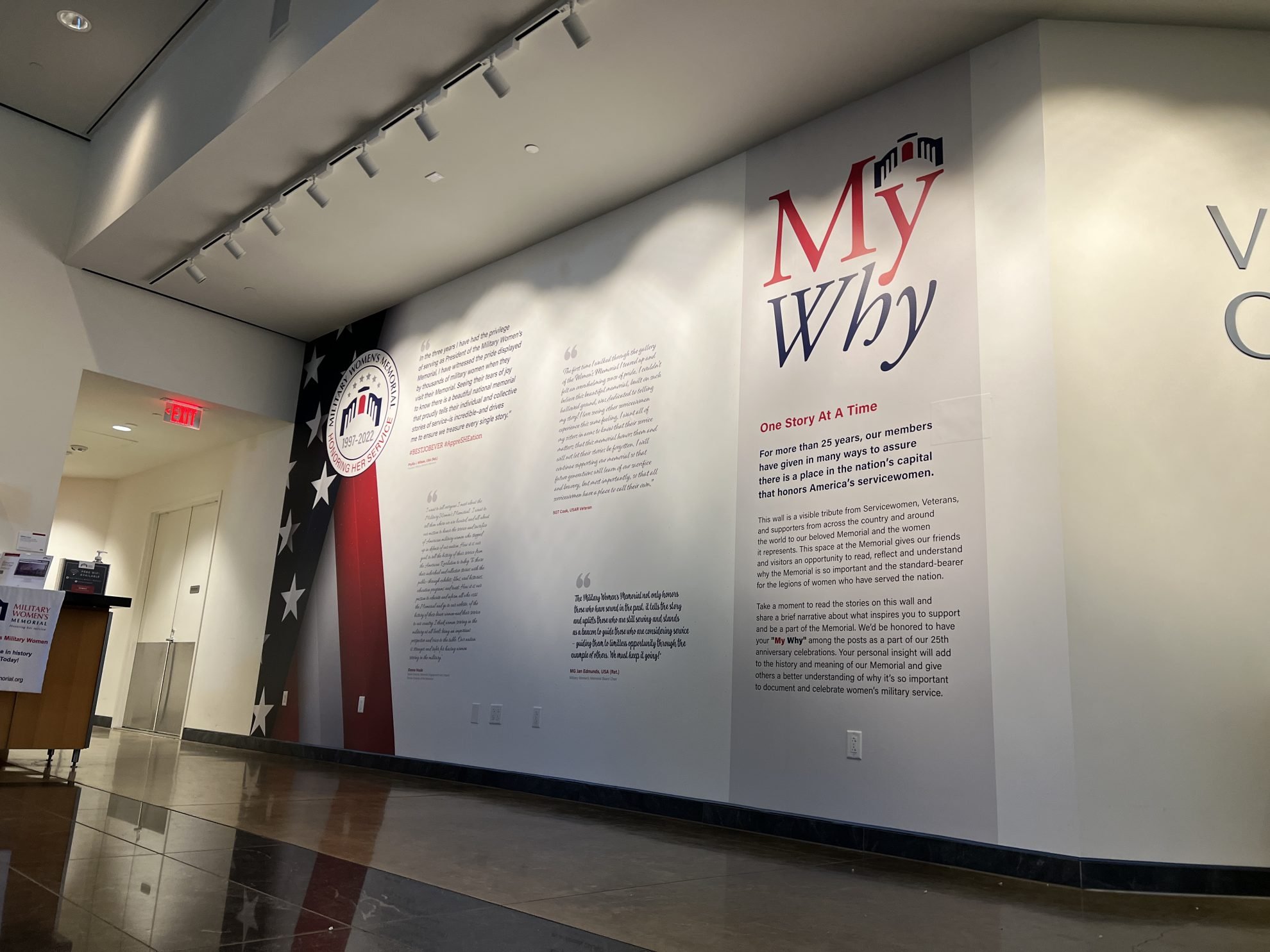
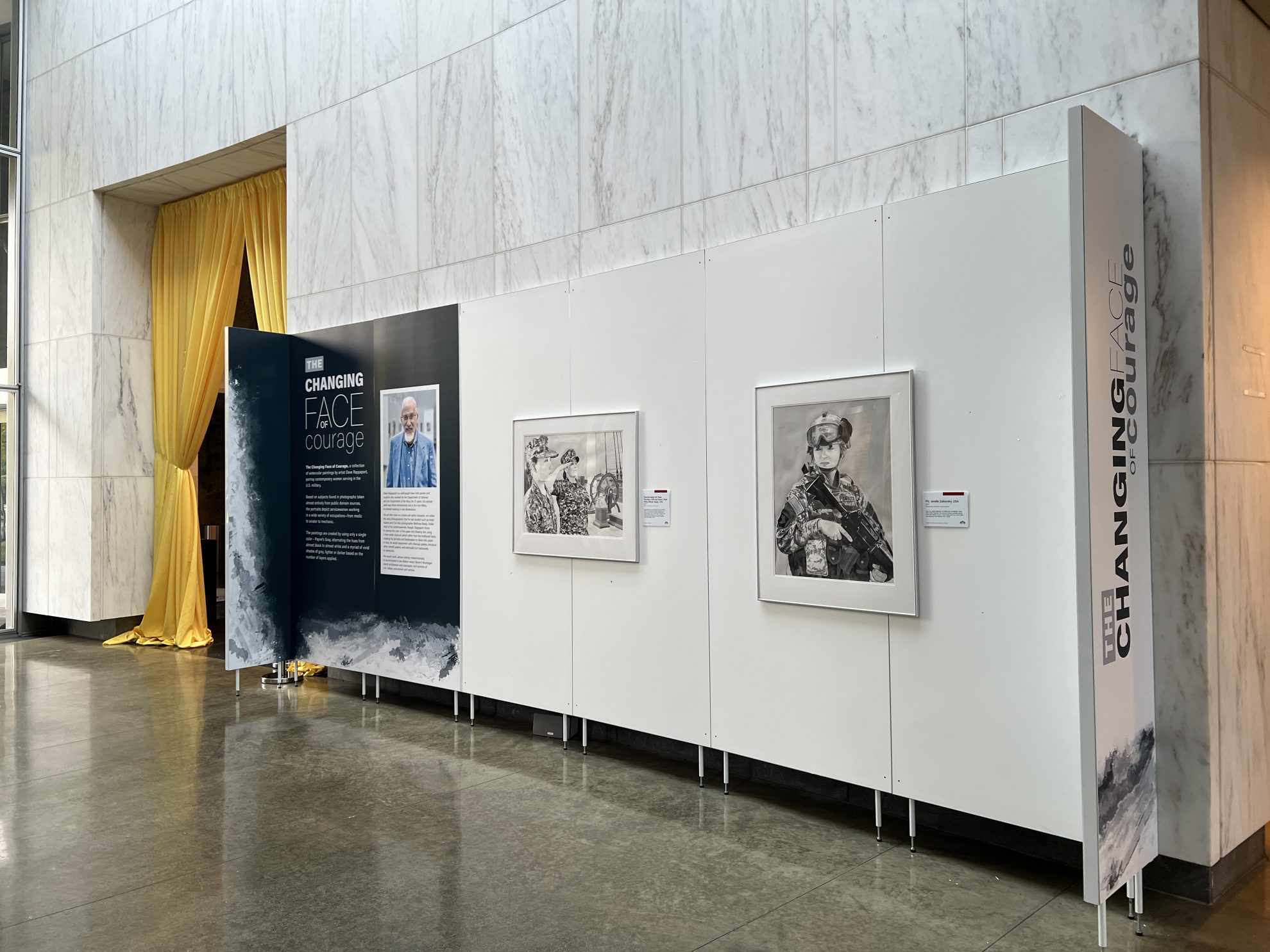
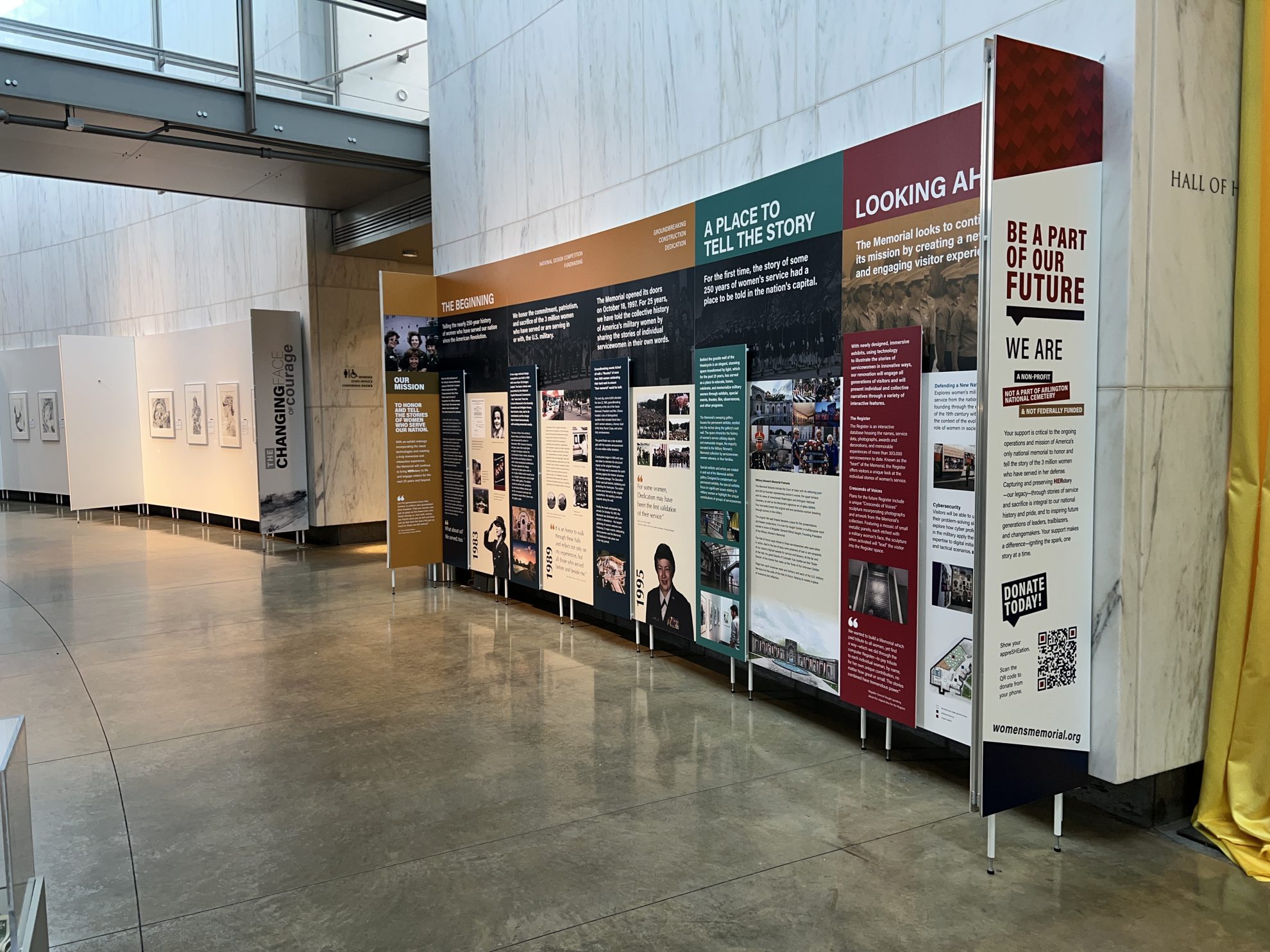
Heritage Signs & Displays created new museum signage for the Military Women’s Memorial in Arlington, VA. The project included custom signs, wall wraps, dimensional letters, and standoff-mounted displays to honor the legacy of U.S. servicewomen and the donors who supported the memorial. The updated interior features impactful designs, including a "Our Legacy" wall display and panels showcasing historical contributions and artwork, creating a transformative tribute to women in the U.S. Armed Forces.
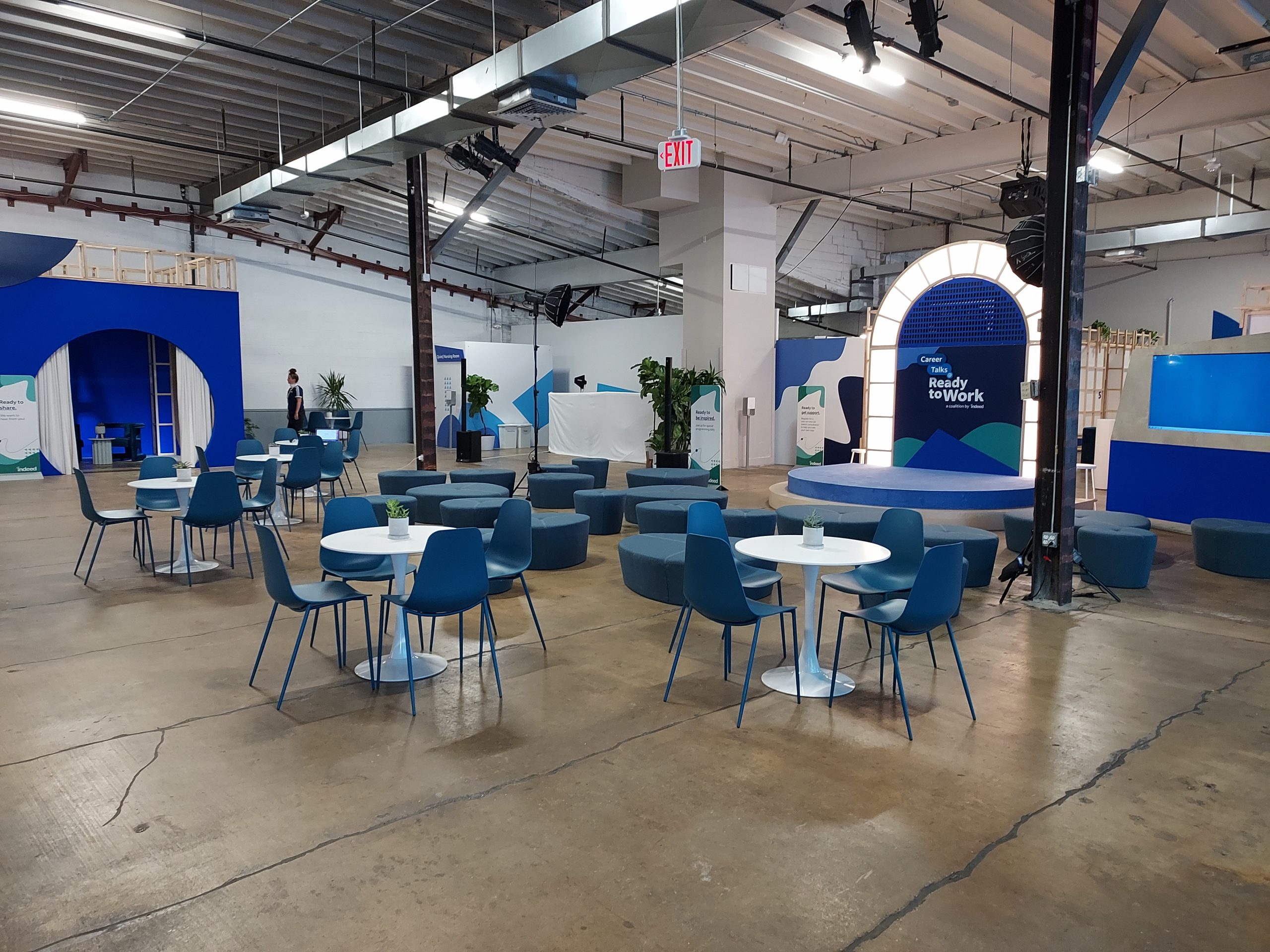
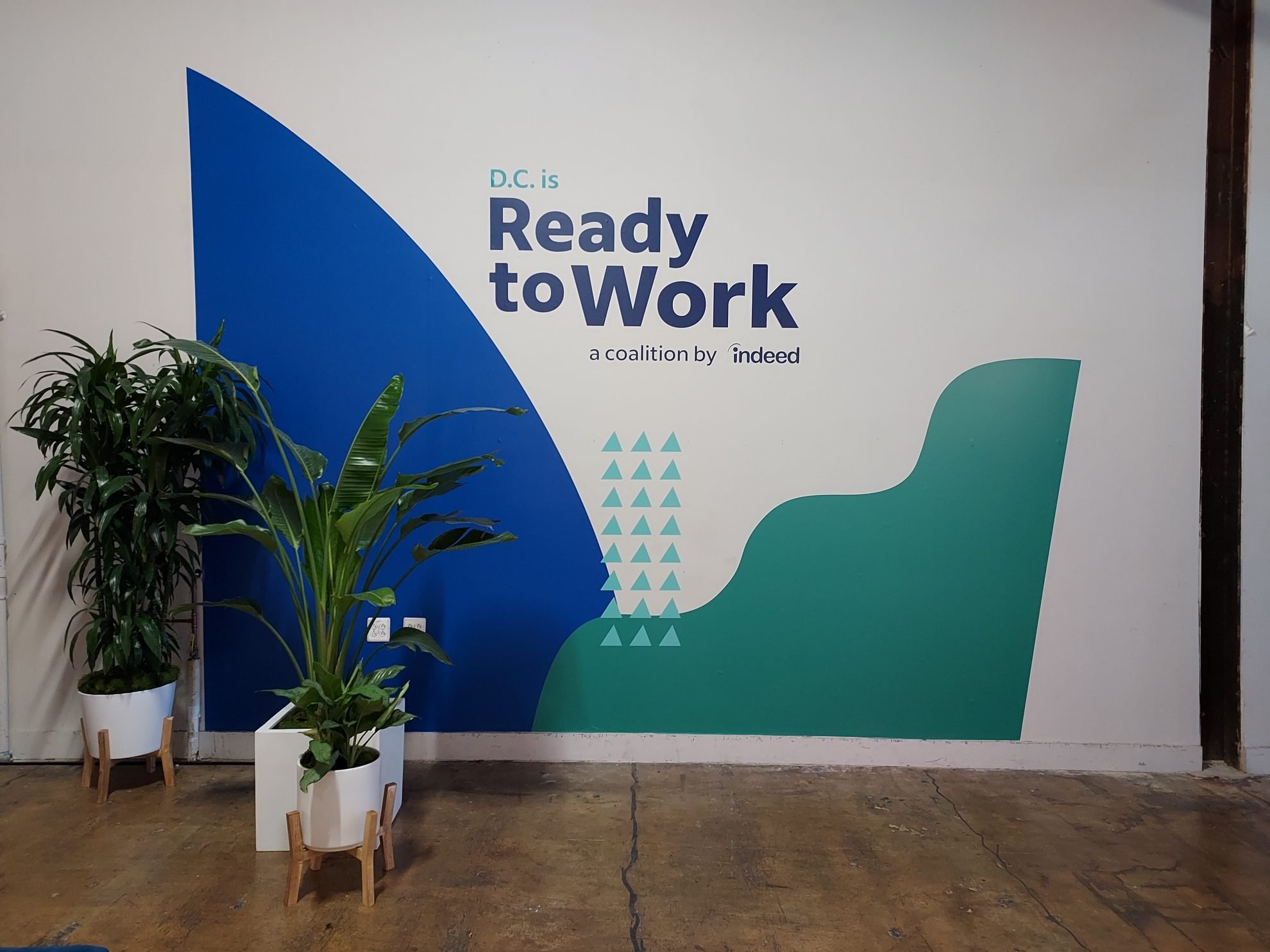
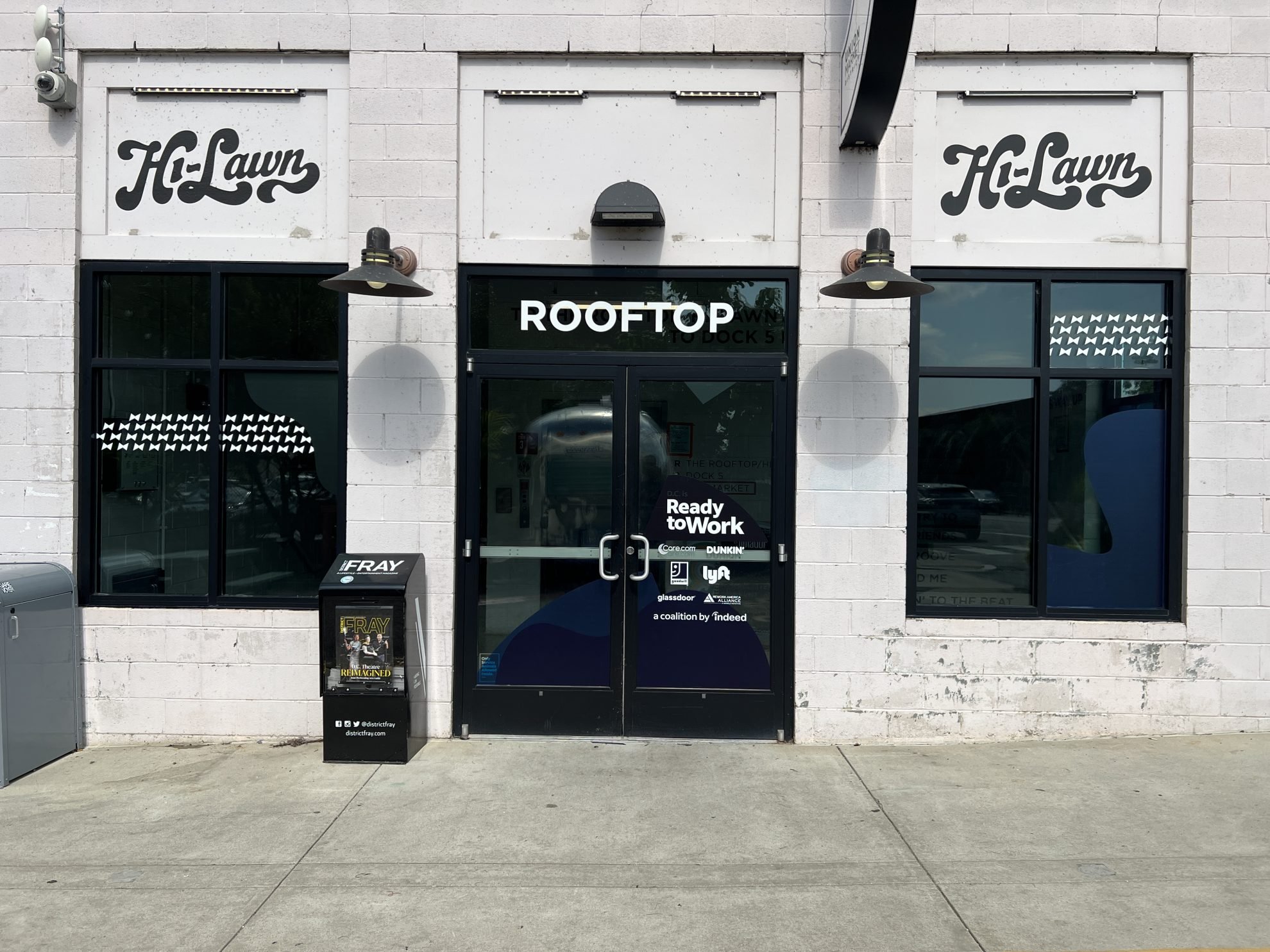
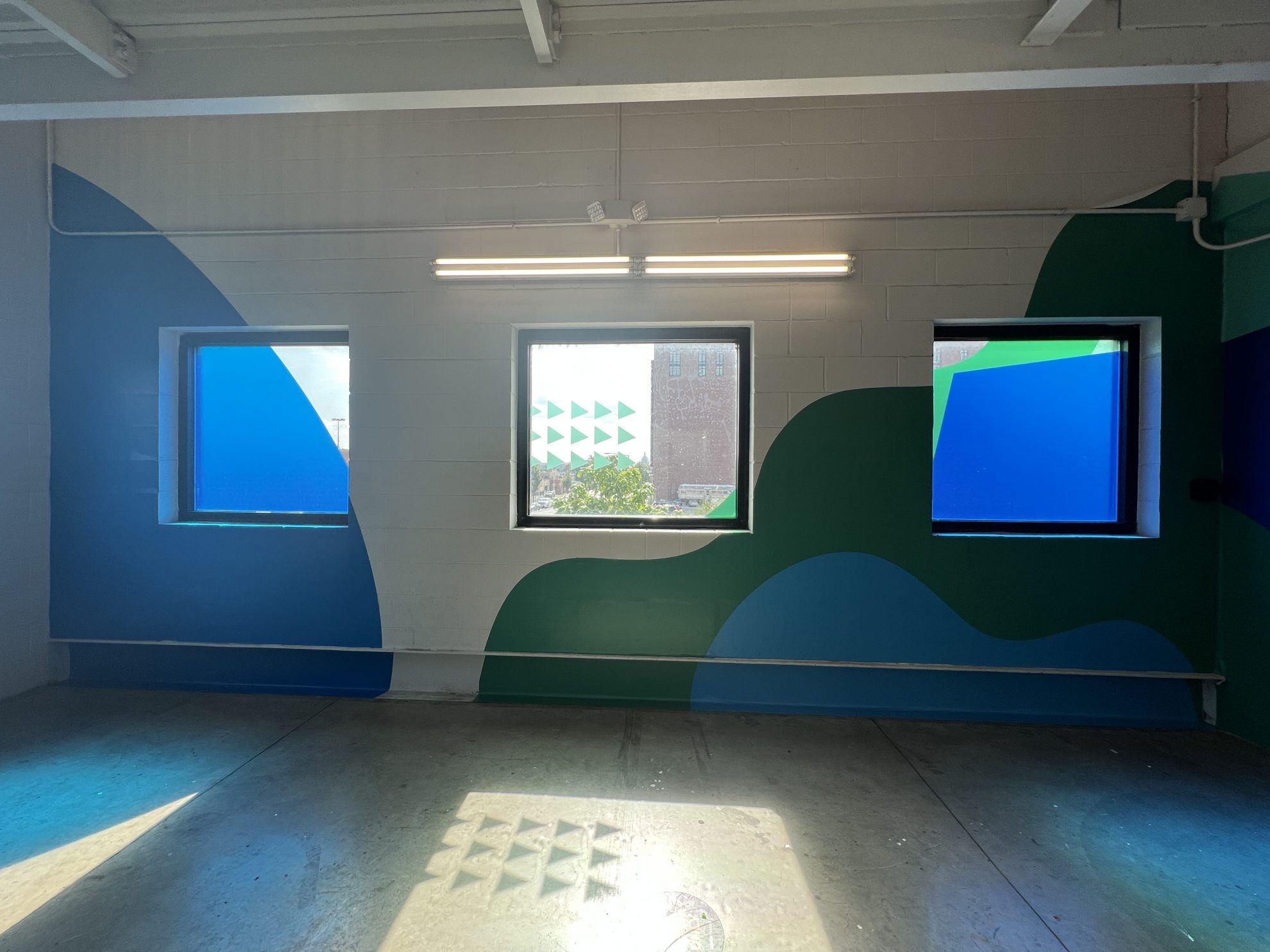
Heritage Signs & Displays' collaboration with The Gathery to brand Union Market in Arlington, VA, for Indeed's "Ready to Work" job fair. The project included custom event displays, wall graphics, window graphics, and wayfinding signs, creating an immersive and visually appealing environment. The branding enhanced the venue, reflected the event's mission, and provided a seamless experience for attendees.