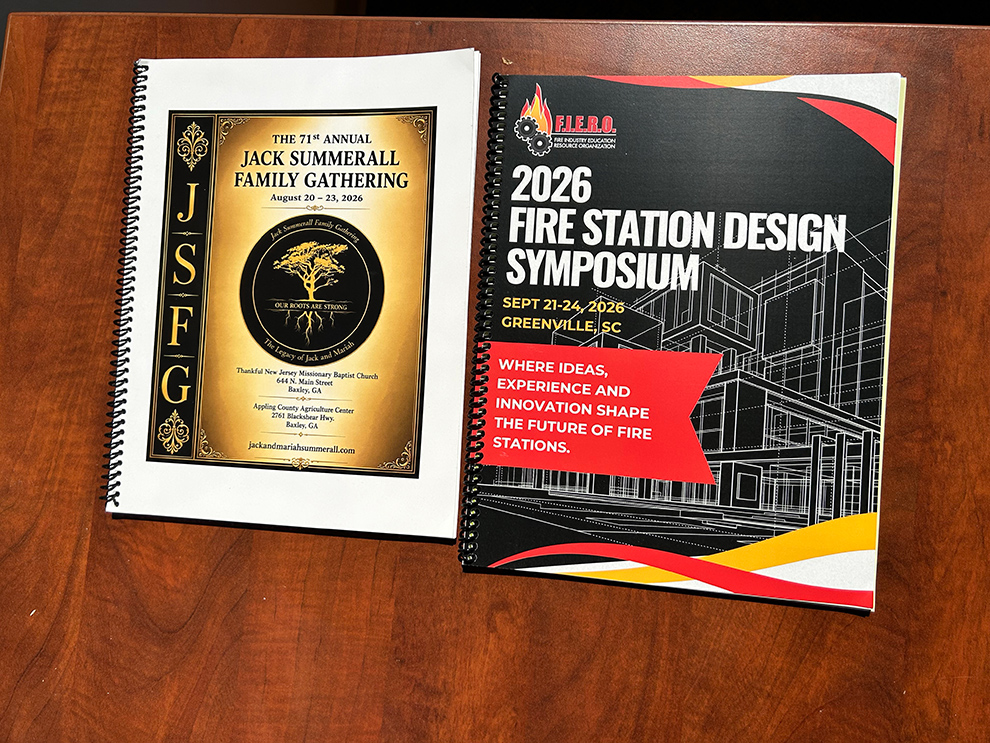
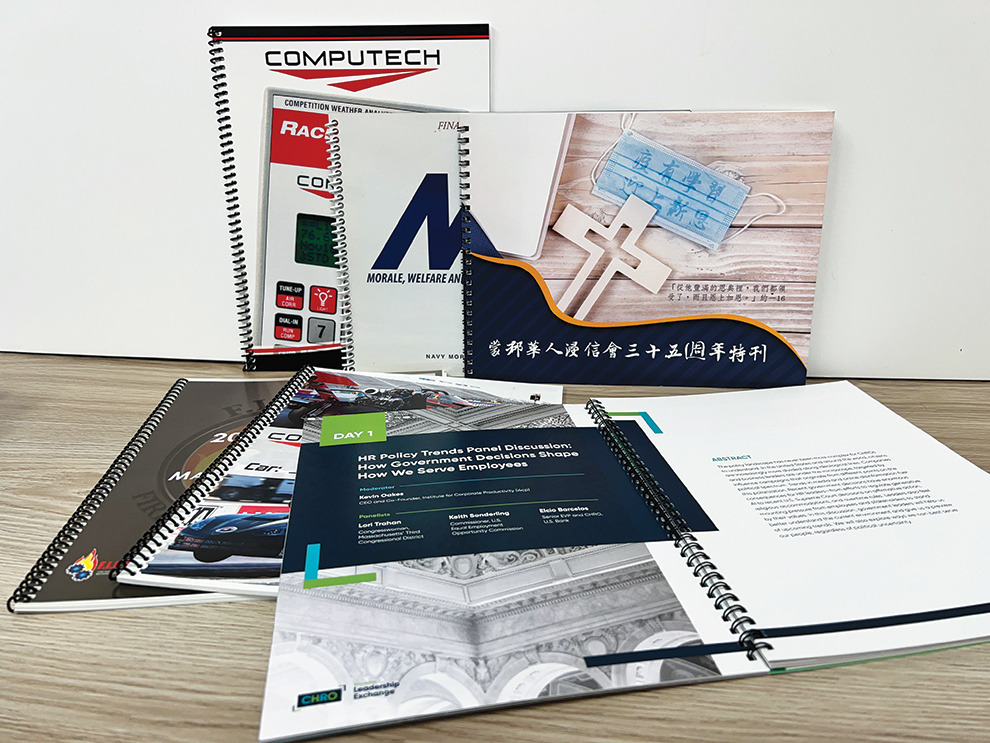
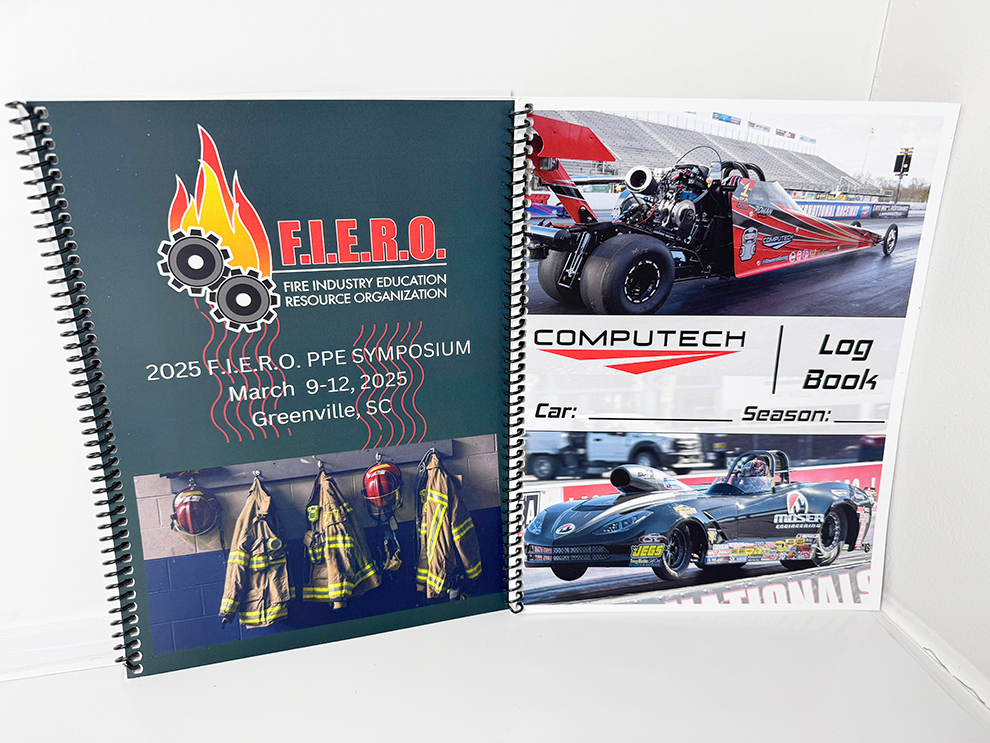
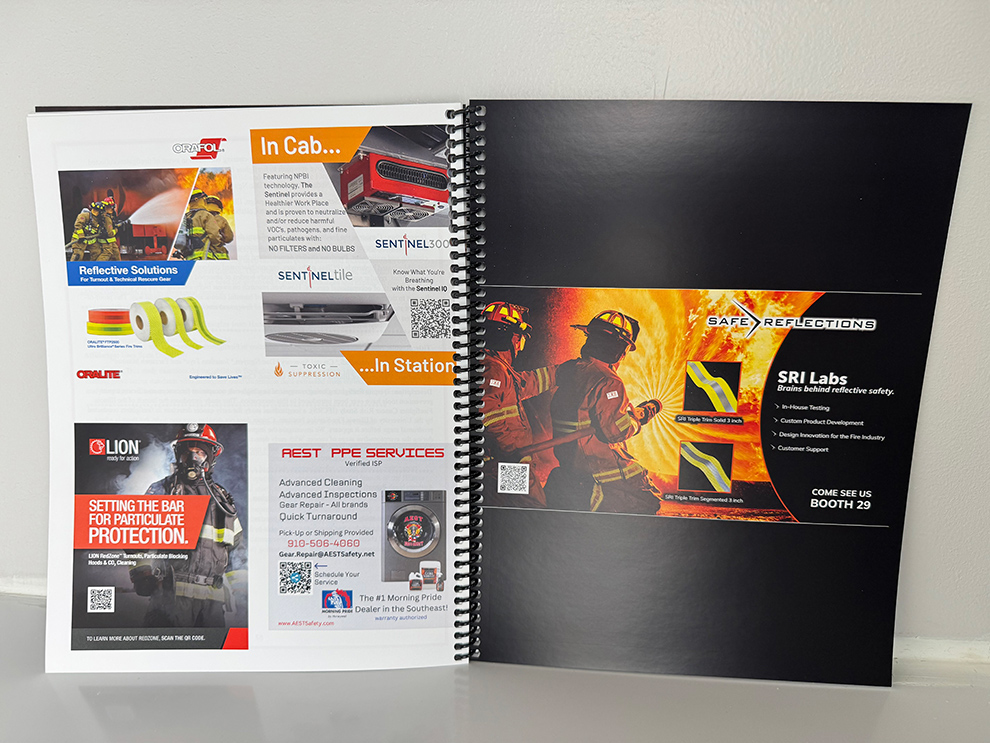
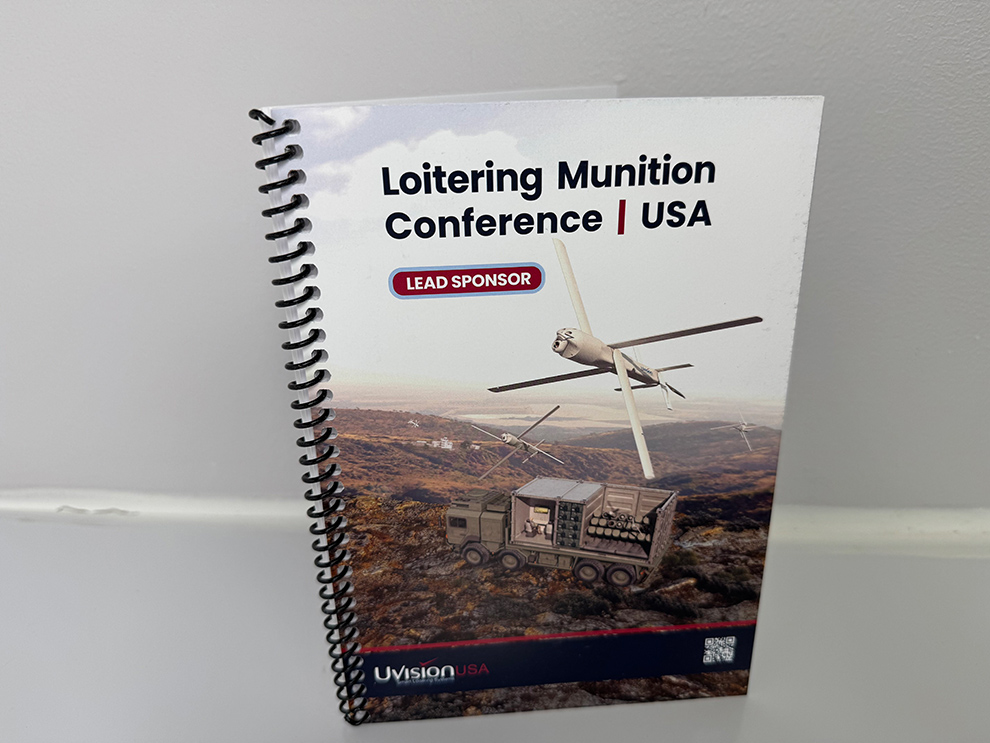
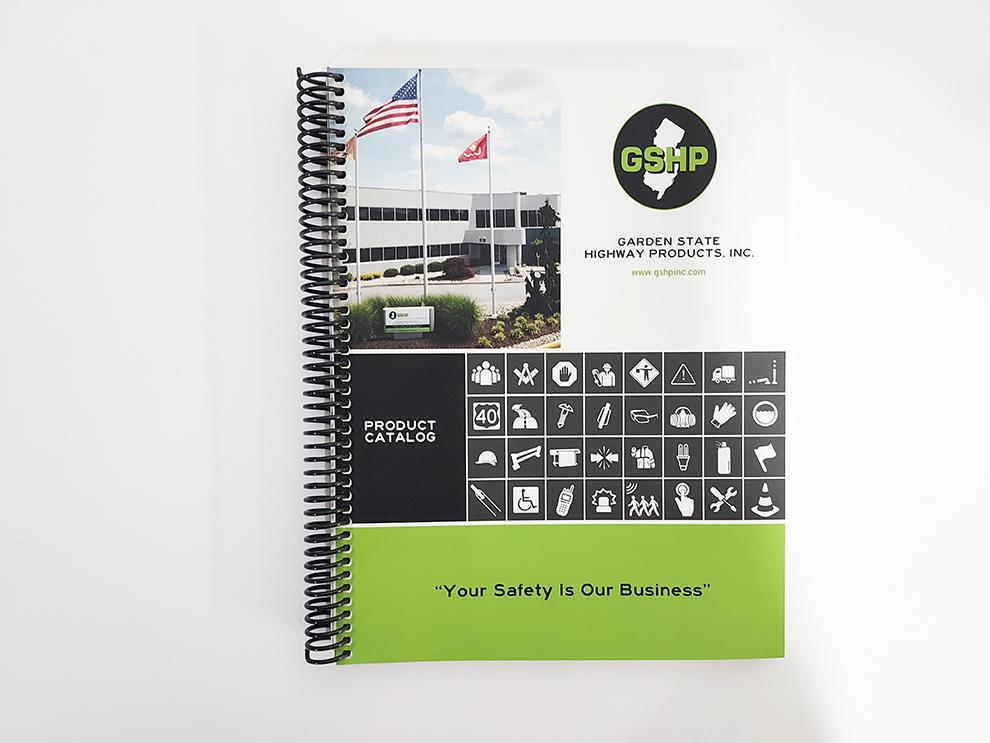
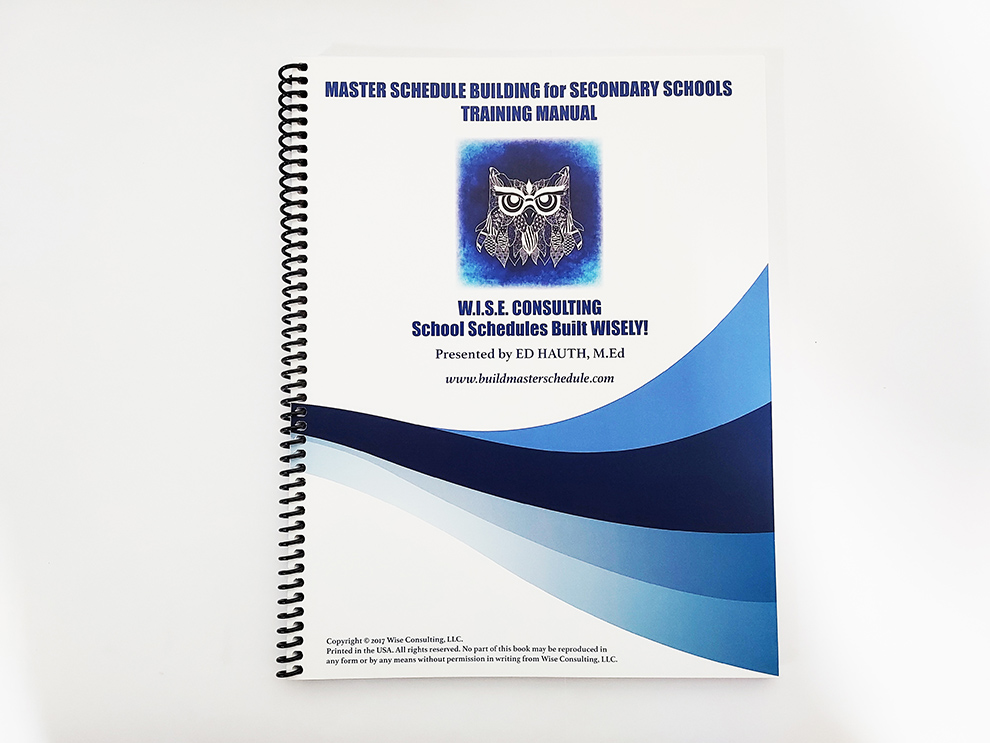
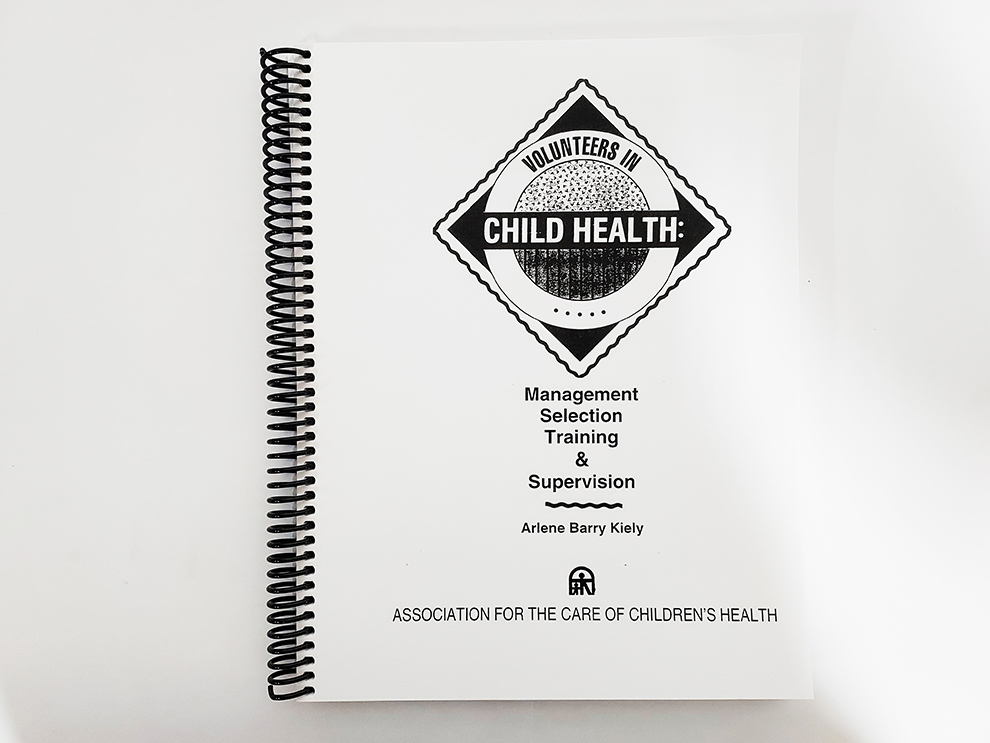
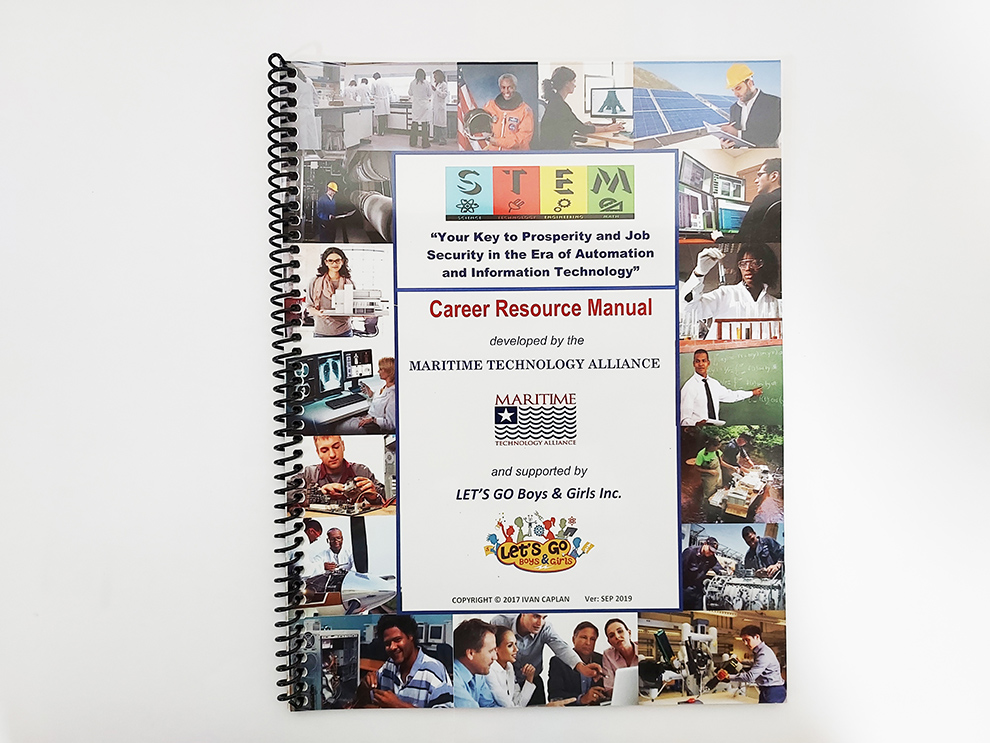
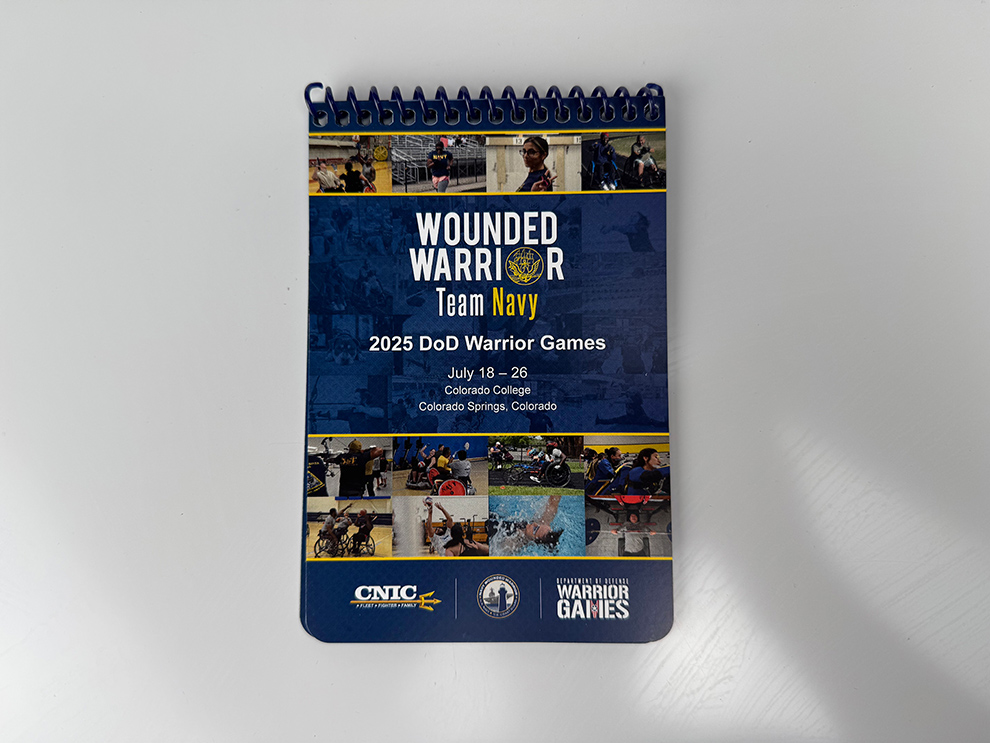
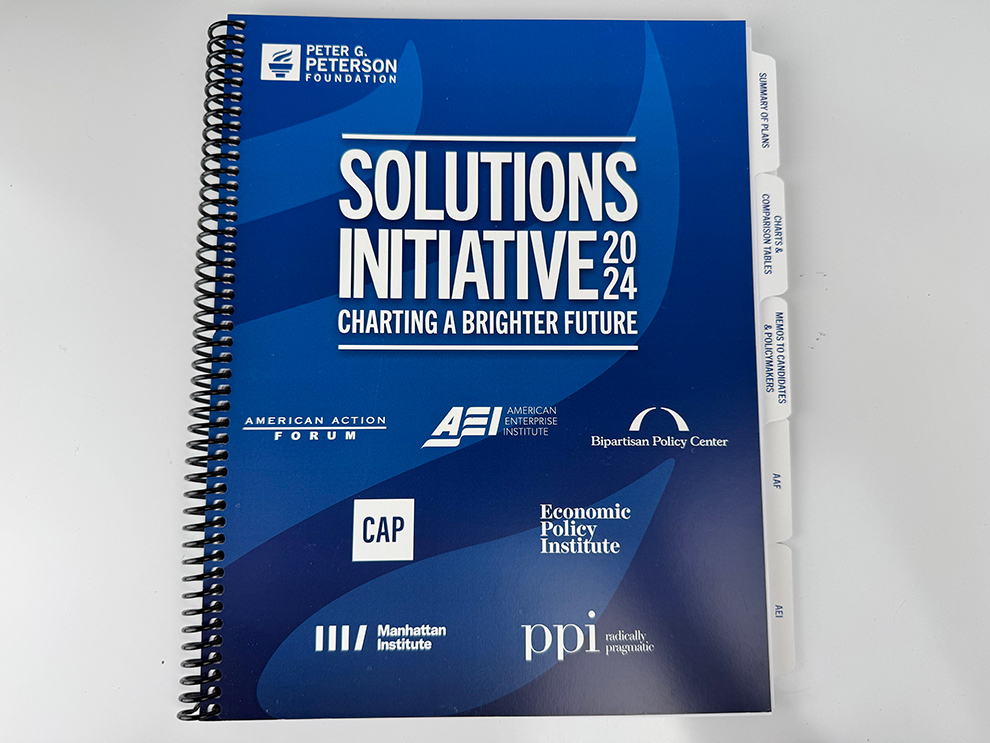
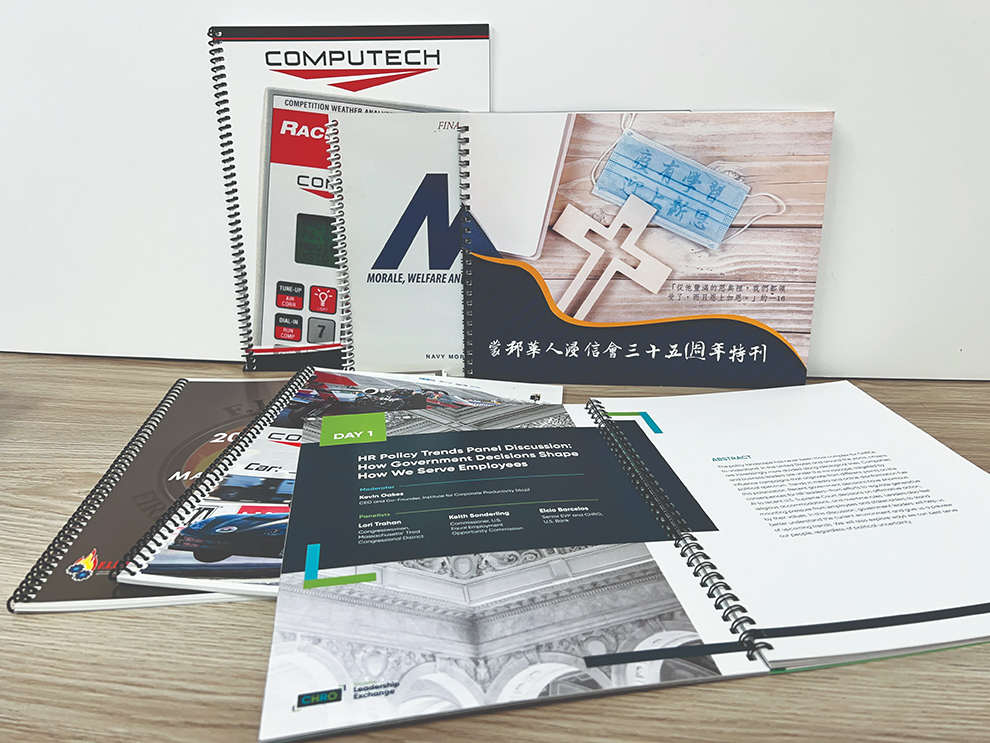
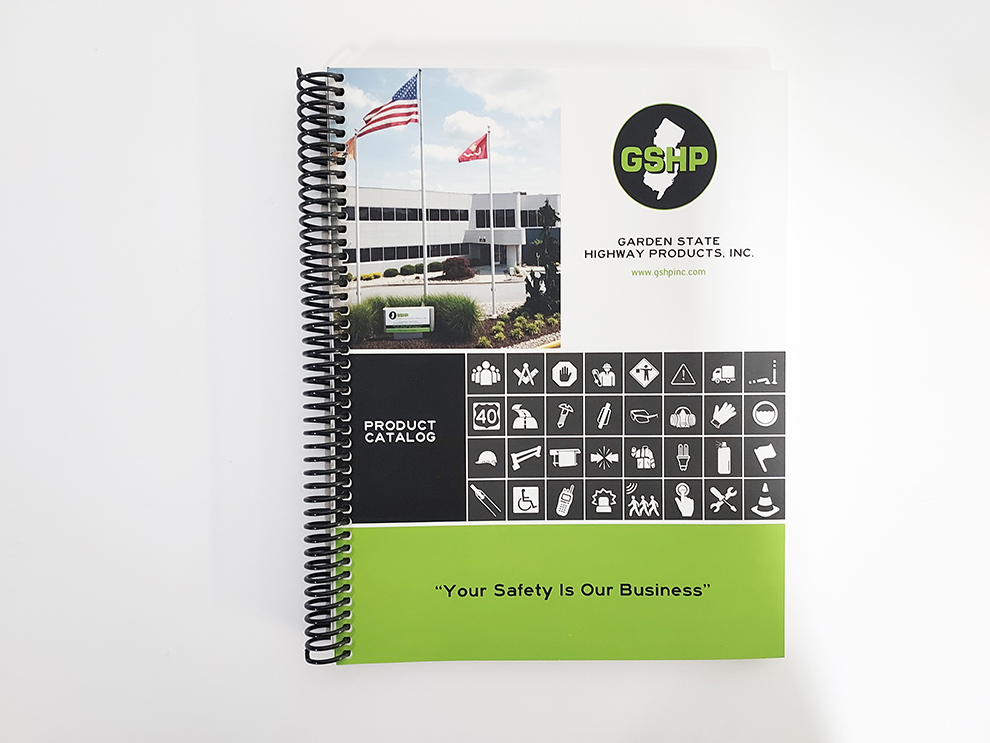
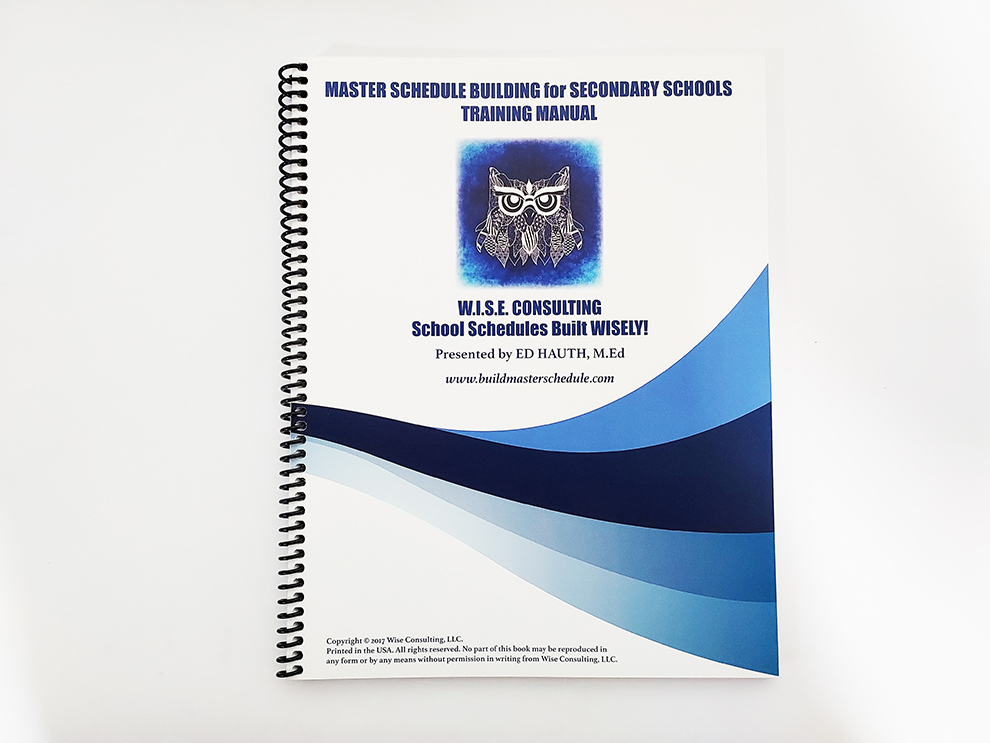
A new hire working through an onboarding workbook needs a book that stays open on the desk while both hands are busy. A technician checking a procedure on the production floor needs pages that fold back and stay put. Spiral-bound books are made for exactly these situations, and Heritage produces them for Greensboro, NC organizations that depend on printed materials during real work, bringing to each run the production discipline it has built as a printing business since 1977.
With Heritage plastic coil binding, the book opens fully flat, every page turns freely, and the covers and pages fold completely behind the book when space is tight or the reader wants a single page in view. That functionality suits training manuals, safety procedures, course packs, employee handbooks, membership directories, checklists, and any reference document that is consulted again and again rather than read once.
Laminated covers, heavier backs, and section tabs can be added when the chosen production path supports them, protecting the book and making its contents easier to find. Heritage pairs those choices with careful printing, consistent color, an electronic proof on every order, and finishing that is checked before the job ships, so the completed book performs reliably for the people who use it. Attention to the finished piece, rather than to the fastest possible run, is what Heritage has stood for from the beginning.
Heritage began as a printing business in 1977, and that background still shapes how a coil-bound book moves through production. Our automated plastic-coil binding equipment punches and binds pages consistently across a full run, while the surrounding Heritage workflow checks page sequence, collation, cover placement, finishing, and color consistency before the job leaves the facility.
Those controls matter in the Piedmont Triad, where manuals often support manufacturing floors, distribution centers, healthcare training rooms, and college classrooms. A procedure book with a missing section or a workbook with pages out of order creates problems that no amount of fast delivery can fix. Heritage treats correct assembly and readable color as part of the deliverable, not optional extras, because a manual that fails on the floor reflects on the organization that handed it out.
Production for Carolinas clients is supported by Heritage headquarters in Charlotte, the company's primary specialty production facility, which places the Greensboro market within its established service area. When a training session or program launch is on the calendar, Heritage confirms artwork readiness, specifications, and available capacity before committing to a schedule, then communicates early if anything threatens that date. That steady, candid approach to deadlines is part of how Heritage works, not a special accommodation.
The right binding depends on what the reader does with the book, and Heritage would rather help a Greensboro buyer choose correctly than sell a format that disappoints in use. If someone fills in exercises, follows numbered steps, or keeps a page visible while operating equipment, plastic coil is usually the stronger answer. The book lies open without being held, individual pages turn without resistance, and the whole piece can fold back so only one page faces the reader.
That behavior makes coil binding a sensible choice for apprenticeship workbooks, quality manuals, clinical reference guides, safety handbooks, club directories, and classroom packets. Adding tabs or printed dividers helps readers jump between sections, and a laminated front cover with a sturdy back protects a book that rides in a truck or passes between shifts.
Perfect binding answers a different need. Its glued square spine can carry a printed title, sits neatly on a shelf, and gives a report or catalog a traditional published look, but the book will not stay open on its own. Heritage produces both formats, so the recommendation follows the reader rather than the equipment: choose coil when the book is a working tool; choose perfect binding when it is a presentation piece or a publication meant for shelf display.
A coil-bound workbook rarely stands alone. Review these Heritage printing services, produced under the same proofing and quality standards as the workbook itself, when the same program also calls for handouts, publications, or mailed communications.
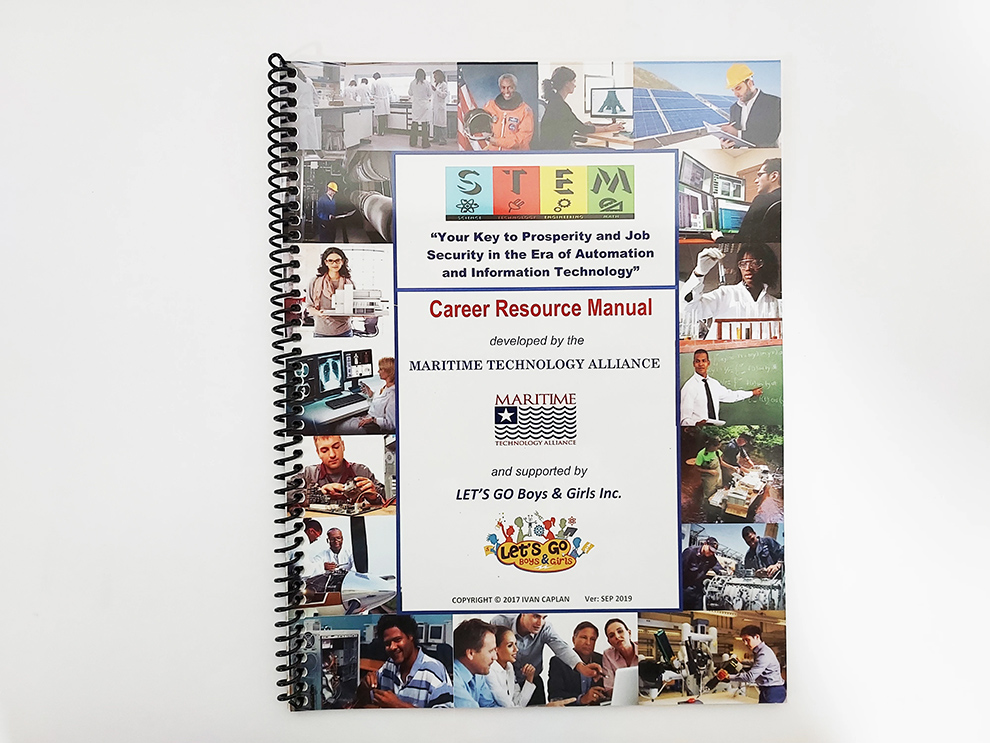
Pair coil-bound workbooks with structured manuals for onboarding programs, standard operating procedures, and compliance training that repeats across cohorts.
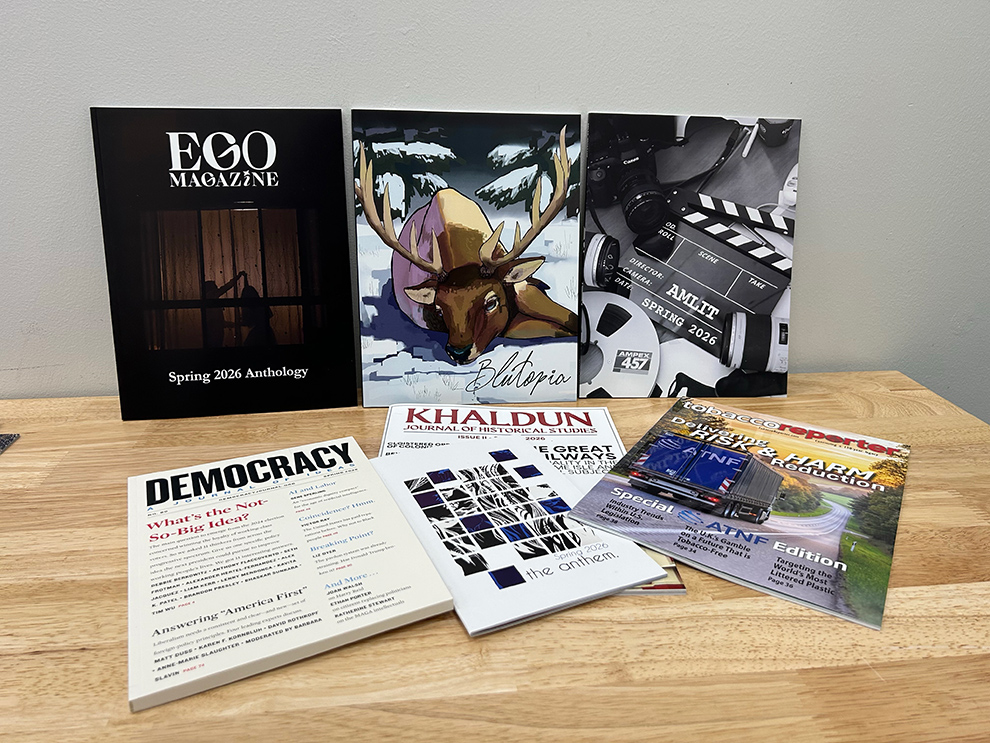
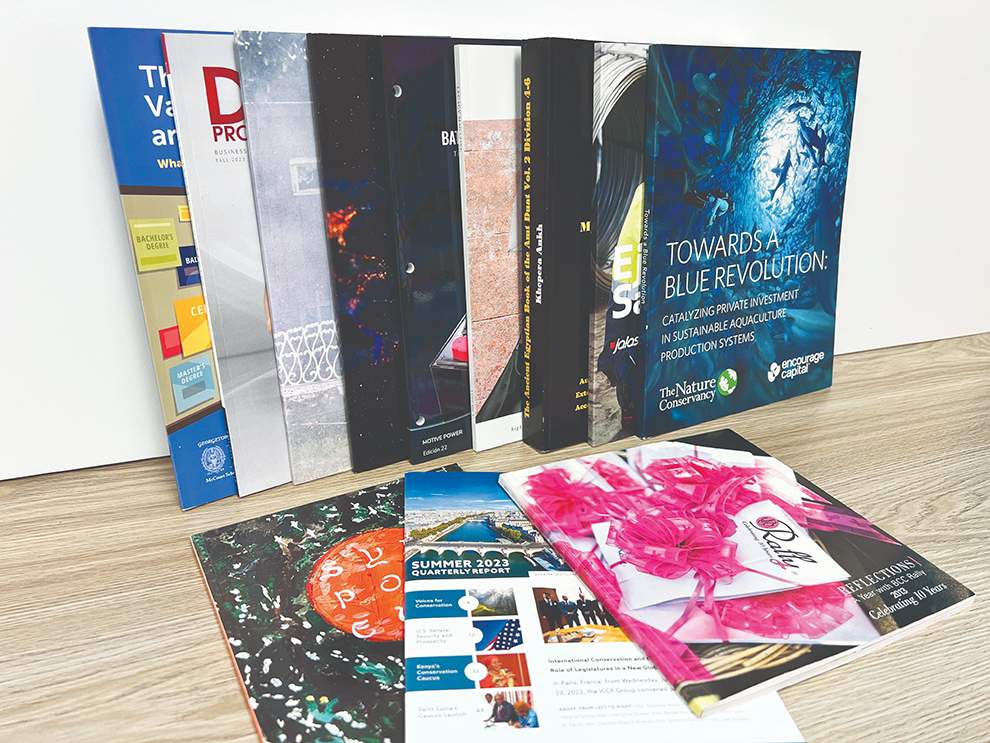
Select a glued square spine when an annual report, catalog, or commemorative publication needs shelf presence more than lay-flat handling.
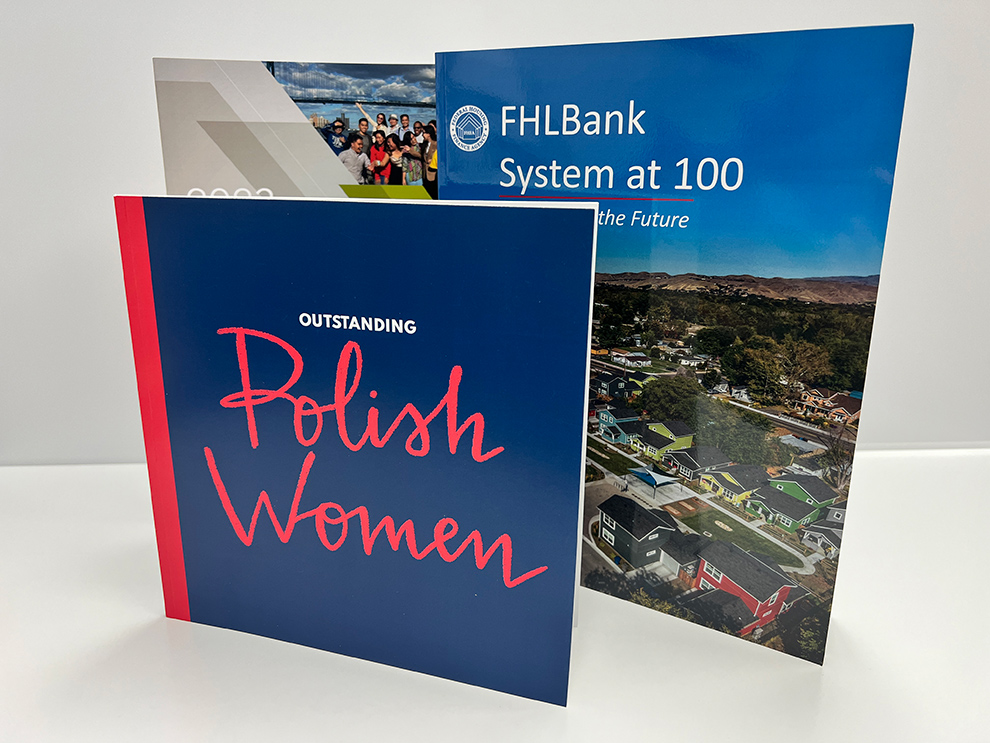
Cover shorter pieces such as event programs, orientation guides, and product overviews that do not justify a mechanical binding.
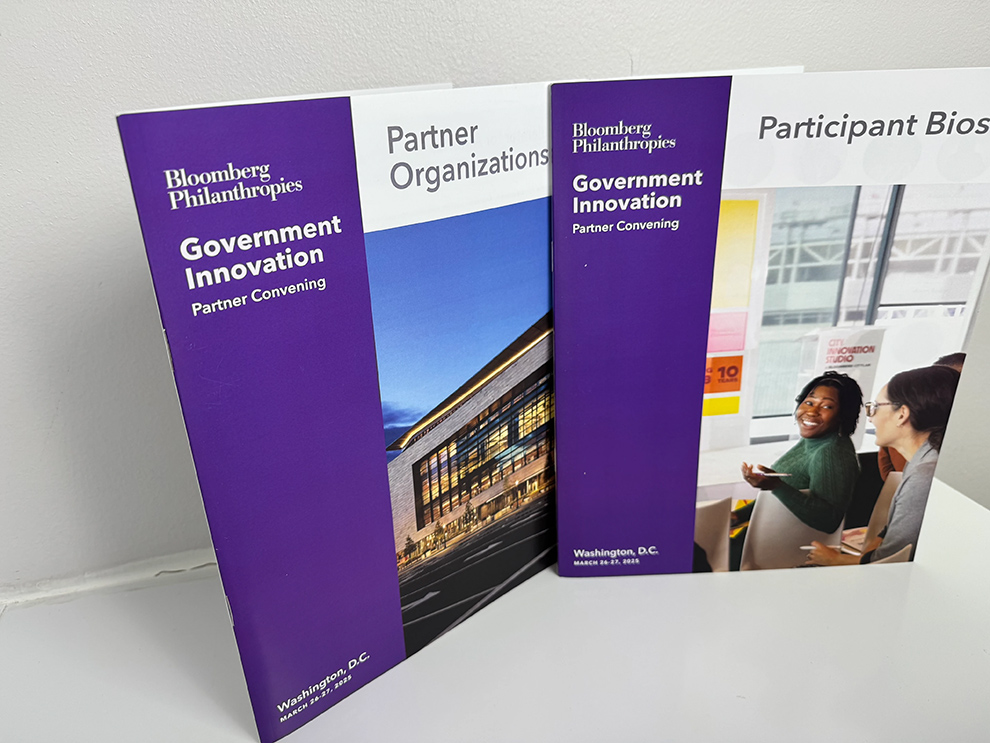
Keep certificates, agendas, and supplemental handouts organized alongside the workbook for classroom or meeting distribution.
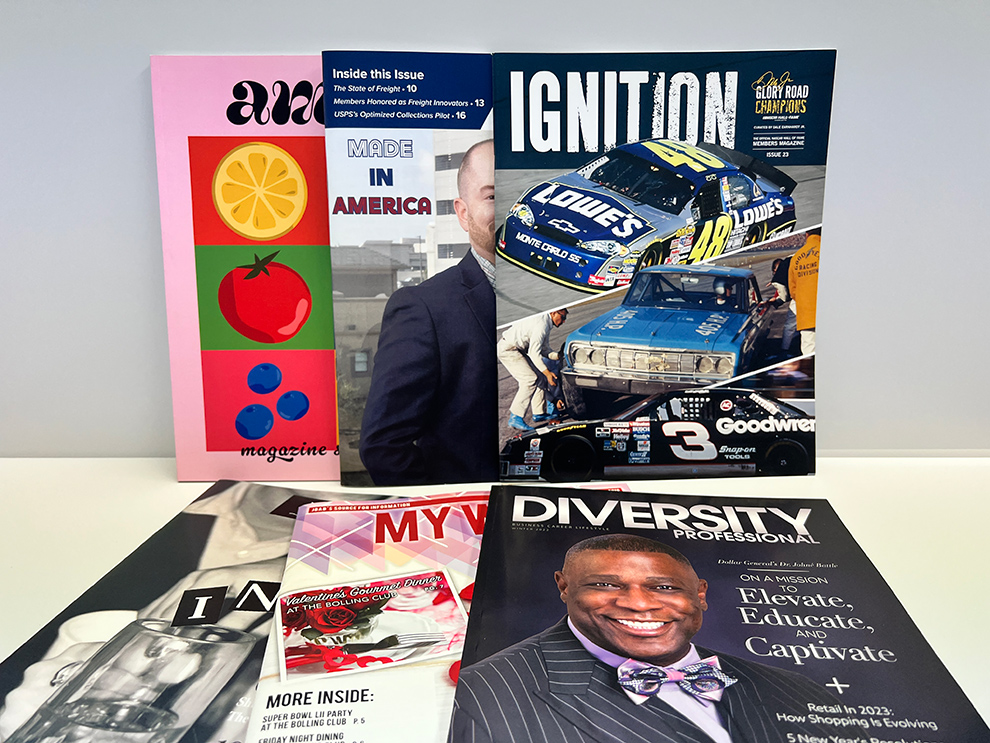
Plan recurring member or alumni publications with consistent paper, binding, and color from issue to issue.

Add addressing and mail preparation when directories or manuals ship directly to members, branch locations, or remote employees as part of the accepted scope.
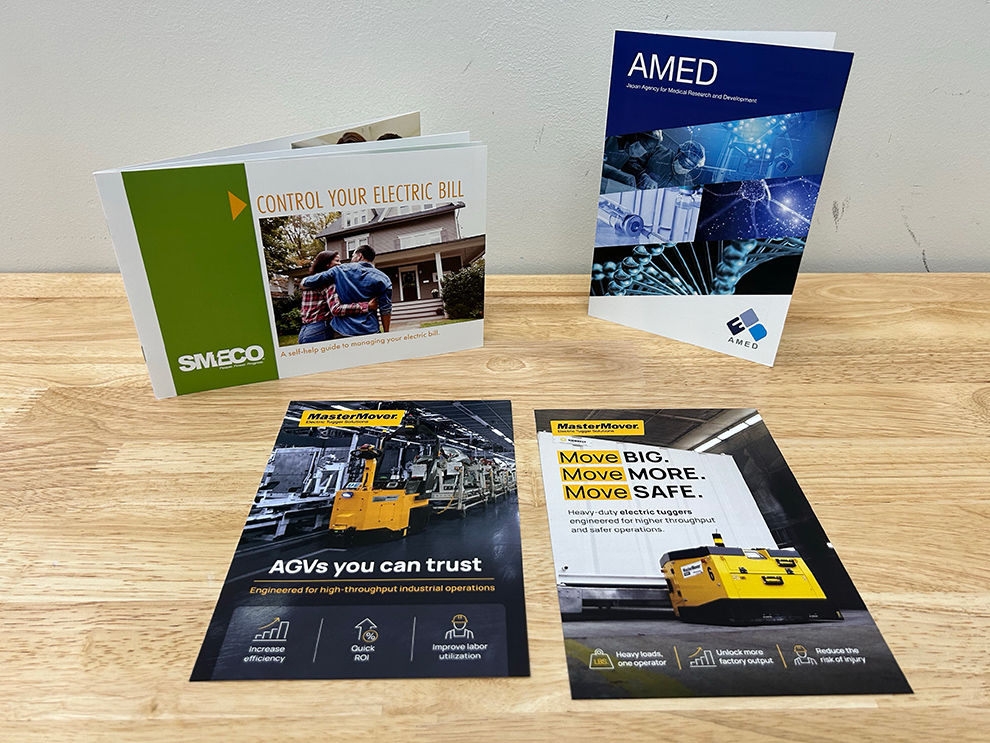
Produce brochures, flyers, and promotional pieces that support enrollment campaigns, recruiting events, and program announcements.
Review the full scope of Heritage print production for business documents, publications, and recurring organizational communications.
Whether you are replacing worn procedure manuals, printing workbooks for a fall cohort, or preparing a directory update, pick the path that matches the job. Order an eligible print-ready configuration through the Heritage Online Store, or submit a Custom Quote for qualifying $2,000+ work that still needs file, finishing, or schedule coordination.
At Heritage, good production decisions start with a picture of use: how many people will share the book, whether readers will write in it, and whether it travels between locations or stays at one workstation. Those answers guide finished size, page count, paper weight, cover construction, color placement, quantity, and whether tabs or dividers earn their cost.
A fill-in workbook for a community college course benefits from a heavier text sheet that accepts pen without bleed-through and a size that fits on a crowded desk. A procedure manual for a distribution center may need a laminated cover, a sturdy back, color only on the diagrams that require it, and tab labels that match the section names supervisors use on the floor. A directory updated each year needs a consistent trim size and coil diameter so the new edition feels familiar in the hand.
When a book will be reprinted or revised, Heritage can retain the accepted specifications from the earlier run so the next edition starts from a known baseline. That consistency keeps attention on the content that changed rather than on rebuilding the production plan, and it is one of the practical benefits of working with a printer that keeps its production records in order.
Most spiral-bound book orders fall into one of two situations: the specifications are final and the file is ready, or decisions about files, finishing, versions, or timing still need a conversation. Heritage offers a buying path for each, and both paths receive the same Heritage production review and electronic proof.
When the configuration is live in the Self-Directed Online Store and your artwork is print-ready, your team selects the listed options and places the order. The Store carries a $750 minimum on the total eligible order, and other eligible Store products can be added to reach it. Heritage reviews the files for production readiness and issues an electronic proof that must be approved before printing begins, but this path does not include an assigned Project Coordinator, layout work, product selection help, or a physical color proof.
For a qualifying new Commercial Printing project of $2,000 or more that needs file preparation, specification guidance, tab and divider planning, or closer schedule coordination, submit the Storefront Custom Quote form. Submitting the form starts a review, not an assignment. After Heritage accepts the quote and assigns the work, a Project Coordinator becomes your direct phone-and-email contact through delivery.
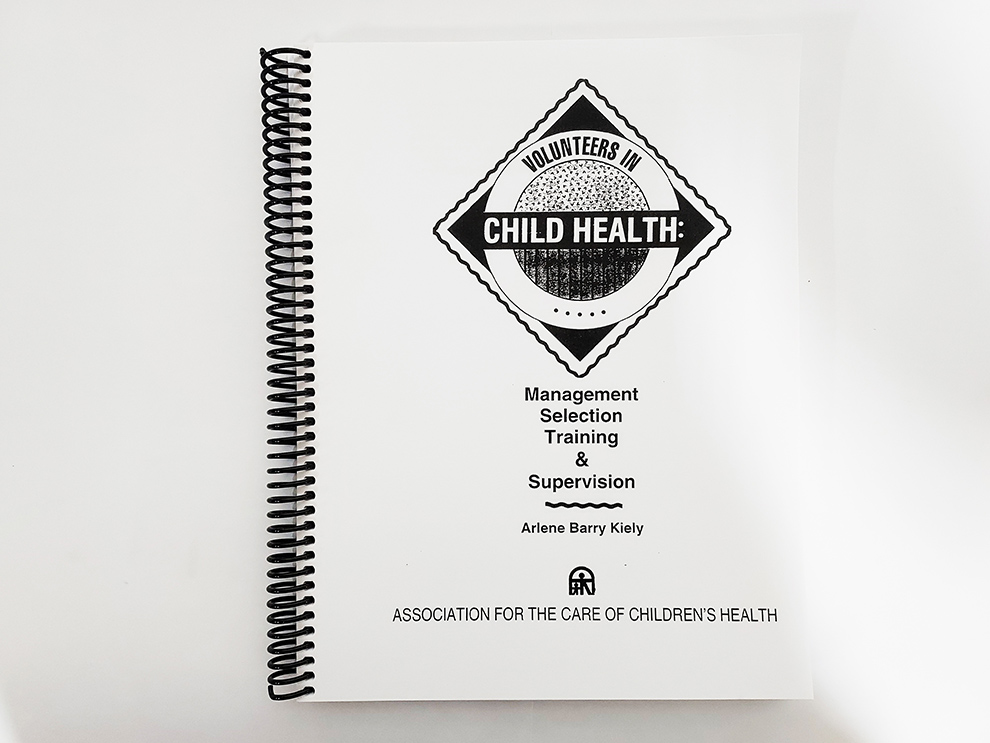
Yes. Because the plastic coil runs through punched holes along the binding edge, every page and both covers rotate freely around it. A reader can fold the front cover and preceding pages behind the book and hold only the page in use, which helps in cramped workstations, on a clipboard, or when both hands are needed for a task. Heritage binds on automated plastic-coil equipment so that free rotation holds true across every copy in the run.
The format removes the small frustrations that interrupt learning. A coil-bound workbook stays open to the exercise without a hand or a weight holding it, pages turn cleanly during a timed activity, and the coil handles repeated opening and closing. Those qualities suit onboarding workbooks, procedure manuals, certification study guides, and reference books that stay in service for months, which is exactly the kind of long-service document Heritage builds its production checks around.
Decide based on how employees will use it. If the handbook is consulted at a desk during tasks, marked up, or kept open to a policy section, plastic coil keeps it flat and easy to navigate. If the handbook is mainly a formal document that is read, signed, and filed, perfect binding provides a glued square spine and a conventional printed-book appearance that stores cleanly on a shelf. Neither format is automatically better; the reader's behavior decides, and Heritage produces both, so the recommendation is not tied to a single process.
Demand tends to come from organizations that train people on procedures or hand them structured reference material. In the Greensboro and Piedmont Triad area, that can include manufacturers documenting work instructions, distribution and logistics operations maintaining safety handbooks, colleges and training providers printing course workbooks, healthcare teams keeping clinical reference guides current, and associations producing member directories. The common thread is a document that is used repeatedly rather than read once, and that is the kind of work Heritage has been printing since 1977.
Heritage usually recommends a laminated front cover paired with a sturdy back, provided the selected production path supports those options. Lamination resists scuffing, fingerprints, and minor moisture from ordinary handling, while the heavier back keeps the book rigid enough to write on or prop against equipment. For a manual that stays at one clean desk, a printed cover stock without lamination may be sufficient and less costly, and Heritage will say so rather than add cost the book does not need.
Tabs and dividers are specified as part of the page plan, so they need to be decided before the proof stage. Heritage can include them when the chosen Store option lists them or when they are written into an accepted Custom Quote. Planning covers the number of sections, tab labels, divider stock, and where each divider falls in the page sequence so the finished book opens to the right place.
Yes. Every Heritage Commercial Printing order, including a Self-Directed Online Store purchase, receives an electronic proof for review and approval before anything is printed. Use it to confirm text, images, pagination, cover layout, and any tab or divider placement. The electronic proof is a content and layout check only; it is not a printed color sample, and screen color will differ from ink on paper.
For qualifying Custom Quote commercial printing orders of $2,000 or more, Heritage offers an optional Physical Production Color Proof at additional cost. The proof is run on the printer scheduled for the job, using the same paper or production material chosen for the finished books, so it shows color as it will actually print. Producing it adds a step to the schedule, which should be factored into any fixed date. Once approved, the physical proof becomes the controlling color reference for the run unless the parties agree otherwise. This option is not available for Self-Directed Online Store orders, which rely on electronic proofing.
Order through the Store when the exact configuration is listed there, your print-ready file is finished, and no one needs help choosing options or preparing artwork. The Store is a self-service path: your team selects the specifications, uploads the file, and completes the purchase, and the total eligible order must reach $750. Heritage performs its standard production review, provides an electronic proof, and applies normal quality control, but no Project Coordinator is assigned.
No. The $2,000 threshold makes the Storefront Custom Quote path available for qualifying new Commercial Printing work; it does not require it. Use the form when the project needs file preparation, production-oriented layout help, specification guidance, or closer coordination of versions and timing. Heritage reviews the submission, and if the quote is accepted and the work assigned, a Project Coordinator serves as the direct phone-and-email contact for that order. Until that acceptance, no assigned relationship exists.
Yes. The $750 minimum applies to the total eligible Store order, not to each product line. A Greensboro training team ordering coil-bound workbooks can add other live Store products in the same checkout, provided those products are live and orderable there, and the combined eligible total counts toward the minimum. Each product still follows its own listed options and file requirements.
It can, when the accepted specifications are carried forward. Heritage can retain details such as trim size, paper, cover stock, coil size, tab configuration, and color targets from an accepted run so a later edition can be reproduced consistently while only the updated content changes. For established clients already working with an assigned Project Coordinator, that same contact may continue on appropriate directly managed repeat orders.
Share the date immediately, before files are finalized if necessary. Heritage will look at artwork readiness, quantity, page count, cover and tab requirements, proof approval timing, current production capacity, and how the books need to reach you, then tell you plainly whether the date is workable. If it is not, Heritage will say so early and discuss responsible alternatives when they exist rather than accept a schedule it cannot support. For qualifying Custom Quote work, direct Project Coordinator contact begins only after the quote is accepted and assigned.
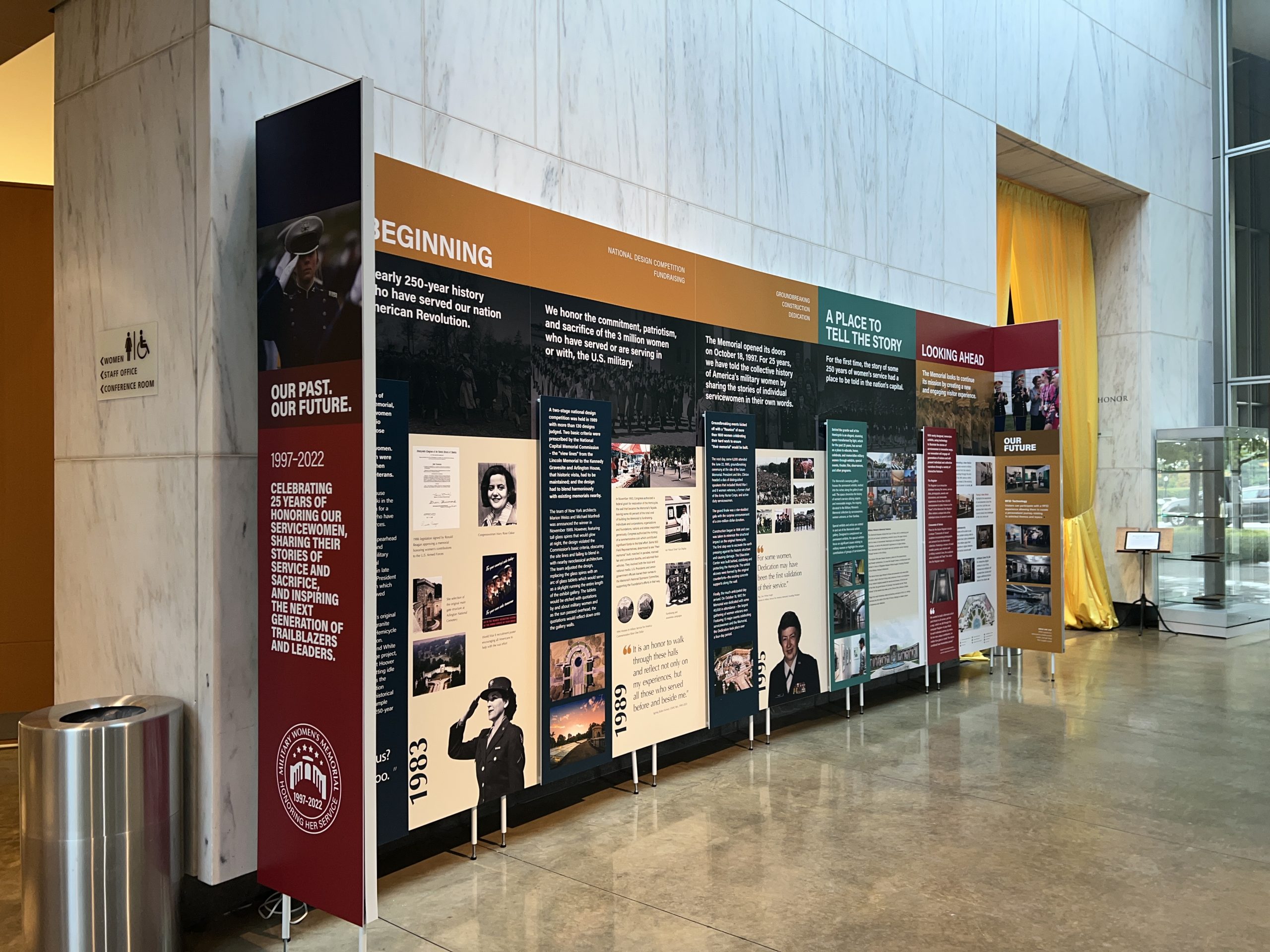
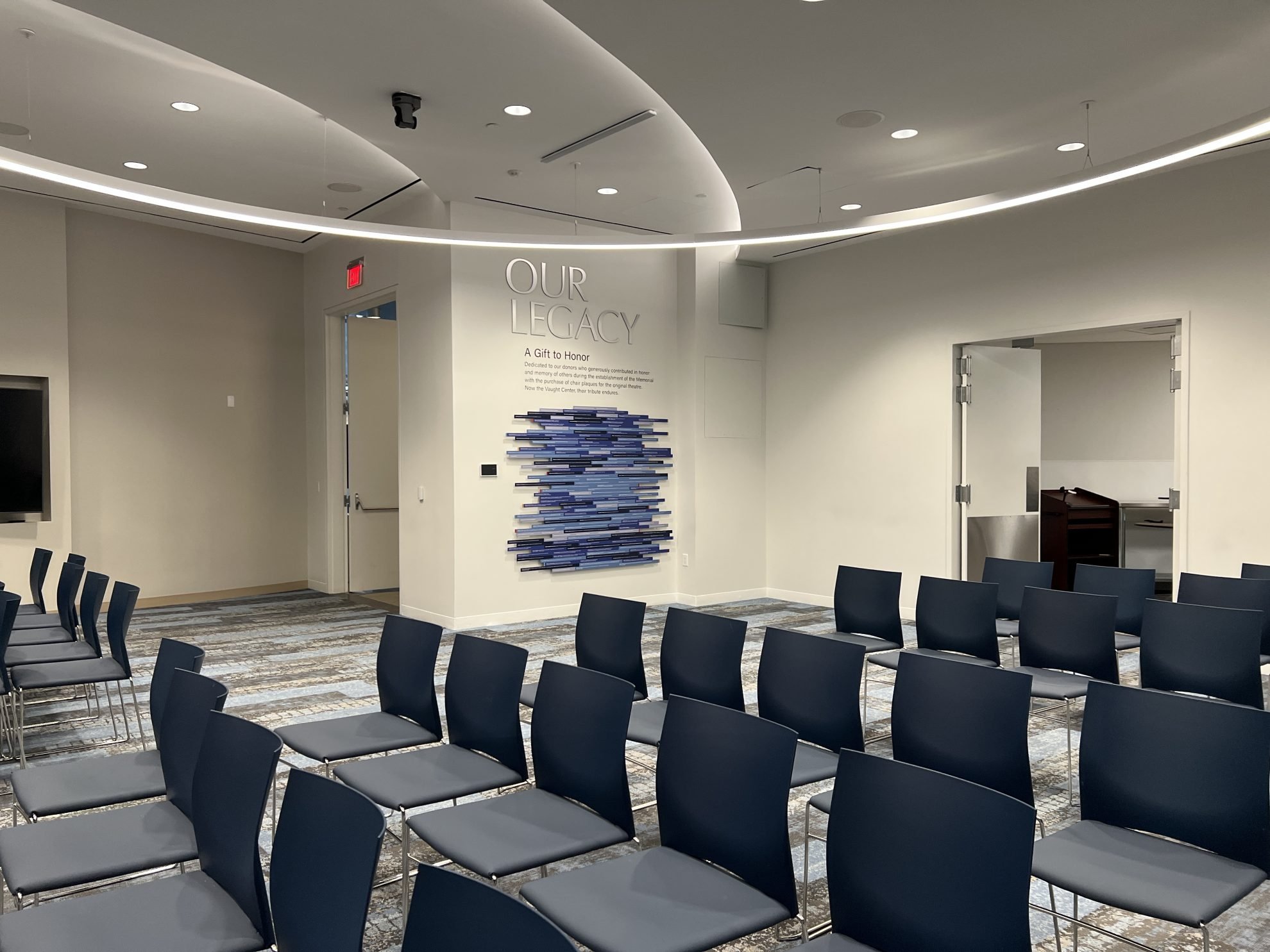
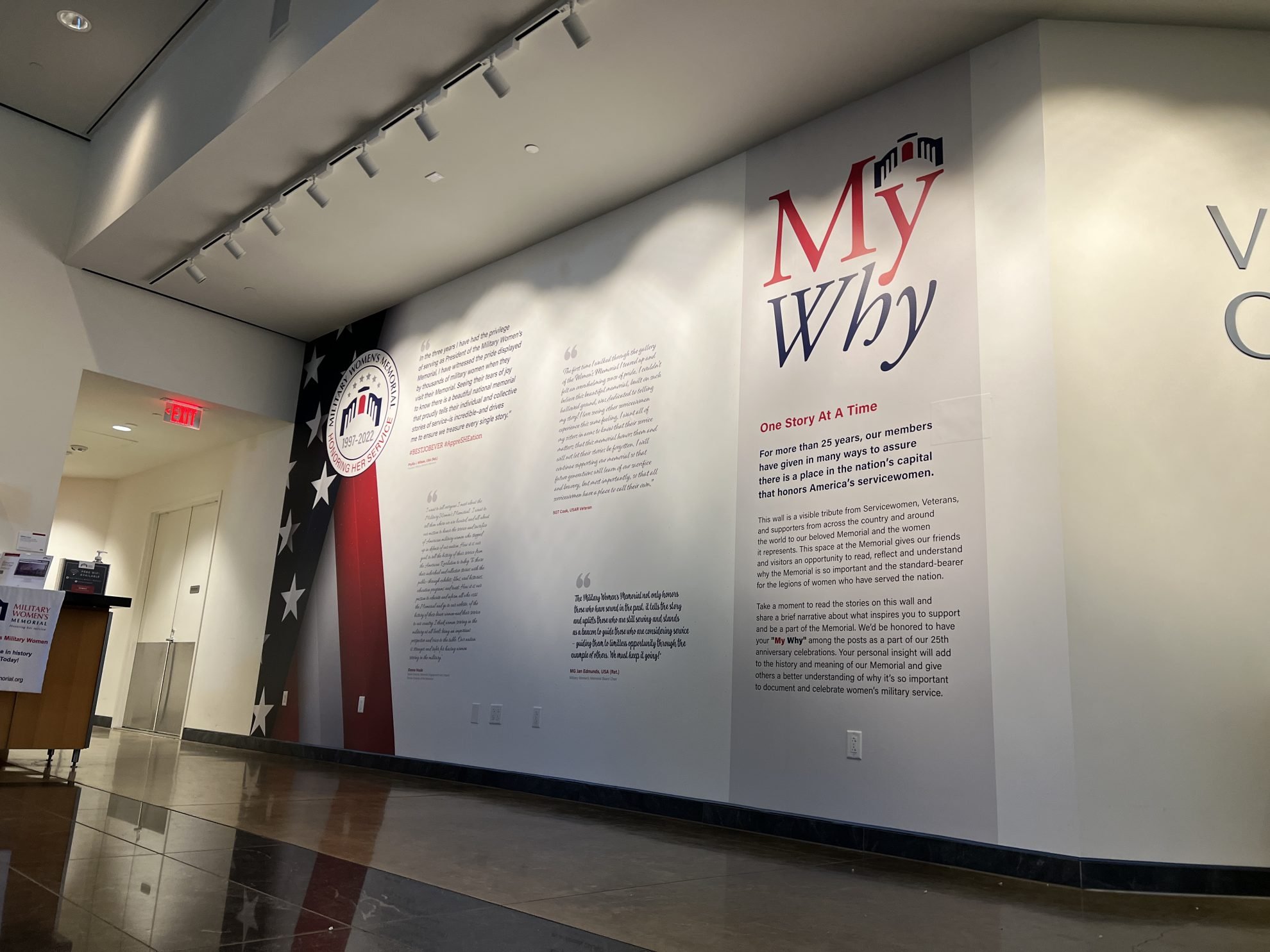
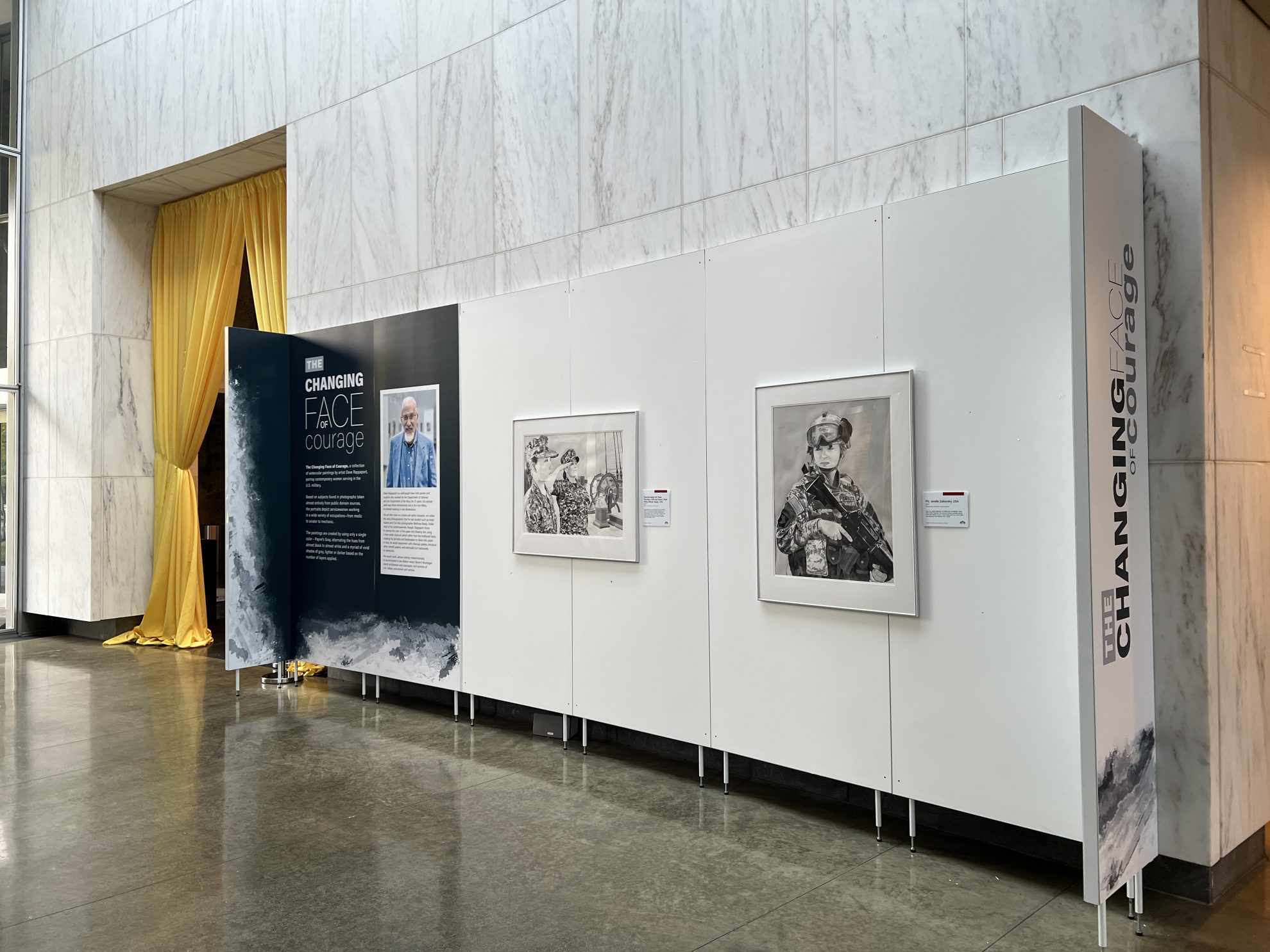
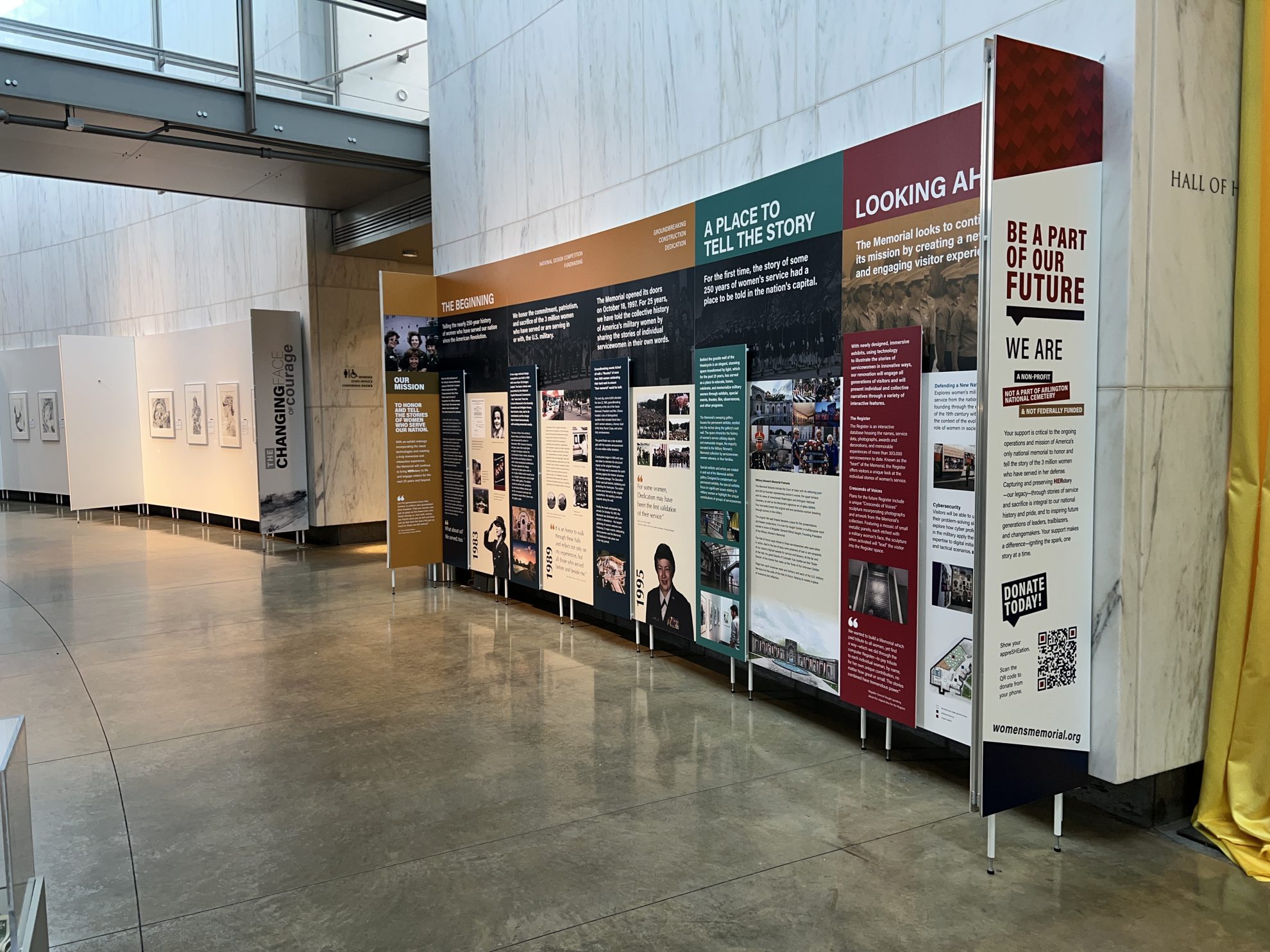
Heritage Signs & Displays created new museum signage for the Military Women’s Memorial in Arlington, VA. The project included custom signs, wall wraps, dimensional letters, and standoff-mounted displays to honor the legacy of U.S. servicewomen and the donors who supported the memorial. The updated interior features impactful designs, including a "Our Legacy" wall display and panels showcasing historical contributions and artwork, creating a transformative tribute to women in the U.S. Armed Forces.
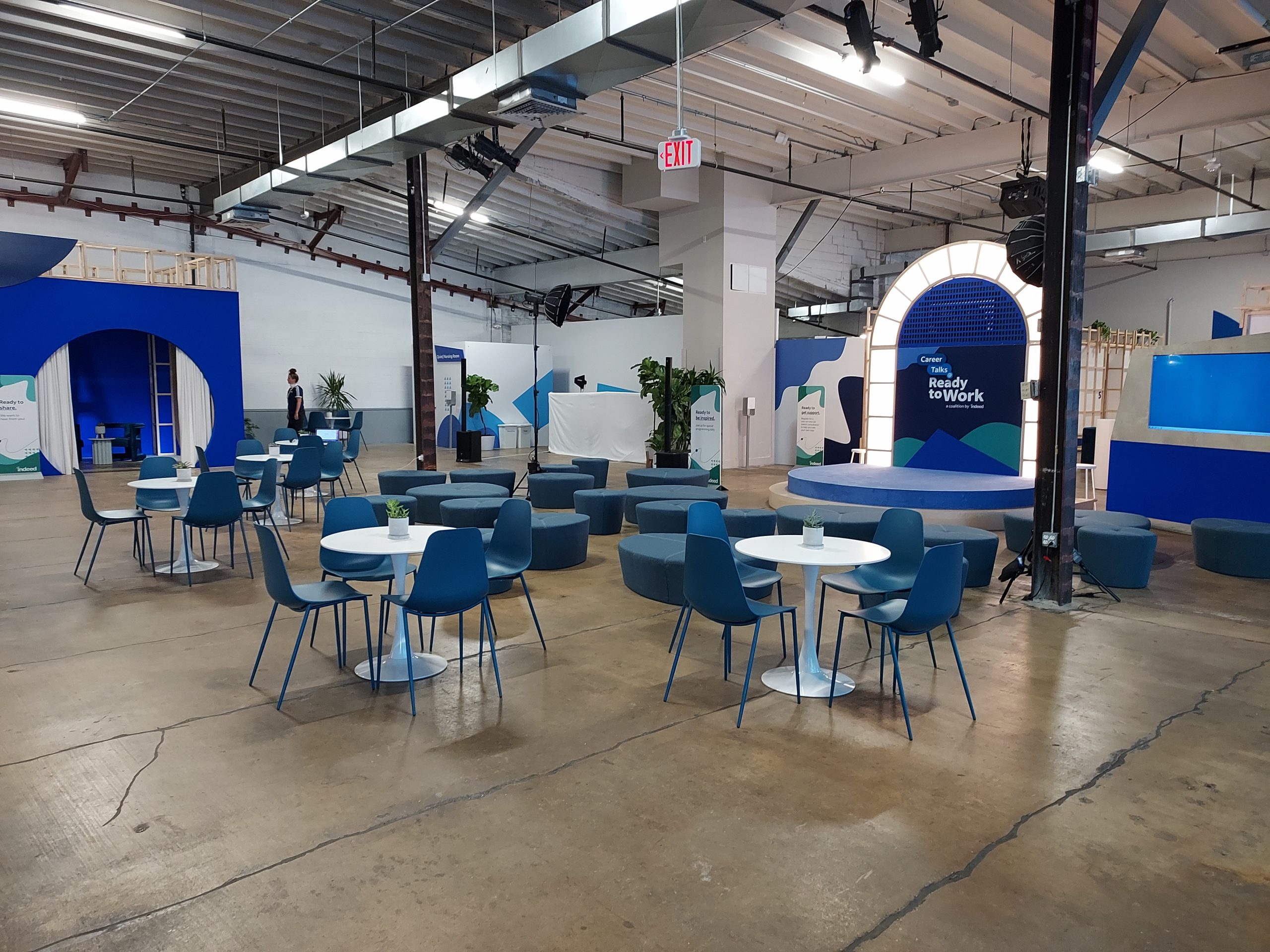
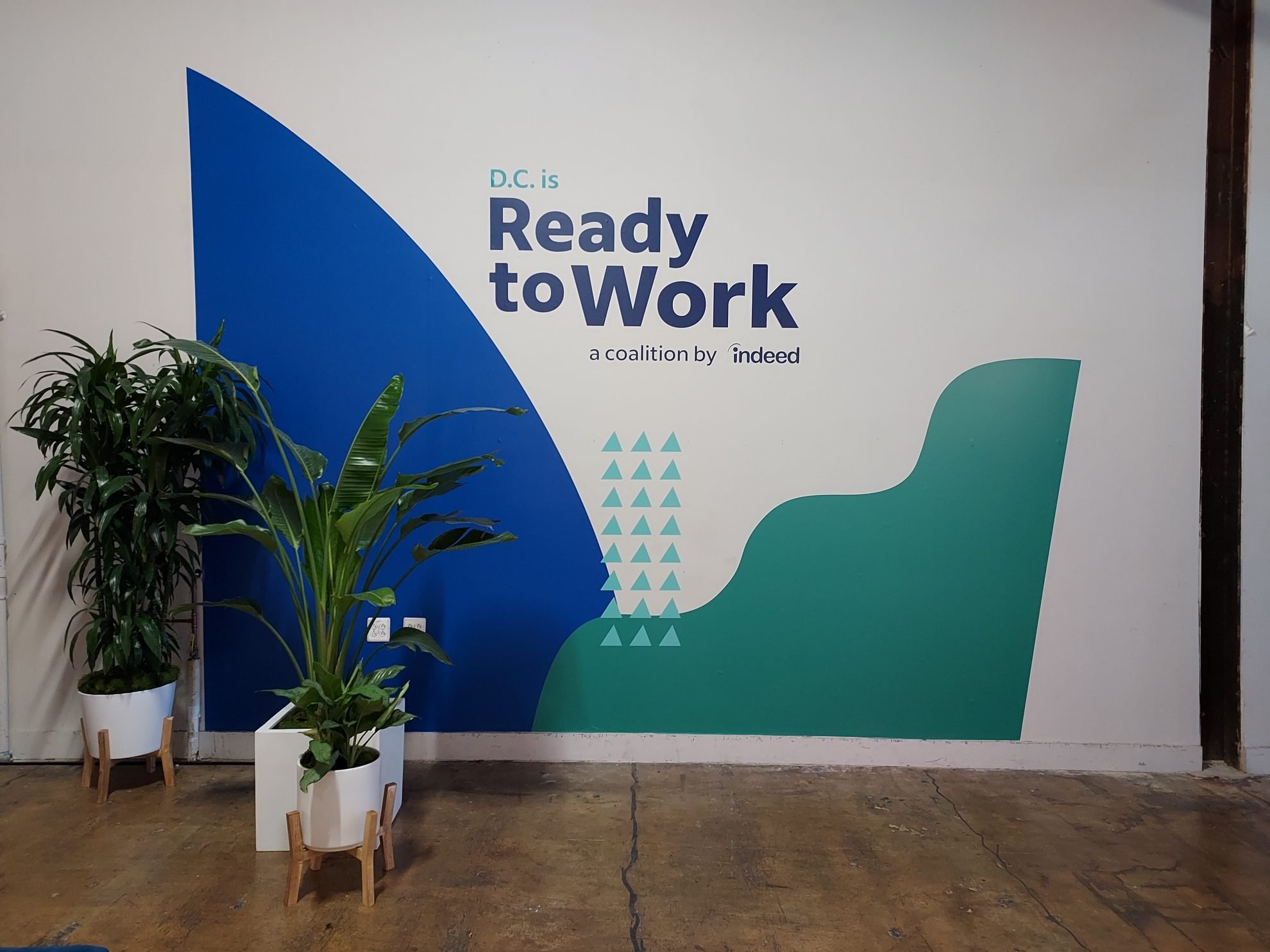
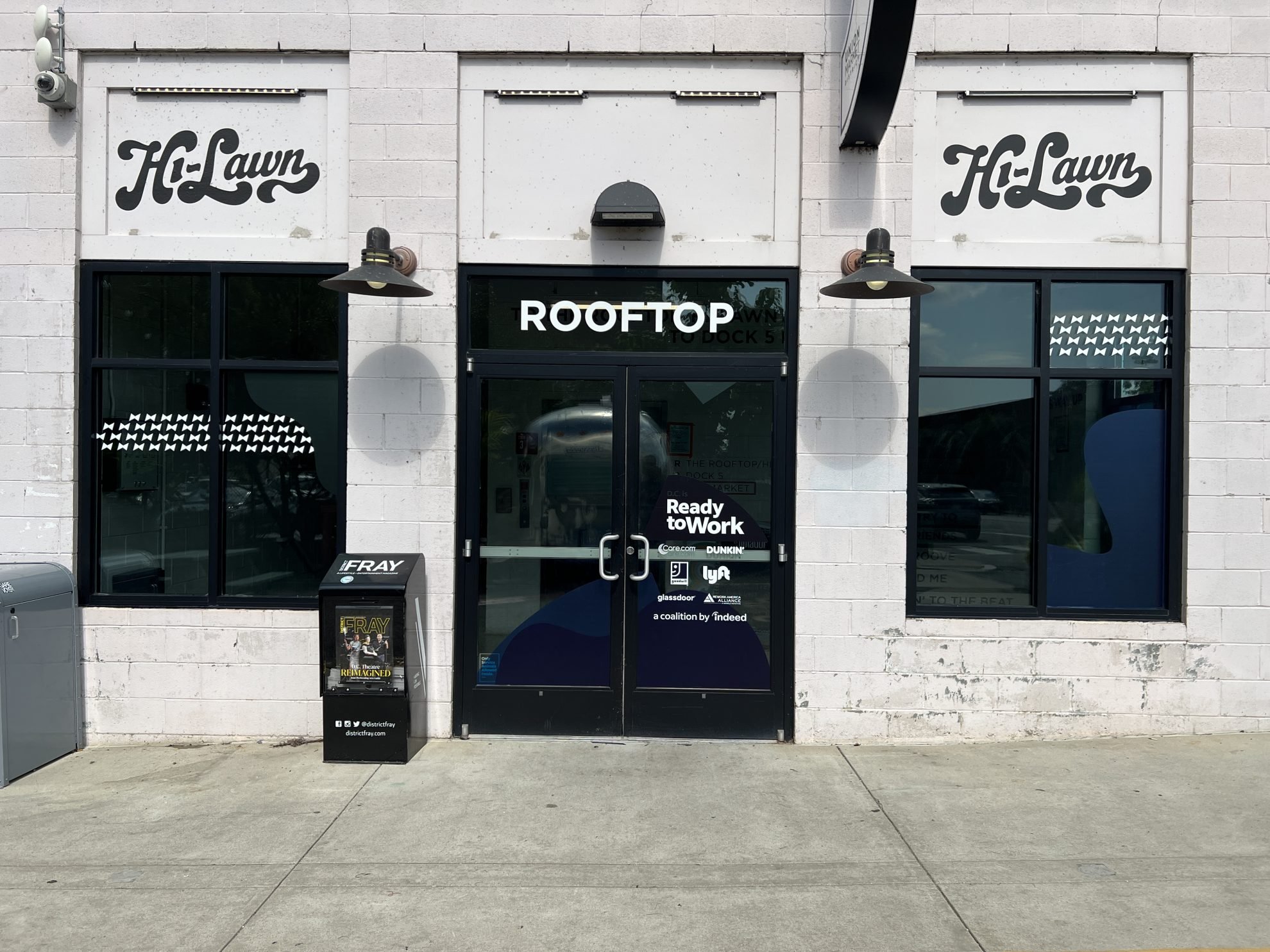
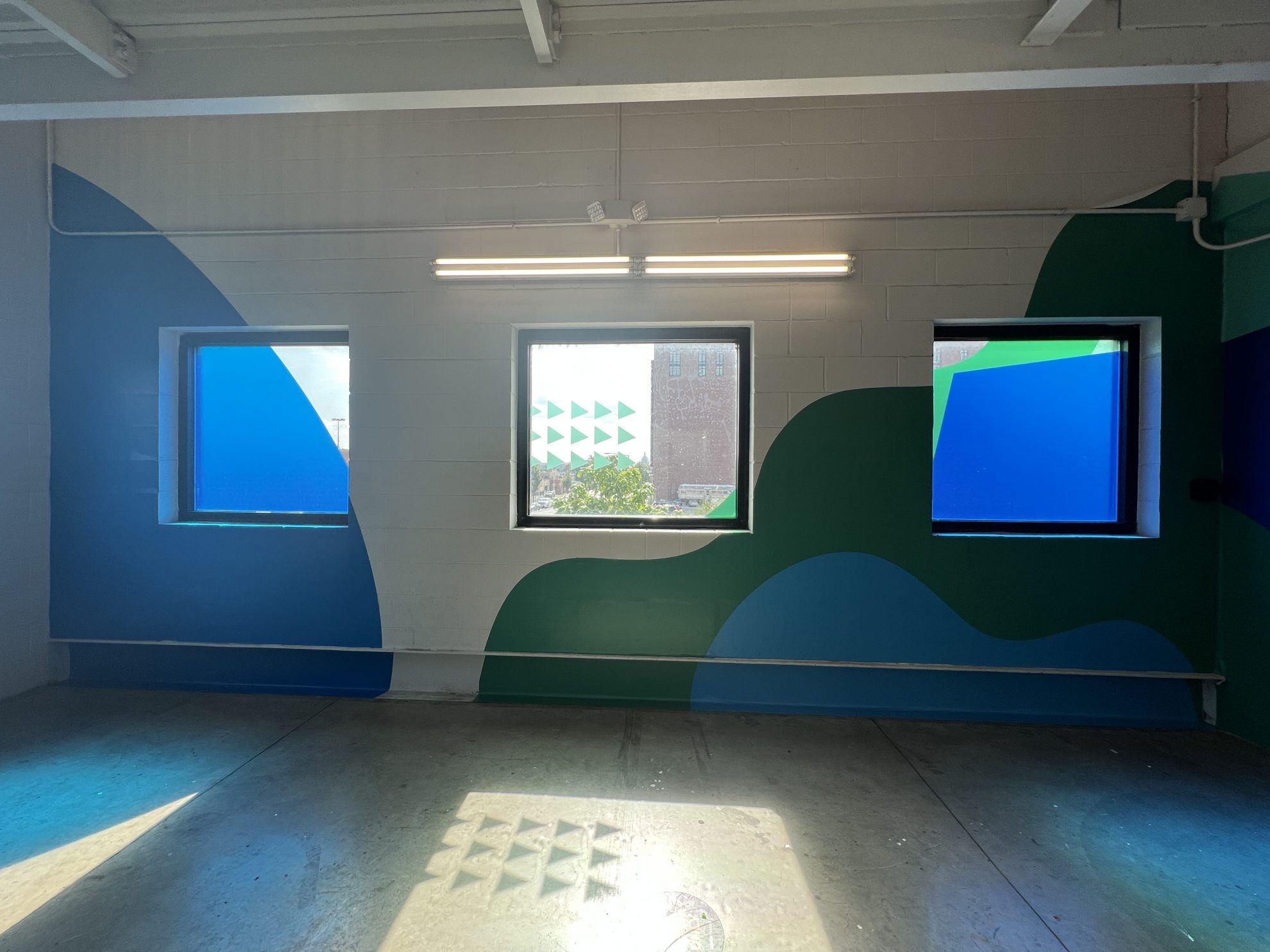
Heritage Signs & Displays' collaboration with The Gathery to brand Union Market in Arlington, VA, for Indeed's "Ready to Work" job fair. The project included custom event displays, wall graphics, window graphics, and wayfinding signs, creating an immersive and visually appealing environment. The branding enhanced the venue, reflected the event's mission, and provided a seamless experience for attendees.