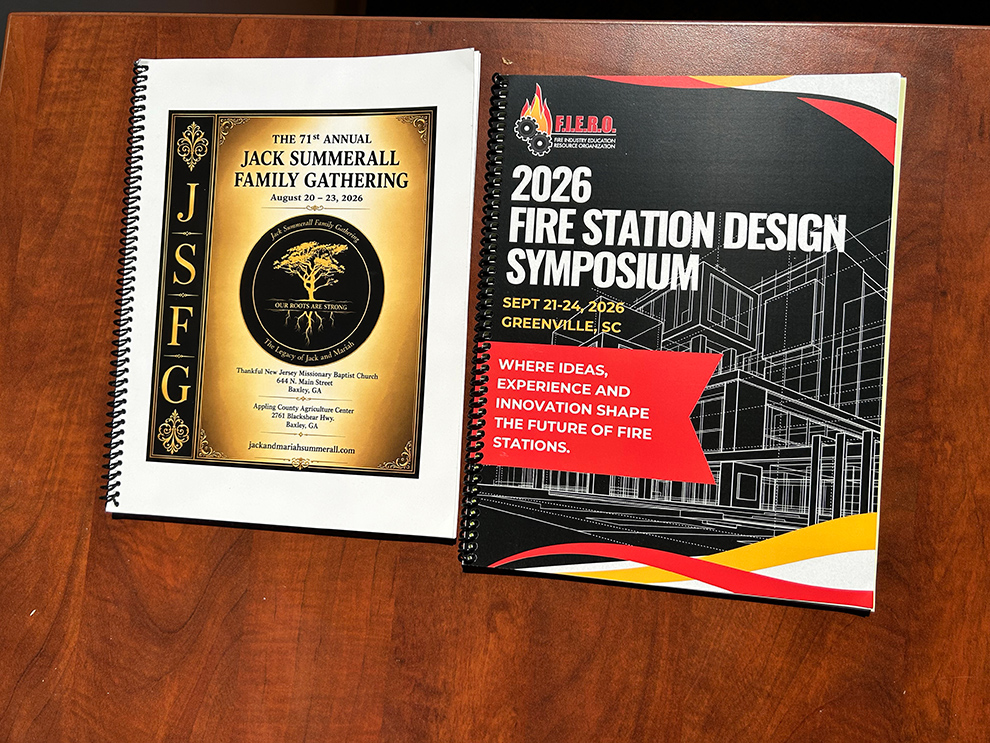
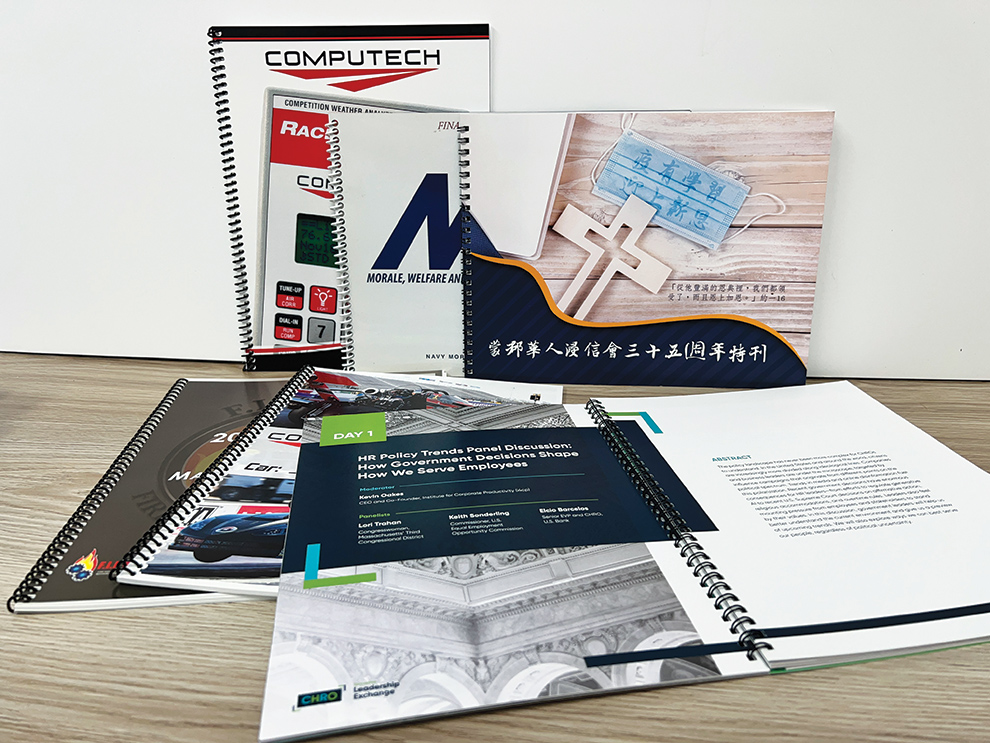
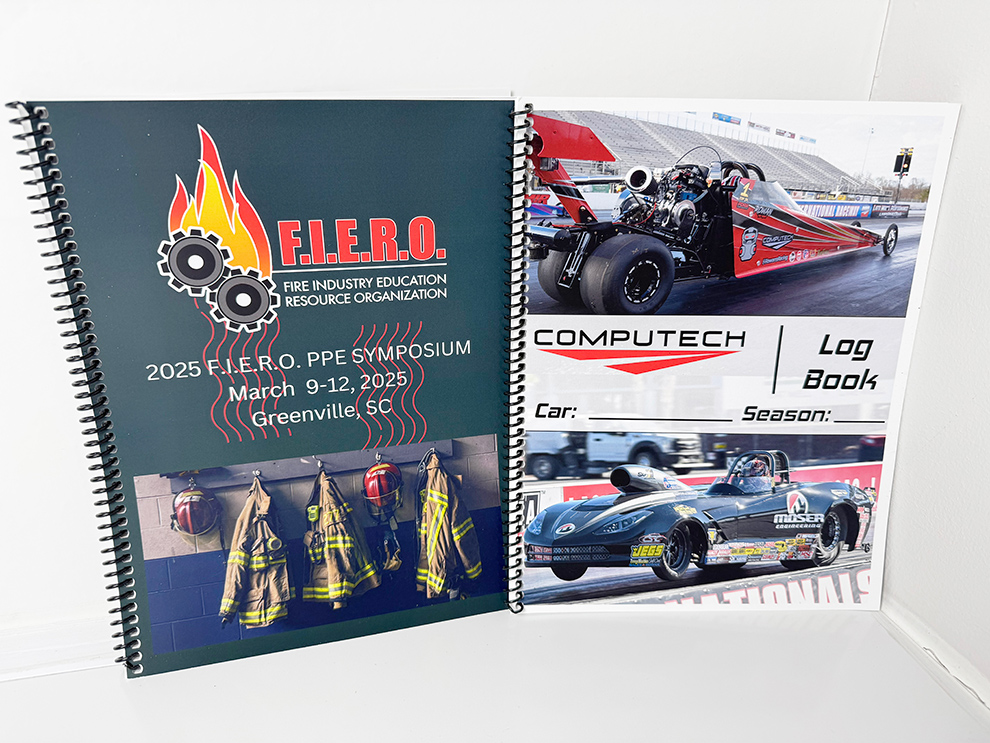
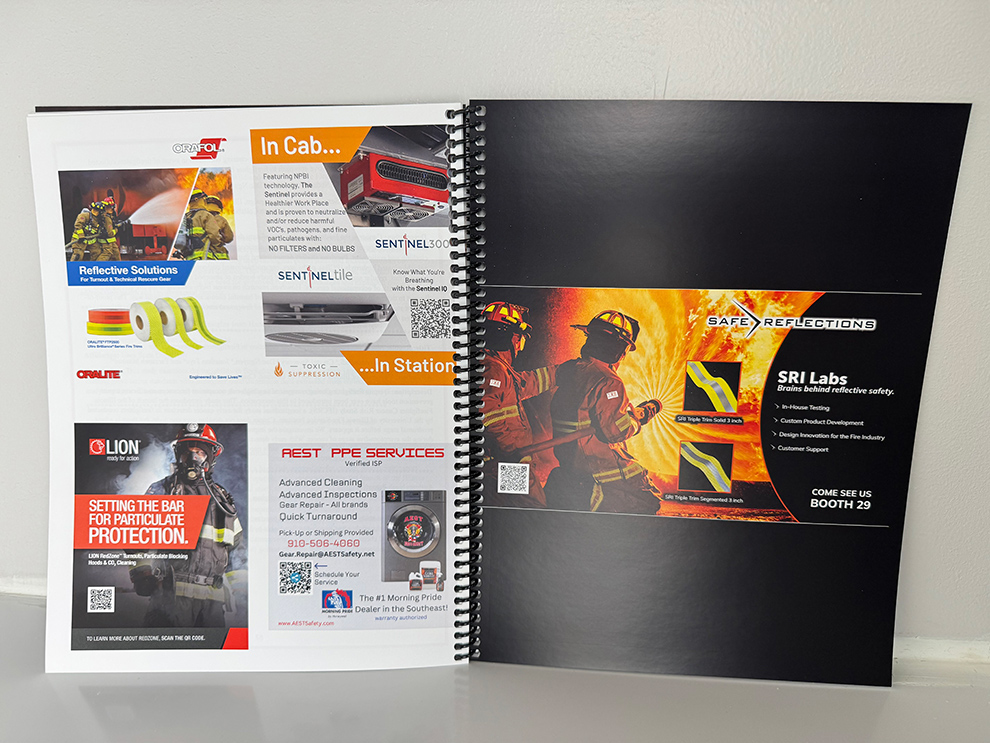
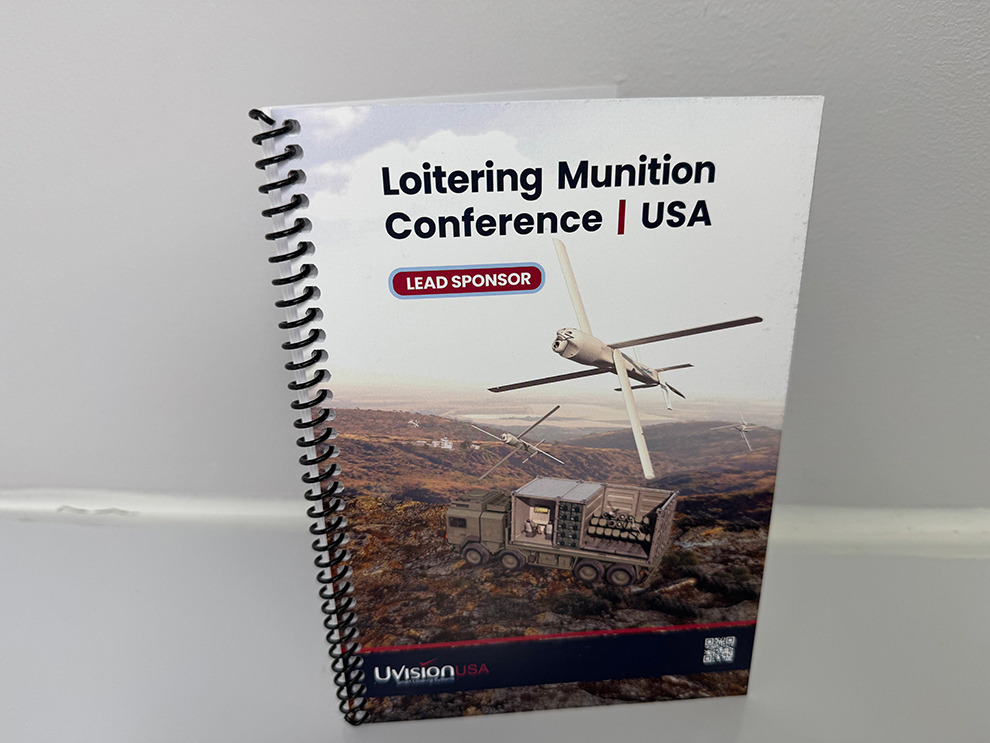
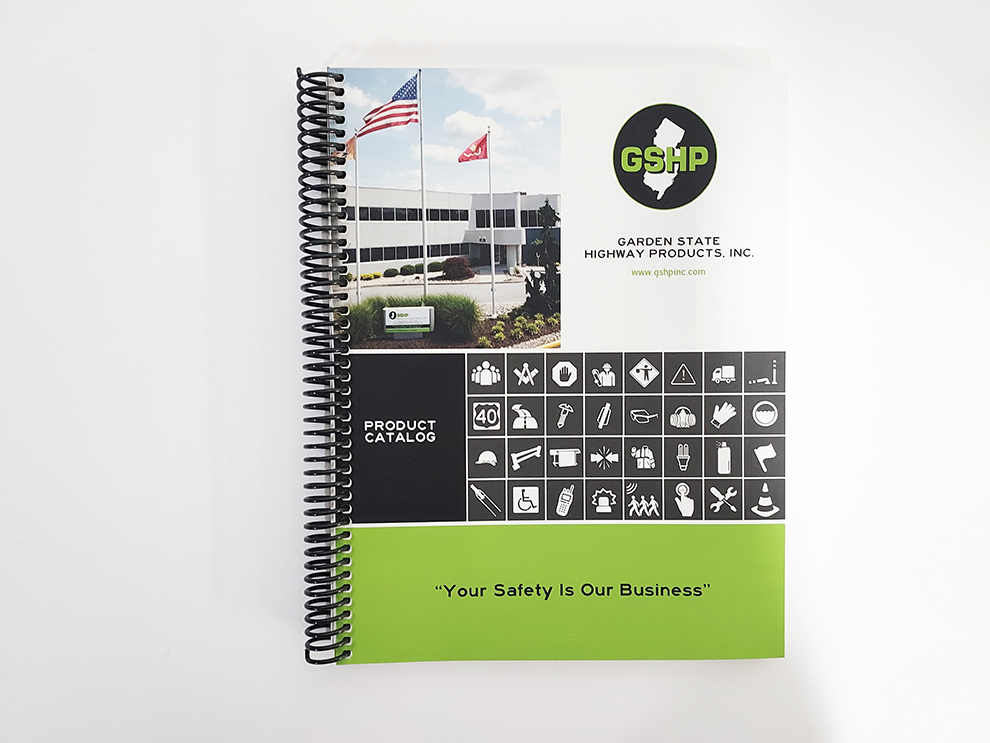
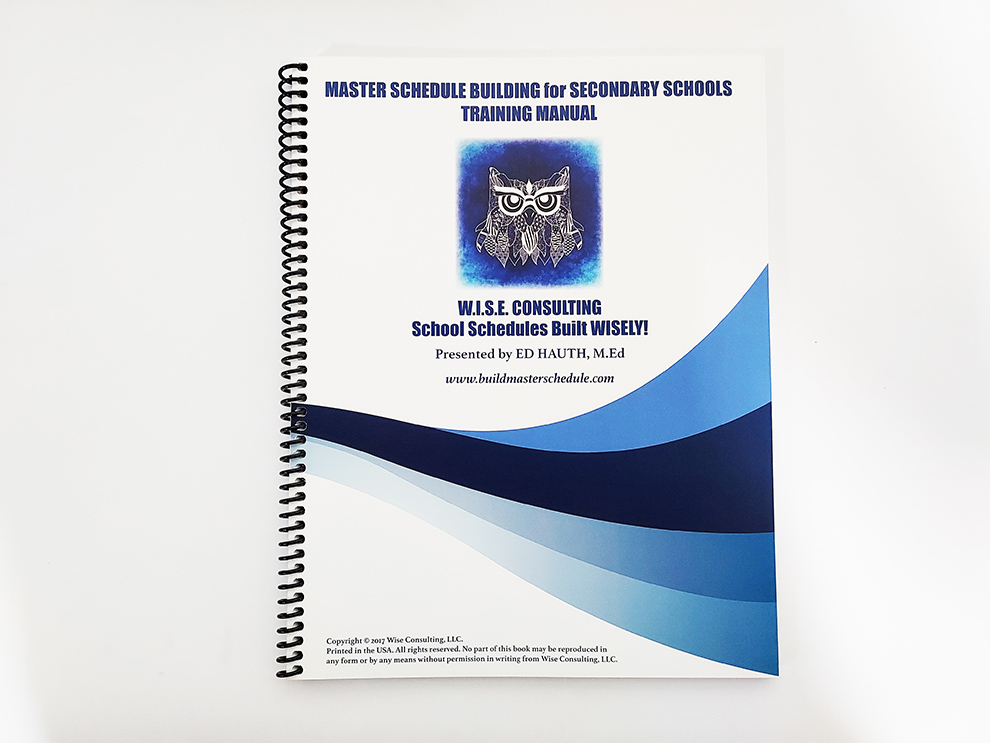
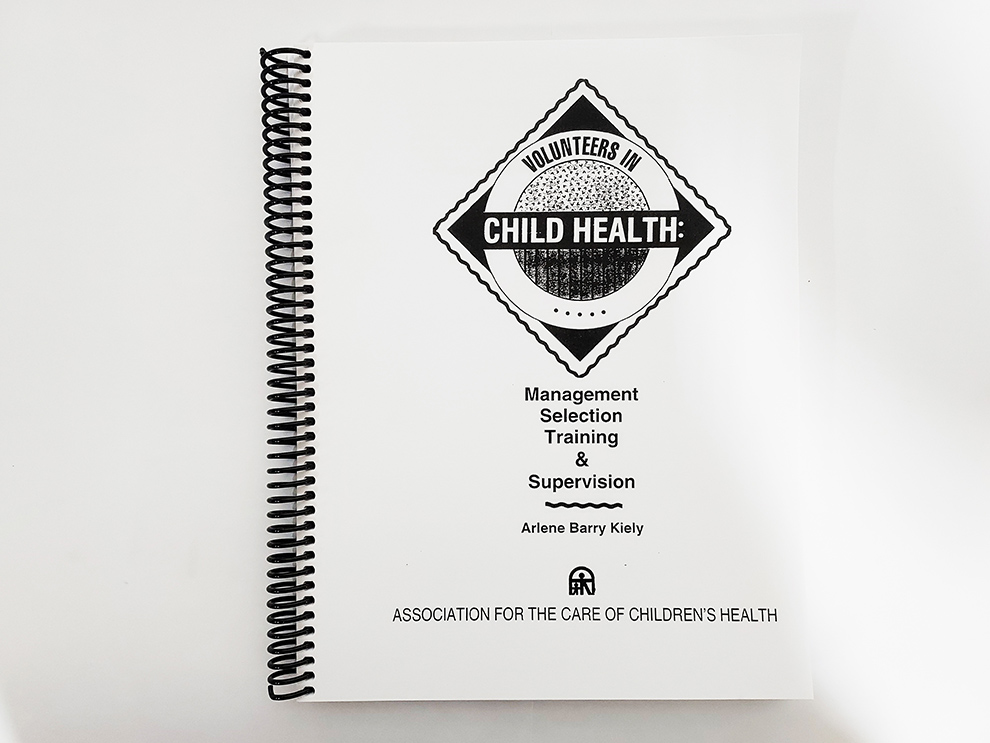
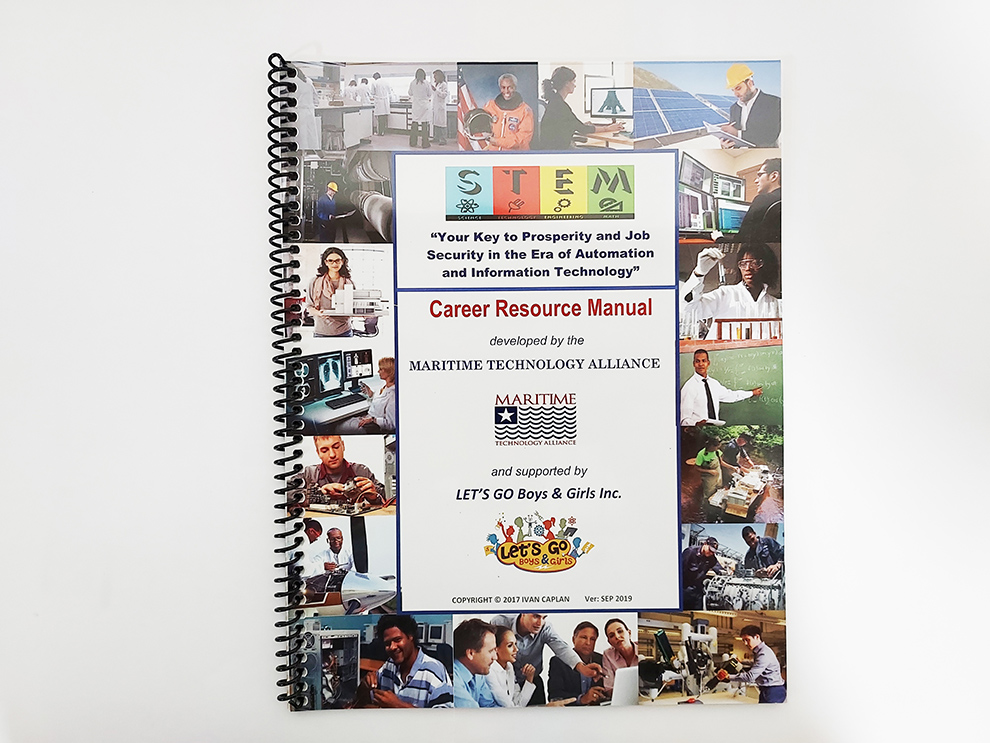
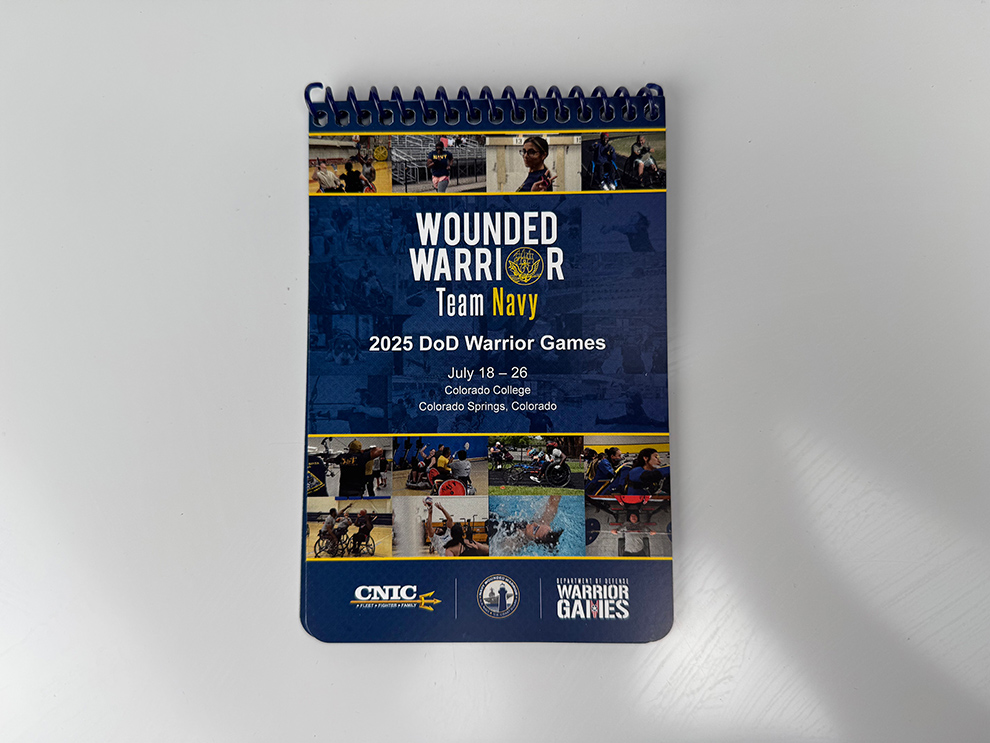
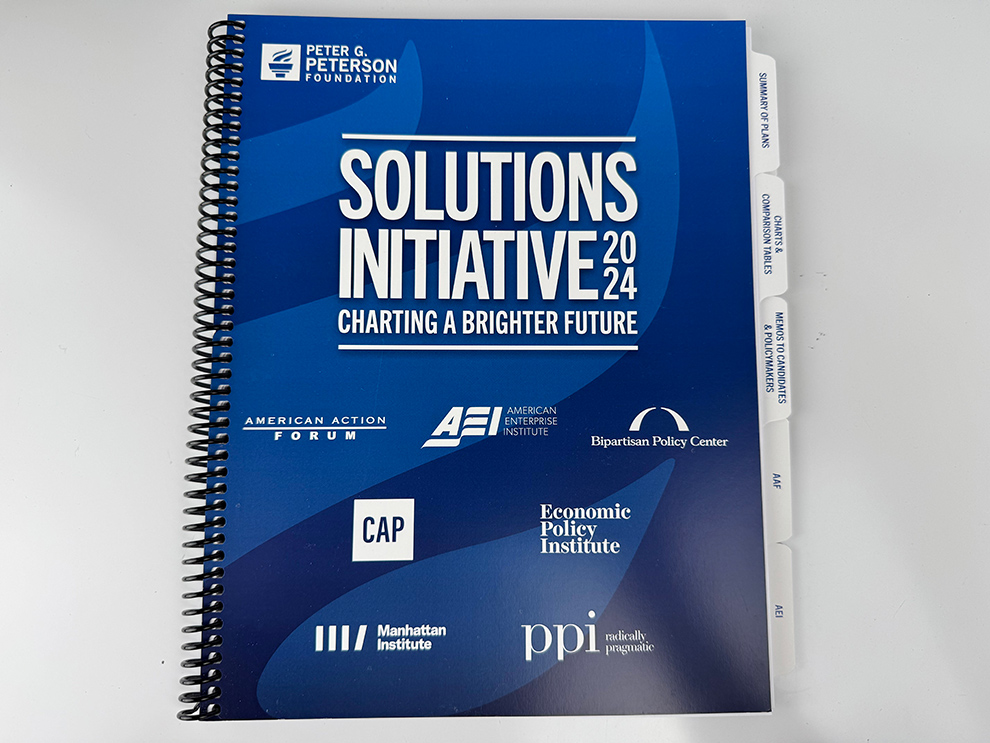
Picture a new hire following a procedure at a lab bench, an instructor leading a class from a workbook, or a technician checking a reference guide beside an open panel. In each case the printed book needs to stay open on its own and give up a single page without a hand holding it down. Plastic coil binding is built for that job.
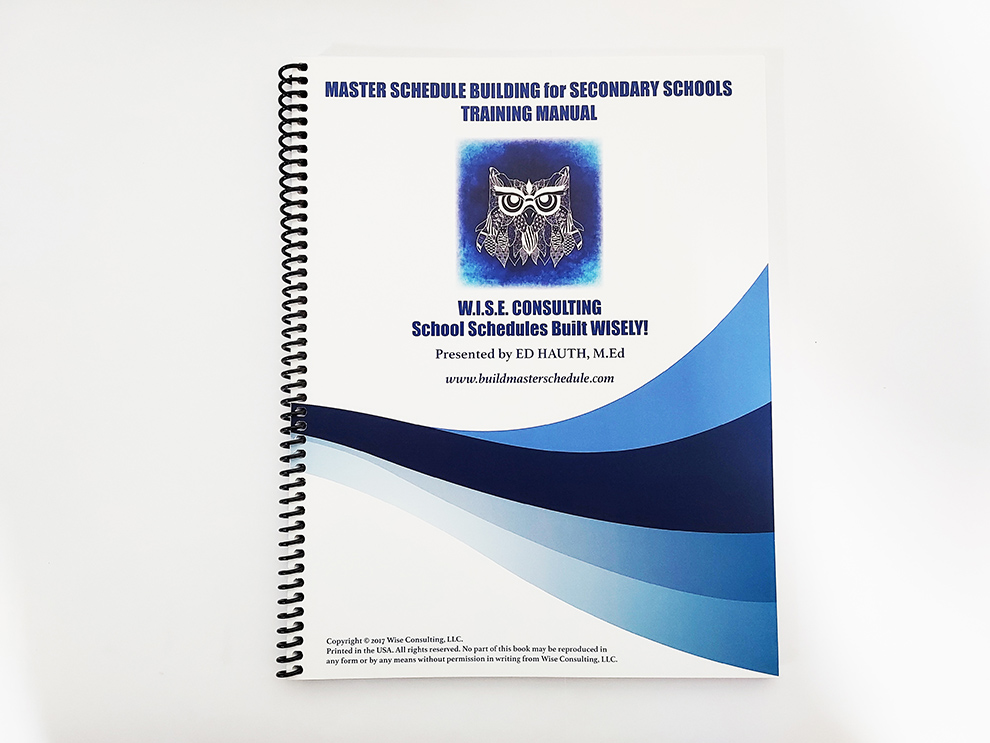
Heritage prints spiral-bound books for Raleigh, NC organizations that put documents to work: training workbooks, standard operating procedures, instructional guides, course packets, member directories, and reference handbooks that are consulted week after week. The plastic coil runs through evenly punched holes, so pages lie flat, turn without resistance, and wrap completely behind the book when space is tight.
Usability does not stop at the binding. Laminated covers shed coffee rings and handling marks, heavier backs keep a workbook steady on a desk, and tabs or dividers help a reader land on the right section quickly. Heritage pairs those choices with careful printing, color management, electronic proofing, and finishing so the book holds up in daily service.
Heritage started as a printing company in 1977, and that background still shapes how a spiral-bound book moves through production. Automated plastic-coil binding handles punching and coil insertion with consistent alignment, while production staff check page sequence, cover placement, tab order, and finishing before packing. Color management and electronic proofing come before any of that, so layout, page order, and color expectations are settled before the press runs.
Raleigh and Research Triangle organizations tend to order these books against a date that is already on a calendar: a cohort start, a certification class, a new semester, or a scheduled procedure rollout. Carolinas production is supported by the Heritage headquarters and primary specialty production facility in Charlotte, which means the company printing and binding the books is the one accountable for them, not a broker handing files to a third party.
Before committing to a schedule, Heritage reviews artwork readiness, quantities, materials, and available capacity, then flags any constraint early. When a book will be reprinted or revised, retained specifications and production notes make the next edition a focused update rather than a fresh start.
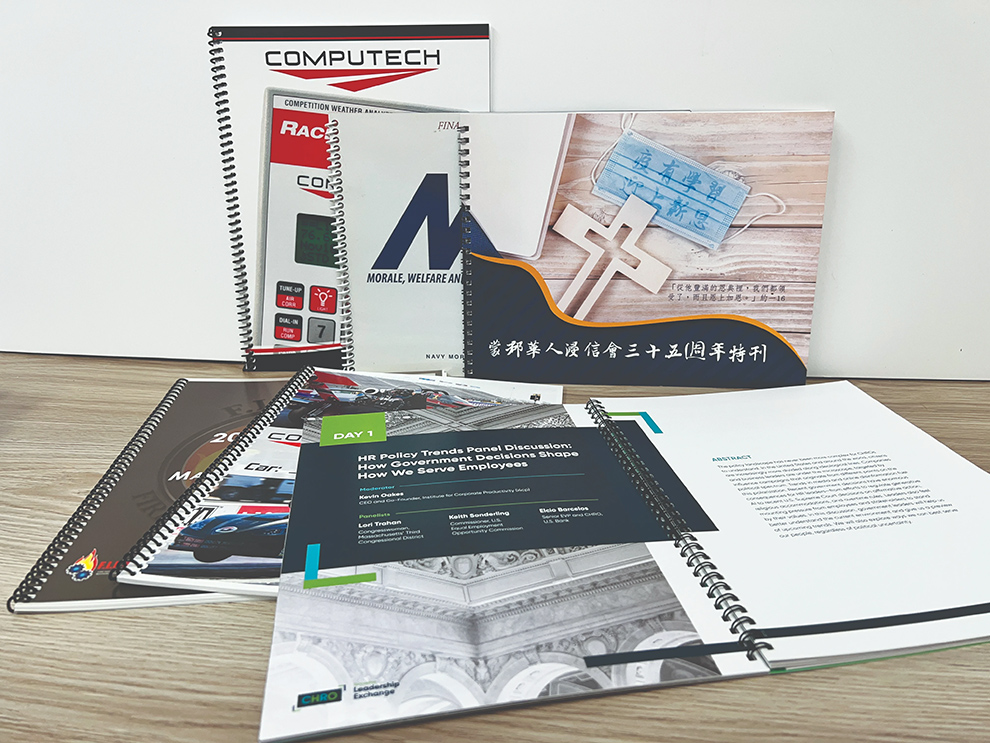
Start with how the book will be handled, not how it looks on a shelf. If a reader needs to write in it, follow it step by step, or keep it open with one hand, plastic coil binding removes friction from each of those moments. The pages rotate fully around the coil, nothing creeps closed, and a thick manual can fold back to the footprint of a single page.
Printed tabs or colored divider sheets stand out from the page edge, so a technician or trainee can jump between sections without scanning a table of contents. A laminated front cover and a sturdy back guard the contents when the book rides in a bag, sits in a shop, or passes between several people.
Perfect binding answers different priorities. The glued square spine carries a printed title, stacks cleanly, and gives annual reports, catalogs, and published guides a conventional book presence. It will not lie flat, which is acceptable for a piece read front to back and then kept. Choose coil when the document will be used actively; choose perfect binding when it will be presented.
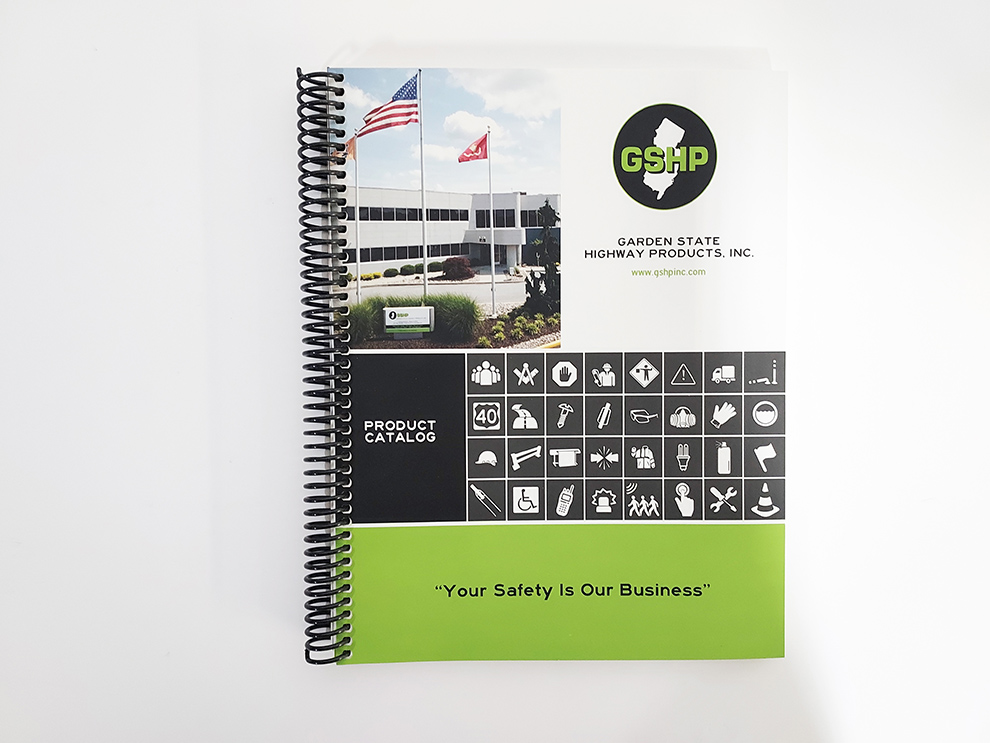
A coil-bound workbook rarely goes out alone. Orientation kits, conference packets, and recurring member mailings usually involve several printed formats, and these related Heritage capabilities cover the most common companions.
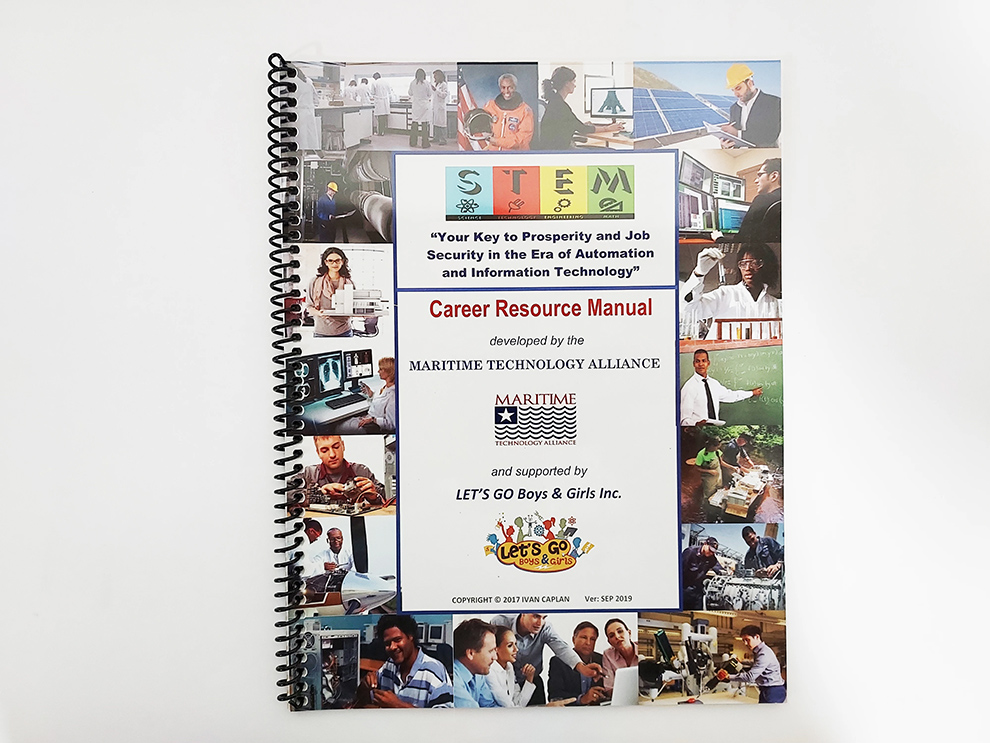
For onboarding programs and procedure libraries that need a dedicated manual format with clear organization and room to grow across editions.
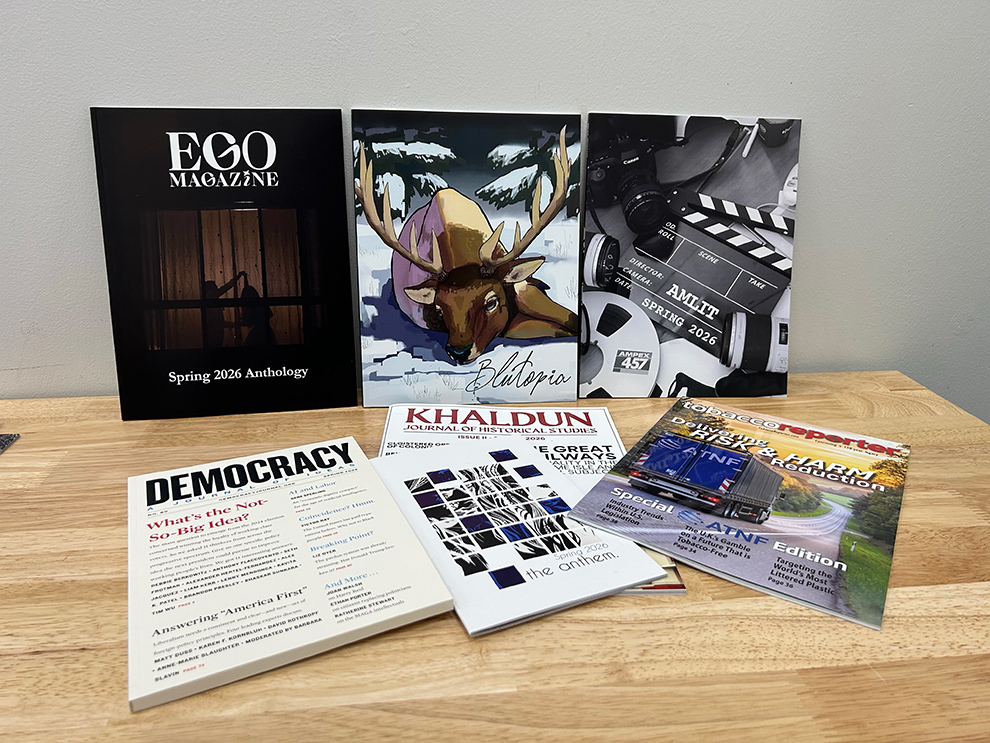
The right choice when a printed spine, shelf presence, and a conventional publication format outweigh lay-flat handling.
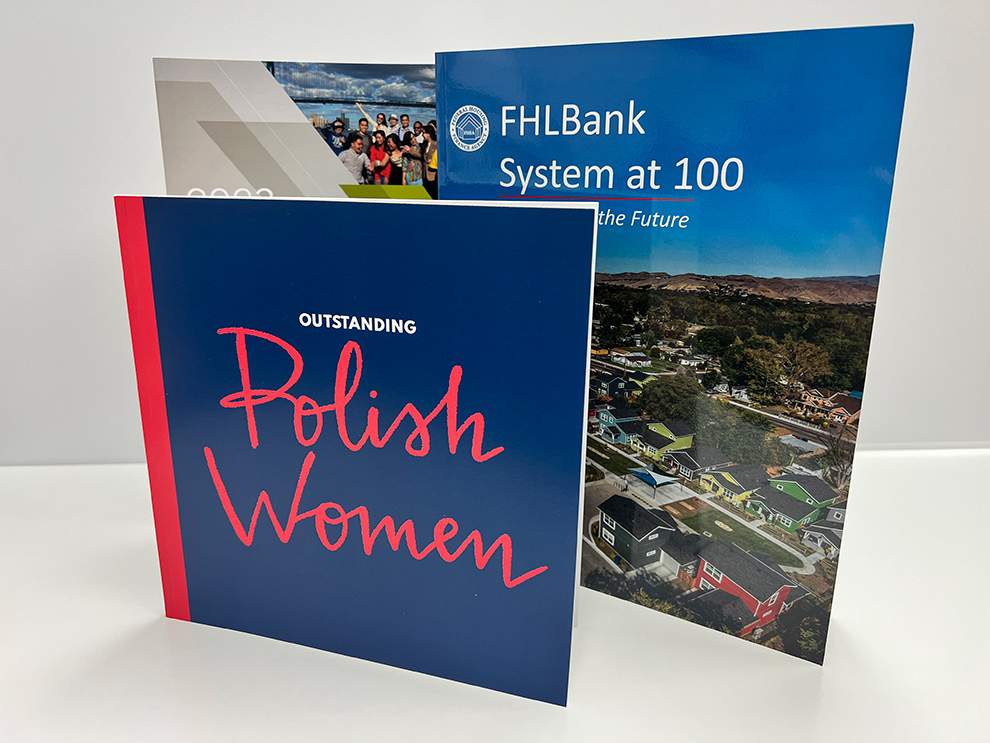
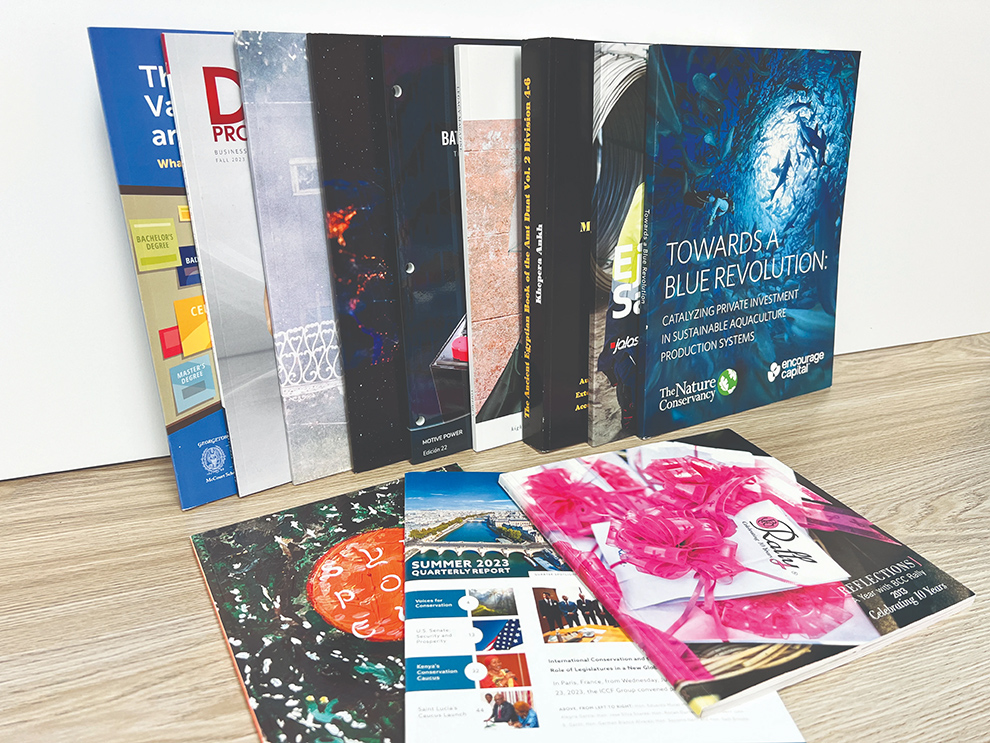
Shorter multi-page pieces such as event programs, course outlines, and summary reports that do not call for coil binding.
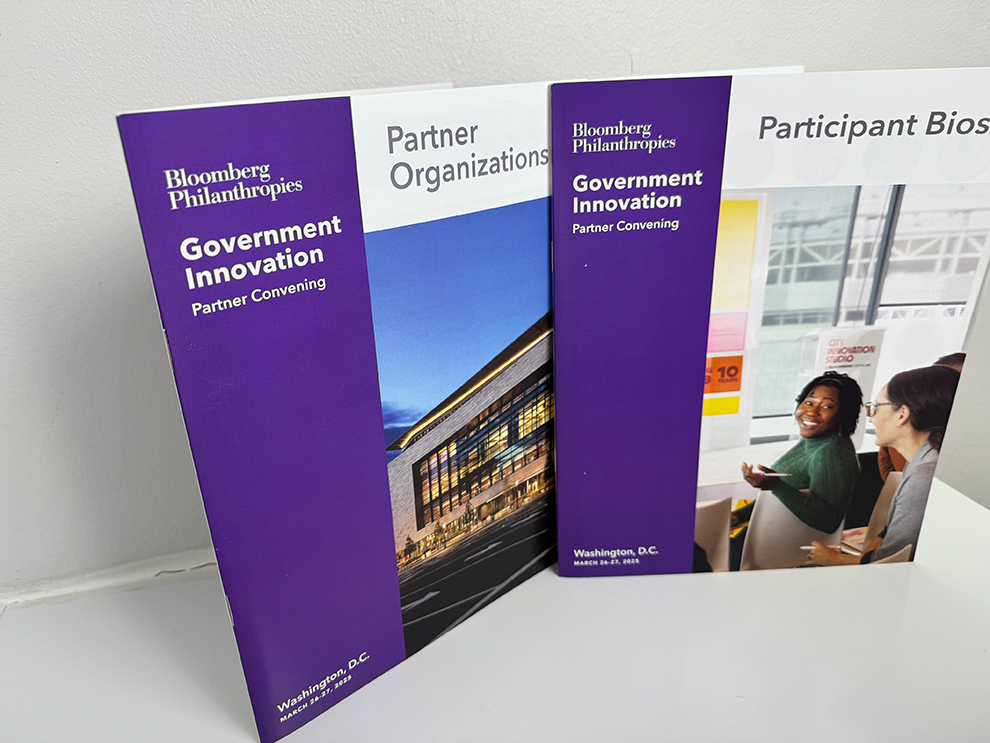
Keep a coil-bound manual, handouts, and loose inserts together for orientation sessions and stakeholder meetings.
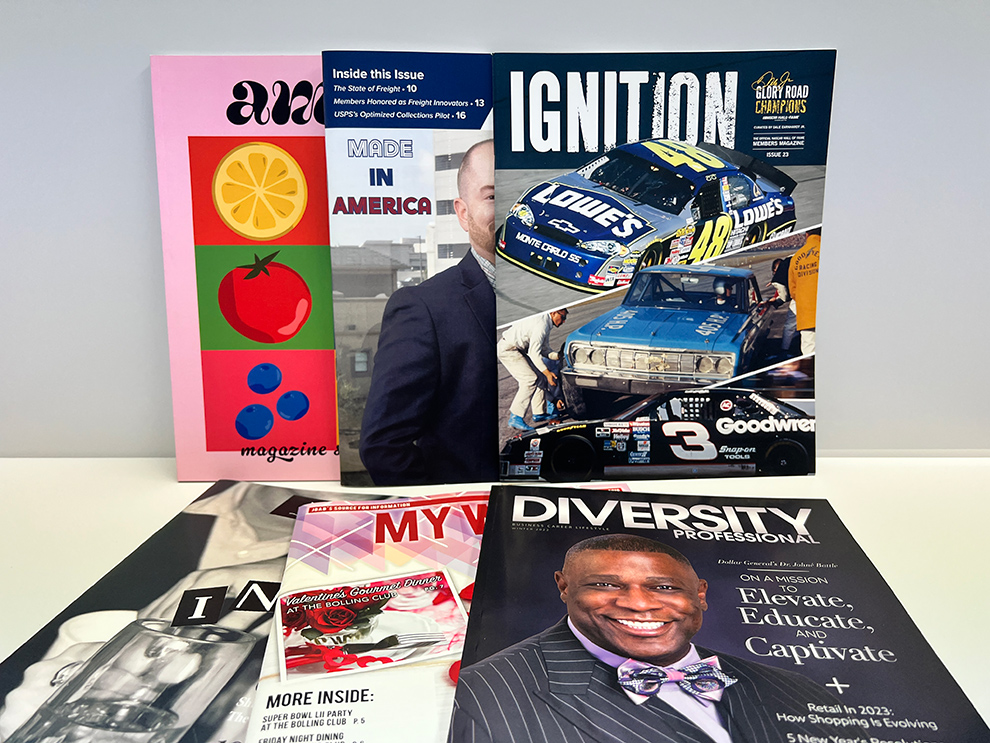
Recurring member and institutional publications with coordinated binding, finishing, and edition-to-edition consistency.
Address and distribute directories, reports, and printed communications when mailing is part of the accepted scope.
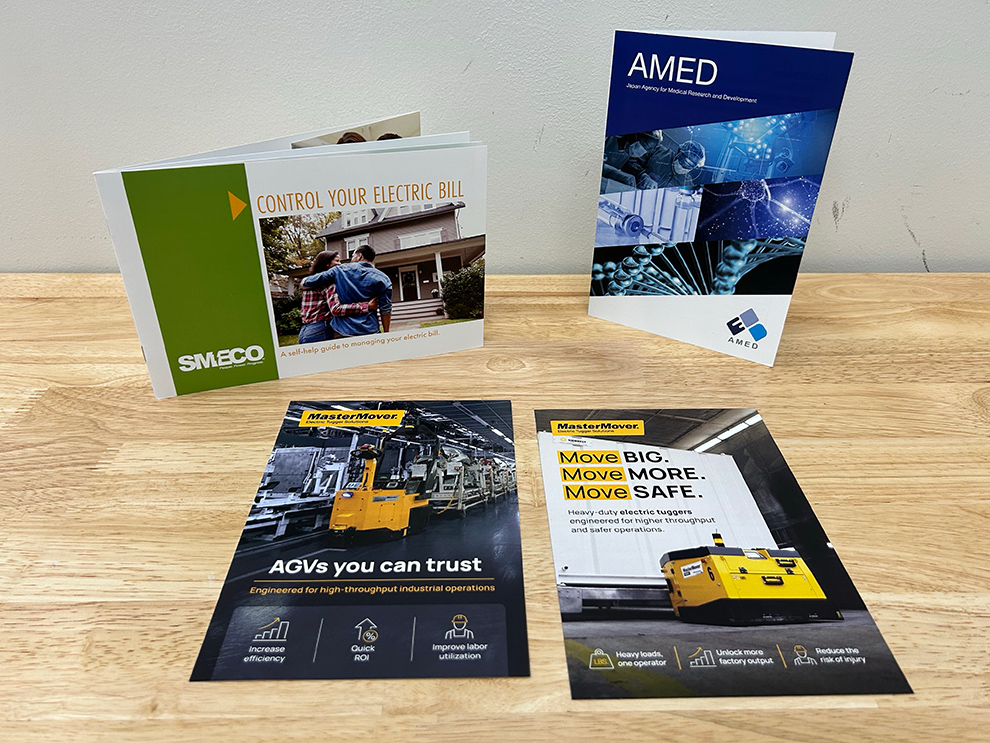
Flyers, brochures, and campaign pieces that accompany training, recruiting, membership, and outreach programs.
The broader Heritage printing range for business documents, publications, and recurring organizational communications.
Whether the need is a workbook for a cohort starting next month, a procedure manual replacing a dog-eared binder, or a directory that ships every spring, the next step depends on how settled the specifications are. Order a live, print-ready configuration through the Online Store, or submit a Custom Quote for qualifying $2,000+ work that still needs file preparation, tab planning, version control, or closer scheduling support.
Two books with identical content can behave very differently, and the difference usually traces to decisions made before the file is released. A workbook that participants write in benefits from a heavier text stock so ink does not show through, a letter-size format that leaves margin for notes, and a sturdy back that keeps the book steady on a classroom table. A procedure manual that lives in a facility may need laminated covers, section tabs, and a page count that still folds back comfortably.
Heritage looks at finished size, page count, paper weight, cover construction, color versus black-and-white pages, quantity, and tab or divider requirements as one set of connected choices. Printing diagrams in color while keeping body text black, for example, can hold costs down without weakening clarity. Divider sheets in a contrasting color make a long reference book noticeably easier to navigate.
For a book that will be revised each year or each cohort, Heritage keeps approved specifications on file so a later edition matches the earlier one in size, paper, and cover, and review can concentrate on what changed.
A candid look at where the project stands comes first. Some Raleigh, NC teams arrive with a finished PDF, a known page count, and a configuration ordered before. Others still need help settling cover stock, tab layouts, or how three versions will be kept straight.
The Self-Directed Online Store fits the first group. When the spiral-bound configuration you need is live in the Store and your artwork is complete and print-ready, your team selects the posted options and places the order without waiting on a quote. Eligible Store products can be combined in one purchase to meet the $750 order minimum. Heritage still performs its production review and issues an electronic proof for approval before printing, but no Project Coordinator is assigned to Store orders.
Custom Quote fits qualifying new Commercial Printing work of $2,000 or more that needs file preparation, production-oriented layout support, specification guidance, or tighter coordination of versions and dates. Submitting the form opens the conversation; a Project Coordinator is assigned only after Heritage accepts the quote and assigns the work, then serves as the direct phone-and-email contact for the order.
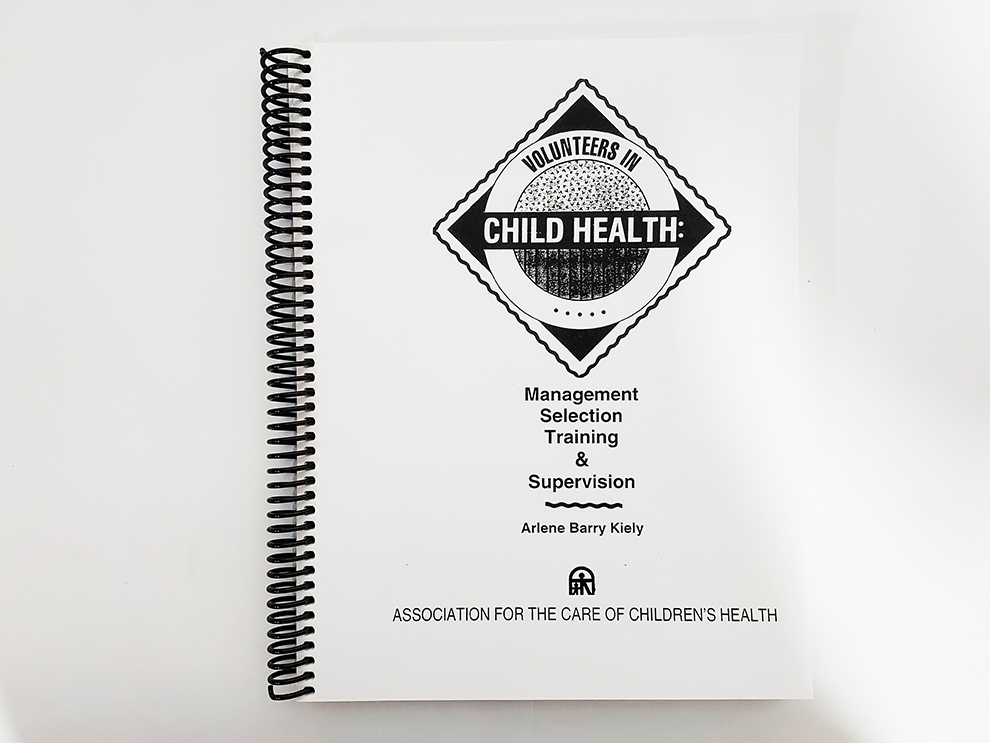
Plastic coil lets a book open fully and stay open on its own, which matters when a reader is writing, following steps, or comparing a page with a screen. Pages turn freely around the coil and can fold behind the book, so a workbook or reference guide takes up only the space of one page while still giving the reader access to every section.
Choose coil binding when participants will write in the manual, follow procedures step by step, or keep it open beside equipment. Choose perfect binding when the manual is read through once, kept as a reference on a shelf, and benefits from a printed spine. Neither format is wrong; the right choice follows how the book will be handled day to day.
Yes. The coil allows the covers and every page to rotate a full 360 degrees, so the book can be folded back to show a single page. That is useful on a crowded bench, in a vehicle, or anywhere a reader needs both hands free. The plastic coil flexes rather than bending permanently, which helps the book survive repeated folding.
Organizations that teach, certify, or document procedures tend to use them most. Across Raleigh and the Research Triangle that includes universities and community colleges, research and life science groups, healthcare and clinical training programs, state and municipal offices, construction and trades employers, and professional associations producing member directories or course materials. The common thread is a document that is consulted repeatedly rather than read once.
Yes, when the Store configuration you select includes them or when they are part of an accepted Custom Quote. Tabs work best when section names are short and the number of sections matches the tab bank. Divider sheets in a heavier or colored stock are a simpler alternative when sections change often between editions and printed tab labels would need to be redone.
A laminated front cover over a heavier stock, paired with a sturdy back, is the usual recommendation for books that travel or circulate. Lamination resists scuffs, fingerprints, and light moisture, and the stiff back keeps the book from curling when it is folded open. For a workbook that is used for one session and recycled, a printed cover stock without lamination may be the more sensible spend. Availability depends on the production path selected.
Yes. Every Heritage Commercial Printing order, including a Self-Directed Online Store purchase, receives an electronic proof for your approval before printing starts. Use it to confirm page order, cover placement, tab labels, bleeds, and visible layout. An electronic proof is viewed on a screen and is not a physical color sample, so it should not be used to judge exact printed color.
For qualifying Custom Quote commercial-printing orders of $2,000 or more, Heritage offers a Physical Production Color Proof as an optional paid step. It is printed on the same production equipment and the same paper or material selected for the finished books, so it shows actual output rather than an on-screen approximation. Because it adds a production step, it also adds cost and time to the schedule, and that should be weighed against the event date. Once approved, the physical proof becomes the controlling color reference for the run unless otherwise agreed. This option is not available through the Self-Directed Online Store, where proofing is electronic only.
Usually, yes. The Self-Directed Online Store is designed for buyers who know the configuration they want, have complete print-ready artwork, and are comfortable selecting options without consultative help. Your team places the order independently, Heritage reviews the files and sends an electronic proof, and standard quality control applies. The eligible order total must reach $750, and the Store does not include an assigned Project Coordinator, design or layout development, or a physical color proof.
Custom Quote is available for qualifying new Commercial Printing work of $2,000 or more when the project calls for file preparation, production-oriented layout support, specification guidance, or closer coordination of versions, finishing, and timing. Reaching the threshold makes the path available; it does not require it. The form is the intake point, and a Project Coordinator is assigned only after Heritage accepts the quote and assigns the order. From that point the Coordinator is your direct phone-and-email contact until the books are delivered.
Yes. The $750 minimum applies to the total eligible Store order, not to each product. A Raleigh team preparing for a workshop might combine coil-bound workbooks with other eligible printed products in a single purchase when those products are live in the Store. Each product still follows its own posted options and file requirements.
Heritage can retain the approved specifications from the previous edition, including trim size, paper, cover construction, tabs, dividers, and color targets, so the next printing can be matched rather than rebuilt. Your team supplies the revised pages or file, and review concentrates on what changed. Established clients who already have an assigned Project Coordinator may keep that contact on appropriate directly managed repeat work.
Possibly, and the sooner Heritage knows the date the more options remain. Heritage weighs artwork readiness, quantity, paper and cover availability, tab or divider work, proof approval time, current production capacity, and how the books need to ship or be delivered before agreeing to a schedule. If the original date cannot be met responsibly, you will hear that early along with any workable alternative, such as a smaller first run or a simplified finishing spec. For qualifying Custom Quote work, Project Coordinator contact begins once the quote is accepted and assigned, which keeps approvals from stalling a short timeline.
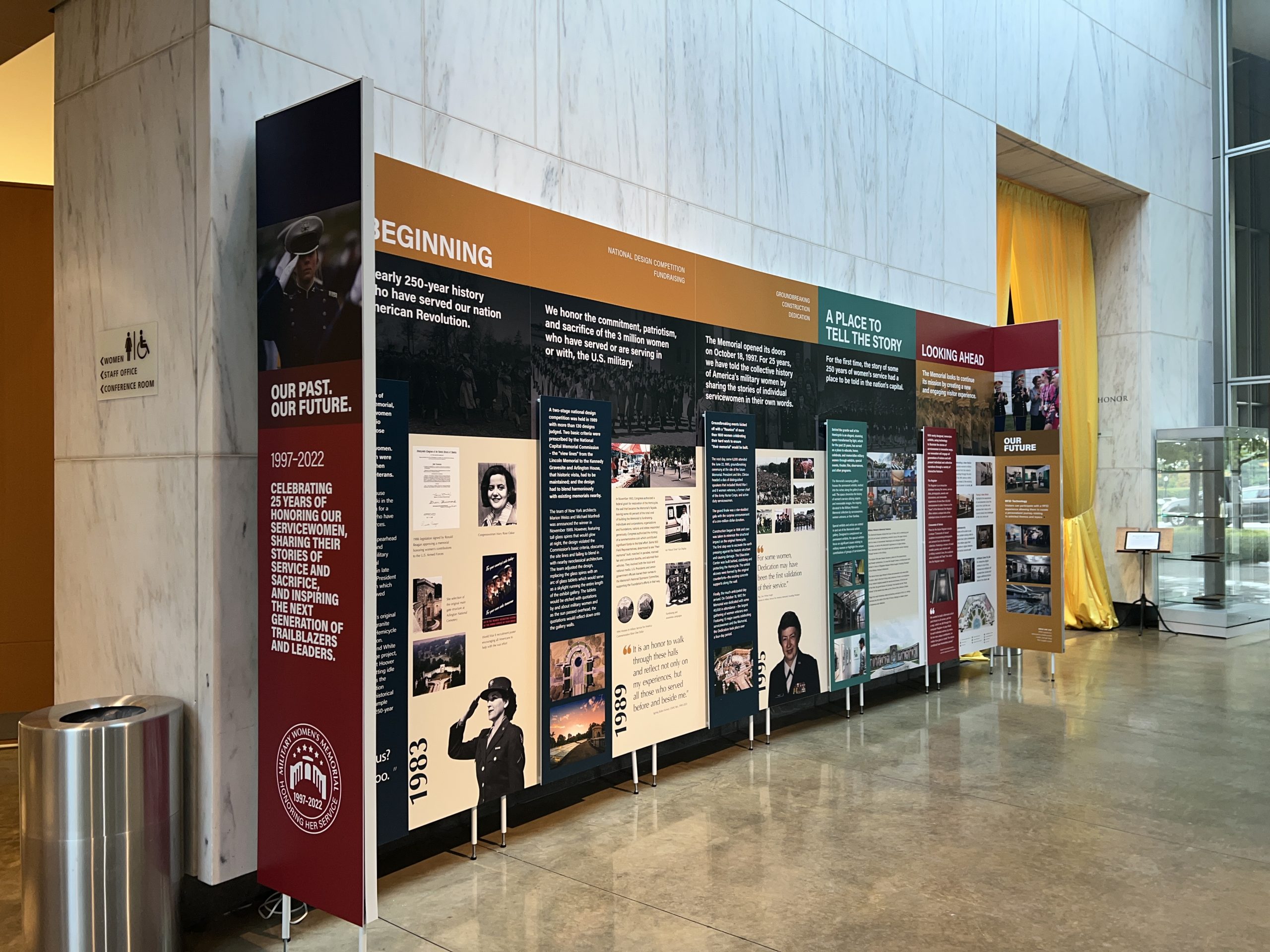
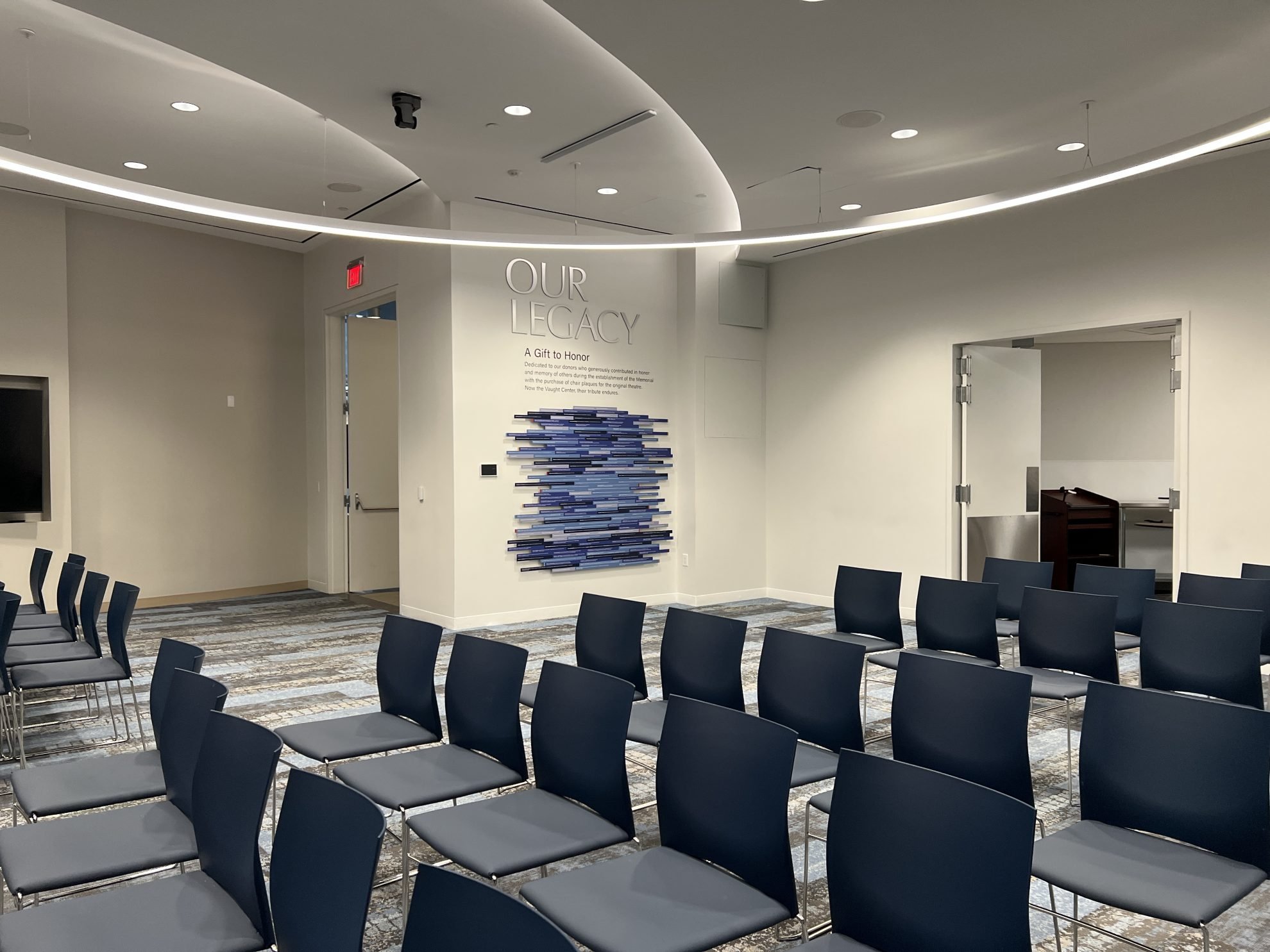
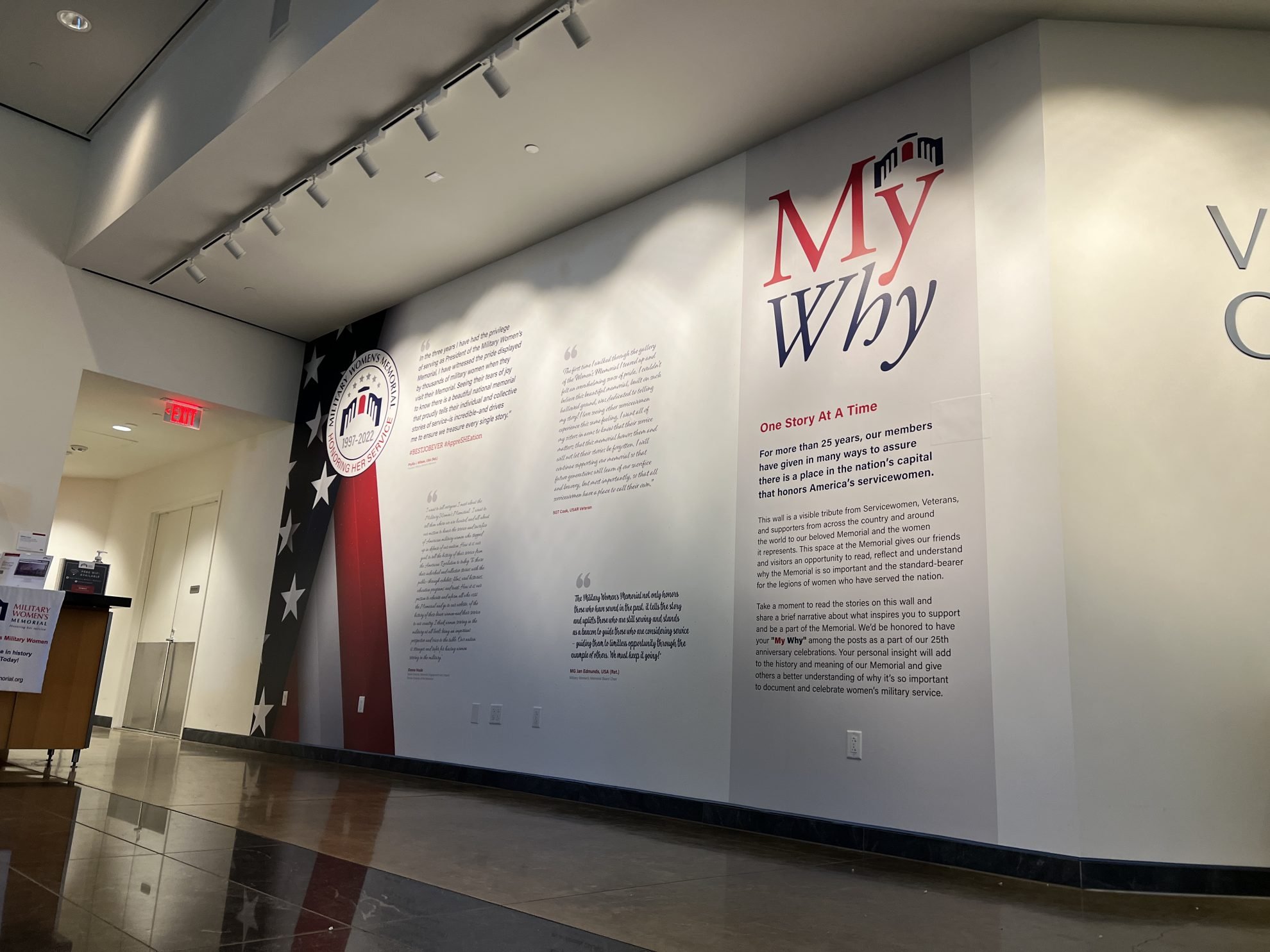
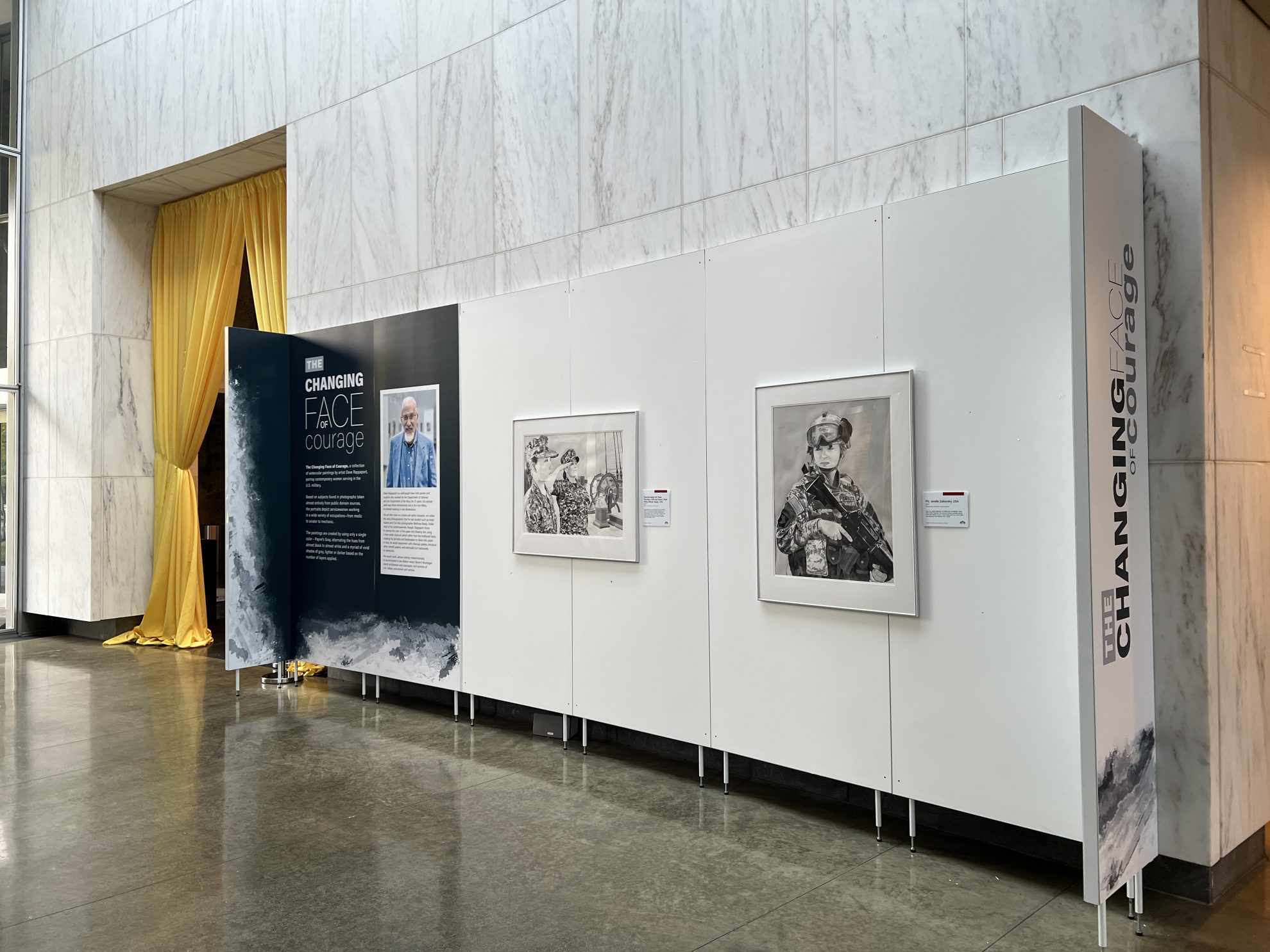
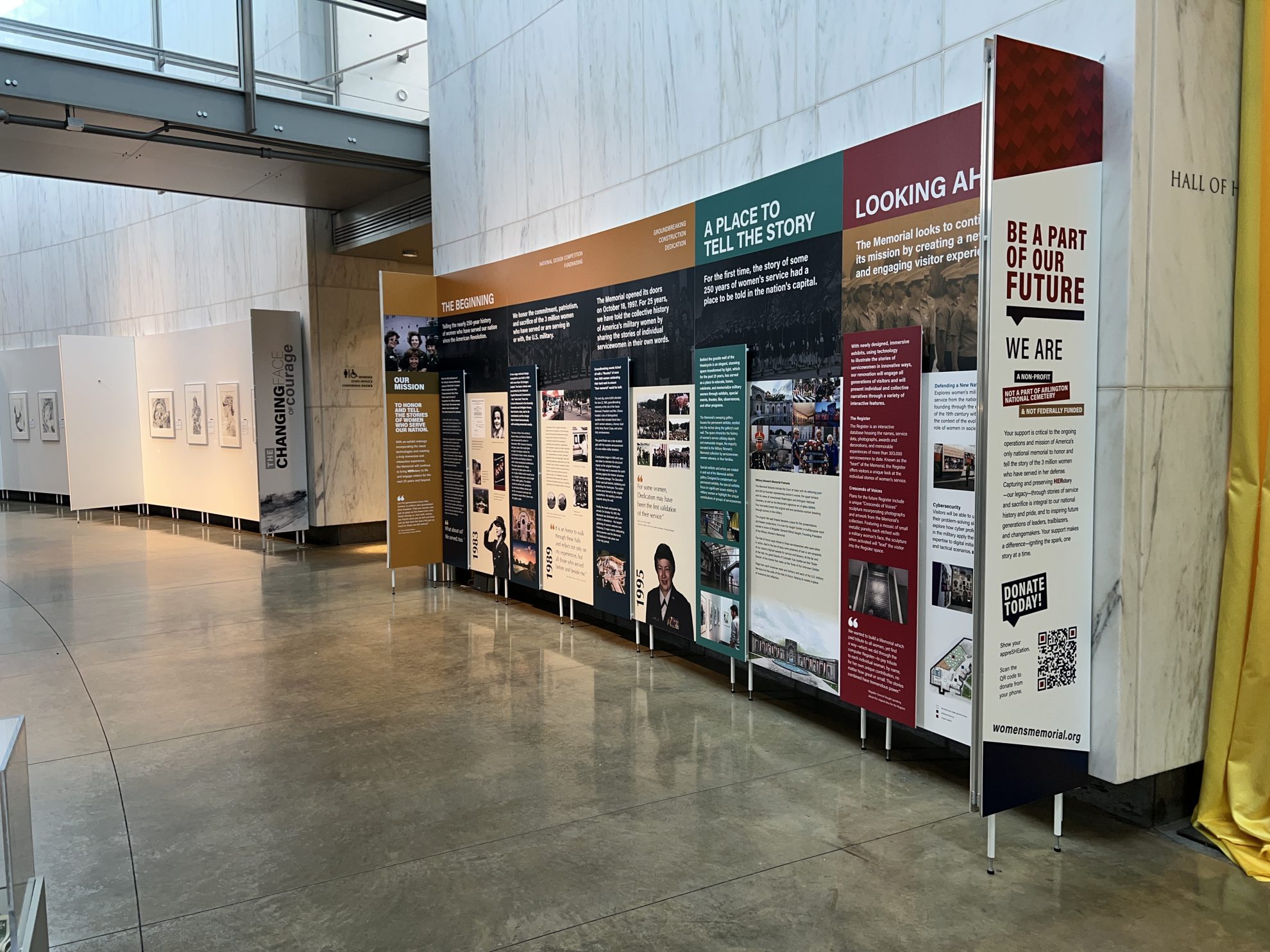
Heritage Signs & Displays created new museum signage for the Military Women’s Memorial in Arlington, VA. The project included custom signs, wall wraps, dimensional letters, and standoff-mounted displays to honor the legacy of U.S. servicewomen and the donors who supported the memorial. The updated interior features impactful designs, including a "Our Legacy" wall display and panels showcasing historical contributions and artwork, creating a transformative tribute to women in the U.S. Armed Forces.
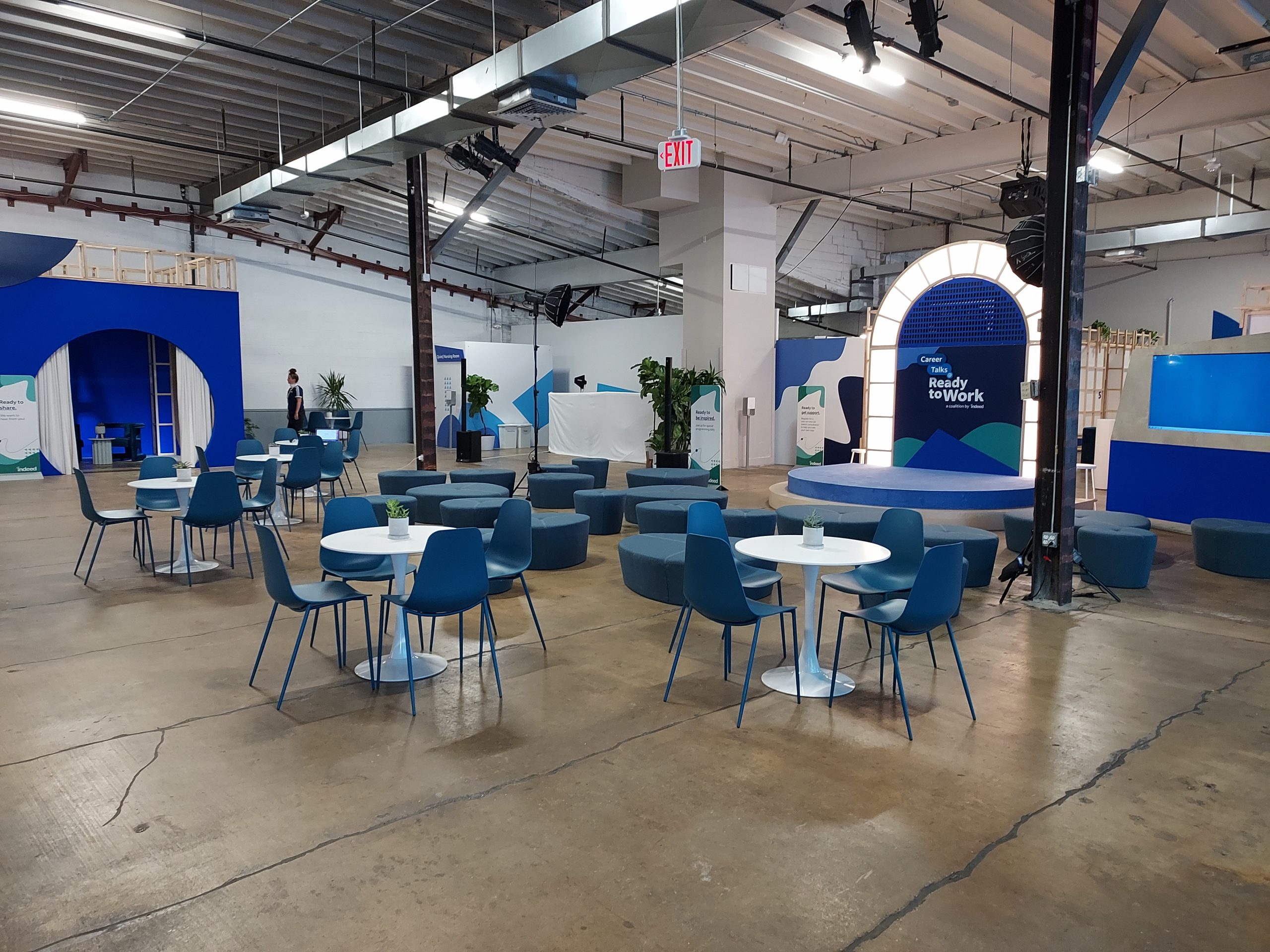
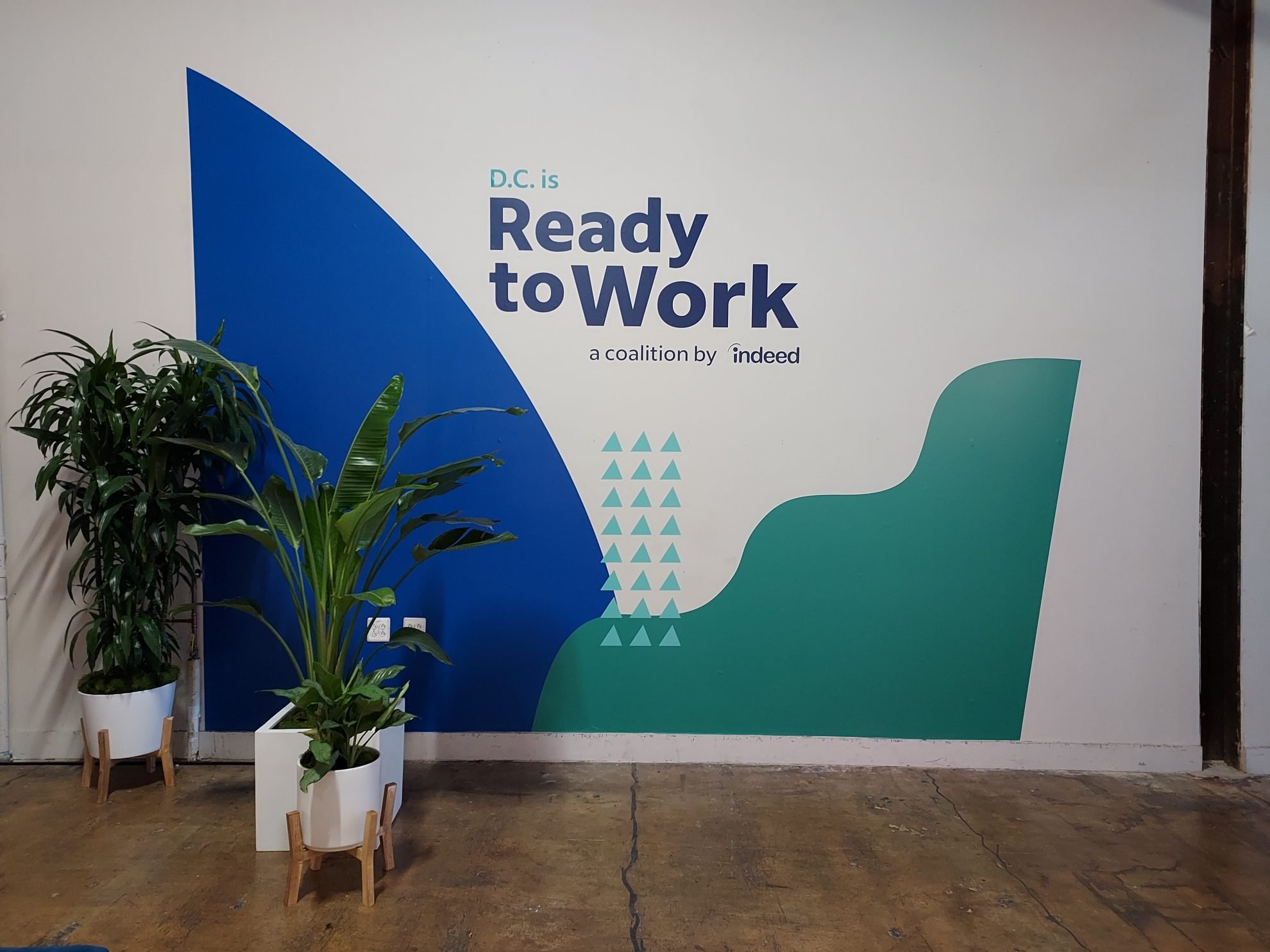
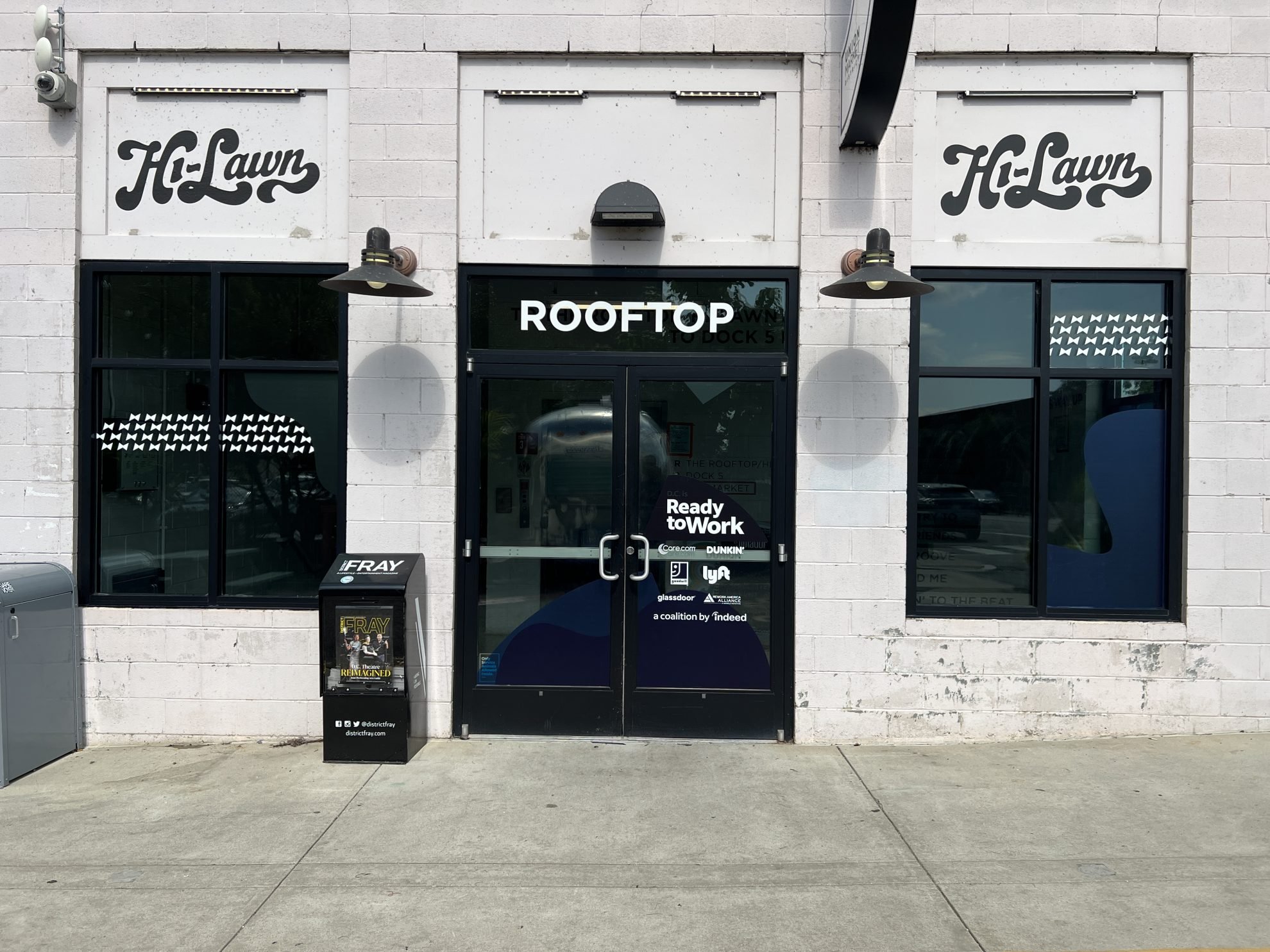
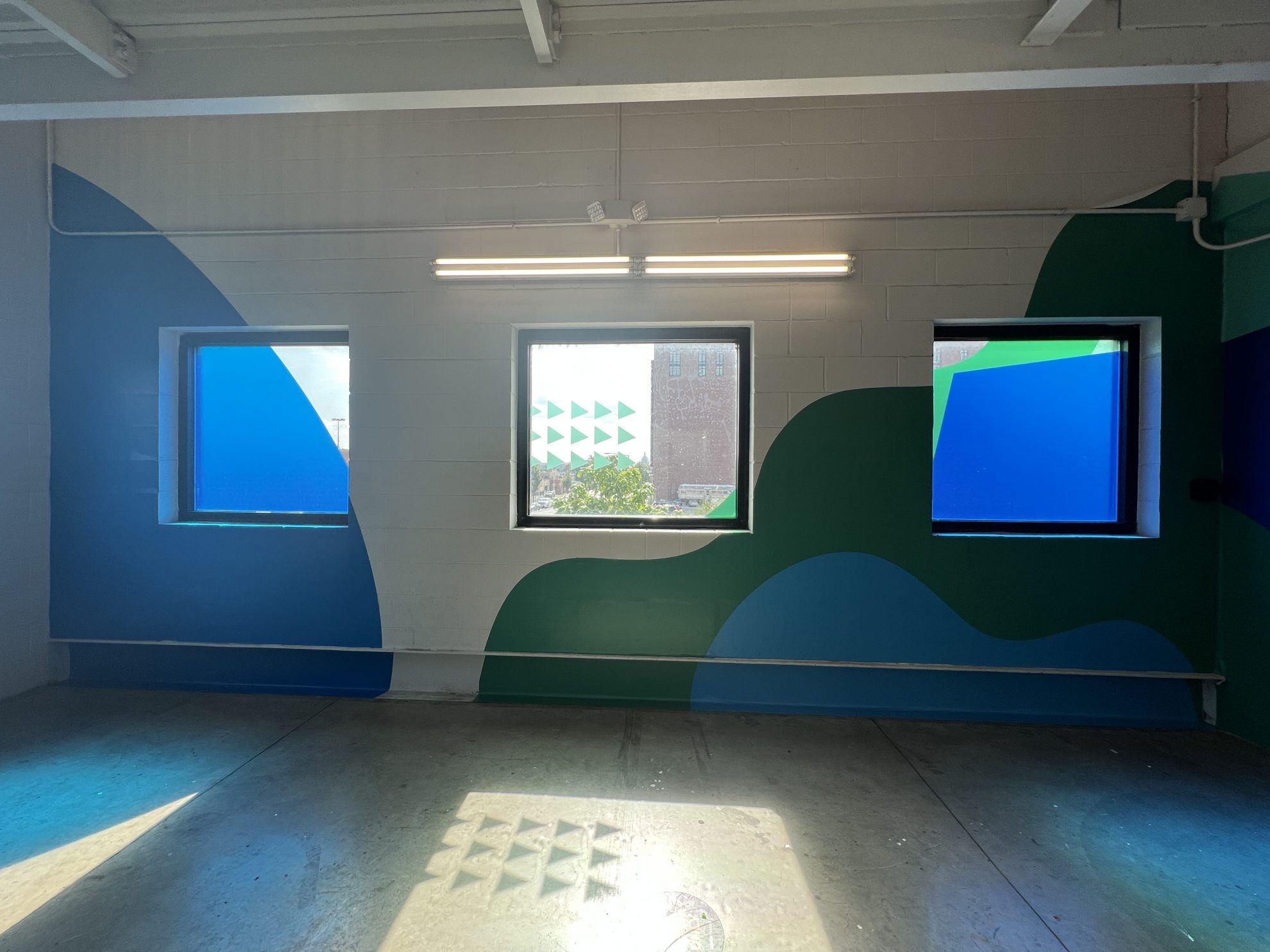
Heritage Signs & Displays' collaboration with The Gathery to brand Union Market in Arlington, VA, for Indeed's "Ready to Work" job fair. The project included custom event displays, wall graphics, window graphics, and wayfinding signs, creating an immersive and visually appealing environment. The branding enhanced the venue, reflected the event's mission, and provided a seamless experience for attendees.