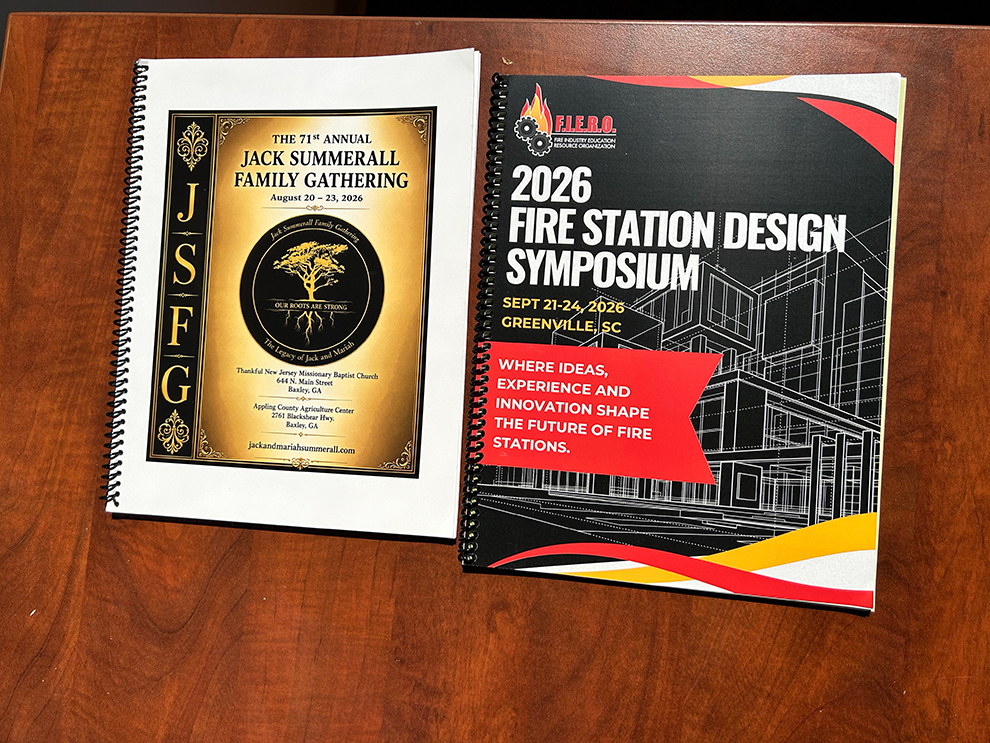
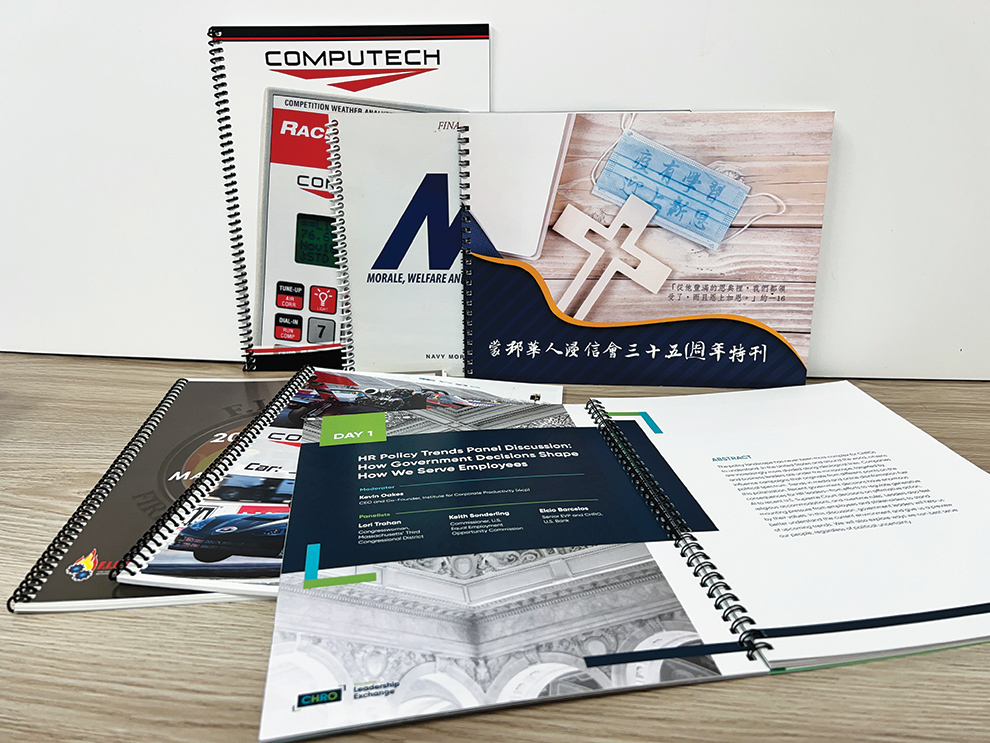
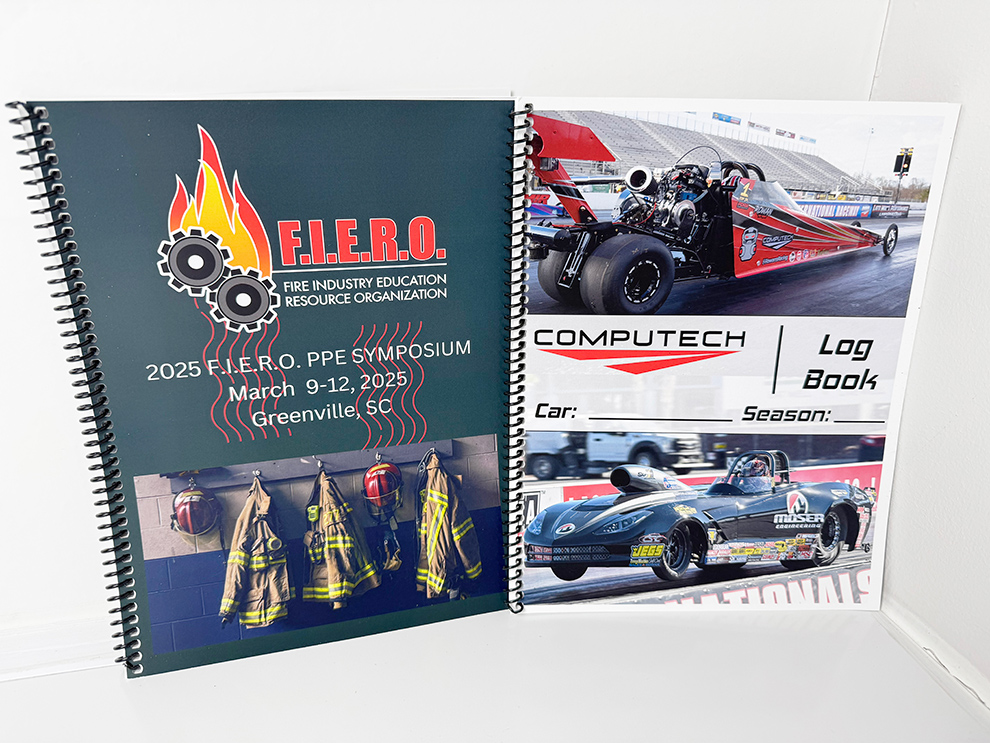
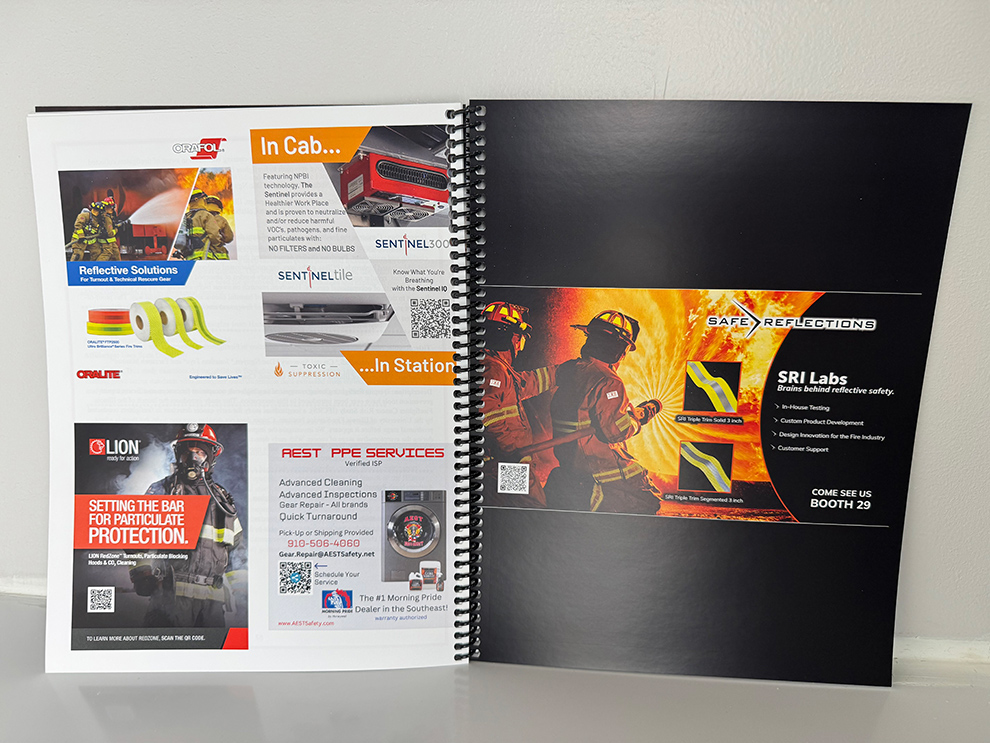
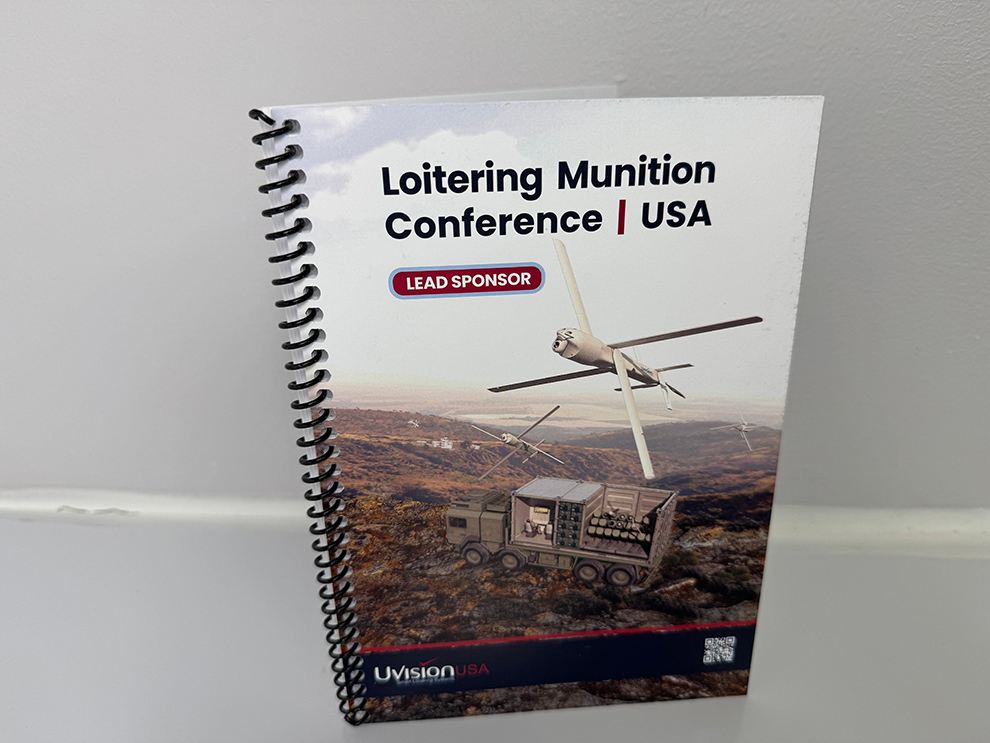
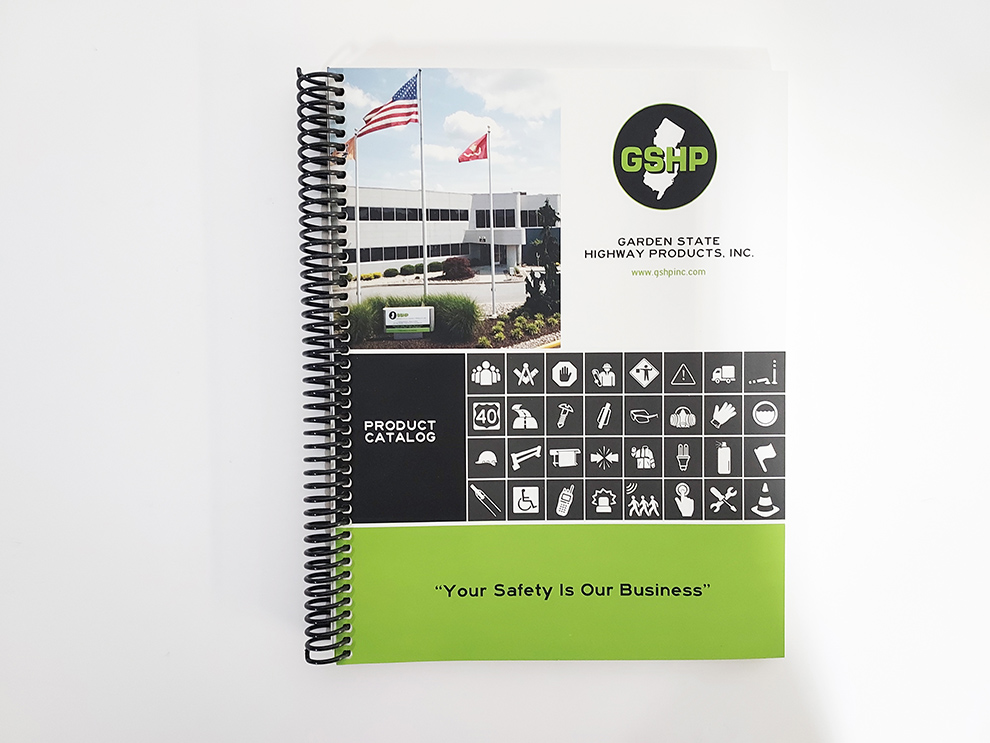
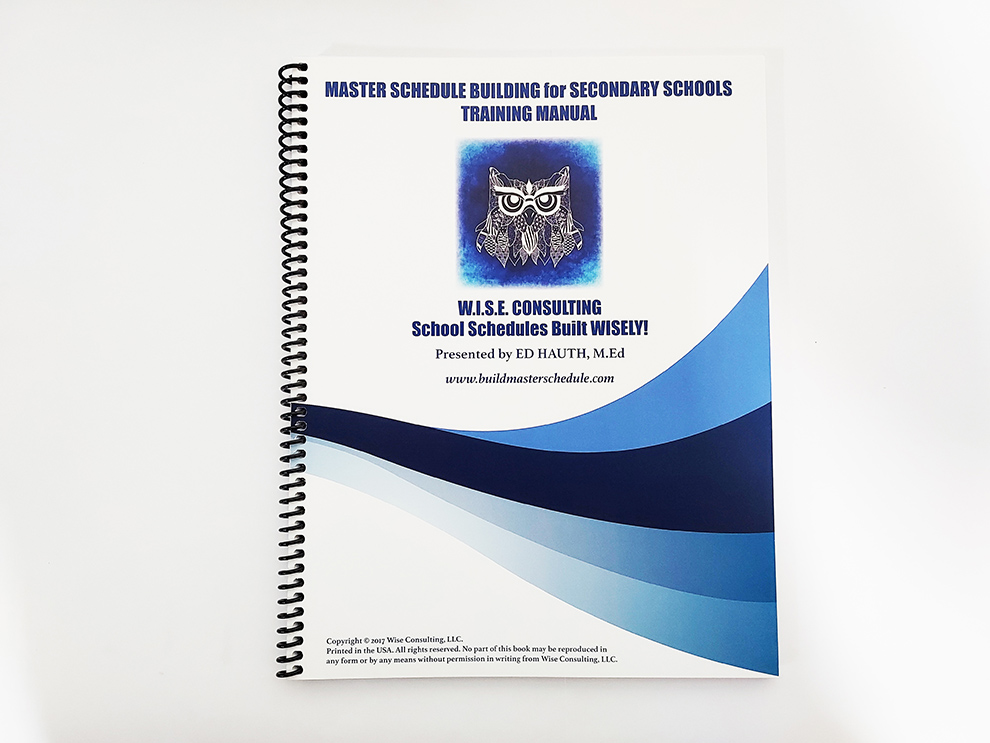
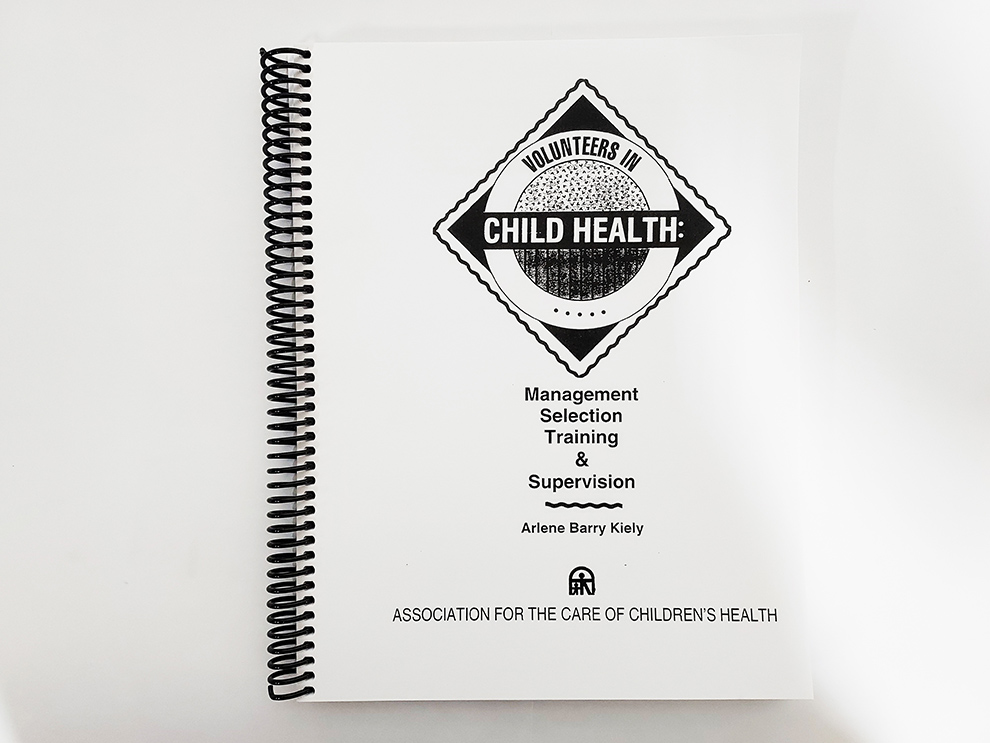
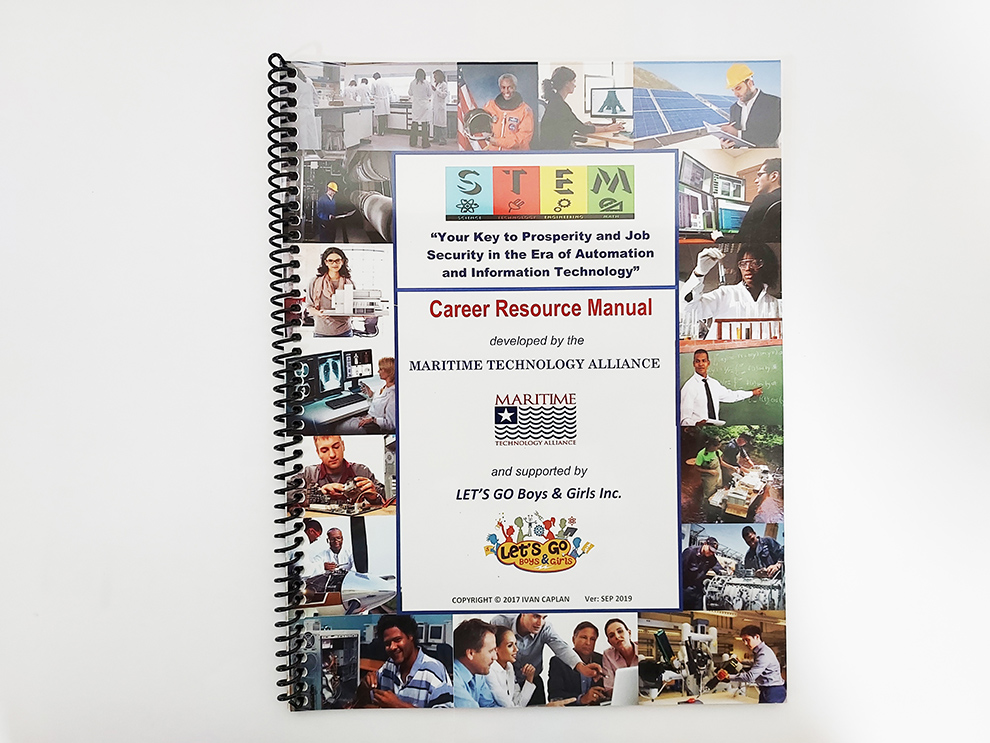
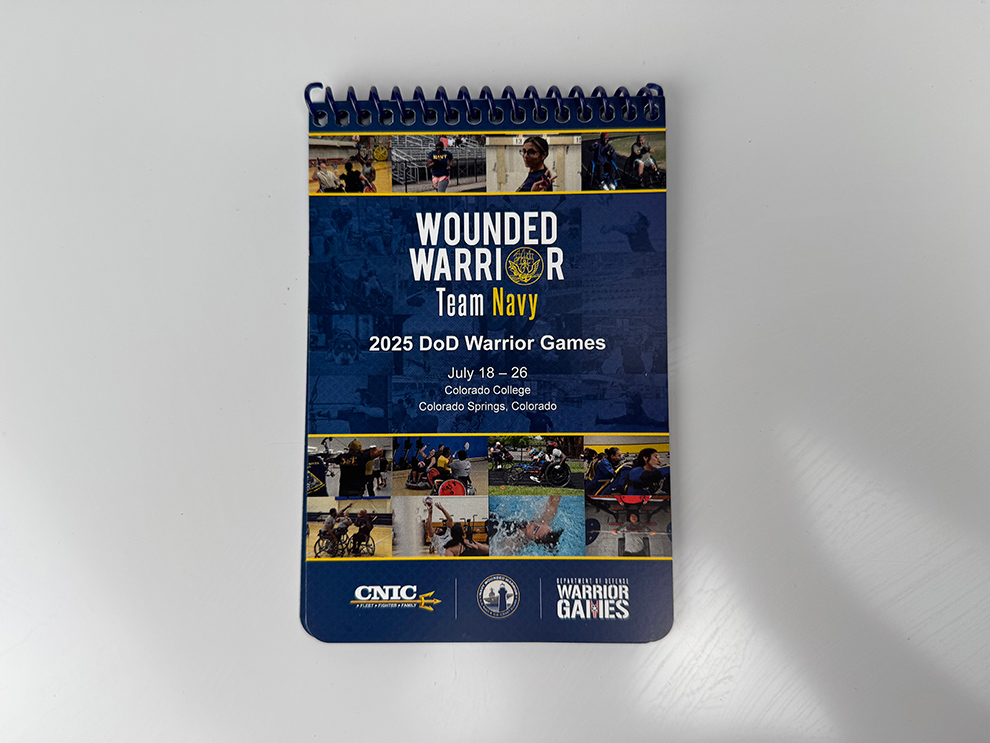
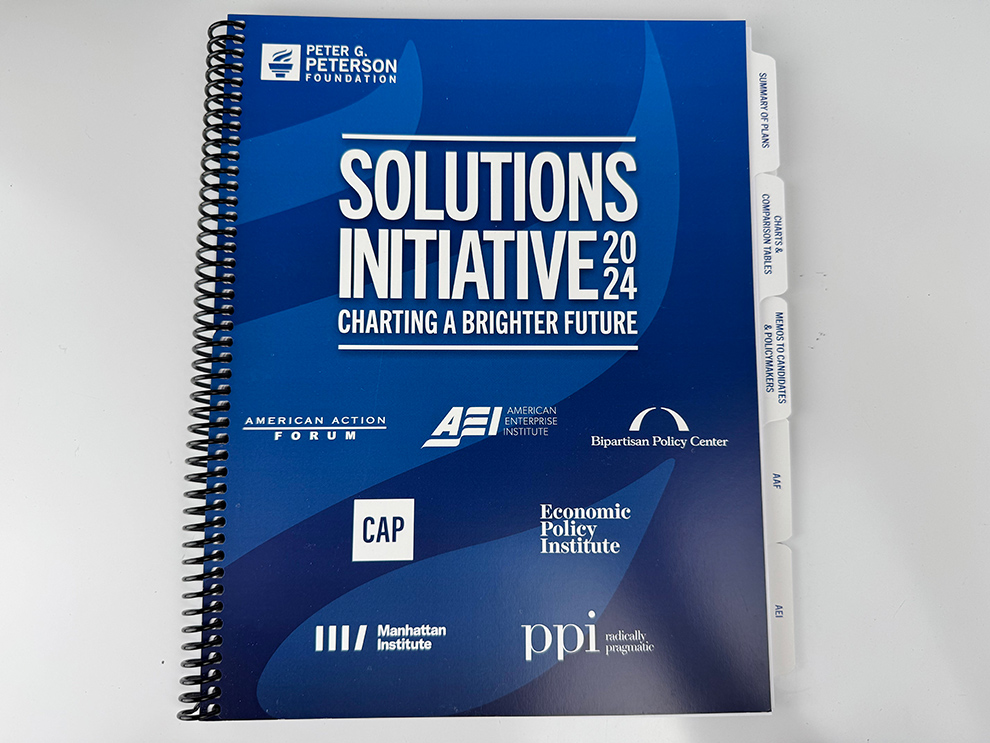
Picture a new technician on a Richmond, VA job site, both hands busy, trying to hold a procedure manual open with an elbow. Or a trainee in a classroom writing notes in a workbook that keeps snapping shut. Those small frustrations add up, and they are the reason many organizations choose plastic coil binding for the documents people actually work from.
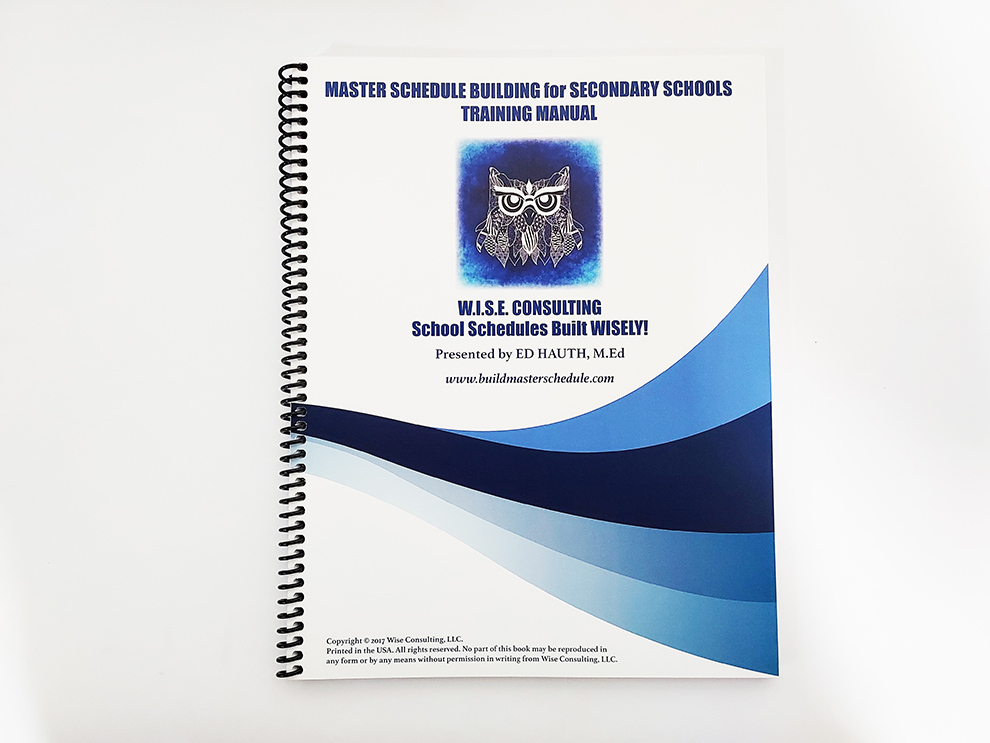
Heritage prints spiral-bound books for Richmond organizations that need training manuals, workbooks, standard operating procedures, instructional guides, course packets, reference directories, and recurring handbooks. The plastic coil lets each page turn freely, the book lies flat on a desk or counter, and the cover and pages can fold completely back so a single page stays in view when space is tight.
Supported options such as laminated covers, sturdy backs, tabs, and dividers help a book survive repeated handling and make long content easier to navigate. Heritage pairs those practical choices with disciplined printing, color management, electronic proofing, and finishing so the finished book performs reliably for the team that depends on it.
Heritage started as a printing business in 1977, long before signs and displays became part of the company, and book production still runs on that foundation. Automated plastic-coil binding equipment punches and coils books efficiently, which keeps per-book consistency high even when the quantity is large. Around that equipment, Heritage checks page sequence, cover alignment, assembly, and finishing so each copy matches the approved proof.
Richmond, VA buyers often work against fixed dates: a state agency rollout of updated procedures, a hospital system onboarding class, a university course start, or a quarterly safety program at a manufacturing plant. There, a misordered section or a late shipment becomes an operational problem. Heritage reviews artwork and specifications before committing to a schedule, communicates any constraints early, and plans production around the accepted date.
Spiral-bound books for Richmond are produced in Heritage facilities and shipped or delivered to the client, which means the same color standards, proofing steps, and quality checks apply to every order. When a manual returns for a new edition, retained specifications and production notes shorten the setup and reduce the chance of an unwanted variation.
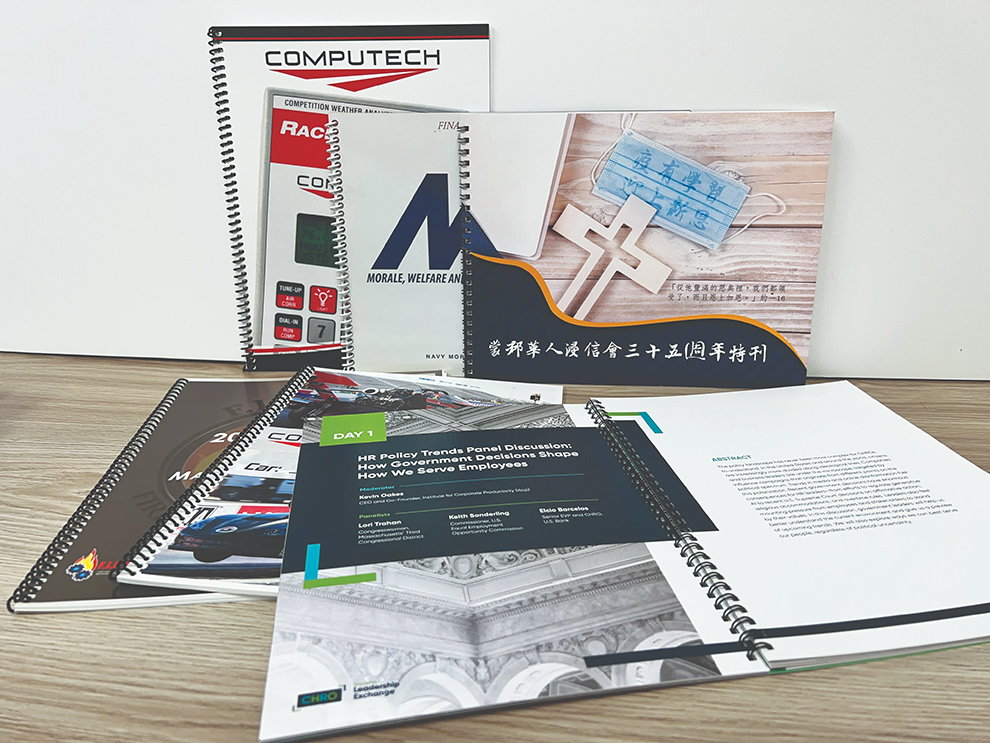
Start with how the book will be handled, not how it will look on a table. If readers will write in it, follow steps from it, or flip between sections while doing something else, plastic coil is usually the practical answer. The pages rotate around the coil, the spread lies flat without being held down, and the book folds back to half its footprint.
That behavior suits workbooks, operating procedures, inspection checklists, technician references, course materials, and member directories. Tabs and dividers turn a thick manual into something a reader can navigate by touch, and a laminated cover with a sturdy back protects the pages when the book rides in a truck cab or passes between shifts.
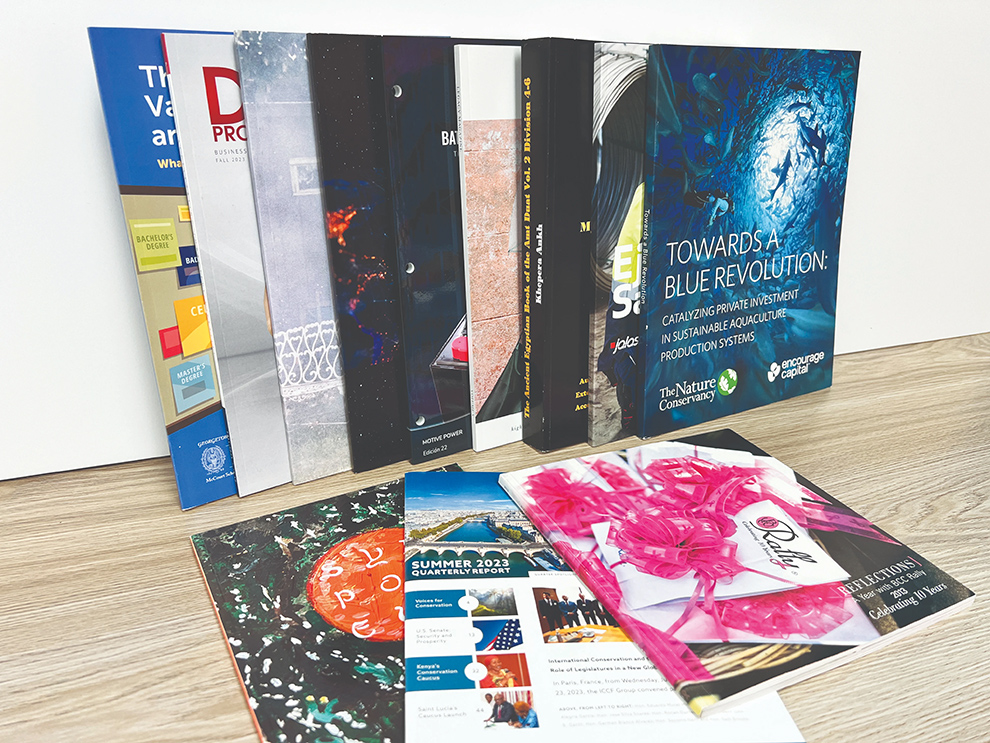
Perfect binding answers a different question. Its glued square spine carries a printed title that reads on a shelf, and the closed book presents like a published volume, which matters for annual reports, catalogs, and commemorative publications. If the piece will be read front to back and stored or displayed, lean toward perfect binding. If it will be opened, used, and reopened, plastic coil earns its place.
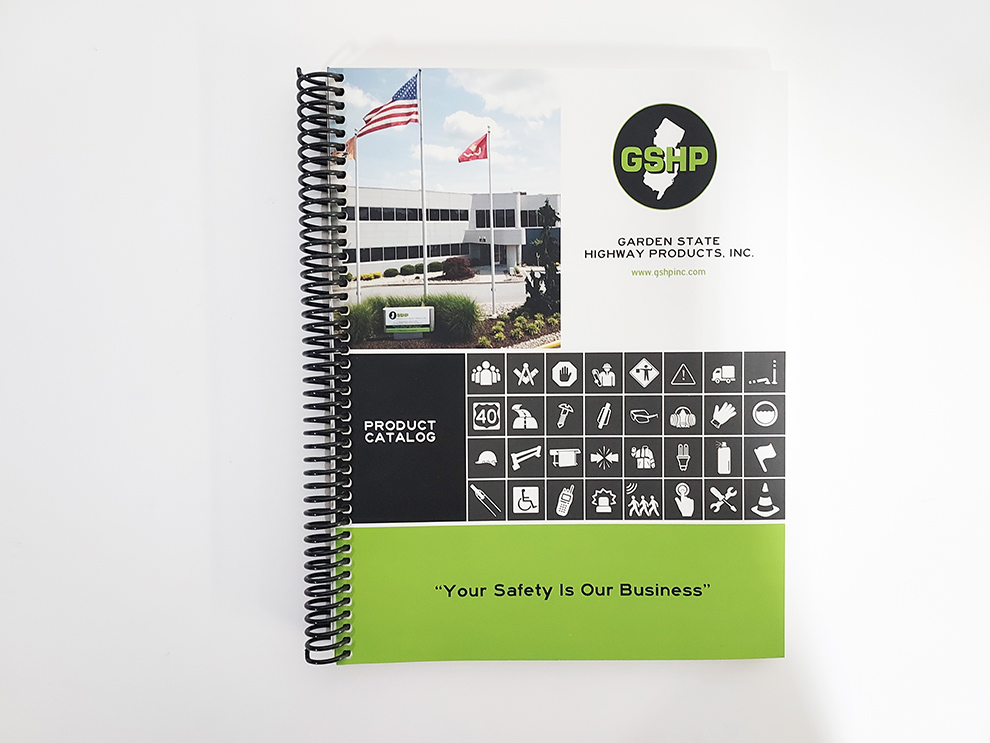
A workbook rarely arrives alone. Course packets, folders, mailed notices, and bound reports often ship on the same schedule, and Heritage can produce them together under one production plan.
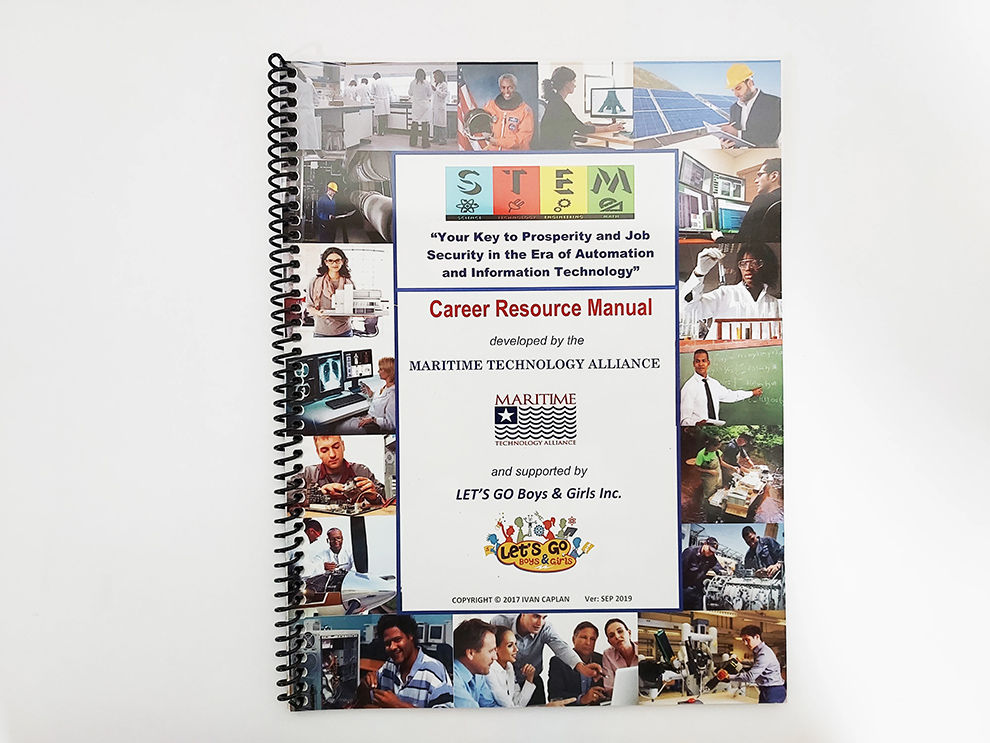
Plan structured onboarding and procedure content when the manual itself, rather than the binding method, is the starting point of your project.
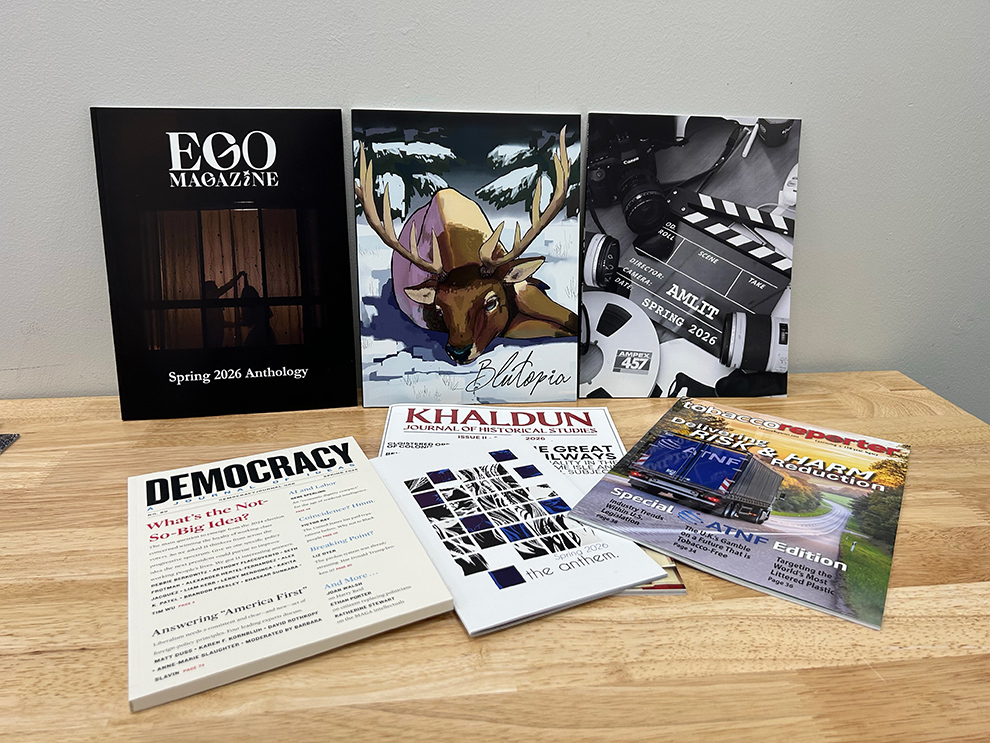
Select a glued square spine for reports, catalogs, and publications meant to be read through once and kept on a shelf.
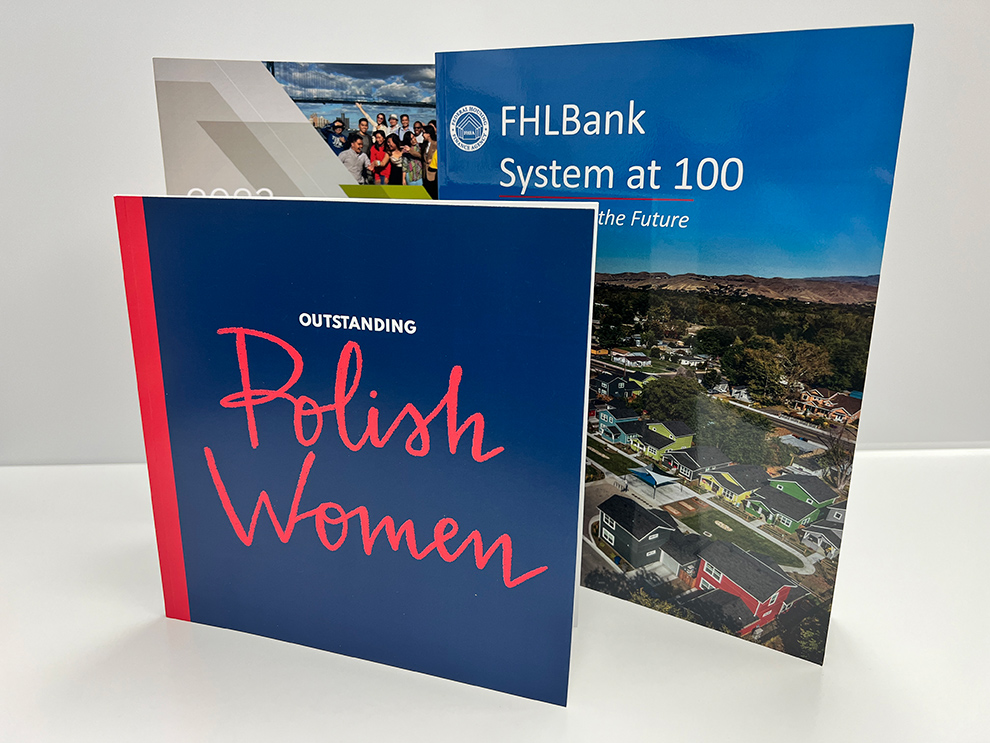
Review saddle-stitched and other multi-page formats for programs, handouts, and guides that do not require lay-flat use.
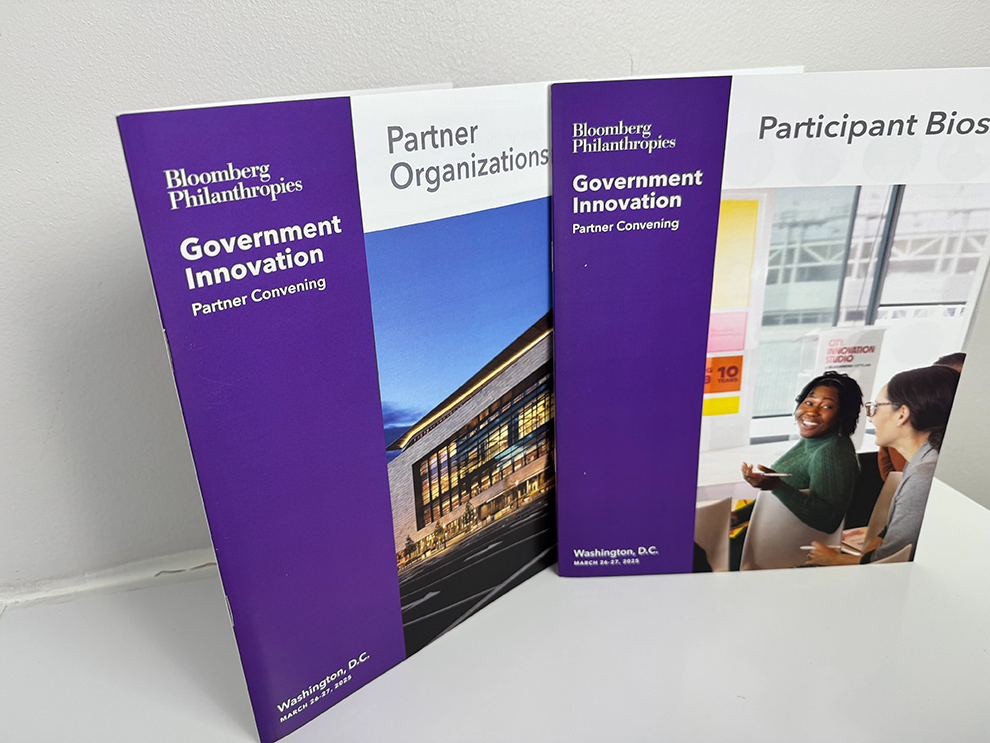
Hold loose handouts, enrollment forms, and supporting sheets alongside a coil-bound workbook at classes and meetings.
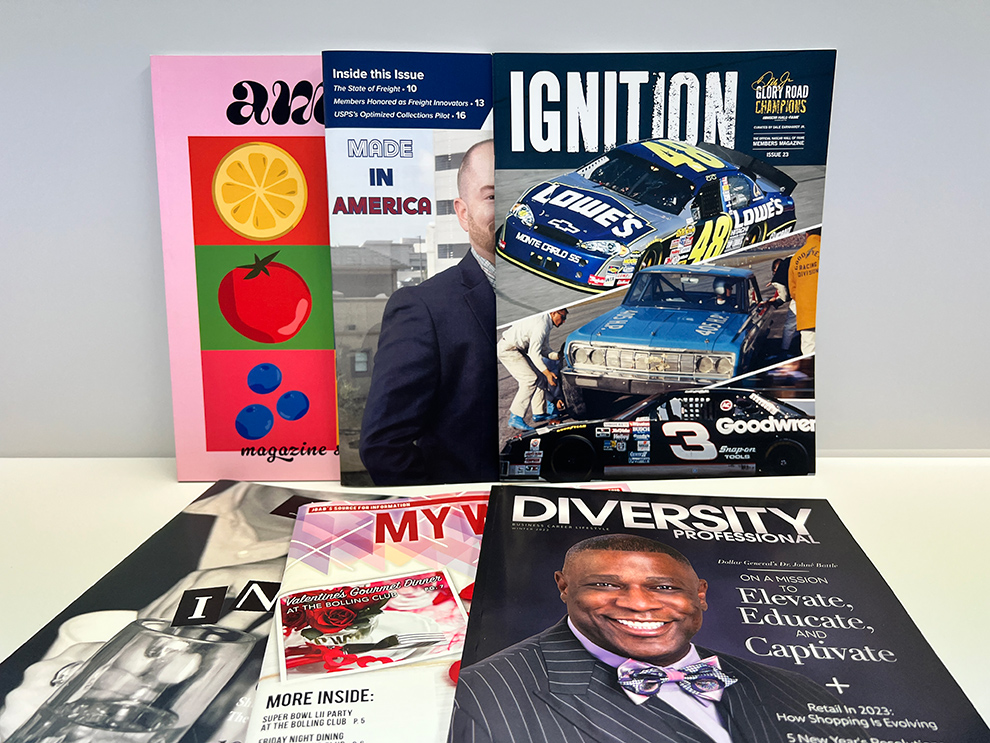
Coordinate recurring issues and member publications where consistent paper, color, and binding matter from edition to edition.

Address, prepare, and mail printed materials to field locations or members when distribution is part of the accepted scope.
Pair instructional books with brochures, flyers, and event pieces produced to the same color standards.
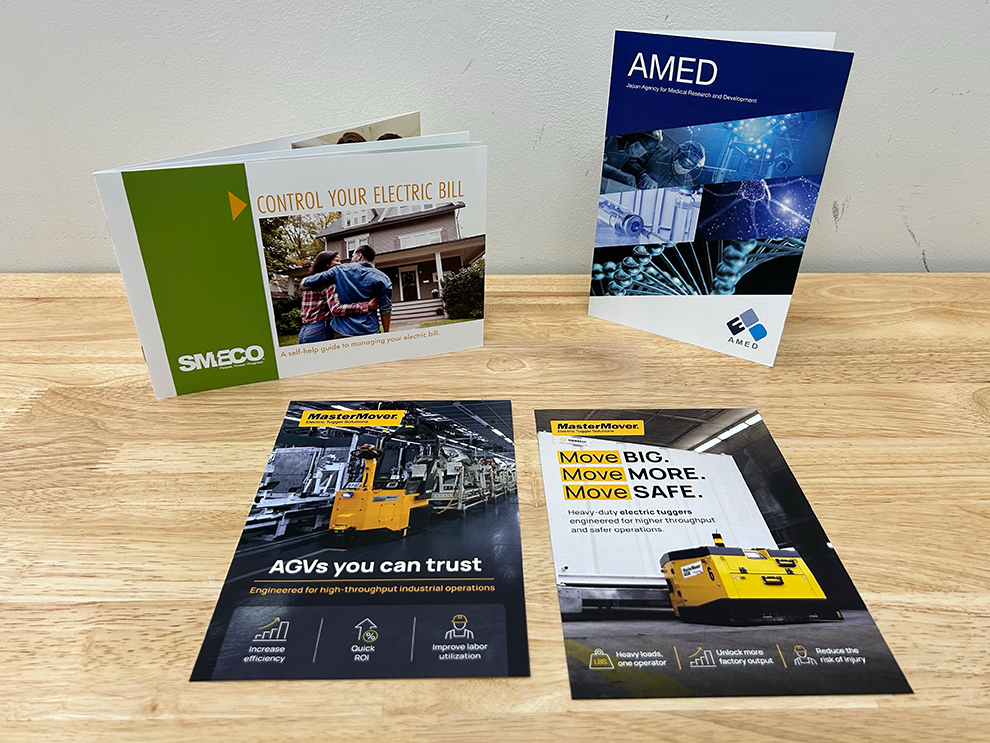
Browse the full Heritage printing range when a program calls for several formats produced on the same schedule.
If the spiral-bound configuration you need is live in the Online Store and your files are print-ready, pricing and ordering are available now. If the job qualifies at $2,000 or more and still needs specification, file, or schedule coordination, send the Custom Quote form and Heritage will review it before any commitment is made.
Each specification should trace back to a decision about use. A fill-in workbook for a Richmond, VA continuing-education course benefits from a slightly heavier text stock that takes pen without bleed-through and a trim size that leaves margin for notes. A field procedure guide carried by utility or HVAC crews needs a laminated cover, a rigid back, and a coil sized so pages still turn cleanly after months of use.
Page count drives coil diameter, which in turn affects how far the book folds back and how it feels in hand, so Heritage reviews that relationship early rather than discovering it at binding. Color pages can be limited to diagrams and safety callouts while instructional text stays in black, holding cost without weakening clarity. Tabs and dividers should be mapped to the reader's workflow, with labels that match the way sections are actually referenced on the floor.
When a book is revised annually or with each policy update, recording the approved trim, stock, cover construction, tab plan, and color targets gives the next edition a stable baseline. Only the changed content needs fresh review.
The right ordering path depends on whether the book is fully defined or still taking shape. Ask two questions: is the artwork complete and print-ready, and does the configuration you need exist as a live product in the Self-Directed Online Store?
When both answers are yes, the Store lets your team pick the available size, paper, cover, and quantity options and place the order directly. The total eligible Store order must reach $750, and other eligible Store products can be added to the same purchase to meet that figure. Heritage still performs production review and quality control and sends an electronic proof before printing. The Store does not include an assigned Project Coordinator, layout development, product selection help, or a Physical Production Color Proof.
When the work is a qualifying new Commercial Printing opportunity of $2,000 or more and needs file preparation, specification guidance, tab planning, or closer order coordination, submit a Storefront Custom Quote. Submitting the form opens a conversation. After Heritage accepts the quote and assigns the order, a Project Coordinator becomes your direct phone-and-email contact.
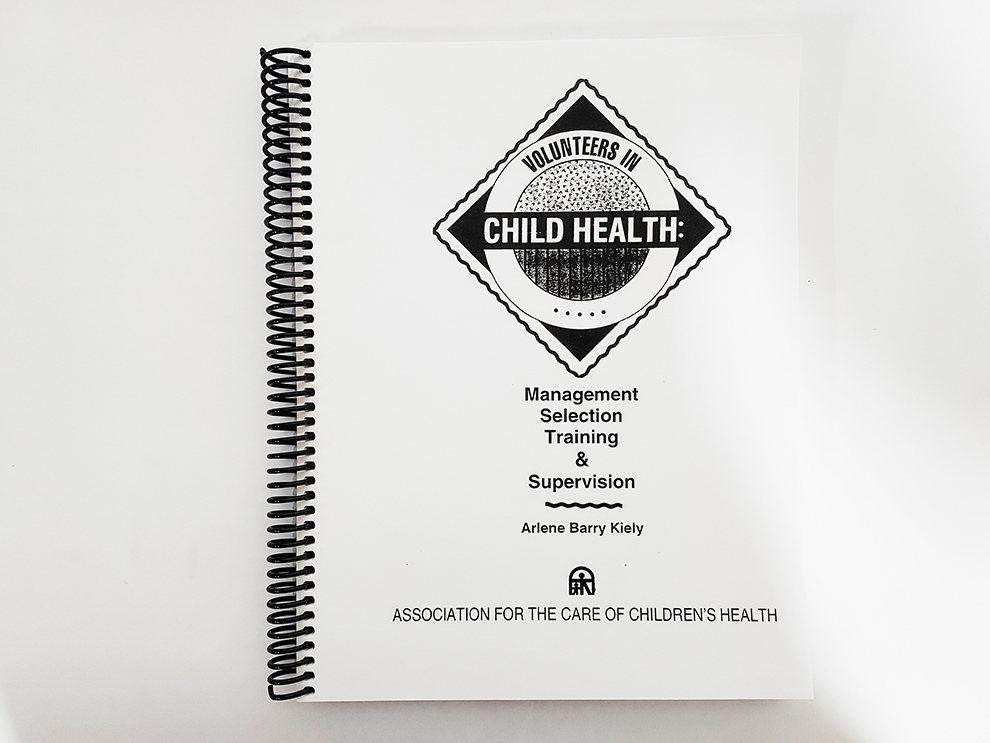
Yes. The plastic coil lets every page and both covers rotate a full circle around the binding edge, so a reader can fold the book back to a single page and set it on a bench, lectern, or lap. That is the main reason instructors, inspectors, and technicians prefer the format over a glued spine when they need both hands free.
Choose plastic coil if the manual will be used while open: written in, followed step by step, or consulted on a job site. Choose perfect binding if the piece is read through, then shelved or presented, and a printed spine and clean square edge matter. Neither format is better in the abstract; the right one depends on how readers interact with the pages.
Possibly, and the honest answer depends on the specifics. Heritage looks at whether the artwork is print-ready, how many copies and pages are involved, which stock and cover are specified, whether tabs or lamination add steps, how quickly the electronic proof can be approved, what production capacity is open, and how the books will reach Richmond. If the date is realistic, Heritage accepts it and plans around it. If it is not, Heritage says so early and works toward a responsible alternative when one is available, which might mean a partial quantity for the first session, rather than agreeing to a schedule it cannot support.
Yes, when the configuration you need is live in the Self-Directed Online Store and your artwork is complete and print-ready. You choose from the available options, upload files, and place the order independently. The total eligible order must reach $750. Heritage still performs production review and quality control and sends an electronic proof before printing, but the Store path does not include an assigned Project Coordinator, layout work, or product selection guidance.
Tabs and dividers are punched and bound into the same coil as the text pages, so they stay aligned with the sections they mark. They are worth planning when a manual runs long enough that readers hunt for chapters, and the labels should mirror how staff refer to those sections in practice. Availability depends on the path: tabs and dividers are included when the selected Store product offers them or when they are part of an accepted Custom Quote.
An electronic proof. Every Heritage Commercial Printing order, including eligible Online Store purchases, receives one before production begins. Use it to confirm page order, trim, cover placement, text, imagery, and any tab or divider positions. Treat it as a layout and content check, not a color sample; monitors and printed stock do not render color identically, so a physical proof is a separate service.
Because the format behaves the way active documents need to behave. A coil-bound book opens flat on its own, pages turn without resistance, and the book folds back to save space. For workbooks, that means a trainee can write without fighting the gutter. For reference guides and procedure manuals, it means a page stays visible while the reader performs the task it describes.
A laminated front cover over a printed cover stock, paired with a sturdy back, is the practical choice for books that live in work areas, vehicles, or shared stations. Lamination resists scuffing and ordinary spills, and the rigid back keeps the book from curling in a bag. Lighter printed covers remain reasonable for single-session workbooks. Specific cover options depend on the Store product selected or the specifications accepted in a Custom Quote.
When it is a qualifying new Commercial Printing opportunity of $2,000 or more and the order needs something the Store cannot provide: file preparation, production-oriented layout help, specification guidance, tab and divider planning, multiple versions, or closer coordination around a date. Crossing $2,000 makes the path available but does not require it. Intake is through the Storefront Custom Quote form. A Project Coordinator is assigned only after Heritage accepts the quote and assigns the work, and from that point the coordinator handles phone and email contact for the order.
Organizations with people who learn or work from printed pages: state agencies issuing policy and procedure manuals, hospital and clinic systems onboarding clinical staff, colleges and continuing-education programs distributing course workbooks, utilities and contractors equipping field crews, financial and insurance offices maintaining compliance references, and associations publishing member directories. The common thread is a document that is consulted repeatedly, often away from a desk, and that needs to stay open on its own.
For qualifying $2,000 or more Custom Quote orders, yes. Heritage offers an optional Physical Production Color Proof produced on the printer scheduled for the job and on the same paper or material specified for the finished books. It carries an additional charge and adds time to the schedule because it is a real production step. Once approved, it becomes the controlling color reference for the run unless the parties agree otherwise. This service is not available for Self-Directed Online Store orders, which are proofed electronically only.
By keeping the approved specifications on file. Trim size, paper, cover construction, lamination, tab layout, and color targets from the accepted edition become the baseline for the next, so your team reviews only the pages that changed. Established clients who already have an assigned Project Coordinator may continue working with that coordinator on appropriate directly managed repeat orders, which keeps version history and approvals in one place.
Yes. The $750 minimum applies to the total eligible order, not to each product. Any other product that is live and orderable in the Self-Directed Online Store at the time can be placed in the same cart and counted toward the minimum, which is useful when a class also needs handouts or folders that happen to be offered there. Each item follows its own listed options and file requirements, and the full order receives electronic proofing.
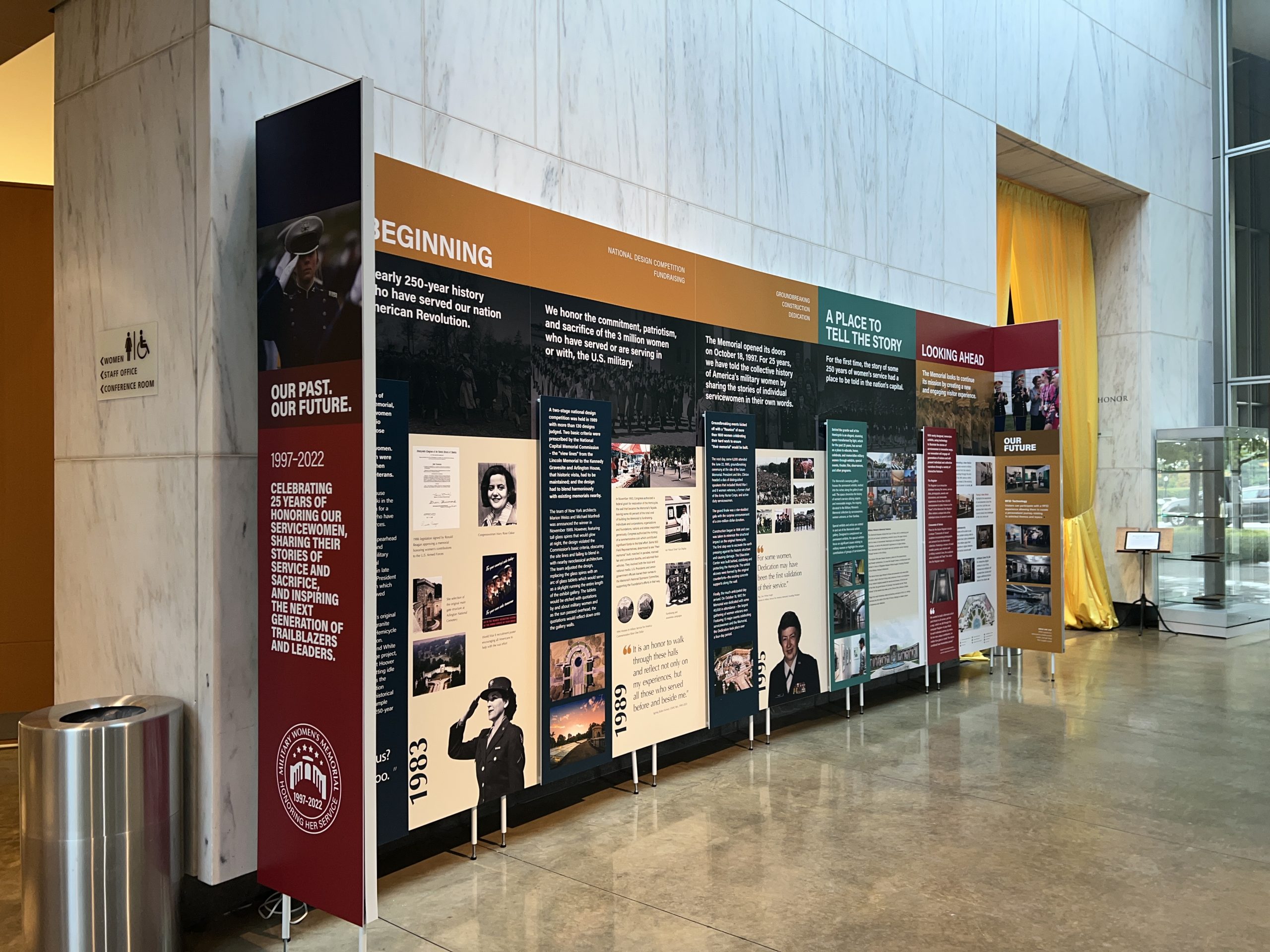
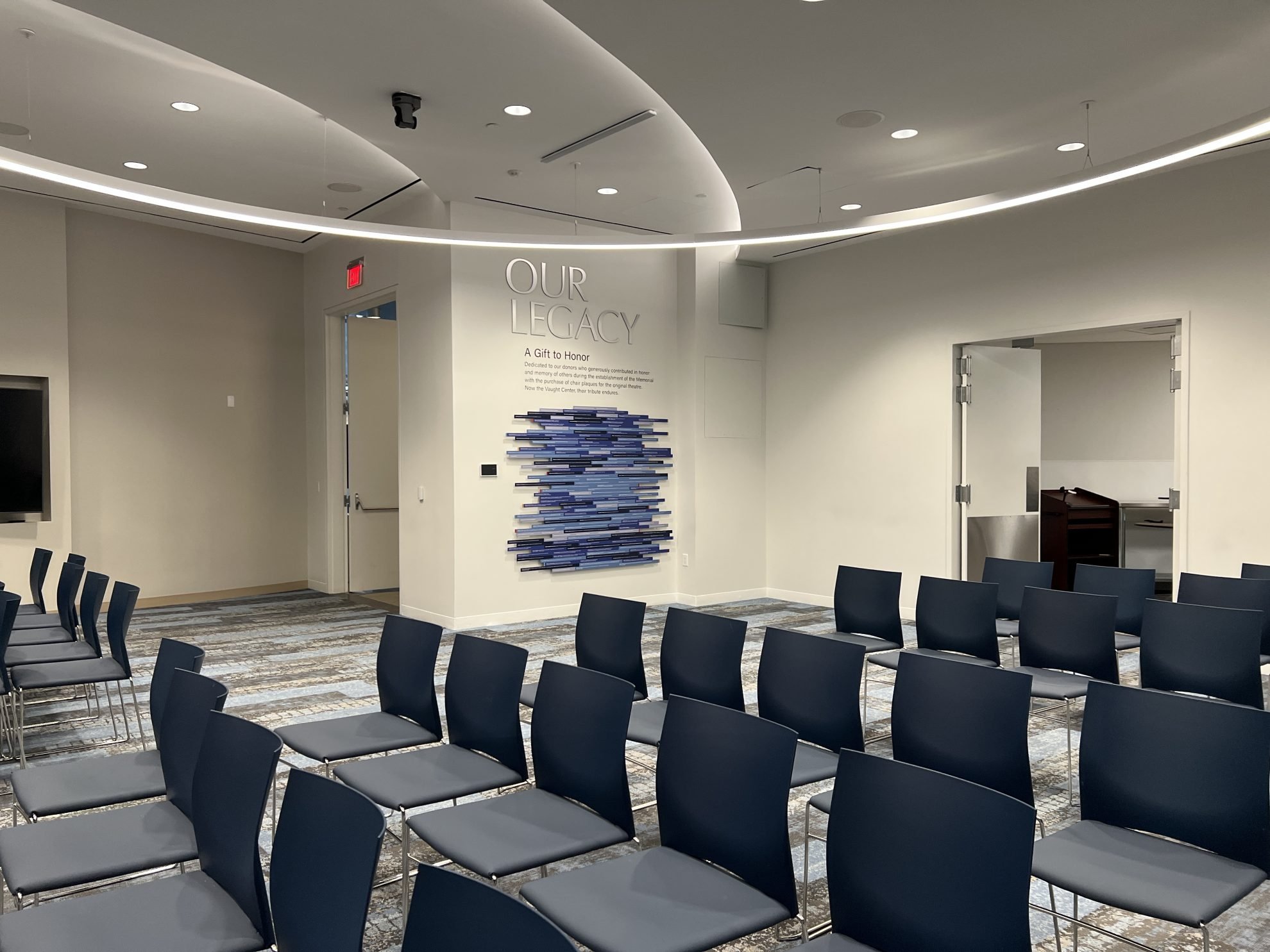
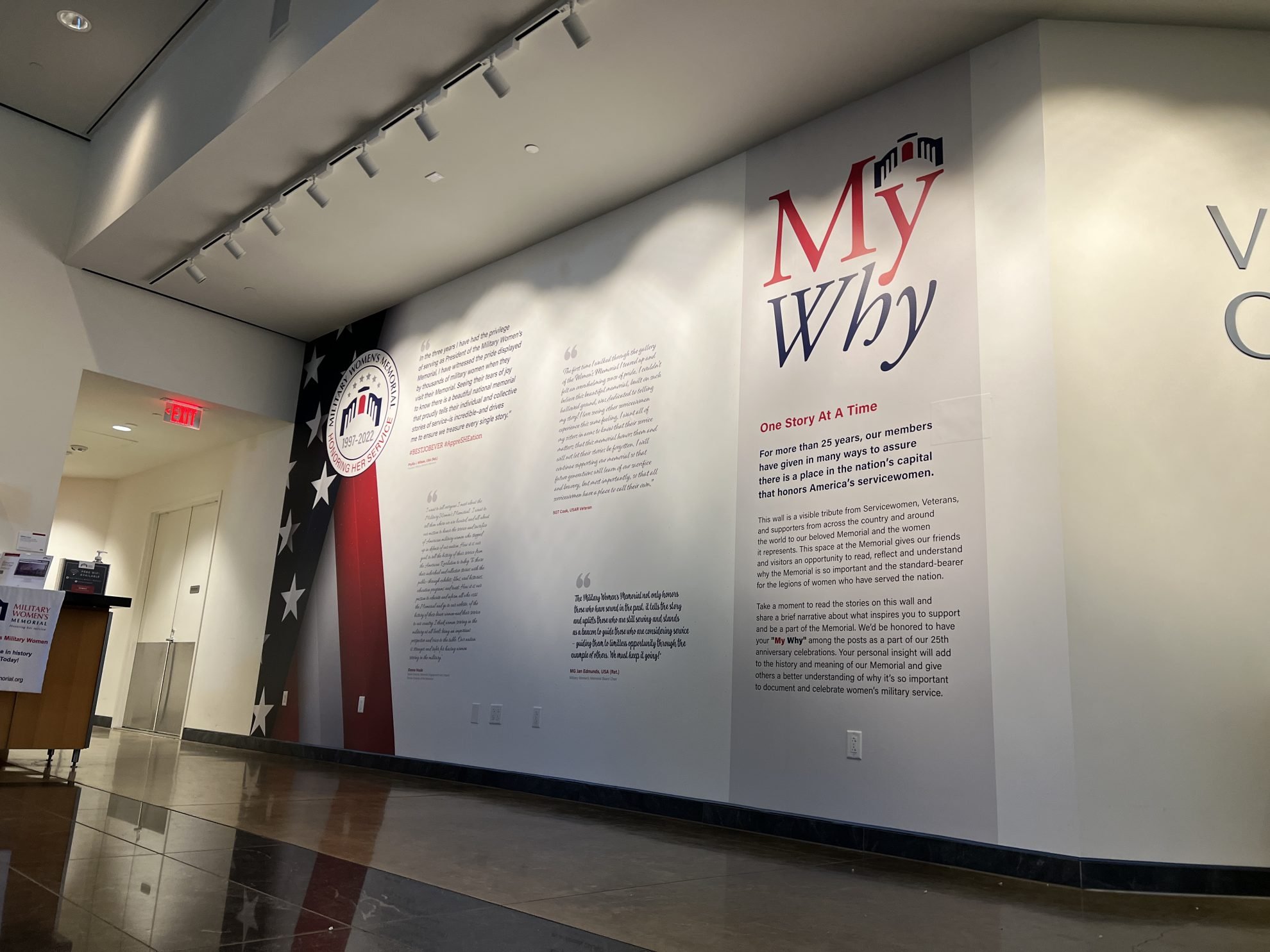
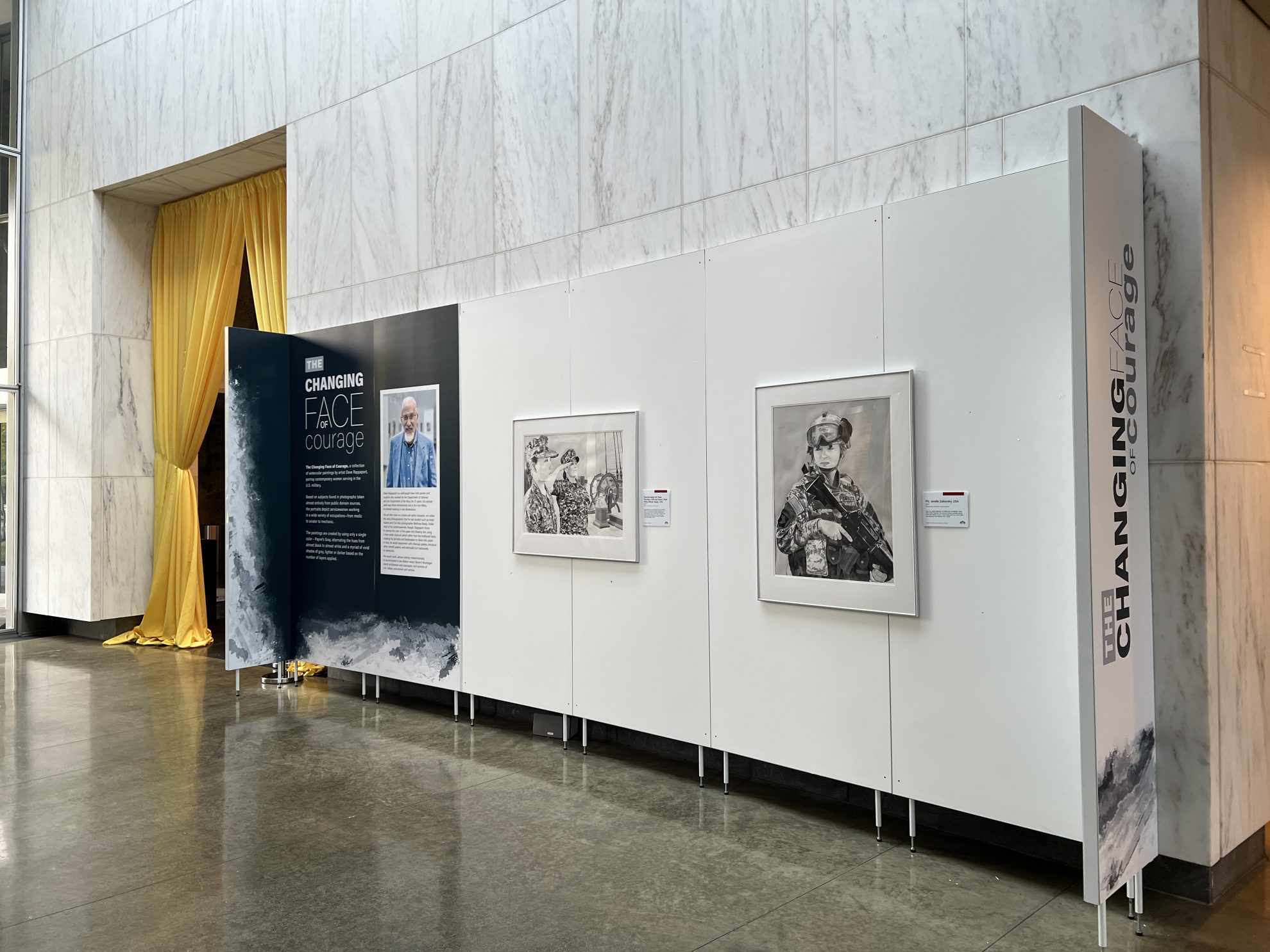
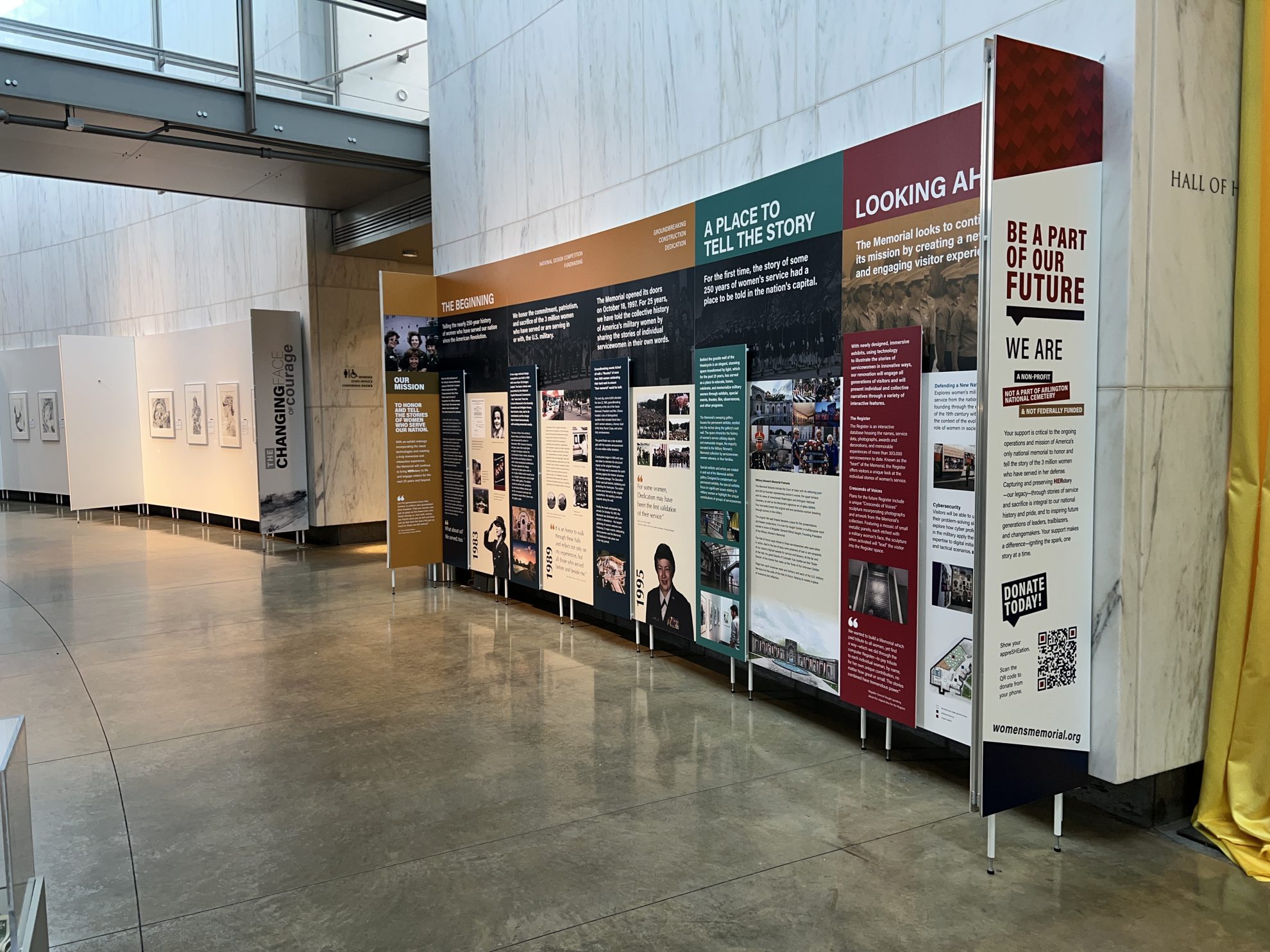
Heritage Signs & Displays created new museum signage for the Military Women’s Memorial in Arlington, VA. The project included custom signs, wall wraps, dimensional letters, and standoff-mounted displays to honor the legacy of U.S. servicewomen and the donors who supported the memorial. The updated interior features impactful designs, including a "Our Legacy" wall display and panels showcasing historical contributions and artwork, creating a transformative tribute to women in the U.S. Armed Forces.
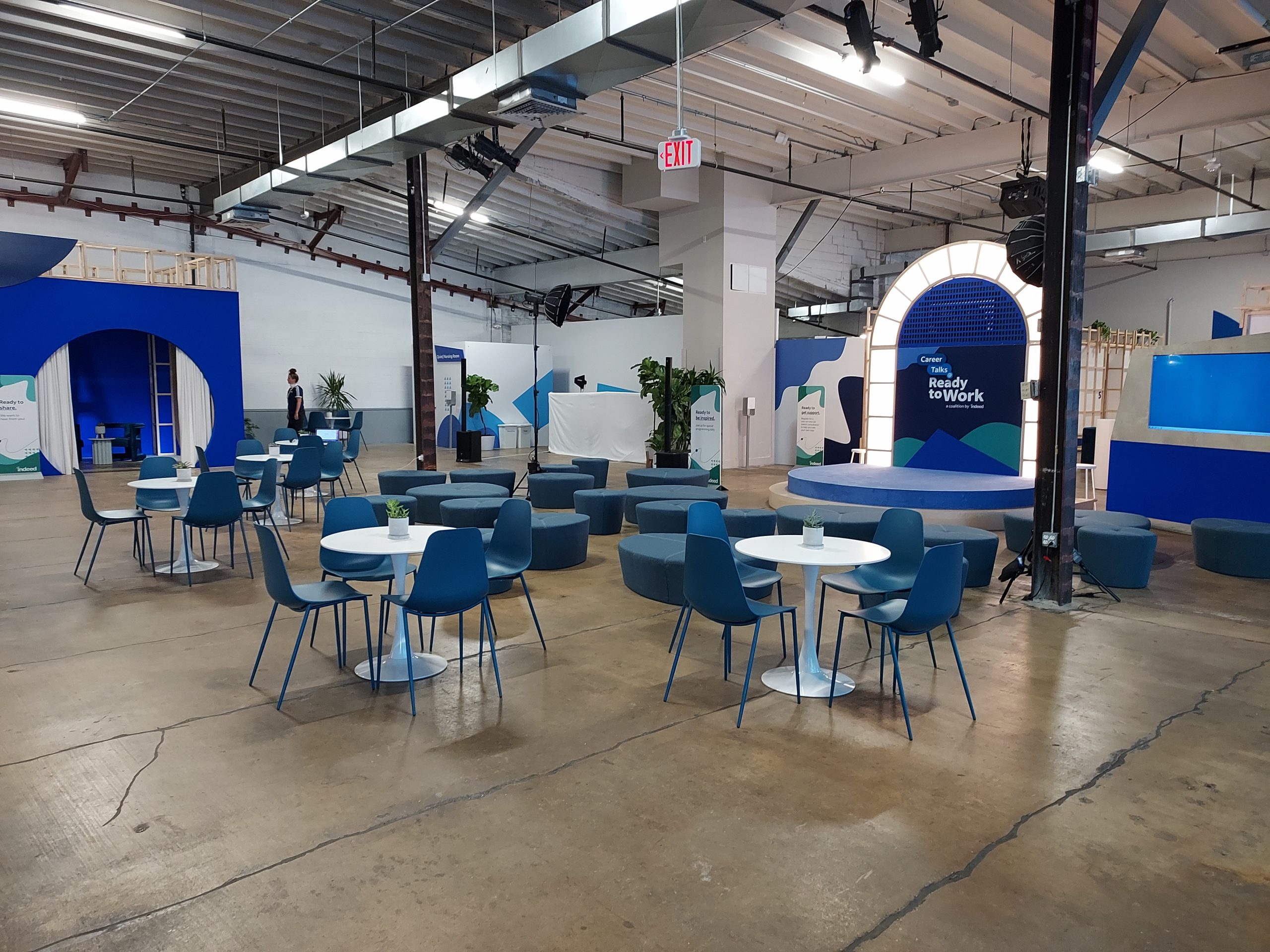
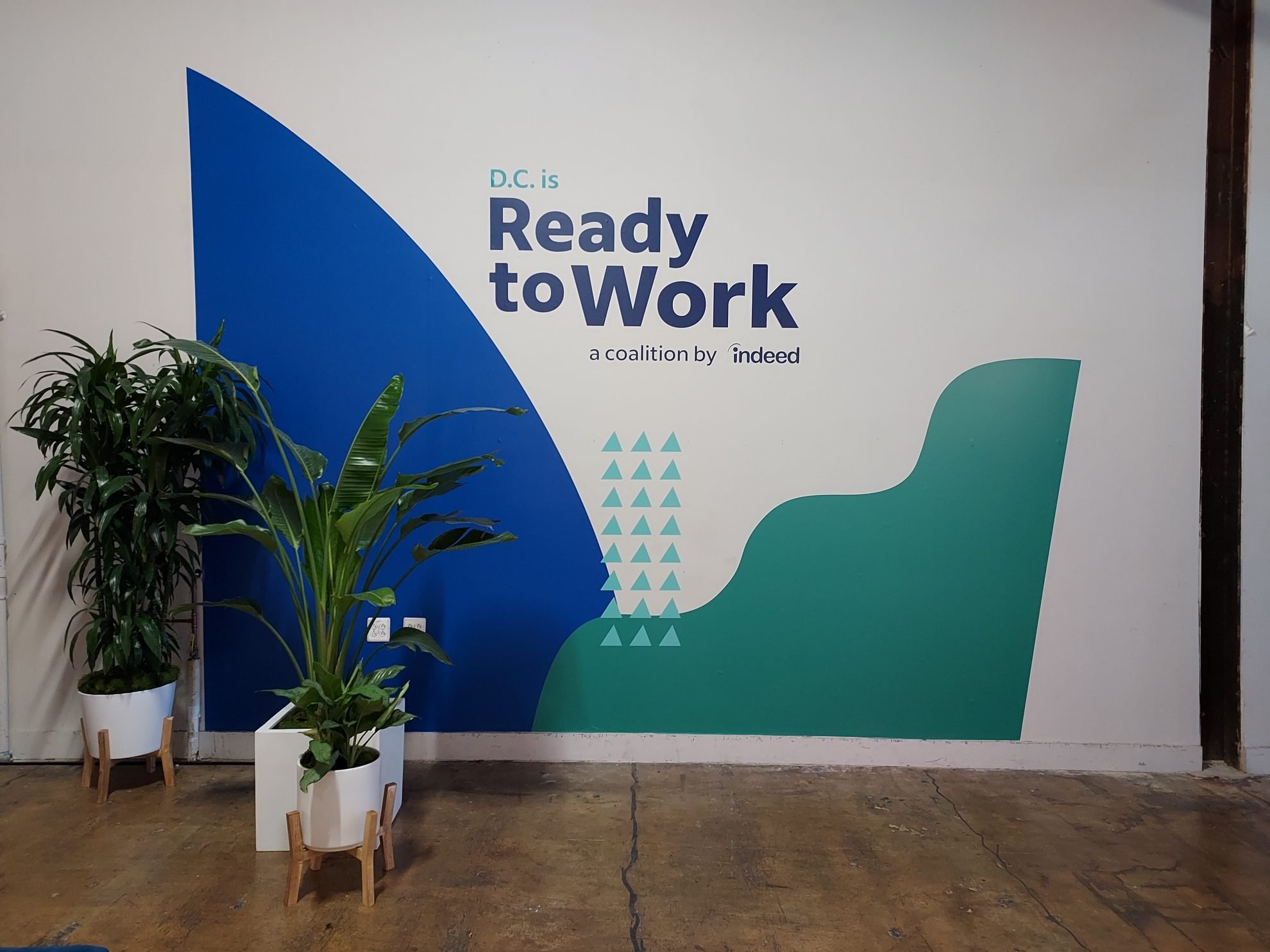
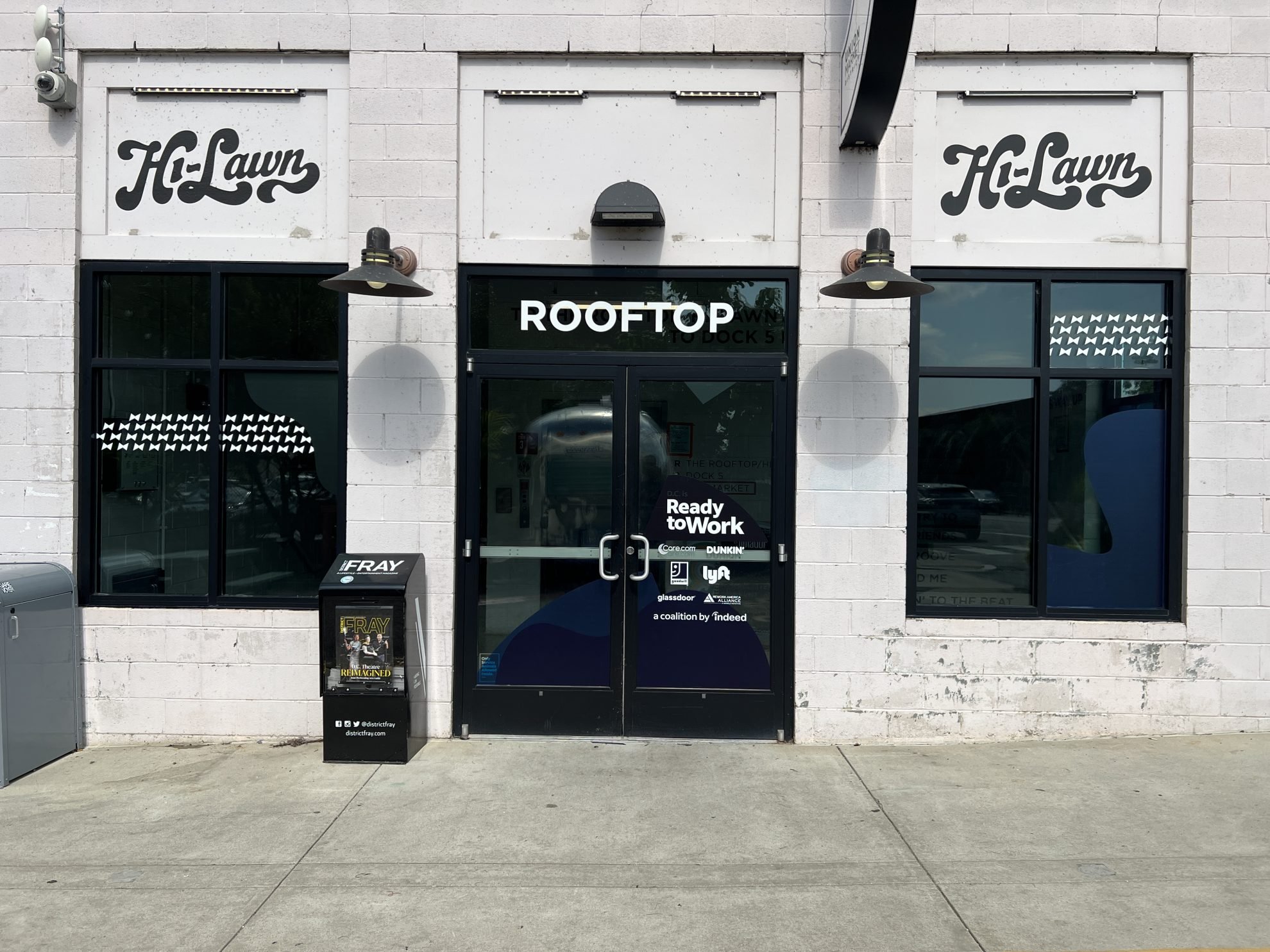
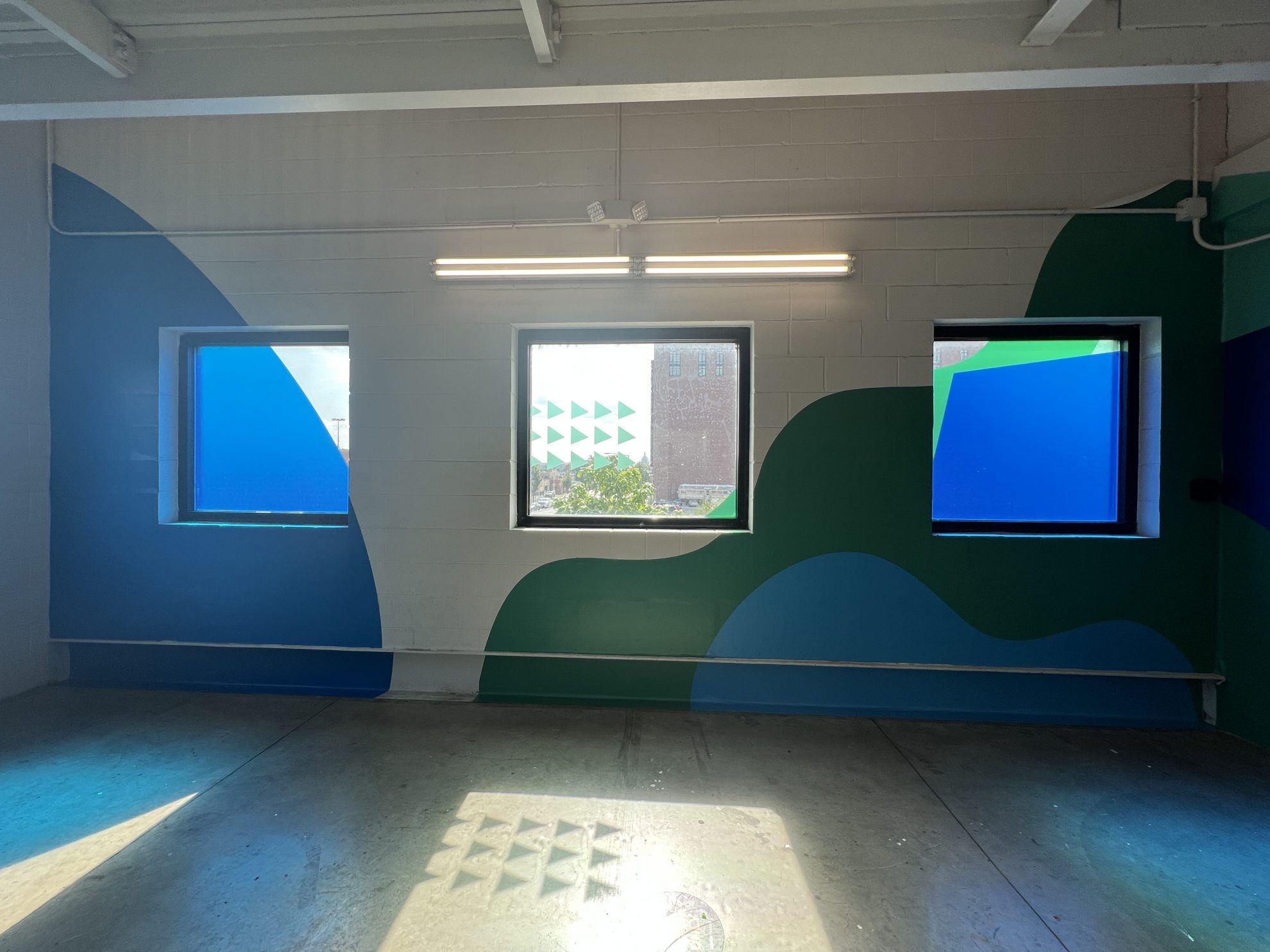
Heritage Signs & Displays' collaboration with The Gathery to brand Union Market in Arlington, VA, for Indeed's "Ready to Work" job fair. The project included custom event displays, wall graphics, window graphics, and wayfinding signs, creating an immersive and visually appealing environment. The branding enhanced the venue, reflected the event's mission, and provided a seamless experience for attendees.