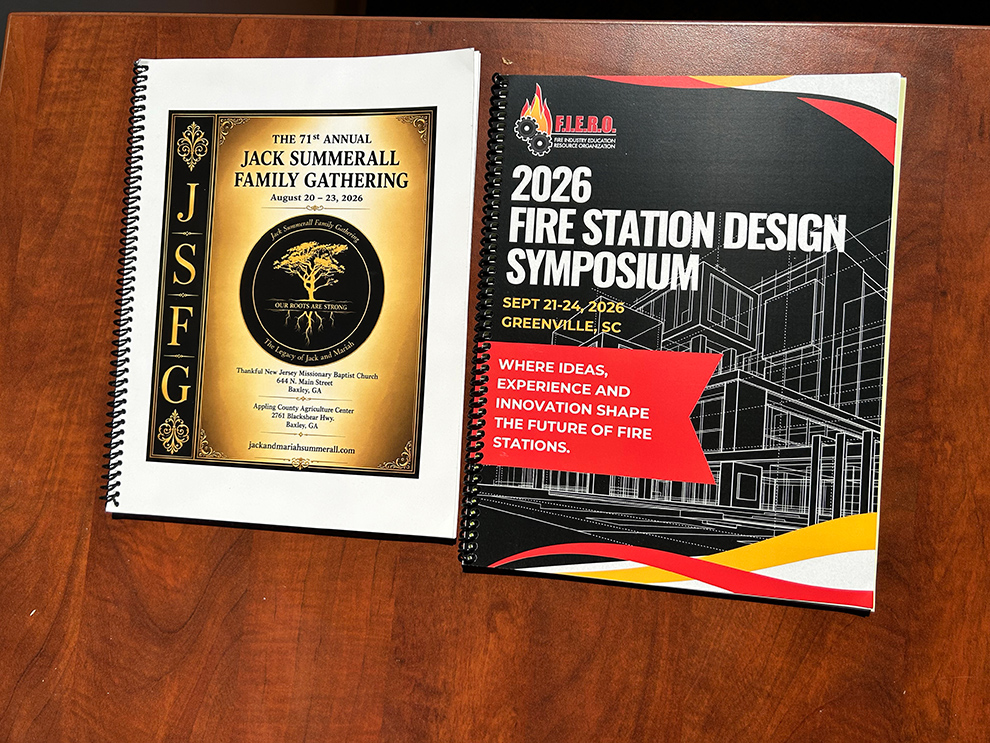
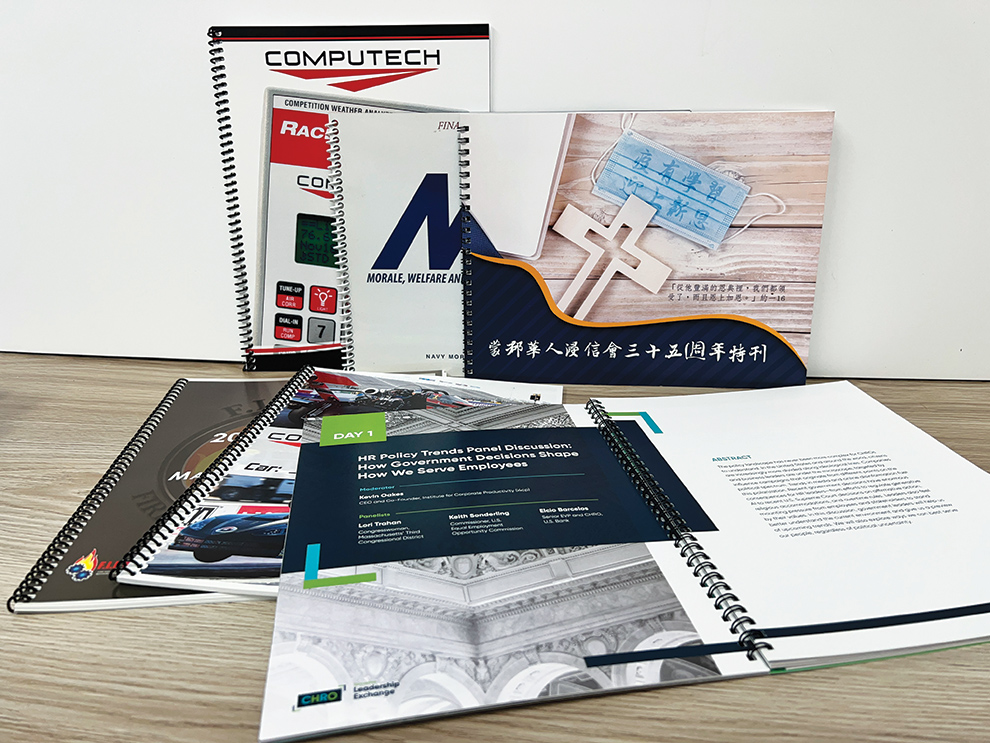
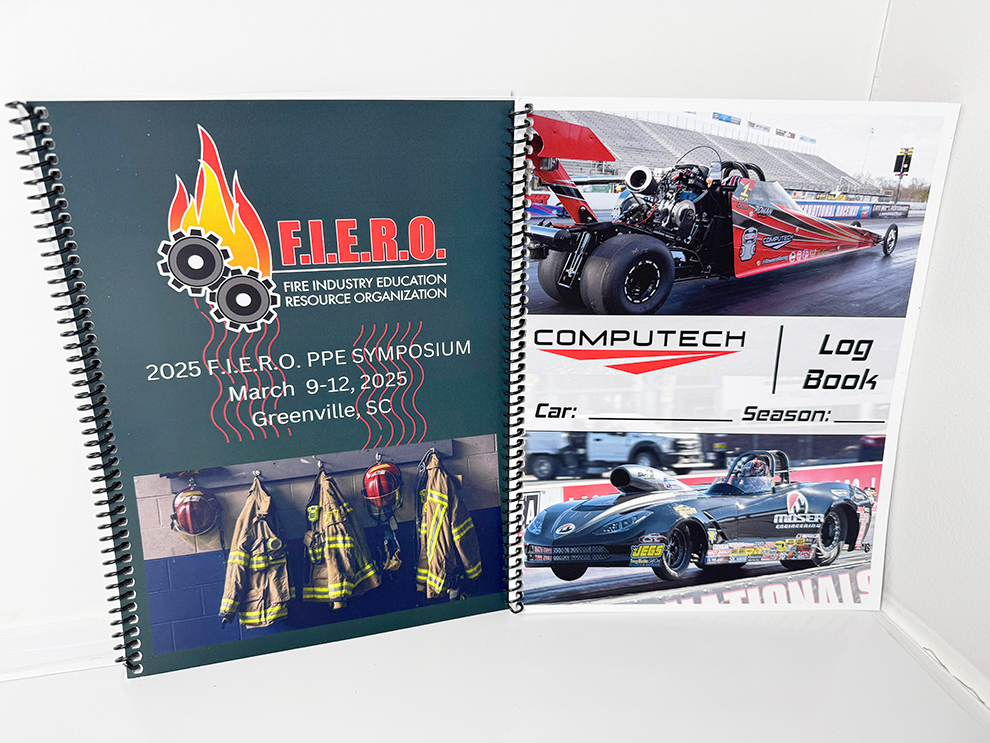
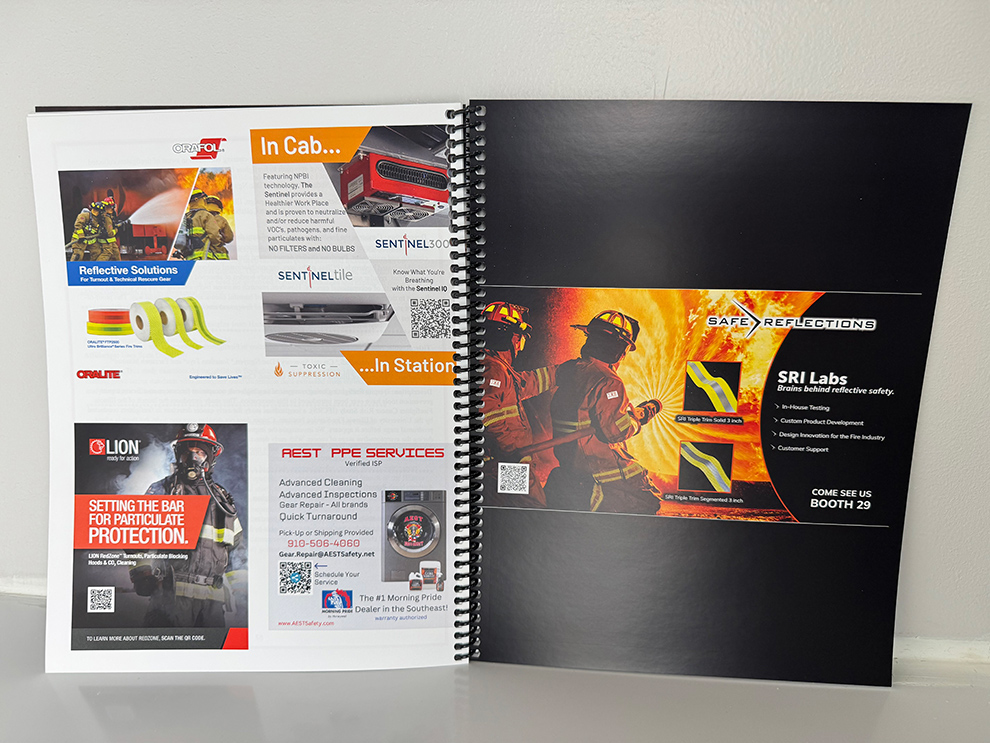
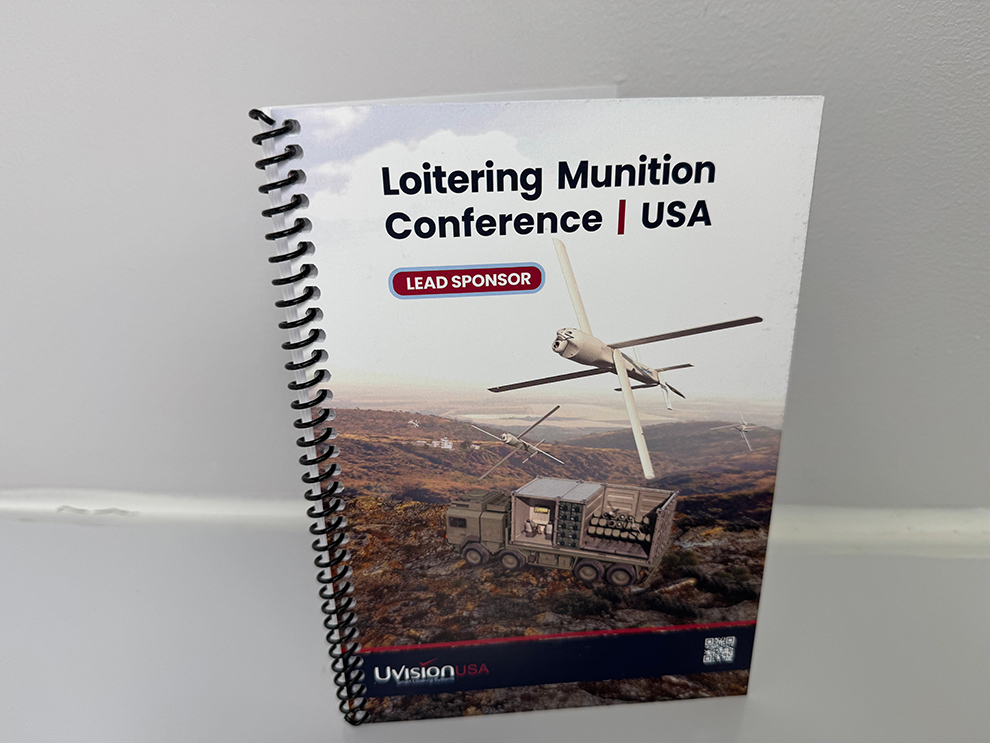
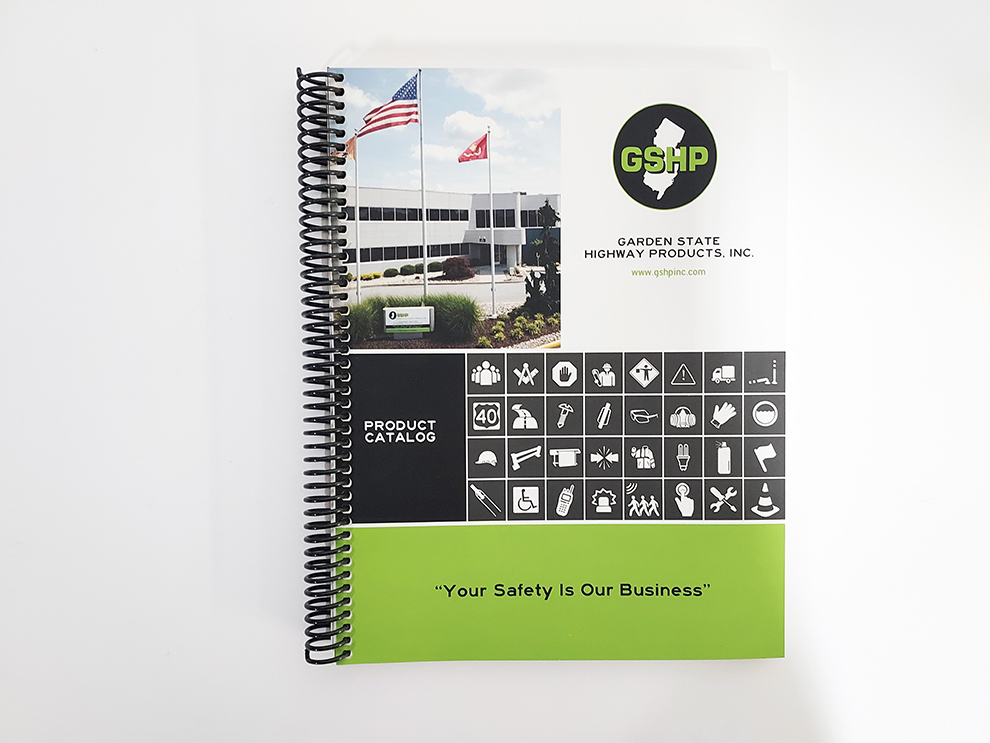
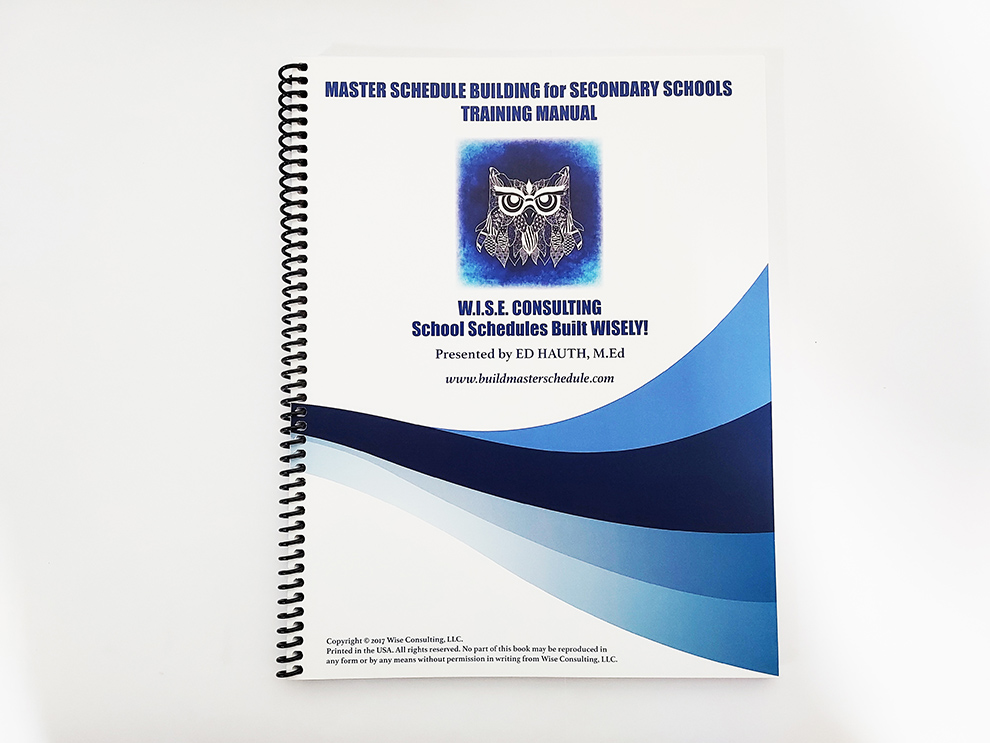
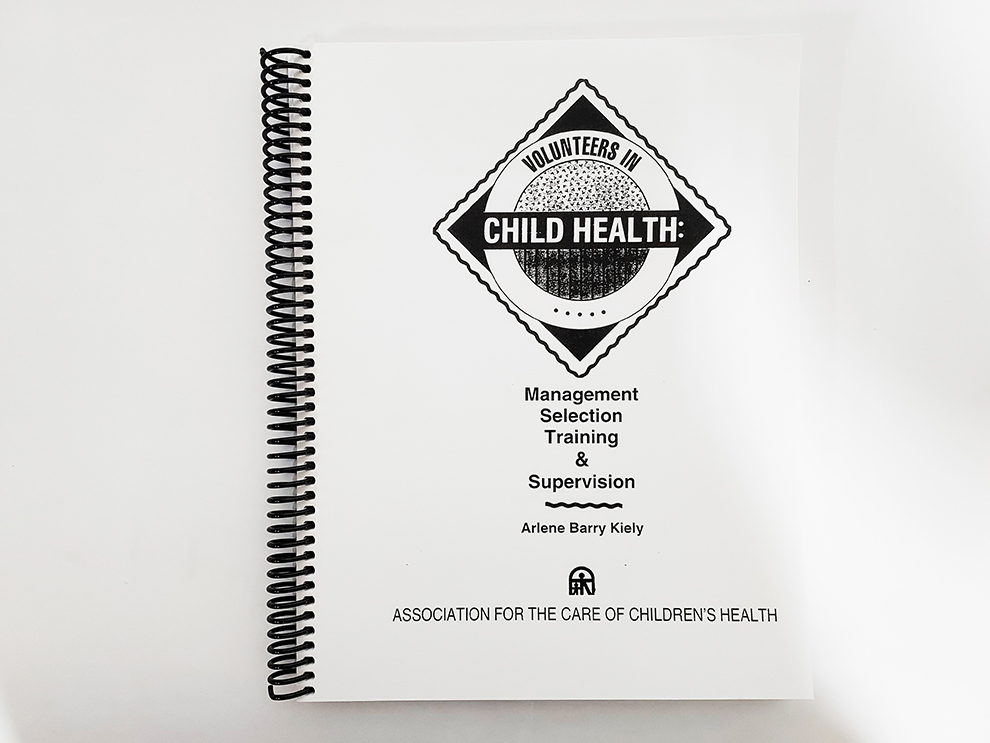
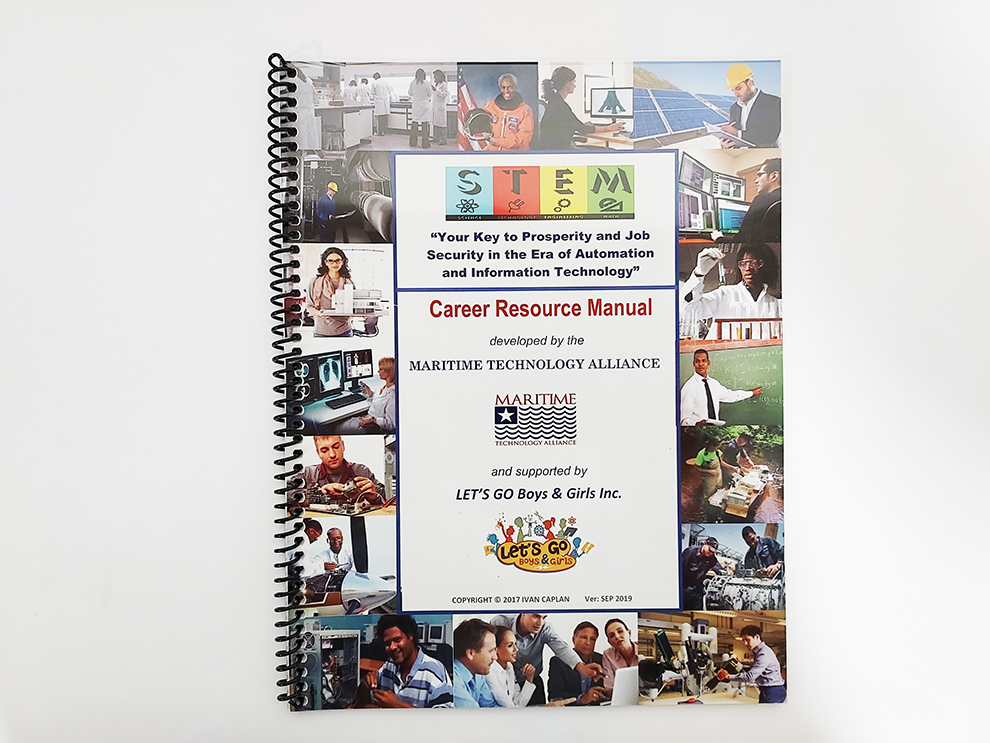
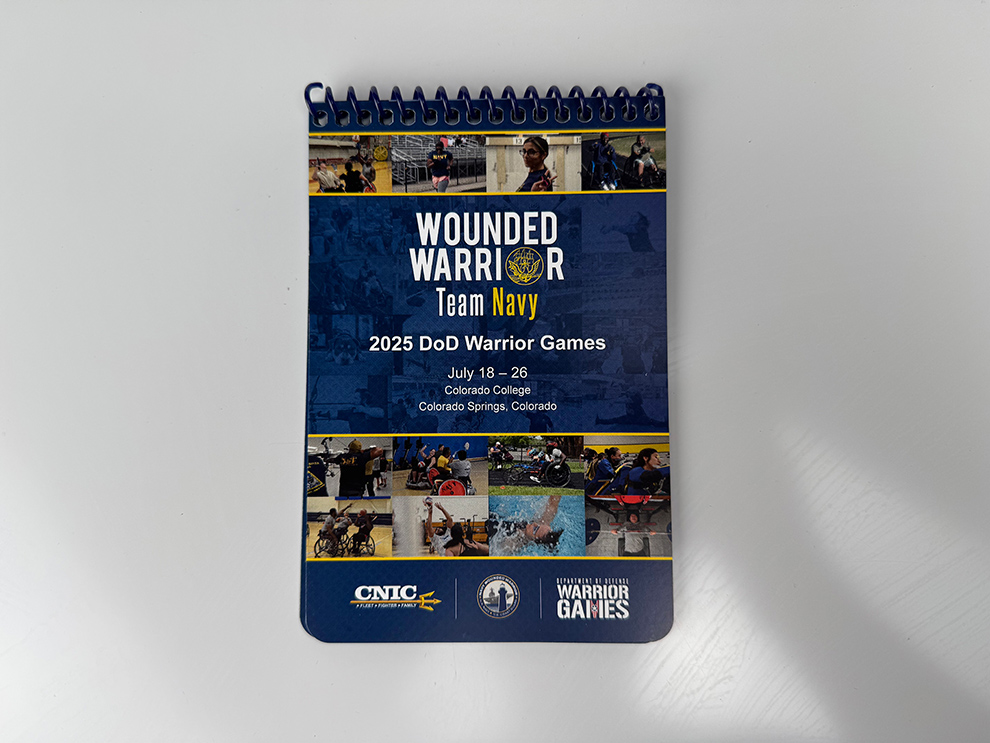
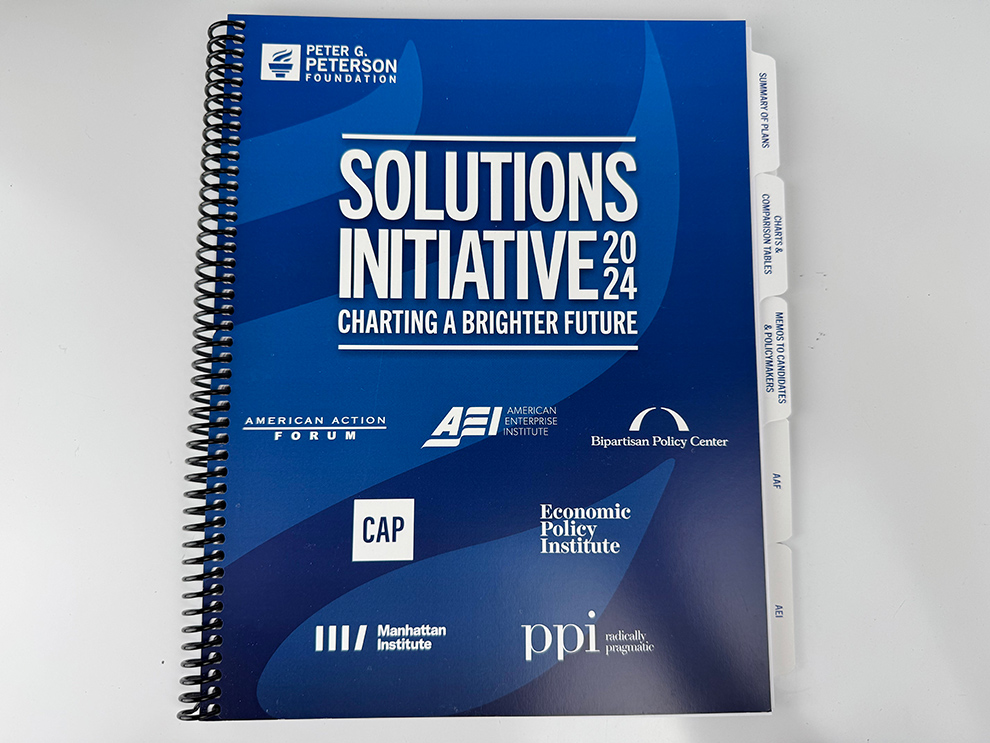
A procedure manual on a production line, a workbook in a community college classroom, and a field guide riding in a service truck share one requirement. Each has to stay open to the right page while someone works with their hands. Heritage prints plastic-coil spiral-bound books for Spartanburg, SC organizations that need that kind of practical performance from their printed materials.
Plastic coil binding lets a book open flat on a bench or desk, lets pages turn without resistance, and lets the cover and pages wrap fully behind the book when the reader only has room for a single page. Those three behaviors are the reason training departments, instructors, maintenance teams, and administrators choose the format for operating procedures, onboarding workbooks, course packets, safety references, directories, and checklists that get consulted repeatedly.
Laminated covers, heavier back covers, and section tabs or dividers can extend the working life of a book that travels between buildings or passes through many hands. Heritage pairs those construction choices with controlled printing, color management, electronic proofing, and finishing so the finished book performs reliably for the people using it.
Heritage started as a printing company in 1977, and that history shows in how a spiral-bound job moves through production. Automated plastic-coil binding equipment handles the punching and coil insertion with consistent alignment, while staff verify page sequence, cover placement, tab position, and finishing before any quantity is packed. Disciplined color management and an electronic proof on every order give your team a chance to catch a wrong revision date or a missing page while it is inexpensive to fix.
For Spartanburg, SC employers, this matters because a manual is often tied to a plant start-up, a new-hire class, a certification cycle, or a compliance update with a firm effective date. The books have to be assembled correctly, read clearly, and be on hand when the session begins.
Spartanburg orders are produced at the Heritage headquarters facility in Charlotte, up the Interstate 85 corridor, which keeps production and fulfillment under direct control. Heritage confirms schedule feasibility before committing, communicates early if a constraint appears, and keeps accepted specifications on file so the next edition starts from a known baseline rather than a blank sheet.
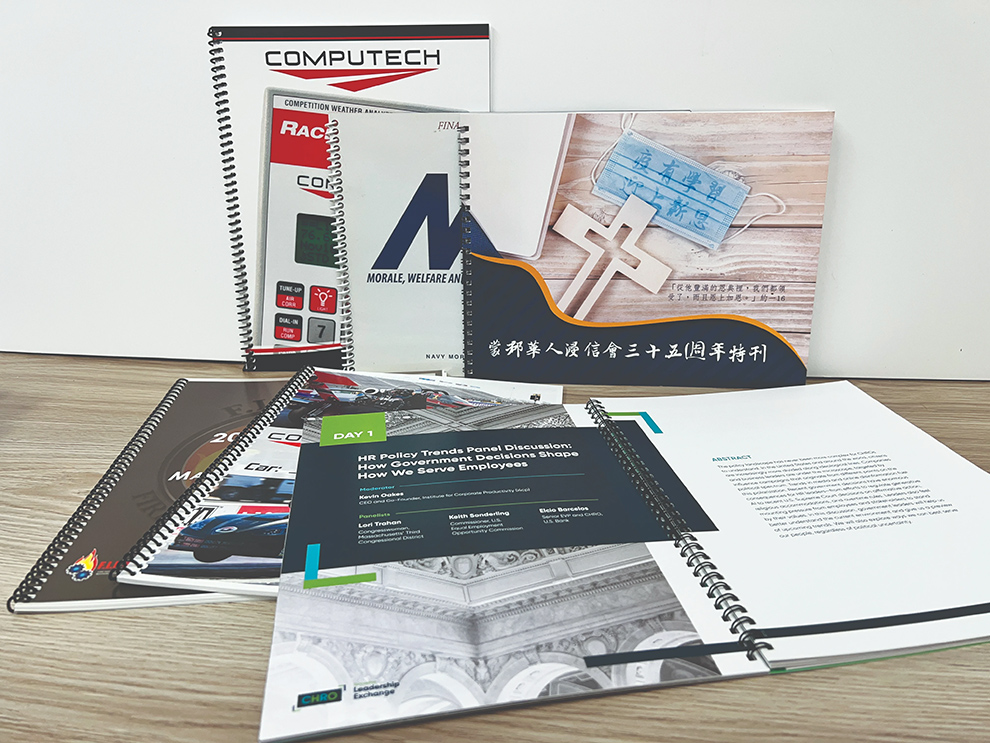
The deciding factor is whether the reader will hold the book or the book must hold itself open while the reader does something else. Plastic coil binding is the practical answer when the second description fits. A coil-bound workbook stays flat for writing, a maintenance reference folds back to one page beside the equipment, and a course packet moves from section to section without a thumb pinning the spine.
Navigation and protection decisions follow from that use. Printed tabs let an instructor send a class to the right module, dividers separate reference material from exercises, and a laminated cover with a rigid back protects a book that lives in a vehicle or on a shop bench.
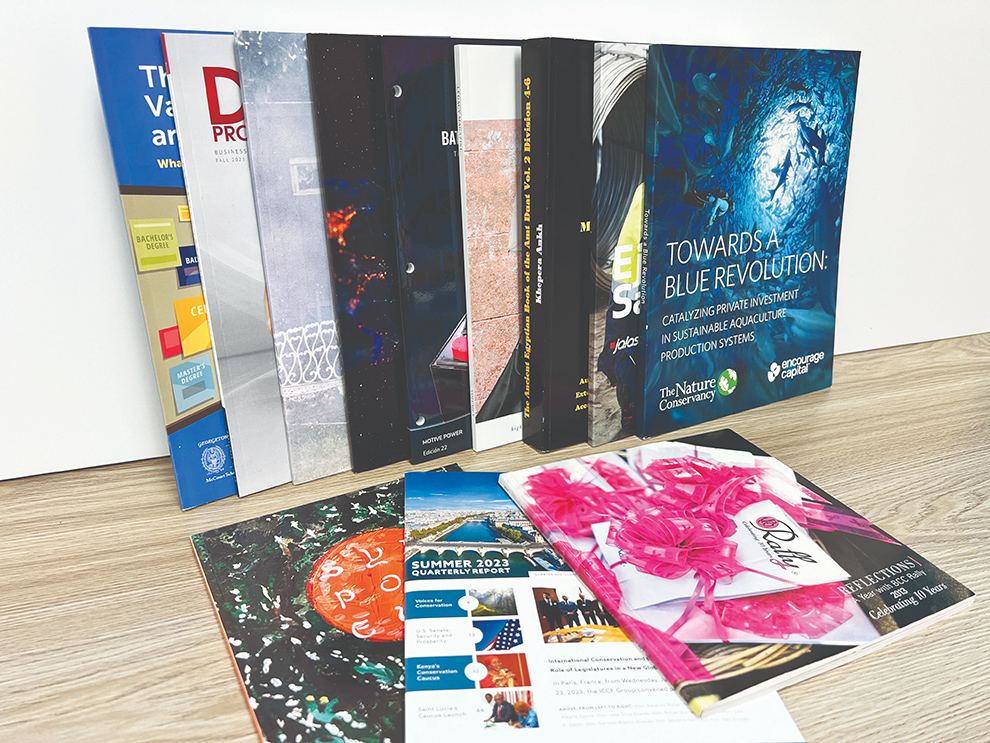
Perfect binding answers a different need. Its glued square spine carries a readable title on a shelf, presents well when handed to a board member, and suits annual reports, catalogs, and publications read front to back. If the book must stay open, fold back, or survive heavy page turning, choose plastic coil. If presentation and a conventional publication feel lead the priorities, perfect binding is the better fit.
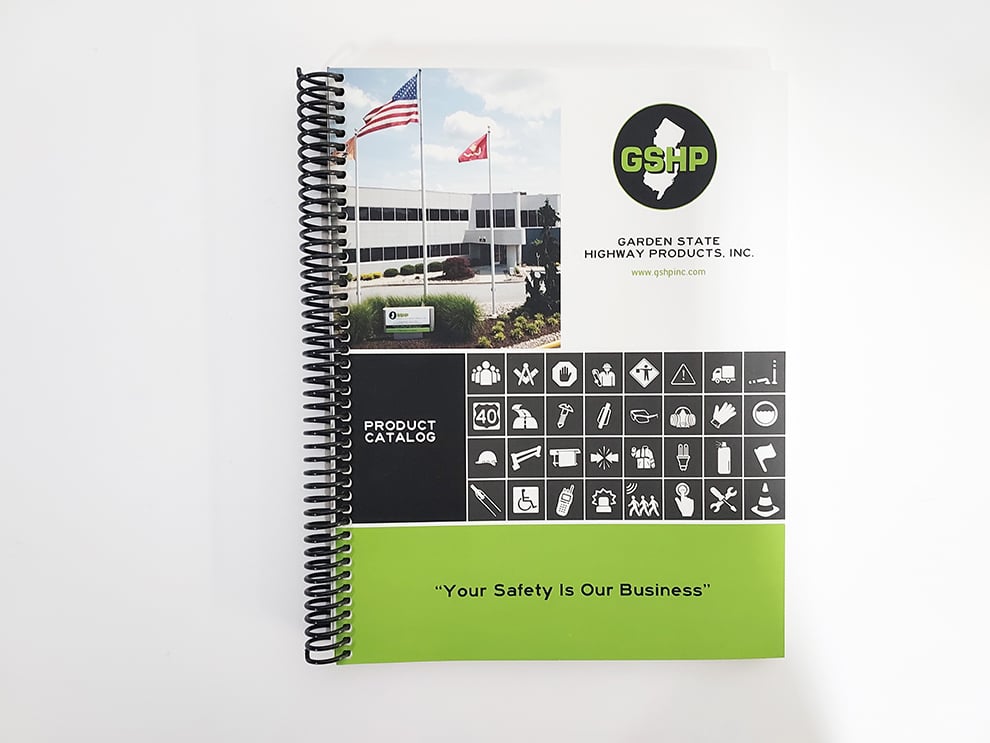
A coil-bound manual rarely arrives alone. The same program may need a presentation folder, a mailed update, or a perfect-bound companion piece, and Heritage can produce them through the same production discipline.
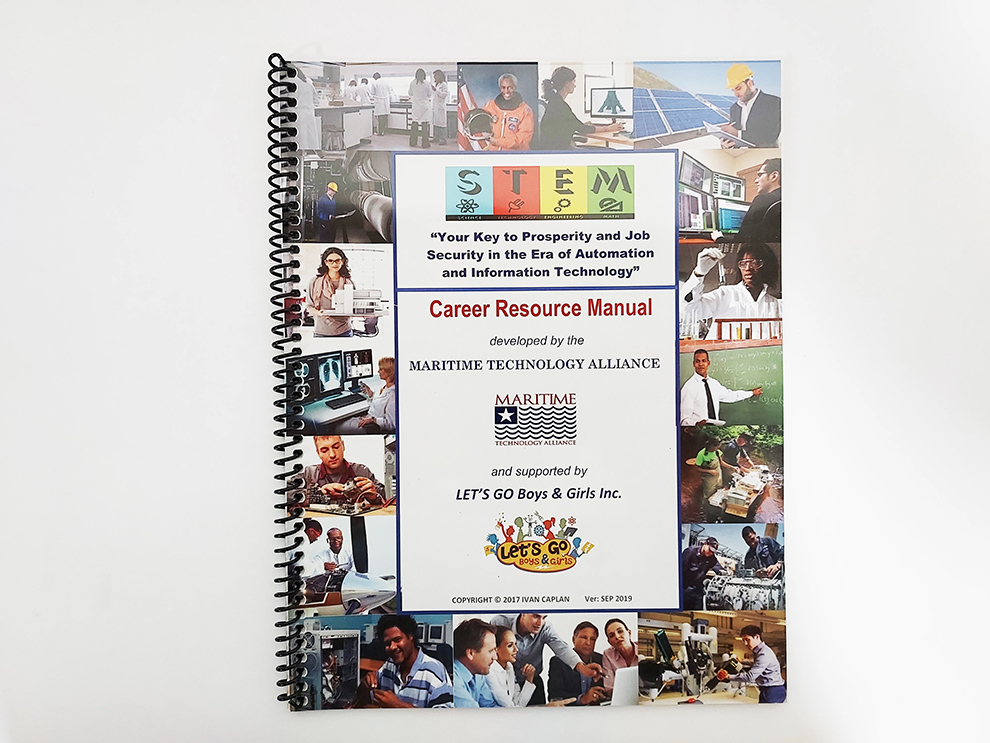
Build structured onboarding and procedure documentation designed around clear sections, durable construction, and dependable reprints as content changes.
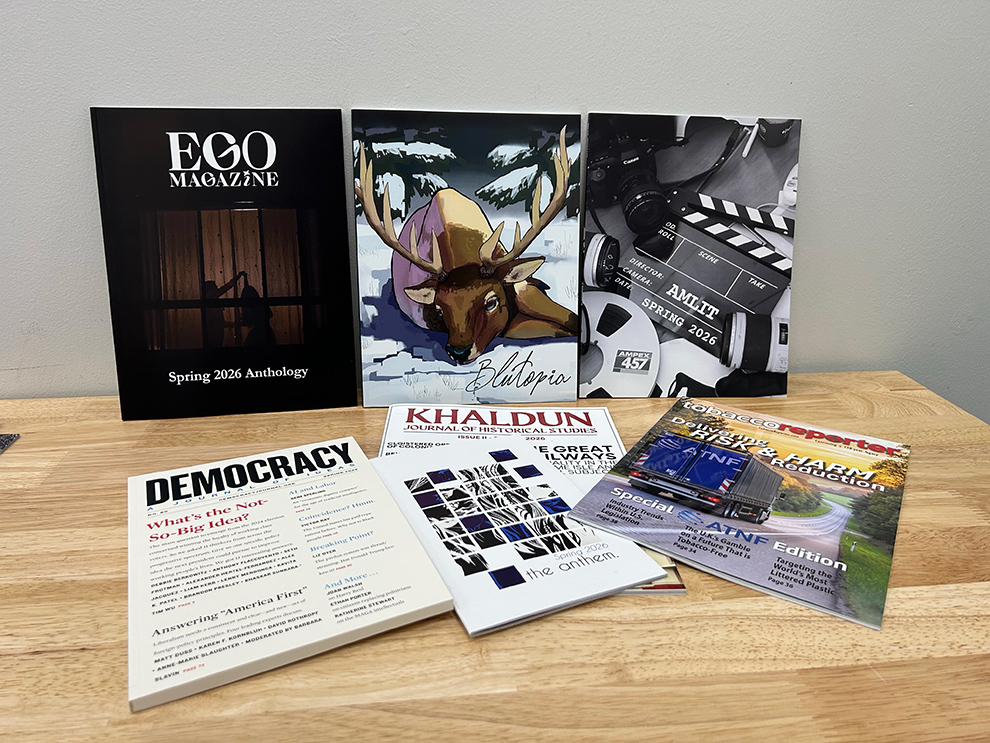
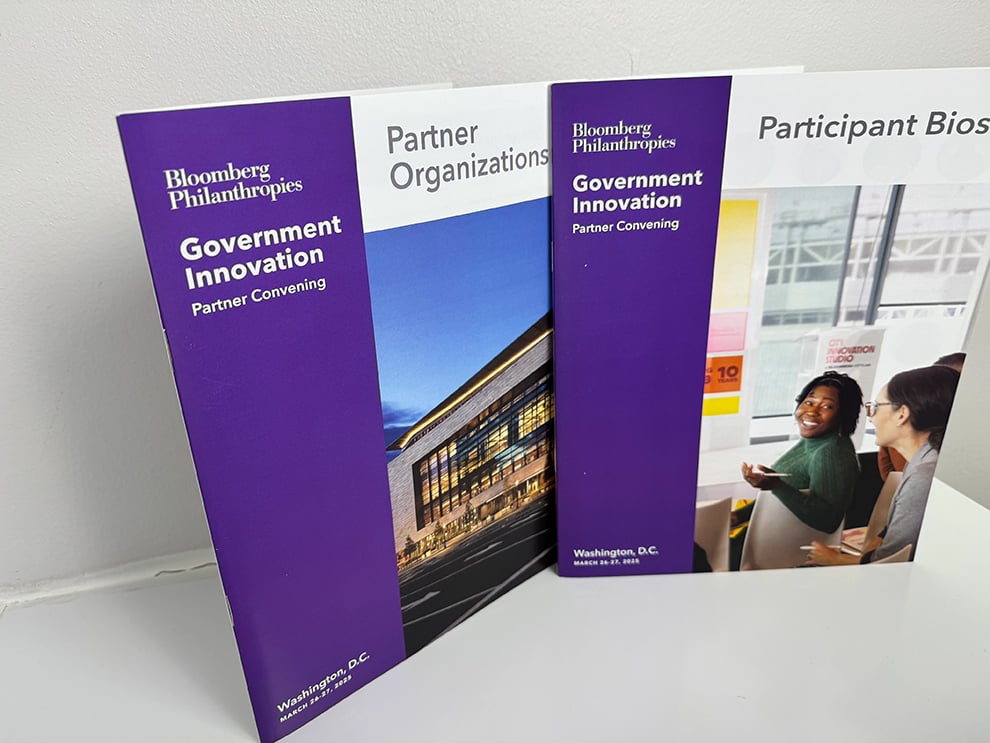
Select a glued square spine when a report, catalog, or guide will be presented, shelved, or read straight through rather than worked from.
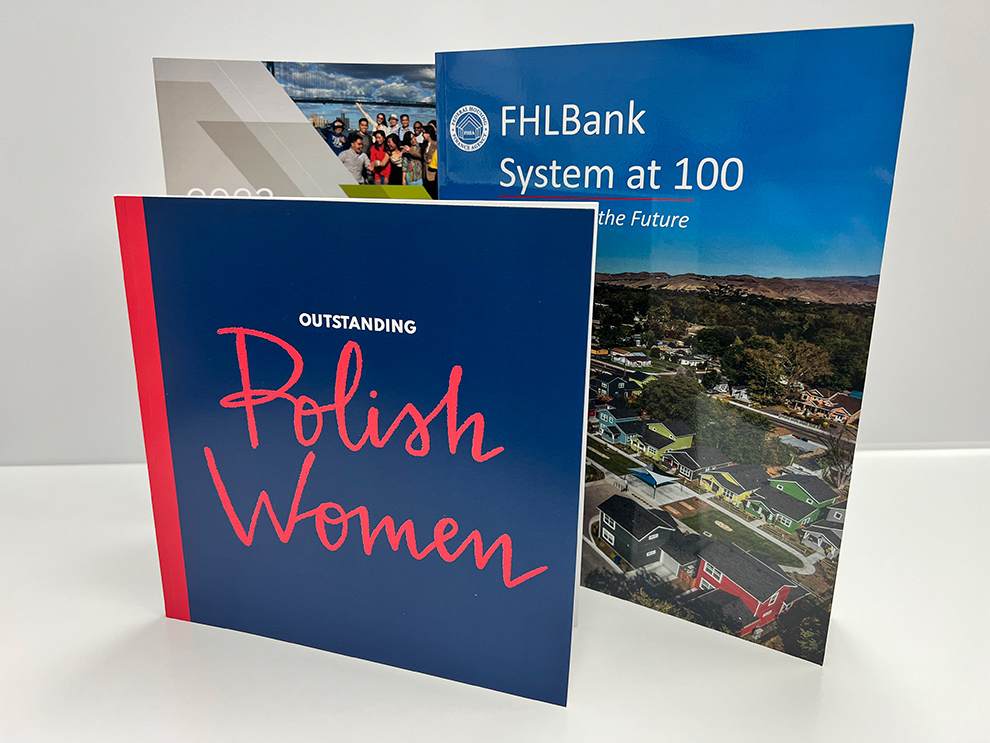
Produce shorter programs, guides, and reports with binding choices sized to the page count and the audience that will read them.
Keep handouts, certificates, and supporting paperwork organized alongside a spiral-bound workbook for classes, orientations, and client meetings.
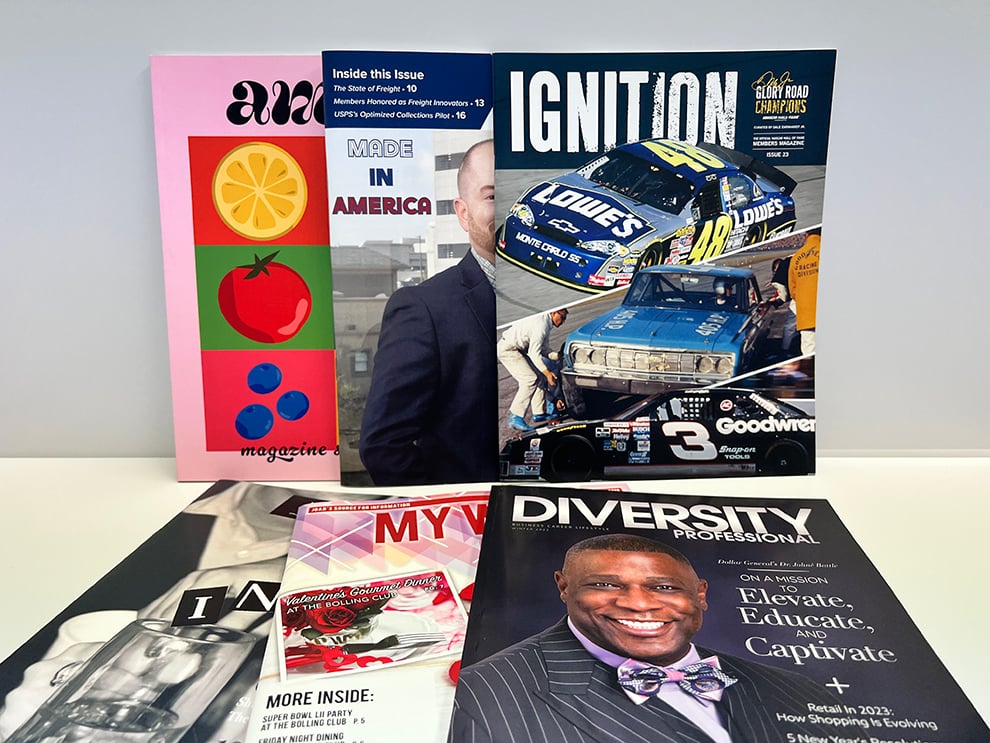
Maintain recurring issues for members, alumni, or regional readers with consistent trim, paper, and color from one edition to the next.

Add addressing and mail preparation when updated manuals or notices must reach field locations, members, or remote employees.
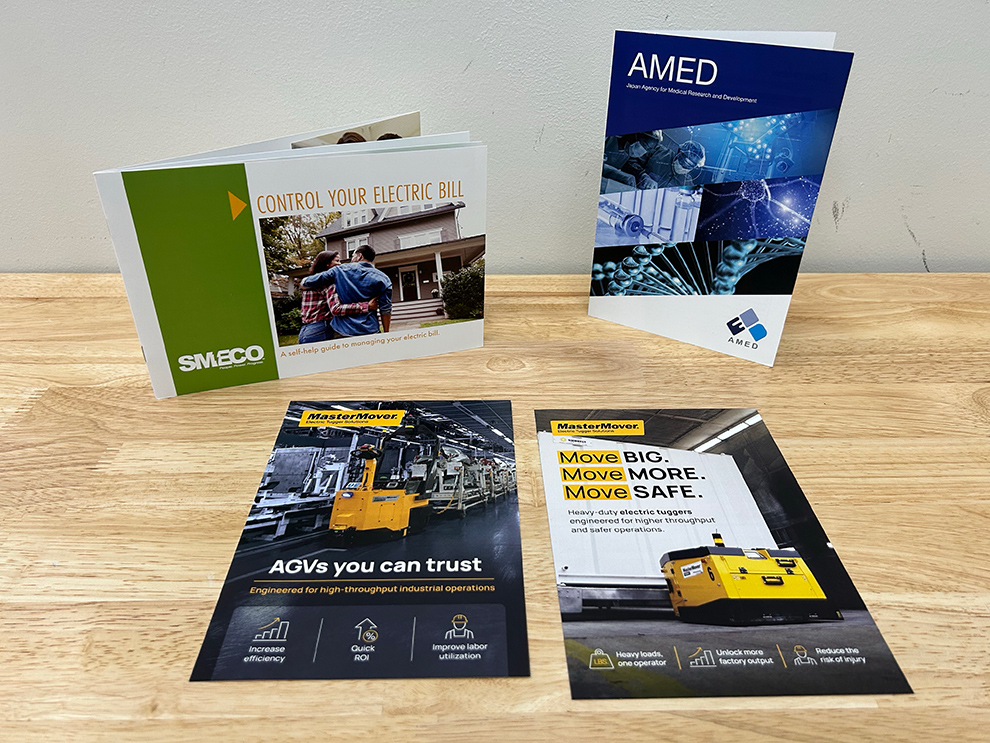
Coordinate brochures, flyers, and event pieces so recruiting, enrollment, and outreach materials match the books your team distributes.
Review the full range of Heritage print production for business documents, publications, and recurring organizational communications.
Whether you are replacing worn procedure books before a plant audit, preparing workbooks for a fall cohort, or updating a reference guide for field staff across the Upstate, pick the route that matches the job. Order a live, print-ready configuration through the Online Store, or submit a Custom Quote for qualifying $2,000+ work that needs file preparation, tab planning, or closer schedule coordination.
Good production decisions begin with an honest picture of the book's working life. A training workbook that trainees write in all week needs an uncoated text stock that accepts pen and pencil, a page count that keeps the coil diameter manageable, and room in the margins for notes. A standard operating procedure consulted on a plant floor benefits from heavier paper, a laminated cover that wipes clean, and tabs that match the section numbering used in the facility.
A field or sales reference that rides in a truck may call for a rigid back cover, a compact trim size, and color only where it aids recognition, with black-and-white pages elsewhere to control cost across a larger quantity. Heritage weighs finished size, page count, paper, cover construction, color, tabs, dividers, and quantity as one connected set of decisions rather than isolated options.
Books that will be revised deserve the same care. Recording the accepted specifications, file structure, and color targets means a later edition can concentrate on changed content while the physical book stays consistent for readers who already know how to use it.
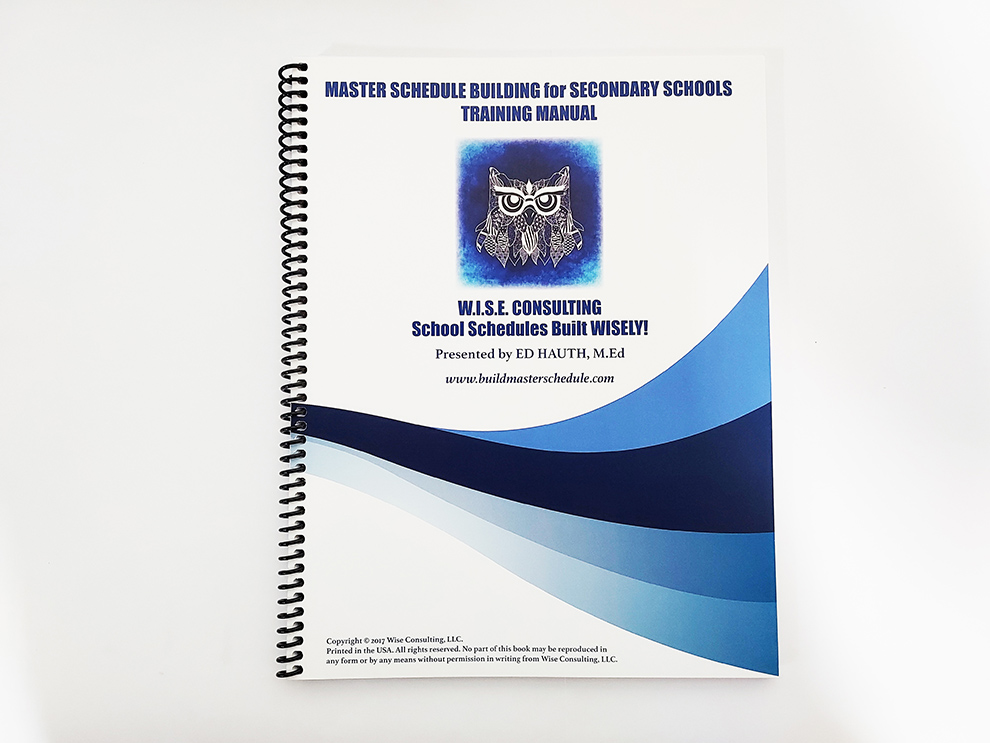
Spartanburg, SC organizations reach Heritage through two routes, and the right one depends on whether the book is defined. If the spiral-bound configuration you need is live in the Self-Directed Online Store and your artwork is complete and print-ready, your team selects the listed options, uploads the files, and places the order independently. The total eligible Store order must reach $750, and other eligible Store products can count toward that figure.
Heritage still reviews the files for production readiness, sends an electronic proof for approval, and applies normal quality control, but the Store does not include an assigned Project Coordinator, layout help, or a Physical Production Color Proof.
The Storefront Custom Quote form fits qualifying new Commercial Printing work of $2,000 or more when files need production preparation, tabs and dividers must be planned, several versions must be tracked, or a firm program date calls for closer coordination. Meeting the threshold opens the option; it does not require it. A Project Coordinator is assigned only after Heritage accepts the quote and assigns the work, and then serves as your direct phone-and-email contact through delivery.
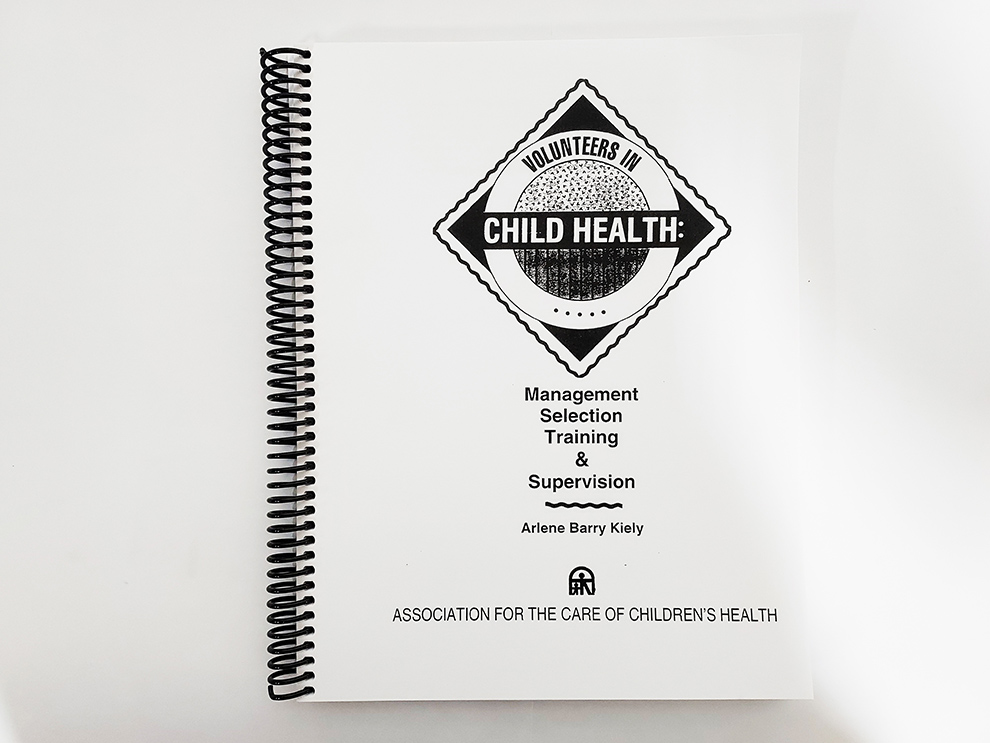
Yes. The plastic coil lets each page swing through a full circle, so the book rests flat at any spread and can be folded back until only one page shows. That behavior is why the format suits procedures, equipment references, and workbooks used where both hands are busy or desk space is tight.
Because the book cooperates with the task. Trainees can write on a flat page, instructors can direct a class to a tabbed section, and technicians can prop a procedure beside the work without losing their place. Spiral binding also tolerates frequent page turning better than a stapled packet, which matters for materials used over months rather than a single session.
A laminated printed cover paired with a heavier back is the usual starting point for books that live on a shop floor, in a classroom, or in a vehicle. Lamination resists scuffing and ordinary moisture, and a sturdy back keeps the book from curling. Availability depends on the production path, so confirm the options listed on the Store product or include the requirement in a Custom Quote request.
Choose plastic coil if people will work from the handbook: writing in it, following steps, or flipping between sections while doing something else. Choose perfect binding if the handbook is read start to finish, presented to clients or members, or stored on a shelf where a printed spine helps identify it. Neither format is better in every case; the reading situation decides.
Yes, provided the configuration you need is live in the Self-Directed Online Store and your files are print-ready. You choose from the options shown, upload artwork, and complete the purchase yourself. The eligible order total must reach $750. Heritage still checks the files, sends an electronic proof before printing, and runs its standard quality control, but no Project Coordinator is assigned and no design or product selection assistance is included.
It qualifies when the eligible order total reaches $750, and that total can include more than one Store product. A department ordering a modest run of coil-bound workbooks can add other eligible Store products to the same cart to meet the minimum, as long as each item is live and follows its own option and file requirements.
The Storefront Custom Quote path becomes available for qualifying new Commercial Printing work of $2,000 or more. It is the right choice when the files are not yet production-ready, when tabs, dividers, or multiple versions need planning, or when a fixed program date benefits from direct coordination. Submitting the form starts a review, not an assigned relationship. After Heritage accepts the quote and assigns the order, a Project Coordinator becomes your phone-and-email contact for that job. Buyers below the threshold who have complete print-ready artwork use the Self-Directed Online Store.
Every Heritage Commercial Printing order, including a Store purchase, receives an electronic proof that must be approved before production begins. Use it to confirm page order, revision dates, tab labels, cover text, and overall layout. Treat it as a content and layout check rather than a color standard, since a screen cannot show exactly how ink will appear on the selected paper.
For qualifying Custom Quote commercial printing orders of $2,000 or more, Heritage offers an optional Physical Production Color Proof at added cost. It is printed on the equipment scheduled for the job and on the paper or material chosen for the finished books, so it shows what the press will actually produce. Allow extra time in the schedule for it. Once approved, it serves as the controlling physical color reference for the run unless both parties agree otherwise. This proof is not offered on Self-Directed Online Store orders, which rely on electronic proofing only.
They turn a thick book into a set of findable sections. Tabs labeled by module, department, or procedure number let a reader open directly to the right place, and dividers give a visual break between reference content and exercises. Tabs and dividers are available when the Store product offers them or when they are specified in an accepted Custom Quote, so plan labels and section order before files are finalized.
The Spartanburg, SC organizations best served by spiral-bound books are those that train, certify, or document procedures: manufacturers and suppliers along the Interstate 85 corridor, distribution and logistics operations, healthcare and senior-care providers, colleges and technical programs, churches, and nonprofits running classes or volunteer programs. Typical pieces include onboarding workbooks, safety and operating procedures, course packets, program directories, and policy handbooks that must stay open and survive regular use.
Yes. Heritage records the specifications accepted on a produced job, from trim size and paper through cover construction, tab configuration, and color targets, so a revision starts from the same foundation. That lets your team concentrate on the pages that changed. Established clients who already have an assigned Project Coordinator may continue working with that contact on appropriate directly managed repeat orders.
Possibly, and the sooner the date is shared the more options remain. Heritage looks at how complete the artwork is, the quantity, the paper and cover choices, whether tabs or dividers add steps, how quickly the electronic proof can be approved, what production capacity is open, and how the books will reach Spartanburg. From that review Heritage either confirms a responsible plan or explains the constraint early and works toward a workable alternative where one exists. No date is promised until that evaluation is complete. For qualifying Custom Quote work, Project Coordinator involvement begins once the quote is accepted and assigned.
Heritage Signs & Displays created new museum signage for the Military Women’s Memorial in Arlington, VA. The project included custom signs, wall wraps, dimensional letters, and standoff-mounted displays to honor the legacy of U.S. servicewomen and the donors who supported the memorial. The updated interior features impactful designs, including a "Our Legacy" wall display and panels showcasing historical contributions and artwork, creating a transformative tribute to women in the U.S. Armed Forces.
Heritage Signs & Displays' collaboration with The Gathery to brand Union Market in Arlington, VA, for Indeed's "Ready to Work" job fair. The project included custom event displays, wall graphics, window graphics, and wayfinding signs, creating an immersive and visually appealing environment. The branding enhanced the venue, reflected the event's mission, and provided a seamless experience for attendees.