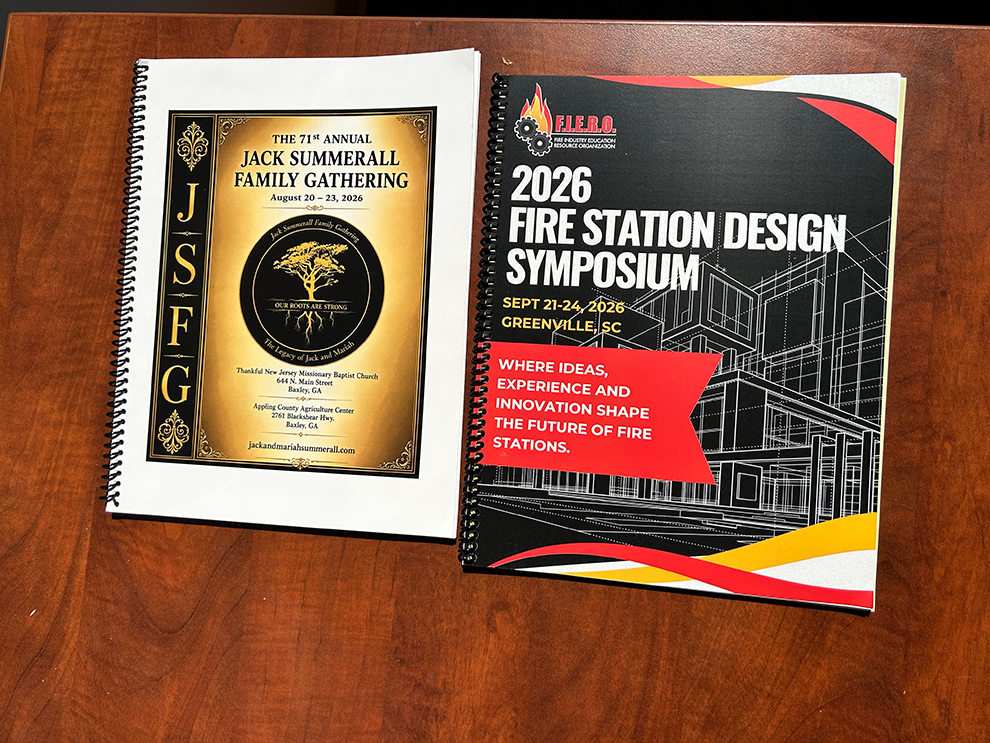
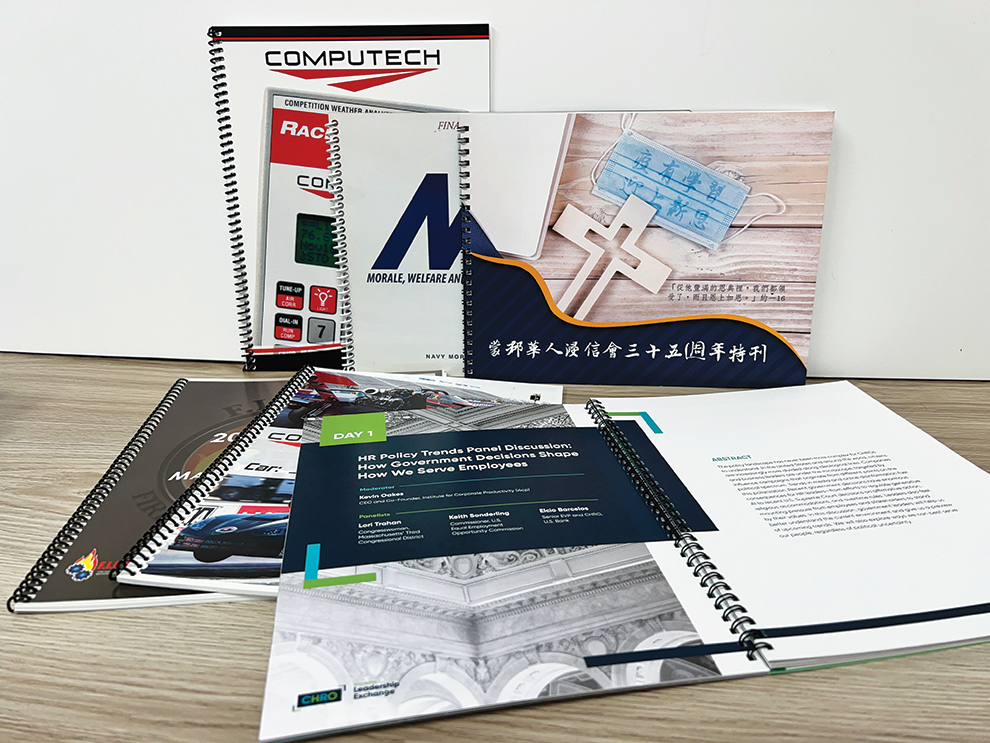
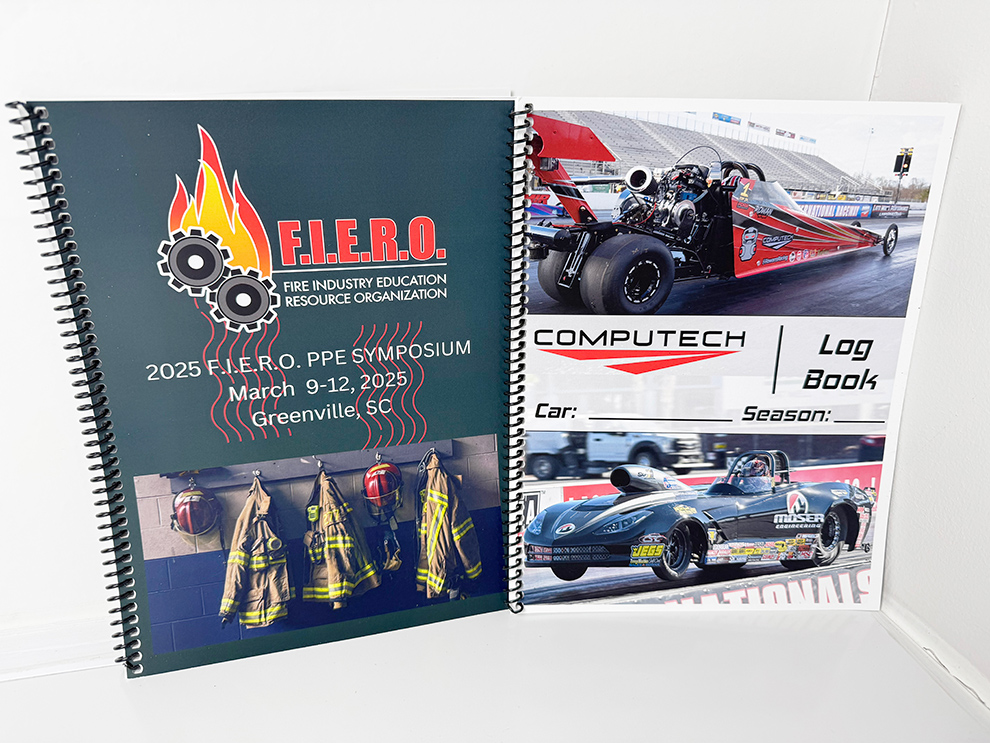
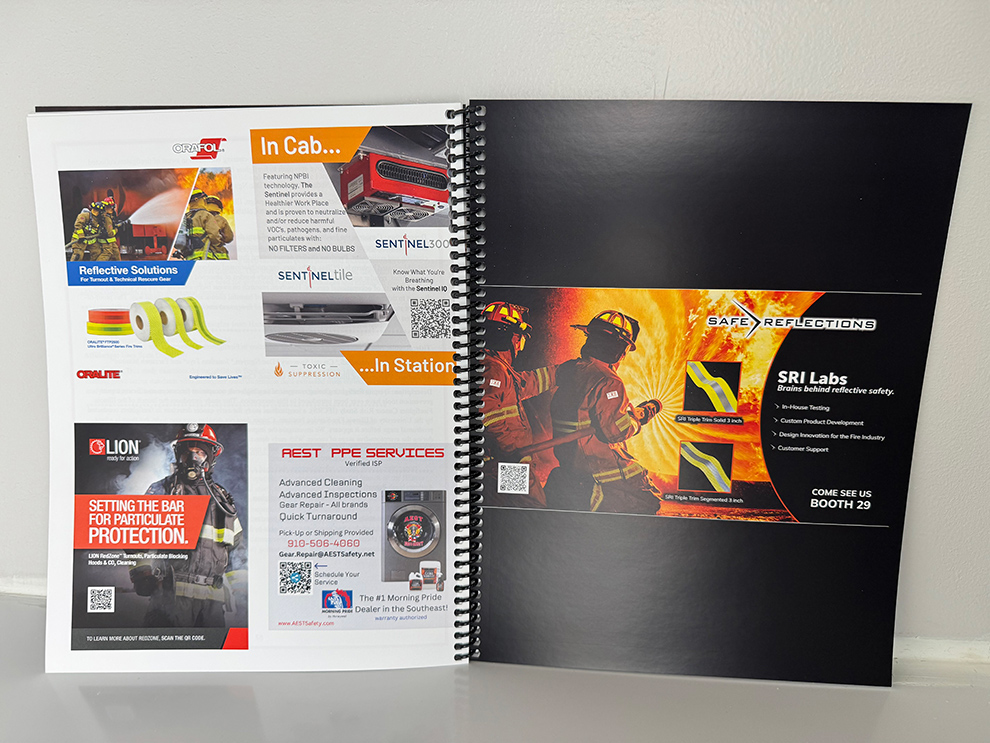
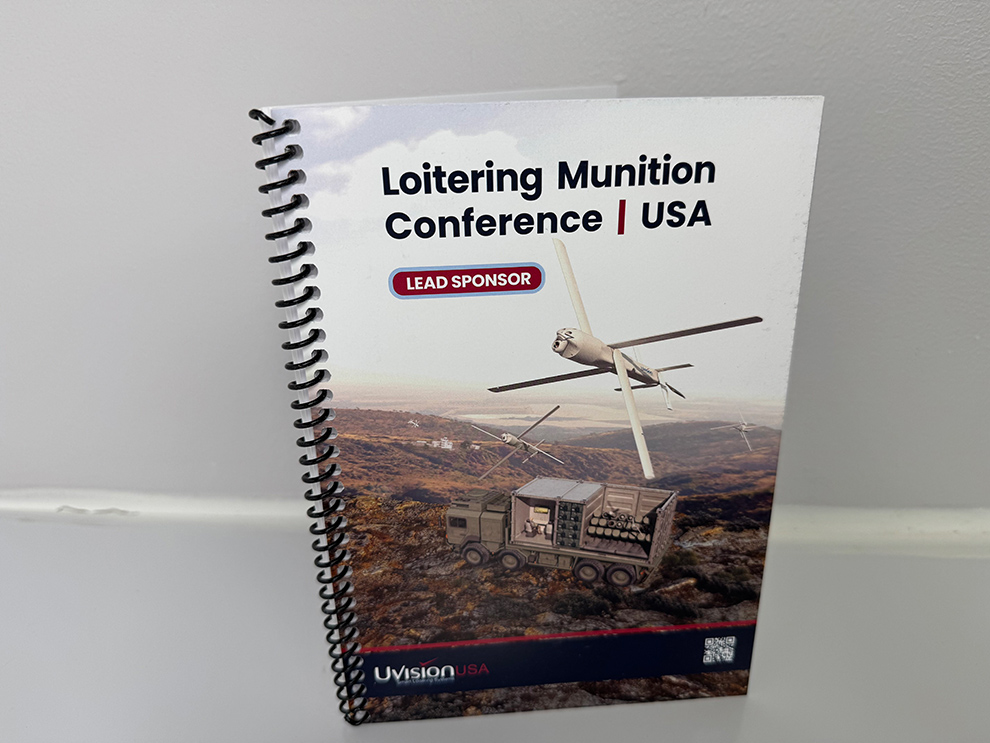
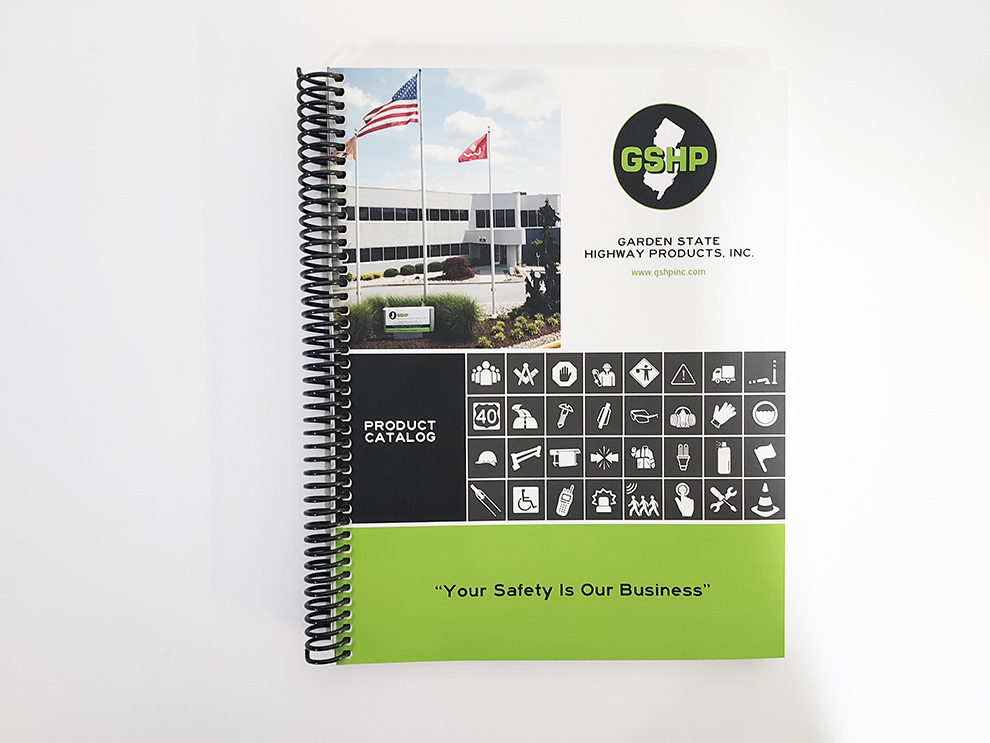
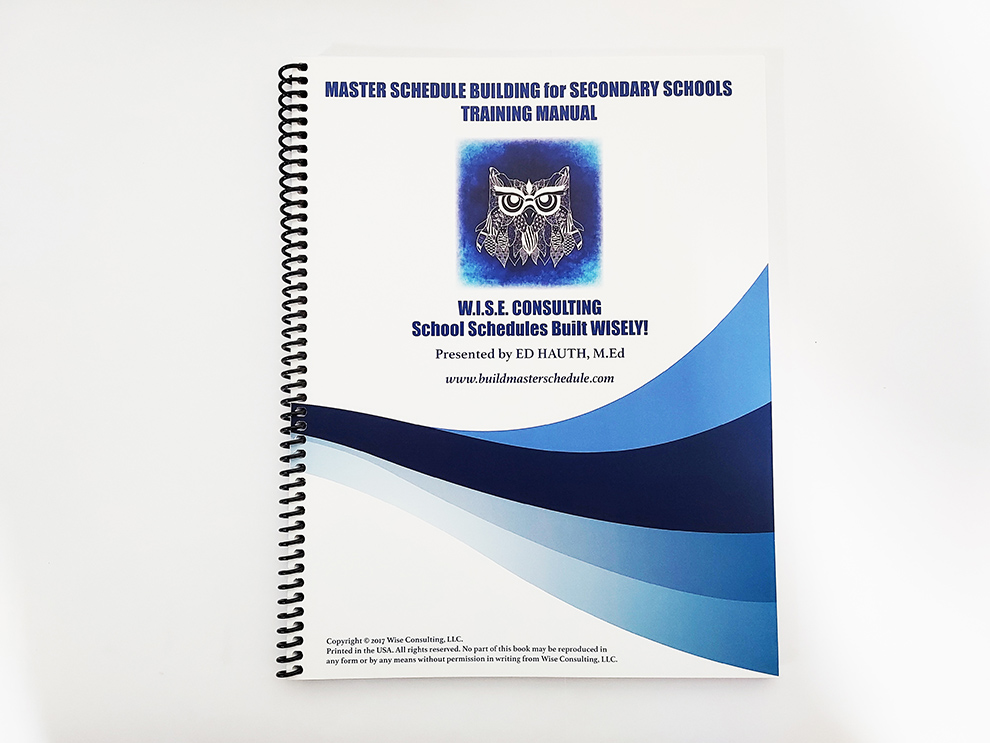
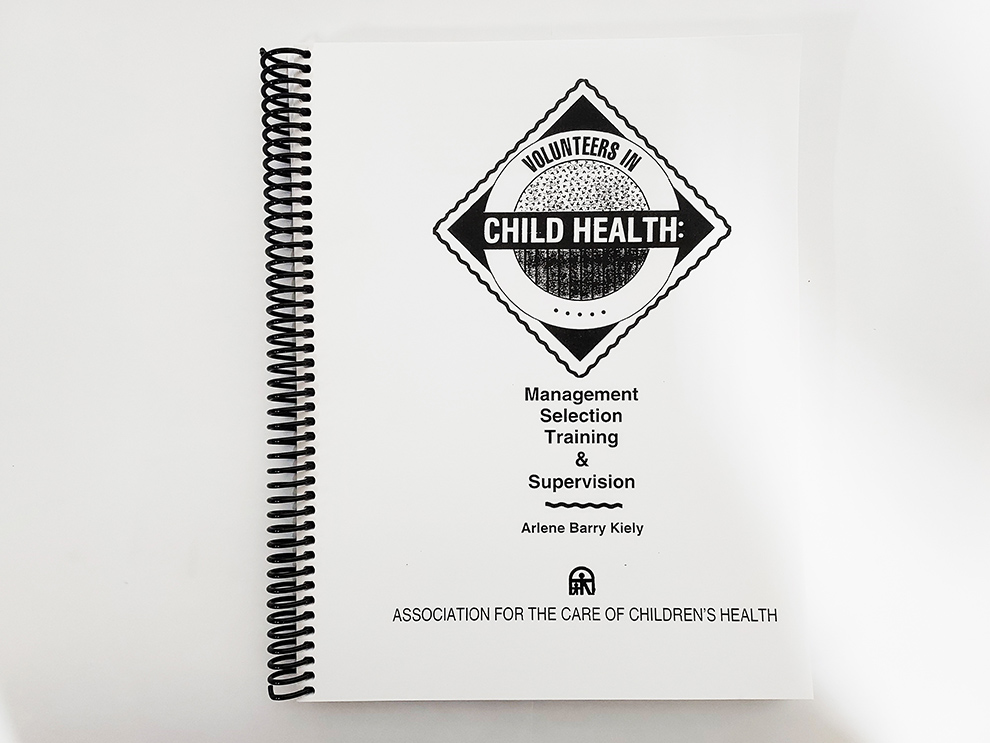
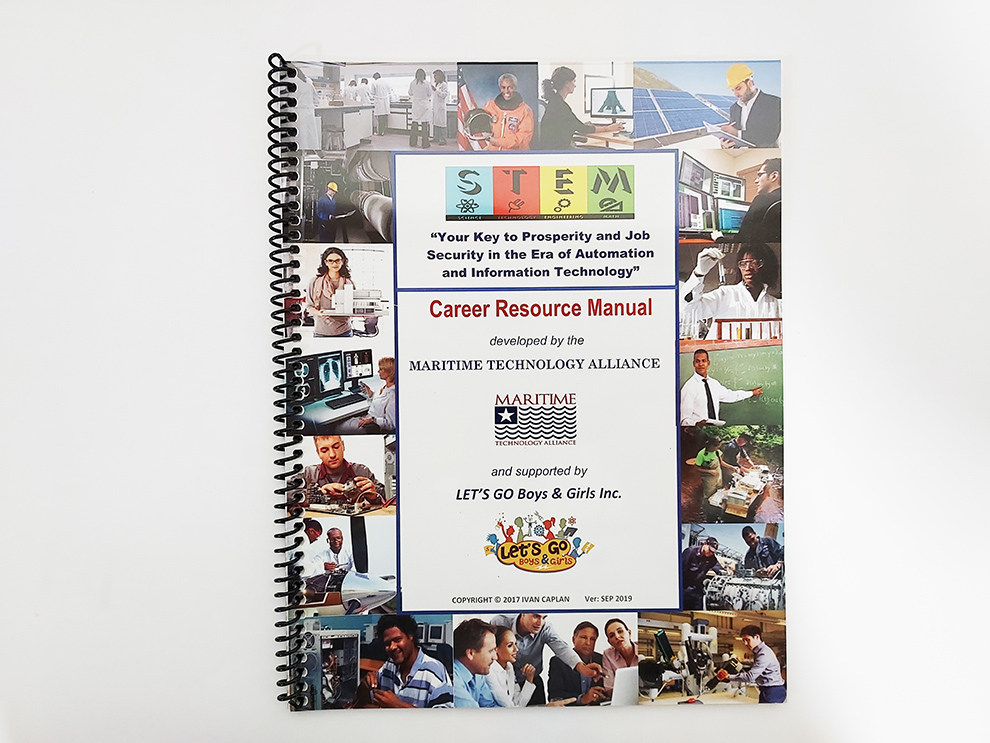
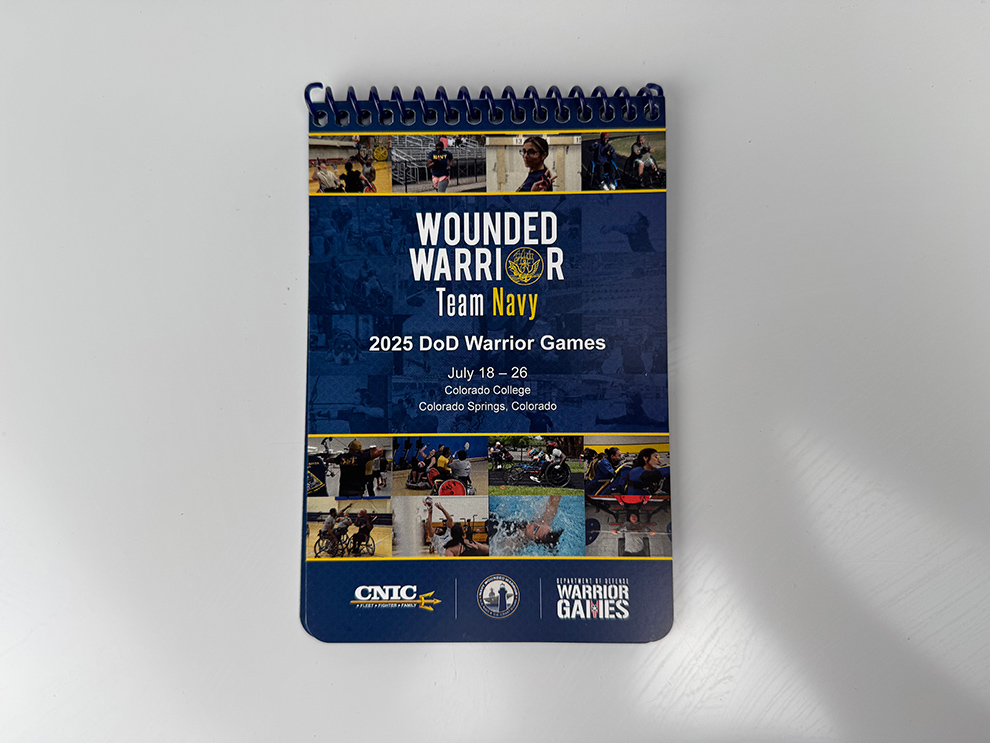
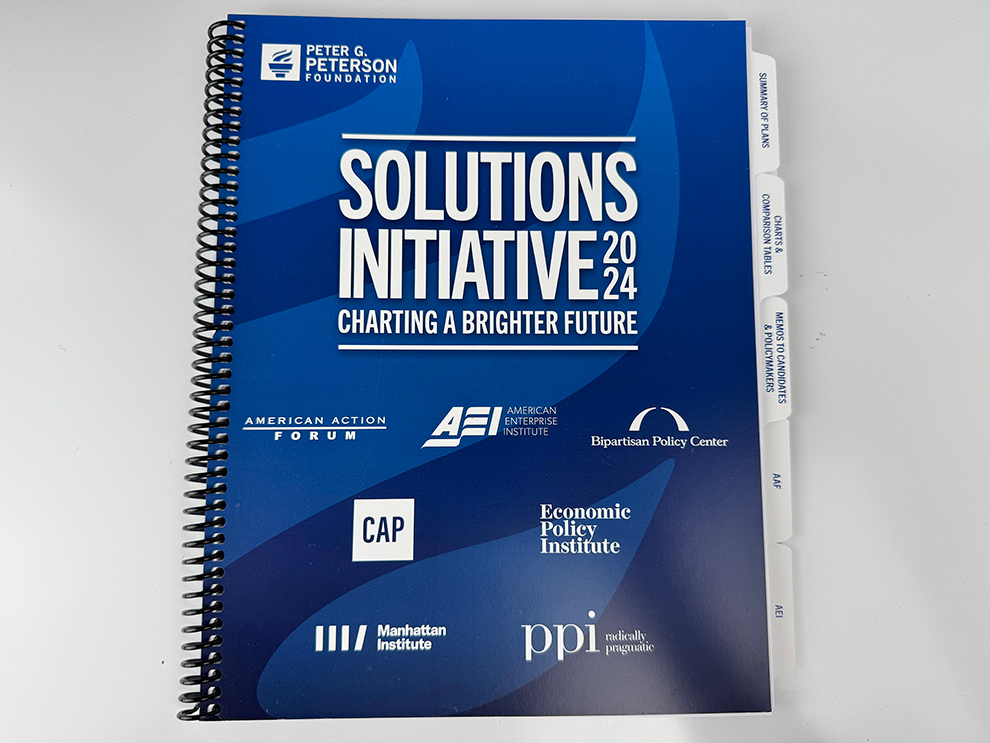
A procedure checklist taped to a wall or a manual that keeps snapping shut on a workbench is a small problem that repeats all day. Heritage prints spiral-bound books for Virginia Beach, VA teams that need printed material to cooperate with the work in front of them, whether that work happens in a classroom, a clinic, a hotel back office, a maintenance bay, or a vehicle on a job site.
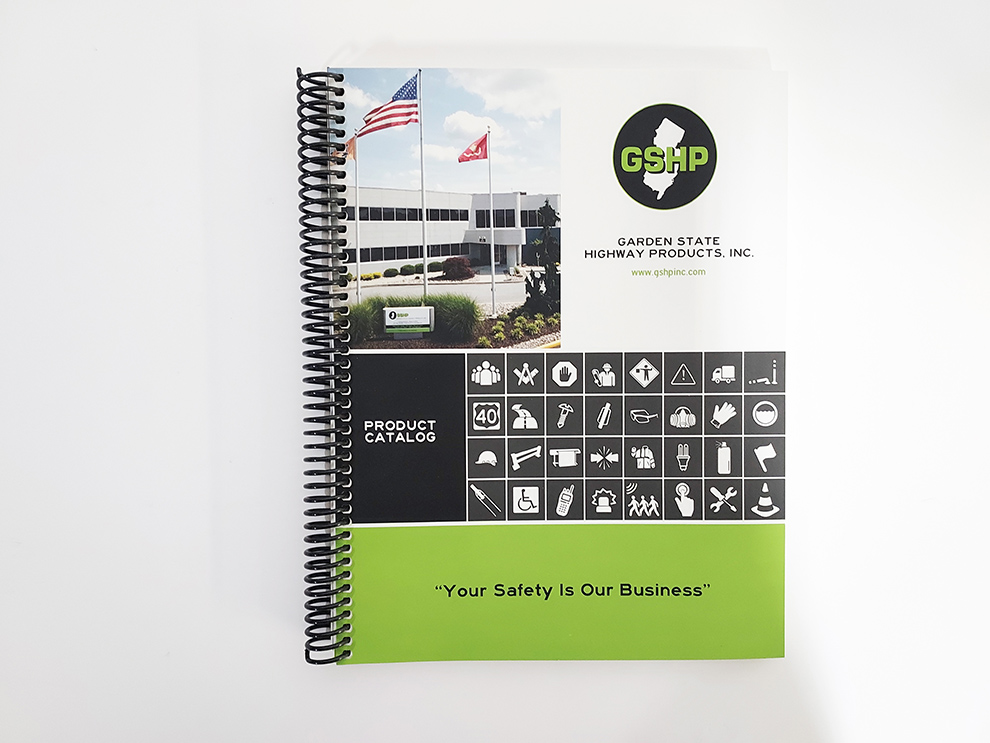
Plastic coil binding solves the problem at the binding edge. Pages turn freely around the coil, the open book lies flat without being held down, and the cover and pages can wrap fully behind the book so one page stays visible in a tight space. Those three behaviors make the format a natural fit for training workbooks, operating procedures, instructor guides, field references, safety handbooks, and directories that are consulted again and again.
Laminated covers, heavier backs, and labeled tabs can be added where they earn their place, and Heritage produces each book with the same color management, electronic proofing, and finishing discipline applied to the rest of its commercial printing work.
Heritage started as a printing company in 1977, and that background shapes how each spiral-bound job is handled. Automated plastic-coil binding gives Heritage consistent punching and coil insertion across a full quantity, so the two hundredth book opens and folds back the same way the first one does. Around that equipment, Heritage checks page sequence, confirms assembly, applies its standard color management, and reviews finishing before anything ships.
Virginia Beach, VA buyers are working toward something concrete: a new-hire class, a certification course, a seasonal staffing surge, a safety refresher, or a procedures update that has to replace the old copies in circulation. Production for this market is supported from the Heritage Mid-Atlantic facility in Waldorf, Maryland, and orders travel to Hampton Roads by shipment rather than through a local storefront.
Heritage reviews artwork readiness, quantity, finishing, and available capacity before agreeing to a date, and it raises constraints early instead of discovering them late. When a book returns for a second or fifth edition, retained specifications let the next run start from a known baseline.
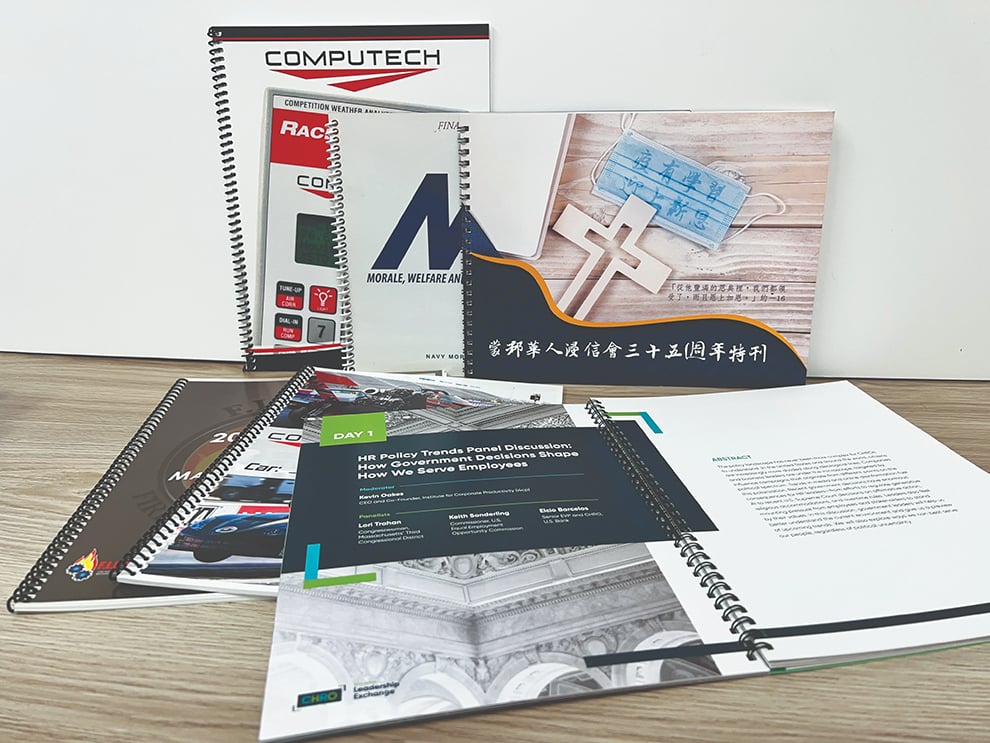
The right binding depends on what the reader will do with the book. If the book will be open on a desk, propped on a dashboard, or passed around a training table while someone writes in it, plastic coil is usually the practical answer. The coil lets the book lie flat on its own, pages move without resistance, and it folds back to a single page when there is no room to spread out.
That behavior pays off in workbooks with fill-in exercises, step-by-step procedures, inspection checklists, instructor guides, and reference directories that are opened repeatedly. Tabs and dividers let a reader jump to a section instead of flipping, and a laminated cover with a heavier back keeps a book presentable after months of handling in a truck or a workroom.
Perfect binding suits a different job. Its glued, squared-off spine gives a report, catalog, or annual publication a traditional book profile that carries a spine title and sits cleanly on a shelf. Choose perfect binding when appearance and shelf presence lead; choose plastic coil when the book has to stay open and keep working.
A coil-bound manual is often one item on a longer list for the same class, season, or program. These related Heritage printing pages cover the pieces that most often share the order.
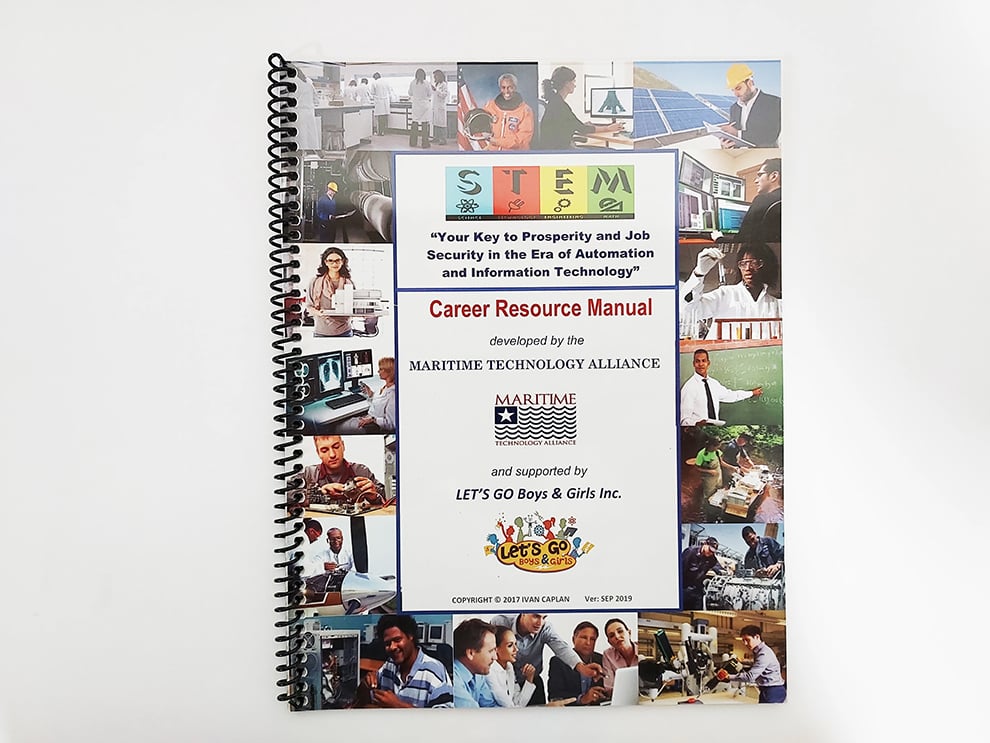
Onboarding guides, curriculum sets, and procedure collections for programs that teach the same material to every new class.
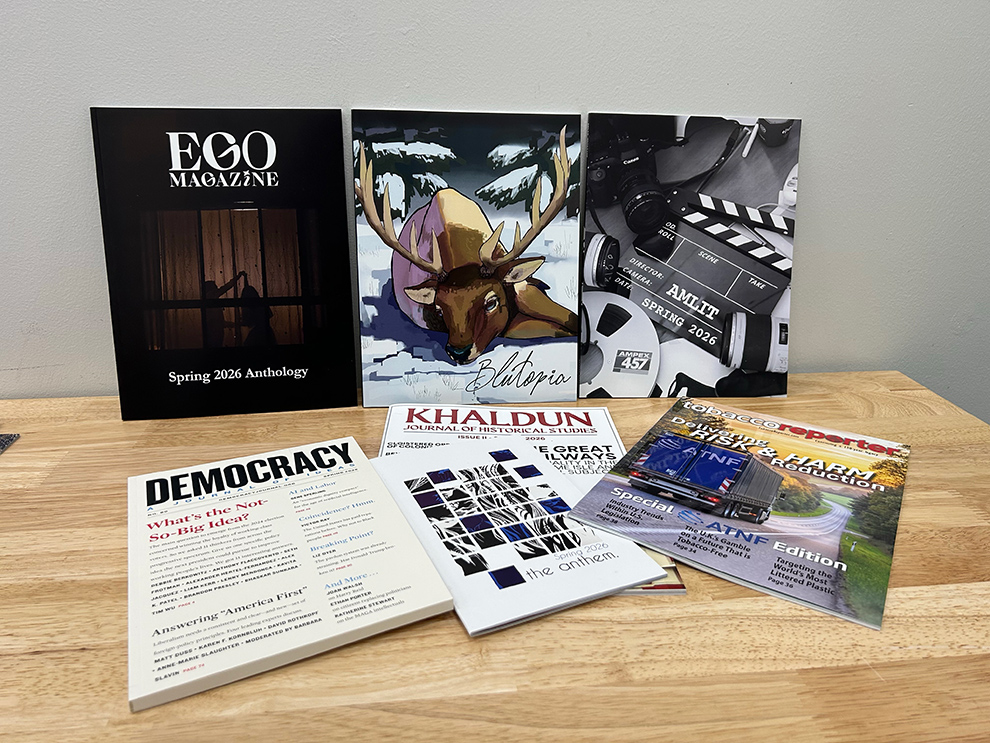
A squared spine for reports, catalogs, and publications that will be shelved, handed to a client, or stacked for display.
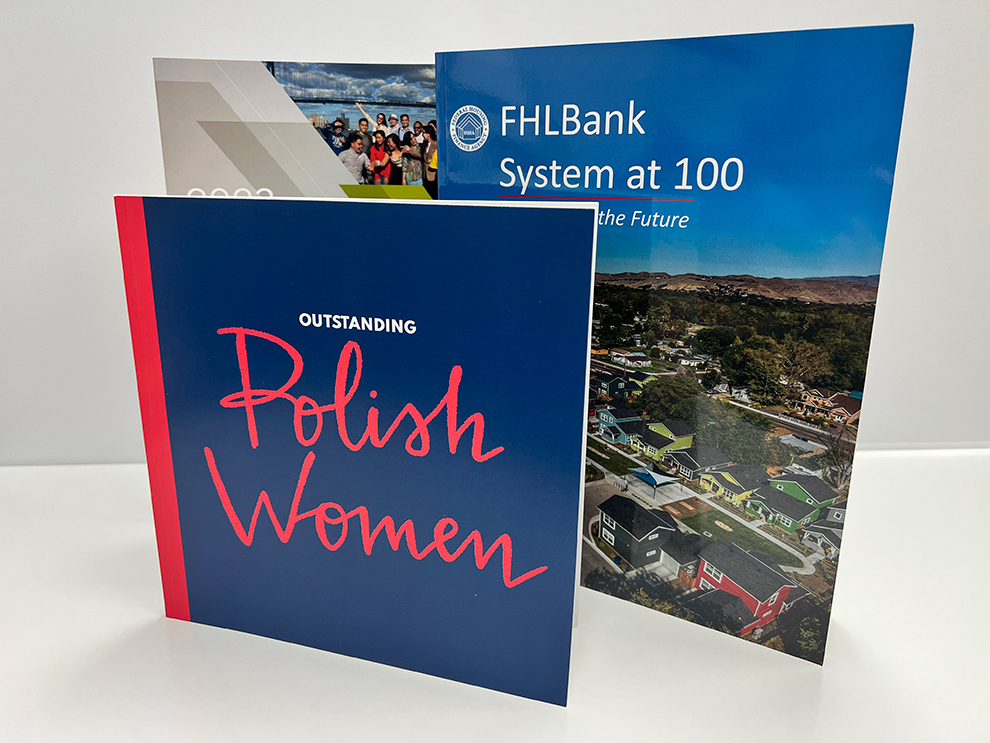
Short-run formats for agendas, event programs, and guides where a stitched or folded piece fits better than a coil.
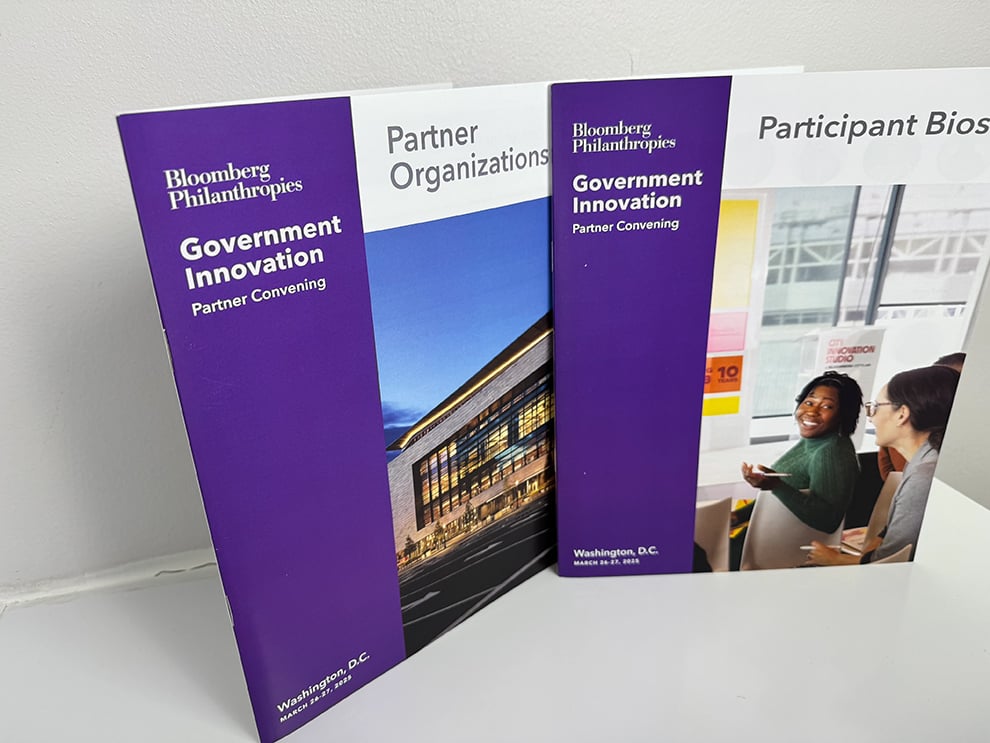
A printed pocket folder that keeps a manual, certificate, and handouts together for a class, briefing, or client meeting.
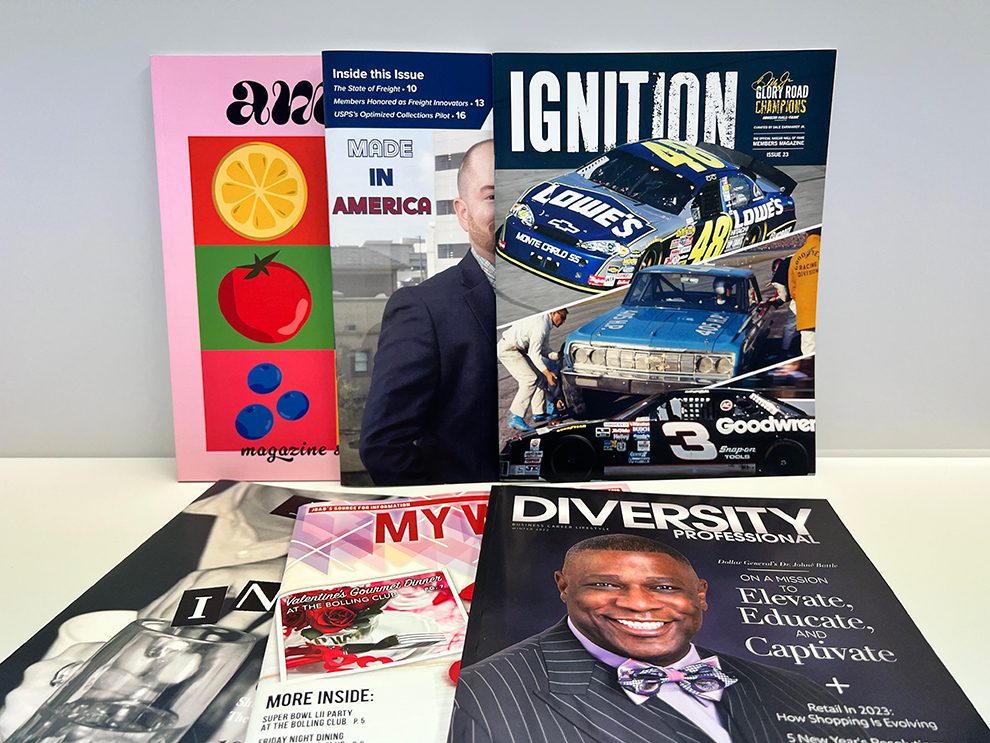
Scheduled issues for member groups and organizations that need steady page counts, color, and timing across every release.
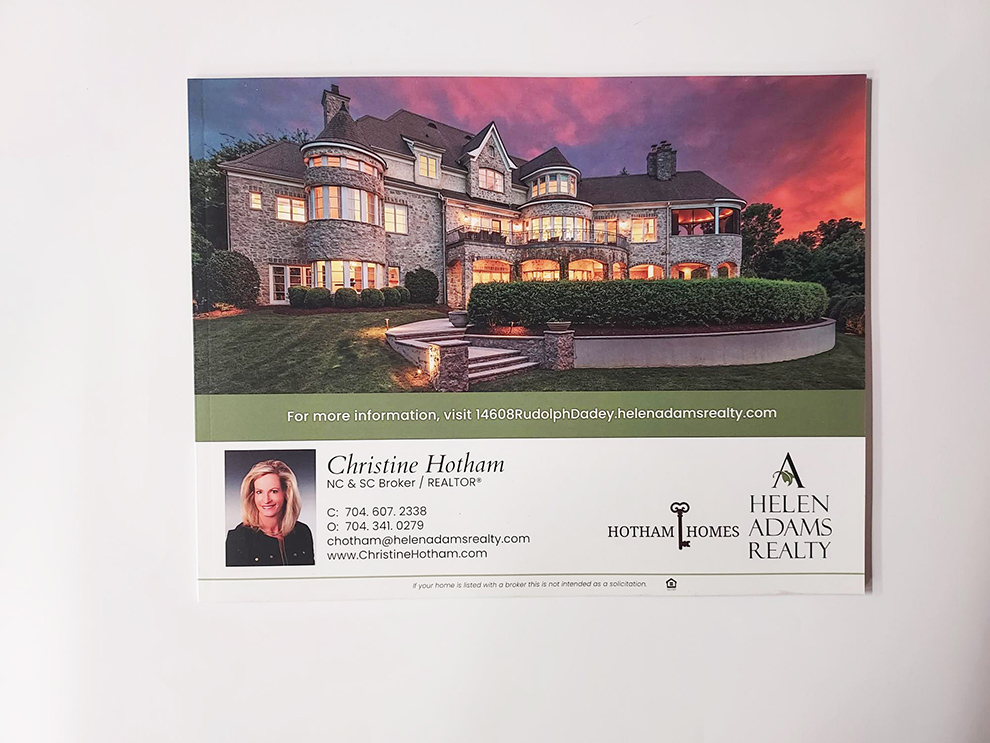
Addressing and mail preparation for materials that need to reach members, employees, or customers at many different addresses.
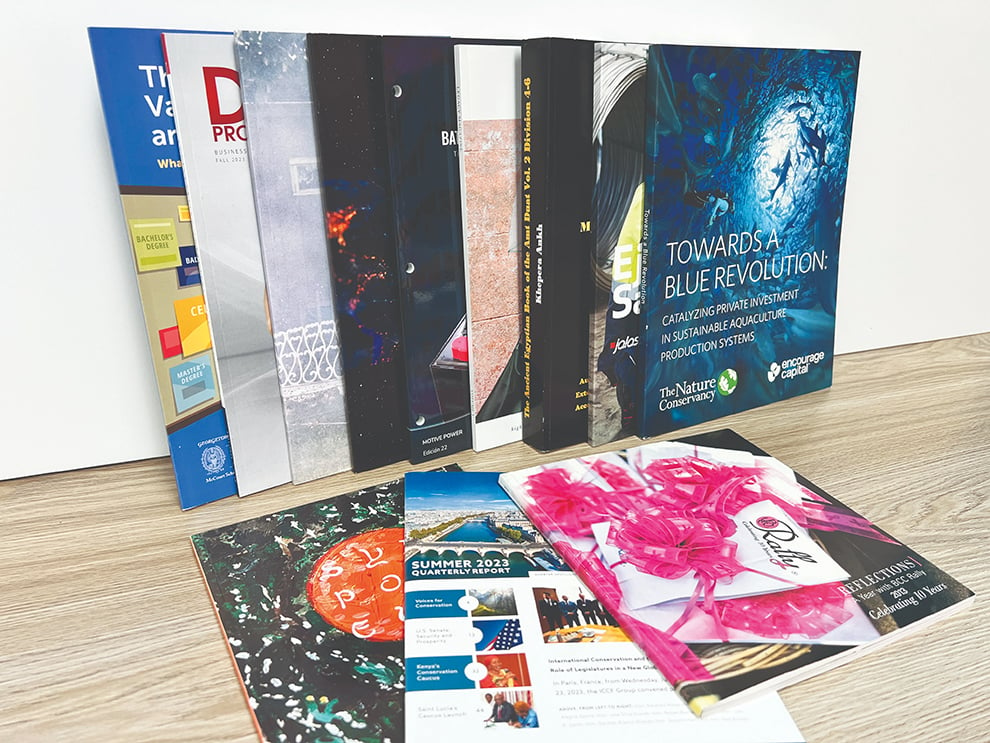
Brochures, flyers, and promotional pieces that often ride along with a training or orientation order.
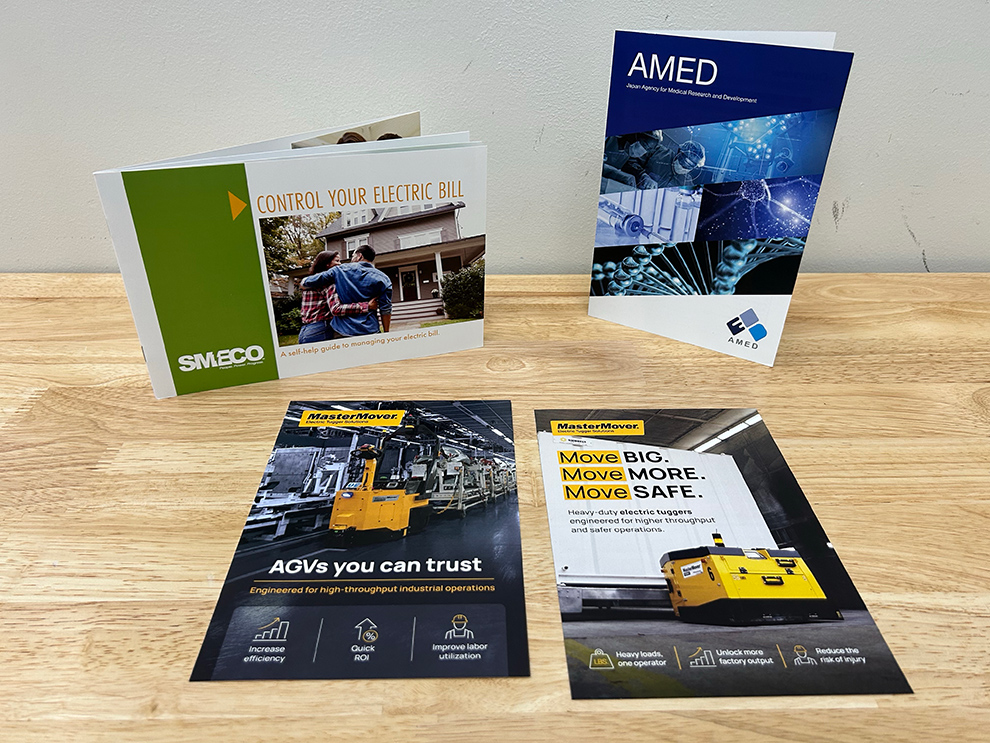
A view of the full Heritage printing range when a manual is one line on a longer list of printed needs.
If the spiral-bound configuration you need is live in the Online Store and your files are print-ready, order it there and watch for the electronic proof. If the job qualifies at $2,000 or more and still needs file preparation, divider planning, or coordination across versions, send the Custom Quote form and Heritage will respond with a plan it can stand behind.
Most spiral-bound decisions come back to how the book will be handled. A workbook built for a two-day class should have writing space, paper that takes pen and highlighter without bleed-through, and a page count that keeps the coil diameter comfortable in the hand. A field procedure guide that rides in a vehicle between Virginia Beach job sites benefits more from a laminated cover, a sturdy back that supports one-handed use, and tabs that survive repeated pulling.
Heritage weighs finished size, page count, paper weight, cover construction, color versus black-and-white pages, quantity, and the likelihood of future revisions as a connected set rather than a menu. When the production path allows mixed sections, running color only where it is needed can hold cost down on a long manual without sacrificing the diagrams that matter. Dividers are placed against the actual content so section breaks land where readers expect them.
For books that will be reissued, the approved specifications become the record for the next edition. A revision then touches only the pages that changed, and the finished books match the copies already in use.
The right path depends on how far along the job already is. The Self-Directed Online Store fits a buyer who already knows the configuration, has complete print-ready artwork, and finds the needed spiral-bound option live and orderable there. Heritage still reviews the file for production readiness, sends an electronic proof for approval, and applies its standard quality control, but the Store path does not include an assigned Project Coordinator, layout help, or product selection guidance. The eligible Store total must reach $750, and several eligible items can be combined to get there.
Storefront Custom Quote becomes available for qualifying new Commercial Printing work of $2,000 or more when the job needs something the Store cannot provide: file preparation, production-oriented layout support, specification advice, tab and divider planning, or closer coordination around several versions or a fixed program date. Reaching $2,000 opens the option; it does not require it.
Submitting the form starts a conversation, not an assignment. After Heritage accepts the quote and assigns the work, a Project Coordinator becomes the direct phone-and-email contact for that order.
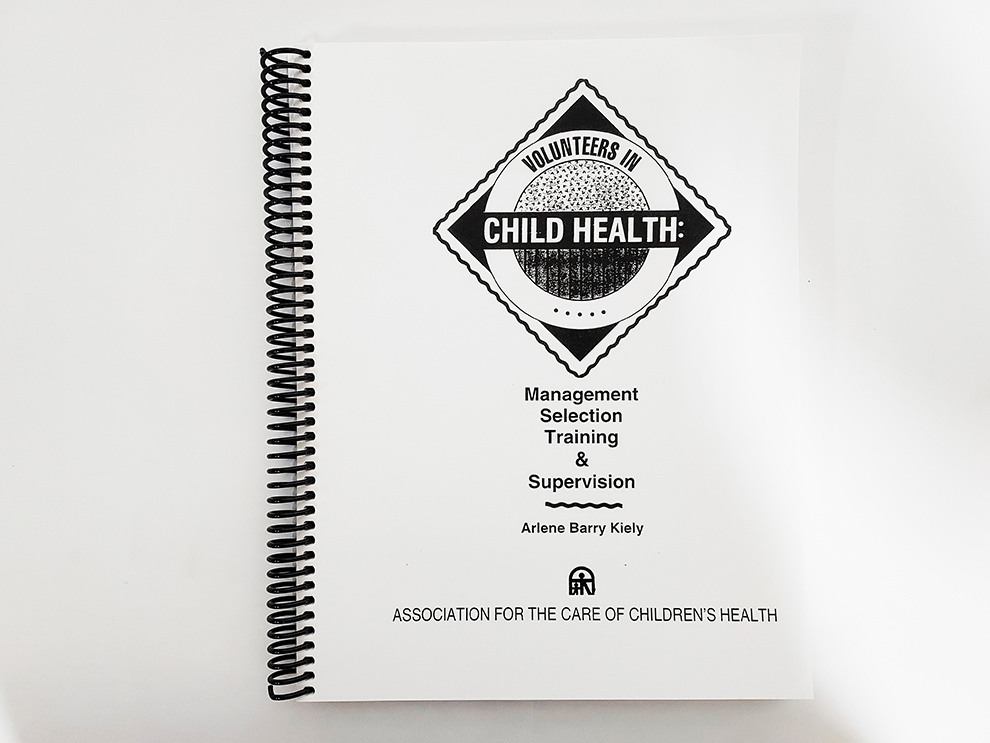
Yes. The plastic coil lets every page and both covers rotate fully around the binding edge, so the book can be folded to show a single page and held in one hand. That is the feature that makes the format practical on a crowded desk, in a vehicle, or in a training room where each participant has limited table space.
Because the book keeps pace with the lesson. A coil-bound workbook stays open to the exercise without being pinned down, pages turn freely while an instructor is talking, and the cover folds behind the book when a participant needs to write. Those qualities also serve procedure manuals, checklists, and directories that are consulted repeatedly rather than read once.
Pick based on use. Plastic coil is the stronger choice when the book must lie flat, fold back, and handle frequent page turning during training, procedures, or reference work. Perfect binding, with its glued, squared spine, is the better fit when a conventional book appearance, a printed spine, and clean shelf presentation matter more than lay-flat function. Neither is superior in every case.
A laminated cover over a heavy stock, paired with a sturdy back, gives stronger protection against scuffing, moisture, and corner wear. Plain printed cover stock is adequate for a workbook used once and retired. Cover options depend on what the selected Store product or an accepted Custom Quote supports, so confirm availability for the path you are using.
They can, when the chosen production path supports them. Tabs let a reader move straight to a section, and dividers give long manuals visible structure. Plan the tab labels, section order, and page count together, because tab position and count affect how the finished book is assembled. Tab and divider work is most easily coordinated through an accepted Custom Quote when the manual has several sections or versions.
Any organization that trains people in groups or runs on written procedures. In the Virginia Beach, VA and wider Hampton Roads area, that commonly includes hospitality and resort operations with seasonal staff, healthcare and home care providers, defense contractors and support firms, trade and technical schools, municipal departments, and churches and nonprofits running classes. Typical pieces are onboarding workbooks, safety and procedure manuals, instructor guides, and member or vendor directories.
Both. Every Heritage Commercial Printing order receives an electronic proof for approval before printing begins, and that includes eligible Self-Directed Online Store purchases. The proof is the place to check page order, content, layout, and any tab or divider labeling. It is a screen file, not a printed color sample, so it should not be used to judge exact ink color on paper.
Three things. The spiral-bound product and options you want must be live and orderable in the Store, your artwork must be complete and print-ready, and the eligible order total must meet the $750 minimum. The Store is built for buyers who can select options without consultation; it does not provide layout work, product selection help, or an assigned Project Coordinator. Heritage still performs production review, sends an electronic proof, and applies quality control.
Yes. The $750 figure applies to the total eligible Store order, not to each product. A short run of coil-bound workbooks can be combined with any other products that are live in the Store within one purchase. Each item still follows its own Store options and file requirements, and the combined order receives the same electronic proof and production review.
Custom Quote is an option for qualifying new Commercial Printing work valued at $2,000 or more when the job needs file preparation, production-oriented layout, specification guidance, tab and divider planning, or closer coordination across versions or a fixed date. The threshold makes the path available; a $2,000 job with clean files can still use the Store if the configuration is live there. The form is a request, and an assigned Project Coordinator is provided only after Heritage accepts the quote and assigns the work.
For qualifying Custom Quote commercial-printing orders of $2,000 or more, yes. Heritage can produce an optional Physical Production Color Proof on the printer scheduled for the final run and on the same paper or production material chosen for the finished books. It is a paid step and adds time to the schedule, so it should be requested early. Once approved, it becomes the controlling physical color reference for the run unless the parties agree otherwise. This option is not offered through the Self-Directed Online Store, where proofing is electronic only.
By keeping the record. Approved specifications such as trim size, paper, cover construction, tab layout, divider placement, and color targets are retained from the accepted order, so a later edition starts from the same baseline and only the revised pages need attention. For an established client with an assigned Project Coordinator, that contact may continue on appropriate directly managed repeat work, which keeps version history and approvals in one place.
Heritage looks at the job before it commits. That review covers whether the artwork is print-ready, how many books and versions are involved, the paper and cover choices, tabs or dividers, how quickly proofs can be approved, what production capacity is open, and how the books will reach Virginia Beach. If the requested date is workable, Heritage says so and plans around it. If it is not, Heritage says that early and proposes a responsible alternative, such as a reduced first quantity or a simpler cover, rather than accepting a date it cannot support. No rush or guaranteed turnaround is promised before that evaluation is complete.
Heritage Signs & Displays created new museum signage for the Military Women’s Memorial in Arlington, VA. The project included custom signs, wall wraps, dimensional letters, and standoff-mounted displays to honor the legacy of U.S. servicewomen and the donors who supported the memorial. The updated interior features impactful designs, including a "Our Legacy" wall display and panels showcasing historical contributions and artwork, creating a transformative tribute to women in the U.S. Armed Forces.
Heritage Signs & Displays' collaboration with The Gathery to brand Union Market in Arlington, VA, for Indeed's "Ready to Work" job fair. The project included custom event displays, wall graphics, window graphics, and wayfinding signs, creating an immersive and visually appealing environment. The branding enhanced the venue, reflected the event's mission, and provided a seamless experience for attendees.