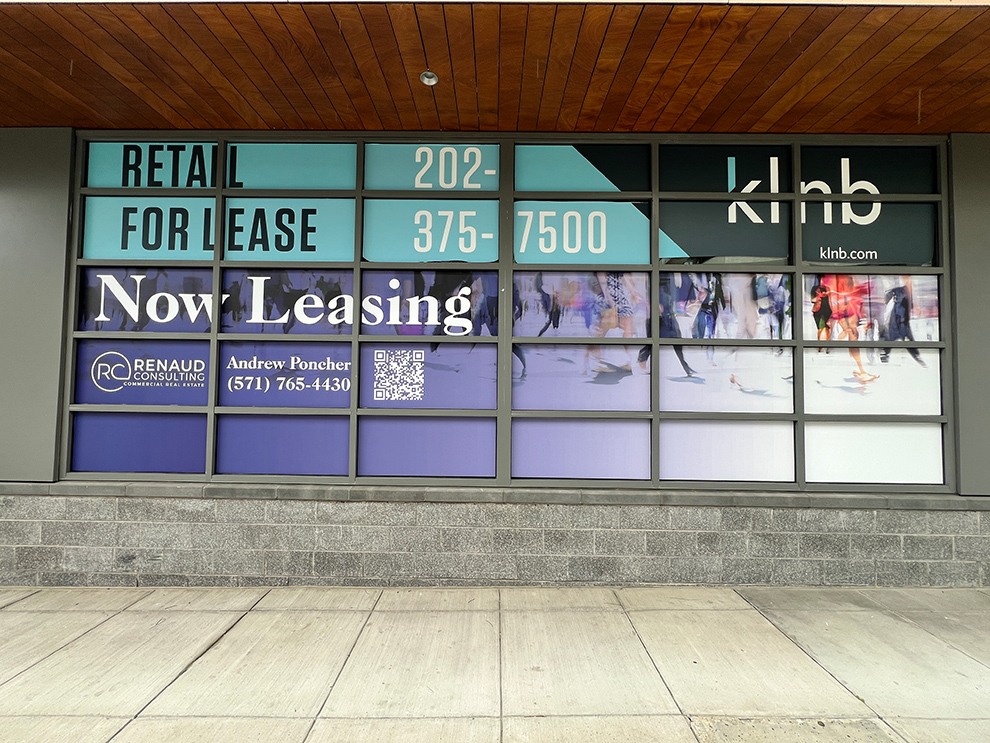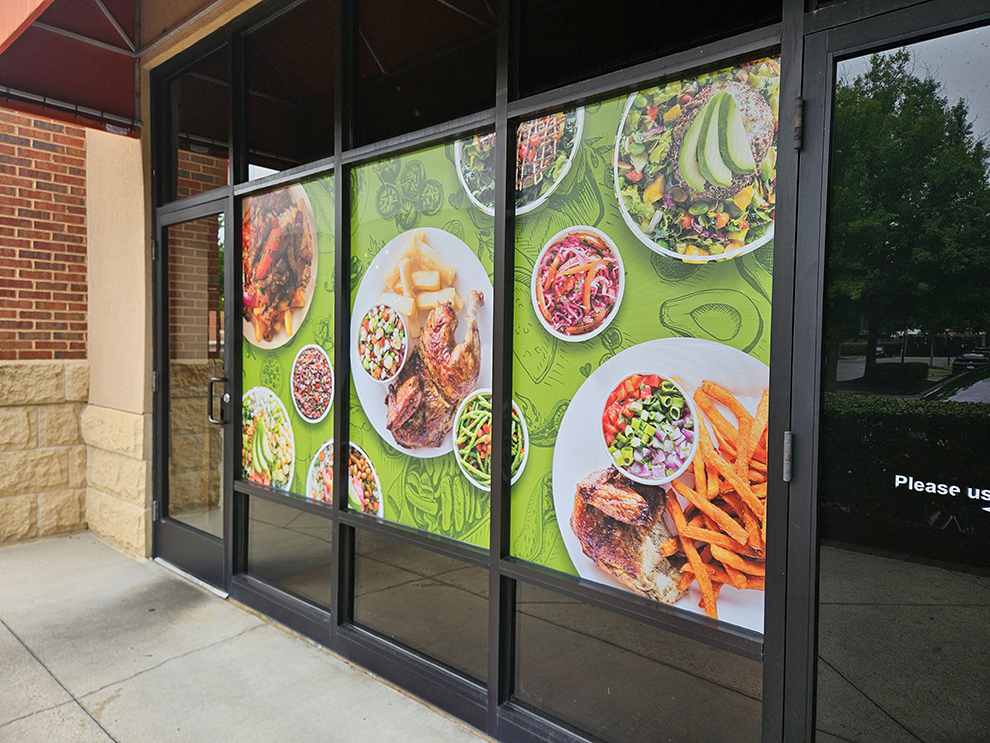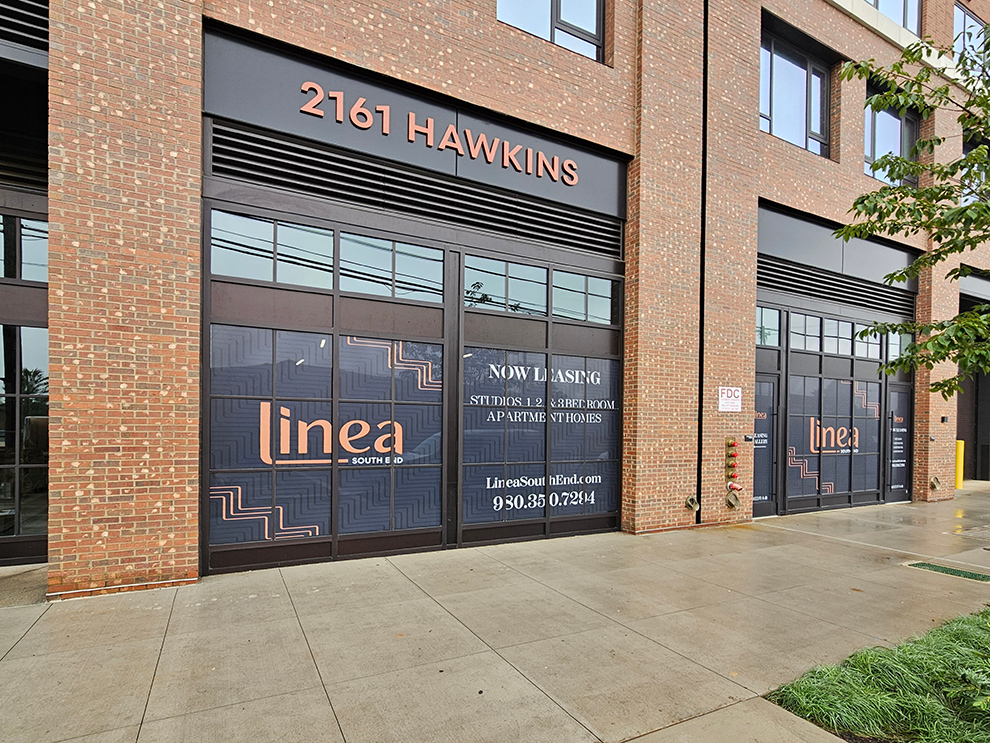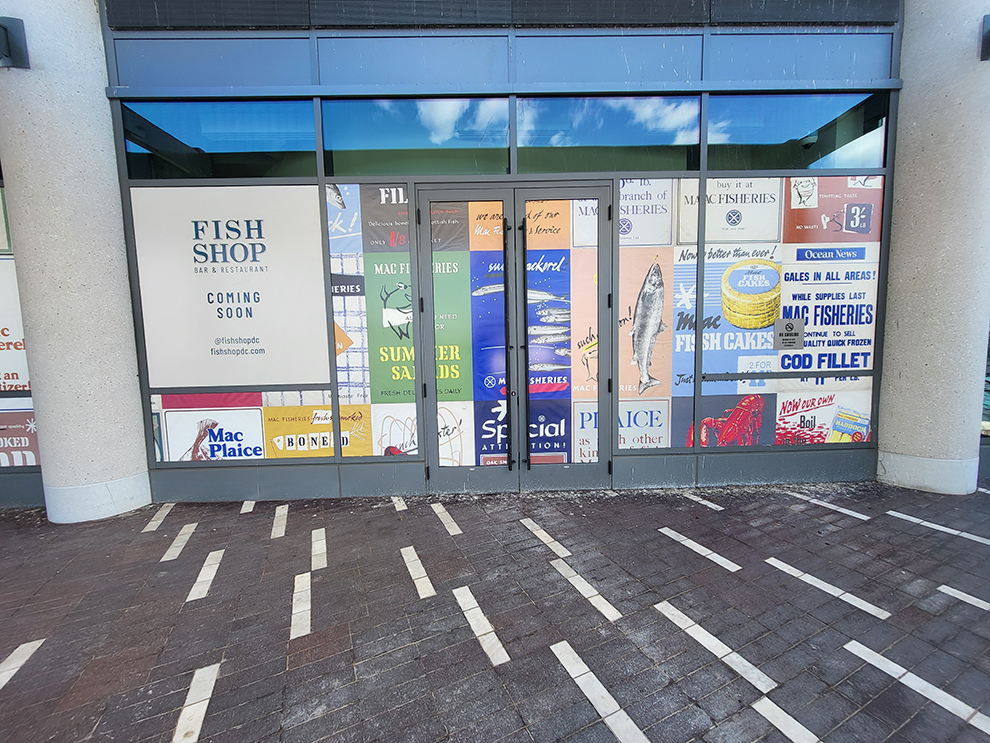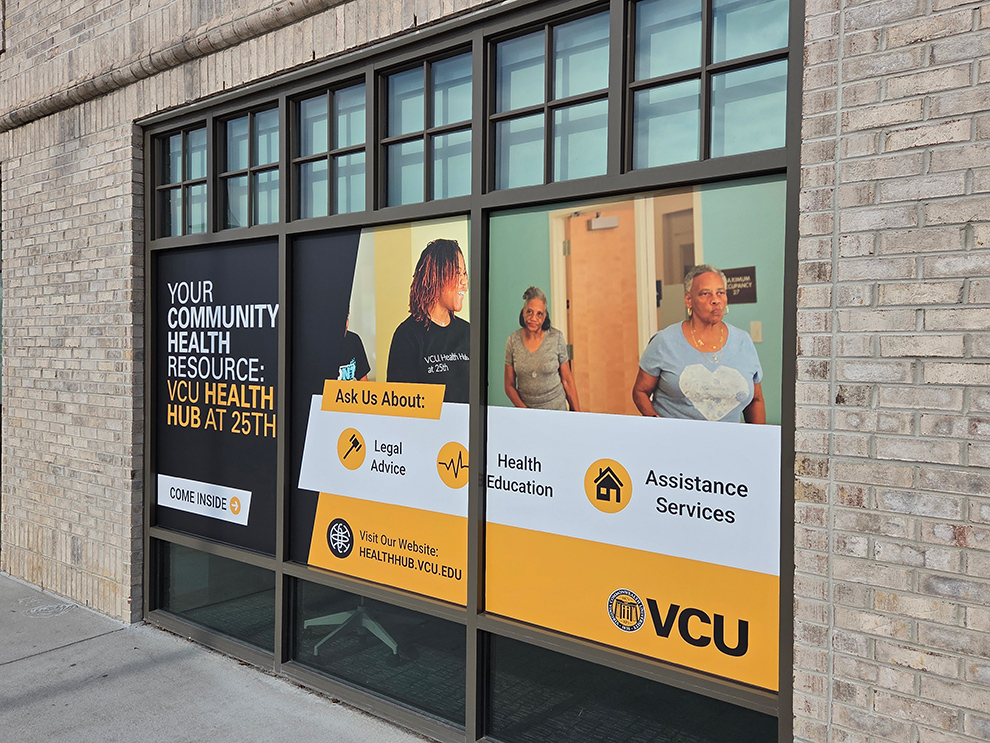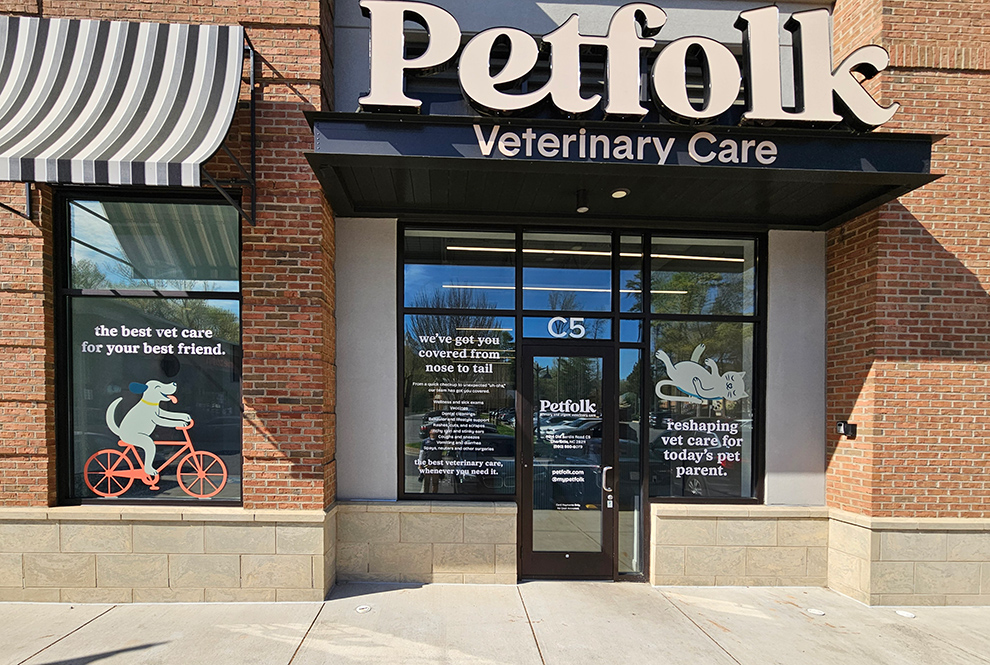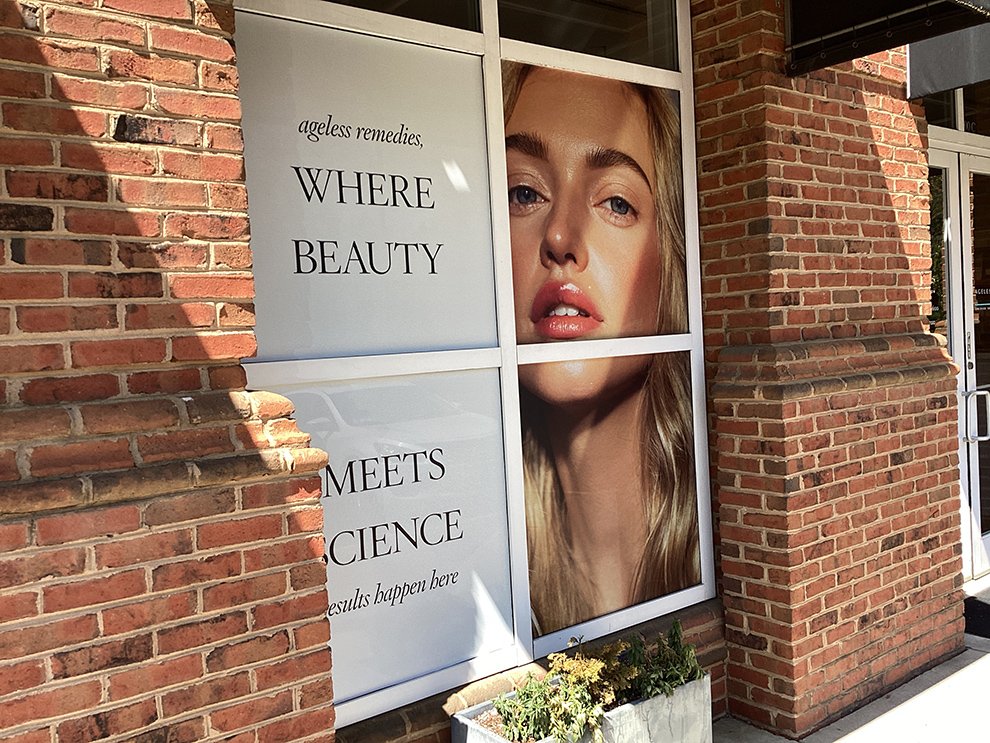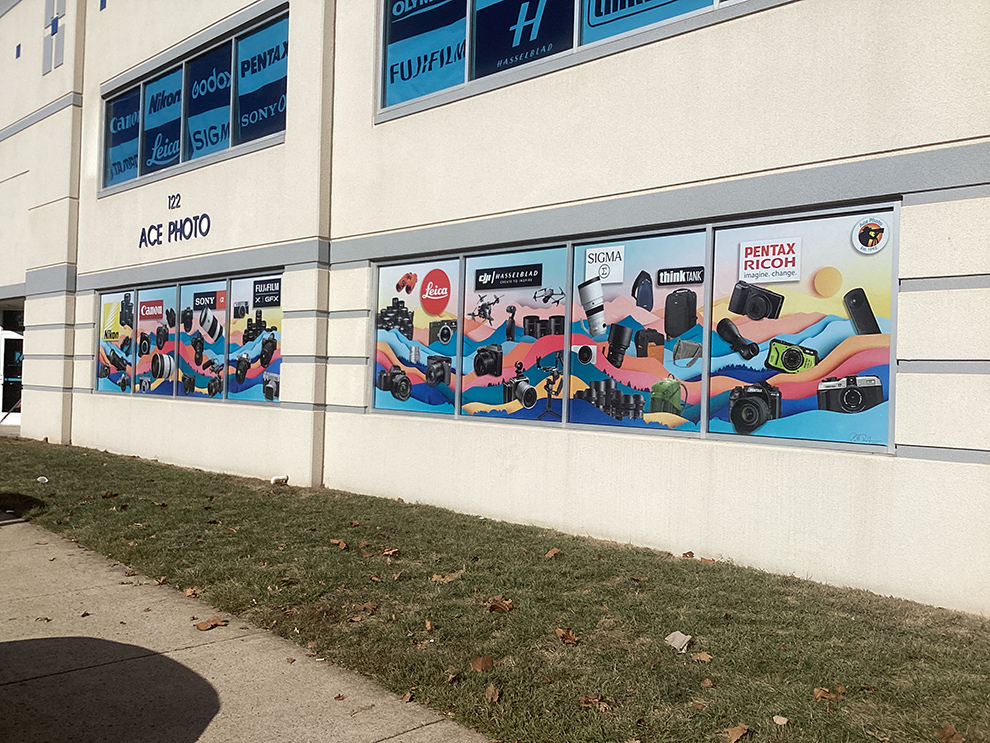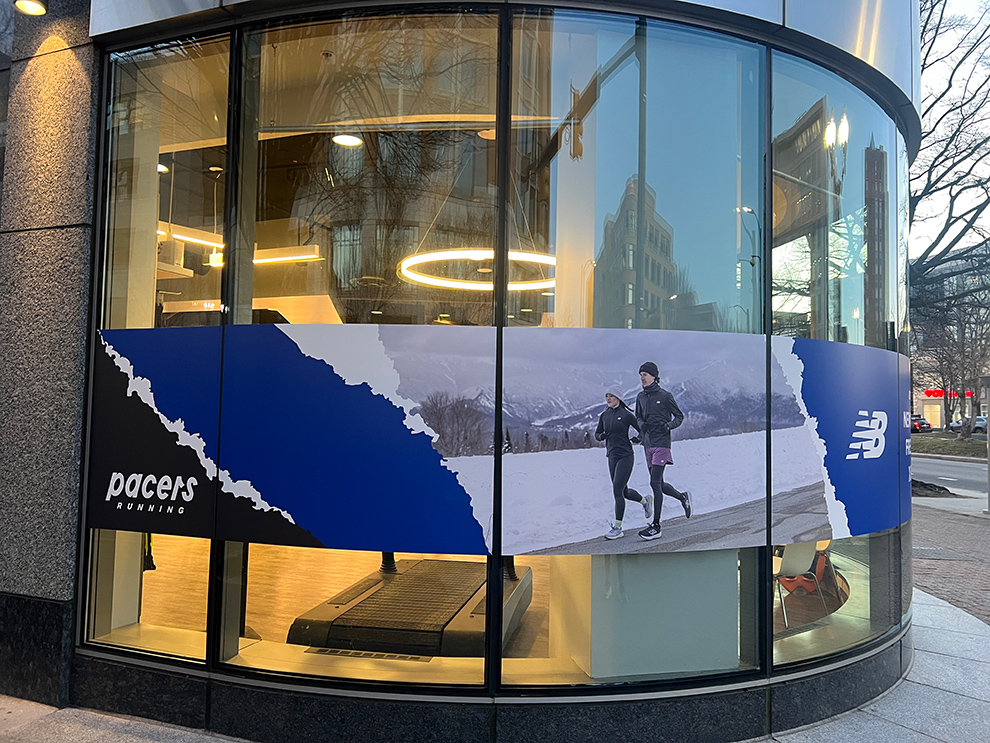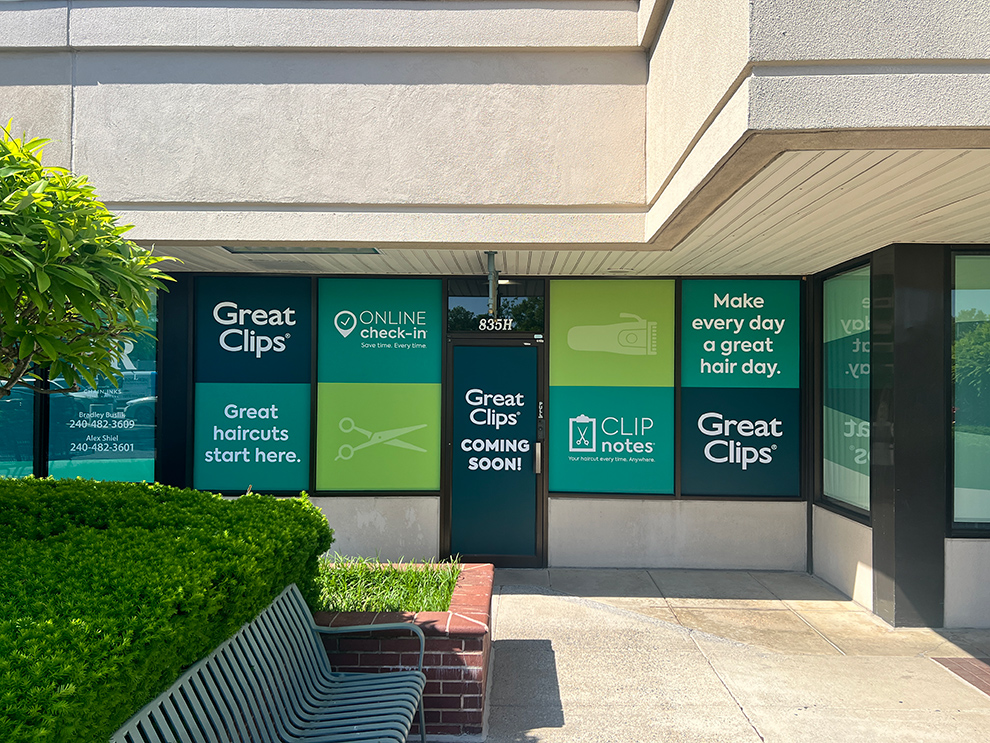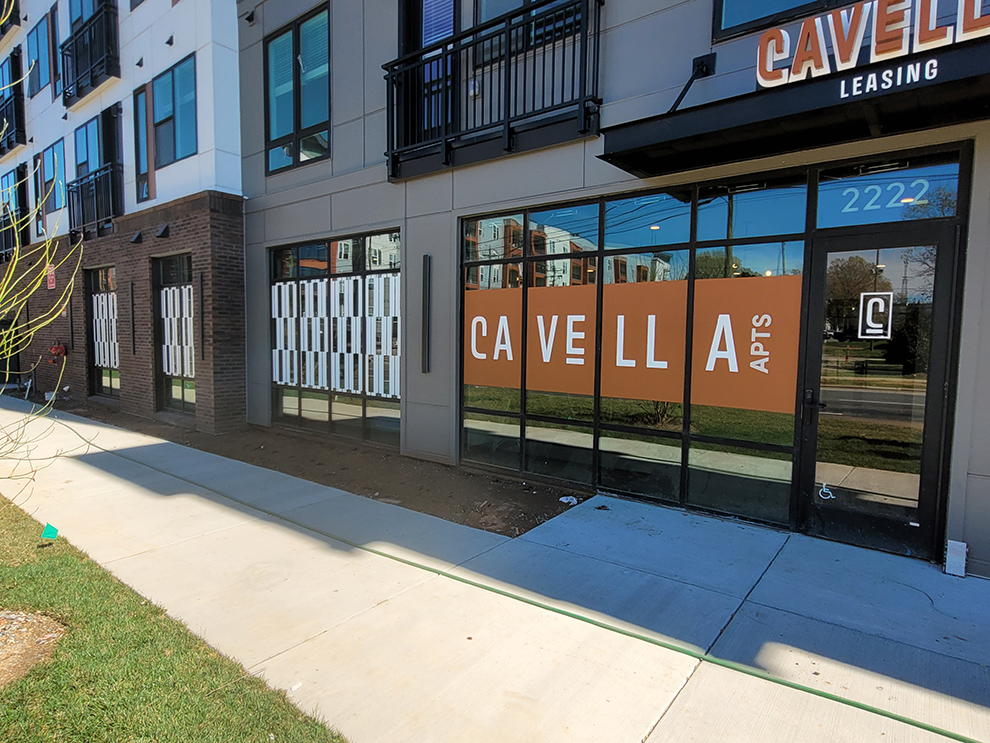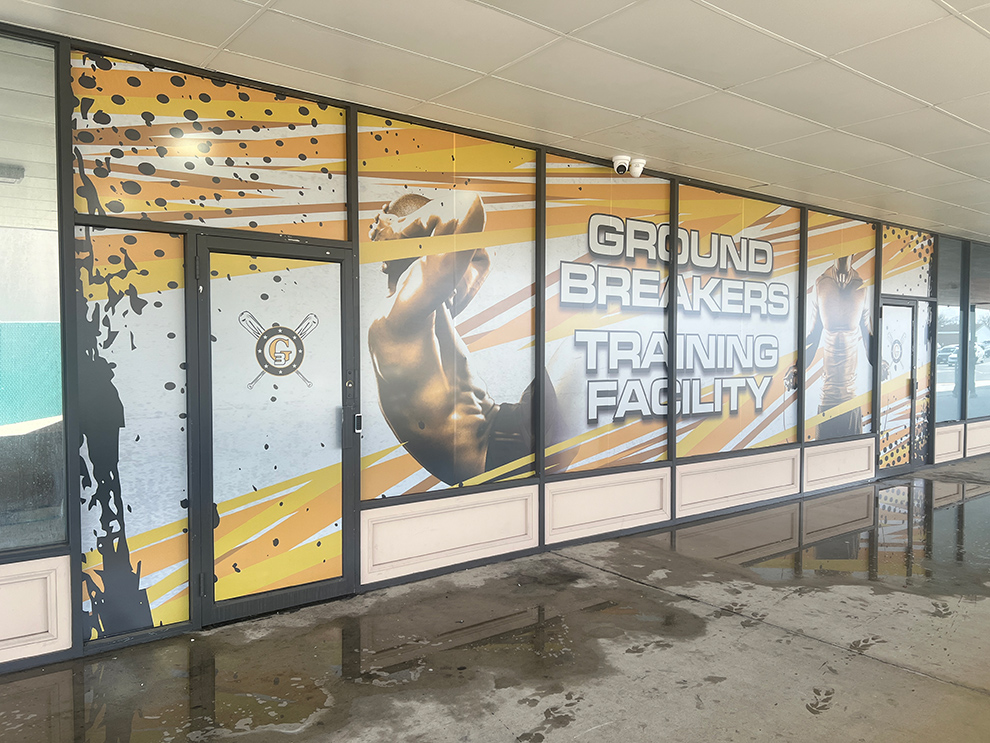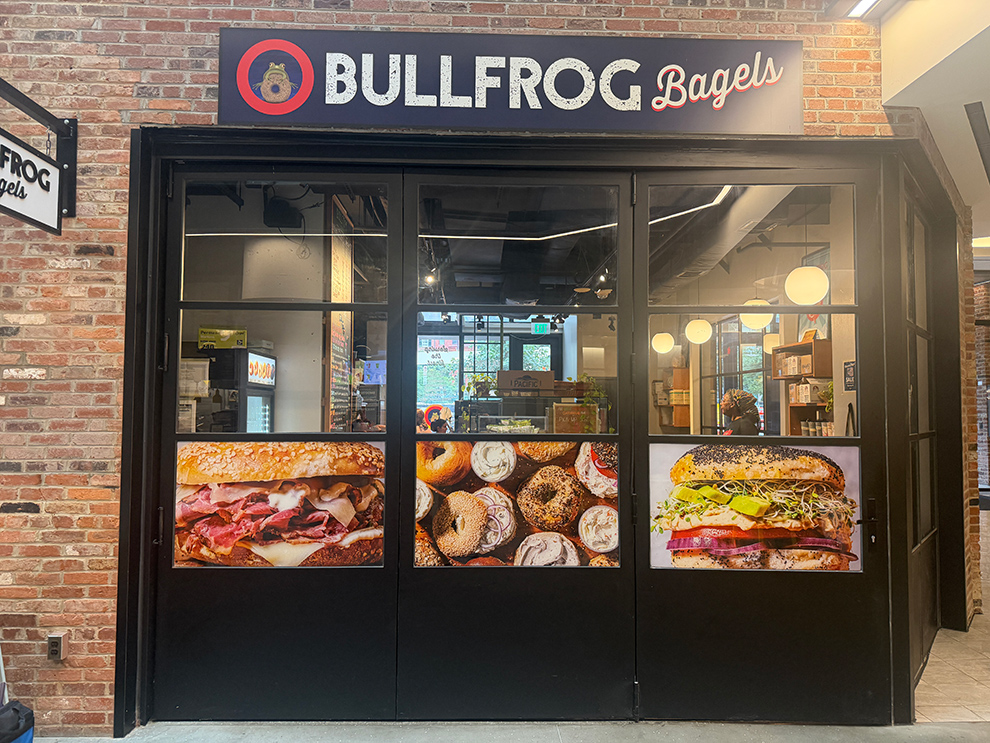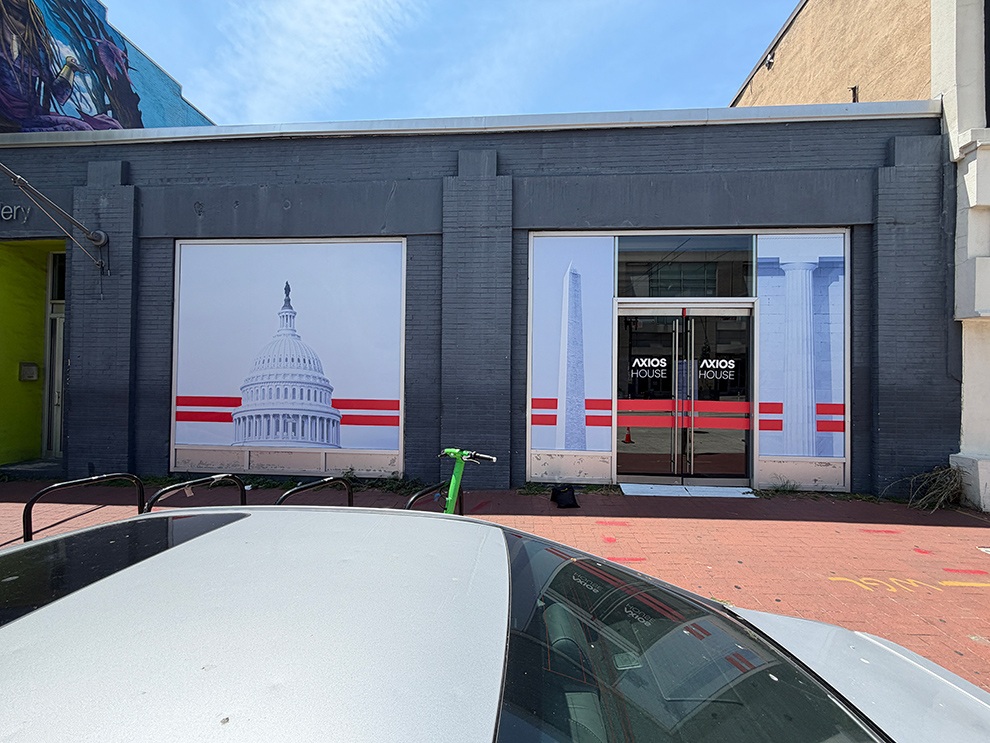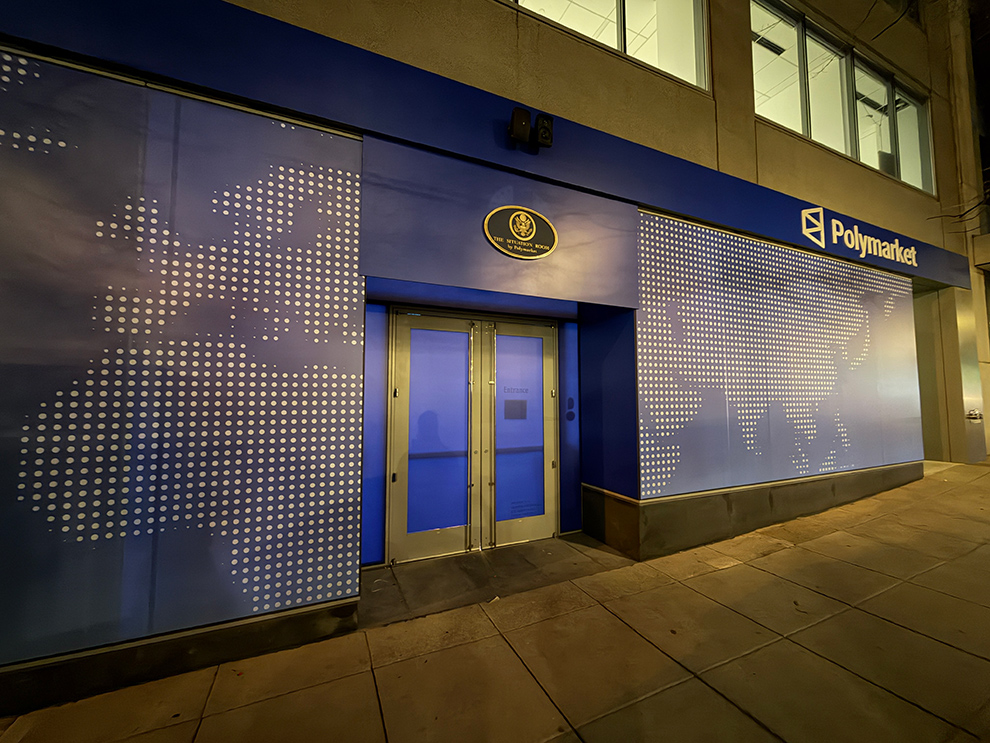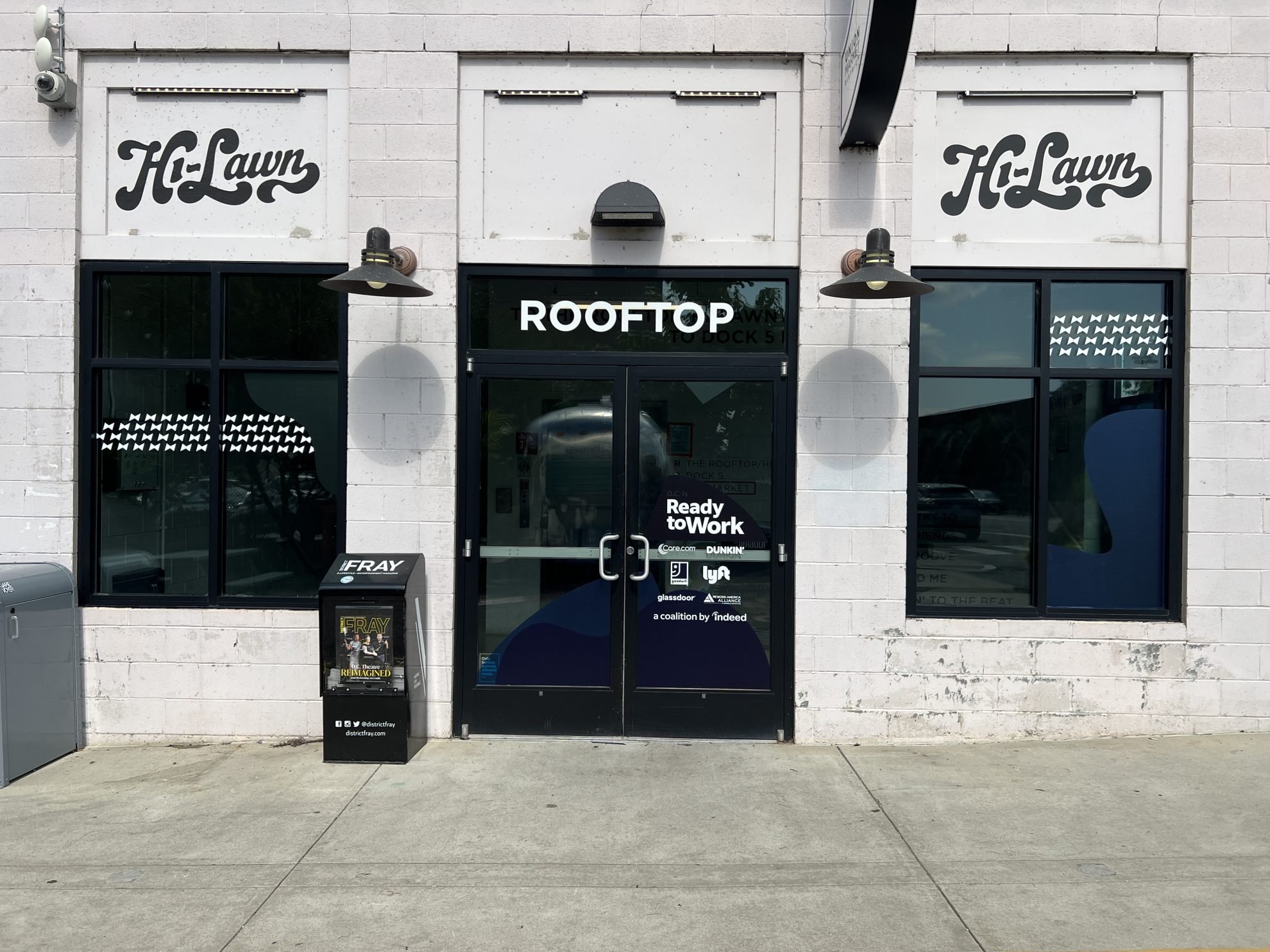
An entrance has one job before anything else: it should tell people they have arrived at the right place. Graphics on storefront glass and doors can carry identity, make otherwise invisible glazing easier to see, screen sensitive areas, and pull attention inward. What they should not do is carry every message your organization wants to share. We treat the threshold as an introduction, setting up employees, guests, patients, or customers for the space waiting on the other side of the door.
The right treatment depends on how people reach your Hampton property and what they need to grasp in those first few seconds. A street-facing window along a busy corridor may need bold, legible identification. A shared vestibule or an interior glass entry inside a multi-tenant building often calls for quieter lettering and thoughtful privacy instead. Some sightlines and daylight should stay untouched. Those judgments drive how we scale artwork, where we place it, and how it relates to the surrounding architecture.
Inside, the constraints loosen. The interior has the surface area and the dwell time to communicate culture, history, values, and mission. A lobby sign frequently becomes the anchor. Wall graphics, dimensional elements, recognition displays, and wayfinding pieces expand on the idea. Storefront graphics stay the connective link between what happens outside the glass and the branded environment behind it.
Our work starts with discovery and environmental graphic design. A single dedicated Project Manager holds onto your goals and approved decisions while coordinating design, production, fabrication, and professional installation. Site data, artwork, materials, schedules, building access rules, and stakeholder sign-offs all live inside one accountable relationship. That continuity cuts down on handoffs, protects design intent, and moves questions to resolution before they turn into problems on site.
Heritage opened in 1977 as a commercial printing company. Beginning in 2009, signs, interior graphics, workplace branding, and event environments became our defining focus. We are award-winning, veteran-owned, family-led, and approaching our 50th year. That background shapes a steady way of working, where design guidance, production choices, and installation planning all belong to the same project rather than separate transactions.
We fabricate and install entrance graphics along with appropriate non-illuminated exterior signage that coordinates with what you have inside. Keeping that scope together helps you avoid the disjointed look that shows up when the building exterior, entry glass, lobby, and interior walls get purchased as unrelated line items. Every piece serves its own purpose, and the finished environment should still read as one recognizable organization.
Hampton clients work with local field and installation support for discovery, site surveys, field verification, installation planning, professional installation, and follow-through. Those nearby resources plug into our wider production and project capabilities through your Project Manager. Our aim is to honor God by serving clients and communities with excellence, which shows up as straight communication, careful stewardship, and follow-through you can count on.
Recognition starts at the curb, but the full brand experience should reveal itself indoors. A mark, short entry message, or branded pattern on the glass confirms the destination without wiping out useful views. Privacy coverage shields conference rooms, private offices, exam or treatment areas, and focused work zones while keeping natural light in play.
Whatever people see next deserves a defined role. A lobby sign often delivers the primary statement, while a history wall, values display, mission feature, or recognition installation gives visitors and staff something to explore. Directional graphics guide movement without shouting over the entrance.
When doors, windows, reception, and interior walls get planned together, each surface carries only the information it should. Instead of asking the glass to handle every message, we sort out what belongs at the threshold and what earns more size or permanence inside. You end up with an entrance that feels deliberate and an interior that carries the identity forward without confusion.
We are built for clients who want coordinated decisions and execution someone stands behind. Our One Dedicated Project Manager System gives you the same contact from first conversation through final walkthrough. That person keeps the project history, herds stakeholders, and links approved environmental graphic design to production, fabrication, site planning, and our full-time installation crews.
The process works whether you arrive with finished brand standards and print-ready files or with goals that still need concept development inside our scope. We also collaborate with architects, interior designers, branding agencies, property managers, general contractors, and internal stakeholders. Shared information protects brand standards and keeps design or site decisions from vanishing in the gap between separate vendors.
Heritage is veteran-owned and family-led. Local Hampton field support connects to broader capabilities serving Hampton Roads, Virginia, and the Mid-Atlantic. That structure handles large single projects, phased rollouts, and multi-location programs alike. Each property gets a solution suited to its architecture and operating realities while you keep one accountable relationship.
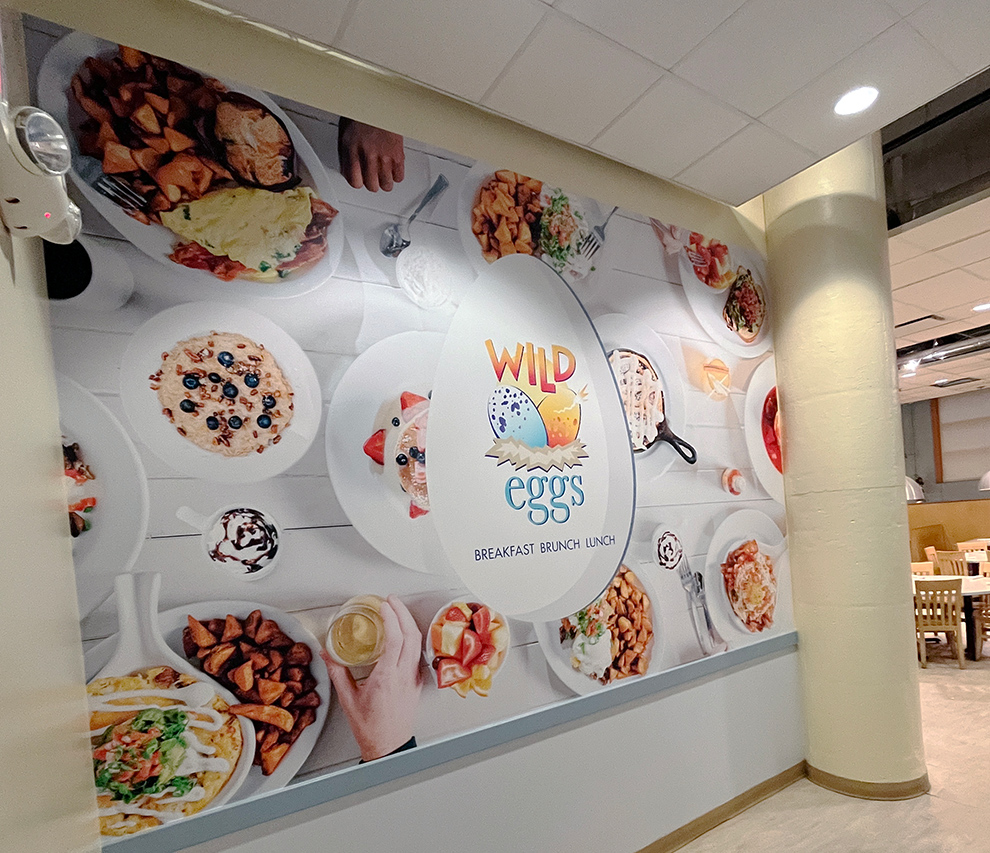
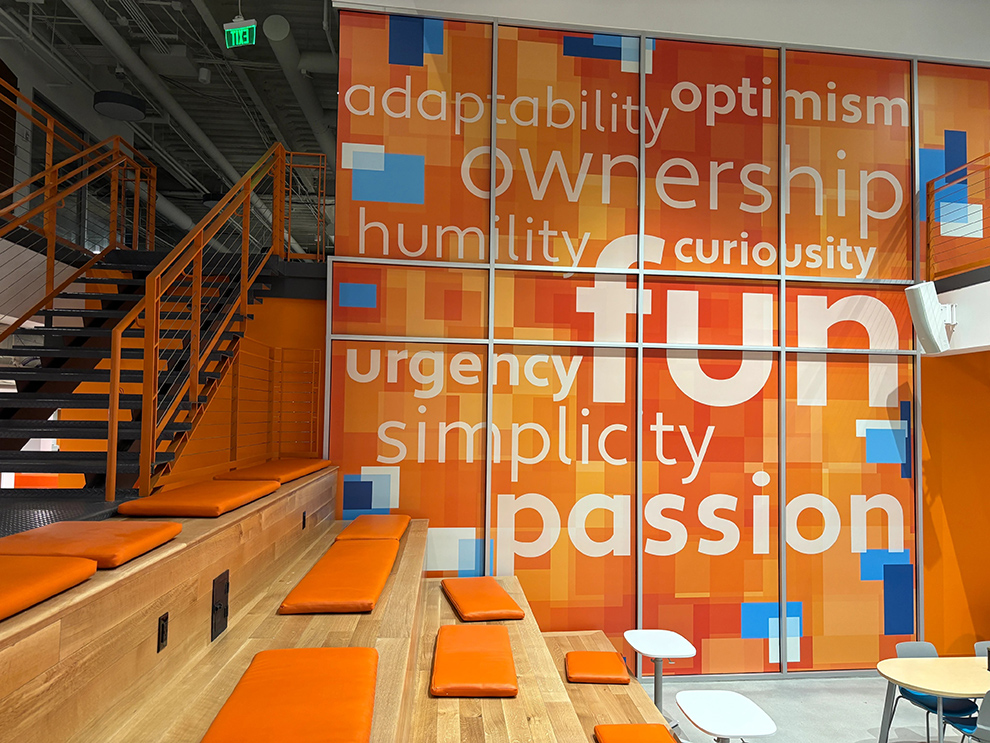
Window and glass graphics give entry and interior glazing a clear communication assignment. We plan identity, coverage, privacy, visibility, and open sightlines as one set of decisions, so the treatment builds recognition without needlessly darkening a space or cutting the entrance off from the interior.
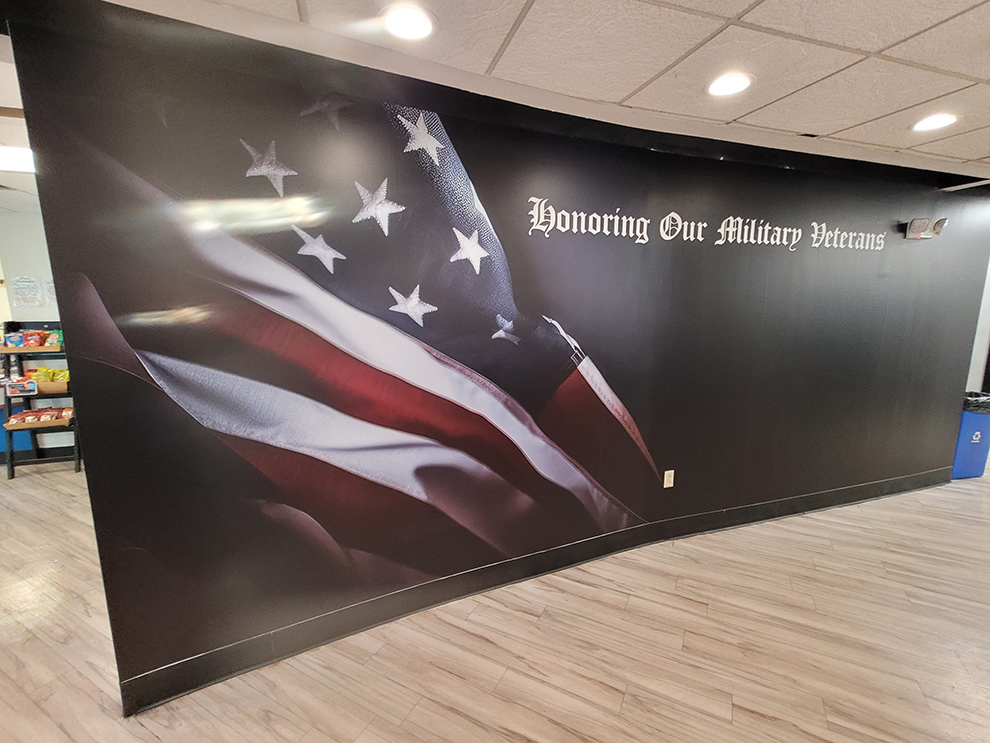
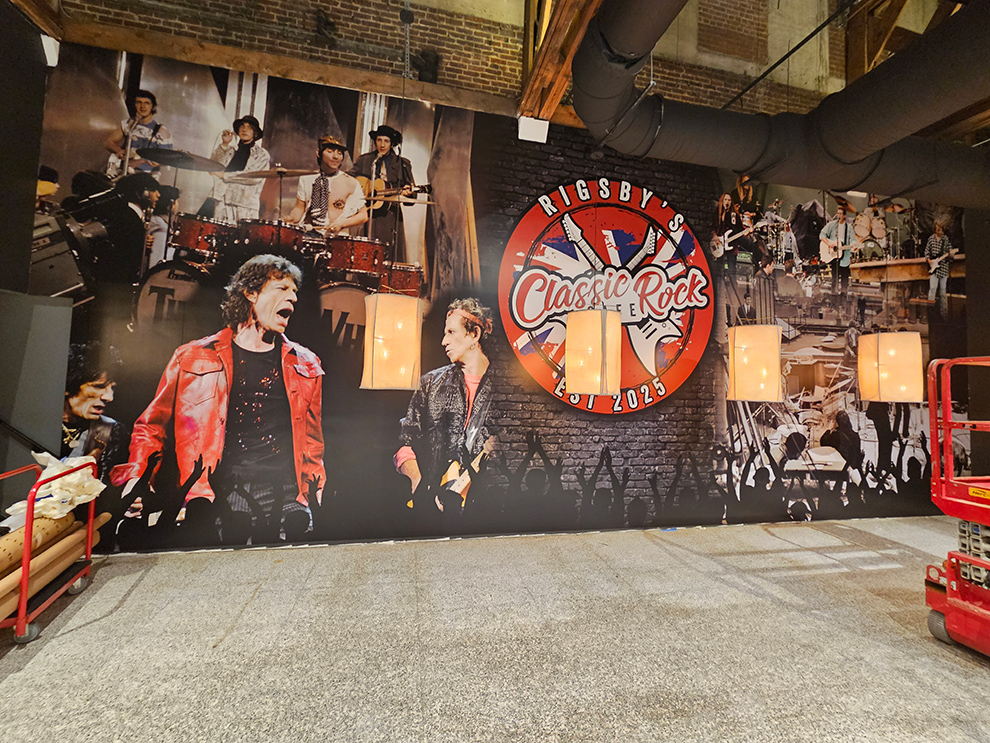
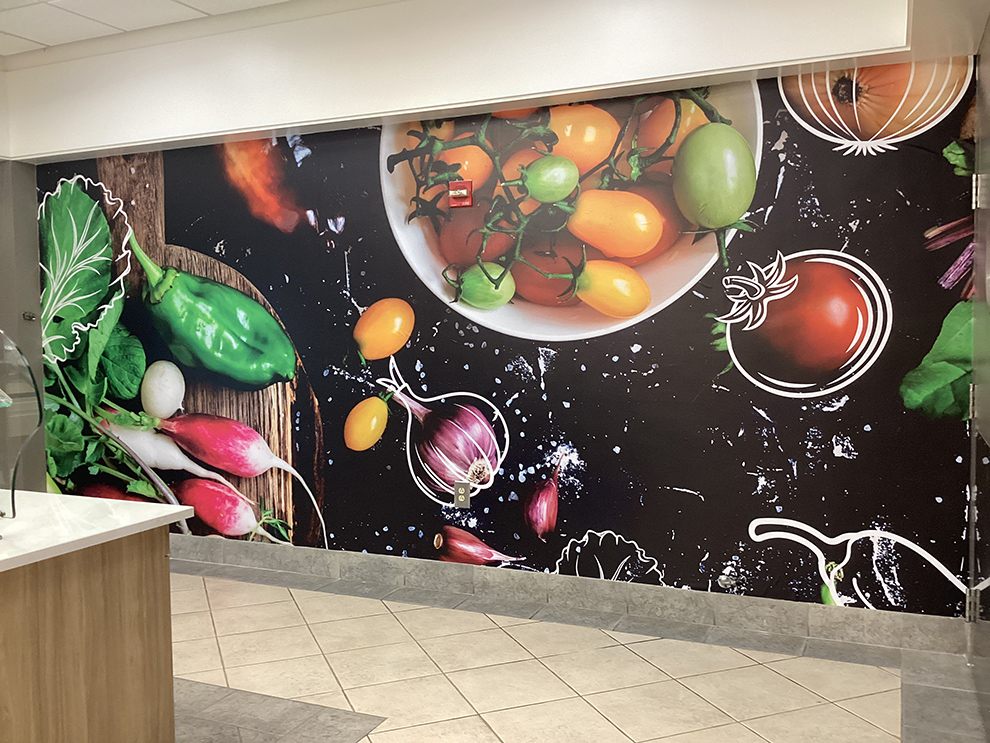
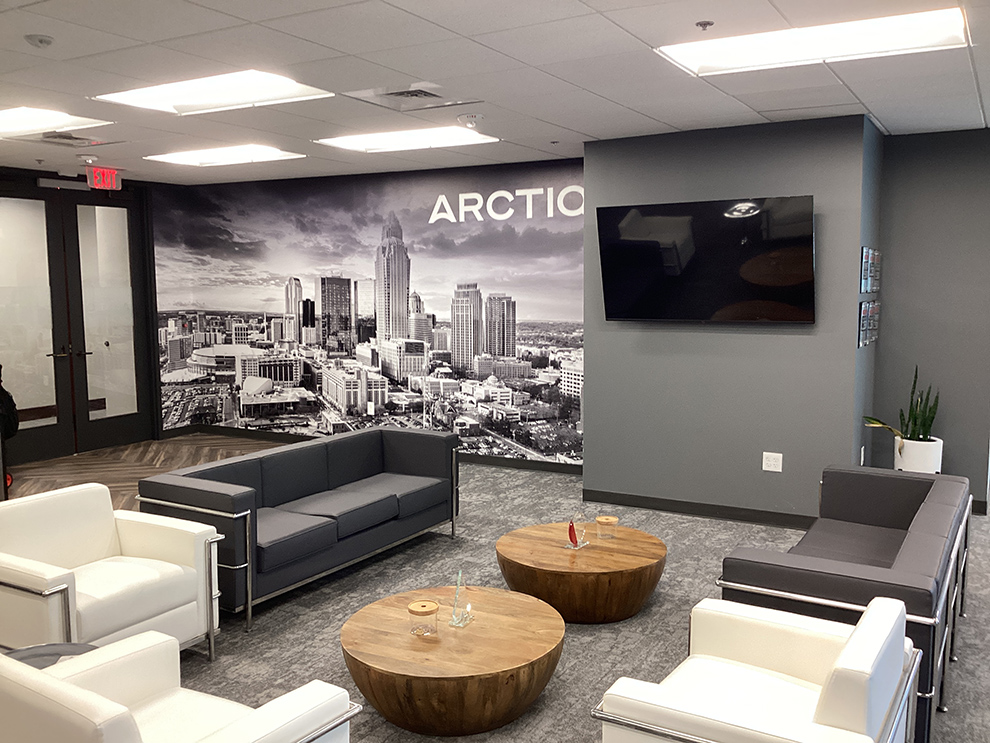
Wall wraps push brand color, imagery, and messaging across large interior surfaces. They carry the arrival moment into reception areas, corridors, collaboration rooms, and customer-facing spaces, giving your interior far more expressive range than entry glass alone.
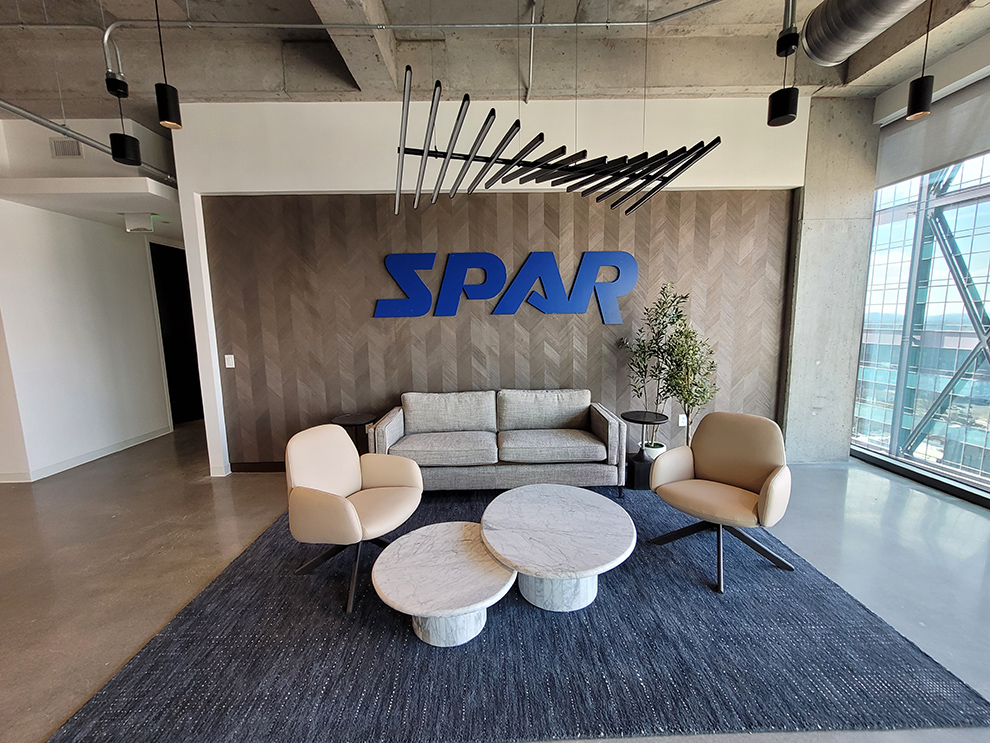
Once storefront graphics confirm the door, a lobby sign becomes the interior destination. We coordinate placement, scale, materials, and nearby graphics so the reception feature extends the identity already established and sits naturally within the architecture.
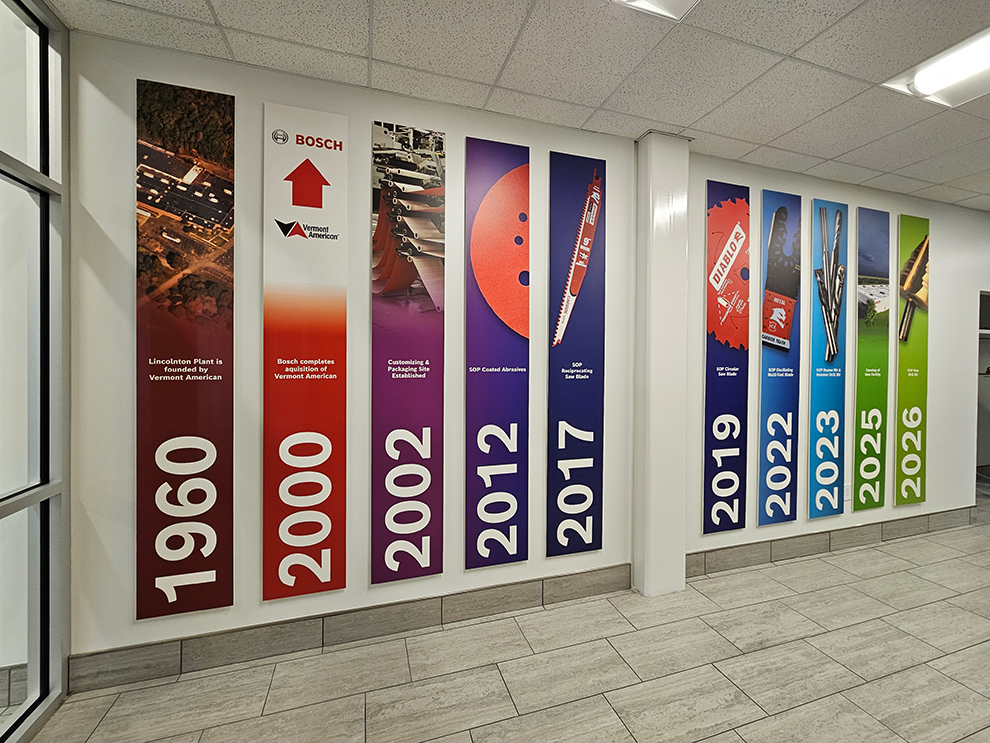
Wall displays organize history, recognition, culture, and institutional information into a structured feature. Printed graphics, mounted panels, and dimensional components deepen the story your entrance introduced and give employees and visitors something worth reading.
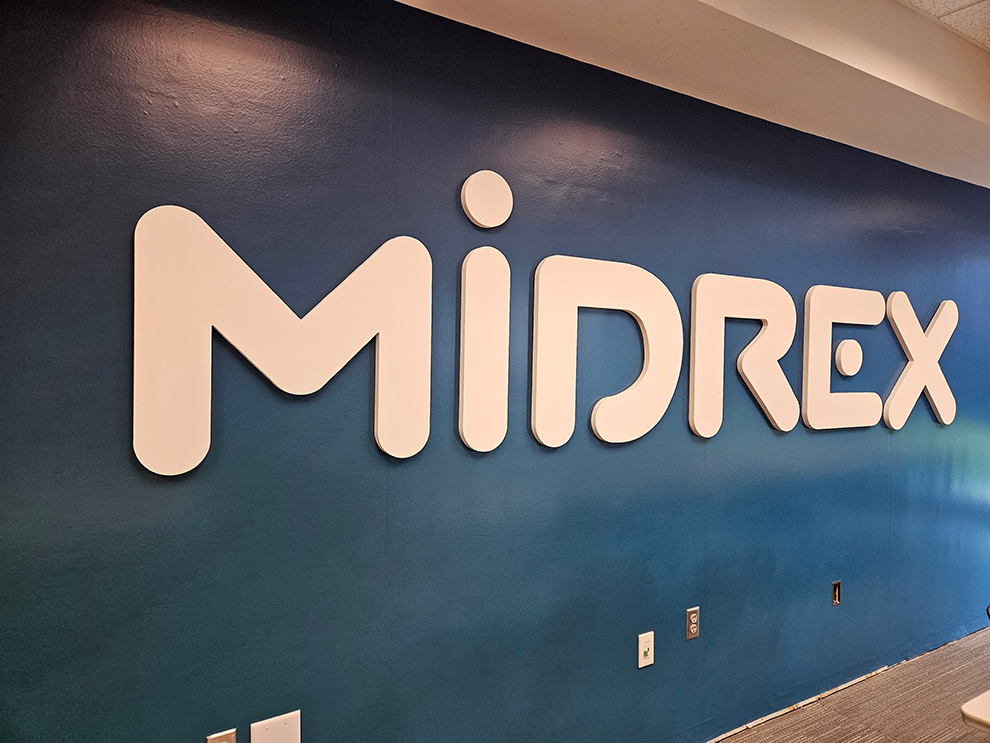
Dimensional letters bring depth and architectural weight to logos, names, and select messages. Inside a lobby or on a suitable non-illuminated storefront element, they sharpen identification while relating to nearby glass graphics, finishes, and interior brand features.
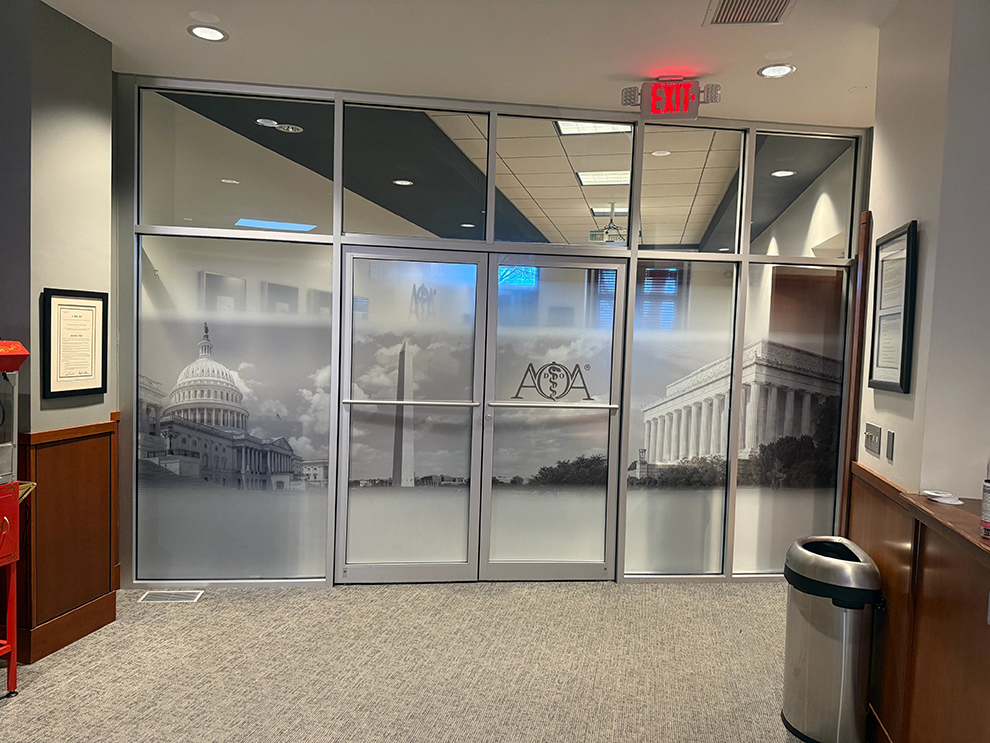
Frosted vinyl softens direct sightlines across offices, meeting rooms, and glass partitions while letting light through. Custom bands, patterns, and branded shapes turn a practical privacy measure into part of the designed environment.
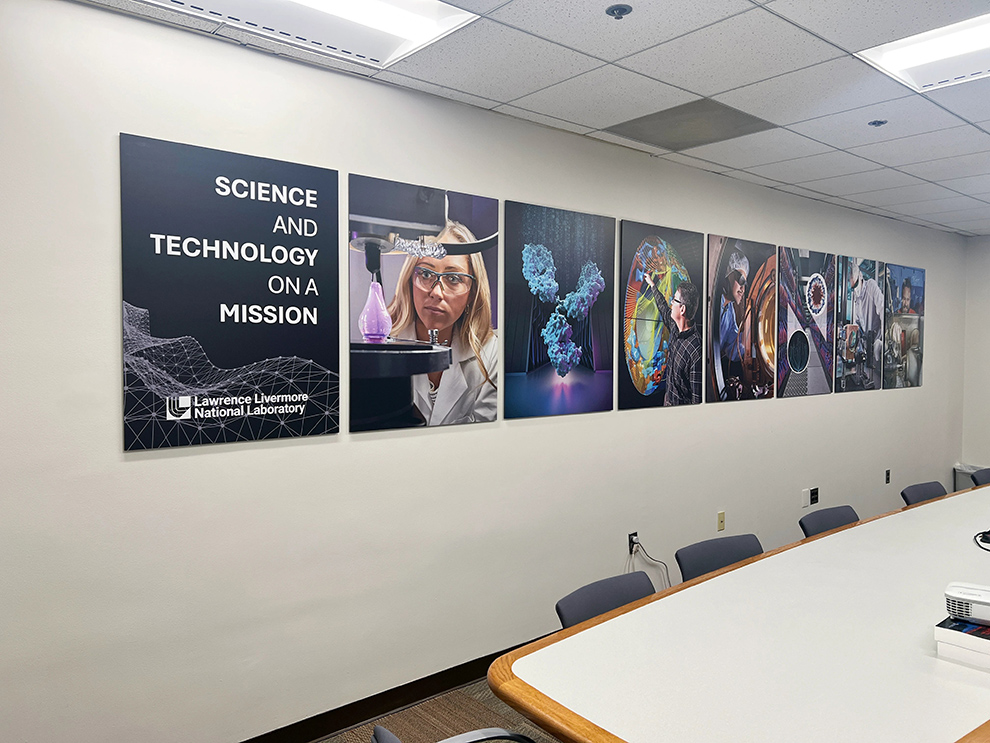
SEG fabric graphics stretch printed fabric inside a slim frame for a crisp, seamless interior presentation. They suit large imagery or messaging that may change down the road while staying visually tied to the entrance and surrounding workplace graphics.
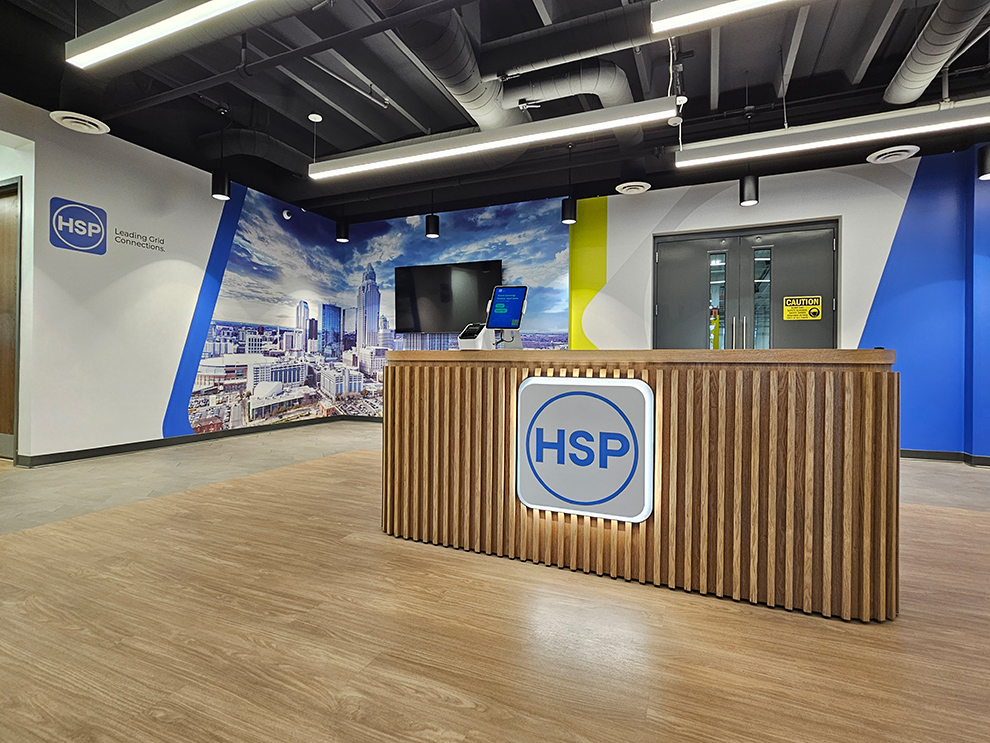
Backlit signs give an interior logo or message controlled emphasis once the entrance has done its job. We weigh placement, dimensional construction, existing room lighting, and neighboring graphics so illumination lifts the space instead of overpowering it.
If your Hampton organization is mapping out storefront graphics as part of a professionally branded workplace, showroom, or commercial interior, start with Get Started Now. Share the project address, the result you are after, your target completion date, the investment you anticipate, plus photos, any measurements, drawings, artwork, brand standards, and whatever else is already in hand. One dedicated Project Manager reviews what you send, points out the decisions that come next, and pulls in the right Heritage resources. You get a clear starting point without needing every answer locked down before the first conversation.
Organizations across Hampton work with local Heritage support for discovery, site surveys, field verification, installation planning, professional installation, and follow-through. Being nearby helps us understand how entrances actually function at offices, medical practices, schools and training facilities, showrooms, nonprofit spaces, military-adjacent contractors, and other commercial properties throughout the Peninsula.
From Hampton we also serve Newport News, Poquoson, Yorktown, Williamsburg, Norfolk, Virginia Beach, Chesapeake, and the wider Hampton Roads region. Your dedicated Project Manager links what we observe in the field to environmental graphic design, production, fabrication, scheduling, and installation. You never have to rebuild the project history because a different team joined the effort.
If your organization operates beyond Hampton Roads, we can coordinate properties throughout Virginia and the Mid-Atlantic through the broader Heritage network. Brand standards, approvals, and communication stay connected while each site receives a solution matched to its glass, walls, dimensions, access, and hours of operation. Consistency does not require pretending every location is identical.
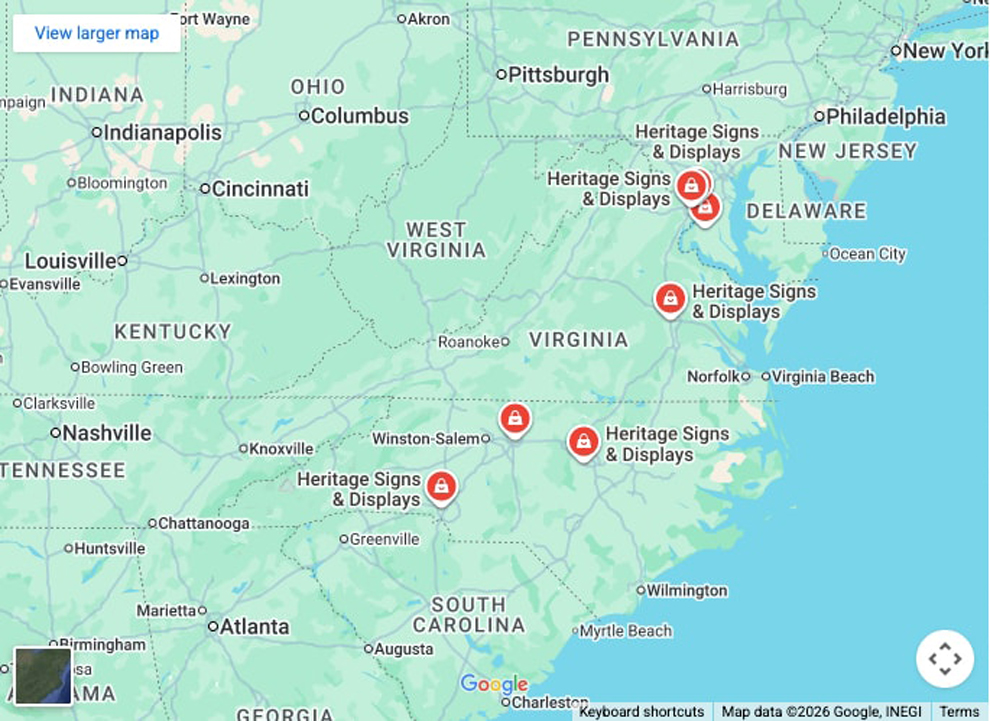
Environmental graphic design is how a stronger arrival and a more unified interior get built. We begin by pinning down what people should recognize at the door, which views stay open, where privacy matters, and which interior feature should carry the most visual weight.
Some clients hand us finished brand standards, approved artwork, architectural drawings, and a defined application list. Others start with objectives, phone photos, and rough ideas. Both work. We collaborate with your stakeholders, architects, interior designers, branding agencies, environmental graphic designers, general contractors, and property teams while defining graphics that fall within our scope.
Architecture, viewing distance, scale, daylight, interior lighting, surface condition, and everyday use all shape our recommendations. From there we can develop an entrance treatment, branded lobby, history wall, values display, mission feature, recognition installation, privacy graphics, or a directional system, then move the approved direction into production, fabrication, and professional installation. We do not provide licensed architecture, engineering, general interior design, lighting design, or code consulting.
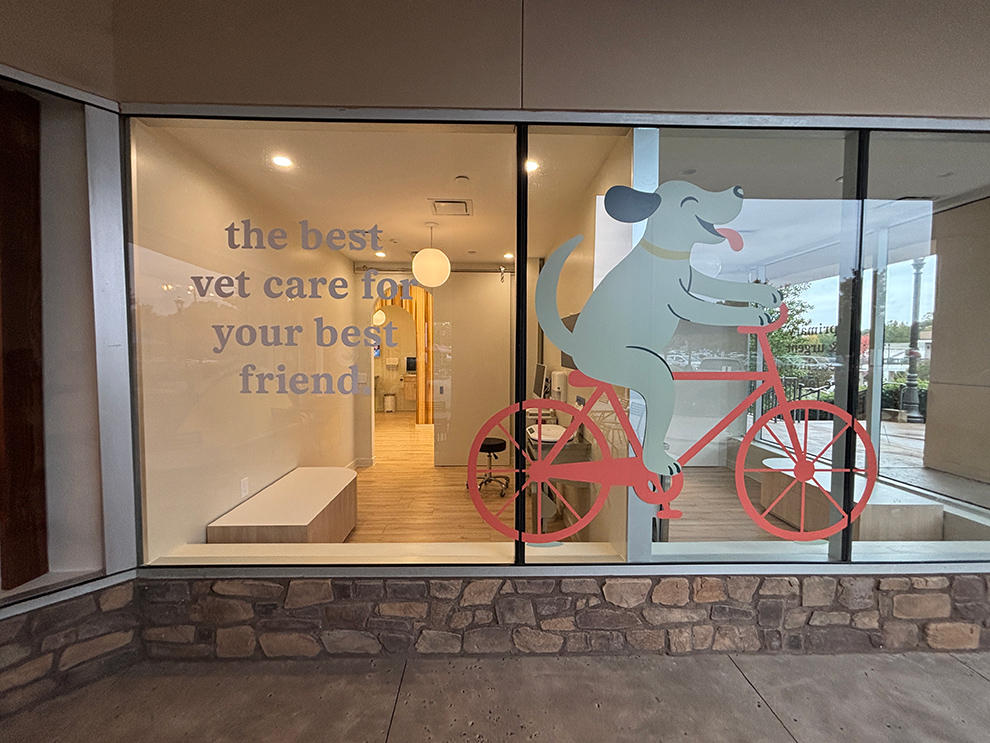
We produce and install non-illuminated exterior elements as part of coordinated storefront and workplace branding work. That can include exterior window graphics, exterior wall graphics and wraps, dimensional lettering, dimensional signs, custom sign panels, and similar non-illuminated storefront components. These pieces introduce your organization before anyone reaches the door and tie back to the glass graphics, lobby signs, wall features, and displays inside.
Printed exterior wall graphics receive a protective film laminate as standard practice for added UV and weather resistance, which matters along the coastal Hampton Roads climate. We evaluate substrates, sun exposure, access, attachment requirements, and job site conditions when choosing a production approach, and we select materials based on the accepted design and verified field measurements.
We do not produce or install channel letters, monument signs, pylon signs, or illuminated exterior signage. We also do not determine whether a sign permit is required, prepare or submit permit documents, communicate with the City of Hampton or other permitting authorities, pay permit fees, or chase approvals. You, your property owner or property manager, or your general contractor must confirm and secure required sign permits and landlord approvals.
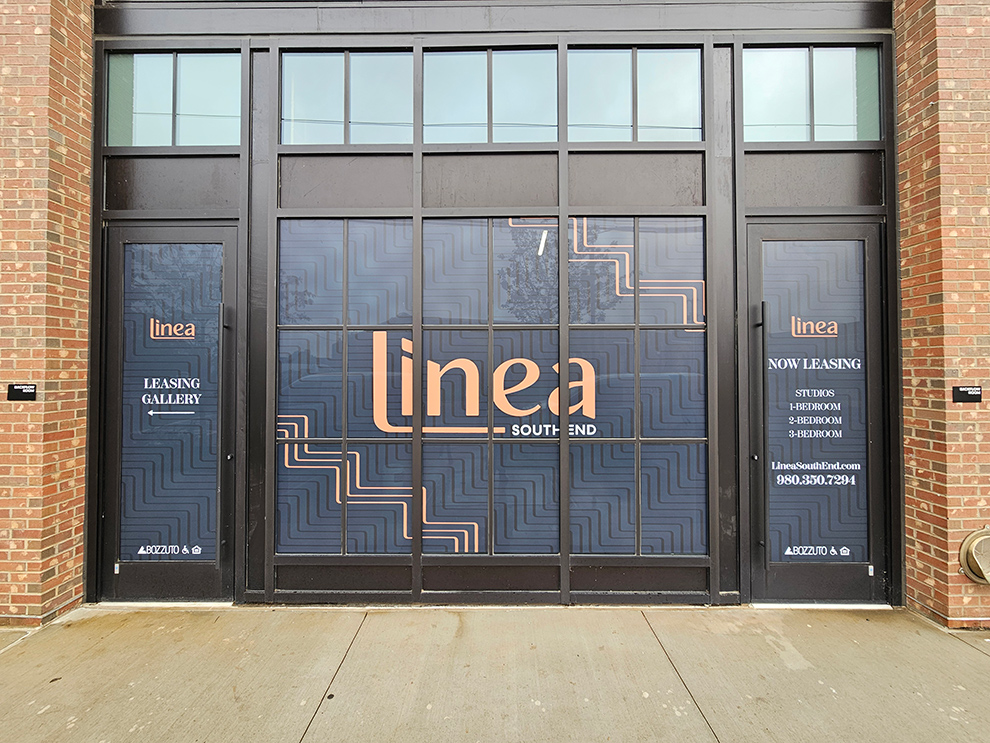
Every storefront graphics project we take on requires a site survey that connects your goals to real measurements, surfaces, access, and installation conditions. Field verification tells the team what it needs to know about glass, walls, obstructions, staging areas, building requirements, and scheduling before production and installation decisions get locked in.
Your Project Manager keeps environmental graphic design, production, fabrication, and our full-time installers on the same page. Approved artwork, dimensions, material decisions, site photos, access plans, and stakeholder instructions become shared project history. Fewer handoffs mean fewer contradictions and more questions answered before a crew ever pulls up.
Good sign installation protects more than appearance. We plan communication, site access, work zones, property protection, and timing around the accepted scope and the conditions we verified. Installers work from documented project information and report what they see back through the same accountable relationship. That keeps execution accurate, limits disruption to your operations, and delivers the entrance and interior features the way they were approved.
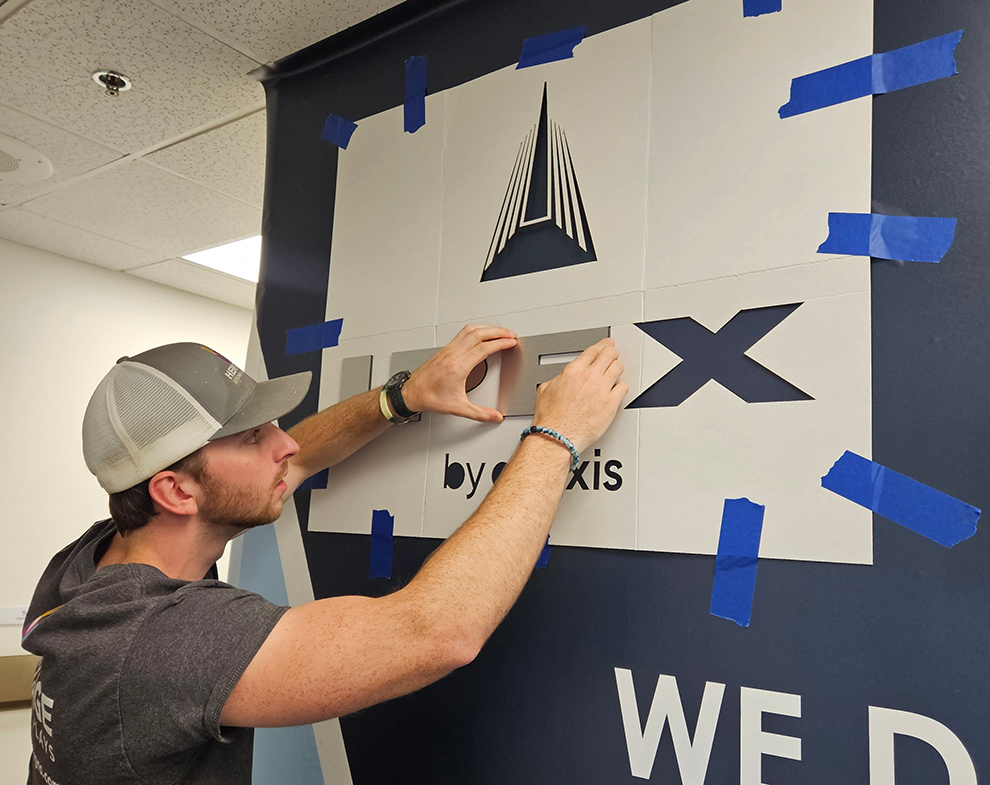
Graphics applied to walls hold up best when the drywall underneath is solid and smooth, every repair is finished, primer and paint went on correctly, and the finish coat has cured all the way through. Paint that feels dry to the touch has not necessarily cured. We often use roughly four weeks as a planning cushion, though the paint manufacturer's stated requirements and the real conditions inside the building decide when a wall is actually ready.
Washable, scrubbable, stain-resistant, low-VOC, zero-VOC, and other performance paints can behave unpredictably. Those surfaces may call for cleaning, adhesion testing, and a vinyl and adhesive pairing chosen to match. Adhesion testing tells us how our vinyl behaves on the painted face. It cannot tell us how firmly the paint and primer are gripping the drywall beneath. When paint lifts, flakes, or pulls during testing or during ordinary repositioning, we stop work rather than compound the problem.
Repair, priming, repainting, full cure time, restoration, and any related surface expense are arranged and paid for by the client or property owner. We do not perform that work and we do not absorb its cost. Removal down the road is handled separately. Working slowly and deliberately reduces avoidable damage, but no one can promise damage-free removal. Paint may release, primer may fail, and the drywall facing can tear. The word removable describes the adhesive system and its intended use. It is not a guarantee about the wall. Existing graphics should come down far enough ahead of schedule that any restoration needs surface before the new installation is booked.
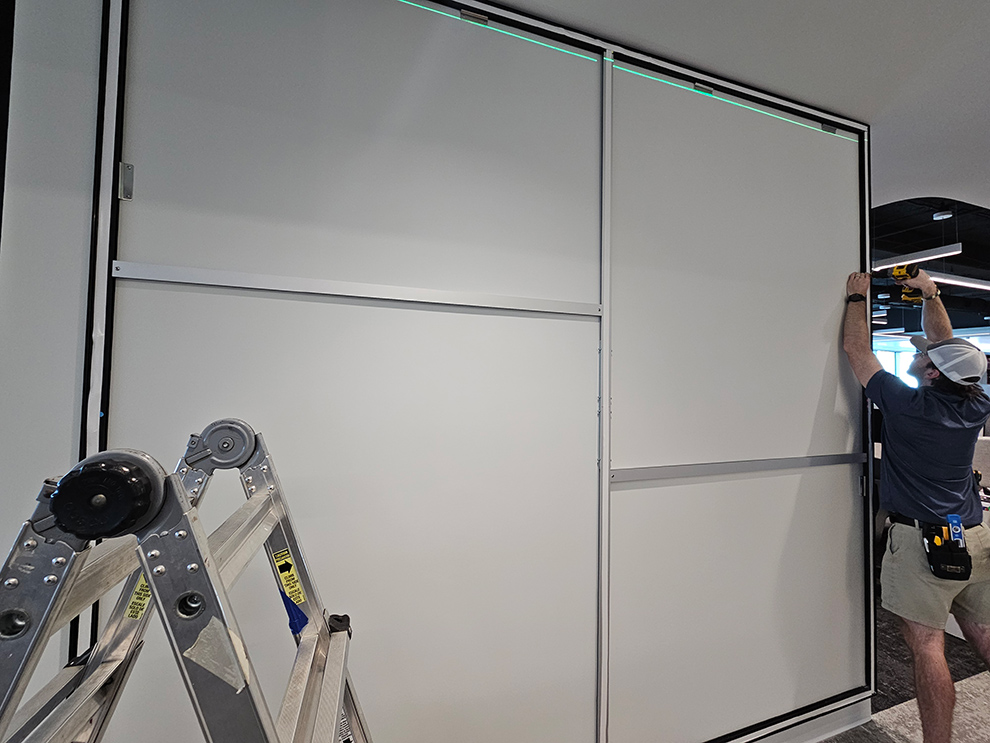
Good planning lines up the outcome you want with your audience, the scope, phasing, schedule, site conditions, readiness, stakeholders, and approval path, along with the investment you expect to make. It also names what is still undecided. Photos, measurements, drawings, artwork, brand standards, and property requirements all feed those decisions, though gathering paperwork is never the point of planning.
We work best on professionally managed projects that call for environmental graphic design, production, fabrication, and professional installation together. Many of our production and installation projects land somewhere between $10,000 and well past $200,000. Where a specific project falls depends on the full accepted scope, material choices, fabrication, how many locations are involved, site conditions, timing, and installation demands.
Your project might be a single high-impact branded entrance, a lobby and workplace interior treated as one coordinated environment, a phased rollout, or a group of properties across Hampton Roads. One dedicated Project Manager keeps responsibilities, information, reviews, approvals, and upcoming decisions organized. That structure suits clients who want accountable coordination rather than a one-off commodity graphic or an installation-only transaction.
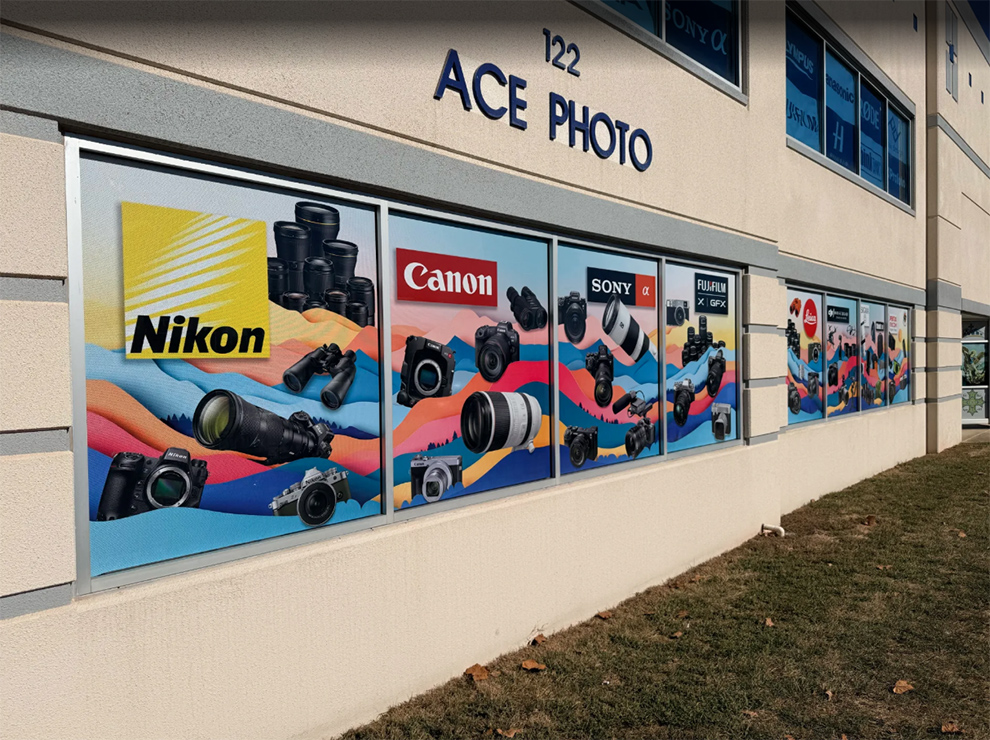
They plant your identity at the entrance and carry it across the threshold into the branded space inside. Depending on the design, they support recognition, add privacy, make clear glass easier to notice, and deliver select wayfinding cues. We plan those functions with the lobby, workplace, showroom, or commercial space beyond the door in mind.
Always. Every storefront graphics project we take on includes a site survey that connects your goals to real measurements, surfaces, access points, and installation conditions. Your dedicated Project Manager passes those findings to the environmental graphic design, production, fabrication, and professional installation teams.
Yes. We produce and install exterior window graphics, exterior wall graphics and wraps, dimensional lettering, dimensional signs, custom sign panels, and related non-illuminated storefront elements as part of coordinated branding work. Printed exterior wall graphics get a protective film laminate as standard, which adds UV and weather protection for Hampton's coastal exposure.
We do not produce or install channel letters, monument signs, pylon signs, or any illuminated exterior signage. Confirming and securing sign permits and property approvals falls to the client, the property owner or manager, or the general contractor. We do not manage permitting or approvals.
Not at all. Offices, medical and dental practices, schools, nonprofits, showrooms, hospitality spaces, commercial buildings, and any property with a public-facing or shared entrance can use them. What matters is what people need to recognize and understand as they walk up and step inside.
Distraction markers are decorative or branded vinyl graphics applied to clear glass so the surface reads as glass instead of open air. They can take the form of bands, dots, patterns, logos, or other elements, and they often pull double duty for privacy or branding. Applied vinyl does not create building-code compliance, safety-glazing compliance, certification, or approval of any kind.
That depends on the design, the surface, exposure, expected use, and installation conditions. Our toolkit includes adhesive vinyl, acrylic, dimensional materials, and aluminum composite material. ACM delivers a durable metal-like look at a fraction of the weight of solid metal. We do not print on or cut solid aluminum or solid steel as a sign substrate.
Painted drywall needs to be sound, smooth, repaired, properly primed and painted, and fully cured. Roughly four weeks is a reasonable allowance for many paints, though the manufacturer's requirements and on-site conditions control actual readiness. Washable, scrubbable, stain-resistant, low-VOC, zero-VOC, and similar paints may require cleaning, testing, or a specifically matched adhesive approach.
Adhesion testing reveals how vinyl performs on the painted face, not how well the paint and primer are bonded to the drywall. If paint peels or pulls during testing or during normal repositioning, we stop. Repair, priming, repainting, full cure time, restoration, and related costs are arranged and paid for by the client or property owner.
It can. We remove graphics slowly and carefully to limit avoidable damage, but damage-free removal is not something anyone can guarantee. Paint or primer may separate from the substrate, and the drywall facing can be compromised. Removable refers to the adhesive system and its intended use, not a promise about your wall.
Wall repair, priming, repainting, full cure time, restoration, and related surface costs are the responsibility of the client or property owner. We neither perform nor fund that work.
Yes, when removal is part of a new production and installation project with us. Old wall graphics should come down early enough to expose paint loss, primer failure, drywall-facing damage, or other restoration needs before the replacement installation gets scheduled.
Repairs, priming, repainting, and the required cure period are arranged and paid for by the client or property owner. We do not offer graphics removal as a standalone service.
They can. Frosted vinyl, etched-look privacy film, printed window graphics, and thoughtfully placed patterns cut sightlines while letting useful daylight and chosen views come through. Coverage should follow the privacy goal, the glass location, viewing angles, and how the surrounding space gets used.
Yes. We support coordinated multi-site projects throughout the Mid-Atlantic and Southeast with one dedicated Project Manager and consistent brand standards. The physical solution may shift from site to site, since dimensions, architecture, surfaces, access, schedules, and installation conditions are rarely identical.
It answers what the entrance needs to communicate and how that identity should continue once someone is inside. We weigh recognition, privacy, open views, viewing distance, scale, architecture, lighting, materials, and site conditions, then carry the approved direction through production, fabrication, and professional installation.
Our full-time professional installers handle every storefront graphic produced and managed through our process. They work from approved design intent, verified measurements, site information, access requirements, material decisions, and scheduling coordinated by your dedicated Project Manager. We do not offer installation-only service for signs or graphics supplied by others.
Hampton clients get local support for discovery, site surveys, field verification, installation planning, professional installation, follow-through, and nearby service after the project wraps. We serve Hampton, Newport News, Norfolk, Virginia Beach, Williamsburg, and the wider Hampton Roads region while connecting each project to our broader production and fabrication resources.
Helpful starting details include the project location, the result you want, your audience, a completion target, the investment you anticipate, photos, any measurements, drawings, artwork, brand standards, property information, and any approval requirements you already know about. Send what you have through Get Started Now. One dedicated Project Manager will flag what needs resolving next.
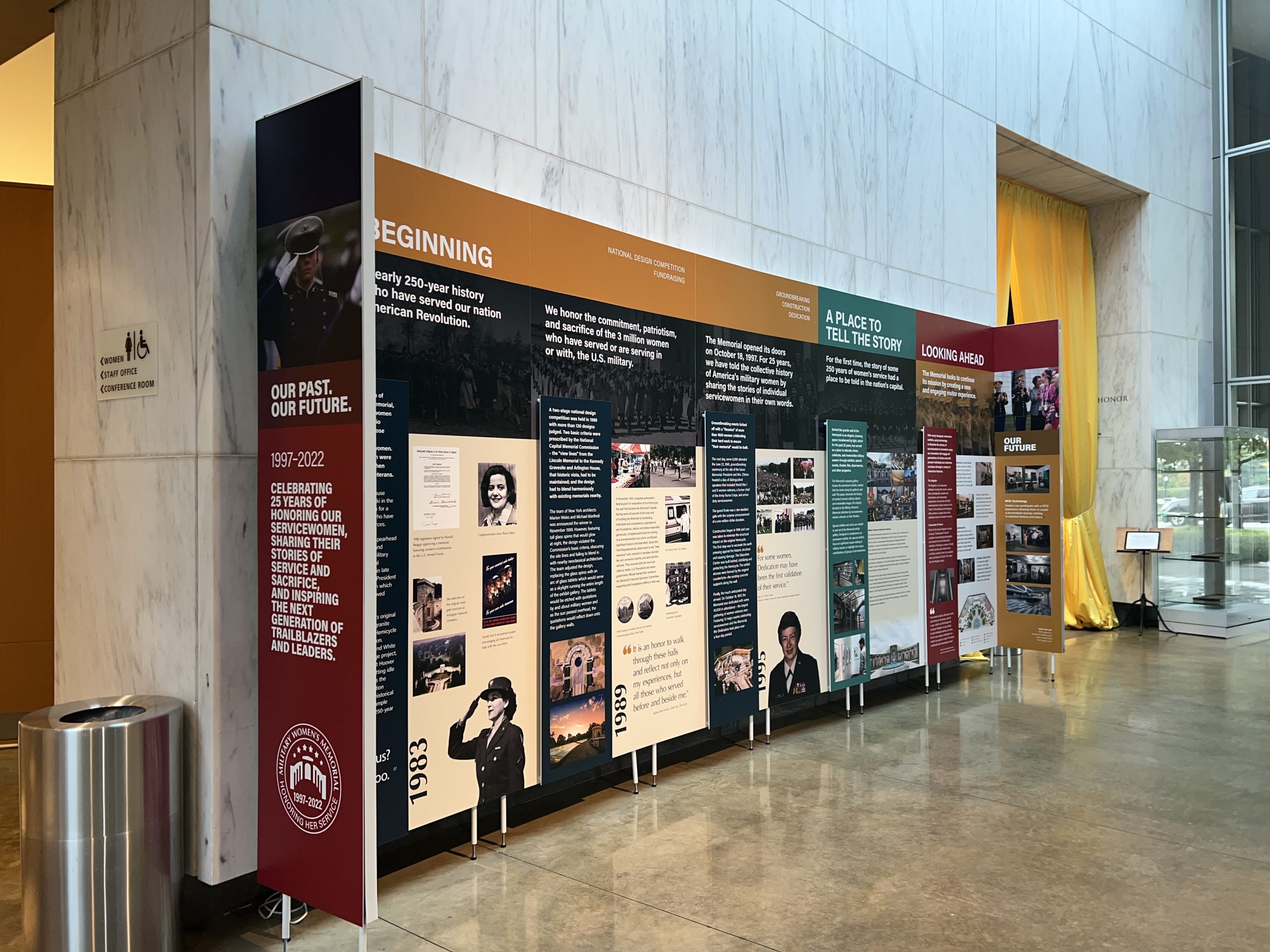
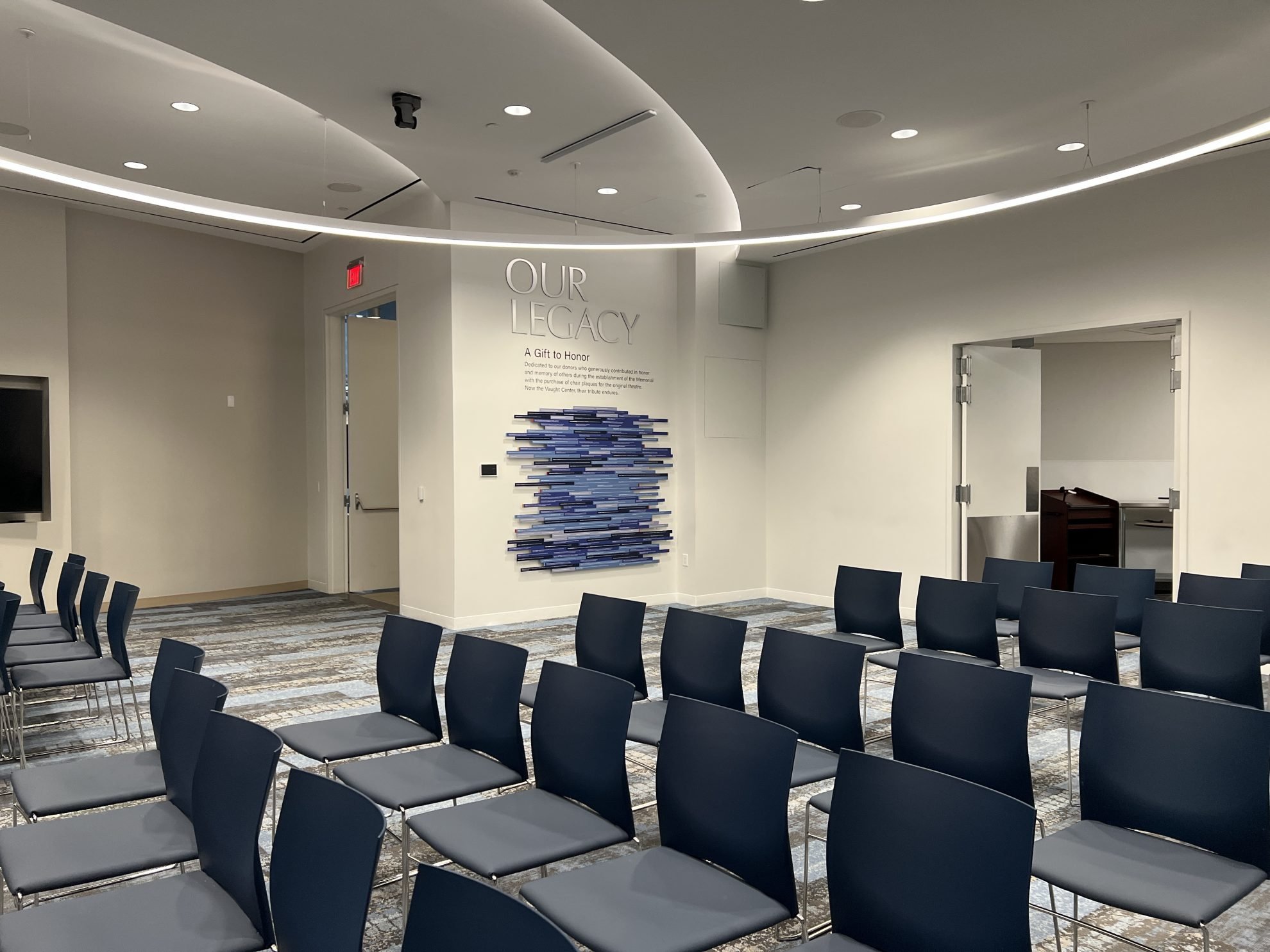
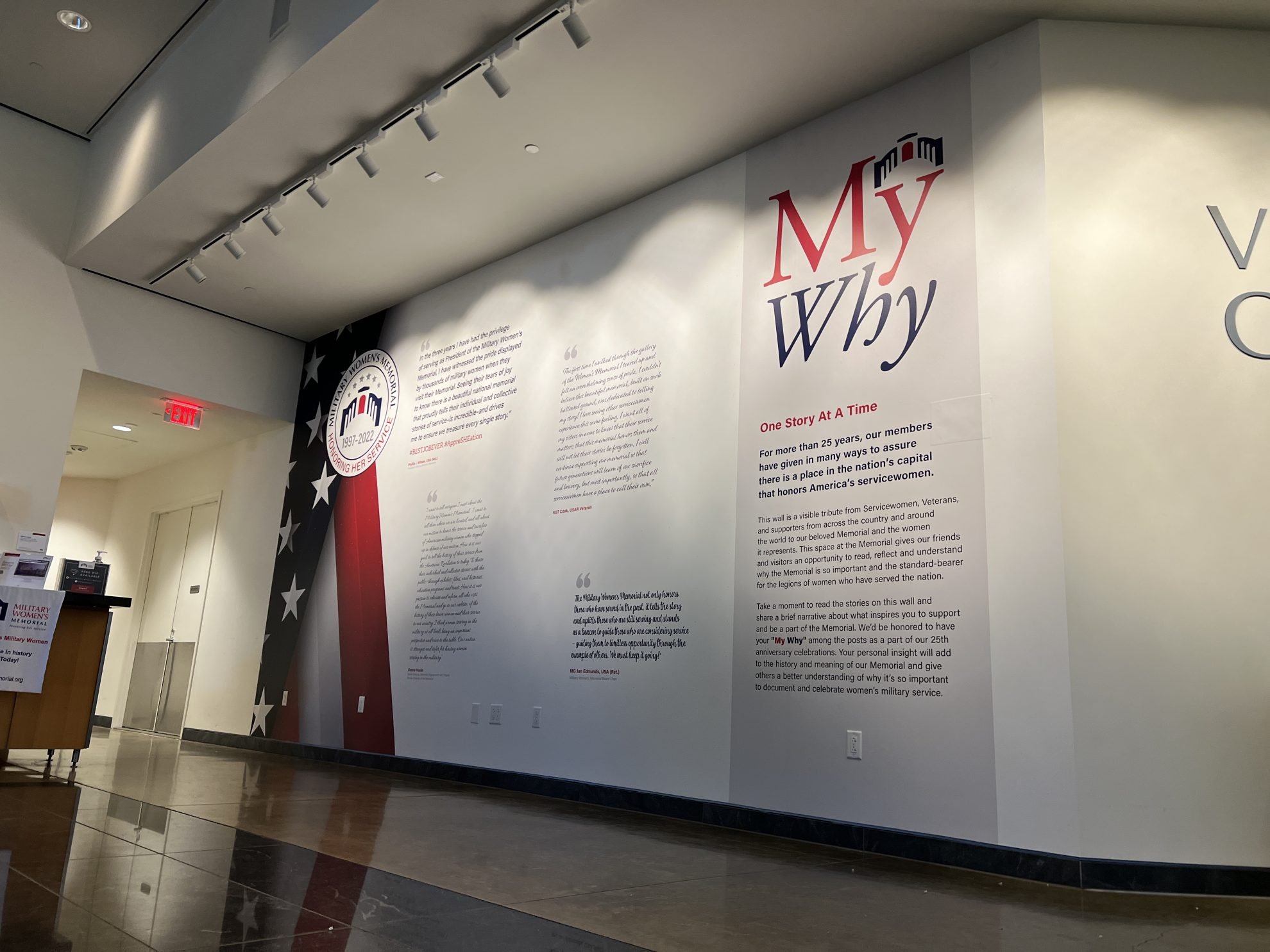
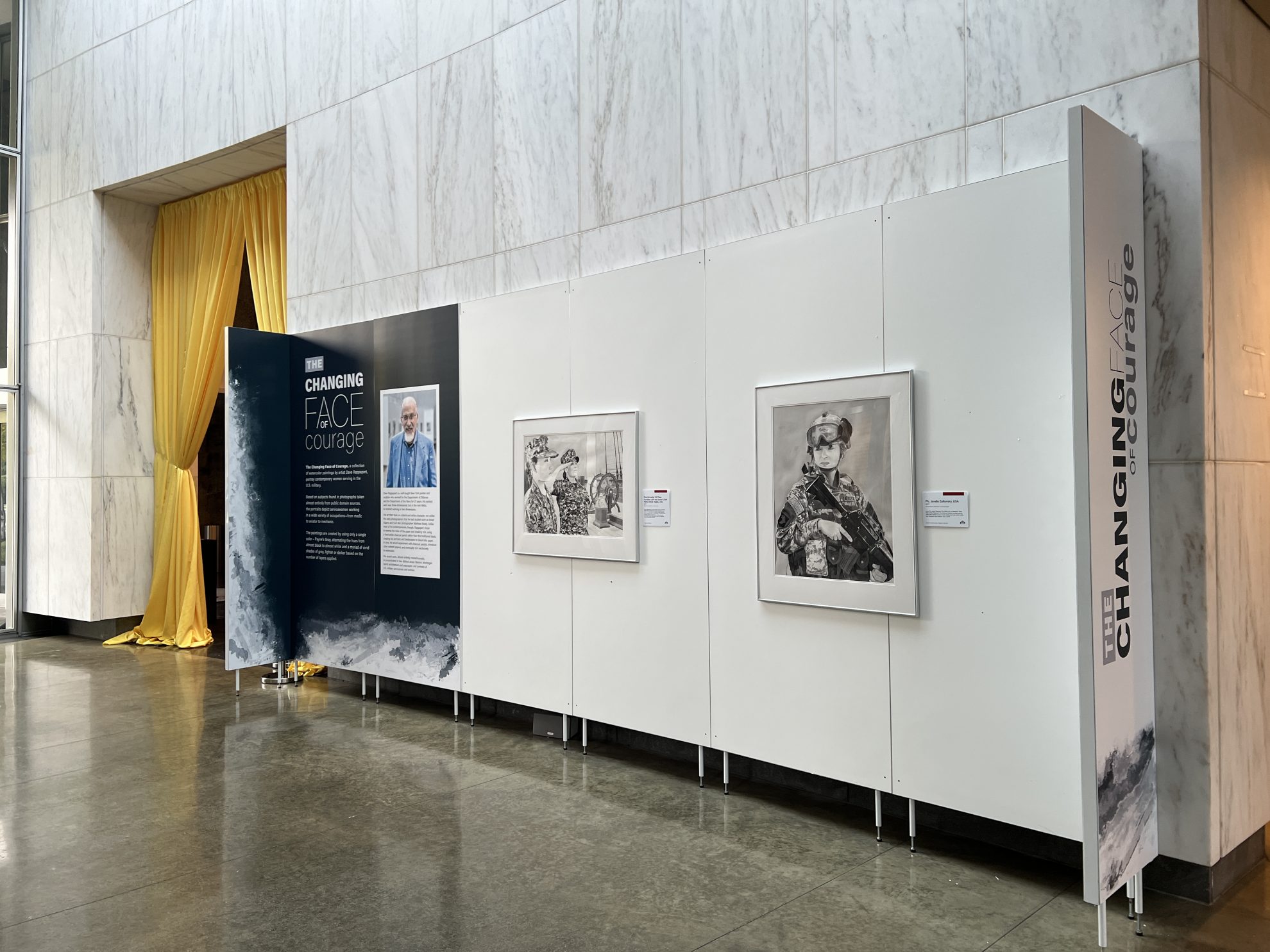
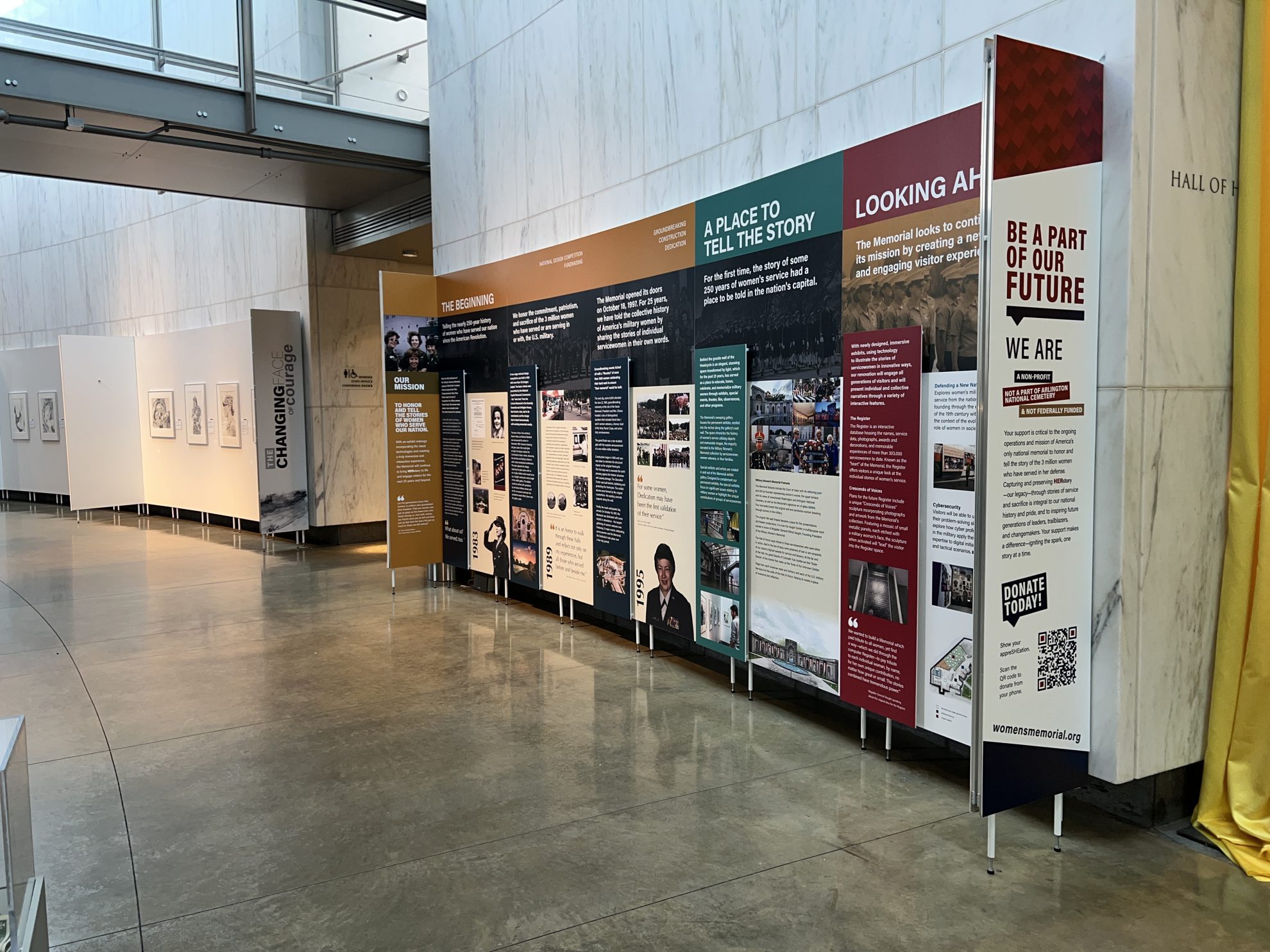
Heritage Signs & Displays created new museum signage for the Military Women’s Memorial in Arlington, VA. The project included custom signs, wall wraps, dimensional letters, and standoff-mounted displays to honor the legacy of U.S. servicewomen and the donors who supported the memorial. The updated interior features impactful designs, including a "Our Legacy" wall display and panels showcasing historical contributions and artwork, creating a transformative tribute to women in the U.S. Armed Forces.
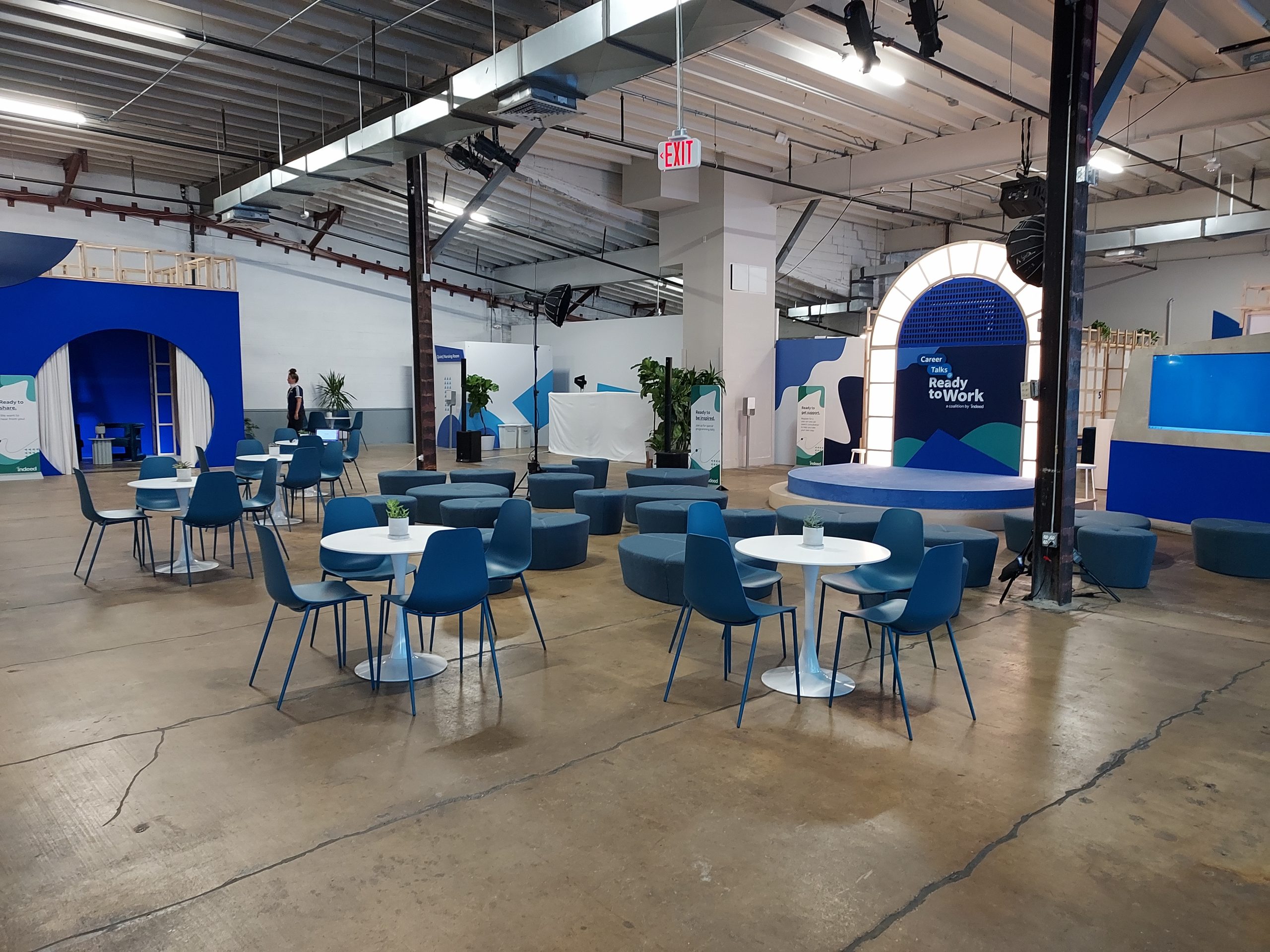
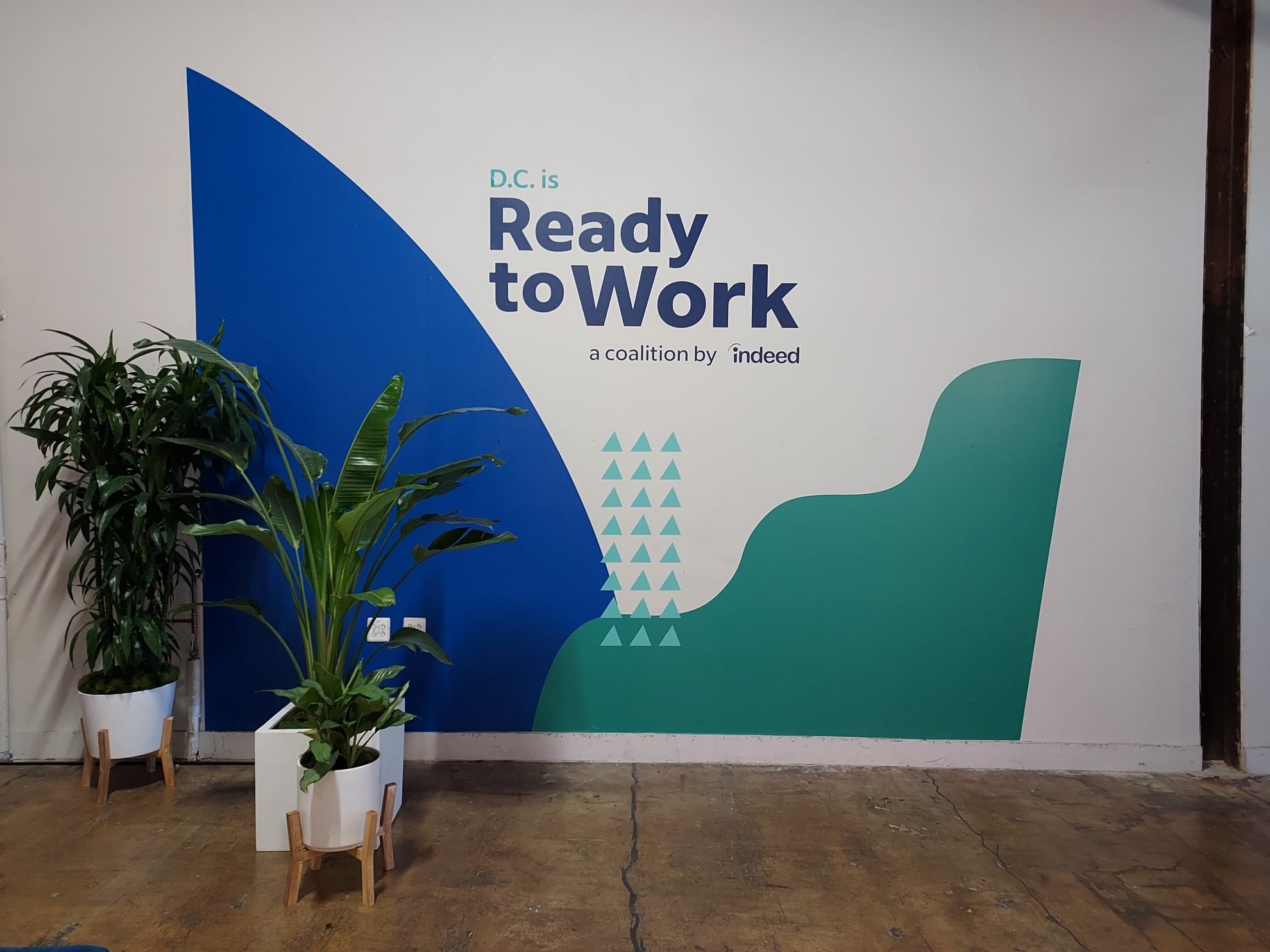
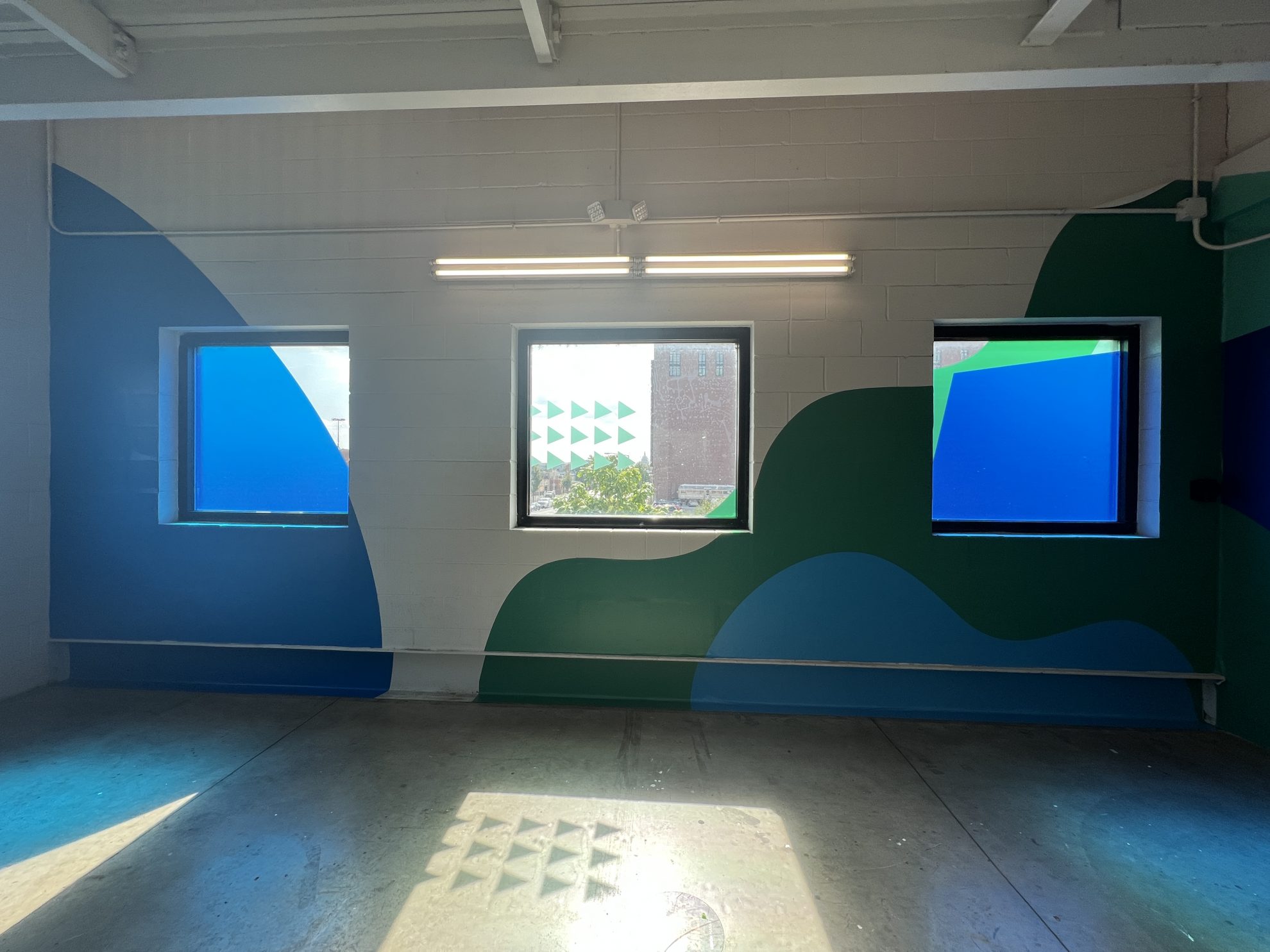
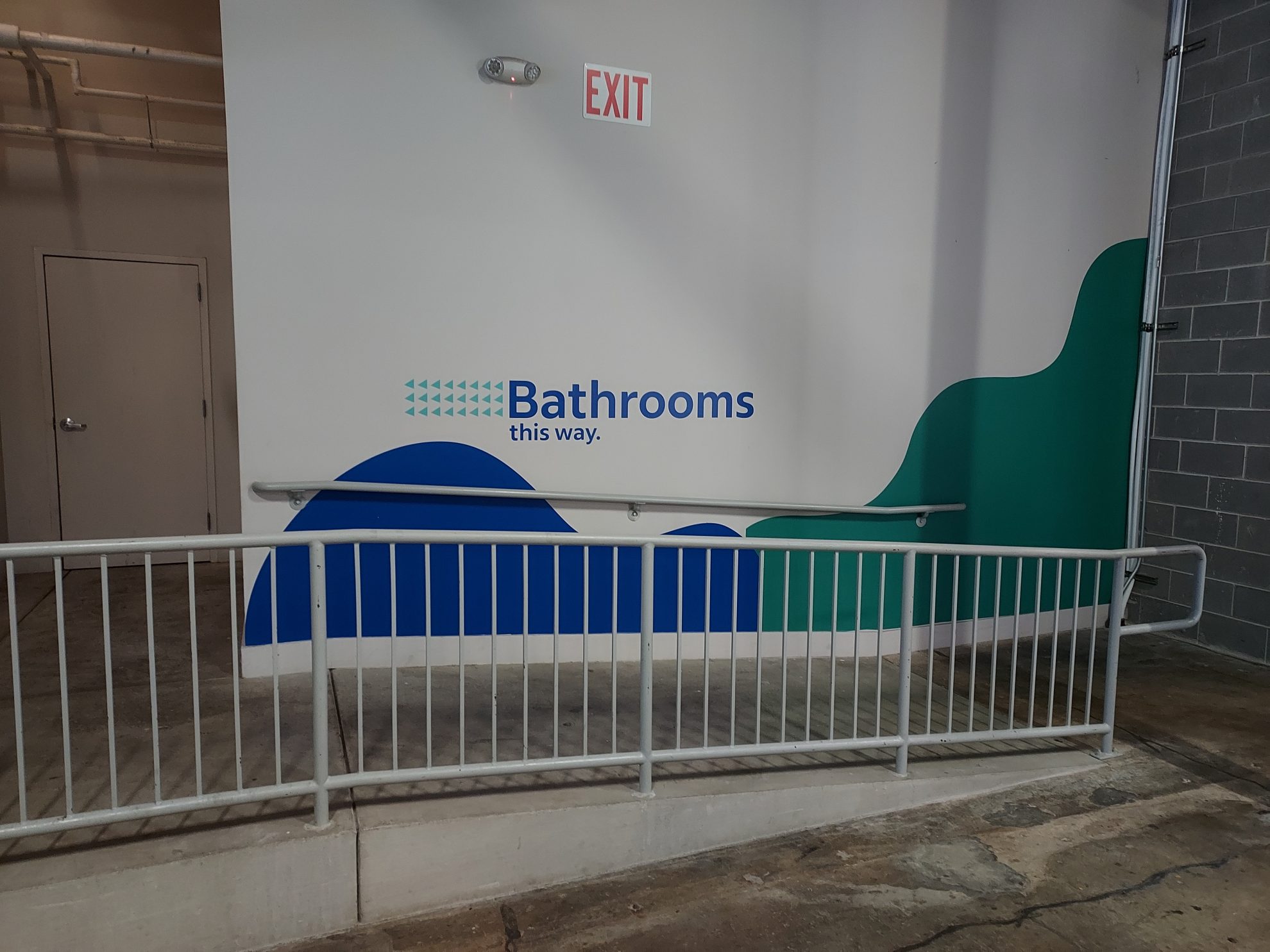
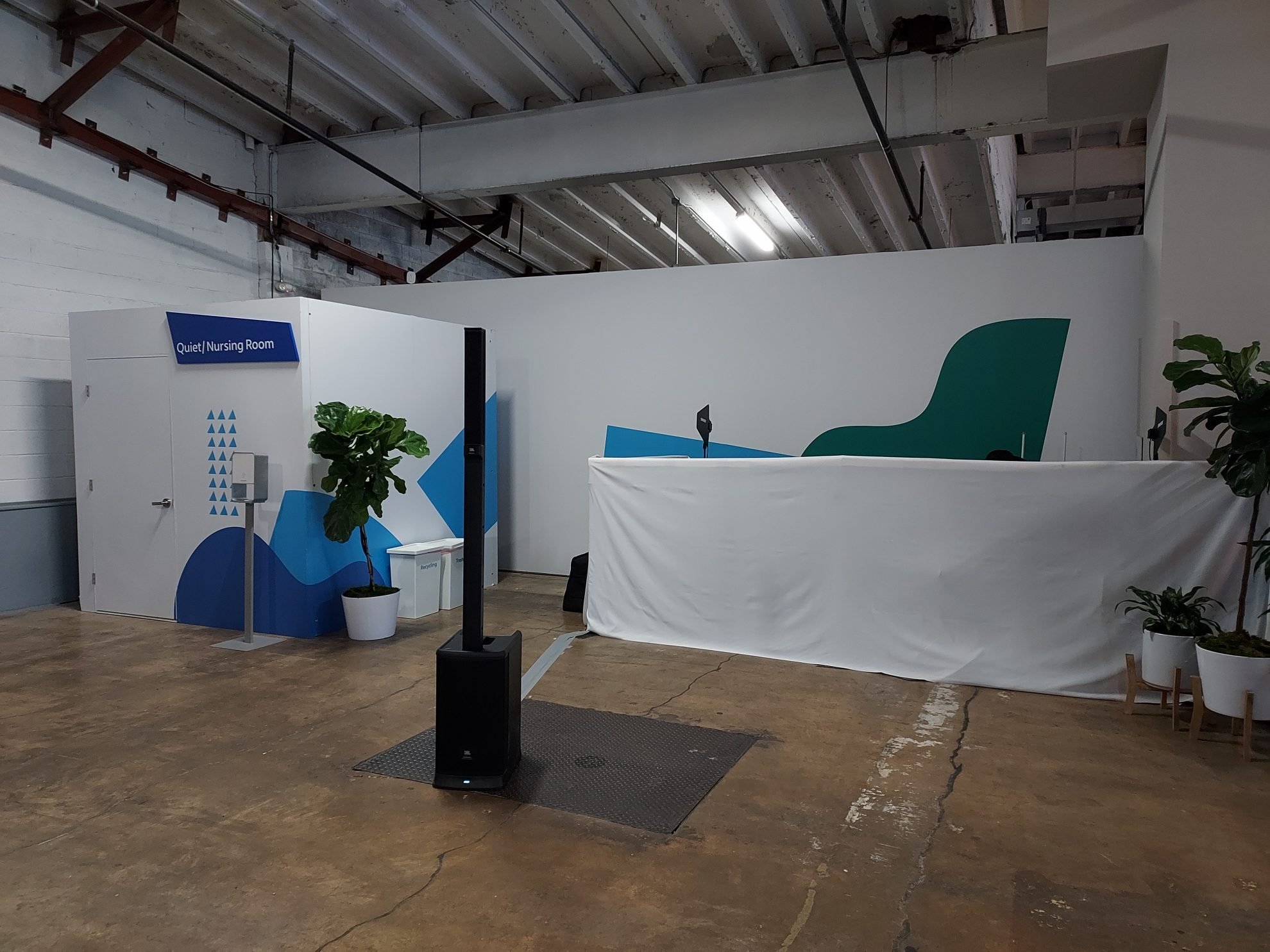
Heritage Signs & Displays' collaboration with The Gathery to brand Union Market in Arlington, VA, for Indeed's "Ready to Work" job fair. The project included custom event displays, wall graphics, window graphics, and wayfinding signs, creating an immersive and visually appealing environment. The branding enhanced the venue, reflected the event's mission, and provided a seamless experience for attendees.