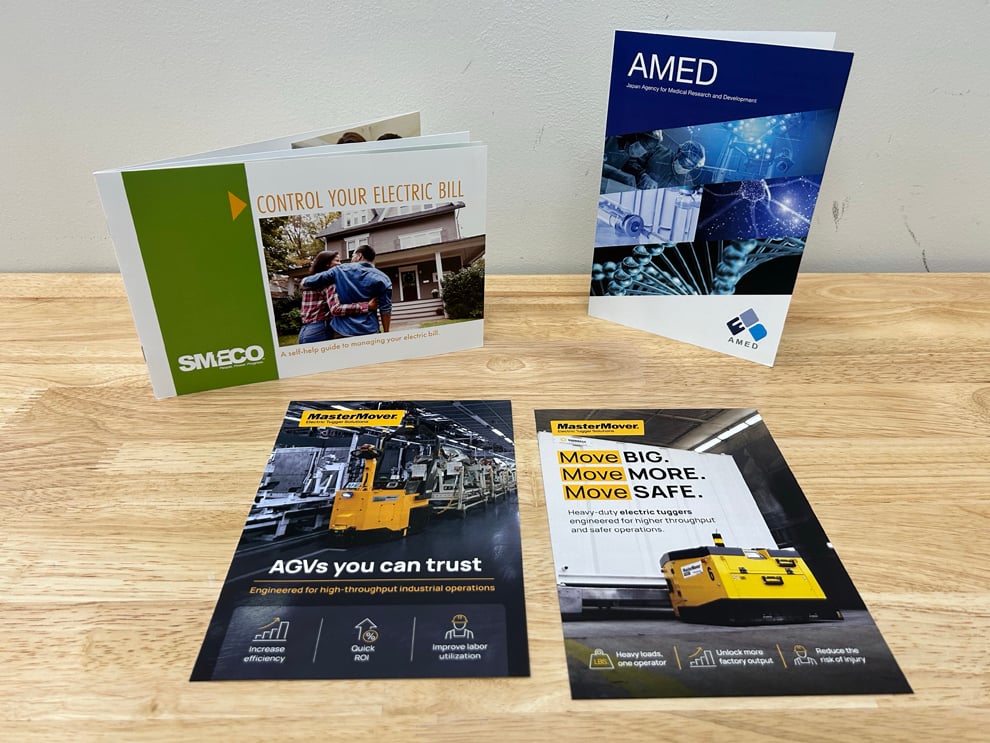
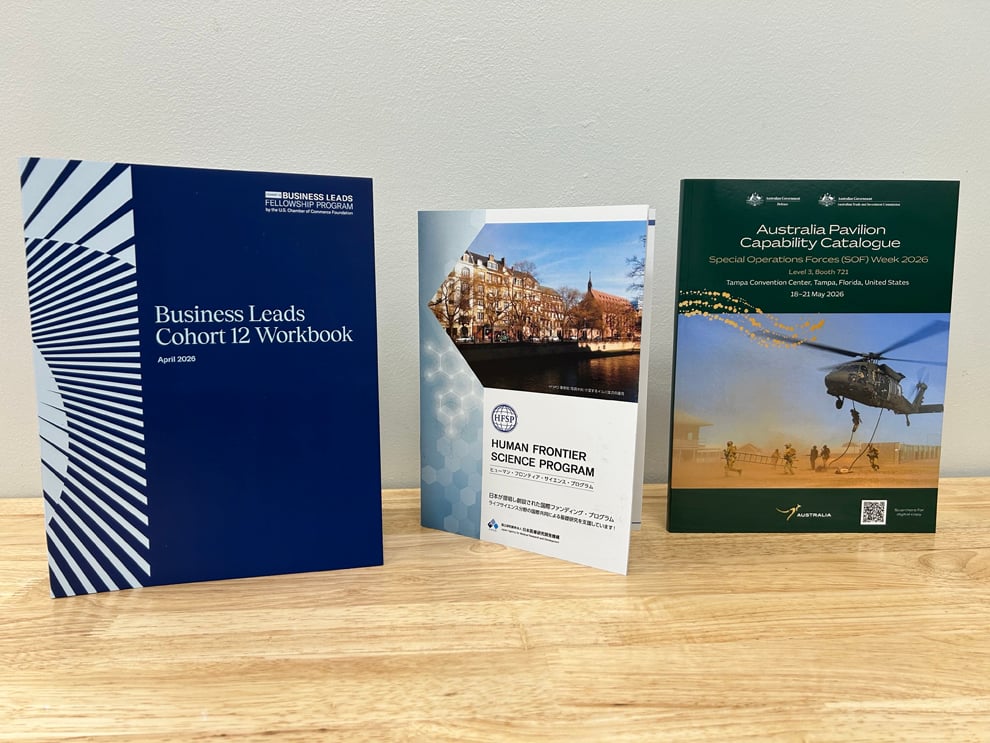
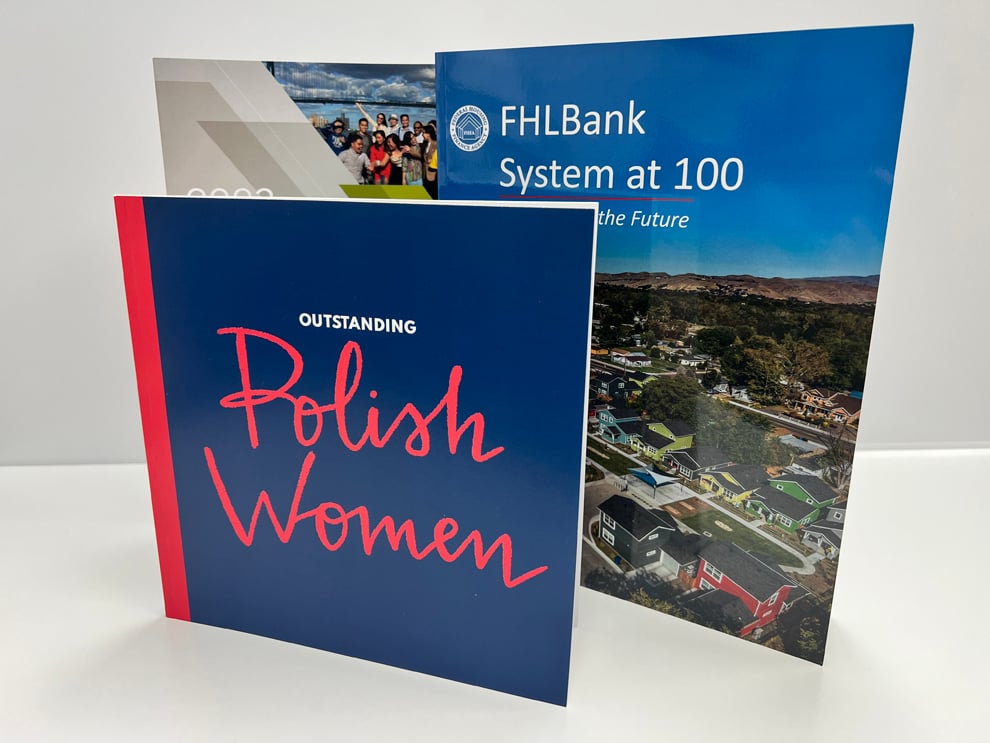
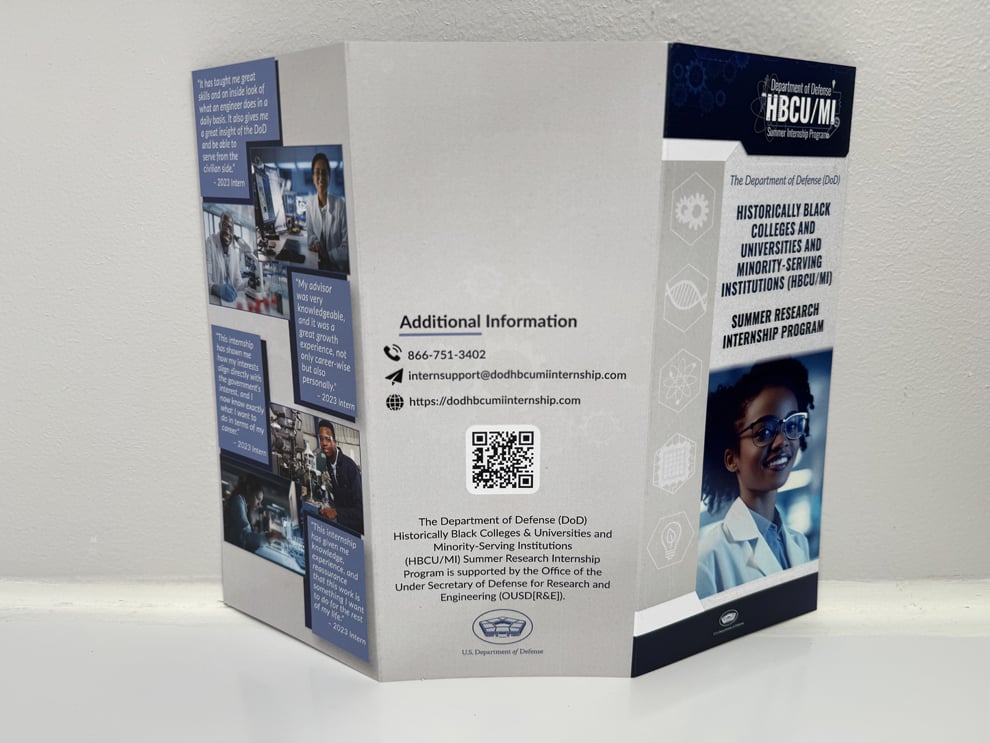
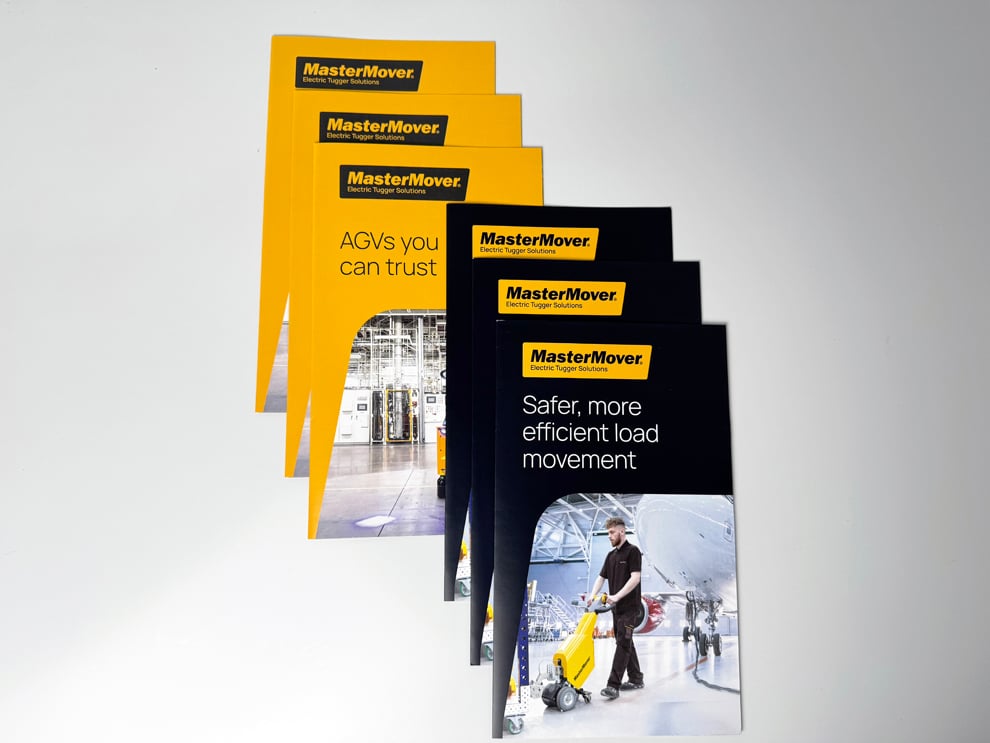
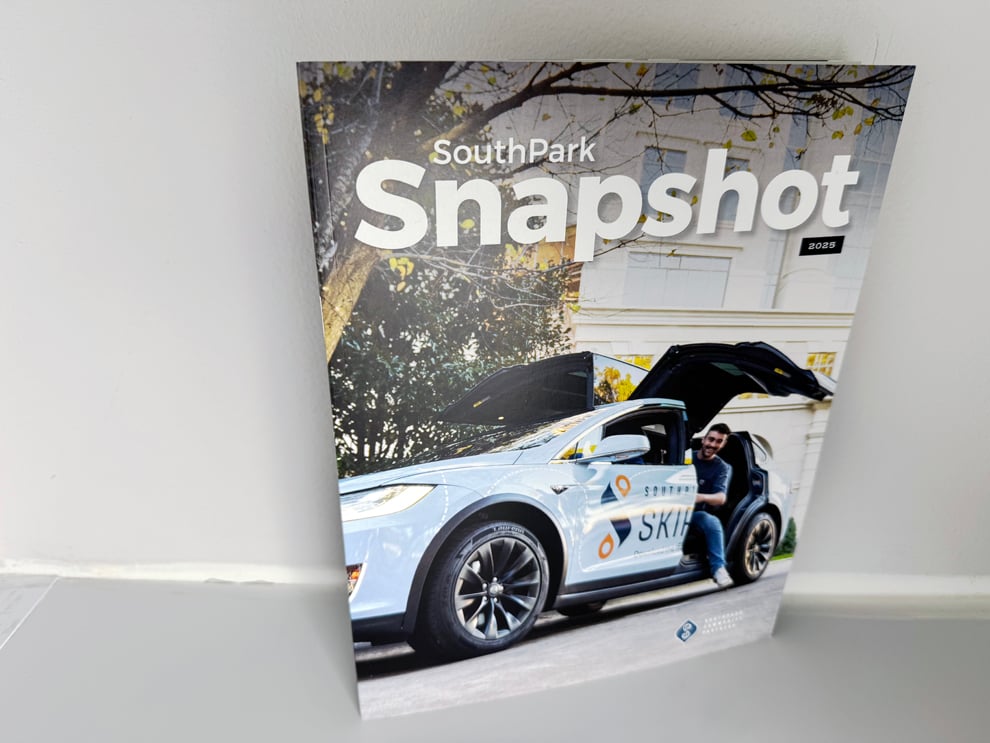
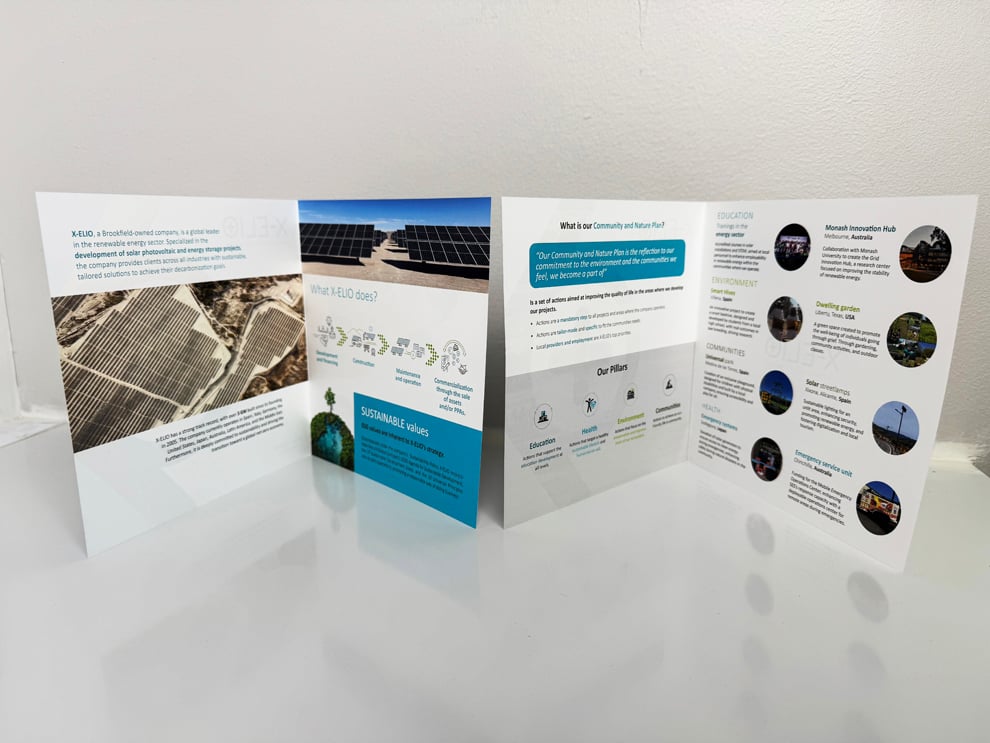
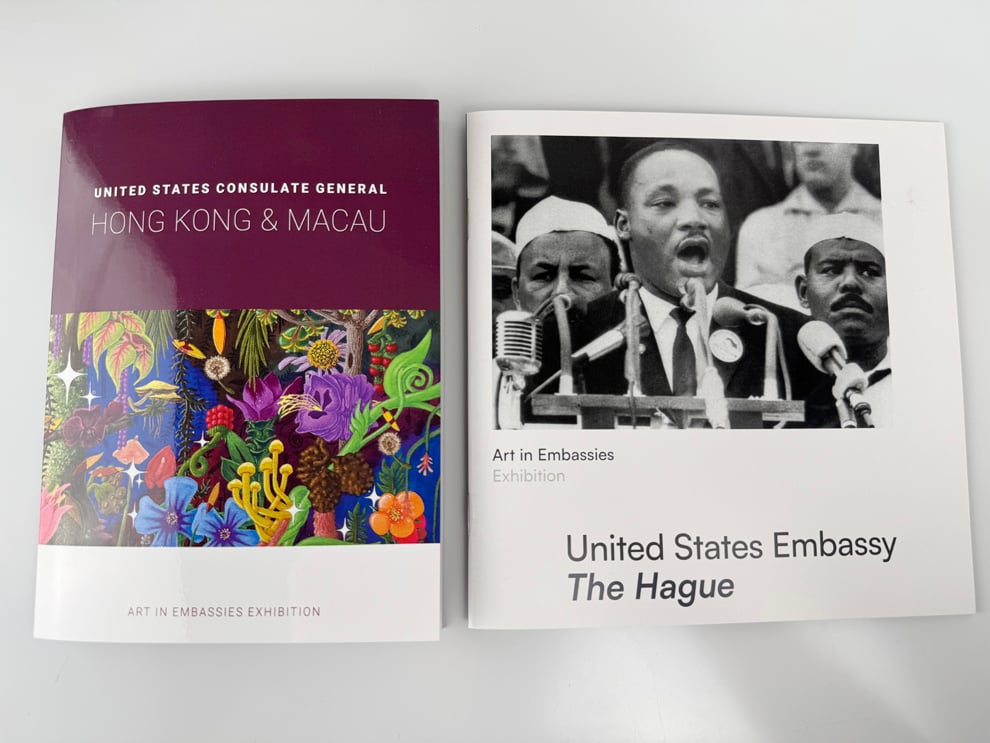
When a Richmond company, bank, health system, or institution refreshes its brand, the printed brochures are often among the last pieces to change and among the first that customers notice. A new logo on the website and old brochures at the branch counter send a mixed message. Getting printed materials ready for launch day is part of making the new brand believable.
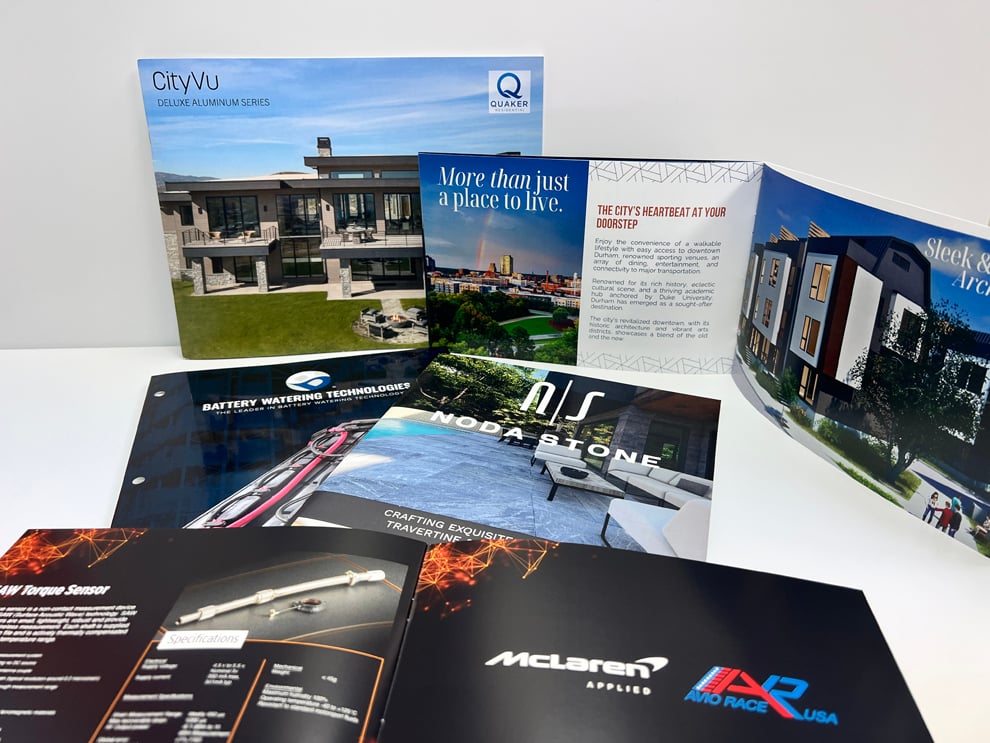
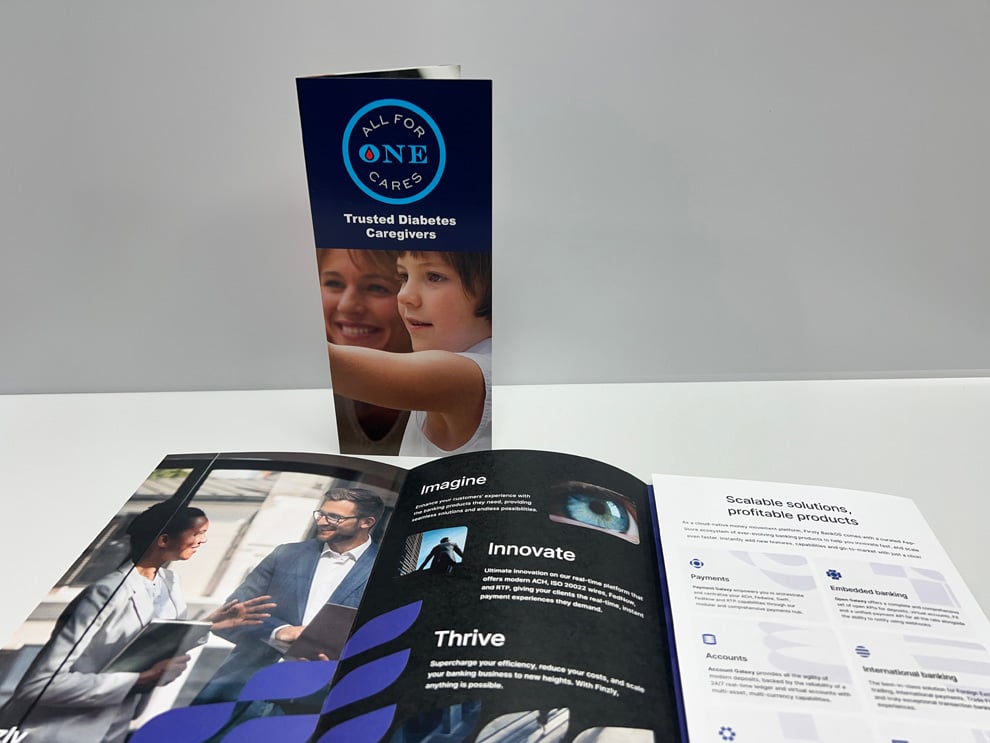
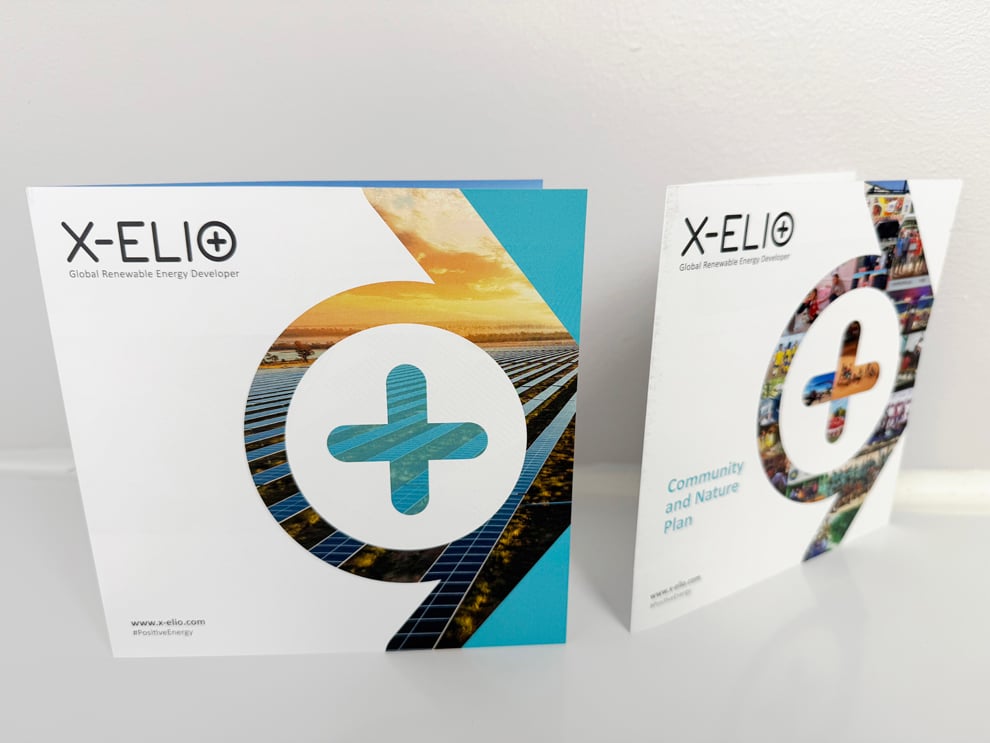
Heritage focuses on the production side of that change. Each brochure in the new family is printed and folded to its own specification, the new brand colors are controlled carefully across every piece, and your team approves an electronic proof for each brochure before printing. The goal is a family of brochures that clearly belong together.
Rollouts rarely involve a single piece. Product lines, service brochures, and location-specific versions may all need to change together. Sharing the full list and the launch date early lets Heritage help you sequence the work, respond quickly as files are finalized, and tell you plainly what the schedule can support before the date arrives.
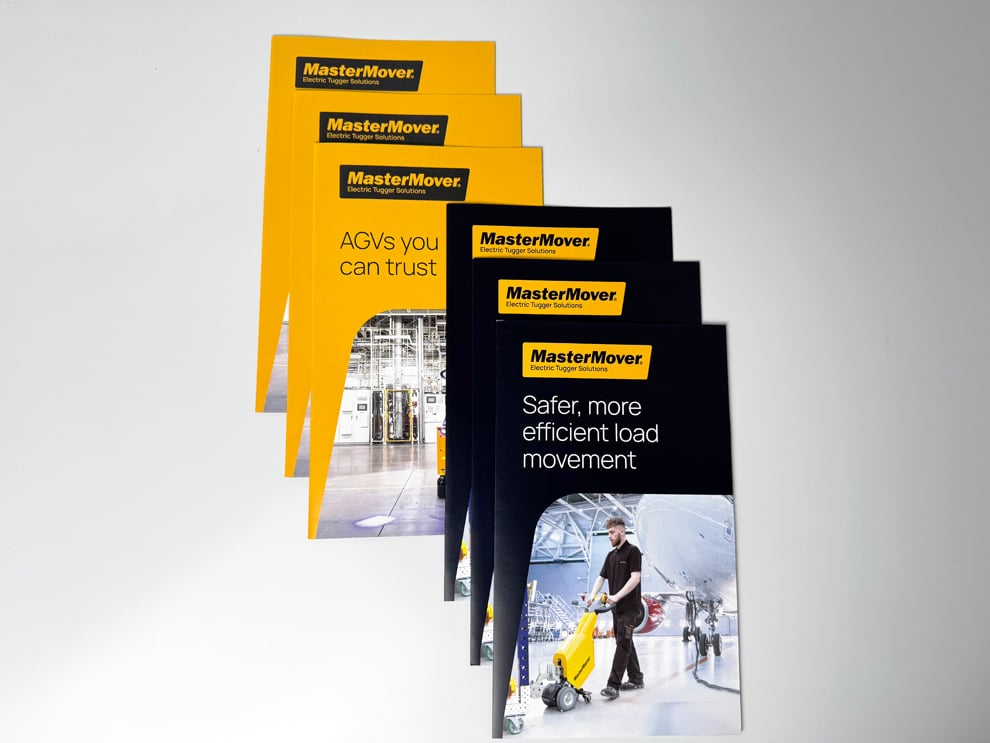
A new brand identity puts color under a microscope. Brand teams have often spent months choosing a palette, and the first printed pieces become the test of whether it works in the real world. Heritage, printing since 1977, relies on spectrophotometric calibration and verification together with profiles specific to each printer and paper to reproduce new colors as consistently as each paper and finish allows.
We also explain the realities early. A new brand color may look different on coated and uncoated papers, and some colors fall outside what a given process can reproduce. For qualifying Custom Quote orders, a paid Physical Production Color Proof on the intended production printer and paper gives your team a physical reference before the full run.
Accountable follow-through matters during a launch, and it is part of how a veteran-owned, family-led company operates. Every order receives an electronic proof before printing, and after a qualifying Custom Quote is accepted and assigned, the Project Coordinator becomes your direct contact for the rollout, keeping each brochure's status visible as the launch date approaches.
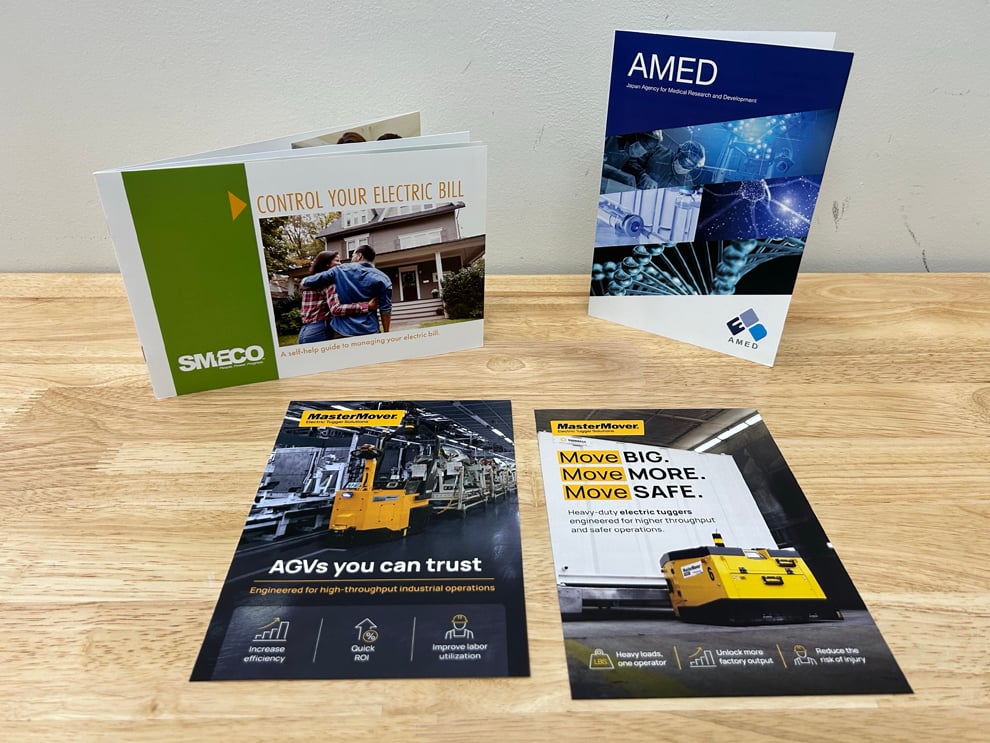
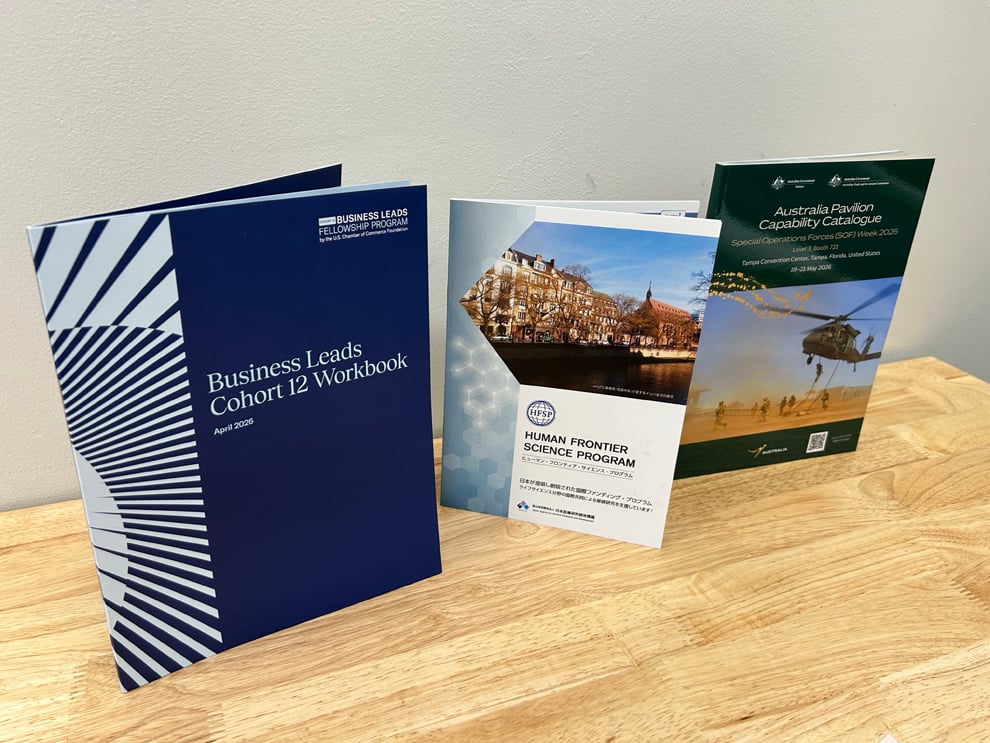
Introduce the new brand in client meetings with folders that match the refreshed brochures.
Update flyers, postcards, and handouts so every printed touchpoint reflects the new identity.
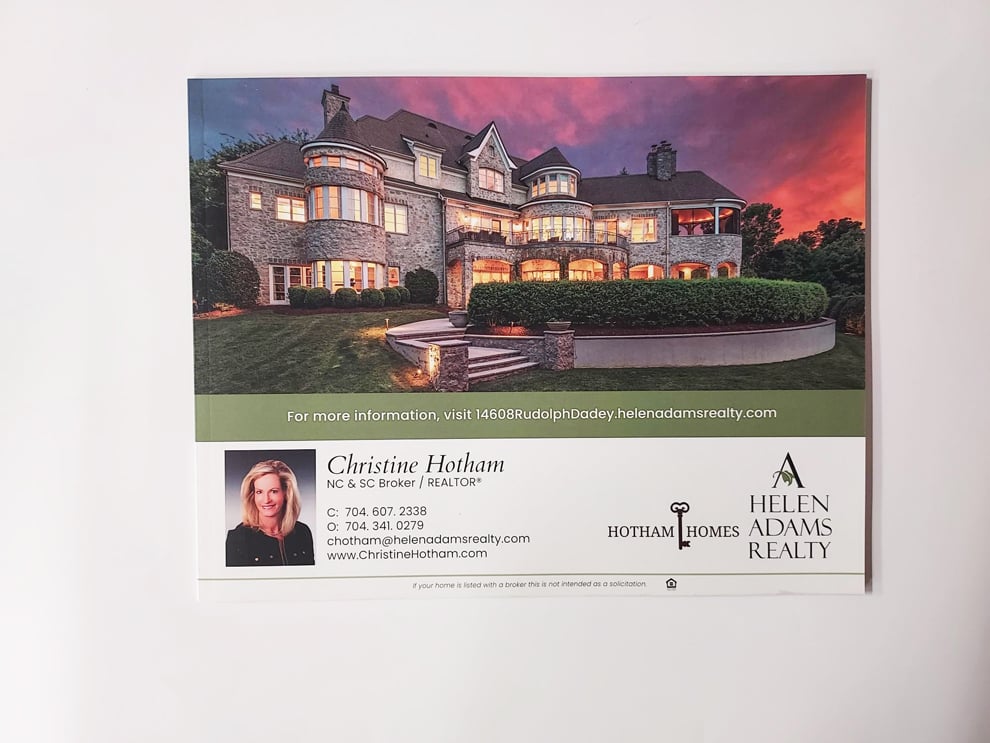
Announce the new brand to customers by mail when addressing is part of the accepted scope.
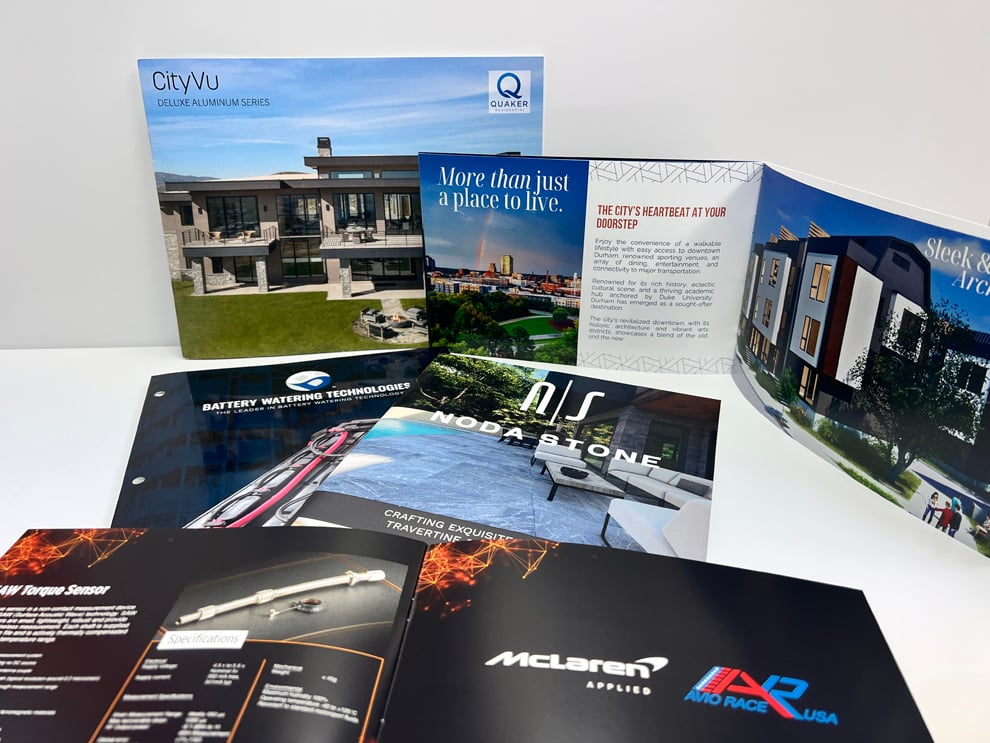
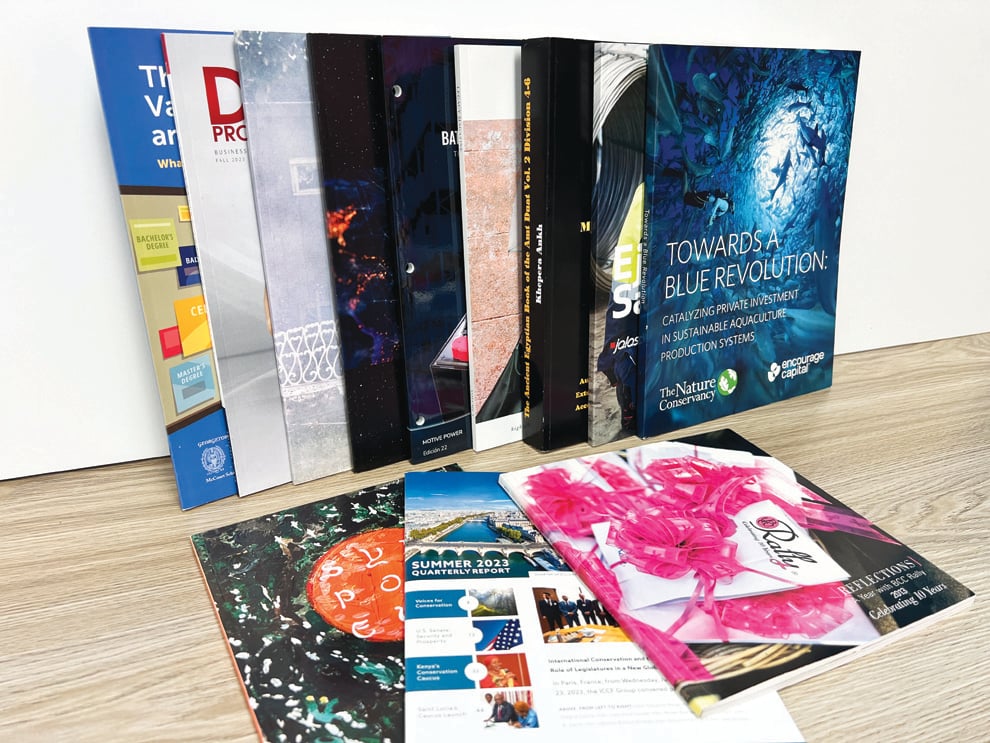
Publish brand guides, product catalogs, or service overviews as bound booklets in the new identity.
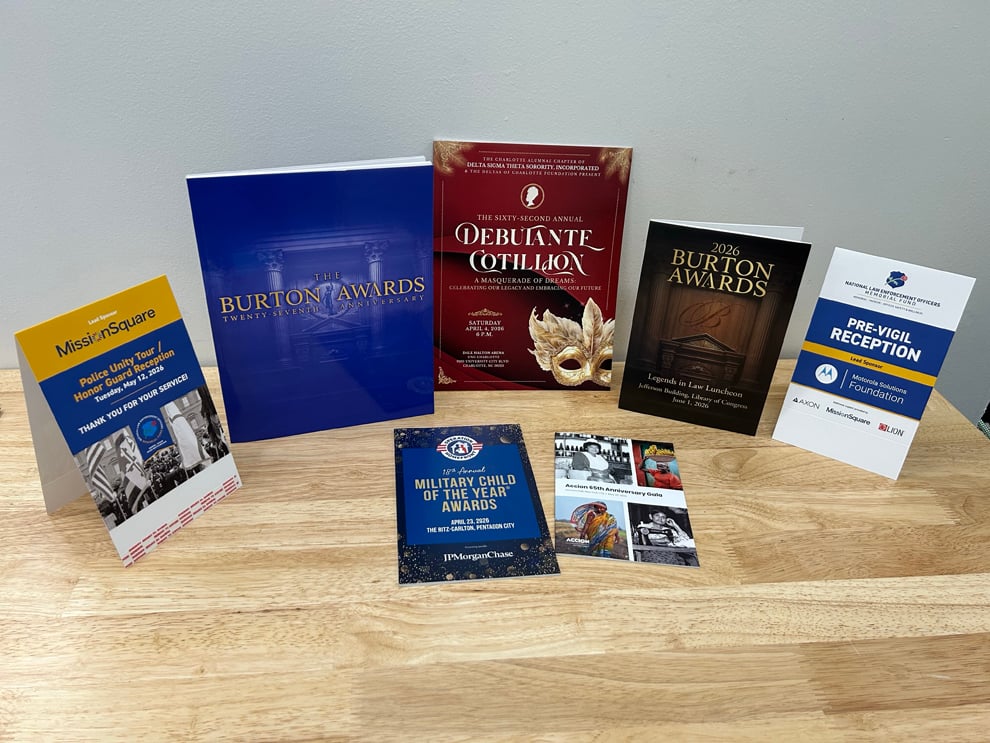
Print programs for launch events, employee meetings, and client receptions.
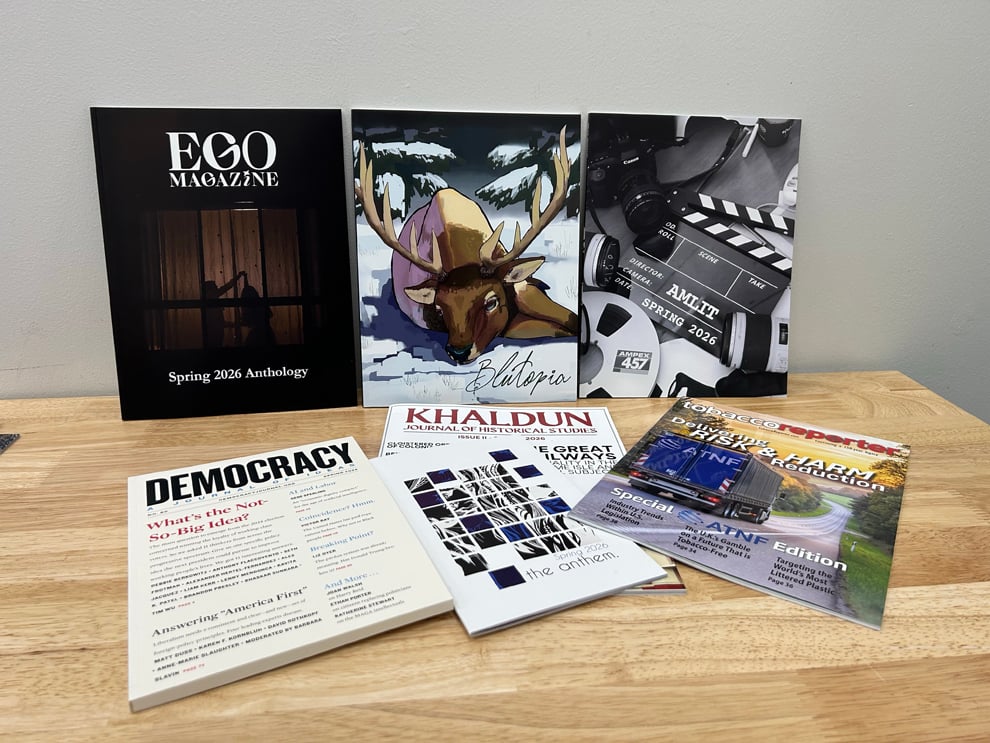
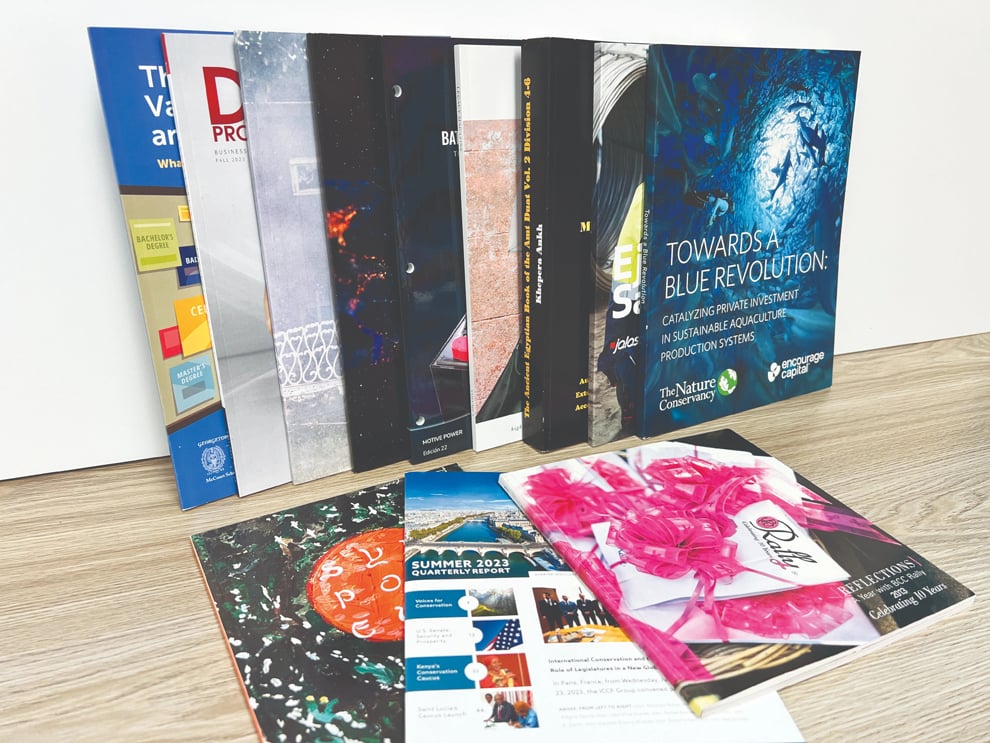
Produce reports, guides, and reference publications in the new brand style.
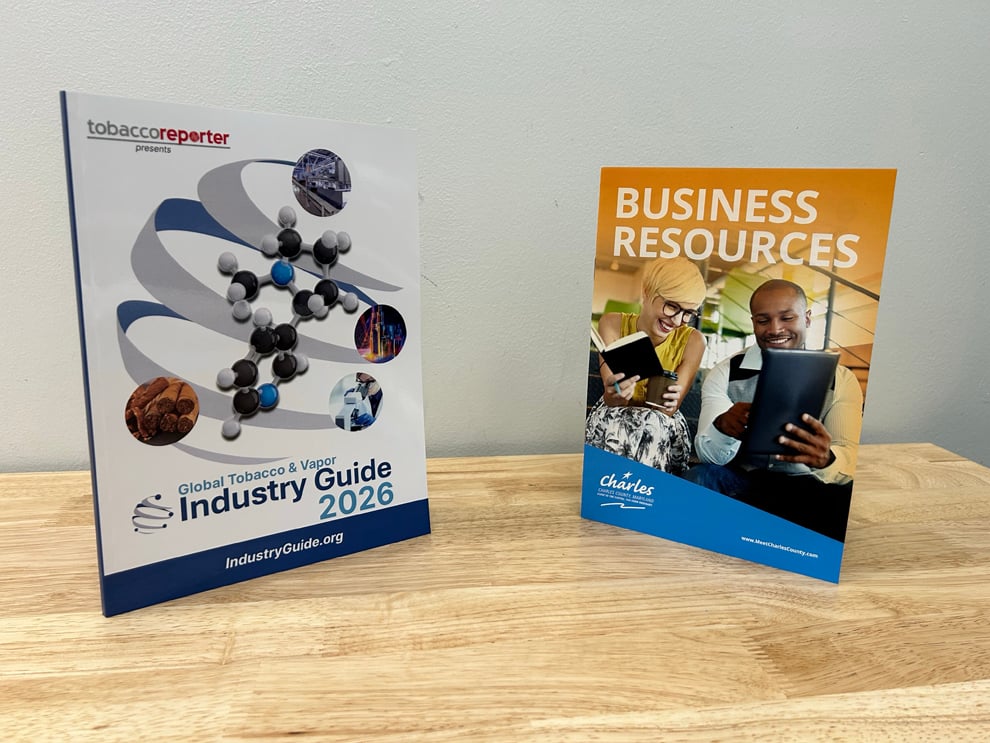
Share the brand story with employees and customers through a recurring printed edition.
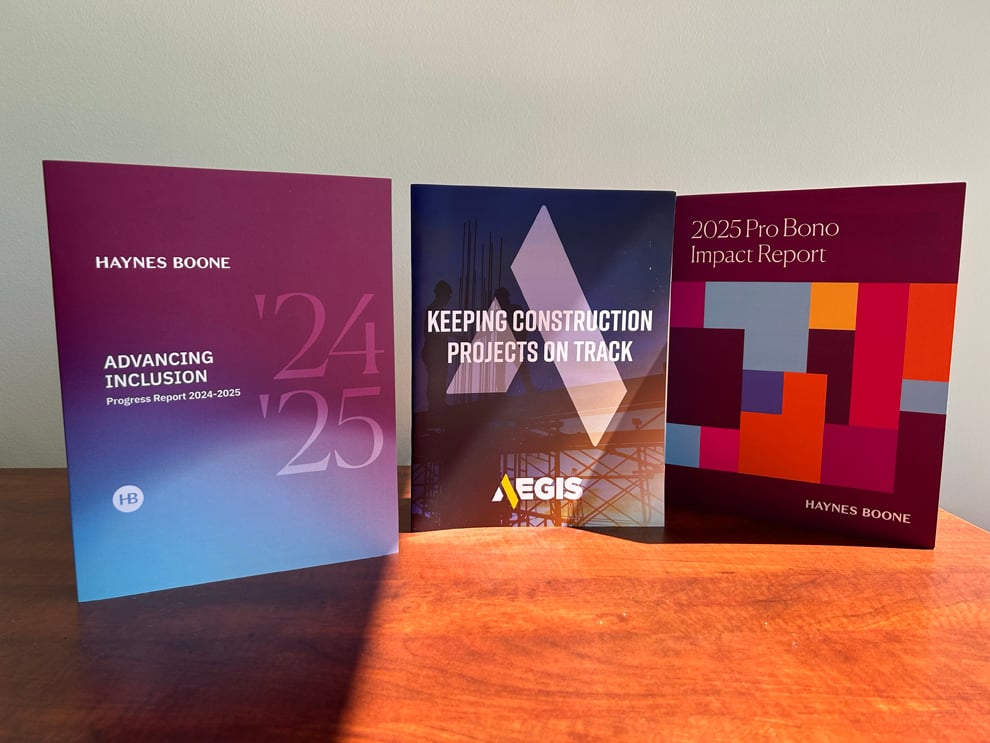
Present the year's results in the refreshed brand for shareholders and boards.
A rollout that includes several brochures or versions, physical color proofing for new brand colors, file adjustments, or coordinated delivery across locations fits Custom Quote when it qualifies at $2,000 or more. Once Heritage accepts the quote and assigns the order, your Project Coordinator becomes the direct contact for the launch. Lower-volume pieces that follow the flagship may be simpler to buy through the Online Store once they are print-ready and their configuration is listed, with Heritage's lowest available pricing applied.
Start with an inventory of every brochure that carries the old identity, including product lines, branch or location versions, and audience-specific editions. Decide which will be redesigned for launch, which can wait, and which will be retired. That list becomes the production plan and prevents a forgotten brochure from appearing at a branch or event after the new brand goes live.
Next, set priorities by visibility. Customer-facing brochures used daily should be ready first, while lower-volume pieces can follow. Approve one flagship brochure early when possible, because it confirms how the new colors and typography reproduce in print before the rest of the family is finalized.
Finally, plan the physical changeover itself. Coordinate delivery of new brochures with the removal of old stock so locations are never left empty or mixed. Heritage will work toward the launch date with urgency, communicate quickly if a file or approval threatens the schedule, and keep each brochure's electronic proof approval clear so the right version reaches the right place.
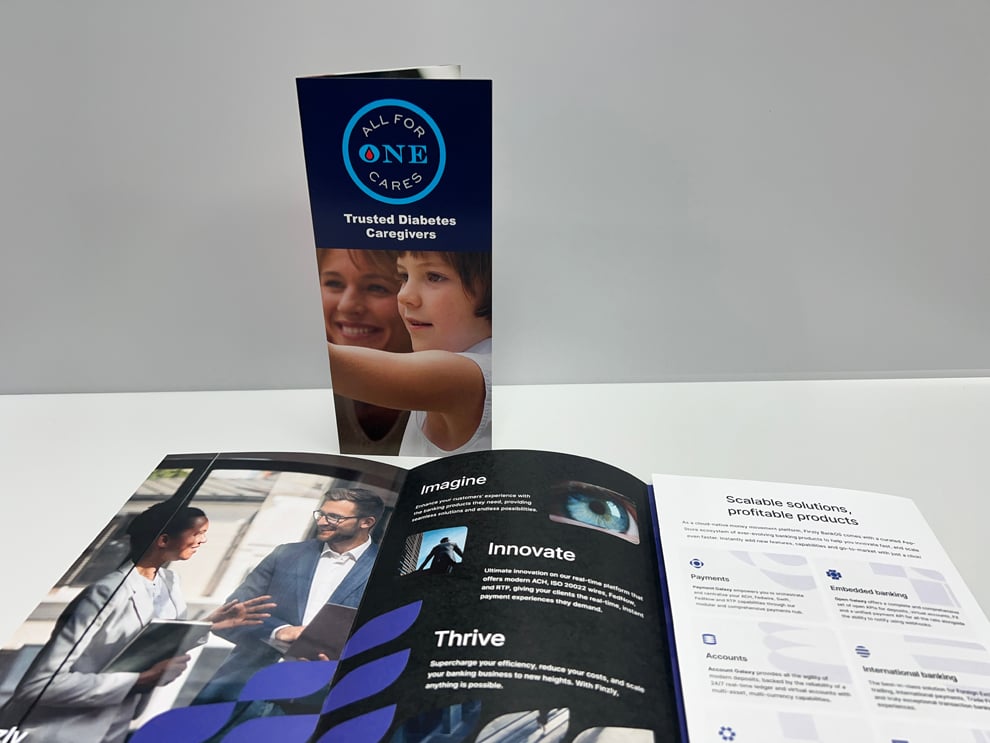
Print one flagship brochure first and judge color on the paper you plan to use for the whole family. For qualifying Custom Quote orders, a paid Physical Production Color Proof on the intended production printer and paper gives you a physical reference before the full run. Screens and electronic proofs cannot show physical color.
Yes. Printing a family of brochures together keeps the specification, color management, and approvals aligned, and it simplifies delivery. Eligible Store products can be combined in one Online Store order, and Custom Quote supports larger coordinated rollouts that qualify at $2,000 or more.
Look for anything carried over from the old identity: logos, taglines, colors in charts or icons, web addresses, email domains, and legal entity names. Confirm panel order and content near the folds. Judge color on paper, not on the electronic proof.
Yes. Branch versions often change addresses, phone numbers, and local contacts while keeping the shared design. Provide a separate file for each branch along with its quantity and the person who approves it. Heritage proofs every branch version on its own before printing.
A tri-fold handles a product overview with features, benefits, and contact details in a familiar sequence. A bi-fold gives more room for rate tables or comparison charts. If disclosures are required, plan space for them from the start so they do not crowd the back panel.
A brochure works for a single product or service line customers can grasp quickly. A booklet suits a full product guide with rates, features, comparisons, and disclosures. During a rebrand, many organizations relaunch the brochure family first and follow with booklets once the new identity is proven in print.
They can be close, but rarely identical, because coated paper holds ink on its surface while uncoated paper absorbs it. Many brand standards specify separate color targets for each surface. Decide which papers the new brochure family will use, then evaluate color on those papers before approving the rollout.
Assign one brand owner to approve every brochure's electronic proof, with product or branch owners checking their own content first. Central approval keeps logos, colors, and messaging consistent across the family. Track approvals in a simple list so no brochure goes to print on an outdated proof.
Yes, when they are part of the new template from the beginning. Financial and healthcare brochures often carry disclosures that must stay legible, so plan space for them on each panel layout. Your compliance team owns the wording, and the proof is where to confirm it matches the current approved text.
Yes, if customer mailing is part of the order Heritage accepts. You supply an accurate customer list that you are authorized to mail, formatted as agreed, and Heritage handles addressing and postal preparation. Coordinate the drop with your launch announcement, remembering that the Postal Service controls delivery after acceptance.
Choose it for qualifying rollouts of $2,000 or more that involve several brochures or versions, new-color proofing, file adjustments, or delivery across locations. Once Heritage accepts the quote and assigns the order, your Project Coordinator keeps each brochure's status visible to your team.
On qualifying Custom Quote orders of $2,000 or more, Heritage can provide production-oriented adjustments so new templates align with the selected folds and panel widths. Your brand team still owns the design system and messaging. Online Store orders need files that are already print-ready.
Yes. Heritage works with corporate, financial, healthcare, and institutional clients in Richmond, Central Virginia, and the wider Mid-Atlantic. A rollout can be shipped to headquarters or split across branches and offices, following the delivery plan approved for the order. Receiving contacts at each branch help new stock arrive before launch day.
Start as soon as the new identity is approved for print, and work backward from the launch date. Allow time for a flagship proof, any physical color review, approvals for each brochure, printing, finishing, and delivery to every location. Share the date with Heritage early so the sequence can be planned realistically.
Yes, when split shipping is part of the accepted plan. Provide each destination, quantities, and the date each location needs its supply. Timing deliveries close to the launch helps locations swap old stock for new without a gap. Confirm a receiving contact at each site in advance.
Use the Online Store for individual brochures that are print-ready and available in a live Store configuration, especially lower-volume pieces that follow the flagship launch. You order directly at Heritage's lowest available pricing, and each order still receives an electronic proof.
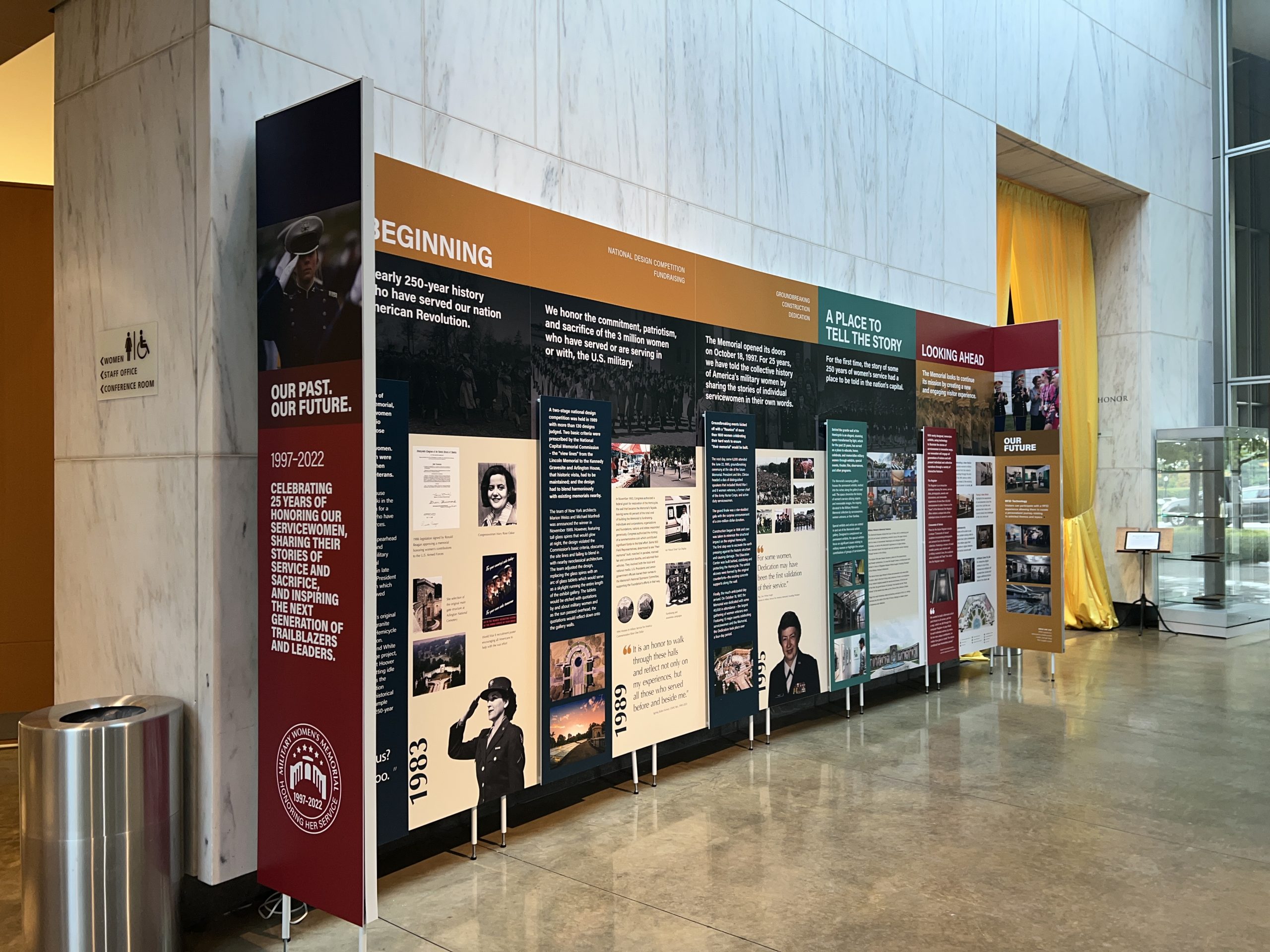
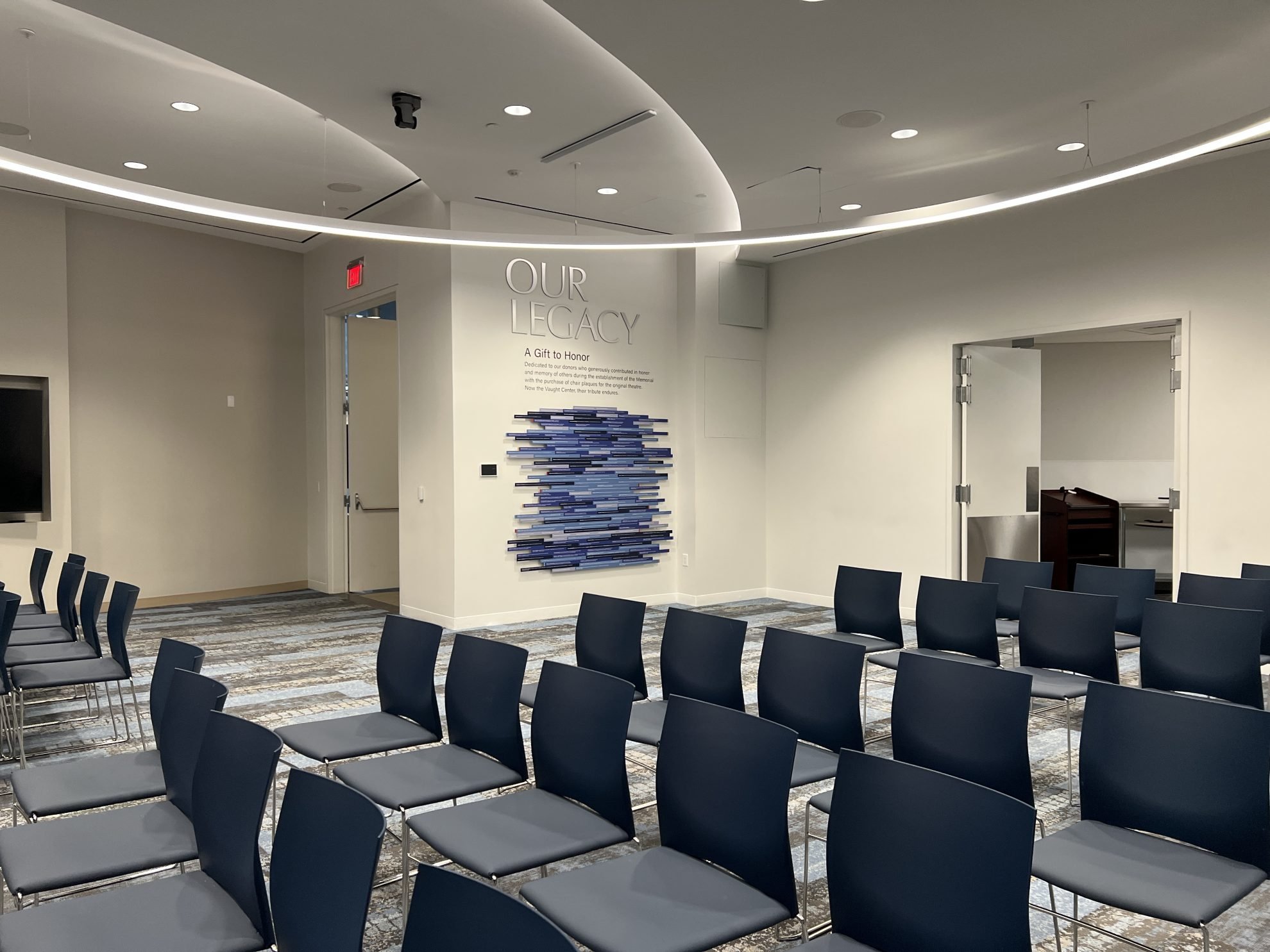
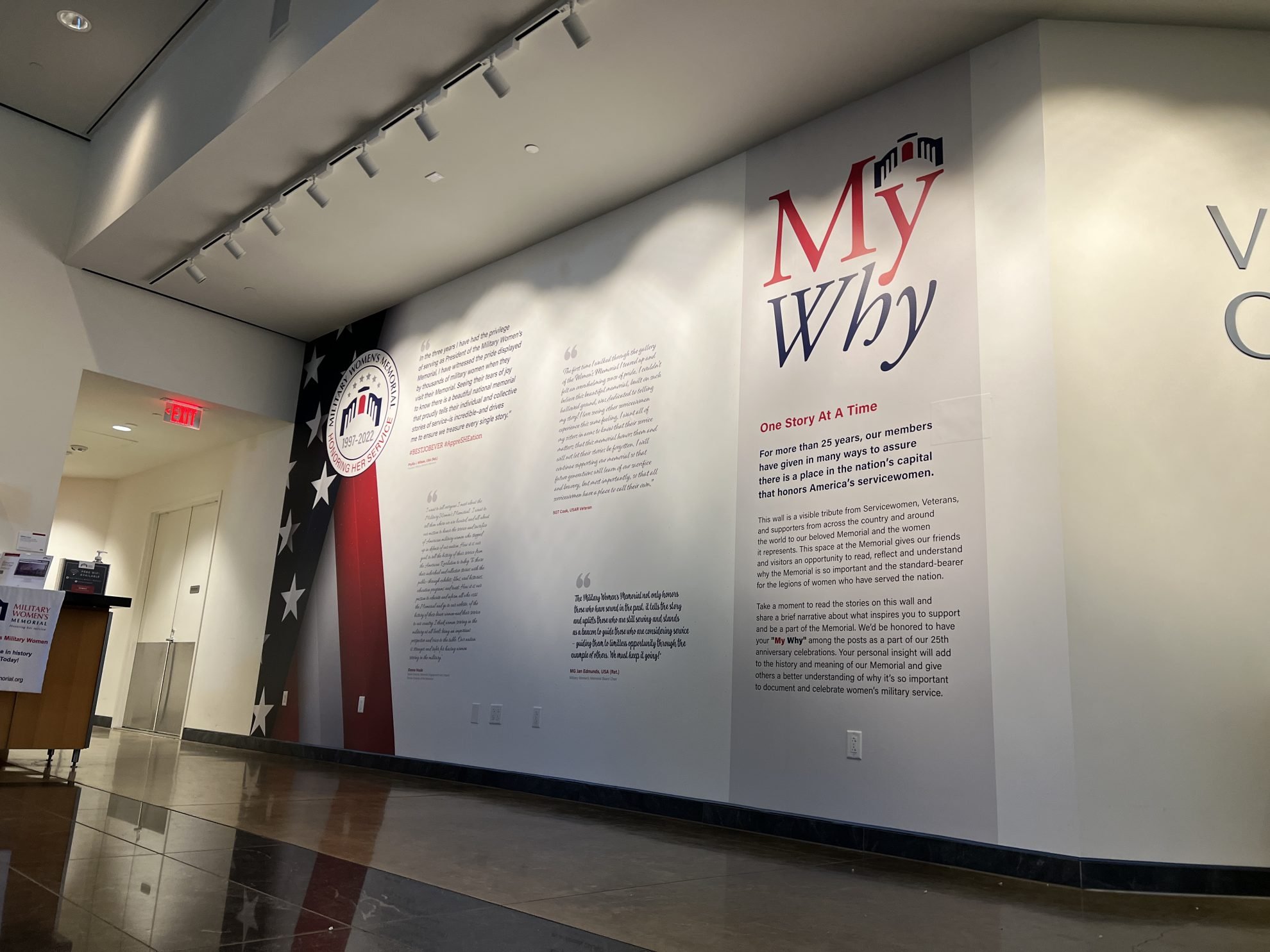
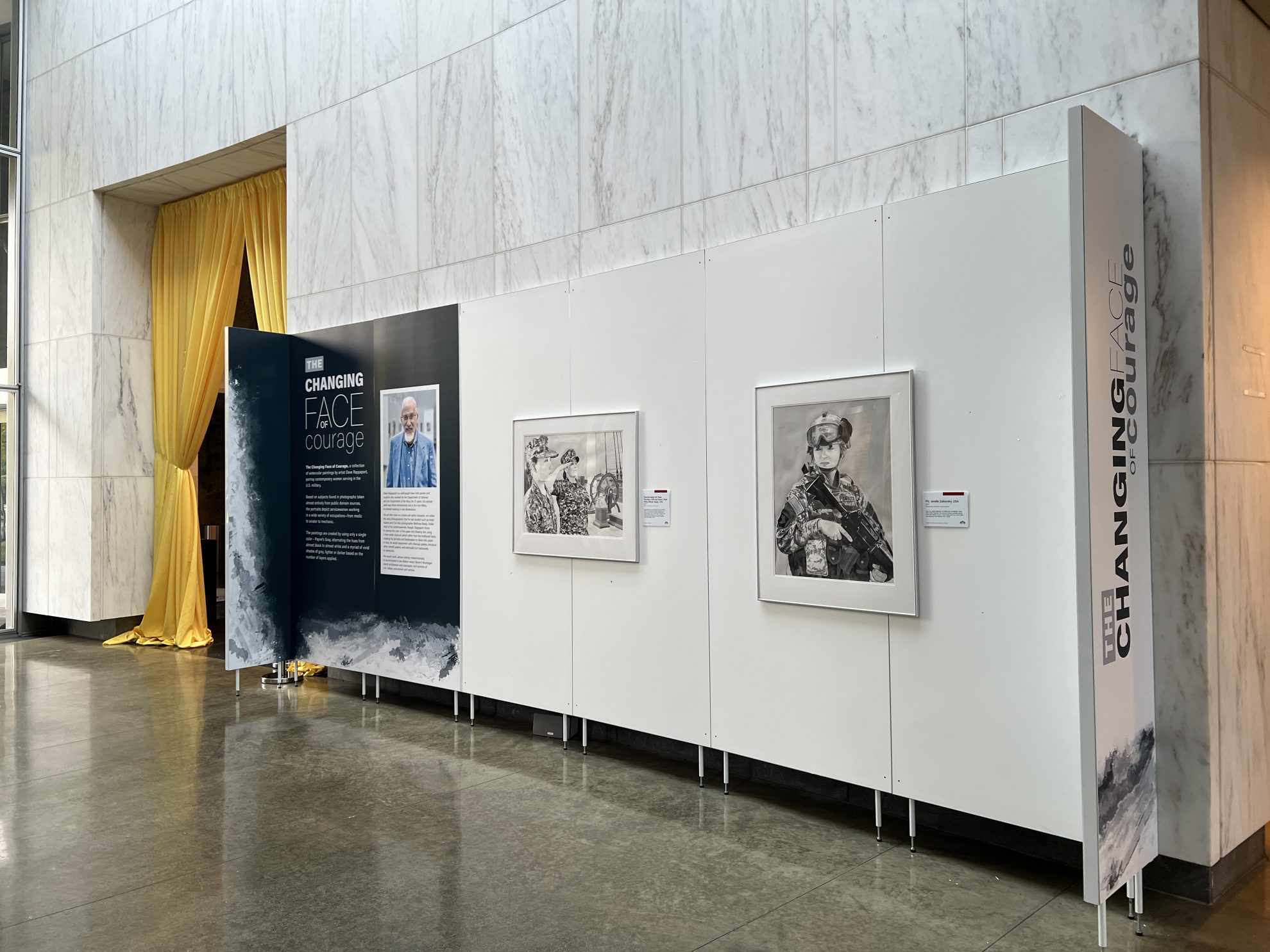
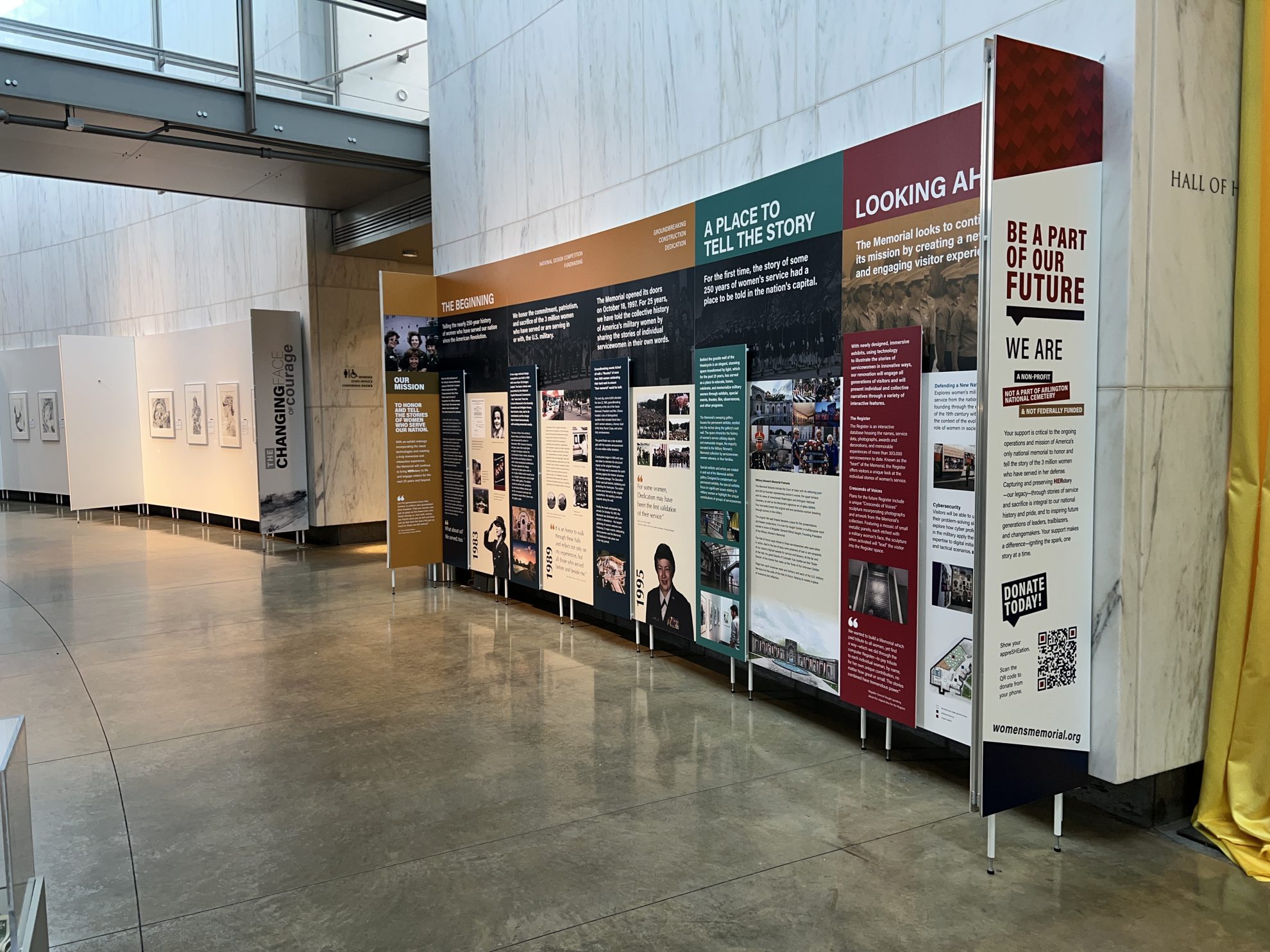
Heritage Signs & Displays created new museum signage for the Military Women’s Memorial in Arlington, VA. The project included custom signs, wall wraps, dimensional letters, and standoff-mounted displays to honor the legacy of U.S. servicewomen and the donors who supported the memorial. The updated interior features impactful designs, including a "Our Legacy" wall display and panels showcasing historical contributions and artwork, creating a transformative tribute to women in the U.S. Armed Forces.
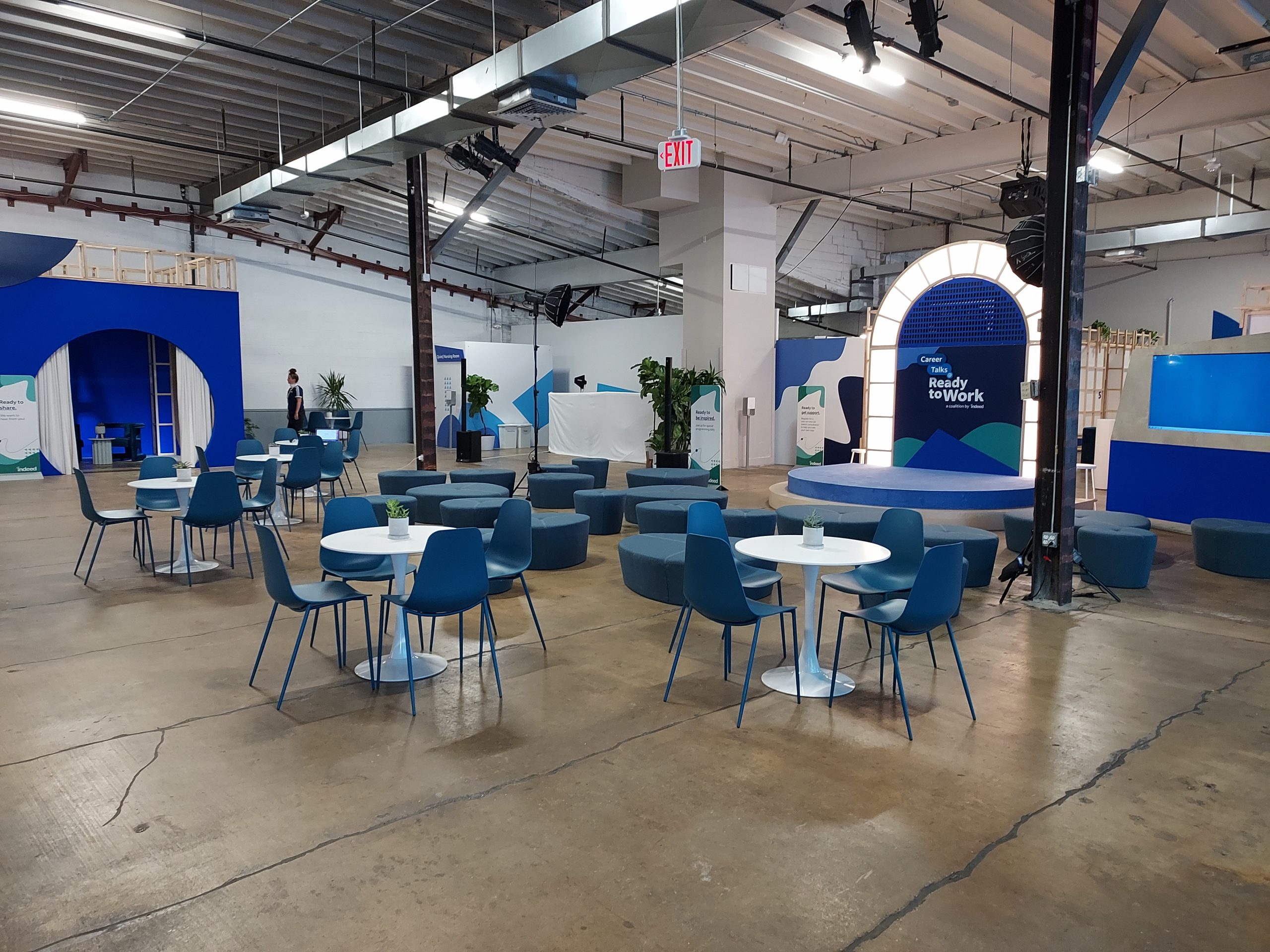
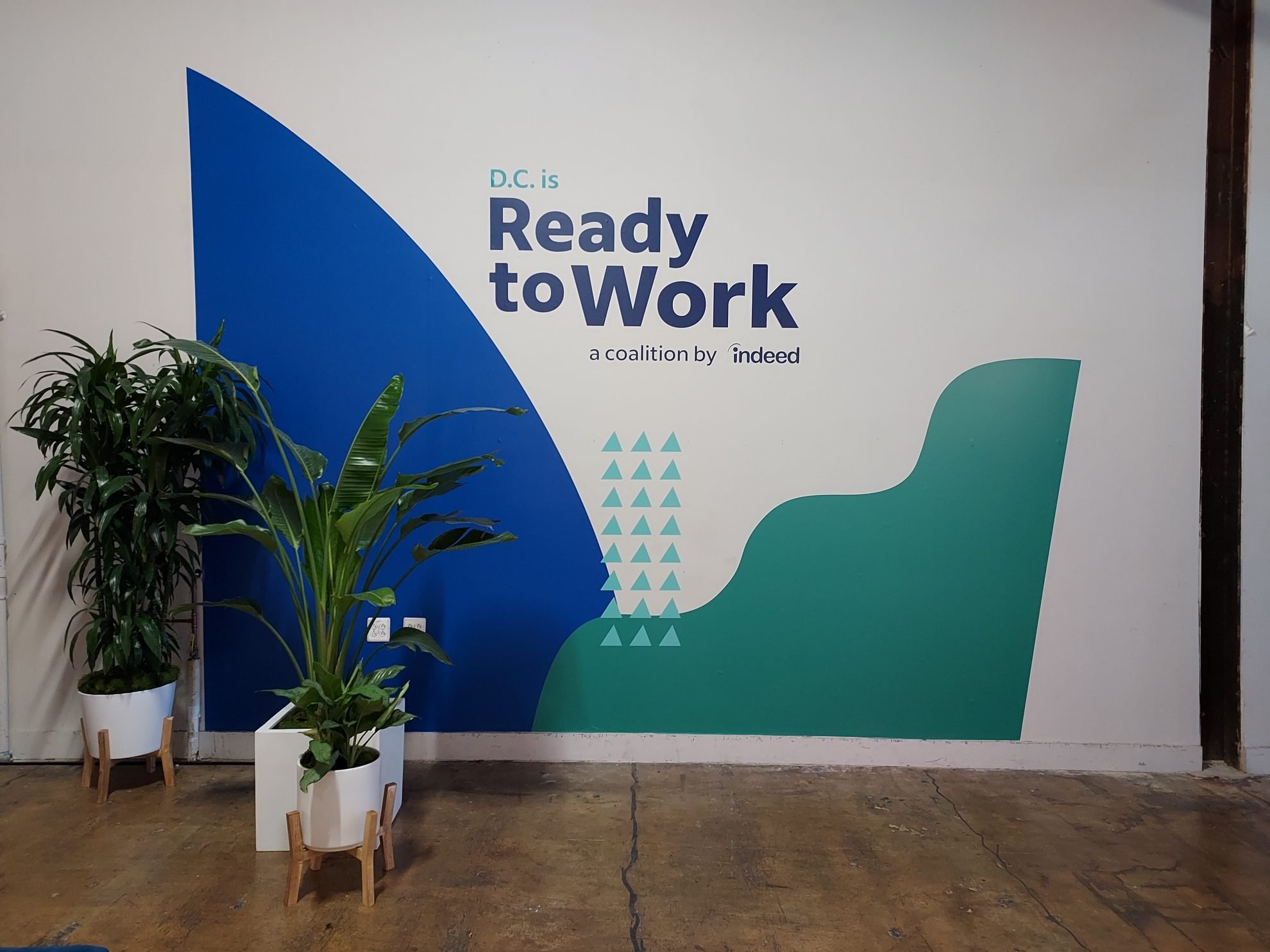
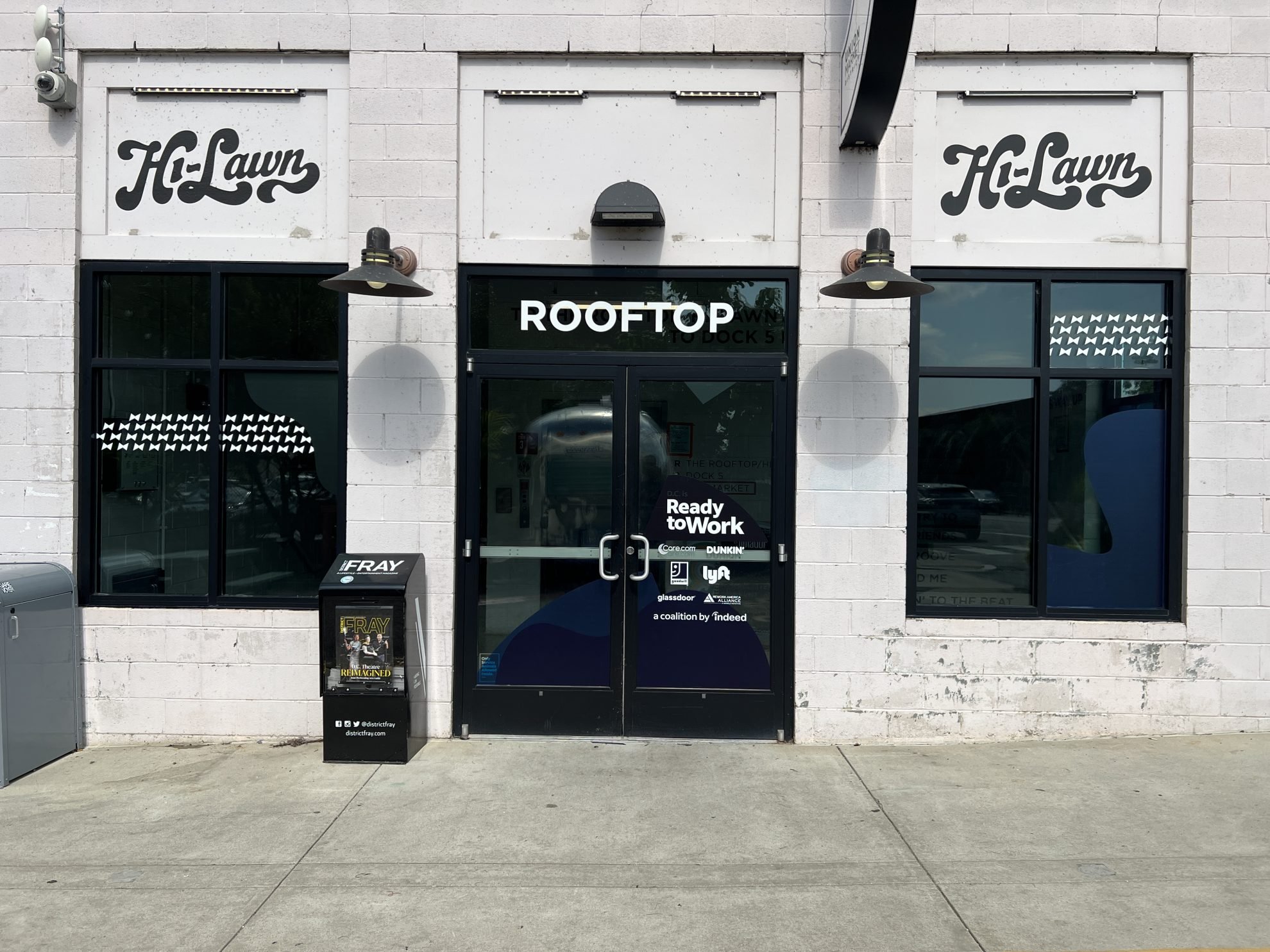
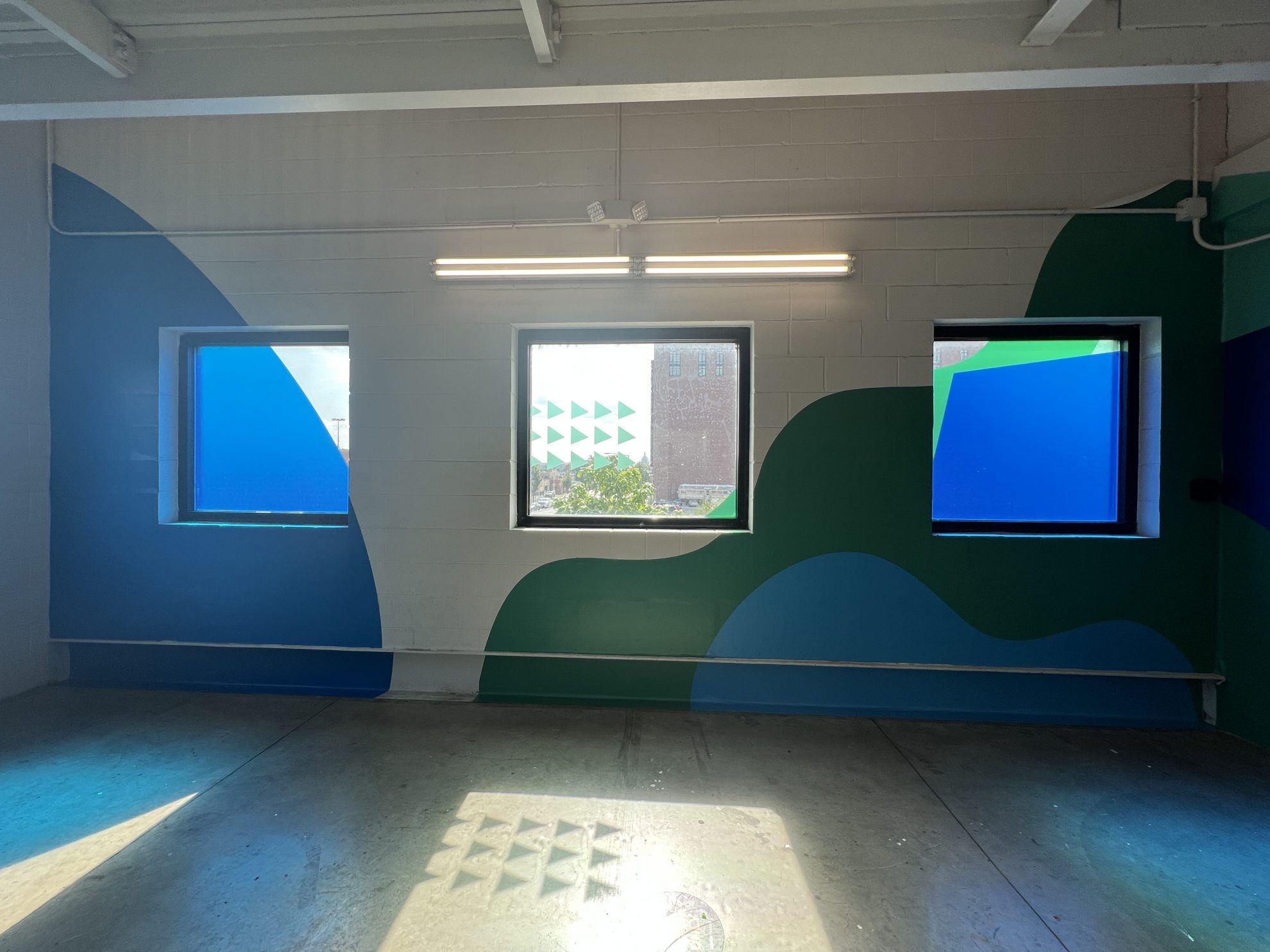
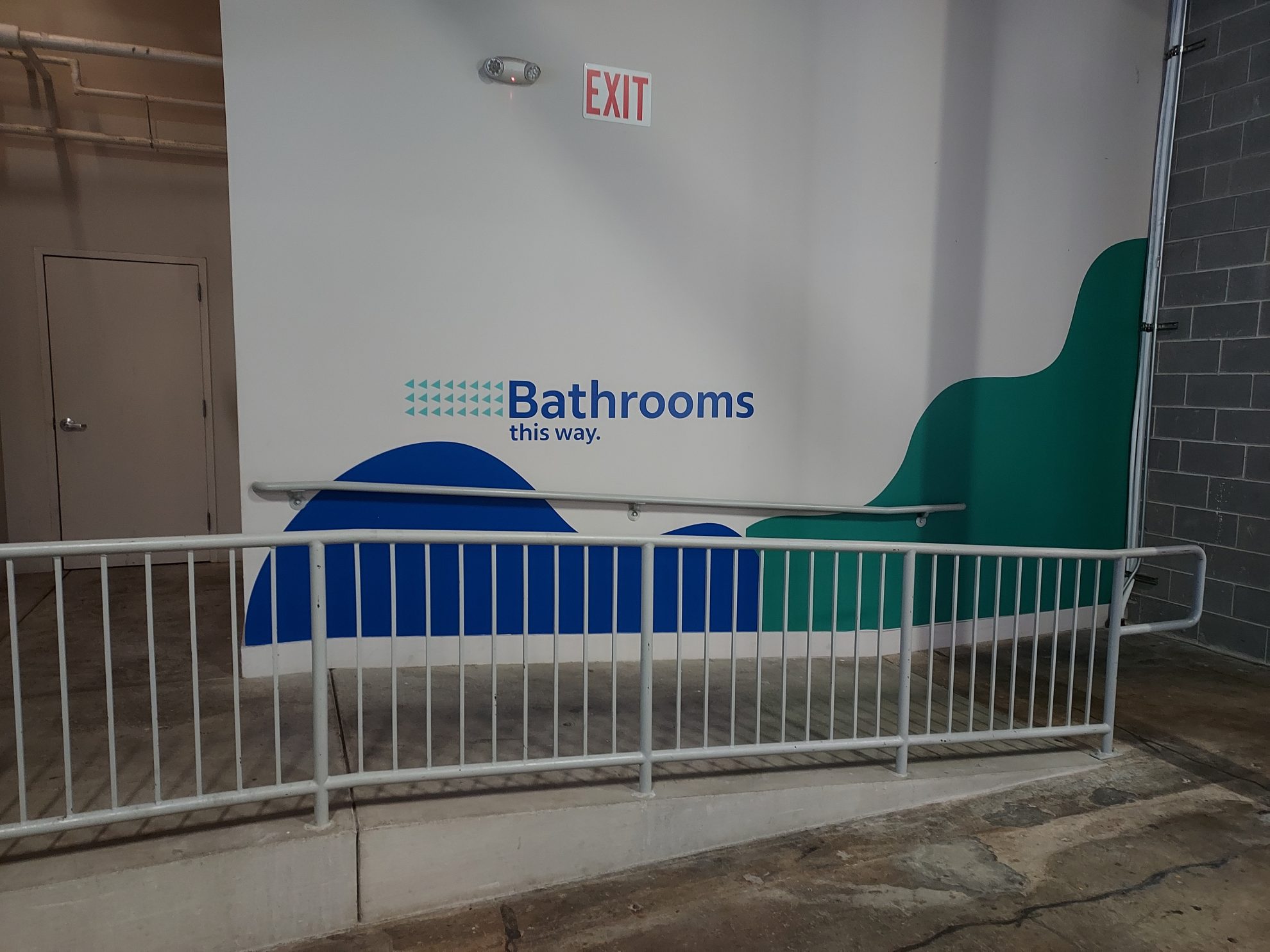
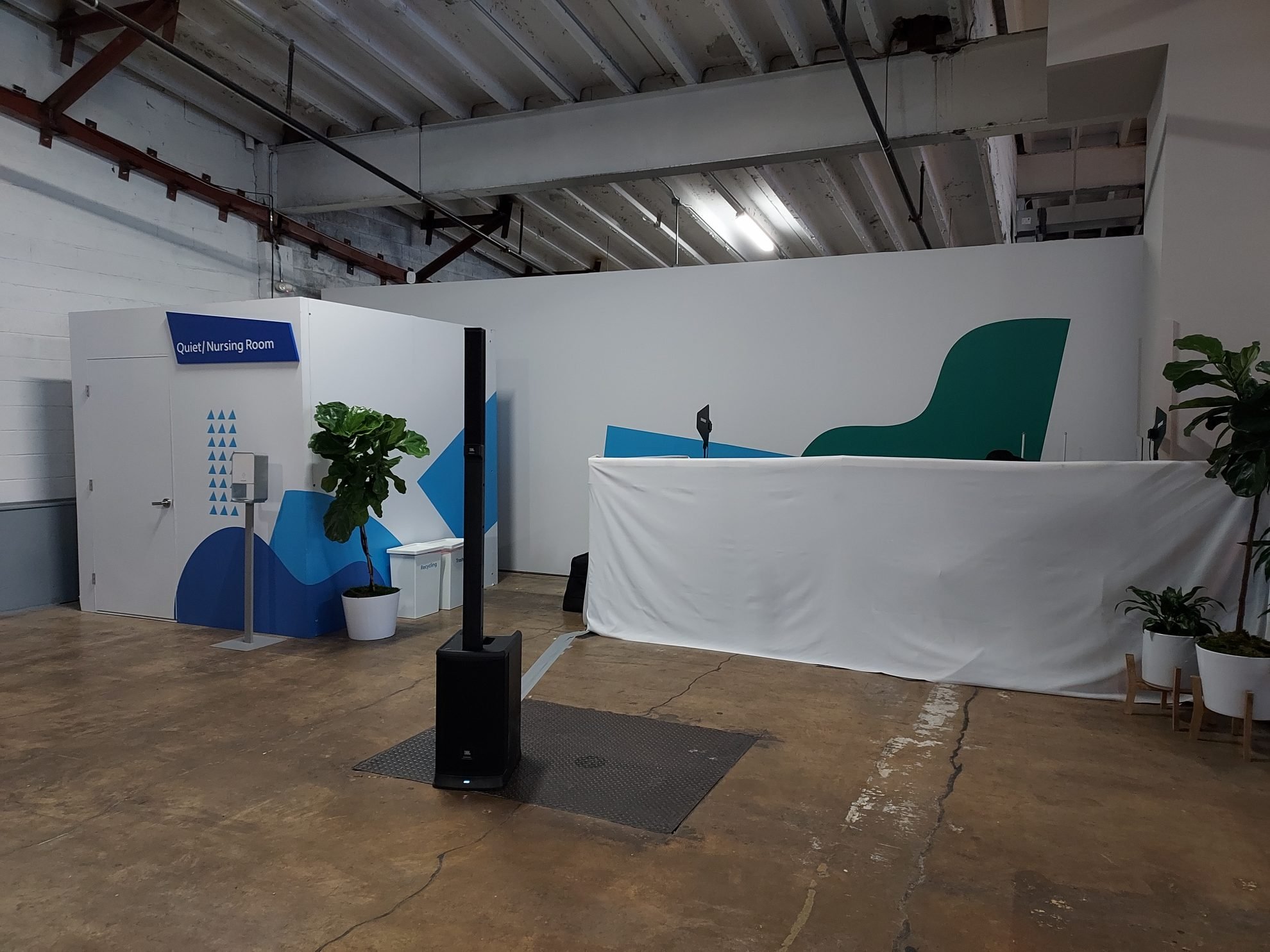
Heritage Signs & Displays' collaboration with The Gathery to brand Union Market in Arlington, VA, for Indeed's "Ready to Work" job fair. The project included custom event displays, wall graphics, window graphics, and wayfinding signs, creating an immersive and visually appealing environment. The branding enhanced the venue, reflected the event's mission, and provided a seamless experience for attendees.