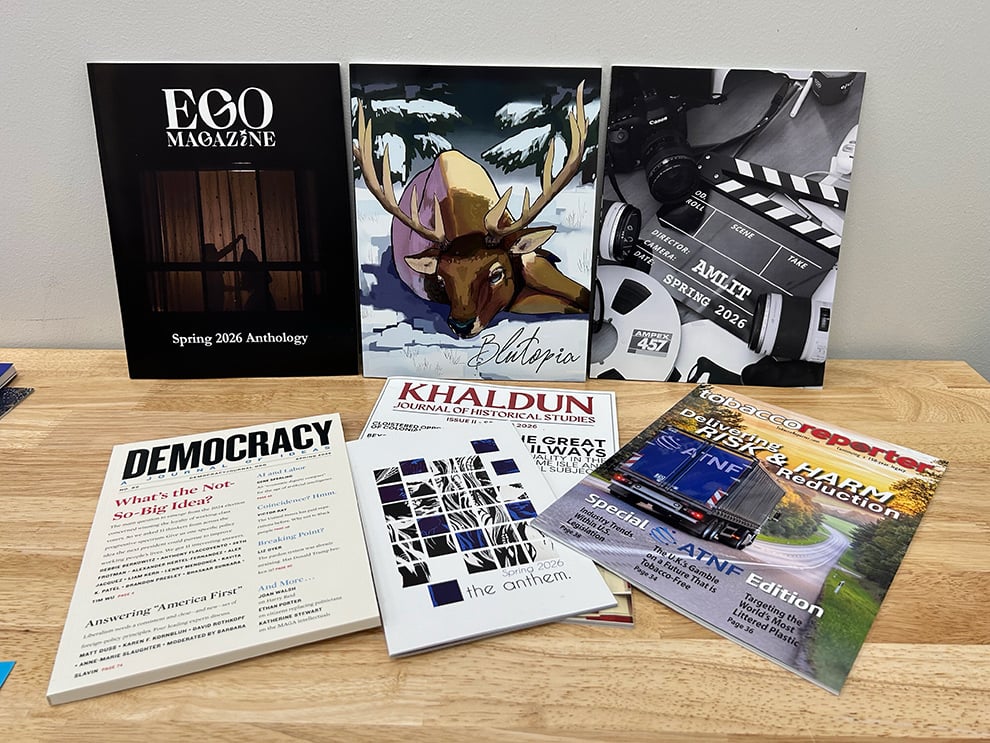
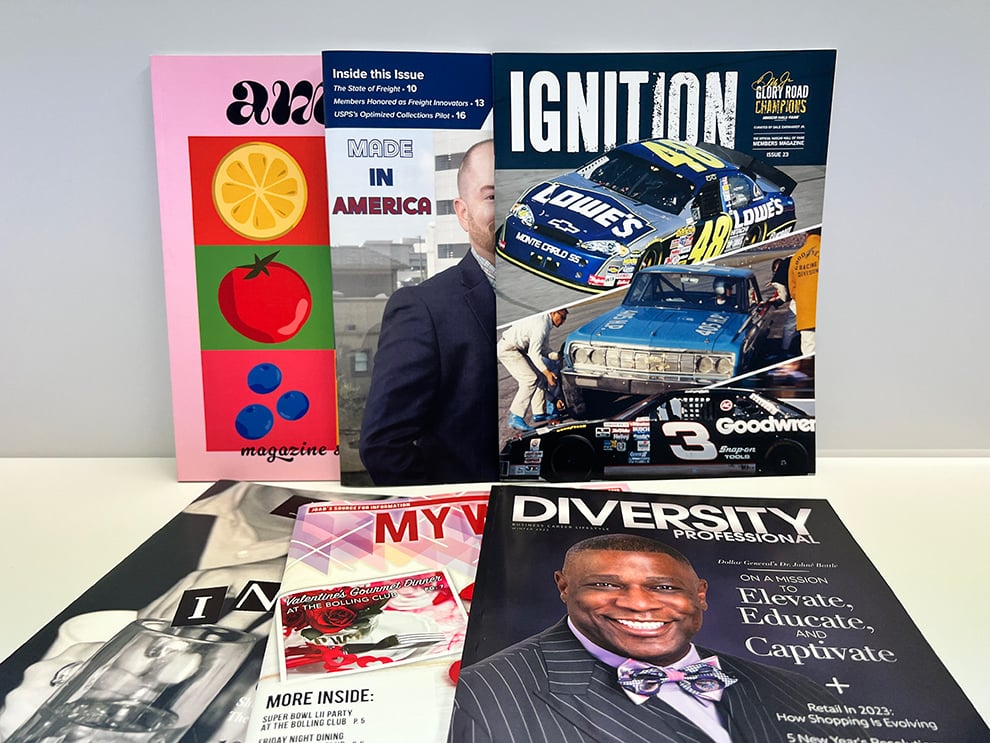
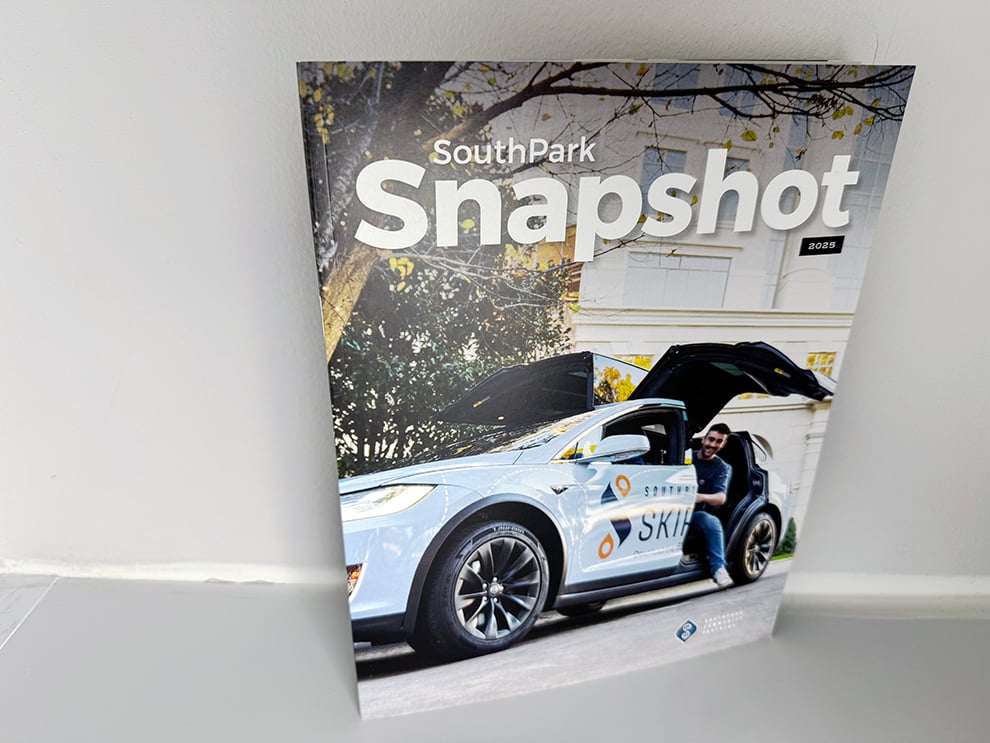
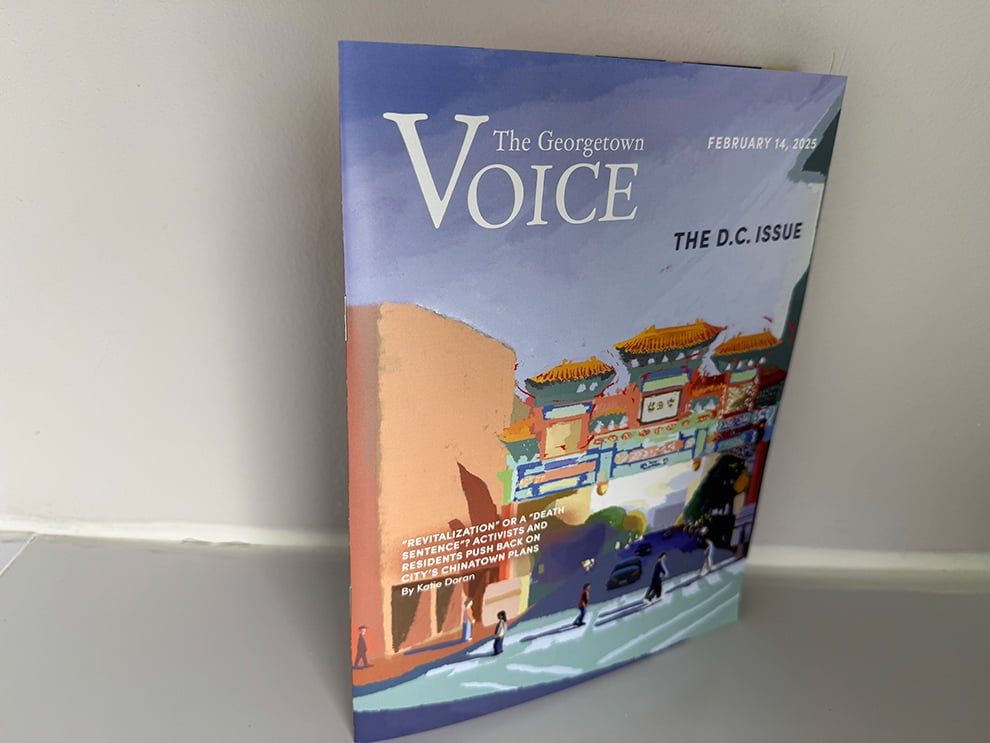
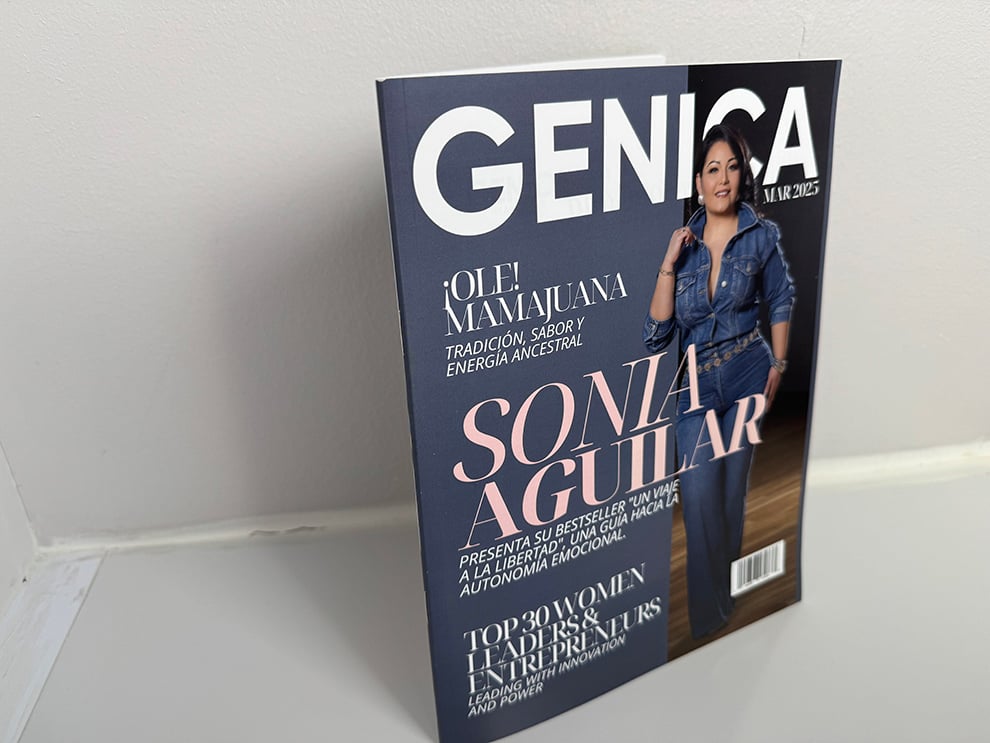
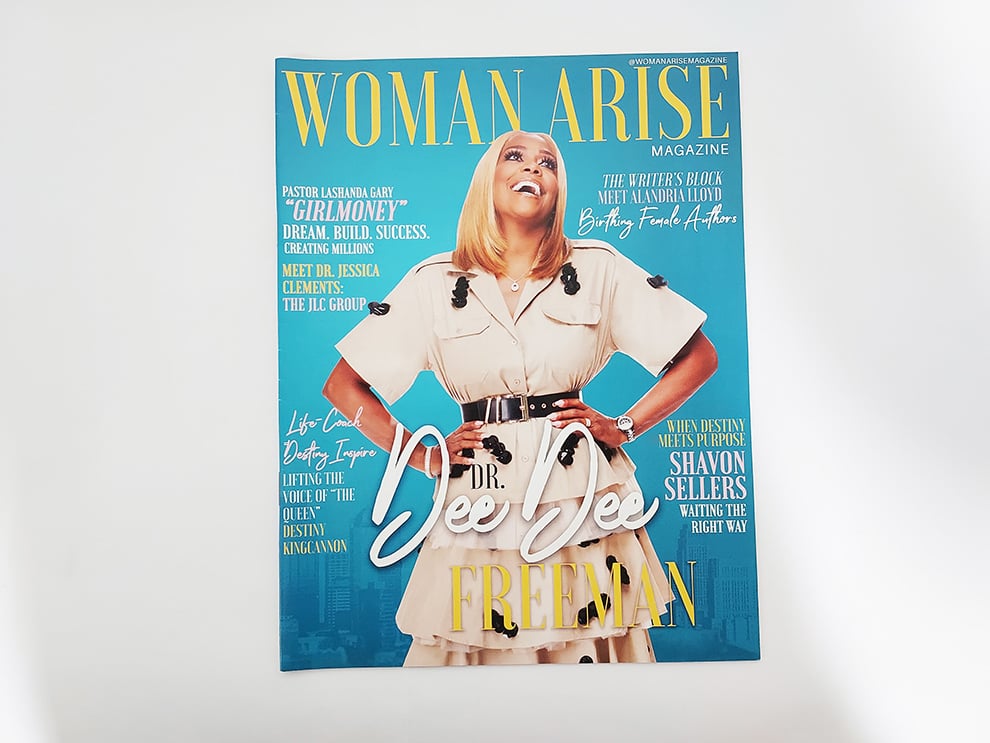
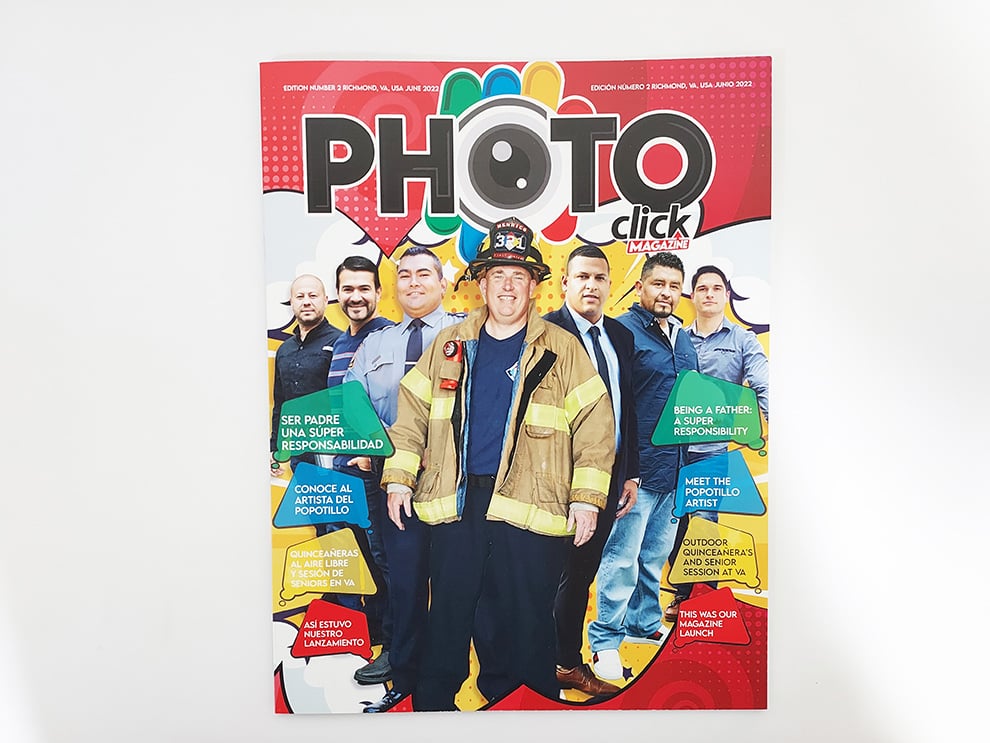
Many Greensboro, NC organizations produce a magazine more than once, and each issue raises the same production questions about paper, cover, page count, binding, quantity, and distribution. Settling those decisions into a dependable magazine template saves time, but the current issue still carries its own files, approvals, versions, and publication date.
Heritage supports magazine printing for Greensboro, NC publishers who want a settled production baseline without losing careful review of the issue in front of them. Heritage began as a printing company in 1977, and that background shapes how we read your specifications, confirm what the current edition requires, and explain any constraint before it becomes a surprise.
Once your print-ready file and production requirements arrive, we assess feasibility against the requested date, identify the decisions that need attention first, and keep accepted work moving in a responsible sequence. You gain a clearer picture of where the issue stands, a baseline that can carry forward to the next edition, and a finished magazine that reads the way your audience expects.
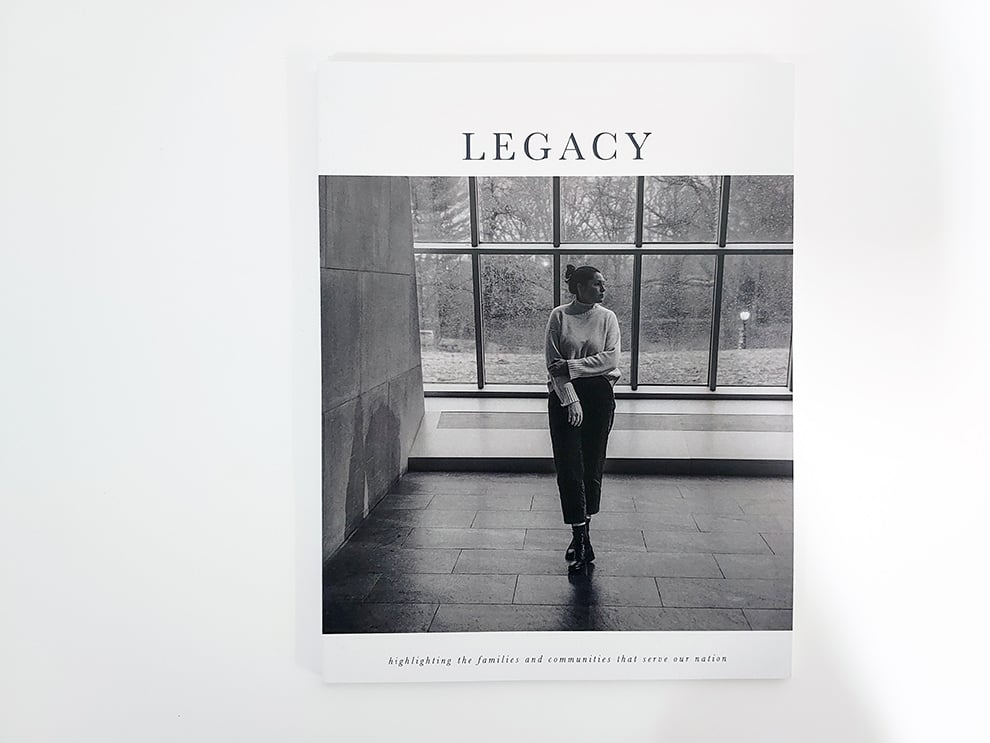
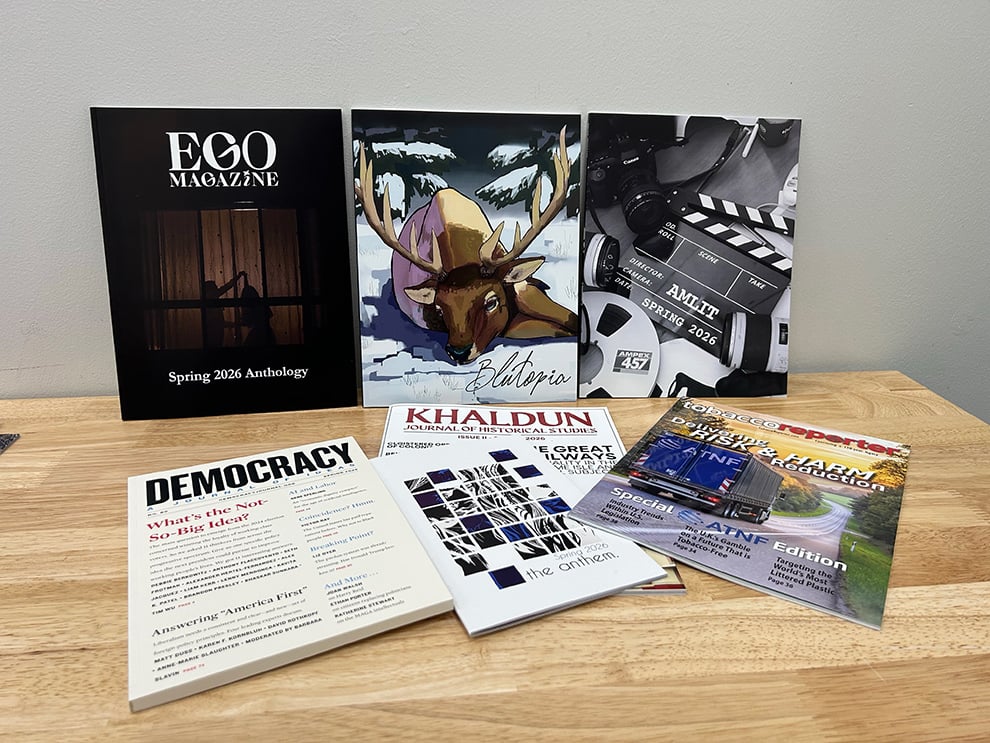
Recurring magazine work rewards a printer that pays attention to consistency from one edition to the next. Heritage has been printing since 1977, and that history translates into practical judgment about how paper, cover stock, binding, and finishing choices behave on press and in the reader's hands.
For Greensboro, NC publishers, the value of that experience shows up in the review stage. We check the current issue's page count, image density, trim, cover construction, and quantity against the specifications retained from earlier editions, flag anything that no longer fits, and recommend adjustments before the electronic proof is prepared. Quality control continues through printing, binding, and finishing so the issue matches the standard your readers have come to recognize.
Heritage is veteran-owned, and the discipline behind that ownership shows in how we communicate. You will hear what is realistically achievable, what a change in quantity or versions means for timing, and what Heritage controls versus what depends on your approvals or carrier performance. That candor is what lets a template become a trustworthy foundation rather than an assumption.
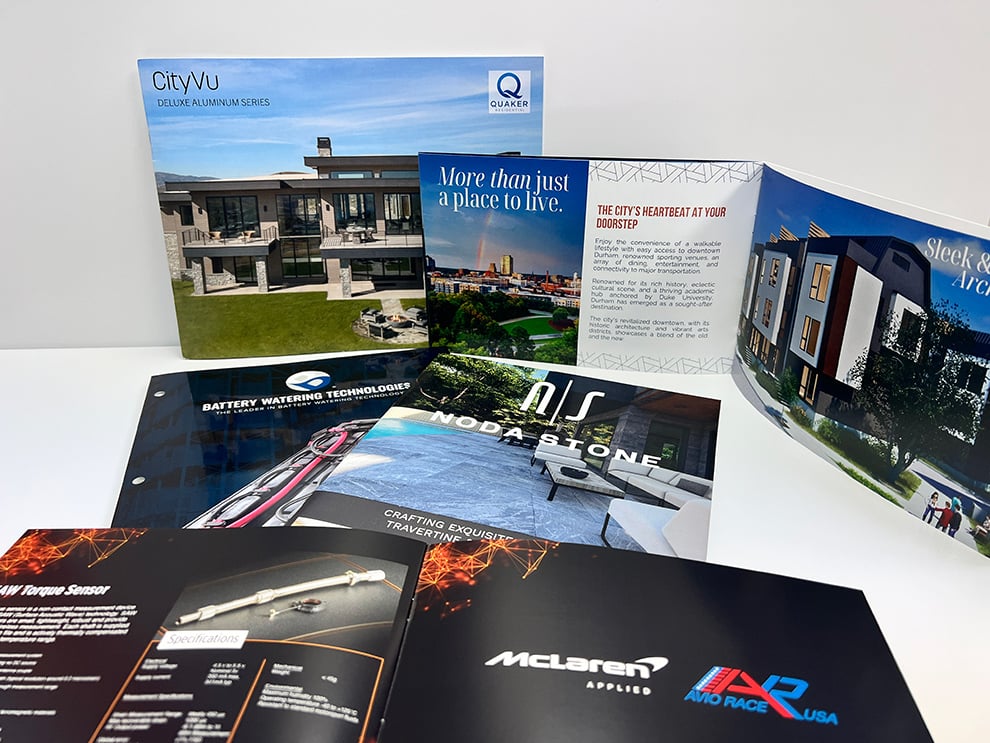
For a single report, guide, or program that needs multi-page construction without the issue-to-issue identity a magazine carries.
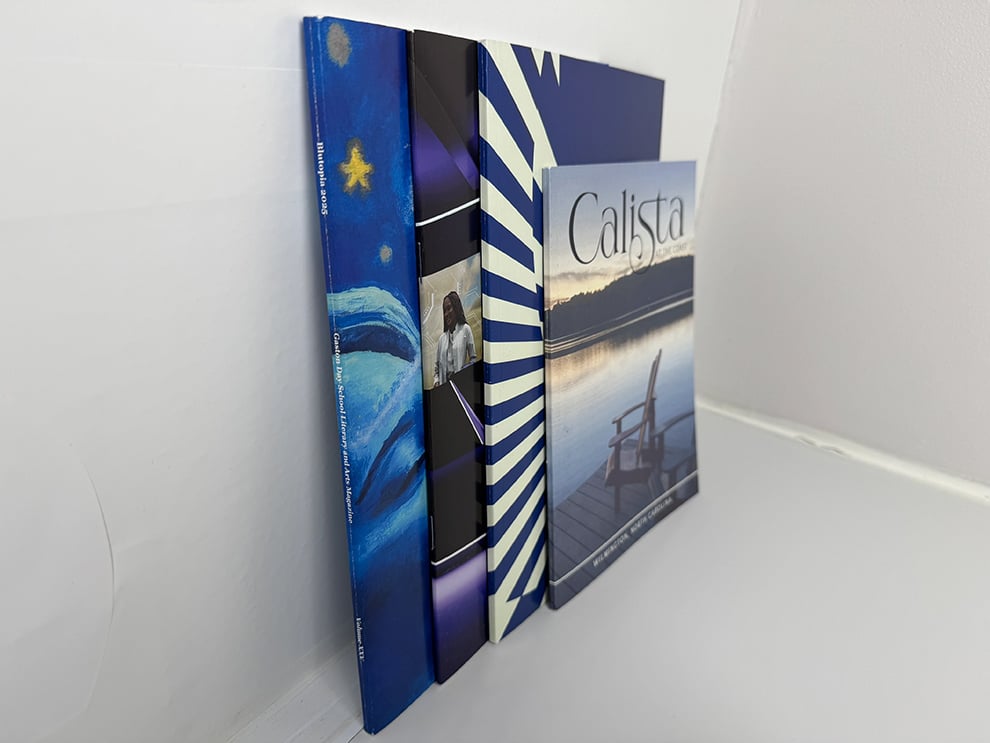
For substantial publications where a flat, square spine and a bookshelf presence matter more than lightweight handling.
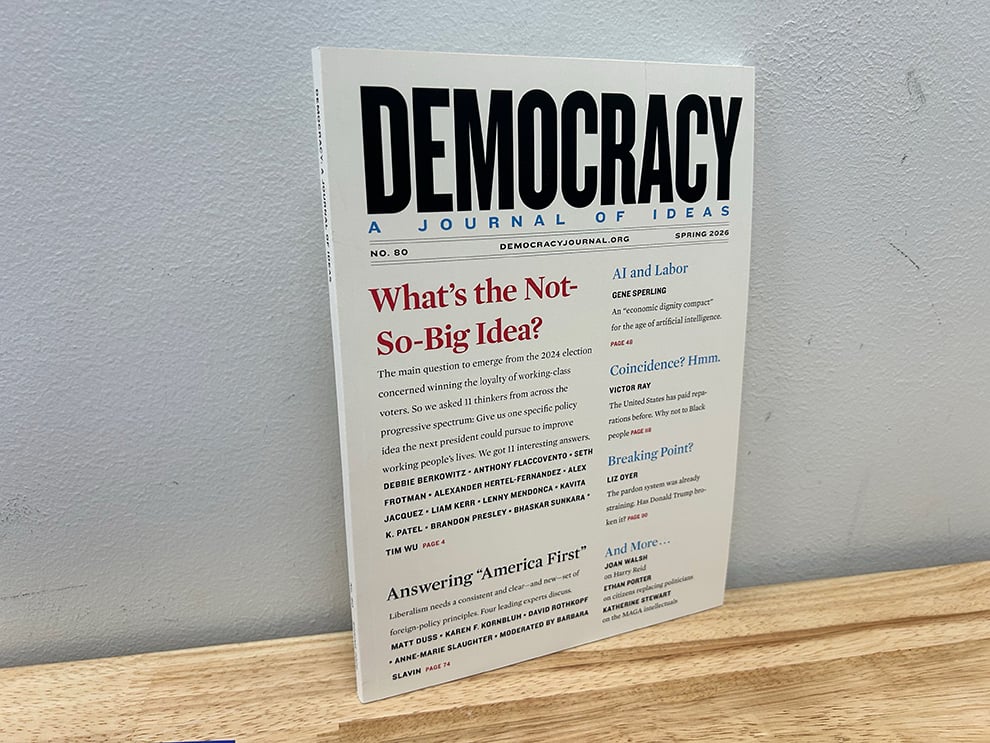
For frequent, shorter updates to members, employees, or donors that follow their own cadence apart from the magazine.
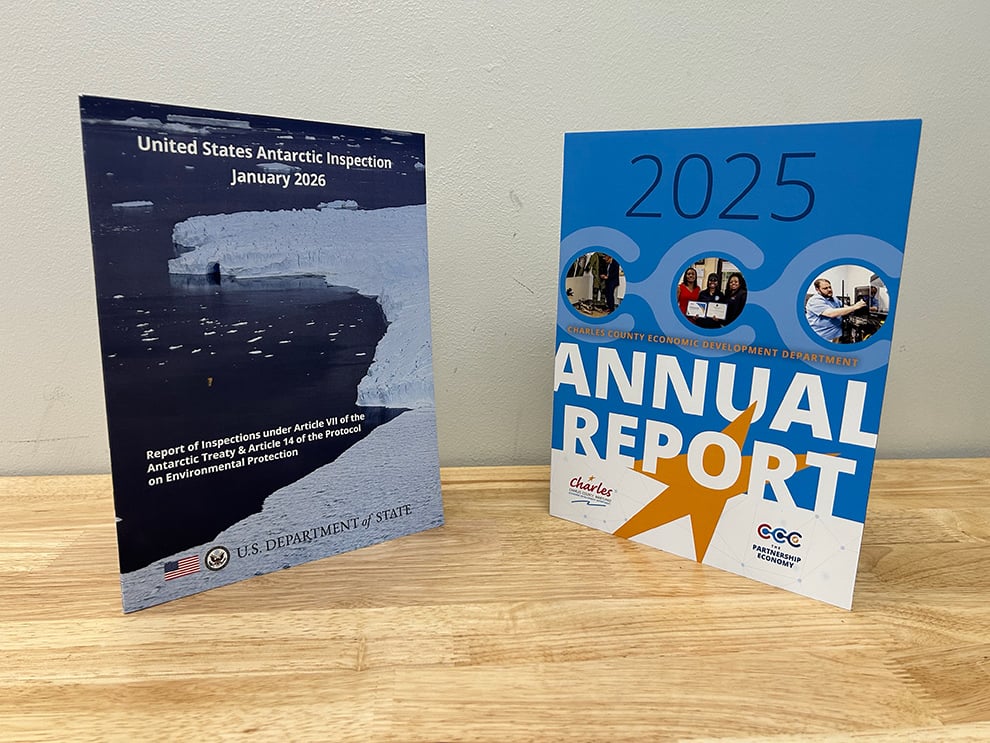
For yearly financial results, impact summaries, and leadership messages prepared once for stakeholders and funders.
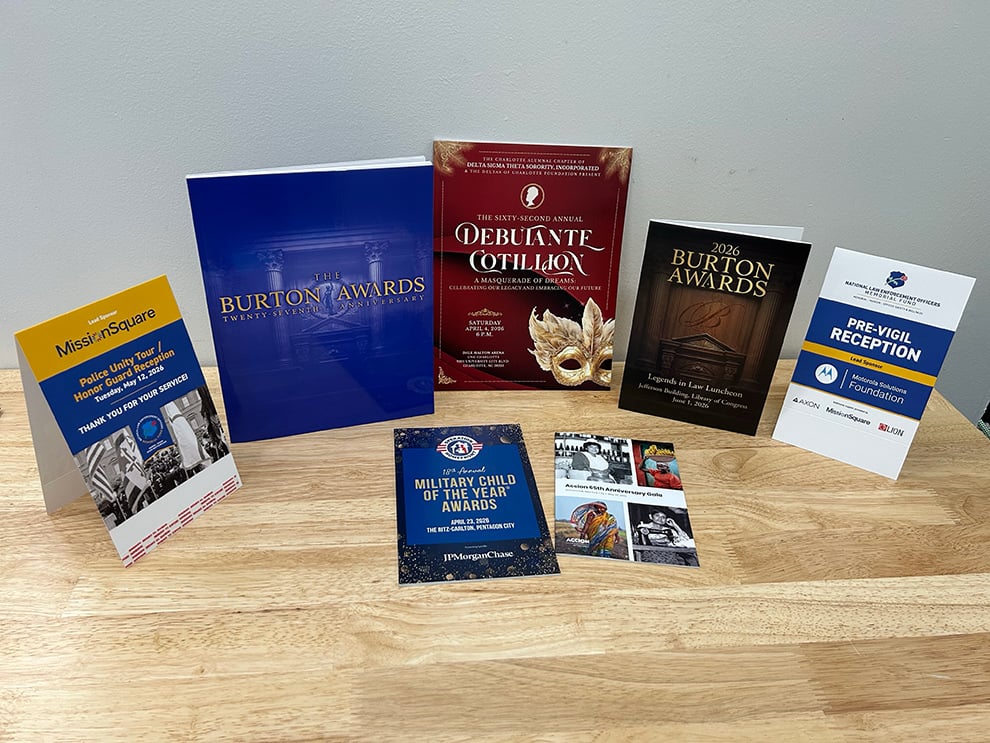
For conference, ceremony, and meeting agendas that must be finished and in hand by a fixed event date.
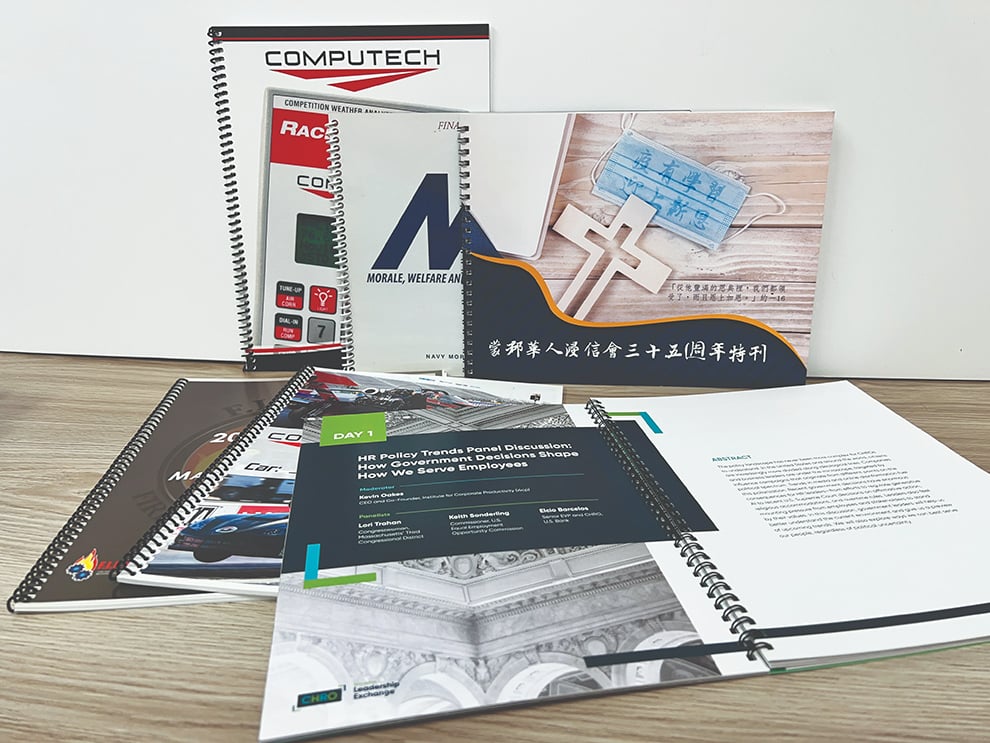
For instructional content that attendees mark up, keep, and return to long after the session ends.
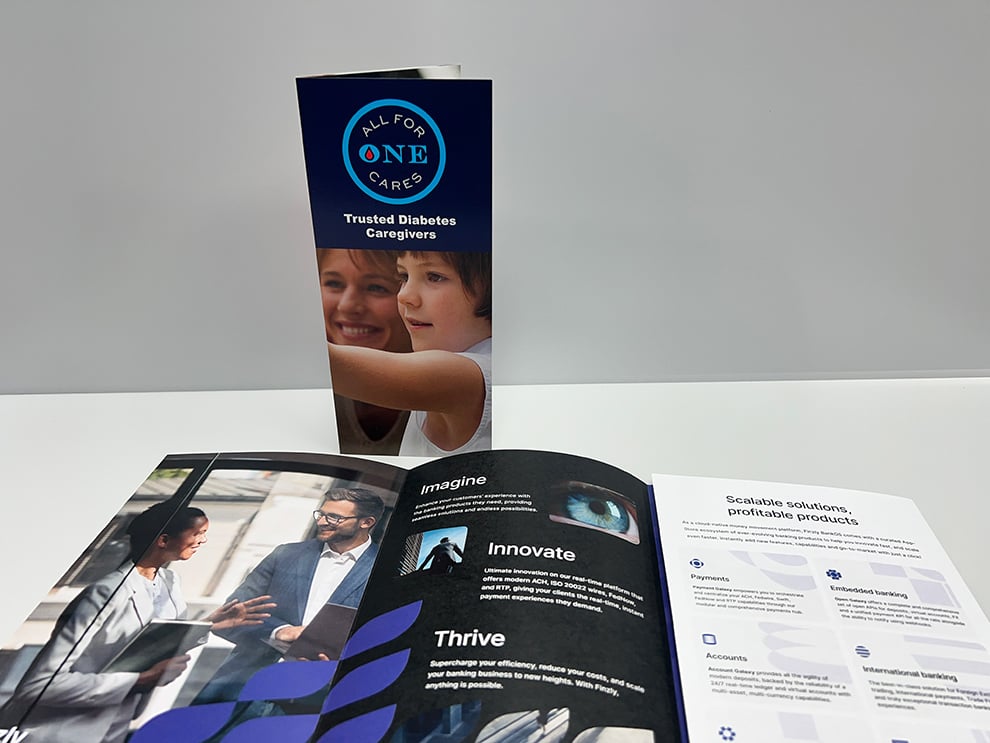
For compact outreach pieces that introduce a program, service, or initiative in a few folded panels.
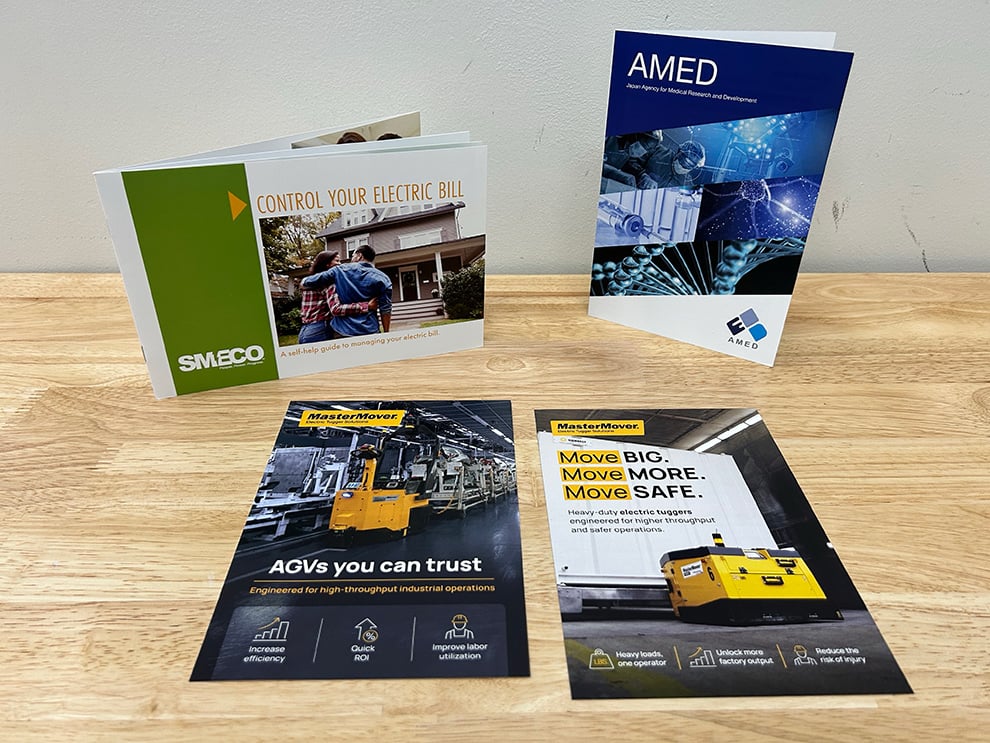
For coordinated campaign pieces produced together so launches, recruiting efforts, and outreach stay visually consistent.
Send Heritage your magazine specifications, artwork status, quantities, versions, and required in-hand date through Custom Quote, and we will evaluate the production path for your Greensboro, NC publication and explain what is realistically achievable. Qualifying projects of $2,000 or more receive the closer coordination that a recurring magazine template deserves.
A useful magazine template starts with how the issue will be read, handled, distributed, and repeated. A quarterly alumni magazine mailed to households asks different things of paper weight and cover stock than a trade issue stacked at a Greensboro, NC conference registration table or a staff magazine passed between departments.
Binding belongs to the same conversation. Saddle stitching folds and stitches the signatures into a light, easy-opening issue that suits many page counts and papers. Perfect binding glues the pages into a square spine with a more substantial feel once the finished thickness can support it. Interior paper, cover weight, page count, and quantity all influence which method holds up, so none of these decisions should be made in isolation.
When those choices settle, Heritage can retain them as the baseline for later issues while still reviewing each edition's content, quantities, versions, schedule, and delivery needs. Every order receives an electronic proof for your review and approval before printing. Color-critical issues handled through qualifying Custom Quote may add an optional paid Physical Production Color Proof as a physical reference.
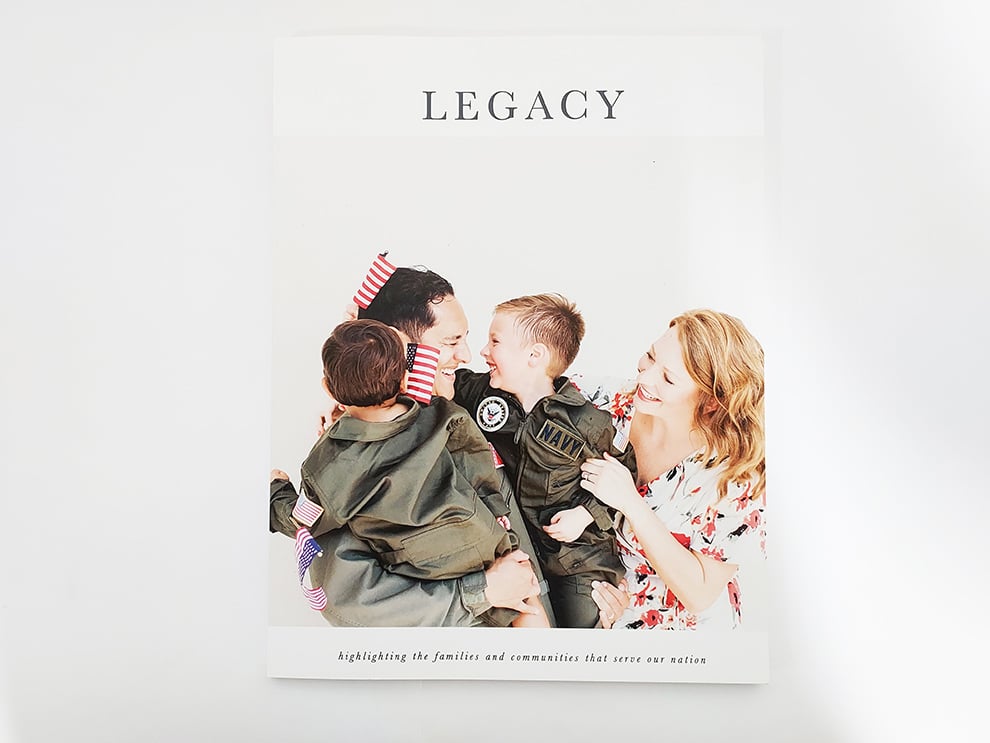
Your organization owns the editorial side of the magazine: articles, advertising, photography, pagination, stakeholder sign-off, and the version information that distinguishes one edition from another. Heritage prefers to receive complete or substantially complete artwork along with confirmed specifications and the required in-hand date.
From there, we evaluate the files against the template, raise any production question early, and prepare the electronic proof for your approval. Through qualifying Custom Quote for projects of $2,000 or more, production-oriented layout help, file preparation, sizing adjustments, and specification guidance may be available when the artwork is close but not quite press ready. After Heritage accepts the quote and assigns the order, a Project Coordinator becomes your direct phone and email contact for printing, binding, finishing, mailing, shipping, or delivery within the accepted scope.
If the issue is fully specified, the artwork is print-ready, and a live Self-Directed Online Store configuration matches it, you can order independently and still receive production review and the electronic proof. Every new commercial printing order carries a $750 minimum, and eligible Store products may be combined in one order to reach it.
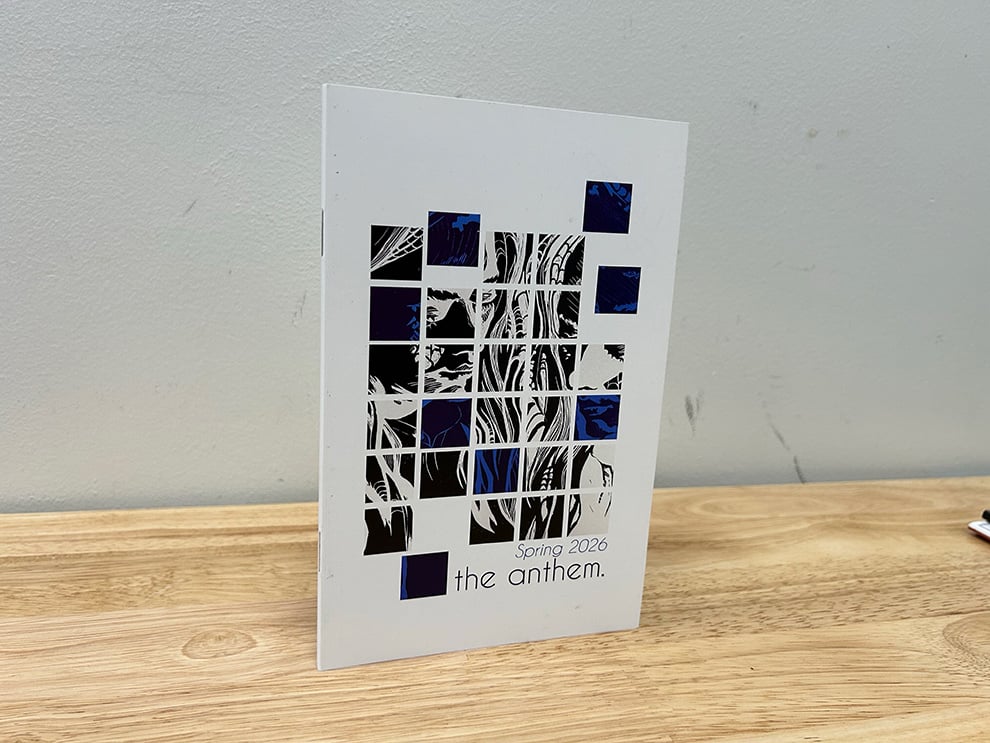
It means the retained set of production specifications that define your magazine from one edition to the next: trim size, interior paper, cover stock, binding method, color targets, and finishing. It is not a design file or a layout kit. Your team still supplies the artwork for each issue, and Heritage still reviews the current page count, quantities, versions, and dates before committing to a schedule.
The difference is continuity. A magazine carries an issue identity that readers recognize across editions, so trim, paper feel, cover treatment, binding, and color are expected to hold steady even as content changes. A booklet usually serves a single report, guide, or program and can be specified on its own terms without the pressure of matching what came before.
Base the choice on the actual construction rather than a page-count rule of thumb. Saddle stitching suits an issue that should stay light, open easily, and work within folded signature construction for its paper and page count. Perfect binding becomes the better option when the finished thickness supports a sound square spine and the publication benefits from a more substantial presentation. Heritage will confirm which method fits once paper, cover, and page count are settled.
Quite a lot. Interior paper governs opacity, image reproduction, show-through, thickness, and mailing weight, while the cover sets structure, durability, and first impression. A heavy cover on a thin interior can feel unbalanced, and a lightweight interior under dense photography can disappoint. Treat paper, cover, page count, binding, and distribution as one system so the issue holds together in the reader's hands.
Yes, when versioning is part of the accepted scope. Sponsor pages, member segments, regional inserts, alternate covers, and separate quantities can be produced within a single issue cycle. Clear file naming, a confirmed count for each version, named approvers, and delivery instructions keep similar editions from being mixed during binding, packing, or mailing.
Start from the date readers must have the magazine and work backward. Account for file completion, internal sign-off, electronic proof approval, any Physical Production Color Proof, printing, binding, finishing, and mailing or shipping. Fixed commitments such as a conference, annual meeting, or board date should be shared with Heritage early so the entire production path can be evaluated before timing is confirmed.
Yes. Every Heritage commercial printing order, whether placed through Custom Quote or the Self-Directed Online Store, receives an electronic proof for your review and approval before printing. Review the artwork, text, images, pagination, cover setup, and visible production details carefully, because approval confirms the file is ready for production. An electronic proof shows content and layout. It is not a physical color standard, and screen appearance can differ from the printed result because monitors, inks, and papers reproduce color differently.
A Physical Production Color Proof may be requested for qualifying Custom Quote magazine work valued at $2,000 or more. Heritage produces it on the same production printer and the same paper or production material intended for the final run, so it shows how color will actually appear on your stock. It carries an additional charge, adds production time, and is not offered through the Self-Directed Online Store. Once you approve it, it becomes the controlling physical color reference for the run unless otherwise agreed.
Yes, when mailing, shipping, or delivery is included in the accepted scope. Finished weight, packaging, quantity, number of destinations, and the required in-hand date all shape the plan. Your organization remains responsible for providing accurate and authorized mailing data. Heritage can carry out the mailing services it accepts, but USPS performance after postal acceptance is outside our control and cannot be guaranteed.
Heritage evaluates the requested date against file readiness, approvals, paper availability, binding, finishing, proofing, quantities, versions, and capacity before confirming anything. When the window is tight, we communicate quickly, suggest practical alternatives such as adjusting a proof step or splitting delivery, and move accepted work promptly. We do not commit to an accelerated timeline before confirming what the issue actually requires.
Late or revised artwork, page-count changes after the template was set, delayed approvals, added versions, quantity revisions, a requested physical color proof, and new mailing or shipping instructions are the usual causes. Flag these as early as possible. A retained template shortens the review, but each change still has to be evaluated for its effect on production and delivery.
Use Custom Quote for qualifying projects of $2,000 or more when you want paper or binding guidance, file preparation or production-oriented layout help, multiple versions, color-critical work, mailing, or closer coordination. After Heritage accepts and assigns the order, a Project Coordinator becomes your direct contact. The Self-Directed Online Store fits a fully specified, print-ready issue that matches a live configuration your team can select independently. Every new order still carries a $750 minimum and receives an electronic proof.
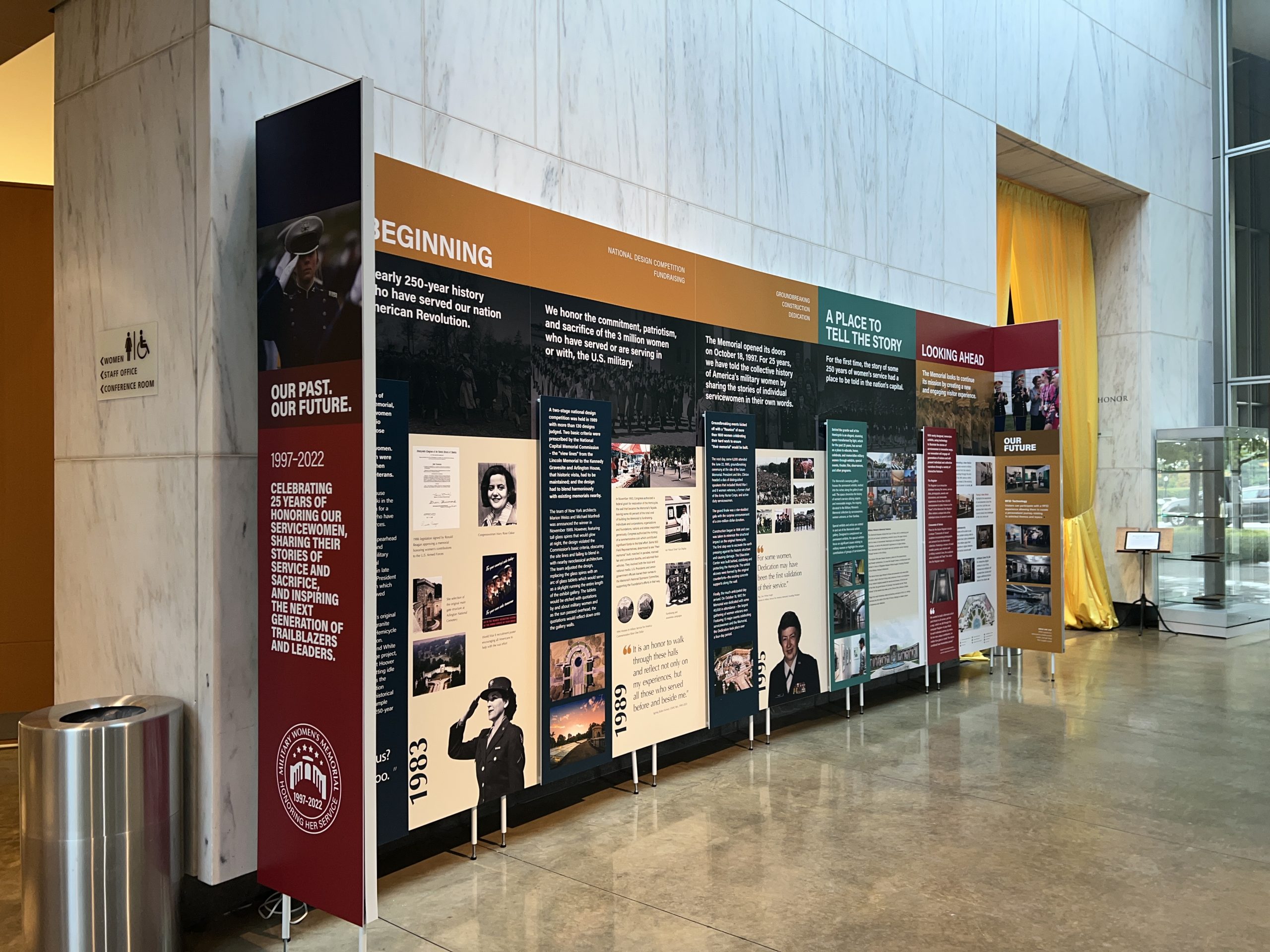
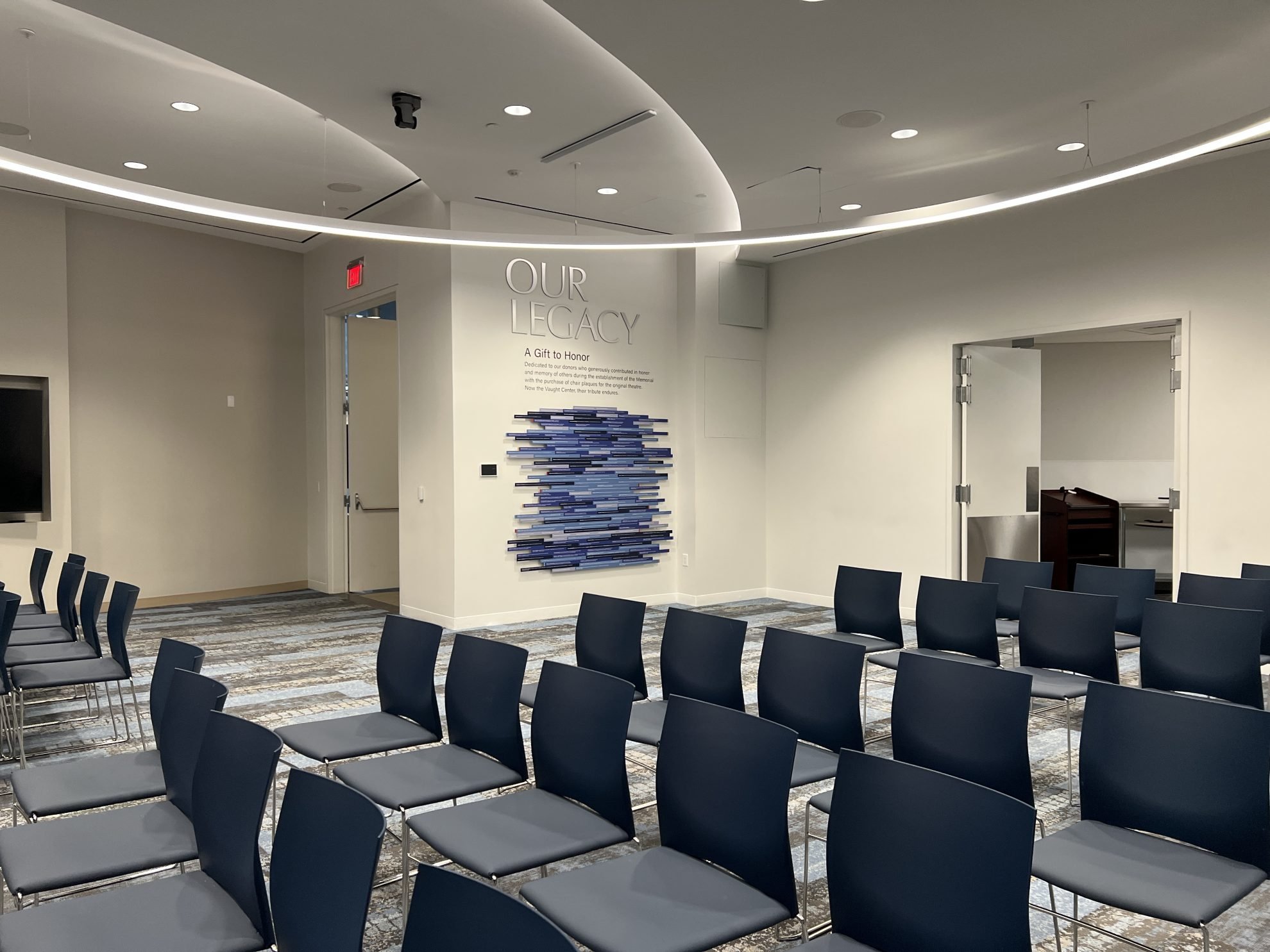
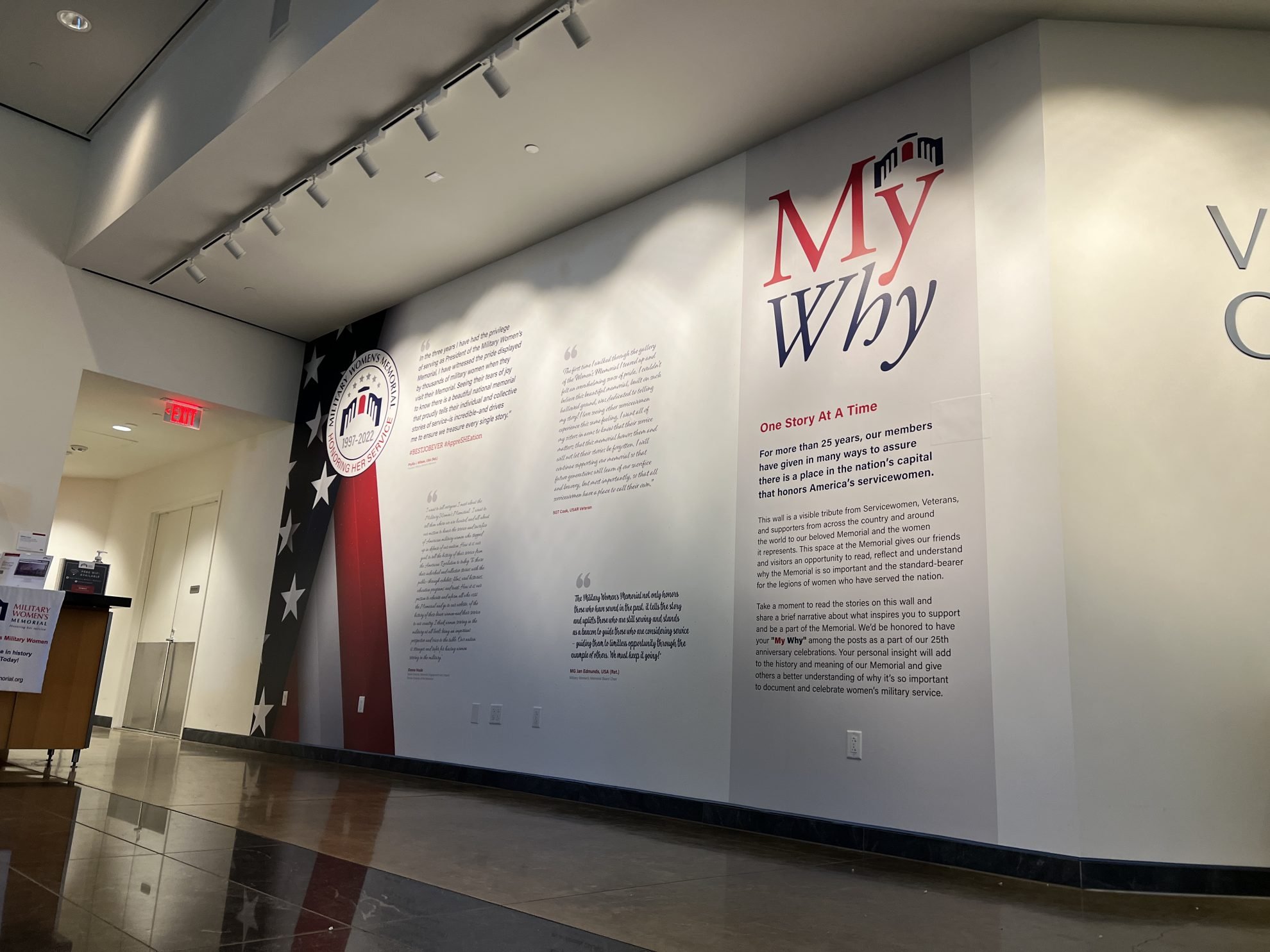
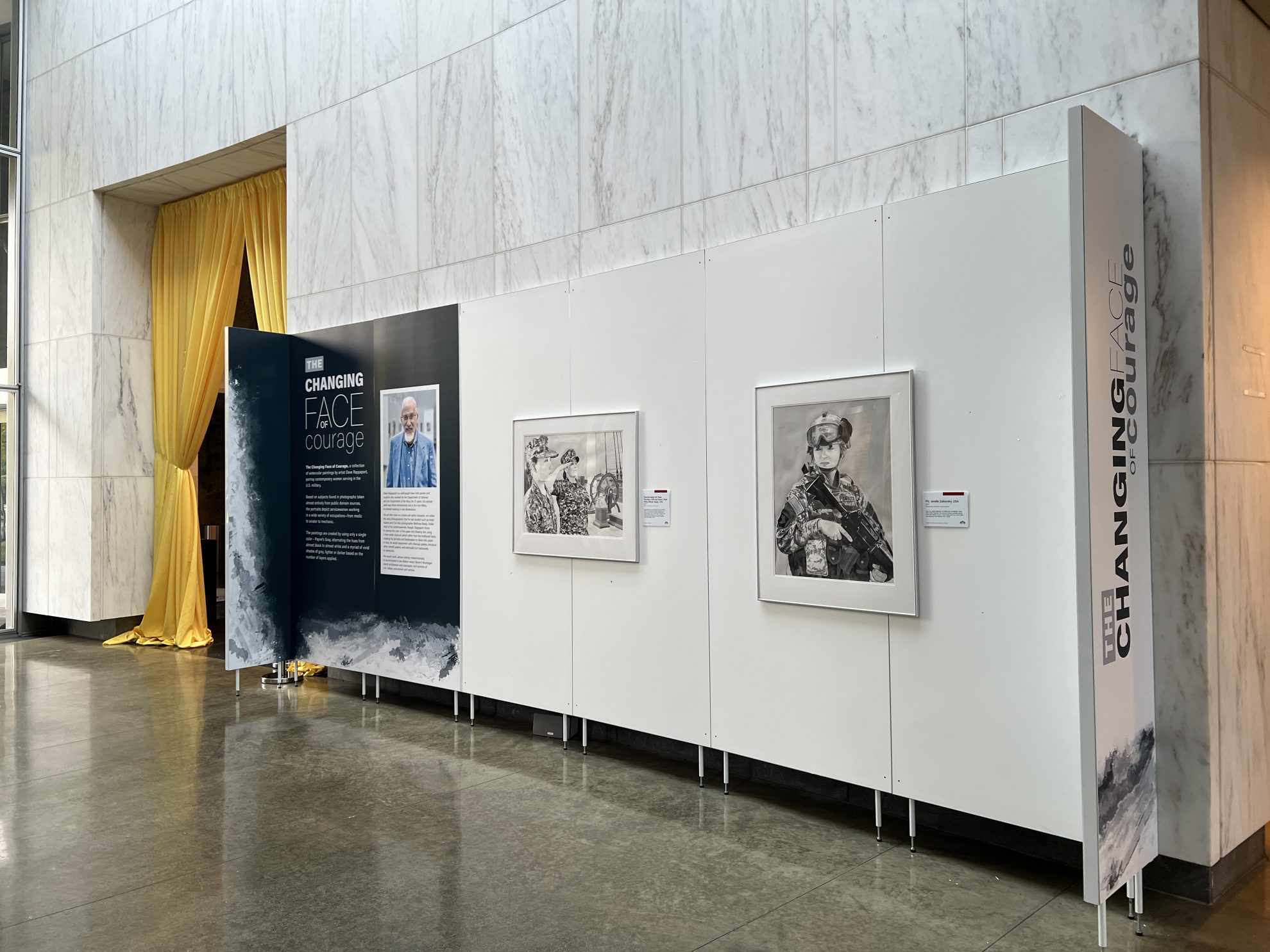
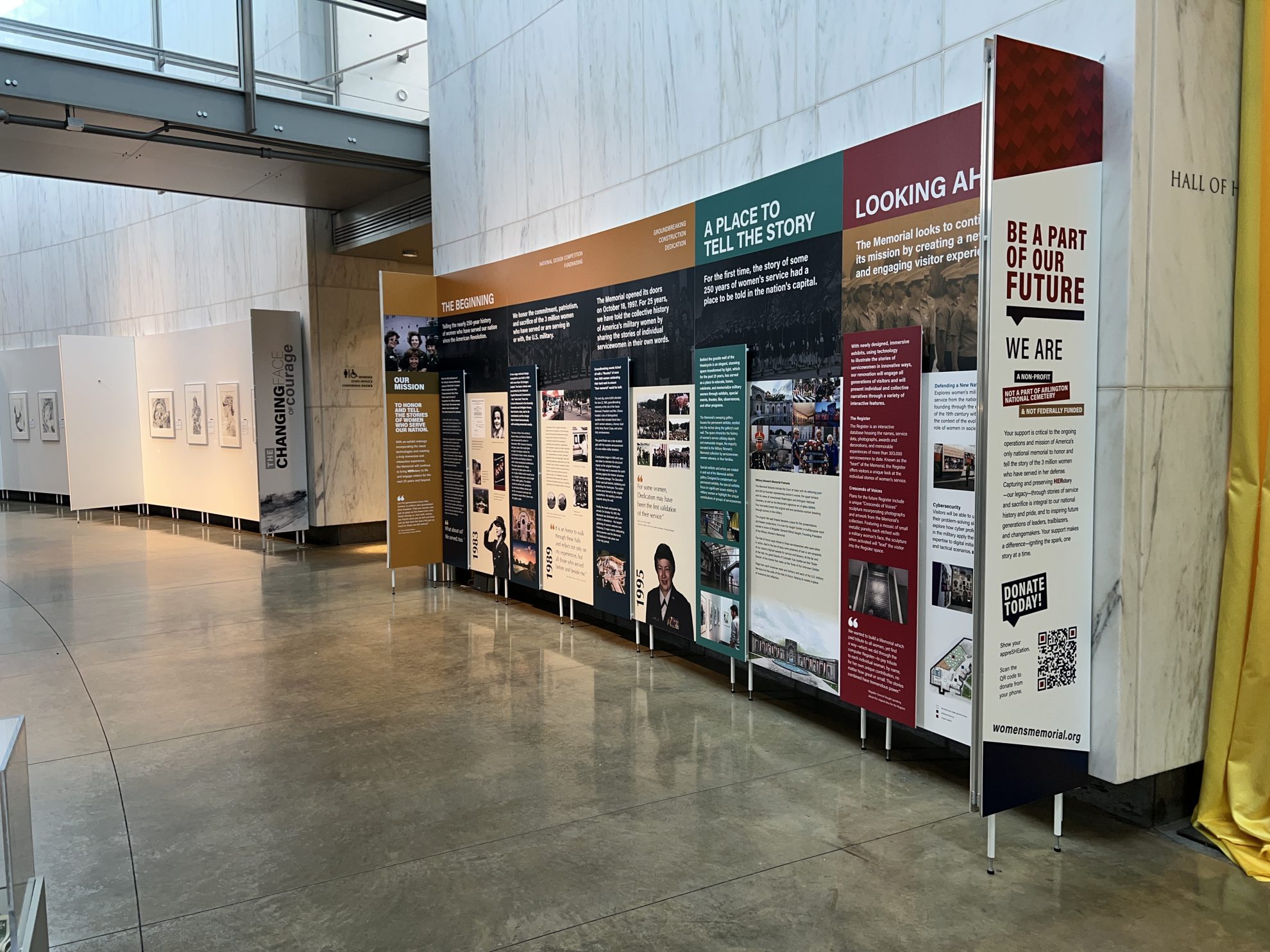
Heritage Signs & Displays created new museum signage for the Military Women’s Memorial in Arlington, VA. The project included custom signs, wall wraps, dimensional letters, and standoff-mounted displays to honor the legacy of U.S. servicewomen and the donors who supported the memorial. The updated interior features impactful designs, including a "Our Legacy" wall display and panels showcasing historical contributions and artwork, creating a transformative tribute to women in the U.S. Armed Forces.
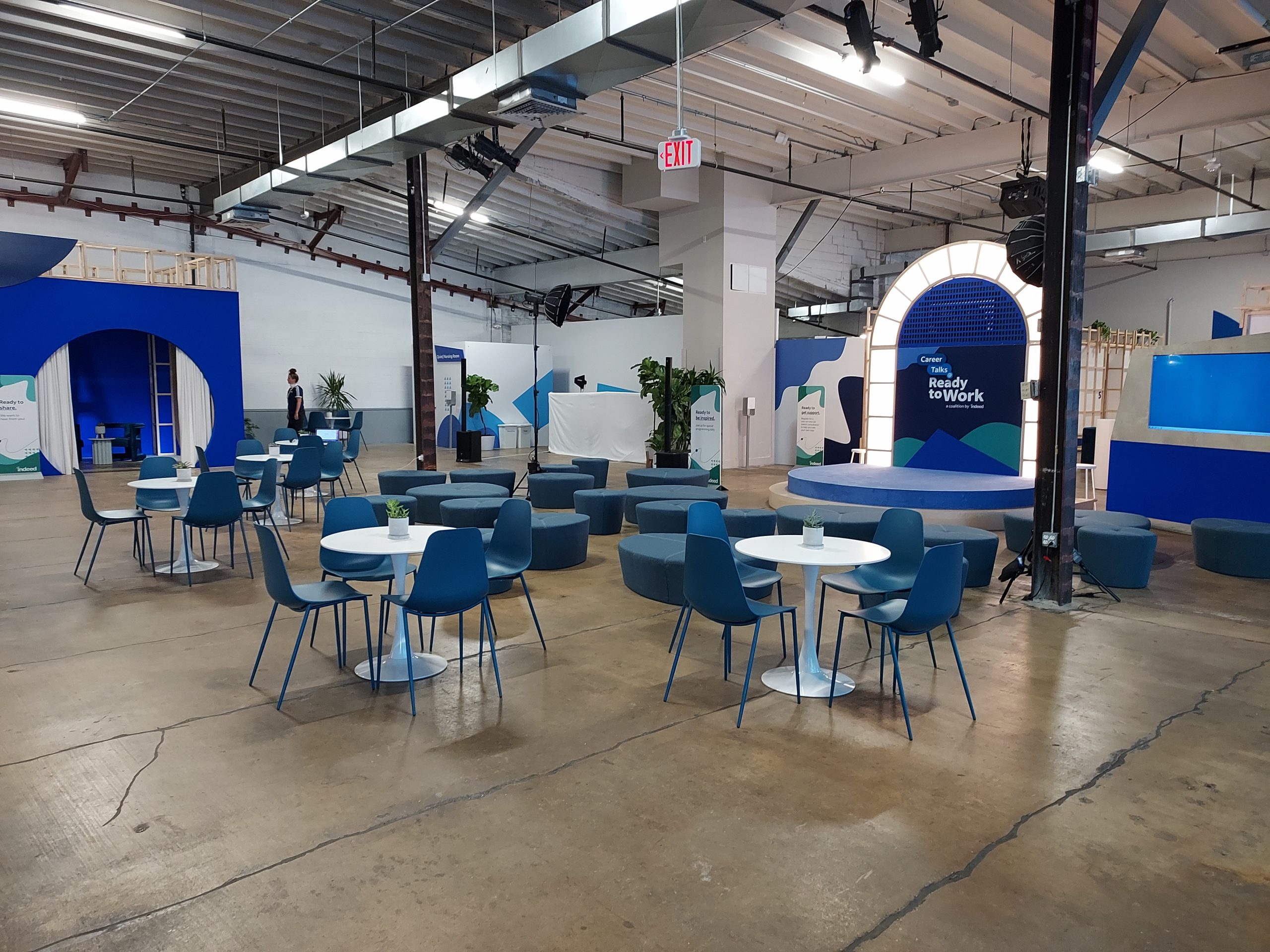
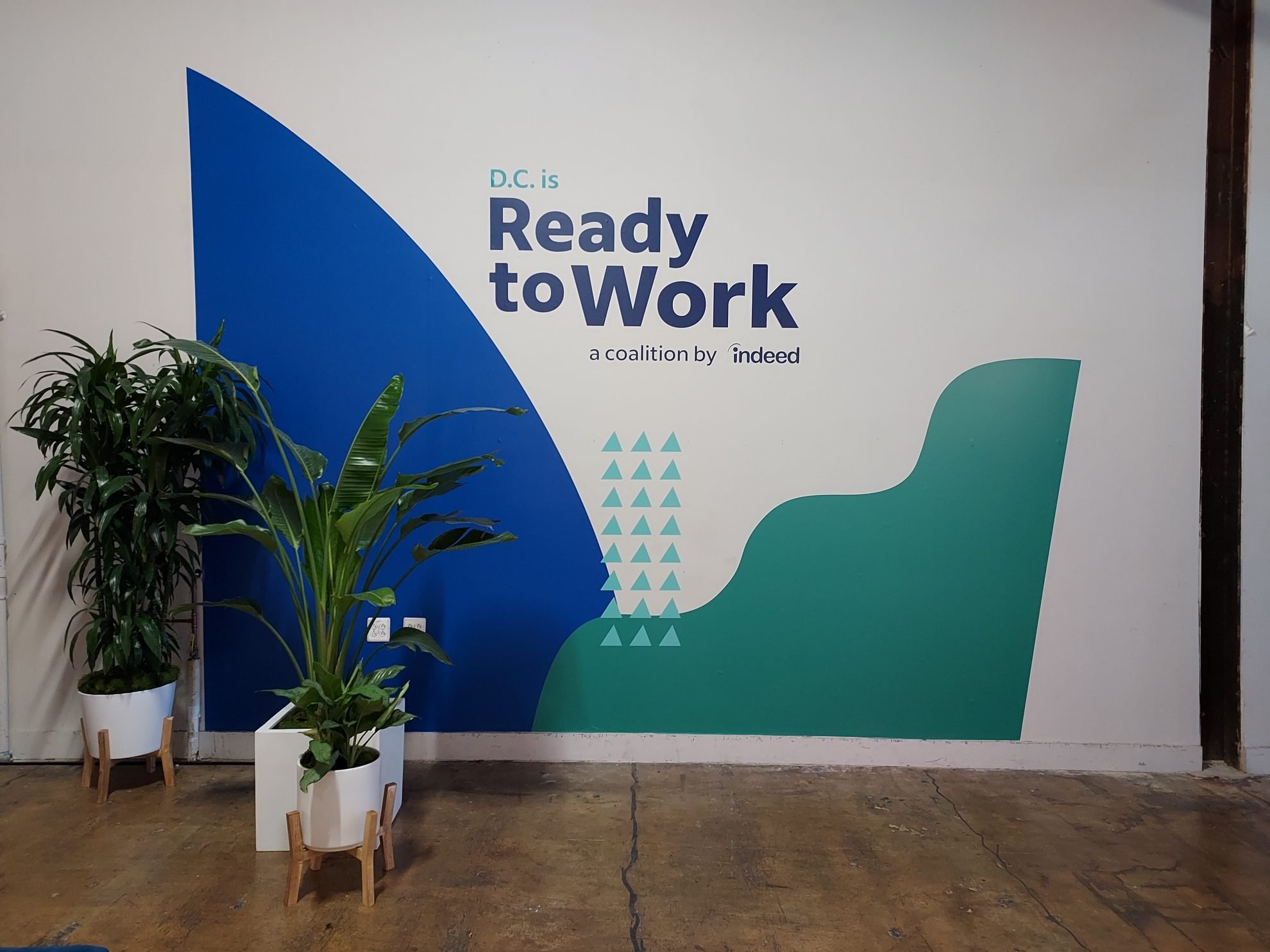
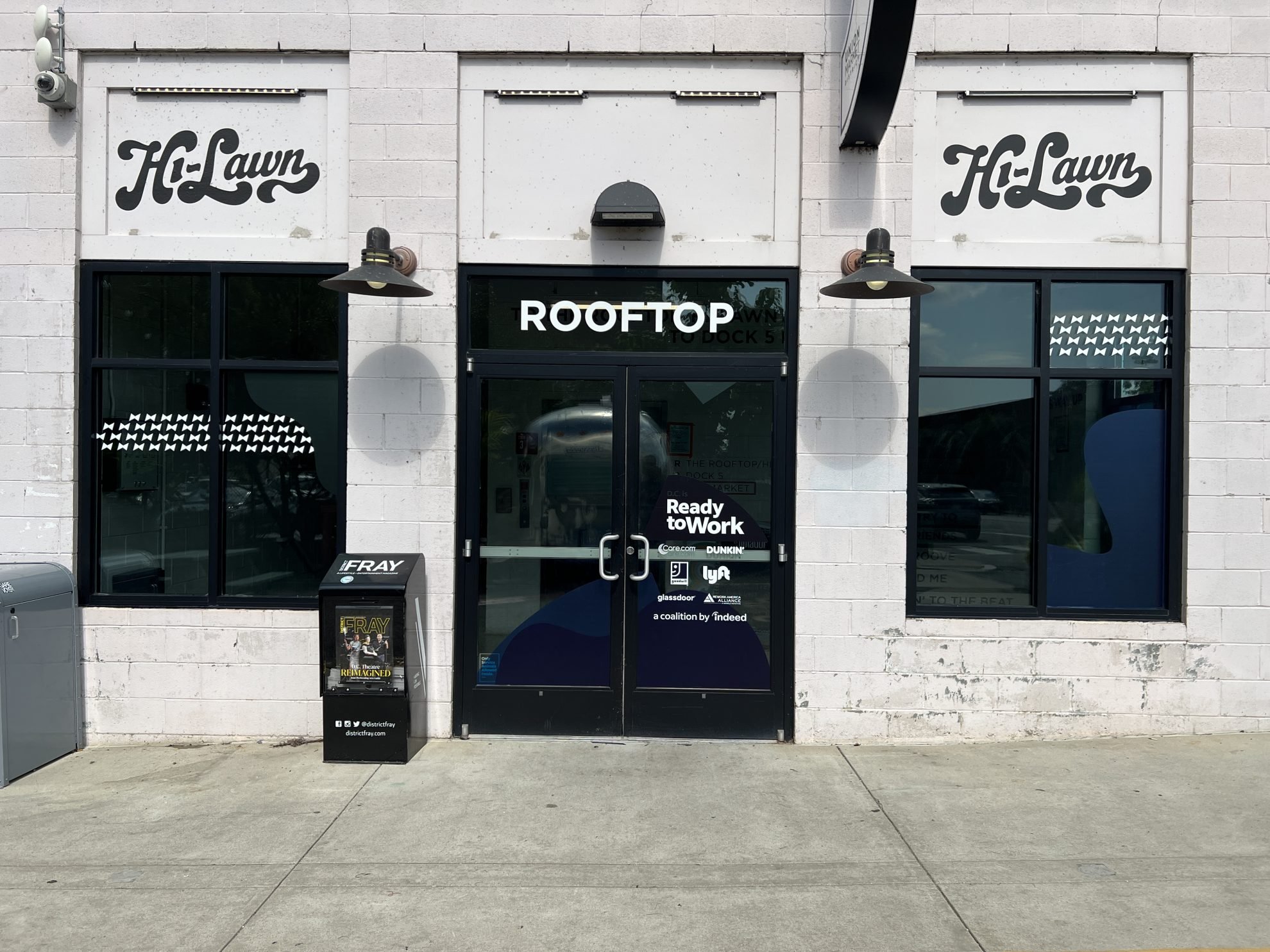
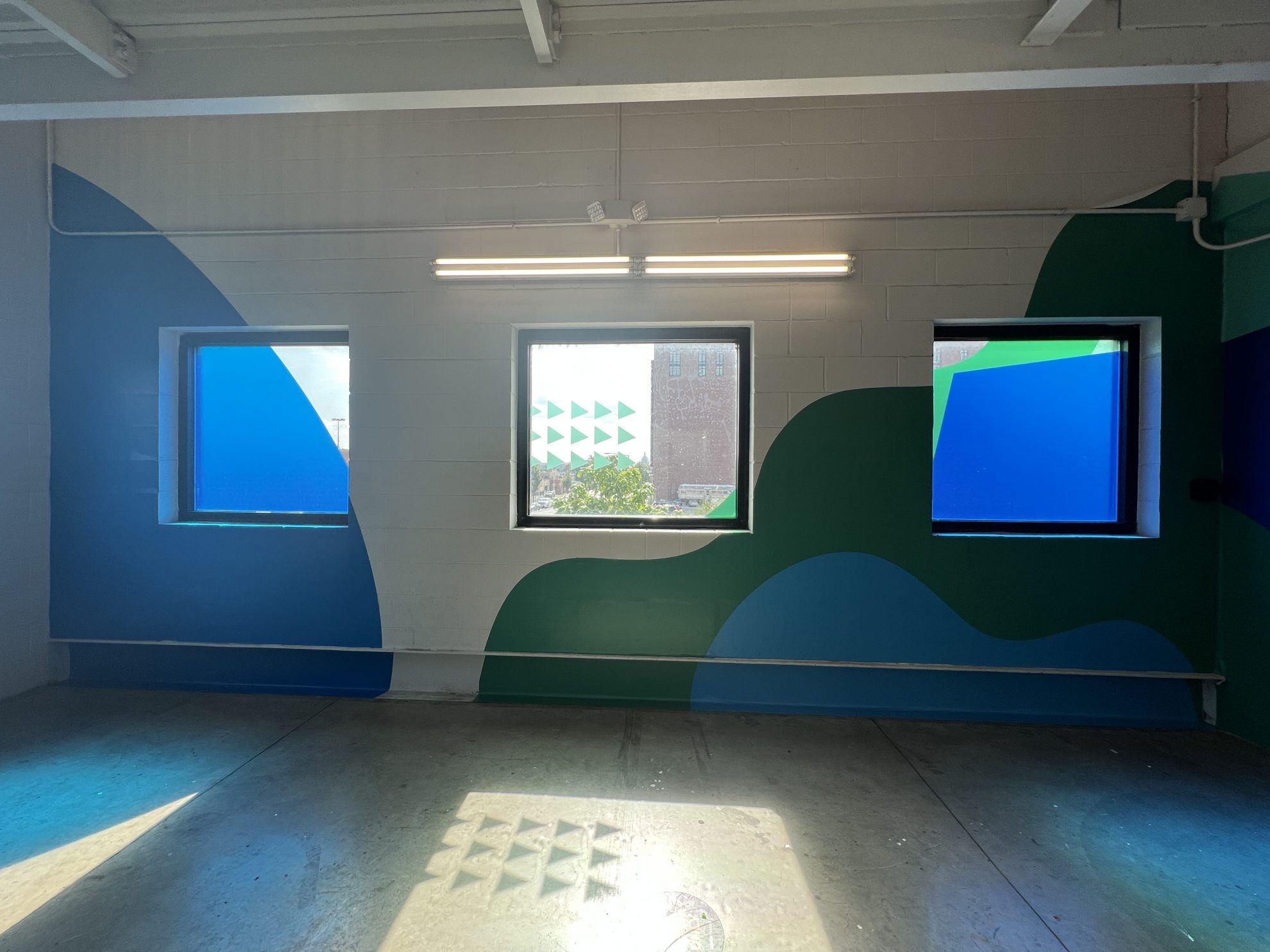
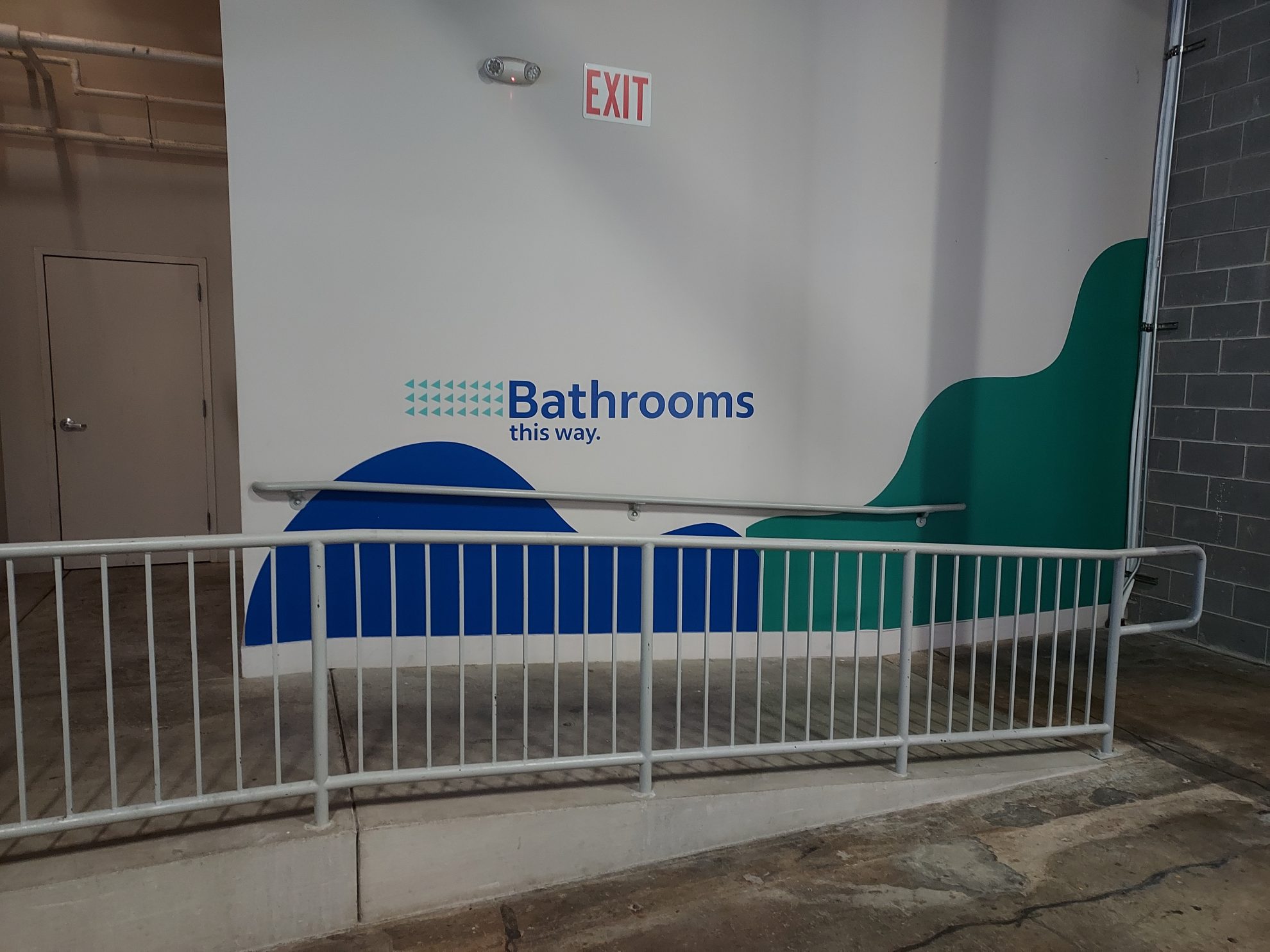
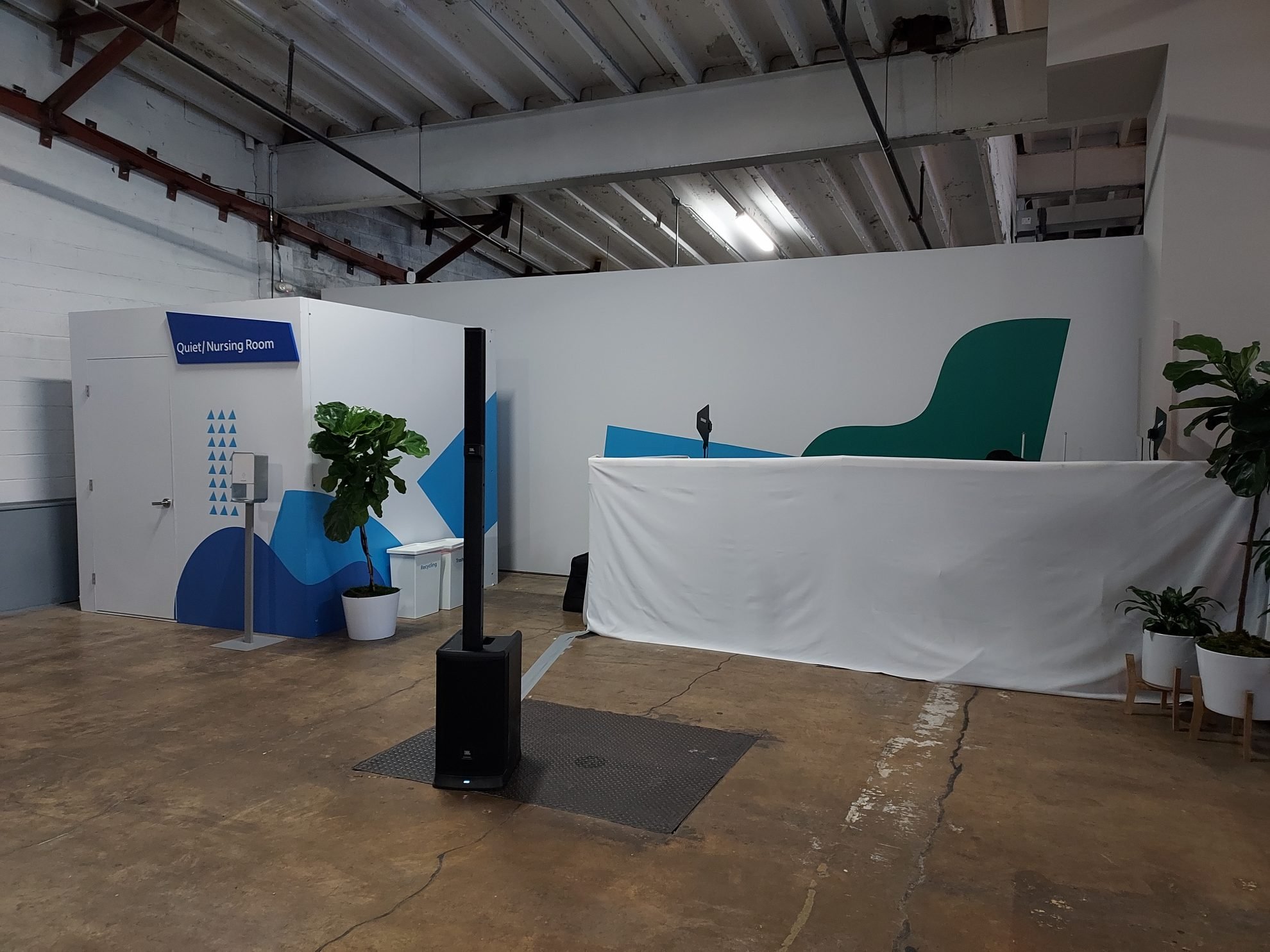
Heritage Signs & Displays' collaboration with The Gathery to brand Union Market in Arlington, VA, for Indeed's "Ready to Work" job fair. The project included custom event displays, wall graphics, window graphics, and wayfinding signs, creating an immersive and visually appealing environment. The branding enhanced the venue, reflected the event's mission, and provided a seamless experience for attendees.