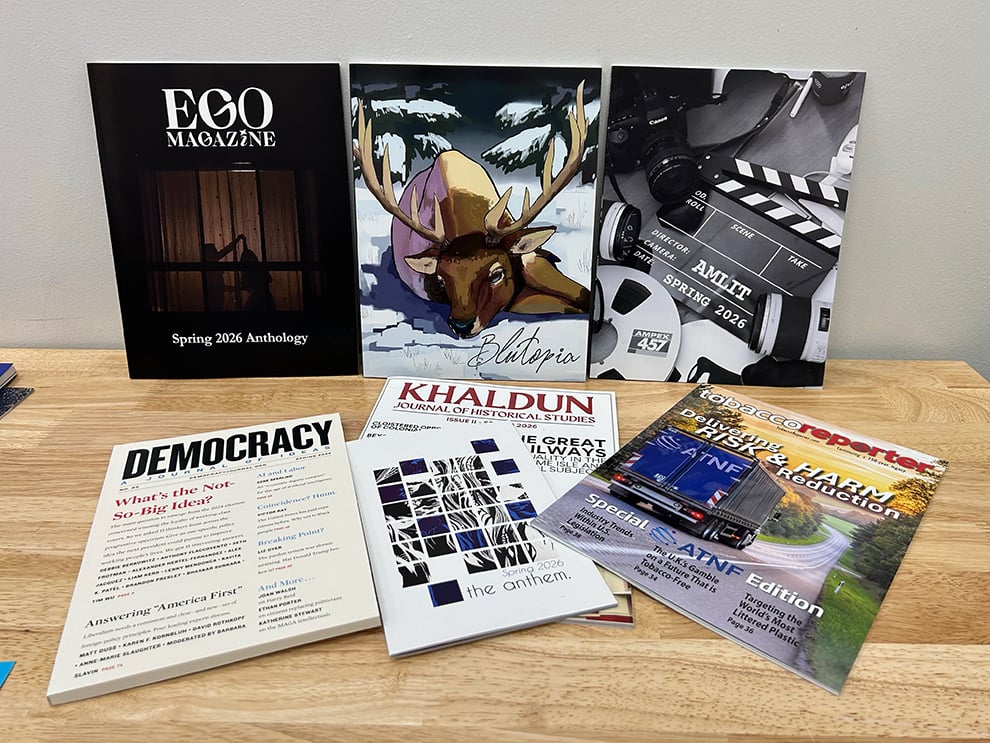
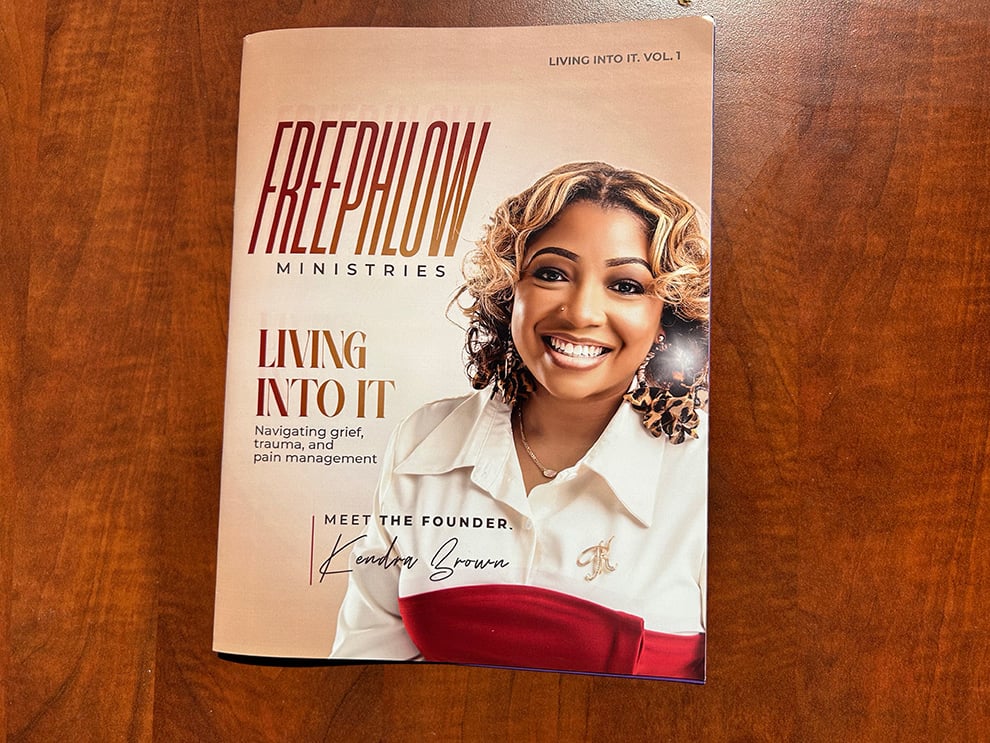
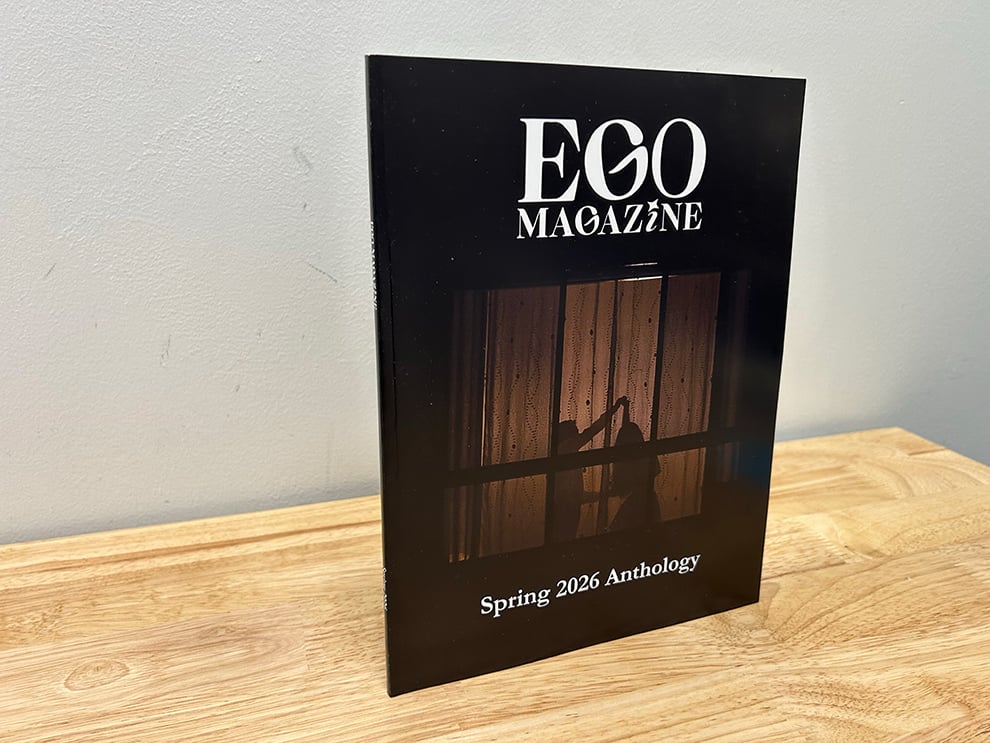
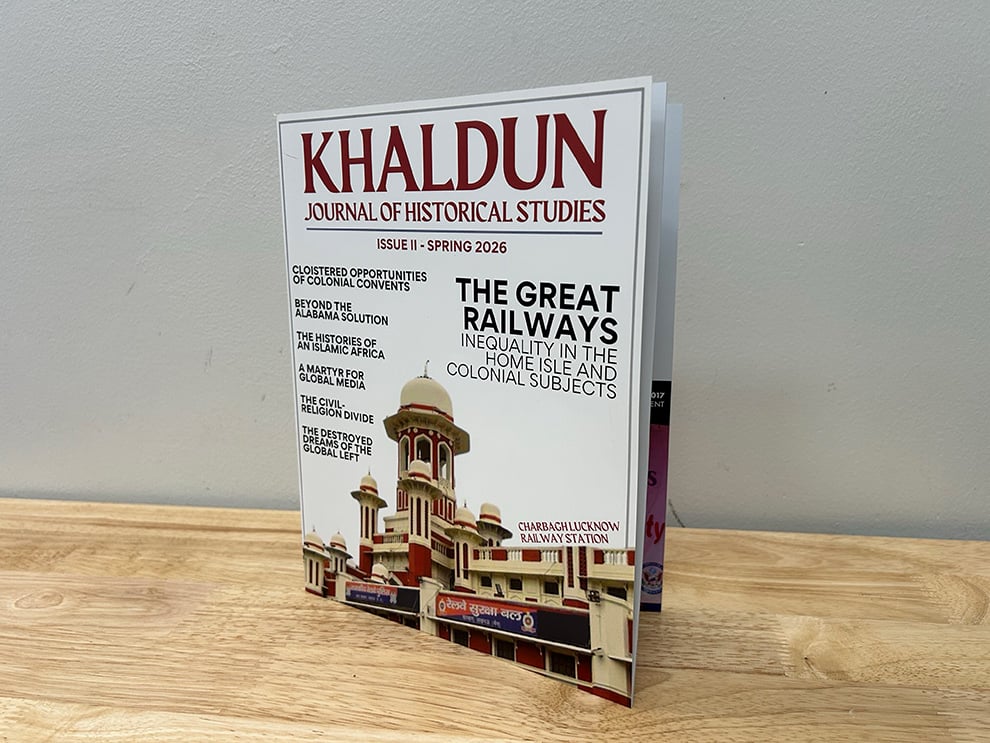
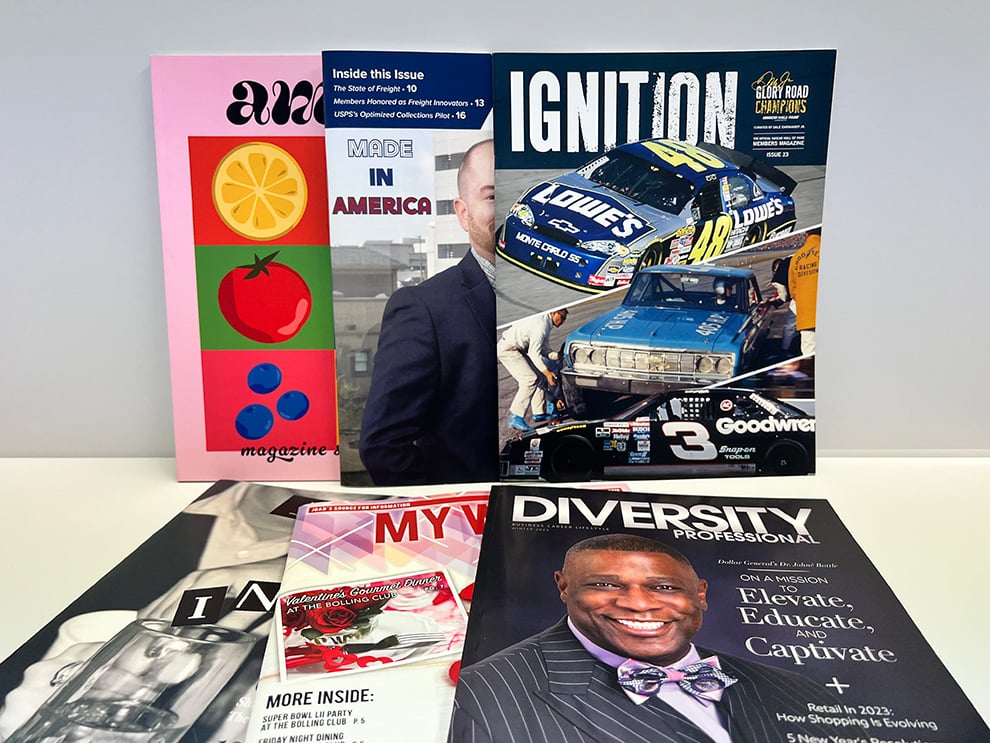
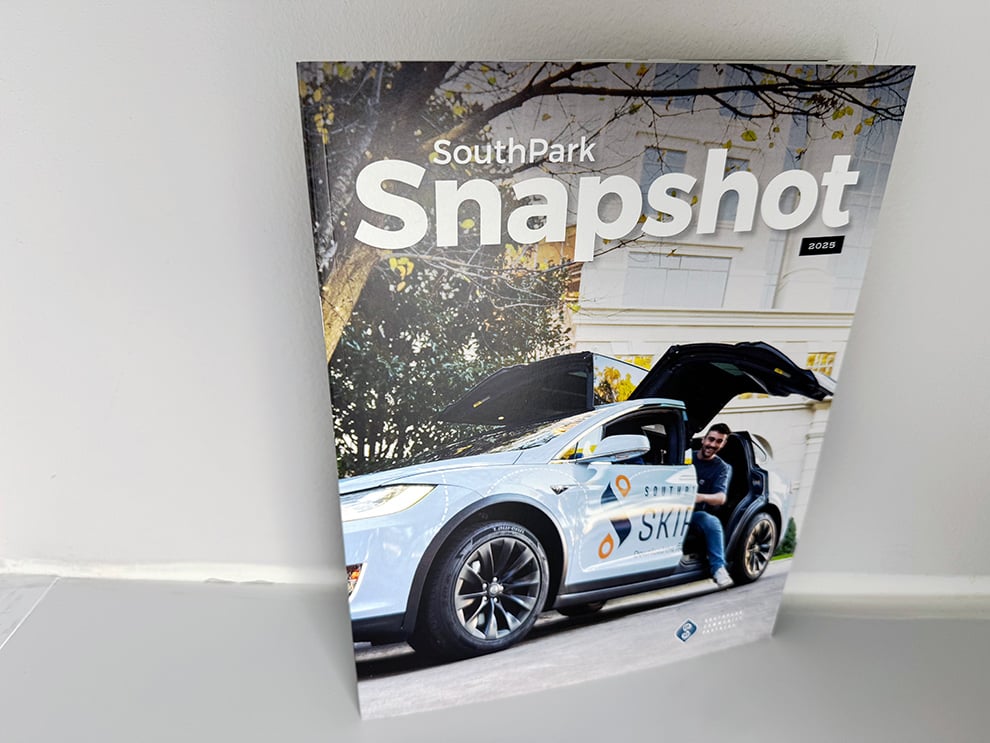
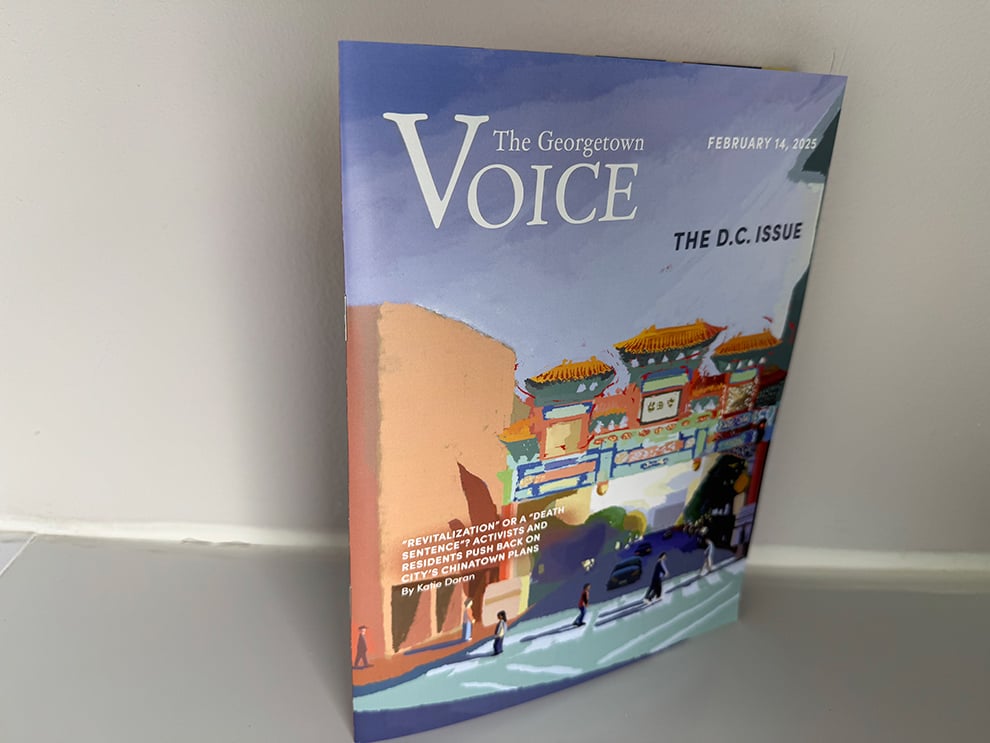
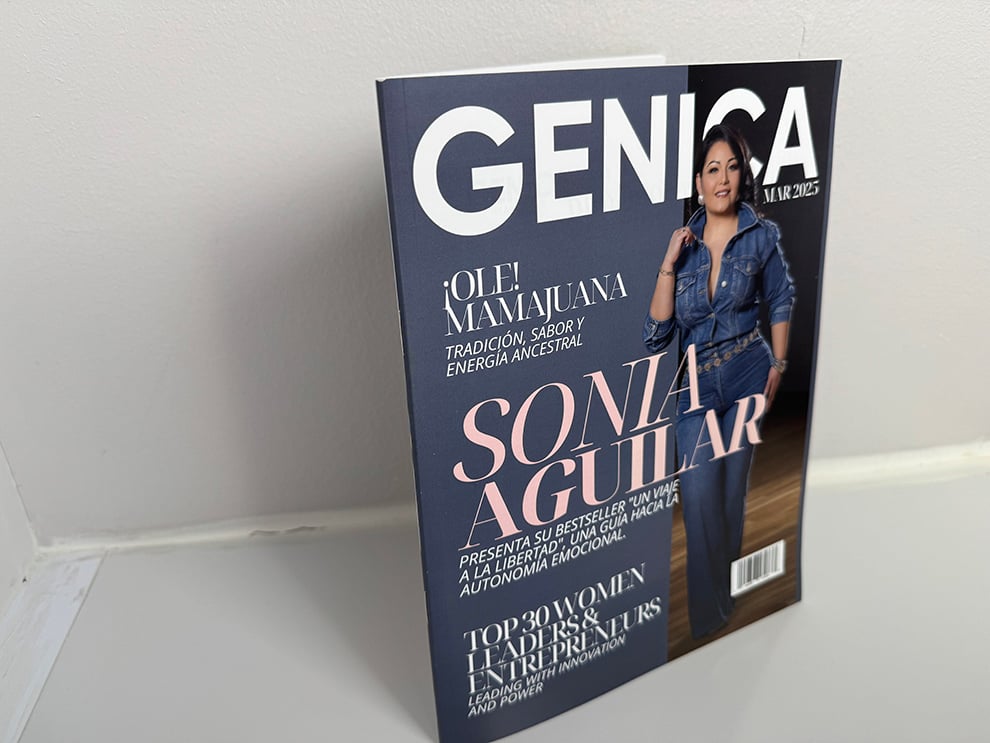
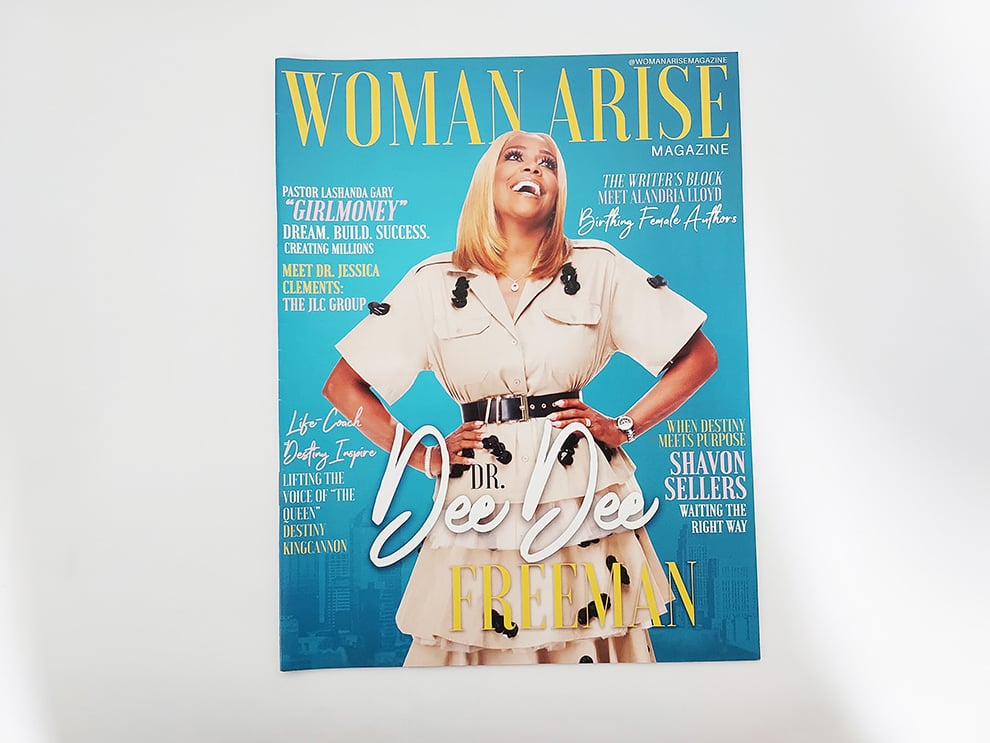
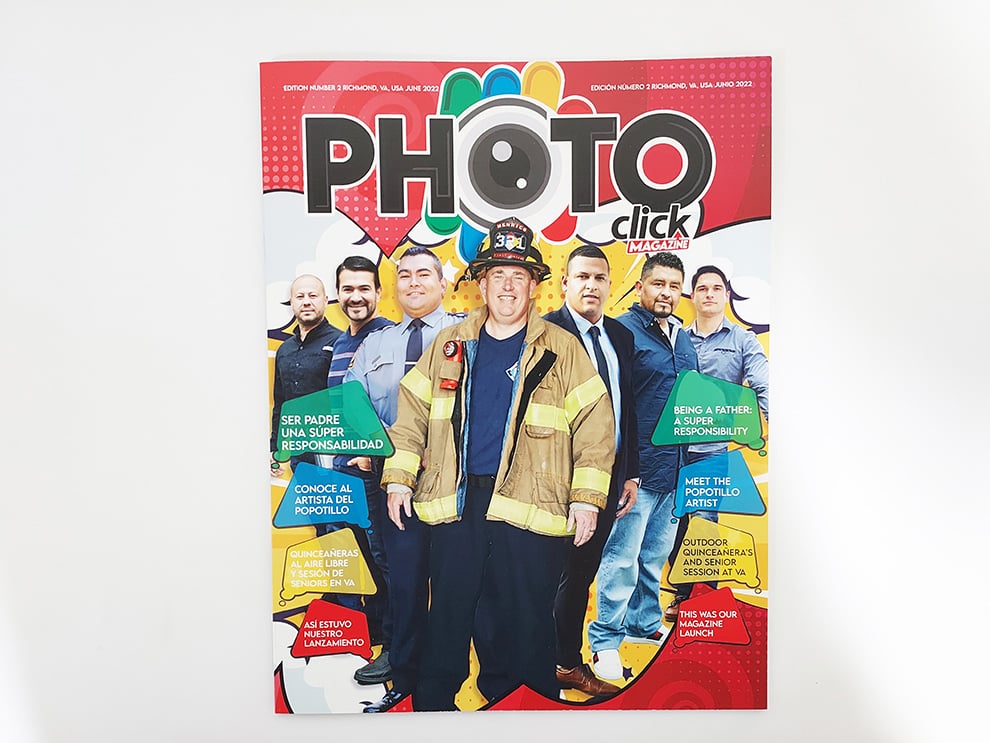
Many Richmond, VA organizations begin a new magazine by building a template their team will reuse issue after issue. That template decides more than typography and column structure. It sets the trim size, bleed, margins, page count rhythm, and cover construction that the printed magazine must support for years of editions.
Heritage has printing roots that reach back to 1977, and we help Richmond, VA publishers connect that template to a production plan that holds up. When your team shares the template specifications, intended page count, paper preferences, quantity, and distribution method, we review how those decisions will behave on press, in the bindery, and in distribution. Setup problems that are inexpensive to fix in the template become costly once an issue is in production.
Our role is to identify those production decisions early, communicate clearly about anything that needs adjustment, and manage accepted work responsibly as each issue moves toward its publication date. The result is a template your designers can trust, a magazine readers recognize from one edition to the next, and a production relationship that keeps responding as requirements change.
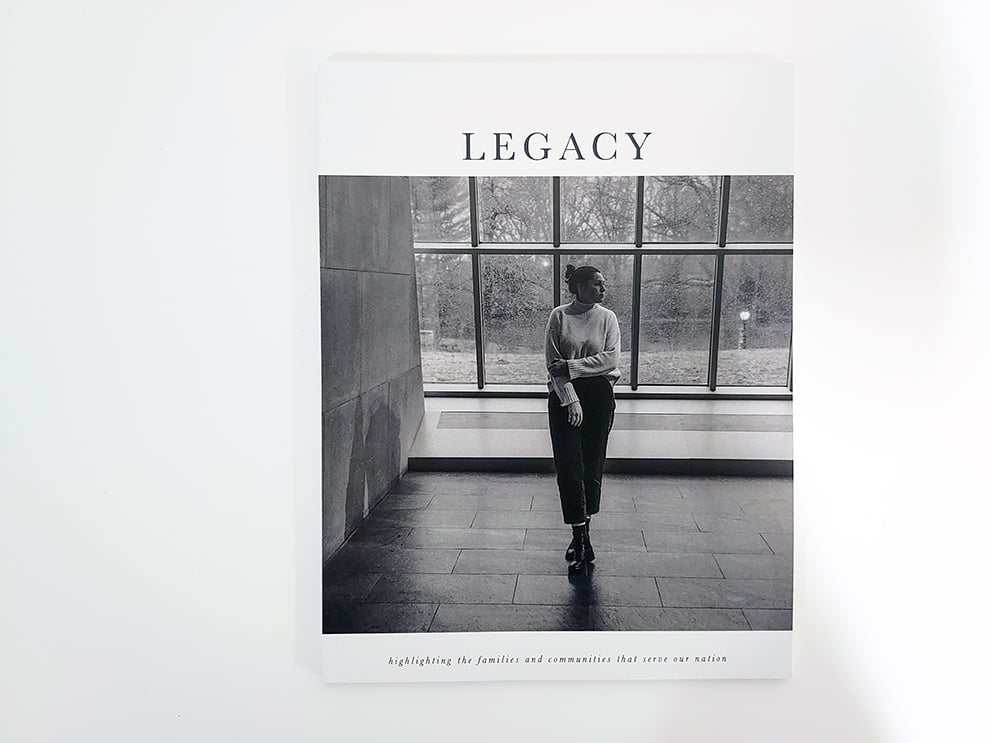
Consistency is the test of magazine printing. Readers rarely notice when the spring issue matches the winter issue, but they notice when the cover stock feels thinner, the color shifts, or the spine is misaligned. Heritage has produced printed work since 1977, and that history taught us to treat each edition as part of a series rather than an isolated job.
For Richmond, VA magazines, our Commercial Printing team concentrates on the variables we control. We check that files match the template specifications, confirm paper and cover availability, verify imposition and binding setup, review the electronic proof process, and plan any accepted finishing and fulfillment before printing begins. Quality control at each step protects the look and feel readers associate with your publication.
Heritage is veteran-owned, and that shows in how we communicate. When a question arises about a paper substitution, a page count change, or a delivery date, we raise it promptly, explain the options, and keep accepted work moving. You gain a production partner who remembers how your last issue was built and who follows through on the current one.
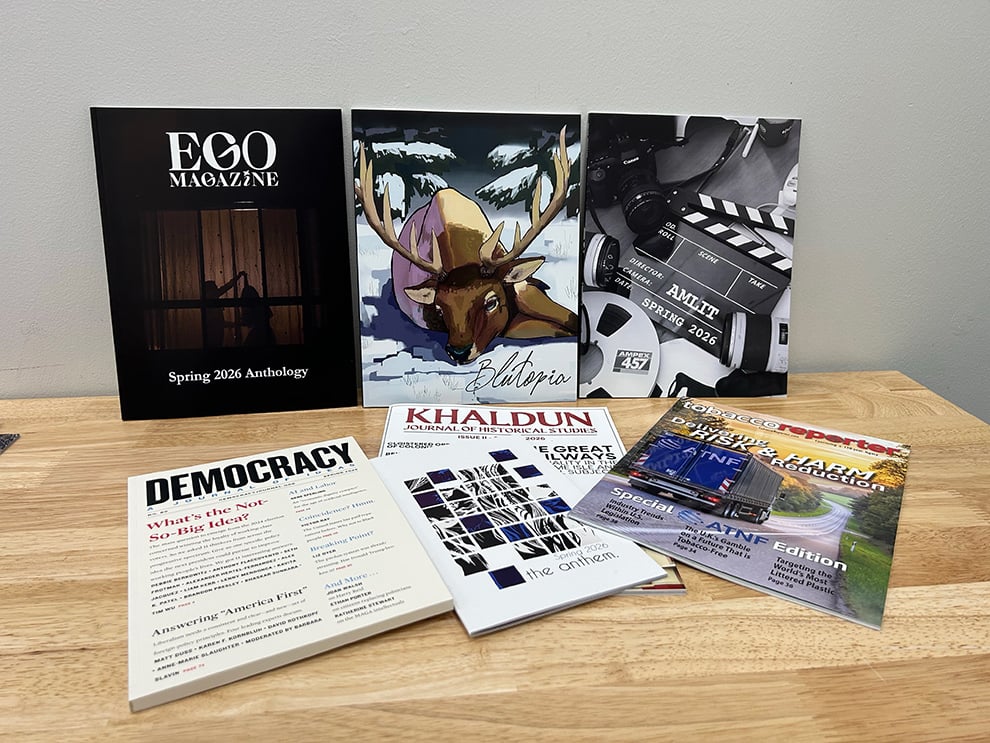
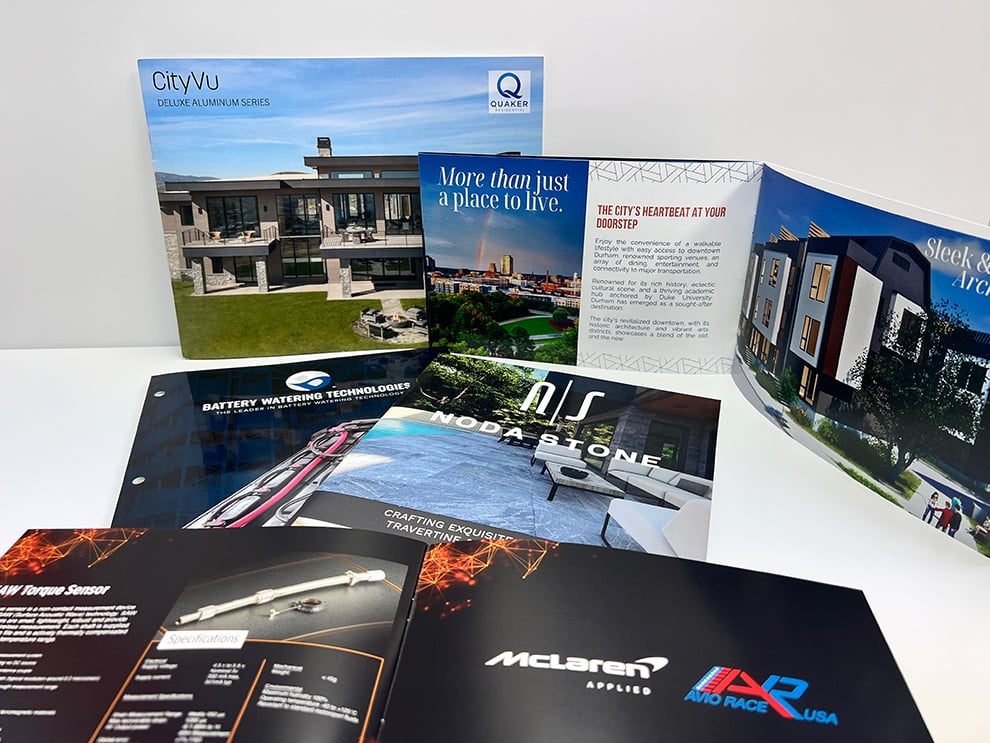
For single-purpose multi-page pieces such as guides, programs, and reports that do not need to look like part of an ongoing series.
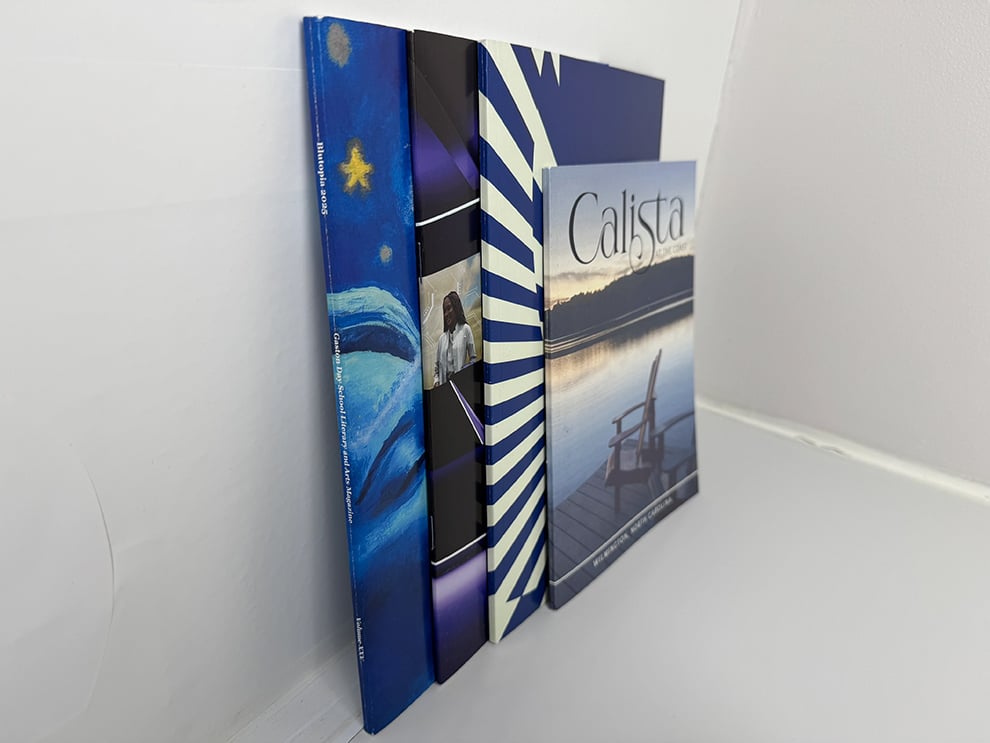
For thicker publications where a square, printable spine and a bookshelf-ready presentation matter more than light weight.
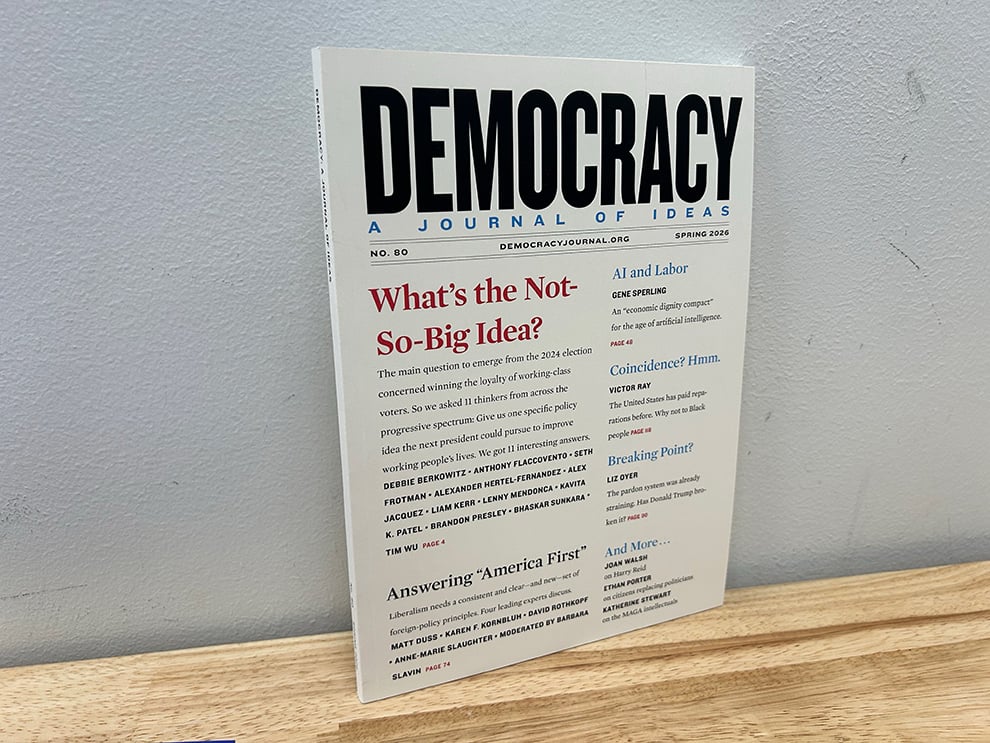
For brief, frequent updates to members, employees, or donors that follow their own cadence and usually need less page structure than a magazine.
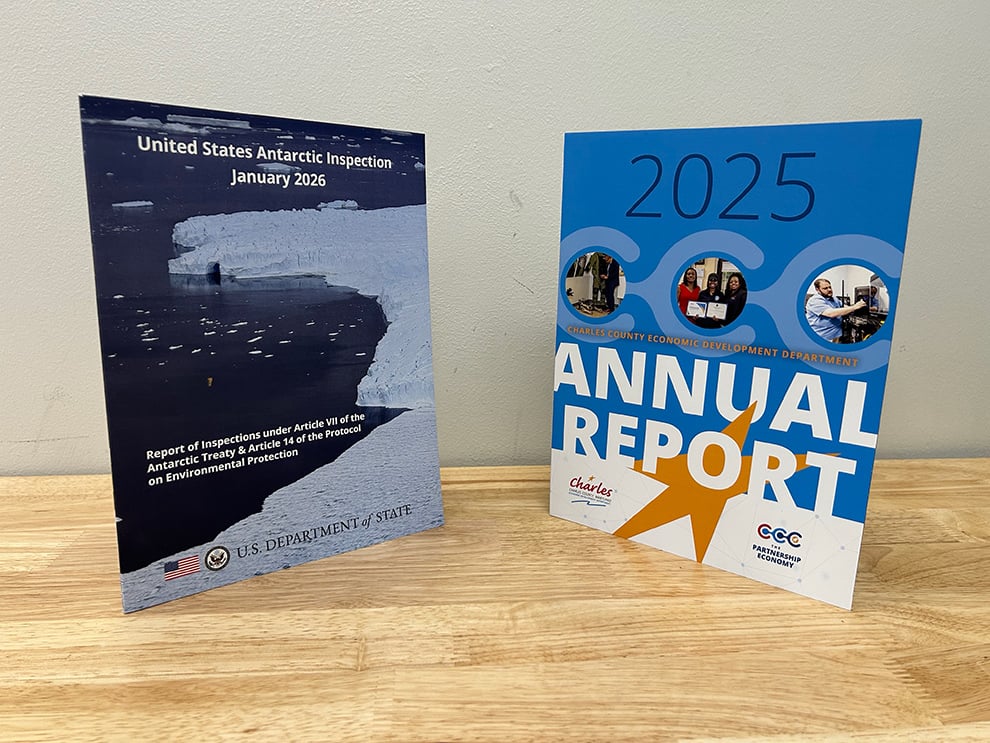
For once-a-year reporting on results, finances, and mission impact prepared for boards, funders, and other stakeholders.
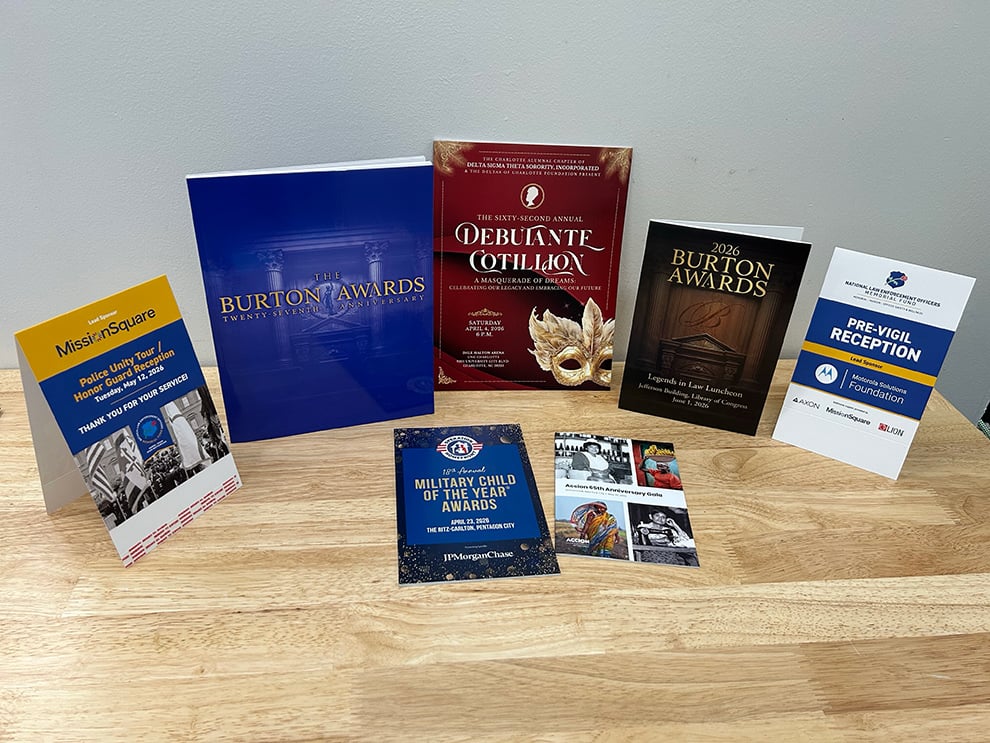
For agendas, speaker listings, and sponsor recognition that must be in hand on a fixed event date.
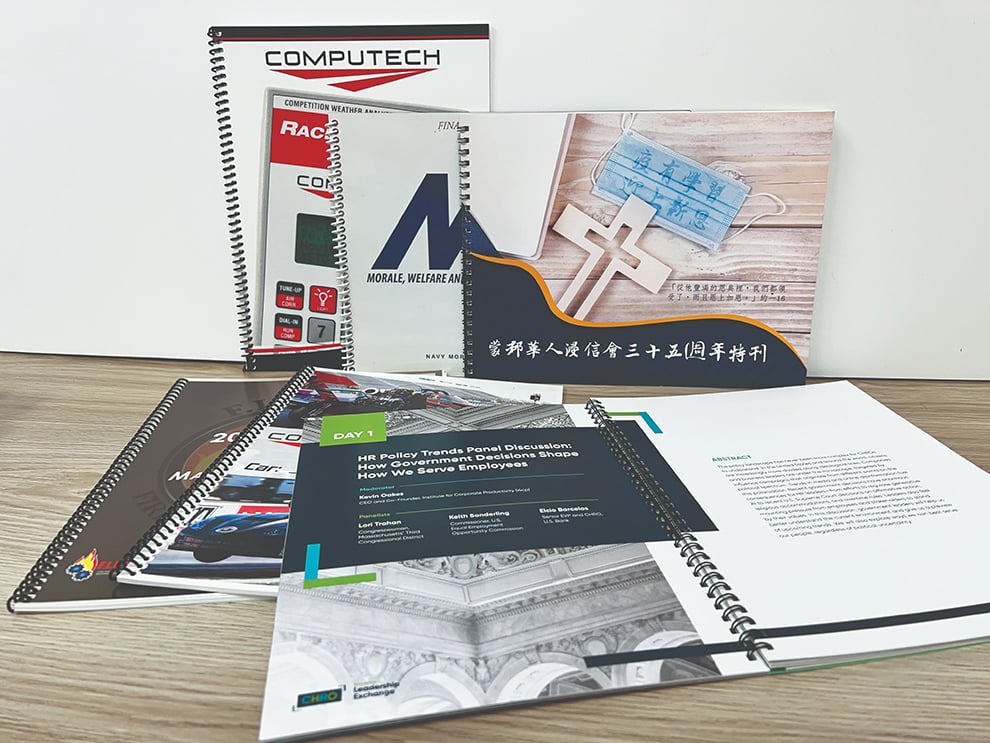
For instructional reference material that will be opened, written in, and consulted long after the session ends.
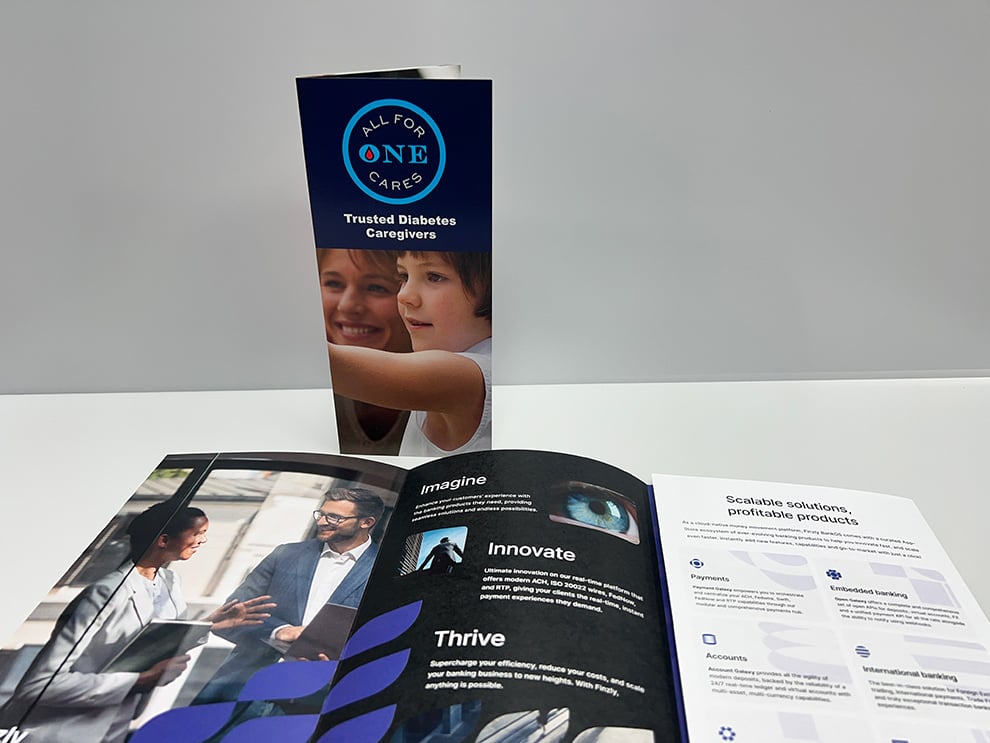
For compact outreach pieces that explain a program, service, or campaign in a few folded panels.
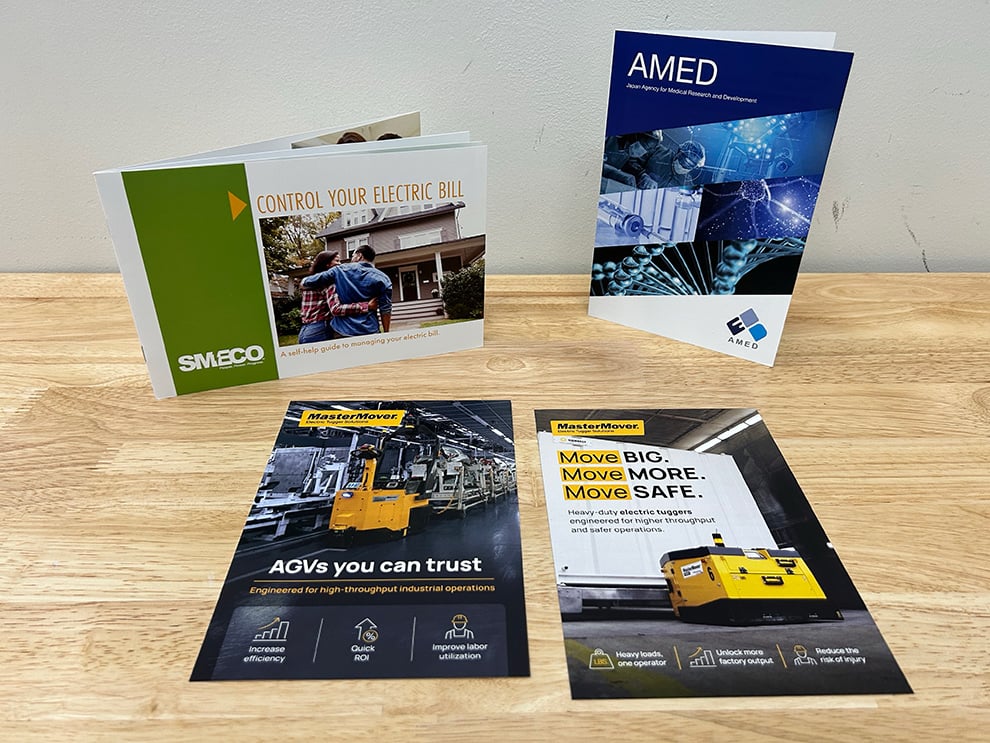
For coordinated campaign printing that supports launches, recruiting, fundraising, and ongoing business development.
Send Heritage your magazine template specifications, a current issue if one exists, the quantity, and the date readers need it in hand. We will evaluate the production path and tell you plainly what is realistic. Custom Quote is the right starting point for qualifying magazine projects that benefit from template review, specification guidance, and coordinated production.
A template fixes the trim size and layout grid, but the physical magazine still depends on choices made for each issue. Interior paper affects opacity, image reproduction, and the weight that drives postage. Cover stock affects stiffness, how the issue survives handling, and the impression it makes when it arrives.
Binding should follow the actual construction of the issue. Saddle stitching folds and staples the pages into a light, easy-opening magazine when the page count and paper suit folded construction. Perfect binding gathers the pages against a square spine for a more substantial profile when the finished thickness supports it. Neither method should be chosen before paper, page count, and quantity are settled.
For recurring editions, Heritage can retain accepted specifications as a baseline, which simplifies the next issue without removing the need to review new content, quantities, versions, and dates. Every order receives an electronic proof for your review and approval before printing. For color-critical covers or photography, qualifying Custom Quote projects may add an optional paid Physical Production Color Proof produced on the intended production equipment and paper.
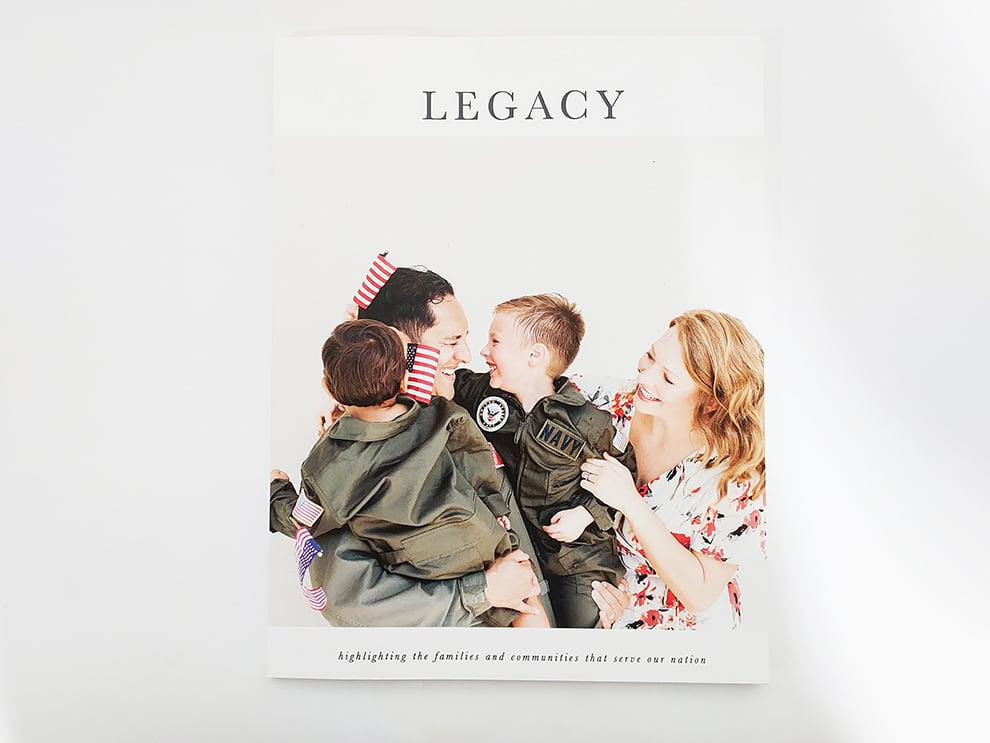
Your team owns the editorial side: articles, advertising, photography, approvals, and the decision that an issue is final. Heritage owns the production side once files and requirements are accepted. For most magazines we prefer complete or substantially complete artwork built on your template, so we can evaluate the real job.
Through Custom Quote, qualifying projects of $2,000 or more can include production-oriented help such as confirming template setup, preparing files for imposition, adjusting sizing, or recommending specifications. After the quote is accepted and the order assigned, a Project Coordinator becomes your direct phone and email contact for that work, coordinating the accepted production and fulfillment and keeping you informed.
If your magazine is fully specified, the artwork is print-ready, and a live Self-Directed Online Store configuration matches it, you can order independently, combining eligible Store products to reach the $750 minimum. Store orders still receive production review and an electronic proof but do not include layout help, consultative selection, or an assigned coordinator. In both paths, we assess the requested date against files, approvals, materials, capacity, binding, finishing, and fulfillment before confirming timing.
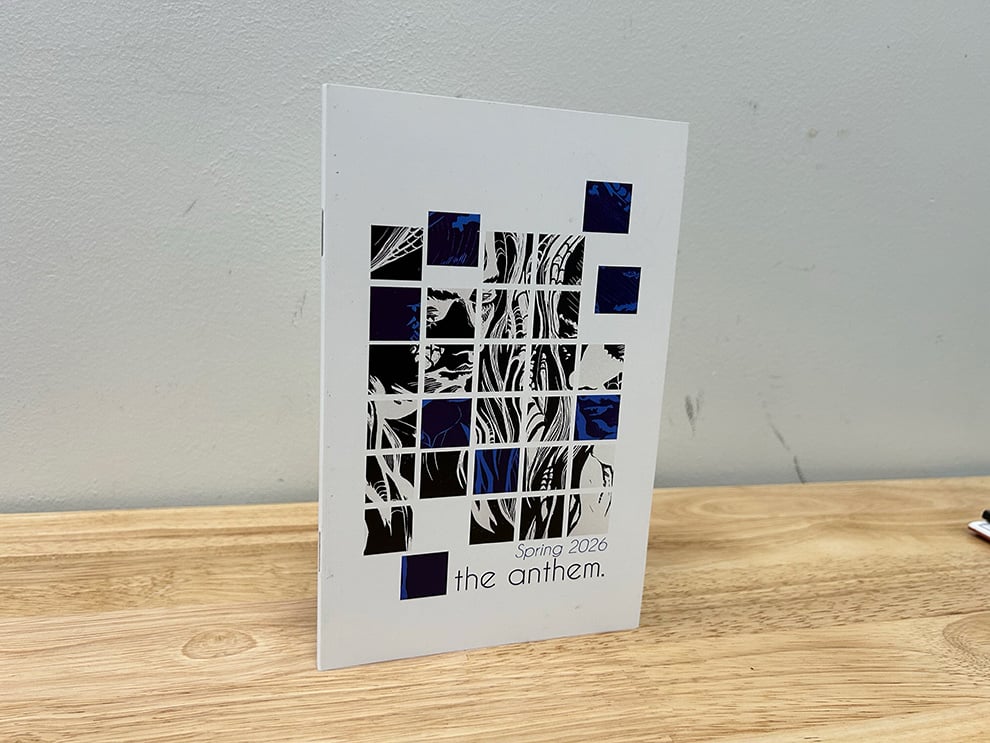
Possibly, and we will tell you quickly either way. Heritage evaluates the remaining window against file readiness, proof approval, paper availability, binding, finishing, quantity, versions, and delivery method before committing. If the date is realistic, we move accepted work forward promptly. If it is not, we explain which factors stand in the way and suggest practical alternatives.
The right answer depends on your page count, paper, and intended presentation rather than a fixed rule. Saddle stitching produces a light, folded magazine that opens easily and suits thinner issues. Perfect binding produces a square spine and a sturdier feel once the finished thickness is sufficient. Heritage reviews your actual specifications and recommends the construction that holds up in print.
A magazine carries an identity that repeats across editions, so consistency in trim size, paper, cover treatment, color, and binding matters from issue to issue. A booklet typically serves a single purpose, such as a program or guide, and is judged on its own. That difference changes how specifications are documented and how repeat production is planned.
Yes. Every Heritage order, whether placed through Custom Quote or the Self-Directed Online Store, receives an electronic proof for your review and approval before printing. Check text, pagination, images, ads, cover layout, and any version differences carefully. The electronic proof confirms content and layout; it is not a physical color standard, and screen colors can differ from printed results.
It is a paid physical proof produced on the same production printer and the same paper or material planned for your final run, so you can review color in hand before the full quantity prints. It is available for qualifying $2,000+ Custom Quote magazine work, adds production time, and becomes the controlling color reference once approved. It is not offered through the Self-Directed Online Store.
Yes. Accepted details such as trim size, paper, cover construction, binding, and color targets can serve as the baseline for later editions, which saves setup time and supports consistency. Each new issue is still reviewed on its own, because page count, content, quantities, versions, and dates often change even when the template does not.
Considerably. Interior paper affects opacity, image reproduction, feel, thickness, and weight, which in turn affects mailing cost. Cover stock affects stiffness, durability in handling, and the first impression on arrival. These decisions interact with page count, binding, and quantity, so Heritage evaluates them together rather than as separate line items.
Yes, when versioning is part of the accepted scope. Different covers, regional pages, sponsor sections, or segmented quantities can be produced from one issue. Clear file naming, confirmed quantities for each version, named approvers, and separate delivery instructions keep the editions from being mixed up during production and distribution.
Yes, when mailing, shipping, or delivery is included in the accepted scope. Finished weight, packaging, quantity, addresses, and the required in-hand date all shape the plan. Your organization remains responsible for accurate and authorized mailing data. Heritage performs the accepted mailing work but cannot guarantee USPS performance or delivery dates after postal acceptance.
Use Custom Quote when your qualifying $2,000+ magazine project benefits from guidance and closer coordination, such as template setup review, paper or binding recommendations, color-critical covers, multiple versions, mailing or delivery planning, or a demanding schedule. Once Heritage accepts the quote and assigns the order, a Project Coordinator becomes your direct contact for that work.
Choose the Self-Directed Online Store when your artwork is complete and print-ready, your specifications are settled, and a live Store configuration matches the magazine. You select the available options yourself, combine eligible products to meet the $750 order minimum if needed, and still receive production review and an electronic proof before printing. Store pricing is Heritage's lowest available for those products.
Late files, revised page counts, slow client approvals, paper availability, a request for a Physical Production Color Proof, quantity changes, added versions, and finishing or mailing requirements are the usual causes. Changes to the template itself after production begins are especially disruptive. Flagging potential changes early gives Heritage the best chance to adjust the plan without affecting your date.
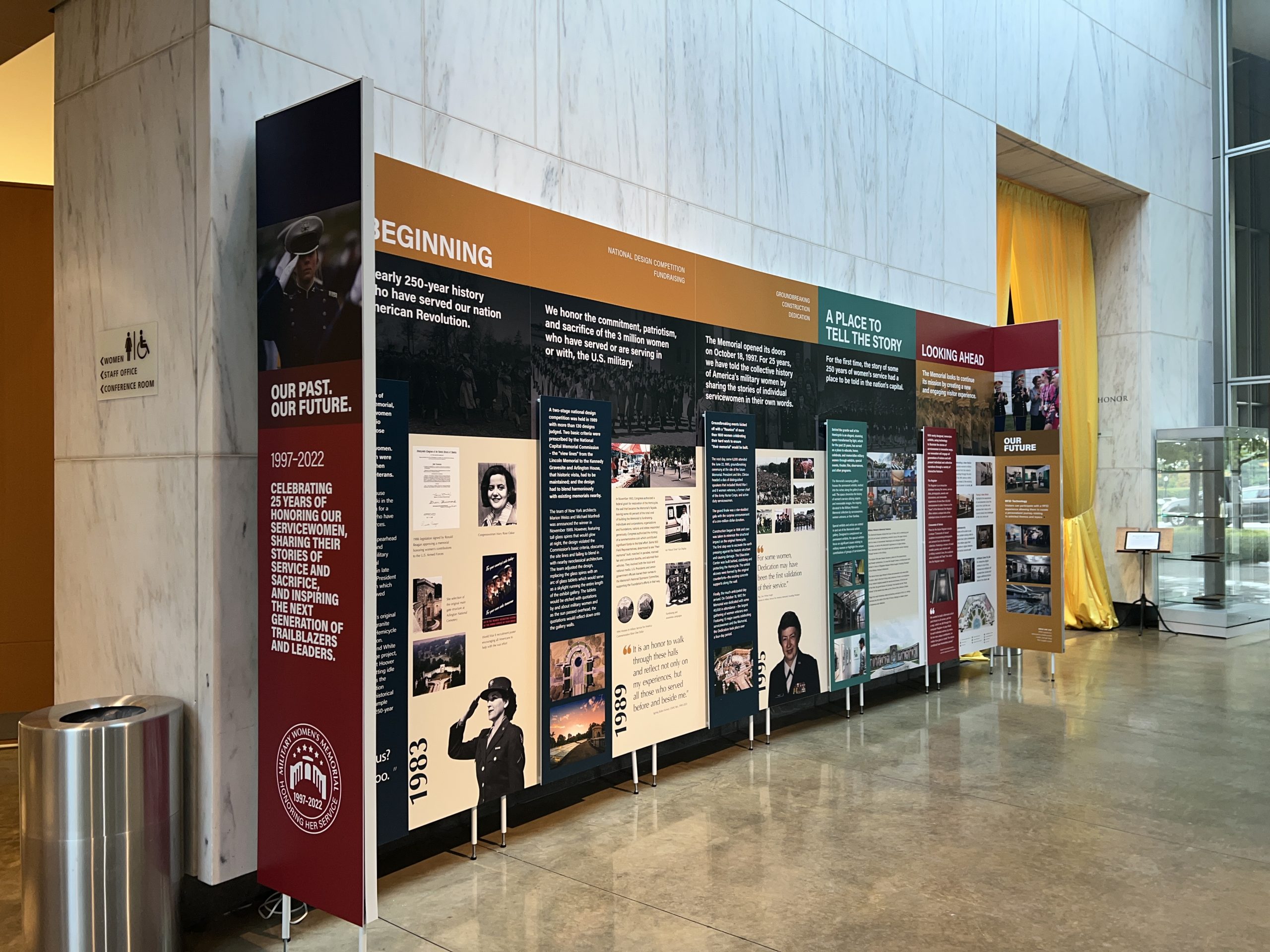
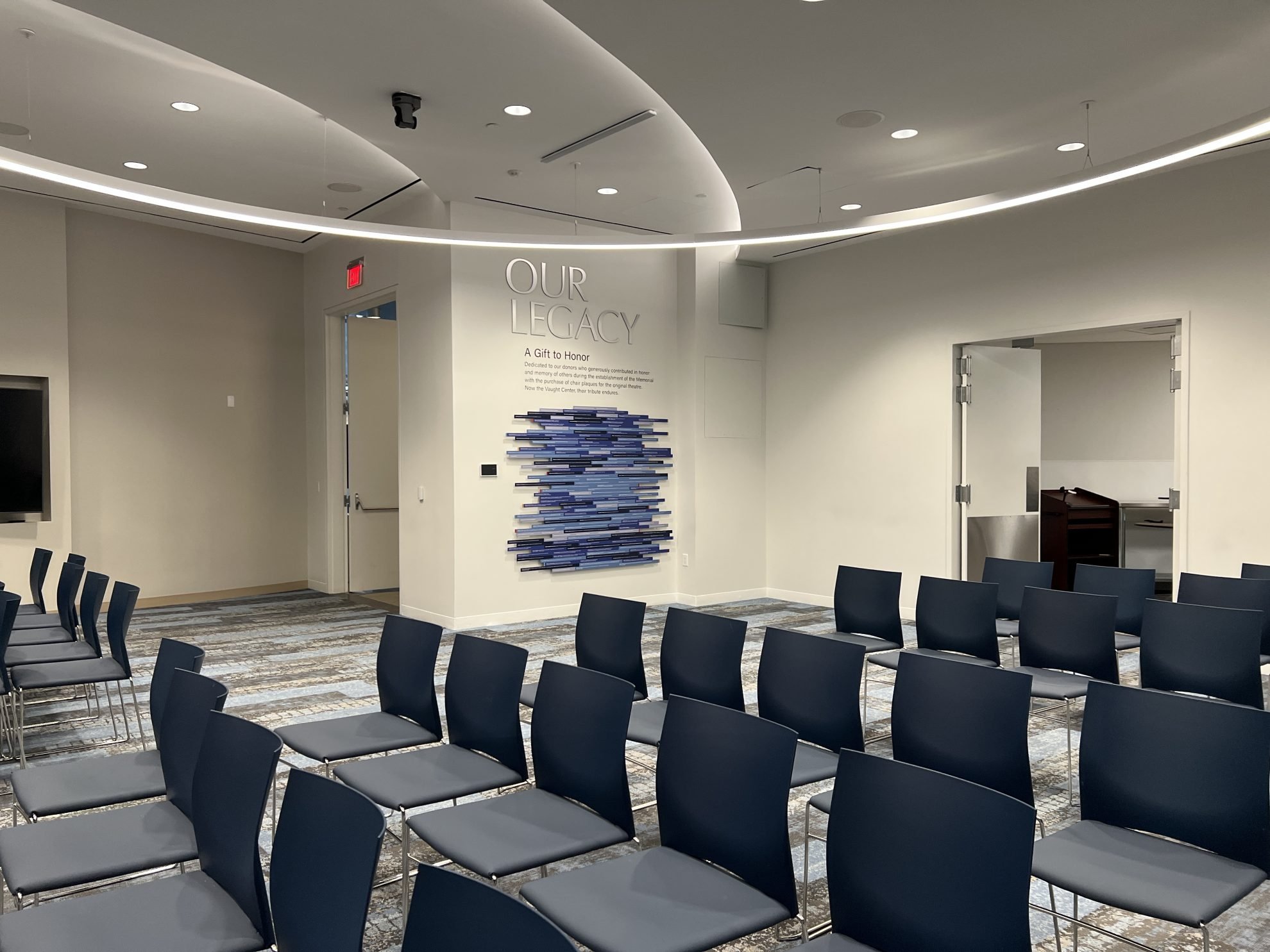
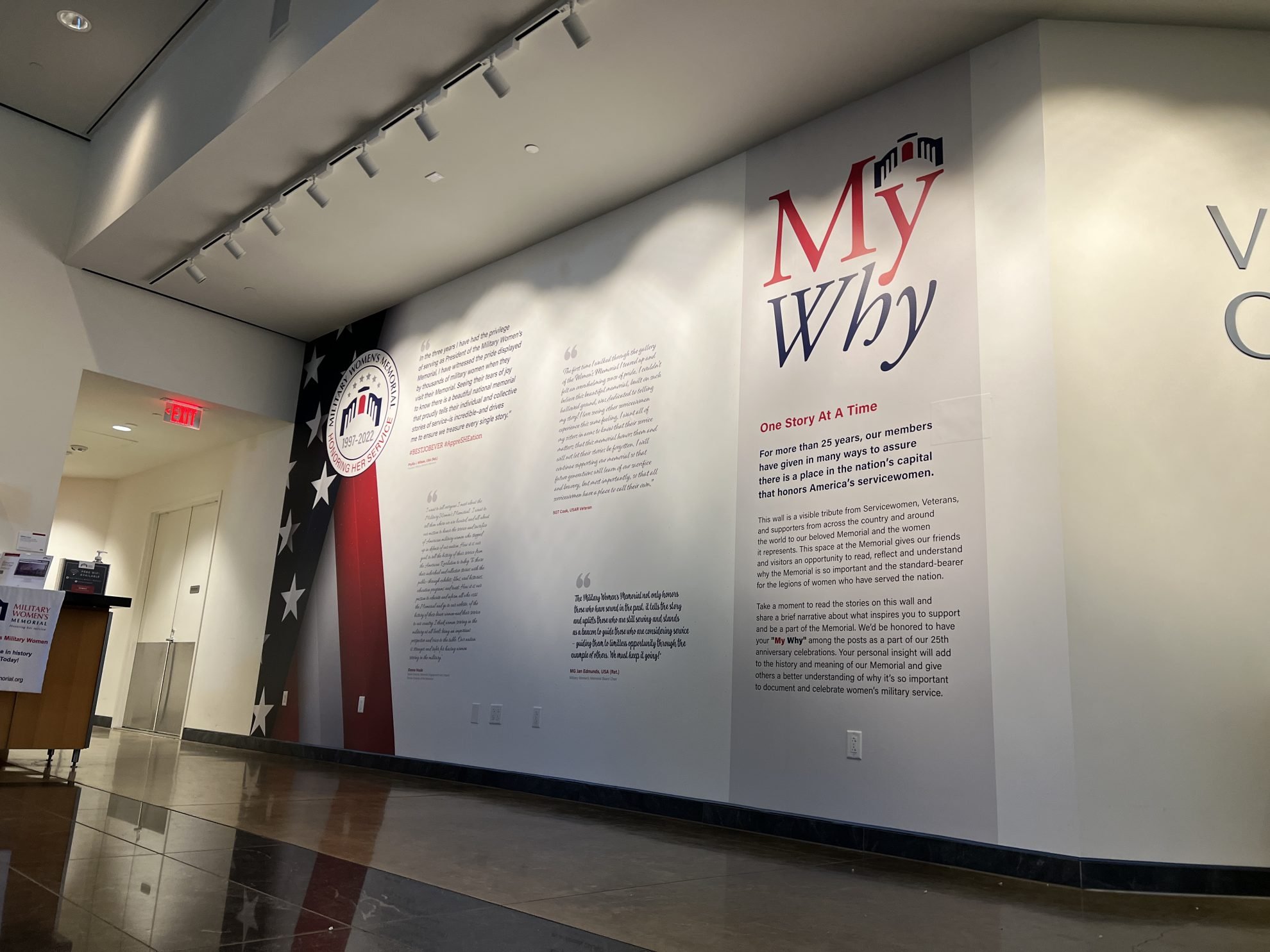
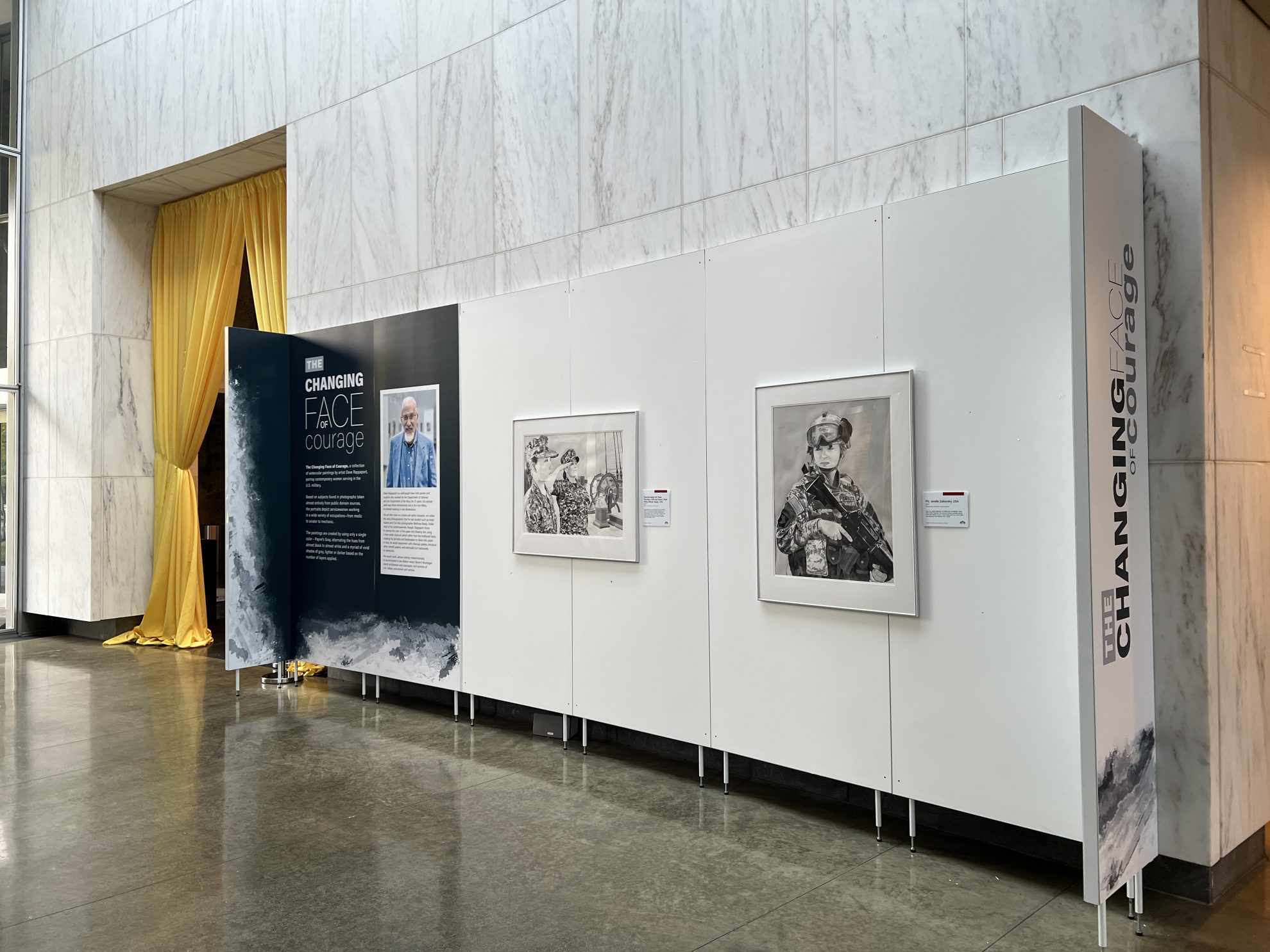
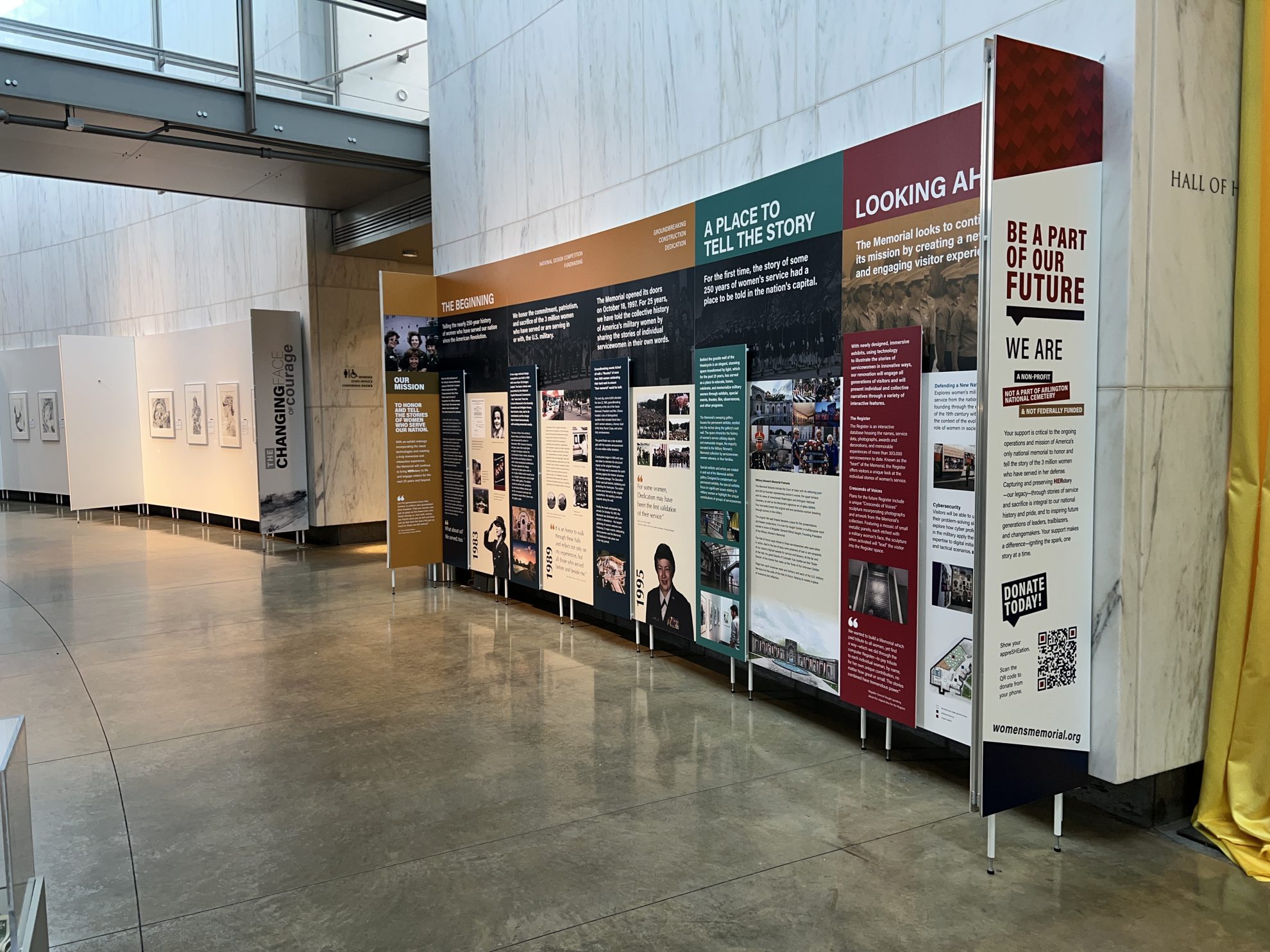
Heritage Signs & Displays created new museum signage for the Military Women’s Memorial in Arlington, VA. The project included custom signs, wall wraps, dimensional letters, and standoff-mounted displays to honor the legacy of U.S. servicewomen and the donors who supported the memorial. The updated interior features impactful designs, including a "Our Legacy" wall display and panels showcasing historical contributions and artwork, creating a transformative tribute to women in the U.S. Armed Forces.
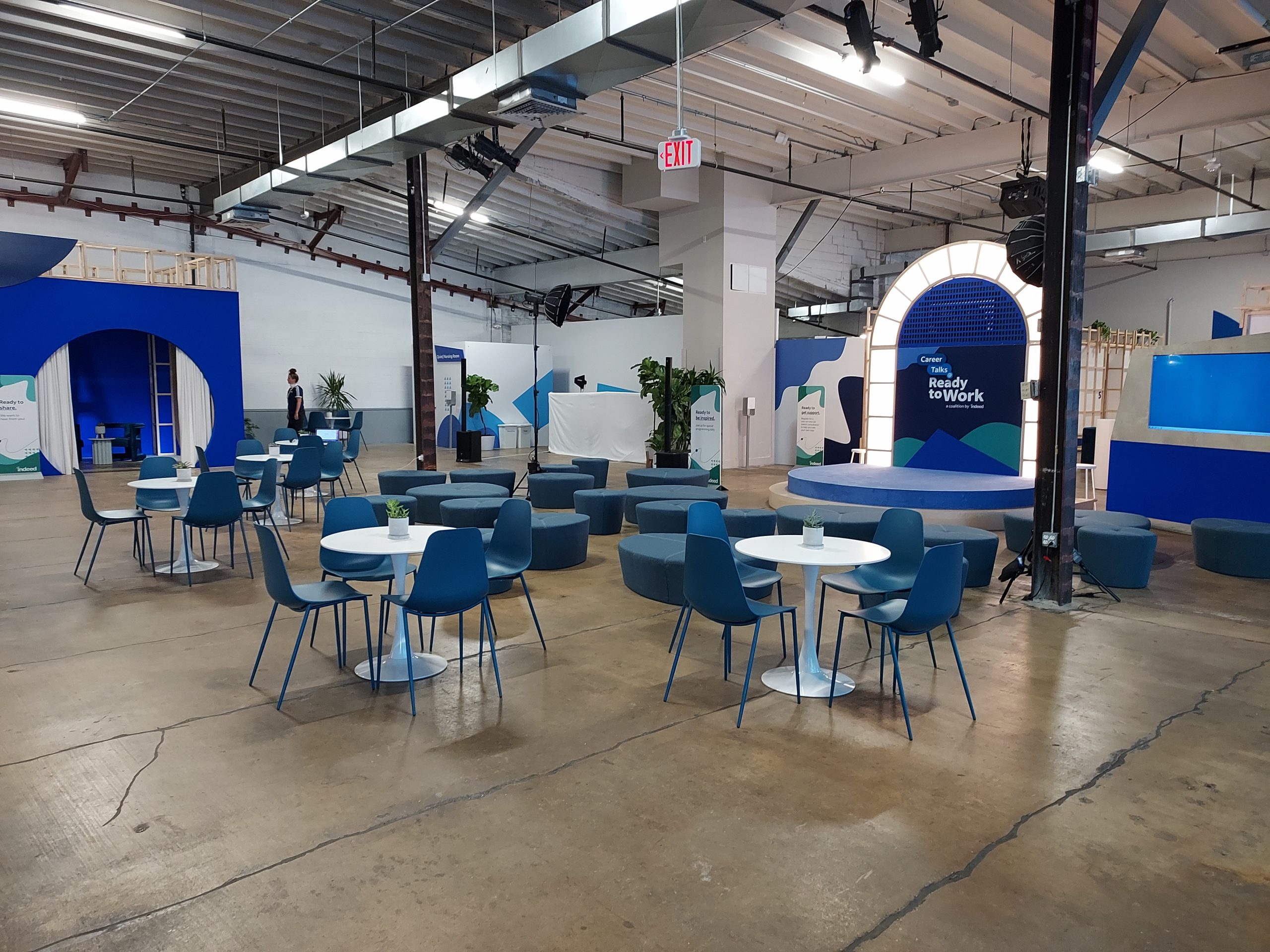
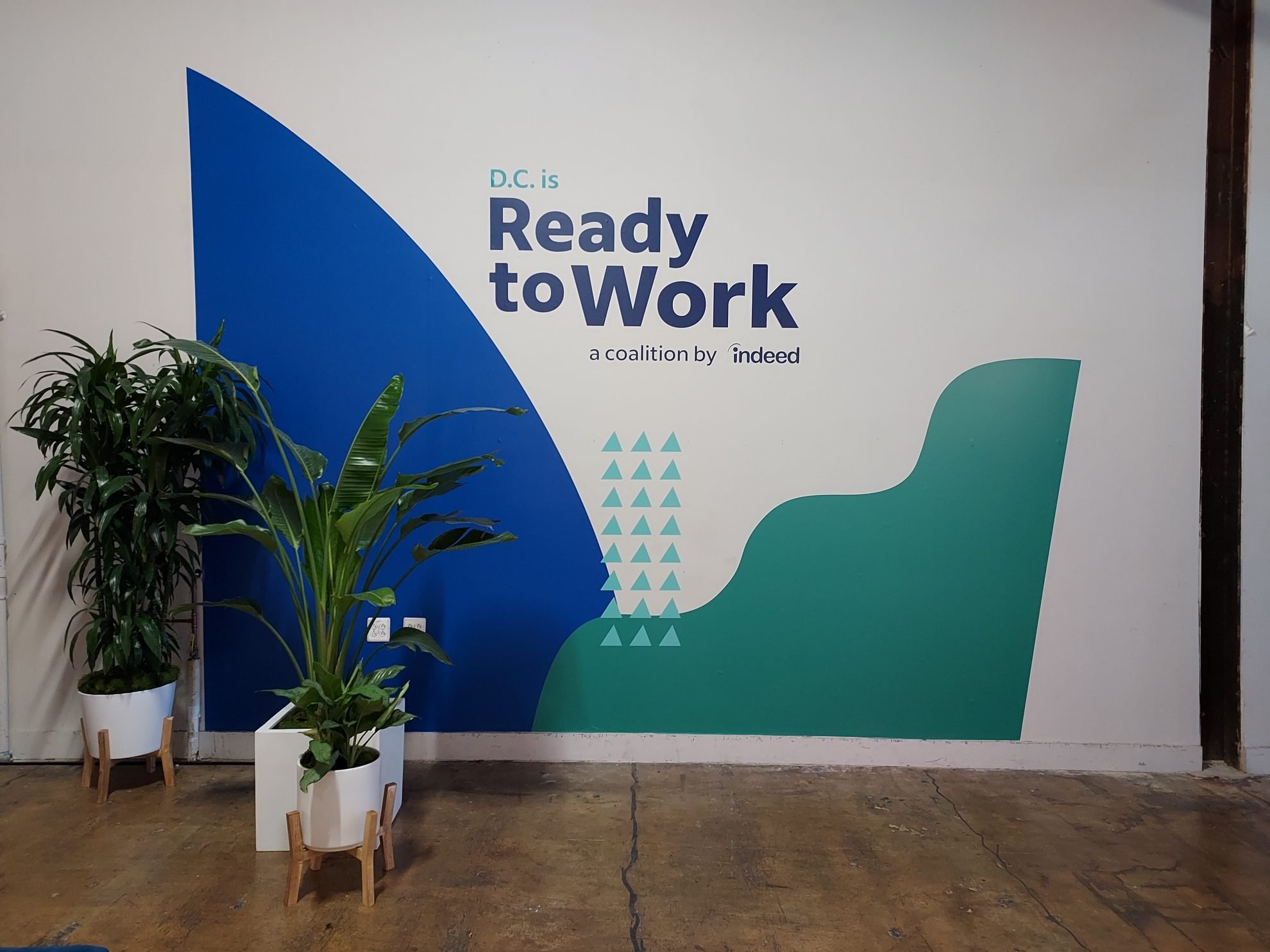
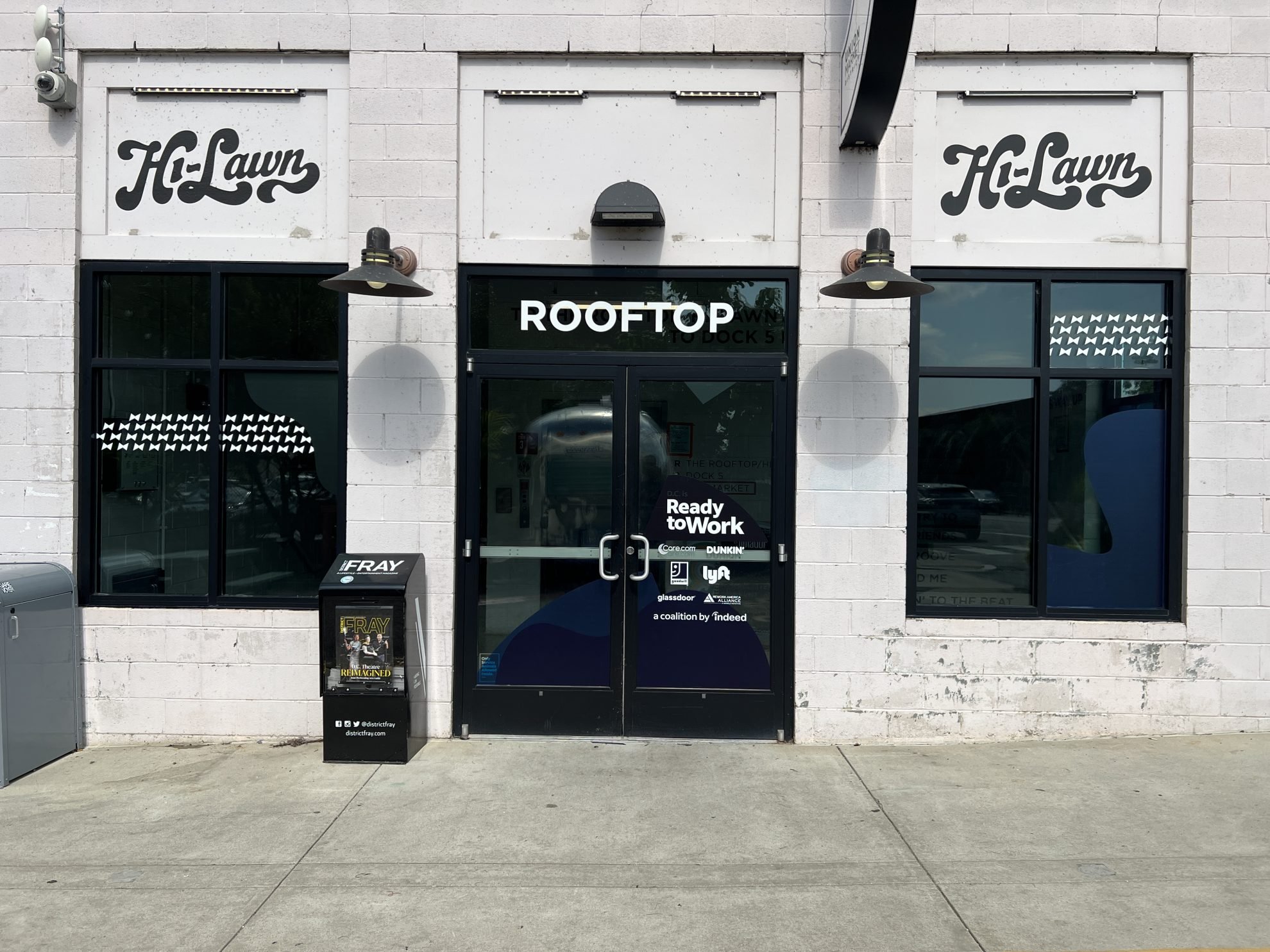
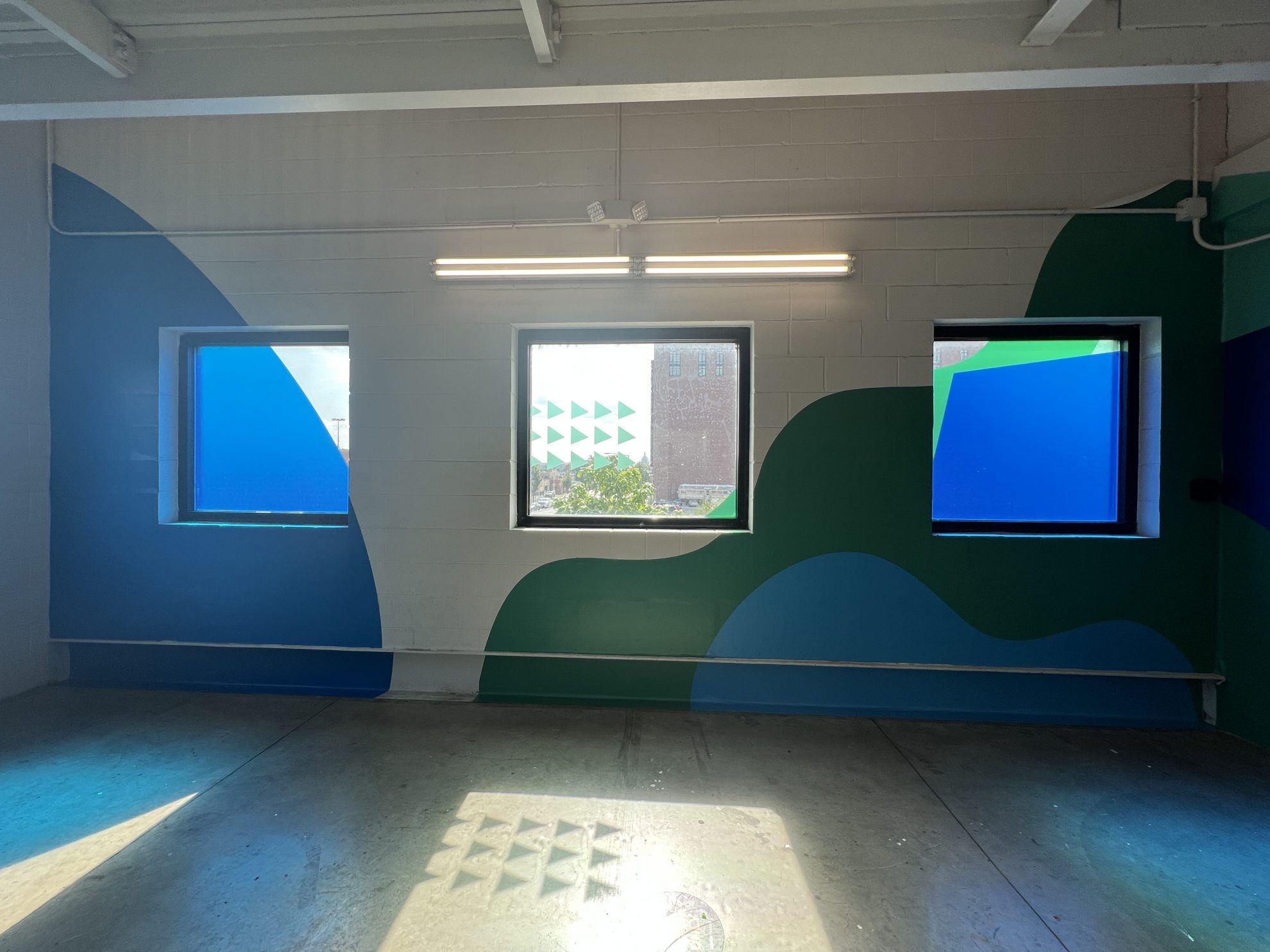
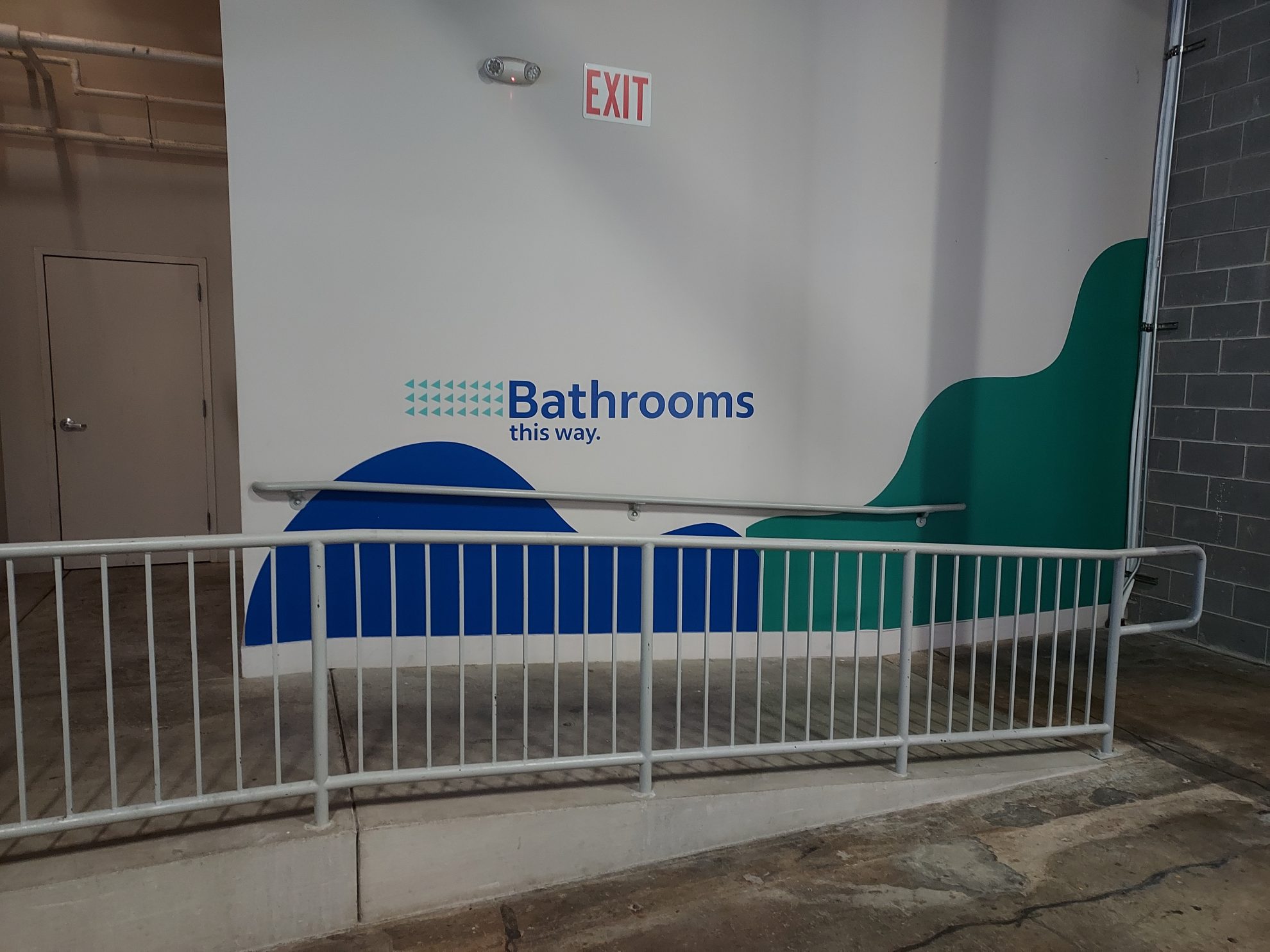
Heritage Signs & Displays' collaboration with The Gathery to brand Union Market in Arlington, VA, for Indeed's "Ready to Work" job fair. The project included custom event displays, wall graphics, window graphics, and wayfinding signs, creating an immersive and visually appealing environment. The branding enhanced the venue, reflected the event's mission, and provided a seamless experience for attendees.