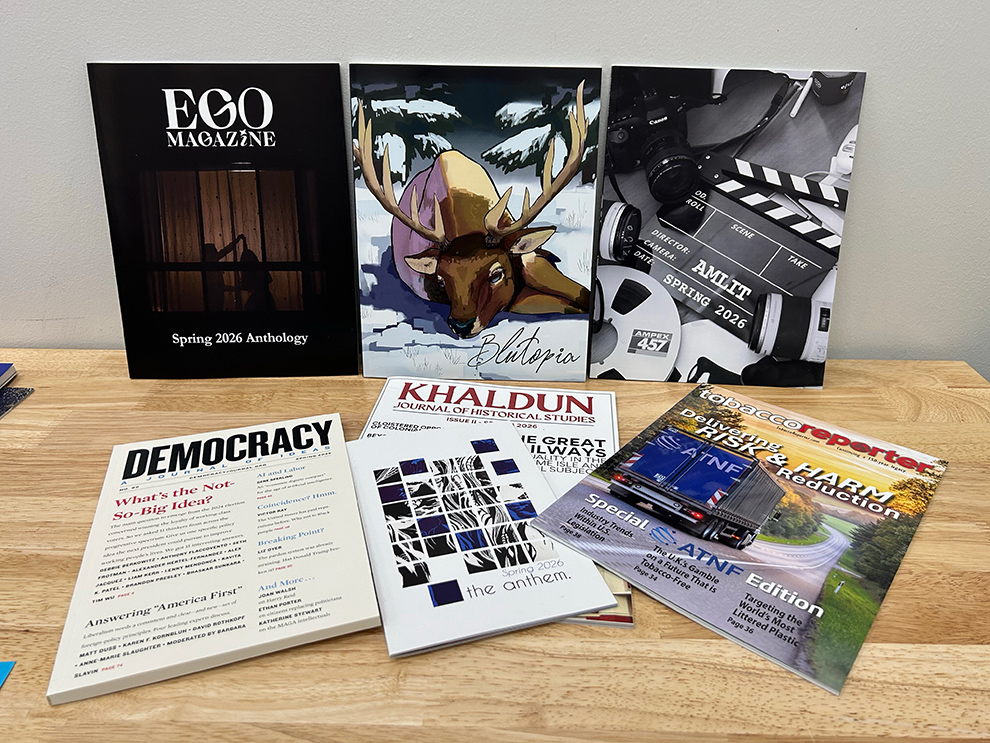
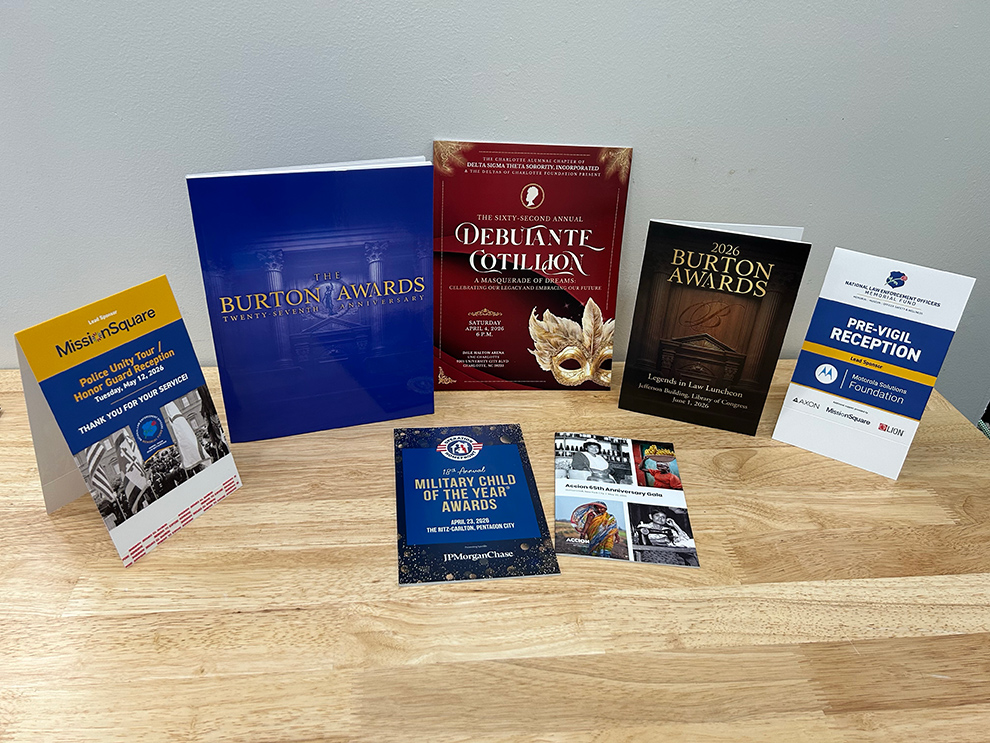
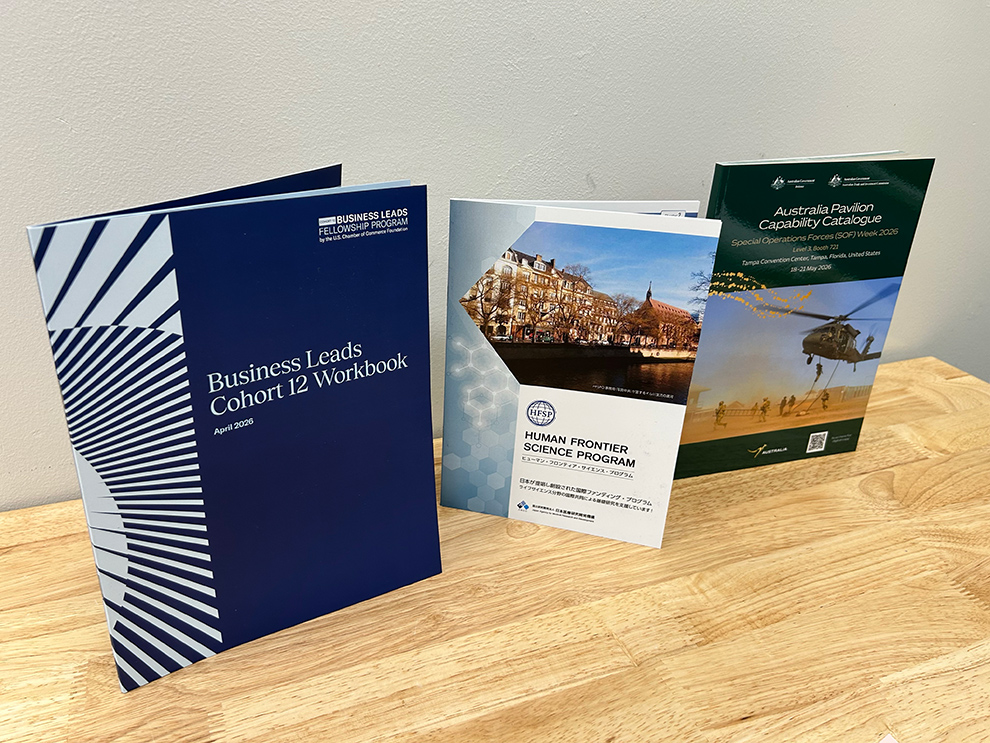
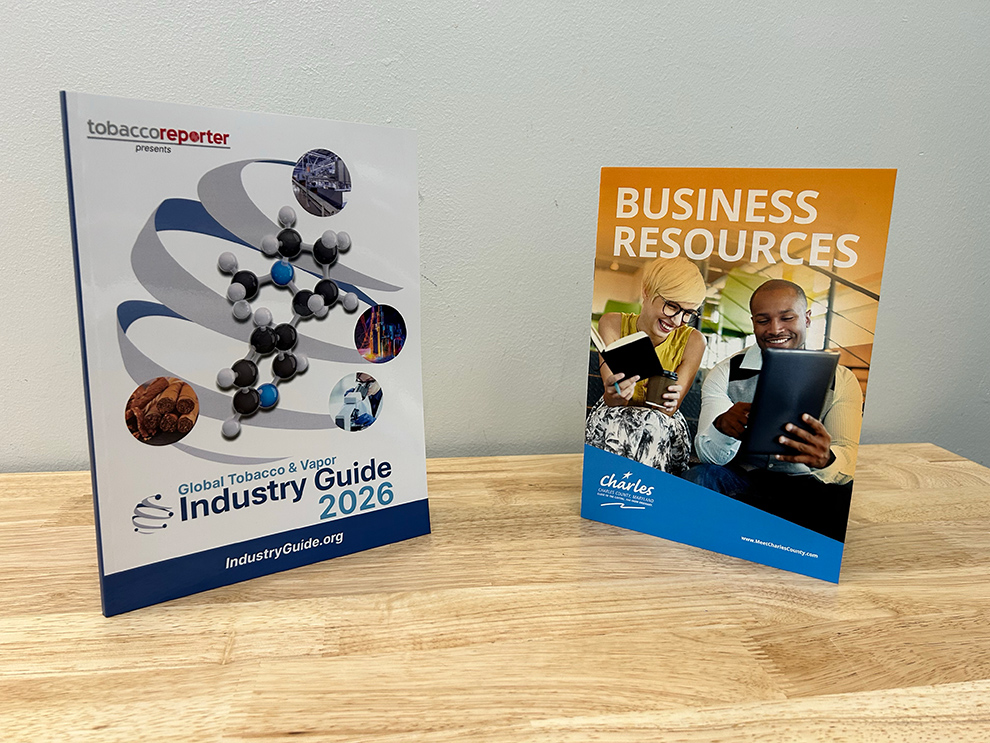
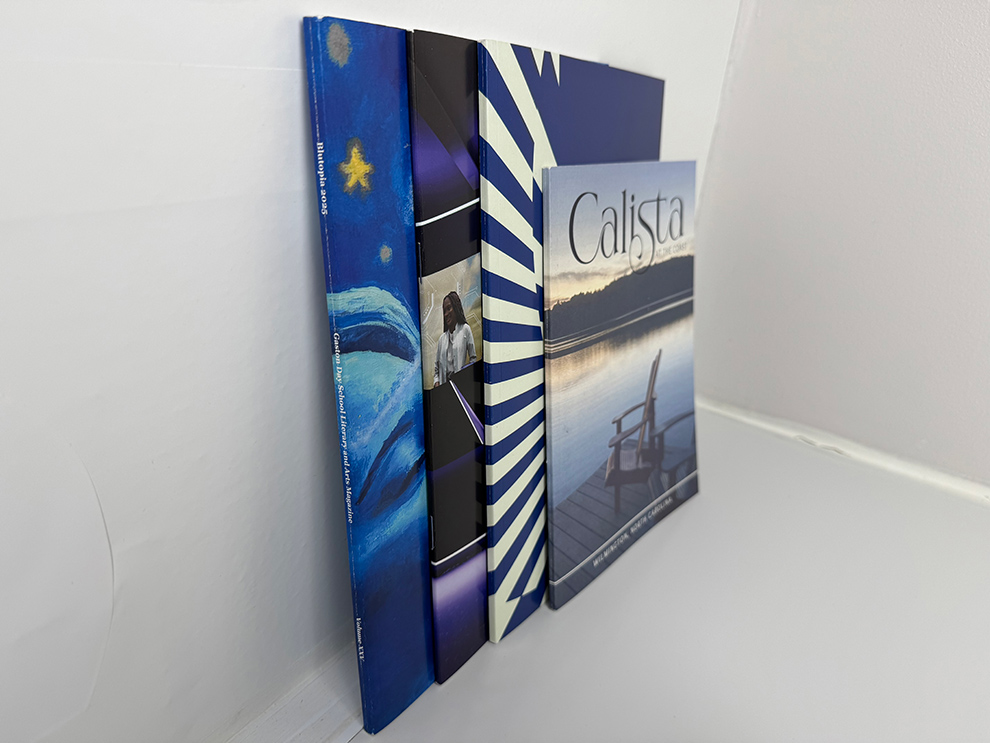
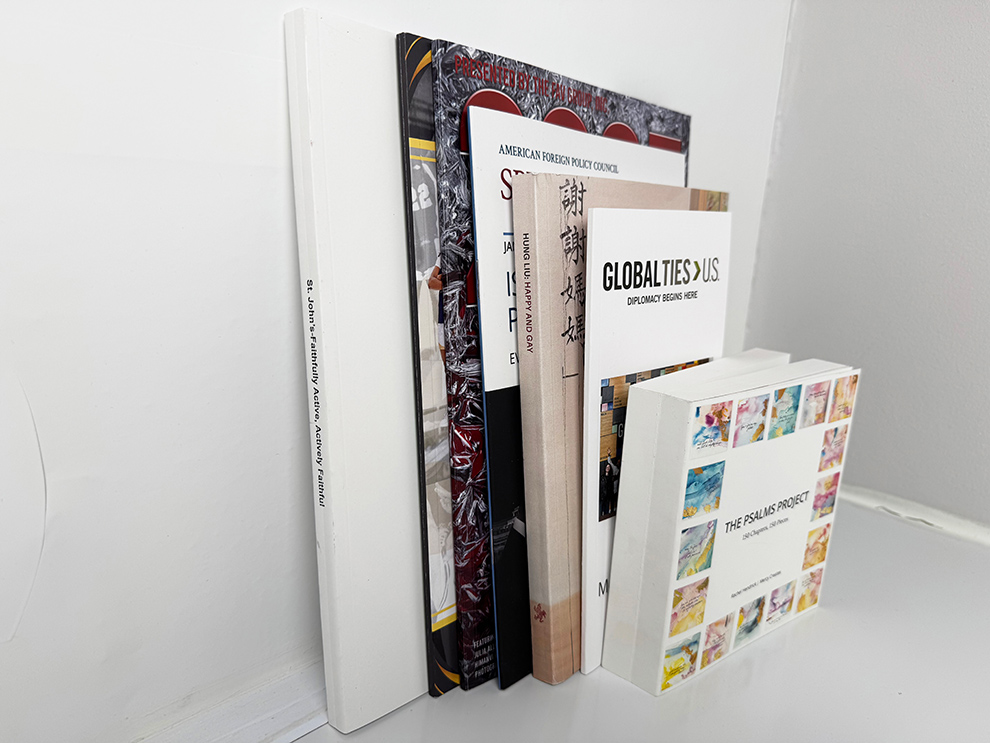
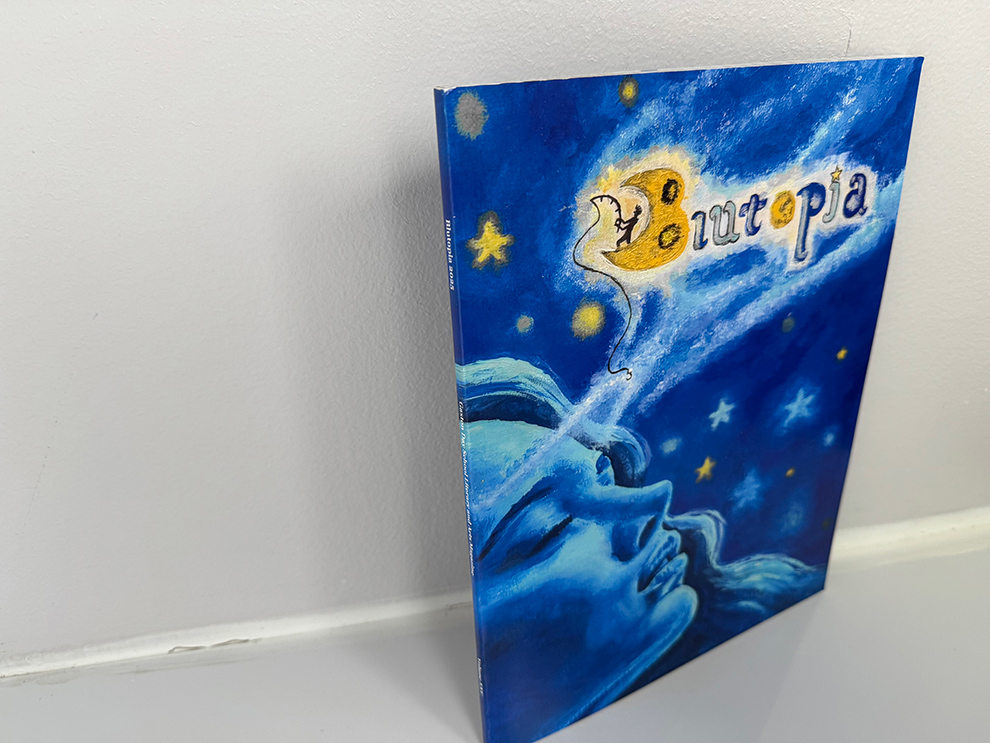
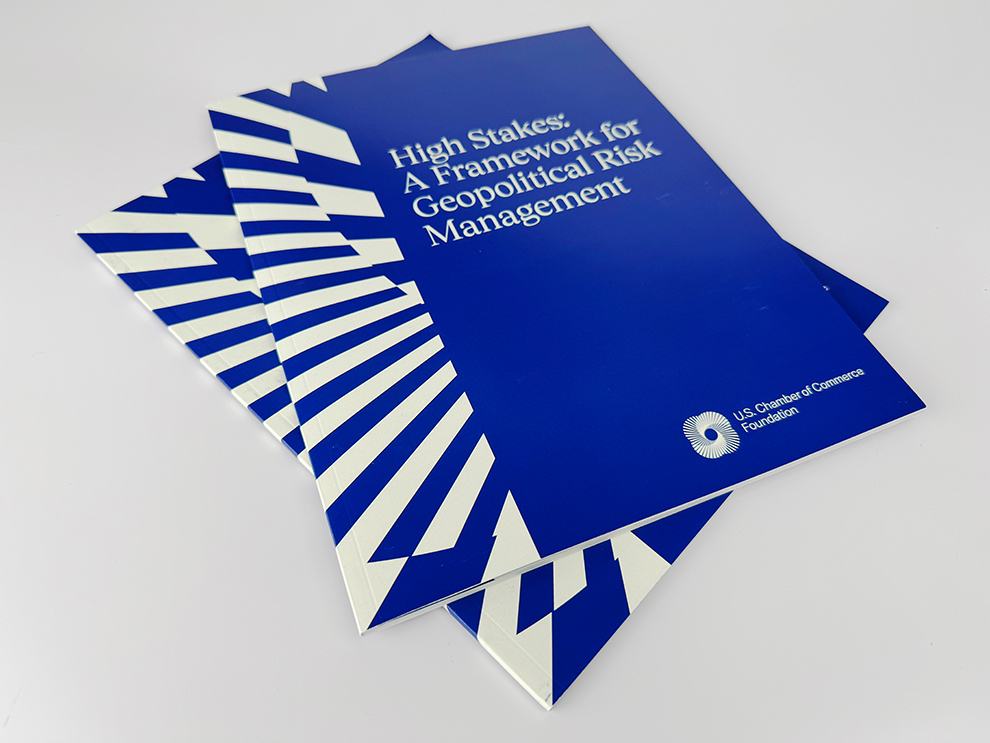
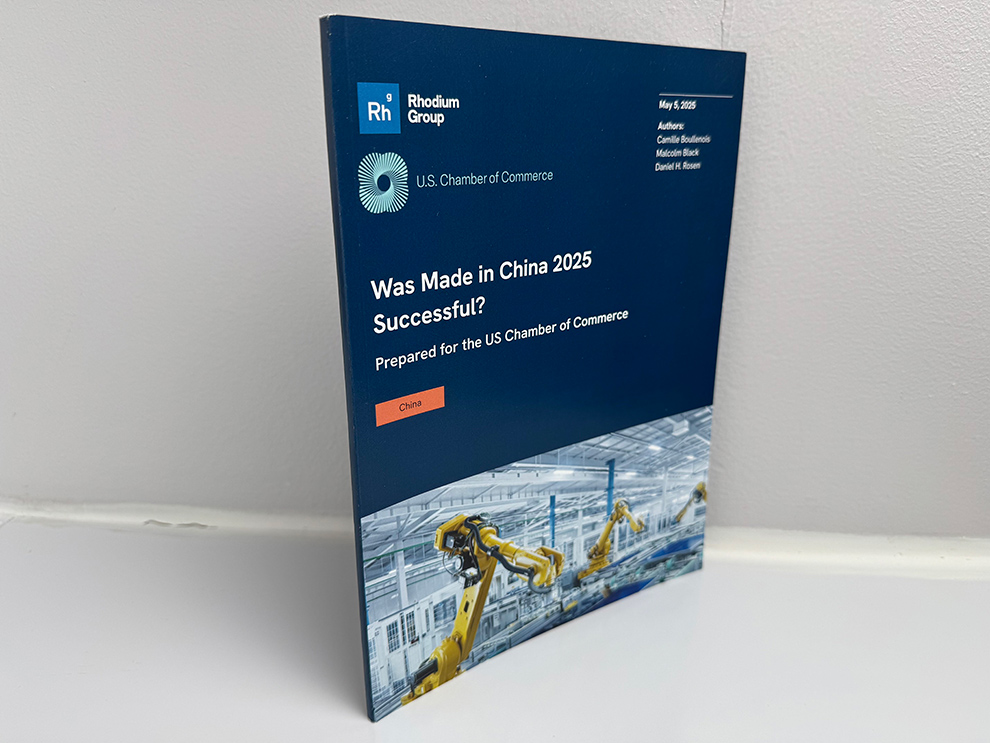
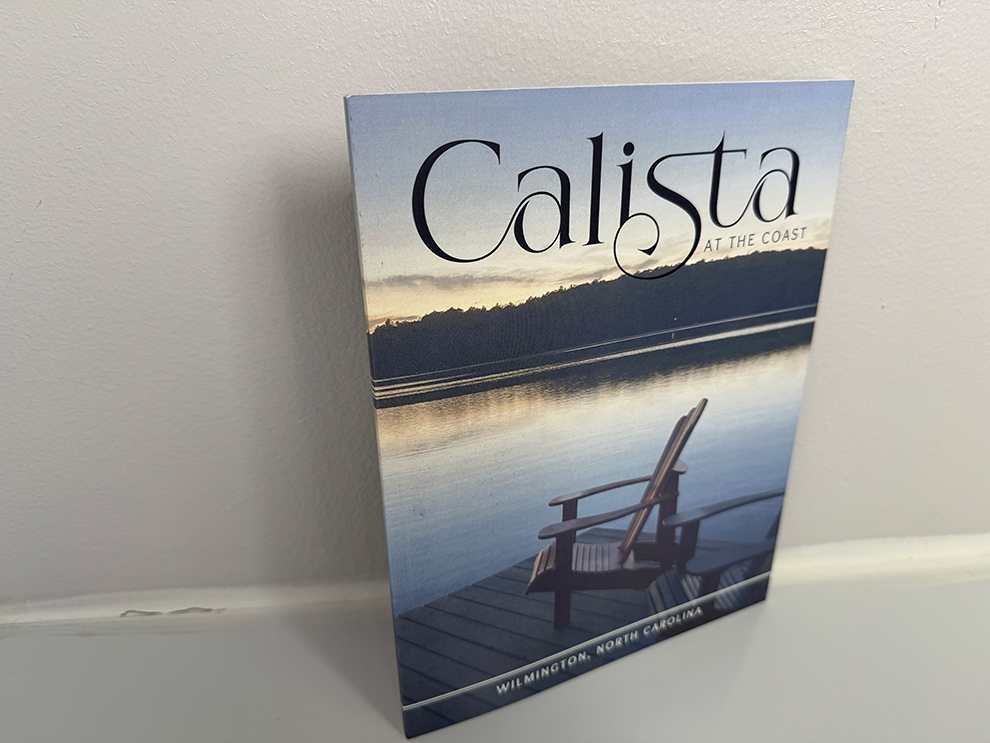
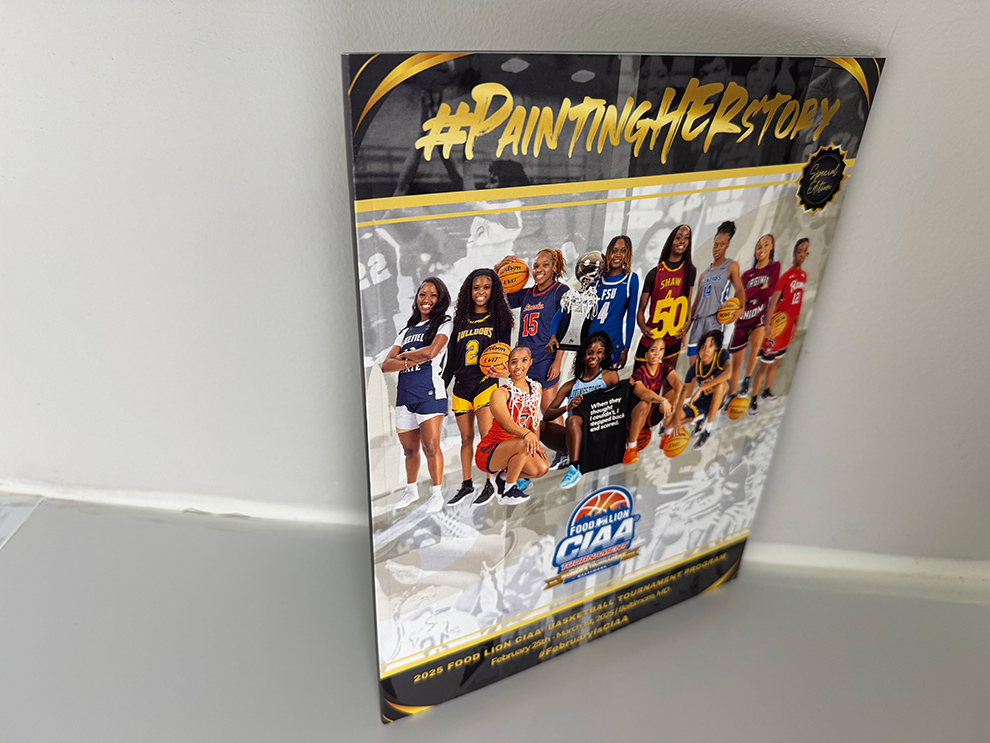
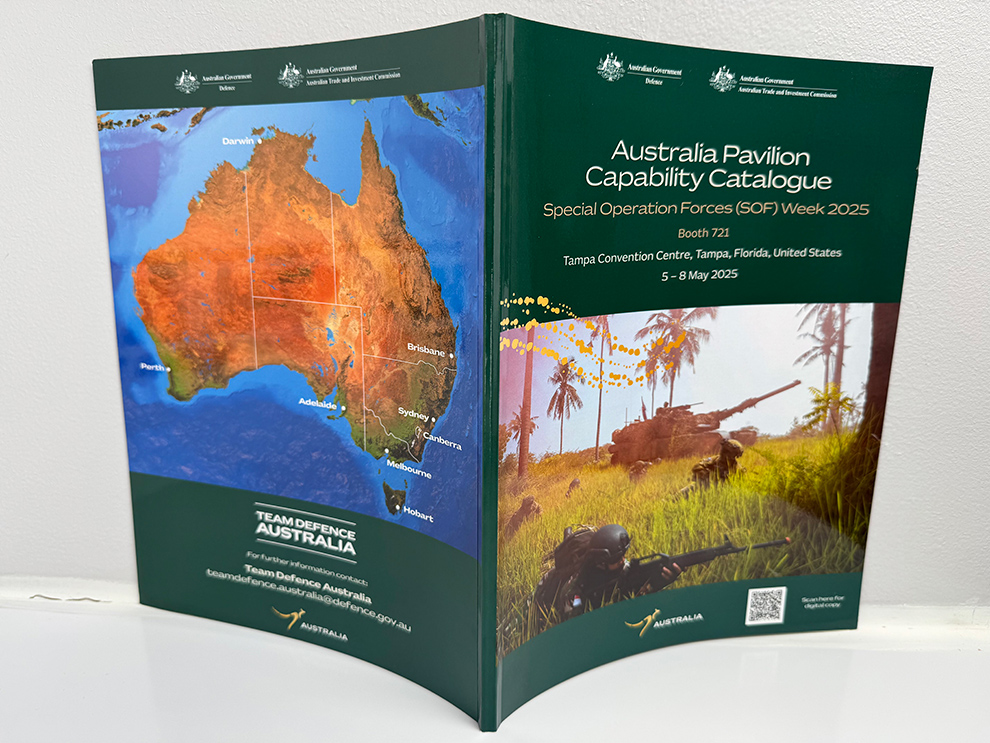
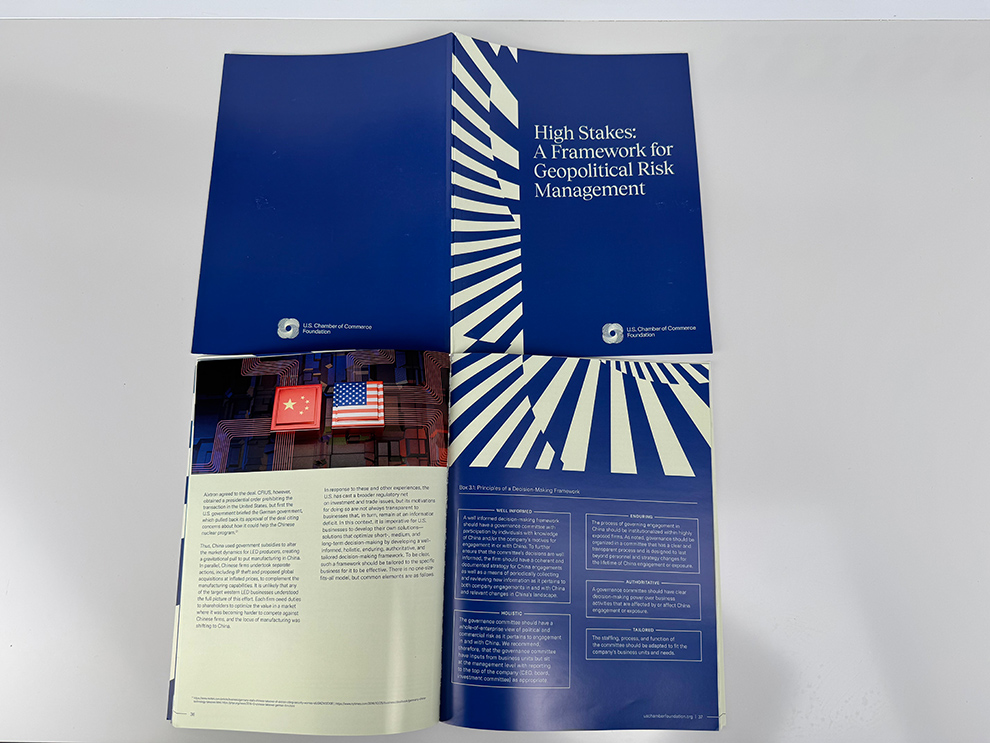
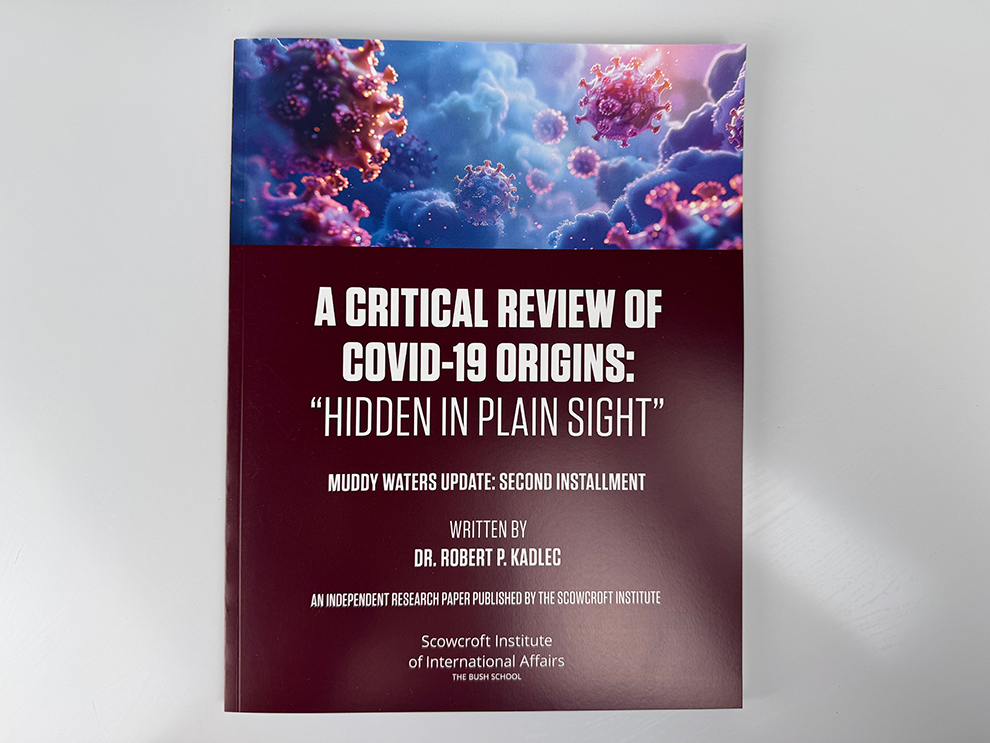
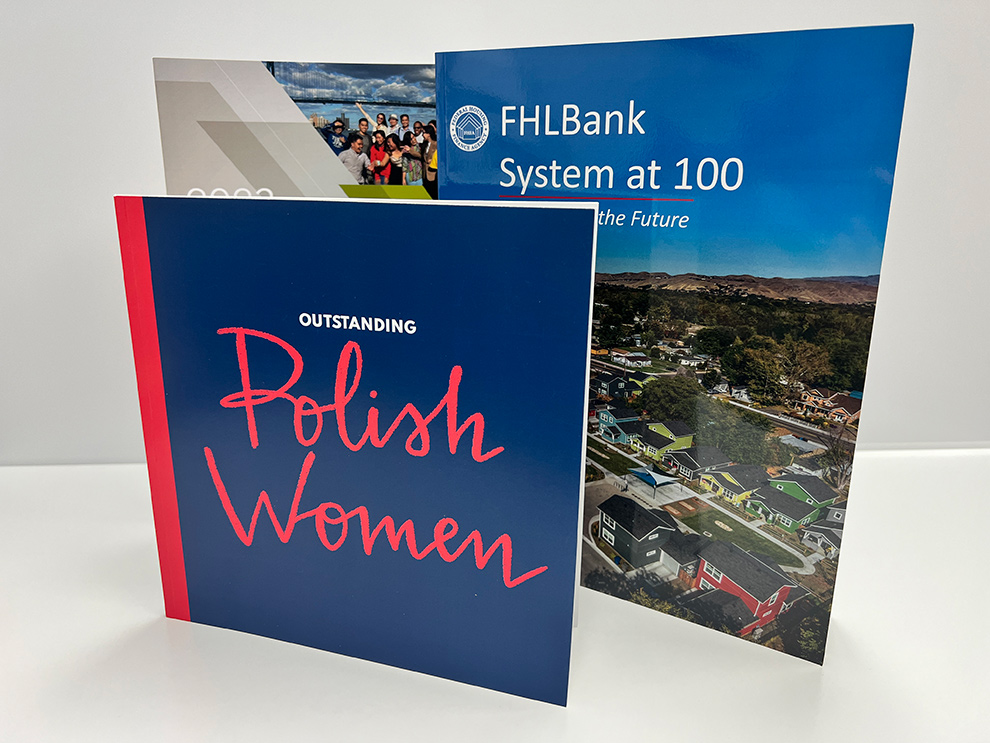
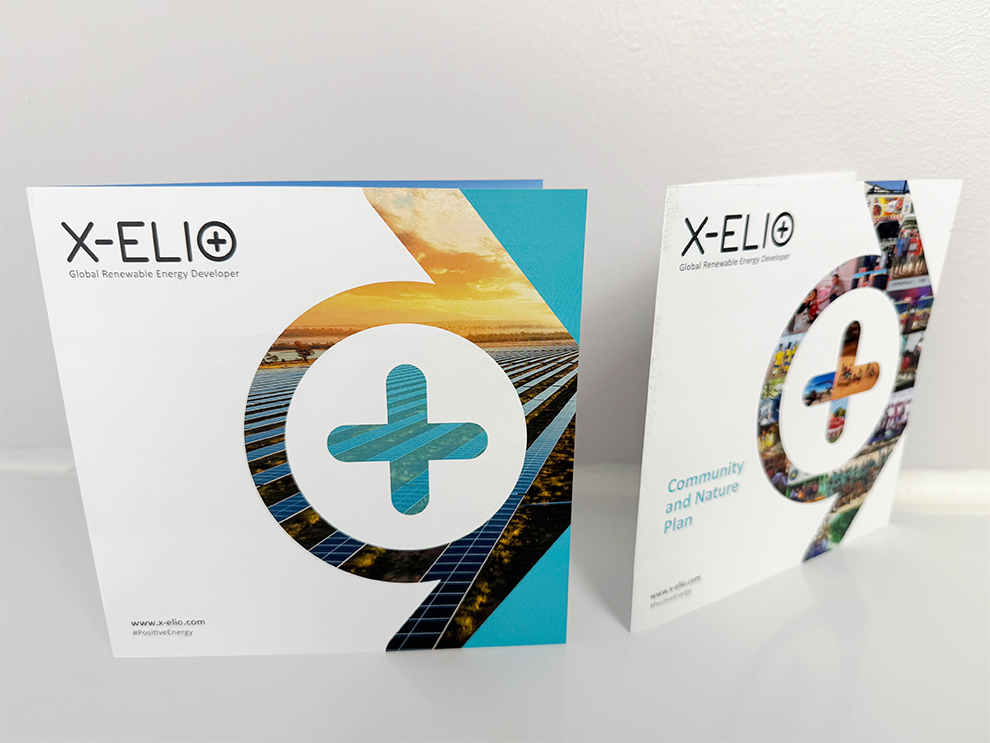
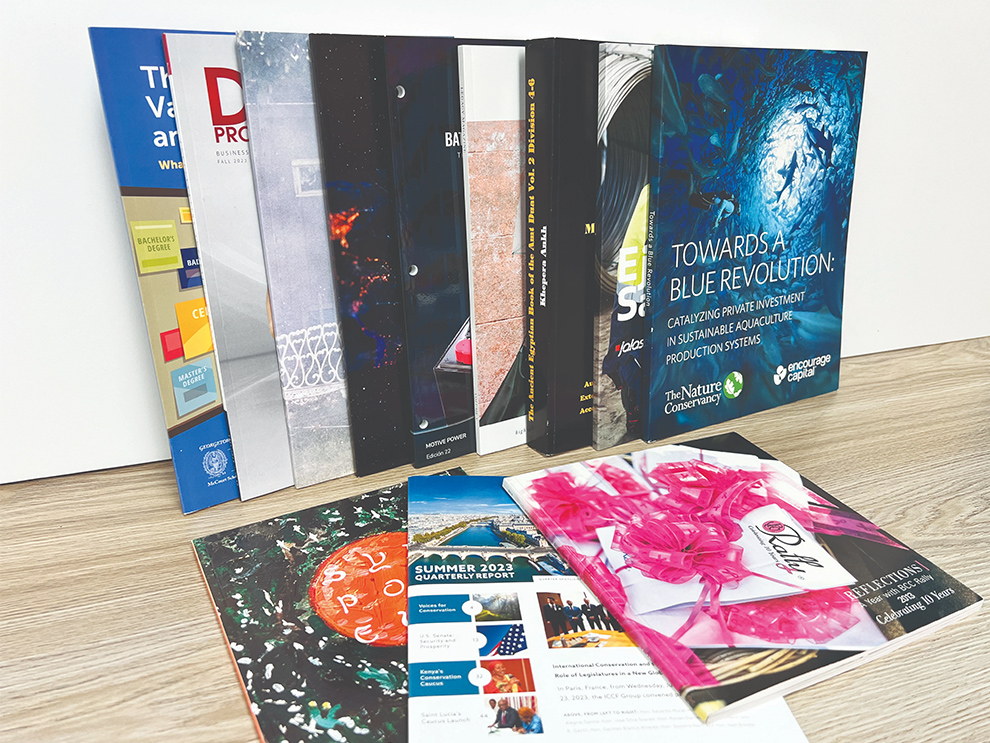
A state agency report, a capital campaign book, or a product catalog carries more authority when it arrives looking like a finished volume rather than a stack of stapled sheets. Perfect binding produces that impression. Interior pages are gathered, glued at the spine, wrapped in a printed cover, and trimmed so the finished piece sits square in the hand.
Richmond organizations publish for demanding readers. Agency leadership, university committees, corporate boards, association members, and donors all form an opinion of the sender from the object they are holding. Heritage produces perfect bound books for Richmond, VA and Central Virginia clients who need that first impression to work in their favor, whether the piece is an annual report, a reference guide, a portfolio, or a multi-chapter book.
The format rewards planning. Page count, paper, trim size, cover stock, and spine width interact, and a change in one area shifts the others. The sections below explain when perfect binding is the right construction, how the cover and interior depend on each other, and which purchasing route fits a publication at its stage of readiness.
Heritage began as a printing company in 1977, long before it added signs and displays to its work. That printing background still shapes how perfect bound jobs are handled. Pagination, paper selection, cover setup, spine calculation, color reproduction, trimming, binding, and proofing are treated as one connected sequence rather than a list of separate tasks.
Heritage serves Richmond and Central Virginia organizations through its Mid-Atlantic commercial-printing operation, and its veteran-owned, family-led culture favors plain communication. When a release date is fixed but the page total is still settling, Heritage reviews the actual requirements, states what must be resolved, and raises any constraint early enough for the client to adjust. A commitment Heritage accepts is one it intends to keep.
Color management, an electronic proof approved by the client before printing, and production quality control support consistency throughout the run. Retained specifications make a later edition easier to reproduce faithfully. For qualifying Custom Quote orders, a Project Coordinator becomes the direct phone and email contact once Heritage has accepted the quote and assigned the work, which keeps approvals moving when several reviewers are involved.
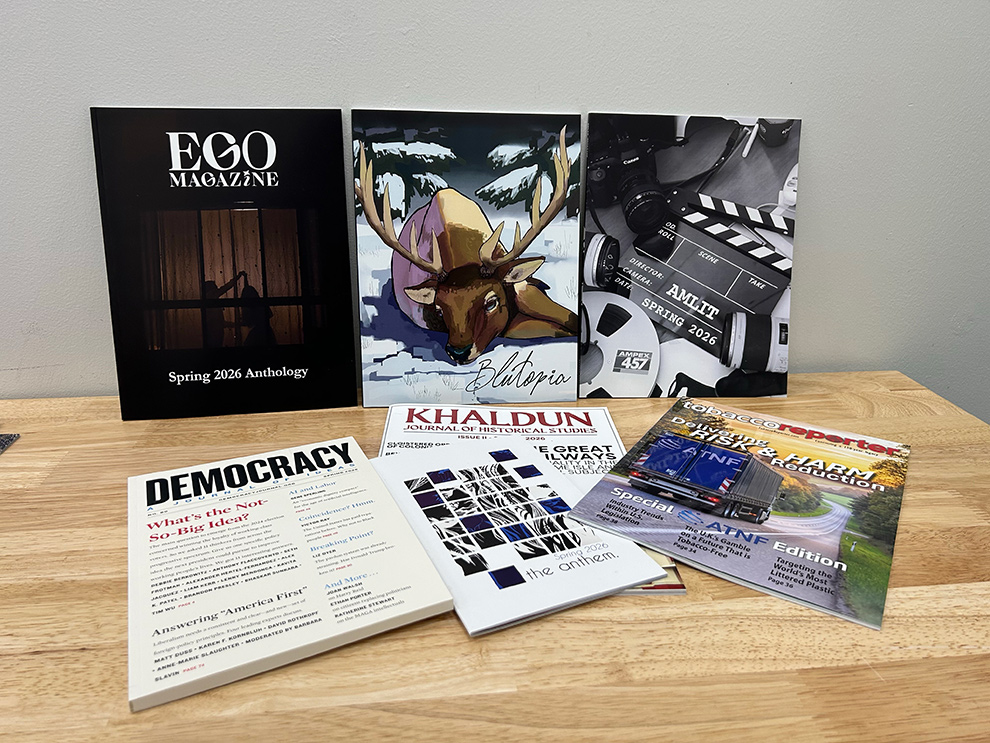
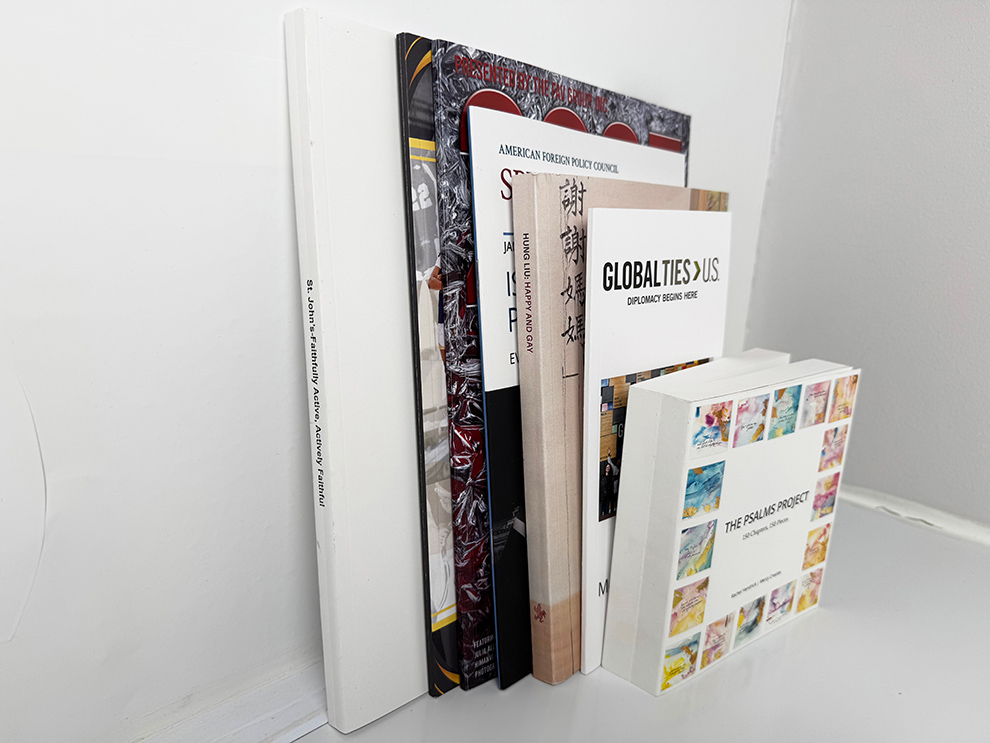
Perfect binding suits a publication meant to be read, kept, and presented. The glued square spine and wraparound cover give a report or catalog a finished character, and a row of such books stores neatly with titles visible when the spine is wide enough to carry them.
Other constructions serve other needs. A procedure manual or a field workbook should usually be plastic coil bound, because coil lets pages fold completely back and lie flat. A short program, newsletter, or price list with a modest page count is often a saddle stitch candidate, with folded sheets fastened through the center. Perfect binding belongs where page count and paper thickness form a true spine and presentation outweighs hands-free use.
Two limits deserve attention. A perfect bound book opens comfortably but does not lie flat the way a coil book does, so the layout must respect the gutter. A square spine is also not automatically a printable spine; a thin publication may produce a spine too narrow for legible type. Finished size, paper caliper, page count, and intended handling determine whether the construction is appropriate.
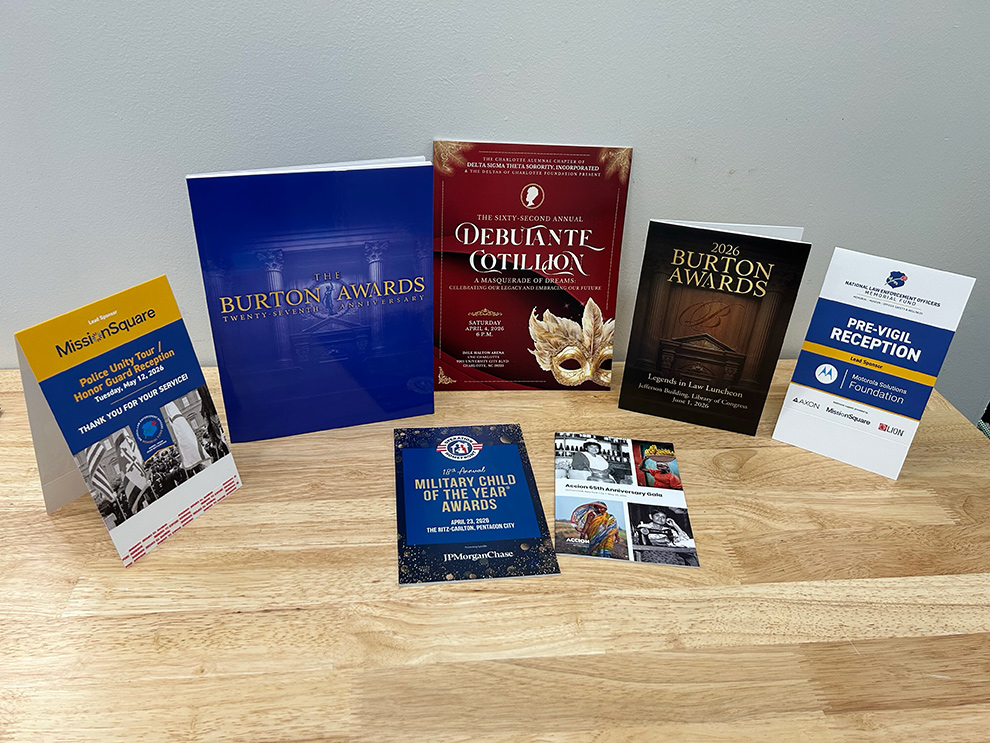
A perfect bound book is often one piece of a wider print program. These related Heritage capabilities help Richmond organizations cover the companion pieces that surround a major publication, from recurring issues and folders to mailing and shorter handouts.
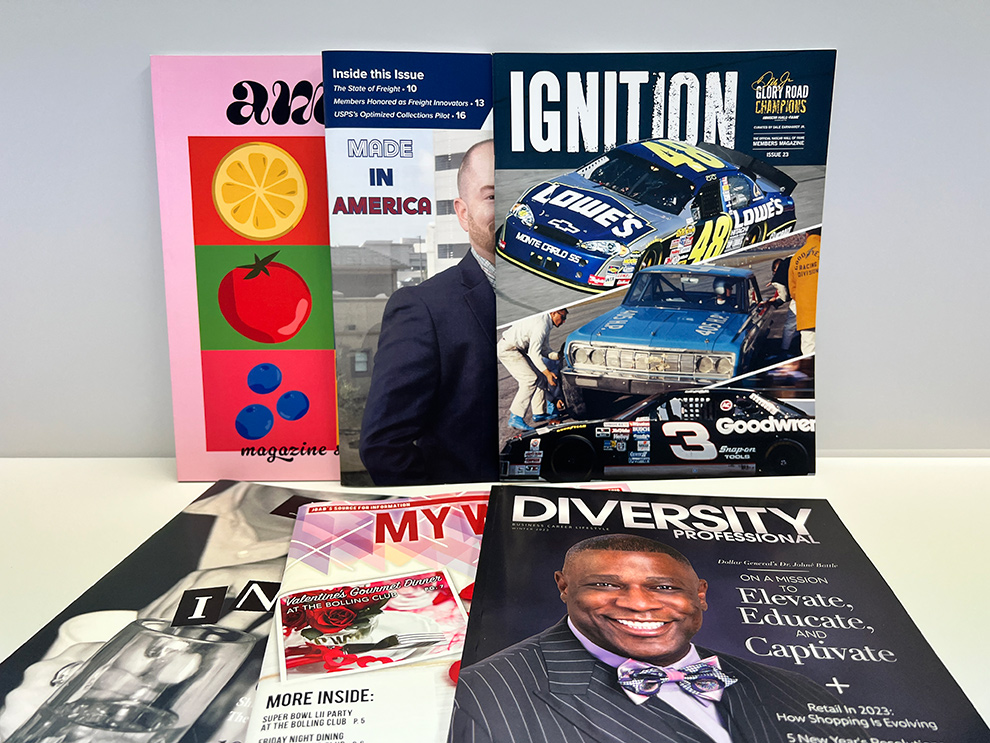
Plan a member or alumni magazine that must look the same issue after issue, even as content and contributors change.
Choose a lighter stapled format when the page count is too low to form a perfect bound spine.
Hold a perfect bound report together with letters, inserts, and agendas for board packets and funder meetings.
Carry a finished publication from the bindery to a mailing list without a separate handoff between vendors.
Produce the postcards, rack cards, and sell sheets that promote or accompany a catalog or program book.
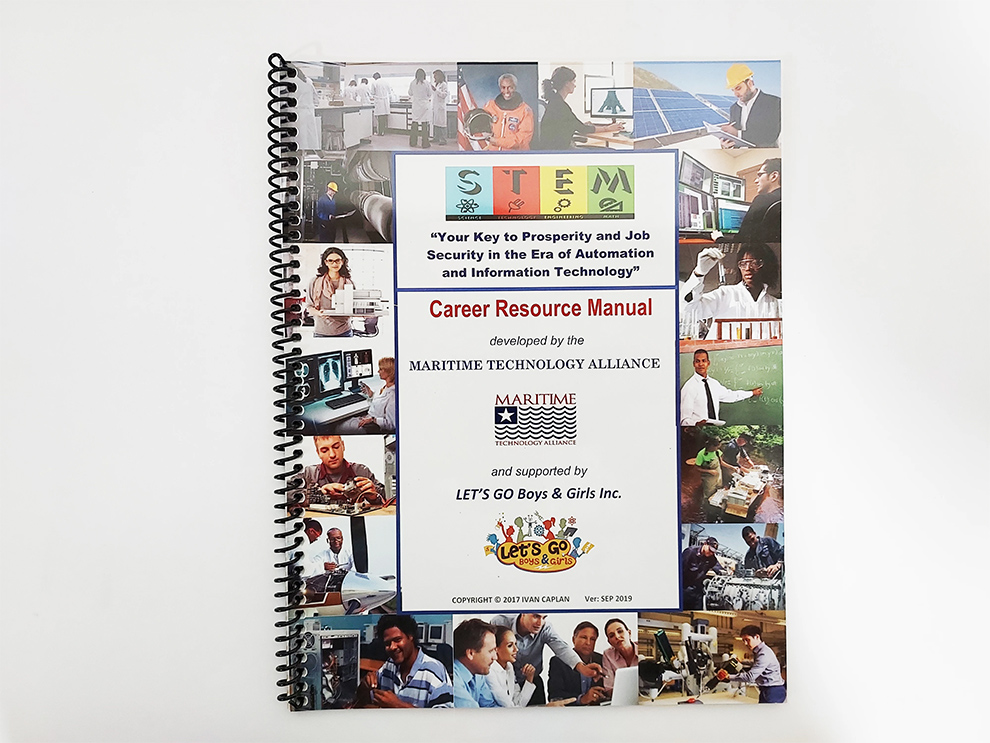
Select a lay-flat construction for procedure and instruction content that staff will annotate and reference at a desk.
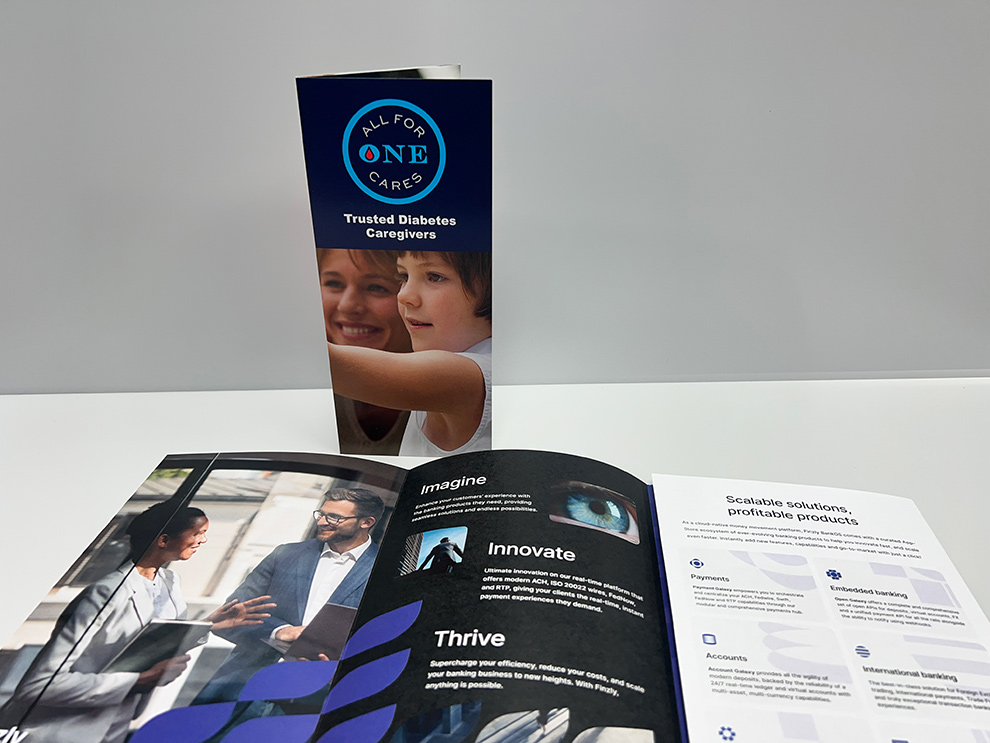
Summarize the key points of a longer publication in a folded piece that is easy to distribute at events.
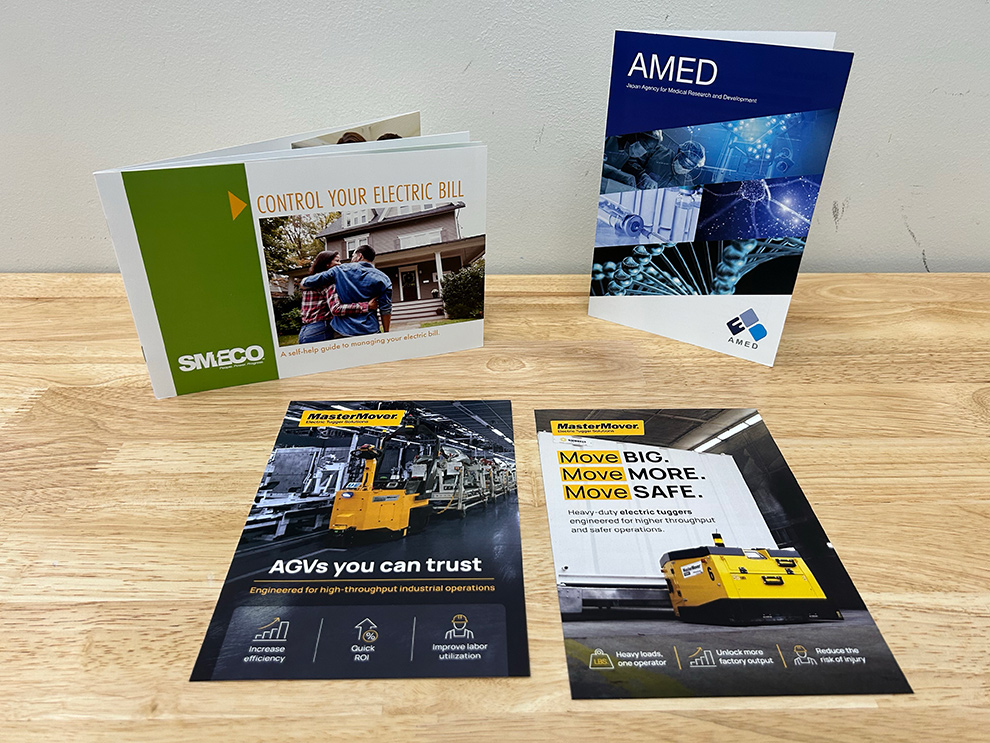
Review the full range of Heritage print production when a book is one deliverable among several.
Final files and a Store-compatible specification can go straight to online pricing and ordering. A $2,000+ publication that still has open questions about files, spine setup, paper, versions, or timing belongs with a Custom Quote request, where Heritage reviews the requirements and confirms the production path before any work is accepted or scheduled.
The cover of a perfect bound book cannot be finalized until the interior is. Spine width is derived from the page count and the caliper of the chosen paper, so a cover designed around an estimated page total will need adjustment if a section is added or the stock changes. The cover should be locked last, not first.
Inside the book, the binding edge consumes usable space. Because the pages do not fold fully open, text, page numbers, tables, and images set tight to the gutter become hard to read. Generous inside margins, consistent pagination, and care with images that cross the spine keep the book readable. Paper opacity matters too, since heavy ink coverage can show through lighter stock.
Color expectations should be built into the file, confirmed on the electronic proof, and, for qualifying Custom Quote work, verified with a physical production proof when color is critical. For organizations that publish every year or in several versions, retaining the approved trim size, paper, cover construction, and color targets gives each new edition a stable starting point so only content and quantity change.
The correct path depends on the work still remaining. When cover and interior files are print-ready and the specification matches a live Perfect Bound configuration, the Self-Directed Online Store is the route. Buyers select options, upload artwork, and complete the purchase; eligible products may be combined to reach the $750 order minimum. The Store does not include design, an assigned Project Coordinator, or a physical color proof, yet every order still receives production review, an electronic proof for approval, and normal quality control.
A new Commercial Printing opportunity of $2,000 or more may qualify for Custom Quote when the publication needs help before it can run: file preparation, cover or spine setup, specification guidance, or coordination of several versions. Custom Quote is a form-based request that does not guarantee acceptance, scheduling, or an immediate contact. Once Heritage accepts the quote and assigns the order, the Project Coordinator becomes the direct phone and email contact.
Whichever route applies, disclose any fixed date at the outset so feasibility can be weighed against the actual requirements, approvals, materials, and capacity before the order is accepted.
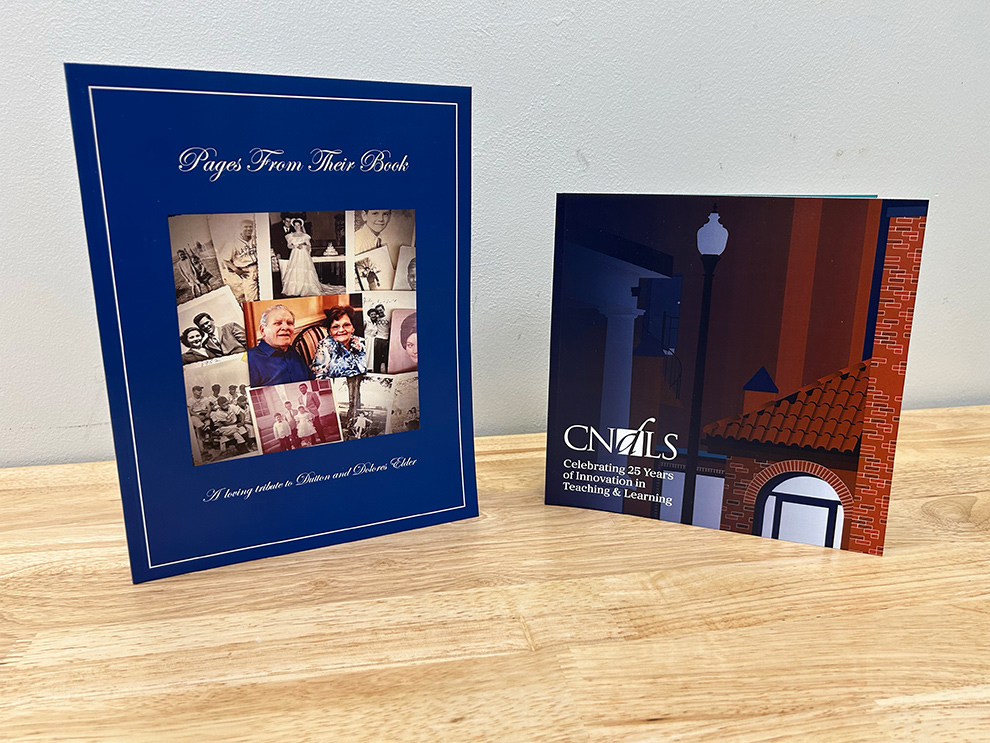
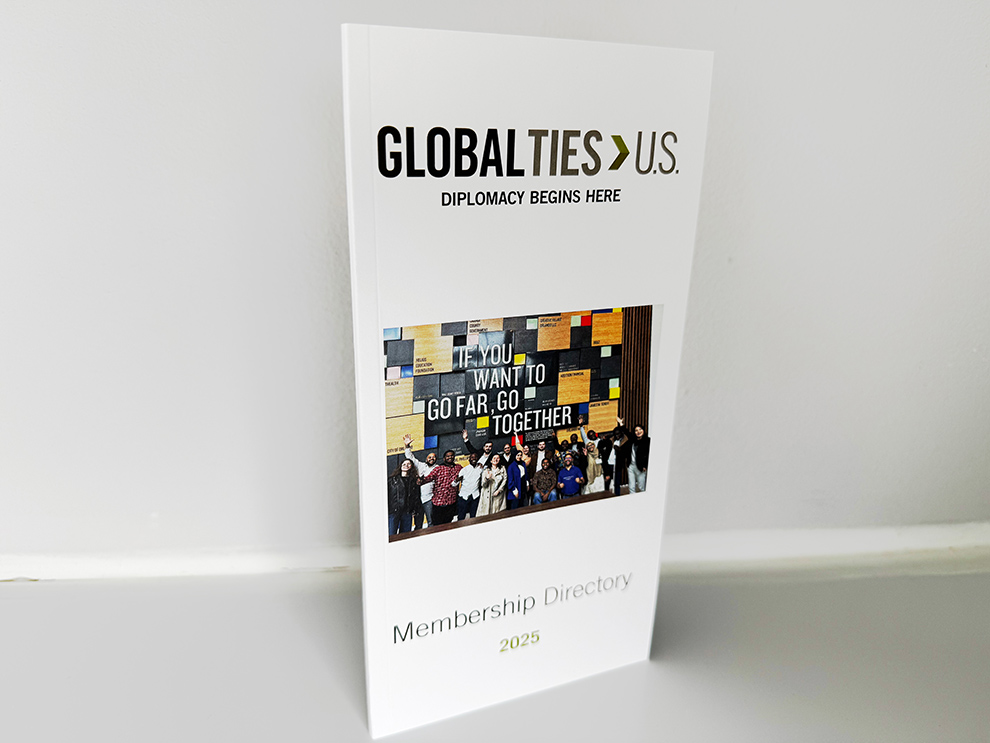
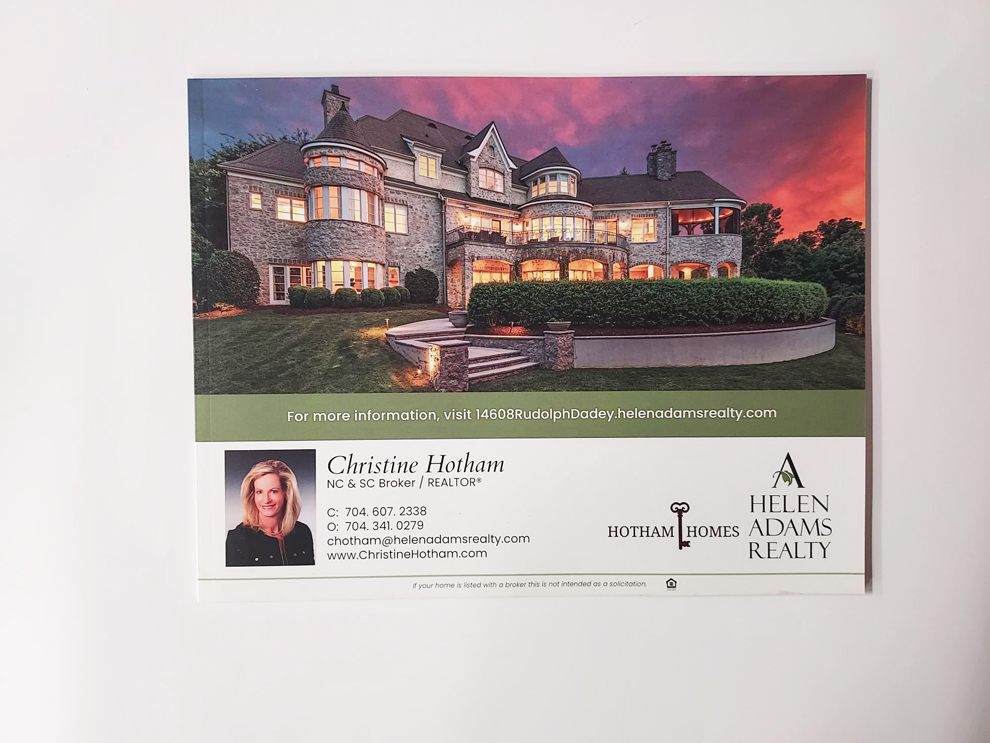
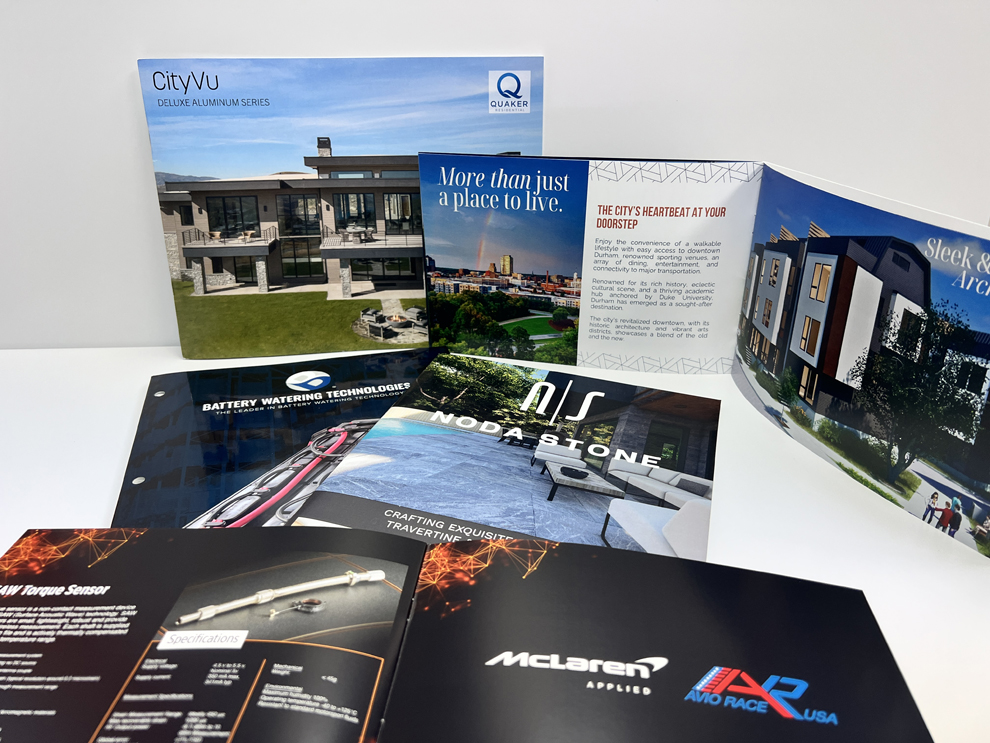
Publications that readers keep, store, and refer back to are the usual candidates in Richmond: annual and impact reports, catalogs, member directories, conference proceedings, collection books, campaign case statements, and longer guides. What they share is enough page thickness to form a spine and an audience that will keep the piece. A thin publication on light paper may still be a better fit for saddle stitching, so Heritage reviews the full specification rather than the application name alone.
Usually not without being held. The glued spine wants to close, so a perfect bound book opens comfortably for reading but does not lie flat or fold back on itself like a plastic coil book. If readers will work from the pages with their hands occupied, coil is the better construction. If they will read, present, and shelve the piece, perfect binding is appropriate, provided the layout keeps important content clear of the gutter.
Perfect bound describes a book whose interior pages are gathered as a block, roughened and glued along the spine edge, then wrapped in a single cover that forms the front, spine, and back. After the adhesive sets, the block and cover are trimmed together, which produces the flat, square spine and clean edges associated with paperback books.
Often, yes. Saddle stitching folds printed sheets in half and fastens them through the center, which works well when the publication is thin enough to fold cleanly and does not need a square spine. Perfect binding becomes the better option as page count and paper thickness grow, because a thick folded piece no longer closes cleanly. Page total, paper, trim size, and how the piece will be presented determine the answer.
Because the spine width comes from the interior. The page count, the caliper of the chosen paper, and the cover stock together set how wide the spine panel on the cover file must be. Add a chapter or switch to a heavier stock and the spine grows; cut pages and it shrinks. A cover built before those numbers are final will likely need to be adjusted, so Heritage asks for the settled page count and paper before the cover is treated as approved.
It can when the finished spine is wide enough for the type to read clearly and sit centered. That width is not known until page count and paper are fixed, so spine text should be the final element placed on the cover. On a slim book, a title may end up so small or so close to the folds that it looks like a mistake; in that case, a clean unprinted spine is the better presentation.
When the reader needs the book to stay open on its own. Coil binding lets pages turn a full 360 degrees and lie flat, which suits training manuals, procedure guides, workbooks, and any reference consulted while typing, cooking, assembling, or inspecting. Perfect binding gives up that flexibility in exchange for a square spine and a more finished appearance, so the recommendation follows how the material will be used rather than how it looks.
Both. Every Commercial Printing order, including a Self-Directed Online Store purchase, receives an electronic proof that the client must approve before printing starts. The proof is the place to confirm text, page sequence, numbering, image placement, and the cover layout, including the spine panel. It confirms the file as submitted; it is not a color standard, because a screen cannot reproduce ink on paper, and it does not guarantee a finished color match.
It is when three things are true: the live Perfect Bound configuration matches the publication, the specification is settled, and the cover and interior files are complete and print-ready. The Store is self-directed. There is no design help, no assigned Project Coordinator, and no physical color proof, but the order still passes through production review, an electronic proof for approval, and Heritage's normal quality control. Eligible Store products can be combined in one order to meet the $750 minimum.
Unfinished production work on a new Commercial Printing opportunity of $2,000 or more. If the files need preparation, the cover or spine needs setup, the specification is still open, or several versions must be coordinated, Custom Quote is the appropriate request. A larger order with finished files can still go through the Store; the amount opens eligibility rather than forcing the route. The form is only a request; Heritage reviews it and may or may not accept it. If the quote is accepted and the order assigned, the Project Coordinator then becomes the direct phone and email contact for the duration of the job.
On qualifying Custom Quote orders of $2,000 or more, yes, through an optional Physical Production Color Proof. It is an additional-cost item produced on the production printer and the paper intended for the actual run, so it shows how the color will truly print rather than how it looks on a monitor. Allow extra production time for it. Once the client approves the physical proof, it governs color for the run unless a separate agreement says otherwise. The option is not offered on Self-Directed Online Store orders.
Yes. For publications that repeat, Heritage can reference the approved trim size, paper, cover construction, color targets, and related production details from the prior accepted job so the next edition starts from a known baseline. The organization updates content, page count, and quantity; if the page count changes, the spine is recalculated and the cover adjusted. For several versions produced together, label each file, quantity, and approver clearly so the editions remain separate throughout production.
The date, then the facts that affect it: quantity, current page count, whether the cover is final, the status of interior files, how many versions exist, and which approvals are still pending. With that information Heritage can map the production sequence, including proof approval, and say whether the date is realistic or whether an adjustment to quantity, specification, or delivery is needed. Raising the date at the start leaves room for alternatives; raising it at proof approval usually does not.
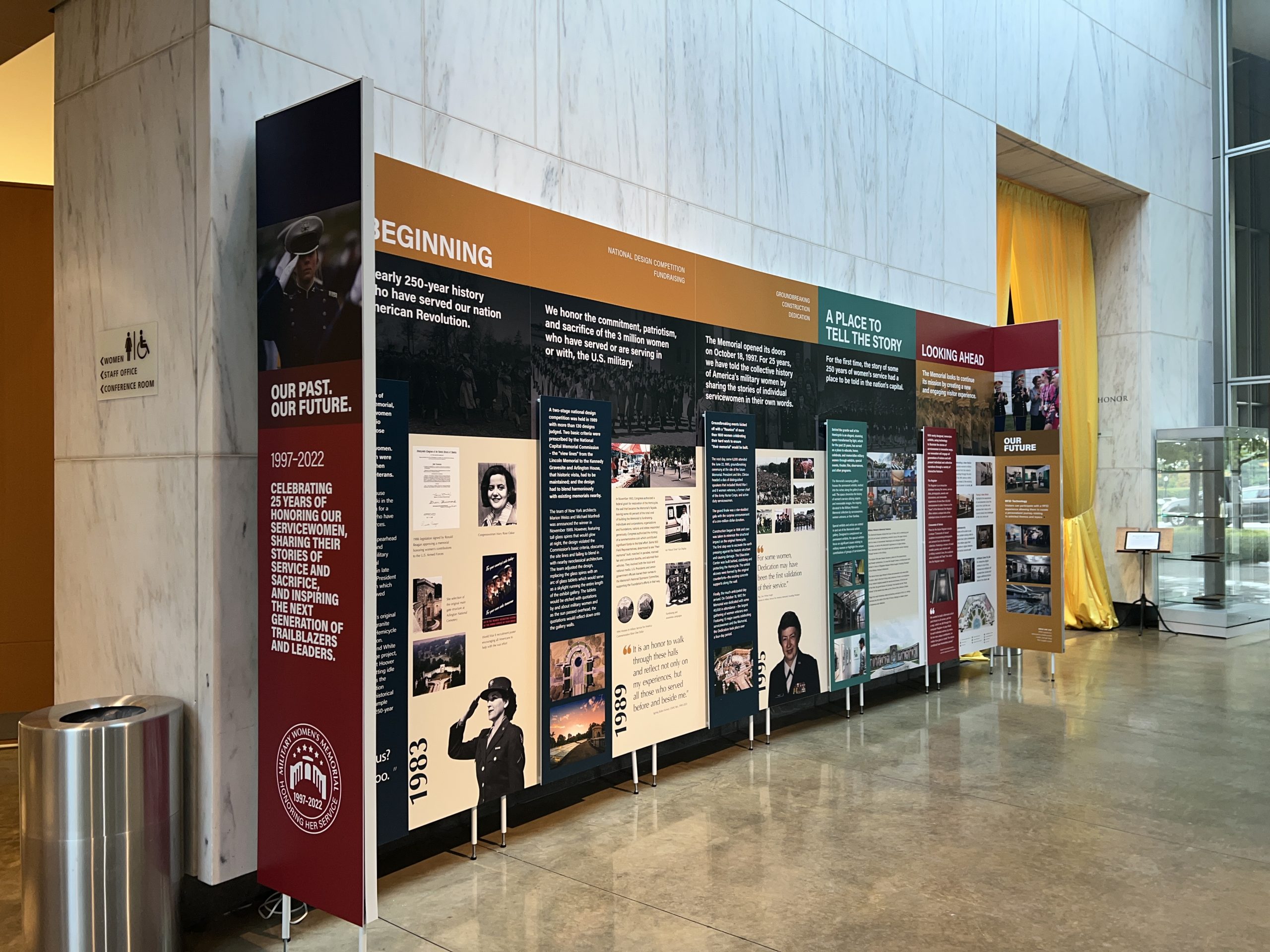
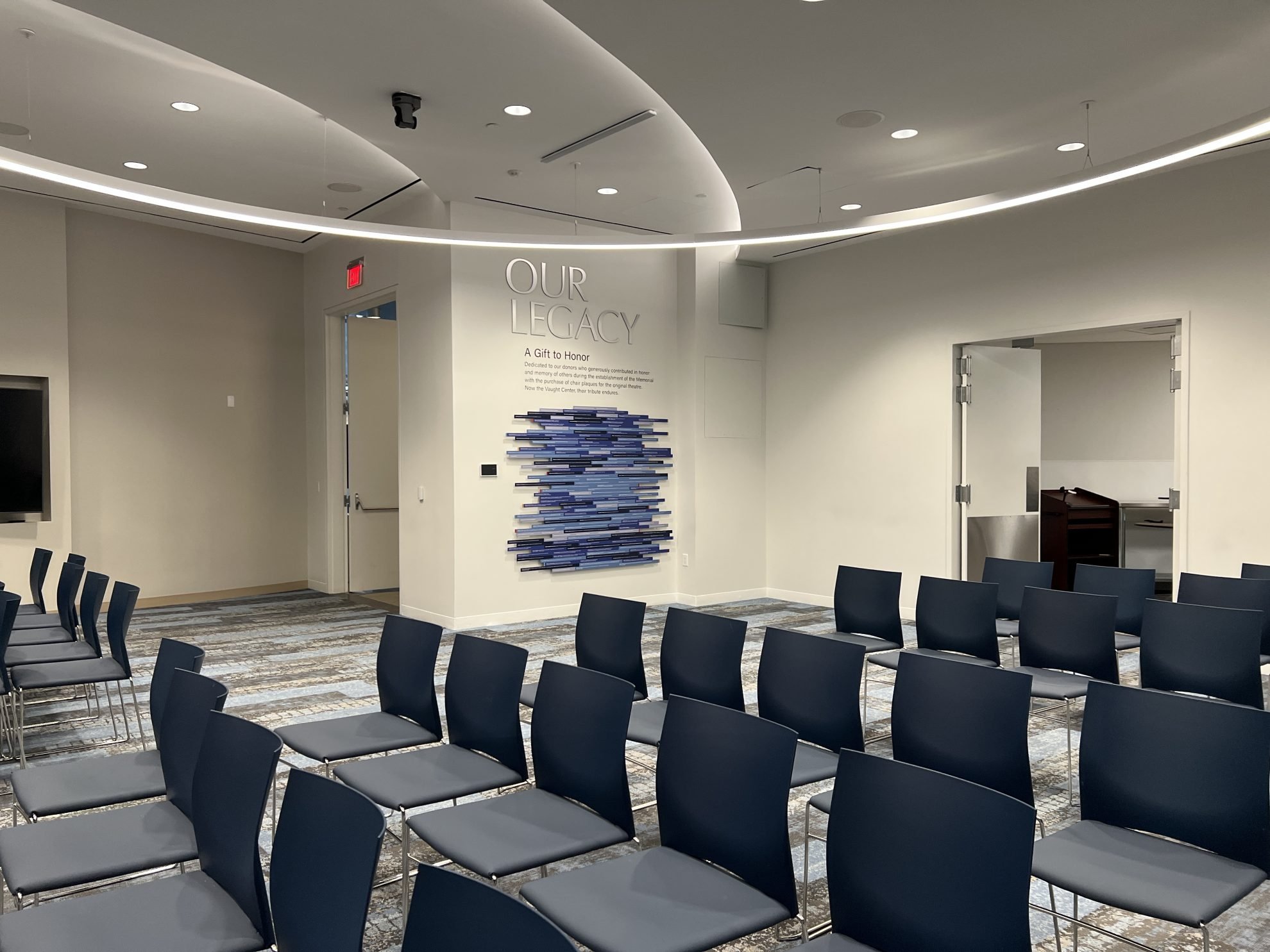
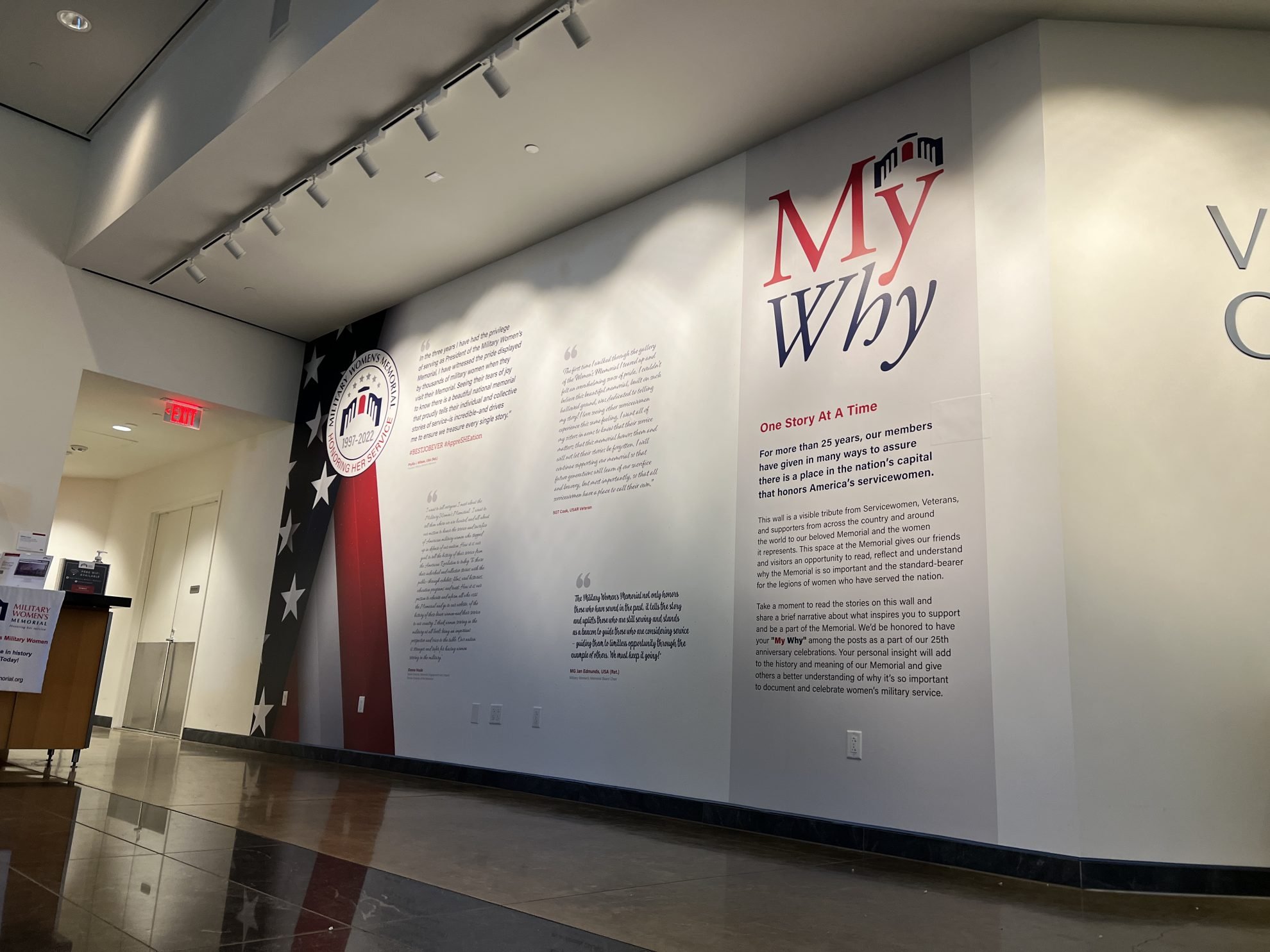
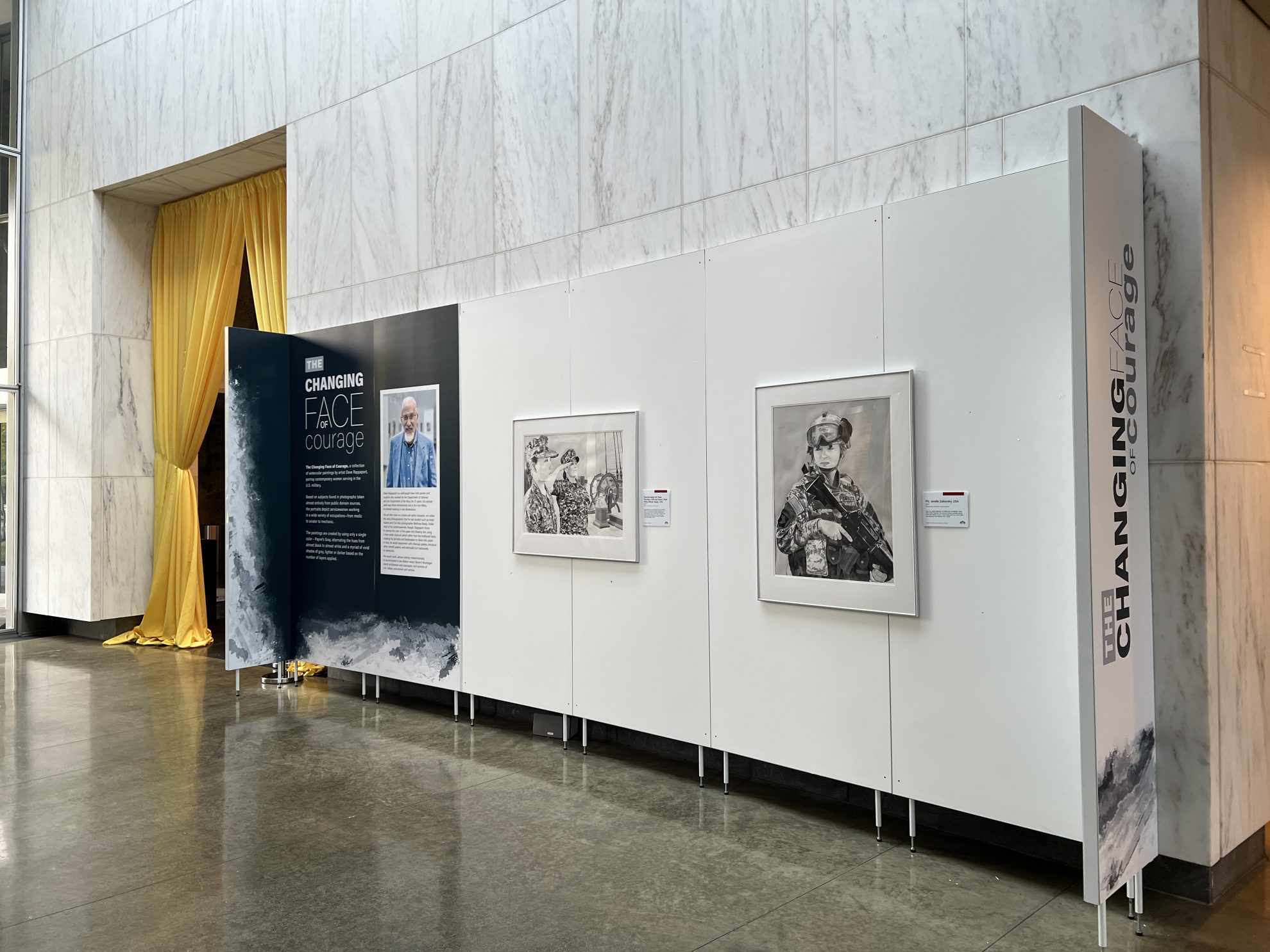
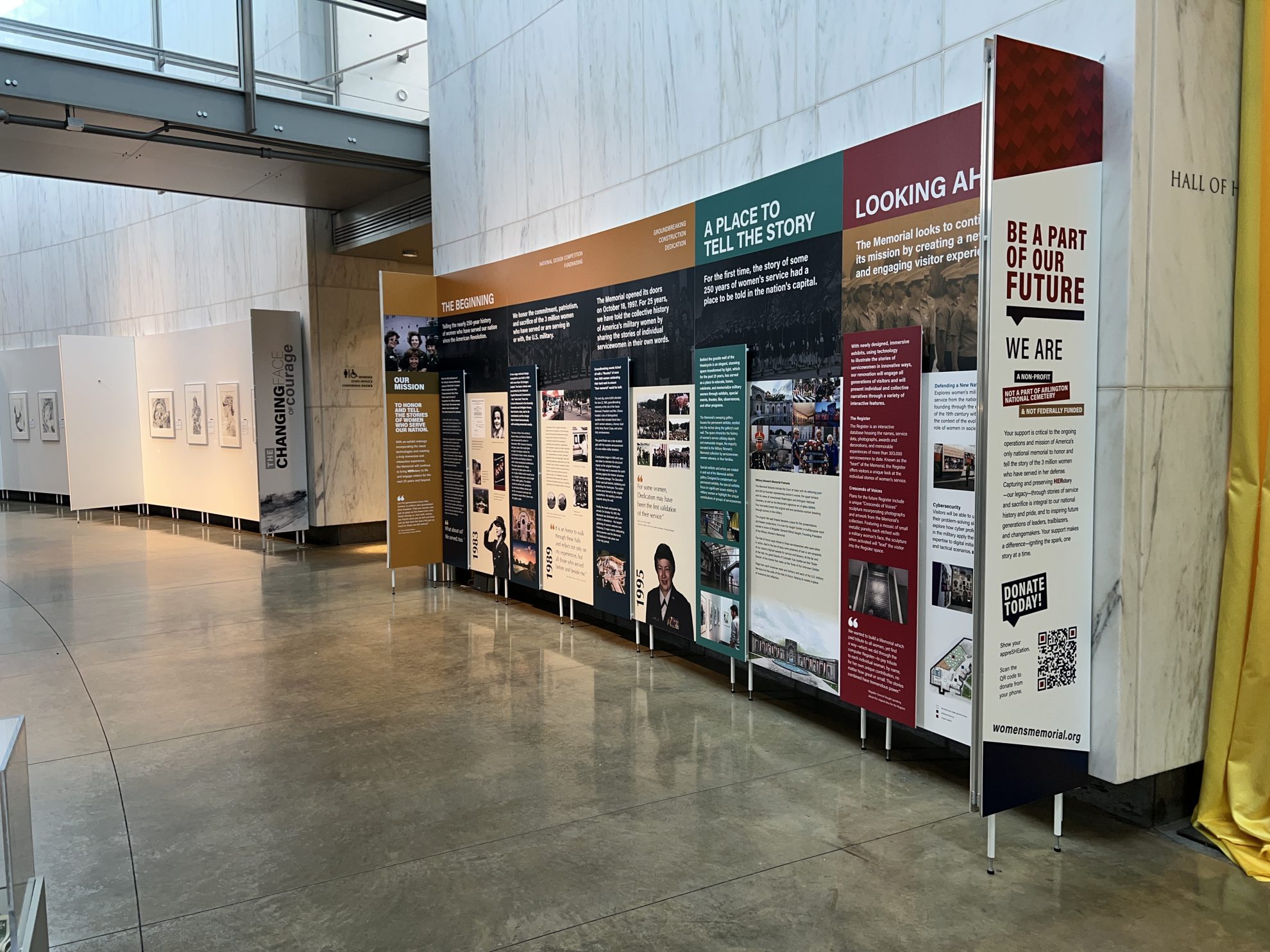
Heritage Signs & Displays created new museum signage for the Military Women’s Memorial in Arlington, VA. The project included custom signs, wall wraps, dimensional letters, and standoff-mounted displays to honor the legacy of U.S. servicewomen and the donors who supported the memorial. The updated interior features impactful designs, including a "Our Legacy" wall display and panels showcasing historical contributions and artwork, creating a transformative tribute to women in the U.S. Armed Forces.
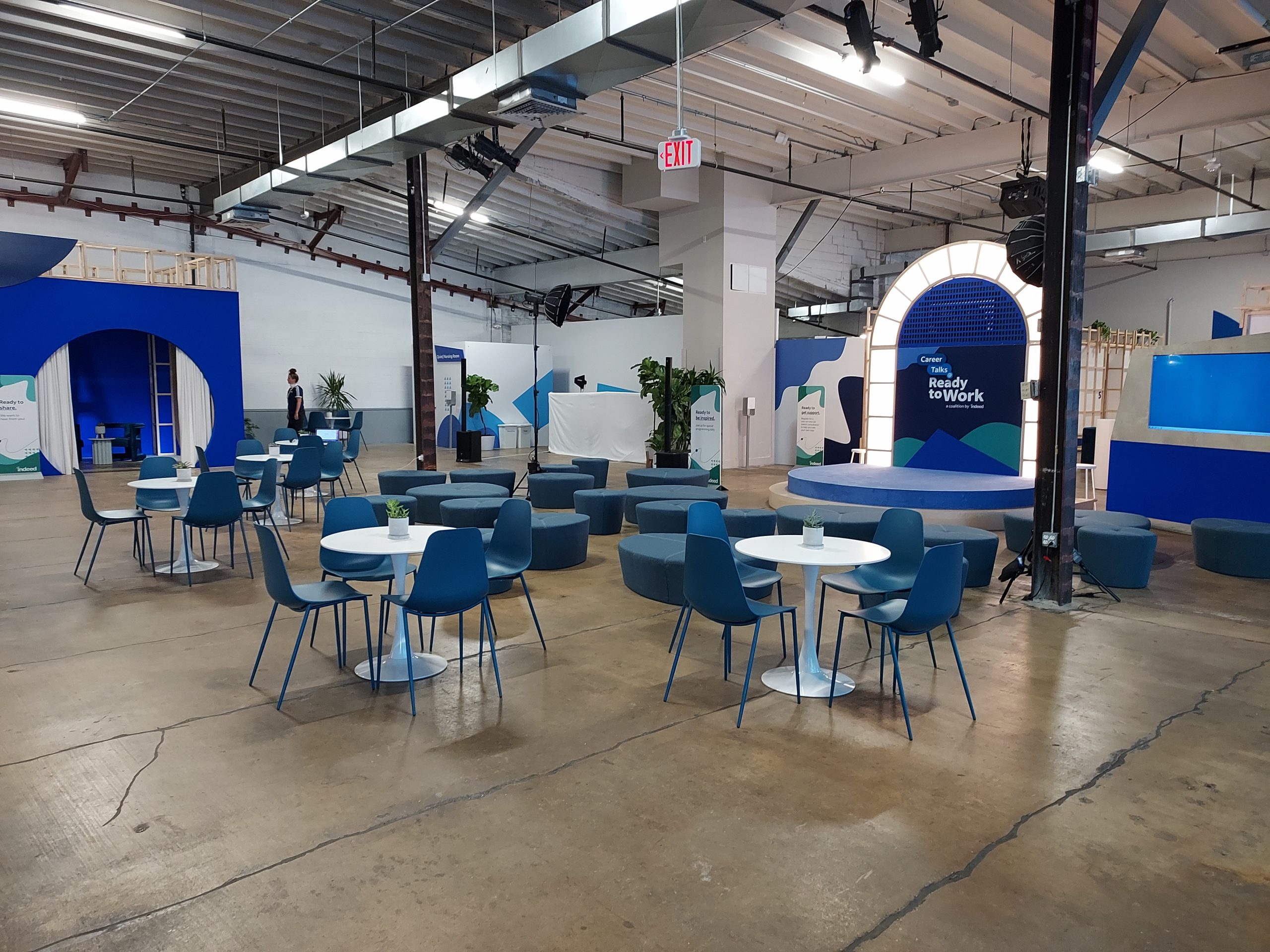
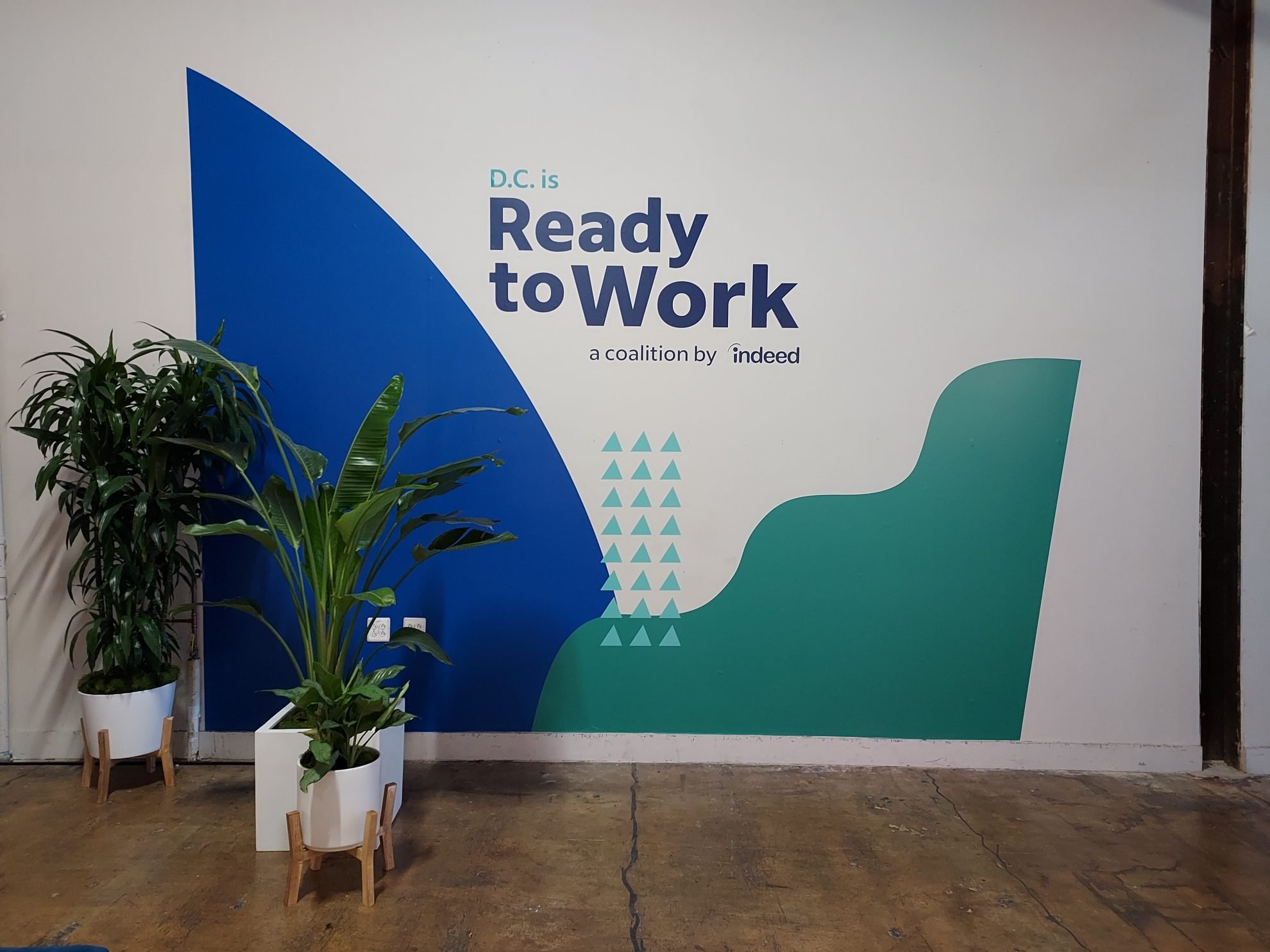
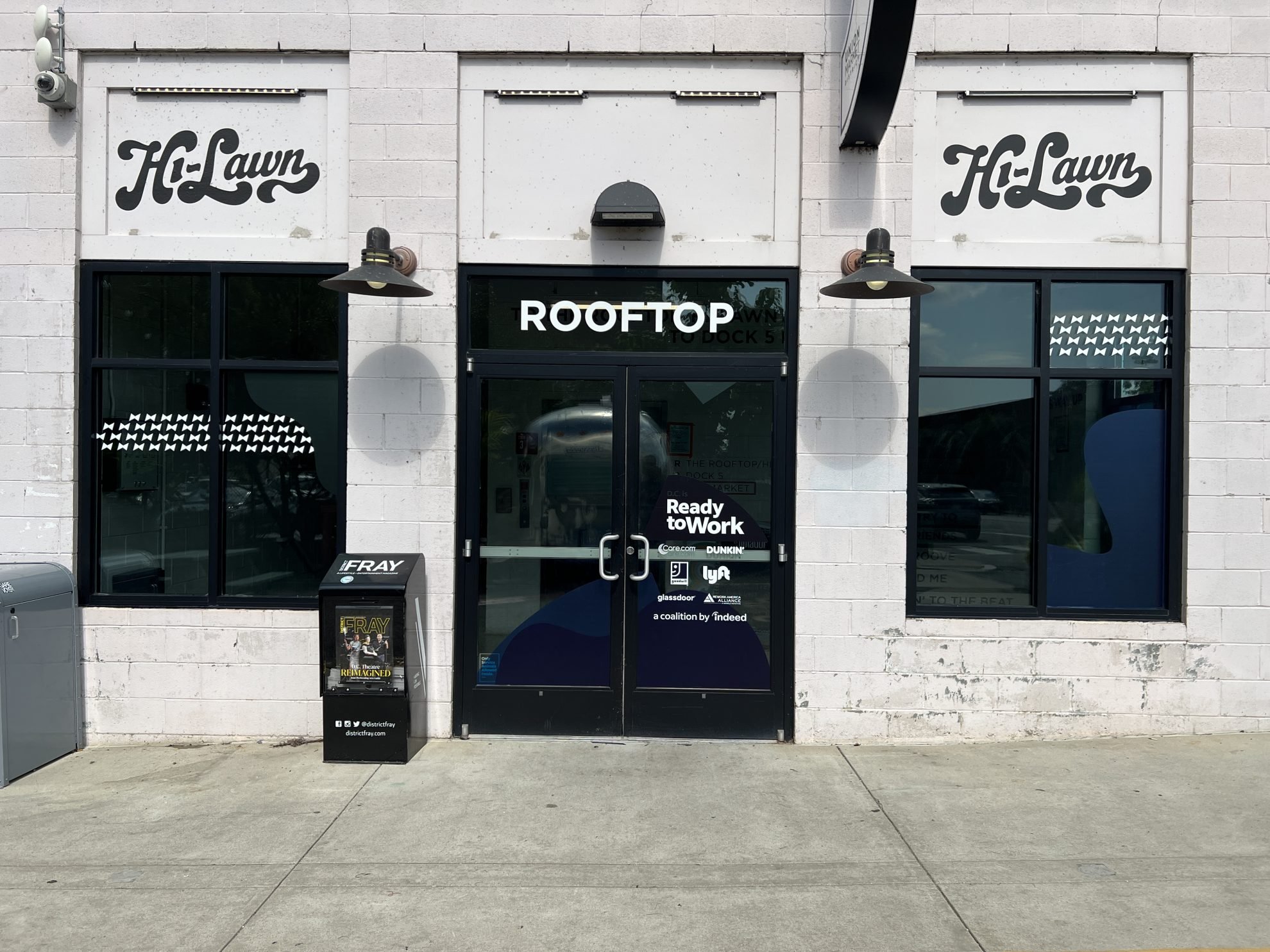
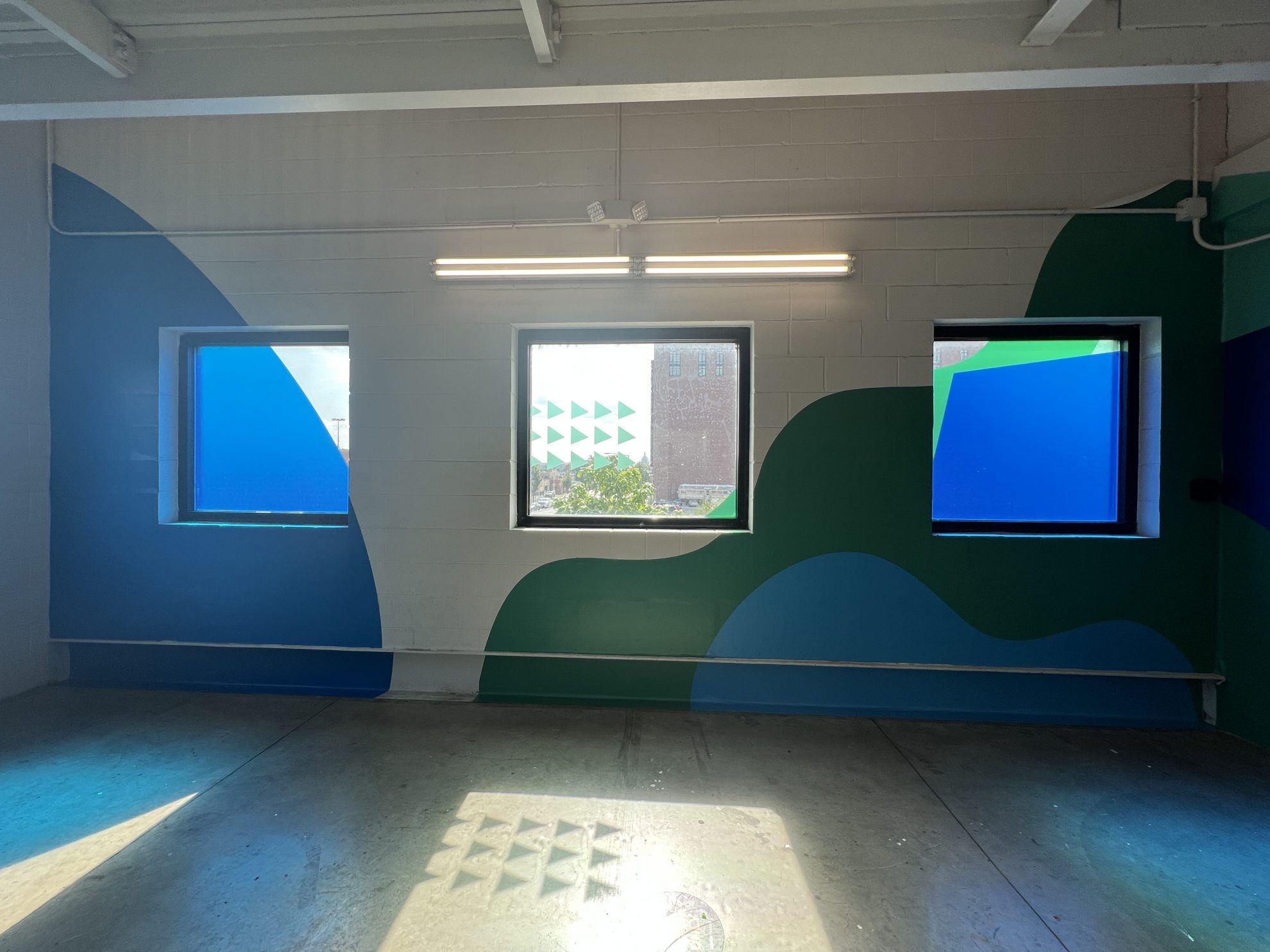
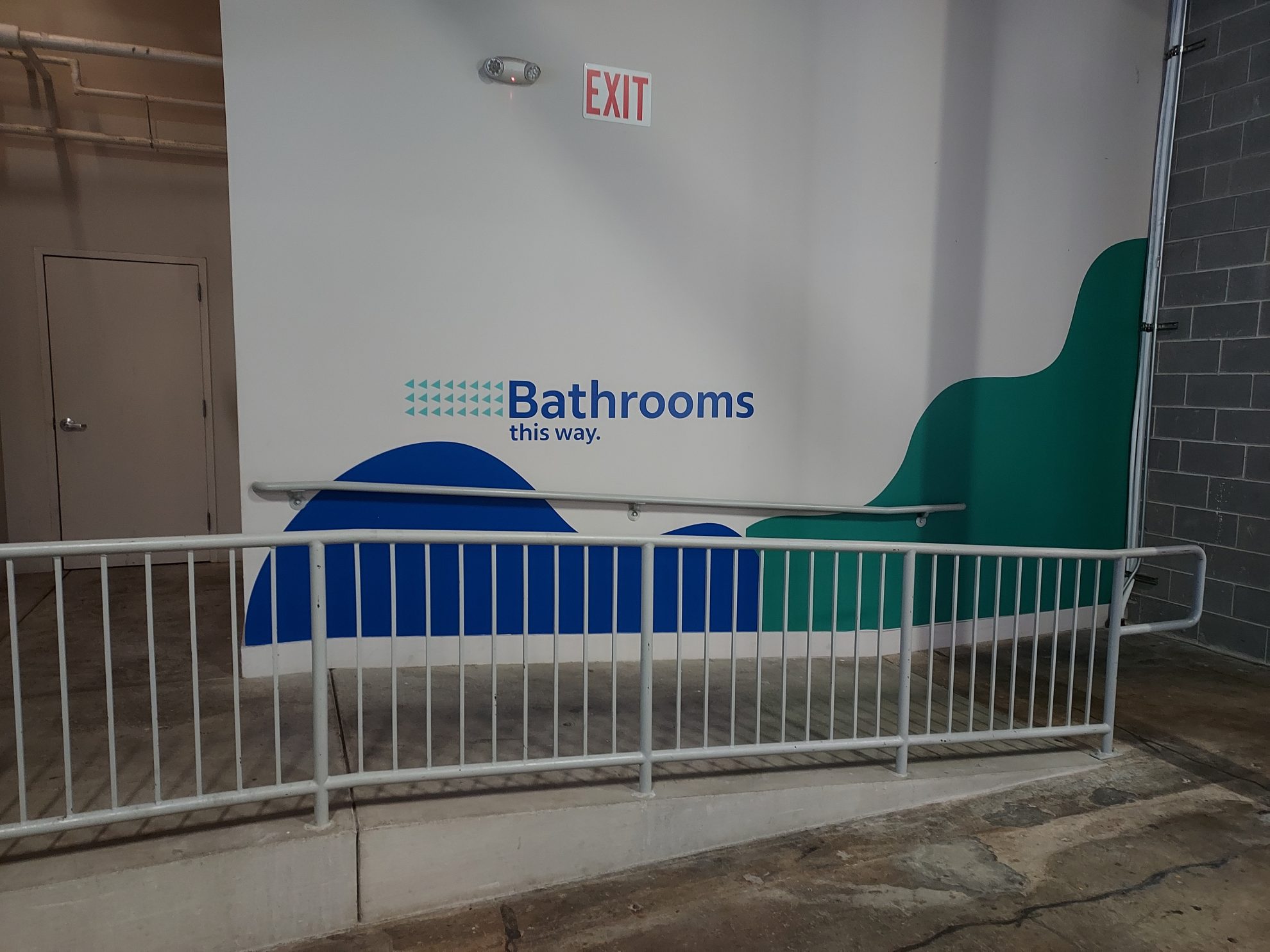
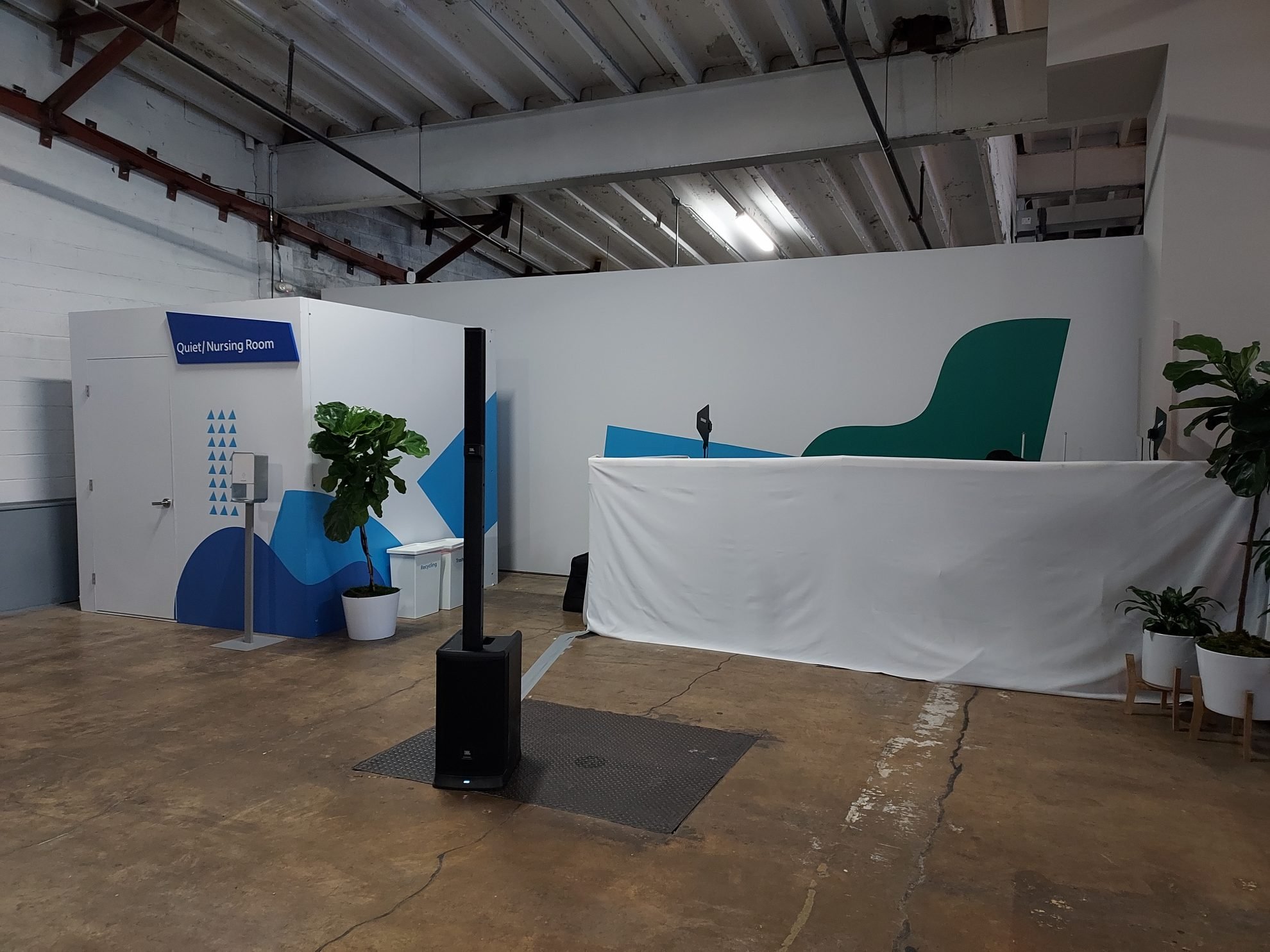
Heritage Signs & Displays' collaboration with The Gathery to brand Union Market in Arlington, VA, for Indeed's "Ready to Work" job fair. The project included custom event displays, wall graphics, window graphics, and wayfinding signs, creating an immersive and visually appealing environment. The branding enhanced the venue, reflected the event's mission, and provided a seamless experience for attendees.