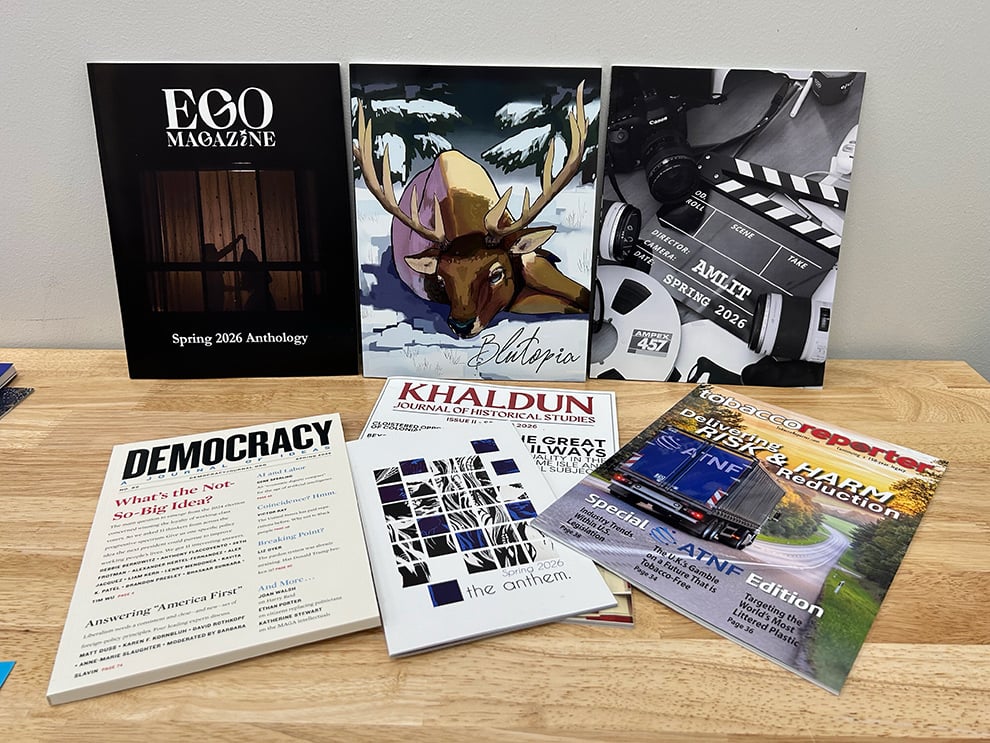
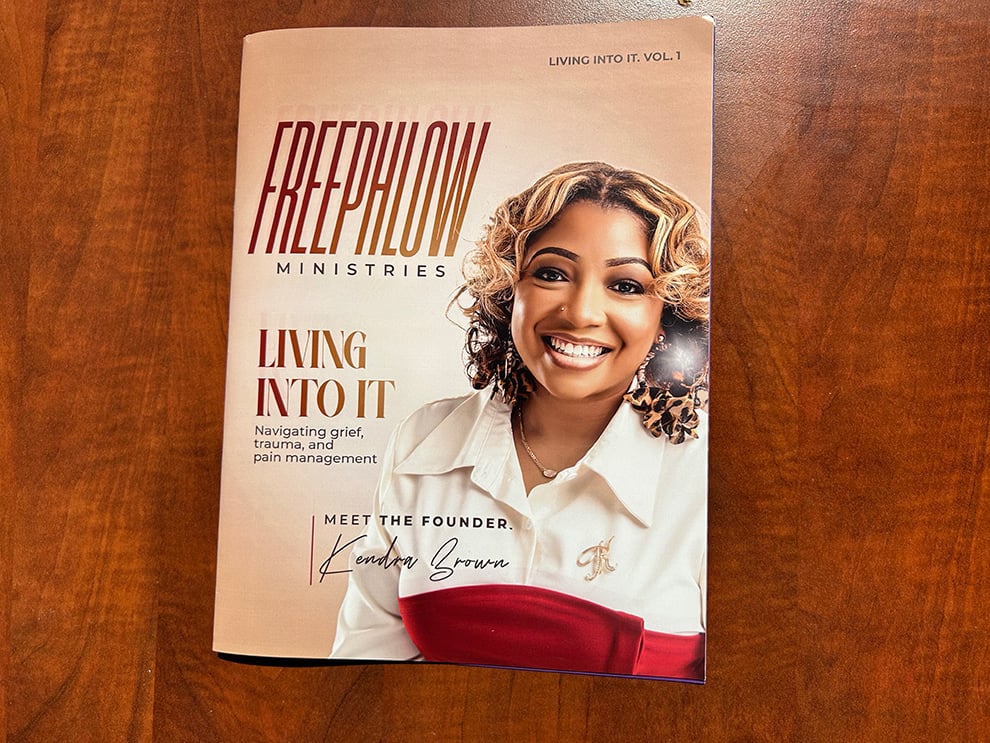
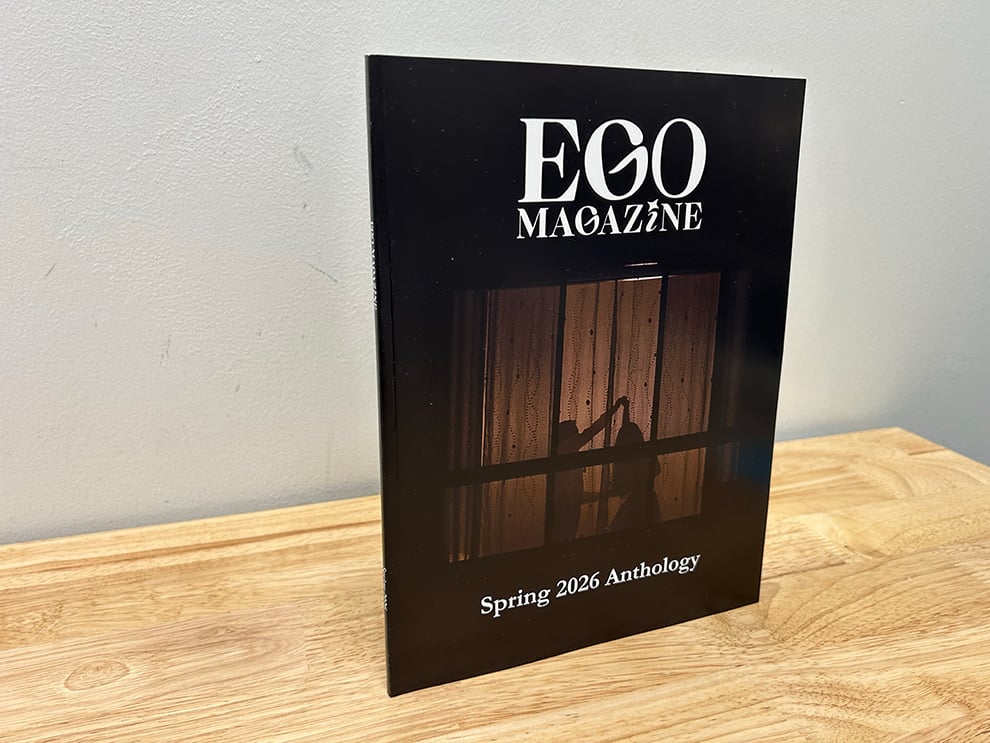
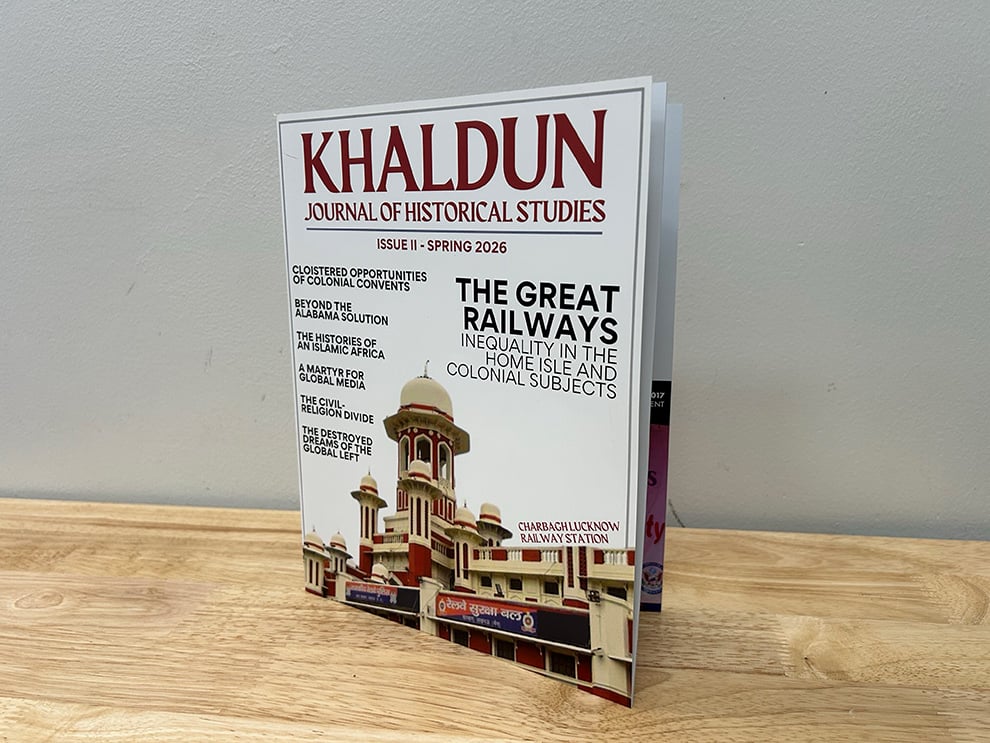
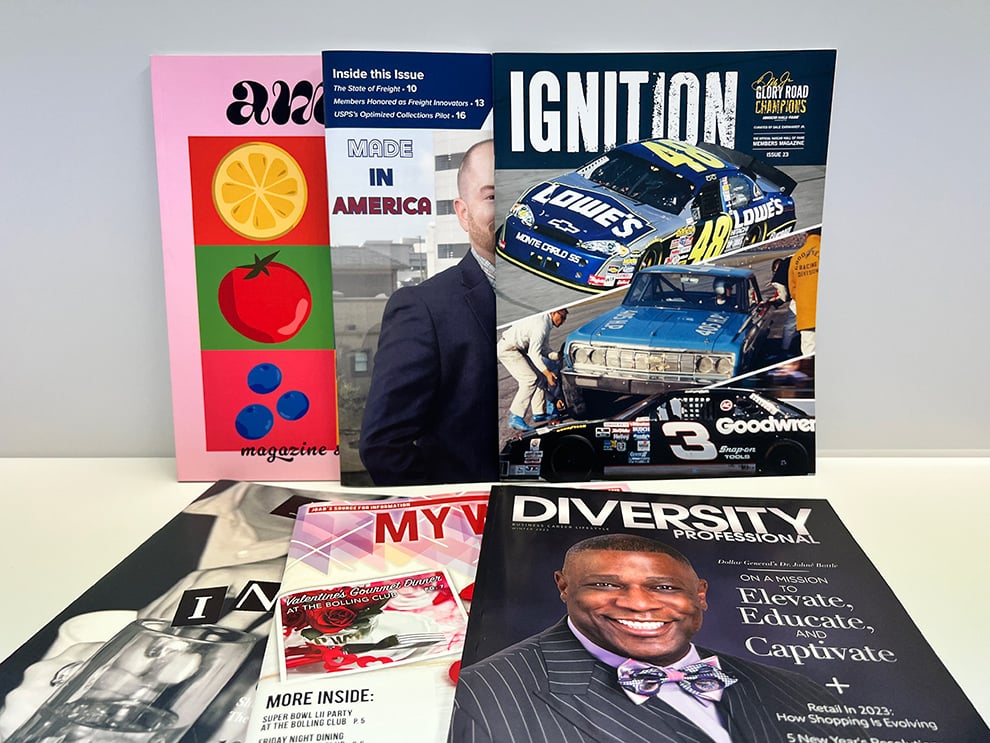
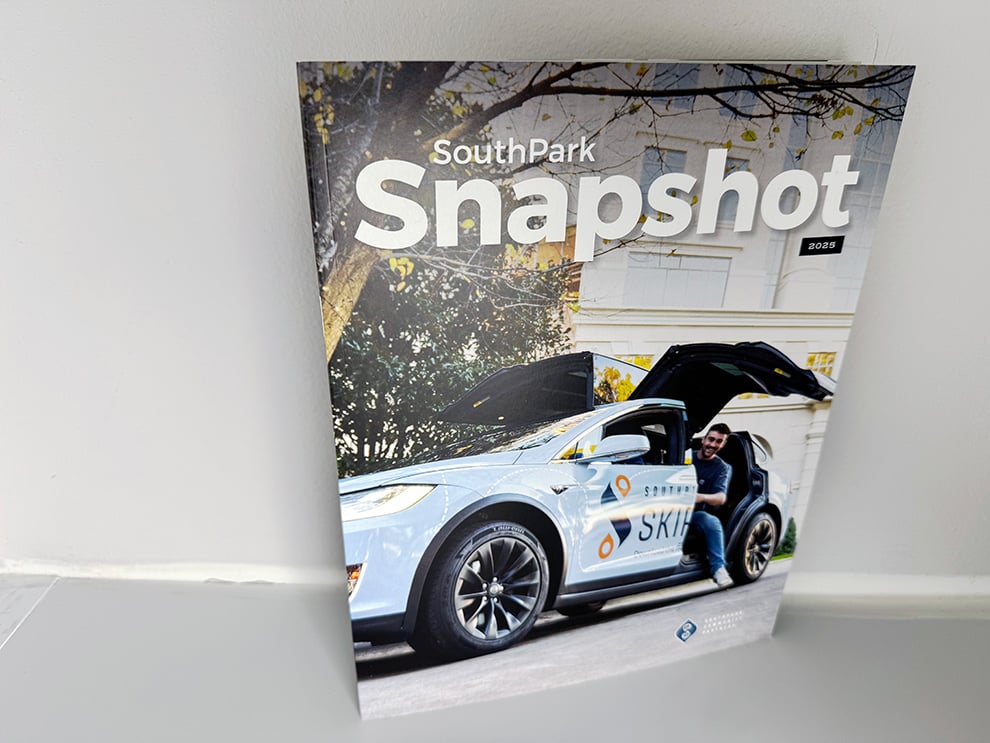
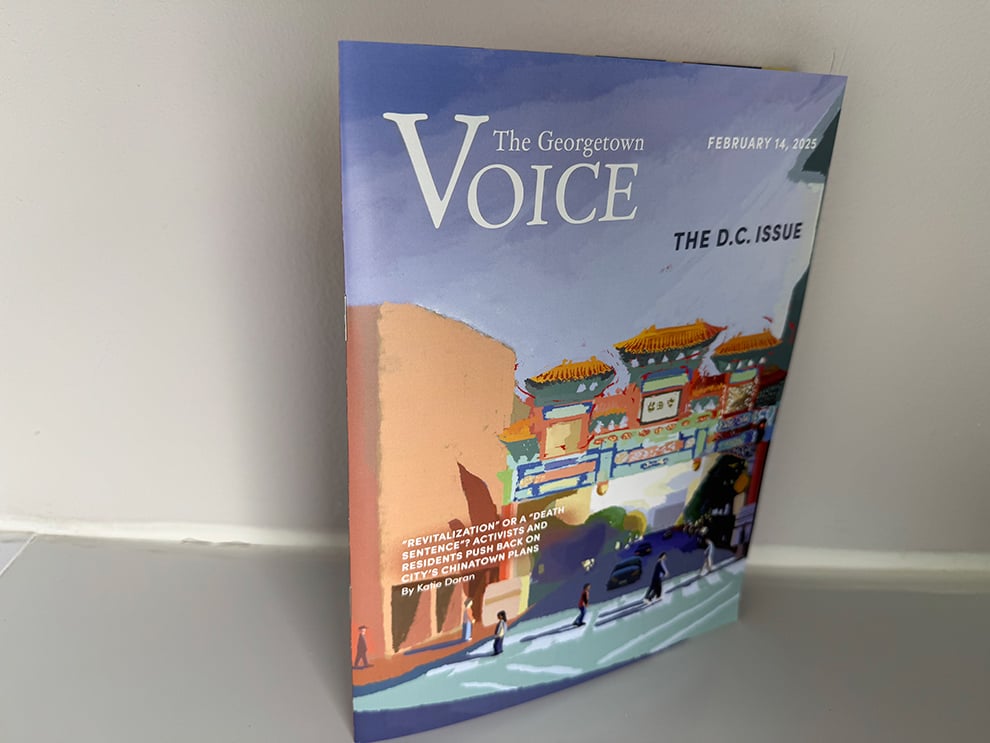
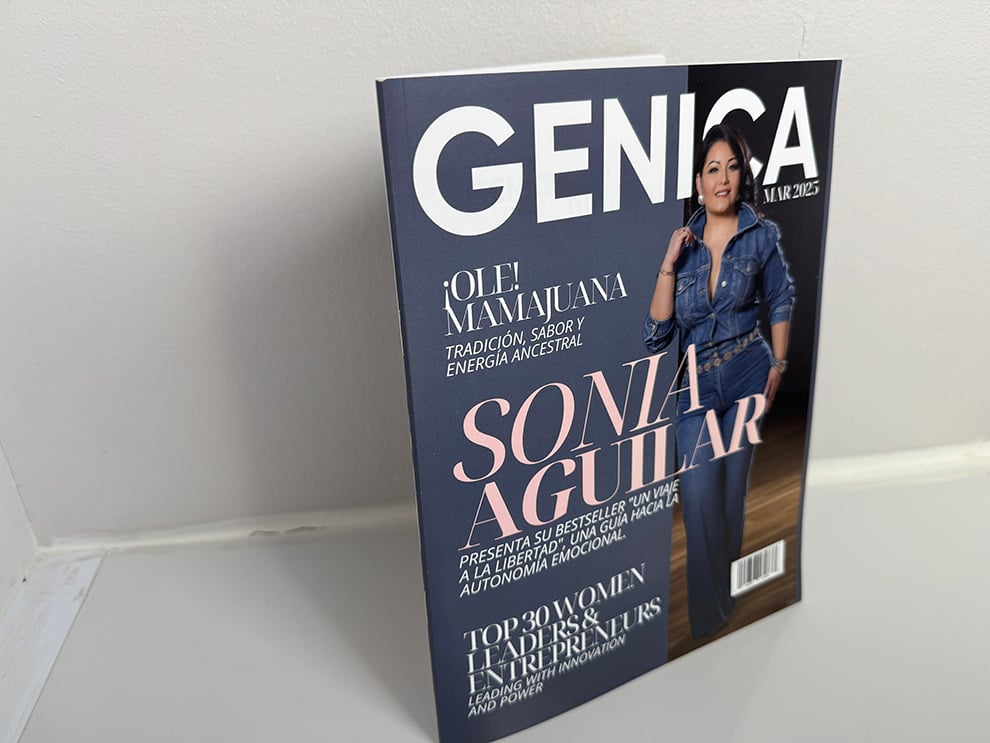
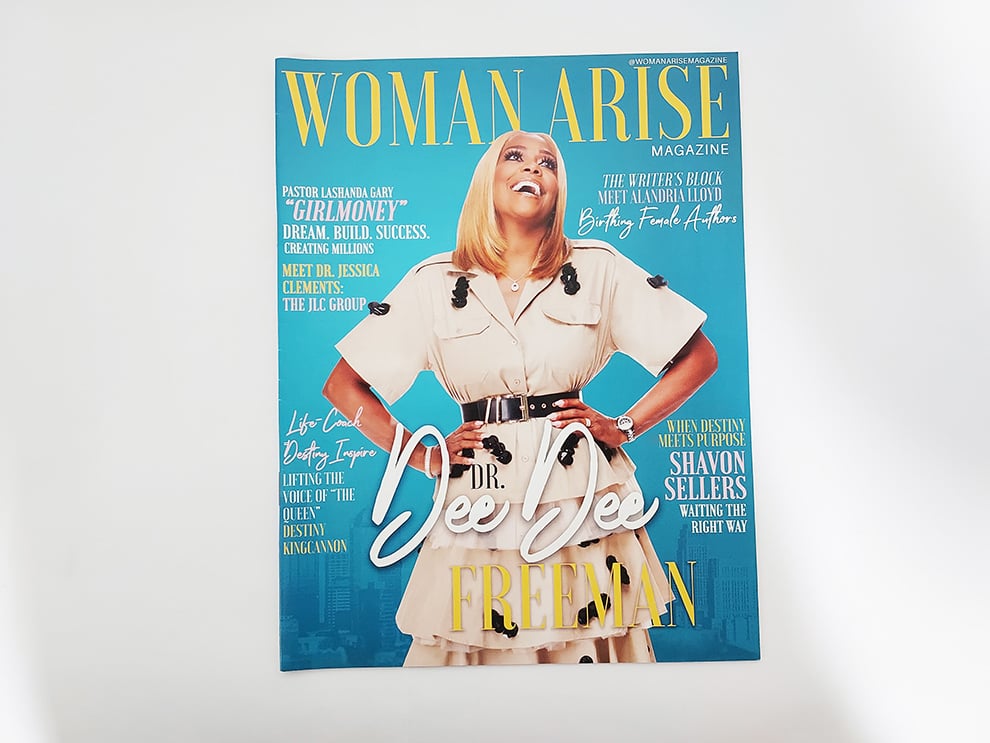
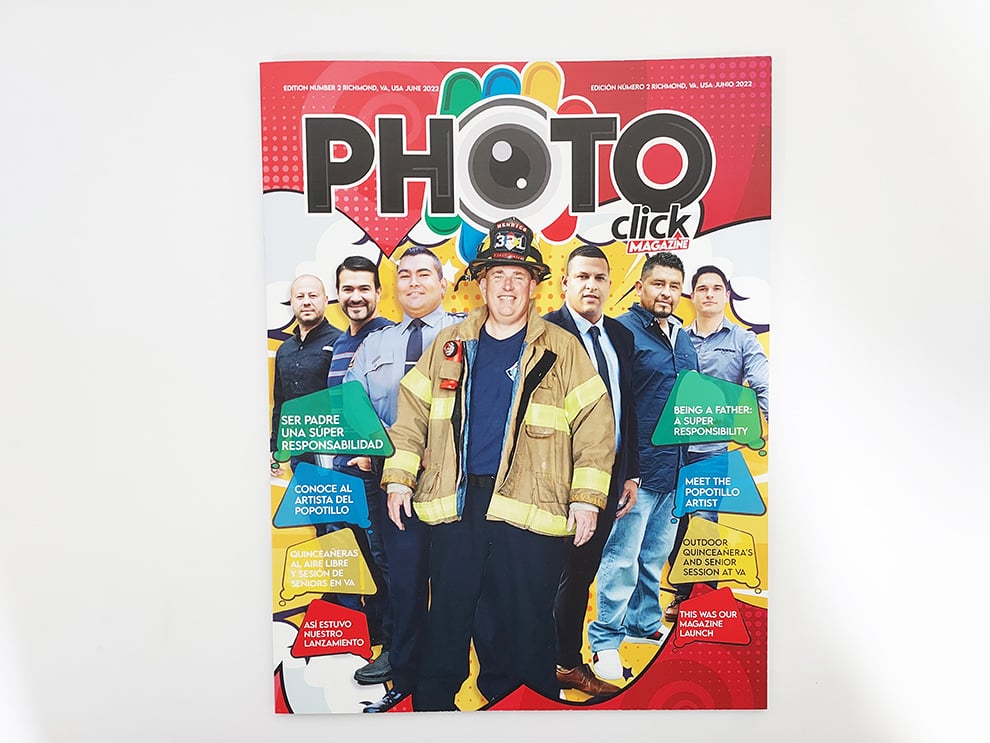
Many organizations in Spartanburg, SC produce a magazine that returns several times a year, and each issue depends on a file that behaves predictably once it reaches the press. A magazine template that carries the correct trim size, bleed, margins, page order, and color setup from one edition to the next removes much of the guesswork from production. When that template is missing or inconsistent, pages shift, spreads break, and approvals stall while problems are corrected late.
Heritage, a company with printing roots since 1977, helps Spartanburg, SC publishers establish and maintain a print-ready magazine template matched to the paper, binding, and quantity the issue actually requires. For qualifying Custom Quote projects, we can prepare or adjust the production file setup so your content drops into a structure that prints cleanly.
Once your template and current issue files arrive, we confirm the specifications, provide an electronic proof for your approval, and move accepted work through printing, binding, finishing, and delivery. The result is a magazine that looks consistent issue after issue, with fewer late corrections and a clear view of what happens next.
Heritage began as a printing company in 1977, and decades of production work taught us that a consistent magazine depends on decisions made before the first sheet prints. Template setup, paper selection, cover construction, binding method, imposition, and color handling must agree with each other, or the finished issue will show the conflict.
Our production team reviews each Spartanburg, SC magazine file against those requirements. We check that bleed, margins, page count, and spreads suit the binding, that image resolution supports the chosen paper, and that cover and interior files are set up for the same finished size. When something does not line up, we explain the issue plainly and describe the practical options rather than printing a problem into thousands of copies.
Quality control continues through proofing, printing, binding, and finishing, and clear communication continues alongside it. You hear from us when a decision is needed, and accepted work keeps moving toward your distribution date. The value for your organization is a magazine your readers recognize and trust, produced by a partner who follows through on what has been accepted.
For one-time guides, reports, and programs that need multiple pages but not a recurring issue identity.
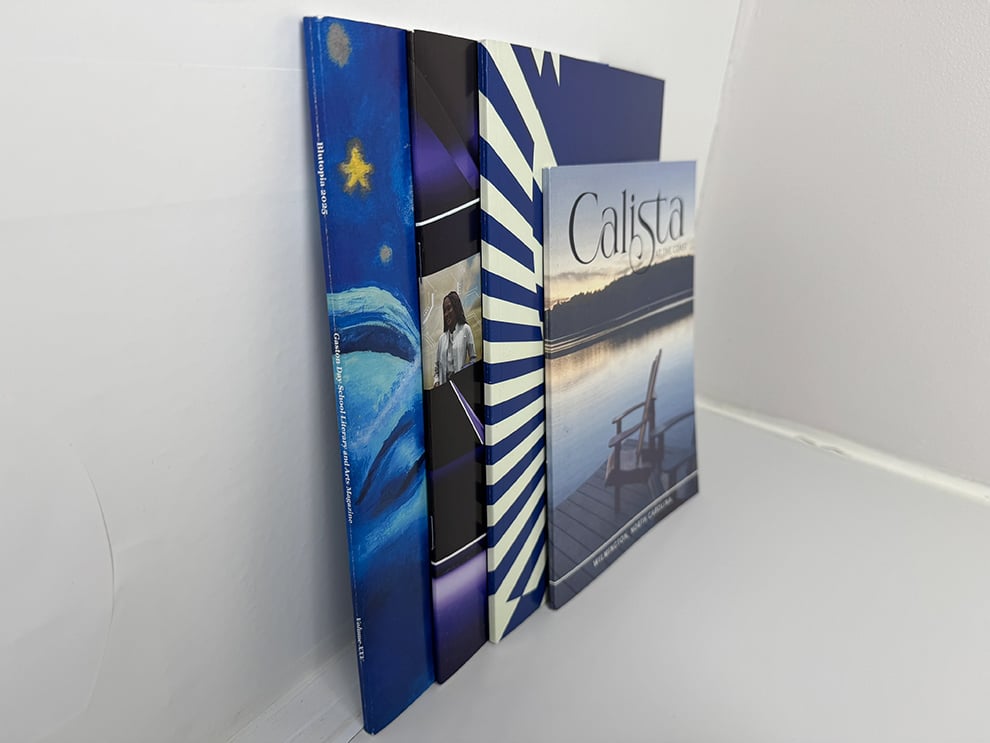
For substantial publications where a flat, printable spine and a bookshelf-ready finish matter.
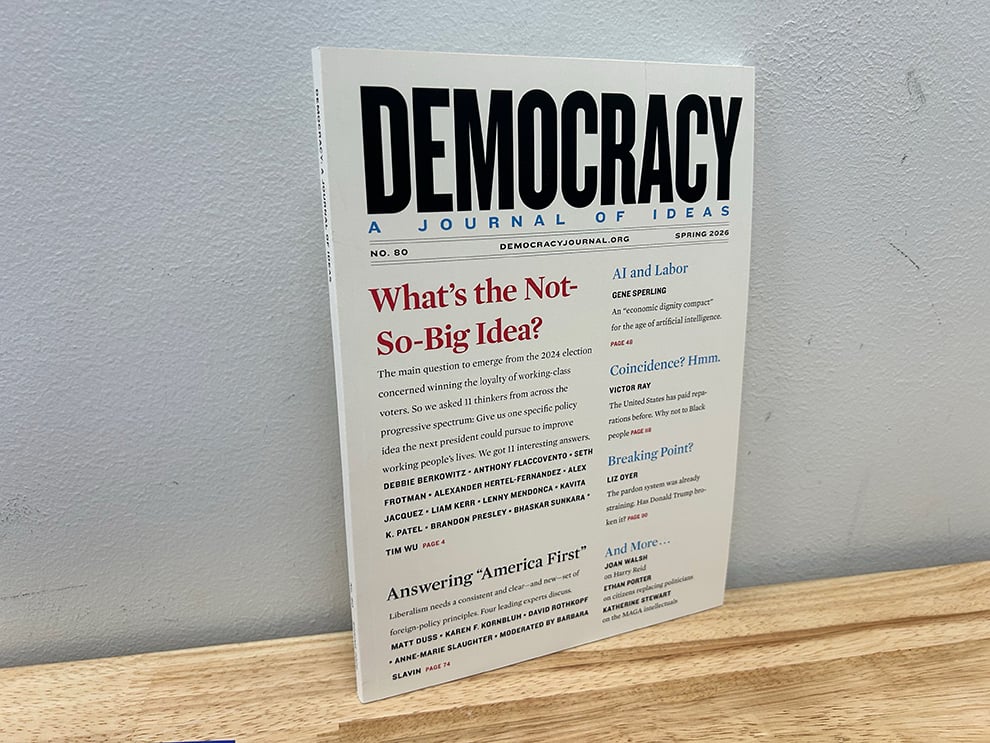
For brief, frequent updates to members, employees, or donors with their own regular cadence.
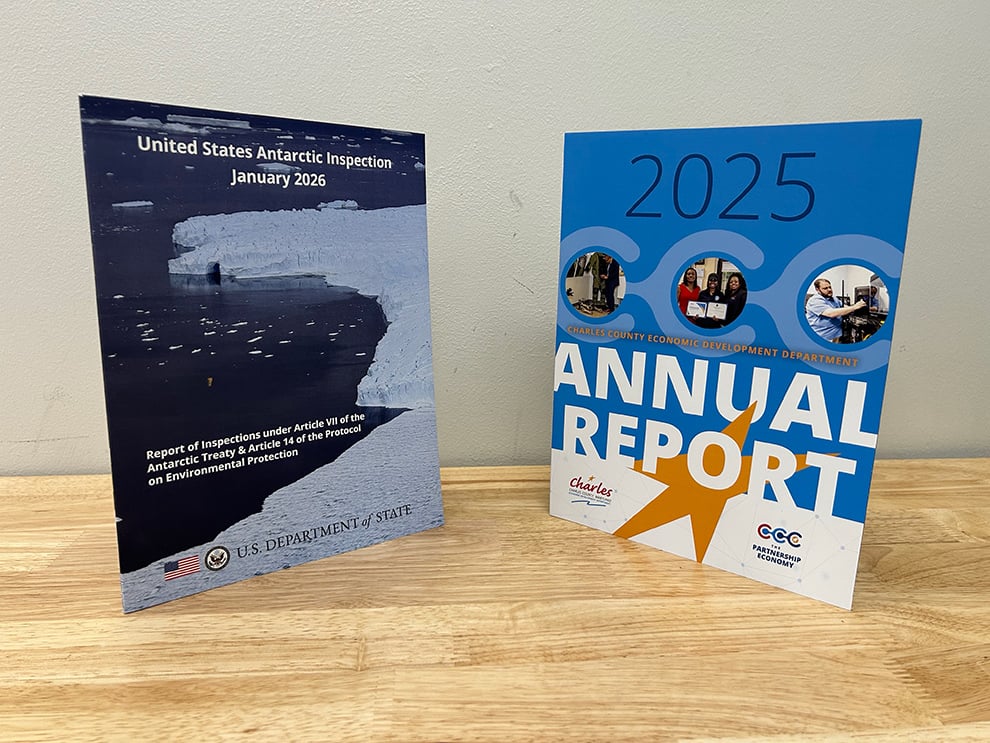
For yearly financial and impact reporting prepared for boards, funders, and community stakeholders.
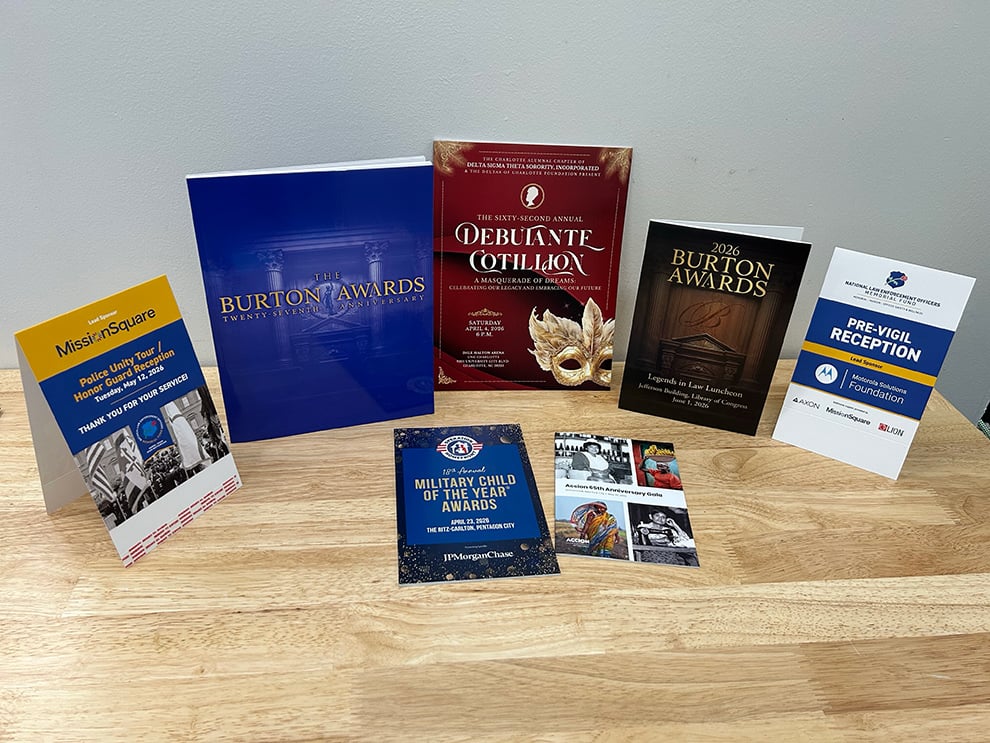
For conferences, galas, and ceremonies where the event date fixes the delivery deadline.
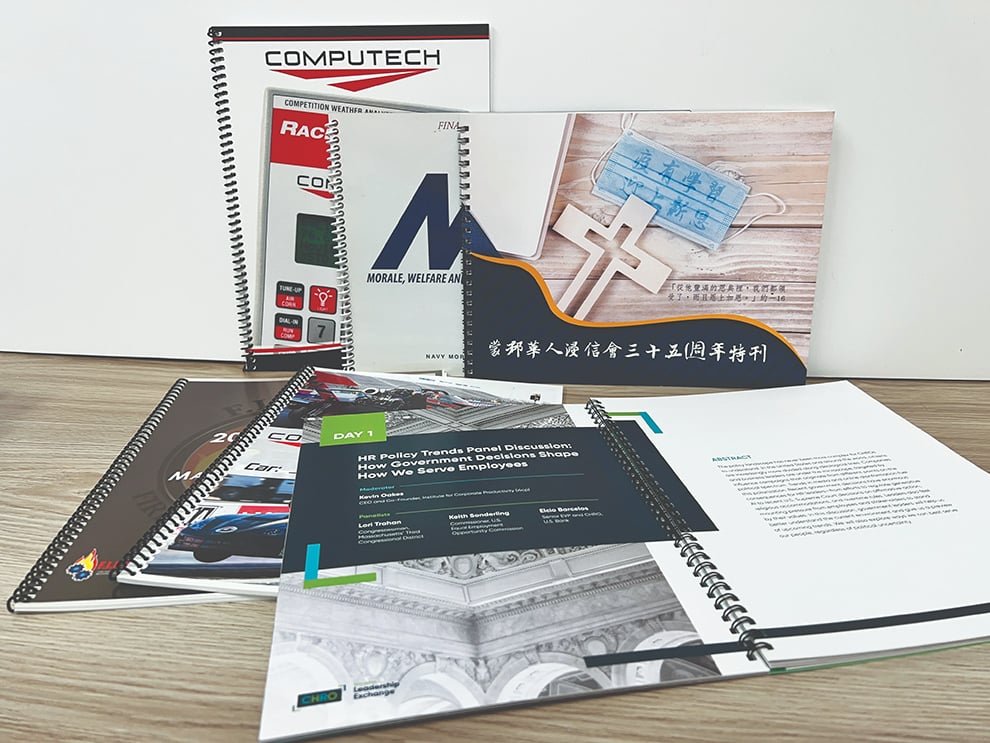
For step-by-step instructional content that staff will consult, mark up, and keep for reference.
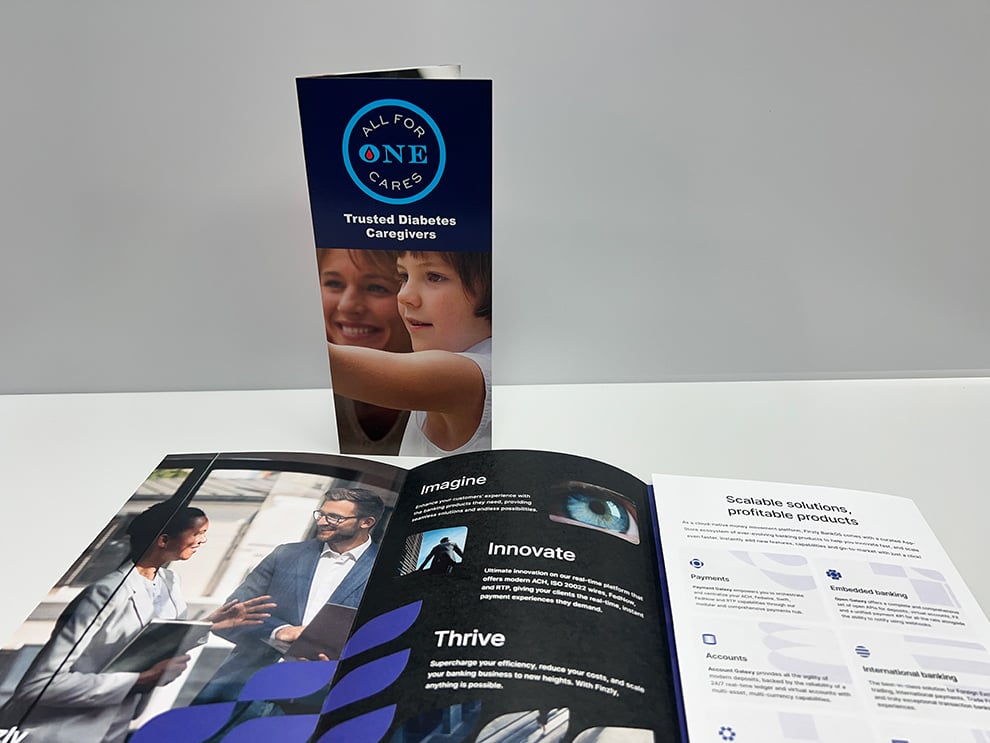
For compact folded pieces that summarize a service, program, or campus offering for handout or mailing.
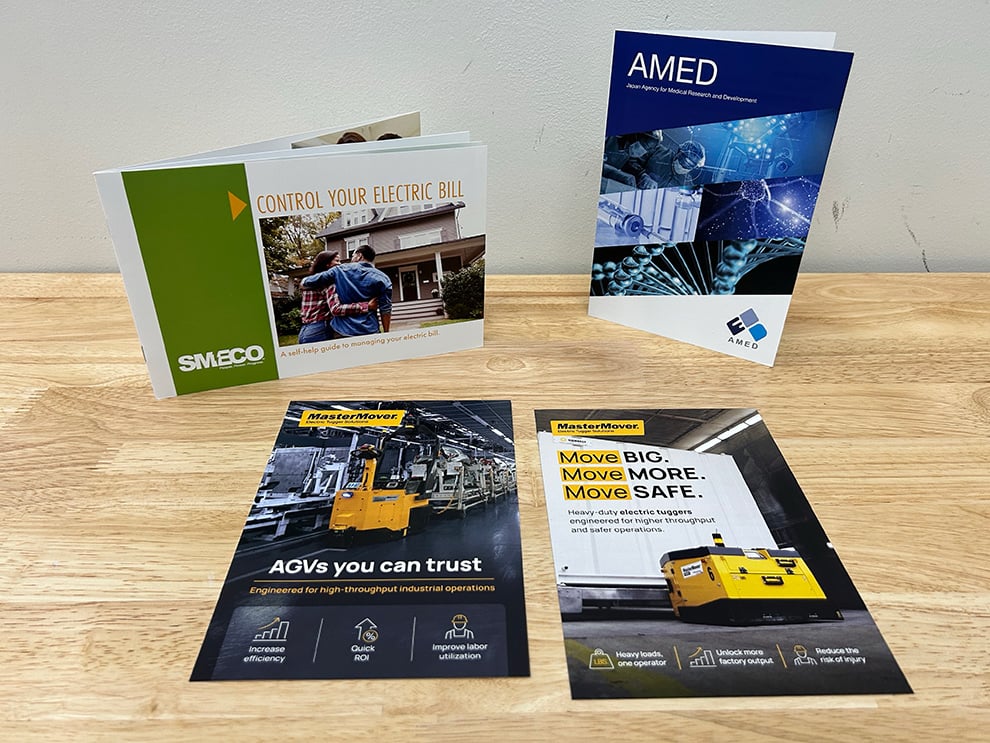
For coordinated campaign pieces that support launches, enrollment, recruiting, and outreach alongside the magazine.
Start a Custom Quote with your existing magazine template or your current issue files, plus page count, quantity, binding preference, and the date the magazine must reach readers in Spartanburg, SC. We will evaluate the file setup, recommend any adjustments, and lay out the production path with you. If your issue is already fully specified, print-ready, and matched to a live Online Store configuration, self-directed ordering may also be an option.
A magazine template should follow the physical issue, not lead it. How readers hold, flip, store, mail, and share the magazine determines the trim size, the interior paper, the cover stock, and the binding that make sense, and those decisions in turn fix the bleed, margins, and spread setup your template must carry.
Saddle stitching folds and staples the sheets along the spine, producing a light issue that opens easily and suits many recurring publications when the page count and paper work with folded construction. Perfect binding glues the pages into a wrapped cover with a square spine, giving a thicker issue a sturdier profile and a printable spine when the finished thickness supports it. Neither method should be chosen without considering paper weight, page count, image coverage, and quantity.
For repeat editions, Heritage can retain your accepted template and specifications as a baseline. Each new issue still needs its current content, page count, quantities, versions, and dates reviewed. Every order receives an electronic proof for approval before printing, and qualifying Custom Quote projects may add an optional paid Physical Production Color Proof.
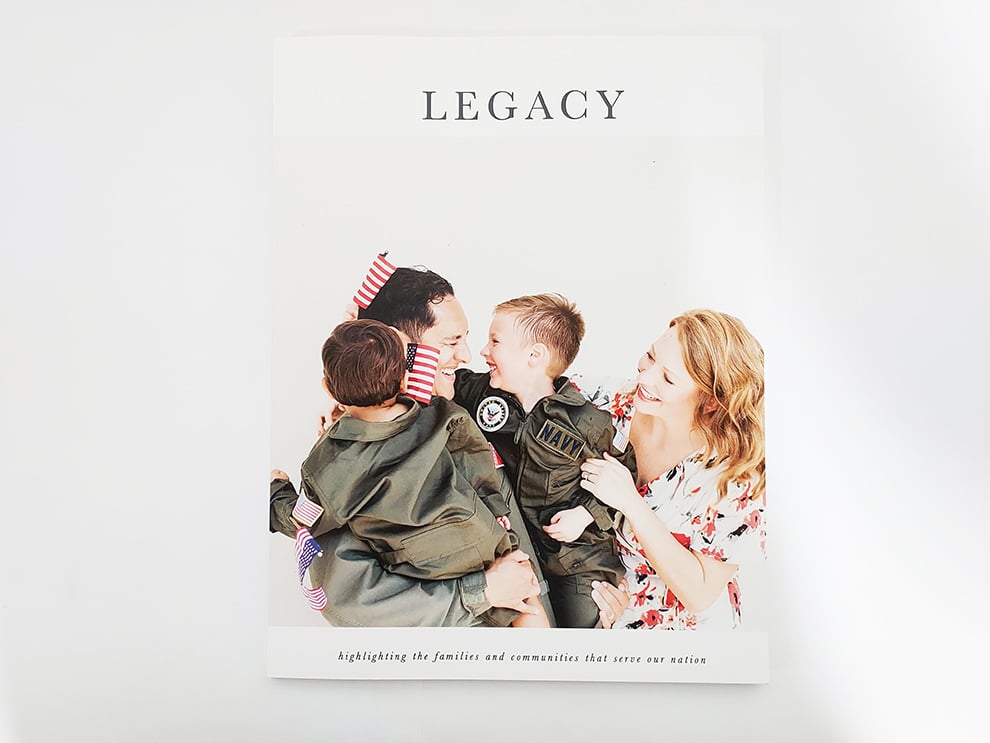
Your team owns the editorial side: articles, photography, advertising, page sequence, and internal sign-off. Heritage owns the production side once the accepted work begins. For most magazines, the strongest handoff is a complete or nearly complete print-ready file built on the agreed template, along with confirmed quantity, paper, binding, versions, and the date the issue must be in readers' hands in Spartanburg, SC.
From there, we review the file for bleed, page count, imposition, and color setup, raise any concerns with you, and issue an electronic proof for review and approval before printing. Once you approve, accepted printing, binding, finishing, and any mailing, shipping, or delivery included in the scope proceed according to the plan we confirmed together.
Two buying paths are available. Custom Quote fits qualifying magazine work of $2,000 or more that benefits from template preparation, file adjustments, specification guidance, versioning, color-sensitive proofing, or fulfillment coordination; after Heritage accepts and assigns the order, a Project Coordinator becomes your direct contact. The Self-Directed Online Store suits a fully specified, print-ready issue that matches a live Store configuration and meets the $750 order minimum.
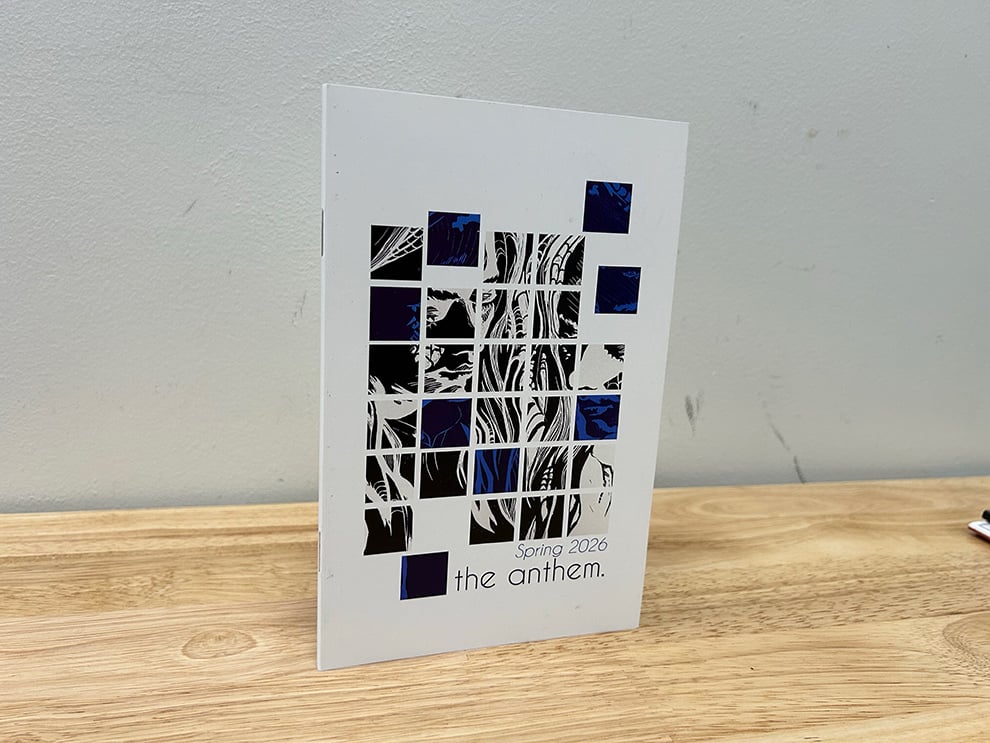
Either approach works. If your team already has a template, send it with the current issue files and Heritage will confirm that trim, bleed, margins, spreads, and color setup match the paper and binding you have chosen. If you do not have one, qualifying Custom Quote projects can include production-oriented file preparation so a print-ready magazine template is established for this issue and retained for later editions. Heritage does not write articles or manage editorial content; the template work is limited to production setup.
The difference is continuity. A magazine carries an identity readers expect to see again: the same trim size, paper feel, cover style, binding, and general layout from issue to issue, which is why a reusable template matters. A booklet is usually produced once for a specific purpose, such as a program or guide, and can be specified fresh each time without that ongoing consistency.
The decision depends on the construction of your actual issue rather than a fixed rule. Saddle stitching suits a lighter magazine whose page count and paper fold cleanly and that readers should open easily. Perfect binding suits a thicker issue that needs a square spine, a firmer feel, and room for a printed spine title. Heritage reviews page count, paper weight, and image coverage together before recommending either method.
Significantly. Interior paper affects how photographs reproduce, how much show-through appears, how the pages feel, and how much the finished issue weighs for mailing. Cover stock sets the first impression and protects the interior during handling. Because these choices also change finished thickness, they should be decided alongside page count, binding, and quantity rather than one at a time.
Start with the in-hand date and count backward. Reserve time for final editorial sign-off, Heritage's file review, your electronic proof approval, printing, binding, finishing, and the transit or mailing time needed to reach Spartanburg, SC. Sharing a fixed meeting, event, or member mailing date at the quote stage lets Heritage evaluate the full path before confirming whether the schedule is realistically achievable.
Yes. Every magazine order, whether placed through Custom Quote or the Self-Directed Online Store, receives an electronic proof that must be reviewed and approved by the client before printing begins. Use it to check text, images, page order, cover setup, and layout. Keep in mind that a screen proof is not a physical color standard, so printed color may differ from what a monitor displays.
A Physical Production Color Proof, sometimes called a Digital Hard Copy Proof, is a printed sample produced on the same production printer and the same paper or material planned for your final run. It can be requested for qualifying Custom Quote magazine projects of $2,000 or more when color accuracy carries real weight. It involves an additional fee, adds production time, and once approved becomes the controlling physical color reference for the job unless otherwise agreed. It is not offered through the Self-Directed Online Store, and no proofing method guarantees an exact match to a screen or a specific PMS value.
Yes, provided the versions are defined in the accepted scope. A sponsor cover for one audience, a different ad page for another, or separate quantities for members and prospects can all run as versions of the same issue. Clear version names, a confirmed count per version, and separate approval of each version in the electronic proof help keep similar editions from being mixed during binding or packing.
Yes, if mailing, shipping, or delivery is part of the accepted scope. Finished magazines are shipped to your organization or mailed to your readers from Heritage production, so transit time belongs in the schedule. Quantity, finished weight, packaging, and the required arrival date all shape the plan. Your organization remains responsible for supplying accurate, authorized mailing data, and Heritage cannot guarantee USPS transit performance after postal acceptance.
Use Custom Quote when your magazine is a qualifying project of $2,000 or more and would benefit from help beyond straightforward ordering: establishing or adjusting the template, file preparation, paper and binding guidance, multiple versions, a Physical Production Color Proof, or coordinated mailing and delivery. The dollar threshold makes the path available; it does not require you to use it. After Heritage accepts the quote and assigns the order, a Project Coordinator becomes your direct phone and email contact for that work.
The Self-Directed Online Store is the right fit when your issue is fully specified, your artwork is complete and print-ready on a finished template, and a live Store configuration matches the magazine you need. You select the available options yourself and upload the file; Heritage still performs production review and provides the electronic proof. Store orders must meet the $750 minimum, which can be reached by combining eligible Store products in one order, and they do not include file preparation, specification guidance, a Project Coordinator, or a Physical Production Color Proof. For products offered through the Store, this path provides Heritage's lowest available pricing.
Heritage evaluates the actual requirements before committing to any date. We look at file readiness, outstanding approvals, paper availability, binding and finishing steps, proofing choices, quantity, versions, current capacity, and the transit or mailing time to Spartanburg, SC, then tell you plainly what is realistically achievable. Late files, page-count changes, delayed proof approval, added versions, or a request for a physical color proof can each shift that assessment. A retained template shortens setup, but it does not replace the review of the current issue. We will not commit to a faster schedule until the job's actual needs are confirmed, and accountability applies to the accepted work and the factors within our control.
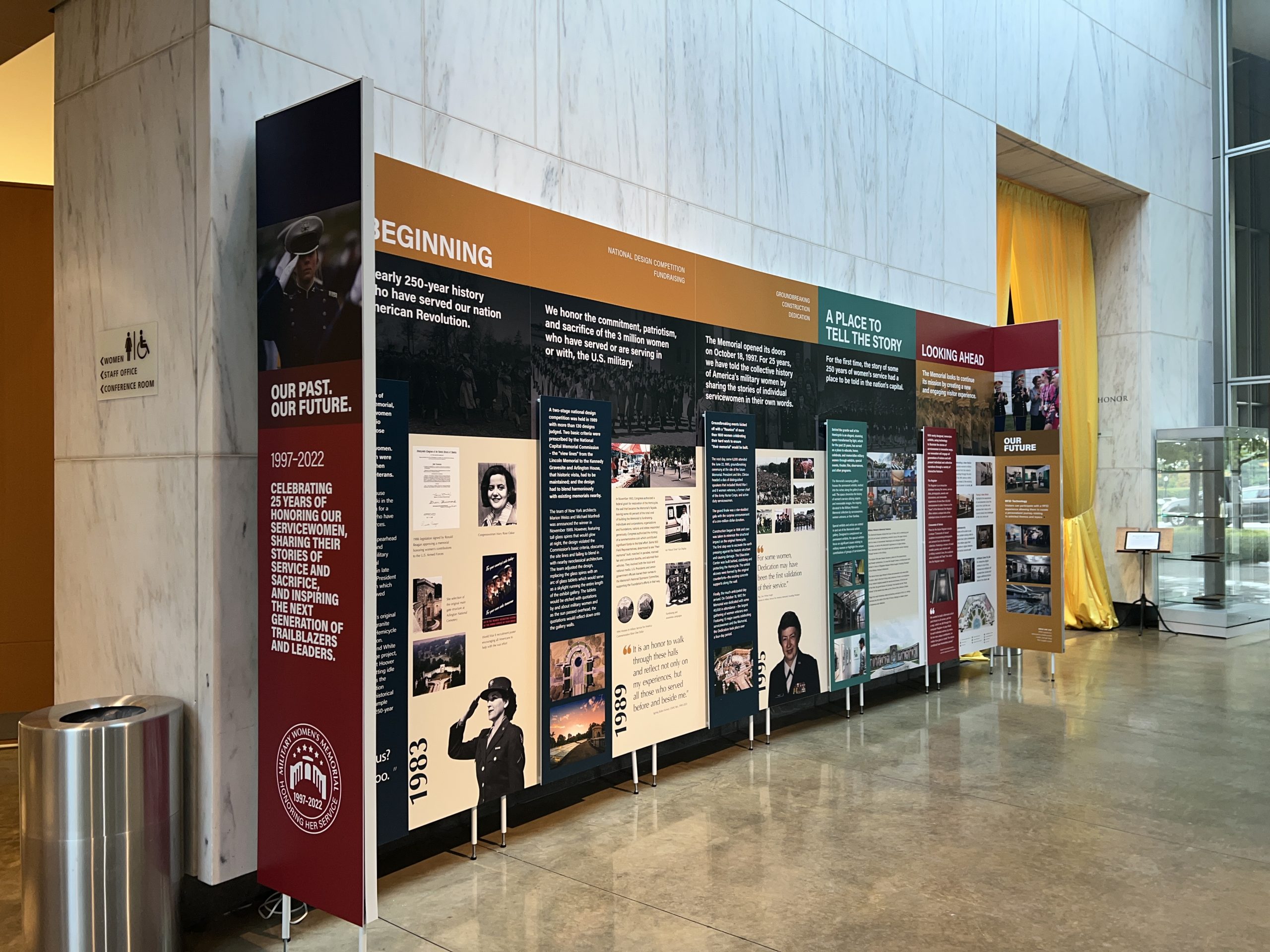
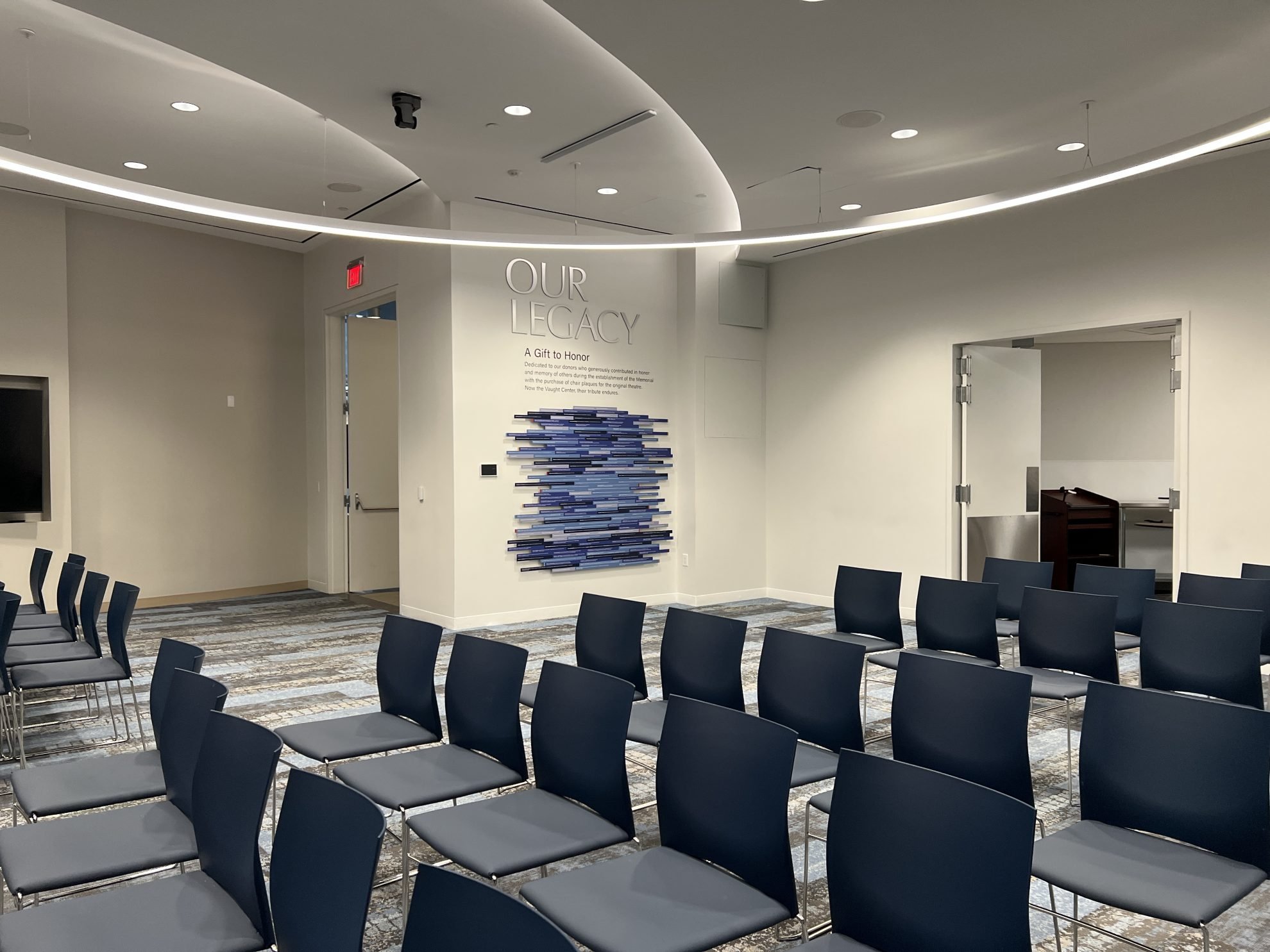
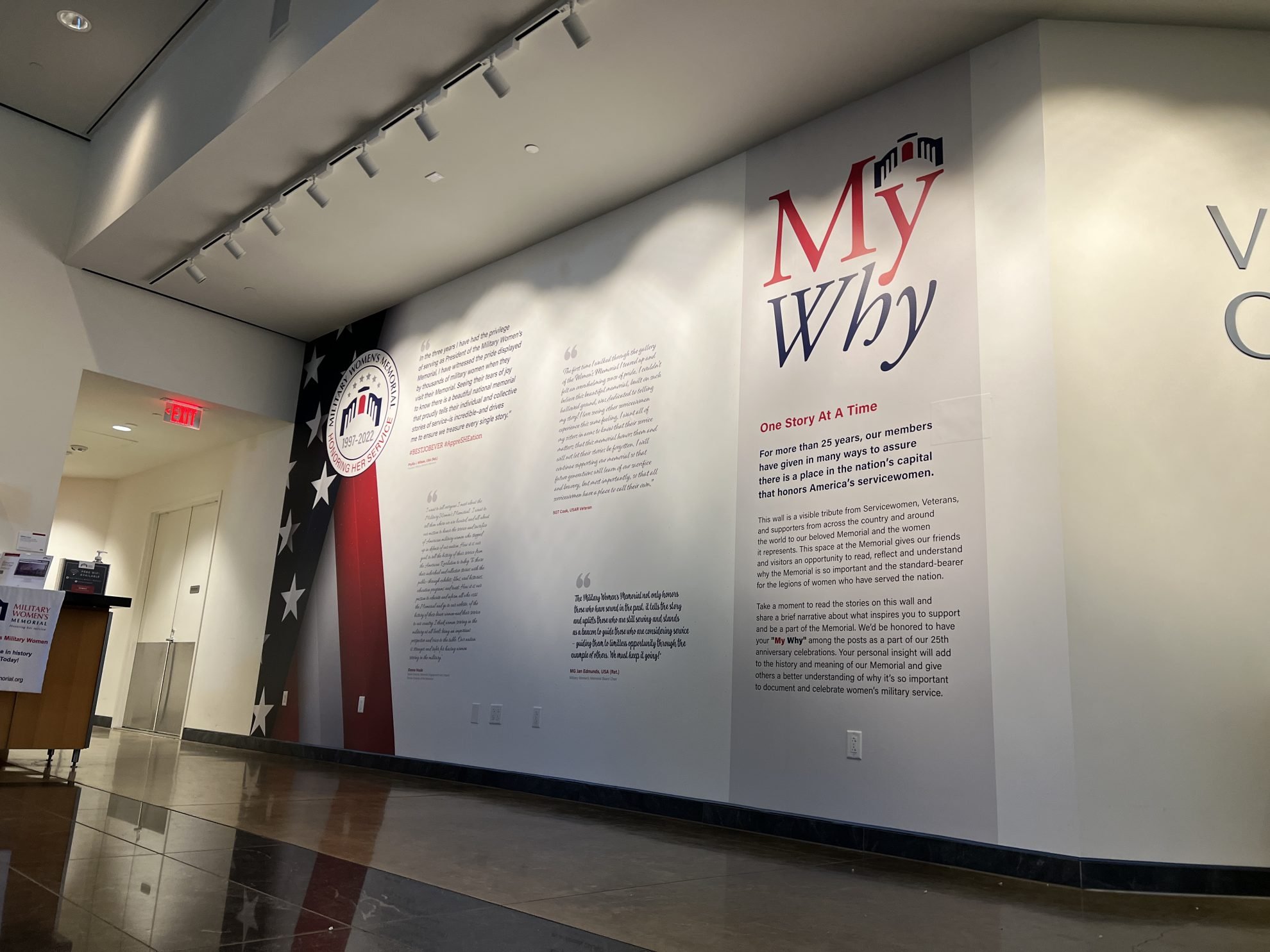
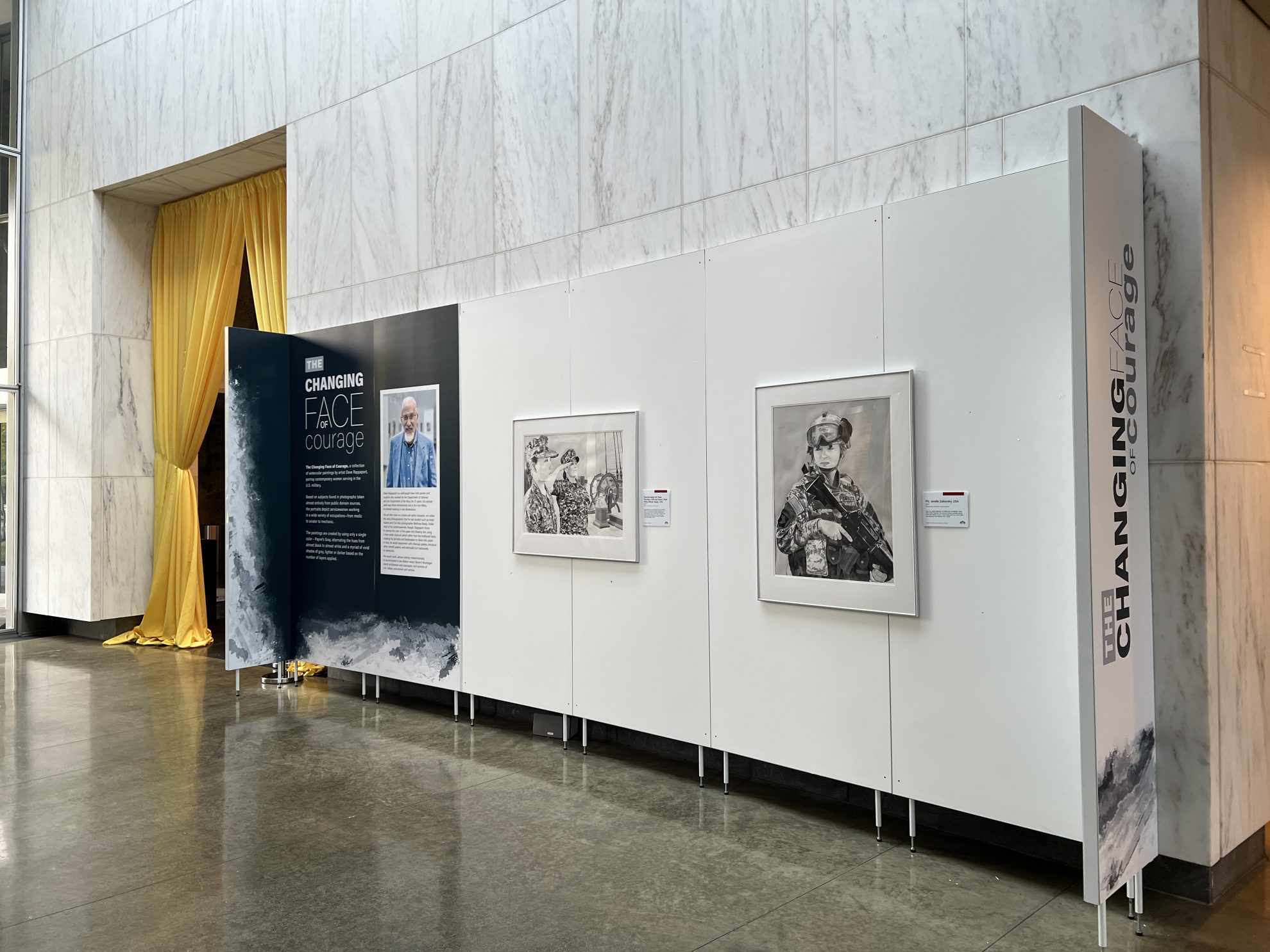
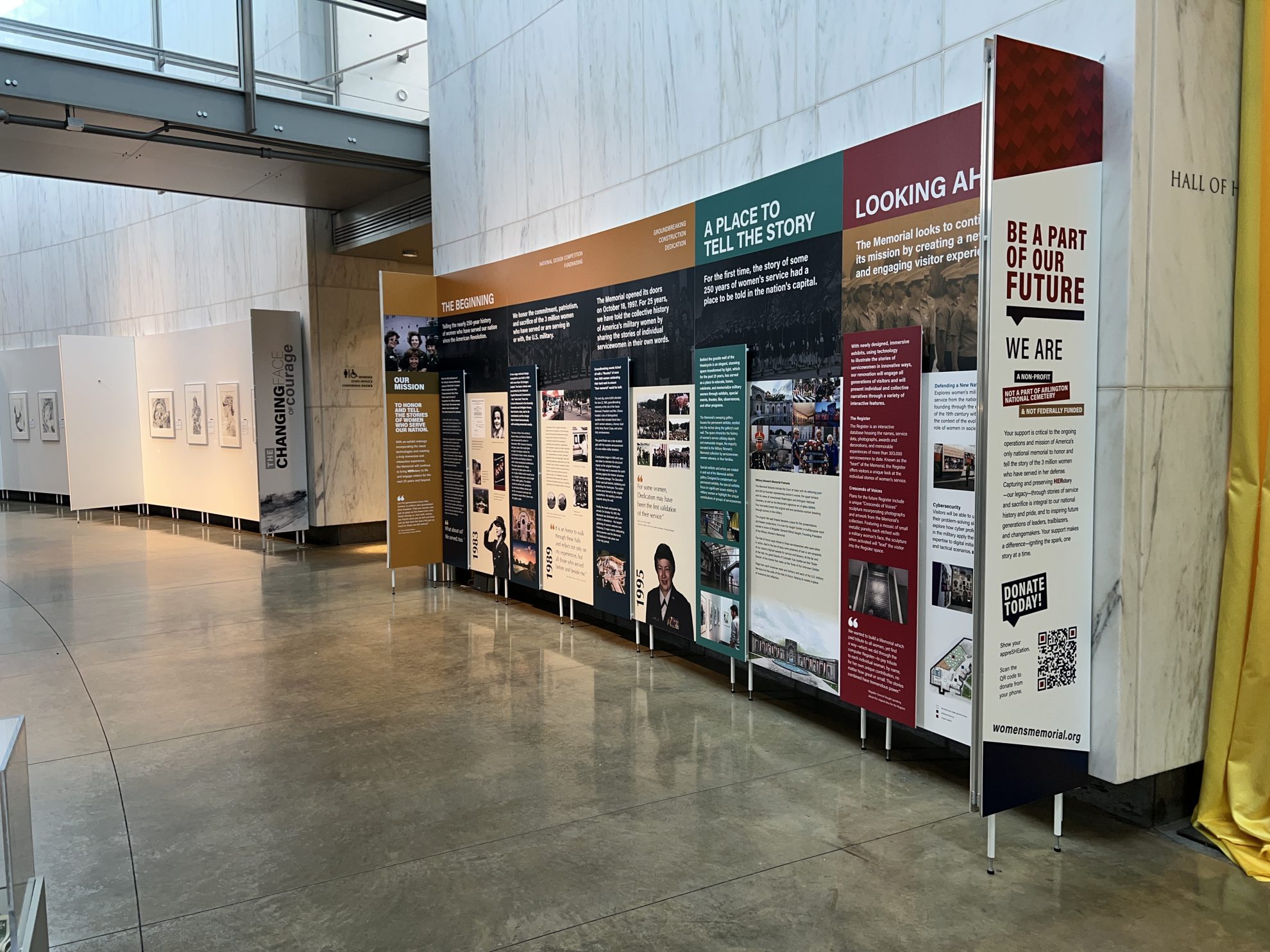
Heritage Signs & Displays created new museum signage for the Military Women’s Memorial in Arlington, VA. The project included custom signs, wall wraps, dimensional letters, and standoff-mounted displays to honor the legacy of U.S. servicewomen and the donors who supported the memorial. The updated interior features impactful designs, including a "Our Legacy" wall display and panels showcasing historical contributions and artwork, creating a transformative tribute to women in the U.S. Armed Forces.
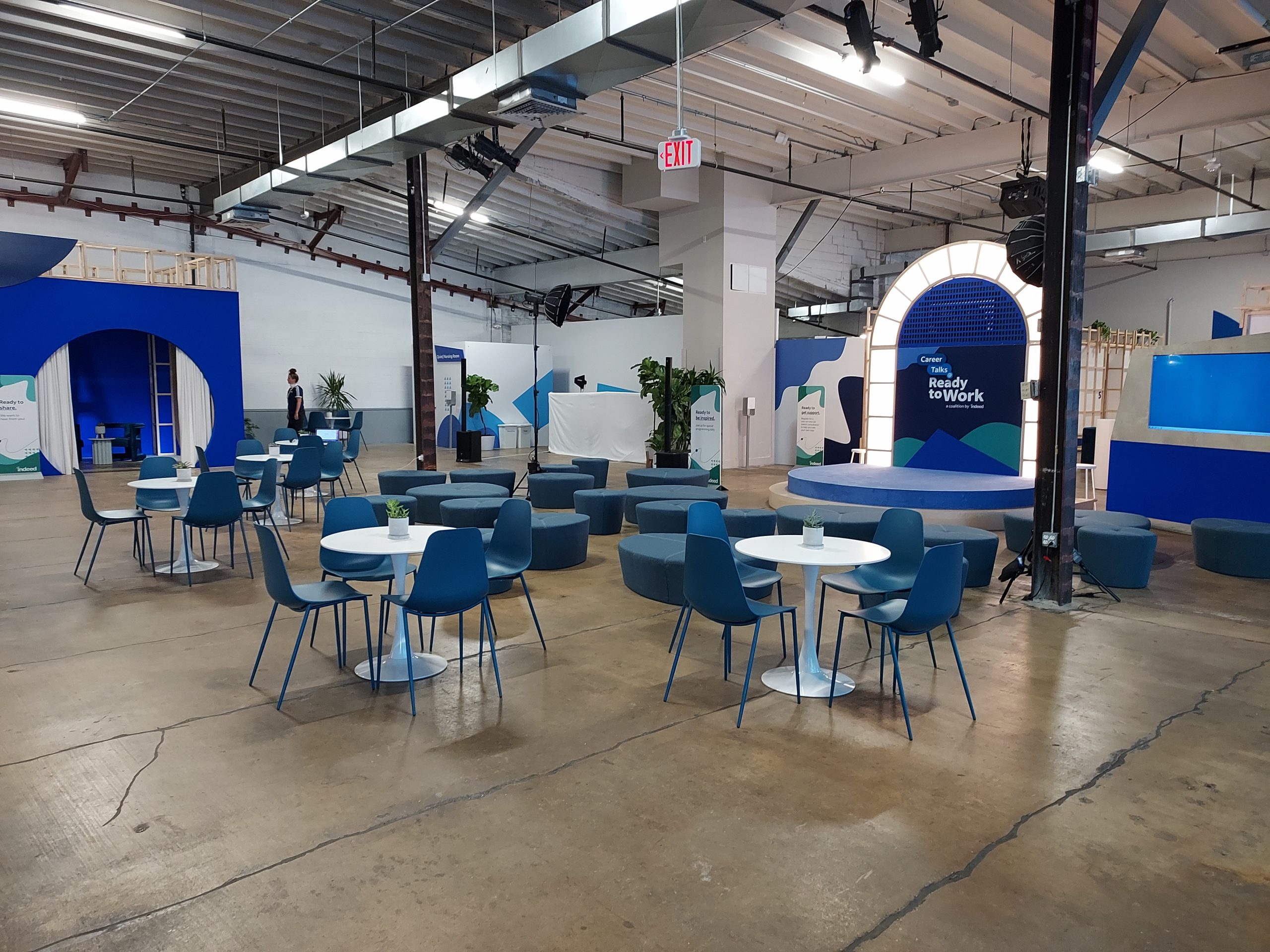
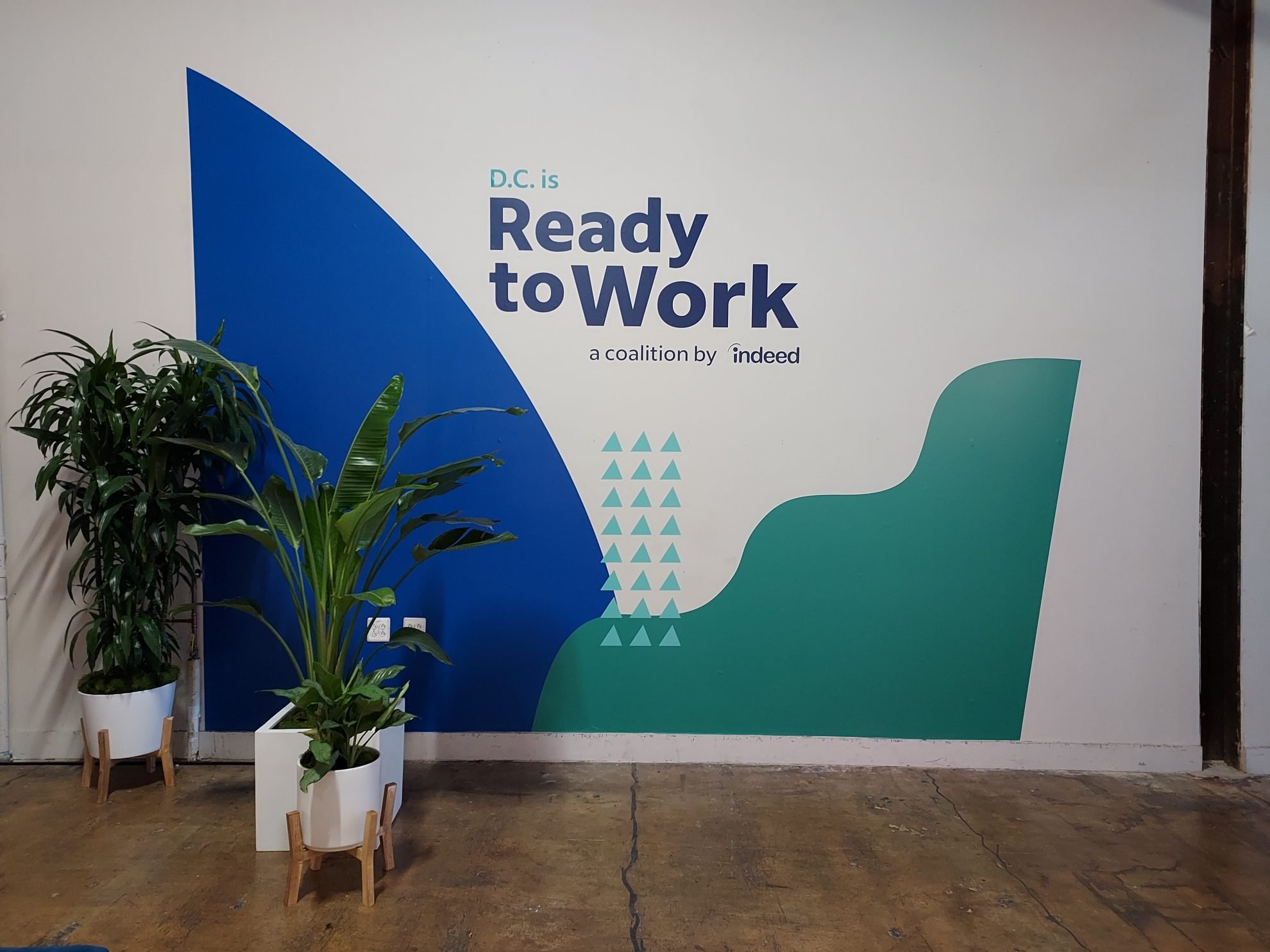
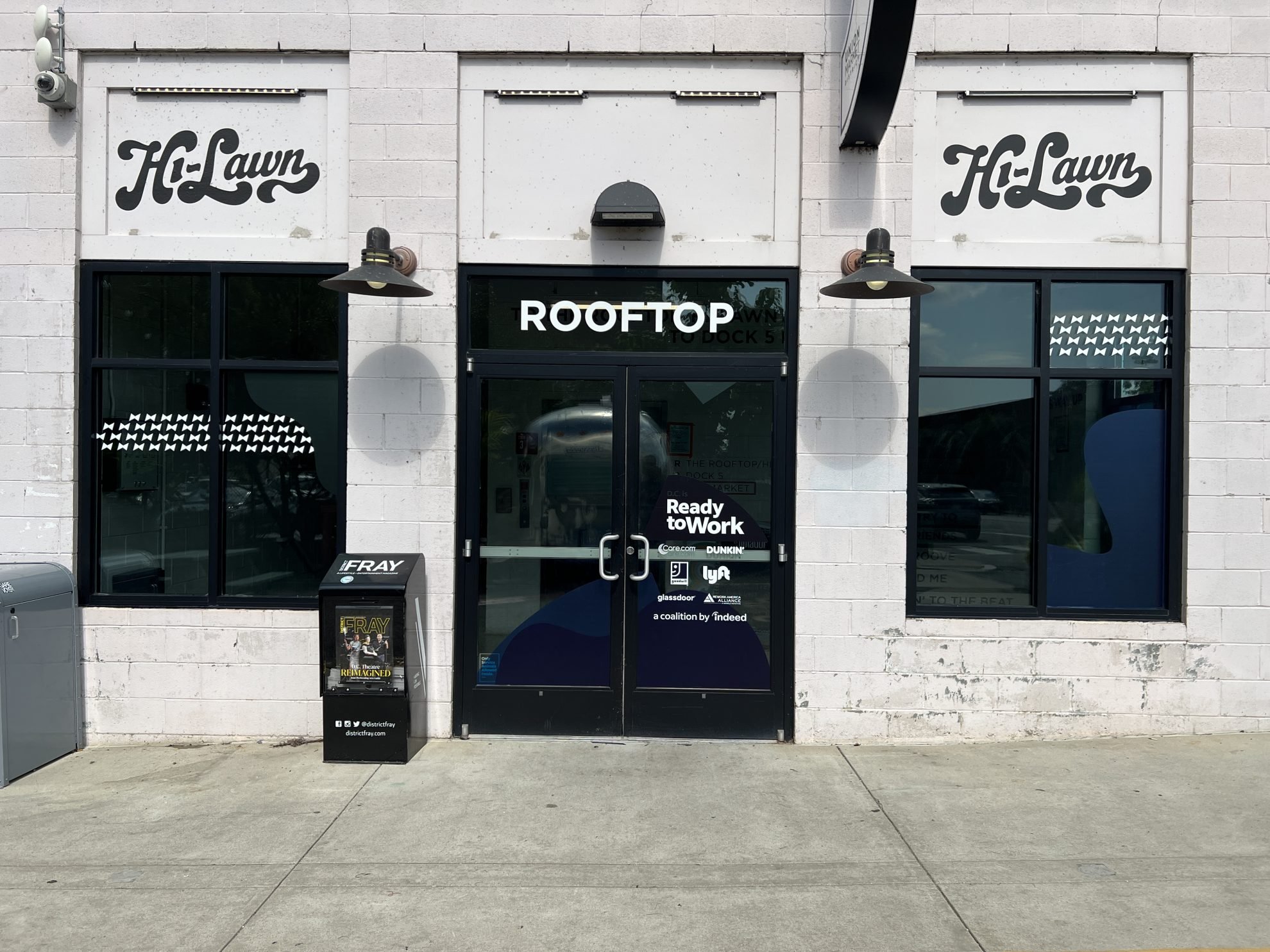
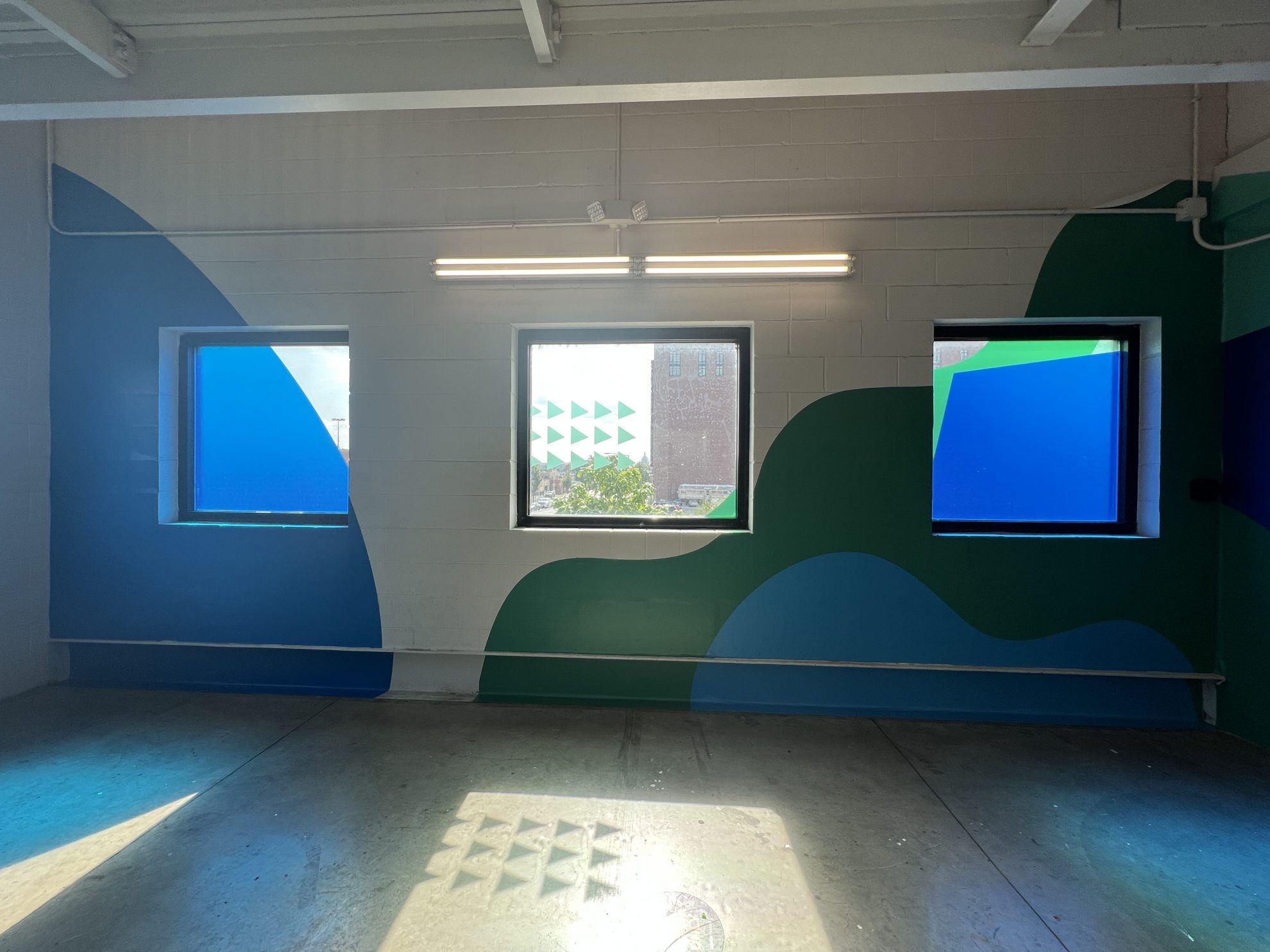
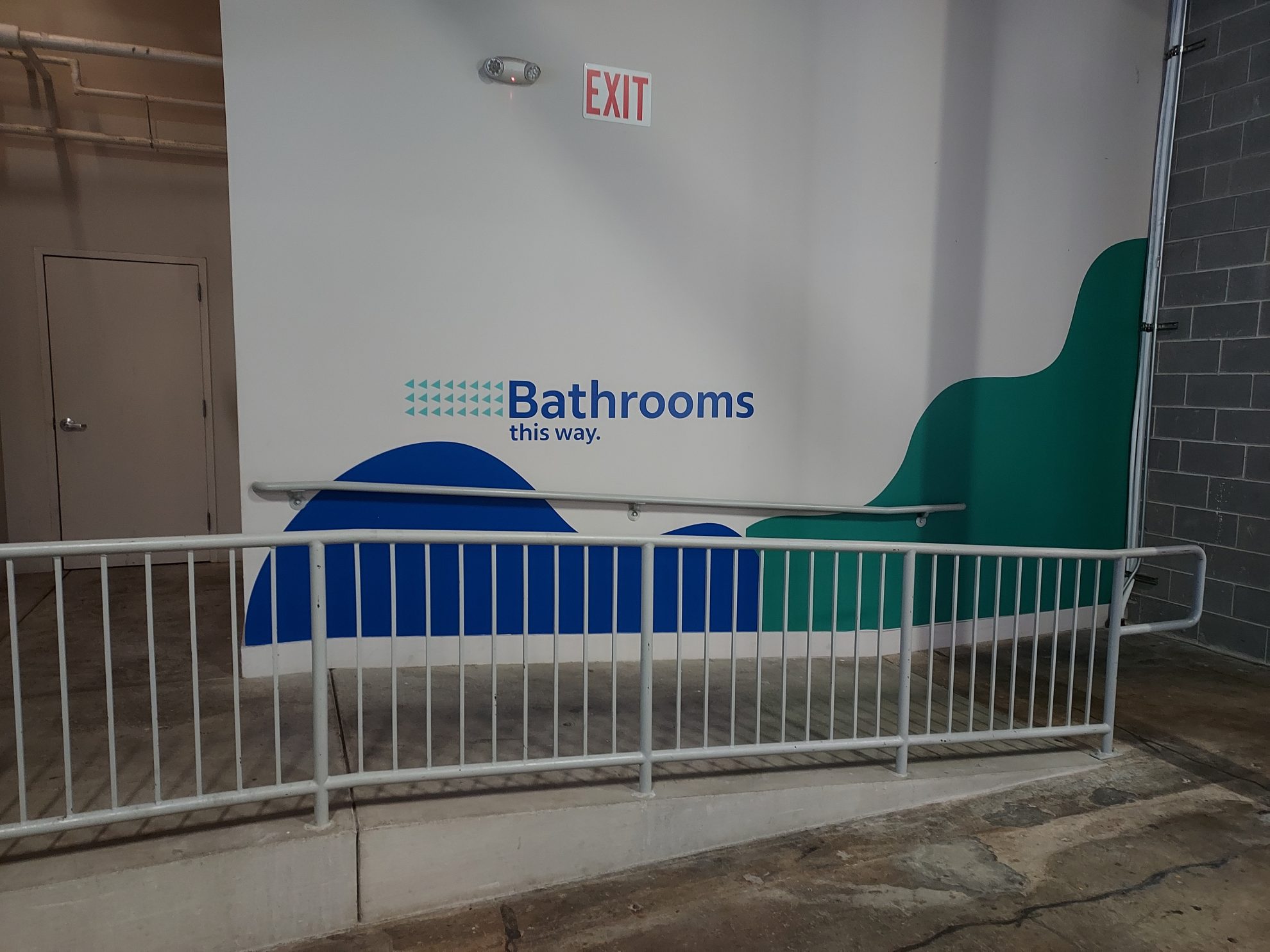
Heritage Signs & Displays' collaboration with The Gathery to brand Union Market in Arlington, VA, for Indeed's "Ready to Work" job fair. The project included custom event displays, wall graphics, window graphics, and wayfinding signs, creating an immersive and visually appealing environment. The branding enhanced the venue, reflected the event's mission, and provided a seamless experience for attendees.