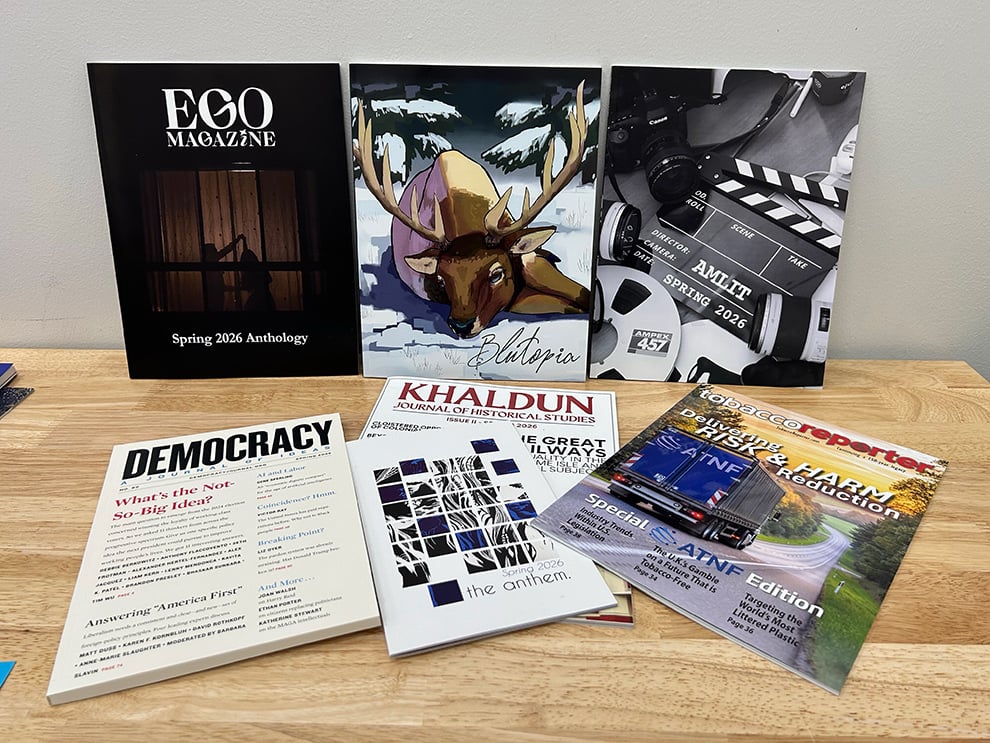
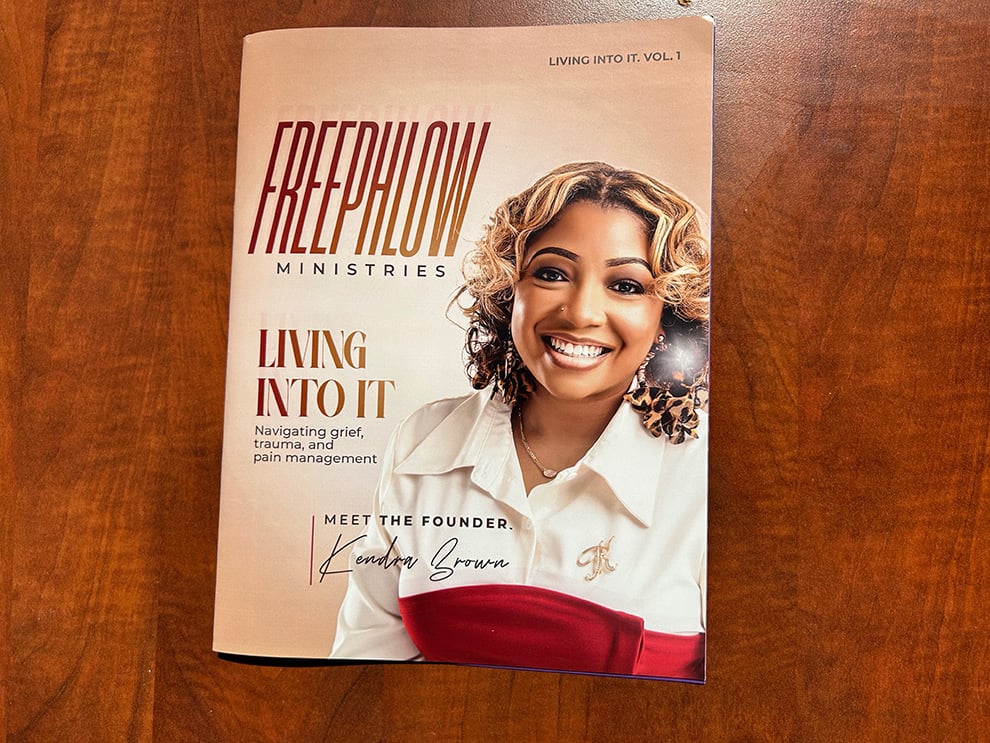
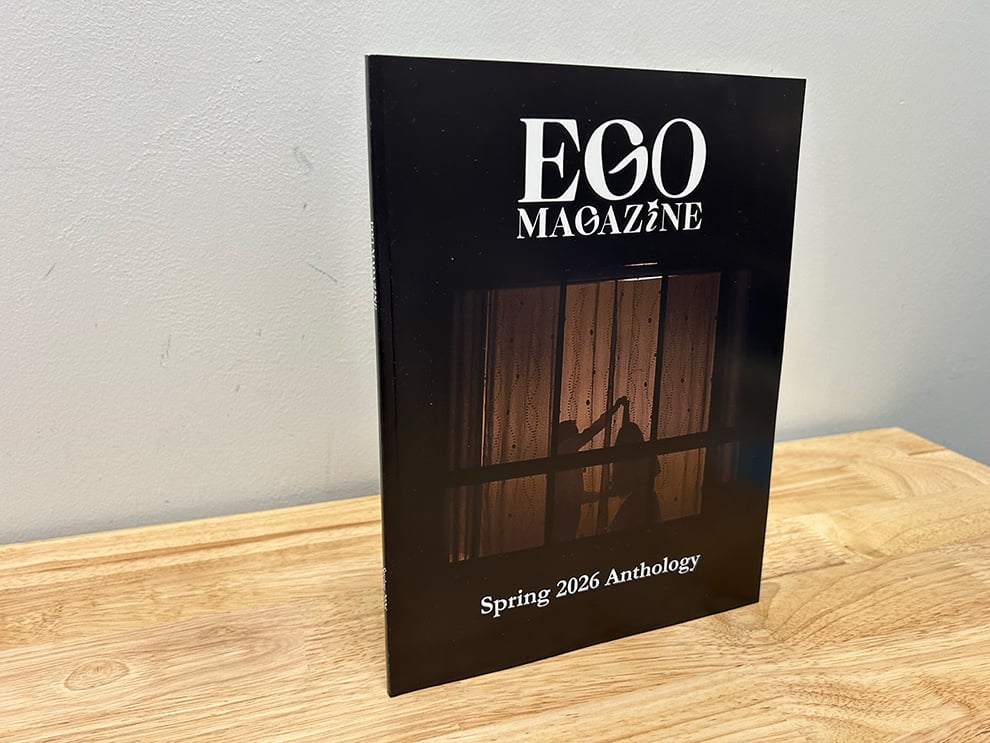
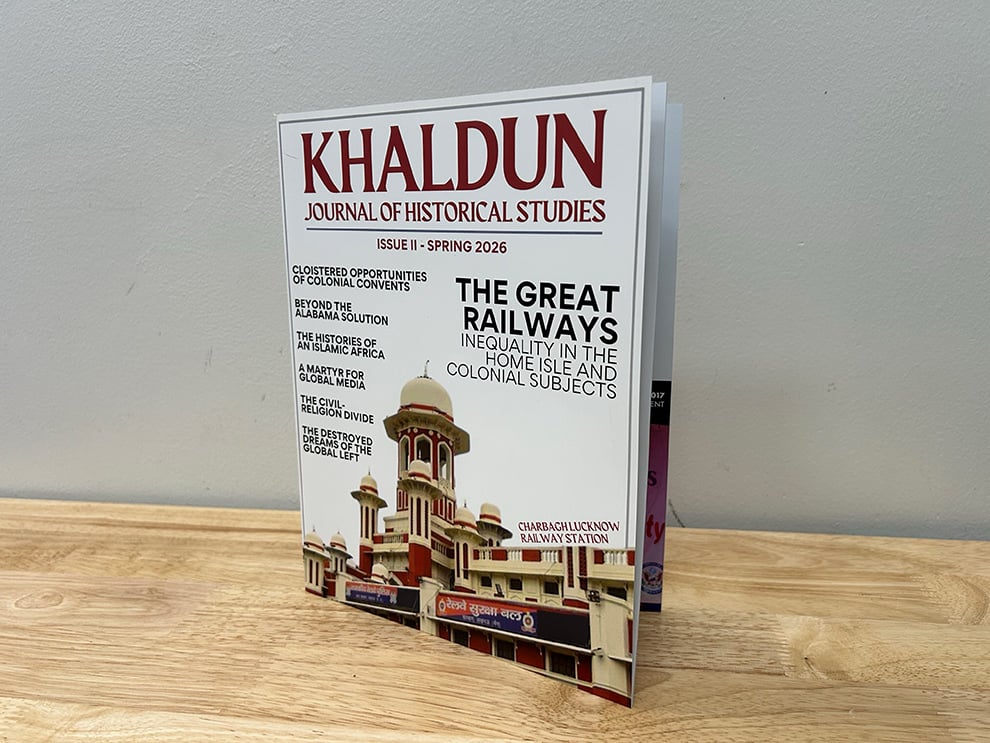
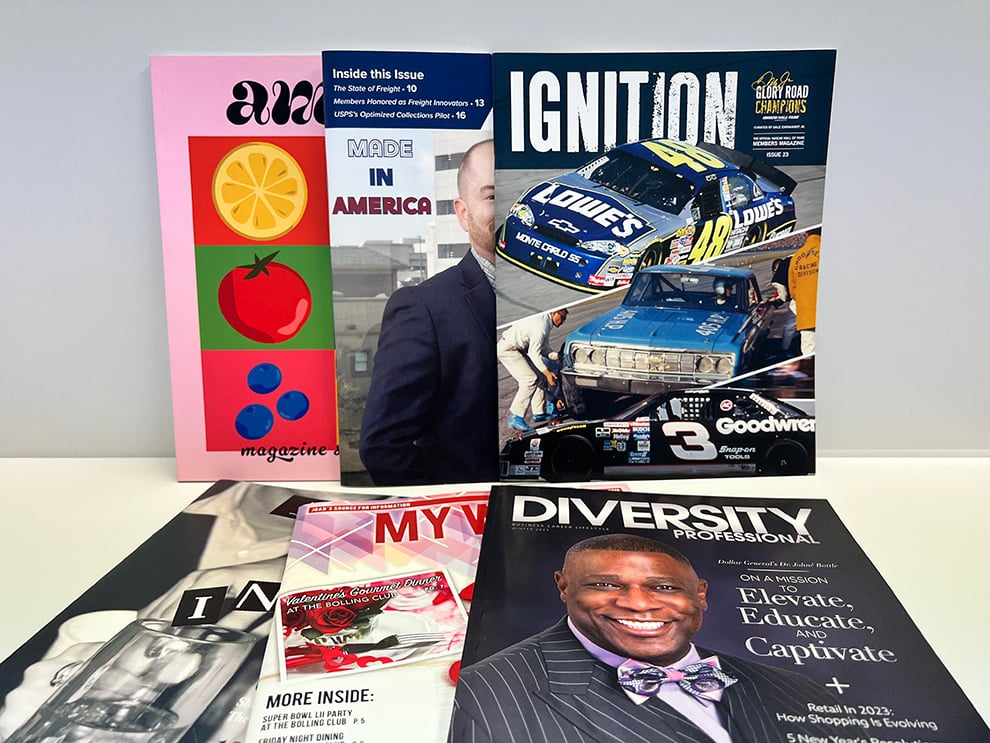
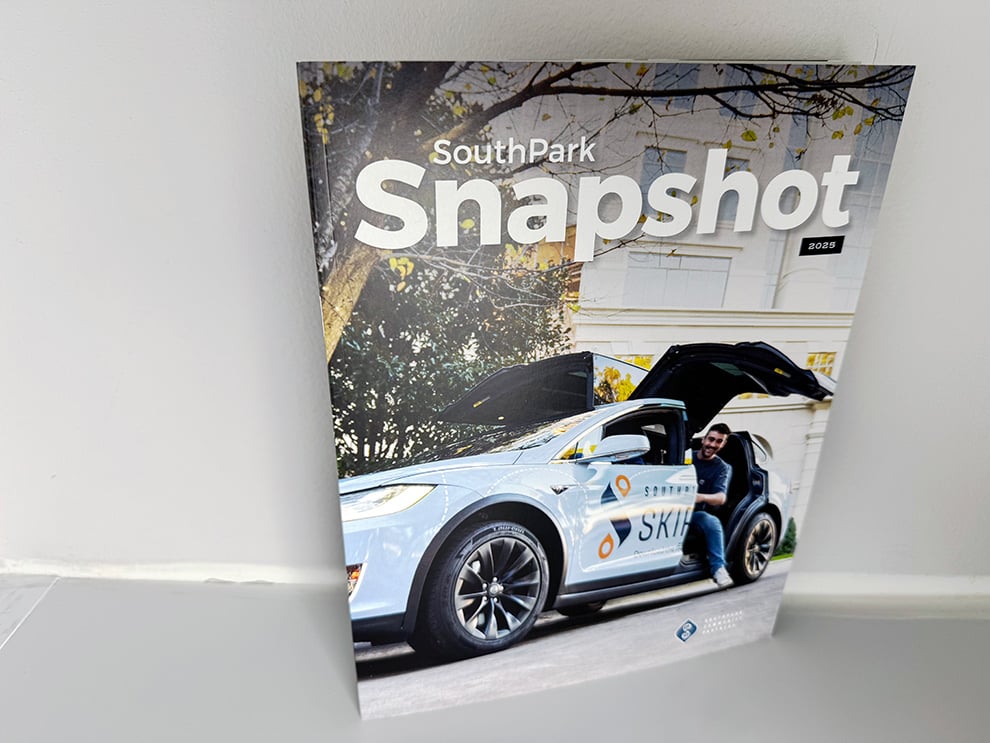
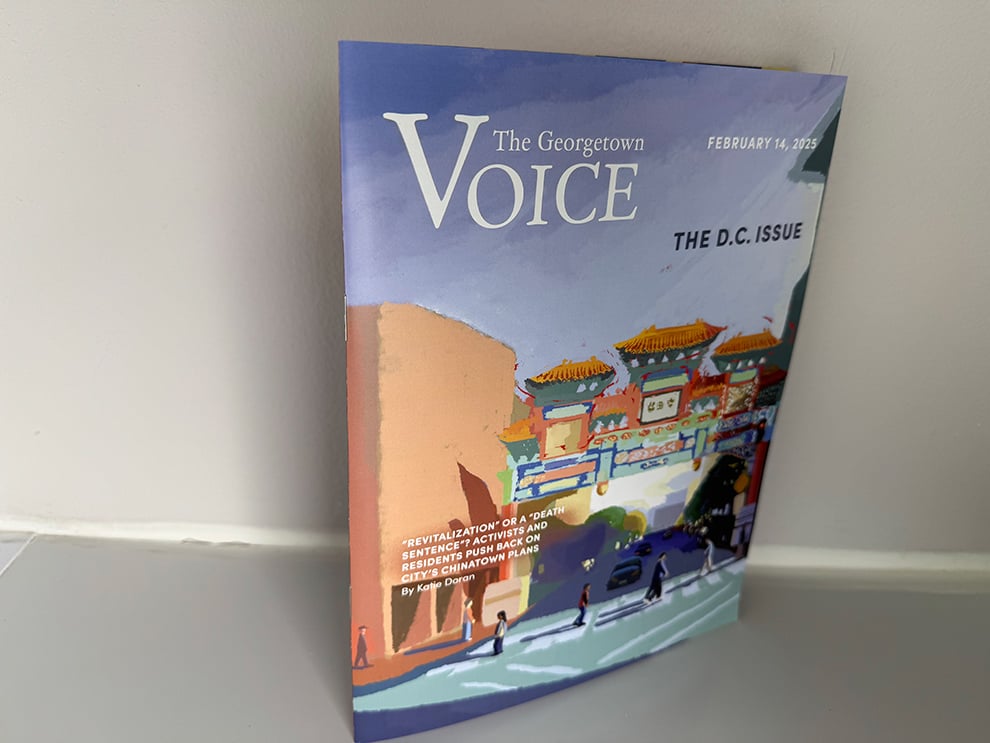
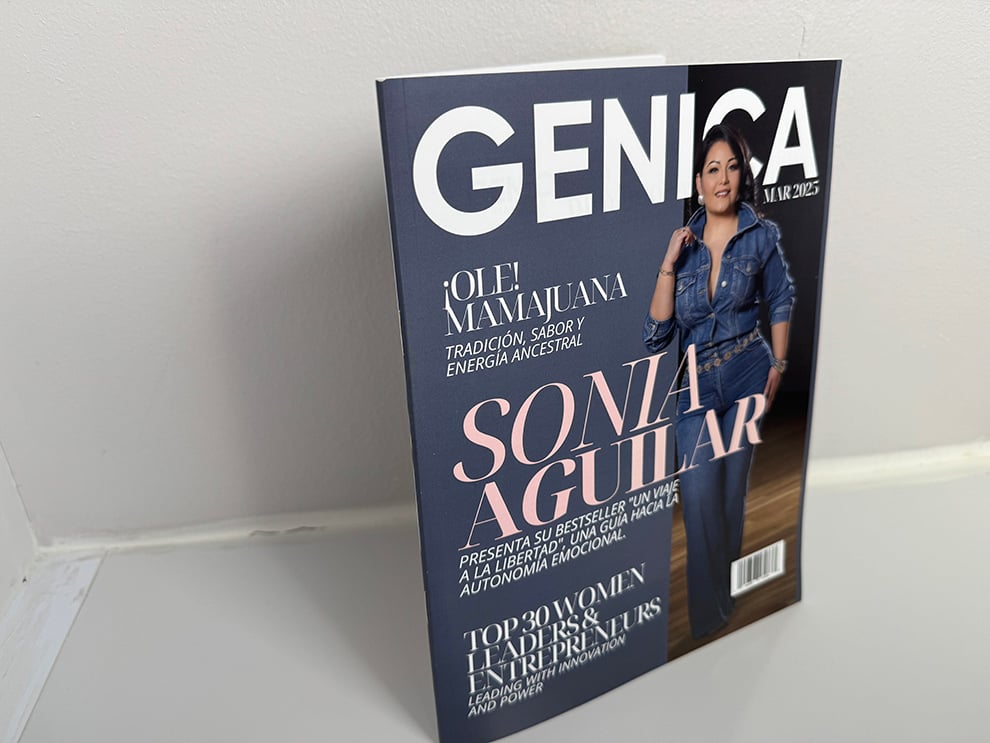
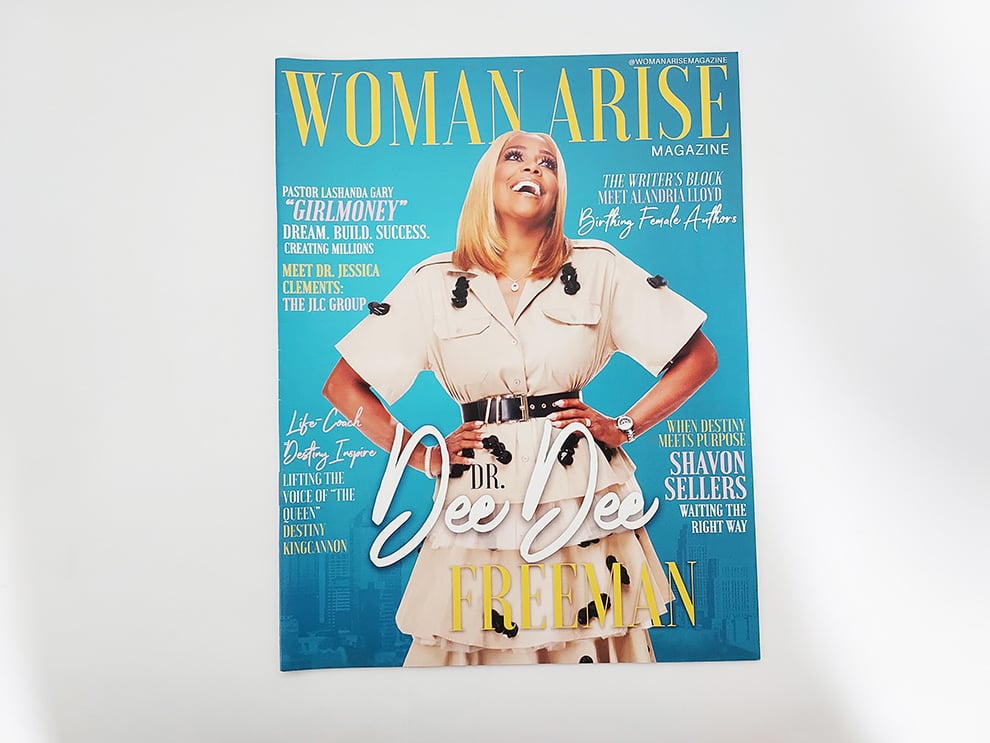
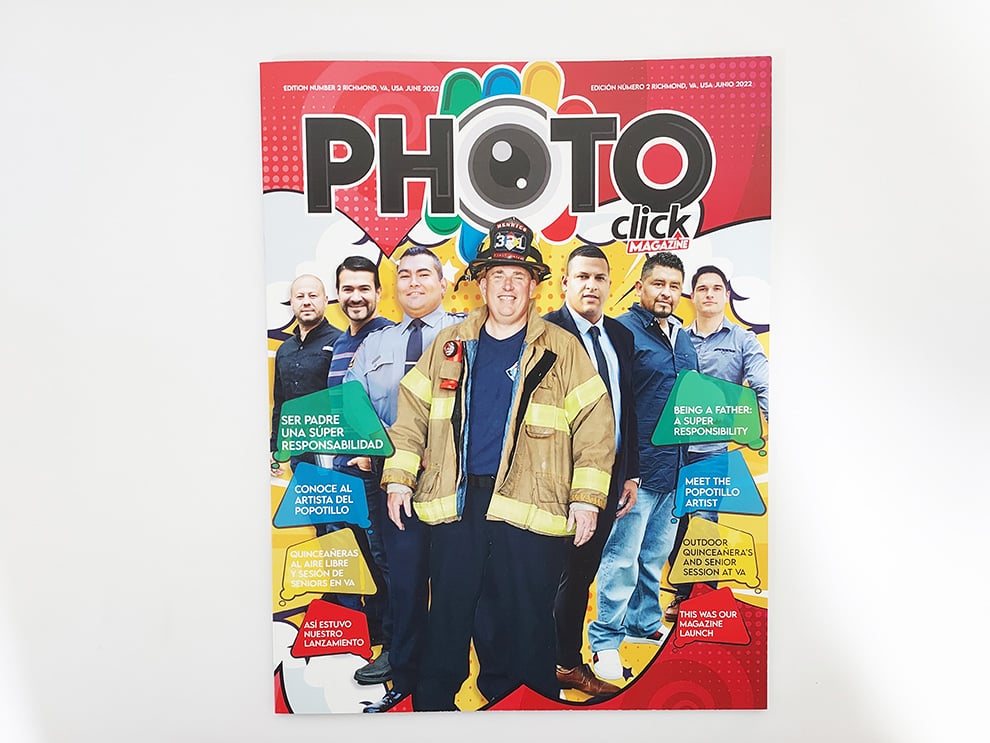
Many Virginia Beach organizations publish a magazine on a schedule that repeats several times a year. Each issue carries new articles and images, yet readers expect the same trim size, paper feel, cover treatment, and binding they held last time. A magazine template, the retained set of production specifications that defines the issue, only protects that consistency when the printer applies it carefully every edition.
Heritage helps organizations in Virginia Beach, VA build and maintain that template with the judgment of a printing company that began in 1977. When your issue files arrive, we compare them against the retained specifications, confirm changes in page count, quantity, versions, or delivery, and identify decisions that need attention before the electronic proof is prepared.
Our job is to keep accepted work steady as editions accumulate. We watch for drift in paper, color, and finishing between issues, communicate clearly when an issue differs from the baseline, and move production responsibly toward your distribution date. The result is a magazine that feels familiar in the hands of readers and a team that spends less time re-explaining requirements.
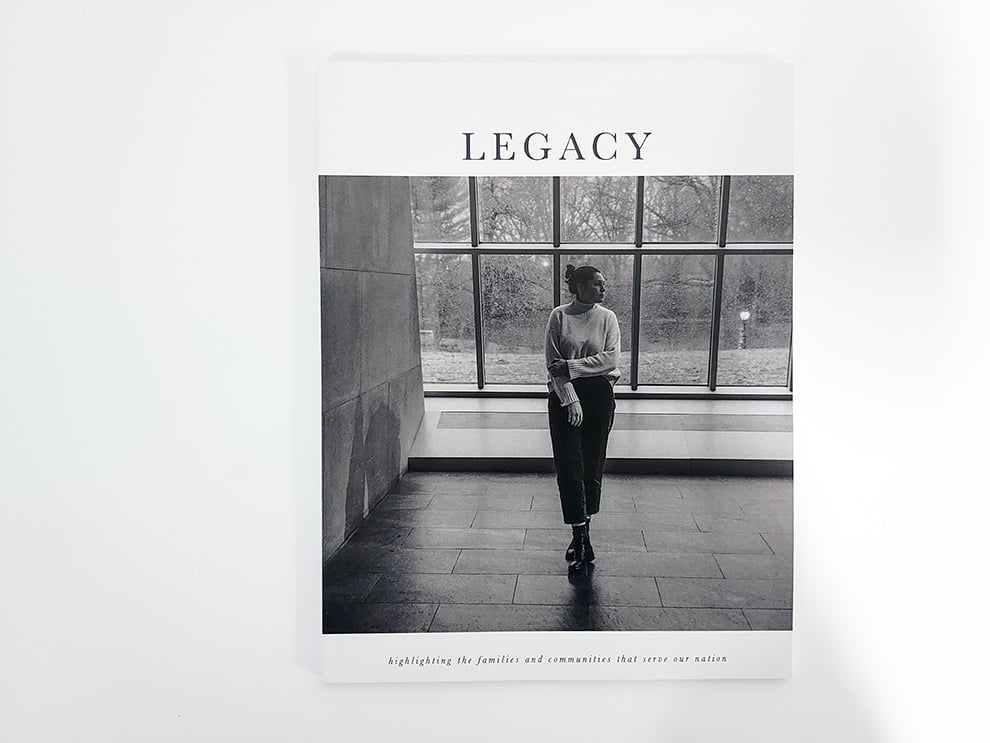
Heritage has been printing since 1977, long enough to understand that a recurring magazine is judged by its weakest issue. One edition with a lighter cover or a color shift in the masthead undermines the confidence earlier issues earned. Our production team treats the retained template as a working control, not a filed document, checking each accepted issue against it before printing begins.
Virginia Beach is part of the Hampton Roads and Tidewater market that Heritage serves from its Mid-Atlantic commercial printing operation. That means quality control on paper and cover stock, press color managed against the approved reference, binding and finishing matched to the retained construction, and honest answers about how a change in quantity, page count, or delivery affects the plan.
Consistency also depends on who you talk to. For directly managed magazine work, the Project Coordinator assigned after acceptance can carry the history of one issue into the next, so prior decisions are not rediscovered. You gain a publication that holds its standard across the year and a production relationship that becomes more efficient with every accepted issue.
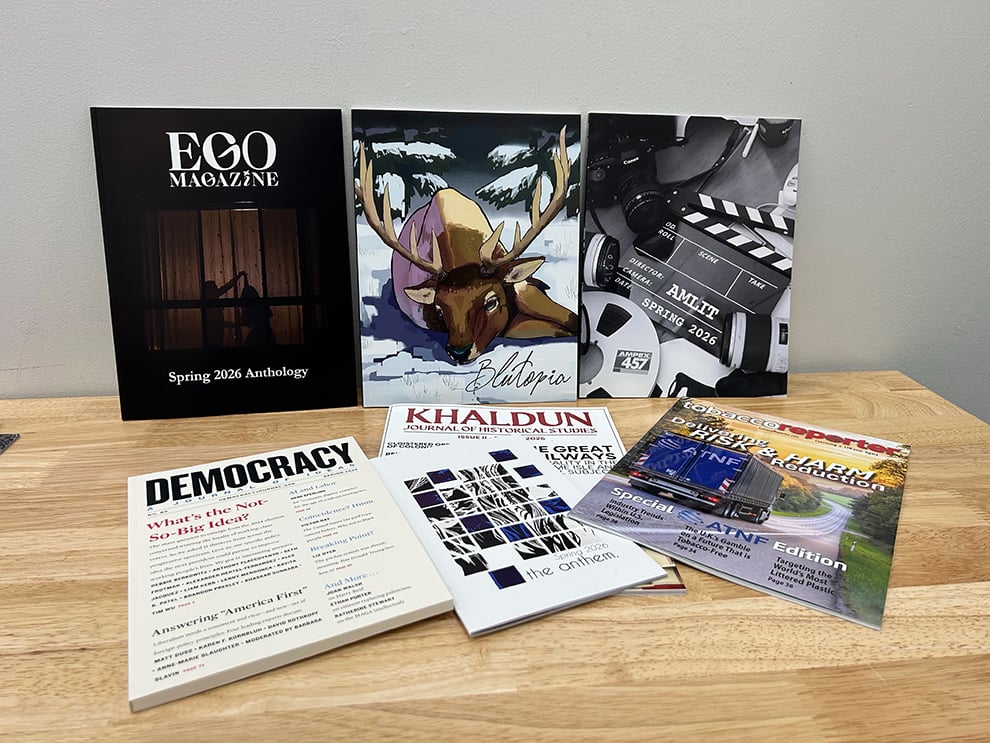
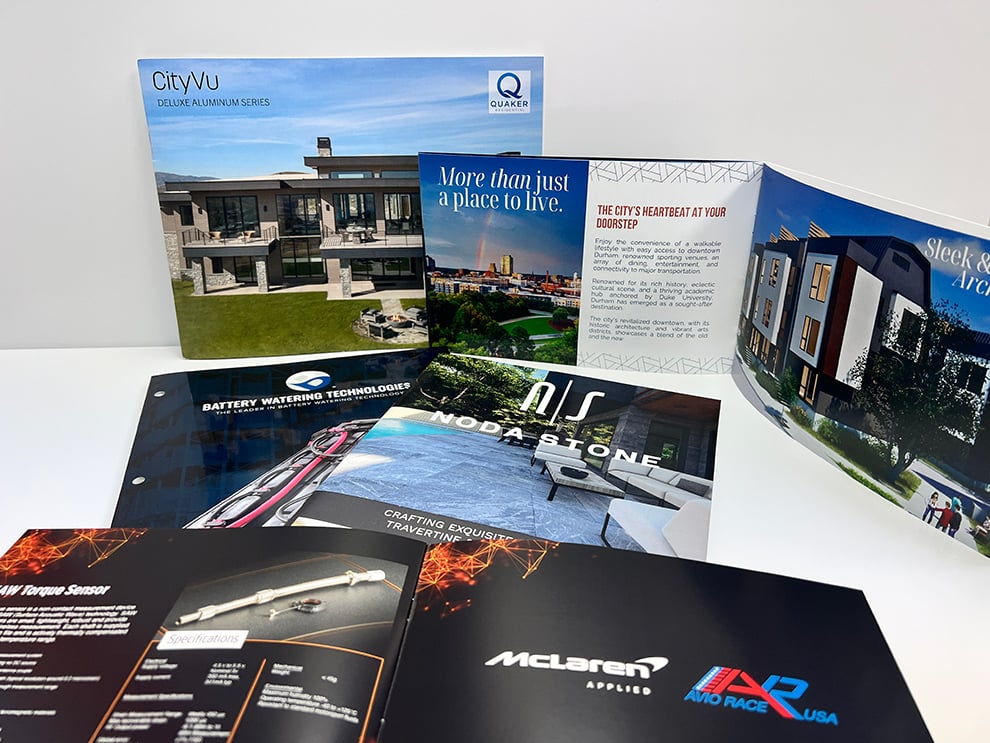
For a single program guide, report, or orientation piece that needs multiple pages but not a recurring issue identity.
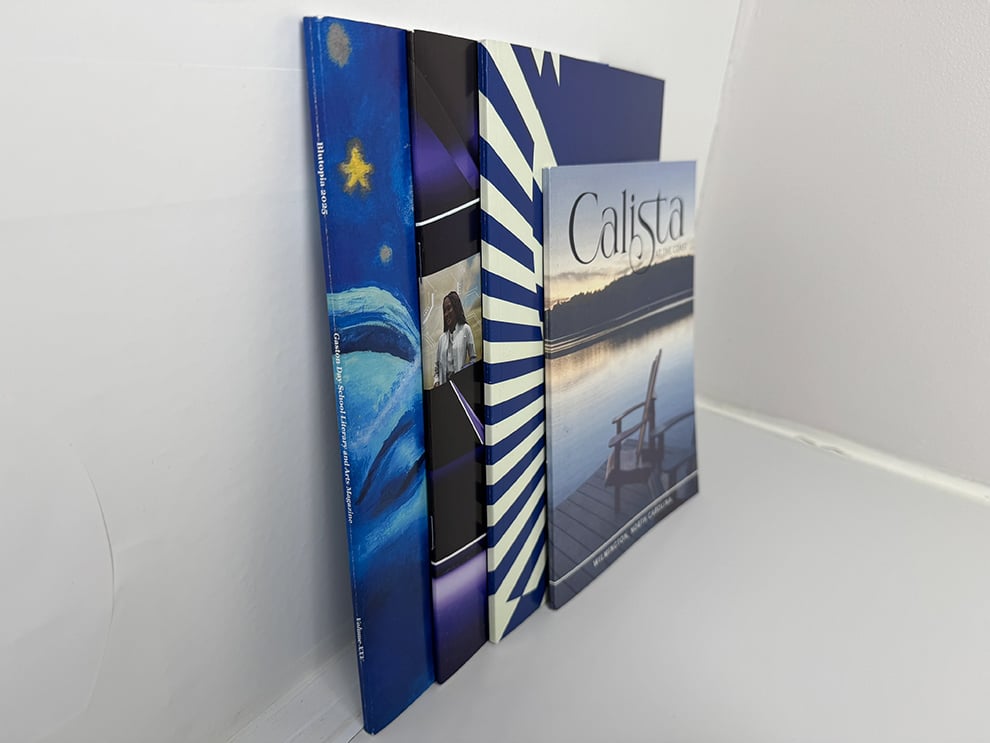
For thicker publications where a square, printable spine and a more finished presentation serve the content.
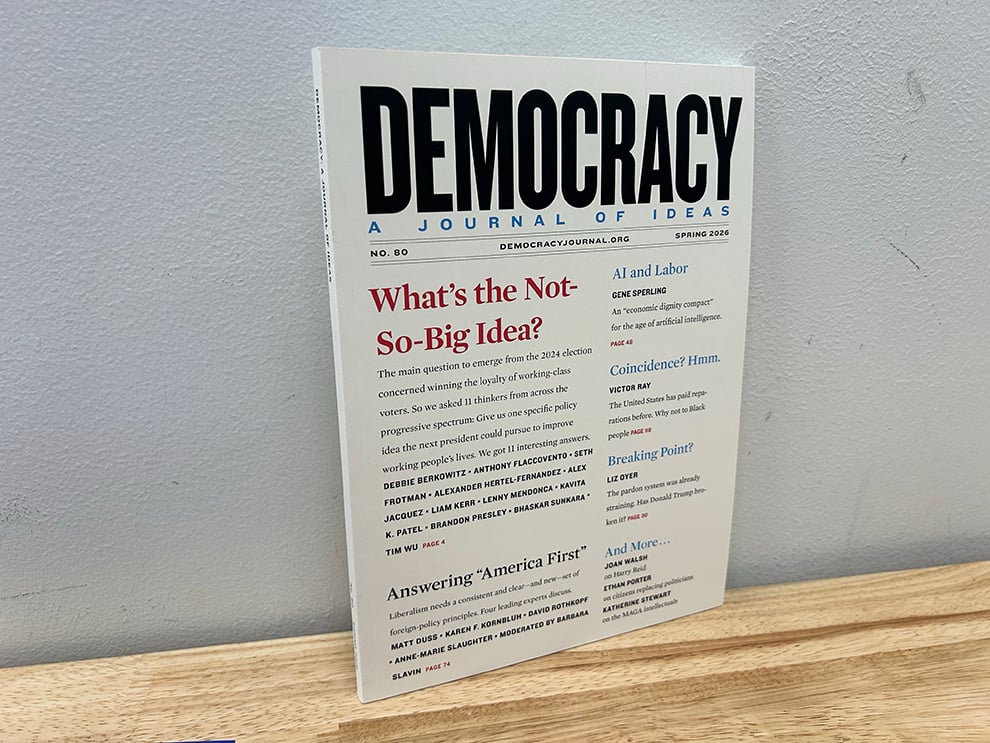
For brief, frequent updates to members, residents, employees, or donors on a cadence faster than a magazine.
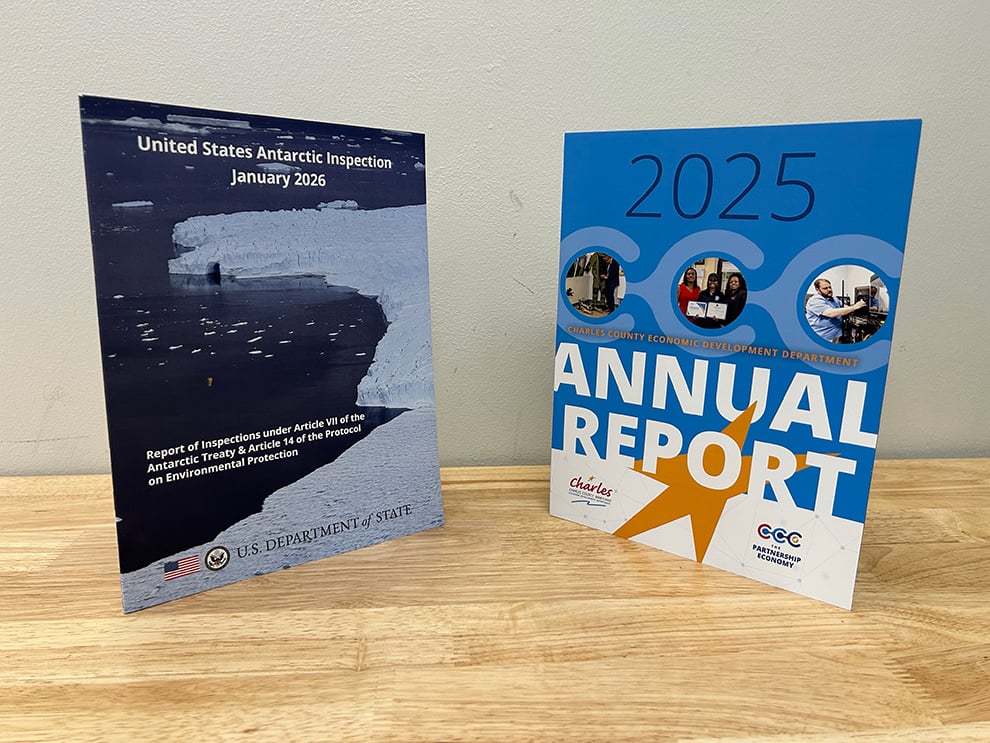
For once-a-year reporting of results, finances, and impact to boards, funders, and stakeholders.
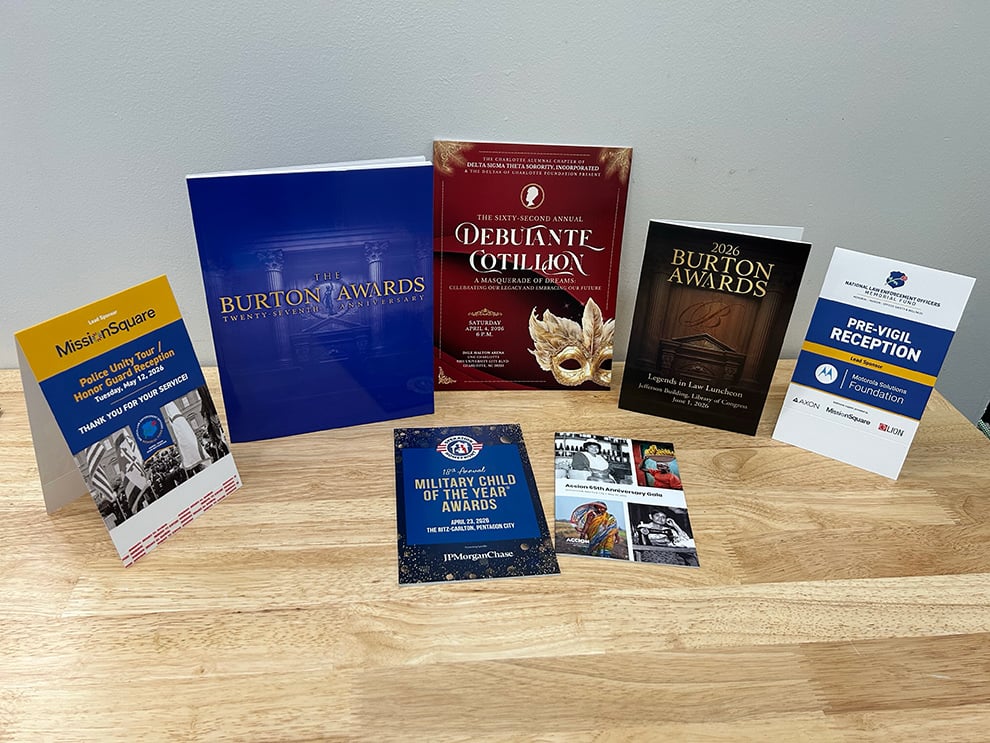
For conferences, galas, tournaments, and ceremonies where the event date fixes the production deadline.
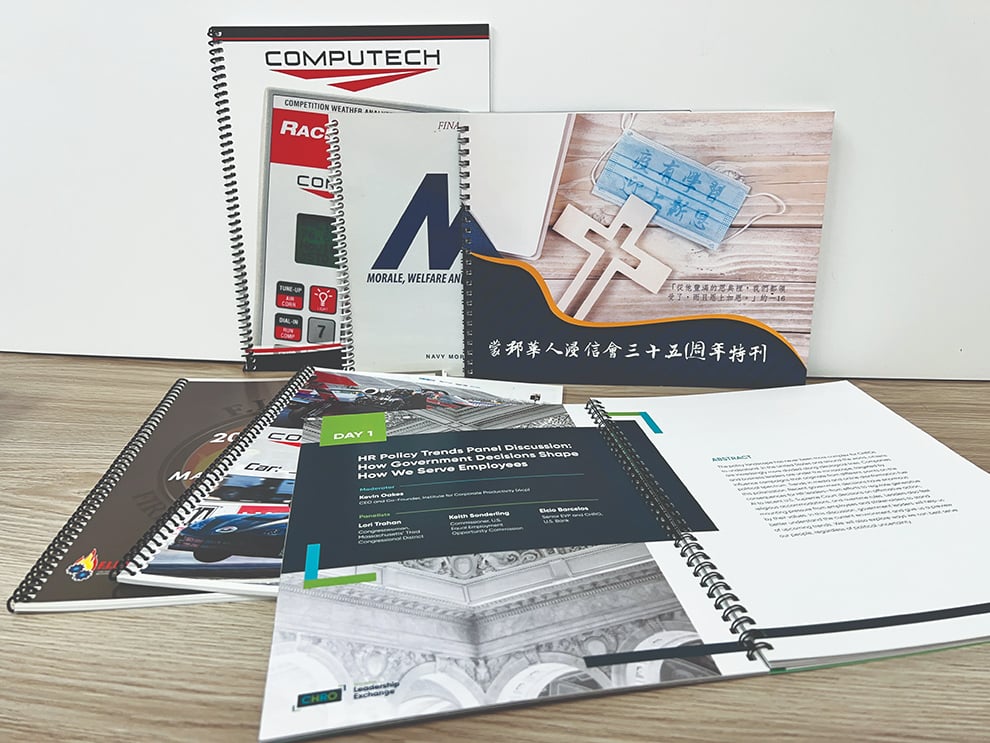
For instructional content that participants will mark up, keep, and reference after a scheduled session.
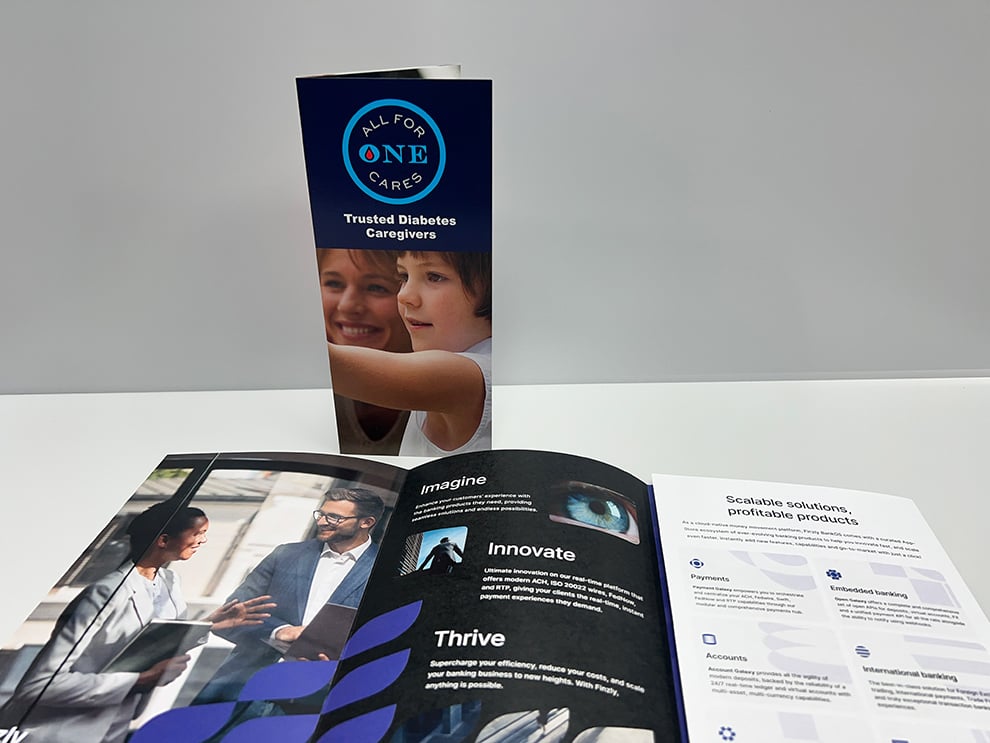
For concise overviews of a program, destination, service, or campaign that travel easily by hand or by mail.
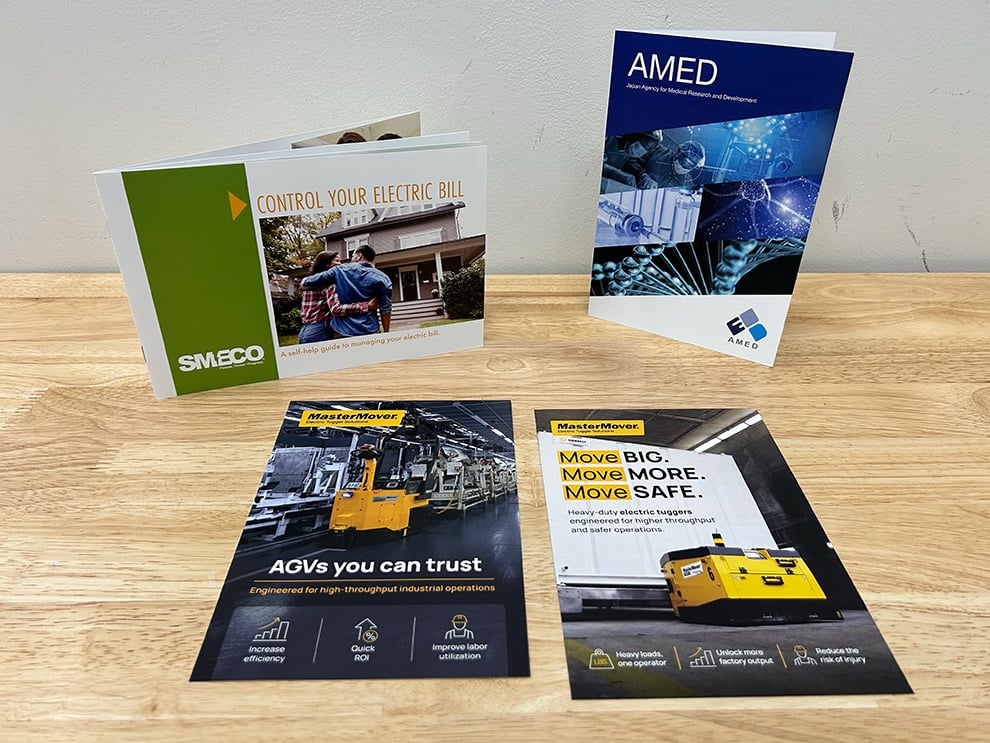
For coordinated campaign pieces produced together so colors, messaging, and delivery stay aligned.
Send your issue files, the specifications you want retained, quantities, versions, and the date readers need the magazine in hand through Custom Quote. Heritage will review the production path for your Virginia Beach publication and respond with what is realistically achievable and which decisions remain open.
A magazine template should be defined by how the finished issue will be read, handled, distributed, and repeated. A visitor publication racked in oceanfront hotel lobbies needs a cover that resists repeated handling. A membership magazine mailed to households across Hampton Roads must balance paper weight against postage, while an internal employee magazine may favor image reproduction over durability.
Binding follows the construction. Saddle stitching produces a light issue that lies open easily when the page count and paper suit folded construction. Perfect binding produces a square spine and a more substantial profile once the finished thickness can support it. Interior stock, cover stock, and page count should be settled together with the binding, since each constrains the others.
Once the template is accepted, it becomes the baseline for later issues, but every edition is still reviewed against the current page count, quantity, versions, schedule, and delivery needs. Every issue receives an electronic proof for review and approval before printing. When color matters, qualifying Custom Quote work may add a paid Physical Production Color Proof, which adds production time.
Your team owns the editorial side: articles, advertising, photography, and internal sign-off. Our work starts when the completed files and production specifications reach us. Complete print-ready artwork is required for Self-Directed Online Store orders, while qualifying Custom Quote projects may include production-oriented file preparation or layout adjustments within the accepted scope.
From there, we review the files against the template, flag anything that changes the issue, and prepare the electronic proof for your approval. For Custom Quote magazines, Heritage assigns a Project Coordinator once the quote is accepted and the order assigned, and that coordinator becomes your direct phone and email contact for printing, binding, finishing, and any mailing, shipping, or delivery included in the accepted scope.
Timing is evaluated issue by issue. We weigh file readiness, approvals, paper availability, binding, finishing, proofing, quantities, versions, and fulfillment before confirming a date, and we say so plainly if something needs to shift. Custom Quote serves qualifying magazine projects of $2,000 or more that benefit from this coordination. New commercial printing orders carry a $750 minimum, which eligible Store products may be combined to meet.
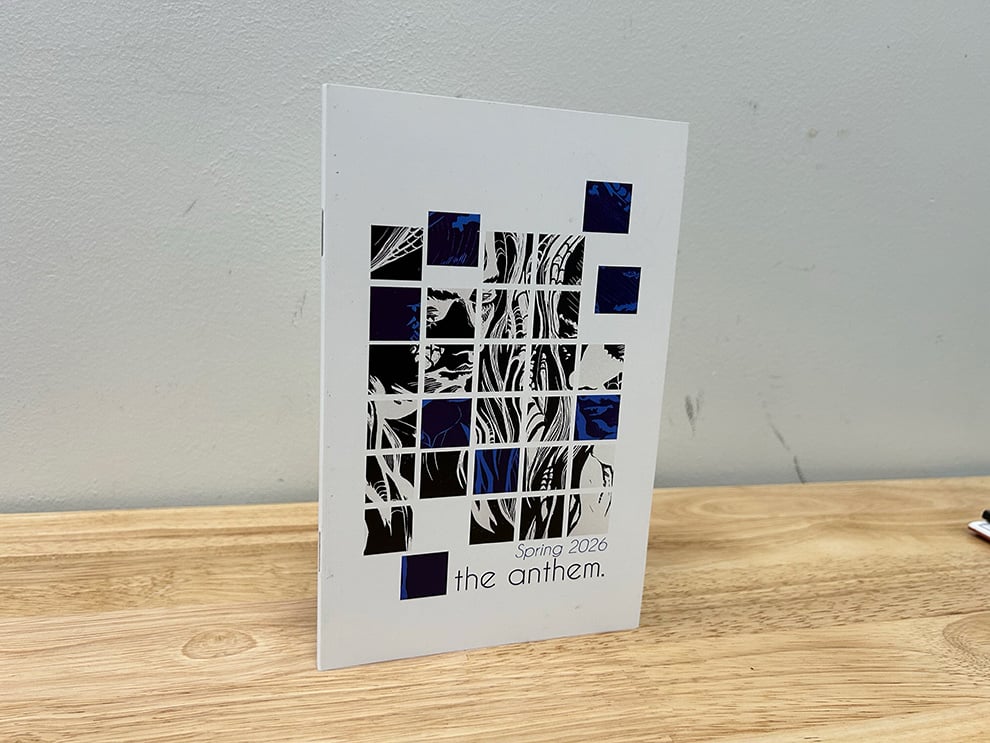
A magazine template is the set of accepted production specifications that Heritage retains for your publication: trim size, interior and cover stock, binding method, page count range, color targets, and finishing. It gives each later issue a tested starting point. The current files, quantity, versions, and dates are still reviewed every time, because the template describes the publication, not the specific edition.
Yes. A booklet answers a single need, such as a program, guide, or report, and is judged on its own. A magazine carries an issue identity that readers recognize from edition to edition, so trim, paper, cover treatment, and binding are expected to stay consistent even when the content changes completely. That continuity is what the template protects.
The decision depends on the finished construction. Saddle stitching fits when the page count and paper allow folded sheets to nest and close neatly, producing a lighter issue. Perfect binding fits when the finished thickness supports a square spine and the publication benefits from a sturdier, more substantial presentation. Heritage reviews page count, stock, and intended use together before recommending either method.
Start with how the issue will be handled. Interior paper affects opacity, image reproduction, weight, and feel, while cover stock affects structure and how the magazine survives repeated handling on a rack or in a mailbox. A publication circulated in hotels and attractions wears differently from one mailed to members once a quarter. Heritage helps weigh those factors against quantity and distribution so the choice holds up.
Not necessarily, but it must be reviewed. A larger or smaller page count can change whether the current binding still suits the construction, how the spine or fold behaves, the finished weight, and mailing cost. Quantity changes, added versions, a late paper substitution, or a new delivery point can also alter the production or distribution plan. Share the change early so Heritage can confirm what the template can absorb.
Yes, when versioning is included in the accepted scope. Common examples include a resident edition and a visitor edition, sponsor pages that differ by market, or a member cover with a different mailing panel. Clear file naming, confirmed quantities per version, and one approval owner for each keep similar editions from being mixed during printing, finishing, or distribution.
Begin with the date the magazine must be in hand, then work backward through final file completion, internal approvals, electronic proof approval, printing, binding, finishing, and mailing or delivery. Share fixed commitments such as a convention, a season opening, or a membership meeting early. Heritage evaluates the full path before confirming timing rather than assuming a standard turnaround.
Every magazine order receives an electronic proof for your review and approval before printing, whether it comes through Custom Quote or the Online Store. Use it to check pagination, cover placement, text, images, and version differences. The electronic proof confirms content and layout, but it is not a physical color standard, and screen appearance can differ from the printed result.
A Physical Production Color Proof may be requested for qualifying Custom Quote magazine work of $2,000 or more. Heritage prints it on the same production printer and the same paper or production material planned for the final run, so it shows how color will actually appear. It carries an additional cost, adds production time, and once you approve it, it becomes the controlling physical color reference for that issue. It is not available through the Self-Directed Online Store, and Heritage does not guarantee an exact match to a screen or PMS value because printers, inks, papers, and finishes each influence the result.
Yes, when mailing, shipping, or delivery is part of the accepted scope. Finished weight, packaging, quantities, and the required in-hand date shape the plan, and Hampton Roads addresses can be combined with deliveries to an office, venue, or distributor. Your organization remains responsible for accurate and authorized mailing data. Heritage performs the mailing services it accepts but cannot guarantee USPS performance after postal acceptance.
Use Custom Quote when your magazine is a qualifying project of $2,000 or more and benefits from specification guidance, file preparation, color-sensitive proofing, multiple versions, finishing, mailing, or a demanding schedule. The value opens the path but does not require it. After Heritage accepts the quote and assigns the order, a Project Coordinator becomes your direct contact for that work.
Only when a live Store configuration genuinely matches the issue. The Self-Directed Online Store suits settled magazine work with complete print-ready artwork, specifications your team can select without consultation, and a total eligible order that meets the $750 minimum, which can combine several eligible Store products. Store orders still receive production review and an electronic proof, but not an assigned Project Coordinator, layout help, or a physical color proof.
Heritage evaluates the compressed window rather than assuming it. We look at file readiness, approvals, paper availability, binding and finishing requirements, proofing, quantities, versions, and delivery, then tell you what is realistically achievable and where an alternative such as a split delivery or a simpler finish may help. Accepted work is actively managed toward the date, but we do not promise an accelerated schedule before confirming what the issue requires.
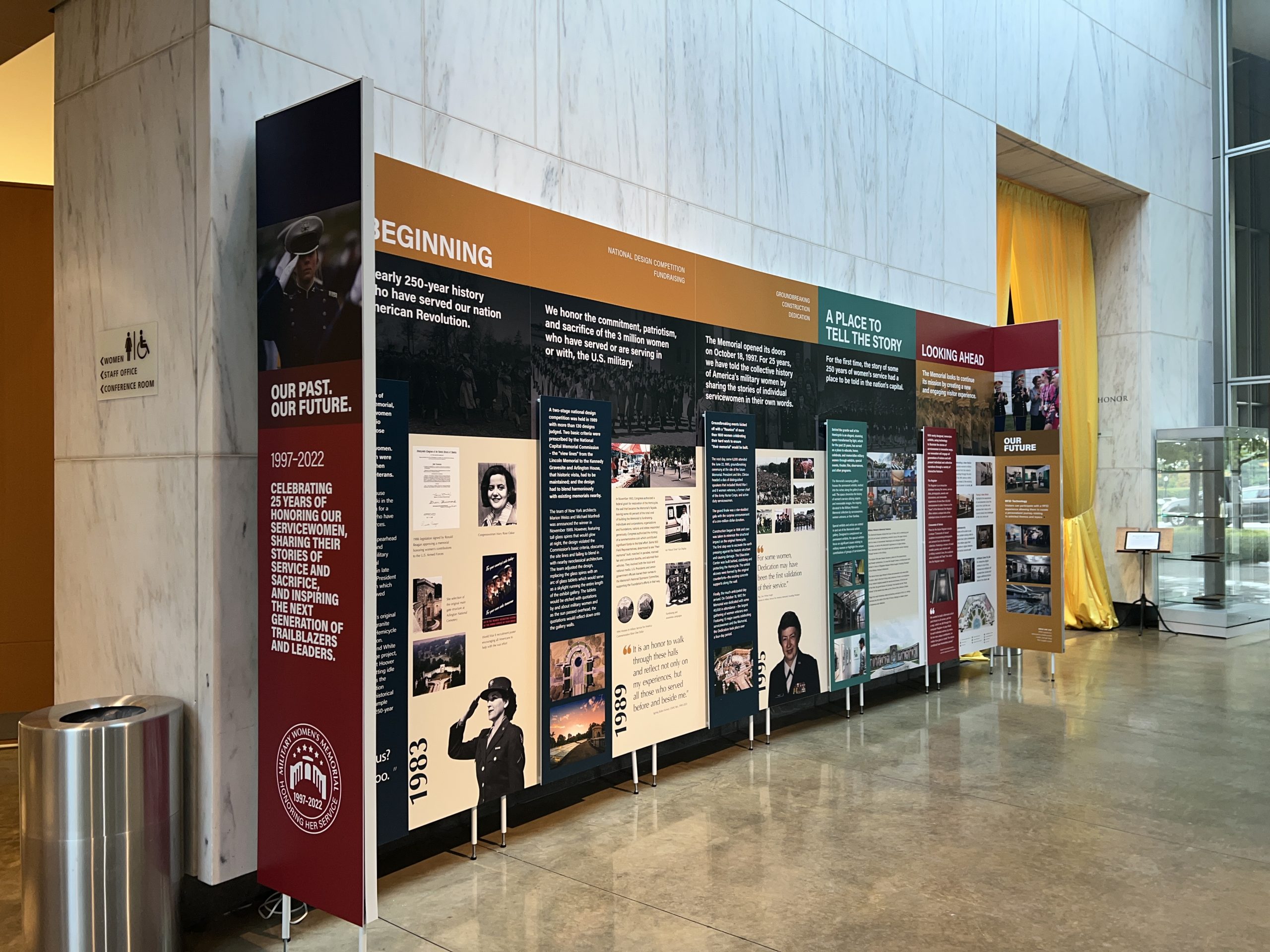
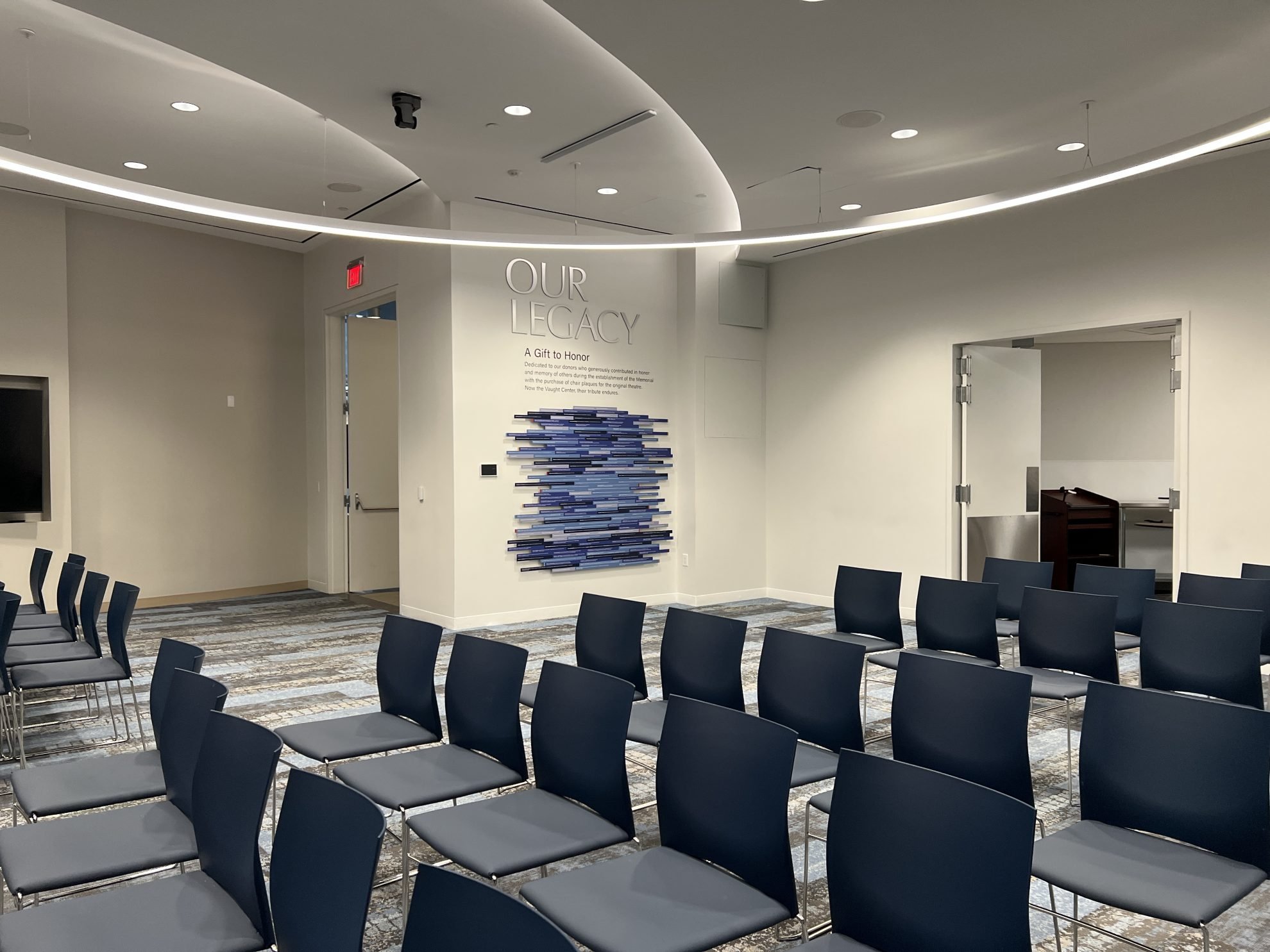
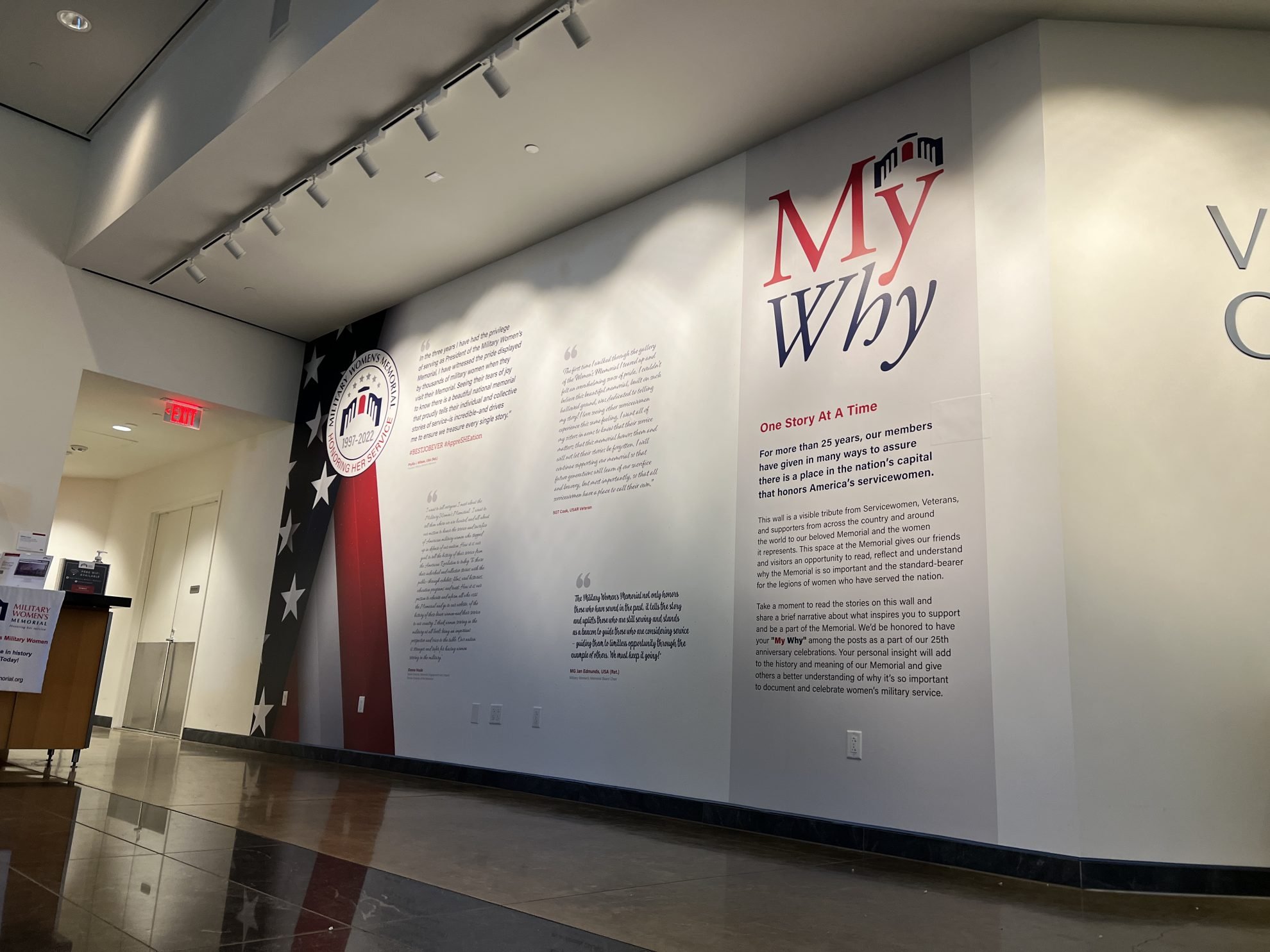
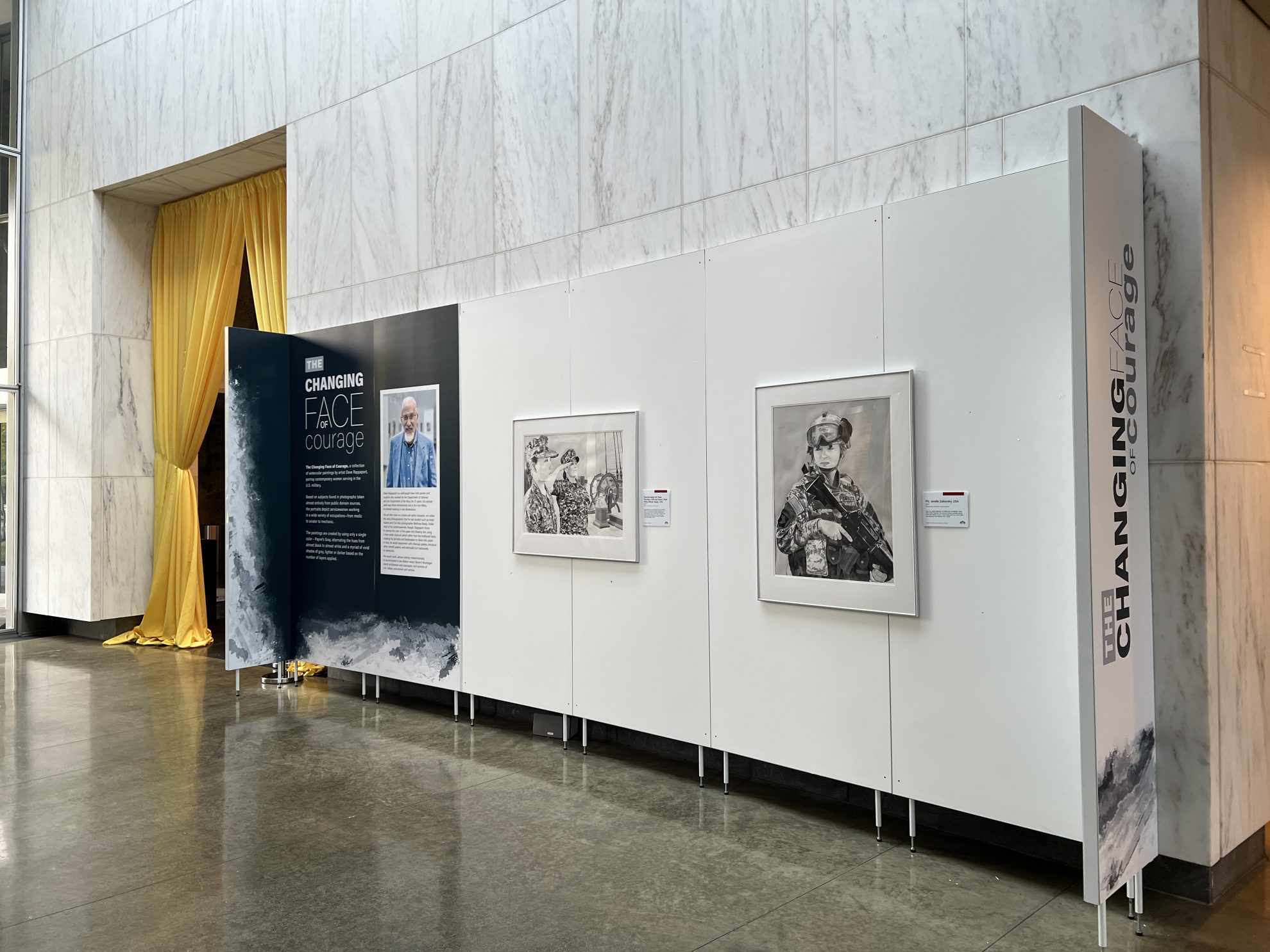
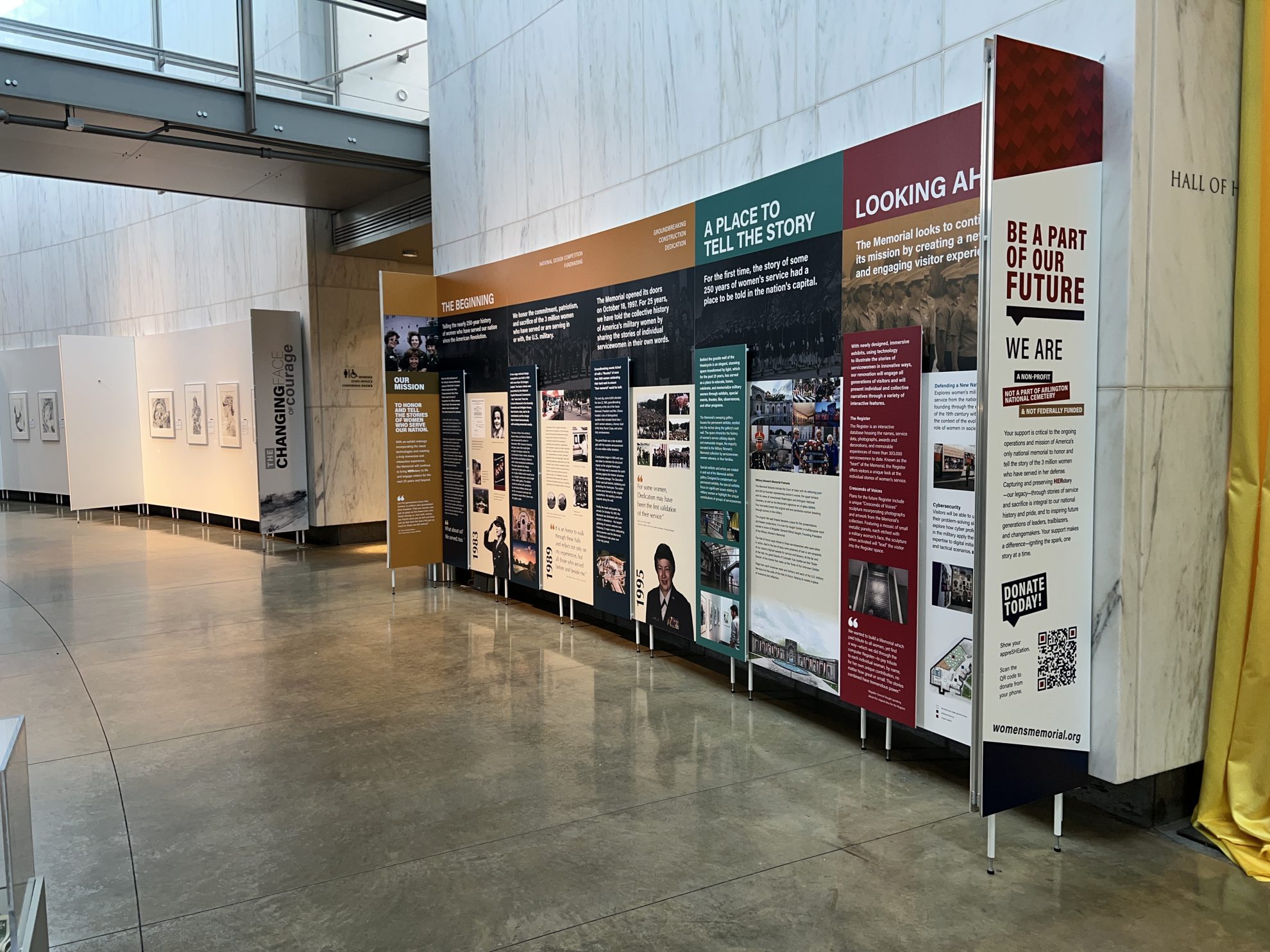
Heritage Signs & Displays created new museum signage for the Military Women’s Memorial in Arlington, VA. The project included custom signs, wall wraps, dimensional letters, and standoff-mounted displays to honor the legacy of U.S. servicewomen and the donors who supported the memorial. The updated interior features impactful designs, including a "Our Legacy" wall display and panels showcasing historical contributions and artwork, creating a transformative tribute to women in the U.S. Armed Forces.
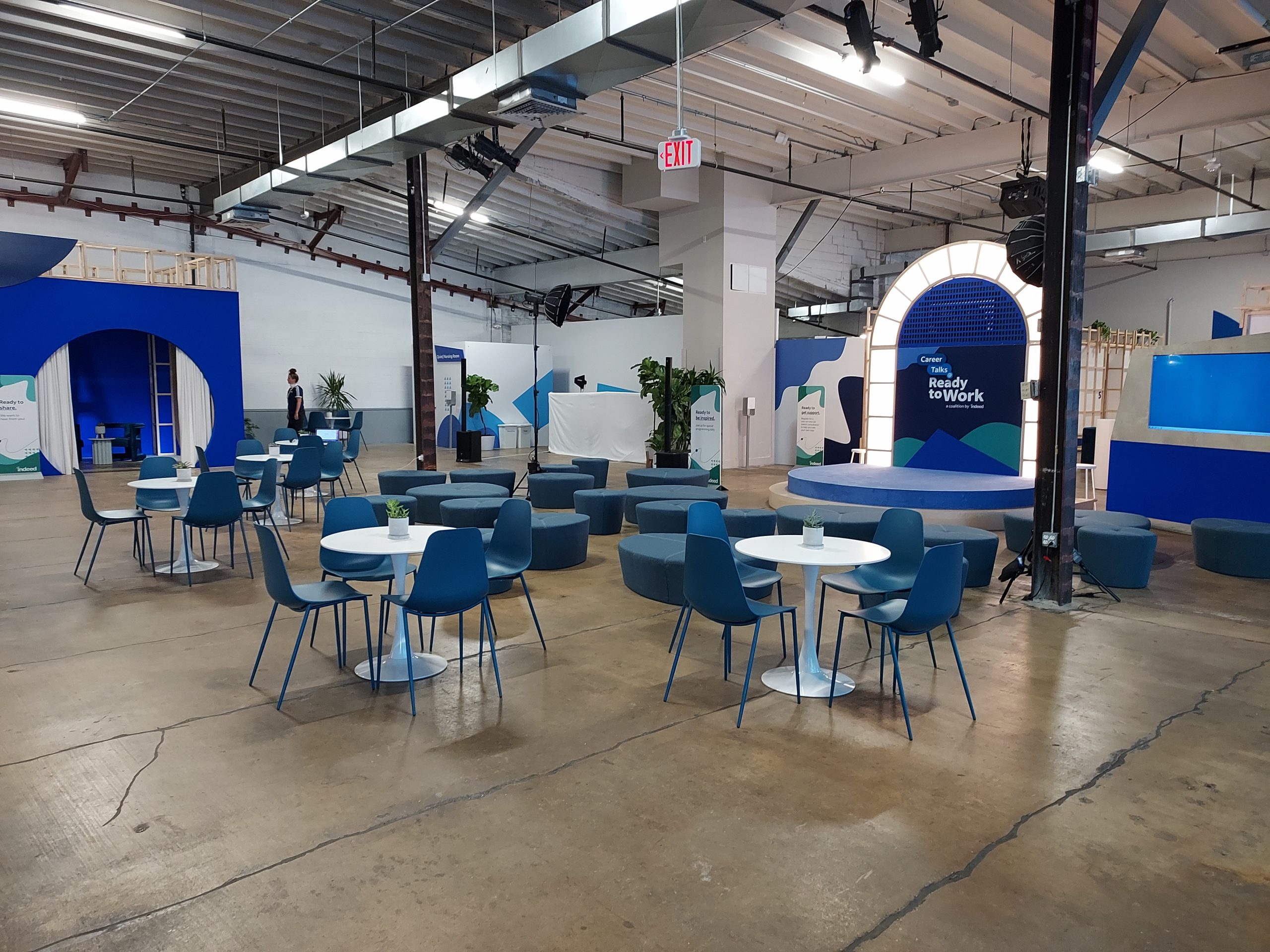
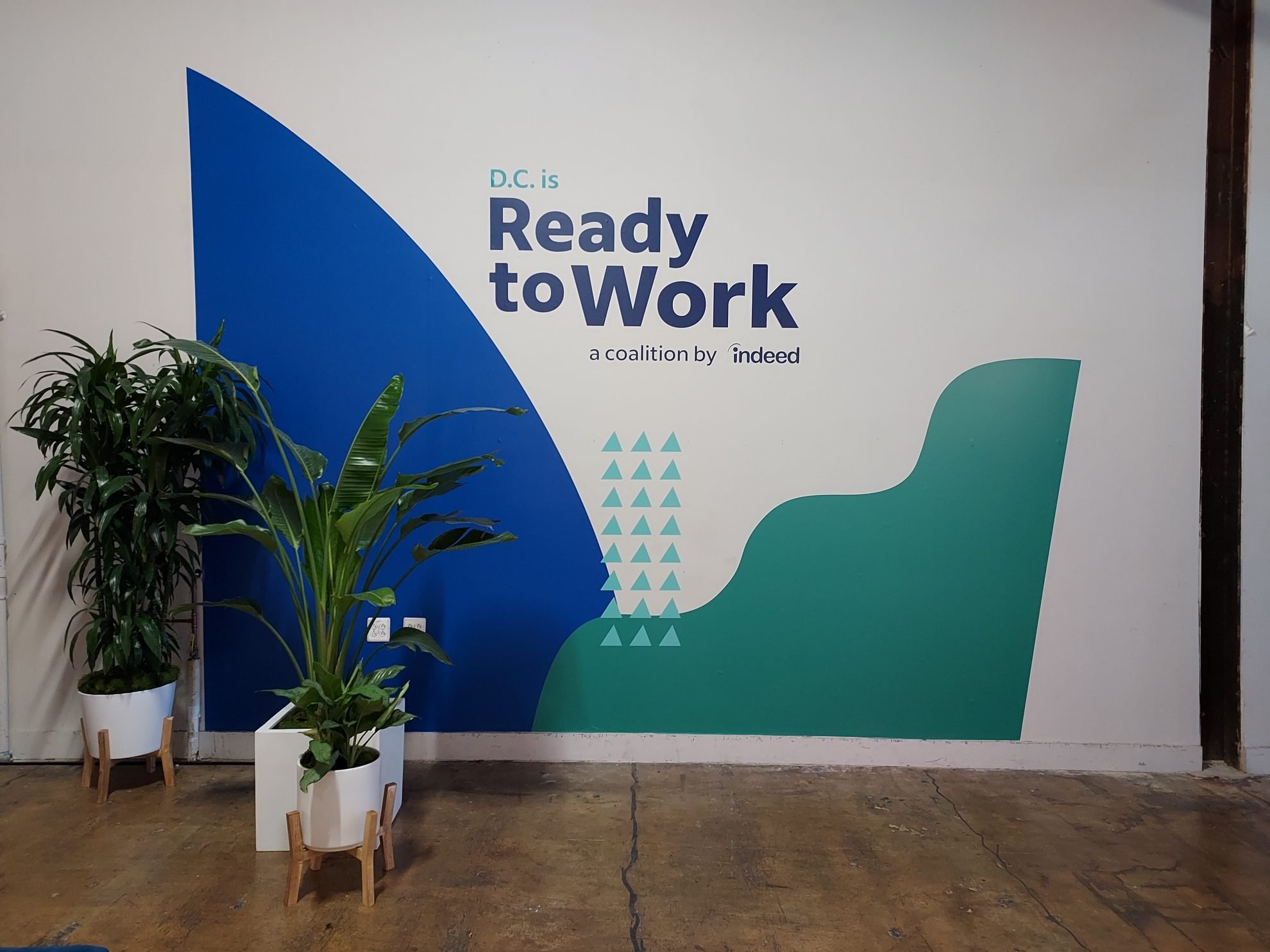
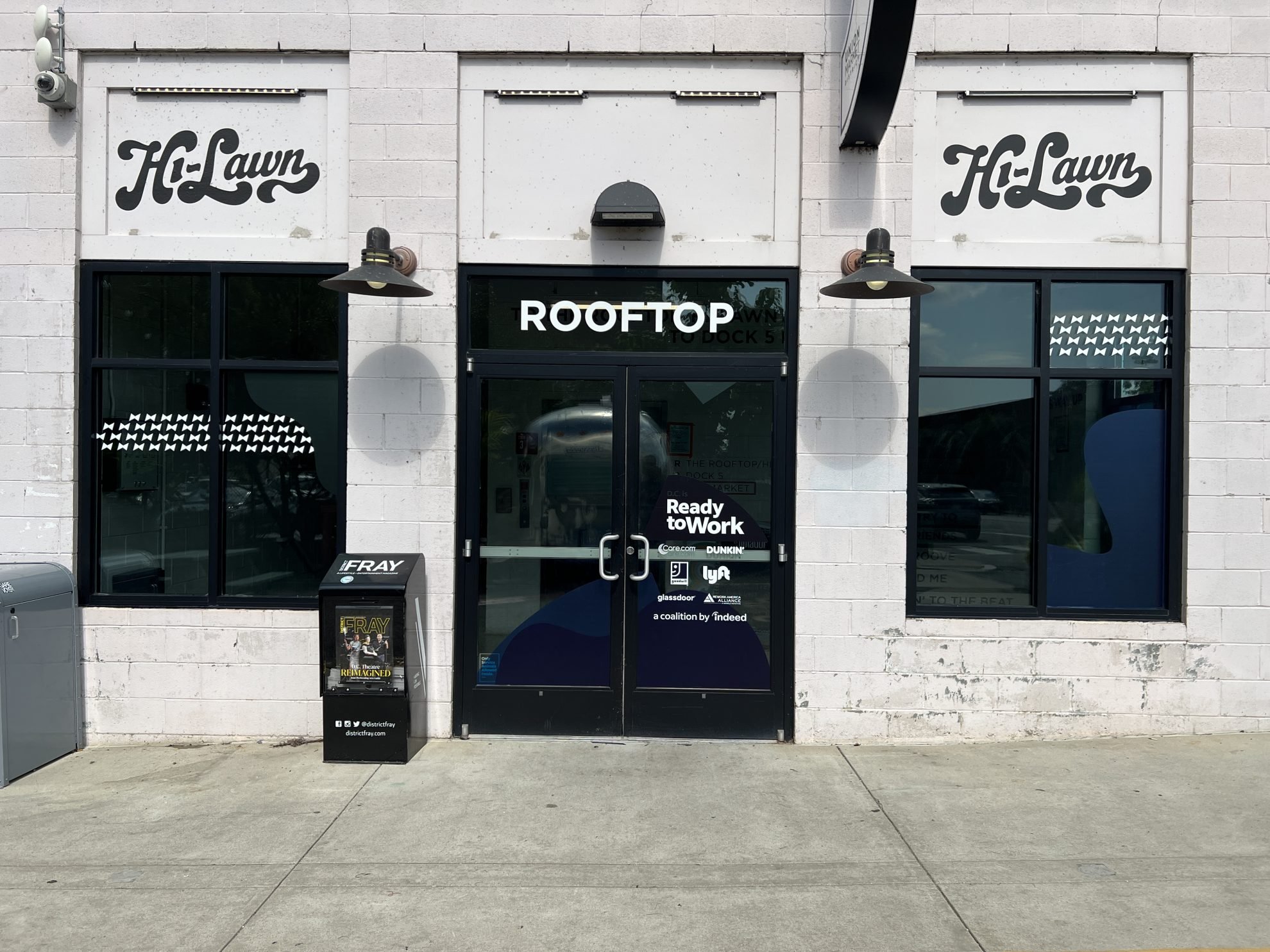
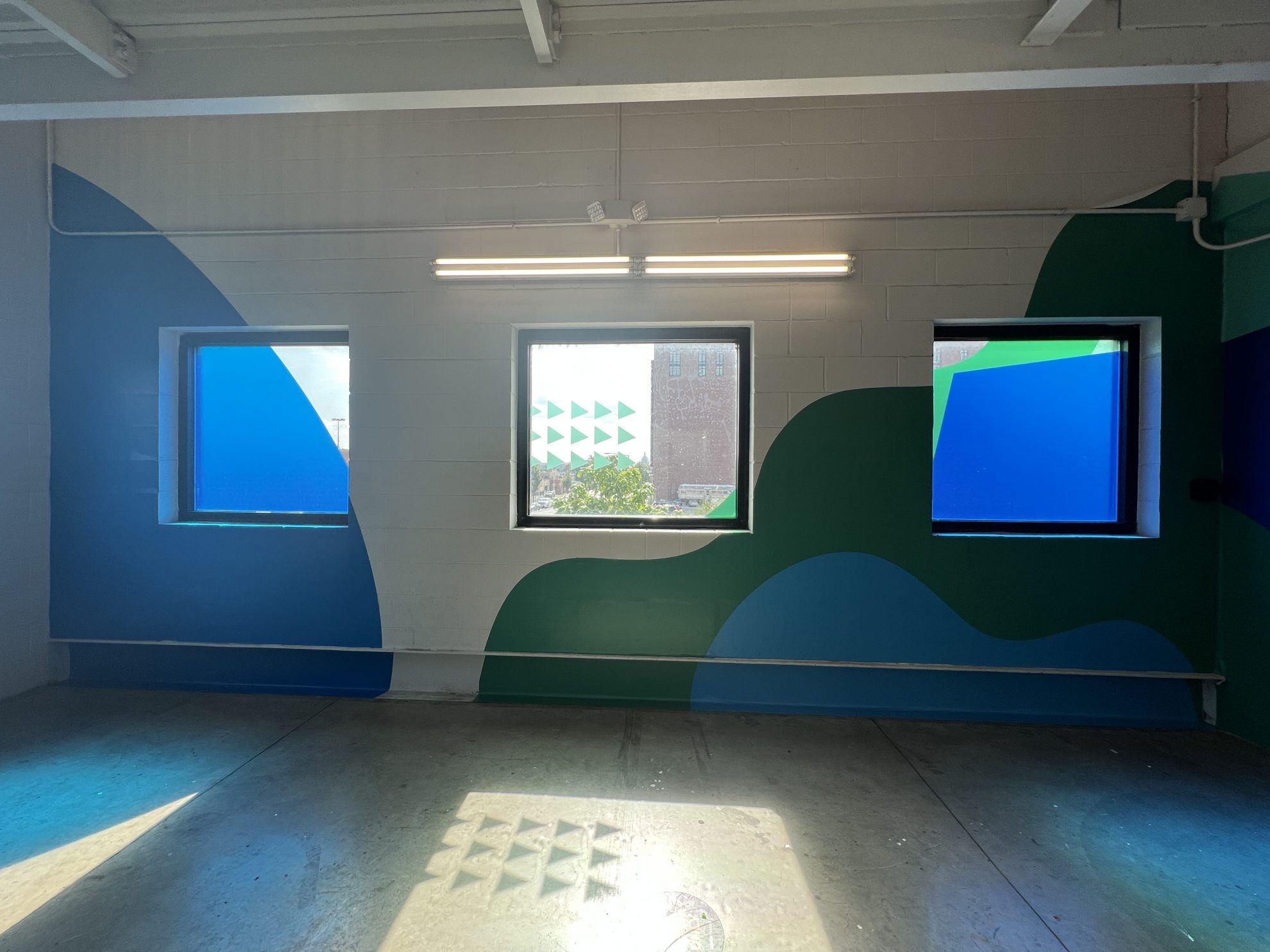
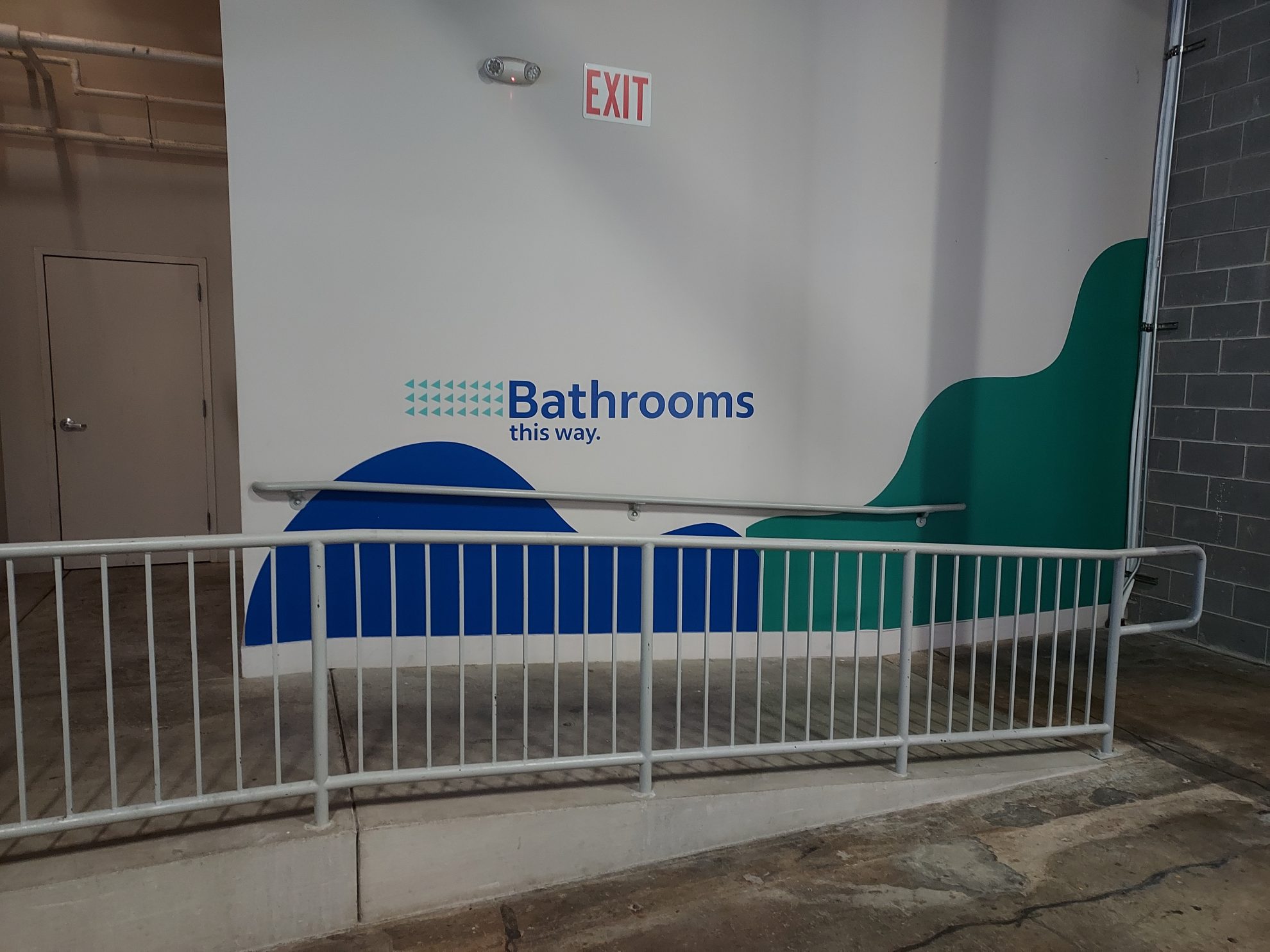
Heritage Signs & Displays' collaboration with The Gathery to brand Union Market in Arlington, VA, for Indeed's "Ready to Work" job fair. The project included custom event displays, wall graphics, window graphics, and wayfinding signs, creating an immersive and visually appealing environment. The branding enhanced the venue, reflected the event's mission, and provided a seamless experience for attendees.