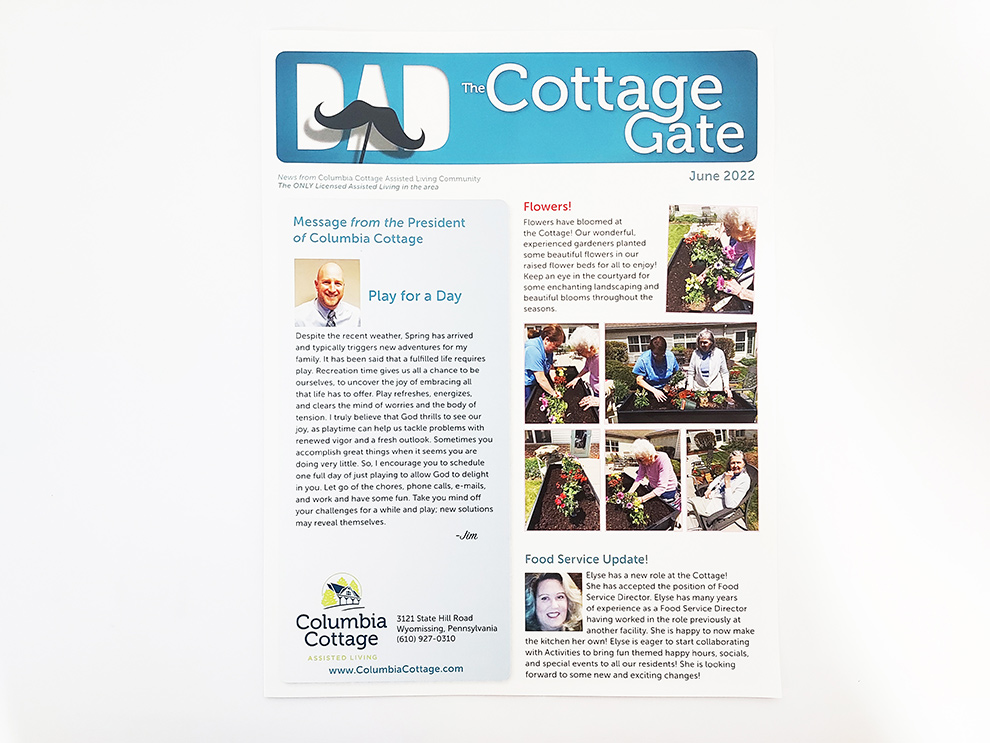
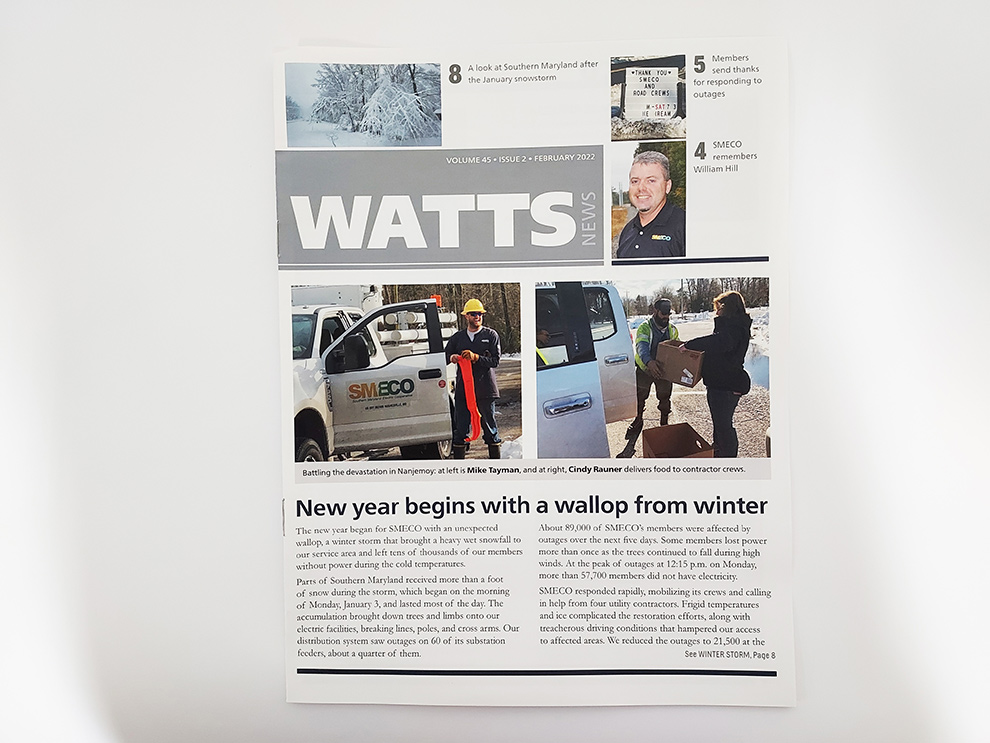
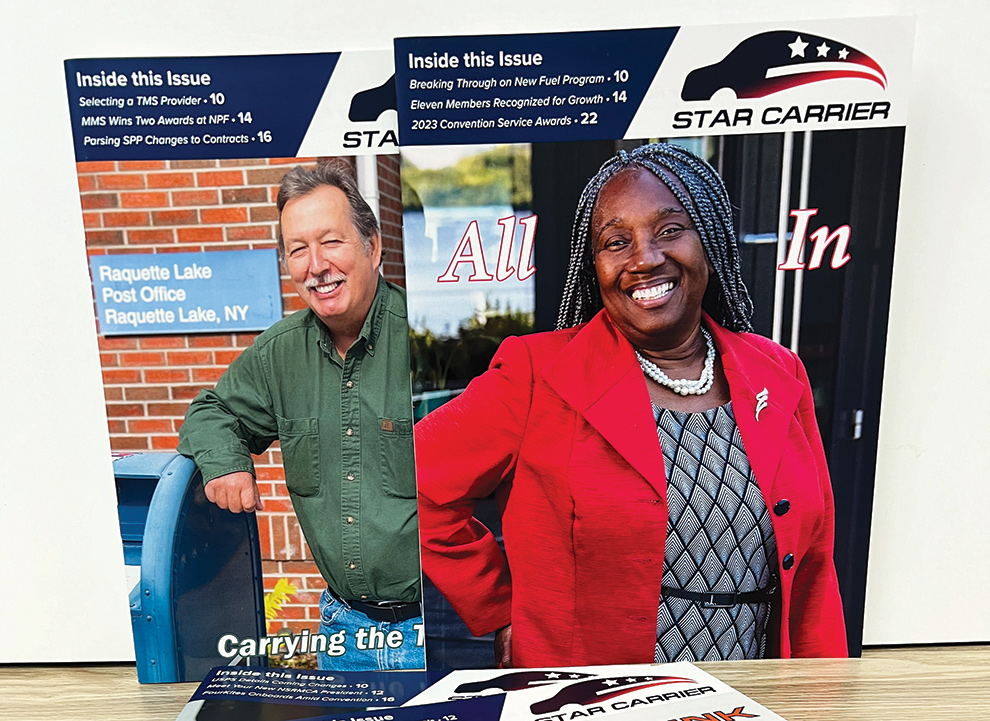
A newsletter is rarely a one-time project. Associations, congregations, homeowner groups, military family organizations, schools, and businesses across Virginia Beach publish on a cadence, and every edition carries its own date. The board meets on the fifteenth. The membership mailing drops the first week of the quarter. The community update needs to be in the lobby before the open house. When the calendar is fixed and the content arrives late, the printer has to respond rather than react.
Heritage approaches newsletter printing Virginia Beach VA organizations depend on with that reality in mind. When a finished, print-ready edition lands with us, we review the specifications, confirm the required date, and map the most efficient production route before anything sits in a queue. If the remaining window is short, we say so and explain what can be done inside it. If a decision is holding up the proof, we raise it immediately instead of letting the day pass.
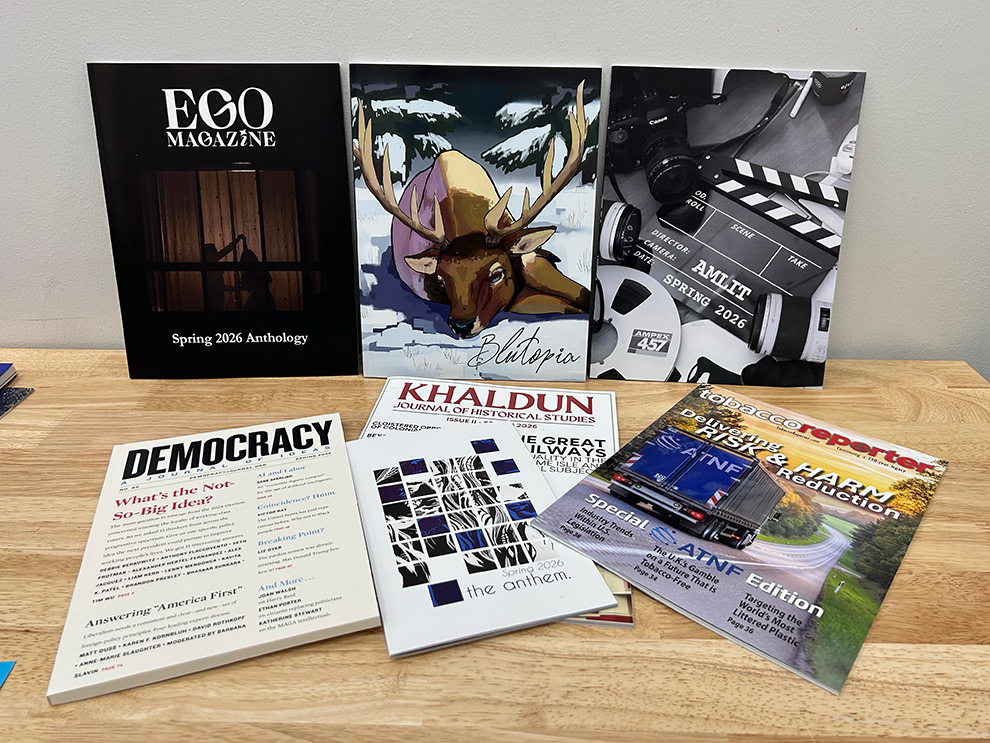
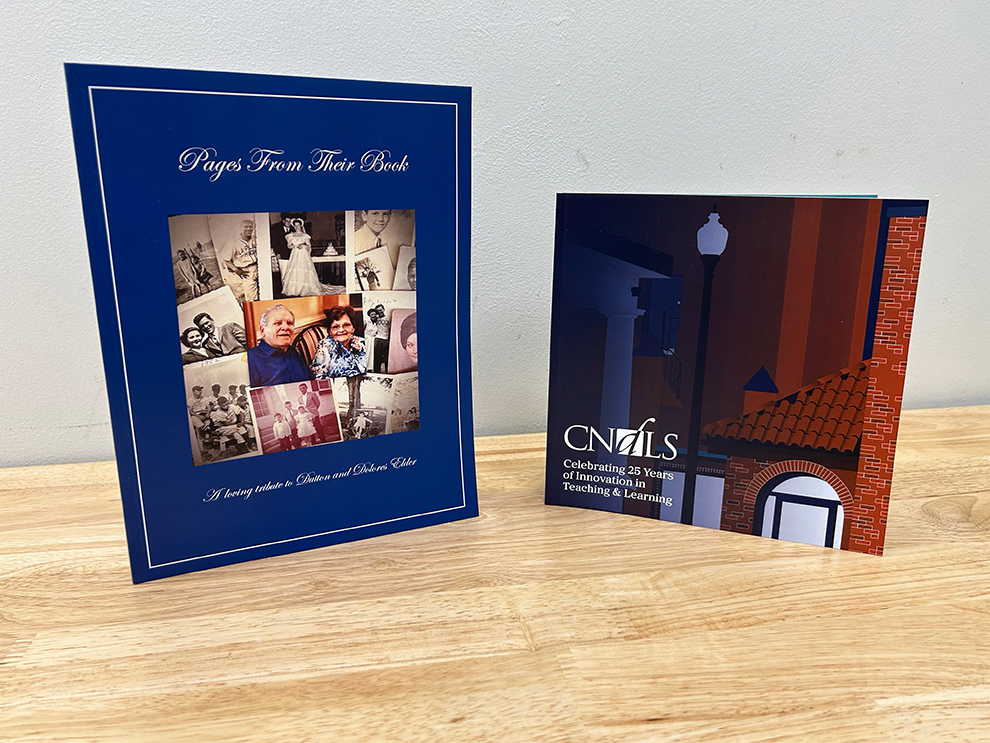
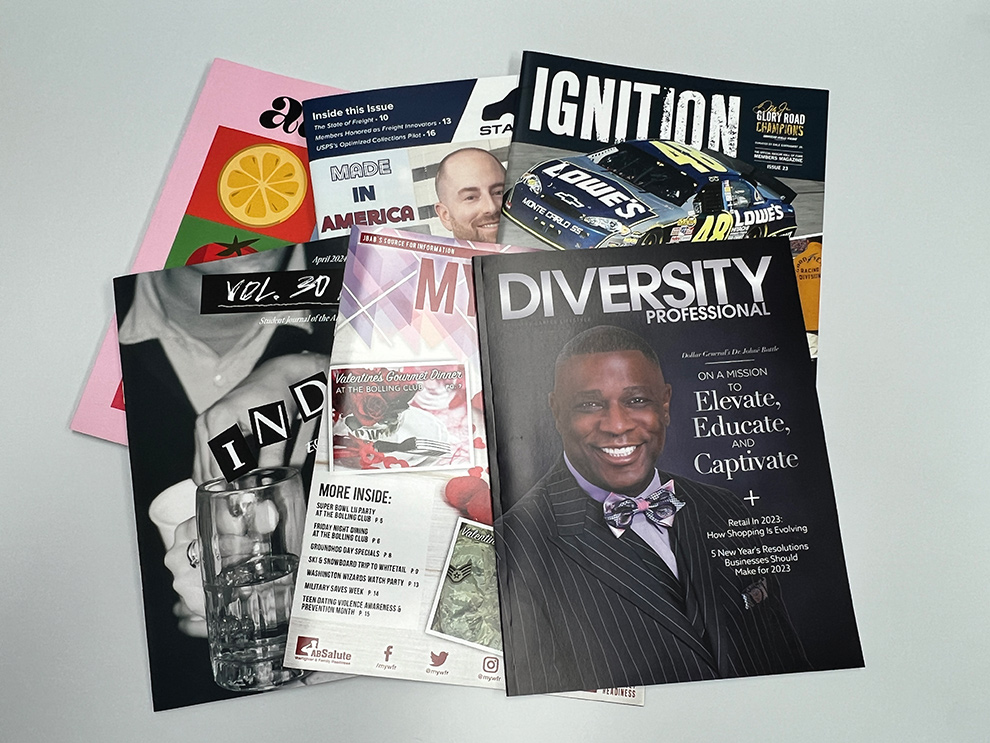
The production itself draws on decades of publication work. Self-cover editions, separate heavier covers, square-spine saddle stitching for thicker issues, addressed mail pieces, and shipments to multiple Hampton Roads locations all move through the same disciplined process: electronic proof, approval, printing, finishing, and distribution. You get a professional newsletter delivered the way the project calls for, with no surprises about where it stands along the way.
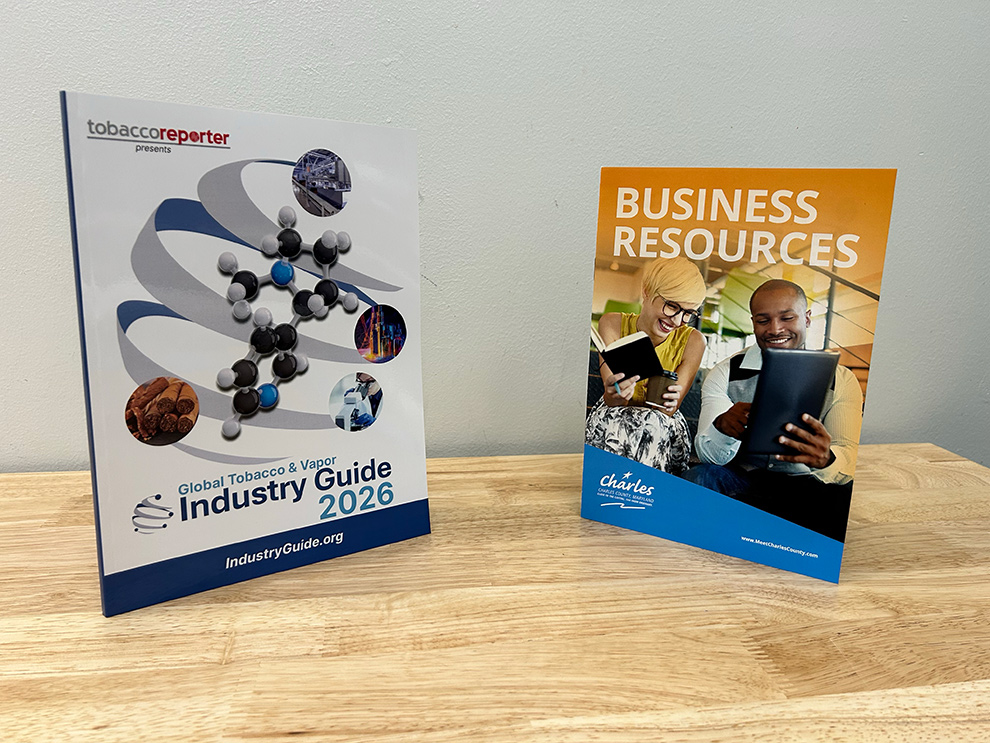
Heritage has been printing since 1977, and the organizations that keep coming back to us for newsletters are usually the ones who learned the hard way that a low price means little when an edition misses its date. What they need from a printer is steadiness: a team that understands how page count, paper, binding, and mailing interact, and that will take ownership of the schedule once the file is in hand.
Our award-winning print work reflects attention to detail at every stage, from preflight through finishing. Just as important, we apply that knowledge in a way that makes your decisions easier. We will tell you when a page count does not fold cleanly into a saddle-stitched signature, when a paper choice will affect postage, or when a square spine will make a thick issue look more polished. We do not expect you to become a production expert to get a good result.
For Virginia Beach clients, that translates into practical reliability. Heritage serves the Hampton Roads and Tidewater region as part of its Mid-Atlantic commercial printing footprint, with finished newsletters mailed, shipped, or delivered according to the project plan. We review every accelerated request honestly before committing to it. What we promise on every job is prompt communication, consistent output, and a clear path from approved file to finished edition.
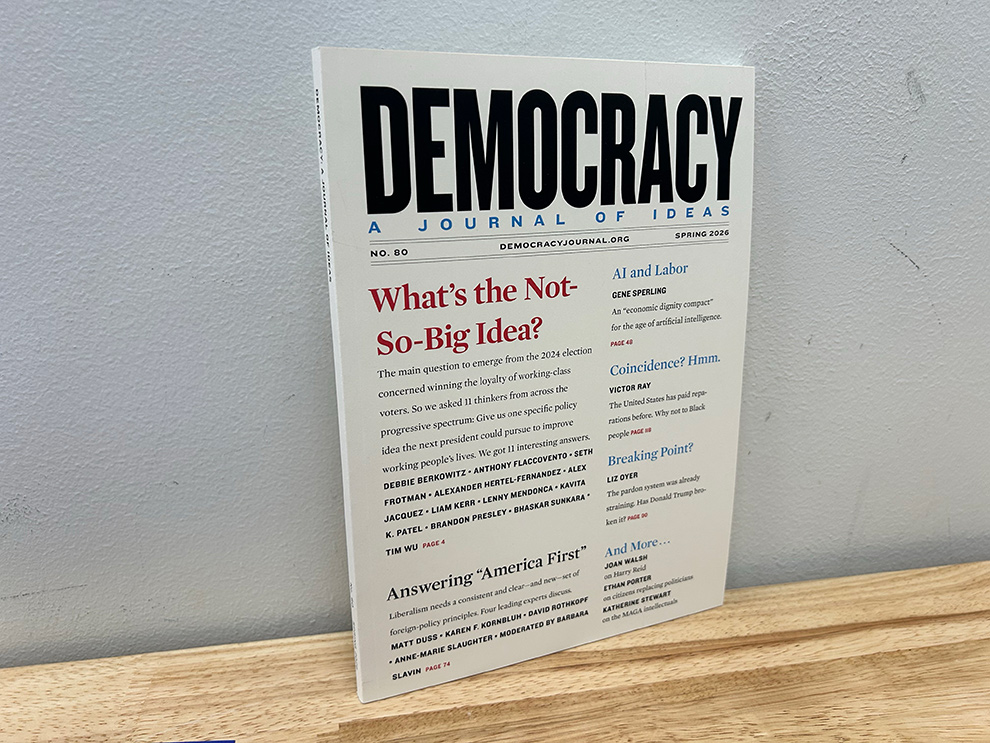
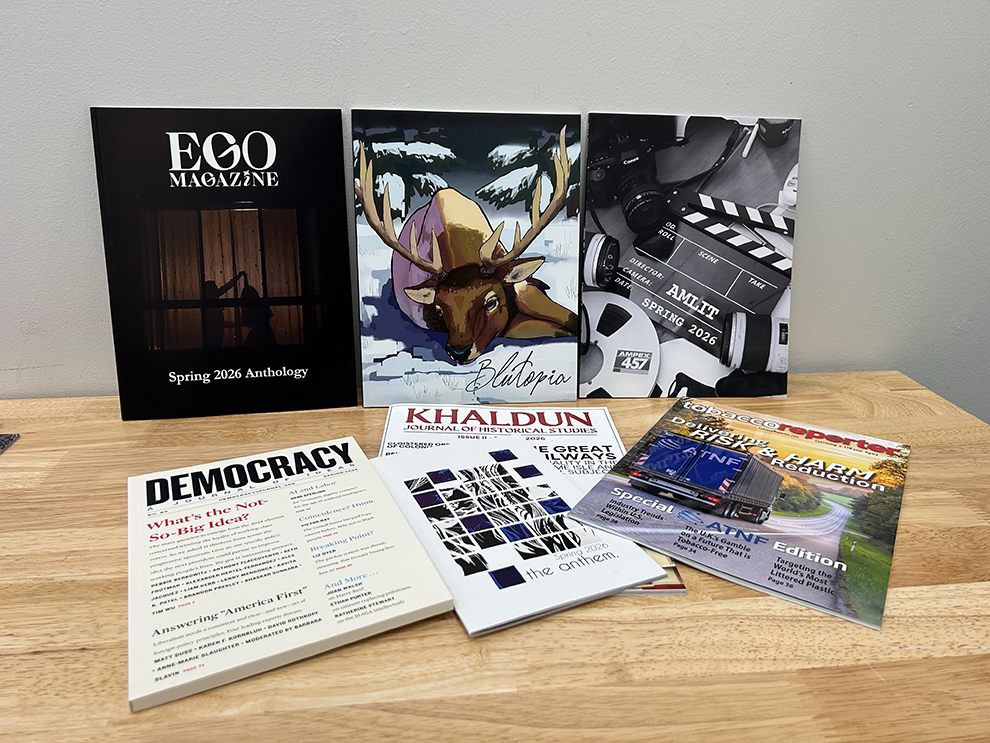
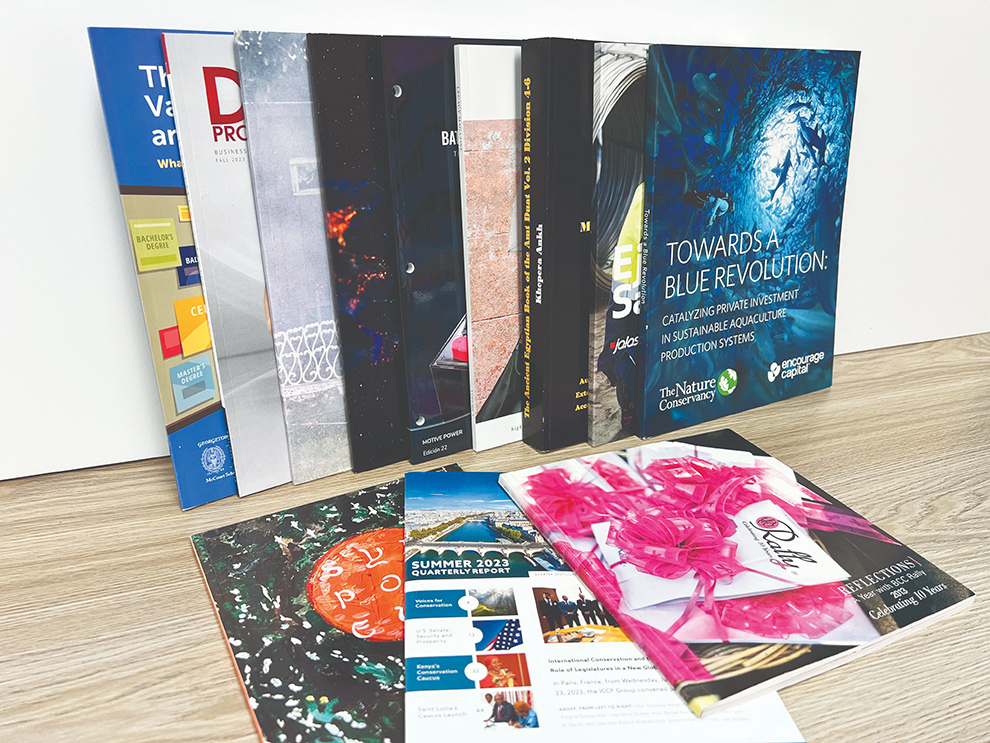
Suited to longer editorial publications with a distinct issue identity, heavier covers, and binding choices that go beyond a standard newsletter.
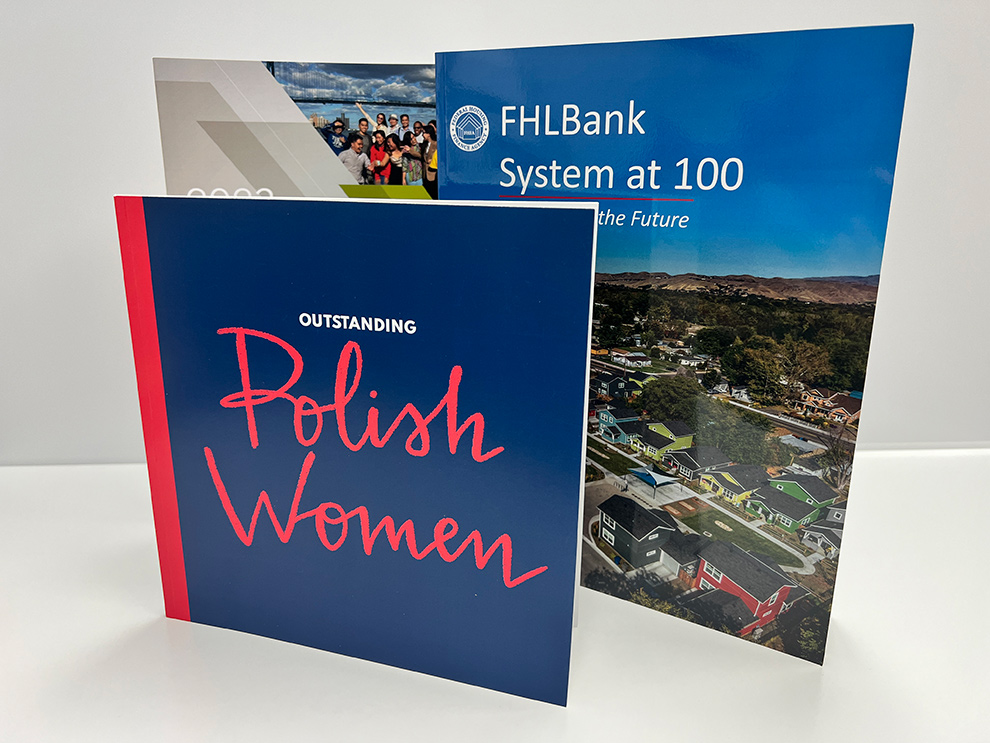
A practical format for handbooks, member directories, program guides, and other compact multi-page pieces.
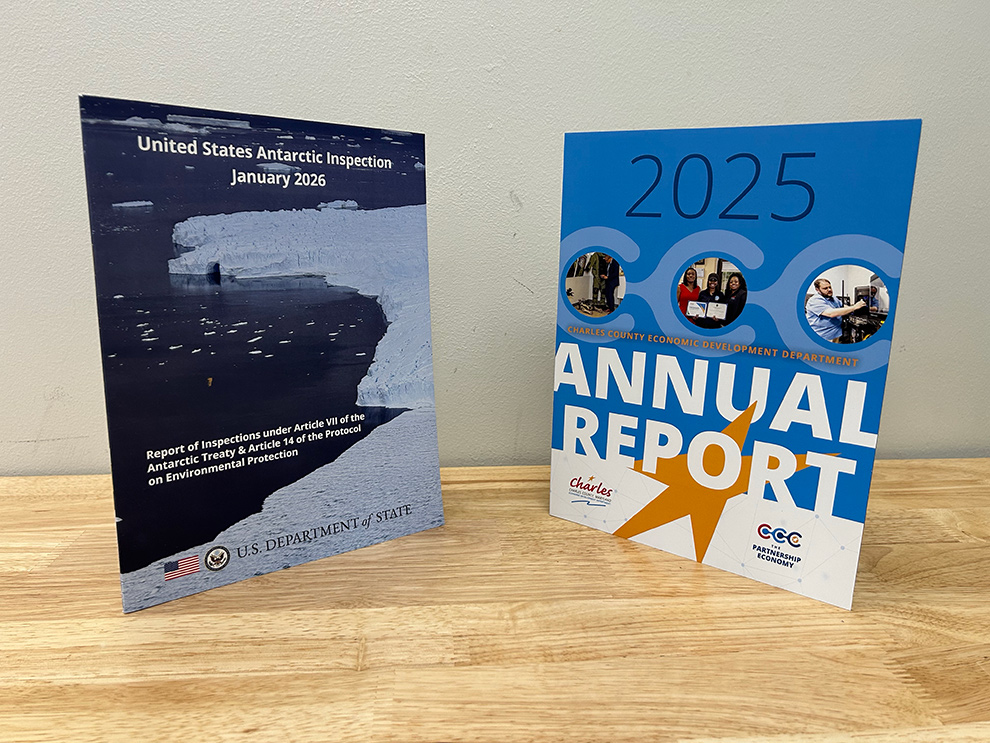
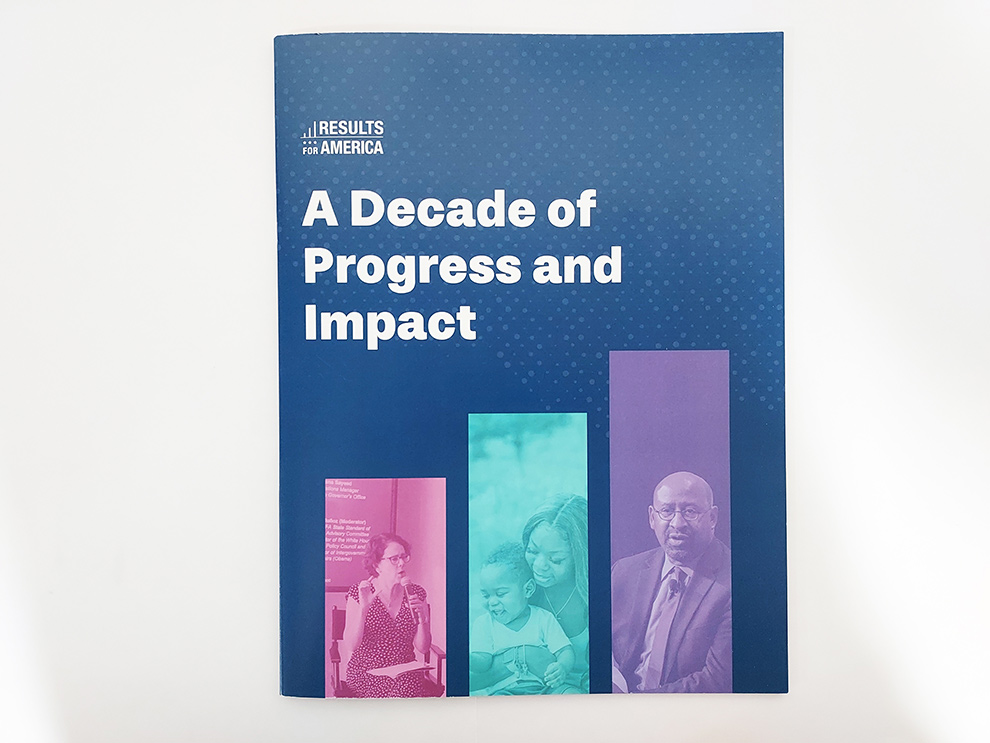
Built for year-end financial, impact, and governance reporting that benefits from a more formal printed presentation.
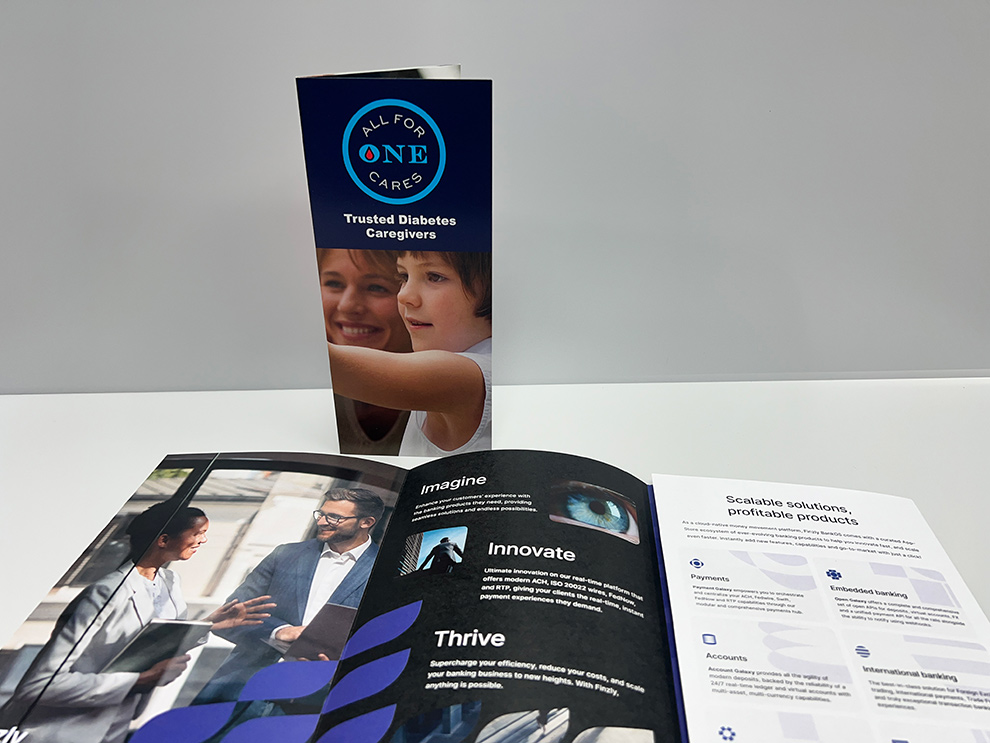
An efficient choice for folded program summaries, outreach pieces, and campaign literature that complement a newsletter.
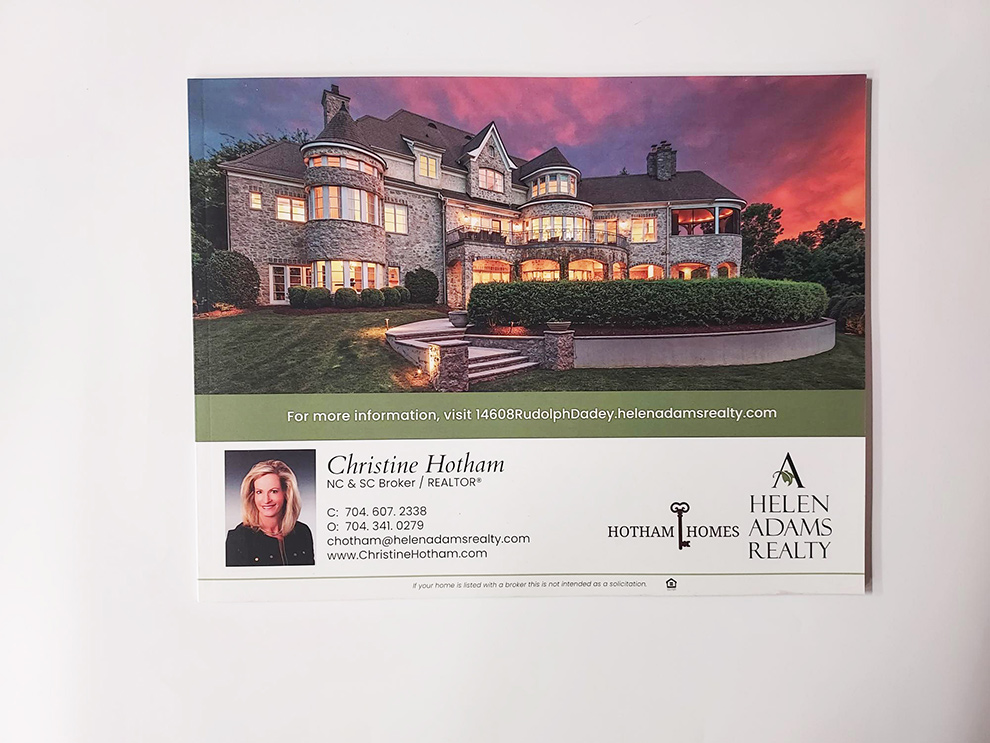
Pair your newsletter with addressing and postal coordination so each edition reaches a defined recipient list on schedule.
Extend the reach of your communications with supporting printed pieces that share the same visual identity.
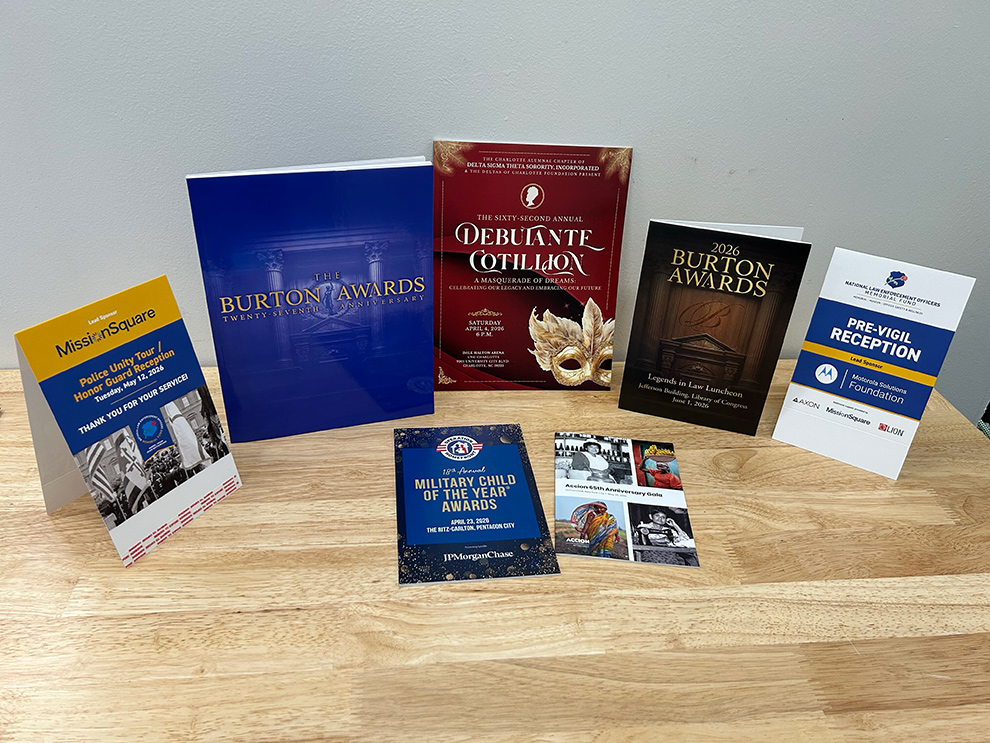
Designed for conferences, galas, ceremonies, and meetings where speakers, sponsors, and schedules shape the content.
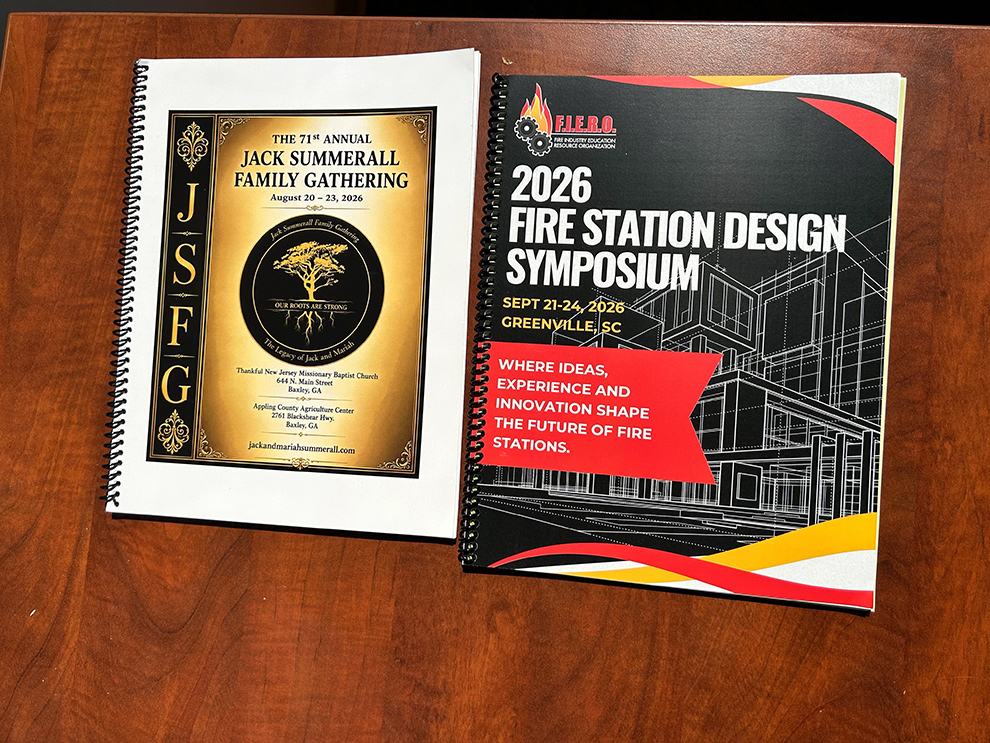
Appropriate for instructional and reference content that readers keep and consult over time rather than dated organizational updates.
If your Virginia Beach newsletter has a firm mail date, meeting date, or delivery deadline, send the print-ready files, specifications, and required date through Custom Quote. Your Project Coordinator will review the edition and outline the fastest responsible production schedule. Newsletters that are fully specified, print-ready, and match an available saddle-stitched booklet configuration can also be ordered directly through the Online Store.
Submitting a Custom Quote connects you with an assigned Project Coordinator who reviews the edition, confirms the distribution date, and resolves any open questions before the plan is finalized. From that point forward, you have a single person with a direct phone number and email address who knows your newsletter and stays with it through proofing, production, and fulfillment.
That continuity matters most on a tight schedule. Your Project Coordinator keeps the electronic proof moving, flags the next required decision, reports production status, and coordinates mailing, shipping, or delivery across the Virginia Beach area and beyond. If a quantity changes or a second version is added at the last minute, you are talking with someone who already understands the job rather than explaining it again from the beginning.
Every newsletter also receives an electronic proof before printing so the production file is confirmed in writing. Once the proof is approved and the plan is set, the focus shifts entirely to execution: print accurately, saddle stitch cleanly, protect the finished pieces, and get them into the agreed distribution channel as quickly as the work allows.
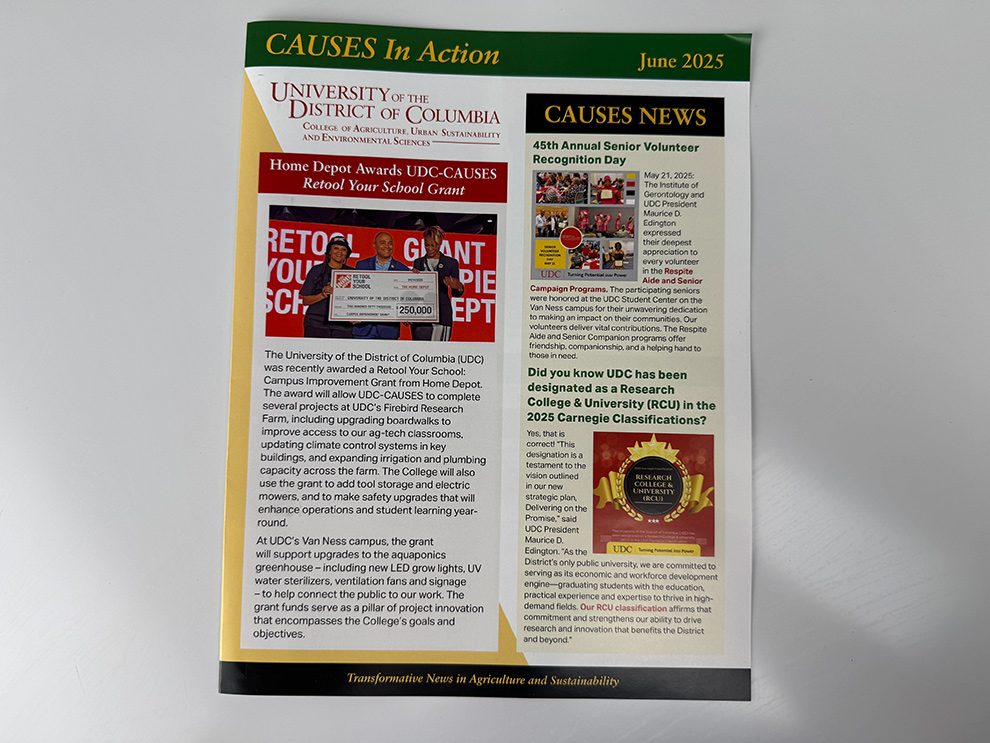
As early as the distribution date is known. Even before the content is final, sharing the expected finished size, approximate page count, quantity, and required date allows Heritage to plan paper and production capacity. The single largest factor in meeting a tight schedule is when the completed, print-ready file actually arrives.
Heritage serves Virginia Beach and the surrounding Hampton Roads region as part of its Mid-Atlantic commercial printing coverage. Finished newsletters are direct mailed, shipped, delivered, or prepared for client pickup and distribution depending on the project plan, so the location of production does not change the service you receive or the dates we commit to.
Saddle stitching requires a page count that is a multiple of four, since each folded sheet contributes four pages. If your layout lands on an odd count, your Project Coordinator can discuss options such as adding content, adjusting the layout, or including a blank or notes page to reach a workable count.
Yes. When mailing is part of the project, you supply accurate and authorized recipient data and Heritage coordinates addressing, postal preparation, and timing within the production plan. Finished size and paper choice are reviewed with postage in mind. Once the mailing is accepted by USPS, delivery performance is outside Heritage's control.
A print-ready PDF with pages in reading order, proper bleeds, and embedded fonts is the preferred submission. Heritage does not write, edit, or design newsletters. For Custom Quote projects, limited production-oriented adjustments can be made to prepare supplied artwork for press. Online Store orders must be fully print-ready as submitted.
Not at all. A self-cover newsletter, printed on the same paper throughout, is the standard format for most organizational editions and looks clean and consistent. A separate heavier cover is an option when you want added durability or a stronger visual distinction between the cover and interior pages. The right choice depends on the audience and the presentation you want.
As page counts climb, a conventional saddle-stitched spine tends to round or bulge. Square-spine saddle stitching flattens and squares that edge for a more finished, booklet-like appearance while keeping the speed and economy of saddle stitching. It is especially useful for digitally printed newsletters with higher page counts.
No. The electronic proof confirms the visible production file, including copy, images, pagination, and cover treatment, but it does not establish a physical color standard. For Custom Quote projects where color is critical, a paid Physical Production Color Proof may be available, produced on the same printer and paper planned for the run. That step adds time to the schedule.
Yes. Regional chapters, donor tiers, department-specific inserts, alternate covers, and separate mailing lists are common. Clear file naming, version quantities, and distribution instructions for each variant keep everything organized through proofing, printing, and fulfillment. Your Project Coordinator tracks each version so nothing is confused at the finishing stage.
Yes. Many organizations need copies at a headquarters, a branch office, a meeting venue, and a mailing facility at the same time. Heritage can split the quantity across multiple shipping or delivery destinations within the production plan, including locations throughout Hampton Roads and other markets.
The Online Store is a self-directed route for straightforward, fully specified, print-ready newsletters that fit an available saddle-stitched booklet configuration. Custom Quote is the better fit when you want an assigned Project Coordinator, mailing coordination, multiple versions, non-standard specifications, limited production adjustments, a Physical Production Color Proof, or an urgent timeline. Both routes include an electronic proof before printing.
Yes. Locking in finished size, paper, cover construction, binding, and color expectations gives every future edition a reliable starting point and speeds up quoting and proofing. Each issue is still reviewed on its own because artwork, quantities, versions, and distribution dates change from one edition to the next.
Tell us the required date right away and send the completed file as soon as it is ready. Your Project Coordinator will assess the remaining window, identify what needs immediate attention, and explain what is realistic. When an expedited path is workable, Heritage prioritizes the job rather than placing it in a standard production sequence.
After you submit a Custom Quote, an assigned Project Coordinator reaches out to review the newsletter, confirm the date, and gather any missing details. That person remains your direct contact through proof approval, production, and distribution, so you are never redirected to someone unfamiliar with the job.
Membership associations, nonprofits, churches, homeowner and civic groups, schools, military and veteran organizations, healthcare practices, and businesses that publish regular updates for employees, customers, or stakeholders. The common thread is a recurring communication with a date attached and an audience that expects it to arrive on time.
Heritage Signs & Displays created new museum signage for the Military Women’s Memorial in Arlington, VA. The project included custom signs, wall wraps, dimensional letters, and standoff-mounted displays to honor the legacy of U.S. servicewomen and the donors who supported the memorial. The updated interior features impactful designs, including a "Our Legacy" wall display and panels showcasing historical contributions and artwork, creating a transformative tribute to women in the U.S. Armed Forces.
Heritage Signs & Displays' collaboration with The Gathery to brand Union Market in Arlington, VA, for Indeed's "Ready to Work" job fair. The project included custom event displays, wall graphics, window graphics, and wayfinding signs, creating an immersive and visually appealing environment. The branding enhanced the venue, reflected the event's mission, and provided a seamless experience for attendees.