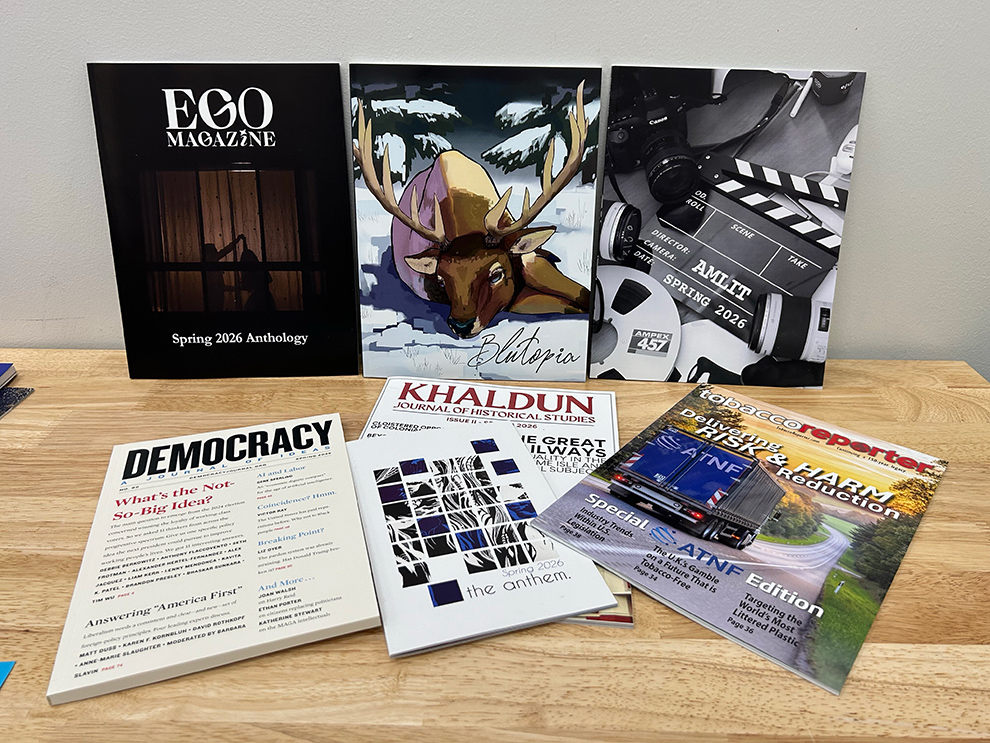
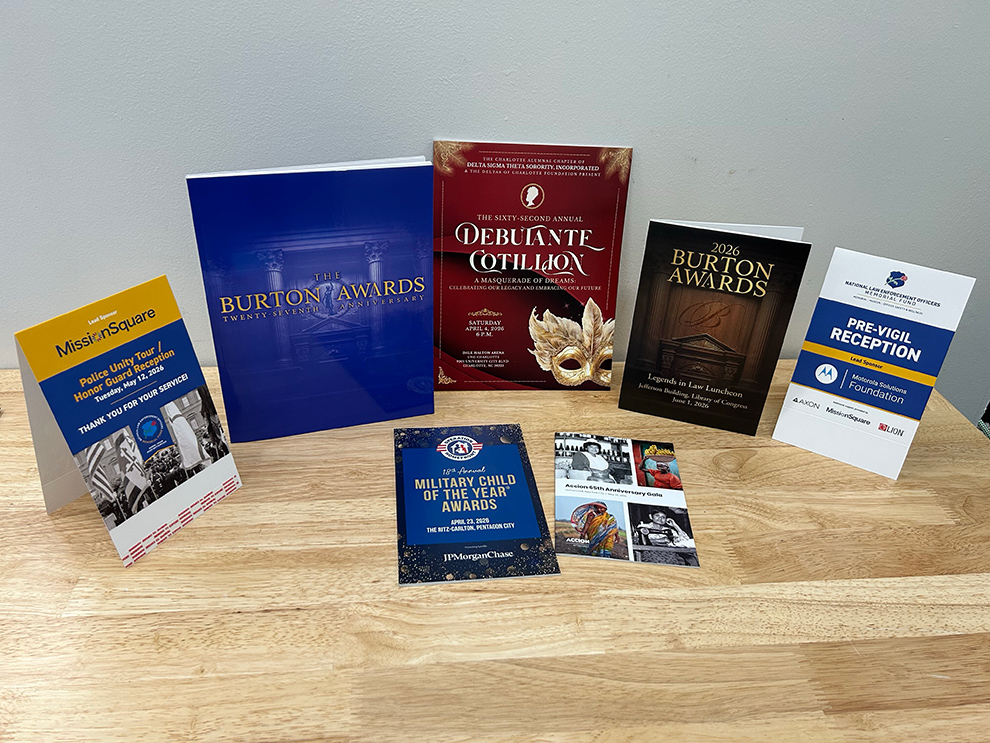
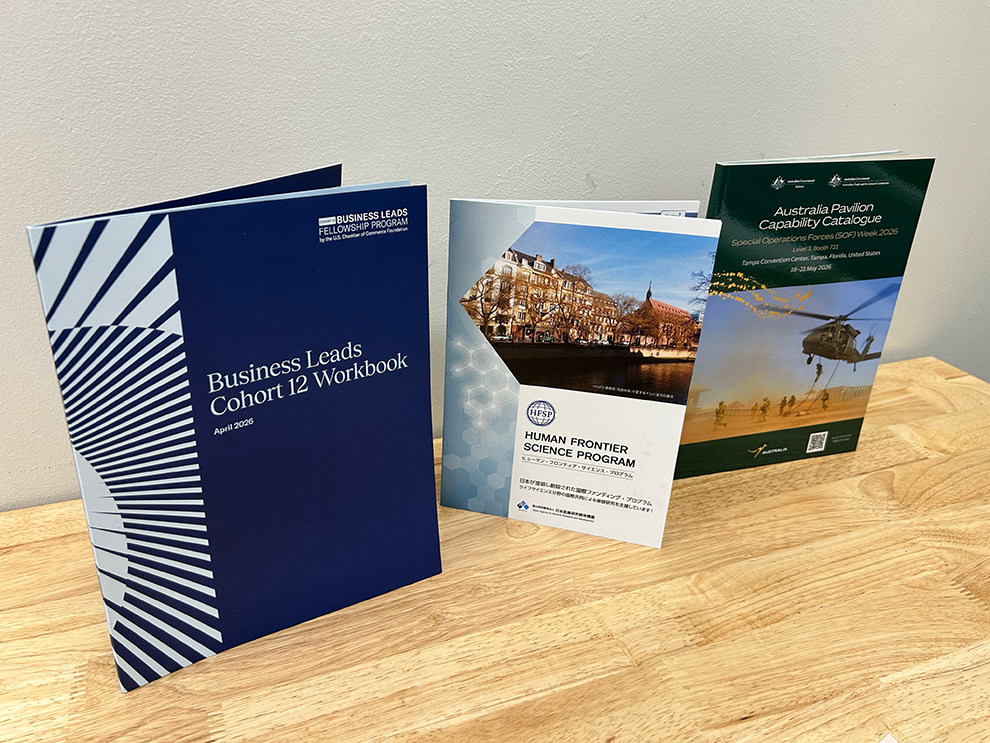
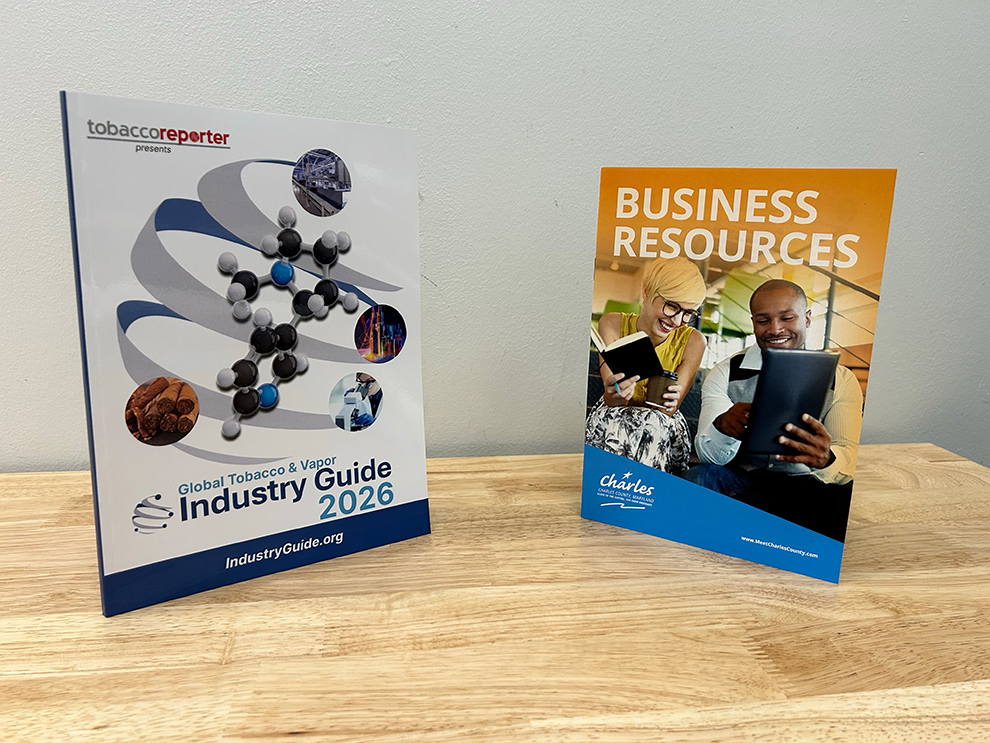
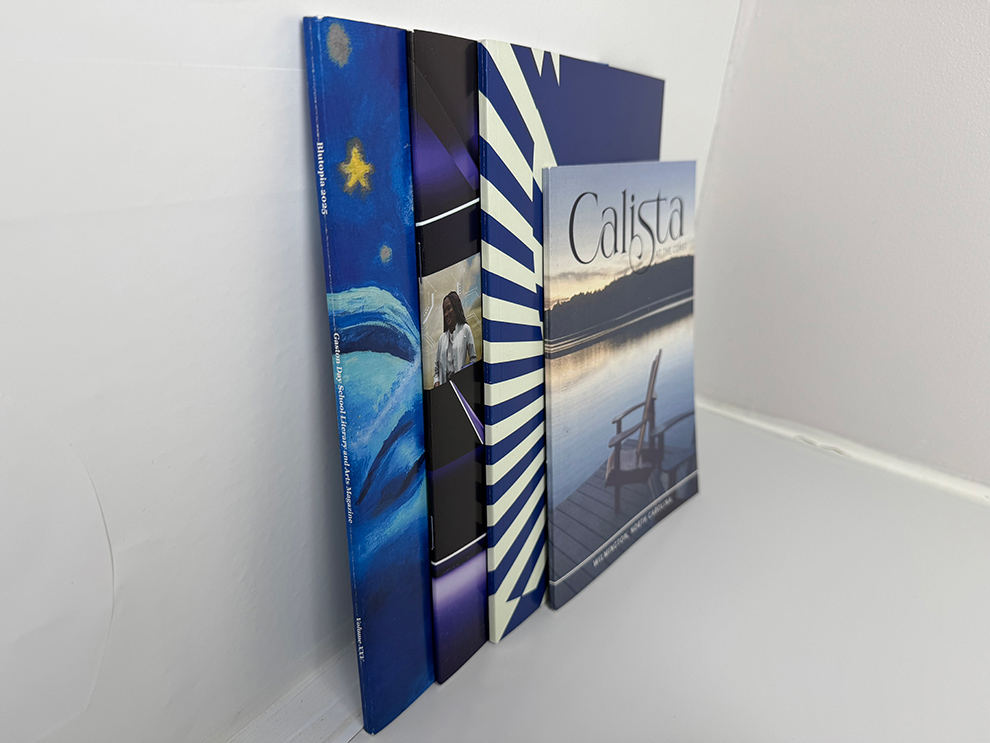
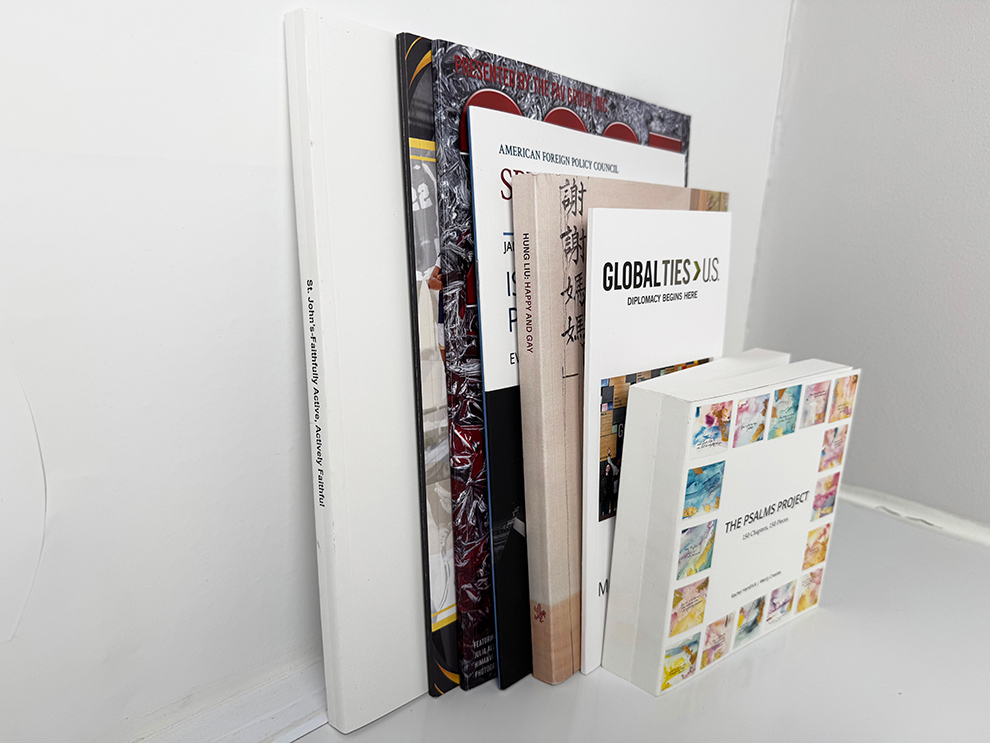
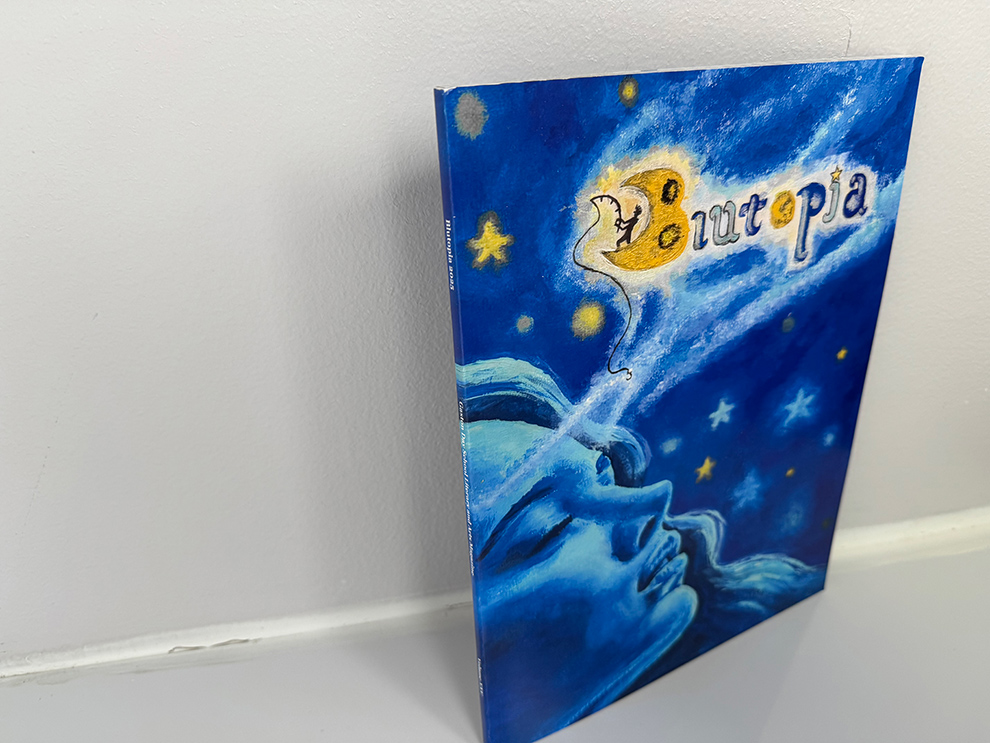
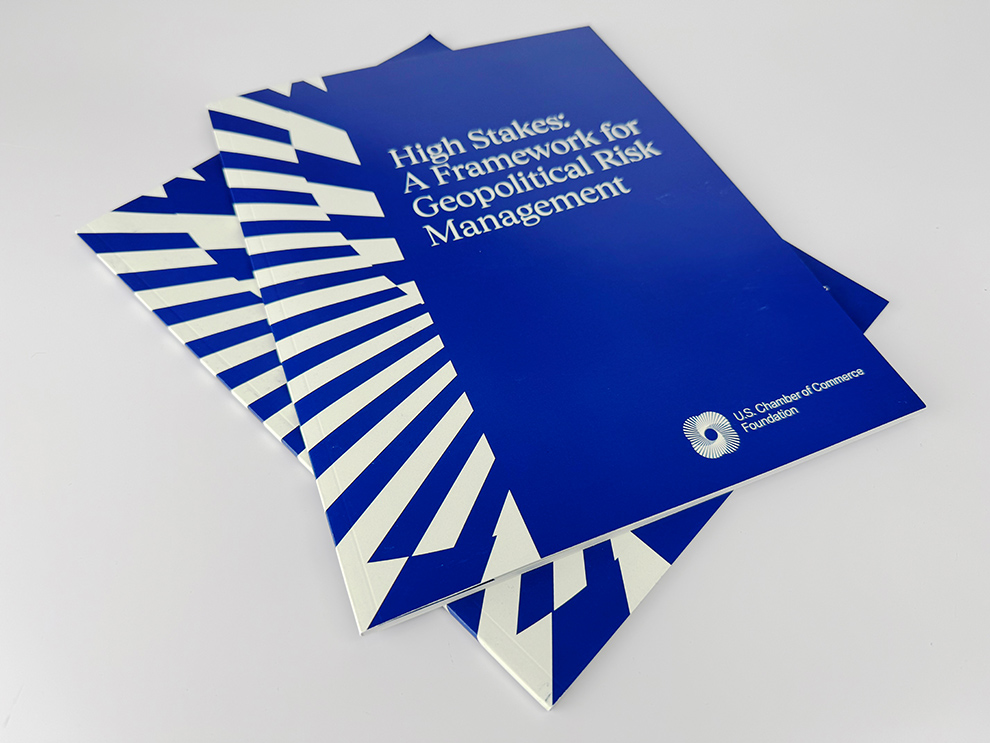
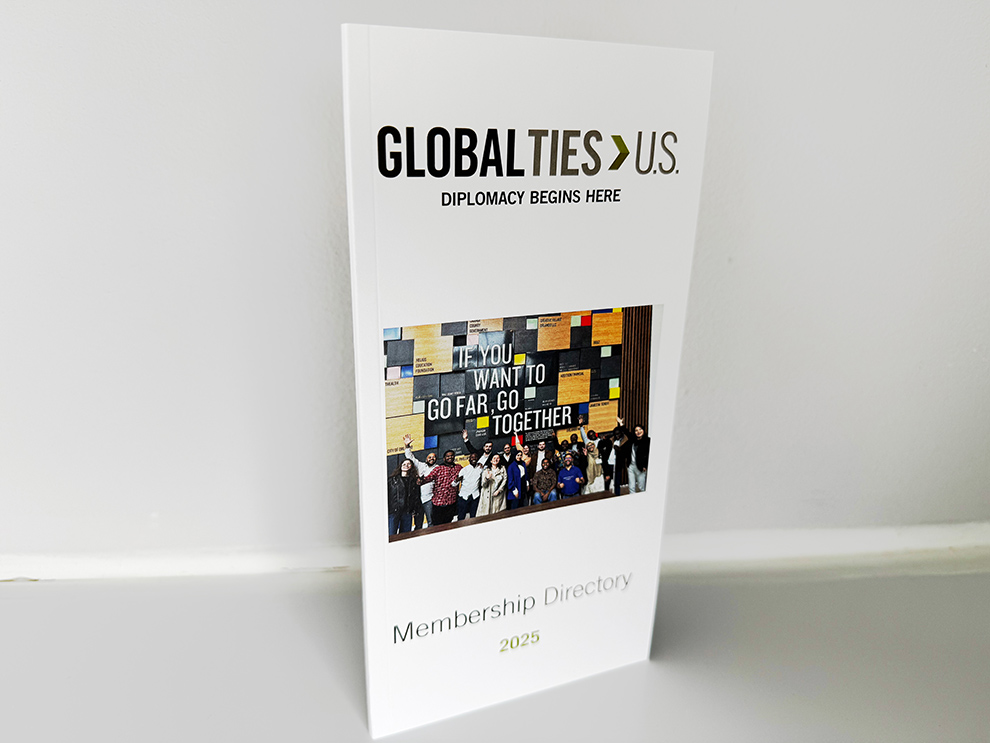
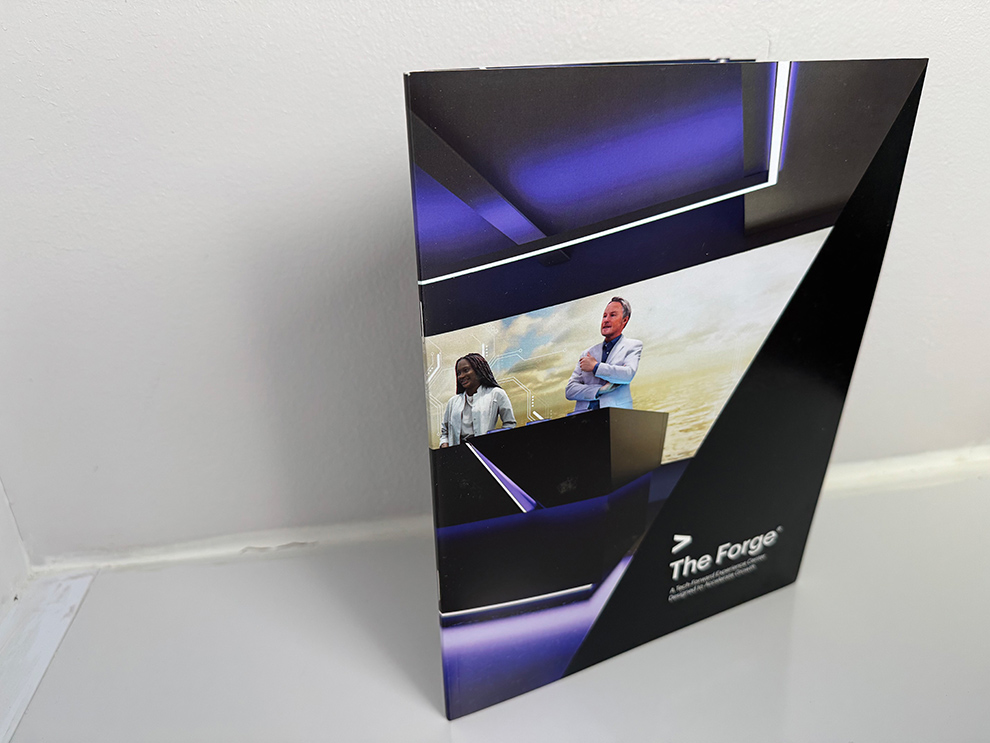
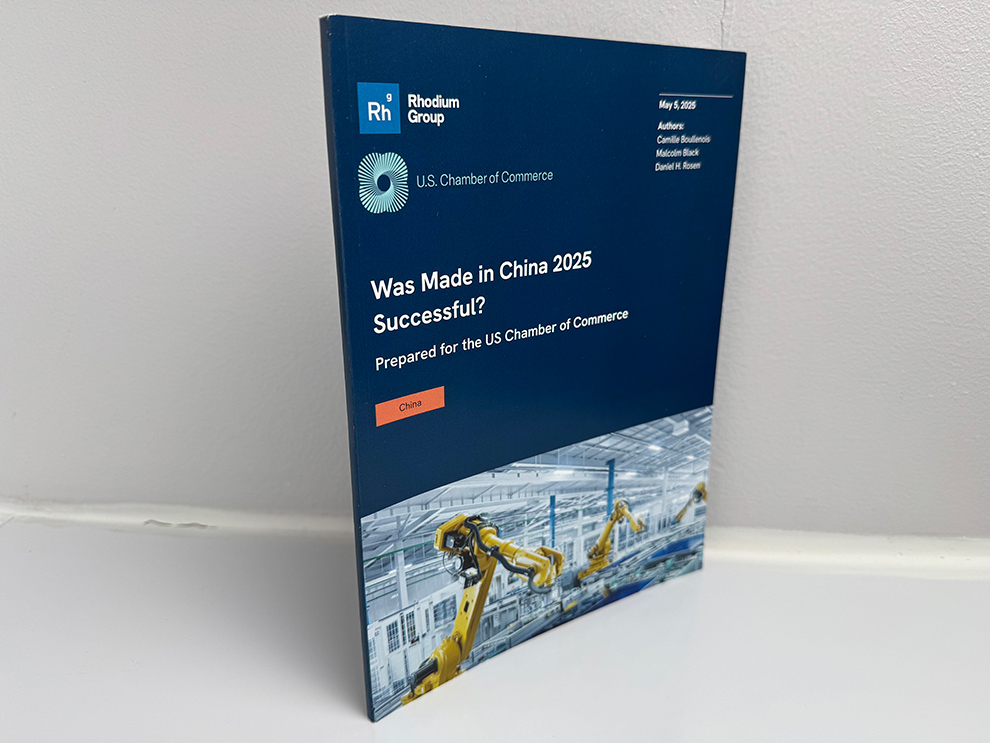
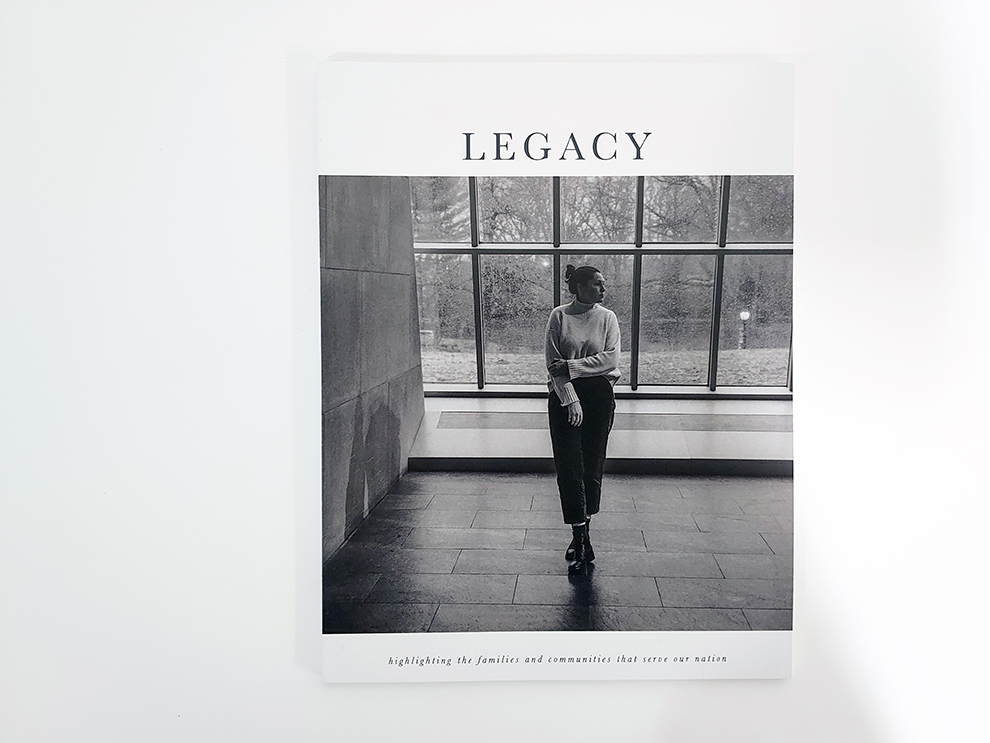
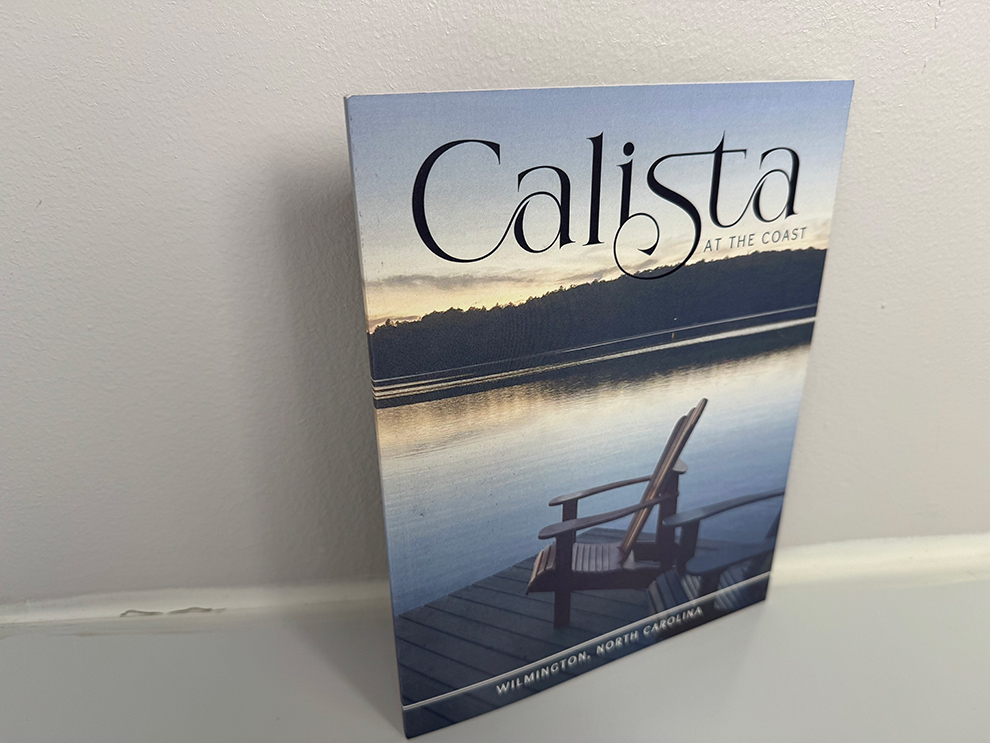
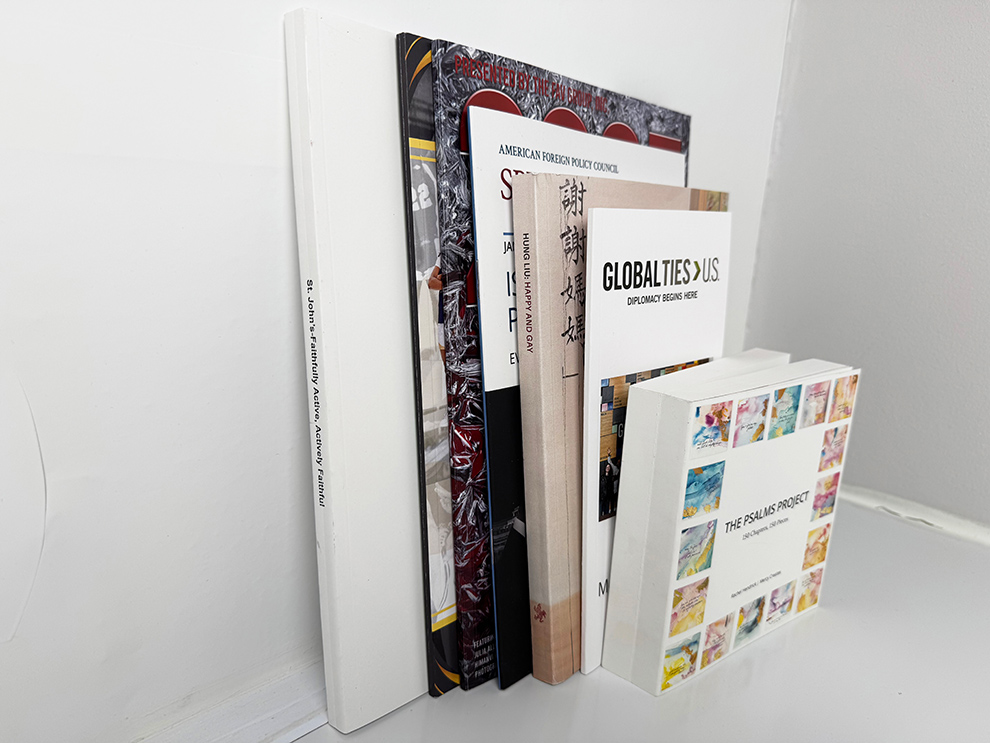
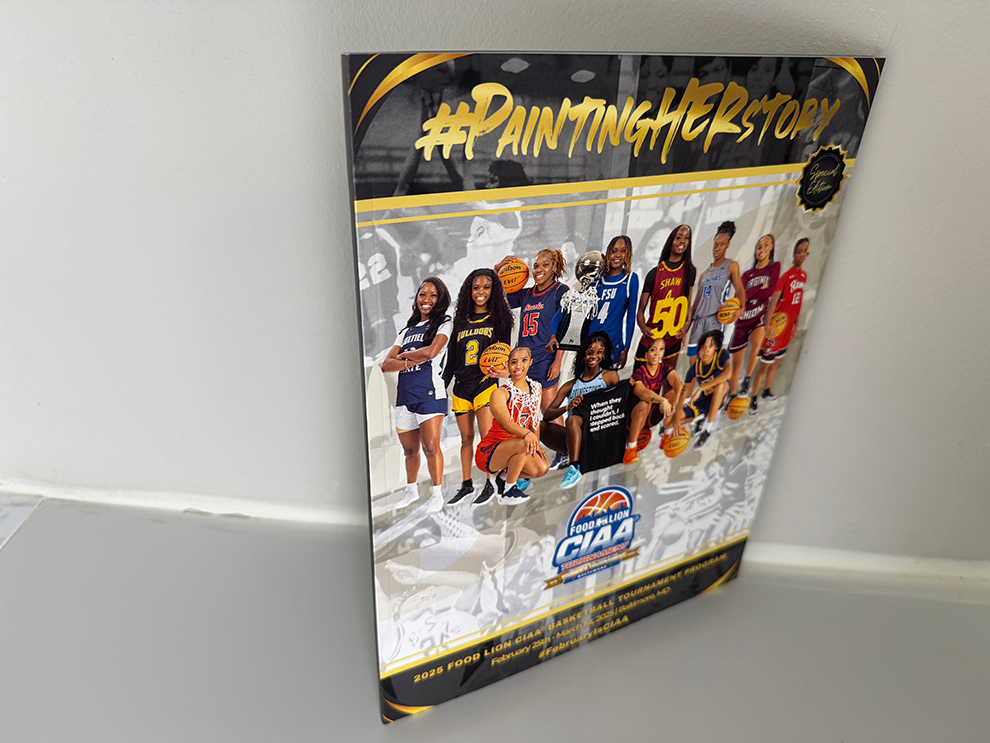
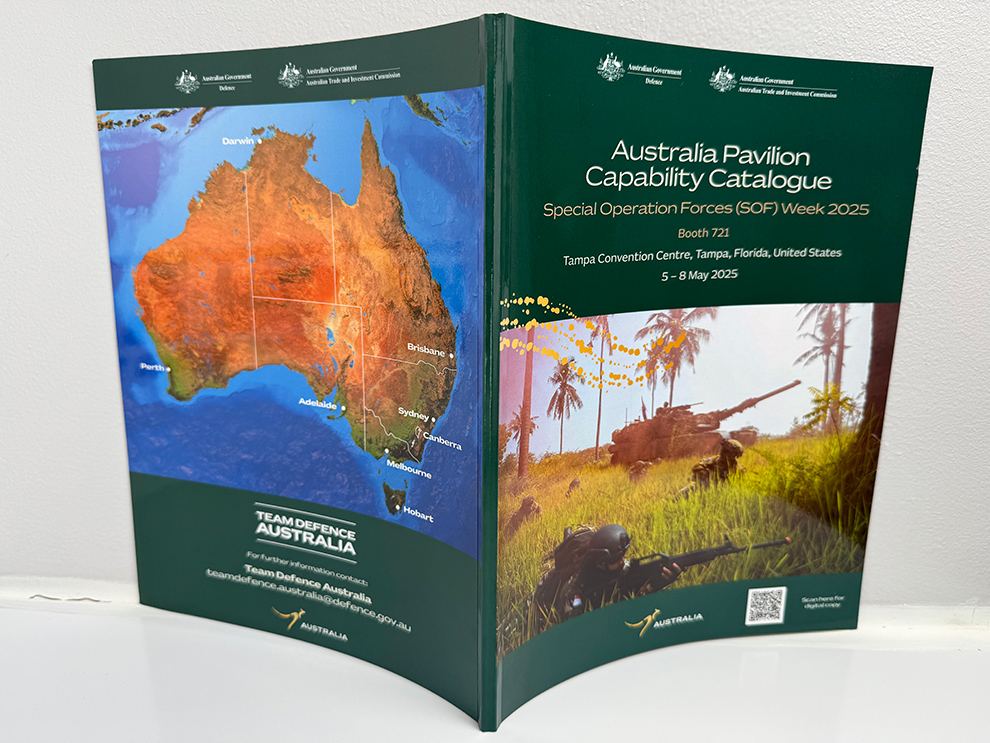
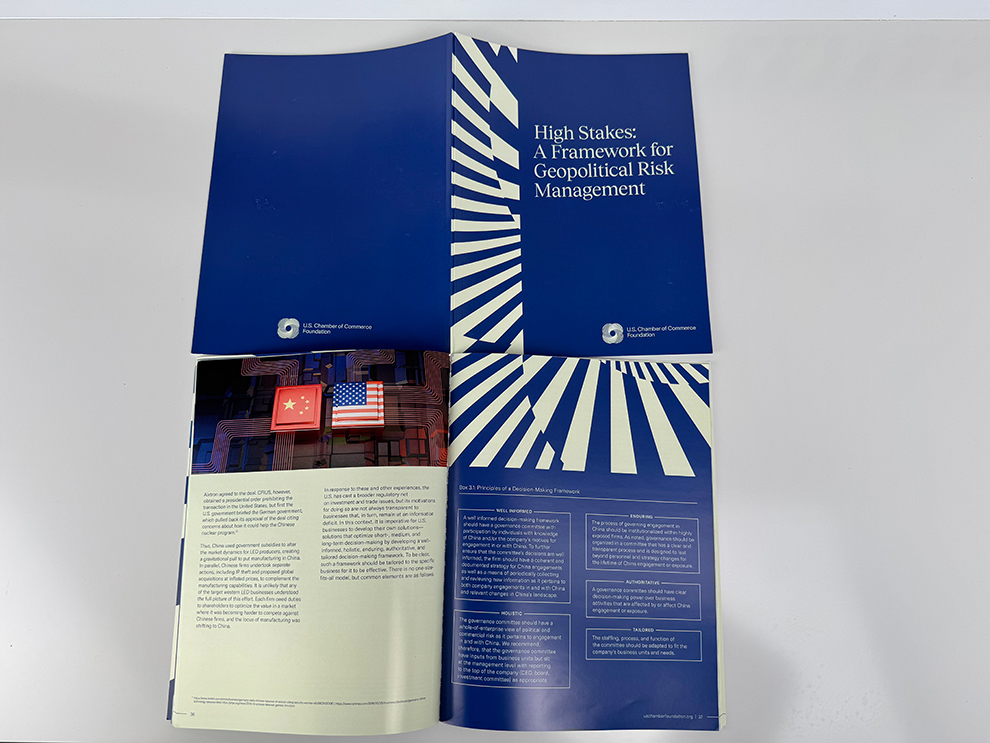
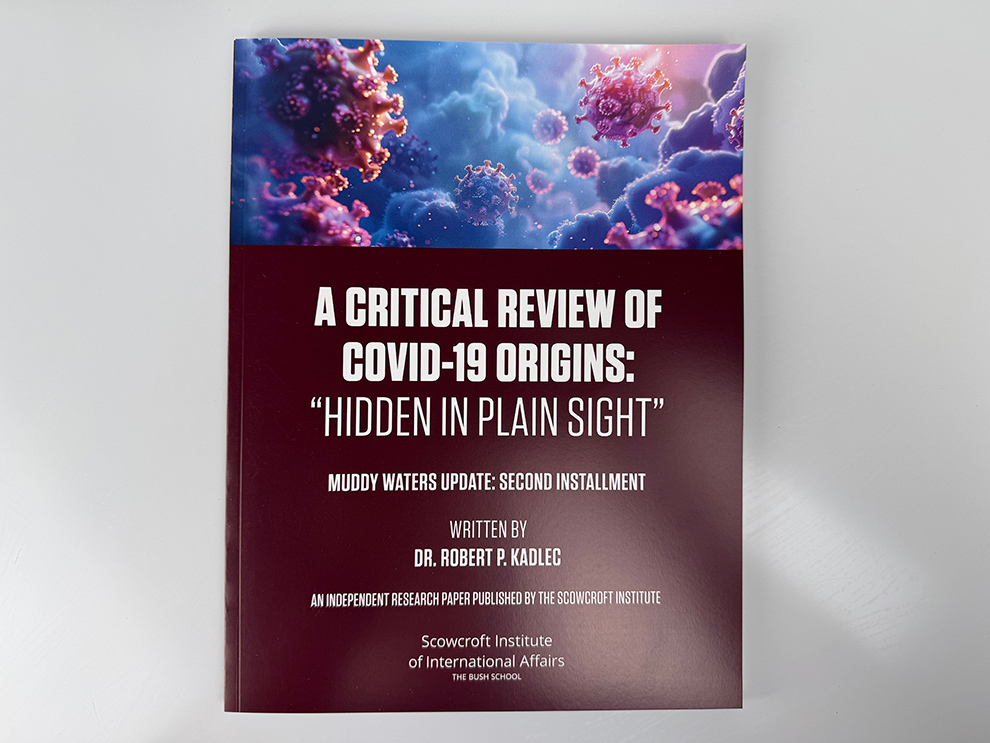
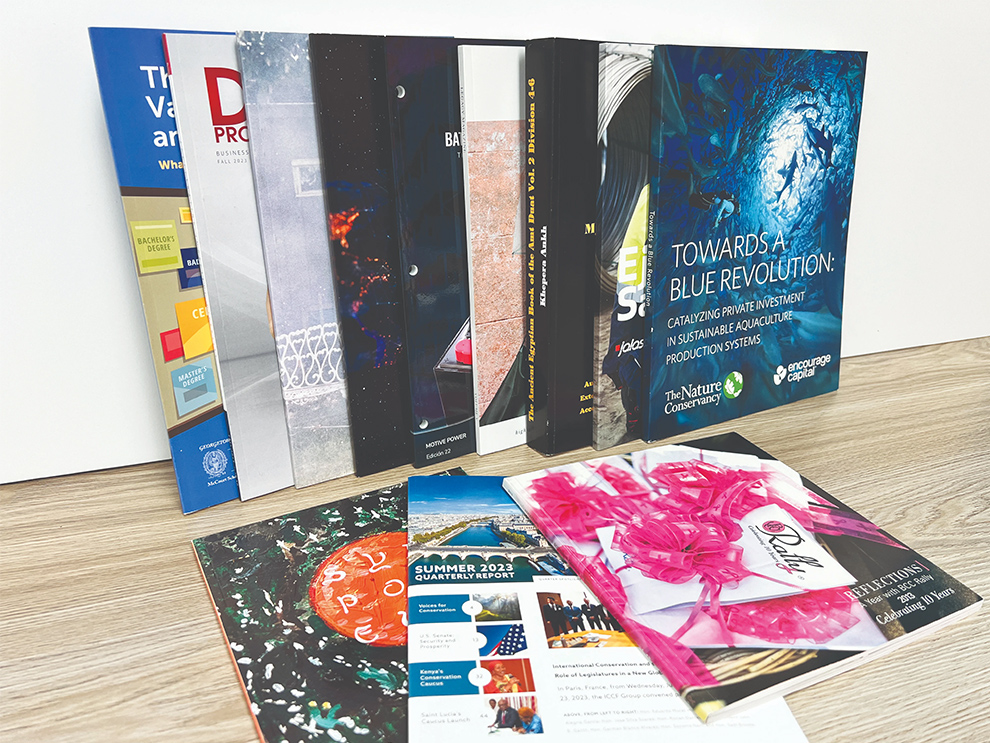
A catalog, directory, or program that will sit on a desk for months needs to hold up to repeated handling and still look intentional each time it is picked up. Perfect binding supports that kind of use with an adhesive-bound square spine, a wraparound cover, and clean trimmed edges, so the finished book reads as a complete publication rather than a stapled set of pages.
Heritage produces perfect bound books for Virginia Beach, VA organizations that need a more lasting format, including membership directories, visitor and relocation guides, program catalogs, yearbooks, annual reviews, and softcover books. Hampton Roads buyers often distribute these pieces across a wide region, so a publication that stacks cleanly, ships well, and stays presentable after transit has practical value beyond appearance.
Whether the format succeeds depends on specifications working together. Page count and paper caliper set the spine width, the spine width shapes the cover layout, and intended handling determines how much margin the binding edge needs. Heritage reviews those relationships before production begins so the cover, spine, and interior arrive as one coordinated book.
Heritage began as a printing company in 1977, well before its later expansion into signs and displays, and that print foundation still shapes how perfect-bound jobs are handled. Interior files, cover files, spine calculations, paper, color targets, trimming, and binding must all agree, and a late revision to one can ripple into the others.
Virginia Beach, VA clients are served through coordinated Heritage production resources across the Mid-Atlantic. Veteran-owned and family-led, Heritage emphasizes disciplined scheduling, honest answers about feasibility, and ownership of the commitments it accepts. If a cover is still in review while the interior is final, or a page total shifts after the quote, Heritage names the open item and lays out a responsible way to close it.
Color management, electronic proof approval before printing, and quality control during binding and trimming protect the finished result. Retained specifications support consistency when a directory or catalog returns the following year. For qualifying Custom Quote work, a Project Coordinator becomes the direct phone-and-email contact once Heritage has accepted the quote and assigned the order.
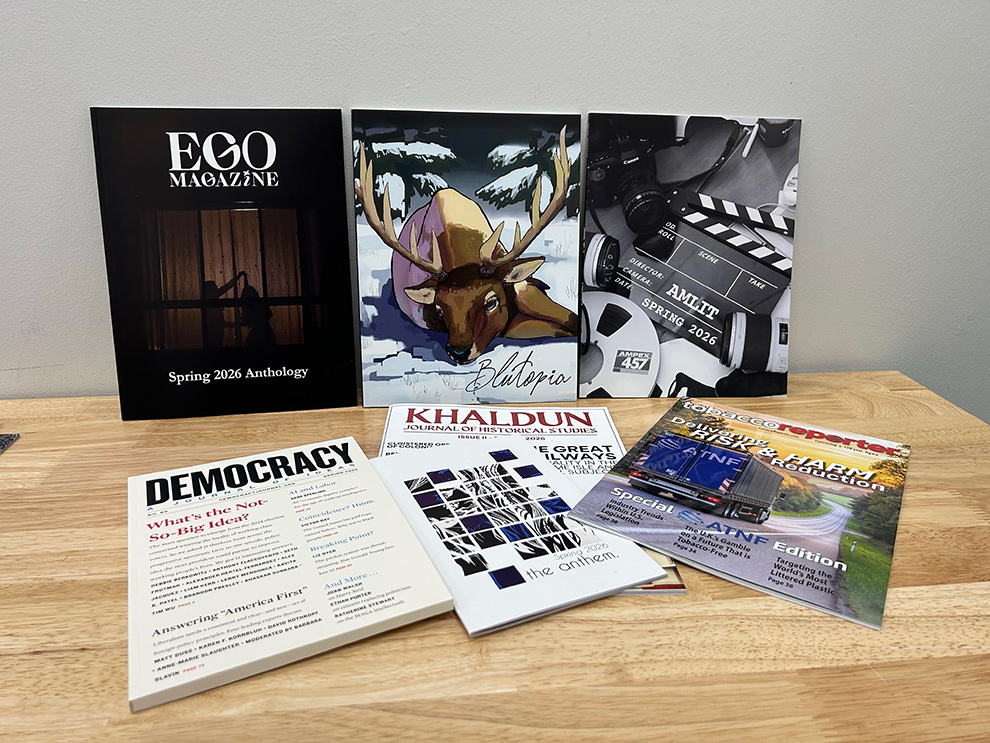
Perfect binding earns its place when a publication must look like a book: a square spine for the shelf, a cover that wraps front to back, and a trimmed block of pages with enough thickness to feel substantial. Catalogs, directories, guides, and softcover books with a healthy page count are typical candidates in Virginia Beach, VA.
The method is not a universal upgrade. A training workbook that people write in or prop open on a counter is better served by plastic coil, which lets pages lie flat and fold completely back. A slim program, newsletter, or short report often belongs in a saddle-stitched format, folded and fastened through the center, when there is not enough thickness to form a square spine.
A square spine does not promise readable spine text; a thin book may produce a spine too narrow for lettering to sit cleanly. A perfect-bound book also opens normally but does not lie flat the way coil-bound material does. Start with how readers will handle the piece, confirm the finished thickness, and then choose the construction that supports that use.
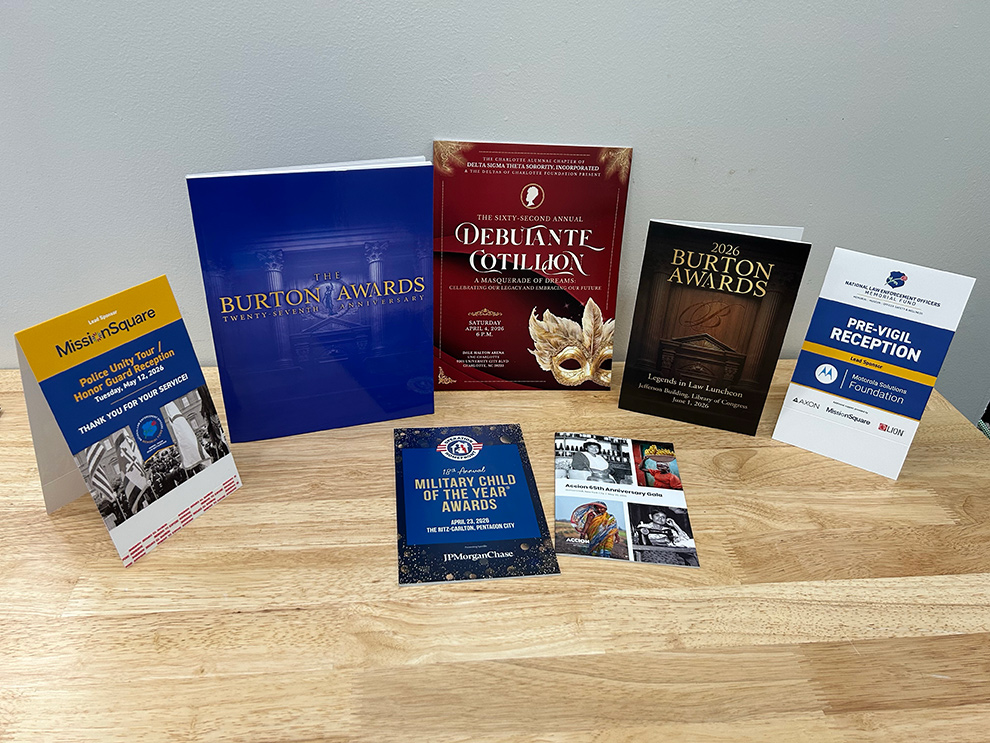
A perfect bound book often travels alongside other printed pieces for the same season, event, or membership cycle. The following Heritage capabilities cover the adjacent formats Virginia Beach, VA organizations most often pair with a square-spine publication.
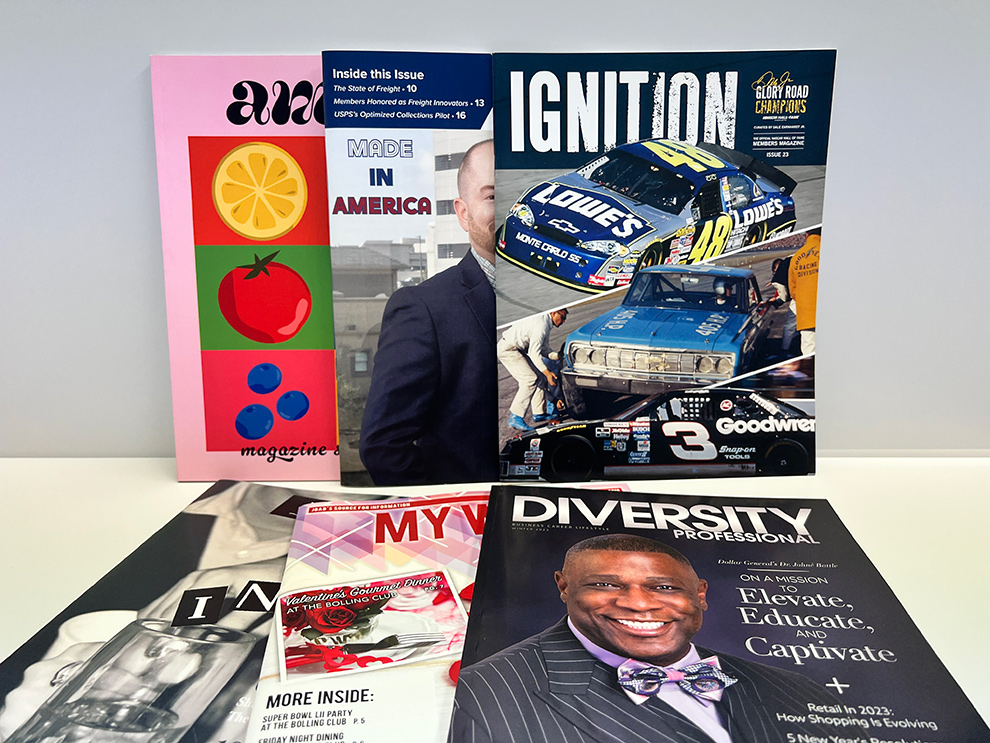
Fits periodicals and member issues that publish on a schedule and must match the previous issue in look and feel.
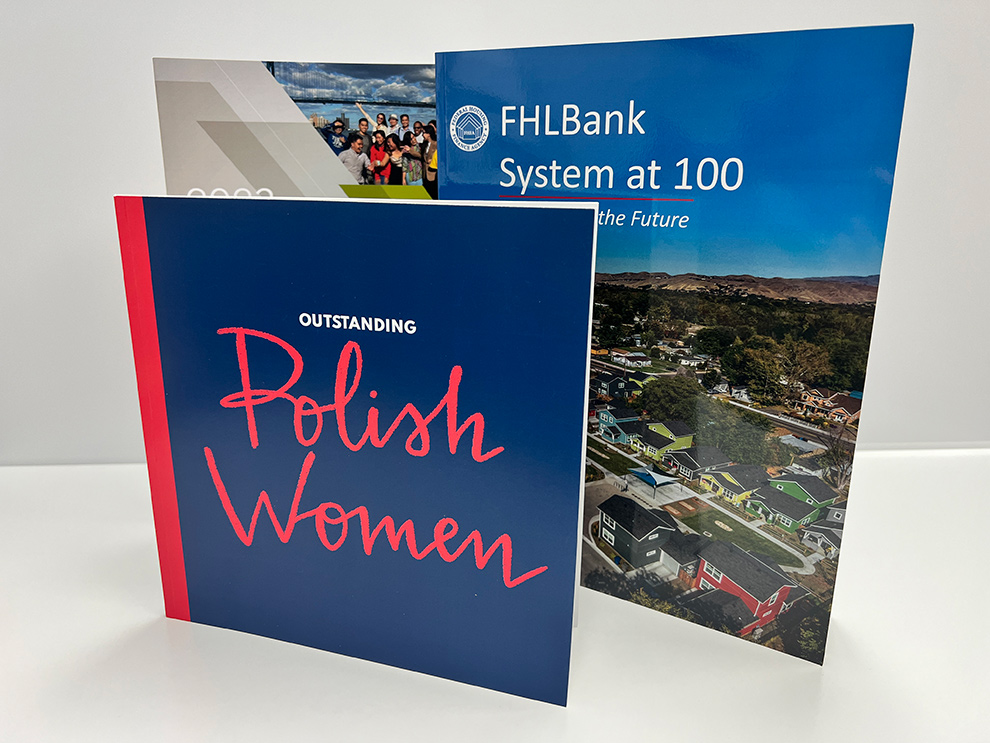
A sensible alternative when the page count is too light to form a spine or readers need a quicker, lighter format.
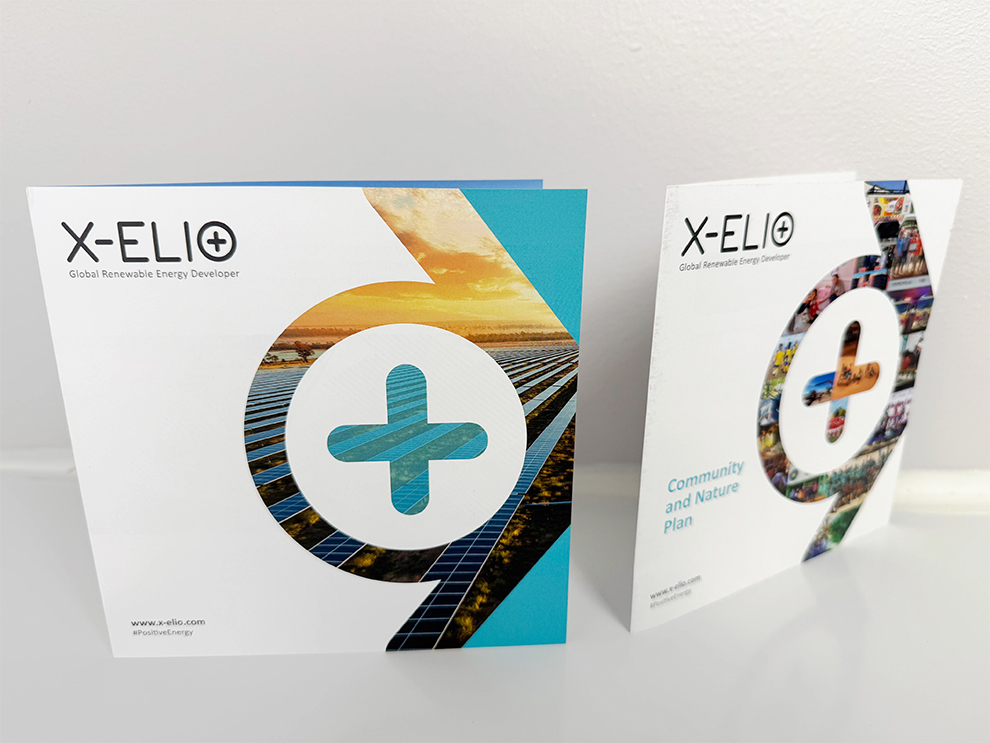
Hold a perfect-bound report together with loose inserts, business cards, and supporting sheets for meetings and proposals.
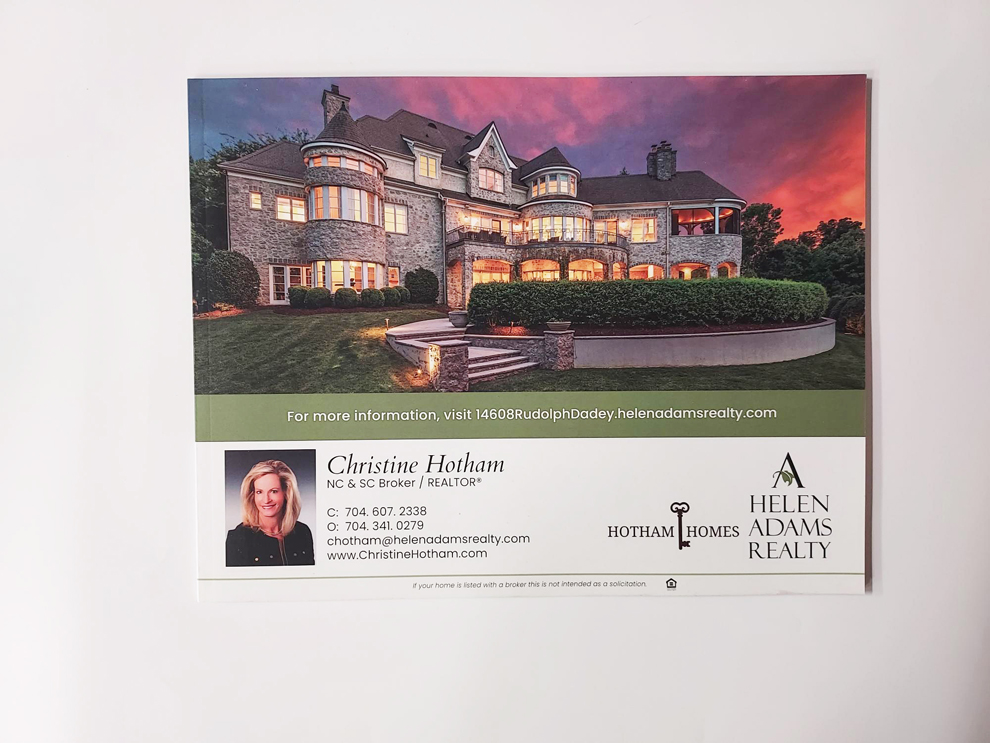
Extend production into addressing and mail preparation when the finished books must reach a membership or mailing list.
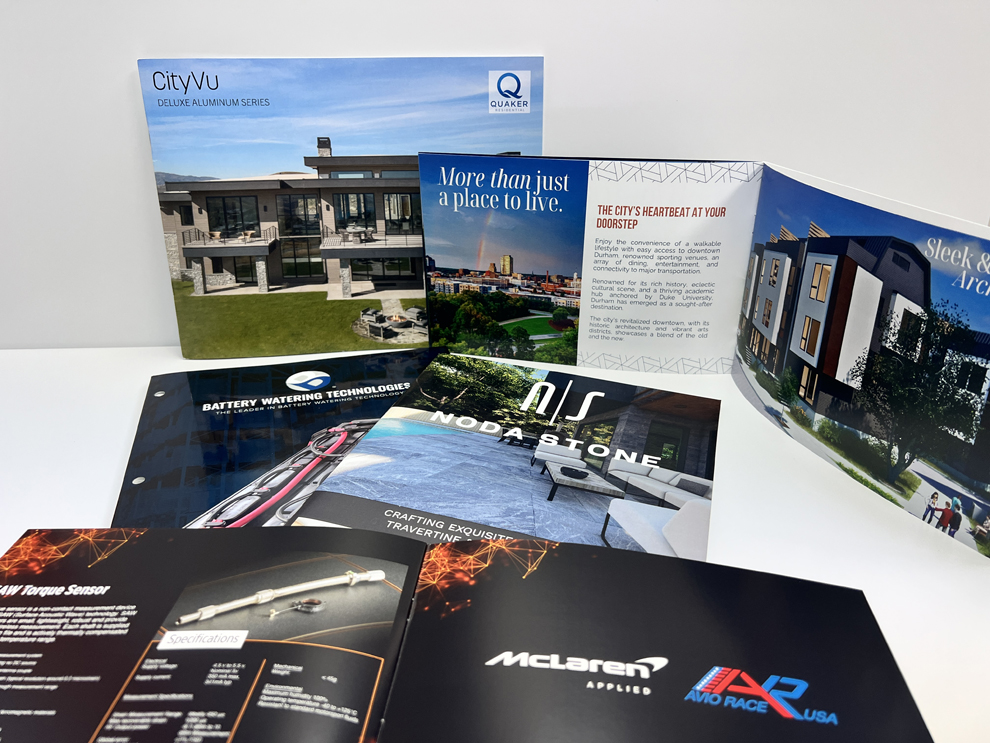
Supply the postcards, flyers, and sell sheets that promote the same program, season, or launch the book supports.
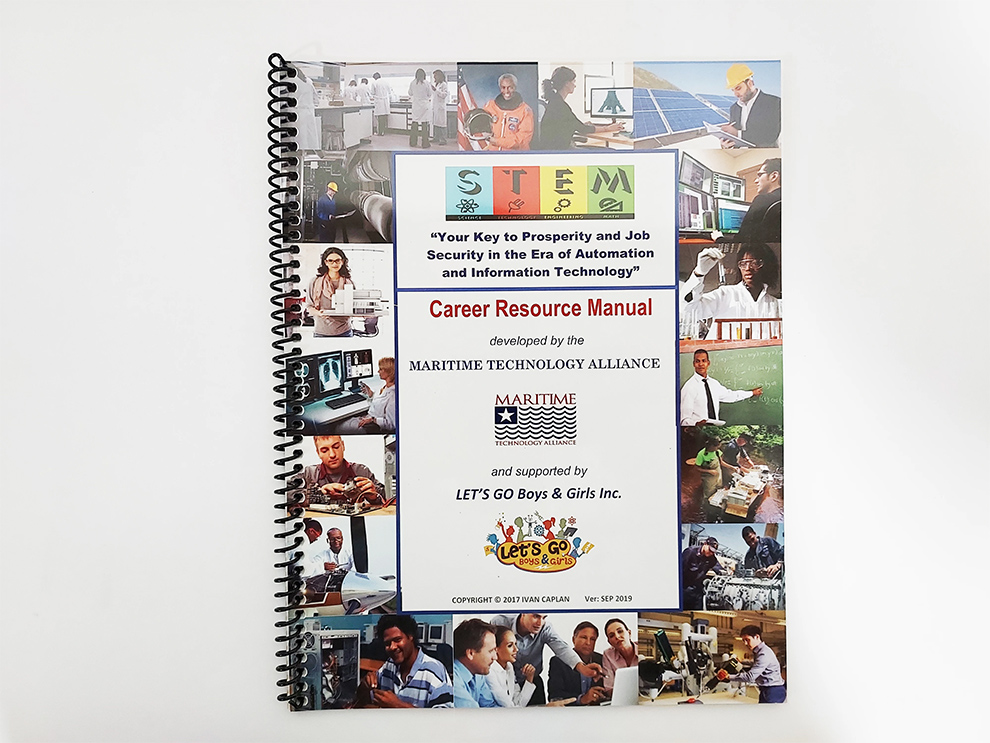
Suited to instructional content that must lie flat on a desk, accept notes, and survive repeated page turning.
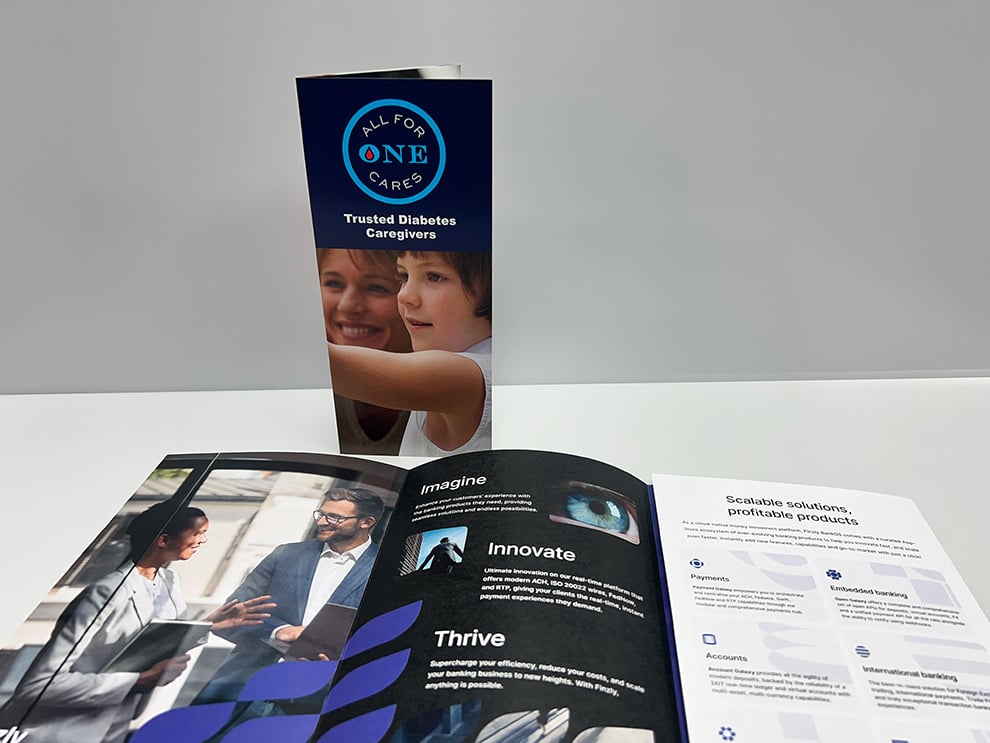
Provide a folded or flat overview for lobbies, visitor centers, and events when a full book is more than the moment calls for.
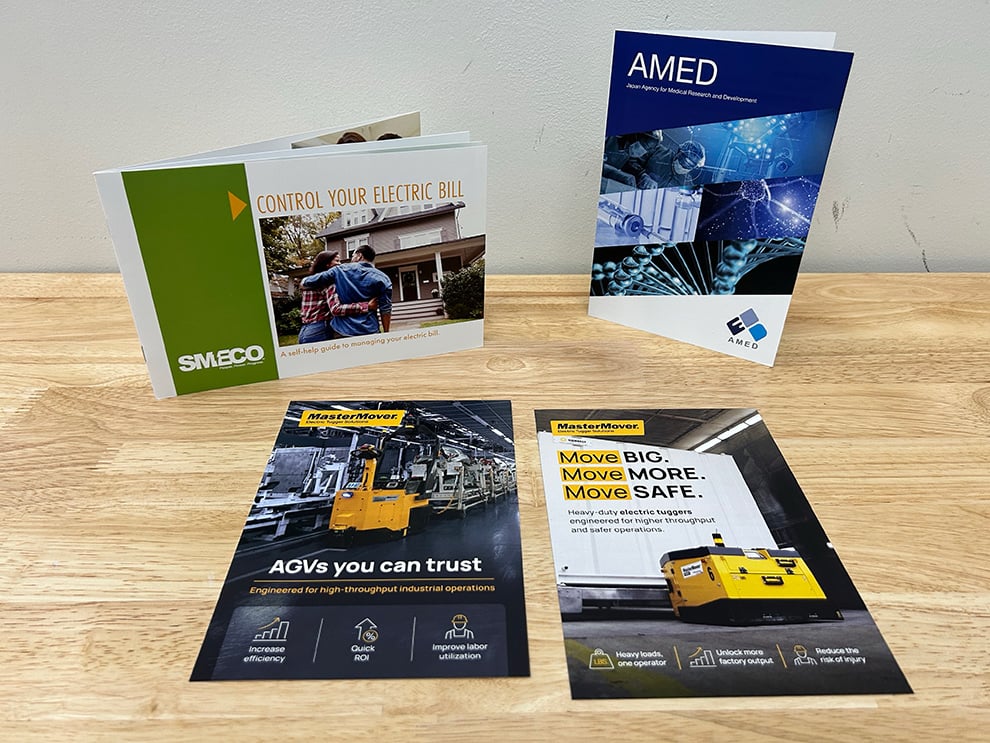
Review the broader range of Heritage print production when a publication is one component of a larger print program.
If the cover and interior are print-ready and a live Store configuration matches the specification, the Online Store is the most direct way to place the order. If a $2,000+ project still has questions about files, spine width, versions, paper, or timing, submit a Custom Quote and Heritage will review the open items and confirm the appropriate production path before any work is accepted or scheduled.
One of the most consequential decisions in perfect-bound production is the final page count. Combined with the chosen paper caliper, it determines the spine width, and the spine width tells the designer how wide the center panel of the cover must be. Adding or removing even a few pages after the cover is approved means the cover must be reworked before the job can run.
Because a perfect-bound book does not open fully flat, text and images placed tight against the binding edge can disappear into the gutter, so margins near the spine should be more generous than on the outer edge. Paper opacity matters when photography could show through, and the cover stock should suit how the book will be carried, mailed, or shelved.
Files should be submitted at finished trim size with bleed, and the cover built as one spread that includes the spine panel; the electronic proof is the last check on those settings before printing. For a recurring publication, keeping the approved trim size, paper, and cover construction on record gives the next edition a reliable starting point.
The route depends on how much work remains. When a finished interior and cover match a live Perfect Bound configuration, the Self-Directed Online Store is the direct purchase path: select options, upload print-ready files, and pay online. The Store does not include an assigned Project Coordinator, design or layout work, or a physical color proof, and the order minimum is $750, which several eligible products may share. Heritage still reviews the files, issues an electronic proof for approval, and applies its normal quality controls.
A new Commercial Printing opportunity of $2,000 or more may qualify for Custom Quote when production support is needed, such as file preparation, building the cover around a calculated spine, open specifications, or several versions of one book. The form opens a request only; acceptance and scheduling are not automatic. Once Heritage accepts the quote and assigns the order, the Project Coordinator becomes the direct phone-and-email contact.
State any fixed date in the first message. Heritage weighs it against quantity, pending approvals, proofing, materials, and capacity, and says plainly whether it is workable; if not, Heritage works to identify an alternative early.
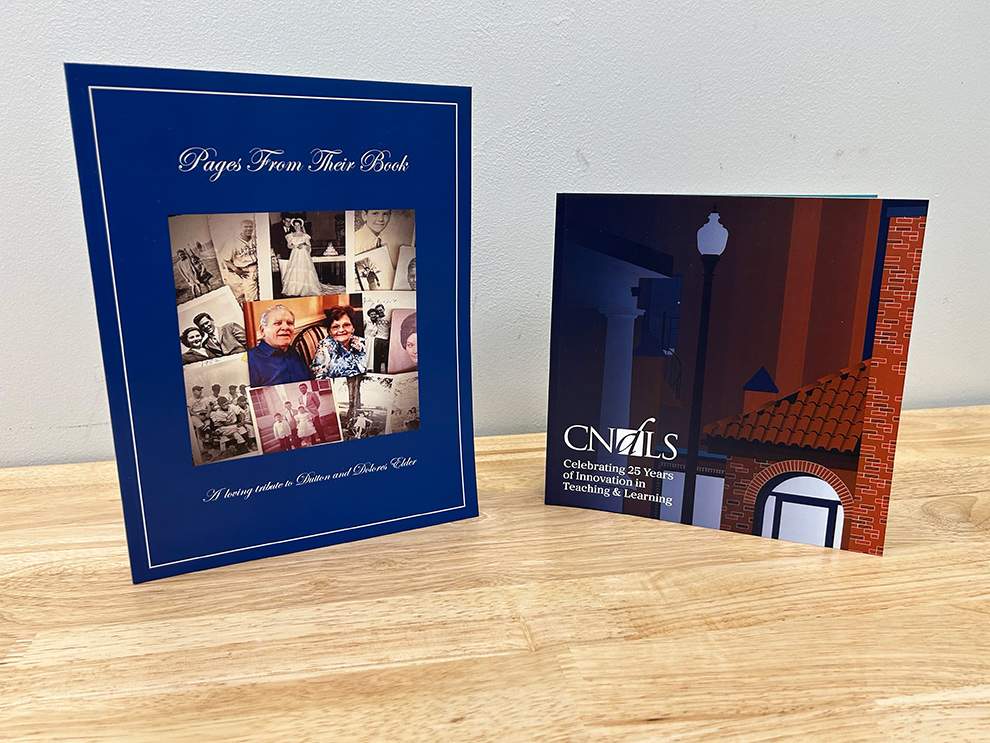
Publications that will be kept and referred to over time are the strongest candidates. In Virginia Beach, VA that usually means membership directories, program catalogs, visitor and relocation guides, annual reviews, yearbooks, and softcover titles with enough pages to form a spine. Heritage reviews the full specification, since the same content may suit a different binding when page count, use, or distribution changes.
Perfect binding gathers the interior pages, secures them at the spine with adhesive, and wraps a single cover around the block before the three open edges are trimmed. The result is a square spine, a flat wraparound cover, and the recognizable profile of a softcover book. It is chosen when a publication should look finished and store neatly rather than fold like a stapled booklet.
Only when the finished spine is wide enough to carry the type cleanly. Spine width grows with page count and paper thickness, so a short book may leave too little room for a title to be set at a readable size and centered. Heritage can advise on that once the page total and paper are final; until then, treat spine text as a possibility rather than a fixed design element.
Spine width comes from the combined thickness of the bound interior pages and the way the book is constructed. Page count and paper caliper are the main inputs, and both must be final before the cover spread can be built accurately. Changing either one after the cover is designed changes the spine measurement, which is why Heritage asks for a locked page count before treating cover files as ready for production.
Choose plastic coil when the material will be used actively: written in, propped open during training, referenced on a counter, or folded back to a single page. Coil binding allows that flat, fold-back handling. Perfect binding is the stronger option when the piece is meant to be read, presented, stored, or shelved and a square spine with a wraparound cover matters more than lie-flat convenience.
Saddle stitching usually wins for a thinner publication, because the sheets are folded and fastened through the center and there is not enough thickness to create a square spine. A short program, newsletter, or brief report typically fits that construction. Perfect binding becomes appropriate as the page count and paper thickness grow enough to support an adhesive-bound spine and a cover that wraps around the finished block.
Not fully. A perfect-bound book opens and reads normally, but the glued spine holds the pages in a conventional book form, so it resists lying completely flat and does not fold back on itself like a coil-bound piece. Layouts should keep critical text, page numbers, and images comfortably clear of the gutter so nothing important is lost in the curve near the binding edge.
Every Commercial Printing order, including a Store purchase, pauses for client approval of an electronic proof before printing. Use it to confirm copy, page sequence, numbering, image placement, and the cover layout including the spine panel. The electronic proof verifies the production file, not finished color; screen settings and press conditions differ, so it should not be treated as a color match.
A paid Physical Production Color Proof may be requested for qualifying Commercial Printing work of $2,000 or more handled through Custom Quote. It is produced on the printer and the paper planned for the actual run, so it reflects real output rather than a screen. It adds cost and production time, and once approved it governs color for the run unless another agreement applies. This option is not available through the Self-Directed Online Store, where approval is based on the electronic proof.
Yes, and the groundwork is the approved production record from the prior run. Heritage can reference the established trim size, paper, cover construction, and color targets so the new edition updates content and quantity without reopening settled decisions. If the page count changes, the spine width and cover will be recalculated. For several versions in one cycle, label each file, quantity, and approver clearly so editions stay separate through proofing and production.
Yes, when a live Perfect Bound configuration fits the specification and the cover and interior files are complete and print-ready. The Store is a self-directed route without an assigned Project Coordinator, design services, or a physical color proof. Eligible products can be combined to meet the $750 order minimum. Heritage still reviews the files, sends an electronic proof for approval, and applies its usual quality-control steps before printing.
A new Commercial Printing opportunity valued at $2,000 or more may qualify when it needs production-oriented help before it can run, such as file preparation, cover and spine setup, specification guidance, or coordination across multiple versions. Qualifying for Custom Quote does not mean every order above that amount must use it. Submitting the form is only a request; after Heritage accepts the quote and assigns the order, the Project Coordinator becomes the direct phone-and-email contact.
Lead with the date, then the facts that most affect it: quantity, current page count, whether the cover is final, the status of interior files, the number of versions, proofing preferences, and any approvals still outstanding. Heritage uses that information to map the production sequence and say whether the date can be met responsibly or whether an alternative should be set now. For qualifying Custom Quote work, the Project Coordinator joins only after Heritage accepts and assigns the job.
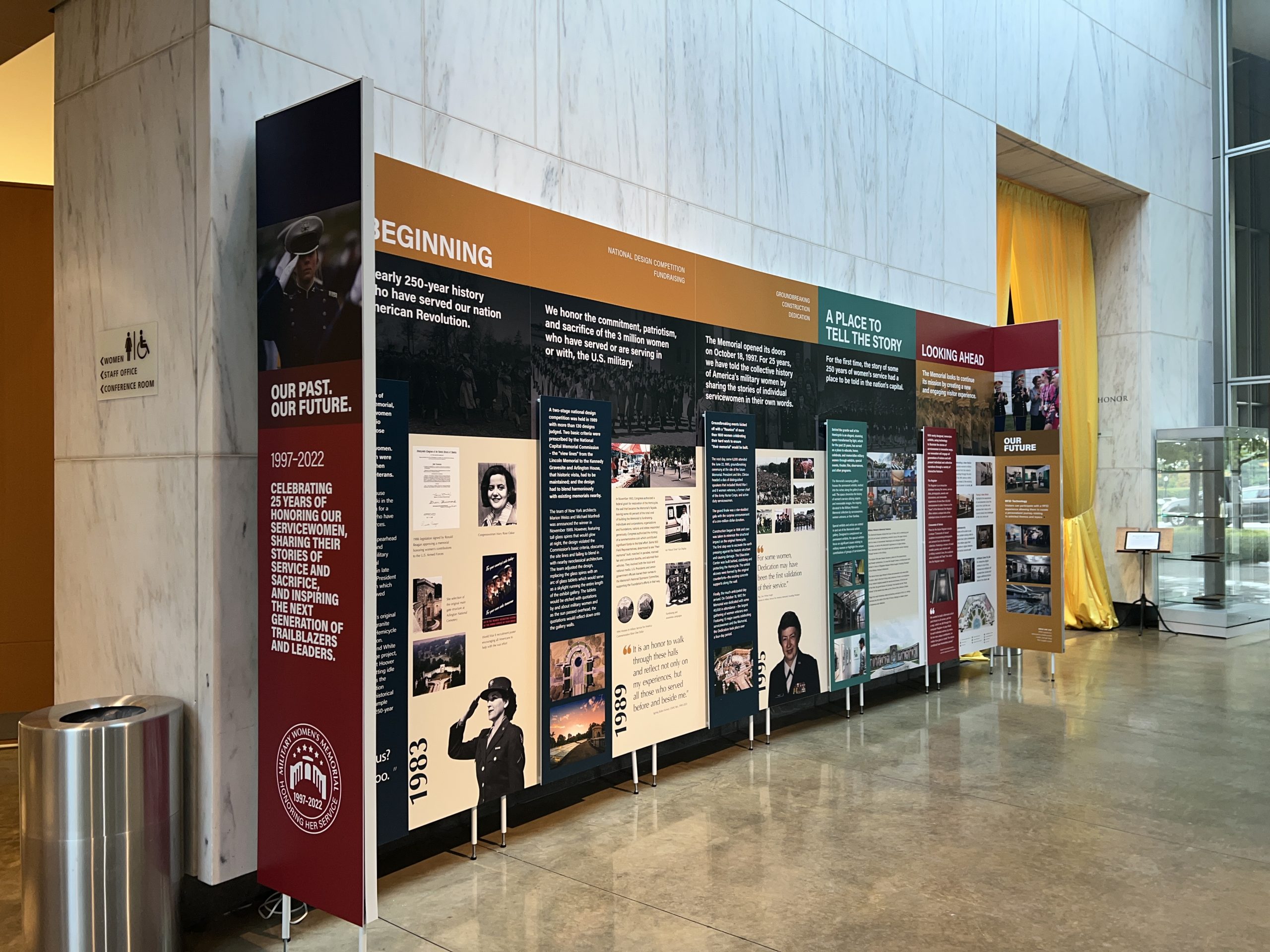
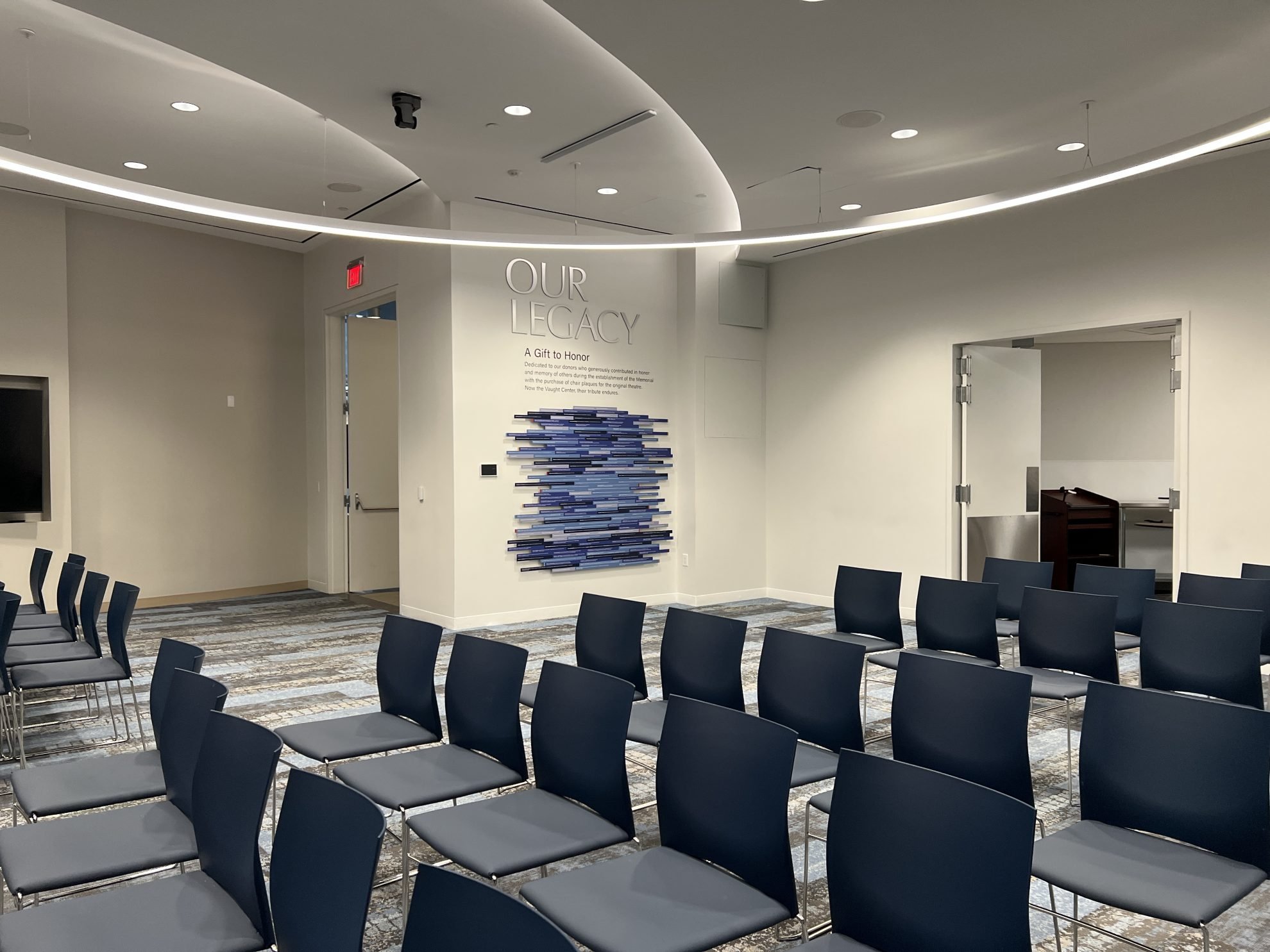
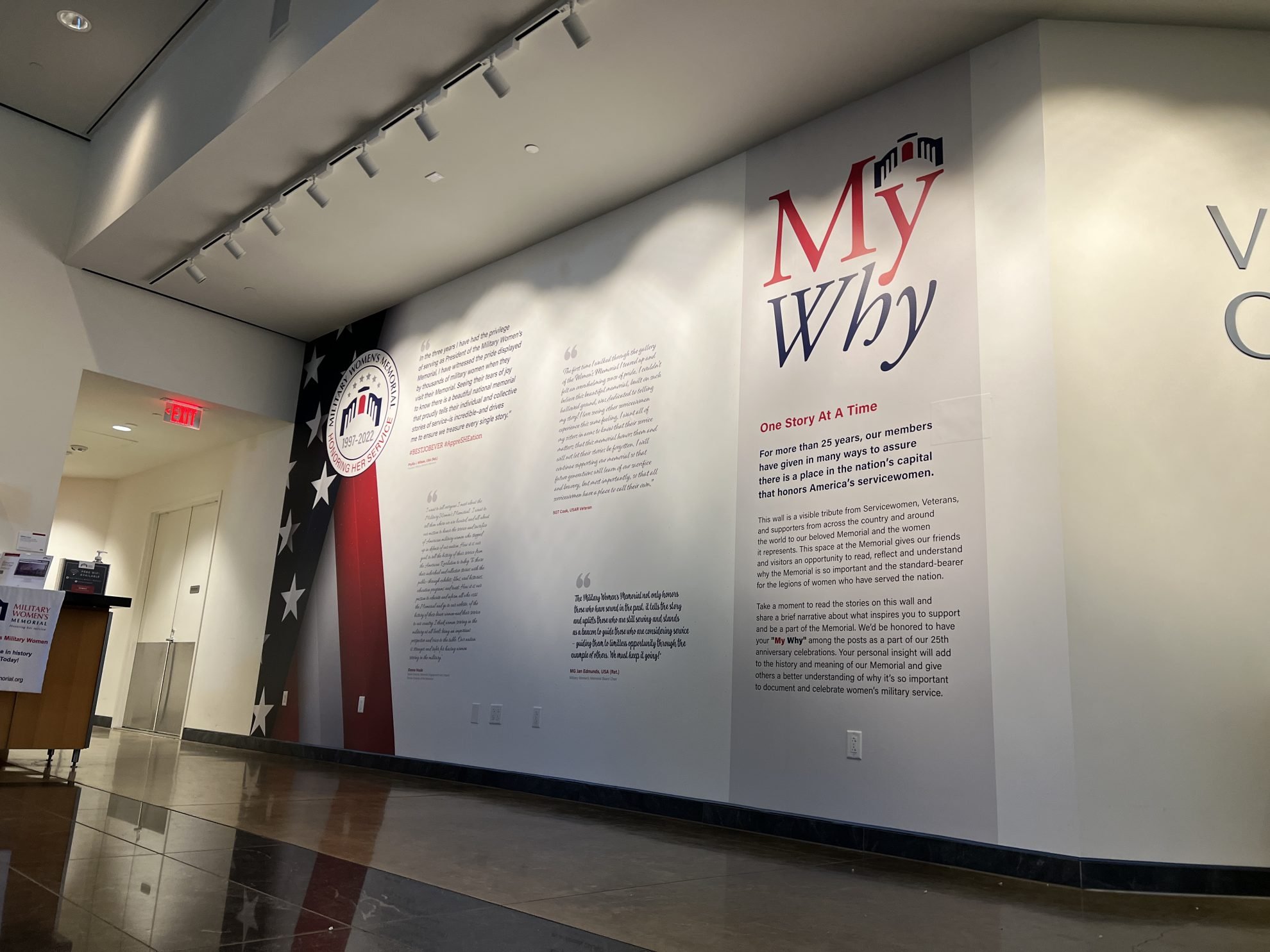
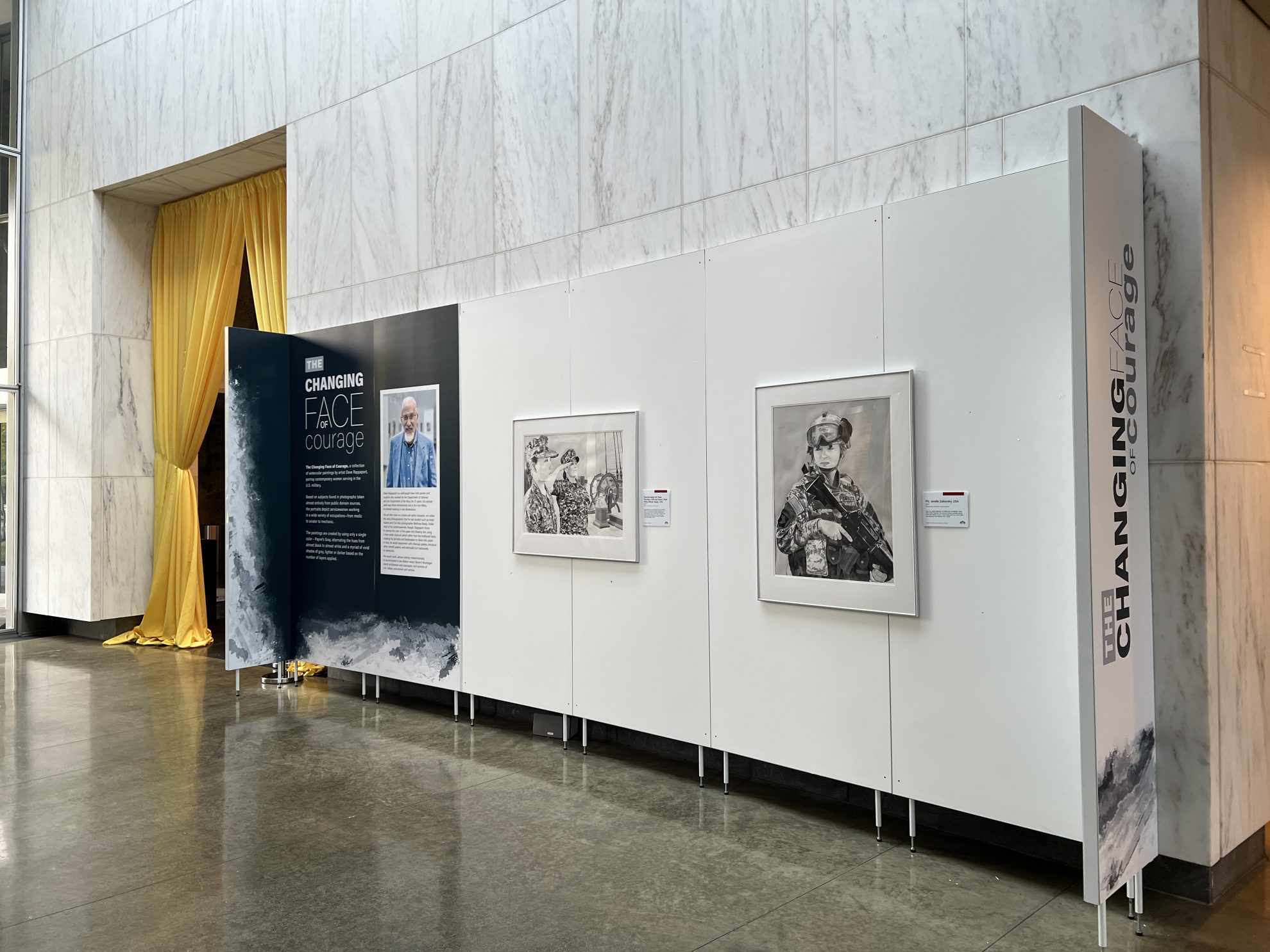
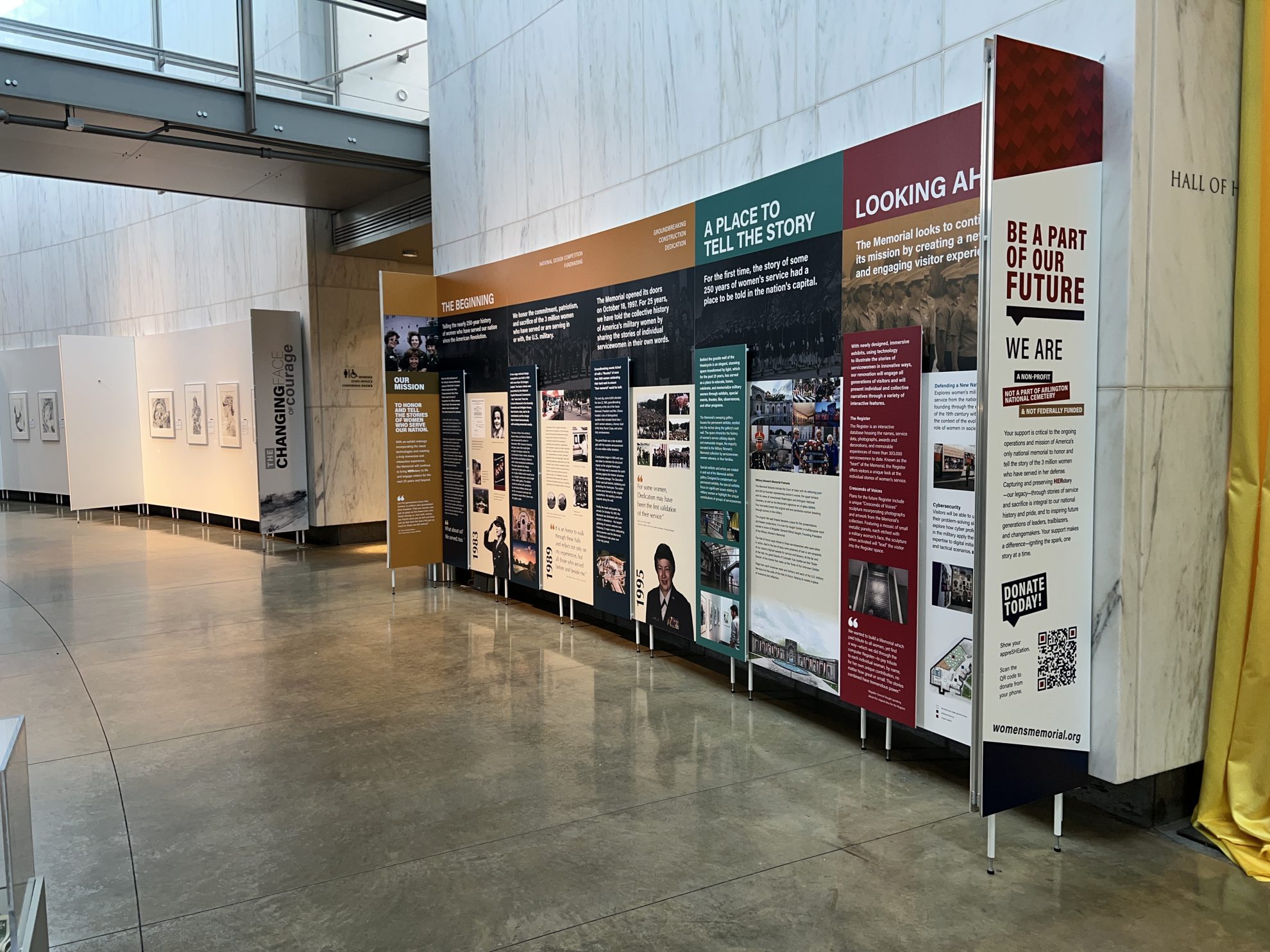
Heritage Signs & Displays created new museum signage for the Military Women’s Memorial in Arlington, VA. The project included custom signs, wall wraps, dimensional letters, and standoff-mounted displays to honor the legacy of U.S. servicewomen and the donors who supported the memorial. The updated interior features impactful designs, including a "Our Legacy" wall display and panels showcasing historical contributions and artwork, creating a transformative tribute to women in the U.S. Armed Forces.
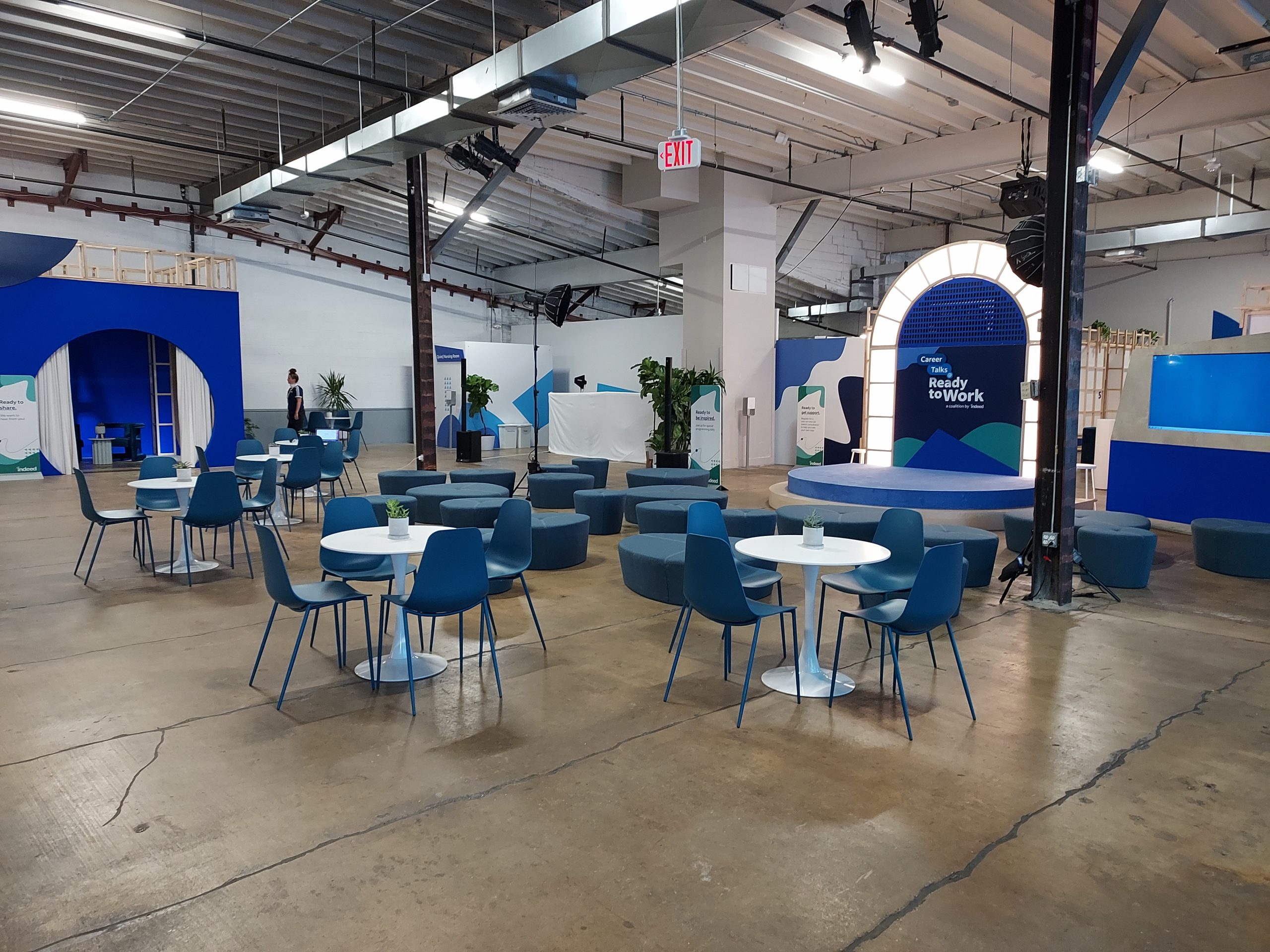
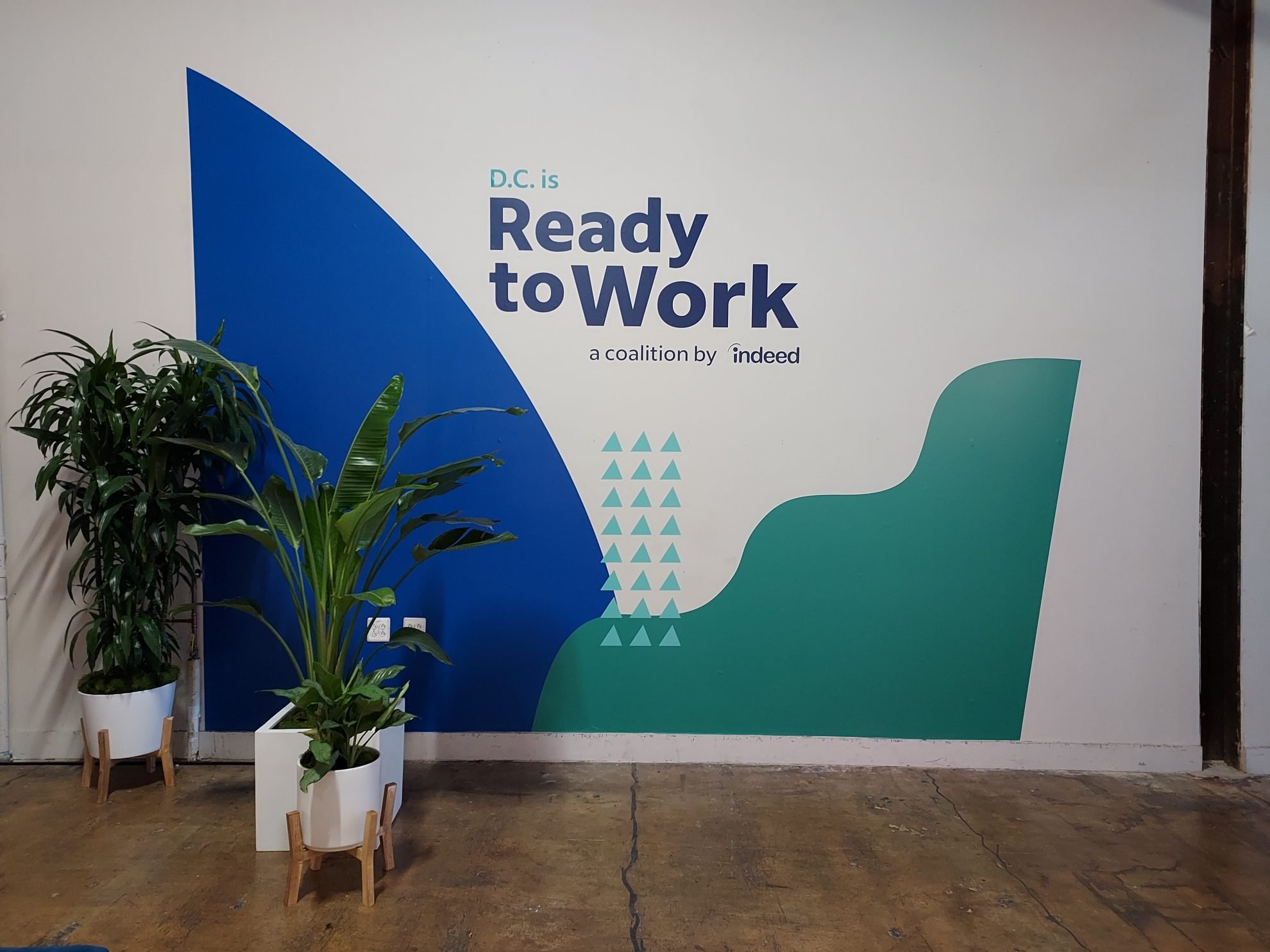
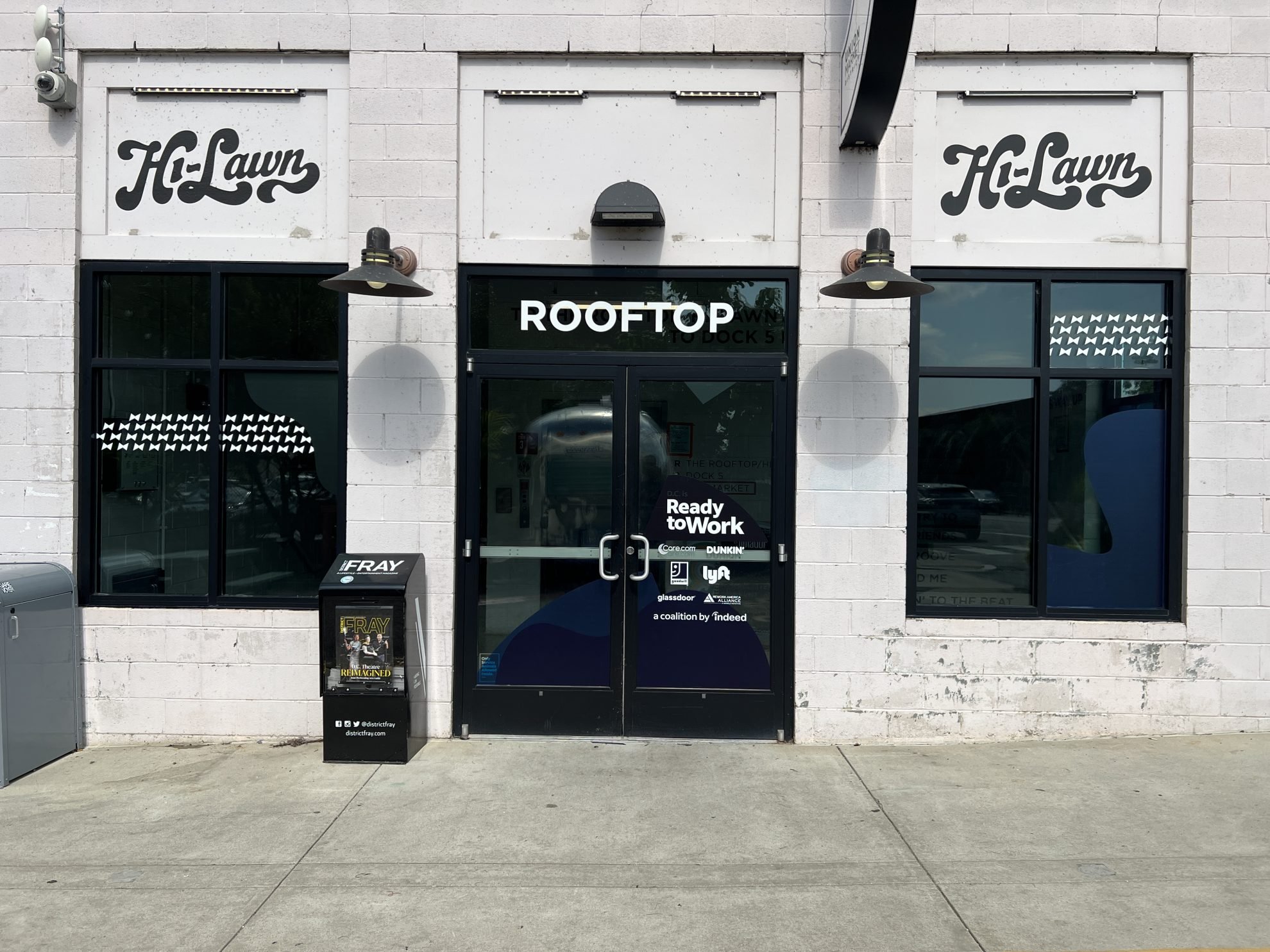
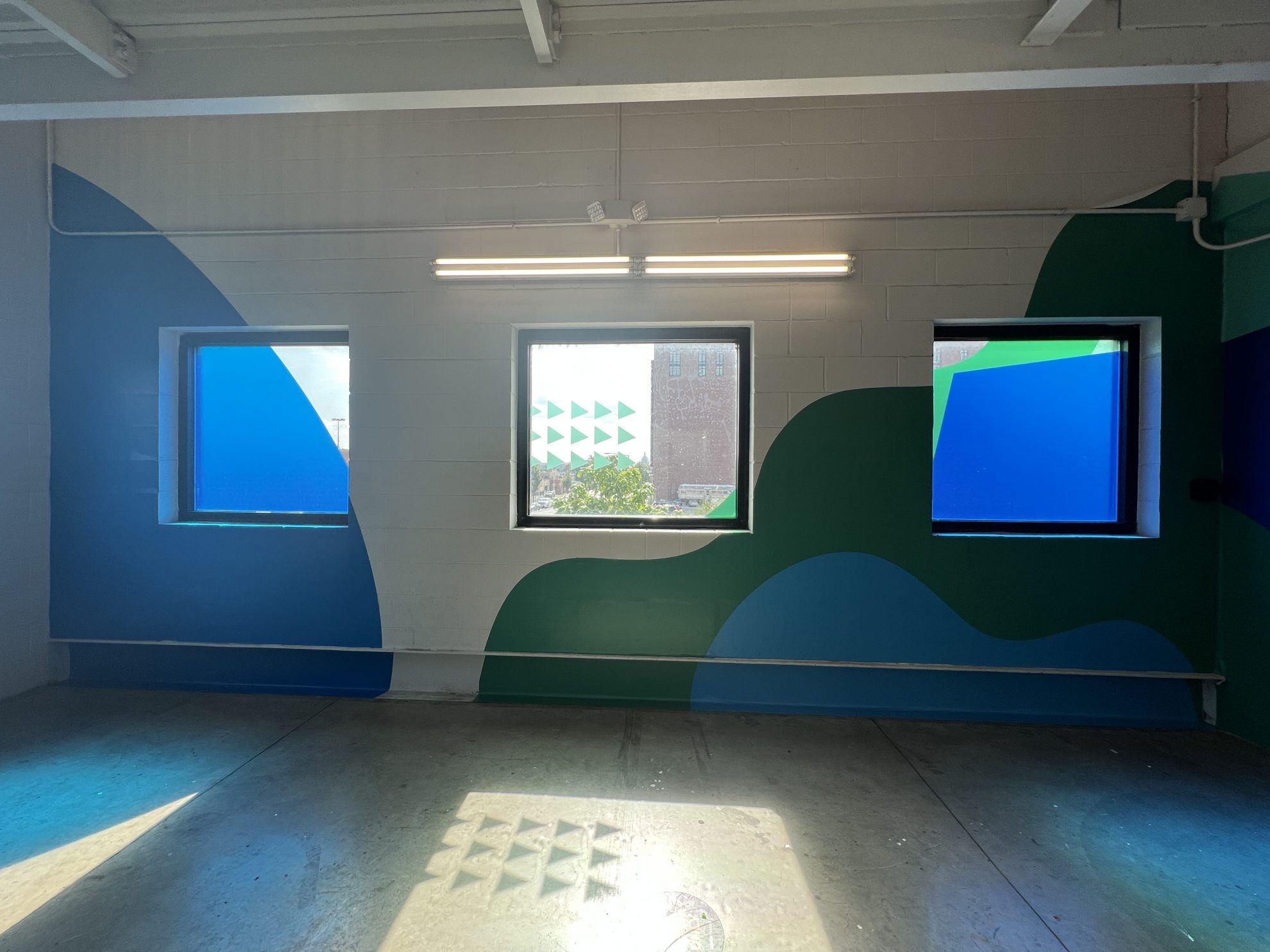
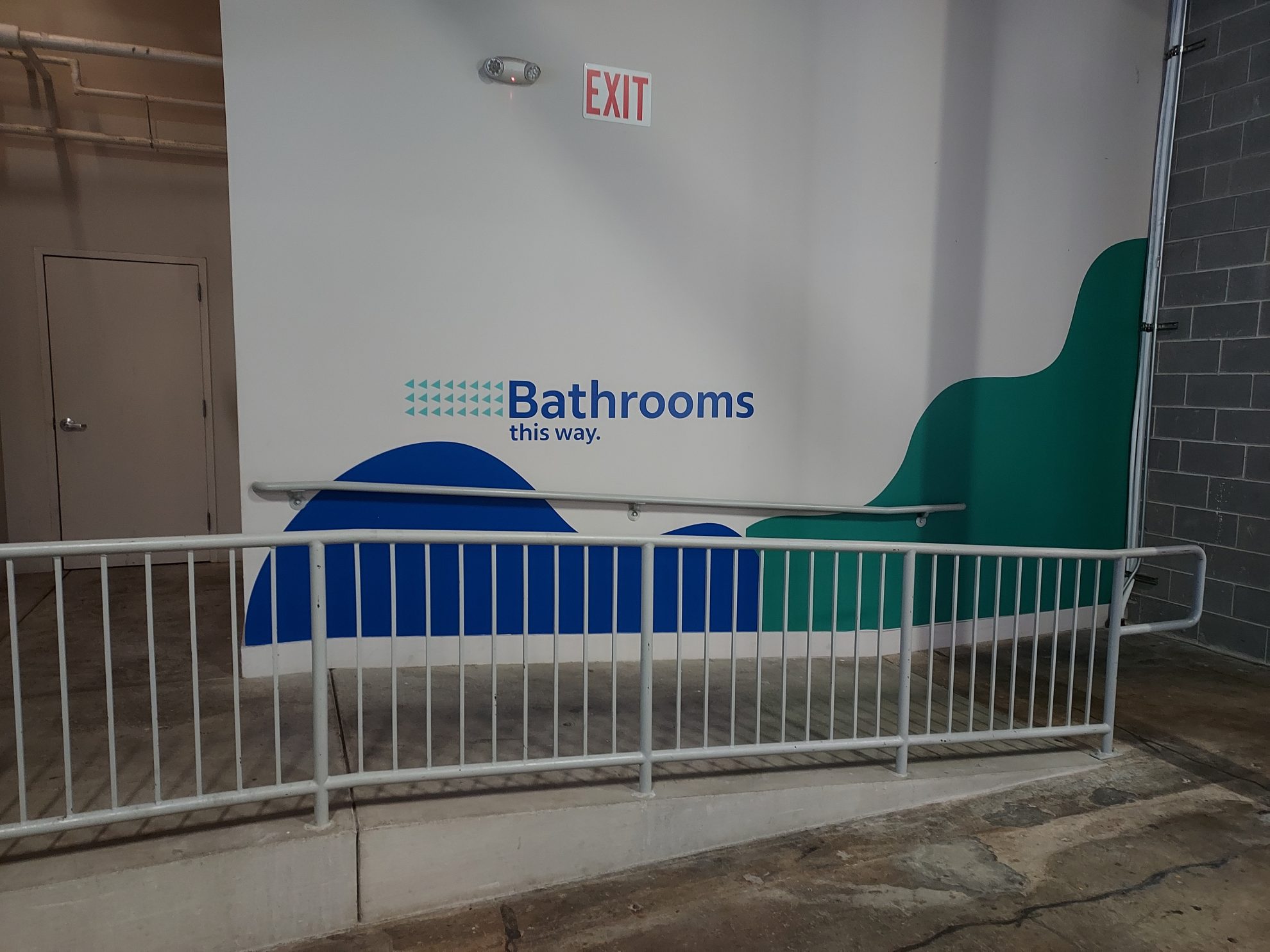
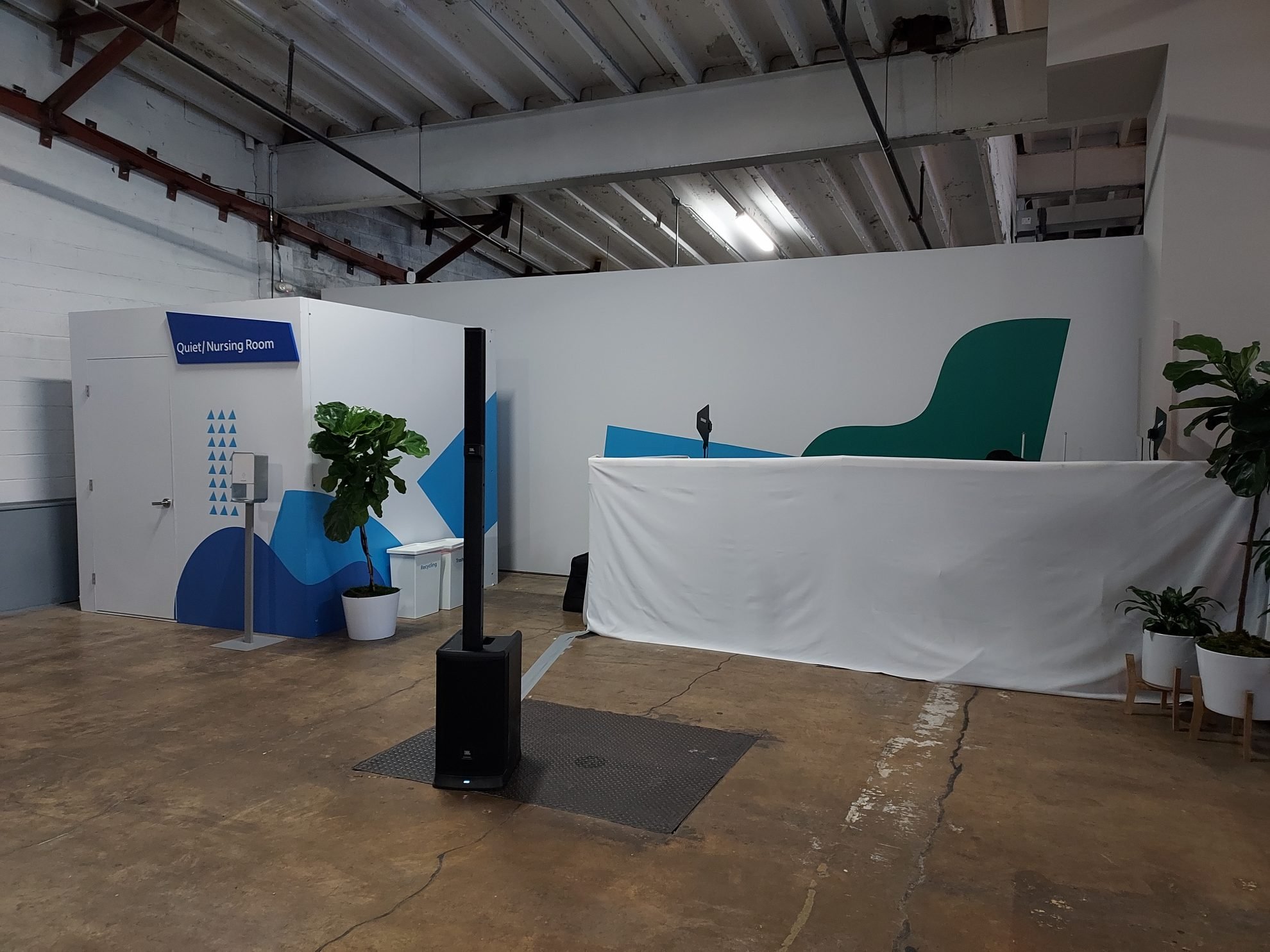
Heritage Signs & Displays' collaboration with The Gathery to brand Union Market in Arlington, VA, for Indeed's "Ready to Work" job fair. The project included custom event displays, wall graphics, window graphics, and wayfinding signs, creating an immersive and visually appealing environment. The branding enhanced the venue, reflected the event's mission, and provided a seamless experience for attendees.