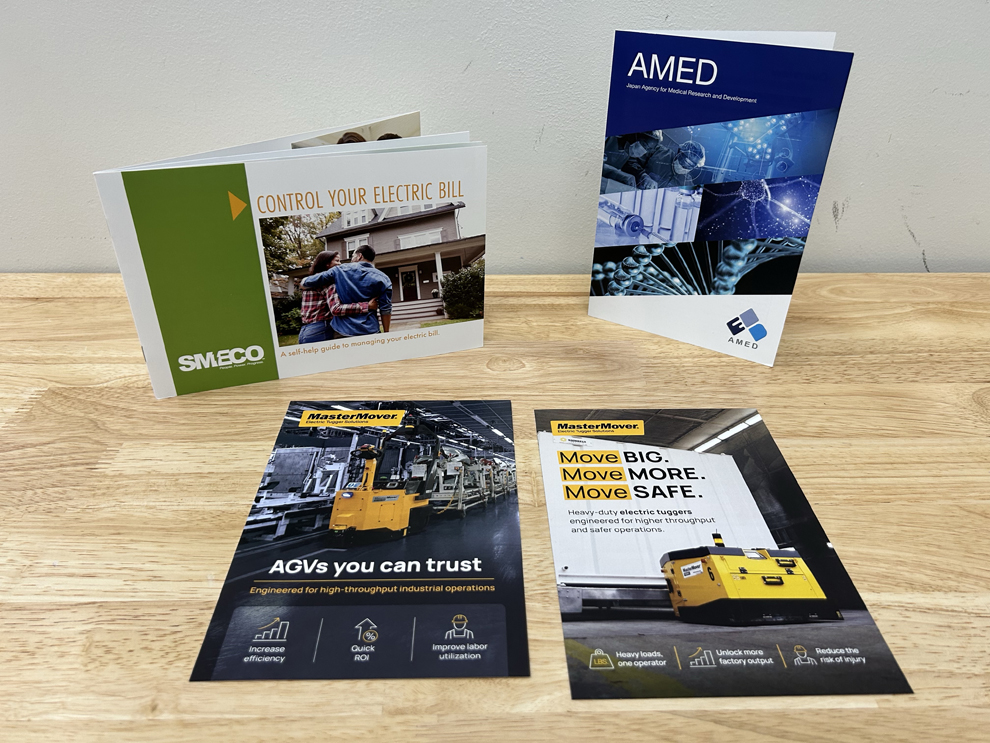
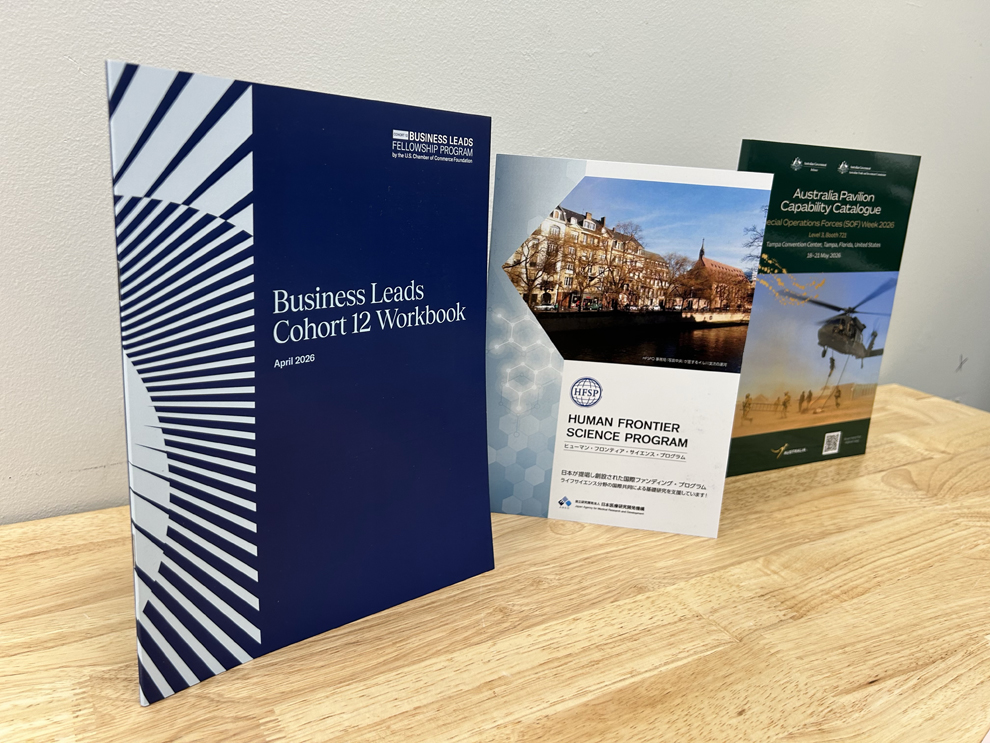
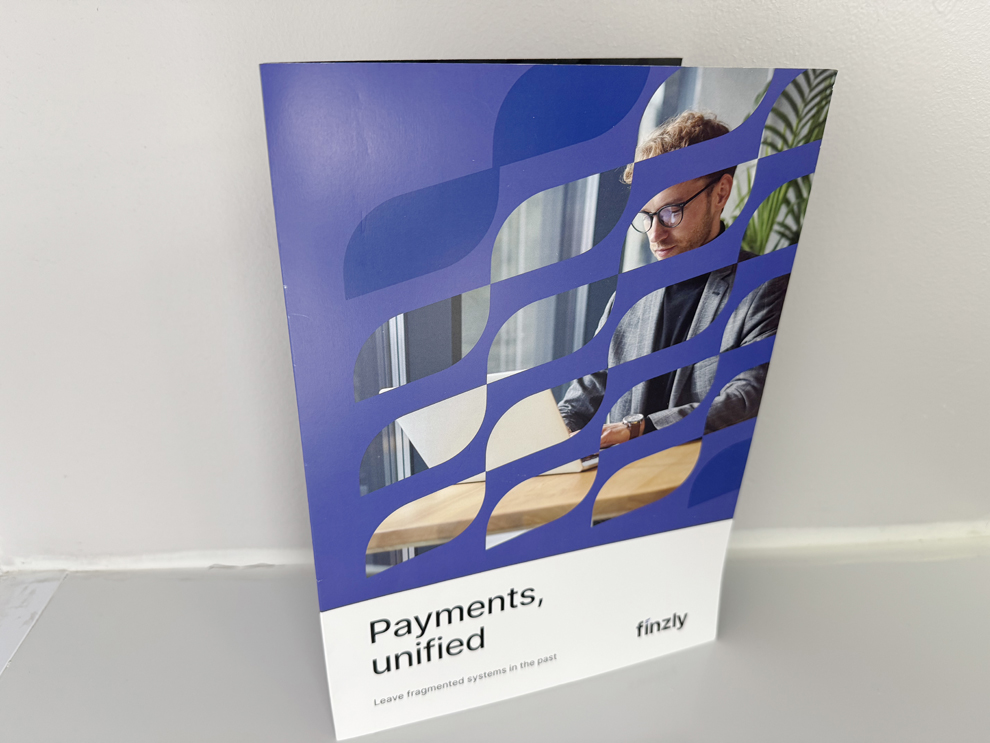
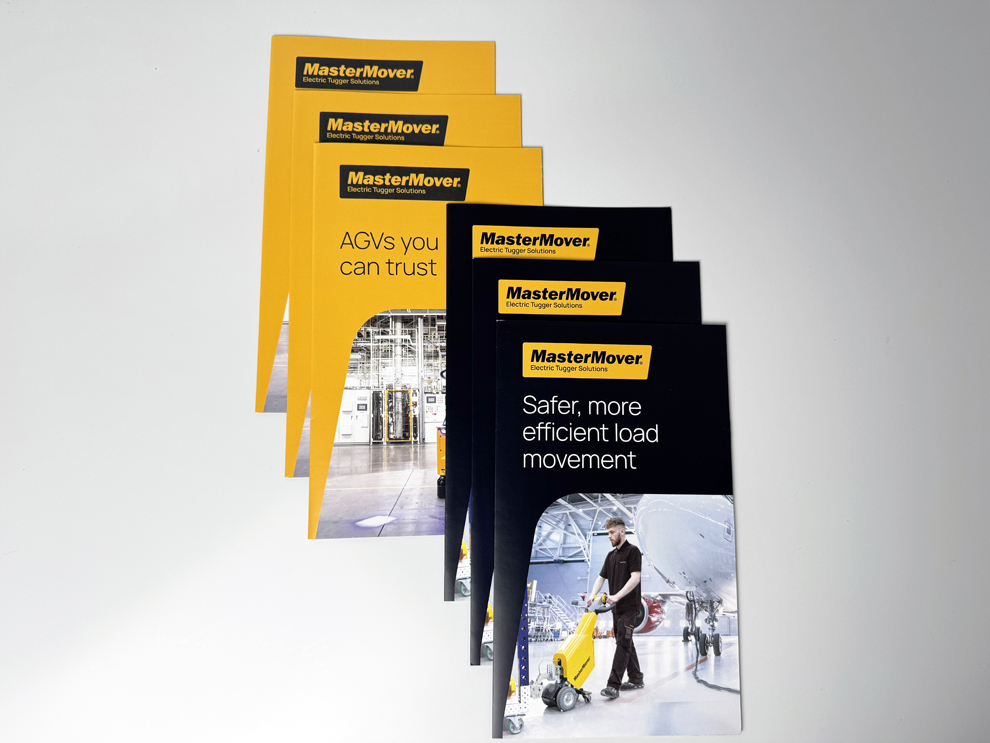
Durham organizations often have complex things to explain: a clinical service, a research capability, a new product, or a startup's first offering to investors and customers. The printed pieces carrying those explanations need clean typography, accurate figures, and color that looks like the brand on every surface. Heritage Signs & Displays works with Durham companies, institutions, and nonprofits that arrive with completed or nearly completed artwork and want it produced well. You might need a short run of postcards for a lab open house, a sell sheet for a sales meeting, or a set of matching handouts, inserts, and folders for a product introduction. Heritage helps translate approved files into the right paper, finish, fold, quantity, and version plan, then manages proof approval, packaging, and shipping or mailing when they are part of the accepted order. We do not create your positioning or write your message. We focus on the production side, where small file problems and unclear specifications can cost days, and we keep you informed about timing from the first file check through delivery.
Durham buyers often work with designers, agencies, or in-house teams who know exactly how a piece should look. Heritage's value is making sure the printed result matches that intent. The company is veteran-owned and family-led, and its printing roots go back to 1977, long before many of today's file formats existed. That experience shows in our preflight attention: confirming page size and bleed, checking image resolution and fonts, noticing when a fold would split a headline, and asking instead of assuming. Color-critical work benefits from Heritage's calibrated production practices and paper-specific output profiles, which help brand colors reproduce as consistently as each stock allows. Your team confirms layout and content on an electronic proof before printing, a step built into Online Store purchases as well as accepted Custom Quote orders. Qualifying Custom Quote projects also gain a Project Coordinator once accepted and assigned, giving your designer and your office one accountable contact. Clear answers, realistic schedules, and careful follow-through keep a small production issue from becoming a missed launch.
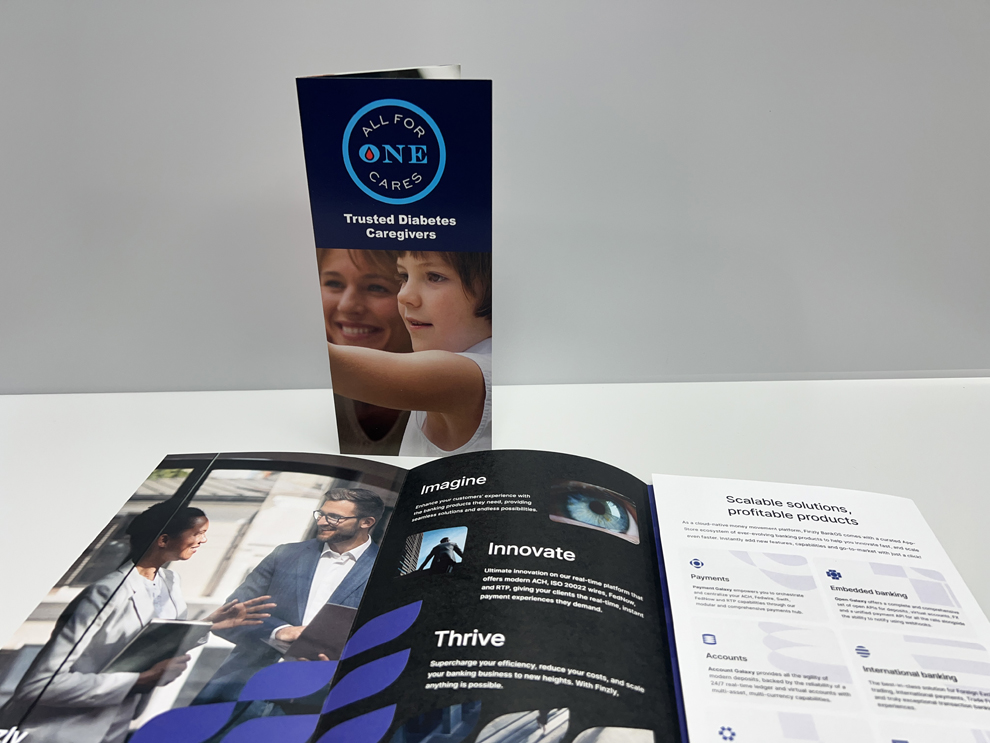
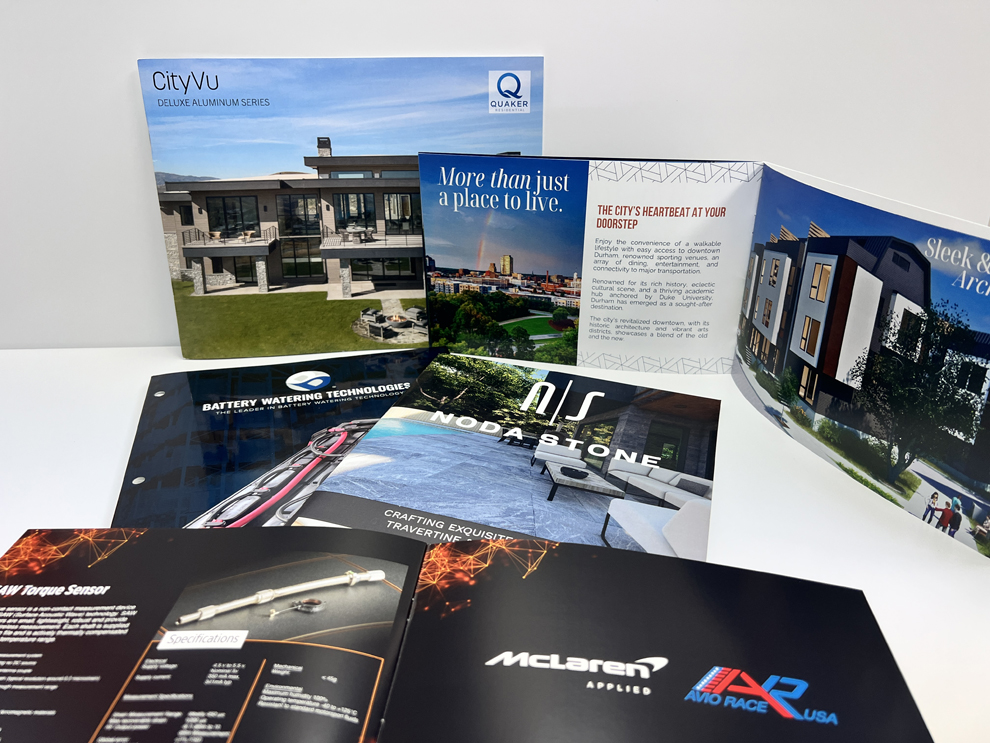
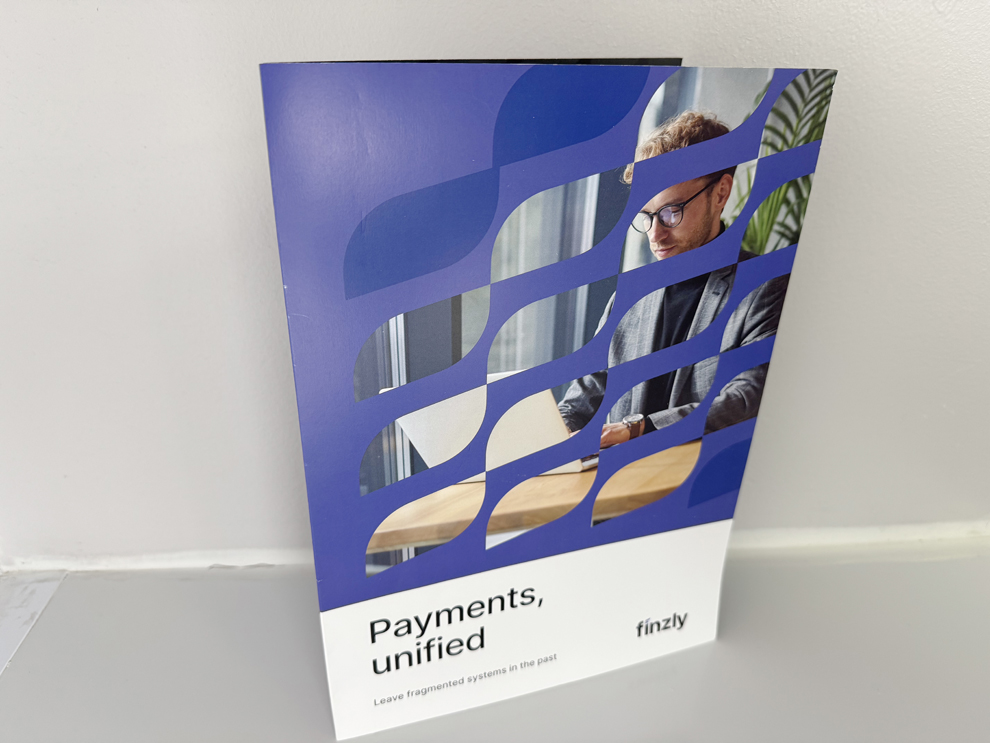
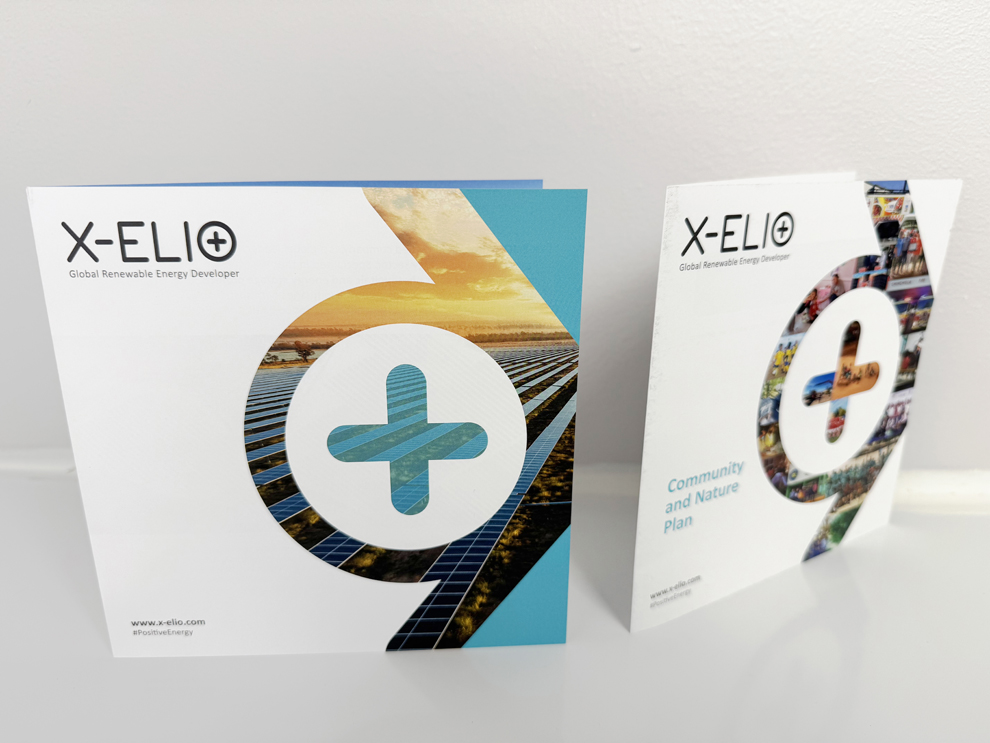
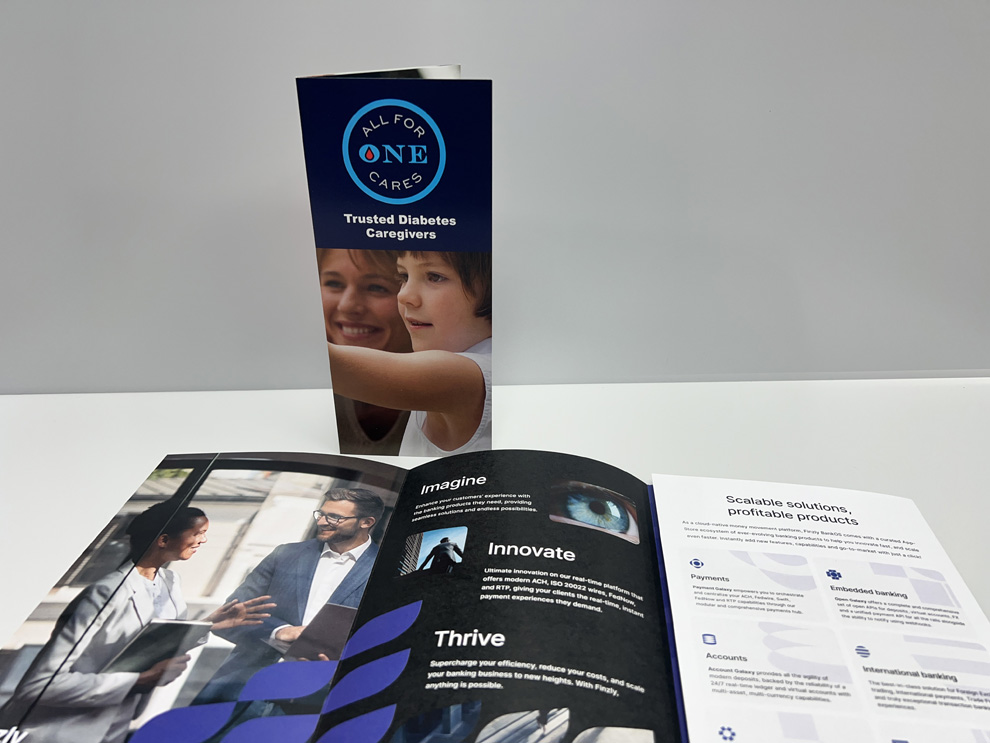
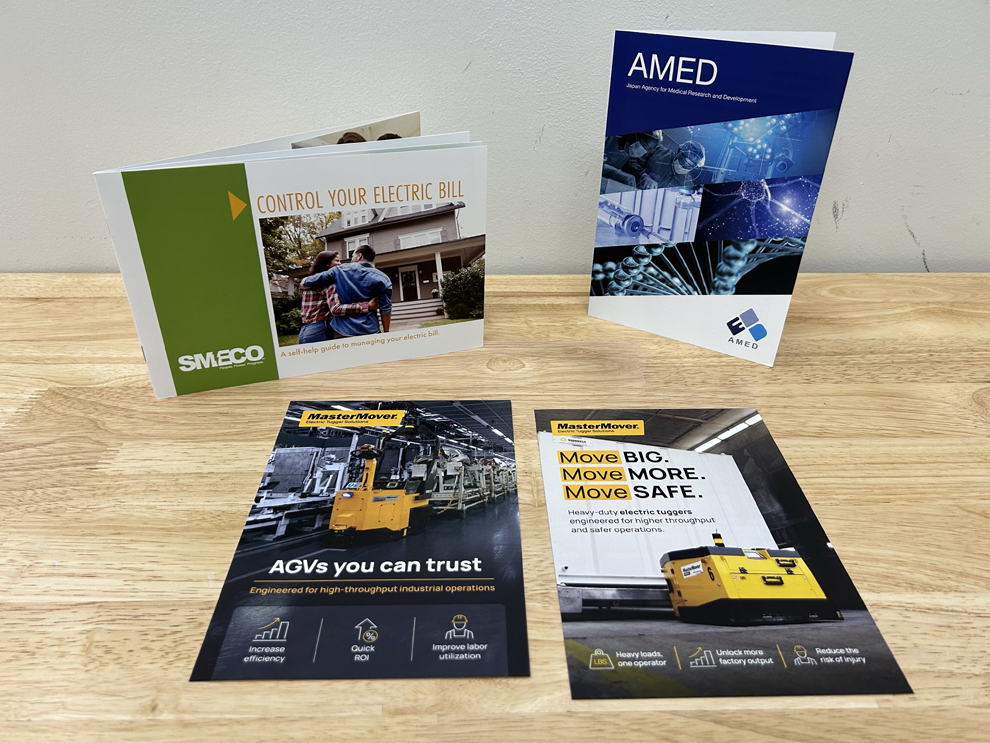
Folded explanations of a service, study, or product line, sized for a reception desk, a conference table, or an envelope.
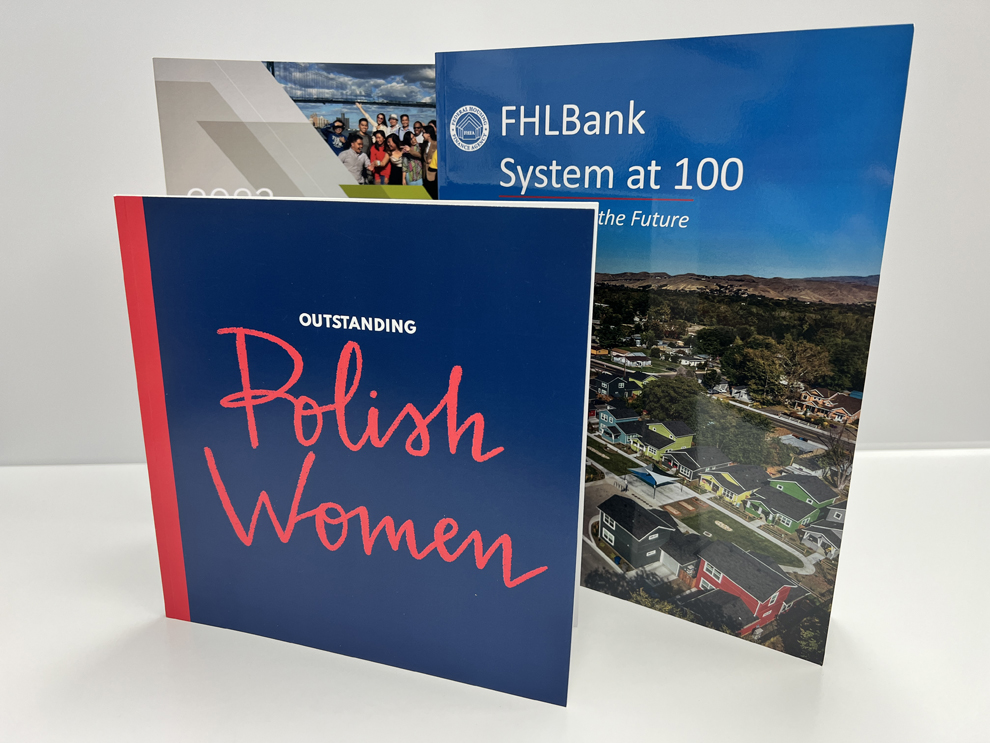
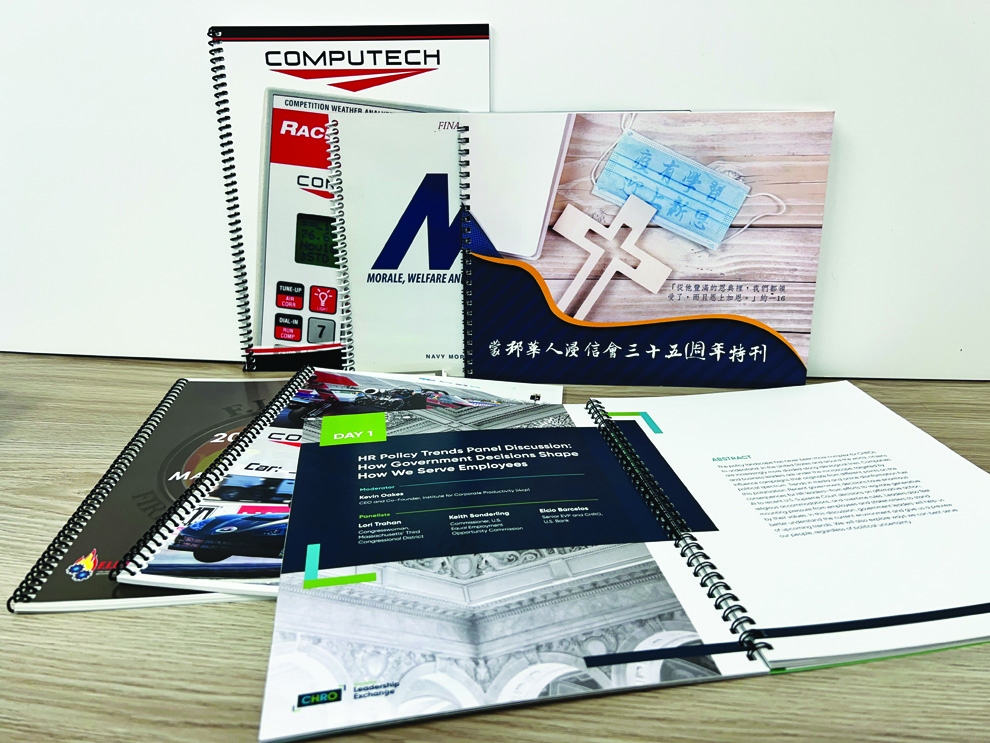
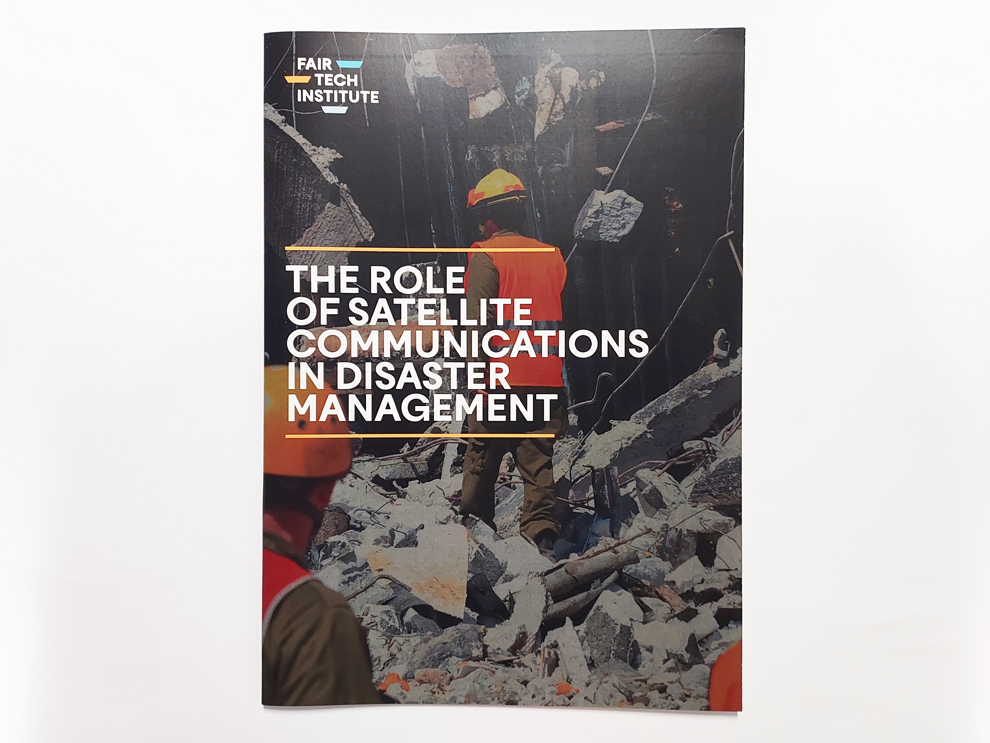
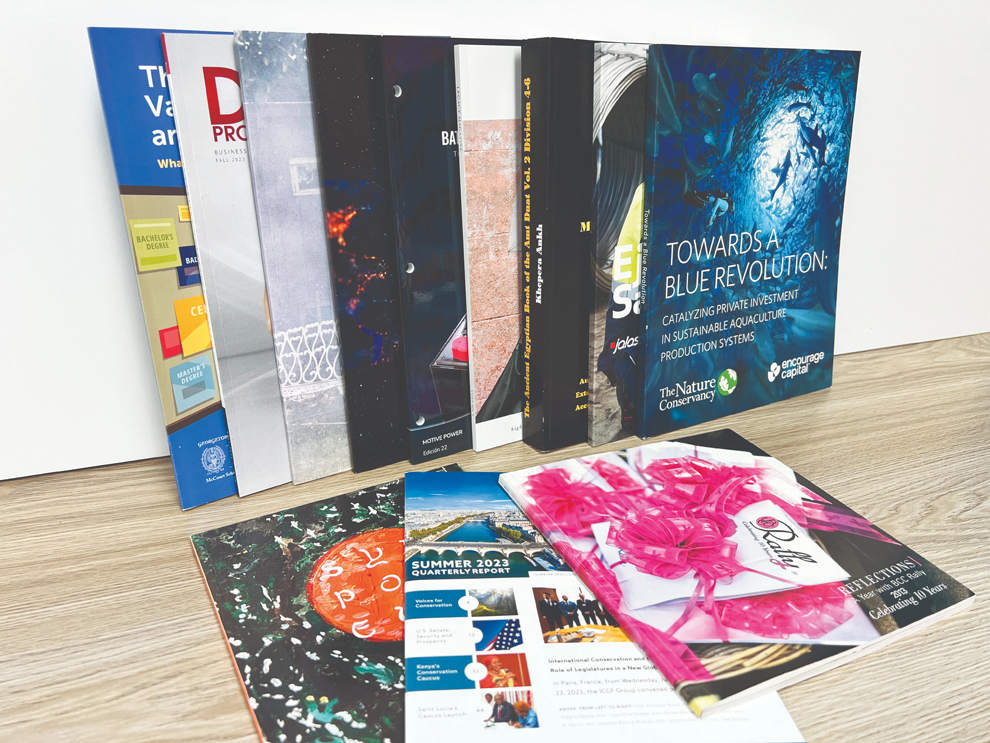
Multi-page product guides, capability overviews, and patient or program information that needs a bound, organized format.
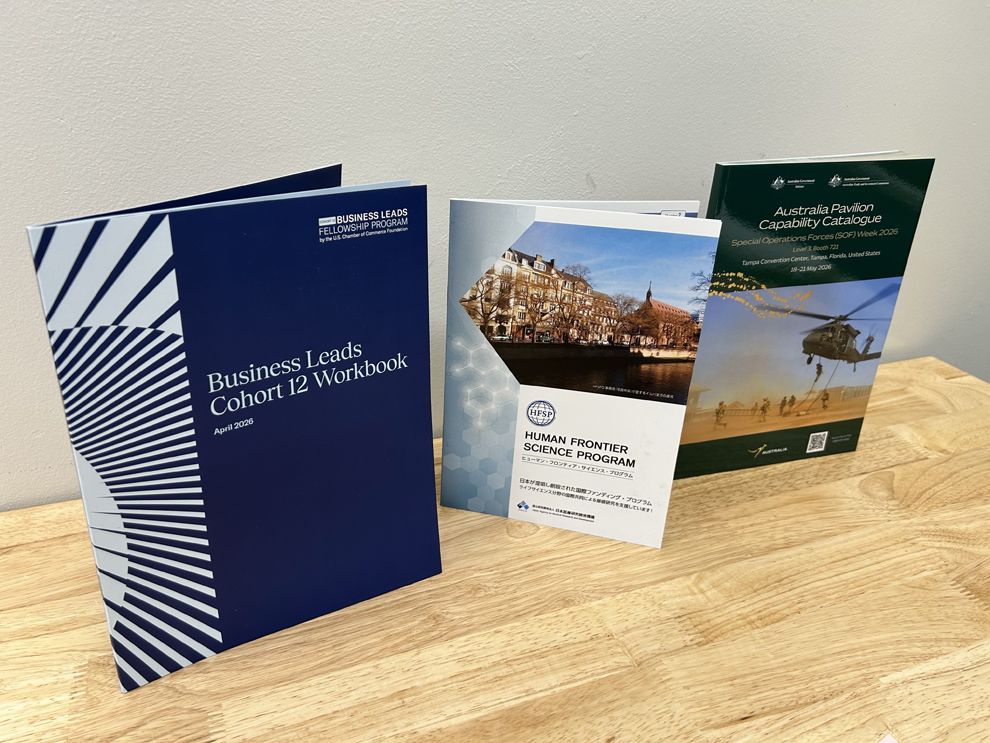
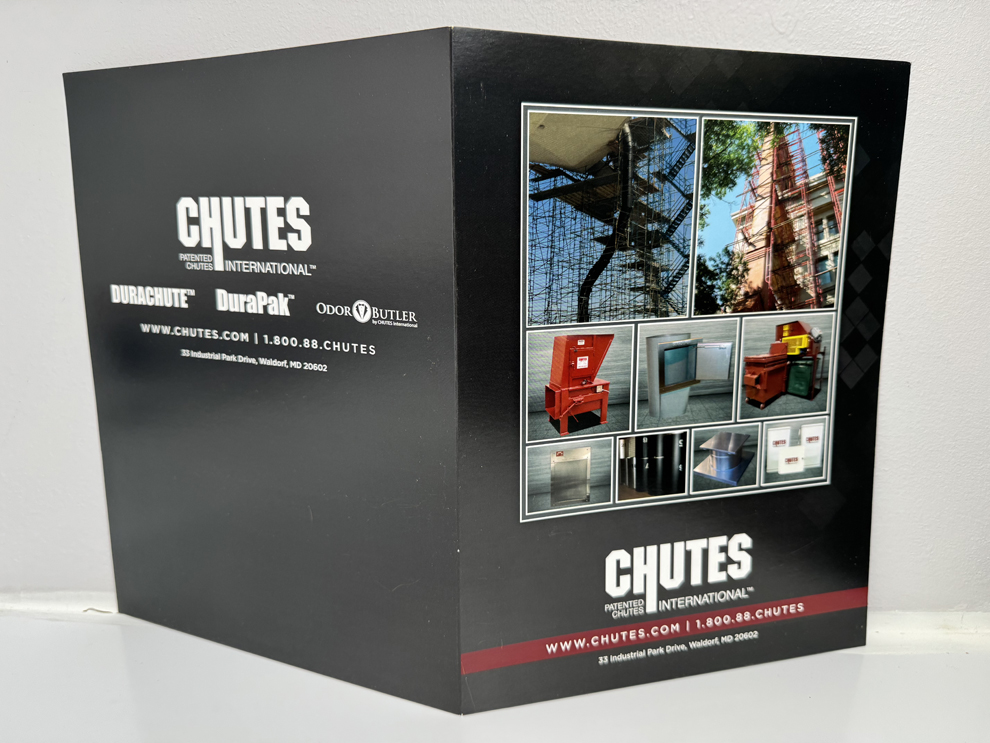
Folders for investor packets, partnership proposals, and onboarding sets that should arrive organized and on brand.
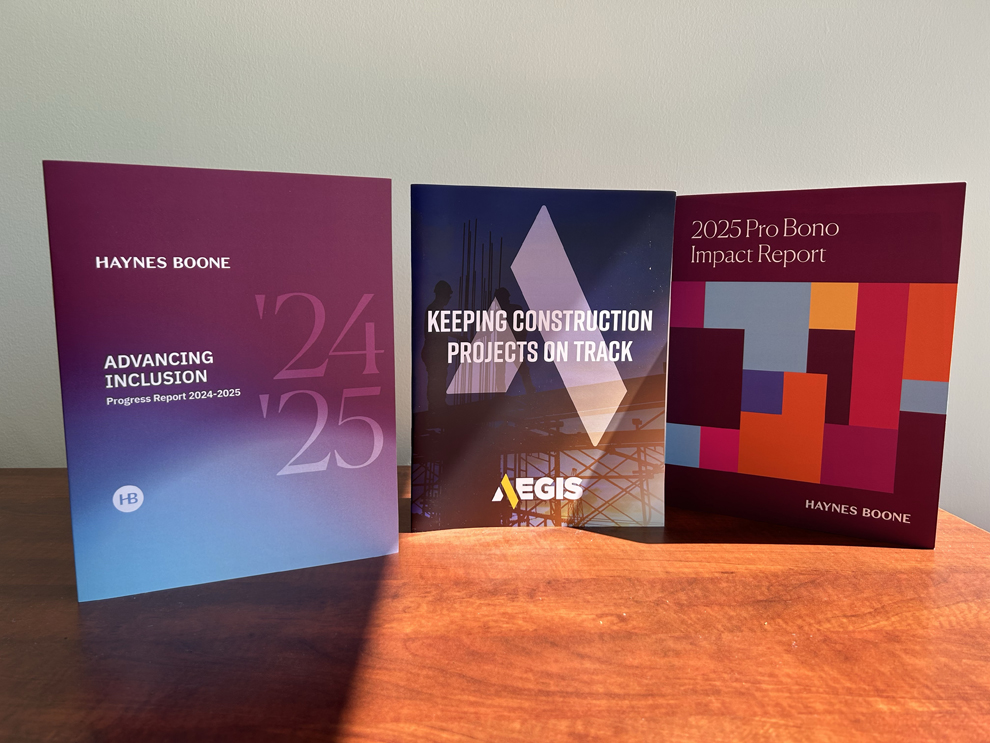
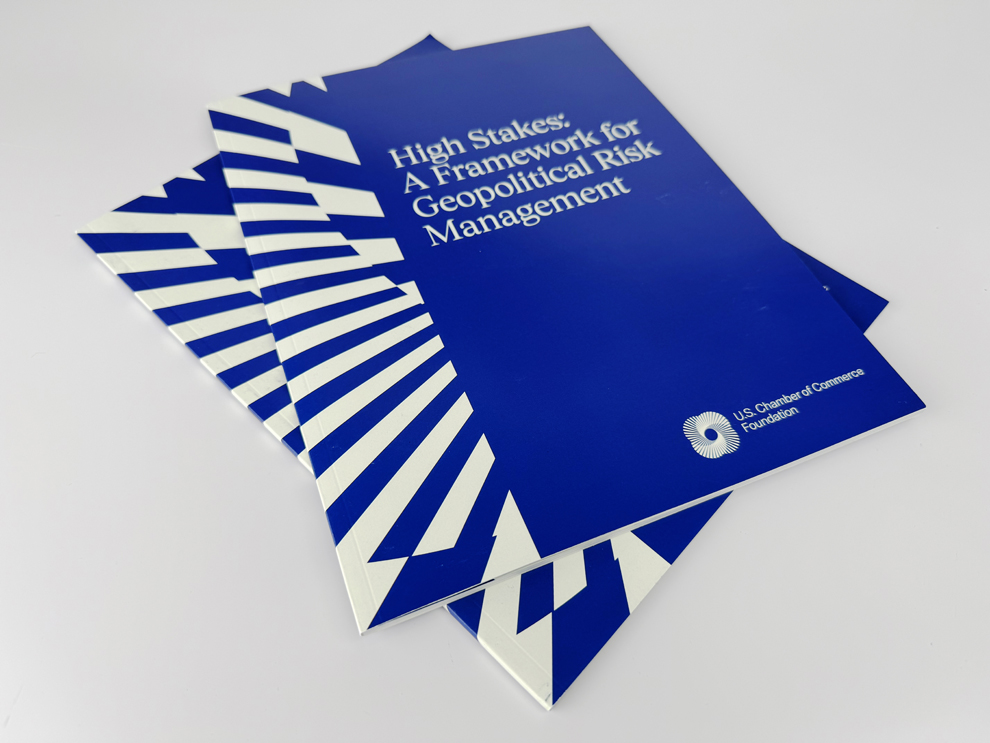
Published reports presenting impact, research progress, financial results, and goals to boards, donors, and partners.
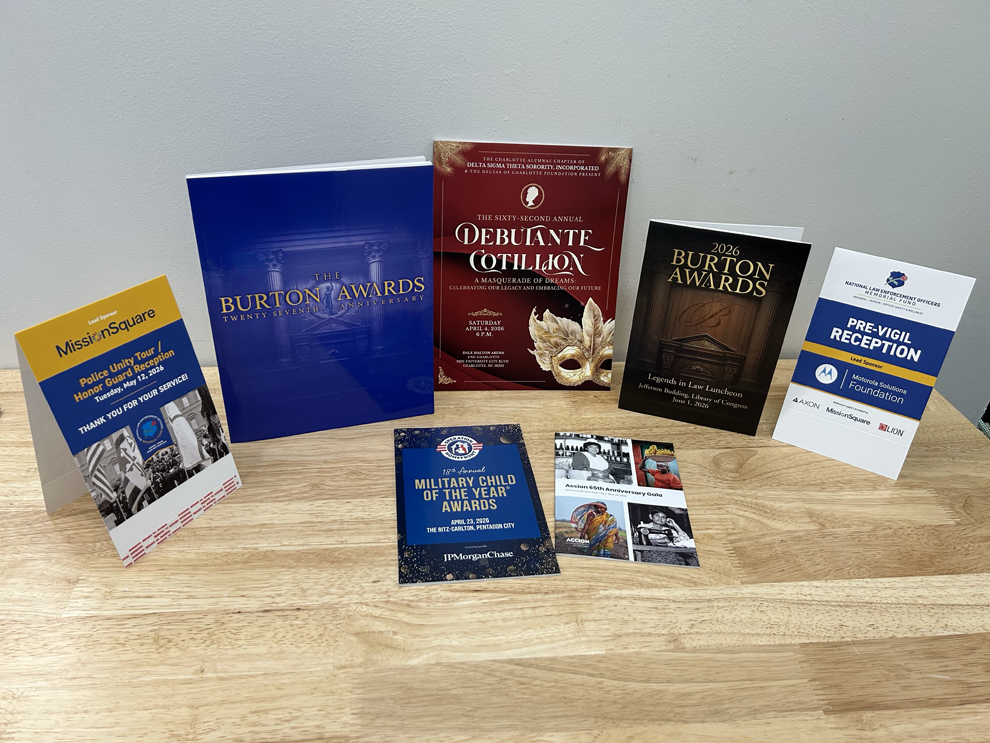
Programs for symposiums, award dinners, and community events, produced with the schedule and sponsor details attendees need.
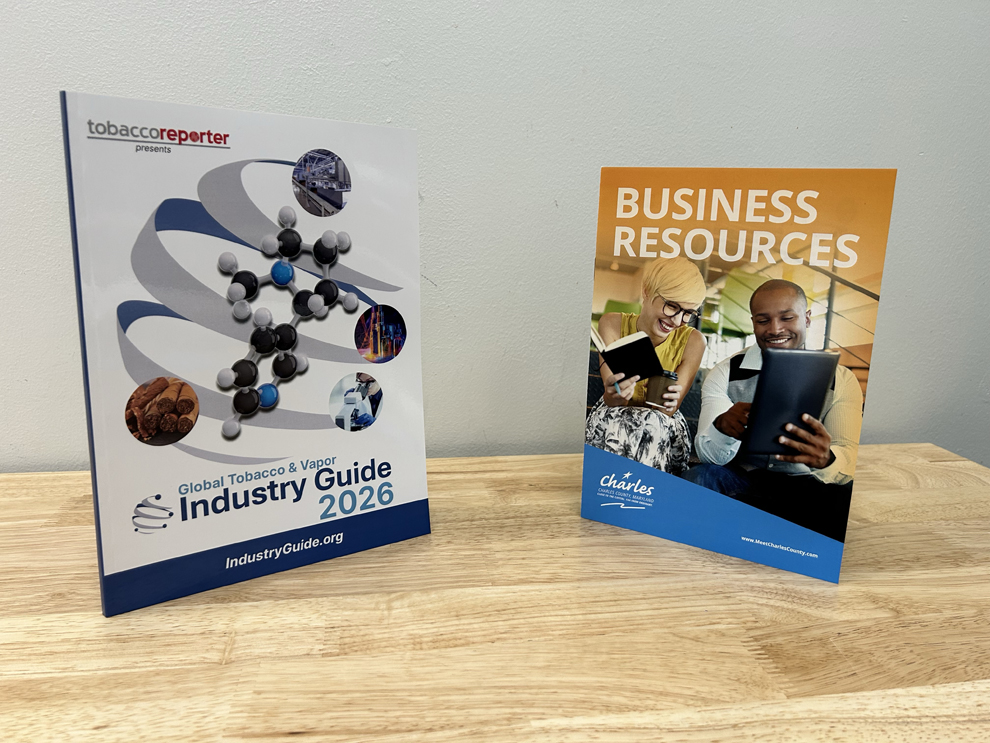
Recurring print updates for patients, members, employees, or neighbors that benefit from consistent production each issue.
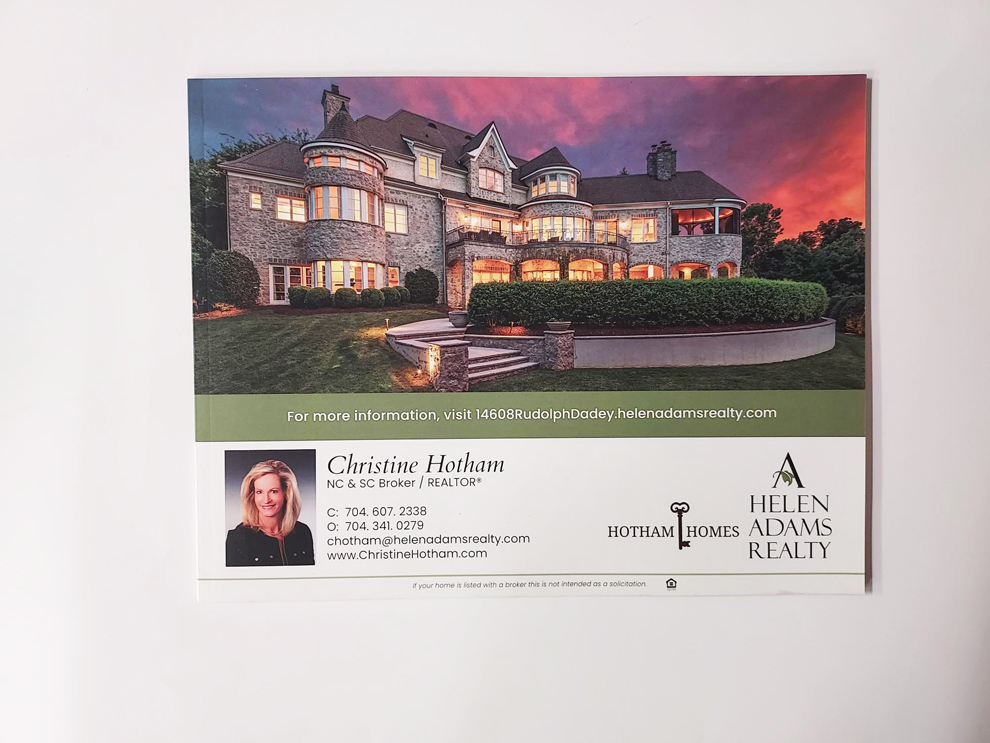
Printing and addressed mailing for announcements, invitations, and outreach that must reach a defined group of recipients.
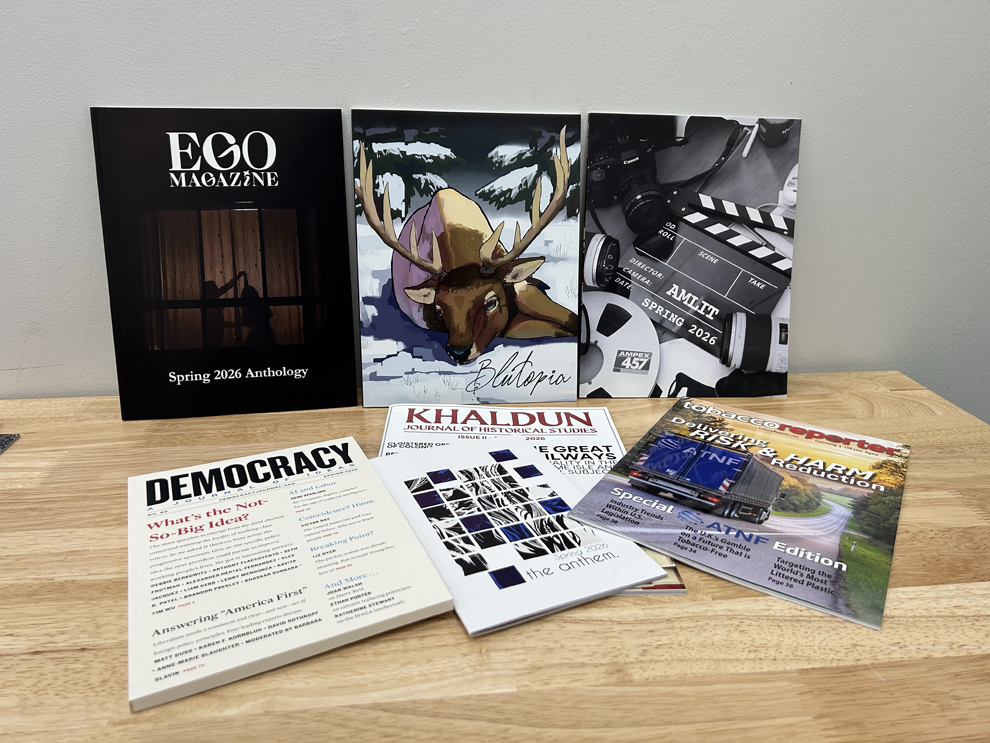
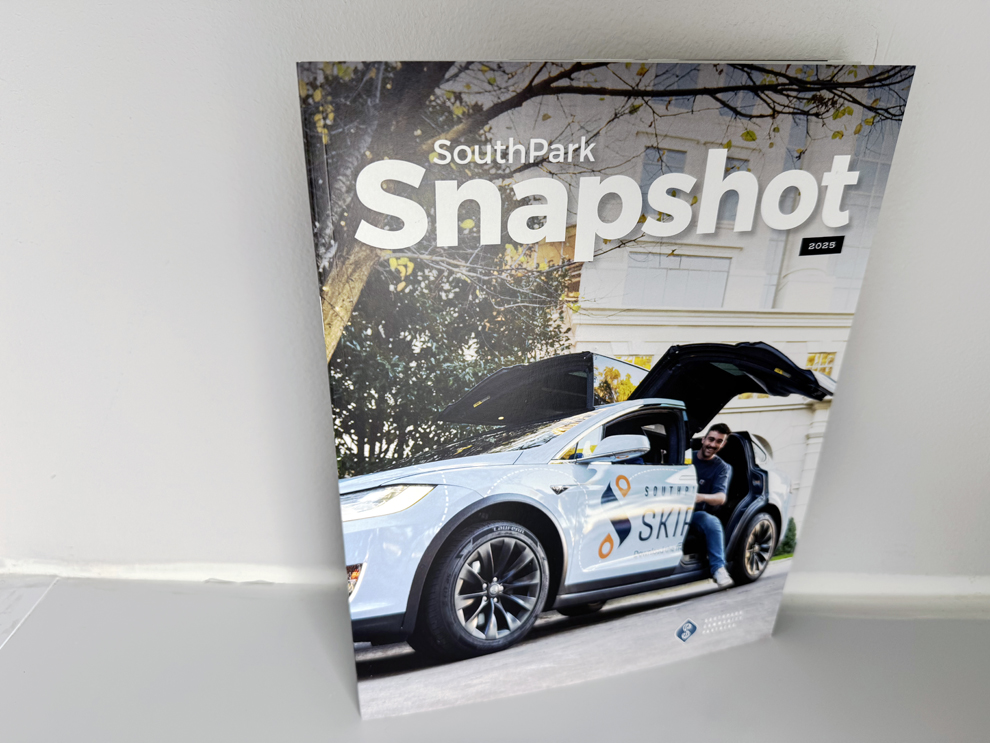
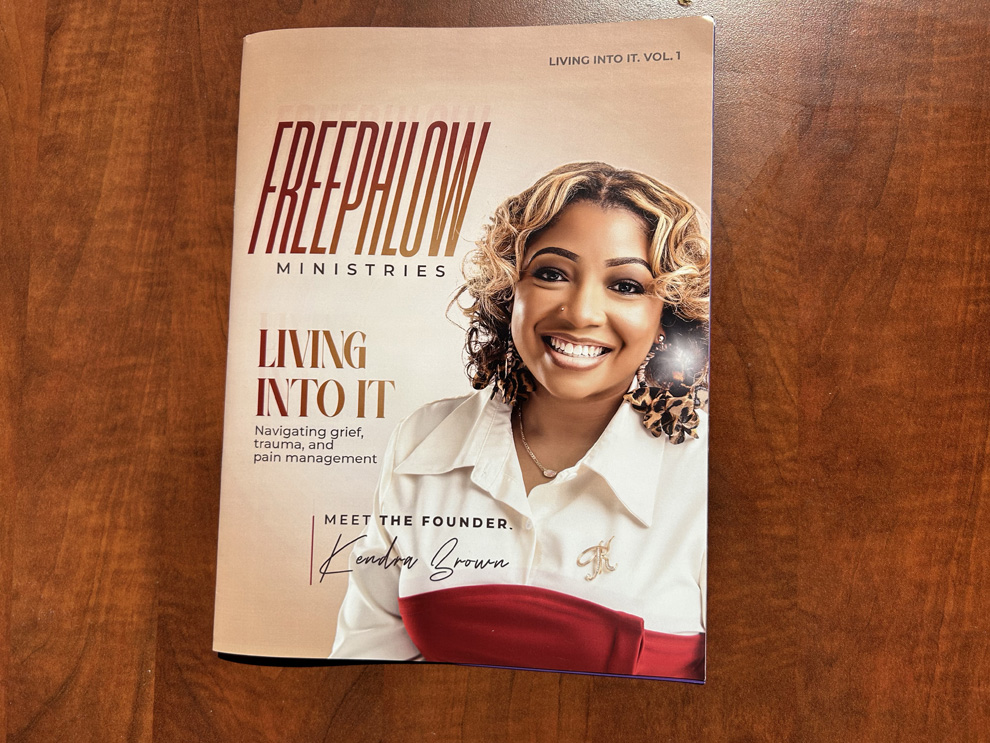
Edition-based publications with coordinated cover and interior papers, binding, and distribution for a regular readership.
Most production delays begin with a file that looked finished on screen. Print-ready artwork matches the final trim size, includes bleed where color runs to the edge, keeps important text safely inside the cut, uses high-resolution images, and embeds or outlines its fonts. For folded pieces, panels must be sized for the fold rather than divided evenly, or an inside panel may not close cleanly. Color needs attention too: artwork built for screens can shift when converted for print, and brand colors specified as spot colors are production targets that different papers reproduce differently. If you order through the Online Store, those requirements are yours to meet before checkout, and Heritage's normal file review still applies before proofing. If your project qualifies for Custom Quote at $2,000 or more, Heritage can provide production-oriented help such as file cleanup, resizing, or adapting a layout for a different format. That assistance prepares your design for print; it does not replace your designer or create new content. Sending complete files with clear specifications is the fastest route to a proof you can approve.
Have complete, print-ready files for products already listed in the Online Store? Choose your options and order directly, combining eligible items if needed to clear the $750 minimum for new Commercial Printing.
Need production help with file preparation, sizing, multiple pieces, or color on a qualifying project of $2,000 or more? Submit the Custom Quote form. Once Heritage accepts your quote and assigns the work, a Project Coordinator becomes your direct contact.
Each path includes an electronic proof you approve before printing starts.
For qualifying Custom Quote projects of $2,000 or more, Heritage can provide production-oriented corrections such as adding bleed, resizing, adjusting fold panels, or preparing versions. Online Store orders need complete print-ready artwork, although Heritage's normal file review still applies. Production help never extends to rewriting content or redesigning the piece; those decisions stay with you and your designer.
Whoever your organization authorizes. Many Durham teams have the designer check layout and technical details while a manager confirms content and gives final approval. Heritage sends an electronic proof on every accepted Commercial Printing order and starts printing only after approval. Agree on the approver before the proof arrives so it does not stall between inboxes.
Not exactly, and planning for that avoids disappointment. Screens emit light while paper reflects it, and every stock reproduces color within its own range. Heritage manages color with calibrated equipment and paper-specific profiles to keep results as consistent as possible. If a precise physical reference matters, qualifying Custom Quote work can add a Physical Production Color Proof.
It is worth it when color decisions carry real consequences, such as a new brand launch, a product color that must look accurate, or a large quantity where a reprint would be costly. Reserved for Custom Quote orders that qualify at $2,000 or more, it is printed on the final production printer and paper, adds time, and becomes the controlling color reference once approved.
Yes. One sell sheet, flyer, or postcard can be a complete order, as long as it meets Heritage's $750 minimum for new Commercial Printing work. Several eligible Online Store products can also be grouped in one order to reach that total. A single piece needing production support may qualify for Custom Quote at $2,000 or more.
Yes, and they often should. A heavier coated stock might suit a leave-behind, while a lighter uncoated sheet may work better for a handout people write on. Related pieces stay recognizable through shared design and managed color rather than identical paper. Qualifying Custom Quote clients can get Heritage's guidance on matching specifications to each use.
After Heritage accepts a qualifying Custom Quote and formally assigns the order. From that point the coordinator is your direct phone and email contact and follows the job through completion. Submitting the form alone does not create that relationship, and Online Store purchases do not include a coordinator. Established clients may keep their coordinator for appropriate repeat printing.
Use the specific product information when the format is clear, such as a folded brochure, a bound booklet, a newsletter, a magazine, an event program, or an annual report. Those formats have production decisions of their own. Marketing Materials covers general collateral, like flyers, sell sheets, and inserts, and sets of different pieces that work together.
No. Positioning, messaging, audience strategy, and original creative belong to your team or agency. Heritage's work starts with your approved content and focuses on producing it well: file review, specifications, proofing, printing, finishing, and delivery or mailing when included. Keeping those roles distinct is part of what makes Heritage a dependable production partner.
General collateral that helps explain, sell, or invite: sell sheets, flyers, postcards, rack cards, leave-behinds, and inserts. Durham orders range from one product sheet to a launch set of several unlike pieces. Bound guides, annual reports, newsletters, magazines, and event programs are treated as their own products.
Yes. A sell sheet, an investor folder insert, and a postcard can share one production plan while each keeps its own specifications. Producing them together helps proofs and delivery line up. For qualifying Custom Quote projects, Heritage coordinates the set so a change to one item is checked against the others.
Yes. Versions might change a product name, a clinical service, a contact, or a call to action. Send each version as a separately named file with its quantity, and confirm all of them on the electronic proof. Clear labeling keeps nearly identical pieces from being mixed up during finishing and packing.
Yes, when those services are included in the accepted order. Tell Heritage the destination, any receiving requirements, and whether a piece will mail, since postal handling can affect size and paper choices. Mailing lists must be accurate and authorized, and the Postal Service controls delivery once it accepts the mail.
Yes. Eligible Online Store products can share one order, and the $750 minimum for new Commercial Printing applies to the combined total. A startup might pair postcards with a sell sheet run, for example. Each item still needs print-ready artwork, and the purchase stays self-directed without a coordinator.
Choose it for qualifying work valued at $2,000 or more that needs production support, such as file preparation, several coordinated pieces, version setup, or color-critical work. The form begins Heritage's review rather than guaranteeing acceptance. Teams with complete files for listed products can still use the Online Store at any order size.
Put the in-hand deadline first, then add quantities, specifications, delivery address, and how close the files are to final. Heritage checks proofing, production, finishing, and delivery against that date before confirming a plan, and flags risk early so you can adjust rather than discover a problem the week of launch.
Heritage Signs & Displays created new museum signage for the Military Women’s Memorial in Durham, NC. The project included custom signs, wall wraps, dimensional letters, and standoff-mounted displays to honor the legacy of U.S. servicewomen and the donors who supported the memorial. The updated interior features impactful designs, including a "Our Legacy" wall display and panels showcasing historical contributions and artwork, creating a transformative tribute to women in the U.S. Armed Forces.
Heritage Signs & Displays' collaboration with The Gathery to brand Union Market in Durham, NC, for Indeed's "Ready to Work" job fair. The project included custom event displays, wall graphics, window graphics, and wayfinding signs, creating an immersive and visually appealing environment. The branding enhanced the venue, reflected the event's mission, and provided a seamless experience for attendees.