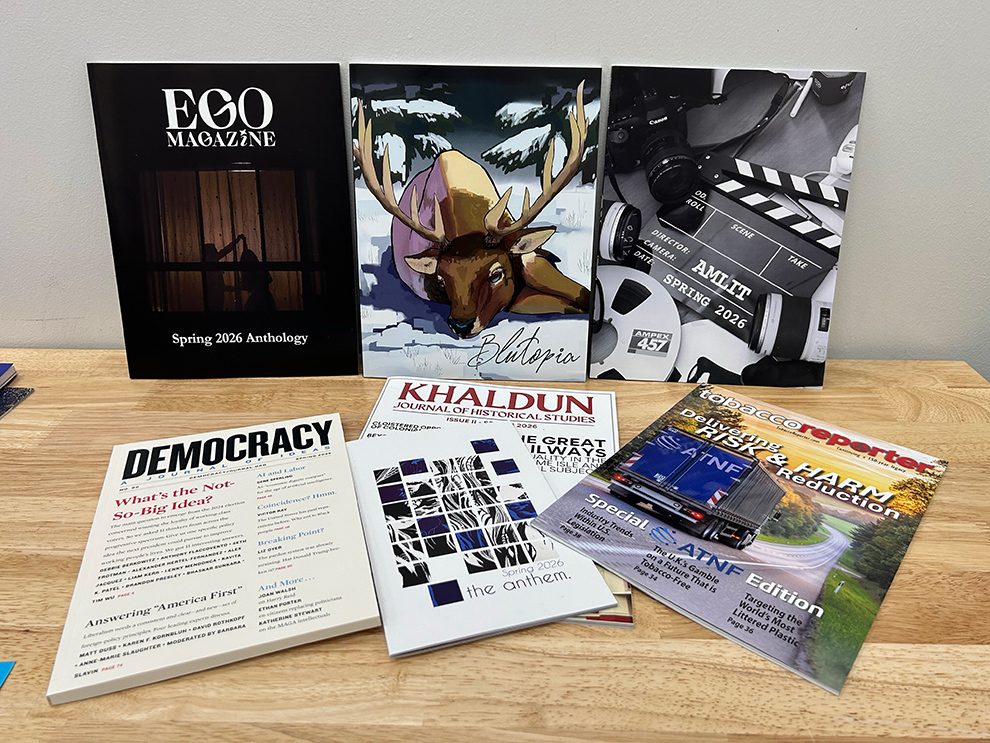
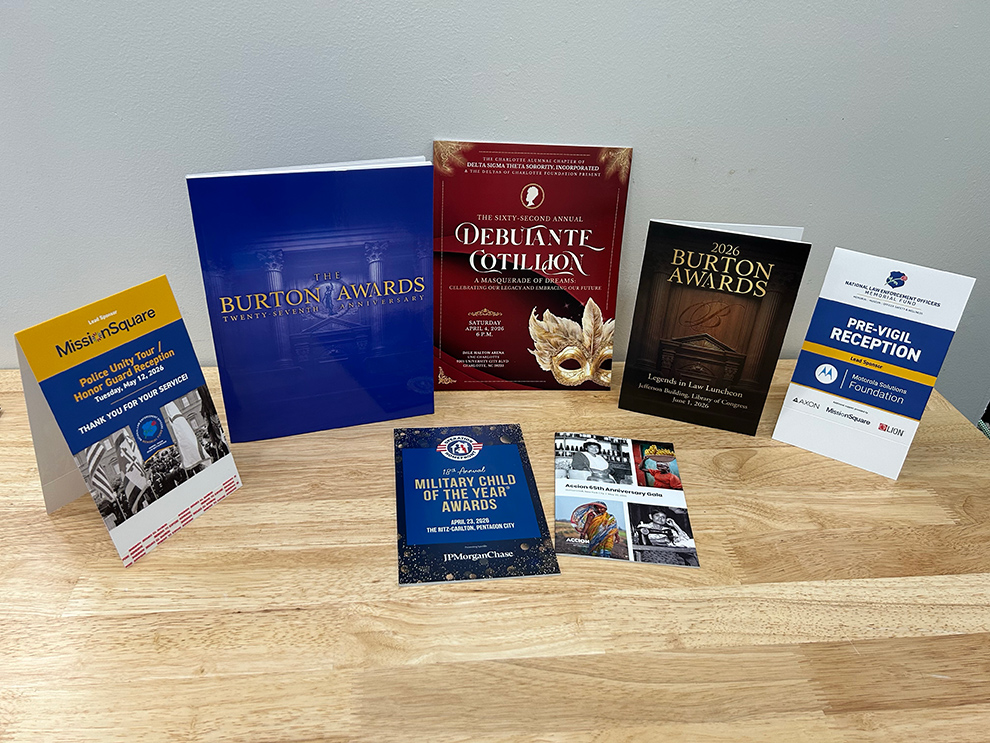
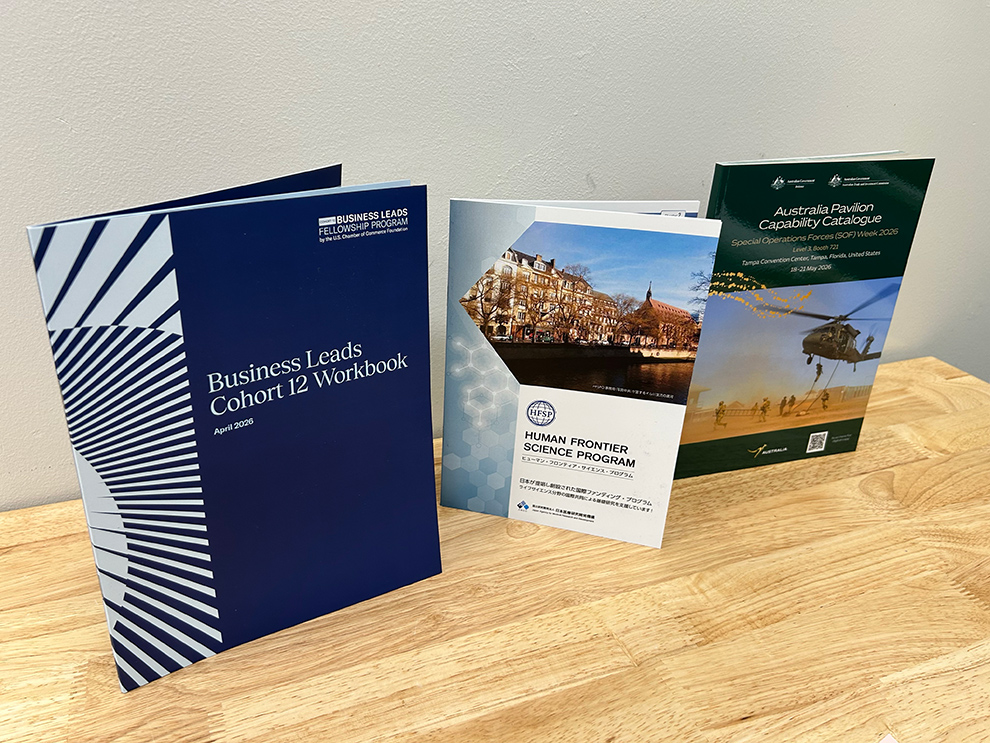
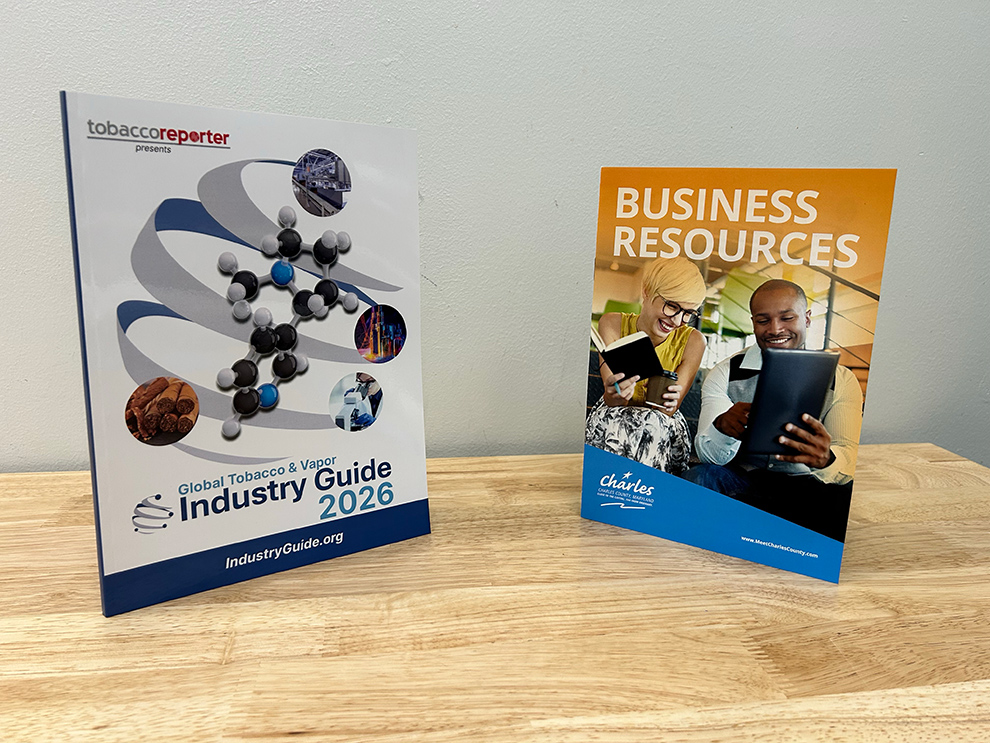
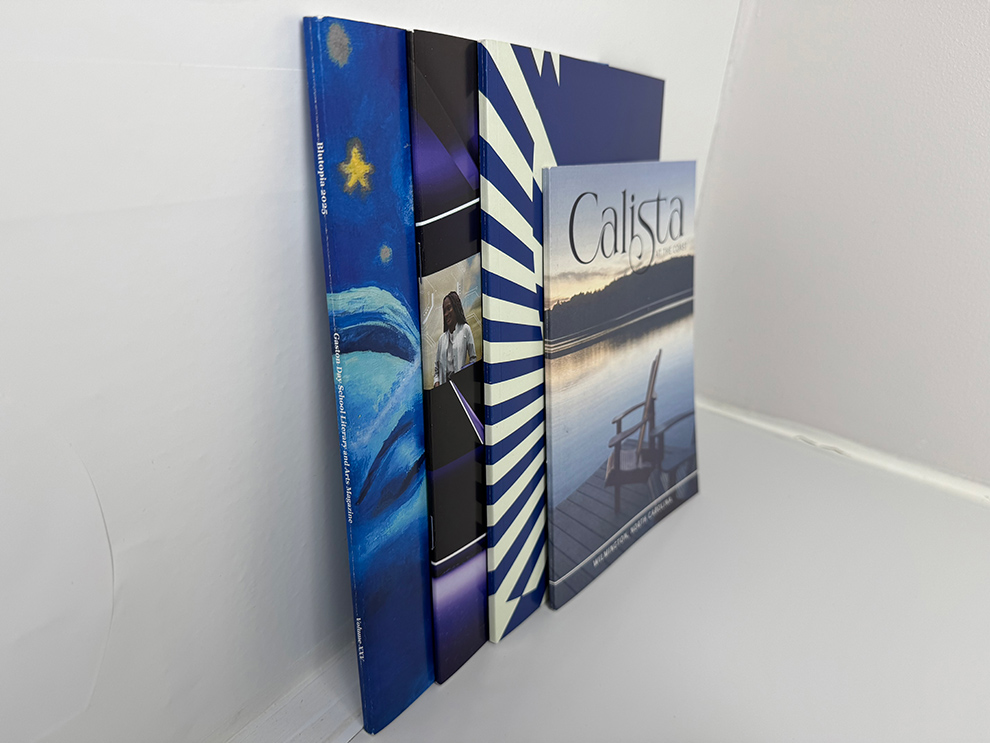
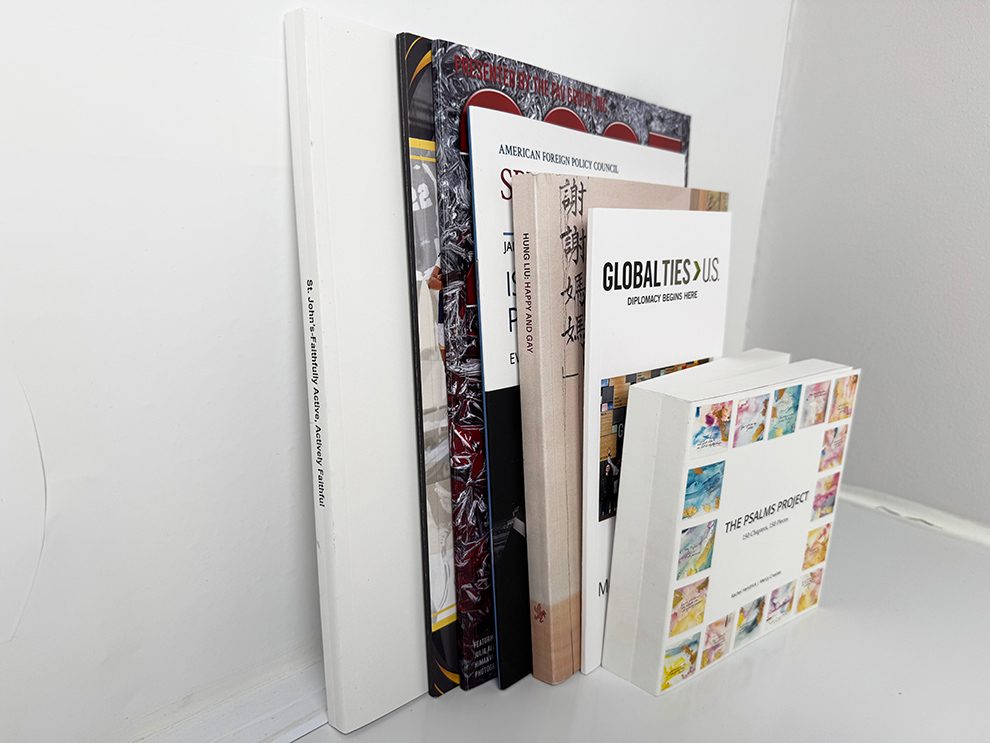
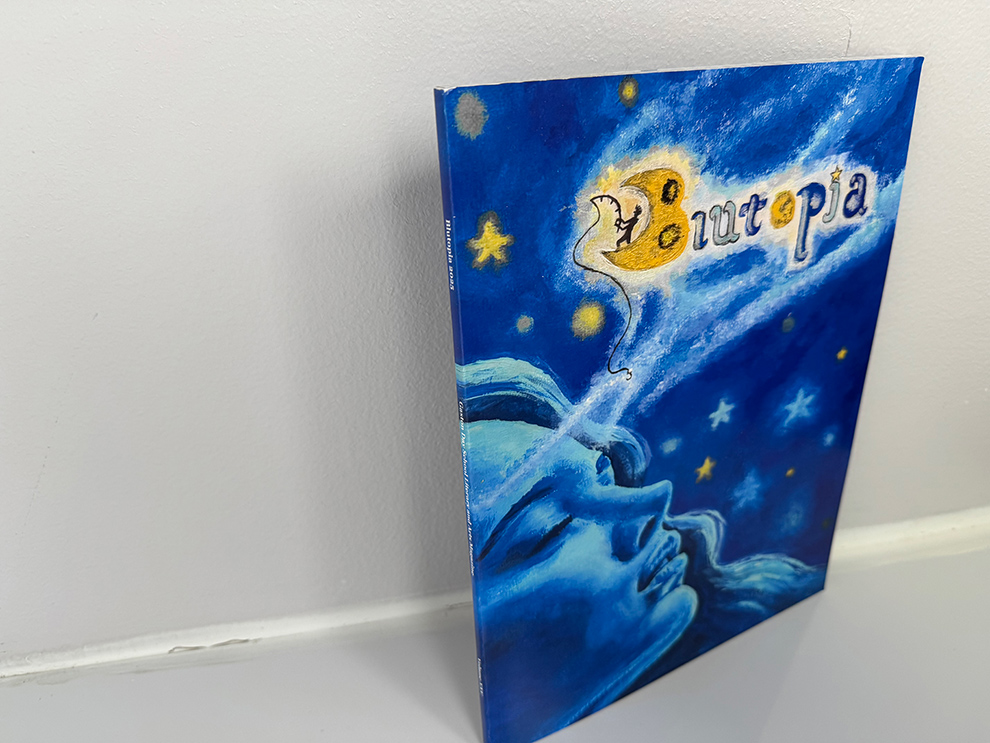
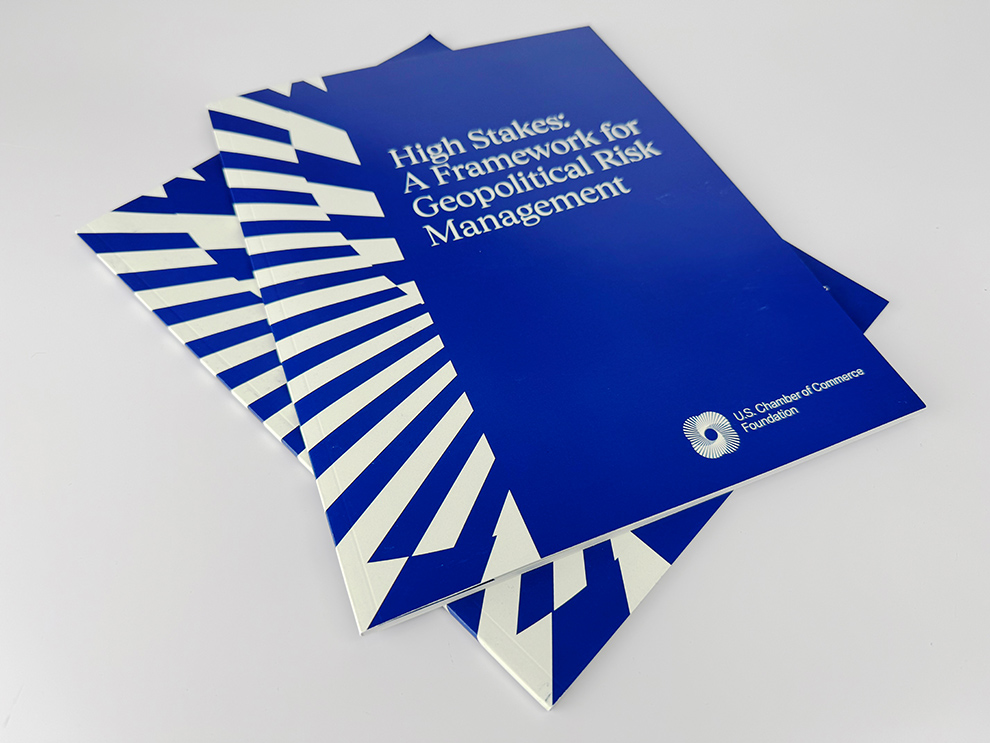
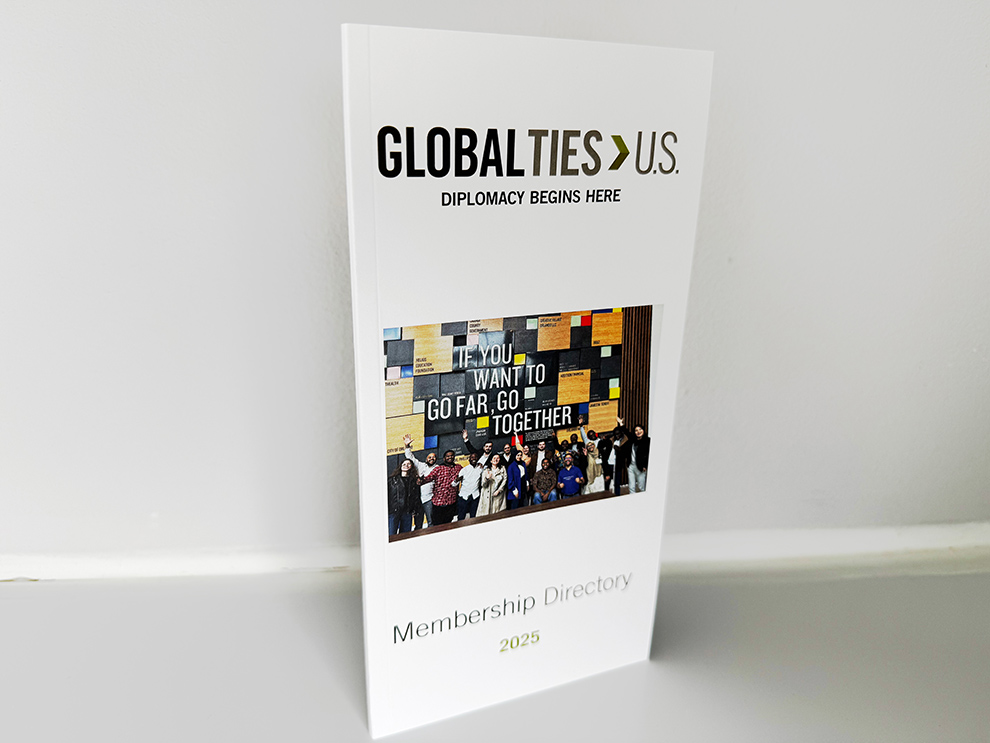
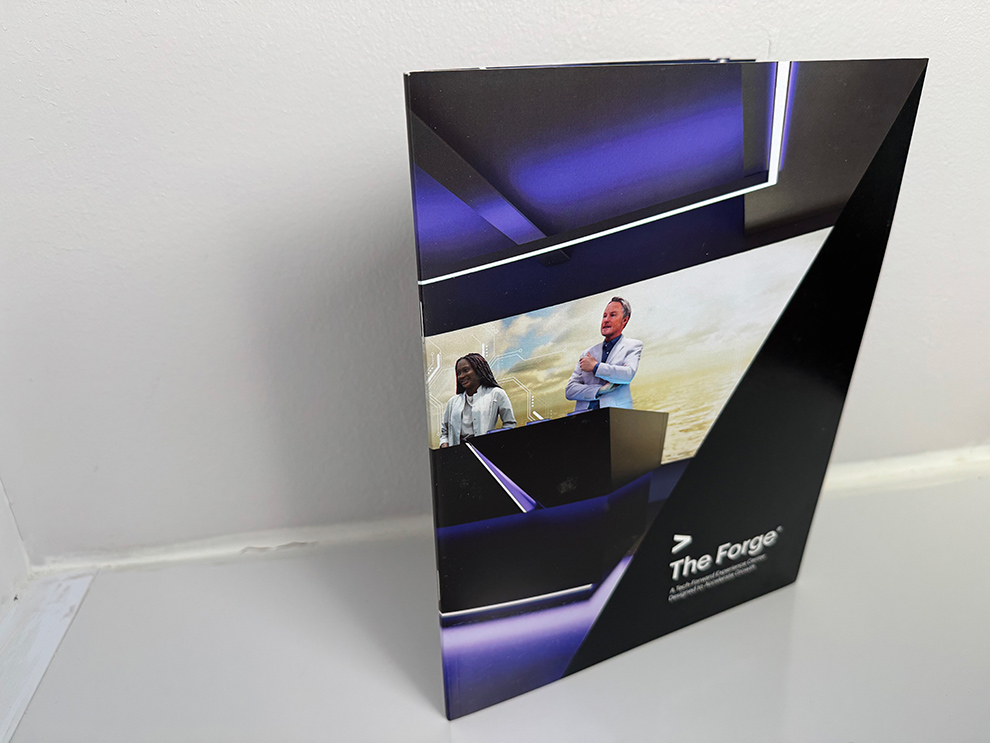
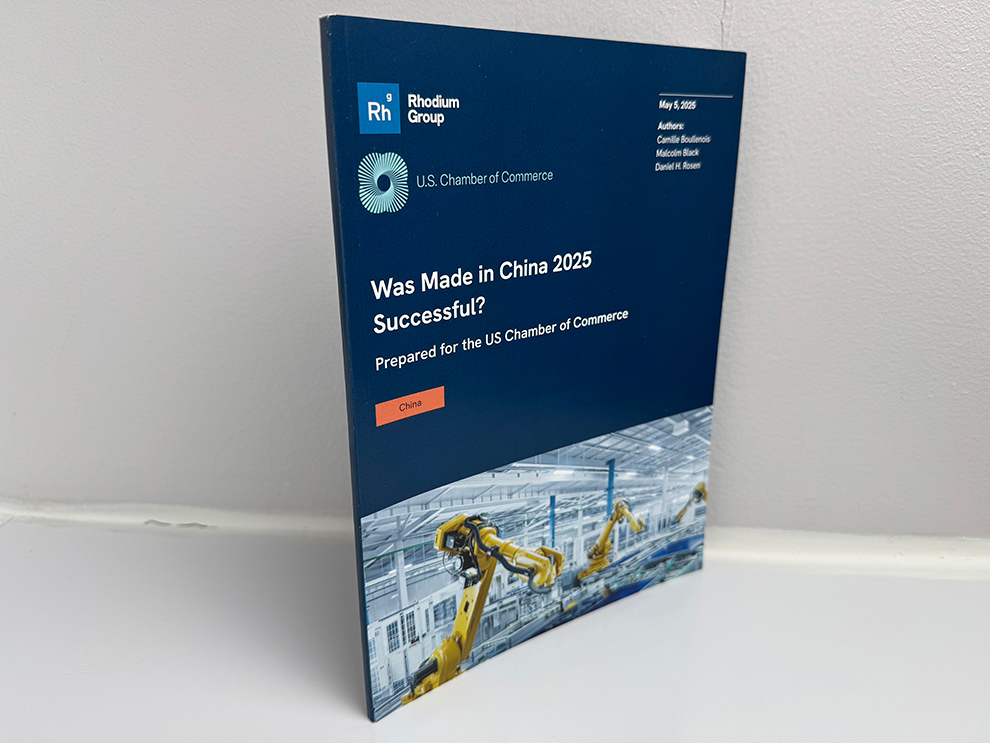
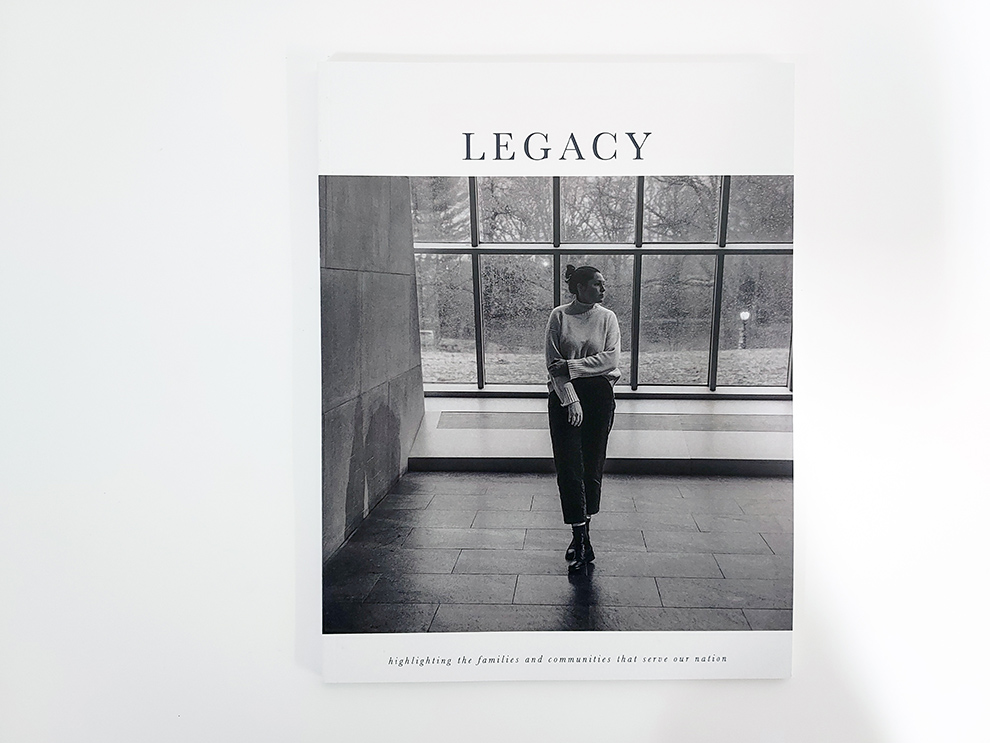
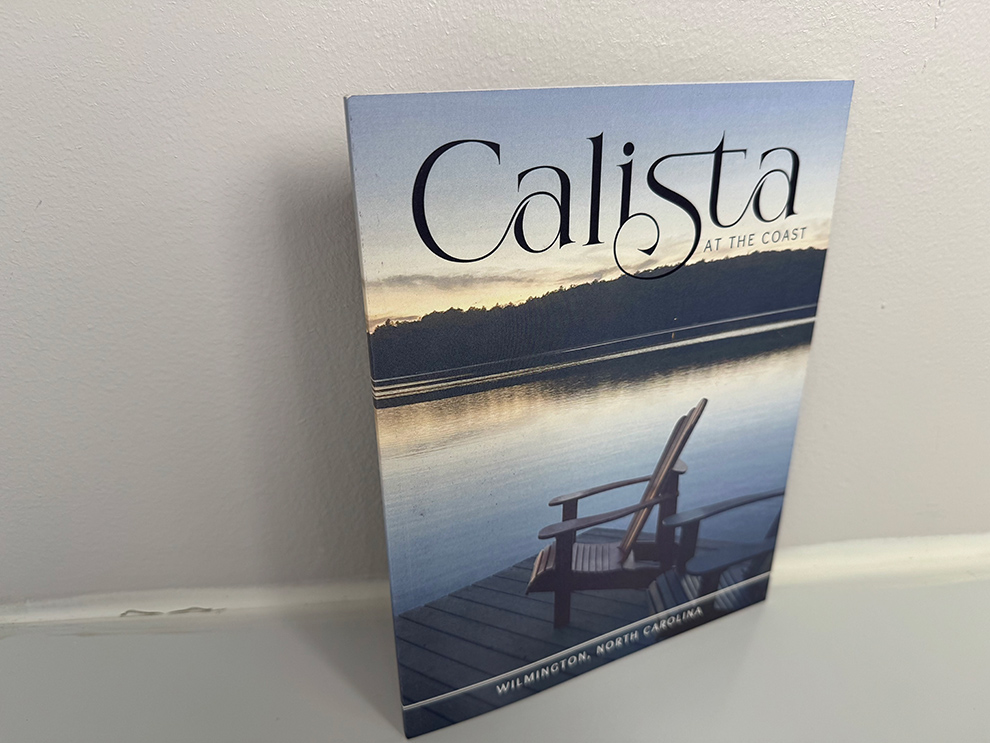
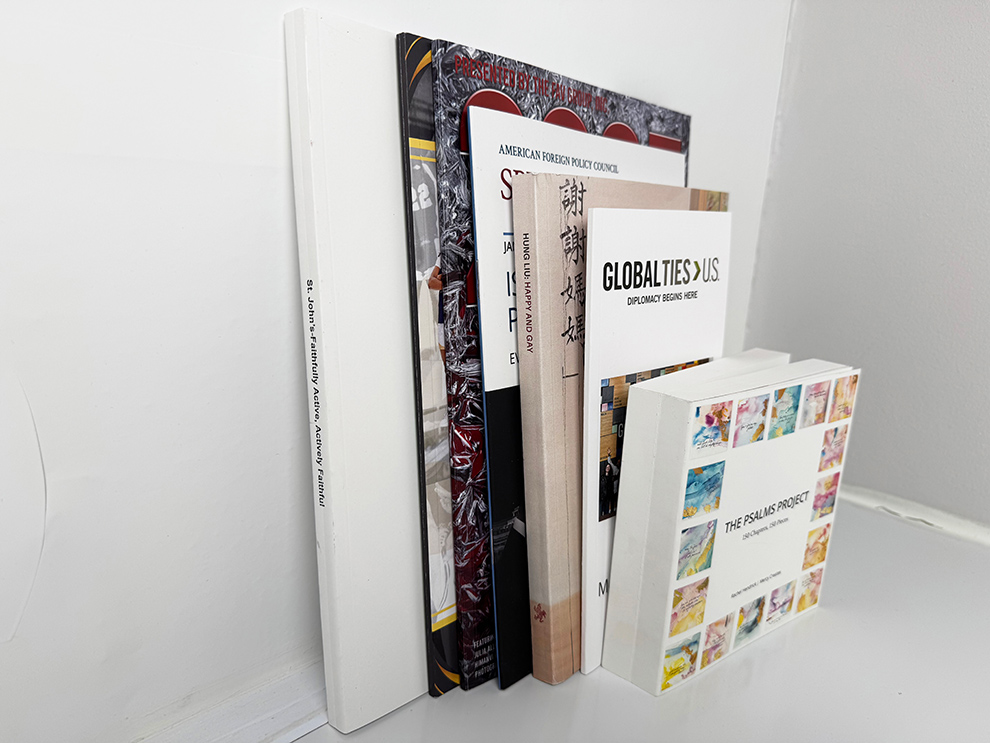
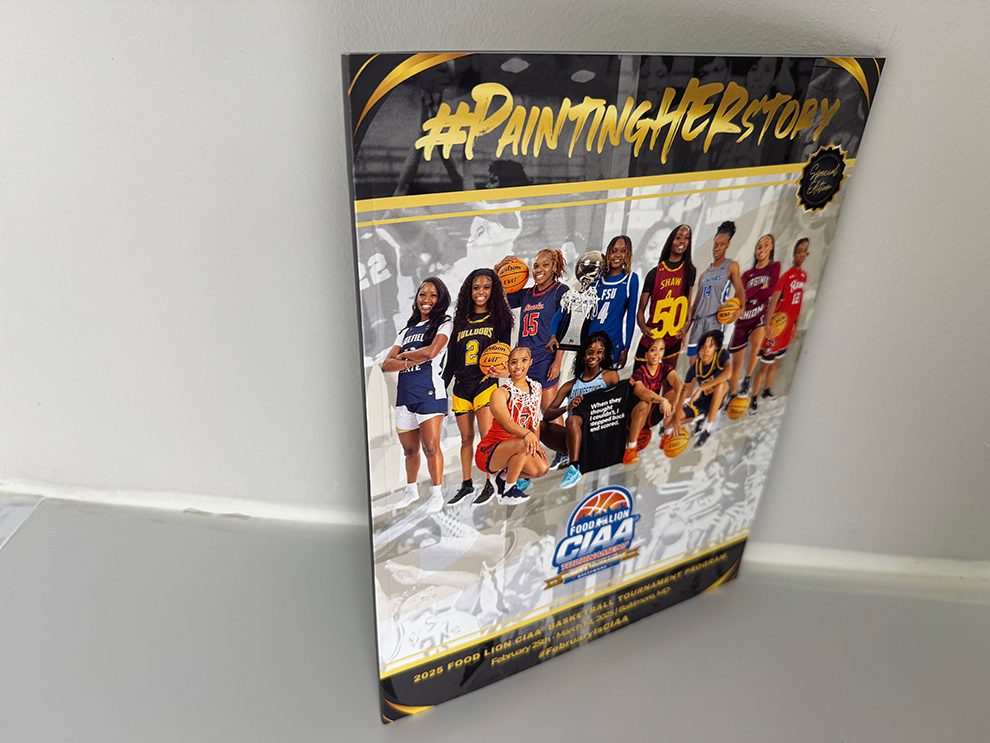
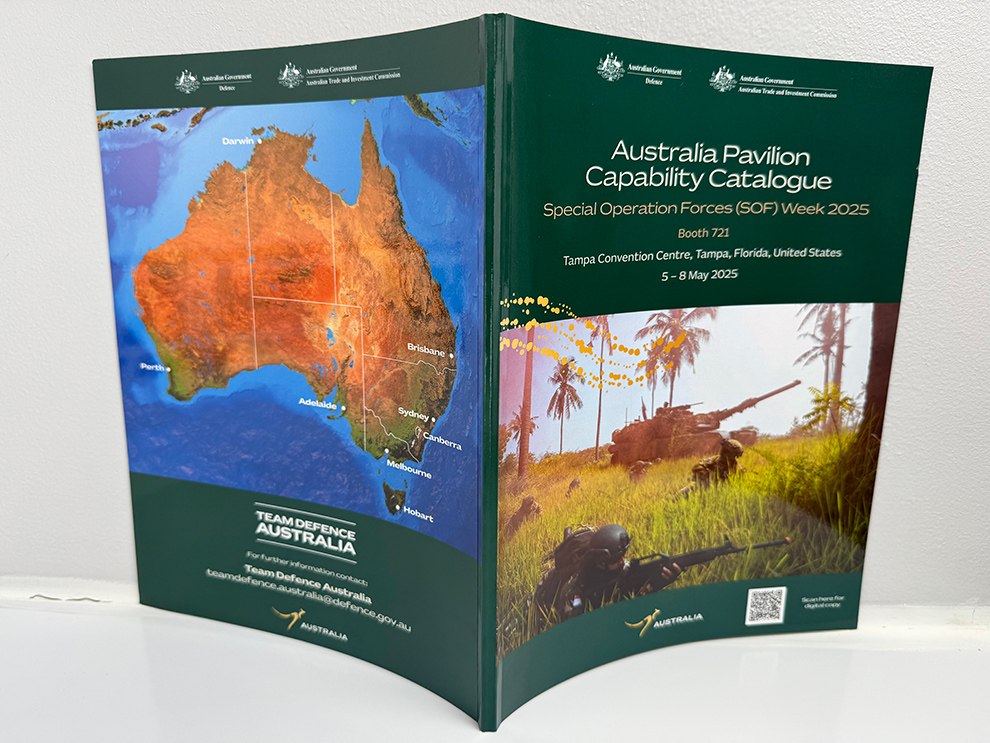
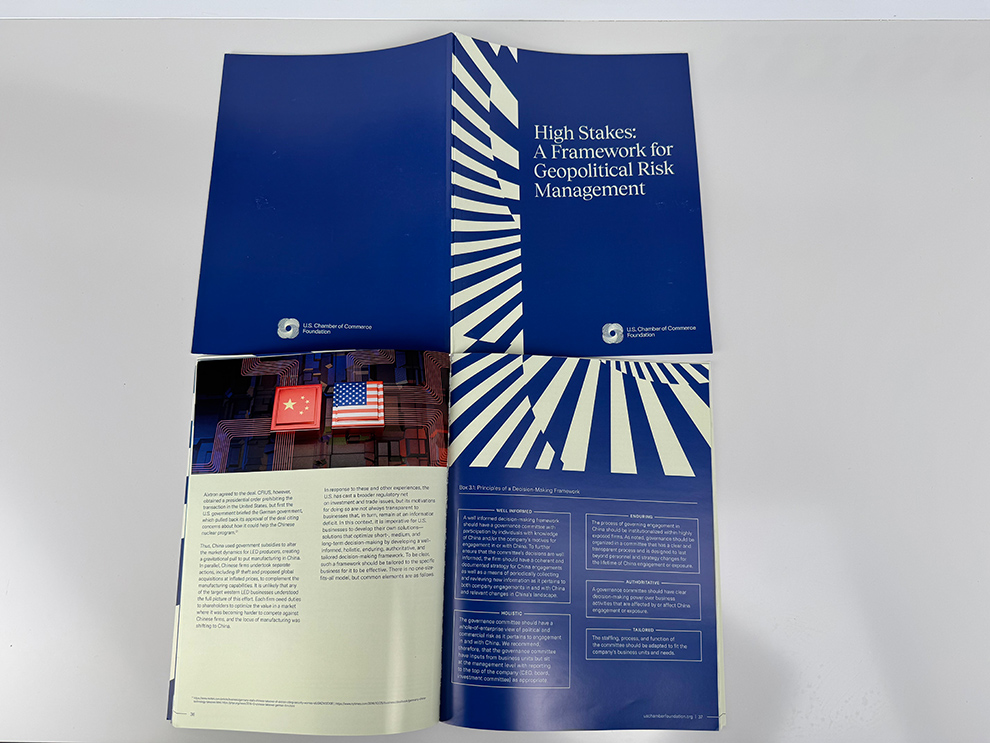
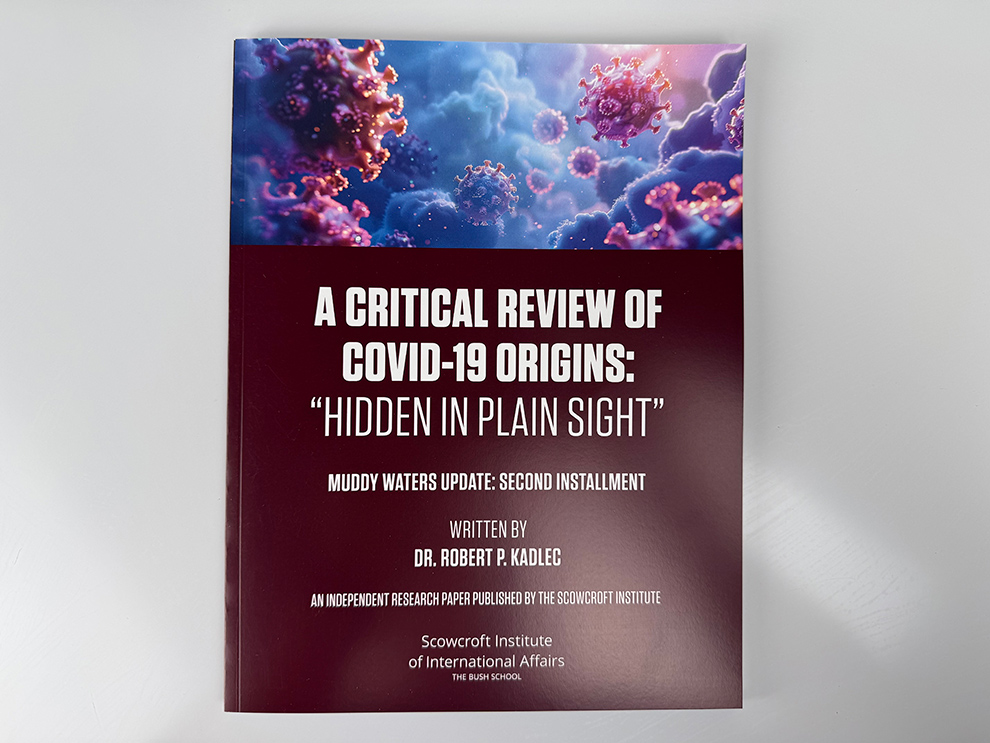
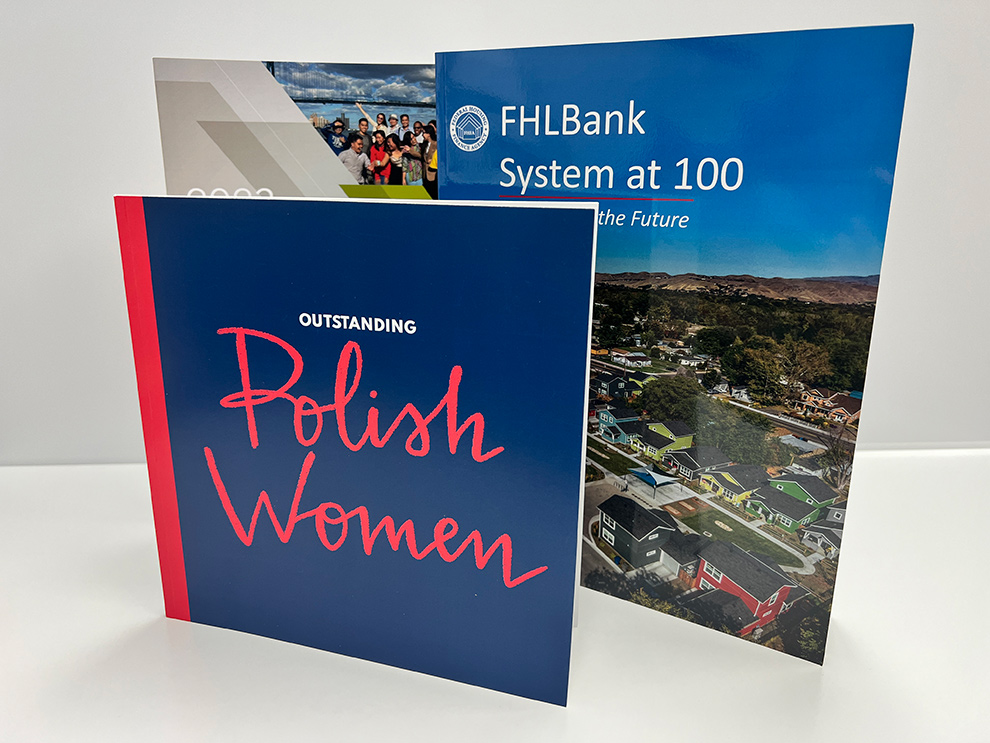
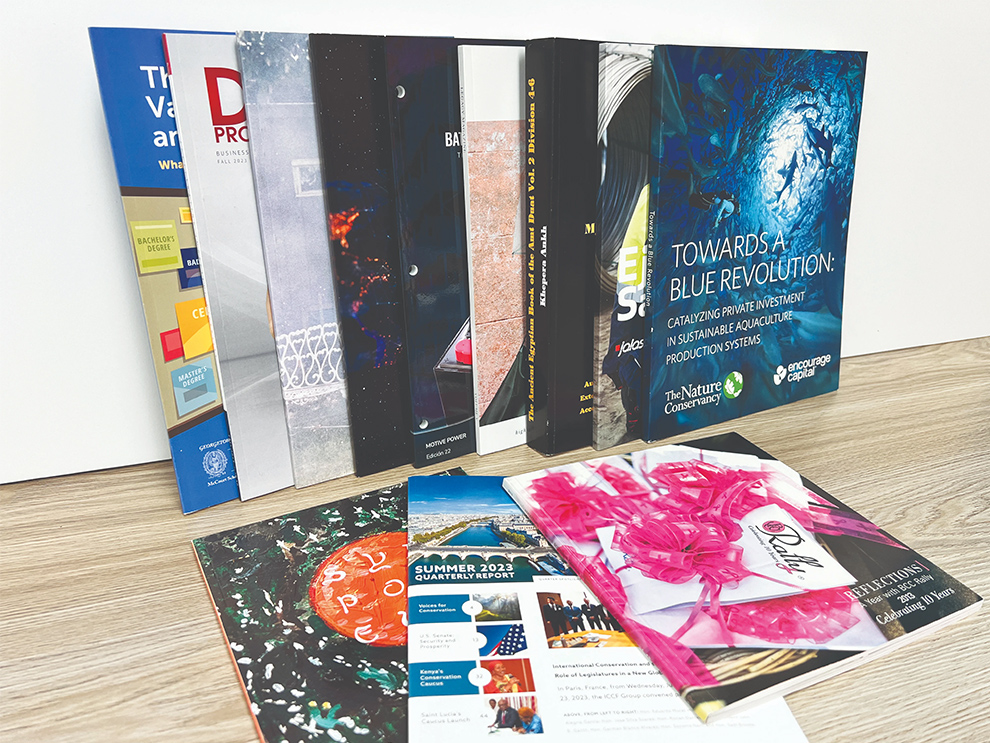
An annual report, a program catalog, or a legislative session guide represents months of writing, review, and approval. If the printed version arrives as a thick stapled booklet that will not stay closed, the content loses standing. Perfect binding resolves that gap by gathering the interior pages into an adhesive-bound square spine and wrapping them in a full cover, so the piece reads as a book in the hand and on the shelf.
Heritage produces perfect bound books for Raleigh, NC organizations in state government, associations, research and academic communities, healthcare, nonprofits, and professional firms. Typical projects include yearbooks and commemorative publications, member directories, conference proceedings, grant and foundation reports, course catalogs, and company histories that need a durable, orderly form.
The binding is only one variable. Paper choice, page count, trim size, cover stock, spine width, color handling, and proof approval all shape how the finished book looks and lasts. Heritage walks through those decisions so the result is a coordinated publication rather than a last-minute assembly. Where the specifications fit, perfect binding gives Research Triangle readers a publication worth keeping.
Heritage began as a commercial printer in 1977, before it expanded into signs and displays, and perfect bound work draws on that original discipline. A bound publication is a chain of dependent steps: imposition, interior printing, cover printing, spine measurement, trimming, gluing, and inspection. Experience with that chain lets a change in one step be caught before it harms another.
Raleigh, NC clients are supported by the Heritage North Carolina production base in Charlotte and by a veteran-owned, family-led culture that values plain communication. In practice, a page count that grows during review triggers a spine check, a late cover revision is matched against the current interior, and a questionable file is flagged rather than printed.
When a publication is tied to a board meeting, a legislative calendar, a Triangle conference, or a mailing window, Heritage evaluates the schedule against the approvals and production steps involved. A realistic date becomes a commitment Heritage takes seriously, and an unrealistic one is flagged early so alternatives can be found. For qualifying Custom Quote orders, direct Project Coordinator contact begins after Heritage accepts the quote and assigns the order.
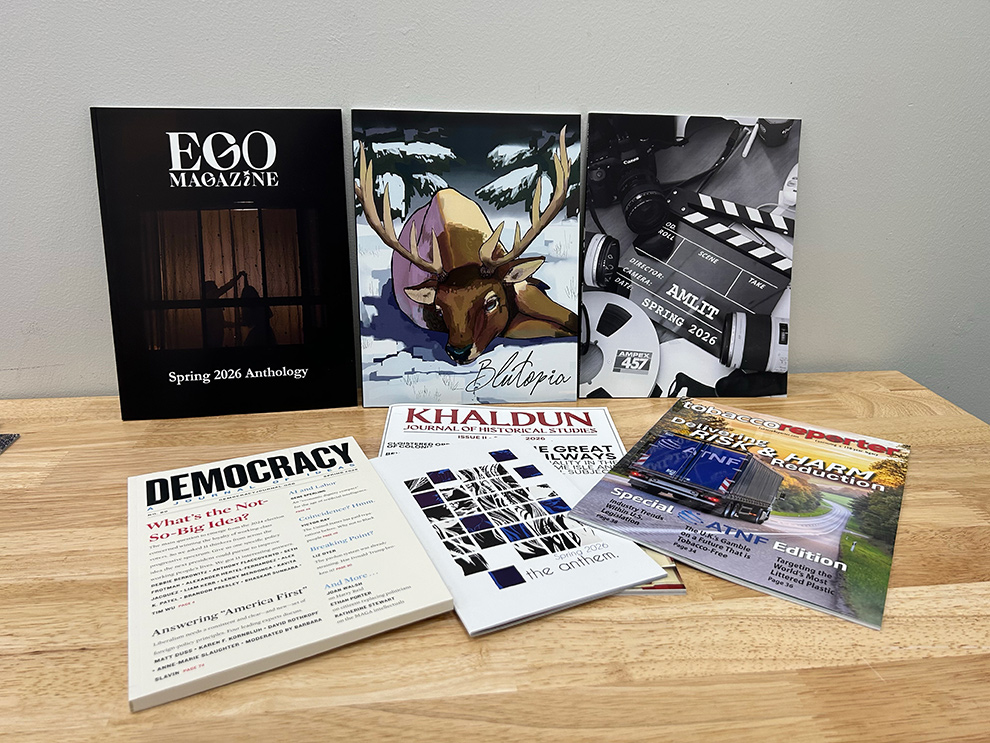
Perfect binding earns its place when the publication is meant to be read, kept, and shelved rather than written in or propped open. A square spine lets a report stand upright beside similar volumes, and a wraparound cover protects the interior during repeated handling. For a catalog consulted across a season or a directory that lives in a desk drawer, that construction pays off.
Other formats handle other jobs better. A field manual or lab protocol that must lie flat belongs in plastic coil, which lets pages rotate fully back. A short program, newsletter, or event agenda with modest page count is often better served by saddle stitching, which folds and fastens the sheets through the center without a glued spine. Choosing perfect binding for a thin piece can produce a weak, flexible spine that does not deliver the intended look.
Two realities govern the decision. Spine width is set by page count and paper thickness, so a slim interior may not leave room for legible spine type. A glued spine also does not lie open on its own, which affects how tables, charts, and photographs near the gutter will read. Match the format to the reader, then confirm the appearance is achievable.
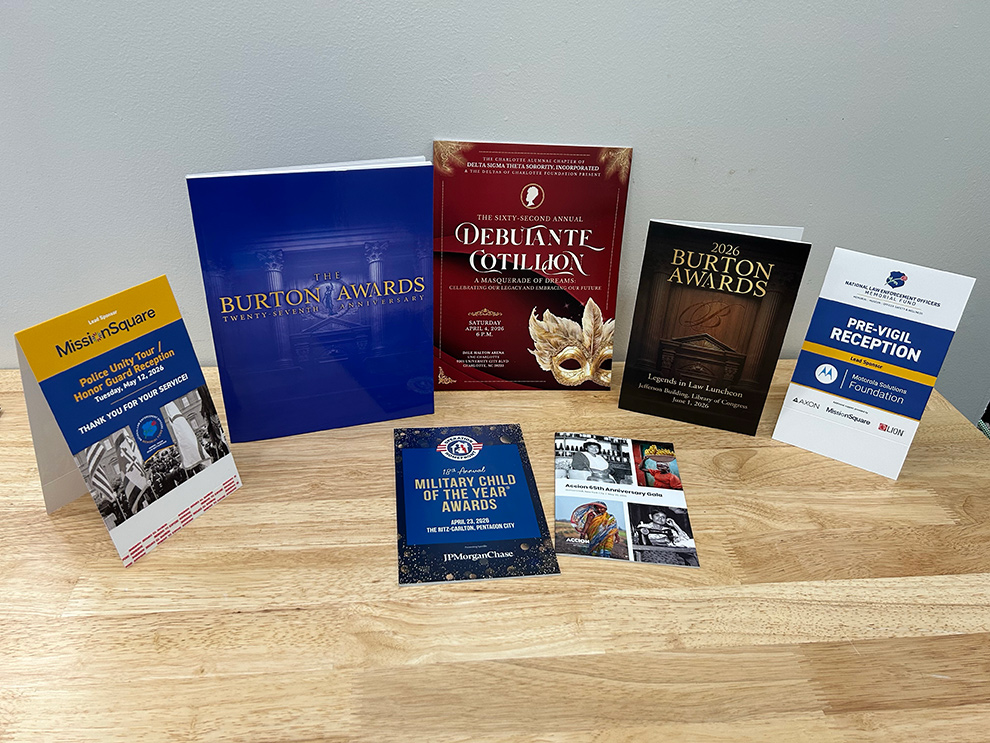
A bound book rarely travels alone. These Heritage capabilities cover the companion pieces, alternate formats, and distribution steps that Raleigh, NC organizations often pair with a perfect bound publication.
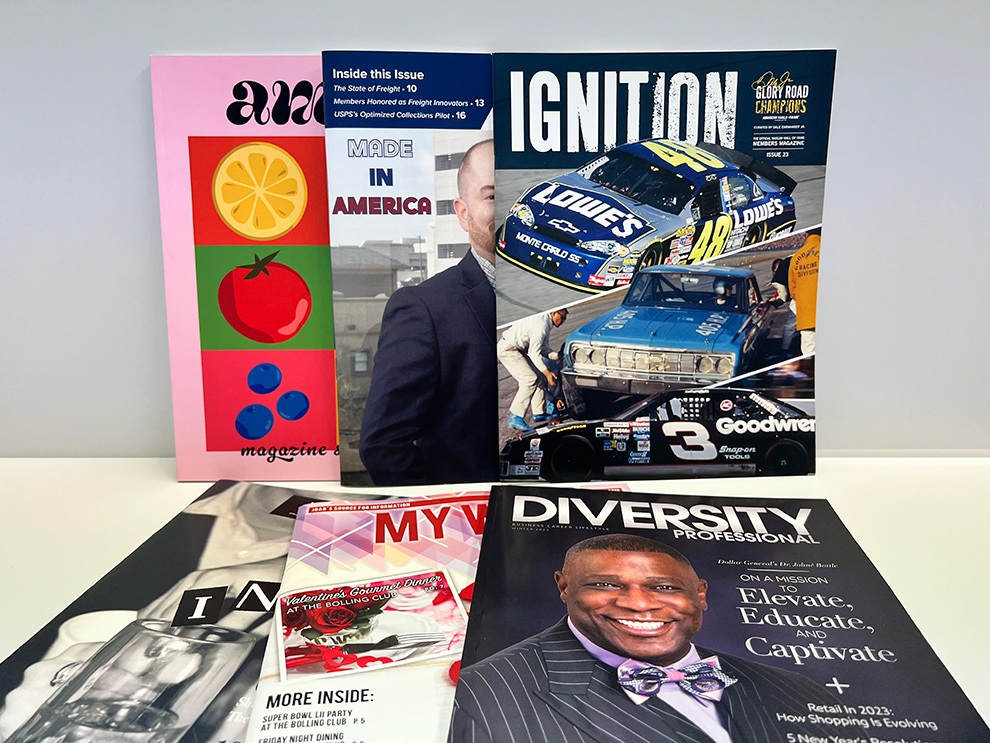
For periodical issues where readers expect the same trim, stock, and color from one issue to the next.
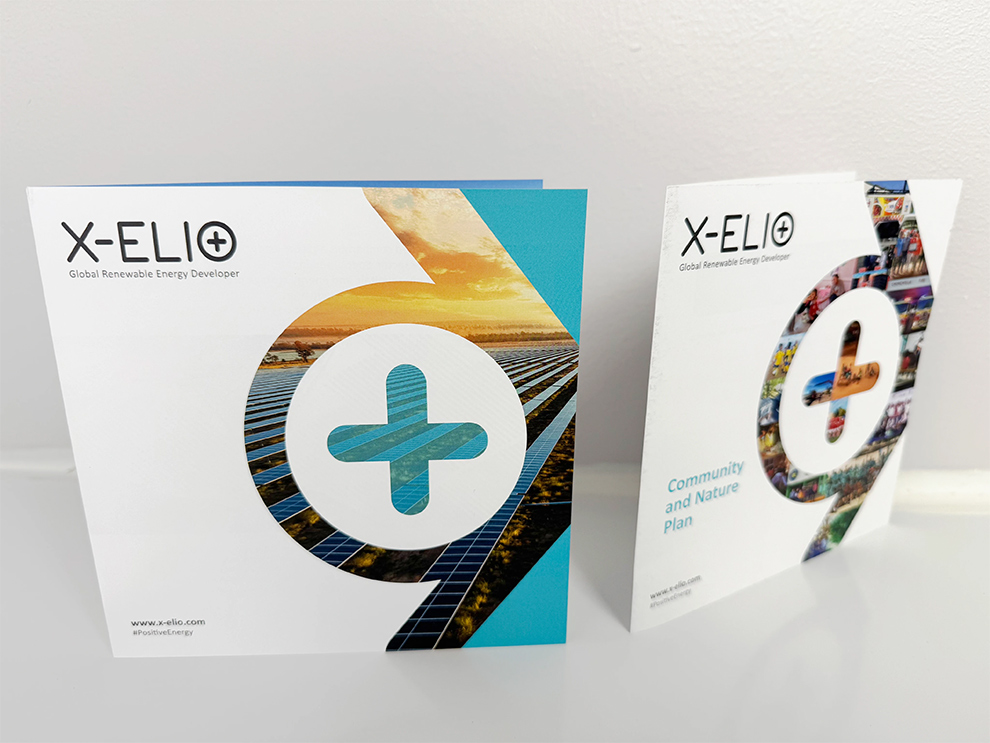
For shorter saddle-stitched pieces when the page count does not justify a square spine.
For holding a report alongside loose inserts, business cards, and supplements at a meeting or pitch.
For moving a finished publication straight into addressed delivery to members, donors, or stakeholders.
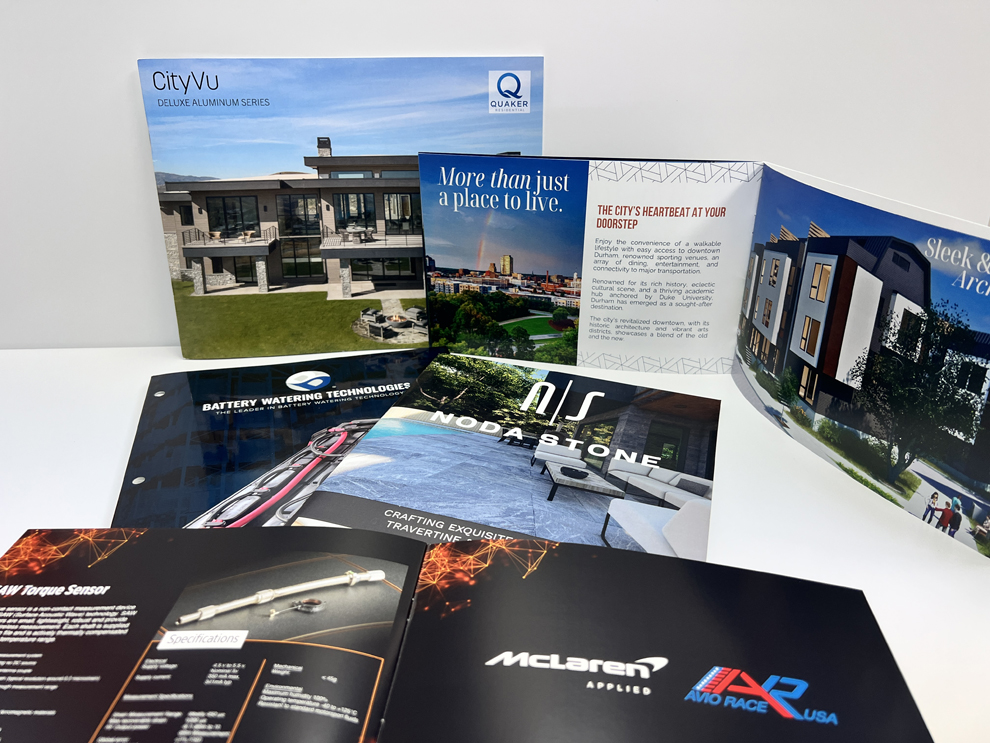
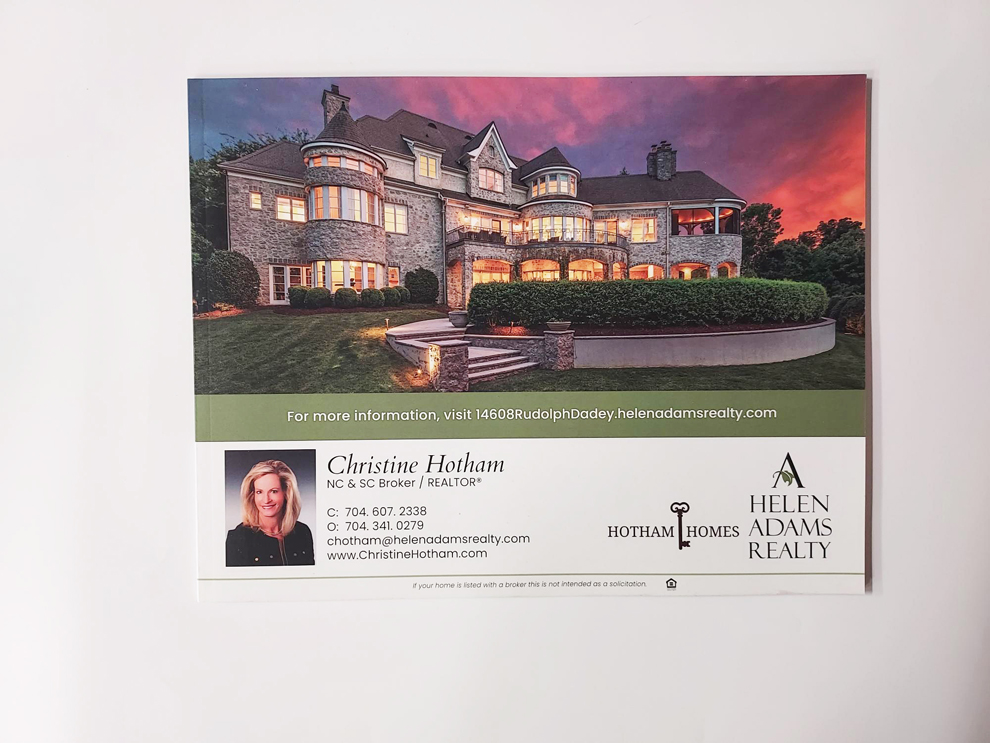
For the companion pieces, from postcards to sell sheets, that accompany a catalog or report launch.
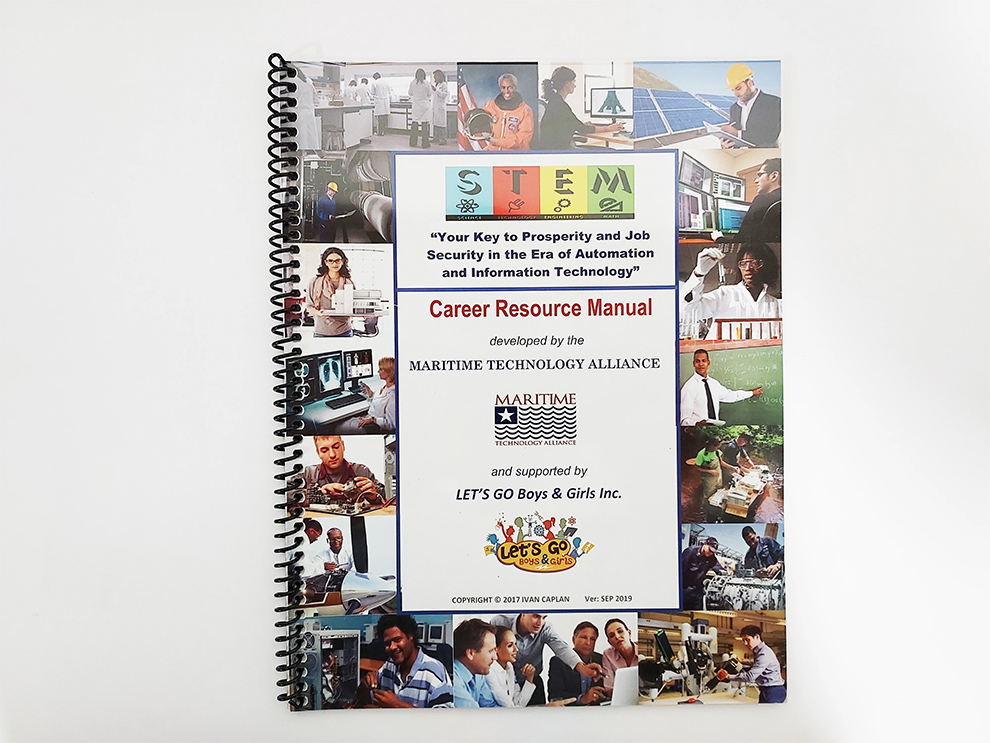
For working documents that need coil binding, tabs, or lie-flat use rather than a bound book.
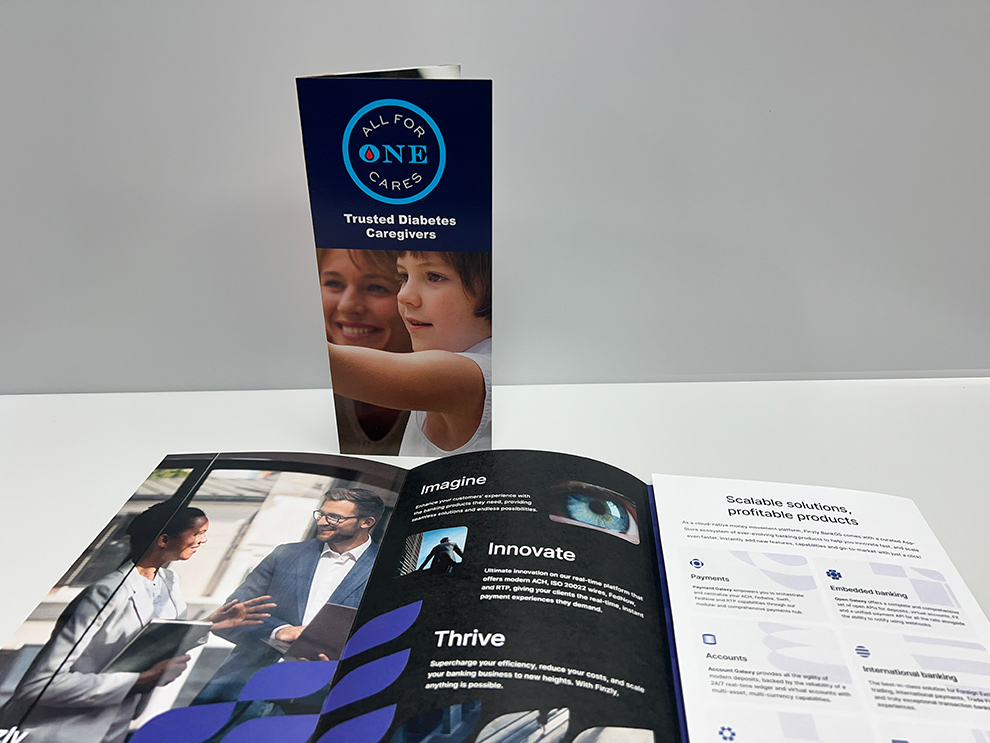
For a folded summary of the same content when the full publication is too much for a first contact.
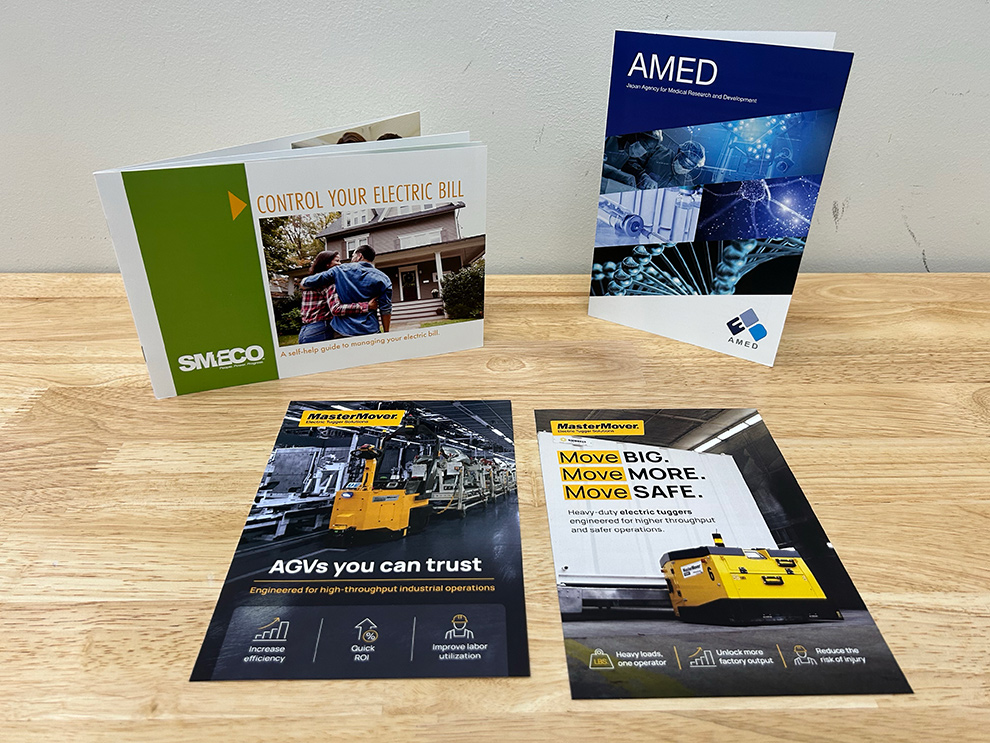
For the broader scope of Heritage print production when a book is one part of a larger program.
If the cover and interior are print-ready and the Store configuration fits, order directly online. If a $2,000+ publication still has open questions about files, spine setup, versions, paper, or timing, submit a Custom Quote and Heritage will review those items before accepting and scheduling the work. Either way, the next step is a clear one.
The cover of a perfect bound book cannot be finalized until the interior is. Spine width depends on page count and the caliper of the stock, so a cover built around an estimated page count will not fit a thicker or thinner final interior. Heritage recommends settling page count and paper first, then setting up the cover as a single spread with the spine sized to that interior.
Interior layout deserves attention at the gutter. Because the spine is glued, the inner margin partially disappears when the book is held open. Running heads, folios, callouts, and image edges placed too close to the binding become hard to read, and cross-page spreads can lose content in the fold. A generous inner margin in the template prevents those problems before proofing.
Paper selection affects legibility and the feel of the finished piece. Heavier stock adds opacity, which limits show-through on dense color pages, but it also widens the spine. Once a Raleigh publication has run successfully, Heritage can retain the approved trim, stock, cover construction, and color references so the next edition starts from a known baseline.
Raleigh, NC buyers usually arrive with either a finished publication ready to print or one that still needs production help, and the route should follow that status.
When print-ready cover and interior files exist and the live Perfect Bound configuration in the Online Store matches the specification, the Self-Directed Online Store is the direct route. The buyer selects options, uploads artwork, and checks out. This route includes no assigned Project Coordinator, design service, or physical color proof, but Heritage still reviews files, issues an electronic proof for approval, and applies normal quality control. The Store carries a $750 minimum per order, met by combining eligible products if needed.
Custom Quote serves new Commercial Printing opportunities of $2,000 or more that need production-side help with files, cover and spine setup, unresolved specifications, or multiple versions. Submitting the form starts a review; it does not guarantee acceptance or scheduling. Once Heritage accepts the quote and assigns the order, the Project Coordinator becomes the direct phone and email contact. A paid Physical Production Color Proof is available only on this route. State any fixed meeting or distribution date in the request so feasibility is assessed from the start.
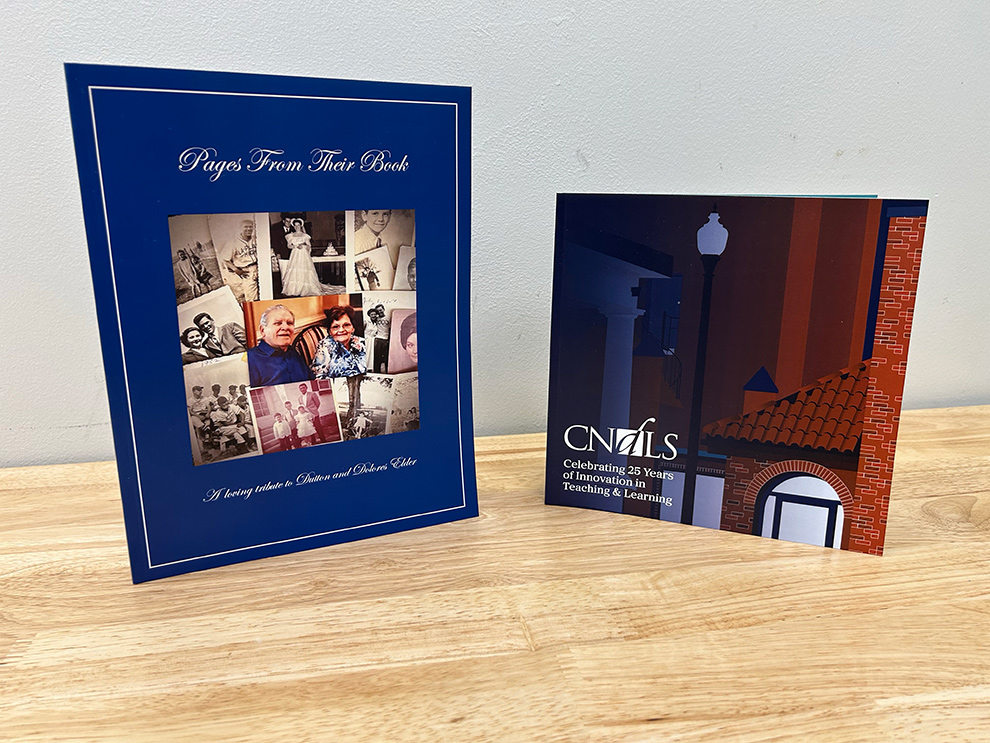
Annual and impact reports, member and alumni directories, conference proceedings, program and course catalogs, commemorative books, and policy or research compendia are the usual candidates in the Triangle. The shared trait is enough interior thickness to form a real spine and a reader who will keep the piece rather than mark it up. Heritage reviews the full specification before confirming the format, since the same title can shift to coil or saddle stitch when page count or use changes.
Perfect binding stacks the printed interior sections, roughens and glues the back edge, wraps a cover around the block, and trims the three open sides to a clean finish. The result is a square spine and a book-style profile. It suits publications with sufficient thickness for the adhesive to hold and for the spine to look proportionate.
Generally no. The glued spine holds the pages in a closed curve, so the book opens for reading but tends to spring shut rather than resting flat. Plastic coil is the better choice when a reader must keep a page open while working. Layouts for perfect bound books should keep critical content away from the gutter for the same reason.
Only when the finished spine is wide enough for the type to be legible and centered within reasonable tolerance. Spine width comes from page count and paper thickness, so Heritage confirms the measurement after those are final. On a narrow book, a blank spine often looks cleaner than cramped lettering.
Yes. After an edition runs, Heritage can retain the approved trim size, paper, cover construction, color references, and binding details so the next edition begins from a known baseline while content, quantity, or dates change. For simultaneous versions, label each file clearly and identify the quantity and approval owner for each so the variants stay separate through proofing and production.
Coil wins whenever the document is a working tool: training workbooks, lab or clinical protocols, field guides, and anything that will be written in or referenced hands-free. The coil lets pages rotate fully around and lie flat. Perfect binding is for the finished, kept publication rather than the one in daily use.
Often, yes. Saddle stitching folds sheets and fastens them through the center fold, which suits short programs, agendas, and newsletters that lack the bulk for a glued spine. The trade-off is no square spine and a more booklet-like feel. Heritage can advise which construction the page count and paper actually support.
The thickness of the bound interior sets it, and that thickness is the product of page count and the caliper of the chosen stock, plus the cover. Changing either input after the cover is built changes the spine. Heritage calculates the measurement from final specifications rather than from estimates.
Text accuracy, page sequence, folio numbering, image placement, bleed, and the position of spine and cover elements. Every true commercial printing order, including Online Store purchases, waits for client approval of this proof before printing. It confirms the production file, not the printed color, because what appears on a monitor is not a color guarantee.
When color accuracy carries real consequence, such as a brand-critical cover or photographic content, and the job is a qualifying $2,000+ Custom Quote order. This paid proof is produced on the printer and stock planned for the run, so it shows how the color will actually print. It adds production time, and once approved it governs color for the run unless another agreement controls. It is not available through the Online Store.
Yes, when the live Perfect Bound configuration matches your trim, page count, and stock, and both cover and interior artwork are print-ready. The Store is self-directed: no assigned Project Coordinator, no design help, and no physical proof. Heritage still reviews files, provides the electronic proof, and applies normal quality control. Orders must reach the $750 Store minimum, which may combine eligible products.
A new Commercial Printing opportunity valued at $2,000 or more that needs production support before it can run, such as file preparation, cover and spine setup, specification guidance, or multiple versions. The form is a request, not an order. If Heritage accepts the quote and assigns the work, a Project Coordinator becomes the direct phone and email contact. Meeting the amount makes a job eligible; it does not require every larger order to use this route.
Share the date first, then the quantity, page count, file status, versions, and any approvals still pending. Heritage weighs those against the production steps and available capacity to decide whether the date is achievable. If it is, the accepted commitment is taken seriously; if not, Heritage will say so early and suggest realistic alternatives. Never assume rush availability without that review.
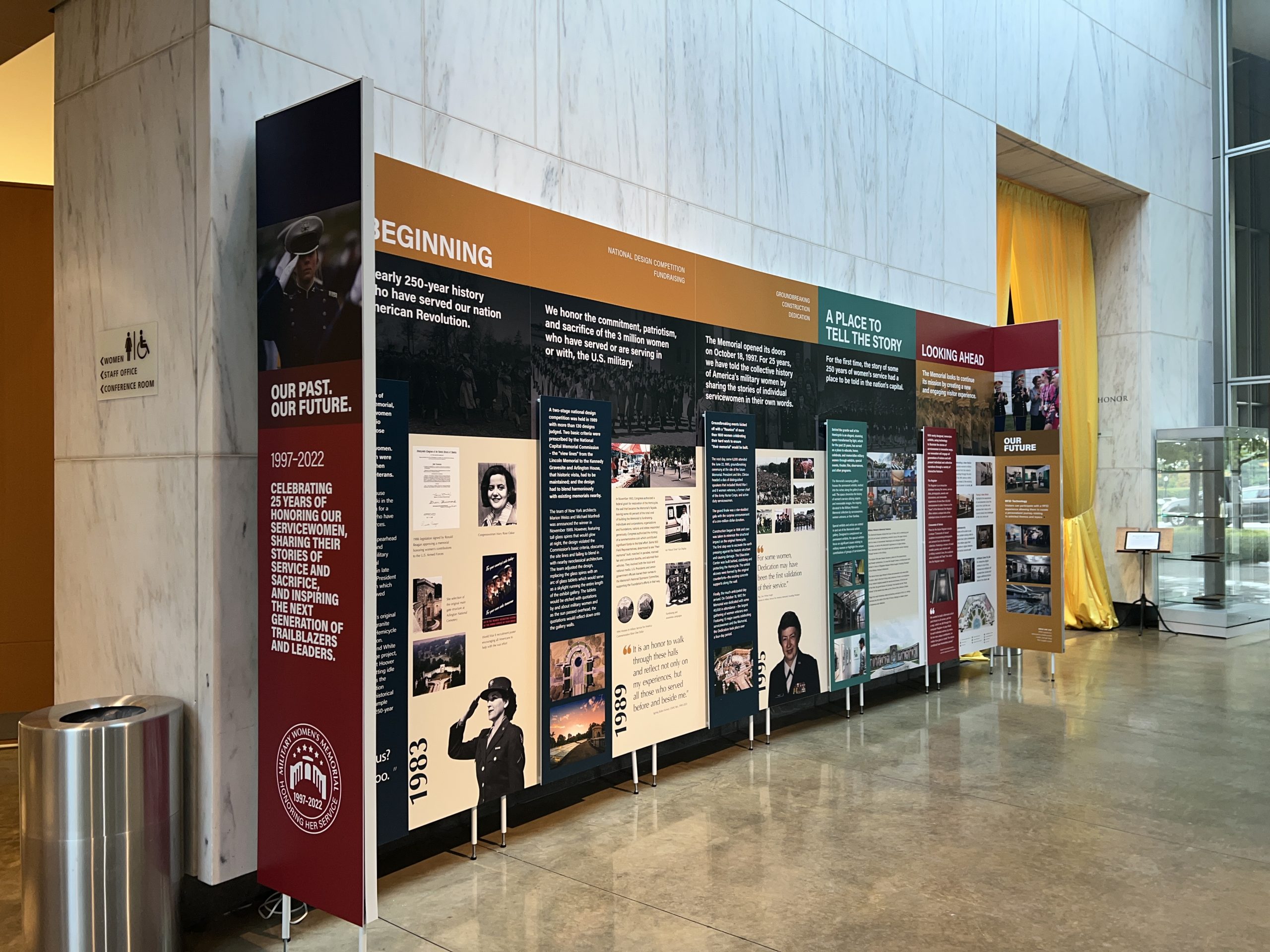
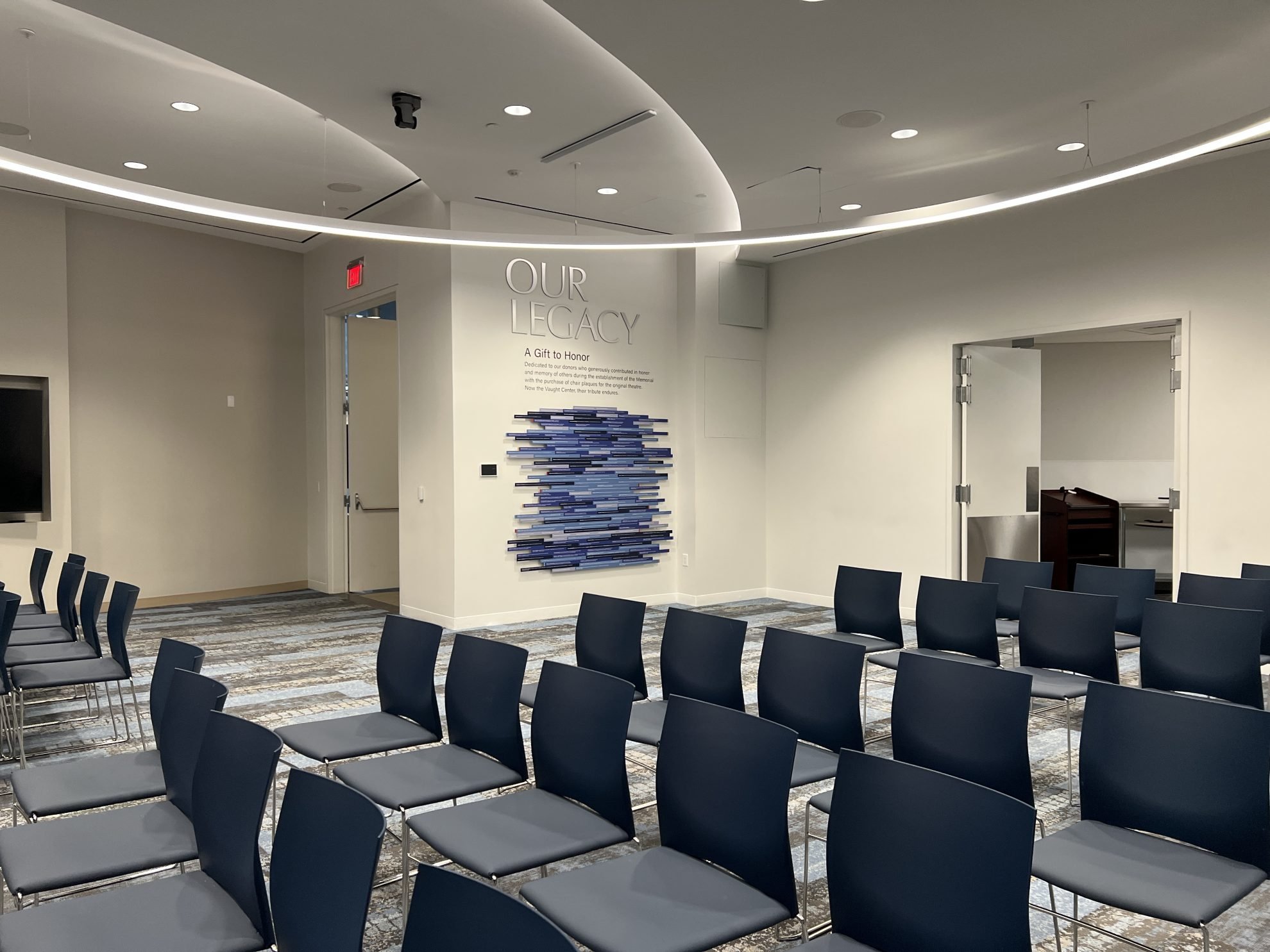
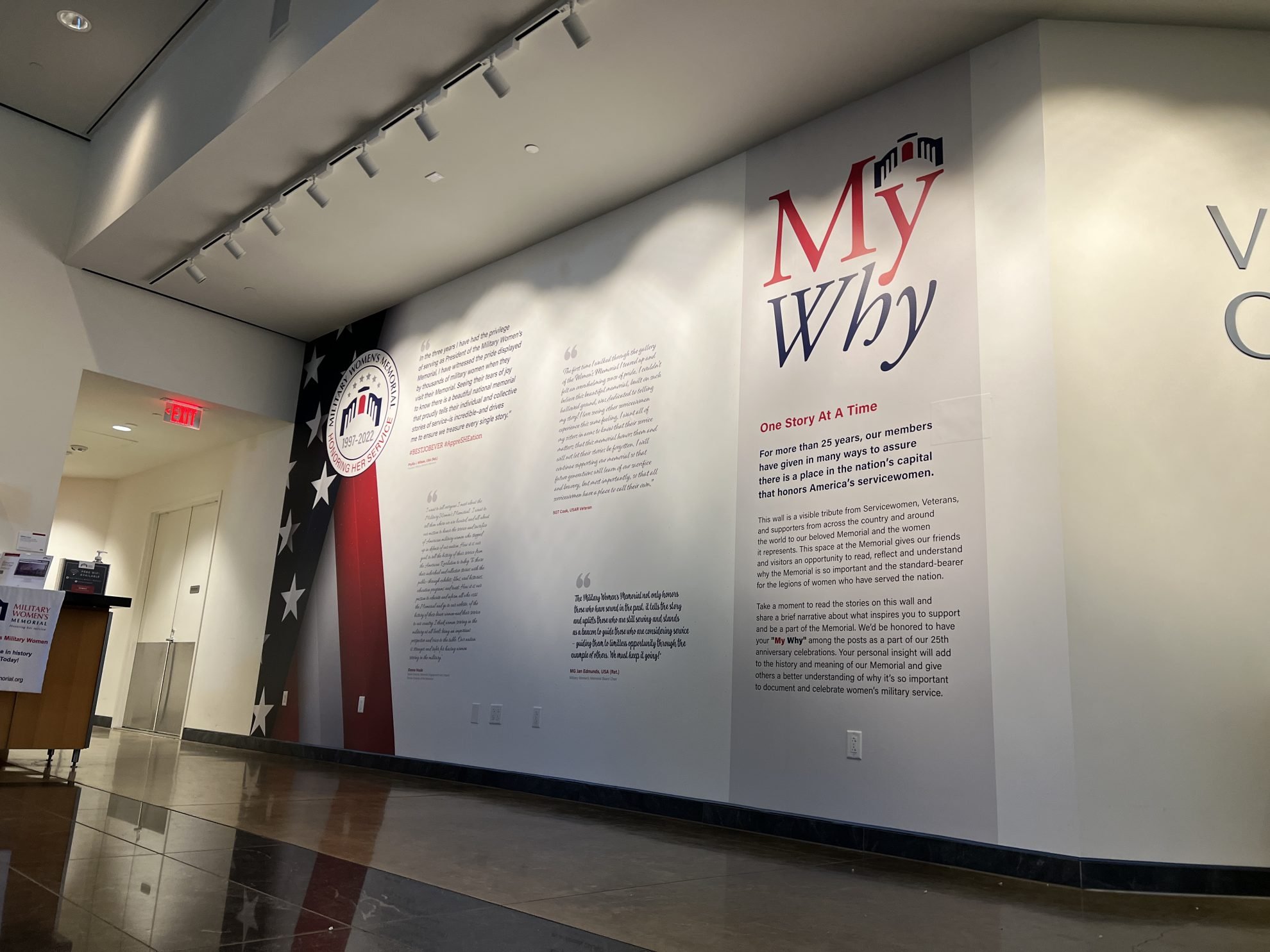
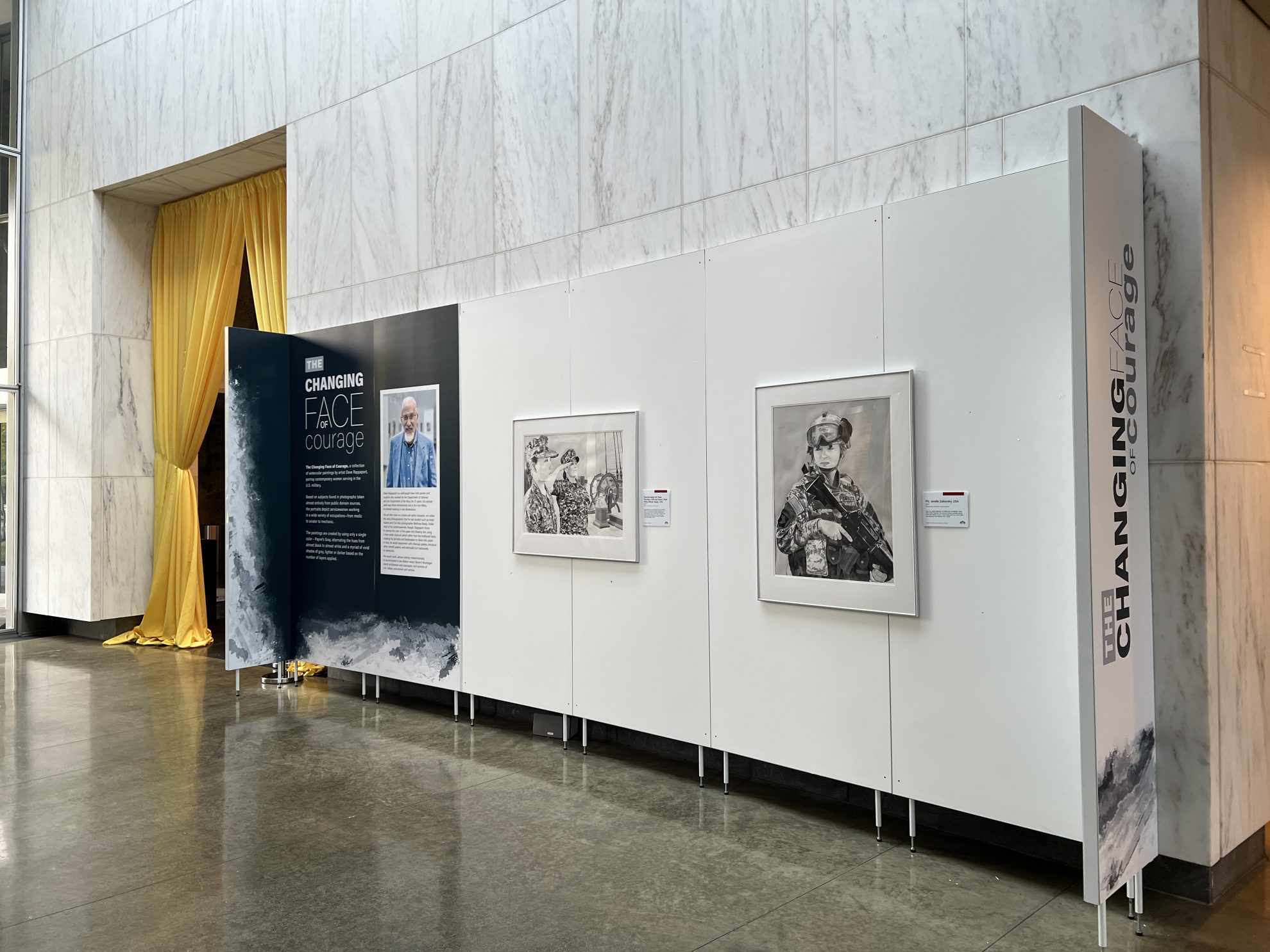
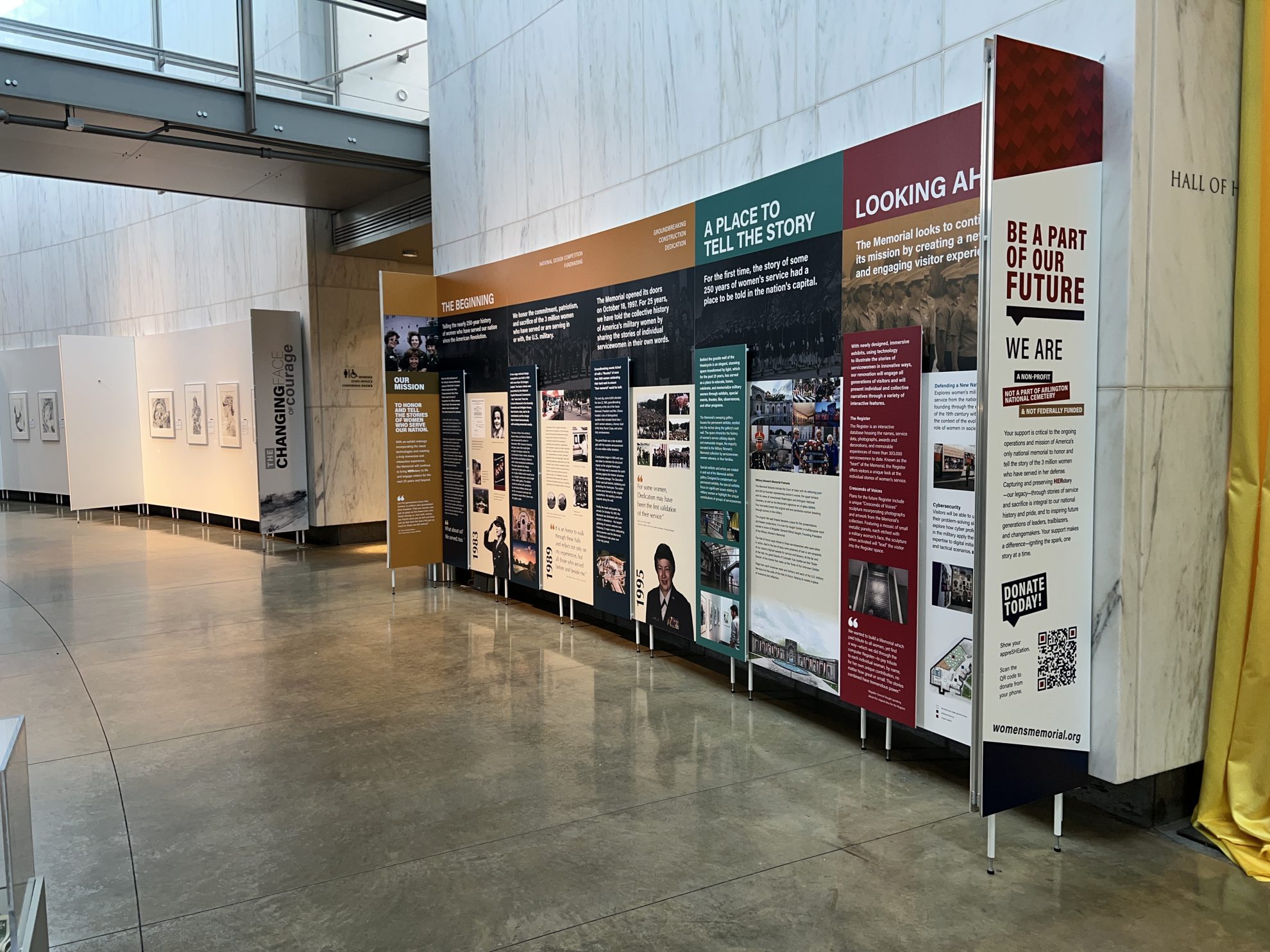
Heritage Signs & Displays created new museum signage for the Military Women’s Memorial in Arlington, VA. The project included custom signs, wall wraps, dimensional letters, and standoff-mounted displays to honor the legacy of U.S. servicewomen and the donors who supported the memorial. The updated interior features impactful designs, including a "Our Legacy" wall display and panels showcasing historical contributions and artwork, creating a transformative tribute to women in the U.S. Armed Forces.
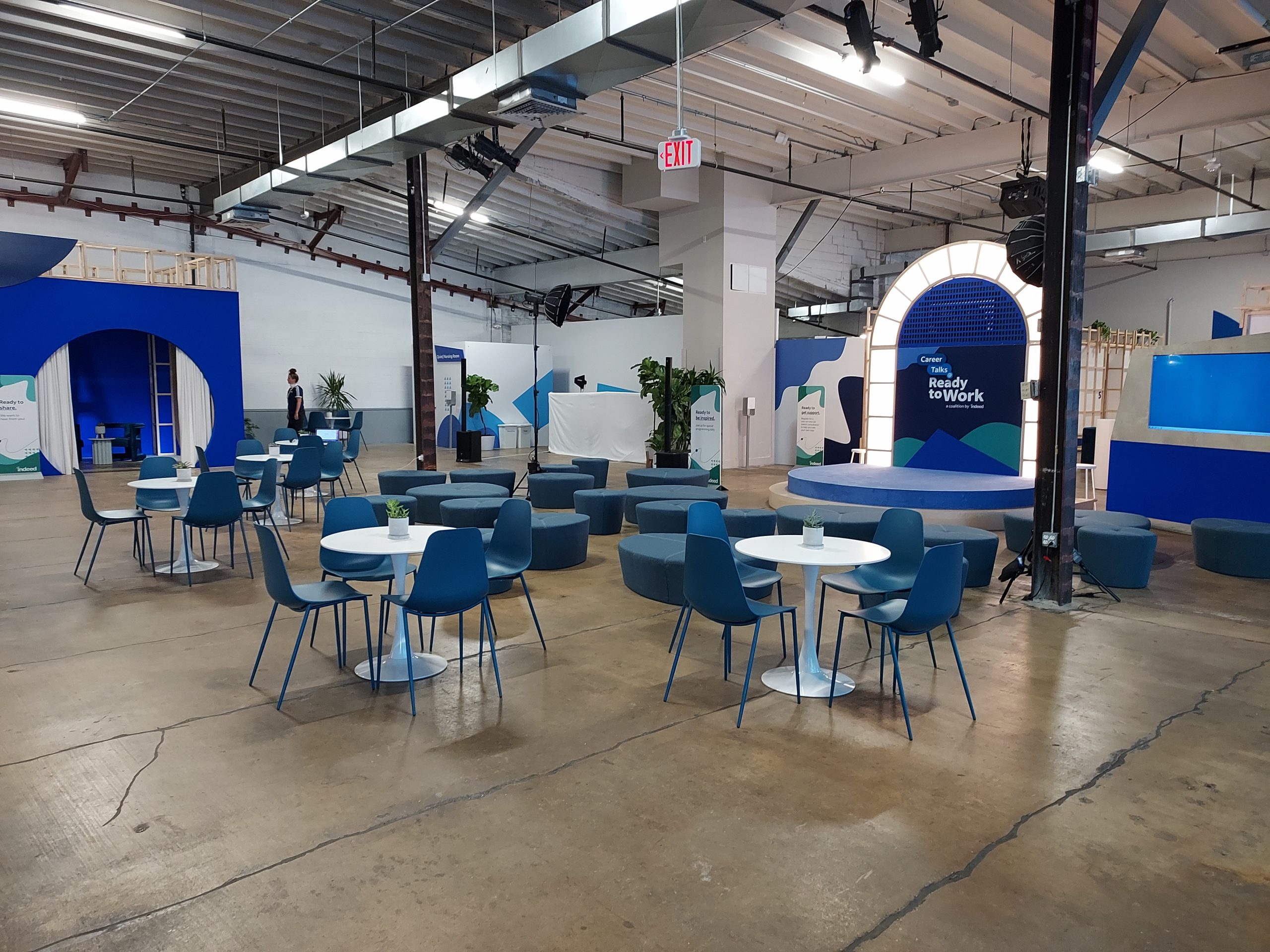
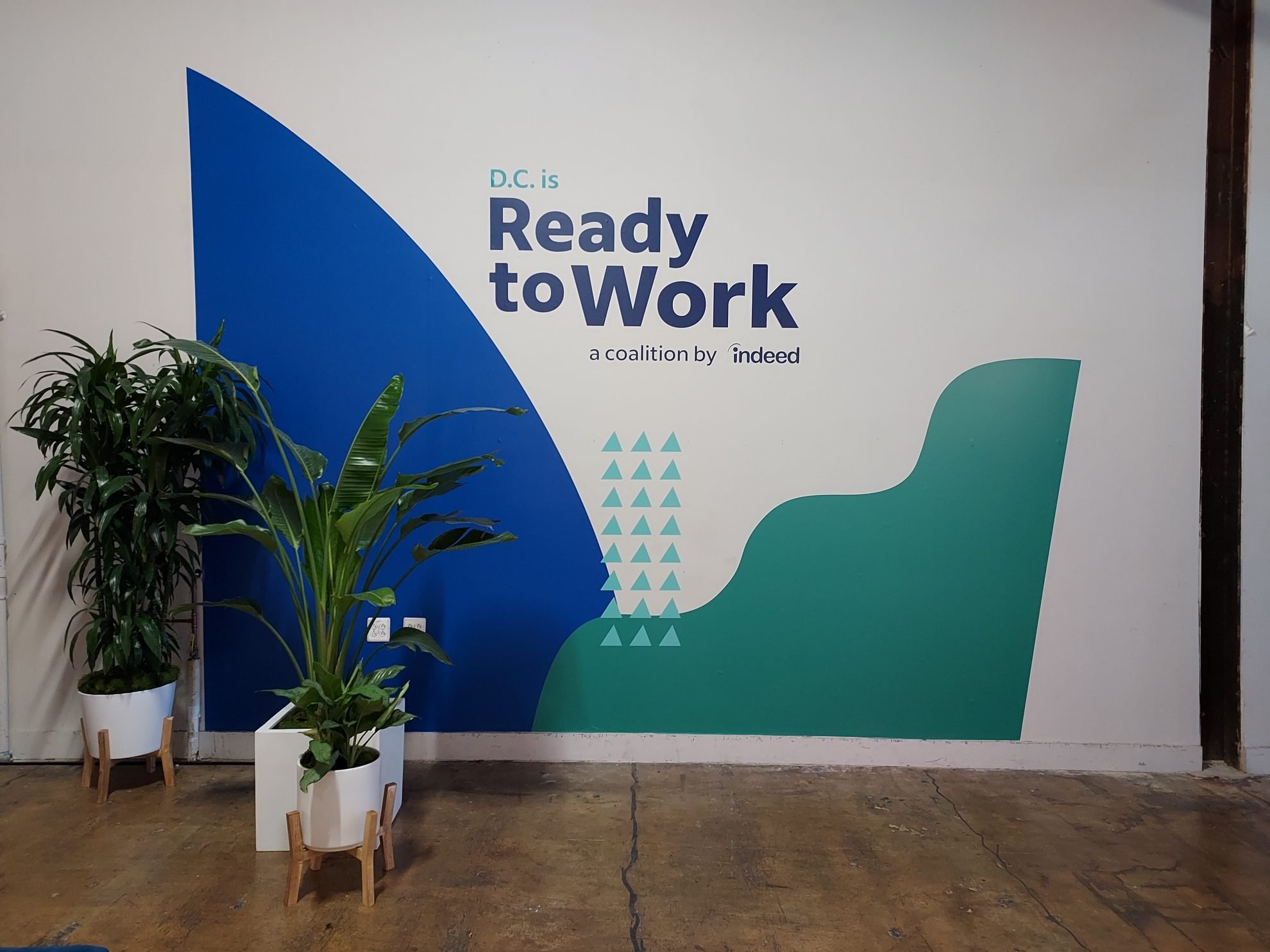
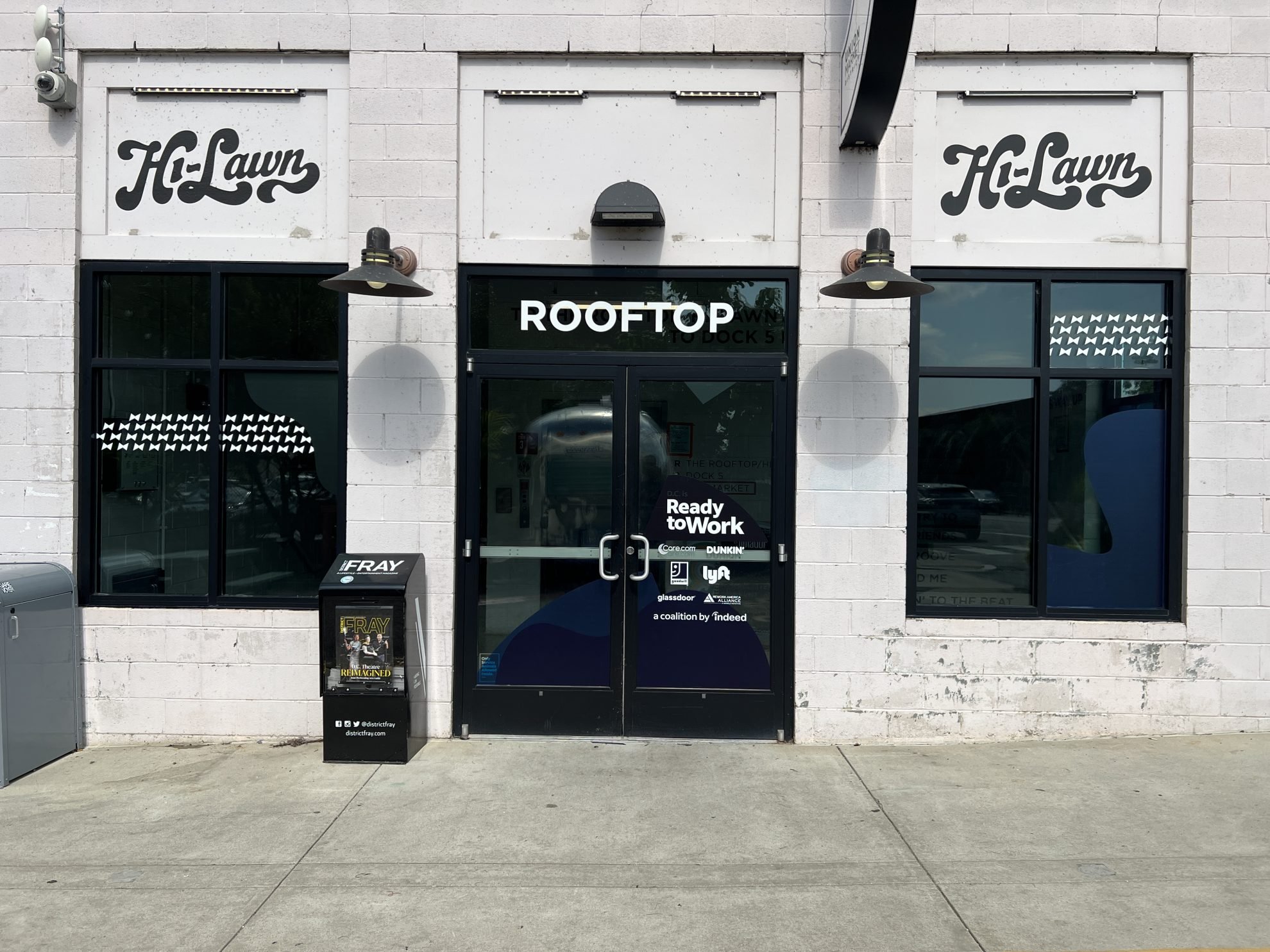
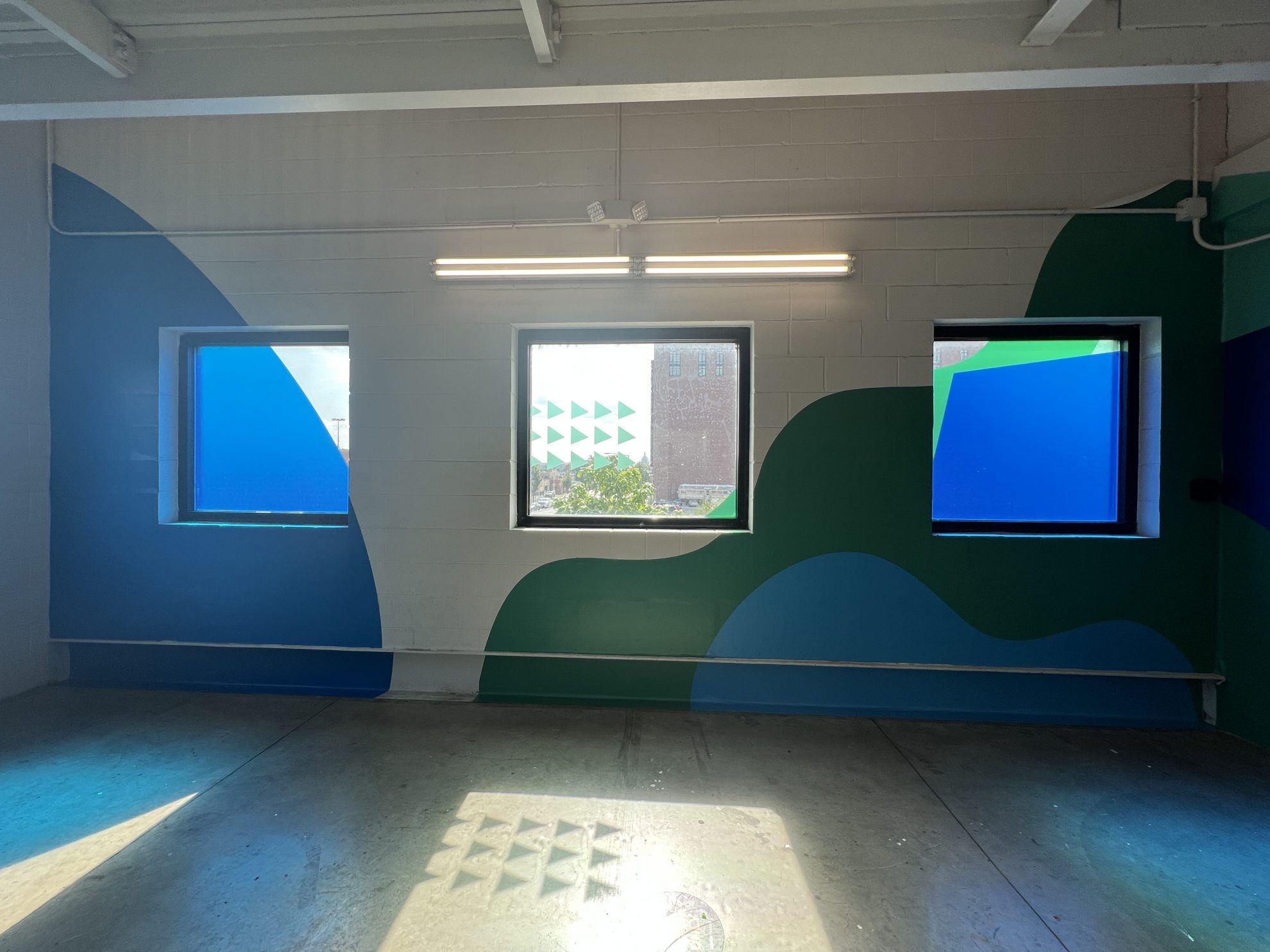
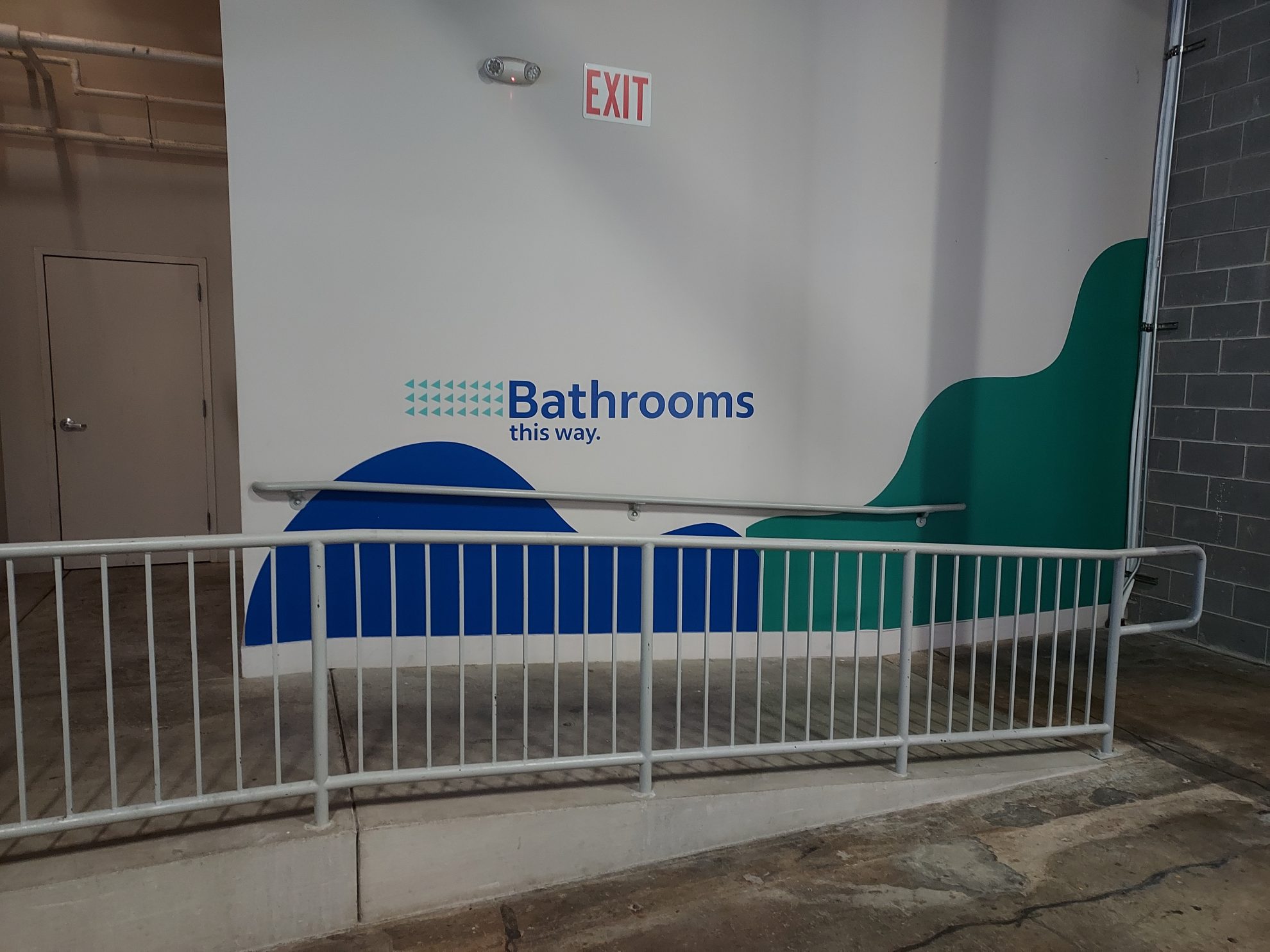
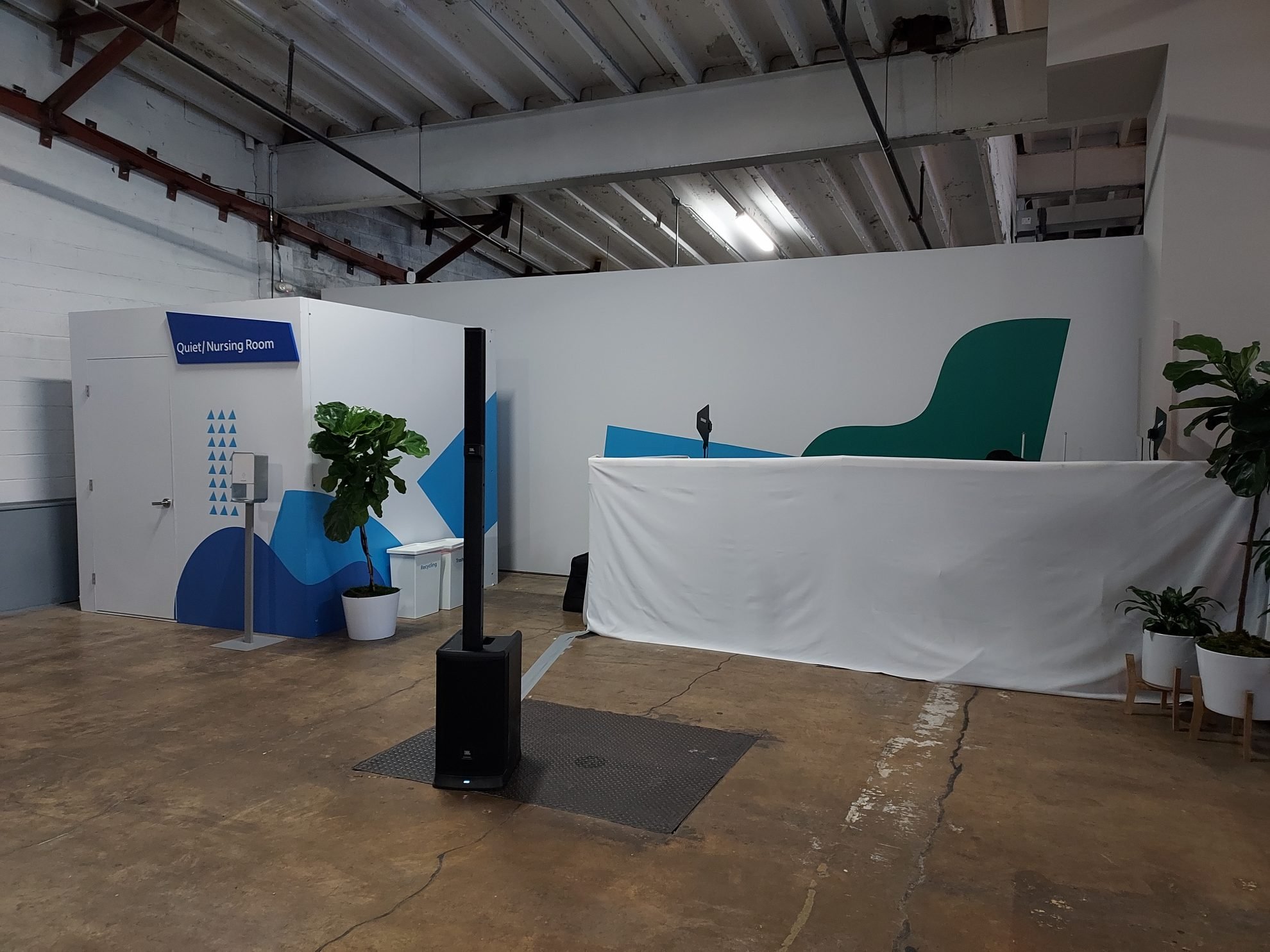
Heritage Signs & Displays' collaboration with The Gathery to brand Union Market in Arlington, VA, for Indeed's "Ready to Work" job fair. The project included custom event displays, wall graphics, window graphics, and wayfinding signs, creating an immersive and visually appealing environment. The branding enhanced the venue, reflected the event's mission, and provided a seamless experience for attendees.