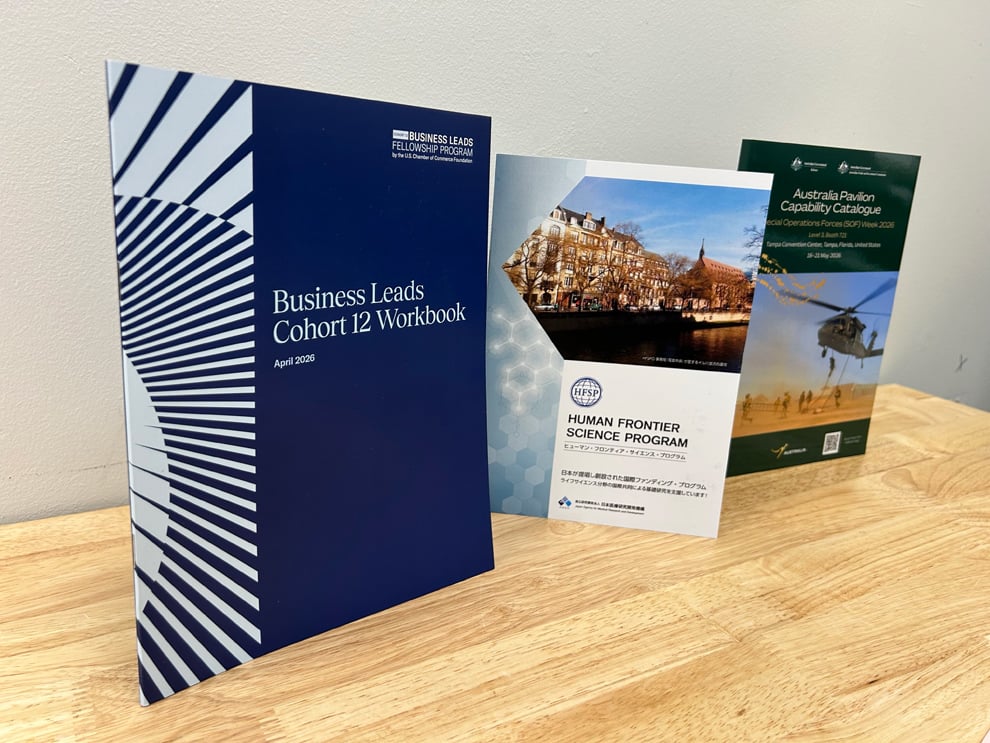
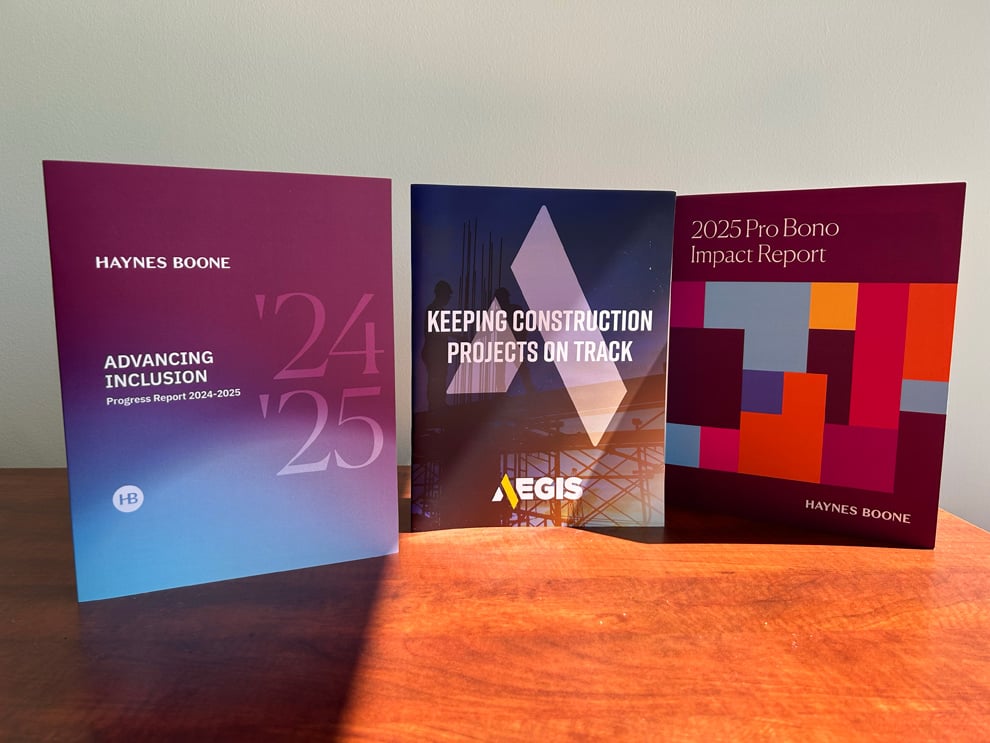
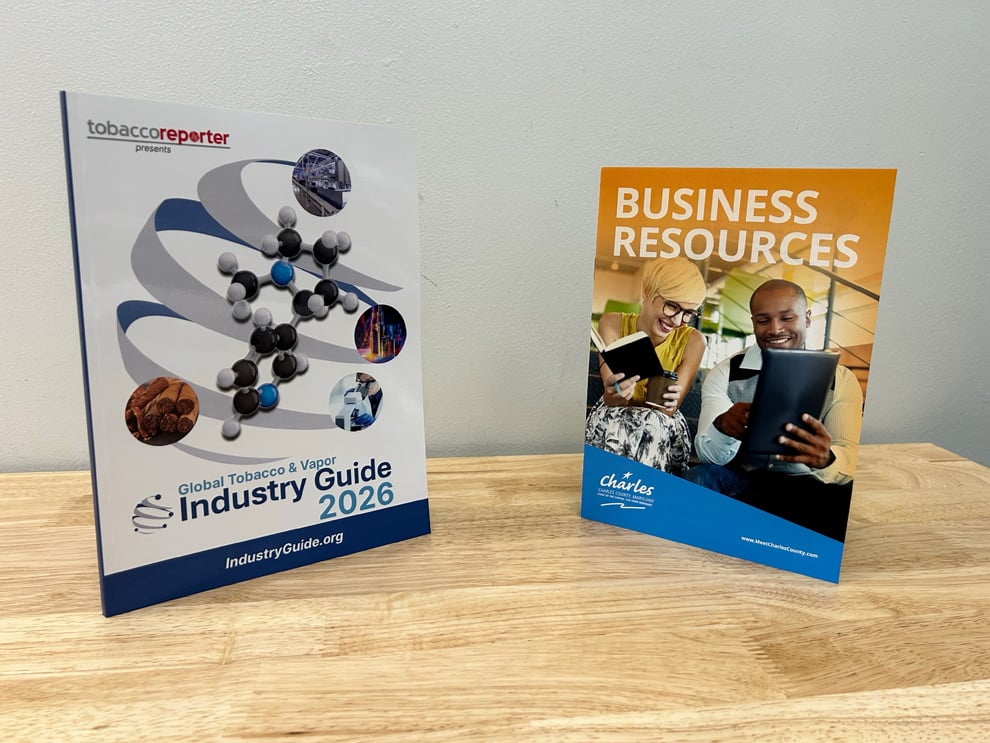
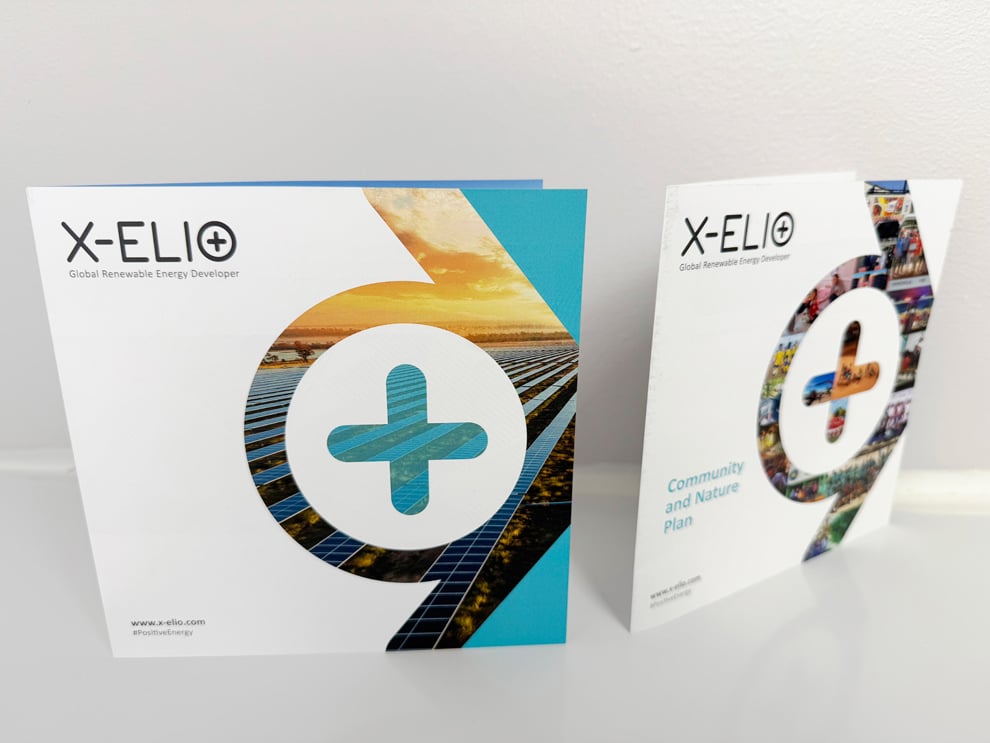
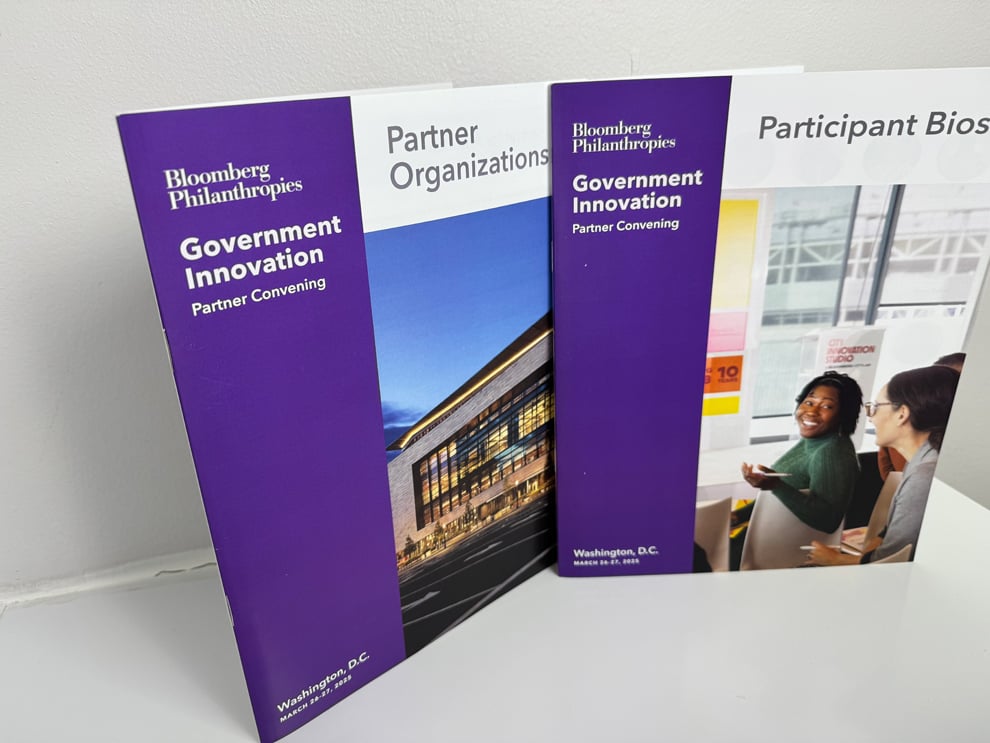
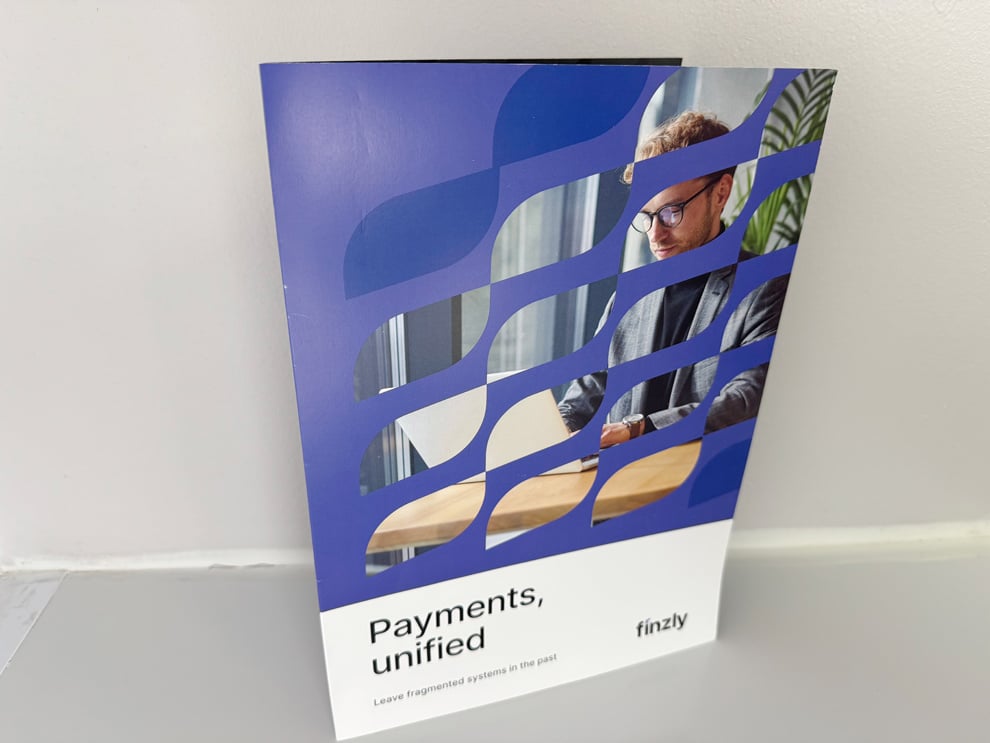
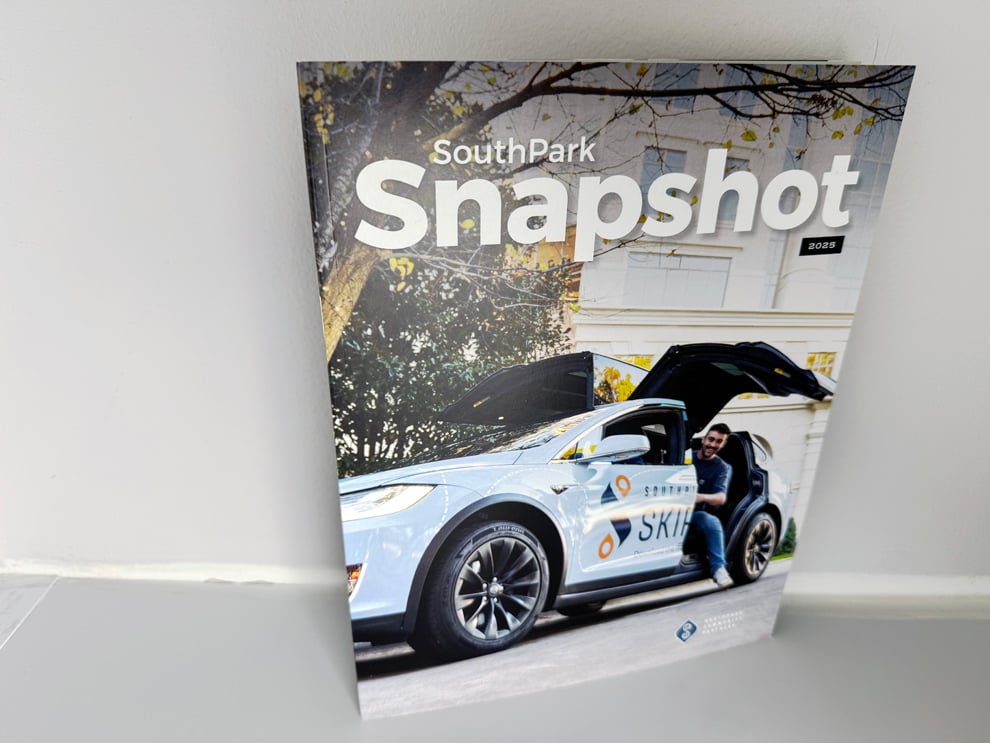
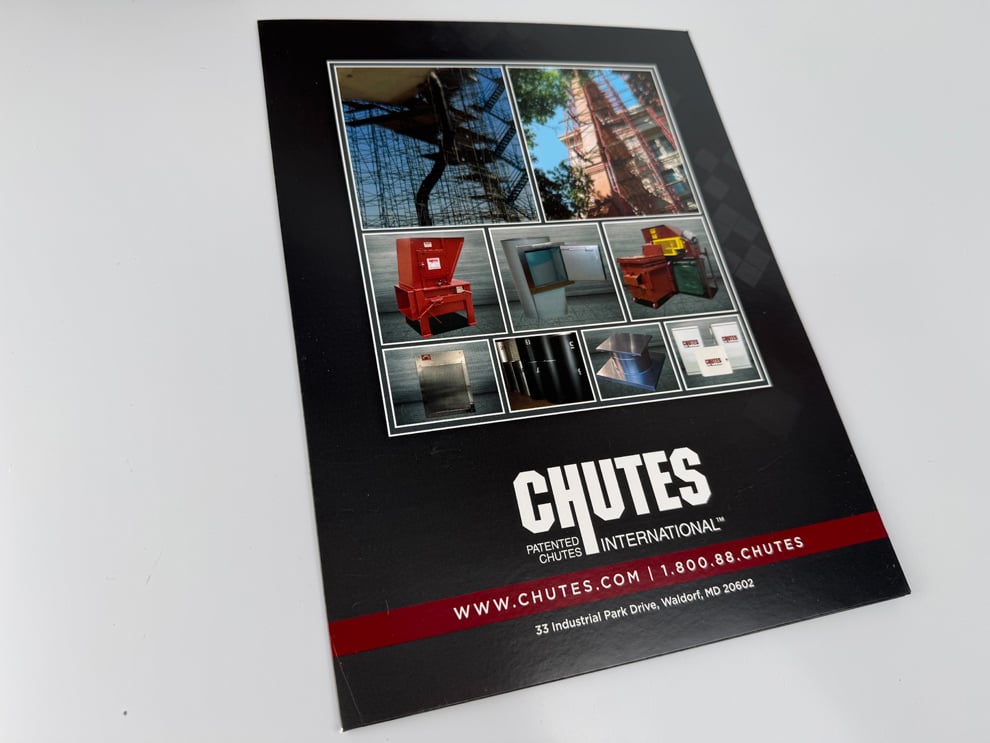
A presentation packet should make the next conversation easier, not leave the recipient sorting through disconnected documents. A printed folder gives your materials a recognizable cover, a useful reading sequence, and a place to keep supporting information after the meeting. For buyers planning presentation folders in Durham, NC, the most useful starting point is the complete packet rather than the cover artwork alone.
Heritage Signs & Displays approaches presentation folder printing as a production decision shaped by what goes inside. A few proposal sheets, a substantial brochure, and a business card place different demands on the folder than a single introductory handout. Insert dimensions, combined thickness, pocket configuration, stock, and supported finishing should therefore be considered together before specifications are settled.
That planning also helps separate permanent information from material that changes frequently. Your folder can establish a consistent identity while its contents address a particular recipient or meeting. Where an integrated format is appropriate, a Company Capability Booklet combines stitched information with pocket materials without treating every component as a loose insert.
Talk with Heritage about a coordinated event environment involving multiple signs, graphics, displays, and professional installation.
Get Started Now
Heritage brings printing experience dating to 1977, veteran ownership, and family leadership to work that requires more than an attractive printed cover. Presentation folders depend on the relationship between the printed structure and its contents, so production planning must account for both appearance and practical use.
For a buyer preparing several packet versions, that means identifying which components remain common, which files change, and how completed quantities should be separated. For a single presentation, it means establishing the required contents before selecting construction and finishing. Heritage's production-led approach keeps those decisions connected to the accepted specifications rather than treating assembly or packing as an assumption.
Every accepted Commercial Printing order requires client approval of an electronic proof before printing. For accepted and assigned Custom Quote work, a Project Coordinator may communicate directly by phone and email and coordinate the agreed requirements. That relationship begins after acceptance and assignment, not when an inquiry is submitted. Buyers retain responsibility for accurate content and timely approvals, while the accepted scope establishes the production, packing, and delivery commitments.
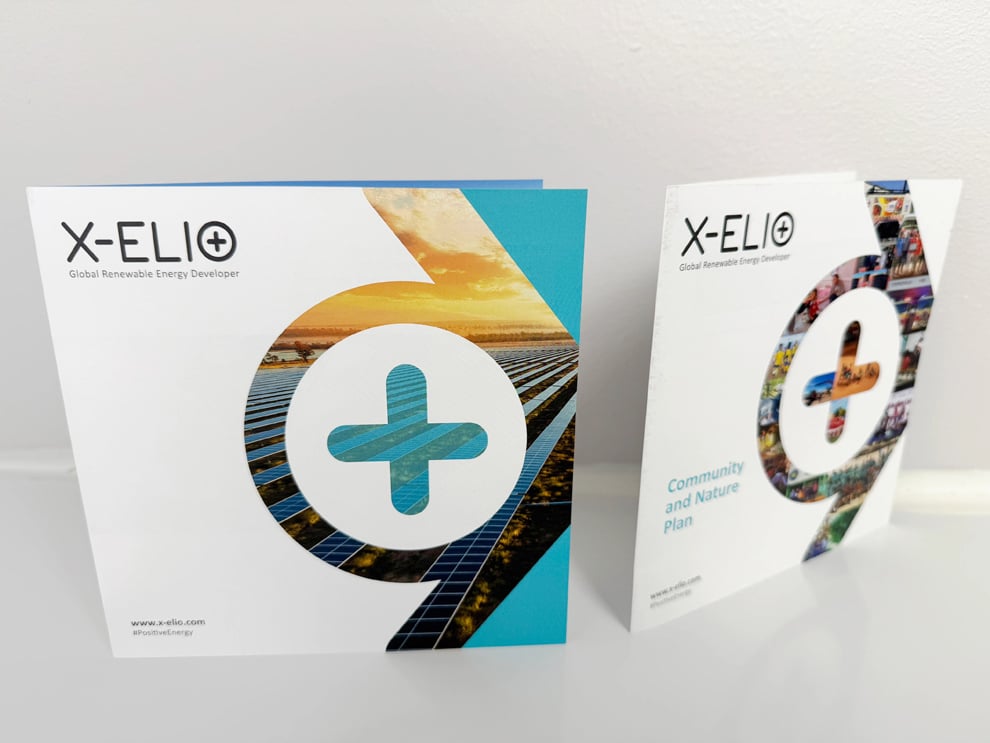
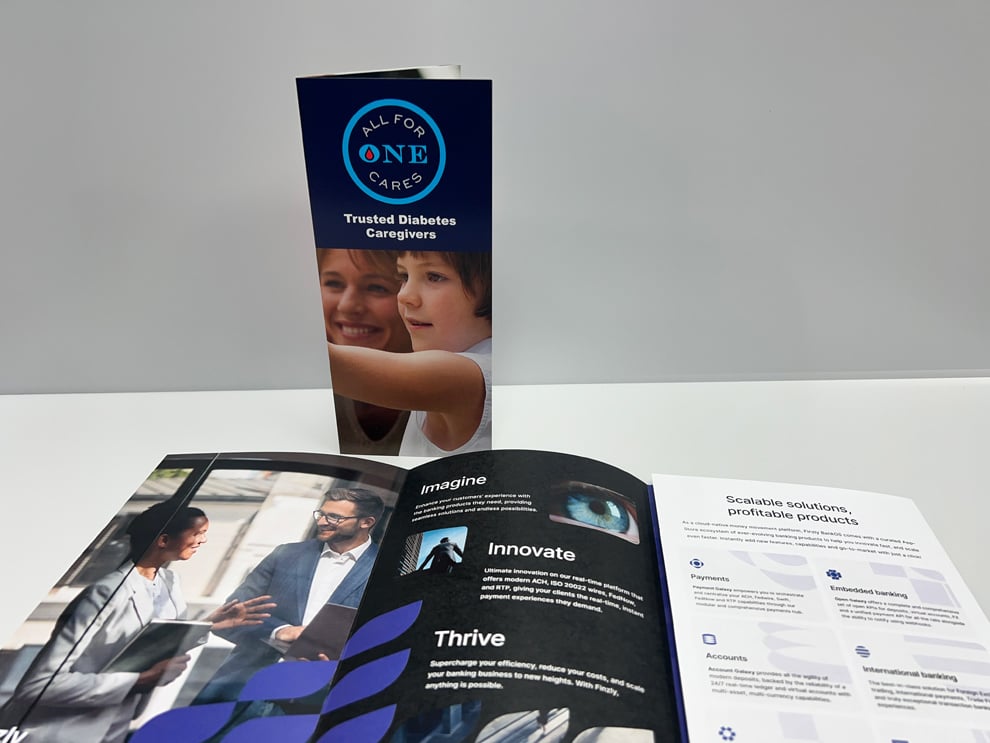
Use a folded brochure for supporting detail that recipients can remove from the pocket and review independently.
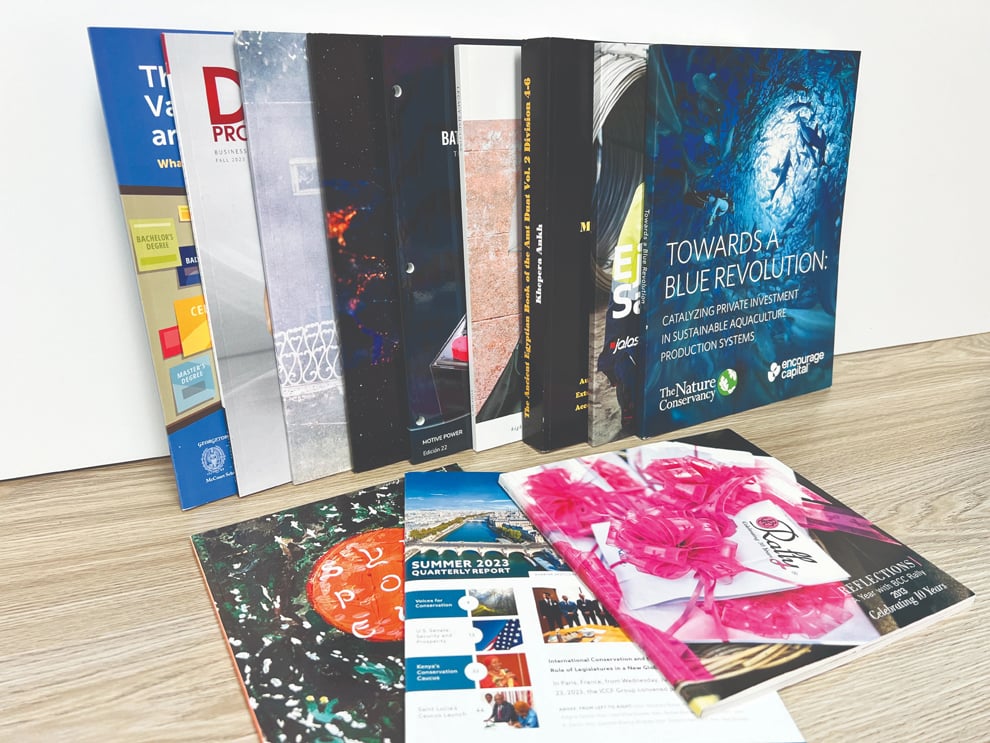
Plan the wider collateral collection when the folder is one component of a coordinated communication effort.
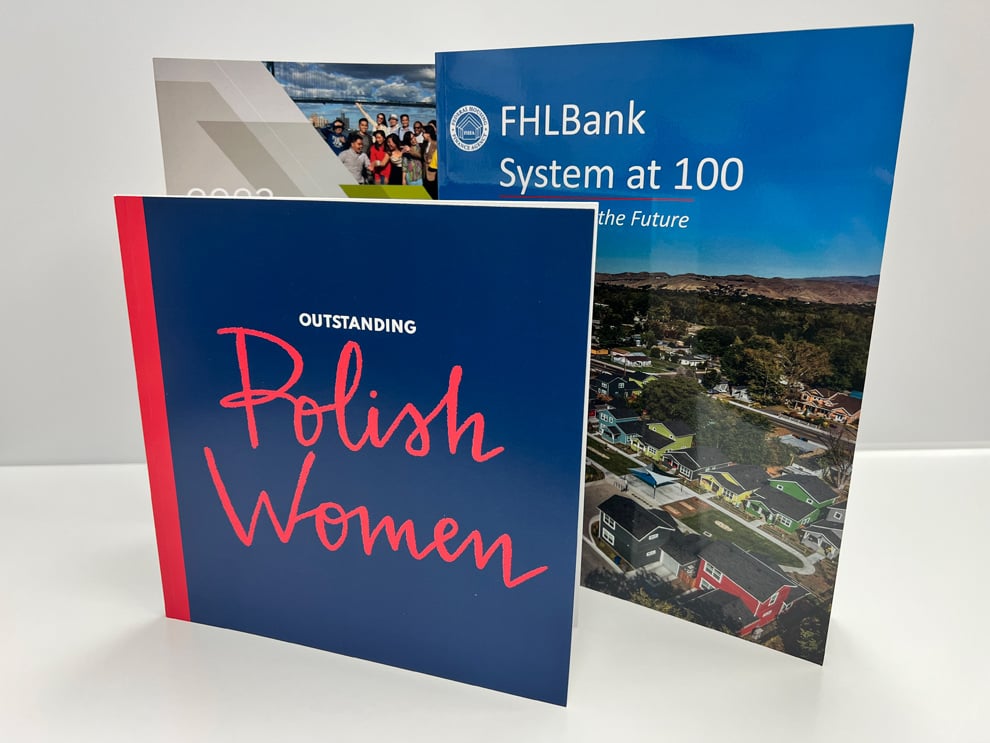
Choose a standalone booklet when a separate bound publication needs to accompany, rather than become part of, the folder.
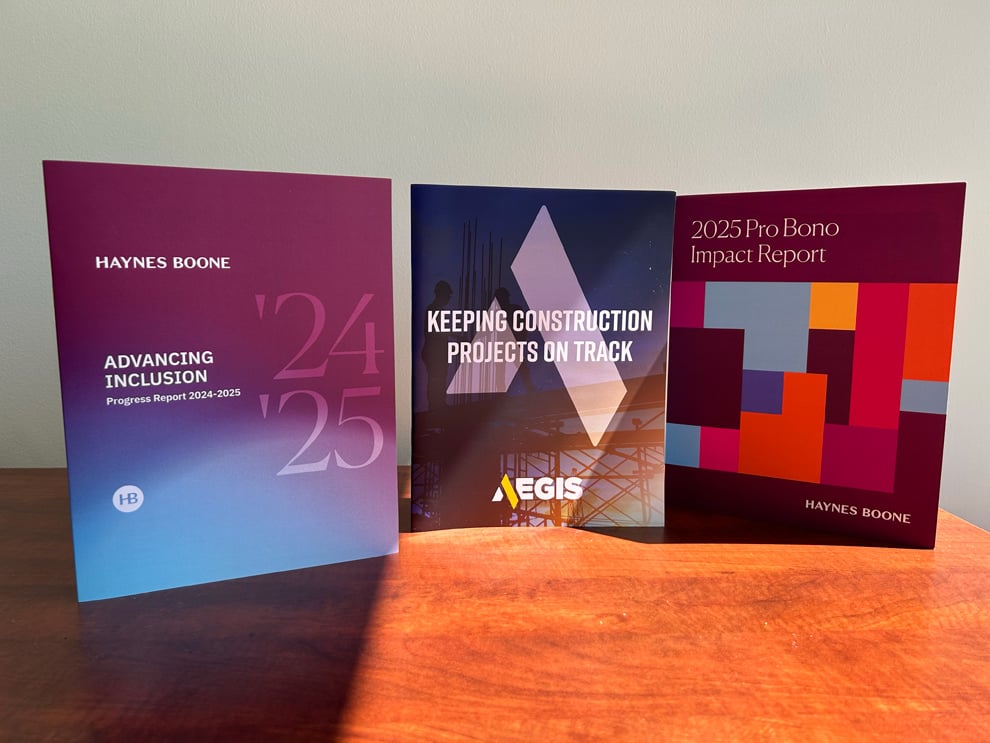
Pair a report with a folder when financial or organizational information needs additional meeting-specific supporting documents.
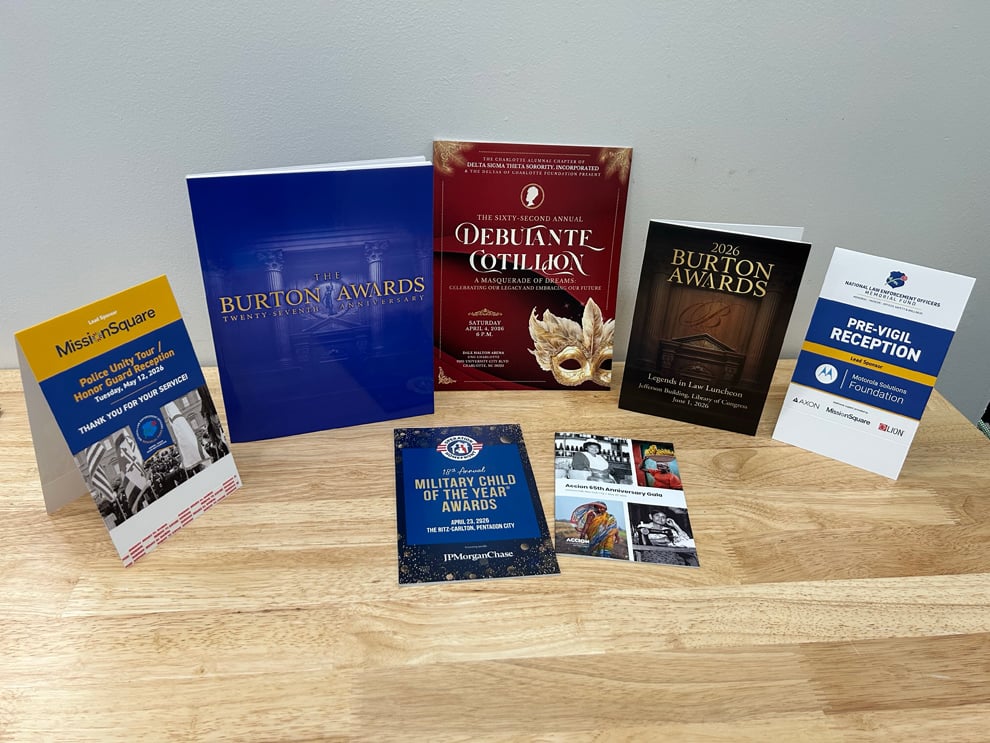
Include an event program when attendees need a schedule or reference piece alongside their presentation materials.
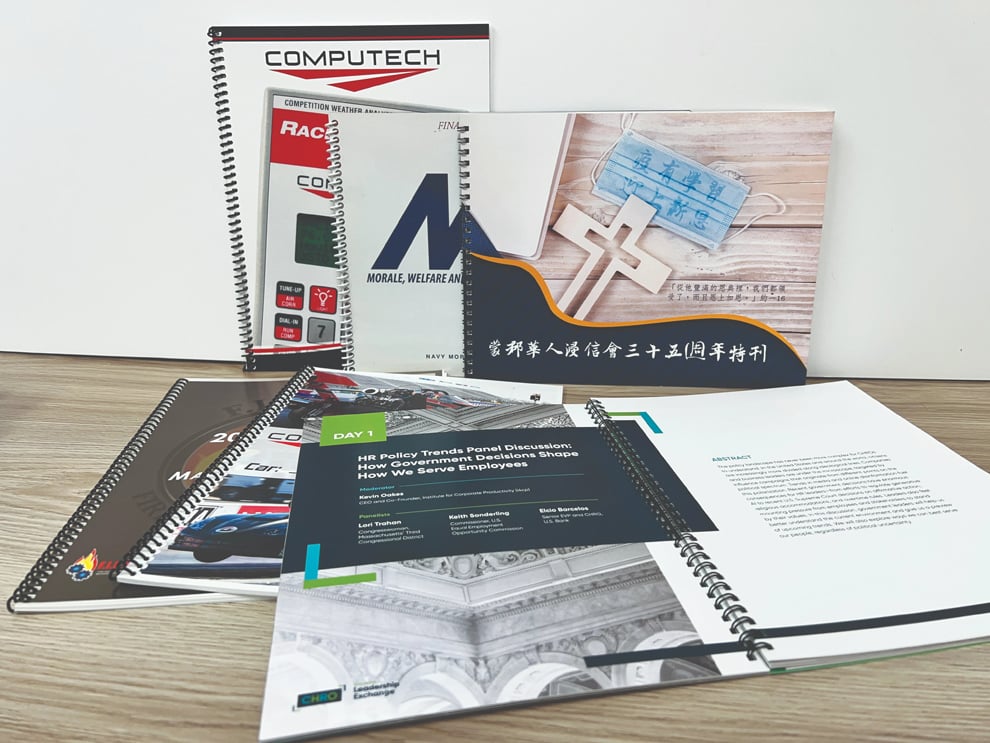
Evaluate a manual separately for size and thickness before deciding whether it belongs inside the folder or beside it.
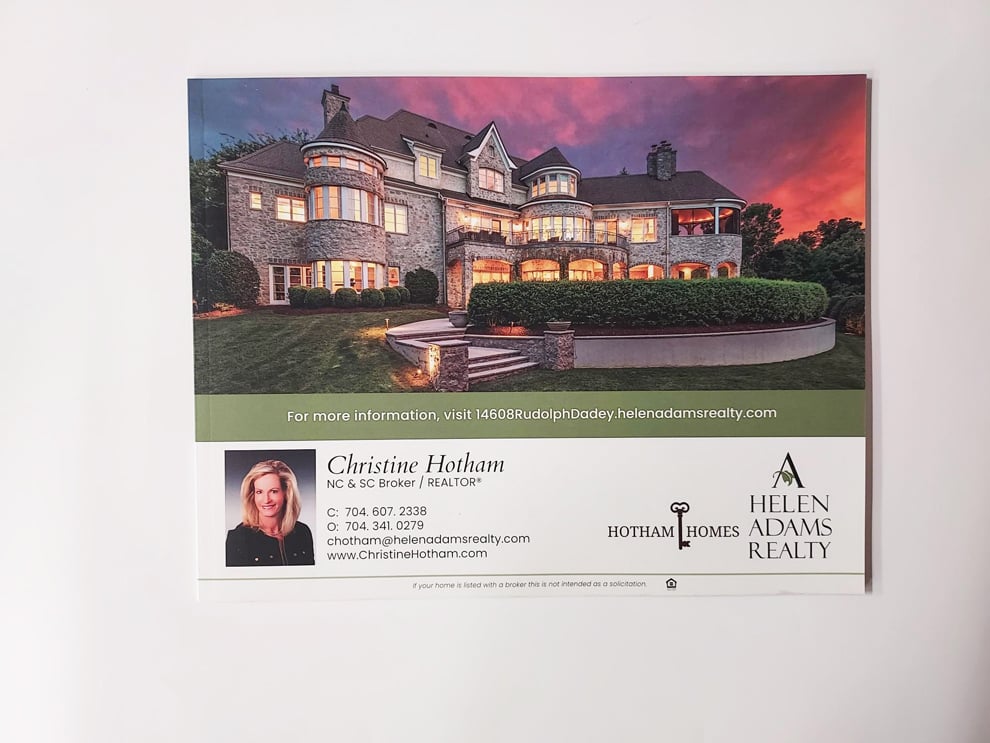
Consider addressed distribution when the completed communication must reach recipients through an accepted mailing arrangement.
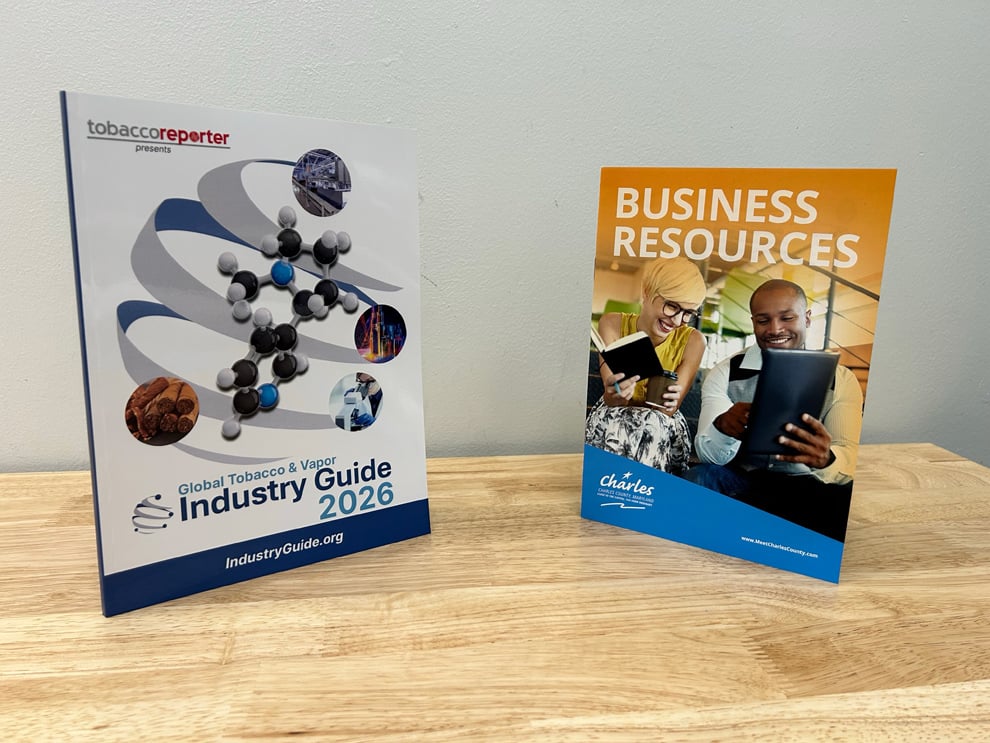
Add a current newsletter when recent organizational updates provide useful context for the folder's longer-lasting information.
Prepare the folder quantity, insert dimensions and thickness, artwork, version list, required in-hand date, and packing instructions before selecting an ordering route.
The Self-Directed Online Store requires complete print-ready artwork and a $750 total eligible-order minimum. Multiple eligible Store products may contribute to that total. A folder order must match an available, orderable configuration.
Custom Quote is intended for qualifying Commercial Printing opportunities of $2,000 or more requiring appropriate customization or higher-touch production support. Order value alone does not determine the route, and submitting a form does not establish acceptance or coordinator assignment.
Every accepted Commercial Printing order requires approval of an electronic proof before printing begins.
A Company Capability Booklet suits presentations that need a stable company overview alongside information prepared for an individual opportunity. Its construction combines a substantial branded folder cover, an integrated pocket, and an 8-, 12-, or 16-page stitched section. The stitched pages remain part of the presentation, while the pocket accommodates separate supporting pieces.
Plan the content according to how often it changes. An established capabilities overview may belong in the stitched section; a proposal or current contact sheet may be better kept separate. This distinction helps avoid reprinting durable information simply because one document changes. It also gives the recipient a coherent reference piece after the immediate conversation ends.
For accepted production arrangements, common folders may be held for later completion with agreed versions or quantities. Inventory, staged assembly, packing, and fulfillment require defined terms rather than an assumption of ongoing storage. Identify release quantities, component versions, destinations, and responsibilities before production begins. This integrated folder construction differs from a standalone booklet, and its availability must not be assumed for every Online Store configuration.
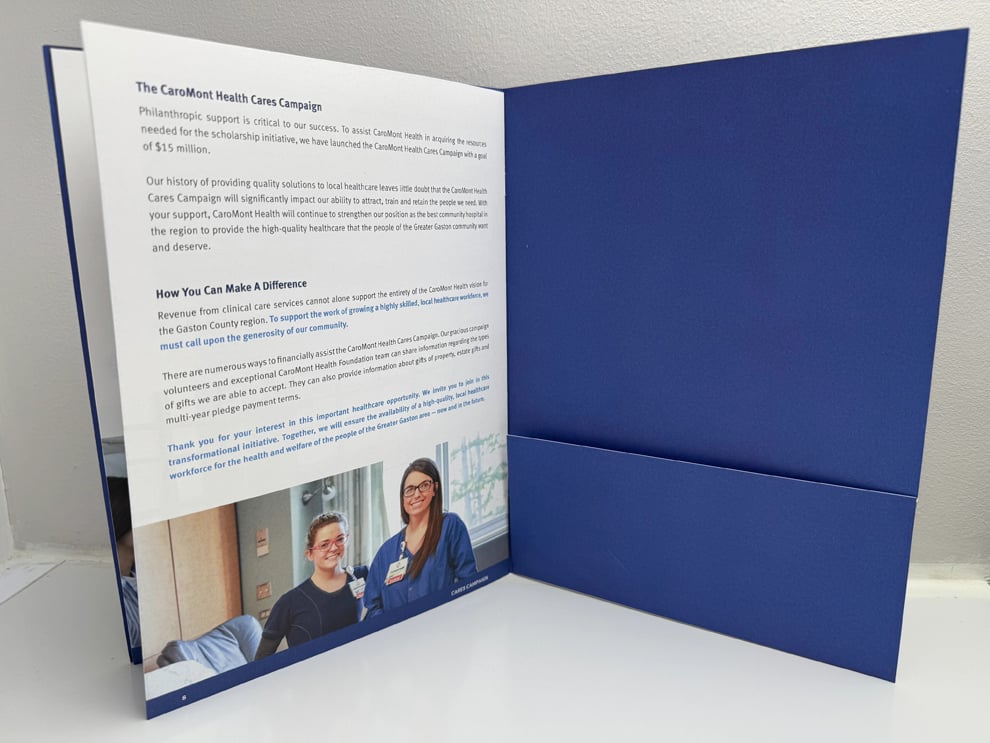
Heritage offers inventory-based production arrangements for qualifying Custom Quote projects. Organizations may order a larger supply of branded pocket folders and have selected quantities completed later with different stitched booklet sections. This approach accommodates changing publication requirements without requiring every packet to be assembled at once. Inventory quantities, storage provisions, production releases, fulfillment responsibilities, and shipping schedules must be defined within the accepted project agreement.
Electronic proofing establishes a final opportunity to confirm the artwork that Heritage will use for production. Customers are responsible for examining written content, graphics, positioning, and relevant layout details before authorizing printing. Approval is mandatory for all accepted Commercial Printing orders, including eligible purchases through the Online Store. The approved proof verifies the production file rather than guaranteeing that printed colors will precisely match their appearance on a digital screen.
A branded pocket folder offers a convenient way to present information prepared for journalists, public relations contacts, and event representatives. Common contents include organizational profiles, press announcements, leadership biographies, fact sheets, brochures, and contact cards. For packages requiring more substantial background information, an integrated stitched section can communicate the central organizational narrative while removable inserts provide details specific to an announcement, audience, or communications initiative.
The appropriate paper stock depends on the documents being enclosed and the impression the folder is intended to create. Consider the combined weight of the contents, frequency of use, preferred surface texture, artwork coverage, and desired finishing. Packaging and delivery requirements may also affect the choice. Heritage can examine these factors during Custom Quote evaluation to help establish paper specifications suitable for the intended application.
Completed folders may be shipped, delivered locally, or transferred through another agreed arrangement when transportation is included in the accepted order. Projects containing multiple versions should identify the quantities assigned to each destination and describe any specialized packing instructions. Heritage can incorporate these details into production coordination so completed materials are prepared for the correct recipients. Distribution arrangements should be finalized before the folders reach the finishing stage.
Heritage defines a Company Capability Booklet as a coordinated presentation product incorporating a substantial branded cover, a stitched publication section, and an integrated pocket. The stitched portion contains 8, 12, or 16 pages, while the pocket accommodates supplementary materials. This construction allows primary information and supporting documents to travel together. Publications produced without the combined folder-and-pocket structure fall within Heritage's separate Booklet Printing service.
Choosing a folder begins with understanding everything that will be placed inside it. Heritage should receive information about document types, insert thickness, quantities, business-card requirements, and expected handling. Customers should also describe whether the completed packets need special assembly, packaging, or distribution. These details establish a practical foundation for selecting paper, determining pocket arrangements, and evaluating finishing options before the final production specifications are approved.
Different audiences sometimes require distinct presentation materials even when the underlying folder construction remains consistent. Heritage can coordinate accepted orders involving separate covers, departmental information, program-specific inserts, or varying quantities. Each version should be supported by accurately named artwork files and clearly documented production instructions. Planning these differences early helps distinguish closely related designs and keeps the correct materials associated with each intended distribution group.
The appearance of digital artwork can vary considerably between computer screens and finished printed materials. Display calibration, viewing conditions, paper characteristics, coating choices, and printing processes all influence how colors appear. Customers should provide established brand-color references whenever matching expectations are important. Heritage's electronic proof is intended for verifying content and production layout, so customers should avoid treating its screen colors as an exact physical sample.
Consider whether the project primarily concerns a printed folder or a broader assortment of promotional documents. Presentation Folders concentrates on folder construction, paper stock, printed artwork, pockets, business-card slits, and finishing. Marketing Materials encompasses varied collateral produced for advertising, recruitment, fundraising, organizational communications, product launches, and events. When the folder itself is the primary purchasing decision, Presentation Folders generally represents the more appropriate service category.
Once a Custom Quote has been accepted and the order assigned, Heritage establishes a direct relationship between the customer and a designated Project Coordinator. That individual becomes the primary telephone and email contact for discussing approved specifications, production schedules, proofing, and related requirements. Customers with continuing printing needs may retain an established coordinator when project circumstances support that continuity. Submitting a quote request alone does not initiate this assigned relationship.
An organized printed packet helps recipients navigate related documents without managing a collection of loose pages. Washington, DC organizations use custom presentation folders for sales meetings, formal proposals, conference materials, recruiting packages, executive briefings, onboarding information, and stakeholder presentations. Consistent branding across the folder creates a recognizable visual introduction to its contents. The format also gives recipients a practical way to carry and preserve documents for future reference.
Presentation folder projects can include coordinated production of the documents placed inside them. Heritage can print brochures, sell sheets, booklets, informational inserts, and other approved collateral as part of an accepted order. Managing these components together provides greater visibility into proof approvals, quantity requirements, color expectations, and production milestones. Paper selection and finishing can still be specified independently for each item according to its intended presentation and function.
Heritage can evaluate different pocket and business-card slit configurations according to the construction options available for a particular order. Customers seeking standard specifications can consult the current selections presented through the Online Store. More specialized requests may be submitted through Custom Quote for consideration. The final arrangement should account for the quantity, dimensions, and thickness of the inserts, along with how recipients will use the assembled folder.
Start with the date the completed materials must be available, then account for manufacturing and any required assembly. Heritage recommends allowing at least two weeks after electronic proof approval for presentation folder production. Projects involving inserted stitched booklet sections or additional assembly should reserve approximately one more week. Sharing the event schedule and delivery location at the outset helps Heritage evaluate whether the proposed production timeline accommodates every required component.
Customers should supply completed or substantially completed designs that reflect their established branding and communication objectives. Heritage focuses on converting approved materials into finished printed products rather than developing original brand identities or marketing campaigns. For accepted Custom Quote work, production-readiness assistance may include file corrections, resizing, layout adjustments, or comparable prepress tasks. Broader creative services such as developing campaign strategy, messaging, and visual concepts are outside this production role.
A conventional folder order may be suitable for the Online Store when the required specifications match its available options. Custom Quote becomes relevant when the project includes more complex requirements, such as stitched booklet integration, multiple insert configurations, specialized packing, inventory management, staged production, or fulfillment coordination. Heritage reviews submitted requirements before determining whether the work can be accepted. Project Coordinator assignment occurs only after quote acceptance and order assignment.
Heritage can accommodate distinct packet arrangements when version-specific assembly and packing are included in the accepted scope. Customers should identify which printed pieces belong in each configuration, how many completed packets are required, and where each group will be distributed. This information is especially important when folders appear nearly identical but contain different documents. Establishing the packing instructions before production helps maintain consistent organization throughout finishing, assembly, and distribution.
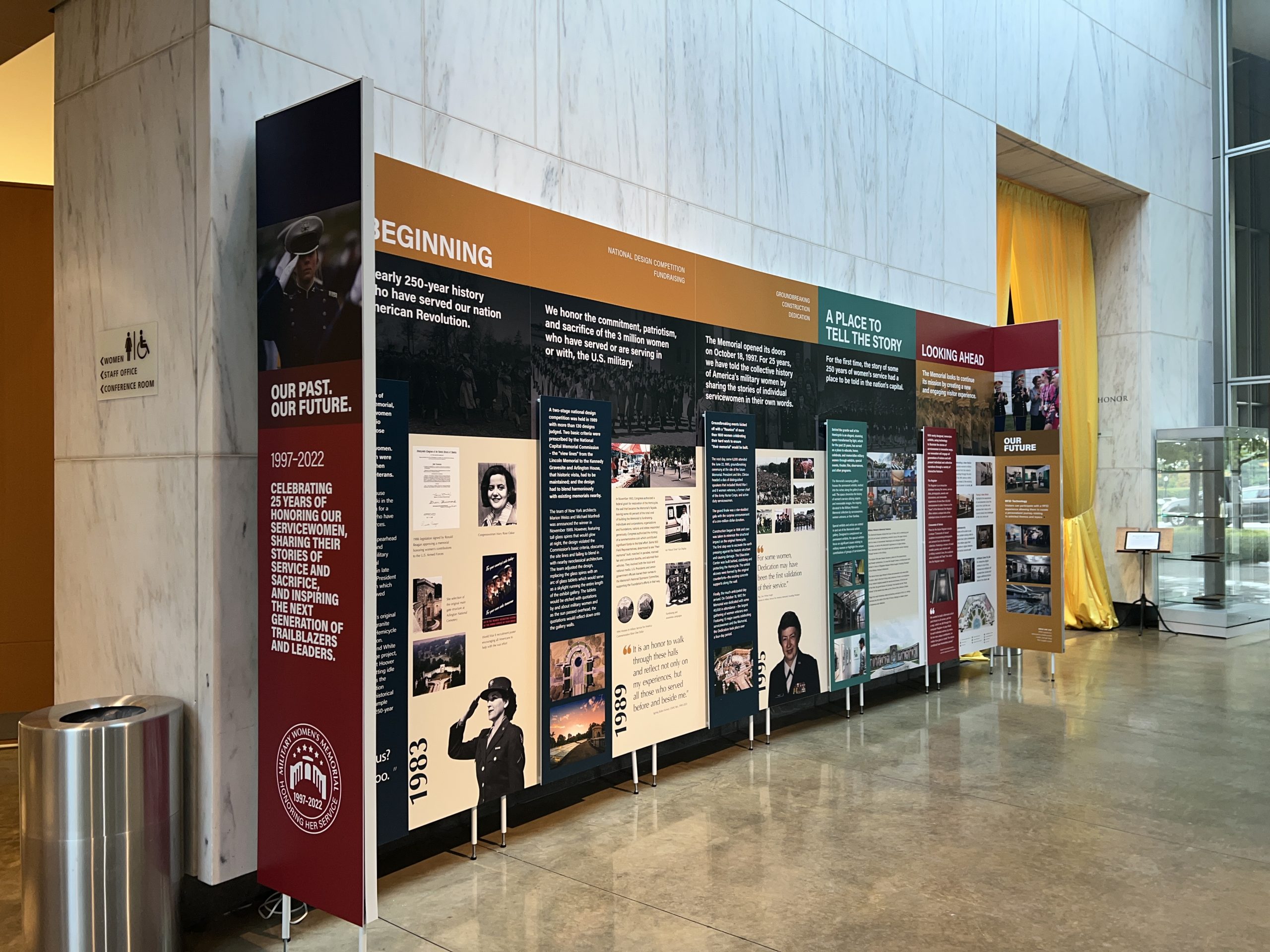
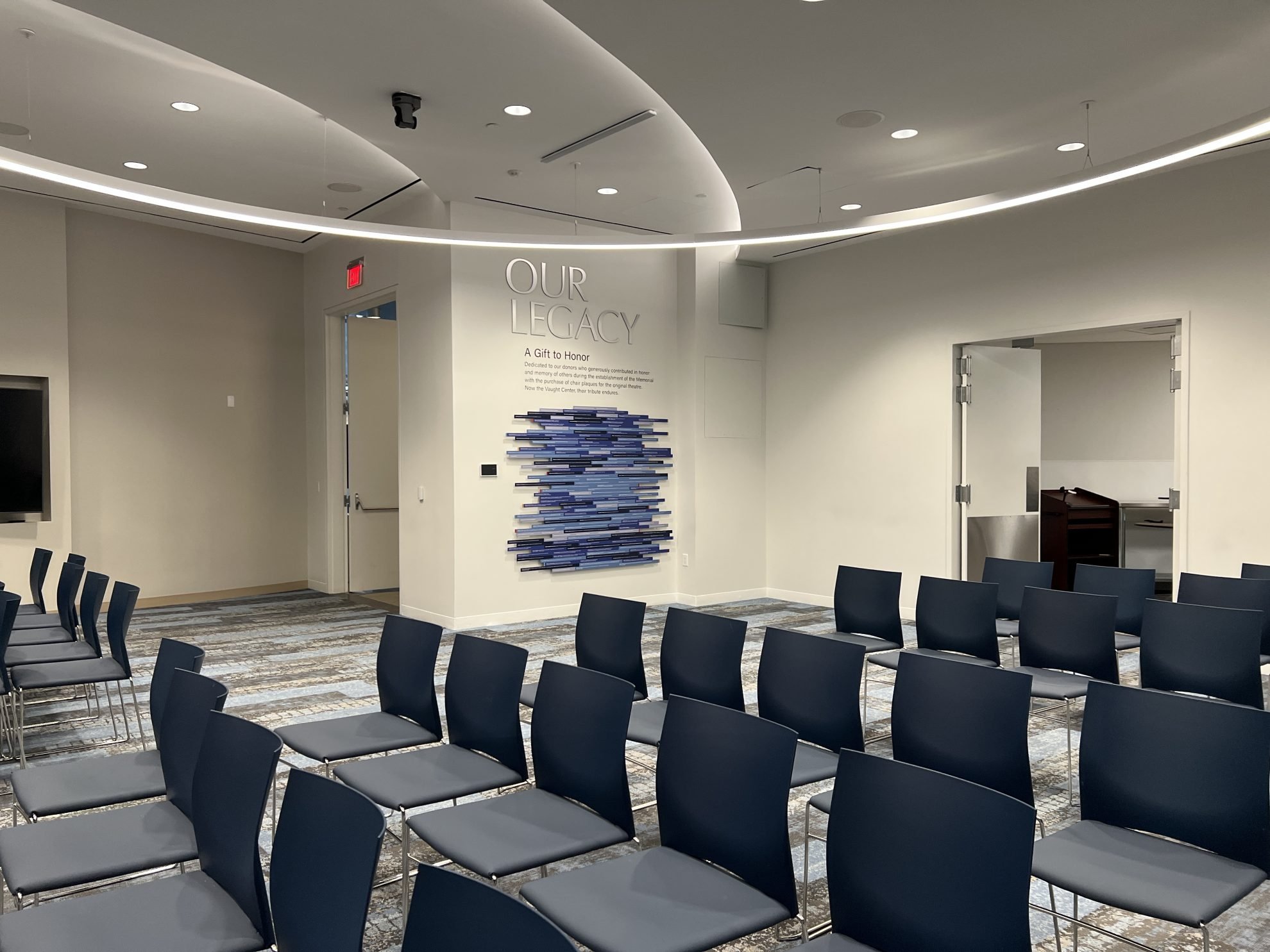
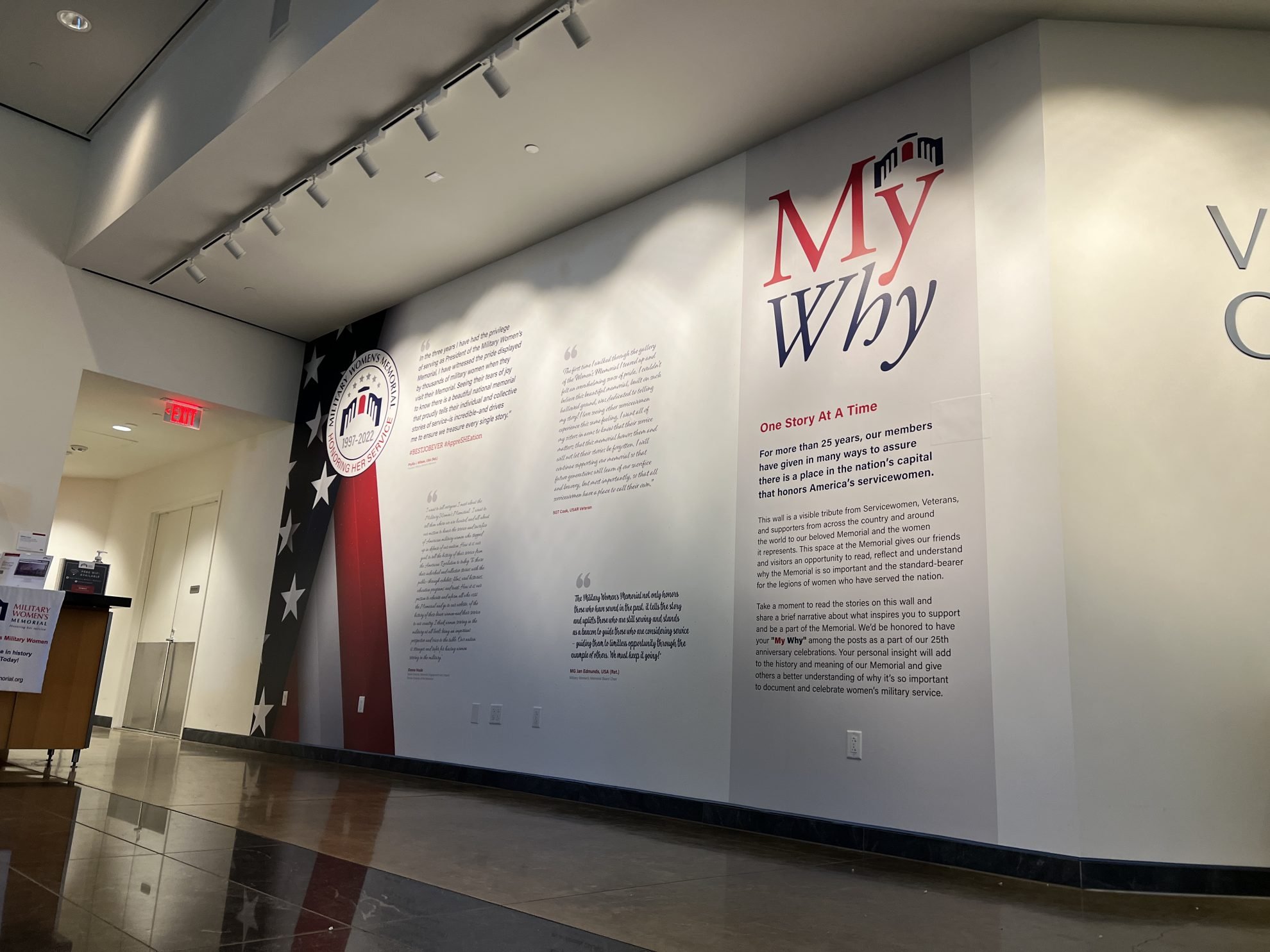
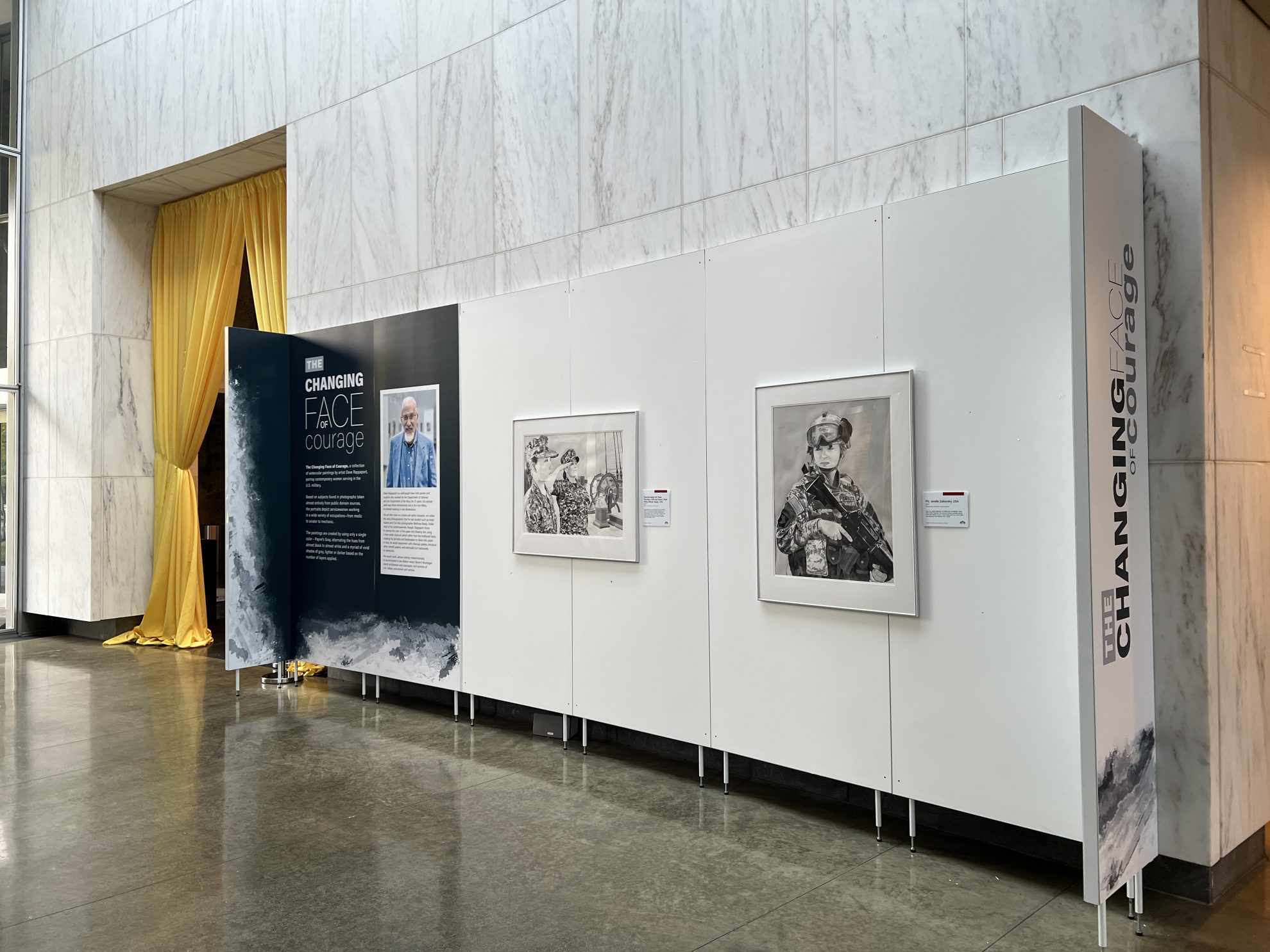
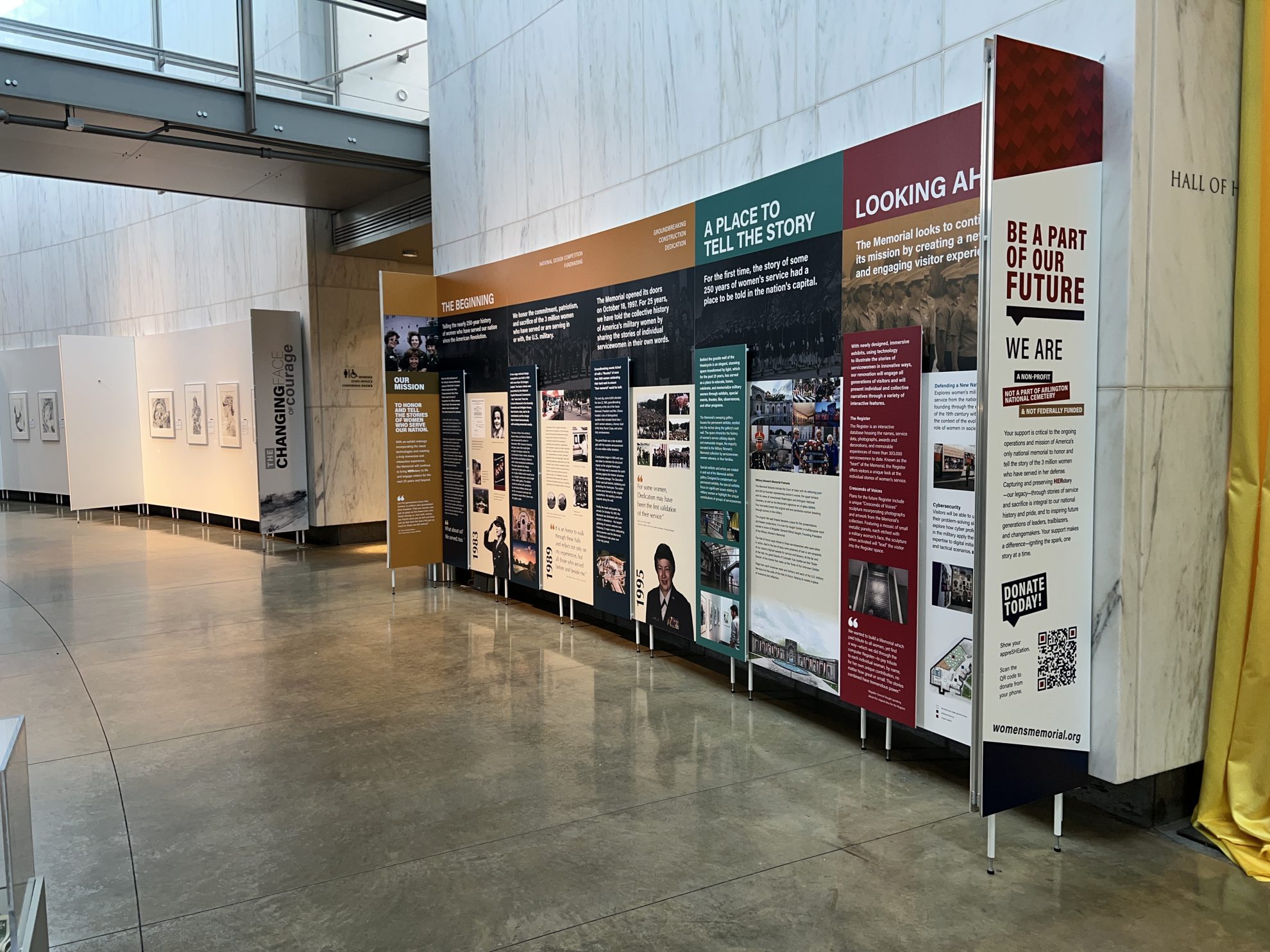
Heritage Signs & Displays created new museum signage for the Military Women’s Memorial in Arlington, VA. The project included custom signs, wall wraps, dimensional letters, and standoff-mounted displays to honor the legacy of U.S. servicewomen and the donors who supported the memorial. The updated interior features impactful designs, including a "Our Legacy" wall display and panels showcasing historical contributions and artwork, creating a transformative tribute to women in the U.S. Armed Forces.
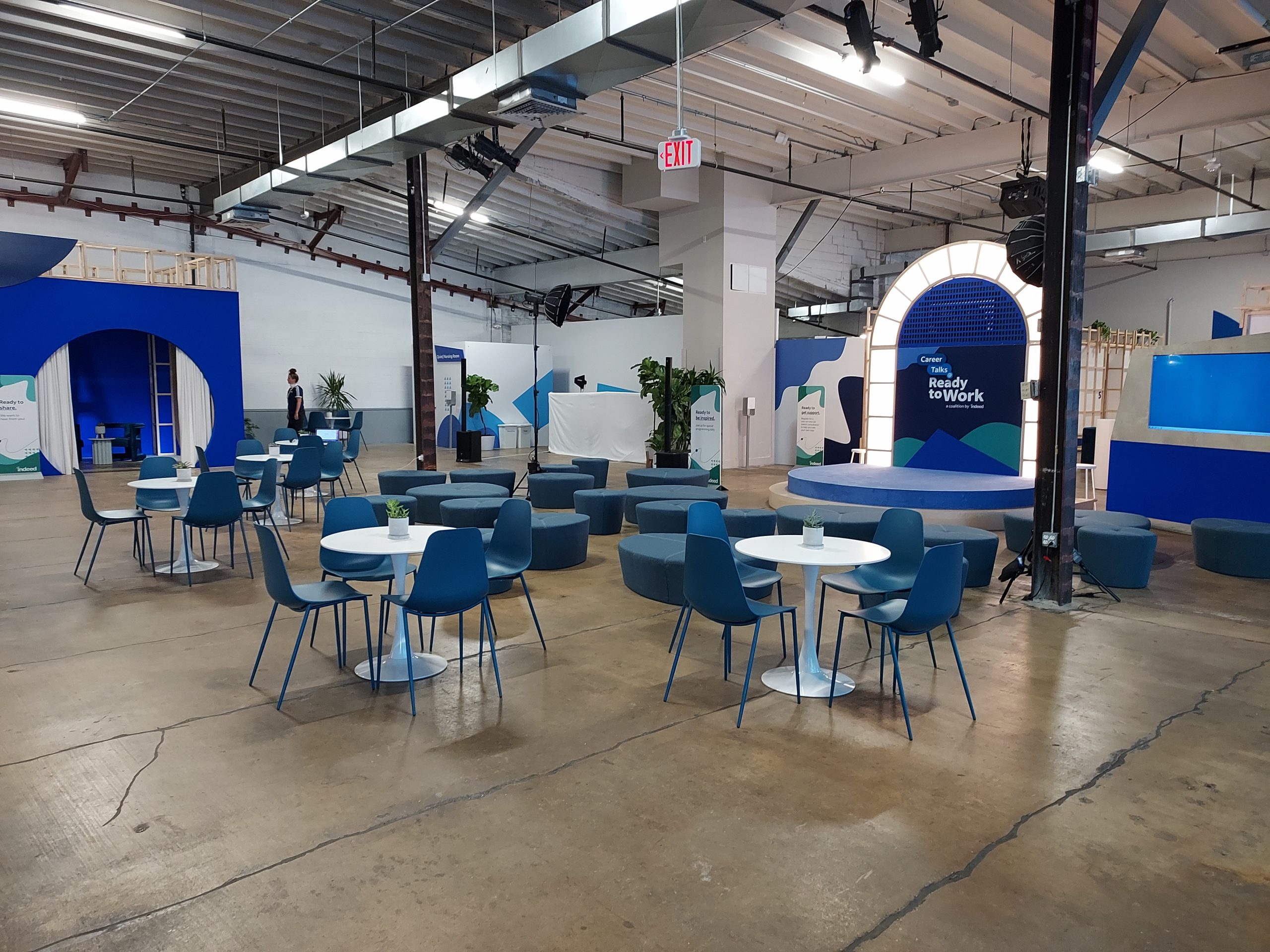
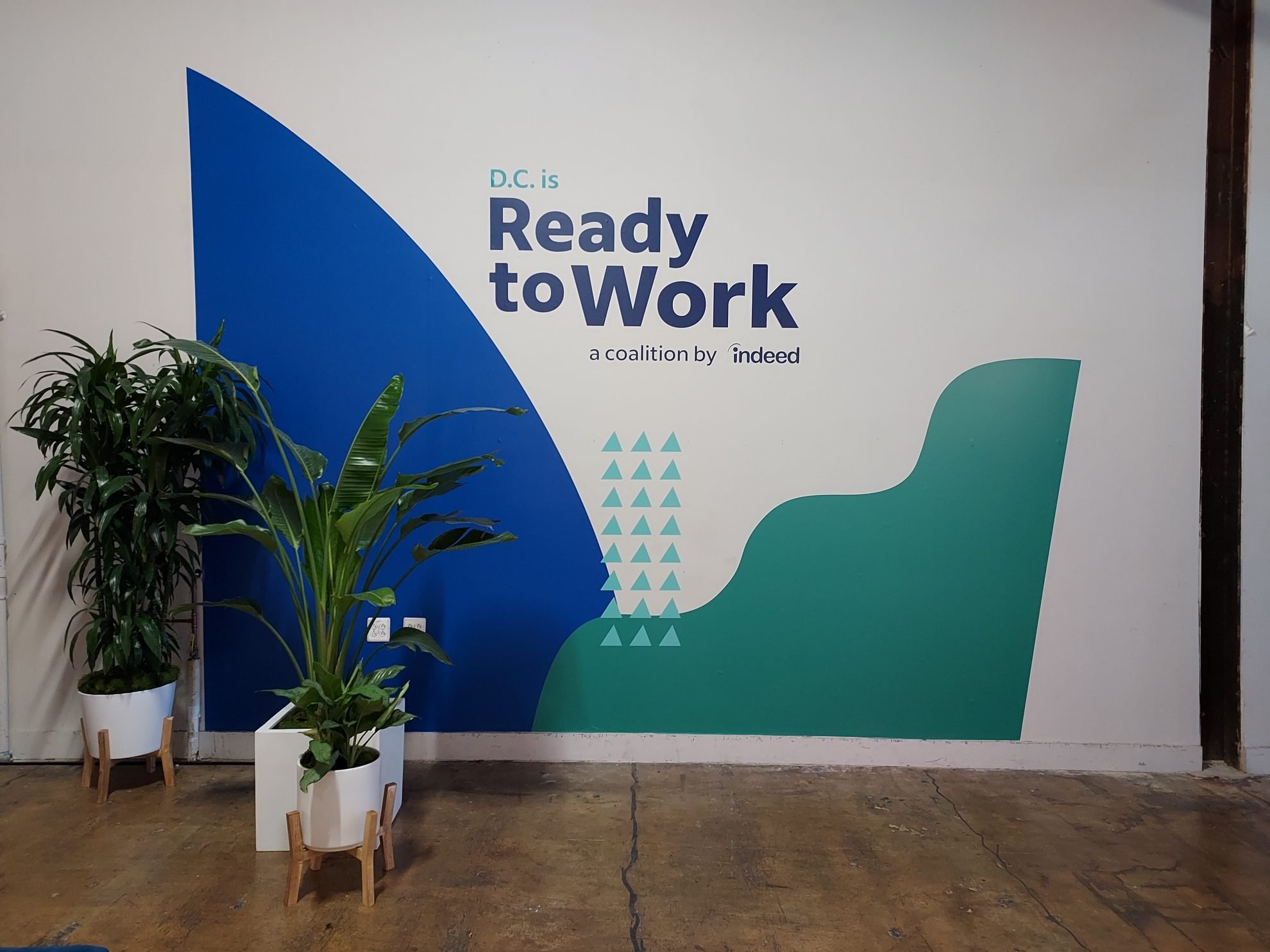
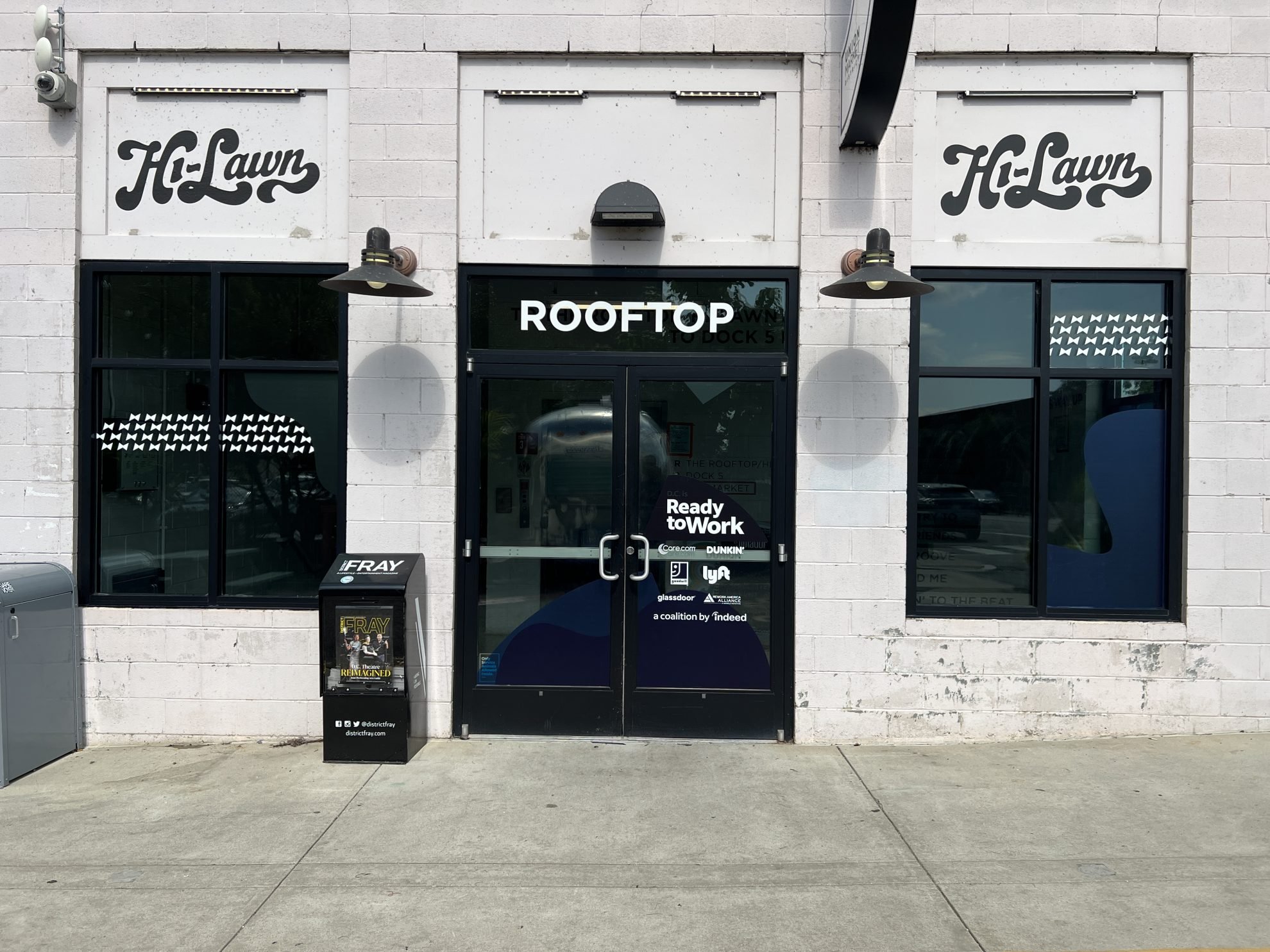
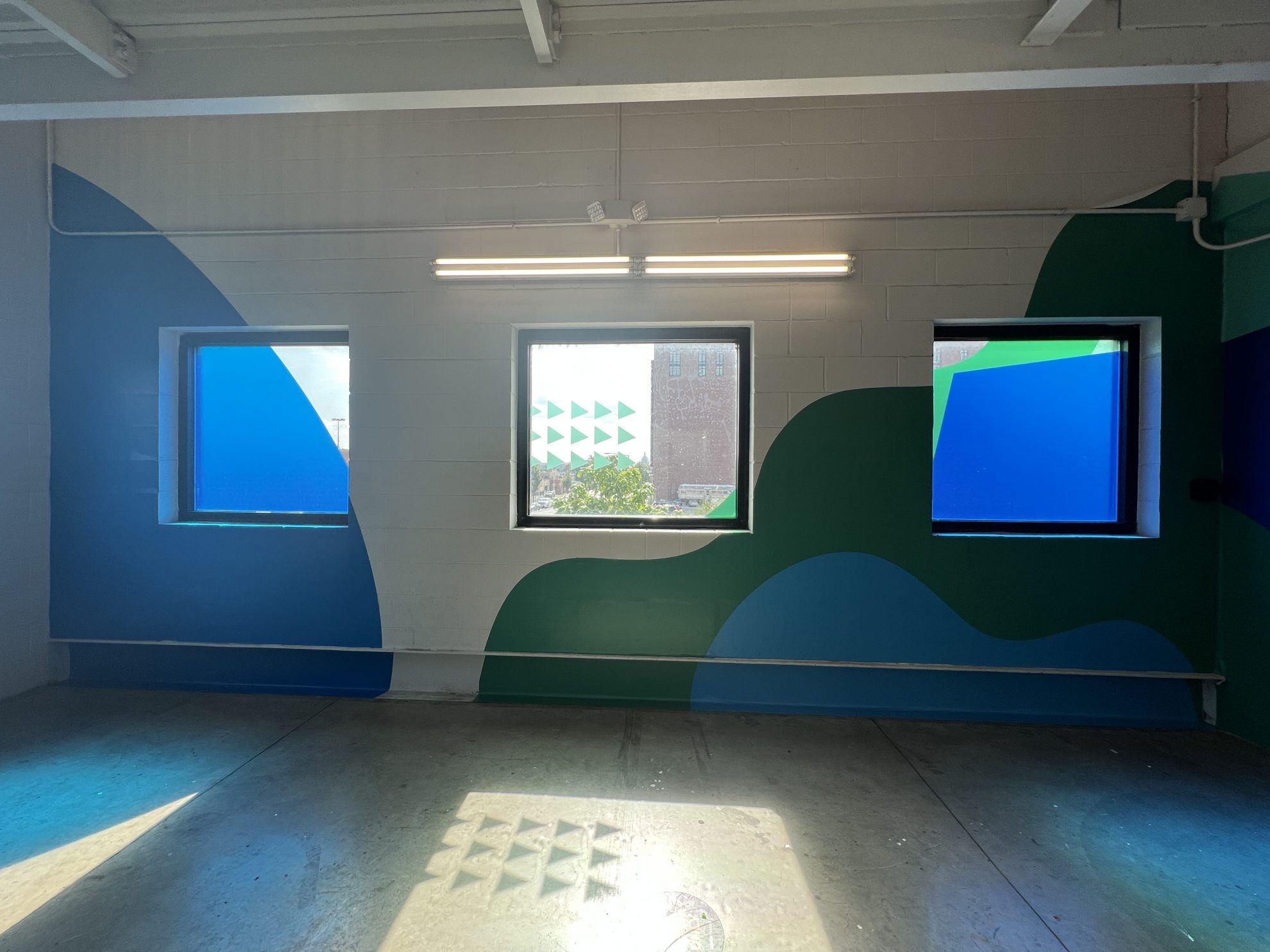
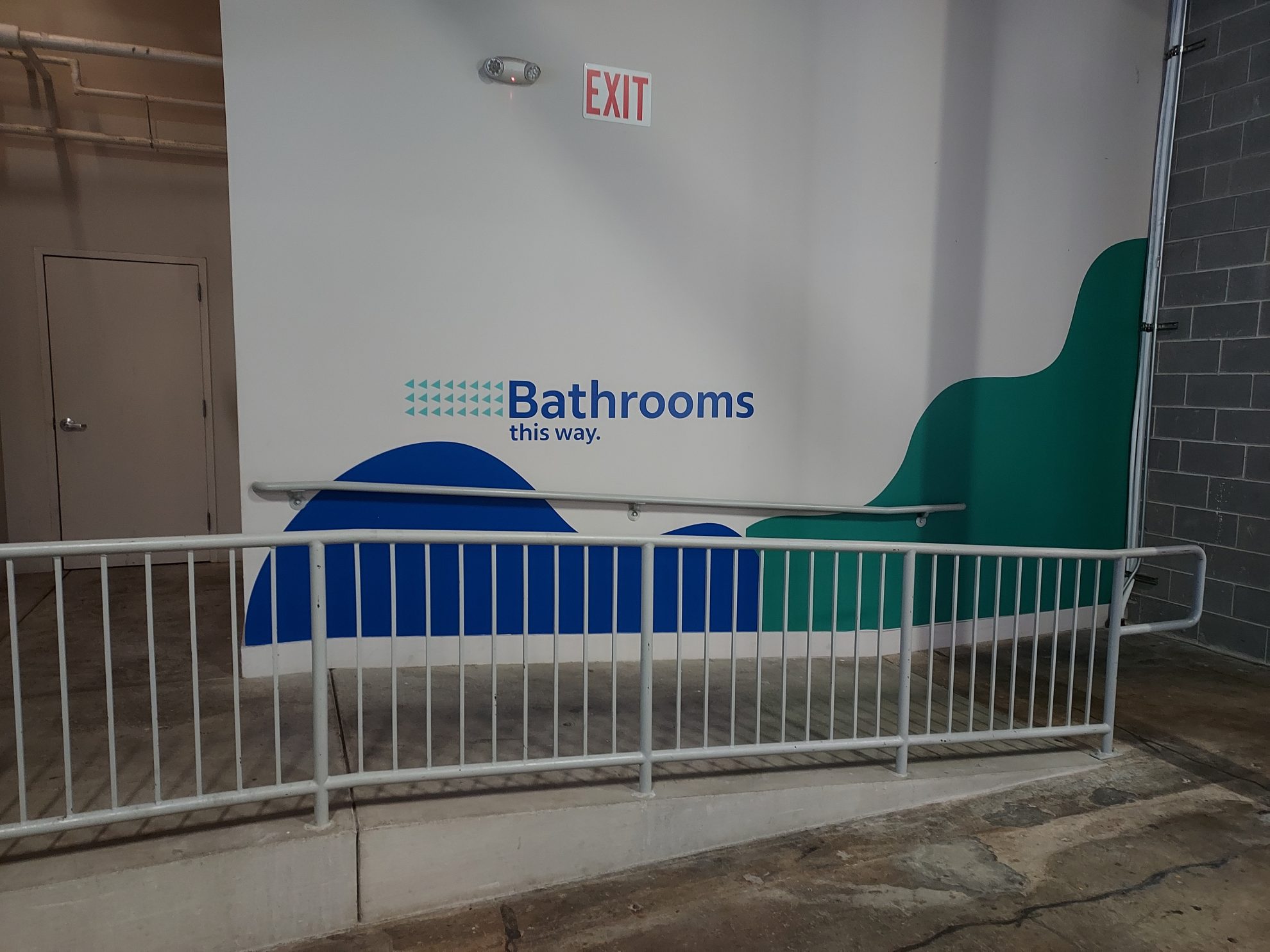
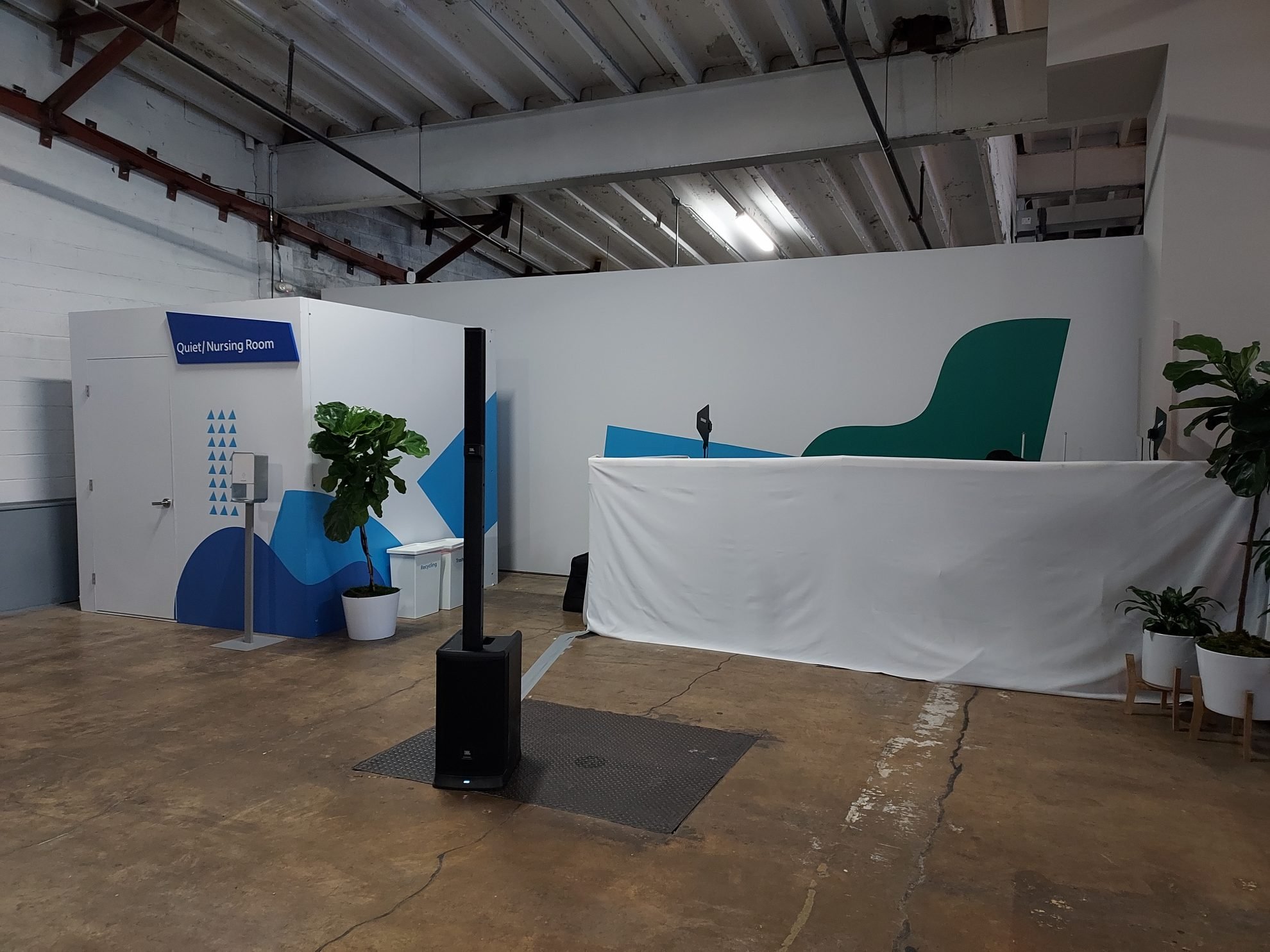
Heritage Signs & Displays' collaboration with The Gathery to brand Union Market in Arlington, VA, for Indeed's "Ready to Work" job fair. The project included custom event displays, wall graphics, window graphics, and wayfinding signs, creating an immersive and visually appealing environment. The branding enhanced the venue, reflected the event's mission, and provided a seamless experience for attendees.