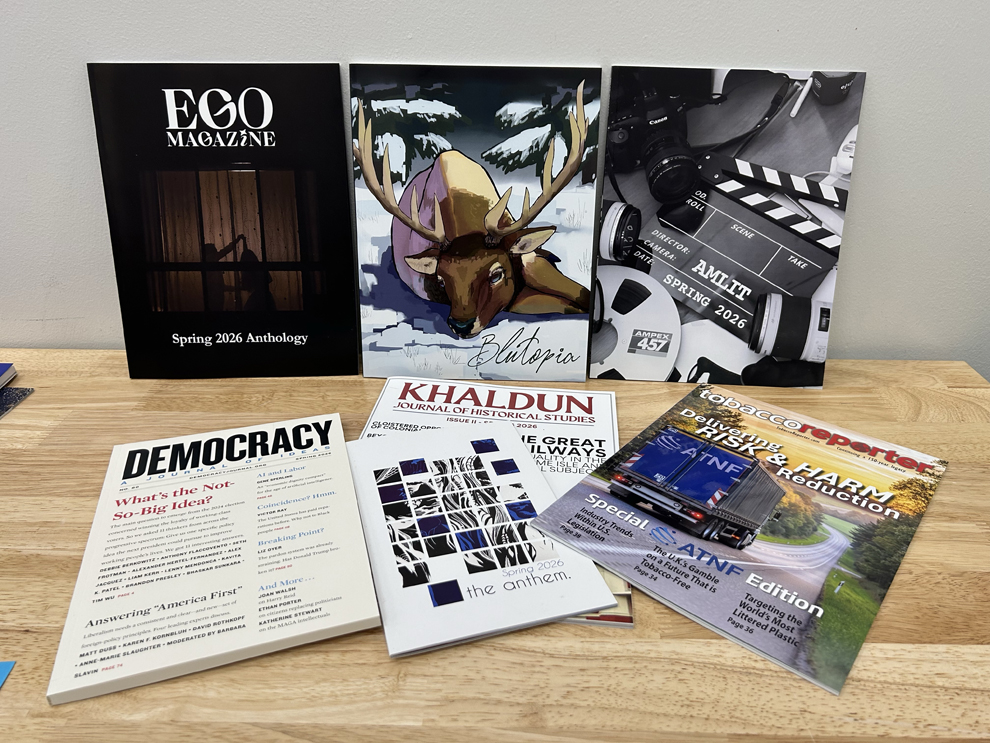
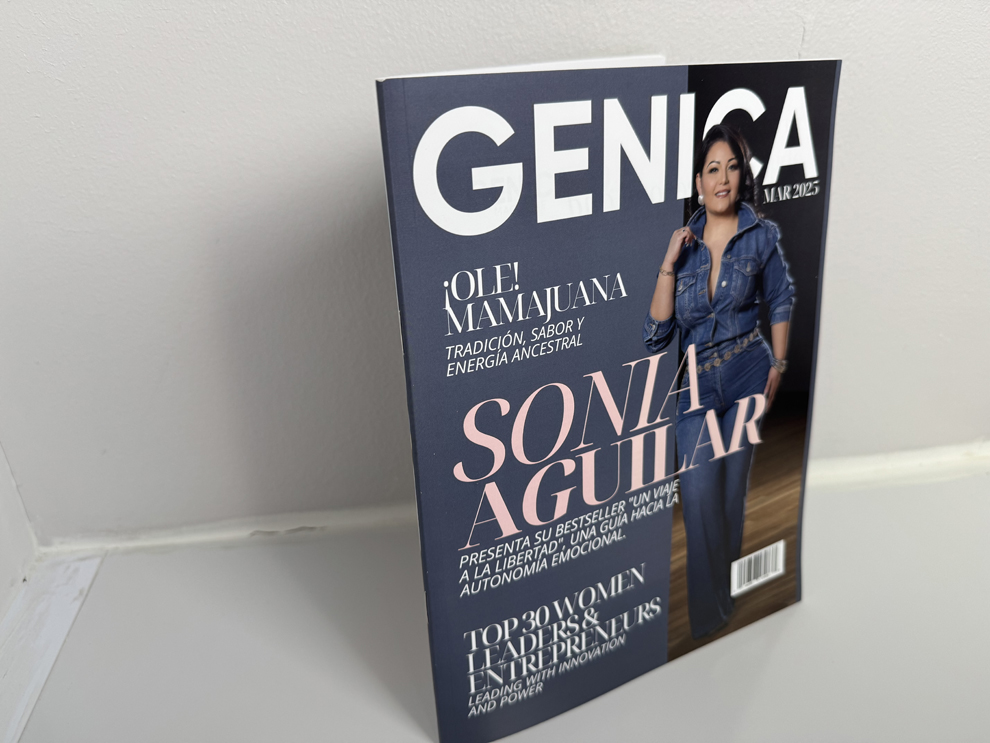
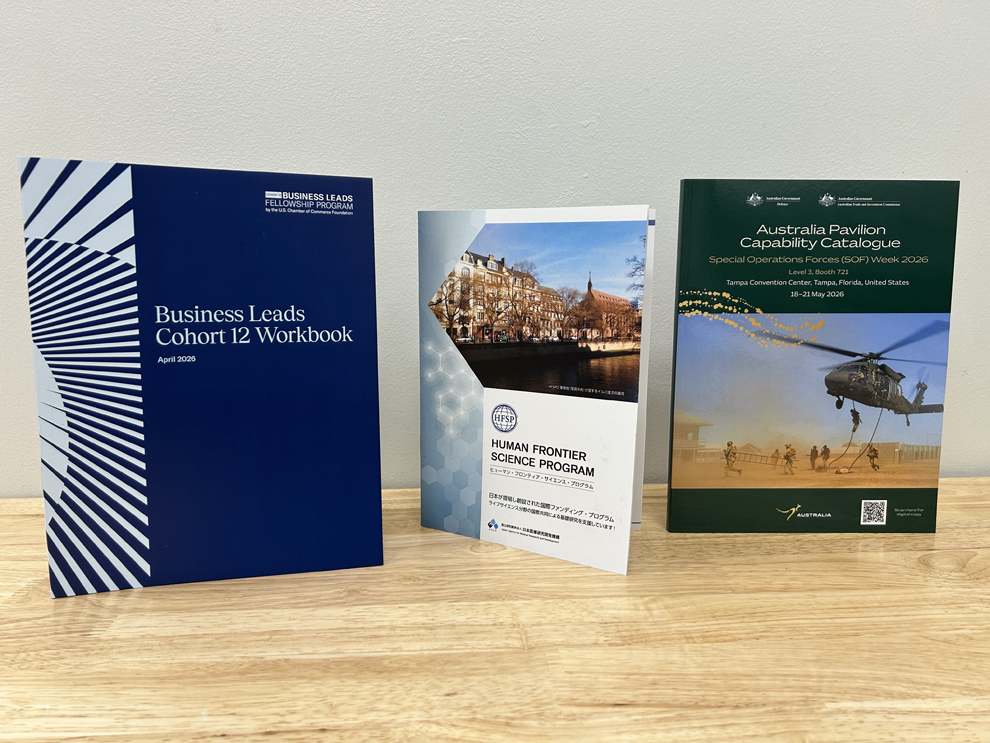
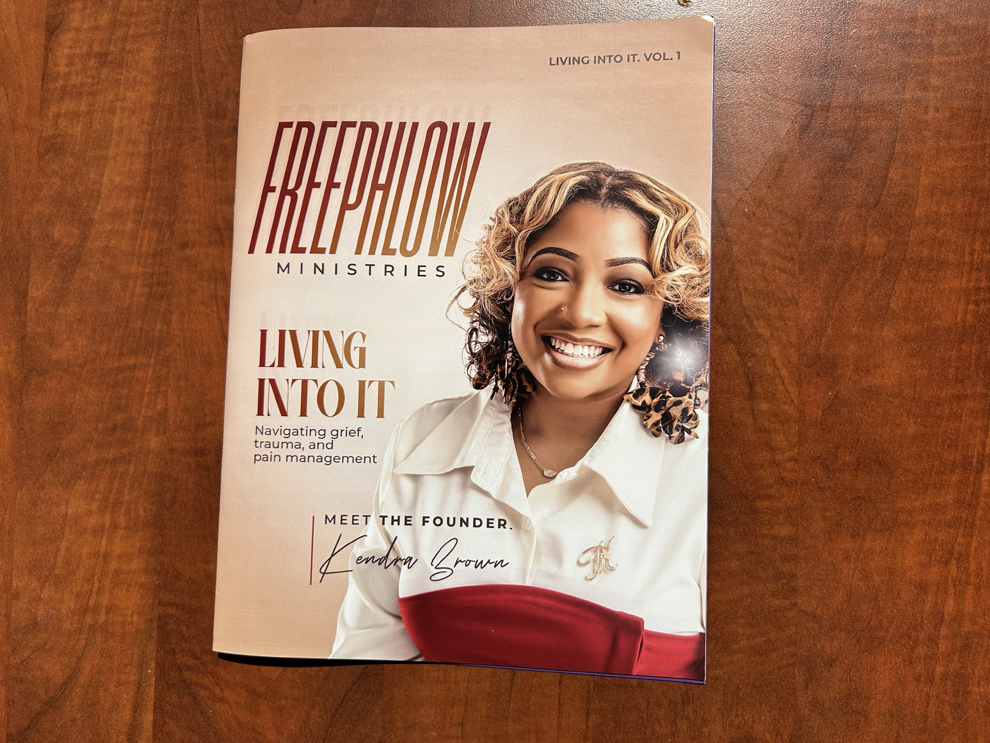
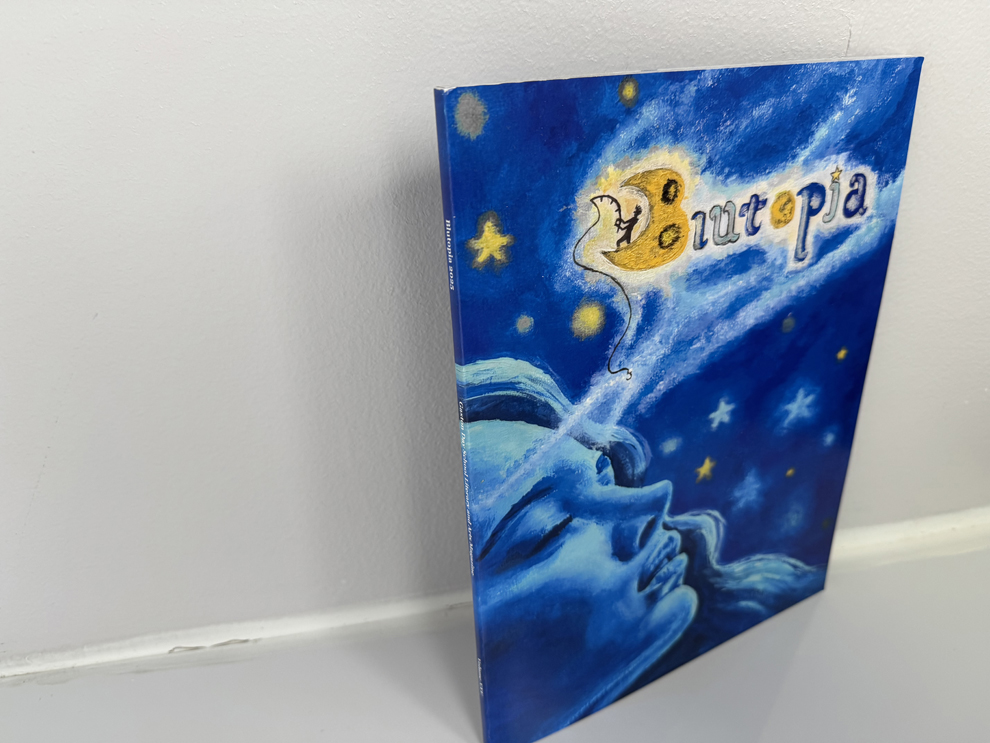
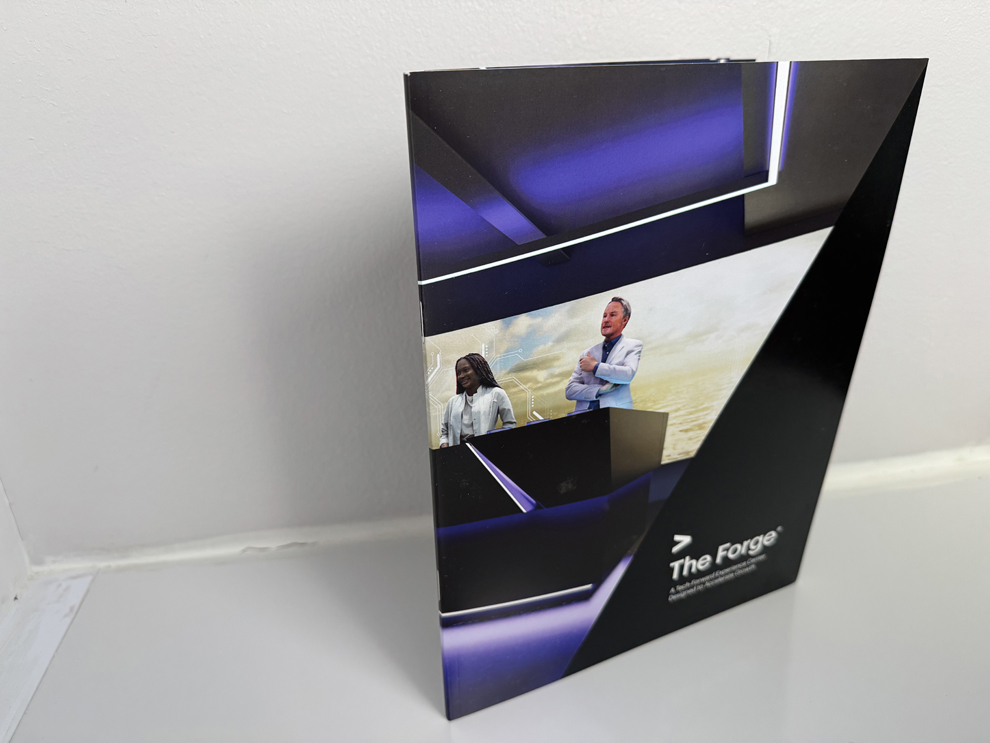
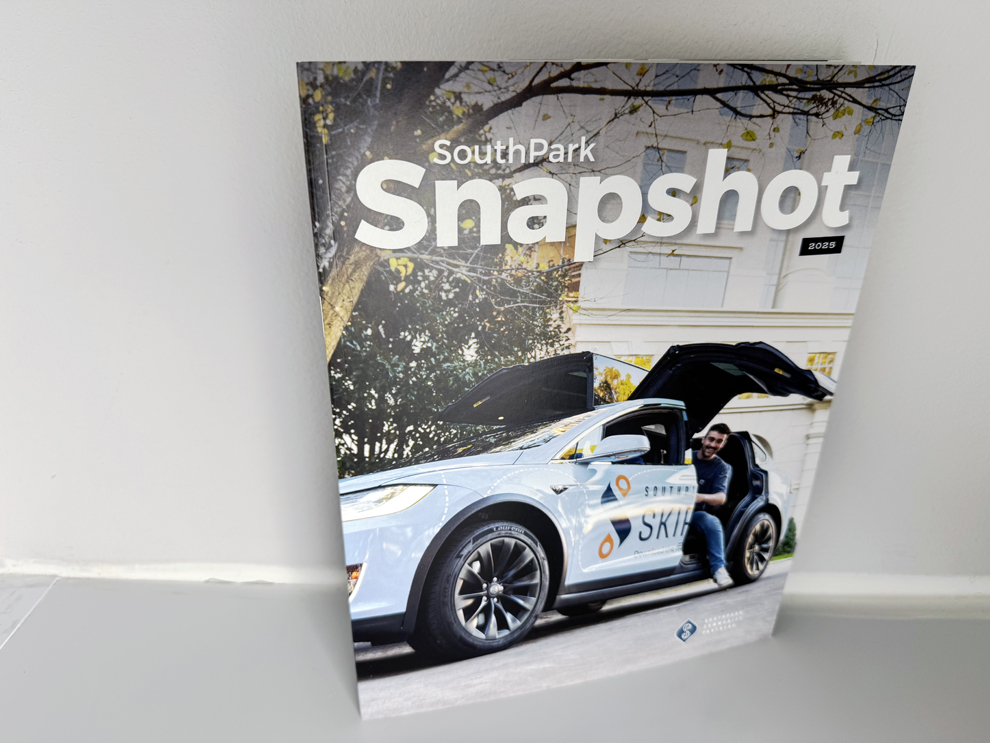
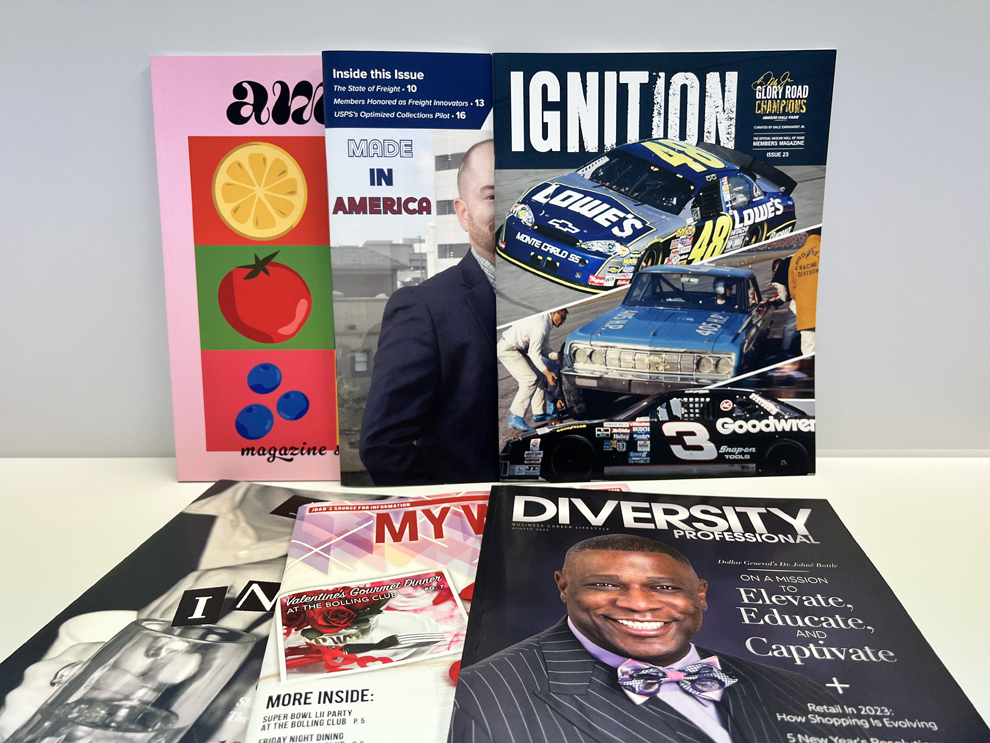
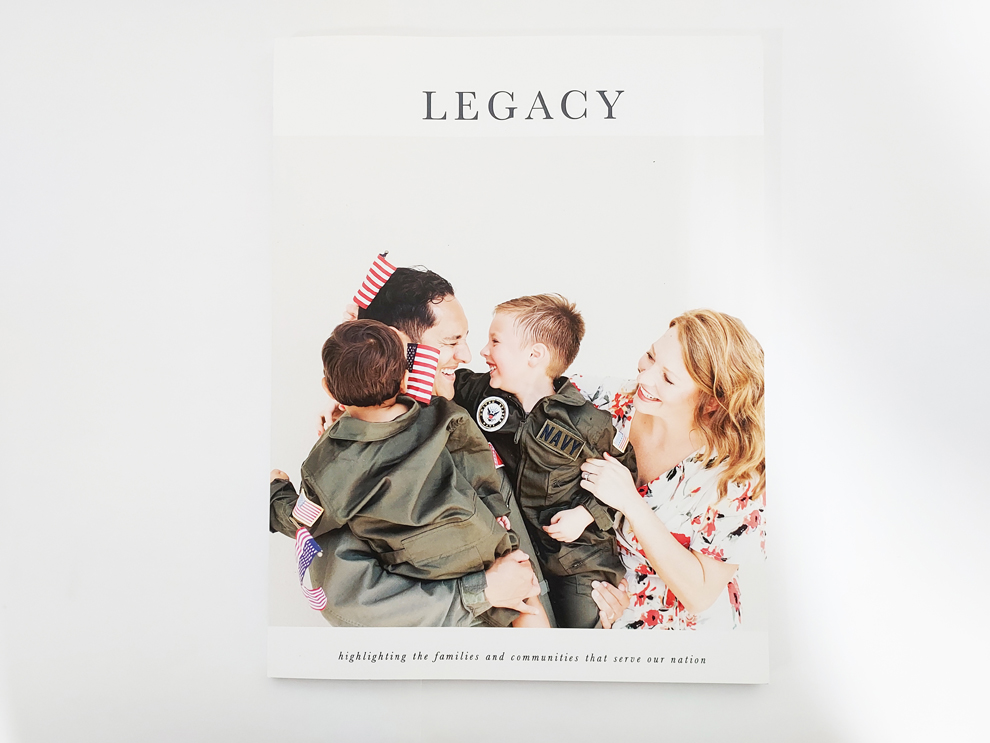
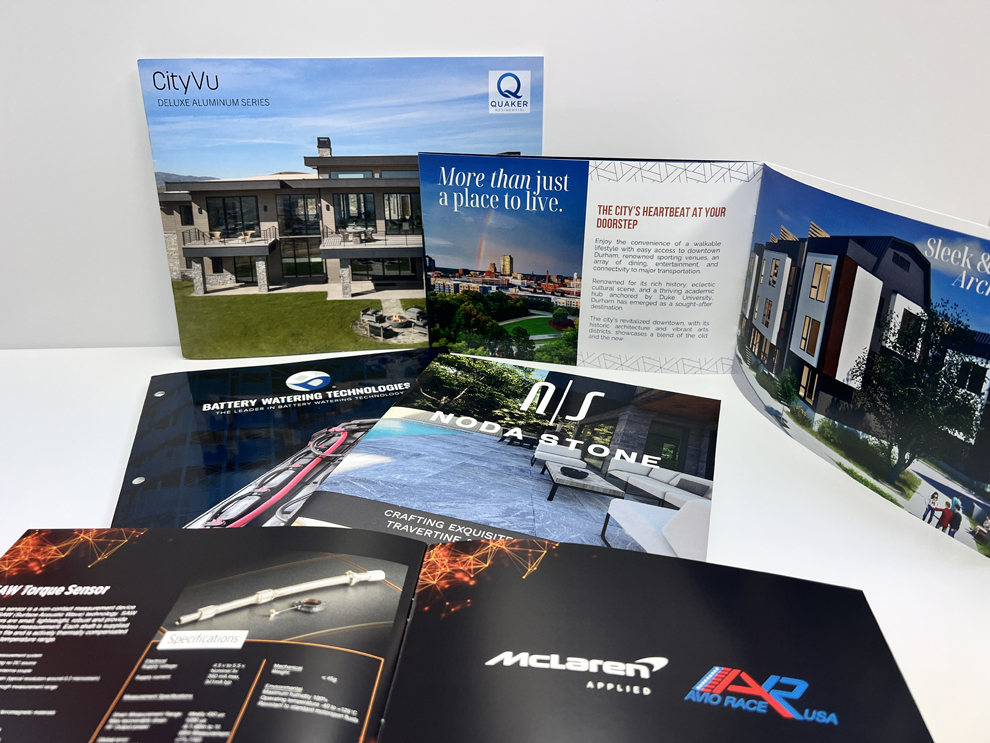
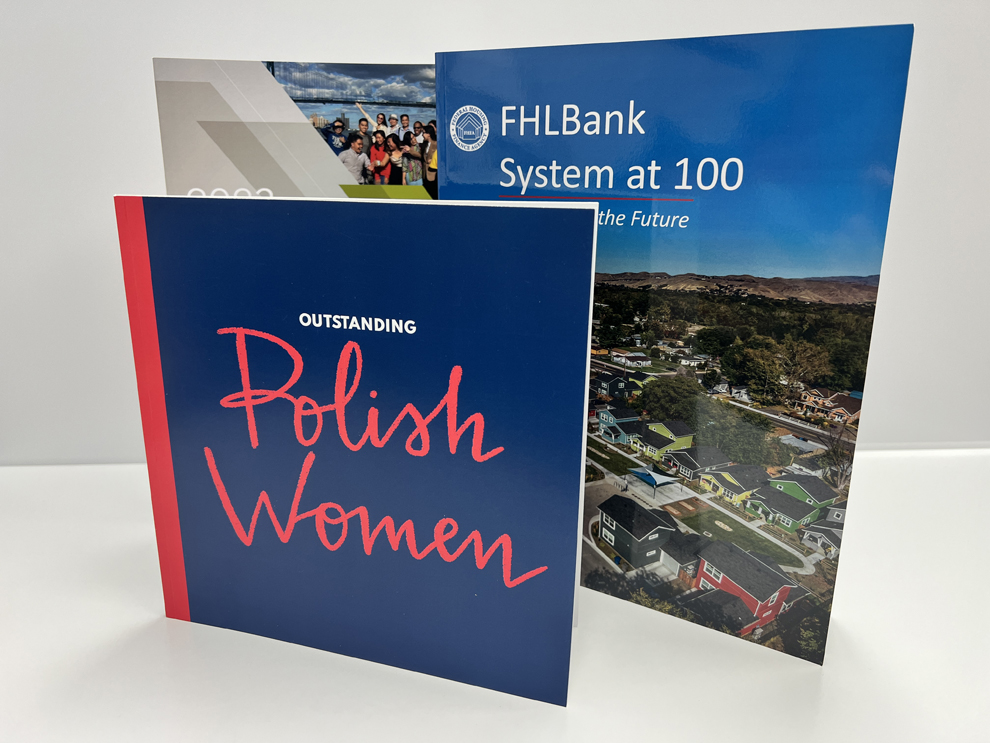
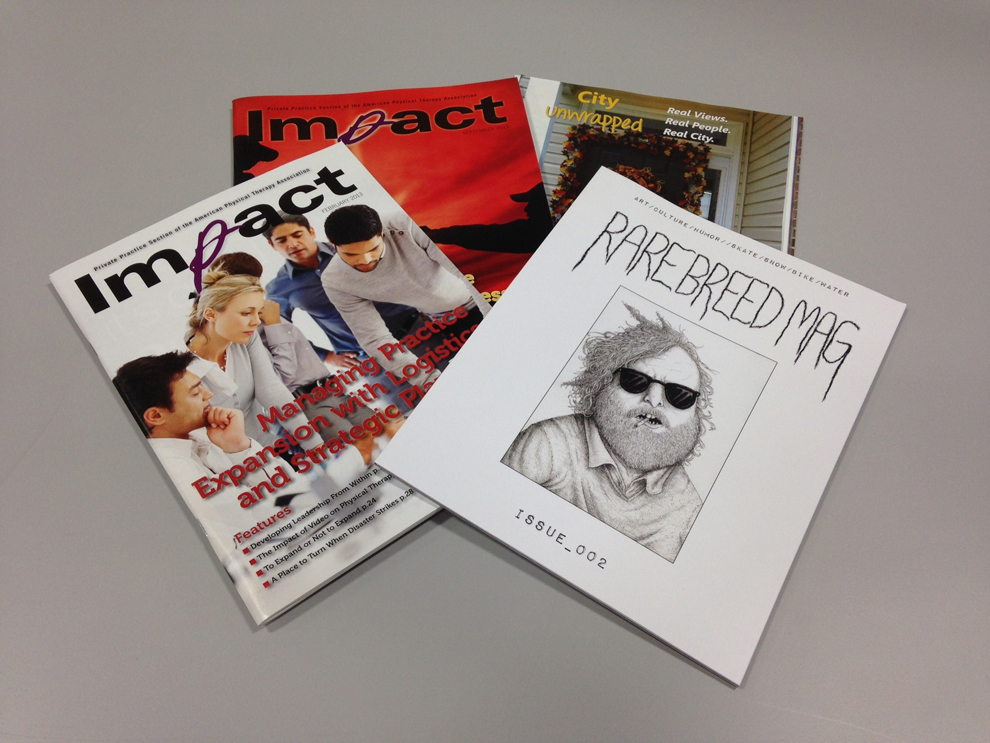
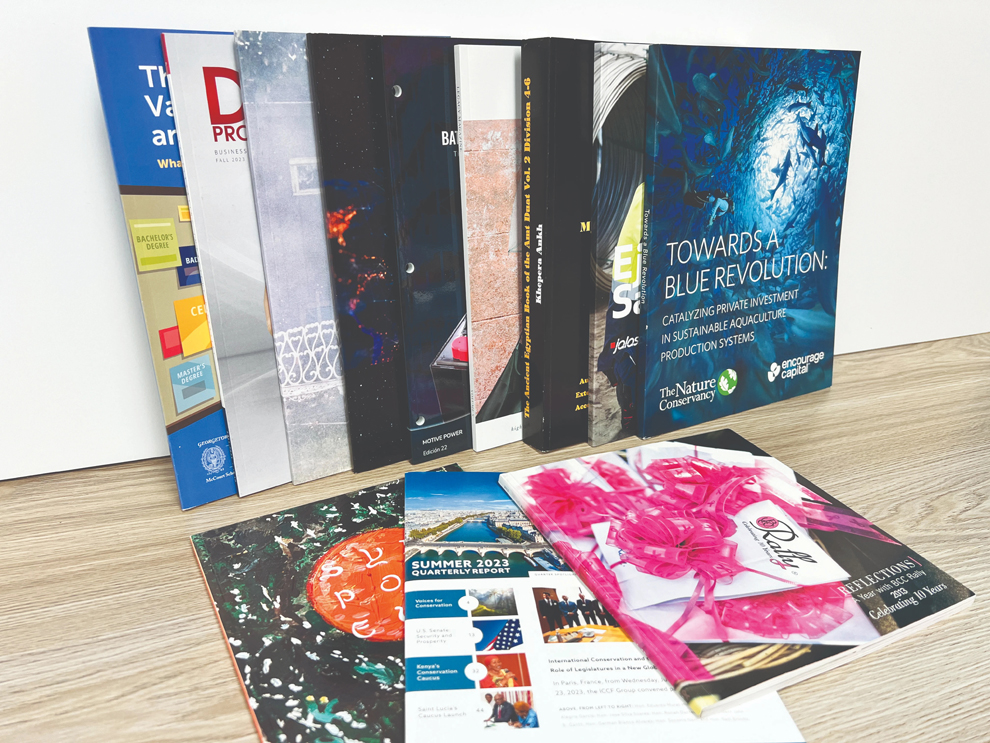
Arlington is home to a dense concentration of trade associations, professional societies, government contractors, research organizations, and nonprofits, and many of them publish pieces that do not map cleanly to a magazine, newsletter, or annual report. A quarterly journal, a workforce study, a chapter directory, a member resource guide: each carries its own page count, paper expectation, binding logic, and distribution plan.
Timing in Arlington often follows the calendar of the organizations that work here: a policy report released ahead of a hearing, a directory that must reach members before the fall meeting, a program guide tied to a conference in Crystal City or Ballston. Heritage asks about that date early, identifies which production decisions it affects, and gives you a realistic picture of what the schedule can support.
From there, format, paper, page count, binding, color, quantity, and delivery are weighed together rather than one at a time. A directory thumbed through all year calls for different choices than a report read once and filed, and matching specifications to actual use is what turns a finished file into a publication readers trust.
Heritage has been printing since 1977, and that experience shapes how we treat a publication that carries the research, membership, or reputation of an organization into print. Veteran ownership and family leadership keep accountability close to the work, and our Arlington location means the team serving Northern Virginia understands the organizations, calendars, and expectations that define this market.
Quality control starts before the press runs. Production review checks supplied files for bleed, resolution, pagination, and imposition issues, and every Commercial Printing order receives an electronic proof for your review and approval before anything is printed. Where color matters, such as a journal with photography or a report built on charts, Heritage applies spectrophotometric calibration and verification along with production-specific color profiles to keep output consistent.
Responsiveness is the other half. When a Ballston association needs its directory approved by a board that meets once a month, or a contractor in National Landing is waiting on a report before a client briefing, delays compound. Heritage answers questions directly, flags decisions that affect the date, and follows through on what was agreed.
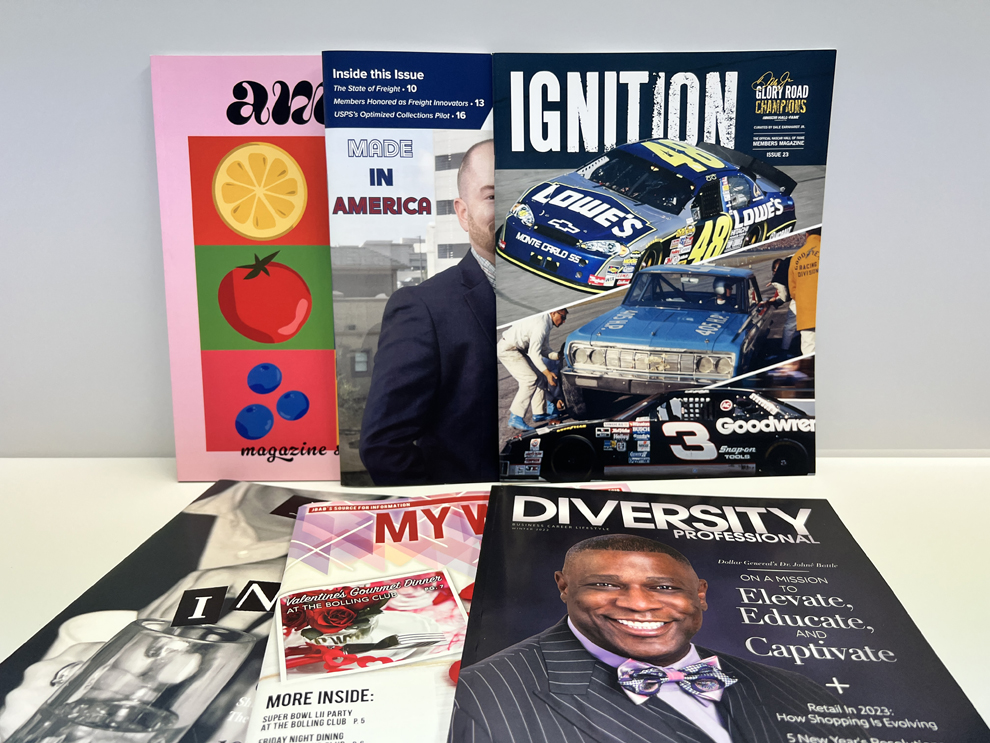
Choose this when your publication is a true recurring issue with editorial identity, consistent cover treatment, and edition-to-edition continuity.
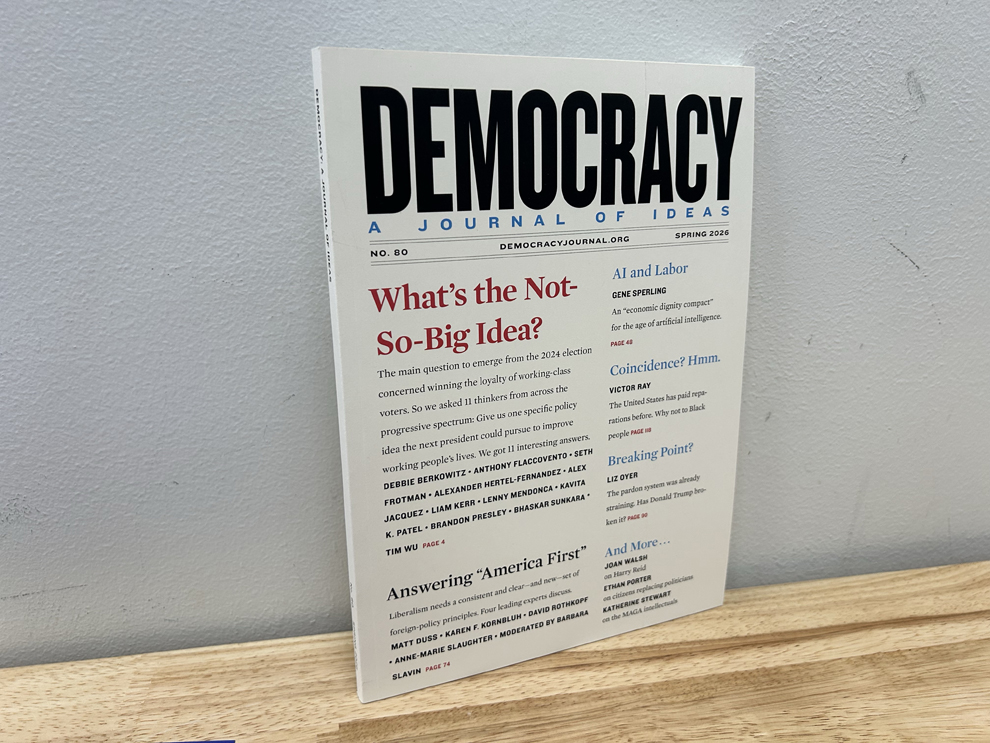
The right home for frequent, shorter updates to members or staff where cadence, folding, and mailing matter more than bulk.
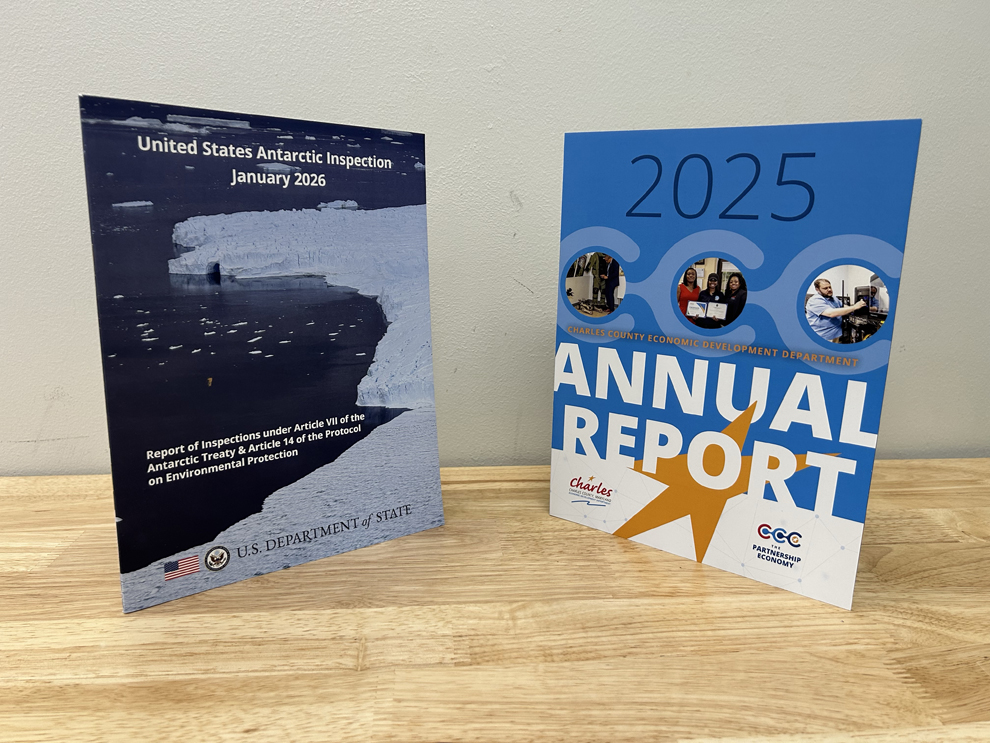
Built for the once-a-year stakeholder piece that presents financial results, governance, and impact in a single polished document.
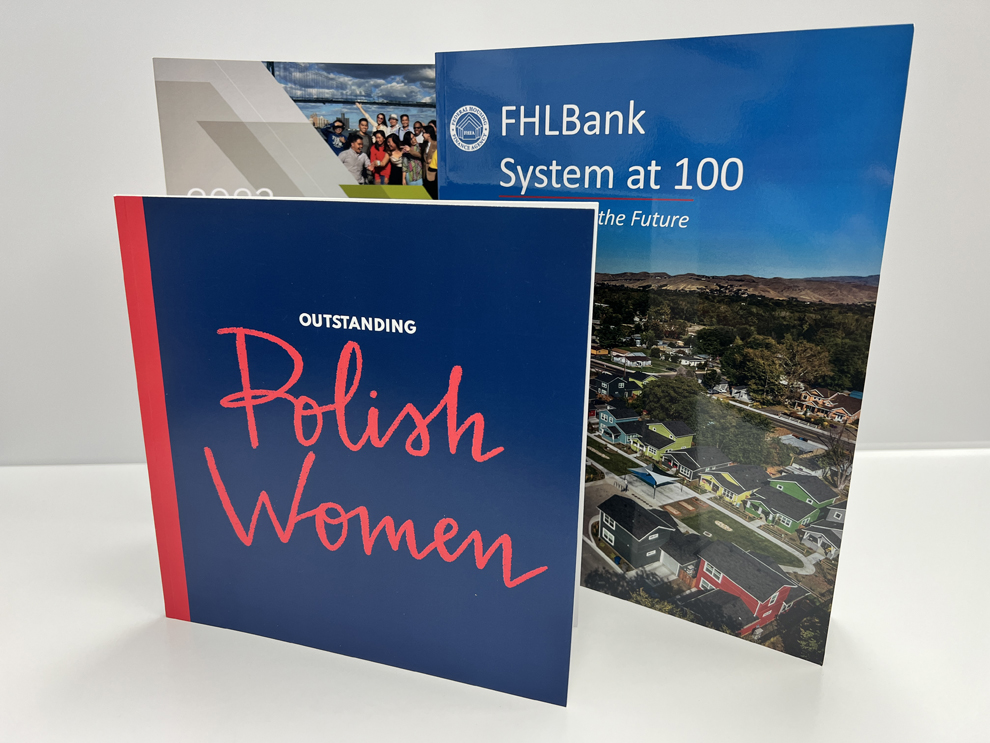
Best when the piece is compact and the main questions are page count, finished size, and which binding suits the budget.
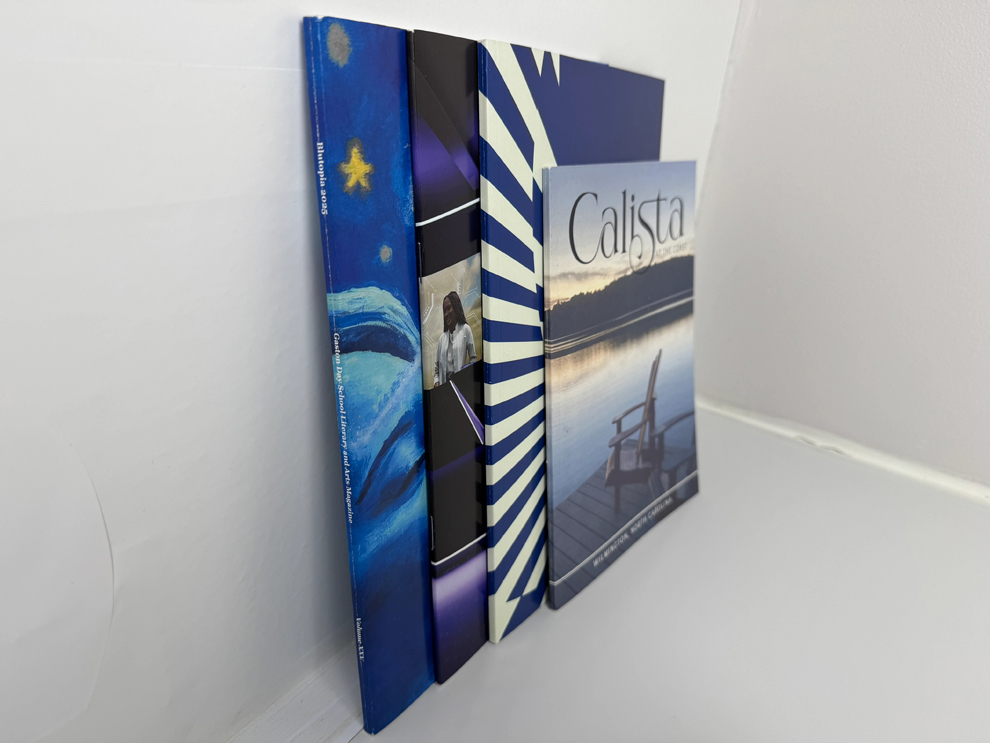
Suited to substantial reference works, proceedings, and studies that need a square printed spine and a shelf-ready feel.
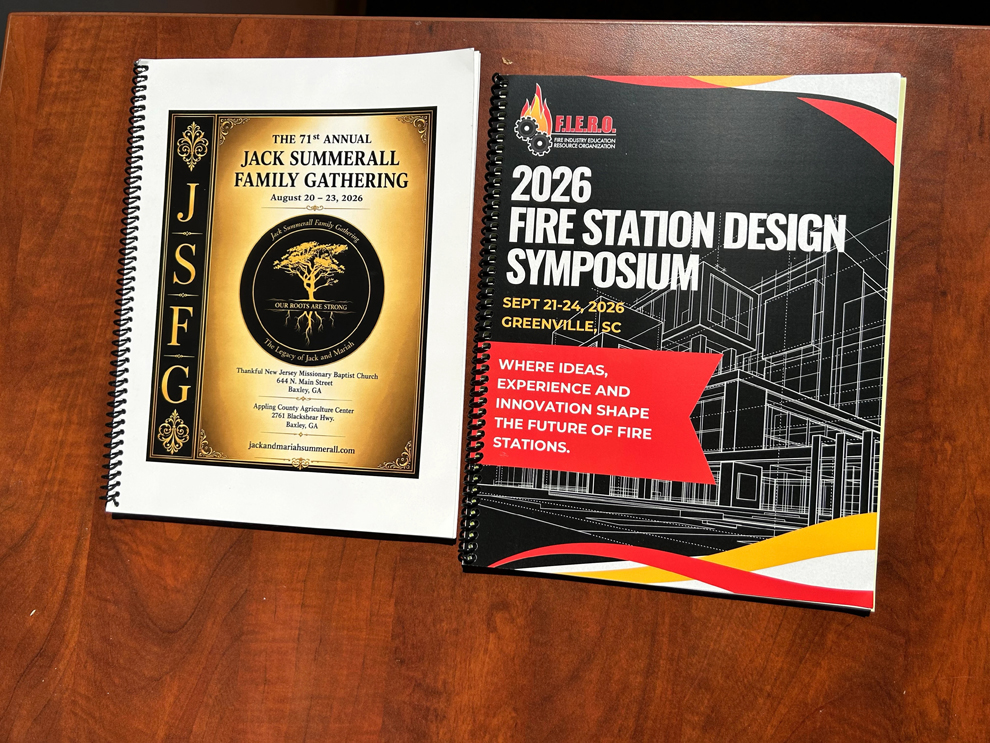
Designed for instructional content that gets opened flat, written in, and carried from session to session.
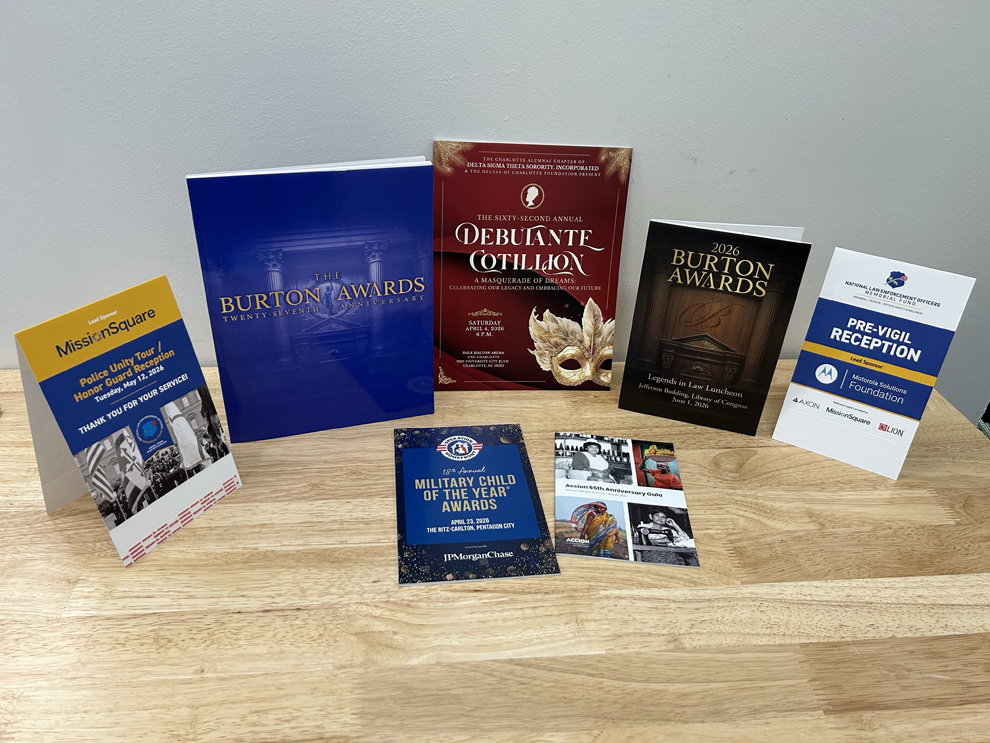
Fits conference, gala, and ceremony pieces where schedules, speakers, and sponsor recognition drive the layout and timing.
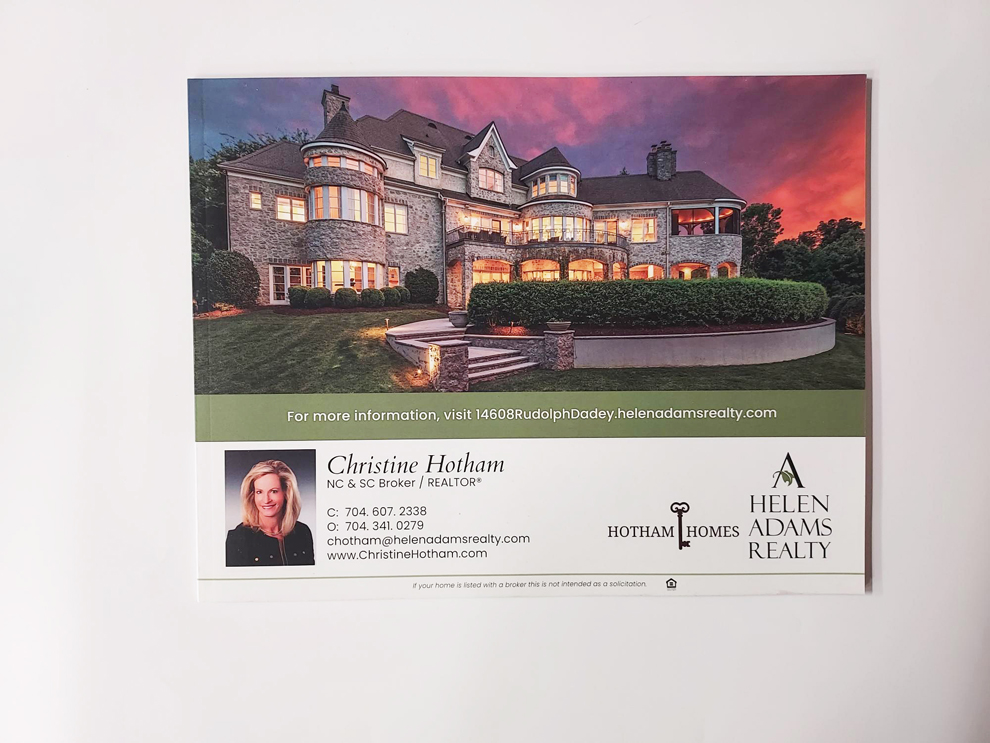
Pairs with any publication that must be addressed, prepared for postal entry, and tracked through mailing.
If your journal, report, directory, or member publication needs specification guidance, production file preparation, several versions, a physical color proof, or mailing coordination, submit a Custom Quote and Heritage will review the project. If the artwork is finished and a current booklet, perfect-bound, or coil-bound Online Store configuration matches your specifications, you can price and order it yourself.
The process begins with the questions that shape everything else: finished size, page count, quantity, required date, file status, proofing needs, and where the copies must go. If you submit a Custom Quote, Heritage reviews the submission first; once the order is accepted and assigned, your Project Coordinator becomes your direct phone and email contact through production. Established repeat clients may continue with the same coordinator, which makes later editions easier than the first.
Binding follows use. A sixteen-page policy brief or a slim chapter directory usually suits saddle stitching. A proceedings volume or a dense resource guide with enough pages to form a spine moves toward perfect binding. A field guide or standards reference that must lie open on a desk is often better served by plastic coil. Cover weight, interior paper, color coverage, and quantity each influence that decision, and not every combination suits every job.
Nothing prints until you approve the electronic proof. After approval, Heritage holds to the confirmed specifications, keeps you informed if anything shifts, and routes finished copies into the agreed mailing, shipping, delivery, or client-managed distribution plan.
Yes. Heritage works with associations, contractors, nonprofits, universities, and firms throughout Arlington, including Rosslyn, Ballston, Clarendon, Courthouse, Crystal City, and National Landing, as well as neighboring Northern Virginia communities. Finished publications can be shipped, delivered, mailed, or prepared for your own distribution depending on how the project is scoped.
Start by telling us the date and sending the print-ready file as early as you can. Heritage looks at the actual production window, including proof approval, binding, finishing, and any mailing, and tells you honestly what the schedule can support. We never commit to a rush before seeing the work, but when an expedited path is practical, approved jobs move forward with urgency.
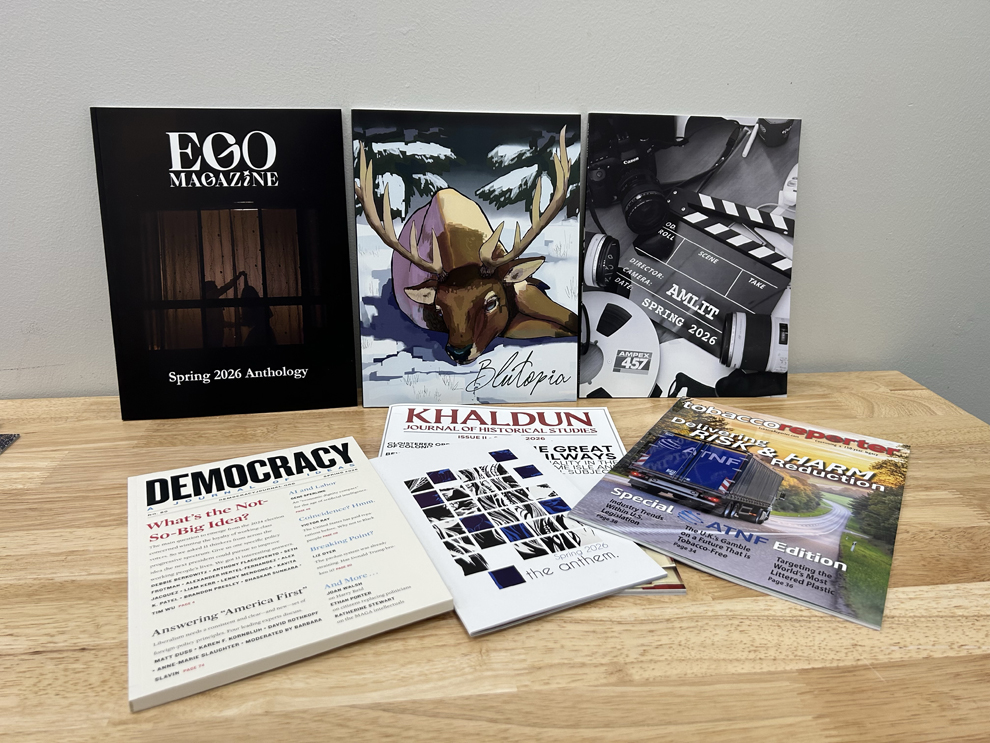
Ownership follows the piece. A recurring editorial issue belongs to Magazine Printing, a short frequent update to Newsletter Printing, a yearly stakeholder document to Annual Report Printing, and a compact piece where binding is the main question to Booklet Printing. Publication Printing covers journals, research reports, directories, resource guides, and member publications that need a production plan built around their own content and readership.
Check text, page order, pagination, cover content, images, and anything that must match an approved version. Your approval confirms the exact file Heritage will print, so corrections after that point mean a new proof. Remember that screens and paper reproduce color differently, so the electronic proof confirms content and layout, not final physical color.
If the guide is thin, saddle stitching keeps it light and economical. If it has enough pages to form a spine, perfect binding gives it a durable square edge that stands on a shelf. If readers need it to lie flat beside a keyboard or phone, plastic coil is the practical answer. Page count, paper weight, and handling settle the choice.
Often, yes, but not always. A heavier separate cover adds structure, protects interior pages, and gives the piece a more finished presence, which matters for a journal or study that will be kept. A self-cover printed on the same stock keeps weight and cost down and suits shorter reports and guides. Mailing weight and binding should factor into the decision.
Yes, when mailing is included in the project scope. Heritage handles addressing and postal preparation using the accurate, authorized recipient list you supply. Our responsibility covers the mailing services agreed to in the order; once the pieces are accepted by USPS, delivery timing is outside our control.
Submitting the form opens an inquiry; it does not guarantee acceptance. Heritage reviews the project, and once the order is accepted and assigned, a Project Coordinator contacts you by phone or email to confirm the date, specifications, and production plan. From that point that person is your direct contact through proofing, production, binding, and distribution.
Yes, when a current saddle-stitched booklet, perfect-bound, or plastic-coil configuration matches your finished size, page count, and quantity, and your artwork is complete and print-ready. Store orders still receive production review and an electronic proof, but they are self-directed and do not include an assigned Project Coordinator, layout help, or a physical color proof. Eligible Store products can be combined to reach the $750 minimum.
Supply your PMS values or brand standards with the file and Heritage uses them as production targets. Our process relies on spectrophotometric calibration and verification and profiles matched to the specific press, ink, and paper combination. Because every paper and coating has a different color range, output is managed within what the chosen materials can reproduce rather than assumed from a monitor.
Consider it when the publication contains color that must be judged in hand, such as brand-critical covers or photography. The Physical Production Color Proof is available for qualifying Custom Quote orders of $2,000 or more at an additional charge, is printed on the intended production printer and paper, and becomes the controlling color reference once approved. It adds time, so plan for it early.
Established specifications such as trim size, paper, cover construction, binding, and color targets give the next issue a much stronger starting point and support consistency across editions. Each new release still receives a fresh file review, proof, and schedule check, because page counts, quantities, material availability, and mailing requirements can change between issues.
Yes. Versions can be set up by region, chapter, language, membership tier, or cover treatment, each with its own quantity. Clear file naming, a version owner on your side, and distribution instructions for each edition keep the job organized through proofing and fulfillment.
Writing, editing, and creative design stay with you or your agency. Heritage works from completed, print-ready artwork. For qualifying Custom Quote projects, we can provide production-oriented adjustments such as fixing bleed, repairing imposition, or resolving font and image issues so the supplied file prints correctly.
Yes. New Commercial Printing opportunities carry a $750 minimum, and the same $750 total applies to Online Store orders, where eligible products may be combined in one order to reach it. Custom Quote is intended for qualifying projects of $2,000 or more that benefit from coordination, guidance, or physical proofing.
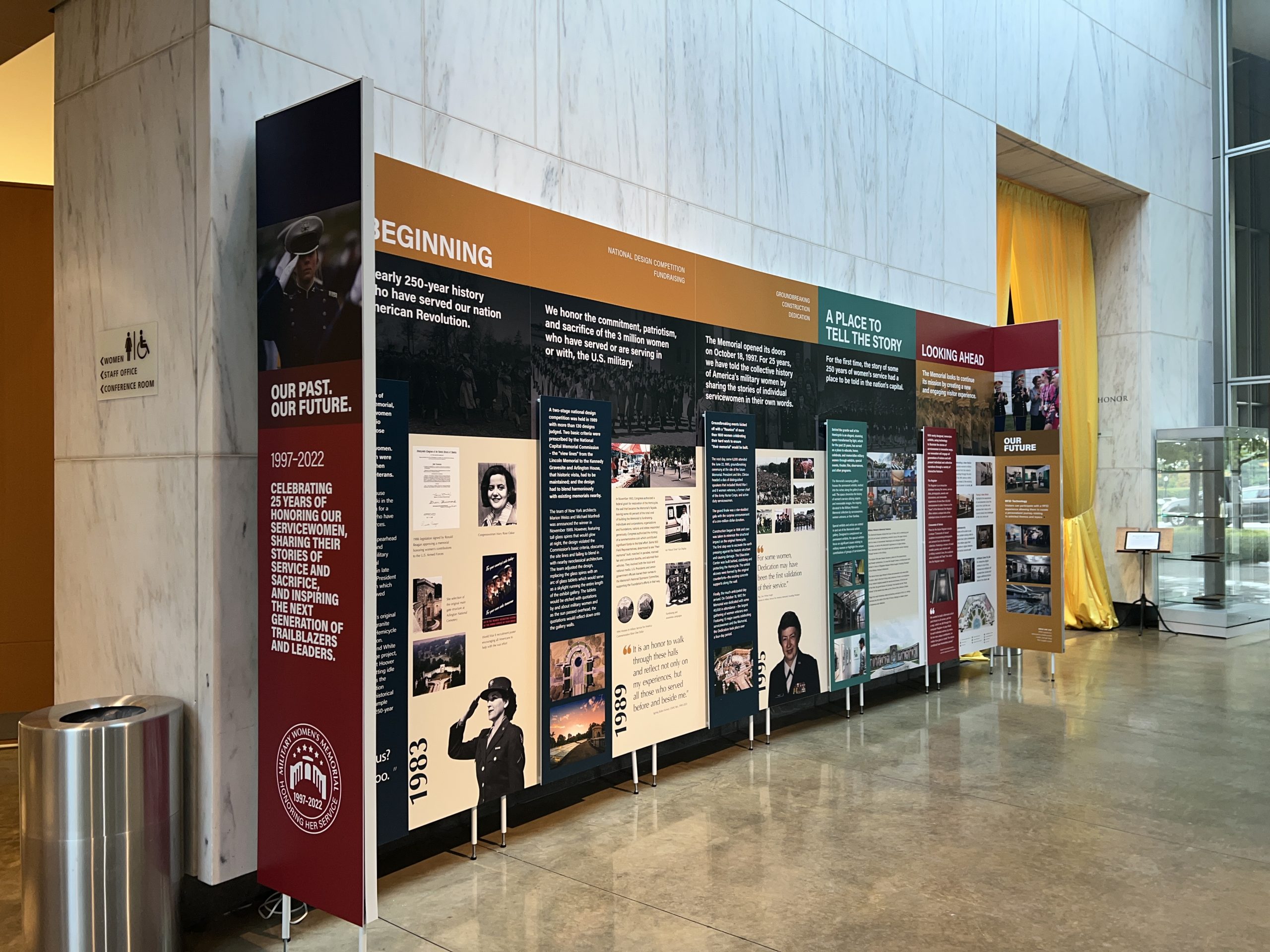
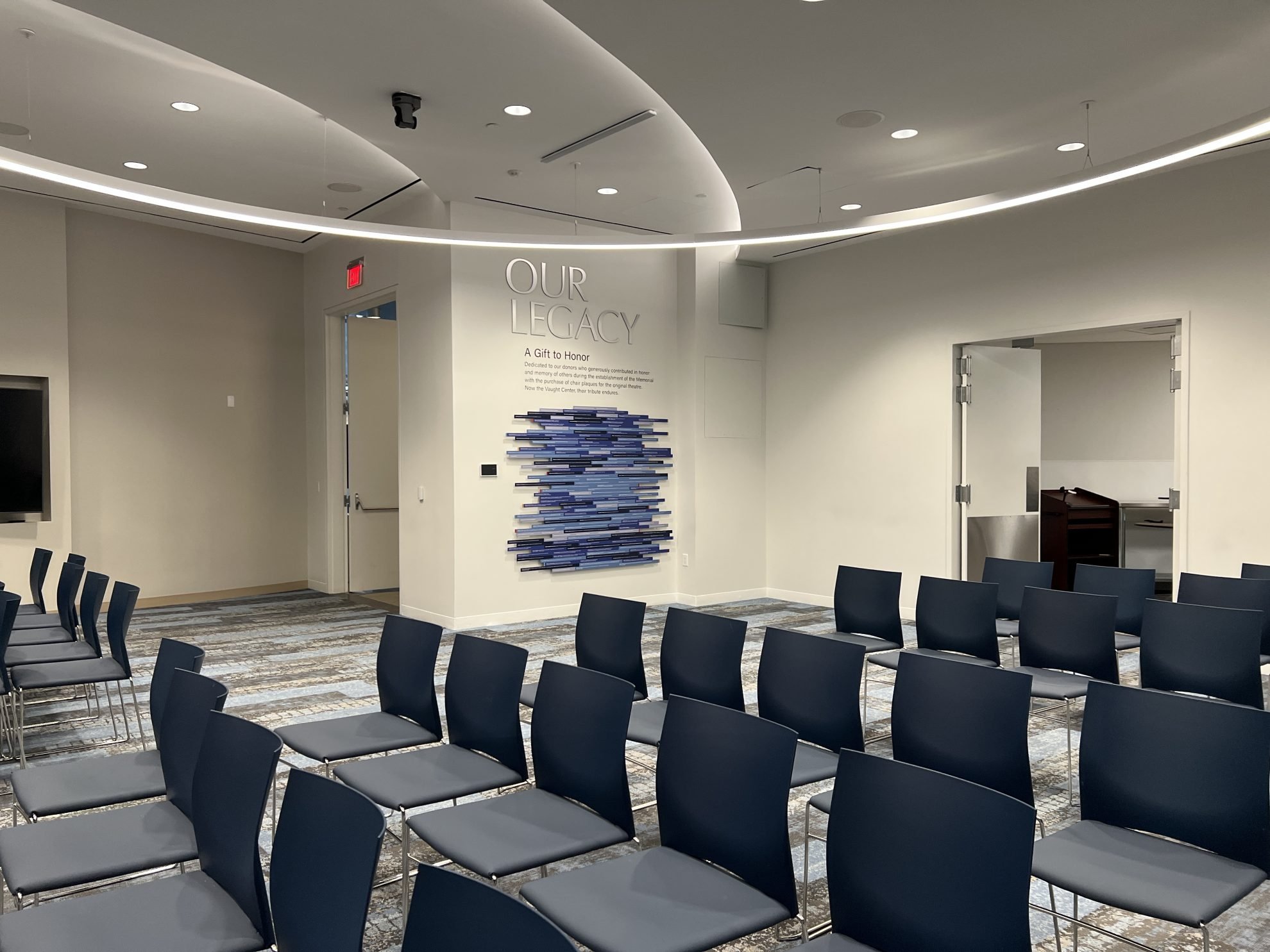
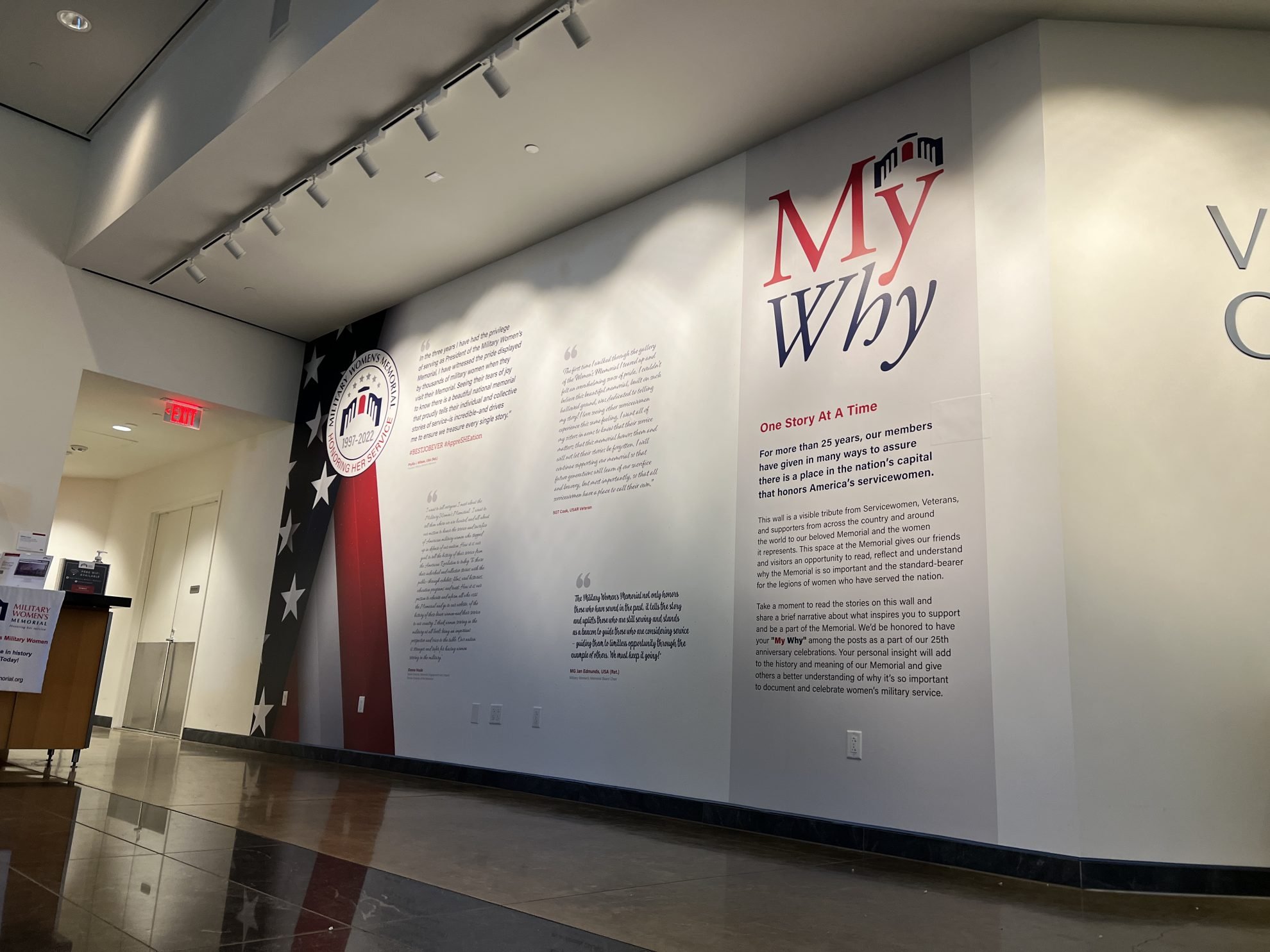
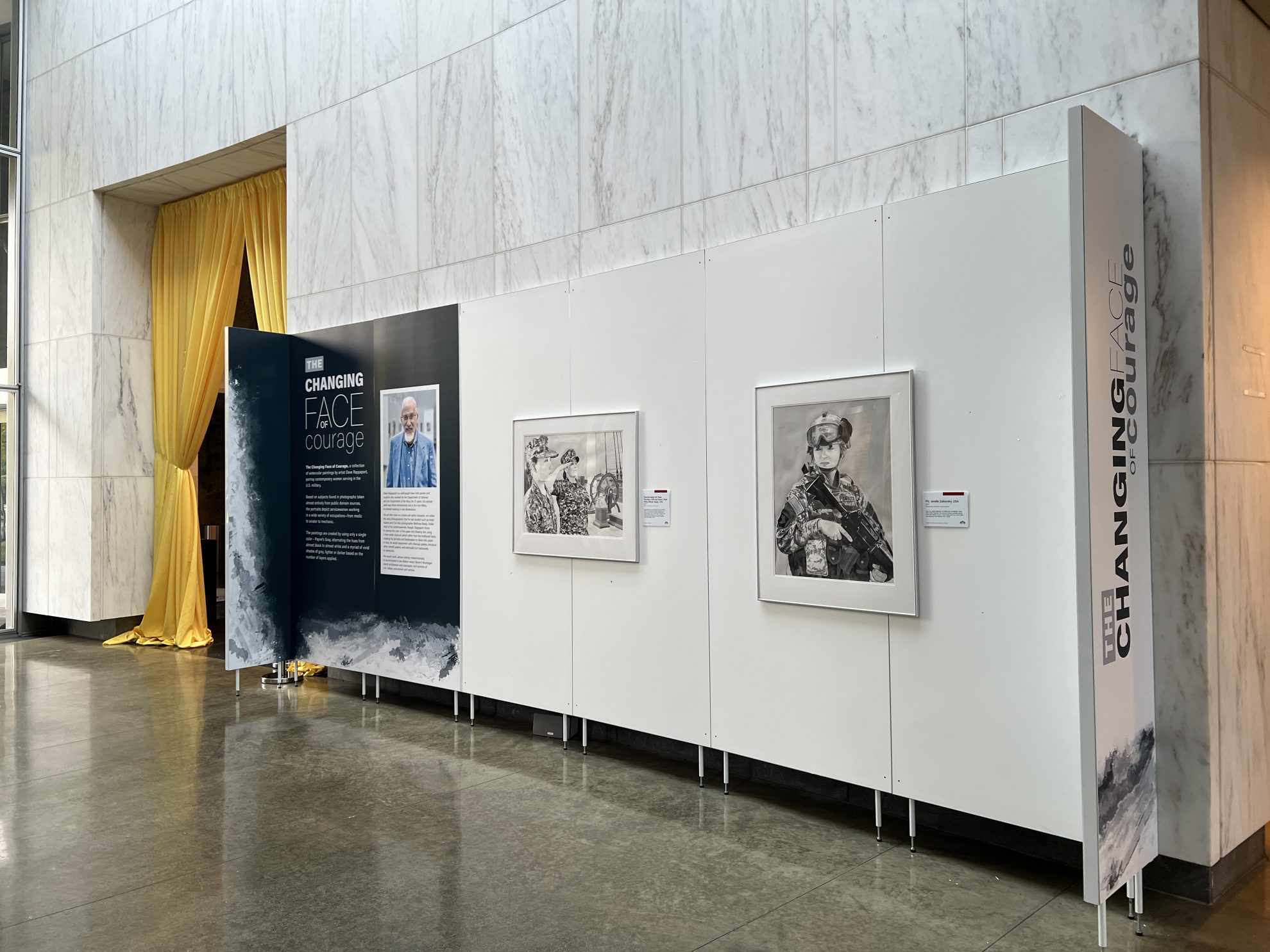
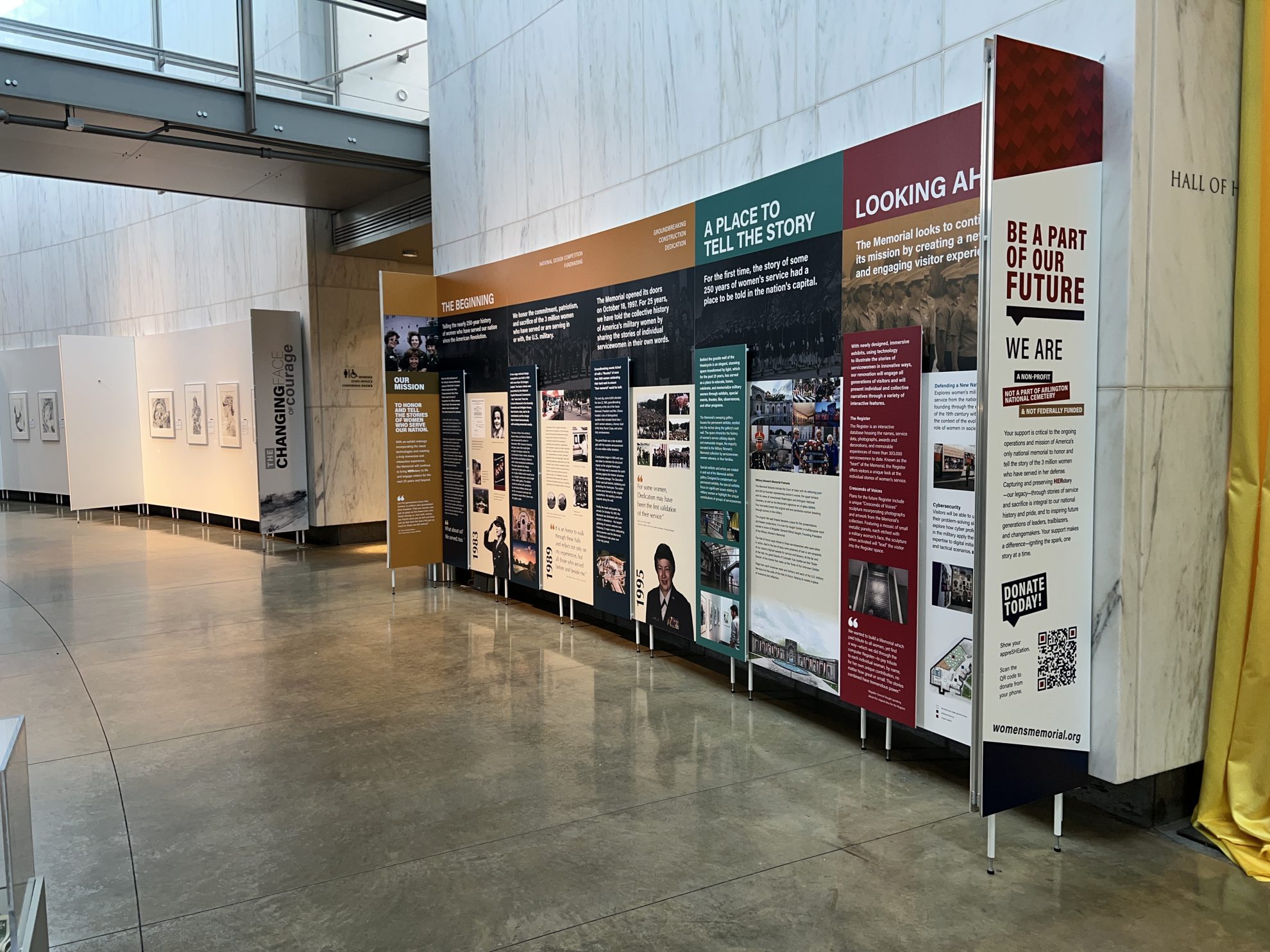
Heritage Signs & Displays created new museum signage for the Military Women’s Memorial in Arlington, VA. The project included custom signs, wall wraps, dimensional letters, and standoff-mounted displays to honor the legacy of U.S. servicewomen and the donors who supported the memorial. The updated interior features impactful designs, including a "Our Legacy" wall display and panels showcasing historical contributions and artwork, creating a transformative tribute to women in the U.S. Armed Forces.
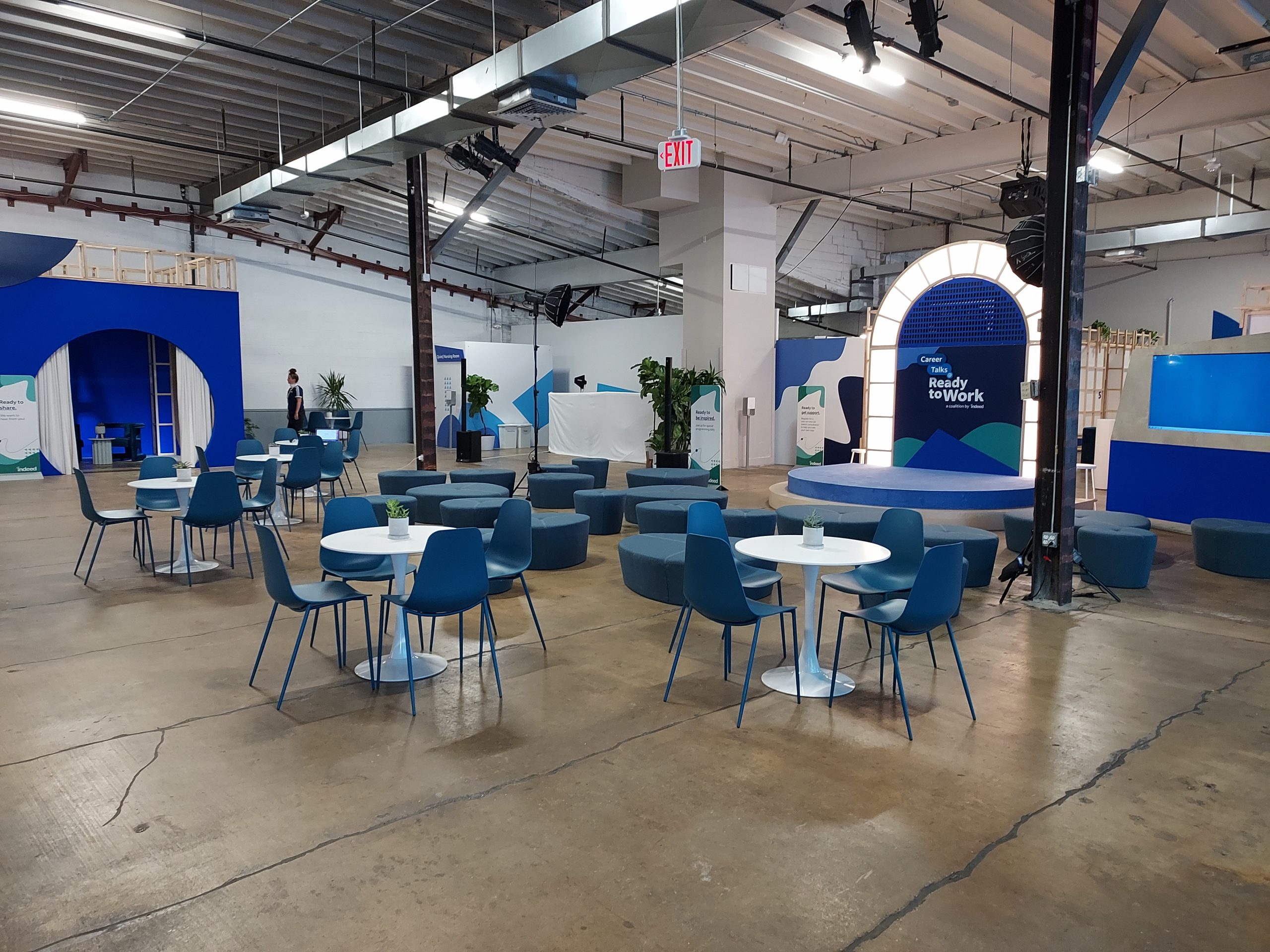
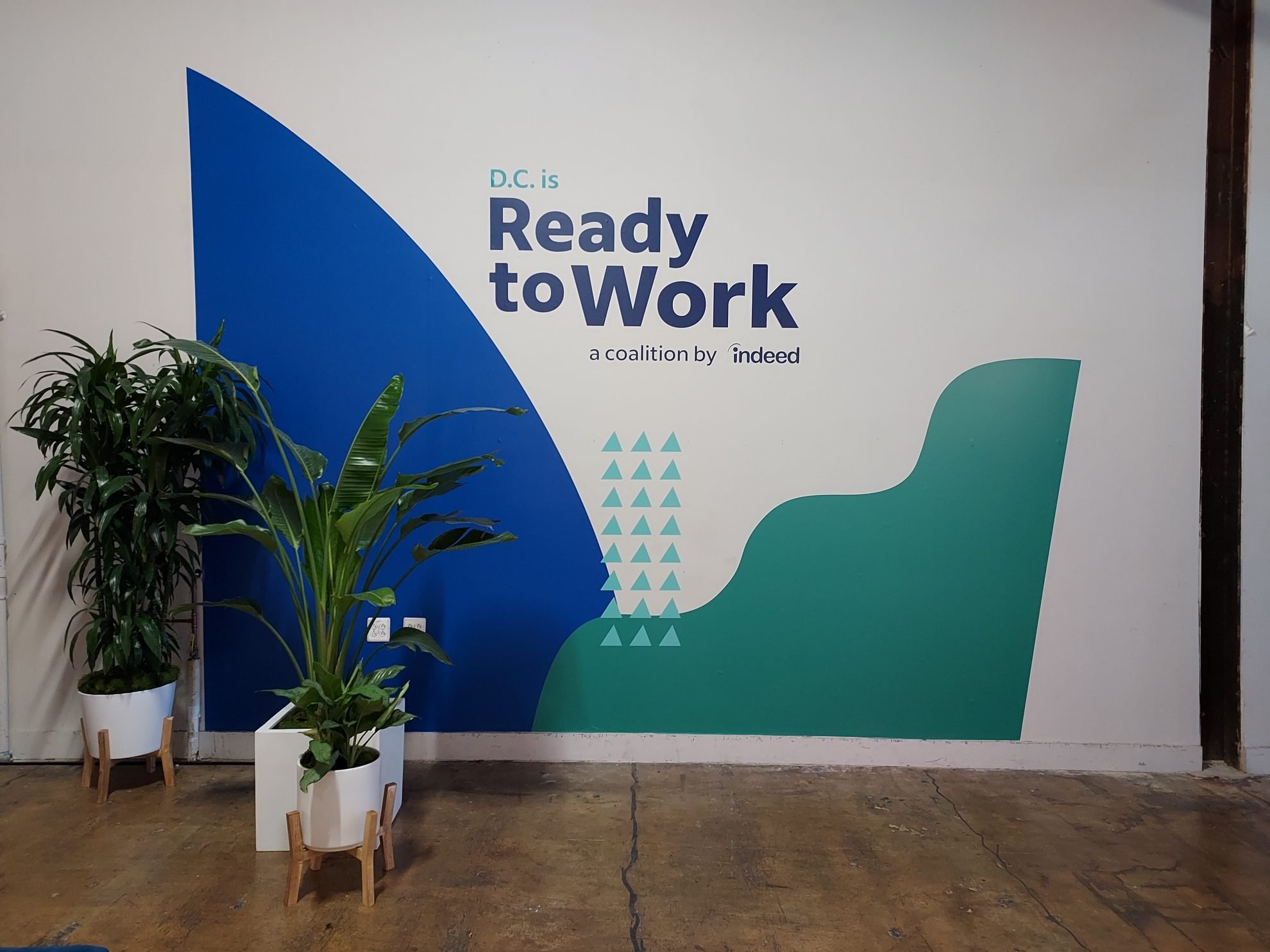
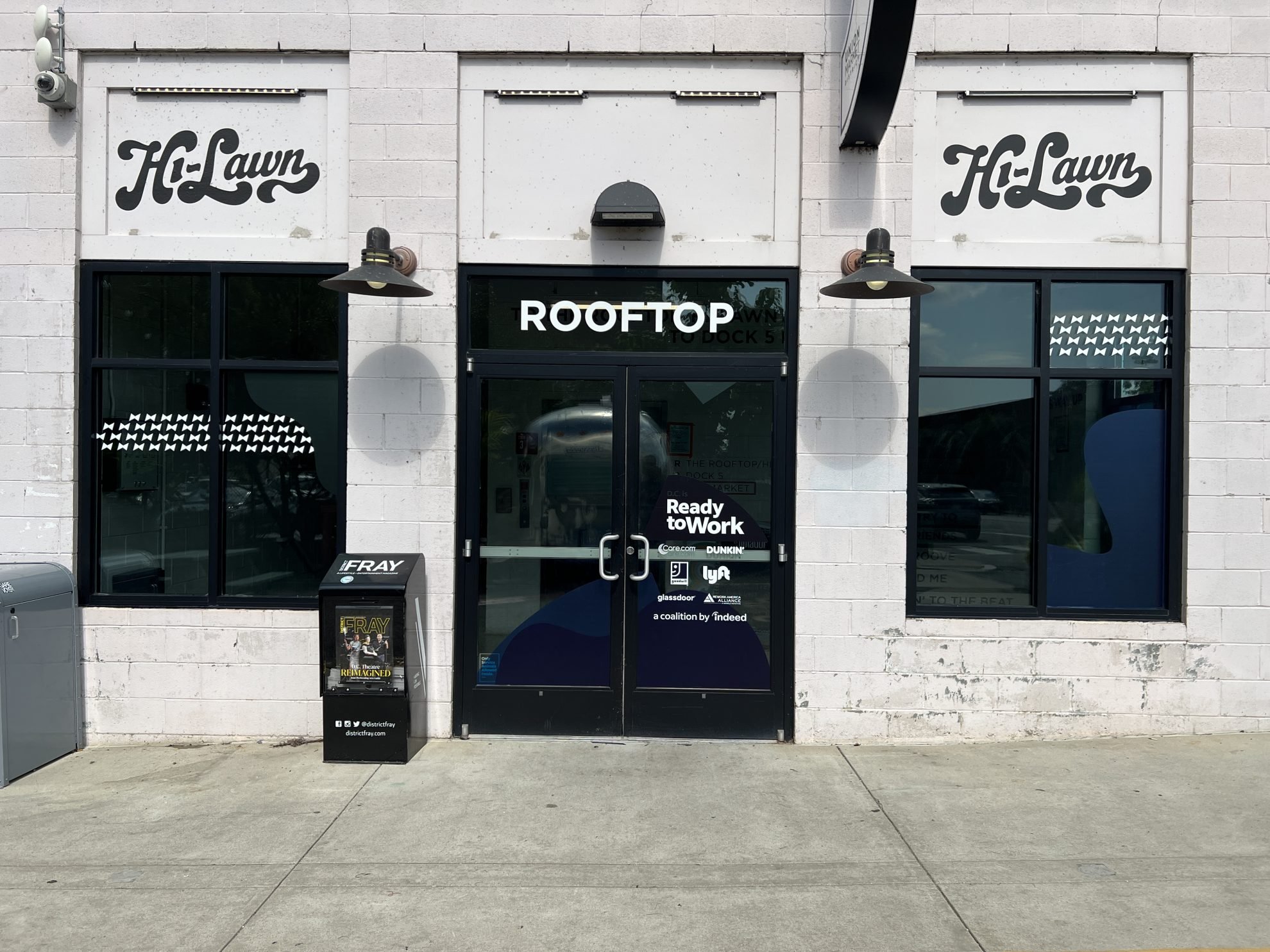
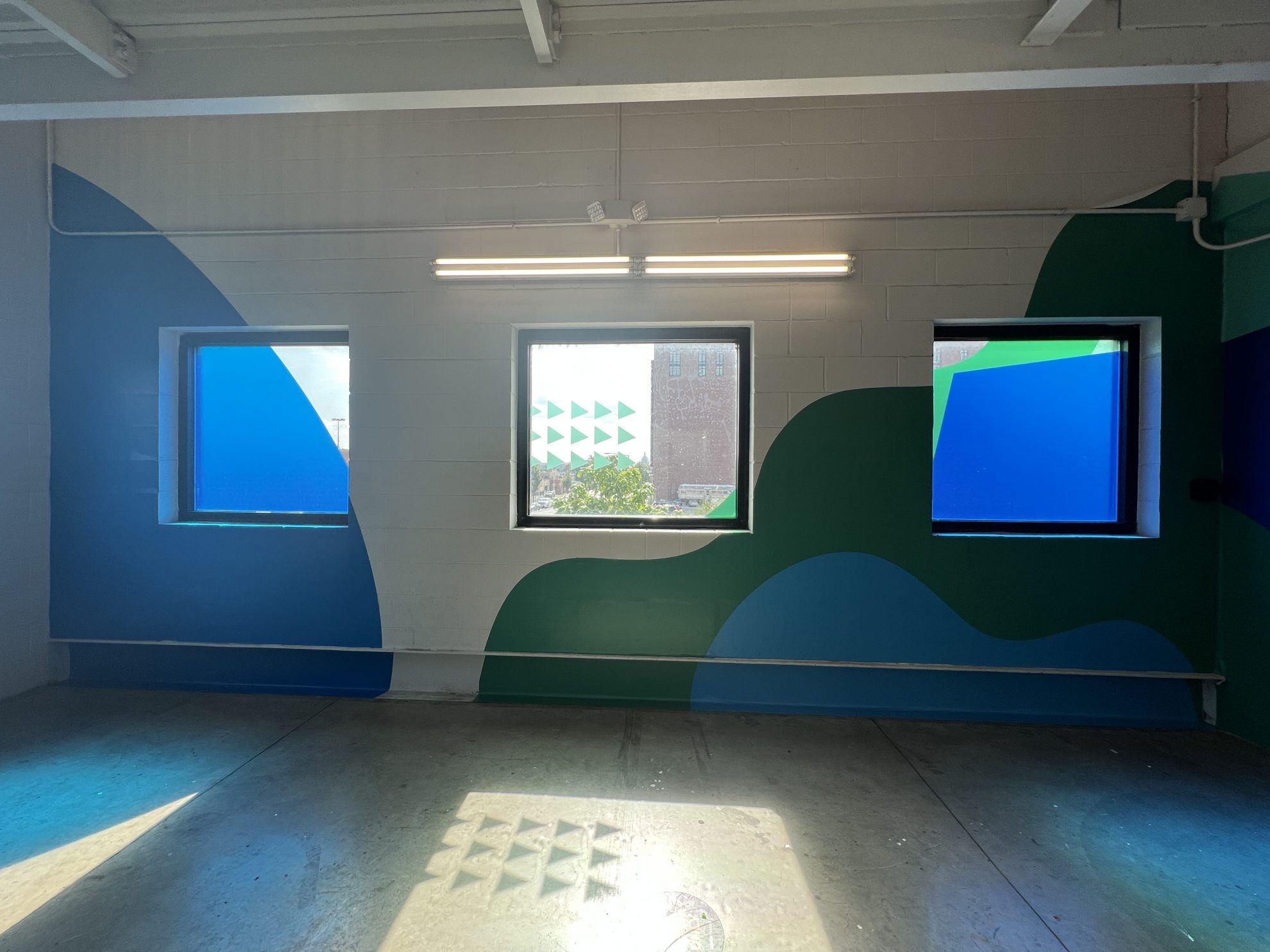
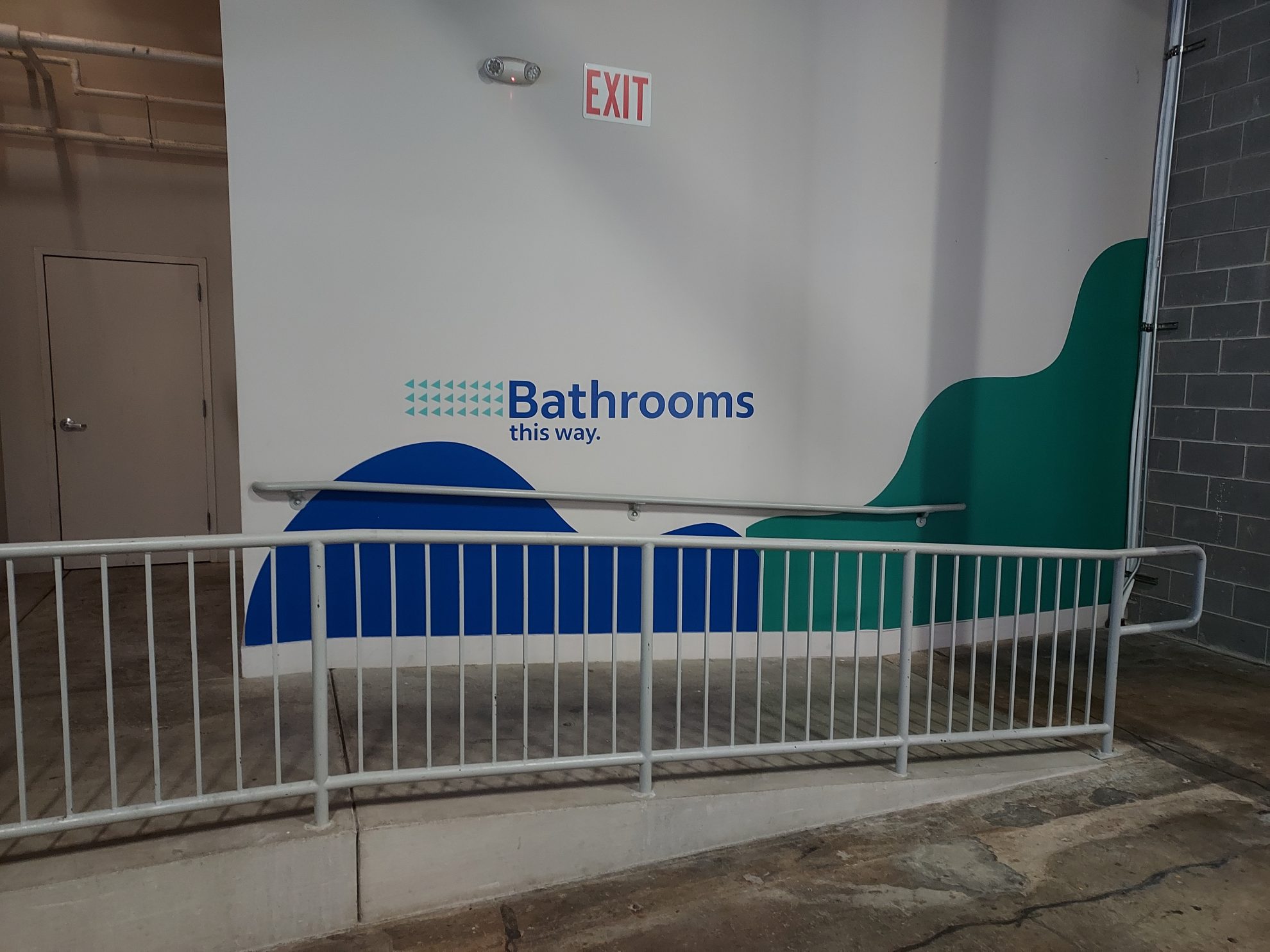
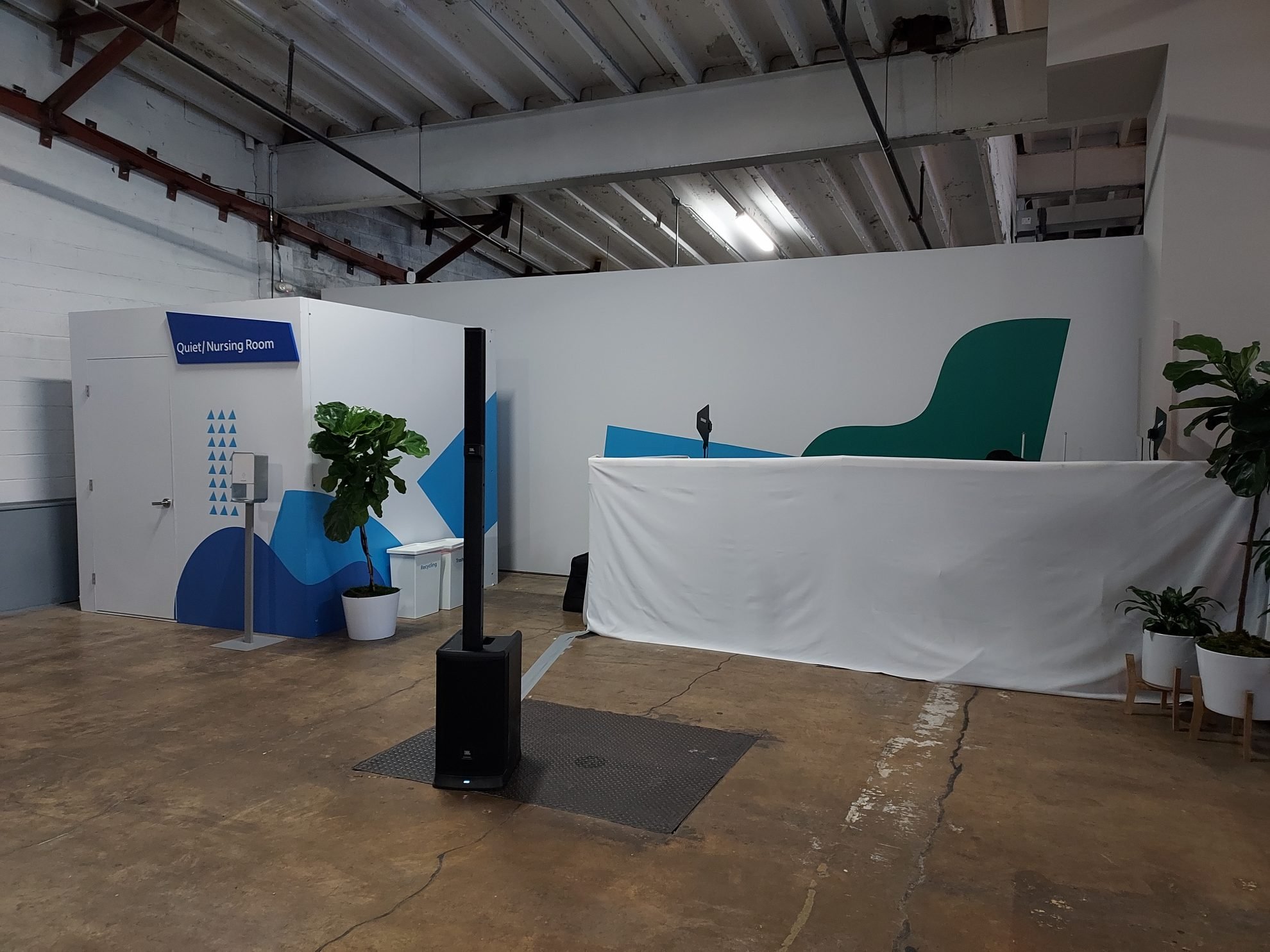
Heritage Signs & Displays' collaboration with The Gathery to brand Union Market in Arlington, VA, for Indeed's "Ready to Work" job fair. The project included custom event displays, wall graphics, window graphics, and wayfinding signs, creating an immersive and visually appealing environment. The branding enhanced the venue, reflected the event's mission, and provided a seamless experience for attendees.