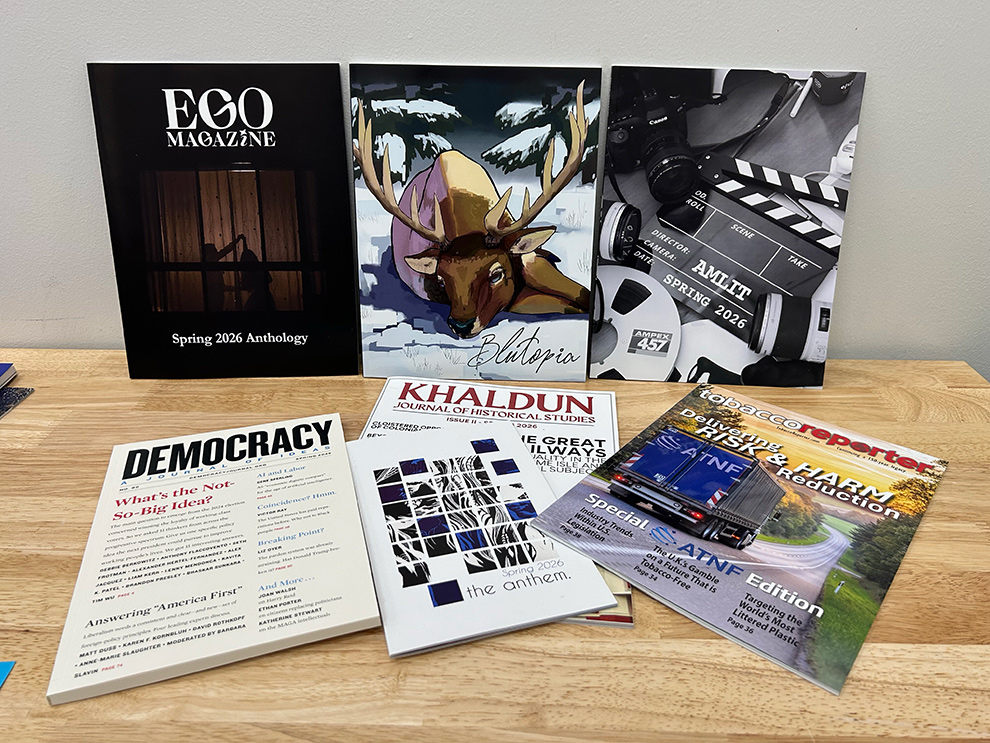
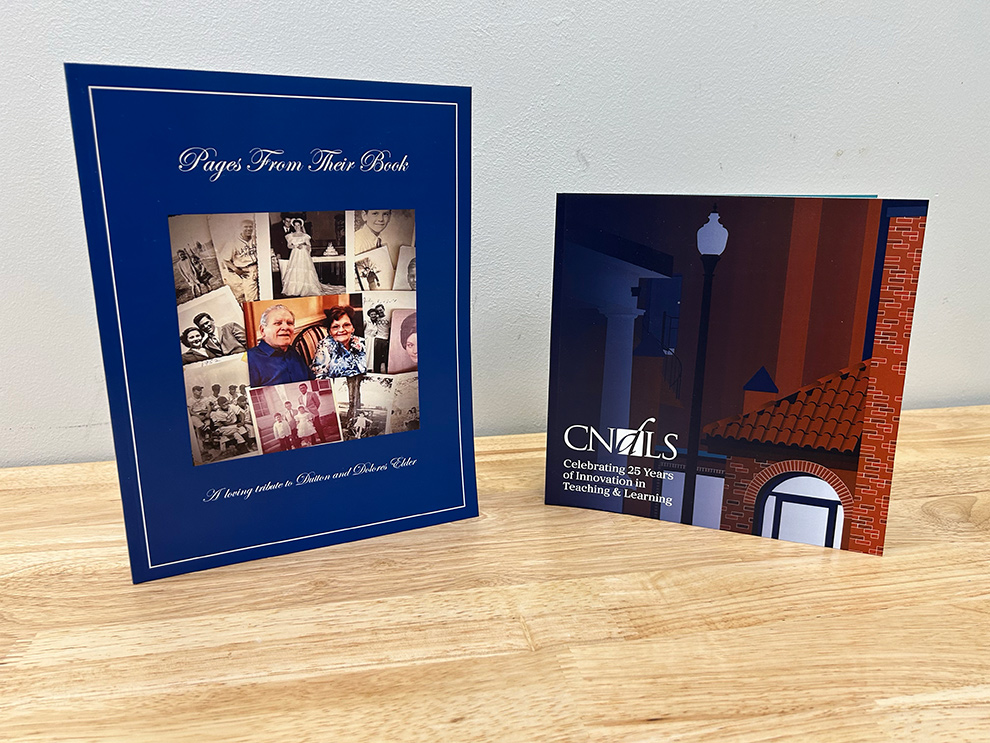
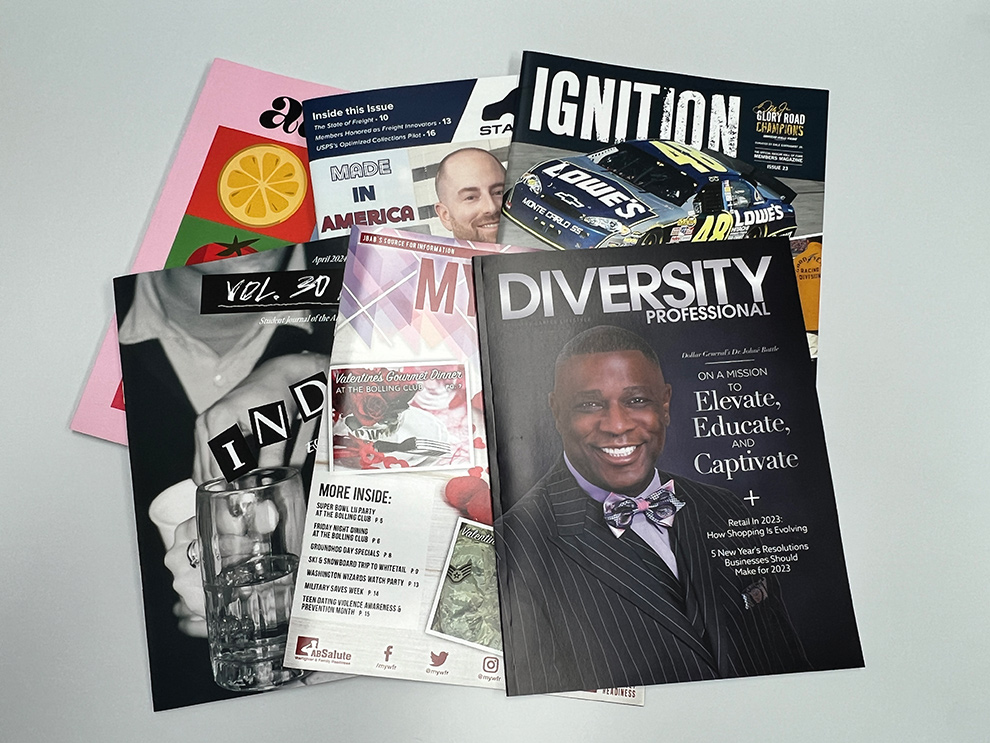
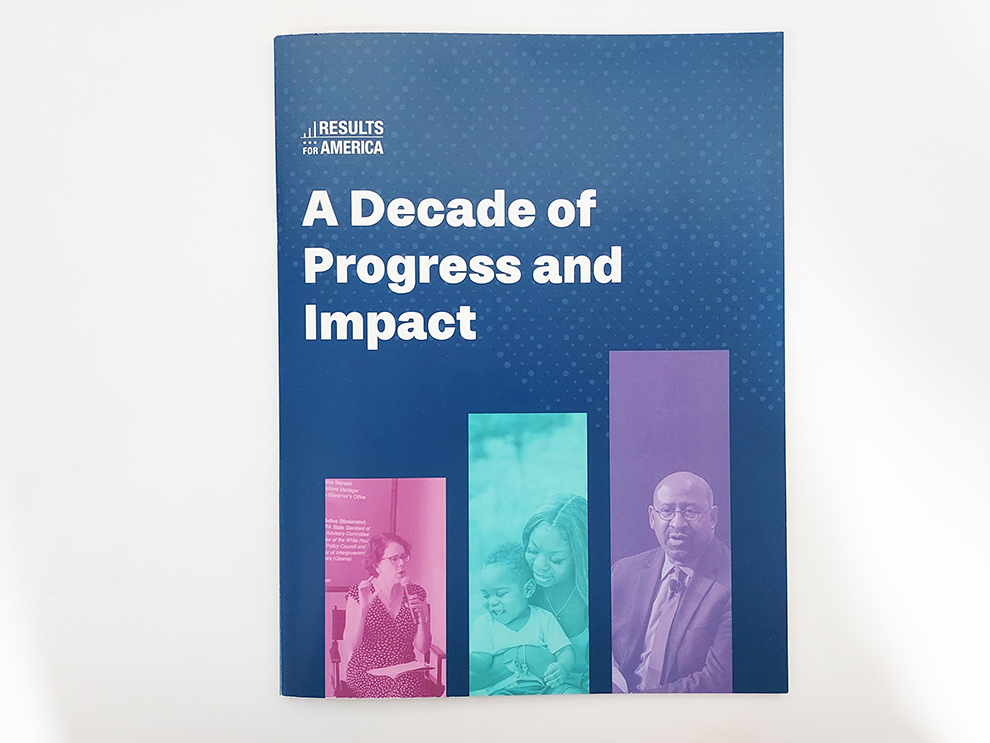
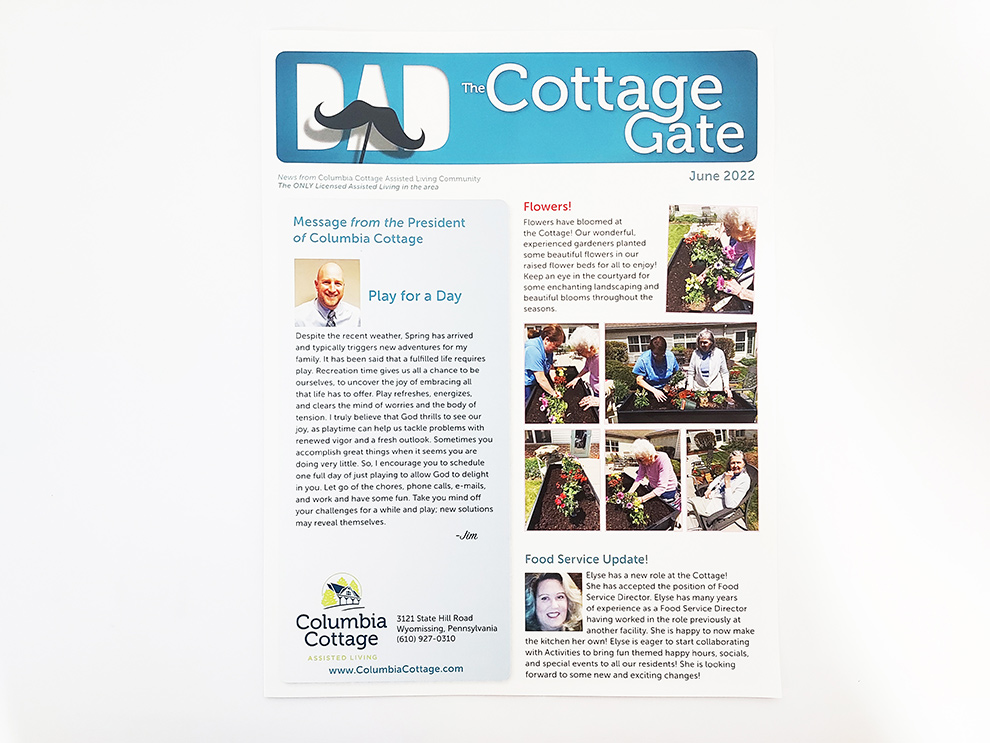
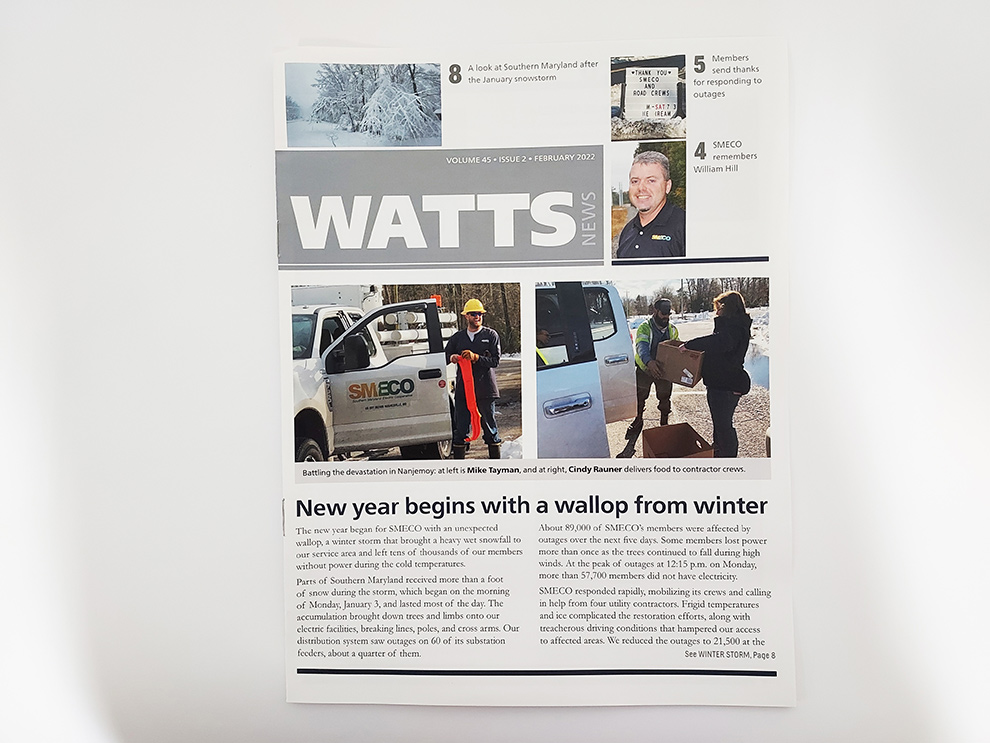
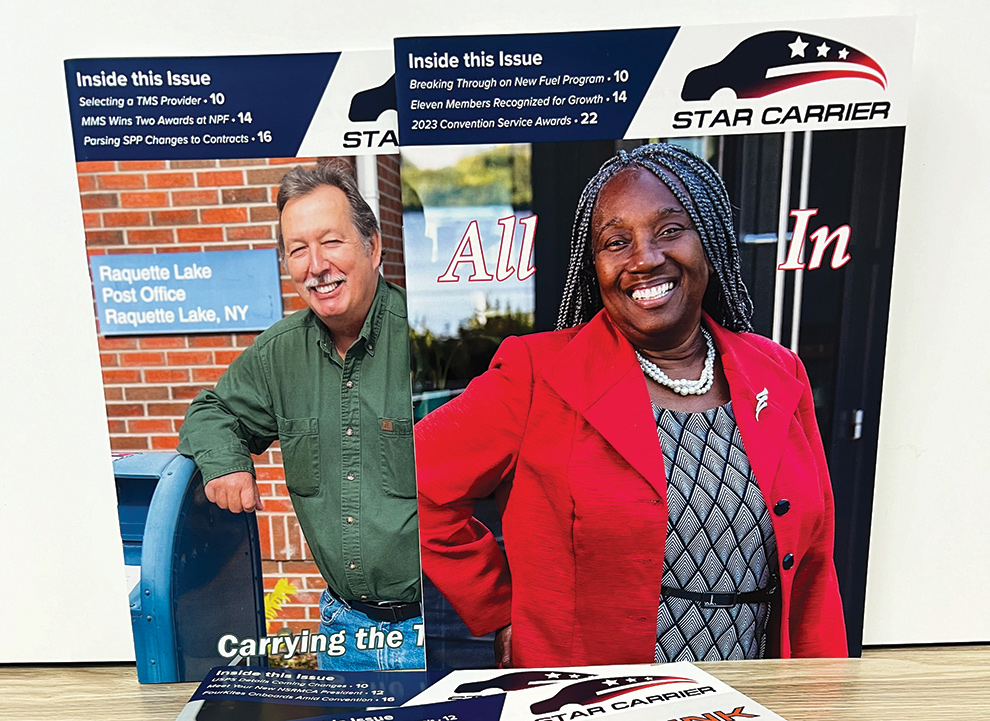
Arlington is home to trade associations along Wilson Boulevard, government contractors in Crystal City and Rosslyn, civic and condominium associations in every neighborhood, and nonprofits that depend on regular printed updates to stay connected with members and supporters. Every one of those newsletters has a date attached to it. A board meeting, a membership renewal cycle, a quarterly report to residents, or a legislative update that loses value if it arrives a week late.
Heritage approaches newsletter printing arlington va organizations rely on with that reality in mind. When a finished, print-ready file comes to us, we review the specifications, confirm the delivery or mail date, and lay out a production plan that fits the time actually available. If the window is short, we say so and explain what is achievable rather than letting a schedule drift until the date is at risk.
The work itself is handled by a team that has printed publications for decades. Paper selection, page imposition, saddle stitching, electronic proofing, addressing, and shipping are coordinated as a single sequence with one person accountable for keeping it moving. The result is a newsletter that looks the way it should and arrives when your readers expect it.
Heritage has been a printing company since 1977. In that time we have learned that organizations in the Northern Virginia market value two things above almost everything else when a newsletter is in production: knowing where the job stands and trusting that the finished piece will match what was approved.
That is why our process is built around visibility. You receive an electronic proof before anything prints. You have a named contact who answers the phone and responds to email. You hear from us when a decision is needed instead of discovering a question days later. Our award-winning print quality is supported by consistent color management and careful finishing, so a newsletter produced this quarter will look like the one produced last quarter.
Arlington organizations also benefit from production judgment that simplifies choices. We can explain when a self-cover makes sense versus a separate cover stock, when square-spine saddle stitching improves a thicker issue, and how mailing requirements affect finished size and paper. Those recommendations are offered to help you decide quickly, not to add complexity. We do not guarantee every compressed timeline sight unseen, but once we have the files, the quantities, and the required date, we commit to the most reliable route to completion and keep you informed until the newsletter is in the mail or on your loading dock.
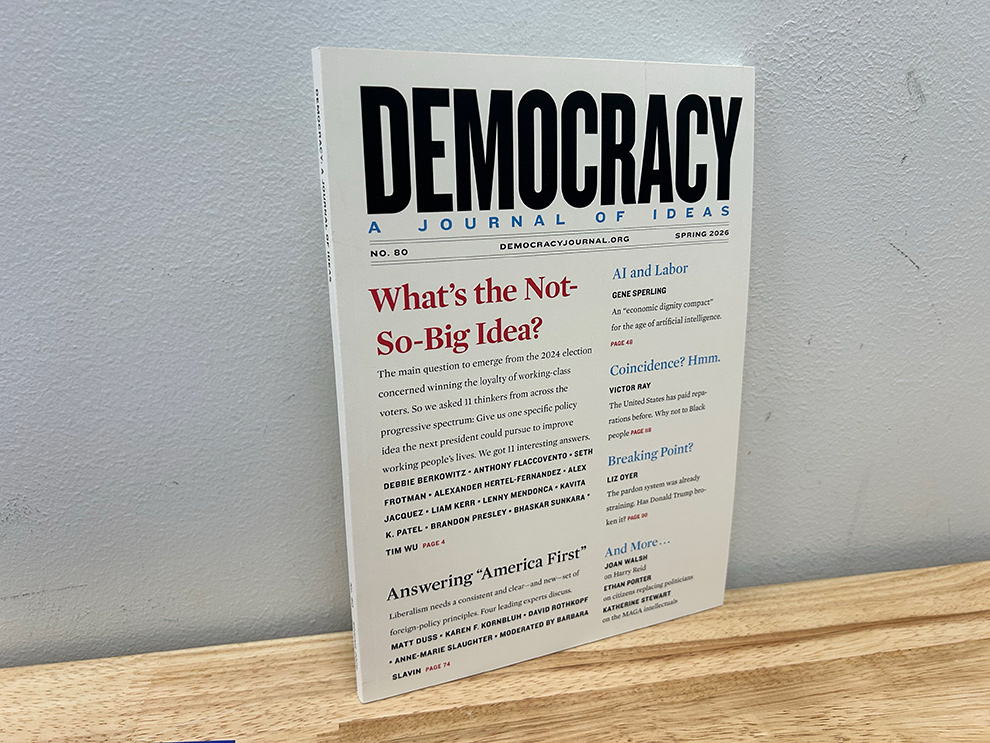
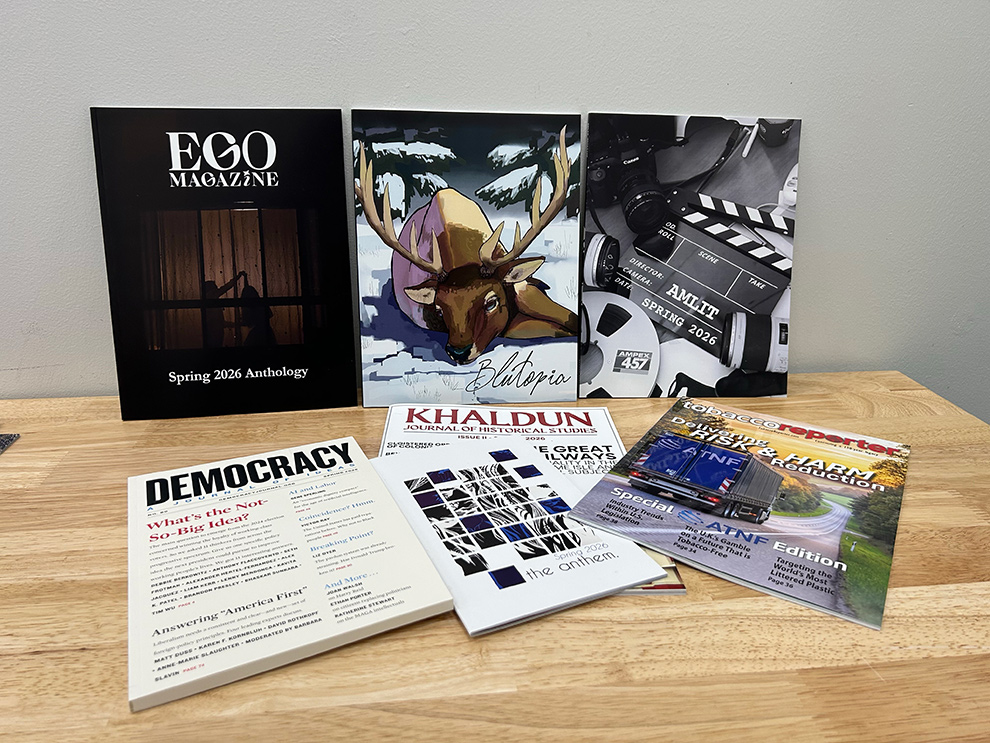
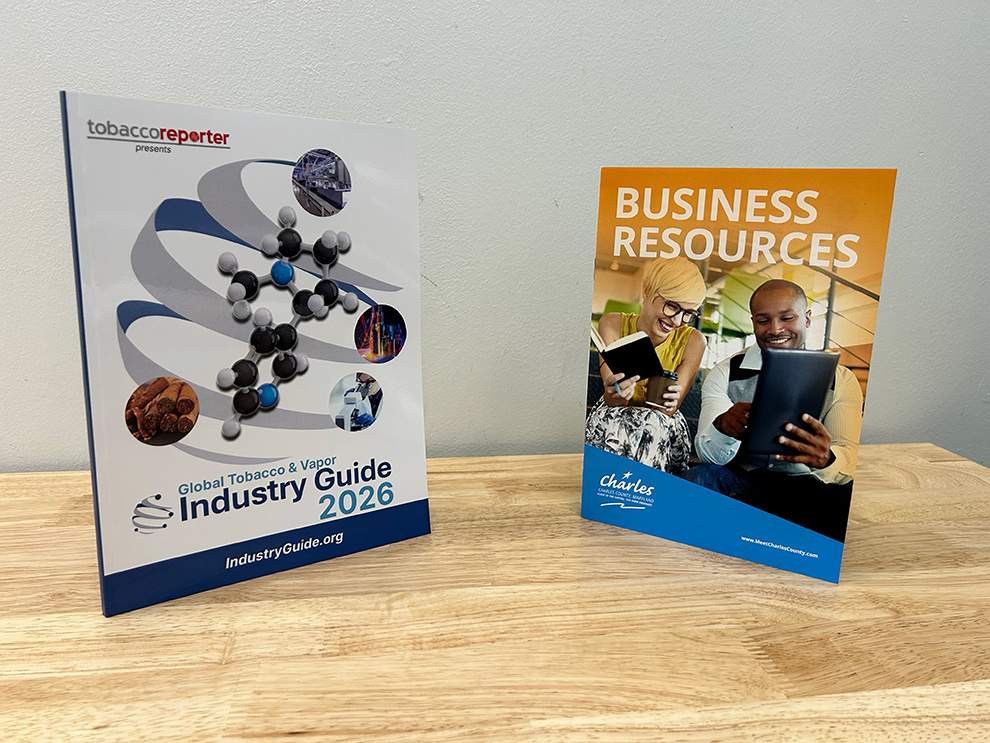
Suited to larger editorial issues with higher page counts, separate covers, and a more developed visual identity than a typical newsletter requires.
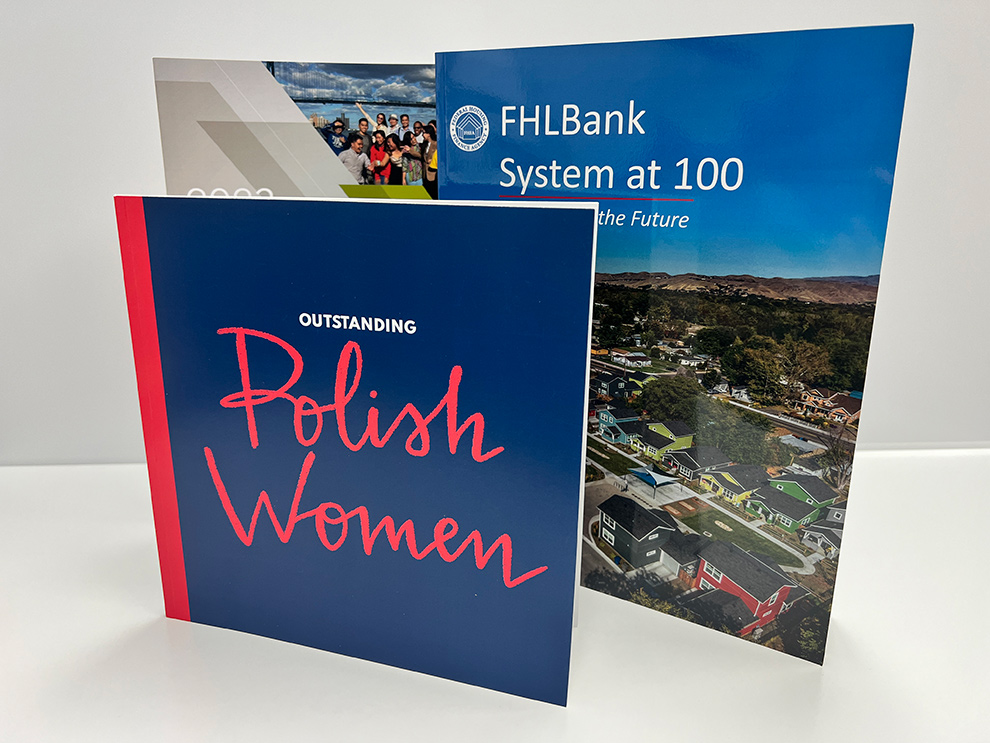
Compact stitched pieces such as member handbooks, orientation guides, and resource directories that share a format with newsletters but serve a longer shelf life.
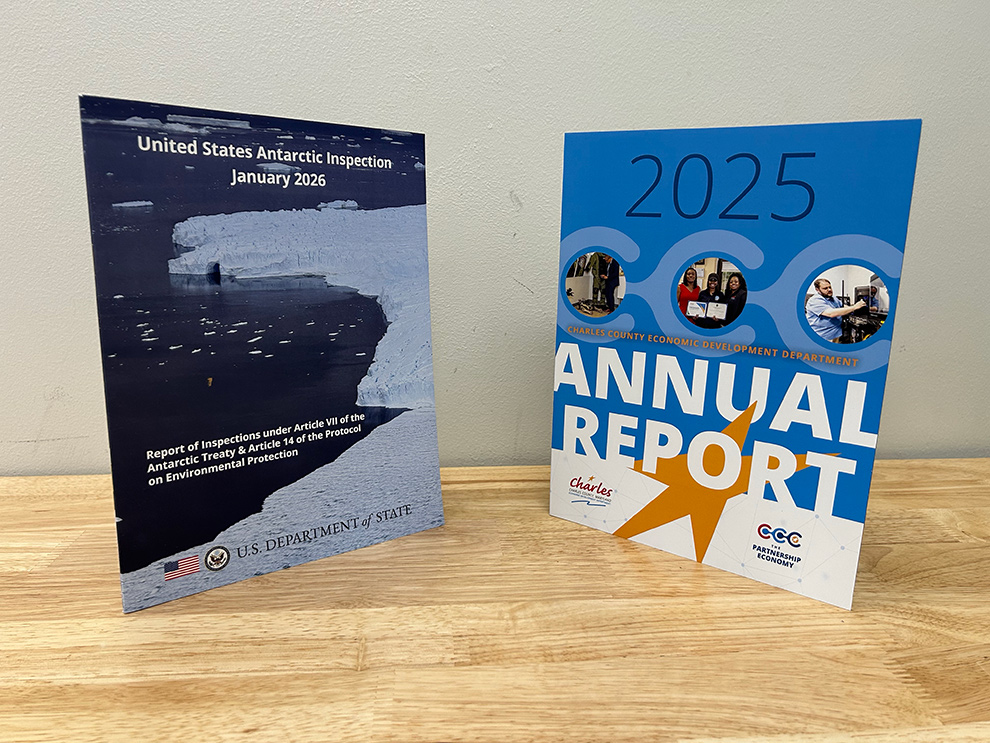
Formal yearly publications covering finances, programs, governance, and impact for boards, donors, and stakeholders.
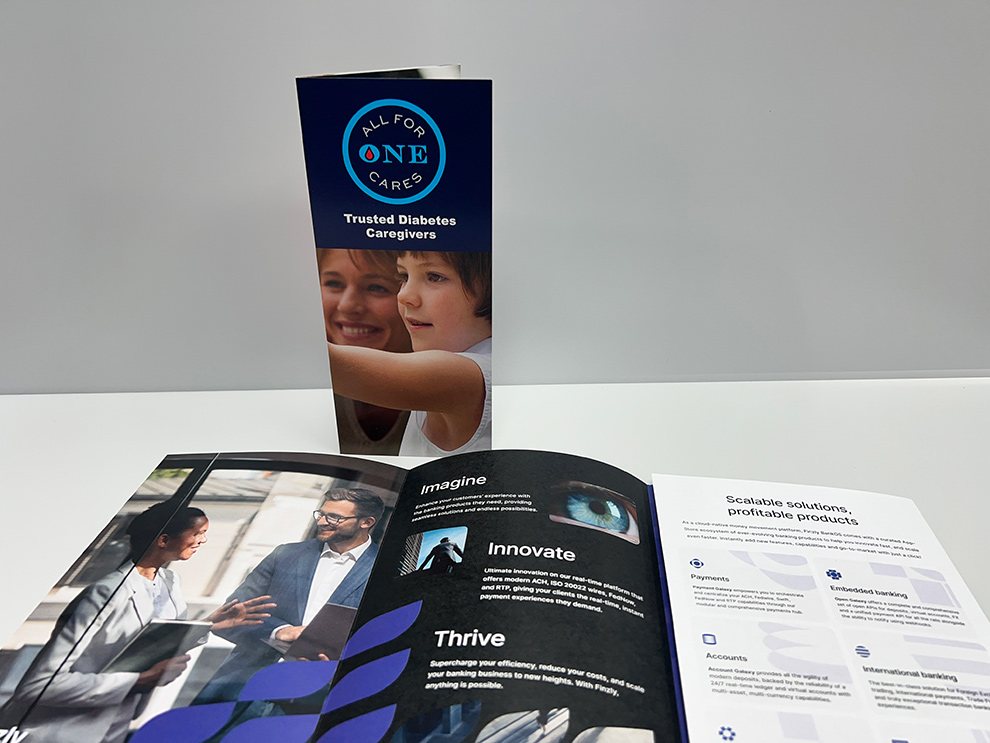
Folded pieces for program overviews, enrollment campaigns, and quick-reference outreach that can be inserted with or distributed alongside a newsletter.
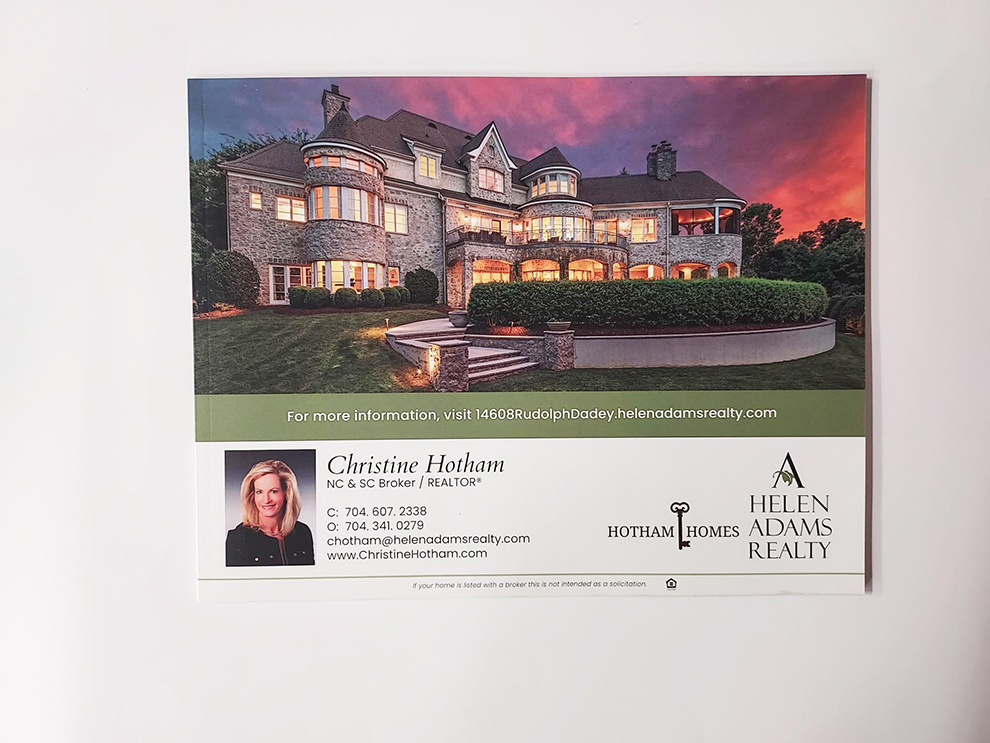
Addressing, postal preparation, and mail coordination for newsletters that need to reach a membership list or resident roster on a predictable schedule.
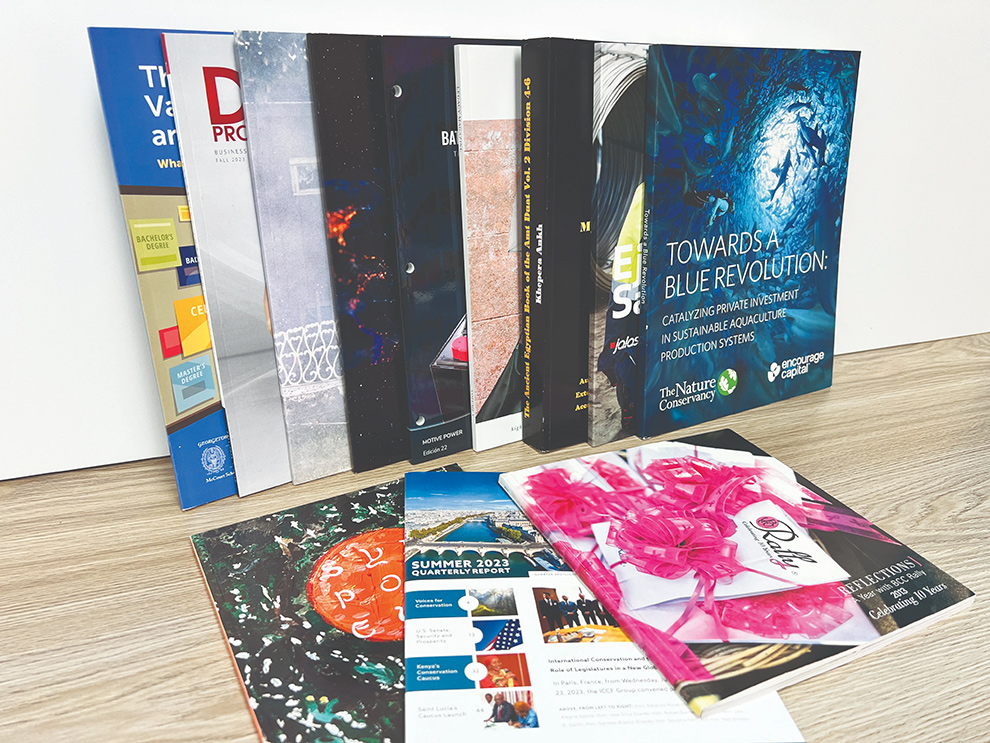
Coordinated printed collateral that reinforces the same message your newsletter carries across other touchpoints.
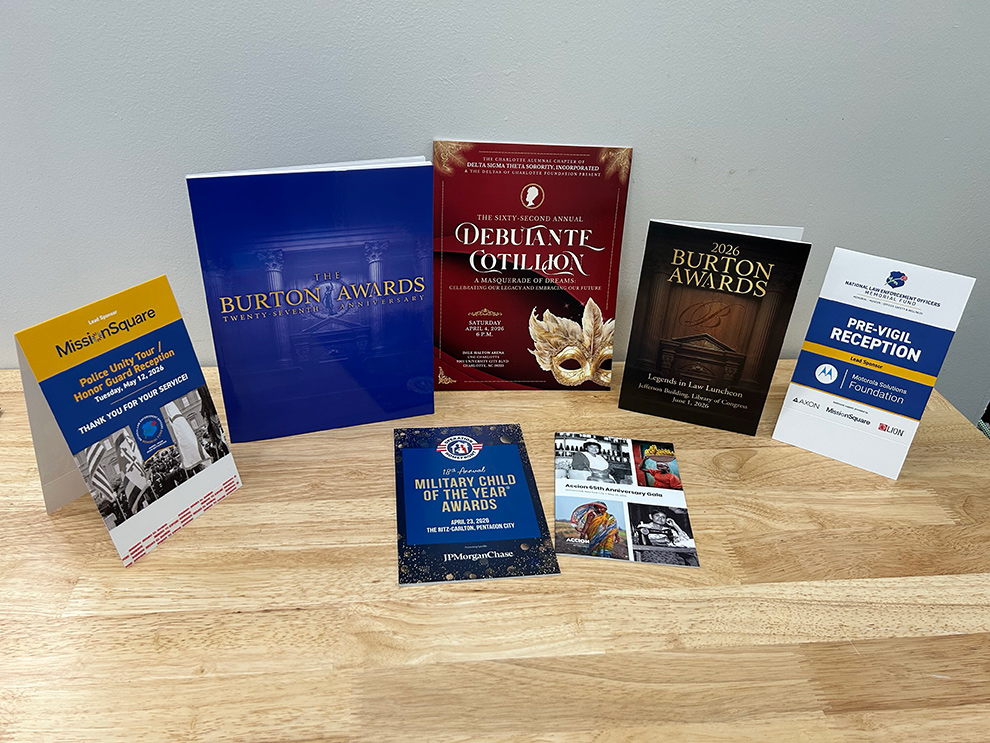
Agenda books and session guides for conferences, award dinners, and forums where attendee information changes with each gathering.
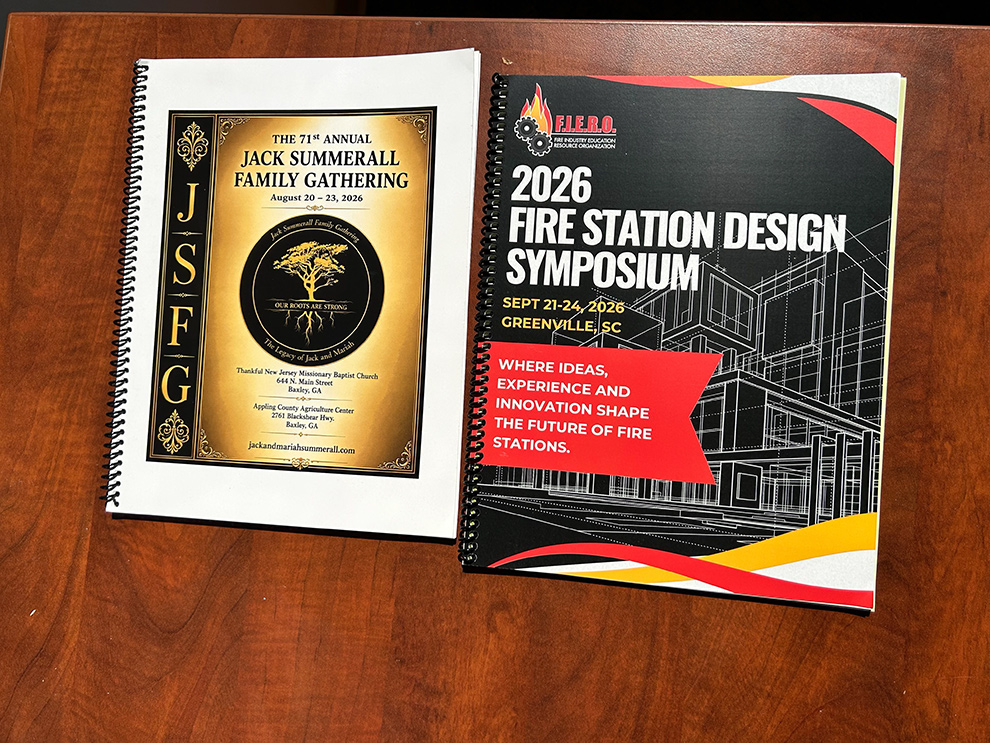
Reference-style publications for instruction and procedures, intended to be kept and consulted rather than read once and replaced by the next issue.
If your Arlington, VA newsletter has a firm mail date or meeting deadline, submit your print-ready files, specifications, and required date through Custom Quote. Your Project Coordinator will review the project and map the quickest responsible path to finished pieces. If your newsletter is fully specified and matches one of our standard saddle-stitched booklet configurations, you can also price and order it directly through the Online Store.
Once your Custom Quote is submitted, a Project Coordinator is assigned to your newsletter and reaches out to confirm specifications, verify the distribution date, and resolve any open questions before production begins. From that point forward, you are working with one knowledgeable person by phone and email rather than being passed between departments.
This matters most when something shifts. A late article, a quantity change, an added mailing segment, or a moved meeting date can all be handled by someone who already knows the job. Your Project Coordinator keeps proof approval on track, reports production status, and coordinates the direct mail, shipping, or delivery arrangements that were agreed to at the outset.
Every order receives an electronic proof so that the exact file going to press has been reviewed and approved. After approval, our attention turns to execution: printing, saddle stitching, quality checks, and handoff to the mail stream or carrier. The objective is to make the production stage the most predictable part of your newsletter cycle.
As soon as you know the approximate specifications and the date the newsletter must be in hand or in the mail. Advance notice lets us reserve paper and production time, which is the single most effective way to protect a tight schedule. The final print-ready file can follow later, but knowing the date early gives us room to plan around it.
Trade and professional associations, civic and homeowner associations, condominium boards, nonprofits, government contractors, educational institutions, faith communities, and businesses with regular employee or client communications. Any group that publishes recurring printed updates on a schedule is a good fit for the service.
Not necessarily. Many newsletters are printed as self-cover pieces, with the same paper used from front to back. A heavier separate cover is an option when you want a more substantial feel or a visual distinction between the outside and the interior pages. Either construction can be produced to a high standard.
Yes. When mailing is part of the project, you supply the authorized recipient list and Heritage handles addressing and postal preparation in coordination with the print run. Finished size, paper weight, quantity, and timing are planned with mail requirements in view. Once the pieces are accepted by USPS, delivery performance is outside our control.
The Online Store is a self-directed path for straightforward, fully specified, print-ready newsletters that fit an available saddle-stitched configuration. Custom Quote is the better route when you need a Project Coordinator, multiple versions, mailing services, nonstandard specifications, limited production adjustments to supplied files, an expedited schedule, or a Physical Production Color Proof.
Yes. Every newsletter order, including Online Store purchases, receives an electronic proof for review and approval before printing. The proof is your opportunity to verify copy, images, page sequence, cover treatment, and version details. Approving the electronic proof confirms the file to be printed but does not serve as a physical color standard.
It is a saddle-stitched binding finished with a flattened, squared spine instead of the rounded profile that thicker stitched pieces normally show. For newsletters with higher page counts, particularly digitally printed ones, it produces a cleaner edge and a more finished look while keeping the economy and speed of saddle stitching.
Yes. Separate editions for chapters, departments, donor tiers, neighborhoods, or language groups can be printed and distributed from the same project. Providing clearly labeled files, quantities per version, a single approver for each, and distinct distribution instructions keeps everything organized through proofing, printing, and fulfillment.
No. Heritage prints from completed, print-ready artwork and does not offer editorial or general newsletter design services. For Custom Quote projects, we can make limited production-oriented adjustments to prepare a supplied file for press. Online Store orders must be submitted as complete print-ready files.
Through disciplined color management on the production equipment and by retaining the specifications used on prior runs. When color is especially critical, Custom Quote clients may request a paid Physical Production Color Proof produced on the same printer and paper planned for the job. This adds time to the schedule but provides a tangible reference for the approved run.
Yes. Finished size, paper, cover construction, binding, and color expectations can be carried forward as the baseline for future issues. Each new edition is still reviewed, since artwork, page counts, quantities, and mailing requirements frequently change between cycles.
Contact your Project Coordinator immediately with the revised timing. We will assess how much of the production window remains, identify what has to happen first, and tell you plainly whether the original date can still be met and what it will take. When an expedited path is realistic, we pursue it rather than defaulting to standard turnaround.
Newsletters are typically shorter, recurring, and self-cover, built for timely organizational communication. Booklets tend to be reference pieces with a longer useful life. Magazines generally carry more pages, a separate heavier cover, and sometimes perfect binding. The categories overlap, and your Project Coordinator can help confirm the most appropriate format and pricing path.
Yes. Completed newsletters can be mailed directly, shipped to one or more addresses, delivered for client distribution, or split between those methods. Arlington, the surrounding Northern Virginia communities, and the broader Washington metro region are all within our regular service footprint for printed communications.
Your Project Coordinator confirms the production plan, manages the electronic proof cycle, tracks the job through printing and finishing, communicates status, and arranges the agreed mailing, shipping, or delivery. That person is your direct contact for the life of the project, so questions and changes are handled by someone who already understands the work.
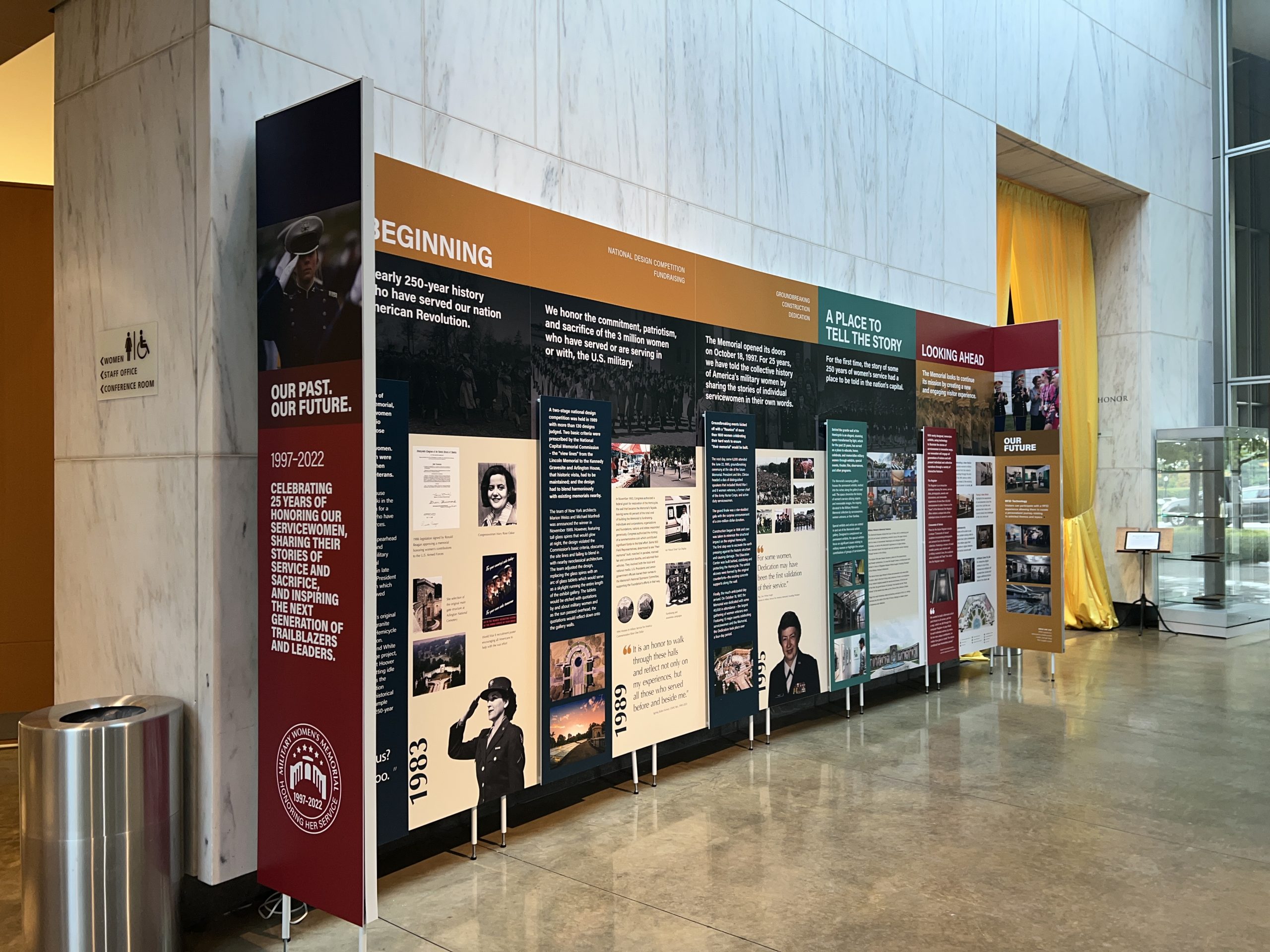
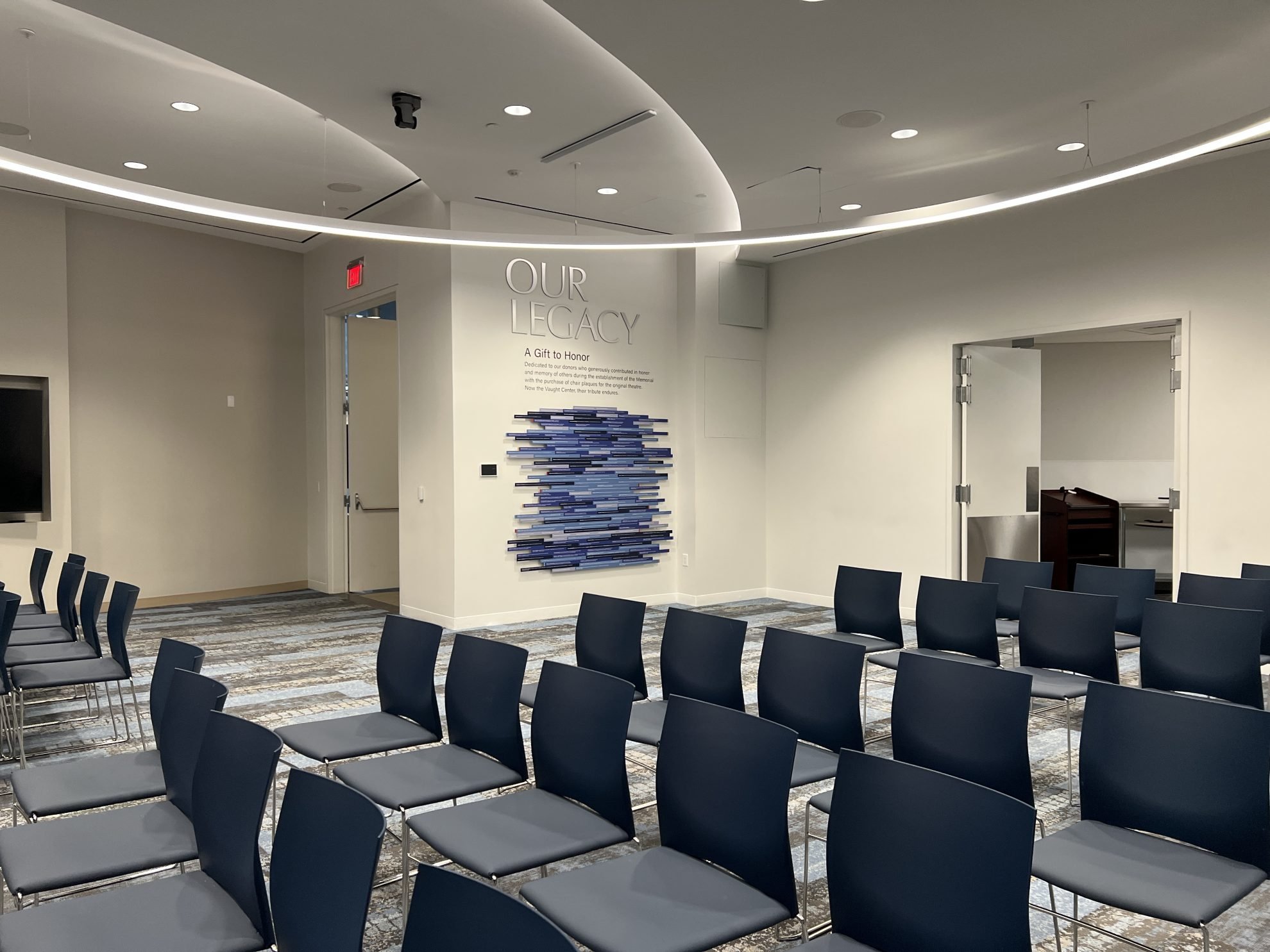
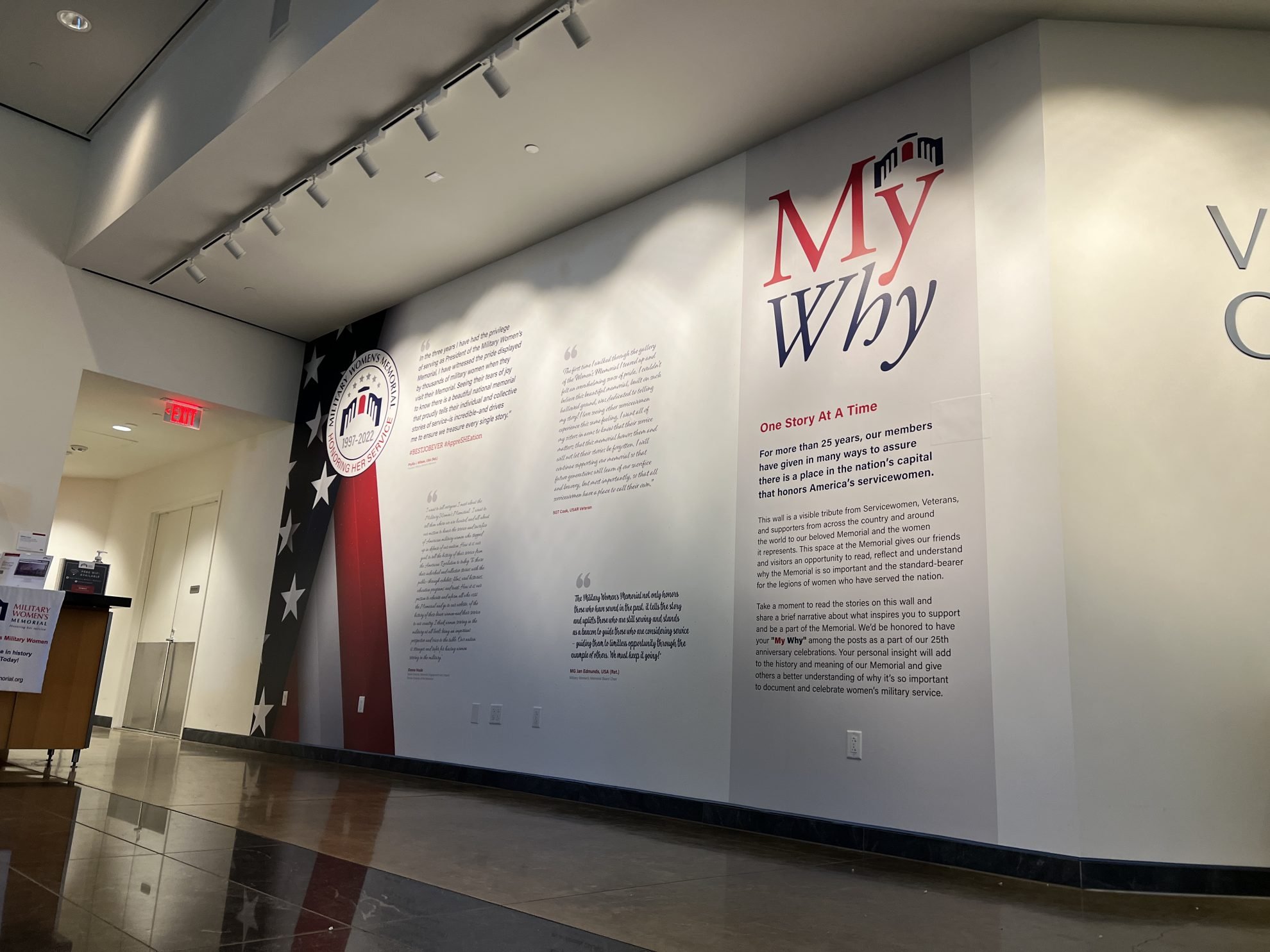
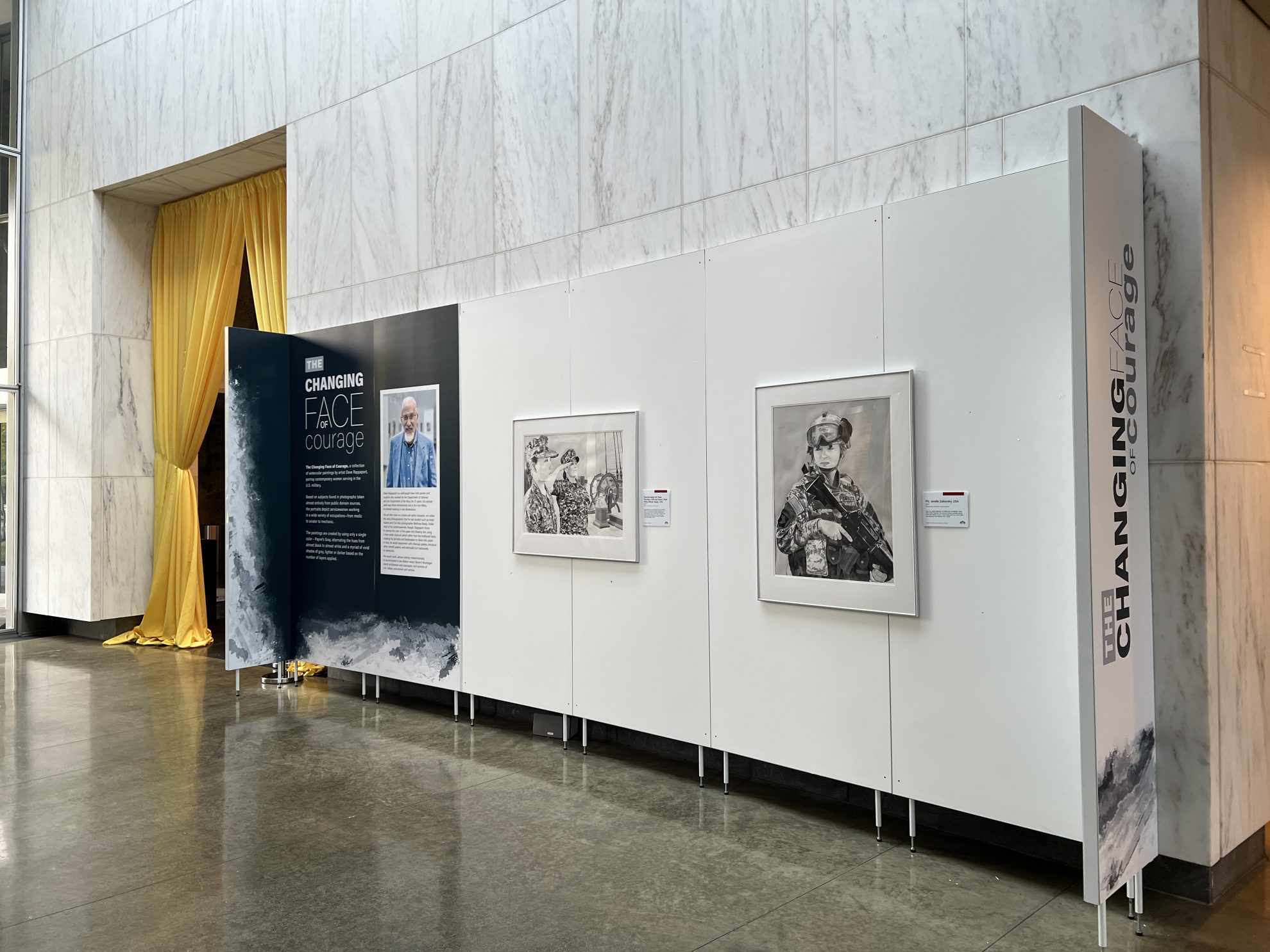
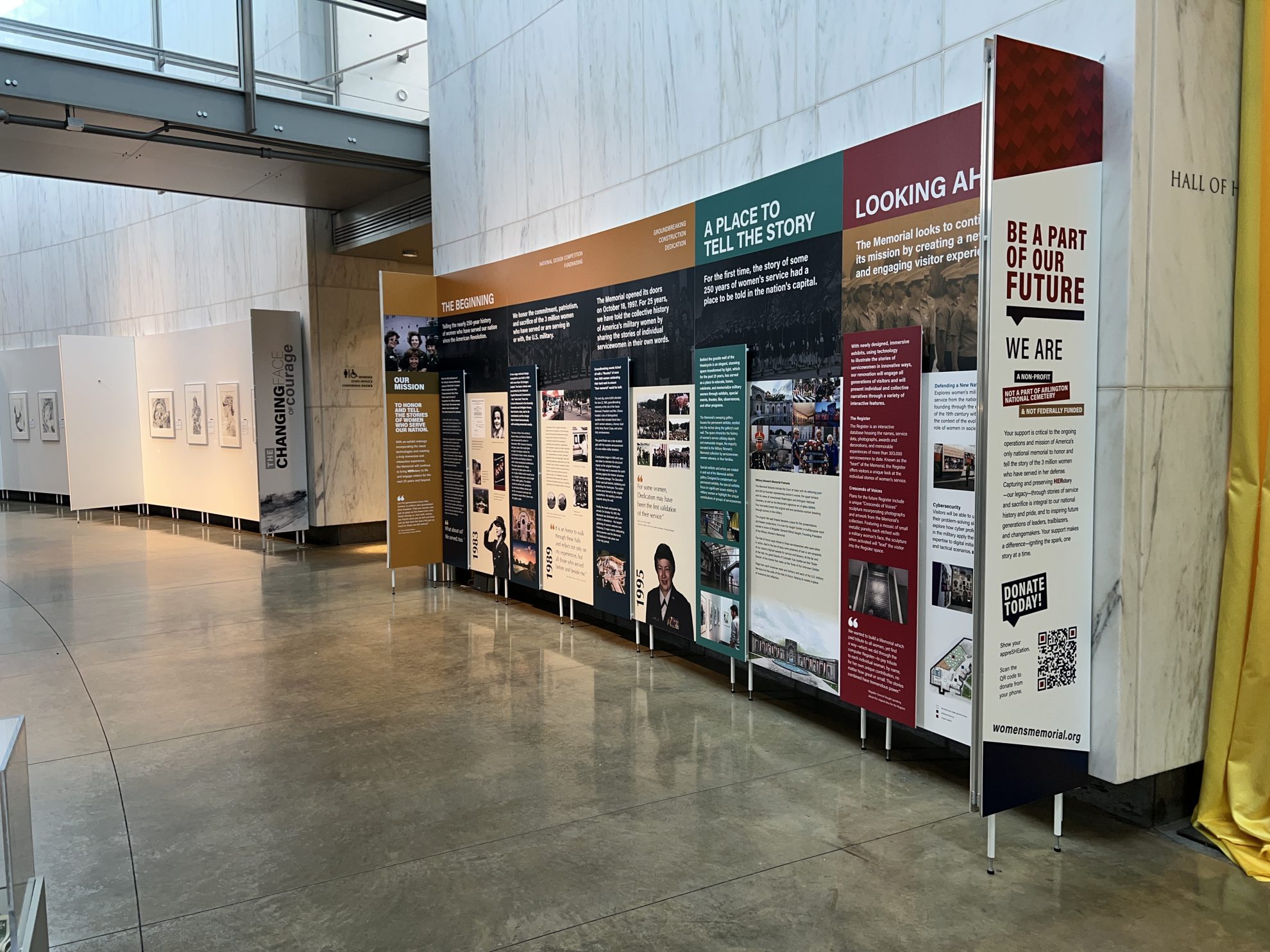
Heritage Signs & Displays created new museum signage for the Military Women’s Memorial in Arlington, VA. The project included custom signs, wall wraps, dimensional letters, and standoff-mounted displays to honor the legacy of U.S. servicewomen and the donors who supported the memorial. The updated interior features impactful designs, including a "Our Legacy" wall display and panels showcasing historical contributions and artwork, creating a transformative tribute to women in the U.S. Armed Forces.
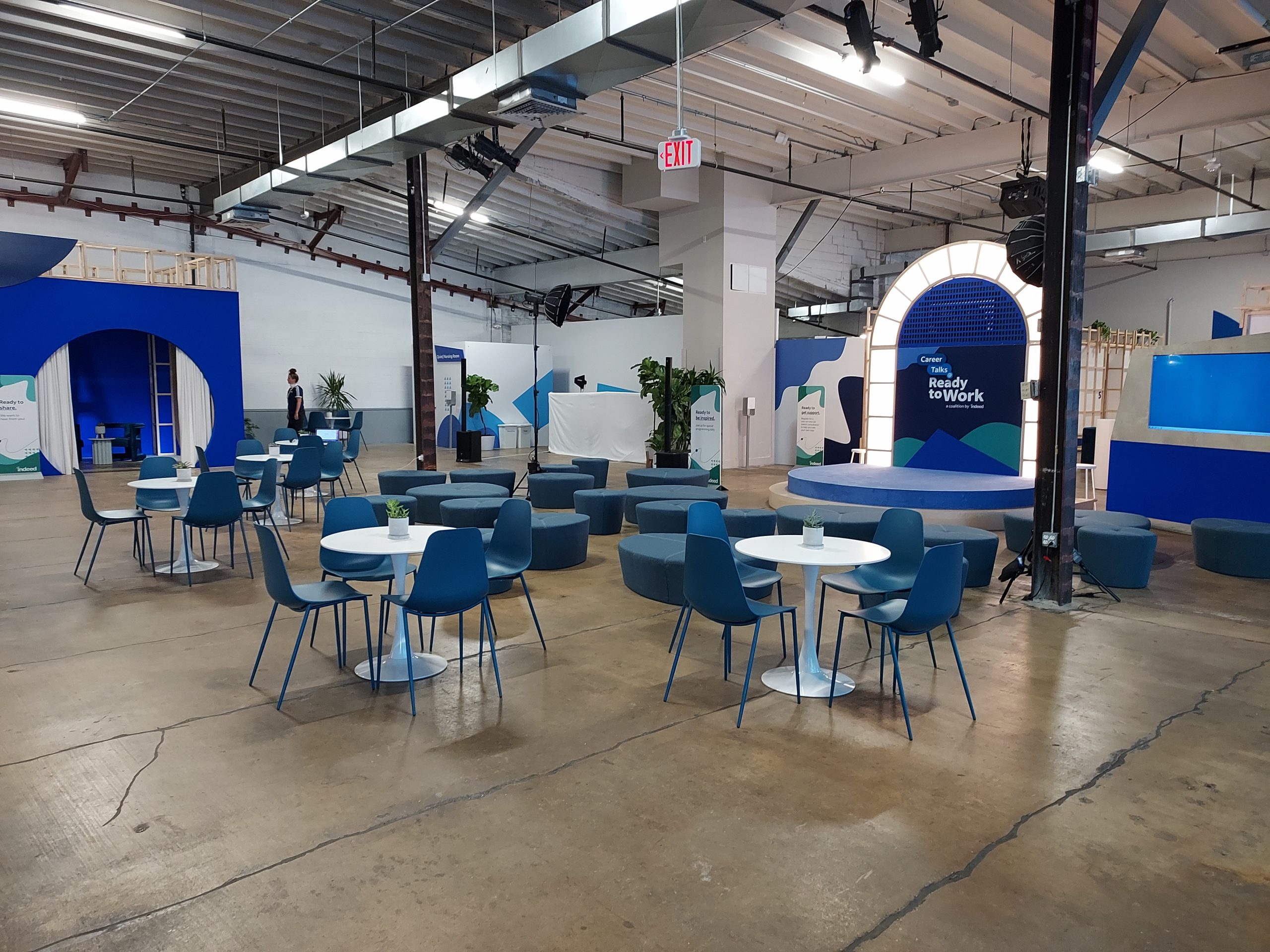
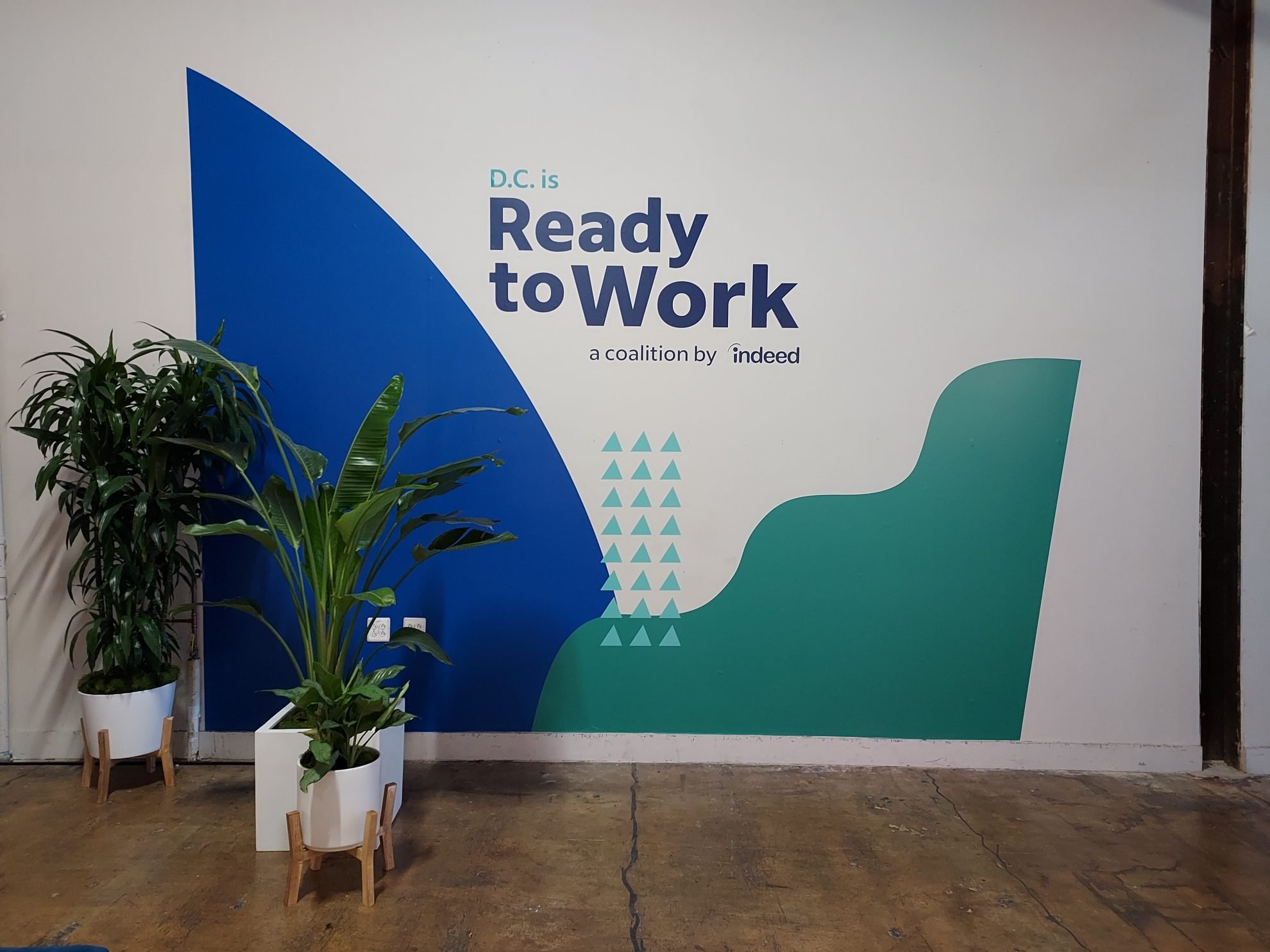
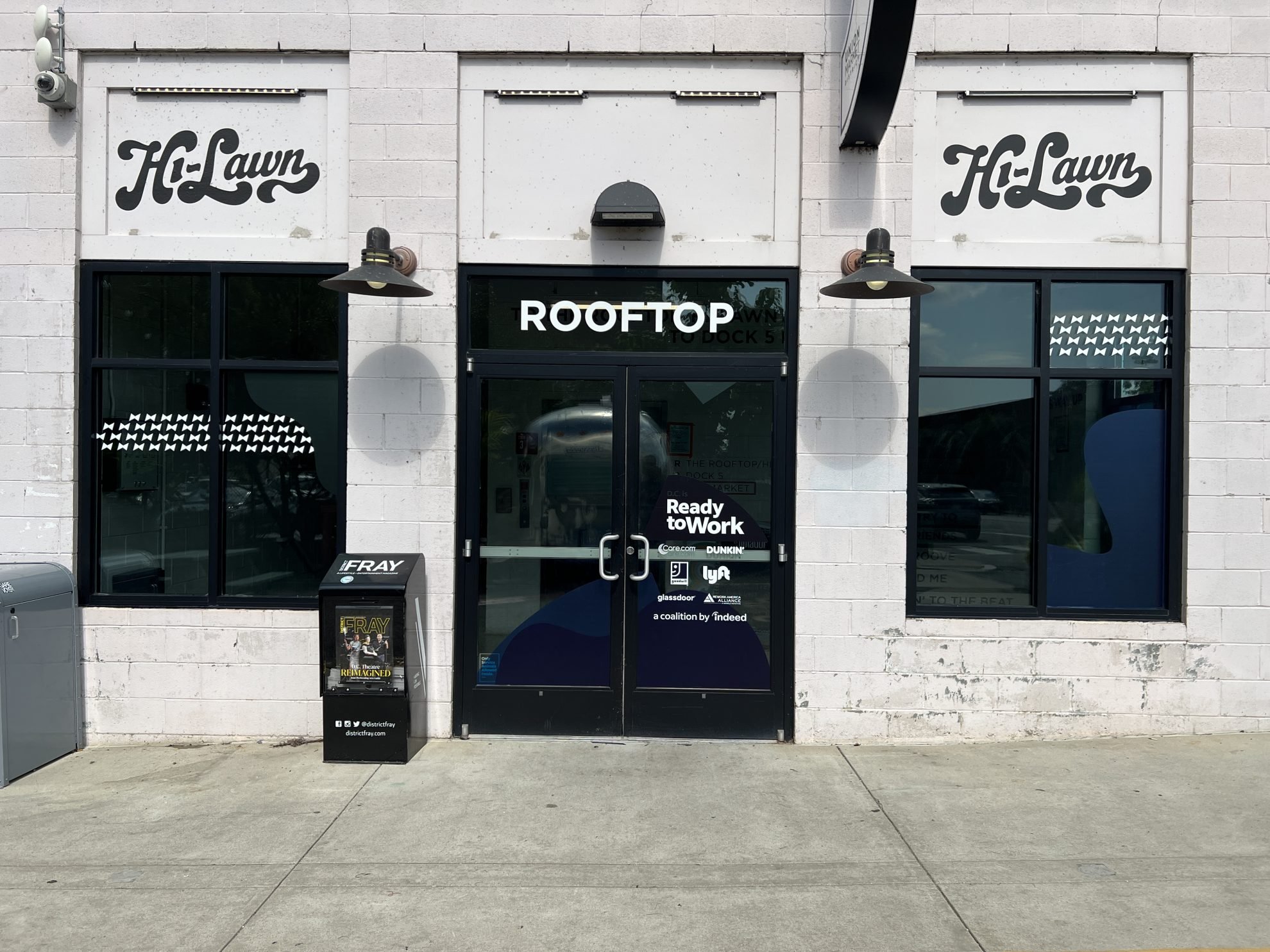
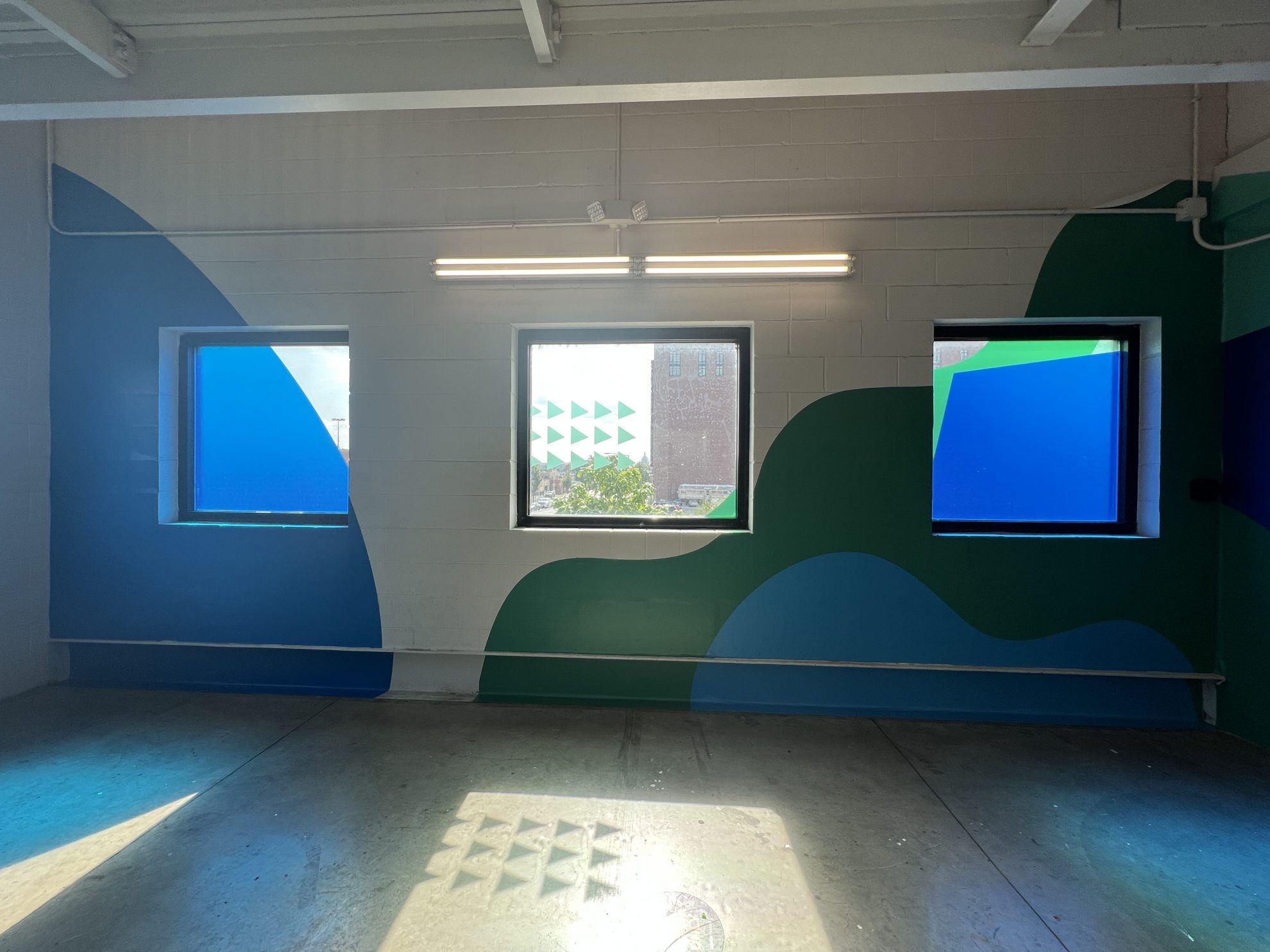
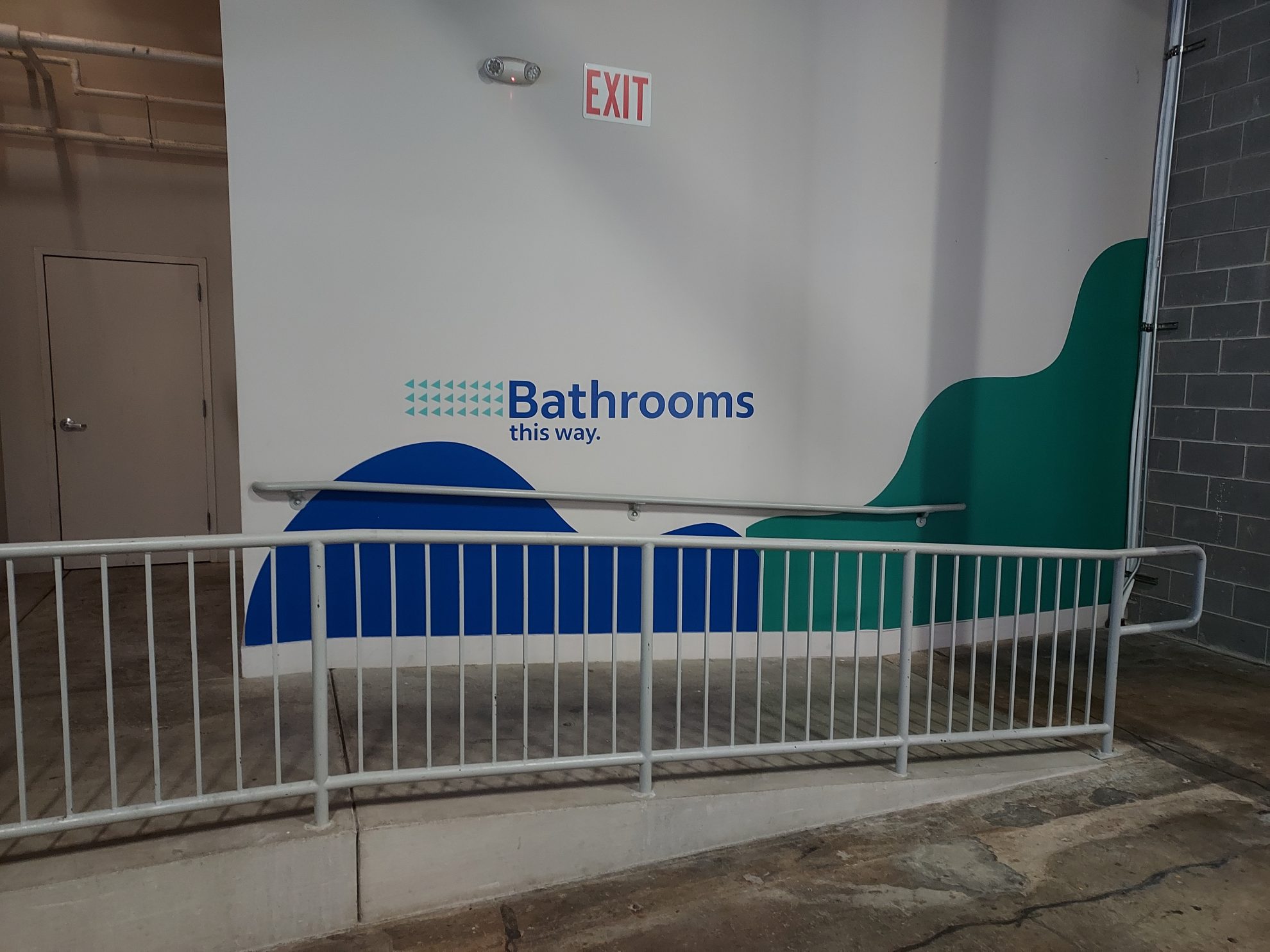
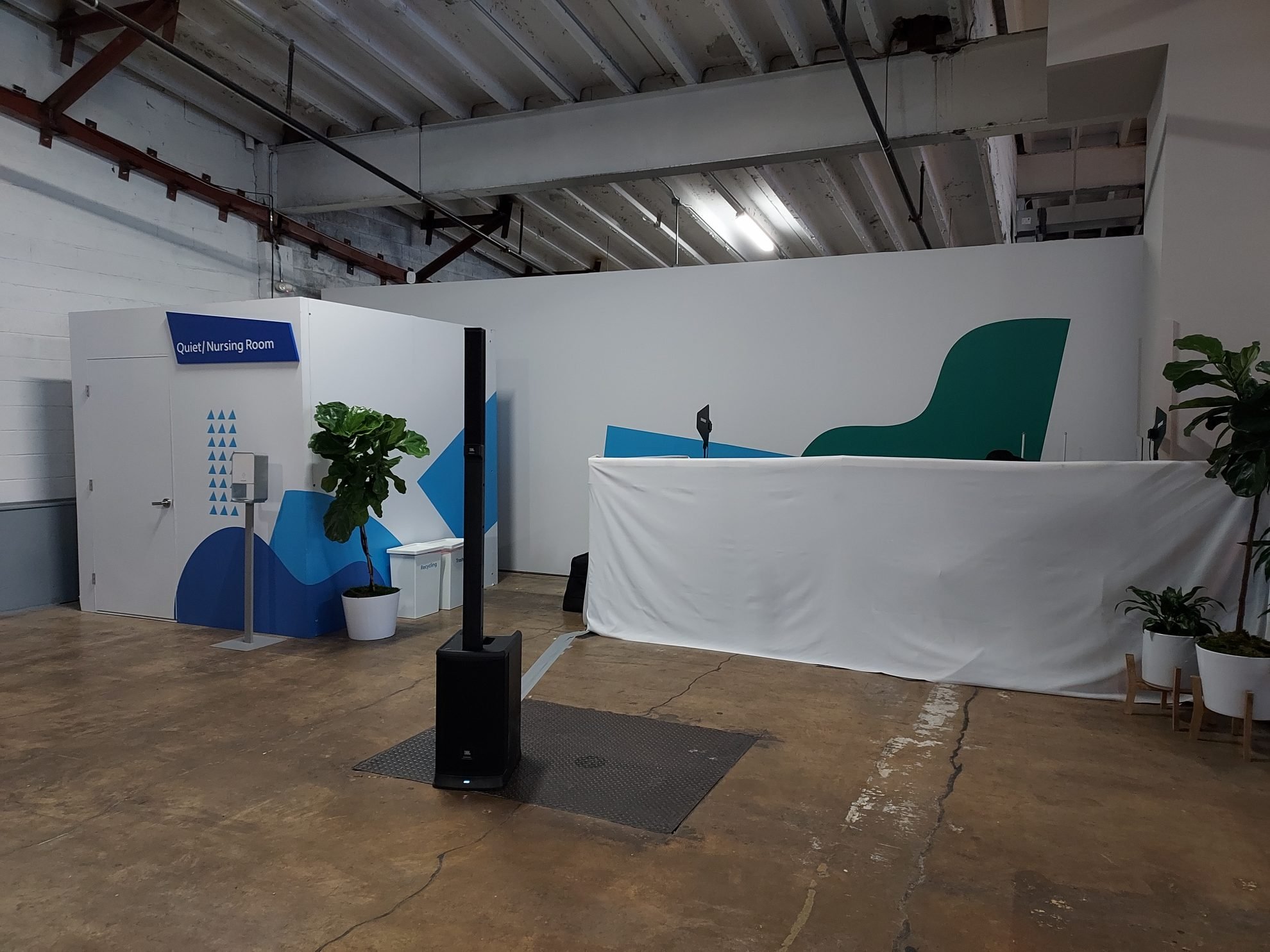
Heritage Signs & Displays' collaboration with The Gathery to brand Union Market in Arlington, VA, for Indeed's "Ready to Work" job fair. The project included custom event displays, wall graphics, window graphics, and wayfinding signs, creating an immersive and visually appealing environment. The branding enhanced the venue, reflected the event's mission, and provided a seamless experience for attendees.