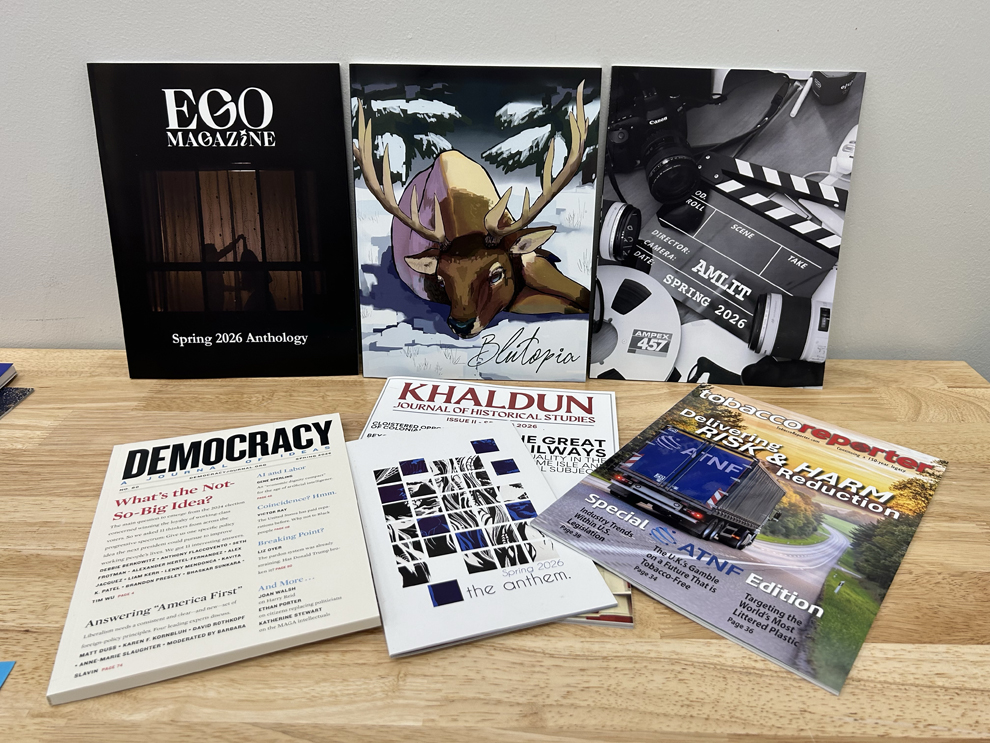
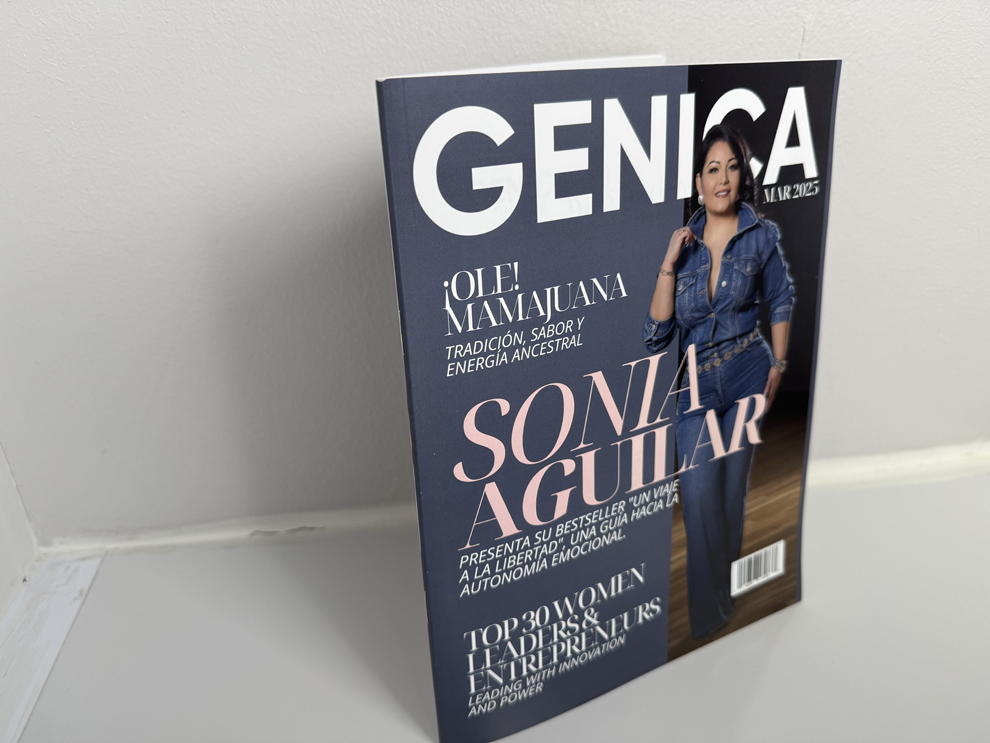
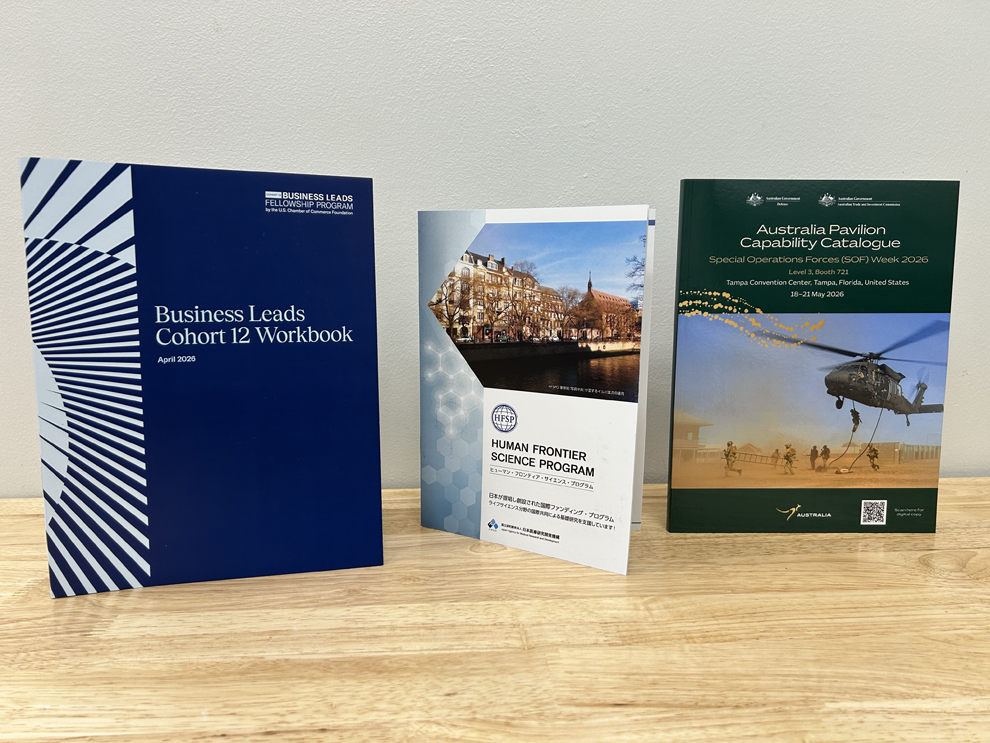
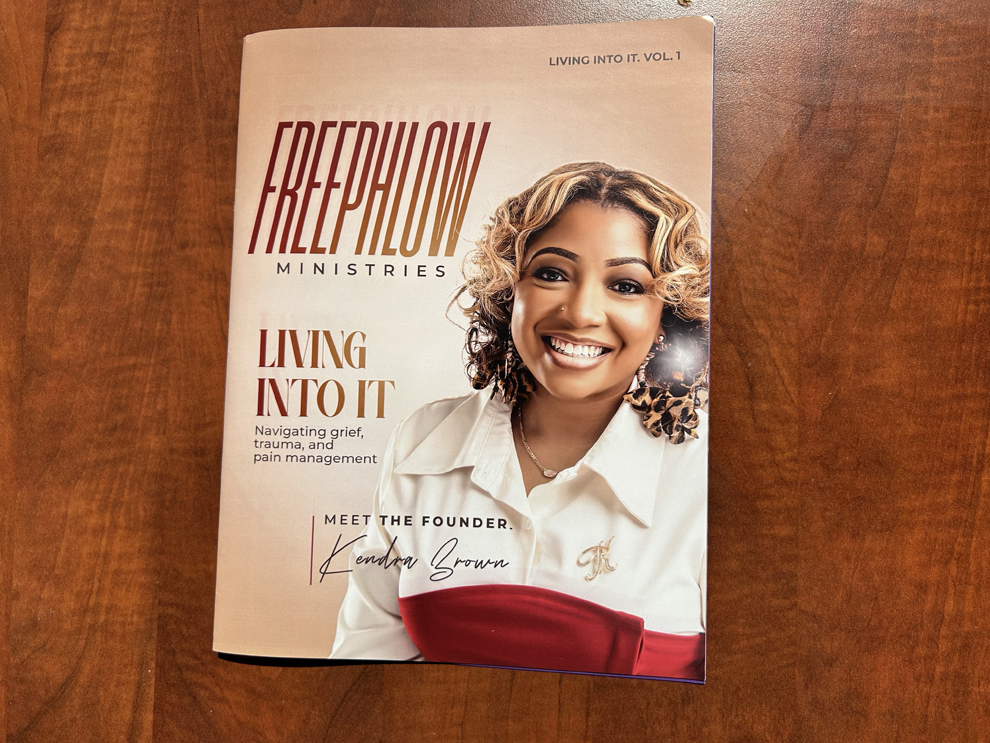
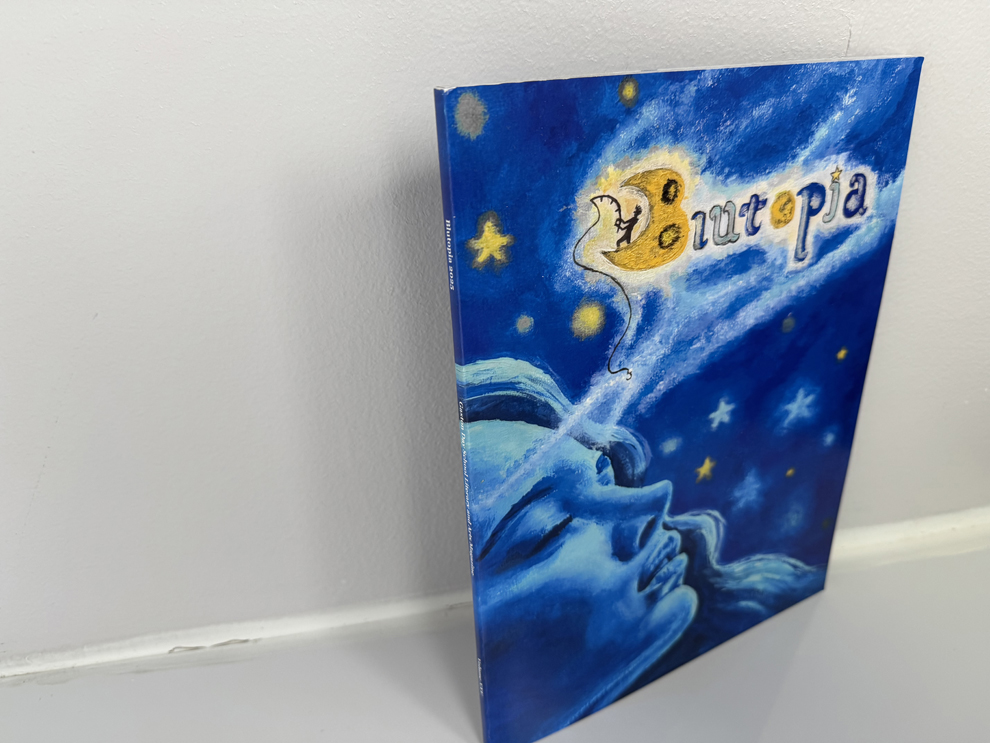
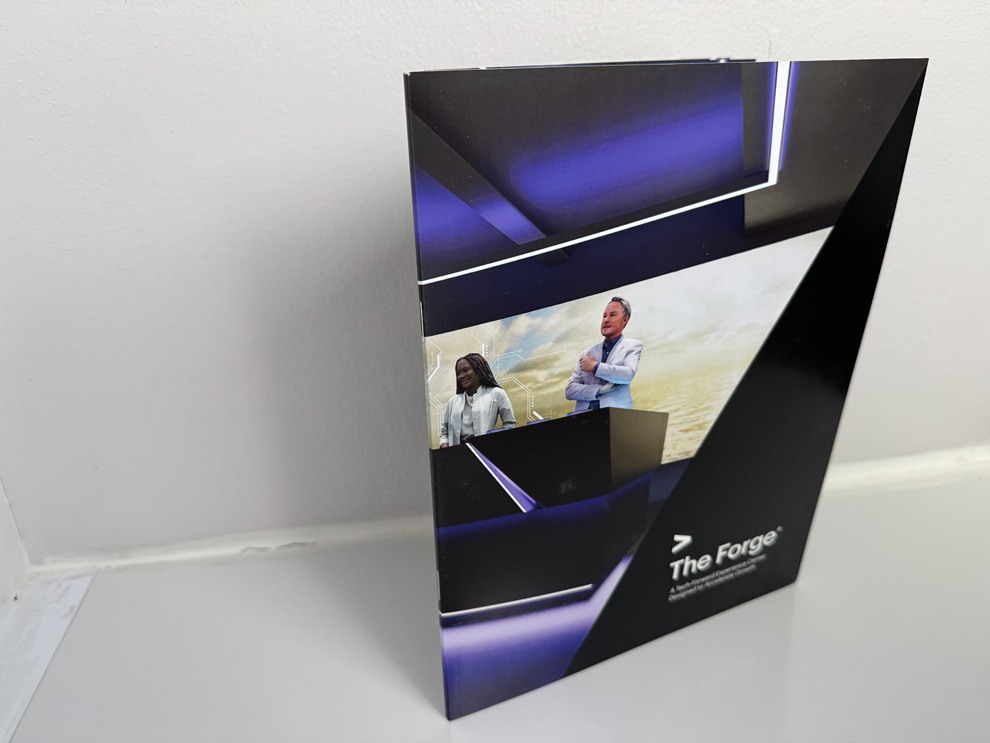
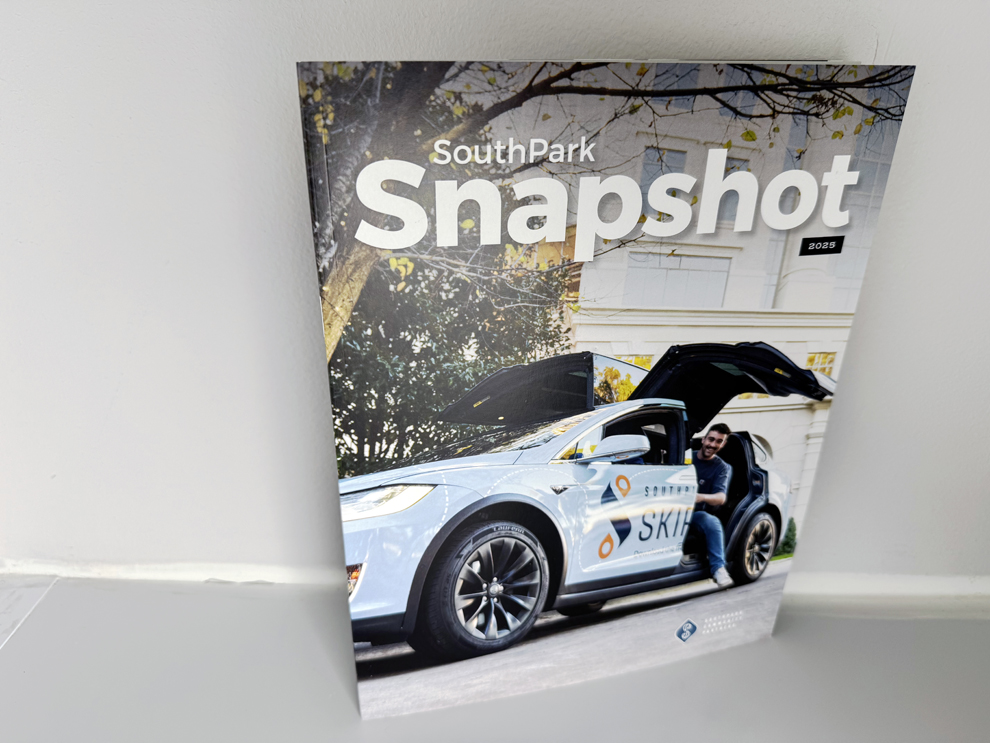
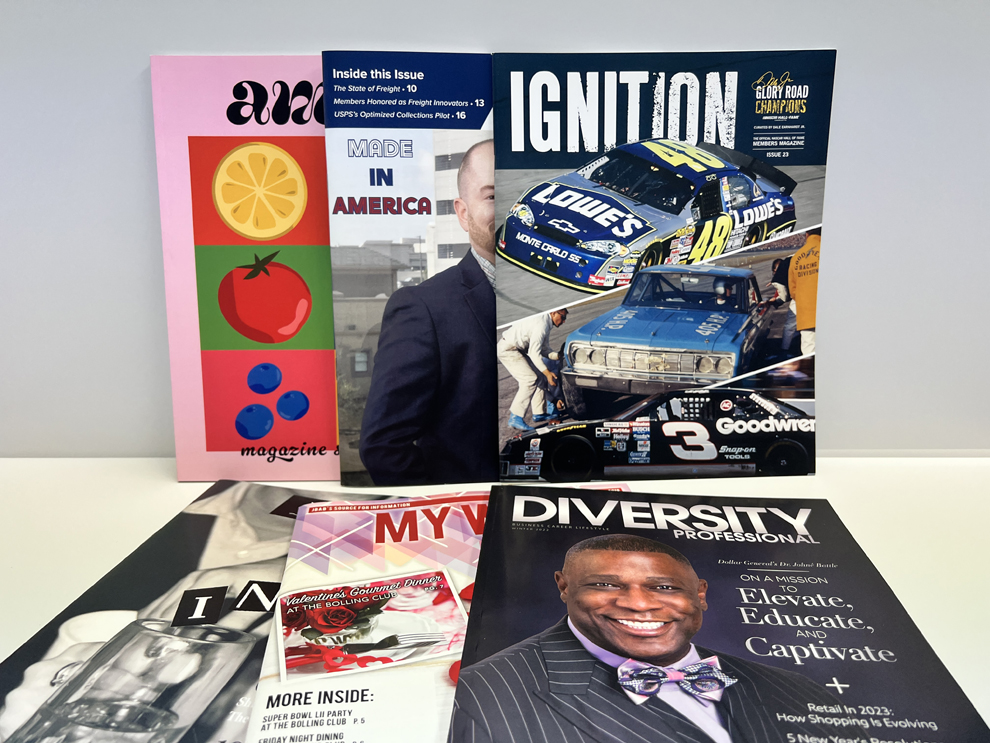
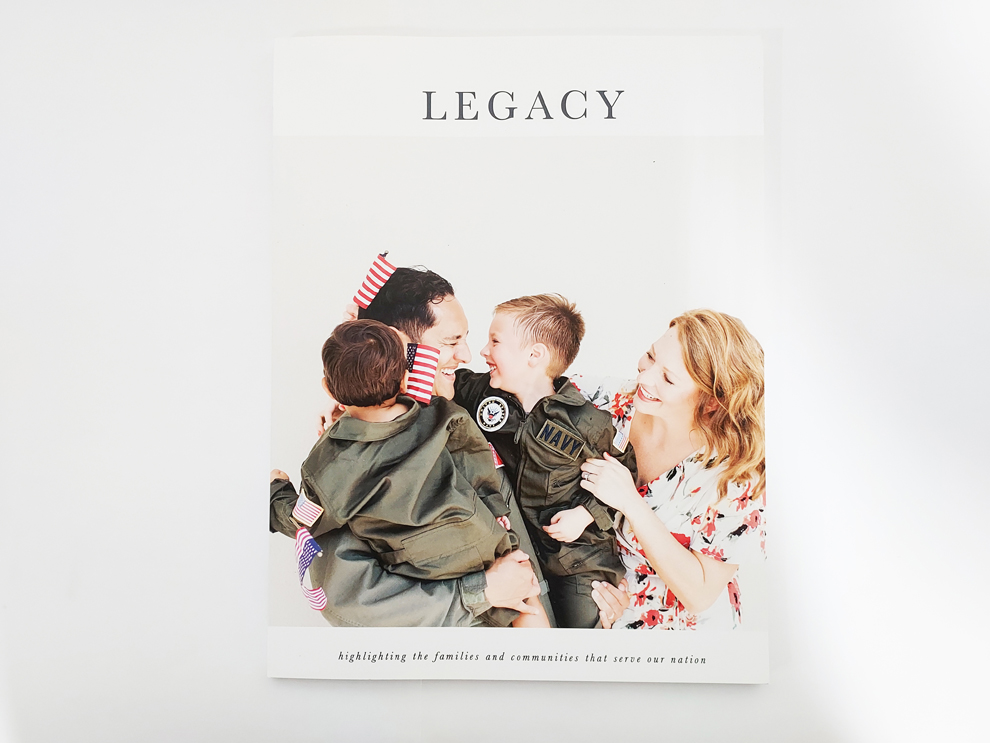
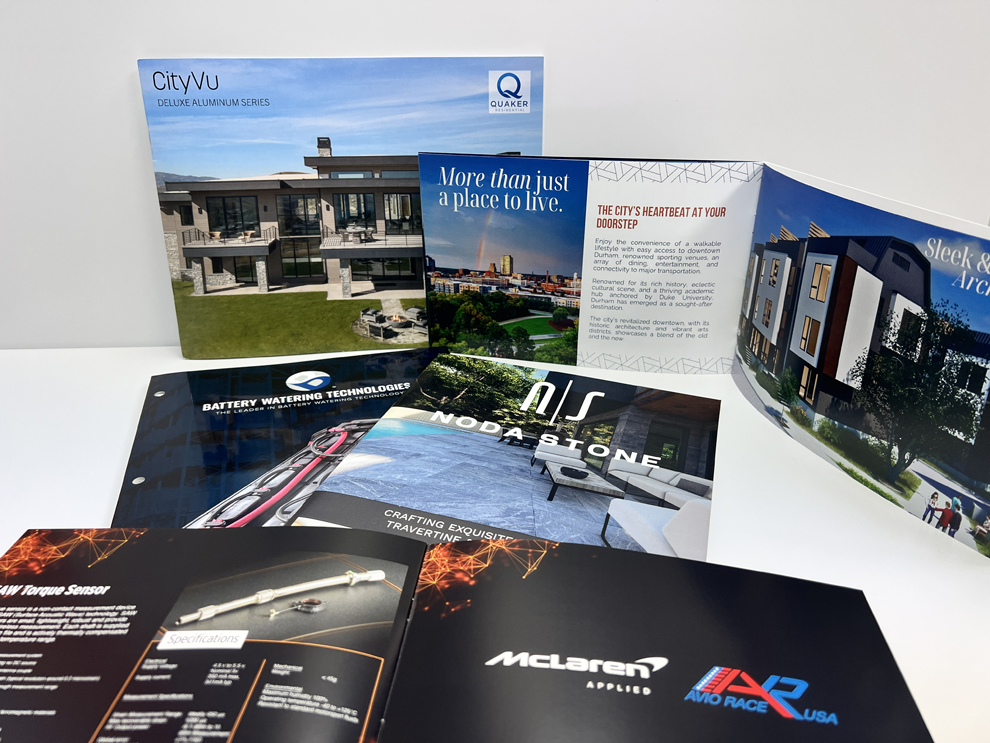
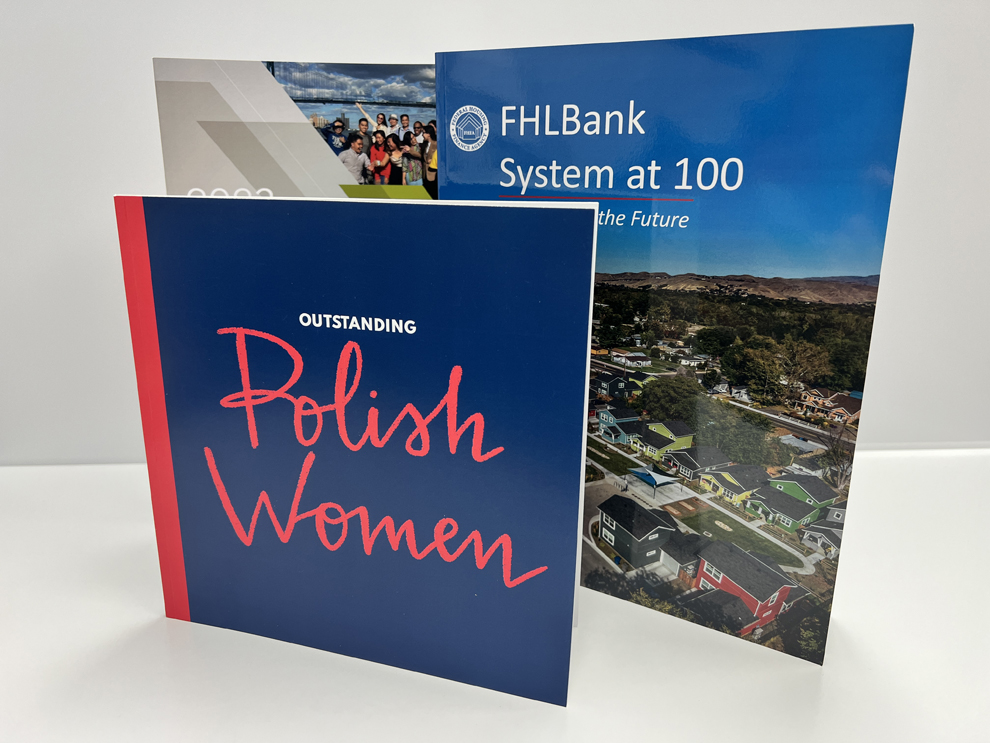
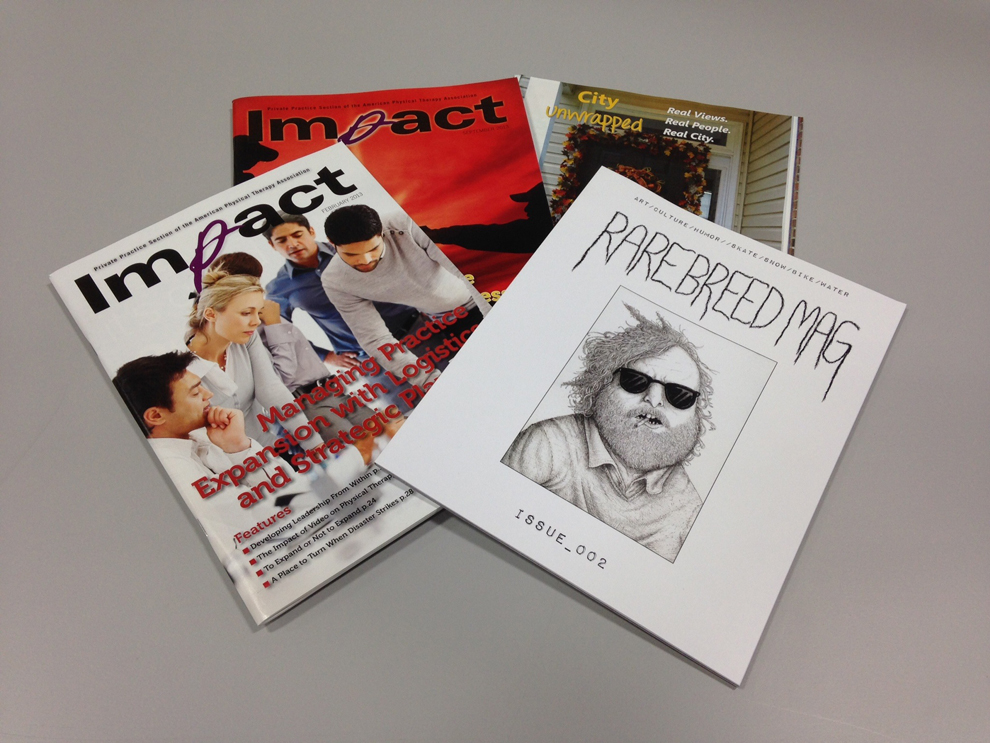
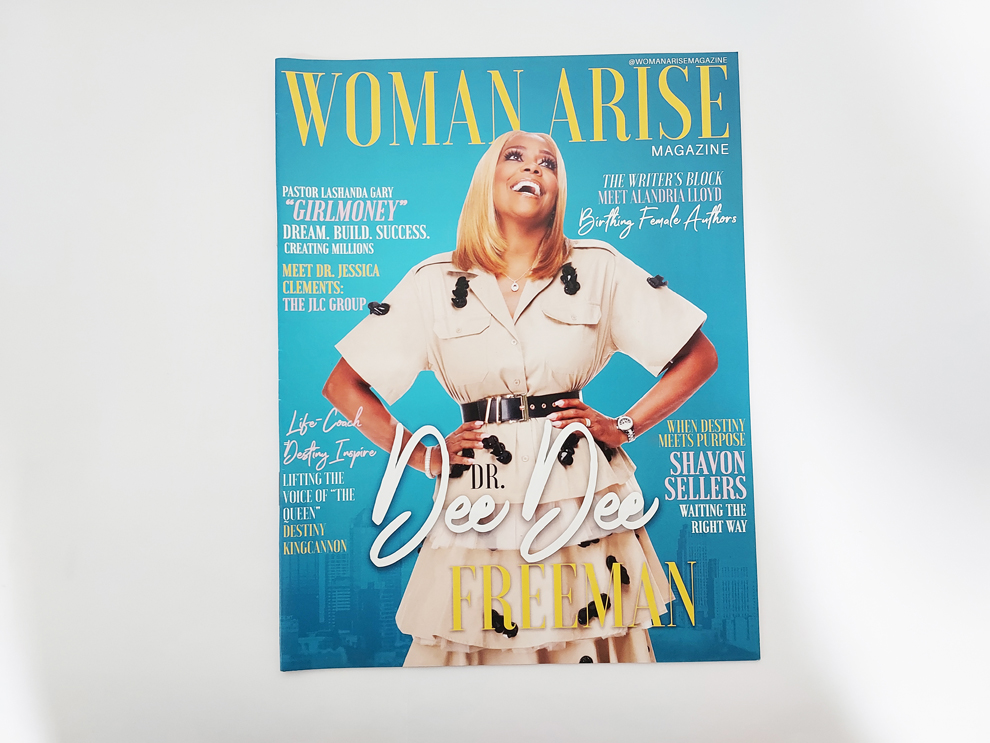
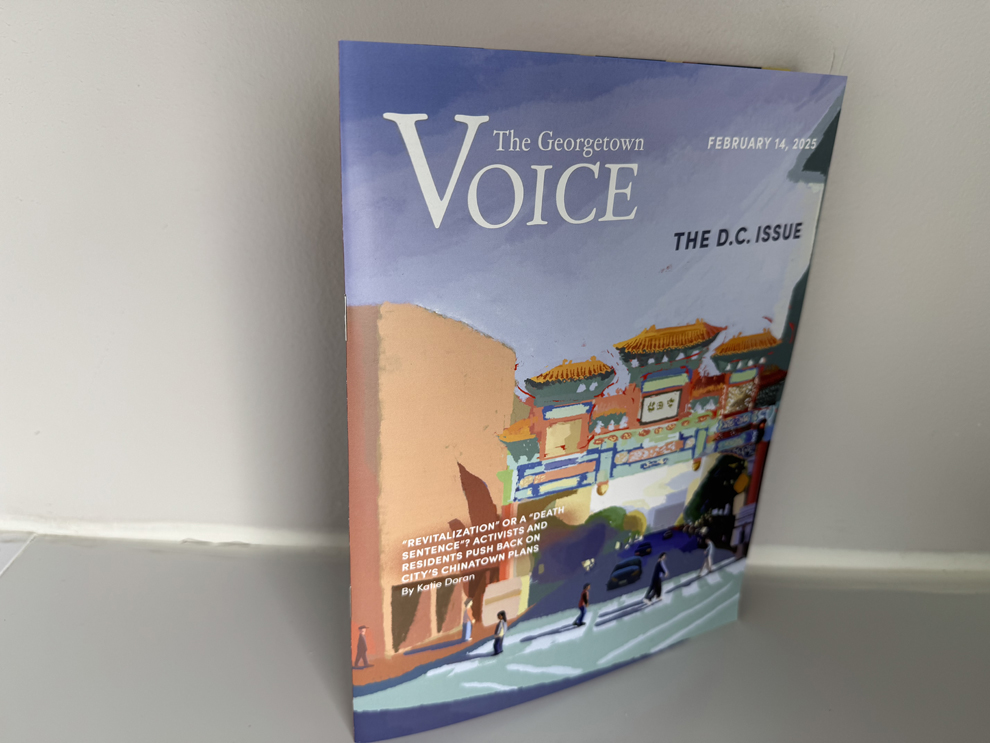
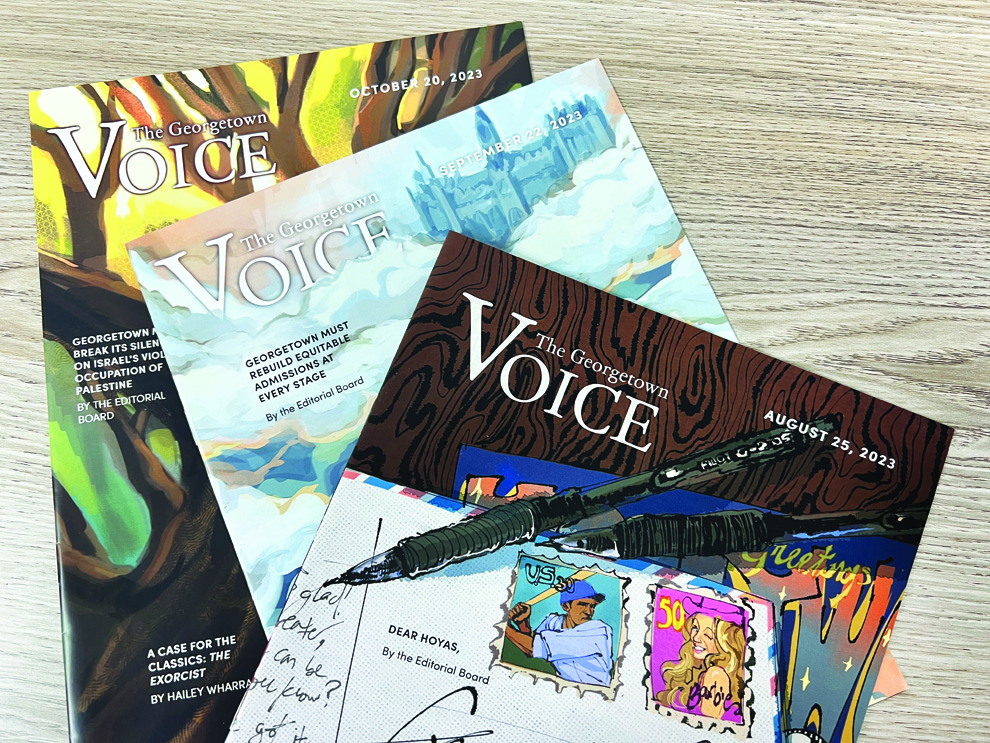
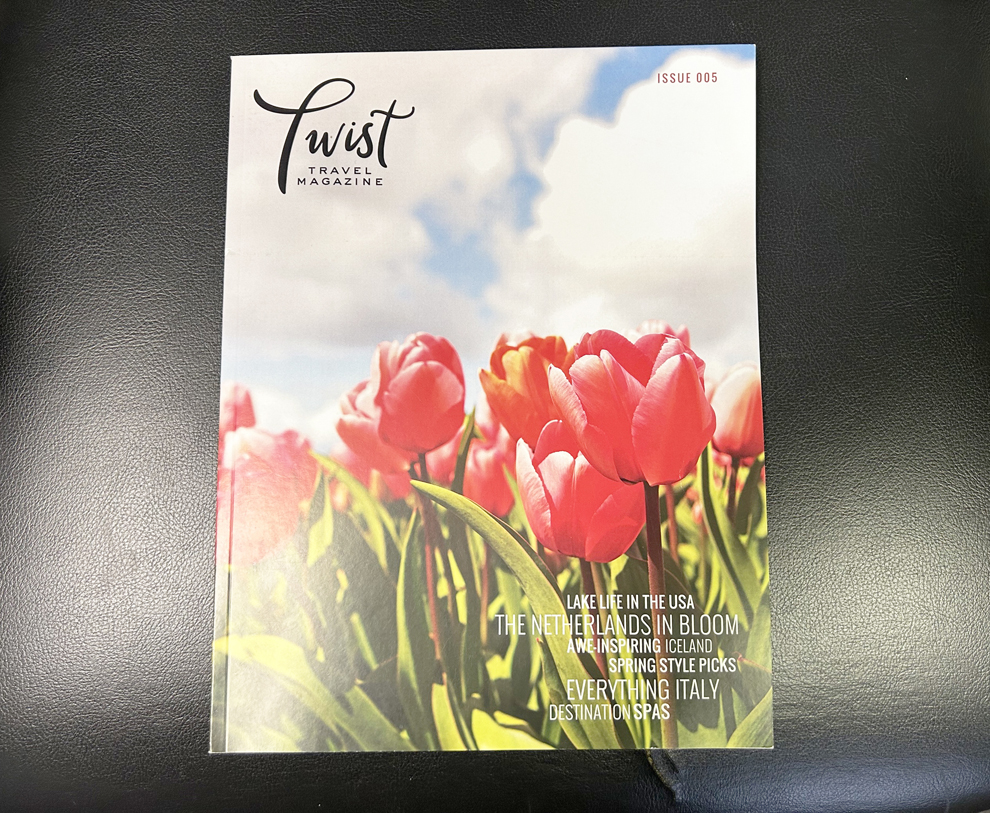
Chapel Hill holds a dense concentration of research centers, academic departments, clinical programs, and nonprofits, and much of their work eventually becomes a printed publication. Symposium proceedings, policy briefs, departmental directories, program guides, and member publications rarely share the same page count, paper, or binding needs. Heritage prints these broader organizational publications so completed content reaches readers in a form that reflects the work behind it.
Timing in Chapel Hill often follows the academic calendar, grant reporting cycles, and conference schedules rather than a business quarter. A resource guide for incoming students, a research report due to a funder, or a center publication timed to a fall symposium each carries its own fixed date. Heritage asks about that date early, identifies the production decisions that affect it, and explains what the schedule realistically allows.
Finished size, paper weight, page count, binding, color, quantity, and delivery shape how a publication performs after it arrives. A directory consulted all year needs different construction than a report read once and filed. Matching those choices to actual use is where a publication earns its place on the shelf.
Heritage has been a printing company since 1977, and that history matters when a publication carries a department's findings, an institute's name, or a membership organization's credibility. Our award-winning experience shows up in the questions we ask before production starts, the attention paid to page order and cover alignment, and the straightforward communication that keeps a Chapel Hill project moving without surprises.
Research publications often include data charts, photomicrographs, maps, and brand colors that must reproduce consistently across hundreds of copies. Heritage applies spectrophotometric calibration and verification along with production-specific color profiles where the job calls for it. Each Commercial Printing order receives an electronic proof for your review and approval before anything prints, and qualifying Custom Quote projects may add a paid Physical Production Color Proof when seeing actual ink on the chosen paper matters.
Deadlines around Chapel Hill tend to be immovable. A symposium opens on a set morning, an accreditation visit arrives on schedule, and a grant report is due when the funder says it is due. Heritage responds with prompt answers and a realistic production plan, then delivers on it.
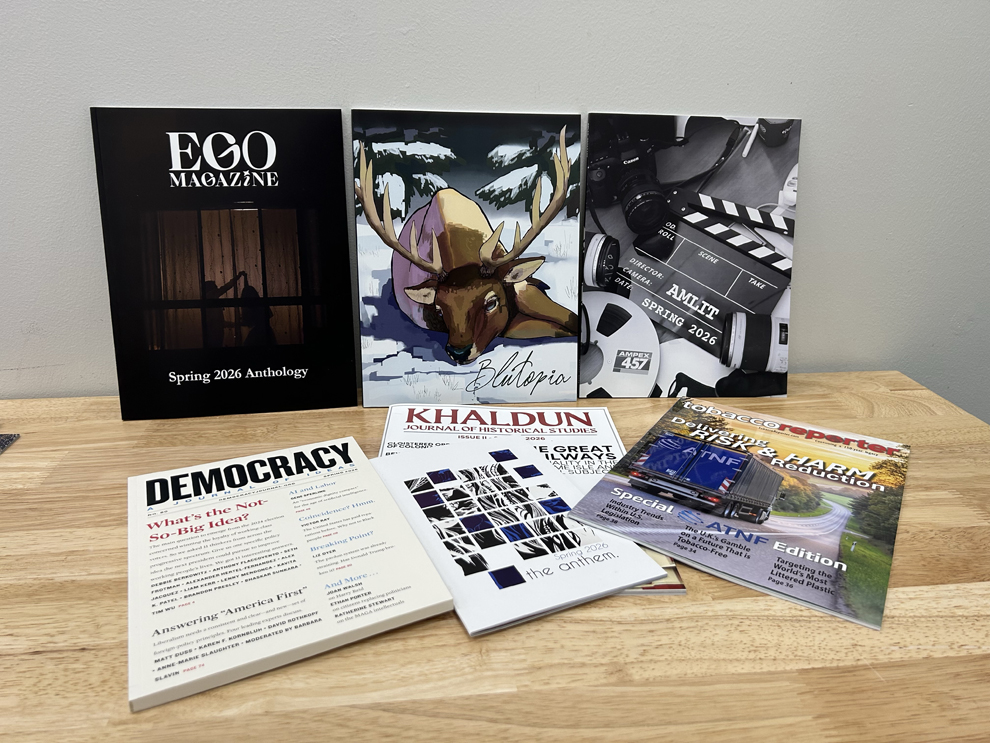
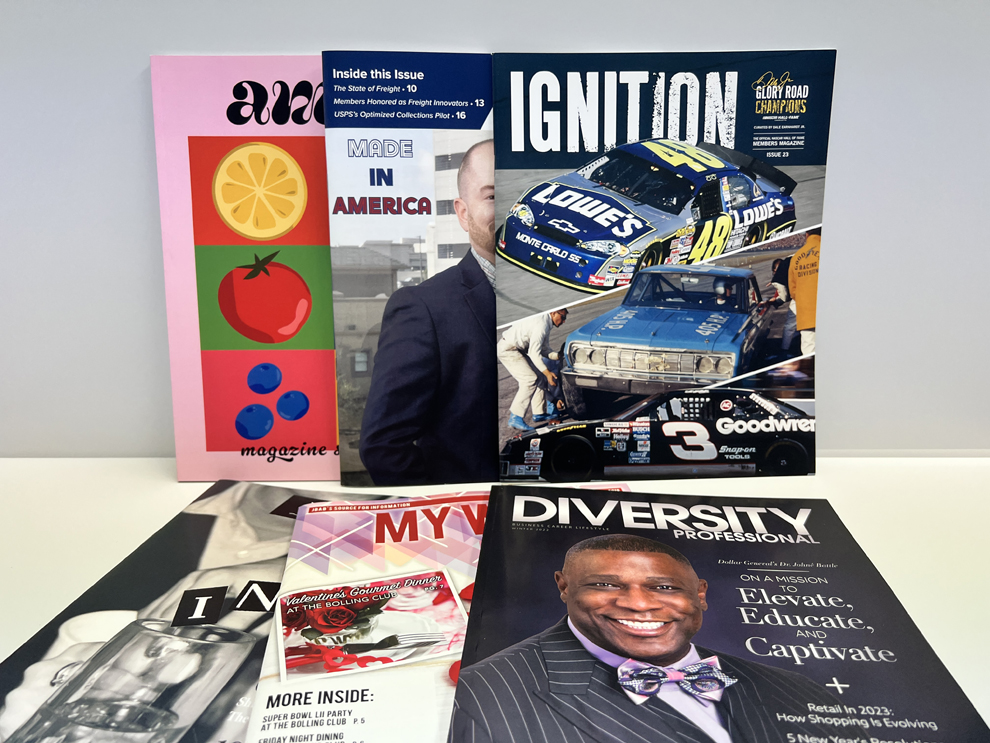
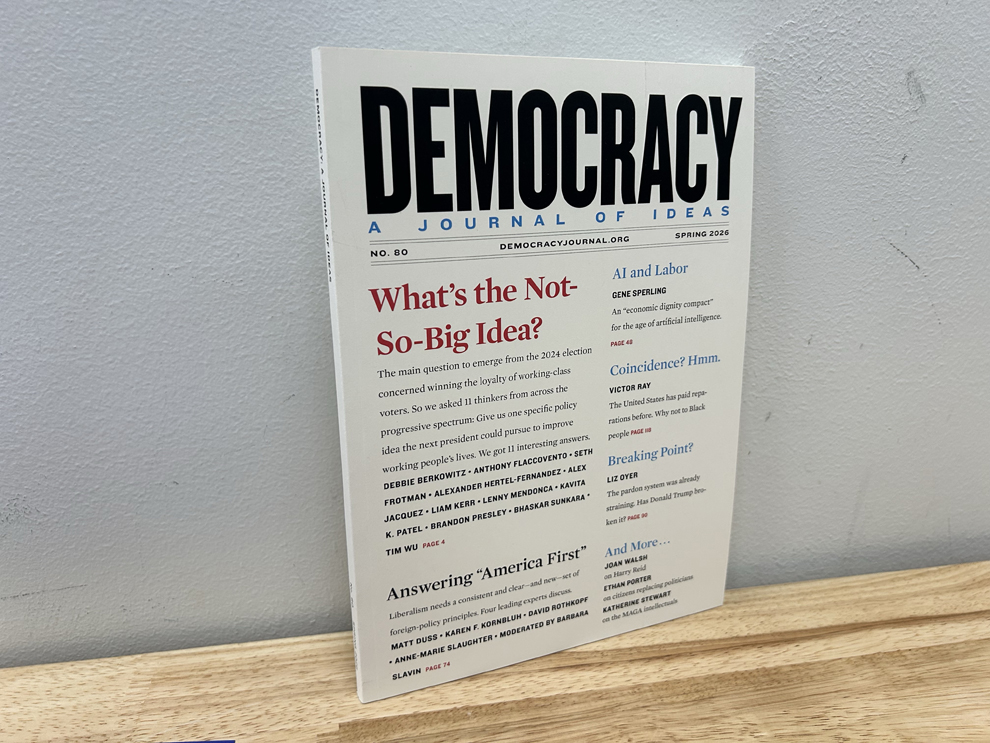
Best suited to recurring editorial issues with a consistent masthead, feature content, and a repeat production cadence.
The right home for brief, frequent updates to members, donors, or staff that go out on a regular cycle.
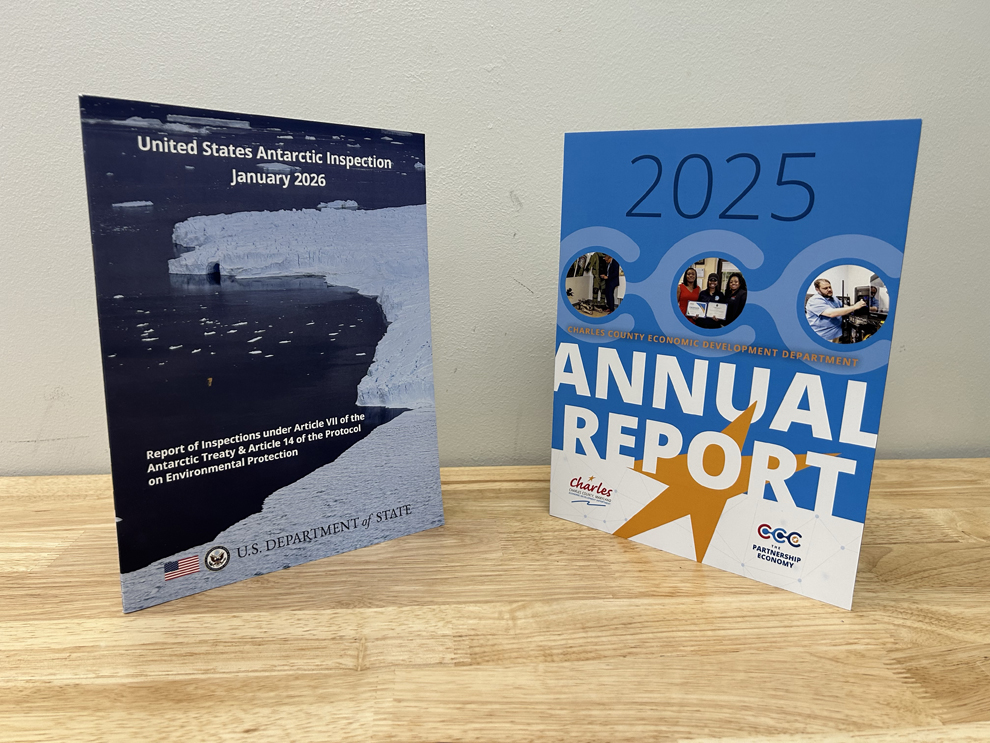
Choose this route when the piece is a yearly stakeholder report built around results, impact, finances, and governance.
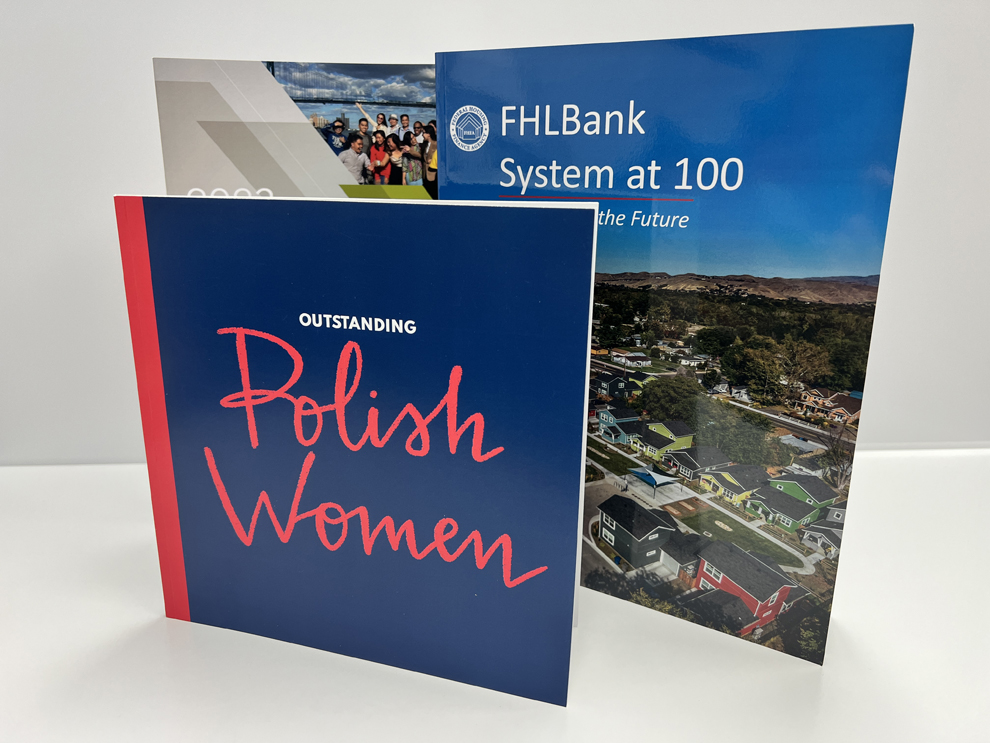
Fits compact multi-page pieces where binding, trim size, and practical handling are the main decisions to settle.
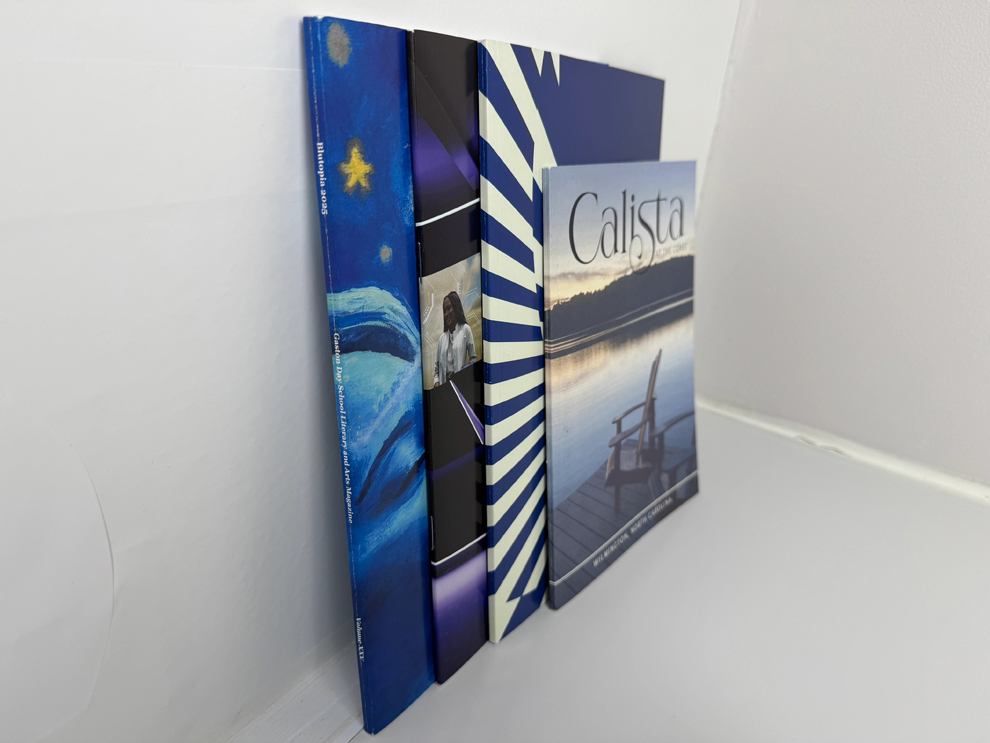
Ideal when page count justifies a square, printable spine and a more substantial book-style feel.
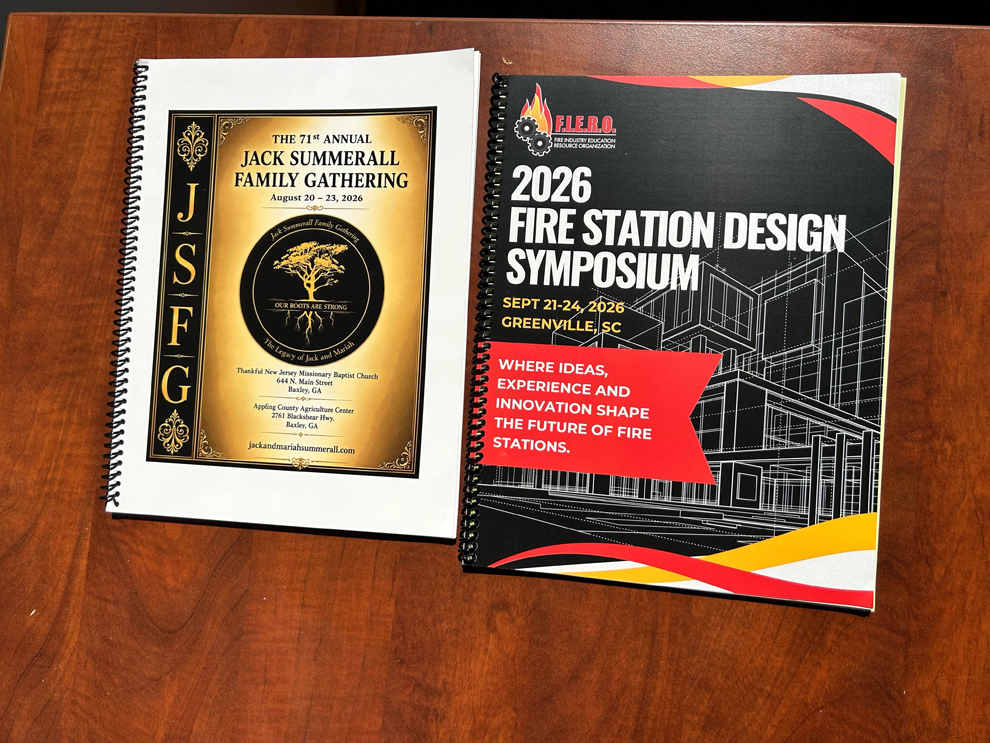
Built for reference content that gets opened repeatedly, marked up, and kept at a desk or workstation.
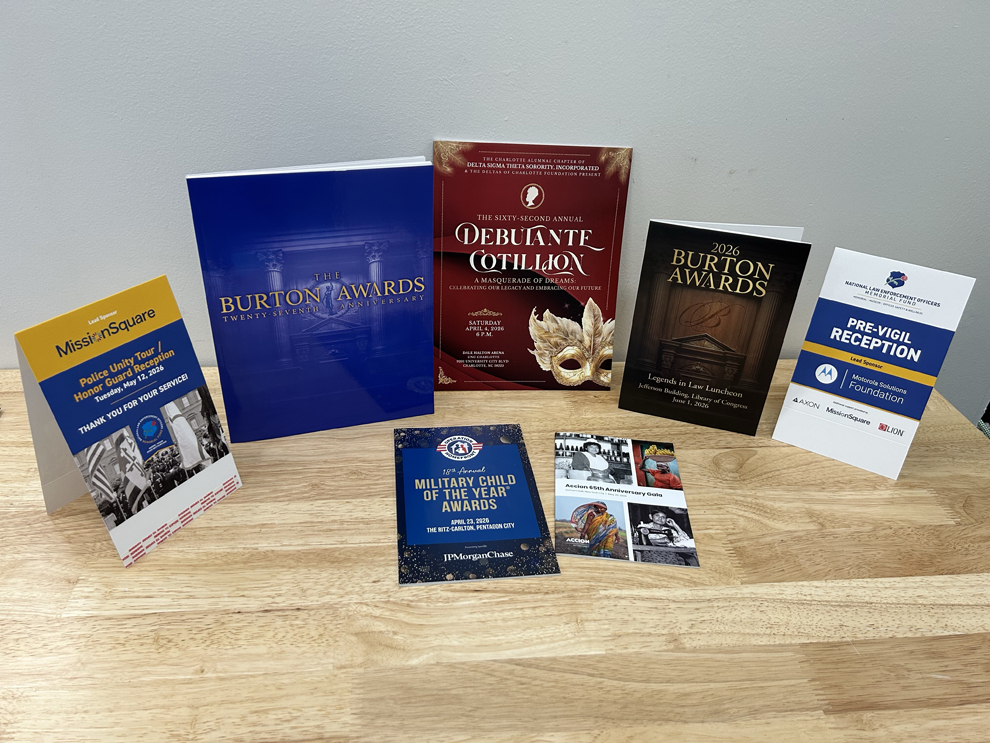
Designed around agendas, speaker lists, sponsors, and attendee details for conferences, ceremonies, and meetings.
Adds addressing, postal preparation, and mail entry when a publication must travel directly to each reader.
For a Chapel Hill publication that needs specification guidance, color-sensitive review, several audience versions, mailing coordination, or a tight academic deadline, submit a Custom Quote and Heritage will review the request. When your artwork is finished, every specification is decided, and a current saddle-stitched, perfect-bound, or coil booklet configuration in the Online Store matches the job, you can price and order it yourself.
Work begins with a clear picture of the publication: finished size, page count, quantity, required date, file status, color expectations, and how the copies will be distributed. If you submit a Storefront Custom Quote, Heritage reviews the request first. Once the order is accepted and assigned, a Project Coordinator takes over as your direct phone and email contact through proofing, production, and delivery.
Binding should follow reader behavior. Saddle stitching suits a lean symposium guide or a short briefing report. Perfect binding gives a thicker proceedings volume or directory a square spine that reads well on a shelf. Plastic coil lets a lab protocol or field manual lie flat on a bench. Paper weight, cover stock, page count, color coverage, and quantity each push that decision, and not every combination is available for every run.
Nothing prints until you approve the electronic proof. From there Heritage holds the run to the approved specifications, checks consistency as copies come off the line, communicates immediately if a material or timing issue surfaces, and routes the finished publication into mailing, shipping, delivery, or your own campus distribution.
Yes. Heritage serves university departments, research institutes, clinical programs, nonprofits, professional associations, and businesses in Chapel Hill, Carrboro, Hillsborough, Durham, and the wider Triangle. Production runs through Heritage's North Carolina network, anchored by its Charlotte headquarters and primary production facility. Finished copies can be mailed, shipped, delivered, or prepared for your own distribution on campus or at an event.
They can serve as the starting point. Trim size, paper, cover construction, binding, and color targets from a prior edition give Heritage a reliable baseline for the next one. Each new release is still reviewed on its own because page counts shift, materials change, quantities move, and distribution plans evolve from one year to the next.
Treat it as the last look before ink hits paper. Confirm page order, pagination, crossovers, cover placement, spine content, headers, captions, and any late copy edits. Verify that every image is the intended version. Your approval locks the production file. The electronic proof is not a color standard, since a monitor and a press sheet reproduce color differently.
If the piece is primarily instructional reference material built for repeated hands-on use, the Training Manuals family is the better fit and addresses that construction directly. Publication Printing is the home for broader organizational publications such as proceedings, reports, guides, and directories that do not belong to a narrower family. When the answer is unclear, Heritage can help you decide before quoting.
Page count usually decides it. A proceedings volume under roughly sixty pages often works well saddle stitched, which keeps it light and economical. Once the piece thickens enough to support a square spine, perfect binding gives it a finished, shelf-ready look and room for a printed spine title. Plastic coil is worth considering only if attendees need the book to lie flat during sessions.
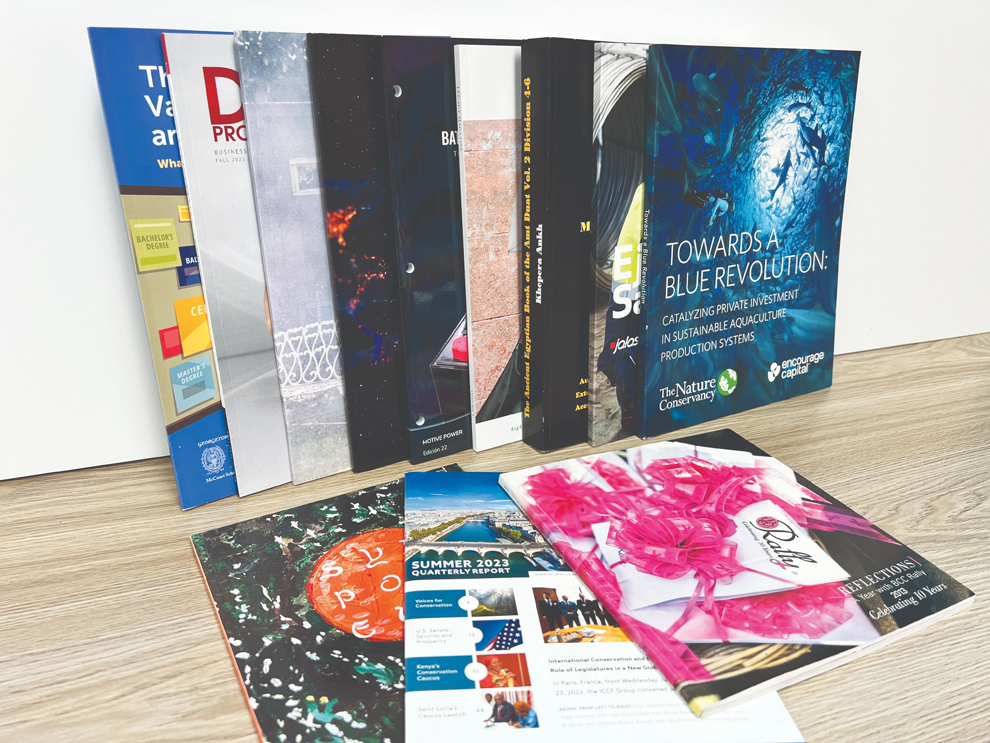
The family covers multi-page organizational publications that need their own production plan rather than a standard category label. Common examples in Chapel Hill include research and policy reports, symposium proceedings, program and resource guides, departmental or membership directories, institute journals, and member publications. Pieces that fit squarely into Magazine, Newsletter, Annual Report, or Booklet Printing are better served by those pages.
Your organization owns the editorial content, design, and creative direction, and Heritage works from completed print-ready files. For qualifying Custom Quote projects, Heritage can handle production-oriented adjustments such as bleed corrections, imposition, file repair, or minor layout fixes that keep supplied artwork from printing incorrectly. Full creative development is outside the scope of Publication Printing.
Heritage manages color through spectrophotometric calibration and verification and applies production-specific profiles suited to the chosen printer, ink, and paper. Supplied PMS values can be used as targets. Because every paper and coating has its own color gamut, Heritage controls output within what the selected production combination can physically achieve rather than promising a screen match.
Consider it for qualifying Custom Quote projects when a cover photograph, a logo color, or a set of data figures must be judged in hand before the full run. Heritage produces the proof on the intended production printer and the actual paper, and once approved it becomes the controlling color reference. Build the extra approval step into your schedule from the start.
Yes. Versions can be organized by department, program, campus unit, language, member tier, cover design, or quantity. Clear file naming, a defined owner for each version, confirmed counts, and separate proof approvals keep similar editions from being mixed during production and fulfillment.
When mailing is included in the accepted scope, Heritage coordinates addressing and postal preparation and enters the pieces into the mail stream. Your organization supplies accurate, authorized recipient data. Heritage is responsible for the mailing services included in the project, and USPS delivery timing after acceptance is outside Heritage's control.
Submitting the form opens an inquiry, and Heritage reviews it before anything is assigned. Once the project is accepted and assigned, your Project Coordinator contacts you directly by phone or email to confirm the publication details, the required date, and the production questions that need answers. From that point forward that person is your single point of contact.
It can be, provided the guide is fully specified, the artwork is complete and print-ready, and a current saddle-stitched, perfect-bound, or plastic-coil configuration matches the job. Store orders are self-directed, carry a $750 total eligible-order minimum, and still receive an electronic proof. They do not include an assigned Project Coordinator or a Physical Production Color Proof.
Choose Custom Quote for qualifying projects of $2,000 or more that need specification guidance, production-oriented file preparation, several versions, color-critical review, mailing coordination, or active schedule management. It is the stronger route when the publication does not map cleanly to a standard Store configuration or when you want a coordinator managing the details.
Send the required date and the most complete file you have right away. Heritage evaluates the remaining production window, pinpoints the decisions that must be settled immediately, and tells you plainly what is achievable. If an expedited path is practical for the specifications and quantity, the approved work moves forward with urgency. No schedule is promised before the actual job is reviewed.
Heritage Signs & Displays created new museum signage for the Military Women’s Memorial in Arlington, VA. The project included custom signs, wall wraps, dimensional letters, and standoff-mounted displays to honor the legacy of U.S. servicewomen and the donors who supported the memorial. The updated interior features impactful designs, including a "Our Legacy" wall display and panels showcasing historical contributions and artwork, creating a transformative tribute to women in the U.S. Armed Forces.
Heritage Signs & Displays' collaboration with The Gathery to brand Union Market in Arlington, VA, for Indeed's "Ready to Work" job fair. The project included custom event displays, wall graphics, window graphics, and wayfinding signs, creating an immersive and visually appealing environment. The branding enhanced the venue, reflected the event's mission, and provided a seamless experience for attendees.